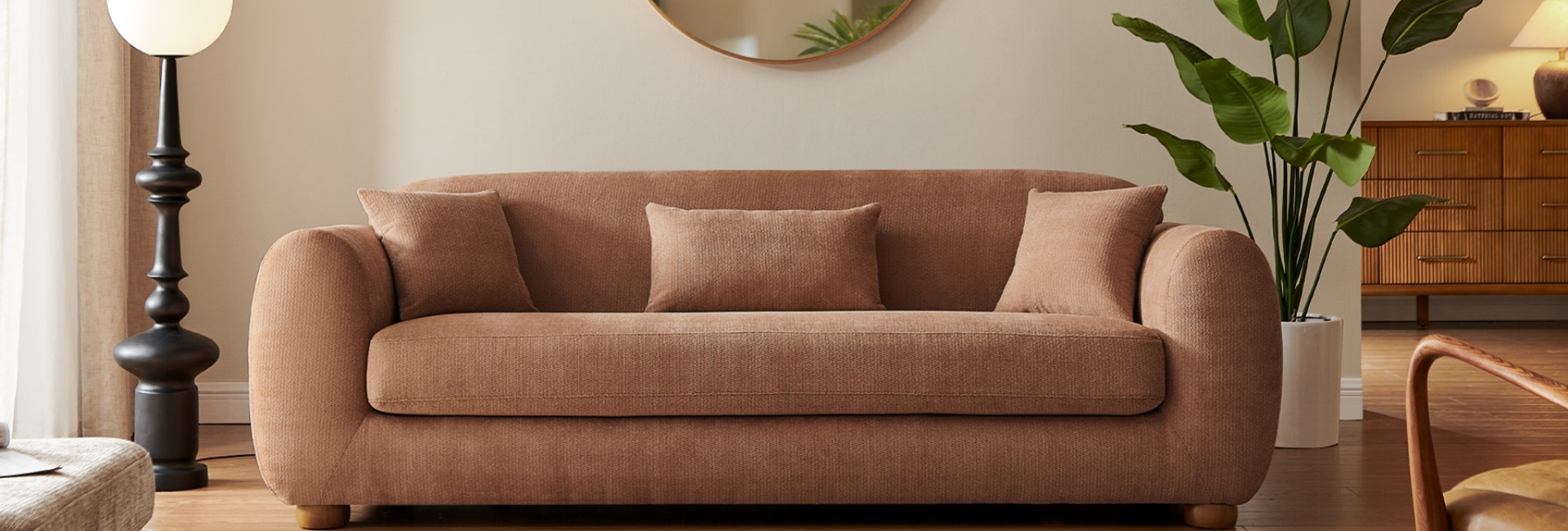
Before cleaning couch cushions, check the manufacturer's care instructions. The right method depends on the upholstery fabric, its finish, and the cushion's construction. A cleaning solution that works on one sofa may cause discoloration, water rings, or texture changes on another.
Look for a care tag beneath the cushions, under the sofa, or in the product documentation. Upholstery cleaning codes commonly include:
-
W: Spot clean with a water-based upholstery shampoo or foam cleaner approved for the fabric. Test a hidden area first, avoid over-wetting, and do not use solvent-based cleaners.
-
S: Use a compatible water-free solvent cleaner. Do not use water.
-
WS: Spot clean with an approved upholstery shampoo, foam from a mild detergent, or a mild cleaning solvent. Test a hidden area first and avoid saturating the fabric.
-
X: Use vacuuming or light brushing only. Do not apply water- or solvent-based cleaners.
These codes describe suitable spot-cleaning methods; they do not automatically mean that a cushion cover can be removed or machine washed. For example, a W code does not mean the fabric is safe for laundry. Always follow the specific washing and drying instructions for removable covers.
The Association for Contract Textiles explains that cleaning requirements vary with fabric composition, finishes, and the cleaning process. Its Cleaning Resources & Considerations guide is a useful reference for understanding upholstery care.
If the label is missing or unclear, contact the furniture manufacturer before applying a cleaning product. Avoid experimenting with household cleaners on an unknown fabric.
Table of Contents
- How to Clean Couch Cushions Step by Step
- Can You Wash Couch Cushion Covers in the Washing Machine?
- How to Clean Couch Cushions Without Removable Covers
- How to Clean Couch Cushions by Fabric Type
- How to Remove Common Stains From Couch Cushions
- How to Get Smells Out of Couch Cushions
- How to Dry Couch Cushions After Cleaning
- How to Keep Couch Cushions Clean Longer
- When Should You Call a Professional Upholstery Cleaner?
- What to Consider When Choosing a Sofa With Easy-Care Features
- FAQs
- How often should you clean couch cushions?
- Can sofa cushion covers be washed in the washing machine?
- Can I put foam cushion inserts in the washing machine?
- How do you clean couch cushions without removable covers?
- What is the best way to clean fabric couch cushions?
- Can you use baking soda on couch cushions?
- How do you remove pet odors from couch cushions?
- How do you clean microfiber couch cushions?
- Can you steam clean couch cushions?
- How long do couch cushions take to dry after cleaning?
How to Clean Couch Cushions Step by Step
Once you know which cleaning methods are suitable, work from the least aggressive approach to the more targeted treatment. Cleaning a small area at a time helps control moisture and makes it easier to check for changes in color or texture.
1. Remove Loose Dirt and Debris
Take off throw pillows, blankets, and other items resting on the sofa. If the cushion covers are removable, check the manufacturer's instructions before taking them off.
Use a vacuum with an upholstery attachment to remove crumbs, dust, pet hair, and loose debris. Pay attention to seams, piping, creases, and the spaces between cushions, where dirt tends to collect.
Vacuuming before spot cleaning is important because rubbing loose particles into damp fabric can leave additional marks or wear down the surface.
2. Test the Cleaning Product
Choose a cleaner that matches the upholstery care code and fabric manufacturer's recommendations. Before treating a visible stain, test the product on a small, hidden area.
Apply a small amount with a clean white cloth, following the product directions. Check for color transfer, fading, texture changes, or water marks. Allow the test area to dry before deciding whether to continue.
Do not combine different cleaning products. Avoid bleach, strong solvents, or homemade mixtures unless the furniture manufacturer specifically approves them.
3. Blot Stains Instead of Scrubbing
For fresh spills, use a clean, absorbent white cloth to blot up as much liquid as possible. Work from the outside of the affected area toward the center to avoid spreading the stain.
Apply the approved cleaning solution sparingly to the cloth rather than saturating the cushion. Gently blot the affected area, using a clean section of the cloth as dirt transfers.
Scrubbing can distort the fabric's surface, spread the stain, or push liquid deeper into the cushion. Repeat gentle blotting only as directed by the cleaner's instructions.
4. Remove Residue According to the Cleaner's Instructions
Not every upholstery cleaner needs to be rinsed. Some products require wiping or blotting after application, while others are designed to dry without a separate rinsing step.
Check the cleaner's label before removing residue. If it calls for a water rinse or wipe, first confirm that the upholstery care instructions permit water. Use a clean cloth lightly dampened with water rather than pouring water directly onto the cushion.
Blot the area with a dry towel afterward to absorb remaining moisture. Do not add extra water or cleaning products if the cleaner's instructions do not call for them.
5. Let the Cushion Dry Completely
Allow the cushion and its cover to dry thoroughly before putting the sofa back into regular use. Improve airflow with an open window or a fan, while keeping the upholstery away from excessive heat and prolonged direct sunlight.
Do not use a hair dryer, heater, or other high-heat source unless the manufacturer permits it. Moisture trapped inside the cushion can lead to unpleasant odors and other problems.
Can You Wash Couch Cushion Covers in the Washing Machine?
Some removable couch cushion covers can be machine washed, but others require spot cleaning or professional care. A zipper or removable design alone does not confirm that a cover is machine washable.
Before washing, check the product's care label and manufacturer instructions for:
-
Whether machine washing is permitted.
-
The recommended water temperature and cycle.
-
Which detergent or cleaning products are suitable.
-
Whether tumble drying is allowed or air drying is required.
-
Whether the cover should be washed separately.
If machine washing is explicitly approved, follow the specified settings and avoid adding bleach or fabric softener unless the instructions allow them. Do not force a cover into the washer if it is too large or heavy for the machine.
Dry the cover according to its care instructions. High heat can cause shrinkage or affect the fabric finish, making it difficult to put the cover back over the cushion.
How to Clean Couch Cushions Without Removable Covers
Fixed cushions need a more controlled cleaning approach because the upholstery cannot be separated from the filling. The goal is to remove surface dirt and stains without allowing excessive moisture to reach the foam.
Start by vacuuming the cushion, including its seams and creases. Then follow the fabric's cleaning code and use a compatible upholstery cleaner sparingly.
For a small stain:
-
Blot up excess liquid with a clean, dry cloth.
-
Test the approved cleaner on an inconspicuous area.
-
Apply a small amount to a clean cloth.
-
Gently blot the stain without scrubbing.
-
Remove residue only if the cleaner's instructions require it.
-
Blot with a dry towel and allow the area to air dry.
Avoid spraying large amounts of cleaner directly onto the cushion. If the stain has penetrated deeply, covers a large area, or returns after cleaning, professional upholstery care may be more appropriate.
How to Clean Couch Cushions by Fabric Type
The fiber content and surface finish affect how upholstery responds to cleaning. Fabric names alone are not enough to determine which products are safe, so always check the care label before choosing a method.
Cotton and Linen Couch Cushions
Cotton and linen upholstery can absorb liquids readily, which makes moisture control important. Excess water may cause discoloration, uneven drying, or water marks.
For approved water-based cleaning, blot stains with a lightly dampened cloth and avoid rubbing the fabric. Do not assume that natural fibers are safe for machine washing or that a removable cotton or linen cover can be washed without shrinking.
Follow the manufacturer's instructions for both the fabric and the cushion cover.
Microfiber Couch Cushions
Microfiber is a synthetic upholstery material, but its cleaning requirements vary by construction and finish. Some microfiber fabrics tolerate water-based cleaners, while others require solvent-based products.
Check the cleaning code before using rubbing alcohol or any other solvent. Do not assume that all microfiber upholstery can be treated with the same solution.
After cleaning, allow the fabric to dry completely. If the manufacturer's instructions permit it, gently brush the surface with a soft upholstery brush to restore its texture.
Velvet Couch Cushions
Velvet can show pressure marks, flattened pile, and changes in appearance after improper cleaning. Avoid vigorous rubbing, excessive moisture, and stiff brushes.
Use only a cleaning method approved for the specific velvet upholstery. For minor surface dust, a suitable upholstery attachment or soft brush may help. Stains that affect the pile or leave visible marks may require professional attention.
Chenille Couch Cushions
Chenille has a textured surface that can be affected by friction and excess moisture. Blot spills gently and avoid scrubbing, which may distort the fabric's texture.
Check whether the upholstery is compatible with water-based or solvent-based cleaning before treating stains. A spill-resistant finish does not make chenille waterproof or eliminate the need for proper care.
For example, the Frosta 91-Inch Sofa features Sirocco Chenille upholstery with a spill-resistant surface treatment and removable cushion covers. These features can make routine care more manageable, but the cover's specific cleaning instructions should still determine how it is washed.
Leather Couch Cushions
Leather requires different care from fabric upholstery. Avoid soaking it, using fabric detergents, or applying household stain removers.
Remove loose dust with a soft, dry cloth. For spills, gently blot the surface and use a leather cleaner approved for the specific leather finish. Follow the manufacturer's recommendations for conditioning and maintenance.
Do not use water-based upholstery shampoo or a washing machine on leather cushions.

Frosta 91-Inch Sofa
View Product
How to Remove Common Stains From Couch Cushions
Different stains may respond to different cleaning methods. The upholstery care code and cleaner instructions should always take priority over general stain-removal advice.
Food and Beverage Stains
Remove solid food carefully without spreading it across the fabric. Blot liquid spills with a clean, dry cloth, then use an approved upholstery cleaner if needed.
Avoid rubbing the stain or applying excessive water. Sugary drinks and food residue may leave sticky areas if the cleaning product is not properly removed.
Grease and Oil Stains
Blot excess grease with an absorbent cloth. Avoid pressing hard, as this can push oil further into the upholstery.
Use a cleaner specifically approved for the fabric and the type of stain. Water-based solutions may not be suitable for every oil stain or upholstery code.
Ink Stains
Ink can spread quickly, especially when rubbed or treated with an incompatible solvent. Do not apply rubbing alcohol or household stain removers without checking the fabric's care instructions.
If the ink has penetrated the fabric or the upholstery is delicate, professional stain treatment may reduce the risk of making the mark worse.
Pet Stains
Blot fresh urine or other pet-related spills promptly. An enzyme-based cleaner may help with certain organic stains and odors, but it must be compatible with the upholstery.
Follow the cleaner's label, test it in a hidden area, and avoid soaking the cushion. If liquid has reached the foam, surface cleaning alone may not remove the source of the odor.
How to Get Smells Out of Couch Cushions
Unpleasant odors can come from surface residue, spills, pet accidents, or moisture trapped inside the cushion. Identify the likely source before choosing a treatment.
Start by vacuuming the upholstery and checking for visible stains. If the fabric care instructions permit it, use a compatible upholstery cleaner to address the affected area. Remove cleaning residue when required and allow the cushion to dry completely.
Baking soda is sometimes used to absorb surface odors, but it is not suitable for every fabric or finish. Check the manufacturer's guidance before applying it, test a small hidden area if permitted, and vacuum thoroughly afterward.
If an odor remains after the upholstery has dried, the source may be inside the cushion filling. A professional cleaner can assess whether deeper treatment is appropriate.
How to Dry Couch Cushions After Cleaning
Drying is an essential part of upholstery care. A cushion may feel dry on the surface while moisture remains in the foam or inner filling.
Use these precautions:
-
Improve airflow: Position cushions so air can circulate around them. Use a fan if needed.
-
Avoid excessive heat: Do not use high-temperature dryers or direct heat unless the manufacturer approves them.
-
Keep cushions separated: Do not stack damp cushions or place them back against other wet surfaces.
-
Check the inner filling: Make sure the cushion is fully dry before replacing the cover or returning it to regular use.
-
Follow cover instructions: Do not stretch a cover over an insert if the cover or foam is still damp.
Never rely on a fixed drying time for every sofa. Fabric thickness, cushion construction, room humidity, and the amount of moisture used all affect how long drying takes.

Cove Modular Sectional Sofa
View Product
How to Keep Couch Cushions Clean Longer
Regular maintenance reduces the amount of dirt that builds up and may limit the need for intensive cleaning.
-
Vacuum cushions and crevices regularly with an upholstery attachment.
-
Blot spills as soon as possible rather than allowing them to set.
-
Rotate or rearrange reversible cushions when the sofa design permits.
-
Keep food and drinks away from upholstery when practical.
-
Remove pet hair with a fabric-safe tool.
-
Follow the manufacturer's care instructions for routine cleaning.
A consistent maintenance routine is generally easier on upholstery than frequent deep cleaning.
When Should You Call a Professional Upholstery Cleaner?
Professional cleaning may be the better choice when a stain is deeply embedded, the upholstery is delicate, or the care label specifies specialized treatment.
Consider professional help if:
-
The cleaning code is S or X and you are unsure how to proceed.
-
A large area is stained or discolored.
-
Pet accidents or spills have reached the cushion filling.
-
Previous cleaning attempts have left water marks or residue.
-
The fabric has a delicate pile, special finish, or unusual construction.
-
Odors remain after the upholstery has dried.
The ANSI/IICRC S300-2025 Standard for Professional Upholstery Cleaning provides professional guidance on upholstery fibers and construction, cleaning methods, spot and stain removal, and pre- and post-cleaning inspections. For complex cleaning needs, look for a qualified upholstery cleaning professional familiar with the fabric type.

Alba 91-Inch Sofa
View Product
What to Consider When Choosing a Sofa With Easy-Care Features
Cleaning requirements are worth considering before buying a sofa, especially in homes where seating gets frequent use. Check the upholstery care instructions, cushion construction, and whether the covers can be removed. Removable covers can make some maintenance tasks easier, but they are not necessarily machine washable.
The Cove Modular Sectional Sofa features removable cushion covers and fiber-wrapped high-resiliency foam seat cores. If you are comparing different seating configurations, explore Hernest's Sectional Sofas collection.
The Alba 91-Inch Sofa features cotton upholstery, removable cushion covers, and high-resiliency foam seat cores. Its hidden zippers provide access to the removable covers, while the manufacturer's care instructions should guide cleaning and washing. You can compare other seating options in Hernest's Sofas and Loveseats collection.
For multifunctional seating, explore Hernest Power Sofa Beds. These designs use powered seat extensions to create a sleeping surface, so review the upholstery care instructions alongside the product's operating guidance before purchase.
FAQs
How often should you clean couch cushions?
Vacuum couch cushions regularly, ideally once a week in frequently used living spaces. Spot clean spills as soon as possible. The need for deeper cleaning depends on household use, pets, children, fabric type, and the manufacturer's care instructions.
Can sofa cushion covers be washed in the washing machine?
Some can, but not all removable covers are machine washable. Check the manufacturer's washing instructions for the permitted cycle, water temperature, detergent, and drying method before putting a cover in the washer.
Can I put foam cushion inserts in the washing machine?
Do not machine wash foam cushion inserts unless the manufacturer specifically says it is safe. Foam can absorb a large amount of water and may be difficult to dry thoroughly. Follow the product's care instructions or consult a professional.
How do you clean couch cushions without removable covers?
Vacuum the upholstery, check its cleaning code, and use a compatible cleaner sparingly. Blot stains rather than scrubbing, remove residue if required, and allow the cushion to dry completely.
What is the best way to clean fabric couch cushions?
There is no single cleaning method for every fabric. Start with the manufacturer's care label, test an approved cleaner on a hidden area, and use gentle blotting rather than aggressive scrubbing.
Can you use baking soda on couch cushions?
Baking soda may help absorb some surface odors, but it is not suitable for every upholstery fabric or finish. Check the manufacturer's instructions before applying it and vacuum it thoroughly if its use is permitted.
How do you remove pet odors from couch cushions?
Blot fresh spills promptly and use an upholstery-compatible cleaner according to its label. An enzyme-based product may help with certain organic stains, but it should be tested first. If the odor comes from the foam filling, surface treatment may not be enough.
How do you clean microfiber couch cushions?
Check the upholstery cleaning code before choosing a water-based or solvent-based cleaner. Apply only a compatible product, test it in an inconspicuous area, and avoid soaking the fabric. Follow the manufacturer's instructions for restoring the surface texture.
Can you steam clean couch cushions?
Not all upholstery can tolerate steam or hot-water extraction. Check the furniture manufacturer's instructions before using a steam cleaner. Excessive heat or moisture may damage some fabrics, finishes, or cushion components.
How long do couch cushions take to dry after cleaning?
Drying time varies with the fabric, cushion thickness, room humidity, and amount of moisture used. Allow the cushion to dry completely before putting it back into regular use. Do not rely on a universal drying-time estimate.