

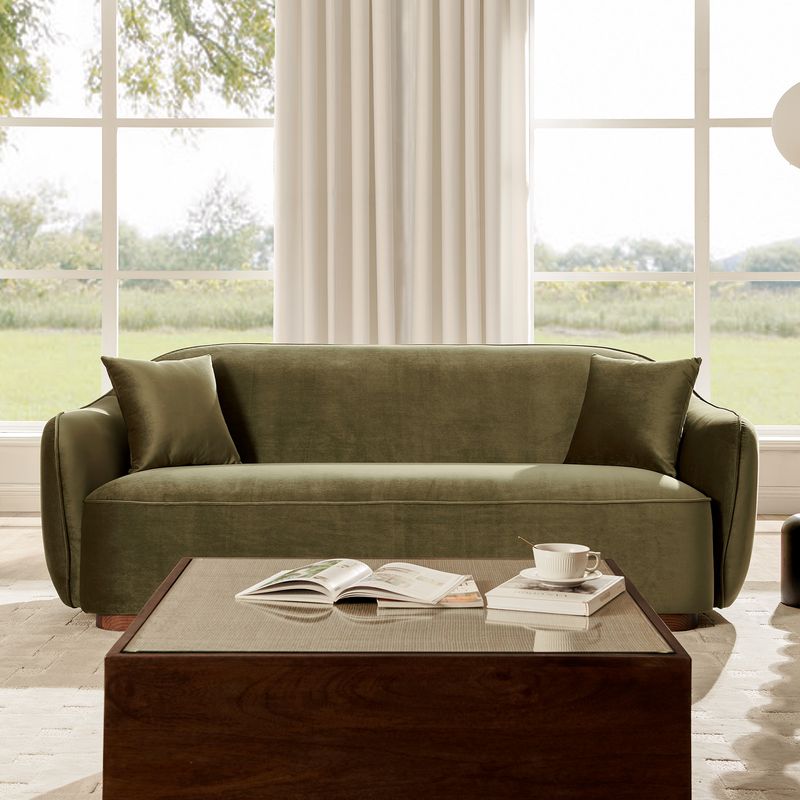
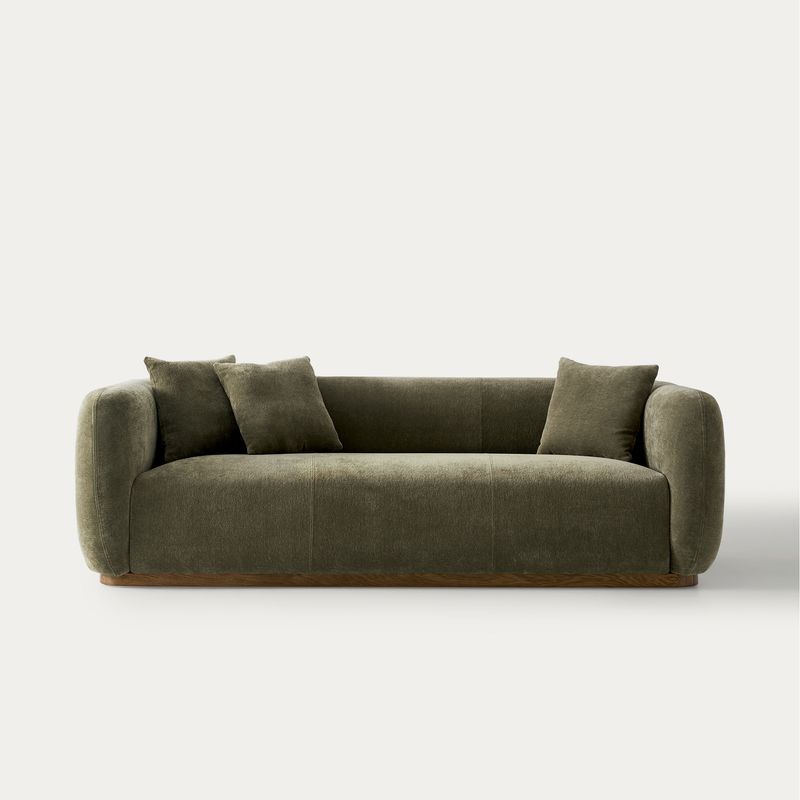
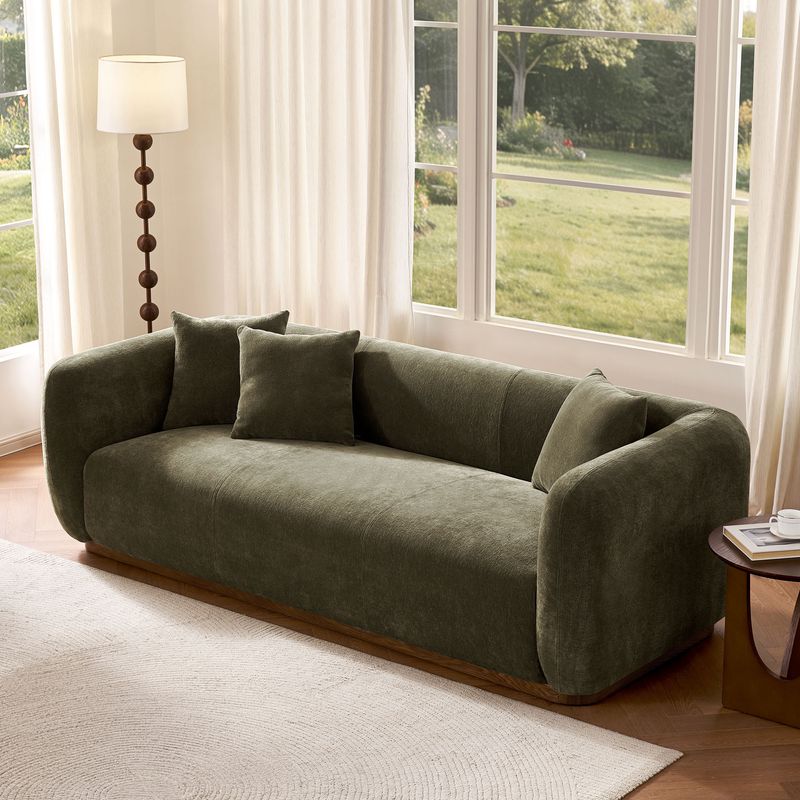
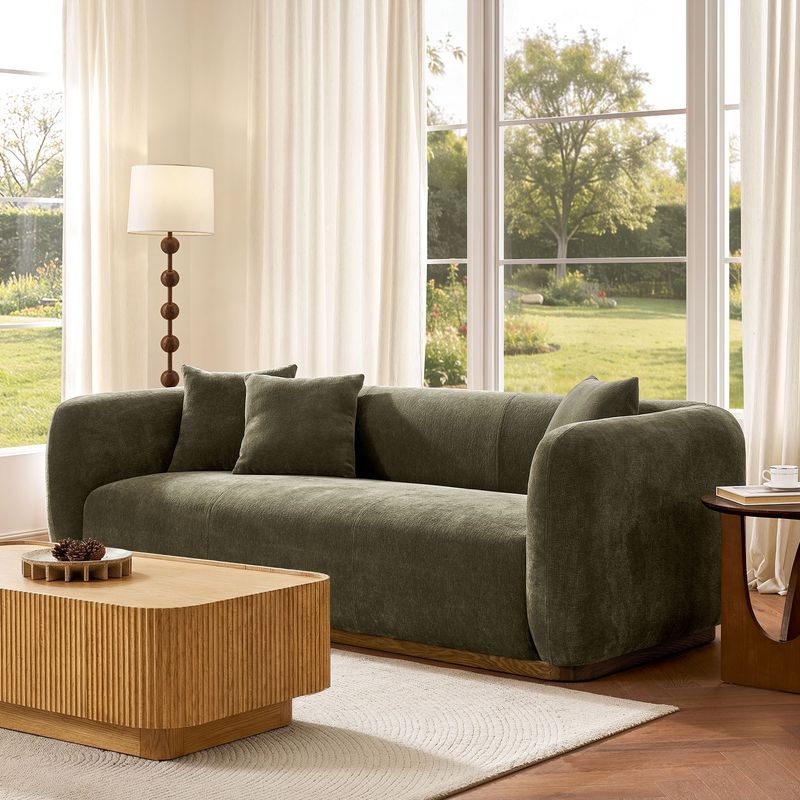
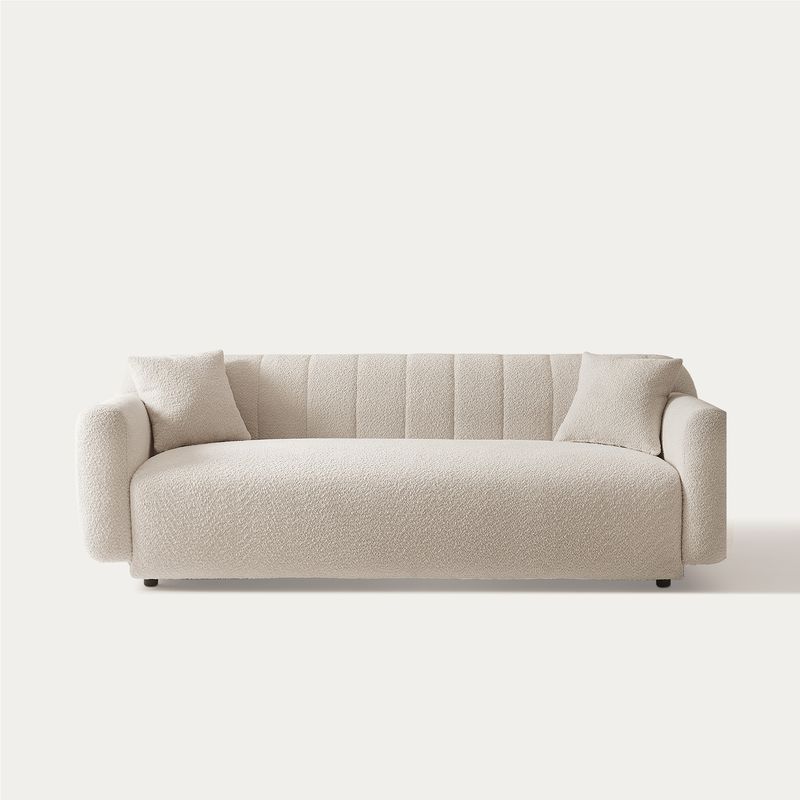
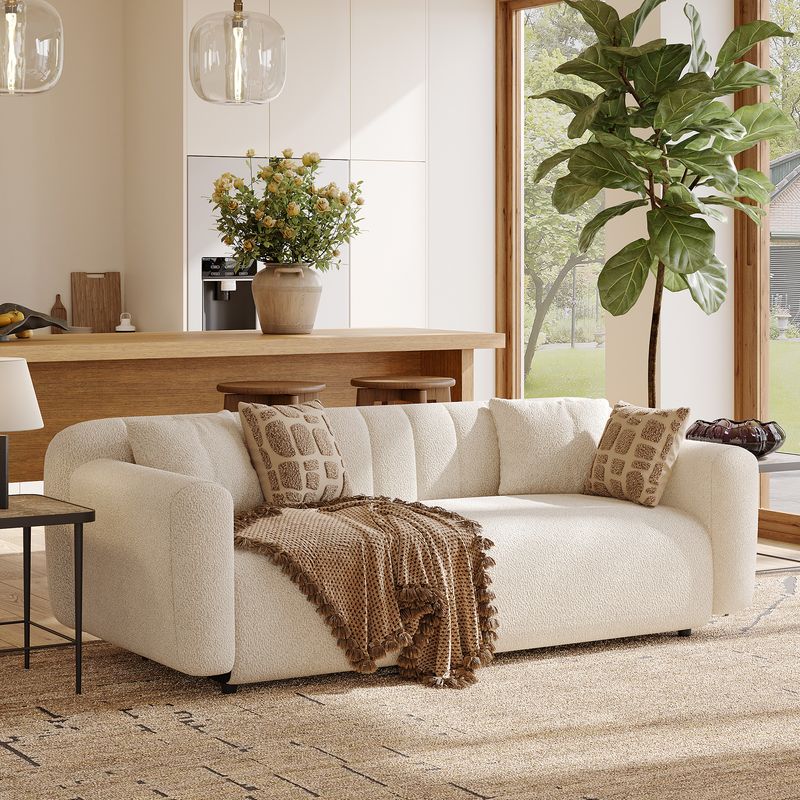
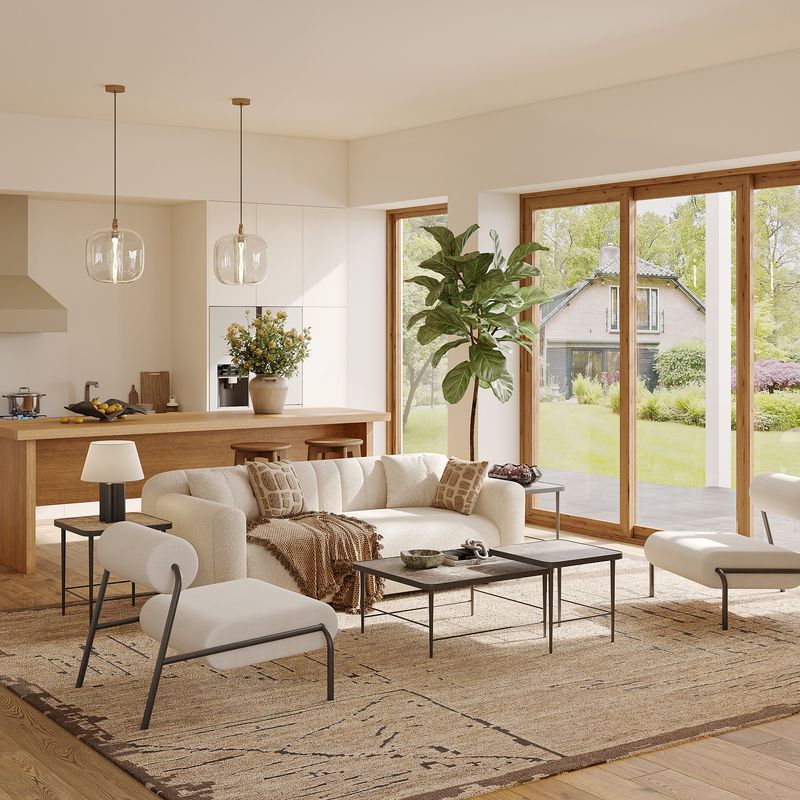
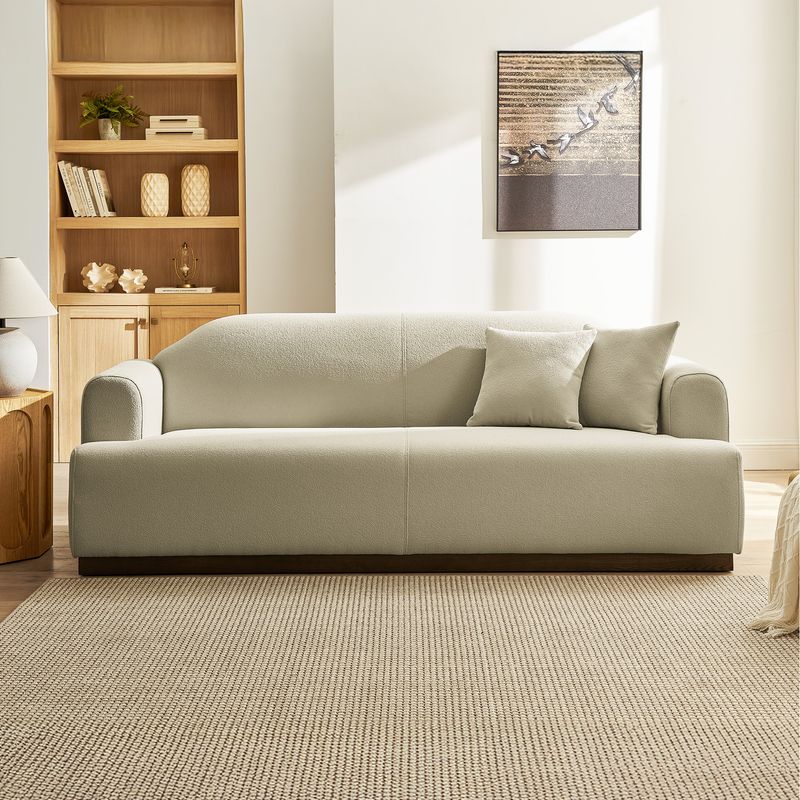
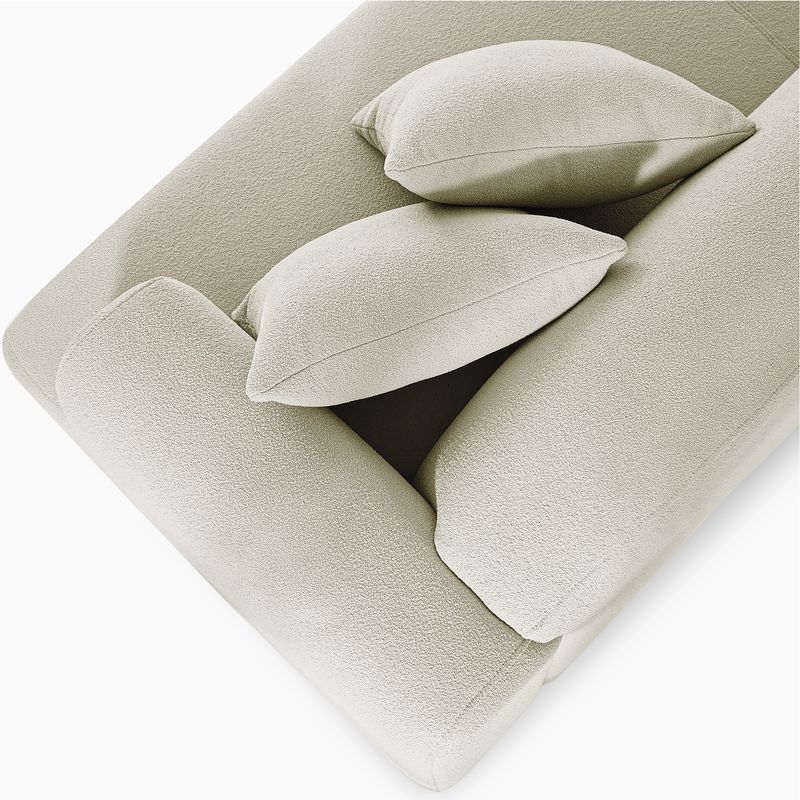
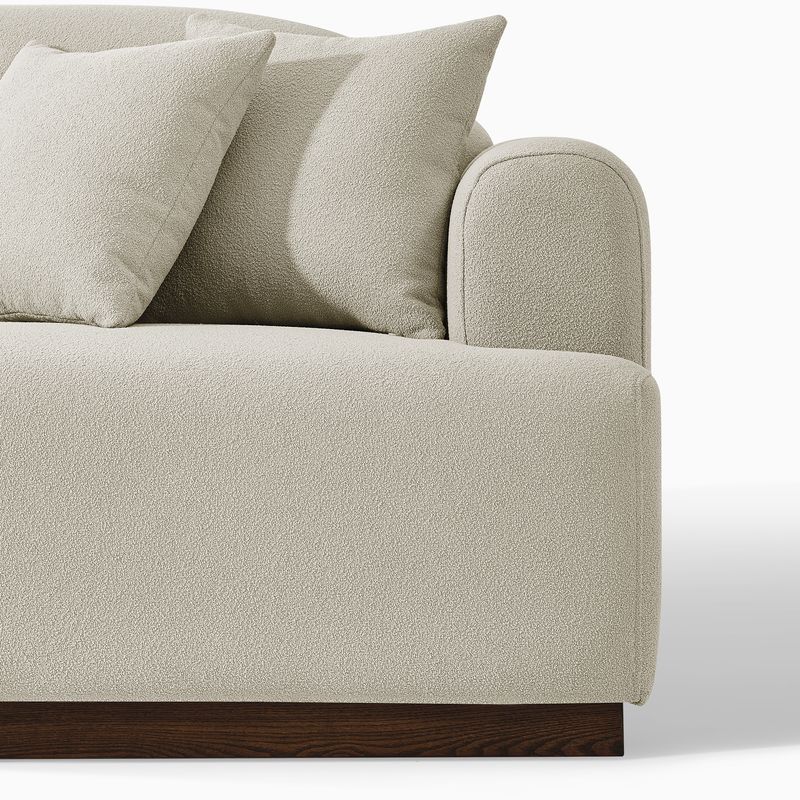


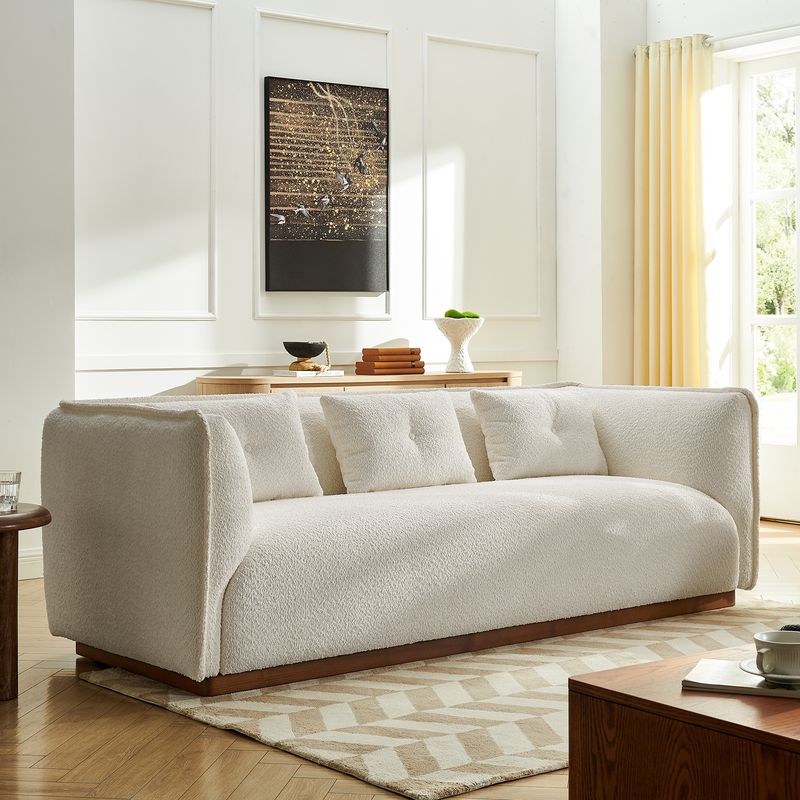
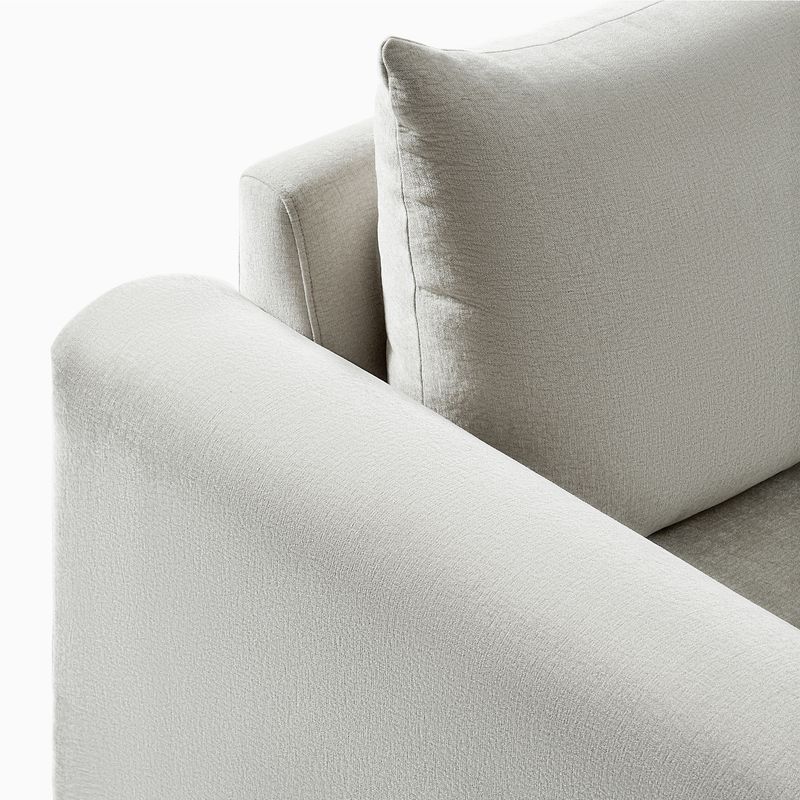
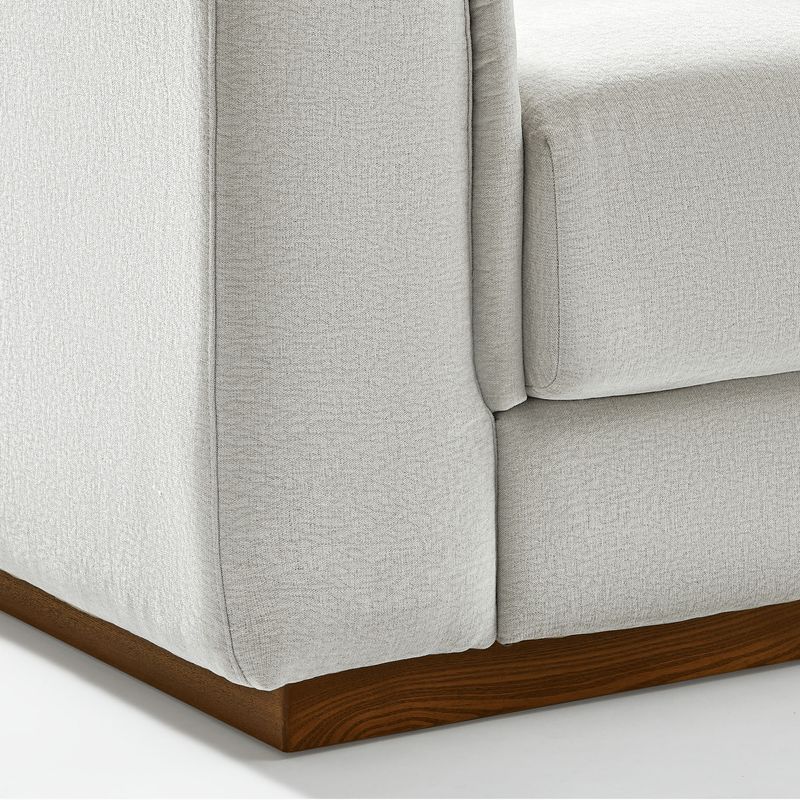
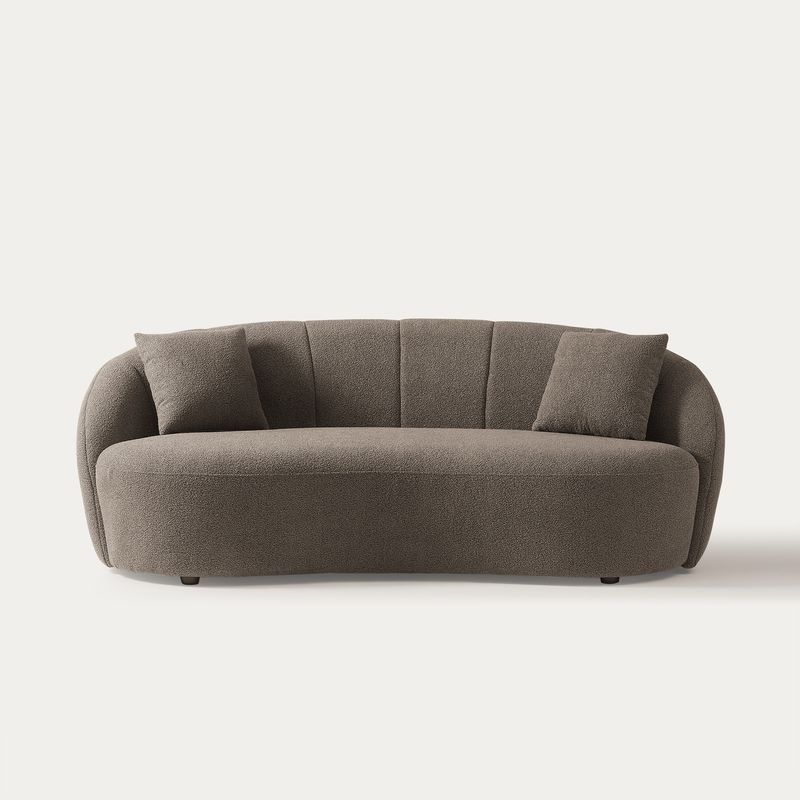
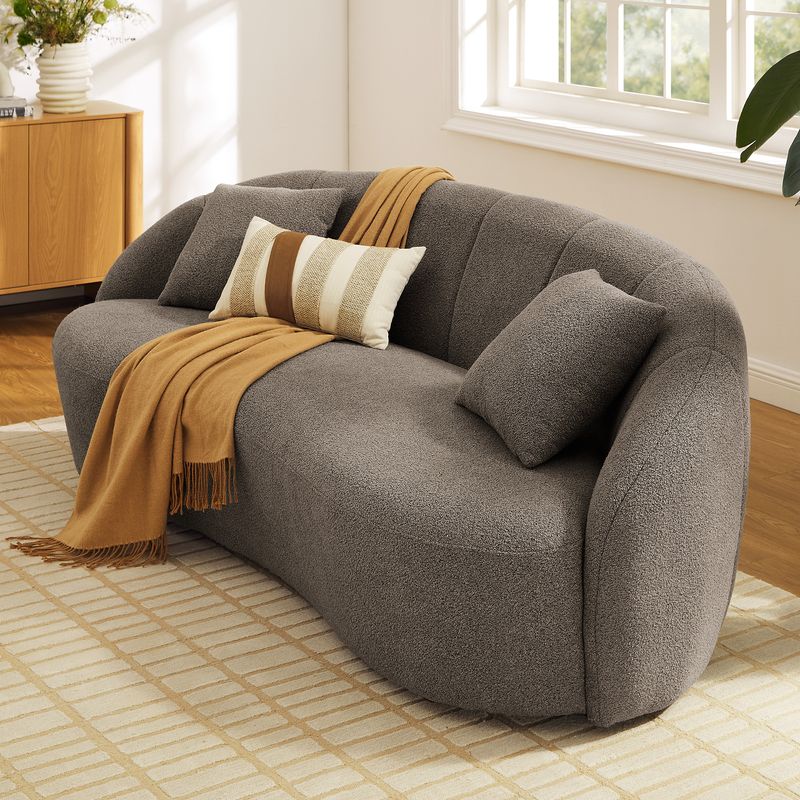
Find Loveseats That Fit the Way You Live
A living room does not always need a full-size sofa to feel complete. Sometimes you need a comfortable place for two, a smaller piece that leaves room to move, or an extra seat to round out a larger seating arrangement.
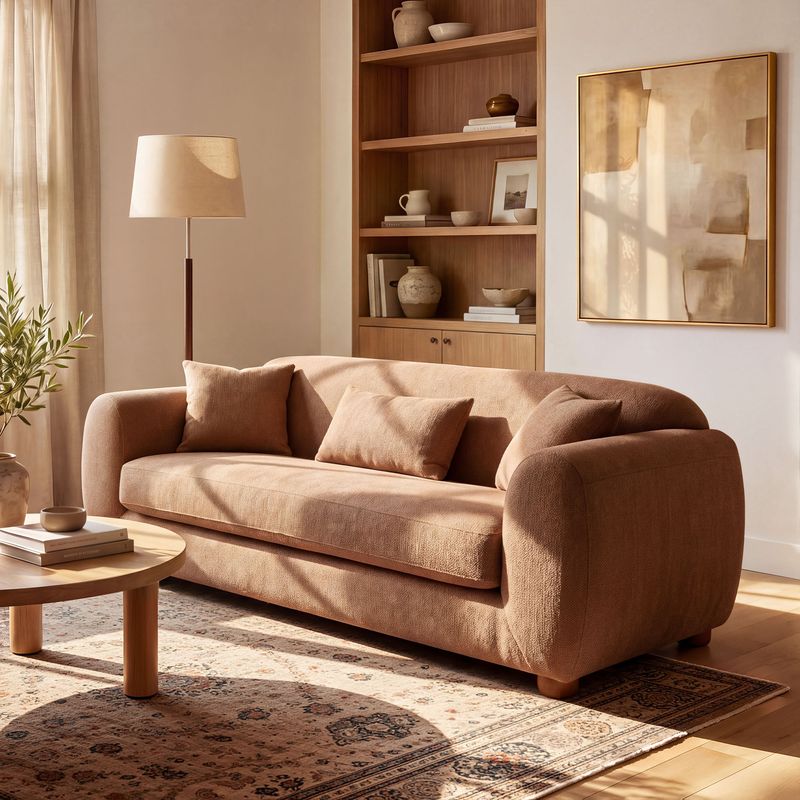
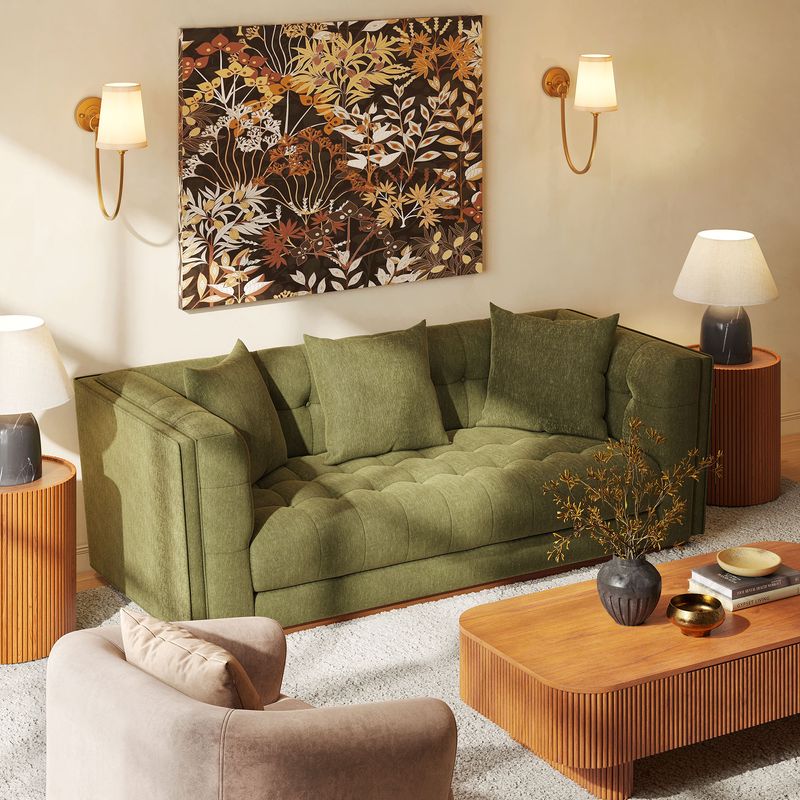
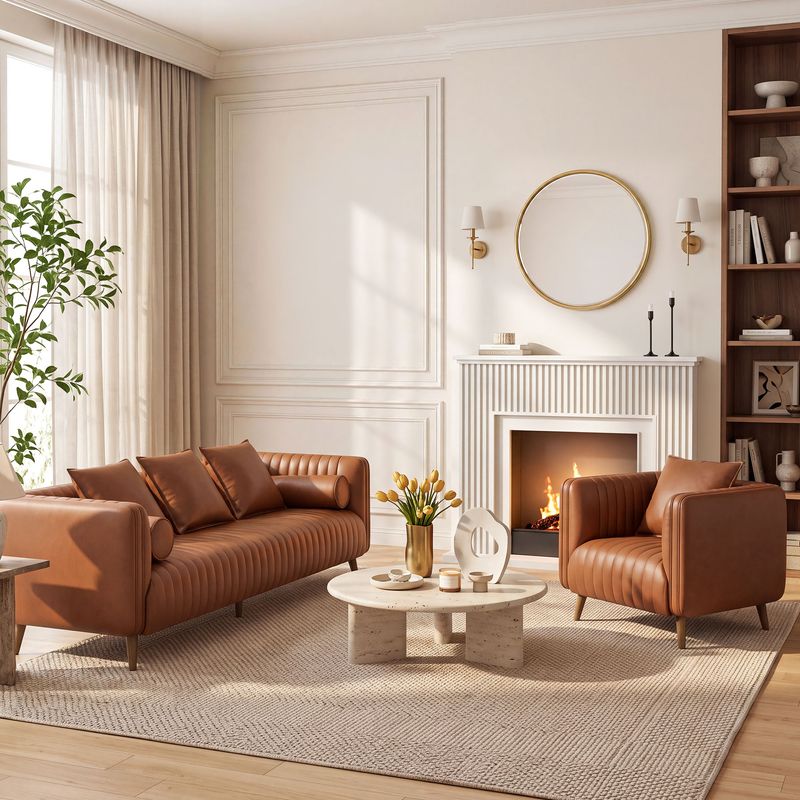
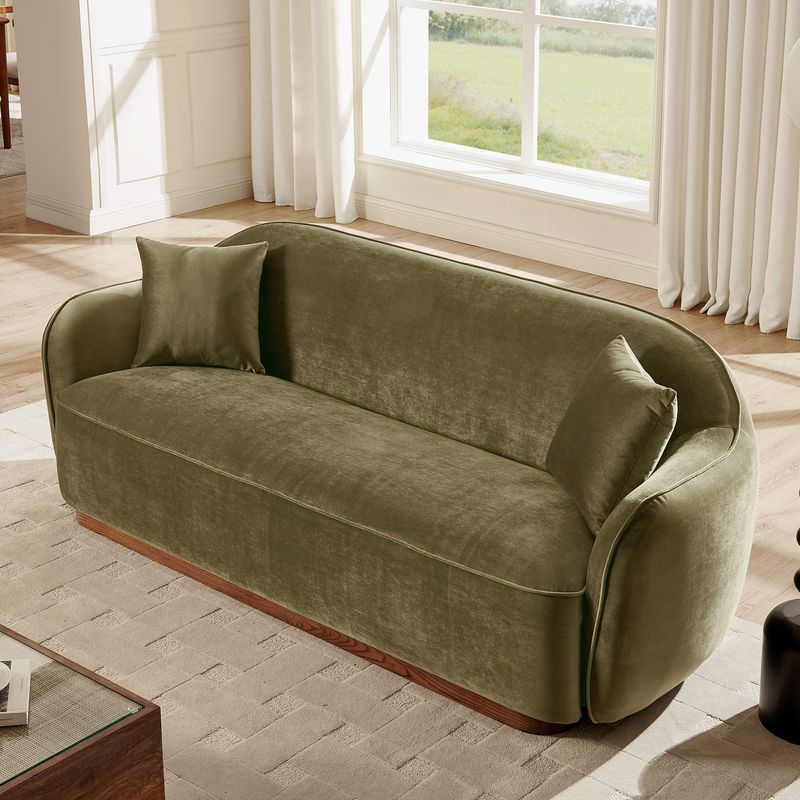
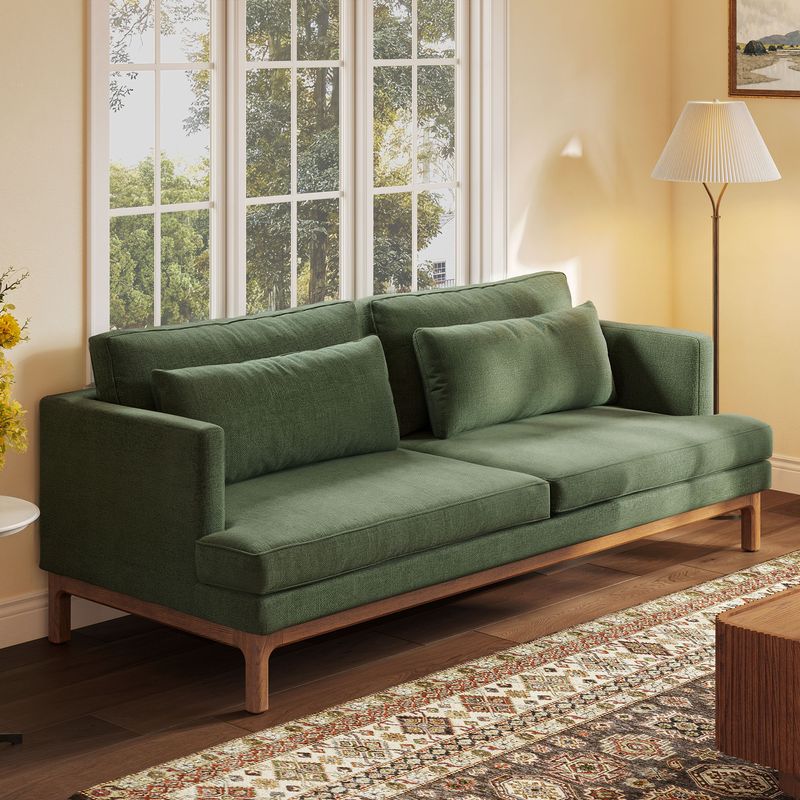
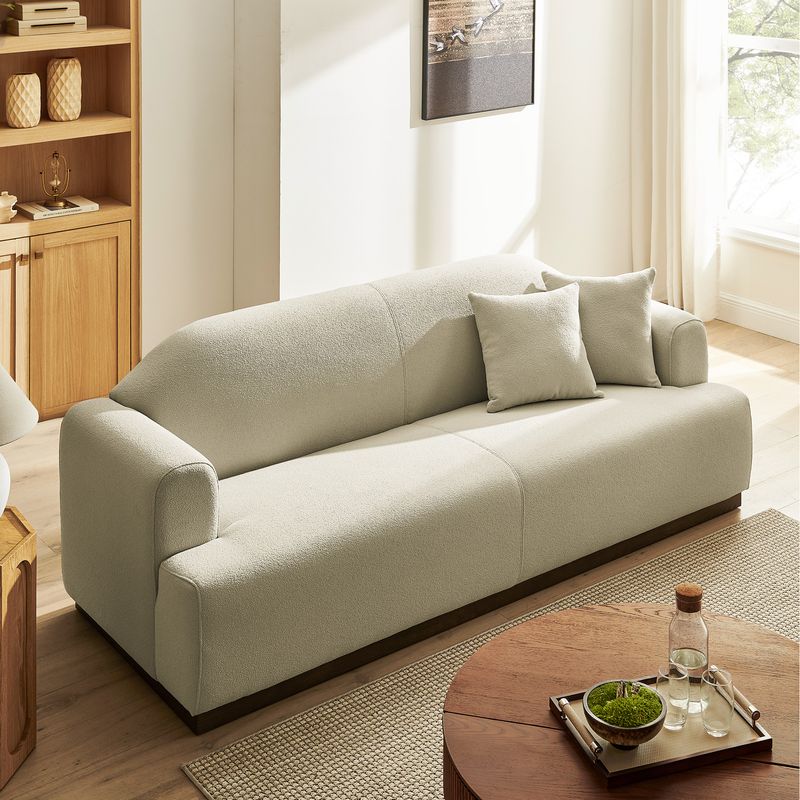
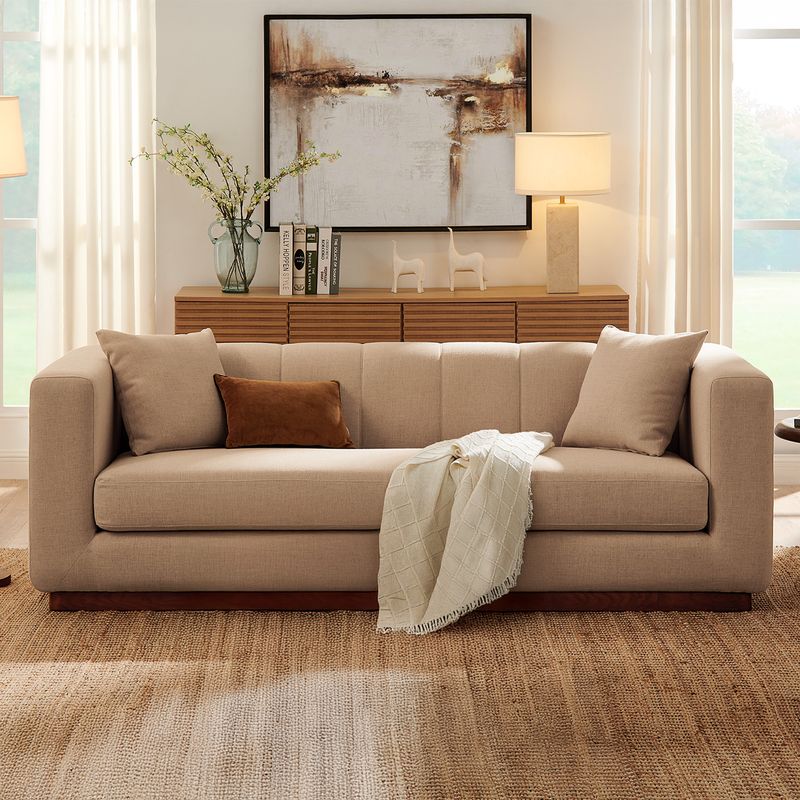
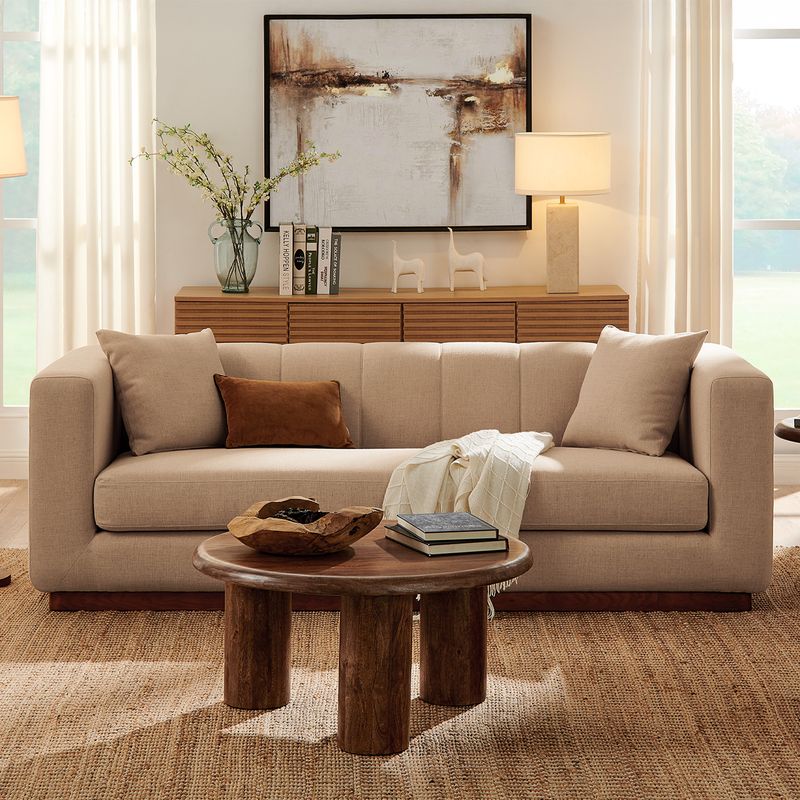
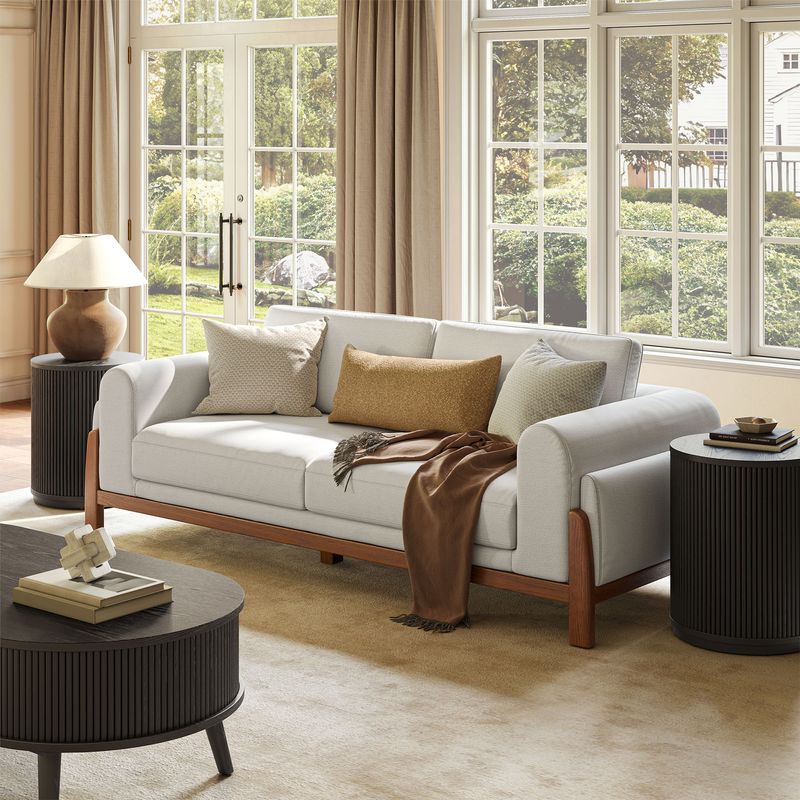
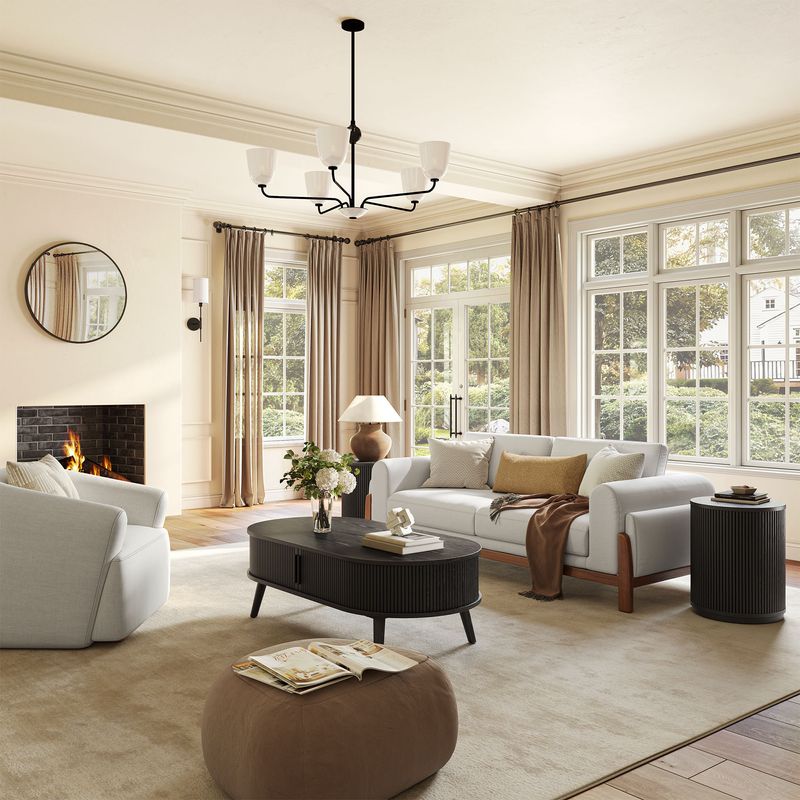
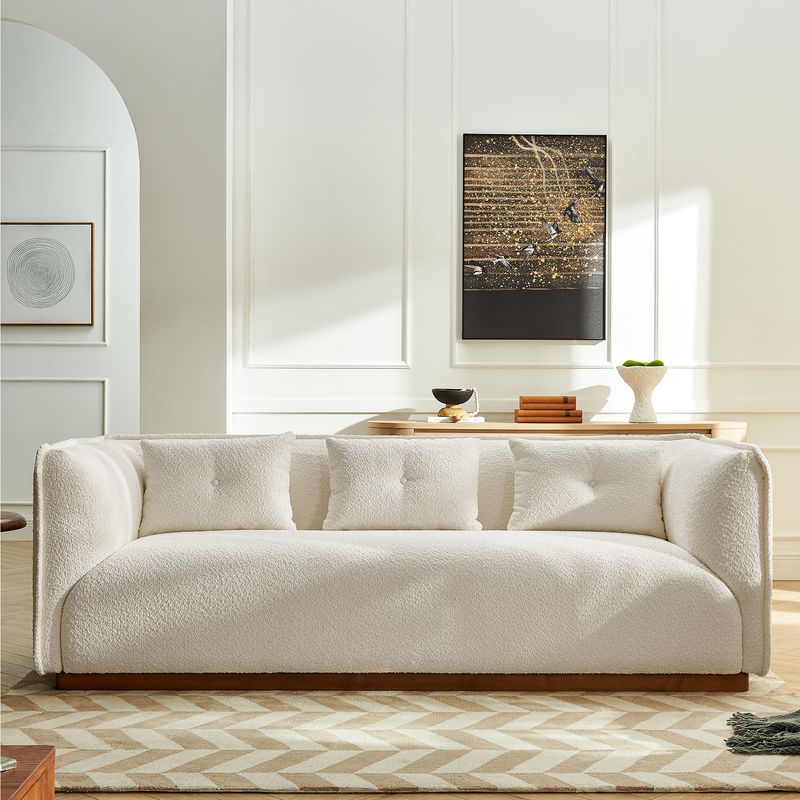
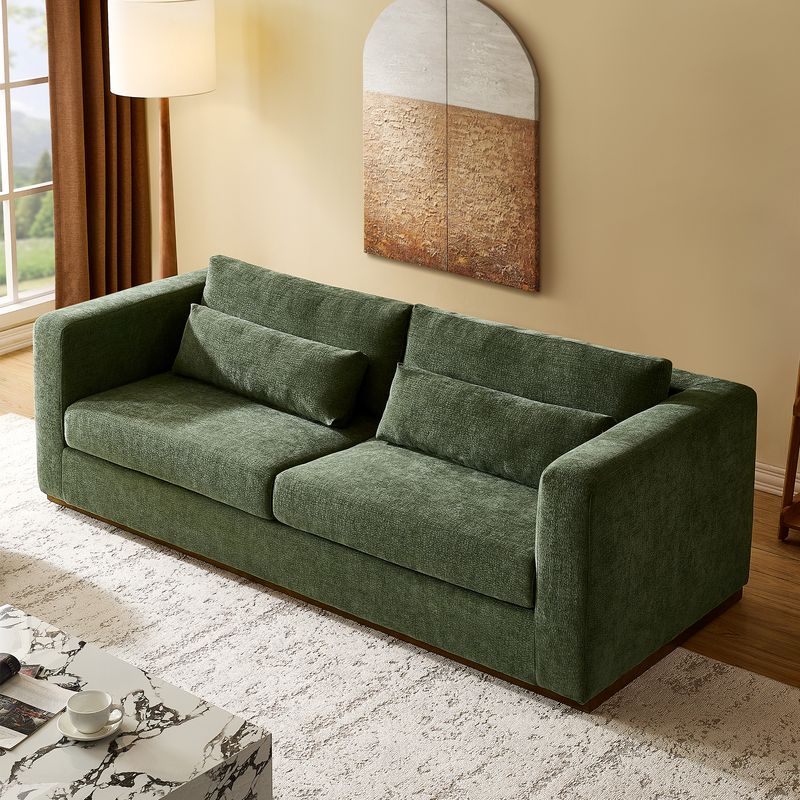
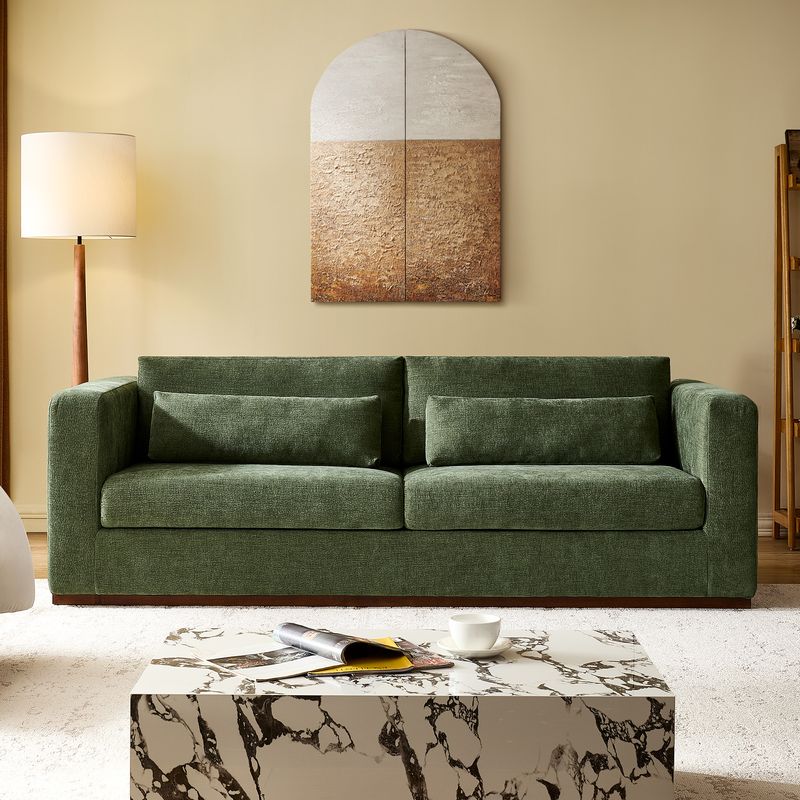
That is where loveseats make sense. They can fit neatly into an apartment living room, sit across from a fireplace, create a cozy reading spot, or pair with a larger sofa when you want more seating without filling every inch of the room.
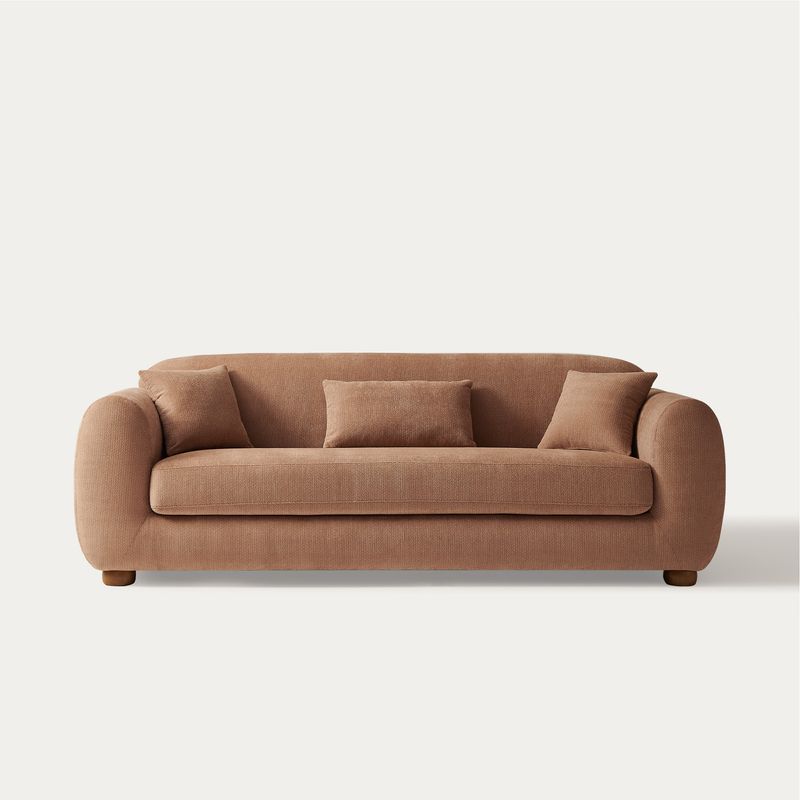
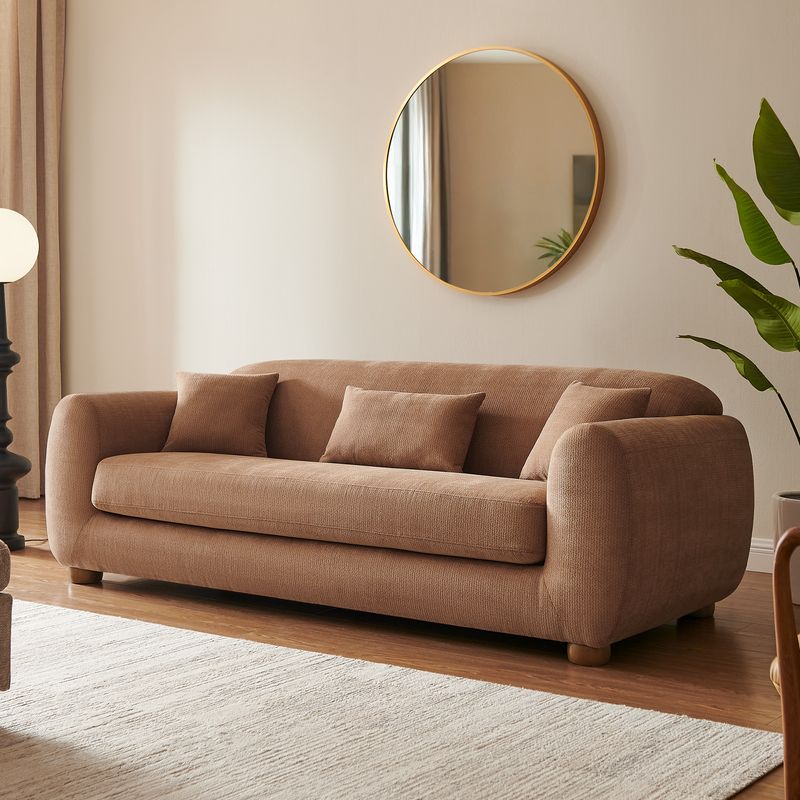
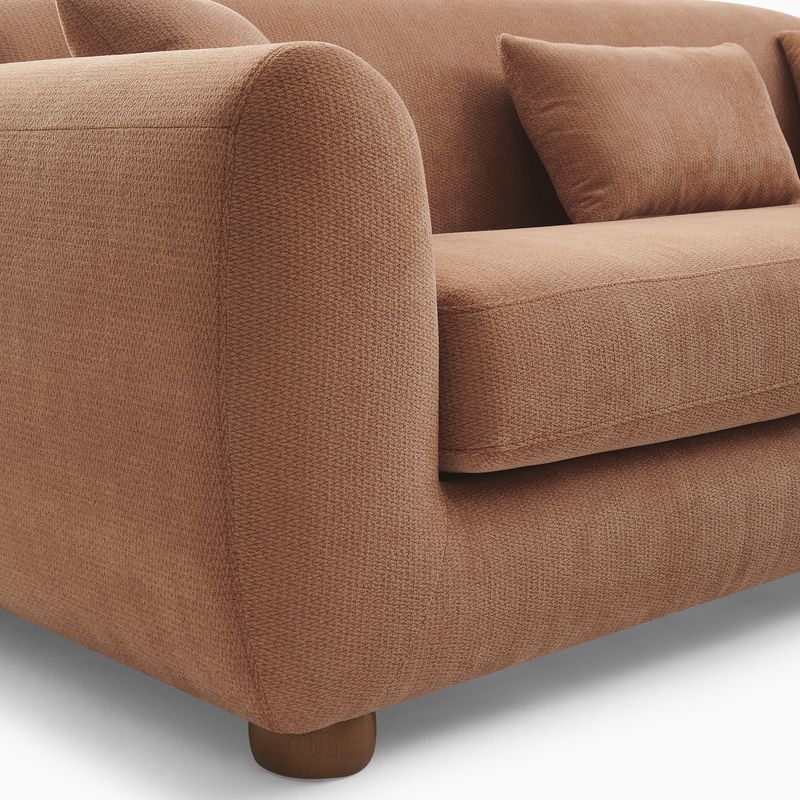
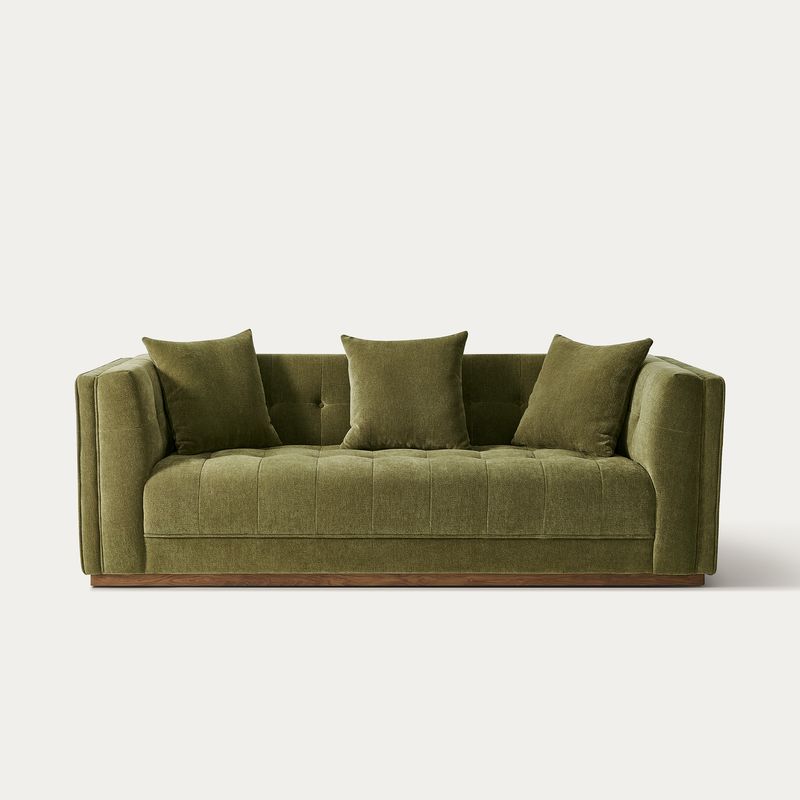
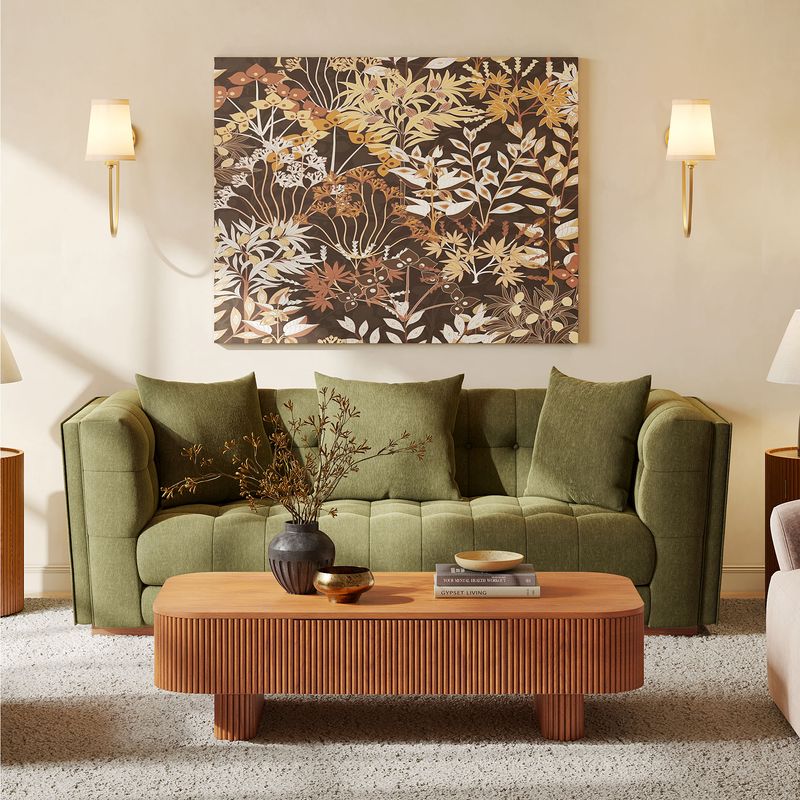
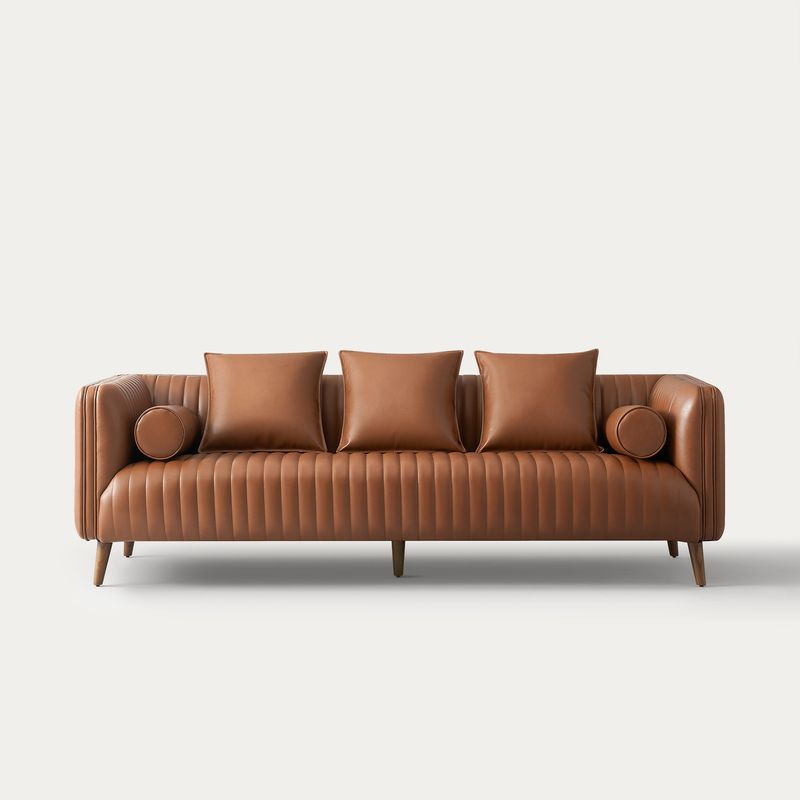
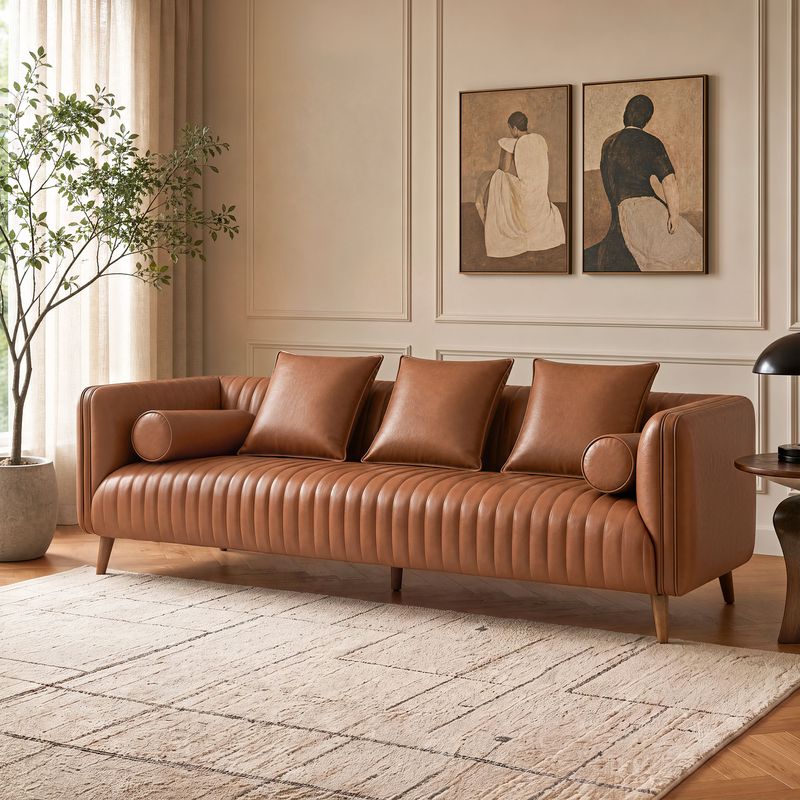
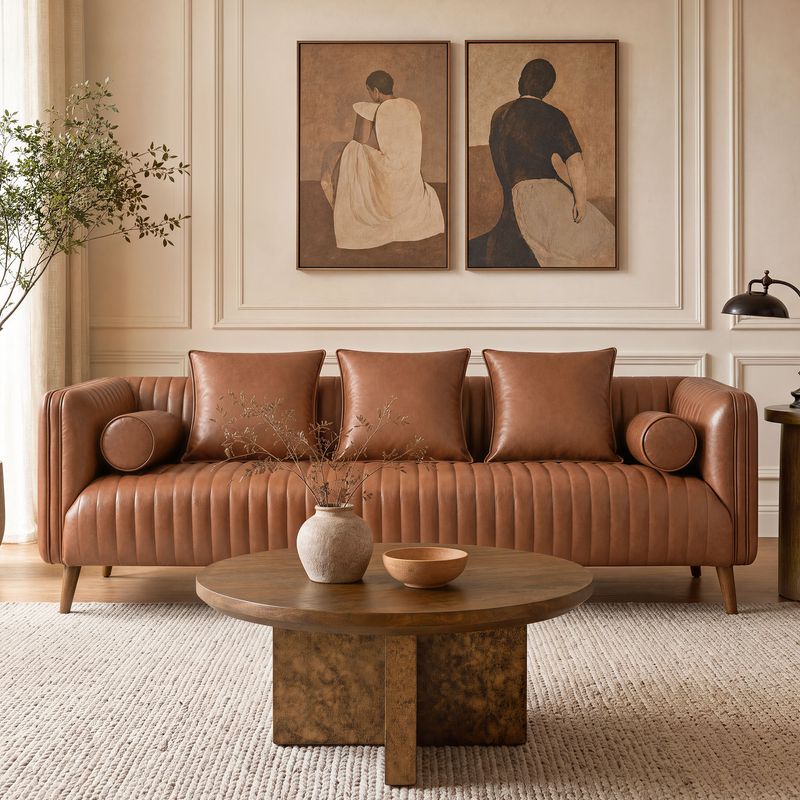
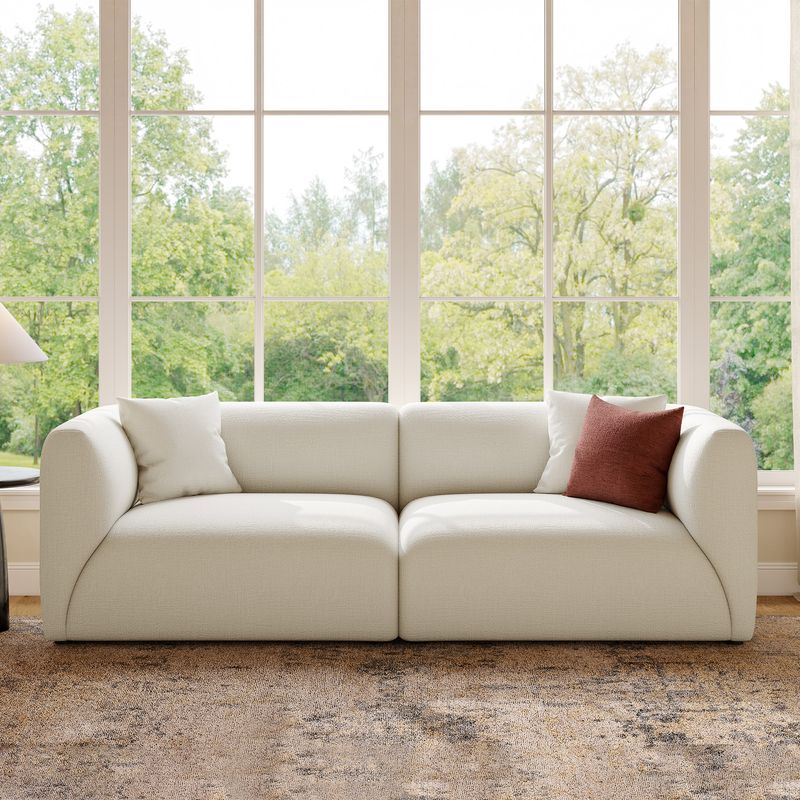
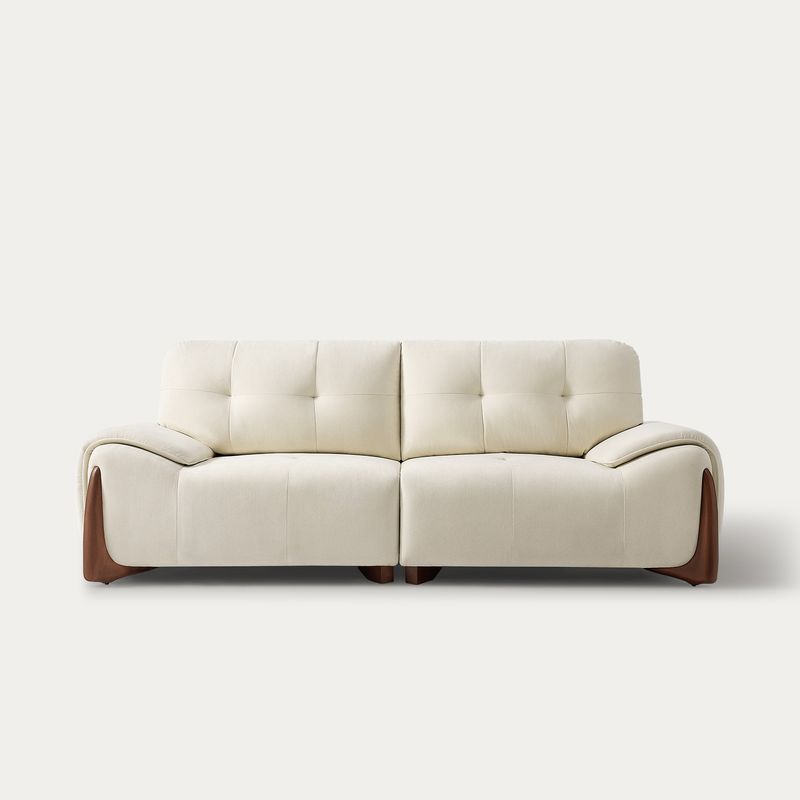
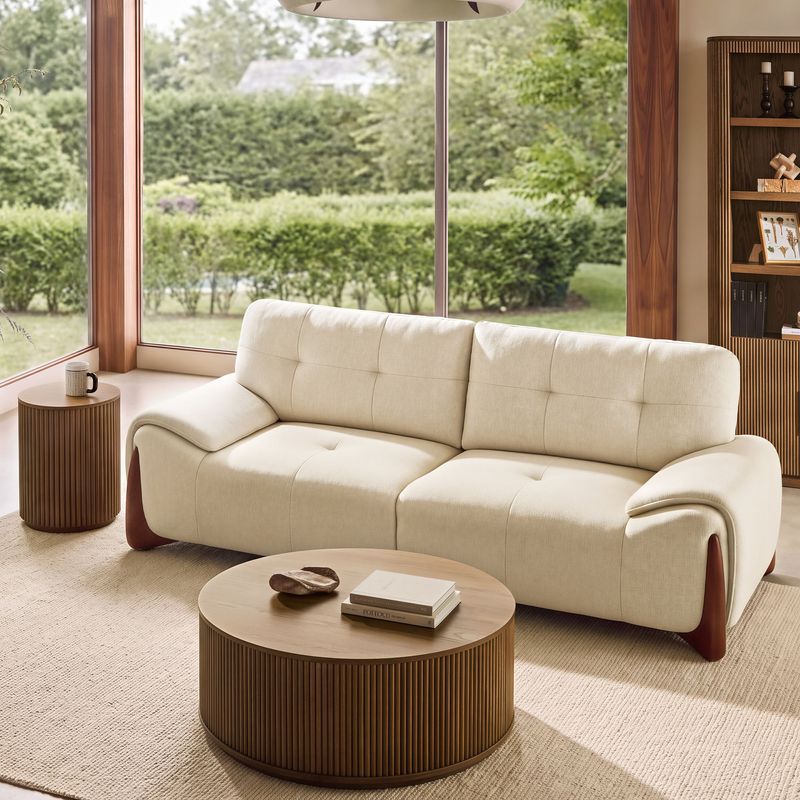
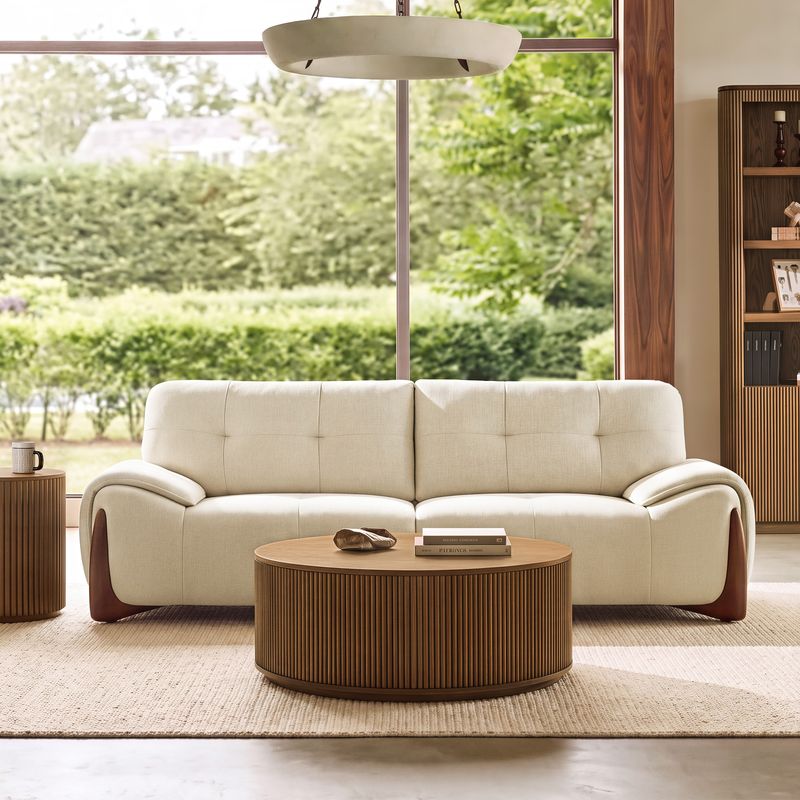
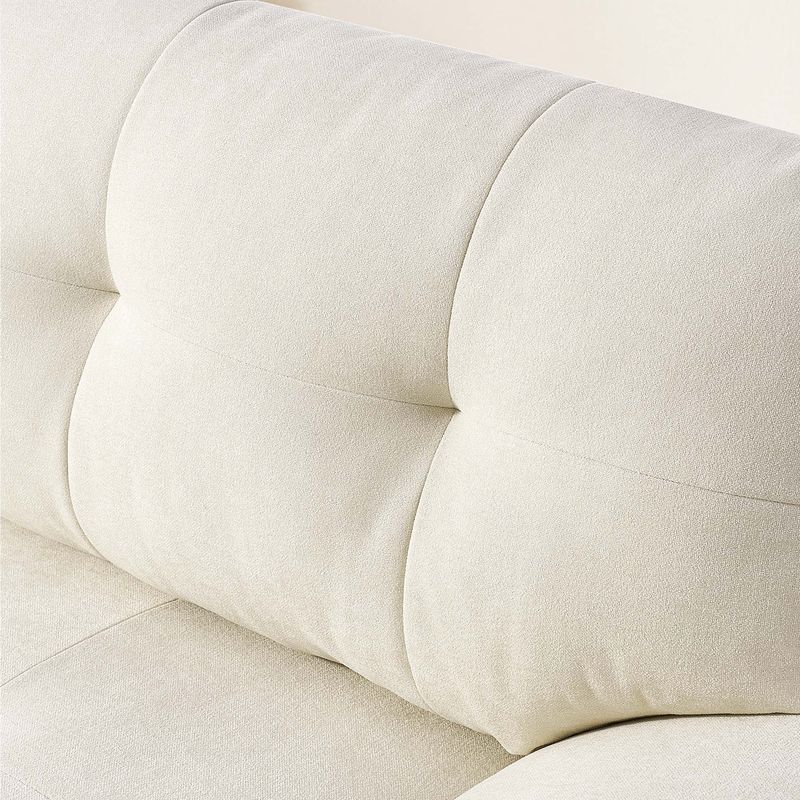
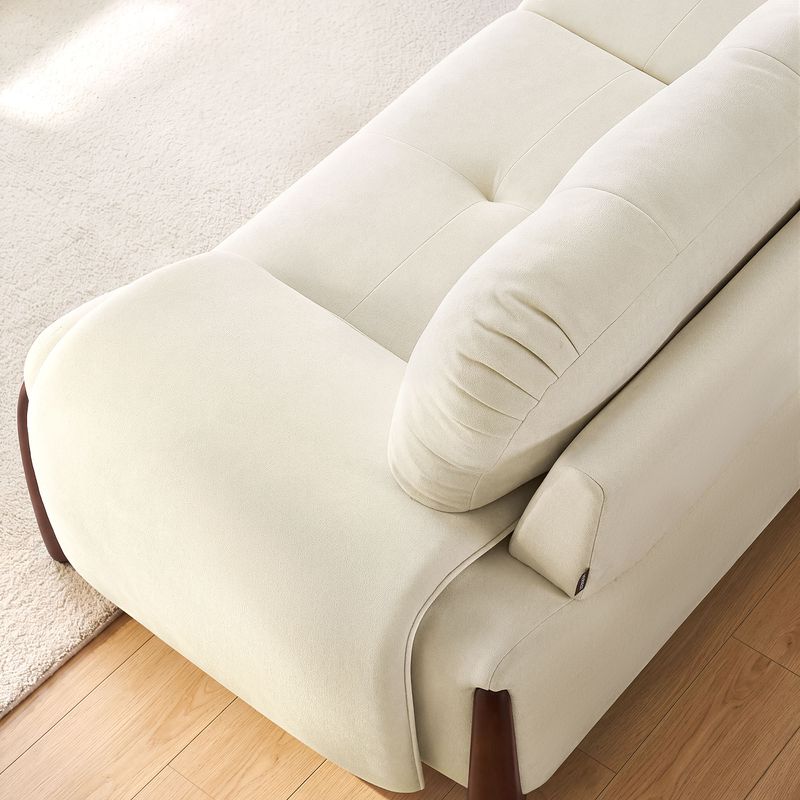
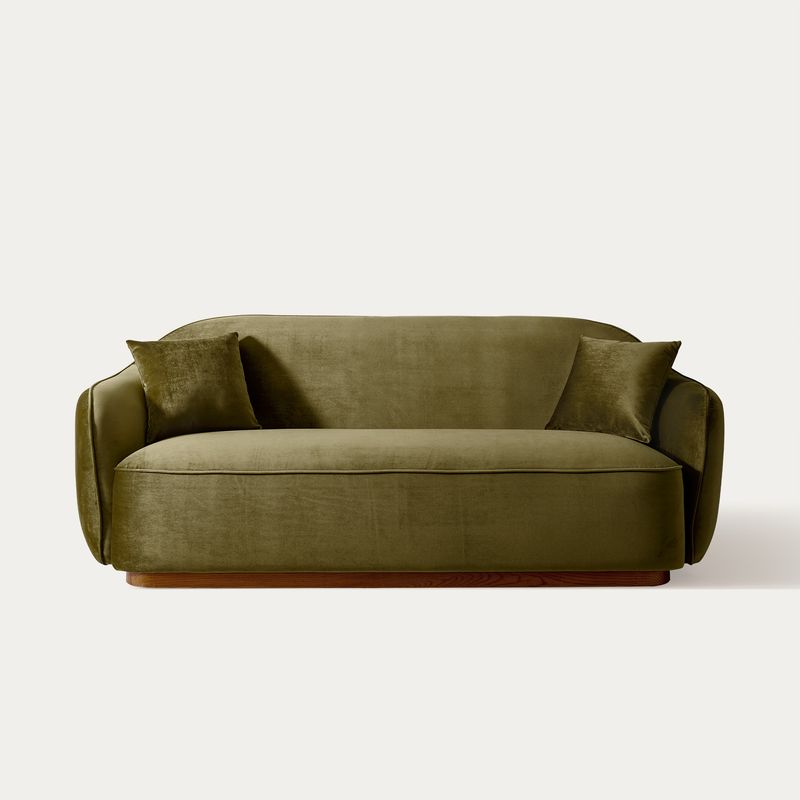
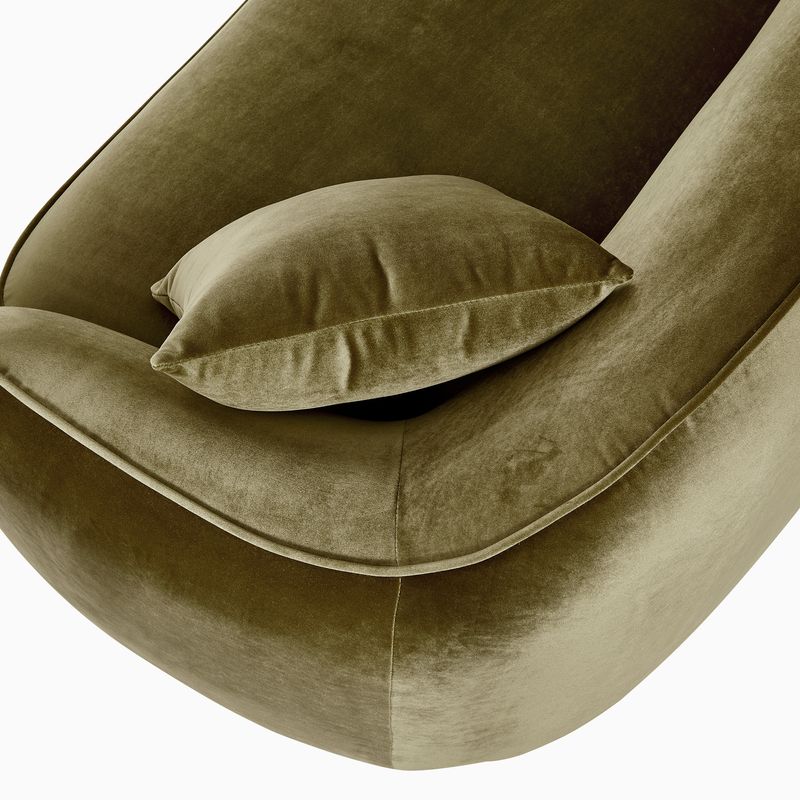
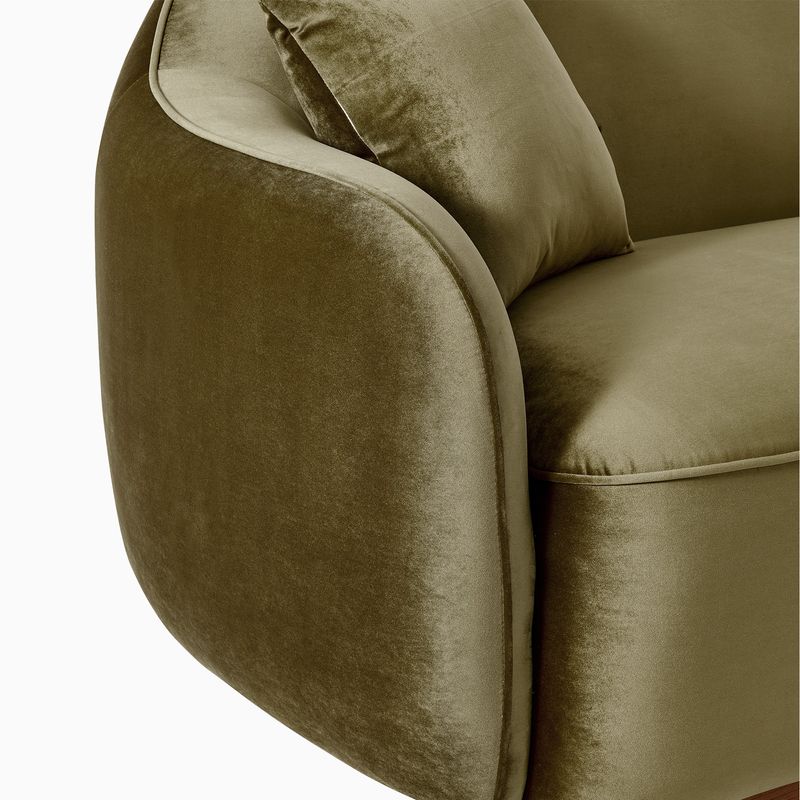
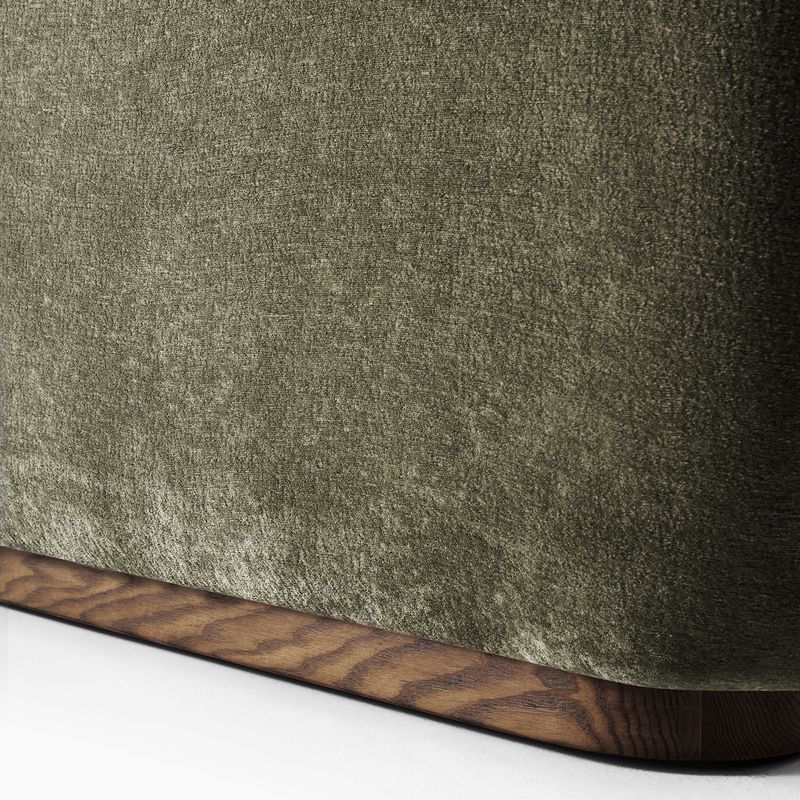
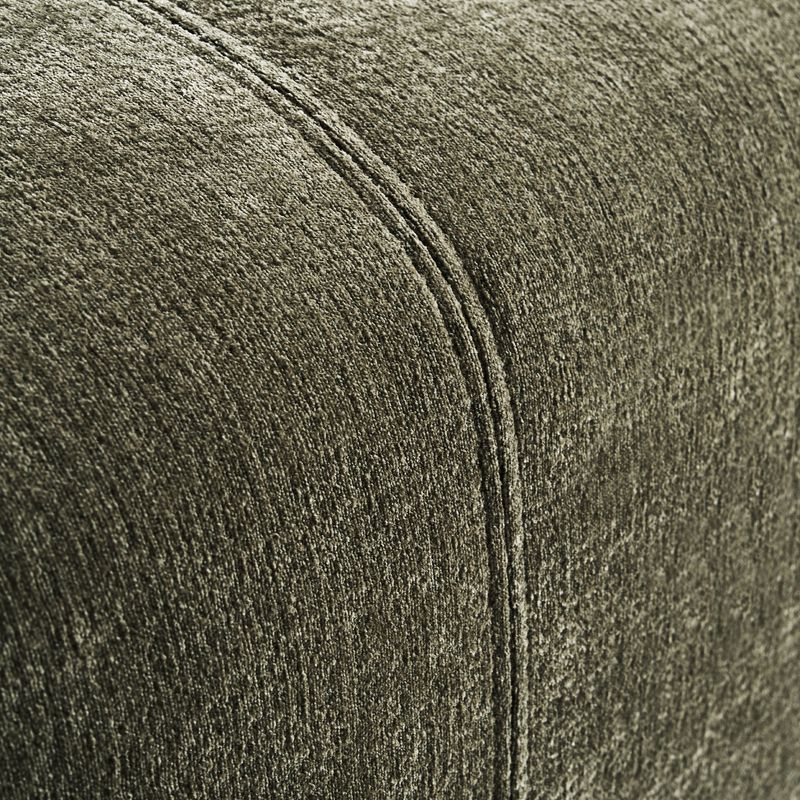
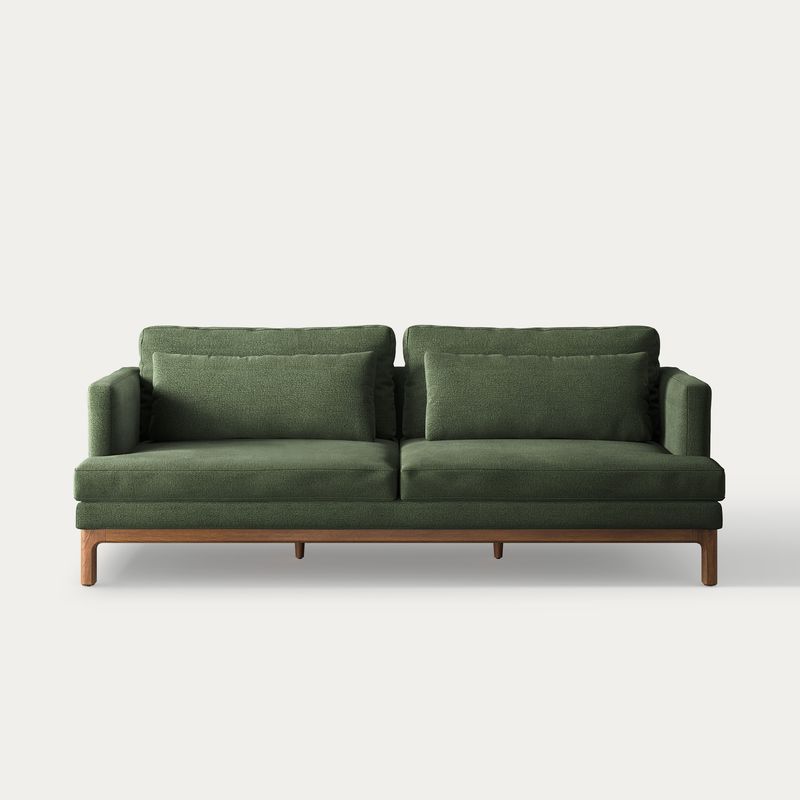
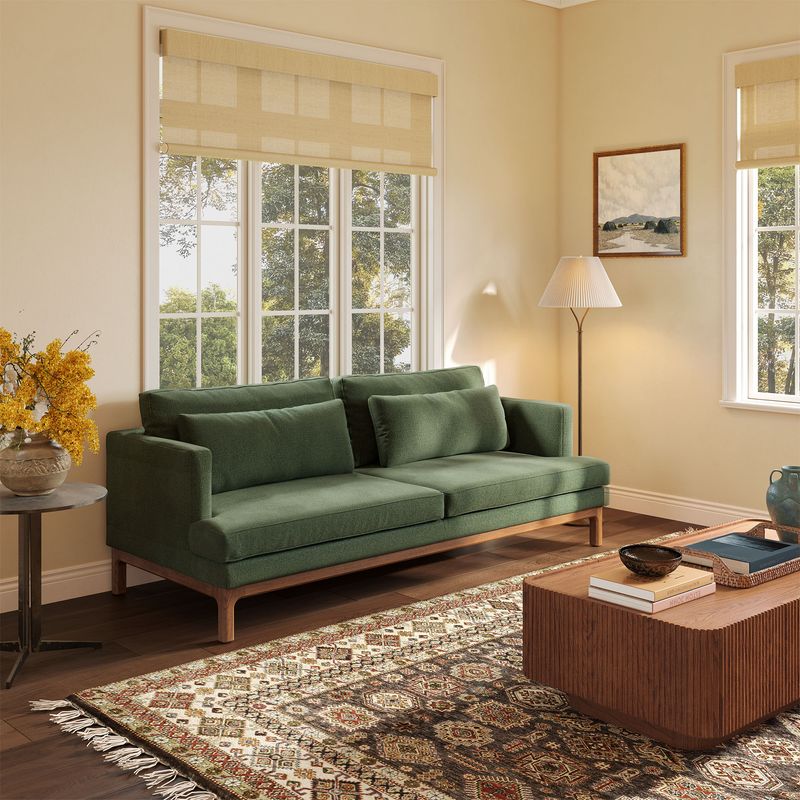
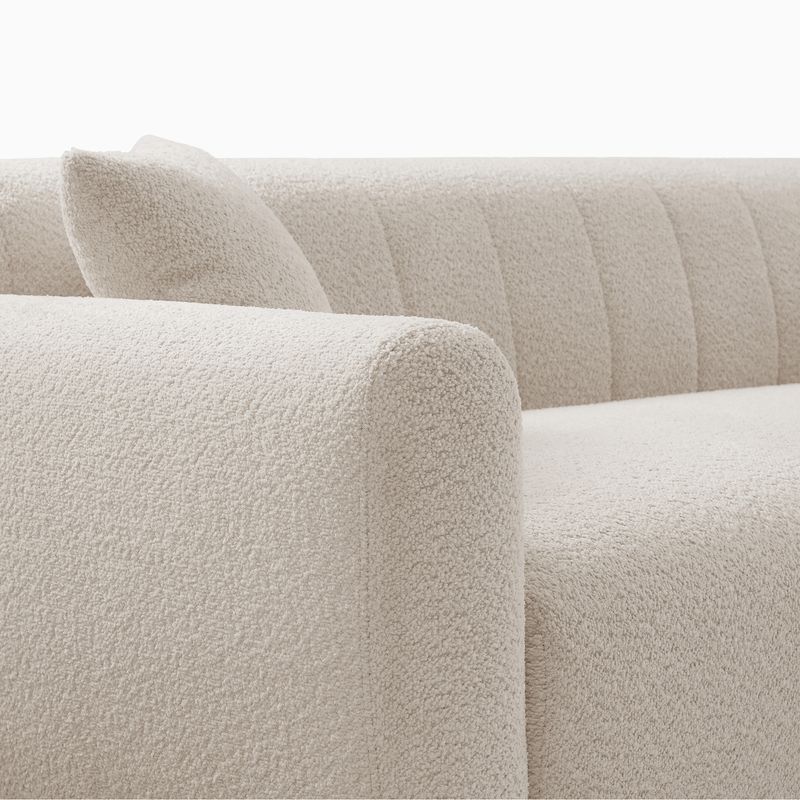
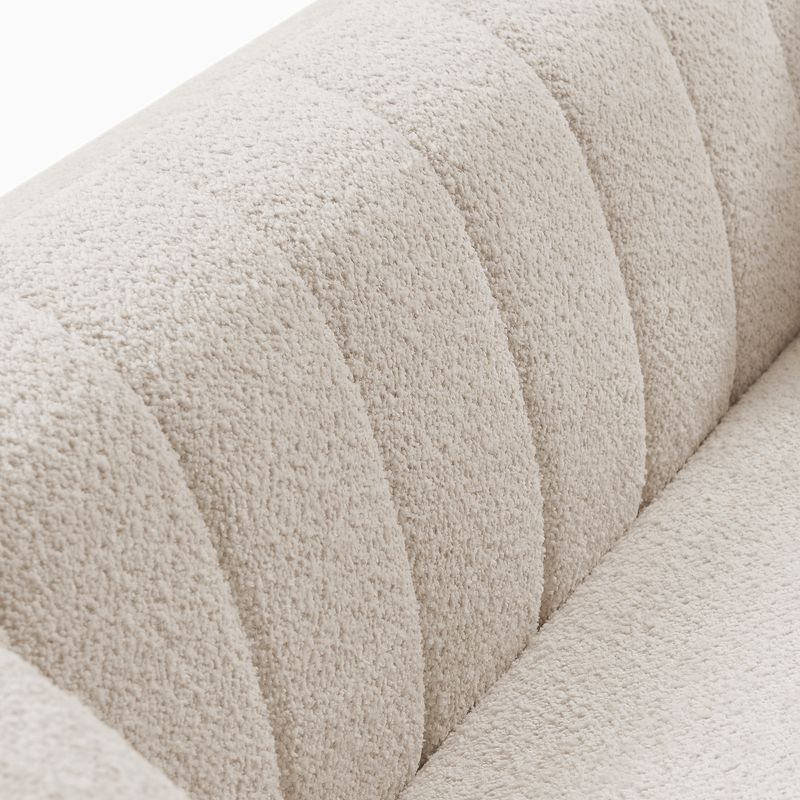
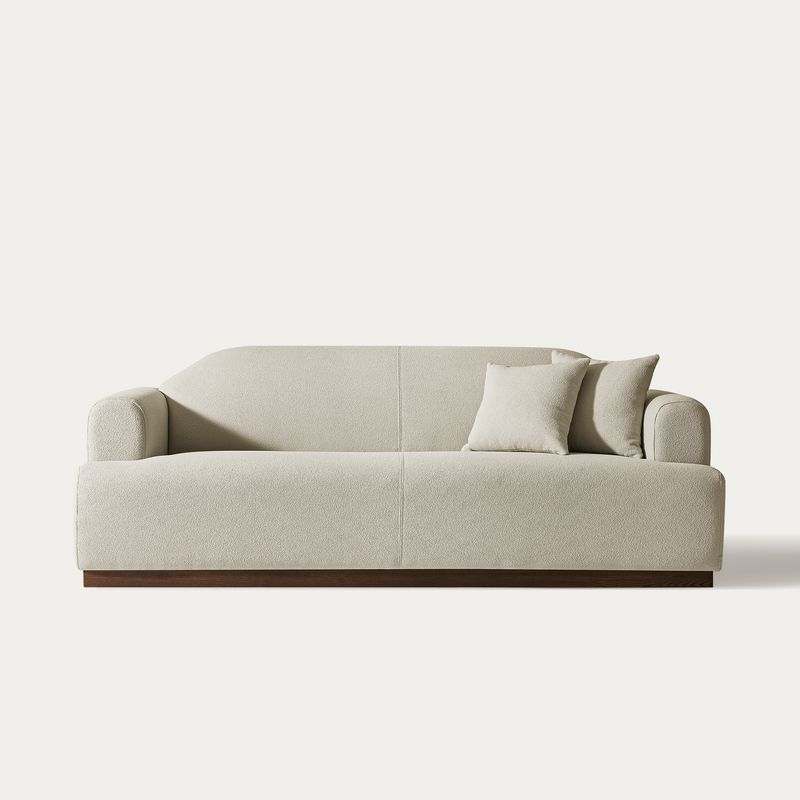
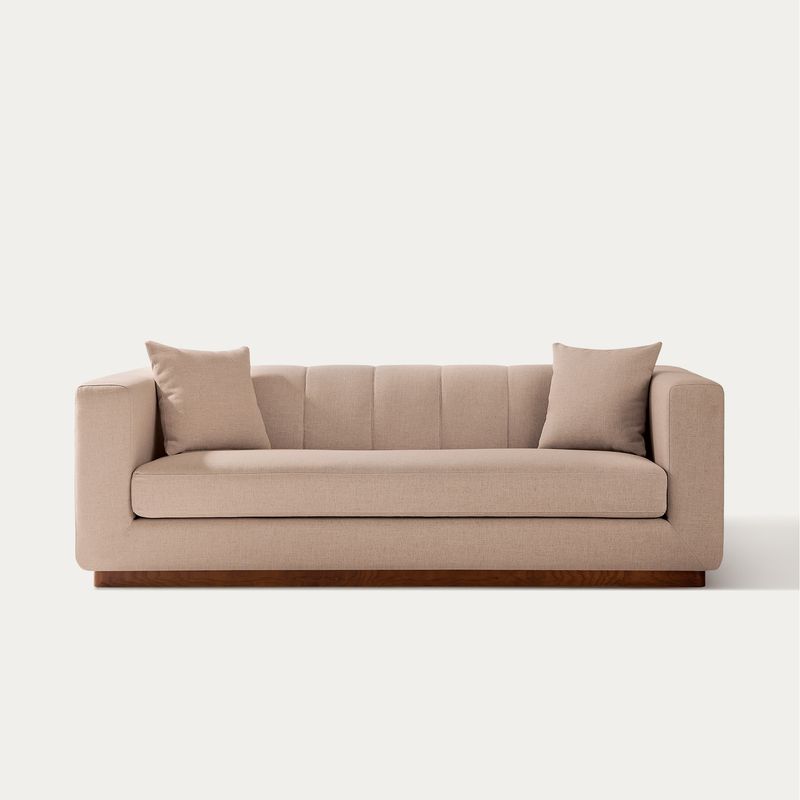
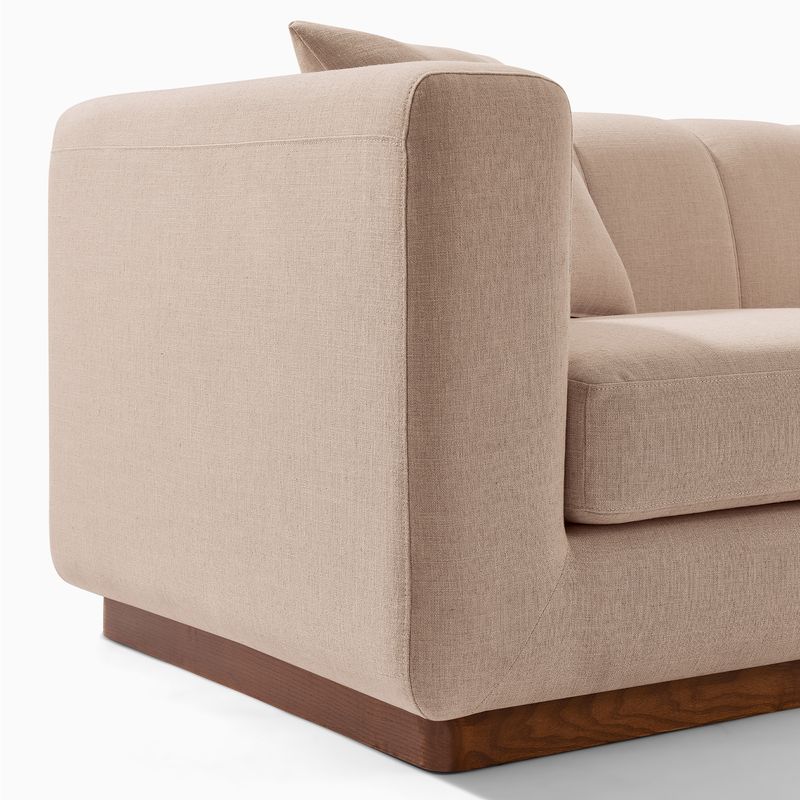
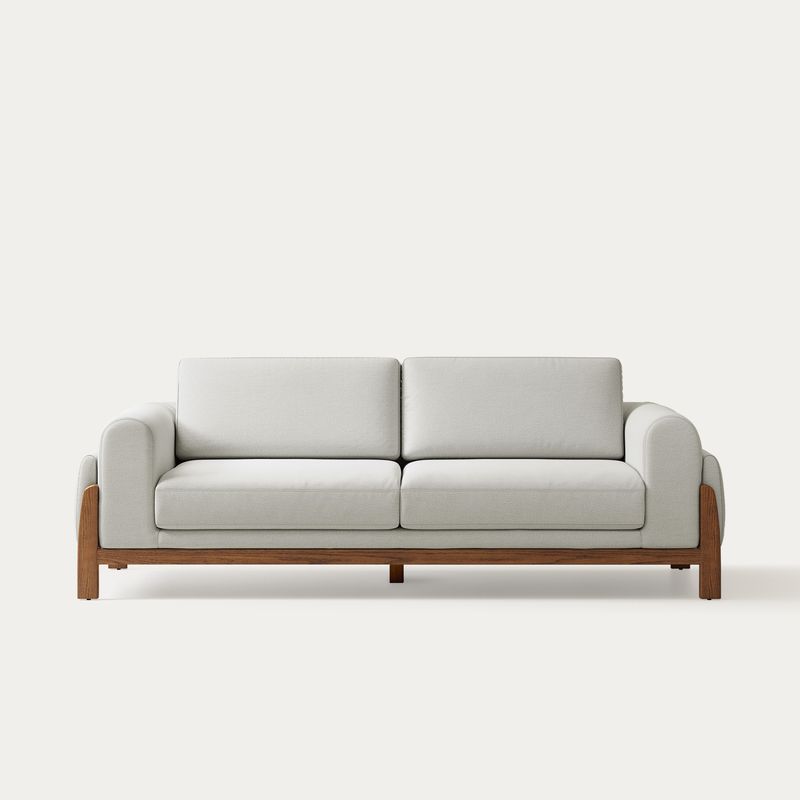
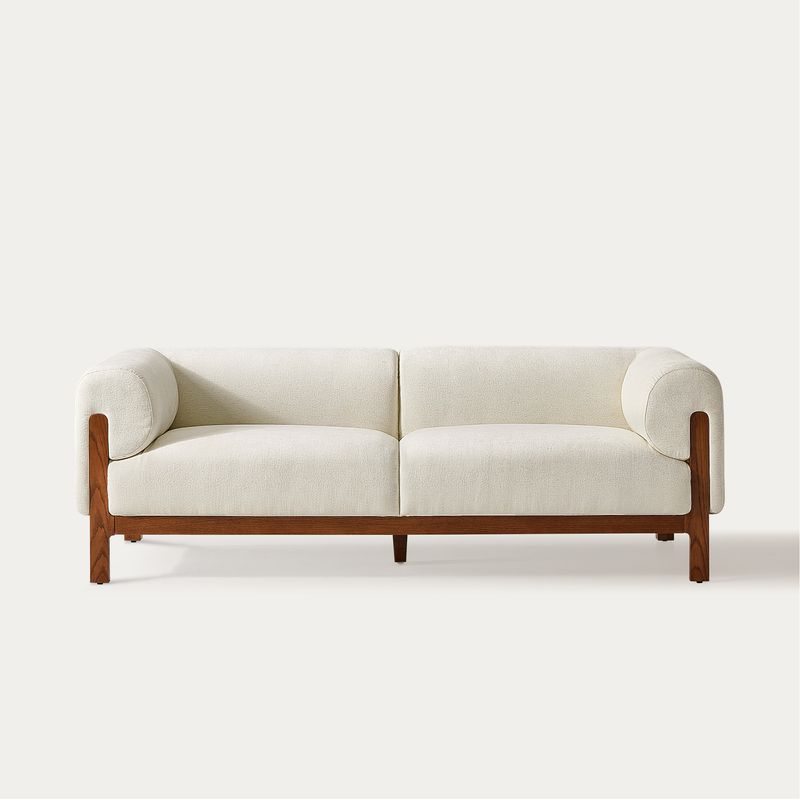
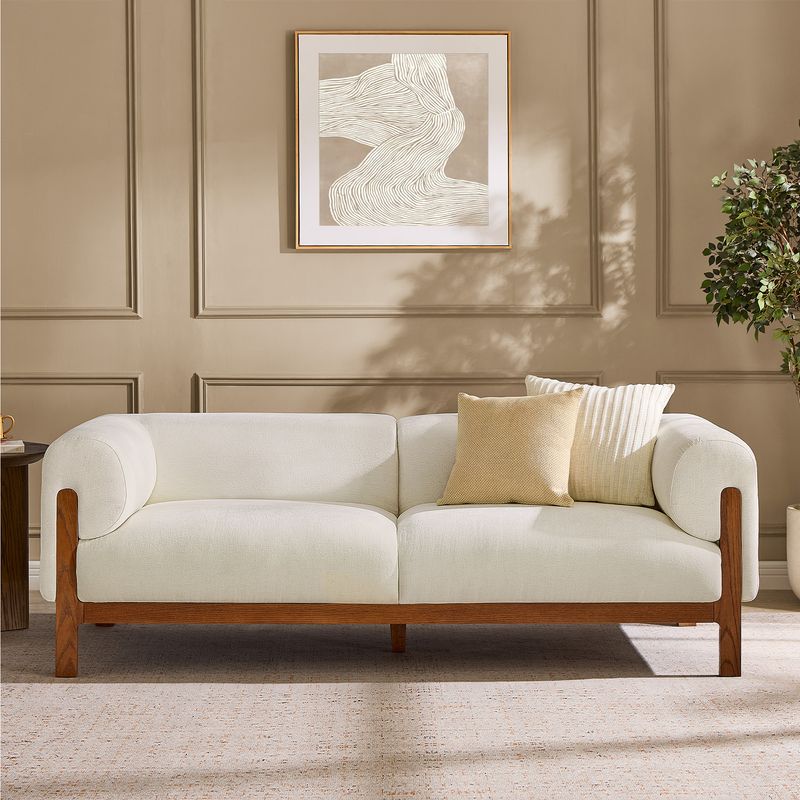
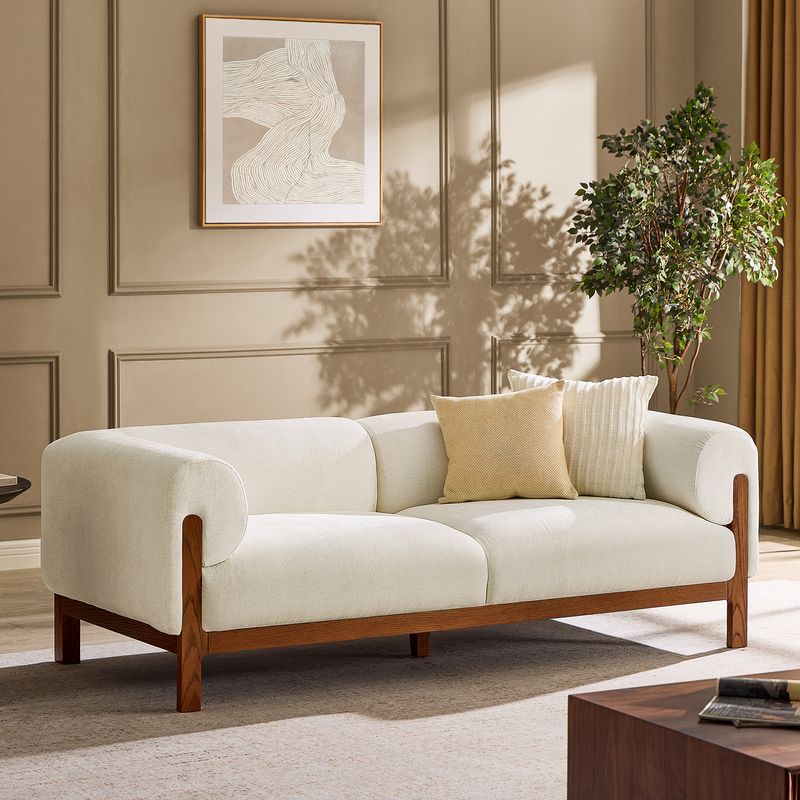
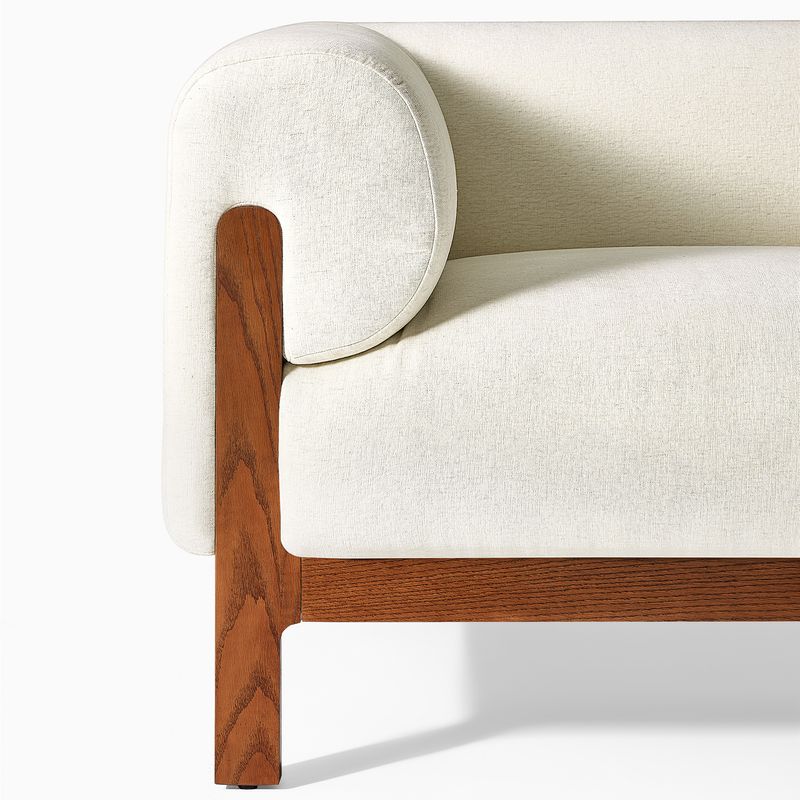
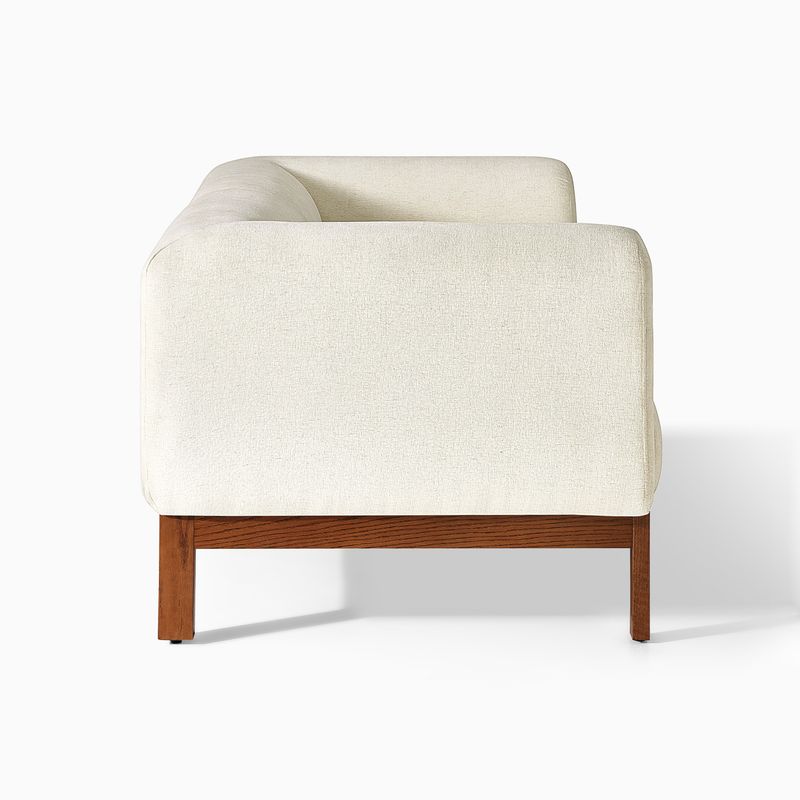
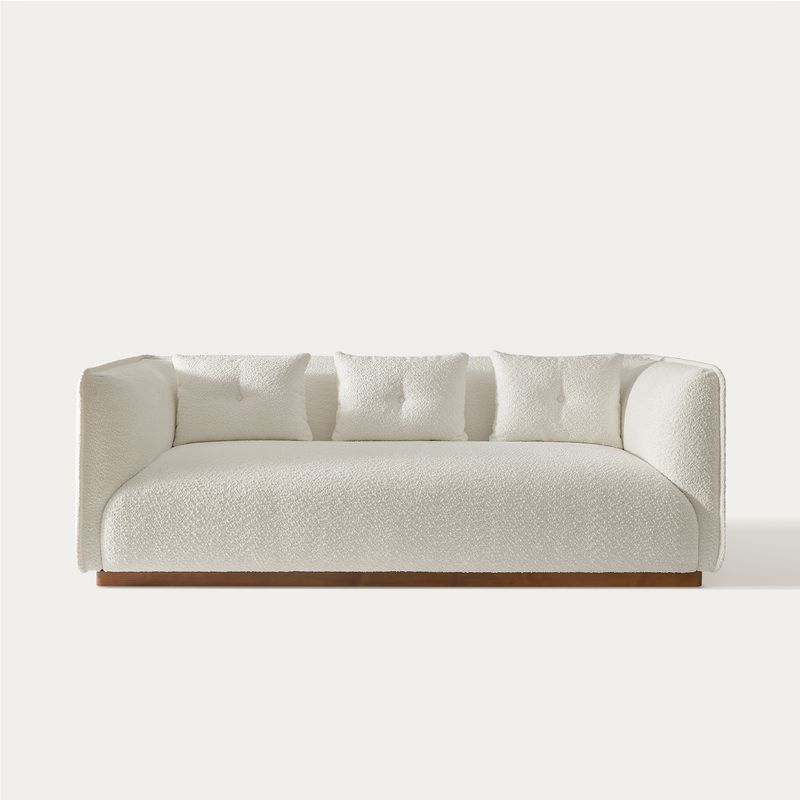
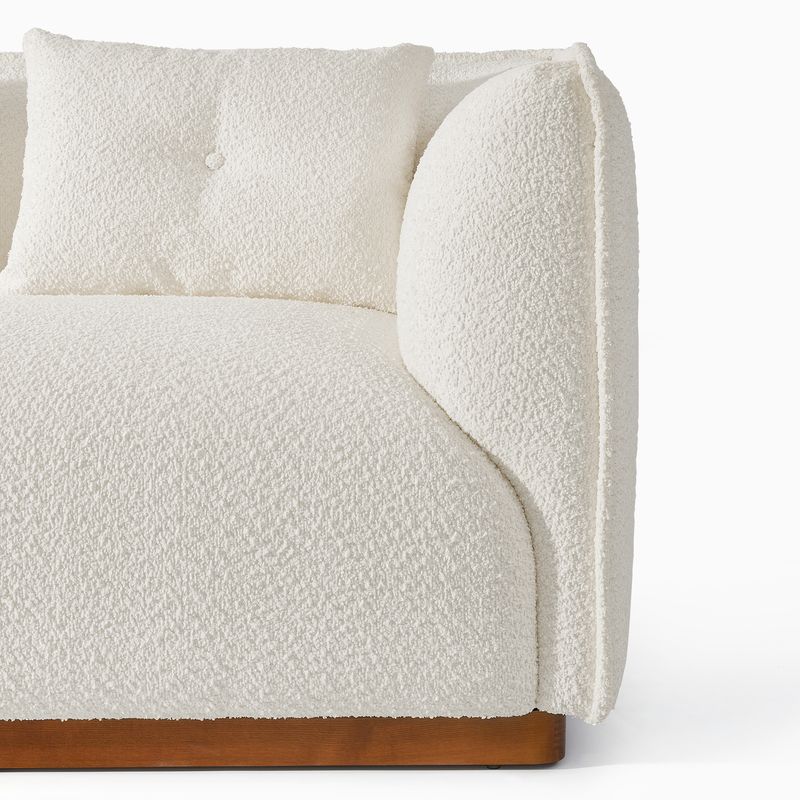
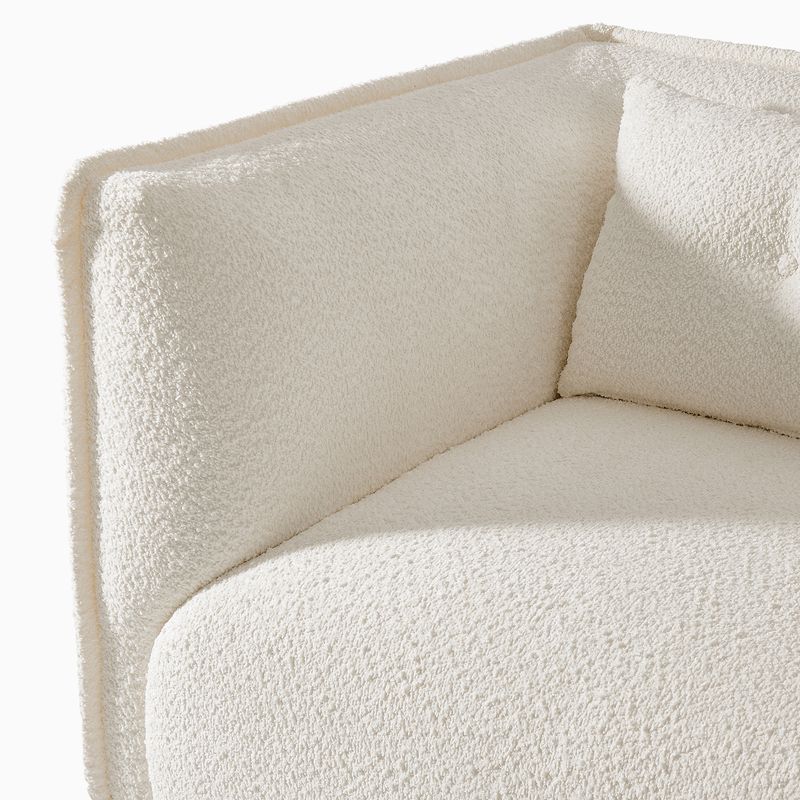
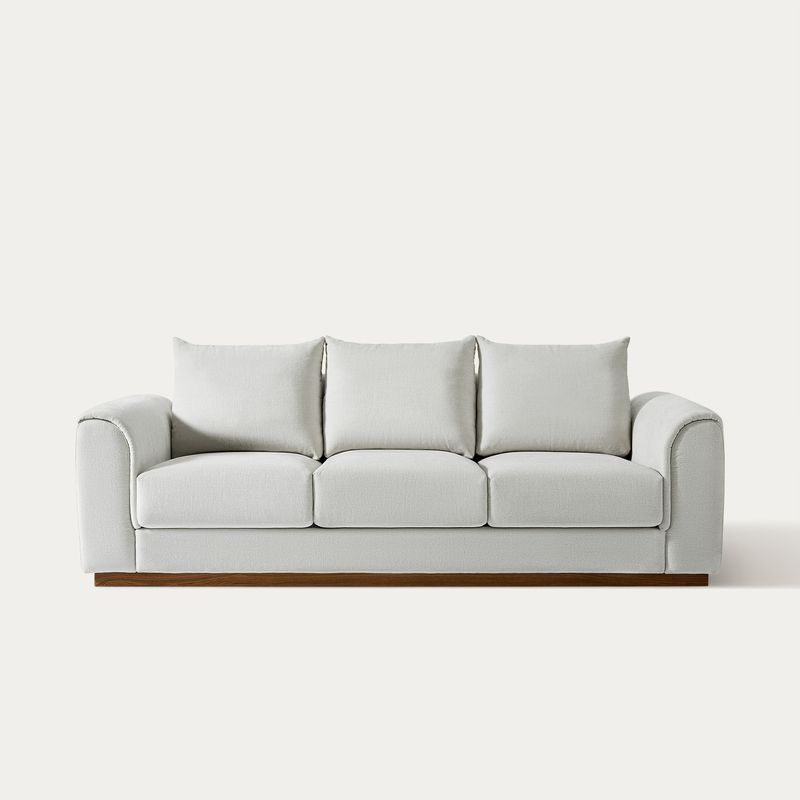
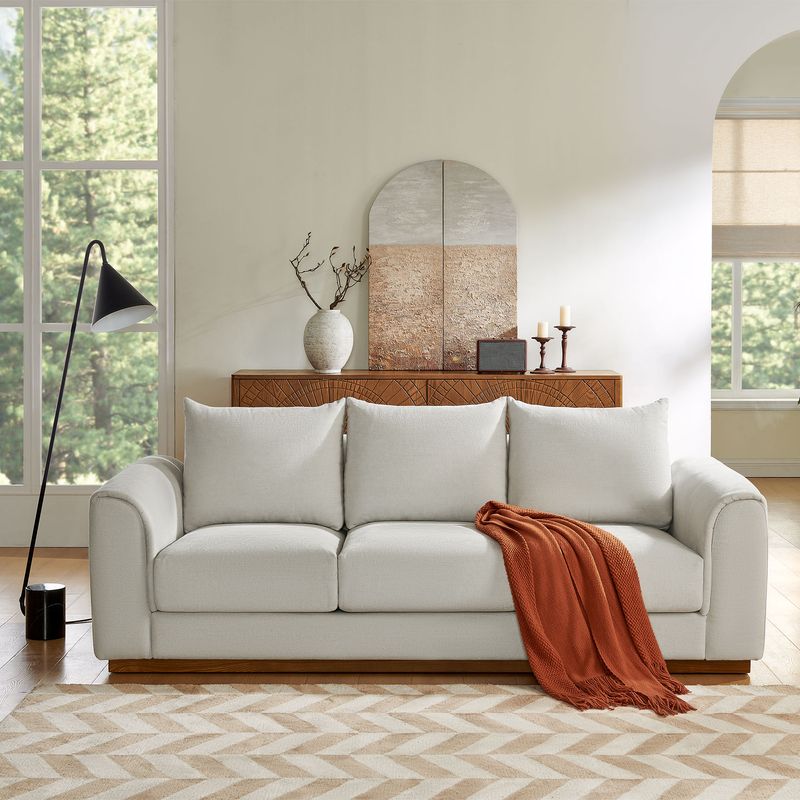
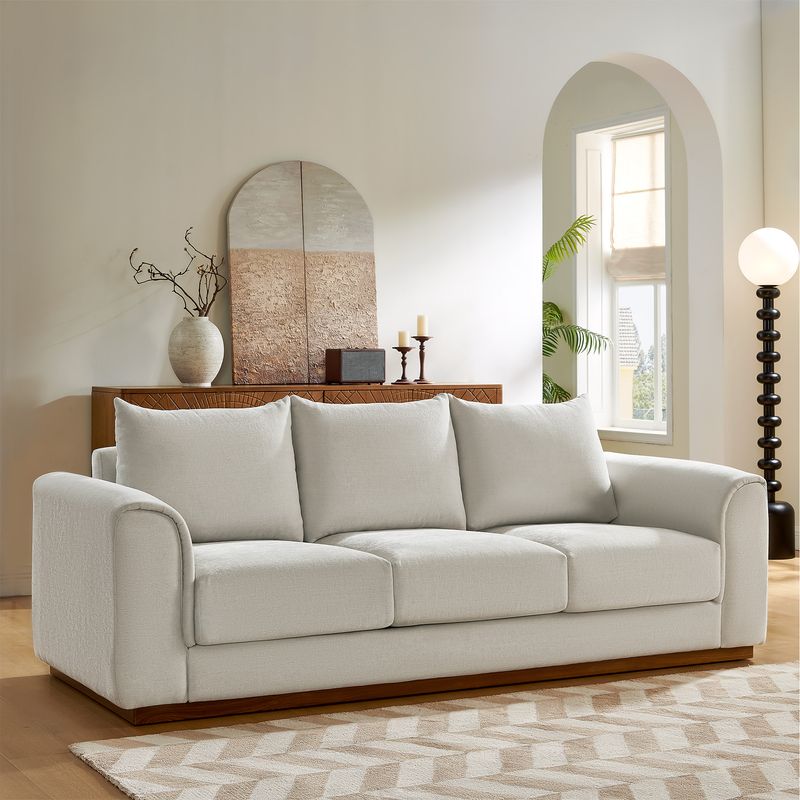
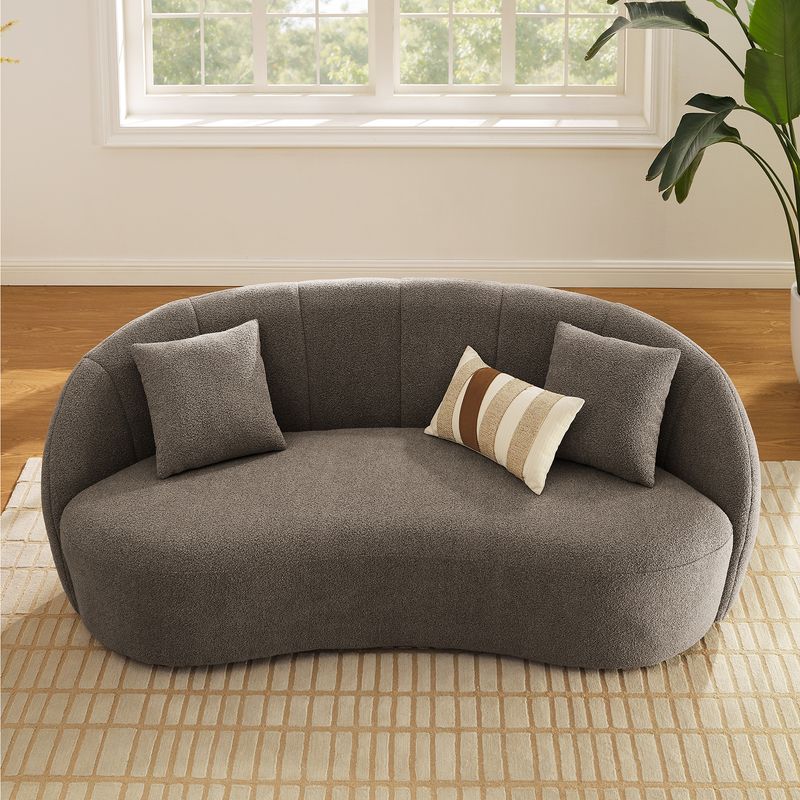
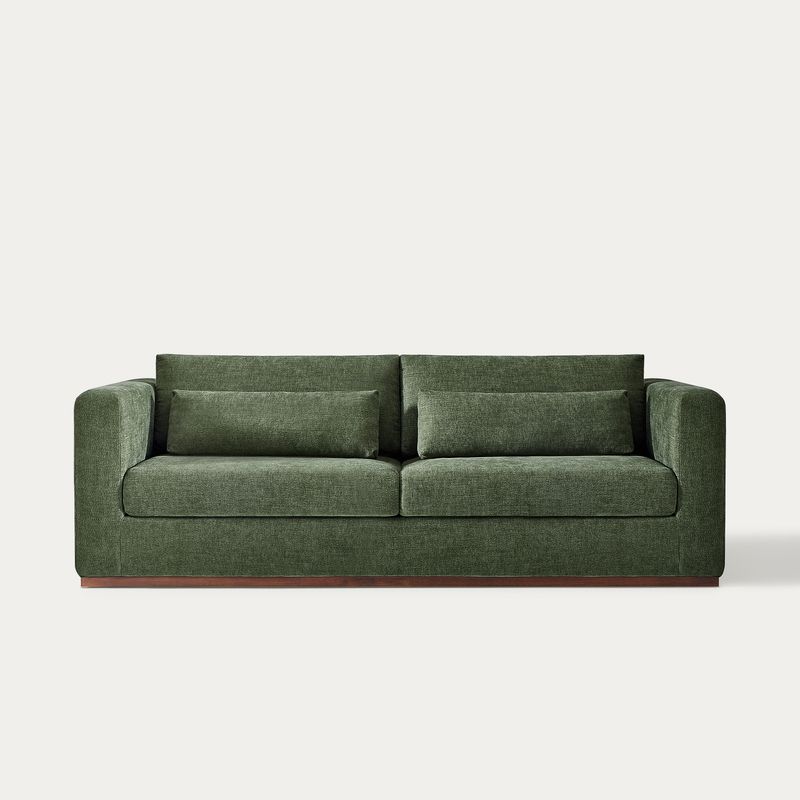
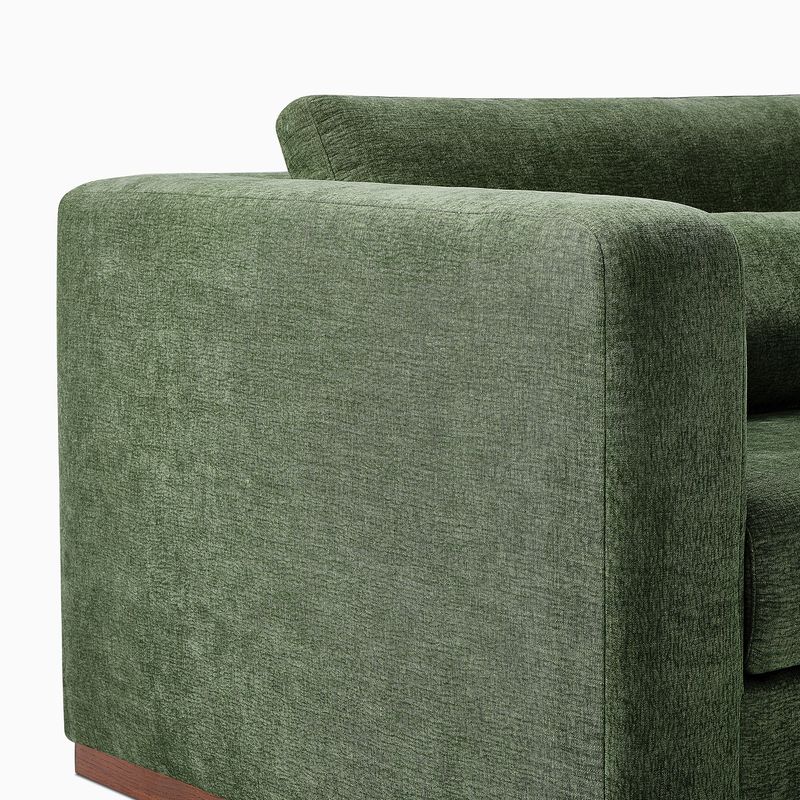
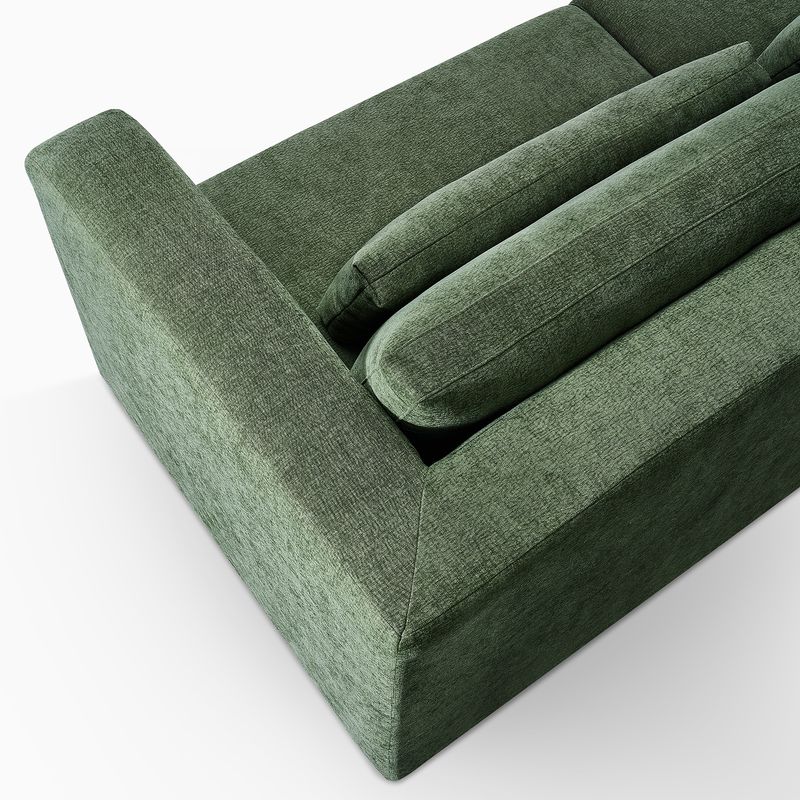
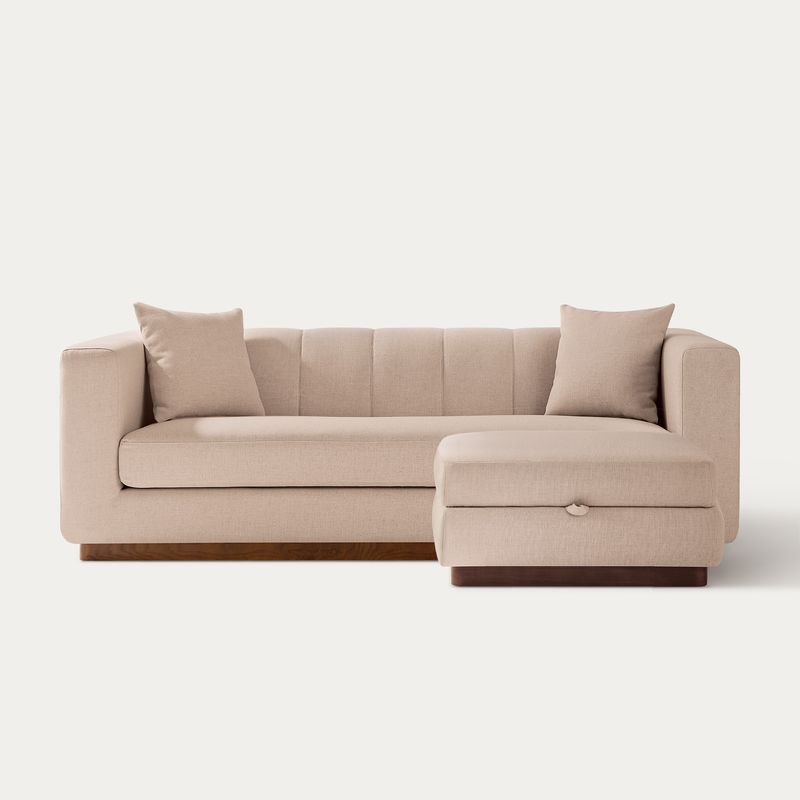
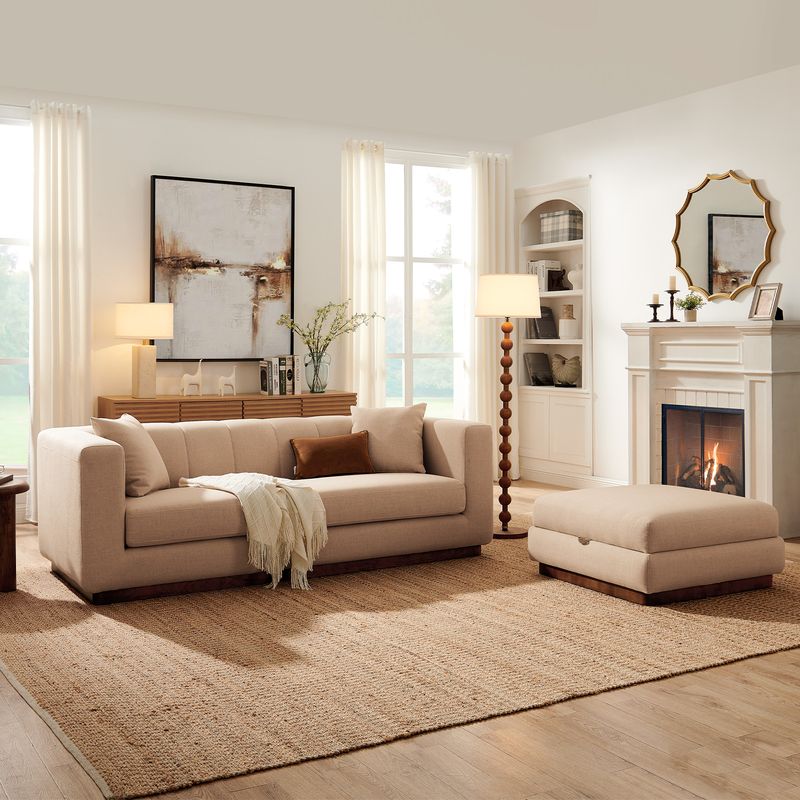
At Hernest, our collection brings together thoughtfully proportioned seating with the warm, refined character of mid-century modern design. Look for clean silhouettes, supportive cushions, tactile upholstery, and details designed to feel just as good in everyday use as they look in your space.
Read More
What Makes a Loveseat Different?
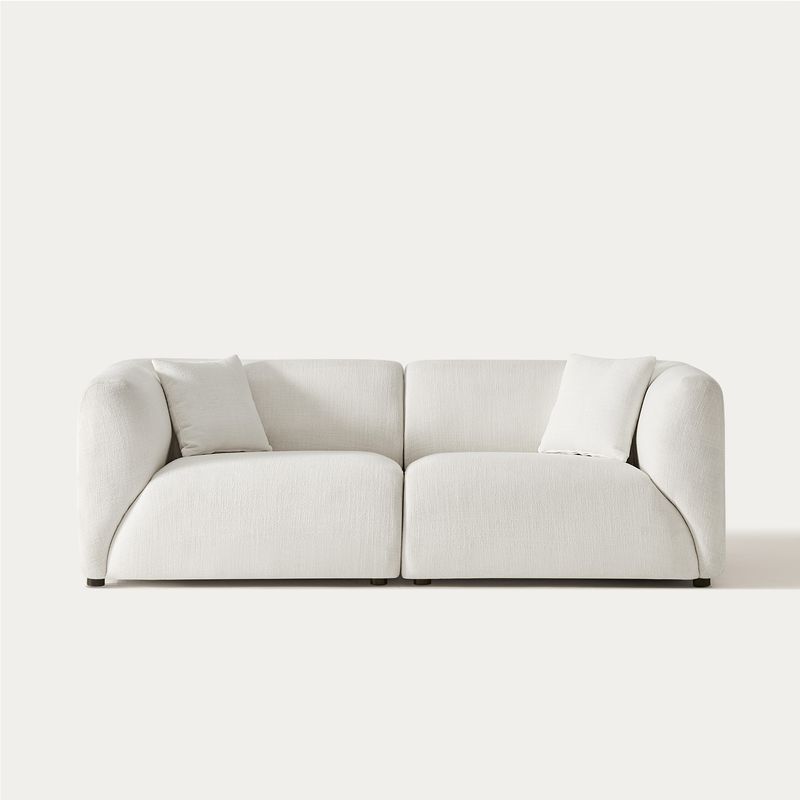
A loveseat is a compact, upholstered seat designed primarily for two people. Many loveseats are roughly 45 to 64 inches wide, although dimensions vary by design. Seat depth, arm thickness, back height, and overall proportions can make two pieces with similar widths feel very different in a room.
A loveseat sofa can be a practical middle ground when a standard sofa feels too large but a single accent chair does not provide enough seating. It gives two people room to sit comfortably while keeping the overall footprint relatively manageable.
Choose Loveseats by Room and Lifestyle
The right loveseat depends as much on how you use your space as it does on how the piece looks.
For Apartments and Smaller Living Rooms
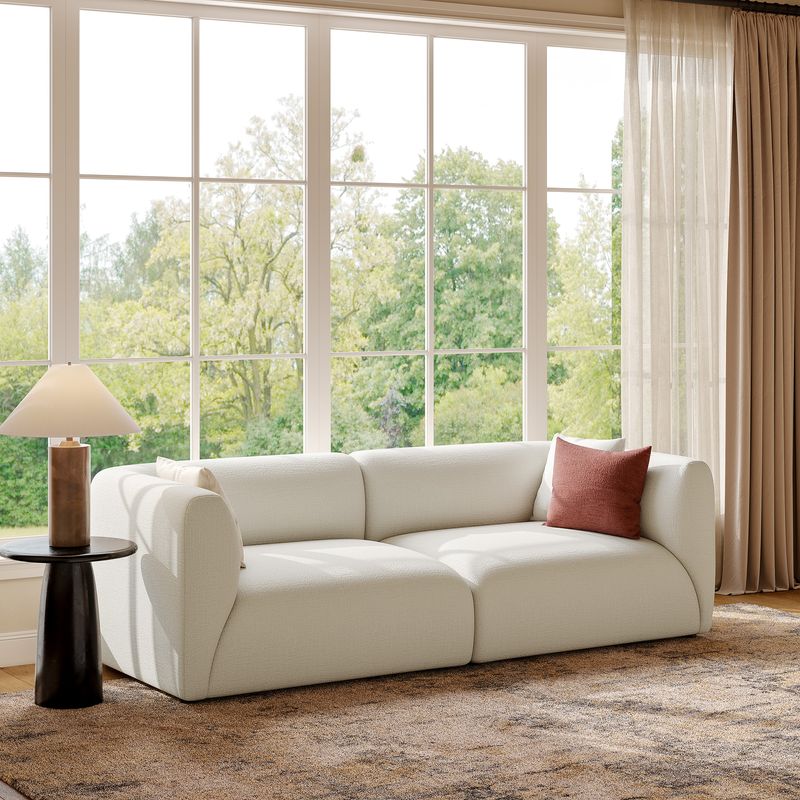
In a compact apartment, every inch matters. A loveseat can provide comfortable seating without visually overwhelming the room, leaving space for a coffee table, side table, floor lamp, or clear walking path.
Before ordering, measure the wall where the loveseat will sit as well as the doorway, hallway, elevator, stairs, and any tight turns along the delivery route. A piece can fit perfectly in the room and still be difficult to bring inside.
For Larger Living Rooms
A loveseat can work alongside a full-size sofa to create a more flexible conversation area. Instead of pushing every piece against the walls, try arranging the seating around a coffee table or at a slight angle. This can make a large room feel more inviting without adding unnecessary furniture.
Your sofa and loveseat do not have to be identical. Similar wood tones, complementary upholstery, or related silhouettes can create a cohesive look while keeping the room from feeling overly matched.
For Bedrooms, Offices, and Reading Corners
A loveseat is not limited to the living room. It can turn an unused bedroom corner into a comfortable place to read, give a home office a more relaxed seating option, or create a small sitting area beneath a window.
Because it accommodates two people without requiring the footprint of a full-size sofa, it can be an easy way to add useful seating to rooms that were never designed around a large couch.
Explore Loveseat Styles
Once you know where the loveseat will go, think about the overall character you want it to bring to the room.
Mid-Century Modern Loveseats
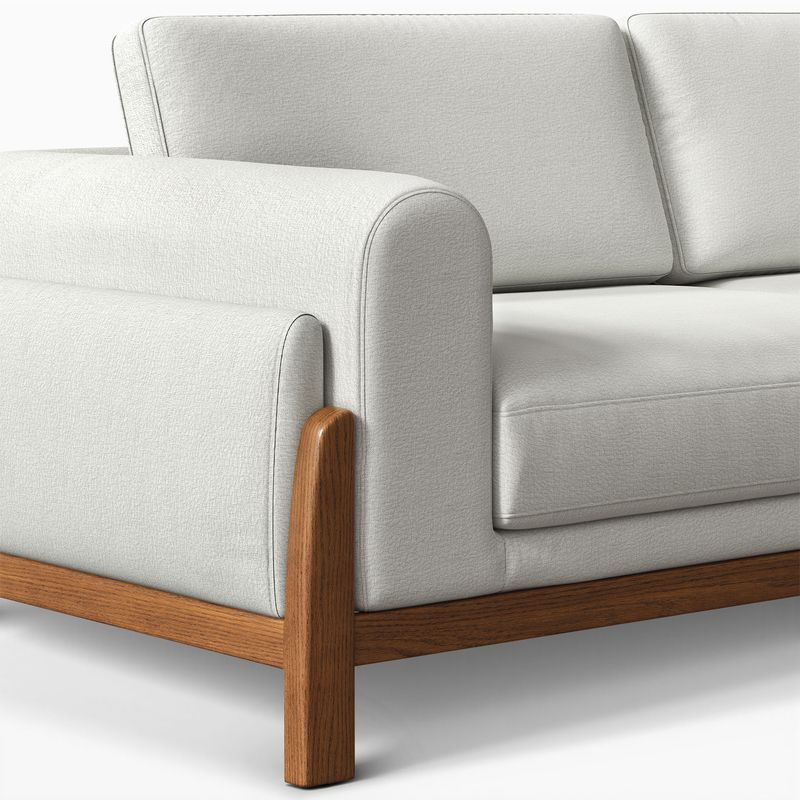
Mid-century modern designs are known for clean lines, balanced proportions, streamlined legs, and an emphasis on form without unnecessary bulk. They work particularly well when you want comfortable seating that still feels visually light.
Hernest brings these characteristics into its seating designs through refined silhouettes, upholstered cushions, and warm material details that can work with both vintage-inspired and contemporary interiors.
Modern Loveseats
Modern loveseats tend to favor simple shapes, understated details, and a clean profile. They can be a natural fit for apartments, open-plan spaces, and rooms where you want the furniture to complement the architecture rather than compete with it.
When comparing styles, consider the rest of your room. A structured loveseat can balance softer furnishings, while a more rounded silhouette can soften a space with strong architectural lines.
Functional Loveseat Options
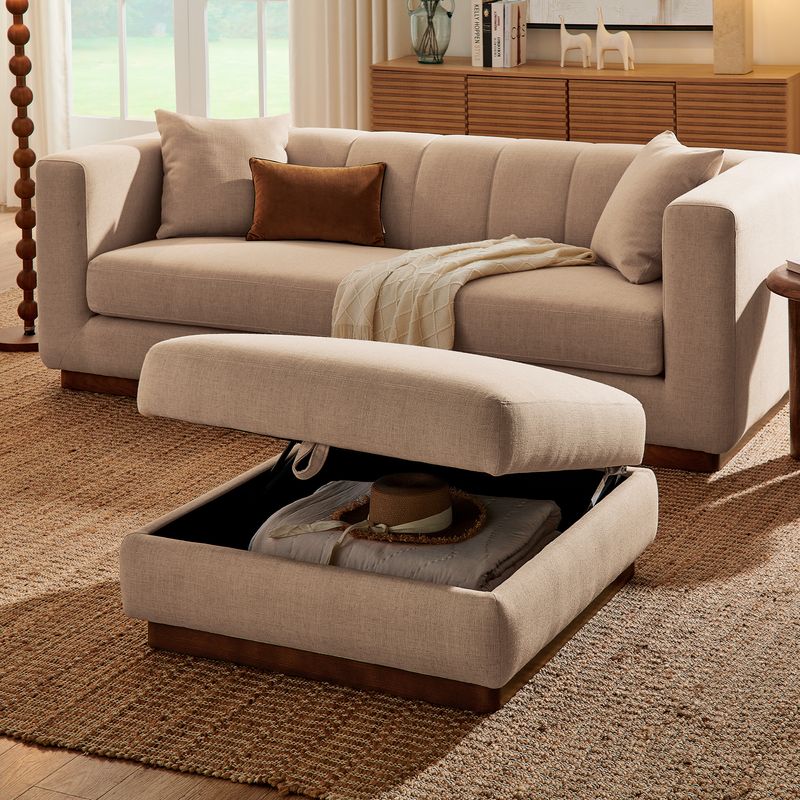
Some two-seat designs are built around more than everyday sitting, with features such as reclining, convertible sleeping surfaces, or storage.
If you are considering a multifunctional design, check how much room it needs when fully extended. A piece that works perfectly as a seat may require considerably more floor space when reclined or converted.
How to Choose the Right Loveseat
A loveseat may look great online, but the details you notice after living with it are usually the ones that matter most.
Start With Measurements
Measure the available space before choosing a loveseat, including width, depth, and height. Then consider the furniture around it.
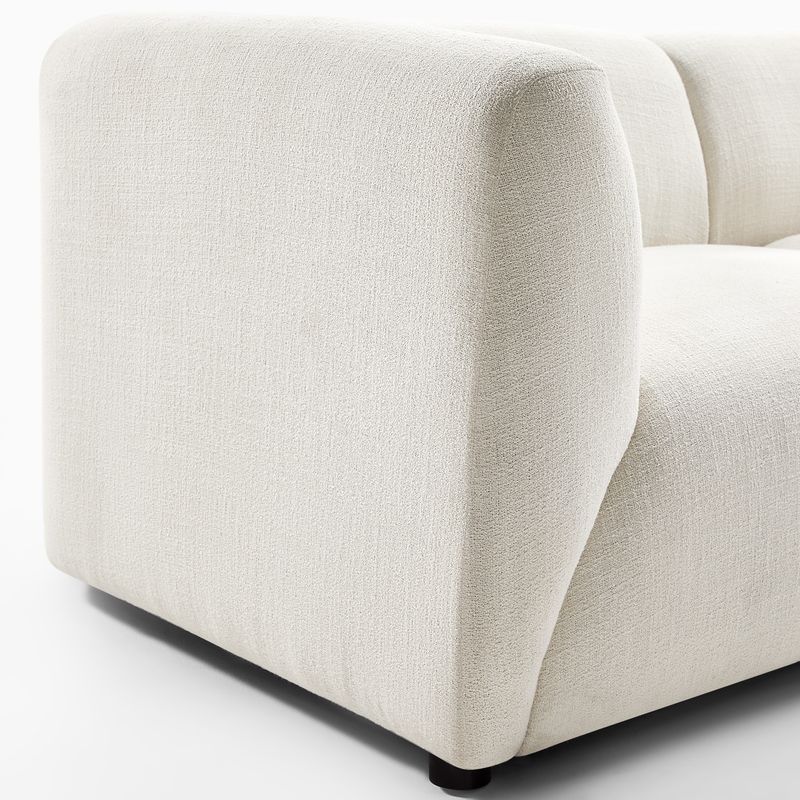
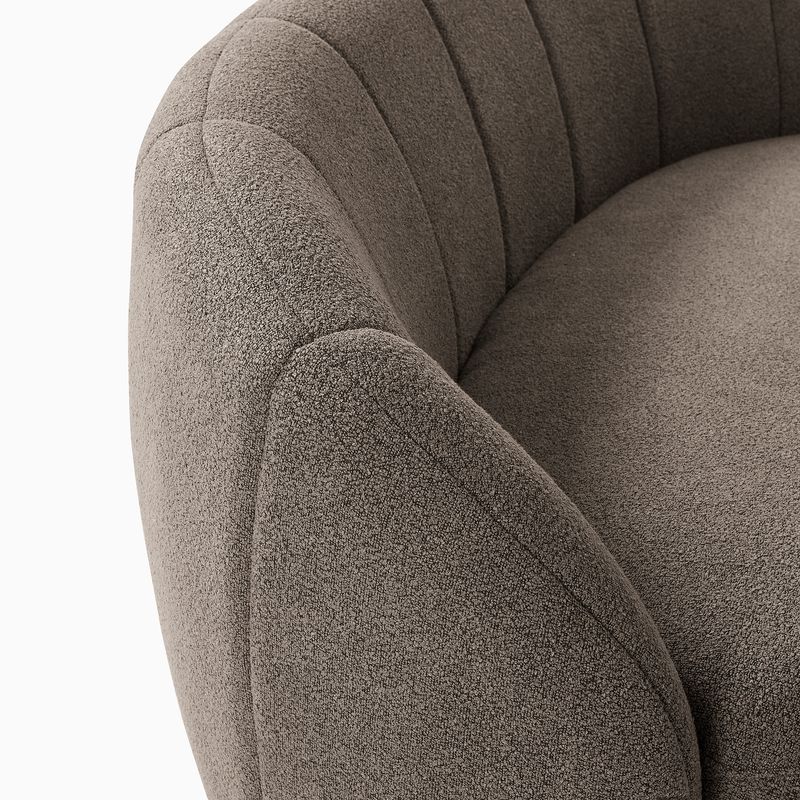
Leave enough room for people to walk comfortably and access nearby tables, doors, and windows. Also pay attention to thick arms or a tall back, which can make a piece feel more substantial than its listed width suggests.
Pay Attention to Seat Comfort
Think about how you normally sit.
If you prefer sitting upright while reading or talking, a supportive back and moderate seat depth may feel more natural. If you like stretching out during a movie, a deeper seat and softer cushions may be more appealing.
When shopping online, look beyond general descriptions such as "comfortable." Check the actual seat dimensions, cushion construction, upholstery information, and product specifications whenever they are available.
Consider Upholstery and Everyday Use
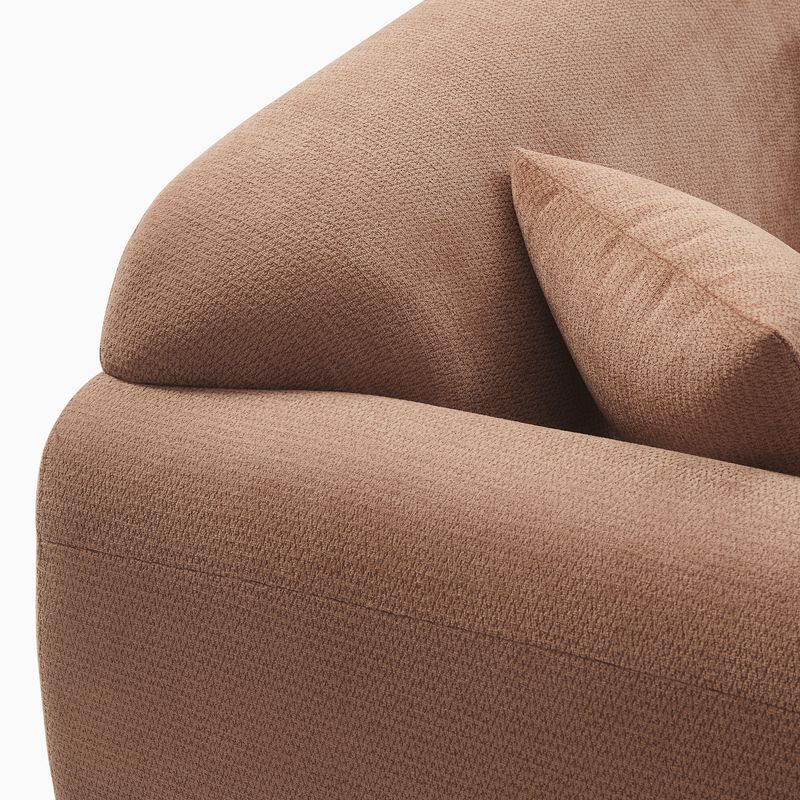
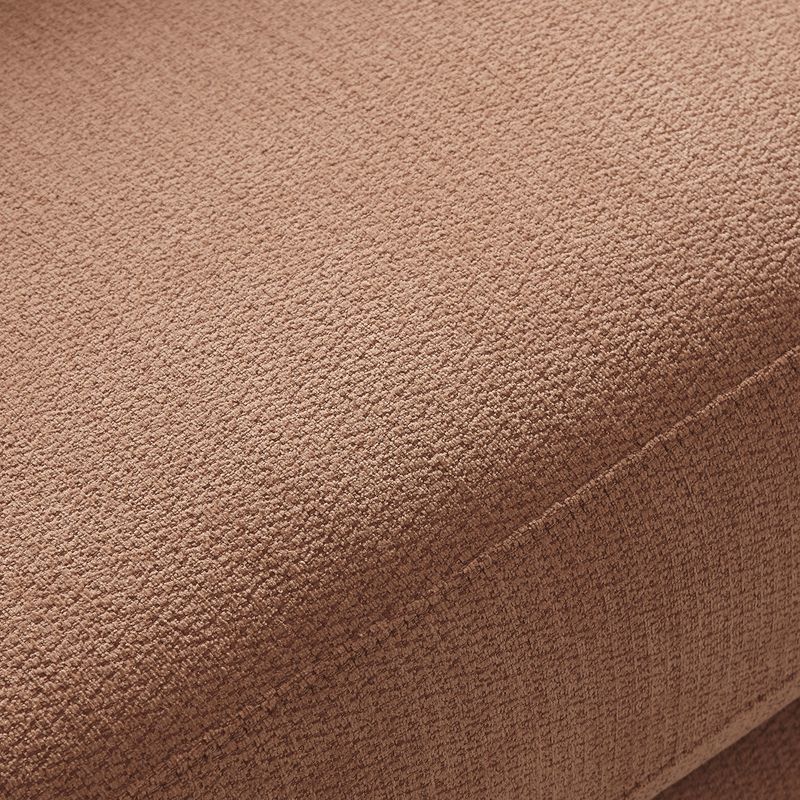
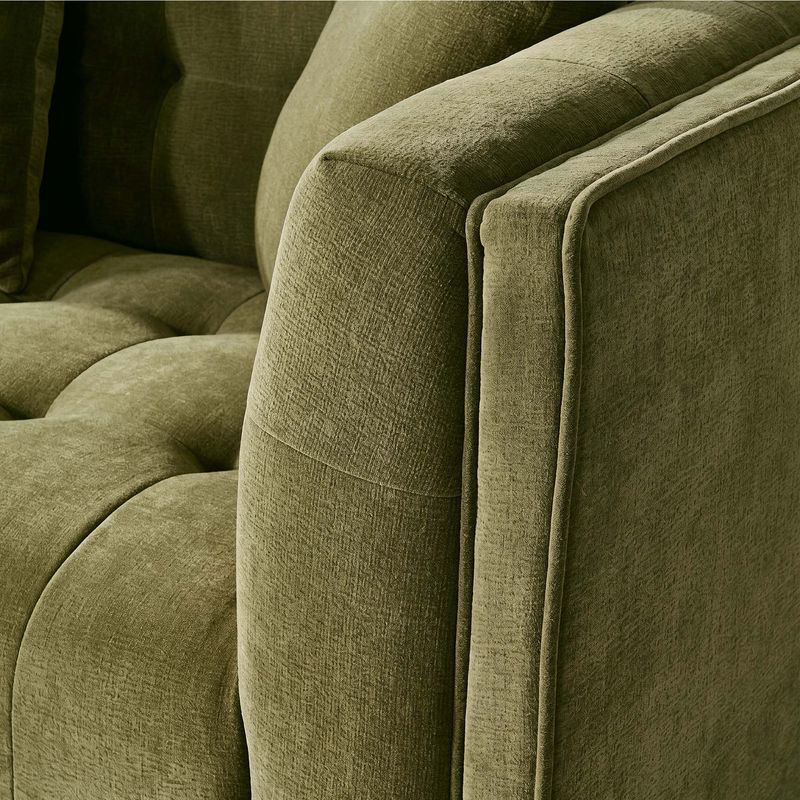
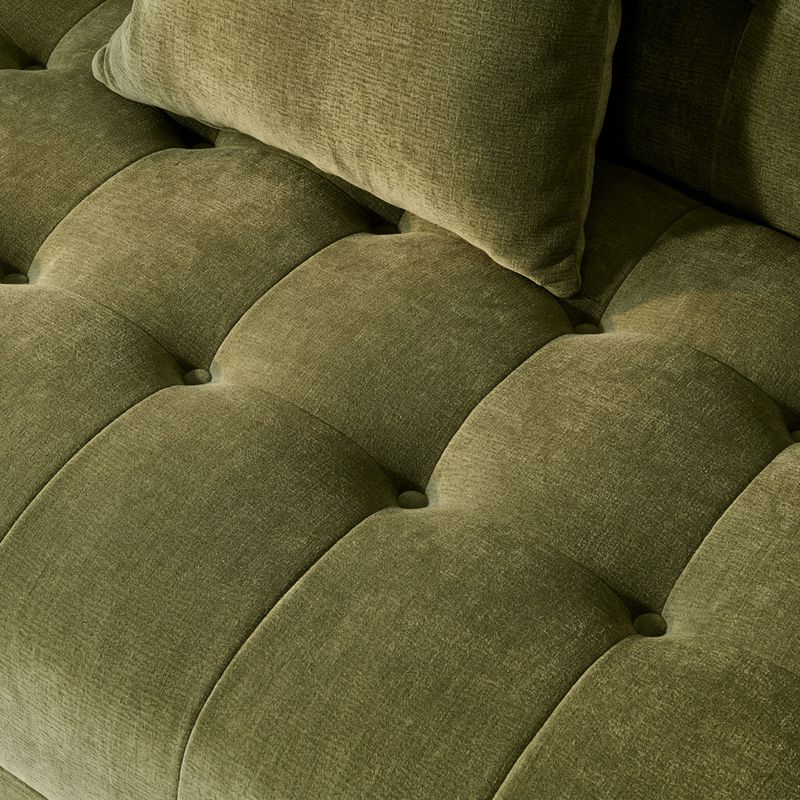
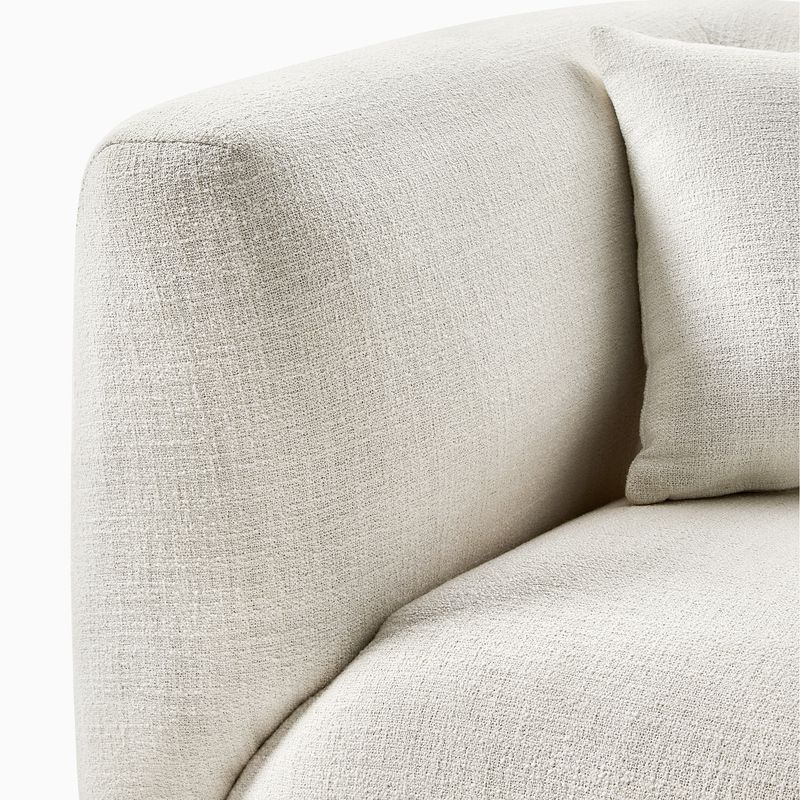
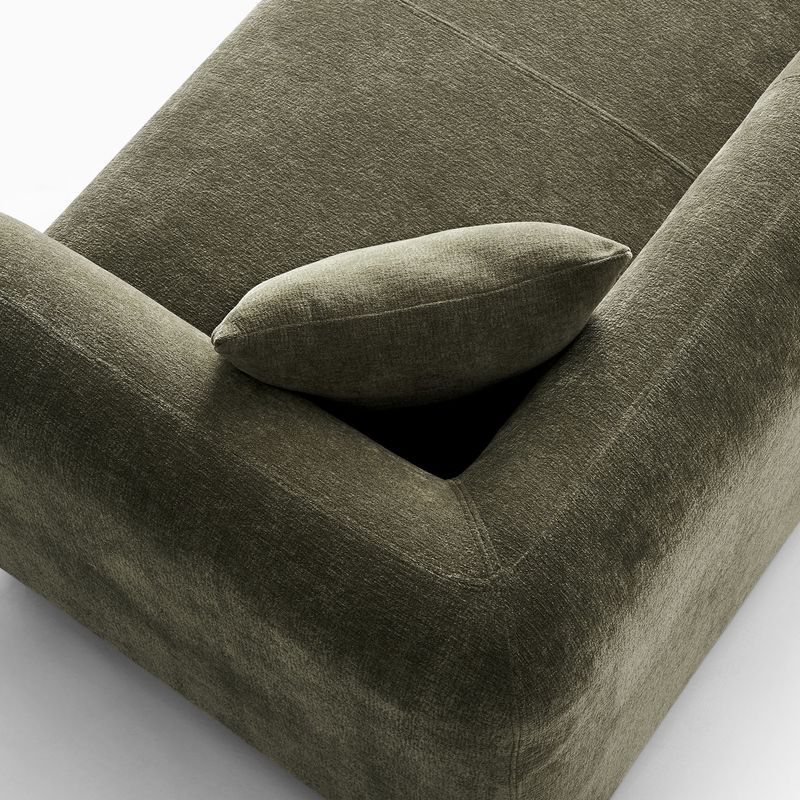
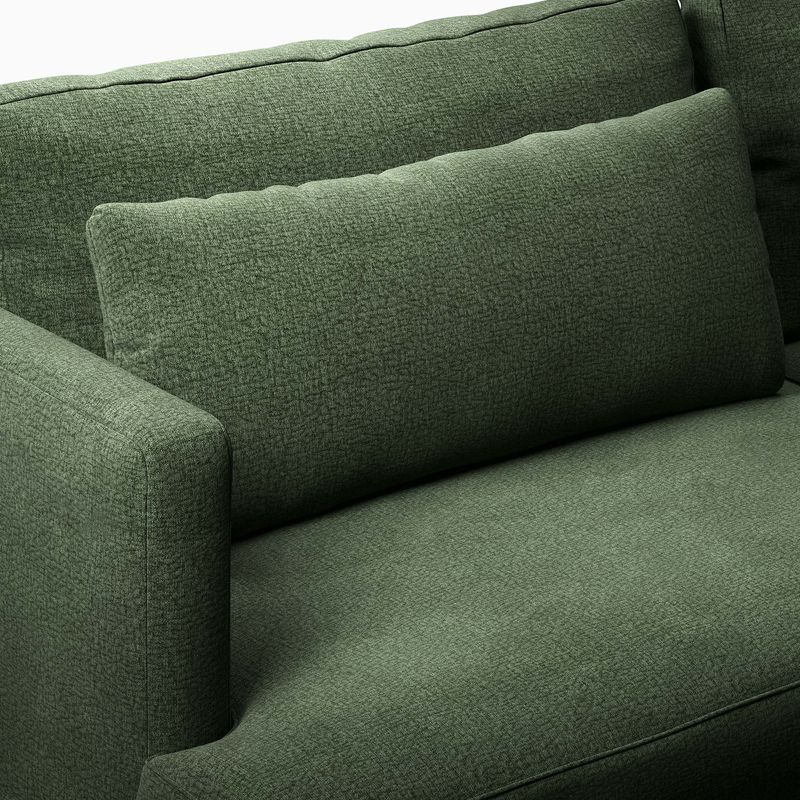
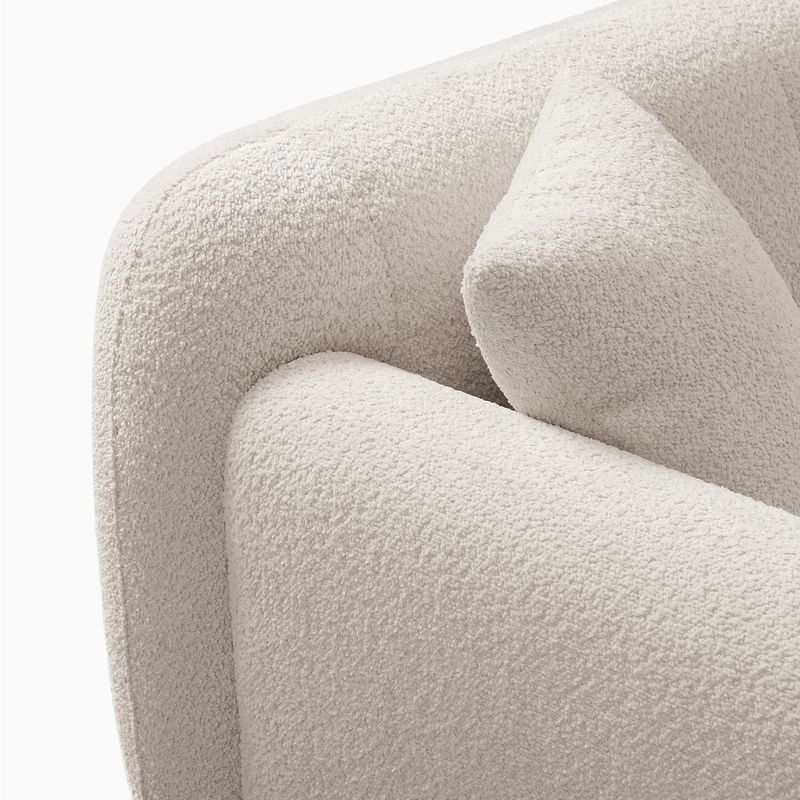
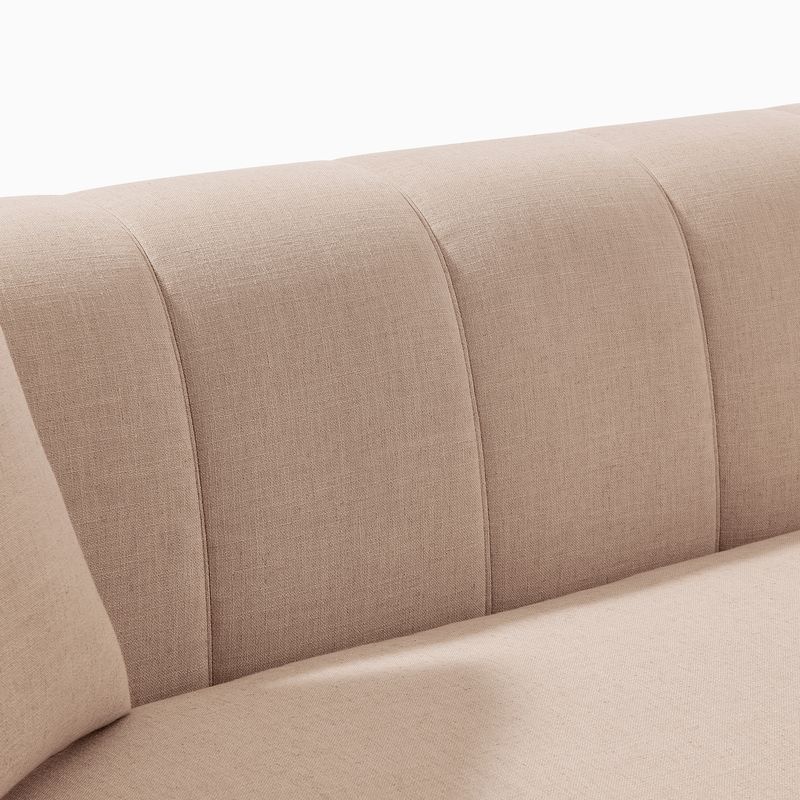
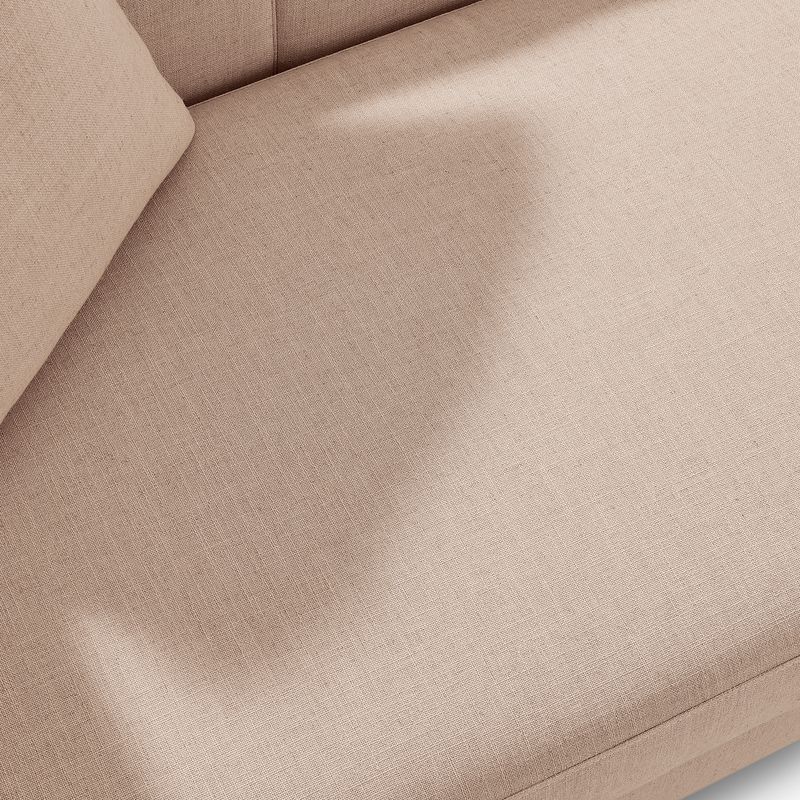
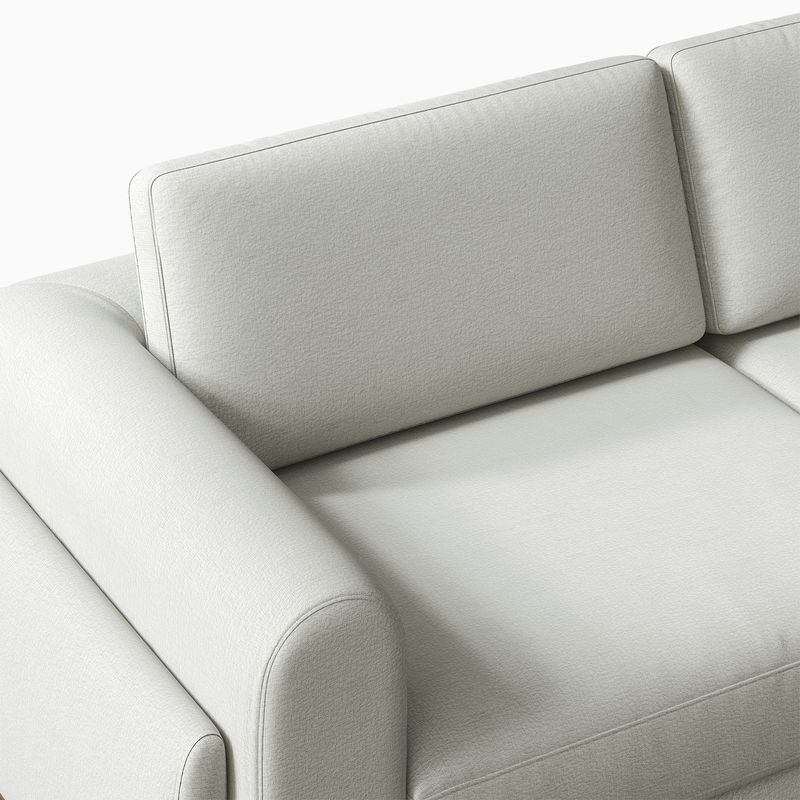
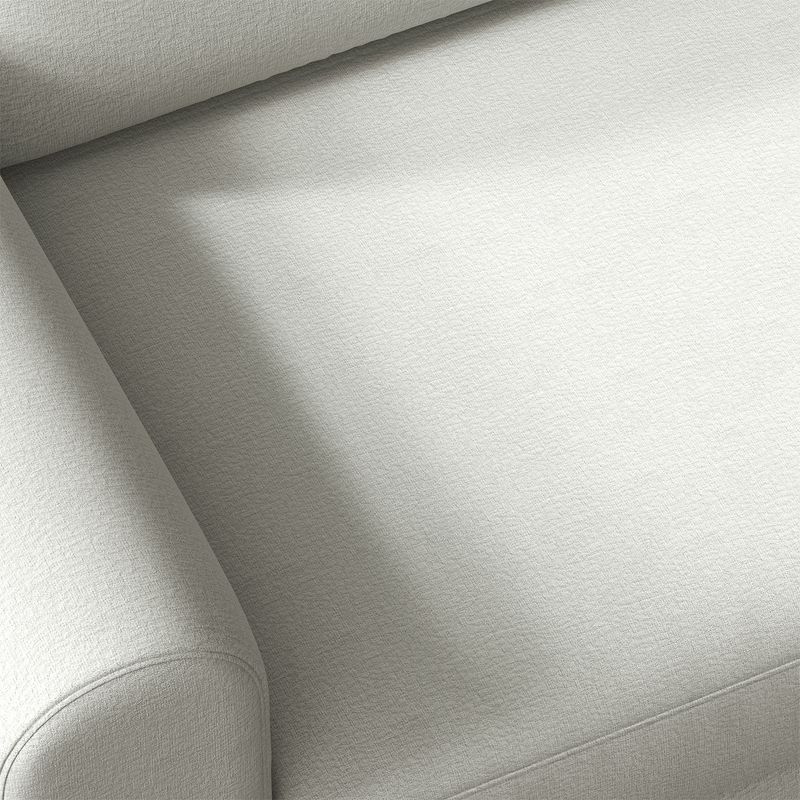
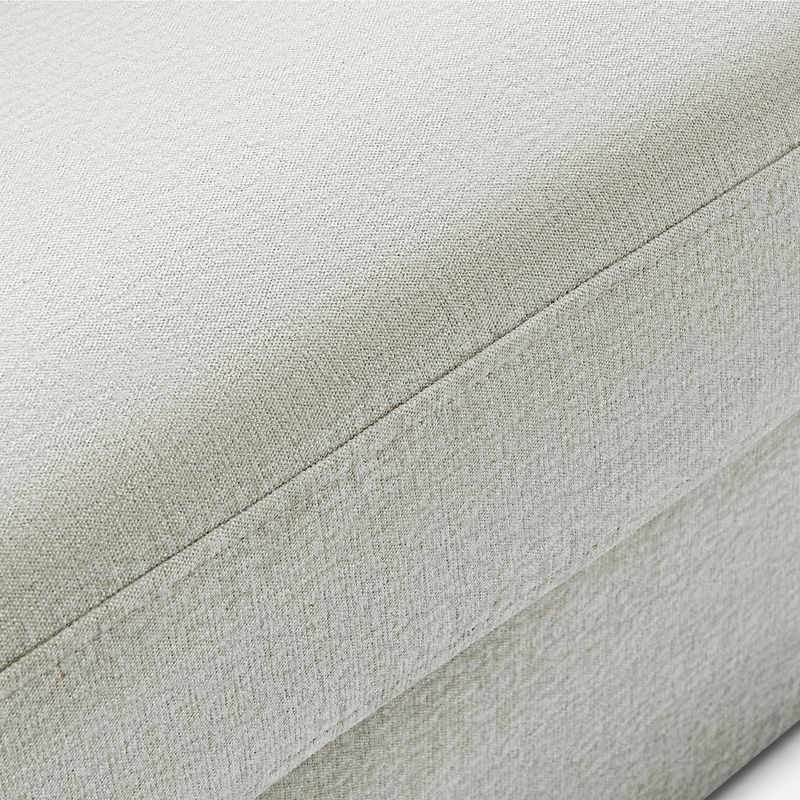
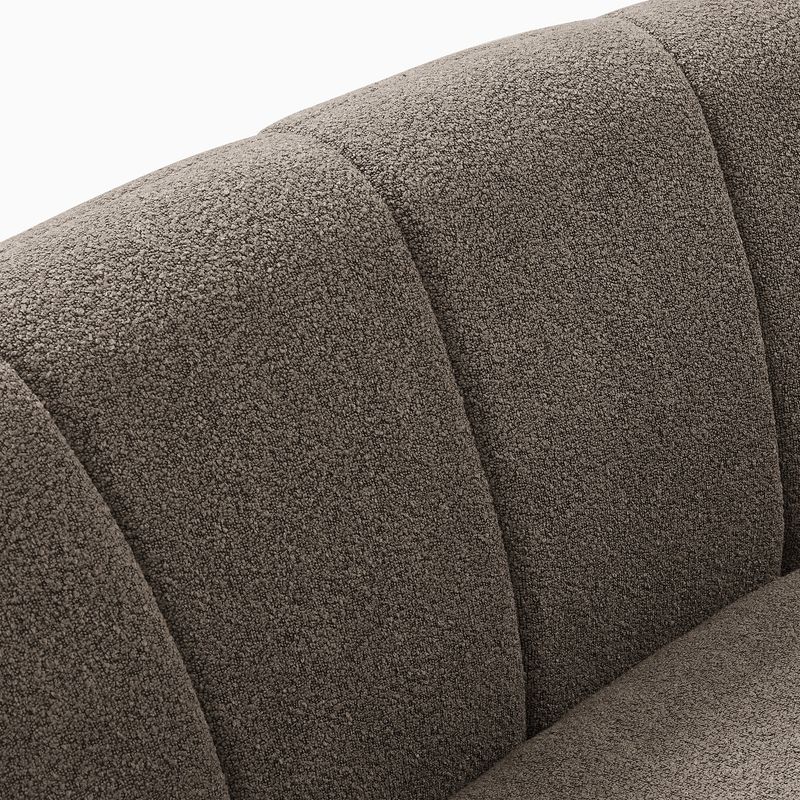
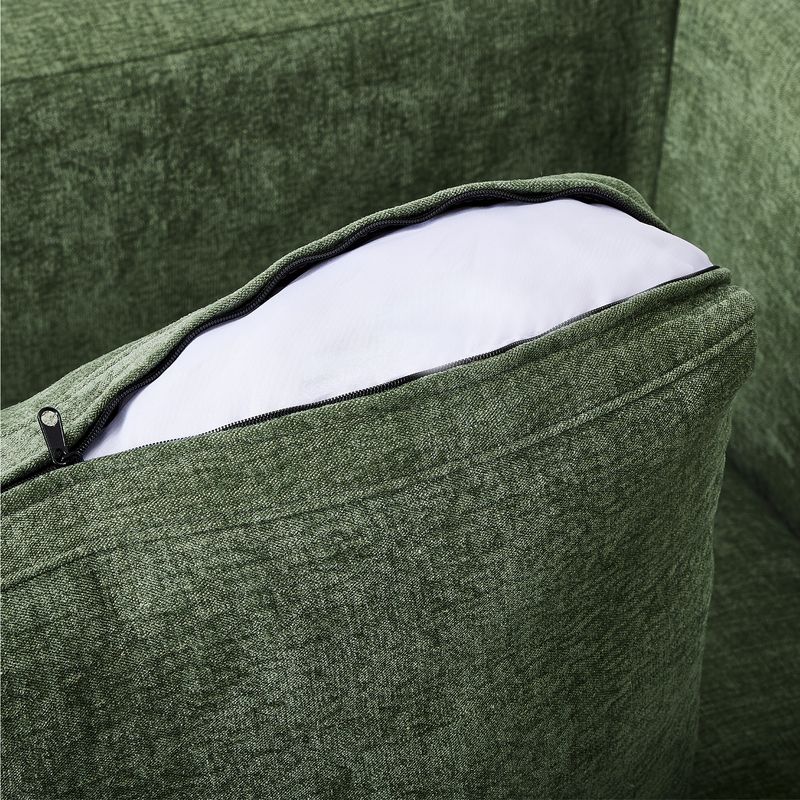
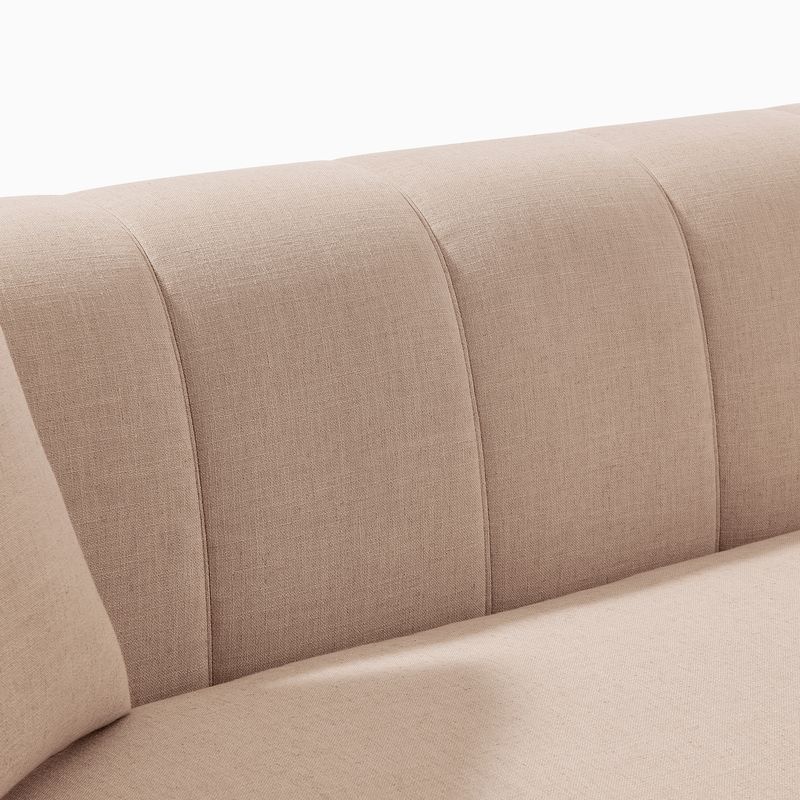
Upholstery affects both the look and practicality of a loveseat. Different materials have different characteristics when it comes to texture, durability, cleaning, and everyday wear.
Consider how the loveseat will be used. A busy household may prioritize easy-care materials, while someone furnishing a quiet reading corner may place more emphasis on texture and appearance. Sunlight, pets, children, and frequency of use can all influence the right choice.
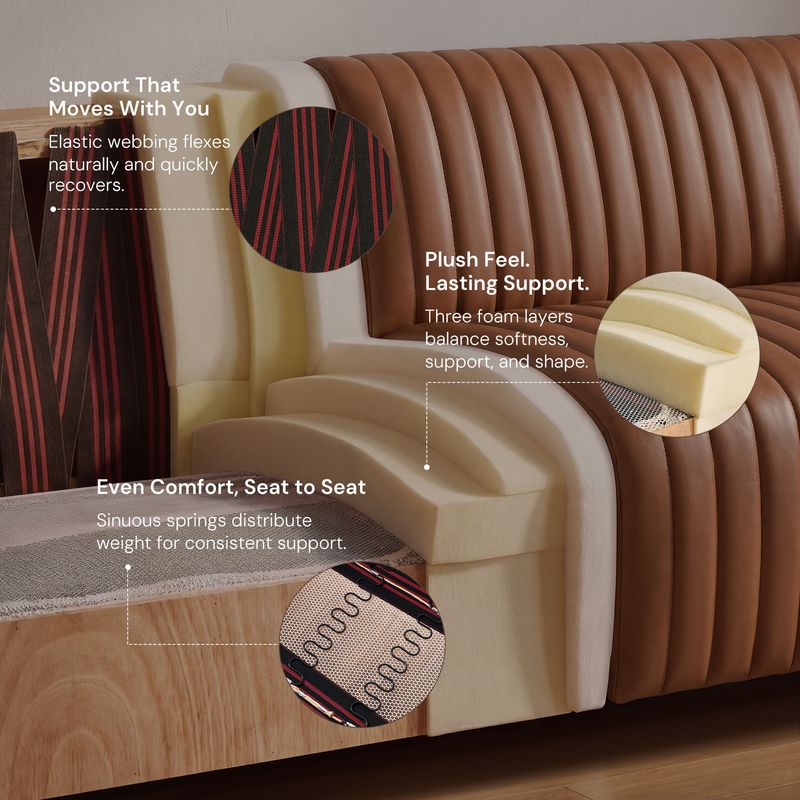
Look at the Frame and Construction
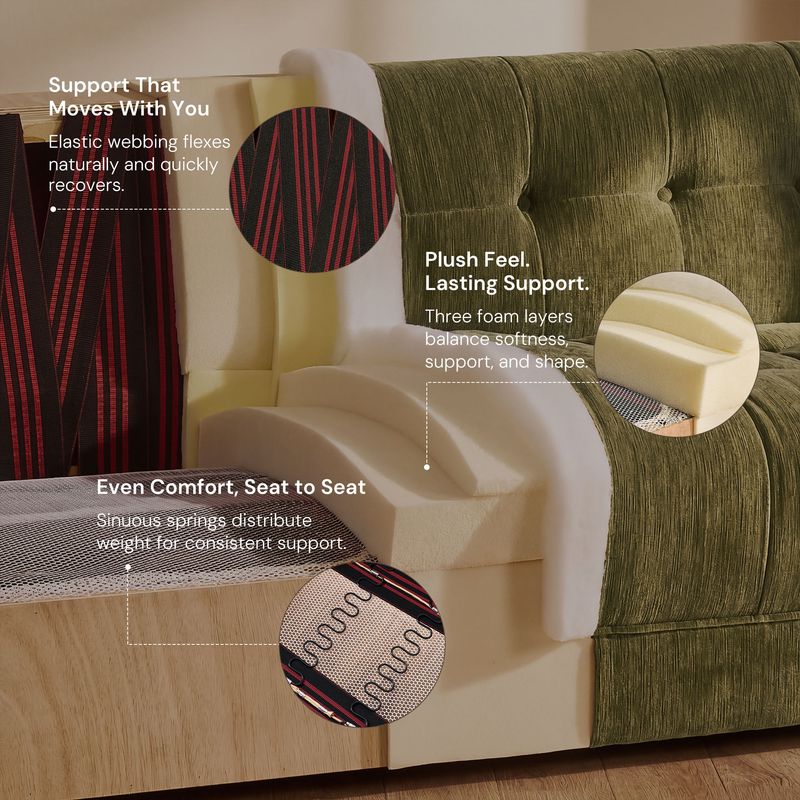
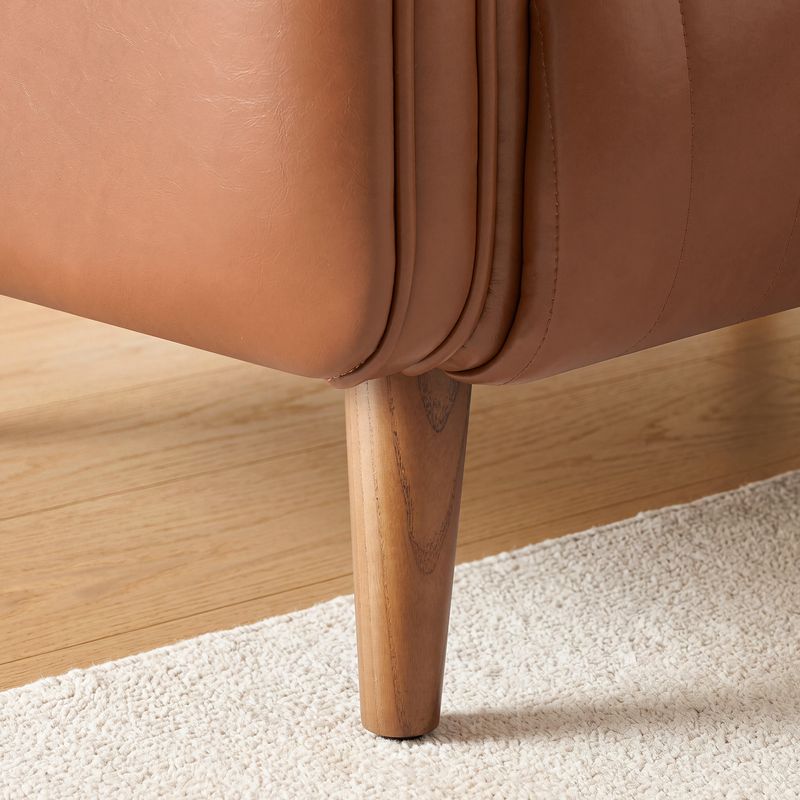
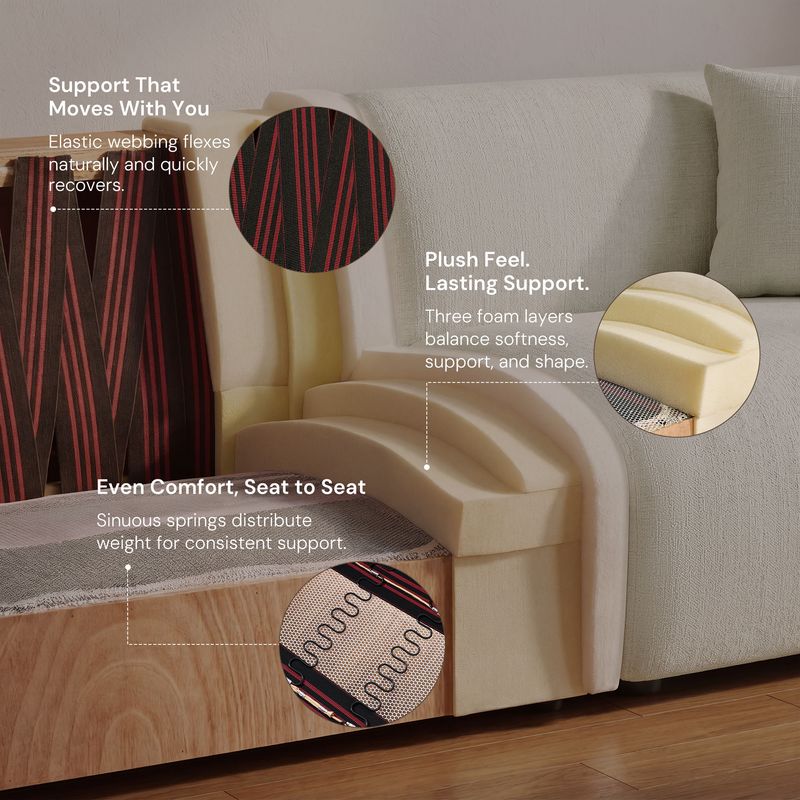
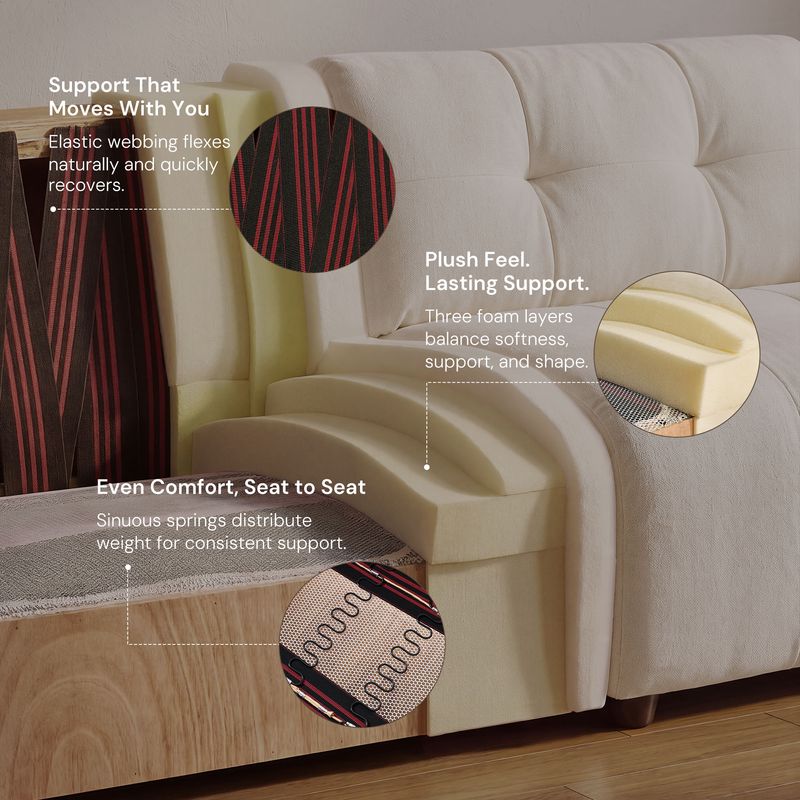
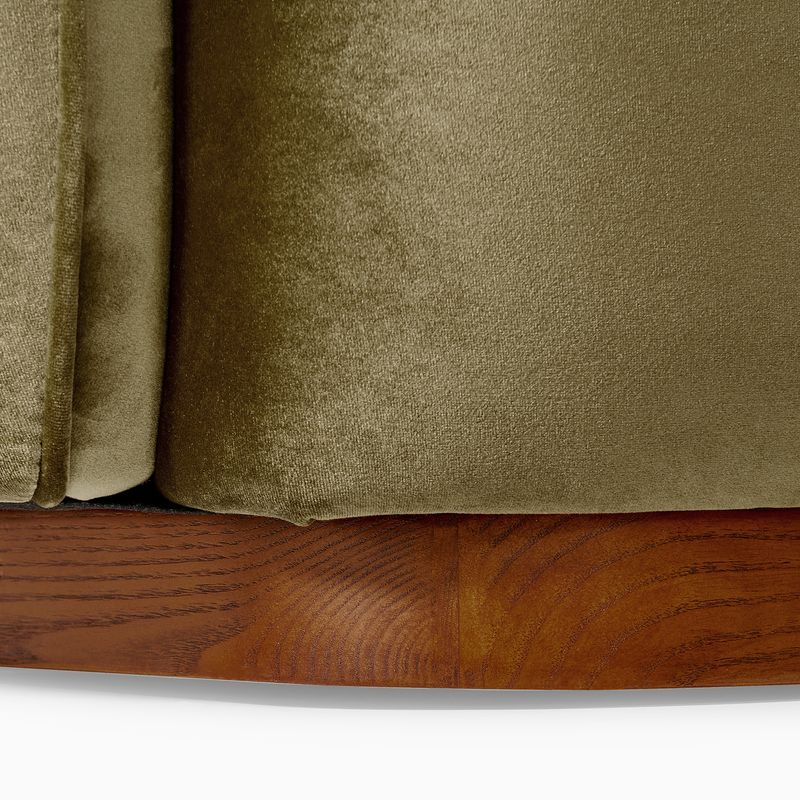
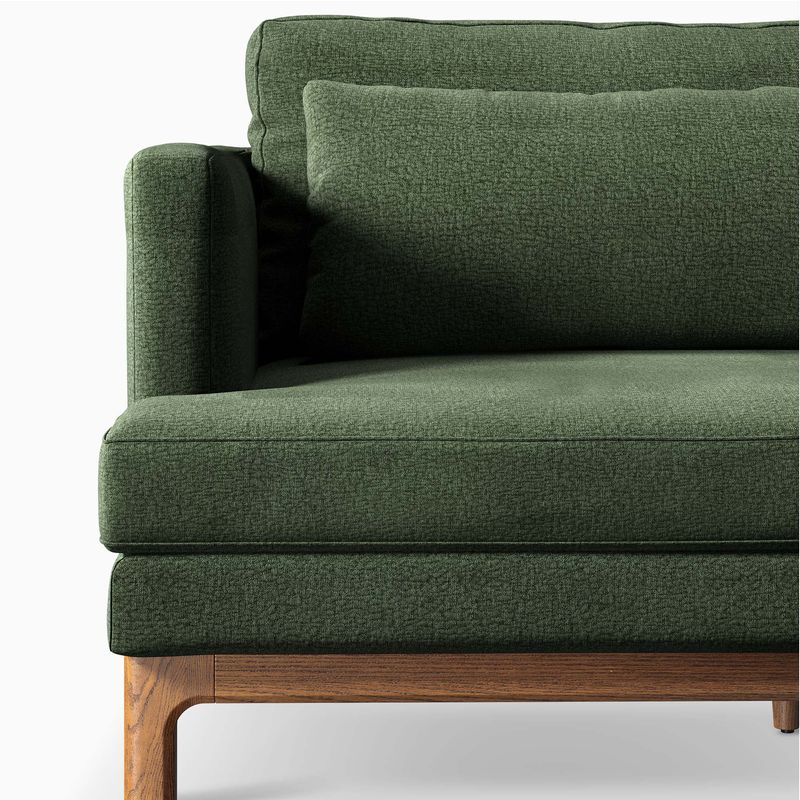
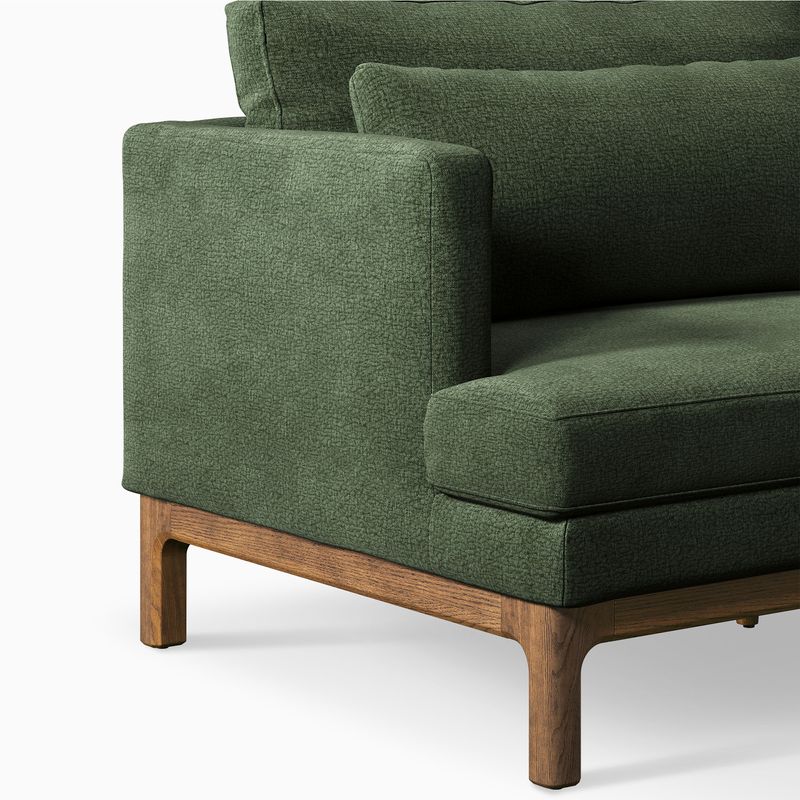
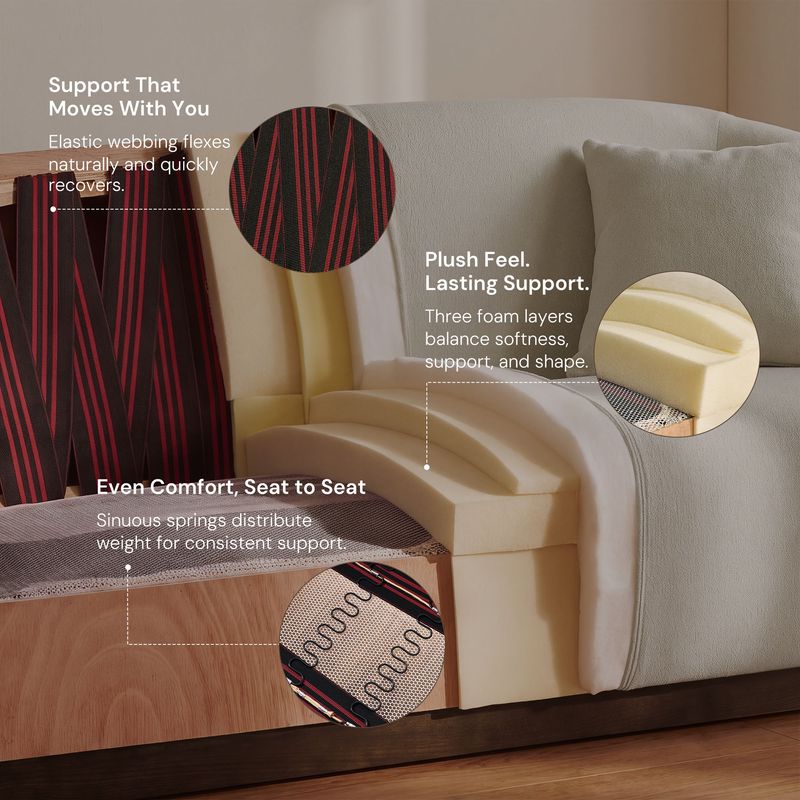
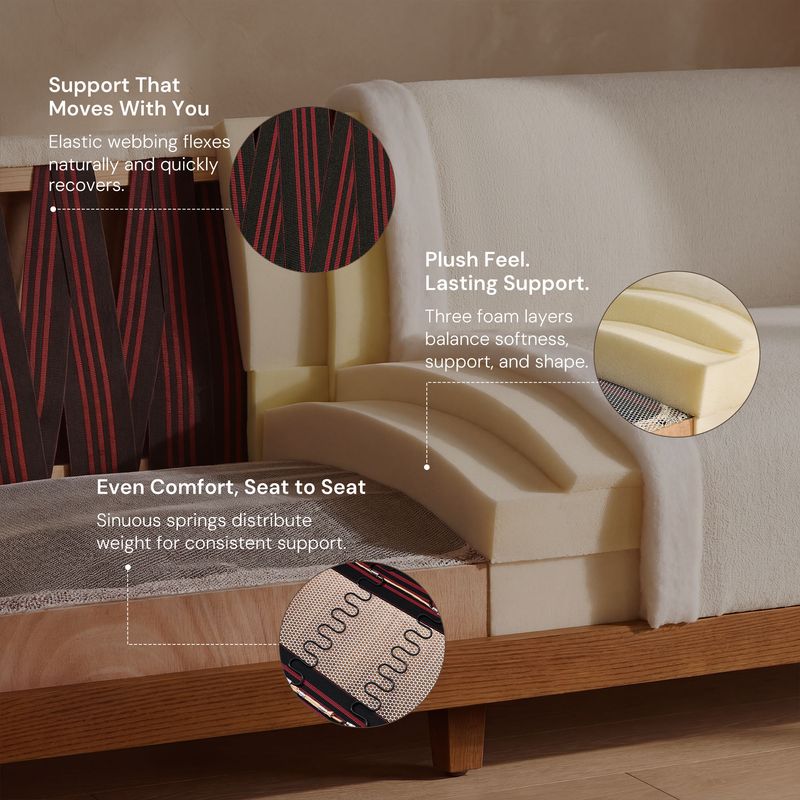
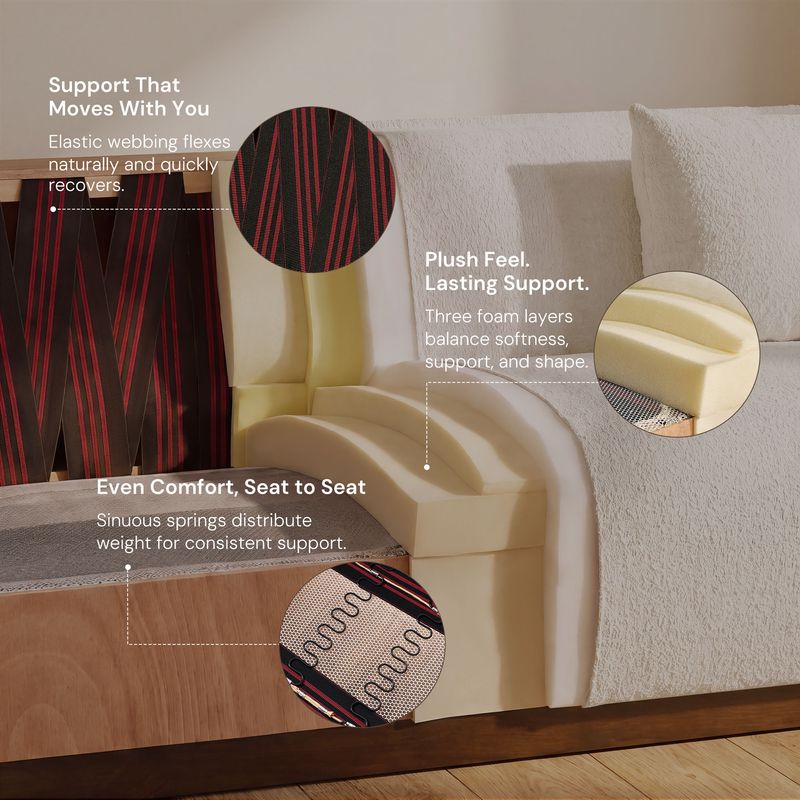
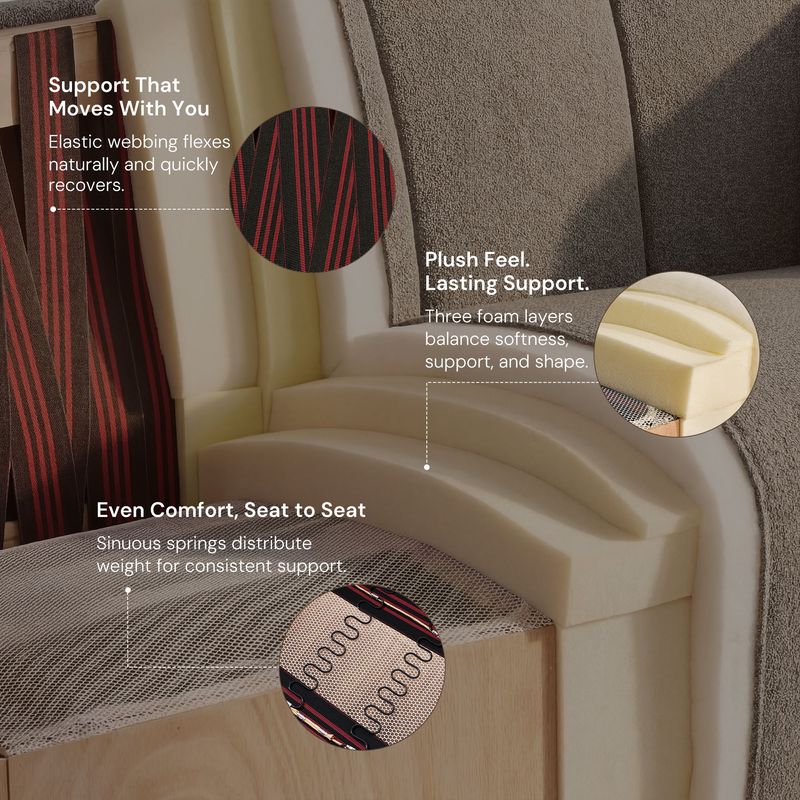
A well-made loveseat should feel stable and supportive rather than flimsy. Look at the frame, legs, joints, cushion support, and overall construction when product details are available.
These elements are easy to overlook when shopping online, but they can make a noticeable difference in everyday use and long-term durability. Hernest combines clean, considered design with practical construction for seating that is made to be lived with.
Sofa & Love Seat: Do They Need to Match?
Not necessarily.
A sofa & love seat combination can feel coordinated without using exactly the same upholstery or silhouette. In fact, mixing complementary pieces often gives a living room more depth and personality.
For an intentional look, repeat one or two visual elements across the seating. Similar wood tones, related upholstery colors, comparable arm shapes, or a shared design era can be enough to connect the pieces.
If your main sofa has a substantial profile, a lighter-looking loveseat can help balance the room. If the sofa is relatively simple, a more distinctive loveseat can provide a secondary focal point.
The goal is to create a relationship between the pieces, not make them identical.
How to Maintain and Clean Your Loveseat
Good care starts with the upholstery manufacturer's specific cleaning instructions. Different fabrics and finishes can respond differently to moisture, detergents, and household cleaners.
For everyday maintenance:
● Vacuum upholstery regularly using an appropriate attachment.
● Remove crumbs and dust before they settle deeper into the fabric.
● Blot spills promptly instead of rubbing them into the upholstery.
● Test cleaning products on an inconspicuous area first.
● Keep the loveseat away from excessive direct sunlight when possible.
● Rotate or reposition removable cushions when the care instructions allow it.
● Avoid harsh chemicals or soaking the upholstery unless specifically permitted.
For difficult stains or delicate materials, professional upholstery cleaning may be the safer option.