
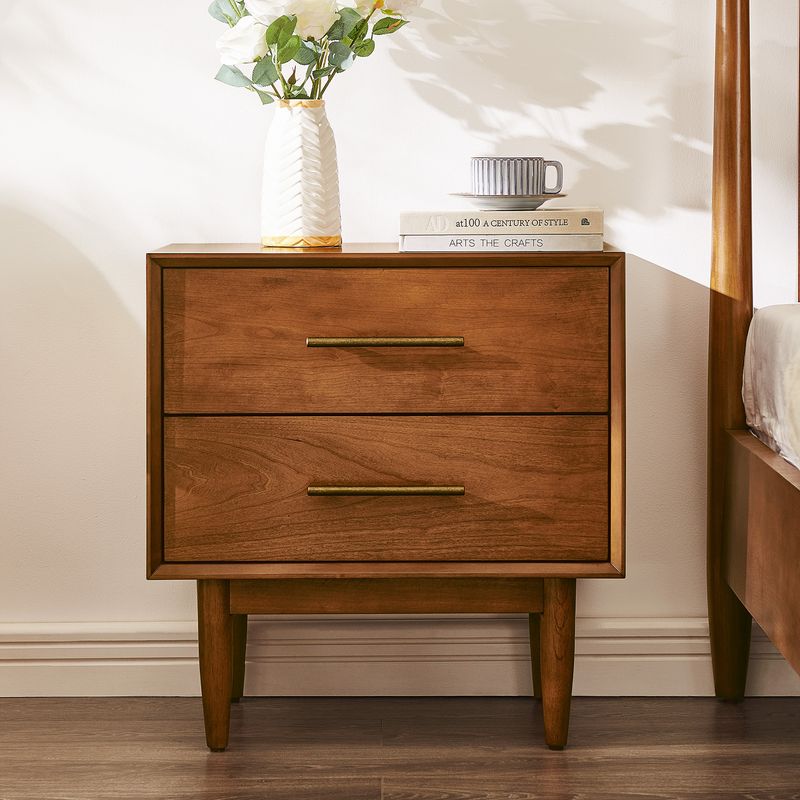
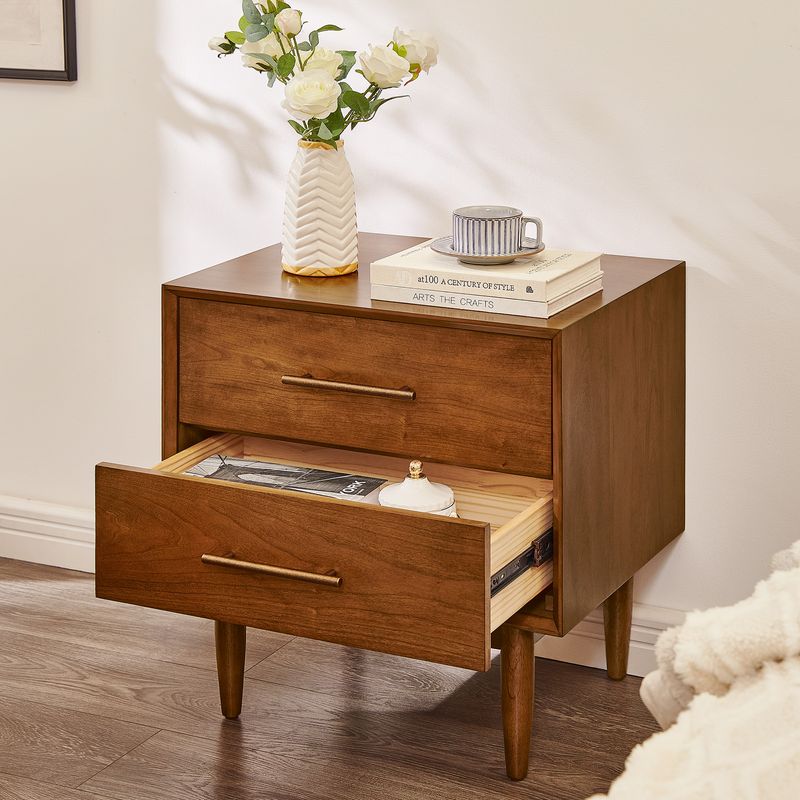
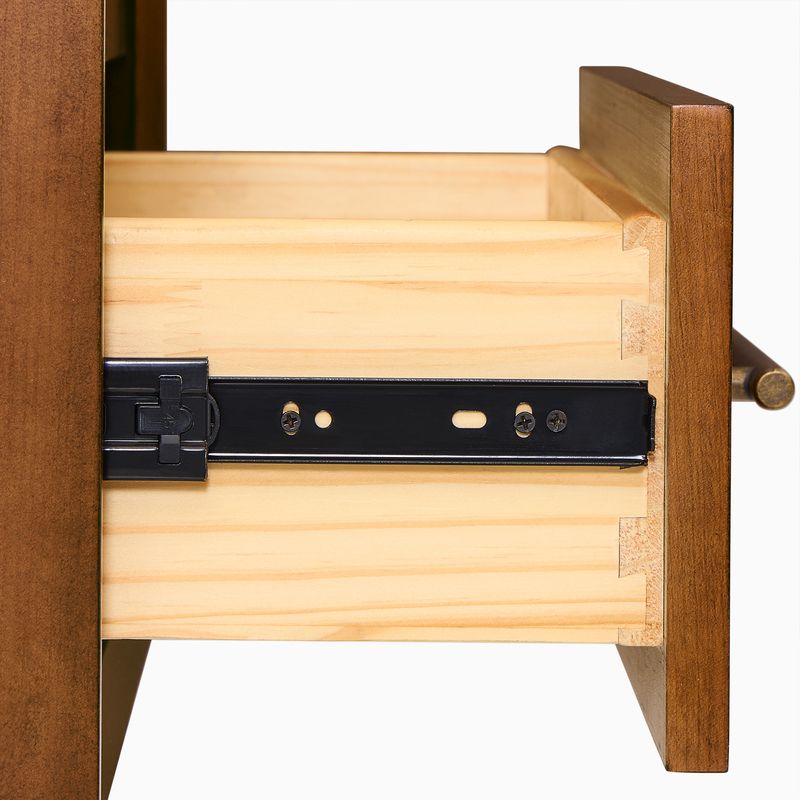
Find a Nightstand That Fits Your Bedroom and Routine
A nightstand keeps everyday essentials within reach while adding useful storage beside your bed. Whether you need space for a reading lamp, phone, books, or personal belongings, the right design can make your bedroom more functional without taking up unnecessary floor space.
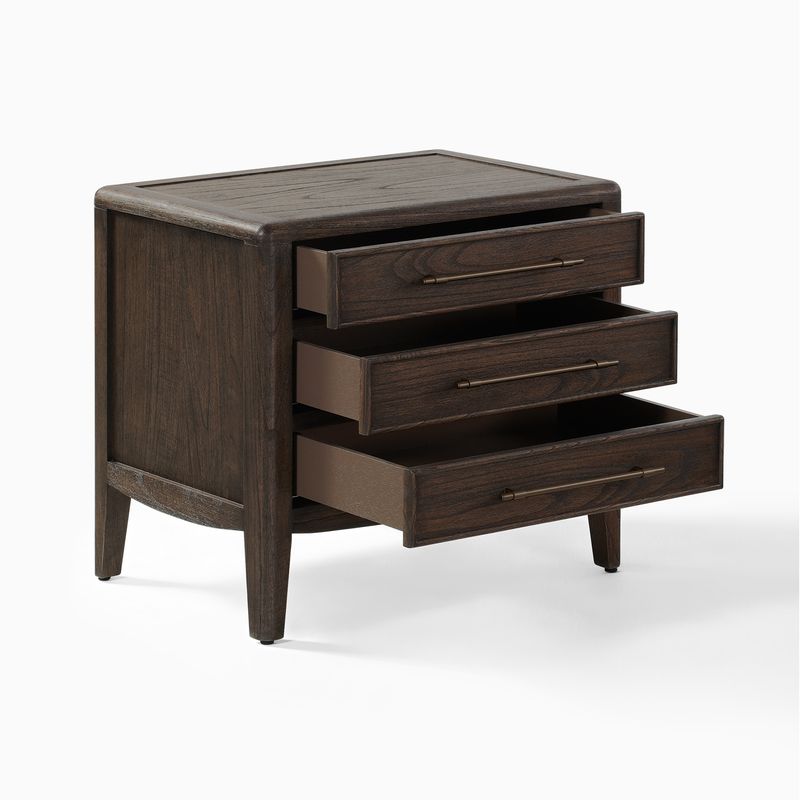
Hernest nightstands come in different sizes, finishes, and storage configurations, from fluted designs with two drawers to compact tables that combine concealed storage with an open shelf. Your choice should reflect your mattress height, available space, storage needs, and preferred look.
Before comparing designs, measure the area beside your bed and decide which items you want to keep close at hand. This will help you choose a nightstand that fits your room and your daily routine.
Read More
Explore Nightstands by Design and Storage
Fluted Nightstands With Distinctive Texture
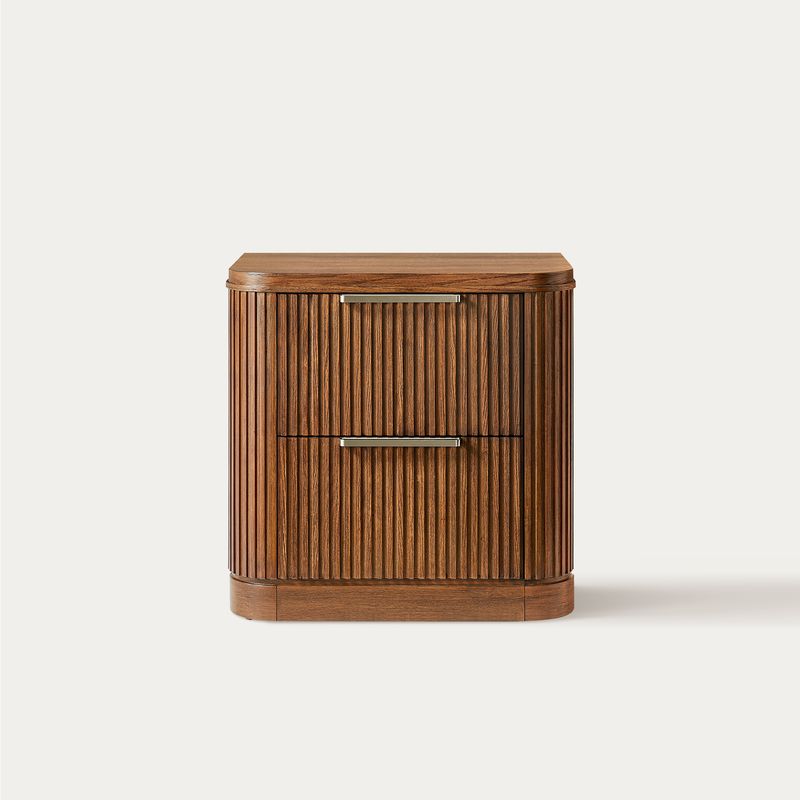
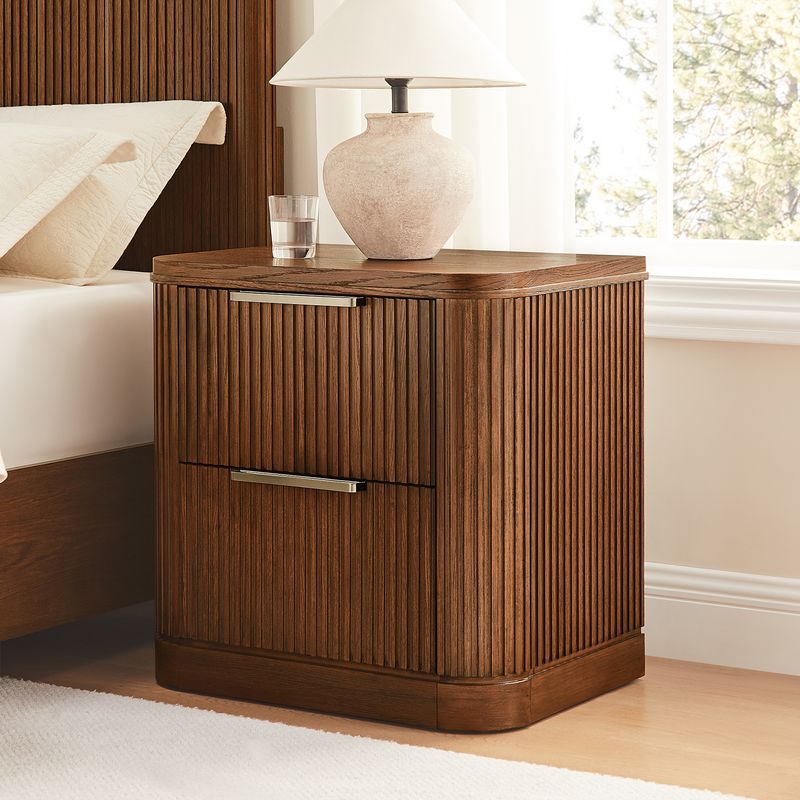
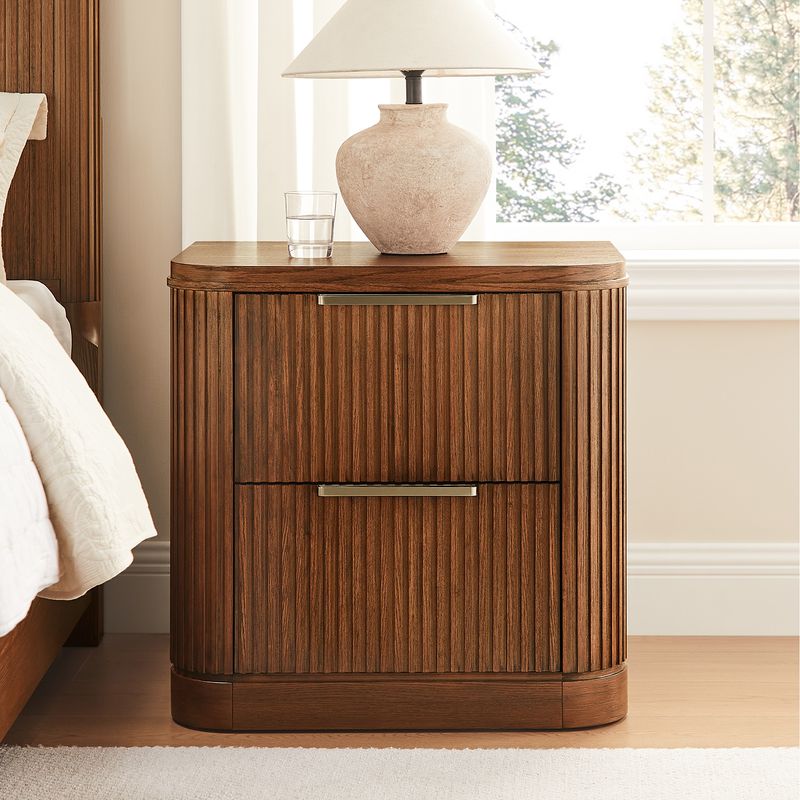
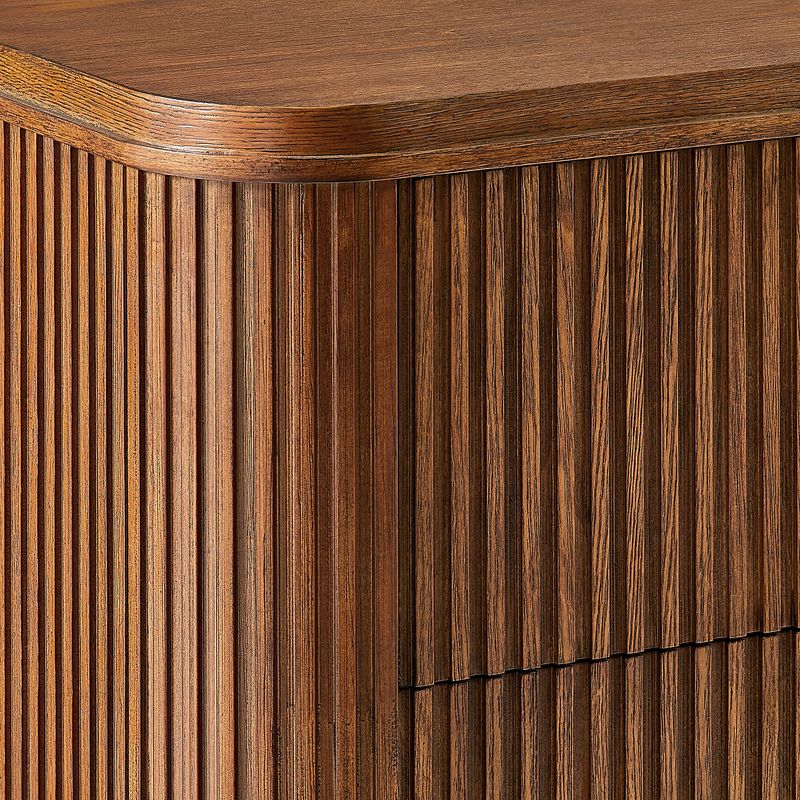
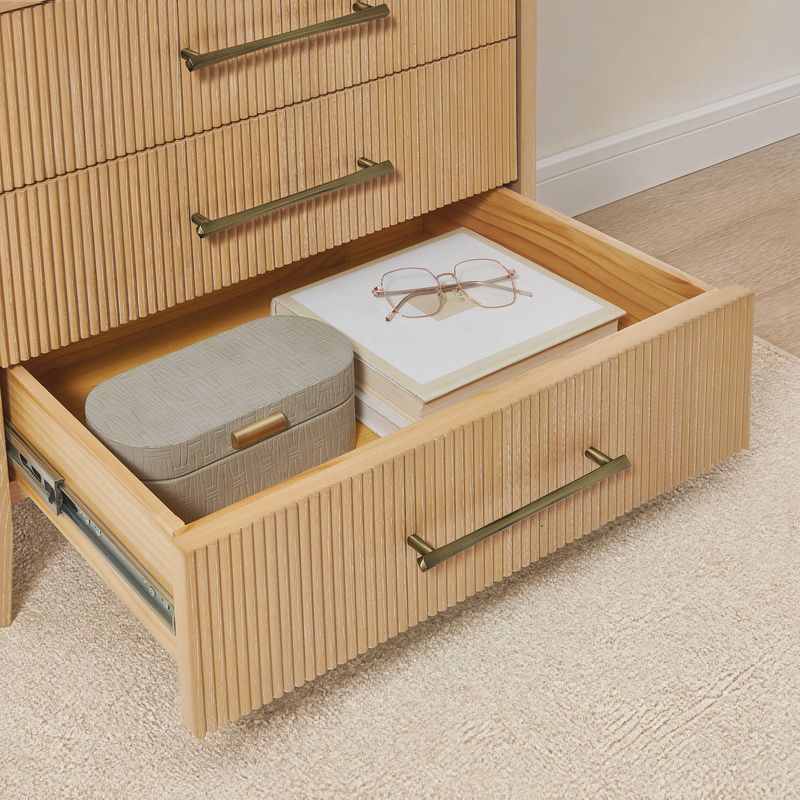
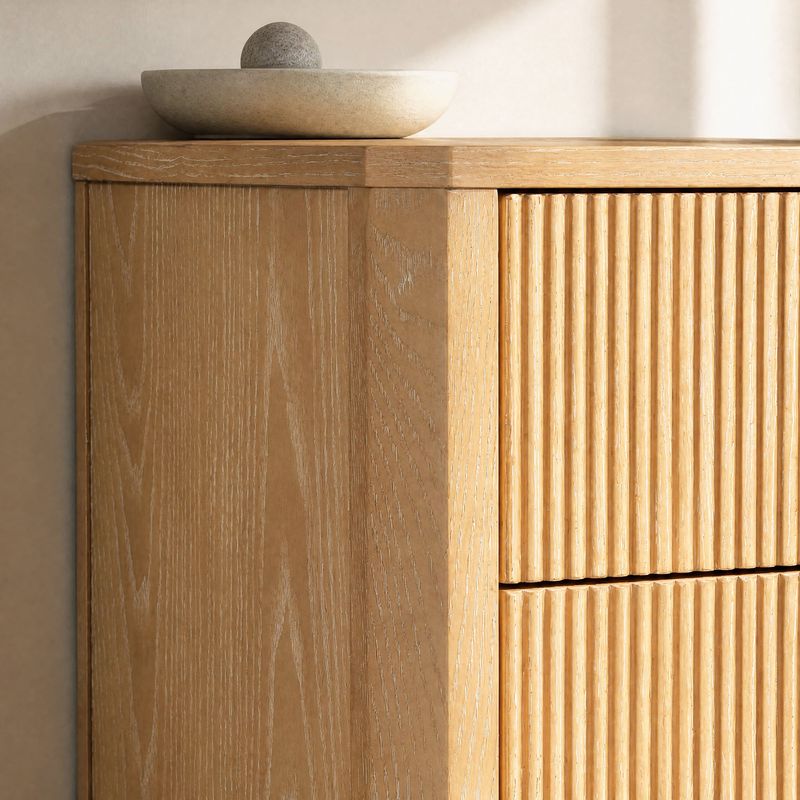
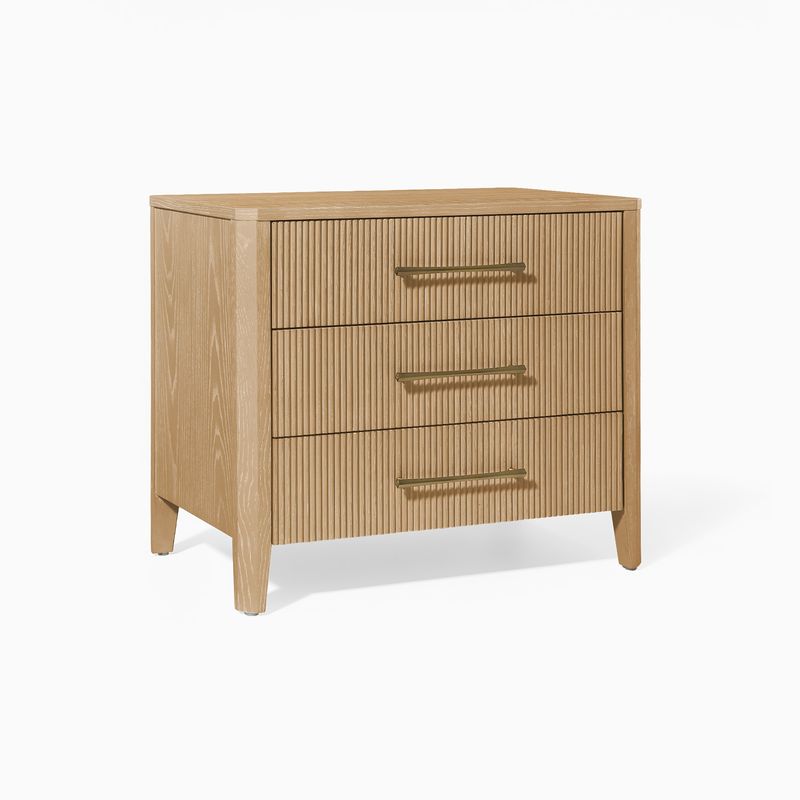
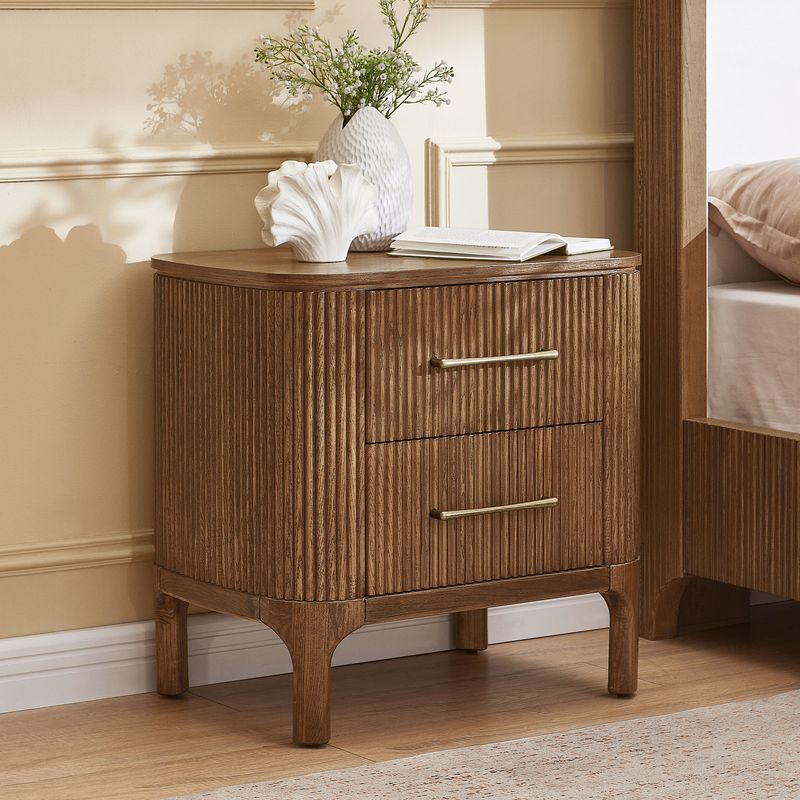
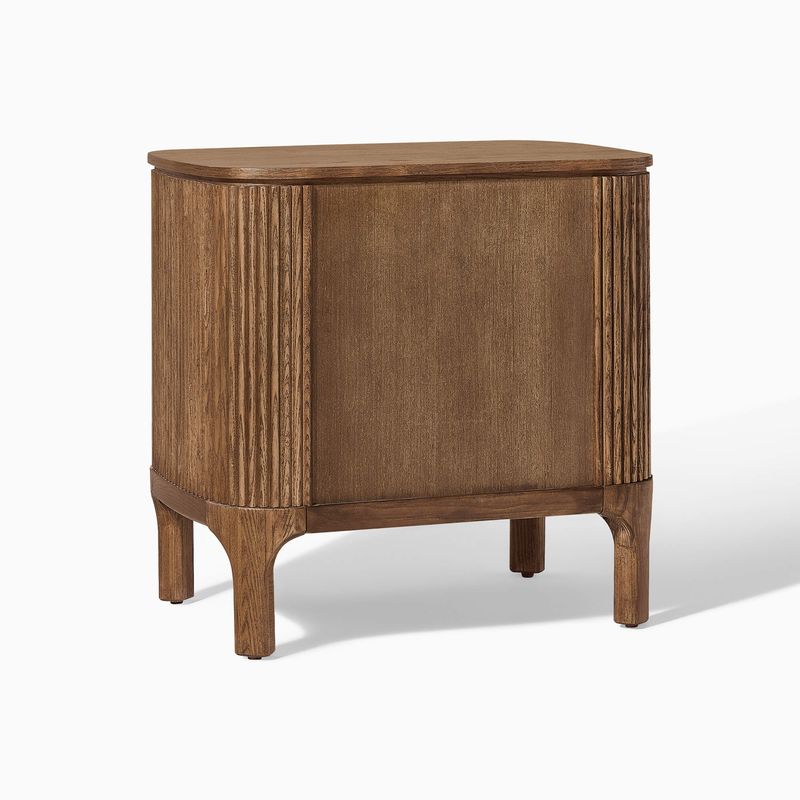
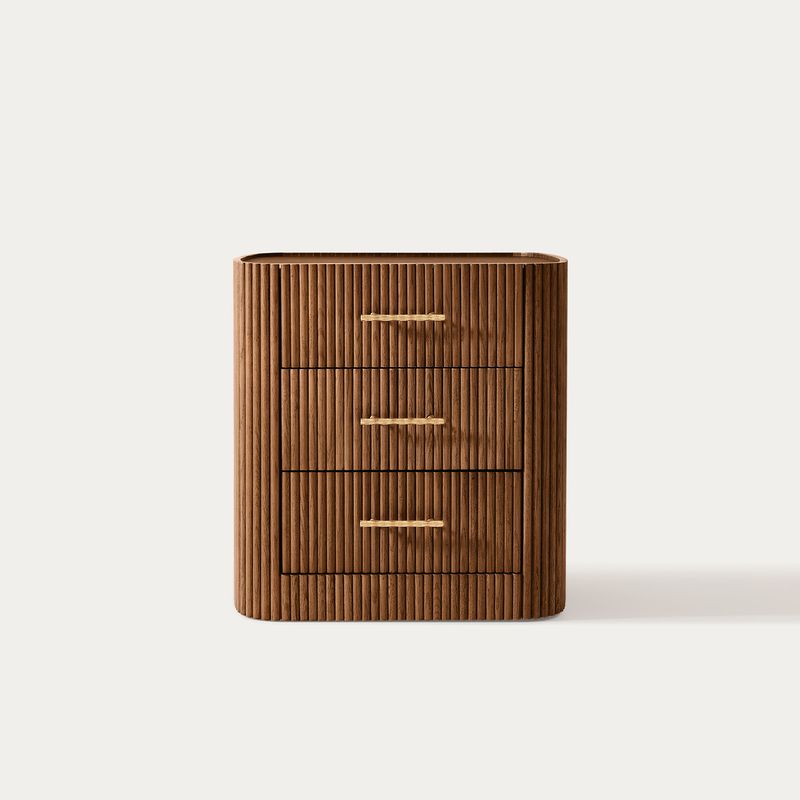
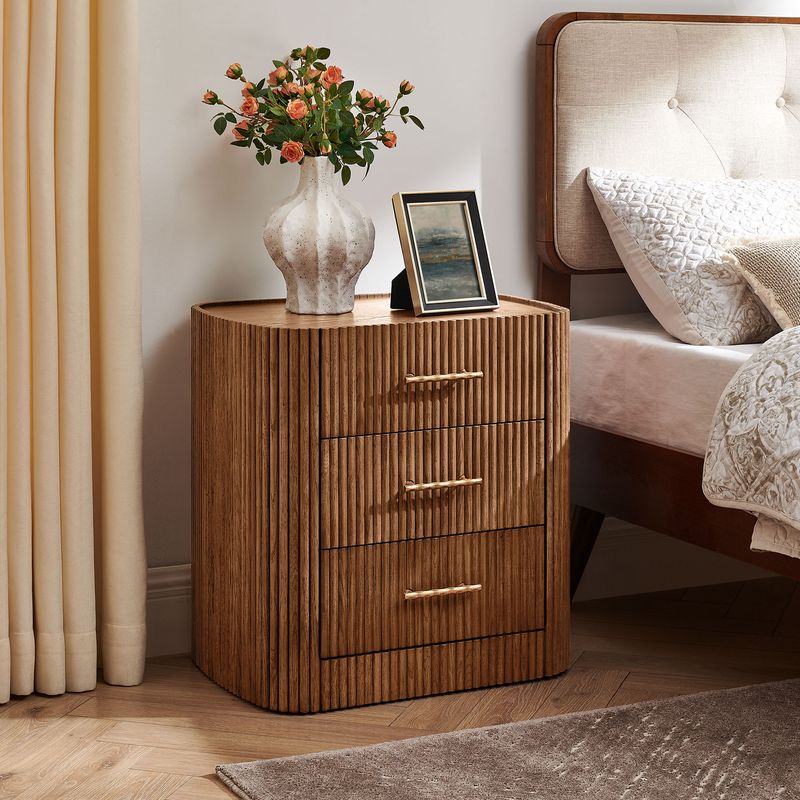
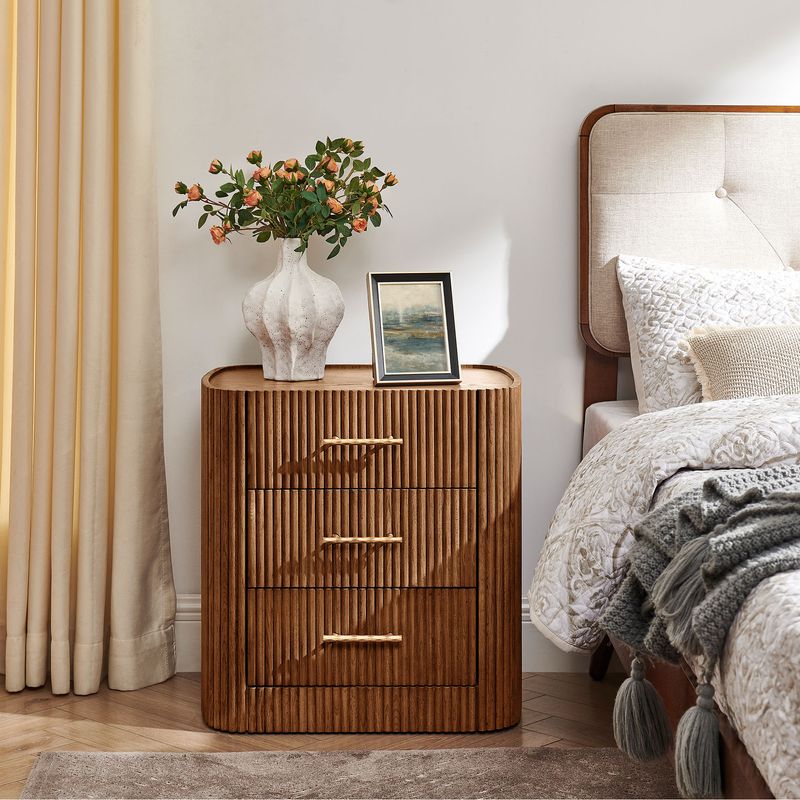
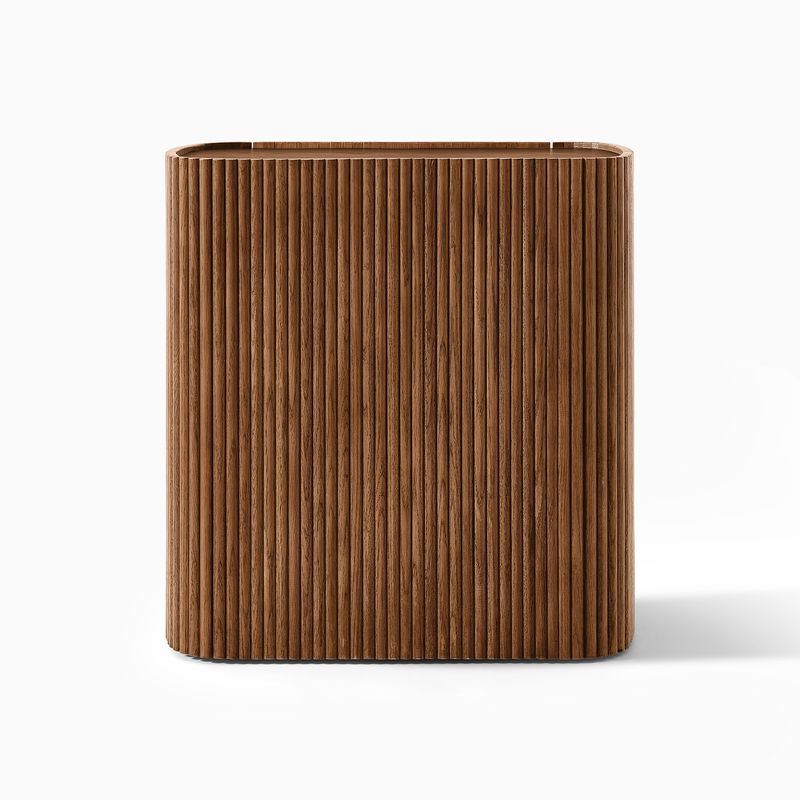
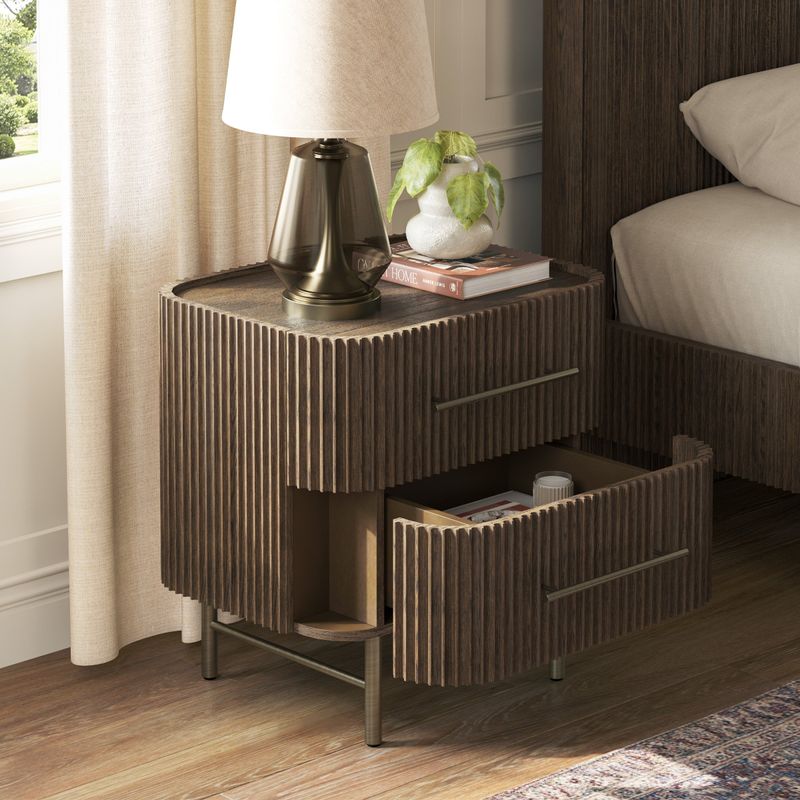
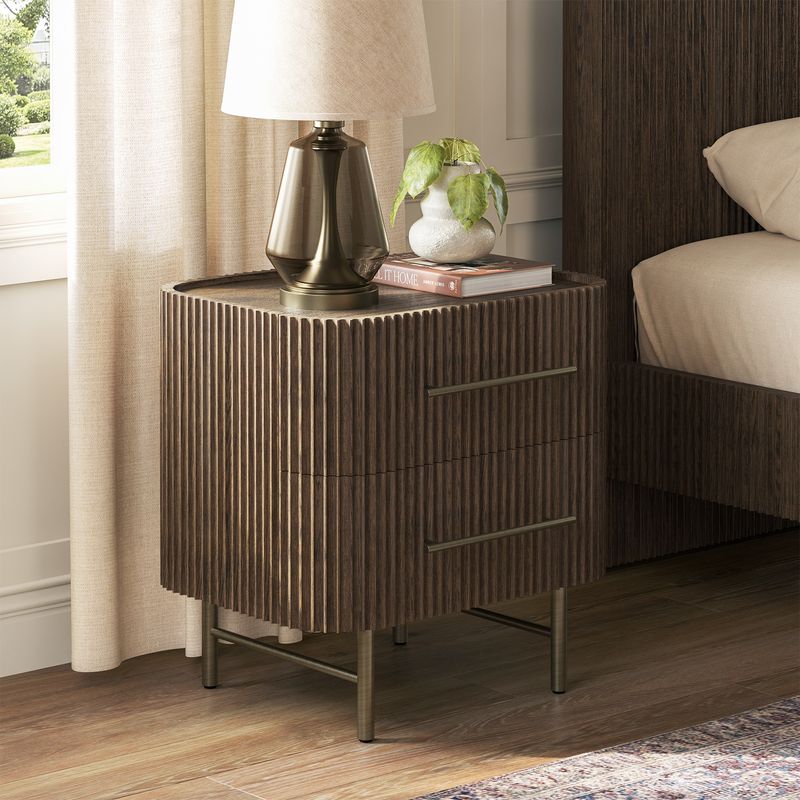
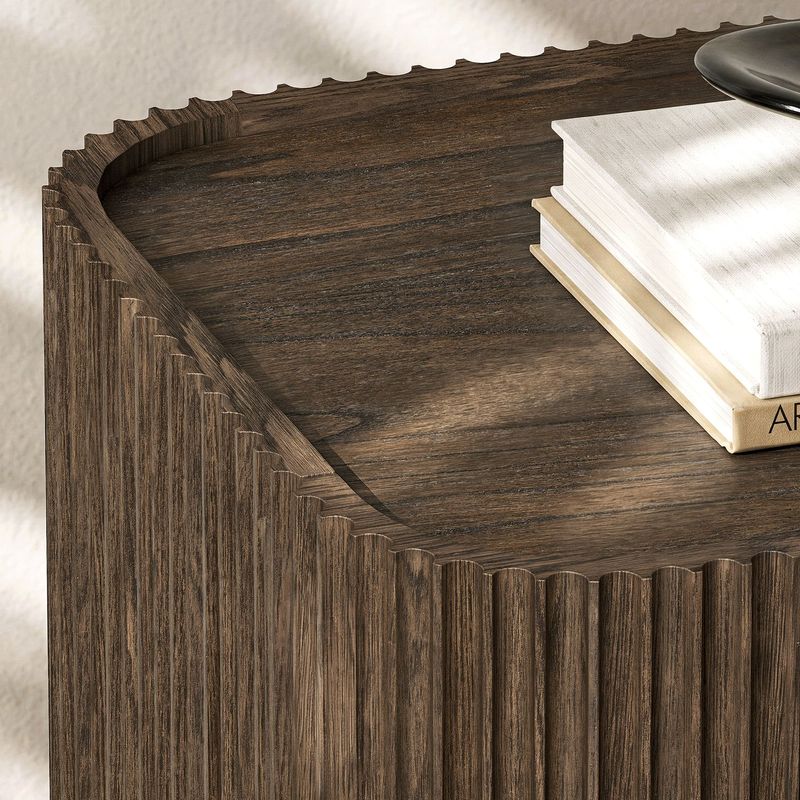
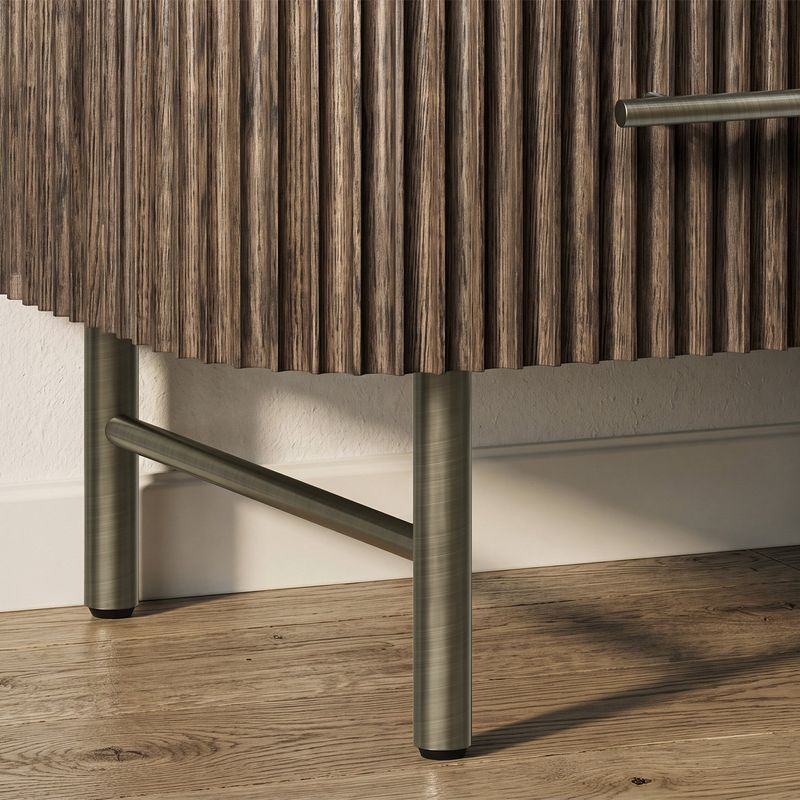
A fluted nightstand adds visual interest through its vertically grooved front. The texture creates depth without relying on elaborate ornamentation, making it a practical option when you want your bedside furniture to contribute to the room's overall design.
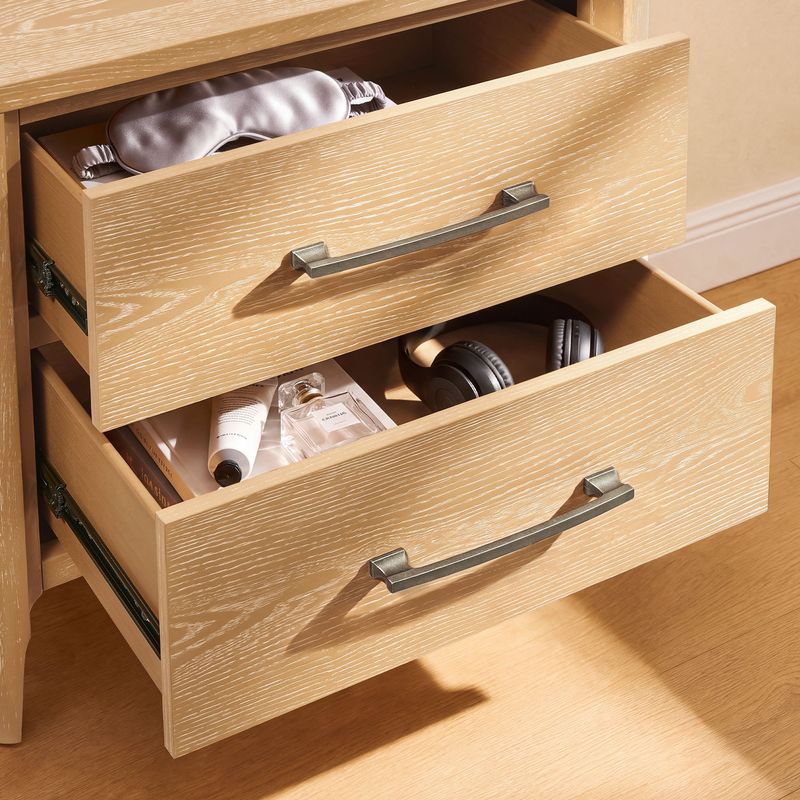
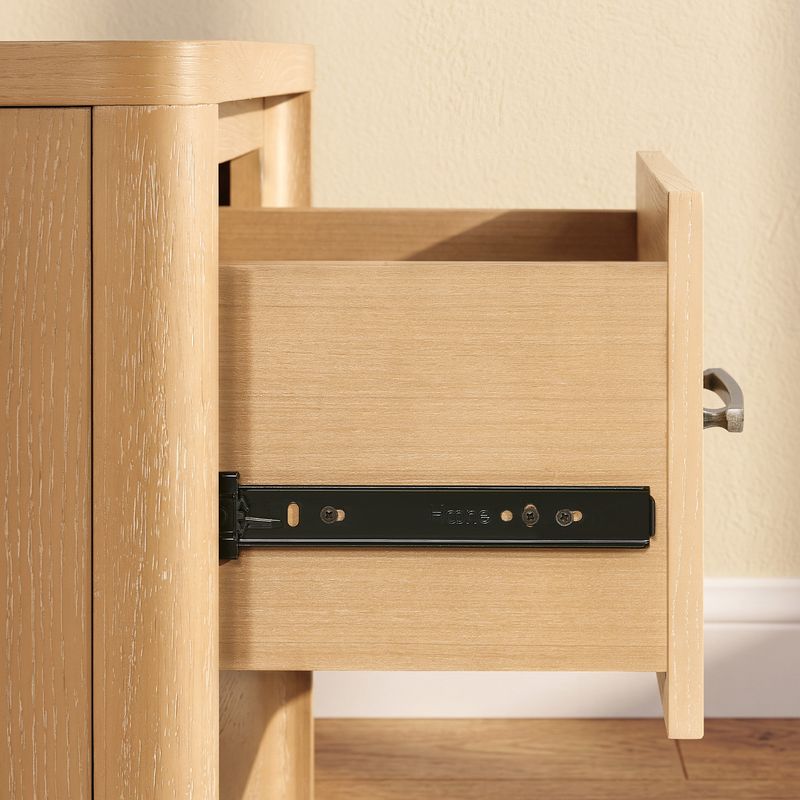
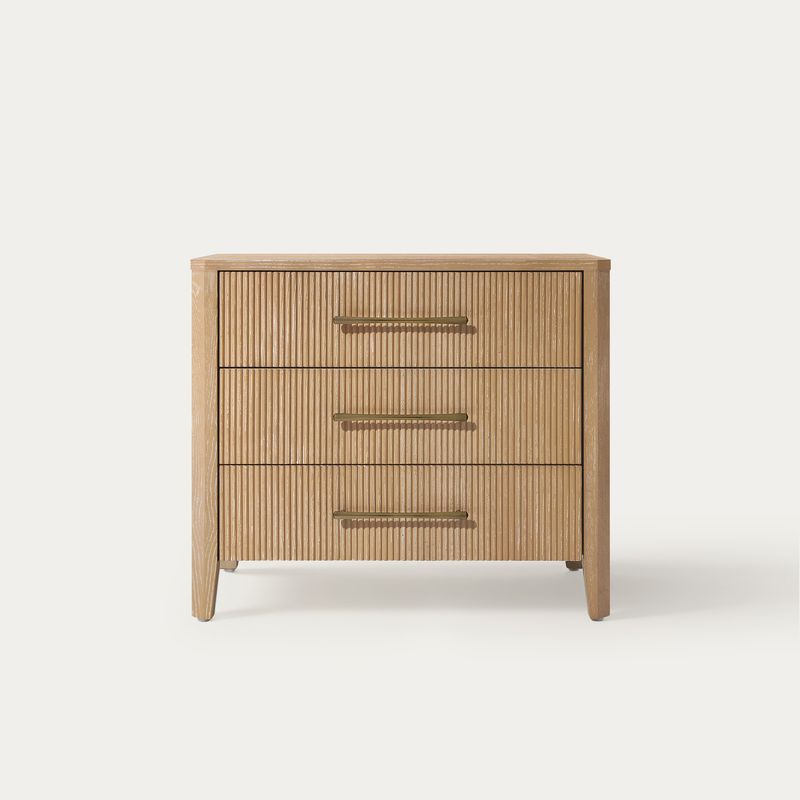
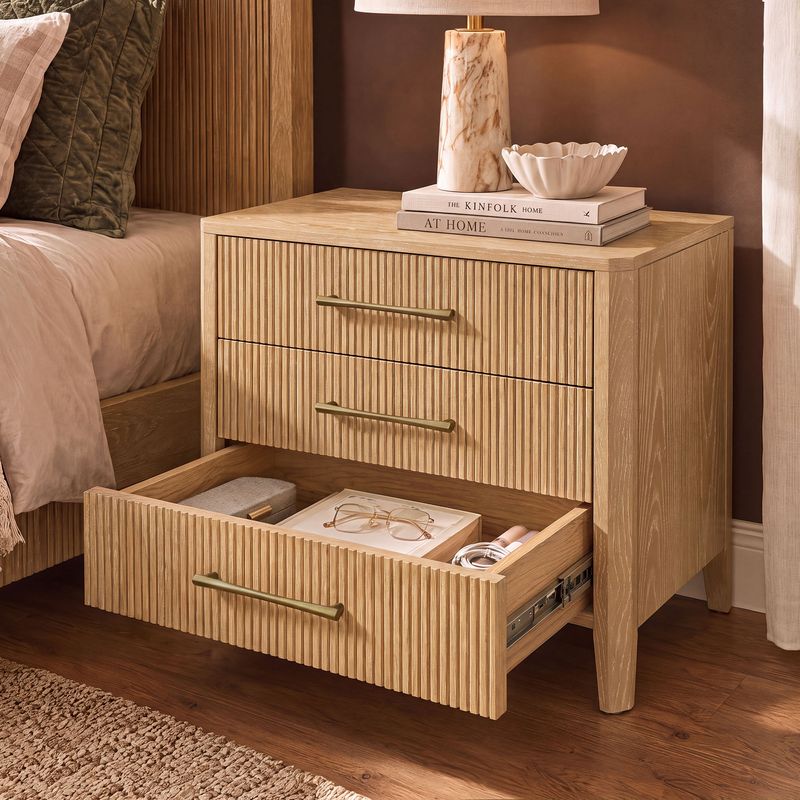
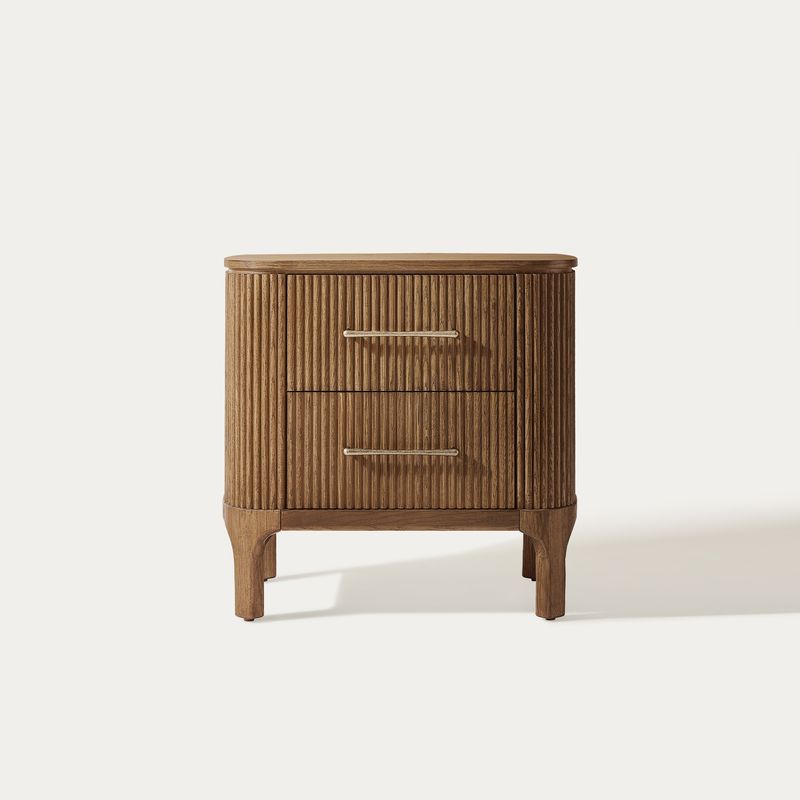
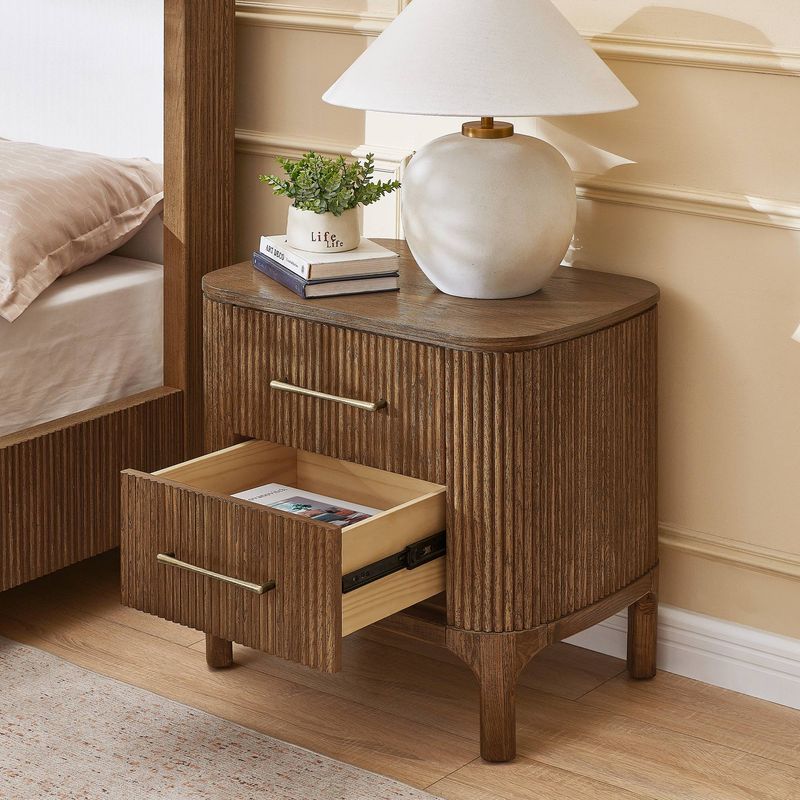
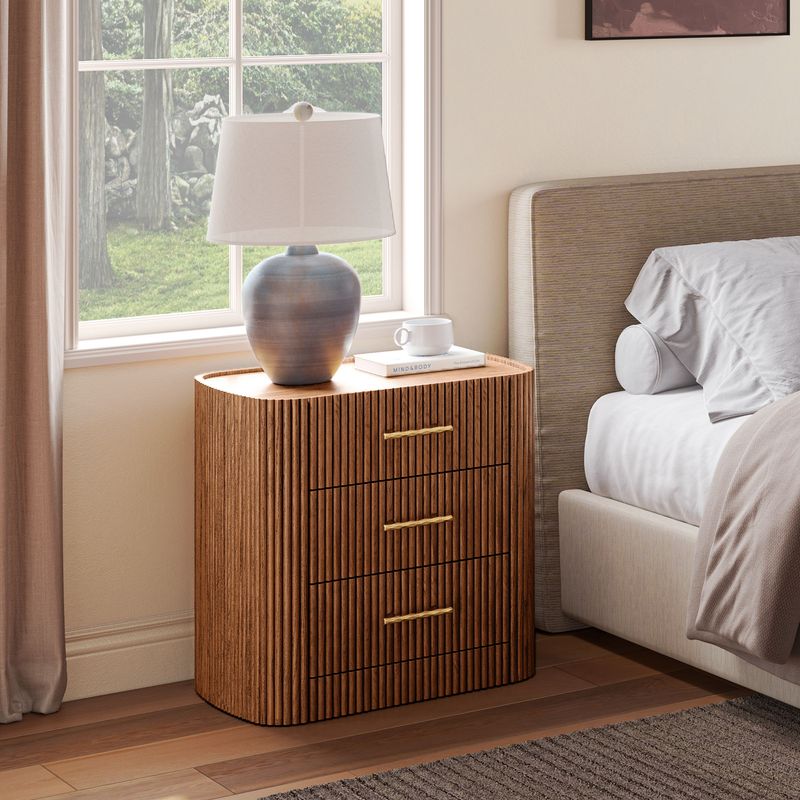
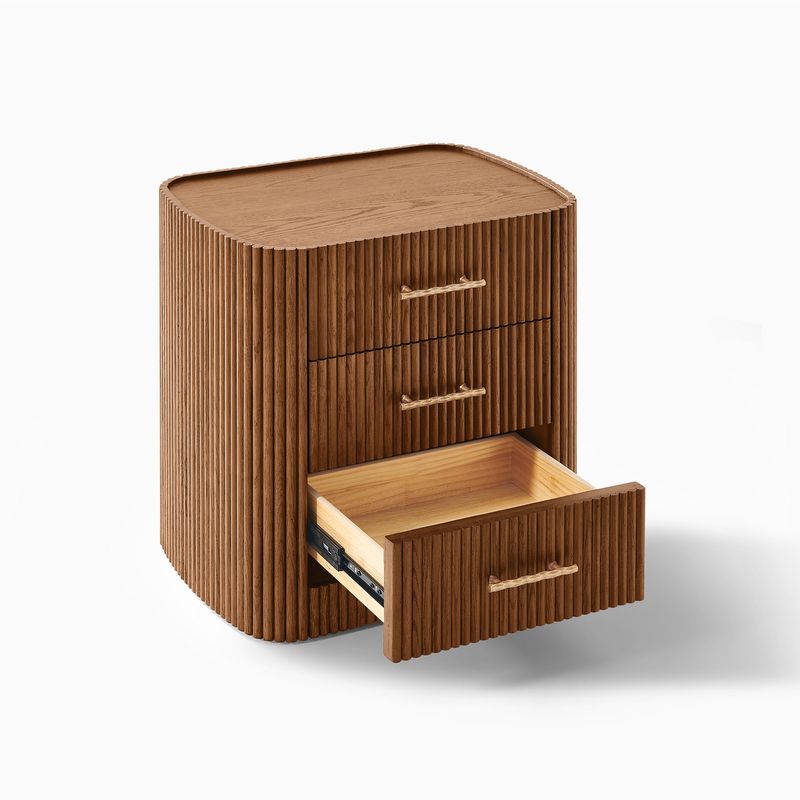
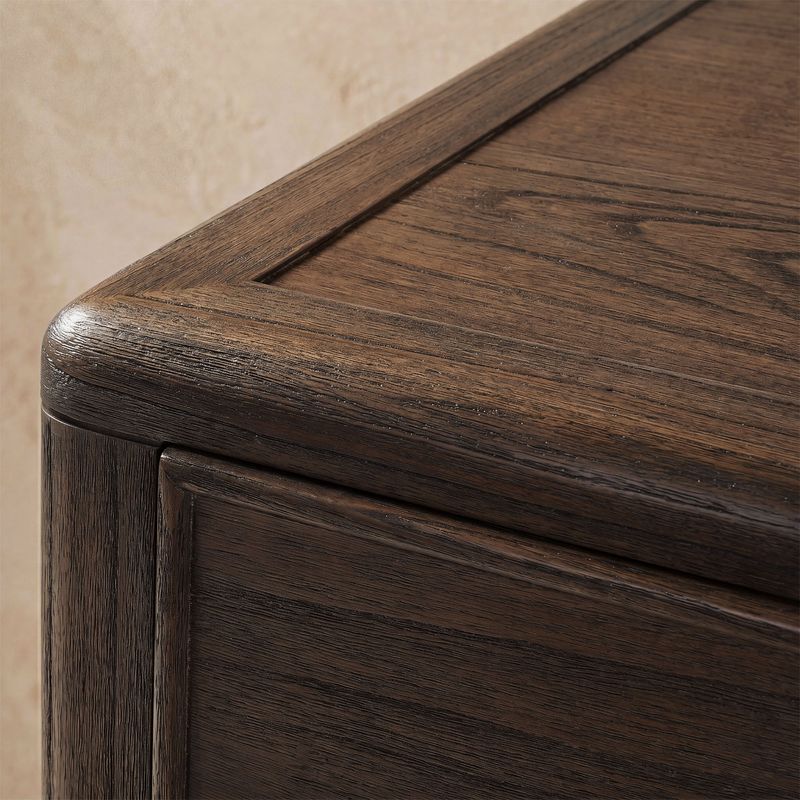
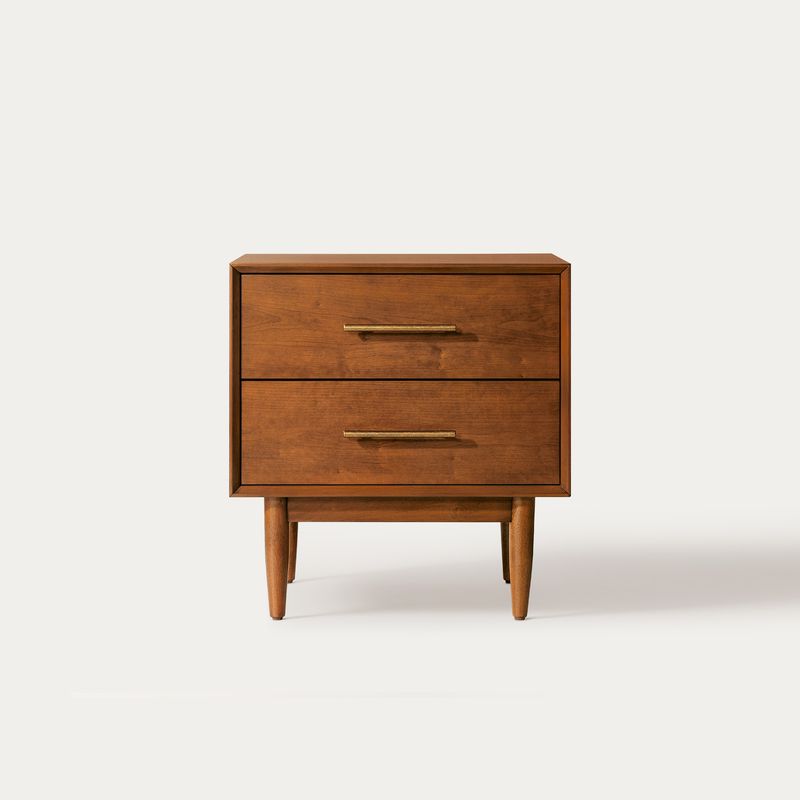
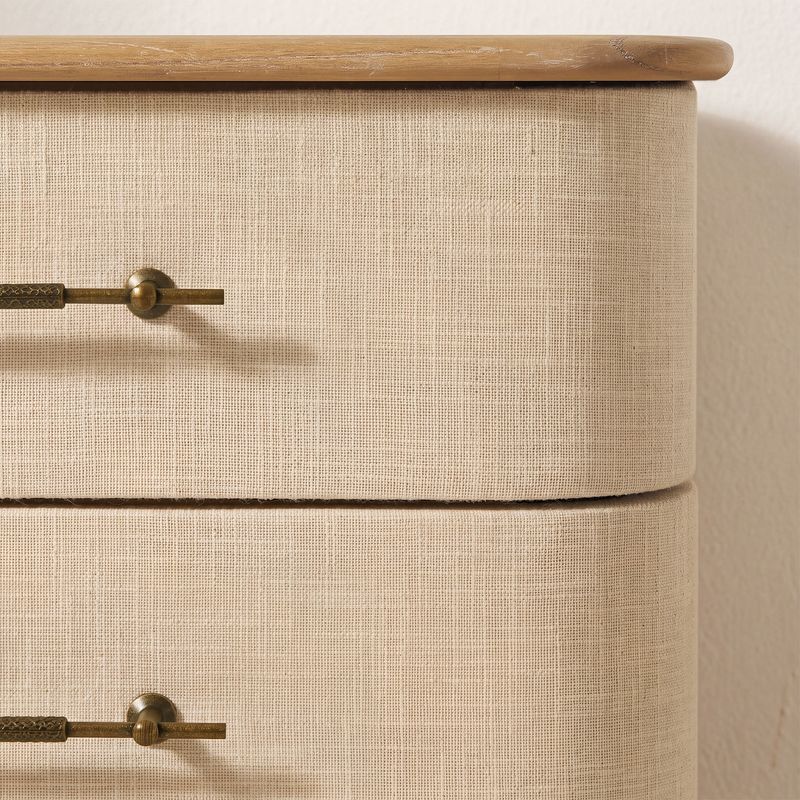
The Finley 26-Inch Fluted Nightstand measures 26.6 inches wide, 18.3 inches deep, and 26.2 inches high. Its construction combines poplar wood and engineered wood with poplar wood veneers. Two drawers provide concealed storage, while the rounded corners soften the look of the fluted design.
Finley is a good option if you prefer a taller bedside table with textured detailing and two drawers. Compare the drawer dimensions with the items you plan to store to determine whether the available space suits your needs.
Oak Nightstands With Natural Appeal
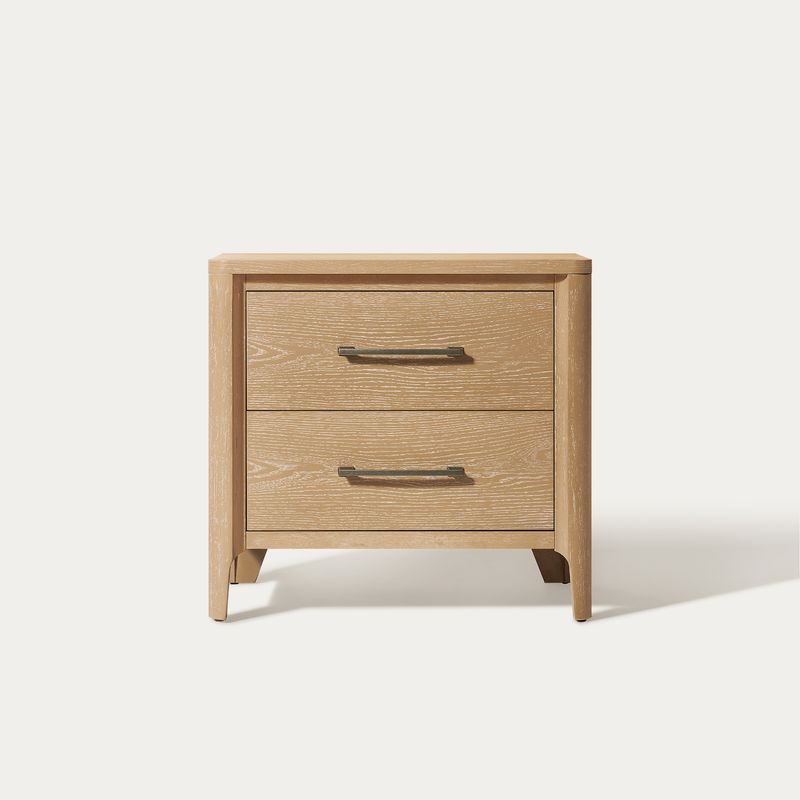
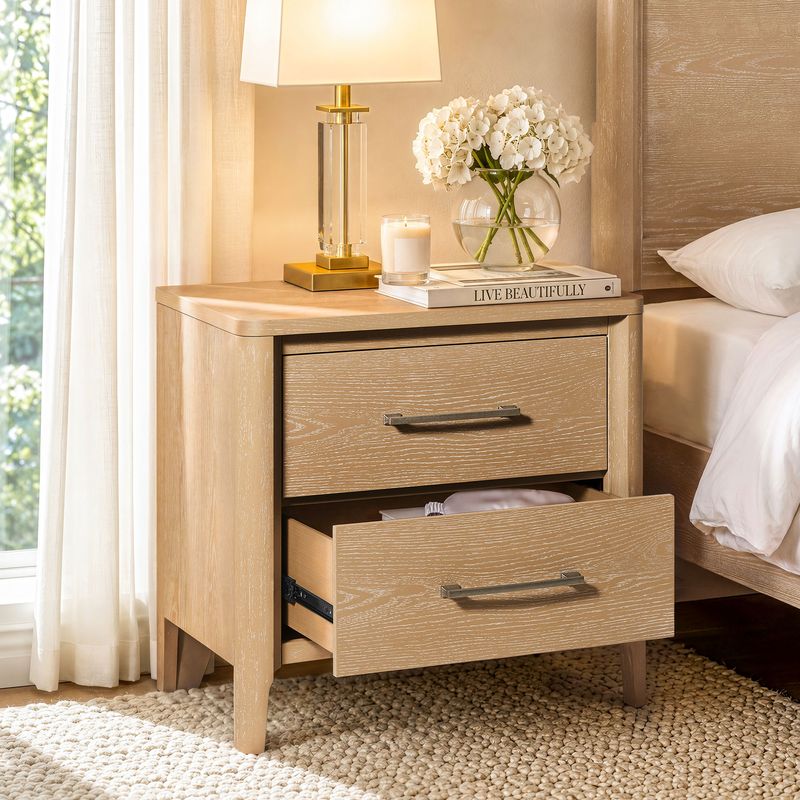
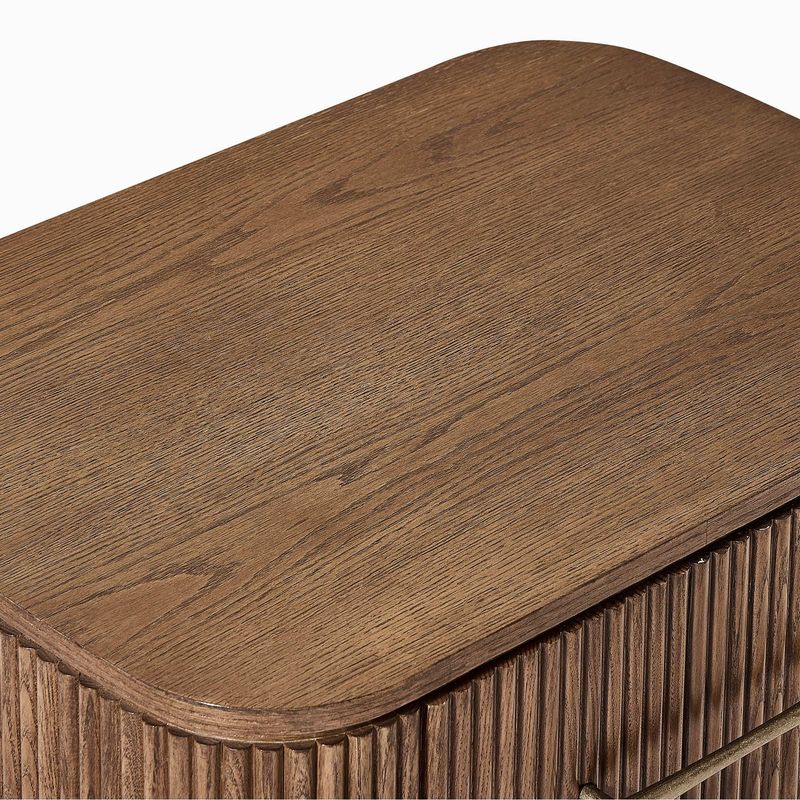
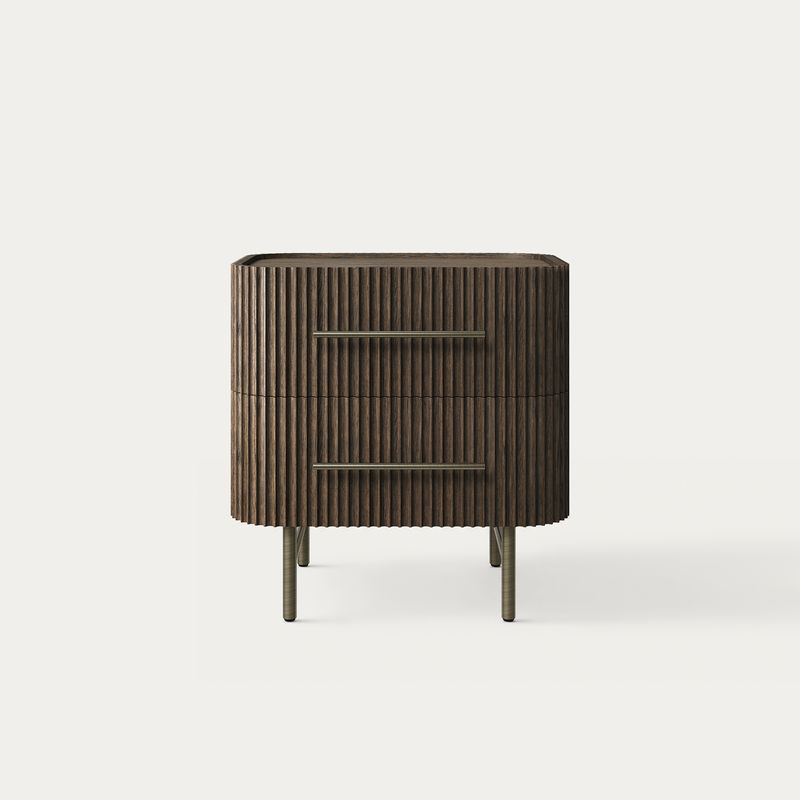
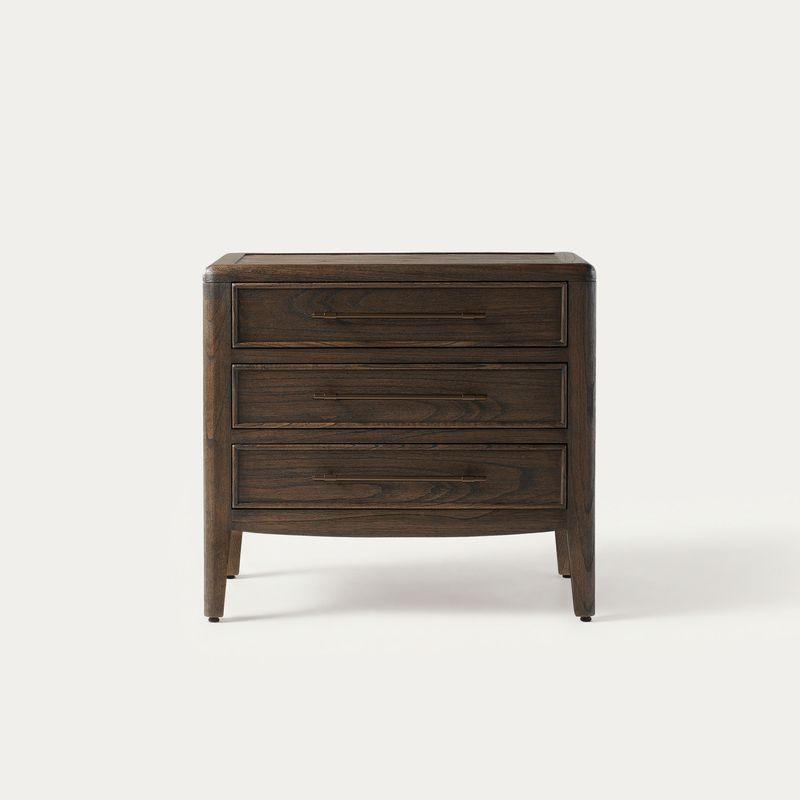
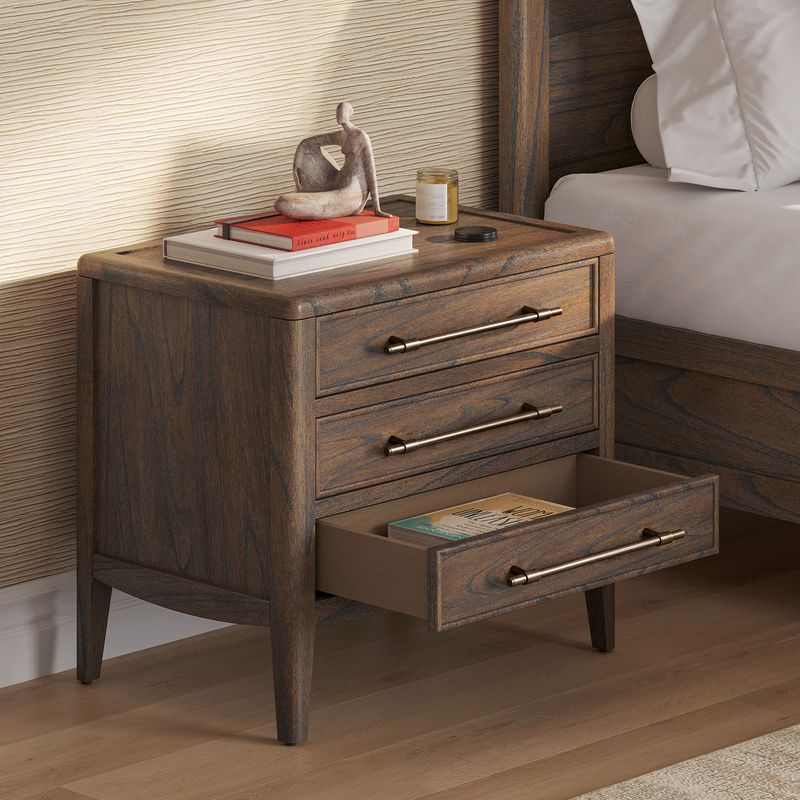
If you prefer oak tones and visible wood character, consider the Skugga 26-Inch Oak Nightstand. Measuring 26 inches wide, 18.1 inches deep, and 25.2 inches high, it combines American solid oak and engineered wood with oak veneers.
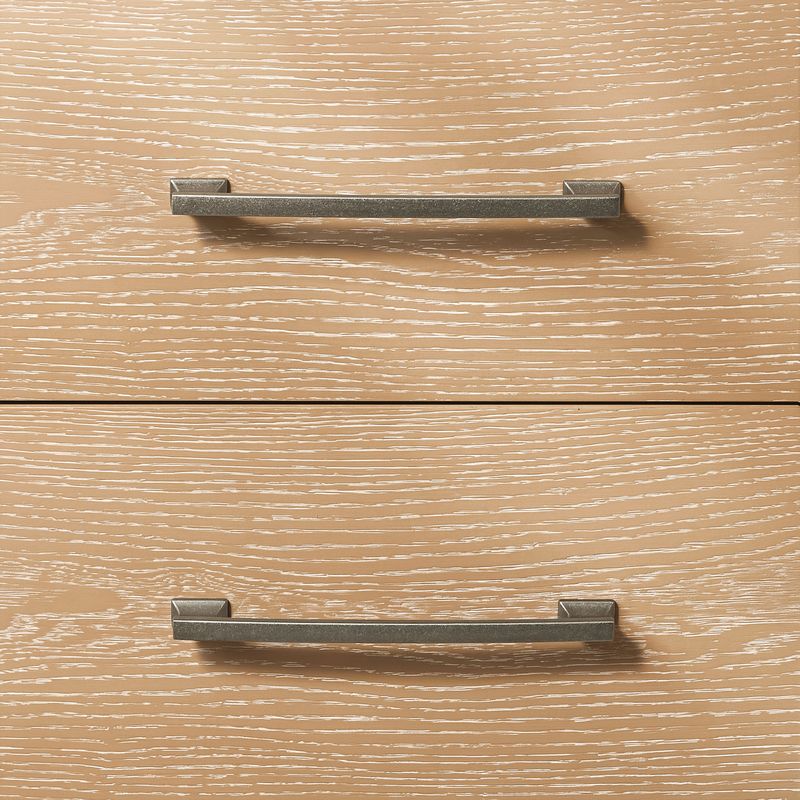
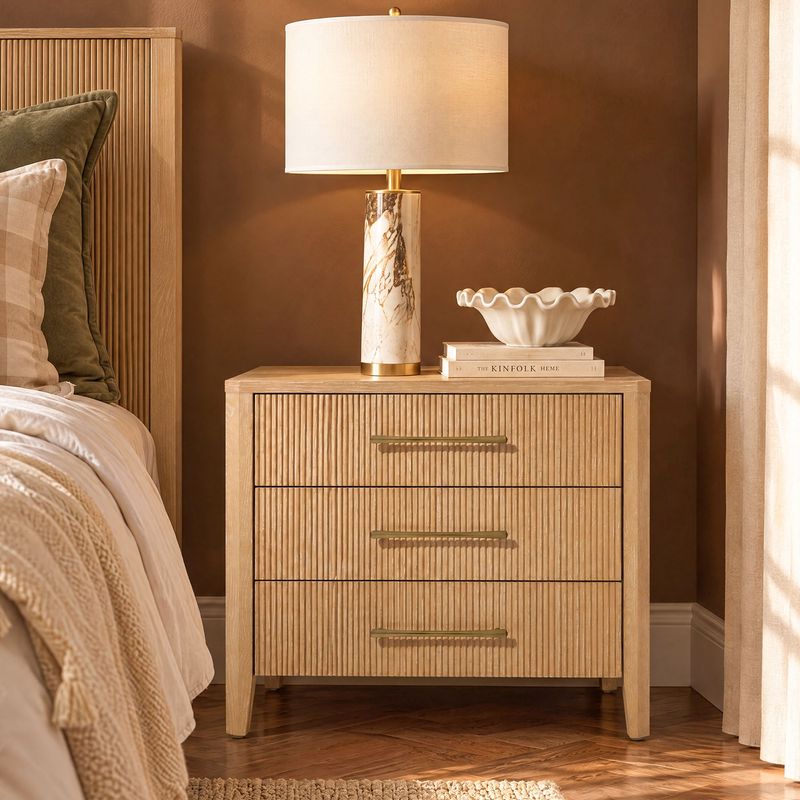
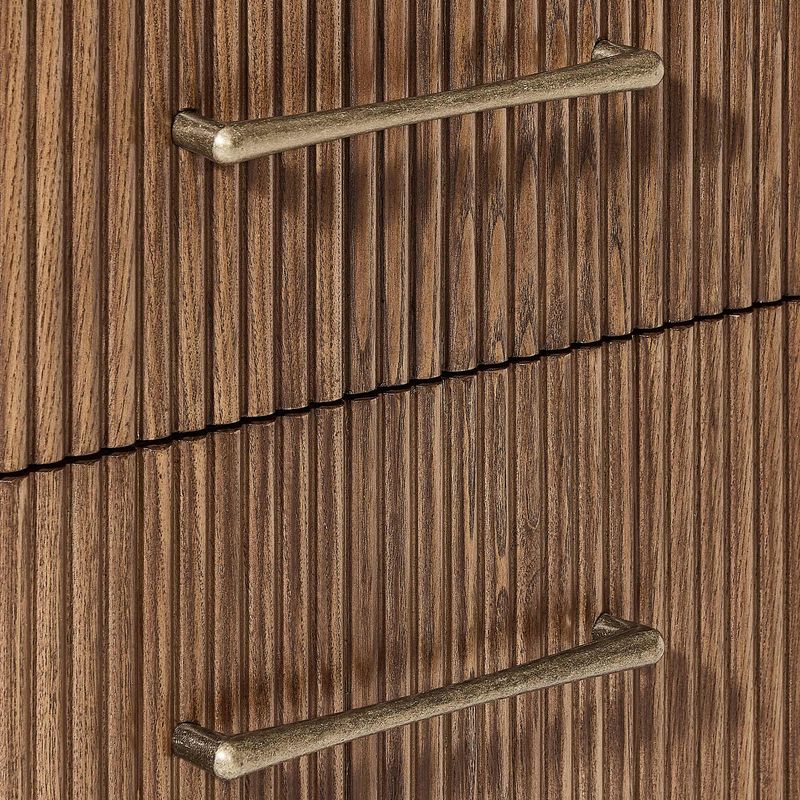
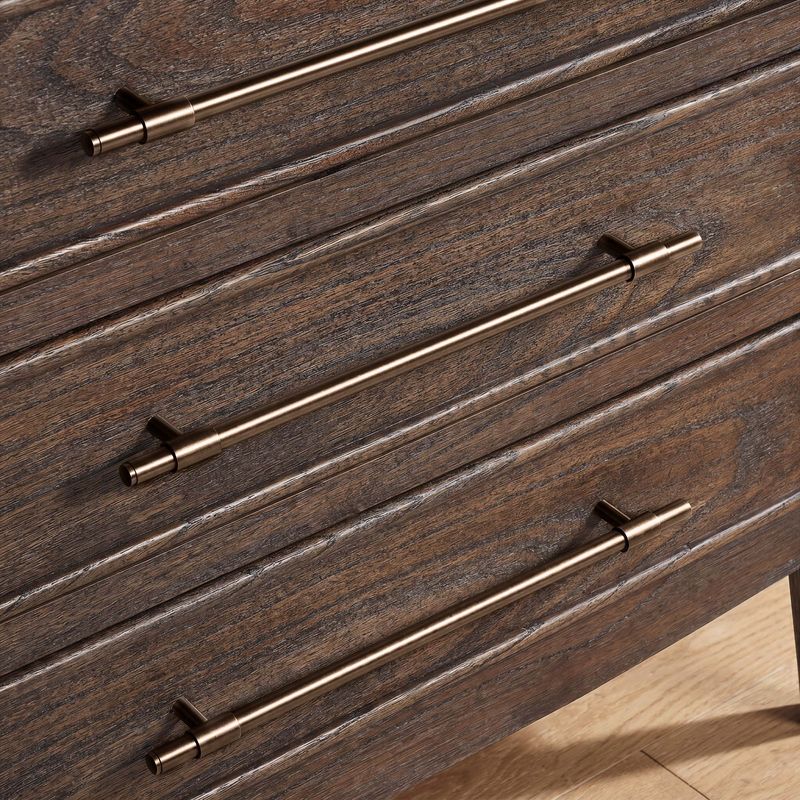
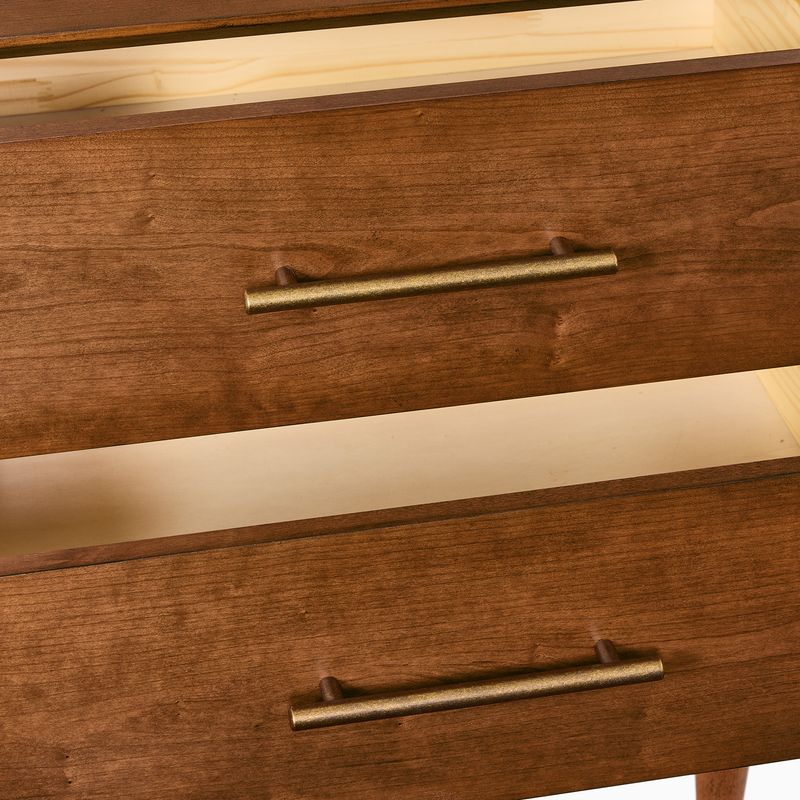
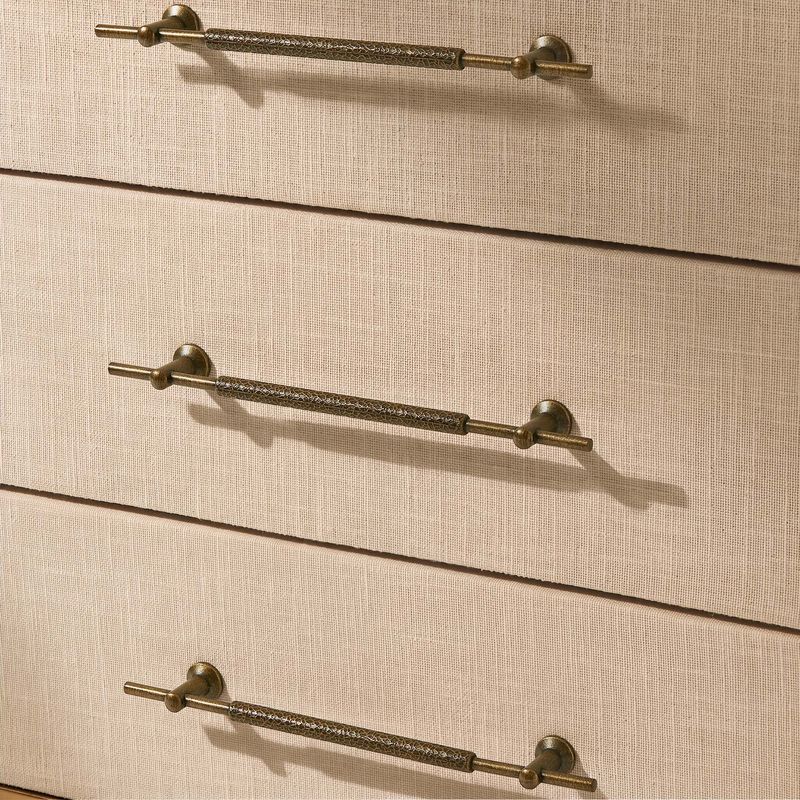
Skugga features a fluted front, rounded legs, and slender warm brass-finish pulls. Its two drawers keep smaller belongings out of sight, while its oak-based construction gives it a different material character from Finley.
The two designs have similar overall dimensions, so the decision may come down to the wood finish, proportions, hardware, and storage space that best suit your bedroom. Check the product listing for the complete material and drawer specifications before ordering.
Compact Chevron Nightstands With Open Storage
A smaller nightstand can help preserve walking space in a bedroom where the bed sits close to a wall or another piece of furniture. If you also want books or other frequently used items within easy reach, a combination of a drawer and an open cubby may be more convenient than fully concealed storage.
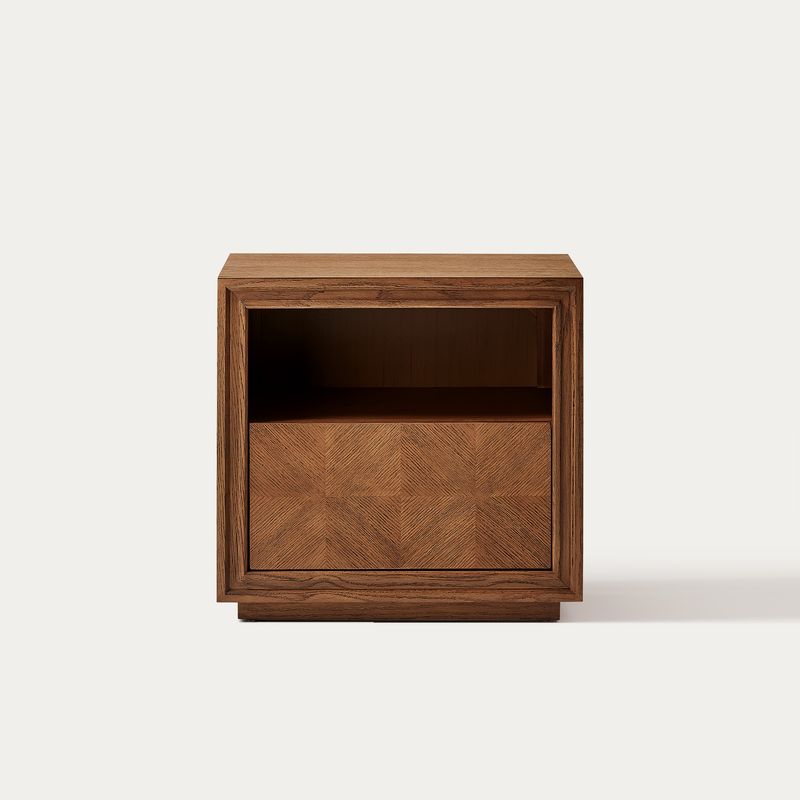
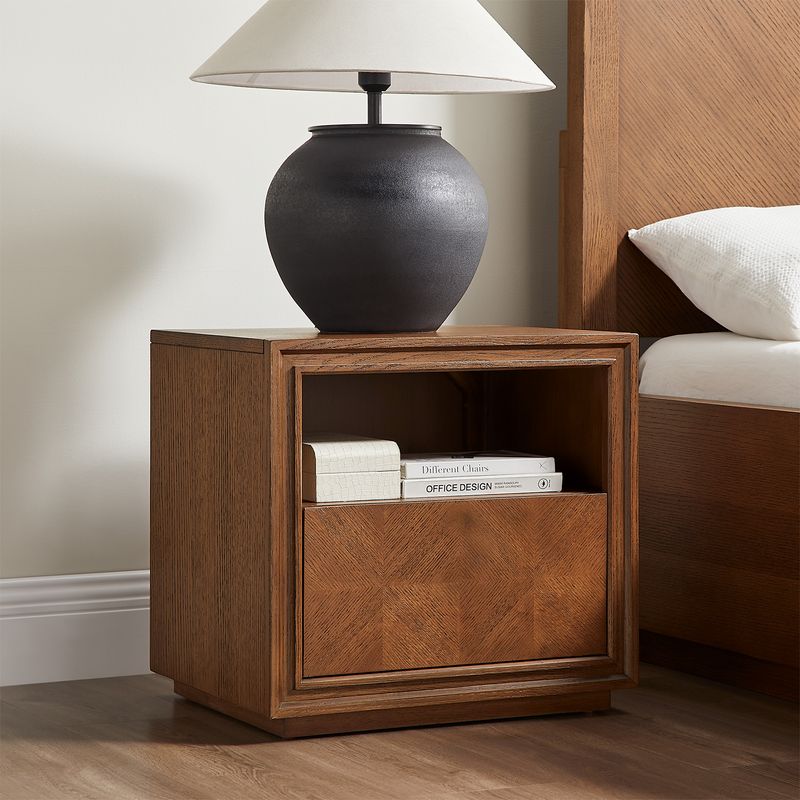
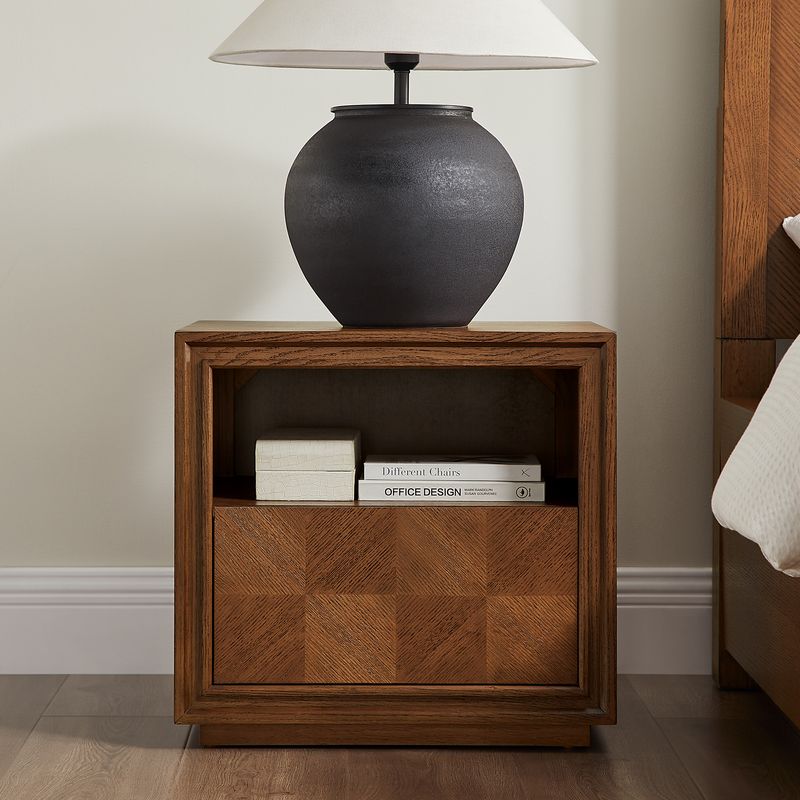
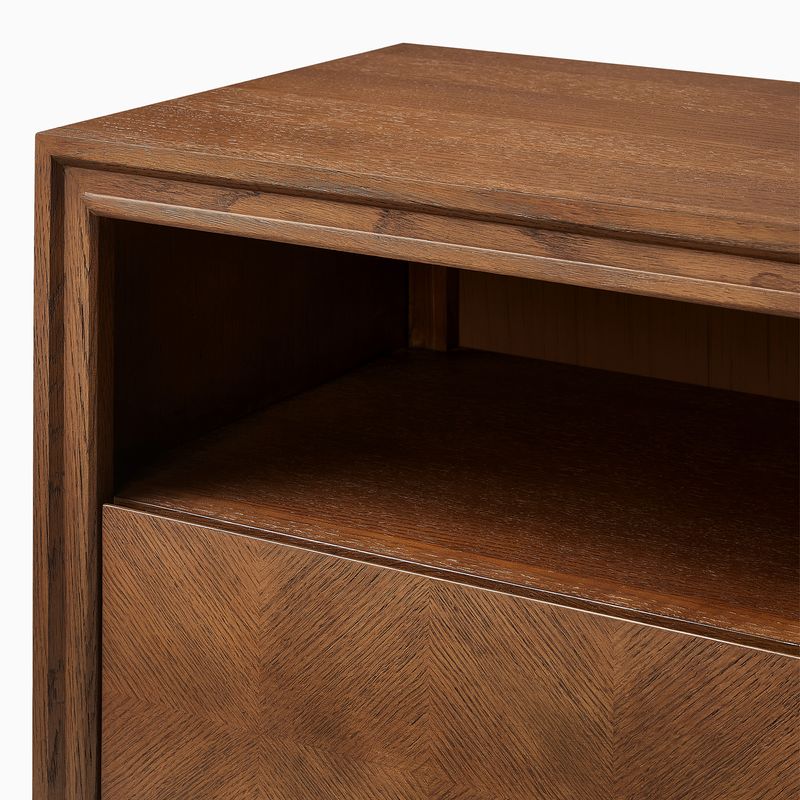
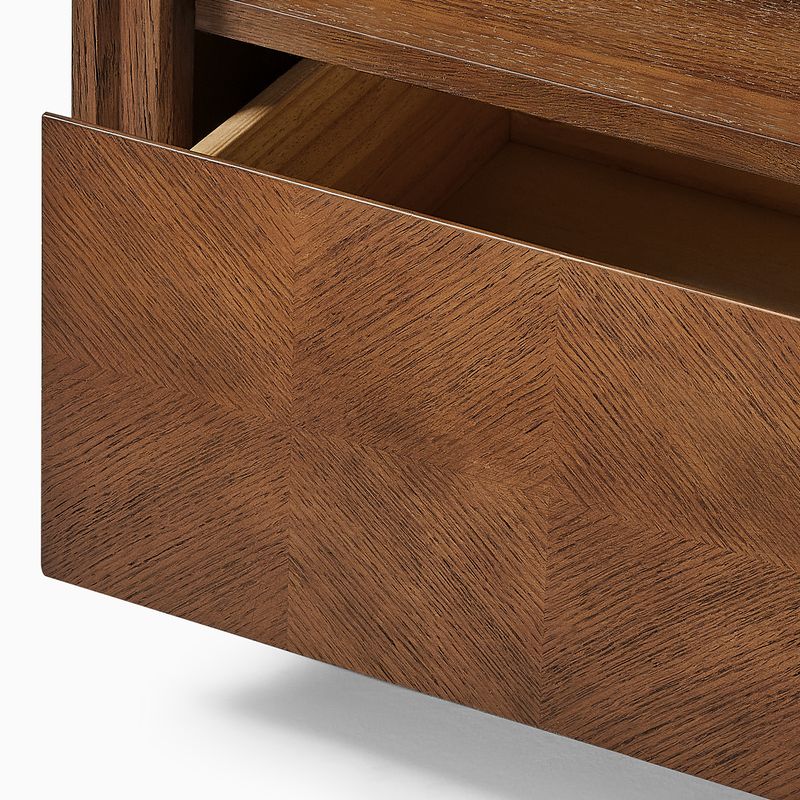
The Thursen 21-Inch Chevron Nightstand measures 21.1 inches wide, 17 inches deep, and 20 inches high. Its construction combines American oak and engineered wood with oak veneers. A geometric chevron-patterned front adds detail, while one drawer and an open cubby provide two types of storage. The product is fully assembled.
Compared with Finley and Skugga, Thursen has a smaller footprint and a lower profile. Its open shelf provides a place for books or other items you want to reach easily, while the drawer keeps smaller belongings out of sight. Consider how you plan to use both areas before deciding whether this layout is right for you.
Single Nightstands and Matching Pairs
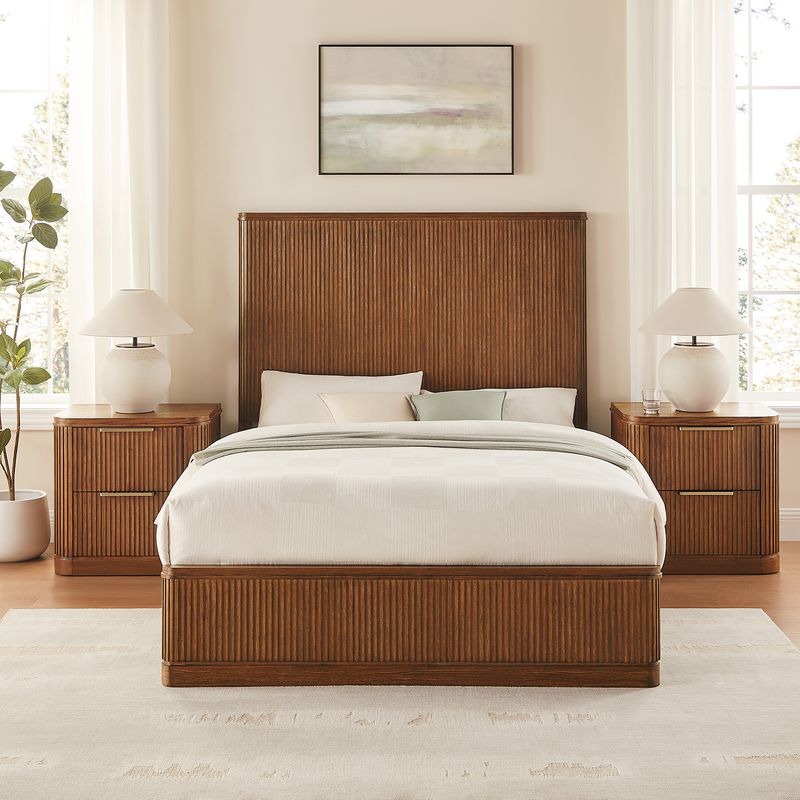
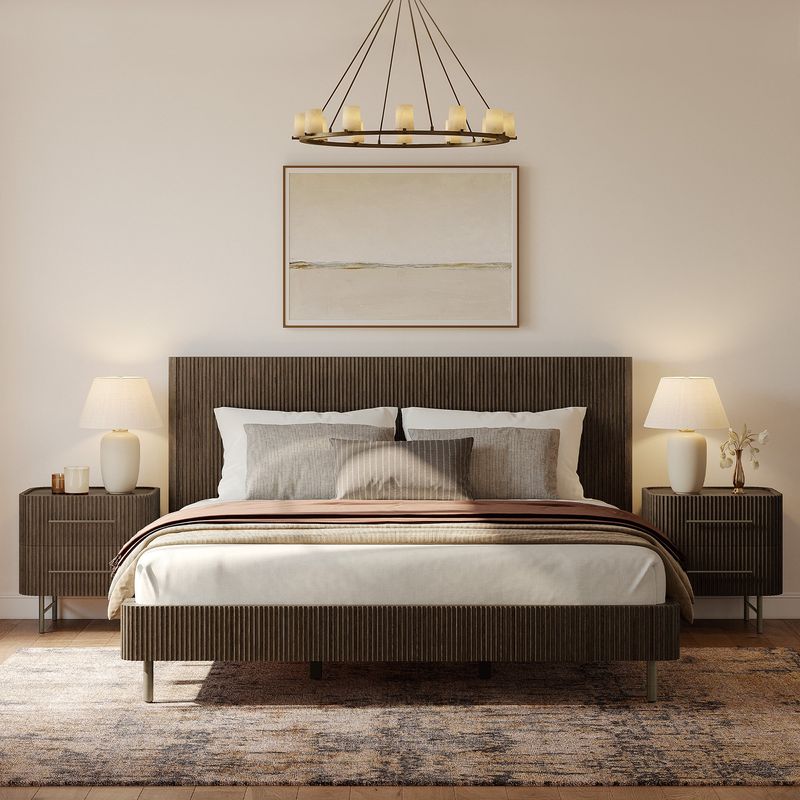
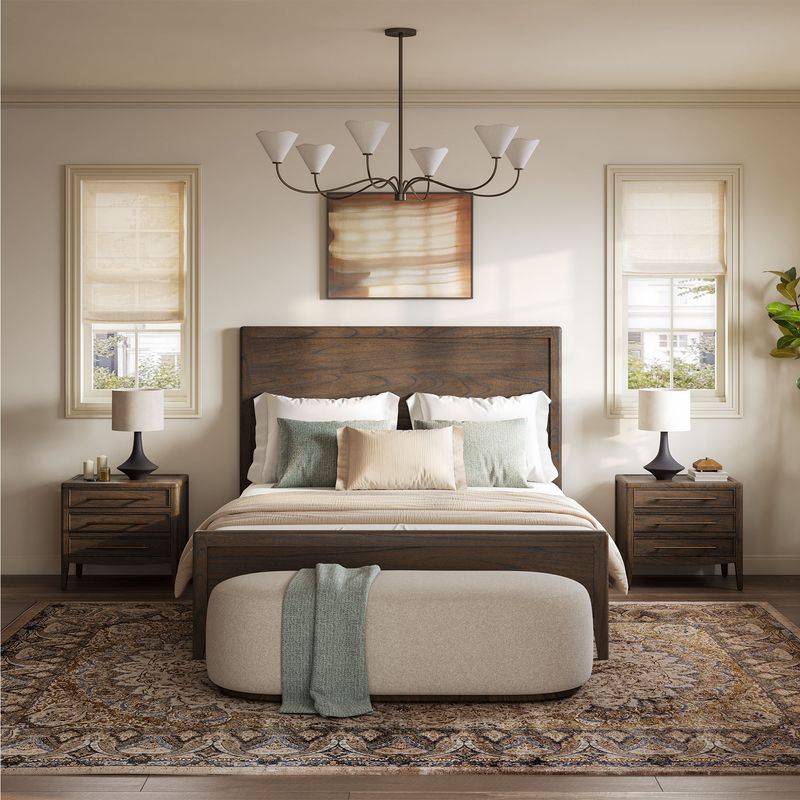
A single nightstand can work well in a guest room, a smaller bedroom, or a space where the bed sits against a wall. A nightstand set of 2 is often a practical choice for a centered bed, giving both sides a convenient surface and storage.
Matching nightstands create a symmetrical arrangement, but identical pieces are not essential. You can also pair designs with similar heights or complementary finishes to suit different storage needs on each side of the bed.
Before purchasing a pair, measure the combined width of both tables and your bed. Check that the arrangement leaves enough room for walking and opening drawers comfortably. Confirm the selected product's quantity and finish options on its product page.
How to Choose the Right Bedroom Nightstand
Match the Height to Your Mattress
There is no single nightstand height that works for every bed. A useful starting point is to choose a table whose top sits close to the top of your mattress, making it easier to reach a phone, lamp, or glass of water without stretching.
Measure from the floor to the top of your mattress, including the foundation if you use one. Then compare that measurement with the full height listed for each nightstand.
Finley is 26.2 inches high, Skugga is 25.2 inches high, and Thursen is 20 inches high. If your mattress sits relatively high, Finley or Skugga may be a more natural starting point. Thursen may suit a lower bed, provided its tabletop remains comfortable to reach.
Think about how you use the surface every day rather than choosing by appearance alone. A well-proportioned bedside table should be convenient to reach while leaving enough room for your lamp and other essentials.
Measure Width, Depth, and Drawer Clearance
Measure the available space between your bed and the nearest wall or furniture before choosing a nightstand. Compare the product's width and depth with that space, and make sure drawers can open without hitting the bed or blocking a walkway.
Finley measures 26.6 inches wide and 18.3 inches deep, while Skugga measures 26 inches wide and 18.1 inches deep. Their footprints are similar, so other factors, such as finish, height, and drawer configuration, may help you decide between them.
At 21.1 inches wide and 17 inches deep, Thursen may be more suitable when space beside the bed is limited. Its smaller footprint can free up room, but check that the tabletop still accommodates the lamp and everyday items you want to keep nearby.
If it is difficult to picture the dimensions, mark the proposed footprint on the floor with painter's tape. Check the remaining walking space and account for nearby doors, bedding, and other furniture before ordering.
Choose Storage Based on What You Keep Nearby
A nightstand with drawers helps keep personal belongings organized and out of sight. A 2 drawer nightstand provides separate compartments for everyday essentials, while a 3 drawer nightstand adds another compartment for sorting belongings. However, drawer count alone does not determine how much usable storage a piece provides.
Compare the interior dimensions with the items you intend to store. Consider whether you need room for books, charging accessories, reading glasses, or other personal belongings. Also think about whether you prefer a clear tabletop or want frequently used items within easy reach on an open shelf.
Thursen combines a drawer with an open cubby, making it useful if you want both concealed storage and an accessible place for books. Finley and Skugga offer two-drawer configurations for a more concealed look. The best layout depends on what you keep beside your bed and how you prefer to organize it.
Compare Materials and Finishes
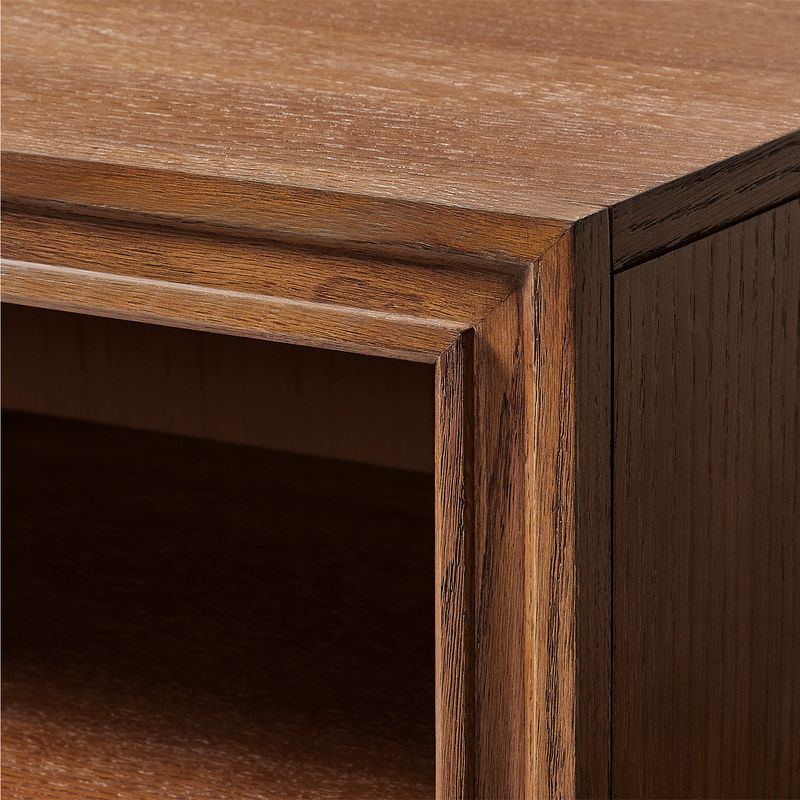
Wood nightstands vary in grain, finish, and construction. Oak and poplar have different visual characteristics, while solid wood, engineered wood, and veneers serve different roles in furniture construction. Review the listed materials rather than assuming every wood nightstand is made entirely from solid wood.
Finley's poplar-based construction differs from the oak-based construction of Skugga and Thursen. The two oak designs also have distinct visual details: Skugga features a fluted front, while Thursen has a chevron pattern and an open cubby.
Choose a finish that works with your bed and flooring, but do not feel that every piece needs to match exactly. Similar tones can create continuity, while contrasting finishes and textures can add definition.
If you are choosing furniture for an entire bedroom, explore Hernest's beds and bed frames to compare bed designs and proportions that work with your nightstand. Considering the bed and bedside table together can help create a more balanced arrangement.
Consider Your Wider Bedroom Storage Needs
A nightstand is designed for items you want close to the bed, but it may not provide enough capacity for clothing, accessories, or larger belongings. If you need more storage, consider how a dresser could complement your bedside furniture rather than trying to fit everything into a nightstand.
Browse Hernest's dressers and chests to compare additional drawer storage, including wider pieces and taller designs that may use less floor space. Choose furniture according to the room's dimensions and the items you need to store.
If you are furnishing a bedroom from scratch, coordinated furniture can also simplify the design process. Explore Hernest's bedroom sets for options that bring the bed and other bedroom pieces together in a cohesive look.
Check Assembly and Everyday Practicality
Product dimensions and appearance are only part of the decision. Review the assembly requirements, finish options, drawer configuration, and care instructions before purchasing.
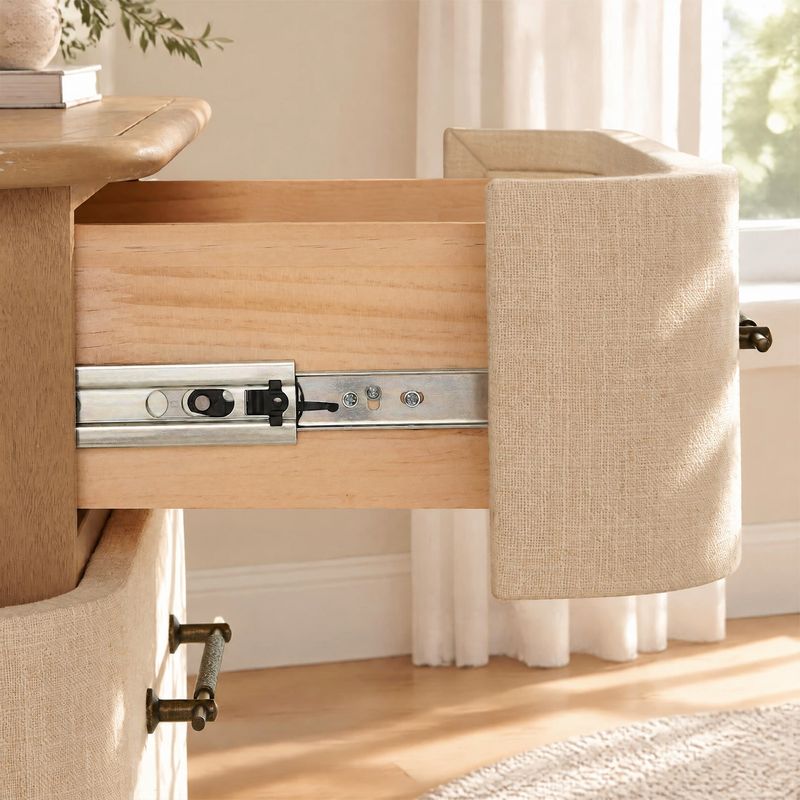
For example, Thursen is listed as fully assembled, while Finley's listing specifies that the handles need to be fitted. Skugga is listed as partially assembled, with the legs or base to be fitted. These differences can matter if you prefer to minimize setup after delivery.
Also consider what will sit on the tabletop. A large lamp or decorative object needs enough room without crowding the phone, book, or glass of water you use regularly. A little planning can make the nightstand more convenient long after the initial styling is complete.
Style Your Nightstand Without Cluttering It
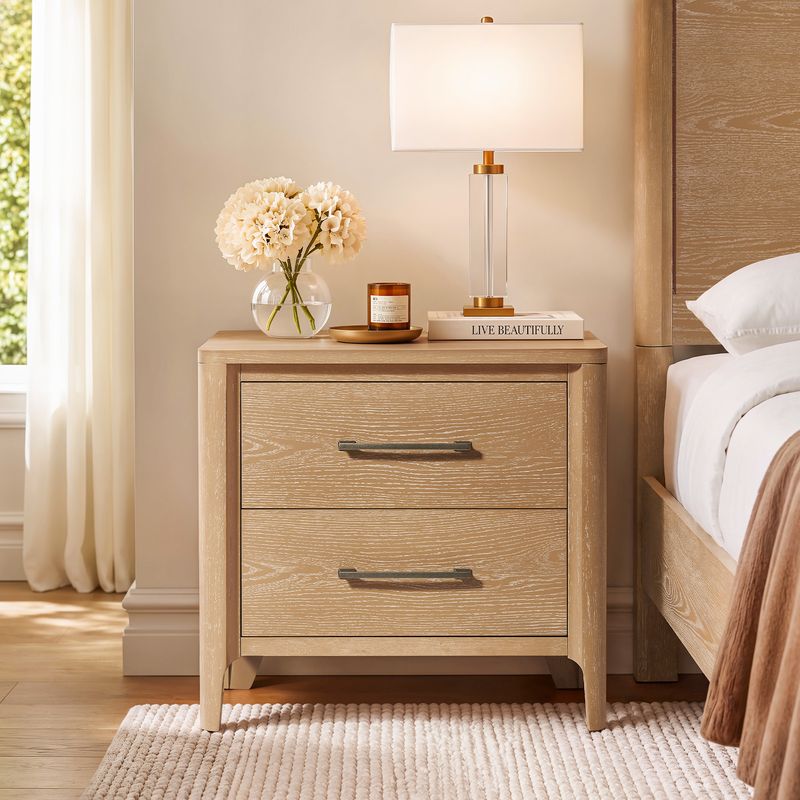
Start with the essentials: a lamp, a book, a charging spot, or another item you genuinely use. Leave enough open surface to set down a phone or glass of water comfortably.
A lamp adds height, while a small tray or low decorative object introduces a different shape. Repeat one or two colors from your bedding, rug, or curtains to create a coordinated look without requiring every piece of furniture to match.
If your nightstand has a textured front, keep the tabletop relatively simple. For designs with open shelving, such as Thursen, group books or small accessories neatly so the cubby remains useful rather than cluttered.
Choose Hernest Nightstands With Confidence
Choosing a nightstand comes down to a few practical considerations: mattress height, available floor space, storage configuration, material, and finish.
Finley offers a taller fluted design with two drawers. Skugga combines oak-based construction with a fluted front and two drawers. Thursen has a smaller footprint and pairs a drawer with an open cubby.
Measure your space, compare the storage you need, and review the product details before ordering. Whether you need one bedside table or a matching pair, choosing according to your room and daily habits will help you find a nightstand that works beyond its appearance.