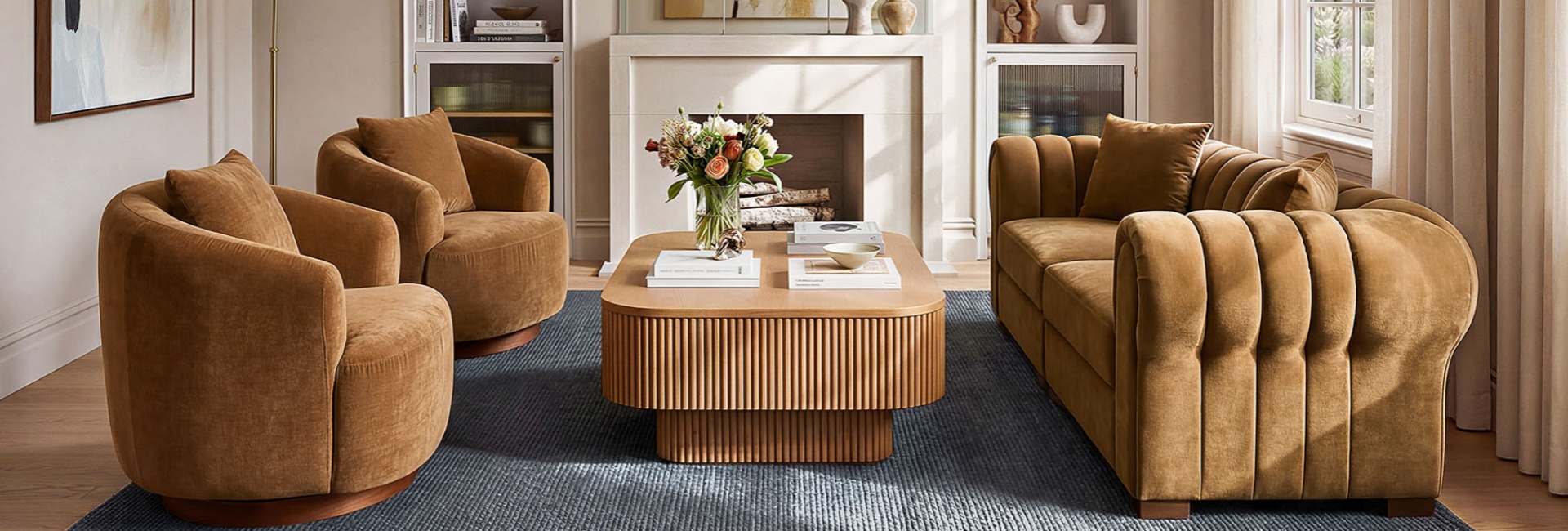
A second living room works best when it serves a purpose the main room doesn't. Whether the extra space becomes a quiet reading room, home office, guest area, media room, or flexible lounge, the right setup starts with how you actually use your home. These 11 second living room ideas cover furniture, layout, lighting, storage, and ways to make two living spaces feel connected without making them identical.
Quick Answer: What Can You Do With a Second Living Room?
A second living room can become a conversation room, reading room, home office, guest space, media room, game room, kids' playroom, hobby room, music room, quiet lounge, or flexible multipurpose space.
The best choice depends on four things: how your household uses the room, what the main living room already handles, how much space you have, and the room's natural light and traffic flow. Start with one primary purpose, then add no more than one compatible secondary use.
Table of Contents
- Quick Answer: What Can You Do With a Second Living Room?
- What Is a Second Living Room Called?
- Start With the Gap, Not the Furniture
- 11 Second Living Room Ideas That Actually Get Used
- 1. Create a Screen-Free Conversation Room
- 2. Turn It Into a Reading Room
- 3. Make It a Home Office That Still Feels Like a Living Space
- 4. Build a Guest-Ready Lounge
- 5. Set Up a Family Game Room
- 6. Create a Kids' Playroom That Can Grow With Them
- 7. Turn It Into a Home Theater or Media Room
- 8. Give Hobbies Their Own Space
- 9. Make It a Music Room
- 10. Create a Quiet Lounge or Wellness Space
- 11. Keep It Flexible With a Multipurpose Layout
- Furnish a Second Living Room Without Making It Feel Crowded
- Second Living Room Ideas for Small Spaces
- Layer the Lighting So the Room Feels Finished
- Add Texture Instead of Filling Every Surface
- Measure Before You Buy
- Common Mistakes That Leave Second Living Rooms Unused
- How to Make Two Living Rooms Feel Connected but Different
- Spend the Budget Where It Matters
- FAQs
- What should I do with a second living room?
- What is the best use for a second living room?
- What is a second living room called?
- How do I furnish a small second living room?
- Should two living rooms match?
- Can I use a second living room as a home office?
- Does a second living room need a coffee table?
- How much seating does a second living room need?
- How do I make a second living room feel finished?
- What are the most common second living room mistakes?
- How do I make two living rooms feel connected but different?
What Is a Second Living Room Called?
Depending on the home's layout and how the space is used, a second living room may be called a family room, den, sitting room, bonus room, or flex room. The names are not always interchangeable, but they describe a similar idea: an extra shared space that can take on a different role from the home's main living room.
In newer homes, the room may be labeled a bonus room or flex space. In older homes, it may be a formal living room, den, or sitting room. Whatever the floor plan calls it, the furnishing question is the same: what does this room need to do that your main living room doesn't?
Start With the Gap, Not the Furniture
Before buying a sofa or coffee table, look at how your household already uses the main living room.
Maybe the main room handles movie nights, gaming, family gatherings, and everyday mess. That leaves an opportunity for the second space to be quieter. Or perhaps the main living room is formal and rarely used, while the second room could become the everyday family space.
The most useful second living room ideas begin with that gap.
Read the Room's Location, Light, and Traffic
Stand in the doorway and look at the room as it is now. Its location can tell you more than a furniture catalog can.
A bright room near the entry can work well as a conversation or reading space.
A darker room that can be closed off suits a media room or guest space.
A room beside the kitchen is convenient for family activities and games.
A room with several doorways needs a simple layout with a clearly defined walkway.
A room overlooking a garden or outdoor area may be better suited to a quiet lounge than a TV-focused setup.
Natural light matters, too. A west-facing room may look beautiful in the morning but become uncomfortable for reading or screen use in the afternoon. Consider when the room receives direct sun before deciding what activity belongs there.
Give It One Main Job
A second living room does not need to do everything.
Choose one primary purpose and, if necessary, one compatible backup use. A reading room can become an occasional guest space. A home office can include a comfortable lounge chair for breaks. A family game room can double as a casual TV area.
The problem starts when the room becomes an office, gym, playroom, guest room, and storage area at the same time. Every activity needs furniture, and every piece takes up floor space.
If the two living rooms currently feel interchangeable, that is usually a sign that one of them needs a clearer role.
A Simple Decision Checklist
Before you shop, answer these four questions:
Who will use the room most often?
What does the main living room fail to provide?
What is the second room's best feature?
What needs to be stored out of sight?
If two or three answers point in the same direction, you probably have your starting point.
11 Second Living Room Ideas That Actually Get Used
Once you know what the main living room is missing, choose a function that fits both your household and the room itself.
1. Create a Screen-Free Conversation Room
A second living room can become the place where people talk without a television competing for attention.
Arrange a loveseat and two accent chairs around a round or oval coffee table. Keep small surfaces within reach of the seating so guests have somewhere to put a drink or book.
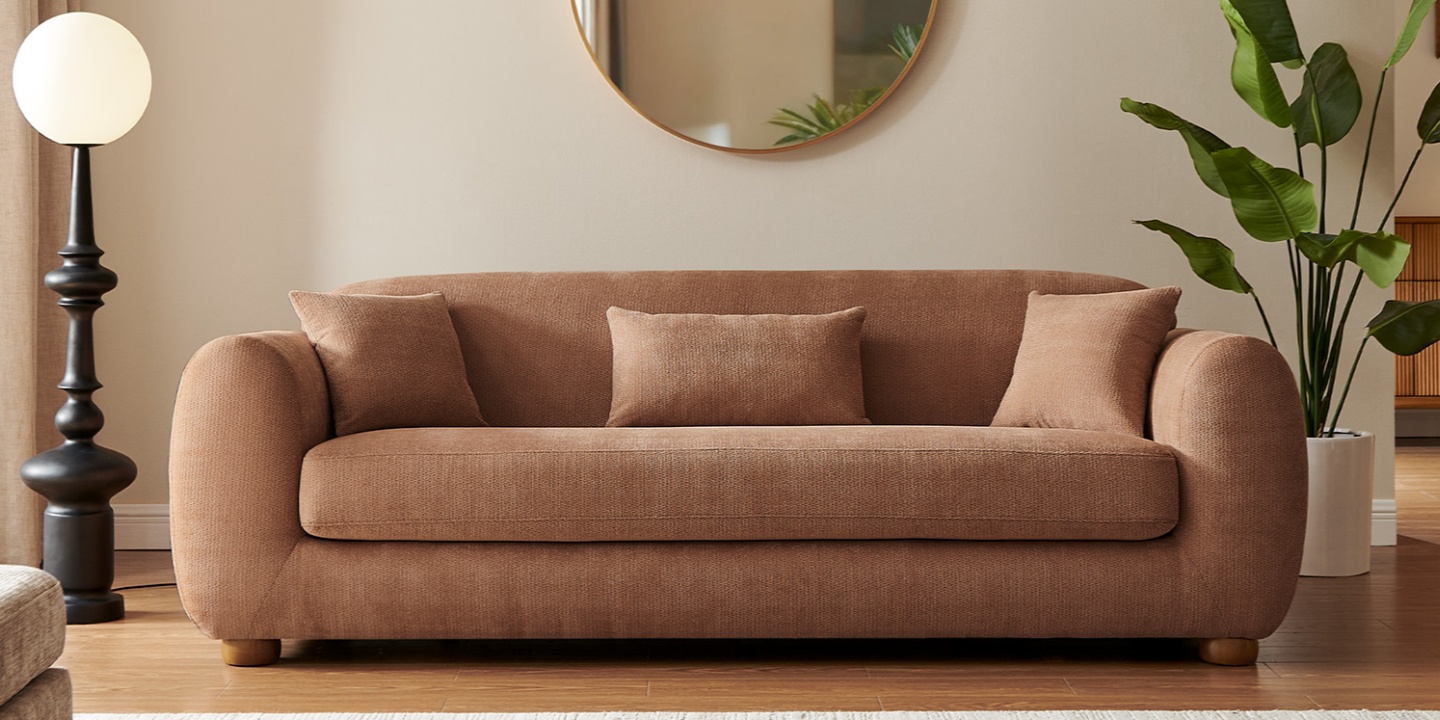
A loveseat is especially useful here because it provides comfortable seating without taking over the room. The Frosta 91" Chenille Sofa, for example, gives a conversation area a substantial anchor while its curved profile keeps the arrangement feeling relaxed.
This setup works particularly well in homes where the main living room already has the family's primary TV. The second room can then have a completely different rhythm: morning coffee, conversation, reading, or a board game after dinner.
2. Turn It Into a Reading Room
A reading room does not require an entire wall of bookshelves or a large sofa.
Start with one supportive chair, a small side table, a floor lamp, and enough open floor space to move comfortably. Add shelving only when you actually need it.
A swivel chair can be useful because it lets you change direction without moving the entire chair. The Timberve 35" Swivel Accent Chair has a 360-degree swivel and a relatively compact footprint, making it suitable for a reading corner or a small second living room.
Pay attention to glare. A comfortable chair is not much use if direct afternoon sunlight hits the page or screen. Sheer curtains, Roman shades, or adjustable blinds can soften the light while keeping the room bright.
3. Make It a Home Office That Still Feels Like a Living Space
A second living room can provide a much more comfortable home office than a bedroom corner or kitchen counter.
Give the desk a defined wall and keep the rest of the room flexible. Closed storage helps hide chargers, paperwork, and office supplies when the workday ends.
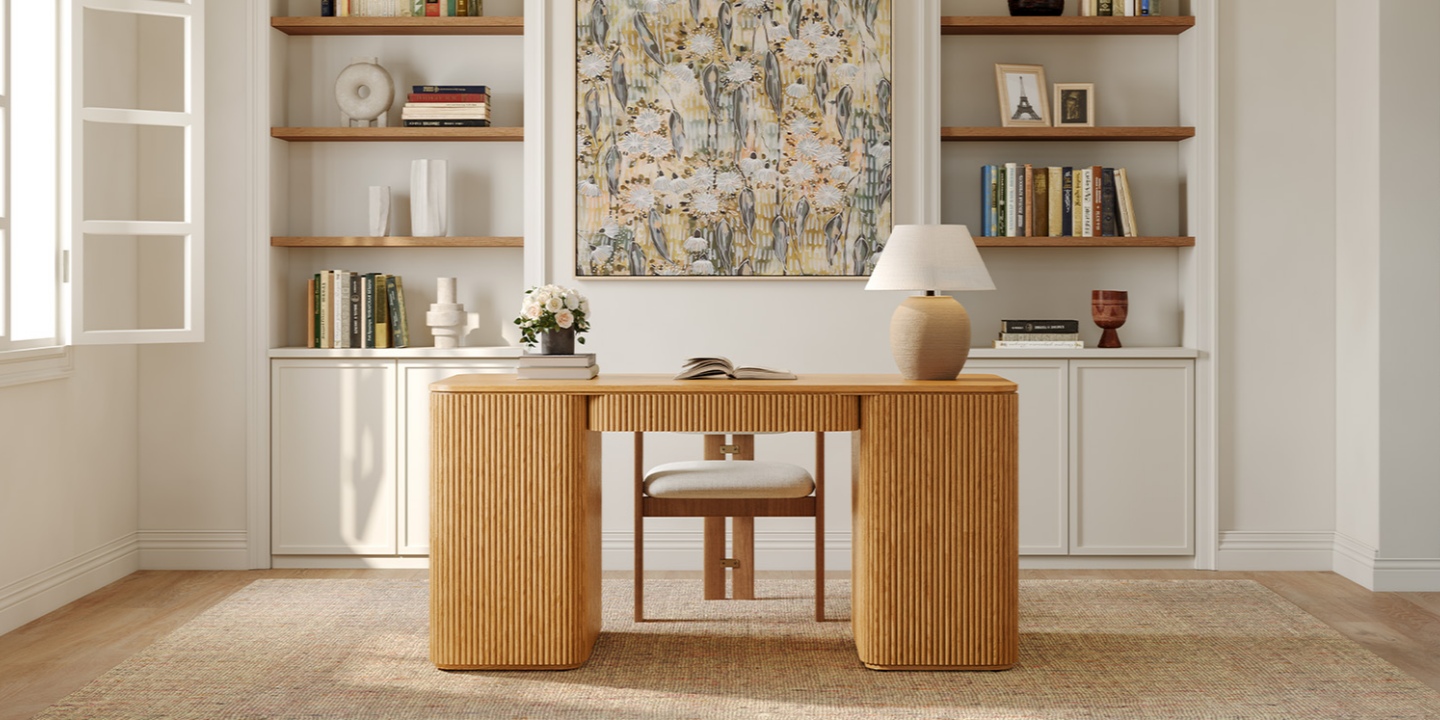
A 60- to 65-inch desk can provide a comfortable amount of workspace for a monitor, laptop, and everyday supplies while still fitting many medium-sized rooms. The Lundbord 64" Desk combines a generous work surface with seven drawers, giving the room storage without making it look like a traditional office.
Add a lounge chair or small reading area if space allows. That gives the room a second purpose without requiring a complete reset after work.
4. Build a Guest-Ready Lounge
If your home does not have a dedicated guest bedroom, the second living room can handle occasional overnight visitors.
A sleeper sofa or daybed allows the room to function as a lounge most of the year. Add closed storage for bedding, a small side table that can work as a nightstand, and window coverings that provide enough privacy and light control.
Measure the sleeper in both its closed and fully open positions before buying. A sofa that fits comfortably against the wall may still block a doorway, floor vent, or walking path once the bed is opened.
The goal is not to make the room look like a permanent guest bedroom. It should remain useful when nobody is visiting.
5. Set Up a Family Game Room
A second living room can give board games, puzzles, cards, and casual family activities their own home.
Choose seating that allows people to face one another rather than arranging every chair toward a television. A coffee table with enough surface area for a board game can become the center of the room.
Storage is especially important here. Games, controllers, playing cards, and craft supplies can quickly spread across open surfaces. Cabinets or drawers keep the room easier to reset after use.
For families with children, choose durable upholstery and furniture with enough clearance around the main activity area. A little empty floor space is useful.
6. Create a Kids' Playroom That Can Grow With Them
If toys regularly migrate into the main living room, a second living area can become a dedicated play space.
Keep the center of the room open for floor play. Use low storage for toys that children use frequently and closed cabinets for items that need to stay organized.
The room does not have to look like a traditional playroom, either. A comfortable accent chair gives adults somewhere to sit while children play, while a rug can define the activity zone.
As children get older, the same room can evolve into a homework area, gaming space, or casual lounge. That makes it a practical use of an extra room rather than a short-term decorating project.
7. Turn It Into a Home Theater or Media Room
If your main living room is designed around conversation or entertaining, move the screen to the second room instead.
A media room benefits from controlled lighting, comfortable seating, and clear sightlines. Avoid placing a sofa where a window creates direct glare on the screen.
A darker room can be an advantage here. Layered window coverings allow you to control daylight, while dimmable lighting makes the space more comfortable during movie nights.
This setup is especially useful when you want the main living room to remain more open for conversation and entertaining.
Before buying a large sectional or recliner, measure the distance between the seating, screen, walls, and doors. The biggest screen or sofa that fits on paper is not necessarily the best choice for the room.
8. Give Hobbies Their Own Space
A second living room can become a dedicated place for painting, sewing, crafting, model building, photography, or another hobby that needs a permanent setup.
The advantage is simple: you do not have to pack everything away every evening.
Use a work surface suited to the activity, then add closed storage for supplies. Good task lighting matters more here than decorative lighting. If the hobby creates noise or mess, a room that can be closed off from the rest of the house may be particularly useful.
A comfortable chair or small lounge area can keep the room from feeling like a workshop. The space should still feel like part of the home.
9. Make It a Music Room
An extra living room can also provide space for a piano, guitar collection, record player, or other musical equipment.
Keep enough clearance around instruments and avoid filling every wall with furniture. Rugs and curtains can help soften sound in rooms with lots of hard surfaces.
If the room is shared with another activity, choose furniture that can move easily. A small accent chair and compact table can create a listening corner without interfering with the main instrument.
For homes where music is a major activity, this may be one of the most valuable ways to use a second living room because it gives the equipment a permanent place.
10. Create a Quiet Lounge or Wellness Space
Not every second living room needs a screen or workstation.
A quiet lounge can support stretching, meditation, journaling, yoga, or simply sitting with a cup of coffee. Keep the furniture minimal: one comfortable chair, a small table, a floor lamp, and enough open floor area for movement.
Plants, woven textures, curtains, and a low-pile rug can make the room feel warmer without filling it with unnecessary decoration.
This is particularly useful when the main living room is busy throughout the day. The second room becomes a place to step away rather than another place to gather.
11. Keep It Flexible With a Multipurpose Layout
If your household genuinely needs the room for several things, make flexibility the design rather than trying to hide it.
A flexible second living room might combine a small sofa or loveseat, a movable accent chair, a compact desk, and closed storage. Use lightweight furniture that can be repositioned when the room changes roles.
For example, the room might serve as a home office during the day, a reading space in the evening, and a guest room a few times a year.
The key is to keep the number of permanent pieces low. Flexible does not mean filling the room with furniture that can supposedly serve every possible purpose.
Furnish a Second Living Room Without Making It Feel Crowded
Once you've chosen the room's function, furniture placement becomes much easier.
Build One Seating Group First
Start with the primary activity and create one clear zone around it.
For a conversation room, that might mean a loveseat and two chairs. For a reading room, one chair and a side table may be enough. For a media room, seating should face the screen without blocking the main route through the room.
In larger rooms, resist the urge to put a piece of furniture on every wall. An empty section of wall is not necessarily wasted space. It can help the room breathe.
Pull Furniture Into the Room
Pushing every piece against the walls often leaves a large empty center and makes the seating feel disconnected.
Instead, use a rug or coffee table to establish the center of the main furniture group. Even a small amount of space between the sofa and wall can make the arrangement feel more intentional.
If the room becomes crowded, remove a secondary piece before replacing the main one with something larger.
Do You Need a Coffee Table?
Not necessarily.
A coffee table makes sense when several seats share drinks, games, books, or laptops. In a narrow room, however, it can interfere with the walking path.
A side table or storage ottoman may work better in a small second living room. If you do choose a coffee table, look for one that provides more than a surface.
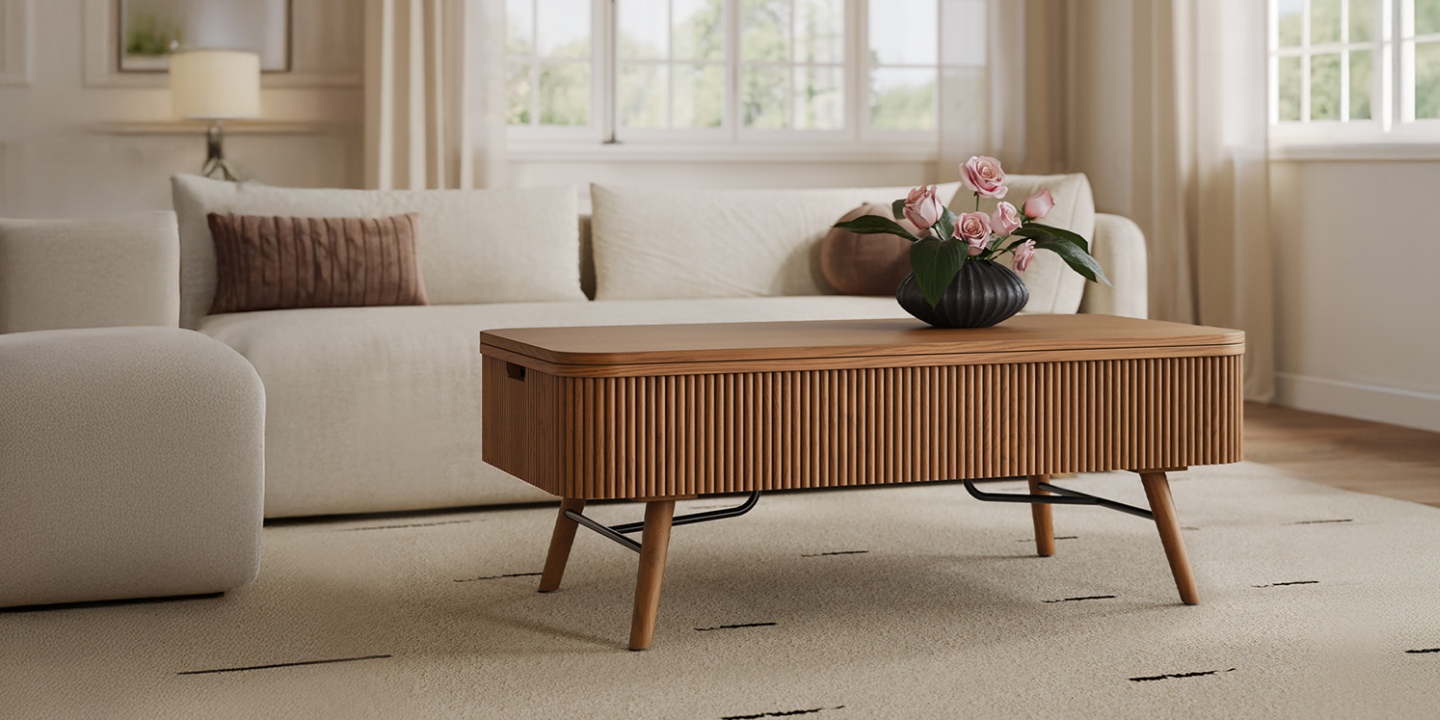
The Magnus 47" Lift-Top Oak Coffee Table, for example, can function as a coffee table, elevated work surface, and storage piece. Its 47-inch width can work with a loveseat-and-chairs arrangement without requiring the footprint of a larger table.
The basic rule is simple: every piece should earn its floor space.
Second Living Room Ideas for Small Spaces
A small second living room does not need to become a storage room simply because the square footage is limited.
Start by reducing the number of large pieces. A loveseat can provide substantial seating while leaving room for one or two movable chairs. A round coffee table can make circulation easier than a large rectangular one, while nesting tables can be separated when needed.
Use vertical space for storage rather than filling the floor with cabinets. Wall-mounted lighting can also free up floor and table surfaces.
For a small room, prioritize:
One primary seating piece
One or two compact accent chairs
A small or multifunctional table
Closed storage where necessary
Clear access to doors and windows
One defined walking route
The room will usually feel larger when fewer pieces have enough space around them.
Layer the Lighting So the Room Feels Finished
Lighting can change the way a second living room functions more than another piece of decor can.
A ceiling fixture provides general illumination, but it should not be the only light source. Add a floor lamp for reading or task lighting and a table lamp for softer ambient light.
For evening rooms, dimmers are especially useful. A conversation room that feels overly bright at full output can become much more comfortable when the lighting is lowered.
Choose a Consistent Color Temperature
Warm light around 2700K works well for reading nooks, conversation rooms, and relaxed living spaces.
A workspace may benefit from 3000K to 3500K when you need clearer task lighting.
Within the same room, keep the color temperature reasonably consistent. Vary the fixture type and placement instead of mixing noticeably different shades of white light.
The goal is not to make every light fixture identical. It is to create layers that work together.
Add Texture Instead of Filling Every Surface
An extra room can feel unfinished when it lacks texture, but adding more decor is not always the solution.
Wood grain, woven fabrics, wool or natural-fiber rugs, curtains, and upholstered seating can add visual depth without creating clutter.
If the room has a neutral color palette, vary the materials instead of introducing several new colors. For example, an oak table, textured upholstery, a woven basket, and a soft rug can make a simple room feel complete.
Size the Rug to the Seating
A rug that is too small can make a furniture arrangement look disconnected.
As a practical guideline, the front legs of the main seating should sit on the rug. In many arrangements, allowing the rug to extend roughly 18 to 24 inches beyond the sofa on each side creates a more grounded look.
For a 10-by-12-foot room, an 8-by-10 rug can often anchor a loveseat-and-chairs arrangement. A larger 9-by-12 rug may be more appropriate for a larger room.
Always use the actual furniture dimensions and room layout as the final guide.
Measure Before You Buy
Square footage alone does not tell you whether furniture will work.
Measure the usable area after accounting for doors, windows, fireplaces, vents, built-ins, and the main walking route. Then check the furniture dimensions against those measurements.
One simple trick is to tape the furniture footprints on the floor before ordering. Walk through the room, open nearby doors, and check the distance between the furniture and major pathways.
For product-specific dimensions, the Hernest sofas collection lists dimensions for individual pieces so you can compare them with your available space before ordering.
Common Mistakes That Leave Second Living Rooms Unused
Most second living room problems are layout problems rather than decorating problems.
Copying the Main Living Room
If both rooms have the same sofa, TV stand, coffee table, and seating arrangement, one will probably become the default.
Give each room a reason to exist.
Assigning Too Many Functions
A room that is simultaneously a gym, office, playroom, and guest room can become difficult to reset. Choose a primary purpose and build around it.
Buying the Largest Piece That Fits
Furniture can technically fit while still making the room uncomfortable. Leave space for doors, drawers, movement, and everyday traffic.
Ignoring Storage
Open shelves and surfaces fill quickly with toys, chargers, books, bedding, and hobby supplies. Closed storage keeps the room easier to maintain.
Decorating Before Planning
Pillows, artwork, and accessories cannot fix a blocked walkway or uncomfortable glare. Solve the layout first.
Designing Only for Occasional Guests
If guests visit a few times a year, there is little reason to dedicate the entire room to them. A guest-ready lounge usually provides more everyday value.
How to Make Two Living Rooms Feel Connected but Different
Two living rooms do not need to match.
Instead, repeat one or two elements between them. The same wood tone, metal finish, or accent color can create continuity without making the spaces look copied.
For example, if the main living room uses warm oak furniture, bring that wood tone into the second room through a coffee table or desk. Then change the seating, rug, lighting, and focal point.
The two rooms should feel like they belong to the same house while still having different reasons to use them.
Spend the Budget Where It Matters
You do not have to completely fill a second living room.
Put most of the budget toward the furniture that supports the room's primary function. That might be one comfortable loveseat, a well-designed desk, a quality reading chair, or a multifunctional coffee table.
Add secondary furniture only after you've confirmed the main seating position and walking route.
A storage coffee table, a practical desk, and one good chair can often contribute more to the room than a collection of small decorative pieces.
The best second living room is not the one with the most furniture. It is the one people actually choose to use.
FAQs
What should I do with a second living room?
Start by identifying something your main living room does not provide. A second living room can become a reading room, home office, guest space, game room, media room, hobby area, or quiet lounge. Choose one primary function before buying furniture.
What is the best use for a second living room?
The best use depends on your household and the room itself. A bright, quiet room may work well as a reading space, while a closed-off room may be better for a media room or guest area. Consider light, traffic, size, and how often the space will actually be used.
What is a second living room called?
A second living room may be called a family room, den, sitting room, bonus room, or flex room, depending on the home's layout and regional terminology. These spaces can serve different purposes even when their names vary.
How do I furnish a small second living room?
Start with one main seating piece, such as a loveseat, then add one or two compact chairs and a small table if space allows. Keep the main walkway clear and use multifunctional furniture or vertical storage to reduce clutter.
Should two living rooms match?
They should coordinate rather than match. Repeat one detail, such as a wood tone, metal finish, or accent color, then use different furniture arrangements, rugs, and focal points to give each room its own purpose.
Can I use a second living room as a home office?
Yes. Place the desk on a defined wall, provide appropriate task lighting, and use closed storage to hide work supplies after hours. A lounge chair or small seating area can help the room transition from work to relaxation.
Does a second living room need a coffee table?
No. A coffee table is useful when multiple seats need a shared surface, but a side table or storage ottoman can work better in a narrow room. If you choose a coffee table, a lift-top or storage design can make the footprint more useful.
How much seating does a second living room need?
Base the seating on everyday use rather than the largest gathering you might host. A reading room may need one chair, while a family room may need enough seats for the household. Movable accent chairs can provide additional seating when guests arrive.
How do I make a second living room feel finished?
Start with layered lighting, then add texture through rugs, upholstery, wood, curtains, and a few carefully chosen accessories. The room usually feels more complete when the furniture grouping, lighting, and walking route are resolved before decorative details are added.
What are the most common second living room mistakes?
The most common mistakes include copying the main living room, giving the space too many functions, buying oversized furniture, ignoring storage, and decorating before planning the layout. A clear purpose usually solves more problems than additional furniture.
How do I make two living rooms feel connected but different?
Repeat one or two elements, such as an oak wood tone or accent color, across both spaces. Then vary the seating arrangement, rug, lighting, and focal point. This creates visual continuity while giving each room a distinct identity.