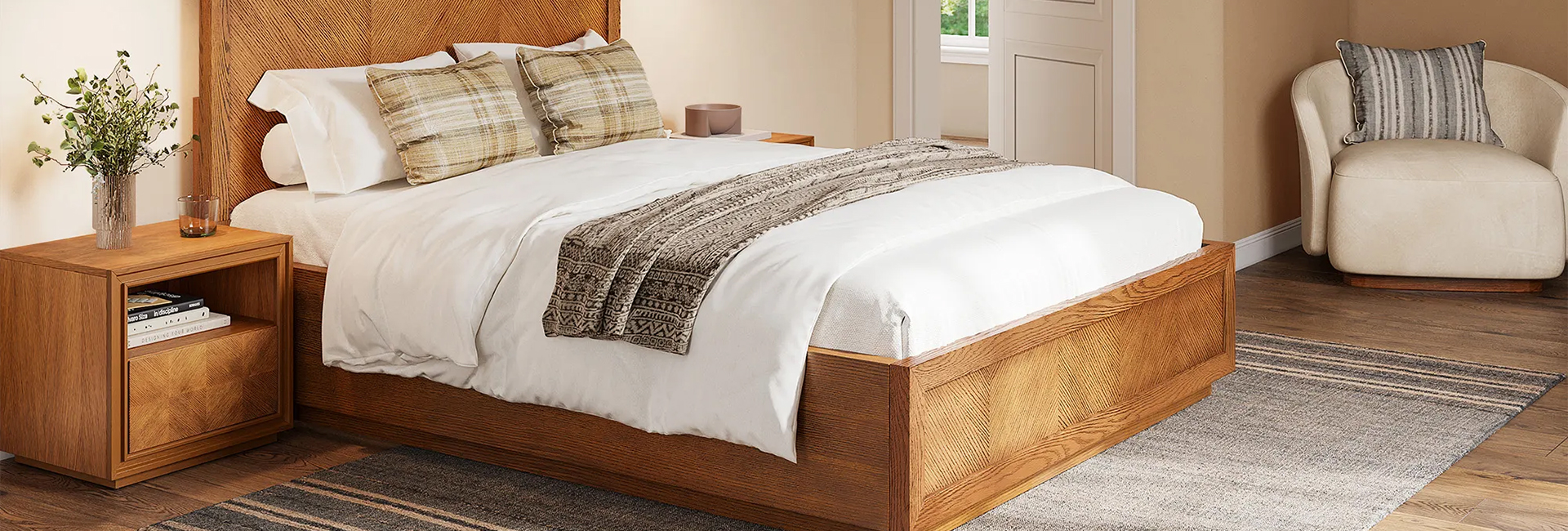
A platform bed frame queen is more than just a furniture choice—it’s a long-term investment in sleep quality, bedroom function, and overall lifestyle comfort. If you’ve ever wondered whether a platform bed frame queen is right for your space, or how it compares to traditional setups, you’re in the right place.
This guide is written from a real-world furniture perspective—what actually works in American homes, not just theory. We’ll break down dimensions, materials, costs, and decision-making frameworks so you can confidently choose the right platform bed frame queen for your needs.
Why Choosing the Right Queen Platform Bed Frame Matters
How the Right Bed Frame Impacts Sleep Quality and Bedroom Design
A well-built platform bed frame queen directly affects how your mattress performs over time. According to furniture ergonomics research cited across bedding specialists, proper support reduces mattress sagging by up to 30–40% over its lifespan.
A platform bed frame queen also changes how your bedroom feels visually. Low-profile frames create openness, while wooden styles add warmth and structure. Many designers now recommend a platform bed frame queen as the “foundation piece” of modern minimalist bedrooms.
When evaluating bed frame sizes, always remember: the frame isn’t just support—it’s part of your sleep system.
Who Should Consider a Queen Platform Bed Frame
A platform bed frame queen is especially ideal for:
Couples sharing a standard room layout
Apartment dwellers optimizing space
Homeowners upgrading from box spring systems
Anyone prioritizing clean, modern design
If you're comparing bed frame size options, the queen category remains the most versatile in U.S. homes.
Key Takeaways Before Buying
A platform bed frame queen eliminates the need for a box spring
Most bed frame sizes are designed around mattress standards, not aesthetics
A wooden bed frame offers better durability and long-term stability
Understanding is a bed frame needed helps avoid unnecessary spending
What Is a Platform Bed Frame?
Definition of a Platform Bed
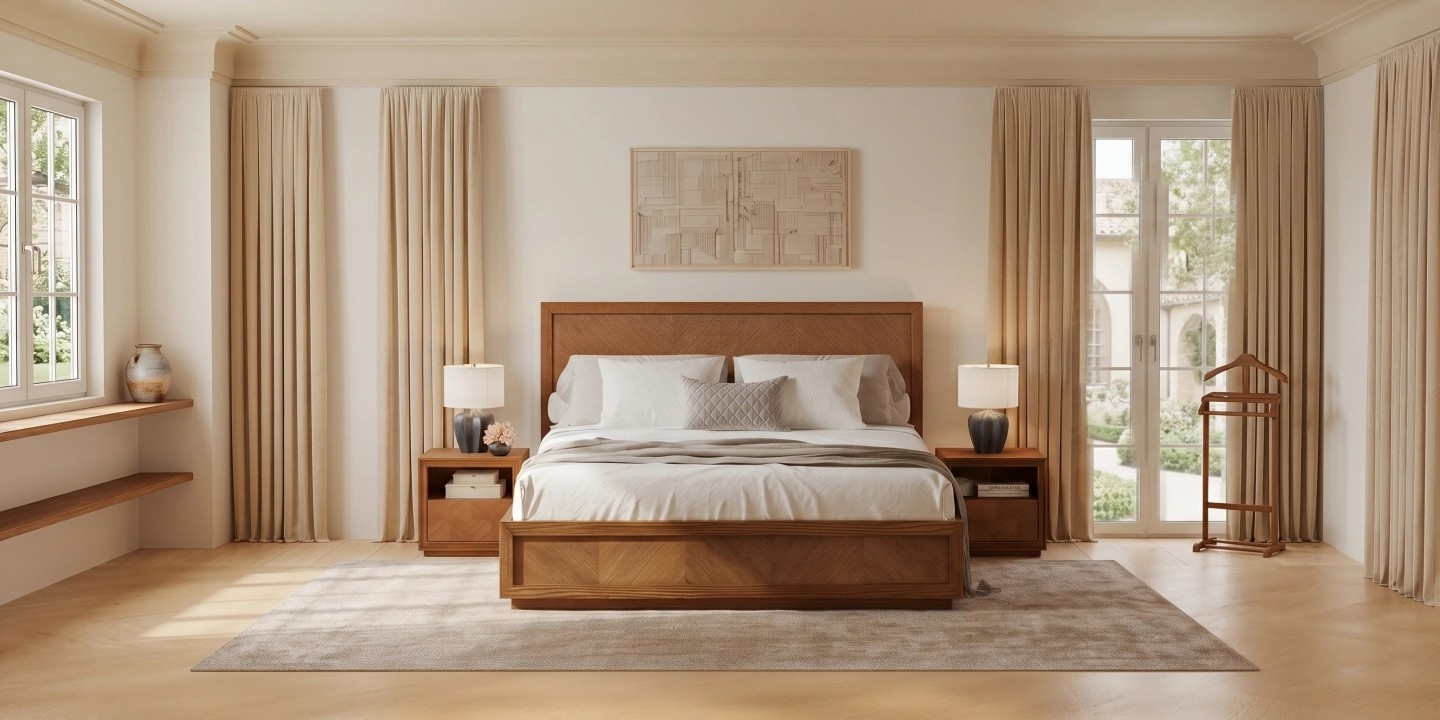
A platform bed frame queen is a low-profile bed structure that supports a mattress directly using slats or a solid base. Unlike traditional frames, it does not require a box spring.
The modern platform bed frame queen design has become dominant because it simplifies bedroom setup while improving structural stability.
What Is the Difference Between a Bed Frame and a Platform Bed?
A traditional bed frame often requires additional foundation support, while a platform bed frame queen integrates support into the frame itself.
This difference impacts:
Cost
Mattress feel
Assembly complexity
Overall bed frame size footprint
In most modern homes, the platform bed frame queen replaces both frame and foundation in one piece.
Platform Bed vs Traditional Bed Frame
When comparing bed frame sizes, platform beds usually sit lower and feel more grounded. Traditional frames are taller and more layered.
A platform bed frame queen offers:
Cleaner aesthetics
Better mattress support
Lower long-term cost
Is a Platform Bed Better for Modern Bedrooms?
Interior designers often recommend a platform bed frame queen for minimalist and contemporary interiors because it reduces visual clutter and enhances spatial flow.
Queen Bed Frame Dimensions Explained
Understanding queen bed sizing is one of the most overlooked—but most important—steps when choosing a platform bed frame queen. A small mistake in dimensions can lead to poor mattress fit, wasted space, or a frame that visually overwhelms the room. This section breaks down real-world sizing details so you can make a confident, practical decision.
Standard Queen Size Bed Dimensions
A standard queen mattress measures 60 inches wide by 80 inches long, and this has become the most common residential mattress size in the United States. In practice, however, the full footprint of a platform bed frame queen is always larger than the mattress itself.
Most bed frame sizes for queen platforms typically extend 2–5 inches beyond each side to accommodate structural elements like side rails and support legs. This means the actual external footprint often ranges around 62–65 inches in width and 82–85 inches in length.
From a design standpoint, experts in furniture ergonomics emphasize that this added clearance is not wasted space—it prevents mattress compression and ensures long-term stability of the platform bed frame queen structure.
Are All Queens 60x80?
No, not all queen mattresses are exactly 60x80. While this is the industry standard, variations do exist depending on design and manufacturer.
For example, some specialty mattresses labeled under queen size bed fram categories may differ slightly in thickness or edge structure, even if the core dimensions remain close to standard. There are also extended variations like Olympic queens, which add extra width.
This is why relying only on label names can be misleading. When selecting a platform bed frame queen, always verify actual measurements rather than assuming uniform sizing across all bed frame sizes.
How Big Should a Bed Frame Be for a Queen Size Bed?
A properly designed platform bed frame queen should comfortably accommodate a 60x80 mattress with enough tolerance for bedding movement and structural integrity.
In general, the frame should be:
At least 2–3 inches wider on each side
2–4 inches longer than mattress length
Strong enough to support full weight without flexing
This ensures the mattress sits securely within the frame without rubbing against edges or shifting over time. When evaluating bed frame size, always prioritize internal clearance over external aesthetics.
Understanding Bed Frame Sizes
When comparing bed frame sizes, queen remains the most balanced option for most bedrooms. It offers enough sleeping space for two adults while still fitting comfortably in medium-sized rooms.
A platform bed frame queen typically works best in rooms that are at least 10 feet by 10 feet, allowing for walking space on both sides. Compared to full or king sizes, queen frames offer a more efficient use of space without sacrificing comfort.
Interior design professionals consistently recommend queen as the “standard compromise size” for urban and suburban homes due to its adaptability.
Queen Size Bed Fram Buying Mistakes to Avoid
One of the most common errors when purchasing a platform bed frame queen is ignoring precise measurements. Many buyers assume all bed frame sizes are interchangeable, which often leads to poor fit or overcrowded bedrooms.
Other frequent mistakes include:
Choosing a frame without checking actual bed frame size
Ignoring mattress thickness, especially with memory foam models
Overlooking delivery clearance through doors and staircases
Assuming all queen size bed fram products follow identical dimensions
Avoiding these mistakes ensures your platform bed frame queen fits both your mattress and your living space properly, creating a stable and visually balanced bedroom setup.
How to Measure a Bed Frame Correctly
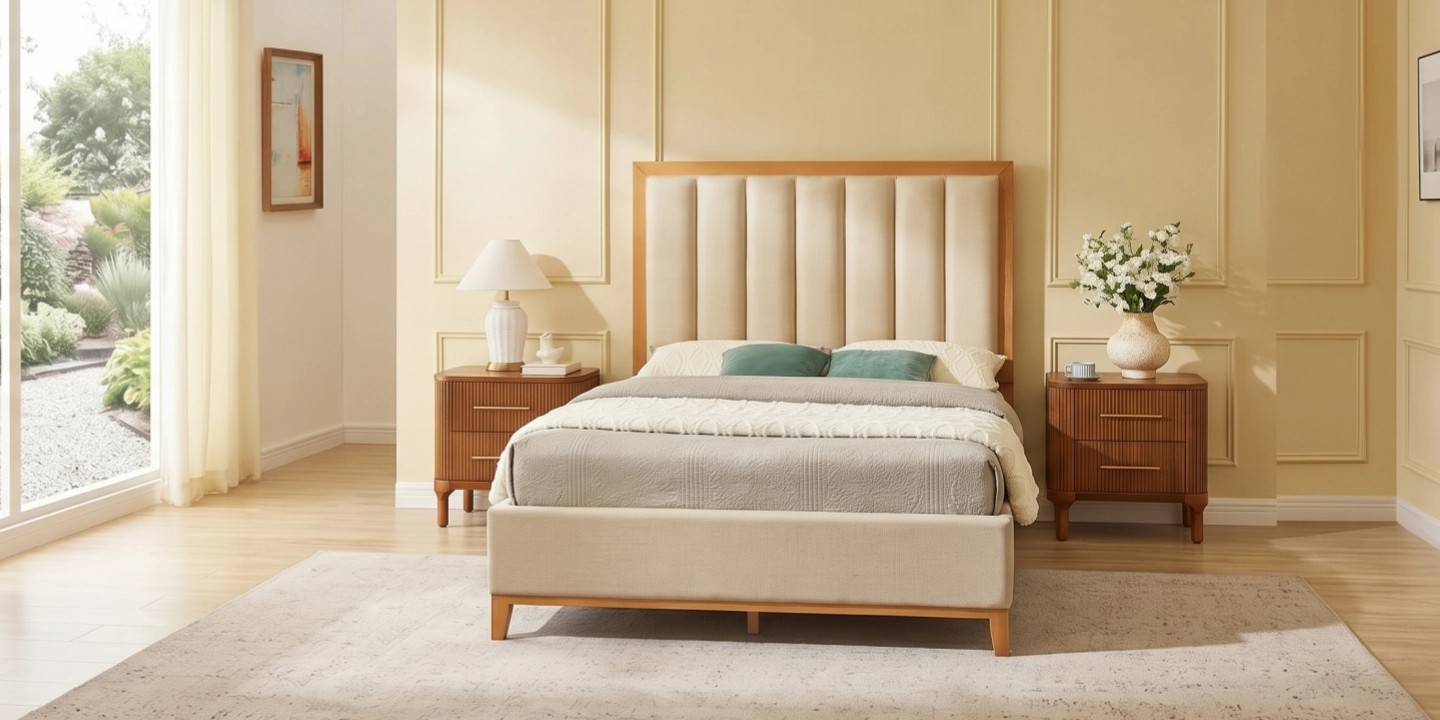
Getting the measurements right is one of the most practical steps when choosing a platform bed frame queen. Many buyers focus on style first, but in real-world furniture setup, accurate measurement determines whether the bed actually works in your space. Even a 1–2 inch miscalculation can affect comfort, walkways, and overall bedroom layout.
How to Measure a Bed Frame
To correctly measure a platform bed frame queen, start with three key dimensions: width, length, and height.
First, measure the interior space where the mattress will sit. For a standard queen mattress, this should closely match 60" x 80", with slight tolerance for bedding movement. Next, measure the external frame size, including side rails and structural edges. This is essential when comparing different bed frame sizes, since external dimensions often vary significantly between designs.
Finally, measure the height from floor to mattress top, especially important for platform designs where lower profiles are common. This step helps determine how easy it will be to get in and out of bed.
Measuring for Small Bedrooms and Apartments
In smaller spaces, accurate planning is critical. A platform bed frame queen is often preferred because it maximizes usable floor area while maintaining full sleeping comfort.
When measuring for apartments, leave at least 24–30 inches of clearance on walking sides of the bed. This ensures the bed frame size does not overwhelm the room visually or functionally. Also consider door swing paths, closet access, and dresser placement before finalizing your layout.
Measuring Headboards and Footboards
Headboards and footboards can significantly affect total footprint. Many people only measure mattress space, which leads to layout problems later.
When evaluating a platform bed frame queen, include headboard height and thickness in your calculations. Tall upholstered or solid designs may extend several extra inches into the room vertically and horizontally. This is especially important in rooms with lower ceilings or wall-mounted décor.
Common Measurement Mistakes
One of the most frequent errors is assuming all bed frame sizes follow standard external dimensions. In reality, construction styles vary widely.
Other common mistakes include:
Measuring only mattress size, not full frame size
Ignoring clearance for bedding overhang
Forgetting to account for wall spacing behind headboards
Overlooking delivery path constraints for a platform bed frame queen
Taking the time to measure correctly ensures your platform bed frame queen fits seamlessly into your space without last-minute adjustments or layout compromises.
How to Pick a Bed Frame Like an Interior Design Expert
Choosing a platform bed frame queen is not just about appearance—it’s about how the frame fits your daily habits, room layout, and long-term comfort needs. Interior designers often start with lifestyle analysis before even looking at styles or finishes. This approach helps avoid costly mistakes and ensures the bed frame size truly supports how you live.
How to Pick a Bed Frame Based on Your Lifestyle
When deciding how to pick a bed frame, start with how you actually use your bedroom. If you share your bed, a platform bed frame queen offers enough space without overwhelming a standard room. For single sleepers, it provides extra comfort without sacrificing floor space.
If you frequently move or redecorate, lighter bed frame sizes may be more practical. On the other hand, long-term homeowners often prefer a sturdier setup like a platform bed frame queen, which prioritizes durability over portability.
Choosing the Right Bed Frame Material
Material choice has a direct impact on both longevity and style. A wooden bed frame remains one of the most recommended options by furniture professionals due to its stability and timeless appeal.
Solid wood versions of a platform bed frame queen reduce noise, resist long-term wear, and provide better structural integrity compared to metal alternatives. Engineered wood can be more budget-friendly but may not offer the same lifespan.
Matching Your Bed Frame With Bedroom Style
Your bed is the visual anchor of the room. A platform bed frame queen can adapt to multiple interior styles—from minimalist to rustic depending on finish and texture.
For modern, clean-lined bedrooms, low-profile designs work best. For warmer, more natural interiors, a wooden bed frame adds texture and depth.
Retailers like HERNEST often showcase how different bed frame sizes and finishes can transform the same room layout into completely different aesthetics, helping buyers visualize real-world styling outcomes.
Choosing Between High and Low Platform Beds
High and low platform designs each serve different needs. A lower platform bed frame queen creates a sleek, grounded look ideal for modern interiors. It also enhances ceiling height perception in smaller rooms.
Higher bed frame sizes offer easier access and sometimes additional under-bed storage, which is useful for compact apartments.
Ultimately, knowing how to pick a bed frame comes down to balancing comfort, accessibility, and visual impact within your space.

Wooden Bed Frame Guide: Pros, Cons, and Design Trends
A platform bed frame queen made from wood continues to be one of the most trusted choices in American bedrooms. While design trends evolve every few years, wood consistently stays relevant because it balances durability, warmth, and versatility better than most materials. For buyers comparing bed frame sizes, wood remains a long-term investment rather than a short-term style decision.
Why Wooden Bed Frames Remain Popular
A wooden bed frame remains popular because it performs well in both function and aesthetics. Unlike metal or composite frames, solid wood naturally absorbs vibration, reducing noise and movement during sleep.
A platform bed frame queen built from wood also offers structural strength that improves mattress support and extends lifespan. Interior designers often prefer wood because it blends easily with evolving décor trends without needing replacement every few years.
Are Wood Bed Frames Still in Style?
Yes—wooden frames are not only still in style, they are becoming more desirable. The shift toward natural materials in interior design has made the wooden bed frame a core element of modern bedrooms.
A platform bed frame queen in wood works particularly well in minimalist, Scandinavian, and rustic-inspired spaces. When evaluating bed frame sizes, wood consistently ranks as the most visually adaptable option.
What Are the Pros and Cons of Wood Bed Frames?
A wooden bed frame offers several clear advantages:
Pros:
Strong long-term durability
Natural aesthetic that ages well
Better stability for a platform bed frame queen
Wide compatibility with different bedroom styles
Cons:
Heavier than metal frames
Higher upfront cost depending on quality
Requires occasional maintenance to prevent wear
Furniture specialists often note that a high-quality platform bed frame queen in solid wood can last over a decade with proper care.
Best Types of Wood for a Platform Bed Frame Queen
Not all wood performs equally. For a platform bed frame queen, hardwoods are generally preferred because they provide better durability, structural stability, and long-term mattress support.
Oak: Extremely durable and resistant to wear
Walnut: Rich tone and premium appearance
Ash: Lightweight but strong
Acacia: Naturally resistant to moisture and damage
Among these materials, oak continues to stand out as one of the most reliable choices for a long-lasting wooden bed frame. Kiln-dried solid oak is especially valued because it helps reduce moisture-related warping and improves structural durability over time. Many furniture specialists also prefer oak for heavier bed frame sizes since the wood maintains stability under daily weight and movement better than many softer wood alternatives.
For readers looking to see how these construction details apply in a real bedroom setup, the Alexa Fluted Solid Oak Bed combines American solid oak with engineered wood and oak veneers to create a structure that balances natural hardwood durability with improved dimensional stability. Additional details such as kiln-dried wood construction, wire-brushed grain finishing, solid wood fluting, and a reinforced six-leg center support system capable of supporting up to 800 lbs further reflect the type of craftsmanship buyers often look for in a high-quality platform bed frame queen.
These materials help different bed frame sizes maintain consistent support without sagging, creaking, or premature structural wear.
Wooden Bed Frame vs Upholstered Bed
A wooden bed frame and upholstered bed serve different purposes.
Wood offers durability, easier maintenance, and longer lifespan, making it ideal for a platform bed frame queen. Upholstered beds provide softness and visual comfort but require more cleaning and may wear faster over time.
When comparing bed frame sizes, wood tends to be more practical for long-term investment, while upholstered options focus more on short-term aesthetic comfort.
Is a Bed Frame Needed?
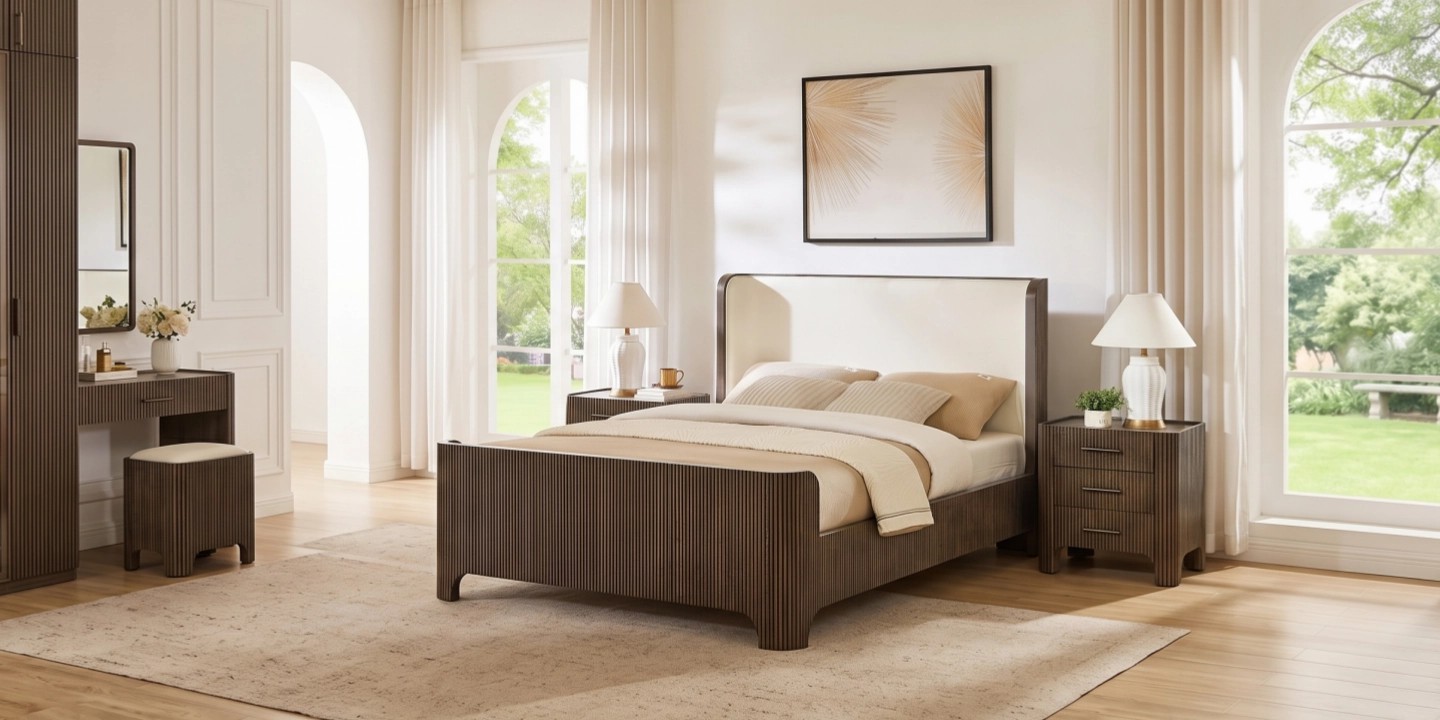
Whether you need a bed frame depends on comfort, mattress lifespan, and how your bedroom functions. In most real-world setups, a platform bed frame queen is not just optional—it plays a key role in support and hygiene.
Is a Bed Frame Needed?
Yes, in most cases a bed frame is recommended. A platform bed frame queen helps distribute weight evenly, prevents mattress sagging, and improves airflow underneath. This is especially important for modern foam mattresses, which require stable support across all bed frame sizes.
Is It Okay to Have a Bed Without a Frame?
It is possible to place a mattress directly on the floor, but it comes with drawbacks. Without a platform bed frame queen, airflow is limited, which can trap moisture and reduce mattress lifespan. Over time, this can also affect hygiene and comfort.
Is There a Point to Having a Bed Frame?
Yes. A platform bed frame queen improves sleep ergonomics, elevates the mattress for easier access, and enhances bedroom aesthetics. It also helps define the space visually, making the room feel more structured and organized compared to floor setups.
Do Platform Beds Need a Box Spring?
No. A key advantage of a platform bed frame queen is that it eliminates the need for a box spring. Built-in slats or a solid base provide sufficient support, making most bed frame sizes simpler and more cost-efficient to set up.
Pros and Cons of Platform Beds
A platform bed frame queen has become a go-to choice in modern bedrooms, but like any furniture decision, it comes with both strengths and limitations. Understanding these trade-offs helps you choose the right bed frame size for your lifestyle instead of relying on aesthetics alone.
What Are the Advantages of Platform Beds?
A platform bed frame queen offers several practical benefits. The biggest advantage is that it eliminates the need for a box spring, which reduces overall cost and simplifies setup. It also provides firm, even mattress support, which can improve sleep stability over time.
From a design perspective, a platform bed frame queen creates a clean, modern look that works well in smaller rooms. Many bed frame sizes in platform styles also sit lower, making bedrooms feel more open and less cluttered. In addition, solid or slatted bases improve airflow compared to floor placement.
What Are the Disadvantages of a Platform Bed?
Despite its benefits, a platform bed frame queen may not suit every user. The lower height can feel uncomfortable for people who prefer easier sitting and standing positions. Some designs also offer limited under-bed storage compared to higher bed frame sizes.
Depending on construction, a platform frame may also feel firmer, which can change mattress comfort levels for some sleepers.
Who Should Avoid Platform Beds?
A platform bed frame queen may not be ideal for older adults who need higher bed access or individuals requiring significant under-bed storage. It may also not suit those who prefer softer, more elevated sleeping setups found in traditional bed frame sizes.
How Much Does a Wooden Bed Typically Cost?
When evaluating a platform bed frame queen, price is often one of the first considerations. However, cost varies widely depending on materials, construction quality, and overall design complexity. Understanding pricing helps you avoid both overspending and under-investing in a structure that supports your sleep every night.
How Much Does a Wooden Bed Typically Cost?
A wooden bed frame can generally fall into three ranges. Entry-level models are usually more affordable and often use engineered wood. Mid-range options offer better durability with reinforced construction, while premium solid wood versions provide long-lasting strength and refined craftsmanship.
For a platform bed frame queen, pricing increases slightly compared to simpler bed frame sizes due to integrated support systems that replace the need for a box spring.
What Affects Bed Frame Pricing?
Several factors influence the cost of a platform bed frame queen:
Type of wood used (solid hardwood vs engineered materials)
Structural design and reinforcement
Finish quality and craftsmanship details
Size and complexity of bed frame sizes
Additional features such as storage or headboard design
A higher-quality wooden bed frame typically uses denser materials and stronger joinery, which increases both durability and price.
Is an Expensive Bed Frame Worth It?
In most cases, yes—especially for long-term use. A well-built platform bed frame queen reduces noise, improves mattress support, and lasts significantly longer than budget alternatives.
While lower-cost bed frame sizes may seem appealing initially, they often require replacement sooner. Investing in a durable wooden bed frame can reduce long-term costs and improve sleep consistency, making it a more practical decision over time.
Expert Tips for Buying the Best Platform Bed Frame Queen
Choosing a platform bed frame queen is not just about looks—it’s about long-term comfort, structural reliability, and how well the frame fits your everyday lifestyle. With so many bed frame sizes and materials available, a practical checklist helps avoid poor purchasing decisions.
Features to Prioritize
When selecting a platform bed frame queen, prioritize solid structural support, noise-free joints, and evenly spaced slats. These features ensure proper mattress stability and prevent sagging over time. A durable wooden bed frame is often preferred for its strength and long-term performance.
Questions to Ask Before Buying
Before purchasing, ask:
Does it require a box spring?
What is the weight capacity?
Does it support my mattress type?
Is the bed frame size compatible with my room layout?
These questions help confirm whether the platform bed frame queen fits both functional and spatial needs.
Signs of a High-Quality Bed Frame
A high-quality platform bed frame queen typically has reinforced center support, solid joinery, and a stable foundation that does not shift under pressure. Well-designed bed frame sizes should feel sturdy even without a mattress installed. A premium wooden bed frame also shows smooth finishing and consistent material grain.
Common Buyer Mistakes
Many buyers overlook actual bed frame sizes, assuming all queen frames are identical. Others ignore room clearance or choose style over structural quality. Another common mistake is underestimating mattress compatibility with a platform bed frame queen, which can lead to discomfort or premature wear.
Final Thoughts: Choosing the Right Queen Platform Bed Frame
Choosing the right platform bed frame queen ultimately comes down to balancing comfort, durability, and space efficiency. The right frame should match your mattress, fit your room’s bed frame sizes, and support your long-term sleep needs without compromise. A well-built wooden bed frame often delivers the best combination of stability and timeless design, while proper measurement ensures a perfect fit. Instead of focusing only on style, prioritize structure, materials, and usability. When chosen carefully, a platform bed frame queen becomes a lasting foundation that improves both sleep quality and bedroom function.
Frequently Asked Question
What are the disadvantages of a platform bed?
The main drawbacks of a platform bed frame queen include a lower height that may not suit everyone, limited under-bed storage in some designs, and a firmer mattress feel depending on the support system.
What is the difference between a bed frame and a platform bed?
A traditional bed frame usually requires a box spring, while a platform bed frame queen provides built-in support for the mattress. Platform beds are simpler, lower, and more integrated in structure.
Are all queens 60x80?
Most standard queen mattresses measure 60" x 80", but slight variations can occur depending on design. Always verify bed frame sizes before purchasing to ensure proper fit.
How big should a bed frame be for a queen size bed?
A platform bed frame queen should be slightly larger than the mattress, typically allowing 2–5 inches of extra width and length for structural support and bedding clearance.
Is it okay to have a bed without a frame?
It is possible, but not ideal. Without a platform bed frame queen, mattresses placed directly on the floor may have reduced airflow, increased moisture risk, and shorter lifespan.
Is there a point to having a bed frame?
Yes. A bed frame improves mattress support, hygiene, and bedroom organization. A platform bed frame queen also enhances airflow and extends mattress durability.
Are wood bed frames still in style?
Yes, a wooden bed frame remains highly popular due to its natural look, durability, and compatibility with modern and traditional interiors.
What are the pros and cons of wood bed frames?
A wooden bed frame is durable, stable, and visually timeless, but it can be heavier and more expensive than metal alternatives.
How much does a wooden bed typically cost?
Costs vary widely depending on materials and craftsmanship. A wooden bed frame can range from budget-friendly engineered options to premium solid wood designs.
Do platform beds need a box spring?
No, a platform bed frame queen does not require a box spring because the mattress is supported directly by slats or a solid surface.
How do I measure a bed frame?
To measure correctly, check both interior mattress space and exterior dimensions. Accurate bed frame sizes ensure proper fit and room layout compatibility.
What is the best wood for a platform bed frame queen?
The best wood for a platform bed frame queen depends on durability, appearance, and long-term stability. Hardwoods are generally preferred because they provide stronger structural support and resist wear over time.
Oak is one of the most reliable choices due to its density and long lifespan. Walnut is valued for its rich color and premium look, making it ideal for higher-end interiors. Ash offers a lighter feel while still maintaining good strength, and acacia is known for its natural resistance to moisture and everyday wear.