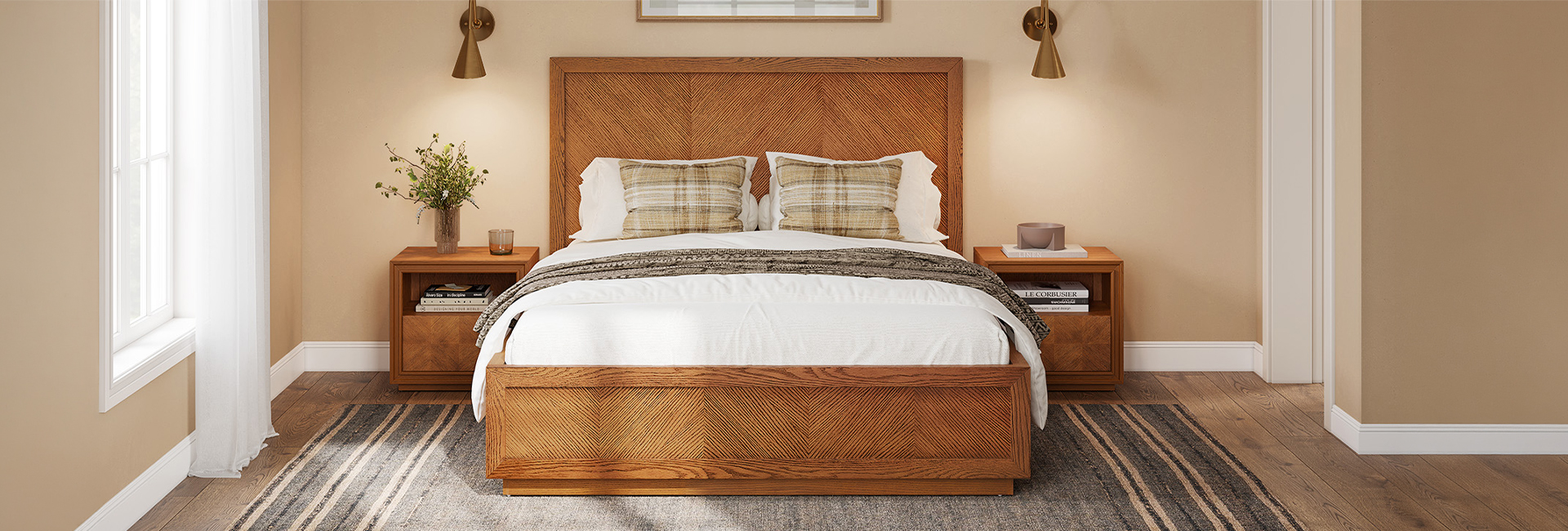
If you’ve ever searched online for bedroom furniture, chances are you’ve stumbled across the debate around nightstand vs bedside table. Some retailers use the two terms interchangeably. Others separate them completely. Then there’s the confusion around side tables, end tables, bedside cabinets, and accent tables. Before long, a simple furniture search turns into a terminology rabbit hole.
The truth is, understanding the difference actually matters more than people think.
Choosing the wrong bedside furniture can leave you with awkward proportions, poor storage, cluttered surfaces, or a bedroom that simply doesn’t function well in everyday life. On the other hand, the right choice improves organization, convenience, comfort, and even sleep habits.
Interior designers often point out that bedside furniture is one of the most used pieces in any bedroom. It holds your nighttime essentials, supports your lighting, stores personal items, and visually anchors the bed itself. In many modern homes, it also doubles as a charging station, workspace, or mini storage cabinet.
So when comparing nightstand vs bedside table, the question isn’t just about vocabulary. It’s about functionality, style, storage, and how you actually live.
Here’s the short answer:
A nightstand is usually more functional and storage-focused.
A bedside table is often more decorative and versatile.
But as modern furniture evolves, the line between the two keeps getting blurrier.
This guide breaks everything down clearly so you can decide what actually works for your bedroom instead of relying on confusing product labels.
What Is a Nightstand?
What’s a Nightstand?
Let’s start with the most common question: what's a nightstand?
A nightstand is a small table or cabinet specifically designed to sit beside a bed. Traditionally, nightstands include drawers, shelves, or enclosed storage for keeping nighttime essentials within easy reach.
Typical nightstand items include:
Phones
Books
Reading glasses
Chargers
Medications
Water glasses
Lamps
Journals
Remote controls
When people search nightstand vs bedside table, they’re usually trying to understand whether one option provides better storage or practicality. In most cases, the nightstand wins on pure functionality.
A classic nightstand is usually:
Roughly level with mattress height
Compact enough for smaller spaces
Built with storage compartments
Designed specifically for bedroom use
Modern versions have evolved far beyond simple wooden cabinets. Today’s nightstands may include:
Built-in USB ports
Wireless charging pads
Floating wall-mounted designs
Soft-close drawers
Hidden cable management
For homeowners who prioritize organization, the nightstand remains the practical favorite.
The History Behind Nightstands
The history behind the nightstand vs bedside table debate goes back centuries.
Nightstands originated in Europe during the 17th and 18th centuries. At the time, indoor plumbing didn’t exist, so bedrooms often contained chamber pots stored inside small bedside cabinets. These cabinets became known as “night stands” because they literally stood beside the bed at night.
Furniture historians explain that early nightstands were less about decoration and more about privacy and convenience. Over time, as plumbing improved, the storage cabinets evolved into multipurpose bedside furniture.
That historical background also answers another popular question: Why are they called nightstands?
They earned the name because they were functional nighttime storage pieces placed directly beside the bed.
Today’s nightstands obviously serve a very different purpose, but the core idea remains the same: keeping essentials nearby while improving comfort and convenience.
Common Materials and Designs
One reason the nightstand vs bedside table comparison gets confusing is because modern furniture styles overlap heavily.
Common nightstand materials include:
Solid Wood
The most durable and timeless option. Solid oak, walnut, and ash remain especially popular in modern American homes.
Engineered Wood
A more affordable option that still provides decent durability and design flexibility.
Metal
Often used in industrial or minimalist bedrooms.
Upholstered Nightstands
Soft, luxury-focused designs popular in upscale interiors.
Marble-Top Nightstands
Increasingly common in contemporary bedrooms where aesthetics matter as much as storage.
What Is a Bedside Table?
What Is a Bedside Table Called in Different Regions?
One major reason people search what is a bedside table called is because terminology changes depending on where you live.
In the United States:
“Nightstand” is the dominant term.
In the United Kingdom and Australia:
“Bedside table”
“Bedside cabinet”
are more commonly used.
That regional difference creates a lot of confusion during online furniture shopping. Many American retailers optimize for “nightstand,” while international brands lean toward “bedside table.”
In reality, both terms often describe nearly identical furniture.
Still, subtle differences remain.
Main Features of a Bedside Table
When discussing nightstand vs bedside table, bedside tables are generally viewed as slightly more decorative.
A bedside table often features:
Open-leg construction
Minimal storage
Smaller visual footprint
More emphasis on styling
Instead of heavy drawers or enclosed cabinets, bedside tables may simply provide:
A tabletop
One shelf
Slim framing
That lighter appearance works especially well in:
Minimalist bedrooms
Scandinavian interiors
Japandi spaces
Small apartments
Designers frequently choose bedside tables when they want a room to feel visually open and airy.
Popular Bedside Table Styles
Modern bedside tables now come in countless styles.
Scandinavian Bedside Tables
Light wood tones, clean lines, functional simplicity.
Mid-Century Modern
Tapered legs, warm woods, retro-inspired silhouettes.
Japandi
Minimalism mixed with natural textures and calming aesthetics.
Contemporary Luxury
Stone surfaces, curved edges, sculptural forms.
Floating Bedside Tables
Perfect for small bedrooms where floor space matters.
The rise of luxury minimalist interiors has pushed the nightstand vs bedside table distinction even further into overlap territory. Many modern pieces function as both.
Nightstand vs Bedside Table: Key Differences Explained
When comparing nightstand vs bedside table, many people assume the terms mean exactly the same thing. In modern furniture retail, they are often used interchangeably, but there are still noticeable differences in storage, appearance, functionality, and overall bedroom use. Understanding those differences can help you avoid buying furniture that looks good online but feels impractical in daily life.
Storage Capacity
The biggest difference in the nightstand vs bedside table debate usually comes down to storage.
A traditional nightstand is designed with practicality in mind. Most include:
One or more drawers
Enclosed cabinets
Hidden compartments
Extra shelving
This makes nightstands ideal for people who like keeping bedside clutter out of sight. Chargers, books, medications, remotes, and personal items can all be stored neatly without overcrowding the tabletop.
A bedside table, on the other hand, is often simpler in structure. Many designs feature:
Open shelving
Slim tabletops
Minimal or no drawers
That lighter setup works well for minimalists or smaller bedrooms where bulky furniture can make the room feel crowded. However, if you rely heavily on bedside storage, a bedside table may start feeling limiting after a few weeks of real-world use.
Design and Appearance
Another major factor in nightstand vs bedside table is visual style.
Nightstands typically look more substantial and functional. Because they contain storage, they often have a larger footprint and a more grounded appearance. This works especially well in bedrooms where symmetry and balance matter.
Bedside tables usually lean toward decorative styling. Open-leg designs, slimmer silhouettes, and lighter materials help create a more relaxed and airy atmosphere. In modern interiors, bedside tables are commonly used in:
Scandinavian bedrooms
Japandi spaces
Minimalist apartments
Contemporary guest rooms
Designers often prefer bedside tables when they want the room to feel visually lighter rather than heavily furnished.
Size and Proportion
Size is one of the most overlooked details when choosing bedside furniture.
Ideally, the tabletop should sit level with or slightly below the top of your mattress. Furniture that is too tall or too low quickly becomes uncomfortable during daily use.
In the discussion around nightstand vs end table, this is where many homeowners make mistakes. End tables designed for living rooms are often too tall for bedside use, which can throw off both comfort and visual proportion.
For smaller bedrooms, compact bedside tables or floating nightstands often work better because they reduce visual bulk while still providing functionality.
Functionality and Daily Use
A bedside piece should support your everyday habits, not just match your decor.
If you:
Read before bed
Charge multiple devices
Store nighttime essentials
Need hidden storage
then a traditional nightstand usually makes more sense.
Bedside tables are better suited for people who prefer a cleaner, more minimal setup. They work especially well when the bedroom already has enough built-in storage elsewhere.
Modern buyers are also paying closer attention to practical details like:
Cable management
Drawer accessibility
Easy cleaning underneath
Surface durability
These factors often matter more long term than appearance alone.
Which One Is Better for Modern Bedrooms?
There is no universal winner in the nightstand vs bedside table conversation. The right choice depends on your lifestyle, room size, and storage needs.
Choose a nightstand if you want:
Better organization
Extra storage
A more functional bedside setup
Choose a bedside table if you prefer:
A lighter visual look
Minimalist styling
Flexible furniture placement
In many modern bedrooms, the best solution is a hybrid design that combines clean aesthetics with practical storage.
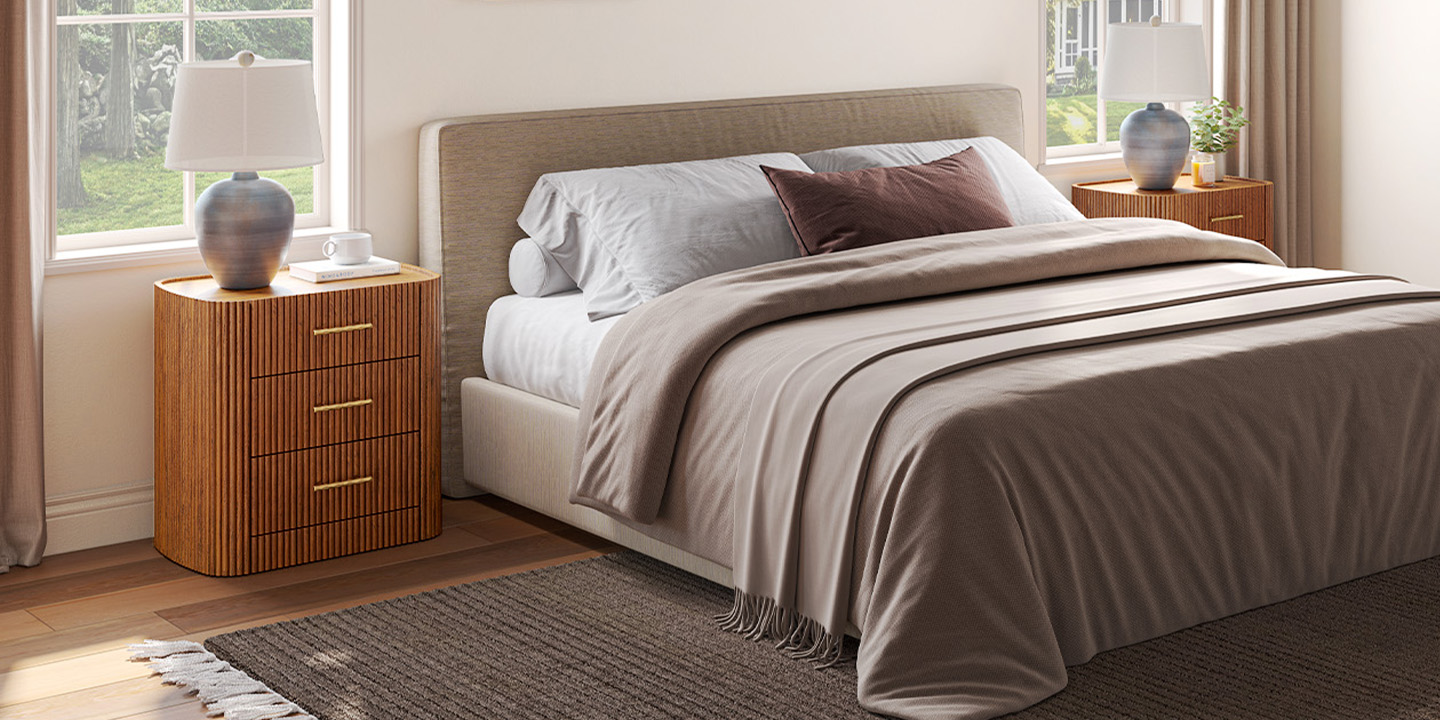
Nightstand vs End Table: Are They the Same?
What Is an End Table?
Another major source of confusion is nightstand vs end table.
An end table is traditionally designed for living rooms, not bedrooms. It typically sits beside a sofa or accent chair.
End tables are usually:
Taller
Smaller in surface area
More decorative
Less storage-oriented
Because styles overlap, many people purpose end tables as bedside furniture.
Sometimes it works beautifully.
Sometimes it becomes frustrating quickly.
Nightstand vs End Table Comparison
Here’s the practical difference between nightstand vs end table:
Nightstands
Designed for beds
Optimized height
Better storage
Bedroom-focused functionality
End Tables
Designed for sofas
Often taller
Decorative emphasis
Less practical bedside storage
That doesn’t mean end tables can’t work in bedrooms. It simply means they weren’t originally engineered for that purpose.
Can You Use an End Table as a Nightstand?
Yes — and many interior designers intentionally do it.
Using an end table as a nightstand can:
Save money
Create unique styling
Add personality
Break up overly matched furniture sets
However, there are trade-offs.
Common problems include:
Incorrect height
Limited drawer space
Smaller surface area
Poor cable management
When considering nightstand vs end table, functionality should always come before aesthetics.
A beautiful table becomes annoying quickly if it can’t support daily routines.
Best Situations for Using End Tables as Nightstands
Using end tables works especially well in:
Guest rooms
Studio apartments
Minimalist interiors
Small bedrooms
Eclectic spaces
Designers often recommend this strategy when homeowners want a more curated, collected look instead of fully matching bedroom furniture.
Can I Use a Side Table as a Nightstand?
Side Tables vs Nightstands
A side table differs slightly from an end table because the term is broader.
Side tables can work in:
Living rooms
Bedrooms
Entryways
Reading corners
This leads many homeowners to ask:
Can I use a side table as a nightstand?
Absolutely — if proportions and functionality make sense.
Important Factors Before Using One
Before replacing a traditional nightstand, check:
Height
The surface should align closely with mattress height.
Surface Area
You need enough room for:
Lamps
Phones
Water
Books
Stability
Lightweight decorative tables may wobble easily.
Storage Needs
Minimalist users may not need drawers. Others absolutely do.
This is where many homeowners misjudge the nightstand vs bedside table conversation. The best furniture isn’t just attractive — it supports daily behavior patterns.
Designer Tips for Making It Look Intentional
Professional designers recommend:
Matching lamp scale carefully
Coordinating finishes
Repeating materials elsewhere in the room
Avoiding mismatched heights
Asymmetrical bedside styling has become especially popular in modern luxury interiors because it feels more personal and less staged.
How to Choose the Right Bedroom Table
Choosing the right bedroom table in the nightstand vs bedside table decision isn’t just about size or storage—it’s also about how well the piece fits your lifestyle and the Mid-century Modern aesthetic. The right choice should balance proportion, function, and timeless design rather than following short-term trends.
Choose Based on Bedroom Size
In Mid-century Modern interiors, proportion is everything.
Small Bedrooms
For compact spaces, opt for slim silhouettes with tapered legs and elevated frames. This design language keeps the room visually open while still offering essential surface space. Floating nightstands or lightweight bedside tables work especially well because they reduce visual heaviness.
Larger Bedrooms
Bigger rooms can support more structured nightstands with stronger visual presence. In a king or queen setup, matching symmetry on both sides of the bed helps maintain the clean Mid-century balance that defines this style.
Choose Based on Storage Needs
Storage is where the nightstand vs bedside table comparison becomes practical.
If your nightly essentials include books, charging cables, skincare, or small electronics, a drawer-equipped nightstand is more functional. Minimalist bedside tables, while visually lighter, work better for users who keep their surfaces intentionally clean.
For Mid-century Modern living, functionality is never separated from form. That’s why integrated storage designs are preferred—they keep clutter hidden without sacrificing elegance.
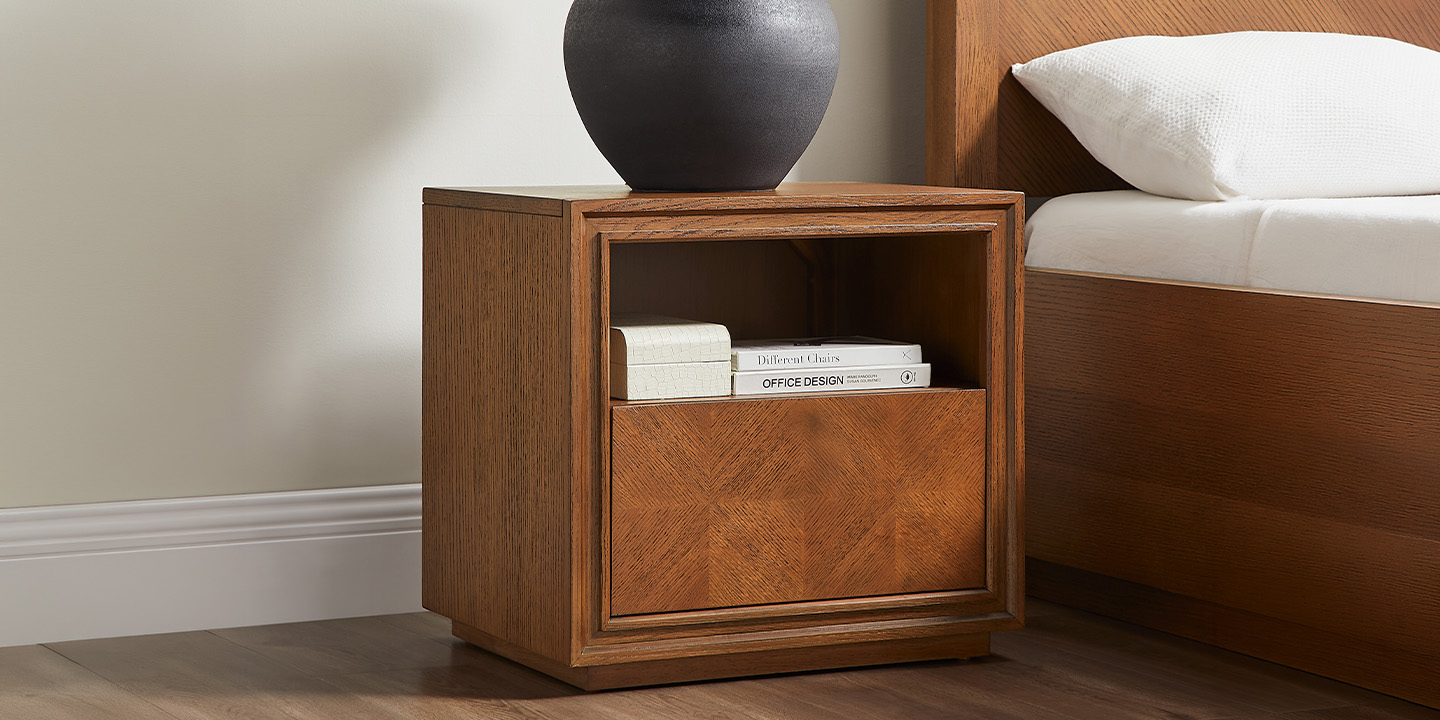
The HERNEST nightstand collection reflects this philosophy with clean lines, wood textures, and practical storage built into timeless Mid-century Modern silhouettes.
Match Your Interior Design Style
Mid-century Modern design emphasizes warm woods, geometric balance, and functional simplicity.
For modern interiors: choose walnut tones and slim profiles
For retro-inspired rooms: look for tapered legs and minimal hardware
For neutral spaces: soft wood finishes maintain visual calm
A well-chosen piece should feel like a natural extension of the room, not an afterthought.
Best Materials for Durability and Style
Material choice plays a major role in both longevity and aesthetics.
Solid and Veneered Wood
Core to Mid-century Modern design, offering warmth and durability.
Metal Accents
Used sparingly to support structure while maintaining visual lightness.
Matte Finishes
Preferred for their understated, timeless appeal.
In the nightstand vs bedside table decision, Mid-century Modern design leans toward pieces that are functional yet visually restrained—never overly decorative, always purposeful.
Common Mistakes People Make When Buying Bedside Furniture
Choosing the Wrong Height
This is the most common mistake in the nightstand vs bedside table debate.
Furniture that’s too short or too tall quickly becomes uncomfortable.
Ideal alignment:
Within a few inches of mattress height
Ignoring Storage Requirements
People often underestimate how much bedside storage they actually use.
Within weeks, surfaces become cluttered with:
Chargers
Glasses
Books
Cables
Medications
A lack of storage usually becomes frustrating fast.
Buying Oversized Tables for Small Rooms
Large nightstands can overwhelm compact bedrooms.
Interior designers recommend leaving enough clearance for:
Walking space
Drawer opening
Visual breathing room
Prioritizing Style Over Function
Pinterest-worthy furniture doesn’t always work in real life.
A good bedside piece should:
Look beautiful
Function smoothly
Support routines
Reduce clutter
The best furniture combines all four.
Expert Styling Ideas for Nightstands and Bedside Tables
Minimalist Styling Tips
Simple styling often works best.
Popular bedside styling elements include:
One lamp
A small tray
A book stack
Neutral ceramics
Candles
Avoid overcrowding surfaces.
Luxury Bedroom Styling
Luxury bedrooms often use:
Symmetry
Marble accents
Sculptural lighting
Layered textures
Modern luxury design now leans heavily toward understated elegance rather than flashy decoration.
Small Space Styling Tricks
For smaller rooms:
Use floating nightstands
Install wall sconces
Choose open-leg designs
Limit surface clutter
These strategies make compact rooms feel significantly larger.
Sustainability and Furniture Quality Considerations
In the modern nightstand vs bedside table conversation, sustainability and build quality matter just as much as style. A bedside piece is used daily, often touched dozens of times a day, so the materials, construction, and finish directly impact both longevity and environmental footprint.
Why Material Quality Matters
Material quality determines how a bedside table performs over time—especially under daily use like opening drawers, holding electronics, or supporting lamps.
Solid wood and properly engineered wood structures generally offer better durability than low-density composites. In real-world use, poorly constructed bedside furniture can loosen at joints, warp under humidity, or lose drawer alignment over time. That’s why designers consistently emphasize joinery methods (like reinforced drawer construction and solid wood framing) over purely visual design.
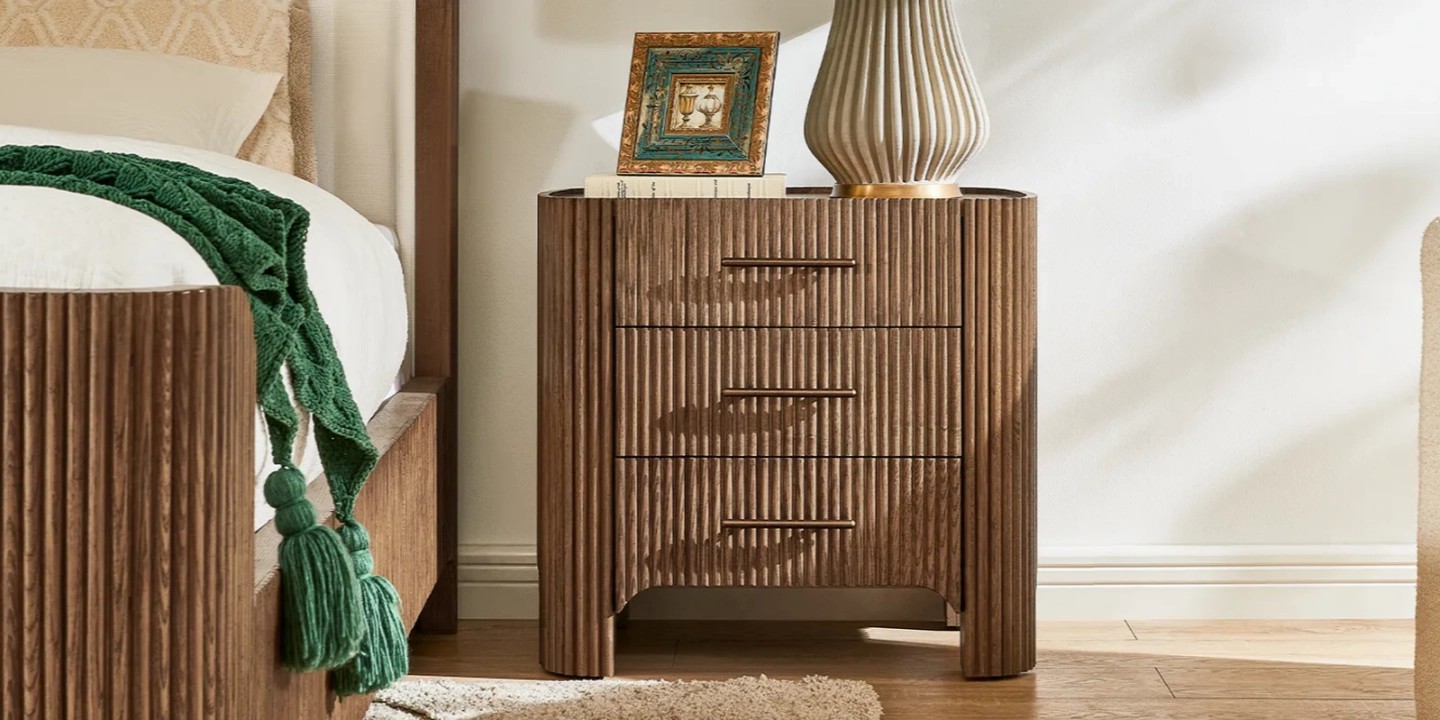
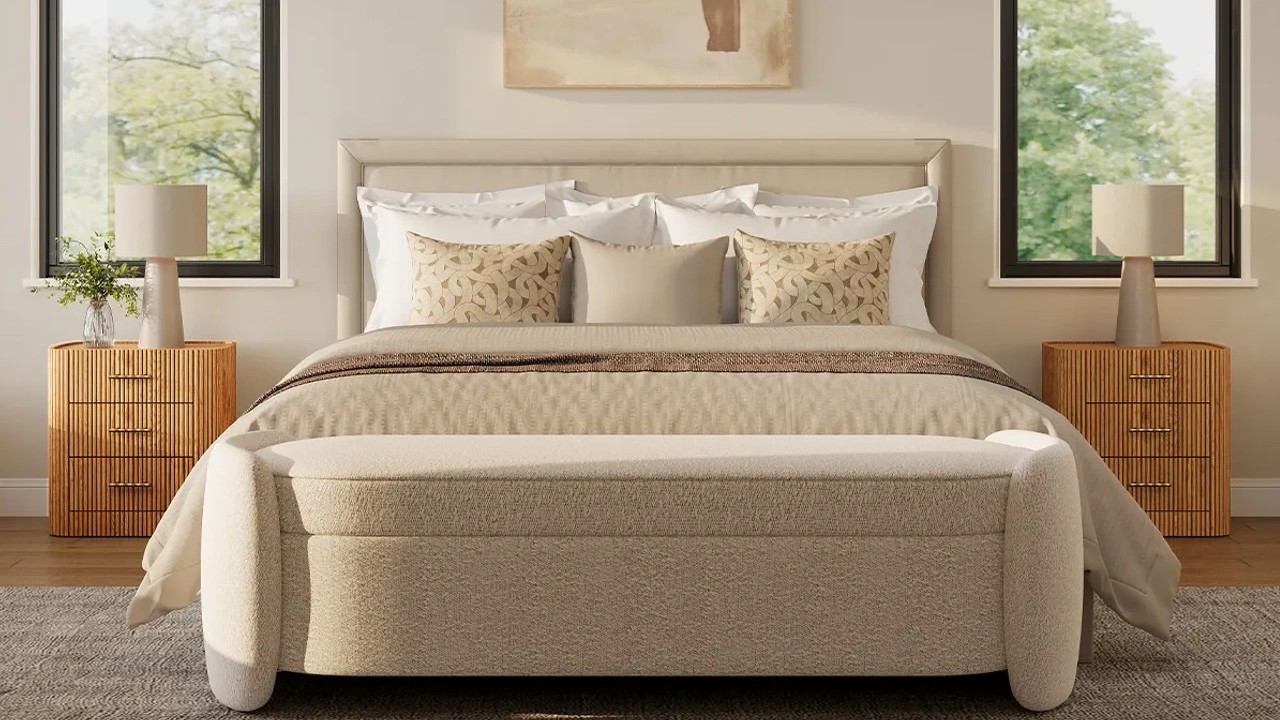
A well-built piece, such as the Astor Fluted Nightstand, demonstrates how solid wood construction, fluted detailing, and reinforced drawer systems contribute to long-term stability and everyday reliability. These details are not just aesthetic—they directly affect how long the furniture stays functional in a real bedroom environment.
Eco-Friendly Bedroom Furniture Trends
Sustainability is becoming a core factor in the nightstand vs bedside table decision, especially as consumers move toward longer-lasting purchases instead of fast furniture replacements.
Key trends include:
Increased use of responsibly sourced wood
Water-based, low-VOC finishes for healthier indoor air quality
Designs focused on longevity rather than seasonal styling
Modular or repair-friendly construction to extend product lifespan
Mid-century inspired designs are especially aligned with this shift because they prioritize timeless form over disposable trends. Instead of replacing furniture every few years, buyers are increasingly choosing fewer but higher-quality pieces.
How Premium Furniture Improves Bedroom Experience
Premium bedside furniture improves daily life in subtle but meaningful ways.
A well-built nightstand:
Opens and closes smoothly without friction
Maintains stability even with heavy use
Keeps surfaces level for lighting and devices
Reduces clutter through smarter storage design
More importantly, it creates a sense of consistency in the bedroom environment. When furniture is stable, quiet, and well-balanced, it contributes to a calmer nighttime routine—something often overlooked in the nightstand vs bedside table comparison.
High-quality pieces from HERNEST reflect this approach by combining Mid-century Modern design language with durable materials and long-term usability, ensuring the furniture performs as well as it looks.
Best Types of Nightstands and Bedside Tables for Different Users
When comparing nightstand vs bedside table, there is no one-size-fits-all solution. The best choice depends heavily on lifestyle, space, and how each person uses their bedroom on a daily basis. Different users naturally require different levels of storage, surface space, and functionality.
Best for Couples
Couples typically need more practical storage on both sides of the bed. A matching pair of nightstands with drawers helps keep personal items organized without cluttering shared space. Symmetry is also important here—it creates visual balance and a more structured bedroom layout. Two functional nightstands often work better than decorative bedside tables in this setup.
Best for Small Apartments
In smaller living spaces, every inch matters. Slim bedside tables, floating nightstands, or wall-mounted units are ideal because they free up floor space and make the room feel larger. In the nightstand vs bedside table decision, lighter visual furniture usually performs better in compact layouts.
Best for Luxury Bedrooms
Luxury bedrooms benefit from more substantial pieces with refined materials and thoughtful detailing. Stone tops, fluted wood textures, and soft-close drawers enhance both appearance and usability. The focus is on blending comfort with a high-end visual experience.
Best for Minimalists
Minimalists prefer clean surfaces and reduced visual noise. Simple bedside tables with open frames or single-surface tops work best. Storage is kept hidden elsewhere, allowing the bedroom to feel calm and uncluttered.
Best for Tech Users
For users who rely heavily on devices, functionality becomes the priority. Nightstands with built-in cable management, charging ports, and enclosed storage are essential. In this case, the nightstand vs bedside table choice leans strongly toward storage-focused designs that support modern digital routines.
Final Verdict: Nightstand vs Bedside Table
When it comes to nightstand vs bedside table, the real difference is less about strict definitions and more about how each piece supports your daily life. A nightstand is typically more storage-focused, designed to keep essentials organized and hidden, while a bedside table leans toward a lighter, more decorative approach that prioritizes visual simplicity.
In modern bedrooms, the line between the two has become increasingly blurred, with many designs combining both functions. The best choice ultimately depends on your storage needs, room size, and personal style. If functionality and organization matter most, a nightstand is the stronger option. If you prefer an open, minimal aesthetic, a bedside table may be the better fit.
Frequently Asked Questions
What is the difference between a bedside table and a nightstand?
A nightstand is typically designed with more storage, such as drawers or cabinets, making it highly functional for organizing bedside essentials. A bedside table is often simpler and more decorative, focusing on surface space rather than enclosed storage. In modern nightstand vs bedside table usage, the terms often overlap, but functionality remains the key difference.
Can I use a side table as a nightstand?
Yes, a side table can work as a nightstand if it matches the height of your bed and provides enough surface space for essentials like a lamp, phone, or books. However, it may lack the storage and ergonomic design of a dedicated nightstand.
Why are they called nightstands?
The term comes from early bedside furniture used to “stand by” the bed at night, originally storing personal items and even chamber pots before modern plumbing. Over time, they evolved into today’s storage-focused bedroom furniture.
What is a bedside table called?
In the United States, it is commonly called a nightstand. In other regions, it may be referred to as a bedside table or bedside cabinet, depending on design and function.
What’s a nightstand used for?
A nightstand is used to store and organize nighttime essentials such as lighting, books, medications, electronics, and personal items, keeping everything within easy reach while in bed.
Is a nightstand necessary in a bedroom?
It is not strictly necessary, but it significantly improves convenience and organization. Most bedrooms benefit from having at least one bedside surface for daily-use items.
Can an end table replace a nightstand?
Yes, but with limitations. An end table can serve as a nightstand in some setups, but it may not offer the ideal height, storage, or functionality designed specifically for bedroom use in the nightstand vs bedside table comparison.
How tall should a nightstand be?
Ideally, a nightstand should be level with or slightly below the top of your mattress, usually within a 2–4 inch range for comfortable reach and usability.
Should bedside tables match the bed frame?
They do not need to match exactly. Coordinated materials or complementary tones often create a more modern and visually interesting bedroom than strict matching sets.
What is the best material for a nightstand?
Solid wood is widely considered the most durable and timeless option. Engineered wood, metal, and mixed materials are also popular depending on budget, style, and design preference.
Are floating nightstands practical?
Yes, floating nightstands are practical for small bedrooms. They save floor space, create a lighter visual effect, and make cleaning easier while still providing essential surface storage.
How much storage do I need in a nightstand?
It depends on your lifestyle. If you keep multiple items like chargers, books, and personal care products beside your bed, a multi-drawer nightstand is ideal. Minimal users may only need a simple surface with light storage support.