When shopping for an artificial Christmas tree, one of the first details to compare is the foliage material. PE and PVC are two common materials used to make artificial tree branches, but they create noticeably different appearances.
PE, or polyethylene, is molded into three-dimensional branch tips that can resemble natural evergreen foliage. PVC, or polyvinyl chloride, is commonly cut into thin strips and attached to wire branches. Its flat construction creates a more traditional artificial tree appearance and can provide visual fullness.
The short answer: PE is generally the better choice if realistic branch detail is your priority. PVC can be a practical option if you prefer a traditional appearance and a more budget-conscious purchase. Mixed PE/PVC trees combine both materials to balance visible detail and fullness.
Understanding how these materials differ will help you compare artificial Christmas trees beyond their product photos and marketing descriptions.
Table of Contents
- PE vs PVC Christmas Tree: What's the Difference?
- What Is a PE Christmas Tree?
- What Is a PVC Christmas Tree?
- PE vs PVC: Which Christmas Tree Looks More Realistic?
- PE vs PVC vs Mixed PE/PVC Christmas Trees
- How to Tell Whether an Artificial Christmas Tree Is PE or PVC
- Which Artificial Christmas Tree Should You Choose for Your Home?
- Explore Hernest CastGlow 100% PE Christmas Trees
- CastGlow 7.5 Ft. Slim Green Magic Wand Christmas Tree
- CastGlow 7.5 Ft. Slim Flocked Magic Wand Christmas Tree
- CastGlow 6.5 Ft. Full Green Magic Wand Christmas Tree
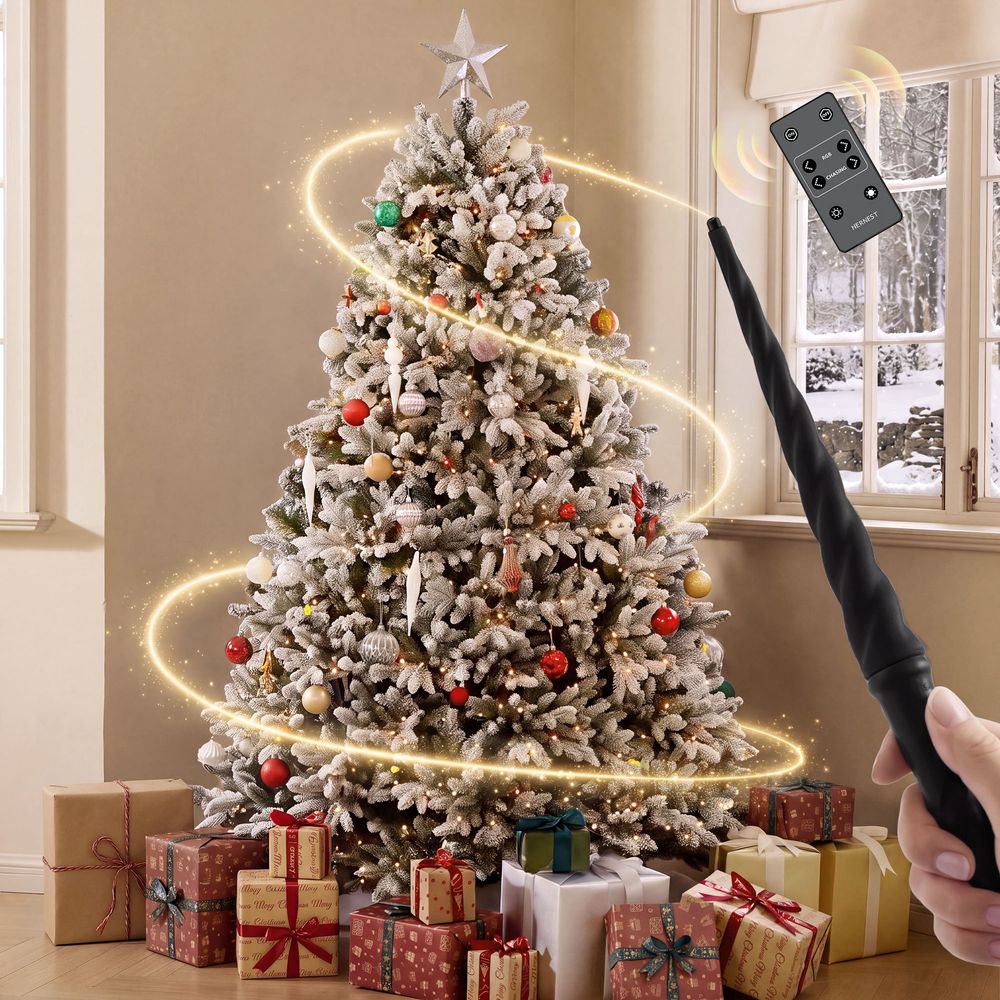
- CastGlow 6.5 Ft. Full Flocked Magic Wand Christmas Tree
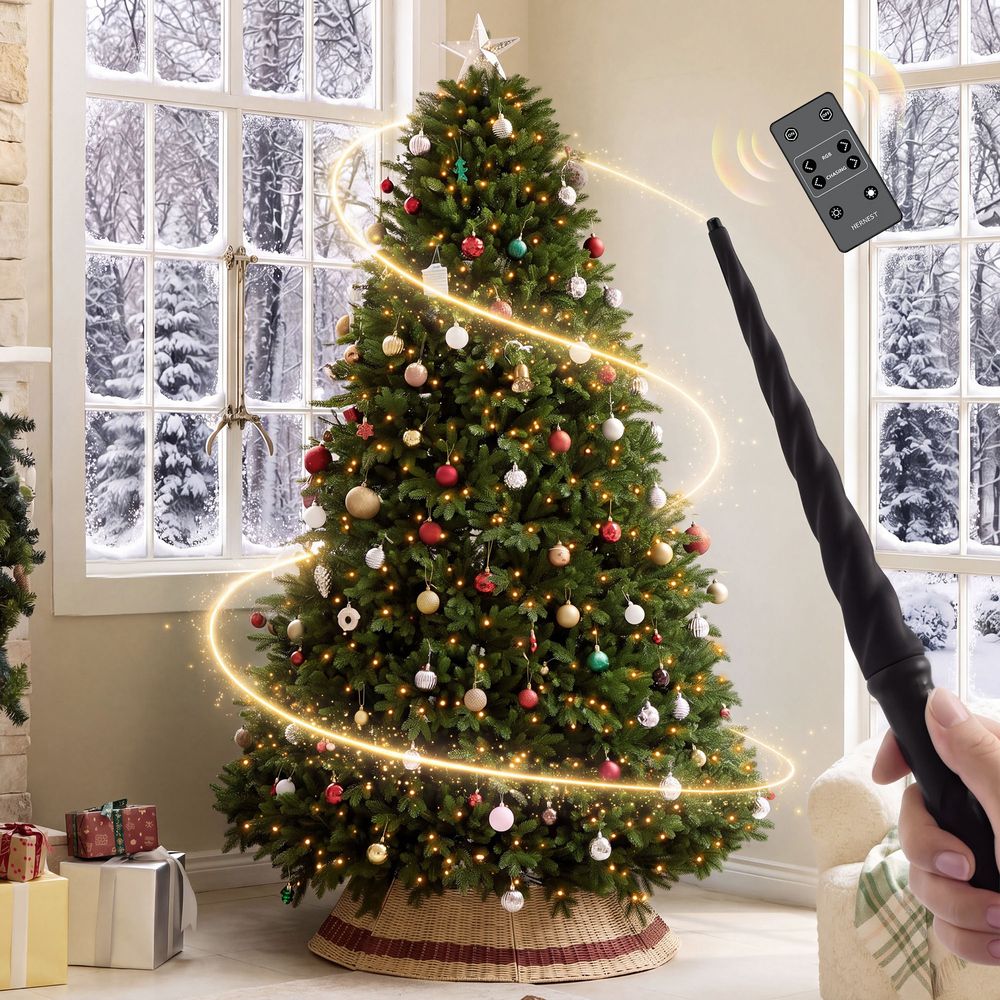
- CastGlow 7.5 Ft. Full Green Magic Wand Christmas Tree
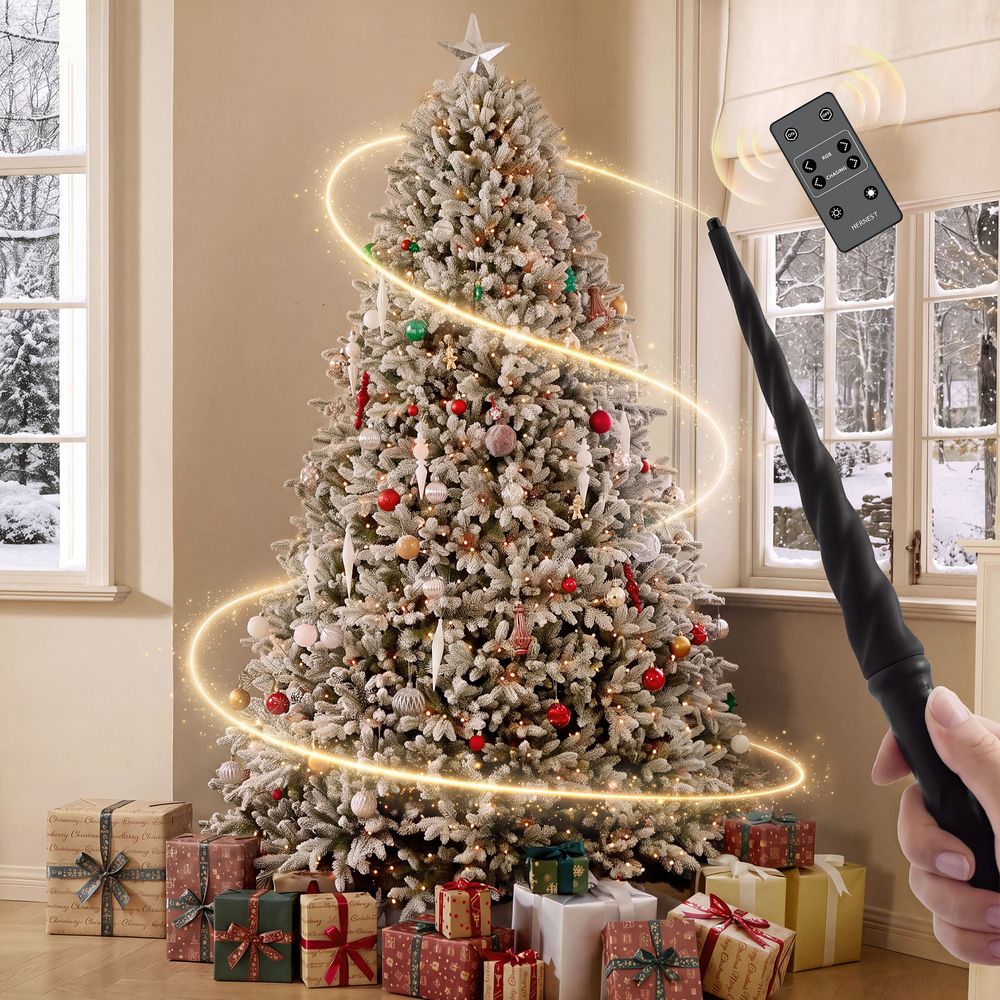
- CastGlow 7.5 Ft. Full Flocked Magic Wand Christmas Tree
- How to Care for and Store an Artificial Christmas Tree
- Final Thoughts: Choosing Between PE and PVC Christmas Trees
- FAQs
- Is a PE Christmas tree better than a PVC Christmas tree?
- Are PE Christmas trees more realistic?
- Are PVC Christmas trees fake-looking?
- Are 100% PE Christmas trees worth the money?
- What is a PE/PVC mixed Christmas tree?
- How can I tell if a Christmas tree is 100% PE?
- Do PE Christmas trees last longer than PVC trees?
- Are PE Christmas trees safer than PVC Christmas trees?
- Do PE and PVC Christmas trees shed?
PE vs PVC Christmas Tree: What's the Difference?
The main difference is how the foliage is made.
PE branch tips are molded into three-dimensional shapes, often using forms based on natural evergreen branches. PVC needles are generally made by cutting thin plastic sheets into narrow strips and attaching them to wire branches.
Here's a quick comparison:
These are general differences in construction, not guarantees of overall quality. Tree proportions, branch arrangement, material formulation, and manufacturing standards also influence the finished appearance.
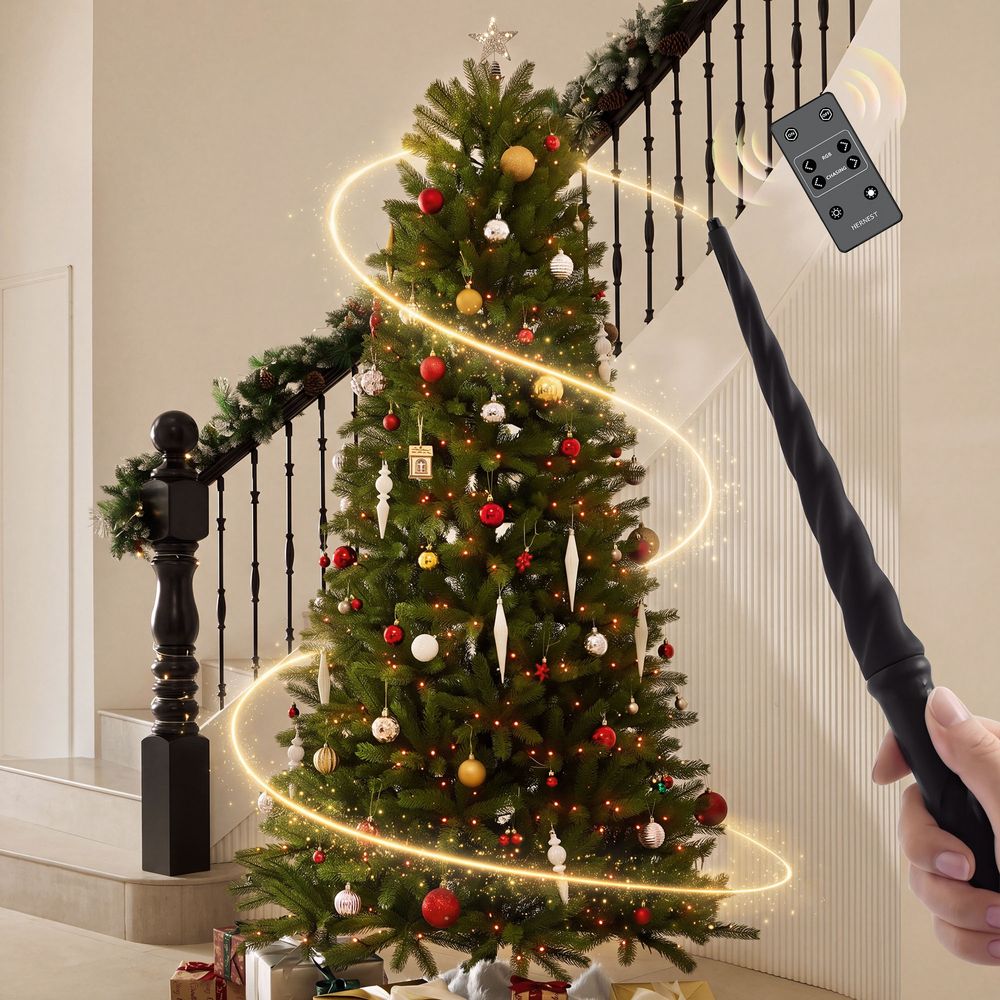
CastGlow 7.5 Ft. Slim Green Magic Wand Christmas Tree
View Product
What Is a PE Christmas Tree?
A PE Christmas tree uses polyethylene to create molded branch tips. Rather than cutting foliage from flat plastic sheets, manufacturers shape the material into three-dimensional forms that can reproduce details found in natural evergreen branches.
This construction gives PE tips more depth and definition. Depending on the design, the foliage may also feature variations in shape and color to create a more natural-looking result.
Why PE Trees Look More Realistic
The main visual advantage of PE is its three-dimensional construction.
Natural evergreen branches have individual needles and small branch structures with visible depth. Molded PE tips can reproduce more of this structure than flat PVC strips.
Several details contribute to the difference:
-
Three-dimensional shape: Molded tips have more depth and defined contours than flat plastic strips.
-
Branch detail: Individual molded tips can create a more natural-looking arrangement.
-
Surface appearance: Molded shapes can reproduce the form and texture of evergreen foliage.
-
Color variation: Some PE designs use multiple shades of green to add visual depth, although color treatments vary by manufacturer.
PE does not automatically make every artificial tree look realistic. The quality of the molds, foliage arrangement, color, and overall tree silhouette all matter. Look at close-up product images as well as full-tree photos when comparing options.
What to Know About PE Tree Pricing
PE trees often cost more than comparable PVC designs because molded branch tips generally require more detailed manufacturing.
However, there is no fixed price difference between the two materials. The final cost also depends on tree height, width, branch construction, lighting, flocking, and other design features.
If realistic foliage is your main priority, an all-PE tree may be worth considering. Check the product specifications carefully, especially when a listing uses general terms such as "realistic" or "premium."
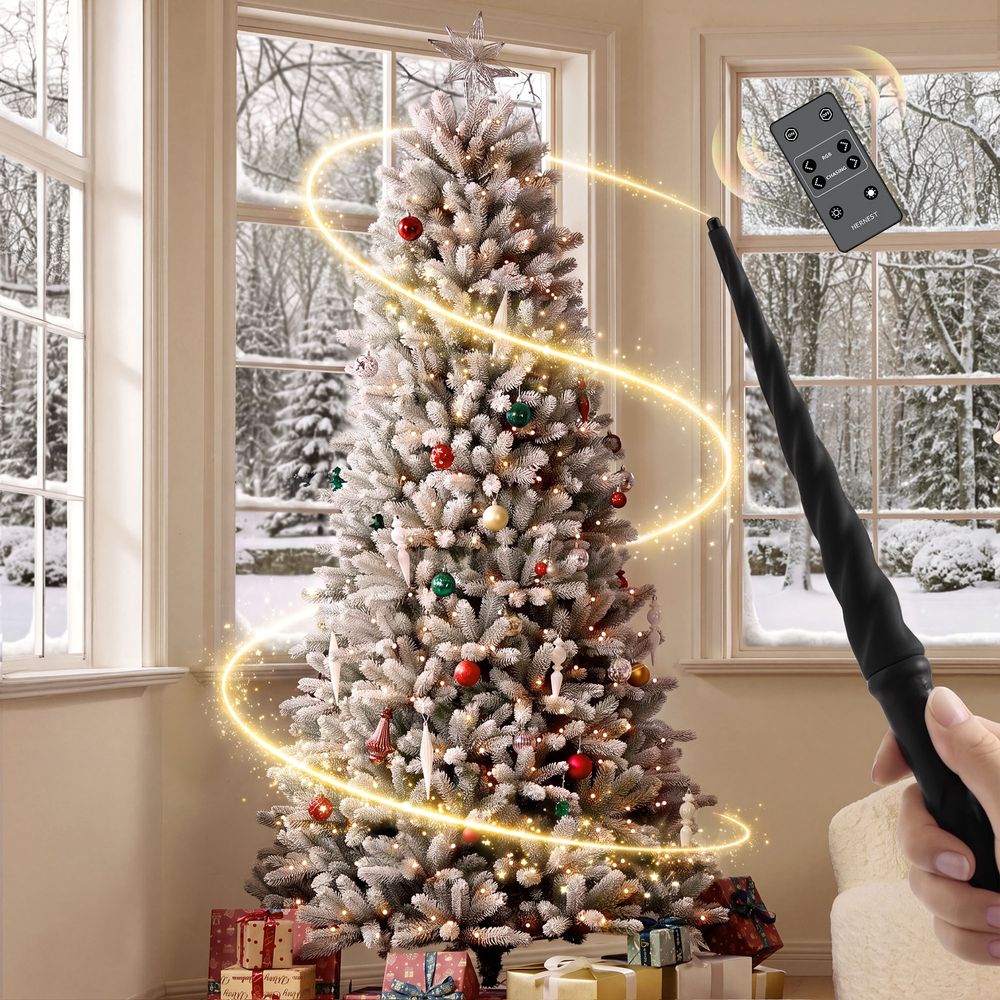
CastGlow 7.5 Ft. Slim Flocked Magic Wand Christmas Tree
View Product
What Is a PVC Christmas Tree?
PVC Christmas trees use polyvinyl chloride sheets cut into narrow strips to create needle-like foliage. These strips are attached to wire branches and arranged to form the tree's overall shape.
PVC has been used in artificial Christmas tree manufacturing for decades. Its construction makes it possible to create trees in many sizes and shapes, including designs with closely arranged foliage.
Why PVC Trees Can Look Full
PVC needles are flat and can be arranged closely together along a branch. This makes it possible to create a visually dense tree, particularly when the design uses plenty of foliage.
PVC is also versatile in terms of shape and styling. It is commonly used in traditional artificial Christmas trees and can be found in a wide range of decorative designs.
One distinction is worth remembering: fullness and realism are not the same thing. A tree can look dense from across the room while showing more uniform, flat needles when viewed up close.
Is PVC a Good Choice?
PVC can be a practical option if you want a traditional artificial Christmas tree and do not consider molded branch detail your top priority.
It may also suit spaces where the tree is primarily viewed from a distance, such as an office, entryway, or seasonal display.
When comparing PVC trees, look beyond the material itself. Consider the branch arrangement, overall dimensions, stand, and how the tree looks once fully shaped.
PE vs PVC: Which Christmas Tree Looks More Realistic?
If realism is your main priority, PE generally has the advantage.
Its molded, three-dimensional tips can reproduce the shape and depth of natural evergreen foliage more closely than flat PVC strips. The difference is often easier to notice when viewing the branches up close.
PVC can still create an attractive holiday display, especially when the branches are arranged densely and the overall silhouette is well designed. Its flat needle construction, however, typically produces a more uniform appearance.
Use these guidelines when comparing the two:
-
Choose PE if you want more natural-looking branch shapes and dimensional needle detail.
-
Choose PVC if you prefer a traditional artificial tree appearance and want a more budget-conscious option.
-
Consider a mixed-material tree if you want molded PE tips in visible areas while using PVC foliage elsewhere.
Material is only one part of the decision. Branch spacing, tree proportions, color, and foliage design all influence how realistic an artificial Christmas tree looks.
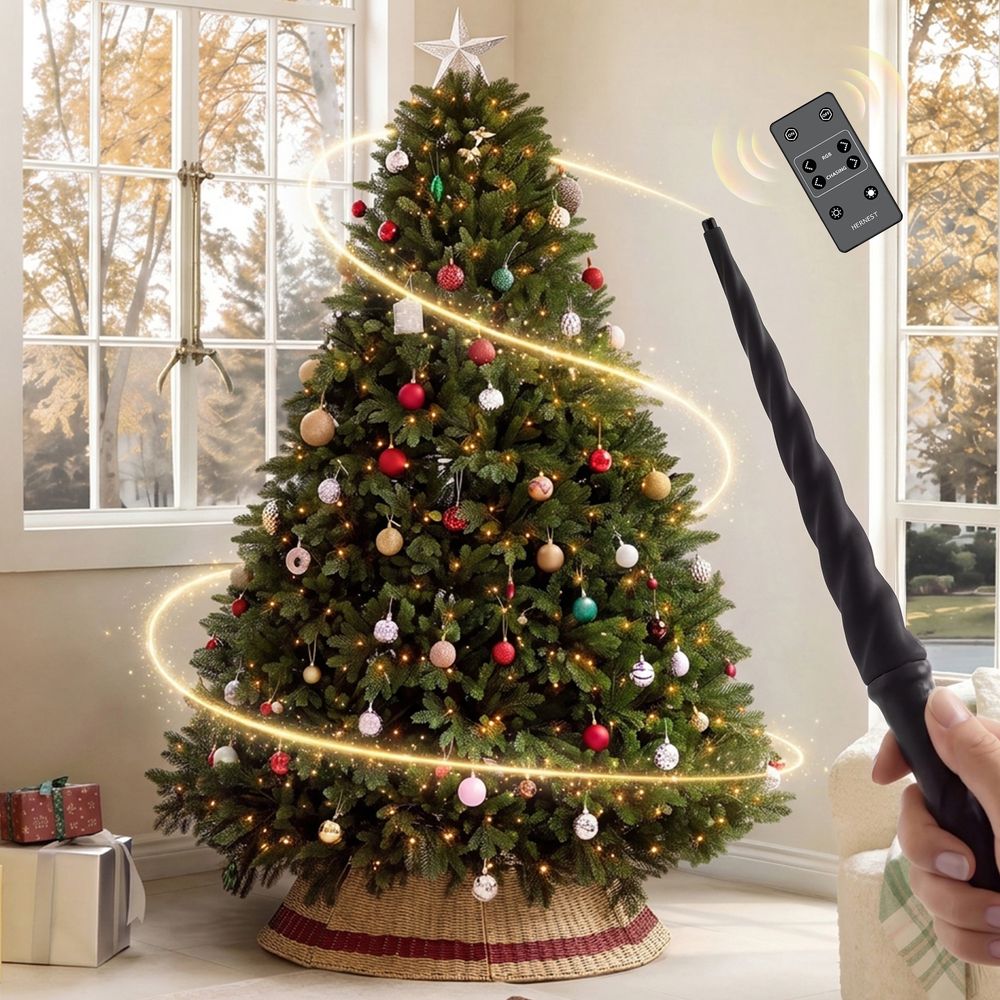
CastGlow 6.5 Ft. Full Green Magic Wand Christmas Tree
View Product
PE vs PVC vs Mixed PE/PVC Christmas Trees
Not every artificial Christmas tree uses only one type of foliage. Some designs combine PE and PVC to balance realistic detail with fullness.
Are Mixed PE/PVC Trees Worth Buying?
They can be, depending on how the materials are distributed.
Some mixed-material trees use PE on the outer branch tips, where the foliage is more visible, and PVC in inner sections to add volume. This arrangement can create a more dimensional appearance without using molded PE throughout the entire tree.
The important detail is the actual material composition. A product described as PE/PVC is not necessarily made with equal amounts of each material.
Before buying, check whether the product listing identifies the foliage as 100% PE, 100% PVC, or a combination. If the manufacturer provides a material breakdown, use that information rather than relying on general marketing terms.
How to Tell Whether an Artificial Christmas Tree Is PE or PVC
Product descriptions do not always make material differences obvious. These are the details worth checking before purchasing.
1. Read the Material Description
Start with the product specifications. Look for terms such as:
-
100% PE
-
100% PVC
-
PE/PVC construction
-
Molded PE branch tips
-
PVC needle foliage
A tree described as having PE tips may still contain PVC in other parts of its foliage. If you want an all-PE design, look for an explicit statement that the foliage is 100% PE.
2. Examine the Needle Shape
The needle shape is one of the clearest visual clues.
PE tips are molded into three-dimensional shapes, while PVC needles are generally flat strips. If product photos include close-up branch images, inspect them rather than judging the tree only by its full silhouette.
3. Check the Branch Construction
Look at how the foliage is distributed along each branch.
Molded PE tips have more defined shapes. PVC foliage usually appears as multiple narrow strips attached to the branch structure.
For mixed-material trees, examine both the outer tips and the inner branch areas. A close-up of only the outer foliage may not show the full material composition.
4. Look for Clear Product Specifications
A useful product listing should explain the foliage material, height, width, lighting configuration if applicable, and other relevant construction details.
If the listing only uses words such as "realistic" or "premium" without identifying the material, contact the seller for clarification.
CastGlow 6.5 Ft. Full Flocked Magic Wand Christmas Tree
View Product
Which Artificial Christmas Tree Should You Choose for Your Home?
The right tree depends on your room dimensions, decorating preferences, and priorities. Material is important, but the tree's height and width should also fit the space.
For a Natural-Looking Living Room Display
A 100% PE Christmas tree is a strong option if the tree will be a central feature in your living room.
Its molded branch tips provide dimensional detail that is easier to appreciate when the tree is viewed up close. Consider a full-profile design if you have enough floor space for a traditional centerpiece.
For a more streamlined layout, a slim profile can provide vertical holiday decoration without taking up as much floor space.
For Smaller Rooms and Narrow Spaces
A slim artificial Christmas tree can work well in apartments, compact living rooms, and corners where a full-width tree might interfere with furniture or walkways.
Measure the available floor space before choosing a height. Remember to account for the tree stand, nearby furniture, and enough room for people to move around it.
A slim PE tree can combine a smaller footprint with dimensional foliage.
For a Traditional, Full-Looking Display
If you prefer a dense silhouette, compare the tree's width, branch arrangement, and foliage coverage.
PVC can be a practical choice for a traditional decorative look. A mixed PE/PVC design may also be worth considering if you want more detailed outer tips with additional foliage volume.
Do not use tip count alone to judge fullness. Branch spacing, tip length, and the overall shape all influence how dense a tree looks.
For a Winter-Inspired Holiday Look
Flocked Christmas trees feature a snow-like coating on their branches. They can create a winter-inspired appearance that contrasts with traditional green foliage.
Both PE and PVC trees can be flocked, so check the underlying foliage material if realism is important to you.
Also consider how the flocking is applied and maintained. Some loose material may shed during setup and handling. Follow the manufacturer's care and storage instructions to help preserve the finish.
CastGlow 7.5 Ft. Full Green Magic Wand Christmas Tree
View Product
Explore Hernest CastGlow 100% PE Christmas Trees
For shoppers who prefer molded foliage throughout the tree, Hernest CastGlow offers 100% PE artificial Christmas trees in different heights, profiles, and finishes.
The range includes 6.5 Ft. and 7.5 Ft. options, with slim and full silhouettes as well as green and flocked finishes. Comparing these details can help narrow down a tree that fits your room and decorating preferences.
CastGlow 7.5 Ft. Slim Green Magic Wand Christmas Tree
This taller, slim-profile design is worth considering when you want vertical impact without choosing a wide tree. Its green finish keeps the look closer to a traditional holiday display.
Explore the CastGlow 7.5 Ft. Slim Green Magic Wand Christmas Tree
CastGlow 7.5 Ft. Slim Flocked Magic Wand Christmas Tree
This version pairs the taller slim silhouette with a flocked finish. It is an option for shoppers who prefer a snow-inspired look but have limited floor space.
Explore the CastGlow 7.5 Ft. Slim Flocked Magic Wand Christmas Tree
CastGlow 6.5 Ft. Full Green Magic Wand Christmas Tree
At 6.5 Ft., this full-profile green design offers a traditional tree shape at a more moderate height. It can be a good fit for rooms where a taller tree may feel oversized.
Explore the CastGlow 6.5 Ft. Full Green Magic Wand Christmas Tree
CastGlow 6.5 Ft. Full Flocked Magic Wand Christmas Tree
This option combines a full silhouette with a flocked finish. Consider it if you want a snow-covered appearance without choosing the taller 7.5 Ft. version.
Explore the CastGlow 6.5 Ft. Full Flocked Magic Wand Christmas Tree
CastGlow 7.5 Ft. Full Green Magic Wand Christmas Tree
For homes with enough vertical and floor clearance, this taller full-profile design creates a more substantial green centerpiece.
Explore the CastGlow 7.5 Ft. Full Green Magic Wand Christmas Tree
CastGlow 7.5 Ft. Full Flocked Magic Wand Christmas Tree
This taller, full-profile version adds a flocked finish to a traditional tree silhouette. It is an option for shoppers who want both a prominent display and a winter-inspired look.
Explore the CastGlow 7.5 Ft. Full Flocked Magic Wand Christmas Tree
If you're comparing different heights, profiles, and finishes, explore the Hernest Magic Wand-Controlled Artificial Christmas Trees to see the available styles and find a design that fits your space.
CastGlow 7.5 Ft. Full Flocked Magic Wand Christmas Tree
View Product
How to Care for and Store an Artificial Christmas Tree
Whether you choose PE, PVC, or a mixed-material tree, proper handling and storage help protect its appearance. Construction quality, assembly, and storage conditions all matter.
Shape the Branches Carefully
After assembly, spread the branches and separate the tips to create a balanced silhouette. Work through the tree section by section instead of pulling or bending multiple branches at once.
Follow the manufacturer's assembly instructions, especially for hinged branches and pre-lit designs.
Keep the Tree Away From Heat Sources
Artificial foliage is made from plastic materials, so keep the tree away from fireplaces, radiators, space heaters, candles, and other heat sources.
The National Institute of Standards and Technology (NIST) recommends keeping Christmas trees at least three feet from heat sources and making sure they do not block exits. These precautions are relevant to artificial trees as well as natural ones.
A "Fire Resistant" label does not mean an artificial tree cannot catch fire. It indicates that the product is designed to resist ignition more than an otherwise comparable product without that designation. Check the manufacturer's safety information rather than assuming PE or PVC is fireproof.
Store the Tree in a Dry Place
After the holiday season, remove decorations and disassemble the tree according to the manufacturer's instructions.
Store it in its original packaging or a suitable tree storage bag. Choose a dry location away from excessive heat and moisture, and avoid placing heavy objects on top of the stored branches.
Check Pre-Lit Trees Before Use
If your artificial tree includes built-in lighting, inspect the wires, connectors, and light sections before assembly and use. Do not use damaged wiring, and follow the manufacturer's electrical instructions.
For decorative lights, use products tested by a recognized testing laboratory. Turn off tree lights before leaving home or going to bed.
Final Thoughts: Choosing Between PE and PVC Christmas Trees
When comparing a PE vs PVC Christmas tree, start with the appearance you want and the space available in your home.
PE is generally the better fit for shoppers who prioritize realistic, three-dimensional branch detail. PVC can be a practical choice for a traditional, full-looking tree at a more accessible price point. Mixed PE/PVC designs offer another option by combining molded tips with flat foliage.
Before making a decision, check the material description, tree dimensions, branch construction, lighting details, warranty, and storage requirements. These details will help you choose an artificial Christmas tree that fits your home and holiday decorating plans.
FAQs
Is a PE Christmas tree better than a PVC Christmas tree?
PE is generally better if realistic branch detail is your main priority. Its molded, three-dimensional tips more closely resemble natural evergreen foliage. PVC can be a practical option if you prefer a traditional appearance and want a more budget-conscious tree. The better choice depends on your priorities.
Are PE Christmas trees more realistic?
Generally, yes. PE branch tips are molded into three-dimensional shapes based on natural foliage, giving them more depth and definition than flat PVC strips. The final appearance still depends on the quality of the molds, branch arrangement, color, and overall tree design.
Are PVC Christmas trees fake-looking?
Not necessarily. PVC trees can create attractive, full-looking holiday displays. However, their flat needle construction usually looks more uniform than molded PE foliage, especially when viewed up close.
Are 100% PE Christmas trees worth the money?
They may be worth considering if realistic branch detail is important to you and you plan to use the tree for multiple holiday seasons. Compare the material, dimensions, construction, lighting, warranty, and storage requirements before deciding whether the additional cost fits your needs.
What is a PE/PVC mixed Christmas tree?
A PE/PVC tree combines molded polyethylene tips with flat PVC foliage. Manufacturers may use PE in more visible areas and PVC in other sections to balance dimensional detail, fullness, and cost. The exact material distribution varies by product.
How can I tell if a Christmas tree is 100% PE?
Check the product's material specifications. Look for an explicit statement that the tree uses 100% PE foliage. A description that mentions PE tips alone does not necessarily mean every foliage section is made from polyethylene.
Do PE Christmas trees last longer than PVC trees?
Not necessarily. Longevity depends on more than the type of plastic. Branch construction, wire and hinge quality, material formulation, handling, and storage conditions all influence how well an artificial tree holds up over time. Compare product warranties and care instructions rather than assuming PE always lasts longer.
Are PE Christmas trees safer than PVC Christmas trees?
Neither material should be considered fireproof. Both are plastic materials, and artificial trees can still present fire risks. Look for the manufacturer's fire-resistance labeling, keep the tree away from heat sources, and follow the instructions for any built-in lighting.
Do PE and PVC Christmas trees shed?
Both types can experience some shedding or damage, depending on their construction and how they are handled. Flocked trees may also release some of their decorative coating, particularly during setup and storage. Follow the manufacturer's care instructions and handle the branches gently.