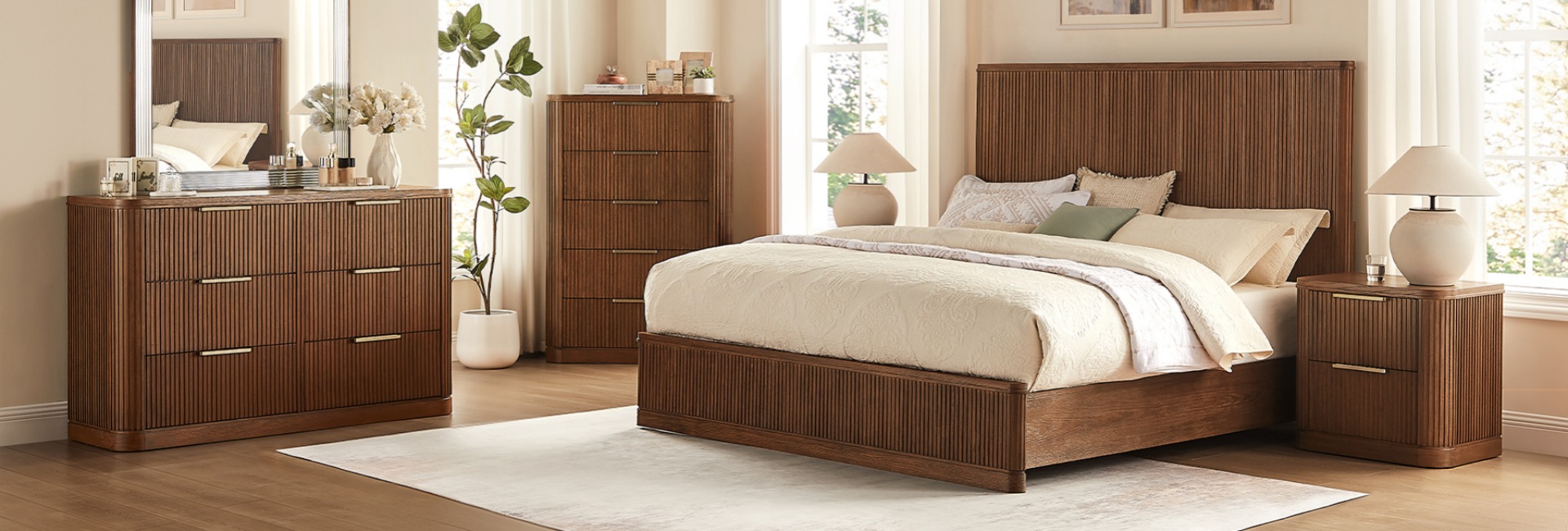
Walk into any well-designed bedroom and you’ll notice something subtle but powerful: everything feels “right.” The bed doesn’t overwhelm the room, the lighting feels reachable, and the bedside storage blends in effortlessly. That quiet harmony almost always comes down to one overlooked detail—nightstand height.
Most homeowners think choosing nightstands is about style or storage. But in reality, the real difference between a polished bedroom and a frustrating one often comes down to whether the nightstand height matches your bed properly. Get it wrong, and you’ll feel it every night—stretching awkwardly for your phone, craning for a lamp, or dealing with furniture that simply looks off.
Why Nightstand Height Matters in Bedroom Design
The functional role of a nightstand in modern bedrooms
A nightstand isn’t just decoration. It’s one of the most frequently used pieces of furniture in the entire bedroom. It holds your lamp, phone, water, glasses, books, and sometimes even your sanity at 2 a.m.
That’s why nightstand height matters more than people realize. If the surface is too low, you strain to reach it. Too high, and it becomes visually and physically disconnected from your bed.
In modern night stands for bedroom layouts, designers treat nightstands as an extension of the bed—not separate furniture. That’s why matching proportions is critical.
Interior designer perspective on proportion and scale
Interior designers consistently emphasize one rule: proportion is everything.
According to common industry standards seen across residential design practice, the ideal nightstand height should align closely with the top of the mattress. Designers often say a bedside table should feel like it “belongs” to the bed—not compete with it.
As one interior stylist put it:
“A nightstand should disappear into the composition of the bed setup, not stand out like an afterthought.”
This is why nightstand height is treated as a core design decision rather than an accessory choice.
Common mistakes when choosing nightstand height
Homeowners repeatedly make the same errors:
-
Choosing based on aesthetics only, ignoring bed height
-
Selecting overly tall nightstands that visually dominate the bed
-
Picking low tables that make everyday use uncomfortable
The most common issue? Ignoring how nightstand height interacts with mattress thickness.
Even a stylish bedroom fails if the nightstand height feels “off” every time you reach for it.
What Is the Average Nightstand Height?
Choosing the right nightstand height starts with understanding industry standards, but the best height is ultimately determined by your bed, mattress, and daily habits. While many homeowners focus on style first, designers and furniture experts agree that proper proportions create a more comfortable and visually balanced bedroom.
Standard Industry Measurements
The average nightstand height in the United States typically falls between 24 and 28 inches, making it compatible with most modern bed frames and mattresses.
When discussing nightstand dimensions, height is usually the most important measurement because it directly impacts accessibility and comfort. Most standard mattresses today measure between 22 and 30 inches from the floor, which is why the average nightstand height has remained relatively consistent across the furniture industry.
How Bed Height Affects Nightstand Choice
There is no one-size-fits-all answer to how tall should a nightstand be. The ideal height depends on the height of your mattress.
Low Platform Beds
For platform beds sitting closer to the floor, a 20 inch tall nightstand often provides the best visual and functional balance.
Standard Beds
Most traditional bed setups pair well with a 24 inch tall nightstand or similar designs within the standard height range.
Tall Beds and Luxury Mattresses
Beds with thick pillow-top mattresses or box springs may require nightstands between 28 and 30 inches to maintain proper alignment.
Expert Insight on Proportional Balance
Interior designers commonly follow a simple rule: the top surface of the nightstand should be level with or within 2 inches of the mattress top.
This guideline improves both usability and aesthetics. A properly sized nightstand allows you to comfortably reach a lamp, phone, or glass of water without stretching. Visually, matching the nightstand height to the bed creates a cleaner, more cohesive look.
As a practical example, if your mattress sits 26 inches from the floor, a nightstand between 24 and 28 inches will typically provide the most balanced result. This principle remains one of the most reliable methods for choosing the right nightstand height regardless of bedroom style.
How Tall Should a Nightstand Be? (Ideal Formula Explained)
One of the most common questions homeowners ask when furnishing a bedroom is how tall should a nightstand be. While there is no universal measurement that works for every bed, interior designers and furniture experts generally agree on one principle: the nightstand should be positioned close to the height of your mattress.
Choosing the correct nightstand height improves accessibility, creates visual balance, and makes everyday activities—such as reading, charging devices, or reaching for a glass of water—far more comfortable.
The Mattress-to-Nightstand Alignment Rule
The simplest and most reliable guideline is to match the top of the nightstand to the top of the mattress.
Experts typically recommend keeping the nightstand height within 2 inches above or below the mattress surface. This range provides the ideal combination of convenience and aesthetics.
Why This Rule Works
When the surfaces are aligned, items can be reached naturally without excessive bending or stretching. This is why the mattress-to-nightstand rule remains one of the most widely accepted standards in bedroom design.
For example, if your mattress sits 25 inches from the floor, a 24 inch tall nightstand or a 26-inch model would both work well.
Ergonomic Reasoning Behind Height Matching
The ideal nightstand height is not just about appearance—it directly affect comfort.
Every night, people interact with their bedside table multiple times. Whether turning off an alarm, grabbing a book, or adjusting a lamp, these small actions become noticeably easier when the nightstand is positioned at an ergonomic height.
Problems With a Nightstand That Is Too Low
-
Requires reaching downward repeatedly
-
Can cause shoulder and arm strain
-
Makes bedside items harder to access while lying down
Problems With a Nightstand That Is Too Tall
-
Creates an awkward reaching angle
-
Can block sightlines from the bed
-
Makes the room feel visually top-heavy
This is why many designers recommend prioritizing functionality before focusing on style or storage features.
Visual Harmony Principle in Bedroom Design
A well-chosen nightstand height helps create a bedroom that feels balanced and intentional.
When the bed and nightstand are similar in height, the eye naturally views them as a cohesive unit. This creates cleaner lines and a more polished appearance.
Creating a Balanced Look
A properly proportioned setup typically includes:
-
Nightstand height aligned with mattress height
-
Lamps scaled appropriately to the table
-
Consistent spacing on both sides of the bed
-
Nightstand dimensions that complement the size of the room
For example, a low platform bed often pairs best with a 20 inch tall nightstand, while taller mattresses frequently look more balanced with a 24 inch tall nightstand or higher.
Ultimately, the answer to how tall should a nightstand be comes down to one principle: choose a height that aligns closely with your mattress. Doing so ensures better comfort, easier everyday use, and a bedroom that feels professionally designed rather than accidentally assembled.
Nightstand Dimensions Explained in Detail
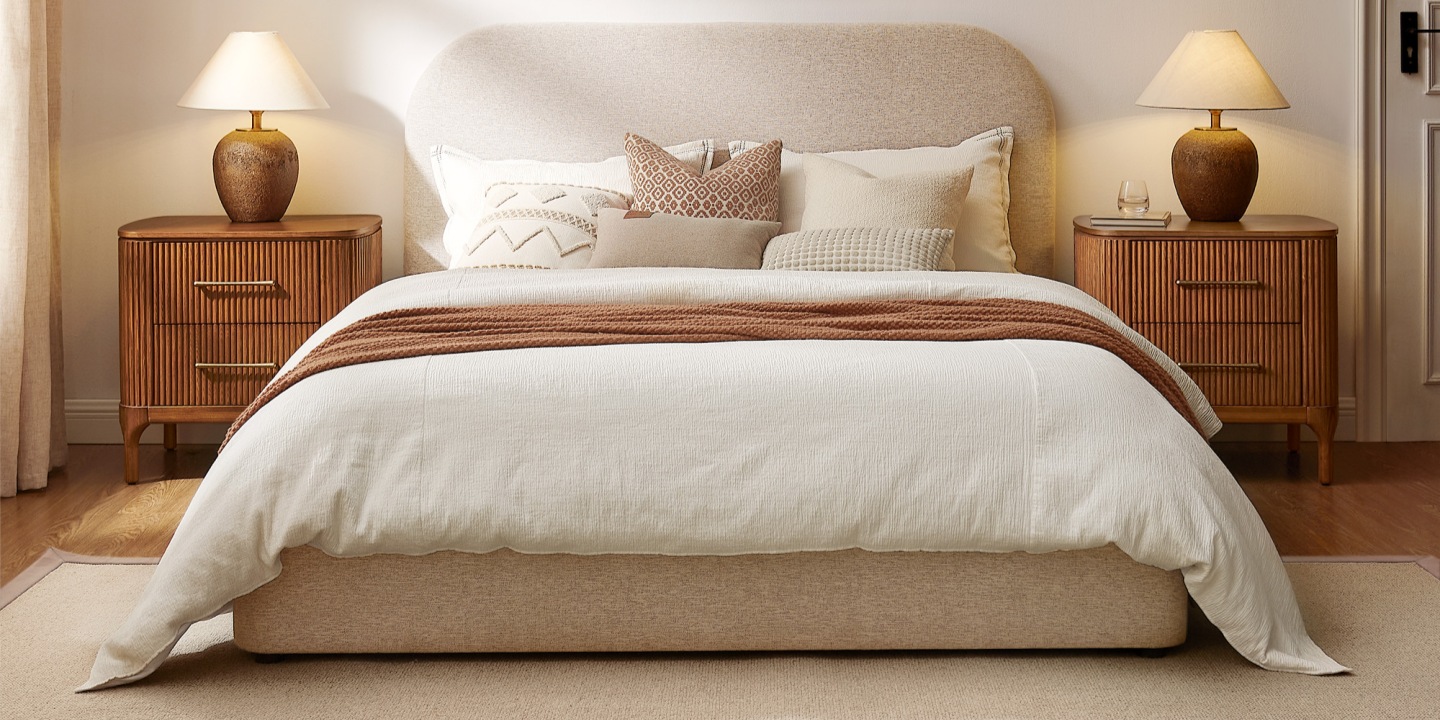
While nightstand height often gets the most attention, understanding overall nightstand dimensions is equally important. The right size affects not only how comfortable your bedside setup feels, but also how balanced and functional your bedroom becomes. A nightstand that is too large can overwhelm the room, while one that is too small may leave you without enough storage or surface space.
Standard Nightstand Size Breakdown
Most furniture manufacturers follow a relatively consistent range of nightstand dimensions that works with standard bedroom layouts.
The ideal nightstand height should align closely with the top of your mattress, while width and depth should accommodate everyday essentials such as lamps, books, phones, and charging stations.
Typical Sizing Guidelines
-
Compact nightstands: 18–22 inches wide
-
Standard nightstands: 22–28 inches wide
-
Large nightstands: 28–36 inches wide
For most homeowners, choosing proportional nightstand dimensions is more important than simply buying the largest option available.
Small Bedroom vs Large Bedroom Sizing Strategy
Room size should heavily influence your choice of nightstand dimensions.
Small Bedrooms
In compact spaces, narrower nightstands help preserve walking clearance and reduce visual clutter.
Recommended dimensions:
-
Width: 18–22 inches
-
Depth: 14–16 inches
A slimmer profile keeps the room feeling open while still providing essential bedside storage.
Large Bedrooms
Larger bedrooms can support wider and deeper nightstands without feeling crowded.
Recommended dimensions:
-
Width: 24–30+ inches
-
Depth: 18–20 inches
Larger nightstands often pair better with king-size beds and oversized headboards, creating stronger visual balance.
Storage-Driven Dimension Choices
Storage needs should also influence your nightstand dimensions.
Minimal Storage Needs
If you only need space for a lamp, phone, and a book, a compact one-drawer nightstand may be sufficient.
Maximum Storage Needs
For those who prefer extra organization, larger nightstands with multiple drawers can replace the need for additional bedroom storage furniture.
The key is finding a balance between storage capacity and proportion. Even when choosing a larger piece, the nightstand height should remain aligned with the mattress, ensuring both functionality and a cohesive bedroom design.
20 Inch vs 24 Inch vs Tall Nightstands (Which One Works Best?)
Choosing the right nightstand height is not about following a trend—it's about matching the table to your bed and daily routine. While the average nightstand height typically falls between 24 and 28 inches, the best choice depends on your mattress height, bedroom proportions, and storage needs.
Before deciding, measure the distance from the floor to the top of your mattress. That number will tell you whether a 20 inch tall nightstand, 24 inch tall nightstand, or taller design is the better fit.
When to Choose a 20 Inch Tall Nightstand
A 20 inch tall nightstand works best with low-profile beds, platform frames, and minimalist bedroom designs.
Ideal Situations for a 20-Inch Nightstand
-
Platform beds with mattress heights under 24 inches
-
Modern or Scandinavian-inspired bedrooms
-
Small rooms where lower furniture creates a more open feel
-
Guest bedrooms with compact layouts
One advantage of a 20 inch tall nightstand is that it keeps sightlines open, making the room appear larger. However, if your mattress sits significantly higher than 24 inches, a lower nightstand can feel inconvenient when reaching for essentials.
When a 24 Inch Nightstand Is Ideal
For most homeowners, a 24 inch tall nightstand is the safest and most versatile choice. It aligns well with standard bed heights and falls within the range of the average nightstand height used in modern bedrooms.
Why a 24-Inch Height Works So Well
-
Compatible with most mattresses measuring 24–28 inches high
-
Comfortable reach when sitting or lying in bed
-
Creates balanced proportions beside queen and king beds
-
Works with a wide variety of bedroom styles
If you're wondering how tall should a nightstand be, a 24-inch model is often the starting point recommended by interior designers because it suits the largest number of bedroom setups.
When to Choose Taller Nightstands (26–30+ Inches)
Taller nightstands are ideal for modern luxury beds, pillow-top mattresses, and elevated bed frames where standard-height furniture would appear too low.
Best Uses for a Tall Nightstand
-
Mattress height exceeds 28 inches
-
Large primary bedrooms
-
Oversized headboards and statement beds
-
Homeowners who prefer additional drawer storage
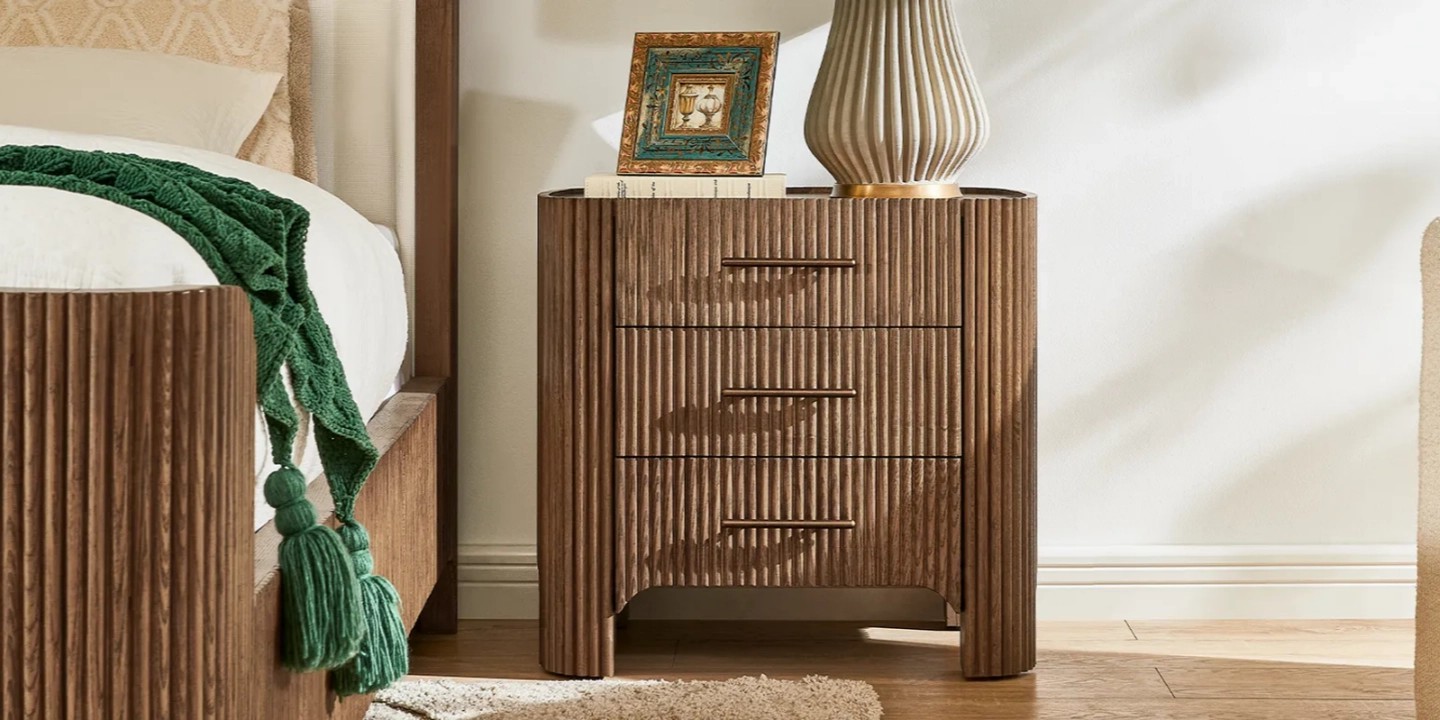
A great example is the Finnley 26" Fluted Nightstand from Hernest. Measuring 26.2 inches high, it sits comfortably within the recommended range for many standard and taller beds. Its dimensions of 26.6"W x 18.3"D x 26.2"H make it an excellent option for homeowners seeking both proper nightstand height and generous storage.
Beyond its size, the piece features a kiln-dried solid poplar wood and engineered wood, tulipwood veneers, precision dovetail drawers, and distinctive solid wood fluting that adds texture and visual depth. Because its height closely matches the average nightstand height recommended by design professionals, it works particularly well beside mattresses measuring approximately 24–28 inches from the floor.
Enjoy Hassle-Free Furniture Delivery with Hernest Signature Member
Finding the perfect nightstand height is only the first step in creating a comfortable bedroom. With Hernest Signature Member, your furniture journey becomes just as effortless after purchase.
Enjoy unlimited free White Glove Delivery on eligible items, including professional in-room placement, expert assembly, and packaging removal — so your new bedroom furniture arrives ready to enjoy.
✨ Hernest Signature Member Benefits:
- Unlimited Free White Glove Delivery on eligible items
- 5% Back in Reward Credits
- Exclusive member events and birthday rewards
Join Hernest Signature Member for $199/year and experience a more seamless way to furnish your home.
Join Hernest Signature Member →
Night Stands for Bedroom Styling (Beyond Function)
Most discussions about nightstand height focus on comfort and practicality, but design professionals know that bedside tables also play a major role in the overall look of a bedroom. The right night stands for bedroom should do more than hold a lamp or phone—they should contribute to balance, scale, and visual harmony.
A thoughtfully styled nightstand setup can make a bedroom feel polished and intentional, while poorly proportioned furniture can make even an expensive room look unfinished.
Matching Nightstand Height with Lamps and Décor
One of the most overlooked design details is the relationship between nightstand height and bedside lighting.
A nightstand and lamp should work together as a single visual unit. If the table is too low, the lamp may sit below eye level, creating uncomfortable lighting. If the nightstand is too tall, the lamp can dominate the space.
Recommended Lamp Placement
As a general rule, the bottom of the lampshade should sit close to eye level when you're seated in bed.
Decorative items should also be scaled appropriately. A large vase on a narrow nightstand can make the furniture feel crowded, while a small accessory on an oversized table may appear lost.
Symmetry vs Asymmetry in Modern Bedrooms
Traditional bedroom design often relies on matching night stands for bedroom placed on either side of the bed. Symmetry creates a sense of order and works especially well with queen and king beds.
Benefits of Symmetrical Styling
-
Creates a balanced focal point
-
Makes the room feel more organized
-
Simplifies furniture selection
However, modern interiors increasingly embrace asymmetry.
Asymmetrical Styling Ideas
-
Different nightstand widths with matching heights
-
A nightstand on one side and a small accent table on the other
-
Mixed storage solutions for personalized functionality
Even in asymmetrical designs, maintaining a similar nightstand height helps preserve visual balance.
Material and Design Impact on Perceived Height
Interestingly, the way a nightstand looks can influence how tall it feels, regardless of its actual measurements.
How Materials Affect Visual Weight
-
Dark wood finishes often appear heavier and lower.
-
Glass or metal designs feel lighter and more elevated.
-
Open-frame bases create the illusion of additional height.
-
Solid box-style designs can make a nightstand seem shorter and bulkier.
The same principle applies to decorative details. Vertical grooves, slim legs, and elevated bases naturally draw the eye upward, making nightstand dimensions appear taller. Conversely, wide silhouettes and thick frames create a more grounded appearance.
When selecting night stands for bedroom, remember that successful styling isn't only about choosing the correct nightstand height. It's about combining proportion, lighting, materials, and visual balance to create a bedroom that feels cohesive, comfortable, and professionally designed.
How to Measure the Right Nightstand Height Correctly
Even the most beautiful nightstand can feel awkward if it sits too high or too low beside the bed. Fortunately, finding the ideal nightstand height doesn't require professional design experience. With a few simple measurements, you can determine exactly what works for your space and avoid costly purchasing mistakes.
The key is to measure your actual sleeping setup—not just the bed frame. Mattress thickness, toppers, and bedding all influence the final height.
Step-by-Step Measurement Method
Interior designers often use a straightforward process when determining the ideal nightstand height.
Step 1: Measure From the Floor to the Top of the Mattress
Use a tape measure to determine the distance from the floor to the highest point of the mattress surface.
Step 2: Apply the 2-Inch Rule
A nightstand should ideally be level with the mattress or within 2 inches above or below it. This range provides the best balance of comfort and accessibility.
Step 3: Test Real-Life Reach
Sit in bed as you normally would. Imagine reaching for your phone, glasses, or a glass of water. If your arm movement feels natural and comfortable, the nightstand height is likely appropriate.
Step 4: Consider Future Mattress Changes
If you plan to replace your mattress soon, account for potential changes in mattress thickness before choosing a nightstand.
Common Measurement Mistakes
Many homeowners accidentally choose the wrong nightstand height because they measure the wrong components.
Measuring the Bed Frame Instead of the Mattress
The mattress top—not the bed frame—is the reference point that matters most when determining proper nightstand height.
Ignoring Mattress Toppers
A topper can add 2–4 inches to the sleeping surface, significantly affecting the ideal nightstand measurement.
Forgetting Bedding and Pillows
Thick bedding can slightly increase your effective sleeping height, especially on luxury mattresses.
Focusing Only on Nightstand Dimensions
While overall nightstand dimensions matter for storage and room scale, height should always be prioritized first. A perfectly sized nightstand that doesn't match the mattress can still feel uncomfortable in daily use.
By measuring carefully and avoiding these common mistakes, you'll select a nightstand height that delivers both practical comfort and a professionally balanced bedroom design.
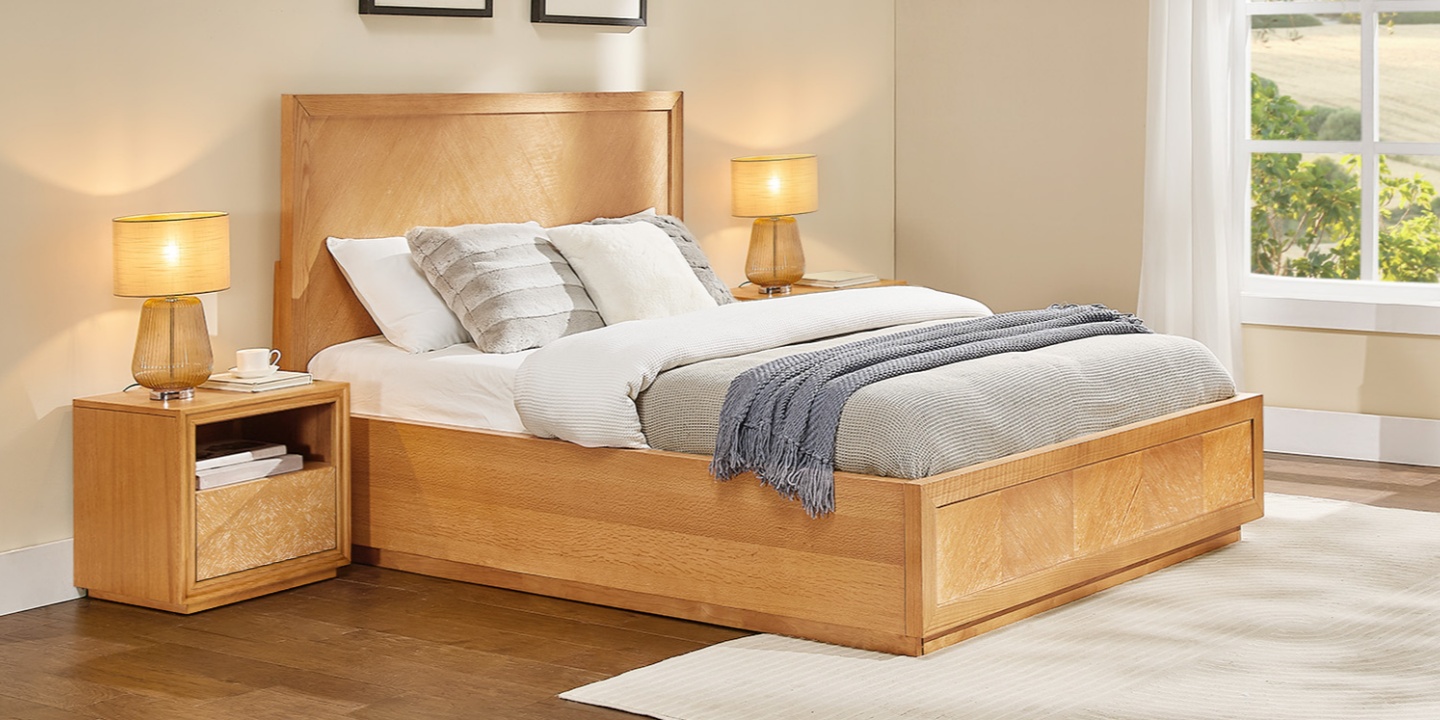
Expert Tips for Choosing the Perfect Nightstand Height
Selecting the ideal nightstand height goes beyond following standard measurements. Experienced interior designers focus on comfort, proportion, and how the furniture will be used every day. The goal is to create a bedside setup that feels natural, functional, and visually balanced.
Interior Designer Recommendations
Most designers agree that the best nightstand height is level with the mattress or within 2 inches of it. This simple guideline improves accessibility and creates a cohesive look.
Quick Reference Table
When evaluating nightstand dimensions, prioritize height first, then choose width and depth based on storage needs and available space.
Bedroom Proportion Rule of Thumb
A common design principle is that the bed should remain the visual focal point, while the nightstand serves as a complementary piece.
For balanced proportions:
-
Match the nightstand height closely to the mattress.
-
Choose wider nightstands for king-size beds.
-
Use slimmer designs in smaller bedrooms.
-
Keep both sides visually consistent, even if the furniture isn't identical.
Proper proportion often has a greater impact on bedroom aesthetics than decorative accessories.
Real-World Designer Insight
In real projects, designers rarely start by choosing a nightstand—they start by measuring the bed. A practical rule many professionals follow is:
"If you're deciding between two heights, choose the one closest to the mattress level."
This approach helps avoid the most common bedside design mistake: selecting a nightstand that looks attractive but feels inconvenient in everyday use. By prioritizing proper nightstand height, you'll achieve better comfort, improved functionality, and a bedroom that feels thoughtfully designed rather than randomly furnished.
Final Takeaway (Expert Insight Summary)
Choosing the right nightstand height is not guesswork—it’s proportion science mixed with everyday usability.
The key takeaway:
-
Average nightstand height: 24–28 inches
-
Best alignment: equal to mattress height
-
Most versatile option: 24 inch nightstand
-
Critical rule: match nightstand height to bed height, not style alone
When done right, nightstand height quietly transforms your bedroom from “furniture placed in a room” into a cohesive, livable space.
Frequently Asked Questions
What should the height of a nightstand be?
The ideal nightstand height should match your mattress height or sit within about 2 inches above or below it. In most homes, this falls within the 24–28 inch range, which aligns with the average nightstand height used in modern bedroom design. The goal is to ensure easy reach while lying in bed and maintain visual balance.
Should your nightstand be shorter than your bed?
In most cases, yes. A nightstand that is slightly lower than or level with the mattress works best. If it is too tall, it can feel visually heavy and less practical for everyday use. The key is maintaining a balanced nightstand height relative to the mattress surface.
What is the size of a standard nightstand?
Standard nightstand dimensions typically include:
-
Height: 24–28 inches
-
Width: 18–30 inches
-
Depth: 14–20 inches
This range fits most bedroom layouts and supports common storage needs while maintaining proper nightstand height alignment with standard beds.
Are 20 inch tall nightstands too short?
Not necessarily. A 20 inch tall nightstand works well with low platform beds or minimalist bedroom setups. However, for standard bed heights, it may feel too low compared to the typical average nightstand height, making reach slightly less comfortable.
Is a 24 inch tall nightstand a safe choice?
Yes, a 24 inch tall nightstand is one of the most versatile and widely recommended options. It aligns well with most mattress heights and fits within the standard nightstand height range, making it a safe choice for most bedrooms.
How do I match nightstand height with my bed?
Measure the height from the floor to the top of your mattress. Then choose a nightstand that matches that measurement or stays within a 2-inch difference. This ensures proper nightstand height alignment and improves both comfort and usability.
Do nightstand dimensions affect bedroom style?
Yes. Nightstand dimensions, especially height and width, significantly influence how a bedroom feels. Taller nightstands create a more formal, grounded look, while lower designs feel open and minimal. Proper nightstand height helps maintain visual balance in the room.
Should both nightstands be the same height?
In most traditional and balanced bedroom layouts, yes—both nightstands should share the same nightstand height. This creates symmetry and visual harmony. However, in modern designs, slight variations can work if overall proportion and alignment with the mattress are maintained.