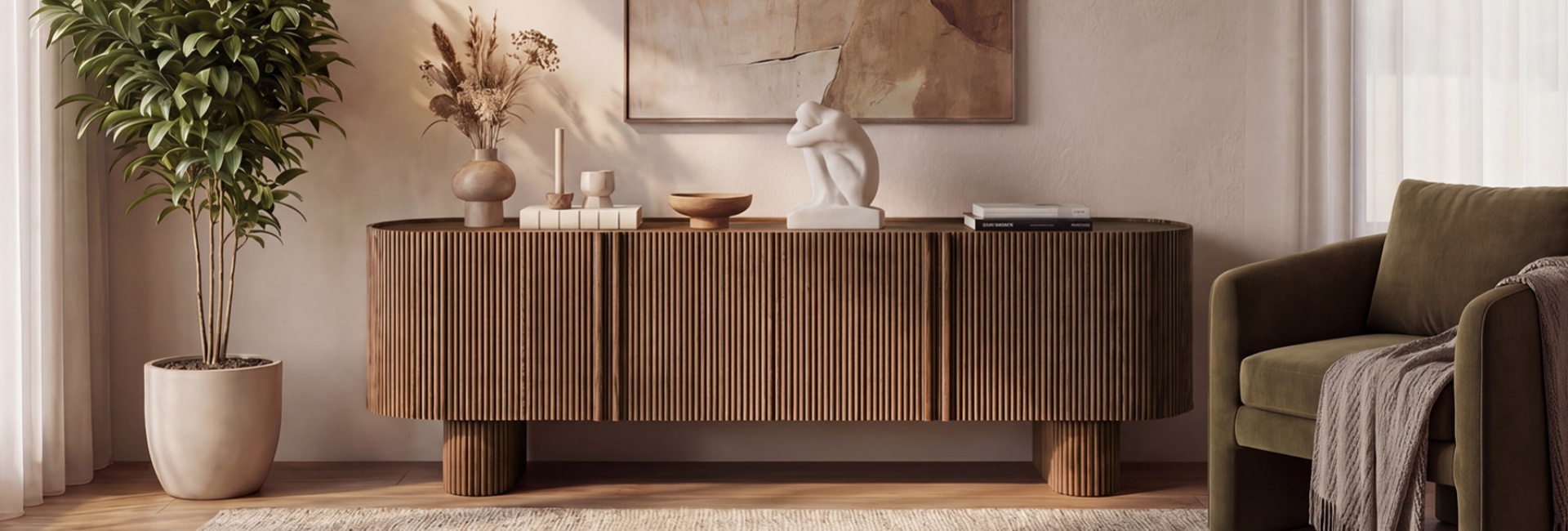
If there’s one interior style that continues to outperform trends, it’s mid-century modern. Not because it’s nostalgic, but because it solves real problems modern homeowners still face: small spaces, cluttered layouts, and the need for furniture that actually works.
This article breaks down how to design, furnish, and style a real home using mid-century modern principles, with practical insights you can apply immediately—whether you’re furnishing a studio apartment or upgrading a full living room.
Throughout, we’ll explore mid century modern living room ideas, essential furniture choices, color strategies, and common mistakes that quietly ruin the aesthetic.
Why Mid-Century Modern Still Defines Modern Living
Origins of Mid-Century Modern Design (1940s–1960s)
The mid-century modern design movement emerged after World War II, when designers shifted toward mass accessibility, simplicity, and function-driven living. Influenced by European modernism and American industrial growth, it rejected ornamentation in favor of clarity.
Design historians often point to figures like Charles and Ray Eames, Eero Saarinen, and George Nelson as pioneers who reshaped domestic living. This style is built on “clean lines, organic forms, and minimal decoration.”
At its core, mid-century modern interior design was never about decoration—it was about solving everyday living problems with better design.
Today, homeowners still turn to mid century modern interior design because it fits modern lifestyles: open spaces, multifunctional rooms, and furniture that must do more with less.
Why Mid-Century Modern Interior Design Is Still Trending
There’s a reason mid century modern design keeps resurfacing on Pinterest boards and real estate staging.
First, it adapts easily. A mid century living room can look warm, minimalist, or bold depending on color choices. Second, it works in small apartments just as well as large homes.
More importantly, mid-century modern furniture aligns with how people actually live today—flexible seating, lightweight structures, and pieces that don’t overwhelm the space.
In short, mid century modern interior design isn’t a trend cycle. It’s a practical system that keeps proving itself.
Core Principles of Mid-Century Modern Interior Design
At its core, mid-century modern interior design is not about decoration—it’s about intentional living. Every line, material, and proportion serves a purpose. This design language continues to influence today’s homes because it solves real problems: cluttered spaces, visual noise, and inefficient layouts. Below are the four foundational principles that define the style in practice.
Clean Lines and Functional Simplicity
Clean lines are the visual backbone of mid century modern design. Furniture avoids unnecessary ornamentation and focuses on streamlined silhouettes.
In a typical mid century living room, you’ll notice sofas with low backs, slim legs, and rectangular or softly rounded forms. A mid century modern tv stand, for example, is usually horizontal, minimal, and raised off the floor to create visual lightness.
Practical takeaway:
Choose furniture with visible structure, not decoration
Avoid heavy carvings or overly complex shapes
Prioritize usability over visual complexity
Organic and Geometric Balance
One of the most distinctive traits of mid century modern interior design is the balance between natural curves and structured geometry.
A mid century modern coffee table might feature a circular top with tapered wooden legs, while a mid century modern console table may use sharp rectangular framing softened by natural wood grain.
This contrast creates visual rhythm without clutter.
Natural Materials and Honest Construction
Authentic mid century modern furniture relies heavily on natural materials—especially walnut, oak, leather, and metal. The goal is to let materials “speak” without excessive finishing.
A mid century modern side table or mid century modern sideboard often exposes grain patterns and joinery instead of hiding them. This honesty in construction builds both durability and visual warmth.
Form Follows Function Philosophy
As architect Louis Sullivan famously stated, “Form follows function.” This principle defines mid century modern design at every level.
Furniture is designed based on use first:
A mid century modern bed prioritizes low-profile comfort and space openness
A mid century modern drawer chest emphasizes efficient storage without bulk
A mid century modern sideboard supports organization while grounding the room visually
In essence, mid century modern interior design succeeds because it removes what is unnecessary and refines what remains.
Mid-Century Modern Living Room Ideas for Real Homes
Small Apartment Setup Ideas
If space is limited, mid century modern living room ideas focus on lightness and flexibility.
A low-profile sofa, a slim mid century modern tv stand, and a compact mid century modern coffee table create openness without sacrificing function.
Even in small spaces, mid century living room layouts avoid visual heaviness by using elevated legs and open frames.
Open Concept Mid Century Living Room Layout
In open layouts, mid century modern living room ideas rely on zoning.
A mid century modern console table behind a sofa can subtly define areas. A mid century modern sideboard can anchor a dining transition zone.
This approach keeps the mid century living room connected but structured.
Essential Mid-Century Modern Furniture Pieces
Mid Century Modern Sofa Selection
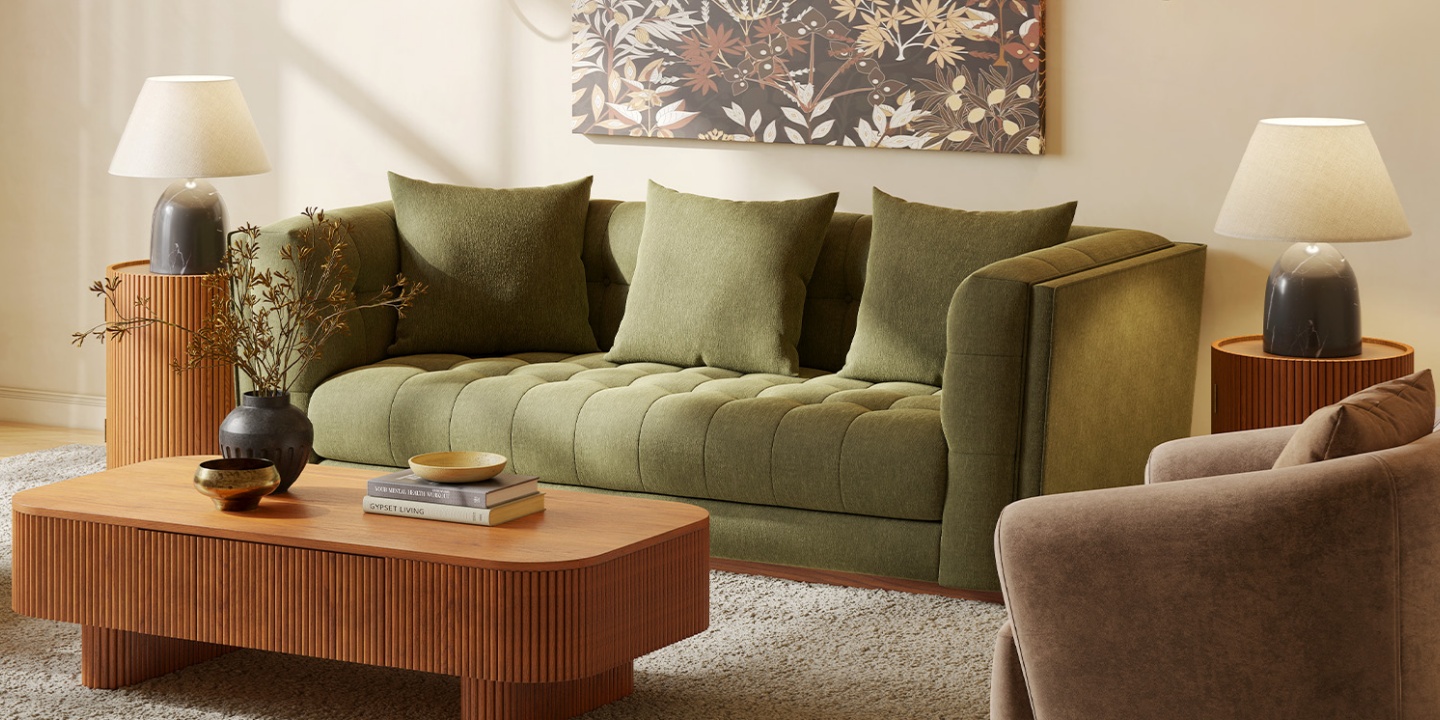
Choosing the right sofa is the foundation of a successful mid century living room, because it sets the tone for scale, comfort, and visual balance in the entire space. In mid century modern interior design, the ideal sofa should combine clean geometry with lived-in softness rather than heavy ornamentation.
A strong example is the Enkel 91" Sofa from Hernest, which reflects core mid century modern design principles through its tufted silhouette, and low-profile wooden base. The chenille upholstery adds a relaxed texture, while the blocky armrests and streamlined frame maintain a tailored, architectural feel. Built with a solid oak and plywood frame, high-resiliency polyurethane foam cores, and sinuous spring support, it delivers both durability and everyday comfort—exactly what mid century modern furniture should achieve in a real home setting.
Mid Century Modern Sectionals
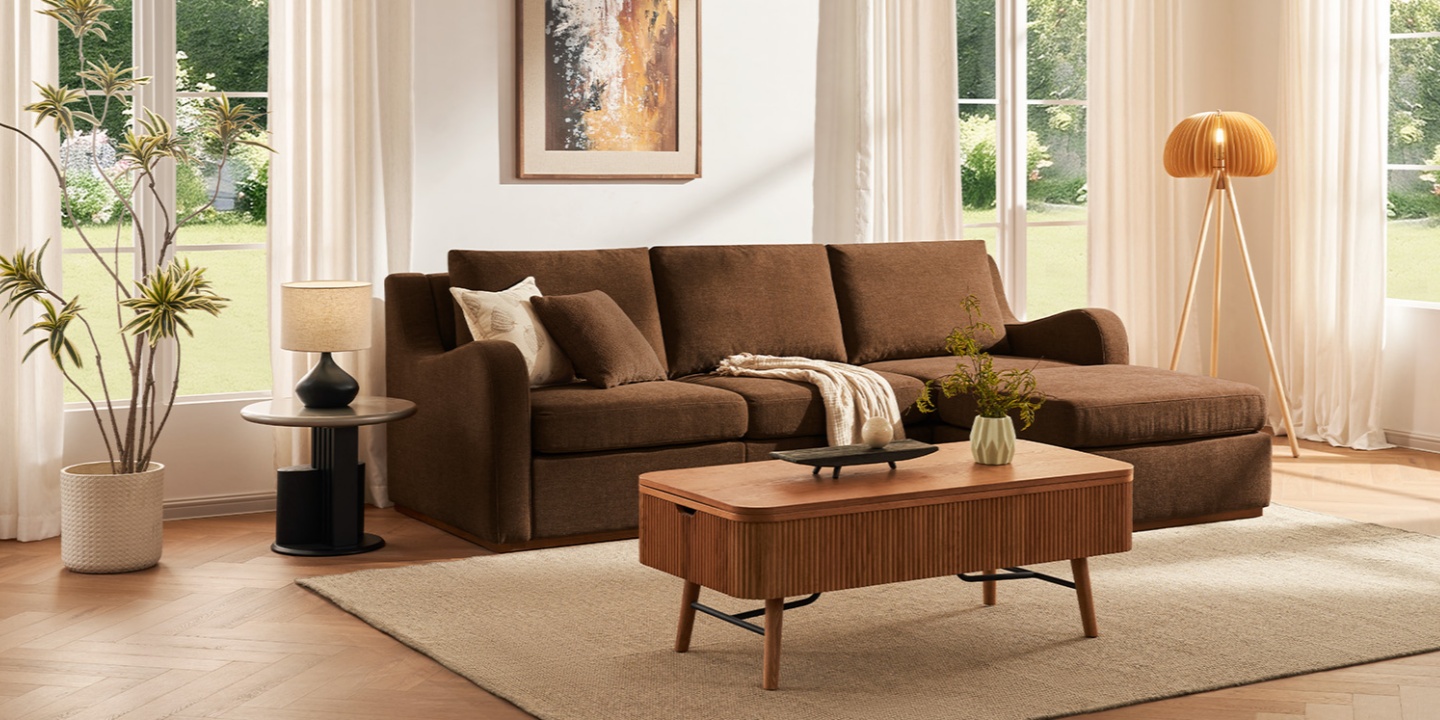
In mid century modern interior design, sectionals play a crucial role in defining spatial flow while maintaining visual lightness. Unlike bulky traditional sofas, a well-designed sectional should support open layouts, flexible seating, and clean architectural balance—core expectations in a modern mid century living room.
The Sunlit Modular Sectional Sofa from Hernest reflects these principles through its structured silhouette and adaptable modular system. Composed of an ottoman, right-arm chair, armless chair, and left-arm chair, it allows homeowners to customize layouts based on daily living needs. Its solid ash wood base and tight-weave upholstery reinforce durability while maintaining the refined simplicity expected in mid century modern furniture. With its stain-resistant performance fabric and clean-lined geometry, it anchors a space without overwhelming it, making it an ideal centerpiece for scalable mid century modern design.
Mid Century Modern Coffee Table
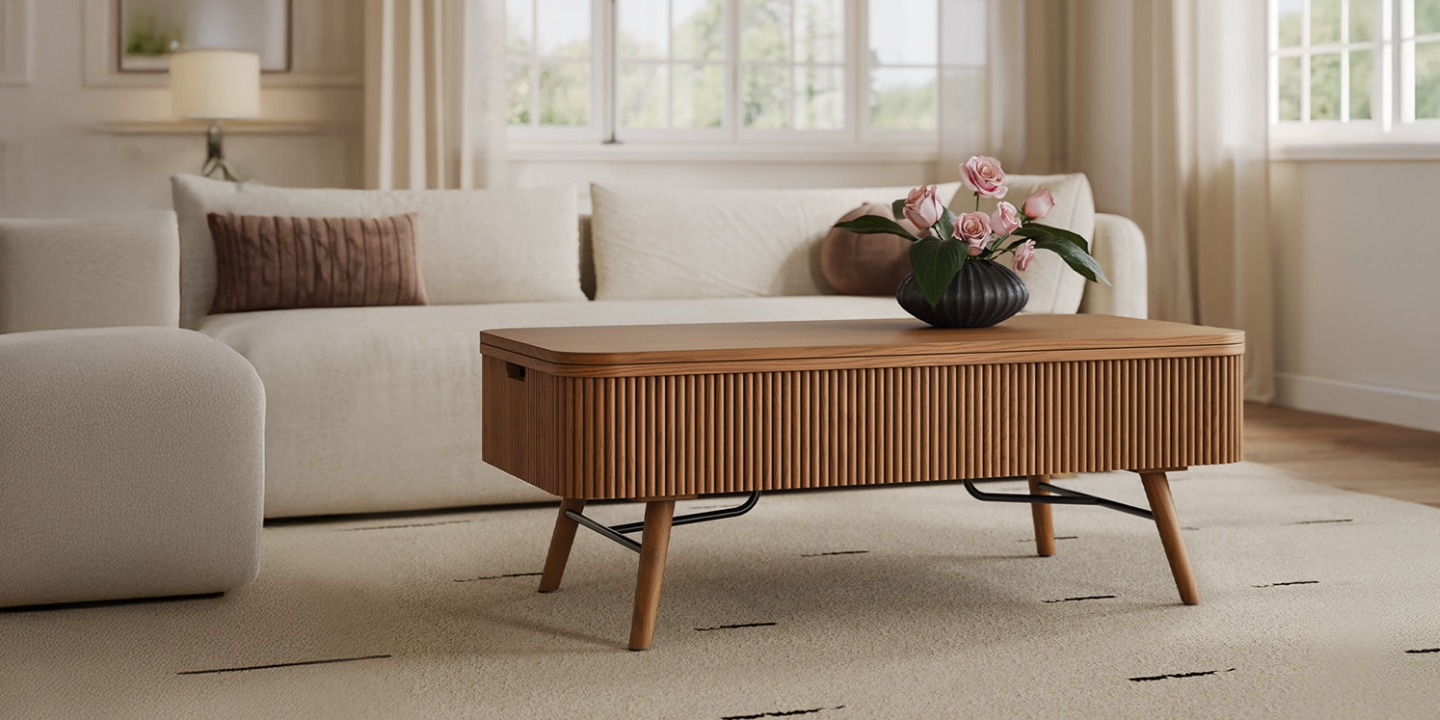
In a well-balanced mid century modern interior design, the coffee table is more than a surface—it’s the functional and visual anchor of the seating area. In a typical mid century living room, it must support daily use while maintaining the clean, sculptural simplicity that defines mid century modern design.
The Magnus 47" Lift-Top Oak Coffee Table from Hernest is a strong example of how mid century modern furniture adapts to contemporary living needs. Crafted from oak and plywood with a refined wire-brushed finish, it highlights natural grain depth while maintaining a minimalist profile. The lift-top mechanism adds practical versatility for work, dining, or storage, while the fluted base introduces subtle texture without disrupting the clean geometry. This balance of utility and craftsmanship makes it a reliable centerpiece for modern mid century modern living room ideas.
Mid Century Modern TV Stand
In a functional mid century modern interior design, the TV stand is more than media storage—it anchors the visual balance of the entire mid century living room. A well-designed unit should stay low, horizontal, and uncluttered, reinforcing the clean geometry central to mid century modern design.
The Sabina 84" Ash Wood Media Console from Hernest reflects these principles through its structured fluted detailing and streamlined silhouette. Crafted from solid ash wood, rubber wood, and engineered wood with ash veneer, it highlights natural grain depth through a wire-brushed finish. The soft-close hinges and adjustable shelving enhance everyday usability, while the integrated cord management keeps the space visually clean. Designed for TVs up to 85 inches, it functions as both a practical storage solution and a refined focal point in any mid century modern furniture layout.
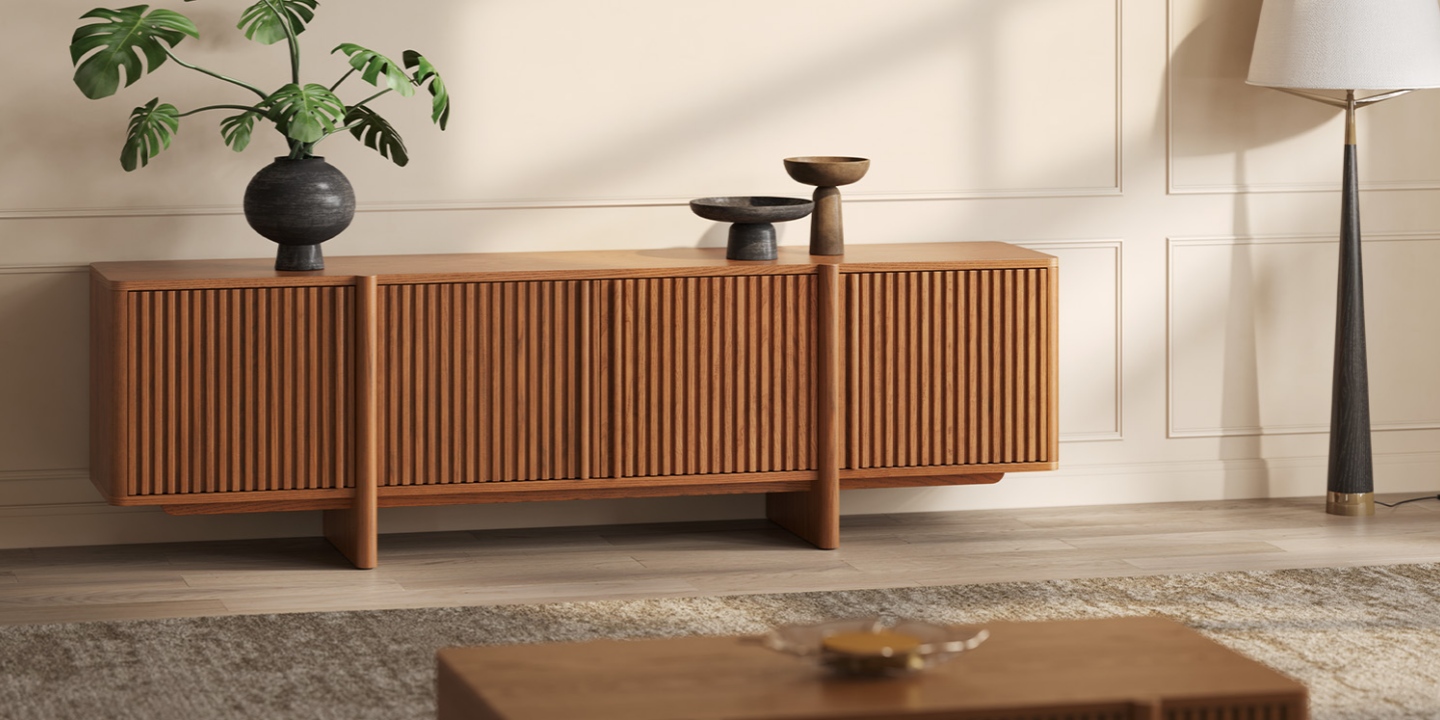
Mid Century Modern Console Table
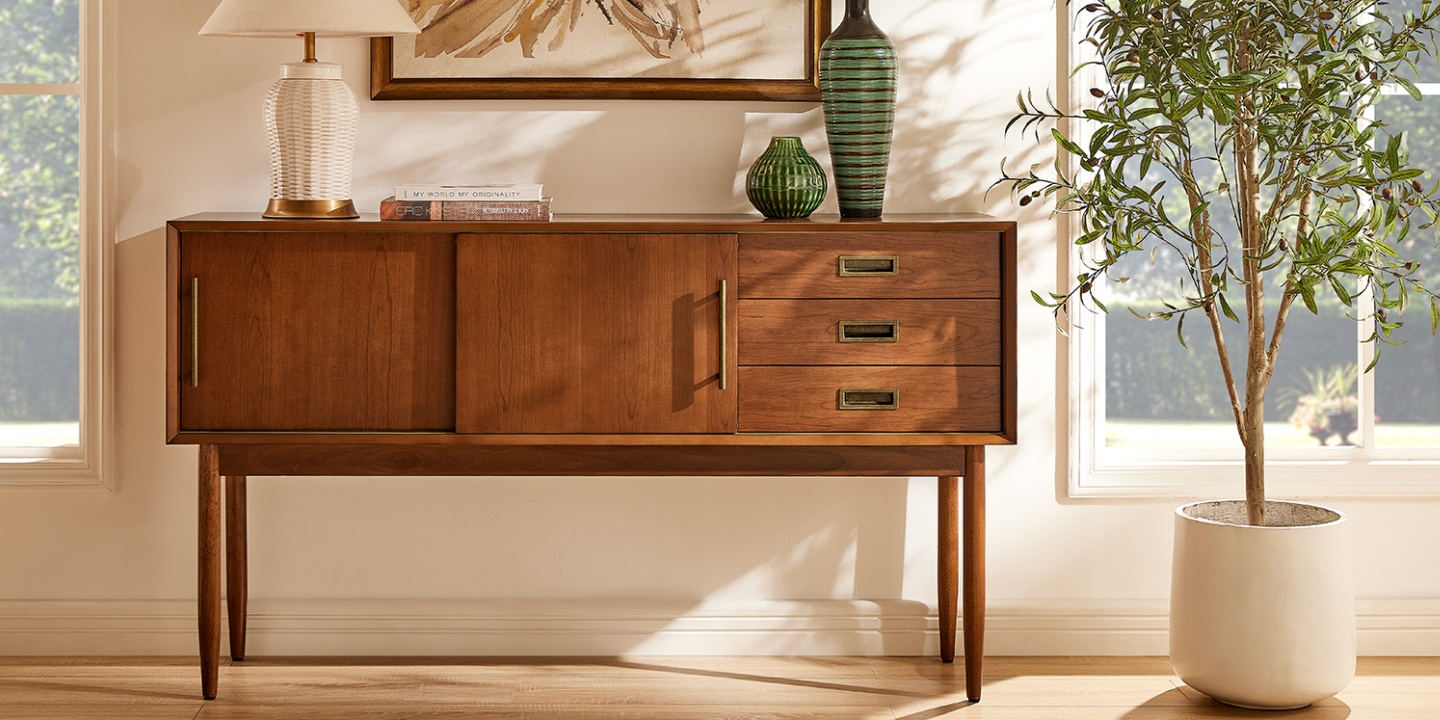
In mid century modern interior design, the console table is a quiet but essential piece that defines circulation, adds storage, and maintains visual flow in a mid century living room. It should feel lightweight, structured, and purposeful—never bulky or overly decorative, aligning with core mid century modern design principles.
The Kaden 60" Mid-Century Console Table from Hernest captures this balance with clean lines, tapered wood legs, and a warm wood tone that blends seamlessly into different interior layouts. Crafted from solid wood and engineered wood with cherry veneers, it emphasizes natural grain depth through a wire-brushed finish. The beveled edges and elevated profile create a visually light structure, while dovetail-constructed drawers add practical storage without disrupting the minimalist silhouette. It works especially well as a functional anchor behind sofas or along entry walls in refined mid century modern furniture arrangements.
Mid Century Modern Side Table
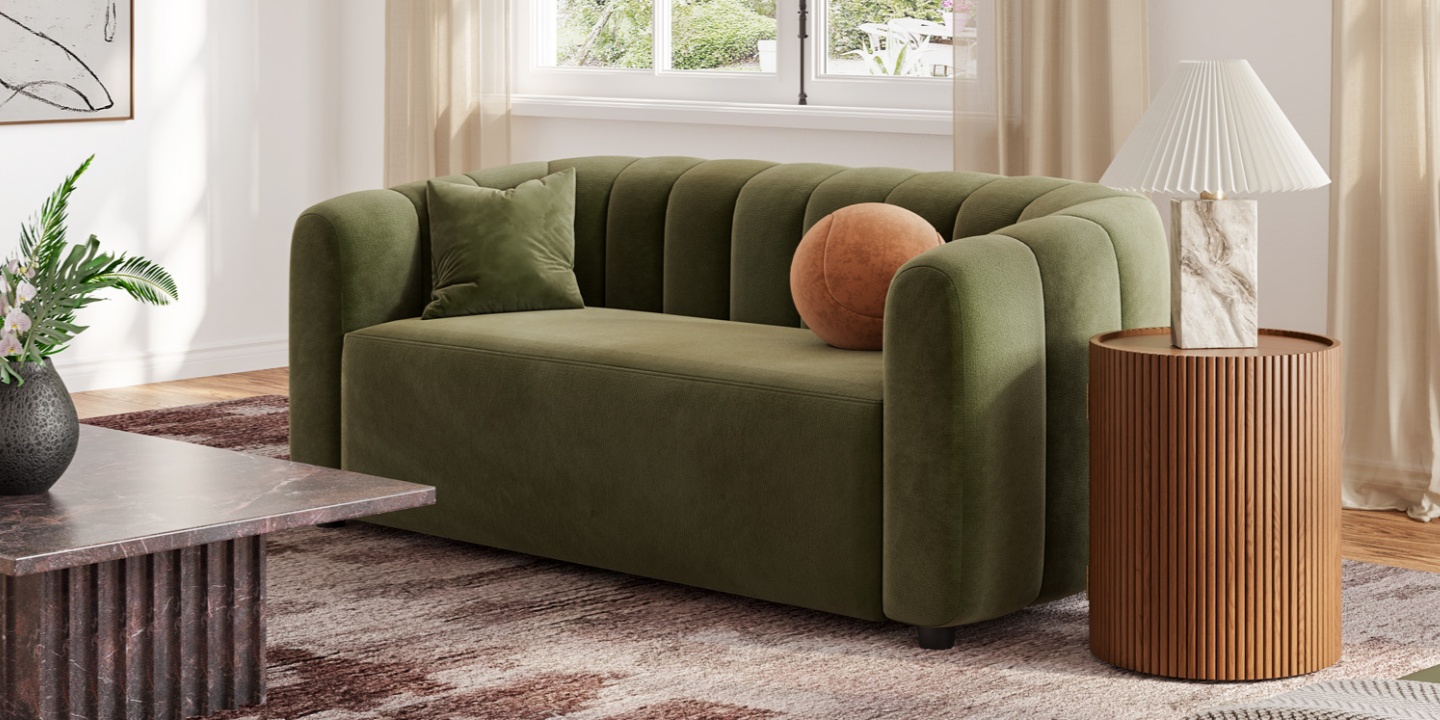
In a refined mid century modern interior design, the side table plays a subtle yet essential role in completing a balanced mid century living room. It supports daily functions like lighting, storage, and display while maintaining the clean geometry and light visual footprint expected in mid century modern design.
The Elliot 16" Solid Oak Side Table from Hernest embodies these principles through its compact round form and fluted detailing, which adds texture without visual clutter. Crafted from solid oak and plywood with oak veneer, it highlights natural wood grain through a wire-brushed finish that enhances depth and warmth. The concealed storage compartment keeps essentials neatly organized, while the open structure preserves an airy feel. This thoughtful combination of practicality and craftsmanship makes it a versatile piece within any mid century modern furniture arrangement.
Mid Century Modern Sideboard
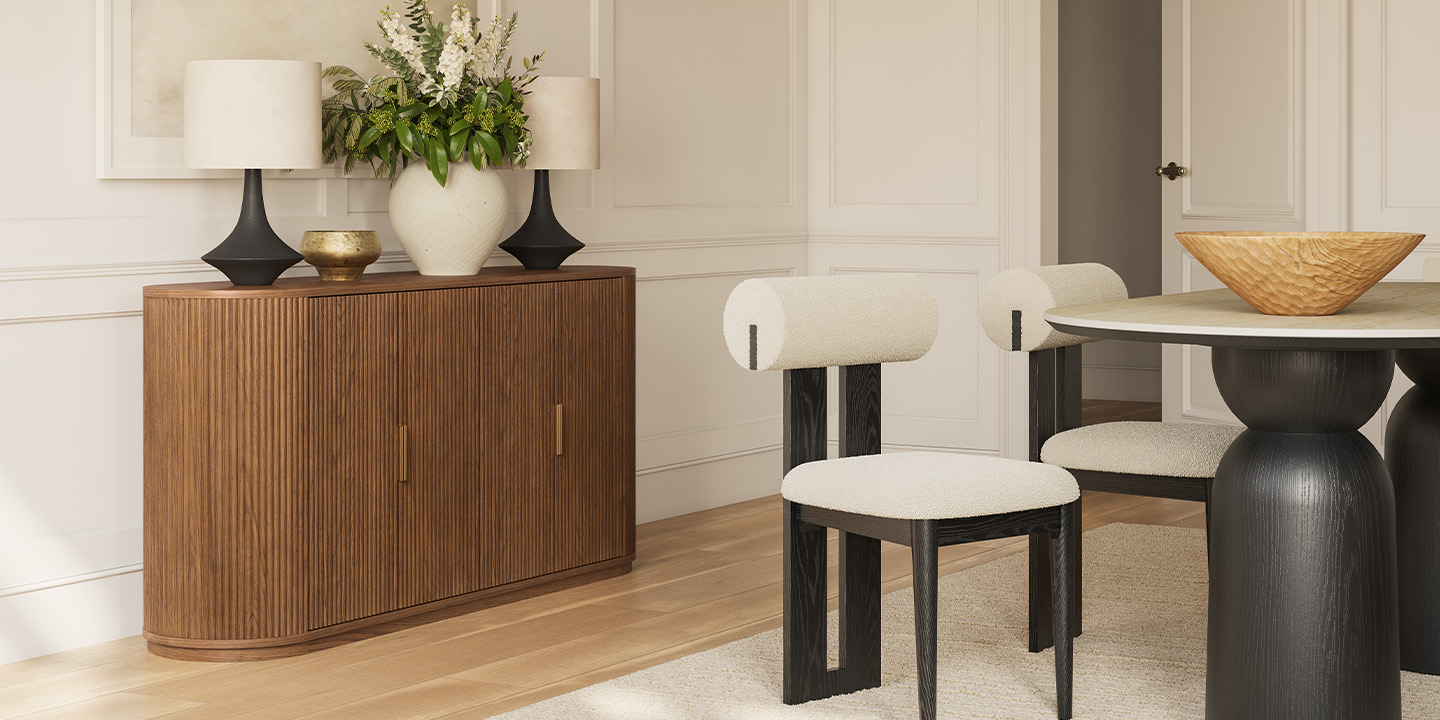
In a well-balanced mid century modern interior design, the sideboard is a foundational storage piece that also anchors visual rhythm within a mid century living room. It should provide practical organization while maintaining the clean horizontal lines and natural materiality central to mid century modern design.
The Rolf 63" Oak Sideboard from Hernest reflects this philosophy through its minimalist silhouette and soft rounded edges, inspired by nature’s quiet rhythm. Crafted from solid oak, plywood, and engineered wood with oak veneer, it emphasizes authentic wood grain through a wire-brushed finish and tactile fluting details. The soft-close hinges and adjustable shelving enhance functionality without disrupting its streamlined form. Positioned along a wall or dining transition zone, it becomes both a storage solution and a grounding visual element within cohesive mid century modern furniture layouts.
Mid Century Modern Bed
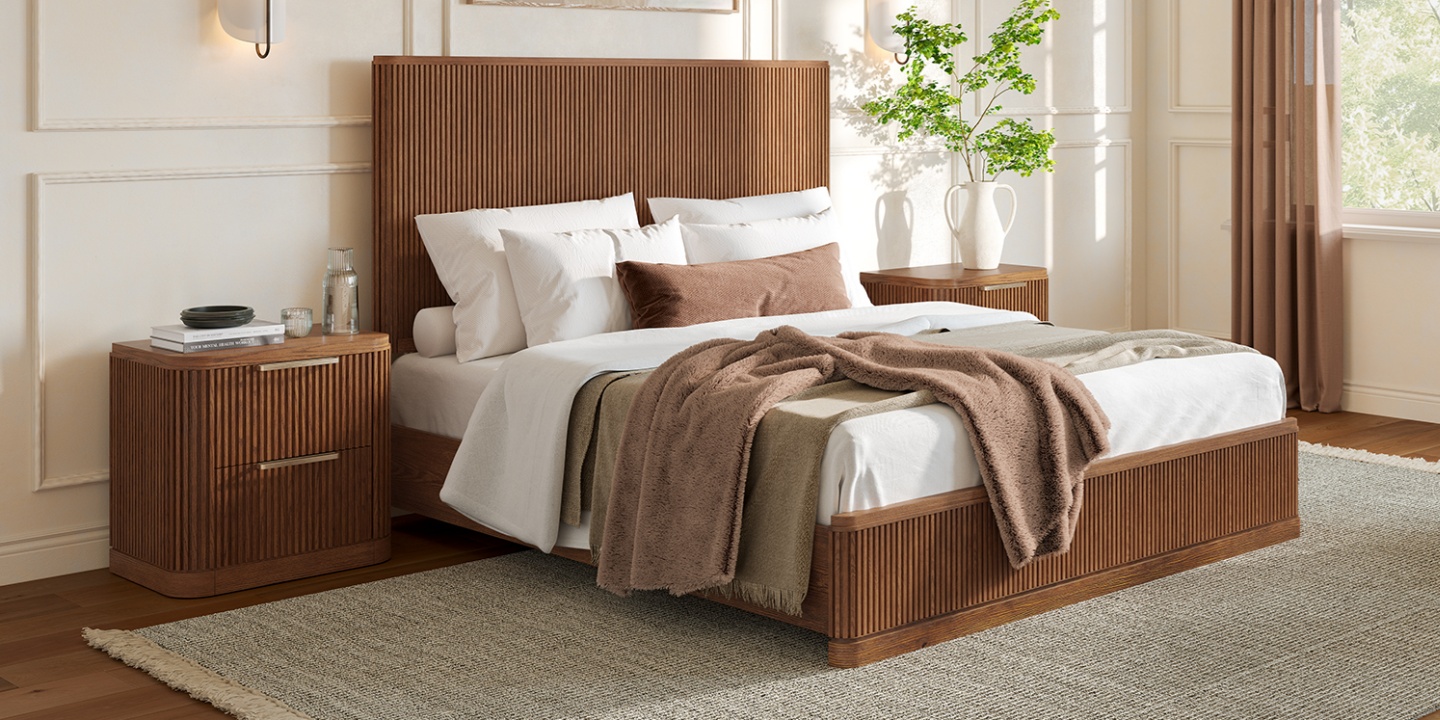
In a cohesive mid century modern interior design, the bed serves as the visual and emotional anchor of the bedroom, setting the tone for comfort, proportion, and material warmth. A well-designed piece should reflect the same clarity found in a mid century living room, where structure and simplicity guide every decision within mid century modern design.
The Finnley Fluted Bed from Hernest embodies these principles through its bold vertical fluted headboard and refined vintage-inspired silhouette. Crafted from poplar wood and engineered wood with poplar veneer, it delivers both durability and visual depth through a wire-brushed, glazed finish that highlights natural grain variation. Its structured frame and integrated support system ensure long-term stability, while the sculptural detailing introduces subtle retro character. This balance of craftsmanship and restraint makes it a strong centerpiece within any mid century modern furniture bedroom concept.
Mid Century Modern Dressers
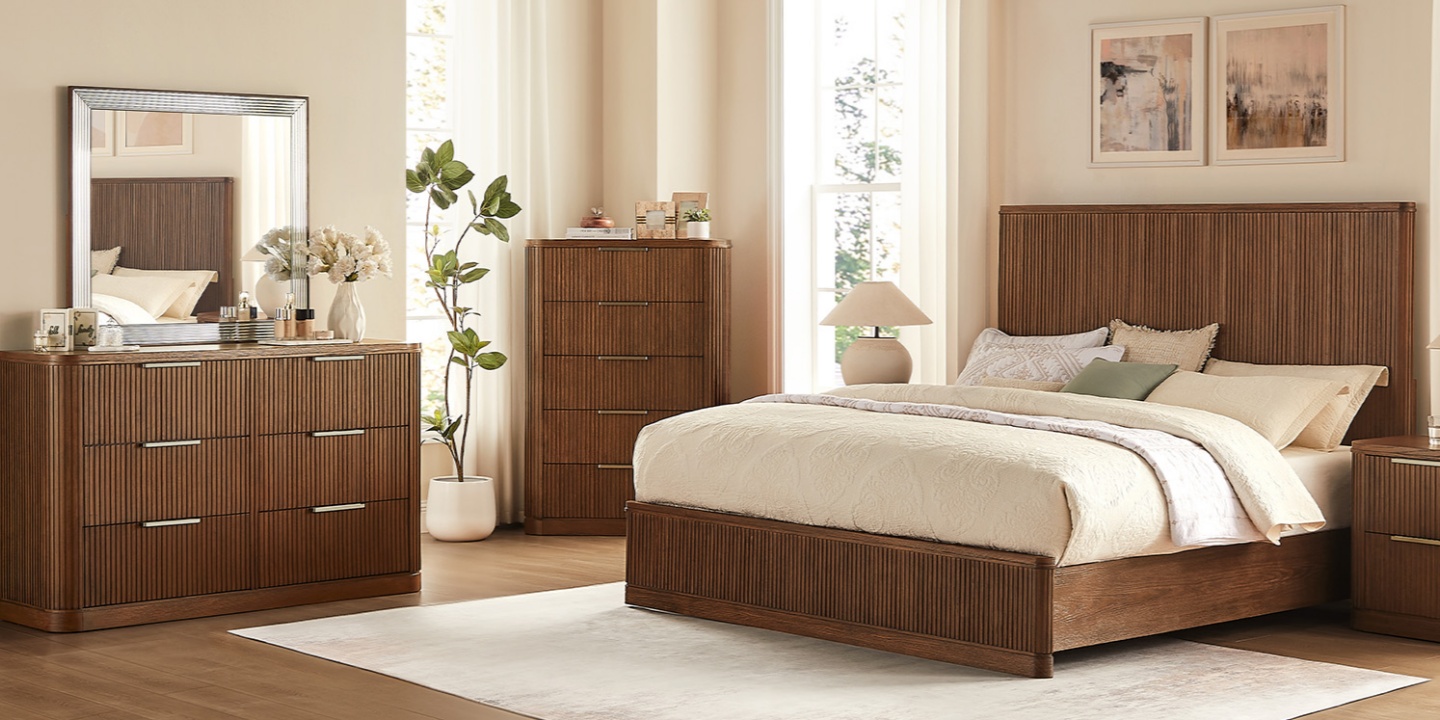
In a well-planned mid century modern interior design, dressers are essential for maintaining visual order while supporting everyday functionality. Unlike bulky storage units, they should integrate seamlessly into a mid century living room or bedroom, reinforcing the clean geometry and material honesty central to mid century modern design.
The Finnley 38" Fluted 5-Drawer Chest from Hernest reflects these principles with a compact vertical profile and refined fluted detailing that adds texture without visual clutter. Crafted from solid poplar wood and engineered wood with tulipwood veneer, it emphasizes natural grain depth through a wire-brushed and glazed finish. The dovetail-constructed drawers ensure long-term durability. Its balanced proportions make it a functional yet sculptural piece within any mid century modern furniture arrangement, especially in spaces where storage efficiency is essential.
Color Palettes and Materials in Mid-Century Modern Interiors
Color and material selection are what give mid century modern interior design its emotional depth. While the forms stay simple and functional, the palette introduces warmth, contrast, and personality. A well-balanced mid century living room relies on restrained neutrals supported by strategic accent colors and natural textures.
Signature Mid-Century Color Schemes
The most recognizable mid century modern design palettes combine earthy tones with muted, nature-inspired accents. These colors were originally influenced by post-war optimism and advancements in textile production.
Common signature schemes include:
In mid century modern interior design, these combinations help define zones without overwhelming the space.
What Color Couch for Mid-Century Modern Homes?
In a mid century living room, the sofa often becomes the visual anchor. The best couch colors are muted but expressive:
Tan or caramel leather for a classic look
Deep olive or forest green for organic warmth
Navy blue for structured contrast
Warm gray for modern versatility
These tones integrate naturally into mid century modern design while supporting layered materials like wood and metal. The goal is cohesion, not dominance.
Materials That Define the Style
Material selection is just as important as color in mid century modern interior design. Authenticity comes from tactile honesty and visible grain.
Core materials include:
Wood (walnut, oak, teak): foundational for most mid century modern furniture
Wool and linen: soften structured forms
A successful mid century living room blends these materials in moderation, ensuring warmth without visual clutter.
How to Style a Mid-Century Modern Living Room
Styling a mid century modern interior design space is less about decoration and more about intentional structure. A well-executed mid century living room follows a clear hierarchy: one focal point, layered lighting, functional accents, and balanced proportions. The goal is to keep the space visually open while still feeling lived-in and practical.
Step 1 – Choose a Focal Furniture Piece
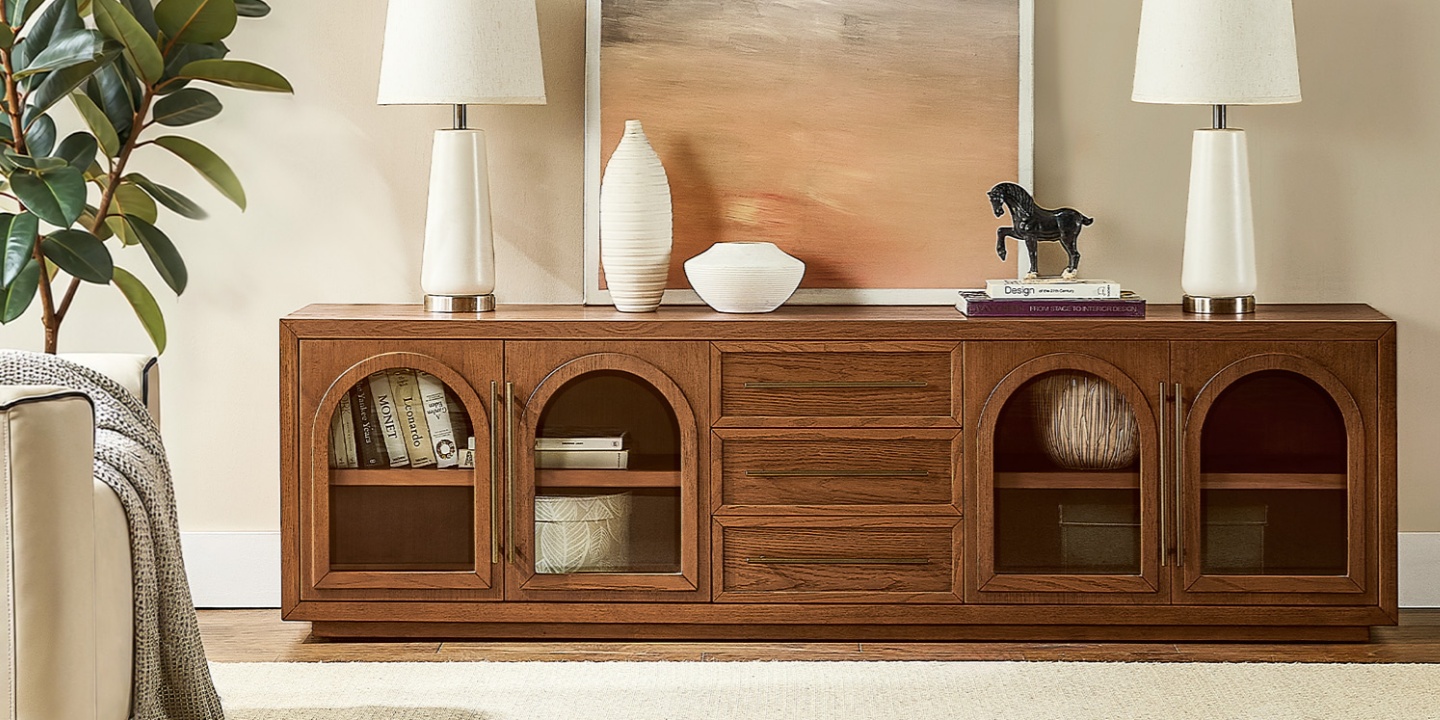
Every strong mid century modern design starts with a focal anchor. This is usually a sofa or a media console that defines the room’s visual direction. A structured piece like the Lira 84" Oak Media Console from Hernest sets a grounded foundation with its clean lines, oak grain detailing, and fortress-inspired silhouette. Its long horizontal form works especially well in a mid century living room, helping organize visual flow while supporting modern entertainment needs.
Step 2 – Layer Lighting Strategically
Lighting in mid century modern interior design should feel warm and sculptural. Combine floor lamps with soft ambient lighting to reduce harsh shadows. The aim is to highlight wood textures and create depth without overpowering the space.
Step 3 – Add Functional Decor
Decor should always serve a purpose in mid century modern design. Think ceramic objects, simple vases, or storage-integrated accents. Avoid unnecessary clutter—every piece should contribute to usability or balance.
Step 4 – Maintain Visual Balance
A successful mid century living room relies on spacing and proportion. Leave negative space around furniture, especially low-profile pieces like consoles and sofas. This breathing room is essential to the calm, structured feel of mid century modern interior design.
Mid-Century Modern Interior Design Mistakes to Avoid
Even though mid century modern interior design looks simple on the surface, it is easy to get wrong in practice. Many homeowners unintentionally weaken the style by overfilling the space, misjudging scale, or mixing incompatible design languages. A successful mid century living room depends on restraint, proportion, and consistency in mid century modern design principles.
Overdecorating the Space
One of the most common mistakes in mid century modern interior design is adding too many decorative objects. The style relies on negative space, not visual density.
Instead of filling every surface, focus on a few intentional pieces:
One sculptural vase
One framed artwork
One functional accent like a lamp or tray
In a mid century living room, clutter breaks the clarity of form and makes even quality mid century modern furniture feel visually heavy.
Ignoring Proportions
Proportion is essential in mid century modern design. Furniture that is too large or too small disrupts visual harmony.
A well-balanced mid century living room always keeps furniture aligned with room scale and sightlines.
Mixing Too Many Styles
While blending styles can work, excessive mixing weakens mid century modern interior design. Pairing it with too many contrasting aesthetics creates visual confusion.
A strong mid century living room should stay consistent in materials, color tones, and furniture language. Limit mixing to one complementary style at most, such as soft minimalism, to preserve the integrity of mid century modern design.
How to Identify Authentic Mid-Century Modern Furniture
Understanding how to recognize genuine mid century modern interior design pieces is essential for anyone building a curated home. While many reproductions exist, authentic craftsmanship follows clear structural, material, and design cues. In a well-styled mid century living room, these differences directly affect both visual quality and long-term durability.
Key Signs of Authentic Vintage Pieces
Authentic mid century modern furniture is defined by restraint, precision, and honest materials. The first indicator is construction quality—solid wood, visible grain, and joinery that prioritizes durability over decoration.
Key markers include:
Tapered legs with structural purpose, not ornamentation
Natural wood finishes (walnut, oak, teak) without heavy coating
Minimal hardware and clean silhouettes
Functional design rooted in everyday usability
A true mid century modern design piece never feels overdesigned; instead, it feels intentional and balanced within a mid century living room environment.
Mid Century Modern Coffee Table Authentication Tips
A coffee table is often the easiest entry point for identifying authenticity. Genuine pieces in mid century modern interior design typically feature:
Organic or geometric shapes with proportioned balance
Solid wood construction rather than veneer-heavy surfaces
Subtle aging (patina) that develops naturally over time
Lightweight visual presence despite structural strength
When placed in a mid century living room, a real piece enhances spatial flow rather than dominating it.
Expert Insight
From a design perspective, authenticity in mid century modern design is not only about age—it’s about philosophy. As design historians often note, the movement prioritizes “functional honesty over decorative excess.”
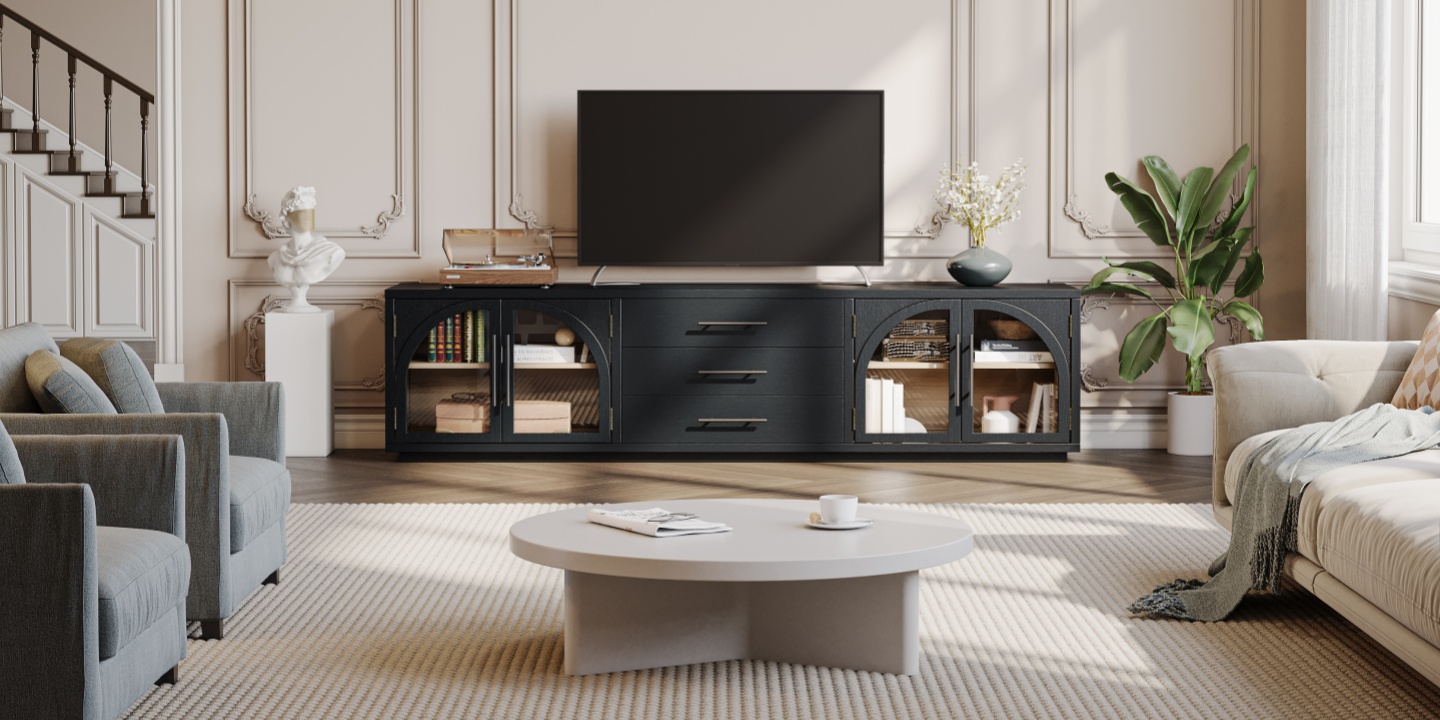
A strong modern interpretation, such as the Valborg 80" Oak Media Console from Hernest, reflects this principle through its arched structural detailing, kiln-dried oak construction and engineered wood with oak veneers, and practical storage design.
Styling Inspiration – Mid Century Living Room Ideas for Different Homes
A well-executed mid century modern interior design adapts to different living environments without losing its core identity. Whether it’s a compact city apartment or a shared family space, the principles of balance, functionality, and clean geometry remain consistent. The key is adjusting scale, storage, and layout to fit real-life needs while maintaining a cohesive mid century living room aesthetic.
Urban Apartment Styling
In smaller urban homes, mid century modern design works best when space efficiency is prioritized. The goal is to create openness without sacrificing comfort.
Practical strategies include:
Choosing low-profile seating to maintain visual airiness
Using multi-functional furniture such as storage-integrated tables
Keeping floor space visible to enhance perceived room size
A compact mid century living room often relies on fewer but more intentional pieces of mid century modern furniture, ensuring the space feels uncluttered yet functional. Wall-mounted storage and slim-legged furniture also help reduce visual weight.
Family Living Room Setup
In larger family homes, mid century modern interior design shifts toward durability and zoning. The space must support daily activity while staying visually cohesive.
Key considerations:
Larger seating arrangements with modular flexibility
Durable materials that withstand frequent use
Clear zoning between lounging, entertainment, and storage areas
A family-oriented mid century living room often incorporates more layered mid century modern furniture, but still avoids overcrowding. The balance between comfort and structure ensures the space remains both practical and visually aligned with mid century modern design principles.
Why Mid-Century Modern Furniture Works in Today’s Homes
The lasting popularity of mid century modern furniture comes from its ability to solve modern living challenges without sacrificing style. In today’s homes—where space efficiency, multifunctionality, and visual calm are essential—mid century modern interior design continues to outperform trend-driven aesthetics. It is not just a visual preference, but a practical system built around usability and balance.
Adaptability to Modern Lifestyles
One of the strongest reasons mid century modern design works today is its flexibility. Furniture is designed to adapt to changing spaces, whether in apartments, open-plan homes, or hybrid work environments.
Key advantages:
Lightweight visual structure fits small and large rooms
Multi-functional pieces support storage and daily use
Neutral foundations allow easy styling changes
A well-planned mid century living room can evolve over time without requiring a full redesign, which makes the style highly cost-effective and sustainable.
Balance Between Aesthetics and Function
Unlike overly decorative styles, mid century modern interior design prioritizes function first. Every piece of mid century modern furniture is designed with purpose—whether it’s seating, storage, or spatial organization.
This balance is why a mid century living room feels both comfortable and visually refined, making it ideal for long-term everyday living.
FAQs – Mid-Century Modern Living Room & Furniture
What defines mid-century modern style?
Mid-century modern style is characterized by clean lines, functional furniture, organic shapes, and a strong connection to natural materials. Originating between the 1940s and 1960s, it emphasizes simplicity, practicality, and timeless design rather than excessive ornamentation. Common features include tapered legs, low-profile furniture, and warm wood finishes.
How to style a mid-century modern living room?
To create a cohesive mid century living room, start with a low-profile sofa and a simple coffee table as focal points. Incorporate natural wood furniture, warm lighting, and a restrained color palette. Keep décor purposeful and avoid overcrowding the room. The best mid century modern living room ideas focus on balance, functionality, and visual openness.
What color couch for mid-century modern?
The most popular couch colors for mid century modern interior design include olive green, camel leather, warm beige, charcoal gray, navy blue, and mustard tones. These colors complement natural wood finishes and help create the warm, inviting atmosphere associated with mid century modern design.
What exactly is mid-century modern furniture?
Mid century modern furniture refers to furniture inspired by the design movement of the mid-20th century. It typically features streamlined silhouettes, tapered legs, minimal ornamentation, and high functionality. The emphasis is on practical design that remains visually appealing decades after its creation.
How do I identify authentic vintage mid-century coffee tables?
Authentic vintage coffee tables often feature solid wood construction, quality joinery, balanced proportions, and signs of natural aging. Look for original hardware, visible wood grain, and craftsmanship details rather than decorative embellishments. Genuine pieces prioritize function, durability, and material integrity.
What are the best materials for mid-century modern furniture?
The most common materials include:
Walnut, oak, and teak wood
Leather upholstery
Wool and linen fabrics
These materials contribute to the durability, warmth, and timeless appearance of mid century modern furniture.
Can mid-century modern work in small living rooms?
Yes. In fact, mid century modern design is particularly effective in small spaces because of its lightweight visual structure. Raised furniture legs, clean lines, and uncluttered layouts help create a greater sense of openness while maximizing functionality.
What is the difference between mid-century modern and contemporary design?
The main difference is that mid-century modern refers to a specific design movement from the 1940s–1960s, while contemporary design reflects current trends and continues to evolve. Mid-century modern emphasizes timeless forms and natural materials, whereas contemporary interiors often incorporate newer materials and changing aesthetics.
Is mid-century modern furniture still in style?
Yes. Mid century modern furniture remains one of the most popular interior design styles because it combines timeless aesthetics with practical functionality. Its adaptability, durability, and clean appearance make it suitable for both traditional homes and modern living spaces.
Why is mid-century modern furniture so popular today?
Its popularity comes from its ability to balance beauty and function. Homeowners appreciate the style’s uncluttered look, durable materials, and versatility. Many mid century modern living room ideas work equally well in apartments, family homes, and open-concept spaces, making the style highly adaptable.
Can you mix mid-century modern with other interior styles?
Yes. Mid century modern interior design pairs particularly well with Scandinavian, minimalist, Japandi, and contemporary interiors. The key is maintaining a consistent color palette and avoiding excessive decorative elements that may disrupt the clean, functional aesthetic.
What furniture is essential for a mid-century modern living room?
Most mid century living room layouts include:
A low-profile sofa
A coffee table with clean lines
A media console or TV stand
Accent or side tables
Functional storage furniture
Warm ambient lighting
These pieces establish the foundation of a balanced and practical mid century modern design scheme.