A well-organized dresser makes getting dressed easier and helps you use the storage space you already have. Start by sorting clothes into categories, choosing folding methods that suit each garment, and assigning drawers based on their size and how often you use their contents. Drawer dividers and storage bins can keep smaller items in place without overcrowding the space.
Whether your dresser has six matching drawers or a mix of large and small compartments, these seven tips can help you create a storage system that fits your wardrobe and daily routine.
Table of Contents
- 1. Empty Your Drawers and Declutter Your Clothes
- 2. Group Clothes by Type and Usage Frequency
- 3. Use the Right Folding Methods for Different Clothes
- 4. Use Drawer Dividers and Organizers
- 5. Organize Drawers Based on Their Size and Depth
- 6. Make Room for Seasonal Clothing
- 7. Maintain an Organized Dresser
- FAQs
- What Should Go in Each Dresser Drawer?
- How Do You Organize Deep Dresser Drawers?
- Is It Better to Roll or Fold Clothes in Dresser Drawers?
- How Do You Organize a Dresser With Small Drawers?
- How Do You Keep Clothes From Getting Messy in Drawers?
- What Are the Best Drawer Organizers for Clothes?
- How Should You Store Seasonal Clothes?
1. Empty Your Drawers and Declutter Your Clothes
Before buying organizers or rearranging your clothes, take everything out of the drawers. Seeing all your clothing at once makes it easier to decide what to keep and how much storage space you actually need.
If you have a large dresser, work on one drawer at a time. This keeps clothes from spreading across your bed and makes the task easier to manage.
Sort Clothes Into Three Categories
Separate your clothing into three groups:
-
Keep: Clothes that fit comfortably, suit your current lifestyle, and get regular use.
-
Donate: Wearable items that no longer fit your needs or that you rarely reach for.
-
Discard: Clothing with significant damage, worn-out elastic, or stains that cannot reasonably be removed.
Be realistic about what you wear. If you own several similar T-shirts but consistently choose only a few, consider whether the others need to take up valuable drawer space.
Clean the Empty Drawers
Once you've sorted your clothes, wipe down the empty drawers with a soft cloth. Remove dust and loose debris, and let the interiors dry completely before putting anything back.
This is also a good time to check for rough edges, damaged drawer liners, or other issues that could snag clothing.
2. Group Clothes by Type and Usage Frequency
Once you've decided what to keep, organize clothes in drawers according to their type and how often you wear them. Grouping similar items makes it easier to find what you need without searching through unrelated garments.
Common clothing categories include:
-
Underwear and bras
-
Socks and tights
-
T-shirts and tank tops
-
Jeans, pants, and shorts
-
Pajamas and loungewear
-
Workout clothes
-
Sweaters and seasonal garments
You don't need a separate drawer for every category. If storage space is limited, combine related items such as socks and underwear or pajamas and loungewear. Small compartments can keep them separated.
Keep Frequently Used Clothes Within Easy Reach
Store everyday essentials in drawers that are easy to access. Less frequently used clothing can go in lower drawers or another storage area.
For example, a six-drawer dresser could be arranged like this:
Adjust this arrangement to your routine. If you work out several times a week, keep workout clothes closer to the top. If you wear jeans daily, place them in an easily accessible drawer.
Store Occasional Clothing Elsewhere
Formal socks, special-occasion clothing, and accessories used only a few times a year don't need to occupy your most convenient drawer space.
Move these items to a less frequently accessed drawer, closet shelf, or storage container. Keep the easiest-to-reach spaces for clothing you wear regularly.
3. Use the Right Folding Methods for Different Clothes
Knowing how to fold clothes in drawers can help you use available space more efficiently and find individual pieces without disturbing the rest of your clothing.
Traditional stacks work for some garments, but they can make it difficult to reach items at the bottom without moving other clothes. File folding and rolling offer alternatives for different clothing types.
Try File Folding for T-Shirts and Tank Tops
File folding turns clothing into compact rectangles that stand upright in a drawer, making individual pieces easier to see and reach.
To file-fold a T-shirt:
-
Lay the shirt flat with the front facing down.
-
Fold one side toward the center, then fold the sleeve inward.
-
Repeat on the opposite side to create a long rectangle.
-
Fold the bottom upward, adjusting the number of folds to suit the drawer height.
-
Stand the folded shirt upright so its folded edge faces upward.
This method also works for many tank tops, lightweight shirts, and casual shorts. Keep folded pieces at a similar height so they remain upright.
Roll Smaller and Flexible Garments
Rolling works well for leggings, lightweight workout tops, and some casual garments.
Lay each item flat, smooth out major wrinkles, and roll it into a compact shape. Place the rolls side by side in a drawer or organizer.
This method is useful for smaller compartments where folded stacks may be difficult to arrange. However, rolling isn't necessary for every garment. Thicker materials and structured clothing are often easier to store flat.
Fold Sweaters and Delicate Clothing Carefully
Many heavy knit sweaters are better stored folded, as hanging them for long periods can stretch the shoulders. Fold the sleeves inward and bring the bottom toward the top, then place the sweater in a low, stable stack.
For delicate fabrics, follow the garment's care instructions. Avoid compressing too many pieces into one drawer, as excessive pressure can leave unwanted creases.
4. Use Drawer Dividers and Organizers
Drawer organizers help separate clothing categories and keep small items from shifting whenever you open or close a drawer. They're especially useful for underwear, socks, accessories, and other items that can easily become mixed together.
Choose the Right Organizer for Each Item
Different organizer styles work for different storage needs.
You don't need to fill every drawer with organizers. Too many compartments can reduce the space available for clothing.
Start with the categories that are hardest to keep organized, such as socks, underwear, and small accessories. Add more dividers if items continue to shift or become mixed together.
Measure Your Drawer Interior Before Buying Organizers
Choose dresser drawer organizers based on the drawer's interior measurements, not the dresser's exterior dimensions. The usable space is smaller because of the drawer sides and internal construction.
Measure three things:
-
Interior width: The available space from one side of the drawer to the other.
-
Interior depth: The distance from the front to the back.
-
Interior height: The usable vertical space inside the drawer.
Check the organizer's dimensions as well. If you're placing several bins side by side, their combined width should leave enough room to remove each one easily.
For adjustable dividers, make sure they fit securely without putting excessive pressure on the drawer sides.
5. Organize Drawers Based on Their Size and Depth
Dresser drawers vary in width, depth, and height. Matching each drawer to the clothing you plan to store can help you use the available space without creating crowded piles.
Use Shallow Drawers for Smaller Items
Shallow drawers are convenient for clothing and accessories that don't need much vertical space, including:
-
Underwear and socks
-
Bras and bralettes
-
Tights and lightweight leggings
-
Belts and small accessories
Keep these items in separate sections so they're easy to find. Avoid stacking them too high, as shallow drawers offer limited room for vertical storage.
Use Deeper Drawers for Bulky Clothing
Deeper drawers provide more room for garments such as jeans, sweatpants, pajamas, and folded sweaters.
However, extra depth doesn't mean you should fill the drawer with tall piles. Clothes at the bottom can become difficult to reach, especially when heavier garments are stacked on top.
Keep stacks manageable and arrange clothing so you can remove individual pieces without moving everything else. For particularly deep drawers, small open-top containers can help keep lightweight garments from getting buried.
Divide Wide Drawers Into Practical Sections
Wide drawers offer more room for different clothing categories, but a single large compartment can allow items to spread out.
You can separate the space into sections based on your wardrobe. For example, one area might hold workout tops, another leggings, and a smaller section sports bras.
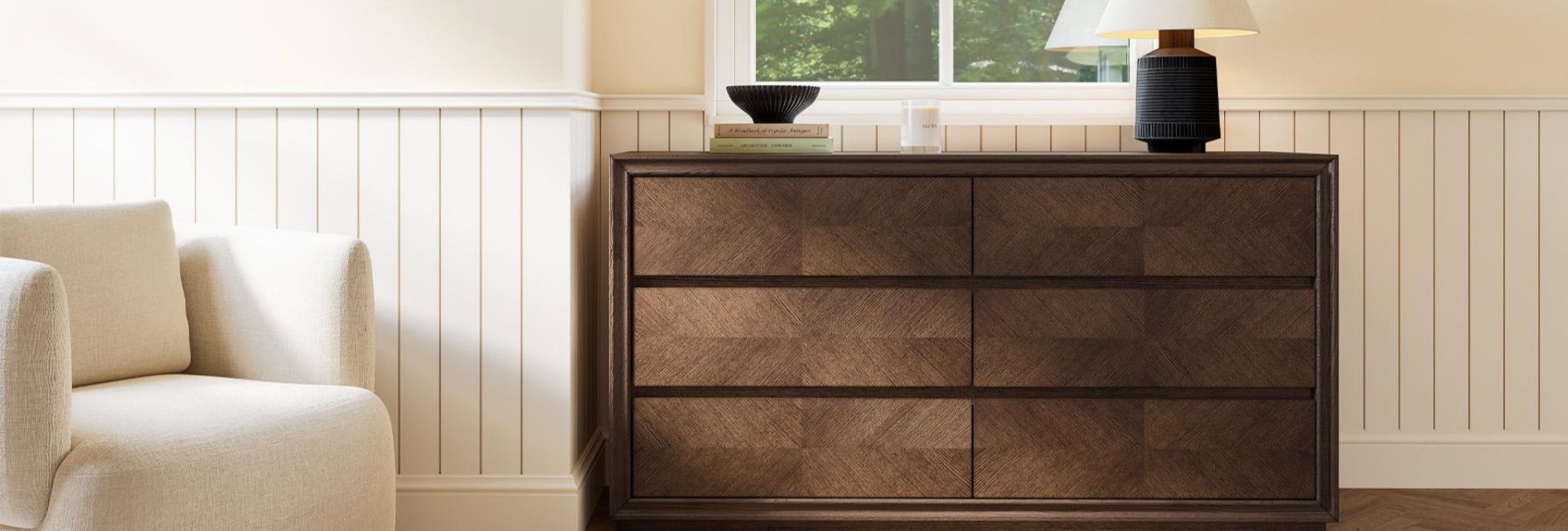
The Thursen 60-Inch Chevron 6-Drawer Dresser has six drawers, each measuring 25.7 inches wide, 13 inches deep, and 4.7 inches high internally. Their matching dimensions make it easier to use the same folding and divider setup across multiple drawers. The relatively shallow height is better suited to T-shirts, leggings, and other lightweight clothing than bulky sweaters.

Thursen 60-Inch Chevron 6-Drawer Dresser
View ProductFor a different configuration, the Louisa Oak 7-Drawer Dresser combines smaller drawers measuring 20 × 14.2 × 3.14 inches with larger drawers measuring 31.5 × 14.2 × 5 inches. The smaller drawers can hold socks, underwear, and accessories, while the larger ones provide more room for folded T-shirts, leggings, and lightweight pants.
Before buying dividers or containers, measure the actual interior space. Drawers with similar exterior dimensions can have different usable storage areas.
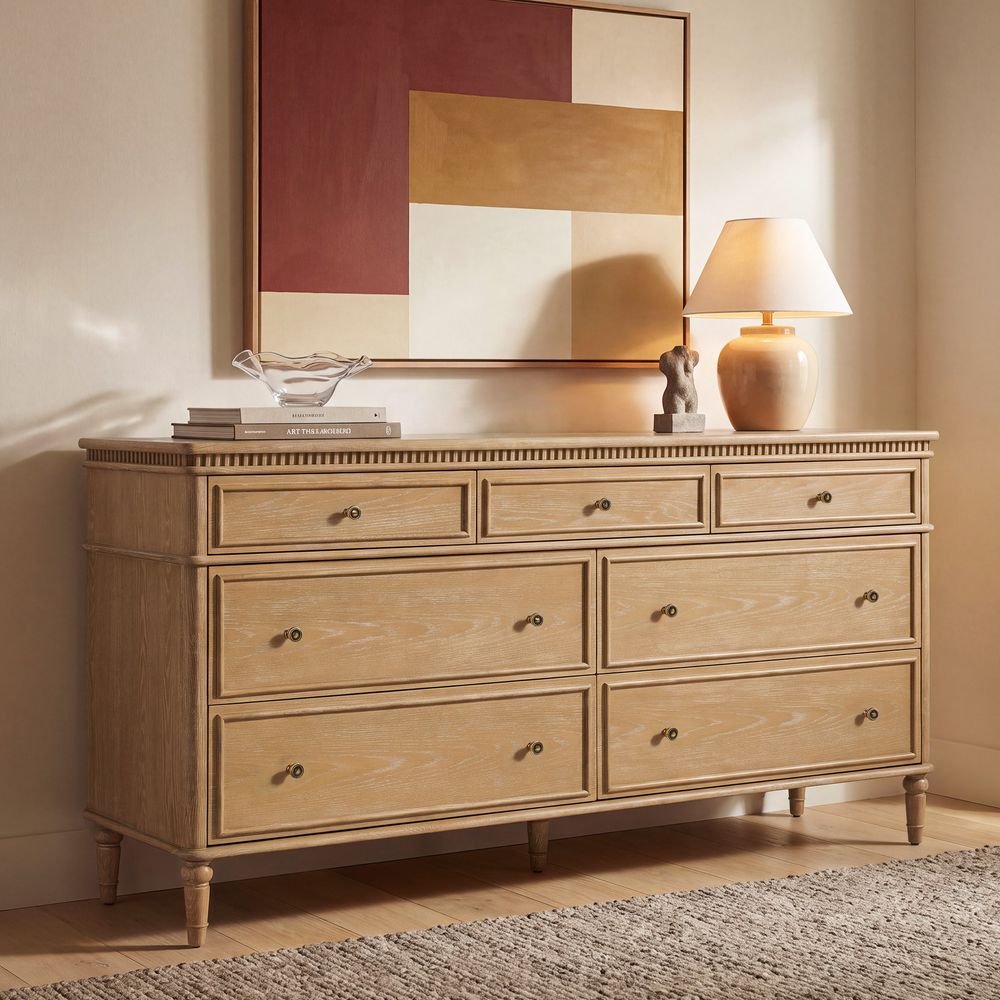
Louisa Oak 7-Inch Drawer Dresser
View Product
6. Make Room for Seasonal Clothing
Seasonal clothing can take up a significant amount of drawer space, particularly when bulky sweaters and heavier pants share storage with everyday essentials.
Rotating clothes as the seasons change can free up room for the garments you currently wear.
Separate Off-Season Clothing
Identify items you won't need for the next few months. During warmer weather, bulky sweaters, thermal tops, and winter accessories can be moved to another storage area. When temperatures drop, switch them with lightweight summer clothing.
Before storing seasonal garments:
-
Make sure they're clean and completely dry.
-
Check for stains or damage that need attention.
-
Fold them neatly rather than compressing them excessively.
-
Use suitable containers to protect clothing from dust.
-
Keep stored garments in a clean, dry area.
Breathable fabric containers can be useful for garments that need airflow. Follow the care instructions for delicate fabrics and avoid storing clothing while damp.
Use Other Bedroom Storage to Free Up Drawer Space
Your dresser doesn't have to hold every item of clothing you own.
Closet shelves, hanging organizers, and under-bed storage can provide extra room for garments you don't need every day. For example, bulky winter sweaters can go in a closet storage bin, while everyday T-shirts and underwear remain in accessible dresser drawers.
7. Maintain an Organized Dresser
You don't need to reorganize your drawers every day. A few consistent habits can prevent clutter from building up and keep your storage system useful.
Put Laundry Away by Category
After washing and drying your clothes, sort them into their existing categories before putting them away.
Fold similar garments together and return them to their designated drawers. If you use dividers, keep each category within its assigned section.
Putting clothes away regularly helps prevent clean laundry from accumulating on your bed or in baskets.
Follow the One In, One Out Rule
When you buy a new item, consider whether there's an older piece you no longer need.
For example, if you add another pair of workout leggings, check whether some of your existing pairs are worn out or no longer fit comfortably. Donate or discard them when appropriate.
This habit can help prevent your wardrobe from growing beyond the storage space available.
Review Your Drawers Regularly
Take a few minutes each month or when the seasons change to check whether your arrangement still works.
Look for:
-
Clothes that no longer fit their assigned sections.
-
Items that you haven't worn in a long time.
-
Drawers that are becoming difficult to close.
-
Organizers that no longer suit your storage needs.
If one drawer repeatedly becomes messy, its category may be too broad. Splitting it into smaller groups or changing the folding method may solve the problem.
FAQs
What Should Go in Each Dresser Drawer?
A practical arrangement is to keep underwear, socks, and smaller essentials in the upper drawers, T-shirts and workout clothes in the middle, and bulkier garments such as jeans and sweaters in the lower drawers. Adjust the layout based on your wardrobe and how often you use each item.
How Do You Organize Deep Dresser Drawers?
Use deep drawers for bulkier clothing such as jeans, sweatpants, and sweaters. Keep folded garments in manageable stacks so items at the bottom don't become difficult to reach. Small open-top containers can also separate lightweight clothing.
Is It Better to Roll or Fold Clothes in Dresser Drawers?
Both methods can work. Rolling is useful for flexible garments such as leggings and lightweight workout clothes, while folding works well for T-shirts, sweaters, and structured clothing. Choose the method that makes each garment easy to see and retrieve.
How Do You Organize a Dresser With Small Drawers?
Group smaller garments into categories such as underwear, socks, and accessories. Use compact organizers to separate them without taking up too much space. Avoid bulky storage bins that leave little room for clothing.
How Do You Keep Clothes From Getting Messy in Drawers?
Assign each drawer a specific purpose and return clothes to their designated sections after laundry. File folding can also help prevent stacks from collapsing when you remove individual items. Review crowded drawers regularly and adjust their contents when necessary.
What Are the Best Drawer Organizers for Clothes?
The best organizer depends on the items you're storing. Fabric bins work well for underwear and socks, adjustable dividers help separate larger garments, and shallow trays are useful for small accessories. Measure the drawer interior before choosing an organizer.
How Should You Store Seasonal Clothes?
Keep current-season clothing in your everyday drawers and move less frequently used garments to closet shelves, storage boxes, or under-bed containers. Make sure clothes are clean and completely dry before storing them.