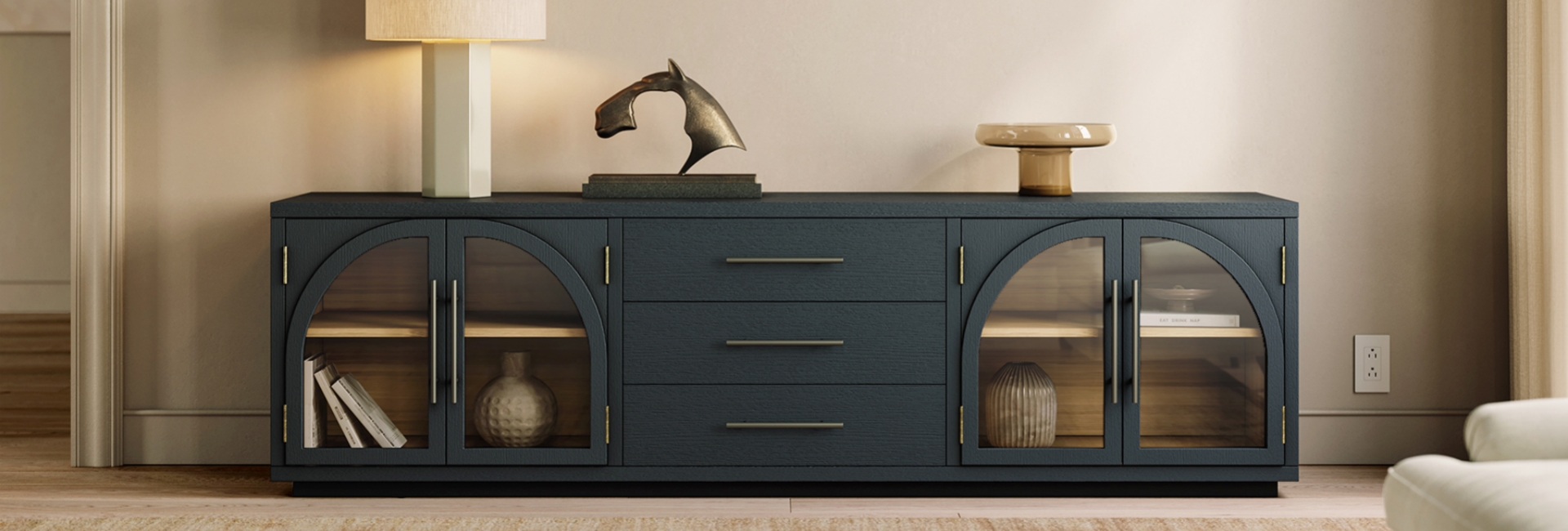
Choosing a TV stand may seem simple, but the wrong size, style, or design can make your living room feel unbalanced. A TV stand is more than a place for your television—it provides storage, organizes electronics, and helps define your entertainment space. If you are searching for how to choose a tv stand, consider your TV size, viewing height, room layout, storage needs, and interior style. Whether you need a spacious console for gaming and speakers, a slim design for a apartment, or an mcm tv stand to add warmth and character, the right choice should fit both your space and lifestyle. This guide covers how to choose a tv stand with practical tips on size, materials, features, and compatibility.
What Does a TV Stand For? Understanding Its Purpose Before Buying
Before learning how to choose a tv stand, it is important to understand what role this piece of furniture actually plays in your living room. A TV stand is no longer just a surface that holds your television. It works as an entertainment hub, storage solution, and design element that helps connect your sofa, coffee table, lighting, and décor.
Many homeowners choose tv stands based only on appearance, but a well-designed TV stand should balance both function and style. The right choice depends on your TV size, room layout, storage needs, and how you use your entertainment space every day.
What Is a TV Stand?
A TV stand is a piece of furniture designed to support a television while organizing related electronics and accessories. Modern designs often include cabinets, drawers, shelves, and cable management features to keep the living room neat and functional.
Unlike a regular table, TV stands are built with entertainment needs in mind. They provide space for:
Streaming devices and gaming consoles
Soundbars and speakers
Remote controls and accessories
Books, décor, and everyday items
For example, a family who enjoys movie nights may need a wider TV stand with closed storage, while someone living in a apartment may prefer a slim design with open shelving.
Is a TV Stand a Furniture?
Yes, a TV stand is considered a type of furniture. Similar to coffee tables, sideboards, and cabinets, it is designed to improve both the function and appearance of a living space.
When considering how to choose a tv stand, think of it as a long-term furniture investment rather than a simple TV holder. A quality TV stand should:
Support your television safely
Match your interior style
Provide practical storage
Improve room organization
A properly selected TV stand can become the visual anchor of your living room, helping the entire space feel more balanced and intentional.
Different Types of TV Stands: Find the Right Style for Your Space
When learning how to choose a tv stand, understanding the different types of tv stands available helps you find a design that matches both your room and lifestyle. A TV stand should not only support your television but also complement your furniture, provide storage, and enhance the overall look of your living space.
Traditional TV Stands
Traditional TV stands focus on practicality and classic appeal. They often feature enclosed cabinets, drawers, and durable wood finishes that help hide electronics, remotes, and accessories.
These tv stands are ideal for homeowners who prefer a more organized living room with plenty of concealed storage. For example, a family room with gaming consoles, speakers, and media devices may benefit from a traditional design that keeps clutter out of sight.
Modern TV Stand
A modern tv stand is designed around simplicity, clean lines, and efficient use of space. Popular features include open shelving, smooth surfaces, mixed materials, and cable management solutions.
When deciding how to choose a tv stand for a contemporary home, consider a low-profile modern design that creates a lighter visual feel. These stands work especially well in apartments, open-concept layouts, and minimalist interiors.
MCM TV Stand (Mid-Century Modern TV Stand)
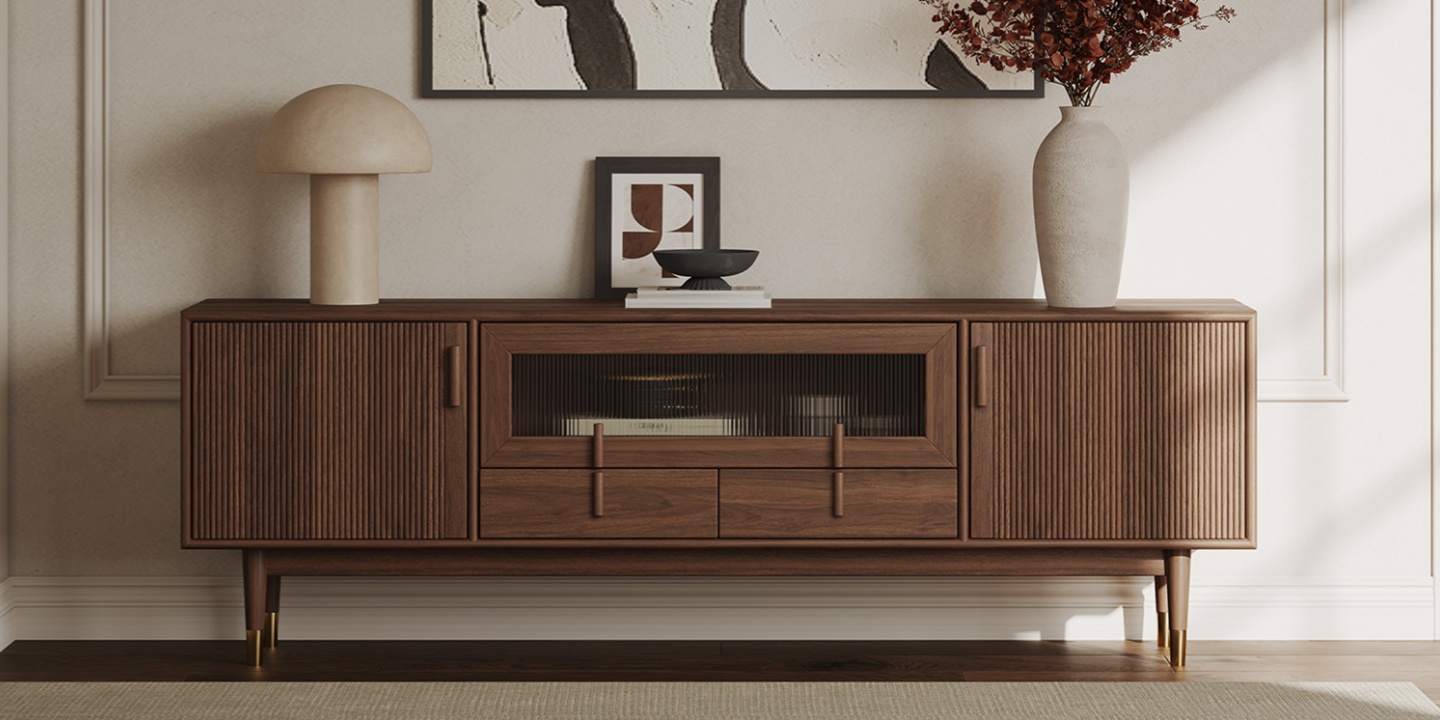
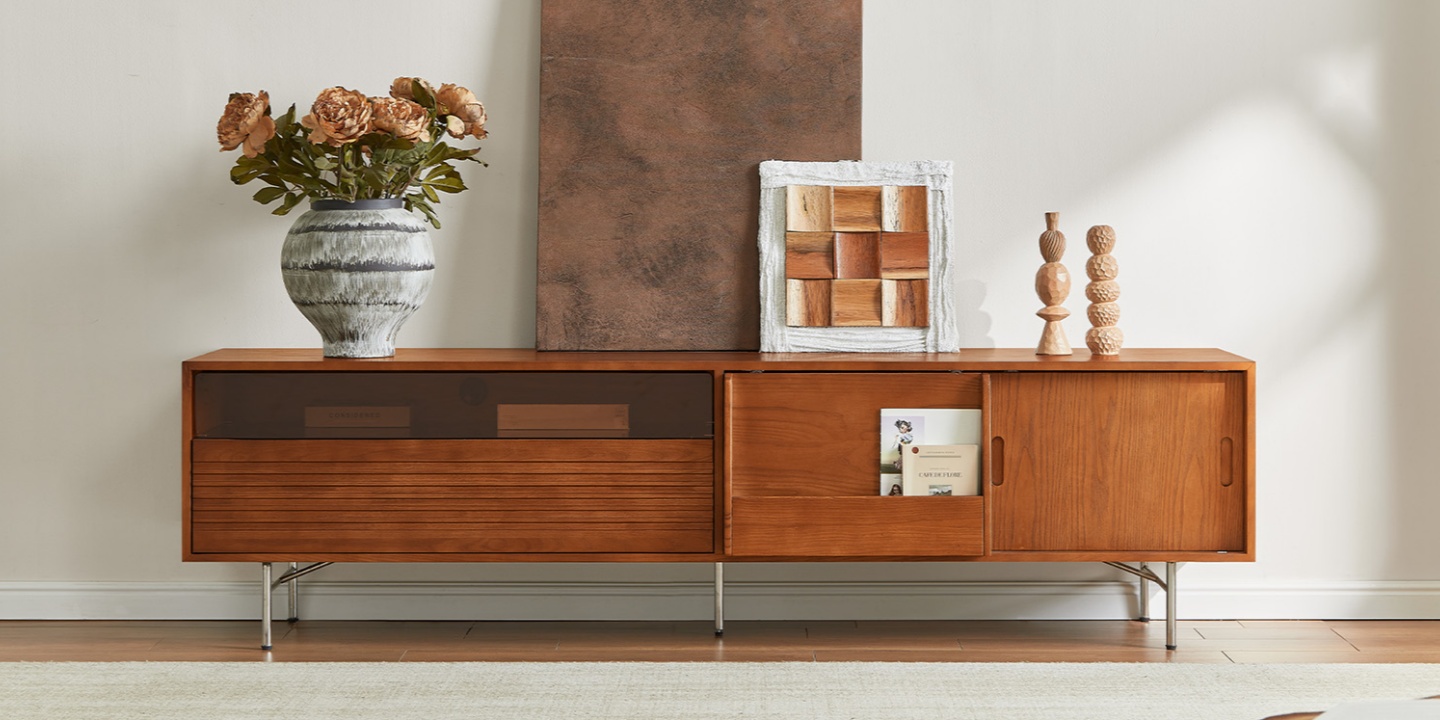
An mcm tv stand combines retro-inspired details with modern functionality. Known for natural wood finishes, tapered legs, and simple geometric shapes, this style adds warmth without making a room feel outdated.
An MCM TV stand is a great choice for homeowners who want furniture with character while maintaining a clean, timeless appearance. It pairs well with neutral sofas, textured rugs, and warm lighting, creating a balanced and inviting entertainment area.
How to Choose the Right TV Stand Size
One of the most important parts of understanding how to choose a tv stand is getting the size right.
Many buyers assume the TV size determines the TV stand size. However, TV measurements and furniture measurements work differently.
A television is measured diagonally from one corner to the opposite corner, while a TV stand is measured horizontally from left to right.
This means a 65-inch TV does not need a 65-inch TV stand.
Choosing the right size requires looking at:
TV width
TV weight
Room dimensions
Viewing distance
Surrounding furniture
Available wall space
A correctly sized TV stand creates visual balance. A stand that is too narrow can make the television appear oversized, while an excessively large console may overwhelm the room.
Interior designers often use the “visual breathing room” principle: furniture should have enough surrounding space so each piece can be appreciated.
Measure Your TV Before Choosing a Stand
Before purchasing, measure your television instead of relying only on the advertised screen size.
The most important measurements include:
TV Width
This is the actual horizontal measurement of the television.
For example:
A 55-inch TV is usually about 48 inches wide
A 65-inch TV is usually about 57 inches wide
A 75-inch TV is usually about 65–67 inches wide
The TV stand should generally extend beyond the TV on both sides.
TV Weight
Size is not the only consideration.
A large television may require stronger support depending on its construction and mounting method.
Always check:
Maximum weight capacity
Stand construction
Stability of the base
Safety should always come before appearance when selecting tv stands.
Available Room Space
Measure the area where the TV stand will be placed.
Consider:
Wall width
Walking pathways
Distance from sofa
Nearby furniture
A common mistake is buying a large console because it looks attractive online, only to discover that it makes the living room feel crowded.
When deciding how to choose a tv stand, always measure the room first.
What Is the Rule of Thumb for TV Stand?
The general rule of thumb is that your TV stand should be wider than your television.
Most designers recommend choosing a TV stand that is approximately:
6 to 12 inches wider on each side than your TV
This means the total TV stand width is usually:
12 to 24 inches wider than the television itself
For example:
55-inch TV → 60–70 inch TV stand
65-inch TV → 70–80 inch TV stand
75-inch TV → 80–90 inch TV stand
Why does this matter?
A wider TV stand provides:
Better visual proportion
More stability
Space for décor
Room for speakers or accessories
A television placed on a stand that is exactly the same width often looks cramped and visually unbalanced.
How Big Should a Stand Be for a 55-Inch TV?
A 55-inch TV is one of the most common sizes in American homes, making this an important question when researching how to choose a tv stand.
A typical 55-inch television is around 48 inches wide.
The recommended TV stand size is:
Minimum: around 55 inches wide
Ideal: 60–70 inches wide
A 60-inch TV stand usually provides a balanced appearance without taking over the room.
For apartments, a 55–60 inch console may work well.
For larger living rooms, choosing a wider 65–70 inch design can create a more luxurious look and provide additional storage.
When selecting tv stands for a 55-inch television, also consider:
Gaming devices
Decorative accessories
Cable organization
A TV stand is not just supporting the screen—it is supporting your entire entertainment setup.
How Much Larger Should a TV Stand Be Than the TV?
A common question from homeowners learning how to choose a tv stand is whether bigger is always better.
The answer is: slightly bigger is usually better.
A TV stand should generally be:
At least 12 inches wider than your TV
Ideally 12–24 inches wider depending on room size
For example:
A TV measuring approximately 48 inches wide looks more balanced on a 60-inch or wider console.
However, avoid choosing an extremely oversized stand.
A 100-inch console under a medium-sized television may make the room feel disproportionate.
The goal is harmony.
The TV, stand, sofa, coffee table, and surrounding décor should feel like one connected design.
TV Stands for a 75 Inch TV: Choosing the Right Size
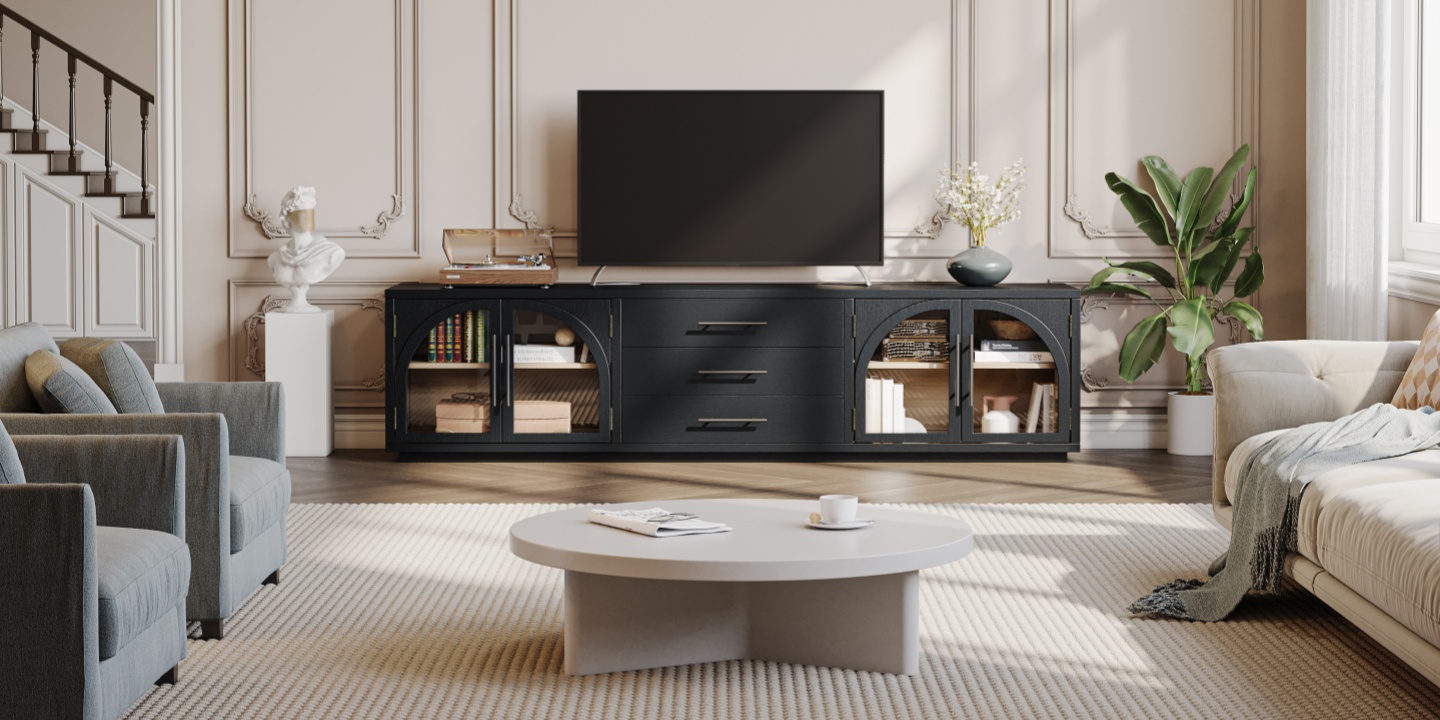
When learning how to choose a tv stand for a 75-inch TV, width is only part of the equation. Since most 75-inch TVs measure about 65–67 inches wide, experts recommend a stand that is at least 72 inches wide, with 80 inches offering the most balanced proportions. A wider console also leaves room for speakers, décor, and better airflow around your electronics.
If you're looking for a suitable option, the Valborg 80" Oak Media Console from Hernest is designed for TVs up to 85 inches, making it an excellent match for a 75-inch screen. Crafted from American solid oak and engineered wood with oak veneers, it features adjustable shelves, two rear cable cutouts for tidy wire management, and dovetail drawers for long-lasting durability.
TV Stand Height and Viewing Comfort: Avoid Common Mistakes
Many homeowners focus on width but forget height.
However, incorrect TV stand height can create neck strain and an uncomfortable viewing experience.
When thinking about how to choose a tv stand, viewing comfort should be one of your top priorities.
What Is the Ideal TV Stand Height?
The ideal height depends on your sofa height and seating position.
The general recommendation is:
The center of the TV screen should be close to your eye level when seated.
Most living room TV stands are between:
20–24 inches high for low-profile designs
24–30 inches high for standard consoles
Lower TV stands are popular in modern interiors because they create a cleaner, more relaxed appearance.
However, the perfect height depends on:
Sofa height
TV size
Viewing distance
Personal comfort
For example, a very large TV may require a slightly lower stand because the screen itself already occupies more vertical space.
How Room Size Influences TV Stand Selection
Room size directly affects which TV stand will look and function best.
Small Rooms
For apartments, bedrooms, or compact living rooms:
Choose:
Slim TV consoles
Smaller storage solutions
Avoid:
Oversized entertainment centers
Heavy visual designs
A lighter design can help the room feel more spacious.
Medium Rooms
Most standard living rooms work well with:
60–75 inch TV stands
Balanced storage
Mixed open and closed compartments
Large Rooms
Large spaces allow:
Wide media consoles
Statement furniture pieces
Larger storage systems
A spacious room can handle a wider modern tv stand without feeling crowded.
The key is proportion. Furniture should match the scale of the room.
TV Stand Materials and Features: What Should You Look For?
Once you understand size and style, the next step in learning how to choose a tv stand is evaluating materials and practical features.
A TV stand is a long-term furniture investment. Unlike decorative accessories that can easily be replaced, a quality TV stand may stay in your living room for many years. That means construction quality, durability, storage design, and daily usability matter just as much as appearance.
Many homeowners make the mistake of choosing tv stands based only on the exterior design. A piece may look attractive online, but if it cannot organize your devices, manage cables, or support your entertainment setup, it will become inconvenient over time.
A professional furniture designer typically evaluates three things:
How the piece is built
How people will use it every day
How well it fits the room visually
A beautiful TV stand should solve problems, not create new ones.
Solid Wood vs Engineered Wood TV Stands
Material selection plays a major role when deciding how to choose a tv stand.
Different materials provide different benefits, and the right choice depends on your priorities, budget, and lifestyle.
Solid Wood TV Stands
Solid wood TV stands are valued for their natural appearance and long-lasting durability.
Advantages include:
Unique wood grain patterns
Strong structural integrity
Timeless appearance
Ability to age beautifully
Wood furniture often brings warmth into living rooms because natural textures soften spaces filled with electronics and screens.
A solid wood TV stand works especially well in:
Mid-century modern interiors
Traditional homes
Warm minimalist spaces
However, solid wood pieces may require more care and can be heavier than other materials.
Engineered Wood TV Stands
Engineered wood has become increasingly popular because it offers a balance between appearance, stability, and affordability.
Benefits include:
Consistent finish
Good structural stability
Easier maintenance
More accessible pricing
Many modern tv stands use engineered materials combined with quality finishes to create durable furniture with a clean appearance.
For everyday family living rooms, engineered wood can be a practical choice because it handles normal use while maintaining a polished look.
Why Cable Management Matters
One detail many buyers overlook when researching how to choose a tv stand is cable management.
A beautiful entertainment area can quickly look messy when multiple cables are visible.
Modern entertainment setups often include:
Television power cables
Streaming devices
Gaming systems
Sound equipment
Chargers
Without proper organization, cables can create visual clutter.
Look for TV stands with:
Cable holes
Rear openings
Hidden channels
Adjustable shelving
Good cable management improves:
Appearance
Safety
Cleaning convenience
This is one reason many homeowners prefer a well-designed modern tv stand over a simple table. Modern designs often consider technology as part of the furniture experience.
Storage Features That Improve Daily Use
Storage is another major factor when deciding how to choose a tv stand.
Before purchasing, ask yourself:
What needs to be stored?
Possible items include:
Remote controls
Gaming accessories
Books
Speakers
Media devices
Blankets
Decorative objects
Different storage layouts serve different needs.
Closed Cabinets
Cabinets are ideal if you prefer a cleaner appearance.
Benefits:
Hide clutter
Protect electronics from dust
Create a more organized look
Open Shelving
Open shelves work well for:
Display items
Speakers
Frequently used devices
They create a lighter visual appearance and are common in contemporary designs.
Drawers
Drawers are useful for smaller items:
Controllers
Cables
Manuals
Accessories
A combination of drawers, cabinets, and open sections often provides the most flexibility.
For homeowners who want maximum versatility, the Aldric 84" Media Console from Hernest is a great example of how thoughtful storage design improves everyday living. Designed for TVs up to 85 inches, it combines spacious drawers, adjustable shelving, and enclosed cabinets, making it easy to organize gaming consoles, streaming devices, books, and accessories without creating visual clutter. Four rear cable cutouts help keep cords neatly hidden, while soft-close doors and precision dovetail drawers enhance long-term durability.
It demonstrates that the best tv stands don't just hold a television—they make your entertainment area more organized, functional, and visually balanced.
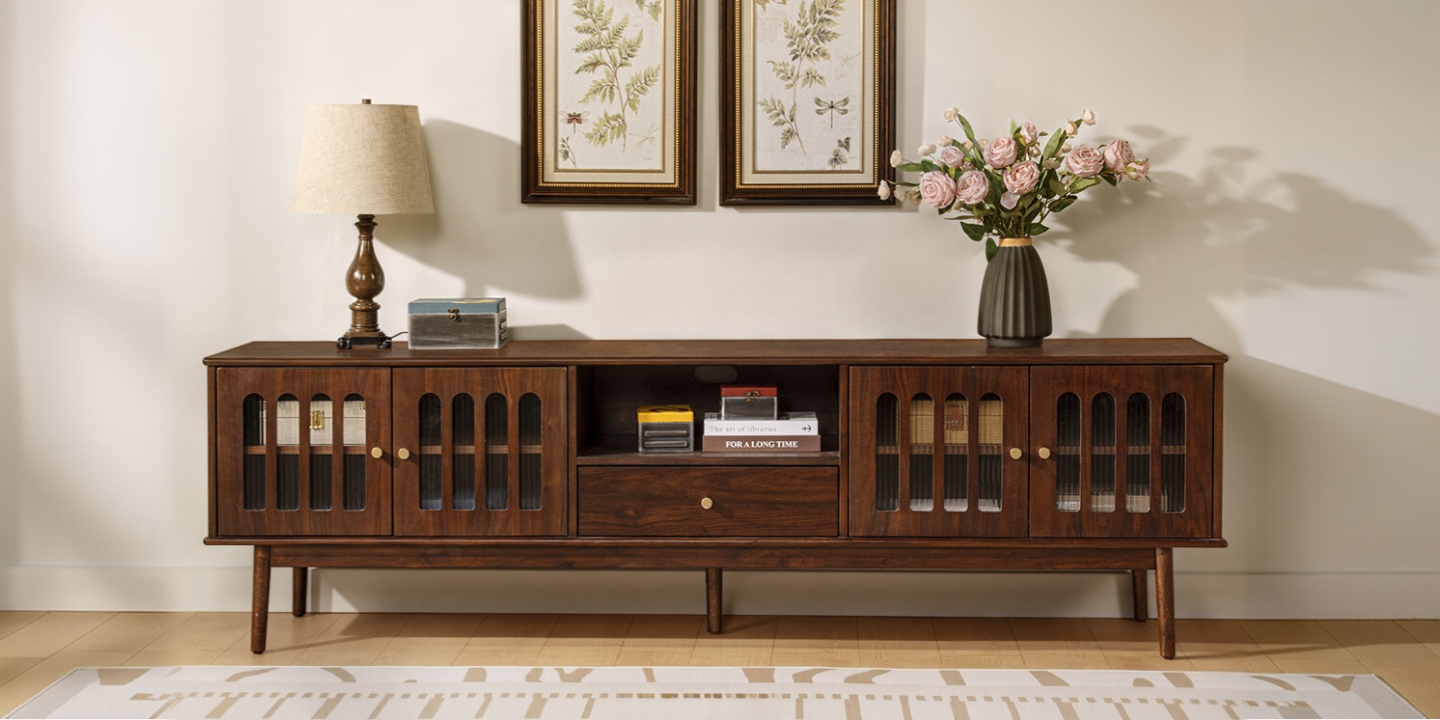
Choosing a TV Stand Color and Style for Your Living Room
After size and function, appearance becomes the next important consideration.
A TV stand occupies a large visual area, so the color and finish can significantly influence the mood of your room.
When deciding how to choose a tv stand, think about how the furniture interacts with:
Wall color
Flooring
Sofa fabric
Lighting
Existing furniture
The goal is not necessarily to match everything perfectly. Instead, create a coordinated look.
What Is the Best Color for a TV Stand?
There is no single “best” color for everyone.
The right choice depends on your interior style and the atmosphere you want to create.
Popular options include:
Black
White
Natural wood tones
Each creates a different visual effect.
Black TV Stand
A black TV stand creates a bold and sophisticated appearance.
Advantages:
Matches modern electronics naturally
Creates contrast
Adds visual depth
Works well in contemporary spaces
Black tv stands are especially popular in modern living rooms because they create a sleek entertainment area.
However, too much dark furniture in a small room may make the space feel heavier.
To balance a black TV stand, consider adding:
Light-colored walls
Natural textures
Warm lighting
White TV Stand
A white TV stand creates a clean and bright appearance.
Benefits include:
Makes rooms feel more open
Works well with minimalist interiors
Creates a fresh, modern look
White designs are often chosen for:
Apartments
Coastal-inspired spaces
Contemporary homes
However, white furniture requires more attention to maintenance because dust and marks may be easier to notice.
Natural Wood TV Stand
Natural wood tones remain one of the most timeless choices.
They provide:
Warmth
Texture
A connection to nature
Long-term design flexibility
A wood finish is especially suitable for an mcm tv stand because Mid-Century Modern design traditionally emphasizes natural materials and organic colors.
Wood TV stands pair well with:
Neutral sofas
Leather furniture
Textured rugs
Soft lighting
For many homeowners, natural wood offers the best balance between modern style and comfortable living.
How to Match a TV Stand With Existing Furniture
When learning how to choose a tv stand, do not look at the TV area separately from the rest of the room.
Your TV stand should connect visually with your existing furniture.
Consider:
Wood Tone
You do not need every wood piece to be identical, but the tones should feel intentional.
For example:
Warm oak with beige furniture creates a relaxed atmosphere.
Dark walnut with neutral upholstery creates a sophisticated look.
Hardware and Details
Small details matter.
Look at:
Door handles
Leg styles
Decorative accents
These details help create a unified room design.
Are TV Consoles Outdated? Understanding Modern Entertainment Furniture
No, TV consoles are not outdated—they've simply evolved to match today's homes and technology. While bulky entertainment centers have become less common, modern TV consoles remain a practical choice because they combine media storage, cable management, and contemporary design in one piece. They also help anchor the living room and keep streaming devices, gaming consoles, and accessories organized.
If you're learning how to choose a tv stand, don't assume a TV console is outdated. Instead, choose a design that complements your space, supports your TV size, and provides the storage you need for everyday living.
TV Stand vs Wall Mount: Which Option Is Better?
Is It Better to Mount a TV or Put It on a Stand?
The better option depends on your space, lifestyle, and storage needs. A wall-mounted TV creates a clean, minimalist look and frees up floor space, making it a popular choice for smaller rooms. However, a TV stand offers greater flexibility, built-in storage, and easier installation without drilling into the wall.
If you're deciding how to choose a tv stand, consider how you use your living room. For homes with gaming consoles, soundbars, or streaming devices, a TV stand often delivers the best balance of functionality, organization, and long-term convenience.
TV Compatibility and Safety Considerations Before Buying
Choosing the right TV stand is about more than matching your décor. Before deciding how to choose a tv stand, make sure it is compatible with your television's size, weight, and base design. A properly sized stand improves stability, protects your investment, and creates a more balanced viewing experience.
Do All TV Stands Fit All TVs?
No. Not all tv stands are compatible with every television. While most modern TVs follow standard sizing, you should always check the stand's width, depth, weight capacity, and recommended TV size before buying.
A stand that is too narrow or cannot support your TV's weight may reduce stability and affect safety.
Are There Different Types of TV Stands for Different TV Sizes?
Yes. Different types of tv stands are designed for different screen sizes and room layouts. Compact models work well for 43- to 55-inch TVs, while larger consoles are better suited for 65-, 75-, or even 85-inch TVs. Choosing the correct size not only improves safety but also creates better proportions and provides enough space for media devices, speakers, and everyday storage.
Final Thoughts: How to Choose a TV Stand That Works for Your Home
Learning how to choose a tv stand is ultimately about more than finding furniture that fits your television.
The right choice combines:
Correct size
Comfortable viewing height
Practical storage
Quality materials
Personal design style
Whether you prefer a sleek modern tv stand, a warm mcm tv stand, or a functional storage console, the best option is the one that supports your everyday life.
Before buying, measure your space, understand your needs, and choose a piece that feels balanced with the rest of your home.
A well-selected TV stand does not simply hold a screen—it creates the foundation for how your living room is experienced every day.
Frequently Asked Questions About Choosing a TV Stand
Is a TV stand a furniture?
Yes. A TV stand is a type of living room furniture designed to support a television while providing storage for media devices, accessories, and décor. Unlike a regular table, it is built with features such as cable management, shelving, and weight support for entertainment equipment.
What does a TV stand stand for?
A TV stand is designed to hold a television safely while organizing entertainment essentials such as streaming devices, gaming consoles, speakers, and cables. Modern TV stands also serve as a focal point that enhances the overall design of the living room.
What are the different types of TV stands?
The most common types of tv stands include traditional TV stands, modern TV stands, Mid-Century Modern (MCM) TV stands, floating TV stands, corner TV stands, and media consoles with storage. The best option depends on your room size, storage needs, and interior style.
What is the best color for a TV stand?
There is no single best color. Black creates a modern, sophisticated look, white makes a room feel brighter and larger, and natural wood adds warmth and timeless appeal. Choose a finish that complements your flooring, wall color, and existing furniture.
Are TV consoles outdated?
No. TV consoles remain a practical choice for modern homes. While oversized entertainment centers are less common, today's TV consoles offer streamlined designs, hidden storage, and cable management, making them ideal for smart TVs and contemporary living rooms.
What is the rule of thumb for TV stand?
A good rule of thumb is to choose a TV stand that is 12–24 inches wider than your television, leaving approximately 6–12 inches of space on each side. This improves stability, creates better visual balance, and provides room for speakers or decorative items.
How big should a stand be for a 55-inch TV?
A 55-inch TV typically pairs best with a TV stand that is 60–70 inches wide. This size provides a balanced appearance while leaving extra surface space for media devices and decorative accessories.
How much larger should a TV stand be than the TV?
For the best proportions, a TV stand should be at least 12 inches wider than the television and ideally 12–24 inches wider. A wider stand improves both safety and the overall appearance of your entertainment area.
Is it better to mount a TV or put it on a stand?
It depends on your needs. Wall mounting creates a clean, space-saving look, while a TV stand offers built-in storage, easier installation, and greater flexibility if you rearrange your furniture or move to a new home.
Do all TV stands fit all TVs?
No. Always check the TV stand's recommended TV size, weight capacity, width, and depth. A compatible stand should fully support your television and provide enough space for its base and connected devices.
What should I consider when selecting a TV stand?
When deciding how to choose a tv stand, consider your TV size, room dimensions, viewing height, storage requirements, material quality, cable management, and interior style. Choosing the right combination ensures both comfort and long-term functionality.
Are there different types of TV stands for different TV sizes?
Yes. Smaller TVs work well with compact stands, while larger screens require wider, sturdier media consoles. Selecting a stand that matches your TV size helps improve stability, viewing comfort, and overall room proportions.
What size TV stand is best for a 75 inch TV?
For a 75-inch TV, choose a TV stand that is at least 72 inches wide, with 80–90 inches being the ideal range. A wider stand provides better balance, supports larger TV bases, and offers additional space for media equipment and storage.