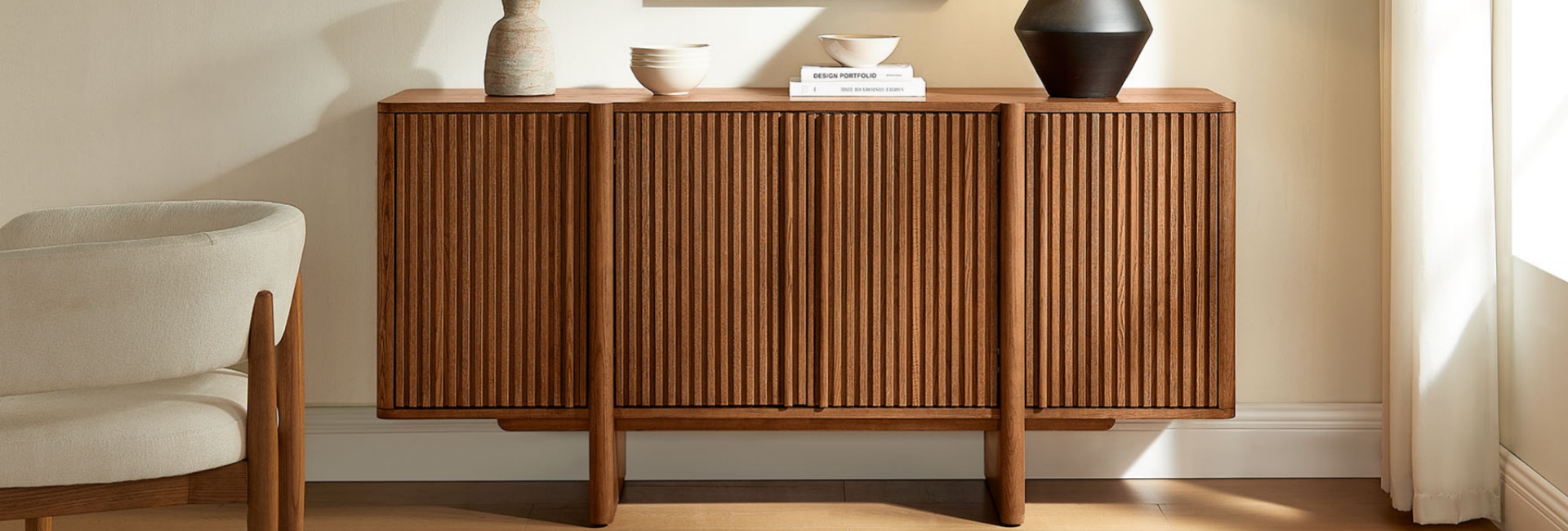
Choosing the right sideboard is not just about finding a stylish cabinet—it is about creating storage that fits your space, lifestyle, and interior design. Many homeowners wonder how to choose a sideboard, from deciding the ideal size and material to matching colors with their dining table. The wrong choice can make a room feel crowded or fail to provide enough storage. This expert guide covers everything you need to know, including sideboard dimensions, storage options, styles, and materials. Whether you prefer a modern design, a classic wood sideboard, or a timeless mid century modern sideboard, you’ll learn how to choose a sideboard that adds both function and character to your home.
Why Choosing the Right Sideboard Matters
Choosing the right sideboard is about more than adding extra storage to your home. The size, material, and design of a sideboard can directly affect how your dining room or living space looks and functions. A sideboard that is too large may make a room feel crowded, while one that is too small may not provide enough storage for your daily needs. When considering how to choose a sideboard, homeowners should focus on three key factors: proportion, purpose, and personal style. The right sideboard should offer practical storage for dishes, décor, or everyday essentials while creating visual balance with existing furniture. Whether you prefer a warm wood sideboard, a functional storage cabinet, or a timeless design, selecting carefully ensures your furniture remains useful and attractive for years.
What Is a Sideboard and Why Do You Need One?
What Is a Sideboard?
A sideboard is a low, wide storage cabinet traditionally placed in the dining room to store tableware, serving essentials, and dining accessories while providing additional surface space. Unlike ordinary cabinets, a sideboard is designed to combine practical storage with decorative appeal, making it an important part of a well-organized dining area.
When considering what is a sideboard, think of it as a furniture piece that supports the way you use your dining room. It typically includes drawers, cabinets, or shelves for storing items such as:
A well-designed sideboard keeps dining essentials within easy reach while helping maintain a clean and balanced space.
How Sideboards Improve Modern Home Functionality
Modern dining rooms often need furniture that provides both storage and style. A practical sideboard helps reduce clutter by creating a dedicated place for dinnerware, seasonal serving pieces, and everyday dining items.
For example, a family that frequently hosts gatherings may benefit from a larger cabinet-style sideboard, while a smaller dining area may work better with a compact design featuring drawers. Choosing the right storage layout ensures the furniture matches your lifestyle.
When learning how to choose a sideboard, focus on more than appearance. The ideal piece should complement your dining table, fit your available space, and provide convenient storage that improves how your dining room functions every day.
Understand Different Types of Sideboards Before Buying
Choosing the right sideboard starts with understanding how different styles fit your dining room, storage needs, and overall interior design. The most popular types of sideboards range from traditional designs with decorative details to modern silhouettes and timeless mid century modern sideboard styles.
Traditional Sideboards
Traditional sideboards are known for their classic appearance and handcrafted details. They often feature rich wood finishes, framed doors, decorative hardware, and elegant proportions. This style works especially well in dining rooms that include classic dining tables, upholstered chairs, or vintage-inspired décor.
Modern Sideboards
Modern sideboards focus on balanced proportions, practical storage, and a refined appearance. They typically feature smooth surfaces, streamlined shapes, and versatile finishes that work well in today’s dining spaces.
Mid Century Modern Sideboard (MCM Sideboard)
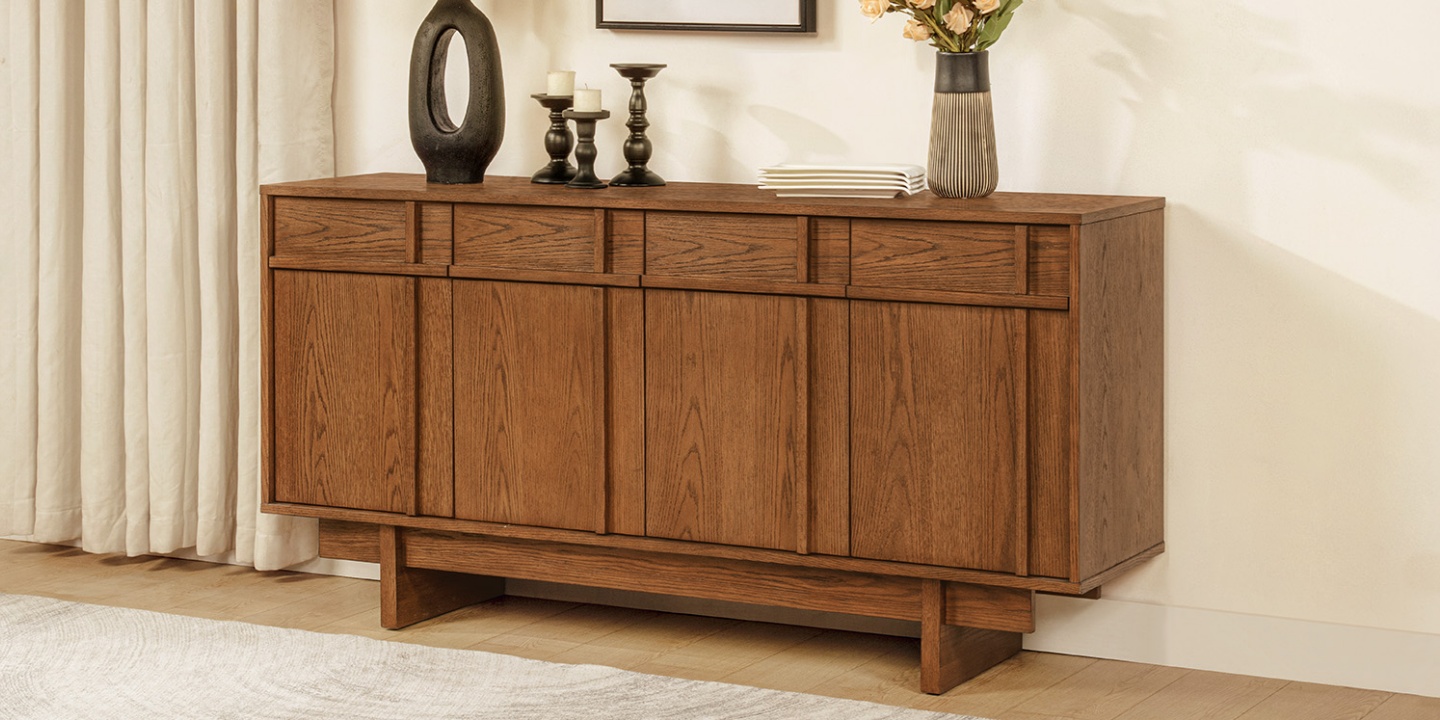
A mid century modern sideboard remains one of the most sought-after choices because it combines vintage inspiration with everyday functionality. Also called an mcm sideboard, this style is recognized by natural wood textures, clean horizontal lines, rounded details, and thoughtful craftsmanship.
Unlike trend-based furniture, an MCM sideboard creates warmth and character that can complement both classic and contemporary dining rooms. Natural oak finishes, wood grain patterns, and simple silhouettes are key features that make this style timeless.
For example, the Rolf 63" Oak Sideboard reflects the essence of mid century design with its solid oak fluted detailing, rounded edges, and warm natural texture. Crafted with American solid oak, oak veneers, and engineered wood, its wire-brushed finish highlights the wood grain while soft-close hinges and adjustable shelves provide practical dining room storage.
When exploring how to choose a sideboard, an MCM design is an excellent option for homeowners looking for a balance of style, durability, and long-term appeal.
How to Choose the Right Sideboard Size for Your Space
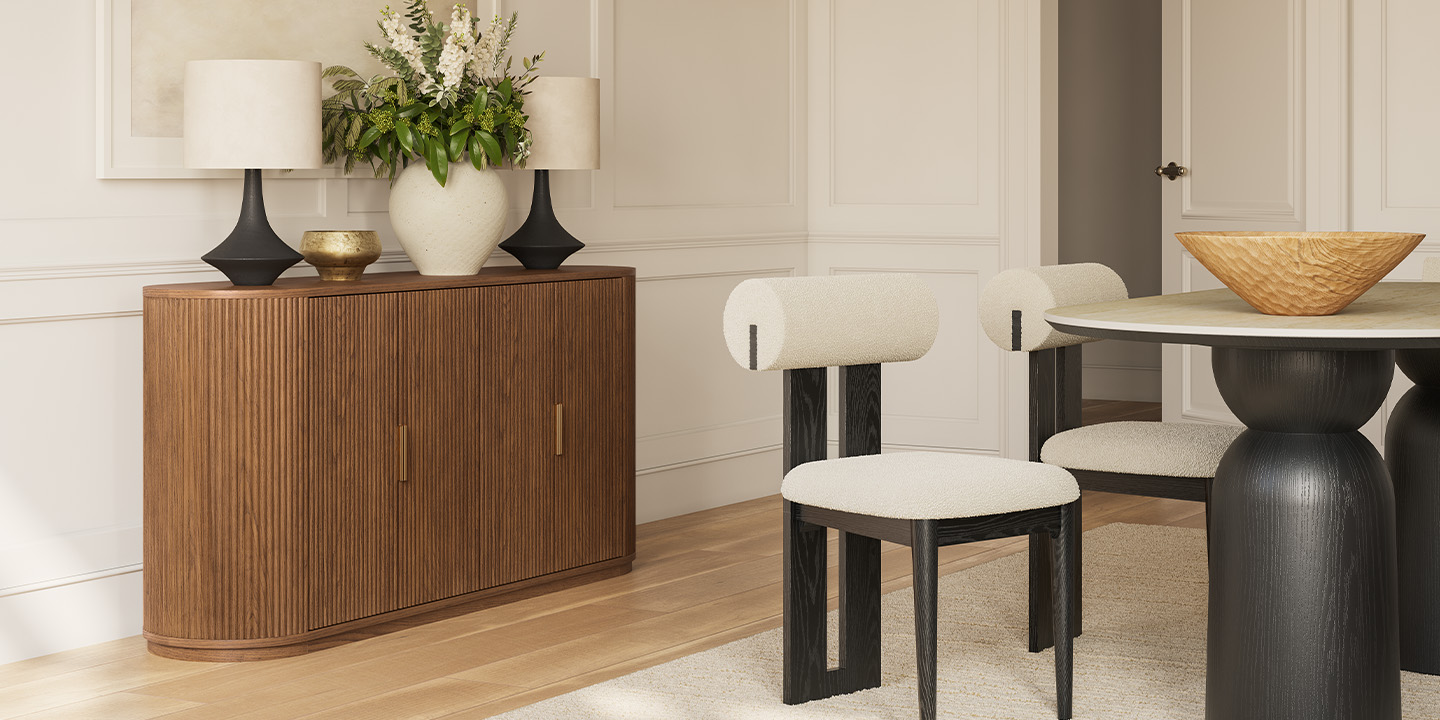
Size is one of the biggest factors when learning how to choose a sideboard.
Many furniture mistakes happen because shoppers fall in love with a design before measuring their space.
A beautiful sideboard that does not fit properly will never look right.
Measure Your Available Space First
Before buying any sideboard, measure the area where you plan to place it.
You should record:
Wall width
Available floor space
Ceiling height
Walking clearance
Nearby furniture dimensions
A sideboard should feel intentional, not squeezed into the room.
Interior designers typically recommend maintaining around 36 inches of walking clearance in dining areas to allow comfortable movement.
Also consider practical details:
Can cabinet doors open fully?
Can drawers extend without hitting chairs?
Is there enough space for people to move around?
The best approach to how to choose a sideboard is simple: measure first, shop second.
How Big Should a Sideboard Be Compared to a Dining Table?
One of the most common questions homeowners ask when learning how to choose a sideboard is whether the sideboard size should match the dining table.
The answer is: it should complement the table, not necessarily be identical.
A sideboard that is too small may look disconnected, while one that is significantly larger than the dining table can overpower the room.
As a general interior design guideline:
A sideboard should usually be similar in width to the dining table or slightly shorter.
The sideboard should not dominate the dining area.
The visual weight of both pieces should feel balanced.
For example:
A 60-inch dining table often pairs well with a 55–60 inch sideboard.
A large 84-inch dining table may require a wider sideboard to maintain proportion.
However, room size matters more than following a strict formula. A spacious open dining area can handle a larger sideboard, while a compact apartment may require a narrower design.
When considering how to choose a sideboard, always evaluate the relationship between the furniture pieces around it. The goal is not perfect matching but visual harmony.
Common Sideboard Sizes and Dimensions
Understanding standard sideboard sizes and dimensions is an important step when learning how to choose a sideboard. The right size should provide enough storage while maintaining comfortable movement and visual balance in your dining room. Before buying, always measure your wall space, dining table width, and walking clearance to avoid choosing a piece that feels too large or too small.
Small Sideboards
Small sideboards are ideal for limited spaces where extra storage is needed without overwhelming the room. They usually measure 40–55 inches wide and work well for storing everyday dining essentials such as table linens, utensils, and small serving items.
Standard Sideboards
Standard sideboards, typically 55–72 inches wide, are the most common choice for dining rooms. They offer a practical balance between storage capacity and proportion, making them suitable for dinnerware, glassware, and decorative displays.
Large Sideboards
Large sideboards are designed for spacious dining areas and homeowners who need maximum storage. Measuring 72 inches or wider, they create a strong focal point while providing generous cabinet and drawer space. However, always consider room proportions to ensure the sideboard enhances rather than crowds the space.
How to Choose Sideboard Storage Based on Your Needs
When learning how to choose a sideboard, storage design is just as important as appearance. The best sideboard should match what you actually need to store in your dining room, from everyday tableware to seasonal serving pieces. Before choosing a style, consider whether you need hidden storage, easy access, or display space.
Sideboards With Drawers
A sideboard with drawers is ideal for organizing smaller dining accessories. Drawers keep items neatly separated and easy to reach, making them perfect for storing utensils, table linens, and frequently used dining essentials. A three-drawer sideboard is a popular option because it provides practical organization without taking up excessive space.
Sideboards With Cabinets
Cabinet storage offers more room for larger items and helps keep the dining area looking organized. These sideboards are ideal for storing dinnerware, serving trays, cookware, and special occasion pieces that are not used every day. Closed cabinets are especially useful for homeowners who prefer a clean appearance.
Sideboards With Open Shelving
Open shelving creates a lighter, more decorative look while allowing easy access to displayed items. It works well for showcasing artwork, plants, glassware, or carefully selected décor. However, because everything remains visible, it requires more frequent organization and cleaning. When deciding how to choose a sideboard, select storage that fits both your lifestyle and dining habits.
How to Choose the Best Sideboard Material
Material selection is another important factor when learning how to choose a sideboard.
The material affects:
Durability
Appearance
Maintenance
Price
Long-term value
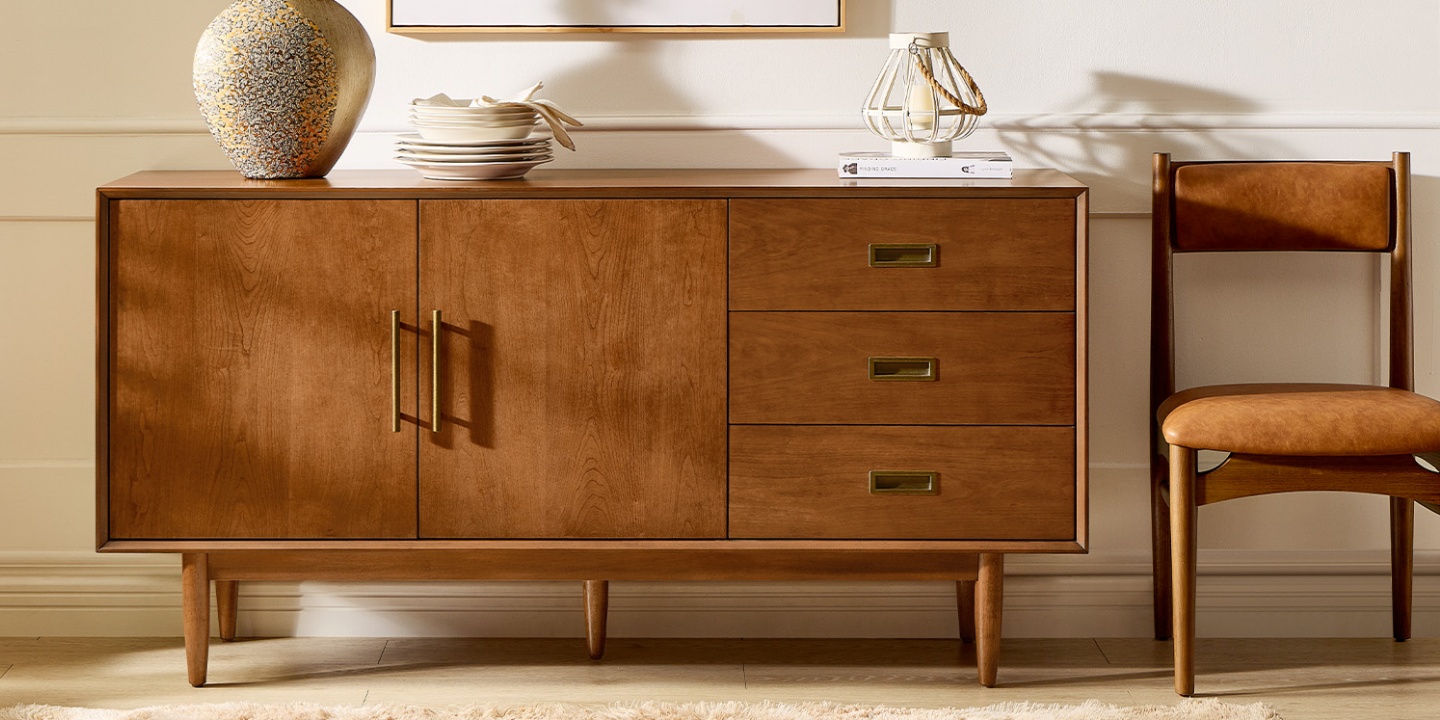
Among all options, wood remains one of the most popular choices because it provides warmth, strength, and timeless appeal.
Is Wood the Best Material for Sideboards?
For many homeowners, a wood sideboard is one of the best choices because natural wood offers a combination of beauty and durability that is difficult to replicate.
A quality wood sideboard provides:
Natural Character
Every piece of wood has unique grain patterns, creating furniture with individual personality.
Long-Term Durability
Well-made wooden furniture can last for many years when properly maintained.
Design Flexibility
Wood works with many interior styles, including:
Modern
Traditional
Mid century modern
A solid wood sideboard is especially attractive for buyers who want furniture that feels substantial and premium.
However, not every wood sideboard is the same. Buyers should consider:
Type of wood
Construction method
Finish quality
How to Choose Sideboard Color for Your Home
Color selection is often where homeowners feel uncertain. A sideboard occupies a large visual area, so the wrong color can affect the entire room.
When researching how to choose a sideboard, remember that color should support your existing design rather than compete with it.
Should the Sideboard Be the Same Color as the Dining Table?
Many homeowners wonder:
“Should my sideboard match my dining table exactly?”
The answer is no.
Modern interior design does not require every furniture piece to have the same finish.
In fact, mixing materials and colors often creates a more sophisticated look.
For example:
A walnut dining table can pair beautifully with a black sideboard.
A light oak table can work well with a natural wood sideboard.
A white dining space can be balanced with a darker storage cabinet.
Matching everything perfectly can sometimes make a room feel overly coordinated.
Instead, designers often recommend choosing complementary tones.
The goal when deciding how to choose a sideboard is creating connection, not duplication.
How to Pick Sideboard Color?
Choosing the right color depends on several factors.
Consider Existing Furniture
Look at:
Dining table finish
Flooring color
Wall tones
Lighting conditions
A sideboard should feel like part of the room.
Consider Room Size
Light colors can make small spaces feel larger.
Popular choices include:
White
Natural oak
Light beige
Dark finishes create:
Depth
Elegance
Contrast
Examples:
Walnut
Espresso
Black
Consider Your Interior Style
Different colors create different moods.
Modern interiors often work well with:
Neutral finishes
Matte surfaces
Simple tones
Mid century interiors often favor:
Warm wood shades
Walnut tones
Natural finishes
The best approach to how to choose a sideboard is selecting a color you can enjoy for years rather than following a short-term trend.
How to Match a Sideboard With Your Interior Style
A sideboard should not feel like an isolated purchase. It should connect with your existing furniture and create a cohesive room.
Sideboard Ideas for Modern Homes
Modern homes benefit from sideboards with:
Clean silhouettes
Minimal decoration
Functional storage
Neutral finishes
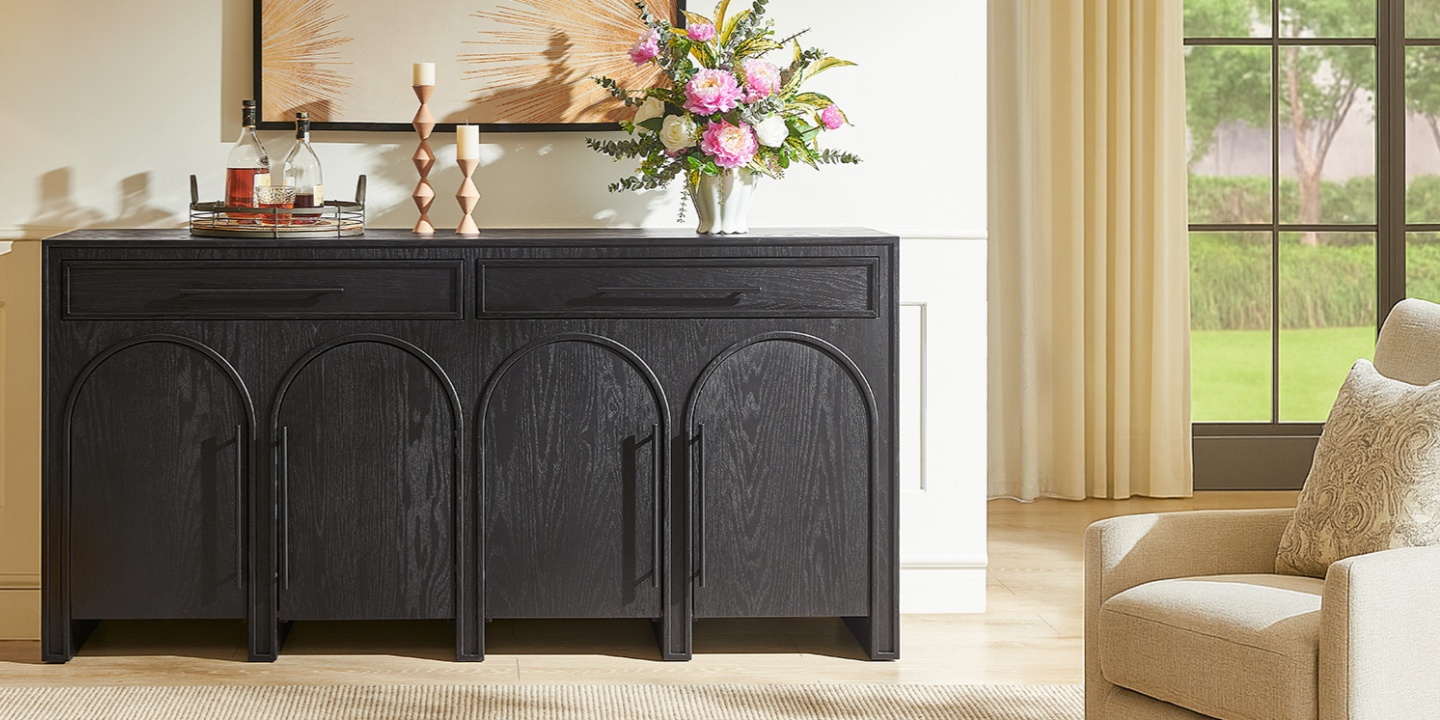
A modern sideboard can become a visual anchor behind a dining table or sofa.
To style it:
Add a statement lamp
Place artwork above it
Use plants for natural texture
Keep decorations balanced
Avoid filling every inch of the surface. Empty space helps furniture look more intentional.
Styling a Mid Century Modern Sideboard
A mid century modern sideboard is popular because it naturally creates a stylish focal point.
When styling an mcm sideboard, focus on simplicity.
Recommended décor:
Ceramic vases
Vintage-inspired lamps
Green plants
Framed artwork
Books
The key is maintaining the clean design philosophy behind mid century furniture.
Avoid excessive decoration. The beauty of an mcm sideboard comes from its shape, wood texture, and craftsmanship.
Common Mistakes When Buying a Sideboard
Buying a sideboard is an investment in both storage and home design, but many homeowners make decisions based only on appearance and later discover the furniture does not fit their space or lifestyle. Understanding common mistakes is an important part of learning how to choose a sideboard. A well-selected piece should provide the right balance of size, function, and style while supporting your daily needs.
Choosing Style Before Measuring Space
One of the most common mistakes is falling in love with a design before checking whether it fits the dining room. A large sideboard may look impressive but can make a smaller dining area feel crowded. Before purchasing, measure your available wall space, dining table size, and walking clearance. The right proportion ensures the furniture feels natural within the room.
Ignoring Storage Requirements
A stylish cabinet is not useful if it cannot store the items you need. Many buyers overlook their actual storage habits and later find that drawers are too small or cabinets cannot fit larger dinnerware. When considering how to choose a sideboard, think about what you plan to store, such as plates, serving pieces, table linens, or decorative items.
Buying Based Only on Appearance
Design matters, but appearance should not be the only deciding factor. A quality sideboard should also offer durable materials, reliable hardware, and practical storage. For example, a solid wood sideboard may provide better long-term value because of its strength and natural character. Choosing furniture based on both beauty and performance helps ensure it remains functional and attractive for years.
How Much Should You Spend on a Quality Sideboard?
The cost of a quality sideboard depends on factors such as material, size, craftsmanship, storage features, and overall construction. When learning how to choose a sideboard, it is important to focus on long-term value rather than choosing the lowest price option. A well-made piece can provide reliable storage and maintain its appearance for many years.
A wood sideboard or solid wood sideboard often costs more because of its durability, natural texture, and timeless appeal. However, the best choice depends on how you use the furniture. If the sideboard will store everyday dining essentials or become a focal point in your dining room, investing in better materials and construction can offer greater value over time.
Before purchasing, consider the frequency of use, required storage capacity, and how well the design fits your home. A quality sideboard should not only look attractive on the first day but also remain functional and stylish for years.
Find the Right Sideboard for Your Home With Hernest
Choosing the perfect sideboard does not have to be overwhelming.
The best choice comes from understanding your personal needs:
How much storage do you need?
What size works with your room?
Which material fits your lifestyle?
What design matches your home?
Whether you prefer a warm wood sideboard, a practical storage cabinet, or a timeless mid century modern sideboard, the right piece should combine function and personality.
Hernest focuses on furniture designs that balance modern living with timeless aesthetics. A thoughtfully designed sideboard can help organize your home while adding character to your dining room, living space, or entryway.
Before making a purchase, remember the key principles of how to choose a sideboard:
Measure your space first.
Choose storage based on your lifestyle.
Select materials that match your durability needs.
Pick a style that complements your existing décor.
Invest in quality that will continue to look beautiful over time.
A sideboard is not just another cabinet. It is a piece of furniture that shapes how your home functions every day.
Frequently Asked Questions About Choosing a Sideboard
What is a sideboard?
A sideboard is a low, wide storage cabinet traditionally placed in the dining room to store dinnerware, serving pieces, table linens, and other dining essentials. It usually includes drawers, cabinets, or shelves while providing a surface area for décor, lamps, or serving items. Today, sideboards are valued for combining practical storage with stylish design, making them a functional addition to many dining spaces.
What are the different types of sideboard styles?
The most common types of sideboards include traditional, modern, farmhouse, contemporary, and mid century modern sideboard styles. Traditional sideboards feature classic details and rich finishes, while modern designs focus on clean shapes and practical storage. A mcm sideboard typically includes natural wood tones, tapered legs, and simple lines, making it a popular choice for homeowners who want timeless style with everyday functionality.
Are wooden sideboards outdated?
No, wooden sideboards are not outdated. A wood sideboard remains popular because it adds warmth, durability, and natural character to a dining room. From classic interiors to contemporary spaces, wood furniture continues to work well because of its timeless appearance. A well-crafted solid wood sideboard can also provide long-lasting value when properly maintained.
Should the sideboard be the same color as the dining table?
No, the sideboard does not need to match the dining table exactly. Modern interior design often combines different finishes to create a more layered look. Instead of choosing identical colors, consider coordinating wood tones, materials, or overall style. For example, a natural wood table can pair well with a darker or contrasting sideboard.
How to pick sideboard color?
When choosing a sideboard color, consider your dining table, flooring, wall color, lighting, and existing furniture. Light finishes can make smaller dining rooms feel more open, while darker tones can add depth and contrast. Natural wood colors are versatile because they complement many interior styles. The best color choice should support your room’s overall atmosphere and remain appealing over time.
What are the common sizes and dimensions for 3-drawer sideboards?
Most 3-drawer sideboards typically measure:
Width: 55–72 inches
Height: 30–36 inches
Depth: 18–22 inches
These dimensions provide a good balance between storage capacity and room proportion. A three-drawer design is ideal for organizing smaller dining essentials such as cutlery, napkins, and table accessories while keeping the surface clean and functional.
What is the difference between a sideboard and a buffet?
A sideboard and a buffet are very similar and are often used interchangeably today. Traditionally, buffets were mainly associated with serving food in dining rooms, while sideboards focused more on storage and display. Both provide cabinet space and surface area, so the difference is usually based on design style and intended use rather than function.
How tall should a sideboard be?
Most sideboards are between 30 and 36 inches tall, which is considered a comfortable height for dining room storage. This range allows easy access to drawers and cabinets while providing a practical surface for decorations, artwork, or serving dishes. The ideal height also depends on your dining table height and room layout.
How do I choose the right sideboard size for my dining room?
To choose the right size, measure your available wall space first and consider your dining table dimensions. A sideboard should complement the table without making the room feel crowded. As a general guideline, choose a sideboard that is similar in width to the dining table or slightly shorter, while leaving enough walking space around the furniture.
Is a solid wood sideboard worth buying?
A solid wood sideboard can be worth buying if you want durability, natural beauty, and long-term value. Solid wood offers unique grain patterns, strong construction, and a timeless appearance that can work with many interior styles. While it may require a higher initial investment, quality materials can help the furniture remain functional and attractive for years.
Where should you place a sideboard?
A sideboard is traditionally placed against a wall in the dining room, often near the dining table for convenient access to tableware and serving items. It can also be positioned along an empty wall or under artwork to create a balanced focal point. The best placement should provide storage while allowing comfortable movement around the room.
How do you style a mid century modern sideboard?
To style a mid century modern sideboard, focus on keeping the surface balanced and highlighting its natural materials and clean design. Popular styling ideas include adding:
A ceramic vase
A table lamp
Green plants
Framed artwork
A few decorative books
Avoid overcrowding the surface. The beauty of an mcm sideboard comes from its warm wood texture, simple silhouette, and carefully considered proportions. A few thoughtfully chosen accessories can enhance the design without hiding the furniture’s craftsmanship.