If you’ve ever stood in front of a dresser tugging on a stuck drawer and wondering whether you’re about to break something, you’re not alone. Learning how to remove dresser drawers safely is one of those small home skills that saves time, frustration, and often a costly repair.
The truth is simple: most drawer damage doesn’t happen during everyday use—it happens when someone pulls too hard without understanding the slide system inside. This guide breaks down real-world, field-tested methods used by furniture installers and repair technicians so you can confidently figure out how to get drawers out of a dresser, no guesswork, no damage.
Before You Remove a Dresser Drawer
Before learning how to remove dresser drawers, it’s important to prepare properly. Most problems happen because people skip this step.
Empty the Drawer Completely
Always remove everything inside the drawer first. Even a small amount of weight changes how the slide behaves and can cause it to bind mid-track. Installers often say a loaded drawer is “half-locked by gravity.”
If you are trying to understand how to get drawers out of a dresser, start here—weight is the first obstacle.
Gather Simple Tools (If Needed)
In most modern furniture, tools are not required. However, having a few basics helps:
Flathead screwdriver (for older stops)
Flashlight (for hidden clips)
Soft cloth (to protect surfaces)
Many users searching how to remove dresser drawers with side slides are surprised to learn that modern systems are designed for tool-free removal.
Inspect the Drawer Before Pulling
Take 10 seconds to observe:
Are there metal rails on the side?
Is there a soft-close mechanism?
Do you see plastic clips underneath?
Does it feel “locked” at the end?
According to furniture hardware specialists, over 60% of drawer issues happen because users skip identification and force the pull too early.
Identify Your Drawer Slide Before Removing It
Understanding the slide type is the foundation of how to remove dresser drawers safely.
Side-Mount Ball Bearing Slides
These are the most common modern slides:
Metal rails on both sides
Smooth glide
Often include release levers
If your dresser has these, you are likely dealing with how to remove dresser drawers with side slides.
Roller Slides
Plastic wheels
Budget or lightweight furniture
Usually stop before full extension
These are common in entry-level dressers.
Wooden Drawer Slides
Found in older or traditional furniture
Wood-on-wood friction system
No mechanical release
Knowing this is essential for how to get drawers out of a dresser safely in older homes.
Center-Mount Slides
Single rail underneath
Often hidden
Less stable under heavy load
Hidden (Undermount) Drawer Slides
These are modern and sleek:
Invisible from the sides
Found in soft-close systems
Require clip release underneath
If you are learning how to remove drawer from cabinet systems, this is the most misunderstood type.
Soft-Close Drawer Systems
Soft-close mechanisms resist sudden pulling. They include dampers that must disengage properly before removal.
How to Remove Dresser Drawers Step by Step
Removing dresser drawers is not a “one-size-fits-all” task. In real-world furniture use, every drawer system behaves differently depending on its slide mechanism, build quality, and age. Understanding how to remove dresser drawers correctly helps you avoid bent rails, broken clips, or jammed tracks—issues that often happen when users force a stuck drawer.
Below is a practical, field-tested breakdown used by furniture installers and repair technicians to safely handle different drawer systems.
How to Remove Dresser Drawers with Side Slides
Side-mounted metal slides are common in modern furniture and often include a quick-release mechanism. If you are learning how to remove dresser drawers with side slides, this is the most straightforward type—but only if you know where to press.
Steps:
Pull the drawer fully open until it stops.
Look on both sides for thin metal levers.
Push one lever upward and the other downward at the same time.
Keep the drawer level to avoid binding the rails.
Pull straight outward to remove the drawer.
Pro tip: Installers often note that uneven pressure is the #1 cause of bent ball-bearing rails. Always support both sides equally.
How to Remove Roller Slide Drawers
Roller slides are simpler but less stable than metal ball-bearing systems. Many users searching how to get drawers out of a dresser with roller systems are dealing with older or budget furniture.
Steps:
Pull the drawer out as far as it naturally extends.
Slightly lift the front edge of the drawer.
Clear the built-in plastic stop.
Slide the drawer forward gently.
Example: If your drawer stops halfway and feels “blocked,” it is usually the safety stopper engaging—not damage.
How to Get Drawers Out of a Dresser with Wooden Slides
Wooden runners are common in vintage furniture. These rely entirely on friction, which means humidity and wood expansion play a big role.
Steps:
Pull the drawer slowly outward.
Gently lift the front edge upward.
Wiggle side-to-side if resistance increases.
Avoid forcing—wood slides can crack under pressure.
In many homes, seasonal humidity changes can make how to get drawers out of a dresser significantly harder during summer months due to wood swelling.
How to Remove Drawer from Cabinet with Hidden Tracks
Hidden (undermount) tracks are often the most confusing for homeowners searching how to remove drawer from cabinet systems.
Steps:
Fully extend the drawer.
Look underneath for locking clips (usually near the back).
Press both clips simultaneously.
Lift the front slightly.
Pull straight out while maintaining balance.
These systems are designed for stability, not quick removal, so patience is key.
How to Remove Soft-Close Drawers
Soft-close systems use dampers that resist sudden movement, which is why users often think the drawer is “stuck.”
Steps:
Extend the drawer fully.
Locate the soft-close release mechanism under the slides.
Disengage both sides evenly.
Slowly pull the drawer outward.
Never force a soft-close drawer. Doing so can damage the hydraulic damper system and permanently reduce smooth operation.
Quick Comparison Table
This structured approach ensures you understand how to remove dresser drawers safely without damaging slides, whether you’re dealing with modern metal systems or older wooden constructions.
How to Remove a Drawer That Won't Come Out
A stuck drawer is one of the most frustrating furniture problems in any home. In most cases, the issue is not damage—it’s a mechanical or alignment problem inside the slide system. When learning how to remove dresser drawers, understanding why it won’t move is more important than forcing it.
Below are the most common real-world causes and fixes used by furniture technicians.
Check for Hidden Locking Tabs
Modern drawers often include invisible locking mechanisms that prevent accidental removal.
Look under both sides of the drawer rail
Feel for small plastic or metal tabs
Press or slide both tabs at the same time
Example: Many side-mounted systems will feel completely “stuck” even when fully extended, but the lock is still engaged.
If you are figuring out how to remove dresser drawers, this step is the most commonly missed.
Look for Built-In Safety Stops
Safety stops are designed to prevent drawers from falling out.
These stops activate near full extension
You may feel a hard “wall” when pulling
Do not force past this point
In many cases, users trying how to get drawers out of a dresser mistakenly think the drawer is broken when it is simply locked by design.
Remove Dirt and Debris First
Even small debris can block full movement.
Common obstructions include:
dust buildup
pet hair
loose screws
small objects (coins, paper clips)
A quick inspection with a flashlight often solves what feels like a mechanical failure.
Check for Bent Slides
Misalignment is another major cause of stuck drawers.
If you are learning how to remove dresser drawers with side slides, even slight bending can prevent release levers from disengaging properly.
When a Screw Is Blocking the Slide
Loose or shifted screws inside the cabinet frame can physically block drawer movement.
What to check:
mounting screws inside the rail
screws protruding into the track
shifted hardware after heavy use
Field example: In many home repairs, a single loosened screw can stop full extension by just a few millimeters—enough to feel like a “jammed” drawer.
Quick Diagnostic Table
In most cases, a drawer that won’t come out is not broken—it is simply telling you there is a mechanism, obstruction, or alignment issue that must be addressed before you continue learning how to remove dresser drawers safely.
Common Mistakes That Damage Drawer Slides
When learning how to remove dresser drawers, most damage doesn’t come from the drawer itself—it comes from incorrect handling. In real-world furniture repairs, these small mistakes are what bend rails, break clips, and shorten slide lifespan.
Pulling Too Hard
Force is the fastest way to damage a drawer system. Many users assume resistance means “stuck,” but it often means a locking mechanism is still engaged. Pulling harder can bend metal slides or detach rollers.
Lifting at the Wrong Angle
Drawer slides are designed for straight motion. Lifting one side higher than the other creates uneven pressure on the track, causing misalignment or rail separation.
Forgetting to Support Heavy Drawers
Heavy drawers (especially filled with clothes or tools) place stress on ball-bearing slides. Without proper support, the front drops suddenly, damaging connectors.
Using Tools on Plastic Release Clips
Plastic clips are designed for finger pressure only. Using screwdrivers or metal tools often cracks the locking mechanism, making reinstallation impossible.
Forcing Soft-Close Mechanisms
Soft-close systems include hydraulic dampers that resist sudden movement. Forcing them can permanently damage the damping unit, causing uneven sliding or complete failure.
Quick Risk Summary
In practice, mastering how to remove dresser drawers is less about strength and more about reading the mechanism correctly. A controlled, level pull almost always prevents damage and ensures smooth removal every time.
How to Reinstall the Drawer Correctly
Reinstalling a drawer is just as important as learning how to remove dresser drawers. Poor alignment can cause sticking, rail damage, or uneven sliding, especially in everyday home use.
Align the Rails
Start by matching both drawer rails with the cabinet tracks. Hold the drawer level and ensure both sides enter simultaneously. Even a small height difference can cause misalignment.
Slide Slowly Until It Clicks
Push the drawer inward with steady, even pressure. Most modern systems will produce a soft “click” once the locking mechanism engages. Do not force it—if resistance appears, stop and realign.
Test Drawer Movement
Open and close the drawer fully to confirm smooth operation. It should glide evenly without scraping or tilting. If movement feels uneven, recheck rail alignment immediately.
Quick Check Table
Proper reinstallation ensures the drawer performs correctly after maintenance and prevents future issues when you next need to learn how to remove dresser drawers safely.
When Drawer Slides Should Be Replaced Instead of Removed
Not every stuck drawer issue can be solved by learning how to remove dresser drawers. In real-world repairs, some slide problems indicate structural failure rather than temporary blockage. Knowing when to replace components saves time and prevents repeated damage.
Bent Metal Rails
Bent rails disrupt smooth motion and often cause scraping or tilting.
Even slight deformation prevents proper alignment.
Example: If the drawer drifts downward on one side, the rail is likely warped beyond adjustment and should be replaced.
Broken Plastic Release Tabs
Release tabs are essential for detaching modern drawers. Once cracked or missing, the mechanism cannot lock or release correctly.
Drawer may get stuck permanently
Reinstallation becomes unstable
Worn Ball Bearings
Ball-bearing slides degrade over time due to friction and dust buildup.
Soft-Close Mechanism Failure
Soft-close systems rely on internal dampers. When they fail, the drawer may slam shut or resist opening entirely.
In such cases, repeated attempts at how to remove dresser drawers will not solve the issue—the mechanism itself must be replaced.
When these failures appear, replacement is more effective than continued removal attempts, ensuring long-term stability and smoother operation.
Prevent Future Drawer Problems
Preventing issues is the most effective way to avoid repeatedly learning how to remove dresser drawers. With simple maintenance habits, most drawer failures—like sticking, misalignment, or rail damage—can be avoided entirely.
Clean Drawer Slides Regularly
Dust and debris are the leading causes of friction inside drawer systems.
Wipe metal rails every 6–12 months using a dry cloth.
Example: A thin layer of dust can feel like a “jammed track,” even when the mechanism is intact.
Avoid Overloading Drawers
Excess weight puts constant stress on slides and mounting points.
Keep weight balanced to maintain smooth motion.
Lubricate Only When Recommended
Not all slides need lubrication. Over-lubricating can attract dust and worsen performance. Only apply product if the mechanism feels dry or noisy.
Check Hardware Every Year
A quick annual inspection helps catch loose screws, worn bearings, or misaligned rails before they turn into full removal problems.
In most homes, this 10-minute check prevents future need for emergency how to remove dresser drawers troubleshooting.
Choosing a Better Dresser for Easier Maintenance
Choosing the right dresser isn’t just about style—it directly affects how easily you can perform maintenance and handle tasks like how to remove dresser drawers in the future. A well-built structure reduces friction issues, misalignment, and long-term hardware failure.
Features That Make Drawer Removal Easier
Look for construction details that simplify long-term care and safe drawer handling:
Full-extension or soft-close slides for controlled movement
Dovetail drawer joints for structural stability
Kiln-dried solid wood or reinforced frames to prevent warping
Anti-tip hardware for safer handling during removal
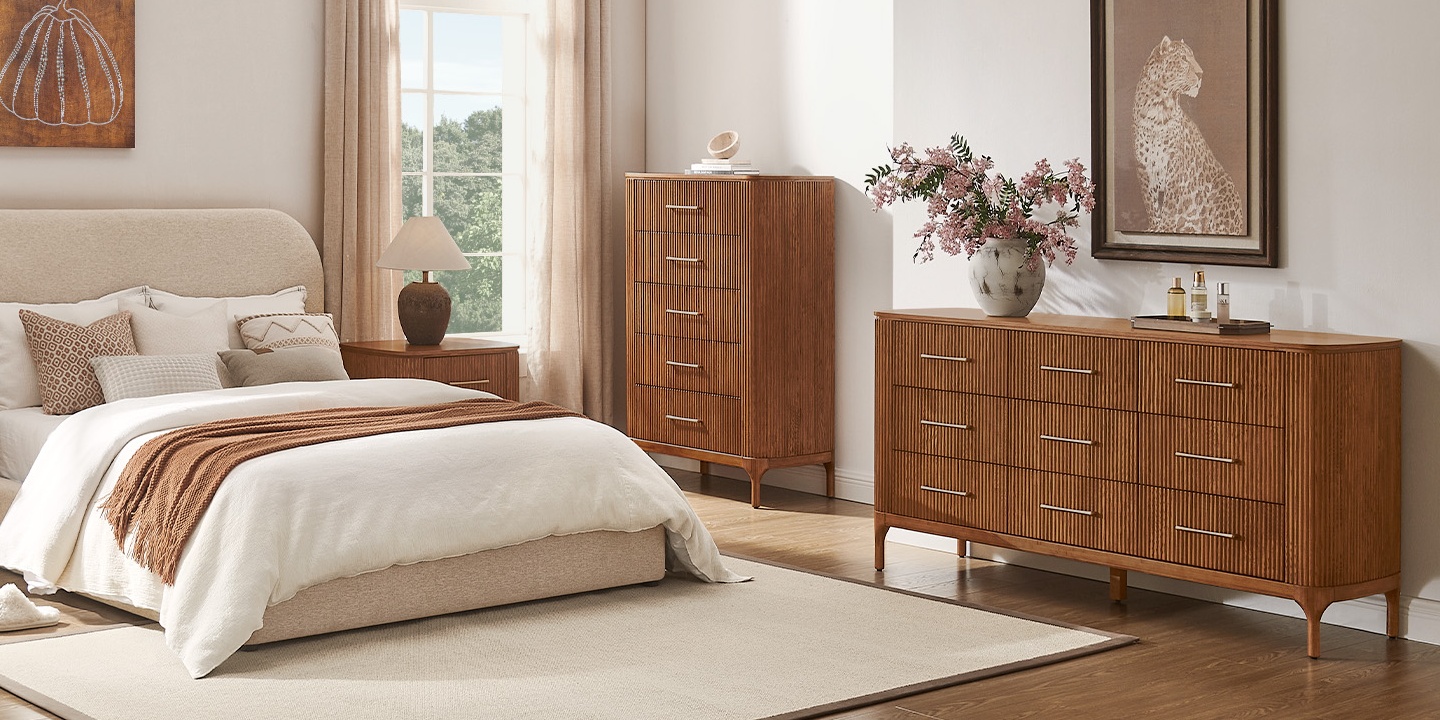
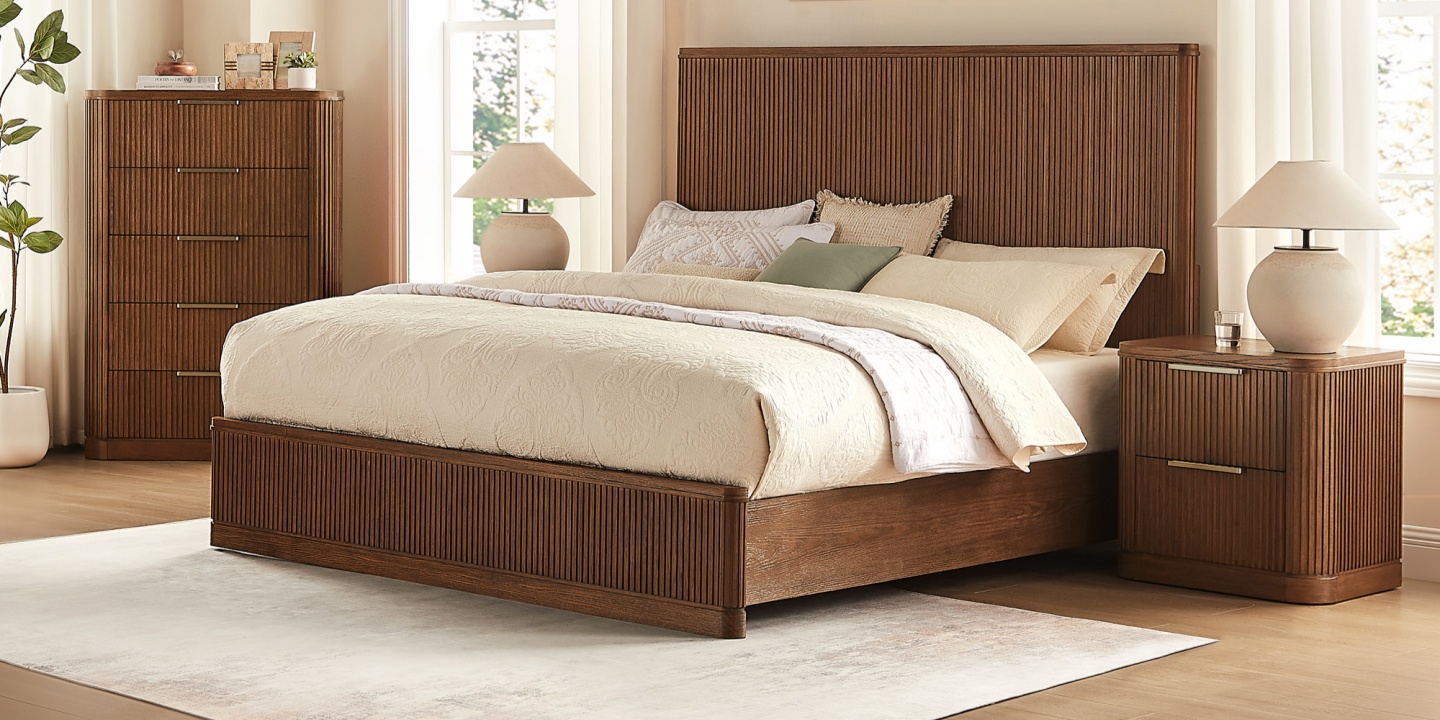
For example, the Finnley 38" Fluted 5-Drawer Chest from Hernest is built with dovetail joints for structural stability and soft-close drawer slides for controlled, smooth movement. This combination helps prevent sticking or sudden resistance, making the drawers easier to handle and less.
Why Quality Drawer Hardware Matters
High-quality hardware directly reduces future repair needs. Soft-close rails and precision-engineered slides minimize wear, while stable wood construction keeps tracks aligned over time.
In practical terms, better hardware means fewer situations where you need to troubleshoot or repeatedly figure out how to remove dresser drawers due to sticking, misalignment, or damage. Over the long term, investing in well-constructed furniture improves durability, safety, and everyday usability.
Frequently Asked Questions
How do you remove dresser drawers that won't come out?
Most stuck drawers are blocked by safety stops, hidden locking tabs, or debris inside the slide. Fully extend the drawer, inspect both sides and underneath, and release any locking mechanism before pulling again. If resistance remains, avoid force and re-check alignment.
Can all dresser drawers be removed?
No. Most modern drawers can be removed, but some budget or older designs use fixed or partially integrated slide systems that require partial disassembly.
How to remove drawer from cabinet with hidden tracks?
Extend the drawer fully, locate the underside locking clips, press both clips simultaneously, slightly lift the front, and pull straight outward without twisting.
How to remove dresser drawers with side glides?
Pull the drawer fully open, locate the metal release levers on both sides, move them in opposite directions, then gently pull the drawer forward while keeping it level.
What are the best methods to remove dresser drawers without damaging the furniture?
Identify the slide type first, empty the drawer completely, release all locking mechanisms, and pull straight out with even support on both sides. Never force resistance or use tools on plastic components.
Why won't my dresser drawer slide back in after removal?
This usually happens due to misaligned rails, disengaged ball bearings, or uneven reinstallation. Realign both sides evenly and slide slowly until the mechanism clicks into place.
Can I remove dresser drawers without tools?
Yes. Most modern drawer systems are designed for tool-free removal using release levers or clips. A flashlight may help locate hidden mechanisms.
Is it safe to force a stuck drawer open?
No. Forcing a drawer can bend metal rails, break plastic clips, or permanently damage the slide system. Always diagnose the cause of resistance first.
Should I lubricate drawer slides before removing them?
No. Lubrication is for maintenance, not removal. Most slides are factory-lubricated and only require cleaning when dusty or noisy.
How often should dresser drawer slides be cleaned?
Every 6–12 months is ideal for most homes. In high-dust or high-usage environments, more frequent cleaning helps maintain smooth operation and prevents sticking issues.