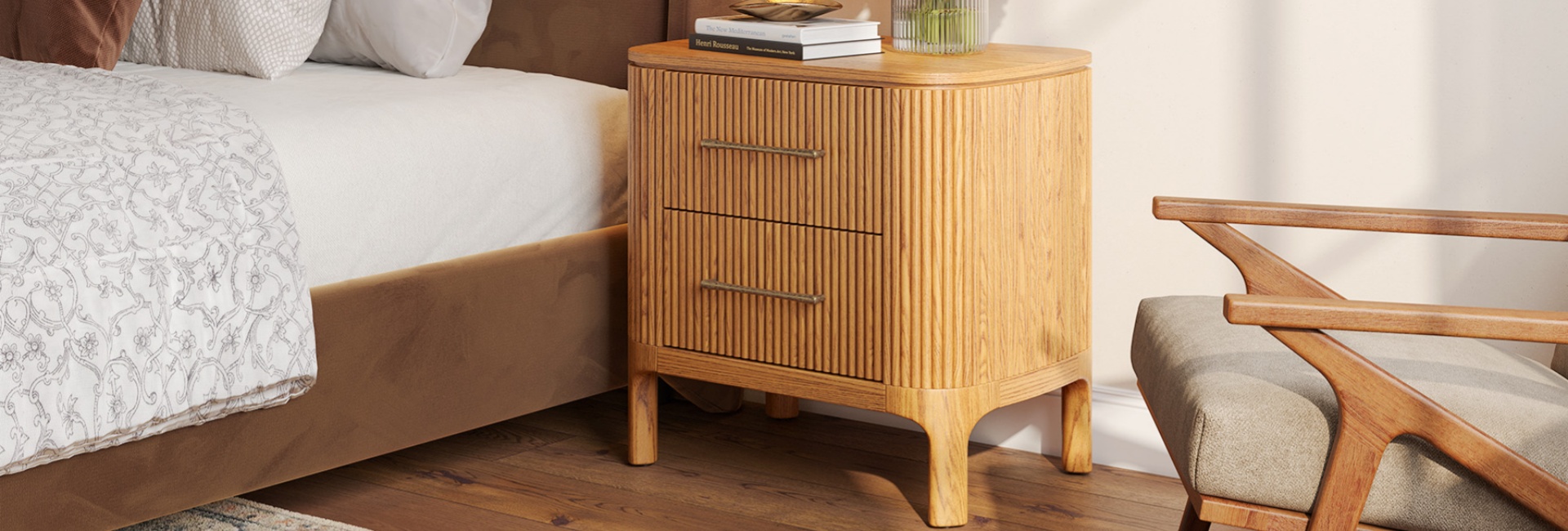
Choosing the right nightstand is about more than finding a style you like. The wrong size can affect comfort, storage, and bedroom balance, while the right one should match your bed height, layout, and daily needs. This guide explains how to choose a nightstand with expert tips on nightstand sizes, materials, storage options, and styles. Whether you are furnishing a new bedroom or upgrading your space, you’ll learn how to select a functional and stylish bedside table that fits your room perfectly.
Why Choosing the Right Nightstand Matters
A nightstand may seem like a small detail in your bedroom, but the right choice can significantly improve both comfort and functionality. A properly sized nightstand keeps everyday essentials within reach, provides convenient storage, and creates a balanced look beside your bed. Choosing the wrong size, height, or style can make your bedroom feel crowded or uncomfortable, especially when the piece does not match your mattress height or available space.
When learning how to choose a nightstand, it is important to consider more than appearance. Professional designers typically evaluate proportions, storage needs, and daily habits before selecting a bedside table. Whether you need a nightstand with drawers for better organization or a stylish piece to complete your bedroom layout, the right choice should support your lifestyle while enhancing the overall comfort and design of your space.
What Is a Nightstand? Understanding Its Purpose Before Buying
Before learning how to choose a nightstand, it is important to understand what this bedroom essential actually does. Although a nightstand may appear to be a small piece of furniture, it plays an important role in improving bedside convenience, organization, and overall bedroom balance. The right choice depends on how you use your space, what items you keep nearby, and how well the piece works with your bed.
What Is a Nightstand and How Is It Different From a Bedside Table?
So, what is a nightstand? A nightstand is a small table, cabinet, or storage unit placed beside a bed. It provides a convenient surface for daily essentials and may include drawers, shelves, or enclosed storage.
While the terms nightstand and bedside table are often used interchangeably, they are slightly different:
When deciding how to choose a nightstand, consider whether you need hidden storage or simply a convenient surface beside your bed.
What Is a Nightstand Used For?
A nightstand is designed to keep important items within easy reach while you relax or sleep. Common uses include holding a bedside lamp, phone, charger, alarm clock, reading materials, glasses, and water.
For many homeowners, a nightstand with drawers provides additional organization by keeping smaller belongings out of sight. For example, chargers, journals, medications, or personal accessories can be stored neatly instead of creating clutter on the tabletop.
Beyond functionality, nightstands also help create visual balance in a bedroom. A properly sized pair can frame the bed, improve the room’s layout, and make the space feel more complete. Understanding these practical purposes is the first step in choosing a nightstand that fits both your lifestyle and bedroom design.
How to Choose a Nightstand: 7 Key Factors to Consider
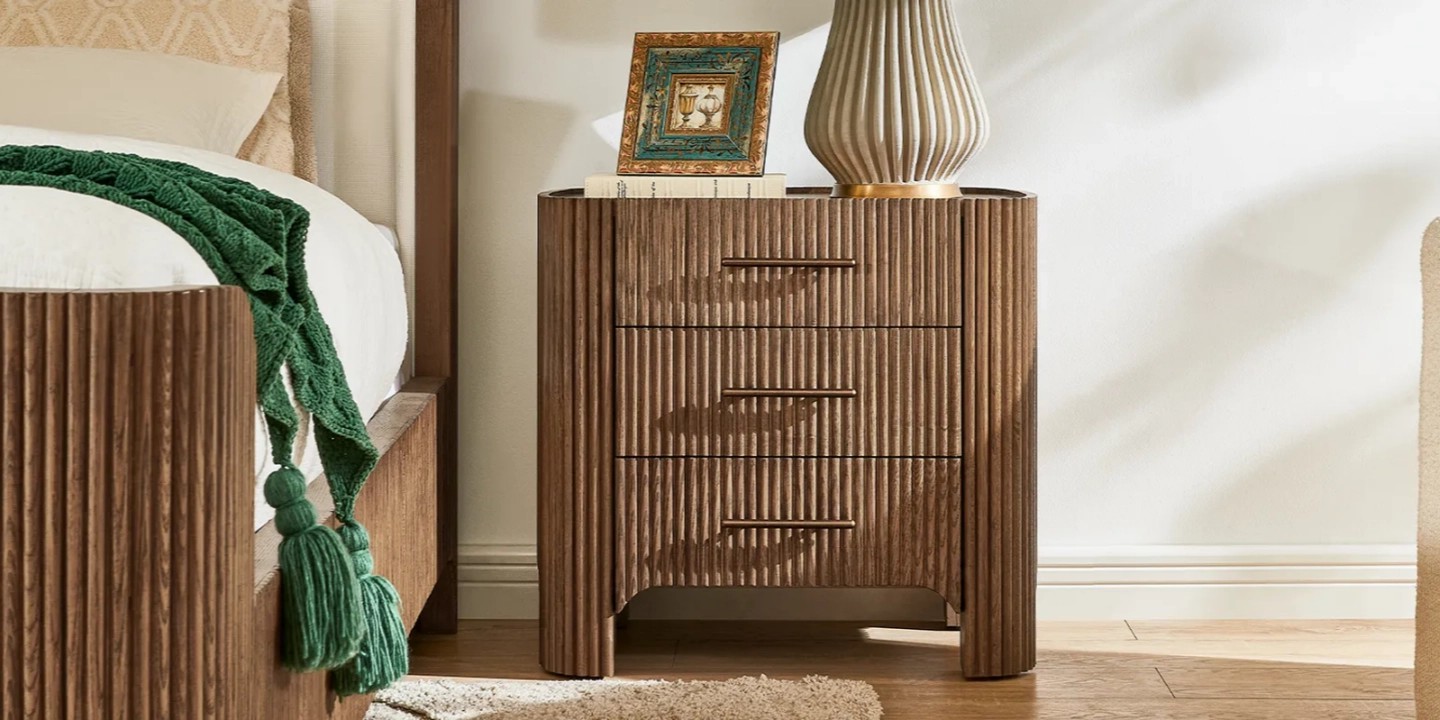
If you are wondering how to choose a nightstand, start by evaluating seven important factors before shopping.
A good nightstand should not only look attractive but also work with your lifestyle.
1. Measure Your Bed Height
The first step in how to choose a nightstand is measuring your mattress height.
Your nightstand should usually sit close to the top of your mattress. A surface that is dramatically lower or higher can feel uncomfortable when reaching for items.
Measure from the floor to the top of your mattress, including:
Bed frame height
Box spring height (if used)
Mattress thickness
Mattress topper
This measurement will help you narrow down suitable nightstand sizes.
2. Consider Your Bedroom Space
Room size directly affects the type of nightstand you should choose.
For small bedrooms:
Choose compact designs.
Avoid overly deep furniture.
Consider vertical storage.
For larger bedrooms:
Wider nightstands create better proportions.
Larger storage pieces can balance a spacious bed.
Understanding your available space is a major part of learning how to choose a nightstand successfully.
3. Decide How Much Storage You Need
Your lifestyle determines the best storage option.
Someone who keeps only a phone and lamp nearby may prefer an open design.
Someone who stores books, accessories, chargers, and personal items may need a nightstand with drawers.
Think about your actual routine rather than choosing based only on appearance.
4. Choose the Right Material
Materials affect durability, maintenance, and style.
Popular options include:
Solid wood
Engineered wood
Metal
Mixed materials
The best material depends on your budget, design preference, and how heavily the nightstand will be used.
5. Match Your Bedroom Style
A nightstand should connect visually with your bedroom furniture.
Consider:
Color
Finish
Shape
Overall design style
For example, a warm wood nightstand can soften a modern bedroom, while a clean-lined design works well in contemporary spaces.
6. Evaluate Functionality
Ask yourself:
Do I need drawers?
Do I need cable management?
Do I need open display space?
Will I place a large lamp on top?
The most attractive nightstand is not always the most practical one.
7. Think Long-Term
Furniture is an investment.
A quality nightstand should work through lifestyle changes, room updates, and changing décor preferences.
Choosing timeless construction and versatile design often provides better value over time.
Choose the Right Nightstand Size Based on Your Bed and Room
One of the most important steps in learning how to choose a nightstand is understanding the right proportions for your bed and bedroom layout. A nightstand that looks attractive online may not work well in your space if the height, width, or depth does not match your mattress and available floor area.
The correct nightstand sizes should provide enough surface space for everyday essentials while maintaining comfortable movement around the bed. Before purchasing, measure your mattress height, wall space, and walking clearance to avoid choosing a piece that feels too small, oversized, or inconvenient.
What Are Standard Nightstand Dimensions?
There is no single universal measurement for every bedroom, but most nightstand sizes fall within common ranges that work well for standard residential spaces.
The best size depends on your bed frame, mattress thickness, room size, and how you use your bedside space.
Standard Nightstand Height
Height is often the most important measurement when choosing a nightstand. Ideally, the top of the nightstand should sit close to the top of your mattress or within a few inches of it.
A properly sized height makes everyday activities easier, such as:
Turning off a bedside lamp
Picking up your phone
Reaching for a glass of water
Accessing books or personal items
For example, a low platform bed with a thin mattress may work better with a shorter nightstand, while a tall upholstered bed with a thick mattress may require a higher design.
Standard Nightstand Width
The width of your nightstand affects both functionality and bedroom appearance.
Typical widths include:
Small nightstands: 18–24 inches
Medium nightstands: 24–30 inches
Large nightstands: 30 inches or wider
A narrow nightstand may be enough for a lamp and phone, but larger designs provide more room for books, décor, chargers, and storage.
When deciding how to choose a nightstand, consider the scale of your bed. A large bed usually looks more balanced with wider nightstands, while smaller bedrooms benefit from compact options.
Standard Nightstand Depth
Most nightstands have a depth between 16 and 20 inches. This measurement provides enough space for daily essentials without taking up too much floor area.
A deeper nightstand may offer more storage, but it can make a small bedroom feel crowded. Always check the distance between your bed and nearby furniture to ensure comfortable movement.
How to Choose Nightstand Size for Different Bed Sizes?
Choosing the right nightstand sizes depends largely on your bed size, available space, and how much surface or storage you need. A properly proportioned nightstand should complement your bed without making the room feel crowded or unbalanced.
Use this guide as a starting point:
When learning how to choose a nightstand, remember that these measurements are recommendations, not strict rules. A smaller bedroom may require a narrower design, while a larger room can accommodate wider nightstands with more storage.
How to Choose Nightstands for a King Size Bed?
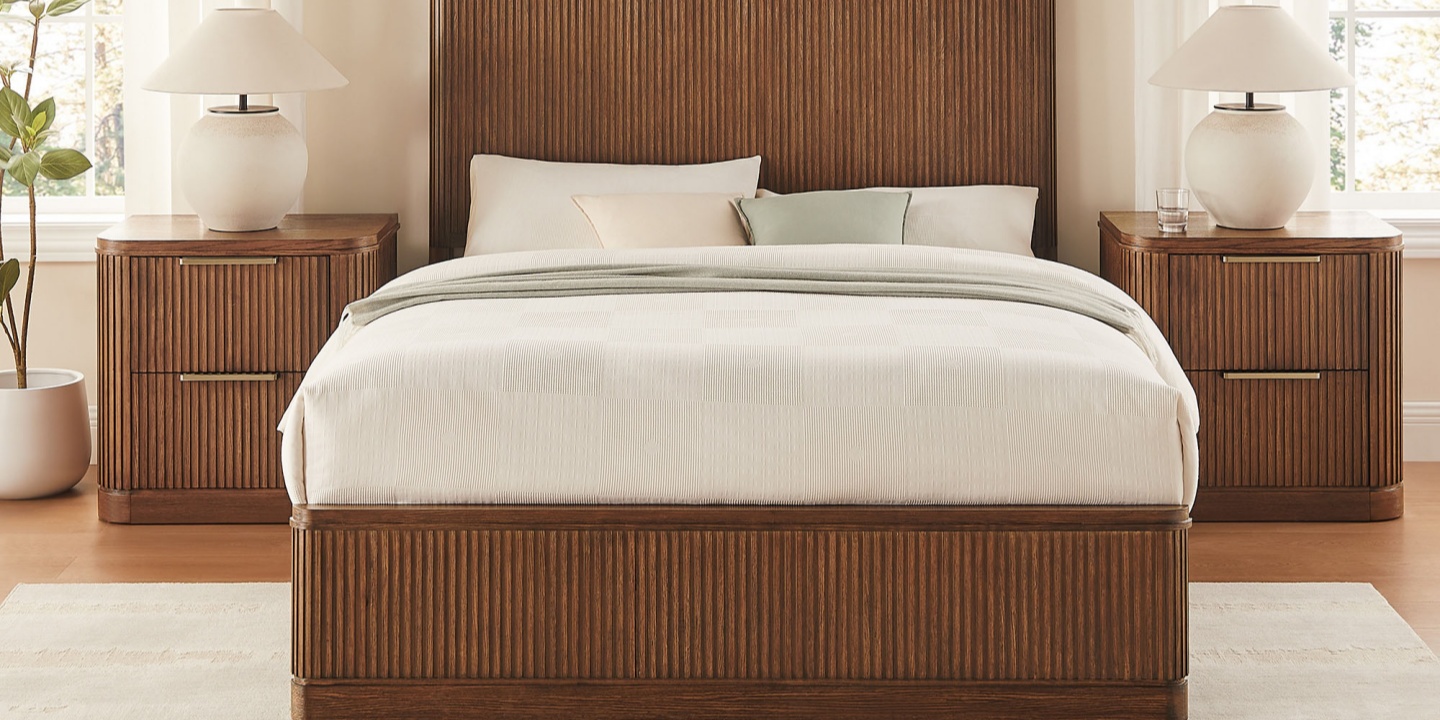
For a King bed, the Finnley Fluted Nightstand is a well-proportioned option that balances style, storage, and functionality. Measuring 26.6"W x 18.3"D x 26.2"H, it fits comfortably within the recommended nightstand width range while providing enough surface space for lamps, books, and daily essentials. Crafted with a poplar wood frame, engineered wood, and natural wood fluting, this nightstand with drawers adds texture and timeless character to the bedroom. Its soft-close drawers with precision dovetail joints offer smooth operation and reliable storage, making it a practical choice for keeping a King bedroom organized while maintaining a refined, balanced look.
How Tall Should a Nightstand Be Compared With Your Bed?
Choosing the correct height is one of the most important parts of learning how to choose a nightstand. A nightstand that is too high or too low can make simple tasks, such as turning off a lamp or reaching for your phone, feel uncomfortable.
As a general guideline, the top surface of your nightstand should be close to the height of your mattress, usually within a few inches. This creates a more natural reach and helps the bedside area look visually balanced.
Before buying, measure from the floor to the top of your mattress, including the bed frame, box spring, and mattress thickness. Modern mattresses are often thicker than older designs, so checking the actual height of your bed is essential.
Should Nightstands Be Lower or Higher Than the Bed?
In most bedrooms, nightstands work best when they are the same height as the mattress or slightly higher. A difference of 1–2 inches is usually comfortable and visually appealing.
A slightly higher nightstand can be useful with thick mattresses or taller bed frames, while lower designs may work better with low-profile beds. The key is creating a setup that matches your daily habits.
Different Types of Nightstands: Which Style Fits Your Needs?
Understanding the different types of nightstands makes shopping easier because each style solves different problems.
Some homeowners need maximum storage. Others prefer a lightweight appearance. Some want a decorative accent rather than a storage solution.
The best choice depends on your bedroom size, habits, and design goals.
Nightstand With Drawers
A nightstand with drawers is one of the most popular choices because it combines style and practical storage.
The main advantages include:
Hidden Organization
Drawers help hide:
Charging cables
Books
Personal items
Electronics
Bedtime essentials
This keeps the bedroom looking cleaner.
Better Privacy
Unlike open shelving, drawers allow you to store personal belongings discreetly.
Improved Functionality
A well-designed nightstand with drawers can replace the need for additional small storage furniture.
This makes it especially useful for:
Primary bedrooms
Apartments
When considering how to choose a nightstand, drawer storage is often worth prioritizing if you want a cleaner and more organized bedroom.
Open Nightstands
Open nightstands create a lighter and more casual appearance.
They typically include:
Open shelves
Simple tabletops
Minimal structures
Benefits include:
Easier access
More visual openness
Space for decorative displays
However, they may require more organization because everything remains visible.
Cabinet Nightstands
Cabinet nightstands offer enclosed storage with a more substantial appearance.
They are ideal when you need:
More storage capacity
A traditional furniture look
A stronger visual presence
Cabinet styles often work especially well beside larger beds because their size helps balance the room.
How to Choose the Right Nightstand Material for Durability
When learning how to choose a nightstand, material quality is one of the most important factors to consider. A nightstand is used every day, so the right material affects its durability, appearance, maintenance, and long-term value. While design is important, a well-made nightstand should also withstand daily use, support storage needs, and maintain its look over time.
Among the available options, solid wood nightstands are often considered the best choice for homeowners who value durability, natural beauty, and timeless design. However, engineered wood and metal options can also work well depending on your budget and bedroom style.
Solid Wood Nightstands
Solid wood nightstands are a popular choice because they offer exceptional durability and a natural appearance that improves over time. Each piece has unique grain patterns and textures, creating a warm and authentic look that works with many bedroom styles.
High-quality solid wood construction provides:
Strong structural support
Long-lasting performance
Natural character and variation
Easy coordination with other wood furniture
When choosing a solid wood nightstand, look for details such as kiln-dried wood, durable finishes, and well-built drawers. These features help prevent issues like cracking, warping, or premature wear.
Engineered Wood Nightstands
Engineered wood nightstands provide a practical balance between affordability and performance. They are designed for stability and can offer consistent finishes across different styles.
They are a good option for:
Contemporary bedrooms
Flexible furniture arrangements
Shoppers looking for value
When selecting engineered wood, pay attention to surface quality, drawer construction, and hardware durability.
Metal and Mixed Material Nightstands
Metal and mixed material nightstands often feature combinations of metal with wood or other durable materials.
These designs work well for bedrooms that need:
A contemporary appearance
Lightweight visual structure
Easy maintenance
However, when deciding how to choose a nightstand, always prioritize construction quality over appearance alone. The best material is the one that matches your lifestyle, usage needs, and long-term expectations.
How to Choose a Nightstand That Matches Your Bedroom Decor
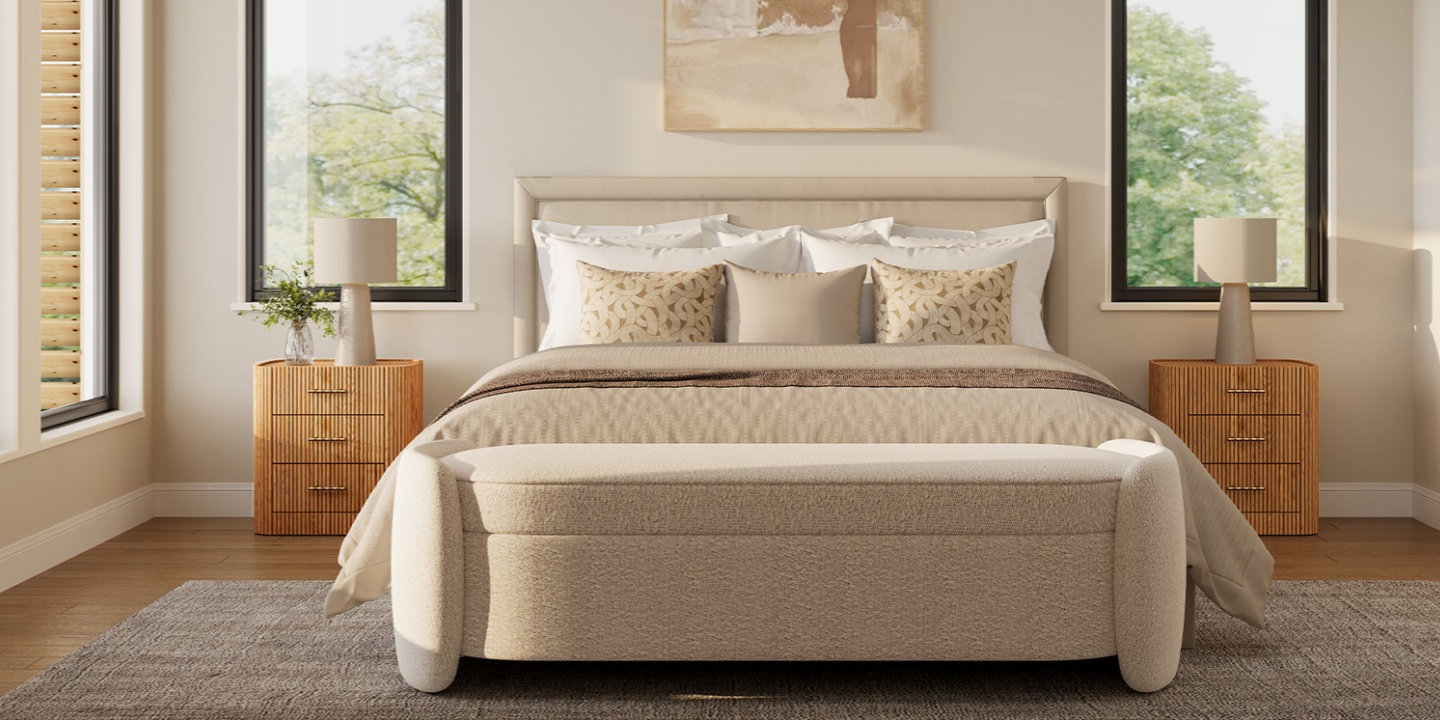
A nightstand should do more than provide storage—it should connect with your bedroom’s overall design. When learning how to choose a nightstand, consider the colors, materials, and shapes already present in your space. The right bedside table can enhance your bed, create visual balance, and make the room feel more thoughtfully designed.
Match Your Nightstand With Your Bed Style
Your bed is usually the largest furniture piece in the bedroom, so your nightstand should complement its design rather than compete with it.
For example, a wooden nightstand with warm tones can add texture beside an upholstered bed, while a streamlined design may better suit a contemporary frame. Consider matching key elements such as finish, shape, or material to create a cohesive look.
Should Nightstands Match the Bed?
Nightstands do not have to match the bed exactly. In modern bedroom design, coordinating pieces often create a more personalized and layered appearance than a complete matching set.
When choosing nightstands, focus on visual connection through:
Similar wood tones
Complementary colors
Matching design details
Balanced proportions
The goal is harmony, not duplication. A well-chosen nightstand should feel like part of the same design story while adding its own character to the bedroom. When considering how to choose a nightstand, prioritize both style compatibility and everyday functionality
Essential Features to Look for Before Buying a Nightstand
When learning how to choose a nightstand, appearance is only one part of the decision. A well-designed nightstand should provide practical storage, reliable construction, and features that make daily use more convenient. Before purchasing, consider how the piece will fit your routine and what features will provide long-term value.
Storage Capacity
Storage needs vary depending on your lifestyle. If you only need space for a lamp and phone, an open design may be enough. However, a nightstand with drawers is a better choice for keeping chargers, books, glasses, and personal items organized.
Choose storage based on what you actually use beside your bed.
Quality Material
Material quality directly affects durability and appearance. Solid wood offers natural beauty, strength, and long-lasting performance, while engineered wood provides stability and design flexibility.
A quality nightstand should feel sturdy, have a durable finish, and maintain its appearance through everyday use.
Functional Details
Small features can make a big difference in daily comfort. Look for details such as smooth drawer slides, sturdy hardware, cable management options, and easy-to-clean surfaces.
The best nightstand combines style with practical features, creating a bedside solution that is attractive, convenient, and built for everyday living.
Common Nightstand Mistakes to Avoid Before Purchasing
Even after researching how to choose a nightstand, many shoppers still make avoidable mistakes.
Understanding these problems can save money and frustration.
Choosing the Wrong Height
This is one of the most common mistakes.
A nightstand that is too high or too low can affect comfort every night.
Before buying:
Measure your mattress height.
Compare it with the nightstand height.
Consider your personal reaching preference.
Do not rely only on product photos because bedroom proportions vary.
Buying Nightstands That Are Too Small
A small nightstand may seem practical, but it can create problems.
Common issues:
Not enough surface space
Limited storage
Poor visual balance
This mistake happens often with large beds.
A king-size bed usually needs a larger nightstand to maintain proportion.
Ignoring Bedroom Layout
A nightstand should fit your room physically.
Before purchasing, measure:
Wall space
Walking clearance
Door movement
Nearby furniture
A beautiful piece is not useful if it makes your bedroom difficult to navigate.
Prioritizing Appearance Over Function
One of the biggest mistakes is choosing a nightstand only because it looks attractive.
A stylish design without enough storage can become frustrating.
The best nightstand combines:
Beauty
Comfort
Storage
Durability
Expert Tips: How to Pick the Right Bedside Table for Your Lifestyle
When deciding how to choose a nightstand, your lifestyle should influence your decision as much as your design preference.
For Small Bedrooms
Small bedrooms require careful planning.
Recommended choices:
Slim nightstands
Vertical storage designs
Compact drawers
Avoid oversized pieces that reduce walking space.
For Large Master Bedrooms
Large bedrooms provide more flexibility.
Consider:
Wider nightstands
Matching pairs
Multiple drawers
Larger tabletops
A substantial nightstand helps balance a large bed and prevents the room from feeling empty.
For MCM Bedrooms
Mid-century modern bedrooms benefit from nightstands with:
Warm wood finishes
Clean lines
Functional storage
Simple silhouettes
The best MCM designs combine beauty with practicality.
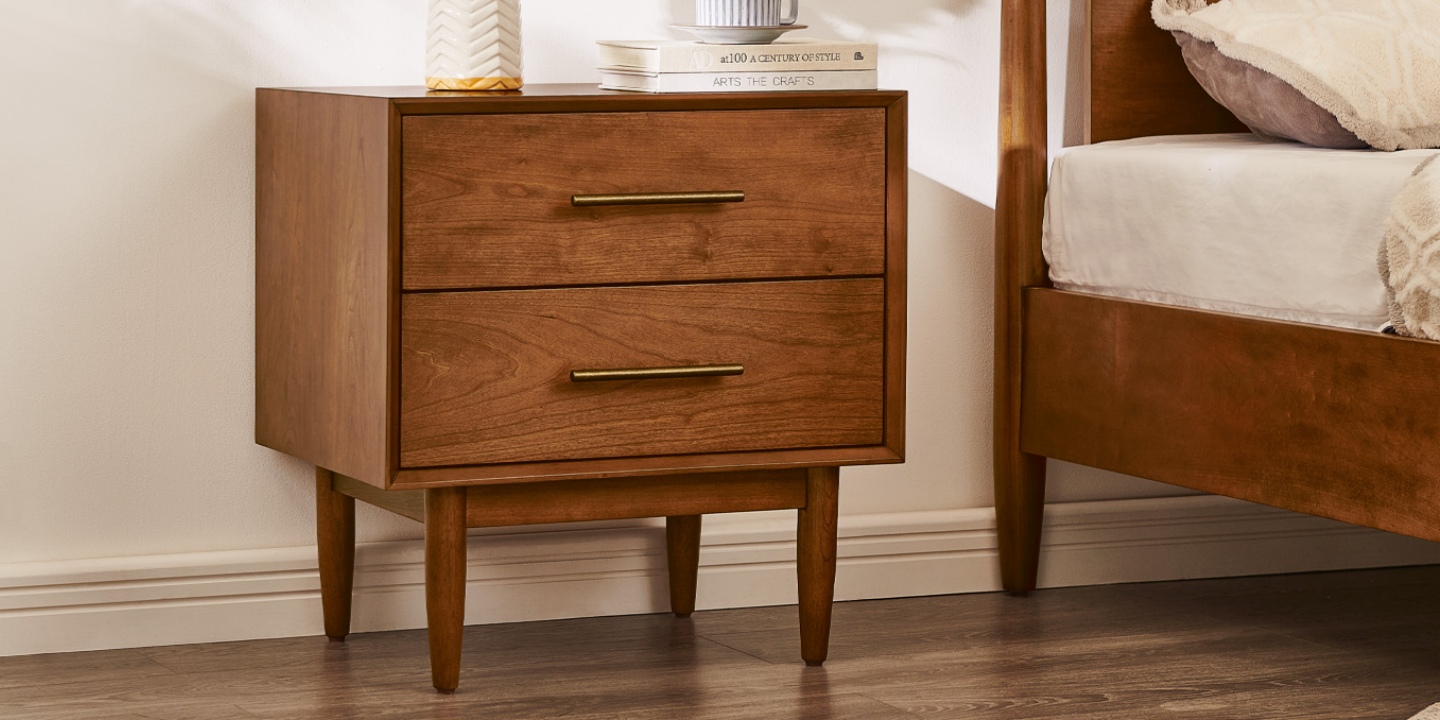
How to Choose a Durable Nightstand With a Drawer
A nightstand with drawers should offer more than extra storage—it should be built to withstand everyday use. When deciding how to choose a nightstand, pay close attention to the drawer construction and overall material quality to ensure lasting performance.
Check Drawer Construction
Well-built drawers open and close smoothly while supporting daily use. Look for features such as sturdy joinery, durable drawer slides, and solid hardware. Soft-close mechanisms can also reduce wear over time and improve the user experience.
Evaluate Materials and Finish
The materials and finish determine how well a nightstand resists scratches, moisture, and everyday wear. Solid wood provides excellent durability and long-term value, while high-quality engineered wood offers reliable stability. A protective finish also helps preserve the surface and makes cleaning easier, ensuring your nightstand continues to look its best for years to come.
Nightstand Buying Checklist Before You Purchase
Before making your final decision, use this checklist to ensure you've chosen the right nightstand for your bedroom:
Taking a few minutes to review these factors can help you avoid costly mistakes and make how to choose a nightstand much easier. The right choice should balance size, functionality, durability, and style for years of everyday use.
Conclusion: Find the Nightstand That Completes Your Bedroom
Choosing the right nightstand is not about finding the trendiest design. It is about selecting a piece that works naturally with your bedroom, your bed, and your everyday routine.
The best approach to how to choose a nightstand starts with measurements, continues with functionality, and finishes with style.
Before buying, consider:
The height of your mattress
Your preferred storage options
Your bedroom size
Your design style
The quality of materials
Whether you need a compact bedside table for an apartment or a larger nightstand with drawers for a master bedroom, the right choice can improve both comfort and organization.
A thoughtfully designed nightstand becomes more than furniture. It becomes the small detail that makes your bedroom feel complete.
Frequently Asked Questions About Choosing a Nightstand
What is the size of a standard nightstand?
A standard nightstand is typically 24–28 inches high, 18–30 inches wide, and 16–20 inches deep. However, the ideal size depends on your bed height, room dimensions, and storage needs. For the best results, choose a nightstand that is proportional to both your bed and available floor space.
Should nightstands be lower or higher than bed?
Nightstands should generally be the same height as your mattress or up to 2 inches higher. This makes it easier to reach items like a lamp, phone, or glass of water while maintaining a balanced bedroom layout. Avoid nightstands that are significantly lower or higher than your bed.
What are common nightstands mistakes?
Common mistakes include choosing the wrong height, buying a nightstand that is too small for the bed, ignoring walking clearance, overlooking storage needs, and focusing only on appearance instead of functionality. Measuring your space before buying helps prevent these issues.
How to pick the right bedside table?
Start by measuring your mattress height and available space. Then choose a bedside table that matches your bedroom style, provides enough storage, and complements the scale of your bed. Prioritizing both function and proportion will help you select the right piece.
What are the benefits of nightstands with drawers?
A nightstand with drawers keeps everyday essentials organized and out of sight. It provides convenient storage for books, chargers, glasses, medications, and personal items while helping reduce bedside clutter and maintain a tidy bedroom.
What is a nightstand used for?
A nightstand is designed to keep frequently used items within easy reach while you're in bed. It typically holds a bedside lamp, phone, alarm clock, books, and water, while some models also provide enclosed storage for personal belongings.
What materials are most durable for nightstands?
Solid wood is generally the most durable material because of its strength and long lifespan. High-quality engineered wood also offers good stability, while metal or mixed-material designs provide excellent structural durability with minimal maintenance.
How do I choose the right nightstand for my bedroom decor?
Choose a nightstand that complements your bed, color palette, and overall furniture style. It doesn't need to match your bed exactly, but similar materials, finishes, or design details will create a cohesive and balanced bedroom.
What are the essential features to look for in a nightstand?
Look for the right size, sturdy construction, quality materials, adequate storage, smooth drawer operation, and a durable finish. A well-designed nightstand should combine functionality, comfort, and long-term durability.
How do I choose a durable nightstand with a drawer?
Choose a nightstand with a drawer made from durable materials with strong joinery, sturdy hardware, and smooth drawer slides. A protective finish and well-built drawer construction will help ensure reliable performance and lasting quality for everyday use.