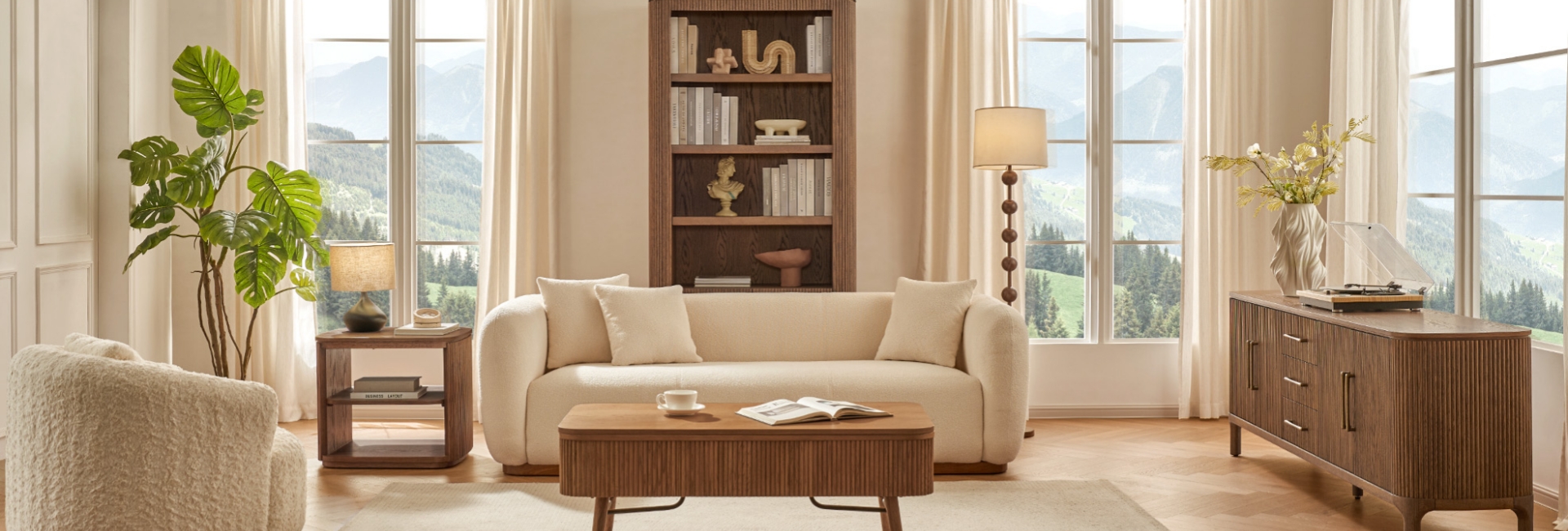
A bookcase is more than simple storage—it can add style, organization, and personality to any room. However, choosing the wrong one may leave you with poor shelf space, an unsuitable design, or a piece that does not fit your home. Before buying, it is important to understand how to choose a bookcase based on your space, storage needs, material preferences, and room style. This guide covers everything you need to know, from bookcase sizes and shelf depth to materials, designs, placement tips, and common mistakes. Whether you need a living room display, home office storage, or a timeless wood bookcase, you will find practical advice to make the right choice.
What Is a Bookcase? Understanding Its Purpose Before Buying
What Is a Bookcase and How Is It Used?
A bookcase is a freestanding furniture piece designed with multiple shelves for storing and displaying books, décor, collectibles, plants, and everyday items. Unlike simple wall-mounted shelves, a bookcase usually includes a complete frame that provides stability, structure, and a finished look.
Understanding what is a bookcase helps you choose the right option for your home. Today, bookcases are no longer limited to personal libraries. They can serve different purposes, including:
When deciding how to choose a bookcase, think about what role it needs to play. A reader with a large collection may prioritize shelf strength and storage capacity, while someone decorating a living room may focus more on style and visual balance.
Bookshelf vs Bookcase: Understanding the Difference
The terms bookshelf and bookcase are often used interchangeably, but they are slightly different. A bookshelf usually refers to a simple shelf used mainly for holding books, while a bookcase is a complete furniture unit with multiple shelves, side panels, and structural support.
For homeowners looking for a long-term storage solution, a bookcase often provides more flexibility. It combines practical organization with interior design, making it suitable for living rooms, bedrooms, and home offices. Understanding this difference is the first step toward choosing a piece that fits both your space and lifestyle.
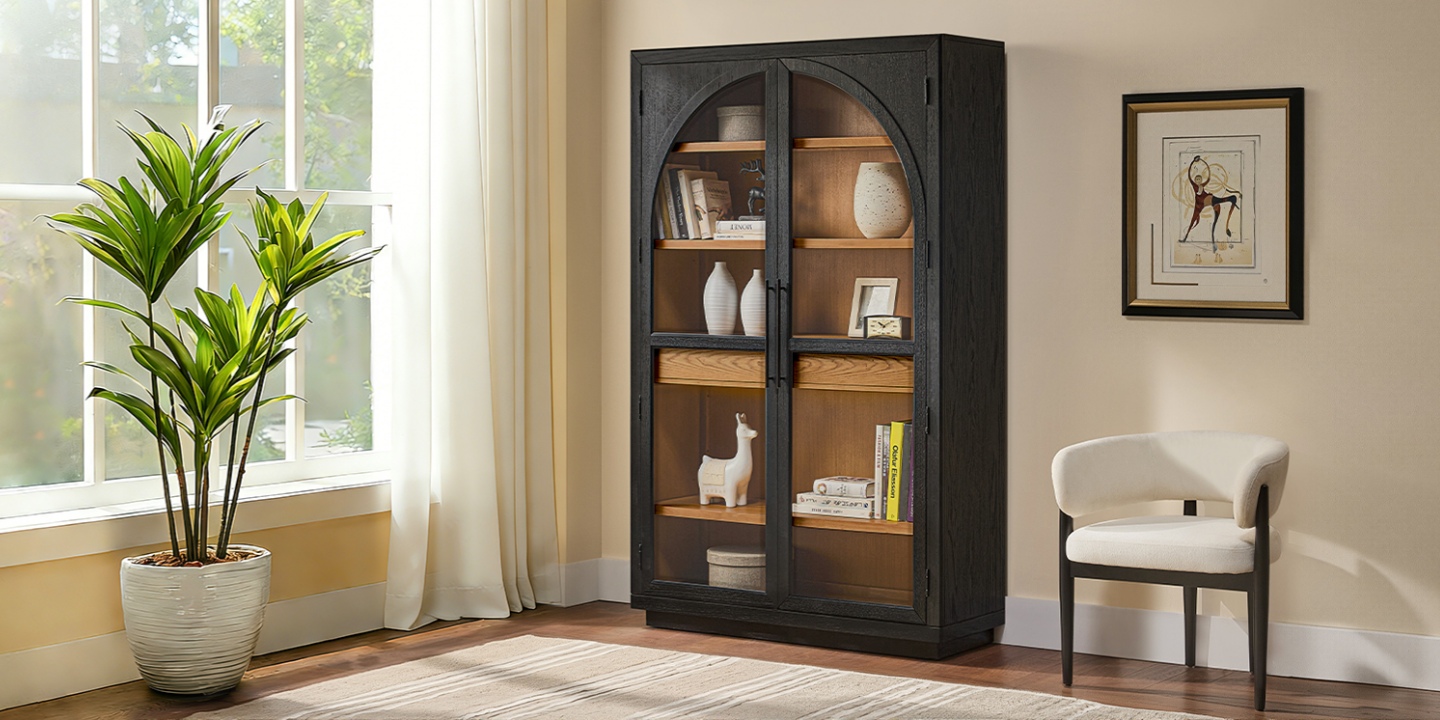
How to Choose a Bookcase: 7 Factors to Consider Before Buying
Buying a bookcase may seem simple at first, but choosing the right one requires more than picking a design you like. The wrong size can make a room feel crowded, the wrong material may not support your storage needs, and a style mismatch can make the furniture feel disconnected from your home.
Learning how to choose a bookcase starts with understanding your space, lifestyle, and long-term needs. Whether you need a place for a growing book collection, a stylish display area, or additional storage for everyday items, the right decision comes down to seven important factors: size, dimensions, material, function, type, style, and quality.
1. Measure Your Space Before Choosing a Bookcase Size
Before looking at colors or designs, measure the area where you plan to place your bookcase. One of the most common furniture mistakes is buying a piece that looks attractive online or in a showroom but does not fit properly at home.
Start by measuring:
Wall width: Make sure the bookcase fits comfortably without overcrowding nearby furniture.
Ceiling height: A tall bookcase can maximize vertical storage, but it should match the room’s proportions.
Floor space: Consider walking paths, doors, windows, and surrounding furniture.
Clearance area: Leave enough space around the bookcase for comfortable movement and cleaning.
For example, a apartment may benefit from a tall, slim bookcase that uses vertical space, while a large living room may look better with a wider design that creates a balanced focal point.
A useful approach when deciding how to choose a bookcase is to measure your available space first and shop second. This prevents buying a piece that feels too large, too small, or difficult to place.
2. Choose the Right Bookcase Size and Dimensions
Understanding bookcase sizes is essential because dimensions directly affect both storage capacity and visual balance. A bookcase should provide enough room for your belongings without overwhelming the room.
Common bookcase dimensions include:
Width also matters:
18–24 inches: Good for narrow spaces or small apartments
30–36 inches: A practical choice for most homes
48+ inches: Ideal for statement walls and larger rooms
Depth is another important consideration. Many standard bookcases are around 10–12 inches deep, which works well for most books. If you plan to display larger items, baskets, or oversized books, a deeper shelf may be more practical.
The best bookcase sizes depend on what you store and where the furniture will be placed, not simply choosing the largest option available.
3. Select the Best Material for Durability and Style
Material affects a bookcase’s appearance, strength, maintenance, and lifespan. When choosing furniture, think beyond the initial look and consider how it will perform after years of use.
Wood Bookcase
A wood bookcase remains a popular choice because it offers warmth, durability, and timeless appeal.
Benefits include:
Natural grain and texture
Strong construction
Ability to support heavier books
A design that works with many décor styles
A solid wood bookcase is especially suitable for homeowners looking for long-term furniture investment.
Engineered Wood Bookcase
Engineered wood can be a practical alternative for buyers who want:
Affordable pricing
Lightweight construction
Modern finishes
Easy maintenance
However, always check shelf thickness and weight capacity, especially if you plan to store many hardcover books.
Metal and Glass Bookcases
These materials are often chosen for contemporary interiors.
Metal offers strength and an industrial feel.
Glass creates a lighter, open appearance.
The right material depends on your priorities: durability, style, budget, or flexibility.
4. Consider Your Storage Needs and Shelf Function
Before buying a bookcase, think about what you actually plan to store. A bookcase designed for a personal library may need different features than one used mainly for decoration.
Ask yourself:
Will I store mostly books or a mix of items?
Do I need adjustable shelves?
Will I display large décor pieces?
Do I need extra storage baskets or boxes?
For book collectors, prioritize:
Strong shelves
Proper shelf spacing
Durable materials
For decorative displays, consider:
Open shelving
Different shelf heights
Space between objects
A well-designed bookcase should not only hold items but also make your room feel organized and intentional.
5. Understand Different Types of Bookcases
Knowing the different types of bookcases makes it easier to select a design that fits your room, storage needs, and lifestyle.
Standard Vertical Bookcase
A standard vertical bookcase is the most traditional option. It features multiple horizontal shelves in an upright frame.
Best for:
Living rooms
Bedrooms
Home offices
Advantages:
Efficient use of vertical space
Easy organization
Suitable for various décor styles
This is often the best starting choice for homeowners who want a practical and versatile storage solution.
Ladder Bookcase
A ladder bookcase features shelves that gradually become wider toward the bottom, creating an open and lightweight appearance.
Best for:
Apartments
Modern interiors
Home offices
Advantages:
Takes up less visual space
Adds decorative appeal
Works well for books and accessories
Its open structure makes smaller rooms feel less crowded.
Cube Bookcase
Cube bookcases use square compartments instead of traditional shelves.
Best for:
Family rooms
Bedrooms
Flexible storage needs
Advantages:
Easy organization
Works with baskets and storage bins
Suitable for books, toys, and décor
Cube designs are especially useful for homes that need both display and hidden storage options.
Corner Bookcase
A corner bookcase is designed to use space that is often overlooked.
Best for:
Small rooms
Reading corners
Apartments
Advantages:
Maximizes unused areas
Saves floor space
Adds storage without dominating the room
It is an excellent solution when every inch matters.
6. Match Your Bookcase Style With Your Home Décor
A bookcase should complement your existing furniture instead of looking like an afterthought. Choosing the right style creates a more cohesive and professionally designed room.
Modern Bookcase
Modern bookcases typically feature:
Clean lines
Minimal decoration
Simple shapes
Neutral finishes
Mid-Century Modern Bookcase
A Mid-Century Modern bookcase often includes:
Warm wood tones
Functional design
Organic shapes
Tapered legs
This style works especially well for homeowners who want a balance between vintage character and modern simplicity.
Traditional Bookcase
Traditional bookcases focus on:
Classic details
Rich finishes
Timeless craftsmanship
They are ideal for formal living rooms, libraries, and classic interiors.
When deciding how to choose a bookcase, always consider whether the style matches your existing furniture, flooring, and overall room atmosphere.
7. Check Quality, Stability, and Maintenance
The final step in choosing a bookcase is evaluating construction quality. A beautiful design will not provide value if it cannot handle everyday use.
Before purchasing, check:
Shelf weight capacity
Frame stability
Material thickness
Quality of finishes
Safety features for tall units
Heavy books create significant weight over time, so strong construction matters.
For a wood bookcase, proper maintenance can extend its lifespan:
Dust regularly with a soft cloth
Avoid excessive moisture
Protect the surface from scratches
Keep away from prolonged direct sunlight
A high-quality bookcase should provide reliable storage while maintaining its appearance for years. Choosing carefully at the beginning ensures the furniture continues to support your home and lifestyle long after purchase.
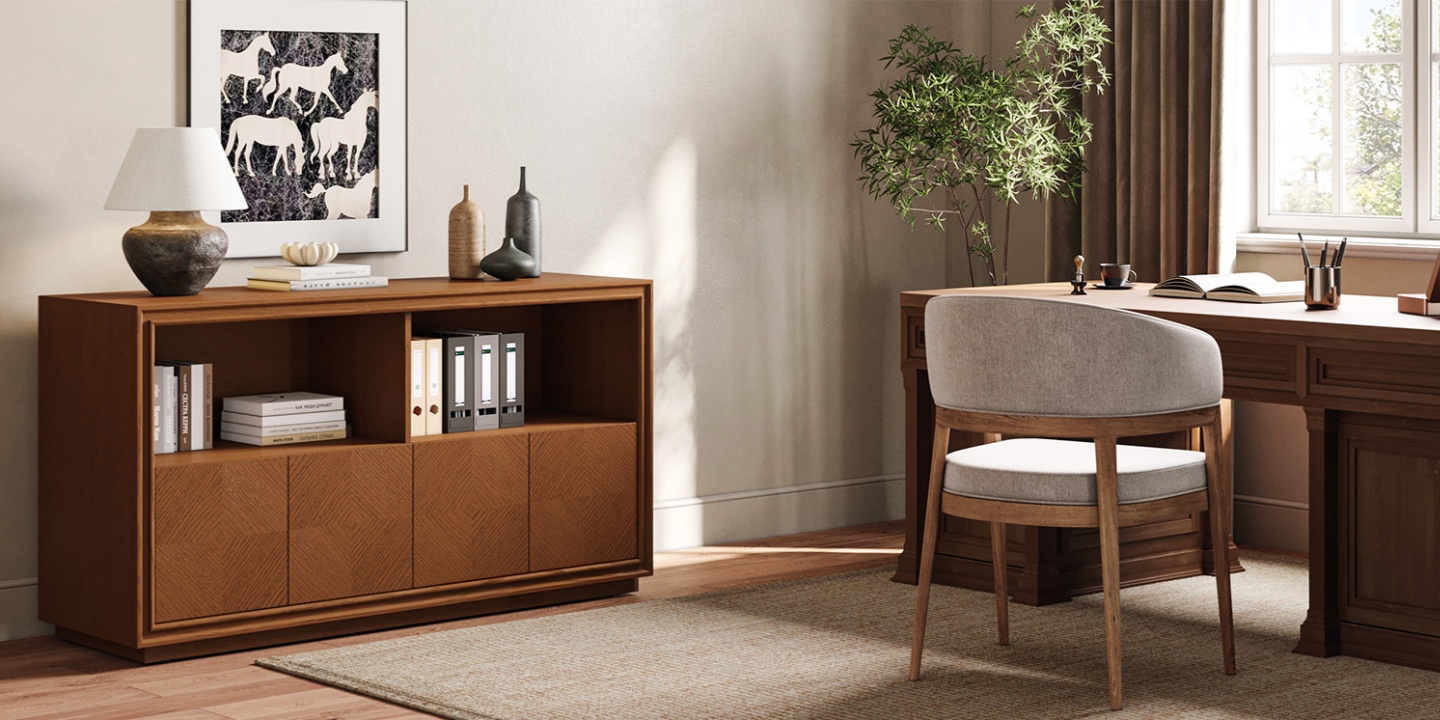
How Deep Should a Bookcase Be? Understanding Shelf Depth
When learning how to choose a bookcase, many homeowners focus on height and width but overlook one of the most important measurements: depth. The right shelf depth determines whether your books fit comfortably, whether décor items can be displayed properly, and whether the furniture feels balanced in your room.
A bookcase that is too shallow may not hold larger books, while one that is too deep can create wasted space and make items harder to reach. Understanding how deep is a bookcase helps you choose storage that matches your actual needs.
Recommended Bookcase Depth Based on Usage
The ideal depth depends on what you plan to store. Consider the following general guidelines:
For most homes, a depth of 10–12 inches works well for everyday books. However, if your bookcase also needs to display artwork, plants, storage baskets, or larger decorative pieces, a deeper design provides more flexibility.
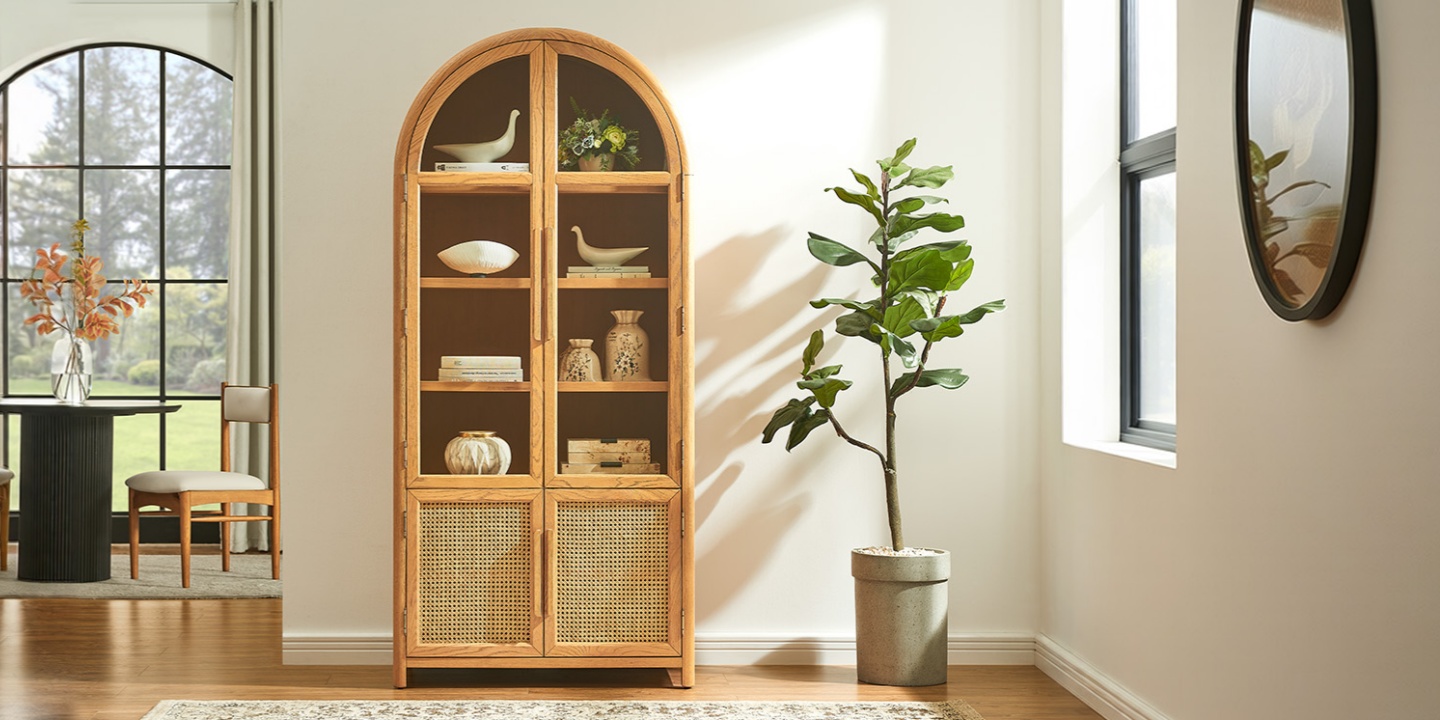
For example, the Alvborg 36" Rattan Cabinet features a 36"W x 18.9"D x 78.7"H profile, offering generous depth for both storage and display. Its deeper cabinet structure works well for homeowners who want more than simple book storage, allowing space for décor, collectibles, and everyday household items. With two fixed shelves and three adjustable shelves, it provides flexibility for organizing items of different sizes while maintaining a clean, balanced appearance.
Why Are Bookcases So Deep?
Many people wonder, why are bookcases so deep? The answer is that modern bookcases are designed for more than holding standard books.
1. To Fit Different Items
Books come in many sizes, and today’s homeowners often use bookcases for:
Oversized hardcover books
Decorative objects
Plants
Storage baskets
Collectibles
Extra depth creates more options for how the furniture can be used.
2. To Improve Stability and Function
A deeper structure can provide better balance, especially for taller furniture. Features such as sturdy materials, adjustable shelves, and anti-tip hardware help improve safety and everyday usability.
3. To Create a More Versatile Storage Solution
Modern storage furniture needs to adapt to changing lifestyles. A well-designed bookcase or cabinet should support both organization and display. Choosing the right depth ensures the piece remains practical while complementing your room design for years to come.
How to Choose the Right Bookcase for Different Rooms
Learning how to choose a bookcase is not only about dimensions. The ideal bookcase changes depending on where it will be placed.
A design that works beautifully in a living room may not be the best choice for a bedroom or home office.
Each room has different requirements.
Choosing a Bookcase for the Living Room
The living room is one of the most popular places for a bookcase because it combines storage and style.
When selecting a living room bookcase, consider:
Wall size
Existing furniture
Lighting
Decorative goals
A large living room may benefit from:
Wide bookcases
Tall shelving units
Statement pieces
These designs can create a strong focal point.
For smaller living rooms, consider:
Narrow vertical bookcases
Open shelving
Corner bookcases
These options provide storage without making the room feel crowded.
Living Room Styling Tip
Avoid filling every shelf completely.
A professional-looking arrangement often includes:
Books placed vertically and horizontally
Decorative objects at different heights
Open space between groups
A bookcase should support the room’s design, not compete with it.
Choosing a Bookcase for a Home Office
A home office requires a balance between organization and accessibility.
The right bookcase should help you stay productive by keeping important items within reach.
Consider:
Adjustable shelves
Strong construction
Practical storage capacity
A home office bookcase may hold:
Reference books
Documents
Office supplies
Decorative items
For professionals who work from home, a well-organized bookcase can make the workspace feel more intentional and efficient.
A wood bookcase is often a popular choice for offices because natural materials create a warm, professional atmosphere.
Choosing a Bookcase for Bedroom Storage
Bedrooms usually require a more compact approach.
A bedroom bookcase can be used for:
Bedside reading collections
Plants
Personal décor
Small storage baskets
Avoid choosing oversized designs that dominate the room.
Better options include:
Slim vertical bookcases
Short bookcases
Ladder styles
The goal is to add function without making the bedroom feel crowded.
Common Bookcase Buying Mistakes to Avoid
Choosing a bookcase is not only about finding a design you like. Many homeowners make buying decisions based on appearance alone and later discover problems with size, storage, or durability. Understanding these common mistakes can help you make a smarter choice and find a bookcase that works well for your space and lifestyle.
Choosing Appearance Before Measuring
One of the most common mistakes is falling in love with a bookcase style before checking whether it actually fits the room.
Before purchasing, always measure:
Available wall width
Ceiling height
Floor space
Nearby furniture clearance
For example, a tall bookcase may look impressive in a large showroom but feel overwhelming in a small apartment. Likewise, a narrow design may leave unused space in a spacious living room.
When learning how to choose a bookcase, measurements should always come before color, finish, or decorative details.
Buying Shelves That Are Too Deep
Many buyers assume that deeper shelves automatically provide better storage. However, excessive depth can create practical problems.
If shelves are too deep, smaller books may sit too far back, making items harder to reach and creating unused space. The ideal depth depends on what you plan to store, not simply choosing the largest option available.
Ignoring Weight Capacity
A bookcase must do more than look attractive—it needs to safely support your belongings. Books, especially hardcover collections, can become surprisingly heavy over time.
Before buying, check:
Shelf weight limits
Material strength
Shelf thickness
Frame stability
A quality bookcase should balance design and performance. Choosing durable materials and proper construction helps prevent sagging shelves, instability, and premature wear, ensuring your furniture remains functional for years.
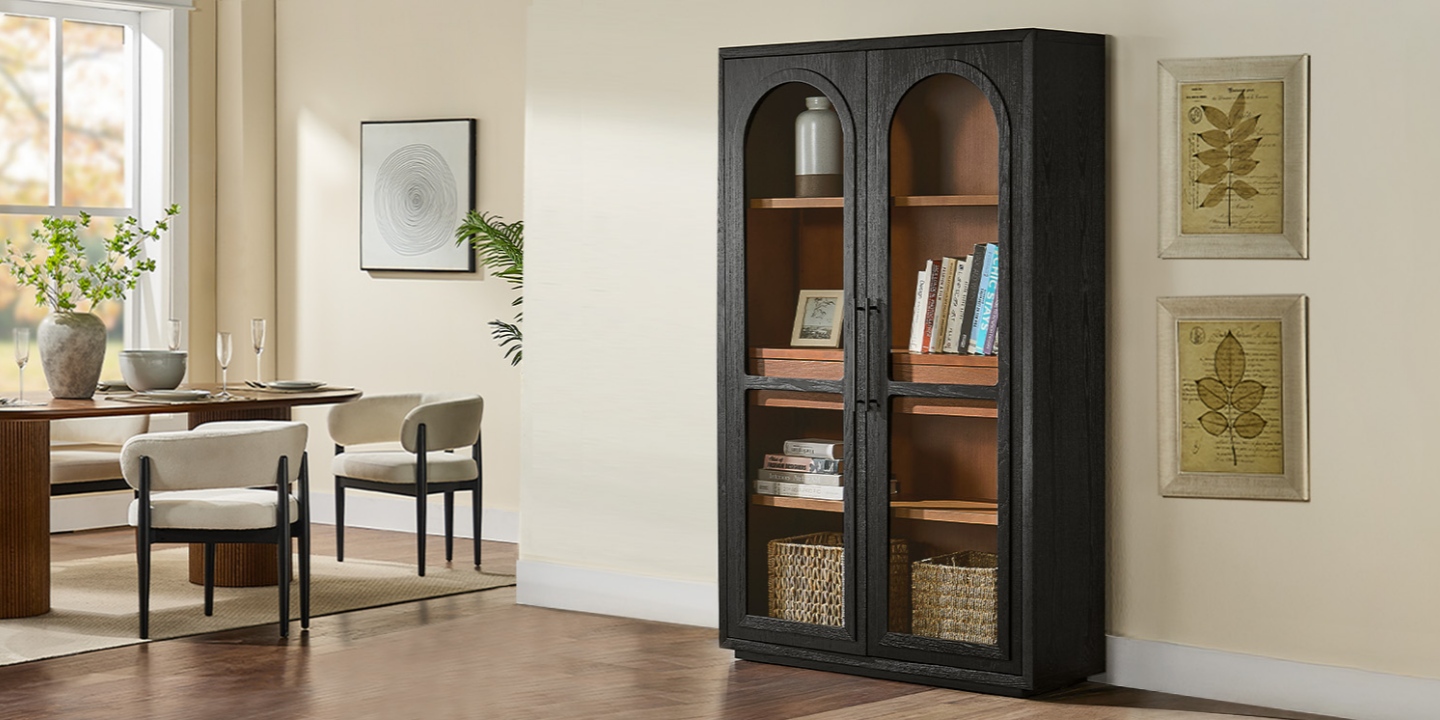
How to Maintain a Wood Bookcase and Extend Its Lifespan
A quality wood bookcase is more than a storage solution—it is a long-term furniture investment that can add warmth and character to your home for years. However, even the most durable wood furniture needs proper care to maintain its appearance and structural integrity.
Unlike temporary storage pieces, a well-maintained wood bookcase can age beautifully, developing a richer look over time. Regular cleaning, proper placement, and protecting the wood finish are key steps to extending its lifespan.
Cleaning Tips for Wood Bookcases
Dust and everyday buildup can affect both the appearance and finish of a wood bookcase. A simple maintenance routine can prevent long-term damage.
When cleaning, avoid harsh chemicals, abrasive sponges, or excessive water, as they may damage the protective finish or cause wood to absorb moisture.
For bookcases holding many items, remove books and décor occasionally to clean hidden areas. This also gives you a chance to reorganize shelves and check for signs of wear.
Protecting Wood Finishes
Protecting the finish is essential for keeping a wood bookcase looking its best. The surface coating helps protect the natural wood from scratches, fading, and moisture damage.
Follow these simple tips:
Avoid direct sunlight: Prolonged exposure can cause wood finishes to fade or change color.
Control humidity: Excess moisture or extremely dry conditions may affect natural wood over time.
Use protective pads: Place pads under decorative objects to prevent scratches.
Avoid overloading shelves: Excessive weight can stress both the finish and the structure.
For homeowners choosing a wood bookcase, proper maintenance is what turns a good furniture purchase into a lasting piece. With consistent care, your bookcase can continue providing reliable storage while maintaining its natural beauty for many years.
Final Thoughts: Choosing the Right Bookcase for Your Home
Choosing a bookcase is not simply about finding empty shelves. It is about selecting a piece that fits your space, supports your lifestyle, and enhances your home.
The best approach to how to choose a bookcase is to start with practical questions:
Where will it go?
What will it hold?
How much space do you have?
What style fits your home?
What material will provide lasting value?
Whether you prefer a classic wood bookcase, a modern display unit, or one of the many types of bookcases available today, the right choice should feel natural in your space.
At Hernest, thoughtful furniture design focuses on helping homeowners create spaces that are both beautiful and functional. A well-chosen bookcase is not just storage—it is part of the story your home tells.
Frequently Asked Questions About Choosing a Bookcase
What's the difference between a bookshelf and a bookcase?
A bookshelf usually refers to a simple shelf used for storing books, while a bookcase is a complete freestanding furniture unit with multiple shelves, side panels, and a supporting frame. A bookshelf is often more minimal and space-saving, while a bookcase provides better stability, storage capacity, and design flexibility. For homeowners looking for a long-term furniture piece that can hold books, décor, and everyday items, a bookcase is usually the more versatile option.
What are different types of bookcases?
The main types of bookcases include standard vertical bookcases, ladder bookcases, cube bookcases, corner bookcases, barrister bookcases, and built-in bookcases. A standard vertical bookcase works well for most rooms, ladder bookcases are ideal for smaller spaces, cube designs offer flexible storage, and corner bookcases help maximize unused areas.
What is the standard size of a bookcase?
Typical bookcase sizes range from 30–36 inches wide, 48–84 inches high, and 10–16 inches deep. However, the ideal dimensions depend on your room size, ceiling height, and storage needs. A smaller room may benefit from a narrow vertical bookcase, while larger spaces can accommodate wider or taller designs.
What's a good depth for a bookcase?
A good bookcase depth is usually between 10 and 12 inches for standard books. If you plan to store oversized books, decorative objects, baskets, or larger items, a depth of 12–16 inches may be more practical. The best depth depends on what you want to display or store rather than choosing the deepest option available.
Why are bookcases so deep?
Bookcases are often deeper because they need to accommodate different book sizes and provide enough space for decorative items beyond books. Extra depth can also improve stability, especially for taller units. However, a deeper bookcase is not always better because excessive depth may create unused space and make items harder to access.
How can I choose the right bookcase for my living room?
To choose the right living room bookcase, start by measuring your available wall space and considering your existing furniture layout. Large living rooms often work well with wide statement bookcases, while smaller spaces benefit from tall, narrow designs. Also consider whether you need the bookcase mainly for book storage, décor display, or a combination of both.
How many shelves should a bookcase have?
Most bookcases have three to six shelves, but the ideal number depends on your storage goals. More shelves are useful for organizing smaller books and collections, while fewer shelves with larger gaps work better for displaying artwork, plants, and decorative pieces. Adjustable shelf spacing can provide even more flexibility.
Are adjustable shelves important in a bookcase?
Yes, adjustable shelves are an important feature because they allow you to customize storage space for different-sized items. They are especially useful for homeowners who store a mix of books, décor, baskets, and collectibles. Adjustable shelves also help the bookcase adapt as your storage needs change over time.
What material is best for a long-lasting bookcase?
Solid wood is one of the best materials for a long-lasting bookcase because it provides strength, durability, and natural beauty. A quality wood bookcase can support heavier items and maintain its appearance with proper care. Engineered wood and metal options can also be practical choices depending on your budget, style preferences, and intended use.