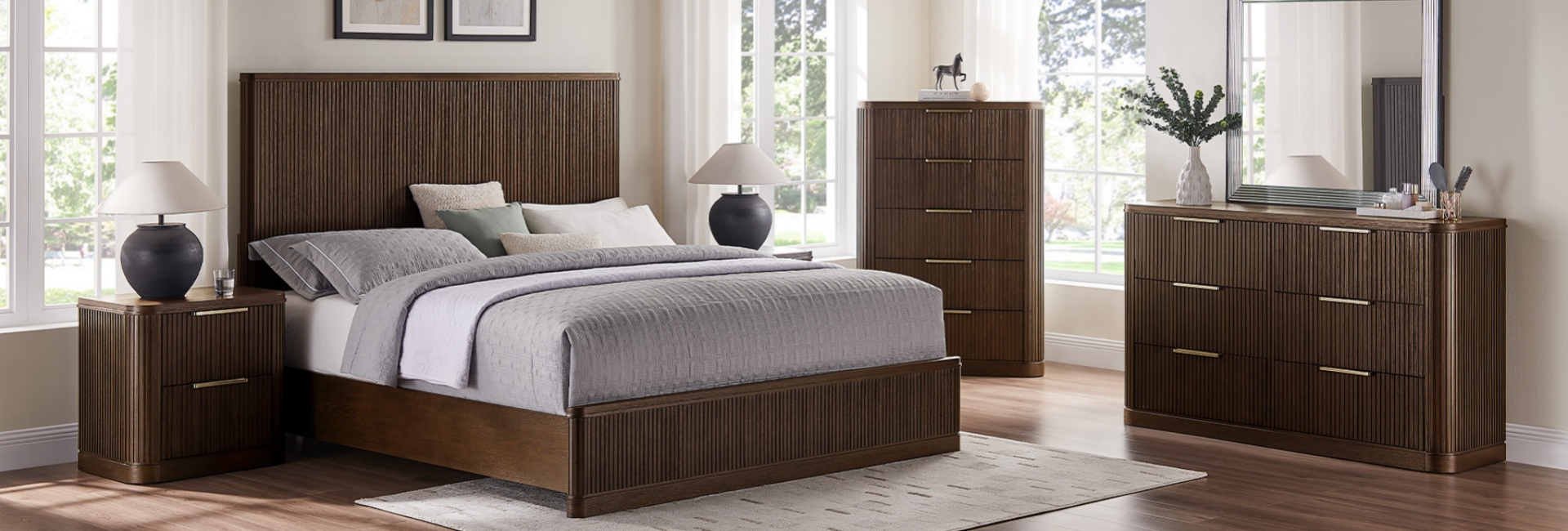
A guest bedroom doesn't need to look like a professionally staged hotel suite to make visitors feel welcome. A comfortable bed, a place to charge a phone, soft lighting, and enough room to unpack can do more for an overnight stay than a collection of decorative accessories.
The best guest bedroom ideas balance comfort, function, and personal style. Whether you're furnishing a dedicated guest room, refreshing a spare bedroom, or turning a home office into a multipurpose space, start with what visitors need most and build from there.
Think about how someone will use the room after arriving. Can they reach a lamp from bed? Is there somewhere to put a suitcase? Can they find an extra blanket without asking? Small conveniences like these make a room easier to settle into.
Start with a suitable bed frame, a comfortable mattress, and a nightstand or another stable bedside surface. Then add layered bedding, flexible lighting, useful storage, and a few decorative details that complement the rest of your home.
Here are 10 practical ways to create a guest bedroom that feels inviting, works for different visitors, and stays easy to maintain between visits.
Table of Contents
- 1. Start With a Comfortable Bed and a Practical Layout
- 2. Use a Warm, Relaxing Color Palette
- 3. Layer Bedding for a Cozy Guest Bedroom
- 4. Make the Nightstand Work for Your Guests
- 5. Choose Lighting That Feels Warm and Flexible
- 6. Make Small Guest Bedrooms Feel Bigger
- 7. Add Storage, Seating, and Multipurpose Features
- 8. Add Personal Touches Without Creating Clutter
- 9. What to Put in a Guest Bedroom: A Practical Checklist
- 10. Bring the Room Together With a Simple Design Plan
- FAQs
- What are some essential items to put in a guest room?
- How can I make a guest bedroom feel cozy?
- What colors work best for a guest bedroom?
- What size bed is best for a guest bedroom?
- Does a guest bedroom need two nightstands?
- How do I decorate a small guest bedroom?
- How can I make a guest bedroom work as a home office?
- Should guest bedroom furniture match?
- How can I prepare a guest bedroom for an overnight stay?
1. Start With a Comfortable Bed and a Practical Layout
The bed is the biggest piece of furniture in most guest bedrooms, so its size should guide the rest of the layout. For many rooms, a queen bed is a practical starting point because it accommodates couples without taking up as much space as a king. A full bed may be a better fit when floor space is limited or the room usually hosts one person.
Before choosing a headboard or decorative pillows, measure the room and consider who typically stays overnight. Two guests with large suitcases need a different setup from a solo visitor staying for one night.
Choose the right bed size
Standard US mattress dimensions provide a useful starting point when planning a guest room.
These measurements refer to the mattress, not the complete bed. Frames, headboards, and footboards can add several inches to the overall footprint, so check the actual product dimensions before purchasing.
As a general planning guideline, aim for roughly 24–30 inches of clearance beside the bed where possible. More space may be necessary for comfortable movement, larger suitcases, or visitors with mobility needs. Treat this as a layout reference rather than a universal accessibility standard.
Also consider the room's other fixed features. A queen bed may fit along one wall but leave too little room for a dresser, closet doors, or a comfortable route from the entrance.
Select a bed frame that suits the room
The right bed frame should complement the room without dominating it. A streamlined wood frame can work well in a compact space, while a more substantial headboard can anchor a larger bedroom. Upholstered designs introduce a softer texture; wood finishes bring warmth and visible grain.
Think about the other furniture before committing to a finish. A distinctive headboard may look best with understated nightstands, while a simple frame gives you more freedom to choose expressive lamps, artwork, or bedding.
If you prefer coordinated furniture, a bedroom set can simplify the process. The Hernest Finnley 3-Piece Fluted Bedroom Set pairs a dark brown finish with fluted detailing and matching nightstands.
For a lighter direction, the Hernest Harold 3-Piece Bedroom Set combines a light brown finish with coordinated bedside furniture. It can work well with ivory textiles, muted green accents, and natural textures.
Before choosing either set, verify the available bed size, dimensions, included pieces, materials, and assembly requirements on the product page.
Position the bed for easy movement
Centering the bed against the main wall often creates a balanced layout and makes room for a nightstand on either side. In a narrow bedroom, positioning it against a longer uninterrupted wall may leave a more convenient route from the doorway to the closet.
Measure door swings, window placement, closet openings, and outlet locations before settling on the arrangement. A bed that fits on paper can still make the room awkward if a drawer hits the frame or a door cannot open fully.
One useful test is to imagine arriving with a suitcase. If the route from the door to the bed feels cramped, adjust the furniture before adding accessories.
Design tip: Decide where the bed will go first. That single choice determines how much room remains for nightstands, clothing storage, and luggage.
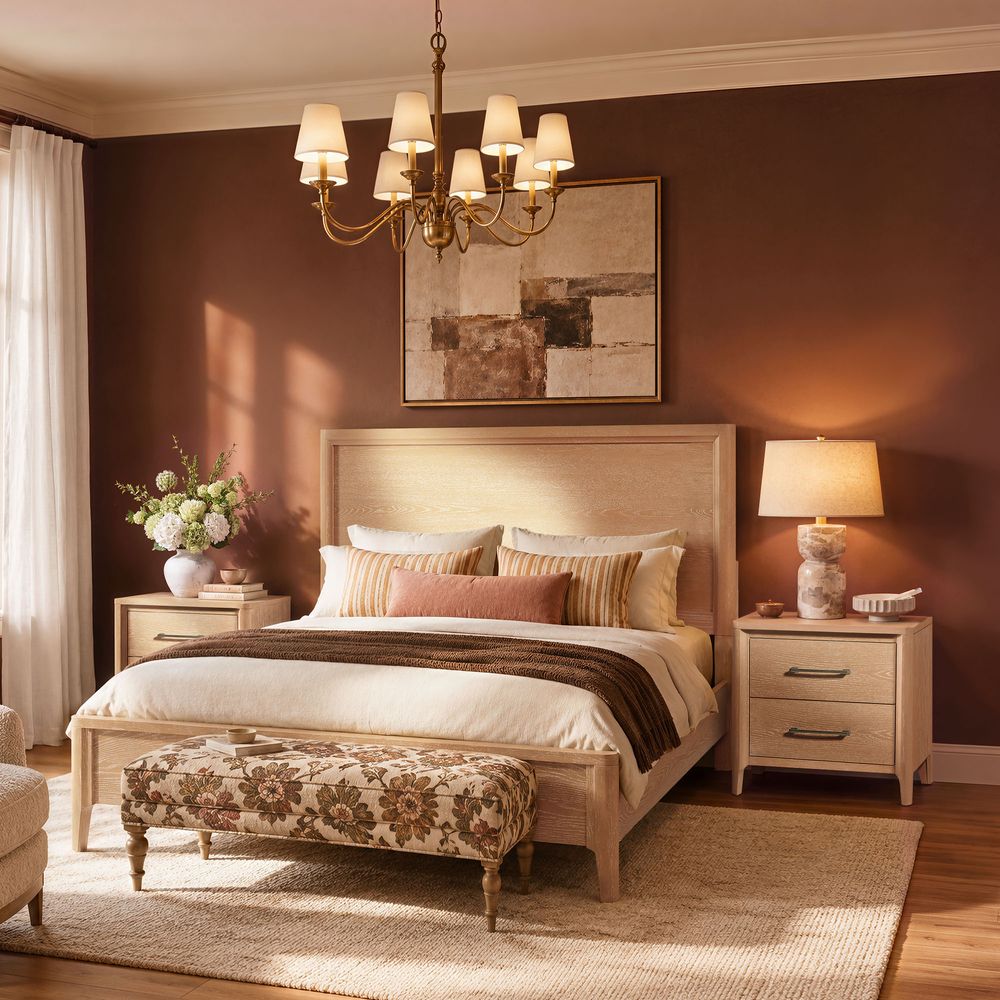
3-Piece Harold Bedroom Set
View Product
2. Use a Warm, Relaxing Color Palette
Color can change the mood of a guest bedroom without requiring new furniture or a renovation. Warm neutrals create a calm foundation, while muted accent colors add personality without making the room feel busy.
Begin with the wall color, flooring, and larger furniture pieces you already have. Then select bedding, curtains, and accessories that work with those existing finishes.
Try warm neutrals for an inviting atmosphere
Warm white, cream, beige, sand, taupe, and soft brown are versatile choices for guest bedrooms. They create a relaxed backdrop and make it easy to refresh the room by changing a throw, pillow cover, or piece of artwork.
For example, warm white walls, oatmeal bedding, natural wood furniture, and an ivory throw create visual interest without introducing several competing colors.
Texture matters as much as color. Smooth cotton sheets, a woven blanket, visible wood grain, and a textured pillow cover give a neutral room depth without making the palette complicated.
Add muted color without overwhelming the room
A neutral bedroom doesn't have to be entirely beige. Muted sage, dusty blue, soft terracotta, and subdued olive can bring in color while preserving a restful atmosphere.
Choose one accent color and repeat it in two or three places. Sage bedding might complement a botanical print, while a dusty blue throw can add contrast to cream textiles and dark wood furniture.
Repeating a color creates a visual connection between different elements. You don't need every accessory to match exactly, but a clear color direction helps the room feel considered.
Match the palette to the furniture finish
Use the bed frame and nightstands as a starting point for choosing textiles and accessories.
-
Dark brown wood: Balance the deeper finish with cream bedding, warm white walls, and soft beige textiles.
-
Light brown wood: Pair it with ivory, muted green, or warm gray for an airy look.
-
Upholstered bed frames: Use the fabric color to guide your choice of bedding and window treatments.
-
Mixed furniture finishes: Repeat one or two colors across the room to connect the different pieces.
If the furniture already has a distinctive finish, let it provide the visual structure. Simple bedding and a few well-chosen accents can complete the room without competing with the larger pieces.
3. Layer Bedding for a Cozy Guest Bedroom
When looking for cozy guest bedroom ideas, it's easy to focus on decorative pillows and beautiful blankets. But a comfortable bed starts with clean sheets, a suitable mattress, and pillows that support different sleeping preferences.
Bedding should feel inviting without requiring guests to dismantle an elaborate display before going to sleep.
Build a comfortable bedding foundation
Start with a fitted sheet, a top sheet if you prefer one, and a suitable comforter or duvet. Choose fabrics that feel comfortable against the skin and can be washed easily between visits.
Cotton comes in a range of weaves and weights, making it a versatile choice for everyday bedding. Linen offers a more relaxed texture, while cotton blends may appeal to households looking for easy-care options.
Consider the room's temperature, too. Lightweight bedding may be enough in warmer weather, while a medium-weight comforter and an extra blanket provide more flexibility in cooler months.
If you're unsure what guests prefer, keep a spare blanket somewhere easy to reach. Visitors can adjust their comfort without having to ask.
Provide pillows that suit different sleepers
Two sleeping pillows per person are a useful starting point, with an extra pillow available for anyone who wants more support. If you add decorative pillows, keep the arrangement manageable.
A practical setup might include the sleeping pillows, one pair of decorative pillows, and a folded throw at the foot of the bed. Guests can remove the decorative pieces quickly and still have a comfortable place to sleep.
For frequent or longer visits, consider keeping spare pillows of different firmness levels in a clean closet or storage compartment.
Mix textures rather than adding more colors
Texture can make a bedroom feel layered even when the palette is simple. Combine smooth sheets with a quilted coverlet, a knitted throw, or a subtly textured duvet cover.
With a dark wood bed frame, cream bedding and a taupe coverlet can soften the overall look. With lighter furniture, ivory textiles and a muted sage throw can introduce contrast without making the room feel busy.
If the bed frame has decorative fluting or prominent wood grain, quieter textiles may create a more balanced result.
Adjust bedding for the season
A guest bedroom should be comfortable during the time of year when visitors are most likely to stay.
In warmer months, breathable bedding and lightweight layers may be enough. In colder weather, add a heavier blanket and consider a rug beside the bed so guests don't step onto a cold floor in the morning.
Window treatments can also affect sleep. Blackout curtains or shades may help guests who are sensitive to early morning light, while layered curtains can soften a bright room and provide privacy.
4. Make the Nightstand Work for Your Guests
A nightstand gives guests somewhere to place a phone, glasses, a book, or a glass of water. Without a convenient surface, everyday belongings can end up on the floor or crowded onto the bed.
The best nightstand isn't necessarily the largest or most decorative one. It should be easy to reach, proportionate to the bed, and spacious enough for the items guests actually use.
Choose the right size and height
A nightstand with a tabletop close to mattress height is a practical starting point. The ideal height depends on the bed frame, mattress thickness, and how easily someone can reach the surface while lying down.
Consider the usable tabletop area, not just the overall width. A lamp, phone, and water glass can quickly crowd a narrow surface. If you plan to provide charging access or several small essentials, choose a design that leaves room for personal belongings.
For smaller rooms, a compact nightstand may be sufficient. A wider table can be useful in a larger bedroom, especially when two people are sharing the bed.
Use drawers for small essentials
Drawers help keep charging cables, tissues, a sleep mask, and a notepad organized. They also give guests a place to put small belongings during longer visits.
Matching nightstands on both sides of the bed create a balanced arrangement, but they aren't essential. In a narrow room, one nightstand paired with a wall-mounted reading light may be more practical.
Keep the tabletop useful
A guest-ready nightstand needs only a few items: a lamp, a coaster or water glass, and perhaps one small decorative accent.
Avoid tall arrangements that block light or leave little room for a phone. If you provide a charging cable, make sure it can be reached without moving the lamp or searching through a drawer.
Before visitors arrive, clear the tabletop and check that the lamp works. A usable surface is more valuable than an elaborate arrangement that leaves no room for guests' belongings.
5. Choose Lighting That Feels Warm and Flexible
A single bright ceiling light rarely meets every need in a guest bedroom. Visitors may want to unpack, read, get dressed, or wind down without illuminating the entire room.
Combining general lighting with a bedside light gives guests more control over the space.
Add bedside lighting for nighttime comfort
A table lamp provides convenient reading light and makes it easier to settle in without switching on the overhead fixture.
Wall-mounted sconces are another option, particularly when tabletop space is limited. Position them so the light is useful for reading and the controls are easy to reach from the bed.
Warm-white lighting is often a good choice for a relaxed evening atmosphere. Choose a bulb and shade combination that provides comfortable illumination rather than harsh glare.
Keep overhead lighting practical
A ceiling fixture provides general illumination for finding belongings, unpacking, and getting dressed. If the room has only one overhead light, a compatible dimmable fixture can provide more flexibility.
If your guest bedroom doubles as a home office, keep task lighting separate from bedside lighting. The room can function as a workspace during the day without feeling like an office when someone stays overnight.
Make natural light easy to manage
Daylight can make a guest bedroom feel fresh and open, but privacy and light control matter just as much.
Sheer curtains soften direct sunlight while maintaining a bright appearance. Lined curtains or shades offer greater control when the room faces a streetlight, receives strong morning sun, or needs more privacy.
Think about how the room will feel at different times of day. Guests should be able to adjust the light without struggling with unfamiliar window coverings.
6. Make Small Guest Bedrooms Feel Bigger
Small guest bedroom ideas work best when they start with the room's actual limitations. Rather than fitting every traditional bedroom furnishing into a compact space, identify what visitors need and choose furniture accordingly.
A comfortable bed, a bedside surface, good lighting, and somewhere to store belongings may be enough.
Measure before buying furniture
Measure the room's length and width, then note the positions of doors, windows, closets, and outlets. Next, check the overall dimensions of the furniture you're considering.
Don't forget the space needed for drawers to open or doors to swing. A dresser that technically fits against the wall may still be difficult to use if its drawers collide with the bed.
In a small guest room, consider:
-
A bed frame with a streamlined profile.
-
One compact nightstand instead of two bulky tables.
-
Wall-mounted reading lights to free up tabletop space.
-
A narrow dresser or folding luggage rack instead of a large bench.
-
Under-bed storage when there is enough clearance to access it comfortably.
These choices preserve the functions guests need without filling every available corner.
Use visual breathing room
Light colors, simple bedding, and a limited number of decorative objects can make a small room feel less crowded. Mirrors can reflect daylight and introduce a greater sense of openness when positioned thoughtfully.
You don't need to paint every wall white or eliminate contrast. A restrained palette with a few darker accents can look more intentional than a completely uniform room.
Keep the floor as visible as possible. If a chair, basket, or accent table takes up space without serving a clear purpose, removing it may improve the room more than rearranging everything around it.
Make storage work harder
If the room has a closet, leave some space for visitors and provide a few hangers. If closet space is limited, an accessible drawer, compact rack, or luggage stand can help.
Under-bed storage is useful for spare sheets and blankets, but avoid turning the guest room into overflow storage for household items. Guests shouldn't have to move seasonal decorations to find room for a suitcase.
For rooms that rarely host visitors, a nightstand with drawers or a compact dresser can provide everyday storage between stays. Leave some capacity available when someone arrives.
Plan around the main walking route
Imagine entering the room with a suitcase, walking to the bed in low light, and accessing the closet the next morning. These simple movements reveal problems that aren't always obvious in a floor plan.
Keep the route to the bed clear and avoid placing sharp corners directly in the main path. Guests who use mobility aids or need additional clearance may require a more spacious arrangement.
When space is tight, a comfortable route through the room is more useful than another decorative piece.
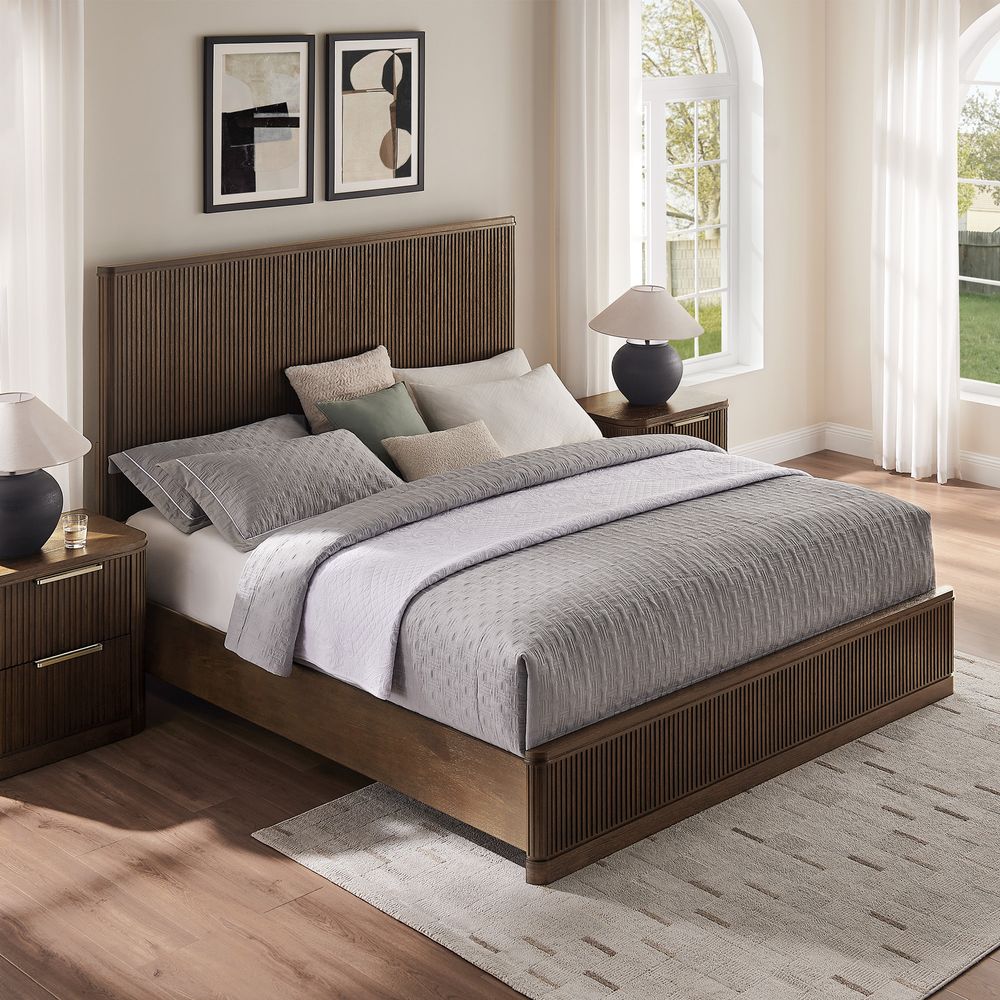
3-Piece Finnley Fluted Bedroom Set
View Product
7. Add Storage, Seating, and Multipurpose Features
A guest bedroom often serves another purpose during the rest of the year. It may be a home office, reading room, dressing area, or occasional storage space.
The challenge is to keep the room useful day to day without making overnight visitors feel as though they're sleeping in the middle of someone else's workspace.
Provide a place for luggage
A luggage stand keeps a suitcase off the bed and floor. A sturdy bench at the foot of the bed can serve the same purpose if the room has enough clearance.
Before adding a bench, measure the space between its edge and the nearest wall or dresser. If it makes movement around the bed awkward, a folding luggage rack may be the better choice.
In a very small room, you may not need a dedicated luggage stand. An open area beside the bed can work just as well.
Add seating only when it earns its place
An accent chair creates somewhere to read, put on shoes, or sit while getting ready. It can also make a larger guest bedroom feel more like a private retreat.
In a compact room, however, a chair can become an obstacle. If there isn't enough space for comfortable seating, a small stool or no additional seating may be the more sensible choice.
Consider how the seat will be used and whether it interferes with the bed, closet, or main walking route before purchasing it.
Make a home office easy to switch over
If the guest bedroom doubles as an office, closed storage can keep paperwork, electronics, and work supplies out of sight when visitors arrive.
Keep the desk compact, clear the work surface, and leave room for a suitcase. The bed and bedside essentials should remain easy to access even when the desk stays in the room.
Separate task lighting from bedside lighting so visitors can read or wind down without relying on a desk lamp.
Separate household storage from guest storage
A dresser can be useful, but leave at least some drawer space available for visitors. The same applies to shelves and closets.
A guest room can still store everyday household items, provided those belongings don't take over the space. For longer stays, even one empty drawer or a small section of closet can make a difference.
8. Add Personal Touches Without Creating Clutter
A guest bedroom should feel connected to the rest of your home, not like an anonymous spare room. A few thoughtful details can introduce personality without making the space difficult to maintain.
Start with the furniture and color palette, then add artwork, natural materials, greenery, or a mirror where each item serves a clear purpose.
Choose artwork that suits the room
Artwork above the bed can anchor the design, while a small framed print beside a dresser can fill an empty wall.
Abstract art, landscape photography, botanical prints, and simple line drawings can all work. Choose pieces that complement the room's colors and furniture rather than competing with them.
Pay attention to scale. A small frame above a large bed may look lost, while an oversized piece can overwhelm a narrow wall. Secure artwork appropriately, especially when hanging it above the bed.
Bring in natural materials
Wood, woven textures, cotton, linen, and ceramic accents can make a bedroom feel warm and lived-in.
With a dark brown bed frame, try a woven basket for spare blankets and a ceramic lamp in a warm neutral shade. With lighter wood furniture, a textured throw and a simple plant can introduce contrast.
The materials don't have to match exactly. A mix of finishes often feels more relaxed than a room where every accessory has the same texture and color.
Use greenery selectively
A small plant can introduce color and connect the room to the outdoors. Choose a variety suited to the available light and one that doesn't require constant attention.
If the room receives little daylight or is rarely used, a quality faux arrangement may be easier to maintain.
Avoid placing greenery where it takes up valuable nightstand space. Strongly scented flowers may also be uncomfortable for guests who are sensitive to fragrance.
Add a useful mirror
A mirror gives guests a convenient place to check their appearance and can reflect daylight when positioned thoughtfully.
A full-length mirror is useful if the room doesn't have easy access to a shared dressing area. In a smaller bedroom, a wall-mounted mirror provides the benefit without using valuable floor space.
Make sure it is securely mounted and easy to access without moving furniture.
Keep seasonal styling simple
You don't need to redesign the entire room for every season. Keep the larger furniture pieces and color palette consistent, then refresh a few textiles or accessories when you want a change.
In spring and summer, lighter bedding and muted green accents can make the room feel fresh. In fall and winter, a heavier throw and warmer bedside lighting can create a cozier atmosphere.
This approach also makes the room easier to reset between visits because you won't need to store large amounts of seasonal decor.
9. What to Put in a Guest Bedroom: A Practical Checklist
A well-equipped guest bedroom should include a comfortable bed, clean bedding, pillows, a nightstand or bedside surface, accessible lighting, privacy window treatments, and space for luggage. Extra blankets, hangers, charging access, drinking water, and Wi-Fi instructions make an overnight stay more convenient.
Not every room needs a dresser, bench, or pair of nightstands. Focus on the essentials first, then add amenities that suit the room's size and the length of the visit.
Essential furniture and bedding
Use this checklist as a starting point:
-
A comfortable bed frame and mattress.
-
Clean sheets, pillowcases, and a suitable comforter or duvet.
-
Sleeping pillows, with an extra option available.
-
A nightstand or stable surface within reach of the bed.
-
A bedside lamp or accessible reading light.
-
Curtains or shades that provide privacy and light control.
-
A clear place for luggage and personal belongings.
-
A wastebasket and a convenient place to hang clothes.
The arrangement will depend on the room. In a small space, one nightstand and a compact luggage rack may be more useful than a large dresser and two bulky bedside tables.
Helpful everyday amenities
A few small additions can make a stay more convenient:
-
A water glass or reusable water bottle.
-
A coaster or washable tray for drinks.
-
Tissues.
-
A charging cable or clearly accessible outlet.
-
A notepad and pen.
-
A few hangers or an available section of closet space.
-
An extra blanket.
-
A small mirror.
-
A simple guide to the home's Wi-Fi and useful household information.
Keep these items easy to find without crowding the nightstand. A small tray or accessible drawer can organize the essentials while leaving room for guests' own belongings.
Optional extras for longer stays
For visitors staying several nights, consider providing an available dresser drawer, a luggage rack, a reading chair, or a compact desk if the room has enough space.
If the guest bedroom has an attached bathroom or is near a shared one, clean towels and a few basic toiletries can also be helpful. A full basket of products isn't necessary, particularly if guests prefer to bring their own.
If you offer snacks or drinks, choose items that are easy to store and don't require special preparation. When appropriate, ask about dietary needs rather than assuming what visitors can eat.
Make essentials easy to find
The usefulness of an amenity depends on whether a guest can actually find it. A charging cable hidden in a crowded drawer is less helpful than one placed near an accessible outlet.
Keep spare bedding clean, leave some closet or drawer space available, and make sure the main surfaces remain usable.
A short welcome note can provide the Wi-Fi password and point guests toward extra blankets, bathroom supplies, or other household essentials. It saves them from having to ask about every small detail.
10. Bring the Room Together With a Simple Design Plan
Once the bed, bedside furniture, lighting, and basic amenities are in place, the remaining decisions become easier. Use this sequence to check that the room looks cohesive and functions well.
Step 1: Establish the furniture foundation
Choose the bed frame first, then determine whether the room can comfortably accommodate one or two nightstands. Add a dresser, luggage rack, or chair only if the space allows it.
Consider the room's dimensions, wall color, flooring, and natural light before choosing a furniture finish. Darker wood can create a more defined focal point, while lighter wood may help a room feel visually airy.
Step 2: Set the color and texture direction
Choose two or three complementary colors and introduce texture through bedding, curtains, a rug, or a throw.
For a warm, understated room, combine cream walls, neutral bedding, and wood furniture with one muted accent color. If you prefer a more expressive look, introduce a patterned throw or a restrained accent wall while keeping the larger surfaces relatively simple.
Step 3: Make lighting easy to use
Provide general lighting and a convenient light source near the bed. Test the switches and lamps before guests arrive.
If the room doubles as an office, keep task lighting separate from bedside lighting so visitors can use the room comfortably after dark.
Step 4: Prepare the practical details
Make the bed with clean linens, provide a spare blanket, and ensure guests have a place for luggage. Leave some room in the nightstand or closet for personal belongings, and make charging access easy to locate.
Then look at the room from the doorway. Can you reach the bed easily? Is the bedside light convenient? Can someone open the closet without moving furniture?
Step 5: Test the room before guests arrive
Spend a few minutes using the room as a visitor would. Lie on the bed, reach for the lamp, check the curtains, and open the drawers.
Look for small inconveniences, such as a lamp switch hidden behind the headboard, a drawer that hits the bed frame, or an outlet that is difficult to reach.
These are easy problems to overlook when you're focused on appearance, but fixing them can make the room noticeably more practical.
Ultimately, a welcoming guest bedroom isn't about how much furniture or decoration you buy. It's about making the essentials work together, leaving room to move, and anticipating what visitors might need without making them feel like they're imposing.
FAQs
What are some essential items to put in a guest room?
Start with a comfortable bed and mattress, clean bedding, pillows, a nightstand or bedside surface, and accessible lighting. Add privacy curtains, a place for luggage, hangers, and an extra blanket. Drinking water, tissues, charging access, and Wi-Fi instructions are useful extras. Prioritize the essentials first, then add amenities that suit the room and the length of the stay.
How can I make a guest bedroom feel cozy?
Use comfortable bedding, warm lighting, natural textures, and a restrained color palette. Warm neutrals, wood furniture, and a soft throw can make the room feel inviting. An extra blanket and a convenient bedside surface help guests settle in without having to ask for every little thing.
What colors work best for a guest bedroom?
Warm white, cream, beige, taupe, and soft brown are versatile choices that complement many furniture finishes. Muted sage, dusty blue, and subdued terracotta can introduce personality without overwhelming the room. Choose colors that work with your flooring, bed frame, and natural light.
What size bed is best for a guest bedroom?
A queen bed suits many guest rooms because it accommodates couples without taking up as much space as a king bed. A full bed may work better in a smaller room, while a king bed is worth considering if space allows. Measure the complete bed frame, not just the mattress, and account for walking clearance before purchasing.
Does a guest bedroom need two nightstands?
No. Two nightstands create a balanced look and provide a surface for each guest, but one can be enough in a smaller room. If you use a single nightstand, consider a wall-mounted reading light or another stable surface on the opposite side. Convenient access matters more than symmetry.
How do I decorate a small guest bedroom?
Choose a bed frame with a manageable footprint, use a restrained color palette, and keep the main walking route clear. Compact nightstands, wall-mounted lights, mirrors, and accessible under-bed storage can help make the most of limited space. Skip a bench or accent chair if it makes the room difficult to navigate.
How can I make a guest bedroom work as a home office?
Keep the desk compact and store paperwork and equipment in closed storage. Clear the work surface before guests arrive and provide space for luggage. Make sure the bed, bedside lighting, and essential amenities remain easy to access even when the room is being used for work.
Should guest bedroom furniture match?
Matching furniture is optional. A coordinated bed and nightstand set can simplify furnishing and create a consistent look. Alternatively, different finishes can add character when the pieces share complementary colors, proportions, or materials. Choose furniture based on the room's layout and the atmosphere you want to create.
How can I prepare a guest bedroom for an overnight stay?
Wash the sheets and pillowcases, make the bed, and check that the bedside lamp and outlets work. Provide clean towels where appropriate, leave some closet or drawer space available, and place an extra blanket within reach. Make Wi-Fi information easy to find and remove clutter from the floor and nightstand so guests have room for their belongings.