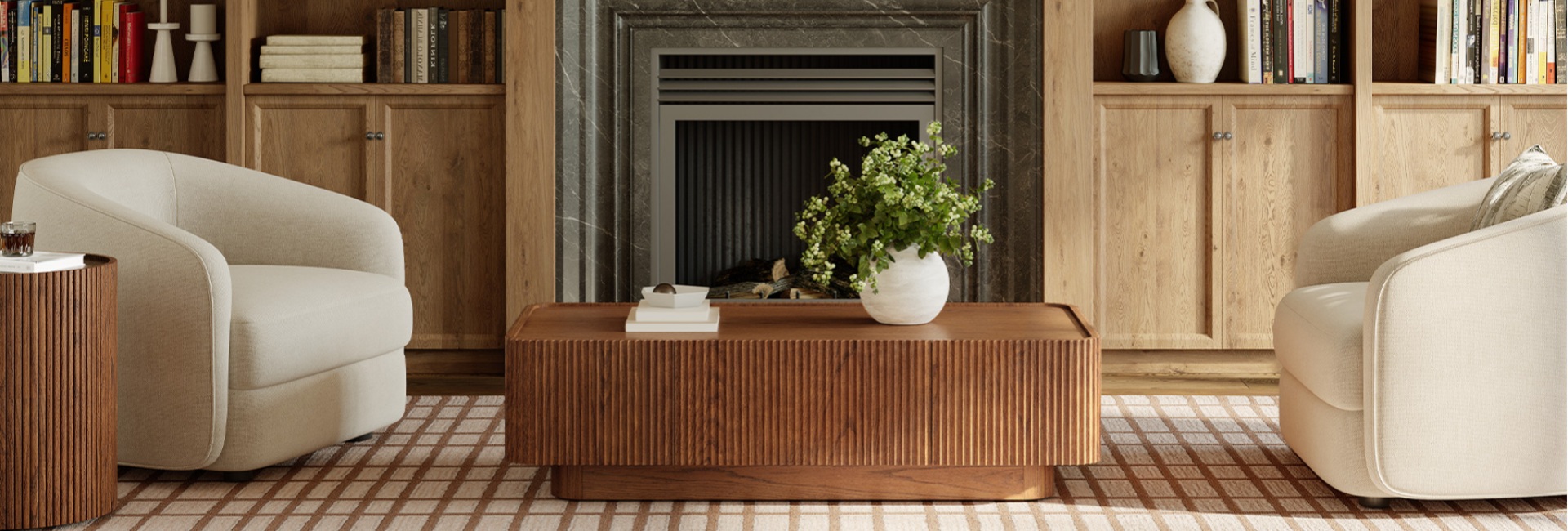
When it comes to matchday, most people think about the screen, the sound system, or the guest list—but in reality, the real “command center” of your living room is the coffee table. It’s where snacks land, drinks get passed around, remotes disappear, and conversations naturally gather. If your setup fails here, the whole experience feels off.
This guide breaks down exactly how to design a living room that works under pressure—crowds, movement, food, excitement—so your matchday setup feels effortless instead of chaotic. We’ll go deep into shape selection, spacing strategy, layout psychology, and real-world hosting mistakes so you can confidently choose the right solution.
Throughout this guide, you’ll see how rectangular coffee table, round coffee table, oval coffee table, and the best coffee table options perform under real hosting conditions.
Why Matchday Living Room Setup Matters for Entertainment Success
A successful matchday environment is not just decoration—it’s spatial engineering. The difference between a smooth experience and a frustrating one usually comes down to how people move, reach, and interact within the space.
The psychology of shared viewing spaces (comfort + visibility + flow)
During matchday, people naturally cluster toward the screen, but they also constantly shift—standing, sitting, grabbing snacks, reacting to key moments. Interior design studies consistently show that social viewing spaces work best when central surfaces are equally accessible from multiple seats, reducing unnecessary movement disruptions.
A poorly planned layout forces people to lean, stretch, or walk in front of others. A well-designed setup does the opposite: everything is reachable without breaking focus.
This is why furniture experts often describe the coffee table as the “interaction anchor” of the living room. In matchday environments, that anchor becomes even more important.
Key design goals for a matchday-ready space
To optimize your matchday setup, focus on three essential goals:
Maintain clear sightlines to the screen
Ensure equal snack and drink access
Keep traffic flow unobstructed
A best coffee table choice supports all three. It should never feel like an obstacle—it should feel like part of the movement pattern of the room.
Choosing the Ideal Coffee Table Shape for Matchday Hosting
Shape isn’t just aesthetic—it directly affect usability during matchday gatherings.
Rectangular coffee table – maximum surface for food and group use
A rectangular coffee table is often considered the most “utility-driven” option for matchday hosting because of its structured, high-capacity surface.
It works especially well when food is shared in trays, multiple drinks are placed at once, or guests are seated in a linear arrangement.
During matchday, this shape supports organization. One side can hold drinks, another snacks, and another remotes or small accessories.
A rectangular coffee table simply gives you more control over distribution, which becomes critical when the room is full.
When rectangular works best
A rectangular coffee table works best during matchday when the living room is organized around a linear seating layout and shared food service is a priority. Its extended surface allows guests to place drinks, snacks, and accessories without crowding, making it ideal for group viewing moments when everything needs to stay within easy reach. In larger gatherings, this shape naturally supports order and visibility, especially when positioned in front of a sofa facing the screen.
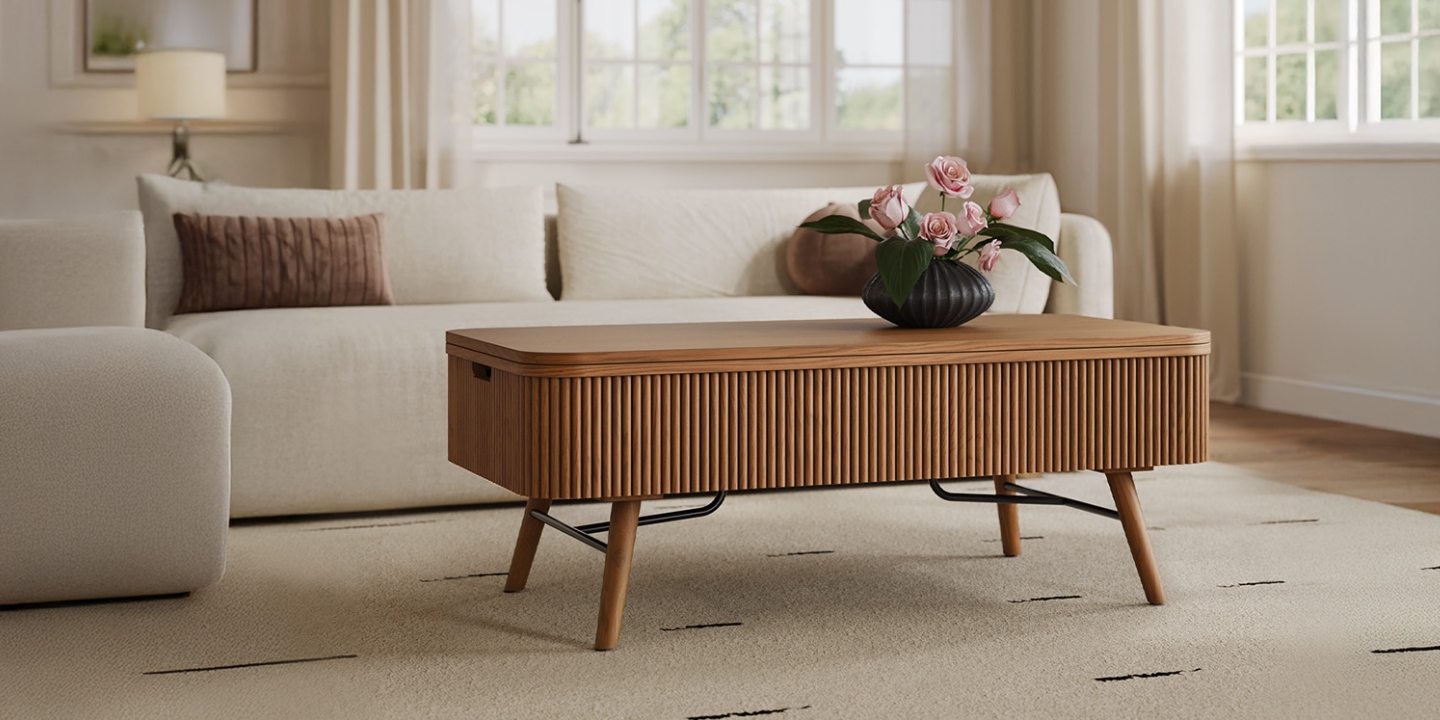
Hernest’s Magnus 47.2" Lift-Top Coffee Table design enhances this format with American solid oak and oak veneer construction, offering both durability and natural texture. The lift-top function adds flexible space during matchday, while dovetail drawer craftsmanship improves storage strength, making it a practical and stable choice for busy living room setups.
Common mistakes to avoid
Even a good rectangular coffee table can fail if:
It blocks walking pathways
It’s too large for compact rooms
Sharp edges create movement hazards during crowded matchday moments
Round coffee table – best for movement and social flow
A round coffee table shifts the dynamic completely. Instead of structure, it prioritizes flow. For matchday environments where people are constantly moving, rotating, and interacting, this shape reduces friction.
Because there are no corners, guests naturally circulate around it without interruption.
A round coffee table is especially effective when seating is informal or asymmetrical.
When round tables outperform others
A round coffee table outperforms other shapes during matchday when movement flow, safety, and social interaction are the top priorities. Its circular silhouette removes sharp corners, making it easier for guests to circulate in tighter seating arrangements and maintain an open, conversational atmosphere during high-energy viewing moments.
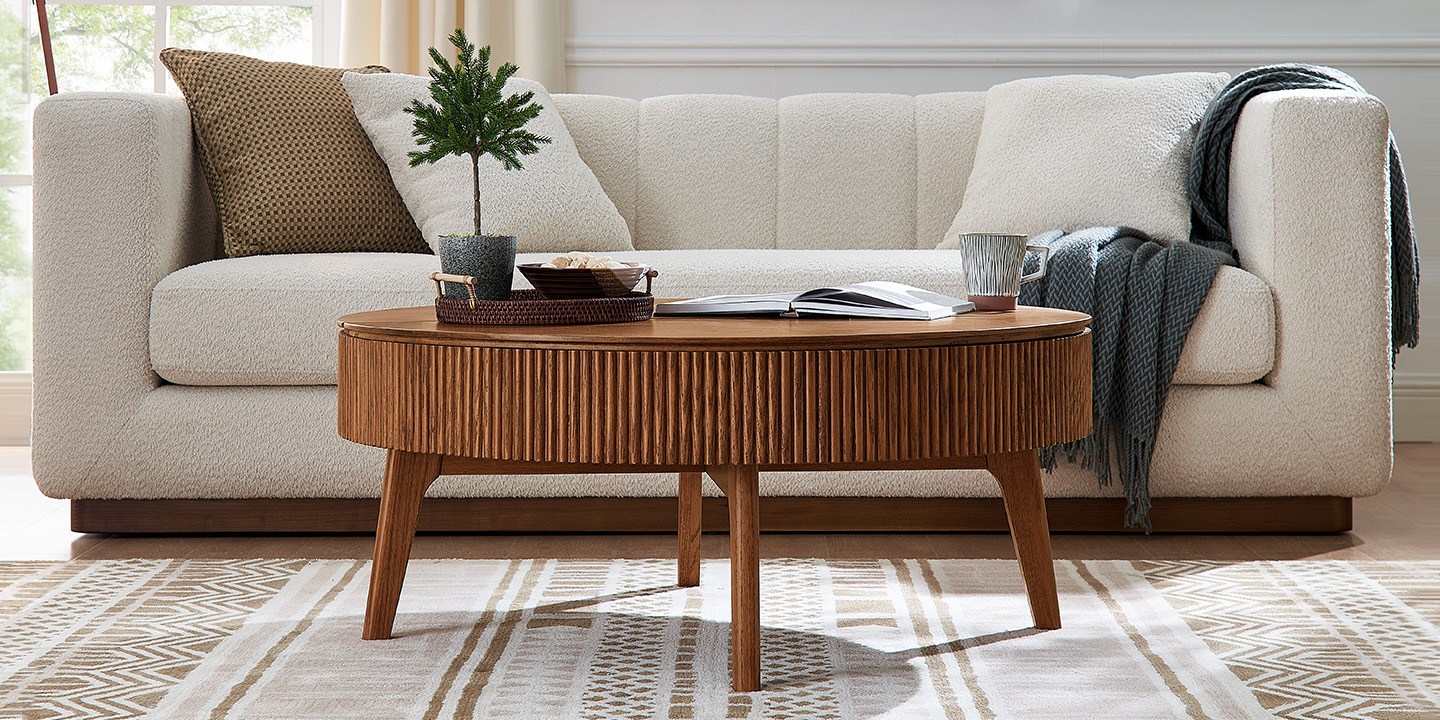
Hernest’s Magnus 39.4" Lift-Top Oak Coffee Table is crafted from American solid oak, engineered wood, and rubber wood with oak veneer detailing. The wire-brushed and glazed finish enhances natural grain depth, while hidden perimeter storage keeps essentials organized. During matchday, the lift-top function adds flexible surface space without disrupting the clean, balanced layout.
Limitations
However, a round coffee table does have constraints:
Less usable surface area compared to a rectangular coffee table
Not ideal for large serving trays during matchday
Can feel undersized in large living rooms
Oval coffee table – the hybrid matchday solution
The oval coffee table is often considered the “best of both worlds.” It blends the surface efficiency of a rectangular coffee table with the soft movement flow of a round coffee table.
During matchday, this balance is extremely valuable because it allows both accessibility and capacity without harsh edges.
An oval coffee table also visually softens the room, making it feel less rigid and more social.
Best use cases
An oval coffee table works best during matchday in medium to large living rooms where balance between surface capacity and smooth movement is essential. Its softened edges make it safer for crowded seating areas, while still offering enough tabletop space for shared snacks, drinks, and casual hosting setups. This shape is especially effective when guests gather around sectional sofas or mixed seating arrangements, keeping the flow natural and unobstructed during high-energy viewing moments.
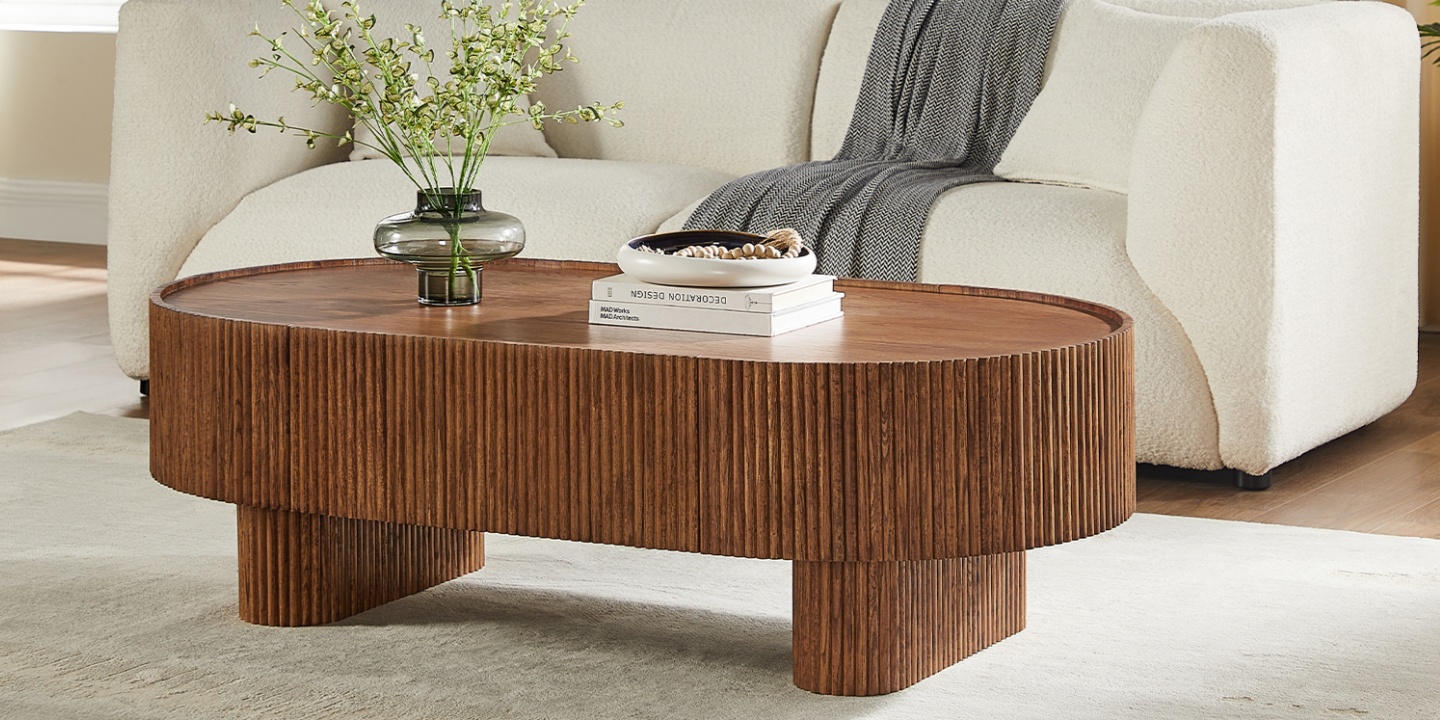
Hernest’s Marisol 55.1" Oak Coffee Table enhances this versatility with American solid oak and engineered wood construction, paired with oak veneer for added depth and durability. The wire-brushed, glazed finish highlights natural grain variation, while ribbed detailing adds tactile structure. During matchday, its wide surface and rounded profile make it a practical “best coffee table” option for hosting without clutter or congestion.
What Makes the Ideal Coffee Table for Matchday Use?
A successful matchday setup isn’t defined by décor—it’s defined by function. When guests arrive, energy rises, movement increases, and the coffee table quickly becomes the most used surface in the room. The best coffee table is the one that quietly supports all of this activity without creating clutter, congestion, or discomfort. It must handle food service, drink stability, and social interaction all at once.
Function-first design principles (expert-backed)
Interior design professionals consistently emphasize that a best coffee table should be chosen based on how people actually use the space, not just how it looks. During matchday, this becomes even more critical.
Key principles include:
Equal reach access from multiple seating positions
Clear separation between snack, drink, and personal zones
No obstruction of sightlines to the screen
Easy movement around seating clusters
In practice, a well-designed table acts like a “distribution hub.” Guests should be able to place and retrieve items without leaning over others or interrupting viewing flow.
Ideal dimensions for entertaining comfort
Proper sizing directly affect comfort during matchday gatherings. A poorly sized table creates constant friction—people bumping knees, stretching too far, or placing items on the floor.
Recommended guidelines:
These proportions ensure the best coffee table supports both movement and accessibility during high-traffic viewing moments.
Materials that perform best during matchday
Material choice determines how well a table holds up under repeated use during matchday events.
High-performance materials:
Solid wood: durable, stable, warm aesthetic
Engineered wood with veneer: balanced strength and cost efficiency
Metal frames: structural reinforcement for heavier loads
A practical best coffee table must resist spills, support weight, and remain stable when the room becomes crowded. Smooth, sealed finishes are especially valuable for quick cleaning between gatherings.
Ultimately, the ideal choice is not just about appearance—it’s about how reliably the table performs when the room is at its busiest.
Matchday Coffee Table Layout Strategies (Pro-Level Setup Tips)
A well-executed matchday setup is less about decoration and more about operational clarity. When guests arrive, the coffee table quickly becomes a shared service station, and without a system in place, clutter builds up fast. The goal is to make the best coffee table layout feel intuitive—everything has a place, and every guest can access what they need without disruption.
Snack zoning system for large gatherings
A “zoning system” transforms the coffee table into an organized service surface. Instead of placing items randomly, divide the space based on function.
Recommended zones:
During matchday, this structure prevents crowding and reduces reaching across others, especially when using a rectangular or oval layout. The best coffee table setups always prioritize accessibility over decoration.
Flow optimization for guests
Guest movement is often overlooked, but it defines comfort during matchday. A poorly positioned table disrupts circulation and creates bottlenecks.
Key principles:
Maintain 30+ inches of walking clearance around seating areas
Ensure at least two access points to the table surface
Avoid blocking pathways between sofa and screen
Align table shape with seating geometry (linear, sectional, or mixed)
For example, a round or oval shape improves circulation in tight spaces, while rectangular layouts support structured seating arrangements. The best coffee table layout always anticipates movement, not just sitting positions.
Styling without clutter
During matchday, simplicity is essential. Over-styling reduces usable space and increases visual distraction.
Follow these rules:
Limit décor to one low-profile centerpiece
Use trays to group small items
Keep 60–70% of the surface functional
Remove unnecessary decorative objects before guests arrive
The best coffee table should feel active, not crowded. A clean layout improves focus, keeps essentials visible, and ensures the table supports the rhythm of the gathering instead of competing with it.
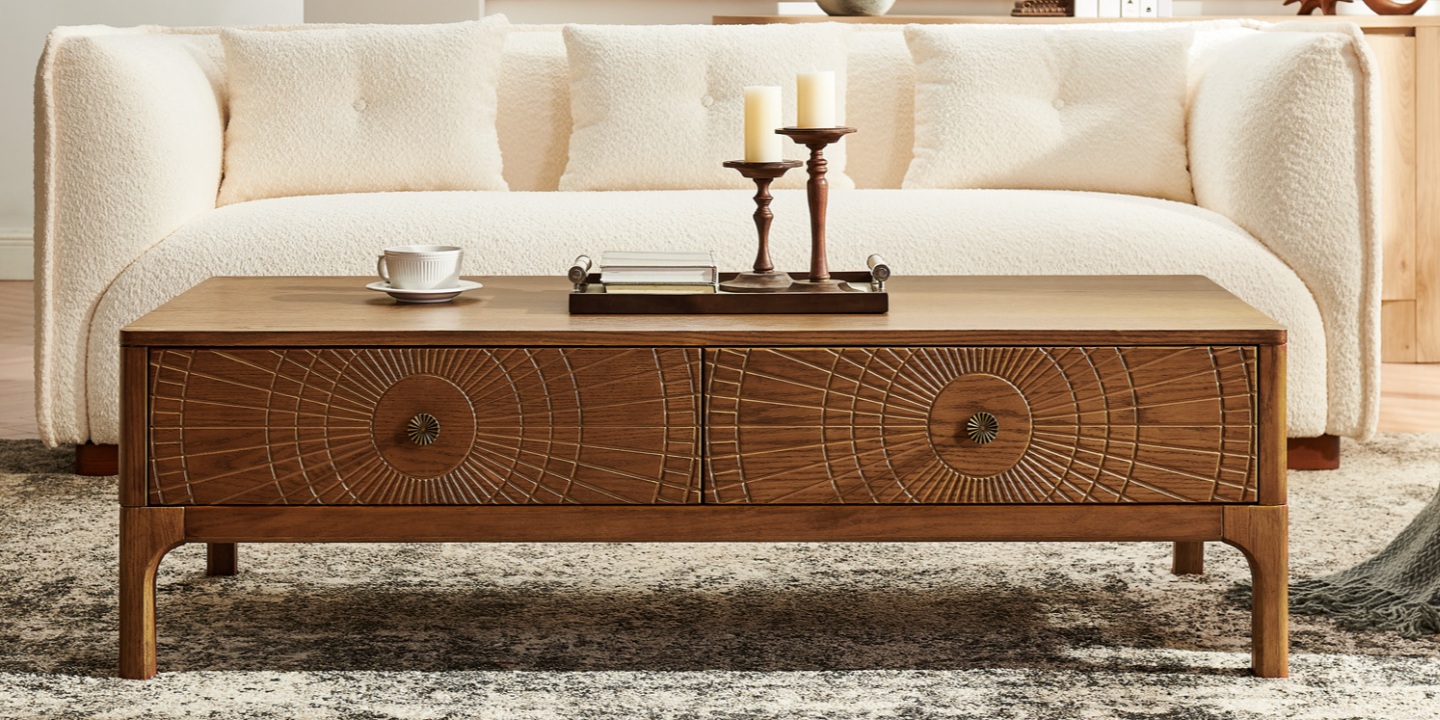
Rectangular vs Round vs Oval Coffee Table – Matchday Comparison Insights
Choosing the right table shape during matchday isn’t just a design preference—it directly impacts how guests move, interact, and enjoy the space. Each form brings different strengths, and the “best” choice depends on layout, crowd size, and hosting style.
Functional trade-offs in real hosting situations
In real matchday environments, the differences become very practical:
A rectangular coffee table delivers the highest surface efficiency, making it ideal for structured seating and larger snack spreads.
A round coffee table improves circulation and safety, especially in compact or high-traffic rooms where guests frequently move around.
An oval coffee table balances both, offering smoother edges with better usable surface than round designs.
Quick comparison:
During matchday, these differences affect everything from snack accessibility to how comfortably guests move between seats.
Expert takeaway from interior design consensus
Interior planning experts consistently agree that there is no universal best coffee table for matchday use. Instead, the decision should follow room geometry and guest behavior patterns.
A rectangular layout supports structured hosting, a round shape enhances social flow, and an oval form offers the most flexible middle ground. The most successful matchday setups are those where the table disappears into the experience—supporting movement, not interrupting it.
Ultimately, the “right” choice is the one that reduces friction and keeps attention where it belongs: on the screen and the shared experience.
Coffee Table Pairings for Different Living Room Types
Choosing the right setup for matchday depends heavily on the type of living room you’re working with. The same table shape that works perfectly in a spacious family room may feel restrictive in a compact apartment. The goal is always the same: find the best coffee table pairing that supports movement, seating flow, and shared access without creating clutter or blocking interaction.
Apartments
In smaller apartments, space efficiency is everything during matchday. A round coffee table or compact oval coffee table works best because it reduces sharp edges and improves circulation.
Keeps pathways open in tight layouts
Reduces visual heaviness in small rooms
Improves safety during high-traffic moments
A bulky rectangular coffee table can easily overwhelm the space, making movement awkward during gatherings.
Large family rooms
In larger living rooms, a rectangular coffee table becomes the most practical best coffee table option for matchday. It supports structured seating and offers enough surface area for shared snacks and drinks.
Ideal for long sofas
Supports multiple guest zones
Keeps items organized across a wide surface
Sectional sofa setups
Sectional layouts benefit most from a round coffee table or oval coffee table, as these shapes improve accessibility from multiple angles during matchday.
Easier reach from all seats
Encourages social interaction
Reduces corner obstruction issues
Multi-use entertainment spaces
For flexible rooms used beyond matchday, an oval coffee table often performs best. It balances flow and function, making it a versatile best coffee table choice.
Works for daily living and hosting
Adapts to changing seating layouts
Maintains smooth movement in mixed-use spaces
In all cases, the right pairing ensures the table enhances—not interrupts—the matchday experience.
Common Matchday Coffee Table Mistakes to Avoid
Even a well-decorated living room can fail during matchday if the coffee table is not chosen or arranged with function in mind. Many homeowners focus on appearance first and usability second, which often leads to discomfort, clutter, and poor guest flow. Understanding these common mistakes helps you select the best coffee table for real-world hosting situations.
Choosing size based only on aesthetics
One of the most frequent errors during matchday is selecting a table that looks good but doesn’t fit the space.
Too large: blocks movement and overwhelms seating
Too small: cannot support shared snacks or drinks
The best coffee table should always match sofa scale and walking clearance, not just visual balance.
Ignoring traffic flow during gatherings
During matchday, people constantly move between seats, snacks, and screens. Poor placement disrupts this flow.
Maintain 12–18 inches between sofa and table
Ensure at least two access points
Avoid blocking natural walking paths
A poorly positioned table becomes an obstacle instead of a support element.
Overcrowding table surface with décor
Over-styling reduces functionality during matchday.
Too many decorations limit usable space
Items get knocked over during movement
Guests lose clear access to essentials
A best coffee table layout should prioritize 60–70% functional space.
Wrong shape for sofa configuration
Mismatch between table shape and seating is a major design flaw.
Choosing the wrong shape can disrupt flow and reduce comfort during matchday, even if the table itself is high quality.
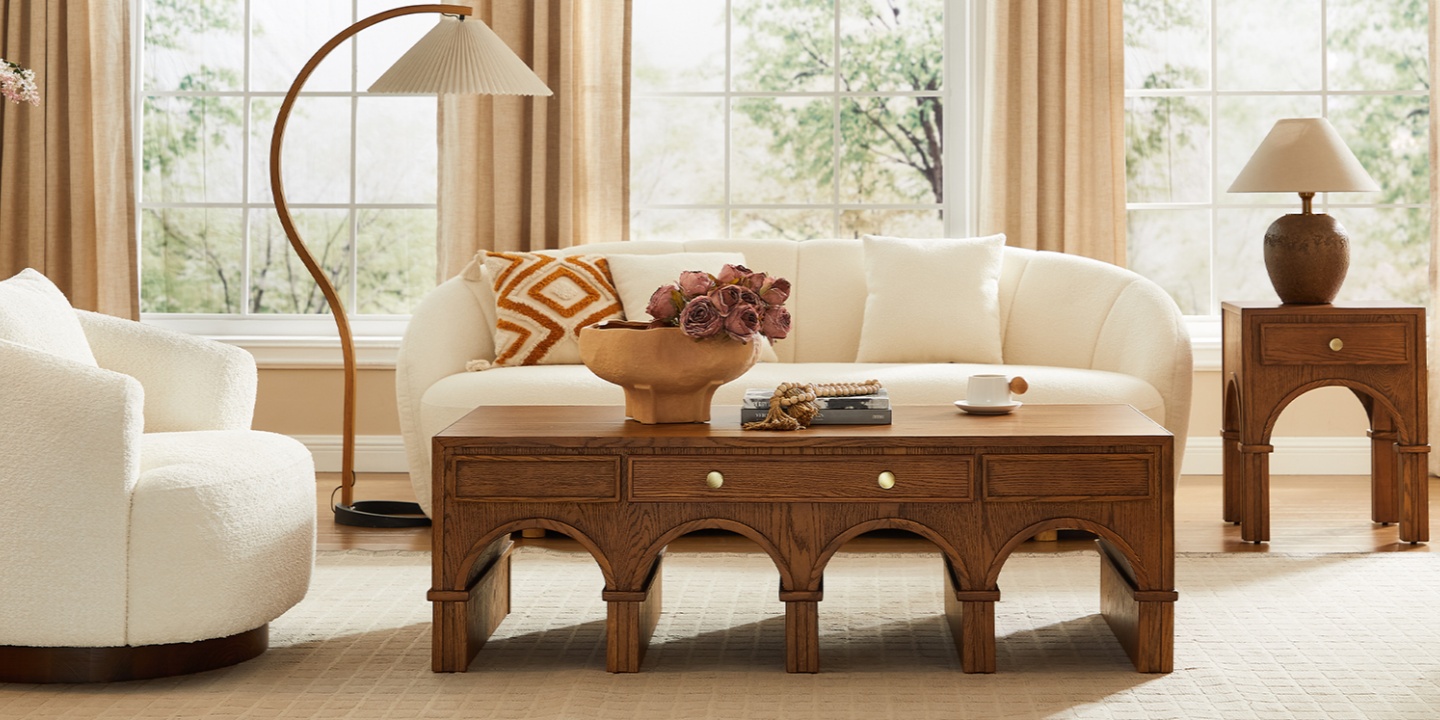
Expert Insights on Creating the Perfect Matchday Atmosphere
Creating a successful matchday atmosphere is not just about screens, sound, or seating—it’s about how well the furniture supports human behavior in a shared space. Interior professionals consistently emphasize that functional planning matters more than decorative styling when designing high-energy living rooms. The best coffee table is the one that quietly improves comfort, movement, and accessibility without drawing attention to itself.
Interior designer consensus on functional furniture planning
Design experts agree that layout decisions should follow real usage patterns rather than visual trends. During matchday, this means prioritizing flow, reach, and visibility.
Key principles include:
Align furniture with natural movement paths
Maintain clear sightlines toward the screen
Ensure equal access to shared surfaces
Avoid over-furnishing the central area
A well-planned setup allows guests to interact freely without constant repositioning. In this context, the best coffee table acts as a central utility hub rather than a decorative object.
Why coffee tables are the “unsung hero” of entertainment spaces
During matchday, the coffee table becomes the most actively used surface in the room—yet it is often overlooked in planning.
It handles multiple roles at once:
Drink station
Snack distribution point
Storage surface for remotes and essentials
Social anchor for group interaction
Without the right table, even a well-designed room can feel chaotic. The best coffee table supports rhythm and order, ensuring the experience stays smooth even when the room is full and energy is high.
Final Takeaway: Designing the Ultimate Matchday Coffee Table Setup
A well-designed matchday living room doesn’t happen by accident. It’s the result of smart spatial planning and choosing the right best coffee table for your lifestyle.
Choose a rectangular coffee table for structured hosting
Choose a round coffee table for flow and safety
Choose an oval coffee table for balanced versatility
When done right, your matchday setup feels effortless, social, and fully functional—exactly what a great viewing experience should be.
FAQs – Matchday Coffee Table Guide
What is the best coffee table shape for matchday gatherings?
The best shape depends on room layout and guest flow. A rectangular coffee table works well for larger groups and structured seating, while a round coffee table improves movement and safety in tighter spaces. An oval coffee table is often considered the most balanced option for matchday, offering both usability and smooth circulation.
Is a rectangular coffee table better than a round one for snacks?
Yes, in most matchday setups a rectangular coffee table provides more continuous surface area, making it easier to organize snacks, drinks, and shared trays. However, it may feel restrictive in smaller rooms compared to a round coffee table, which offers better access from multiple angles.
Why choose a round coffee table for matchday?
A round coffee table improves flow and reduces sharp-edge hazards, making it ideal for active matchday environments. It allows guests to move freely around the seating area and reach items more naturally, especially in compact living rooms or sectional sofa setups.
Are oval coffee tables good for entertaining guests?
Yes, an oval coffee table is highly effective for matchday hosting. It combines the accessibility of a round shape with the surface efficiency of a rectangular one, making it suitable for mixed seating arrangements and medium-sized gatherings.
What is considered the best coffee table height for seating areas?
For matchday comfort, the ideal height is level with or slightly below the sofa seat cushions. This ensures easy reach for snacks and drinks without straining or obstructing sightlines.
How much space should be between sofa and coffee table?
A distance of 12–18 inches is recommended during matchday. This allows enough room for leg movement while keeping items within easy reach for guests seated around the best coffee table setup.
What materials are best for matchday coffee tables?
Durable materials such as solid wood, engineered wood, and metal frames perform best during matchday. They offer stability, easy maintenance, and resistance to spills, making them practical for frequent entertaining.
How do I prevent clutter on my coffee table during matchday?
Use a zoning approach: keep drinks in the center, snacks on the sides, and essentials like remotes in a dedicated tray. During matchday, limiting décor and maintaining 60–70% usable surface space helps keep the best coffee table functional and visually clean.