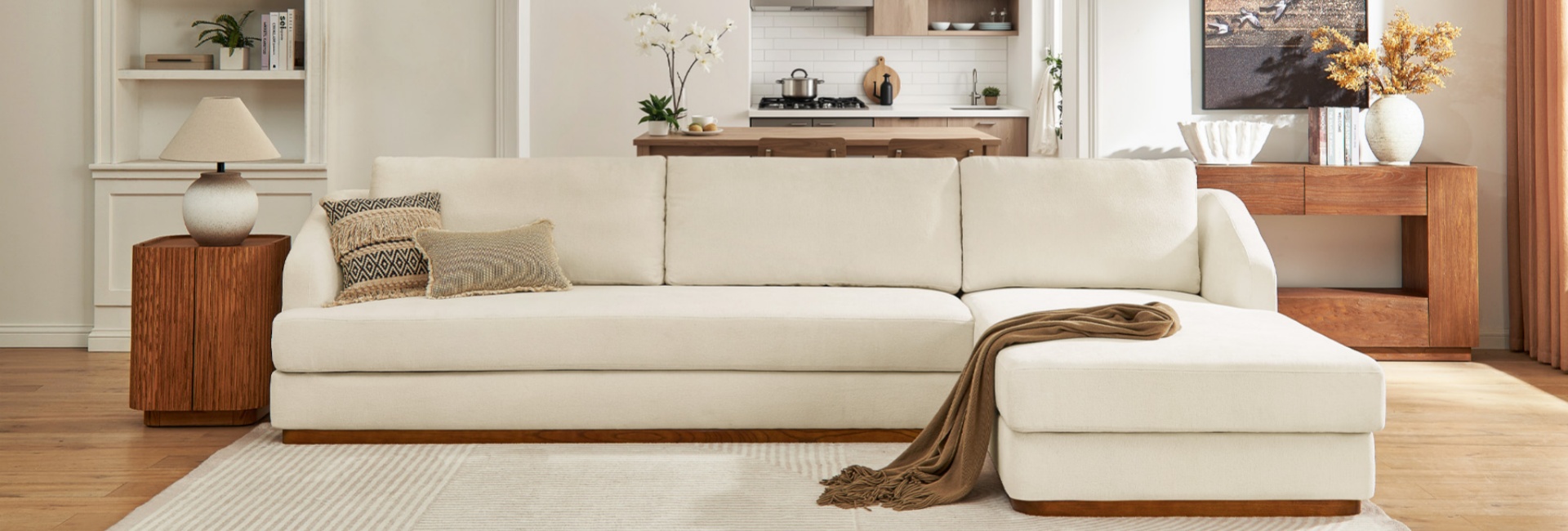
Finding couches for sale today feels simple at first glance—until you actually start comparing prices, materials, sizes, and comfort levels. One listing shows a “deal” under $600, another jumps to $3,000+, and suddenly you’re asking the real question: what is actually worth paying for a sofa in 2026?
This guide breaks down everything you need to know before buying—based on real market data, furniture industry insights, and common buyer experiences. Whether you’re searching for cheap sofas, a small sectional couch, or a long-lasting fabric couch for your living space, this article will help you make a confident decision without overspending or regretting your purchase later.
Understanding the Couch Market in the U.S.
The U.S. furniture market is highly segmented, and couches for sale reflect that range clearly. From budget imports to handcrafted premium pieces, pricing is driven by materials, construction quality, and design positioning.
Industry insights from furniture analysts and retail studies consistently show that most buyers fall into the mid-range category, not the extreme low or high end. According to consumer trend breakdowns cited by furniture experts, people increasingly prioritize long-term durability over short-term savings.
Average couch price in the U.S.
The average couch price in the United States typically falls between:
$300–$800 for entry-level cheap sofas
$800–$2,500 for mid-range everyday furniture
$2,500–$6,000+ for premium or designer pieces
In real-world buying behavior, most households spend around $1,000–$2,000, which aligns with comfort expectations and lifespan balance.
When people search for how much is a sofa, they are usually surprised that price varies so widely. The truth is simple: there is no single “correct” price—only value alignment between cost, durability, and comfort.
What affects sofa pricing
Several factors directly influence couches for sale pricing:
Frame material (hardwood vs engineered wood)
Cushion quality and foam density
Upholstery type such as fabric couch or leather
Size and configuration, including sectional layouts
Brand positioning and craftsmanship level
A furniture design specialist quoted in industry reporting from Forbes Personal Shopper analysis noted that “a higher price often reflects construction longevity rather than just aesthetics.” In other words, you’re paying for how long the couch survives daily use.
Couches for Sale by Price Range
When comparing couches for sale, price is often the first filter buyers use—but it’s also the easiest to misunderstand. A higher price doesn’t always mean better comfort, and a lower price doesn’t always mean bad quality. The real key is knowing what you get in each range and how long the sofa will realistically last in daily use.
Mid-range couches ($800–$2,500) — best value segment
This price range represents the “sweet spot” for most homeowners shopping for a couch for living room use. These models usually balance durability, comfort, and design without crossing into luxury pricing.
What you typically get in this range
Solid or reinforced wood frames
Medium to high-density foam cushions
Durable upholstery such as performance fabric couch materials
Better stitching and structural stability
Why this range is the best value
Mid-range couches for sale are designed for everyday living—watching TV, hosting guests, or relaxing after work. Unlike cheap sofas, which may sag within a couple of years, these options typically last 7–10 years with proper care.
Example buyer scenario
A family furnishing a 3-bedroom home often chooses a sectional or a 3-seat fabric couch in this range because it offers comfort without requiring a luxury budget.
Premium couches ($2,500+) — is it worth it?
Premium couches for sale are not just furniture—they are long-term investments in comfort and design. The price jump usually reflects upgraded materials, craftsmanship, and customization.
What makes premium sofas different
Kiln-dried hardwood frames for long-term strength
High-resilience or multi-layer cushioning systems
Premium upholstery, often stain-resistant or designer-grade fabric couch materials
Hand-finished detailing and tailored construction
When the higher price is justified
Spending over $2,500 makes sense if:
You use your couch for living room daily and heavily
You prefer long-term durability over replacement cycles
You want ergonomic comfort for extended sitting or lounging
Real-world buyer insight
Many homeowners initially hesitate at premium pricing, but after replacing multiple cheap sofas, they often realize the long-term cost can exceed a single high-quality purchase.
In short, mid-range offers the best balance, while premium is worth it when durability, comfort, and design longevity are top priorities.
How Much Is a Sofa in 2026? (Real Buyer Expectations)
When people ask how much is a sofa, they are usually trying to understand what “normal” spending looks like—not extreme outliers.
Average couch price breakdown by type
Here’s a realistic breakdown of average couch price by category:
Standard 3-seater fabric couch: $700–$2,800
Sectional sofa: $1,200–$6,000
Reclining sofa: $900–$4,500
Modular designs: $1,500–$5,000+
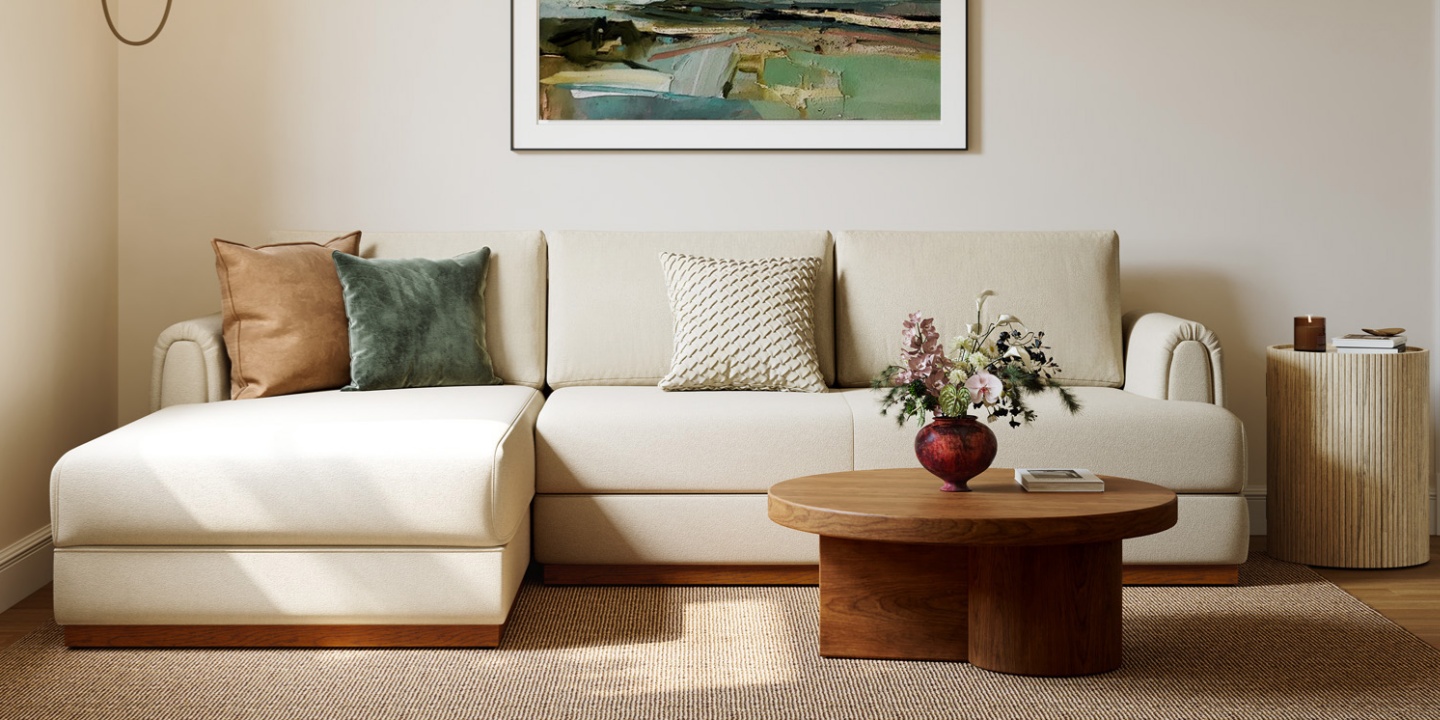
A small sectional couch typically sits in the lower to mid-range of sectional pricing, making it a smart option for apartments or compact homes.
Choosing the Right Couch for Your Living Room
Selecting the right couch for living room use is not just about style—it’s about proportion, flow, and how the space actually functions day to day. Even among many couches for sale, the “right” one can feel completely different depending on room size and layout. A well-chosen sofa should enhance comfort without overwhelming the space or restricting movement.
Couch for living room sizing guide
Getting the size right is the foundation of a good purchase decision. A sofa that’s too large can make a room feel cramped, while one that’s too small can look visually disconnected.
Standard sizing reference
A practical rule used by interior planners is to leave at least 30–36 inches of walking space around the couch for living room setup. This ensures natural movement flow and prevents the space from feeling boxed in.
When browsing couches for sale, always measure wall length, doorway access, and surrounding furniture before deciding.
Small sectional couch — when it makes sense
A small sectional couch is often underestimated, but it can be one of the most efficient seating solutions for modern homes.
Best use cases
Apartments with limited square footage
Open-concept living rooms needing zone separation
Homes that prioritize lounging over formal seating
Unlike traditional cheap sofas, a well-designed sectional maximizes seating without requiring multiple pieces of furniture. It also creates a natural corner anchor, making the room feel more structured.
When to avoid it
However, a small sectional is not ideal if:
Your room is narrow with multiple doorways
You prefer flexible furniture arrangements
You need frequent reconfiguration of seating layout
In those cases, a standard fabric couch may provide better adaptability.
Layout mistakes to avoid
Even high-quality couches for sale can feel wrong if placed poorly. Layout mistakes are one of the most common reasons people feel dissatisfied after buying a sofa.
Mistake #1 — blocking natural pathways
A couch for living room should never interrupt natural walking routes between doors, windows, or key areas.
Mistake #2 — ignoring focal points
Failing to align the sofa with a TV, fireplace, or main visual anchor creates a disjointed layout.
Mistake #3 — oversized furniture in small rooms
One of the most frequent issues is placing a large sectional where a compact fabric couch would visually and functionally fit better.
A well-planned layout ensures your couches for sale choice feels intentional—not forced—and transforms the living room into a comfortable, usable space.
Fabric Couch vs Other Materials
When comparing couches for sale, material choice is often the biggest factor influencing comfort, durability, and long-term satisfaction. While leather and synthetic blends still exist in the market, the modern fabric couch continues to dominate living room design due to its balance of softness, practicality, and design versatility.
Why fabric couch remains the most popular choice
A fabric couch is preferred in most households because it adapts better to everyday living. It feels warmer in winter, more breathable in summer, and generally more comfortable for long sitting sessions compared to harder surfaces.
A strong example is the Hernest Svalbard Sofa, which reflects how modern fabric upholstery has evolved beyond basic softness into engineered performance. It features a 100% polyester tightly woven fabric (460 g/m³) designed to be stain-resistant, spill-resistant, and flame-retardant, making it suitable for high-use living spaces.
Structurally, it also combines a solid wood and plywood frame with sinuous spring suspension and high-resiliency foam, which improves both support and long-term shape retention. This kind of construction shows why many shoppers browsing couches for sale increasingly prioritize fabric options—they now offer durability that used to be exclusive to premium materials.
Unlike rigid alternatives, a fabric couch for living room setups also blends more naturally with different interior styles, from minimalist apartments to warm family spaces.
Best fabric types for durability
Not all fabrics perform equally, and this is where quality differences become obvious.
High-performance polyester blends
The Svalbard Sofa uses engineered polyester fabric tested at 30,000 rubs (abrasion resistance), which indicates strong resistance to daily wear. This makes it suitable for families, pets, or frequent use.
Treated spill-resistant fabrics
Modern fabric couch designs often include protective treatments that resist spills and stains, reducing long-term maintenance concerns.
Reinforced woven textures
Tighter weaves provide better structure and help prevent sagging or pilling over time—important factors when evaluating couches for sale beyond appearance alone.
Overall, today’s fabric materials deliver a more balanced combination of comfort, resilience, and practicality than traditional upholstery options, especially for everyday living room environments.
Comfort Factors You Should Never Ignore
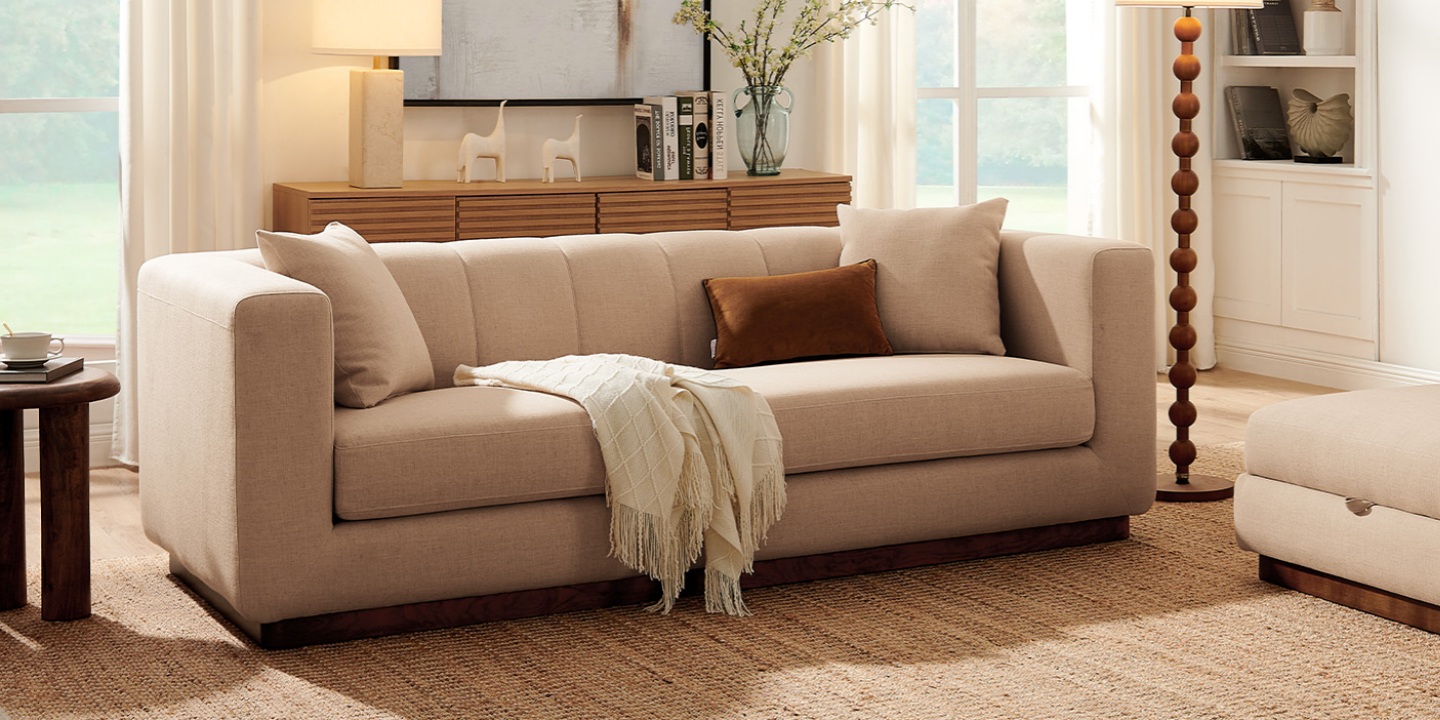
When evaluating couches for sale, comfort should never be treated as a secondary factor. Many buyers focus on appearance or price first, but long-term satisfaction depends almost entirely on internal construction—what you don’t immediately see when sitting on a sofa in a showroom or browsing online listings.
Cushion density and support systems
Cushion density determines how a sofa feels on day one—and how it performs after years of use.
Why density matters
High-density foam maintains structure longer, while low-density foam compresses quickly and leads to sagging. For daily-use seating such as a couch for living room, this difference becomes obvious within months.
Support system types
Sinuous spring systems: flexible, evenly distribute weight
Elastic webbing: softer feel, often used in comfort-focused designs
Hybrid systems: combine springs and foam for balance
A well-built fabric couch often uses layered foam cores to improve resilience and prevent uneven sinking.
Seat depth and ergonomics
Seat depth directly affects how you use a sofa. It is one of the most overlooked factors when comparing couches for sale.
Ideal seat depth ranges
A deeper seat works well for a small sectional couch or casual lounging, while shallower seating suits compact apartments or structured living rooms.
Frame construction quality
The frame is the foundation of every sofa. Even the best upholstery cannot compensate for weak internal structure.
Materials that matter
Kiln-dried hardwood: strongest long-term durability
Reinforced plywood: cost-efficient but less robust
Metal reinforcements: added stability in high-use areas
For buyers comparing cheap sofas with mid-range or premium options, frame quality is often the biggest long-term differentiator.
A solid frame ensures that your couch for living room remains stable, supportive, and comfortable for years—not just months.
Common Mistakes When Buying Couches for Sale
When browsing couches for sale, many buyers focus on what looks good in the moment rather than what will actually work in daily life. This often leads to regret after delivery—when the sofa is either uncomfortable, oversized, or simply not suitable for the space. Avoiding a few key mistakes can dramatically improve long-term satisfaction.
Mistake #1 — focusing only on price
One of the most common errors is choosing based solely on cost. While cheap sofas can be tempting, the lowest price often comes with trade-offs in frame strength, cushion quality, and lifespan.
What buyers often overlook
Thin foam that flattens quickly
Weak frames that loosen over time
Poor stitching and fabric durability
A better approach is to evaluate value over time. A mid-range couch for living room use may cost more upfront but last significantly longer, reducing replacement cycles and long-term spending.
Mistake #2 — ignoring room proportions
Even well-made couches for sale can feel wrong if the size does not match the space. Proportion mistakes are one of the fastest ways to make a room feel cramped or awkward.
Common sizing issues
Oversized sofas blocking walkways
Small sofas floating in large rooms
Sectionals placed without considering corner flow
Proper measurement ensures your couch for living room enhances space instead of overwhelming it.
Mistake #3 — choosing style over comfort
A visually appealing sofa can still fail in daily use if comfort is ignored. Many buyers prioritize aesthetics when comparing couches for sale, especially online.
Where comfort is often sacrificed
Very firm seating with little cushioning
Shallow or overly deep seats unsuitable for daily use
Lack of ergonomic back support
A good sofa should balance design with real usability. Whether selecting cheap sofas or premium options, comfort factors like seat depth, cushion density, and support system should always come first.
Expert Insight — What Makes a “Good Couch”?
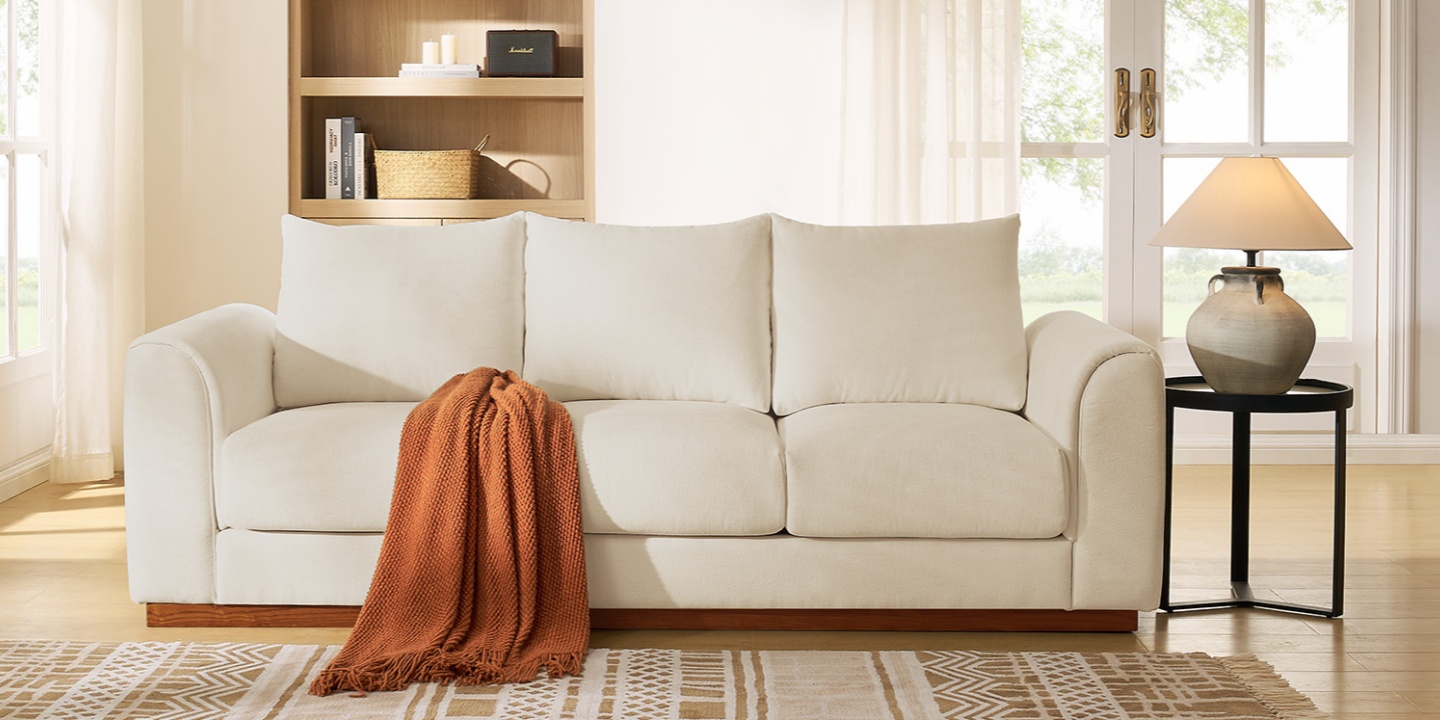
Understanding what makes a good couch requires more than just comparing couches for sale online. Designers and real buyers often evaluate sofas through a combination of structure, comfort, and long-term usability rather than appearance alone.
Design expert perspective
From a professional design standpoint, a good couch must balance proportion, ergonomics, and construction quality. A visually appealing sofa that lacks structural integrity or comfort will fail in real use.
Key evaluation points include:
Balanced seat depth for both lounging and upright sitting
Durable frame construction that resists long-term stress
Cushion systems that maintain shape over time
Designers often emphasize that a couch for living room use should “disappear into daily life”—meaning it supports multiple activities without drawing attention to discomfort or limitations. Whether evaluating cheap sofas or premium models, long-term function outweighs short-term style trends.
Reddit buyer sentiment
Real-world buyers often provide the most honest feedback about couches for sale, especially in long-term usage discussions. A common theme across user experiences is that durability matters more than initial cost or appearance.
Many users report that spending slightly more upfront often prevents repeated replacement of low-quality cheap sofas, which tend to sag or lose support within a few years.
Common buyer consensus
Mid-range sofas offer the best balance of value and comfort
Cushion failure is the most common long-term complaint
Overspending on aesthetics without testing comfort leads to regret
In summary, both experts and everyday users agree: a good couch is defined not by price or style alone, but by how consistently it performs as a couch for living room use over time.
Buying Guide Summary — How to Choose the Perfect Couch
To choose from the many couches for sale, follow this simple framework:
Measure your space accurately
Set a realistic budget based on average couch price
Decide between sectional or standard sofa
Prioritize a durable fabric couch for everyday use
Match comfort level with your lifestyle needs
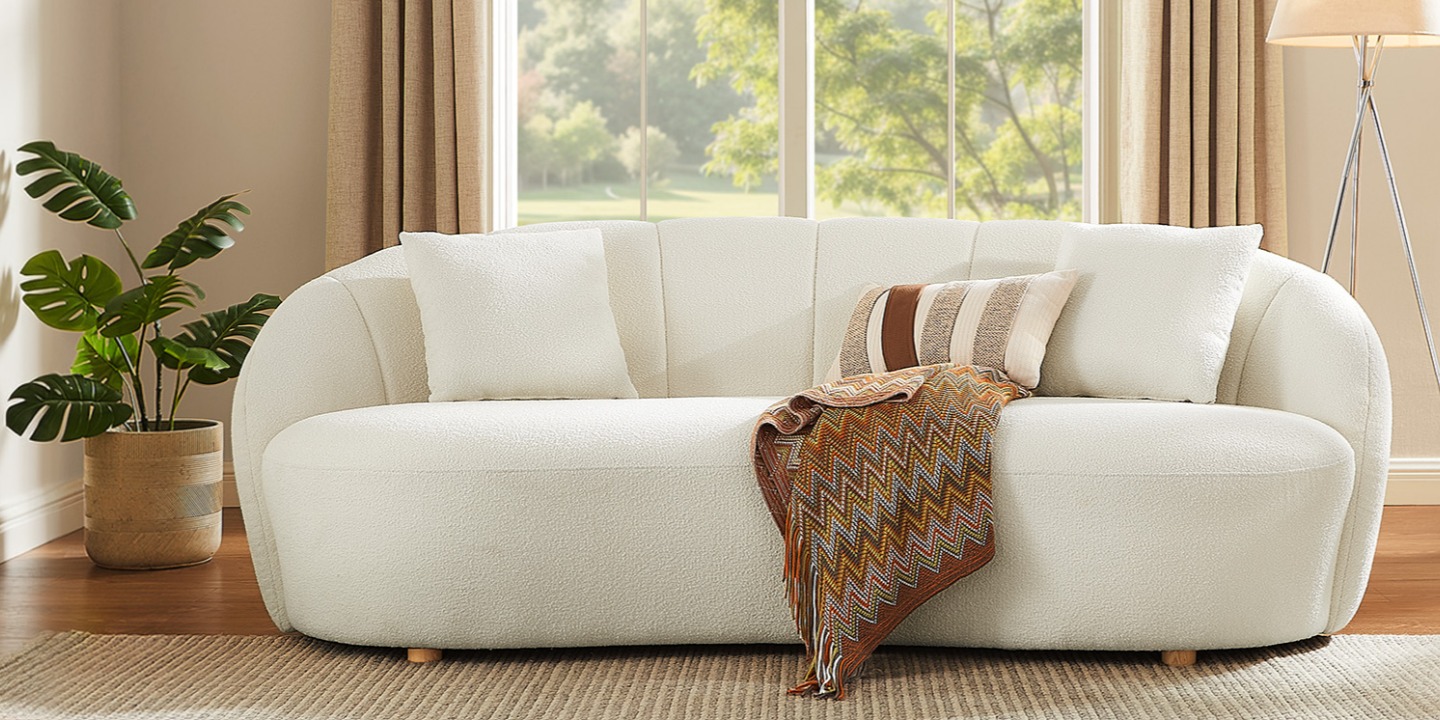
If you're ready to compare styles, sizes, and upholstery options, browse a curated selection of sofas and loveseats to see how different designs fit various living room layouts and budgets.
FAQs — Couches for Sale & Buying Guide
What is considered a good price for a couch?
A good price for a couch typically falls between $1,000 and $2,500. This range offers the best balance between durability, comfort, and material quality. Below $800, you are usually looking at cheap sofas with shorter lifespans, while higher prices often reflect premium construction and materials.
Is $2500 a lot for a couch?
$2,500 is considered upper mid-range to entry premium. It is not “too much” if the couch includes high-density cushioning, strong frame construction, and long-term durability. For many buyers, this price avoids the repeated replacement cycle of lower-cost couches for sale.
What is the most comfortable couch for a living room?
The most comfortable option is usually a deep-seat fabric couch with high-resilience foam cushions and proper back support. Comfort also depends on seat depth and ergonomics, not just softness. A well-designed couch for living room use should support both lounging and upright sitting.
How do I choose the perfect couch for my living room?
Start with room measurement, then match sofa size to available space. Consider usage needs (family seating, lounging, guests), choose material like fabric couch, and prioritize comfort over style alone. Always ensure the couch for living room fits traffic flow and layout.
Are cheap sofas worth buying?
Cheap sofas can be useful for temporary setups, rentals, or low-usage spaces. However, they often have lower durability and may sag or wear out quickly, making long-term ownership less cost-effective.
What size couch is best for medium living rooms?
A standard 72–90 inch sofa or compact sectional works best. It provides enough seating without overcrowding the space, maintaining balance in a medium-sized couch for living room layout.
What is better: fabric couch or leather couch?
A fabric couch is generally more comfortable, breathable, and affordable. Leather offers a more premium look but can be less forgiving in temperature changes and higher maintenance. For everyday couches for sale, fabric is the more versatile choice.
How long should a couch last?
A quality sofa should last 7–15 years, depending on materials, usage, and maintenance. Mid-range and well-constructed couches for sale typically last significantly longer than entry-level cheap sofas.
What mistakes should I avoid when buying a couch?
Avoid focusing only on price, ignoring room proportions, and choosing style over comfort. These are the most common mistakes when selecting a couch for living room use and often lead to dissatisfaction after purchase.