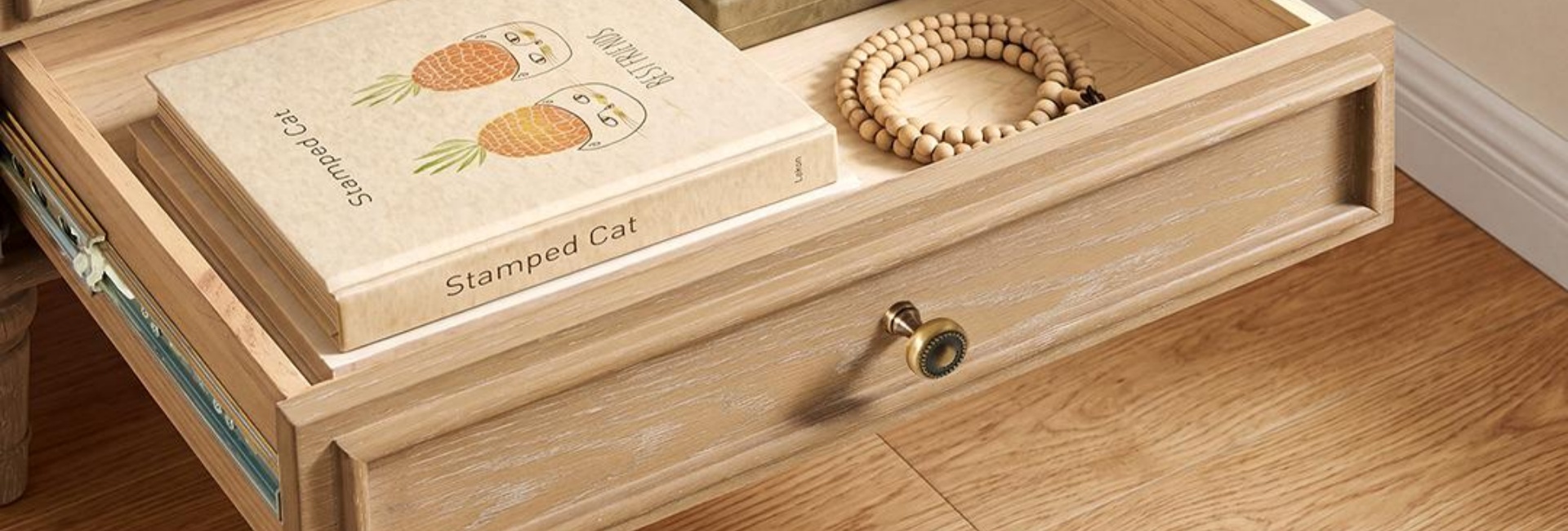
Mismatched nightstands can make a bedroom feel more personal without looking disorganized. The key is to connect the two pieces through shared details, such as complementary wood tones, similar proportions, or related design features. They do not need to look identical, but their colors, shapes, and finishes should work with the rest of the room.
Whether you are pairing two bedside tables you already own or shopping for a new combination, start with the available space and your everyday needs. Then consider how height, material, visual weight, and storage affect the overall arrangement.
Table of Contents
- Can You Use Mismatched Nightstands in a Bedroom?
- How to Choose Mismatched Nightstands That Work Together
- How to Style Different Nightstands for a Balanced Look
- Match Storage and Everyday Function Without Matching the Furniture
- How to Mix Nightstands for Different Bedroom Layouts
- An Example of Mixing Different Oak Nightstands
- Common Mismatched Nightstand Mistakes to Avoid
- FAQs
- Do Mismatched Nightstands Have to Be the Same Height?
- Can You Mix Different Wood Tones for Nightstands?
- Should Mismatched Nightstands Have Matching Lamps?
- Can One Nightstand Be a Dresser or Side Table?
- Do Mismatched Nightstands Need to Be the Same Width?
- Can You Mix Modern and Traditional Nightstands?
- How Do You Balance Mismatched Nightstands Visually?
- Are Mismatched Nightstands a Good Idea for Small Bedrooms?
Can You Use Mismatched Nightstands in a Bedroom?
Yes. You can use two different nightstands on either side of a bed and still create a cohesive bedroom. Mismatched bedside tables are particularly useful when the two sides have different storage requirements, available floor space, or personal preferences.
A matching pair creates symmetry by repeating the same shape, color, and proportions. Mismatched nightstands introduce more variation while relying on a few shared details to connect the arrangement.
For example, one side of the bed might have a traditional wooden nightstand with drawers, while the other has a simpler table with an open shelf. If their heights and finishes complement each other, the difference can look intentional.
There is also no need to purchase both pieces at the same time. You might already own a bedside table that works well or find a vintage cabinet that suits one side of the bed. Choosing a second piece around its existing features can be a practical alternative to buying a matching set.
The important distinction is between coordinated and unrelated furniture. Different silhouettes, materials, and finishes can coexist, but having at least one shared element, such as a similar color family or related proportions, helps the arrangement feel connected.
How to Choose Mismatched Nightstands That Work Together
Before choosing different nightstands, compare more than their appearance. A table might look attractive on its own but feel out of place beside the bed if its height, width, or overall volume is poorly suited to the other piece.
You do not need identical measurements. Instead, consider which differences will add character and which could interfere with comfort or the room's proportions.
Compare Their Height and Overall Scale
Nightstand height is one of the first measurements to check because both tables sit beside the same bed. A noticeable difference in height can affect both convenience and the visual arrangement.
Measure from the floor to the top of your mattress while the bed is made. A tabletop around mattress height is generally convenient for reaching a phone, book, or glass of water. A slightly lower or higher surface can also work if you can comfortably reach it from your usual sleeping position.
The two nightstands do not have to be exactly the same height. A small difference can add variety, but consider how it affects the lamps and the overall line across the bed.
Width and depth matter, too. A wide nightstand beside a narrow one can look unbalanced if the bed and surrounding furniture do not support the difference. A king bed, for example, can usually accommodate larger bedside pieces than a compact guest-room setup.
Depth also affects how much walking space remains around the bed. Check that drawers can open fully without hitting the bed frame and that neither table obstructs nearby doors or walkways.
Before making a decision, compare the two pieces with the bed rather than evaluating their dimensions separately.
Connect Them Through Color and Material
Different nightstands do not need identical finishes. Look for colors and materials that complement each other and the existing bedroom furniture.
One approach is to pair wood tones with similar undertones. Warm brown oak can work alongside a lighter natural wood finish, while cooler wood finishes may create a more restrained combination. The grain and exact shade can differ without making the pieces look disconnected.
You can also introduce contrast. A dark wood nightstand beside a lighter one creates more variation, particularly when the bed frame, flooring, or dresser repeats one of those colors.
Material combinations offer another way to mix different styles:
-
Wood and metal: Combines natural warmth with a more structured appearance.
-
Wood and glass: Creates contrast between a solid furniture piece and a lighter-looking surface.
-
Painted furniture and natural wood: Adds color variation without requiring two completely different furniture styles.
-
Different wood finishes: Works when the tones have compatible undertones or grain patterns.
Consider the rest of the bedroom before settling on a combination. Flooring, headboards, dressers, and other wooden furniture all influence how two finishes look together. A finish that appears neutral in a product photo might look noticeably red, yellow, or gray next to your actual flooring.
Balance Their Visual Weight
Visual weight refers to how substantial a furniture piece appears in a room. It depends on more than physical dimensions. A nightstand with a solid base and several drawer fronts can look heavier than a table with slim legs and an open lower section, even when their measurements are similar.
For example, pairing a substantial three-drawer cabinet with a small round pedestal table creates a noticeable contrast. This can work, but the difference should make sense alongside the bed and surrounding furniture.
Pay attention to these design details:
-
Legs and open space: Raised legs and open bases make furniture appear lighter.
-
Solid bases: Enclosed sides and full-width drawer fronts create a more substantial appearance.
-
Surface shape: Thick tabletops and wide overhangs can make a piece look heavier.
-
Hardware and detailing: Large pulls, decorative molding, and prominent patterns attract attention.
If one nightstand has a heavier structure, choose a second piece with enough visual presence to balance it. Similar tabletop heights, related finishes, or appropriately sized lamps can help connect the two sides.
Avoid relying on accessories to compensate for a major difference in scale. The furniture itself should form a workable pairing.
Mix Different Furniture Styles
Mixing nightstand styles is a practical way to introduce more personality into a bedroom. A traditional cabinet can sit beside a modern bedside table, while a vintage piece can add character next to a simpler contemporary design.
When exploring mix and match nightstands, start with one piece you particularly like. Identify its most distinctive features, such as its color, silhouette, material, hardware, or texture. Then use one or two of those characteristics to guide your choice of the second table.
For example, modern and mid-century nightstands can complement each other through clean lines and warm wood finishes. A traditional table with decorative detailing can also work beside a simpler design if their proportions and colors are compatible.
You do not need to repeat every detail. If both pieces have similar wood finishes, their shapes can differ. If their silhouettes are alike, contrasting materials or colors can introduce more variety.
How to Style Different Nightstands for a Balanced Look
Once you have chosen two compatible pieces, lighting and accessories can help connect them. The goal is to create a bedside arrangement that looks coordinated while leaving enough room for everyday use.
Use Matching or Coordinated Lighting
Matching lamps are one of the simplest ways to connect different nightstands. Repeating the lamp shape, shade, or finish creates a familiar element on both sides of the bed.
The lamps do not have to be identical. Two ceramic lamps in different colors can still look coordinated if their proportions and shade styles are similar. You can also choose different lamps with related materials or finishes.
Pay attention to their overall height. If one nightstand is taller, identical lamps may create noticeably different heights at the top of the shades. A shorter lamp on the taller table or a taller one on the lower table can help maintain a balanced arrangement.
Lighting should also suit how the bedroom is used. Someone who reads in bed may need focused task lighting, while another person may prefer softer ambient light. Wall sconces are another option when tabletop space is limited.
Coordinate Accessories Without Making Both Sides Identical
Accessories can bring mismatched nightstands together without making their surfaces look copied.
Start with the items you actually use. A book, phone charger, reading glasses, or small tray may be more important than decorative objects. Once you have accounted for these essentials, add a few details that relate to the opposite side.
For example, one nightstand might have a lamp, a book, and a small tray, while the other has a lamp and a vase. Similar colors or materials can connect the two arrangements even when the objects are different.
Varying accessory heights can also help. A taller lamp on one side can be balanced by a lower decorative object on the other. Avoid placing several tall objects together on one table while leaving the opposite surface almost empty.
Keep enough open space for everyday items, particularly if you regularly use a glass of water, book, or charging device beside the bed.
Consider the Bed and Surrounding Decor
Mismatched nightstands should complement the bed and the rest of the bedroom, not just each other.
A large upholstered headboard with a strong color or texture already creates a visual focal point. Simpler nightstands may suit this arrangement better. If the bed has a minimal profile, more distinctive furniture shapes and finishes can add interest.
Bedding is another way to connect different furniture colors. A throw, pillow, or duvet detail that repeats a wood tone or accent color can help tie the arrangement together. Wall art and picture frames can introduce similar colors or finishes on both sides of the bed.
Flooring and nearby furniture also influence the overall result. For example, a dark dresser or warm wood floor may provide a natural connection between two different bedside tables.
Match Storage and Everyday Function Without Matching the Furniture
Two people sharing a bed may have different storage needs. One person might want drawers for personal belongings, while the other prefers an open surface for books and a reading light. Different nightstands can accommodate both routines.
A nightstand with drawers is useful for keeping smaller belongings out of sight. It can hold charging accessories, reading glasses, notebooks, and other bedside essentials. An open-shelf table offers easier access to books or baskets and can make a small bedroom feel less enclosed.
You can also use a different type of furniture as a bedside table. A compact chest, small cabinet, or side table can work if its height, footprint, and stability are suitable.
Consider what each side needs to hold before choosing:
Electrical access is worth checking, too. Consider where the nearest outlet is, how lamp cords will run, and whether charging devices can reach the tabletop. If one side has limited outlet access, a different lighting arrangement may be more practical than using matching lamps.
How to Mix Nightstands for Different Bedroom Layouts
The available space beside the bed often determines which combinations are practical. Rather than forcing the same furniture dimensions onto both sides, choose pieces that fit the room's layout.
When one side has limited space
A narrow bedside table can fit beside a wall, doorway, or closet, while the opposite side may have room for a wider cabinet. Use a related finish or lighting detail to connect the two pieces.
Measure the full furniture footprint, including any overhanging tabletop. A table that technically fits may still make it difficult to walk past the bed or open a nearby door.
When one side is next to a window
Consider the window sill, curtains, and available floor space. A tall nightstand may interfere with the window area, while a wide piece could prevent curtains from hanging naturally. A lower or narrower table may be more practical on that side.
The opposite nightstand can have a different design, provided its finish or other details relate to the first piece.
When one person needs more storage
Use a drawer nightstand on the side that needs concealed storage and a smaller open table on the other. This accommodates different routines without requiring two large pieces of furniture.
If the open table looks noticeably lighter beside a solid cabinet, a lamp with a more substantial base can help balance the arrangement.
When the bed is positioned off-center
Some bedrooms have a bed placed closer to one wall because of a closet, doorway, window, or other architectural feature. Identical nightstands may not fit comfortably in these situations.
Use the available space as your starting point. A compact table on the narrow side and a larger nightstand on the other can make better use of the room. Prioritize comfortable access to the bed rather than forcing equal furniture dimensions where the floor plan does not allow them.

Skugga 26-Inch Oak Nightstand
View Product
An Example of Mixing Different Oak Nightstands
One way to mix different nightstands is to choose two pieces that share a material but have distinct design details. This introduces variation without requiring a dramatic difference in color or size.
For example, the Skugga 26-Inch Oak Nightstand and Louisa Oak Nightstand offer two different approaches to oak bedroom furniture.
Skugga features a Brown Oak finish, a fluted front, rounded corners, and lifted legs. Its vertical texture gives the front a more pronounced pattern, while the warm brass-finish pulls add another decorative detail. It measures 26 inches wide, 18.1 inches deep, and 25.2 inches high.
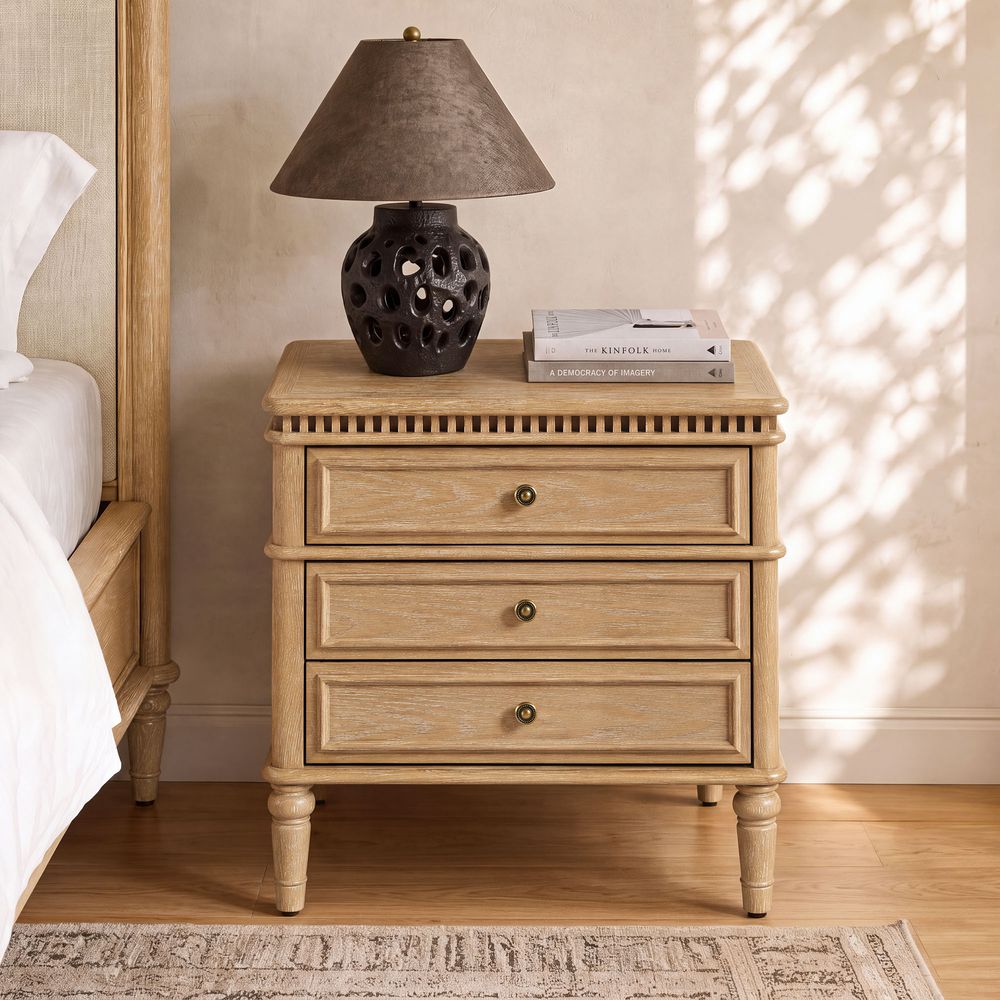
Louisa has a Light Brown Oak finish with decorative dentil detailing, a rounded base frame, and turned wooden legs. Its antique hardware and traditional detailing give it a different character. It measures 26 inches wide, 17.7 inches deep, and 24.4 inches high.
Both combine American oak and engineered wood with oak veneers. Their widths are identical, and their heights differ by just 0.8 inch. These similar dimensions provide a connection, while their different finishes, front details, and leg designs create visual contrast.
This pairing could work well in a bedroom with warm wood flooring or neutral bedding. Skugga introduces a more pronounced fluted texture, while Louisa adds traditional decorative details. Their similar proportions help maintain a balanced arrangement without making the furniture look identical.
As with any furniture pairing, compare the finishes and measurements with your bed, flooring, and available space before deciding.
Louisa Oak Nightstand
View Product
Common Mismatched Nightstand Mistakes to Avoid
Mixing furniture offers more flexibility, but a few choices can make the arrangement feel disconnected.
Choosing two pieces with no connecting element
Different shapes and finishes can work together, but if the nightstands have nothing in common, the combination may feel unrelated. Look for a shared feature such as a similar color family, material, or hardware finish.
Ignoring the size of the bed
A small nightstand may look out of proportion beside a large bed, while two oversized tables can crowd a compact bedroom. Consider the bed's width, headboard, and surrounding floor space before choosing.
Overlooking everyday use
A decorative table may have little room for a lamp, phone, book, or other essentials. Think about what each person needs beside the bed before selecting a particular design.
Using too many accessories to create balance
Books, trays, plants, and lamps can help connect different pieces, but too many objects create clutter. If one nightstand needs a large collection of accessories to look balanced beside the other, reconsider their proportions.
Combining too many competing finishes
Different wood tones can look attractive together, but several unrelated colors and materials may make the bedroom feel busy. Keep the finish palette manageable and consider the bedding, flooring, and other furniture when making your selection.
FAQs
Do Mismatched Nightstands Have to Be the Same Height?
No. They can have slightly different heights as long as both tabletops are comfortable to reach from bed. Compare each table with your mattress height and consider how the difference affects bedside lighting.
Can You Mix Different Wood Tones for Nightstands?
Yes. Different wood tones can complement each other when their undertones or finishes are compatible. Consider the flooring, bed frame, and other wooden furniture before choosing a combination.
Should Mismatched Nightstands Have Matching Lamps?
Not necessarily. Matching lamps create a visual connection, but different lamps can also work if their shades, finishes, or proportions relate to each other. Wall sconces are another option when tabletop space is limited.
Can One Nightstand Be a Dresser or Side Table?
Yes. A small chest, compact dresser, or side table can serve as a nightstand if its height, width, and depth suit the space. Make sure it has a stable surface and enough clearance for drawers or doors to open.
Do Mismatched Nightstands Need to Be the Same Width?
No. Different widths can work, particularly when the two sides of the bed have unequal amounts of available space. Consider their proportions relative to the bed and use related finishes or other details to connect them.
Can You Mix Modern and Traditional Nightstands?
Yes. Modern and traditional nightstands can complement each other through similar wood tones, related hardware finishes, or compatible proportions. Let one style introduce contrast without adding too many competing details.
How Do You Balance Mismatched Nightstands Visually?
Start by comparing their overall size and visual weight. Coordinated lighting, related finishes, and repeated colors elsewhere in the bedroom can help connect the two pieces.
Are Mismatched Nightstands a Good Idea for Small Bedrooms?
They can be useful in small bedrooms where the two sides of the bed have different amounts of space. A narrow table can fit beside a wall or doorway, while a larger one provides additional storage on the other side. Measure the available space and check drawer clearance before choosing.