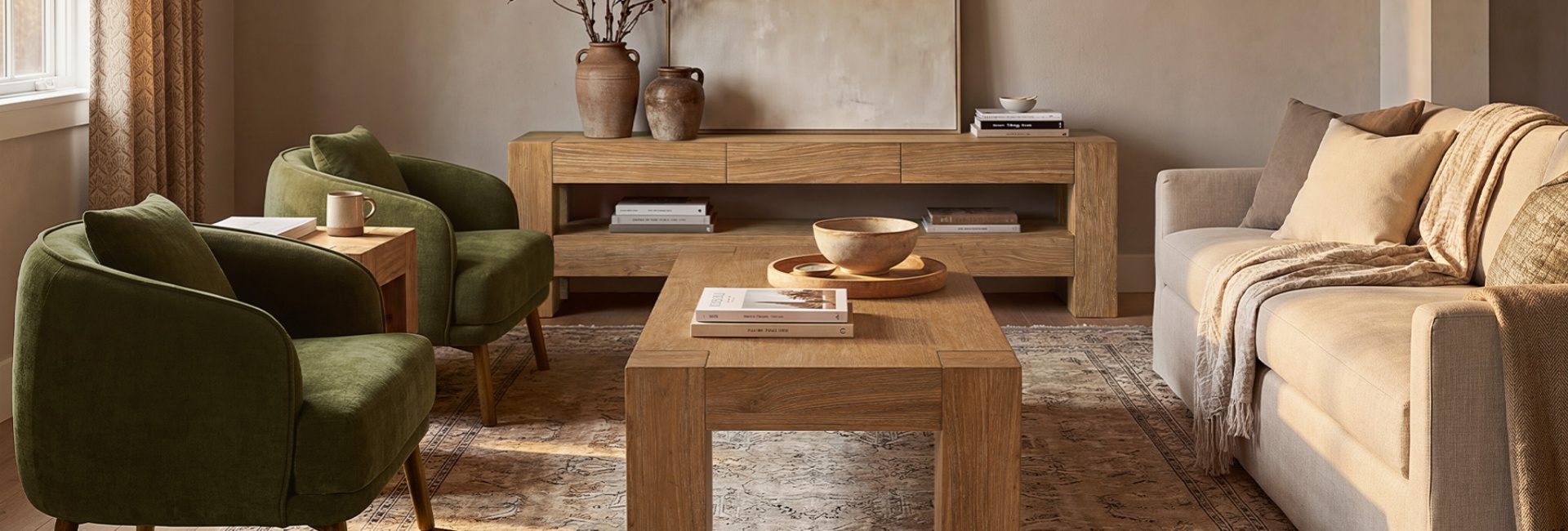
Creating truly functional matchday hosting spaces is no longer a luxury—it’s a modern apartment necessity. Whether you live in a compact studio or a spacious loft, the way you design your matchday hosting spaces directly affects how comfortably guests watch, move, eat, and interact during game nights.
In today’s urban lifestyle, apartments are doing double duty: everyday living space by day, entertainment hub by night. And when the big game kicks off, poorly planned layouts quickly reveal their flaws—blocked screens, overcrowded seating, and chaotic snack zones.
This guide breaks down how to design high-performing matchday hosting spaces for every apartment size using real-world spatial logic, furniture strategy, and hosting experience principles used by interior professionals.
Why Matchday Hosting Spaces Matter in Modern Apartments
The rise of home-based matchday hosting culture
Over the past decade, more people prefer hosting game nights at home instead of going out. Surveys from residential lifestyle studies show that over 60% of urban renters host at least one matchday gathering per month during peak sports seasons.
This shift has transformed apartments into social arenas, making matchday hosting spaces a core part of modern interior planning. A well-designed setup improves comfort, encourages social interaction, and enhances viewing engagement.
In well-optimized matchday hosting spaces, even a small apartment can feel like a private lounge dedicated to the game.
Common apartment layout mistakes during game nights (blocked views, cluttered coffee tables, poor flow)
Most hosting problems stem from three predictable mistakes:
Furniture blocking TV sightlines
Overloaded coffee table surfaces
No defined walking paths between seating
When matchday hosting spaces are not designed intentionally, guests naturally cluster in awkward positions, creating discomfort and visual chaos.
Interior flow experts consistently highlight that poor spacing is the number one cause of “hosting fatigue” during long events.
Expert insight: why “flow + focal point + flexibility” defines successful hosting spaces
Design professionals often summarize effective matchday hosting spaces using three principles:
Flow: Guests should move without obstruction
Focal point: The TV must dominate visual attention
Flexibility: Furniture must adapt to different group sizes
Core Principles of Matchday Hosting Space Design
Establishing the TV as the primary focal point (visibility-first layout strategy)
Every successful matchday hosting spaces design begins with one rule: the TV is the anchor.
Whether mounted or placed on a tv consoles, the screen must be visible from every seating angle. Avoid side placements or extreme heights that force guests to strain their necks.
A strong focal layout ensures matchday hosting spaces feel immersive, not fragmented.
Traffic flow rules: keeping 30–36 inches of walking space clear
Interior design studies consistently recommend 30–36 inches of clearance for comfortable movement. In matchday hosting spaces, this prevents congestion during halftime when guests move between snacks and seating.
A blocked walkway instantly breaks the rhythm of the experience.
Creating conversation + viewing balance in one room
The best matchday hosting spaces don’t force guests to choose between conversation and viewing. Instead, seating is angled so people can do both naturally.
A well-placed sofa or dual seating arrangement ensures interaction continues even during intense game moments.
Why multi-functional furniture is essential for apartment hosting
Modern apartments depend heavily on multi-use furniture. A console table becomes a snack station. A side table becomes a drink anchor. A coffee table becomes the central command zone.
Without flexibility, matchday hosting spaces quickly become overcrowded and inefficient.
Small Apartment Matchday Hosting Spaces (Studio–1BR)
In small matchday hosting spaces, the goal is maximizing perception of space. A compact sectional sofa or streamlined sofa placed against the wall opens up central movement flow.
A tv consoles unit should stay slim and minimal to avoid visual heaviness.
Medium Apartment Matchday Hosting Spaces (2BR–Open Living Room)
Medium-sized apartments are where most matchday hosting spaces truly come alive. You finally have enough room to move beyond survival layouts, but not so much space that zoning becomes effortless. The challenge here is balance—creating a layout that supports conversation, clear TV visibility, and uninterrupted snack flow without turning the room into a maze of furniture.
Interior designers often describe this size category as the “flex test zone”: if your setup works here, it will work almost anywhere.
The “Sectional + Accent Seating” layout strategy
The most reliable foundation for matchday hosting spaces in a 2BR or open living room is the sectional + accent seating system. A sectional sofa establishes the primary viewing structure, while additional seating (such as a sofa, lounge chair, or pouf-style seats) fills gaps without overwhelming the room.
This approach works because it naturally forms a semi-circle around the TV focal point while keeping movement paths open.
A practical example:
One L-shaped sectional sofa anchors the main wall
A compact sofa or two accent chairs complete the opposite side
The center remains open for circulation
This prevents the “wall effect” where all seating is pushed too tightly against boundaries, a common mistake in poorly designed matchday hosting spaces.
Sectional sofa positioning: L-shape facing TV for maximum visibility
The placement of the sectional sofa is the structural backbone of medium matchday hosting spaces. The L-shape should always face the TV directly or at a slight inward angle to maximize shared sightlines.
A well-positioned sectional sofa achieves three goals:
Eliminates neck strain from side viewing
Maximizes seating capacity per viewing angle
Defines a natural boundary between viewing and dining zones
A common professional guideline is to keep the longest edge of the sectional sofa aligned parallel to the TV wall. This ensures no guest is forced into awkward diagonal seating during long matches.
Coffee table zoning: snack center vs movement clearance
In well-structured matchday hosting spaces, the coffee table must operate with dual responsibility: it is both a shared snack hub and a protected circulation boundary. Poor zoning is what usually turns a comfortable viewing night into constant interruption and clutter.
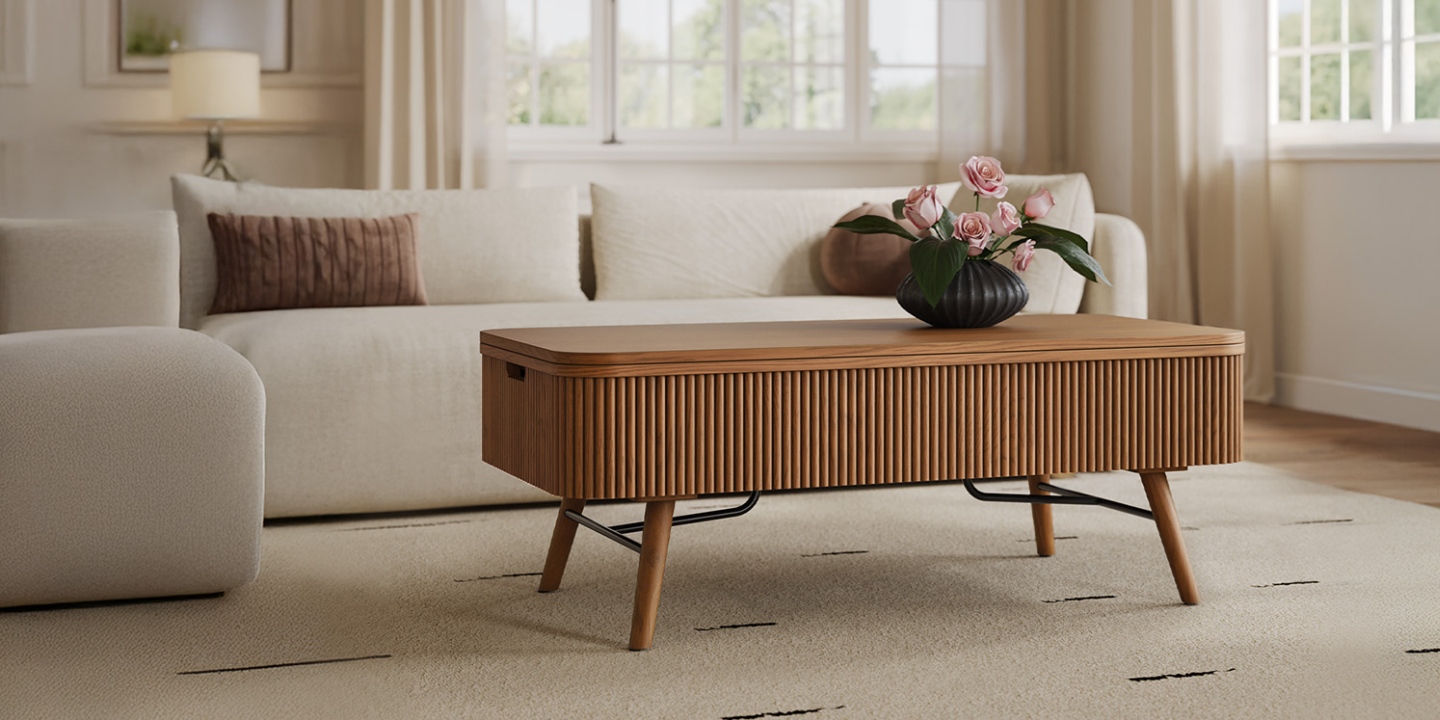
A practical example is the Magnus 47" Lift-Top Oak Coffee Table, which adapts naturally to this dual role. The lift-top surface expands when serving food, then returns to a lower profile to restore movement clearance during active viewing.
Crafted from oak veneer with a lift-top mechanism, this table supports the real flow of matchday hosting spaces—fast transitions between crowd moments and open movement.
Console table as a behind-sofa hosting station
A console table placed behind the main seating line transforms matchday hosting spaces into layered service environments. Instead of relying solely on the coffee table, the console table acts as a secondary staging area.
Typical uses include:
Extra snacks during halftime rush
Remote controls and charging devices
Drink refill station
This setup significantly reduces congestion around the viewing zone. In many open-plan layouts, the console table becomes the “silent helper” that keeps everything running smoothly without drawing attention.
Side tables as drink-control points (reducing congestion)
A well-placed side table is one of the most underrated elements in matchday hosting spaces. Its primary role is simple: prevent drinks from overwhelming the coffee table.
Best practice is to assign one side table per seating cluster. This creates micro-zones where guests can set down beverages without reaching across others.
In practical terms, this reduces spill risk by nearly half during crowded match moments. It also keeps the central coffee table visually clean and functionally focused on shared food.
TV consoles as storage + cable management hub
In well-optimized matchday hosting spaces, the tv consoles unit is the control center that keeps the viewing environment clean, organized, and distraction-free. During live events, unmanaged cables, controllers, and streaming devices can quickly disrupt the atmosphere and reduce focus on the screen.
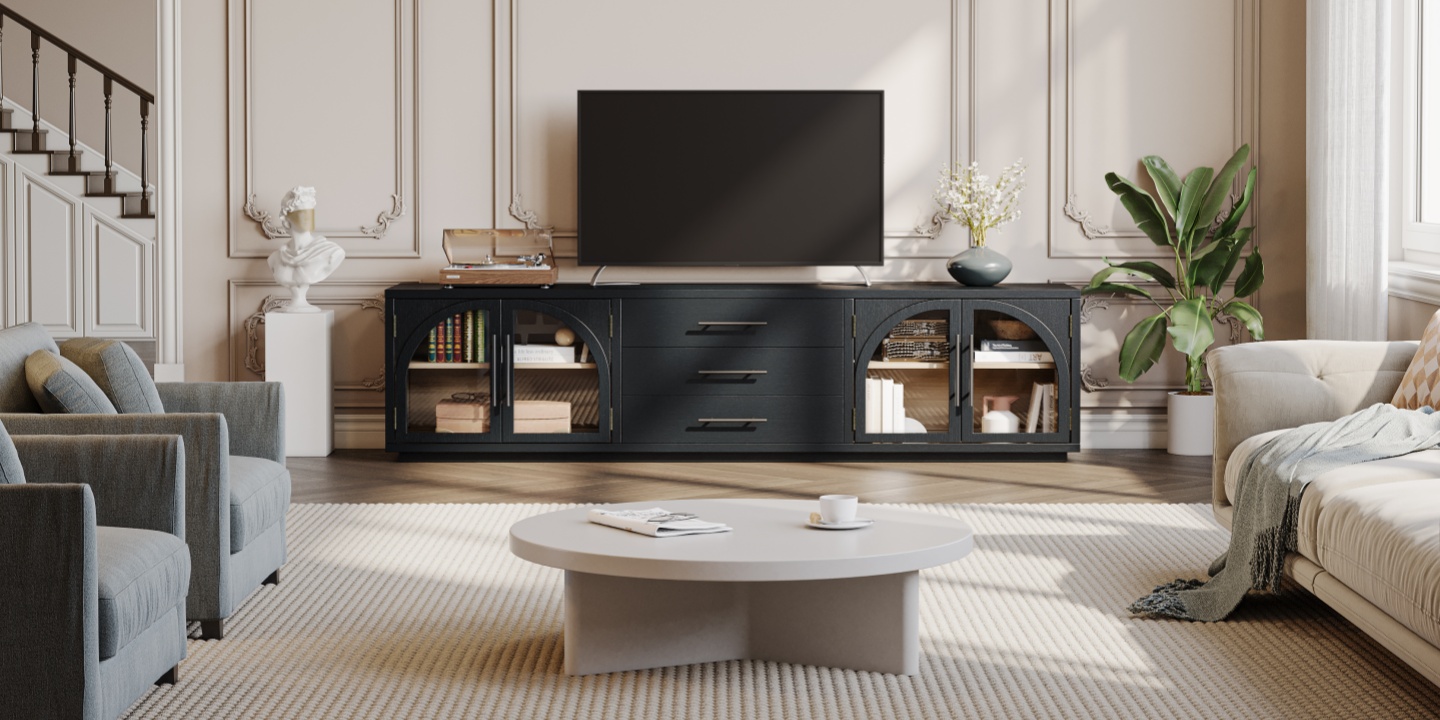
A strong example is the Valborg 80" Oak Media Console, which combines structured storage with discreet cable routing designed for large-screen setups up to 85 inches.
With its oak craftsmanship and soft-close Hinges, this tv consoles solution helps maintain calm, organized matchday hosting spaces, even during high-energy gatherings.
Dining table integration for pre-game and halftime food flow
In well-structured matchday hosting spaces, the dining table acts as a critical transition hub between preparation, viewing, and social interaction. Instead of crowding the coffee table, food staging should begin at the dining zone, allowing smoother movement and less disruption near the TV viewing area.
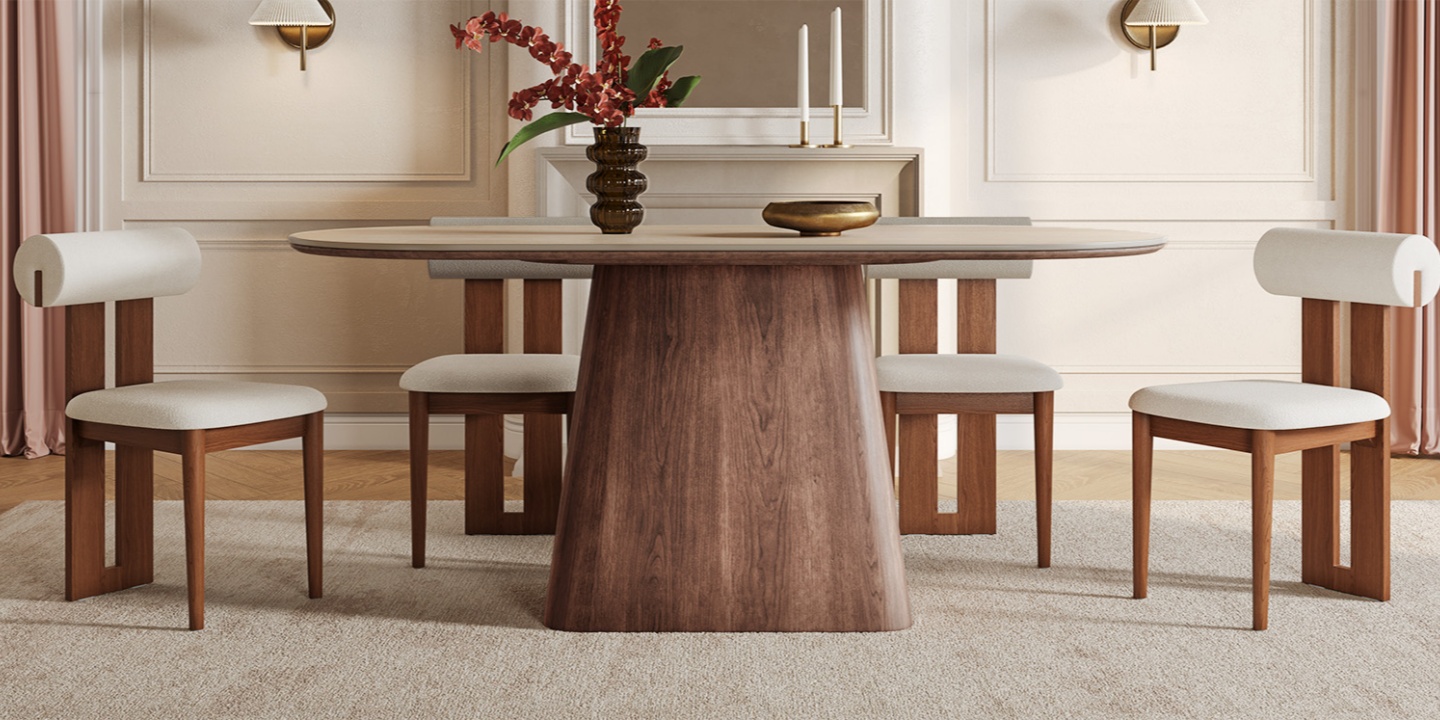
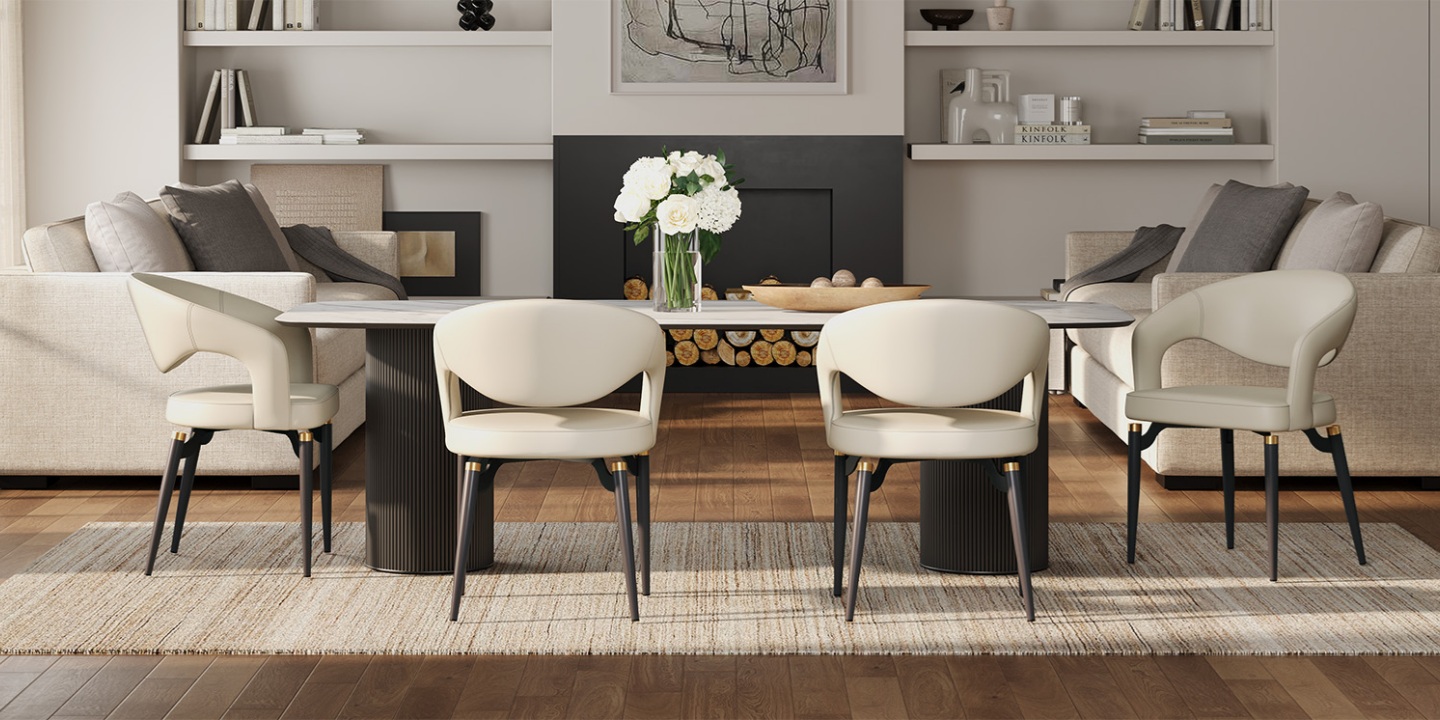
A strong example is the Thorsten 84" Oval Dining Table, which supports both pre-game setup and halftime buffet flow with its large surface and stable pedestal base.
Dining chairs as flexible overflow seating
In adaptable matchday hosting spaces, dining chair usage goes far beyond the dining area. During peak gatherings, seating demand often exceeds the living room capacity, making flexible overflow solutions essential to maintaining comfort and visibility.
A practical example is the Liliana Armrest Leather Dining Chairs, which combines ergonomic armrests with a compact footprint, allowing quick repositioning without disrupting sightlines toward the TV.
With stain-resistant PU leather and a carbon steel frame, these dining chair units ensure matchday hosting spaces remain comfortable, scalable, and visually organized even during high-attendance game nights.
Large Apartment Matchday Hosting Spaces (Open Concept / Loft)
Large apartments and loft-style layouts unlock the full potential of matchday hosting spaces, but they also introduce a new challenge: without structure, open space quickly becomes visually chaotic. The key is not filling the room with furniture—it’s dividing it into intentional, behavior-driven zones that guide how guests watch, eat, and interact.
Creating multiple hosting zones (watch zone, snack zone, social zone)
In large matchday hosting spaces, zoning replaces walls. Instead of one central cluster, the room is divided into three functional areas:
Watch zone: centered around the TV and main seating
Snack zone: dedicated food and drink distribution
Social zone: relaxed conversation away from screen focus
This structure prevents congestion and ensures guests naturally flow between activities without disrupting viewing.
Sofa arrangements for 6–10 guests (face-to-face layouts)
For larger gatherings, sofa placement must support both visibility and interaction. A face-to-face layout works especially well in open-plan matchday hosting spaces, as it creates balance between engagement and screen focus.
Typical configuration:
Two sofa units facing each other across a central coffee point
TV positioned perpendicular or slightly angled to both seating lines
Clear walkway maintained behind seating clusters
This arrangement keeps conversations active without sacrificing game visibility.
Sectional sofa + lounge chair hybrid system
A single sectional sofa often defines the core of large matchday hosting spaces, but it cannot carry the entire seating load. Adding lounge chairs creates a hybrid system that adapts to different group sizes.
This system allows quick reconfiguration depending on guest count.
Large coffee table vs dual coffee table setup strategy
In oversized matchday hosting spaces, one large coffee table is not always optimal. While it creates a strong visual center, it can limit access in deeper seating layouts.
Alternative strategy:
One central coffee table for primary seating
A secondary coffee table placed near lounge seating
This dual approach improves snack accessibility and reduces crowding during high-traffic moments like halftime.
Console table zoning: dividing space without walls
A console table becomes a subtle architectural tool in open matchday hosting spaces. Instead of physical partitions, it visually separates zones while maintaining openness.
Common uses:
Behind sofa placement to define viewing boundary
Between snack and social zones to guide movement
As a decorative buffer that maintains spatial flow
This creates structure without closing off the room.
TV console as “command center” of the matchday experience
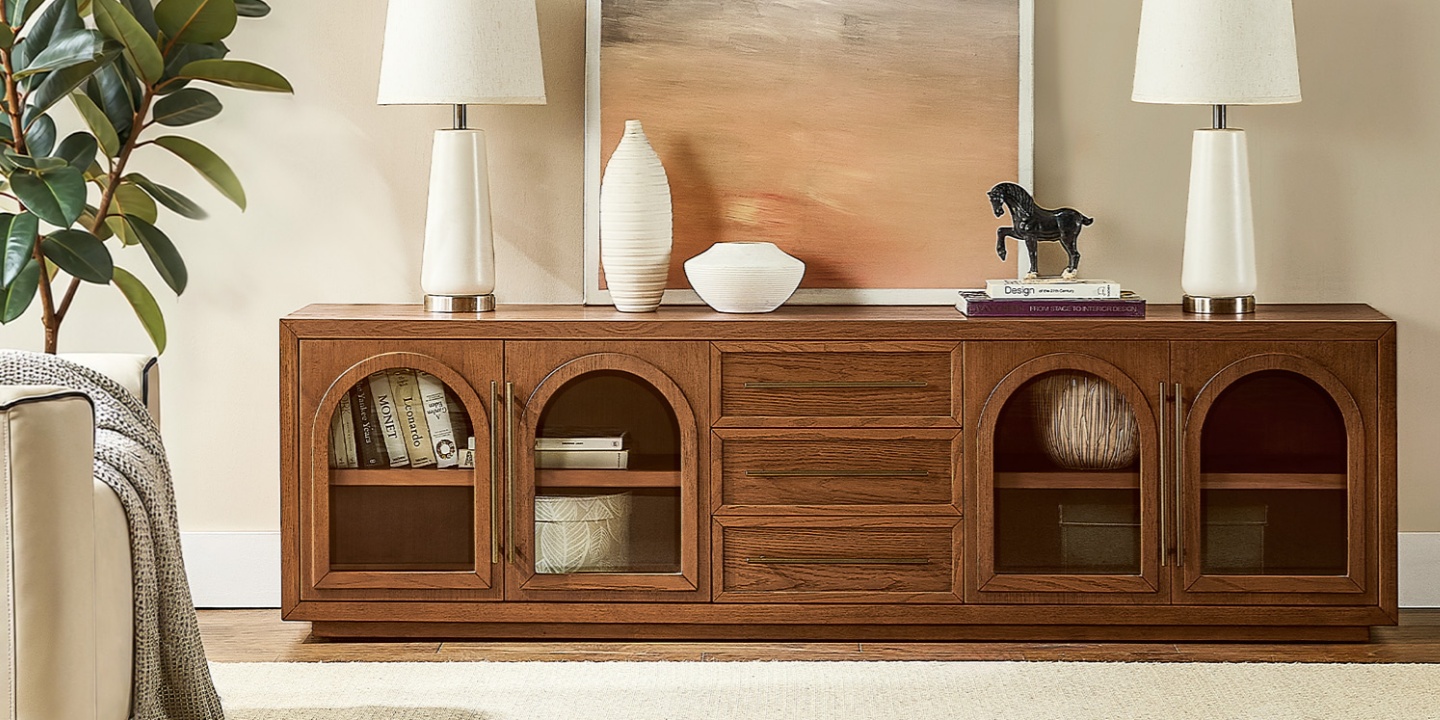
In high-performance matchday hosting spaces, the tv consoles unit is more than storage—it becomes the operational command center that coordinates the entire viewing environment. From streaming control to device organization, every element converges here, ensuring a seamless game-day experience without visual clutter or technical interruptions.
A strong example is the Lira 84" Oak Media Console, designed to support TVs up to 85 inches while maintaining clean cable management and structured storage across multiple drawers and adjustable shelving.
With its oak craftsmanship and soft-close hinges, this tv consoles solution anchors matchday hosting spaces, keeping the environment organized, responsive, and visually balanced throughout the entire match.
Dining table transformation into buffet or group dining hub
In large matchday hosting spaces, the dining table shifts from daily use to event infrastructure. During matchdays, it becomes a buffet station or group dining hub, keeping food away from the seating core.
Usage flow:
Pre-game: meal setup and preparation
Halftime: buffet access point
Post-game: extended social dining
This reduces congestion around the main sofa area.
Dining chair scalability for large groups
Scalability is essential when hosting larger groups. A dining chair is not just a fixed seat—it becomes modular seating that supports changing group sizes.
Key benefits:
Rapid expansion of seating capacity
Easy relocation between dining and viewing zones
Flexible alignment with dining table or lounge areas
In well-designed matchday hosting spaces, this adaptability ensures no guest is left without a functional seat while maintaining clear circulation paths throughout the room.
Furniture-by-Furniture Matchday Hosting Strategy
Designing effective matchday hosting spaces is not about filling a room with furniture—it’s about assigning each piece a clear behavioral role. When every item supports a specific function, the space naturally becomes more comfortable, more organized, and far easier to manage during high-energy game moments.
Below is a practical, furniture-by-furniture breakdown used by experienced residential designers to build high-performance matchday hosting spaces in real apartments.
Sectional Sofa – The Core Seating Engine
The sectional sofa is the structural backbone of most matchday hosting spaces. It defines the primary viewing zone and determines how guests orient themselves toward the screen.
Best angles for TV visibility
The ideal placement for a sectional sofa is an L-shape facing the TV at a slight inward angle. This ensures:
Maximum shared visibility across seats
Reduced neck strain during long viewing sessions
Balanced sightlines even in corner-heavy layouts
In well-designed matchday hosting spaces, the sectional should always “frame” the TV rather than compete with it.
Avoiding blocked sightlines in crowded setups
One of the most common hosting mistakes is stacking additional seating in front of the sectional sofa. This creates visual obstruction and breaks group cohesion.
A better approach is staggered seating height and offset positioning to maintain uninterrupted sightlines in matchday hosting spaces.
Sofa – The Conversation Anchor
A secondary sofa plays a different role—it supports social interaction without competing with the main viewing structure.
Two-sofa facing layout for social viewing
In larger matchday hosting spaces, placing two sofa units facing each other creates a natural conversation pocket. This allows guests to:
Talk during breaks
React to plays without turning away from others
Maintain social energy outside the TV focal zone
Sofa spacing rules for comfort (7–10 feet recommended)
Spacing is critical. A distance of 7–10 feet between sofa units provides:
Comfortable legroom
Clear walking paths
Balanced audio and visual interaction
Too close creates congestion; too far reduces engagement.
Coffee Table – The Matchday Command Center
The coffee table acts as the operational hub of matchday hosting spaces, handling snacks, drinks, and shared items.
Ideal spacing (14–18 inches from seating)
Keeping the coffee table 14–18 inches from surrounding seating ensures:
Easy reach without leaning forward excessively
Clear legroom for comfort
Safe circulation during crowded moments
Shape selection: round vs rectangular for crowd flow
In busy matchday hosting spaces, round designs often improve traffic flow significantly.
TV Consoles – Visual + Storage Optimization
The tv consoles unit is both a visual anchor and a functional storage system in matchday hosting spaces.
Height alignment for ergonomic viewing
Proper height alignment ensures the TV sits at eye level when guests are seated on the sofa or sectional sofa, reducing neck strain and improving long-term comfort.
Cable-free design for clean hosting experience
A well-managed tv consoles setup hides:
Power cables
Streaming devices
Controllers and remotes
This reduces visual noise and keeps matchday hosting spaces focused on the viewing experience.
Console Table – Hidden Hosting Utility
A console table is often underestimated but plays a critical support role in matchday hosting spaces.
Behind-sofa snack station setup
Placed behind seating, the console table becomes a secondary service zone for:
Extra snacks
Napkins and utensils
Quick-access items during halftime
Beverage organization during match pressure moments
It also prevents drink congestion around the coffee table, keeping spills and clutter under control during high-energy moments.
Side Table – The “No Spill Zone” Strategy
The side table is a micro-functional tool in matchday hosting spaces that dramatically improves comfort.
One per seating cluster rule
Best practice: assign at least one side table per seating cluster. This ensures:
Personal drink space
Reduced dependency on central surfaces
Better crowd distribution
Reducing coffee table congestion
By decentralizing drink placement, the coffee table remains clean and dedicated to shared snacks rather than individual items.
Dining Table – Secondary Matchday Hub
The dining table functions as a secondary operational zone in matchday hosting spaces, especially during larger gatherings.
Buffet-style setup for halftime rush
During halftime, the dining table becomes a buffet station, reducing pressure on the living room and preventing bottlenecks near the sofa area.
Standing vs seated dining strategy
Standing setup: faster turnover, ideal for large groups
Seated setup: more relaxed, suited for pre-game meals
Dining Chair – Flexible Guest Expansion Tool
A dining chair provides essential flexibility in expanding matchday hosting spaces without permanent layout changes.
Portable seating for overflow guests
These chairs can be quickly moved into viewing zones when attendance increases, ensuring no guest is left standing during key moments.
Matching comfort + visibility needs
Comfort and sightlines must be balanced. Poorly placed dining chair units can block views, so angled placement near edges of the room is recommended.
Matchday Hosting Space Layout Mistakes to Avoid
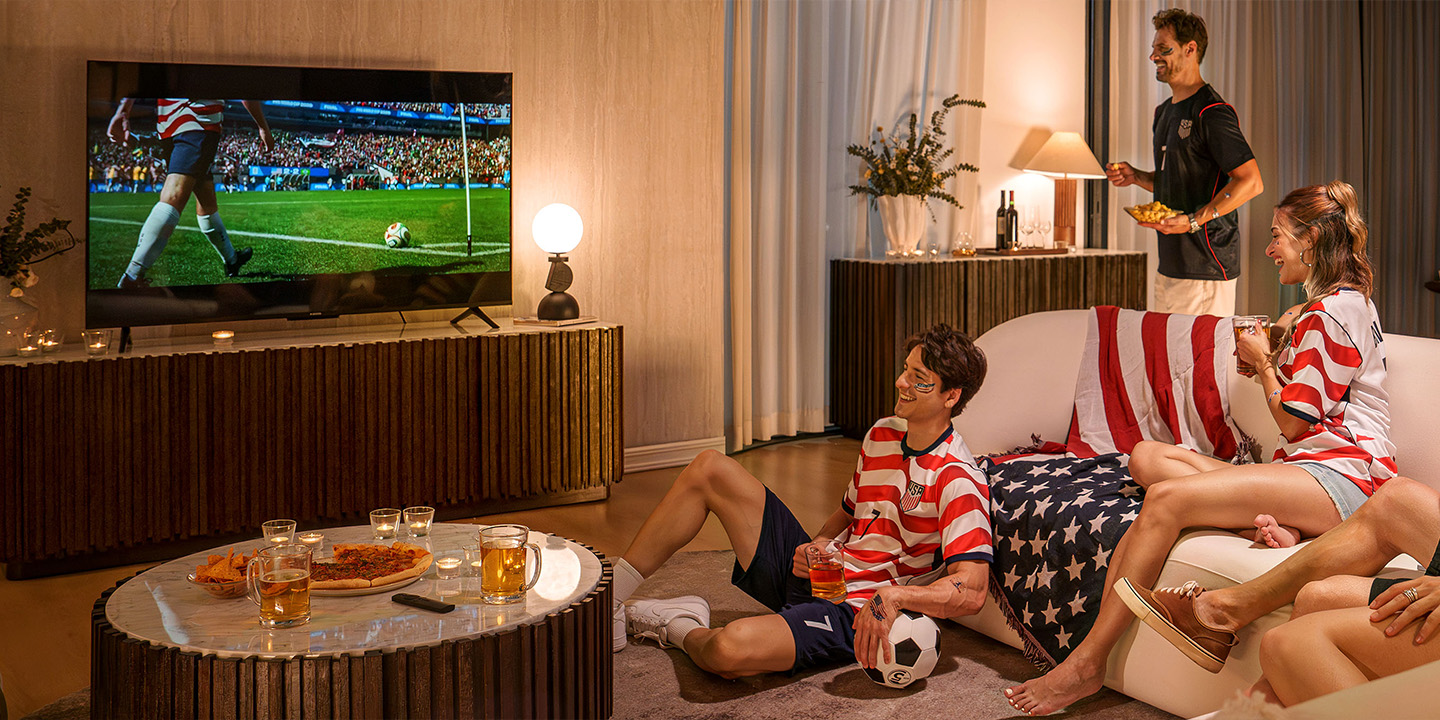
Even well-designed matchday hosting spaces can fail when small layout mistakes accumulate. Most issues are not about furniture quality, but about poor spatial planning that disrupts viewing, movement, and social flow.
Blocking TV sightlines with furniture or decor
One of the most common errors in matchday hosting spaces is placing chairs, decor, or tall objects directly in front of the viewing axis. This creates fragmented sightlines and forces guests to constantly adjust positions.
Example: A decorative shelf or extra seating placed between the sofa and TV can reduce visibility for 30–40% of guests in a typical living room setup.
Overcrowding the coffee table surface
A cluttered coffee table quickly becomes a bottleneck. When snacks, drinks, and devices all compete for space, guests begin reaching over each other, disrupting comfort.
In efficient matchday hosting spaces, the coffee table should support shared items—not store everything.
Ignoring walking paths (creating traffic jams)
Failing to maintain clear circulation paths is a major flaw in matchday hosting spaces. Without at least 30 inches of clearance, guests naturally block each other during halftime movement.
This often happens between:
sofa clusters
snack zones
TV viewing area
The result is unnecessary disruption during high-attention moments.
Using oversized furniture in small layouts
A common mistake is placing a large sectional sofa in a compact room, which overwhelms the layout and eliminates flexibility.
In matchday hosting spaces, scale matters more than style. Oversized furniture reduces seating diversity and limits movement options, especially when guest count increases unexpectedly.
Poor TV-to-sofa distance planning
Incorrect spacing between the TV and sofa or seating zone leads to eye strain and uneven viewing experience. Too close creates discomfort; too far reduces engagement.
A well-balanced layout ensures every seat in matchday hosting spaces maintains a natural viewing angle without strain or obstruction.
Matchday Hosting Checklist (Before Kickoff)
A well-prepared matchday hosting spaces setup ensures the event starts smoothly without last-minute chaos. Before kickoff, every zone should be checked for flow, visibility, and comfort.
For example, ensure the sofa does not block sightlines and the coffee table remains uncluttered. The tv consoles area should be cable-free, while the dining table is ready for overflow food staging. In optimized matchday hosting spaces, this final check transforms a normal room into a fully functional hosting environment within minutes.
Conclusion – Designing Matchday Hosting Spaces That Actually Work
Great matchday hosting spaces are not about size—they are about intelligence in layout. Whether you rely on a compact sofa, a spacious sectional sofa, or a fully zoned loft, success comes from flow, visibility, and flexibility.
With the right balance of tv consoles, console table, side table, coffee table, dining table, and dining chair, any apartment can transform into a high-performance hosting environment where every guest feels included and every moment feels intentional.
FAQs – Matchday Hosting Spaces
What is a matchday hosting space?
A matchday hosting space is a living area designed specifically for watching sports events with guests. It prioritizes TV visibility, seating comfort, snack accessibility, and clear movement flow so the room functions well during high-attendance gatherings.
What is the best sofa setup for matchday hosting?
The best setup usually combines a sectional sofa facing the TV with an additional sofa or accent seating. This creates both a strong viewing zone and flexible conversation space without blocking sightlines.
How far should a coffee table be from the sofa?
The ideal distance between a coffee table and seating is about 14–18 inches. This allows easy reach for snacks and drinks while maintaining enough legroom for comfort in busy matchday hosting spaces.
What is the best furniture for matchday hosting spaces?
Essential pieces include a sectional sofa, sofa, coffee table, tv consoles, console table, side table, dining table, and dining chair. Together, they support viewing, storage, and flexible guest movement.
How many guests can a typical apartment host for matchday?
Most apartments comfortably host 4–6 guests in small layouts and 6–10 guests in medium or open layouts, depending on seating flexibility and how efficiently matchday hosting spaces are arranged.
What is the best layout for sectional sofas during matchday?
An L-shaped sectional sofa facing the TV works best. It maximizes seating capacity while keeping sightlines open and naturally defining the viewing zone in matchday hosting spaces.
Where should snacks and drinks go during matchday hosting?
Snacks should be centered on the coffee table, while drinks can be distributed across side table units or a console table to reduce crowding and keep the main viewing area clear.
How do I prevent traffic congestion during matchday parties?
Maintain at least 30 inches of walking space between zones, avoid blocking pathways with furniture, and separate snack areas from seating zones. Proper zoning keeps matchday hosting spaces fluid even during halftime movement.