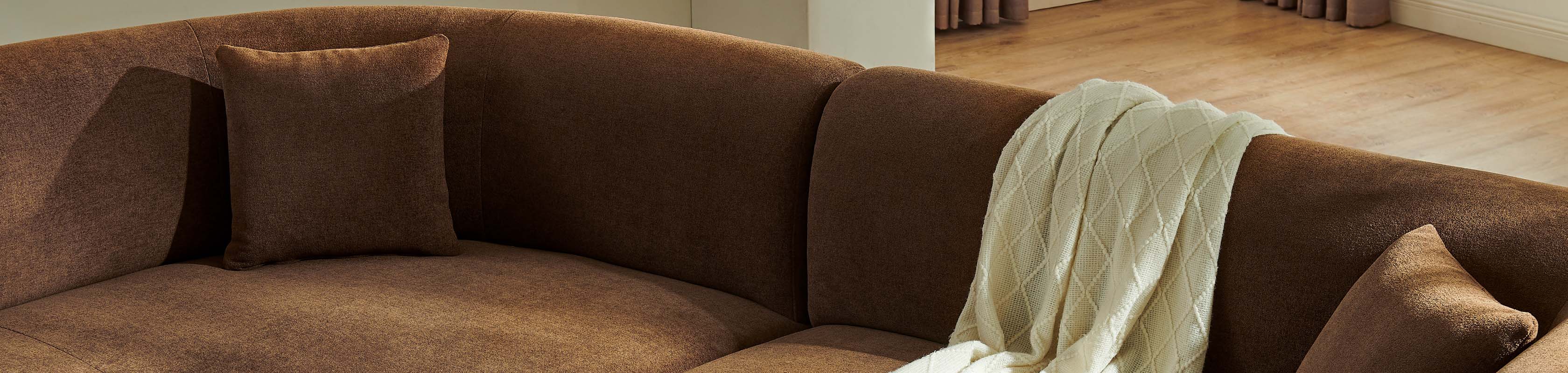
Sectional Sofas


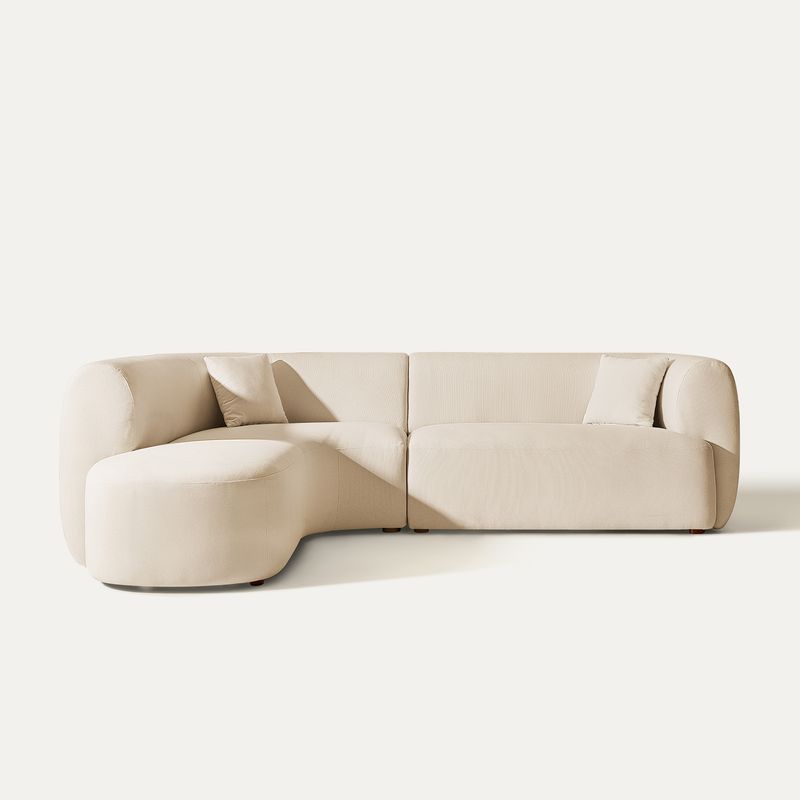
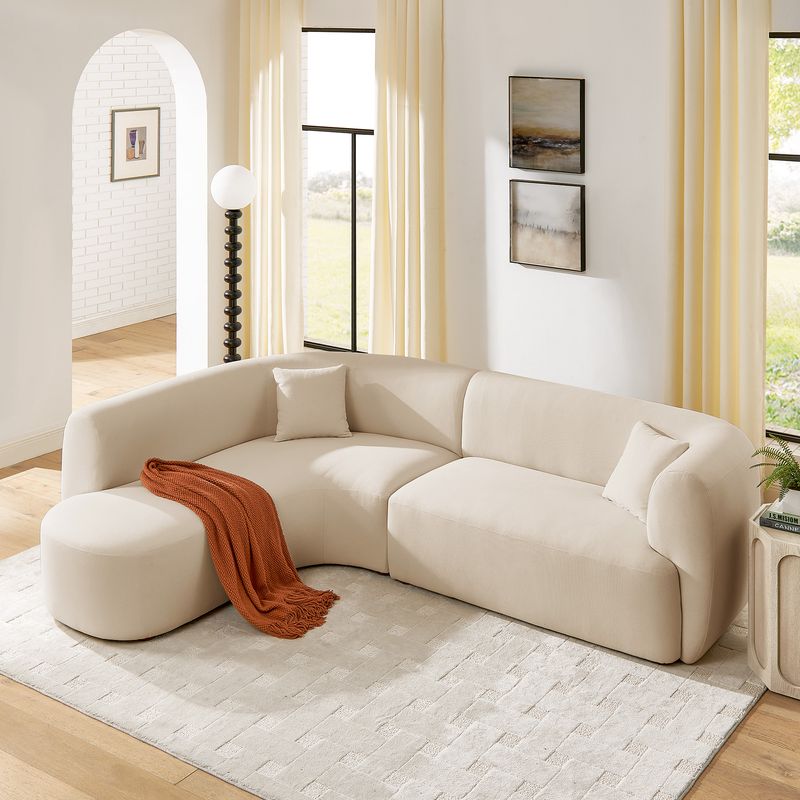
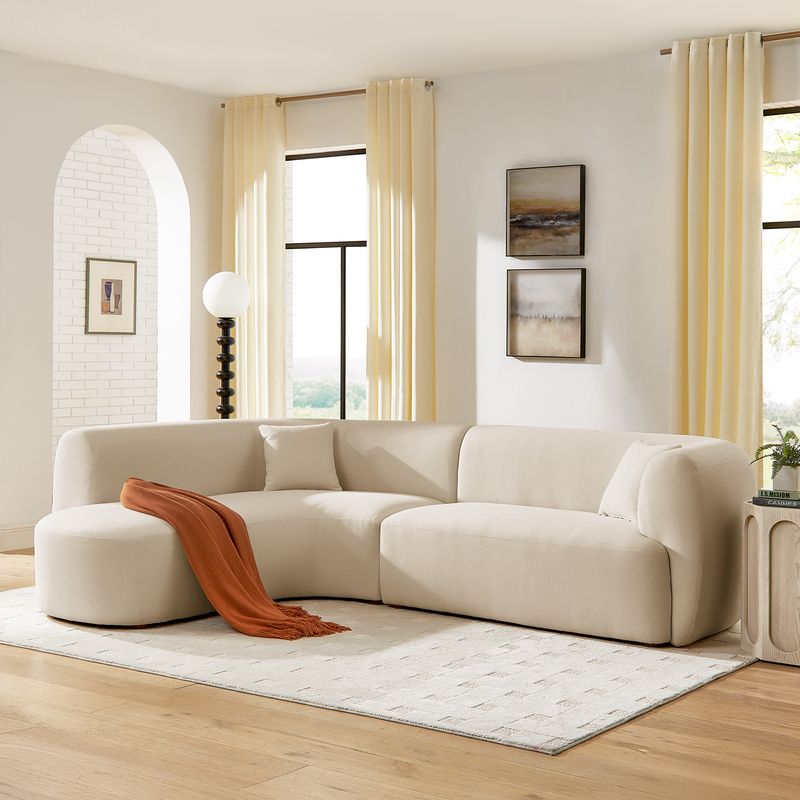
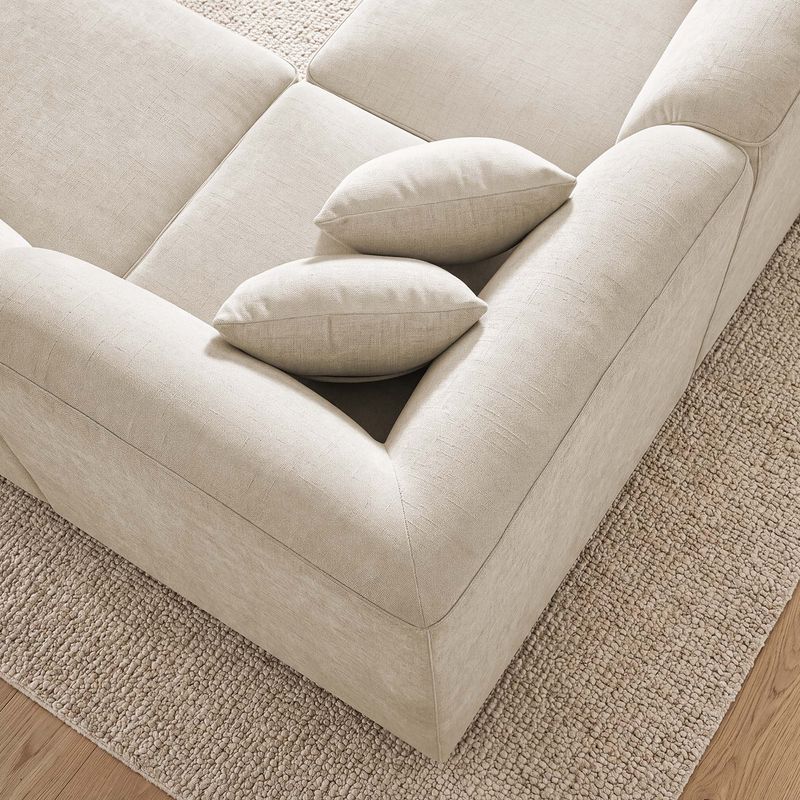
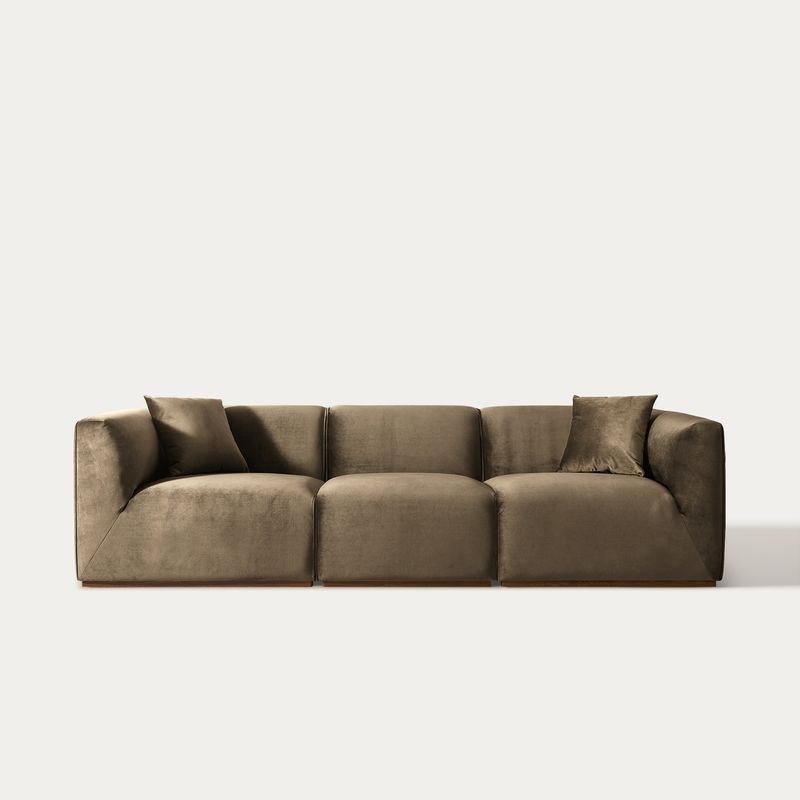
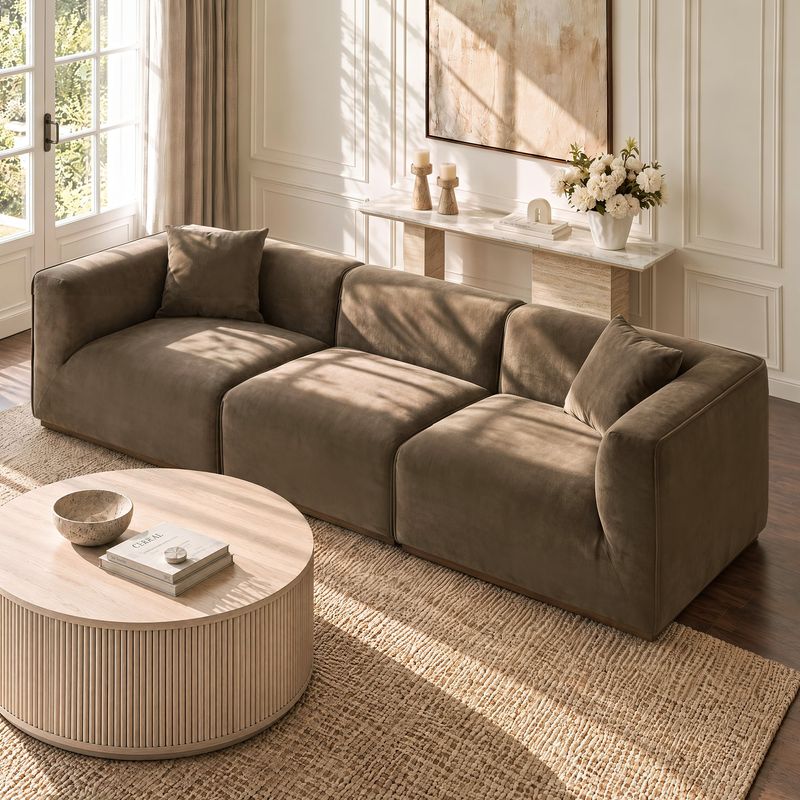
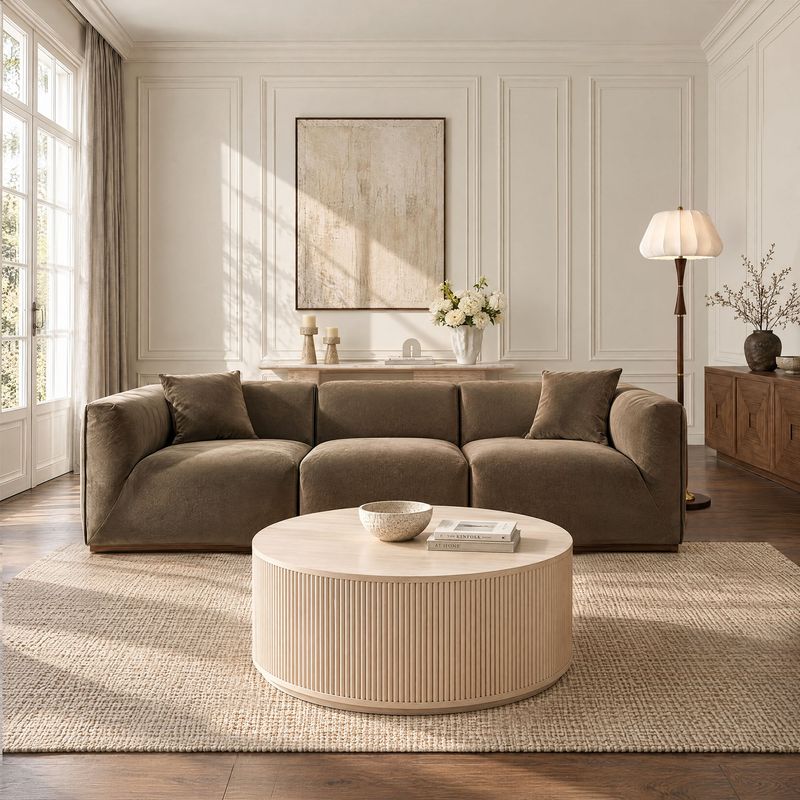
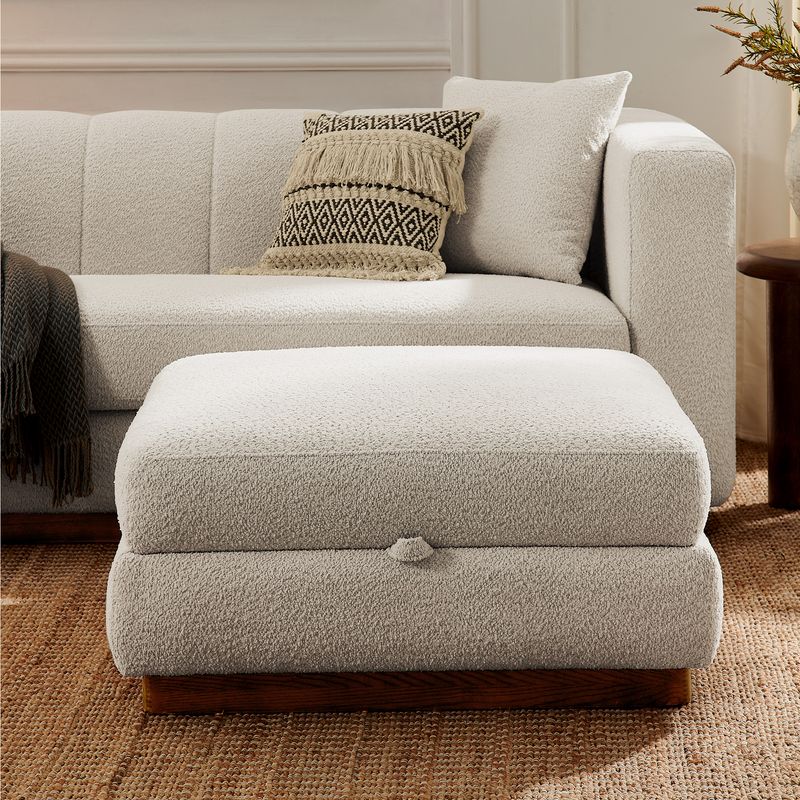
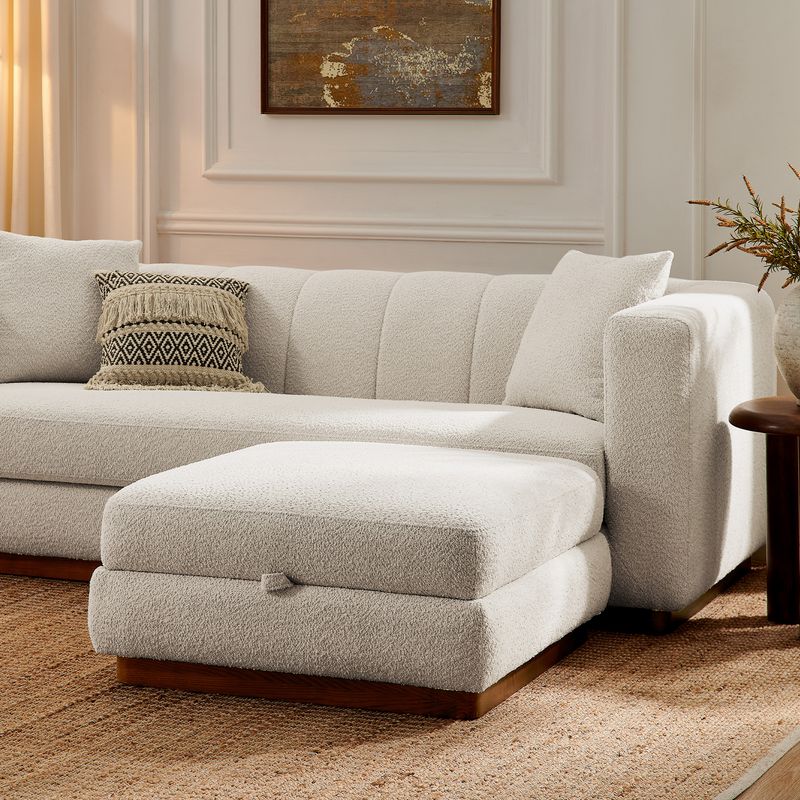
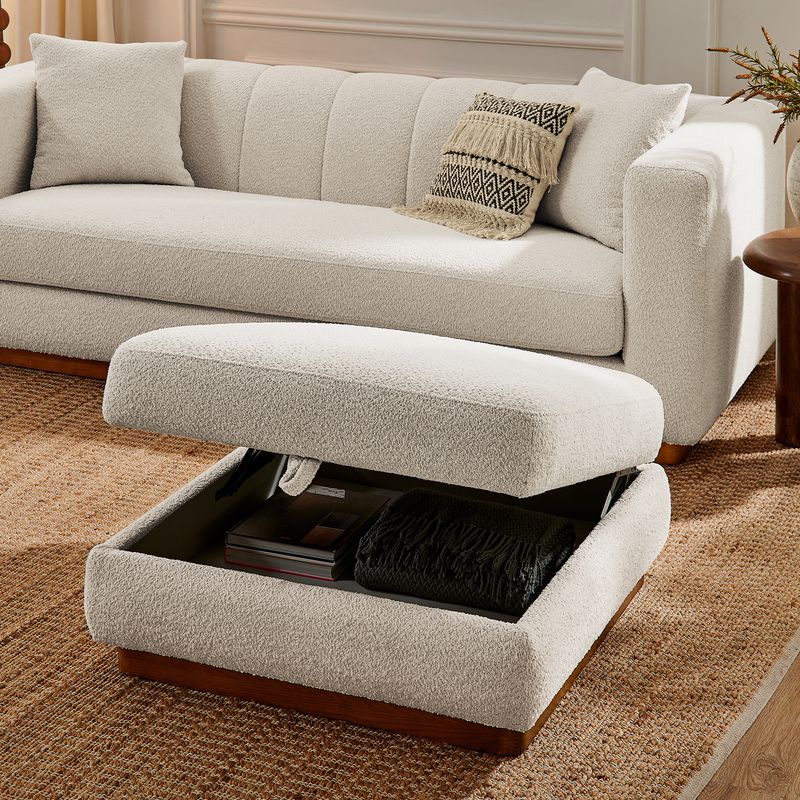
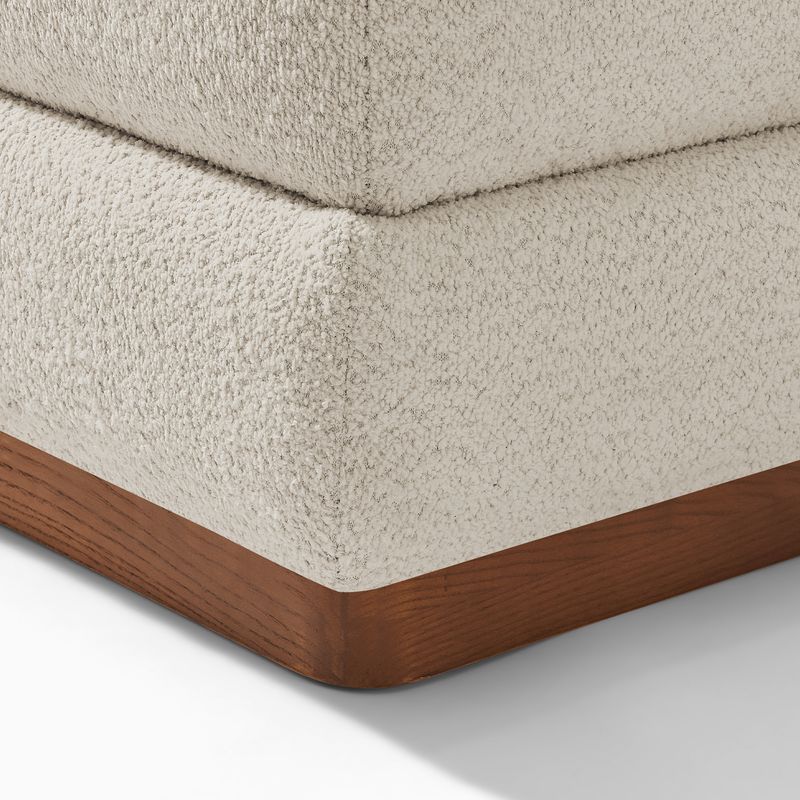
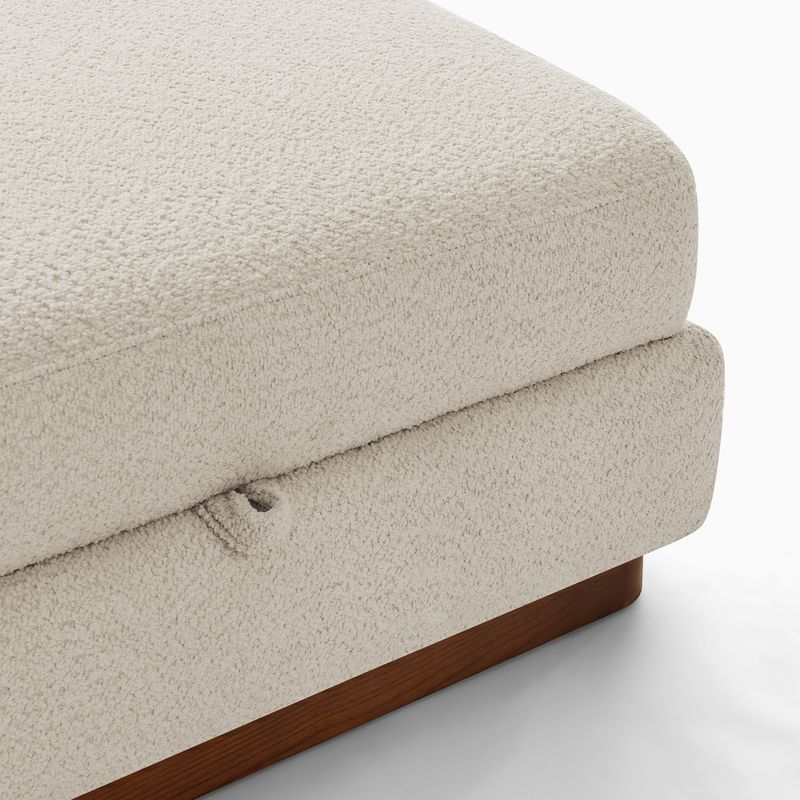
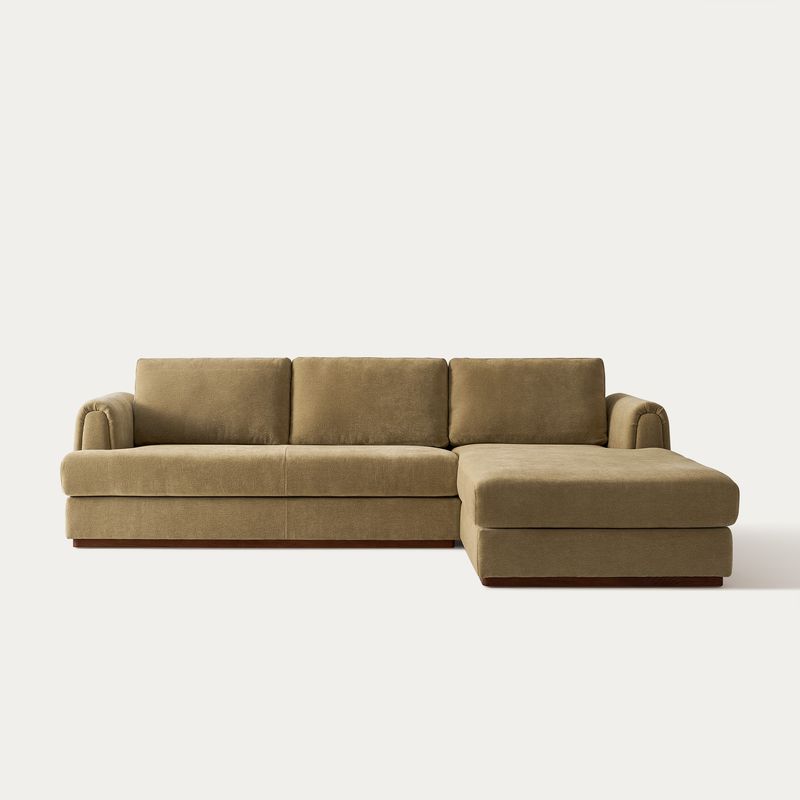
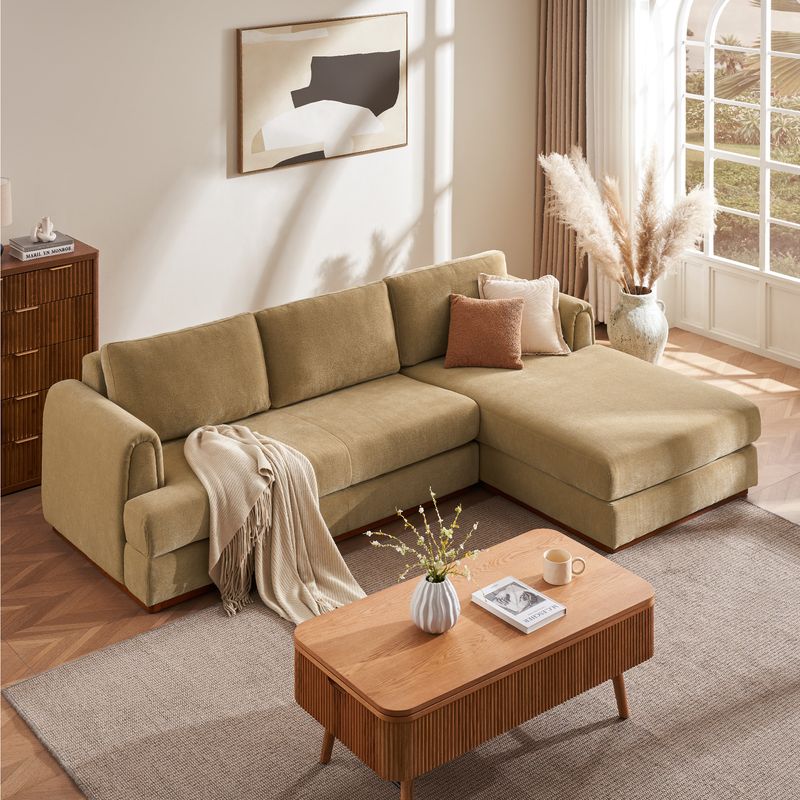
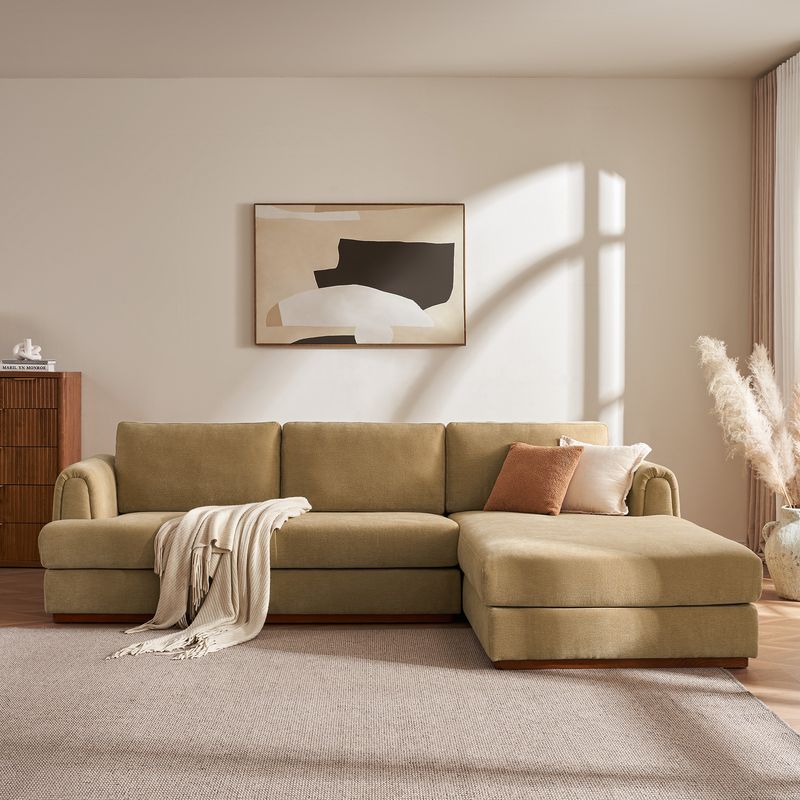
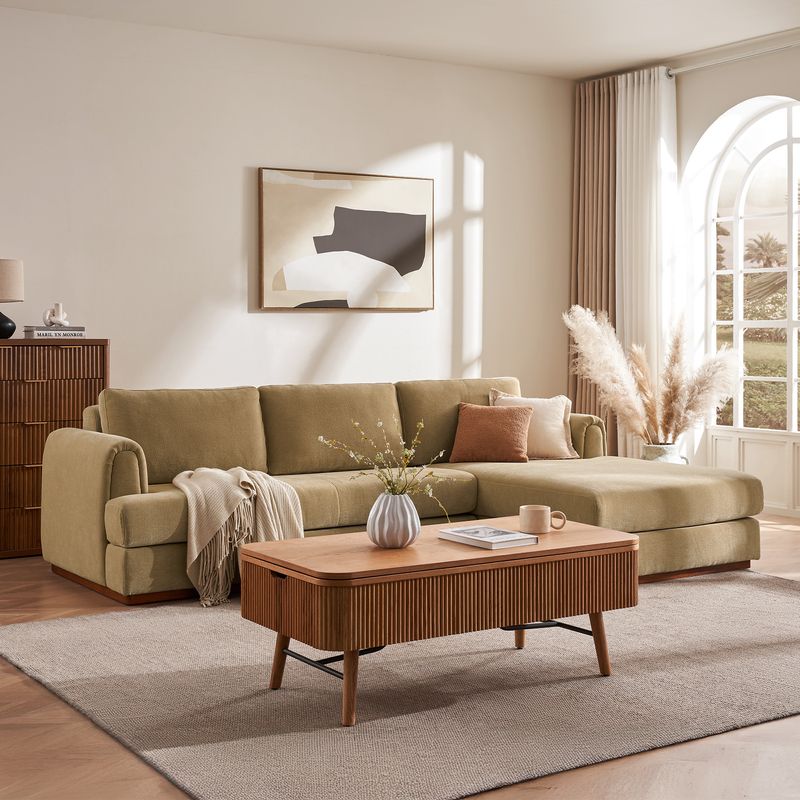
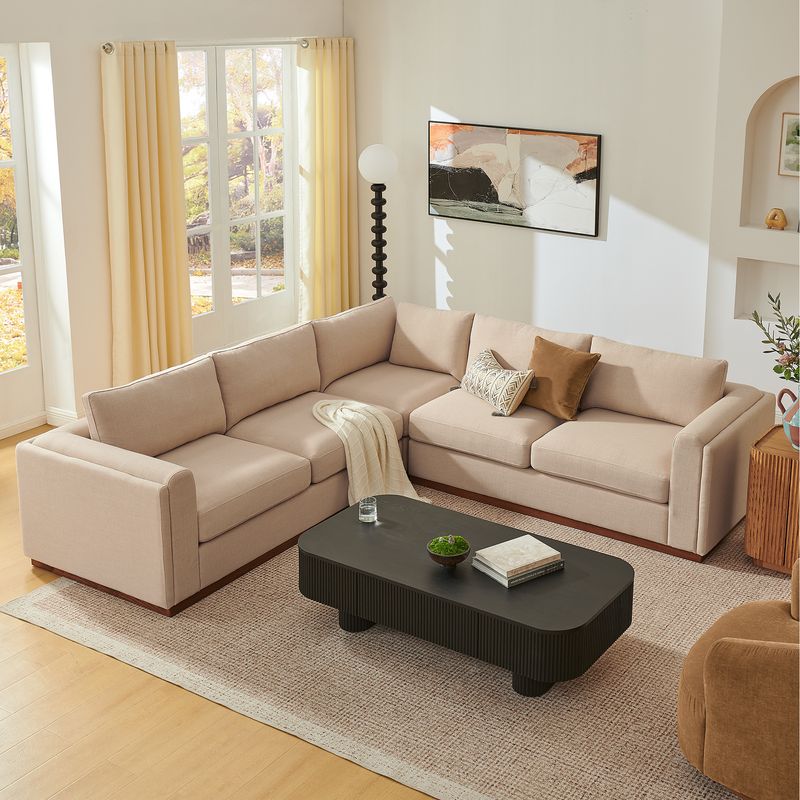
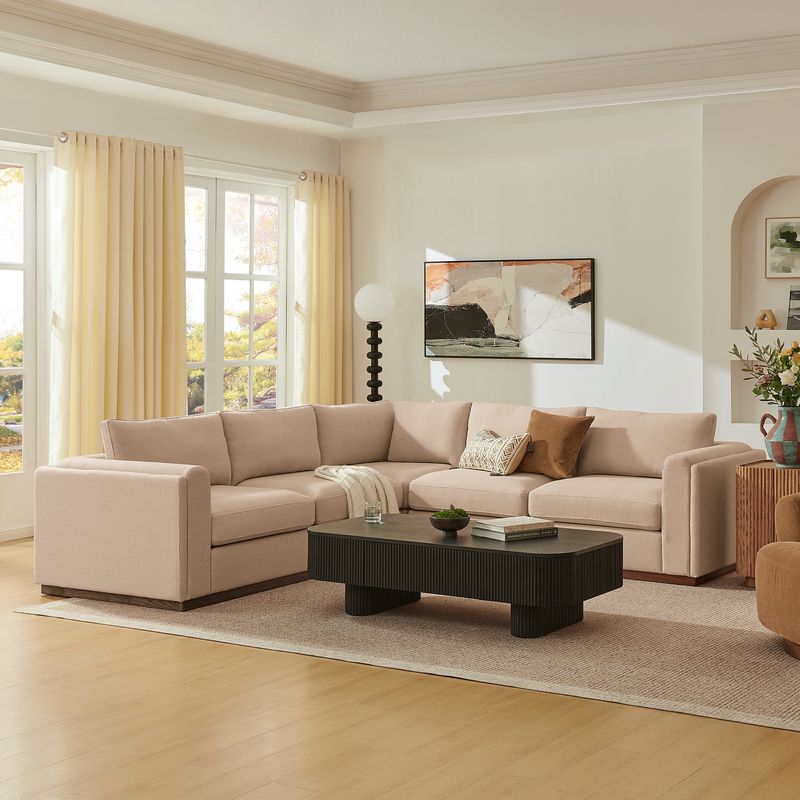
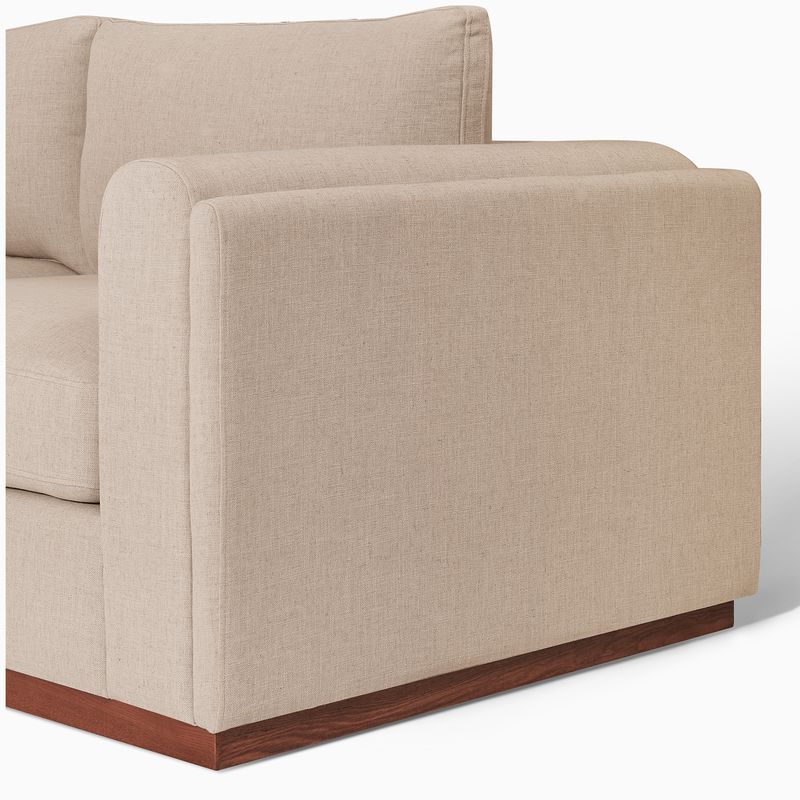



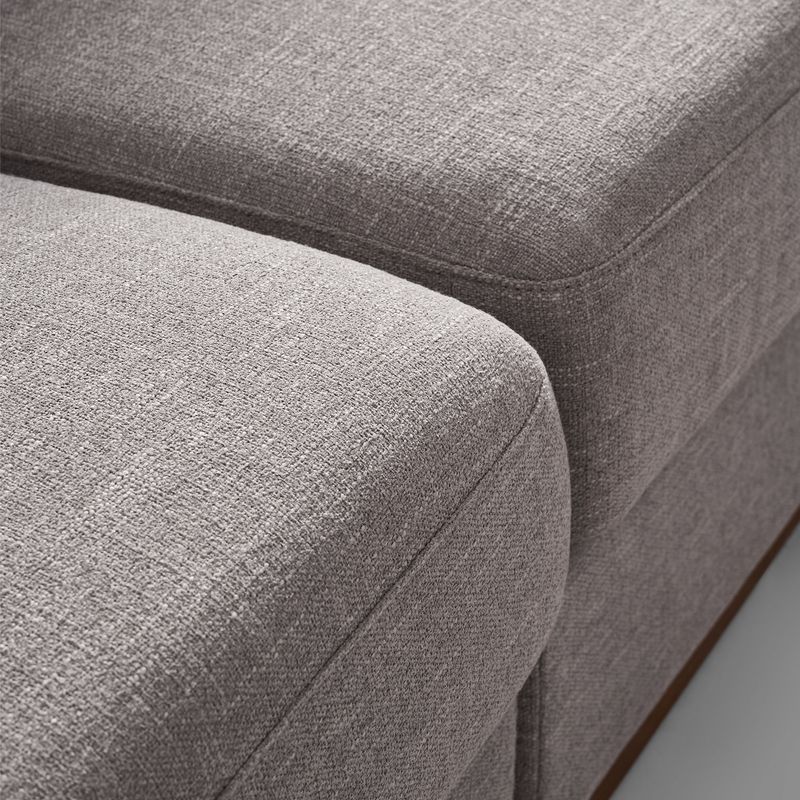
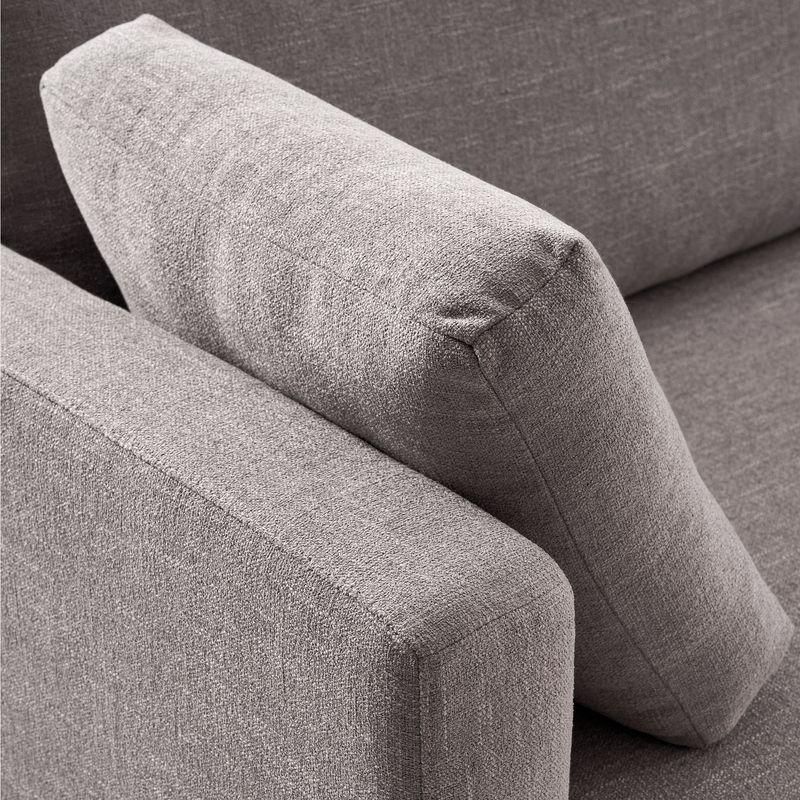
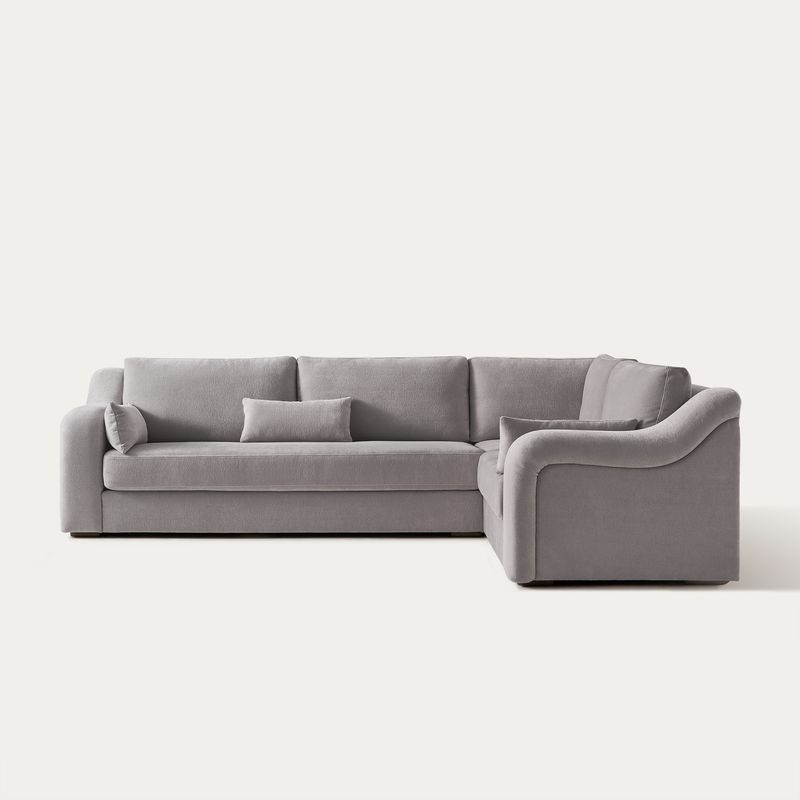
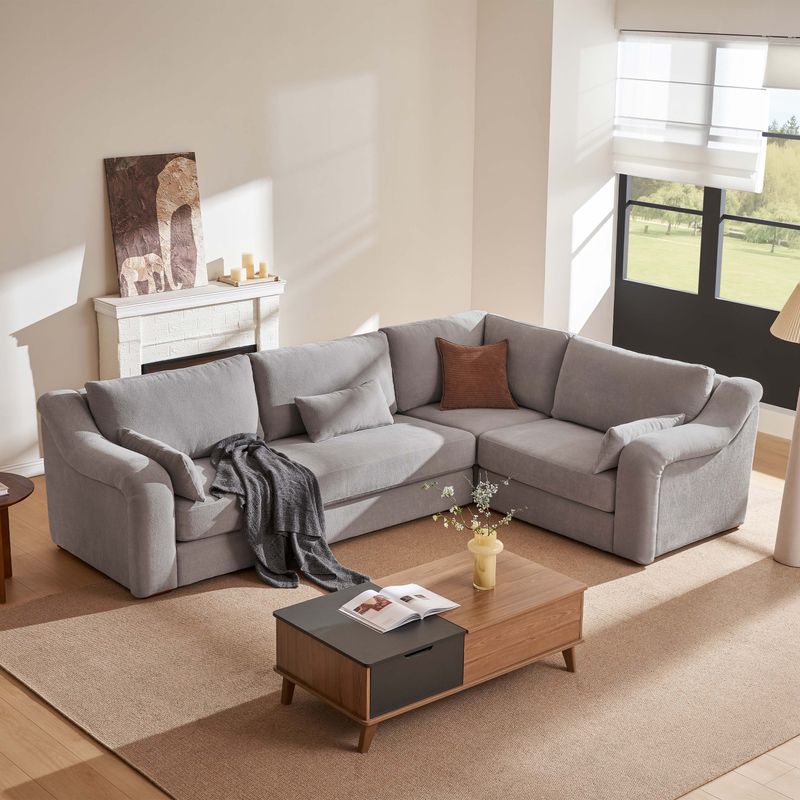
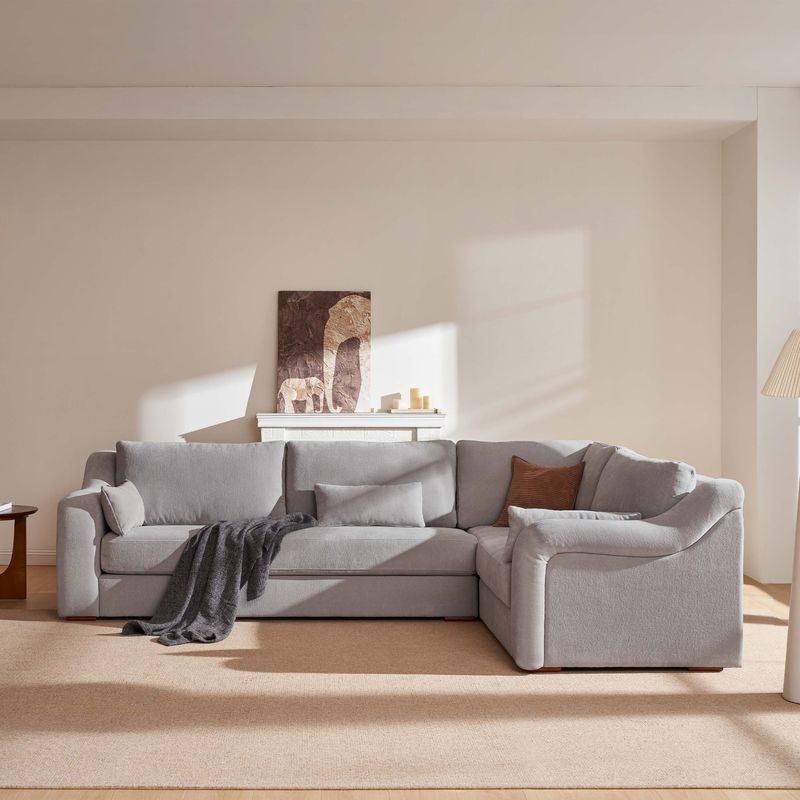
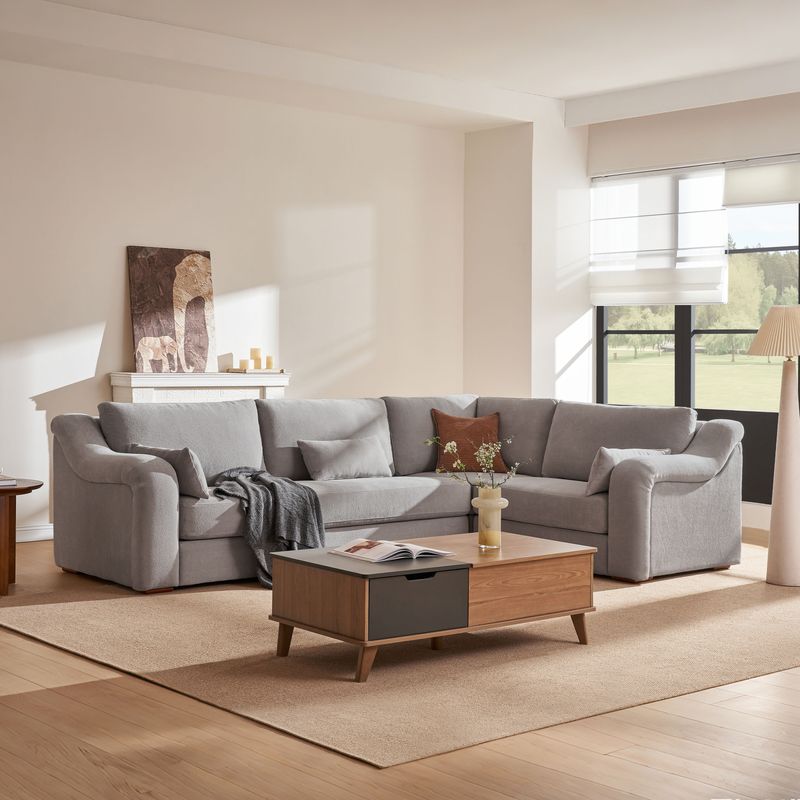
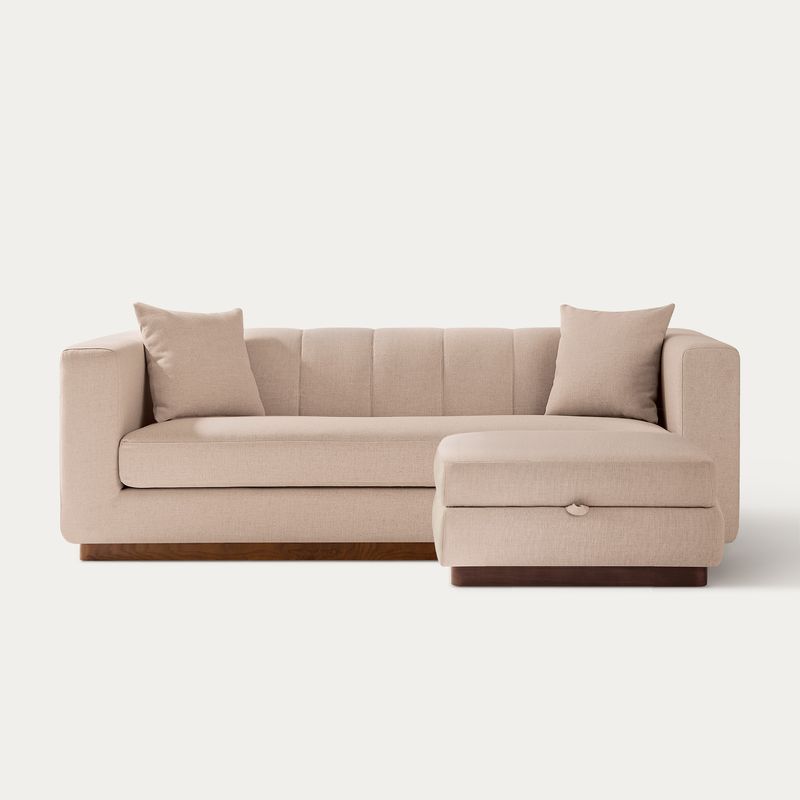
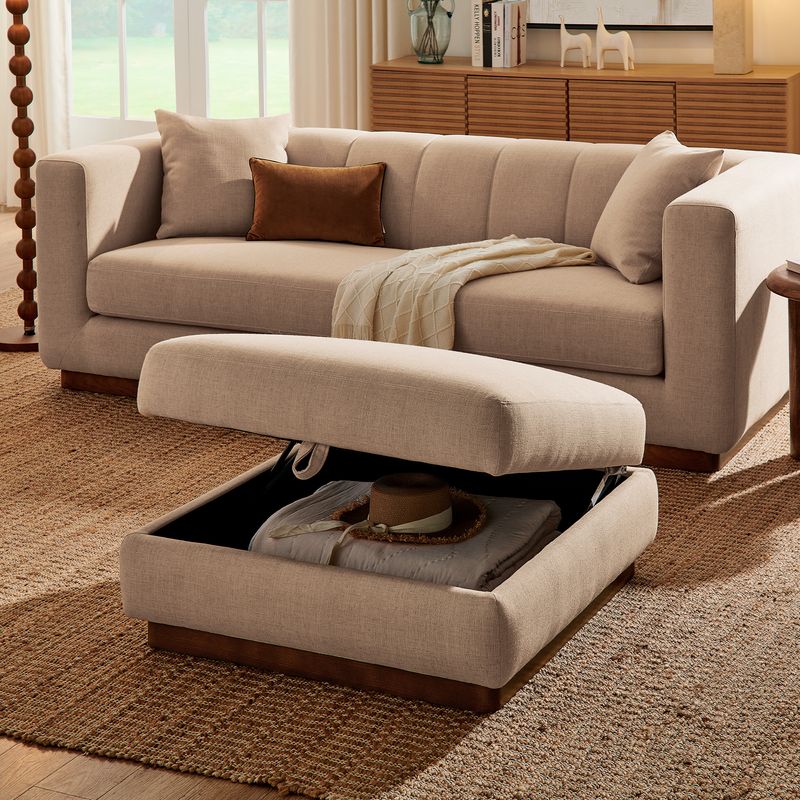
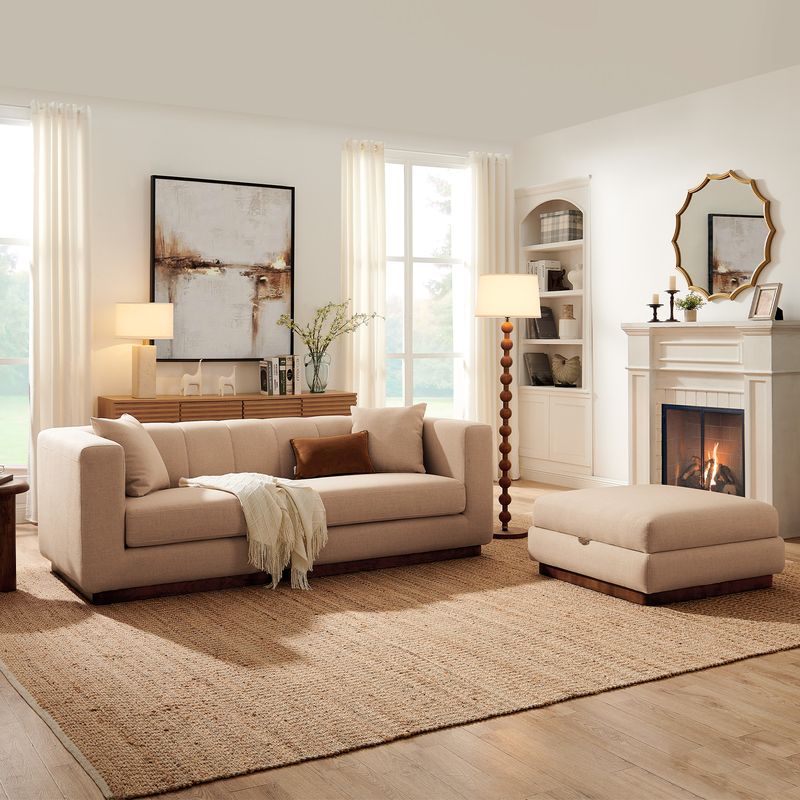
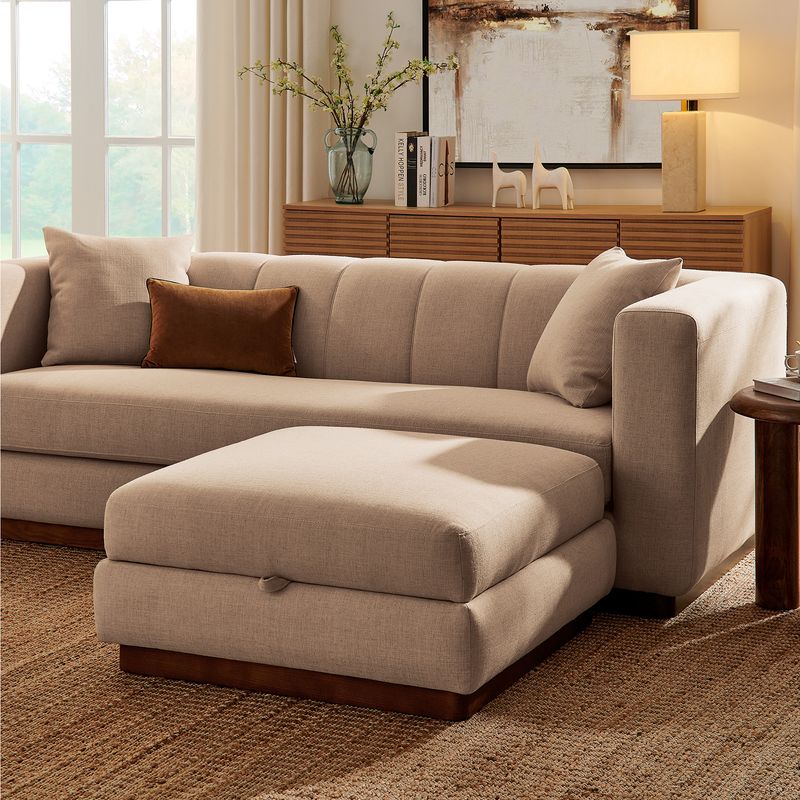
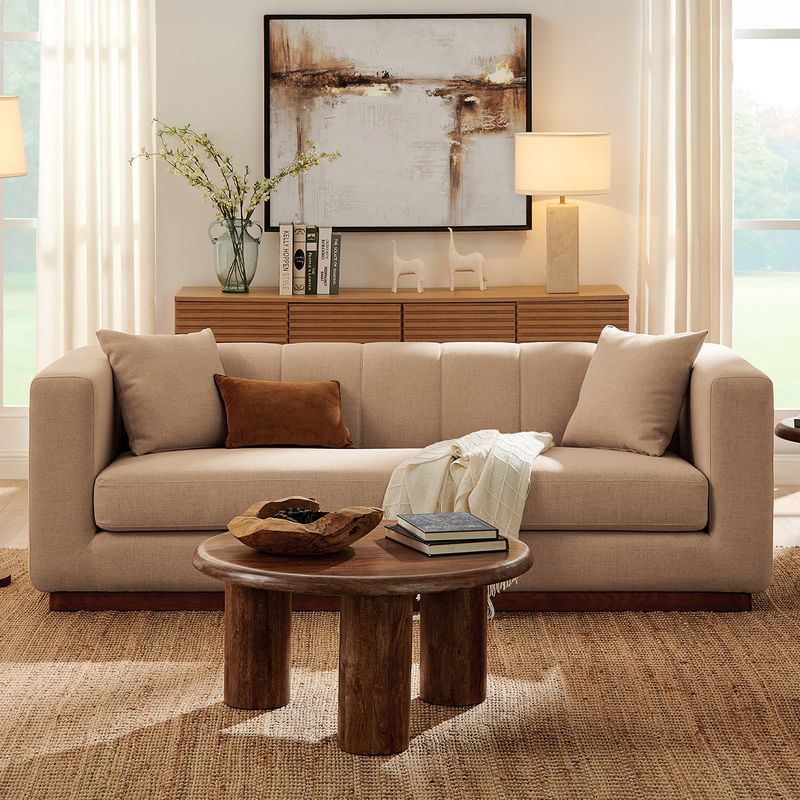
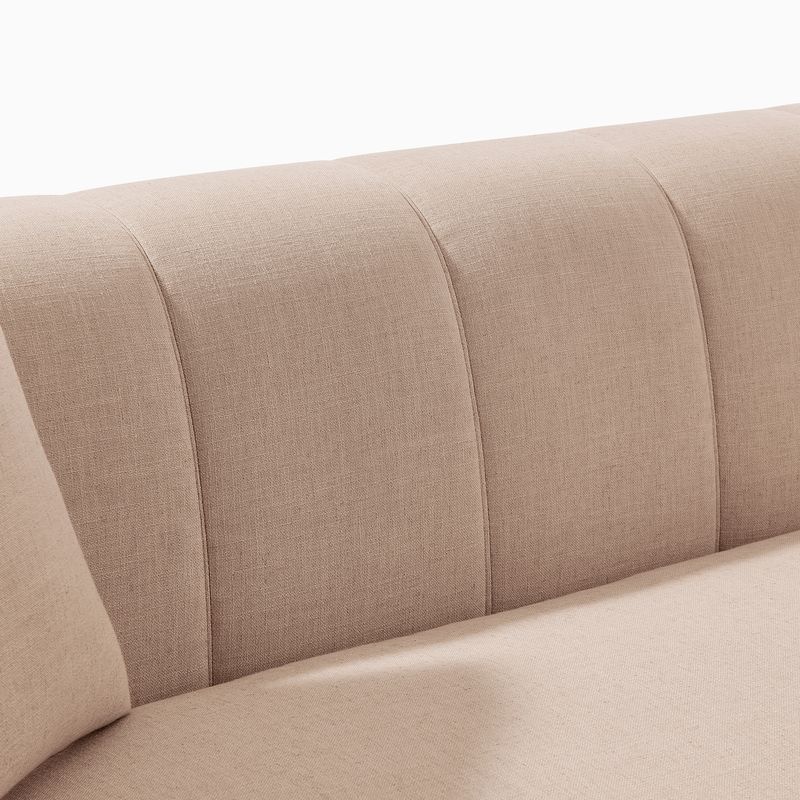
Find a Sectional Sofa That Fits Your Space and Lifestyle
A living room needs seating that works for the way you actually spend time at home. Maybe you want room for family movie nights, a comfortable place to stretch out after work, or enough seats to bring everyone together when friends visit. A well-chosen sectional sofa can make those everyday moments easier without filling the room with several separate pieces of furniture.
Unlike a traditional sofa, a sectional combines multiple seating sections into one connected arrangement. Depending on the design, it may include a corner unit, chaise, armless seat, or ottoman. Some sectionals have a fixed layout, while modular designs use individual components that can be arranged in different ways.
At Hernest, our sectional sofas bring together considered proportions, supportive seating, and configurations suited to modern living spaces. From a chaise arrangement for relaxed lounging to a modular design for a more adaptable layout, the right choice depends on your room dimensions, seating needs, and daily routine.
The goal isn't to choose the largest sectional sofa that fits through your door. It's to find one that leaves enough room to move, feels comfortable for the people using it, and looks balanced with the rest of your furniture.
Read More
Explore Different Sectional Sofa Configurations
Sectional layouts describe how the seating is arranged. Understanding the differences can help you decide which shape works best before comparing individual products.
L-Shaped Sectional Sofas
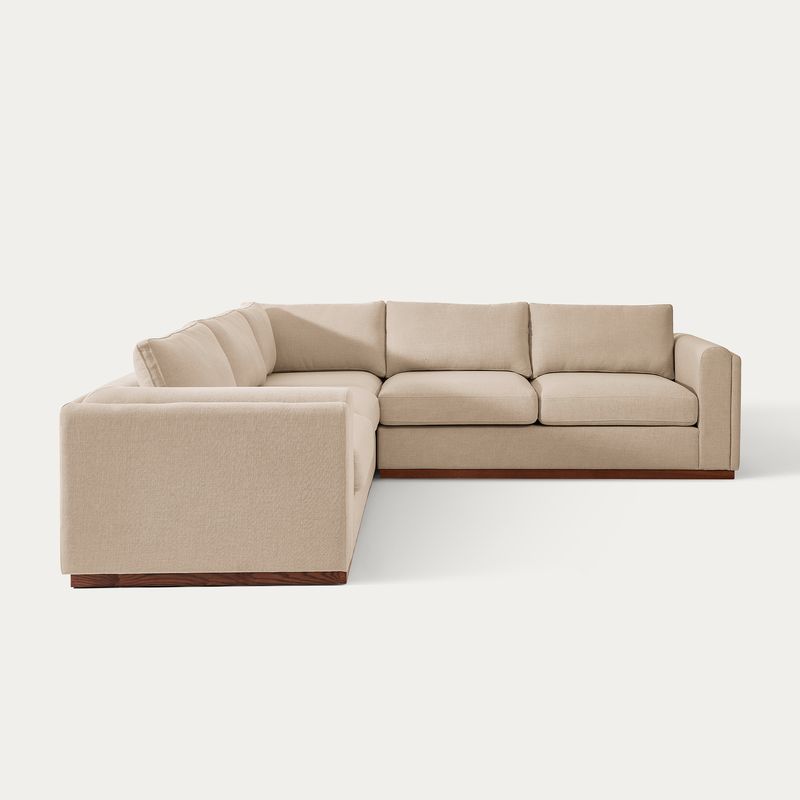
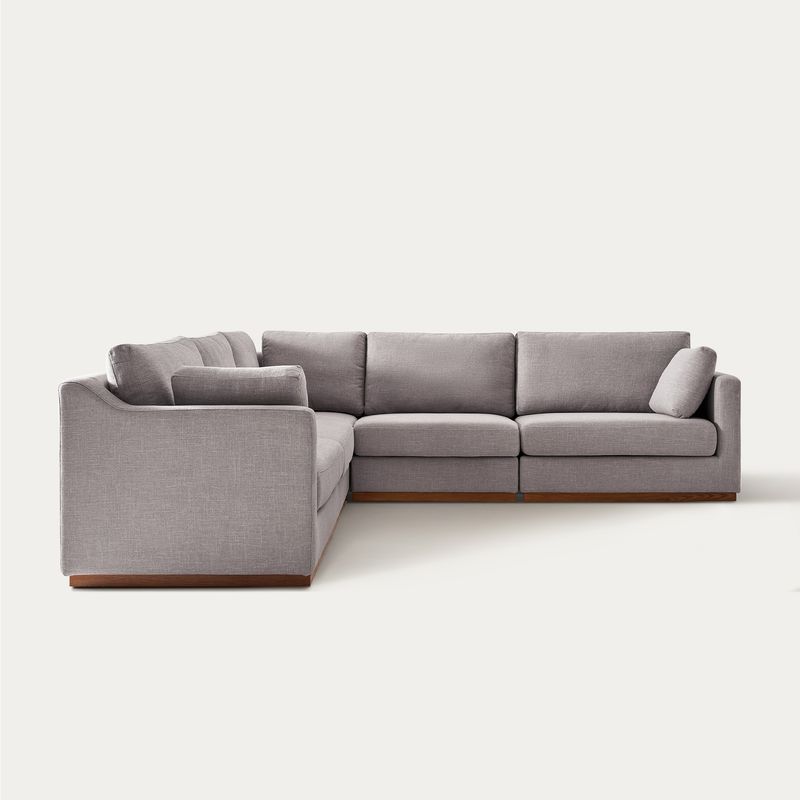
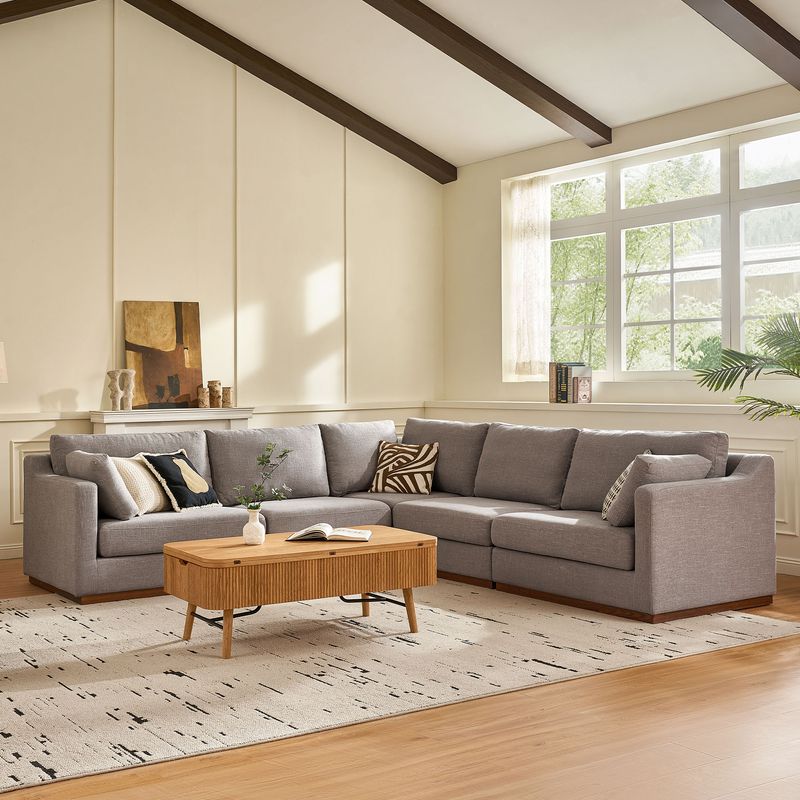
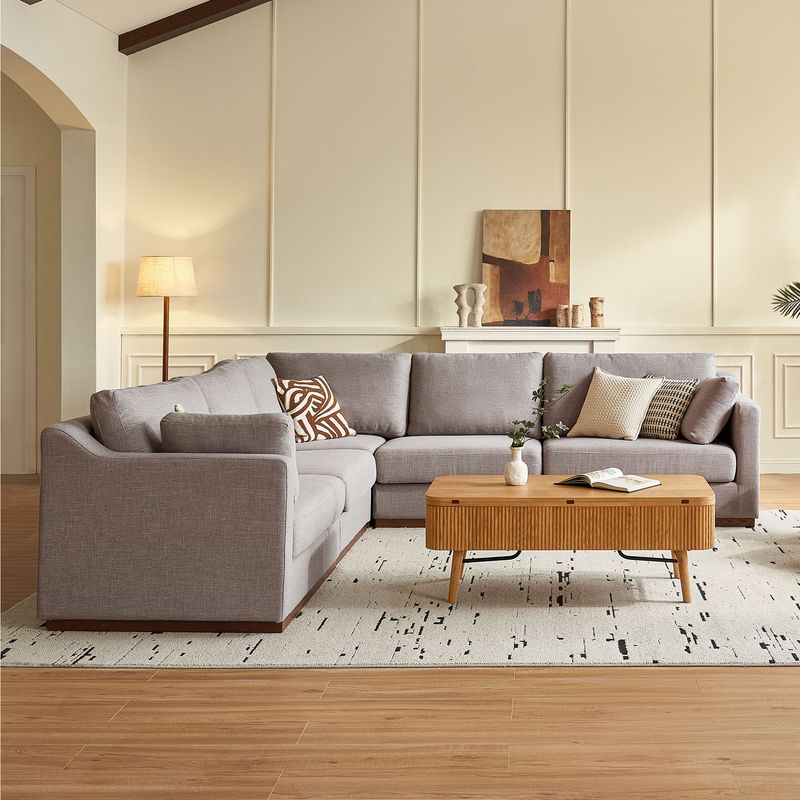
An L-shaped sectional has two connected seating sections that meet at a right angle. It is a popular arrangement for living rooms because it provides several seats while keeping the main seating area together.
Place one side against a wall and let the shorter section extend into the room, or position the sectional in a corner to make use of an otherwise awkward area. In an open-concept home, an L-shaped arrangement can also help define the living area without adding a physical divider.
Pay attention to the orientation before ordering. A left-arm-facing (LAF) configuration and a right-arm-facing (RAF) configuration are not interchangeable if your room has a specific layout. Check the manufacturer's description and look at the product from the front to confirm which side the arm occupies.
U-Shaped Sectional Sofas
A U-shaped sectional has seating along three connected sides, creating a more enclosed gathering space. It can be a good fit for a large family room or an open living area where several people regularly sit together.
The arrangement encourages conversation because people can face one another rather than sitting in a single row. It also provides room for lounging, reading, or watching a movie.
The trade-off is its footprint. Measure both sides of the U and the center opening, then check that the arrangement will not block doorways, windows, or the main path through the room. A U-shaped design can look inviting in a spacious room but feel crowded when the surrounding clearance is too limited.
Chaise Sectional Sofas
A chaise sectional combines conventional sofa seating with an extended lounging section. It gives one person room to stretch out without requiring a separate lounge chair or recliner.
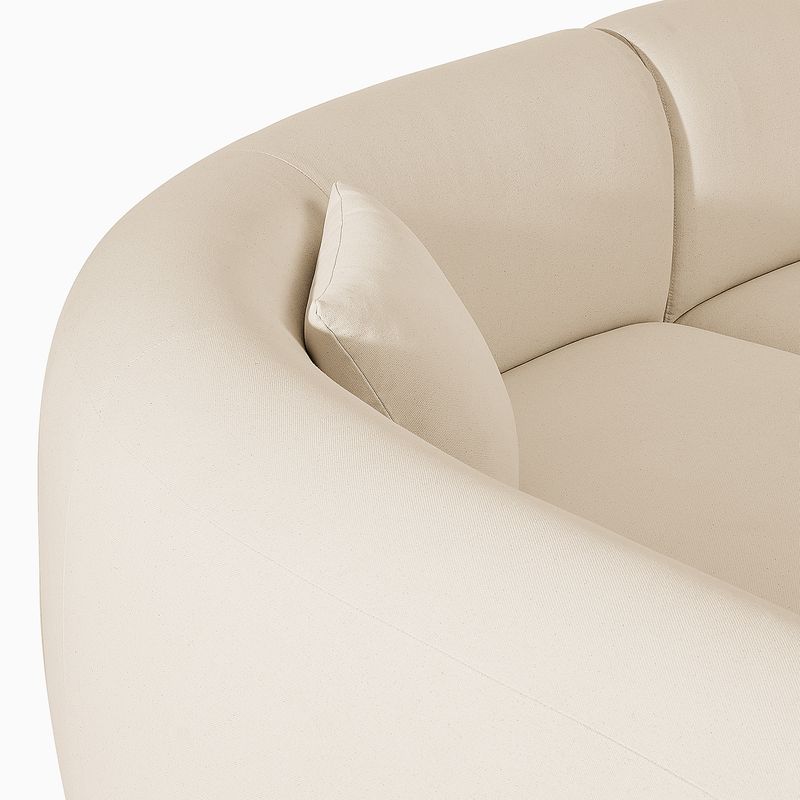
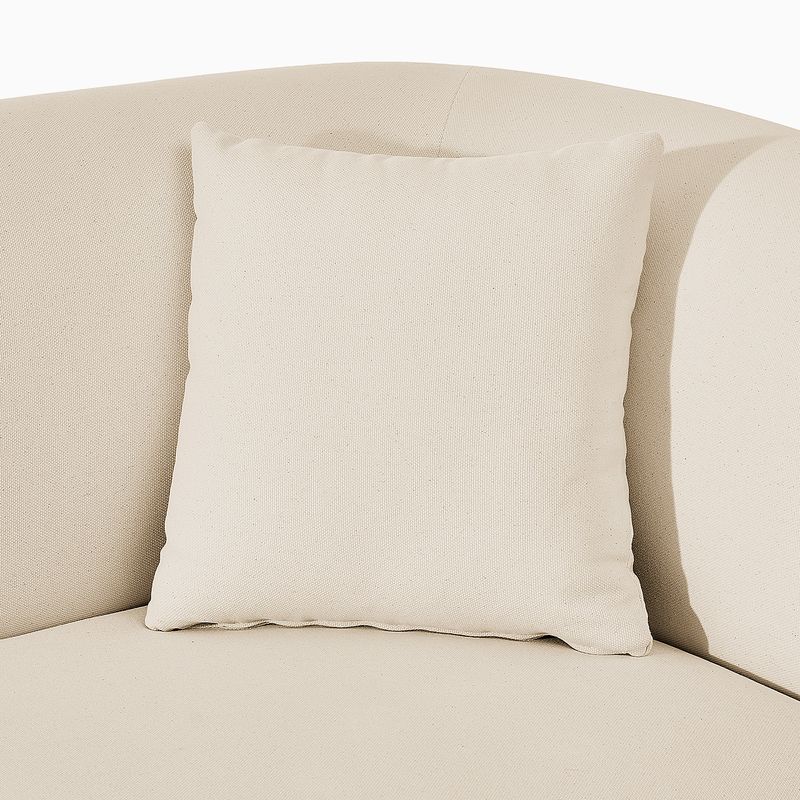
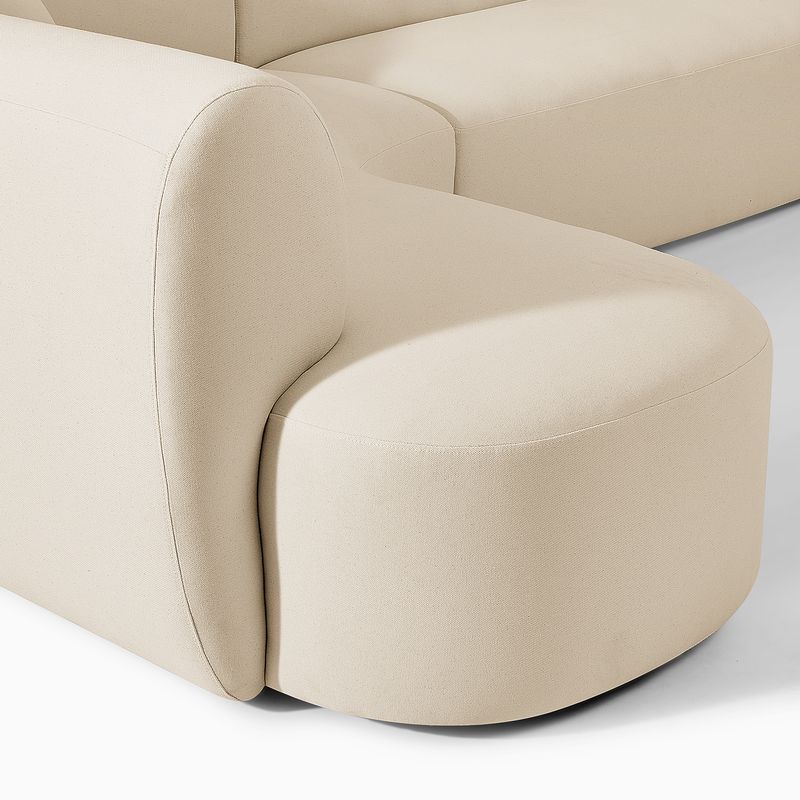
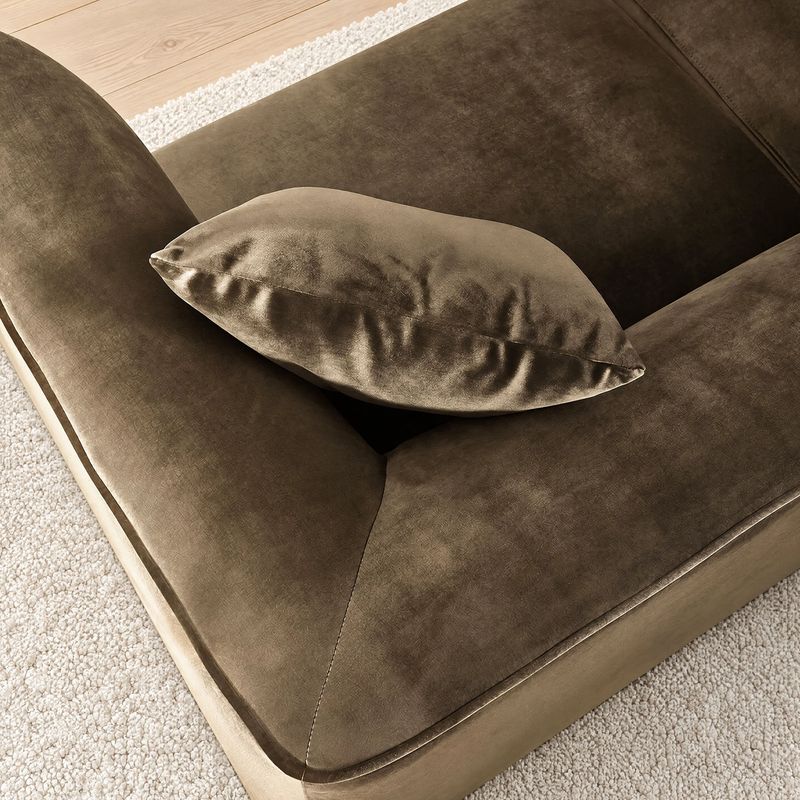
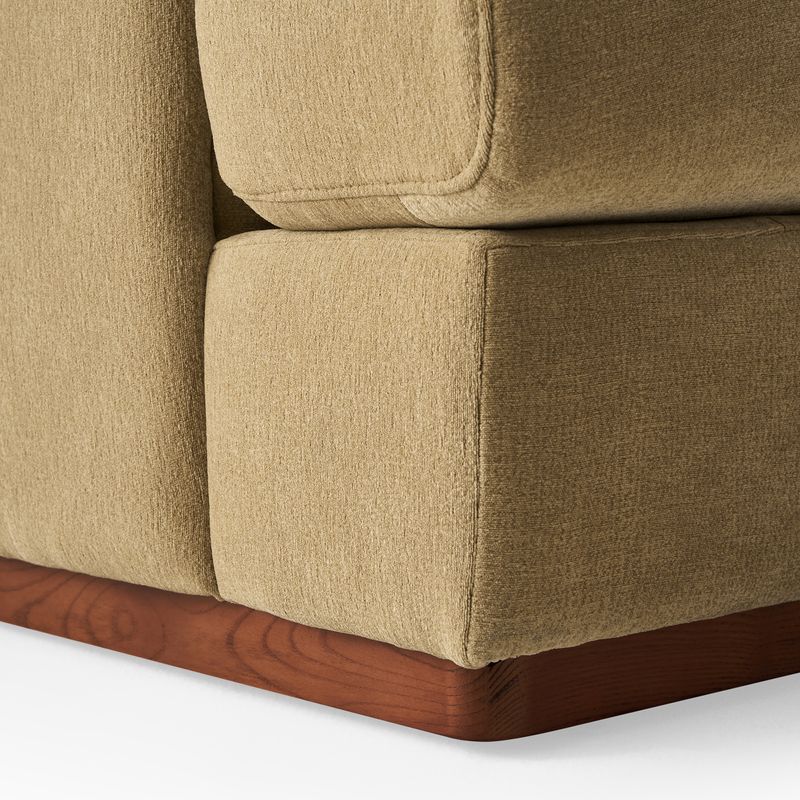
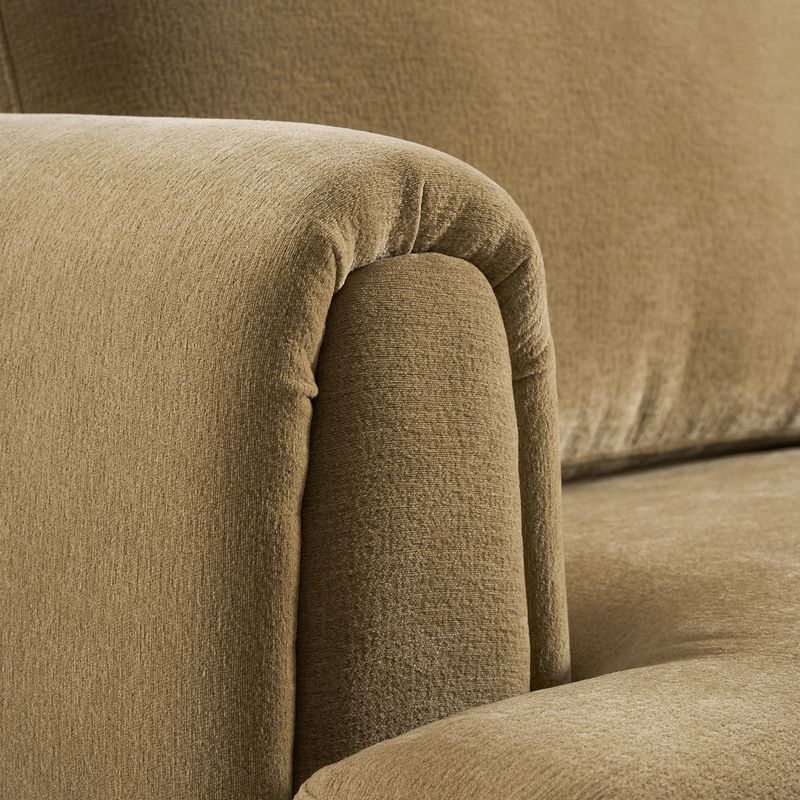
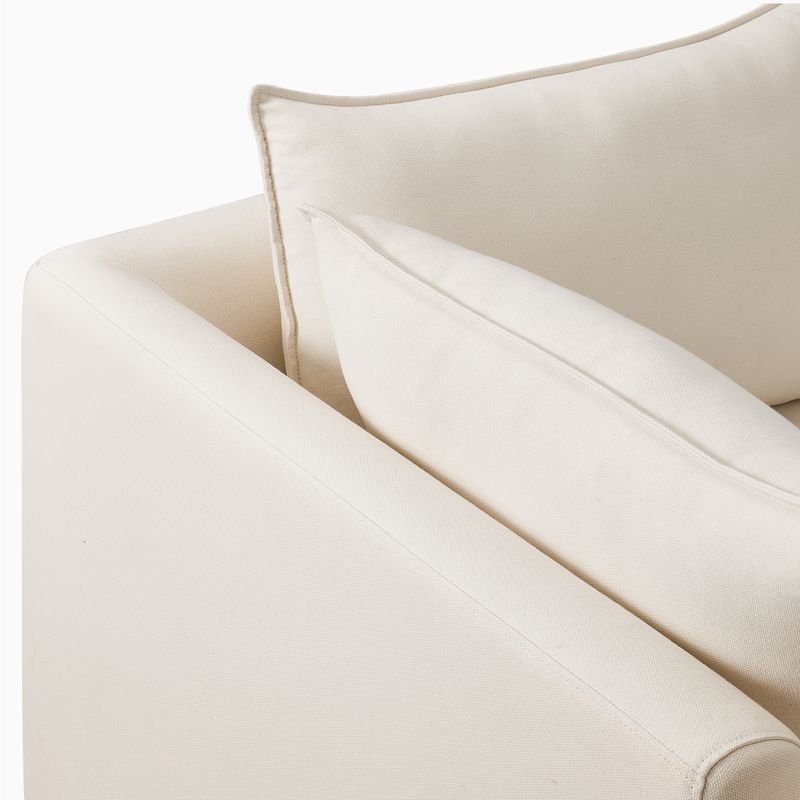
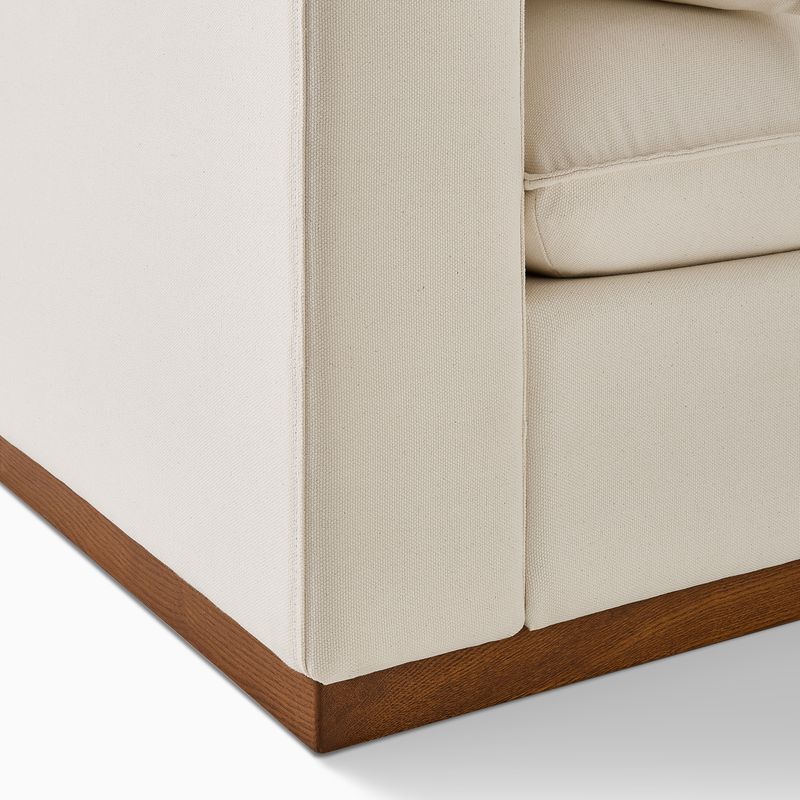
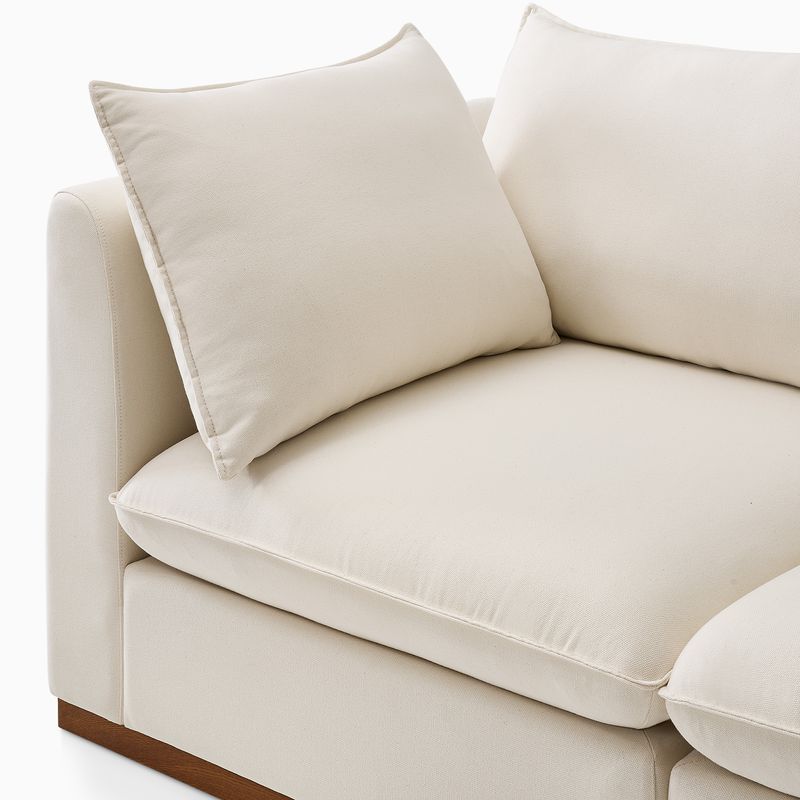
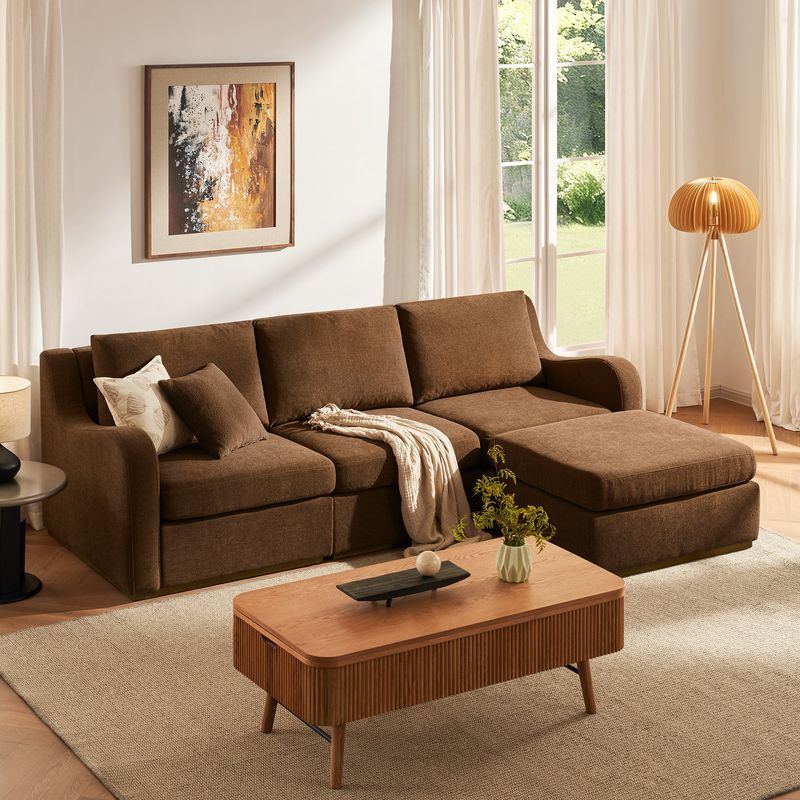
The Krono Chaise Sectional Sofa is one example. Its two-piece configuration measures 112.2 inches wide, 78.7 inches deep, and 31.5 inches high, with seating for approximately four to five people. The curved silhouette gives it a softer profile, while its Wispy Clouds Cotton upholstery creates a relaxed look.
A chaise can work especially well in a family room or entertainment area, but its extended depth deserves attention. Check how far it projects into the room and whether people can still walk comfortably around it. Also confirm whether the chaise is fixed or reversible; not every design allows you to change its orientation.
Are Modular Sectional Sofas Right for Your Home?
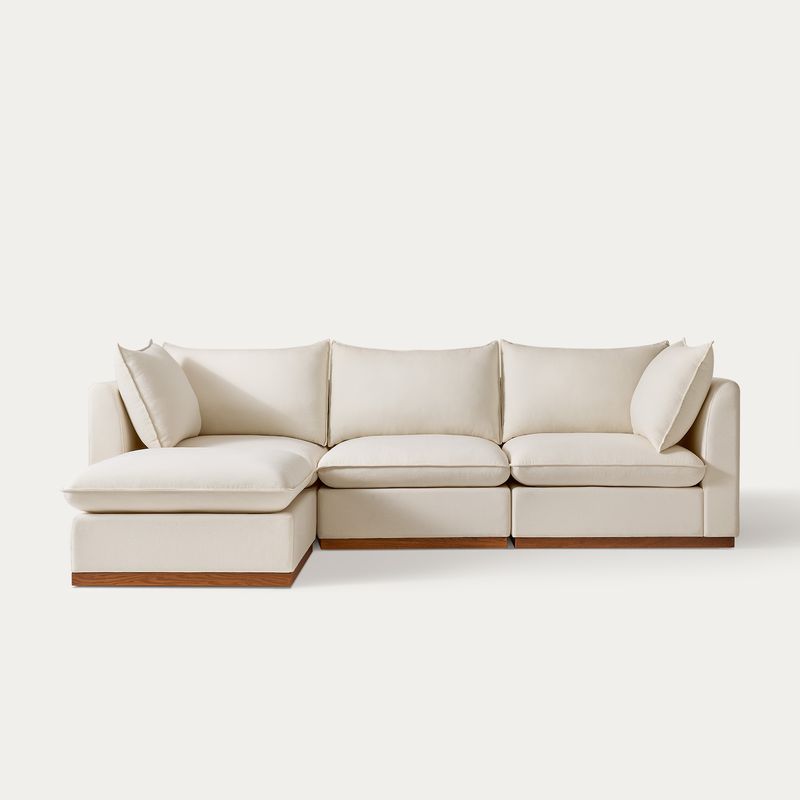
A modular sectional is made from individual seating components designed to connect into a larger arrangement. Depending on the system, those components may include corner units, armless seats, armchairs, and ottomans.
Unlike a fixed sectional, a modular design can offer more flexibility when your room layout or seating needs change. However, the amount of flexibility depends on the specific product. Some modules support several arrangements, while others are sold in defined configurations. Always check which pieces are compatible before assuming that a sectional can be expanded or rearranged.
How Modular Configurations Work
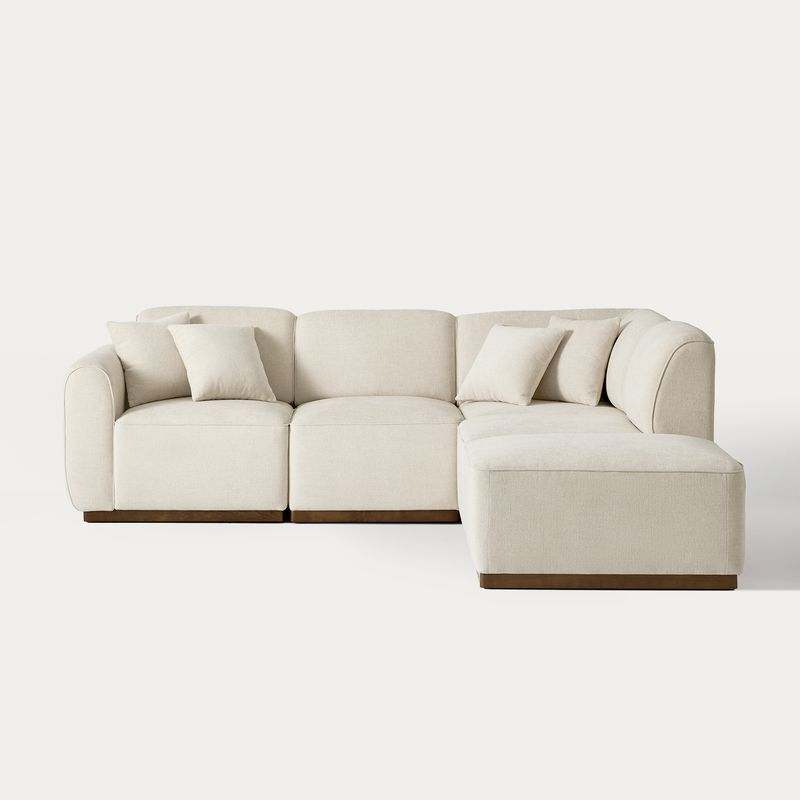
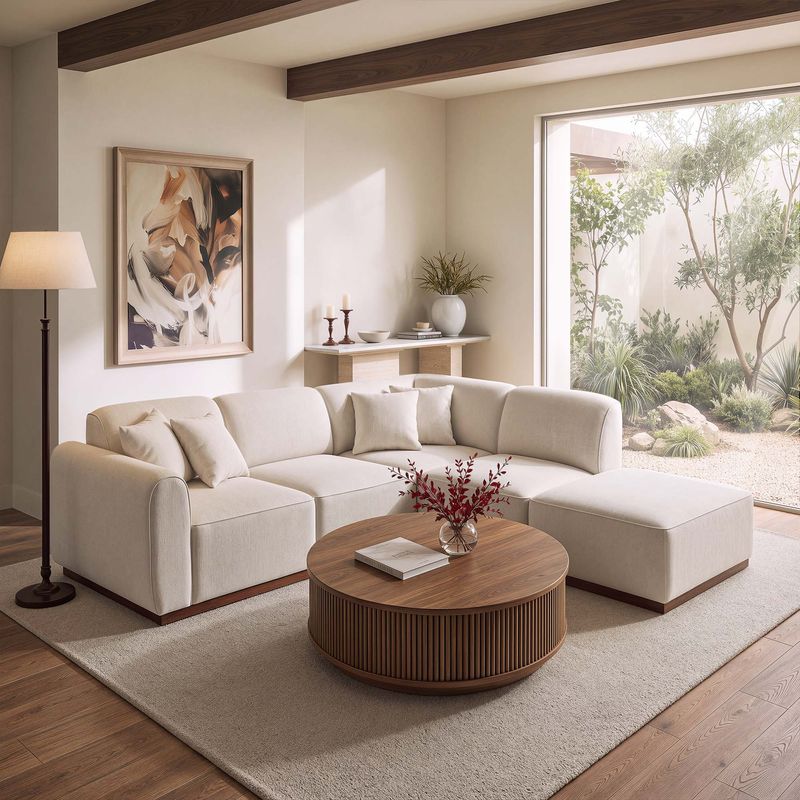
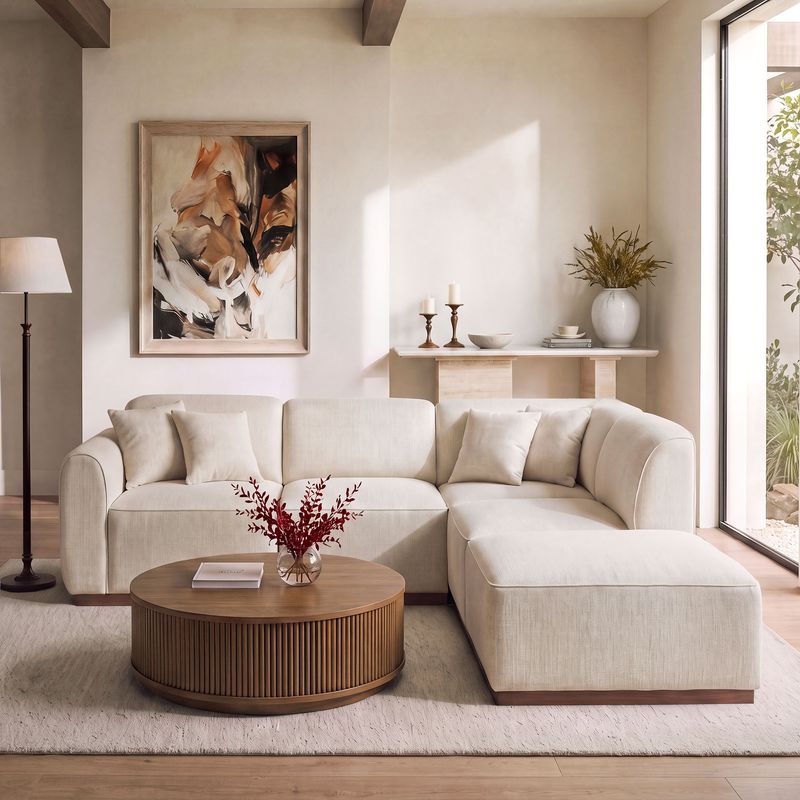
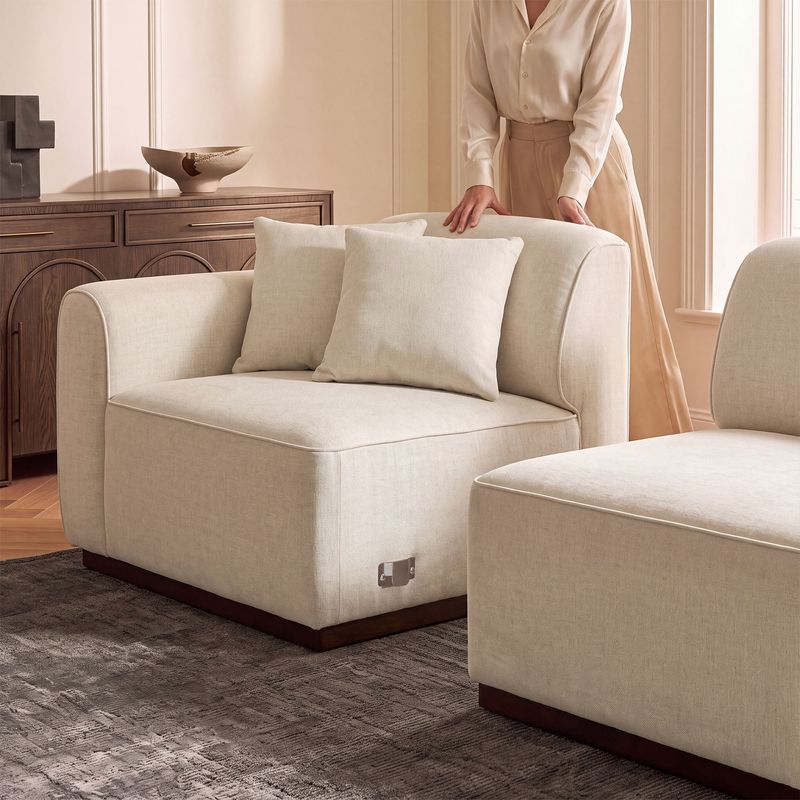
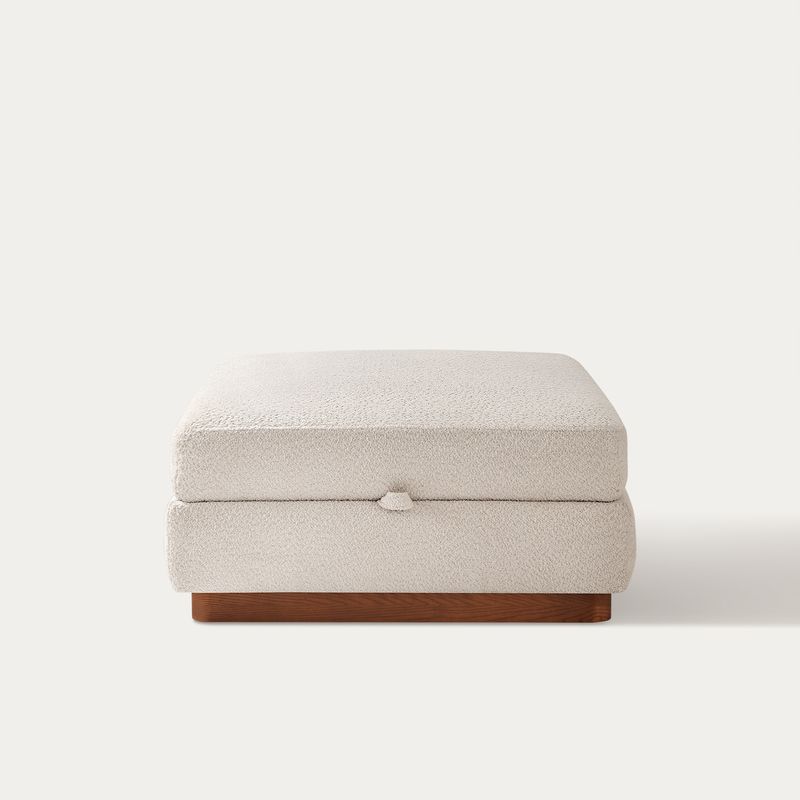
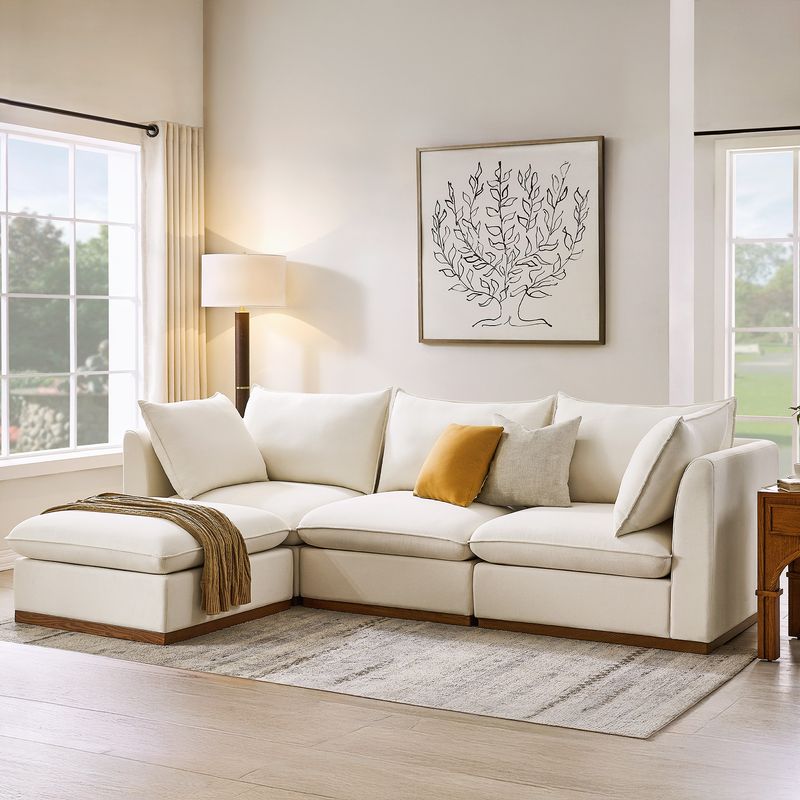
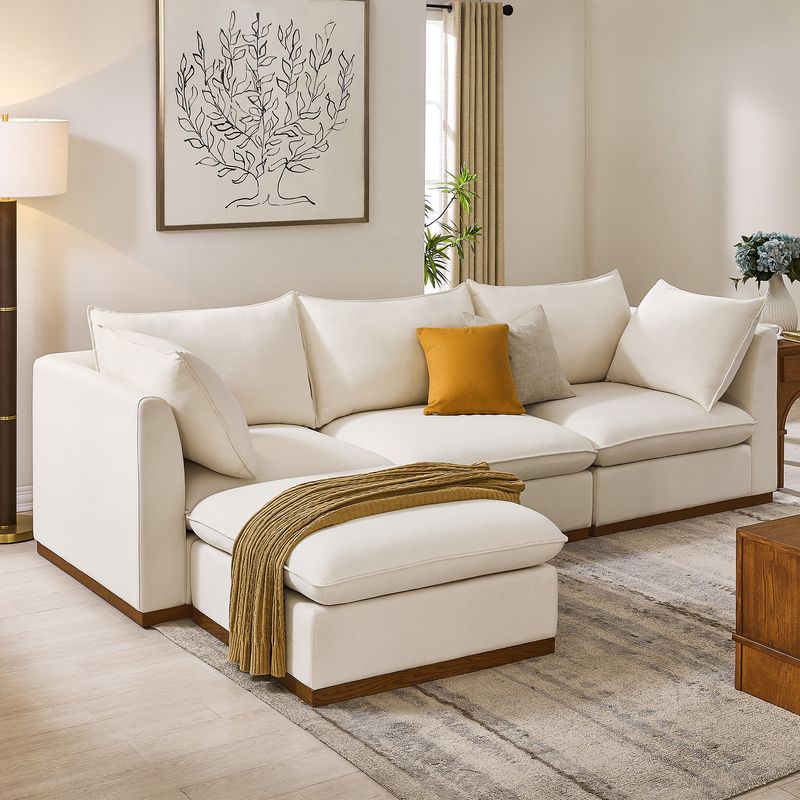
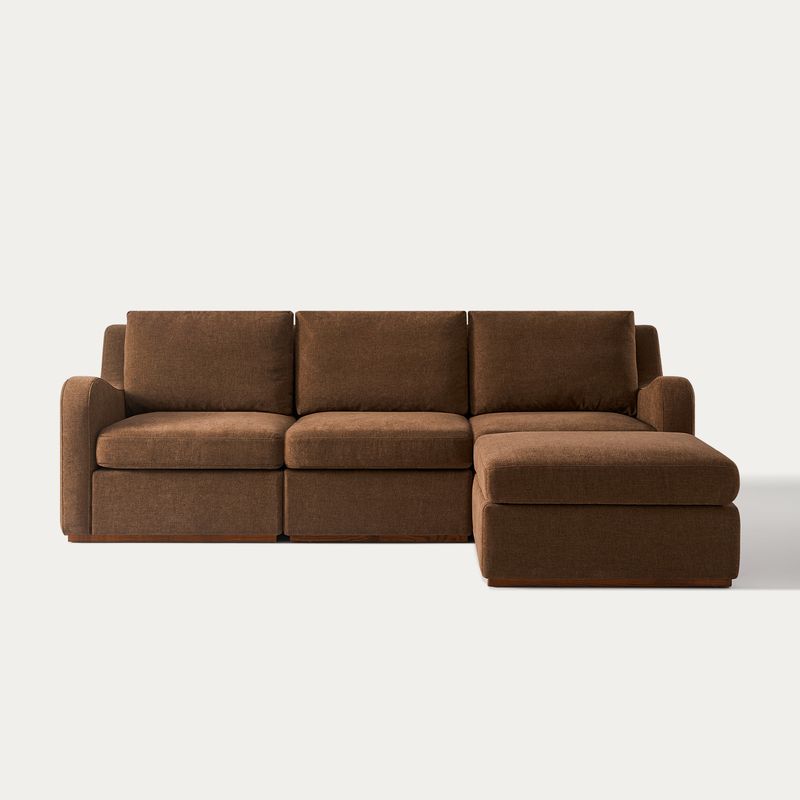
The Cove Modular Sectional Sofa comes in a three-seat-with-ottoman configuration and measures 111 inches wide, 72.4 inches deep, and 35.2 inches high. Its Wispy Clouds Cotton upholstery and coordinated seating pieces create a relaxed arrangement for everyday lounging. The configuration includes armless, left-arm, and right-arm seating components, along with an ottoman.
For a larger arrangement, consider the Solsta Left Arm Modular Sectional Sofa. It measures 102 inches wide, 94 inches deep, and 33 inches high, with seating for approximately five to six people. Its Jet Stream Chenille upholstery gives the design a textured finish, while its modular construction supports L-shaped, U-shaped, and open layouts. The arrangement can also be adjusted with or without an ottoman, according to the available configuration.
These examples illustrate why checking the assembled dimensions matters. Two modular sectionals can serve different purposes: one may suit a more compact lounging arrangement, while another offers more seating and layout possibilities. Compare the complete footprint, not just the width listed on the product page.
Benefits and Limitations of Modular Seating
Modular seating can make it easier to adapt a living room when you move, change the room's layout, or need a different seating arrangement. Individual components may also be easier to maneuver through a doorway than one large assembled piece.
There are a few details worth checking before you buy:
● Connection system: Find out how the sections attach and whether the connectors are included.
● Compatible pieces: Confirm which additional modules, if any, are designed to work with the original configuration.
● Orientation: Check whether the arrangement can be reversed or whether it has a designated left- or right-facing side.
● Delivery dimensions: Review the measurements of individual pieces and packages, not only the assembled sectional.
A modular sectional is most useful when its available configurations match the changes you might realistically make. If you already know exactly where the sofa will go and do not expect to rearrange it, a fixed chaise or L-shaped design may be all you need.
How to Choose the Right Sectional Sofa
The best sectional sofa for your home depends on more than its appearance. Room measurements, seating habits, upholstery, and construction all influence whether a design will work after it arrives.
Measure the Room and Delivery Route
Start by measuring the length and width of the area available for seating. Mark windows, doors, fireplaces, floor vents, and other features that could affect placement. For an L-shaped design, measure both sides of the layout; for a chaise, include the full extended depth.
As a practical starting point, leave about 30–36 inches for frequently used walkways and roughly 16–20 inches between the sofa and coffee table. These are flexible planning guidelines, not fixed requirements. A smaller room may need a tighter arrangement, while a busy walkway may benefit from more clearance.
Before ordering, mark the proposed footprint on the floor with painter's tape. Walk around it, open nearby doors, and check whether the chaise or return would interfere with the main route through the room.
The delivery route matters just as much. Measure door openings, hallways, stair turns, and elevator access. For a modular sectional, check the dimensions of the largest individual component and its packaging. The assembled sofa may fit your living room even when one of its pieces cannot pass through the entryway.
Choose Seating Capacity for the Way You Live
Think about how many people usually use the sofa at the same time. A three-seat arrangement may be enough for a smaller household, while a larger family or frequent host may prefer a configuration with additional seating.
Also consider how people sit. If everyone likes to stretch out, a chaise or deeper seating arrangement may be more useful than simply adding another upright seat. If you mostly sit together to talk, read, or watch television, prioritize comfortable seat depth and enough space between occupants.
A sectional couch should fit your household's routines, not just the number of people listed in a product description. Product-page seating estimates are useful for comparison, but individual comfort also depends on body size, posture, and how much personal space each person prefers.
If a connected sectional feels too large for your room, explore Hernest Sofas & Loveseats for separate seating arrangements that may offer more placement flexibility.
Compare Upholstery and Everyday Care
Upholstery influences how a sectional looks, feels, and fits into your maintenance routine.
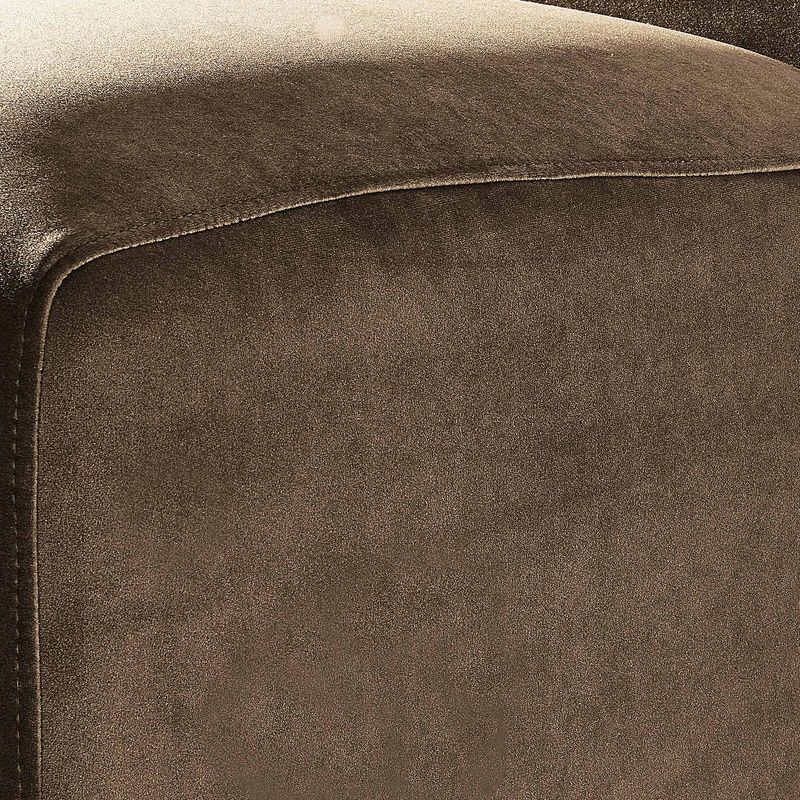
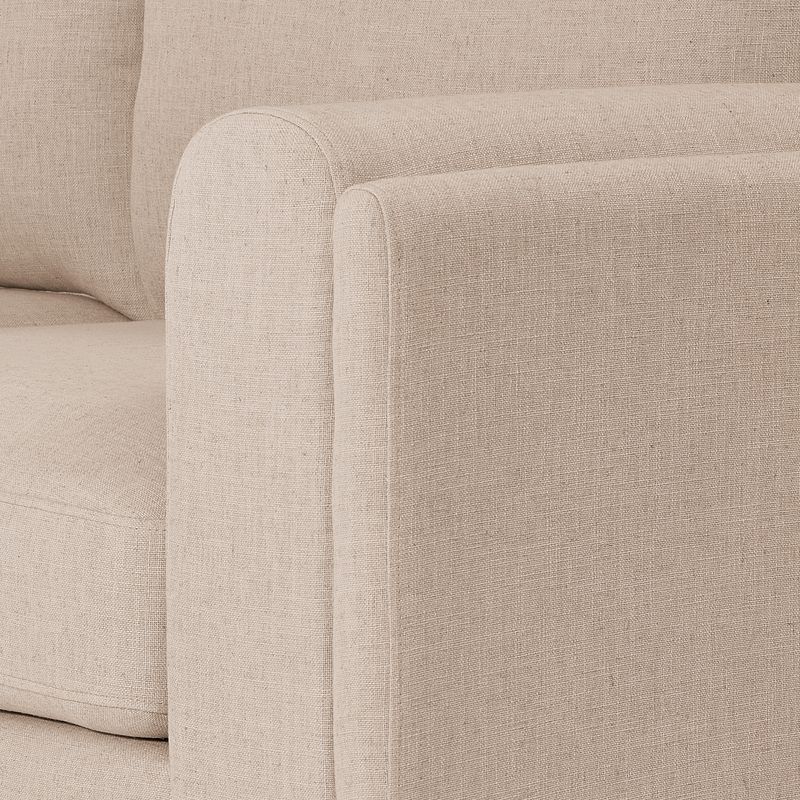
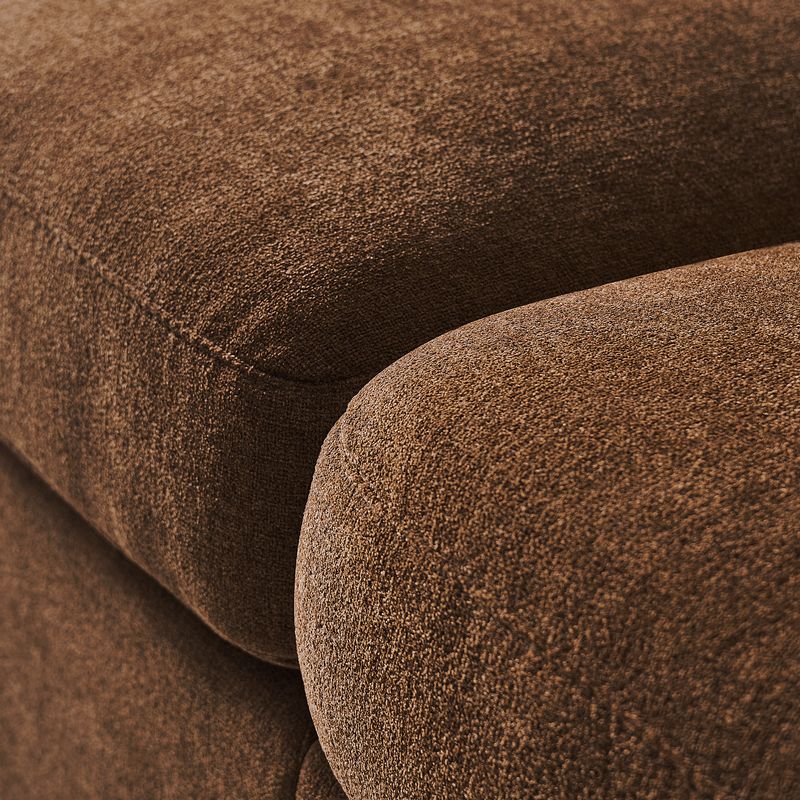
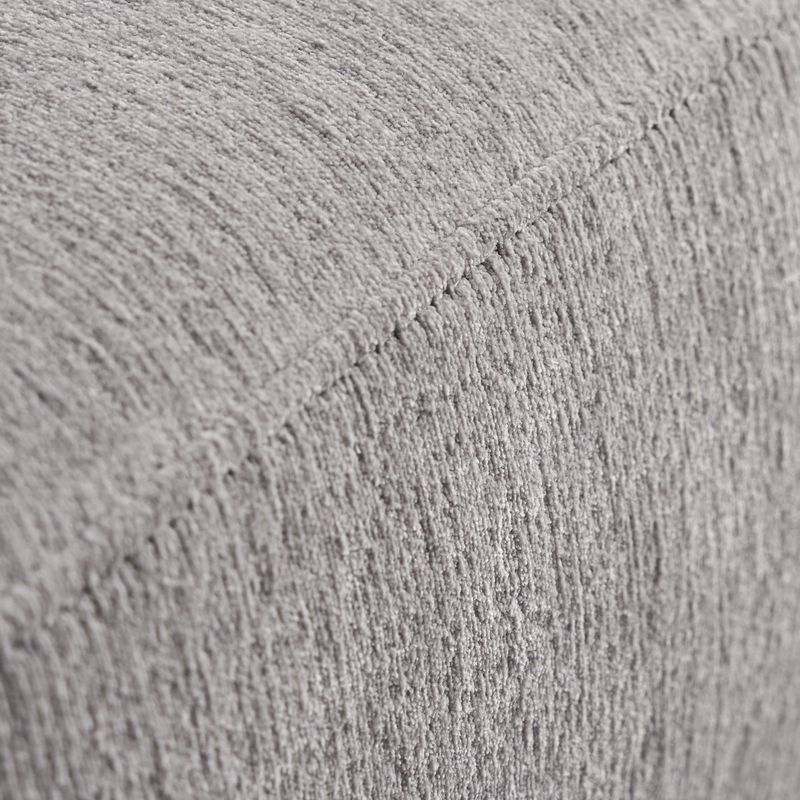
Cotton and other woven fabrics offer a range of textures and finishes, while chenille is known for its soft, textured surface. Leather and leather-look materials create a different visual effect and have their own care requirements. No material is maintenance-free, so check the cleaning instructions and any stated stain-resistance features before choosing.
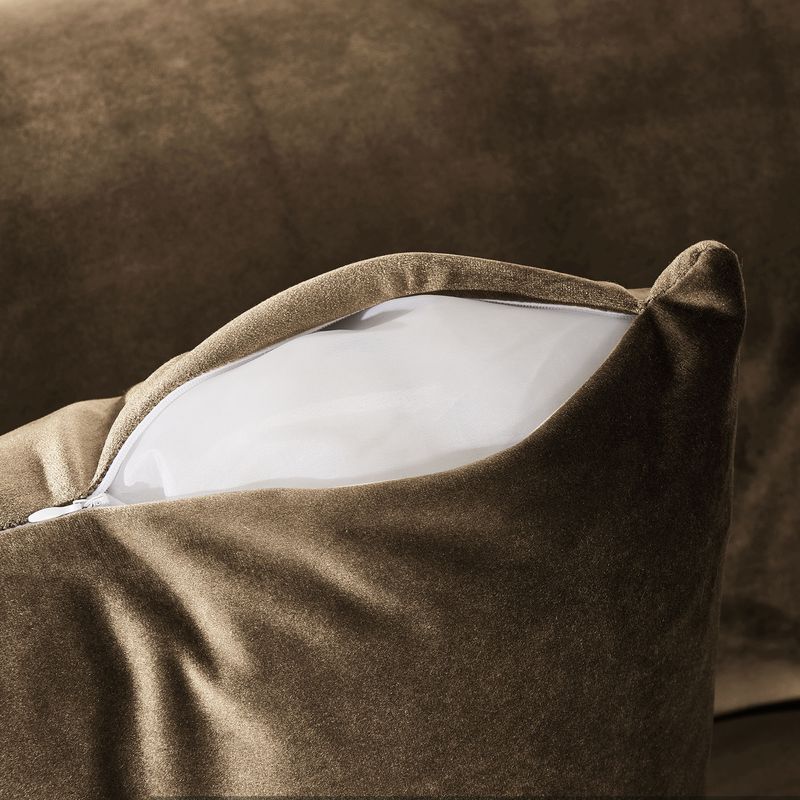
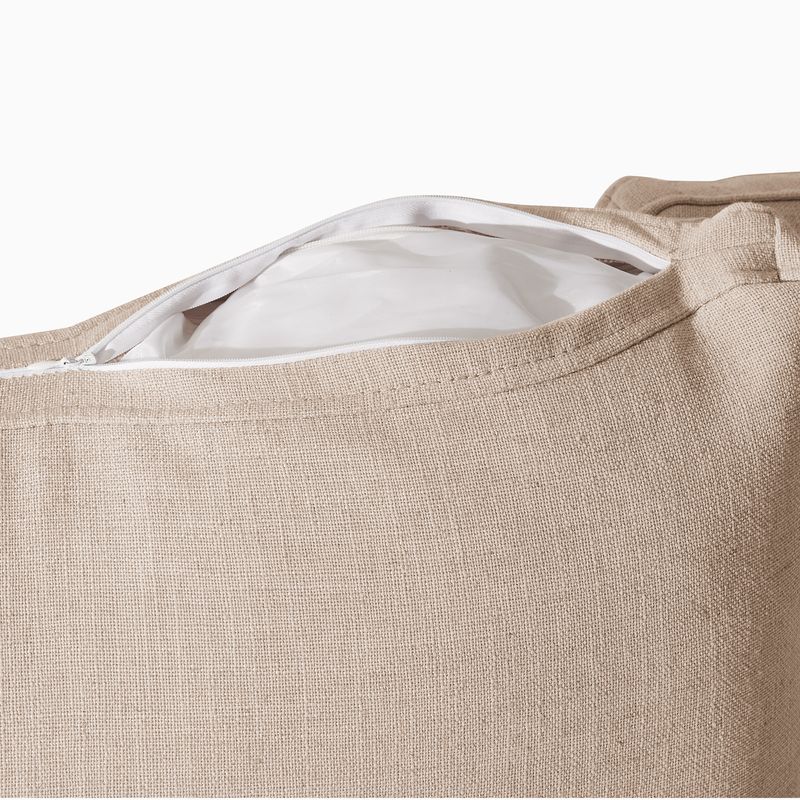
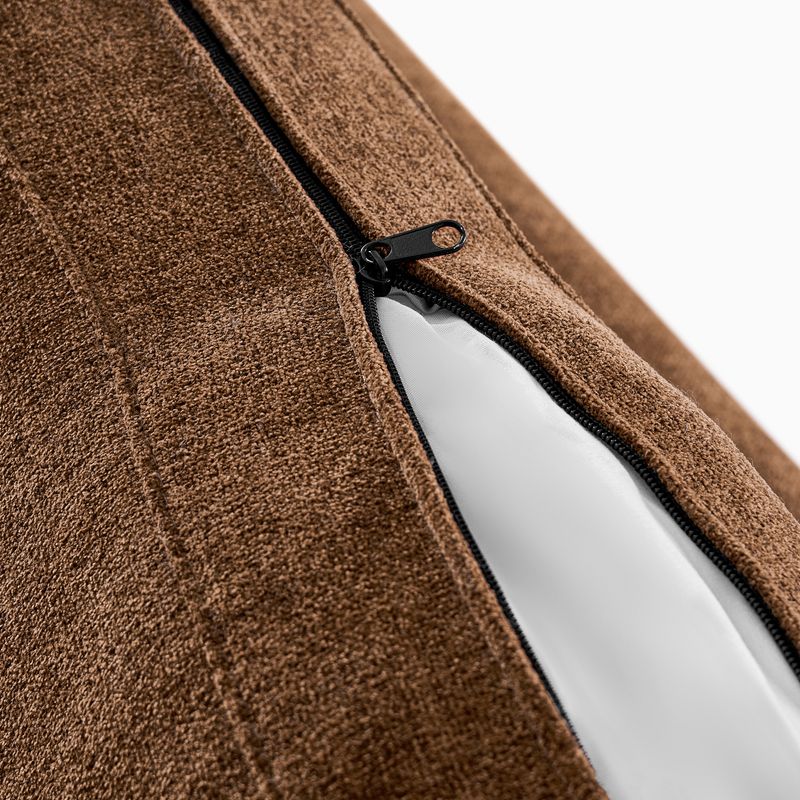
If children or pets regularly use the living room, consider how easily the upholstery can be cleaned and whether removable covers are available. A fabric that looks appealing in a product photo may not be the most practical option for your household.
Look Beyond the Upholstery: Frame, Suspension, and Cushions
A sofa's long-term performance depends on the structure beneath its cover. Three areas deserve attention: the frame, the suspension system, and the cushions.
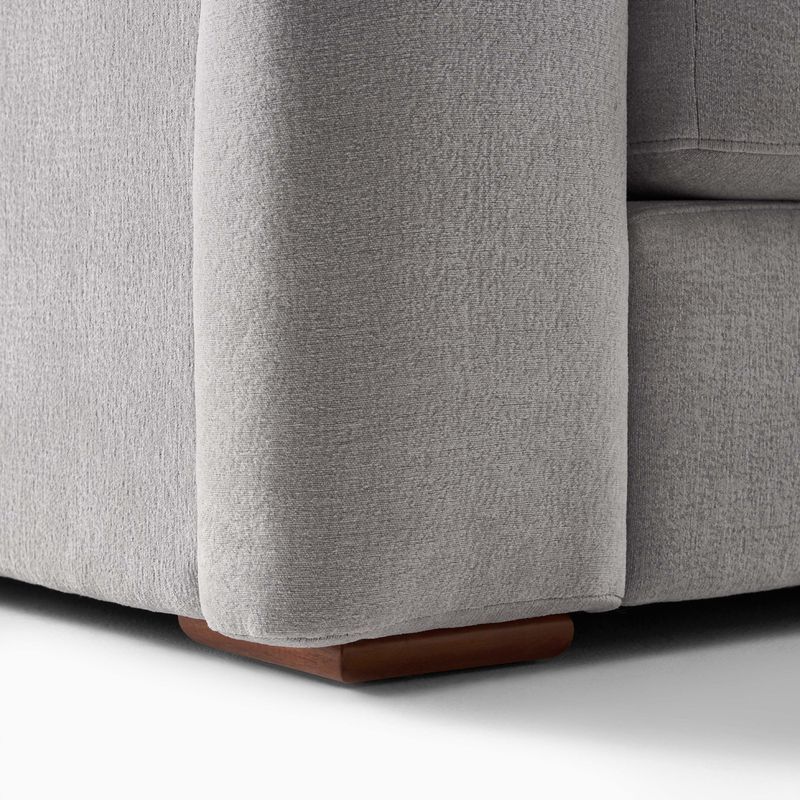
The frame provides the sofa's underlying structure. Ask what materials are used and how the joints are reinforced. A stable frame should feel solid rather than loose or creaky.
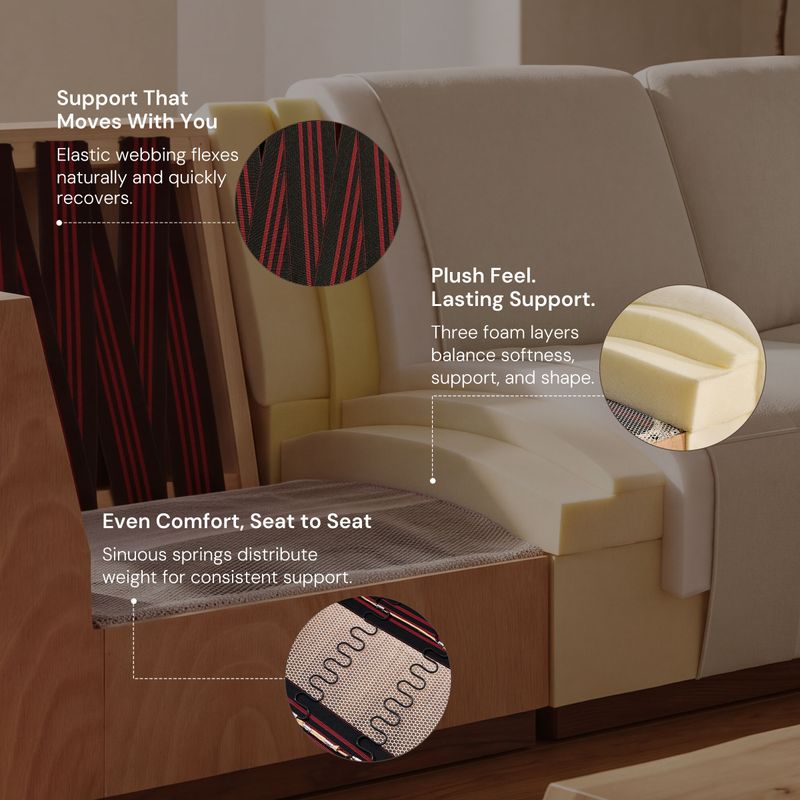
The suspension sits beneath the cushions and helps support the seating surface. Sinuous springs and elastic webbing are two common suspension components. Their construction and installation affect how the seat responds under weight.
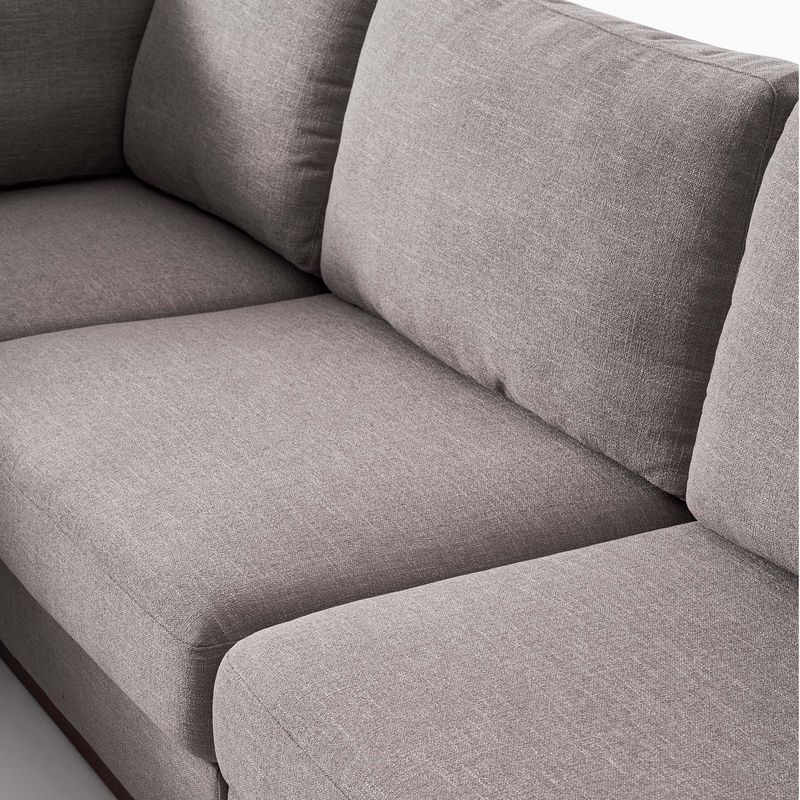
Cushion construction also matters. Foam density and firmness are different measurements: density relates to the amount of material in the foam, while firmness describes how much force it takes to compress. A high-resiliency foam core, for example, is intended to provide supportive seating, but the overall feel still depends on its formulation, wrapping, and the suspension beneath it.
Match the Sectional to Your Living Room
A modern sectional sofa can become the visual anchor of a living room, so consider its shape and scale alongside the furniture already in the space.
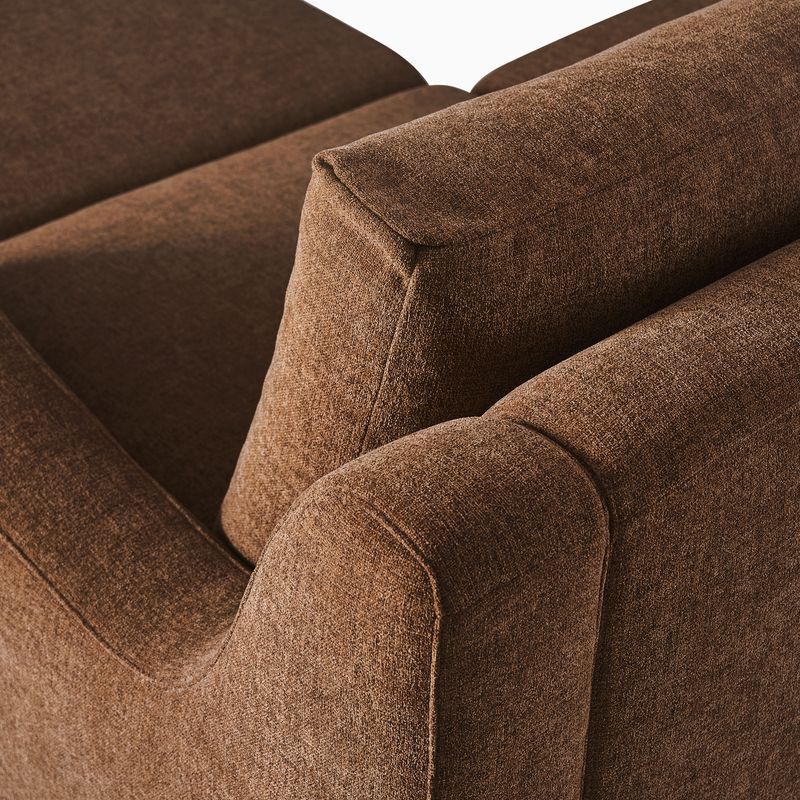
Clean lines and balanced proportions can complement a minimalist interior. Softer silhouettes and textured upholstery can make a seating area feel more relaxed, while structured arms and defined edges create a more tailored appearance.
Think about the furniture around the sectional, too. A coffee table should be easy to reach without restricting legroom. A side table can keep everyday essentials close at hand, and a properly sized rug can visually connect the seating arrangement.
For a cohesive setup, explore Hernest Coffee Tables. Compare the table's height and width with the sectional's seat height and overall footprint before choosing a shape.
Create a Functional Living Room Around Your Sectional
A comfortable seating arrangement works best when the rest of the room supports it. Start with the focal point, whether that is a television, fireplace, or window view. Position the sectional so people can use the space naturally without blocking the main walkway.
If television viewing is part of your routine, consider the relationship between the sofa and your entertainment furniture. A media console should be proportionate to the screen and leave enough room for cables, devices, and storage. Browse Hernest Media Consoles for options that can complete the entertainment area.
You may also want a different seating function if your living room doubles as a guest space. Hernest Power Sofa Beds feature an electrically extending seat that transforms into a sleeping surface. This is a separate option from a standard sectional, but it may be worth considering when overnight accommodation is a regular need.
Ultimately, a well-planned living room is not about fitting in as much furniture as possible. It is about giving each piece enough space to work and making the room comfortable for the people who use it every day.