
Find Console Tables That Make an Empty Space Feel Finished
Some pieces of furniture solve an obvious problem. A dining table gives you somewhere to eat. A dresser holds clothes. A console table is a little more flexible than that, which is exactly why it can be so useful.
A bare entry wall may need a place to drop your keys. The back of a floating sofa may need something to connect the seating area to the rest of the room. A long hallway may feel unfinished but cannot spare much floor space. In situations like these, console tables add function without asking for the footprint of a larger cabinet or sideboard.
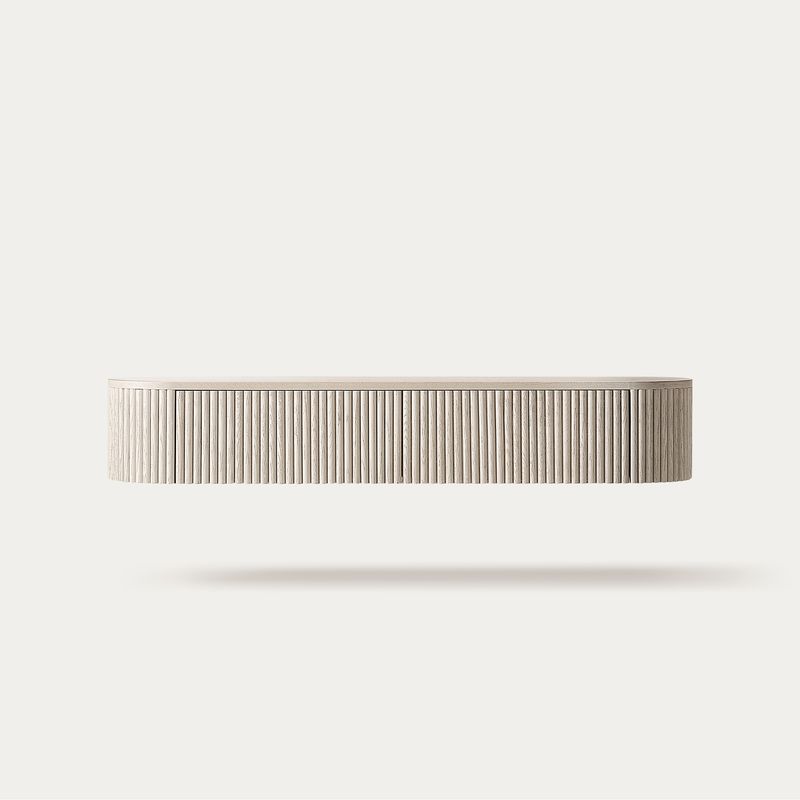
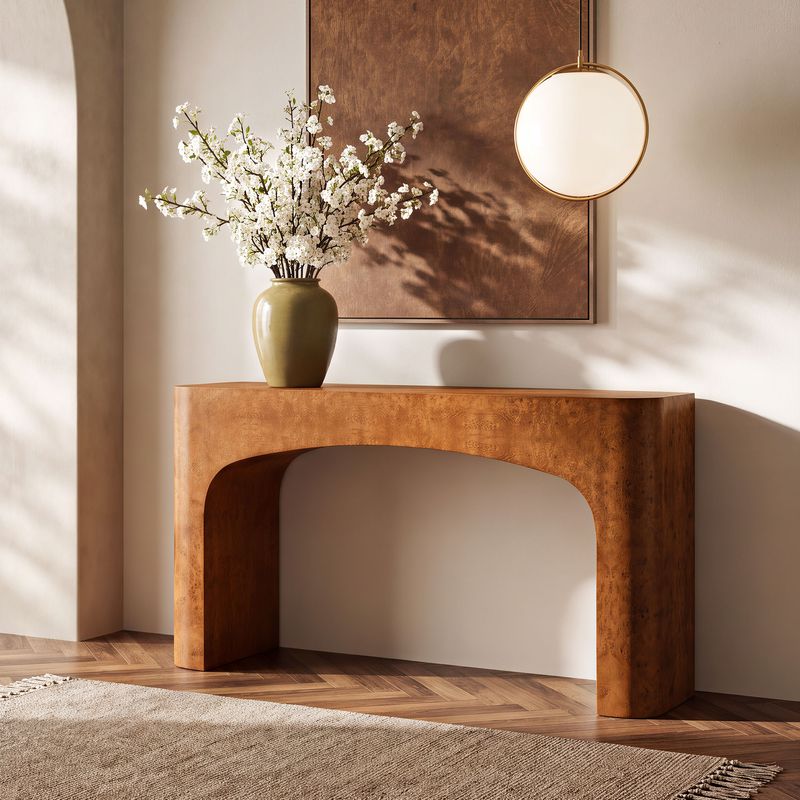
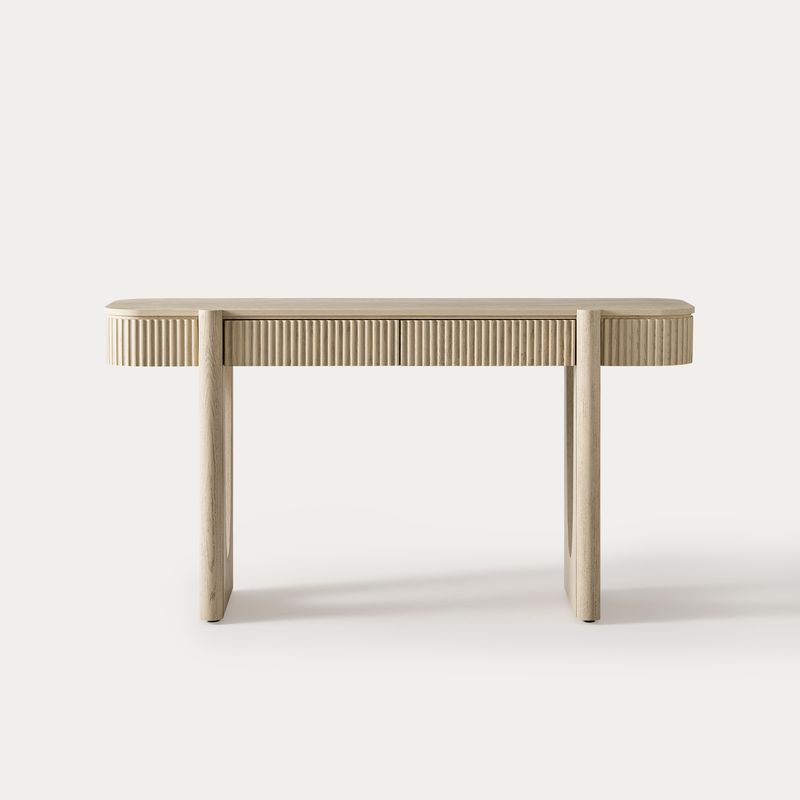
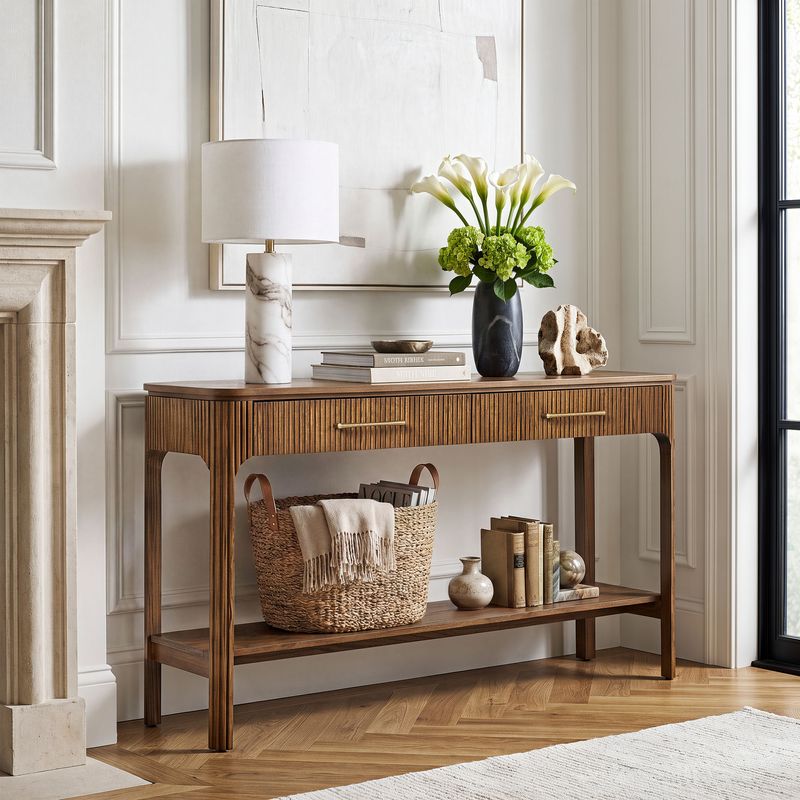
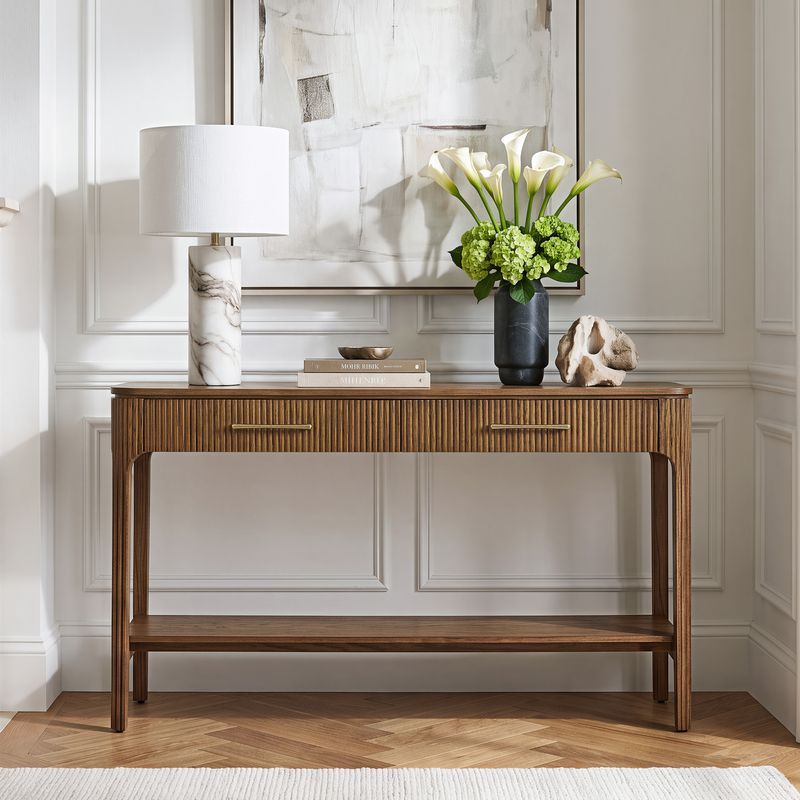
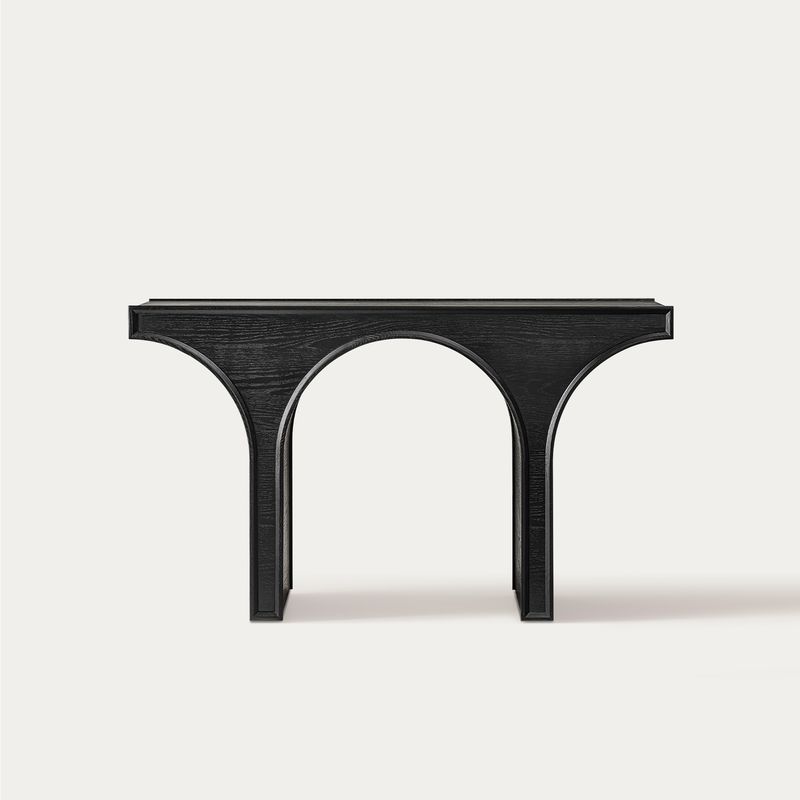
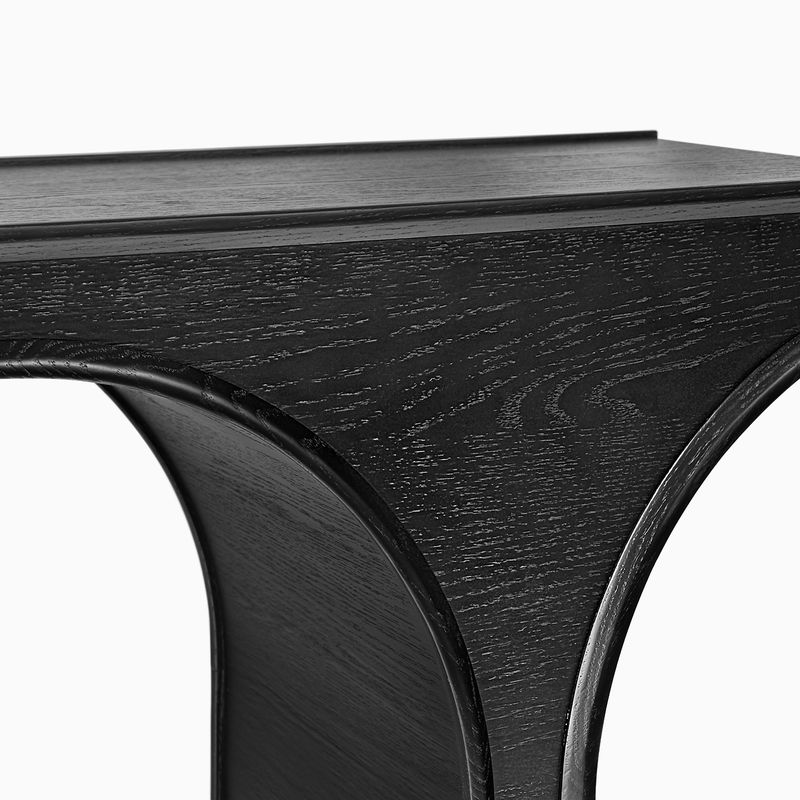
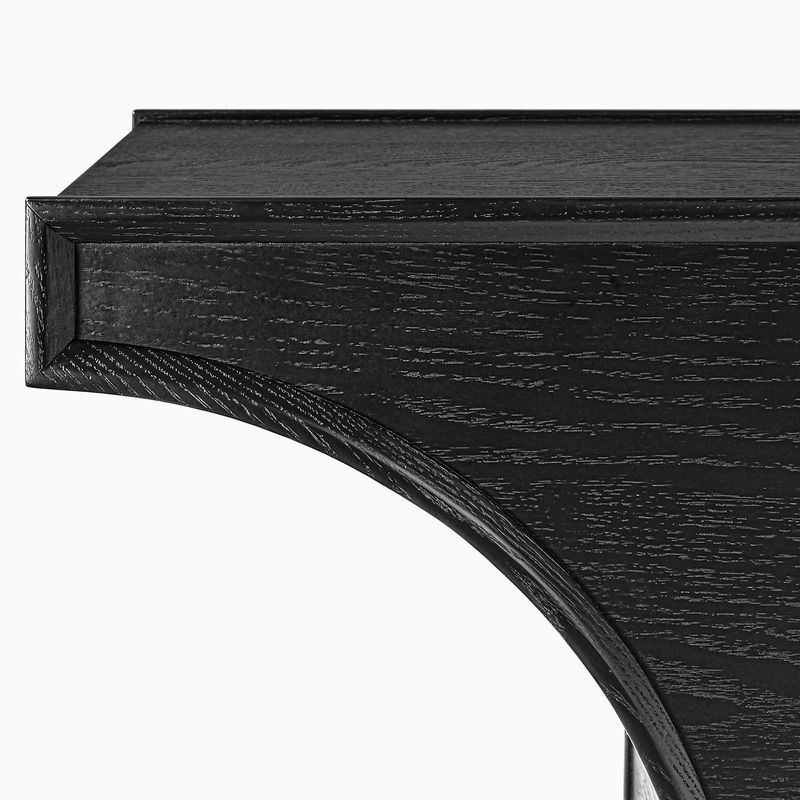
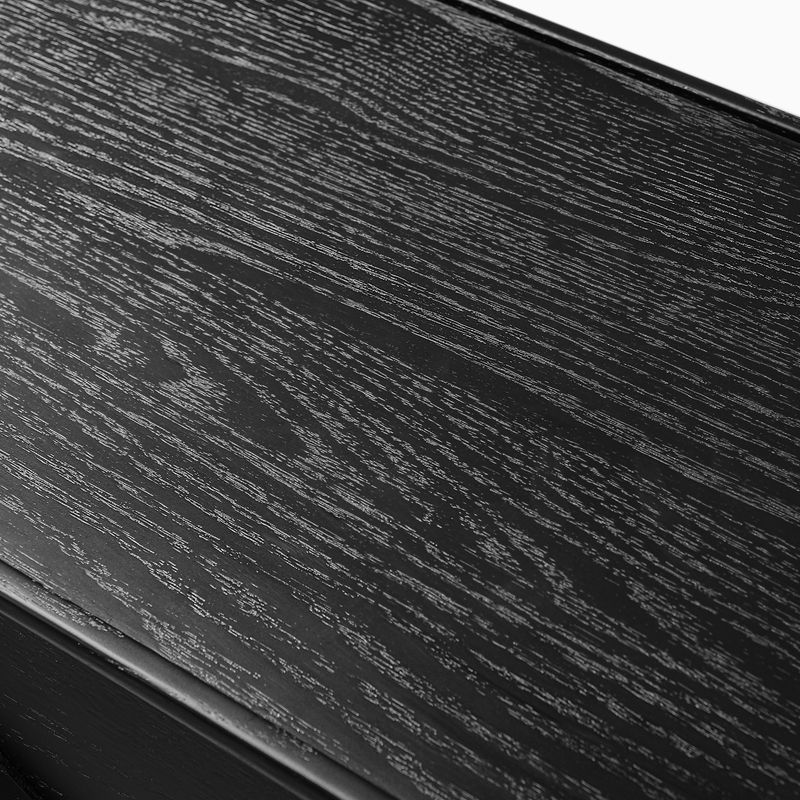
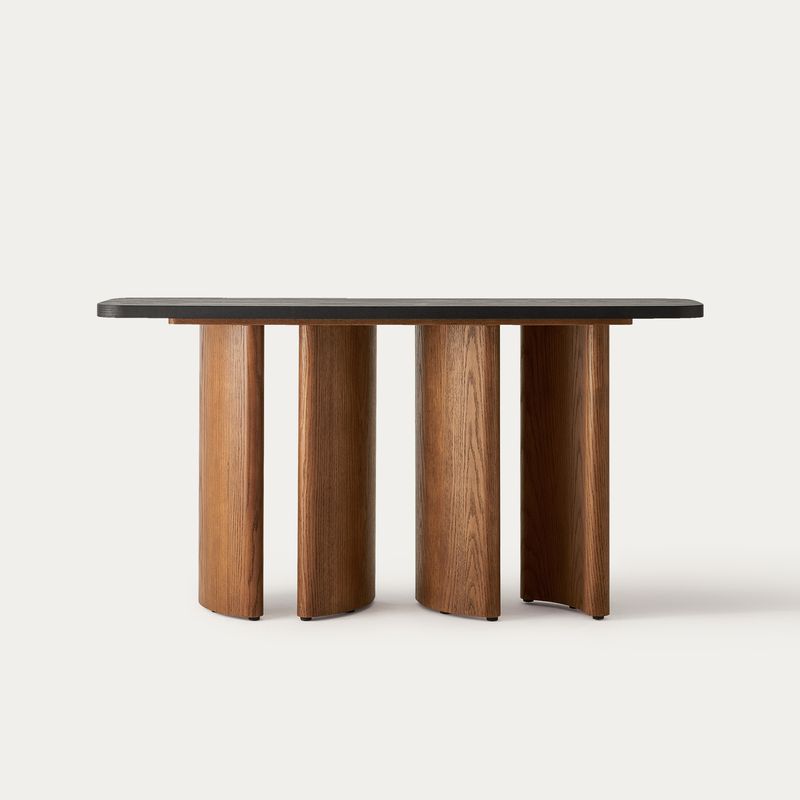
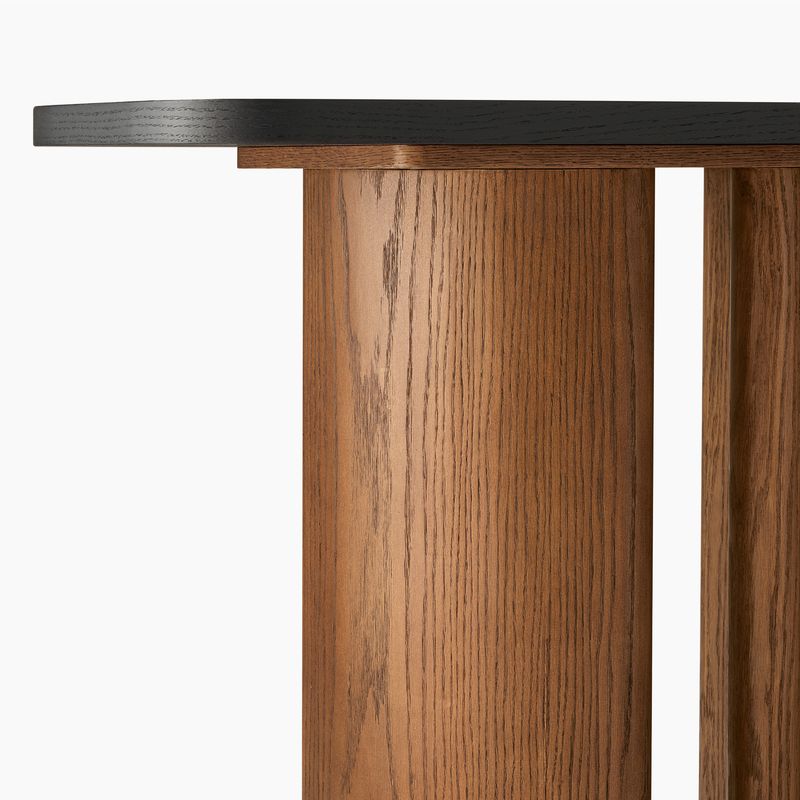
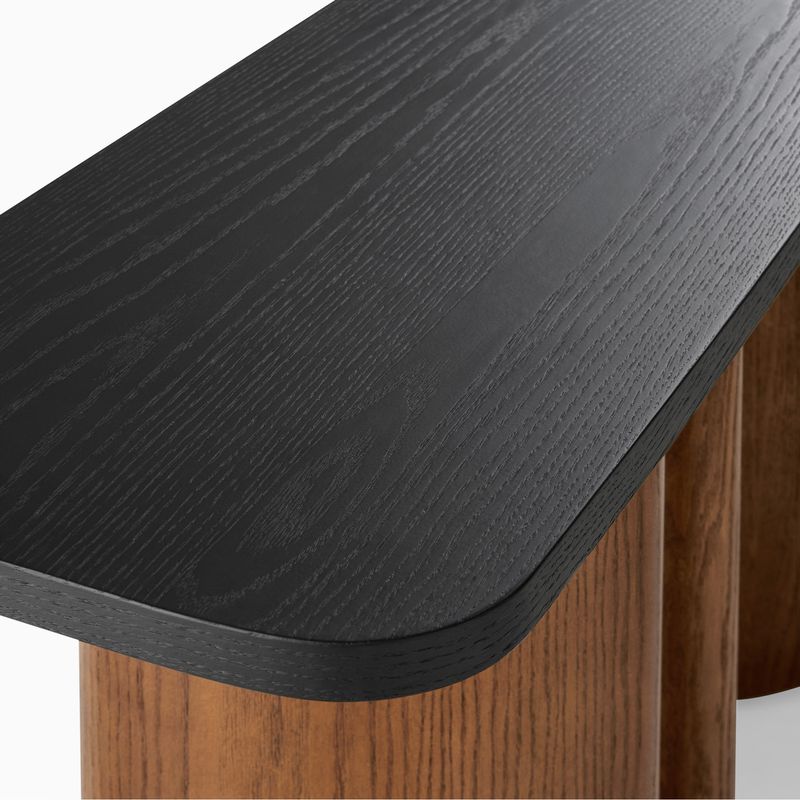
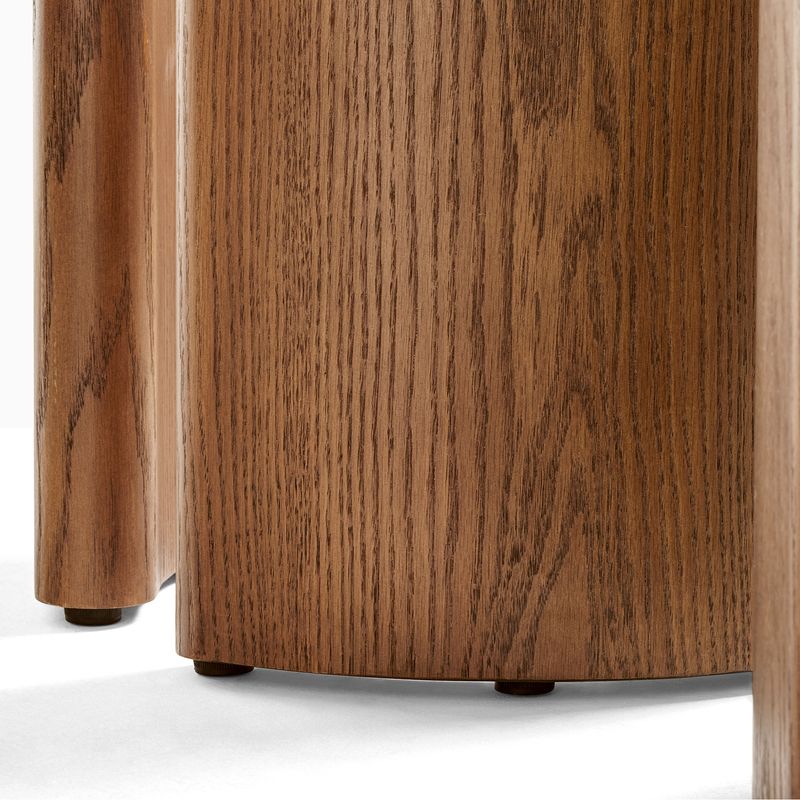
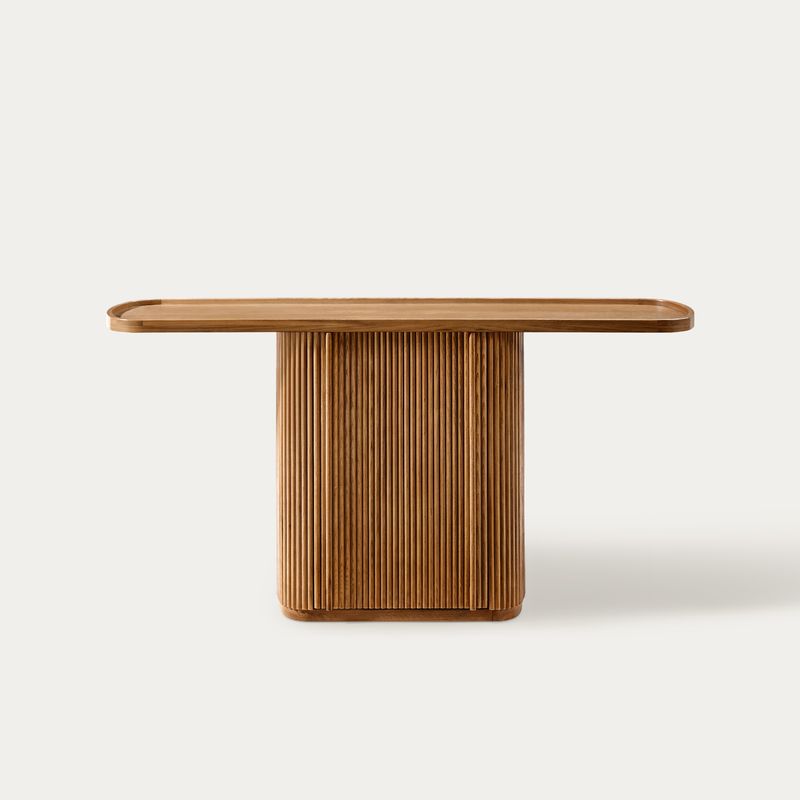
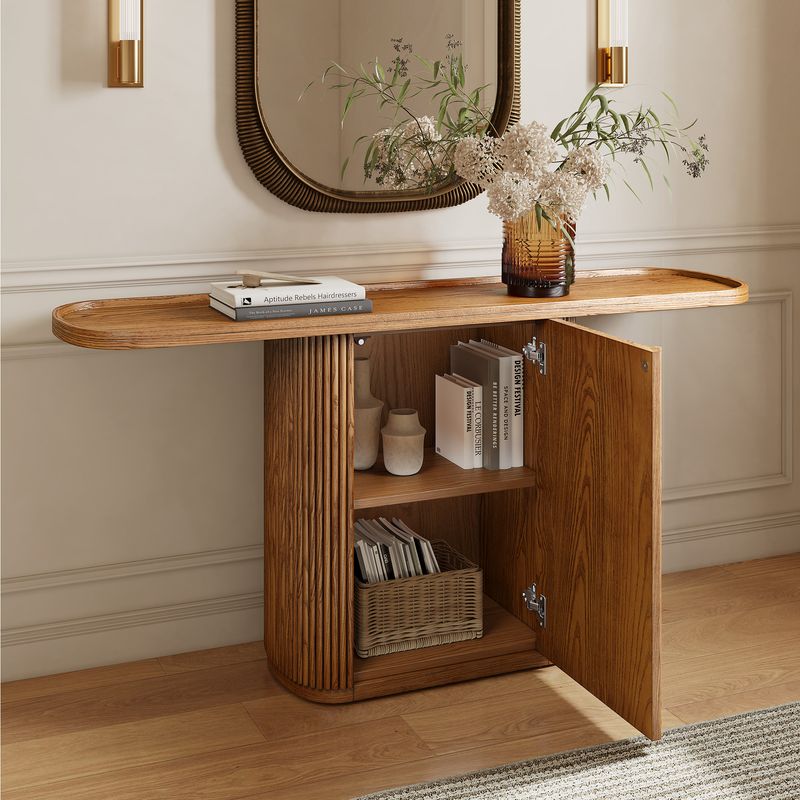
At Hernest, our console tables are designed for spaces where proportion matters just as much as storage. Some bring warmth through oak and expressive wood grain. Others make a stronger statement with sculptural forms, stone-inspired surfaces, or mid-century lines.
Whether you need a narrow piece for an apartment entry, a longer table behind a sofa, or extra storage near the front door, the right choice usually comes down to three things: where it will go, how much space you have, and what you need it to do.
Read More
What Is a Console Table Used For?
A console table is a narrow table typically placed against a wall, behind a sofa, or along an open edge of a room. Its slim profile makes it useful in spaces where a larger cabinet or sideboard would take up too much floor space.
In an entryway, it can hold keys, mail, and everyday essentials. Behind a sofa, it creates a surface for lighting and décor while helping define an open living area. In a hallway, it can turn an unused wall into a practical display or storage spot.
Console tables can also work in dining rooms, bedrooms, or other areas that need a little extra function without a large furniture footprint.
Console Tables for Entryways and Foyers
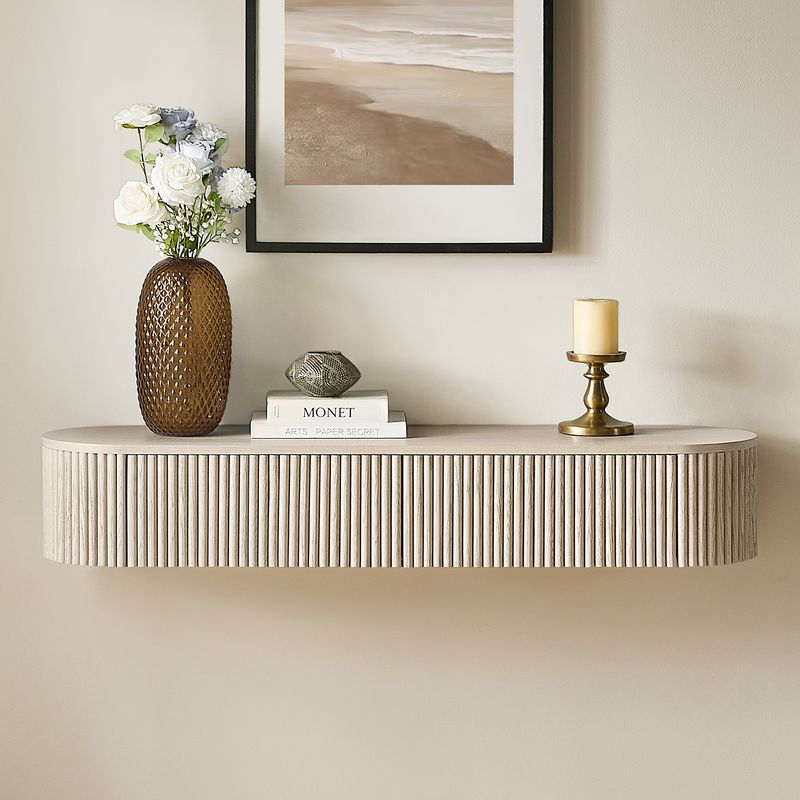
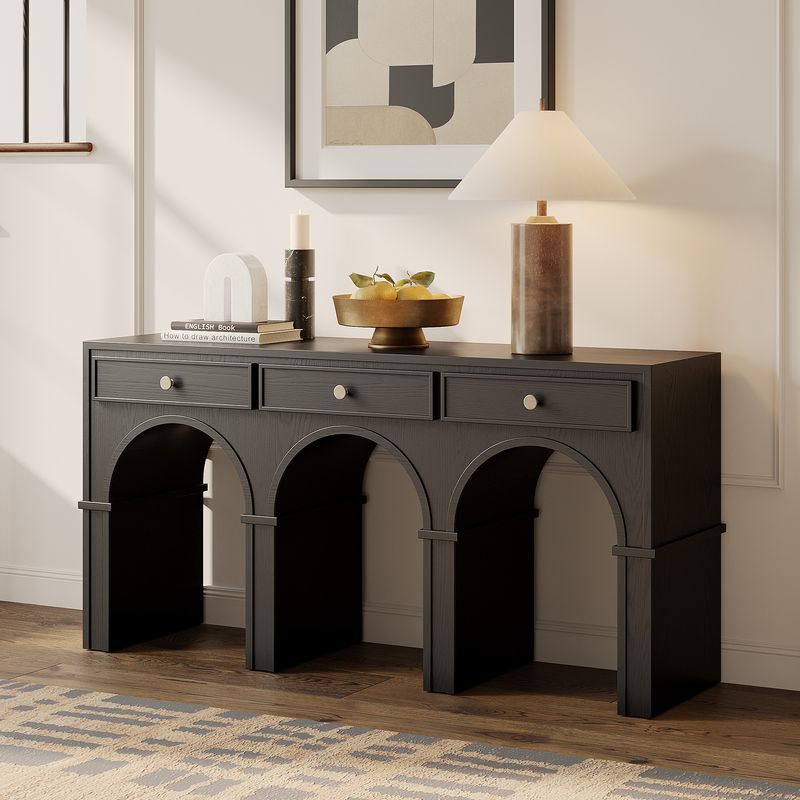
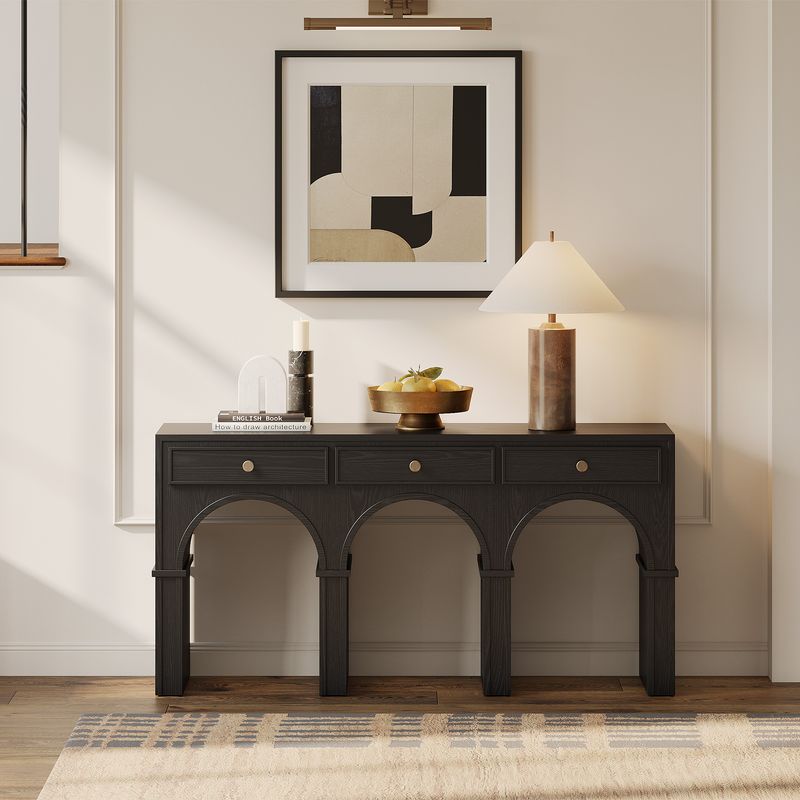
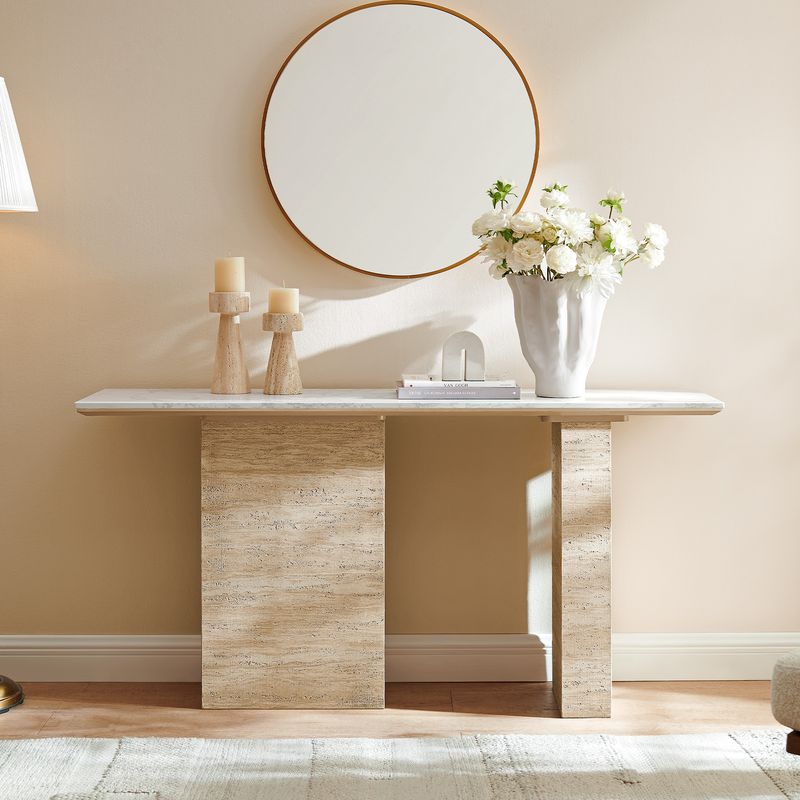
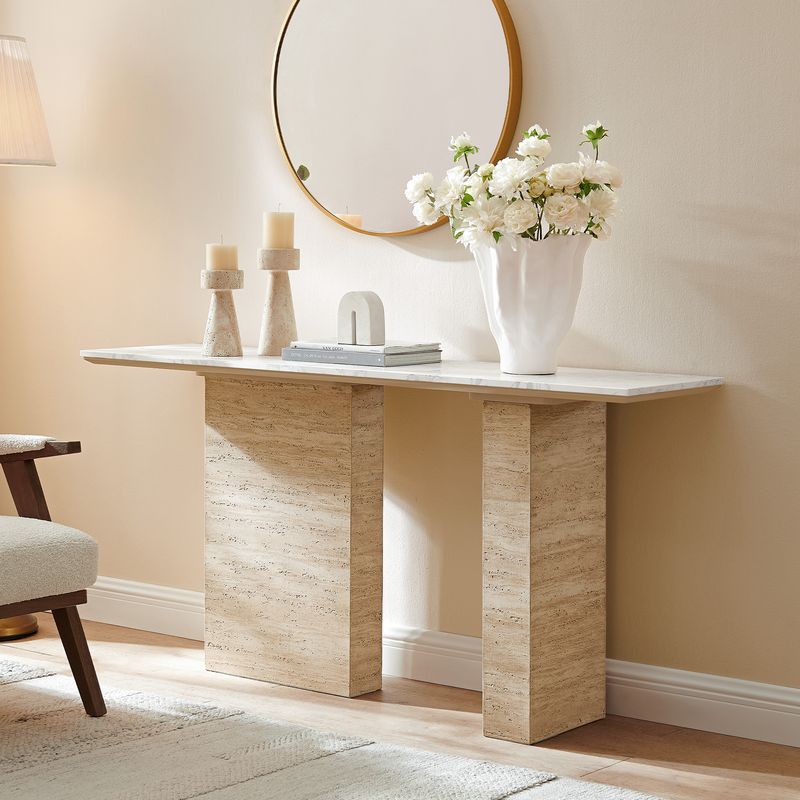
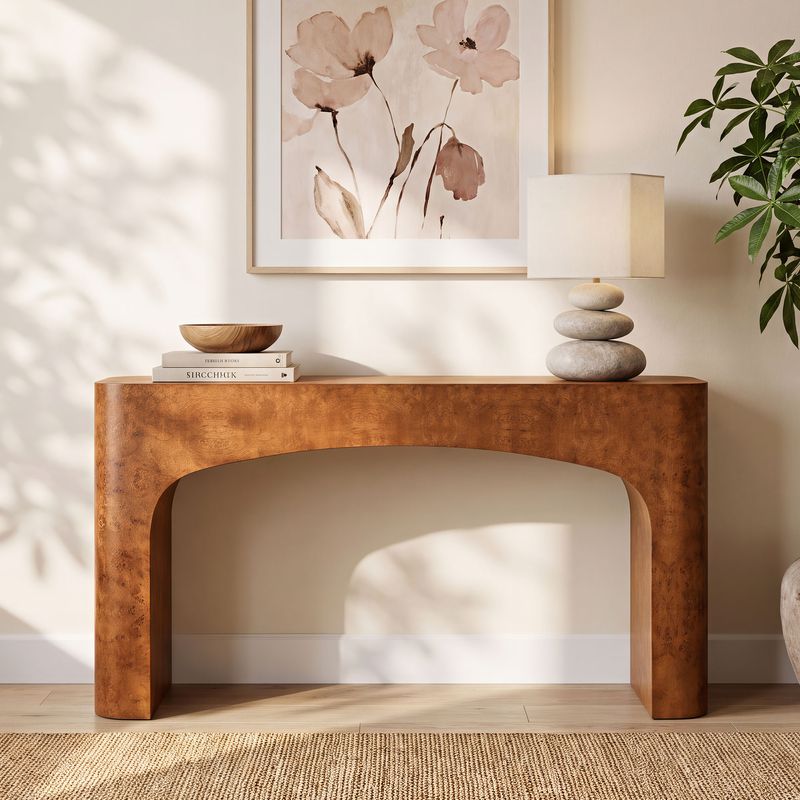
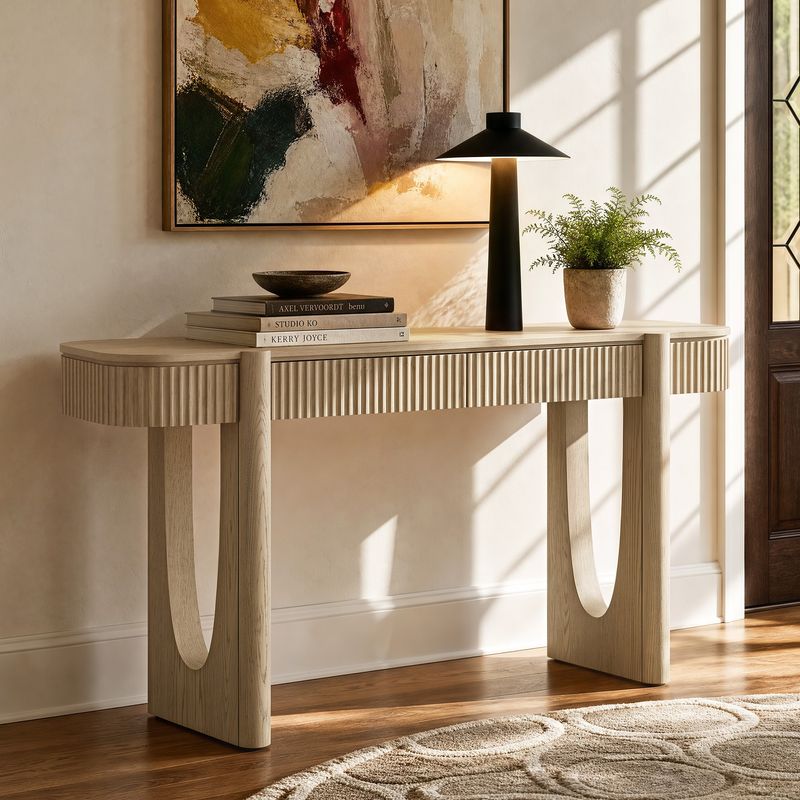
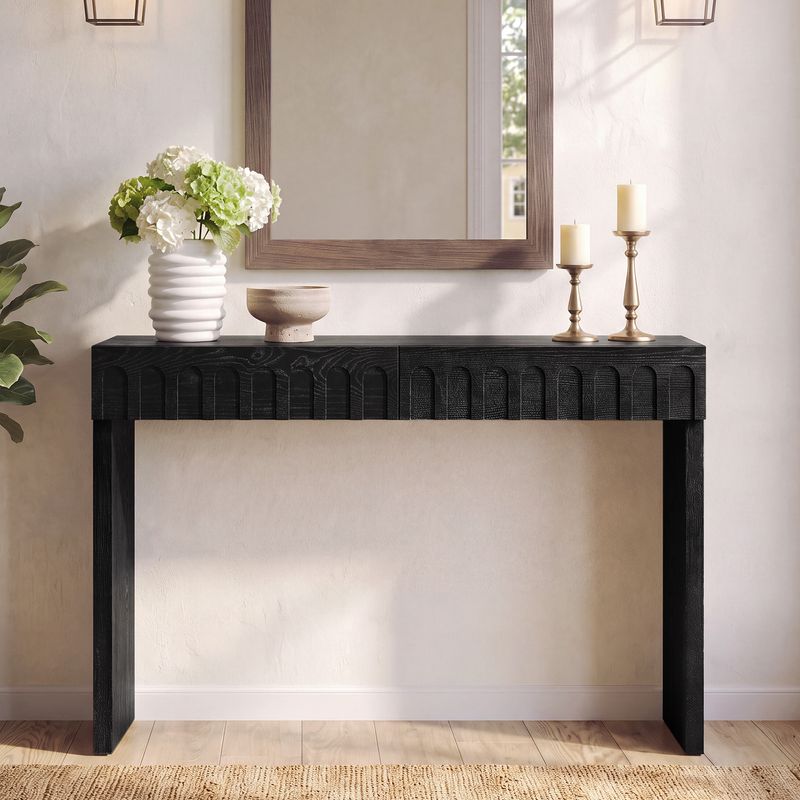
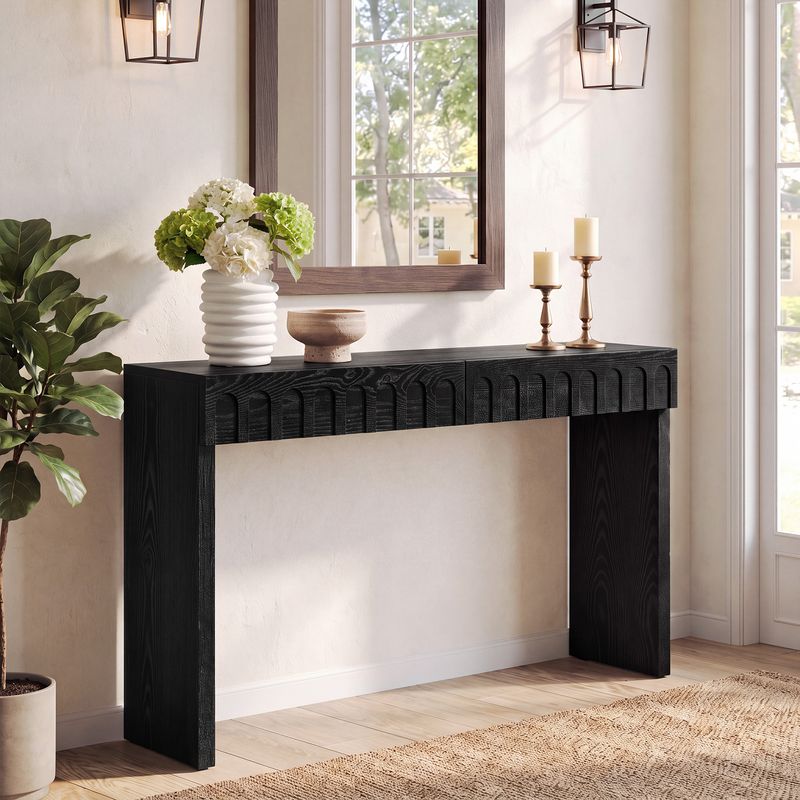
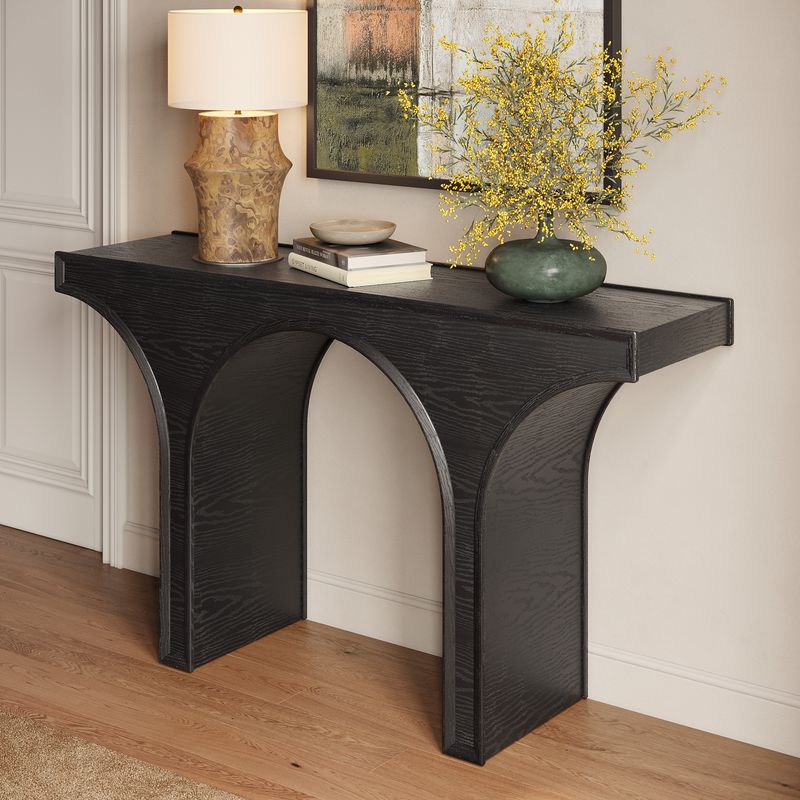
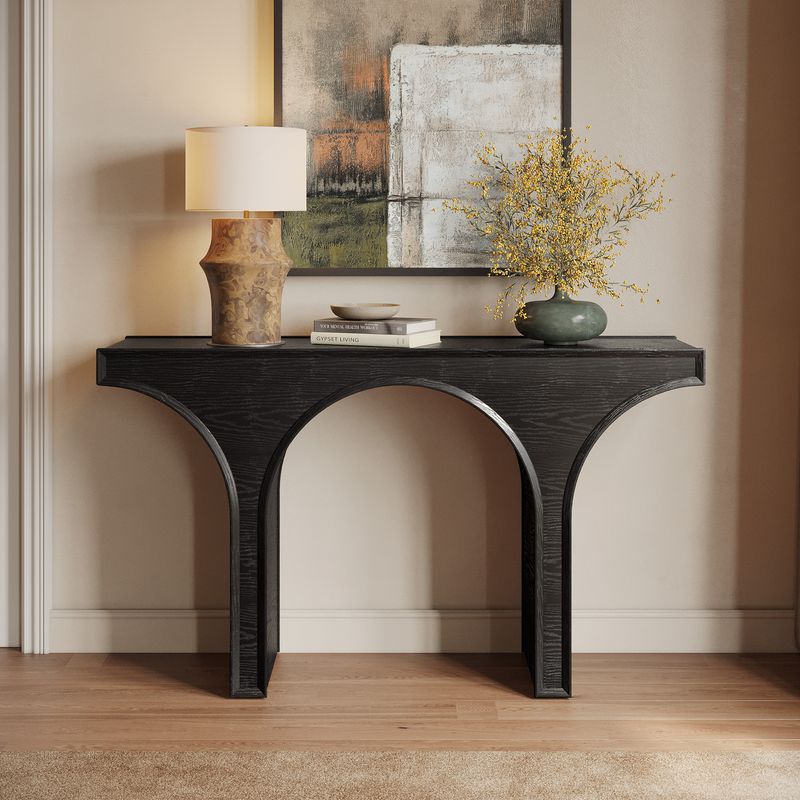
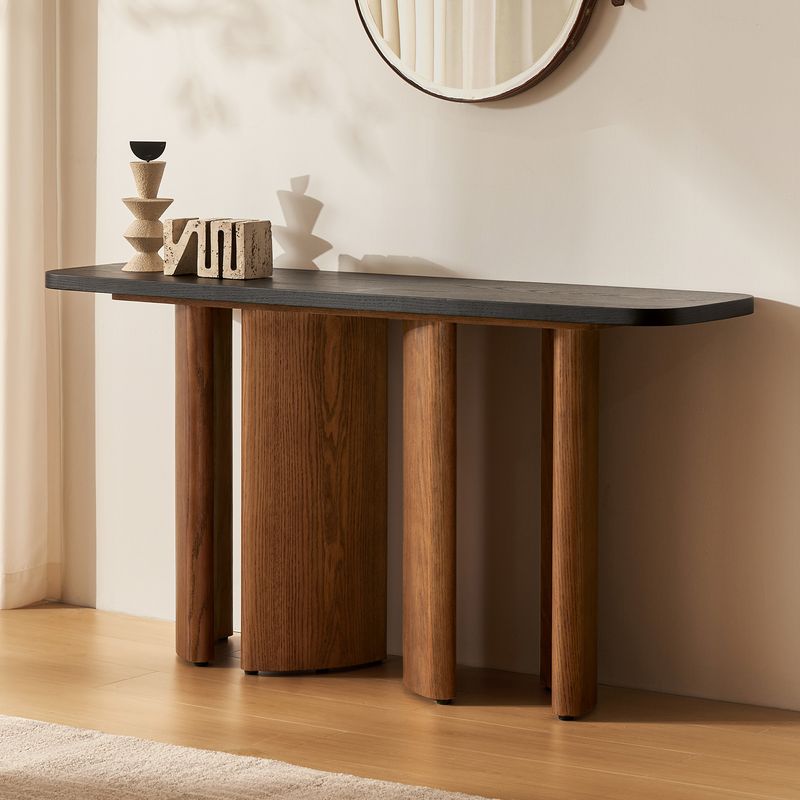
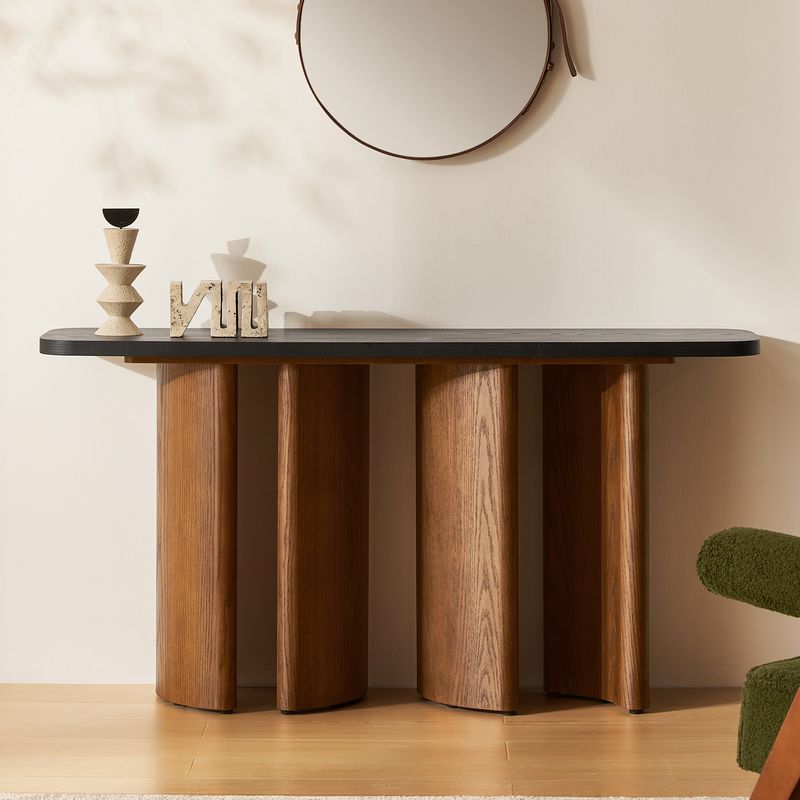
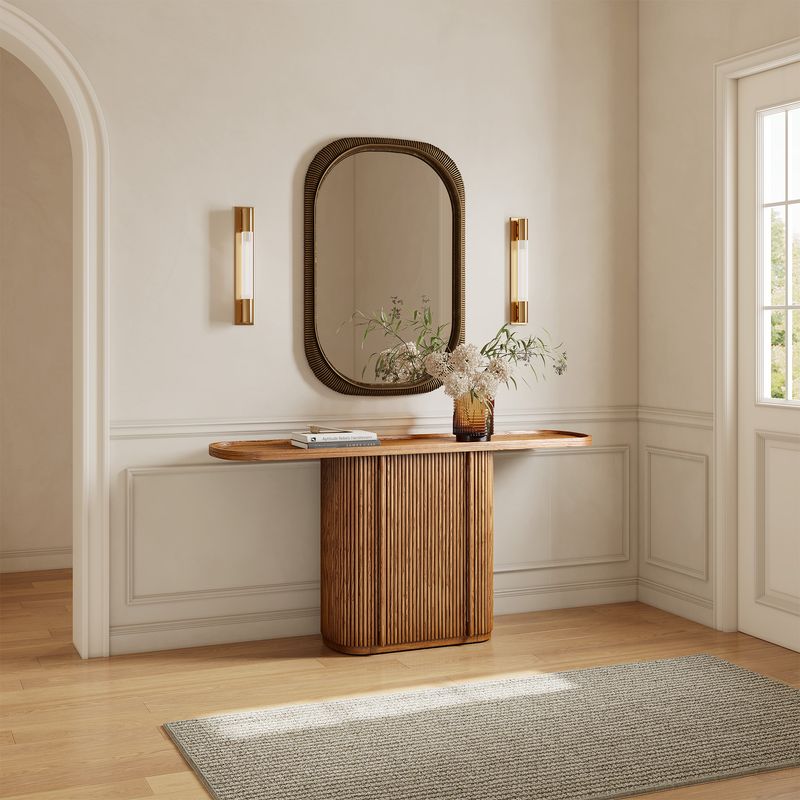
An entryway console creates a natural landing place when you walk through the front door. Add a mirror above it, a tray for keys, and a lamp or vase, and an empty wall suddenly feels intentional.
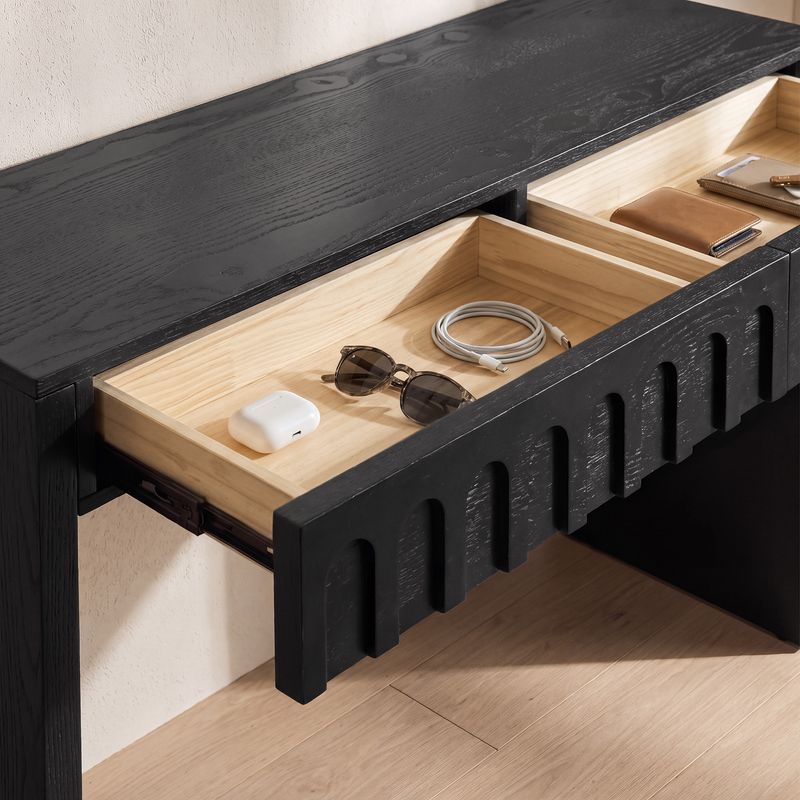
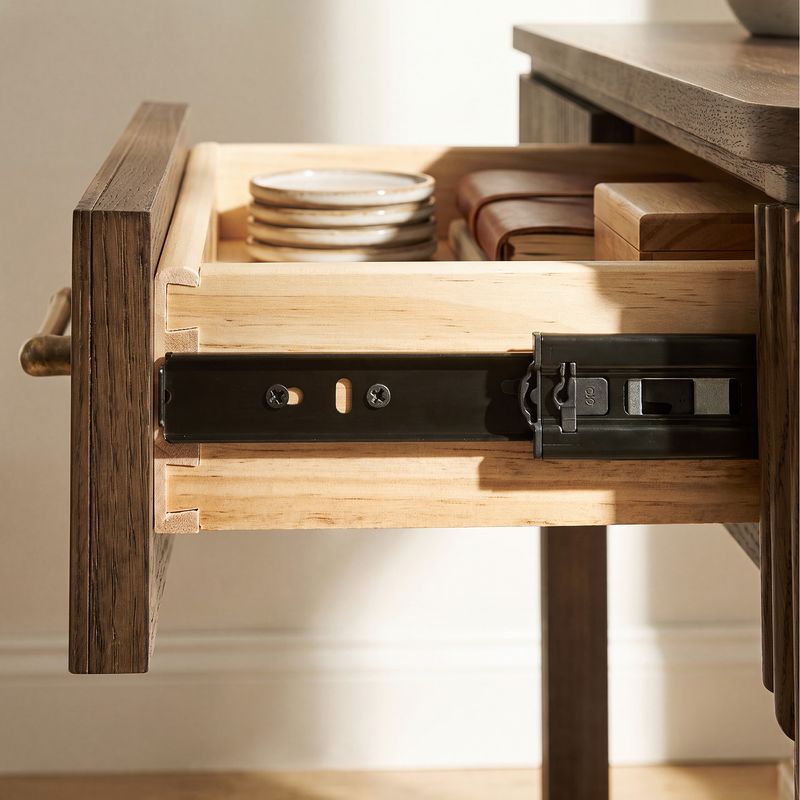
If mail, charging cables, sunglasses, and other small items tend to gather near the entrance, storage may be more useful than an entirely open design. A console table with drawers can keep those everyday essentials close at hand without leaving everything on display.
For a small foyer, depth is especially important. Before buying, mark the proposed footprint on the floor with painter's tape and walk through the space as you normally would. It is a simple way to find out whether a table will actually fit before committing to it.
Console Tables Behind a Sofa
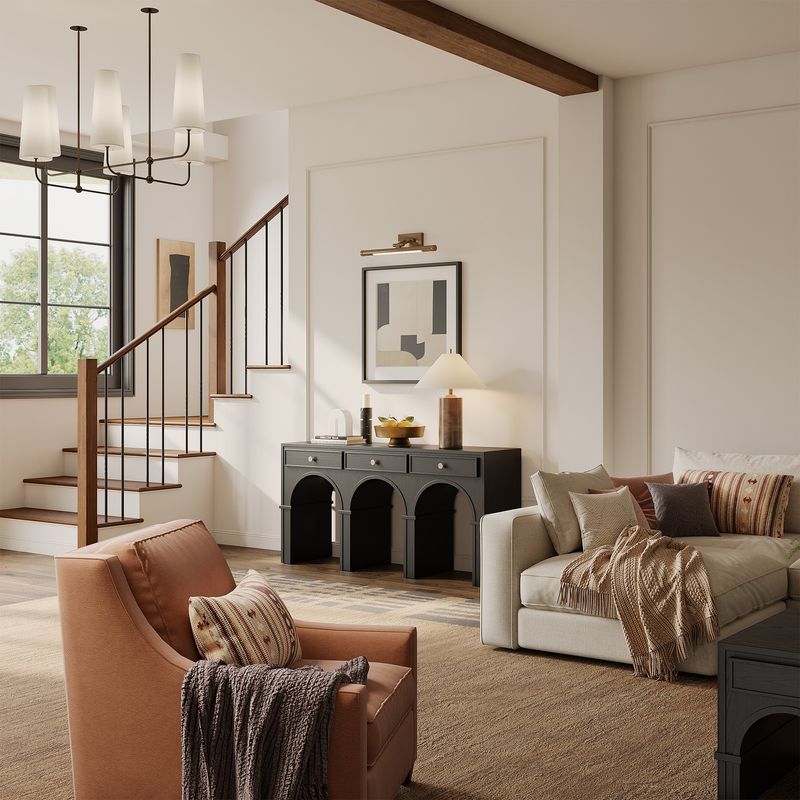
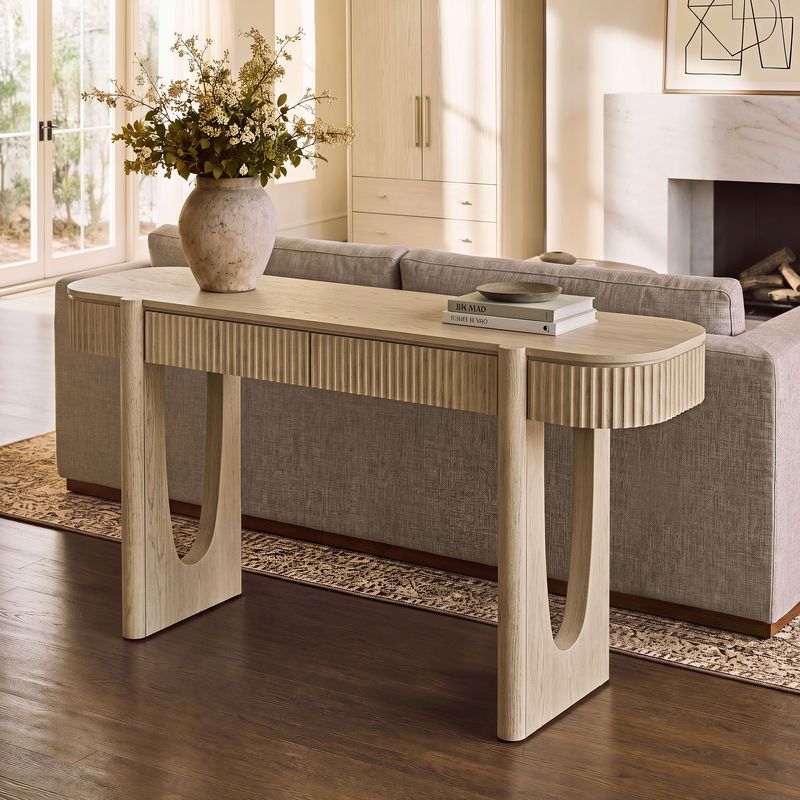
A sofa floating in the middle of a room often leaves its back feeling unfinished. A console can solve that problem while adding a place for lamps, books, or decorative objects.
It can also help organize an open-plan room. A long table behind the seating area creates a subtle transition between the living room and a nearby dining or kitchen zone without closing off the space.
Height is the first measurement to check. A sofa table generally looks most balanced when it sits around the same height as the sofa back or slightly below it. A much taller piece can interrupt sightlines and make the arrangement feel disconnected.
Console Tables for Hallways and Narrow Walls
Hallways rarely have room to spare, but an empty wall can still benefit from a little function or visual interest.
A narrow console table can provide a place for artwork, books, or a small lamp without taking up as much space as a deeper cabinet. The key is to measure the remaining walkway after accounting for the table's depth.
Also consider doors, drawers, vents, and the way people actually move through the space. A beautiful table that makes everyone turn sideways to pass it is probably not the right table for that wall.
How to Choose the Right Size Console Table
There is no universal console table size. The right dimensions depend on where the table will sit and what surrounds it.
Before shopping, measure:
● The available wall or sofa length
● The maximum depth the room can comfortably accommodate
● The height of nearby furniture, particularly a sofa
Even a difference of a few inches can matter in a narrow entryway or hallway.
How Long Should a Console Table Be?
For a table behind a sofa, a useful starting point is roughly two-thirds to three-quarters of the sofa's length. It is a proportion guideline rather than a fixed rule, but it often creates a balanced relationship between the two pieces.
For example, a 72-inch sofa might pair comfortably with a console around 48 to 54 inches long.
Against a wall, the proportions are more flexible. A long, uninterrupted wall can accommodate a larger table, while a compact entry may call for something shorter. Taping the proposed width on the floor can help you see whether the table will feel appropriately scaled before it arrives.
How Deep Should a Console Table Be?
Depth is often the measurement people forget to check.
A shallow table usually works better in a hallway or tight entry, where preserving a comfortable path through the room matters most. Behind a sofa, measure how much space remains between the back of the seating and the next wall or furniture piece.
Think about how the room is actually used. If people regularly walk behind the sofa, a table that looks slim in a product photo may still create an inconvenient bottleneck.
How Tall Should a Console Table Be?
When a console sits behind a sofa, it usually looks most natural around the height of the sofa back or slightly lower.
For an entryway, the surrounding wall and nearby furniture may have more influence on the right height. A taller piece can create more vertical presence in a large foyer, while a lower, longer design may better suit a low-profile sofa.
A measurement can look right on paper and still feel wrong once the table is in the room. Compare the table with the furniture and architecture around it before deciding that the dimensions are right.
Choose a Console Table Based on How You Use It
The best design depends on what you need the table to do.
Console Tables With Storage
If you need somewhere to put the small things that tend to collect around the house, storage should be part of the decision.
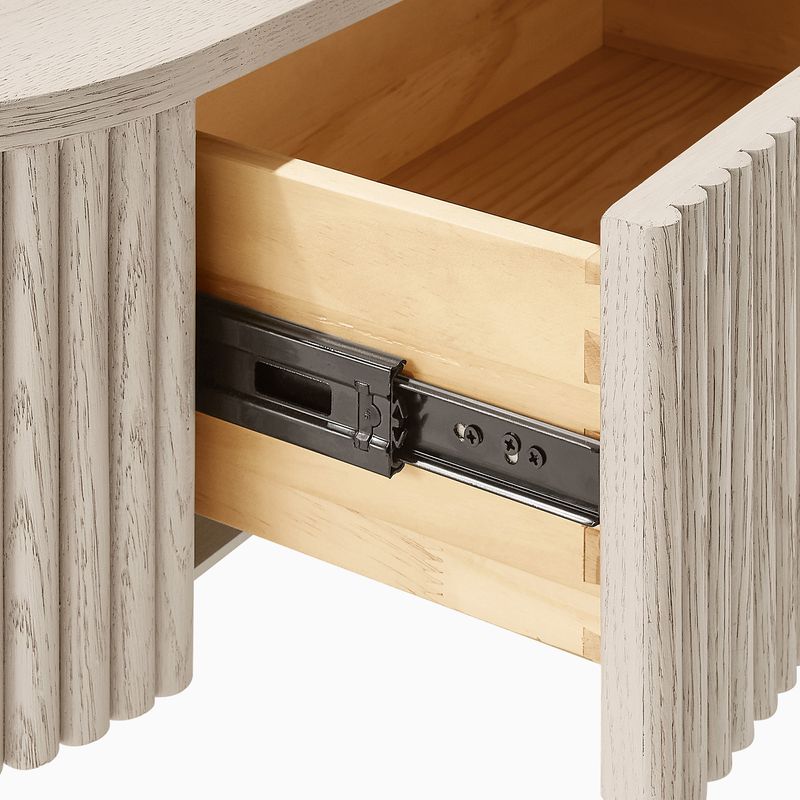
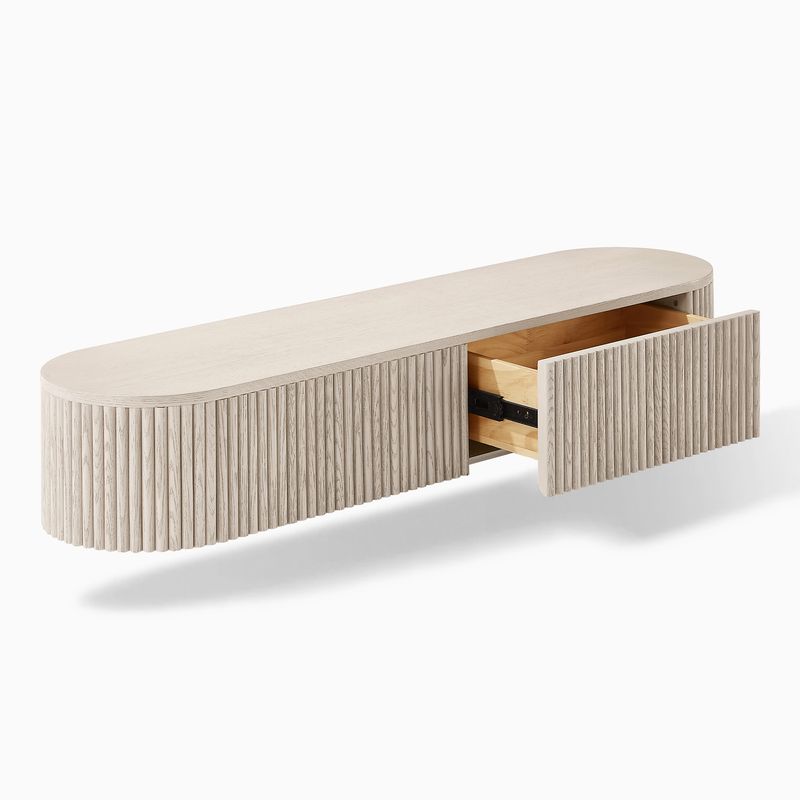
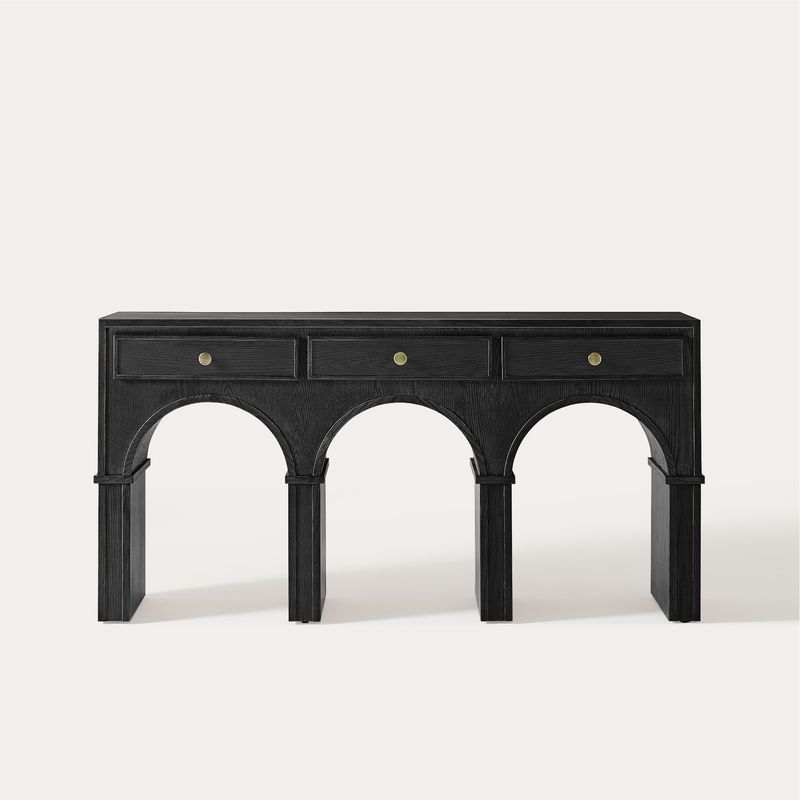
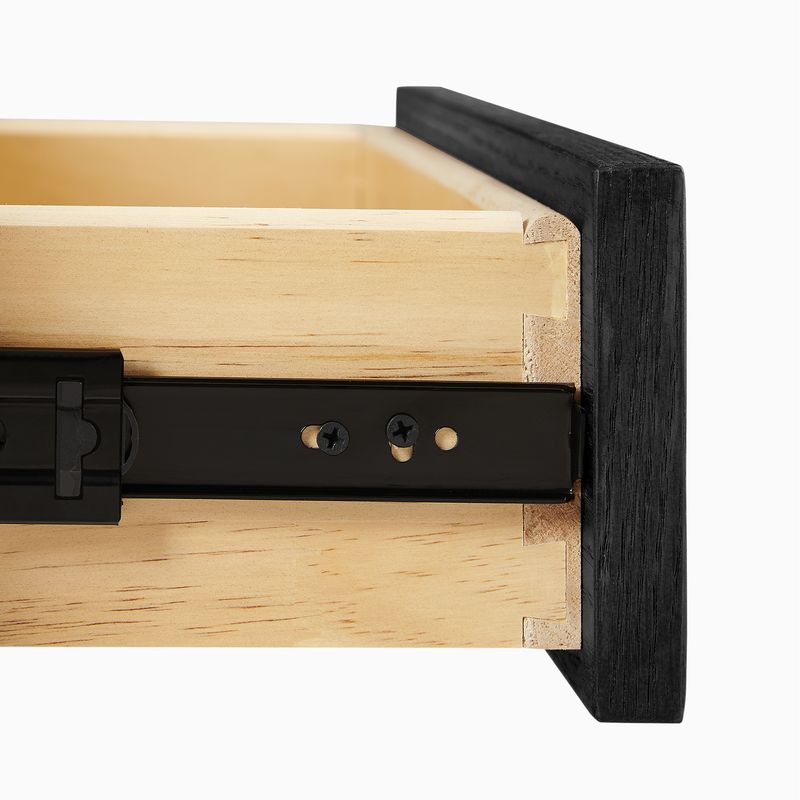
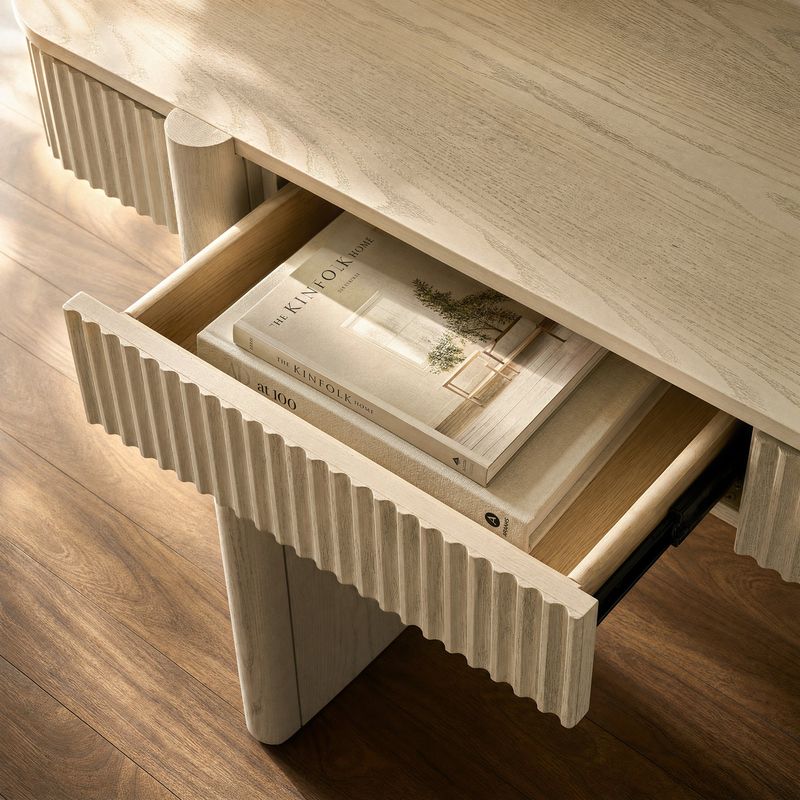
A console table with drawers can work well in an entryway, bedroom, or home office. Drawers provide a place for mail, chargers, notebooks, spare keys, or remote controls while keeping the surface visually cleaner.
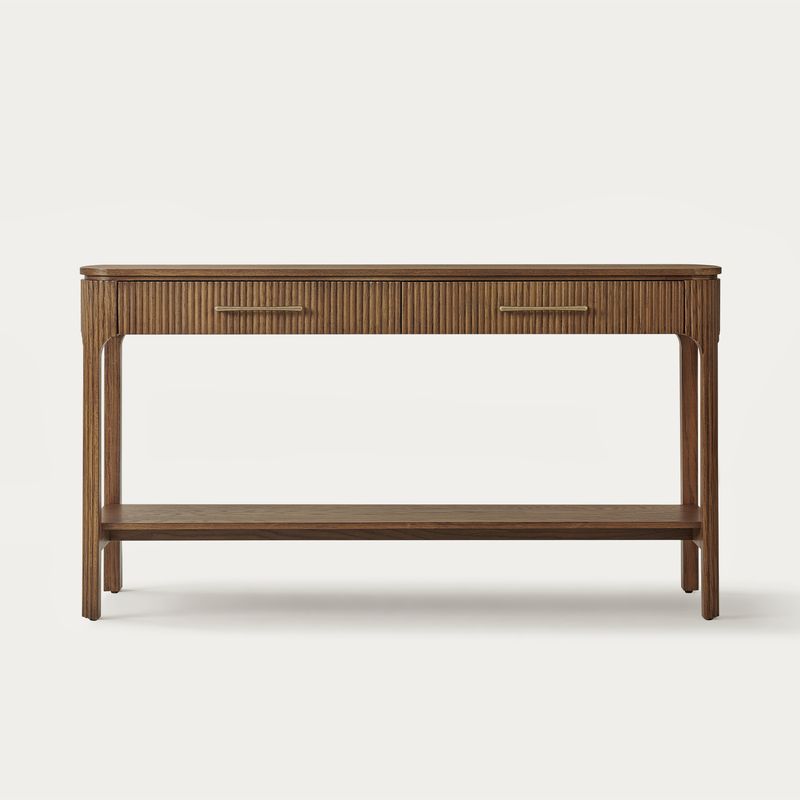
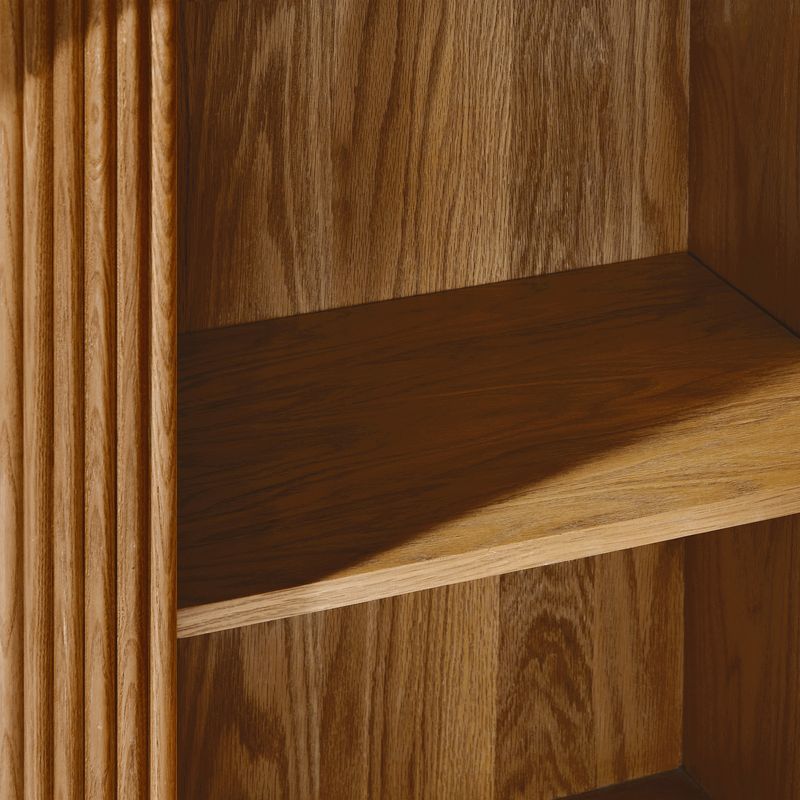
Open shelves offer a different kind of flexibility. They can hold books, baskets, or larger decorative objects without adding the visual weight of a fully enclosed cabinet.
Console Tables for Small Spaces
In a compact apartment or narrow home, visual bulk matters almost as much as physical dimensions.
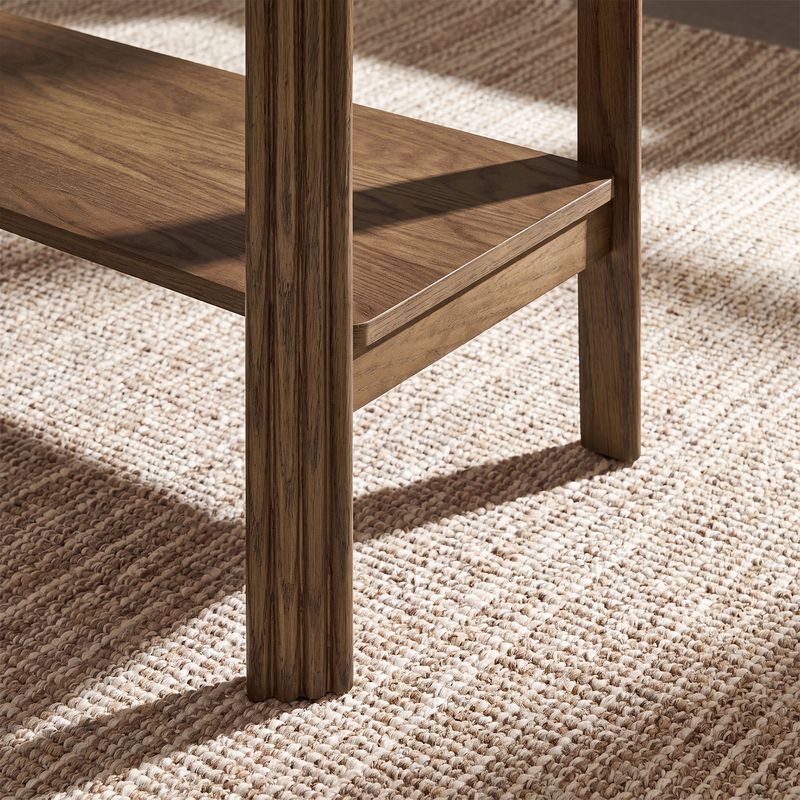
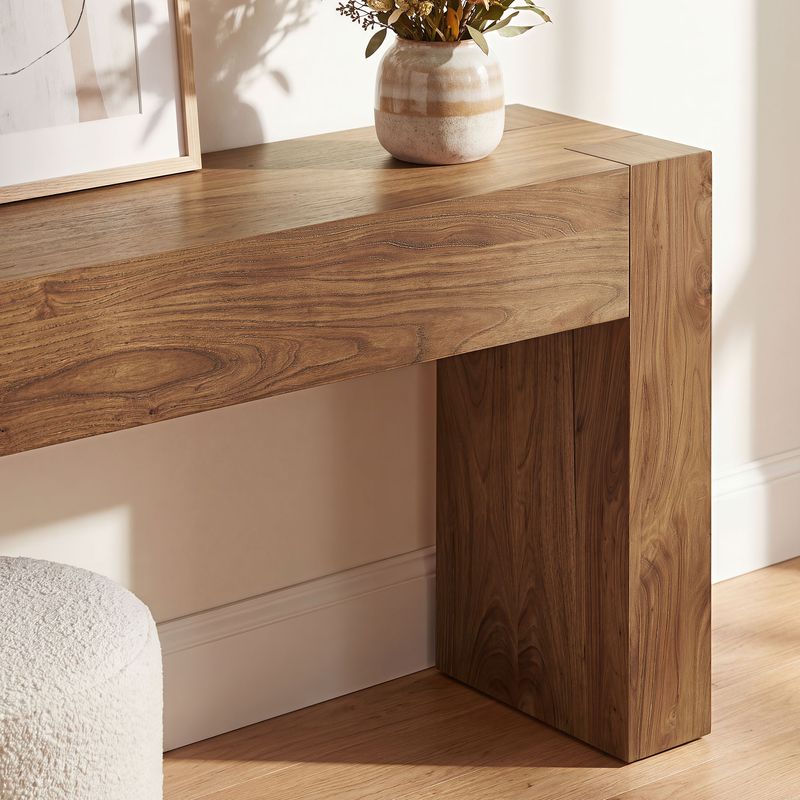
A narrow table with open space beneath it can make an entryway or hallway feel less crowded. Slim legs and an open base also leave more of the floor visible, which can reduce the visual heaviness of the furniture in a small room.
Before choosing a table, consider more than its overall width. Look at the depth, base design, and remaining space around it once doors open and people move through the room.
Explore Wood, Stone-Inspired, and Mid-Century Console Table Styles
Material and silhouette can change the way a console table feels in a room.
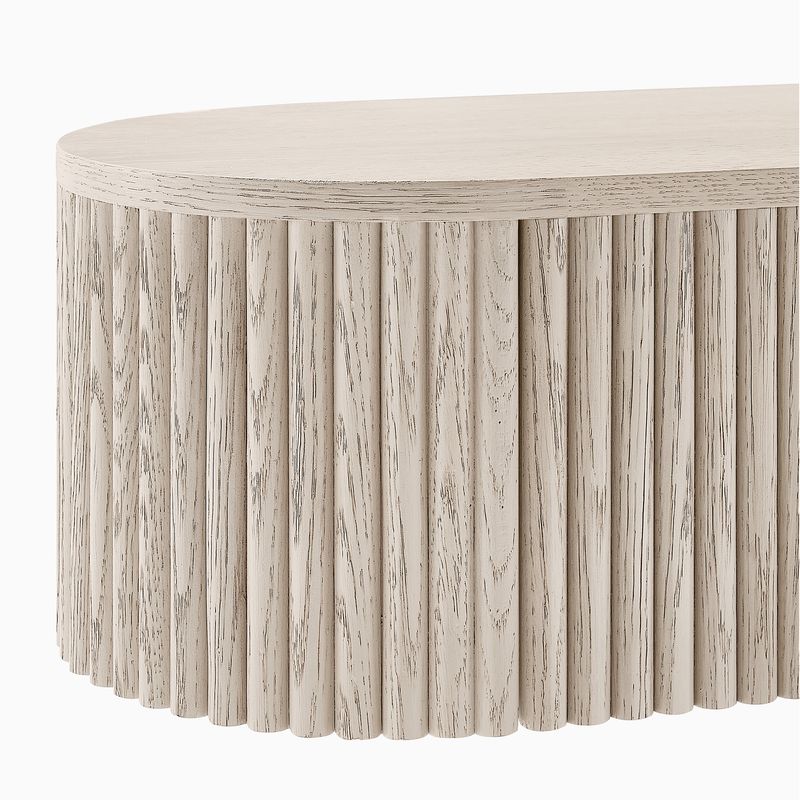
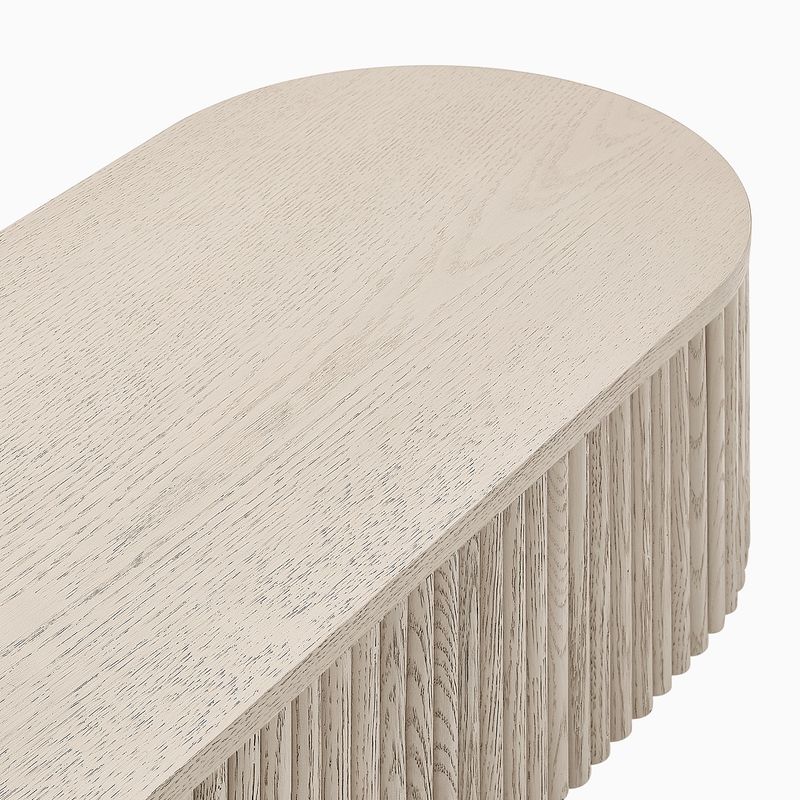
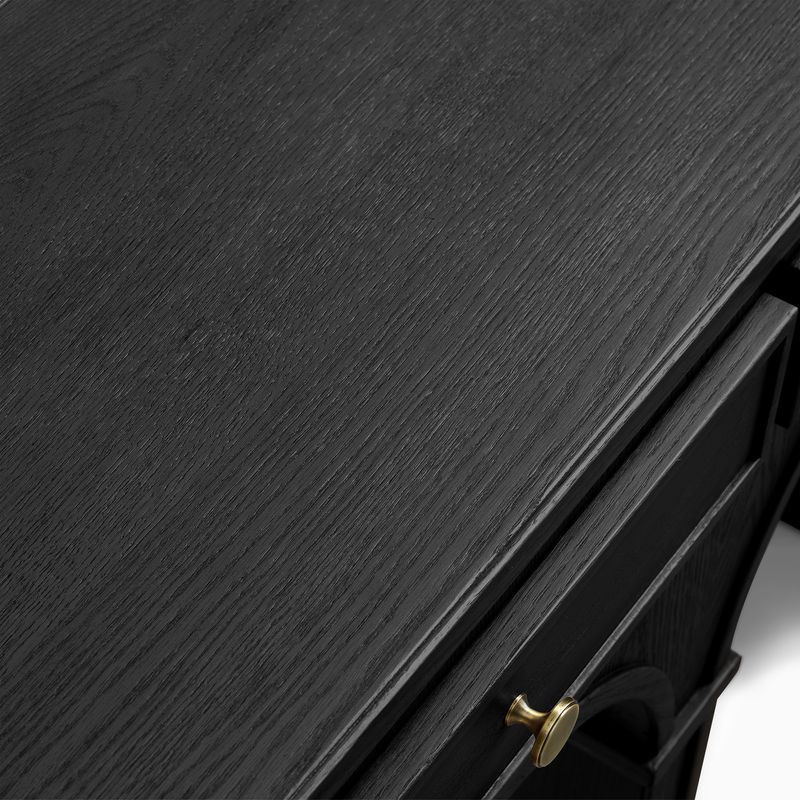
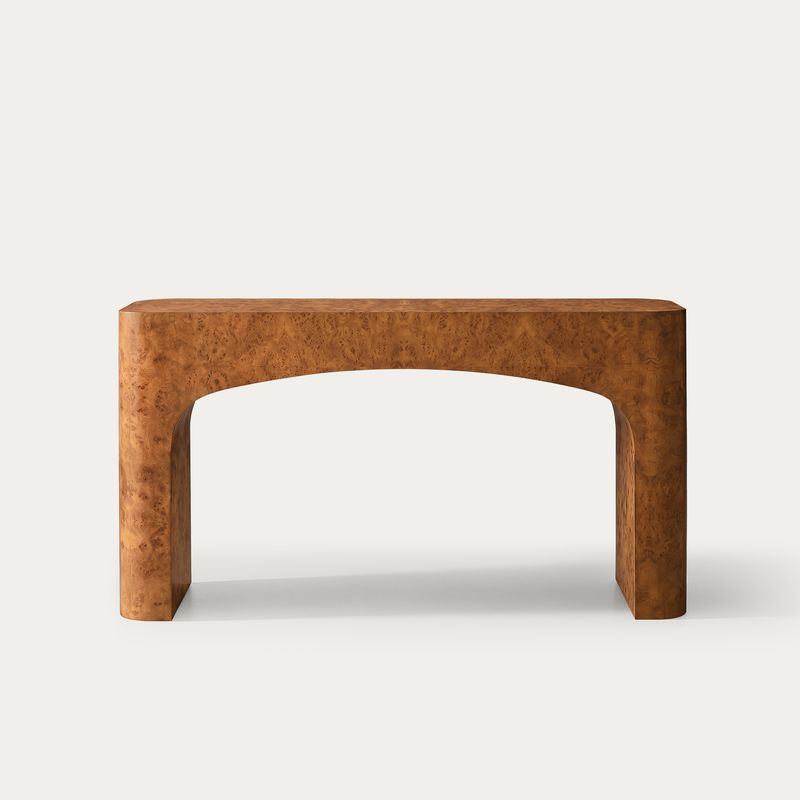
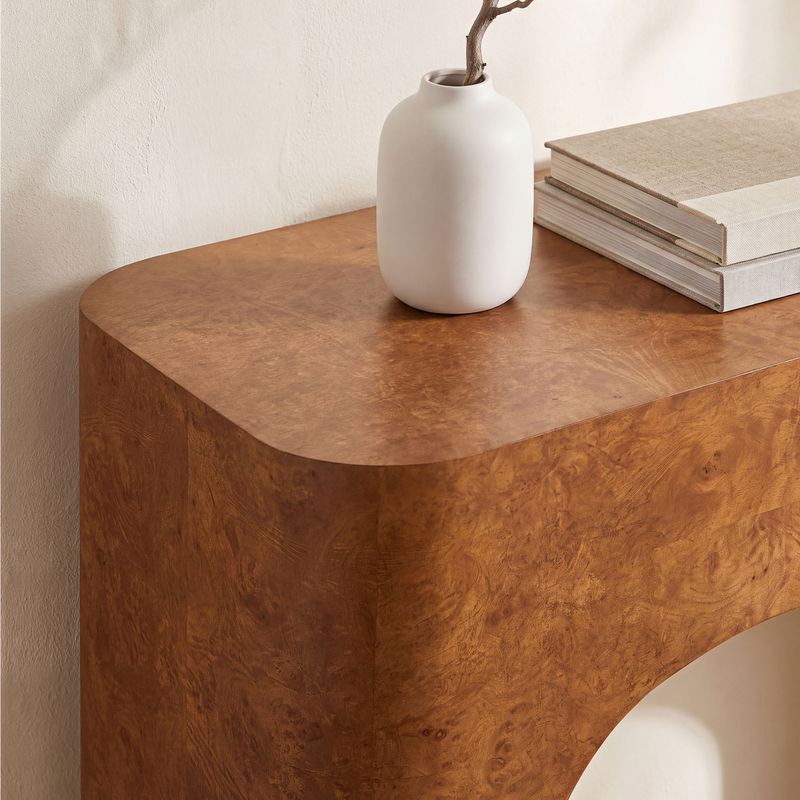
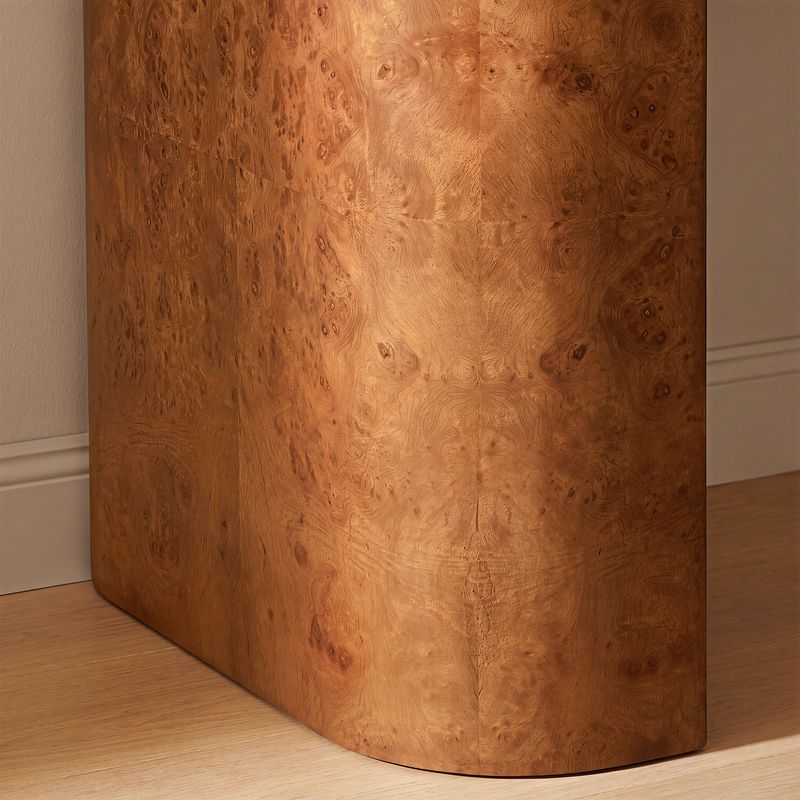
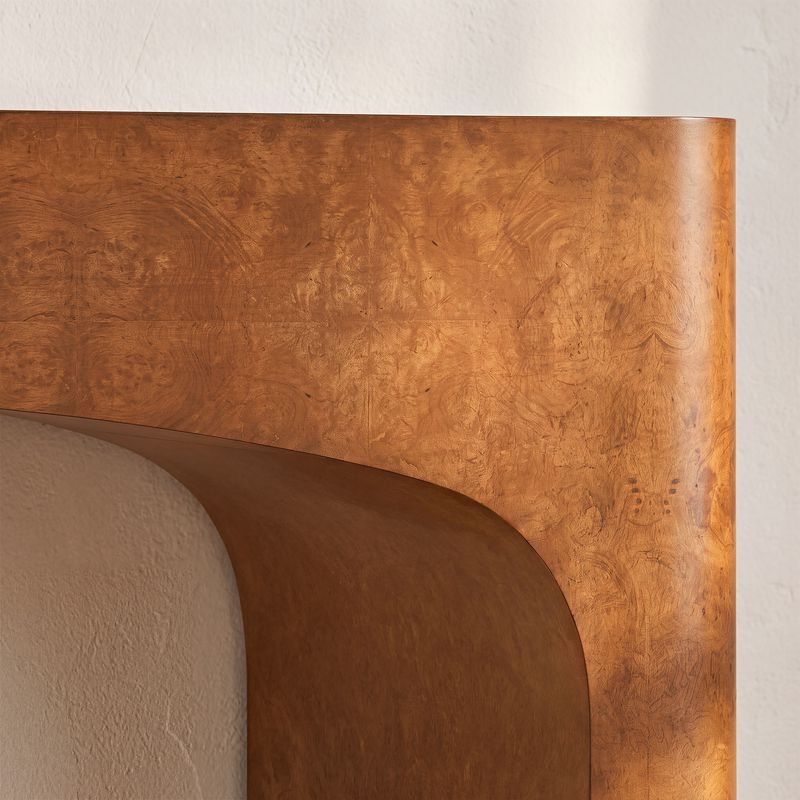
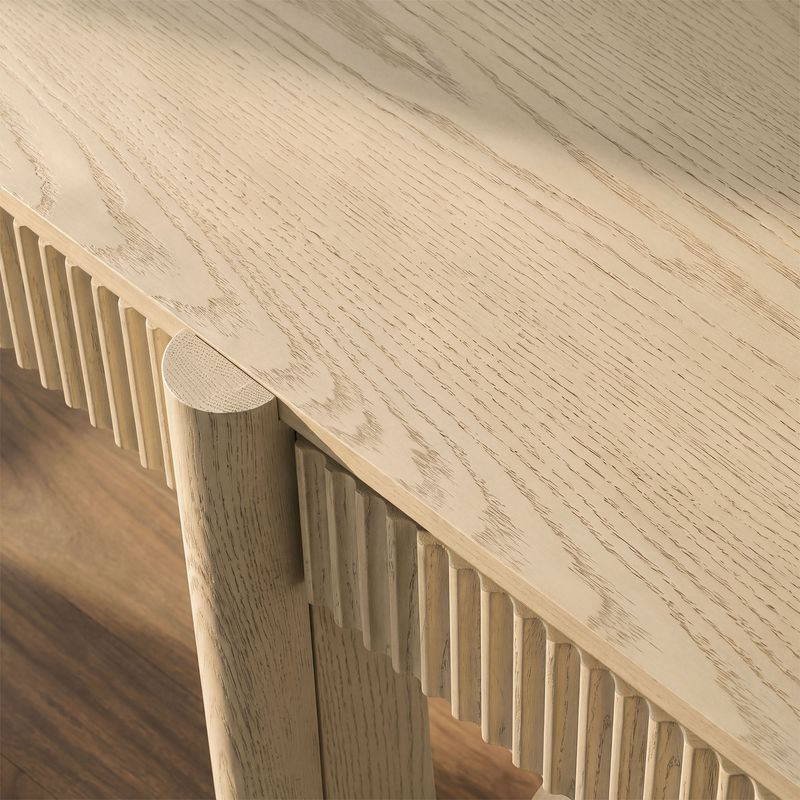
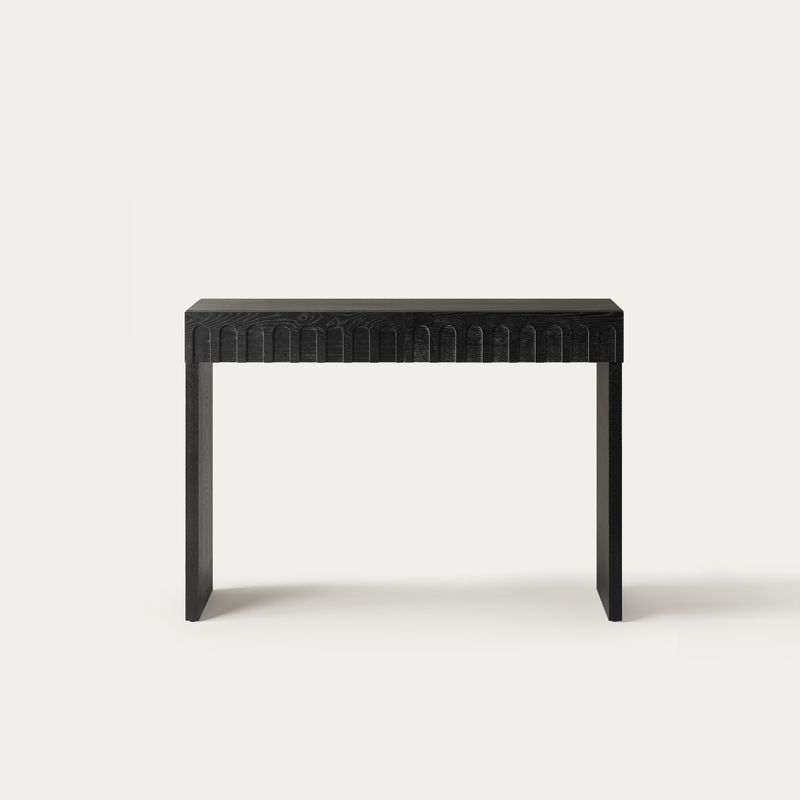
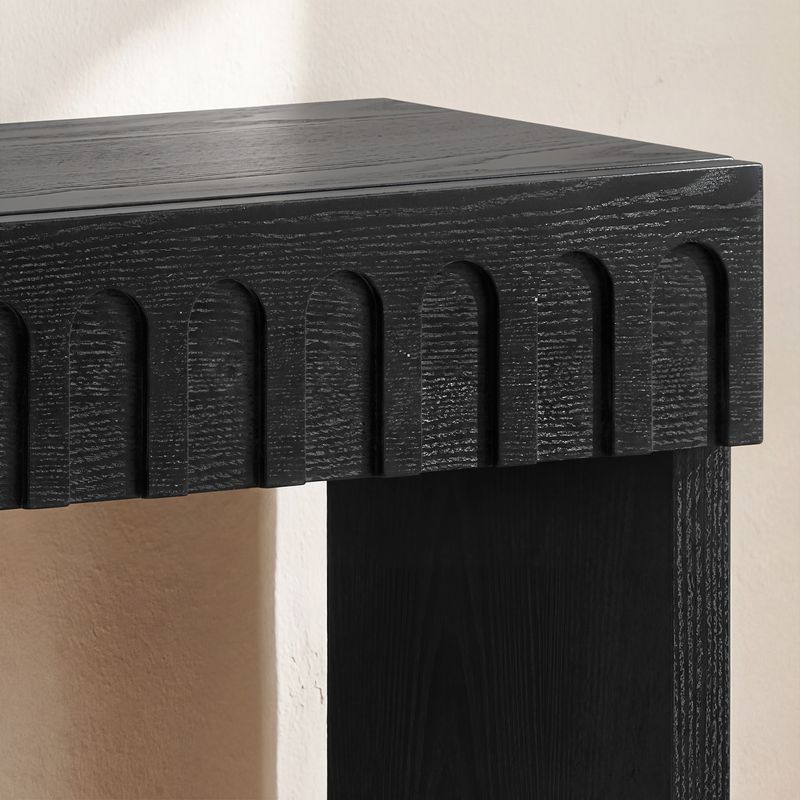
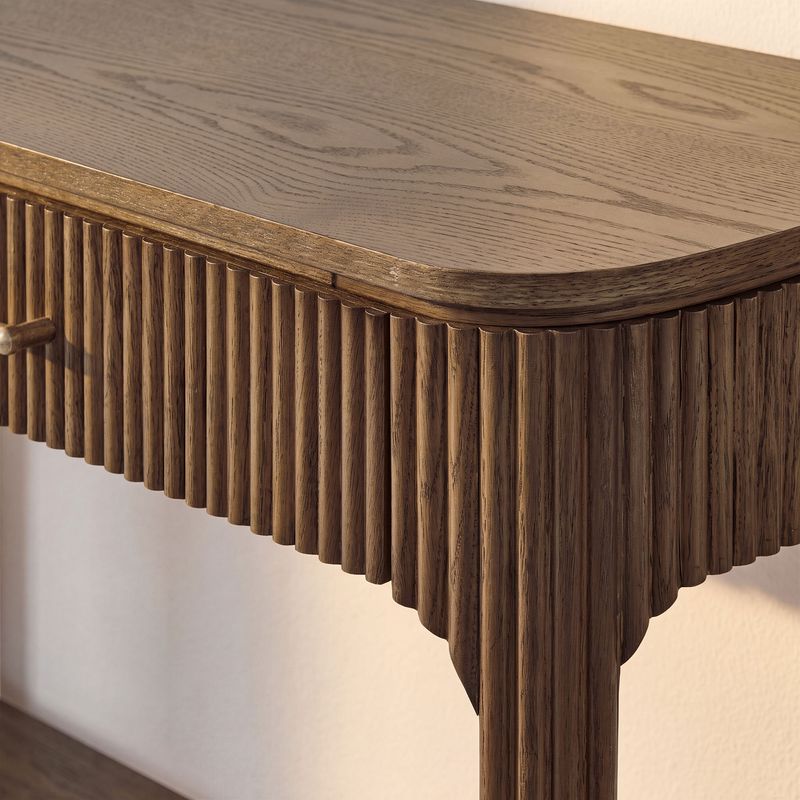
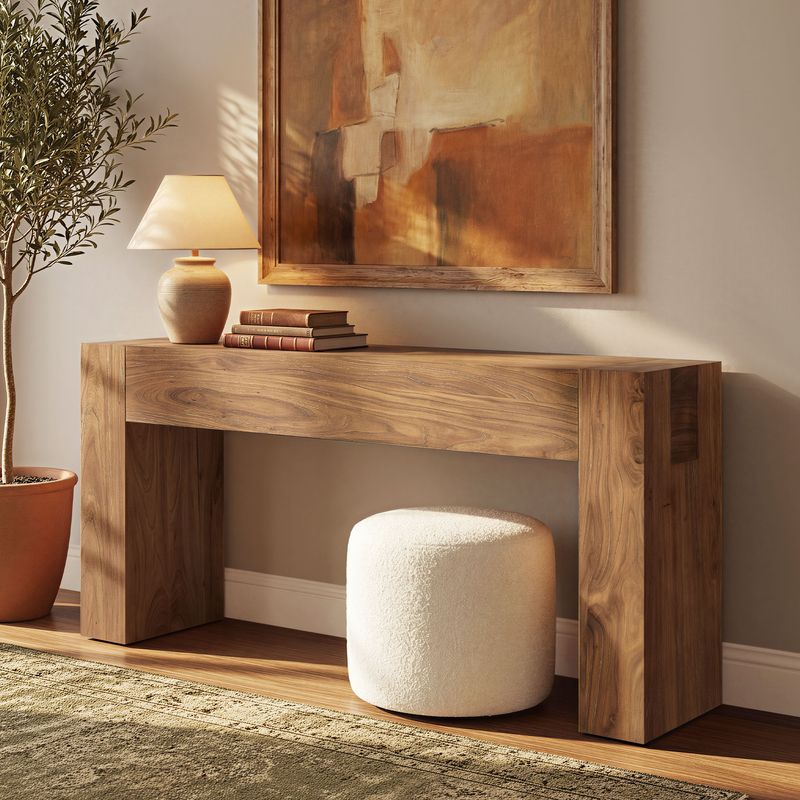
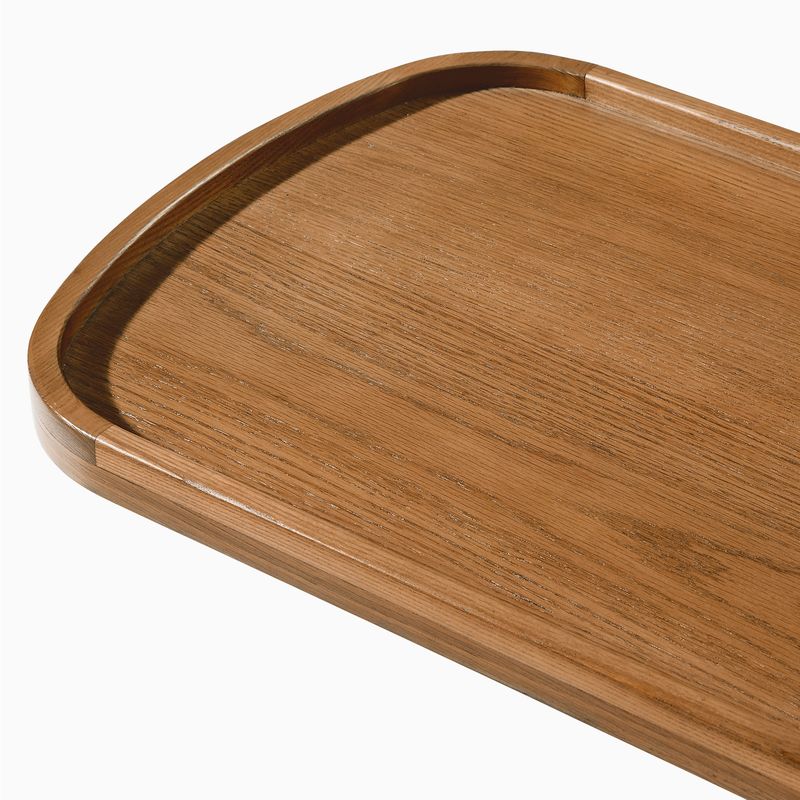
A wood console table can add warmth to spaces with stone floors, plaster walls, metal lighting, or upholstered furniture. Oak, burl, and other expressive wood surfaces also introduce natural texture without requiring much additional decoration.
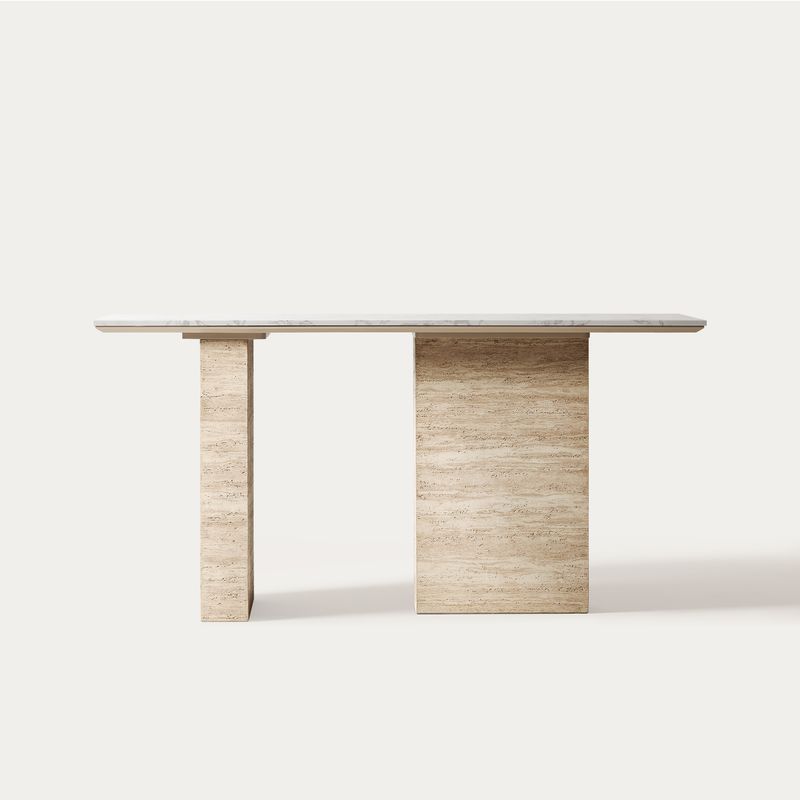
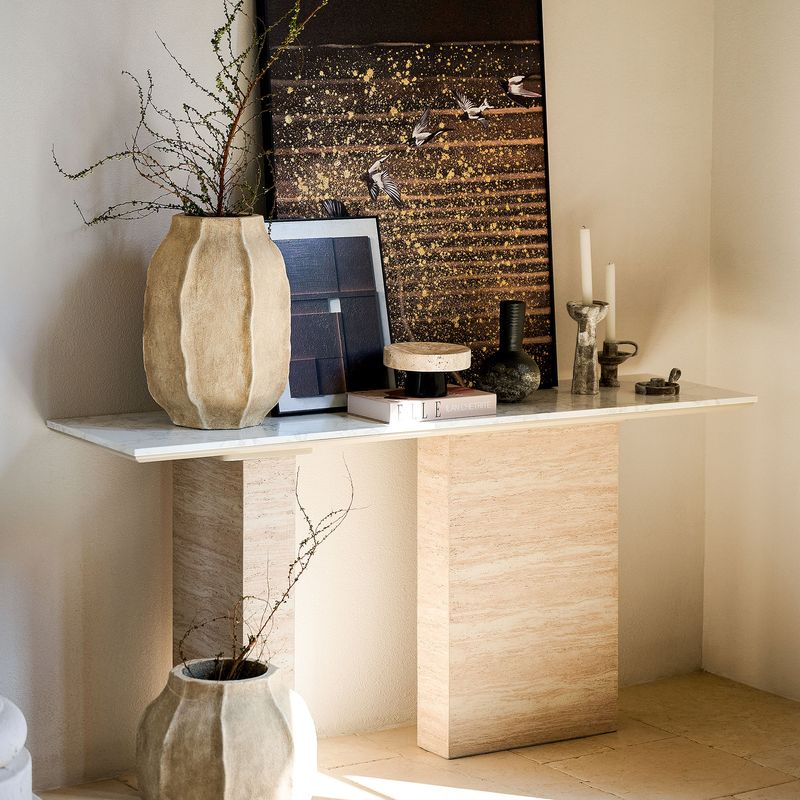
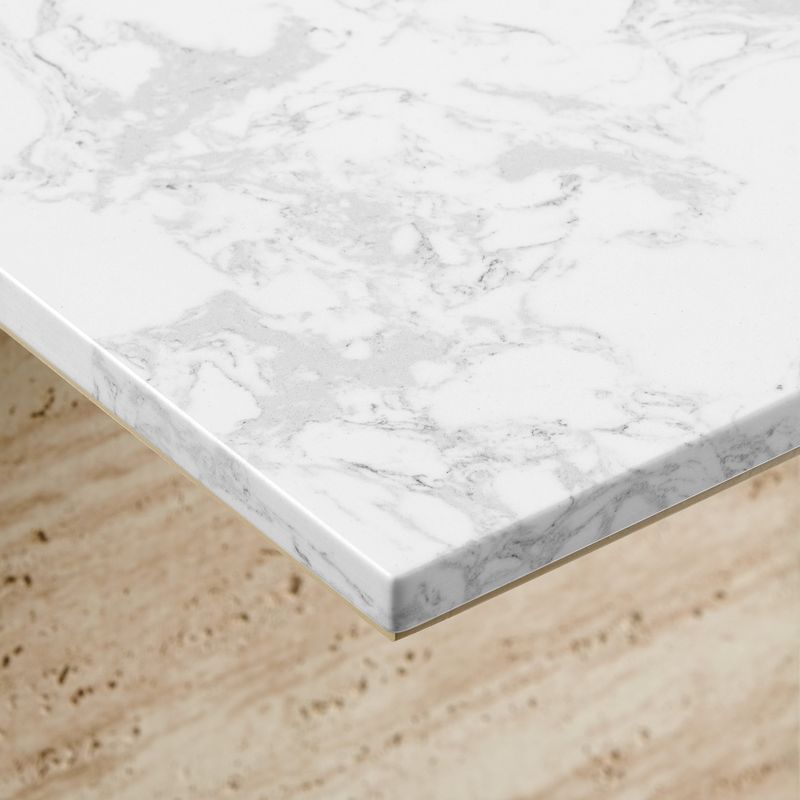
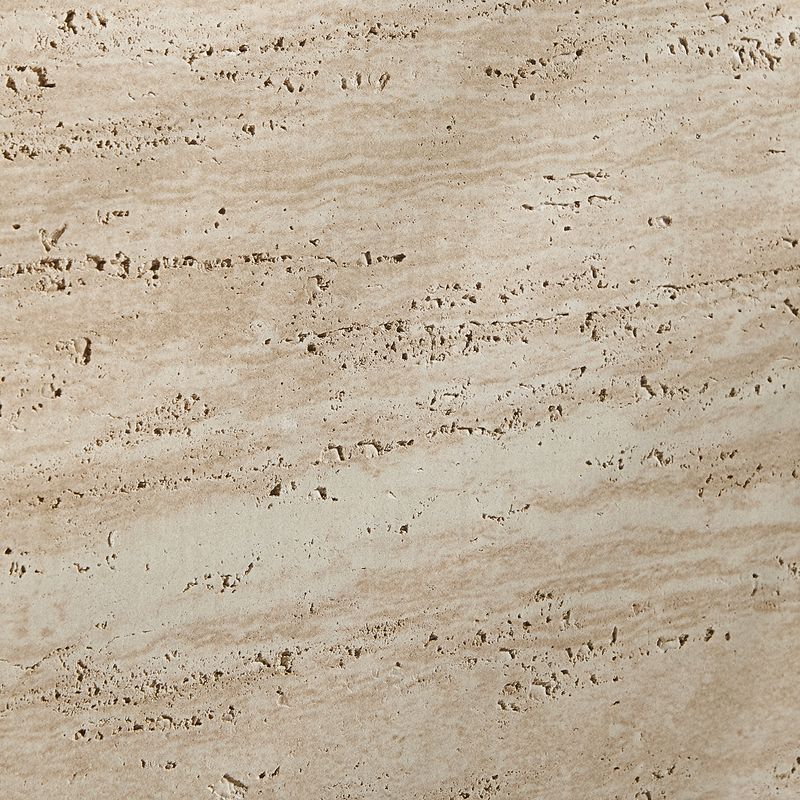
Stone-inspired and travertine-inspired looks create a different effect. Their visual weight and quiet surface character can make the table itself a focal point in a entryway or living room.
Solid Wood Console Tables for Natural Warmth
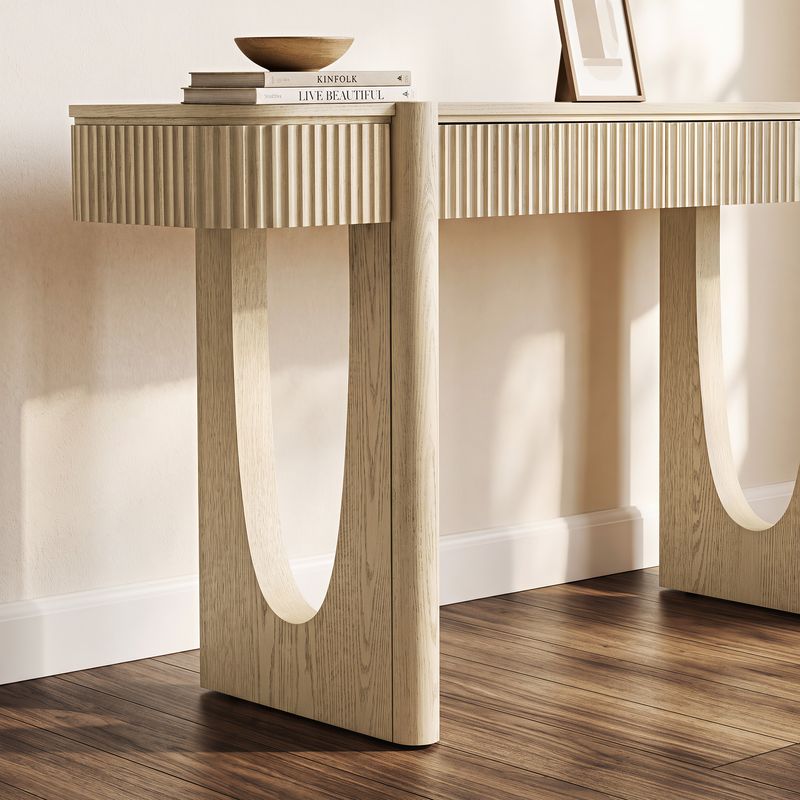
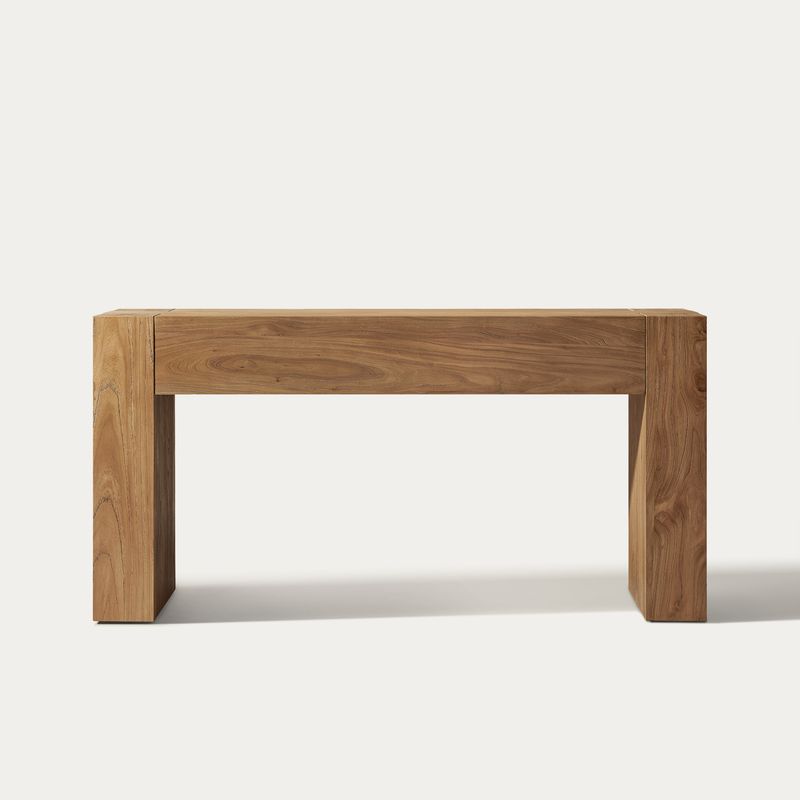
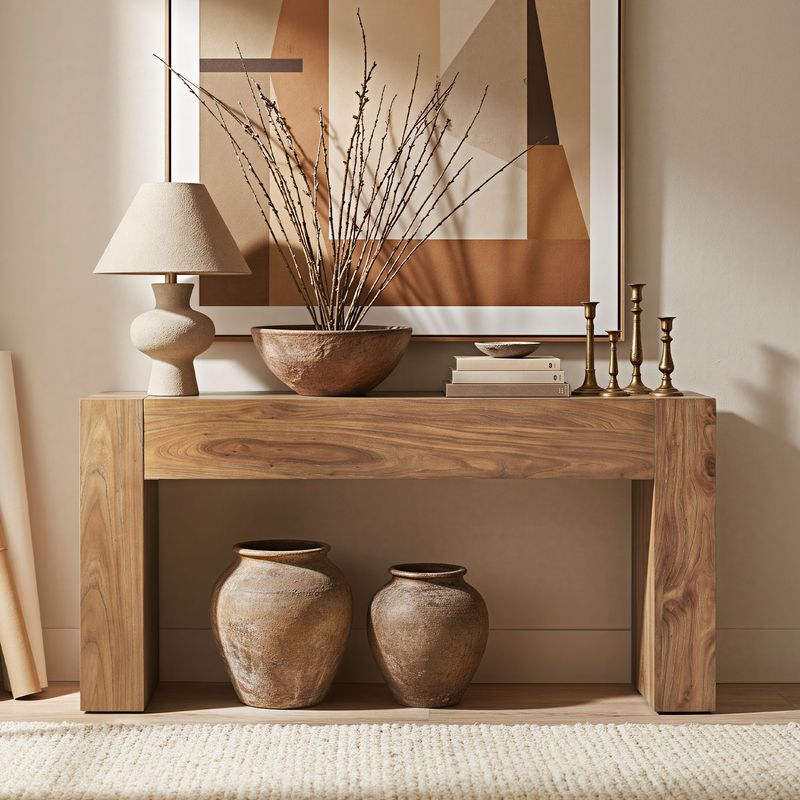
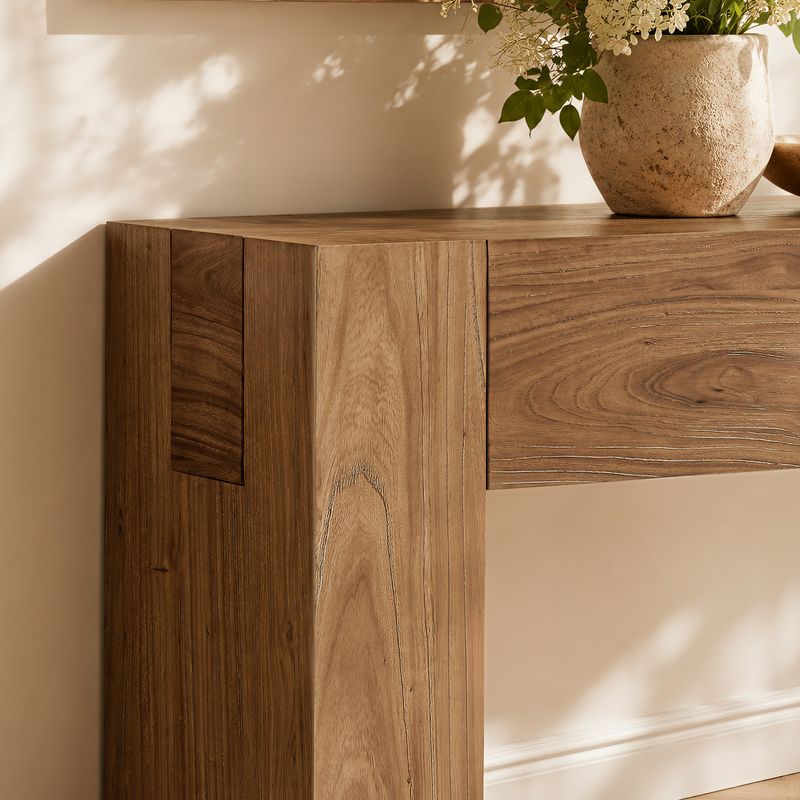
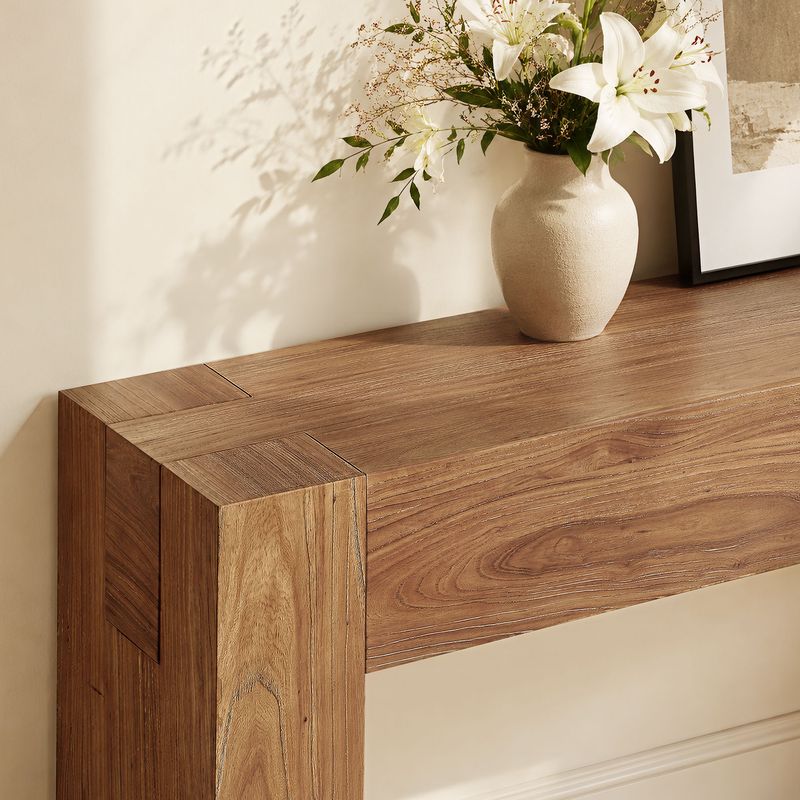
A solid wood console table brings natural grain, texture, and visual warmth into a room. Depending on the finish and silhouette, it can suit relaxed organic interiors as easily as more structured modern spaces.
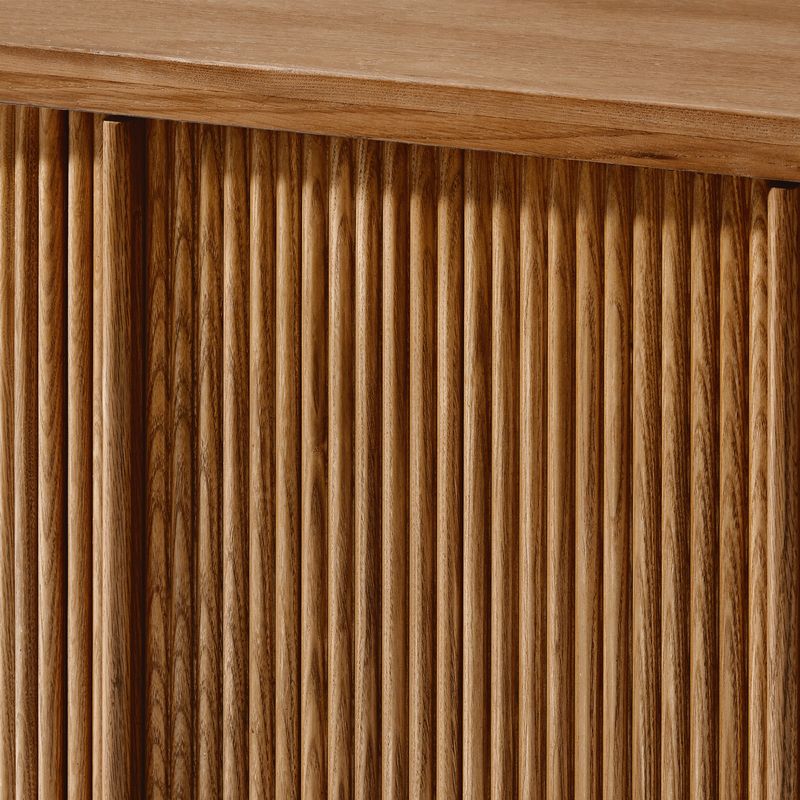
Look beyond color when comparing wood furniture. Grain pattern, edge profile, finish, and leg design can all change the character of a piece. A light oak table with rounded forms will feel very different from a darker wood design with clean, architectural lines.
MCM Console Tables for Mid-Century Interiors
An mcm console table can bring a mid-century influence into a room without making everything look like it came from the same era.
Clean lines, warm wood tones, sculptural details, and purposeful proportions are often enough to establish the connection. A mid-century-inspired console can sit comfortably beside contemporary upholstery, textured rugs, or modern lighting.
You can borrow the look without turning the whole room into a time capsule. Repeating a few related shapes or materials is usually enough to make the furniture feel connected.
How to Style a Console Table
A console table can quickly look crowded when every inch of the surface is treated as display space.
Start with one larger anchor, such as a mirror, framed artwork, or a pair of wall sconces. Then add a few objects with different heights and shapes.
A simple arrangement might include:
● A table lamp or taller vase
● A stack of books
● A tray or small bowl for everyday items
● One sculptural object or plant
A little asymmetry often feels more relaxed than perfect balance. If your table has a lower shelf, a basket, a few books, or one larger object may be all it needs.
Styling a Console Table With a Mirror
A mirror can add height and reflect light, making it a natural choice for an entryway console.
The mirror and table should feel proportionate, although they do not need to match exactly. A round mirror can soften the long horizontal line of a rectangular table, while a rectangular mirror can reinforce a more structured look.
Before hanging a large mirror, test the placement with painter's tape or a paper template. It is much easier to adjust the arrangement before making holes in the wall.
Find the Console Table That Fits Your Space
Start with the dimensions, then decide how the table needs to work.
A compact apartment may call for a slim profile and an open base. A larger room may have space for a more substantial silhouette. If storage is the priority, drawers can keep everyday items close without covering the tabletop in clutter.
From warm wood and expressive grain to sculptural mid-century forms and substantial stone-inspired looks, Hernest console tables offer different ways to bring function and character to the spaces between larger pieces of furniture.
The best place to begin is with a tape measure-and a clear idea of how you want to use the space once the table is there.