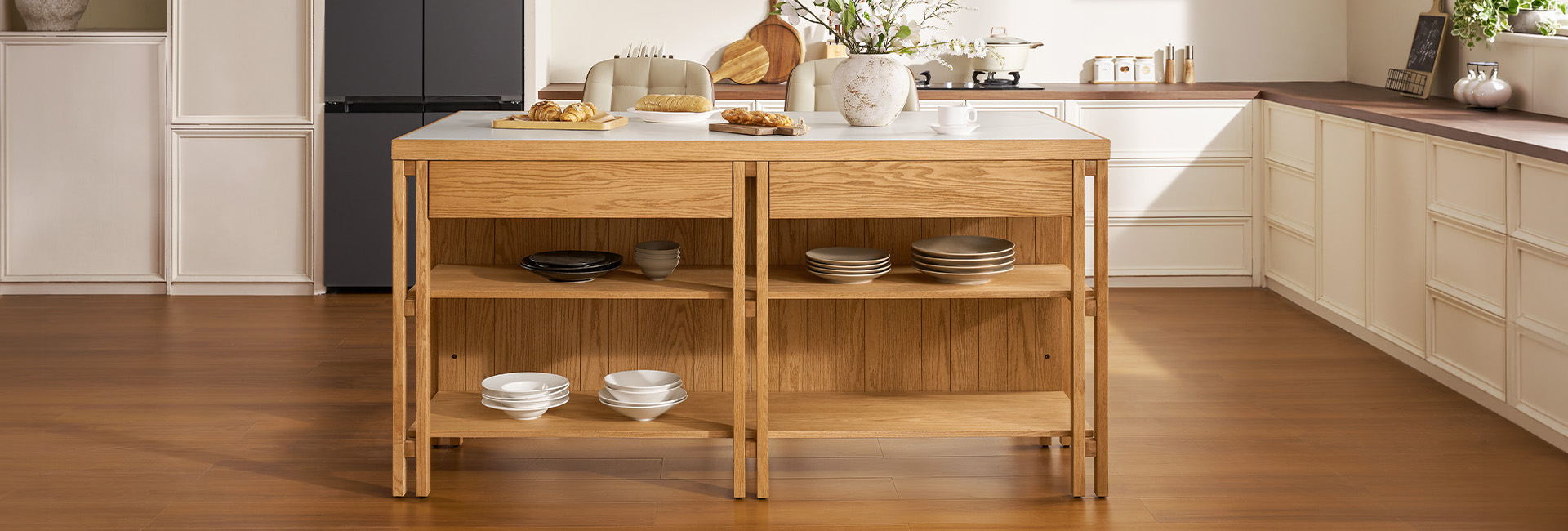
A kitchen island can transform your space, adding valuable prep area, storage, and a social hub for family and friends. But before you fall in love with a design, asking the right dimension questions is crucial. Get the height or width wrong, and your island could feel more like an obstacle than an asset.
This comprehensive guide goes beyond just height. We'll cover everything from standard kitchen island dimensions and clearance rules to cost and stool matching, helping you choose the perfect island for your home. We'll also look at some real-world examples from HERNEST to inspire your choice.
What Is a Kitchen Island?
At its core, a kitchen island is a freestanding cabinet unit or countertop located in the center of your kitchen, providing access from multiple sides. Unlike perimeter counters, islands are versatile hubs for:
Food Preparation: Offering extra space for chopping, mixing, and rolling.
Storage: Housing everything from pots and pans to cookbooks in cabinets and drawers.
Seating & Dining: Creating a casual breakfast bar or entertaining spot.
Socializing: Allowing the cook to interact with guests while preparing meals.
Standard Kitchen Island Height
The most fundamental dimension to get right is height. The standard kitchen island height is 36 inches (91 cm). This aligns perfectly with standard kitchen countertops, ensuring a seamless and ergonomic workflow for tasks like food prep.
However, the ideal height can shift based on your island's primary function.
| Island Type | Height (inches) | Height (cm) | Best For |
|---|---|---|---|
| Standard Counter Height | 36" | 91 cm | Food prep, baking, everyday tasks |
| Bar-Height | 42" | 107 cm | Entertaining, casual drinks, bar seating |
| Table-Height | 30" | 76 cm | Seated dining, homework, home offices |
| ADA Compliant | 34" max | 86 cm max | Wheelchair accessibility |
Kitchen Island Height With Seating
If you plan to add stools or chairs, matching the seat height to your island is non-negotiable for comfort. A mismatch can make dining awkward.
Here's a quick stool height guide based on your island's height:
For a 36" Island (Counter Height): Use 24" to 26" counter stools. This allows for about 10-12 inches of legroom between the seat and the underside of the counter.
For a 42" Island (Bar Height): Use 28" to 30" bar stools. Ensure there's a footrest for comfort.
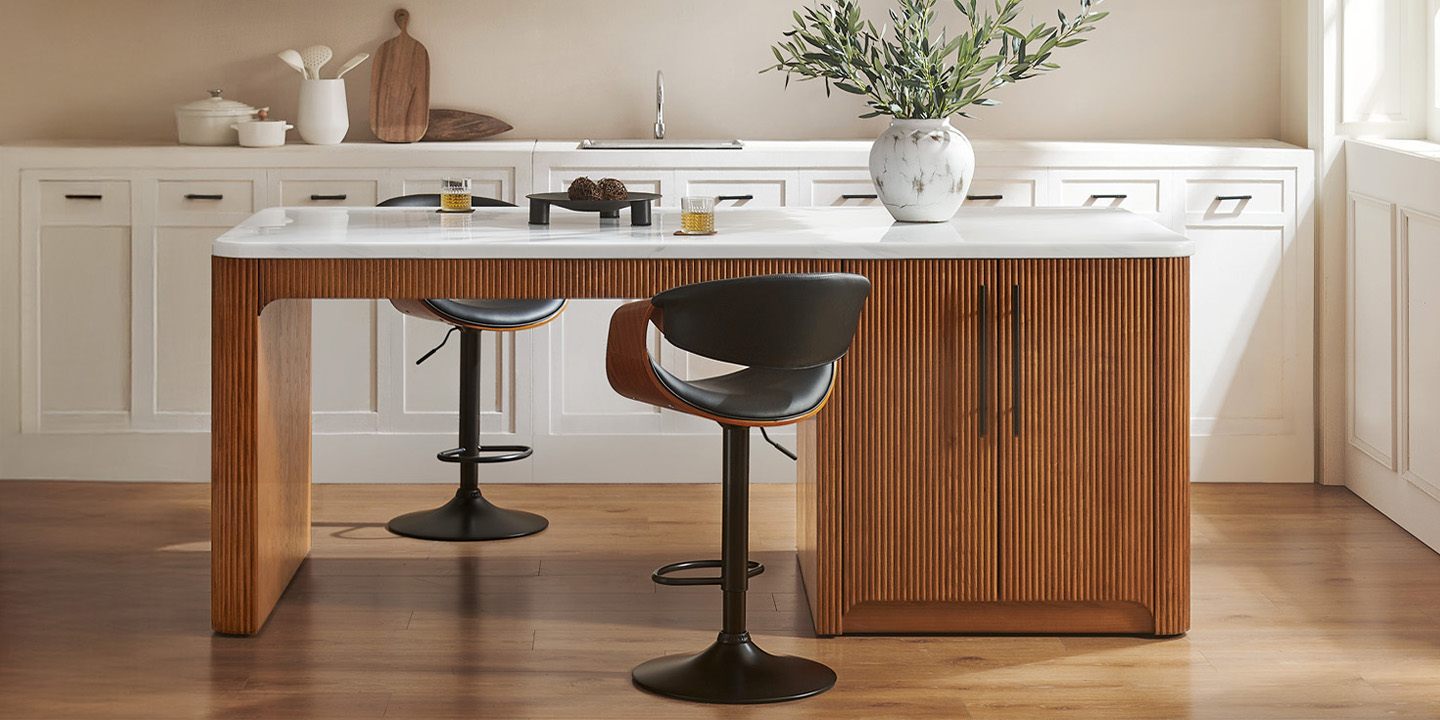
A HERNEST Example: The Lorenzo Modern Fluted Wood Kitchen Island stands at a classic 36" high. Its unique U-shaped base creates the perfect open space to tuck in counter-height stools, making it ideal for a casual breakfast bar.
Standard Kitchen Island Dimensions (Width & Length)
Height isn't the only measurement that matters. The footprint of your island—its width and length—dictates how much space it occupies and how functional it is.
Width (Depth): The typical width of a kitchen island (from front to back) is between 30 and 48 inches.
A 30-inch width is the minimum for a workspace without seating.
For seating on one side, you'll need a width of at least 36 inches to accommodate both the overhang and knee space.
A width of 42-48 inches is ideal if you want prep space on one side and seating on the other.
Length: Island length is highly flexible and depends on your kitchen's size. Common lengths range from 4 to 8 feet (48 to 96 inches) .
Small Islands (4-5 ft): Perfect for compact kitchens, offering prep space and minimal storage.
Medium Islands (6-7 ft): The most popular size, providing ample prep space, storage, and room for 2-3 stools.
Large Islands (8+ ft): Suitable for large, open-plan kitchens, often featuring sinks, cooktops, or generous seating for 4+ people.
| Dimension | Typical Range | Notes |
|---|---|---|
| Height | 36–42 in (91–107 cm) | 36" is standard; 42" for bar seating |
| Width (Depth) | 30–48 in (76–122 cm) | 36" minimum for seating |
| Length | 48–96 in (122–244 cm) | Based on kitchen size and needs |
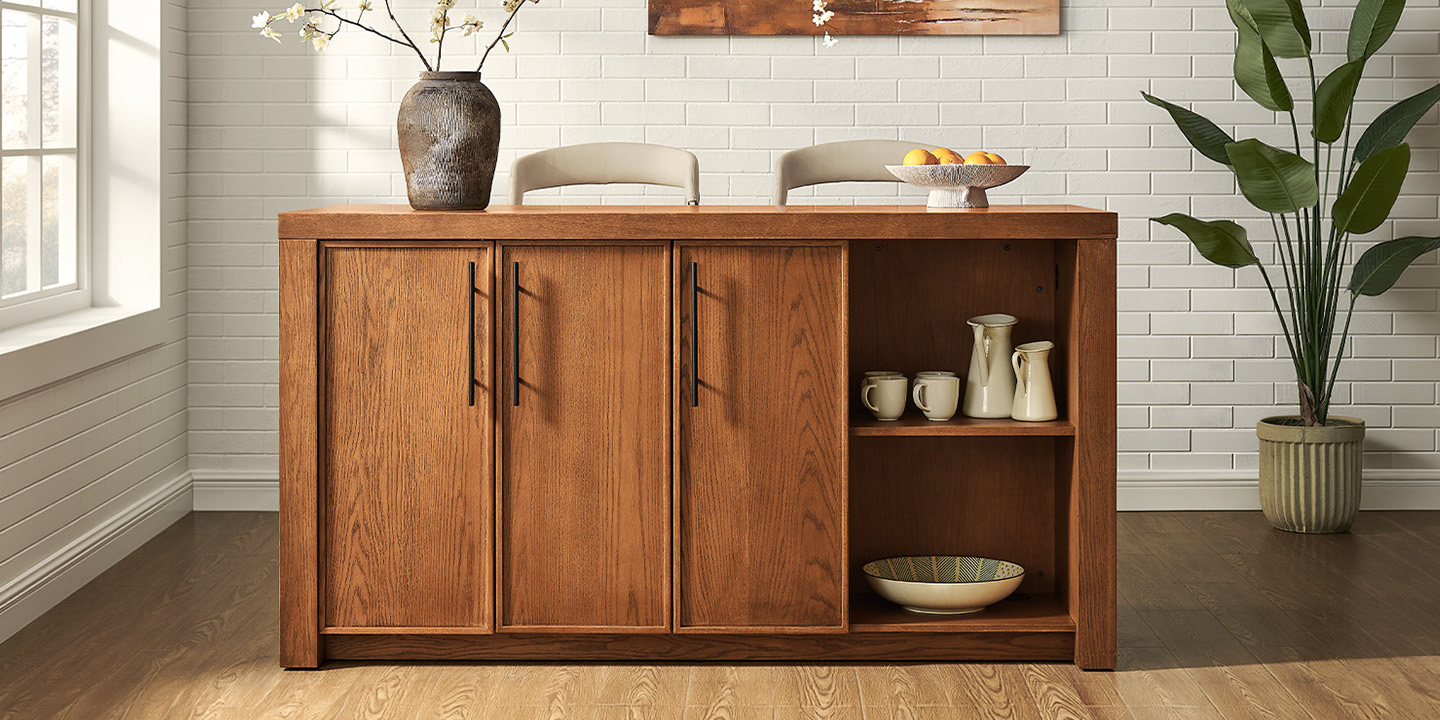
For a great example of a medium-sized island, look at the Niklas MCM Wood Kitchen Island. At 69"W x 31.5"D, it offers a spacious countertop for meal prep and casual dining, along with smart storage, all within a footprint that suits many medium-to-large kitchens.
Kitchen Island Size and Your Kitchen Layout
The size of your island must be proportional to your kitchen. An island that's too large can disrupt the all-important work triangle and make the kitchen feel cramped.
What is the 3x4 Kitchen Rule?
This simple rule suggests that your kitchen island should be approximately 3 feet by 4 feet (36" x 48") in a standard-sized kitchen. It's a good starting point for ensuring the island is substantial enough to be useful but not so large that it impedes movement.
Kitchen Island Clearance Rules
Clearance is the space between your island and the surrounding counters or appliances. This is arguably more important than the island's own dimensions.
Minimum Walkway: You need at least 36 inches of clearance on all sides for a single cook.
Optimal Walkway: Aim for 42 to 48 inches of clearance. This allows for multiple cooks, opening appliance doors (dishwasher, oven), and comfortable traffic flow.
Seating Clearance: If you have seating, you need extra depth. For seated diners, ensure the counter overhang is at least 15 inches for legroom and that the walkway behind seated guests is a minimum of 44–48 inches.
Can you have an island in a 10x10 kitchen?
Yes, but you need to be strategic. A 10x10 kitchen is small. A large, fixed island is likely out of the question. Your best options are:
A small, portable island or butcher block cart that can be moved when needed.
A peninsula, which extends from the existing cabinetry and can offer similar benefits without the clearance issues.
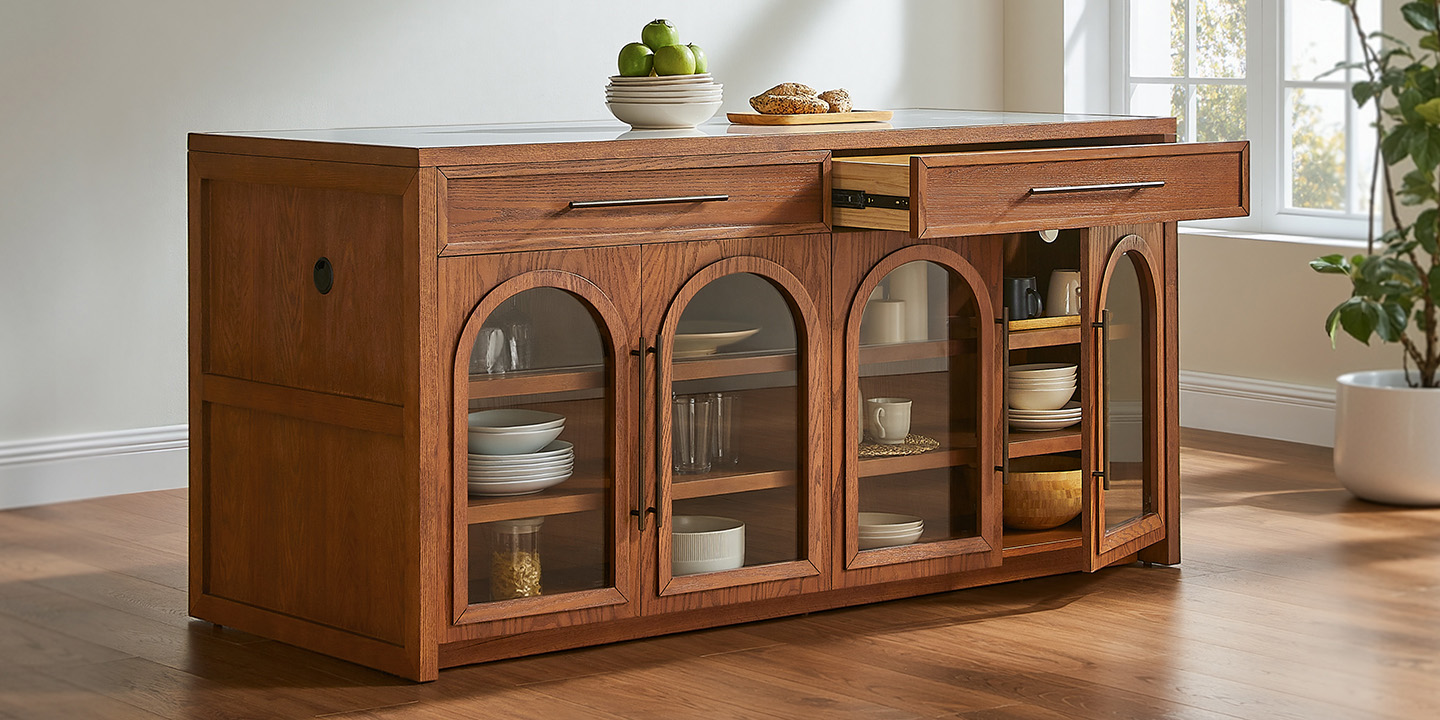
For kitchens with more breathing room, a piece like the Lira Oak Kitchen Island can be a stunning centerpiece. Its 72" length provides generous space, but it's crucial to measure your kitchen first to ensure you can maintain at least 42" of clearance around it.
How Much Does a Kitchen Island Cost?
The price of a kitchen island varies wildly based on size, materials, and whether it's a freestanding piece or a custom-built unit.
Portable/Freestanding Islands: These are the most affordable option, typically ranging from $200 to $800. They are great for renters or smaller kitchens.
Prefabricated Islands: Ready-to-assemble (RTA) islands like those from HERNEST offer high-end design at a mid-range price, generally falling between $1,200 and $3,000. They are a fantastic balance of quality, style, and value.
Custom-Built Islands: A fully custom island designed and built by a professional can cost anywhere from $3,000 to over $10,000, depending on the complexity, materials (like marble), and features (like a built-in sink or cooktop).
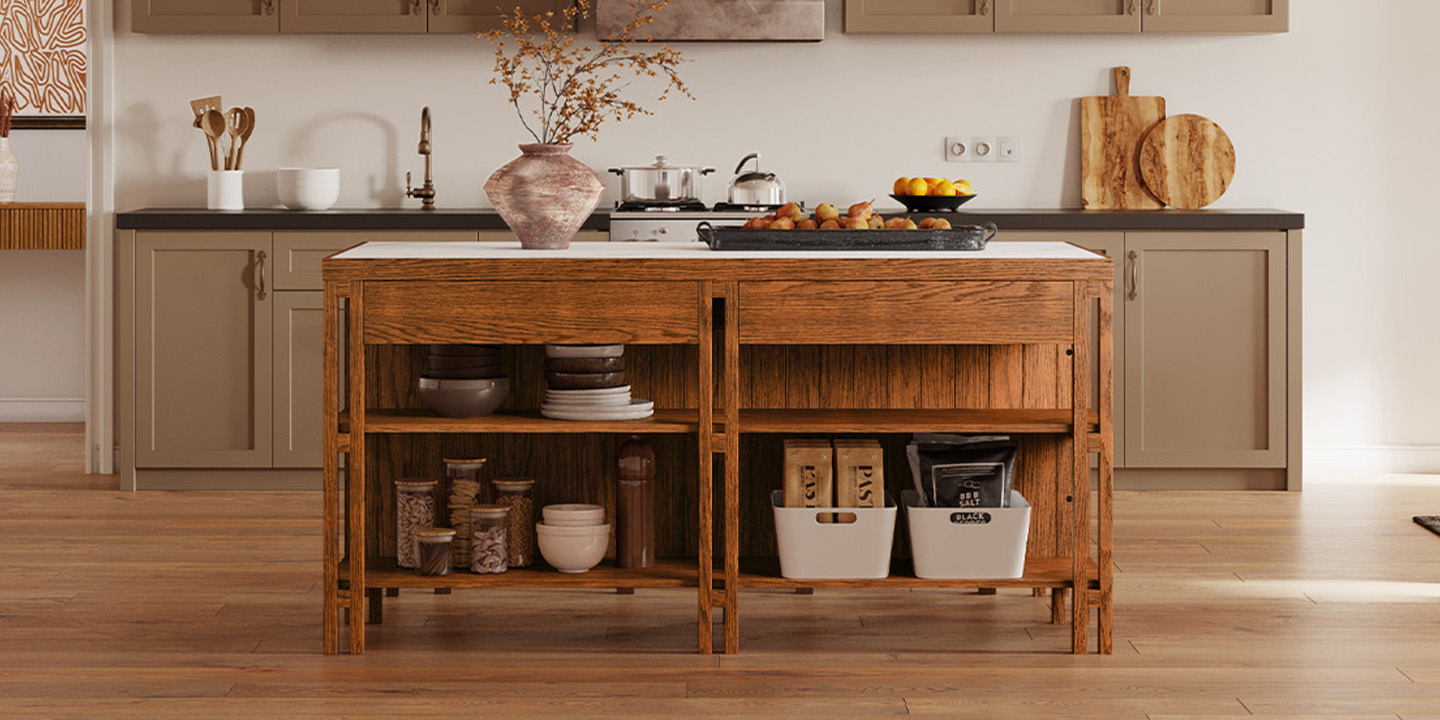
The Pernilla Sintered Stone Kitchen Island represents the premium prefab category. Its durable, high-end sintered stone top offers the look of luxury stone without the high cost and maintenance of a fully custom installation, making sophisticated design more accessible.
Design Tips for Your Kitchen Island
Match Height to Use: As discussed, match the height to the primary activity—36" for cooking, 42" for a bar.
Consider Two-Tier: If you want both a prep area and bar seating, a two-tier island is a smart solution. The raised bar section hides kitchen clutter from the dining area.
Don't Forget Lighting: Pendant lights hung about 30-36 inches above the island countertop provide both task lighting and visual appeal.
Plan for Outlets: Including electrical outlets on the end of your island is incredibly useful for small appliances or charging devices.
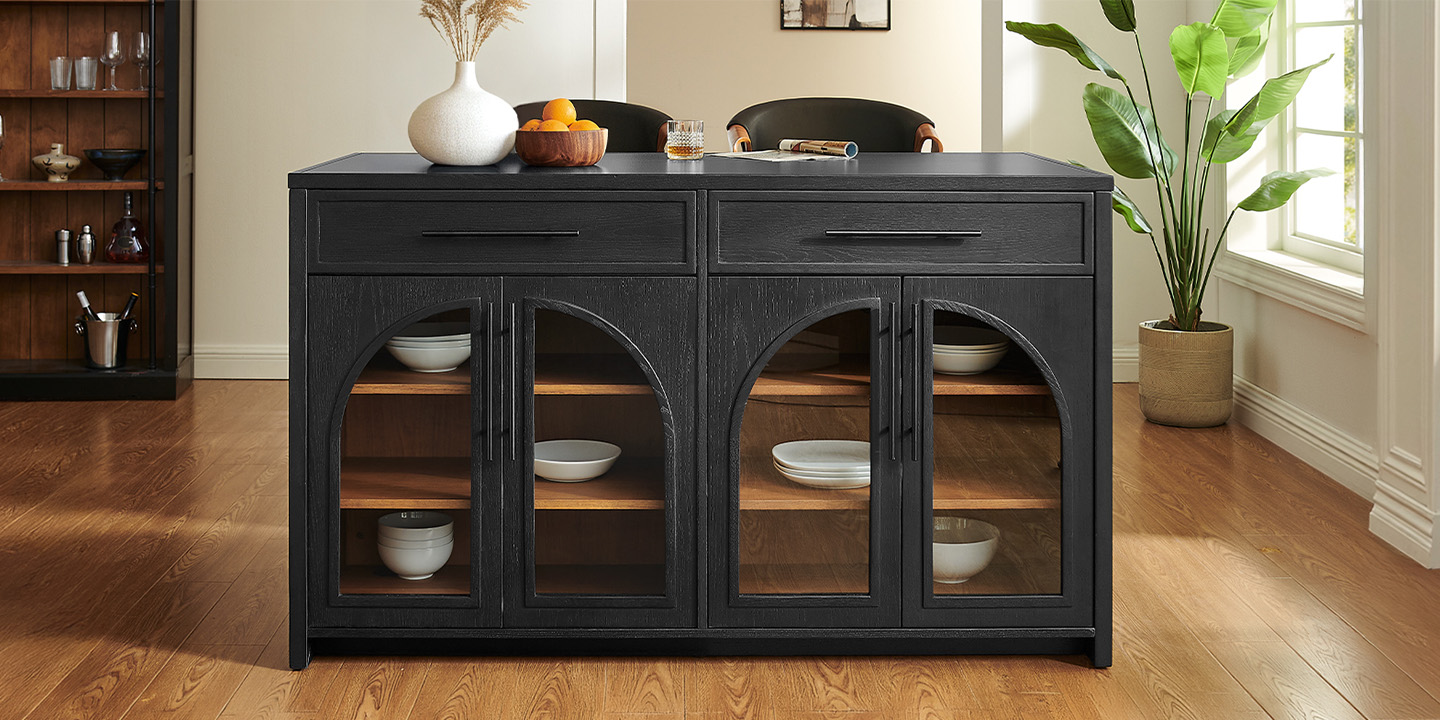
For a design that seamlessly blends prep and casual dining, explore the Valborg Wood Kitchen Island. Its size is perfect for adding two stools, turning it into a multifunctional space for cooking and quick meals.
Frequently Asked Questions on Kitchen Island
1. How tall is a standard kitchen island?
The standard height is 36 inches (91 cm), matching typical kitchen countertops for food preparation.
2. Is 40 inches too high for a kitchen island?
40 inches is a "hybrid" height—taller than a standard counter (36") but shorter than a bar counter (42"). It can work, but finding correctly sized stools (around 26-28") might be tricky. It's often better to stick with standard 36" or 42".
3. How wide should a kitchen island be?
For a basic workspace, a minimum width of 30 inches is recommended. If you plan to add seating, aim for at least 36 inches wide to accommodate a comfortable overhang.
4. Is a 7-foot island big?
A 7-foot (84-inch) island is considered a large island. It's suitable for spacious kitchens and can comfortably seat 3-4 people while offering ample prep space and storage.
5. What is the ideal clearance around a kitchen island?
You need a minimum of 36 inches of walkway space on all sides. For kitchens where multiple people cook or there is significant traffic, 42 to 48 inches is ideal.
6. What height stools for a 36-inch island?
For a 36-inch high island, you need 24- to 26-inch tall counter stools.
7. Can I put a sink or cooktop in my island?
Yes, you can, but it requires professional planning for plumbing (for a sink) and electrical/ventilation (for a cooktop). It will also increase the cost significantly.
8. What is the best material for a kitchen island countertop?
It depends on your budget and style. Butcher block is warm and affordable, quartz/engineered stone is durable and low-maintenance, while sintered stone offers high-end durability and style.
9. What is the 3x4 kitchen rule?
It's a simple guideline suggesting that a kitchen island should be roughly 3 feet by 4 feet (36" x 48") to be functional without overwhelming a standard-sized kitchen.
10. How much does a good-quality prefab kitchen island cost?
High-quality, ready-to-assemble islands with solid materials like solid wood or stone tops typically range from $1,200 to $3,000. Brands like HERNEST offer excellent options in this range, balancing design, durability, and value.