Find the Right Kitchen Island for the Way You Actually Use Your Kitchen
A kitchen can have plenty of cabinets and still leave you wishing for somewhere to spread out ingredients, unload groceries, or set down a quick breakfast. That is where kitchen islands can earn their floor space.
There is no universal formula for choosing one. A family that cooks together most nights may need a generous work surface and serious storage. Someone furnishing a compact apartment or condo may be looking for a few extra drawers and a piece that makes better use of limited floor space.
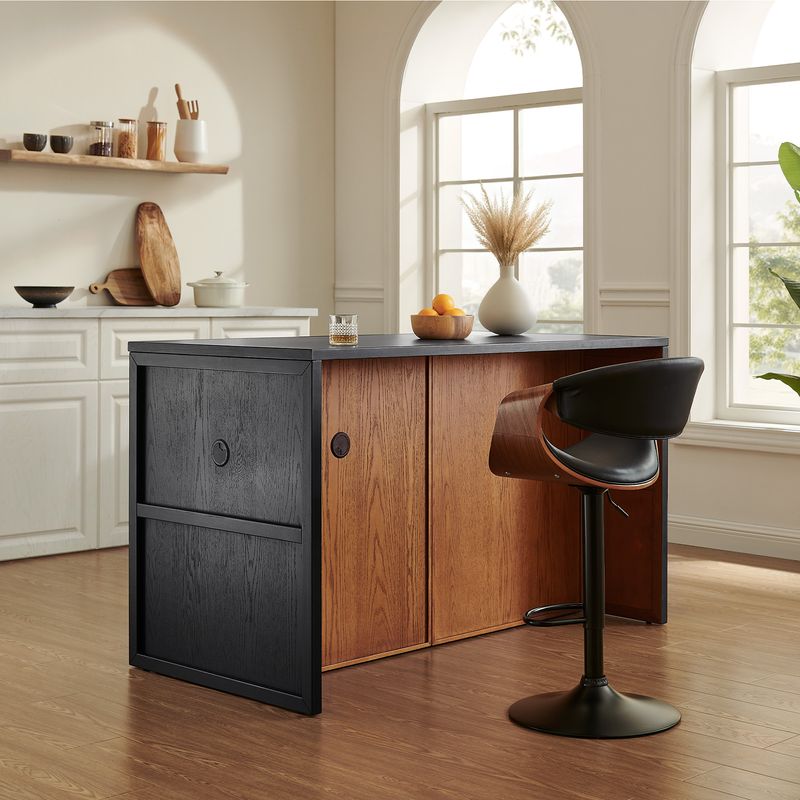
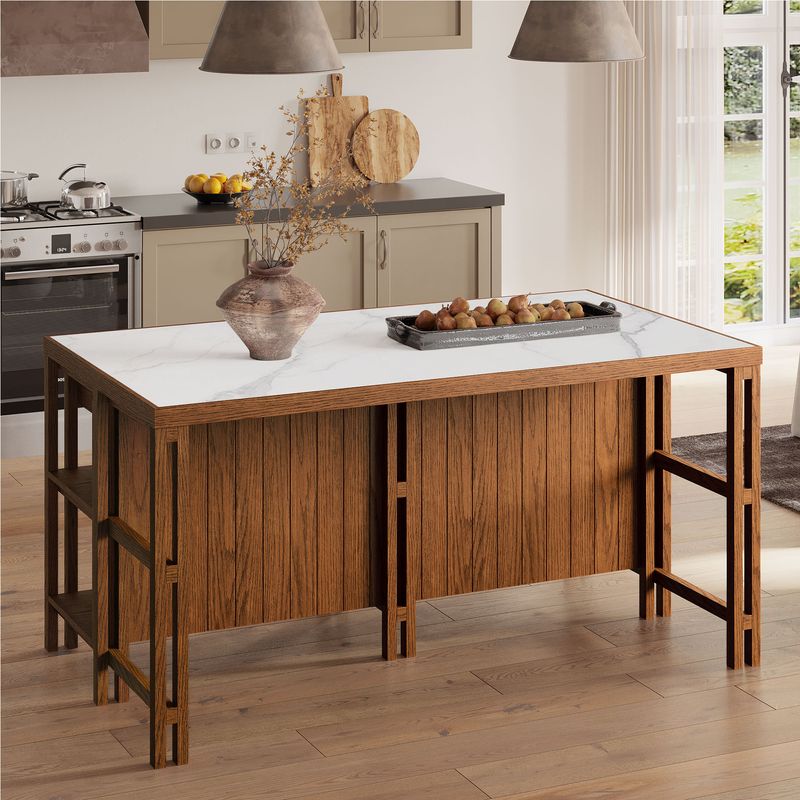
Whether you are looking for substantial kitchen island furniture for an open kitchen or a more compact piece for a smaller home, Hernest offers designs built around those everyday needs. Extra workspace, practical storage, and a furniture-like presence can all make a noticeable difference without requiring a full kitchen renovation.
Read More
More Than Extra Counter Space
A kitchen island can serve different purposes throughout the day. In the morning, it might hold coffee and breakfast. Later, it becomes a place to prep ingredients. When friends come over, the same surface can hold drinks or appetizers while dinner is being finished.
Before comparing dimensions or finishes, ask one question: What is missing from your kitchen now?
For some households, the answer is storage. Others need a larger prep surface or a better way to organize the tools they use every day. Once that priority is clear, comparing different kitchen islands becomes much simpler.
Shop Kitchen Islands by What You Need Most
Start with the problem you want the piece to solve. A beautiful island that does not improve storage, workspace, or organization can quickly become an obstacle in the middle of the room.
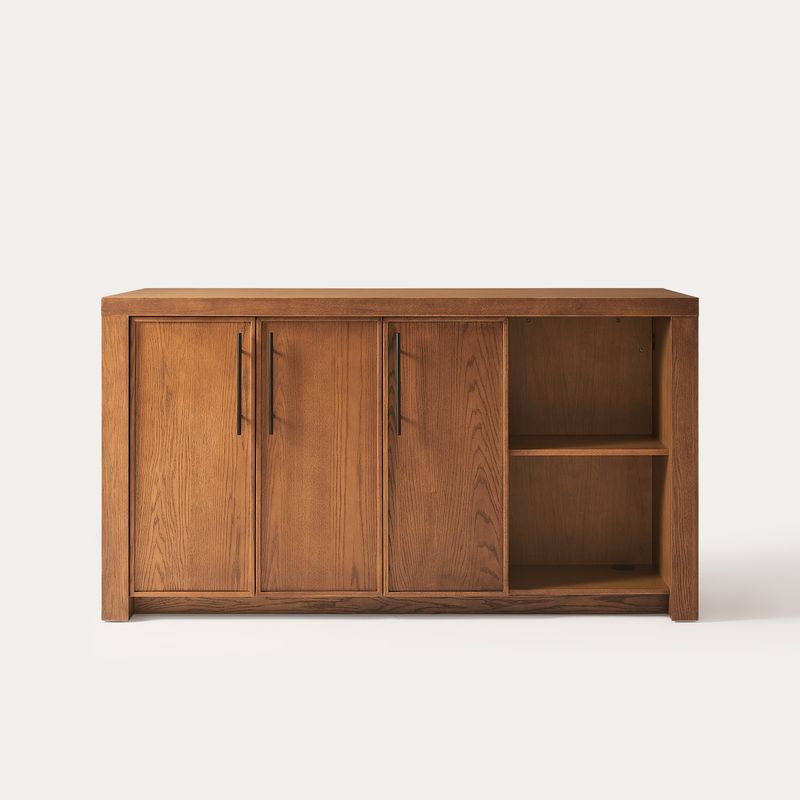
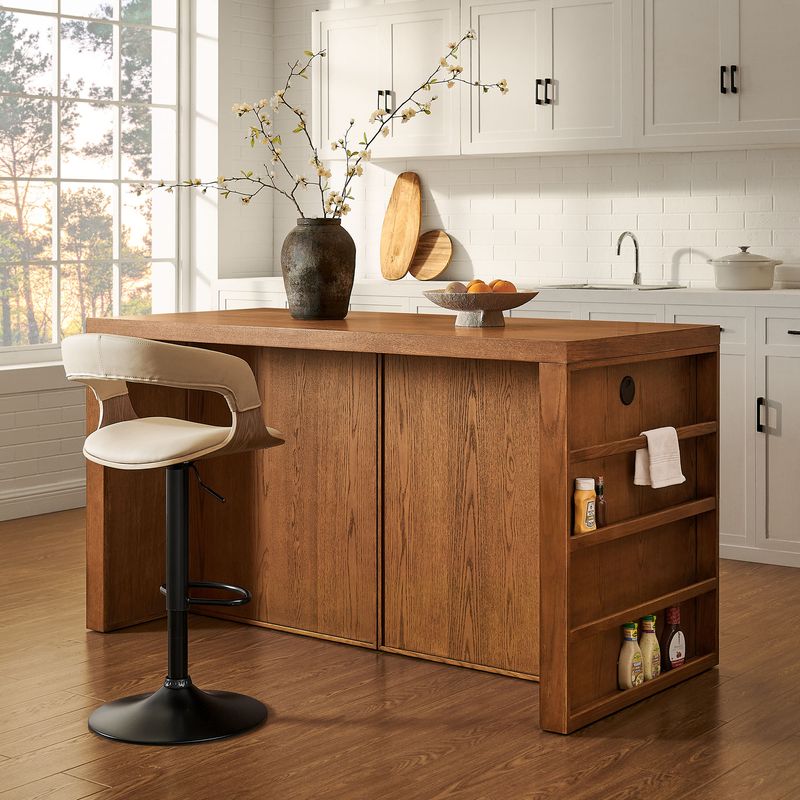
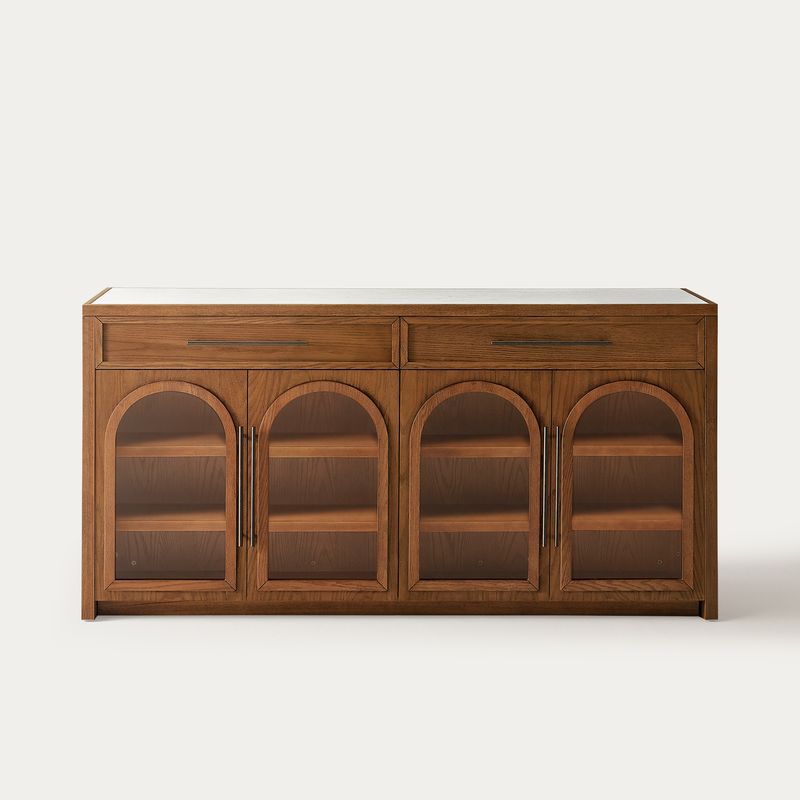
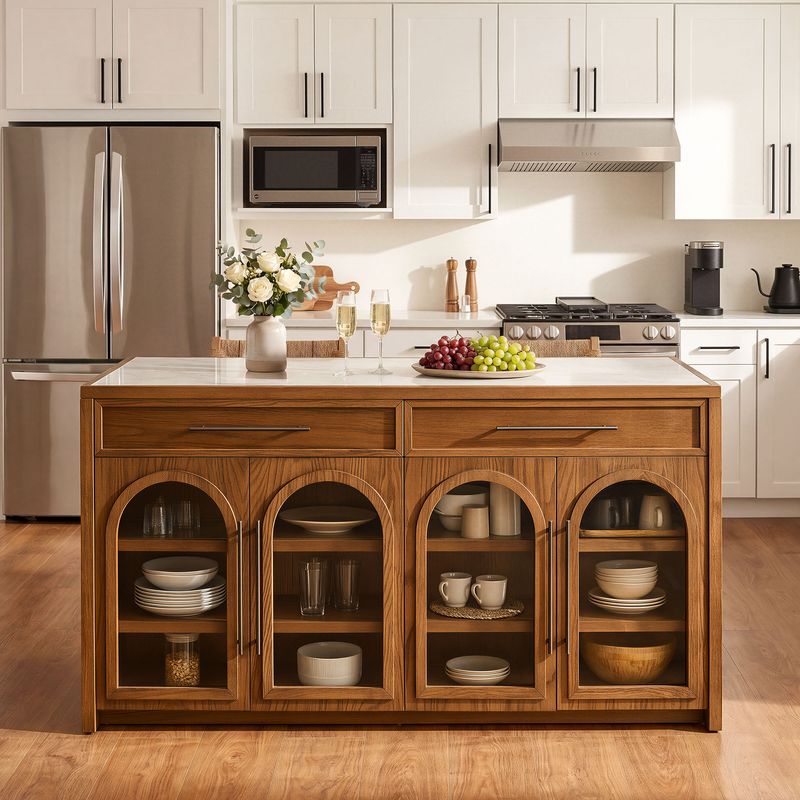
Kitchen Island with Storage
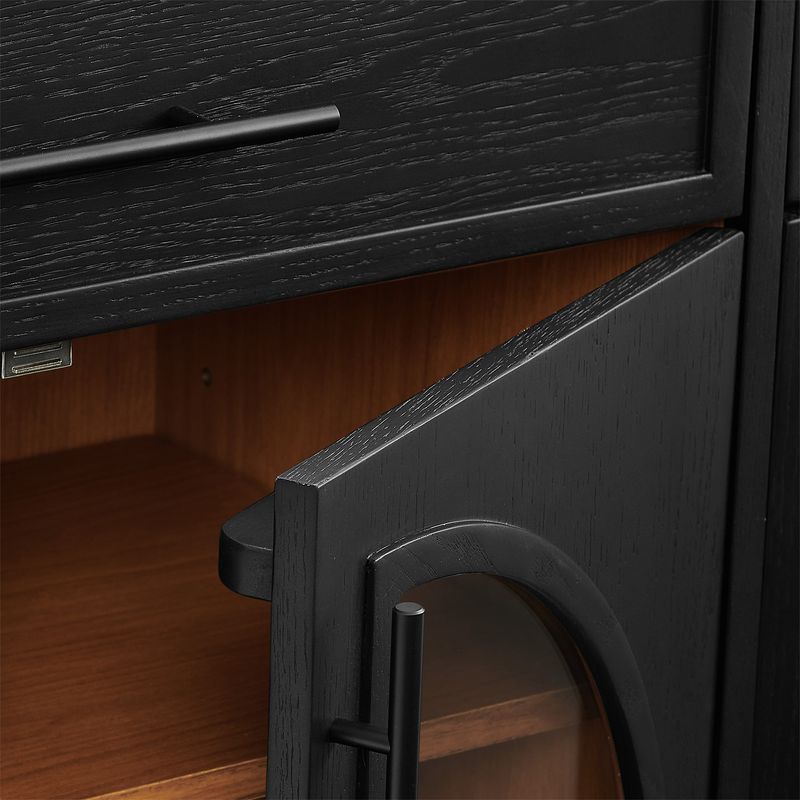
A kitchen island with storage can help when existing cabinets are already doing all they can. Cookware, small appliances, serving dishes, pantry overflow, and other everyday items can all take up valuable cabinet space.
Look beyond the total number of compartments. The type of storage often matters more.
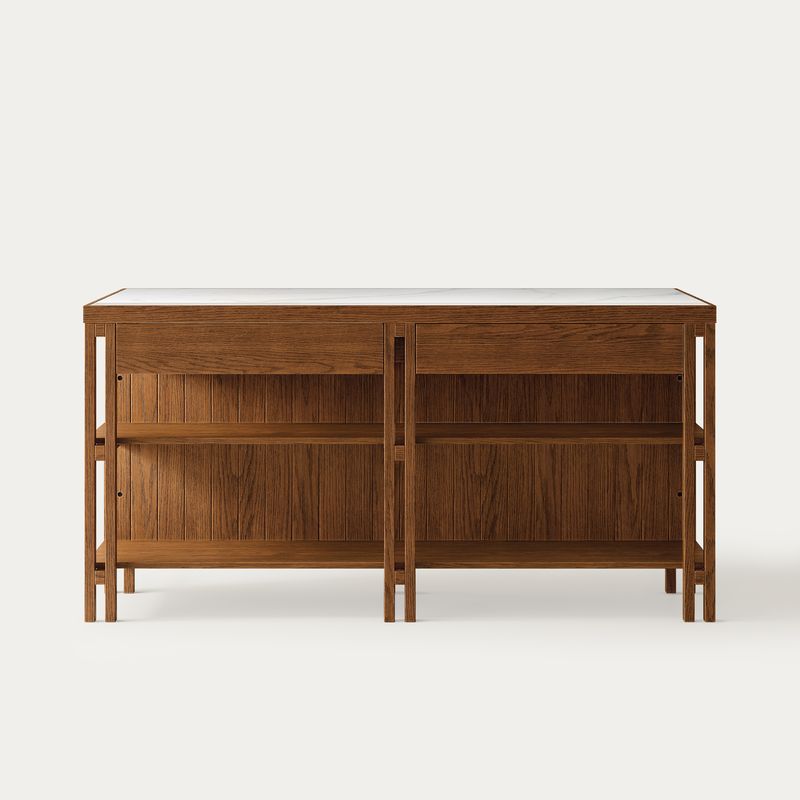
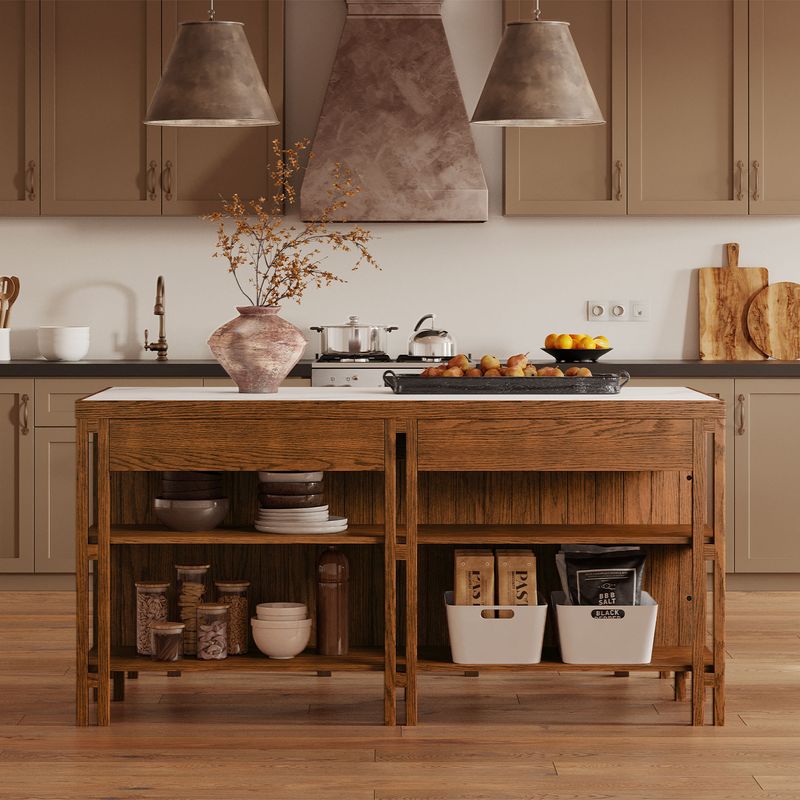
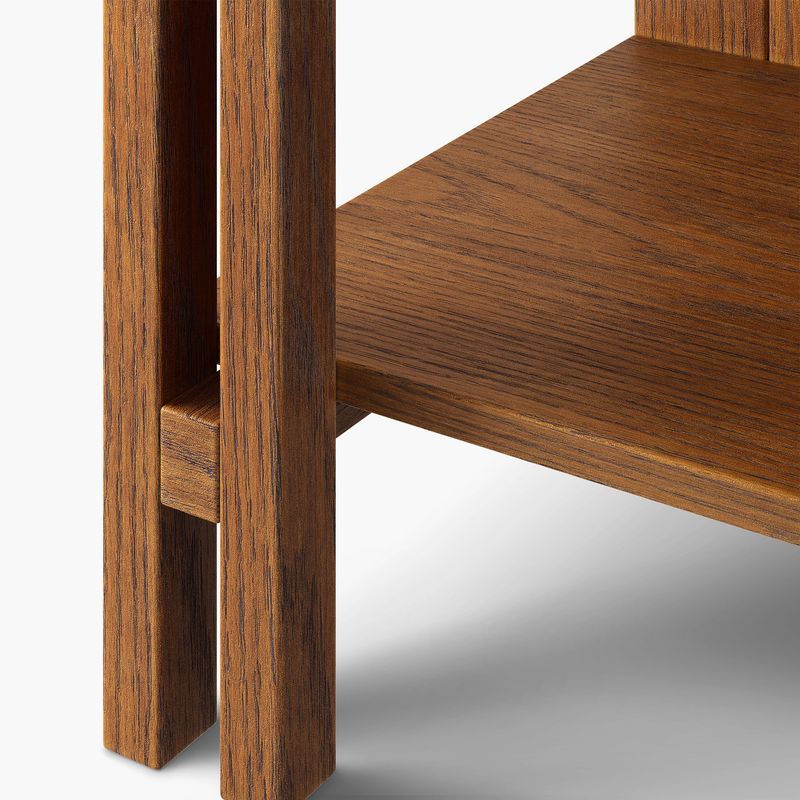
Closed cabinets are useful for bulkier items and anything you would rather keep out of sight. Open shelves can keep cookbooks, baskets, or frequently used serving pieces close at hand. Before comparing models, think about what would actually move into the island. That usually tells you whether deep cabinets, shelving, or a mixed layout will work best.
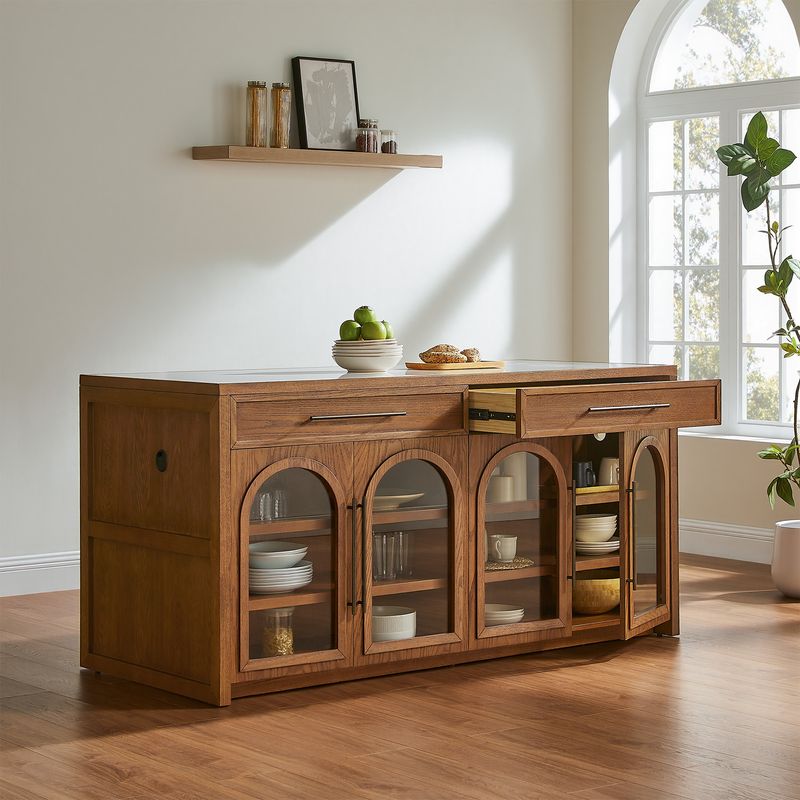
Kitchen Island with Drawers
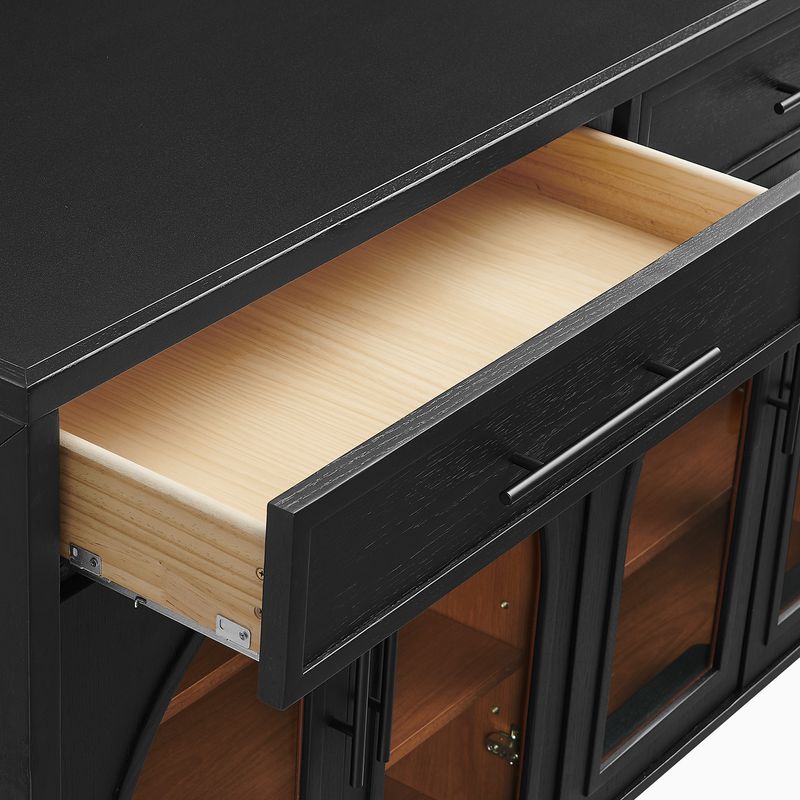
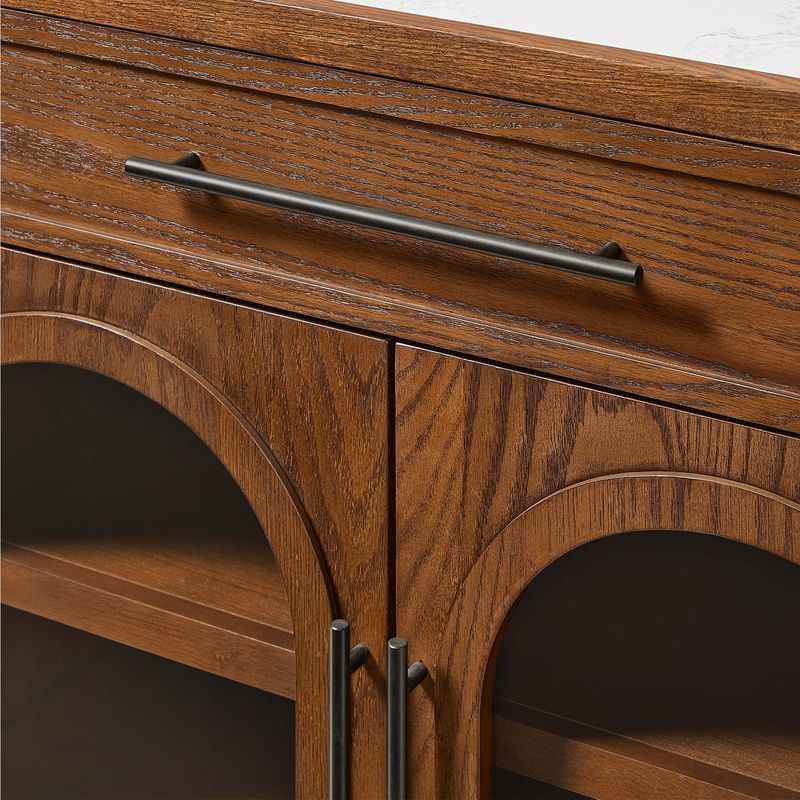
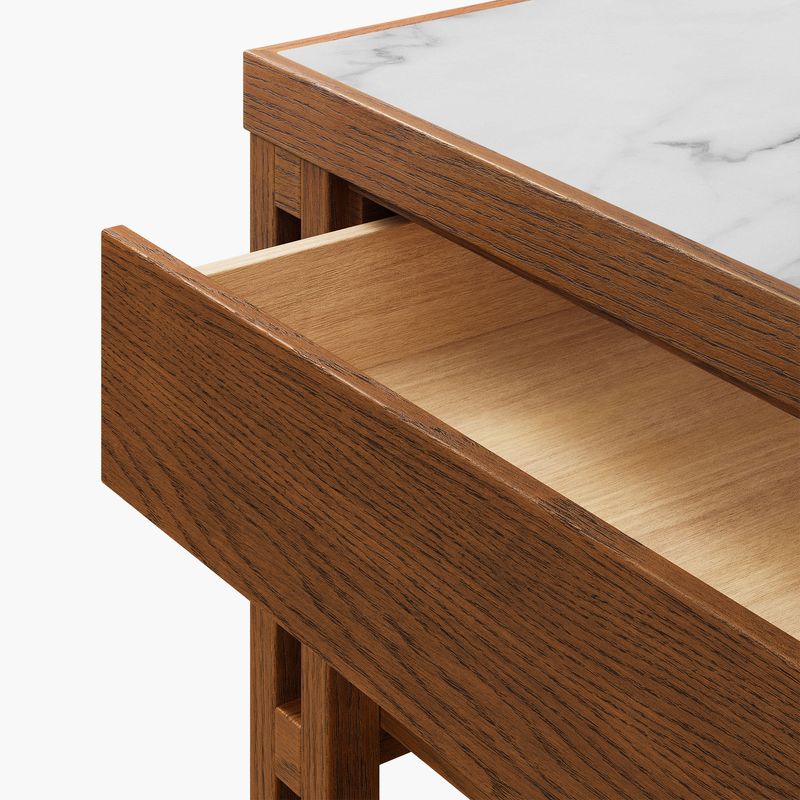
A kitchen island with drawers can be particularly useful when the problem is organization rather than total storage capacity.
Measuring cups, kitchen towels, serving utensils, flatware, and baking tools tend to disappear inside deep cabinets. Drawers give smaller items a defined place and make it easier to organize them by activity.
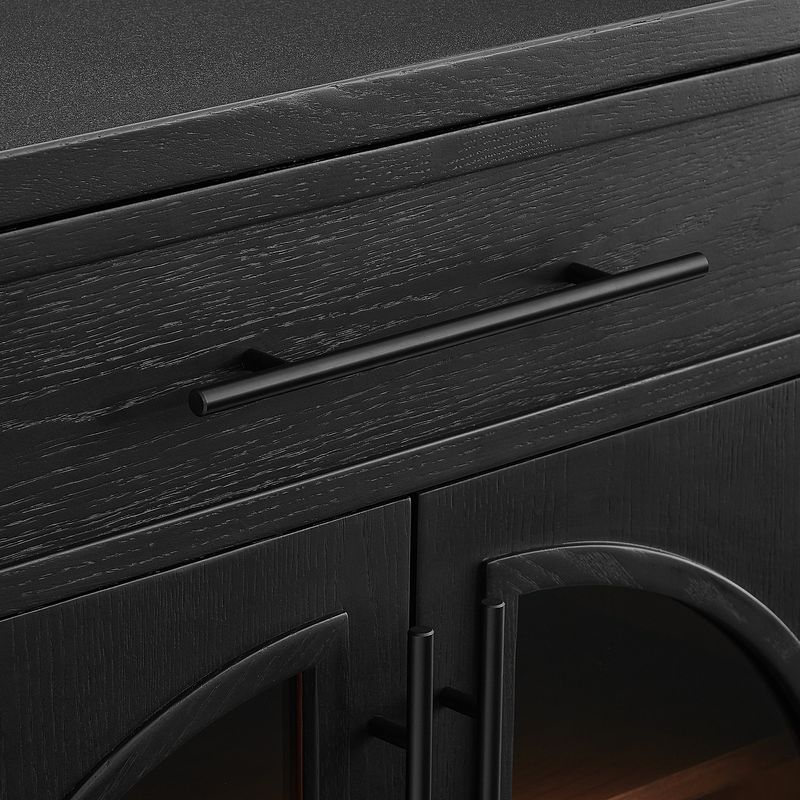
One drawer might hold prep tools, another table linens, and another serving utensils. When comparing options, do not focus only on the drawer count. Depth and width can make a bigger difference than having one or two additional shallow drawers.
Wood Kitchen Island Styles
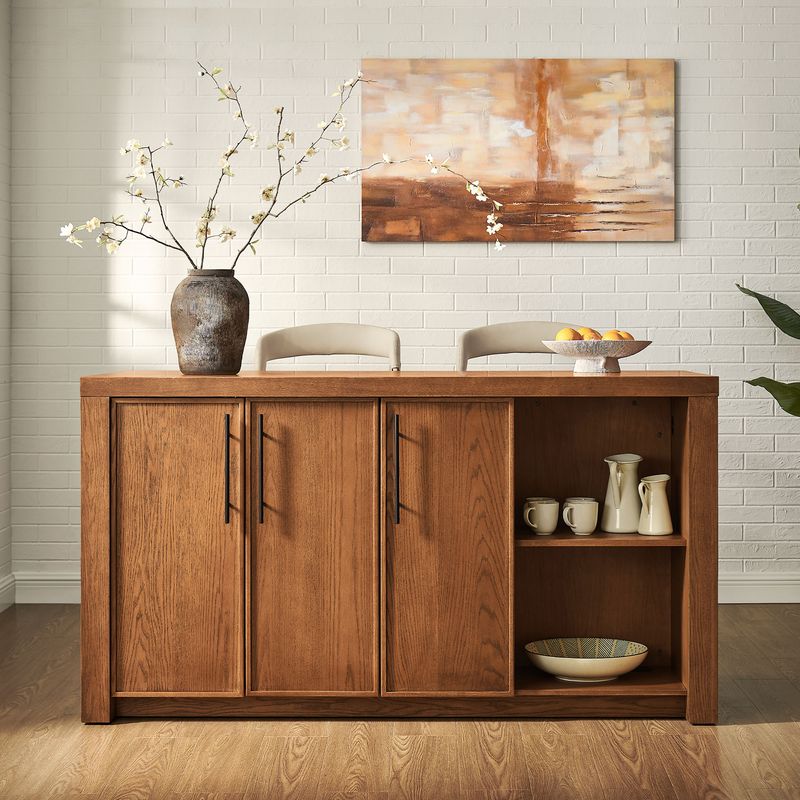
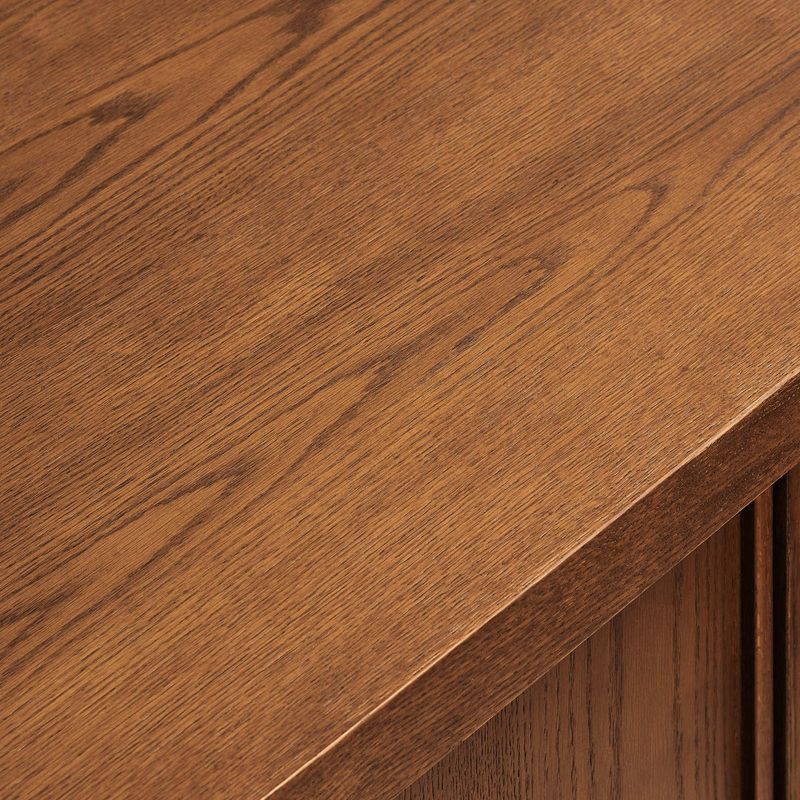
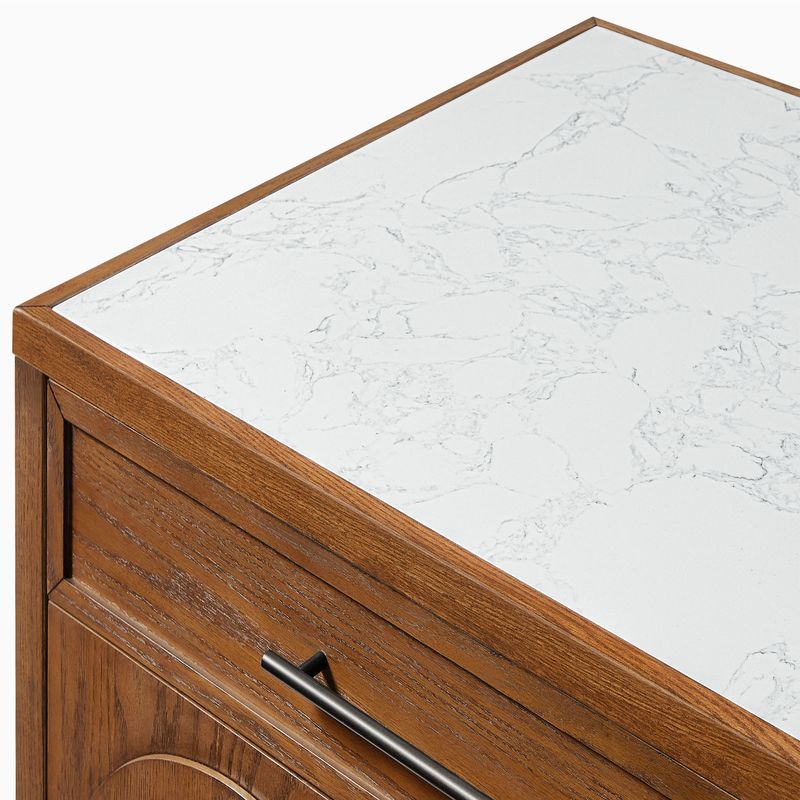
A wood kitchen island can soften a room filled with stone, tile, painted cabinetry, and metal appliances. Natural grain and tonal variation introduce texture and can help connect the kitchen visually with nearby dining or living spaces.
Exact matching is rarely necessary. A little contrast between the island, flooring, cabinetry, and surrounding furniture can give the room more depth. What matters is whether the undertones work together.
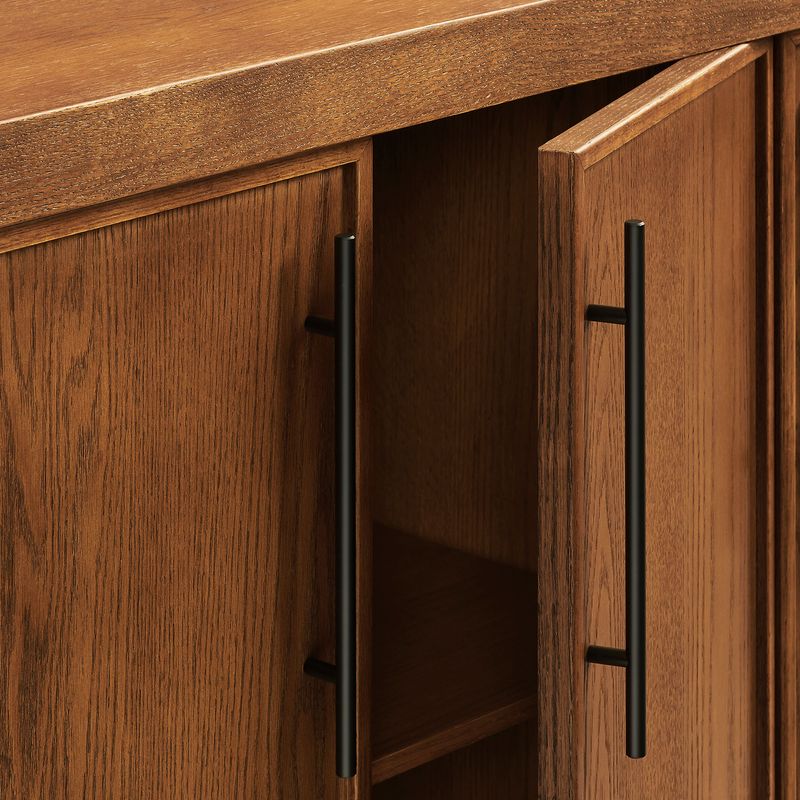
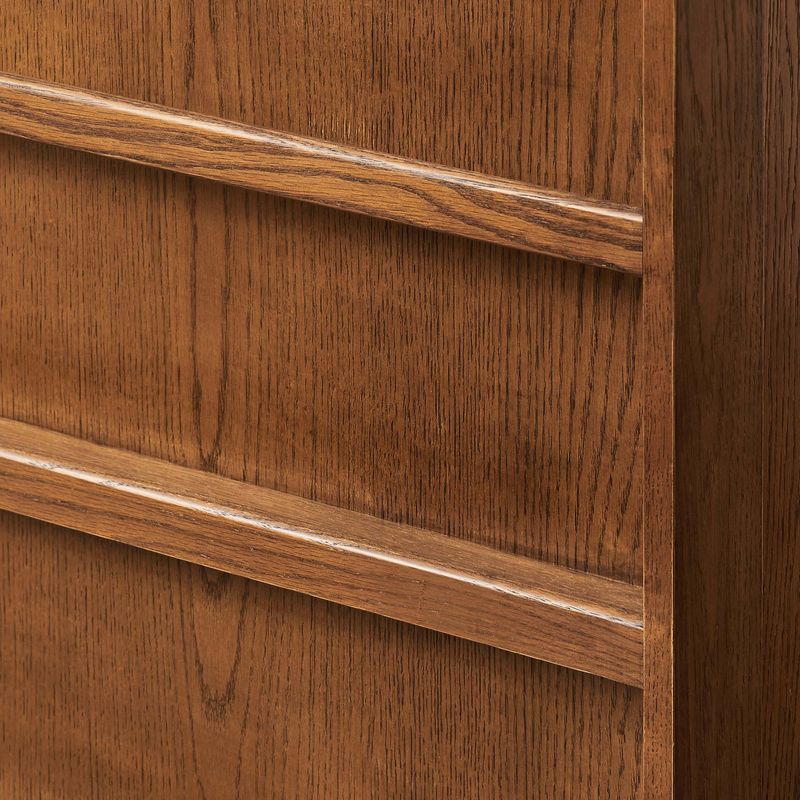
In a busy household, the island may see everything from grocery bags and cookware to serving dishes, so construction matters as much as appearance.
How to Choose the Right Kitchen Island Size
Before choosing an island, measure the room around it.
An island may look perfectly sized online but feel completely different once appliance doors, cabinet drawers, and daily traffic are taken into account.
Start with Clearance
Measure the open area and identify the routes people use most often. Refrigerator doors, dishwasher doors, drawers, and other high-traffic points all affect how much room the island needs.
As a general planning starting point, approximately 36 to 42 inches of open circulation is commonly used around a kitchen island, with additional space needed near appliances and busy work zones. Actual requirements vary by layout, appliance placement, and local building rules, so renovation or construction plans should be confirmed with a qualified professional.
A simple way to test the layout is to picture the busiest few minutes of the day. Someone is unloading the dishwasher. Another person opens the refrigerator. Someone else is carrying a hot pan. If everyone has to stop and wait for one another, the island may be too large or poorly positioned.
Match the Island to Your Layout
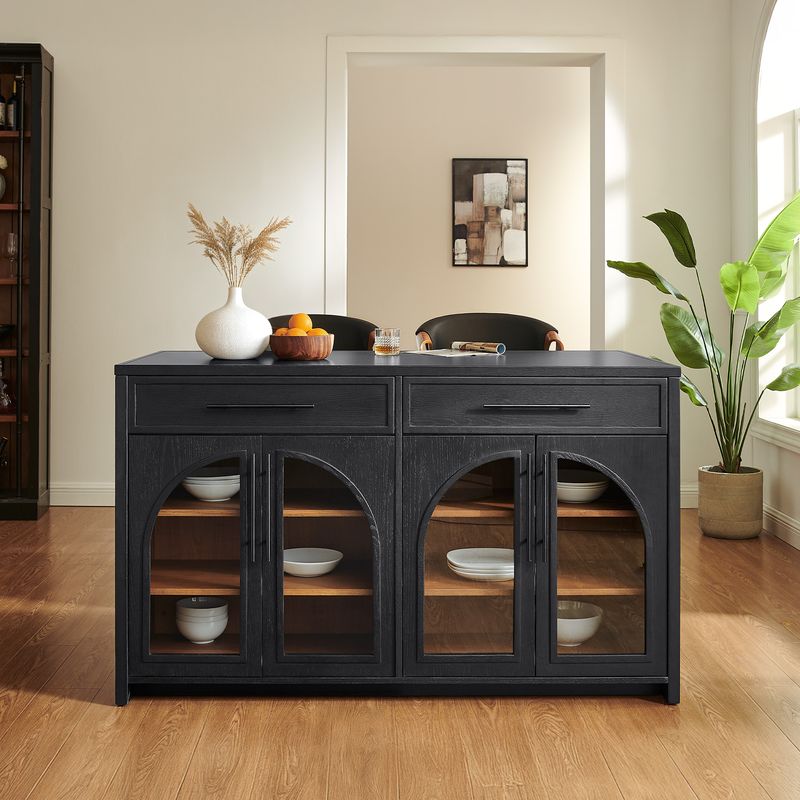
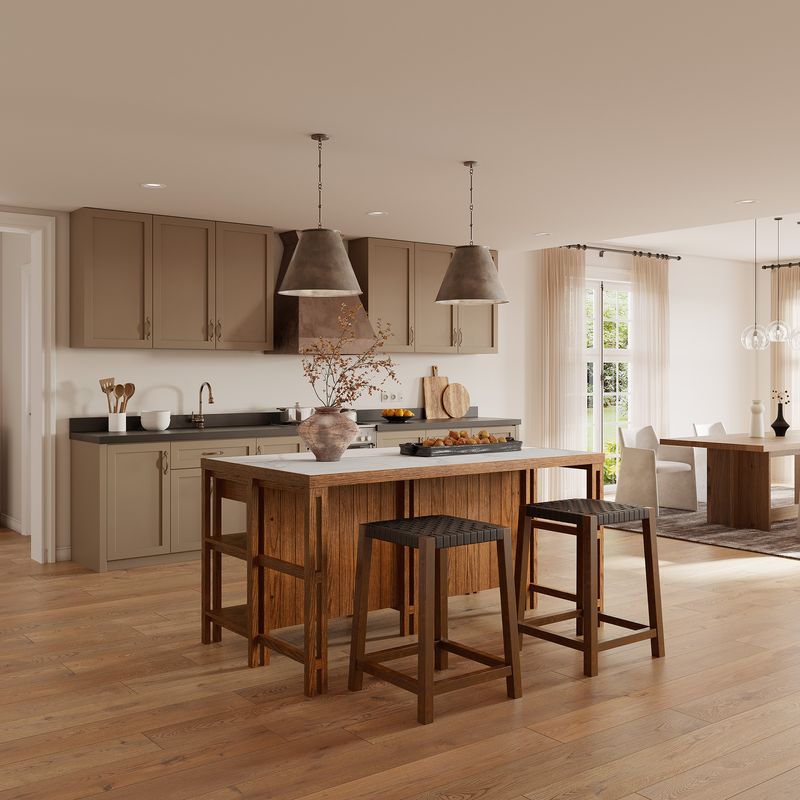
A narrow kitchen may benefit from a compact rectangular island rather than a large square centerpiece. In a spacious open-plan home, a larger freestanding piece can provide additional storage and workspace while helping define the kitchen area.
The goal is not to fill as much floor space as possible. It is to add function while keeping the room comfortable to use.
Choose Materials Based on How You Live
Materials affect both the appearance of the island and how it performs over time.
A surface used for frequent food prep may have different requirements from one used mainly for serving dishes, unloading groceries, or displaying food when guests are over.
Wood and Furniture-Like Designs
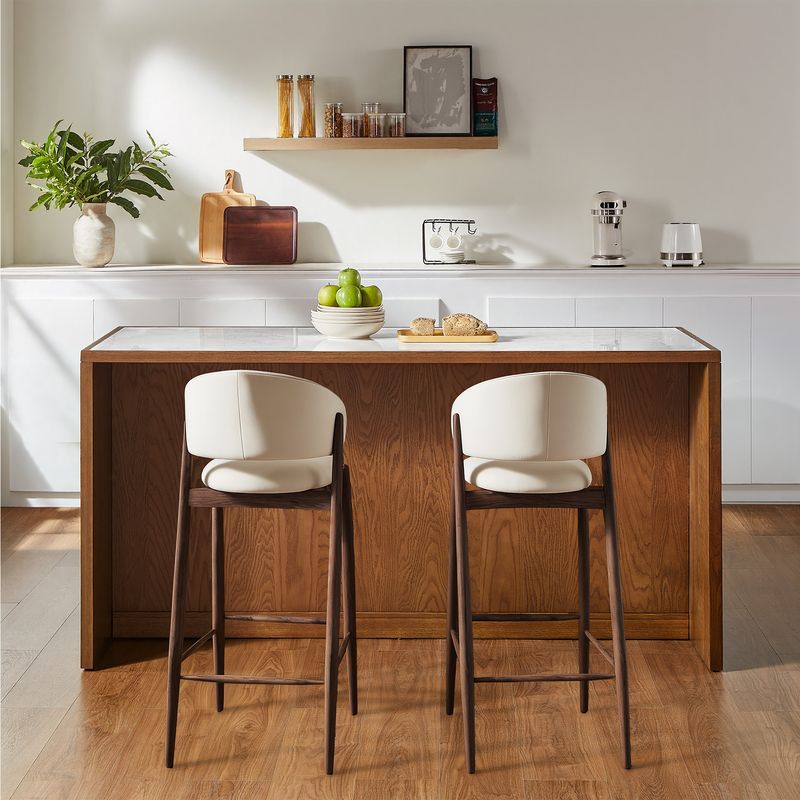
Wood brings warmth and texture into the kitchen and can work especially well when the island is visible from the dining or living room. This is one reason furniture-like kitchen island furniture can be particularly appealing in open-plan homes.
When choosing a finish, consider the undertones of your flooring, cabinetry, lighting, and surrounding furniture. Matching every wood tone exactly is unnecessary and can sometimes make a room feel overly coordinated.
Choosing a Countertop Surface
Start with the mess and wear the surface is likely to handle.
Will you prepare food there every day? Will children use it for homework? Will it hold hot serving dishes or drinks during gatherings? How important is easy cleanup?
Those practical questions should guide the choice. Durability, maintenance, and intended use are usually more useful decision points than appearance alone.
Kitchen Island Trends for 2026
Kitchen islands in 2026 are moving away from the oversized, built-in look that dominated many open-plan kitchens for years. More homeowners are choosing pieces with visible wood grain, enclosed storage, and proportions that feel closer to dining or living room furniture.
The practical shift matters just as much. In many kitchens, a well-proportioned island with drawers, cabinets, or open shelving can do more for the room than a much larger piece that disrupts circulation.
Warm wood tones and natural variation remain popular because they help soften kitchens filled with hard, uniform surfaces. Storage is also becoming more considered. Open shelves keep useful or decorative items visible, while cabinets and drawers give everyday clutter somewhere to disappear.
For homeowners shopping in 2026, that often means looking for kitchen islands that feel intentional rather than oversized: enough workspace to be useful, enough storage to reduce clutter, and a scale that works with the room.
Why Choose Hernest Kitchen Islands?
A kitchen island proves its value in the small moments.
You pull out a pan from the cabinet below it. You chop vegetables on the surface. Someone sets down groceries after coming home. Later, the same piece holds appetizers while friends gather in the kitchen.
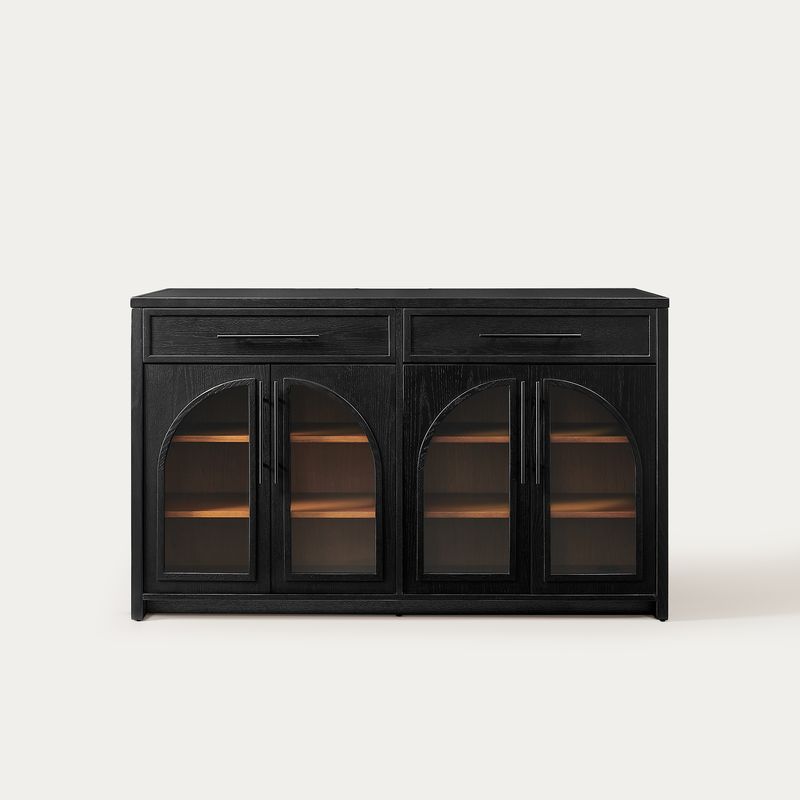
Hernest kitchen islands combine practical storage with furniture-like design, helping the kitchen work as part of the home rather than as a purely functional zone. Depending on the design, features such as drawers, cabinets, and open shelving can keep everyday items organized while adding useful workspace.
Whether you need more storage, better drawer organization, or a substantial focal point for an open kitchen, compare the available dimensions and storage layouts with the way you use your space every day.
A good island should make ordinary routines easier. That is usually a better test than simply asking whether it looks good in the room.