







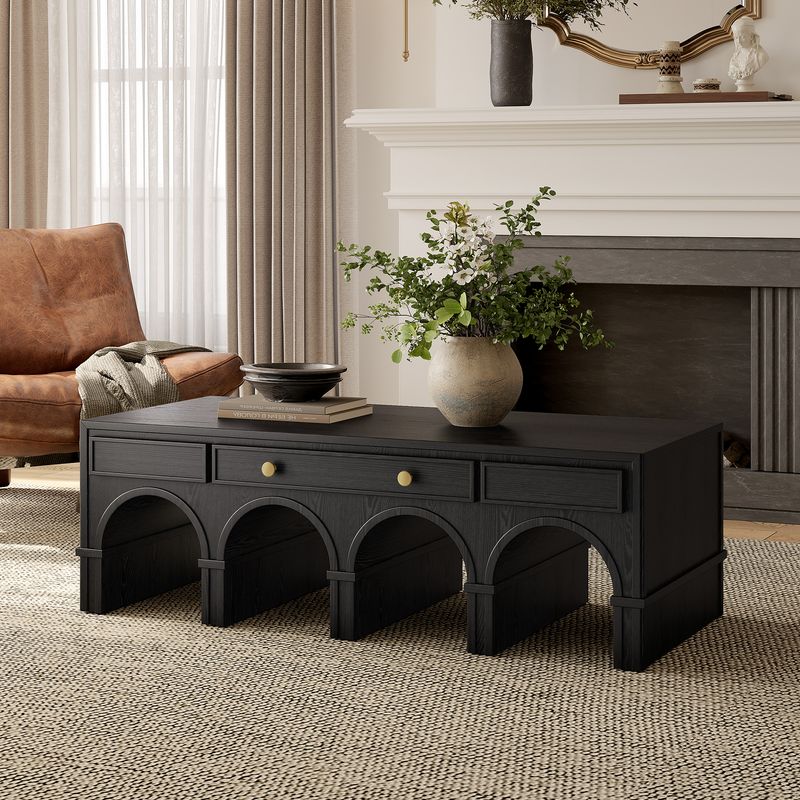
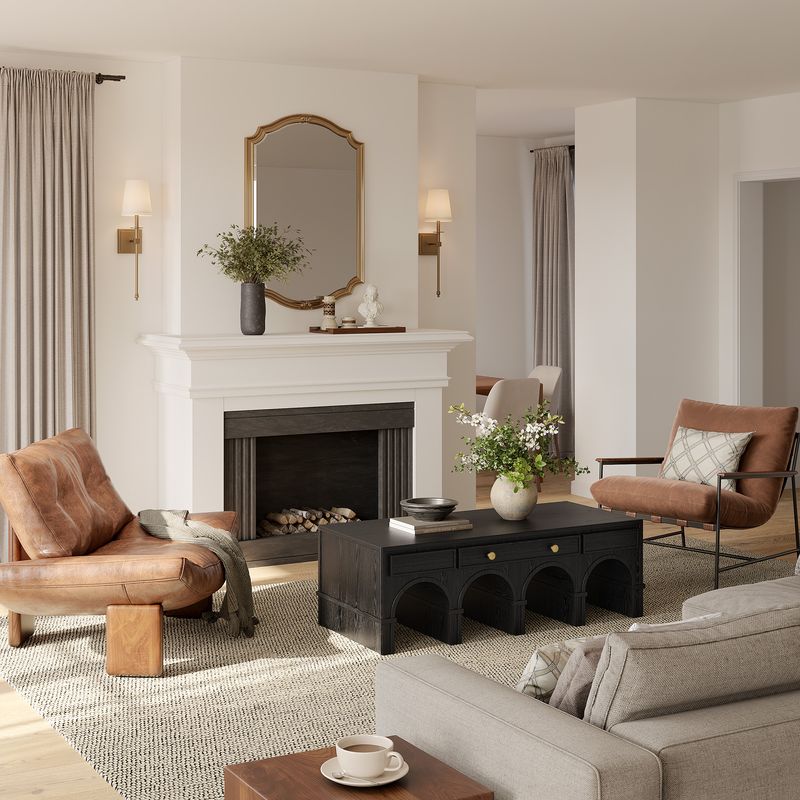




Find Coffee Tables That Fit Your Space and Lifestyle
The right coffee table brings your living room together. It gives you a convenient place for drinks, books, remotes, and everyday essentials while helping define the seating area. Whether you prefer the warmth of natural wood, the clean look of a modern silhouette, or the practicality of hidden storage, the best coffee table balances appearance, size, and function.
At Hernest, coffee tables come in a range of shapes, materials, finishes, and designs to suit different living spaces. A round or oval coffee table can soften a room filled with straight lines, while a rectangular design can work well alongside a longer sofa. Wood finishes add natural texture, and lift-top designs offer extra flexibility for everyday activities.
Before choosing a coffee table, consider how much room you have, how you use your seating area, and what you want to keep within reach. The following guide can help you narrow down your options and find a design that feels right for your home.
Read More
Choose a Coffee Table by Shape
Shape affects more than the appearance of a coffee table. It influences how easily people move around the seating area, how the table relates to your sofa, and how much usable surface space you have.
Oval Coffee Tables for Softer Lines
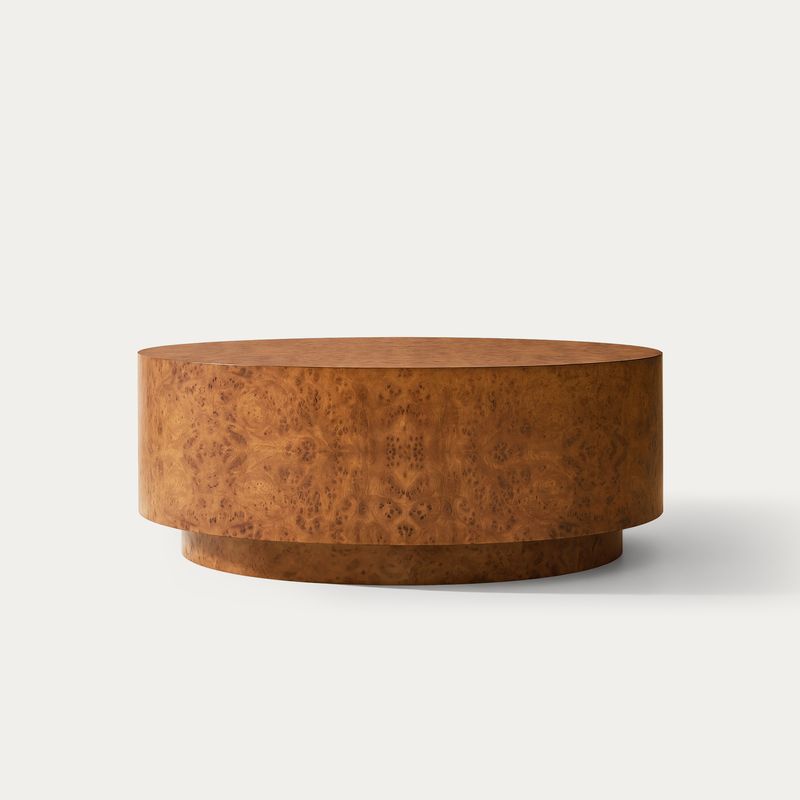
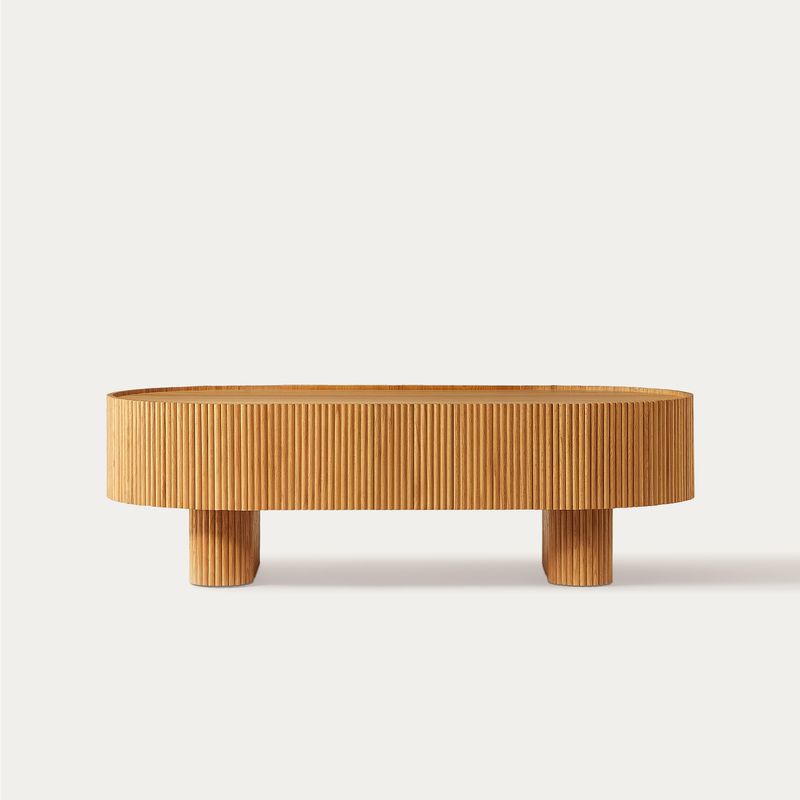
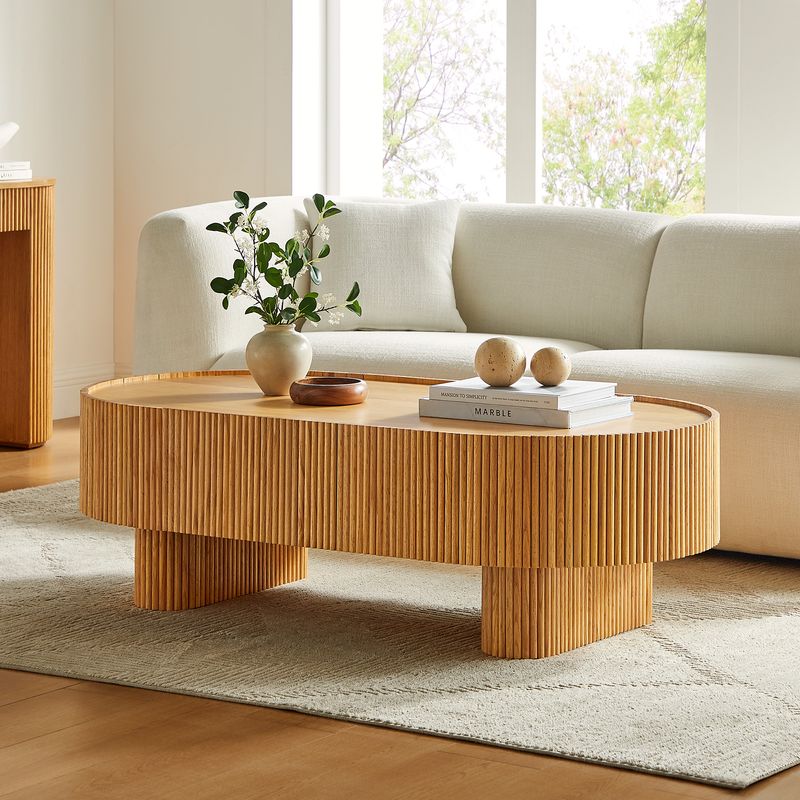
An oval coffee table introduces a softer outline to a living room without giving up the longer surface of a rectangular design. Its curved edges can help create a more fluid layout, particularly when paired with a sofa or sectional that has rounded arms, curved upholstery, or substantial proportions.
When choosing an oval coffee table, check its overall length and width against your sofa and available walking space. The curved outline can make movement around the table feel more natural, but the table still needs enough clearance from nearby seating.
Round Coffee Tables for Flexible Layouts
A round coffee table works well in compact seating arrangements, conversation areas, and rooms where people approach the table from several directions. Without prominent corners, it can be easier to navigate around in a busy living room.
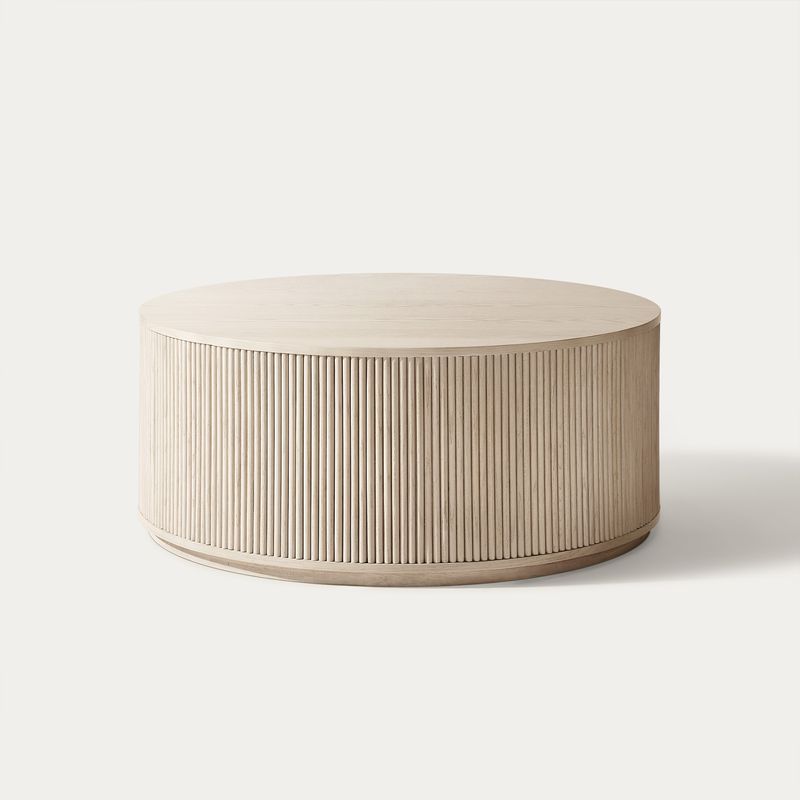
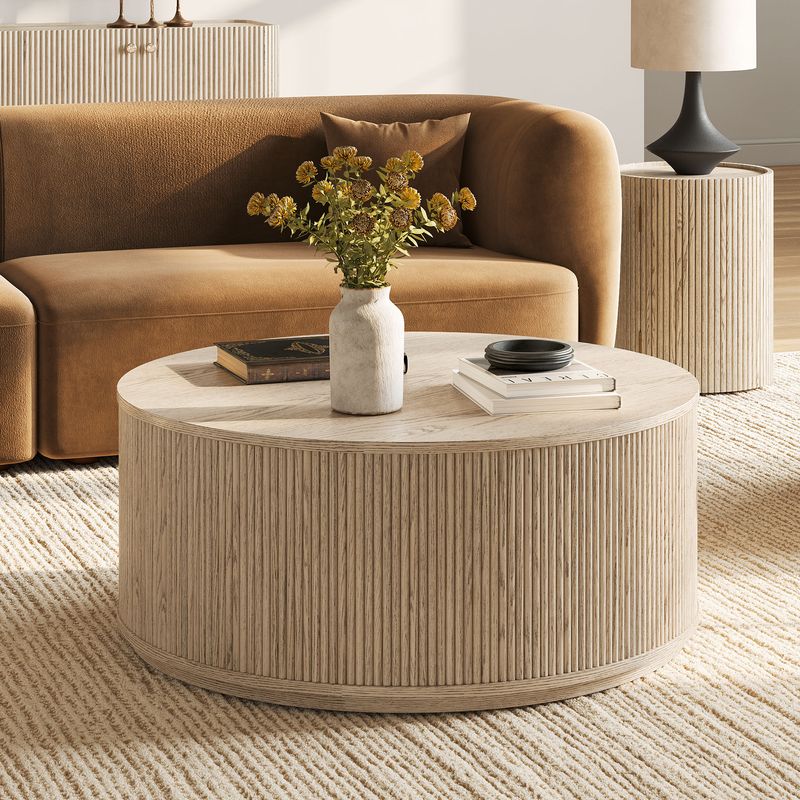
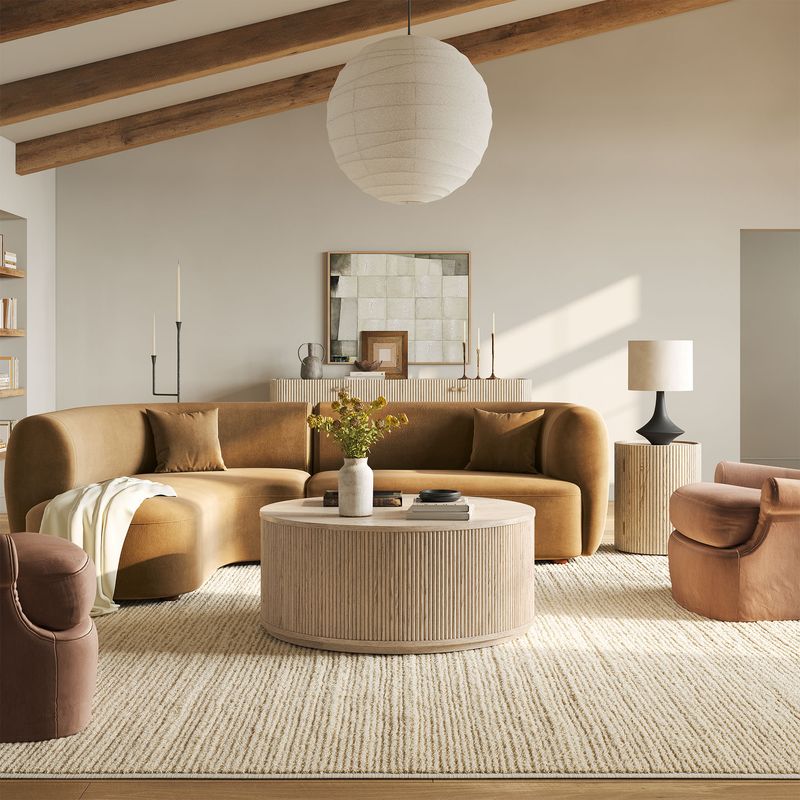
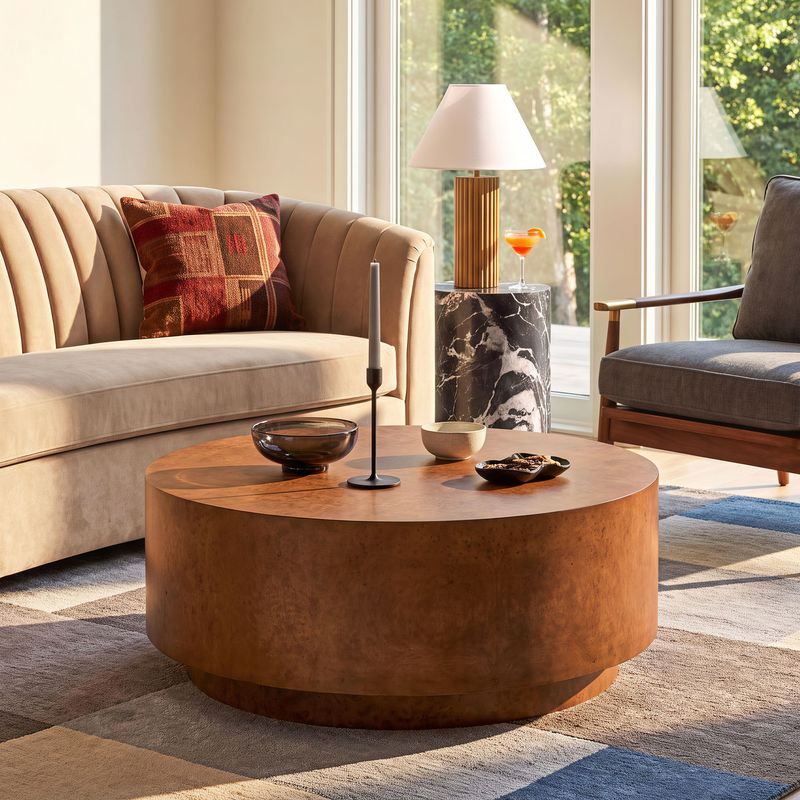
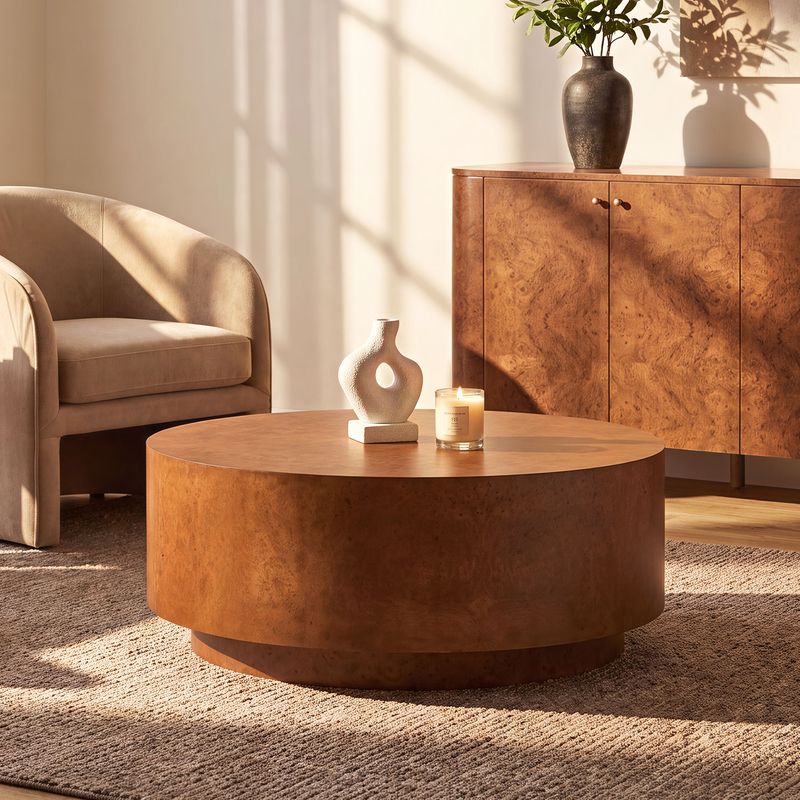
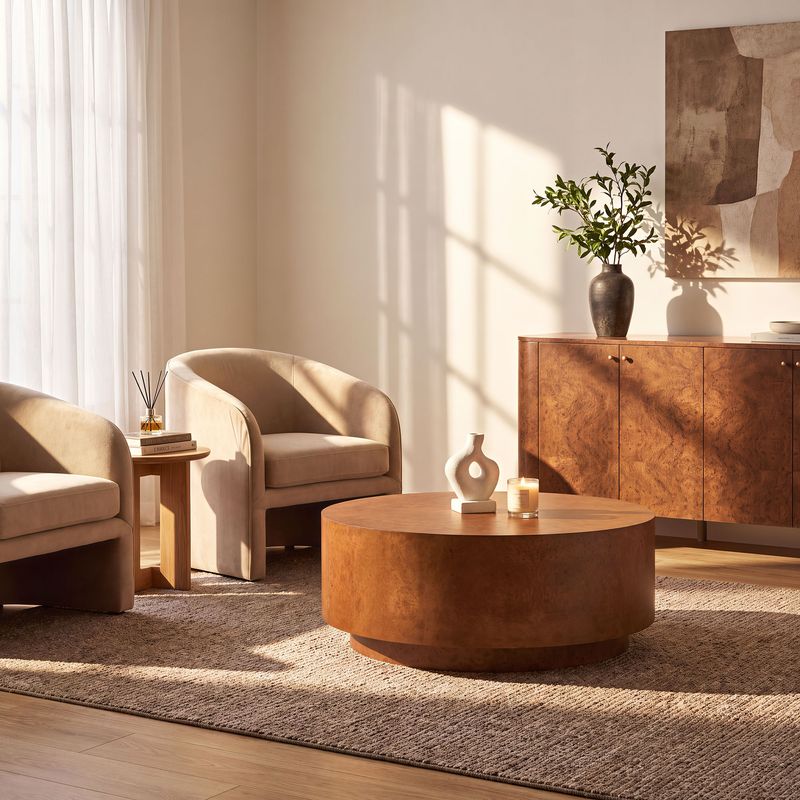
Round coffee tables also complement curved sofas, accent chairs, and modular seating. In a room dominated by rectangular furniture, a circular tabletop can introduce contrast and make the arrangement feel less rigid.
Before choosing a round design, consider the number of people who regularly use the seating area. A smaller table may suit a compact sofa-and-chair arrangement, while a larger round table can serve a more spacious conversation area. Make sure the tabletop provides enough room for everyday items without obstructing the main walkway.
Rectangular Coffee Tables for Longer Sofas
A rectangular coffee table is a practical choice for many traditional living room layouts. Its elongated surface can align naturally with a three-seat sofa, a long sofa, or a sectional, giving several people access to the tabletop.
This shape is especially useful when you want room for drinks, books, decorative objects, and a serving tray. It can also help visually anchor a larger seating arrangement.
Measure the sofa before selecting a rectangular coffee table. A table that is too short may look disconnected from the seating, while an oversized design can make the room feel crowded. Consider the depth of the sofa, the position of nearby chairs, and the clearance needed to walk through the space.
Square Coffee Tables for Balanced Seating
Square coffee tables can work well with sectionals, symmetrical furniture arrangements, and seating groups that surround the table on multiple sides. Their proportions create a balanced central point, especially when the sofa and chairs form a compact conversation area.
A square design can also provide a generous surface for shared use. However, it may occupy more central floor space than a round or oval table of a similar visual scale, so measure the area carefully before choosing one.
For smaller rooms, compare the table's full footprint with the space between the sofa, chairs, and other furniture. A well-proportioned coffee table should support the seating arrangement without making it difficult to move around.
Explore Wooden Coffee Tables and Modern Finishes
Material influences the look, feel, and maintenance needs of a coffee table. Think about the furniture already in your room, how much daily use the table will receive, and whether you prefer a pronounced natural grain or a smoother, more understated surface.
Wooden Coffee Tables with Natural Texture
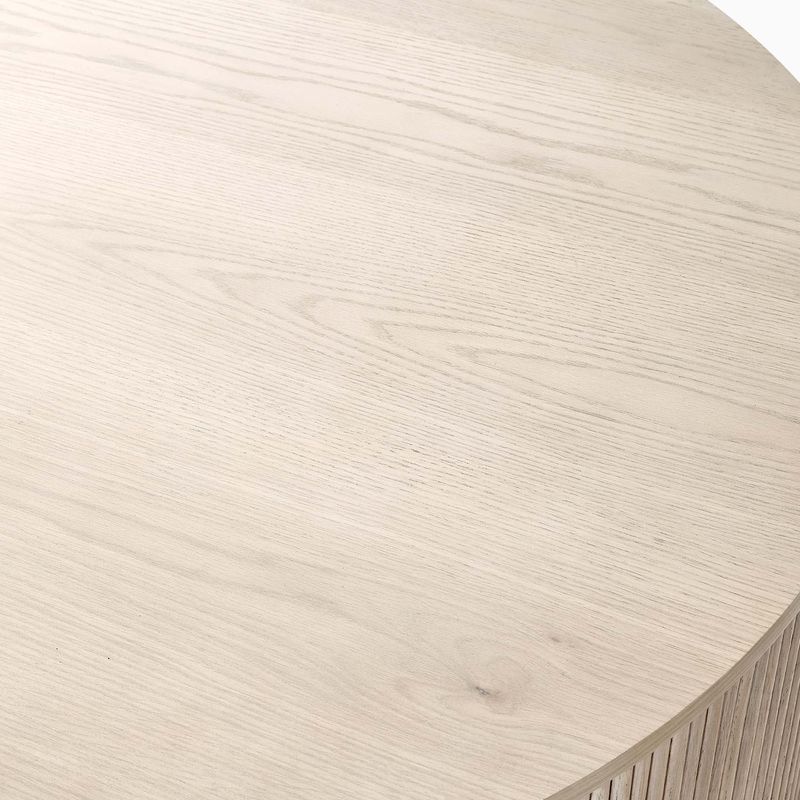
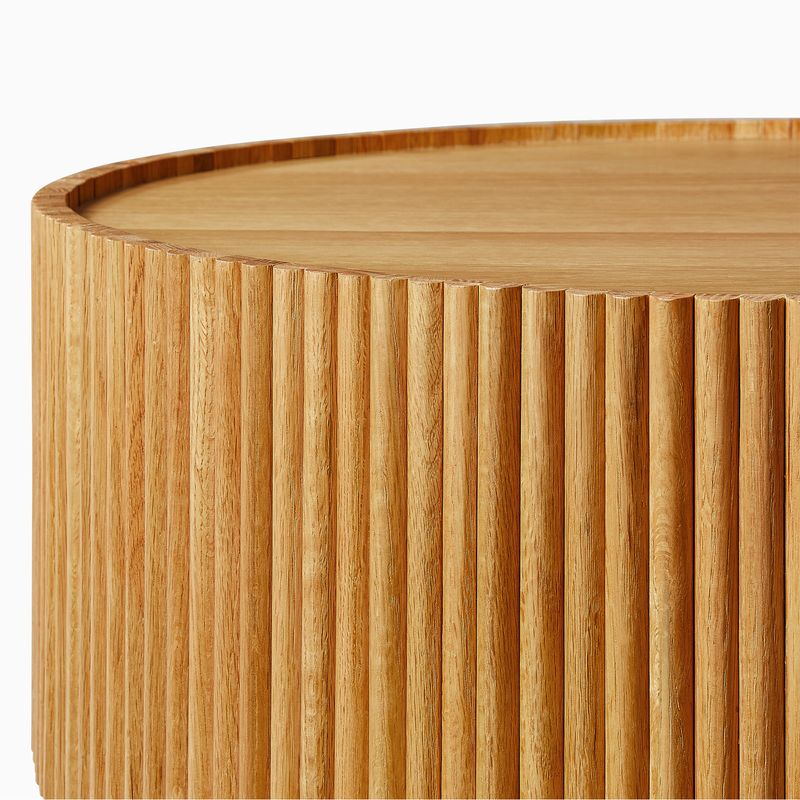
Wooden coffee tables are versatile because their grain, color, and finish can bring warmth to a wide range of interiors. Oak often has a defined grain that suits natural, contemporary, and mid-century-inspired spaces. Elm offers a different grain pattern and can add character to a room through its distinctive surface details.
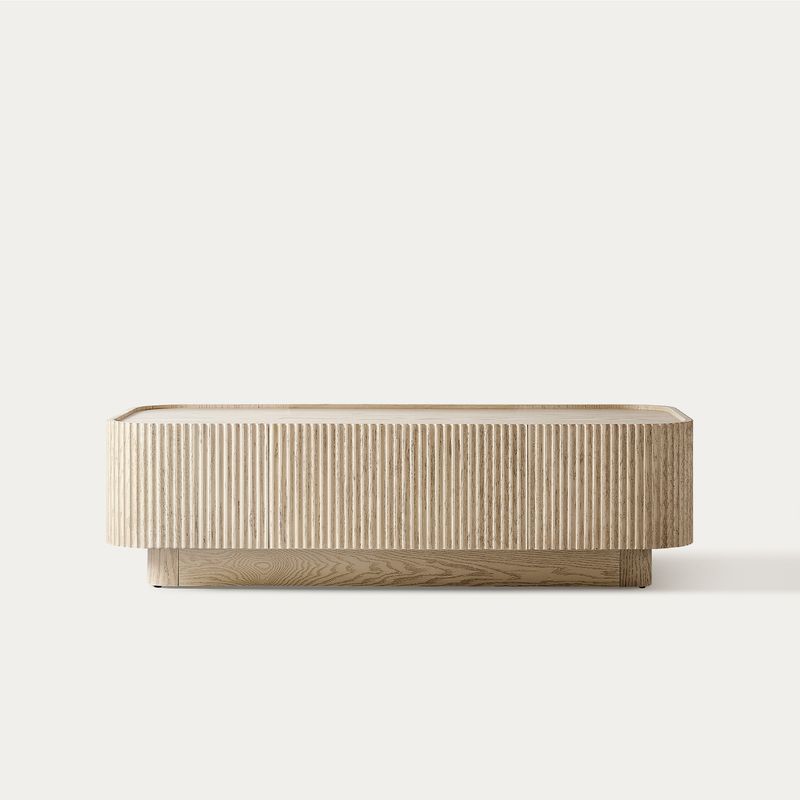
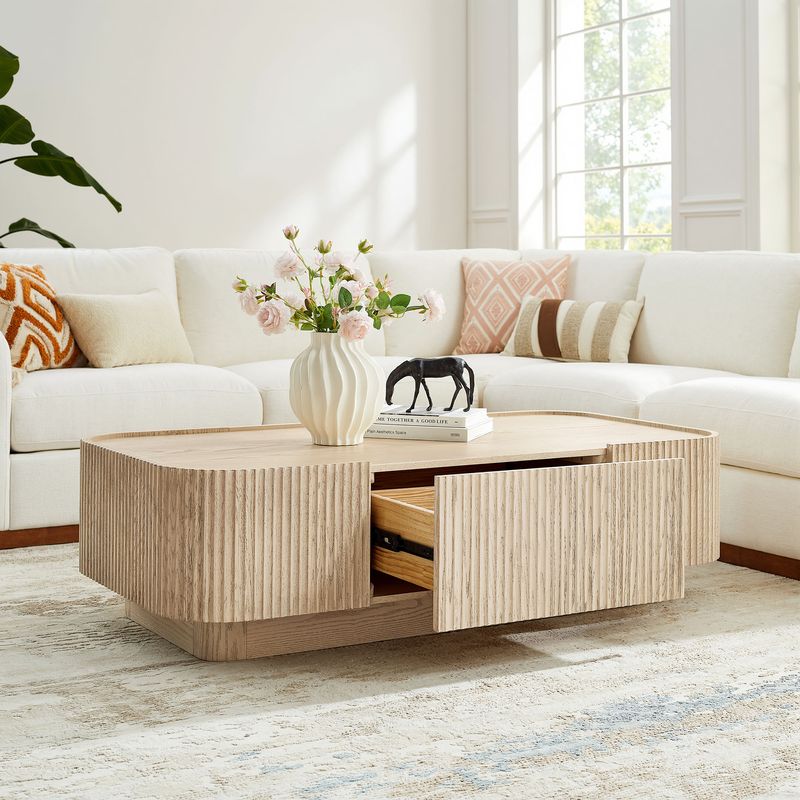
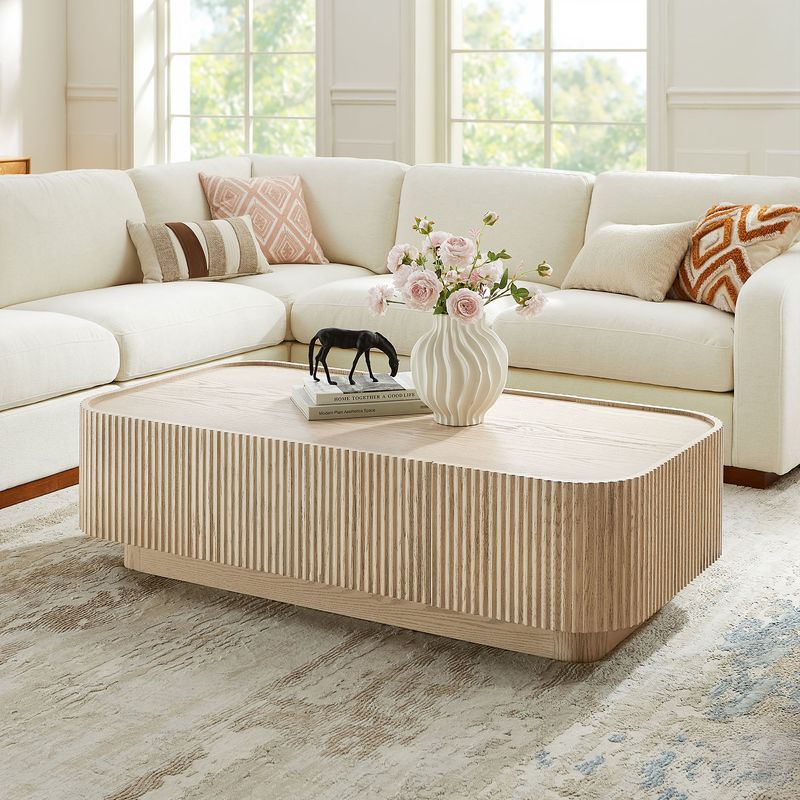
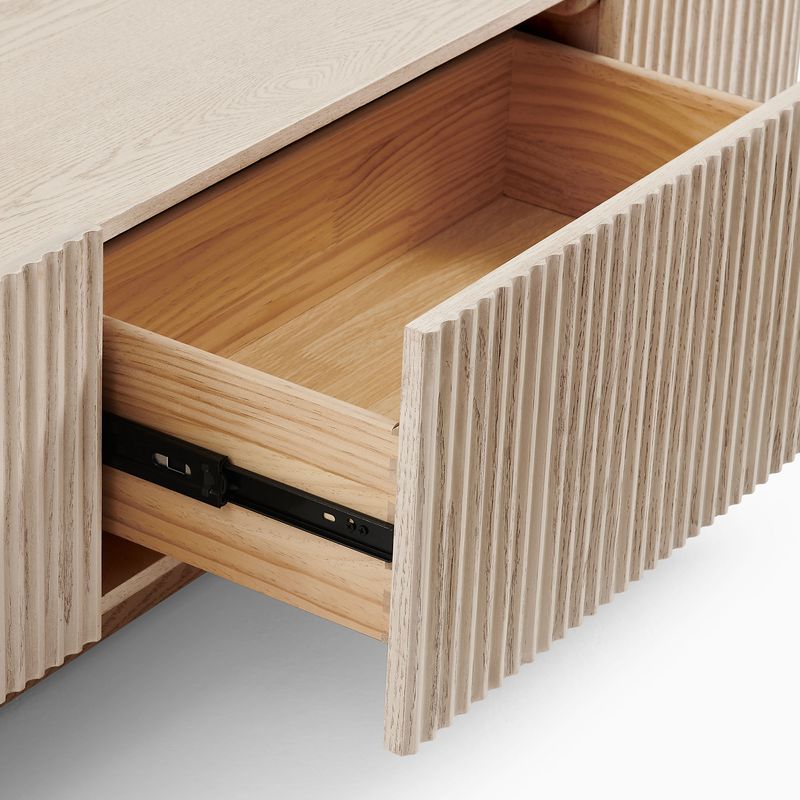
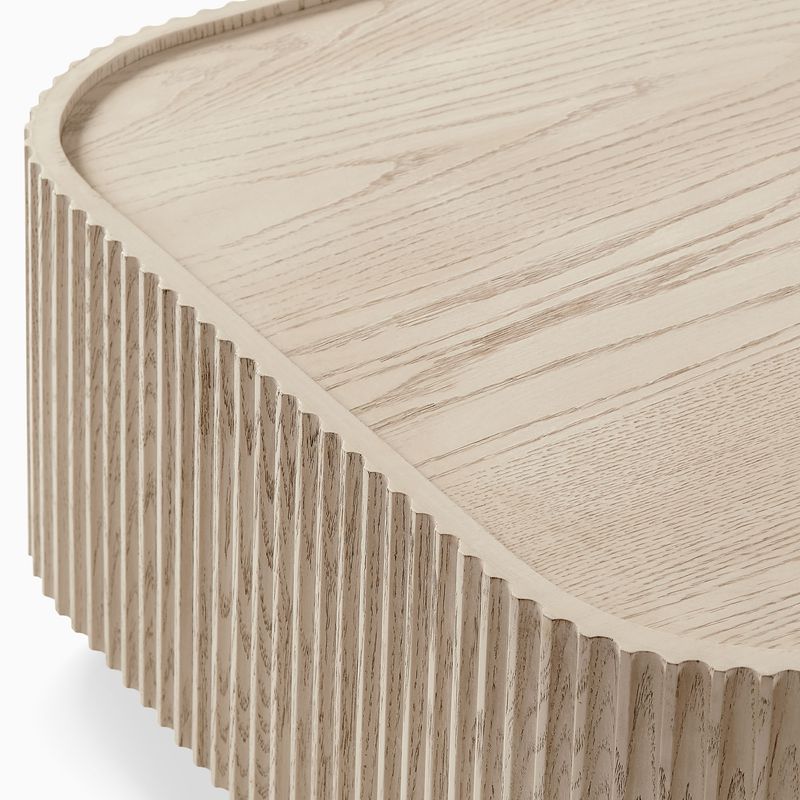
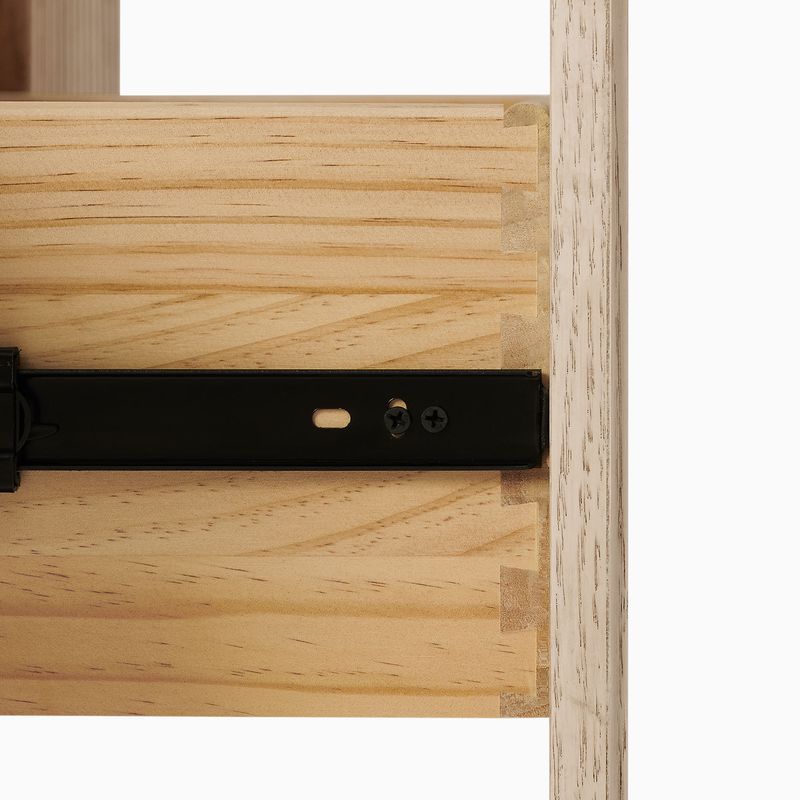
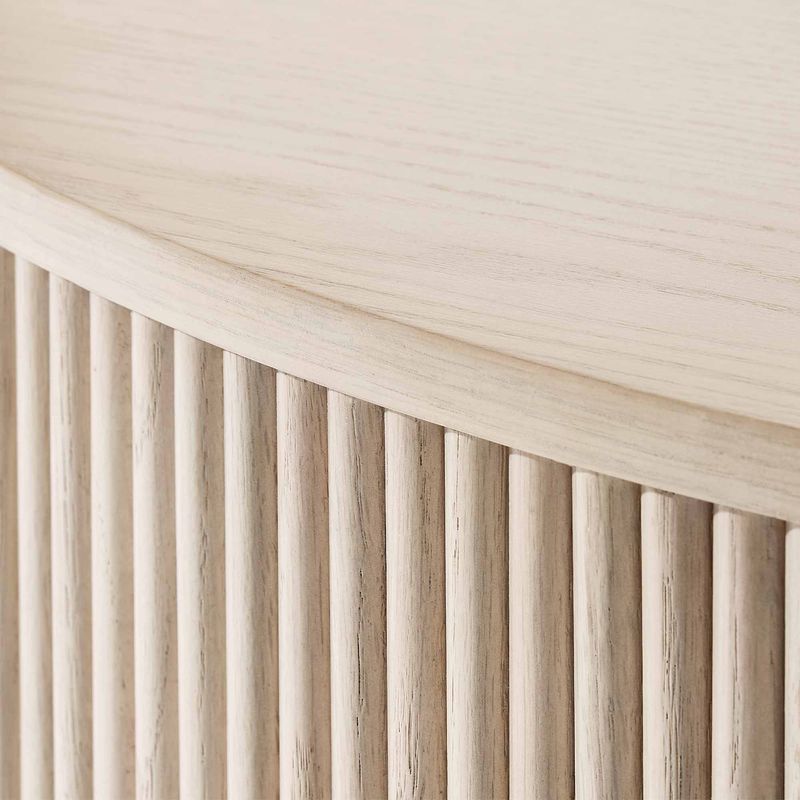
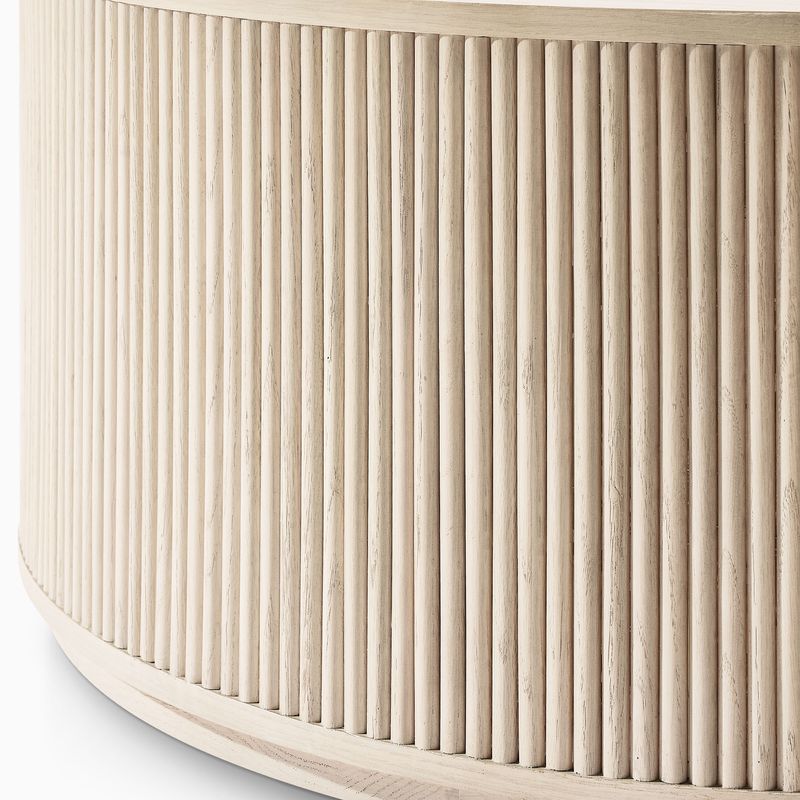
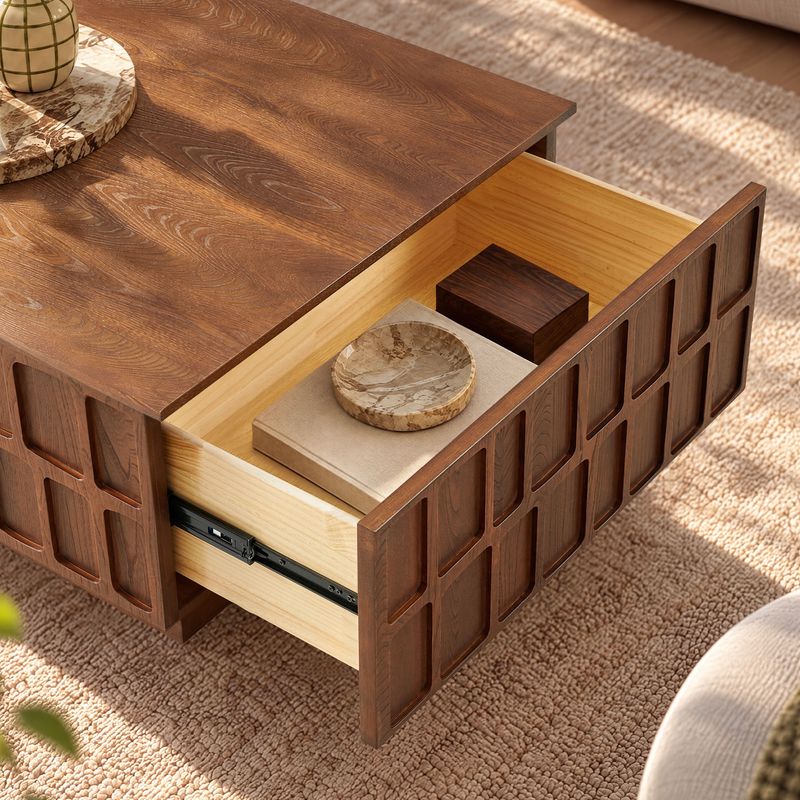
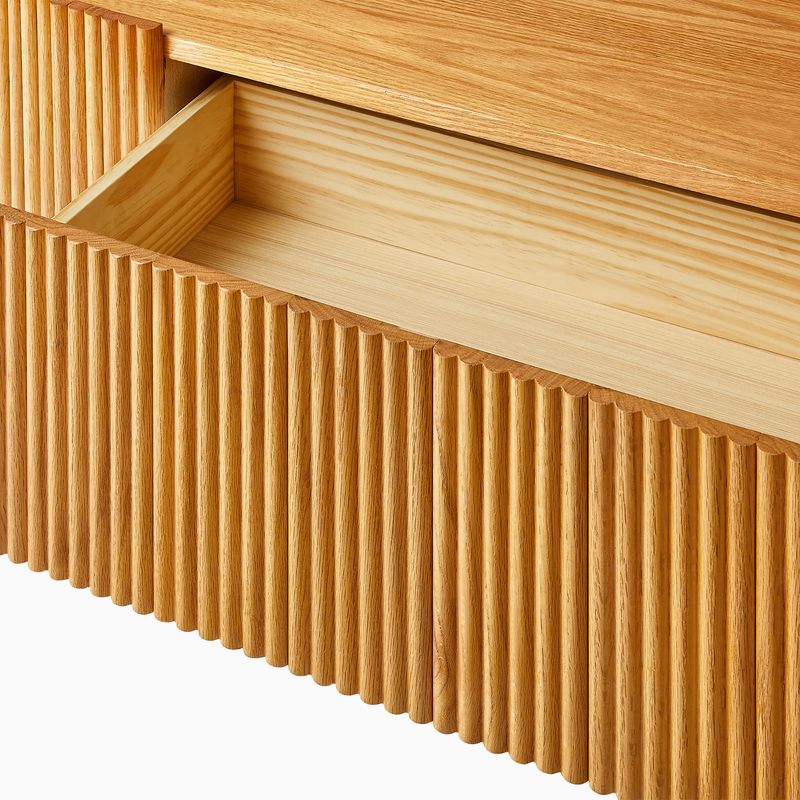
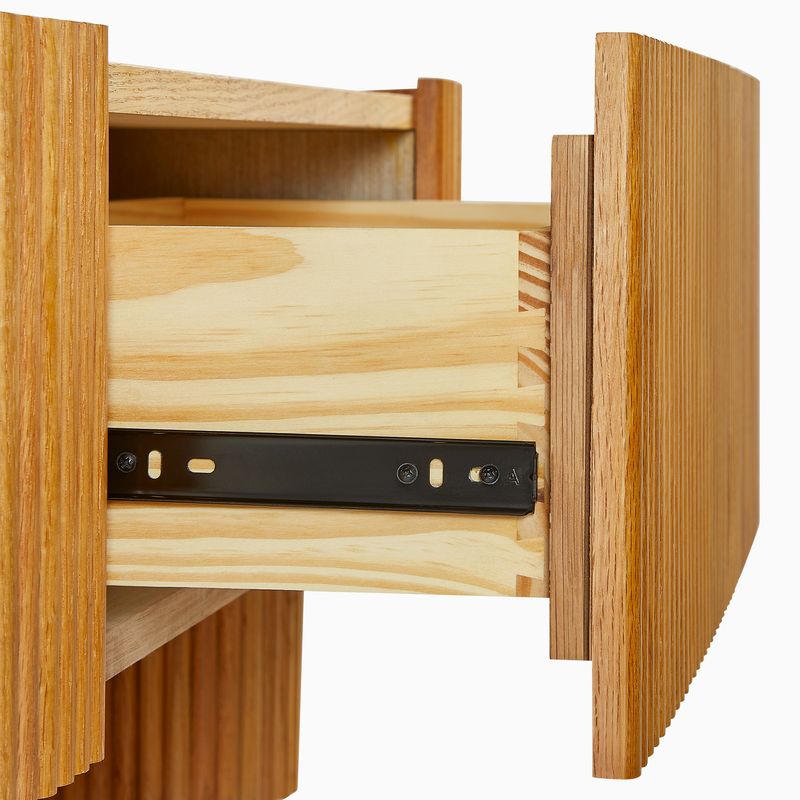
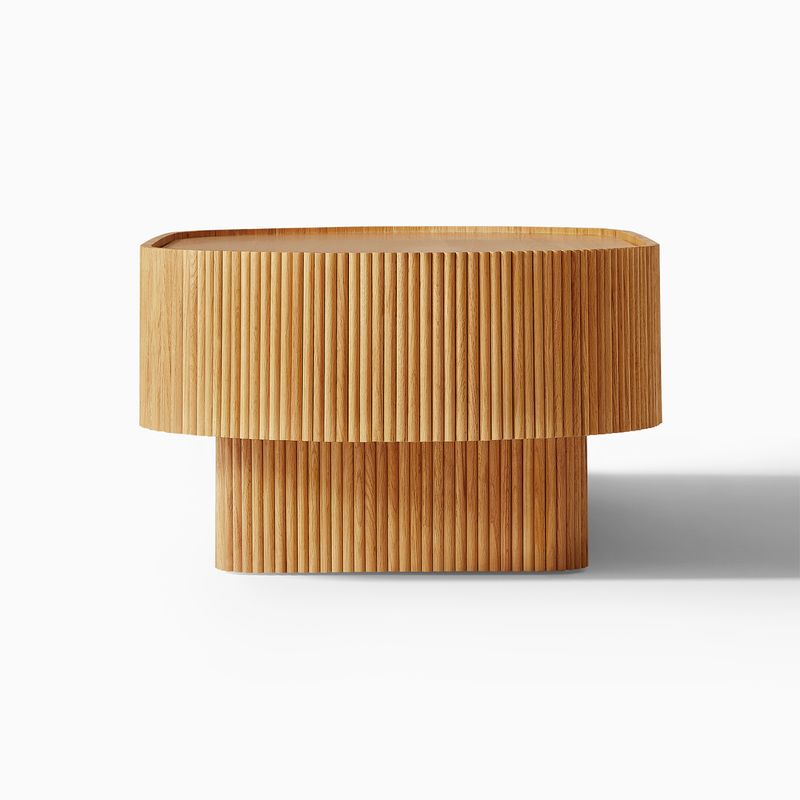
The Skimra 55-Inch Oak Coffee Table combines an oak finish with wave-inspired fluting and concealed drawers. Its detailing gives the table a strong visual identity, while the storage helps keep smaller living room essentials out of sight.
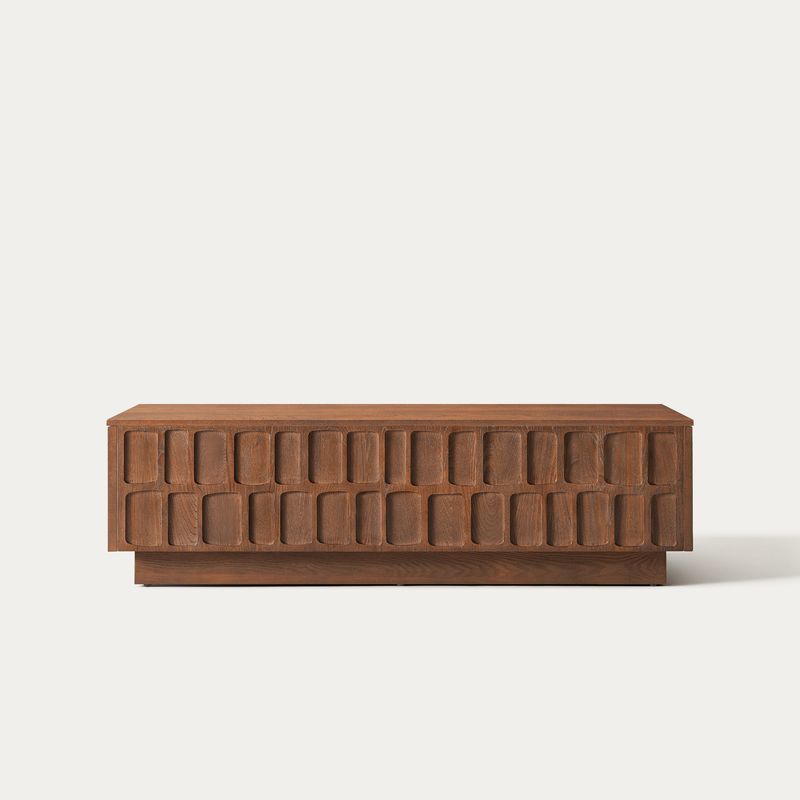
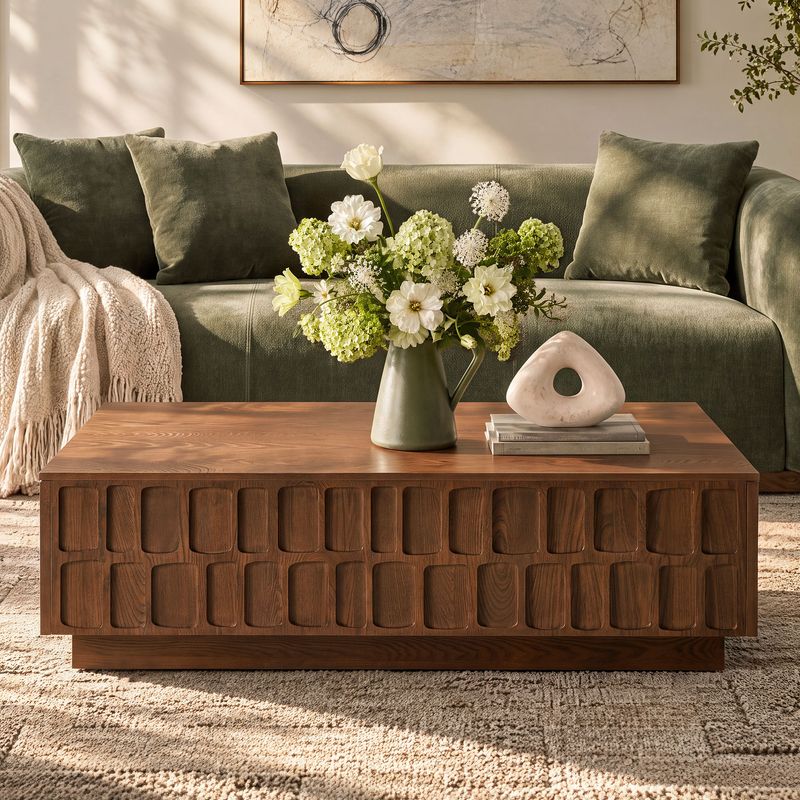
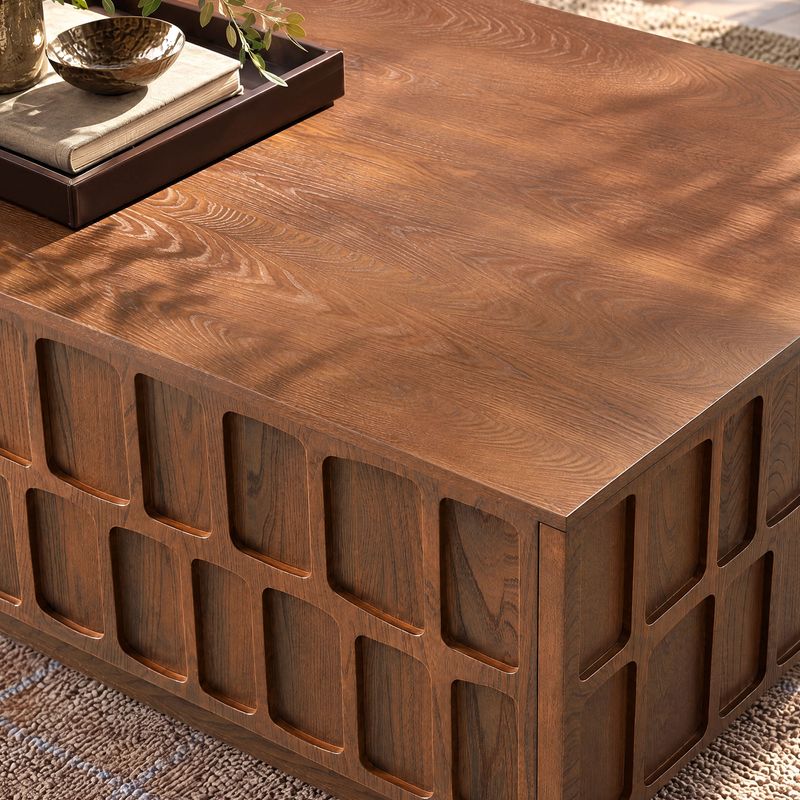
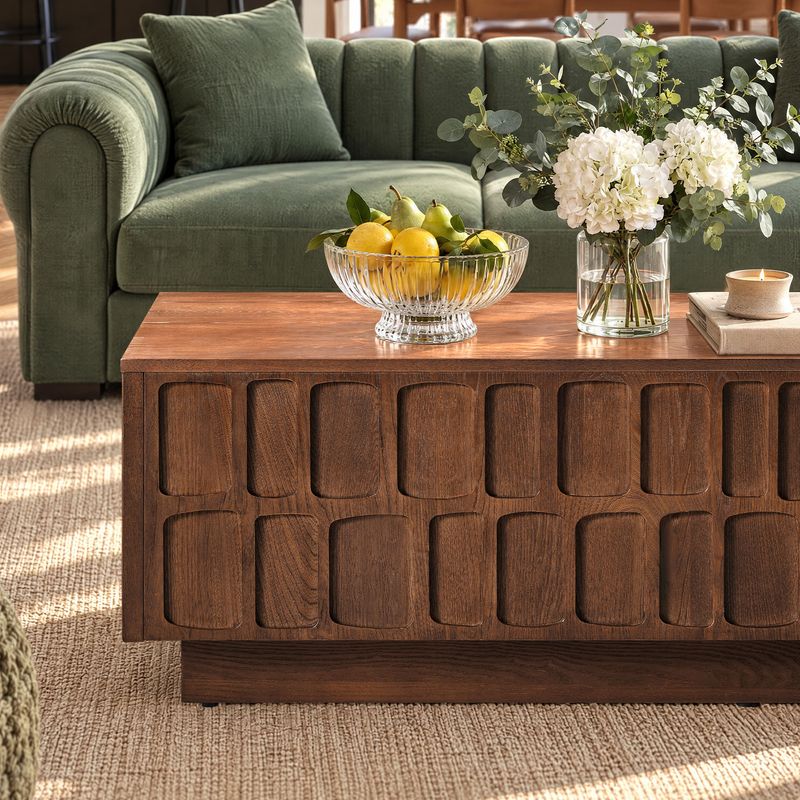
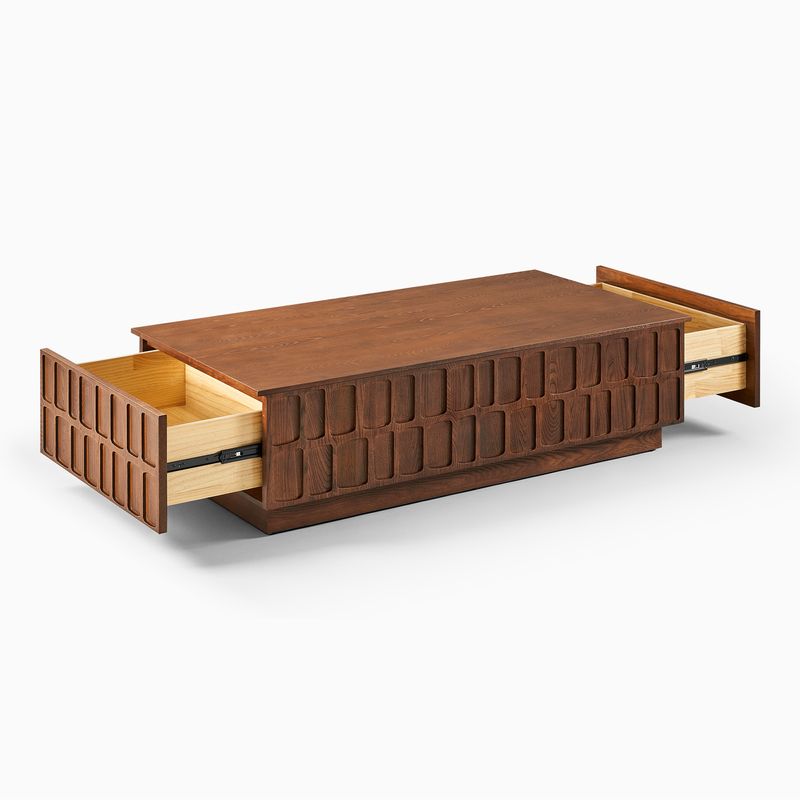
For a different wood look, the Vittorio 55-Inch Elm Coffee Table features raised grid detailing that adds dimension to its surface. It can be a good option for shoppers who want a wooden coffee table with more pronounced decorative texture.
When comparing wooden coffee tables, look beyond the finish name. Check the listed materials, construction, care instructions, and assembly requirements. Solid wood, engineered wood, and wood veneer serve different purposes, and the material description on each product page is the best guide to what a particular table is made from.
Modern Coffee Tables with Sculptural Details
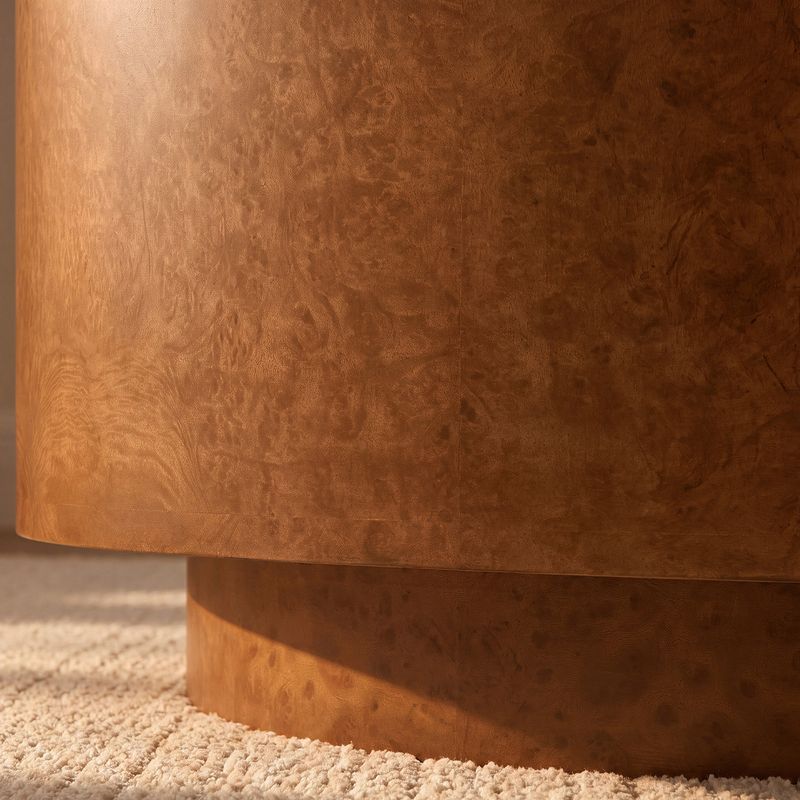
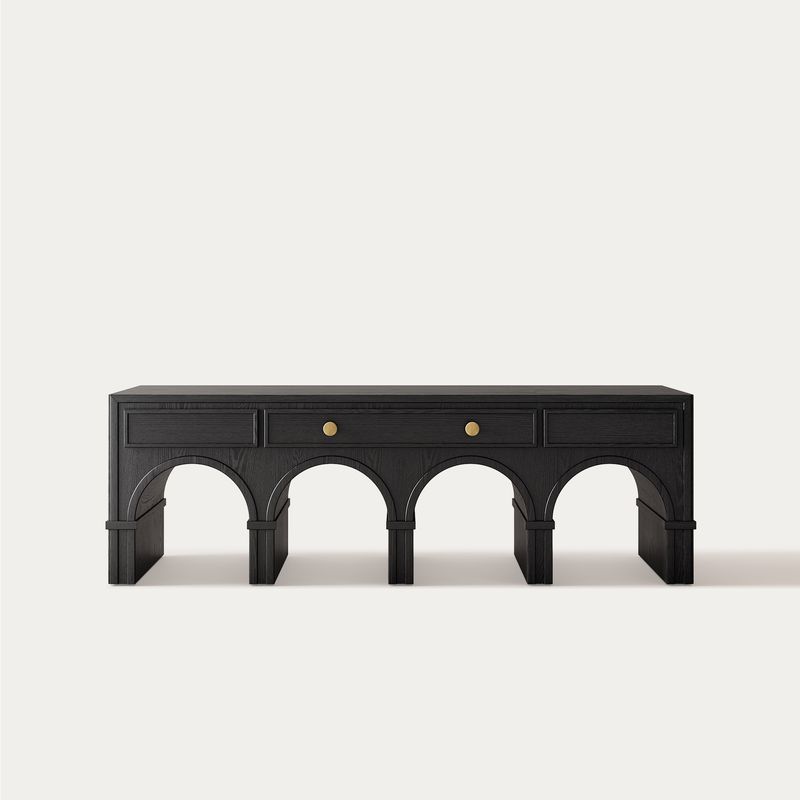
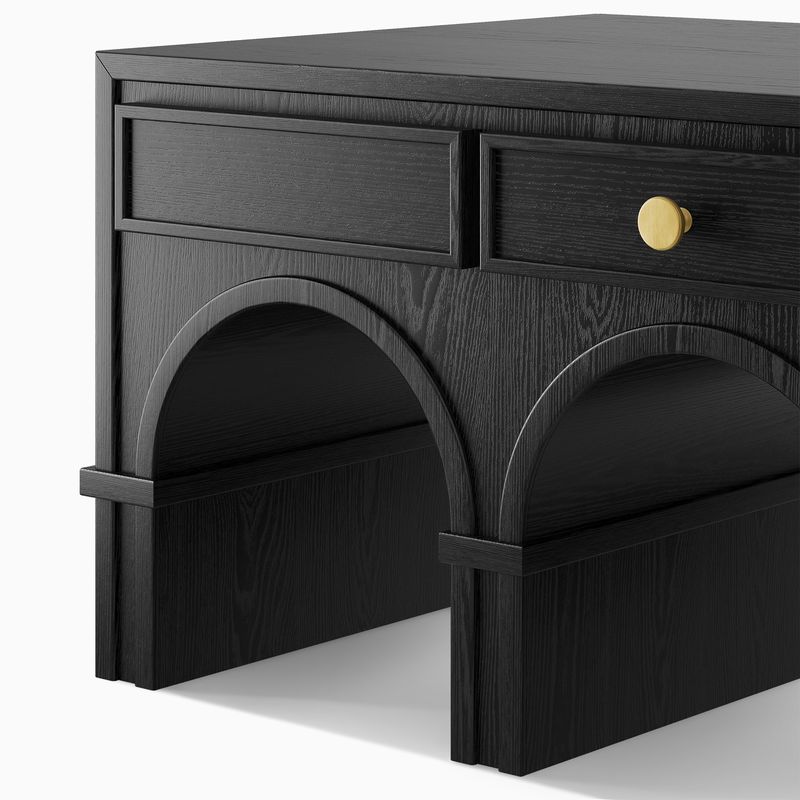
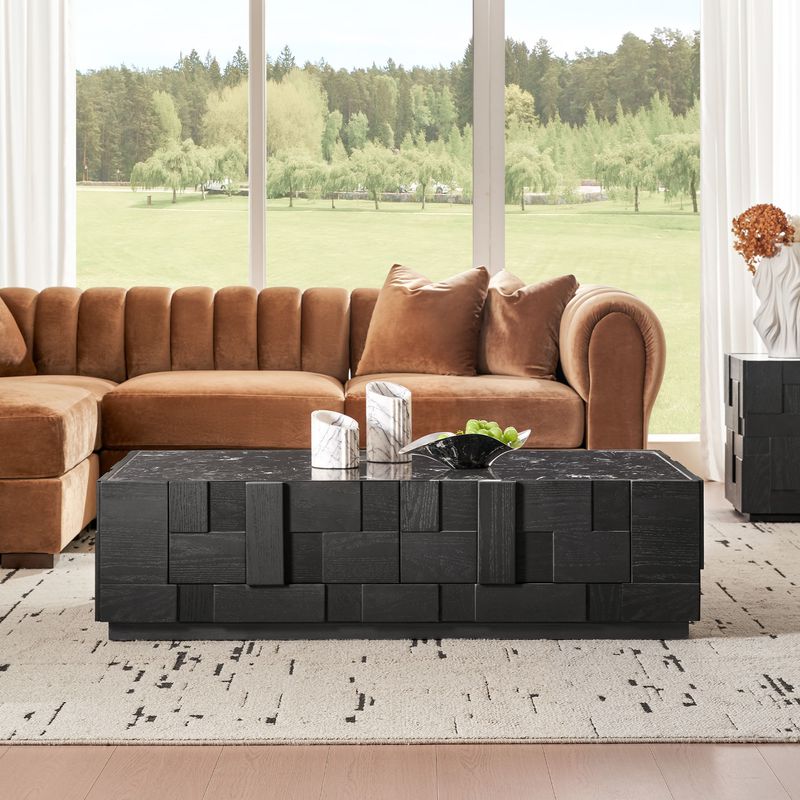
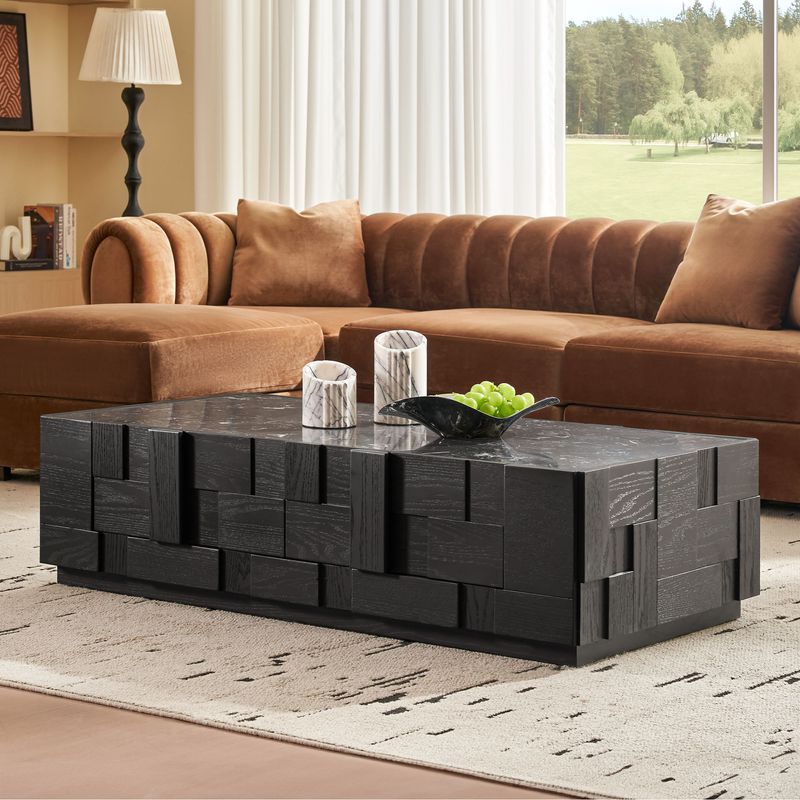
Modern coffee tables can make an impact through proportion, texture, and carefully considered details rather than ornate decoration. Fluted surfaces, rounded edges, geometric patterns, and contrasting finishes can give a table character while keeping the overall design cohesive.
A table with a distinctive base or textured surface can become a focal point in a room with otherwise simple furniture. If the sofa already has bold upholstery or a pronounced silhouette, a more restrained coffee table may create better balance. In a neutral room, a sculptural design can introduce interest without requiring additional decorative pieces.
Consider how the table will look from different angles, especially in open-plan living spaces. A design that works visually with the sofa should also complement nearby chairs, rugs, lighting, and storage furniture.
Marble and Mixed-Material Coffee Tables
Wood is not the only option when choosing a coffee table. Marble and mixed-material designs can introduce a different surface character, whether you prefer the visual movement of stone or the contrast between a tabletop and its base.
A marble-look or stone surface can pair well with upholstered seating, metal accents, and contemporary interiors. Wood can make a room feel warmer, while a combination of materials may help connect different finishes already present in the space.
Care requirements vary by material. Read the product's care instructions before using cleaners or placing hot, wet, or potentially staining items on the surface. Coasters and trays can help protect a coffee table during everyday use.
Find the Right Coffee Table Size for Your Living Room
The right size depends on the sofa, the layout, and the way you use the room. A table may look appealing on its own but feel awkward if it is too large for the seating area or too small to serve its intended purpose.
Start by measuring the length and depth of the sofa. As a general starting point, many living rooms benefit from a coffee table around two-thirds the length of the sofa, although the best proportion depends on the sofa's shape, the number of seats, and the surrounding furniture.
Height matters, too. A coffee table around the same height as the sofa seat, or slightly lower, is often convenient for reaching drinks and other items. Compare the table height with the actual seat height rather than relying on appearance alone.
Leave enough room between the coffee table and surrounding seating for people to sit down, stand up, and pass through comfortably. About 16–18 inches is a useful starting point for the gap between the table and sofa, but adjust it to suit your room and household needs. Main walkways may need more clearance.
Choose a Coffee Table with Storage or Lift-Top Functionality
A coffee table can do more than provide a surface. If you use your living room for reading, working, snacking, or relaxing, storage and adjustable tabletop features may make the space more practical.
Lift-Top Coffee Tables for Everyday Flexibility
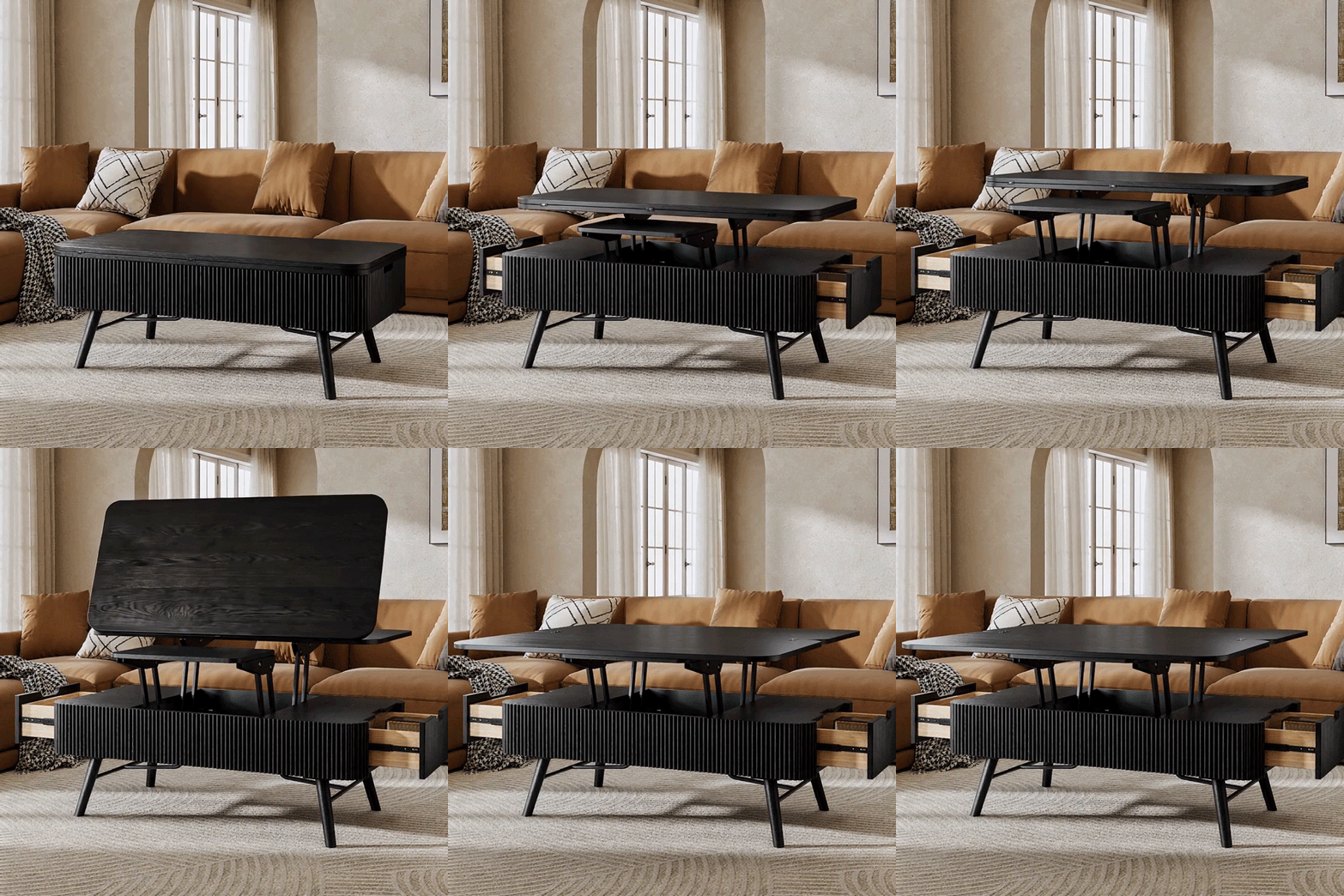
A lift-top coffee table features a tabletop that raises to bring the surface closer to you. Depending on the design, this can be useful for working on a laptop, writing, or enjoying a casual meal while seated on the sofa.
The Magnus 39-Inch Lift-Top Oak Coffee Table combines an oak look with a lift-top surface and concealed storage compartments. It is worth considering if you want a coffee table that supports more than one activity without adding a separate side table or work surface.
Before choosing a lift-top coffee table, check its raised height, the space needed for the mechanism to operate, and the storage compartment dimensions. Consider what you plan to store and whether the raised tabletop will remain convenient with your sofa's seat height.
Coffee Tables with Hidden Storage
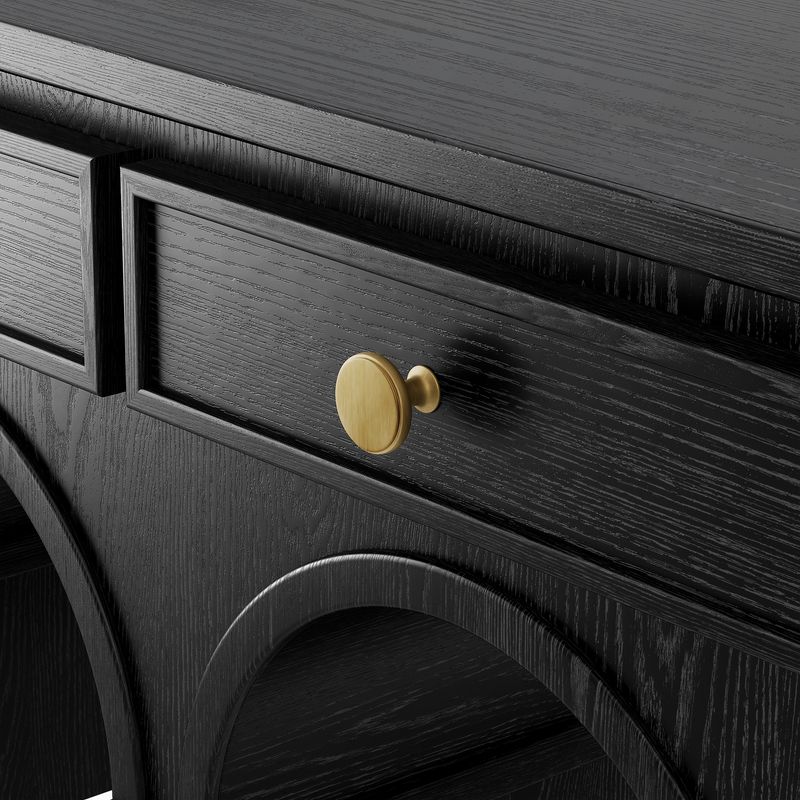
A coffee table with drawers or concealed compartments can help keep remotes, coasters, charging cables, reading materials, and other small items organized. This is particularly useful in open-plan living rooms, where visible clutter can make the whole space feel less settled.
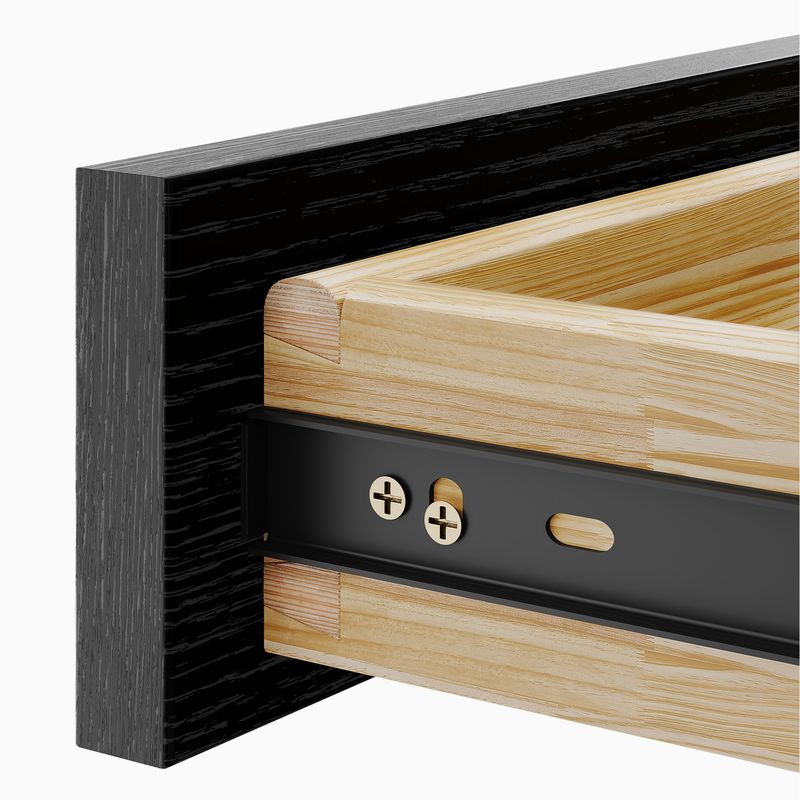
Think about the items you want to store before deciding on a design. Drawers are convenient for smaller belongings, while a larger compartment may suit bulkier items. Check the interior dimensions and drawer configuration on the product page rather than judging storage capacity by the table's exterior size.
If you prefer a clean tabletop, look for a design that provides enough storage for daily essentials while leaving space for a few useful or decorative items.
Coordinate Your Coffee Table with the Rest of the Room
A coffee table usually works best when it feels connected to the surrounding furniture rather than matching every piece exactly. Consider the overall proportions, materials, finishes, and visual weight of the room.
Pair Your Coffee Table with a Sofa
The sofa and coffee table form one of the main relationships in a living room. A long sofa may need a longer table, while a compact sofa or a pair of accent chairs may work better with a round or square design.
For more seating options, explore Hernest's Sofas and Loveseats. If your living room needs a flexible place to relax or accommodate overnight guests, you can also browse Power Sofa Beds. Compare the sofa's dimensions and seat height with the coffee table before settling on a combination.
Create a Cohesive Living Room with Complementary Furniture
Your coffee table does not have to share the exact finish of every other piece. Instead, look for details that create a visual connection, such as similar wood tones, complementary shapes, or a consistent level of detail.
A wood coffee table can balance upholstered seating, while a table with a distinctive surface can echo accents elsewhere in the room. If your space includes a television area, coordinate the table with your Media Consoles to keep the main living zone visually consistent.
For a room with clean lines and wood-forward furniture, explore Mid-Century Modern TV Stands. Repeating a material or finish in a few places can make the room feel connected without making every piece look identical.
How to Style a Coffee Table
Once you've chosen a coffee table, a few thoughtful details can make it feel more integrated into your living room. Start with the items you use regularly, then add decoration where there is room.
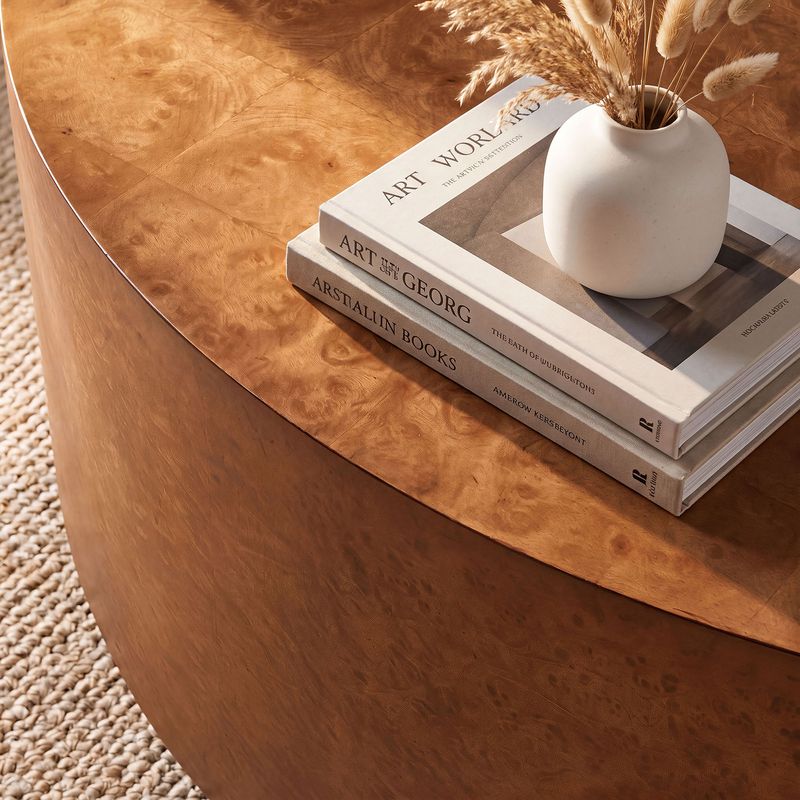
A tray can group remotes, coasters, or small everyday objects. A stack of books can add height and personality, while a small vase or low-profile decorative piece introduces shape and texture. Keep taller objects away from the main sightline if they might block conversation or the view across the room.
Leave enough open tabletop for drinks, snacks, and other daily activities. A coffee table does not need to be completely covered to look finished; a little negative space helps the surface remain useful.
Finally, consider the scale of your accessories. A large table can accommodate a more substantial arrangement, while a smaller design usually benefits from a simpler setup. Let the table's own material and detailing remain visible rather than competing with too many decorative objects.