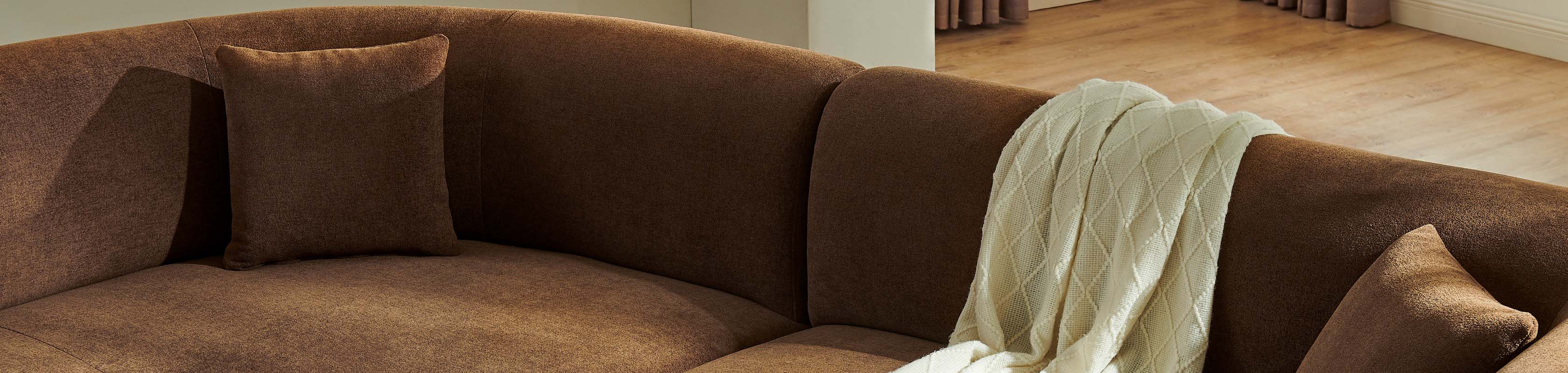
Sectional Sofas
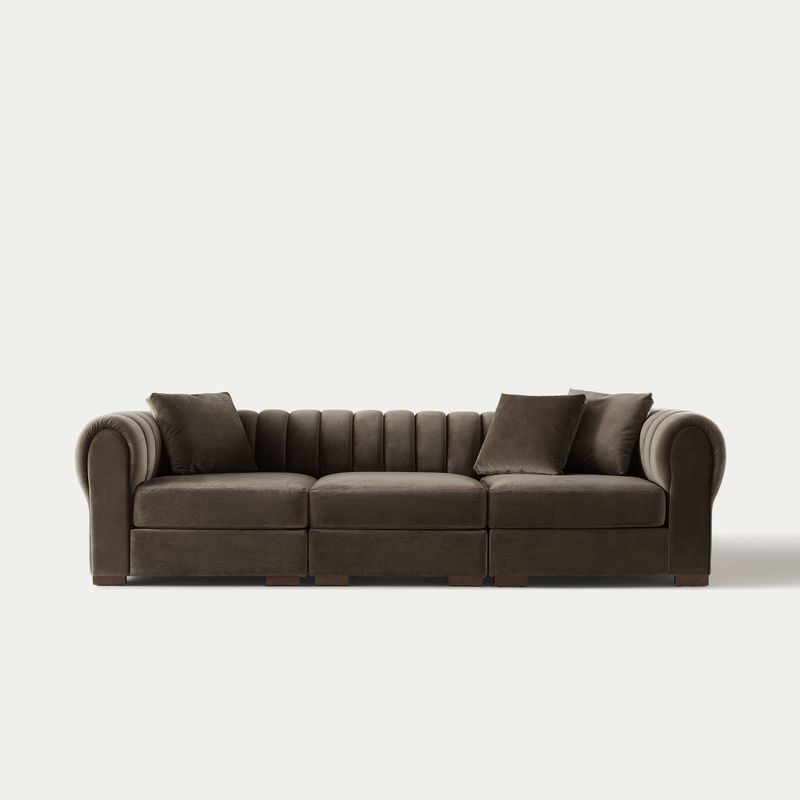
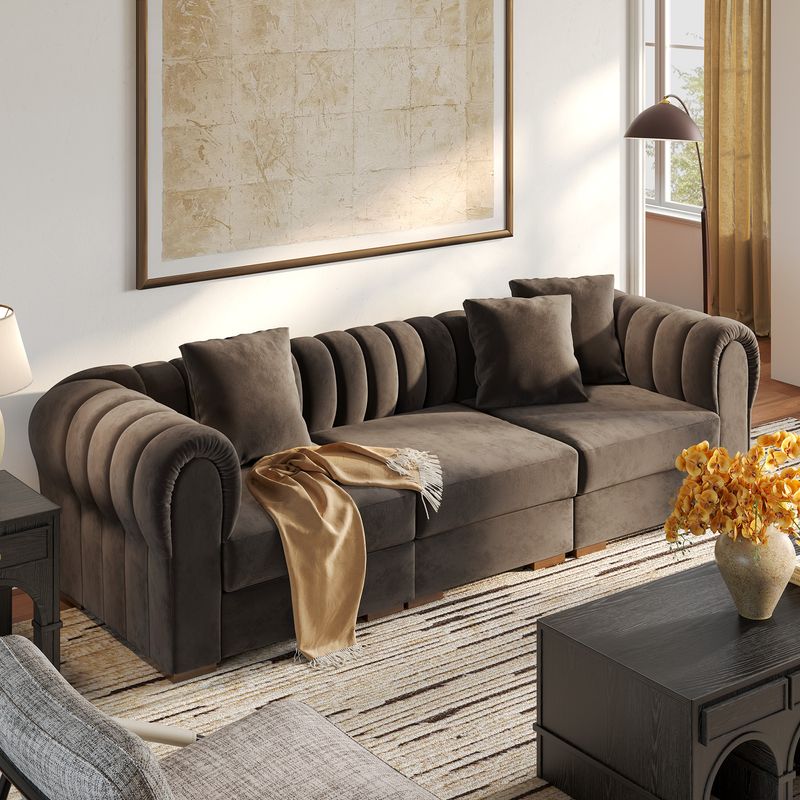
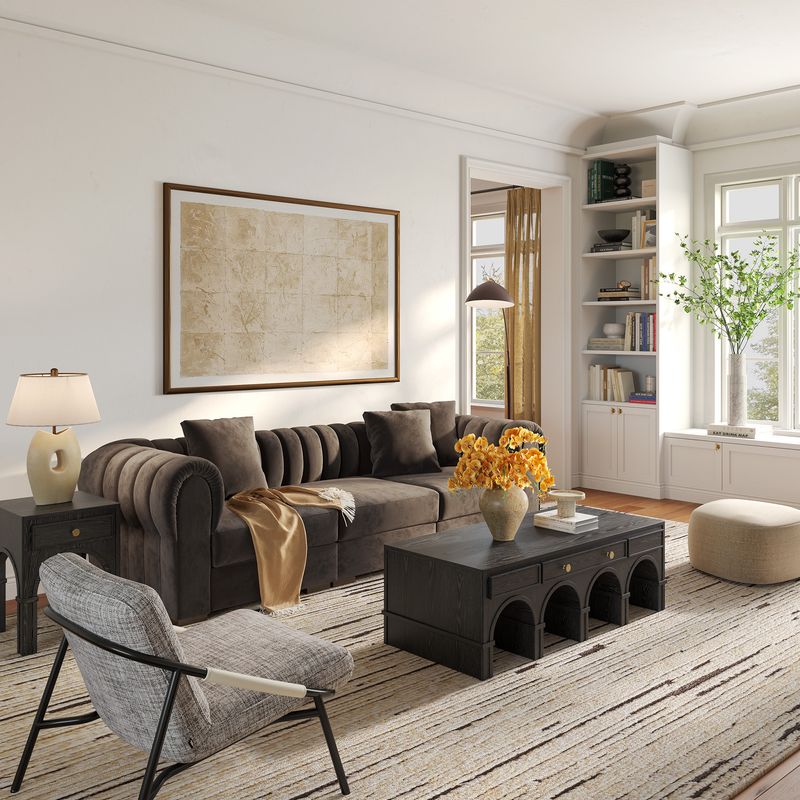

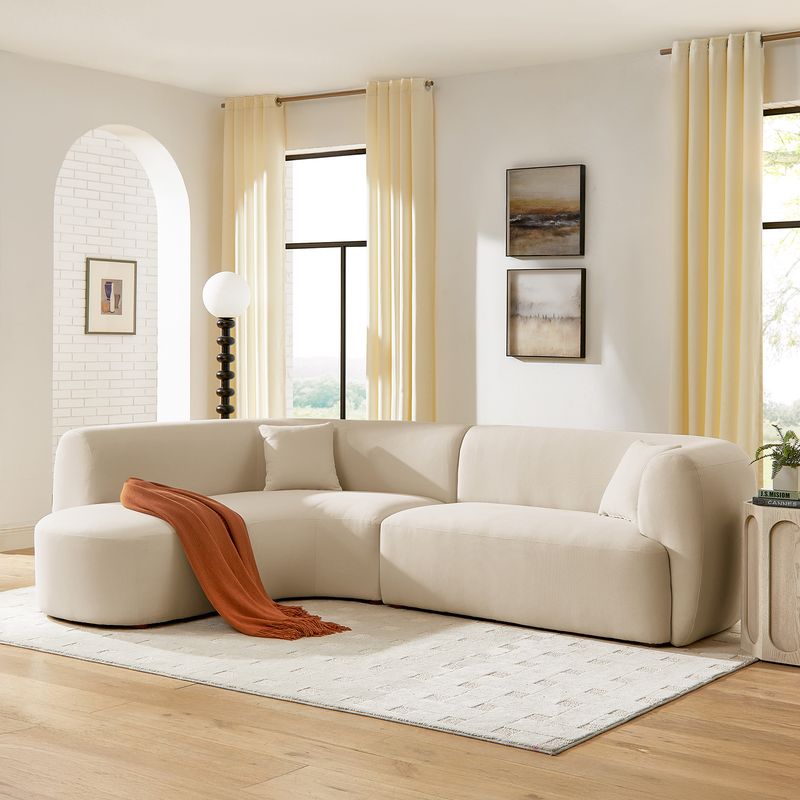



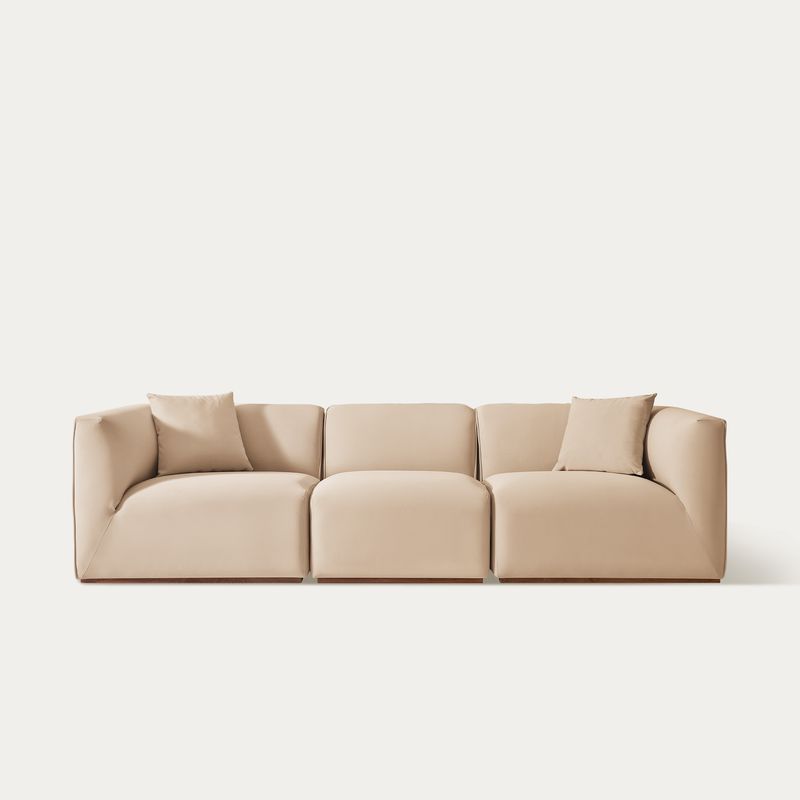
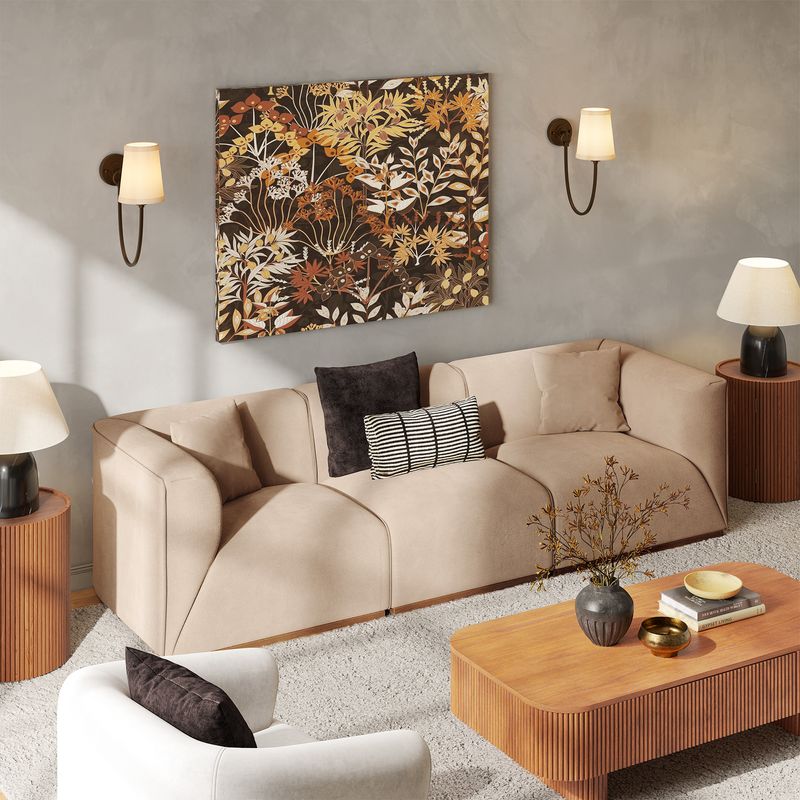
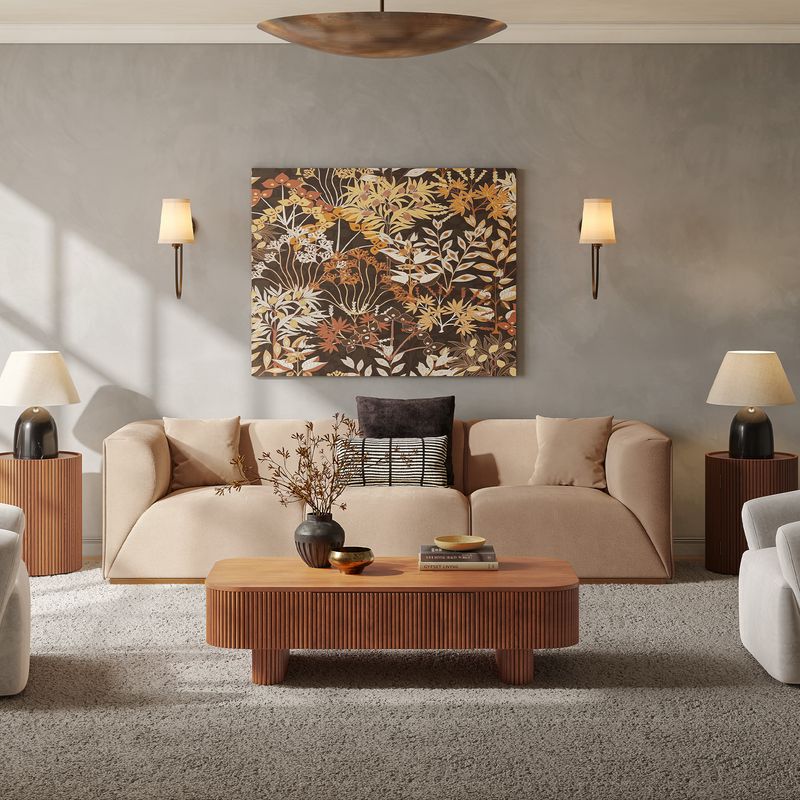
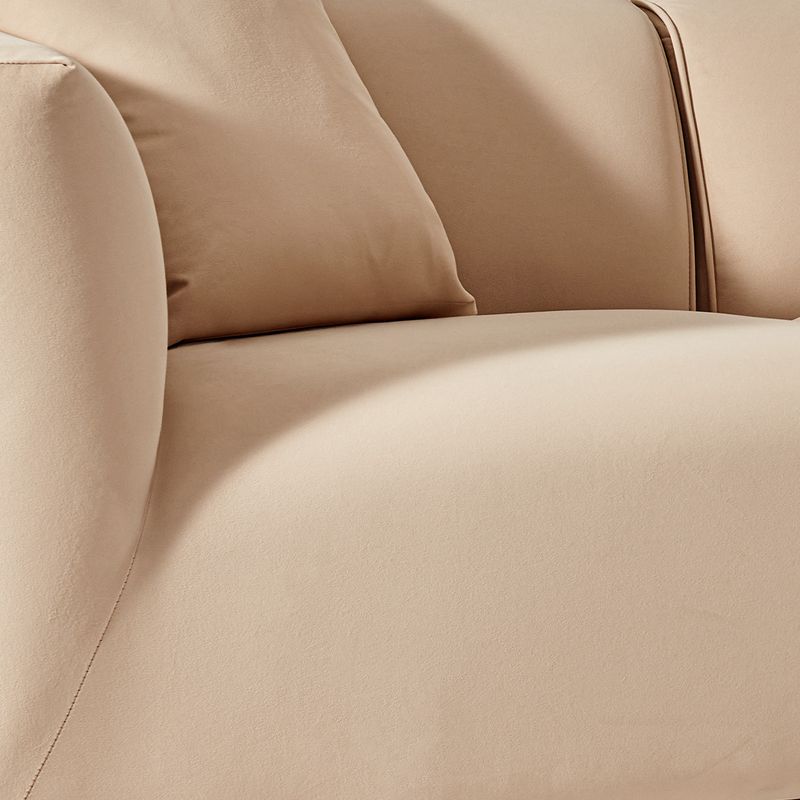
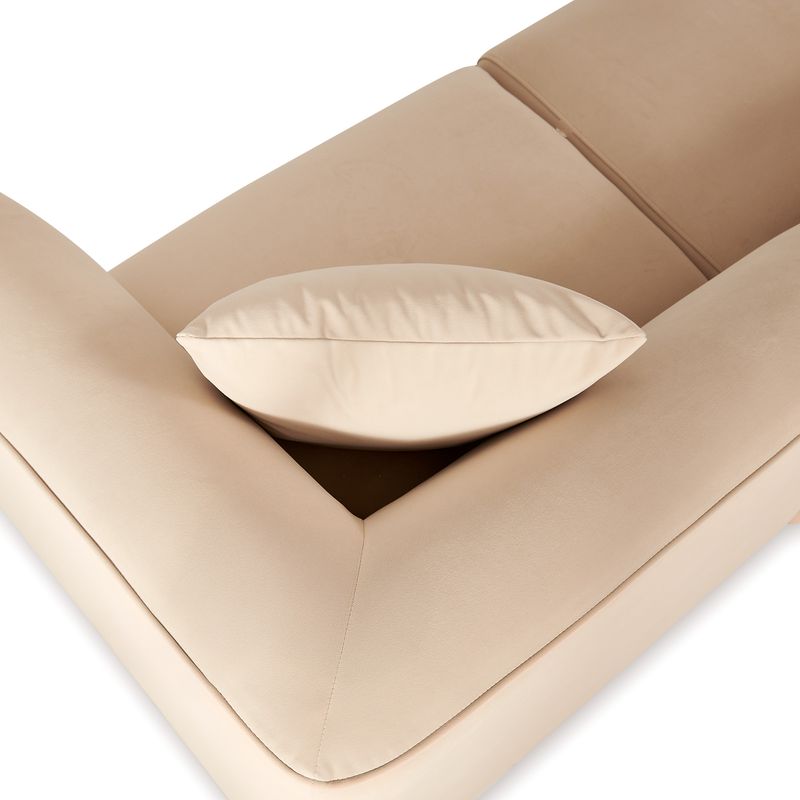

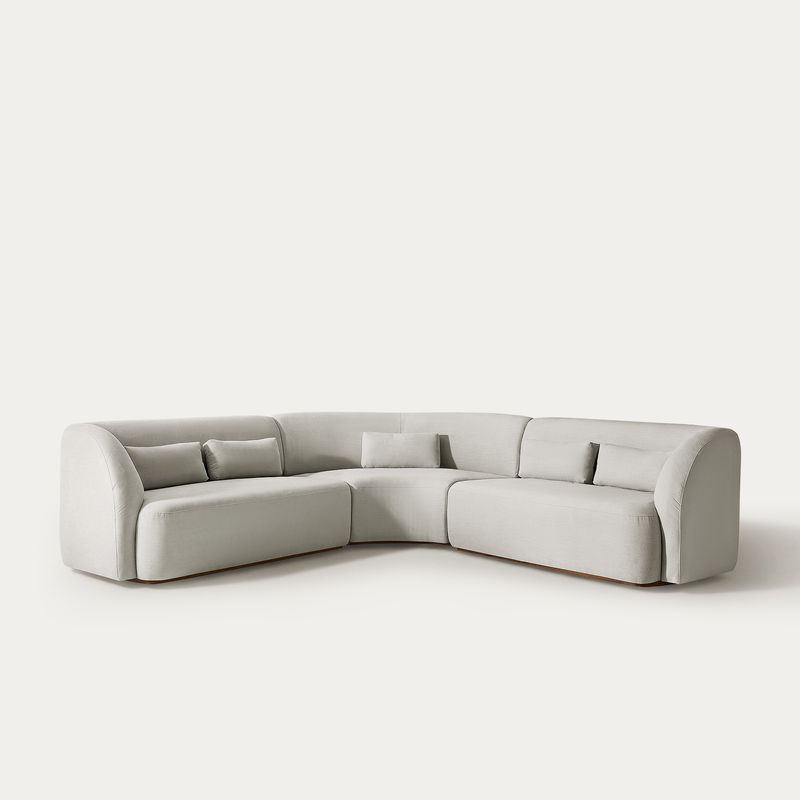
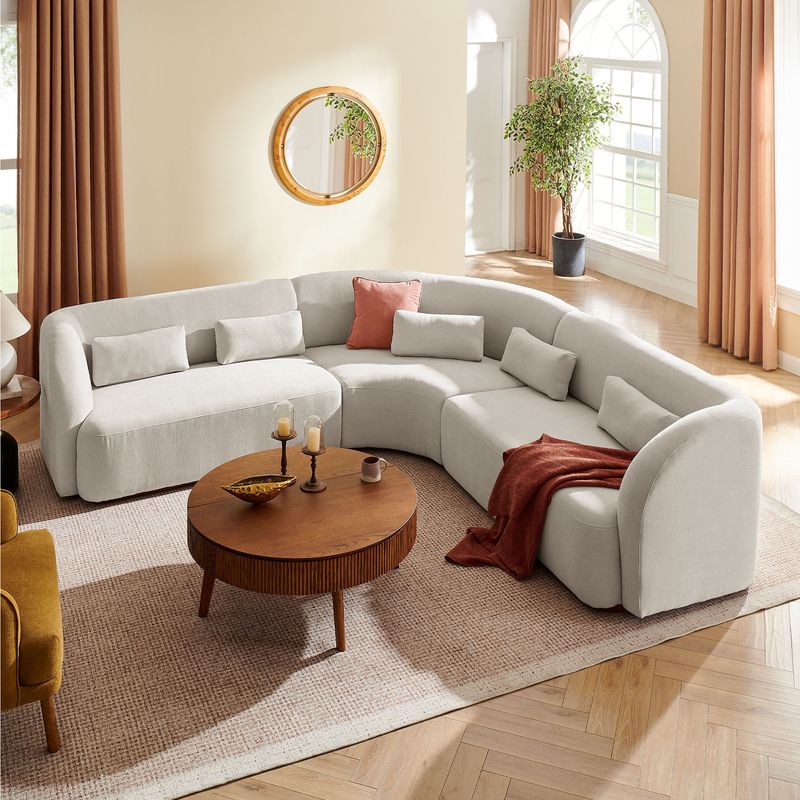
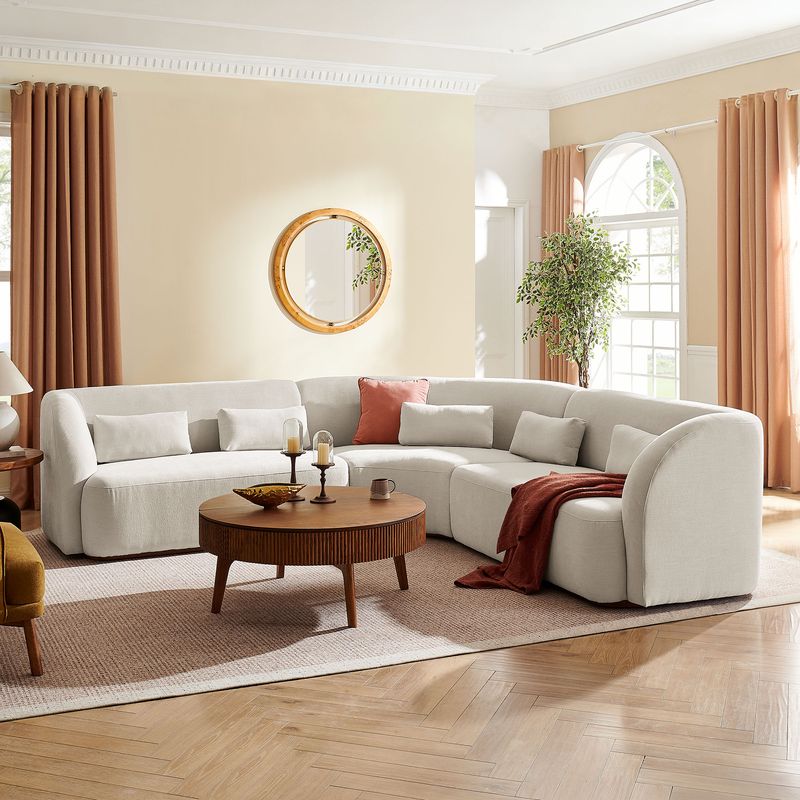
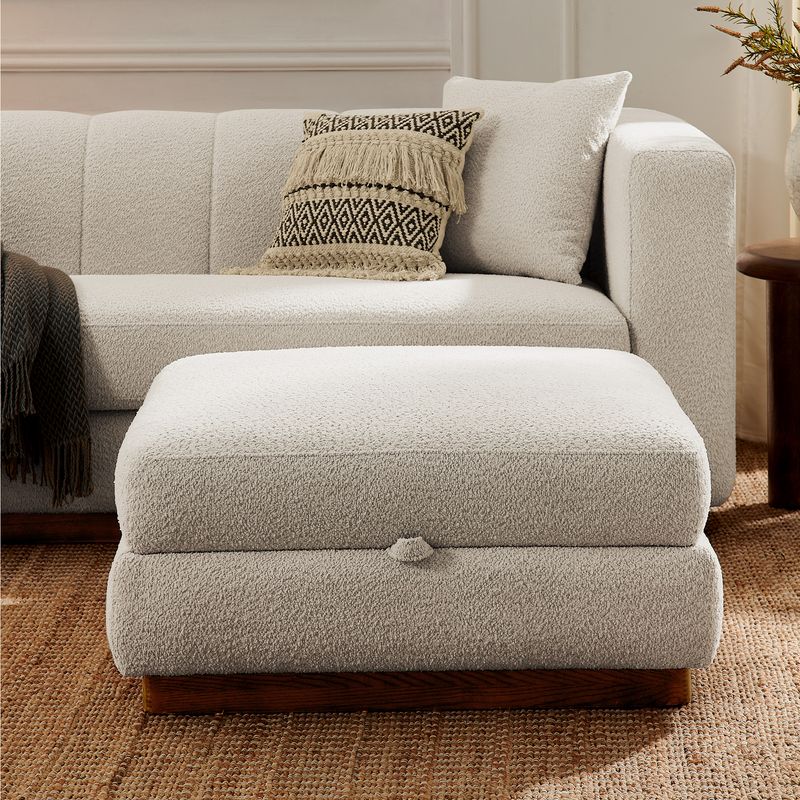
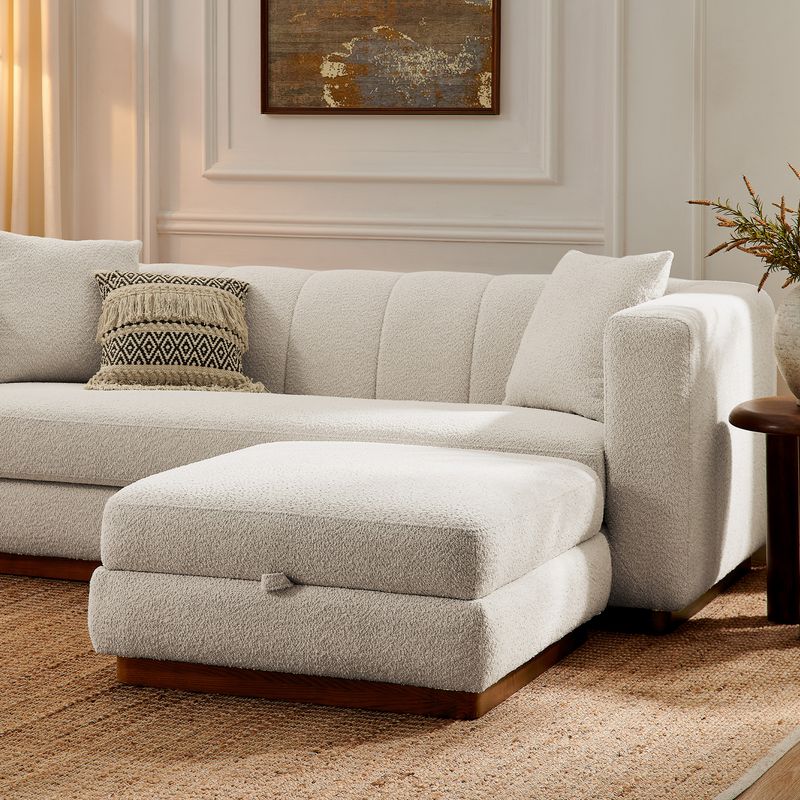
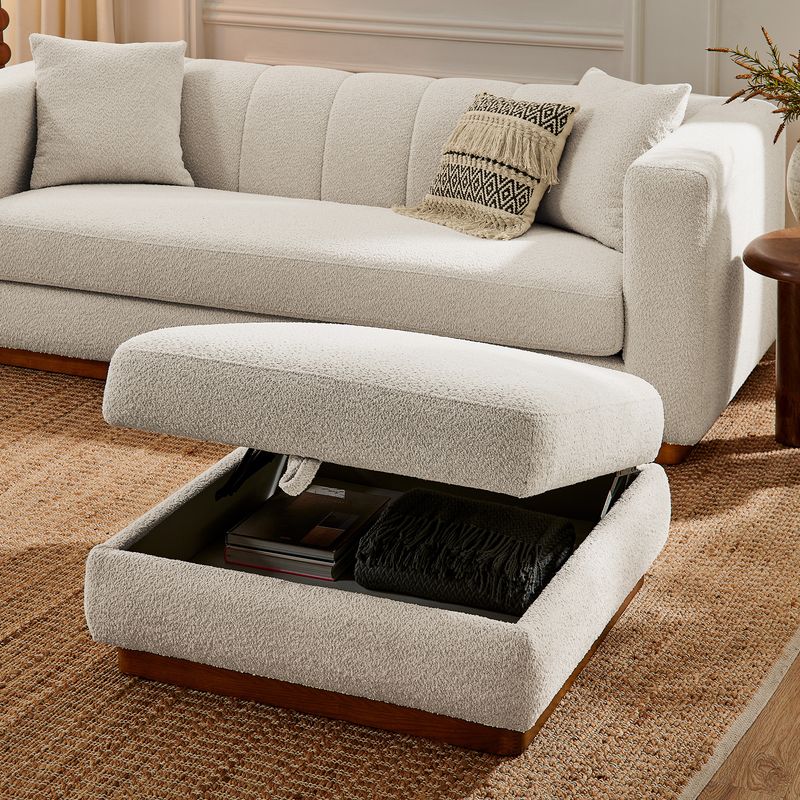


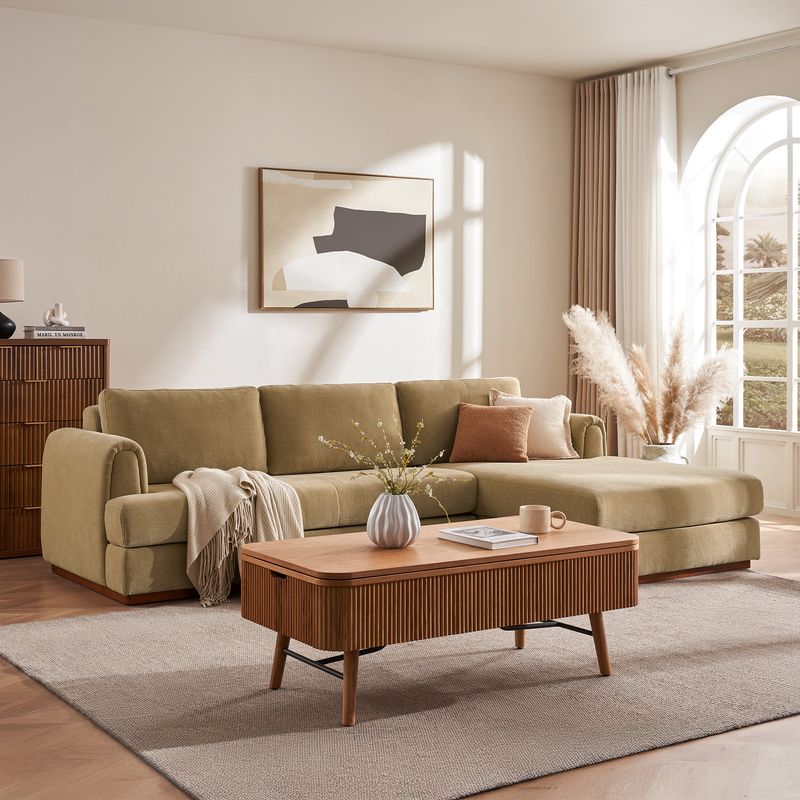
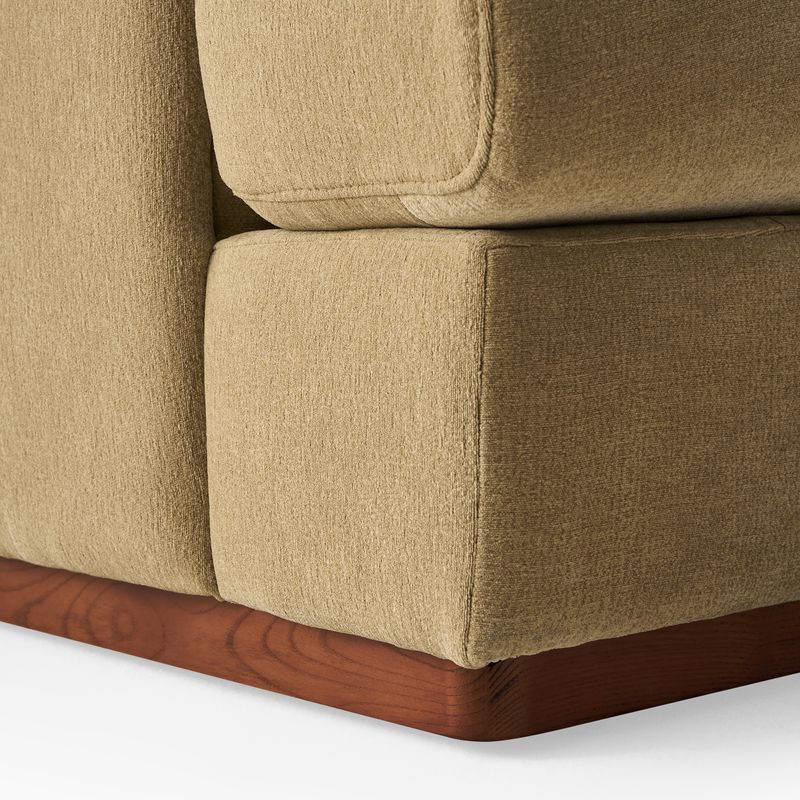
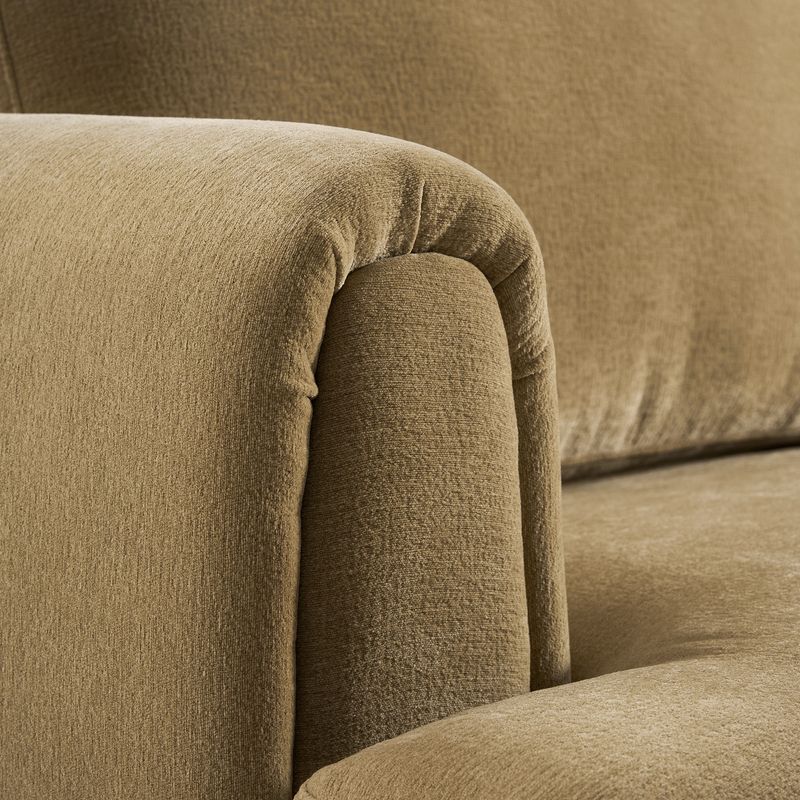


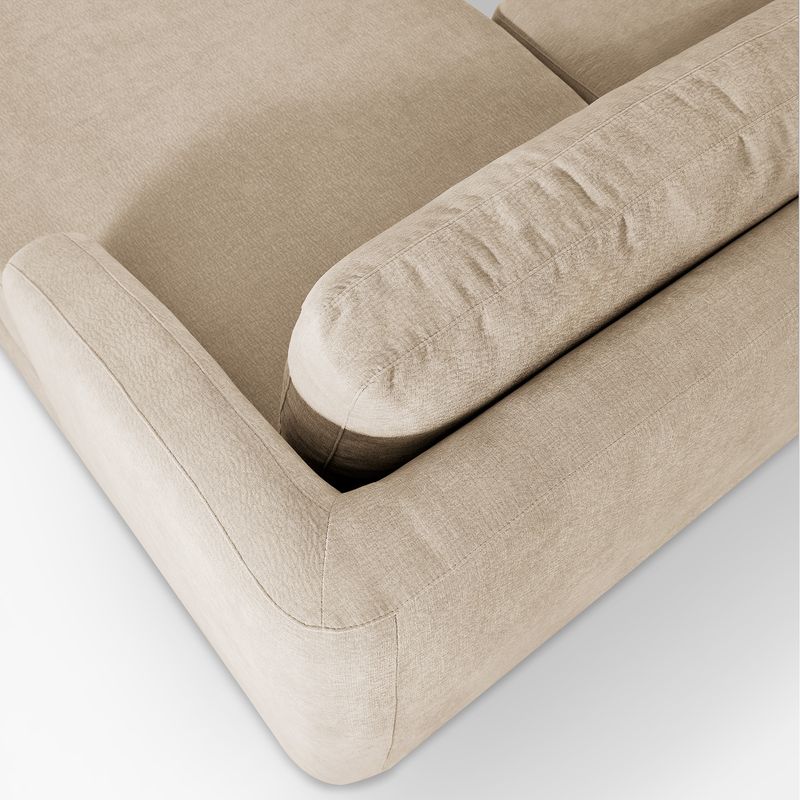
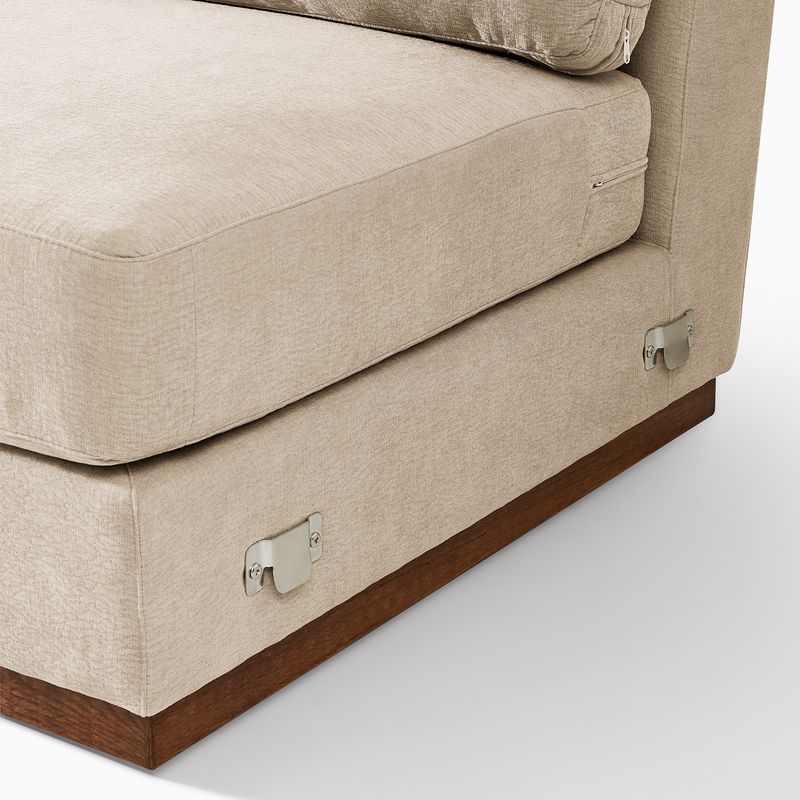


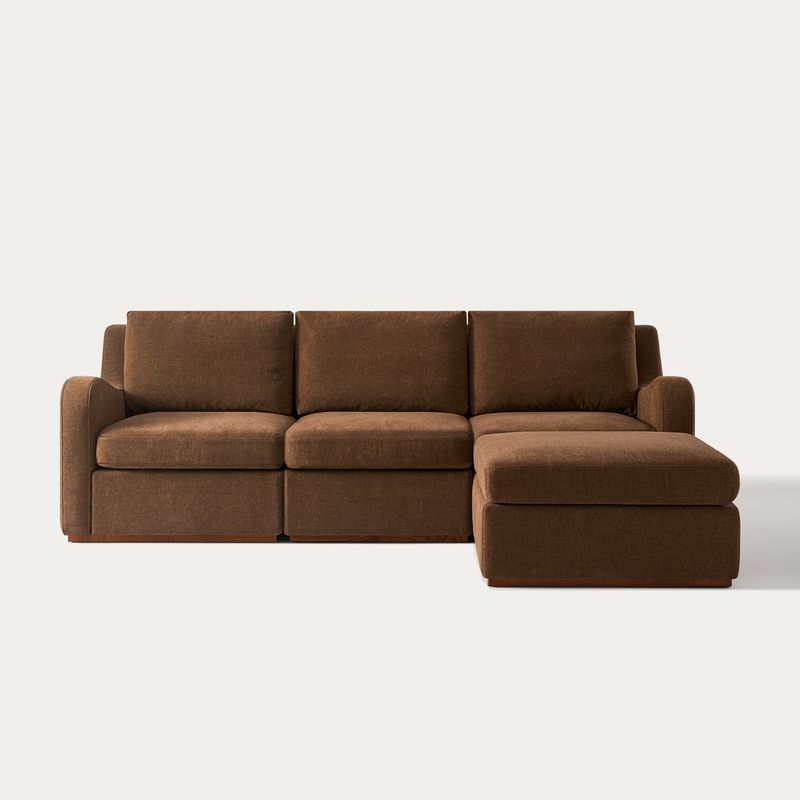
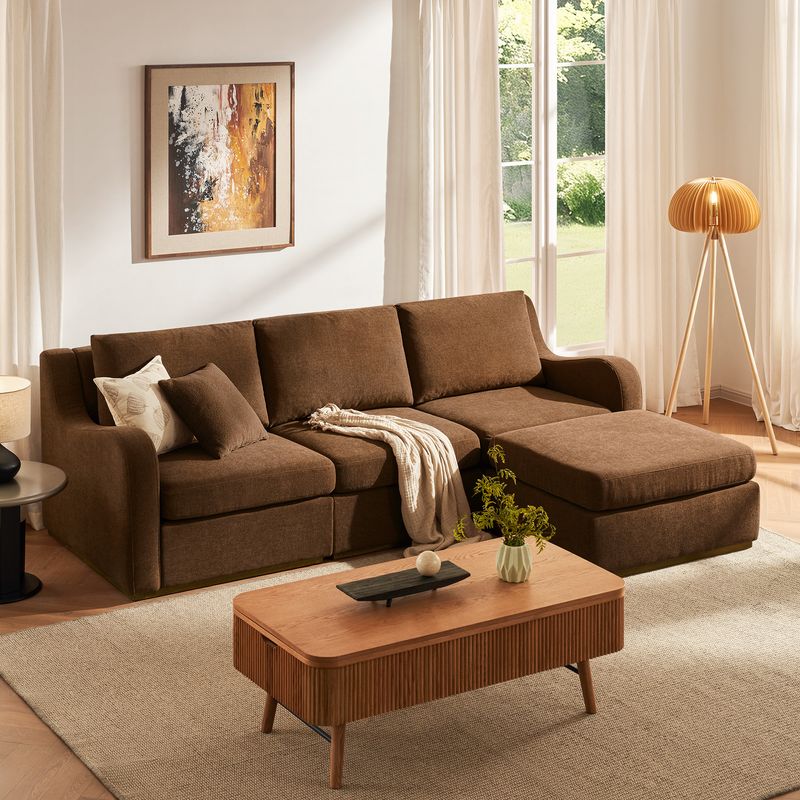


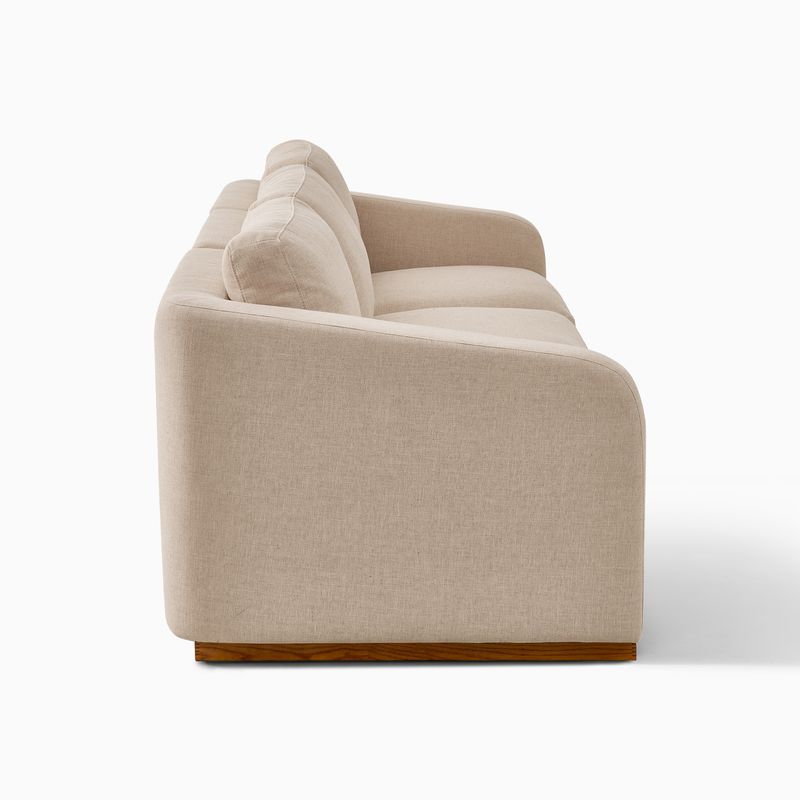
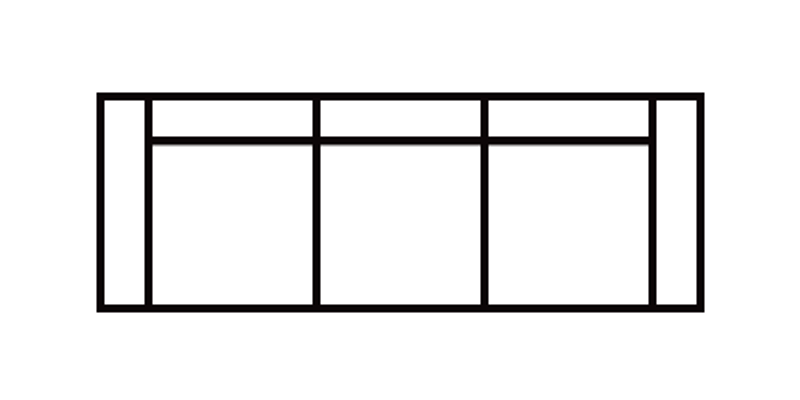
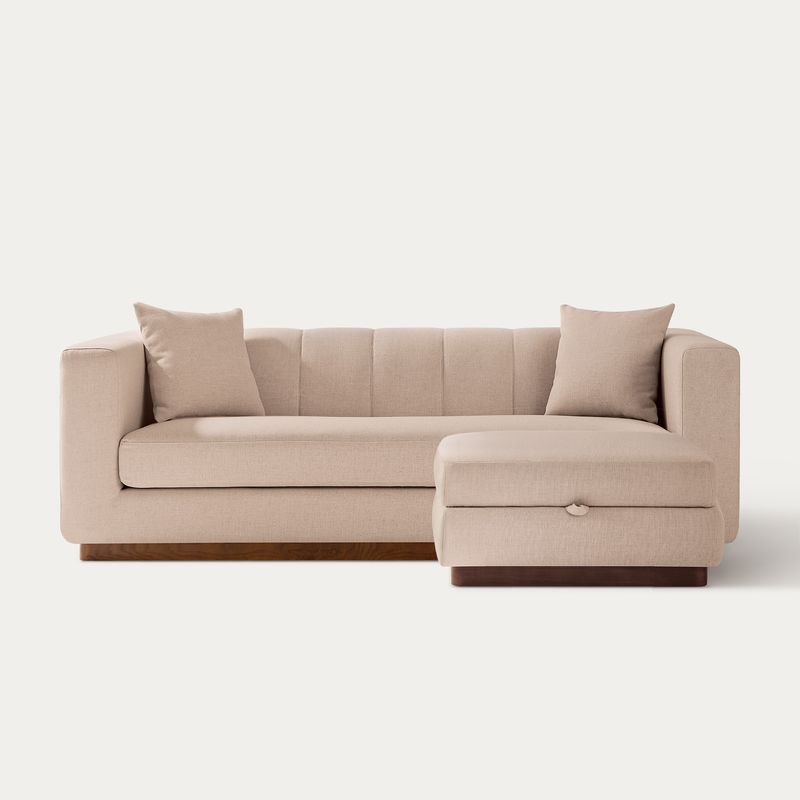
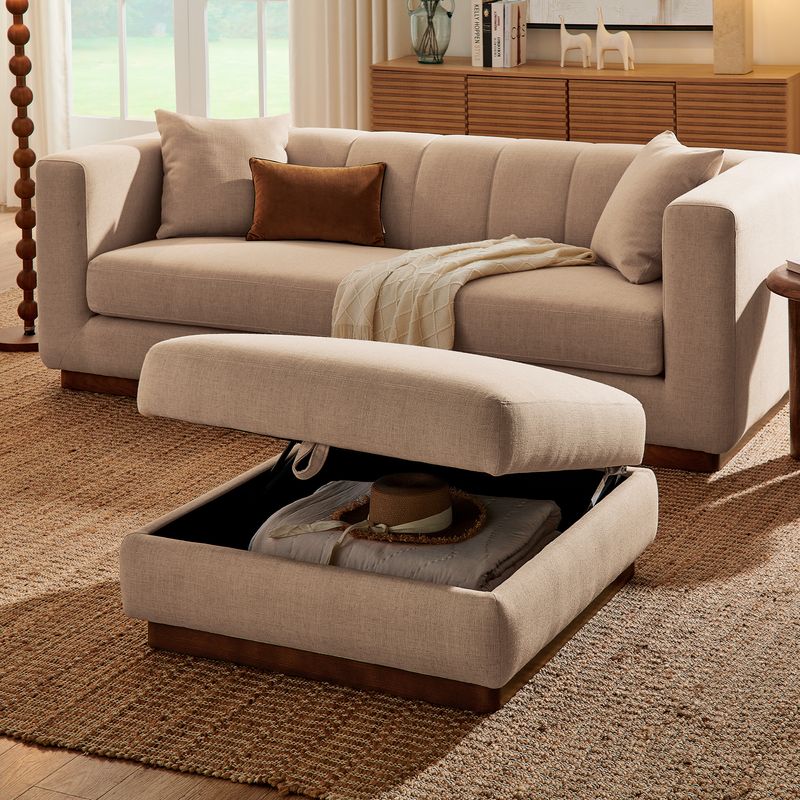
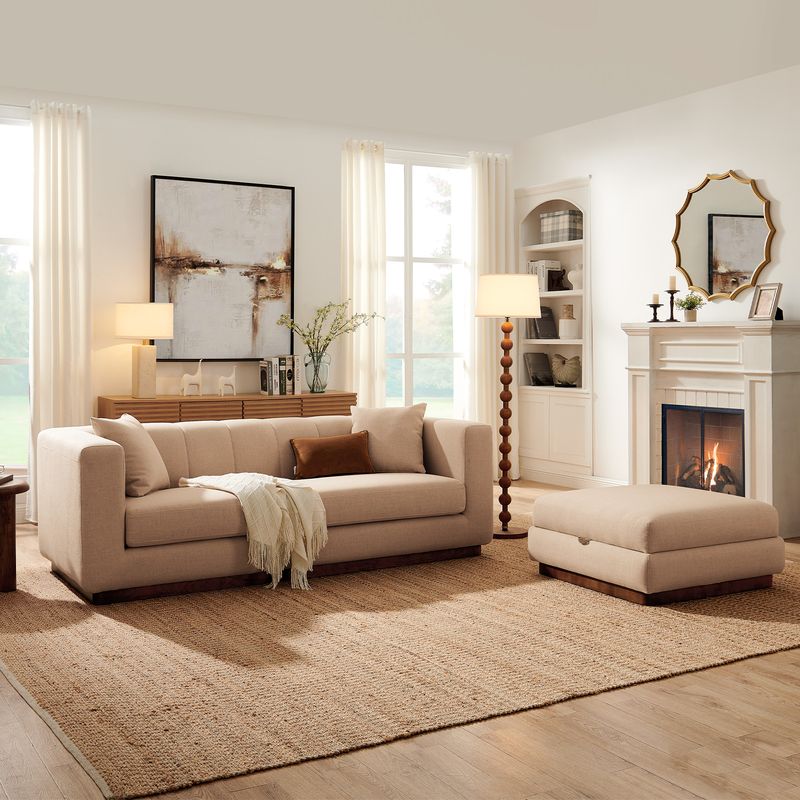
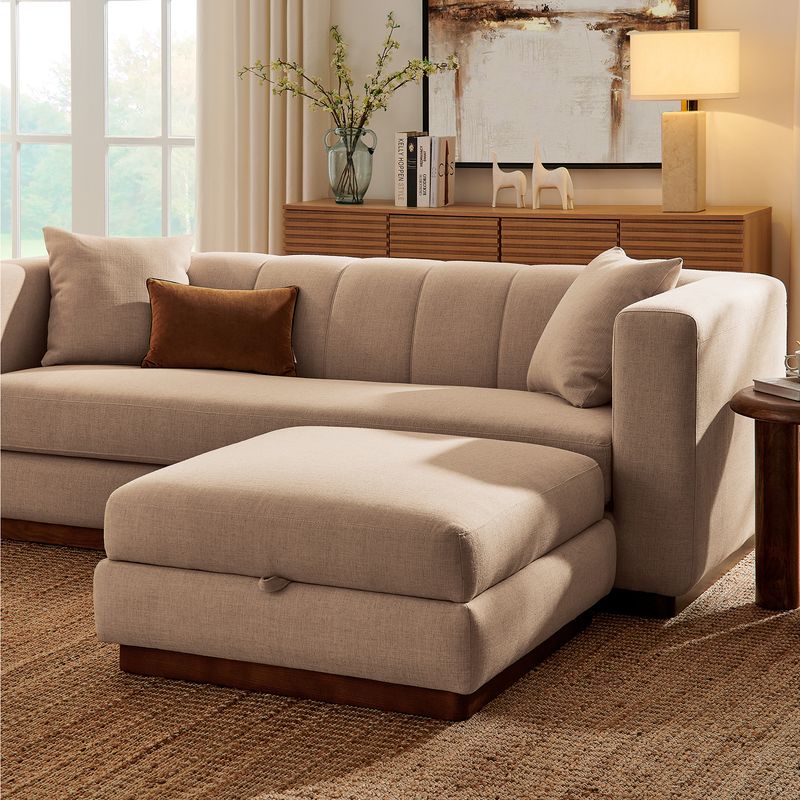
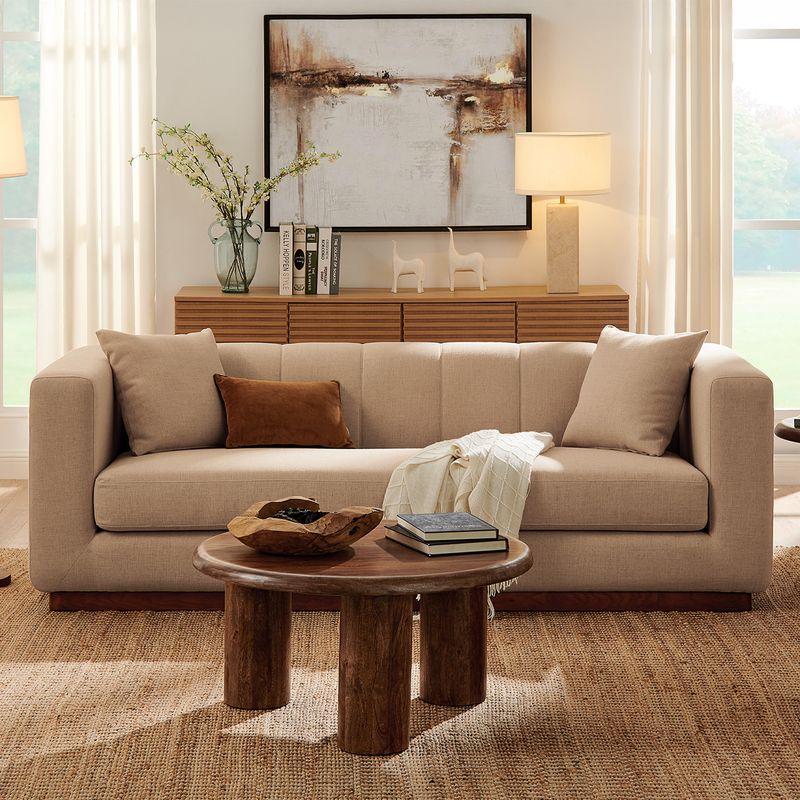






Find Sectional Sofas That Fit the Way You Live
A living room has to do a lot. It might be where you stretch out after work, watch a movie with the family, host friends on a Saturday night, or settle in with a laptop and coffee. Your seating needs to keep up.
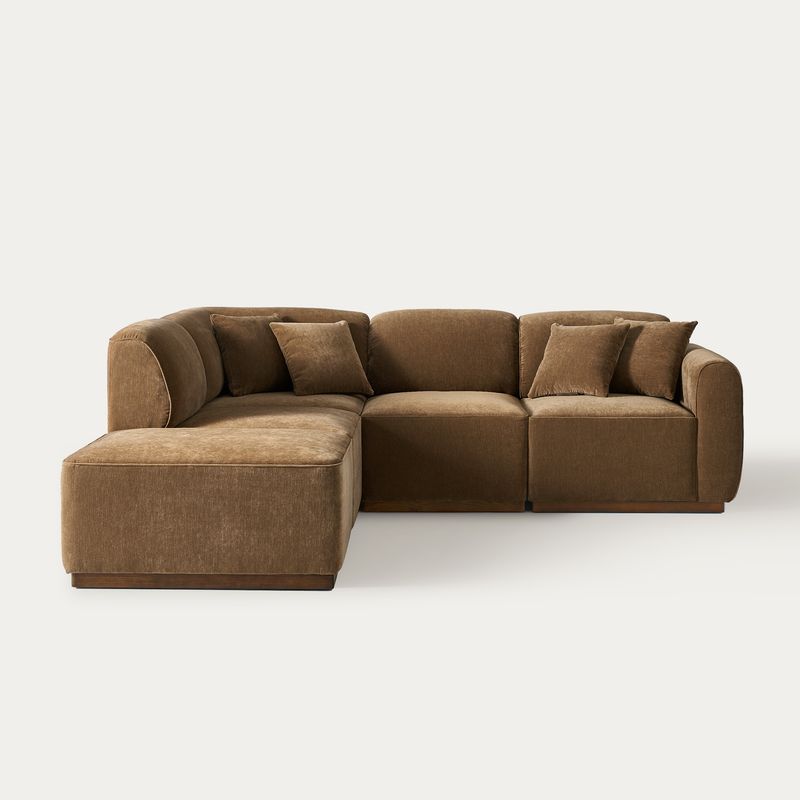
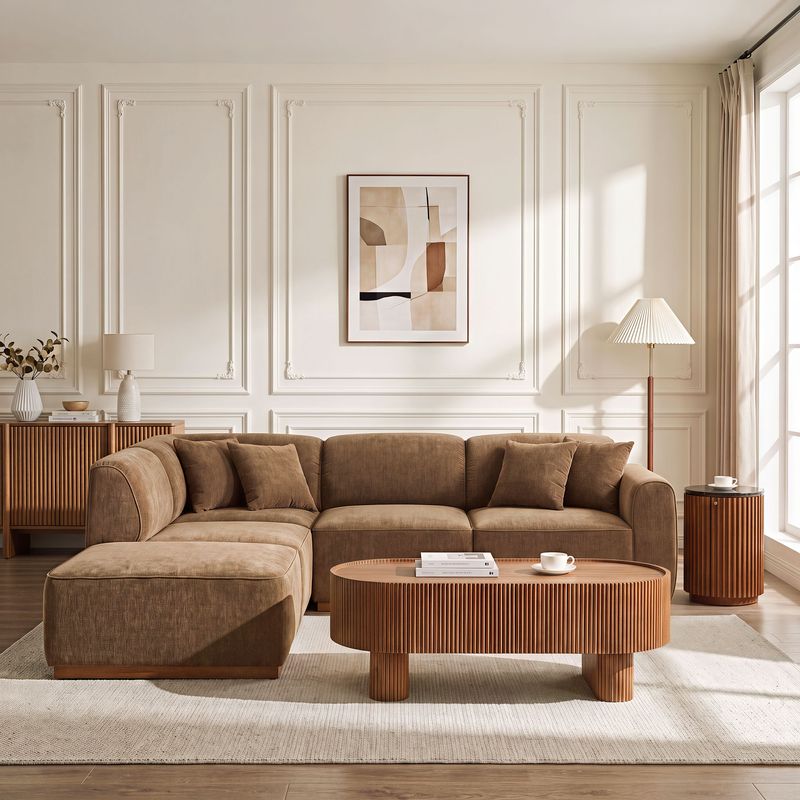
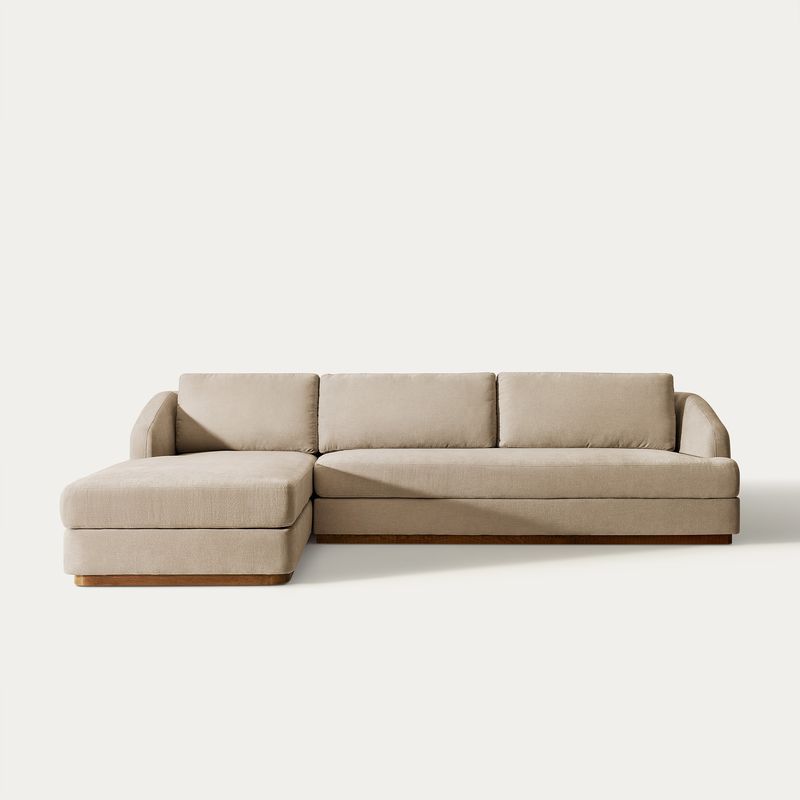
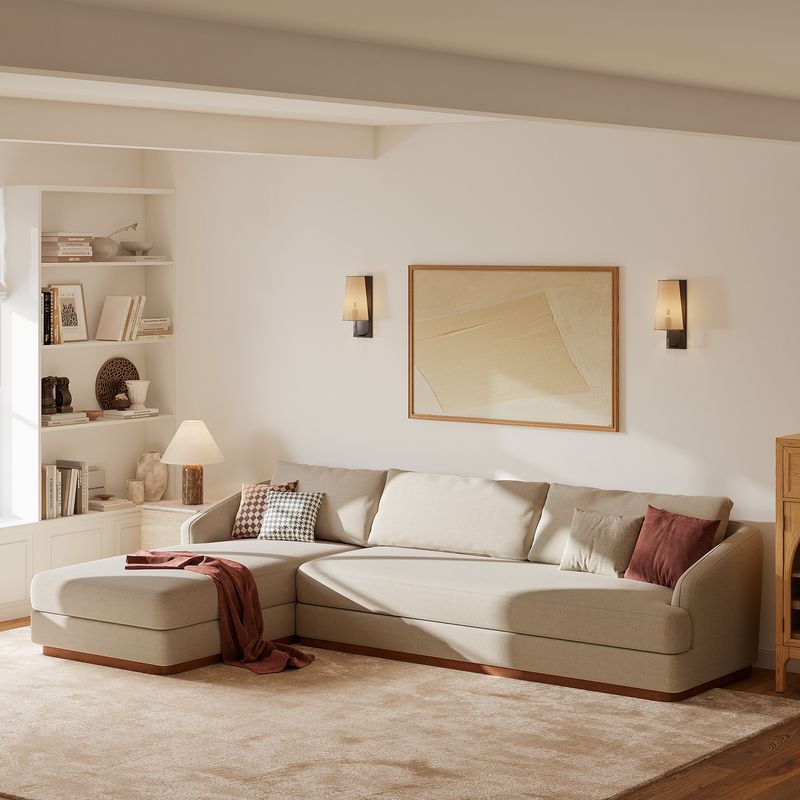
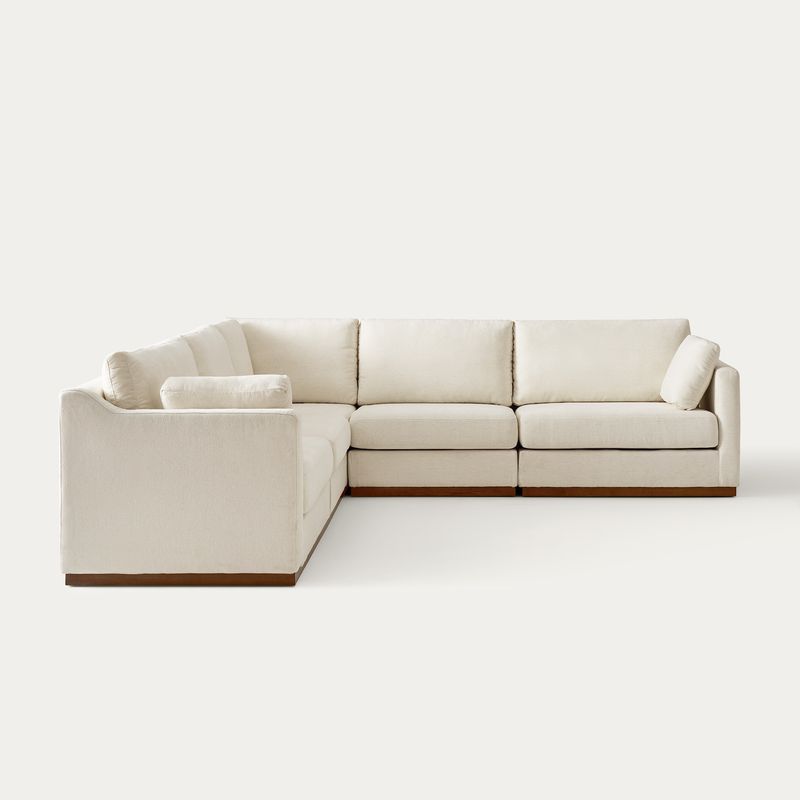
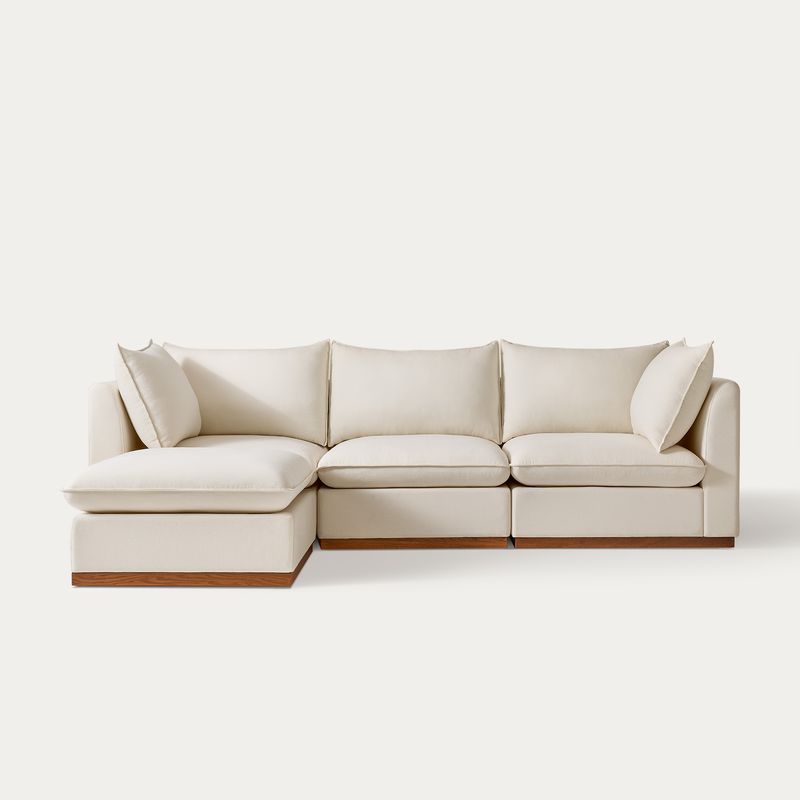
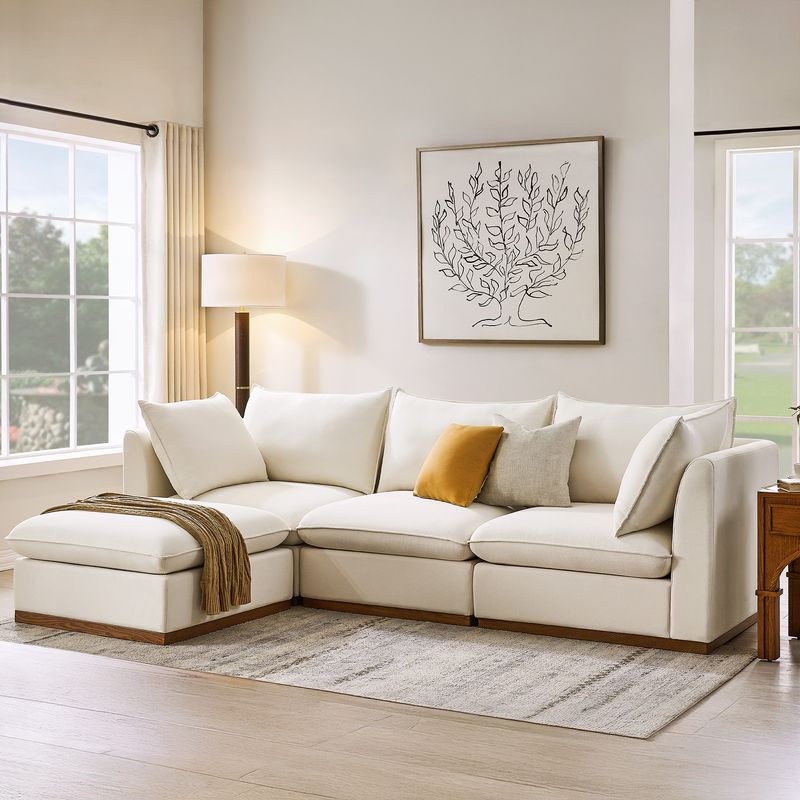
That is where sectional sofas make sense. Instead of arranging a separate sofa and chairs, a sectional brings multiple seats into one connected layout. Depending on the room, that could mean an L-shaped design tucked into a corner, a chaise sectional made for putting your feet up, or a modular arrangement that can change with your space.
At Hernest, our sectional sofas are designed around that everyday flexibility. You can choose from different configurations, proportions, upholstery options, and seating arrangements to find a piece that works with both your room and your routine.
The right choice is less about finding the largest sofa and more about getting the proportions, layout, and comfort right for the way you live.
Read More
Choose the Right Sectional Sofa Shape for Your Room
The shape of a sectional affects more than appearance. It determines how the sofa uses floor space, where people sit, and how easily everyone can move around the room.
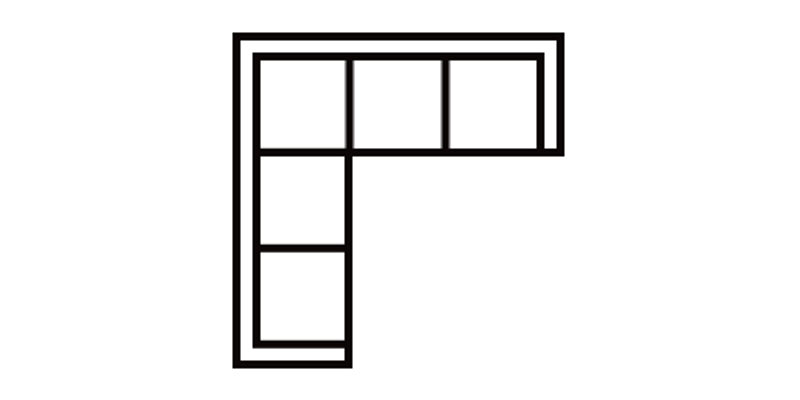
L-Shaped Sectional Sofas
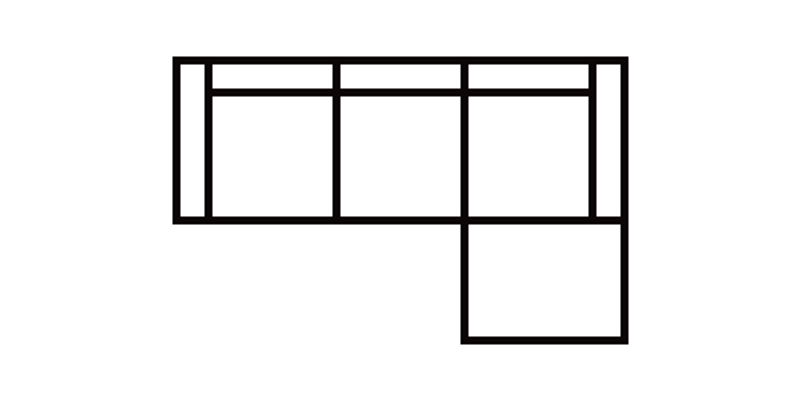
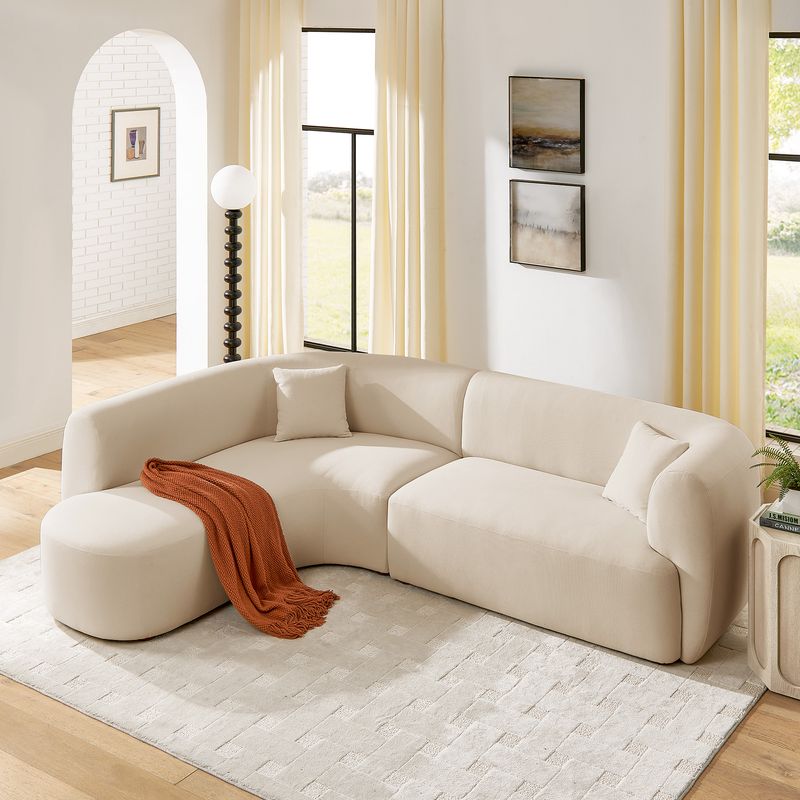
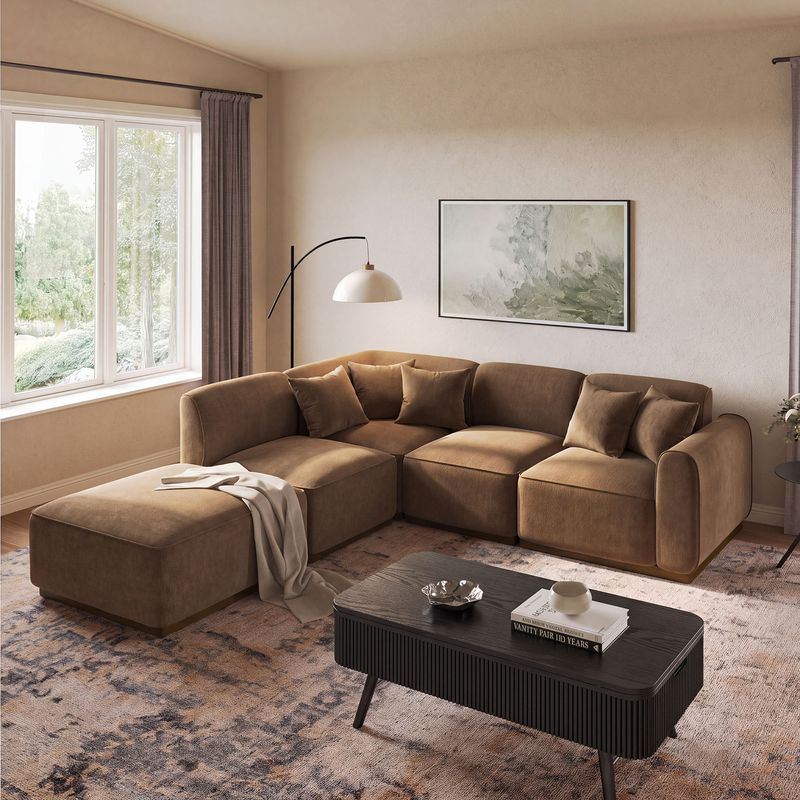
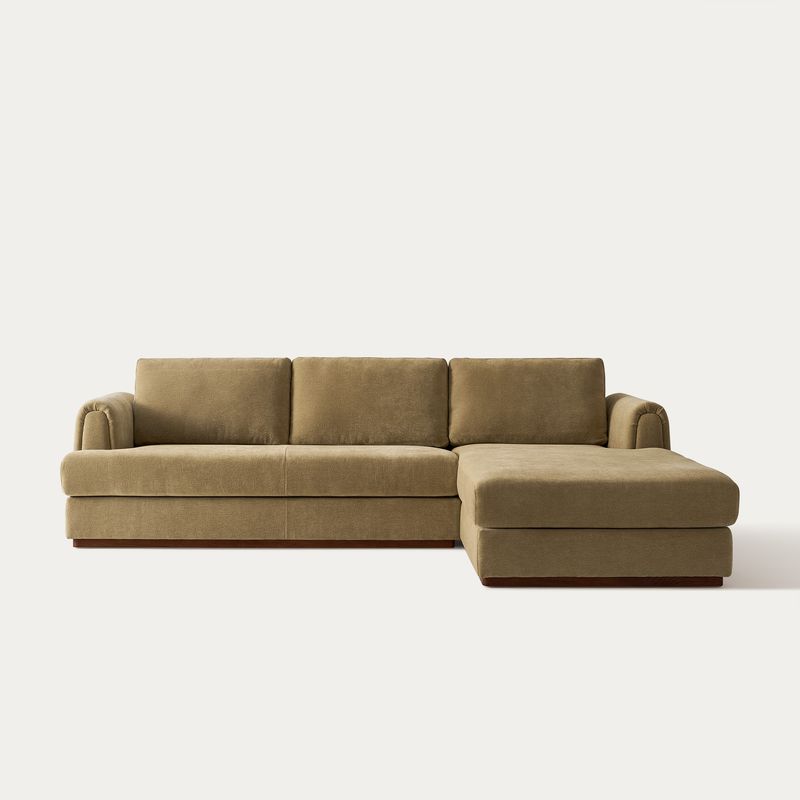
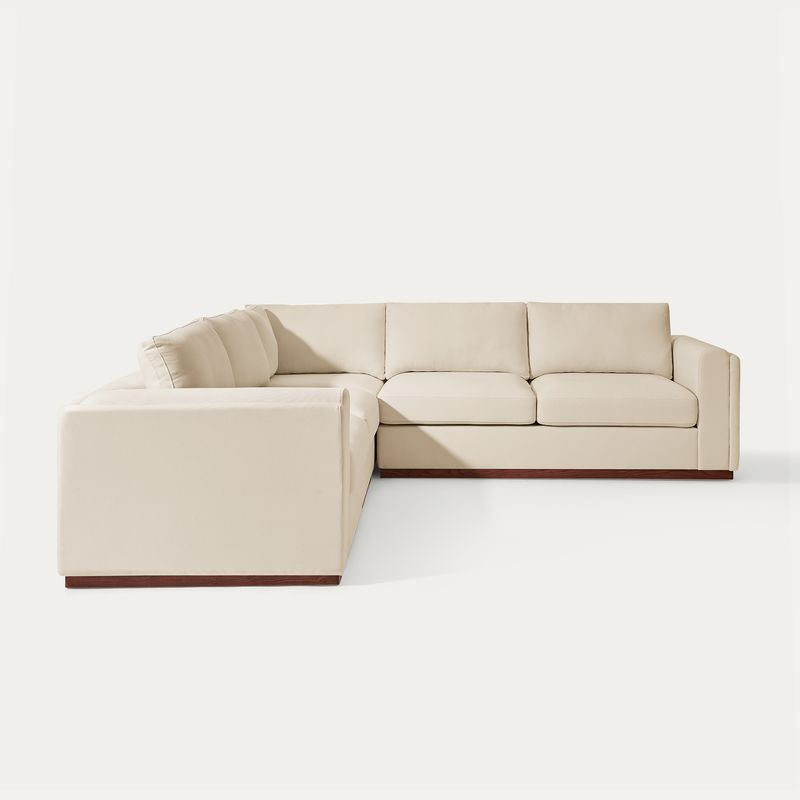
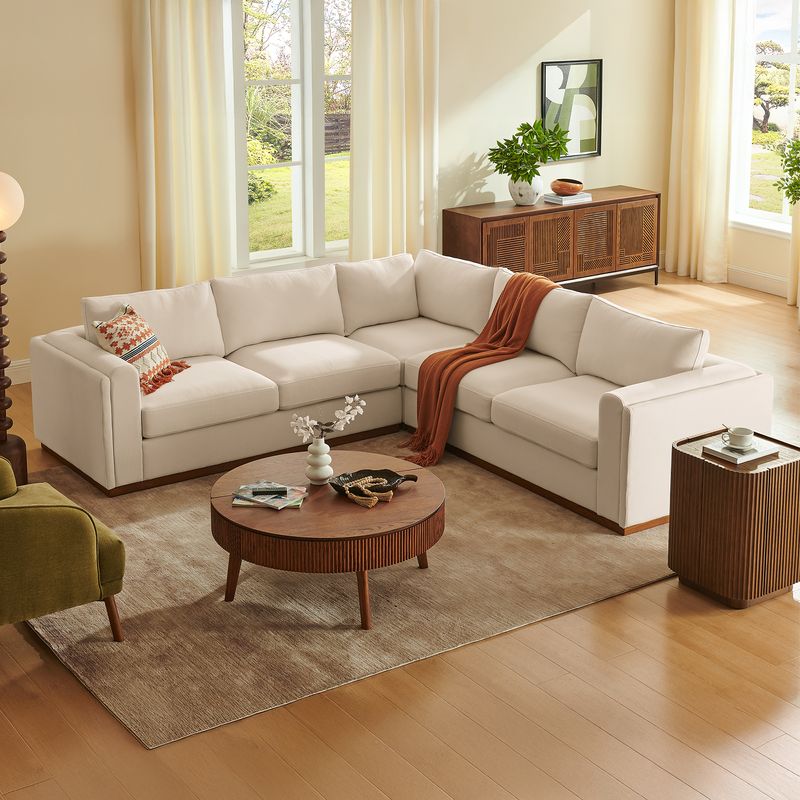
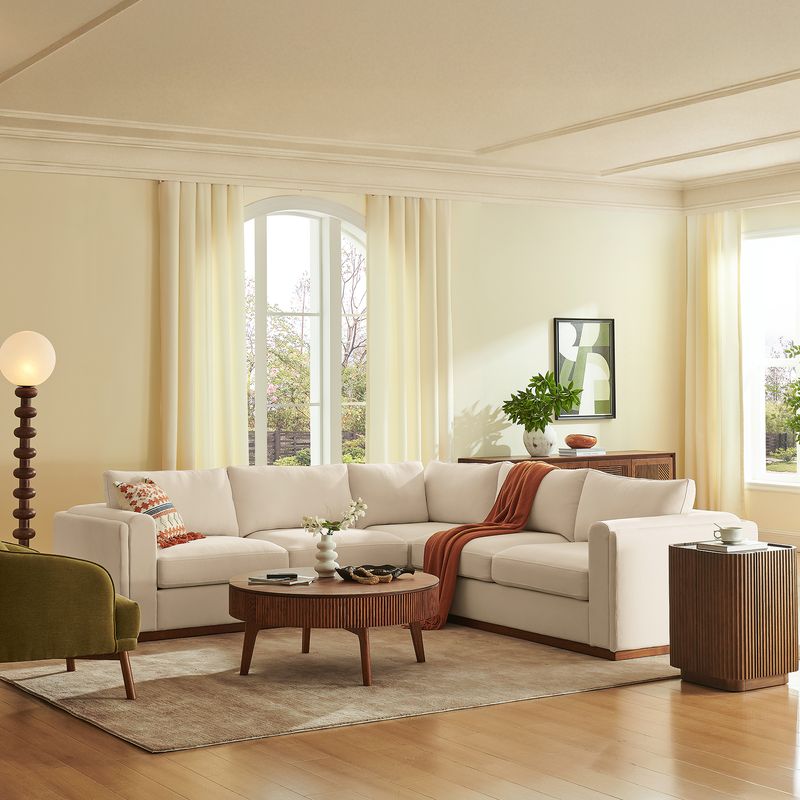
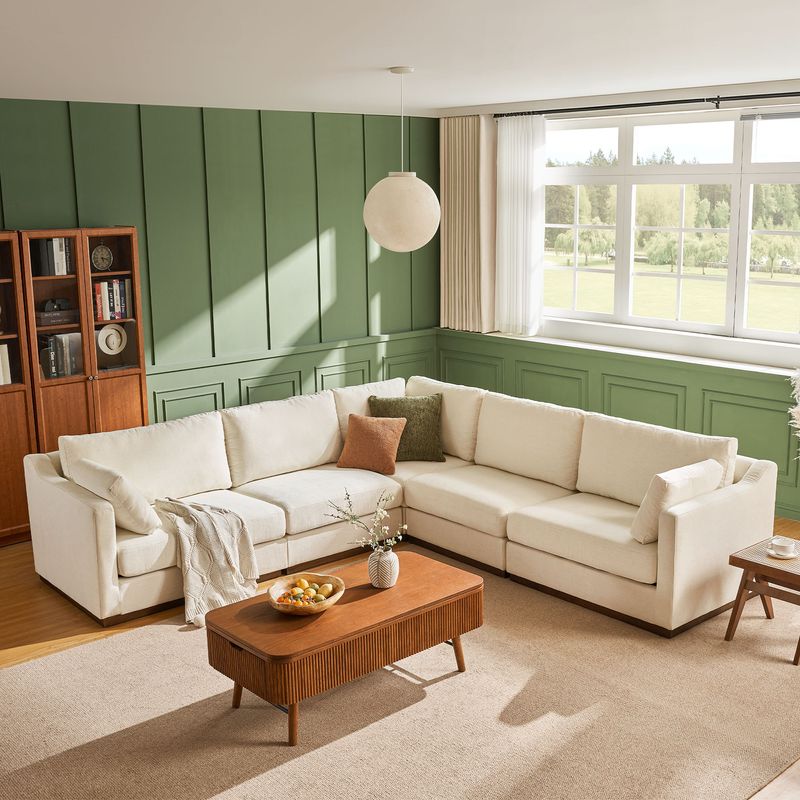
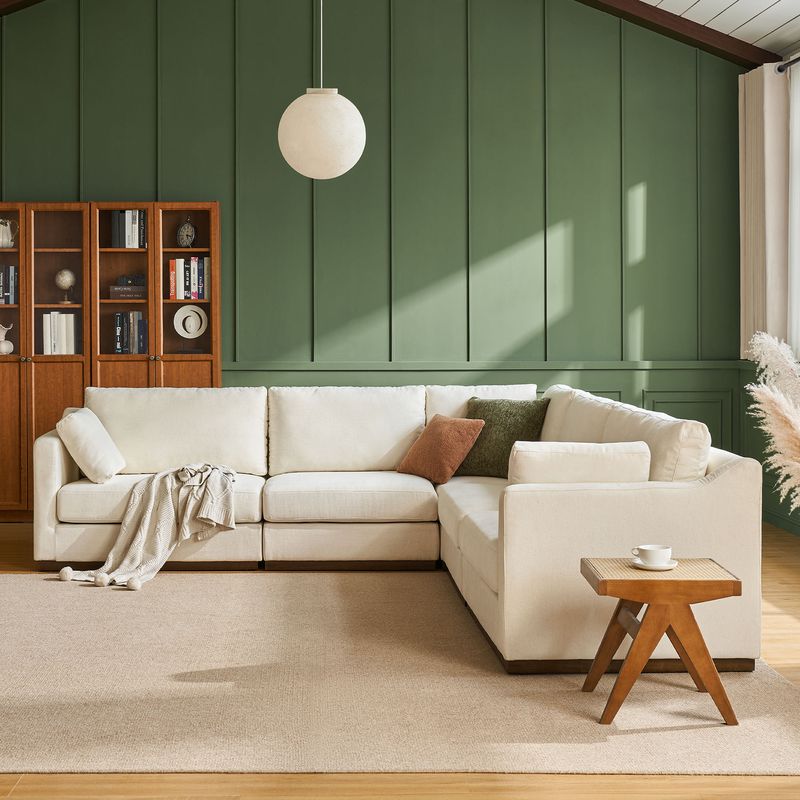
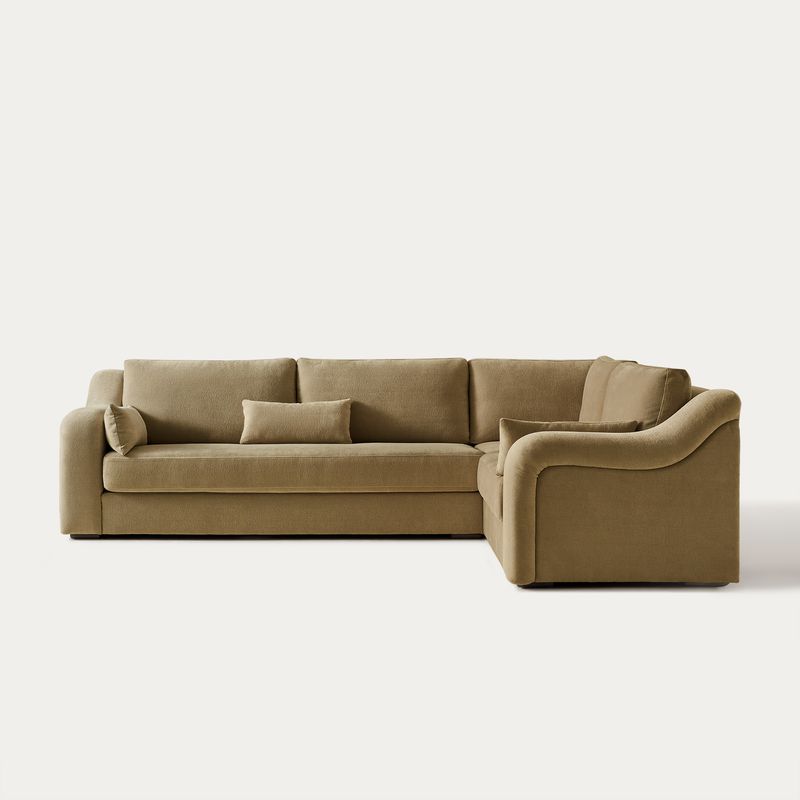
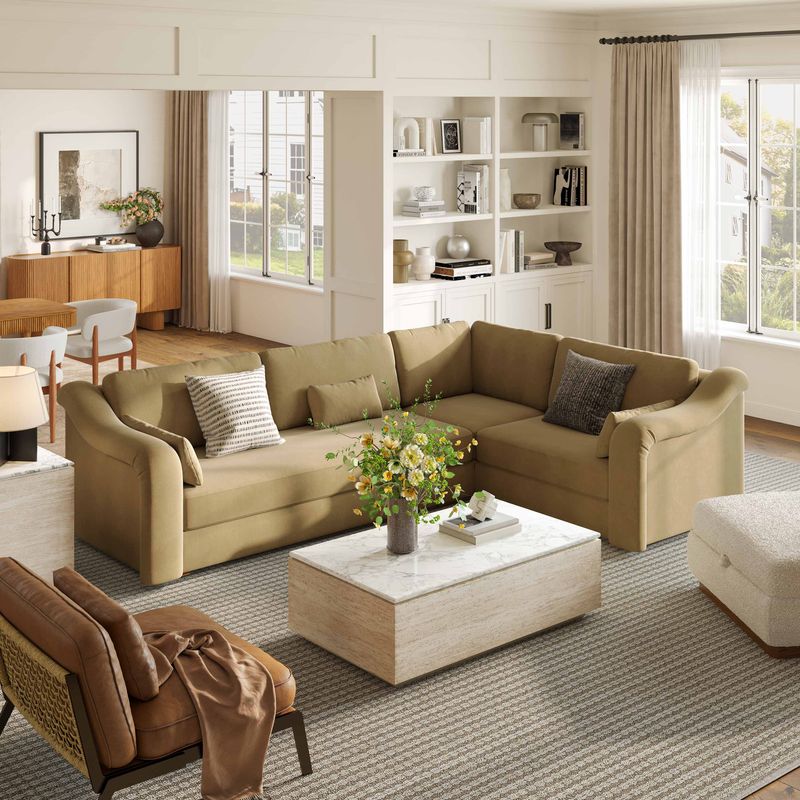
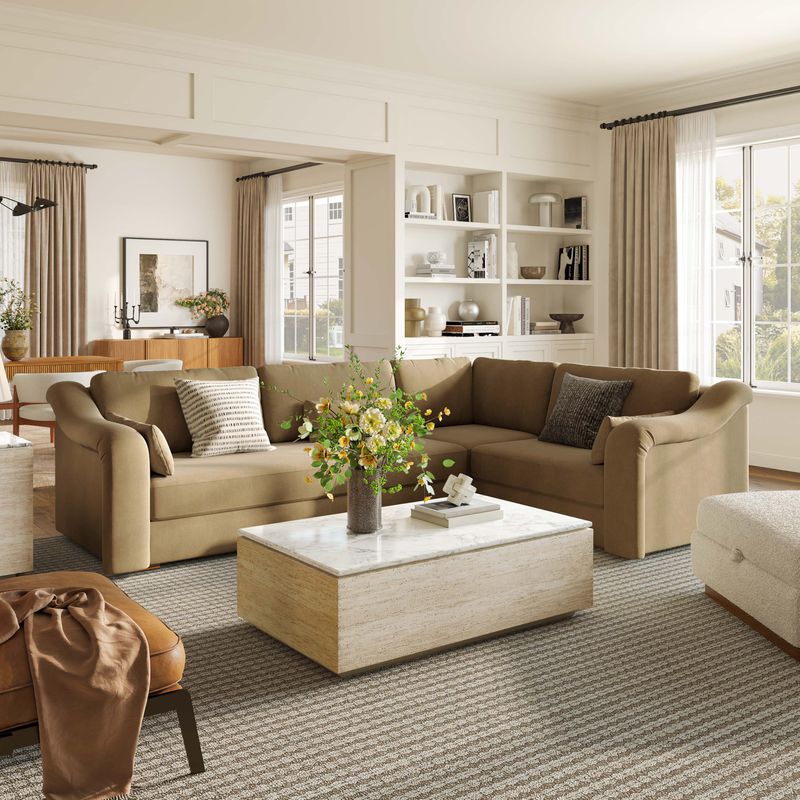
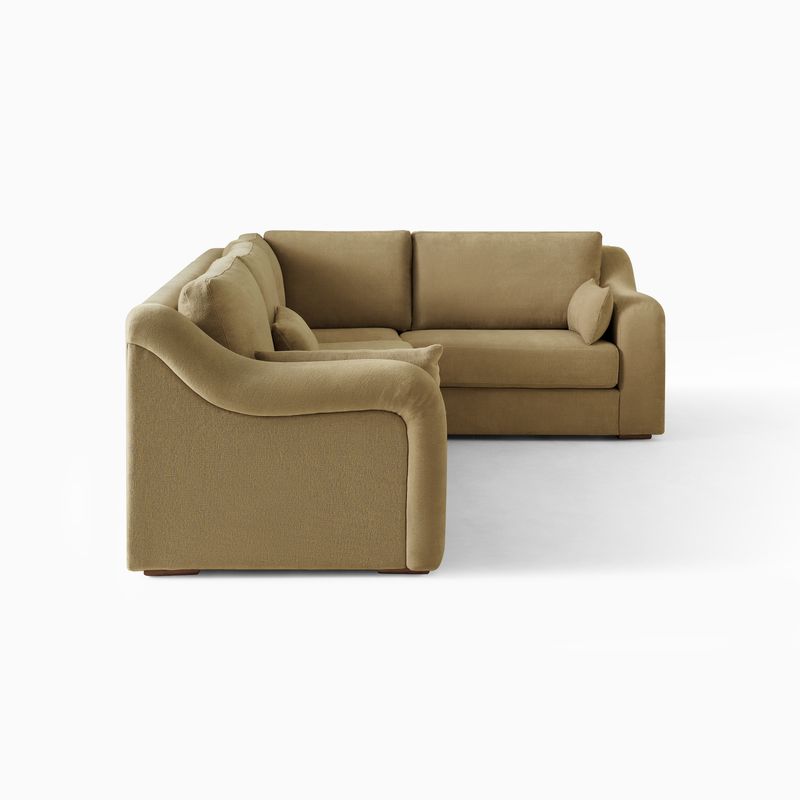
An L-shaped sectional is one of the most versatile choices for a living room. The connected sides can sit along adjoining walls, making good use of a corner while providing plenty of seating.
This configuration also works well in an open-concept floor plan. Rather than closing the living area off, the sectional can help define it without adding a physical barrier.
Before choosing one, check which side the chaise or return sits on. A left-facing configuration may be perfect for one floor plan but interfere with a doorway or walkway in another.
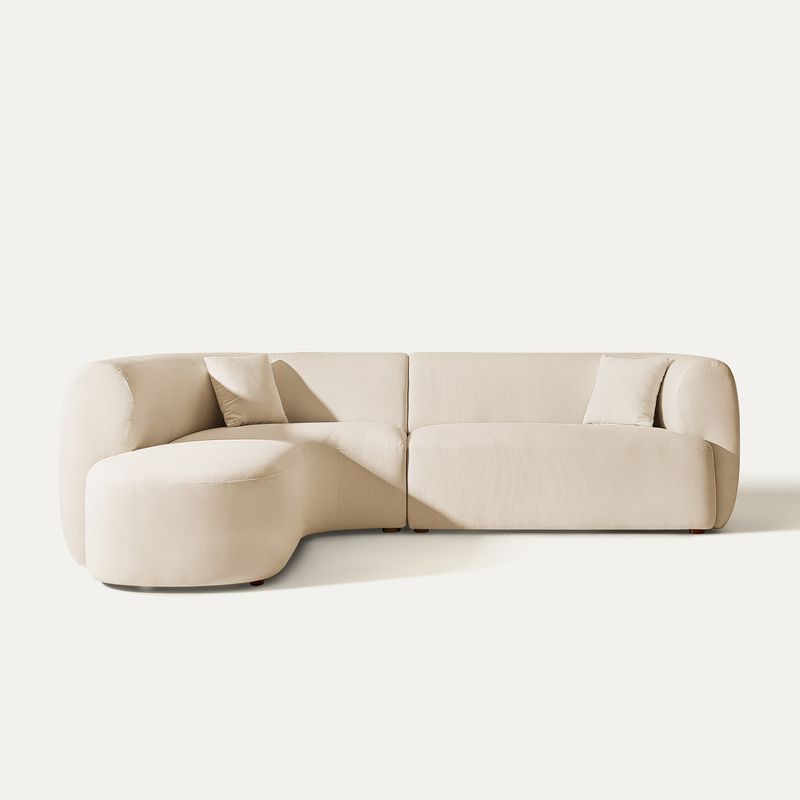
Sectionals With a Chaise
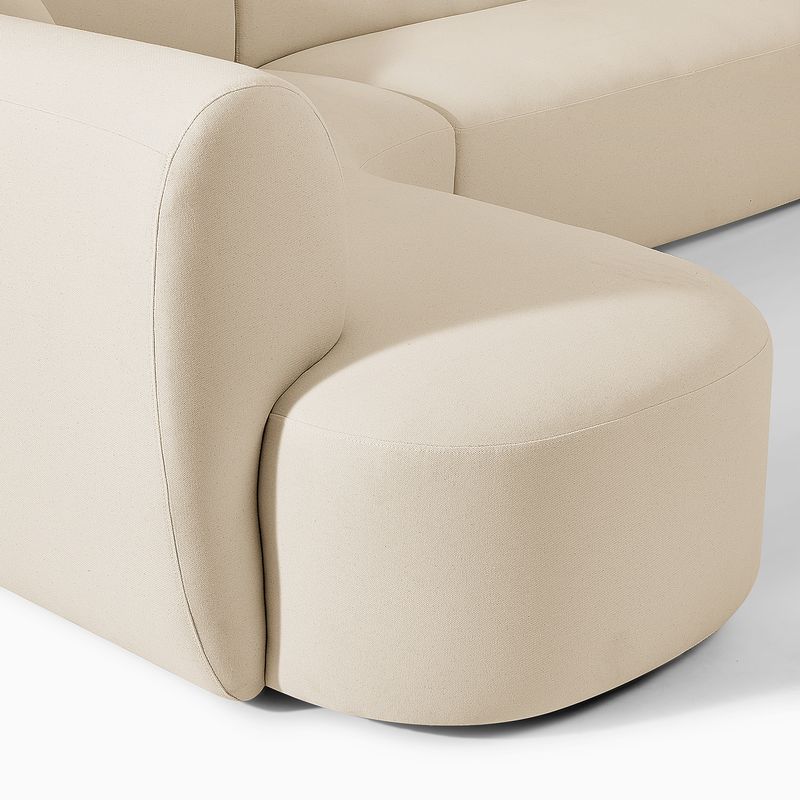
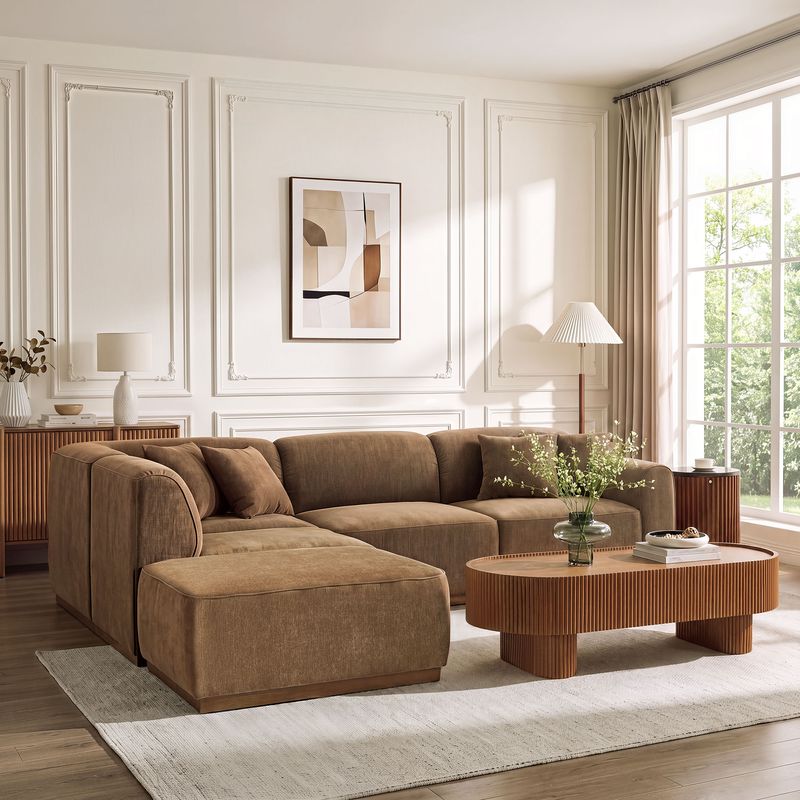
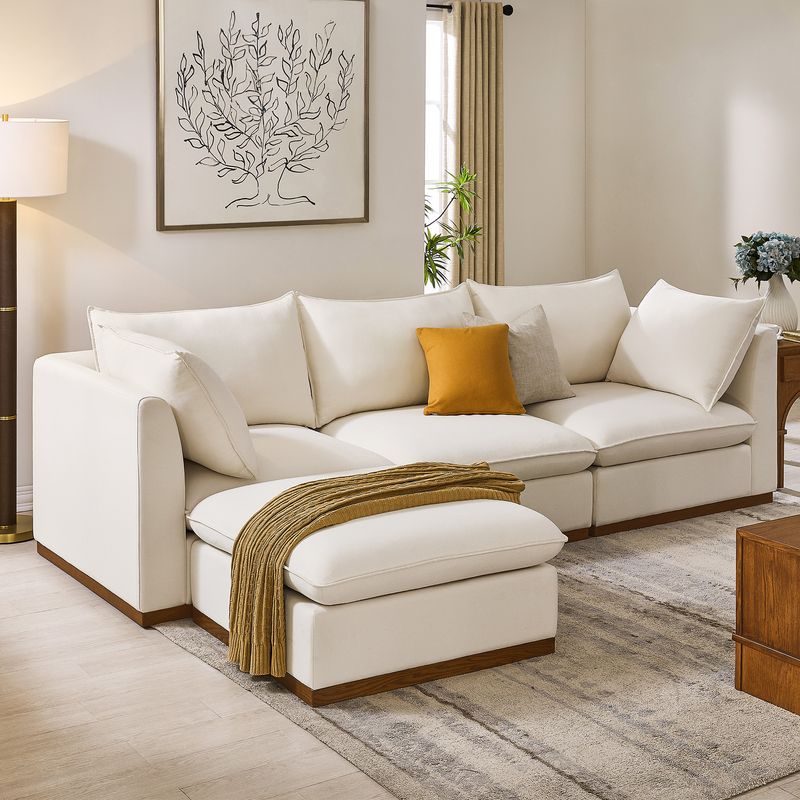
A chaise sectional adds a dedicated spot for stretching out without requiring a separate lounge chair. It can be a particularly good fit when the living room needs comfortable seating for everyday lounging but does not have room for several individual pieces.
If you like to rearrange furniture occasionally, a reversible chaise can offer additional flexibility.
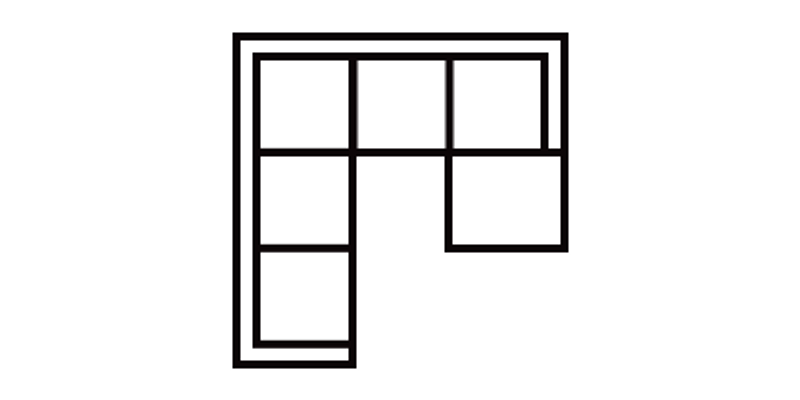
U-Shaped Sectionals
U-shaped sectionals work best in larger living rooms where seating capacity and conversation are priorities. With seating on three sides, they naturally create a more enclosed gathering area around a coffee table.
The trade-off is floor space. A U-shaped design generally needs a larger footprint than an L-shaped sectional, so measure the room carefully before committing to one.
Modular Sectionals
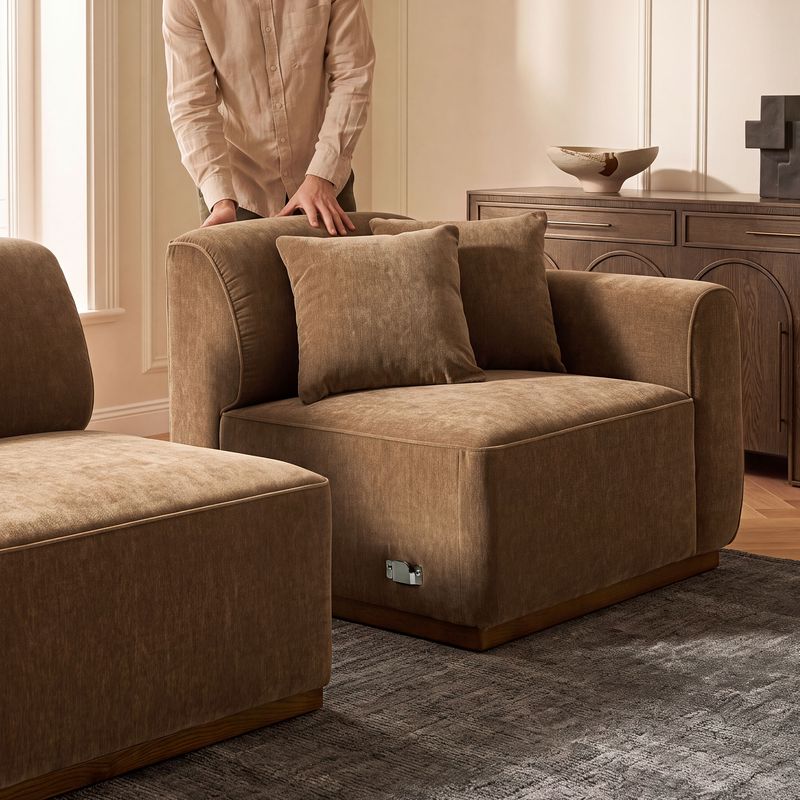
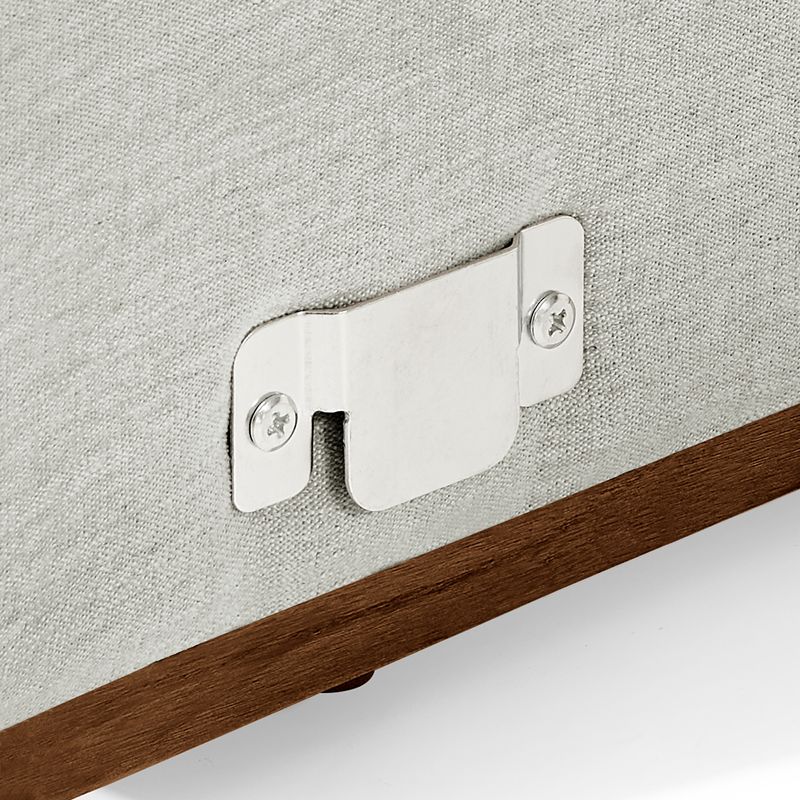
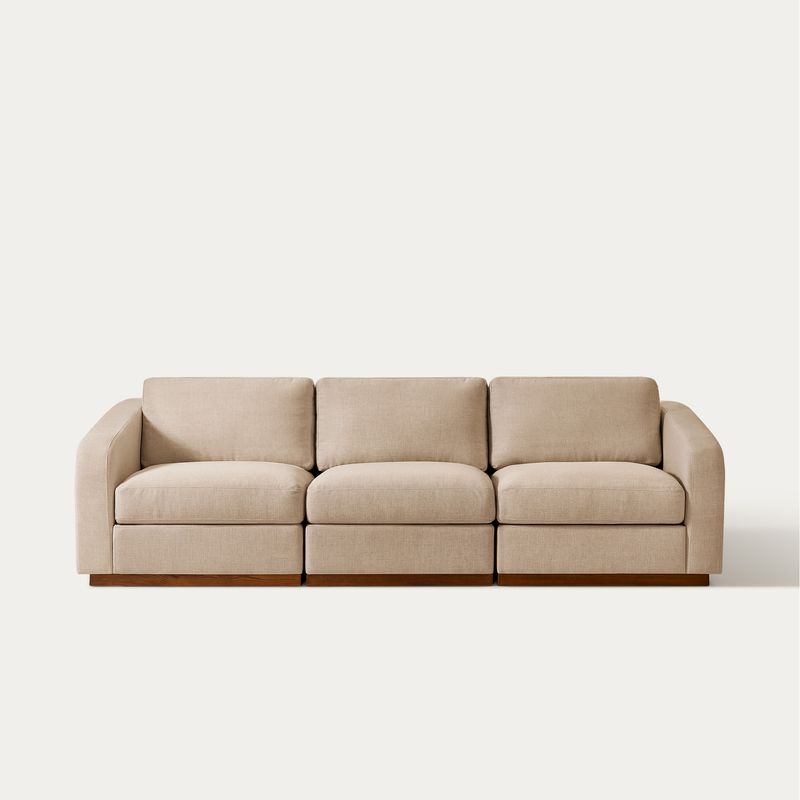
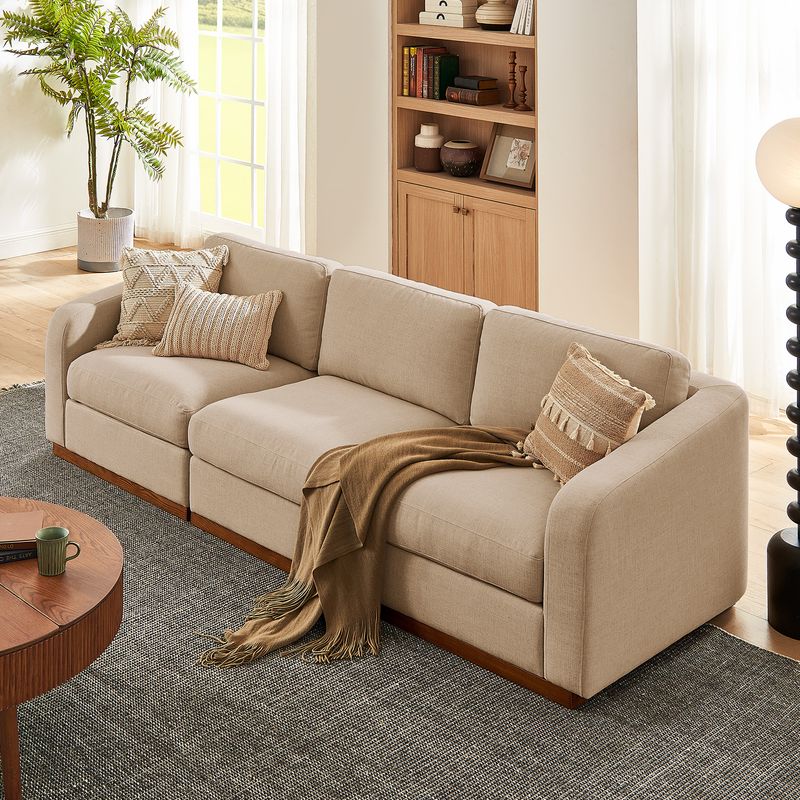
Modular sectionals are made from individual pieces that can be combined into different configurations. Depending on the design, those pieces may include corner seats, armless chairs, chaise sections, or ottomans.
Their biggest advantage is flexibility. If you move, change the room layout, or simply want a different arrangement later, individual modules can often be rearranged instead of replacing the entire sectional.
How to Choose a Sectional Couch
Choosing a sectional couch starts with the room, not the upholstery sample. Before deciding on a style, make sure the dimensions and configuration work in the space you actually have.
Measure Your Room and Delivery Path
Measure the available width and depth of the area where the sectional will sit. Then look beyond the living room itself.
Check the front door, hallways, stairways, elevators, and tight corners along the delivery route. If the sectional arrives in multiple pieces, compare the dimensions of each piece with those entry points rather than looking only at the assembled size.
A useful trick is to mark the proposed footprint on the floor with painter's tape. Walk around it as you normally would. Check whether doors open freely, whether the chaise interrupts a walkway, and whether there is enough room for a coffee table.
Interior designer Karen Rohr also recommends considering seat depth and height alongside overall width and depth, particularly when furnishing a smaller room.
Consider Seat Depth and Height
A sectional can fit perfectly and still feel wrong once you sit down.
Deeper seats tend to suit relaxed lounging, while shallower seats can feel more supportive for upright sitting and conversation. Seat height matters, too. A low-profile sectional can give a room a lighter, more open appearance, while a taller seat and back may feel easier to get in and out of.
Think about the people who will use the sofa most. If the sectional is mainly for movie nights and weekend lounging, generous depth may be a priority. If it is where you regularly sit and talk with guests, a more upright profile may make more sense.
Plan for Everyday Traffic
Do not use every available inch just because the sectional technically fits.
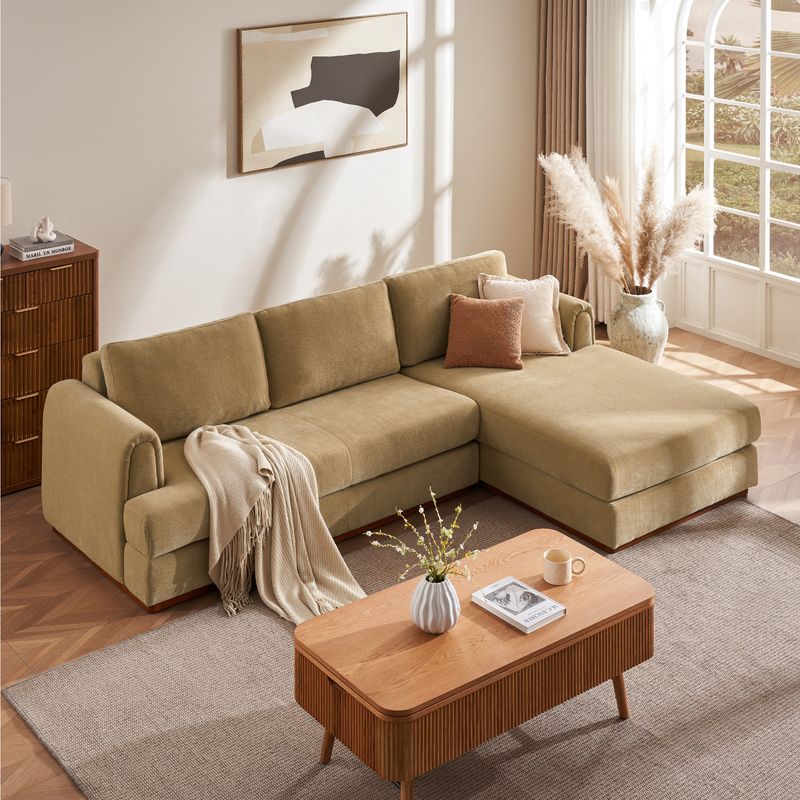
Leave enough clearance around the sofa for people to walk naturally through the room. A practical planning reference is around 18 inches between a sectional and a coffee table, although the ideal distance depends on the room and furniture dimensions.
Nobody should have to squeeze between the furniture or step around the coffee table to reach another part of the room.
Sectional Couches for Different Living Room Layouts
The best sectional couch depends on the room it needs to serve. A compact apartment, an open-concept home, and a large family room may call for very different configurations.
For Small Living Rooms
A small living room can still accommodate sectional couches when the proportions are right. Compact L-shaped designs, chaise configurations, and smaller modular arrangements can provide multiple seats without requiring a separate sofa and lounge chair.
In a smaller room, the sectional's full footprint matters more than its seat count. If there is no room left for a coffee table or a clear walking path, even a well-designed sectional can make the space feel cramped.
For Large Open-Concept Rooms
Large rooms often need furniture that gives the space some structure.
A larger sectional can anchor the living area and visually separate it from a dining room, kitchen, or entry without blocking the openness of the floor plan. In this setting, floating the sectional away from the wall can be more effective than pushing every piece of furniture to the perimeter.
For Family Rooms and Entertainment Spaces
If the living room is where everyone gathers, prioritize seating capacity and the way people actually use the sofa.
A larger sectional, chaise configuration, or modular setup can give several people enough room to sit without creating a collection of separate chairs. Depending on your needs, features such as storage or reclining components may also be worth considering.
Find a Modern Sectional Sofa That Fits Your Style
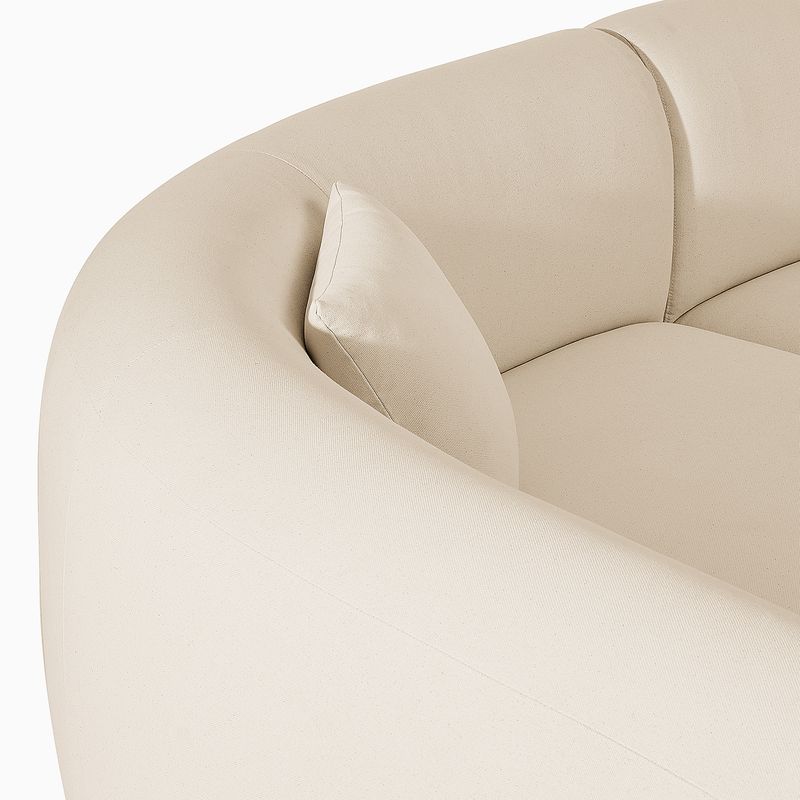
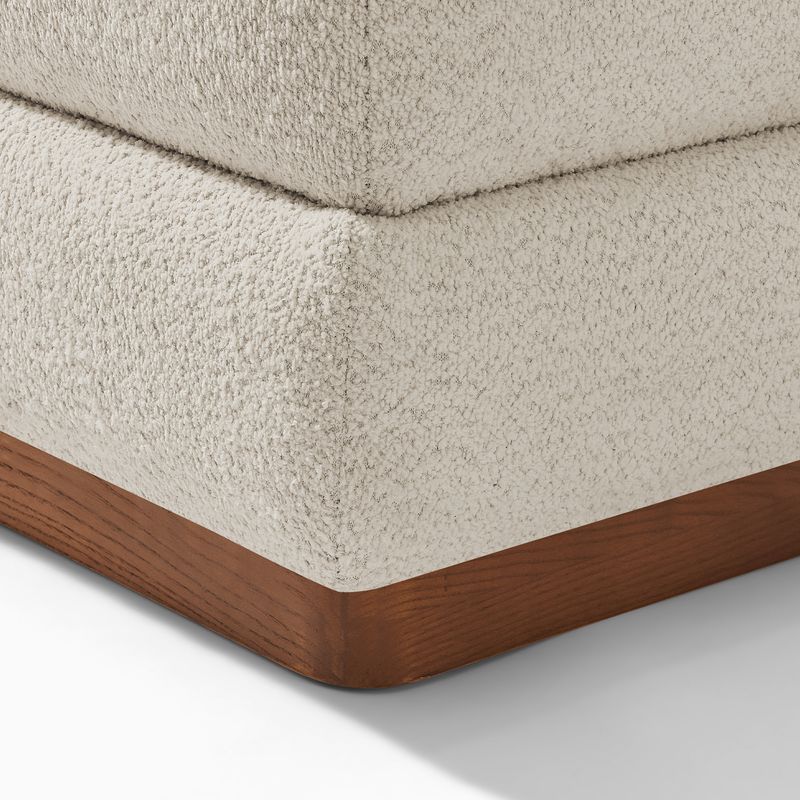
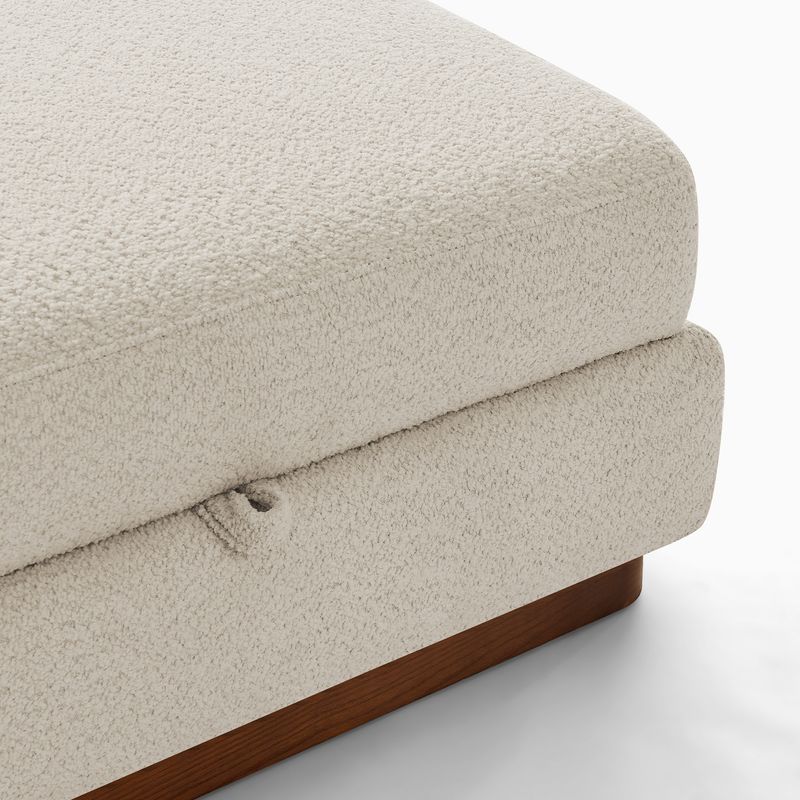
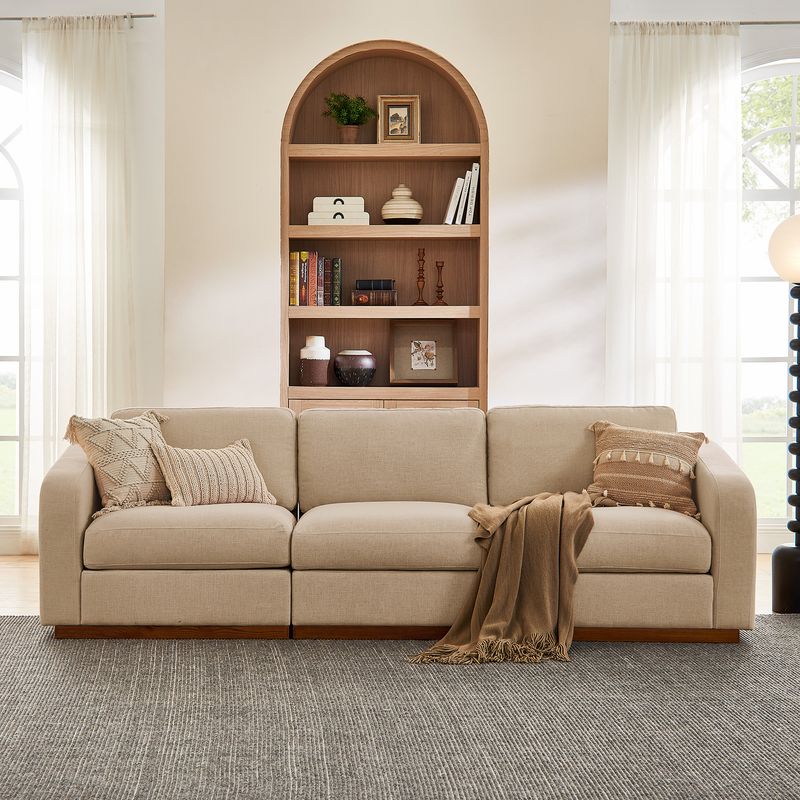
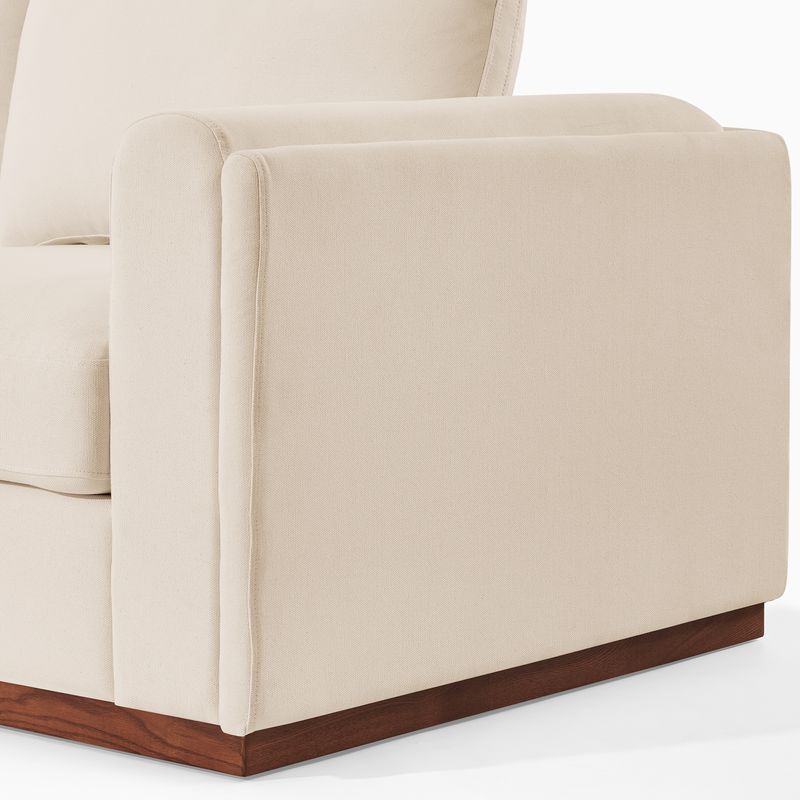
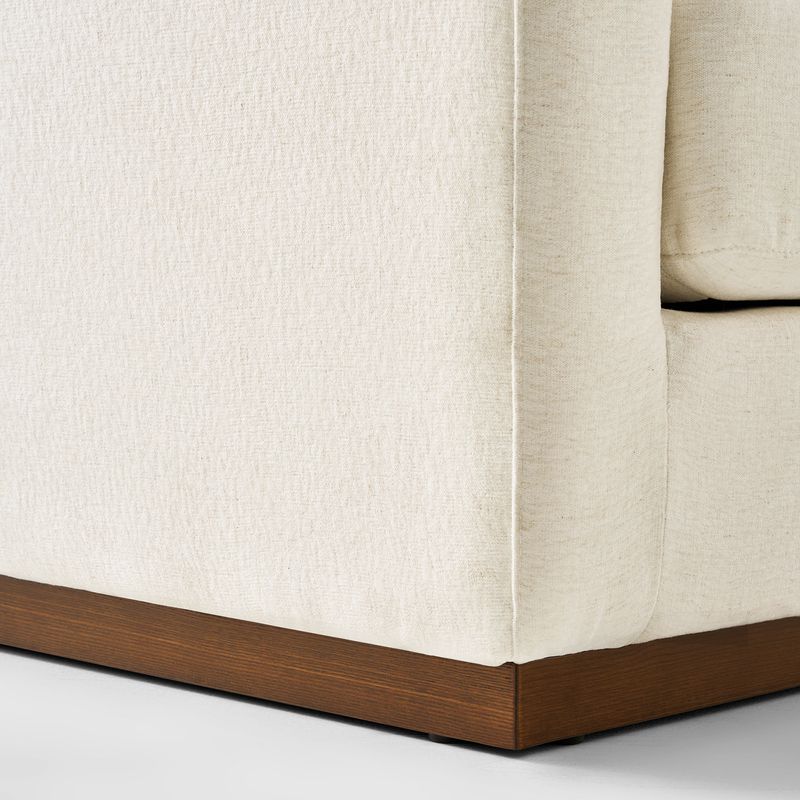
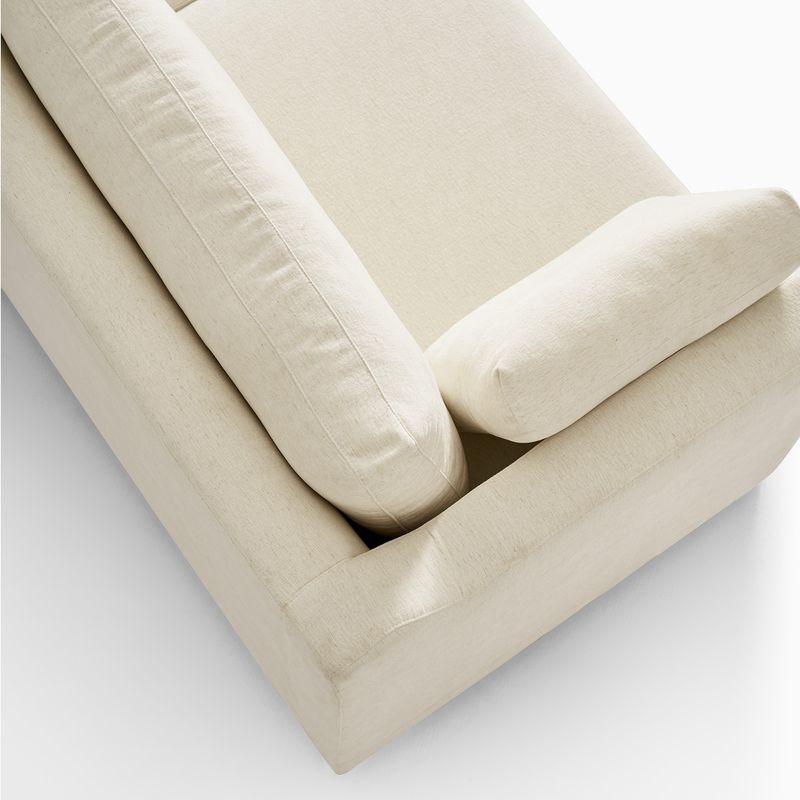
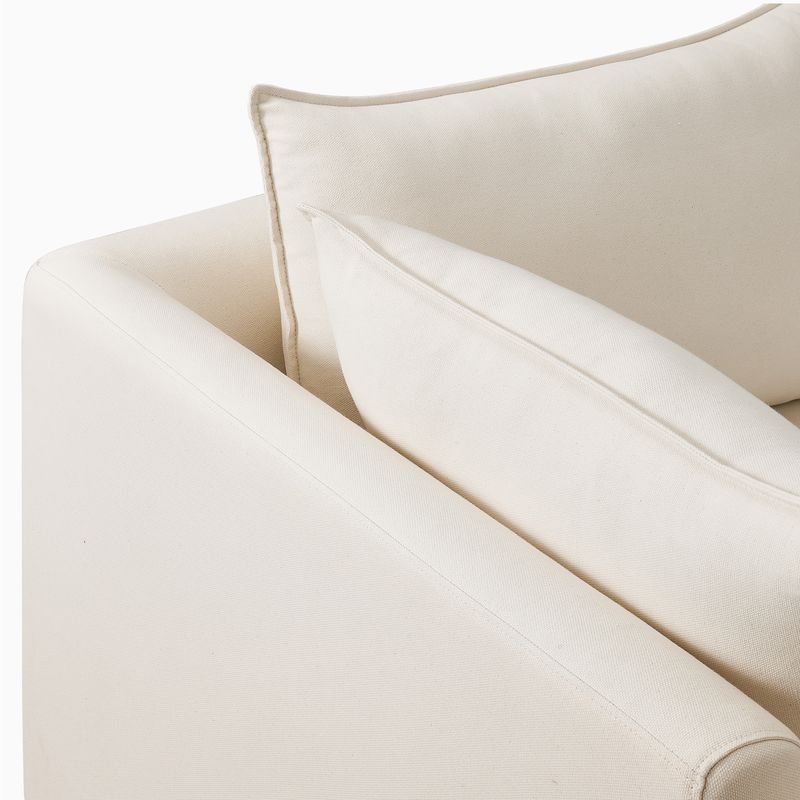
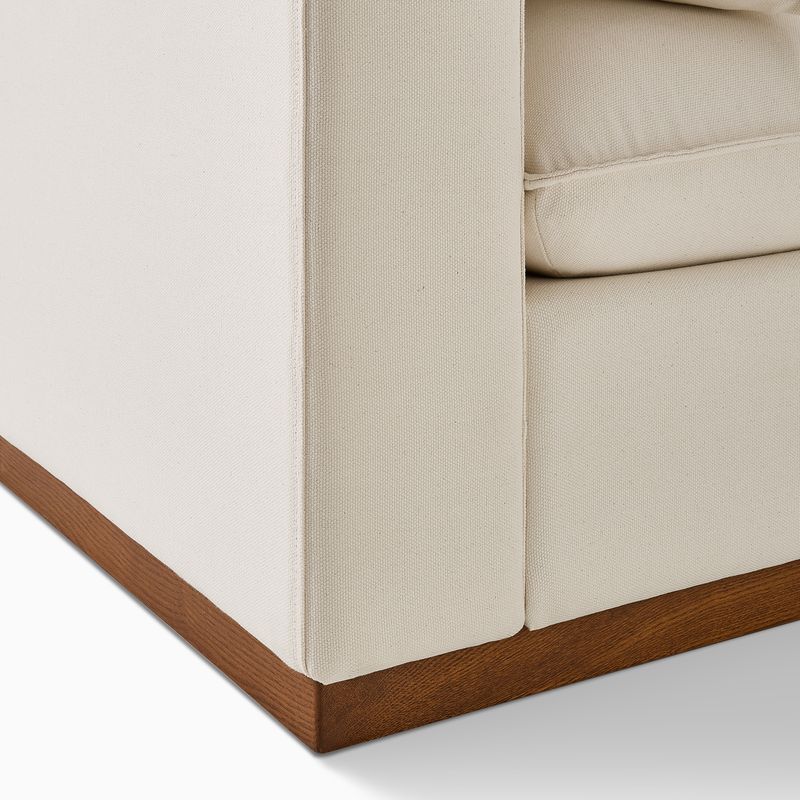
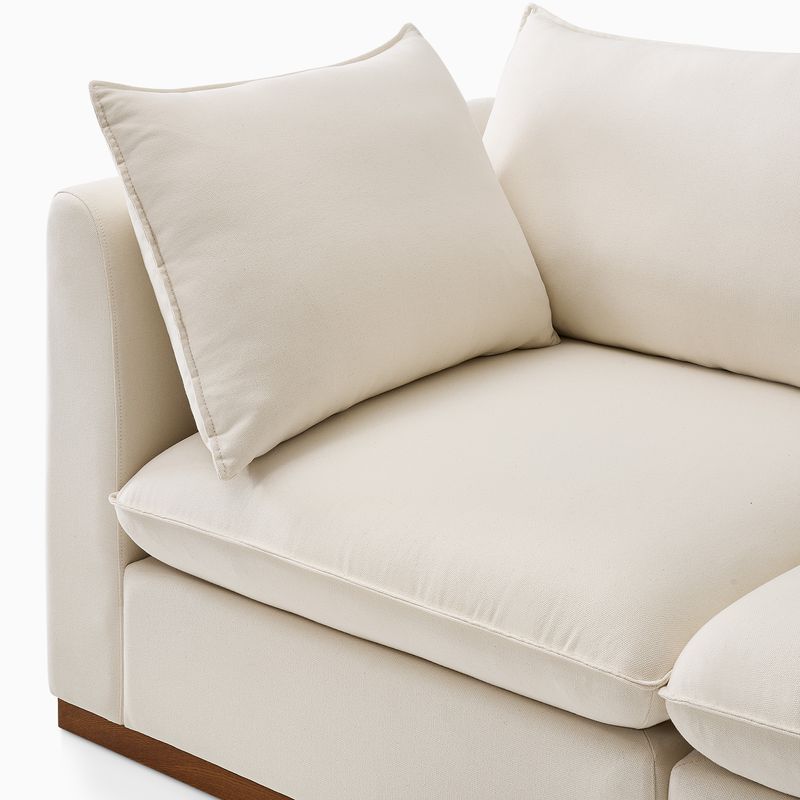
A modern sectional sofa does not have to feel cold or overly minimal. Clean lines can work just as well with soft upholstery, rounded edges, warm wood tones, and textured fabrics.
Fabric, Texture, and Color
Choose upholstery with your household in mind.
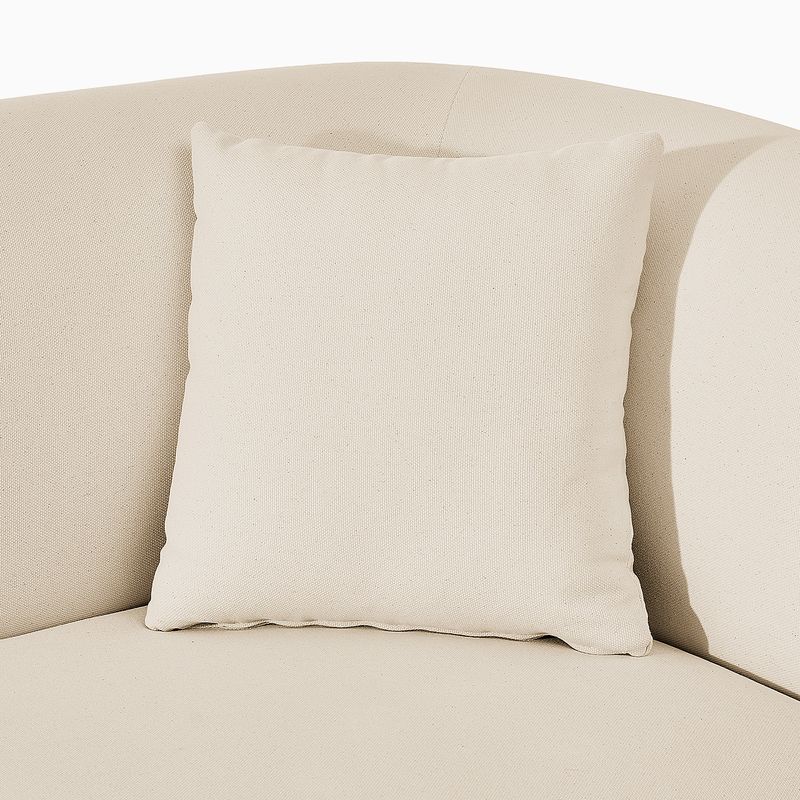
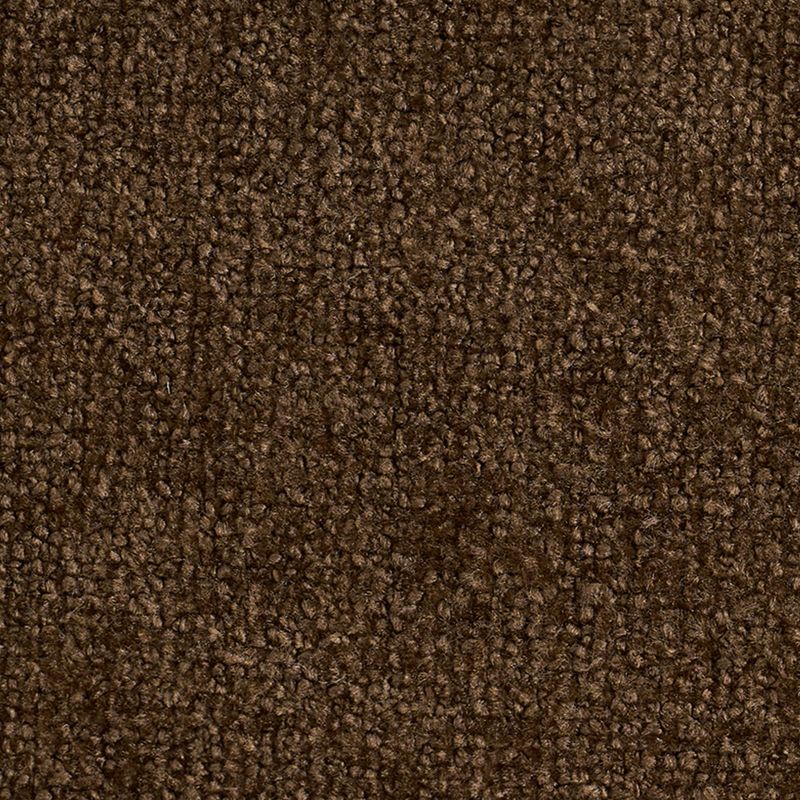
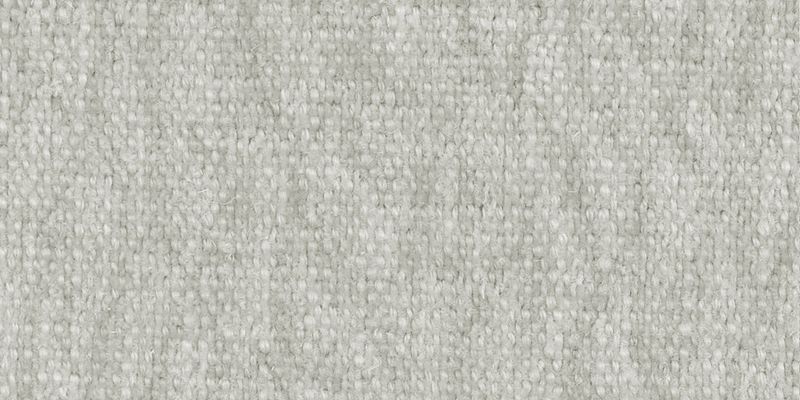
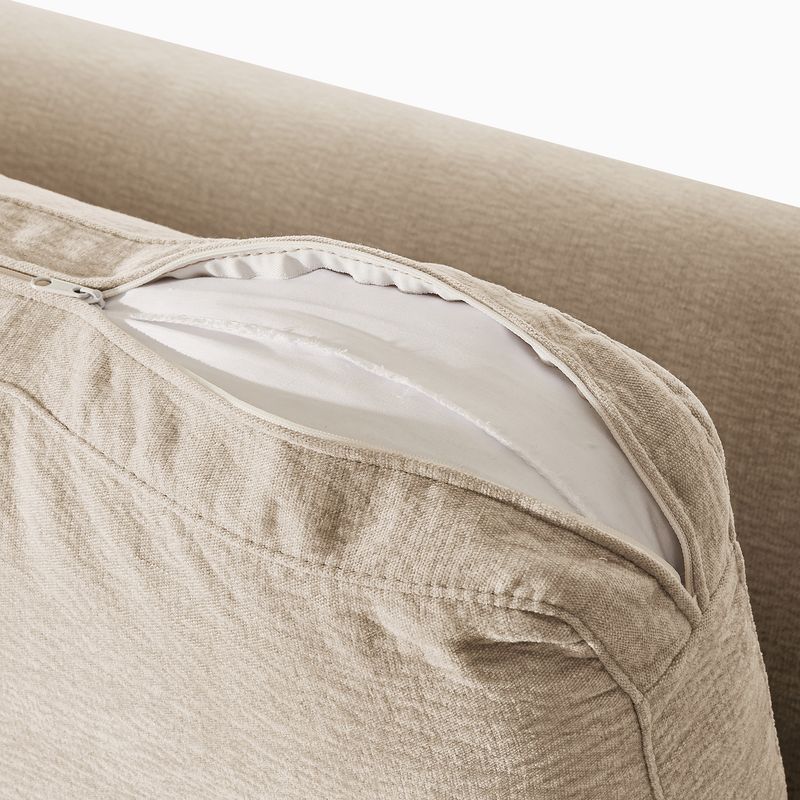
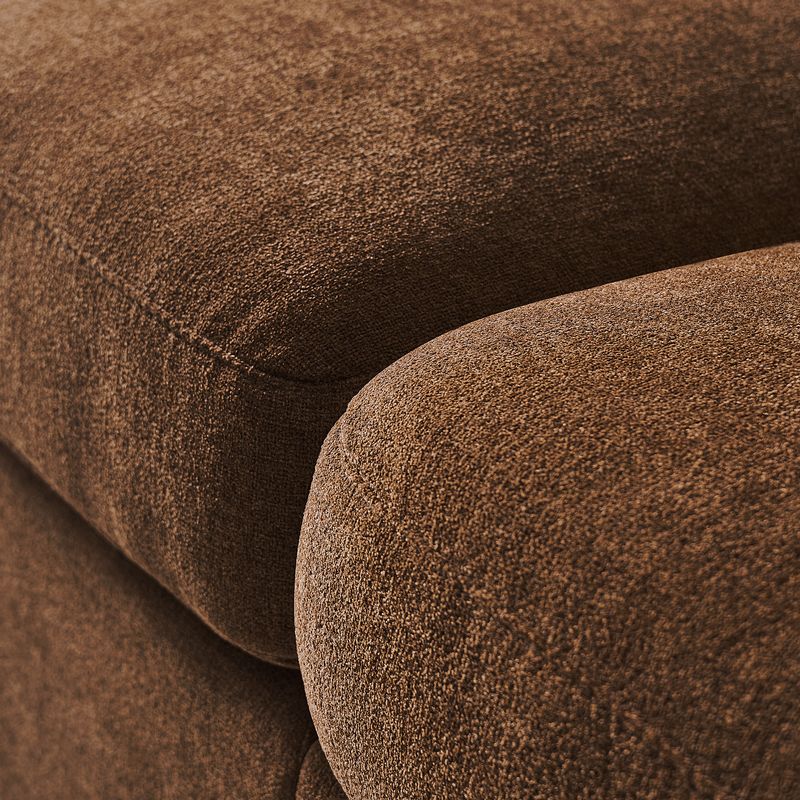
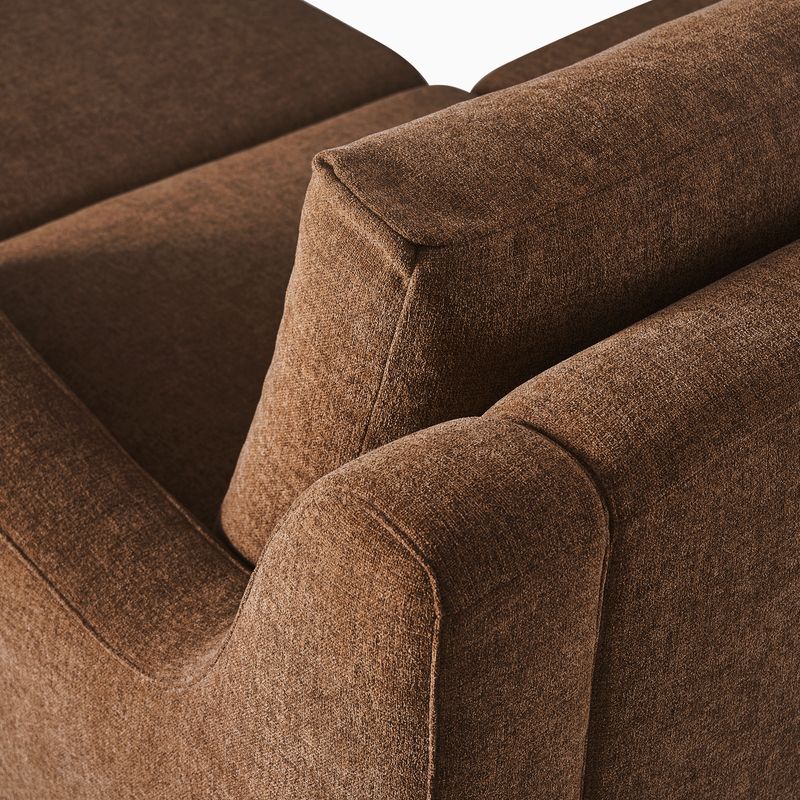
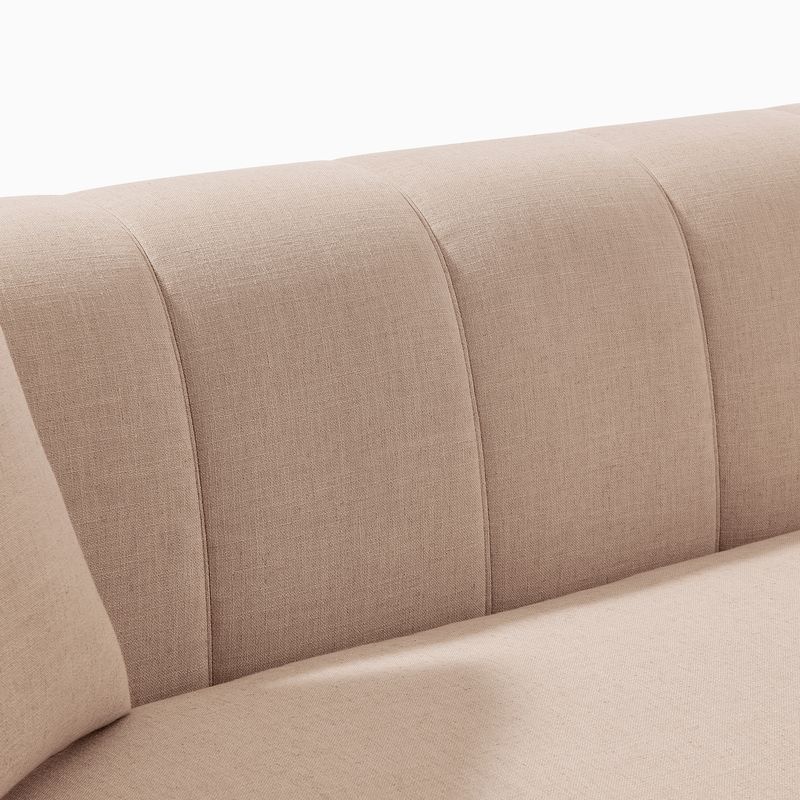
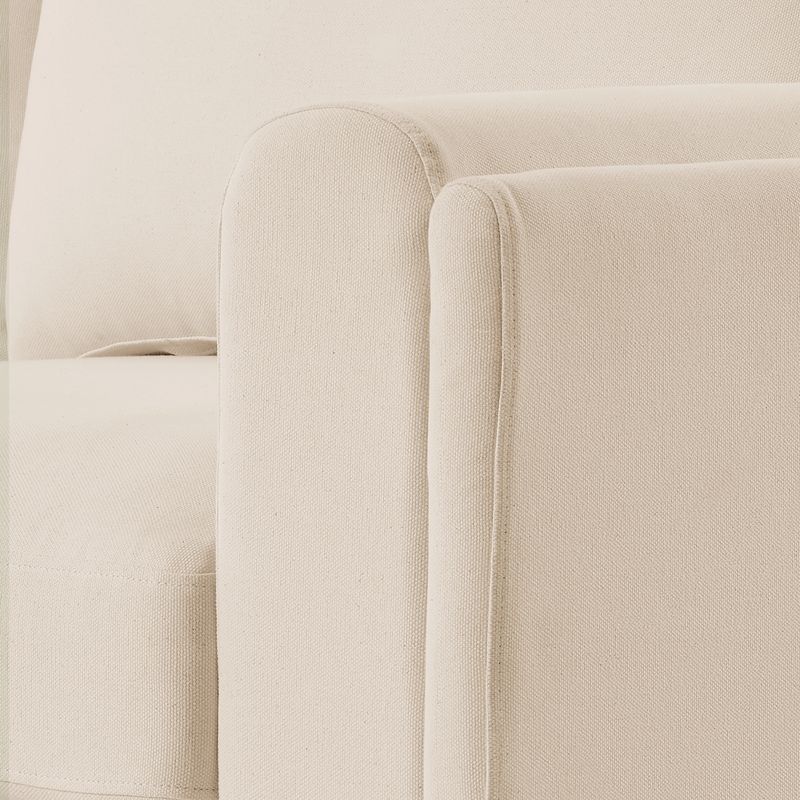
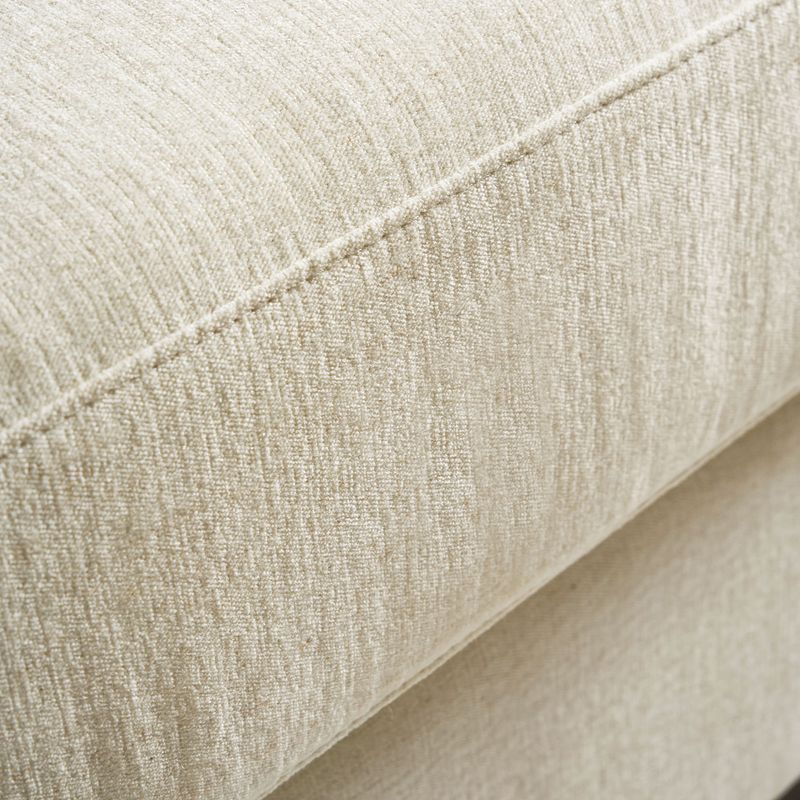
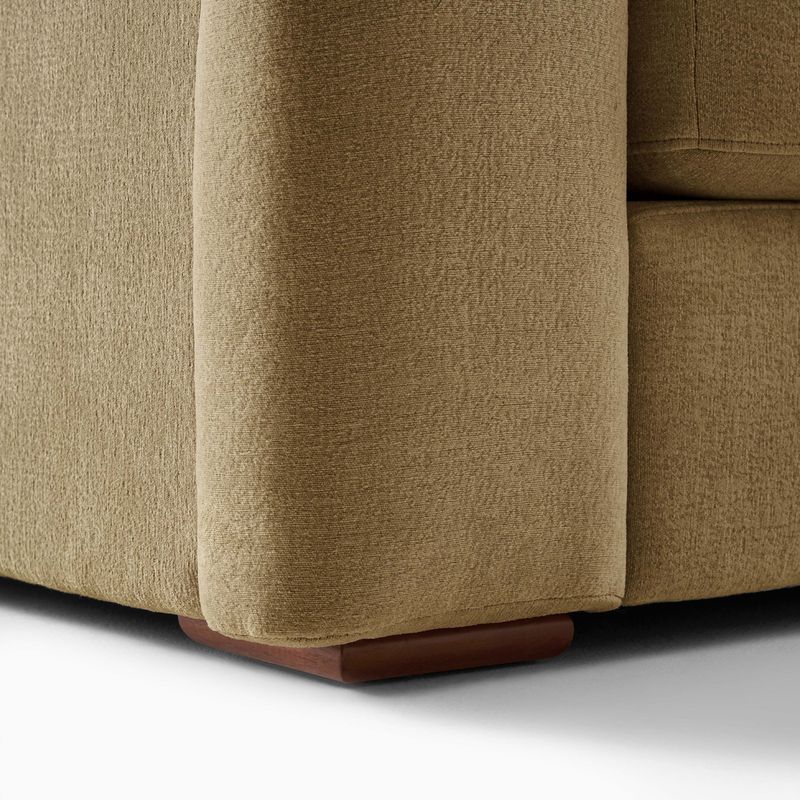
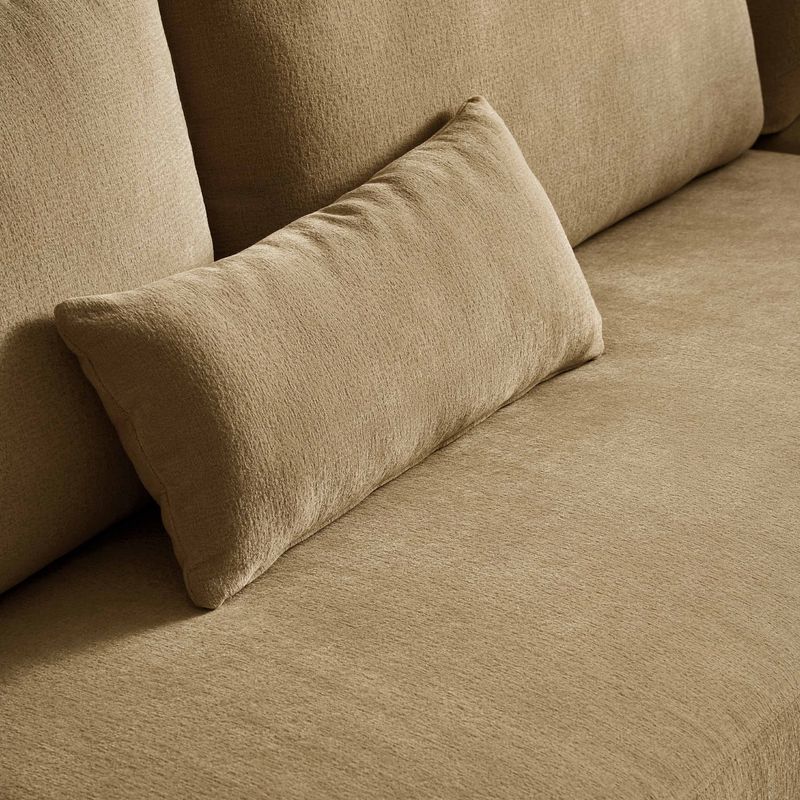
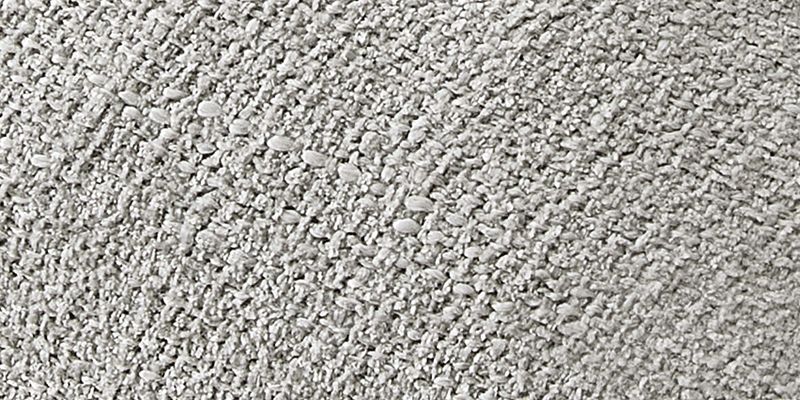
Light neutrals can keep a room feeling bright and relaxed, while deeper colors add more visual weight. Textured fabrics can bring dimension to a space, particularly when the surrounding furniture has smoother surfaces.
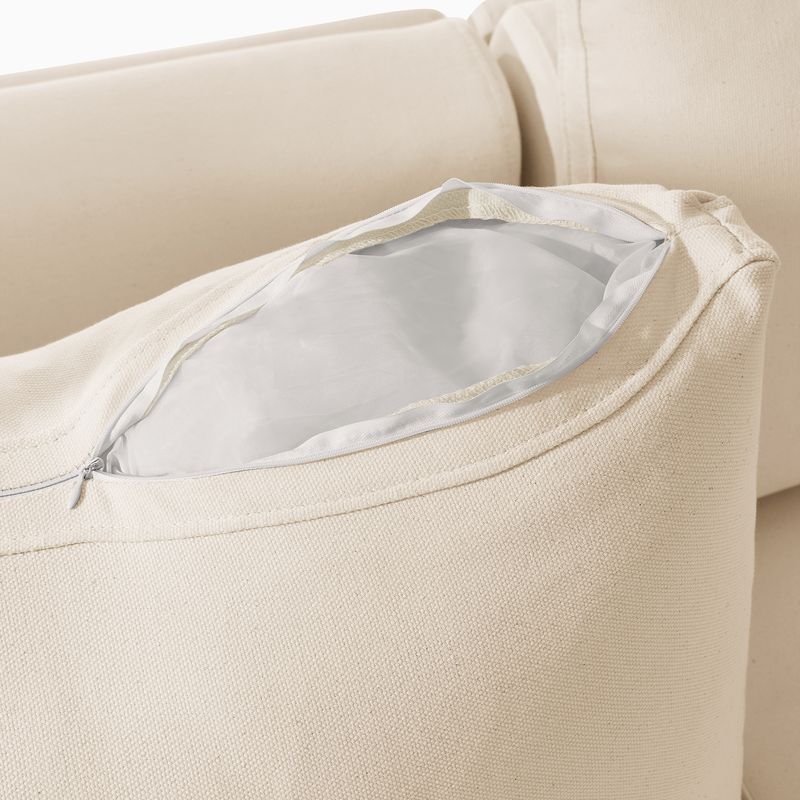
If the sectional will be used every day, maintenance matters. Consider how much wear the sofa will receive and choose upholstery that fits your cleaning routine, not just the look of the room.
Comfort Should Match the Way You Sit
There is no single cushion feel that works for everyone.
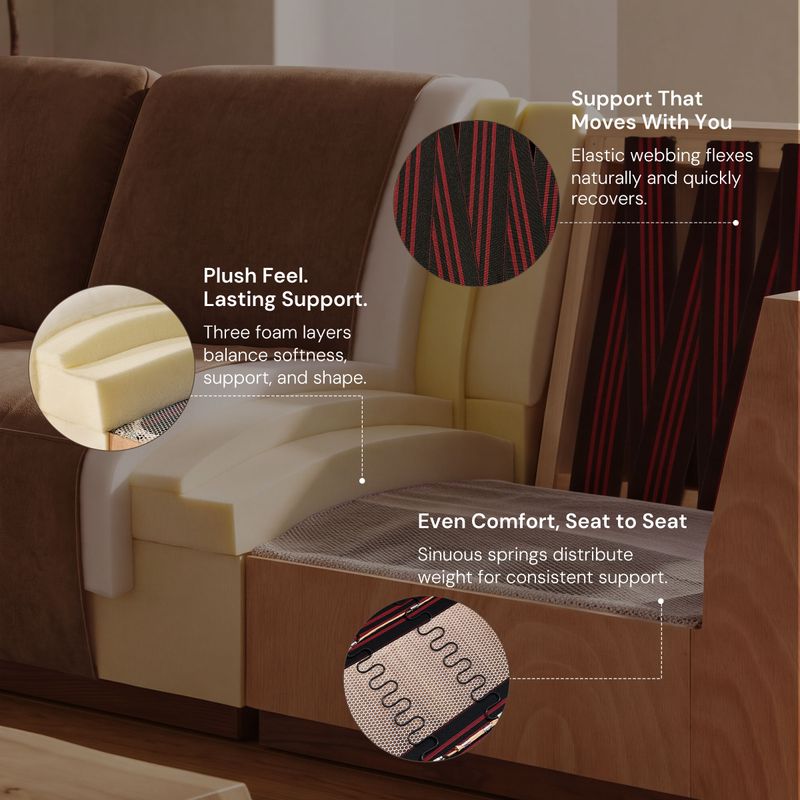
Some people prefer a firmer seat that makes sitting upright and getting up easier. Others want deeper, softer cushions for long stretches of lounging. When comparing sectionals, think about your actual habits rather than judging comfort from photographs alone.
How to Arrange a Sectional Couch in a Living Room
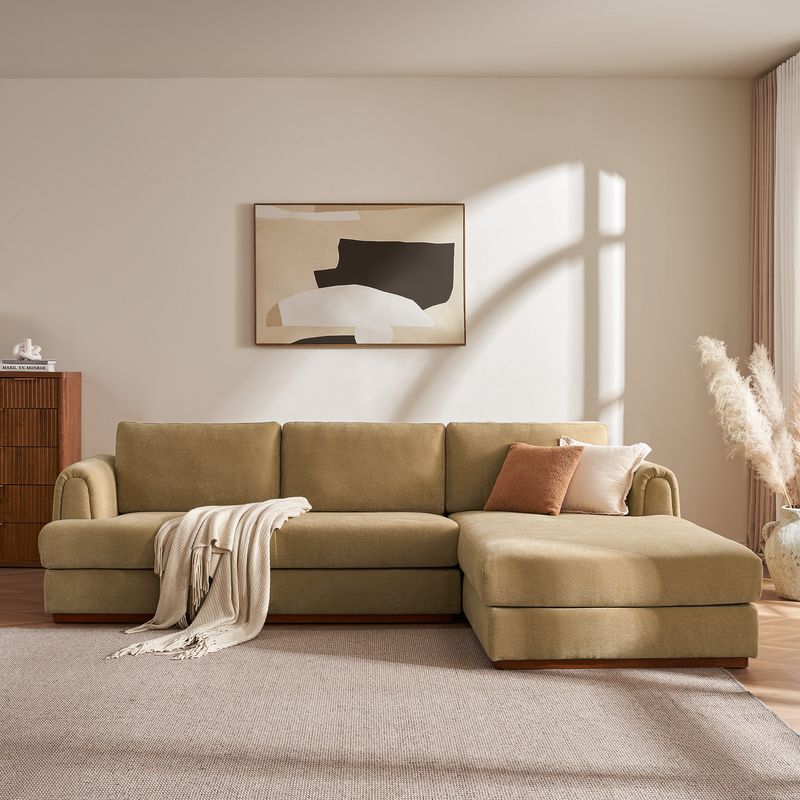
Start with the room's focal point. That may be a television, fireplace, large window, artwork, or another feature you want the seating to interact with.
From there, work outward and keep the main traffic paths open. Interior designer Michelle MacLellan describes successful sectional placement as a balance between maximizing space, creating flow, and complementing the room's design.
Float the Sectional When the Room Allows It
A sectional does not always need to sit against a wall.
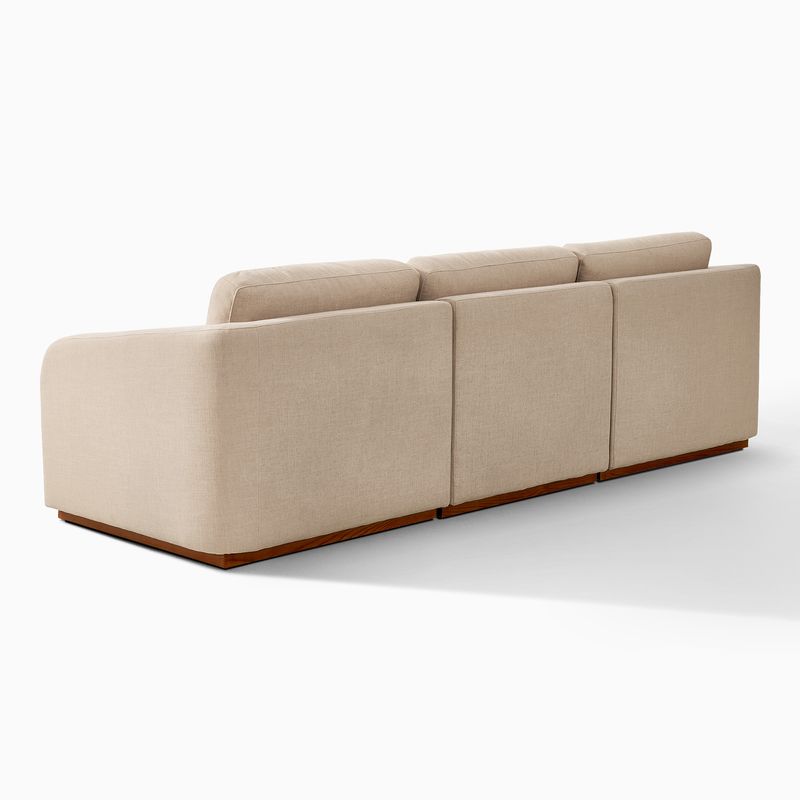
In a large or open room, floating it can create a defined living zone while leaving a path behind the sofa. The back of the sectional can even act as a visual divider between the living area and an adjacent dining or kitchen space.
Choose the Right Coffee Table
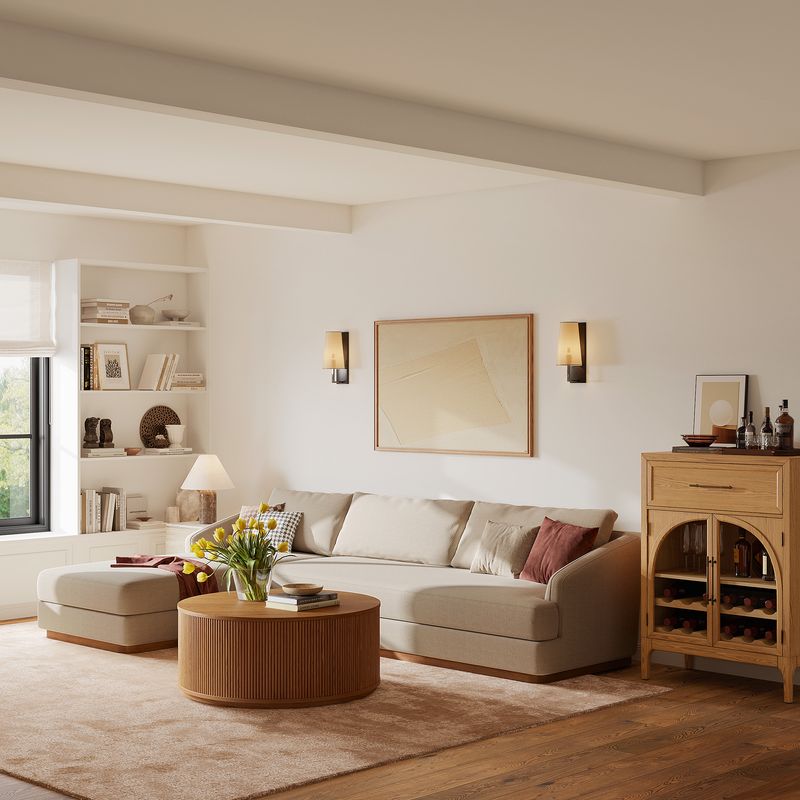
Keep the coffee table close enough for the people on the sectional to use comfortably while leaving adequate room to walk around it.
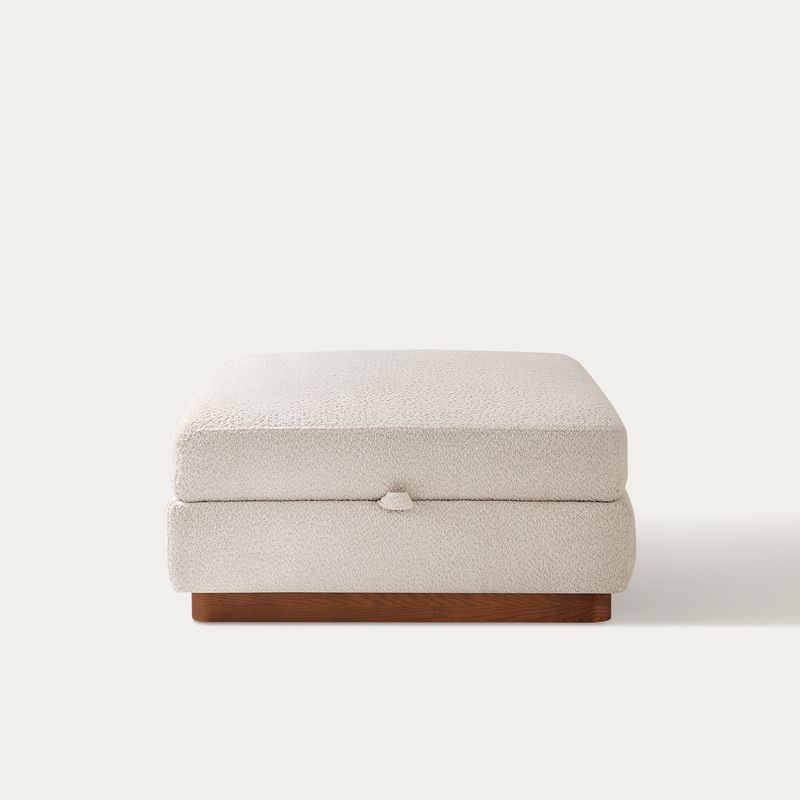
A round coffee table or ottoman can work particularly well in tighter layouts because there are no sharp corners to navigate. In larger rooms, a rectangular table can complement the longer lines of an L-shaped or U-shaped sectional.
Keep the Room Balanced
A sectional already carries substantial visual weight, so the rest of the room does not need to compete with it.
Instead of adding several bulky pieces, consider balancing the sofa with a rug, side table, lighting, or one complementary chair. The result should feel furnished without making the room difficult to move through.