
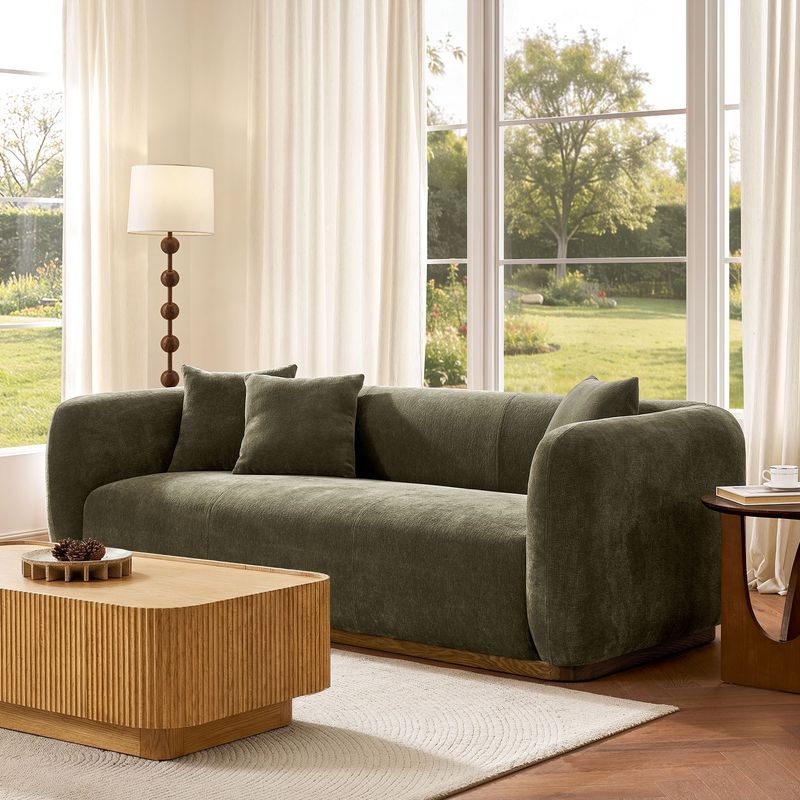

















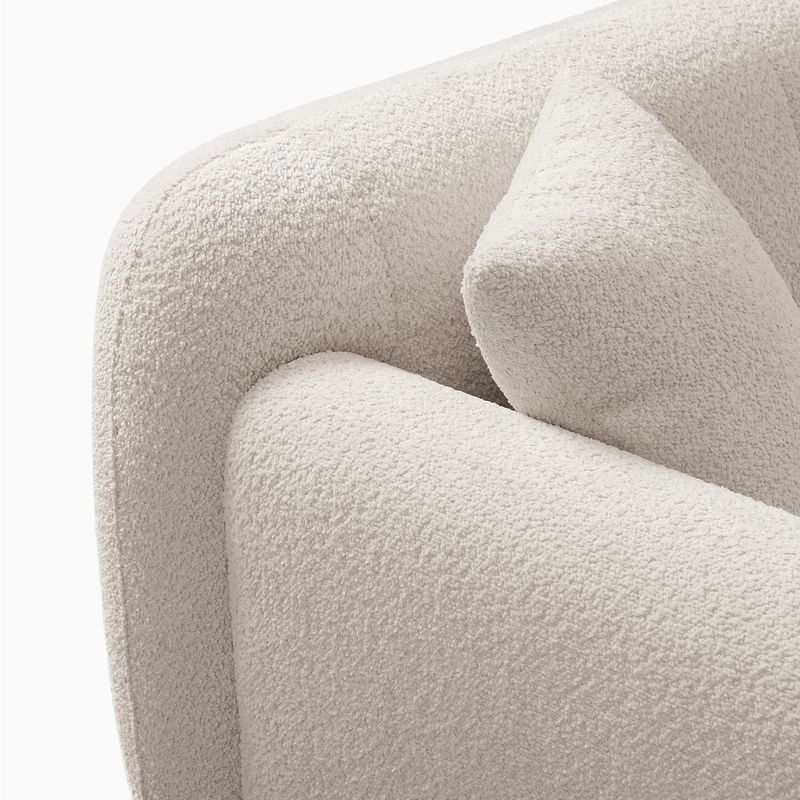
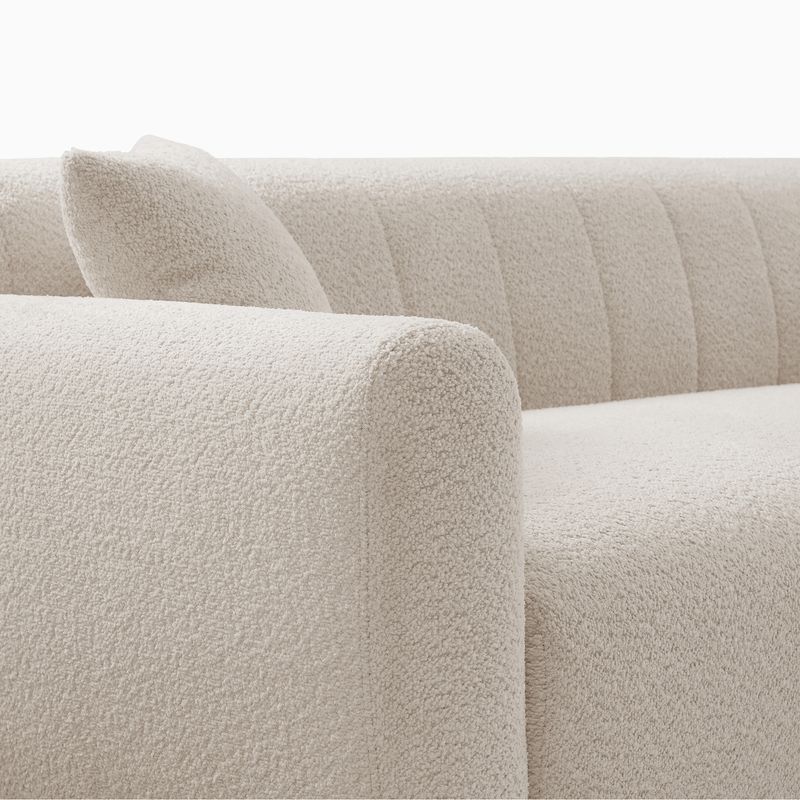
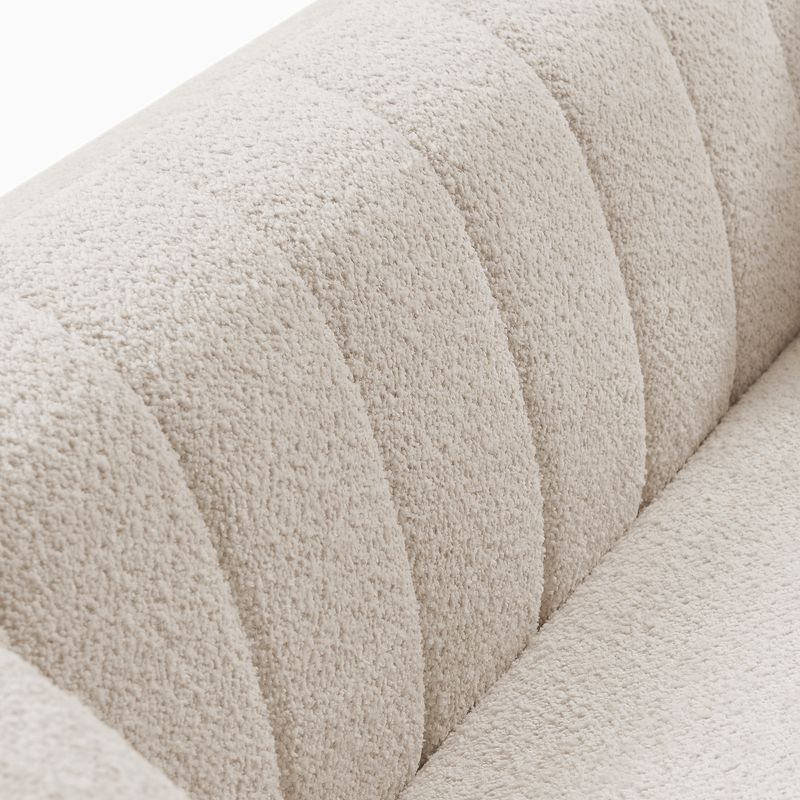

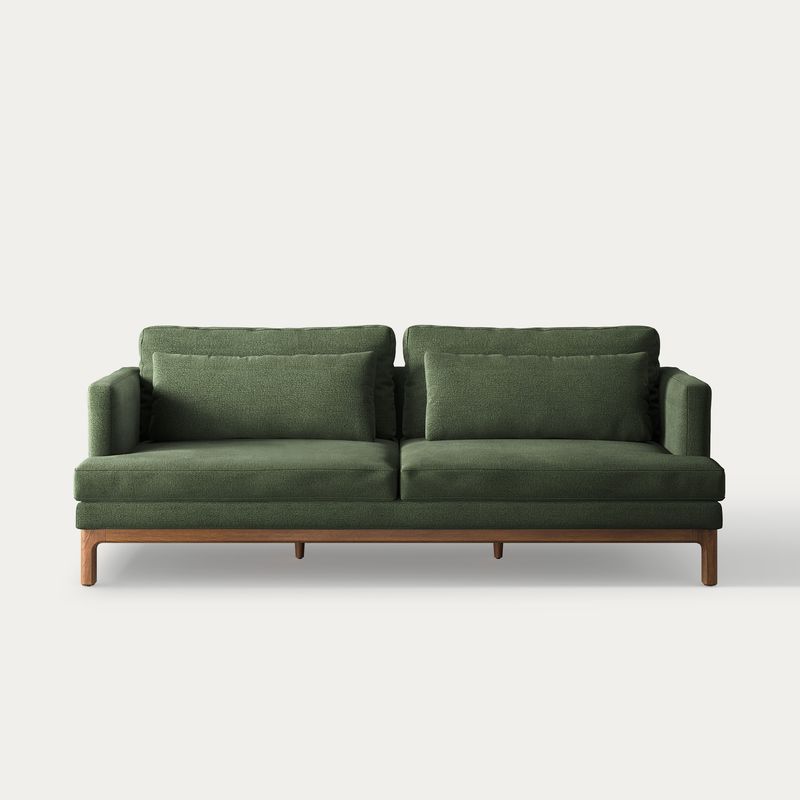











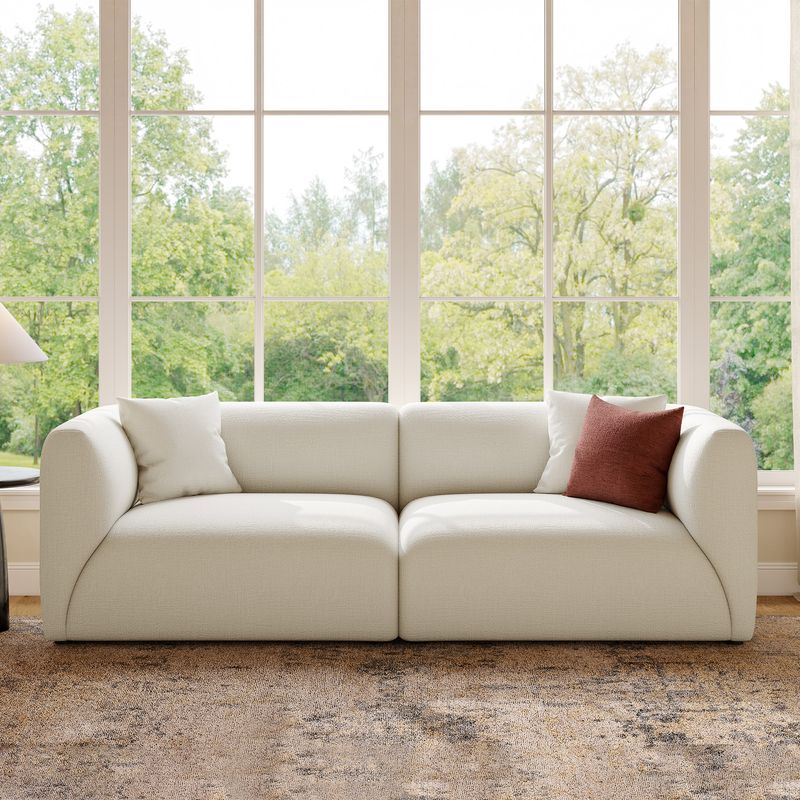







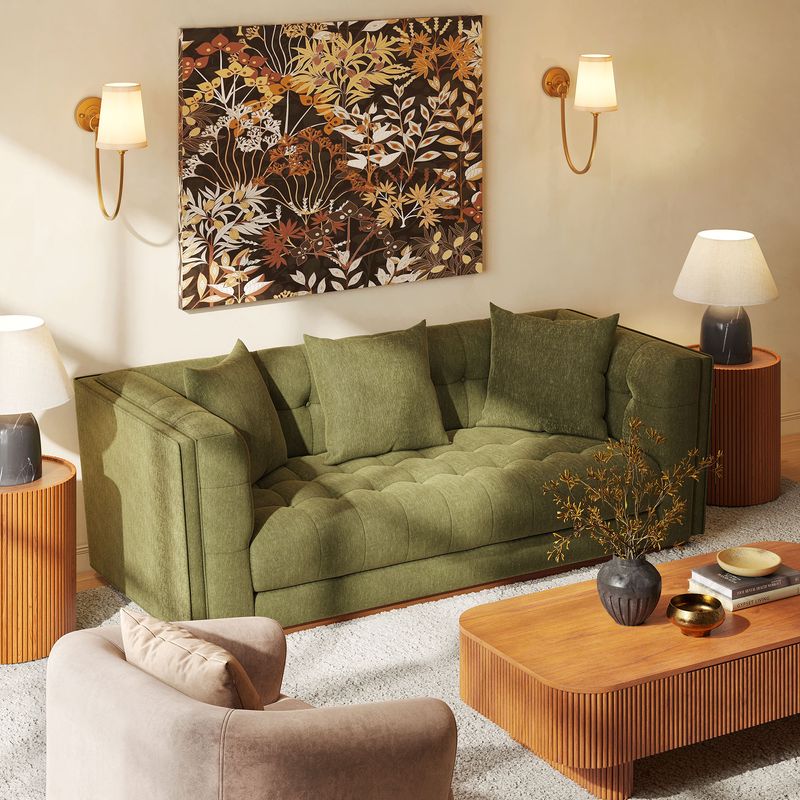
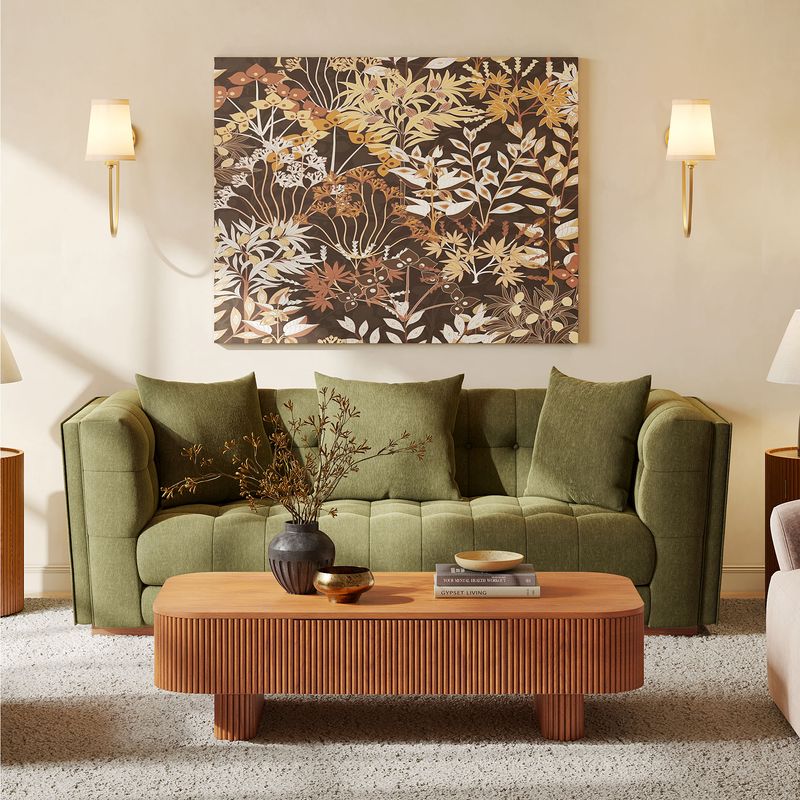



Find Sofas Made for the Way You Live
A sofa sets the tone for your living room. It is where you relax after work, watch a movie, host friends, or stretch out on a quiet weekend. The right sofa needs to fit the room, but it also needs to fit the way you actually live.
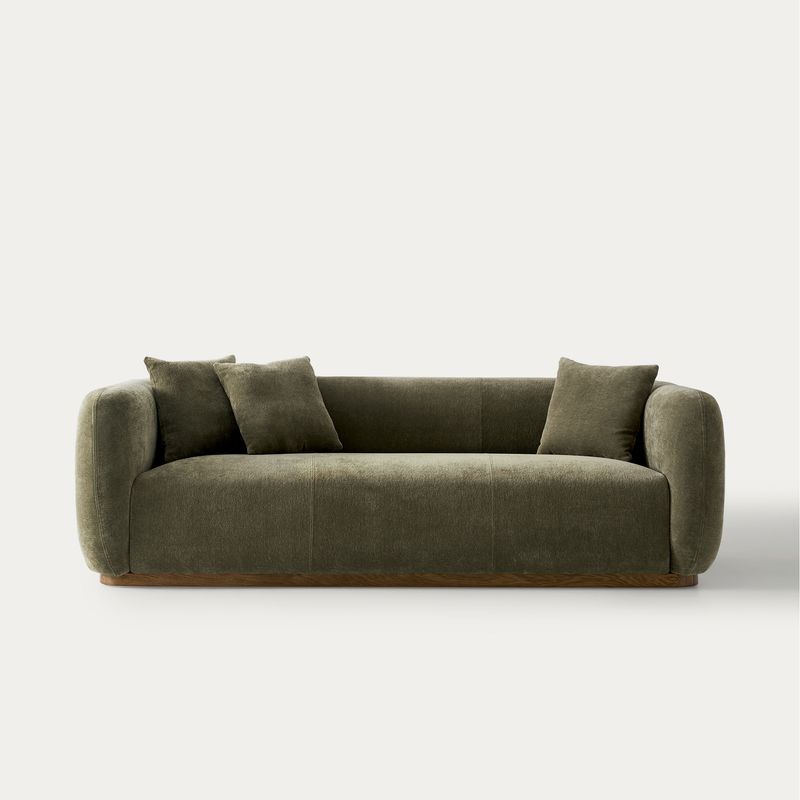
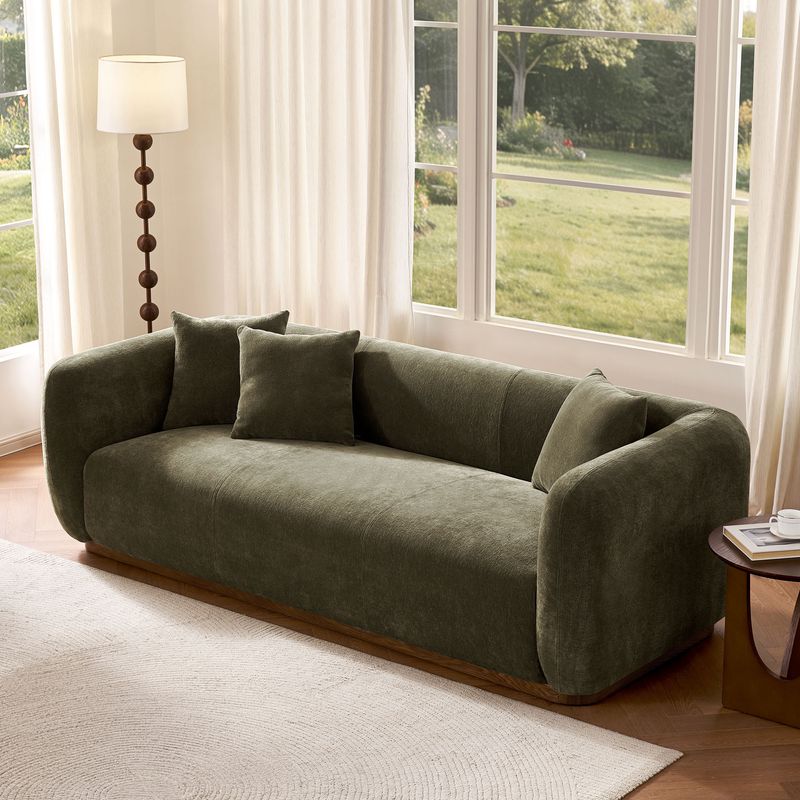
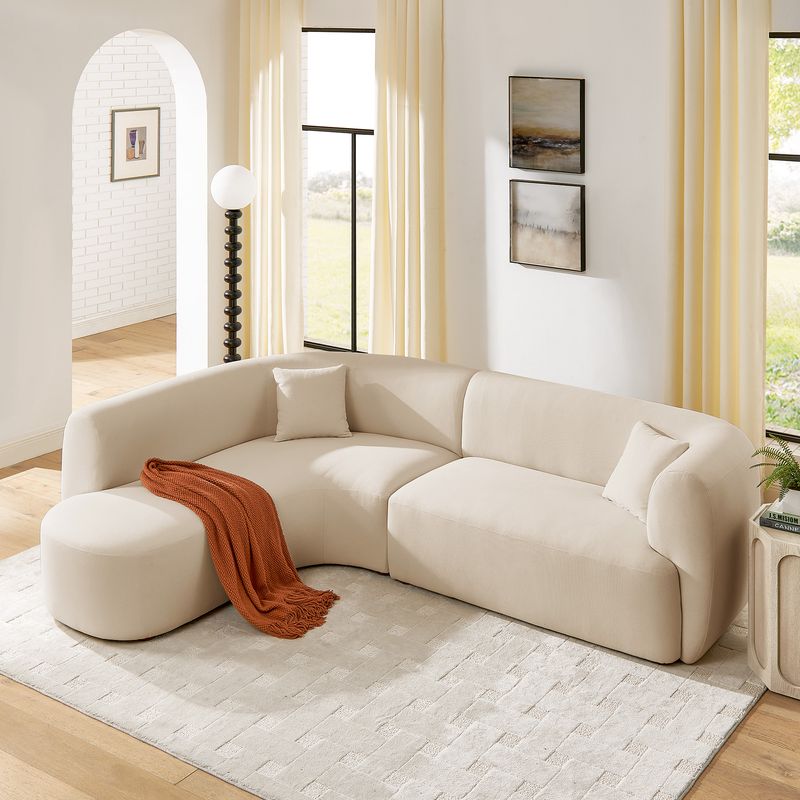
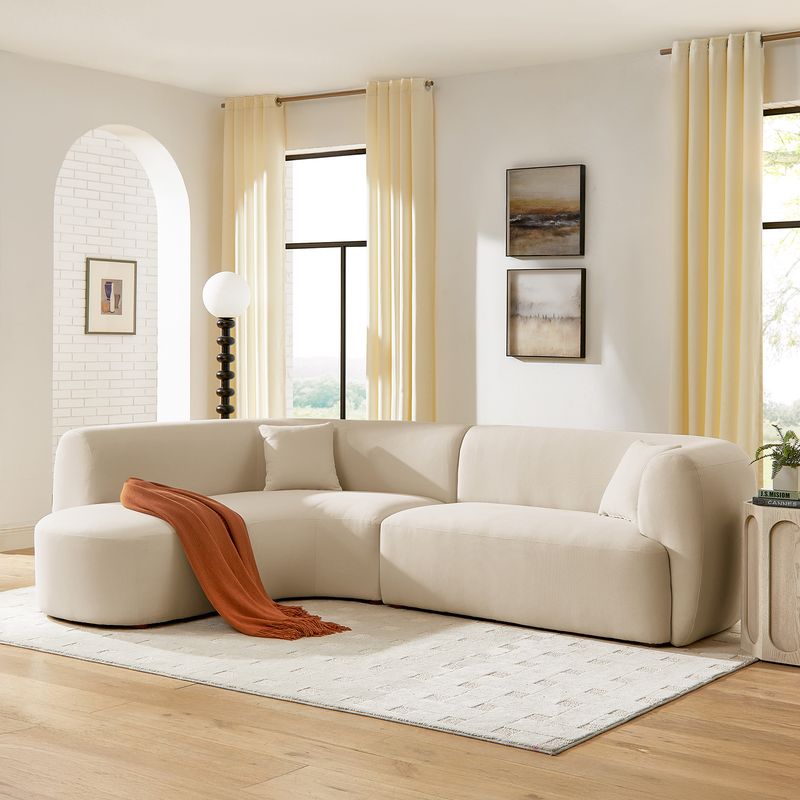
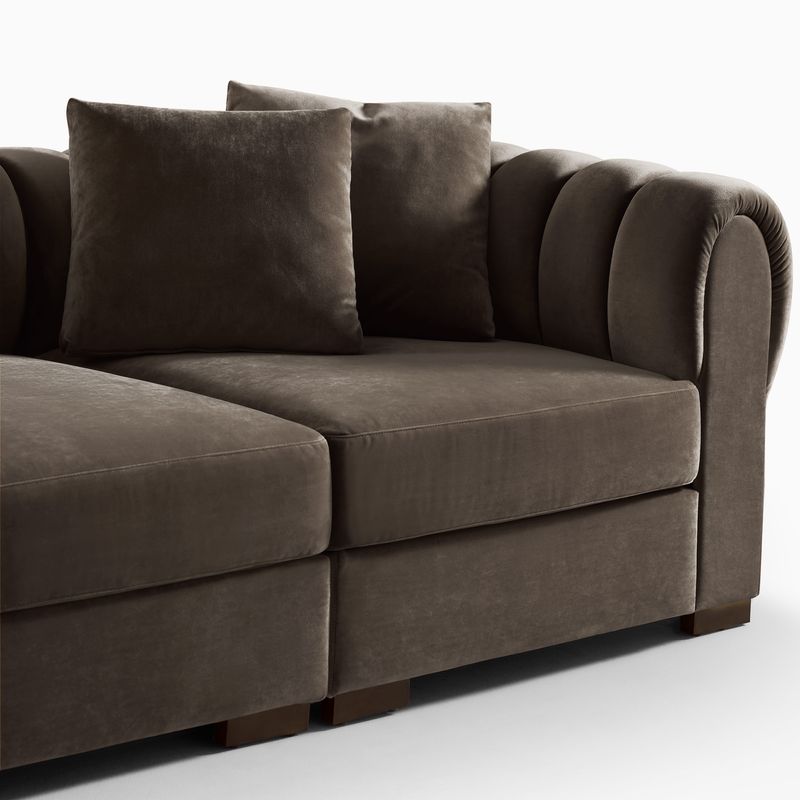
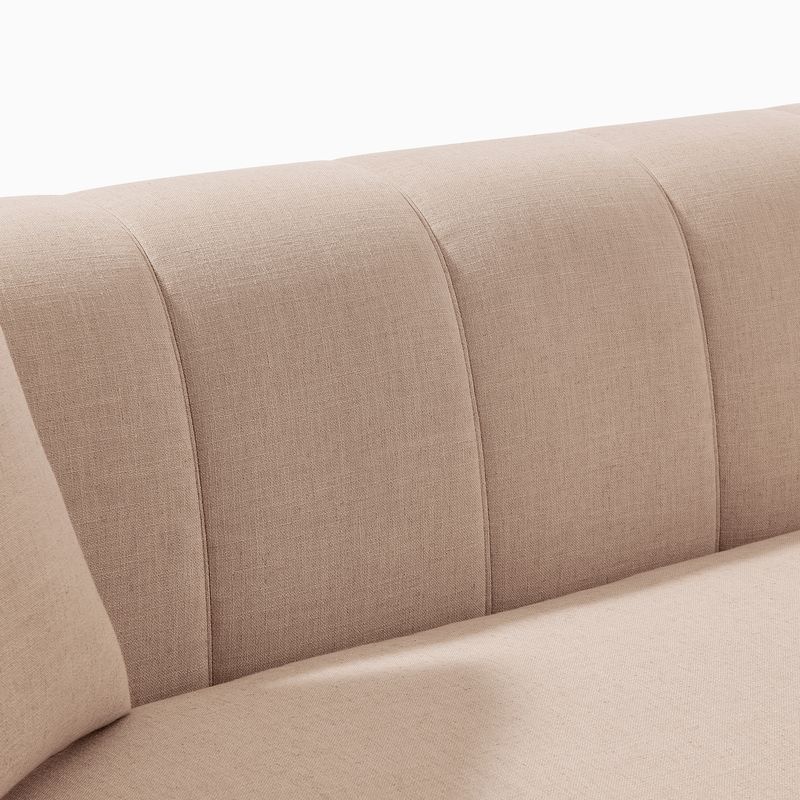
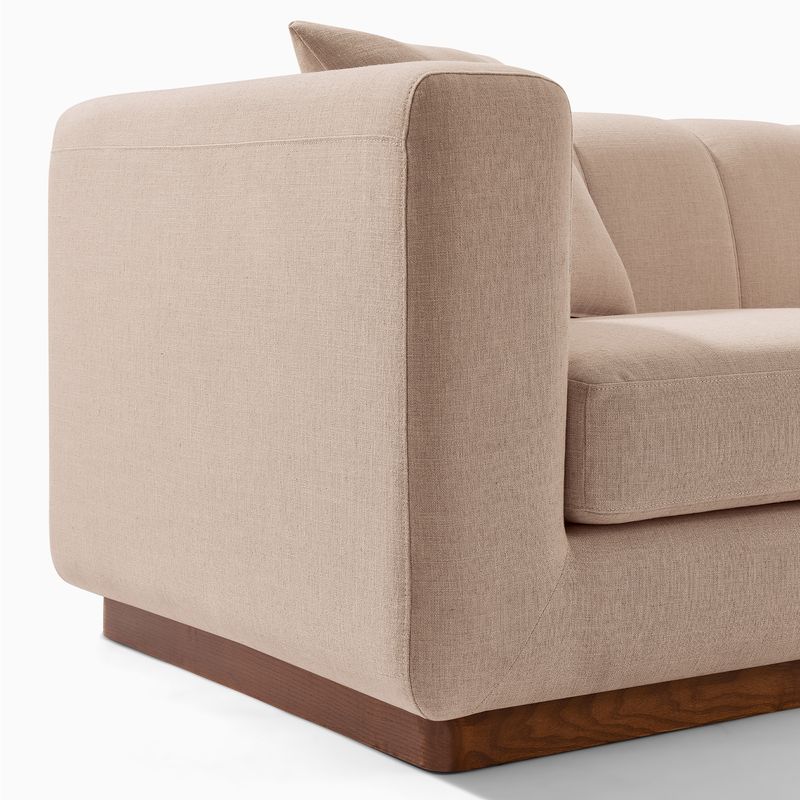
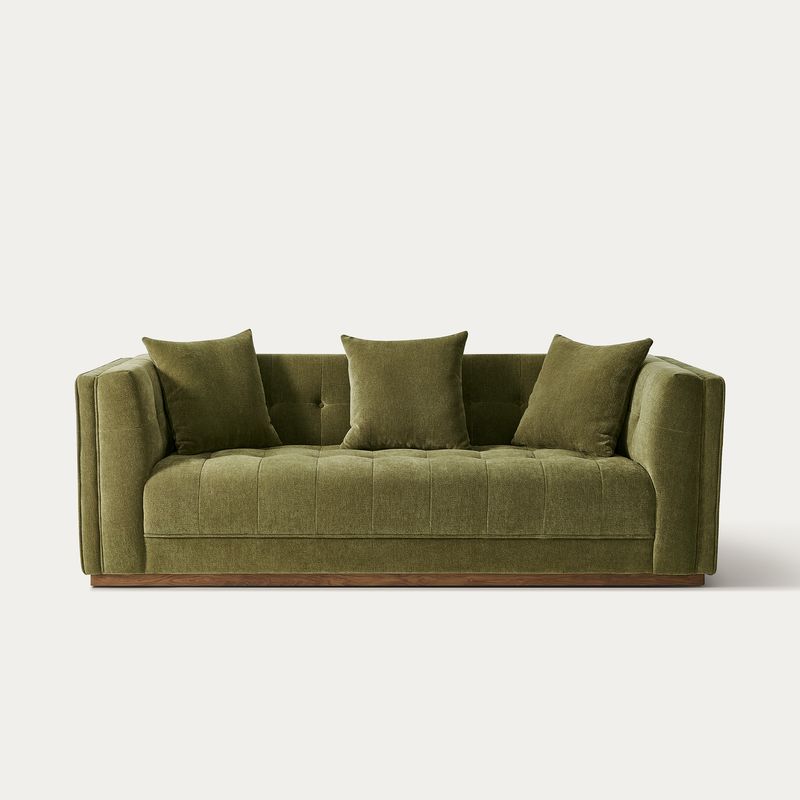
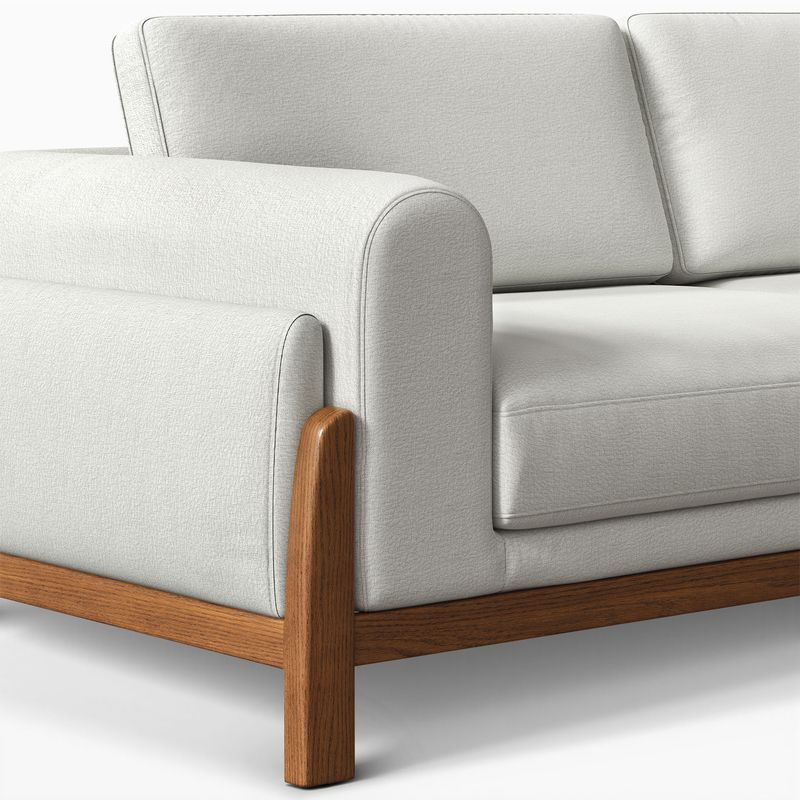
At Hernest, our collection of sofas combines clean lines, comfortable proportions, and practical designs for everyday living. Shop standard sofas for versatile seating, sectional sofas for larger gathering spaces, loveseats for more compact rooms, and sofa beds when you need seating and sleeping space in one piece.
Whether you are furnishing a first apartment or updating a larger living room, start with the size and layout of your space, then choose the sofa configuration that makes the most sense for your routine.
Read More
Explore Sofas by Type and Space
Different rooms call for different seating arrangements. A compact apartment may need a smaller sofa, while an open-concept living room can benefit from a larger configuration. Consider how much seating you need, how people move through the room, and whether the sofa needs to serve more than one purpose.
Standard Sofas for Everyday Living
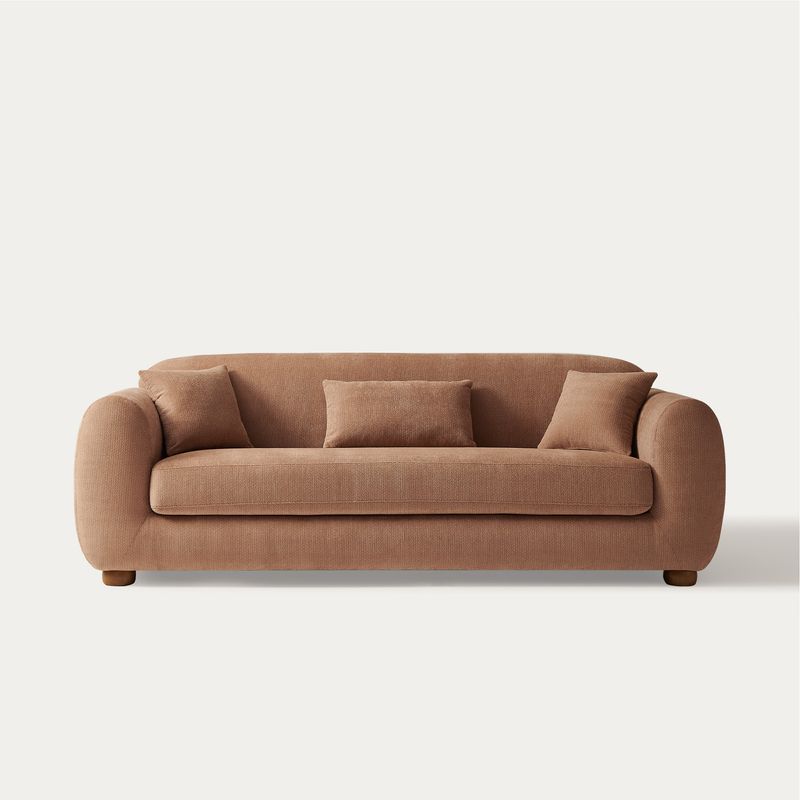
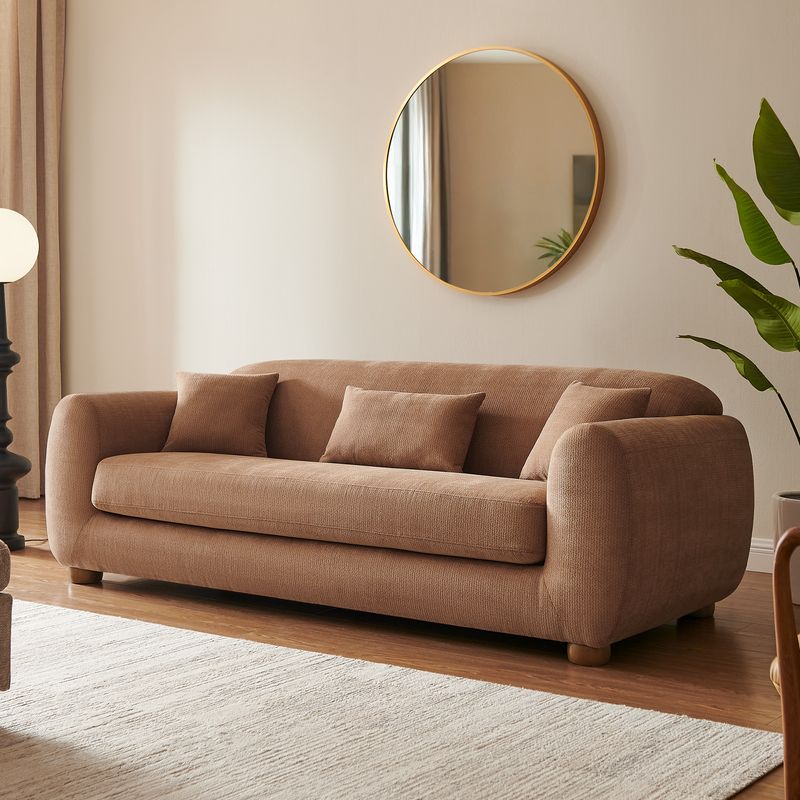
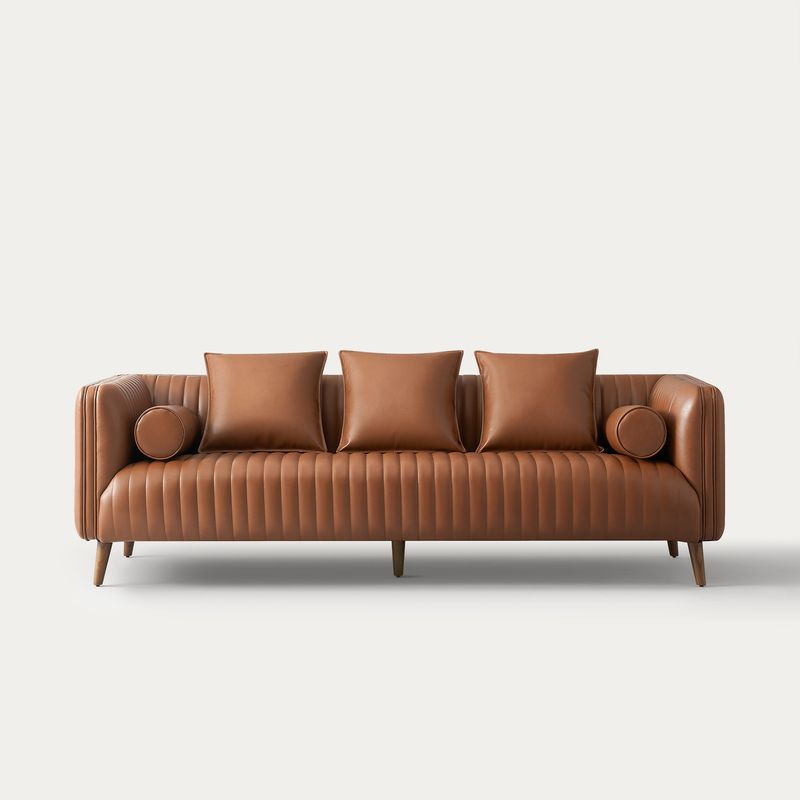
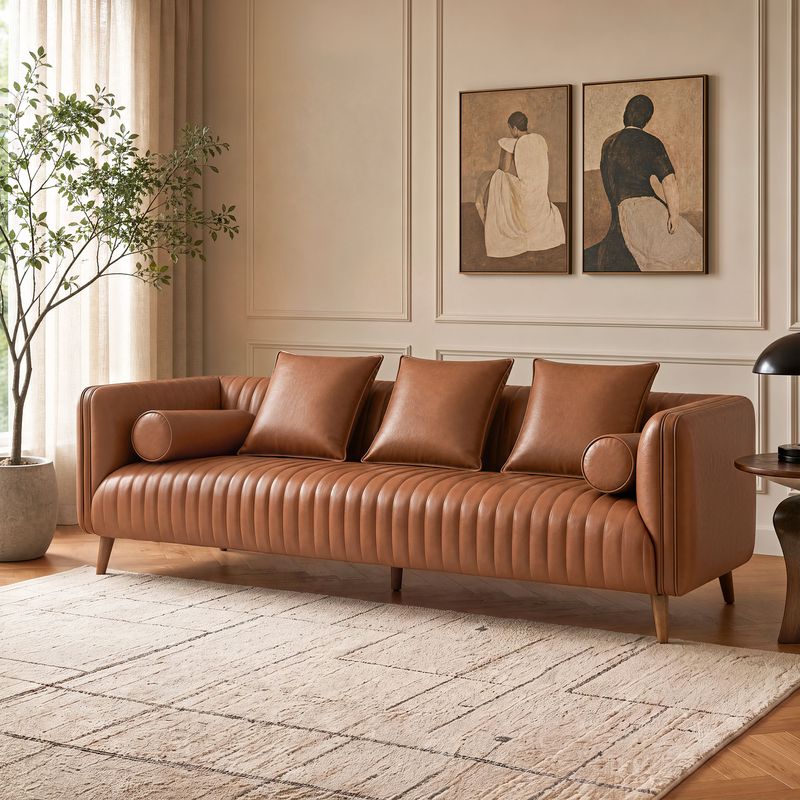
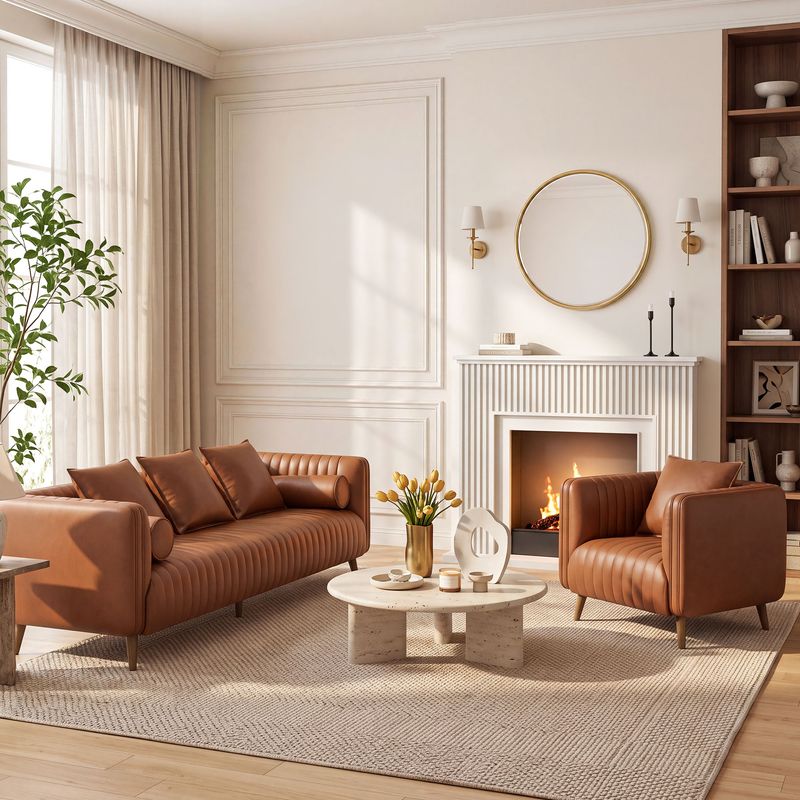
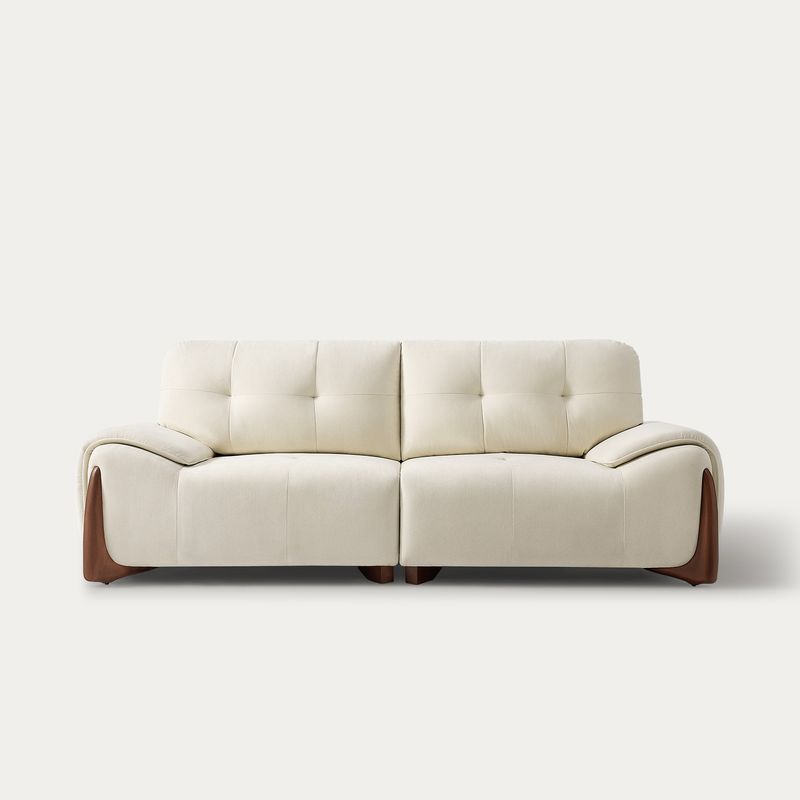
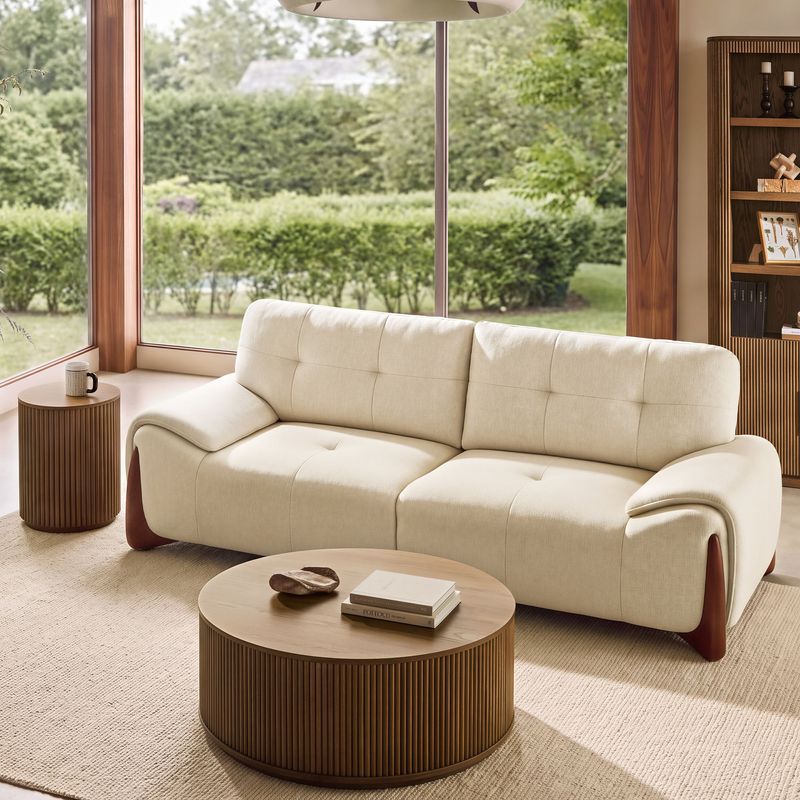
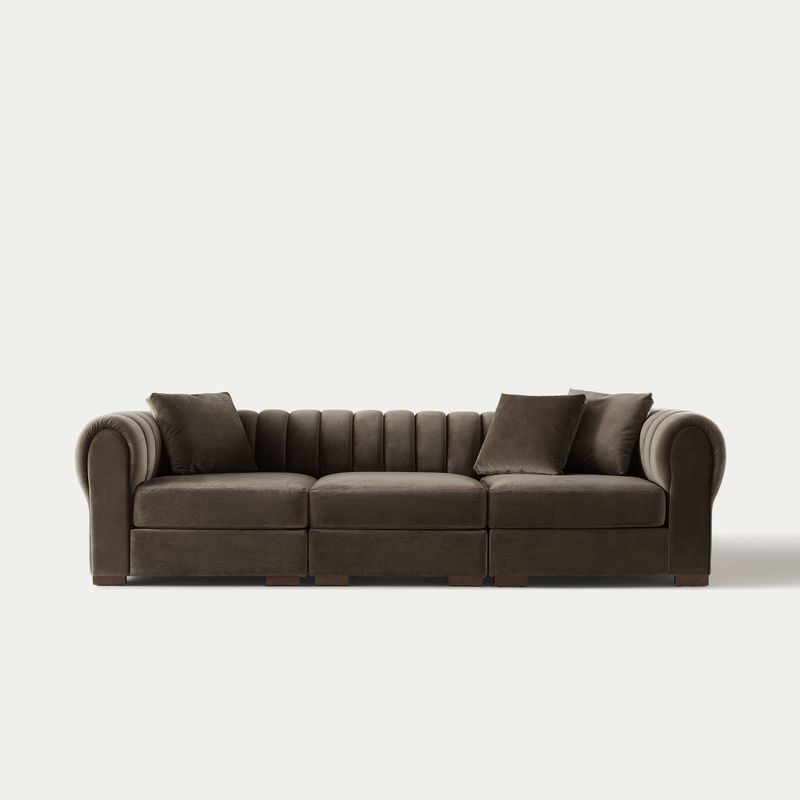
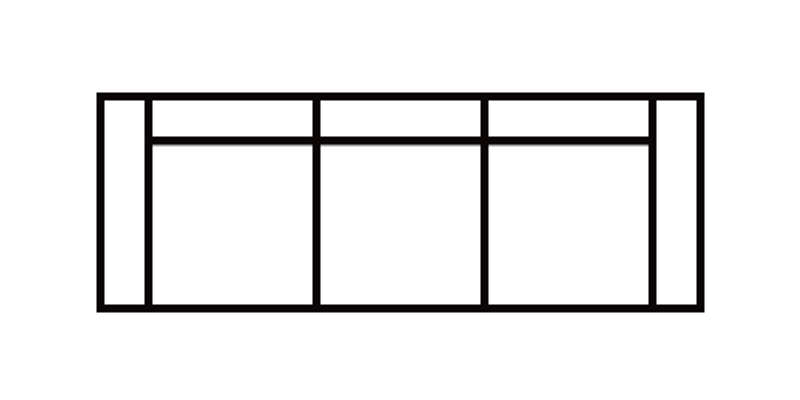
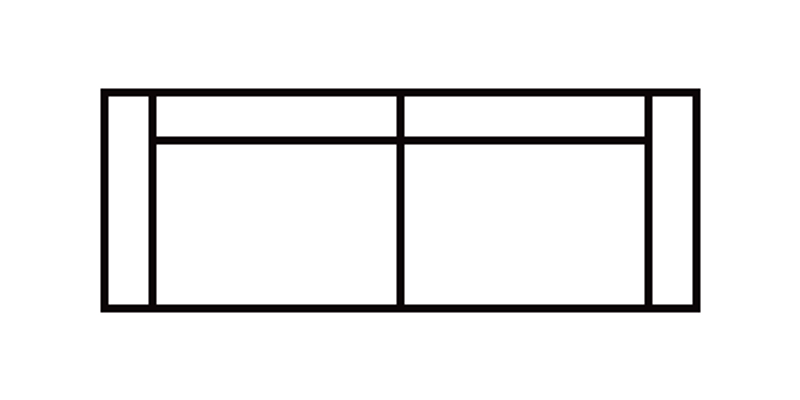
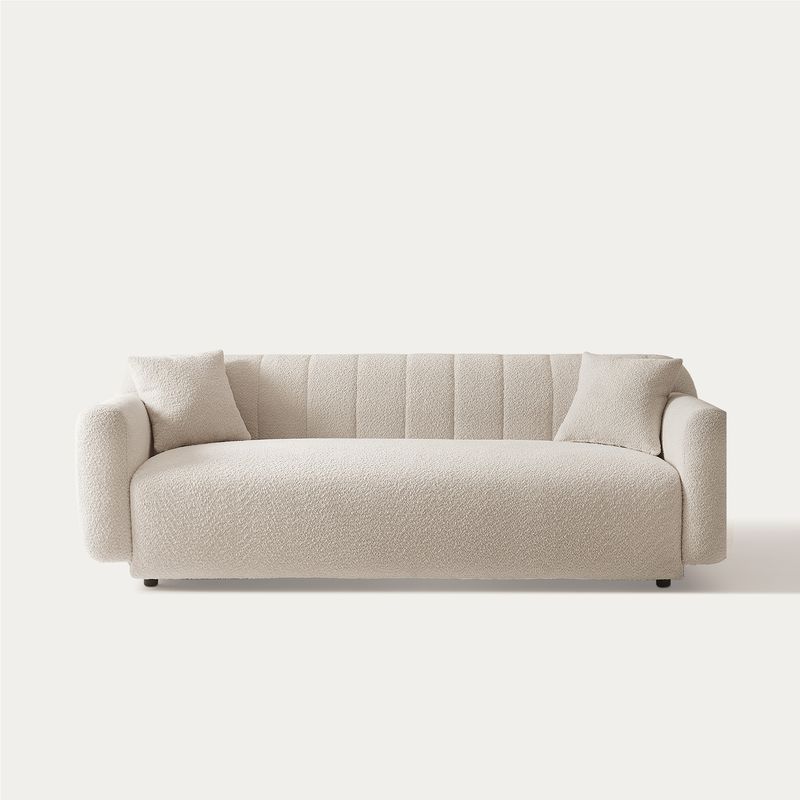
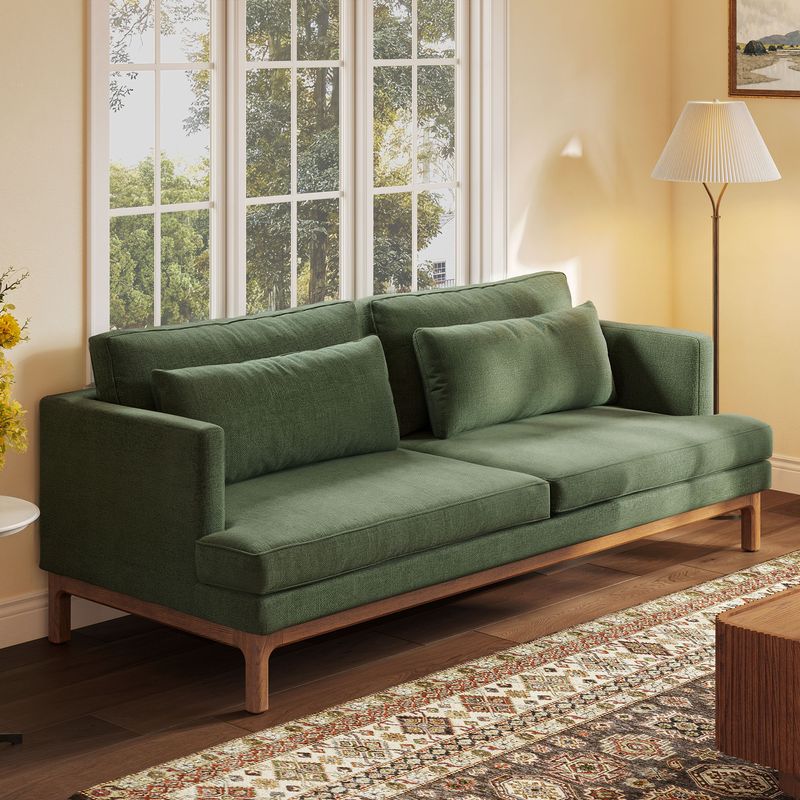
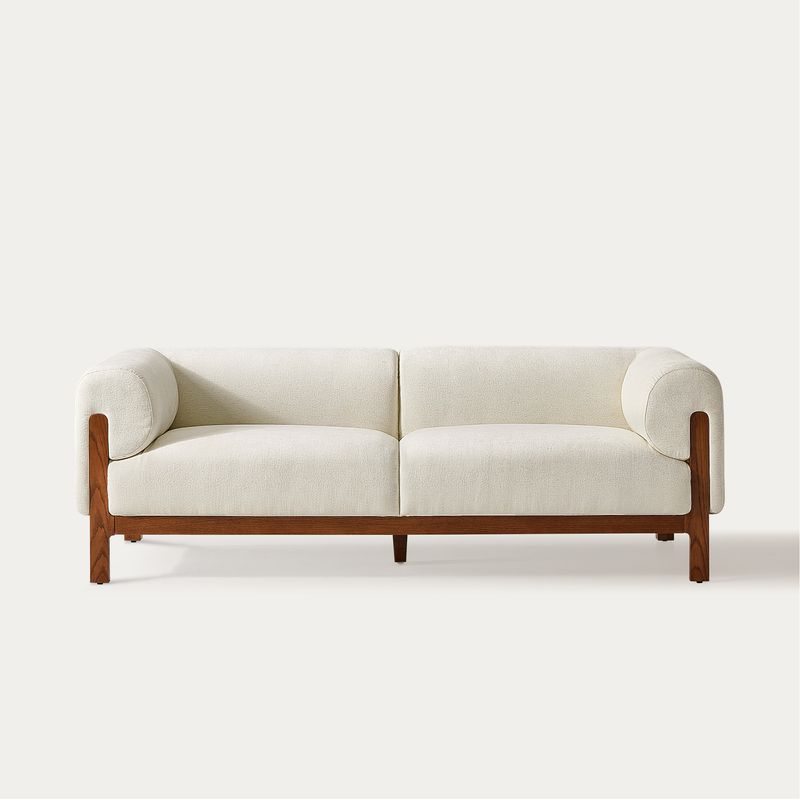
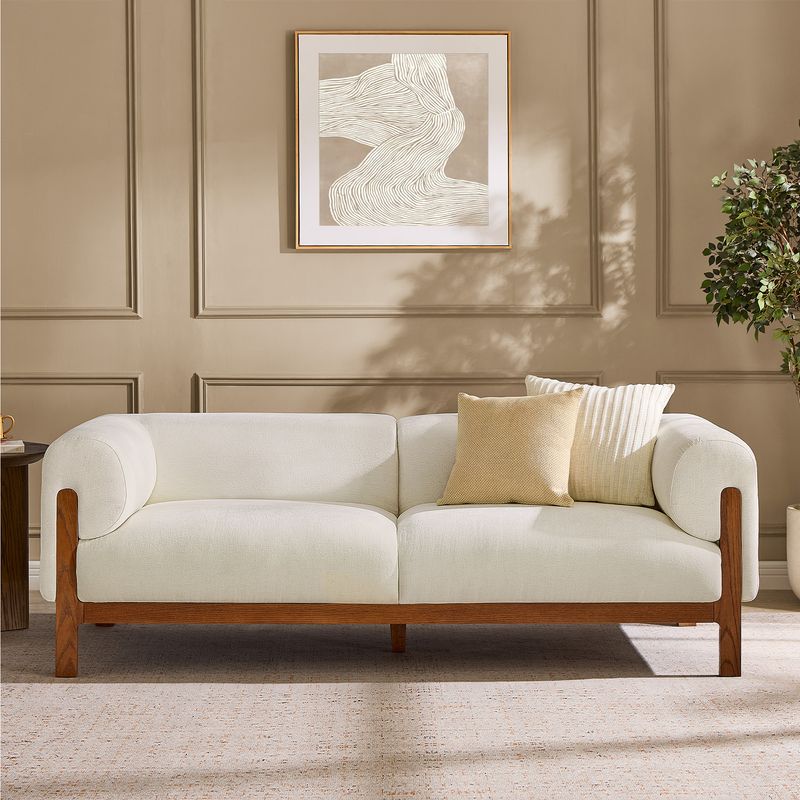
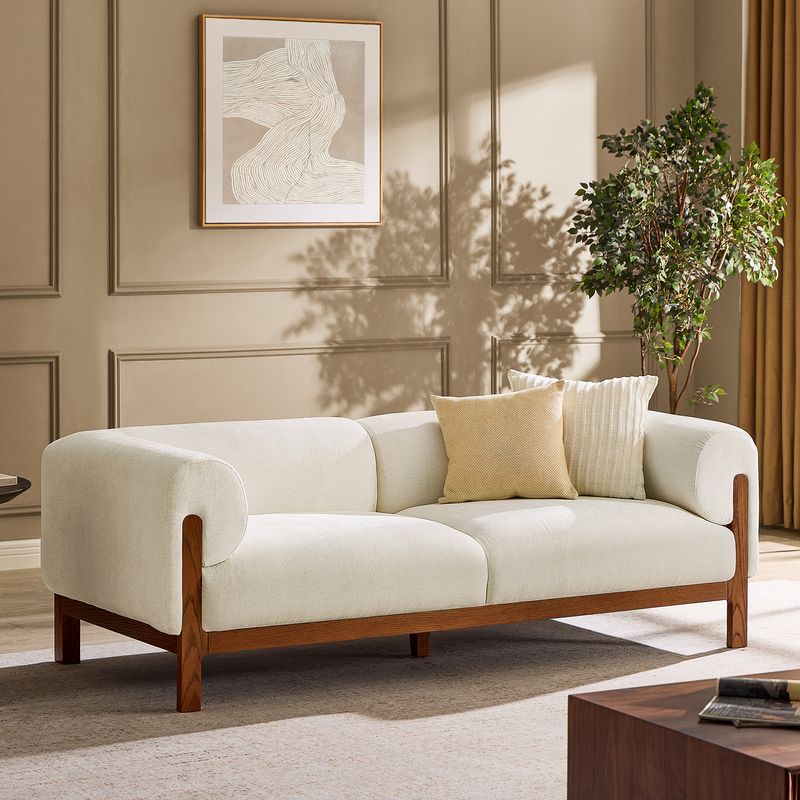
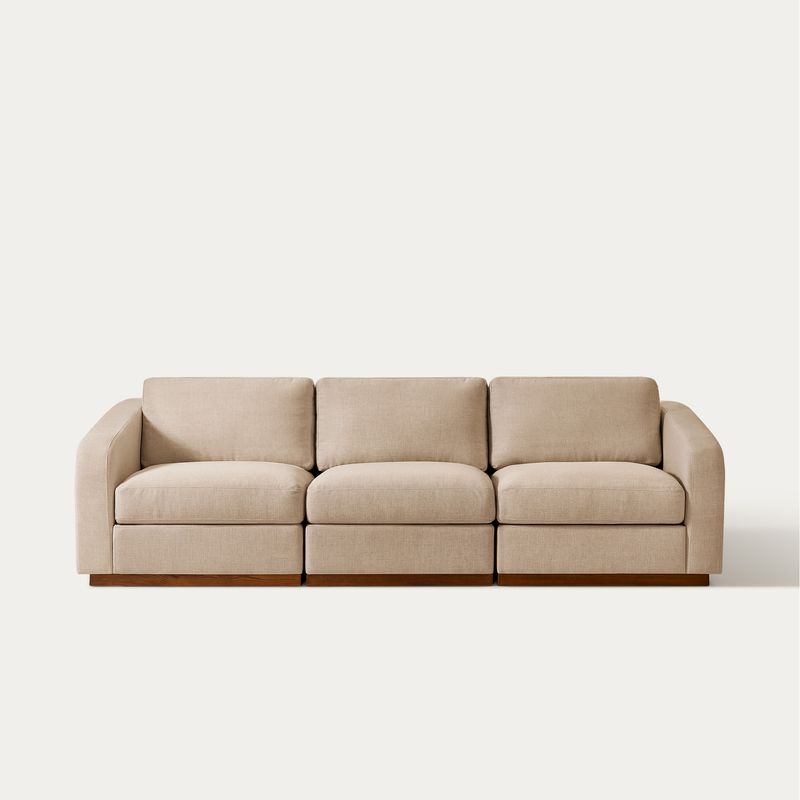
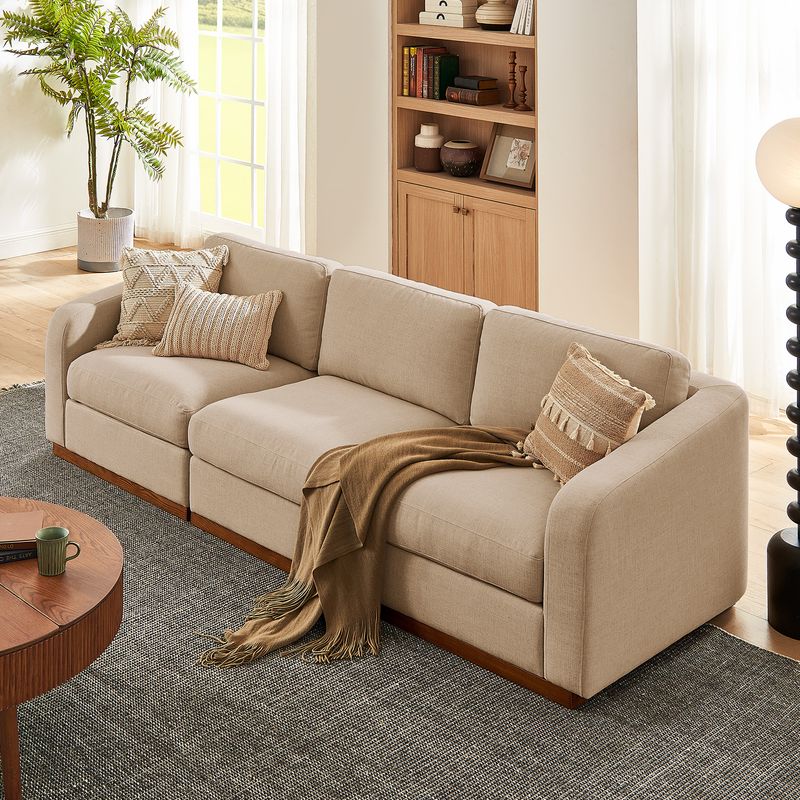
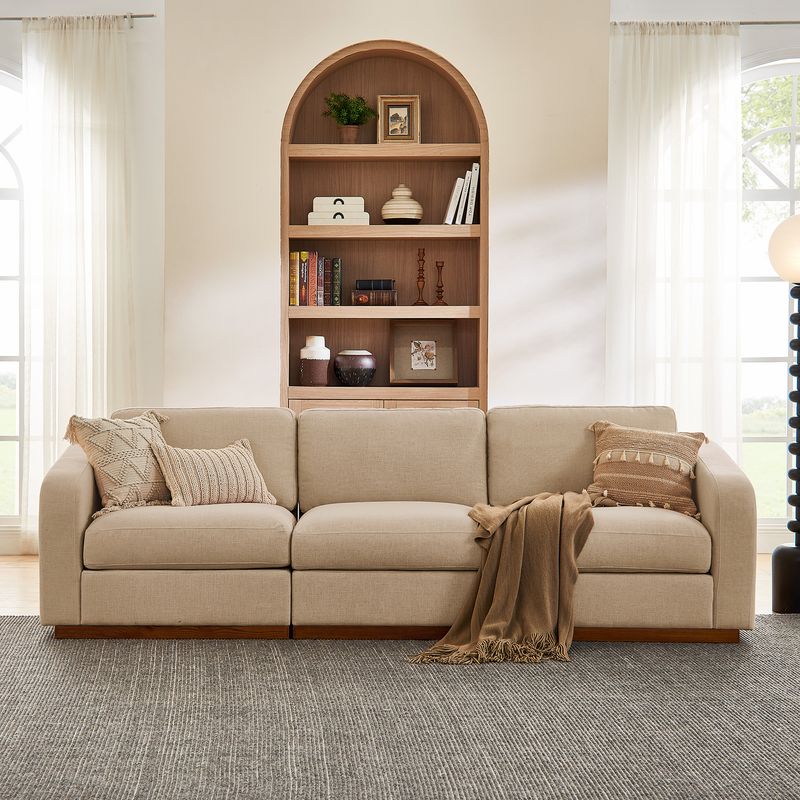
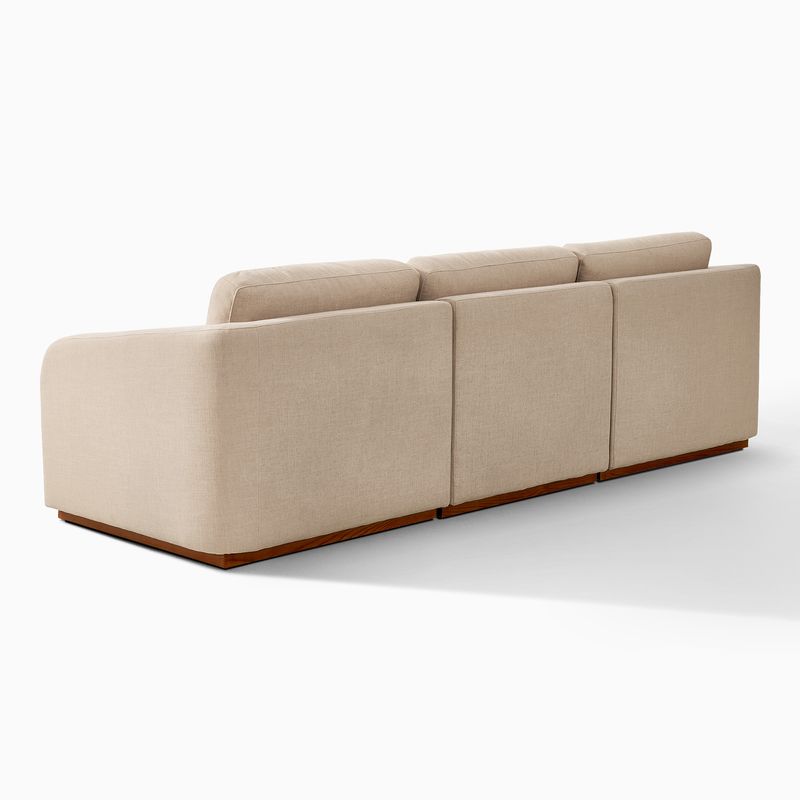
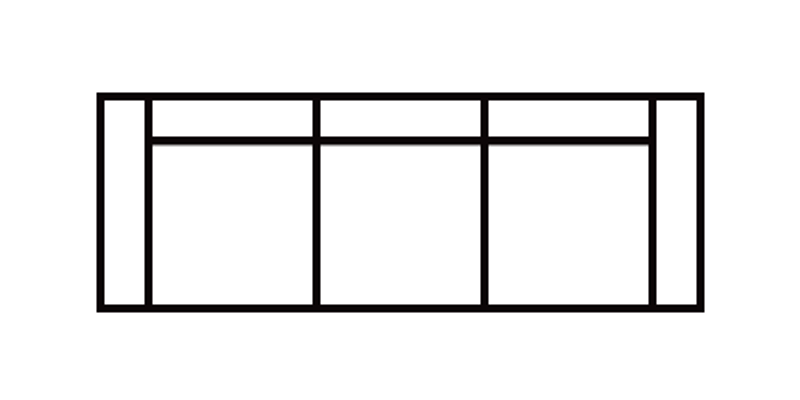
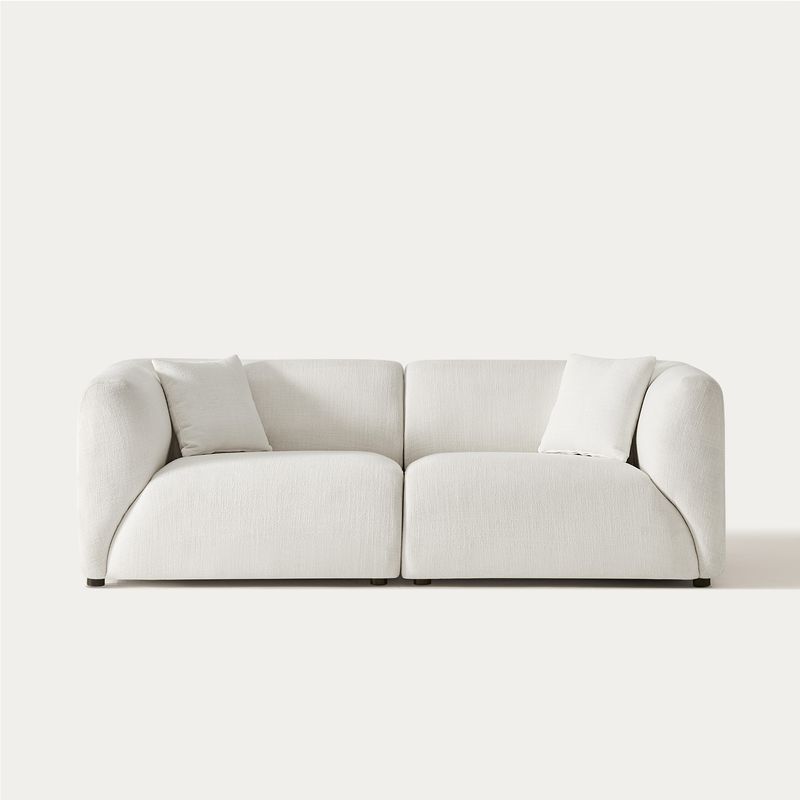
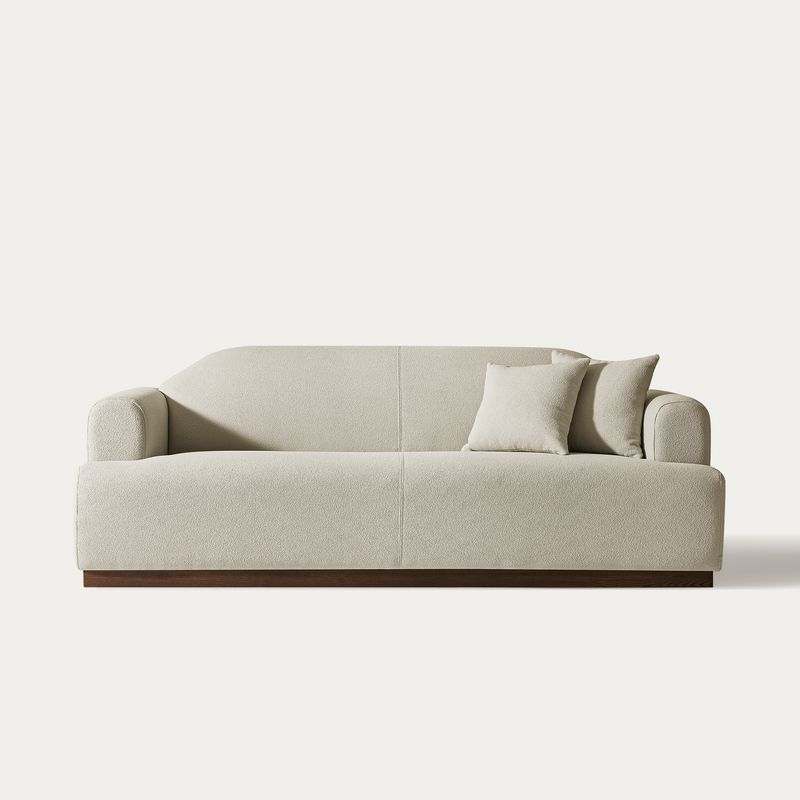
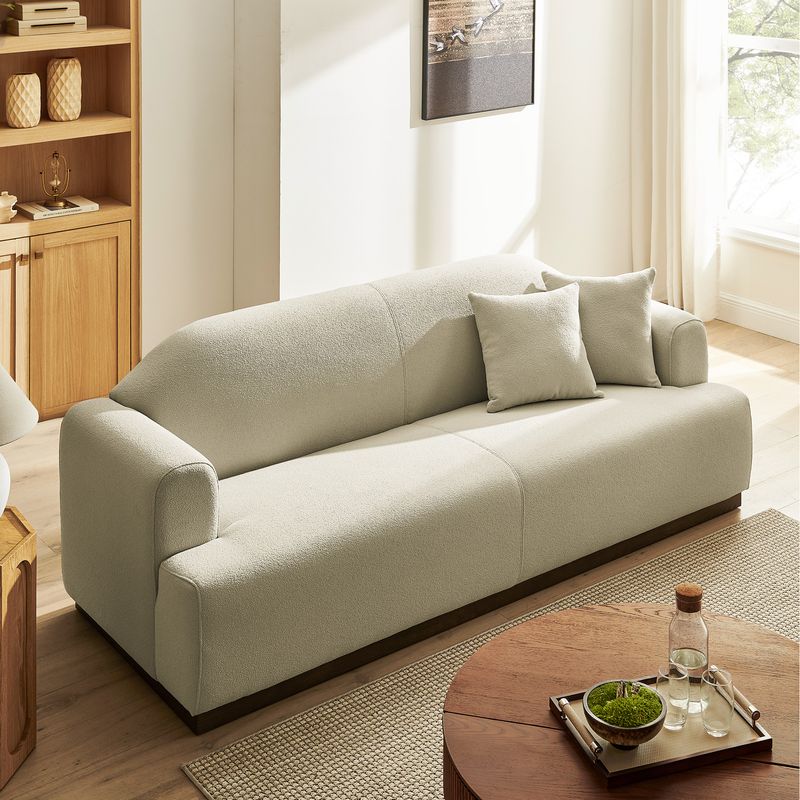
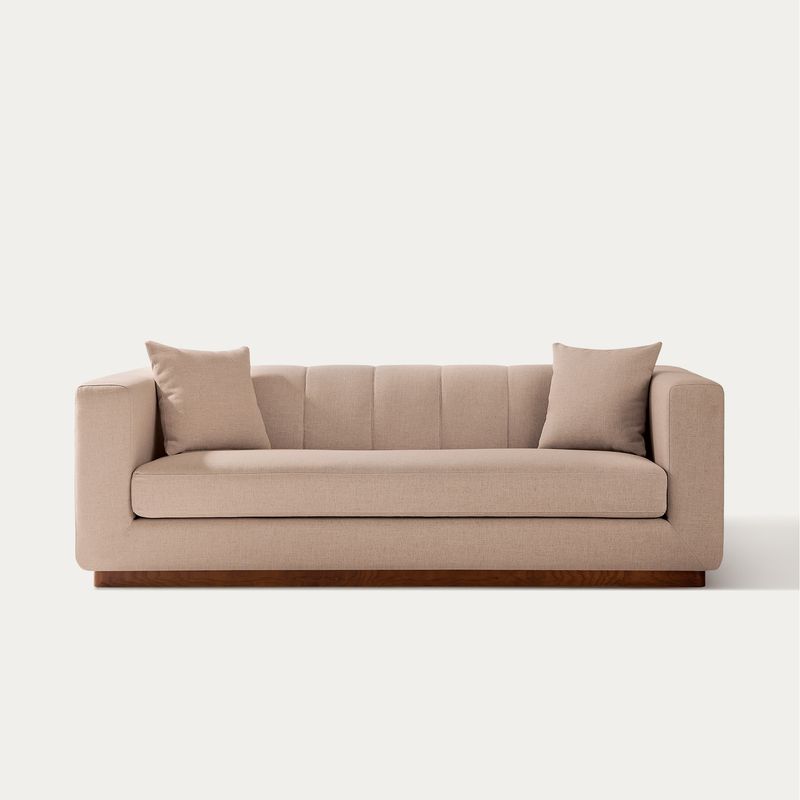
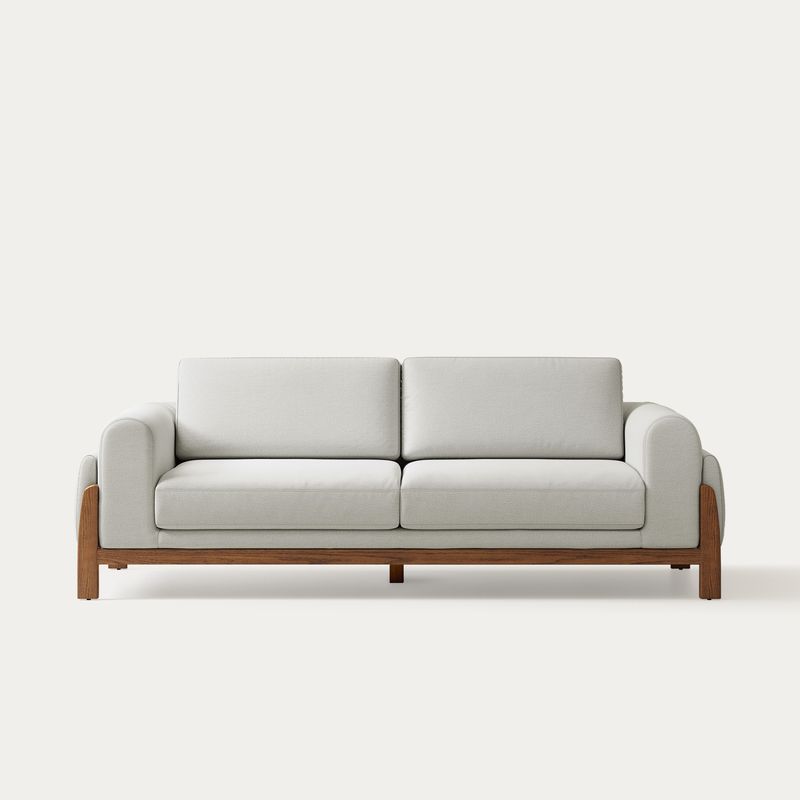
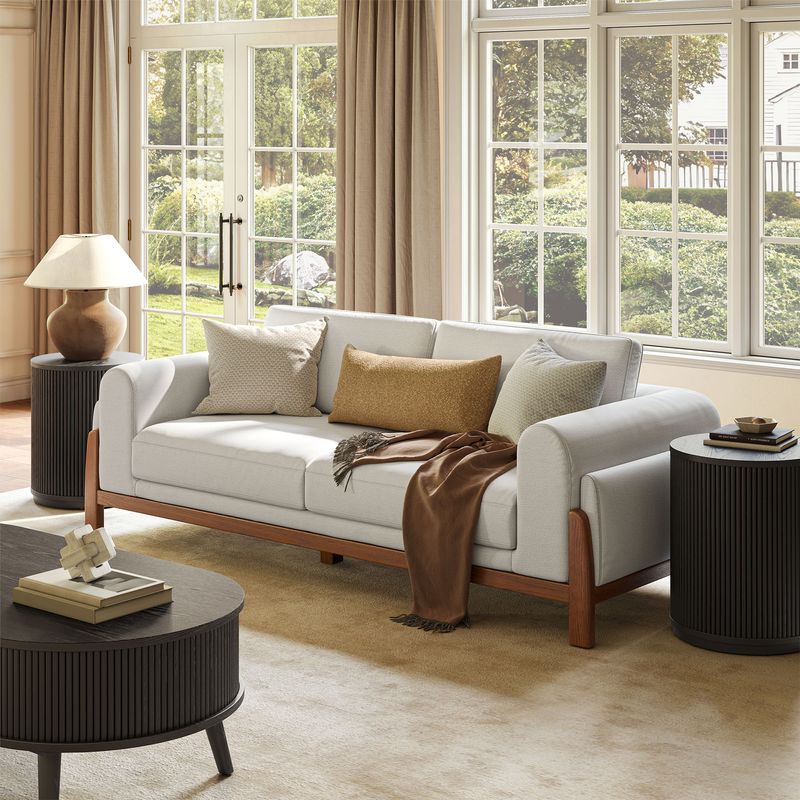
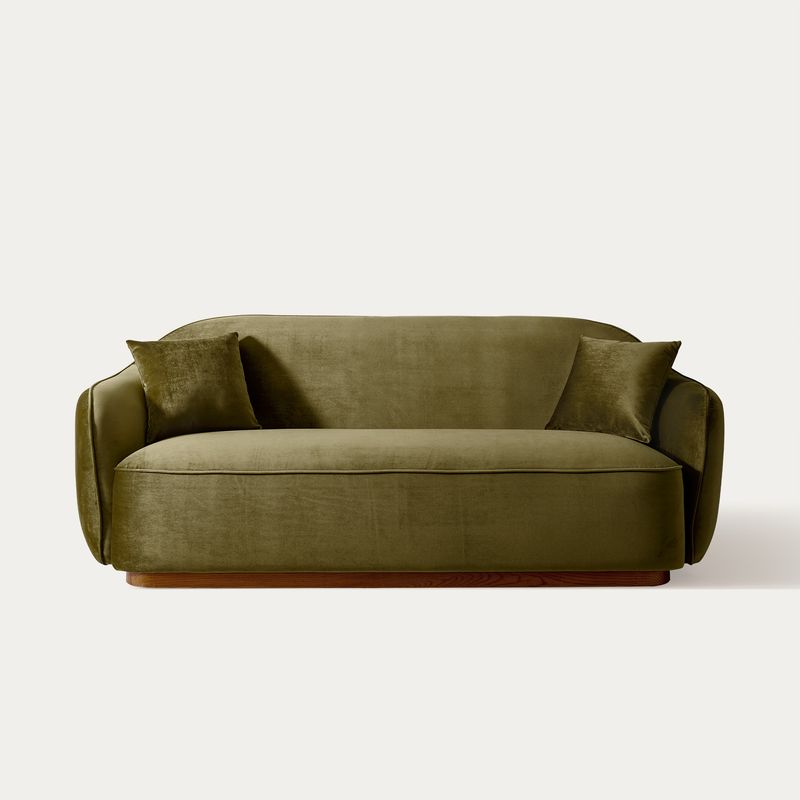
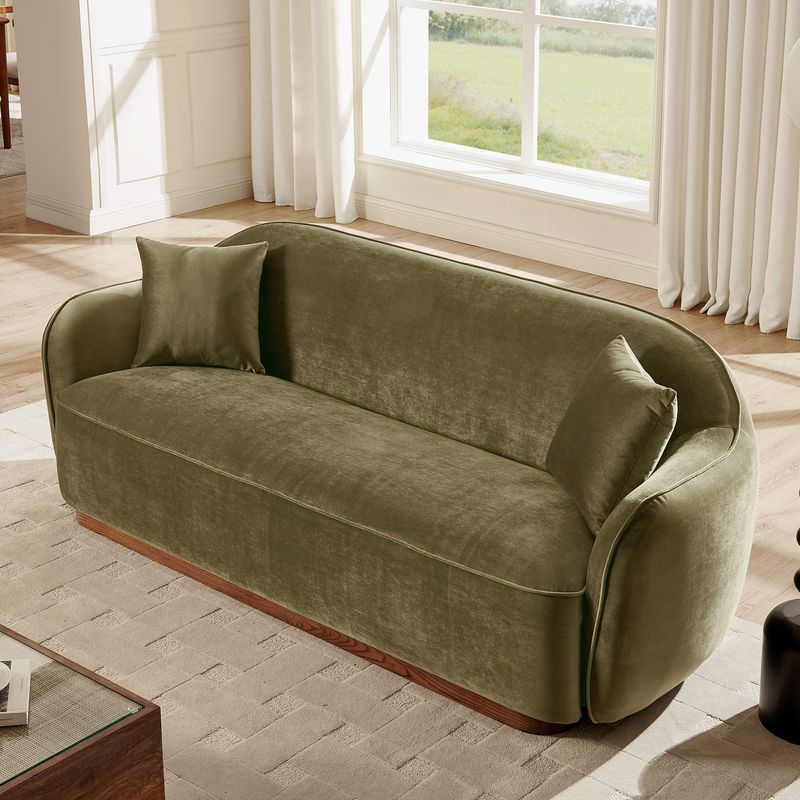
A standard sofa is a versatile choice for most living rooms. Three-seat sofas provide comfortable seating without taking up as much floor space as a large sectional, making them suitable for apartments, family rooms, and open-concept spaces.
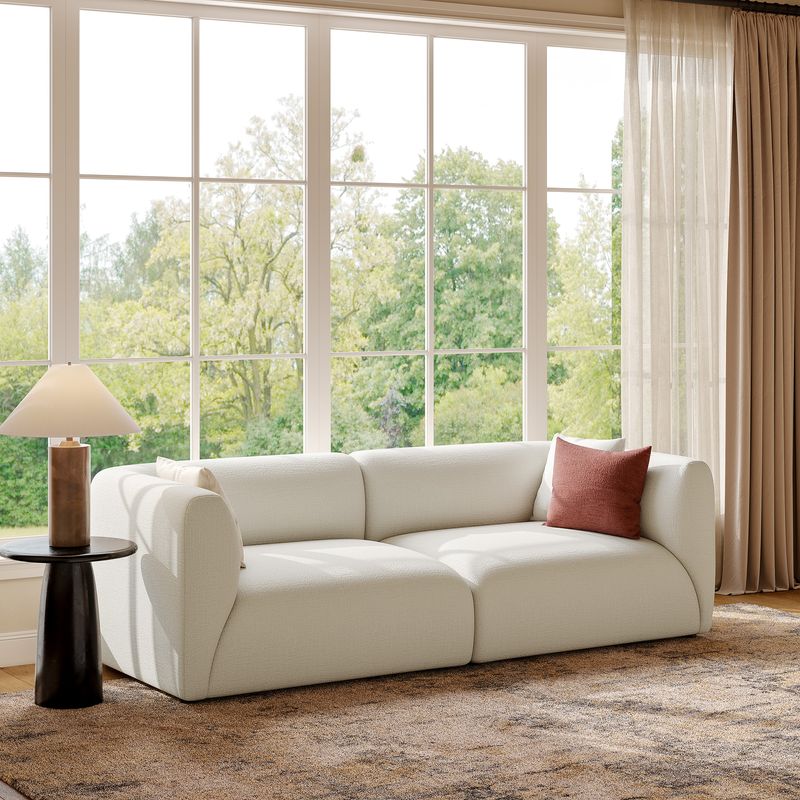
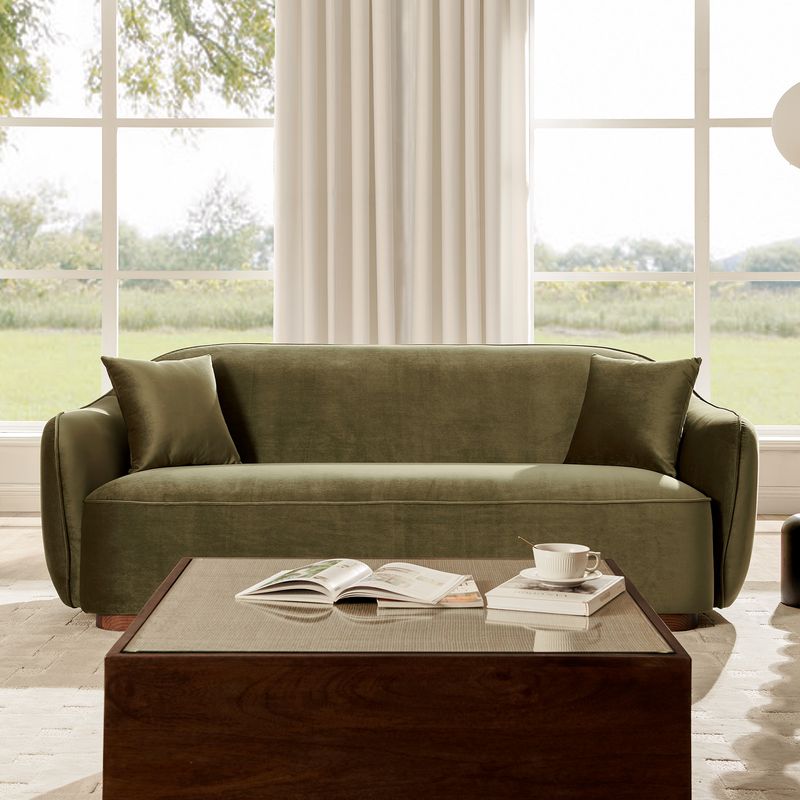
Their straightforward shape also makes furniture planning easier. You can place a standard sofa opposite a media console or fireplace, pair it with accent chairs, or use it as the main seating piece in a smaller room.
If you want one dependable piece of living room seating that works for everyday conversations, reading, movie nights, and relaxing, a standard sofa is a practical starting point.
Sectional Sofas for Larger Seating Areas
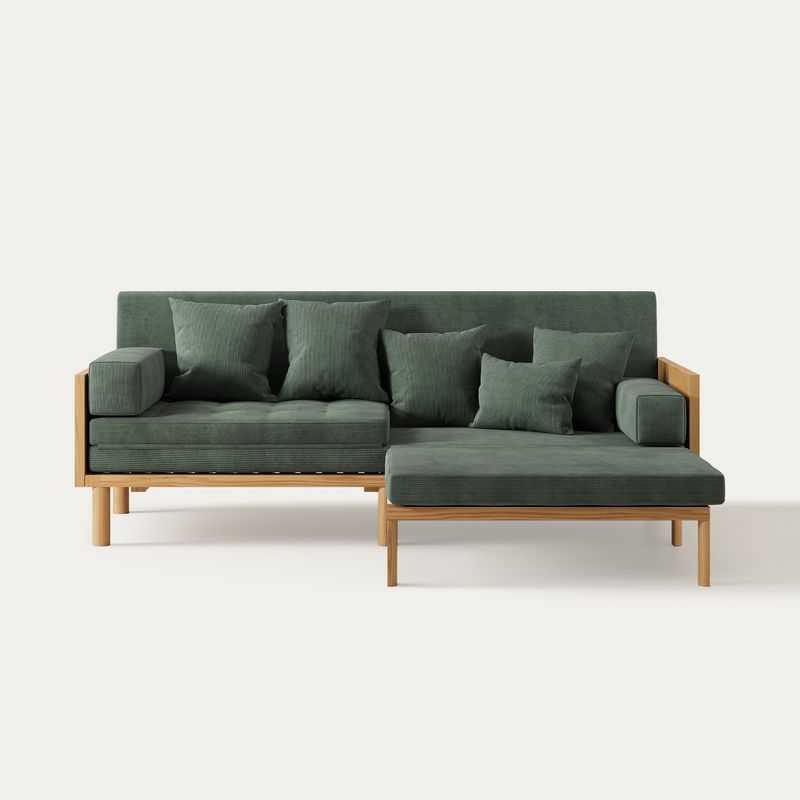
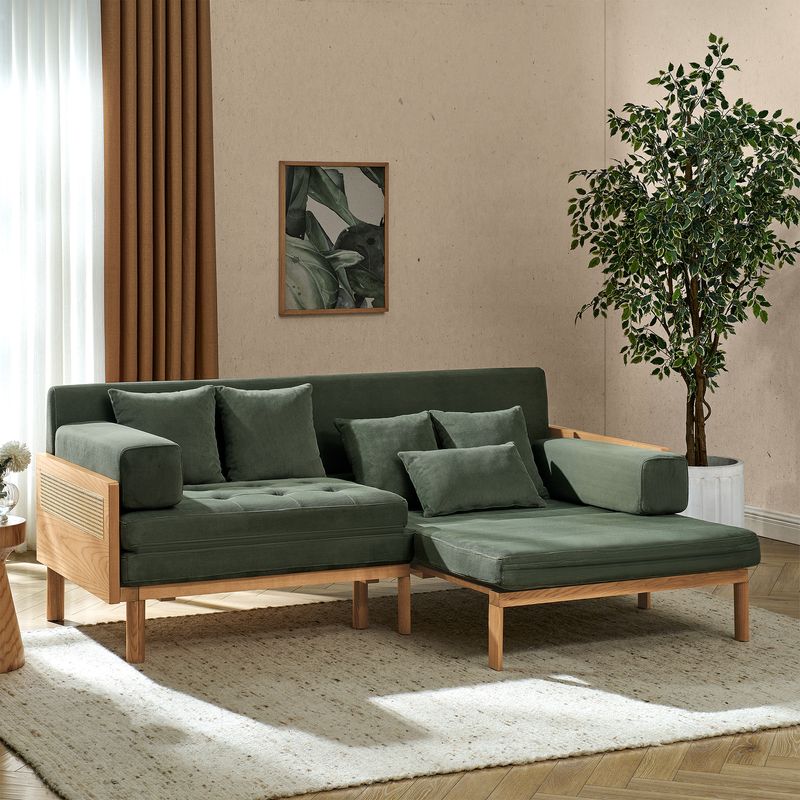
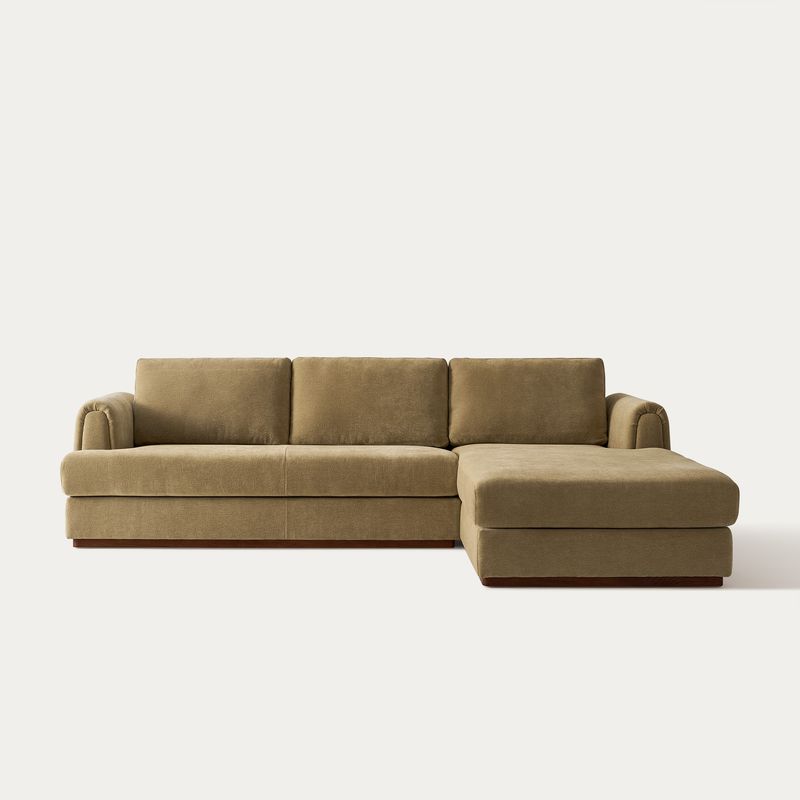
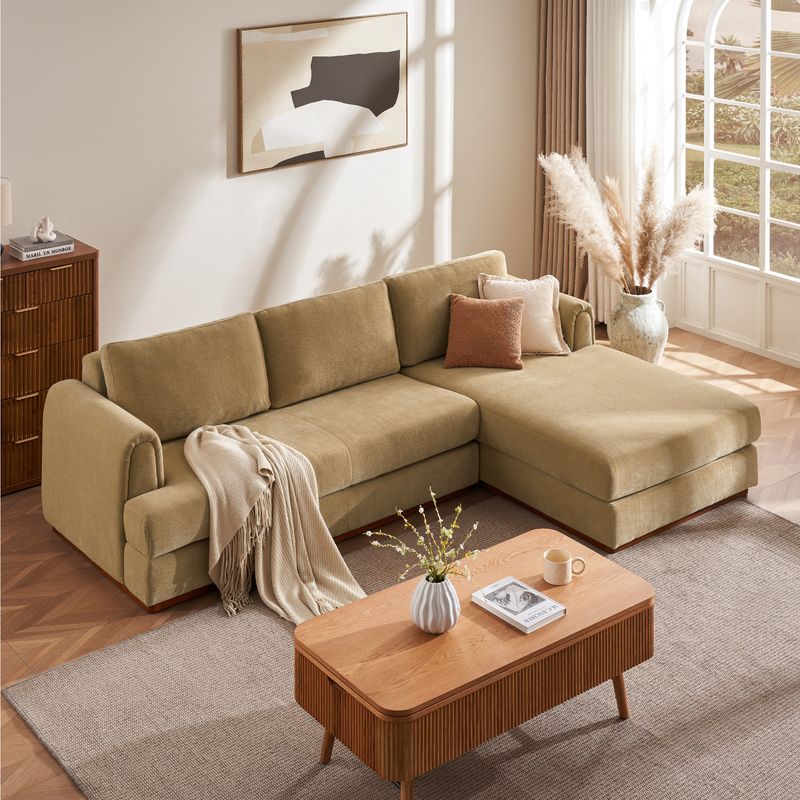
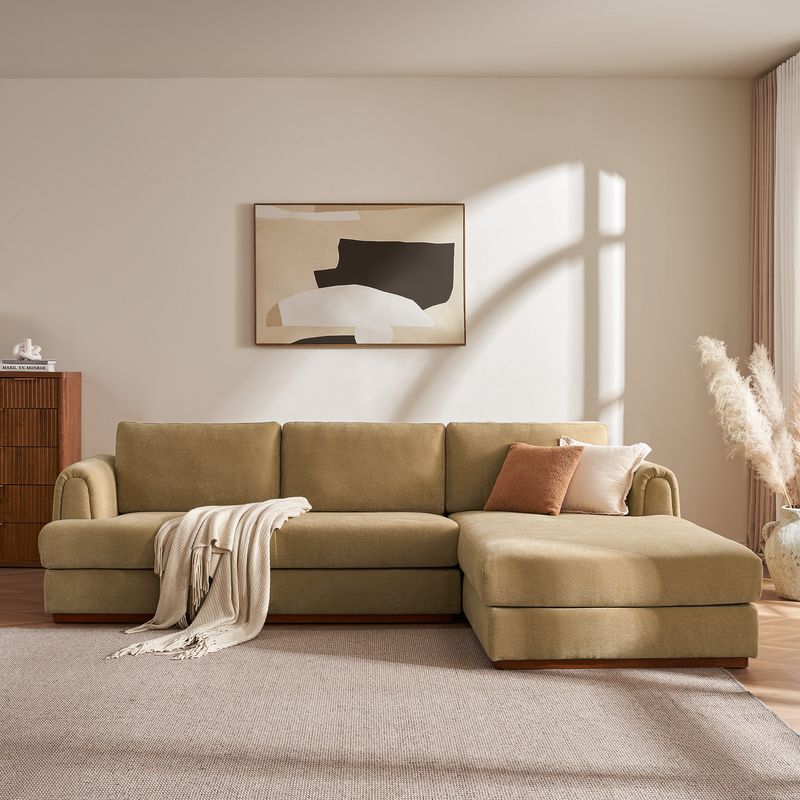
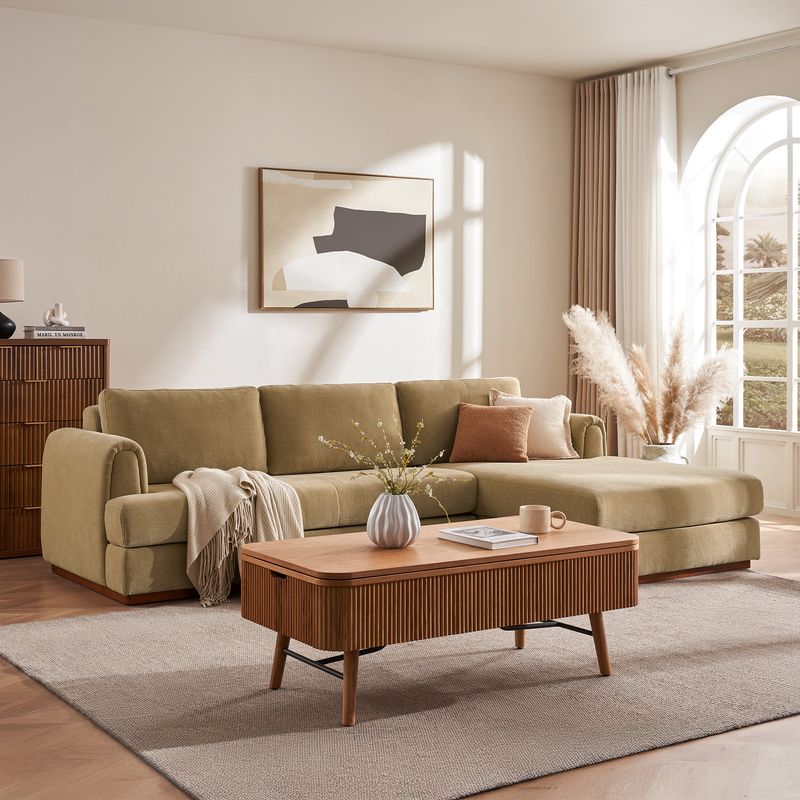
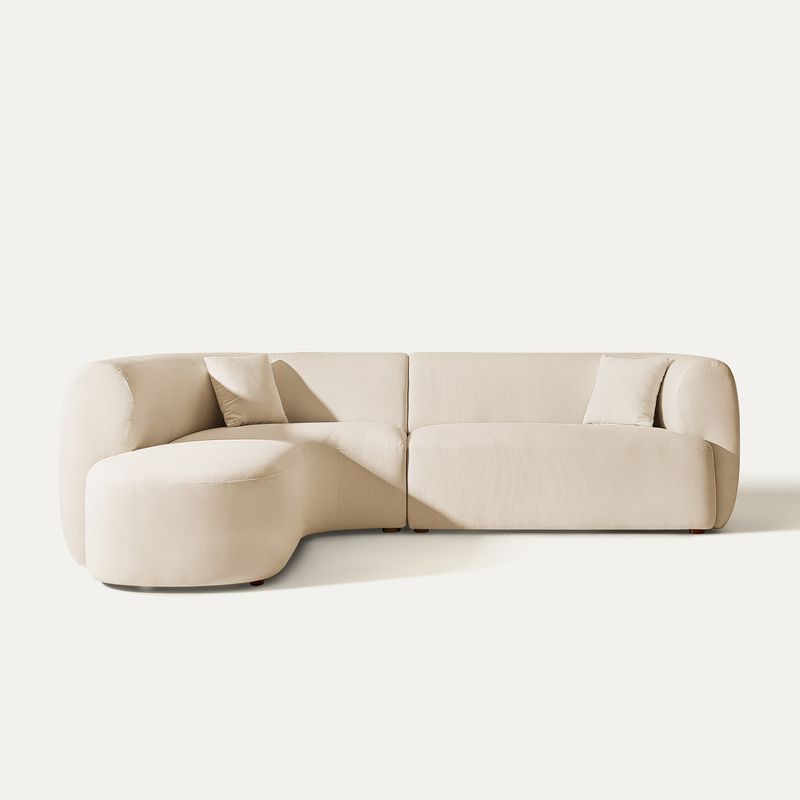
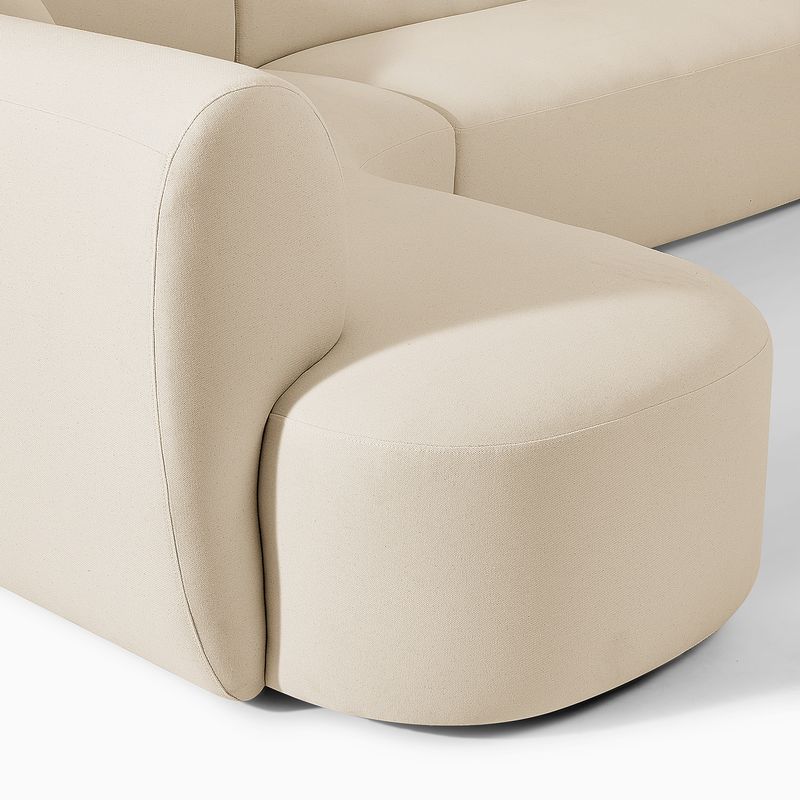
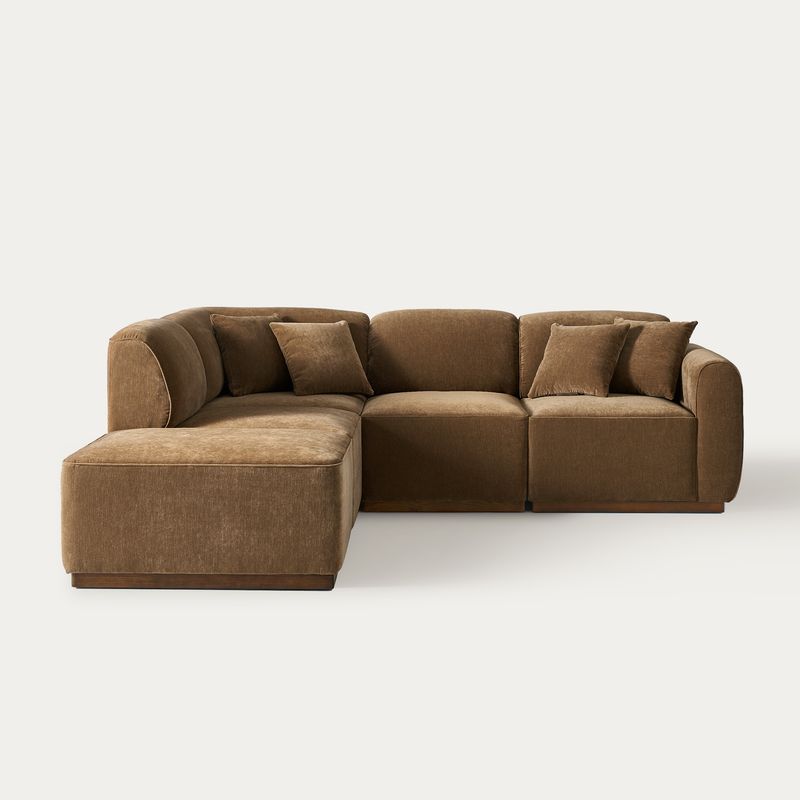
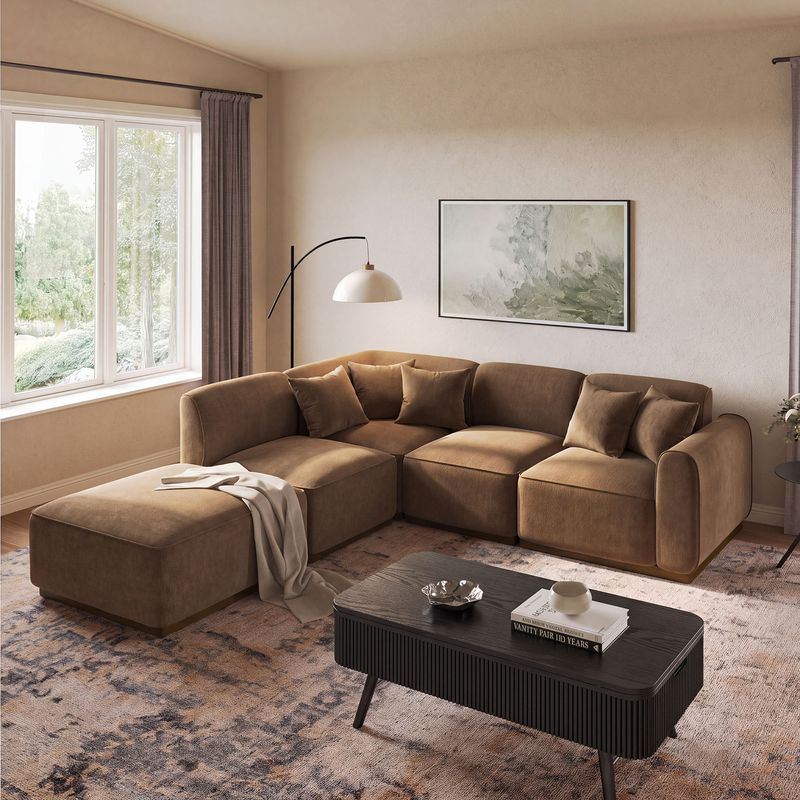
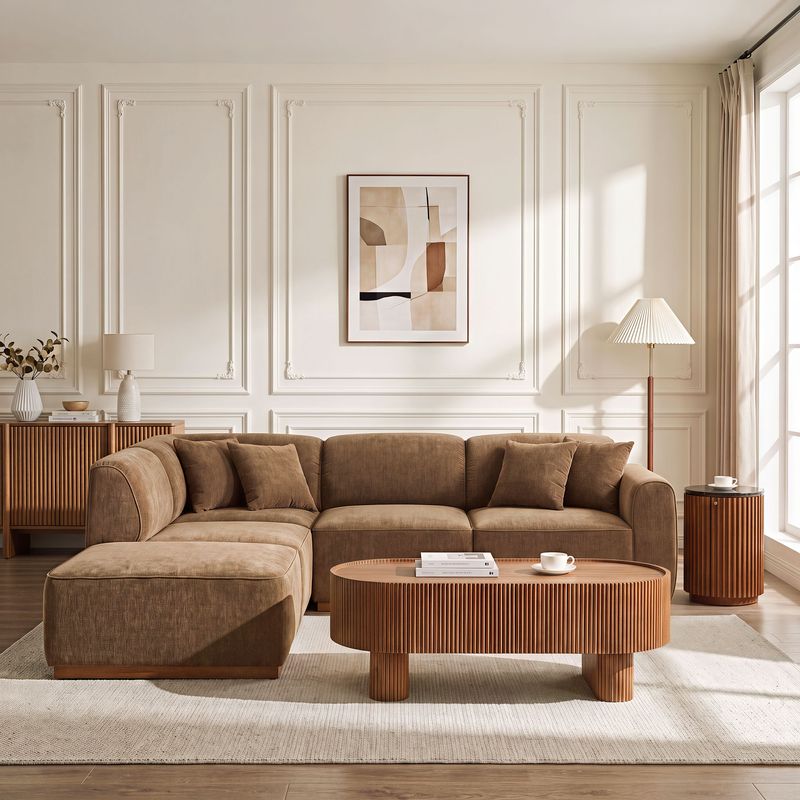
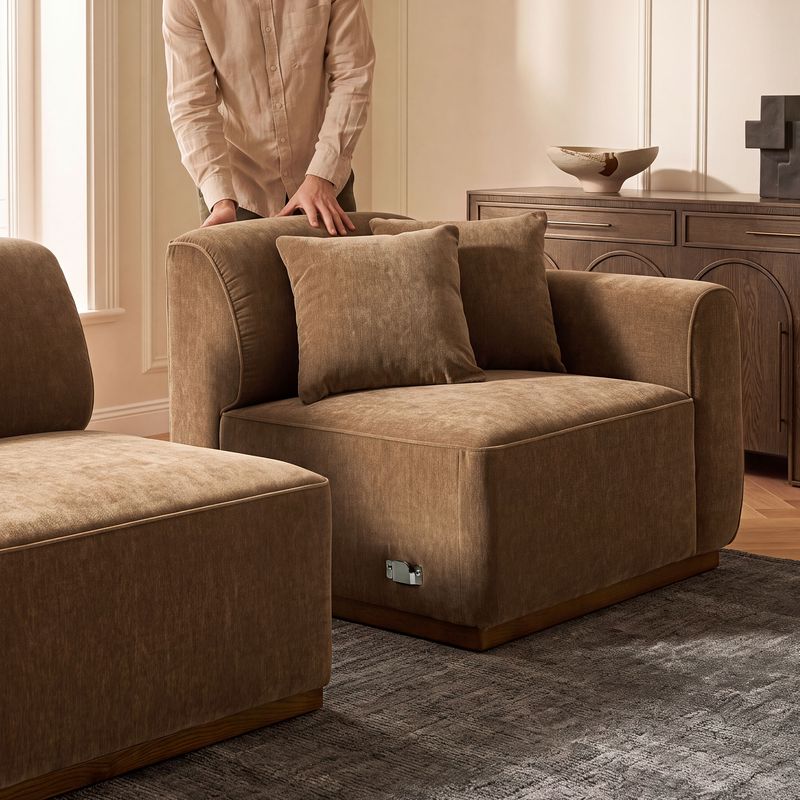
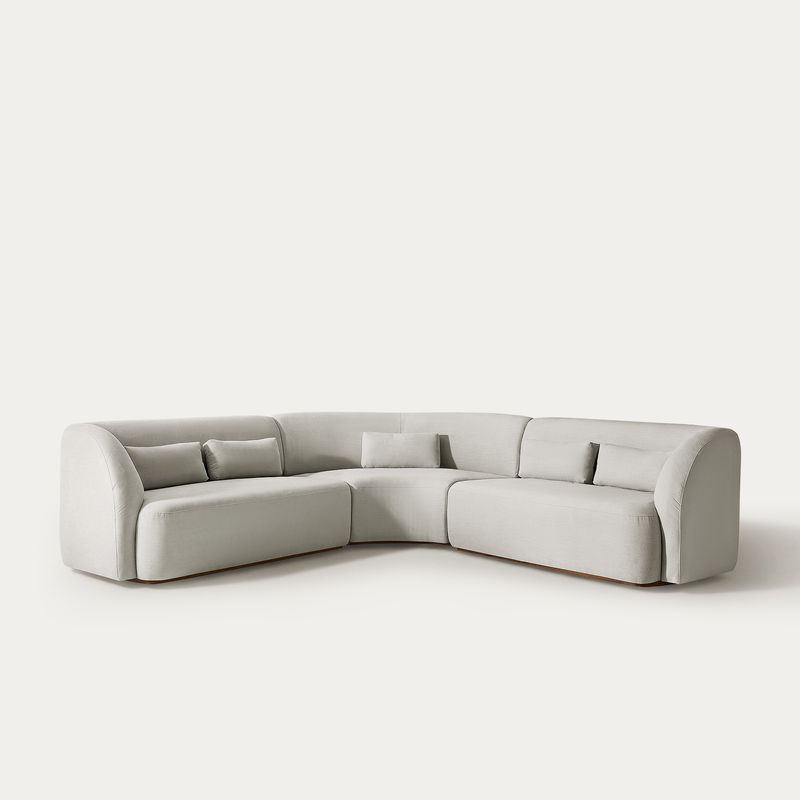
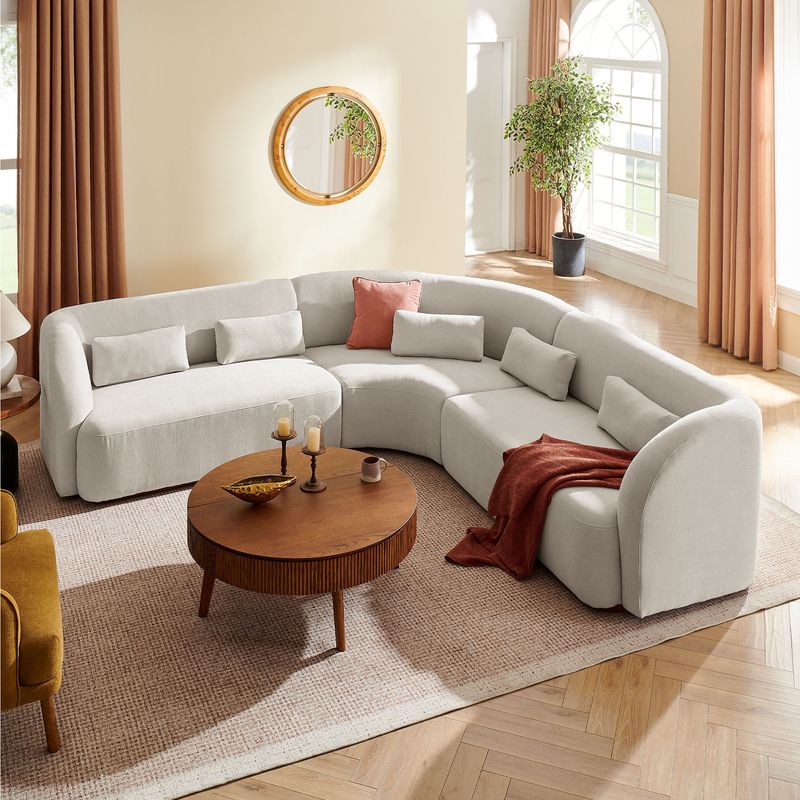
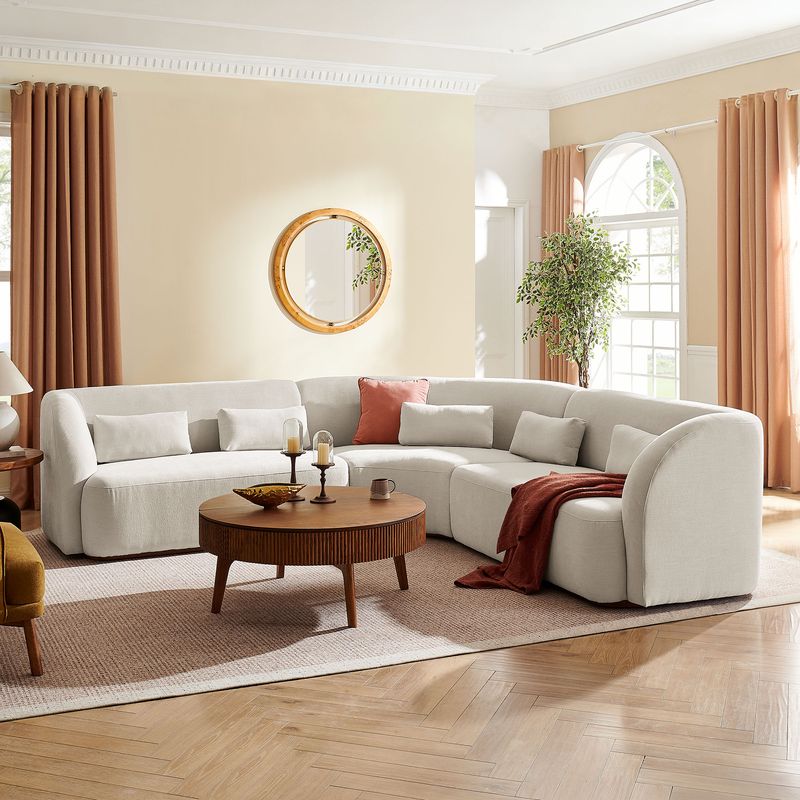
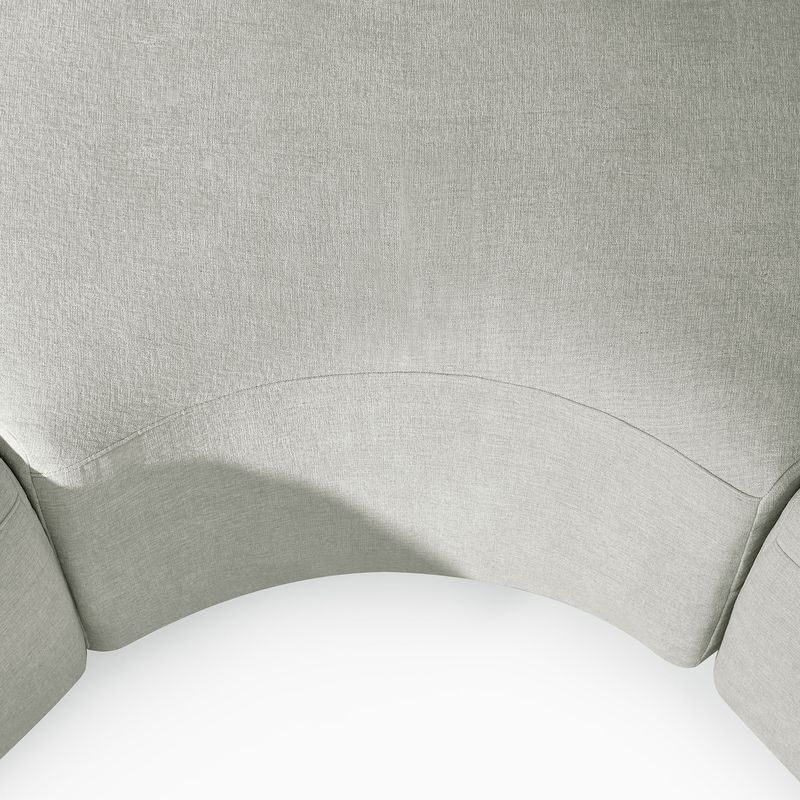
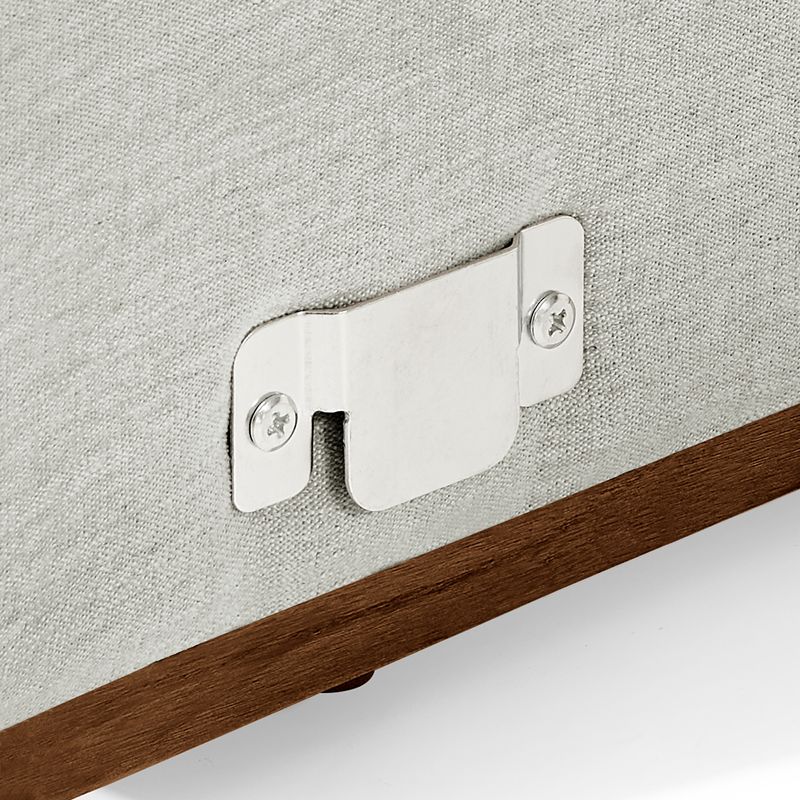
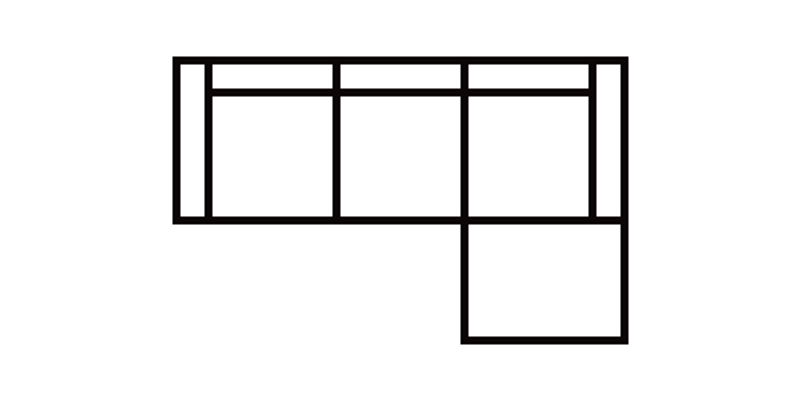
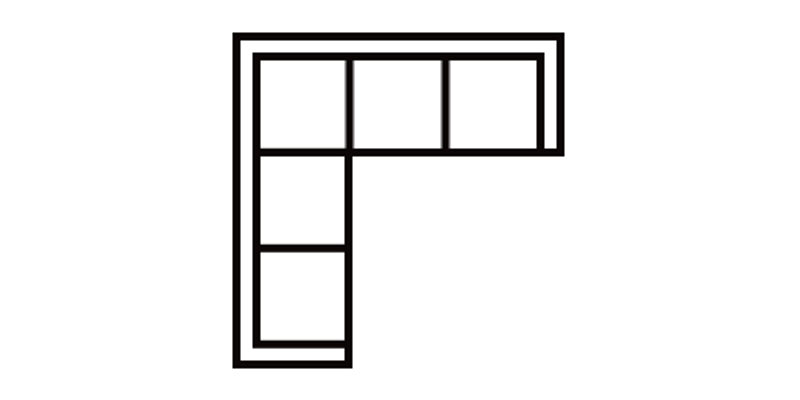
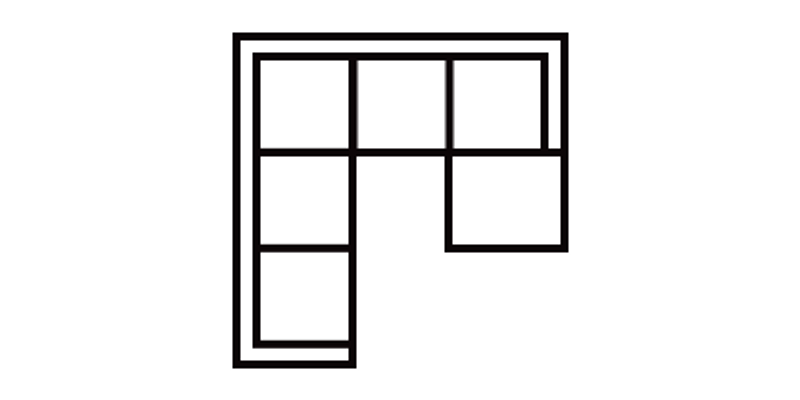
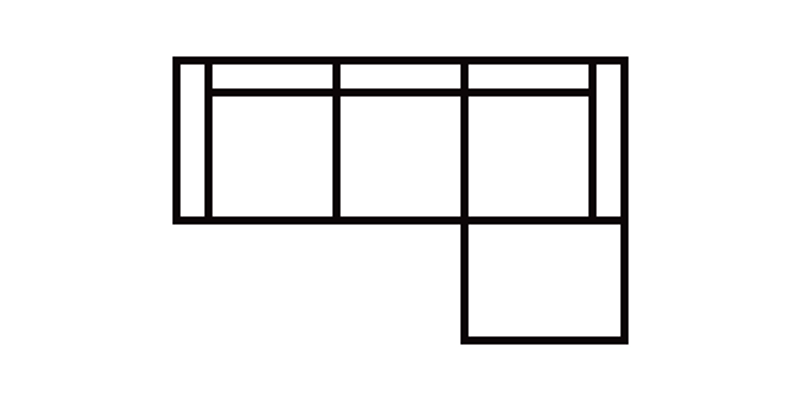
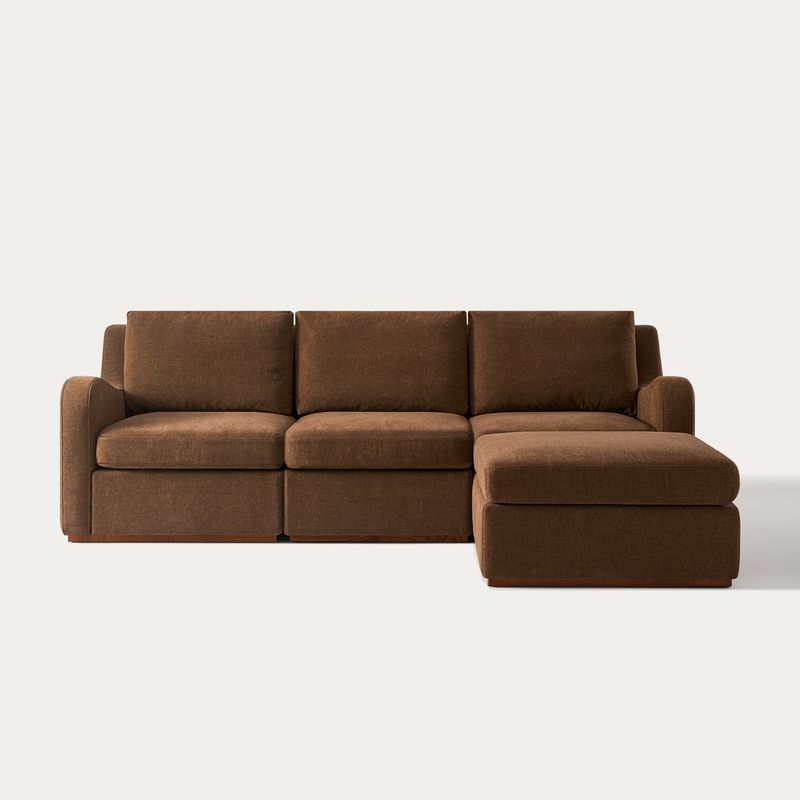
Sectional sofas are designed for rooms where you want more connected seating. An L-shaped configuration can make good use of a corner, while modular designs offer more flexibility when your layout changes.
Before buying sectional sofas, measure every wall involved in the configuration. Check the sofa's overall width and depth, but also measure doorways, hallways, stairways, elevators, and other parts of the delivery route.
For larger living rooms, sectional sofas can establish a clear seating zone without requiring several separate chairs and sofas.
Loveseats for Compact Seating
Loveseats are smaller than standard sofas, making them useful when floor space is limited. They can work particularly well in apartments, bedrooms, home offices, reading areas, and smaller living rooms.
A loveseat does not have to stand alone. Pair one with an accent chair or another seating piece to create a comfortable conversation area without filling the room from wall to wall.
If you already have a larger sofa, a loveseat can also provide extra seating in another part of the home.
Sofa Beds for Flexible Rooms
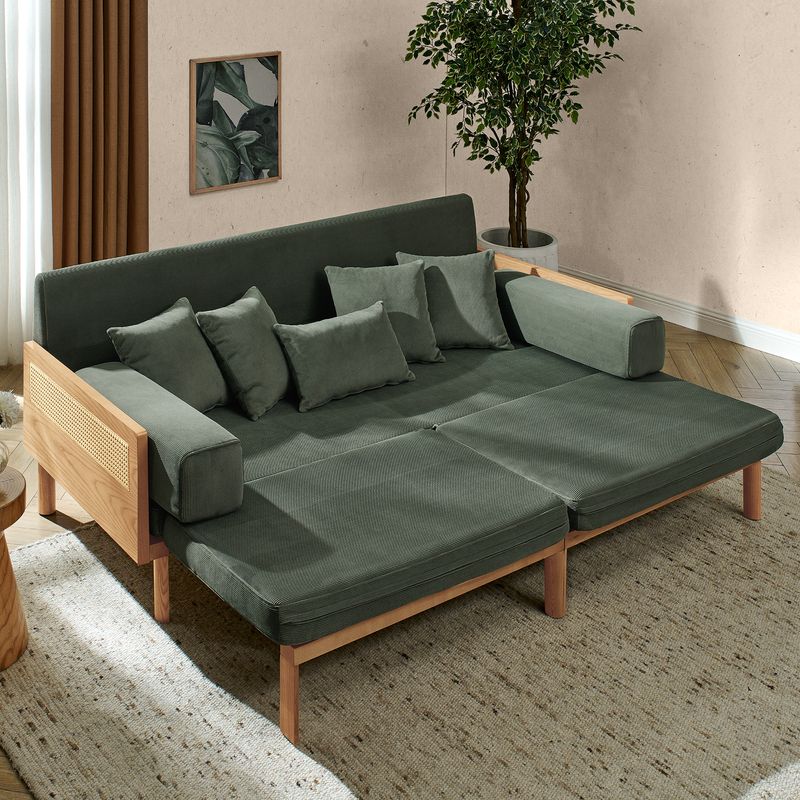
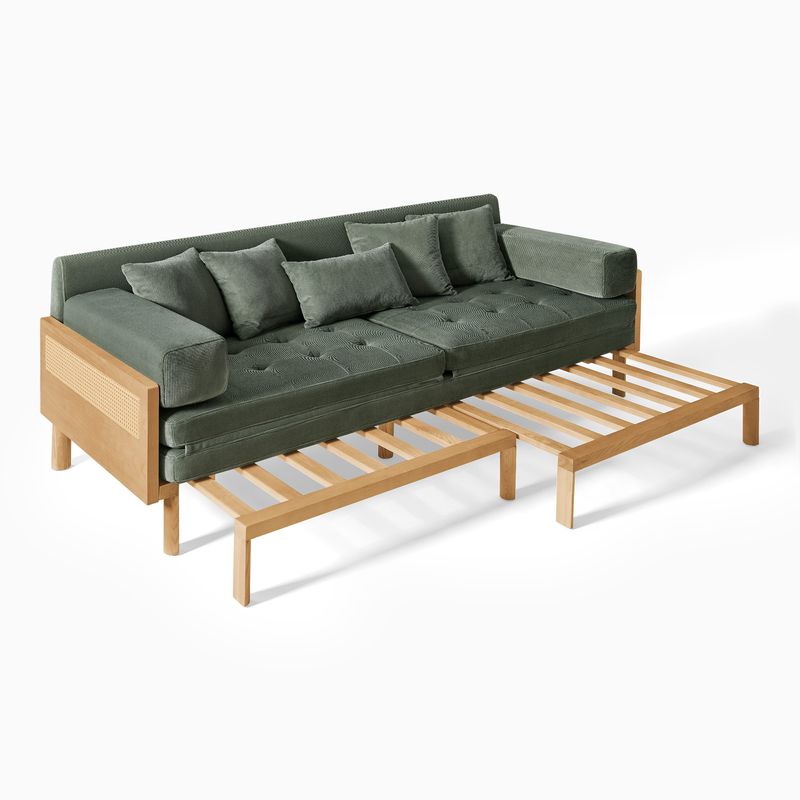
A sofa bed combines everyday seating with an additional sleeping surface. That extra function can be useful in guest rooms, studio apartments, home offices, and other multipurpose spaces.
When shopping for sofa beds, measure the furniture in both positions. The closed sofa needs to fit your room, but the opened bed also needs enough clearance for people to move around it.
Think about how often the sleeping function will be used, too. Occasional guests may require a different setup from a room that regularly doubles as a bedroom.
How to Choose the Right Sofa Size
The right sofa size depends on the room, the people using it, and everything that needs to fit around it. Wall length is only one part of the equation.
A useful starting point is the two-thirds rule, which suggests that a sofa can be roughly two-thirds the length of the wall behind it. For example, a 12-foot wall is 144 inches wide, so a sofa around 96 inches wide may create a balanced starting point. It is a design guideline rather than a fixed sizing standard, so windows, doors, built-ins, and other furniture still need to be considered.
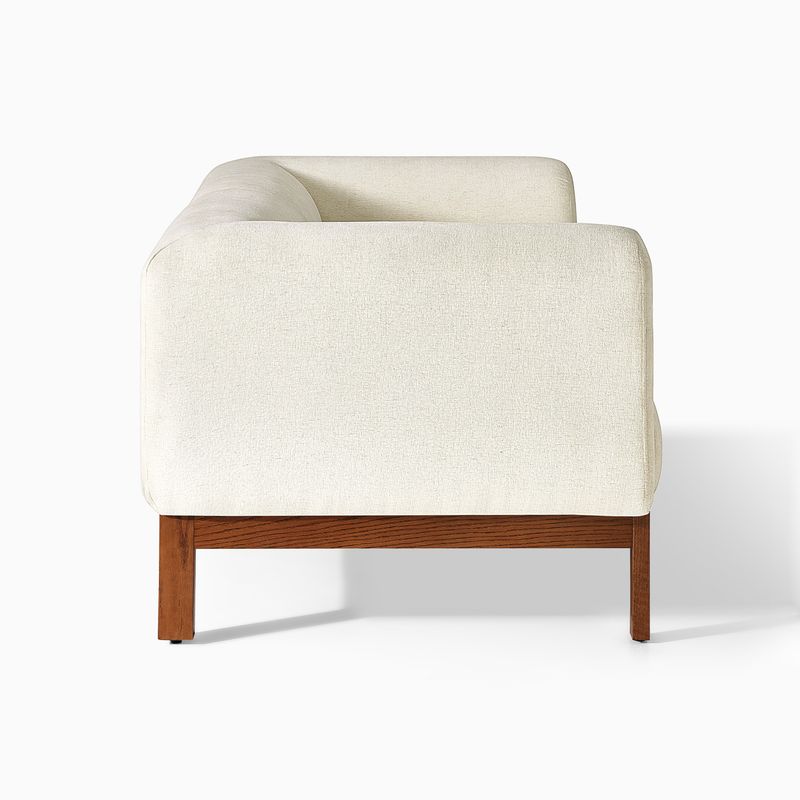
For reference, standard three-seat sofas often fall around 71–86 inches wide, while overall sofa depth commonly ranges from about 32–40 inches. These are general ranges, not requirements. Always use the exact dimensions listed for the sofa you are considering.
Measure More Than the Wall
Before ordering a sofa, measure the entire route from the entrance to its final location.
Check:
● The wall where the sofa will sit
● Overall room width and depth
● Entry doors and interior doorways
● Hallways
● Stairways
● Elevators
● Window locations
● Existing furniture
● Main walking paths
● Coffee-table clearance
Delivery measurements matter just as much as room measurements. A sofa may fit perfectly against your living room wall and still be impossible to bring through a narrow doorway or tight hallway.
Check Seat Depth and Height
Overall sofa dimensions tell you whether the furniture fits the room. Seat dimensions tell you more about how it will feel.
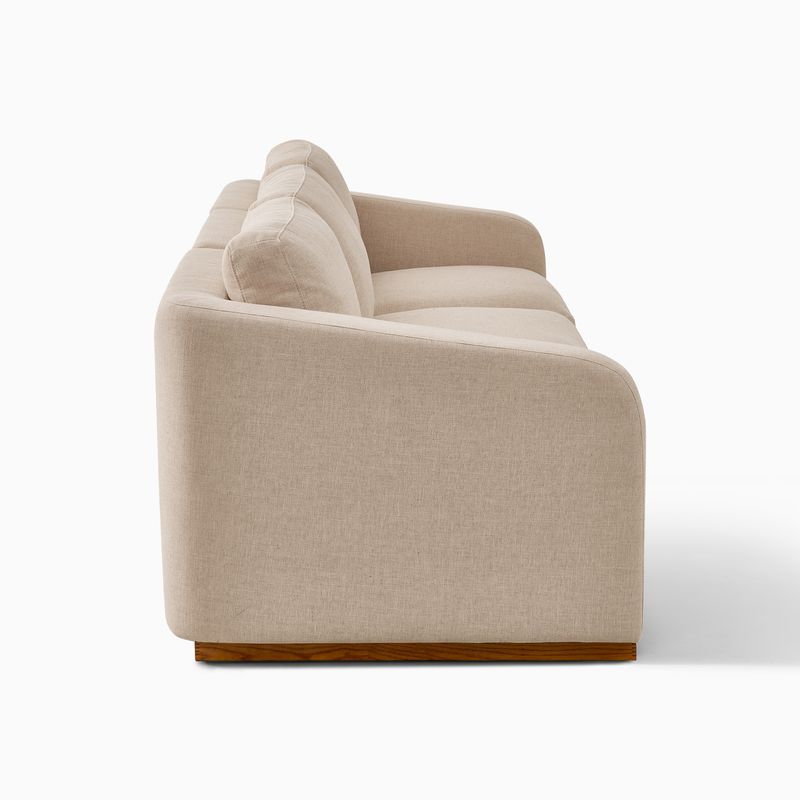
Seat depth affects your sitting position. A shallower seat generally works well for people who prefer to sit more upright, while deeper seating gives you more room to lounge or stretch out.
Seat height also matters. If you prefer sitting with your feet comfortably on the floor, compare the seat height before purchasing. Taller or shorter users may have very different preferences.
The most comfortable sofa is usually the one whose proportions match your body and your preferred way of sitting.
Choose Sofas Based on How You Use the Room
Start with your everyday routine rather than the sofa's appearance alone.
If your living room is mainly used for conversation, consider a configuration that keeps people facing one another and leaves enough room around the seating. If movie nights are the main event, a deeper sofa or larger sectional may give everyone more room to settle in.
Households with children or pets should also consider upholstery, cushion construction, and cleaning requirements. For an apartment, a compact sofa or loveseat can preserve valuable floor space. In an open-concept home, a larger sofa or sectional can help define the living area without adding a physical divider.
If guests occasionally stay overnight, sofa beds can turn a living room, office, or studio into a more flexible space.
Consider Sofa Materials and Upholstery
Upholstery affects both the appearance and everyday maintenance of your sofa. Before choosing a fabric or finish, think about who will use the sofa, how frequently it will be used, and how much maintenance you are comfortable with.
Fabric Sofas
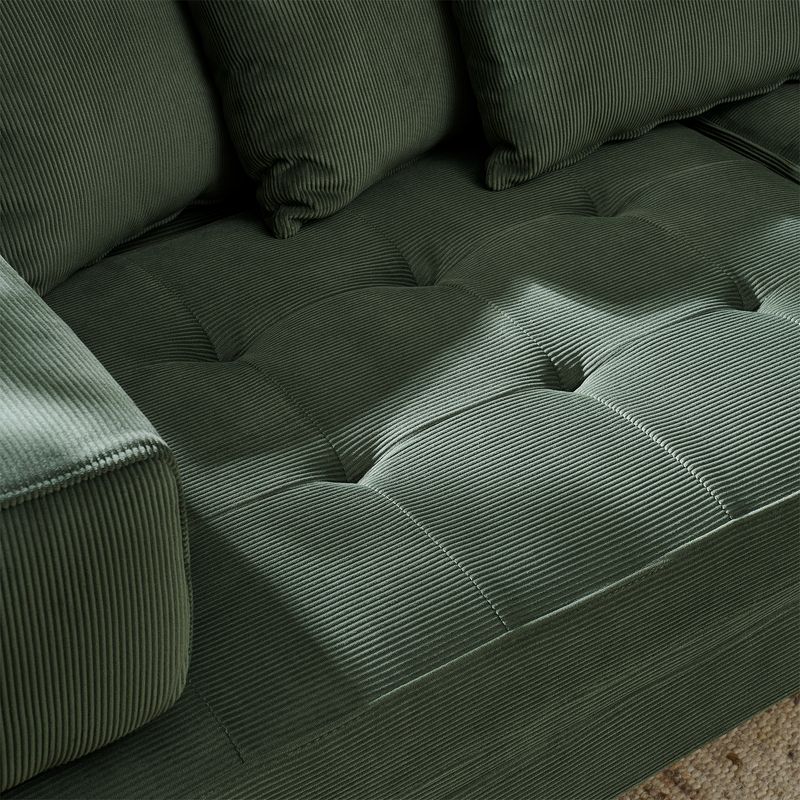
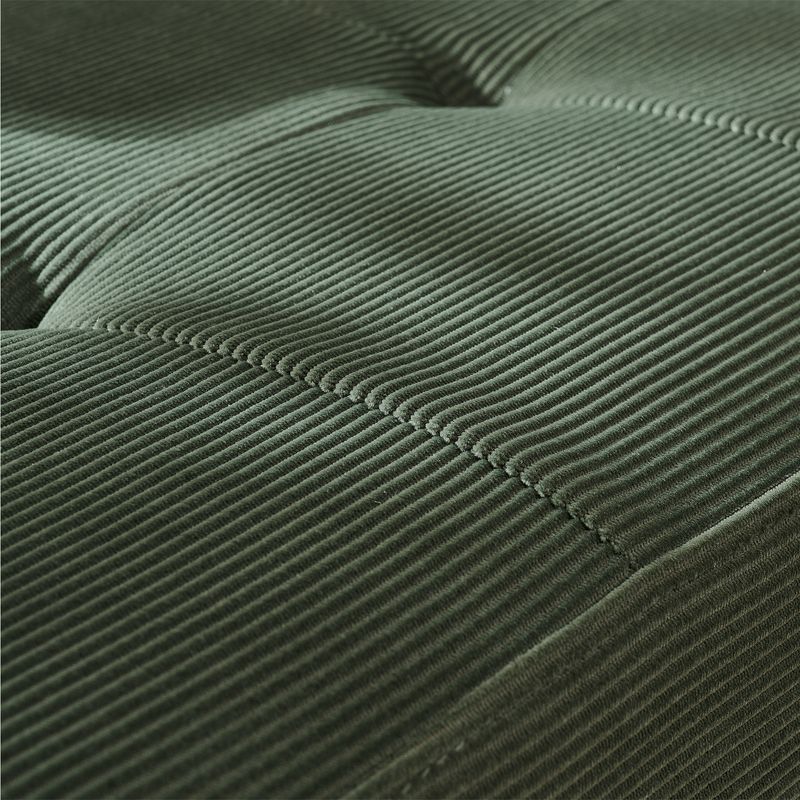
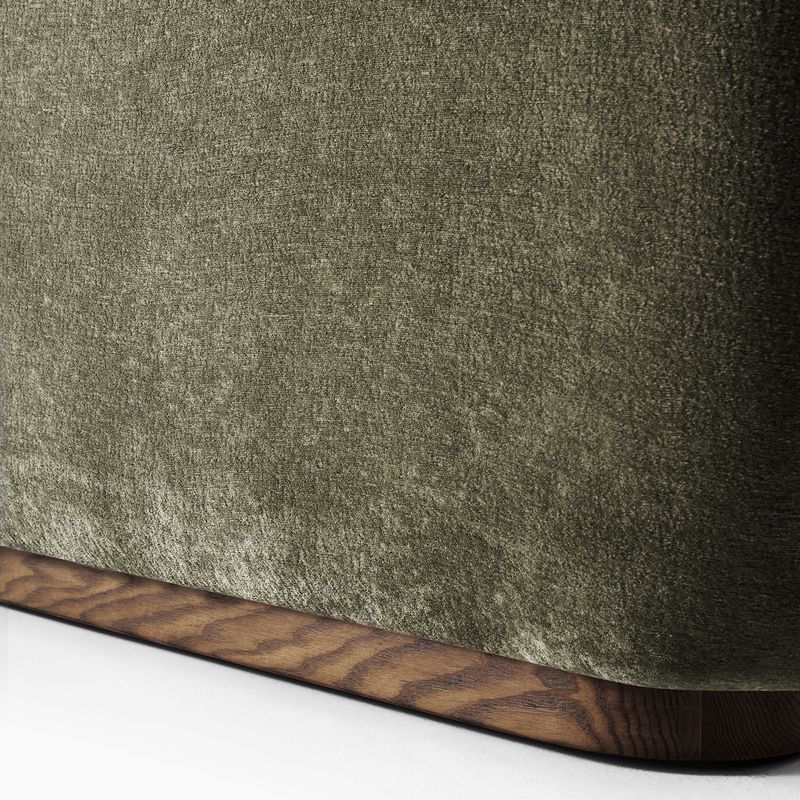
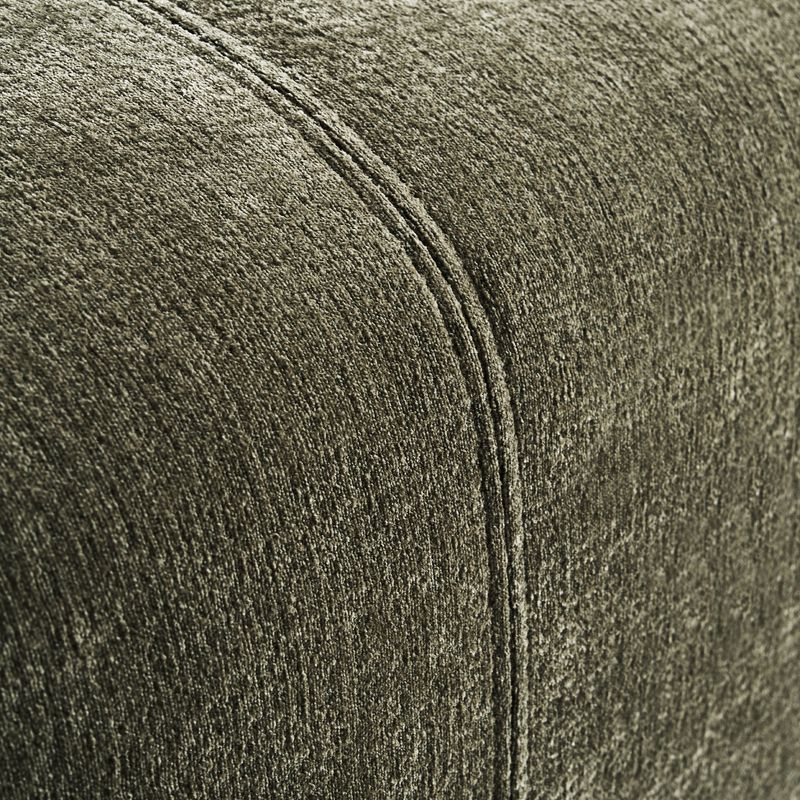
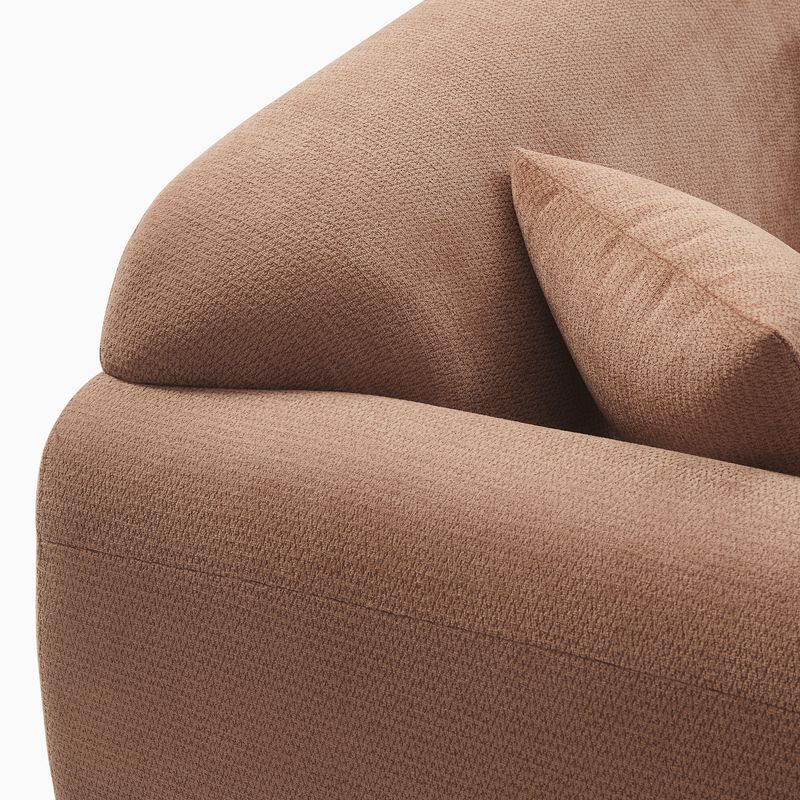
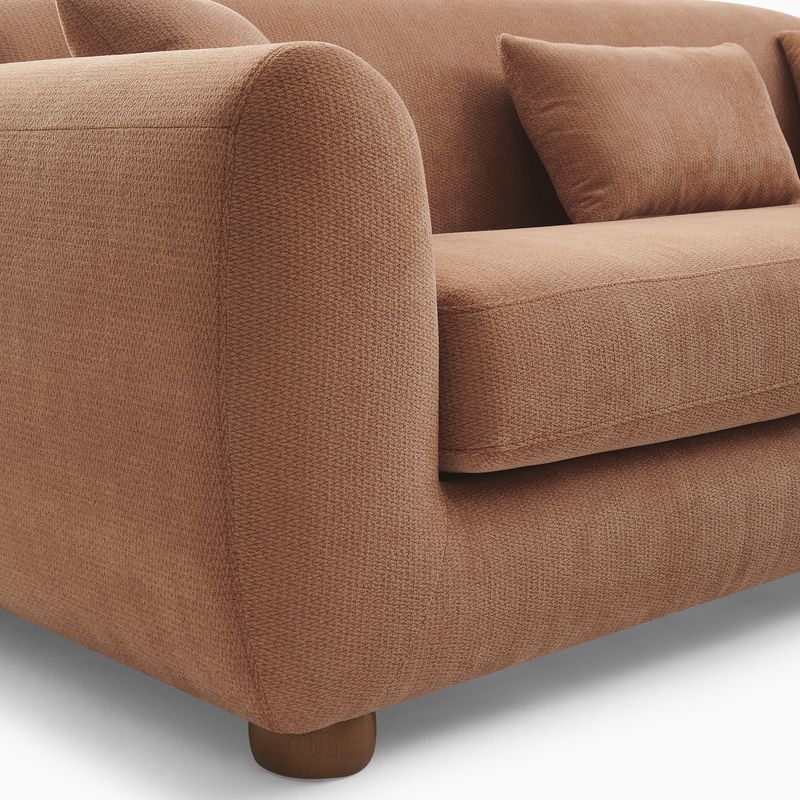
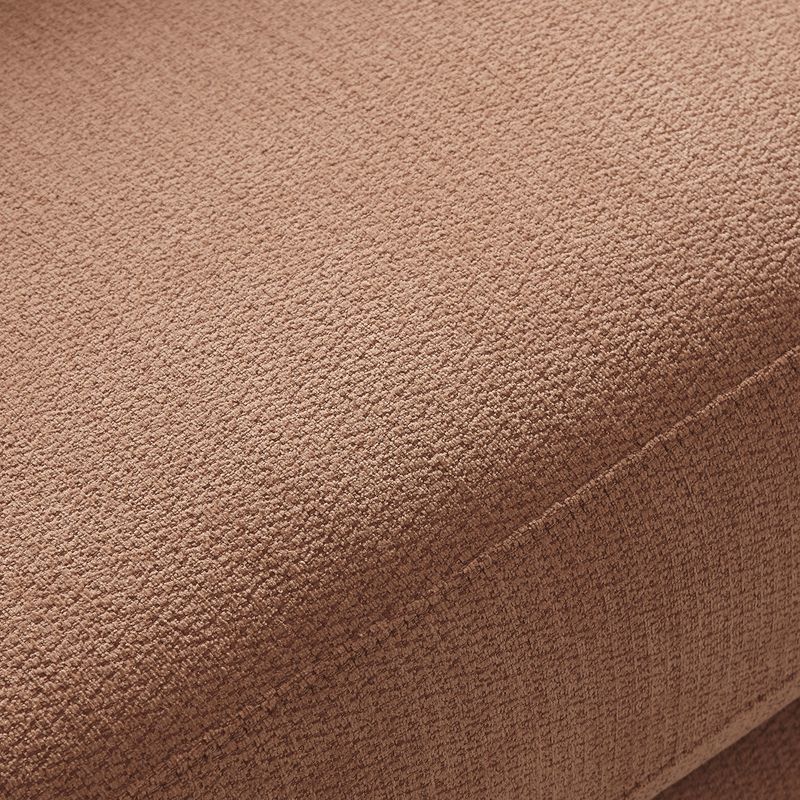
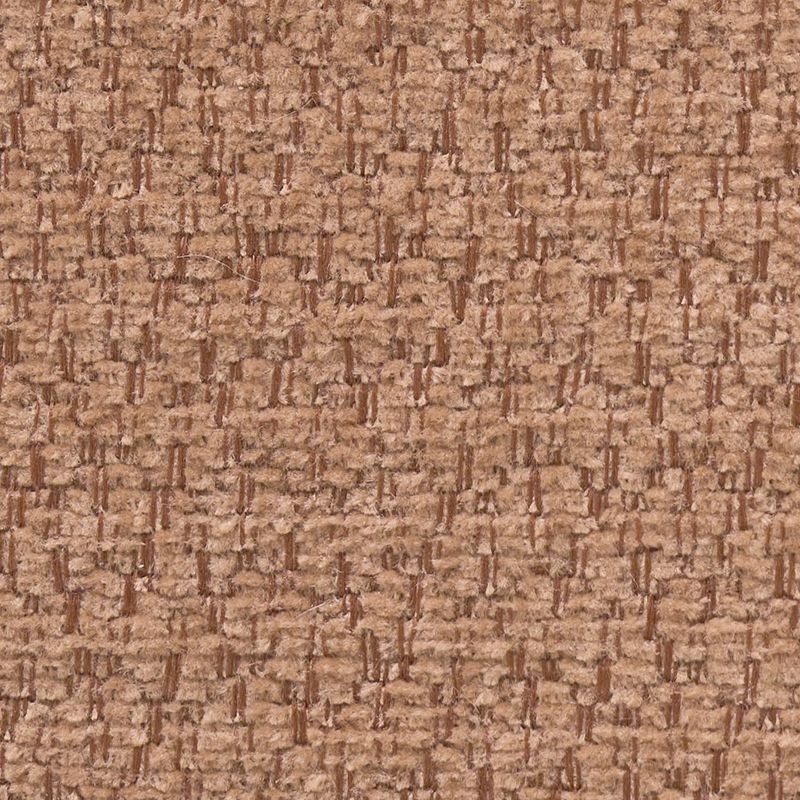
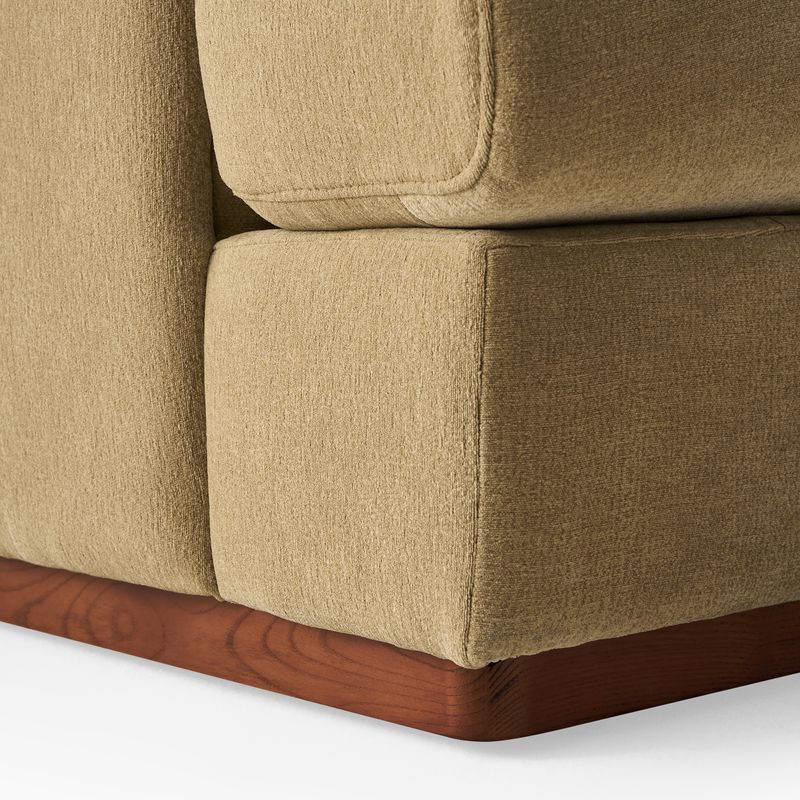
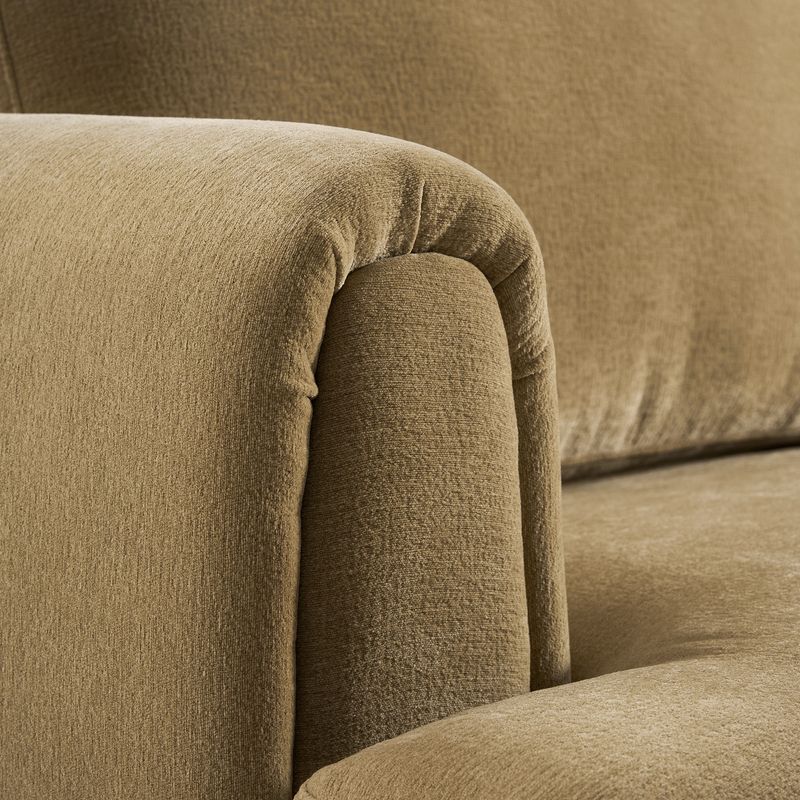
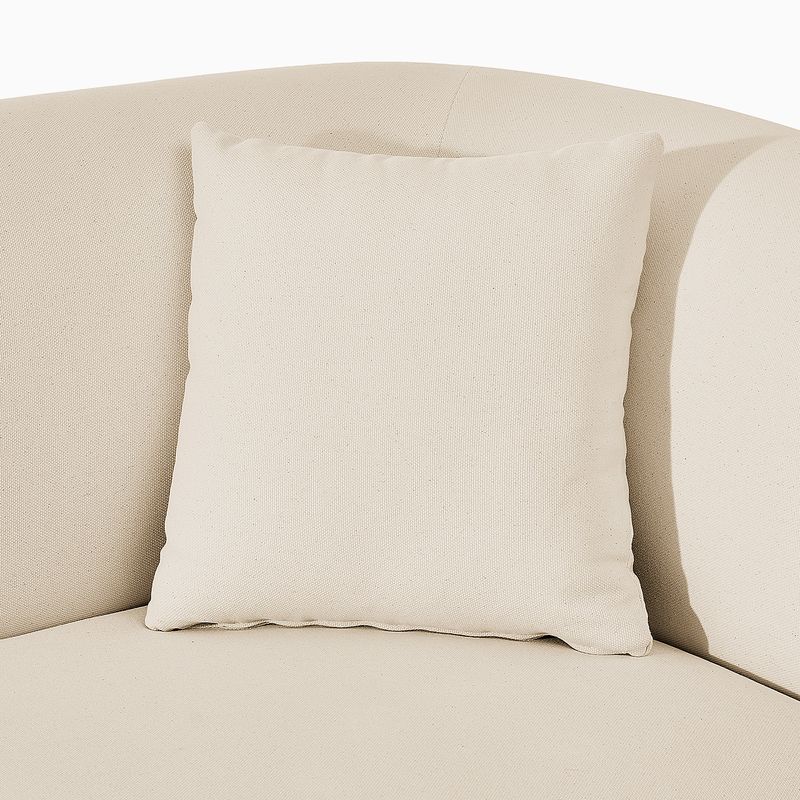
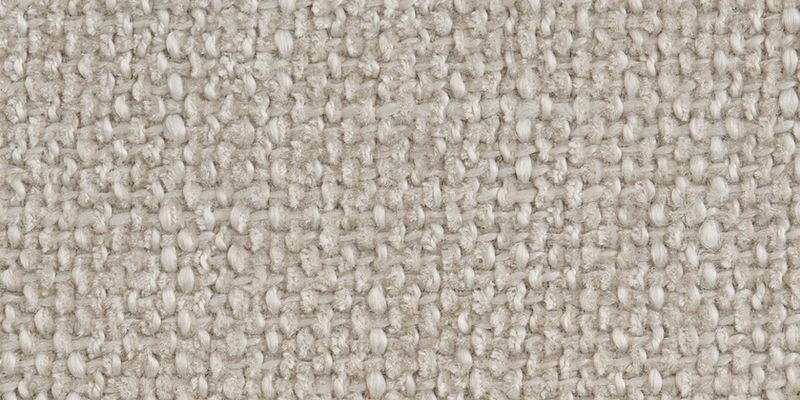
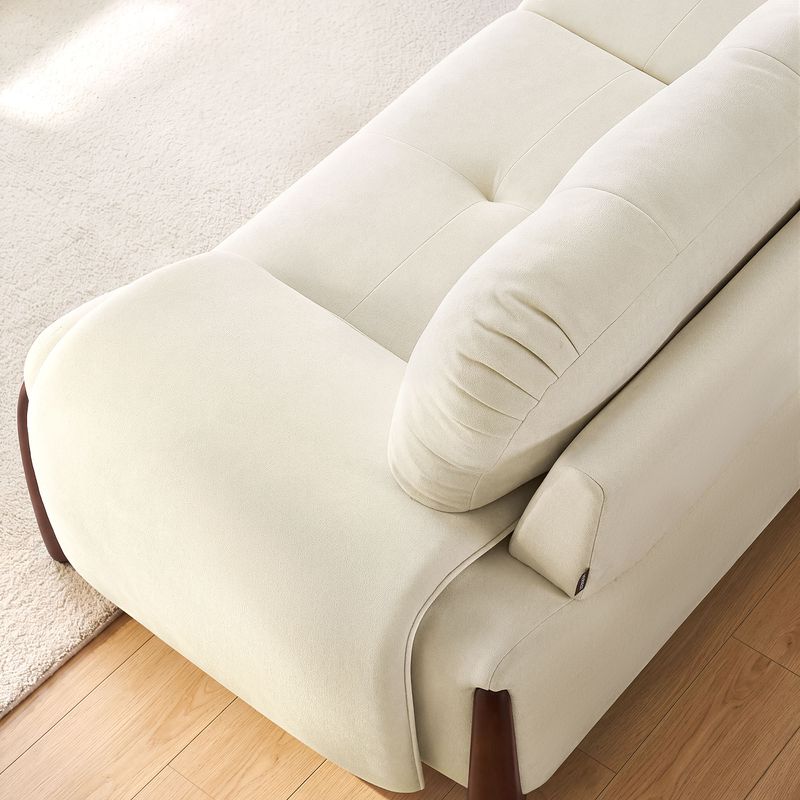
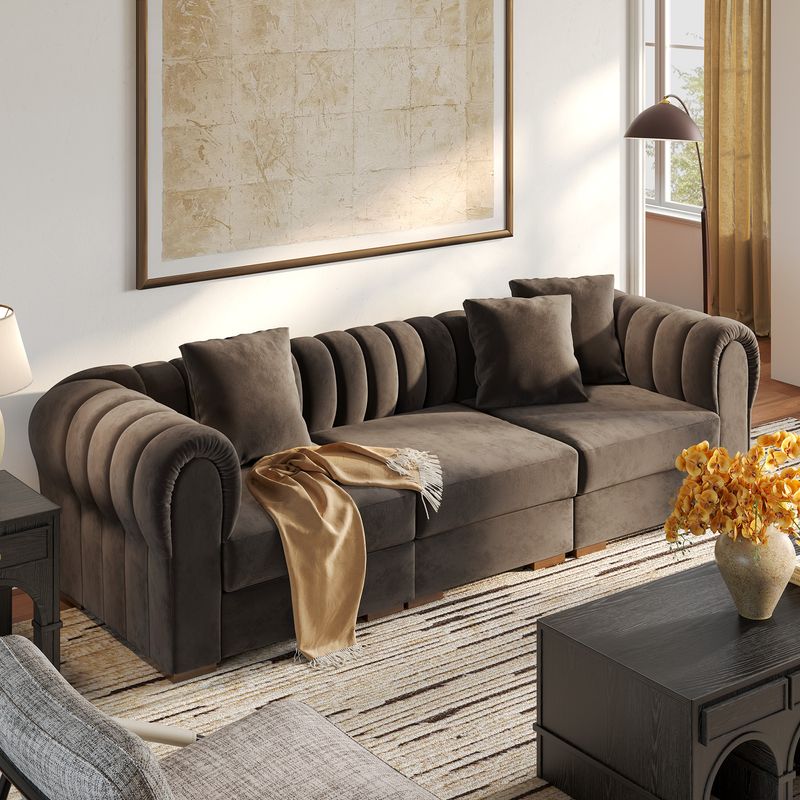
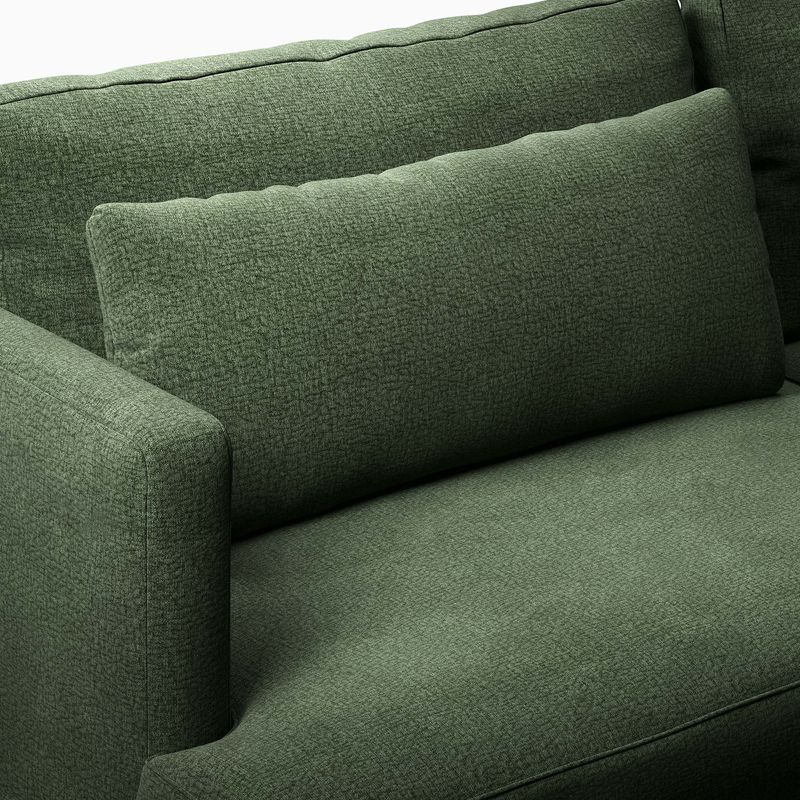
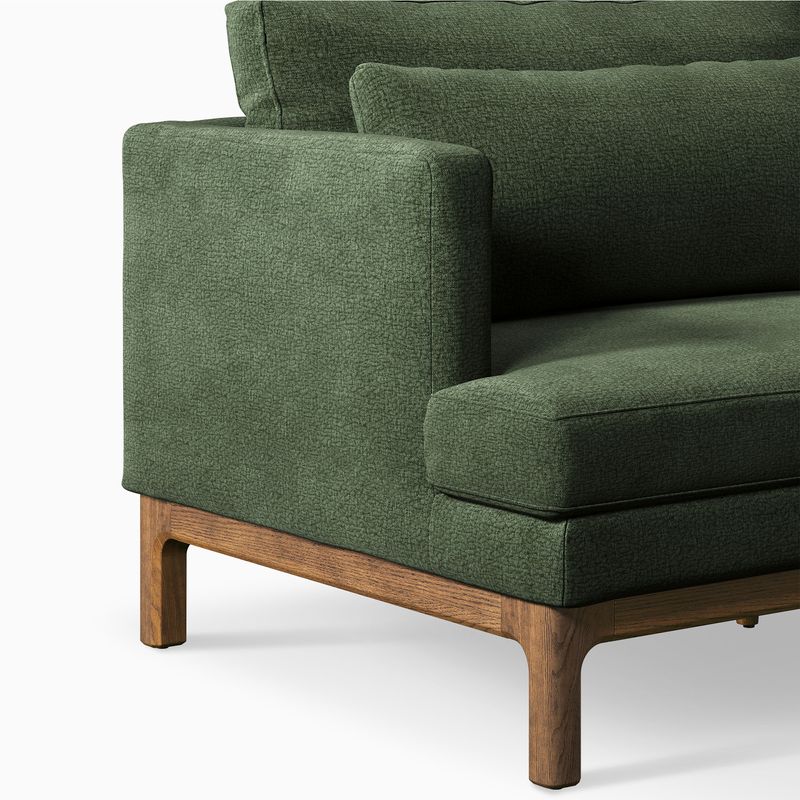
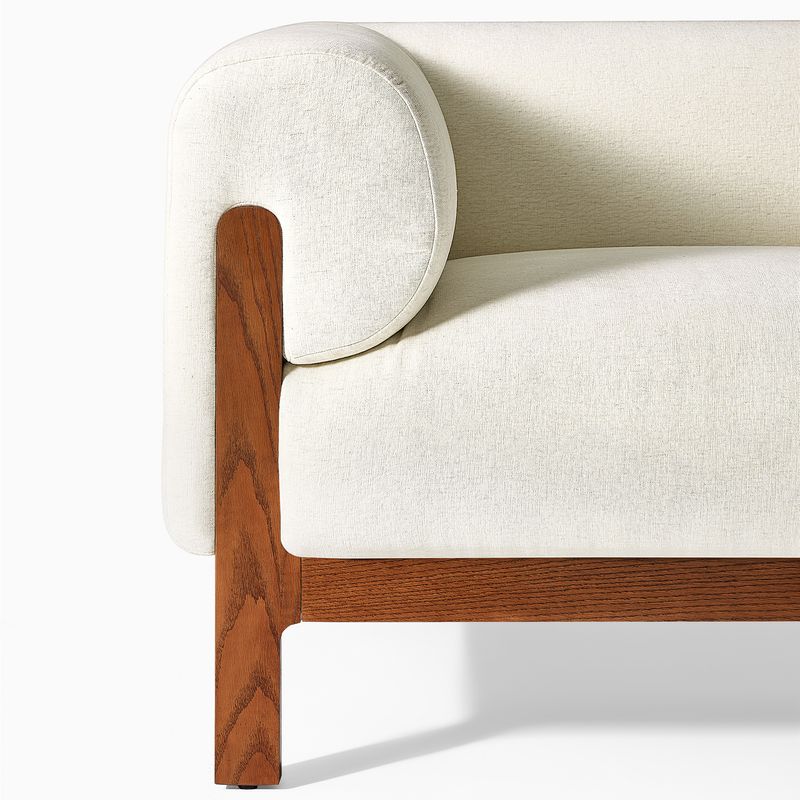
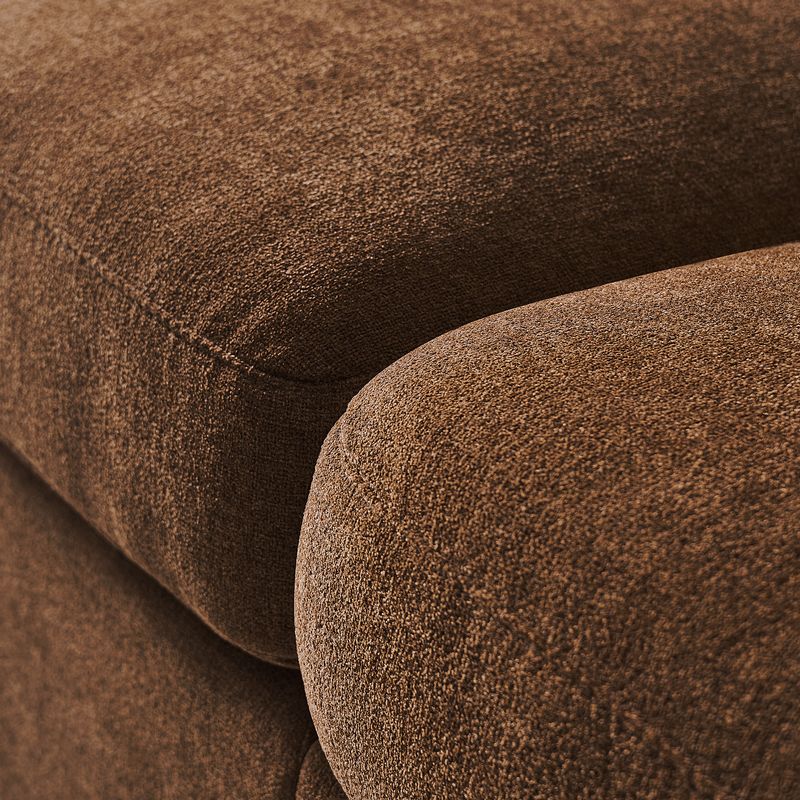
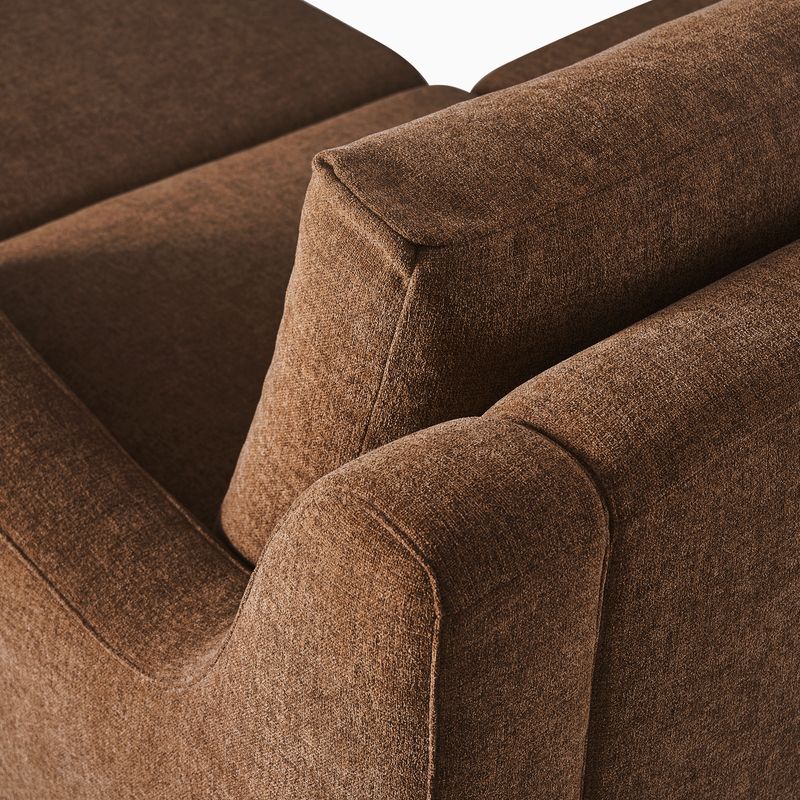
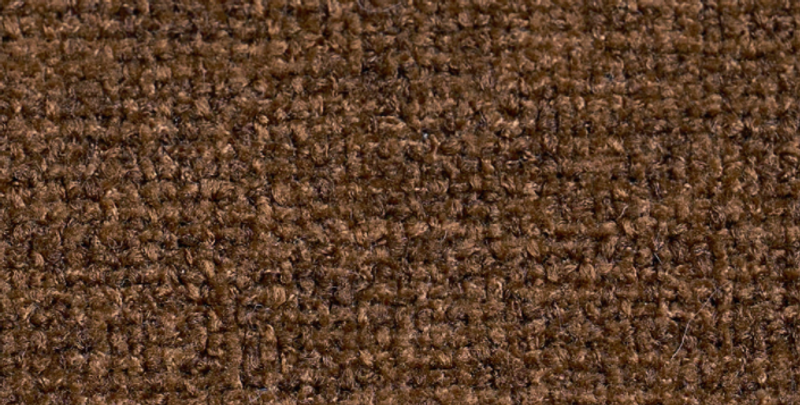
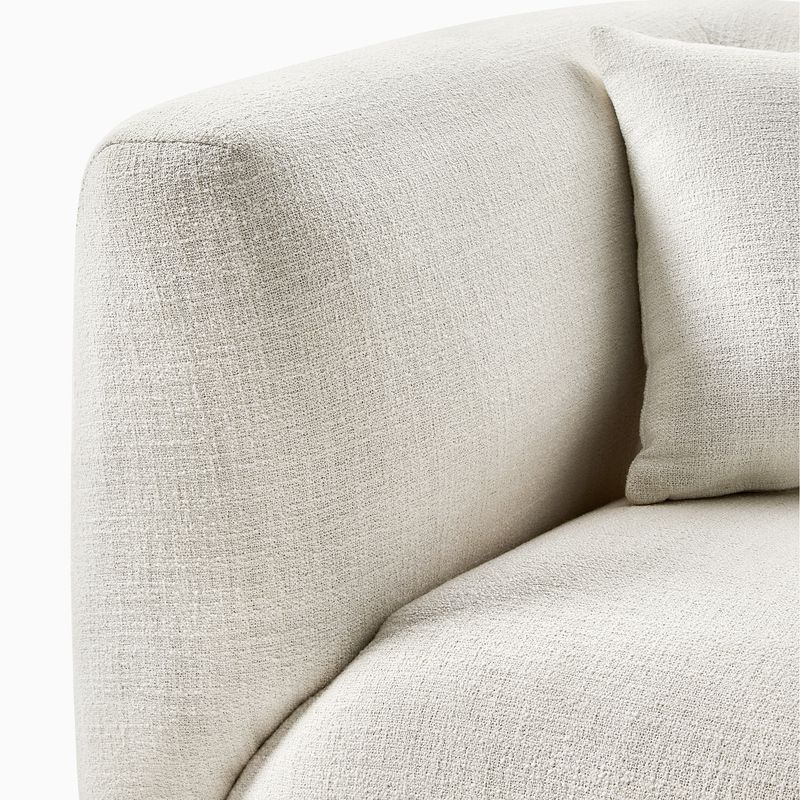
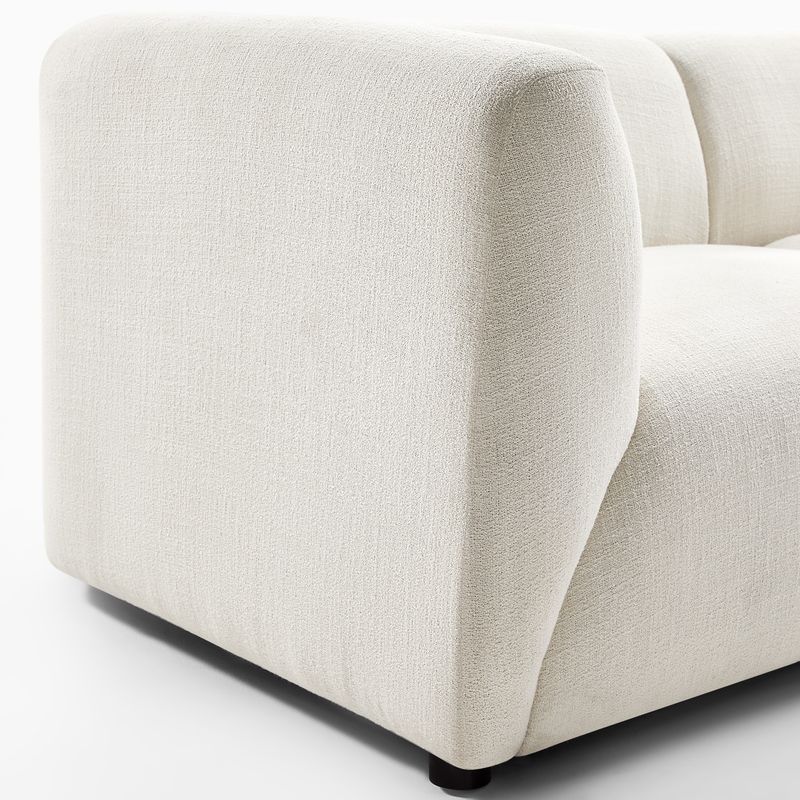
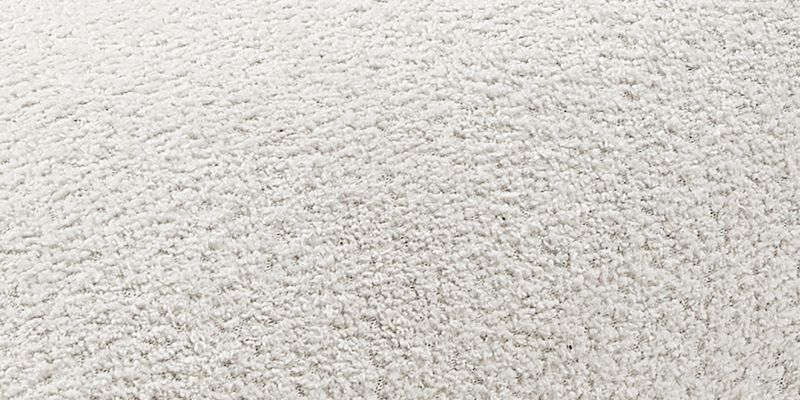
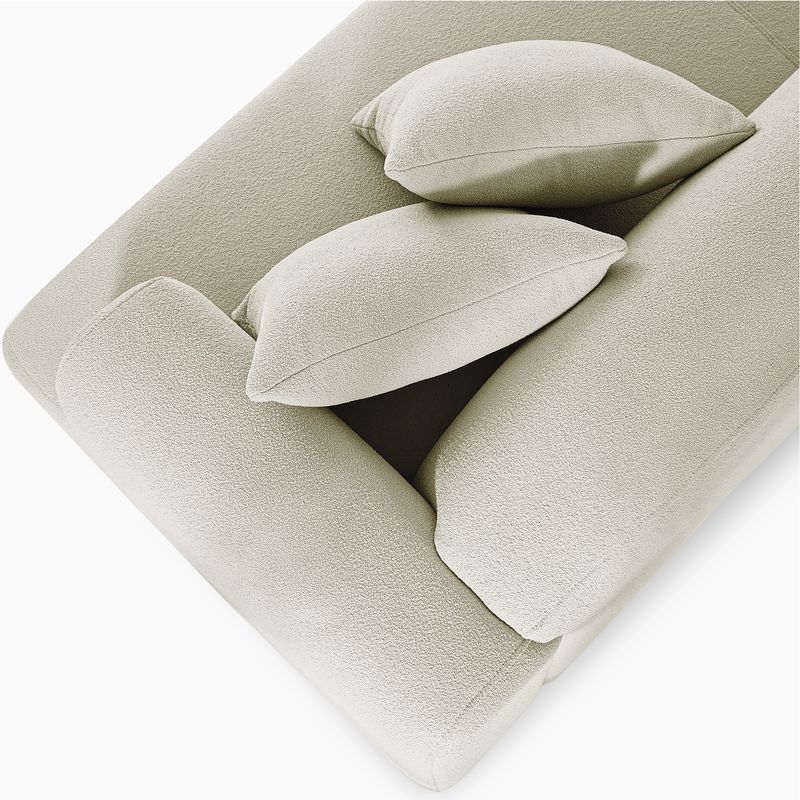
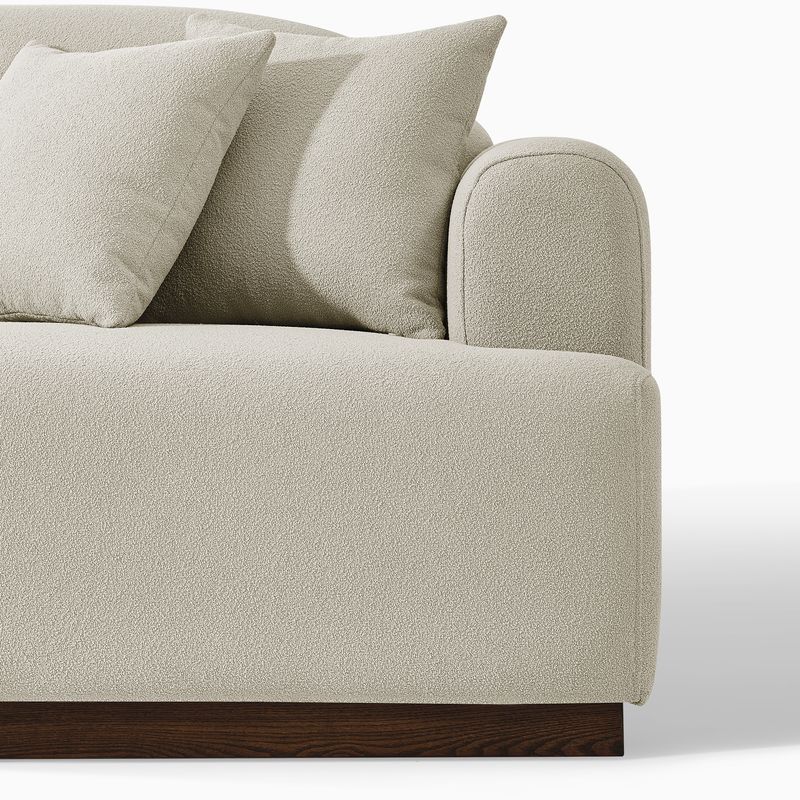
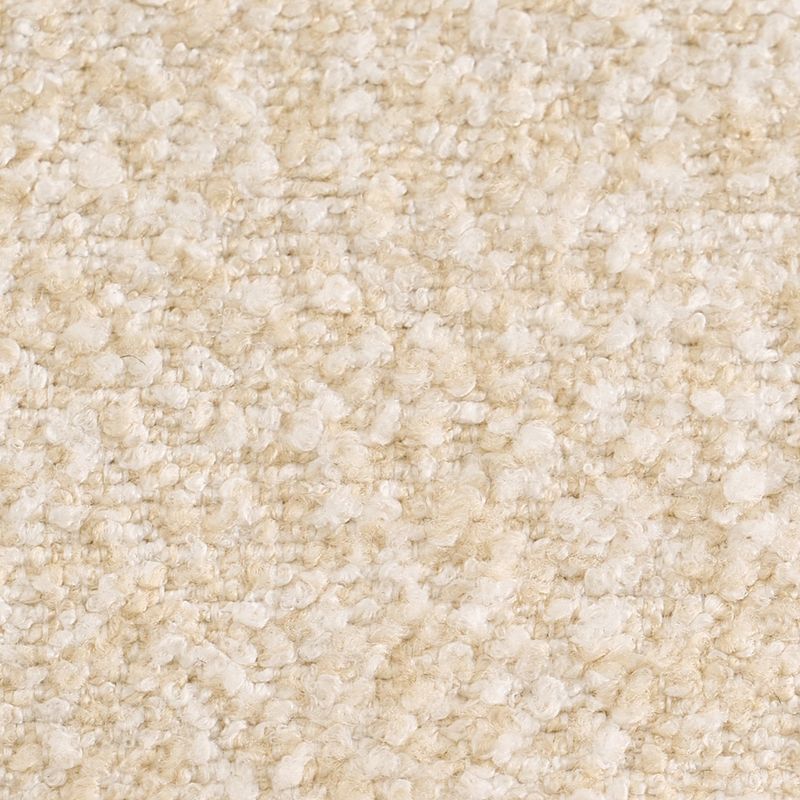
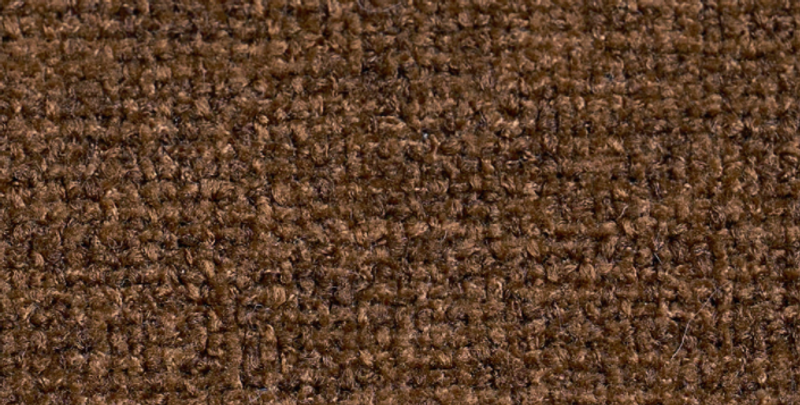
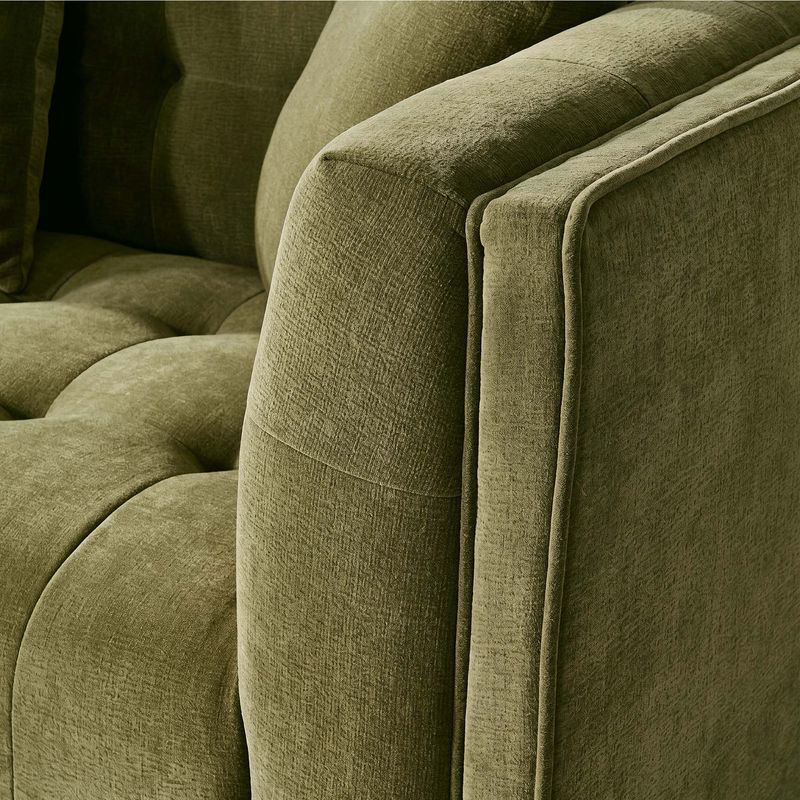
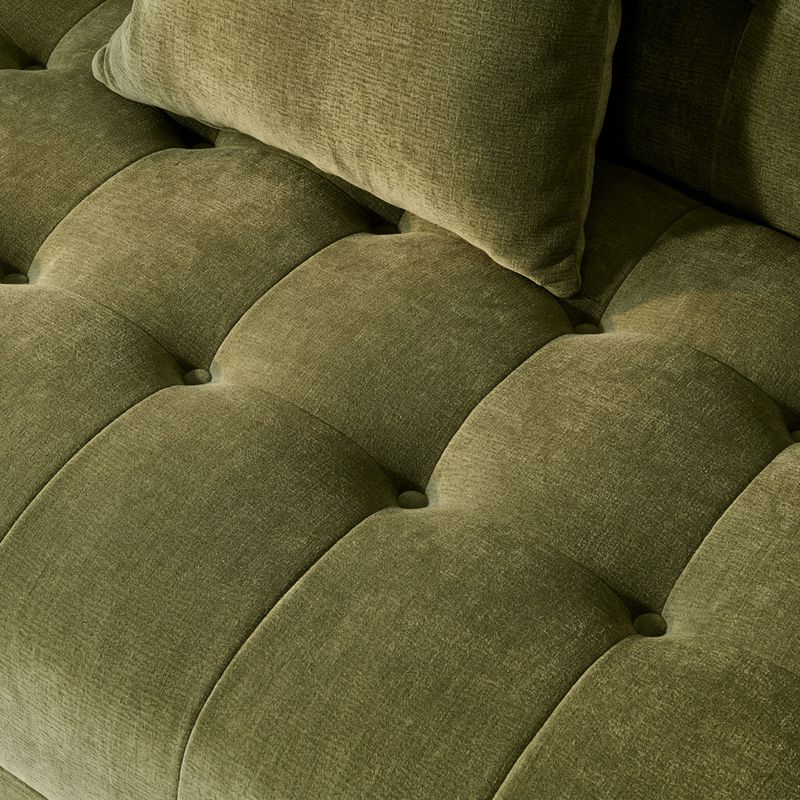
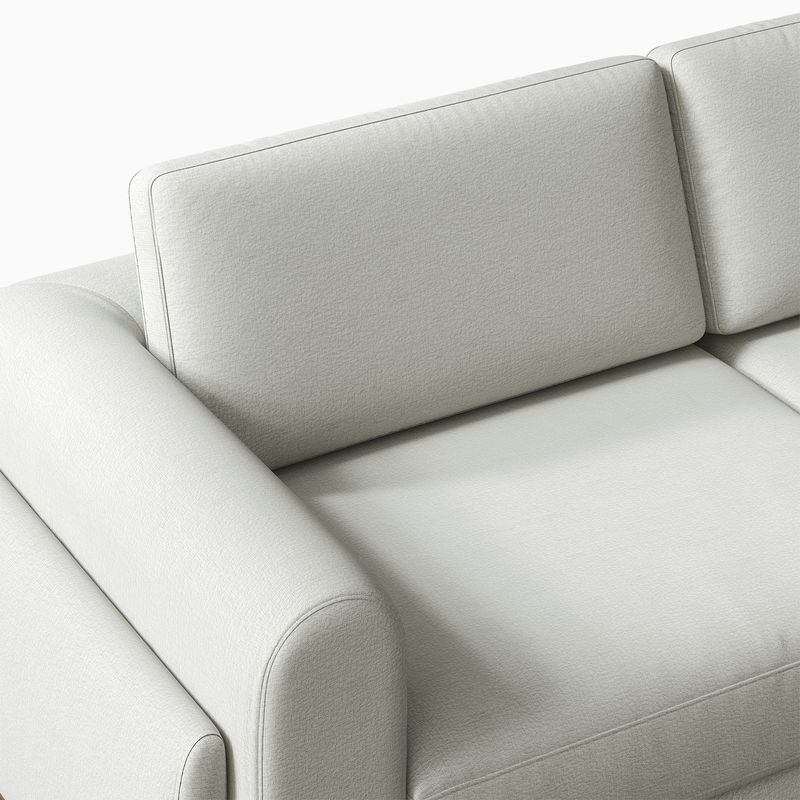
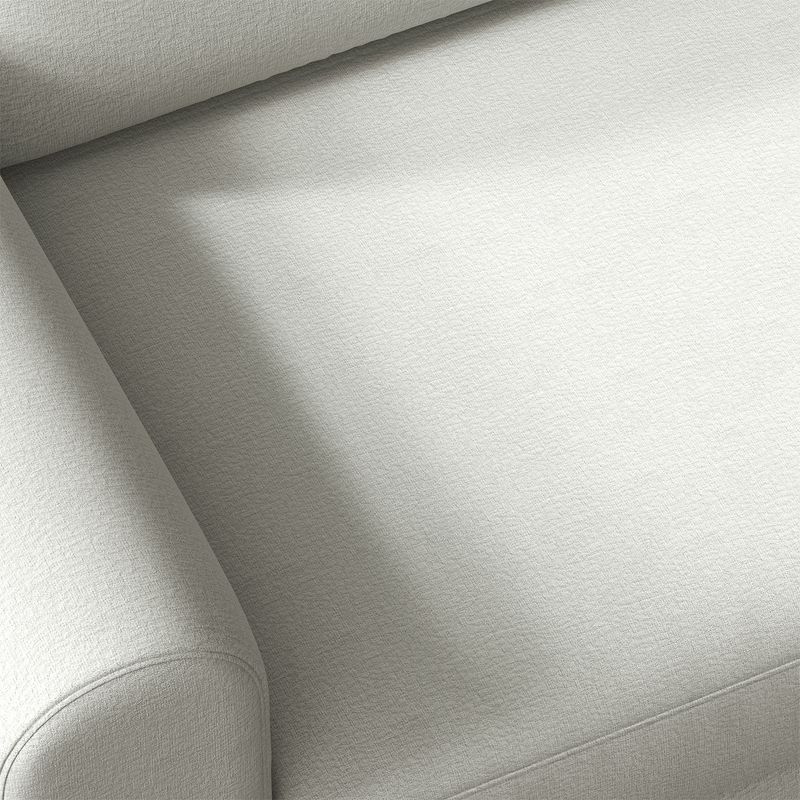
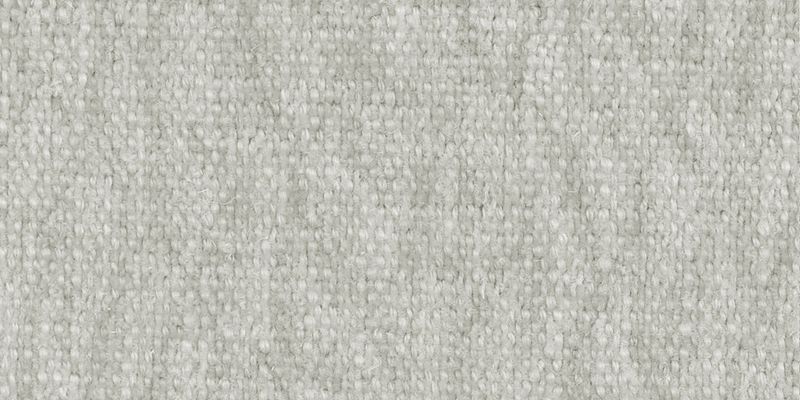
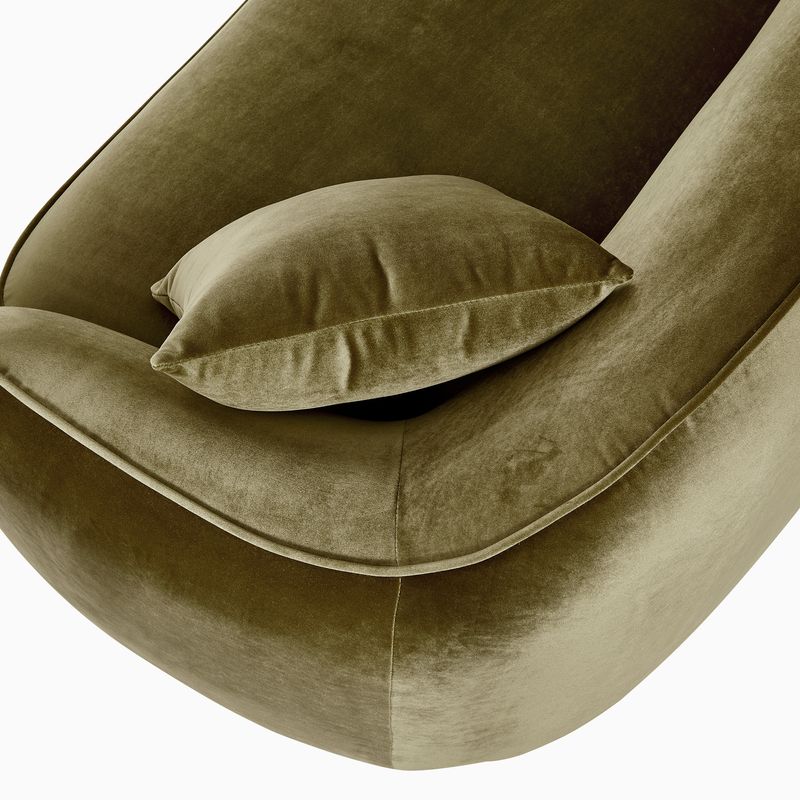
Fabric sofas offer plenty of options in texture, color, and feel. They can give a living room a softer, more relaxed appearance and work well for everyday seating.
When comparing fabric upholstery, look at more than the color. Consider the texture, cleaning requirements, cushion construction, and expected level of use.
Cushions and Support
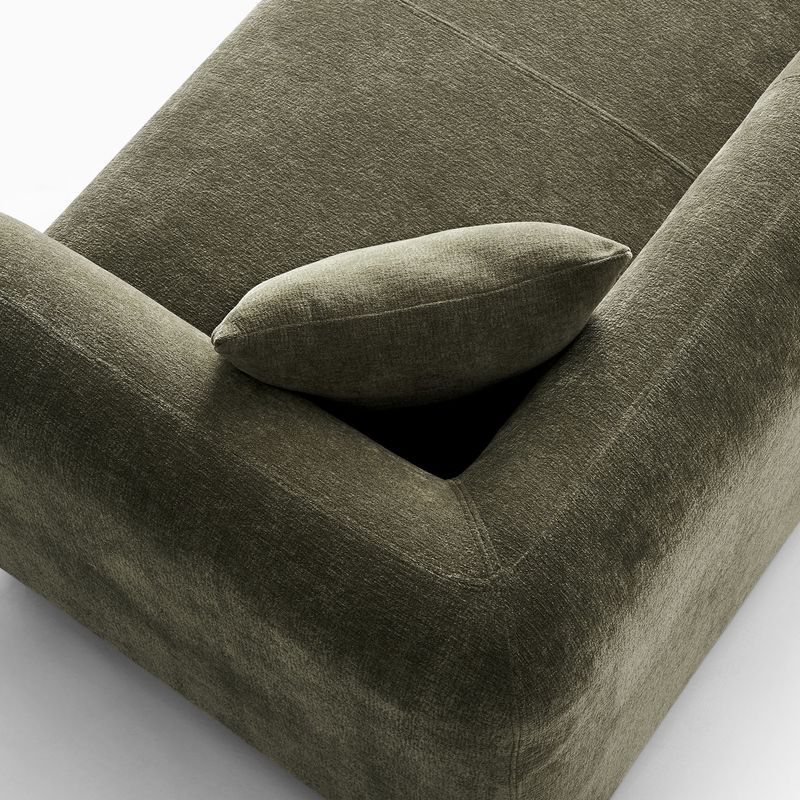
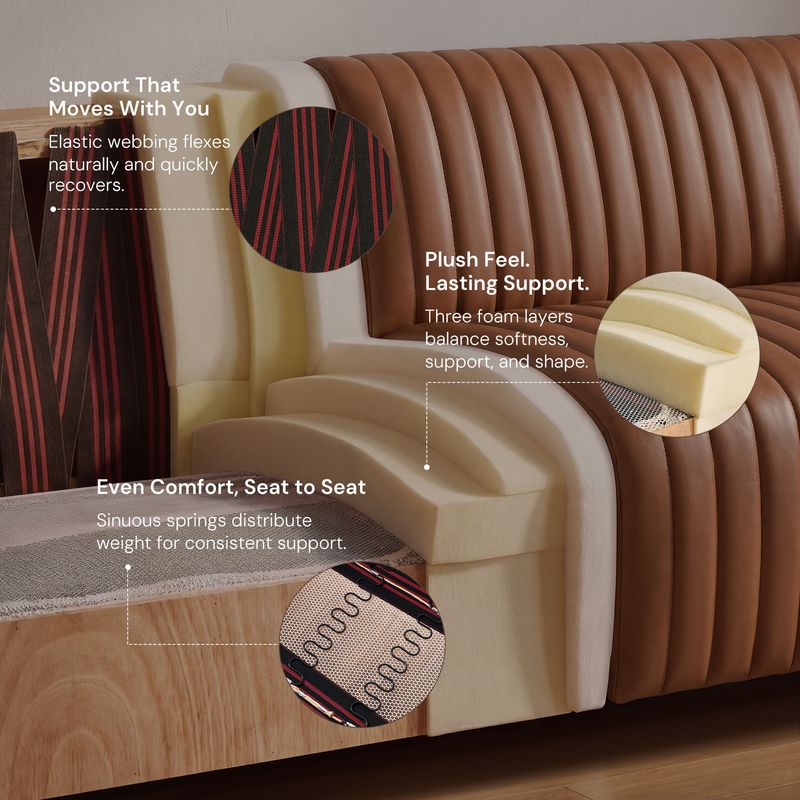
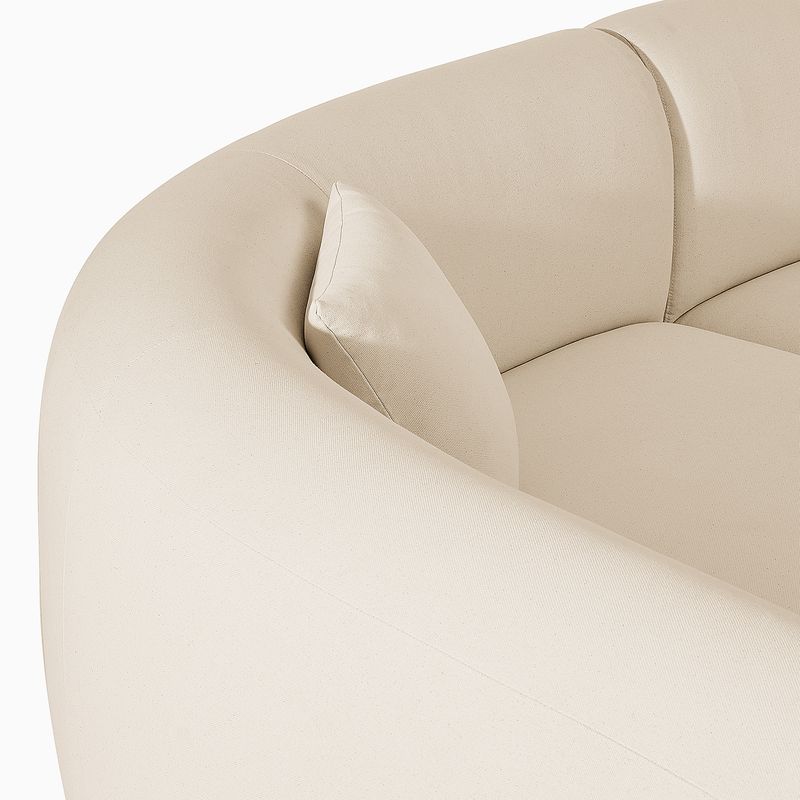
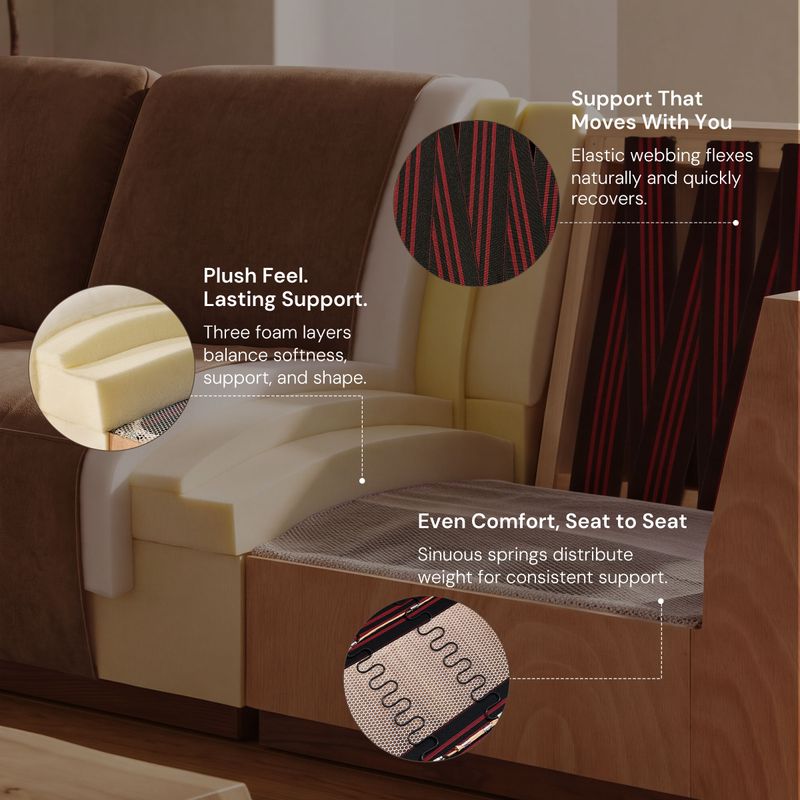
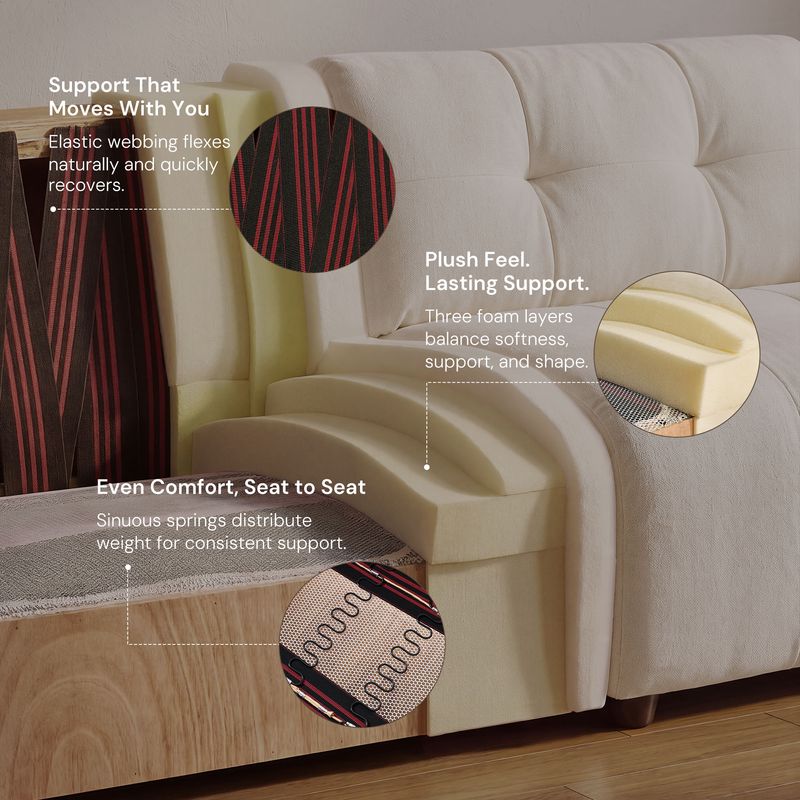
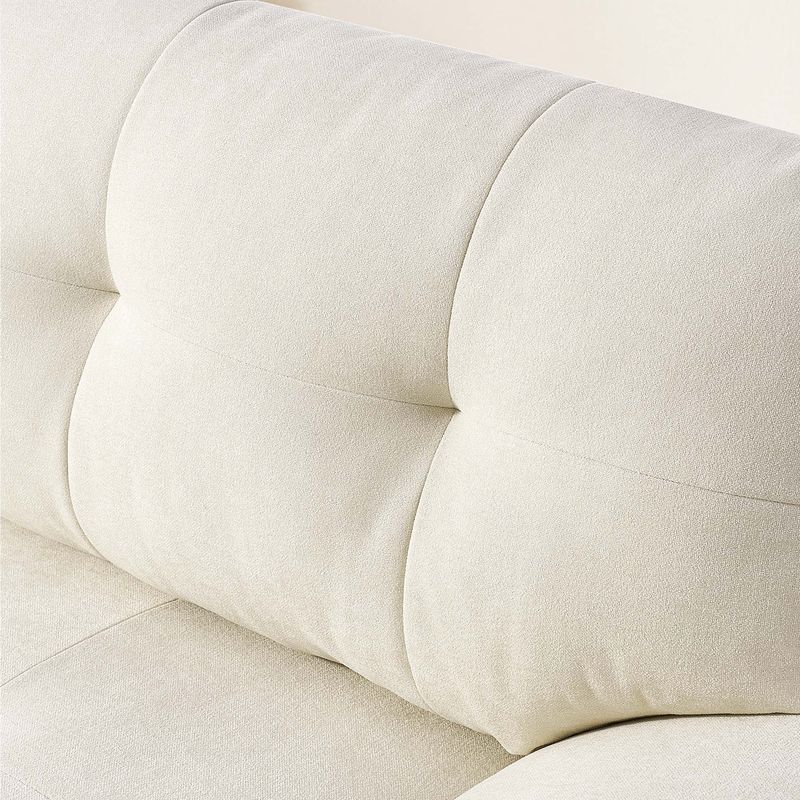
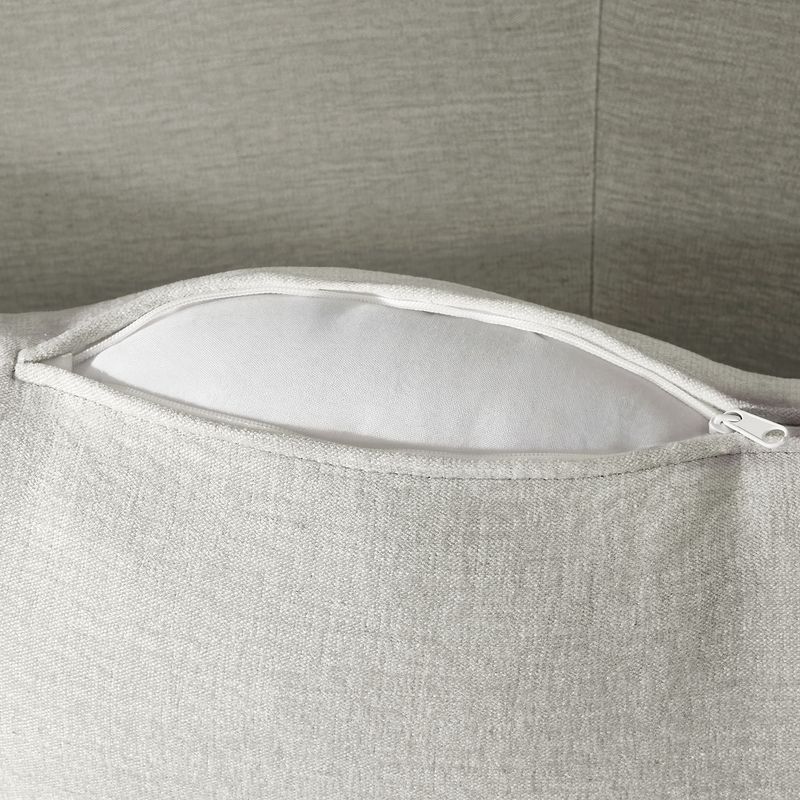
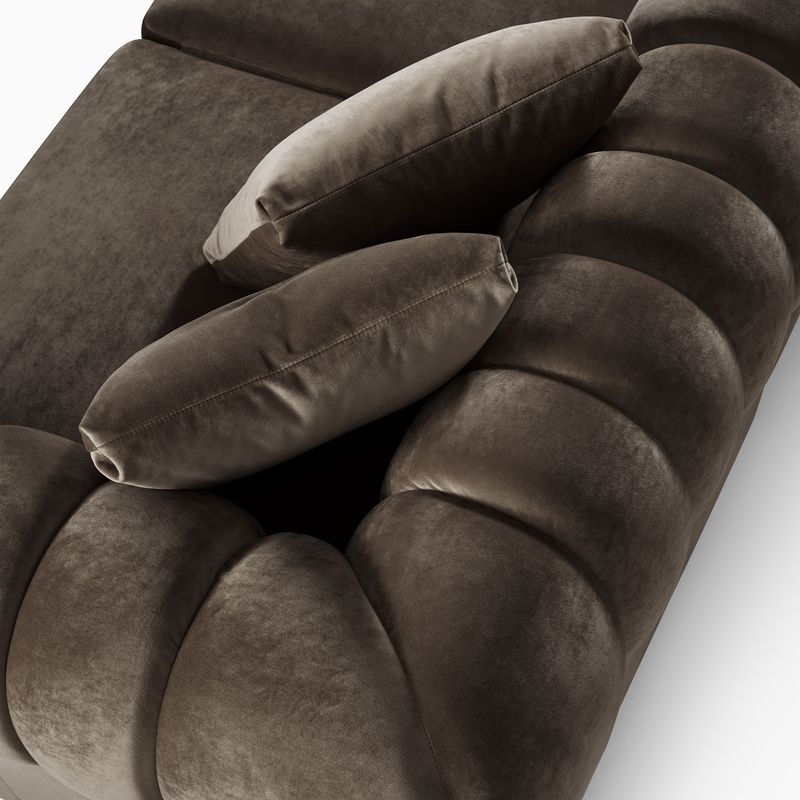
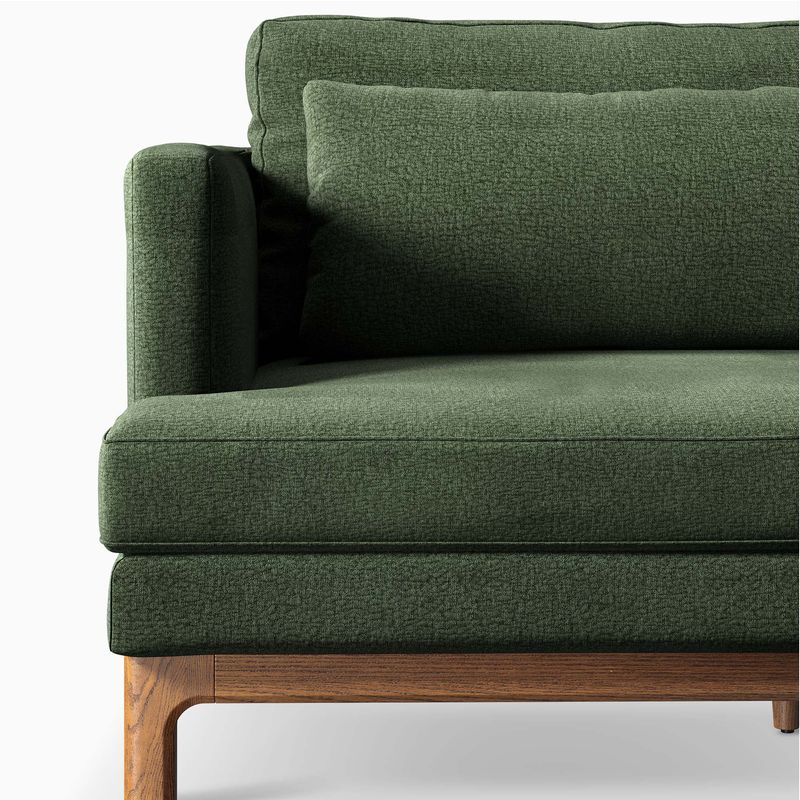
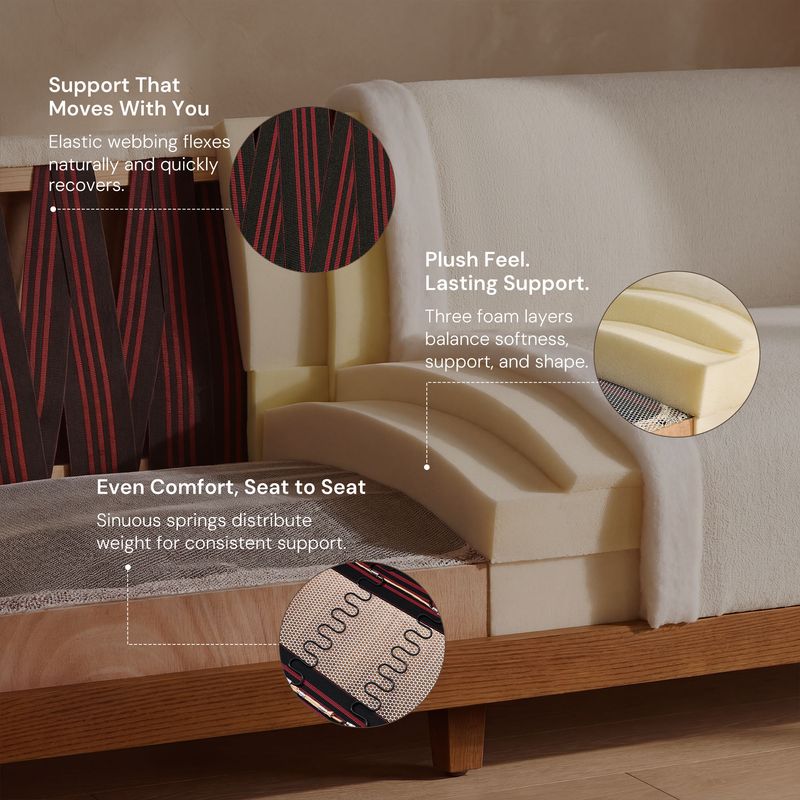
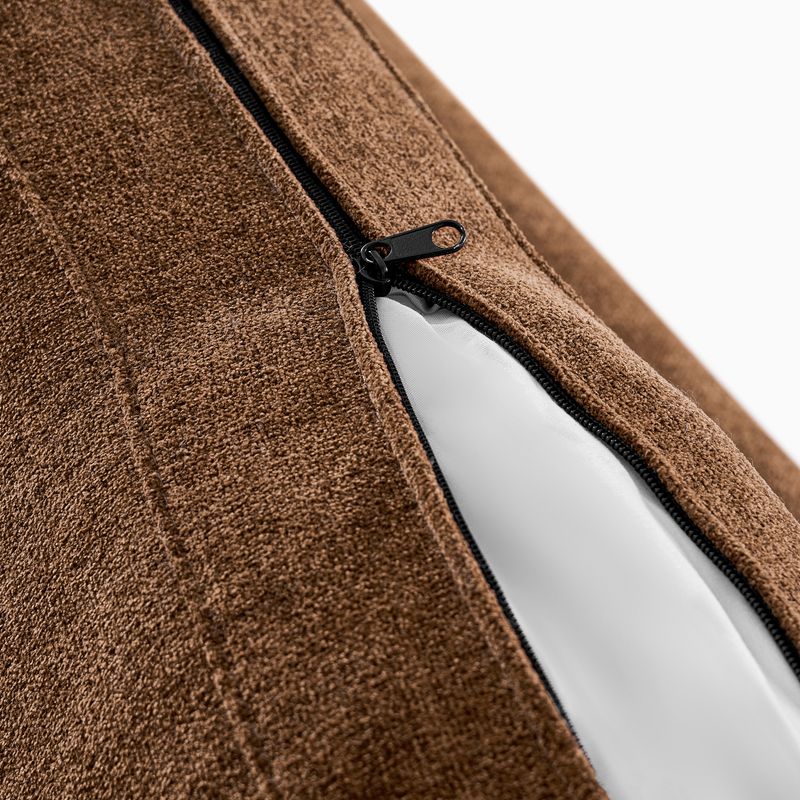
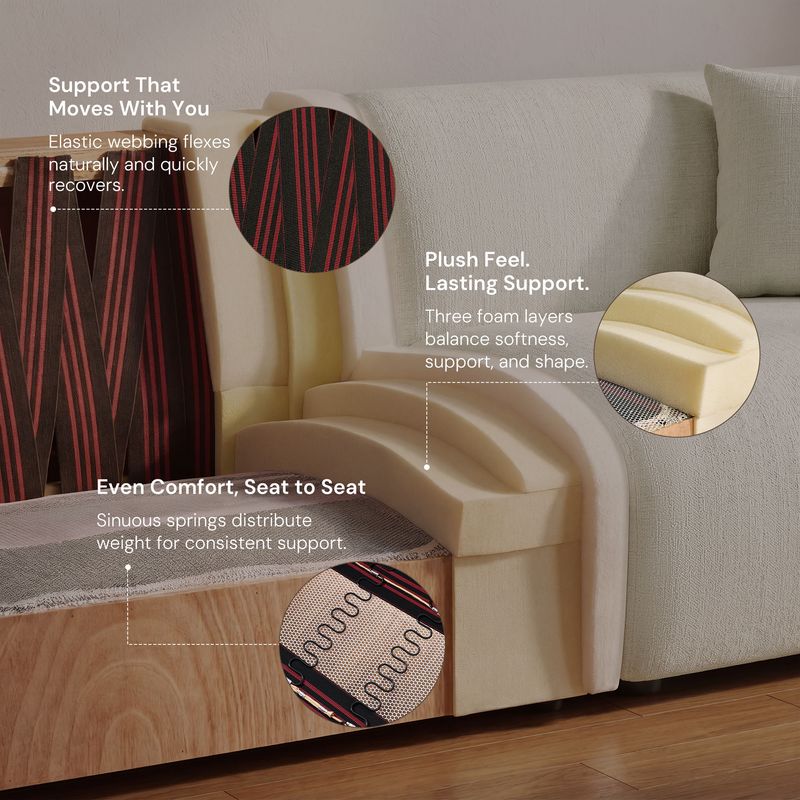
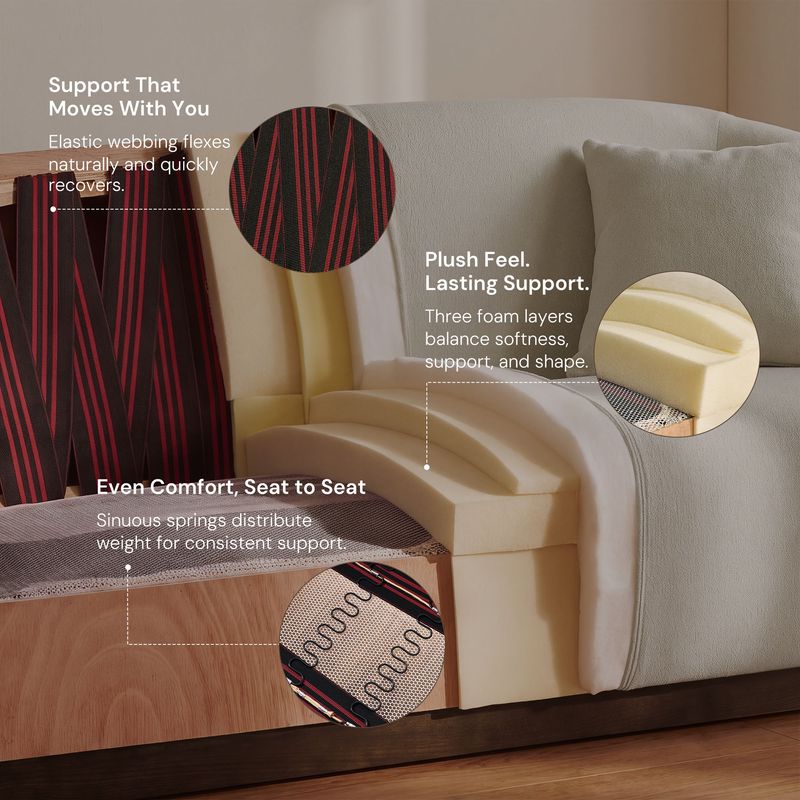
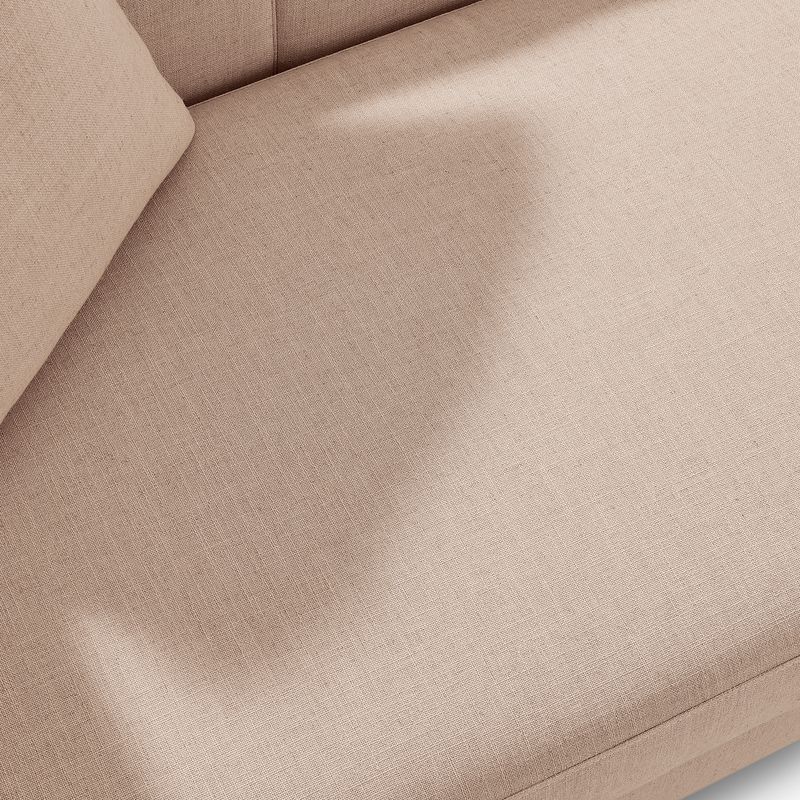
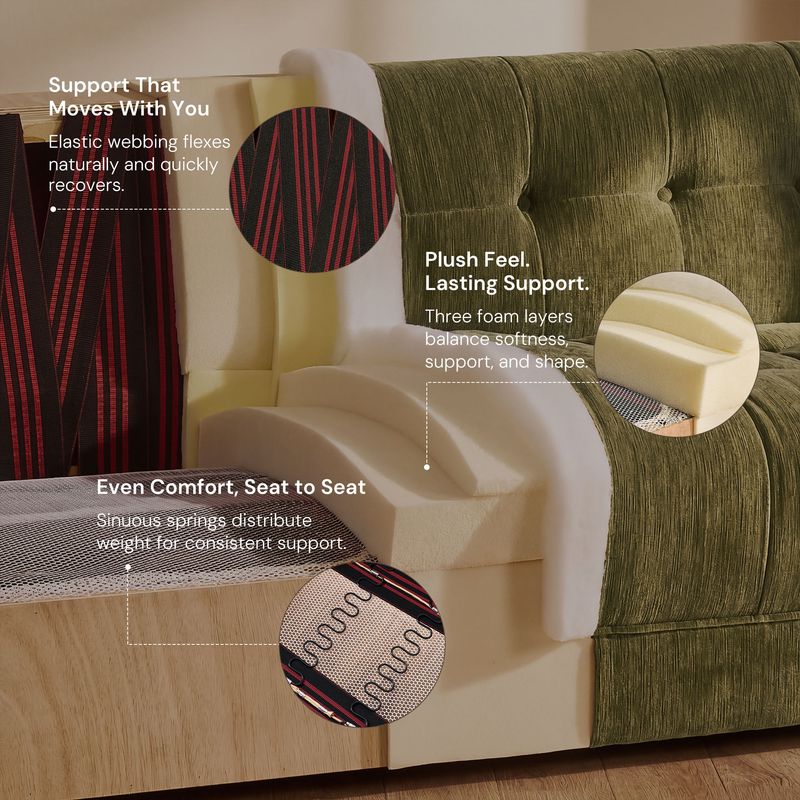
Cushion construction plays a major role in everyday comfort. Seat cushions influence how the sofa feels when you sit down, while back cushions affect support and the overall profile of the piece.
Consider your usual sitting position before choosing. Someone who spends hours reading upright may prefer a different cushion profile from someone who regularly stretches out for movies or naps.
Product specifications are useful here. Check the listed seat dimensions and construction details rather than judging comfort from appearance alone.
Plan Your Sofa Placement
Good sofa placement should make the room easier to use. Start with the room's focal point, then work out the seating arrangement around it.
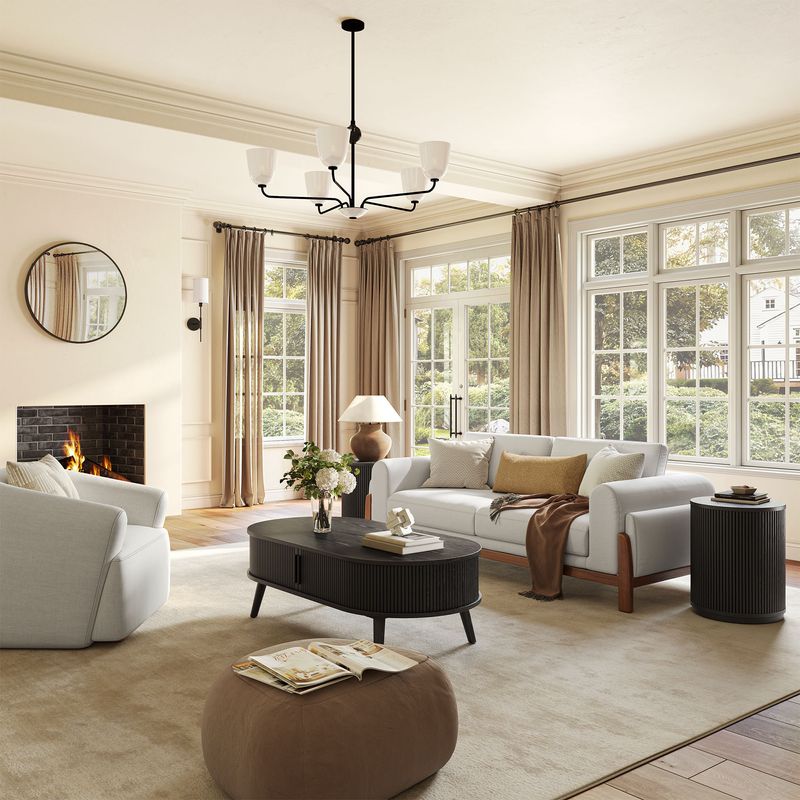
In a conventional living room, a sofa can face a fireplace, media console, or television. In an open-concept space, placing the sofa away from the wall can help visually separate the living area from a dining or kitchen zone.
Keep major walkways open and avoid blocking frequently used doors, windows, heating vents, or other functional areas.
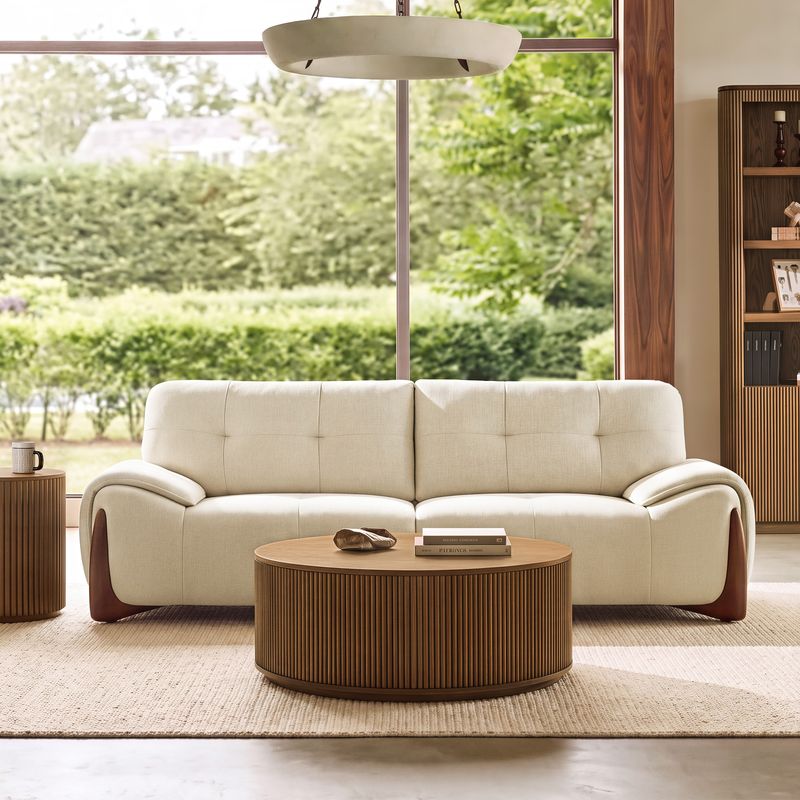
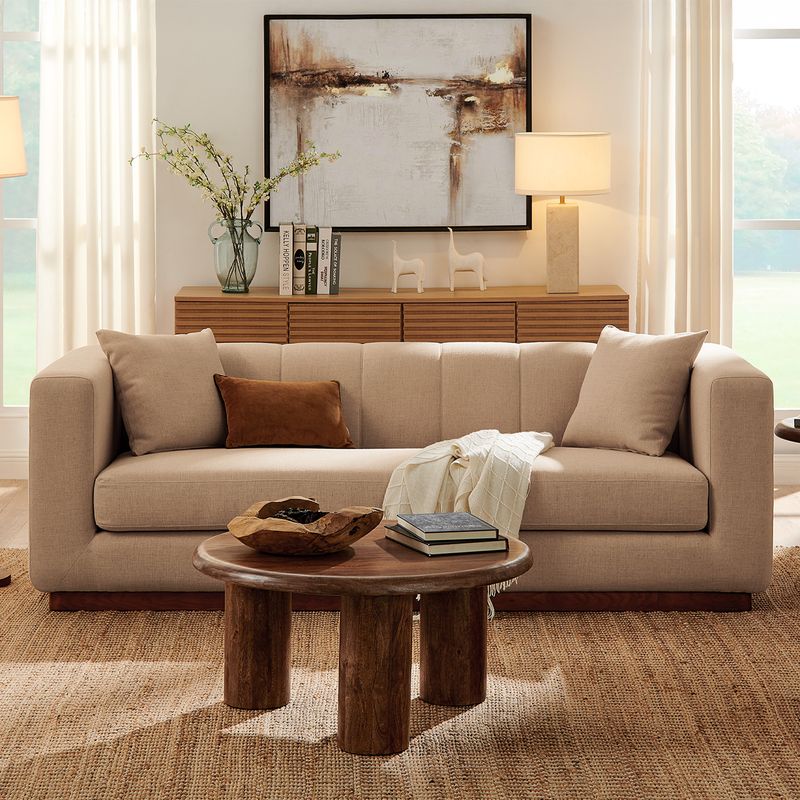
Your coffee table should be close enough to reach from the sofa without making the seating area difficult to navigate. Leave enough clearance to sit down, stand up, and walk around the furniture comfortably.
Build a Living Room Around Your Sofa
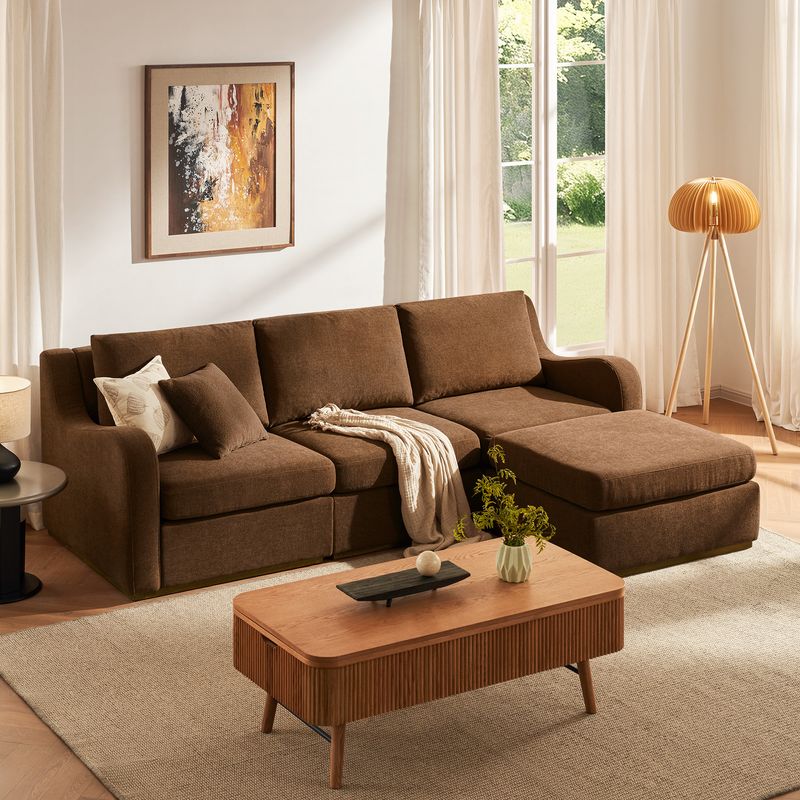
Once you know which sofa size and configuration fits your room, the rest of the space becomes easier to plan.
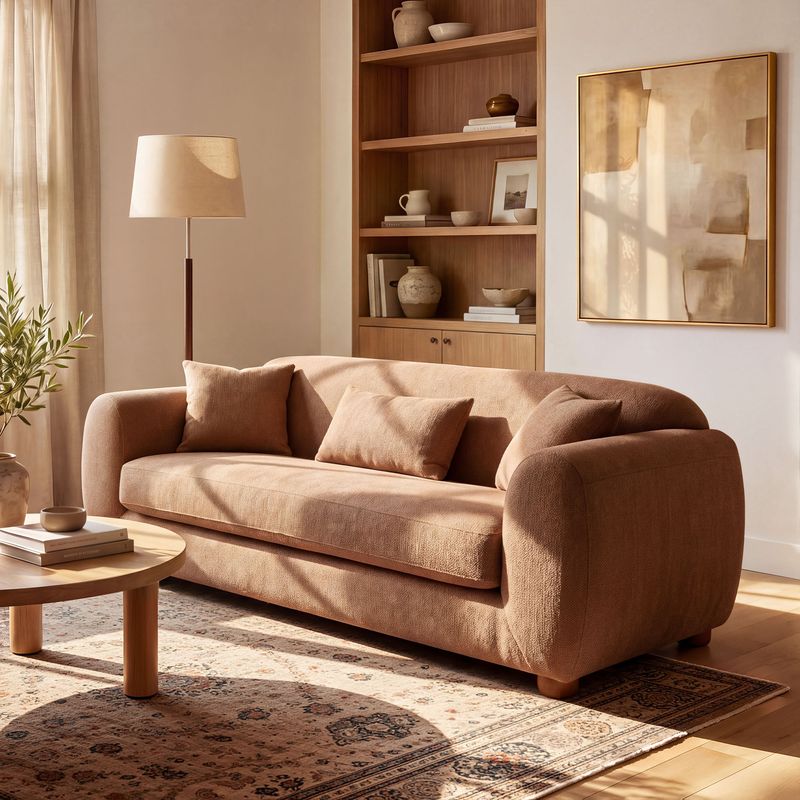
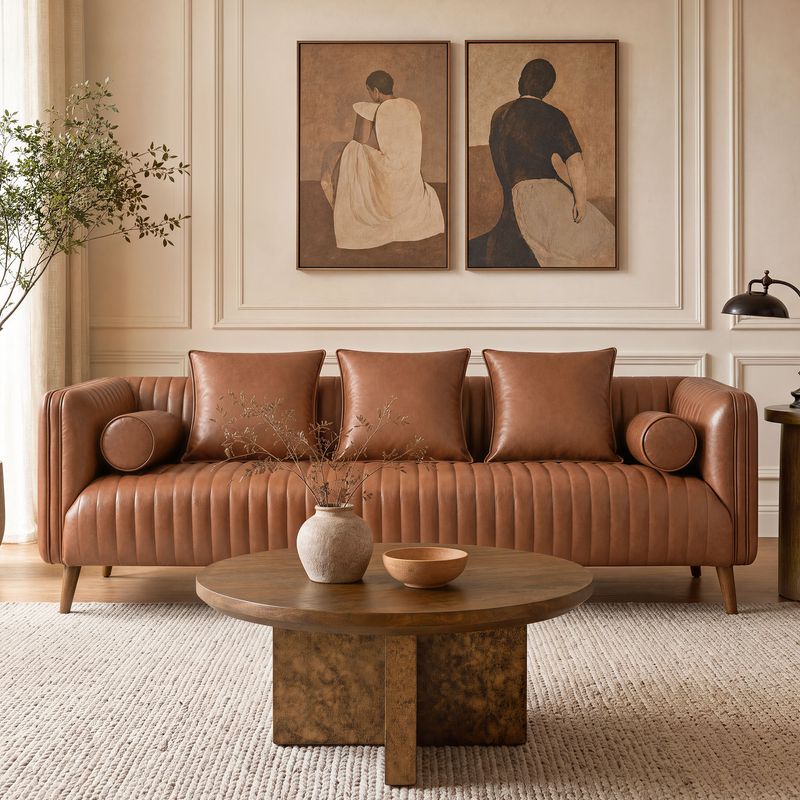
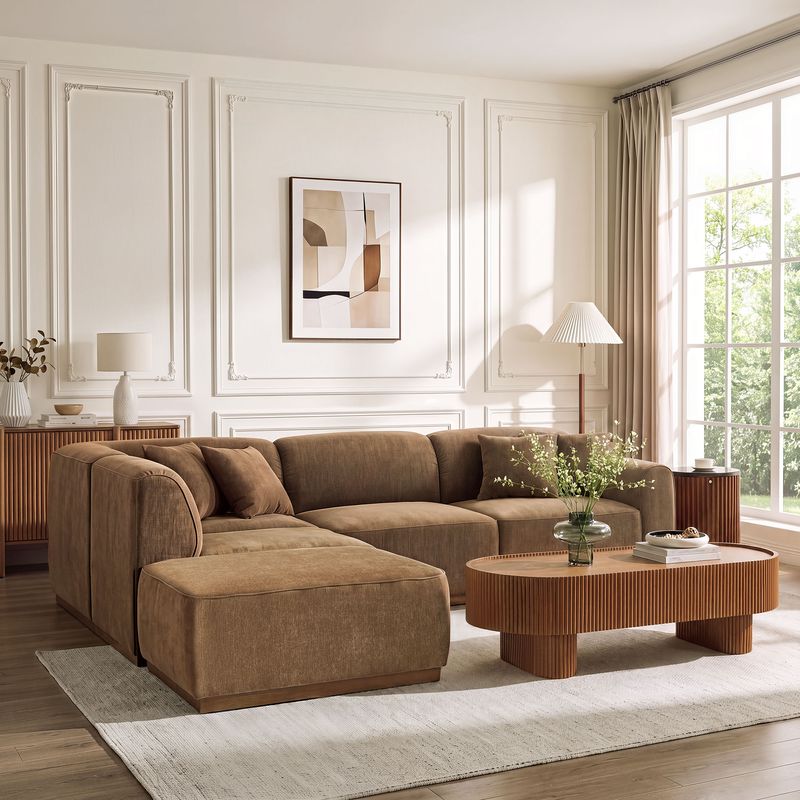
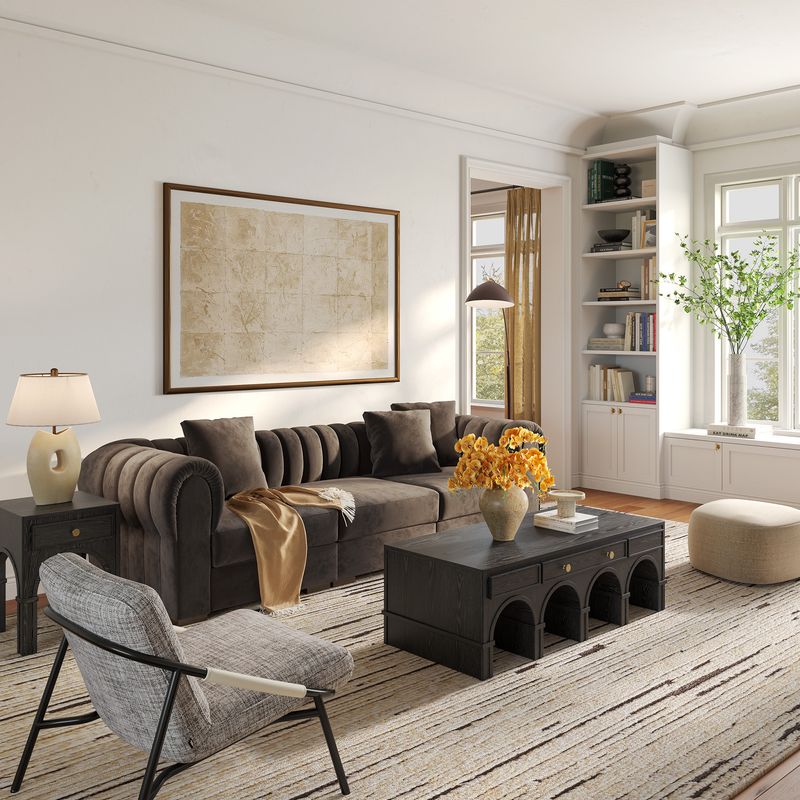
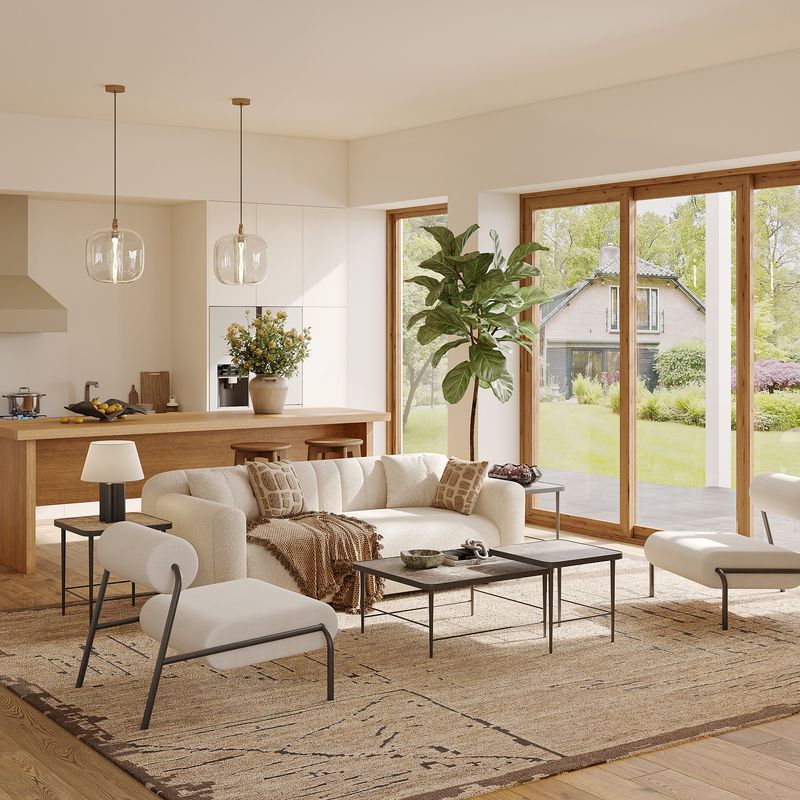
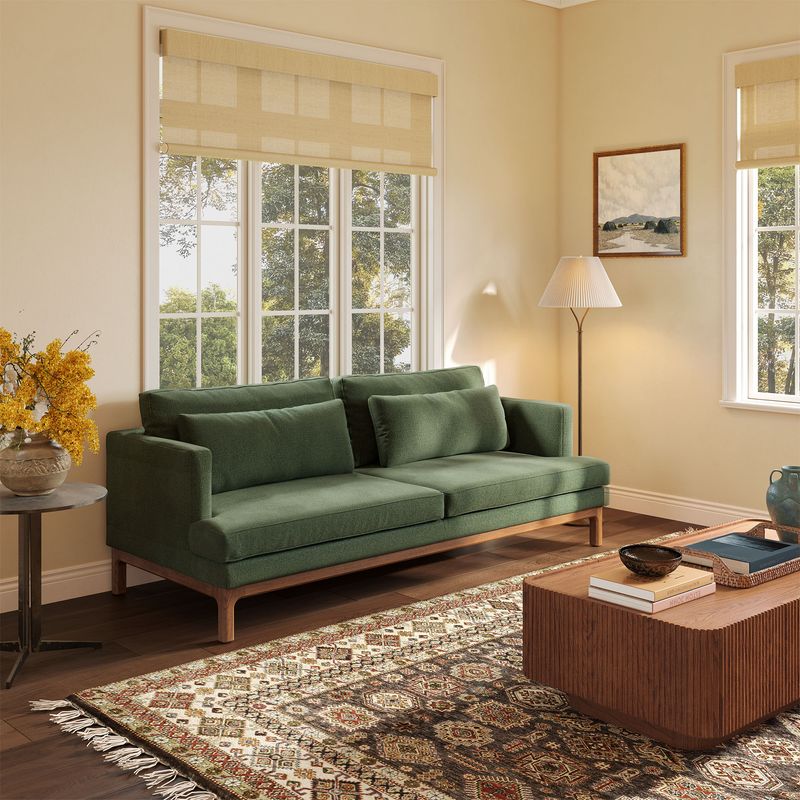
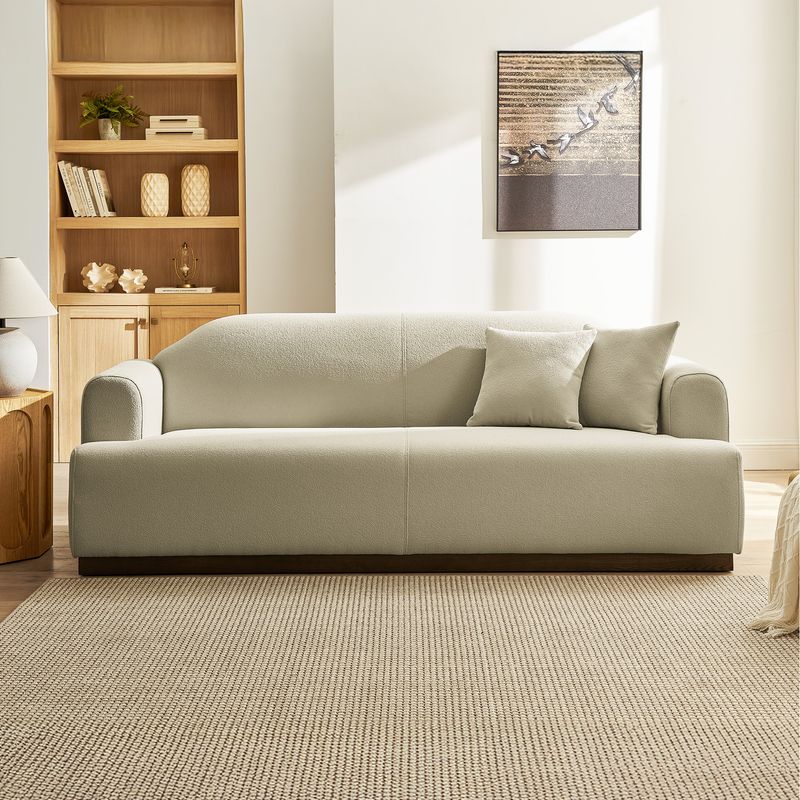
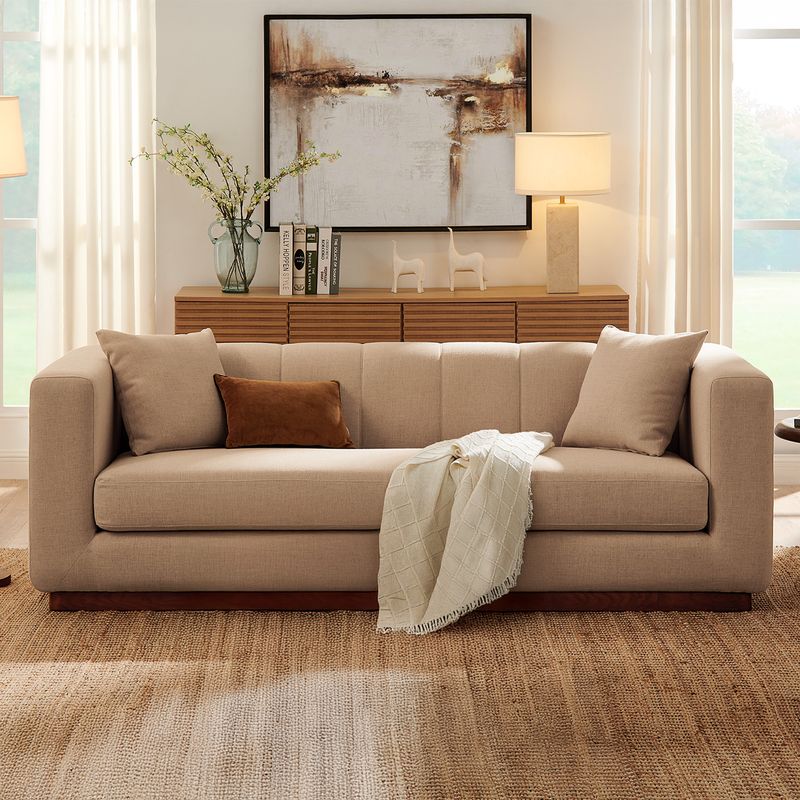
Start with the sofa, then consider the coffee table, rug, accent seating, lighting, TV stand, and side tables. Keep the scale of those pieces in proportion to the sofa so the room feels coordinated rather than crowded.
Hernest sofas are designed with clean lines and considered proportions for a range of living spaces. Whether you need a compact sofa for an apartment, a sectional for a larger gathering area, a loveseat for flexible seating, or a sofa bed for a multipurpose room, choose the configuration that matches the way you use your home.
A good sofa should work when the room is carefully styled and remain comfortable when everyday life takes over.