Find a Bar Cabinet That Fits Your Home and Your Routine
A bar cabinet gives bottles, glassware, and entertaining essentials a dedicated place without requiring a separate home bar. Whether you want a drink station in the living room or extra storage near the dining table, the right design should fit your space and how you entertain.
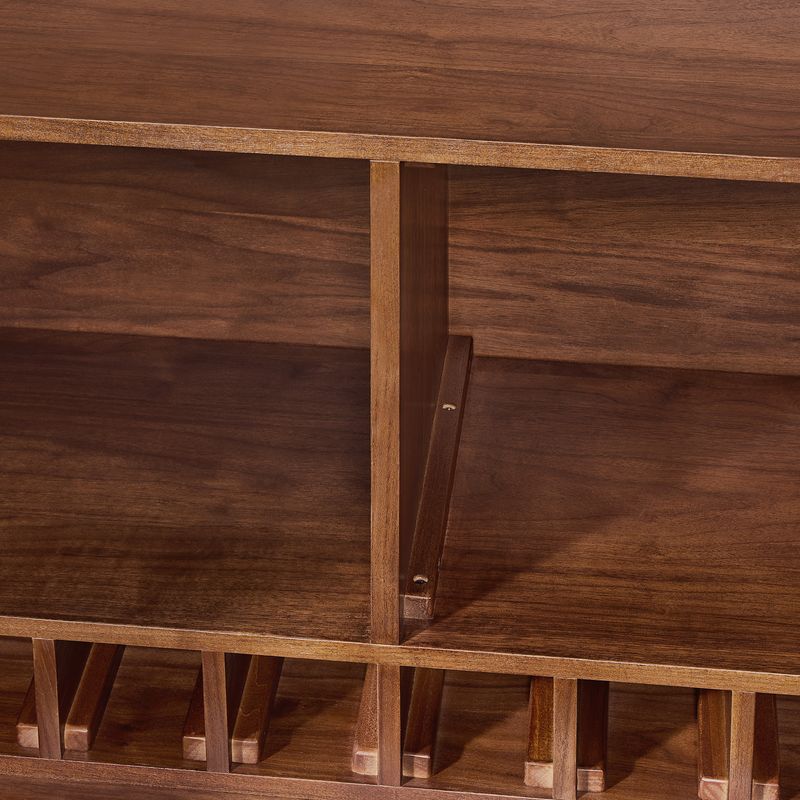
Hernest offers bar cabinets with different wood finishes, door styles, drawers, and built-in bottle and glass racks. These features affect how much you can store and how easily you can reach everyday essentials.
Before choosing a design, consider what you plan to store, how much floor space you have, and whether you prefer concealed storage or a glass-front display. These practical details can help you find a cabinet that works for your home as well as your decor.
Read More
Explore Bar Cabinets by Design and Storage
The door style, material, and interior layout all influence how a bar cabinet looks and functions. Comparing these features can help you narrow down the options.
Wood Bar Cabinets with Natural Grain
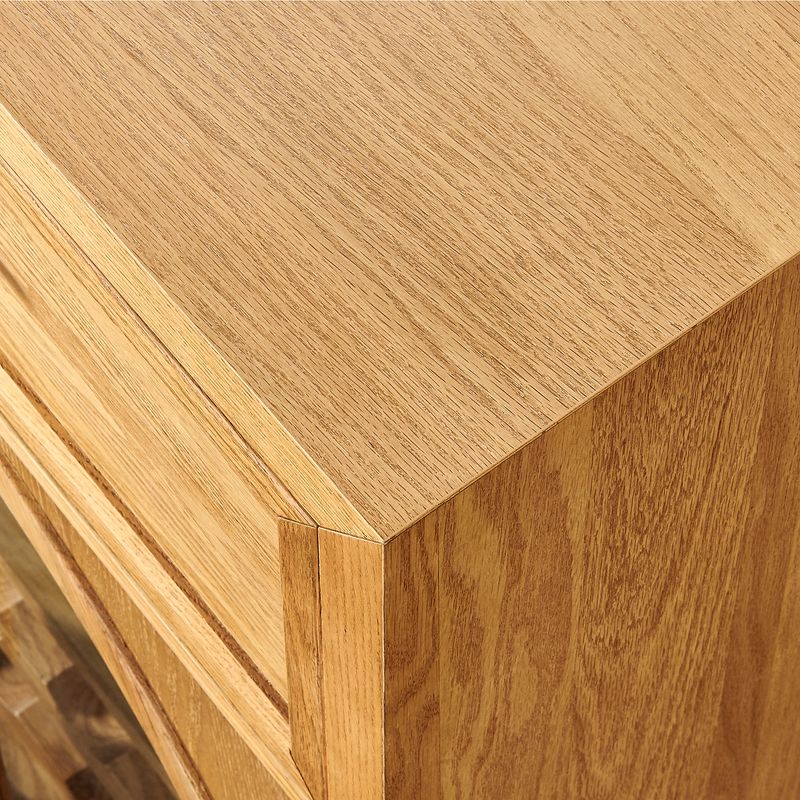
A wood bar cabinet can bring warmth and texture to a living or dining room. Pay attention to the listed materials, since solid wood, wood veneer, and engineered wood serve different roles in furniture construction.
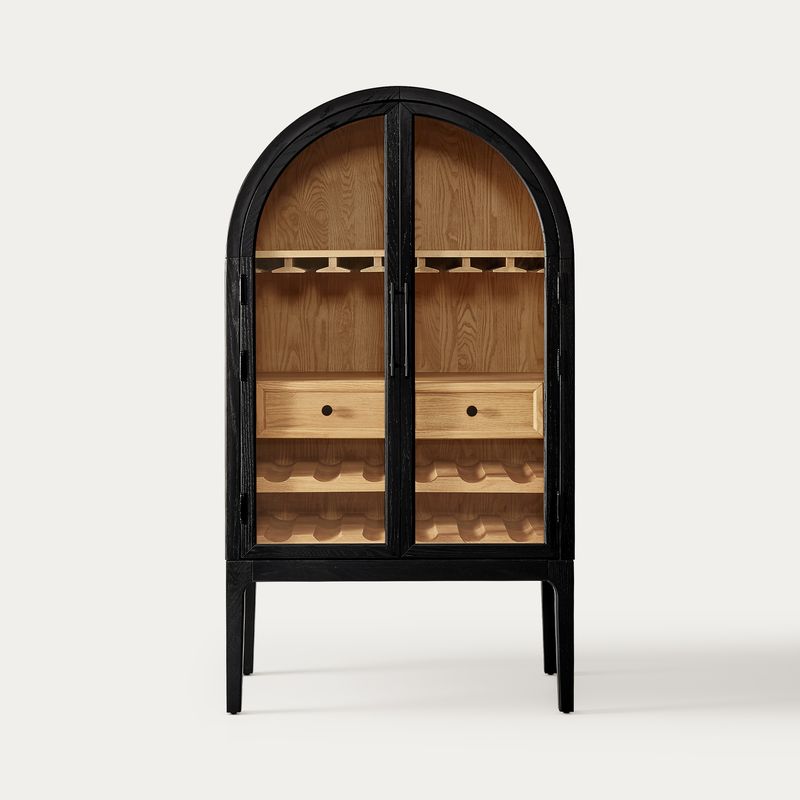
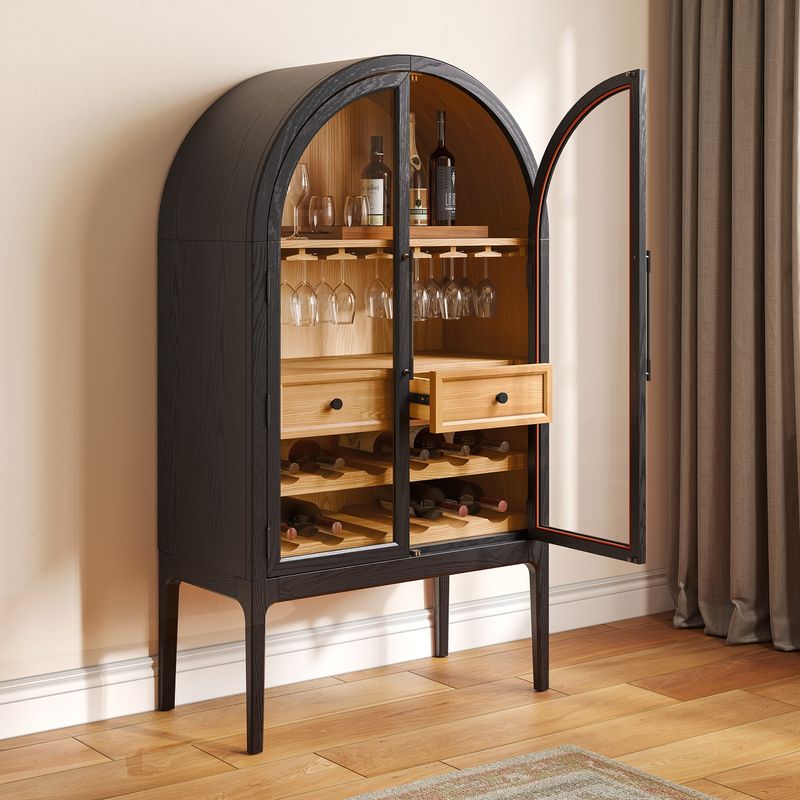
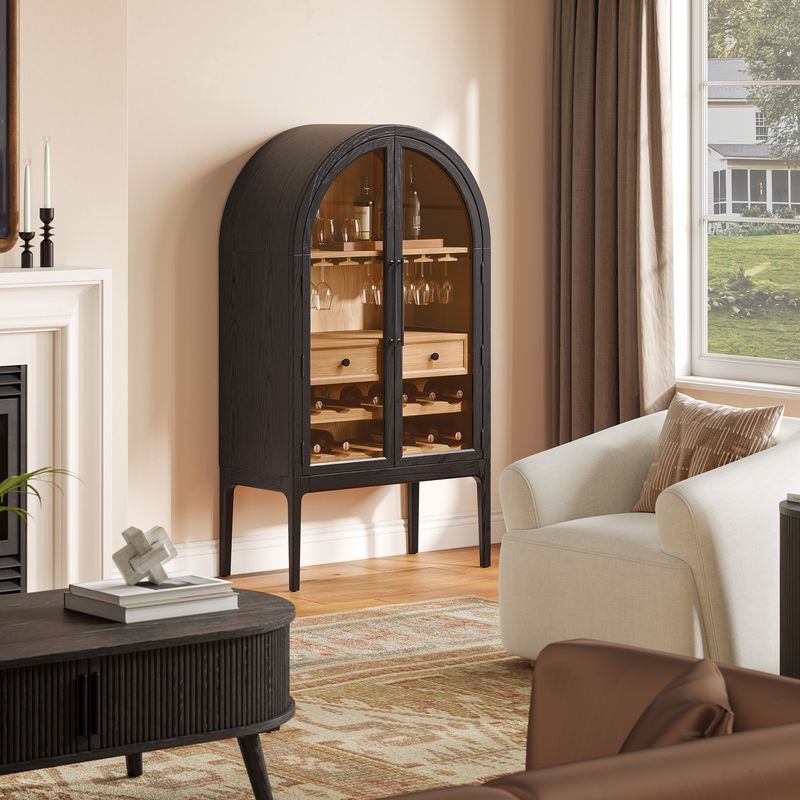
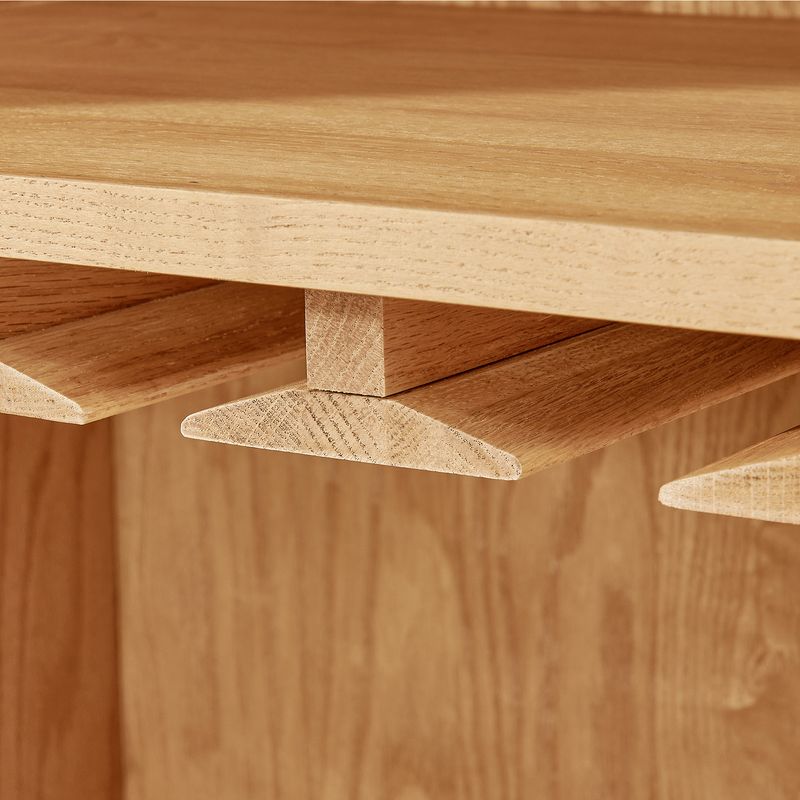
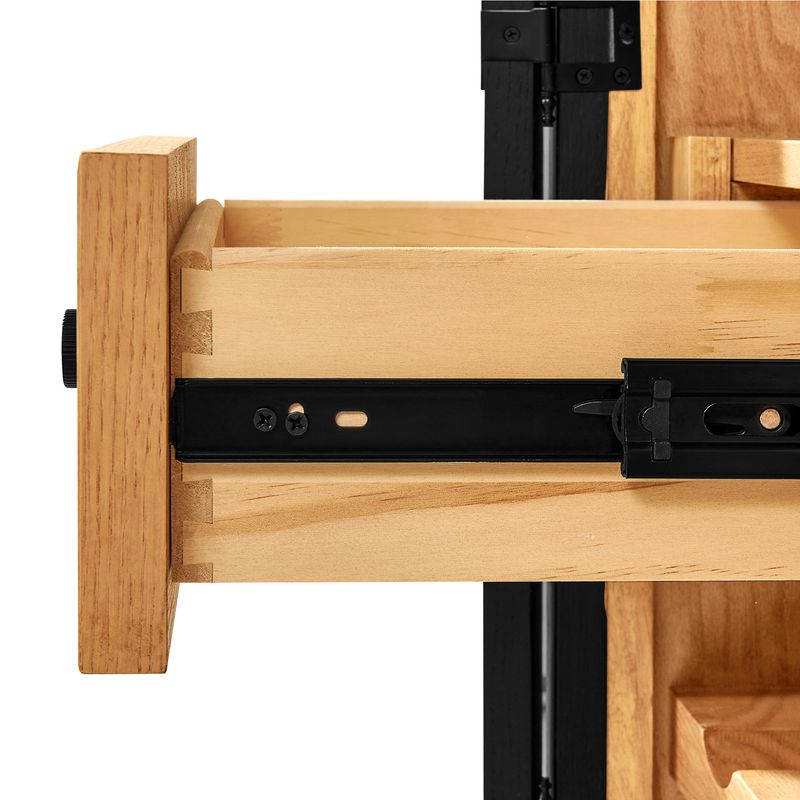
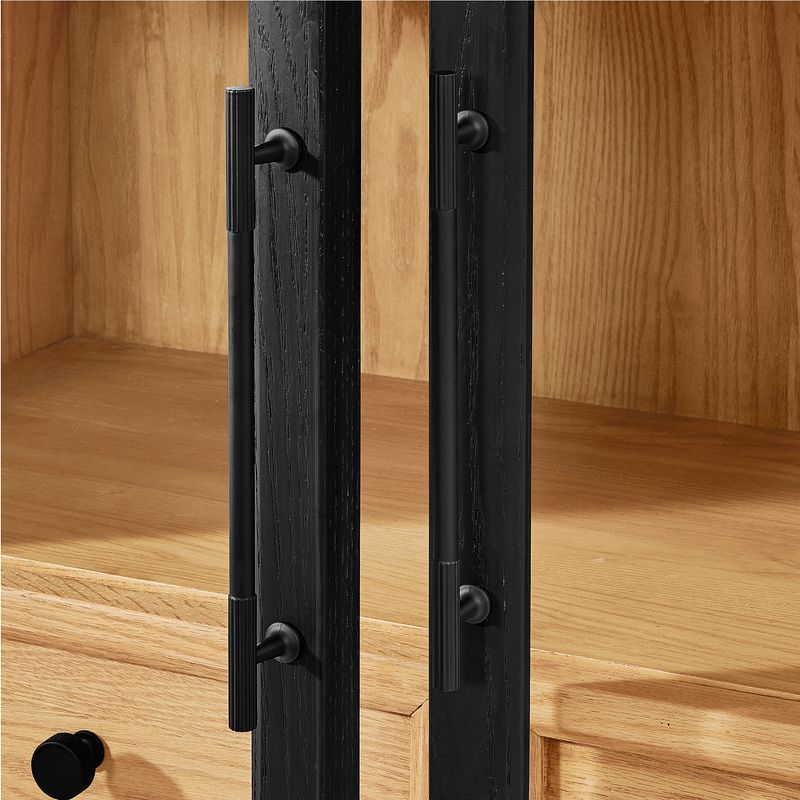
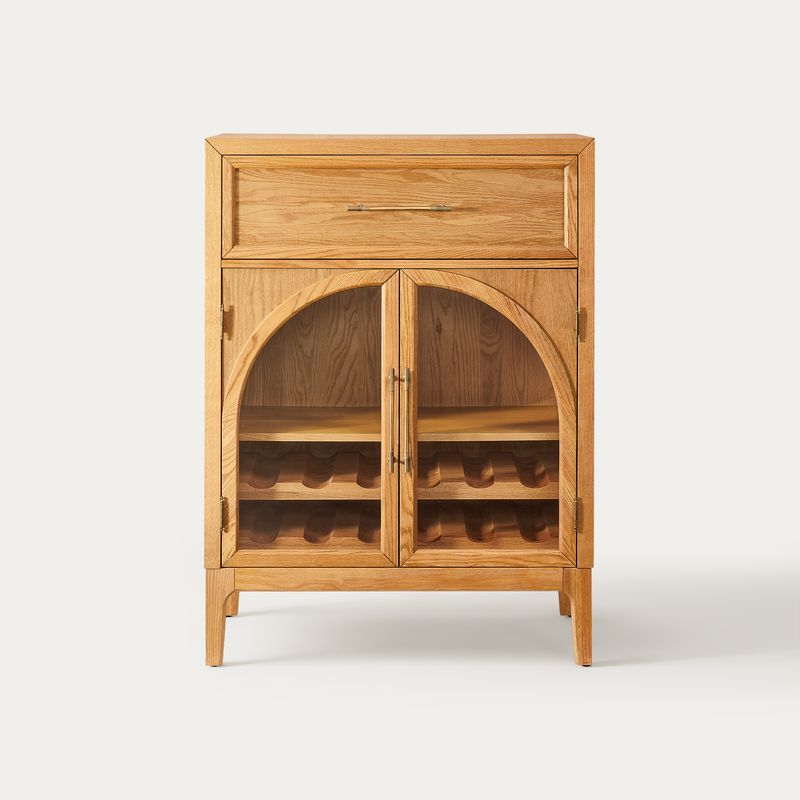
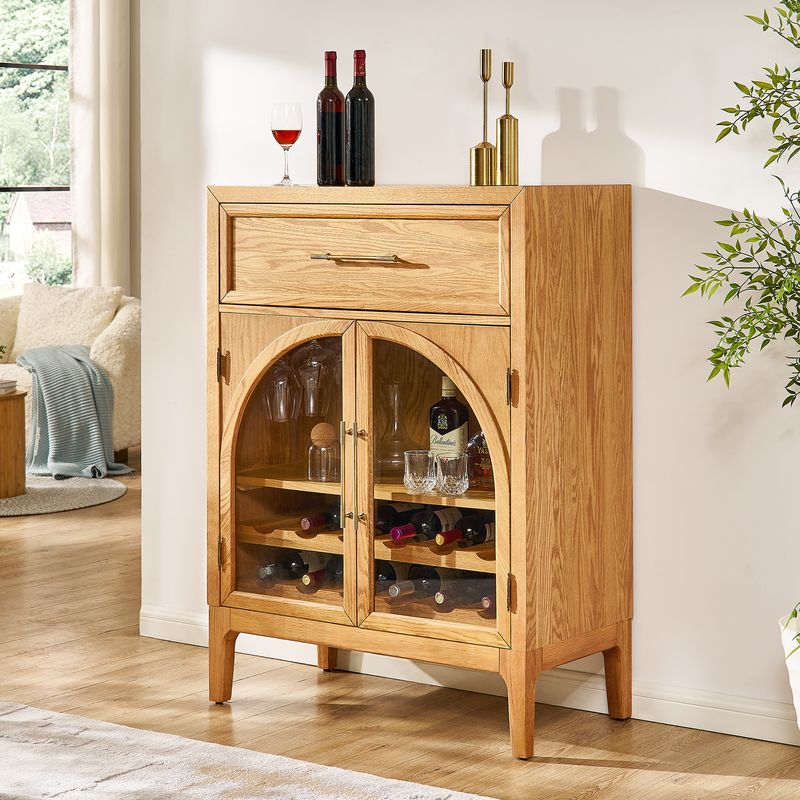
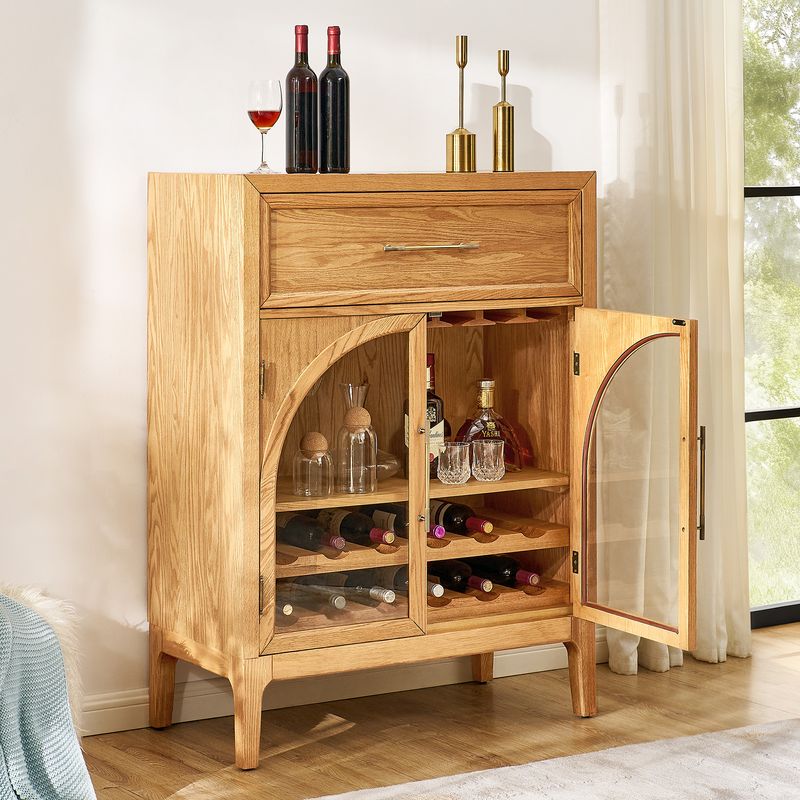
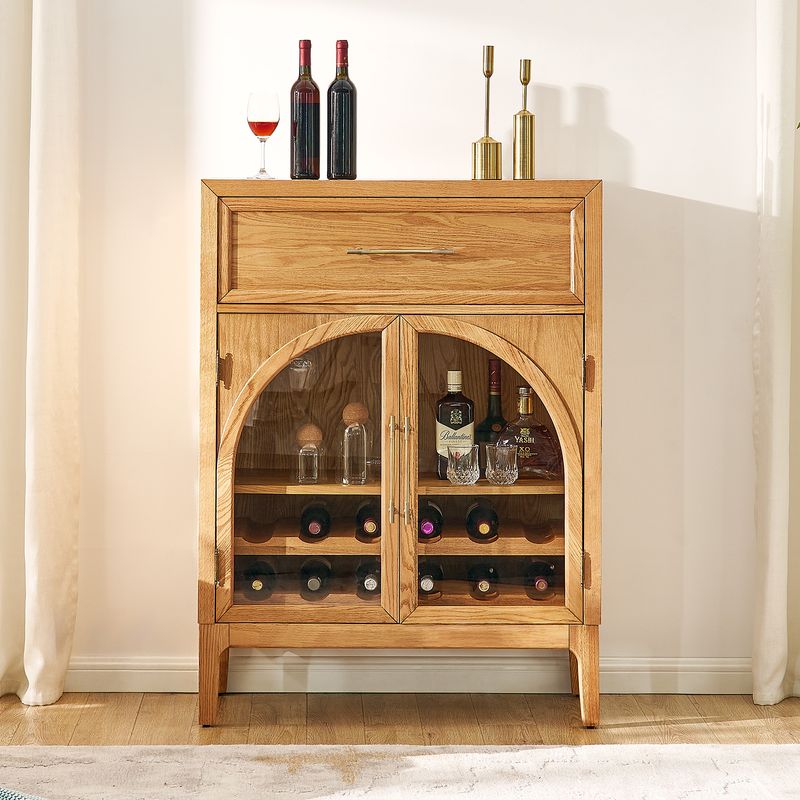
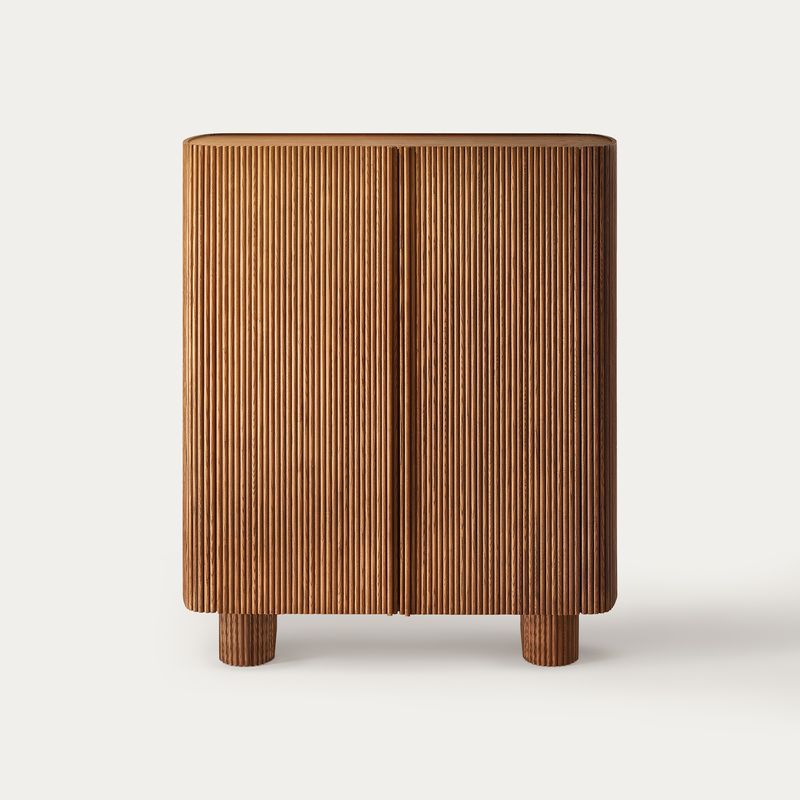
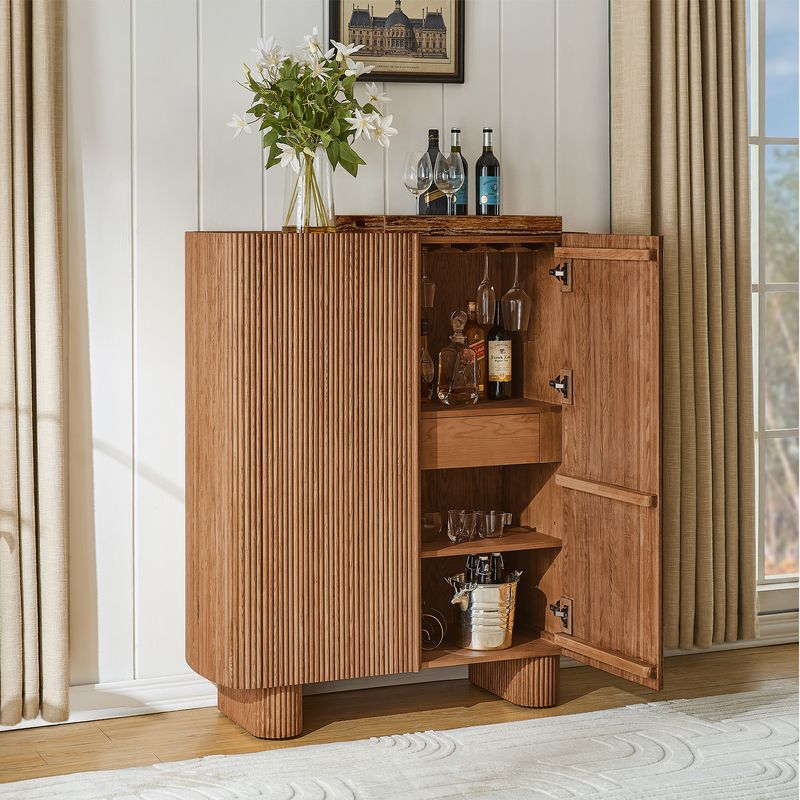
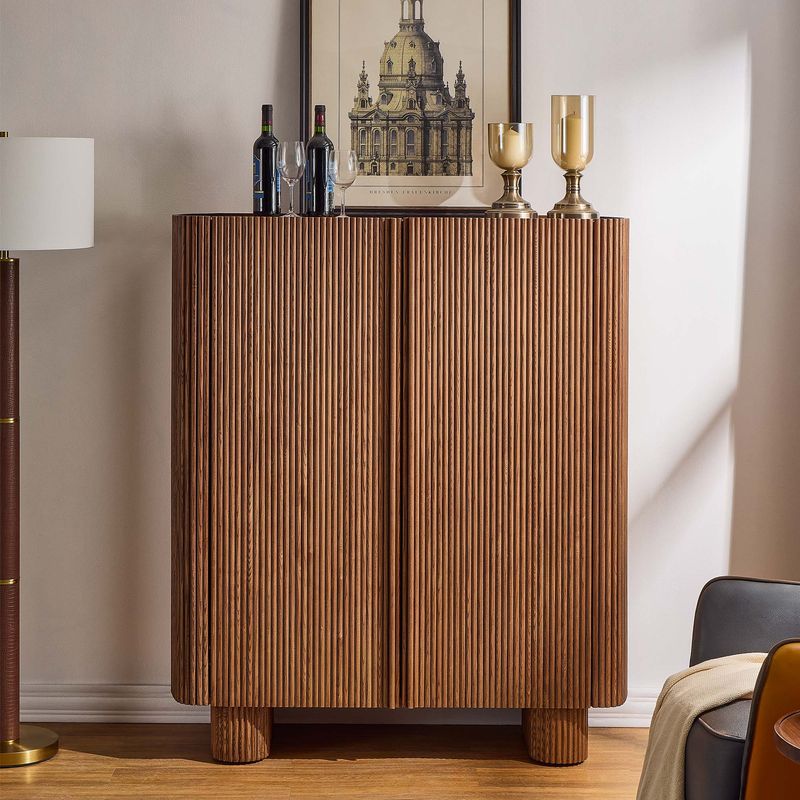
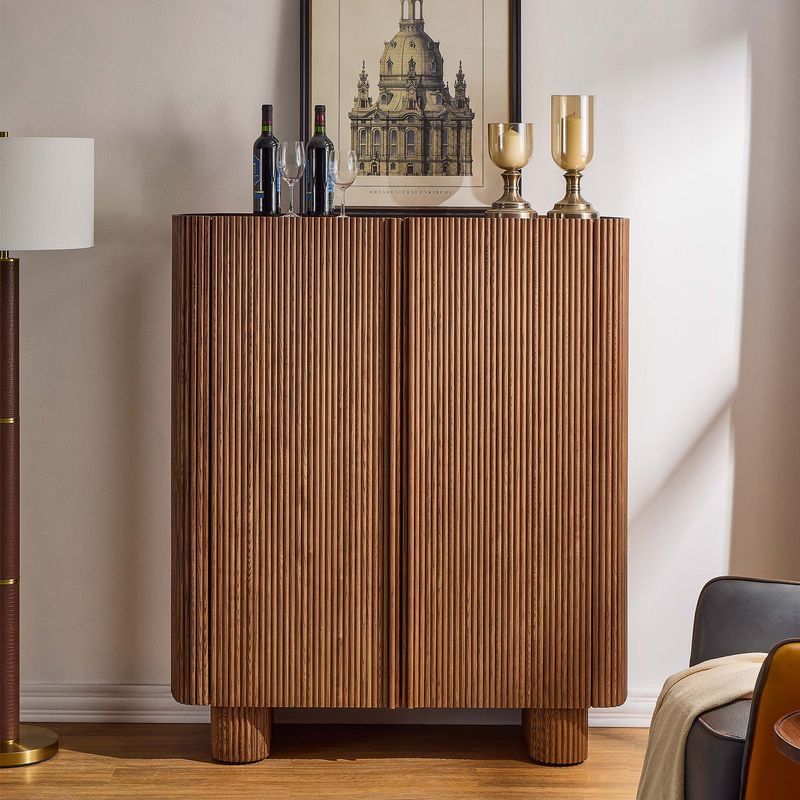
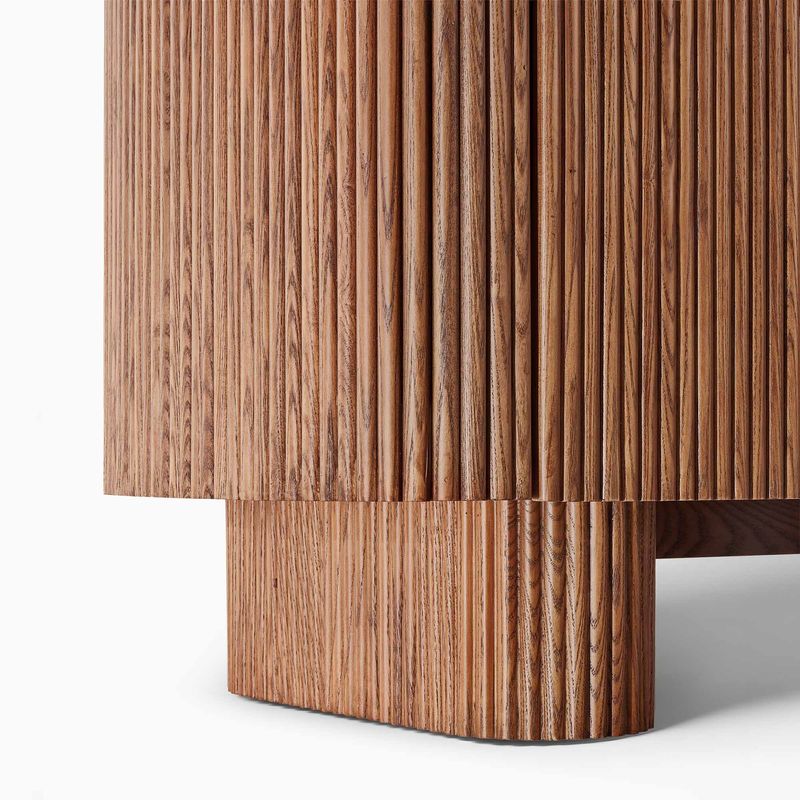
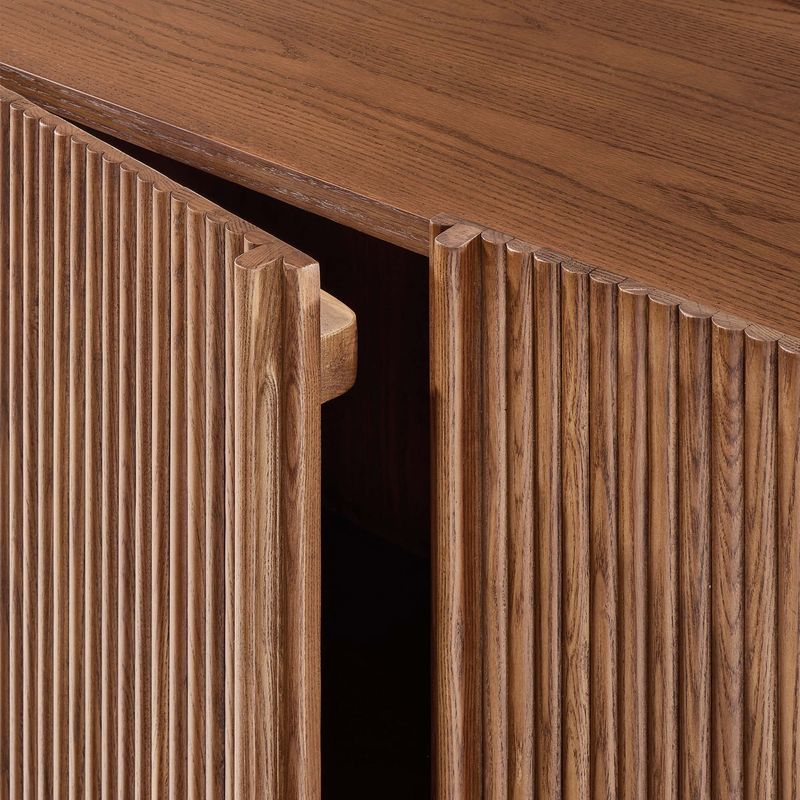
The Valborg 36-Inch Oak Bar Cabinet combines American solid oak with engineered wood and oak veneers. Its arched glass doors create a display area for bottles and stemware, while built-in racks help keep them organized. The Marisol 47-Inch Oak Bar Cabinet pairs American solid oak and oak veneers with solid-oak fluting for a more pronounced surface texture.
When choosing a finish, consider the undertones of your flooring and nearby furniture. Wood tones do not need to match exactly; complementary finishes can create a coordinated look without making the room feel overly uniform.
Bar Cabinets with Drawers and Enclosed Storage
Drawers and enclosed compartments help separate bottles, glassware, cocktail tools, and smaller accessories. They are useful when you want essentials close at hand but prefer a tidy appearance between gatherings.
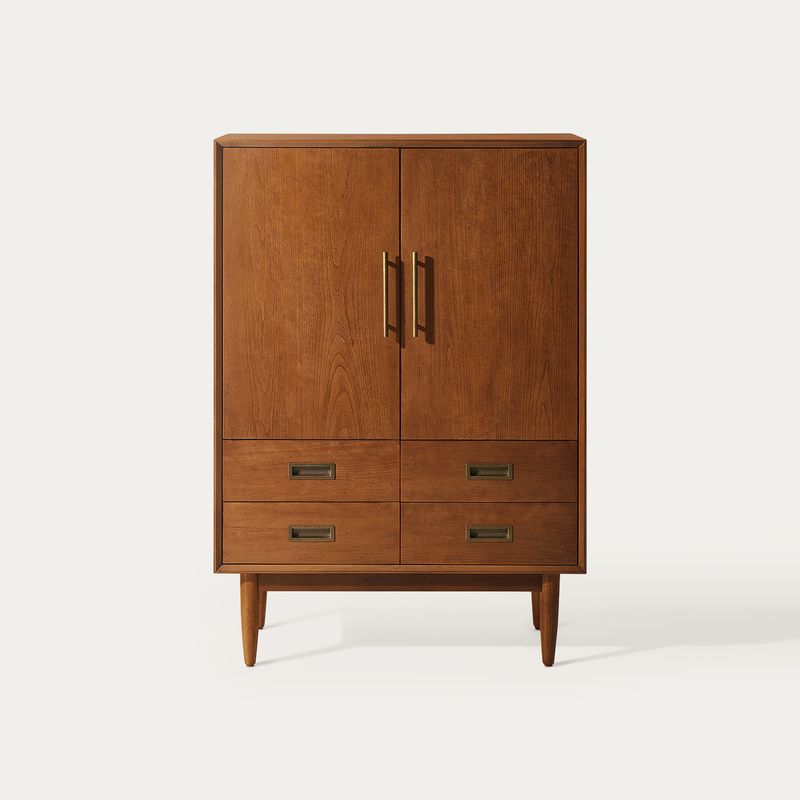
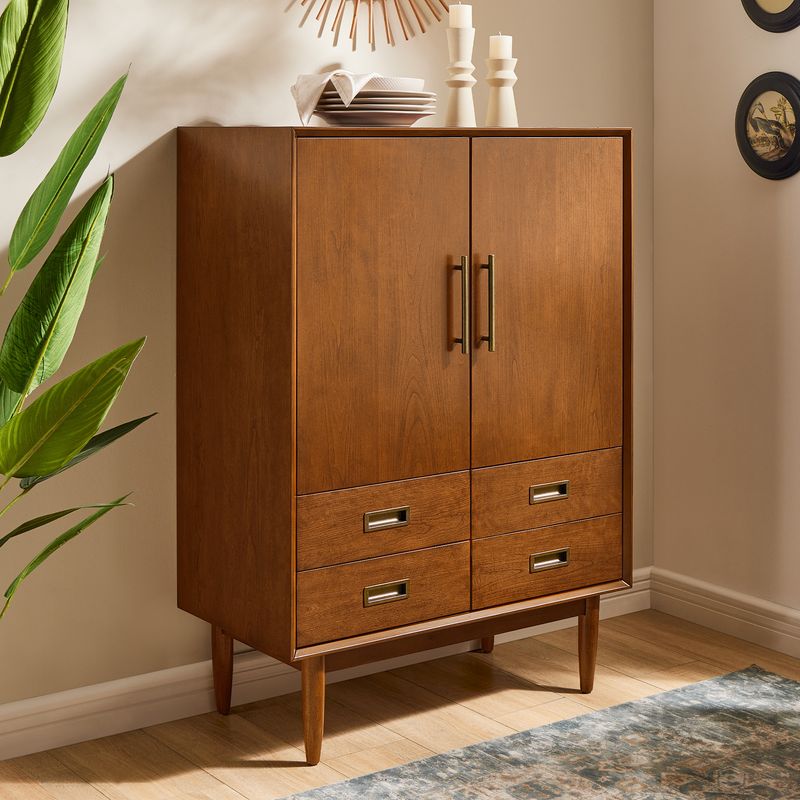
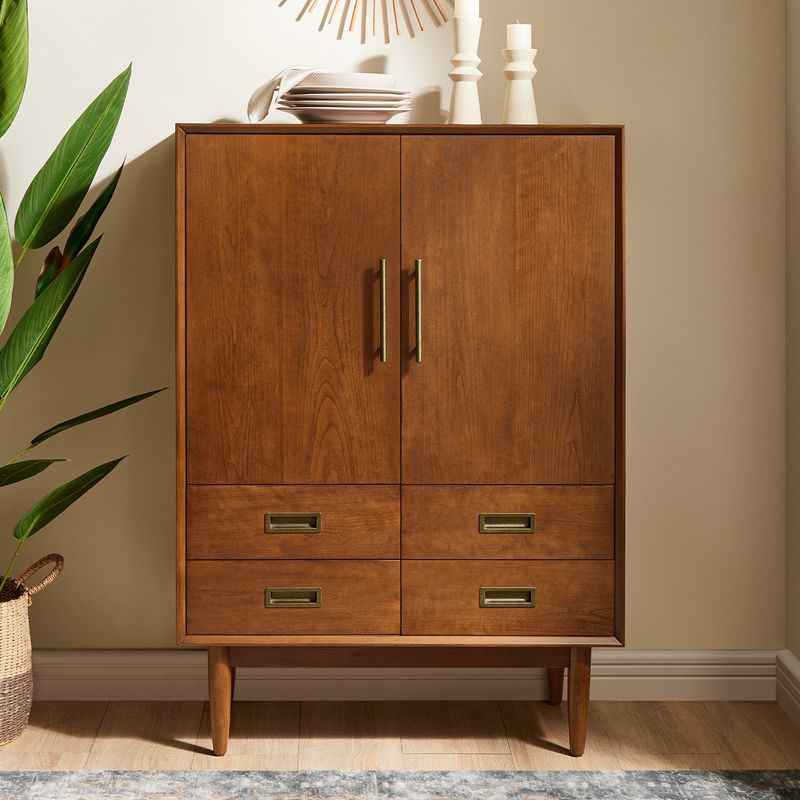
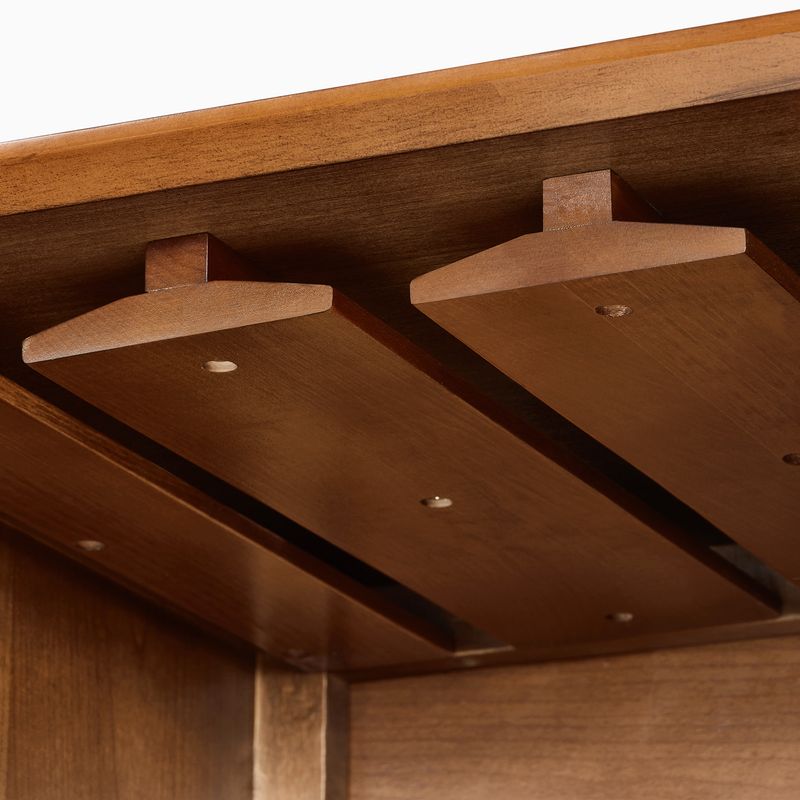
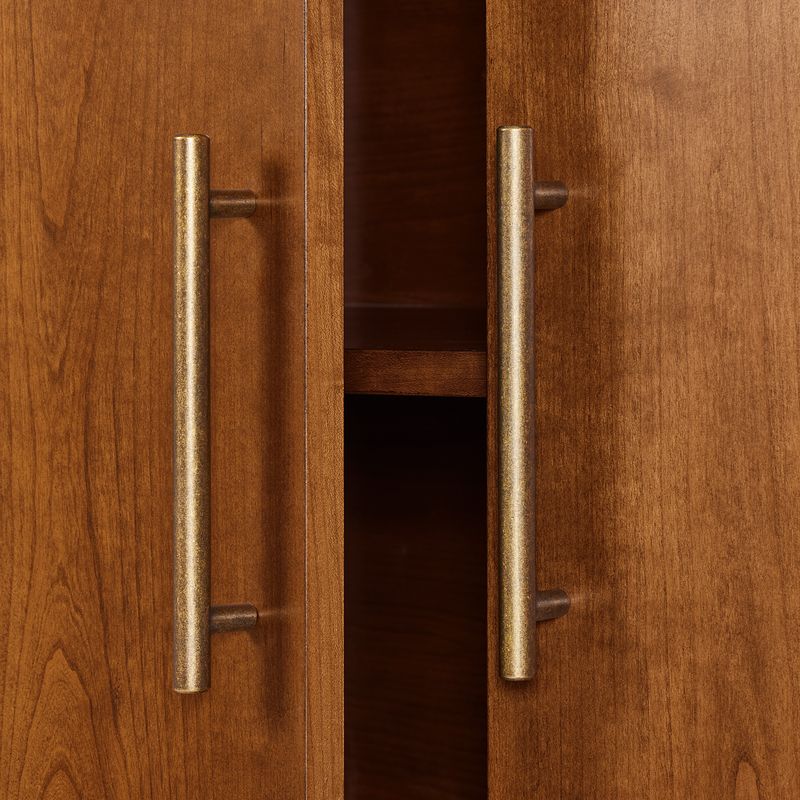
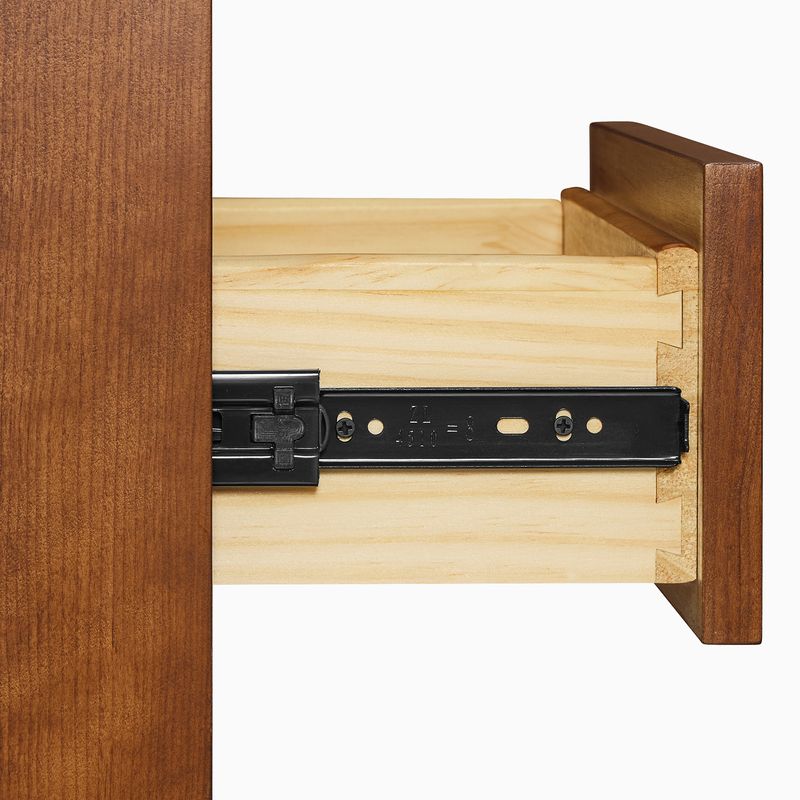
The Kaden 33-inch Mid-Century Bar Cabinet features four drawers, a cabinet compartment, and built-in racks for 14 standard-sized glasses. Its cherry finish, tapered legs, and antique bronze hardware give it a distinct look while offering dedicated storage for smaller items.
If you keep a variety of bottles or accessories, check the interior dimensions before ordering. A cabinet's exterior size does not tell you whether tall bottles, oversized glasses, or cocktail equipment will fit inside.
Glass-Front and Textured Designs
Glass-front doors let you display selected bottles and glassware while keeping them enclosed. Fully closed doors conceal the contents, while open shelves make the arrangement more visible and leave items more exposed to dust.
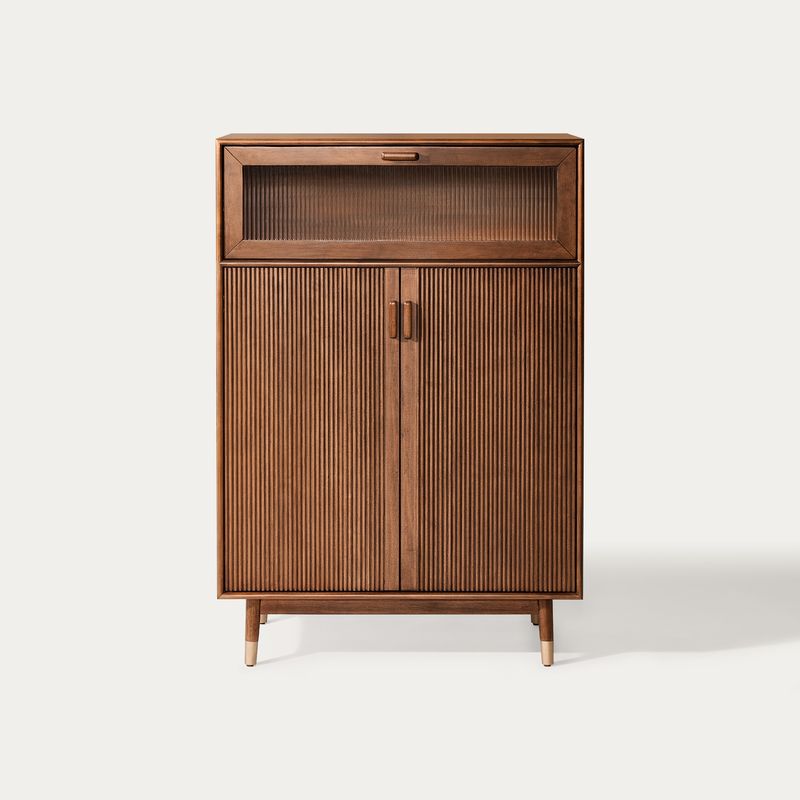
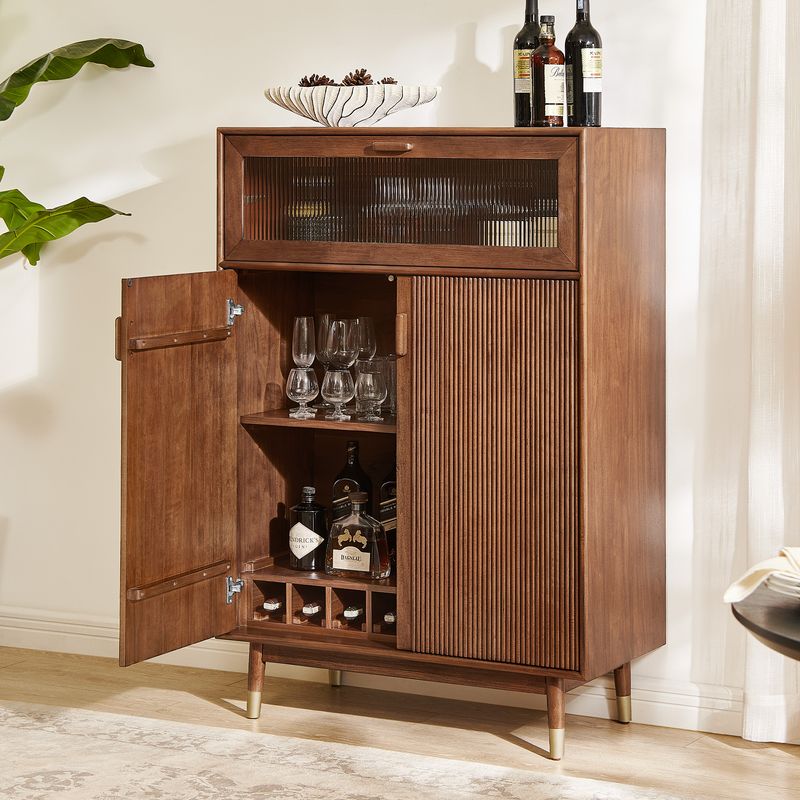
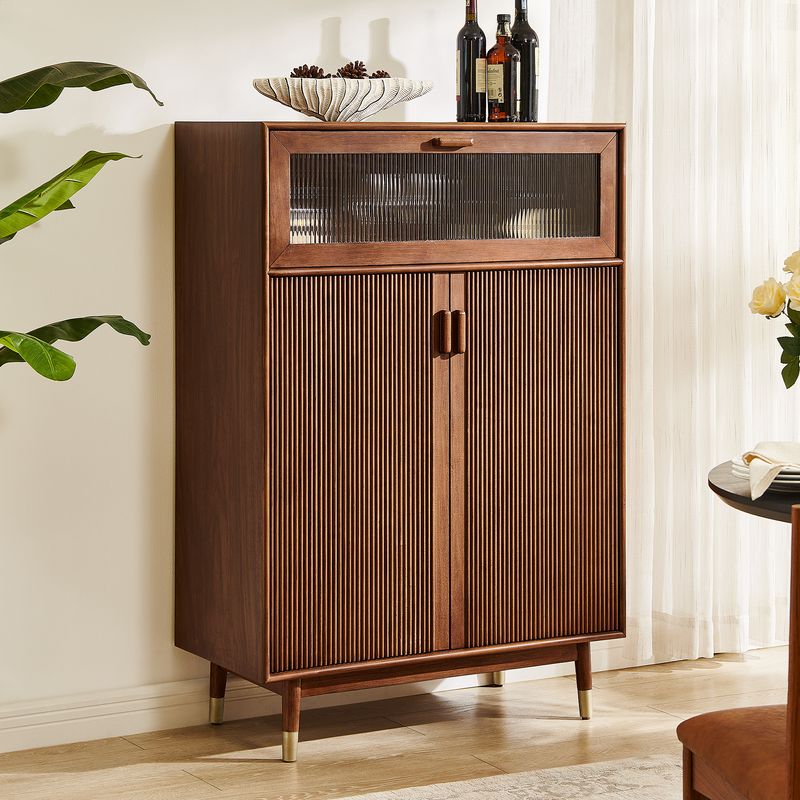
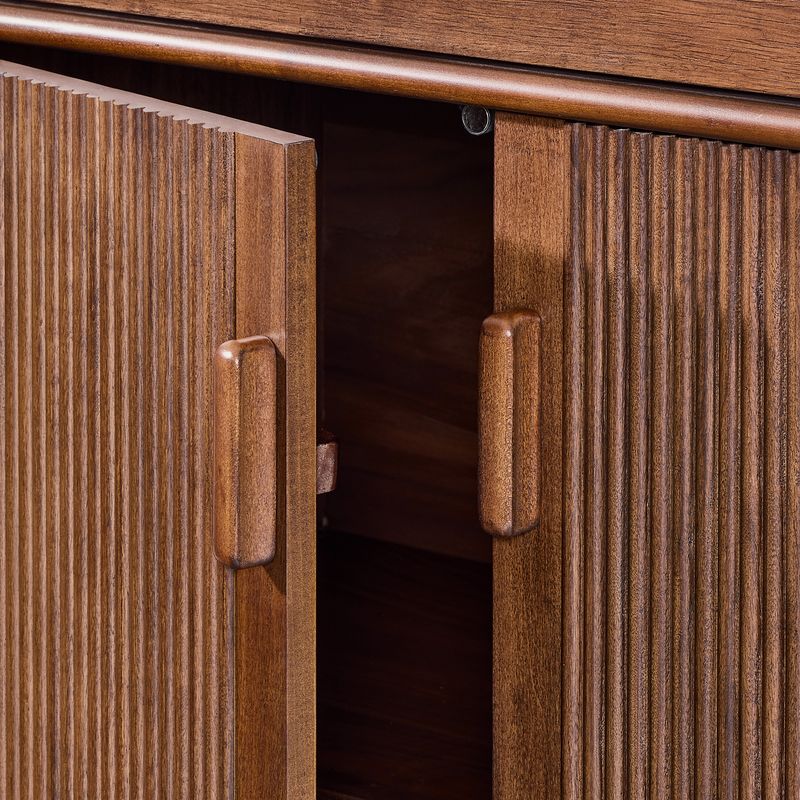
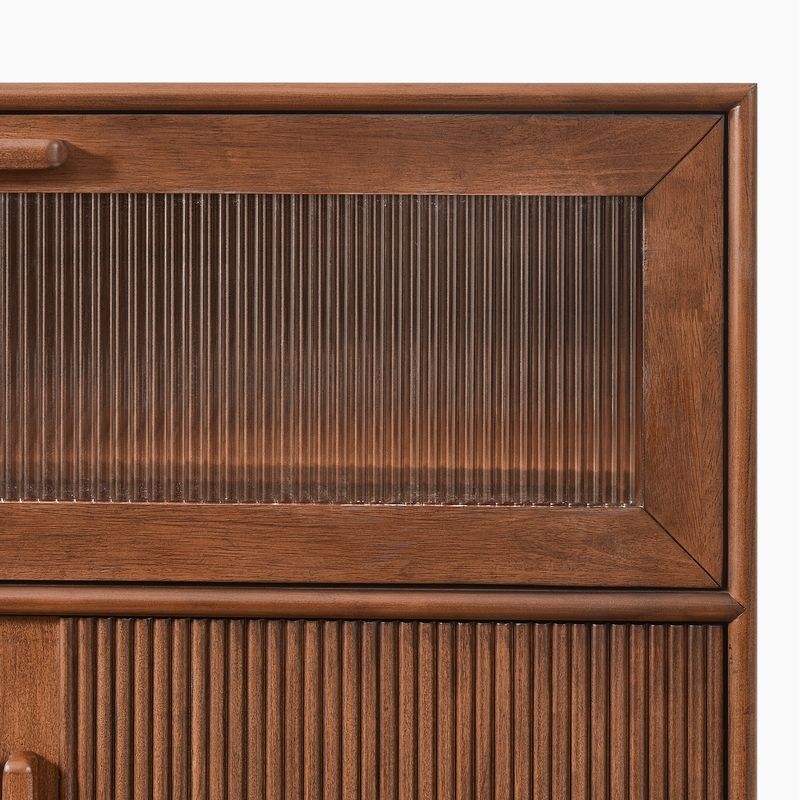
The Stavn 38-inch Bar Cabinet combines an upper drop-down door with tempered glass and a lower fluted sliding door. Its built-in wine rack holds eight bottles, making it a practical option for shoppers who want a mix of display and concealed storage.
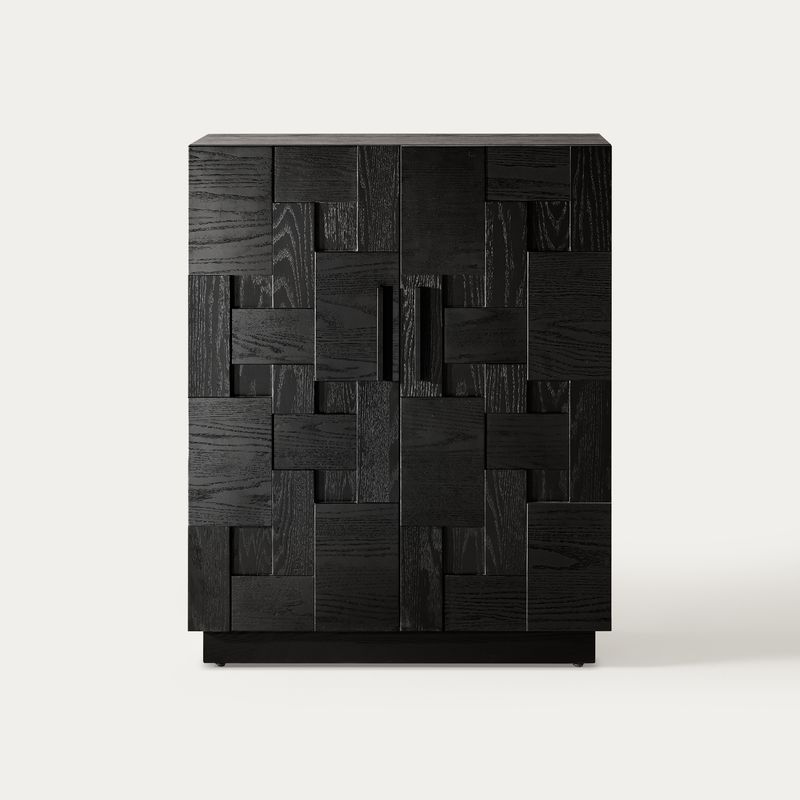
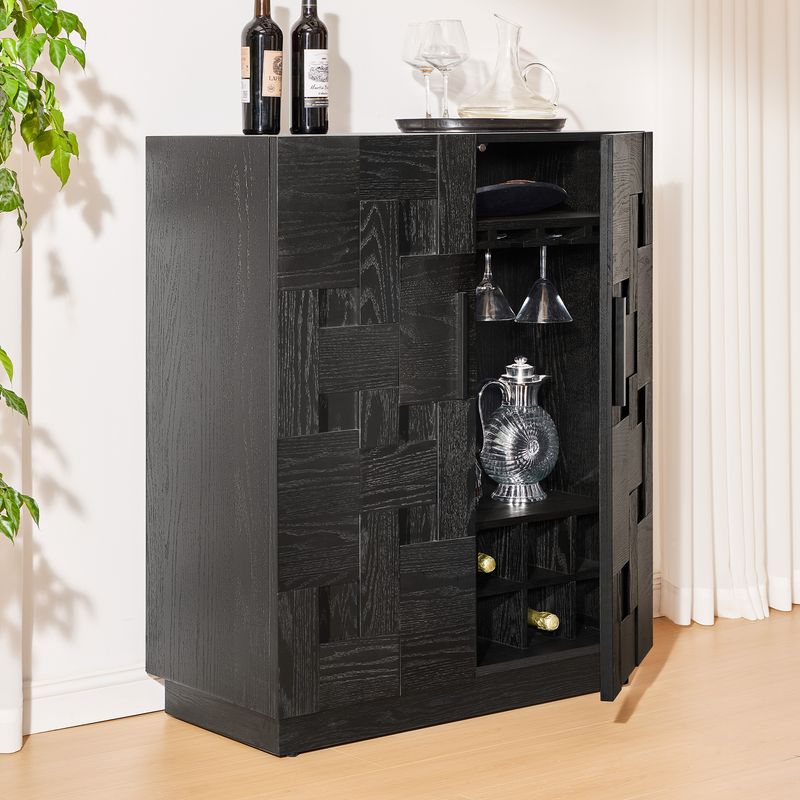
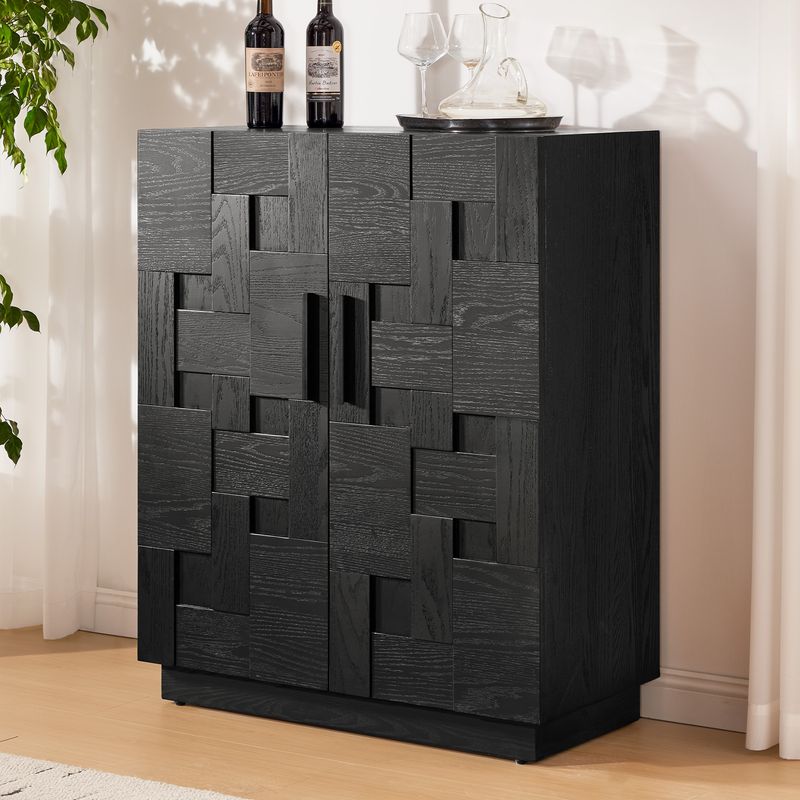
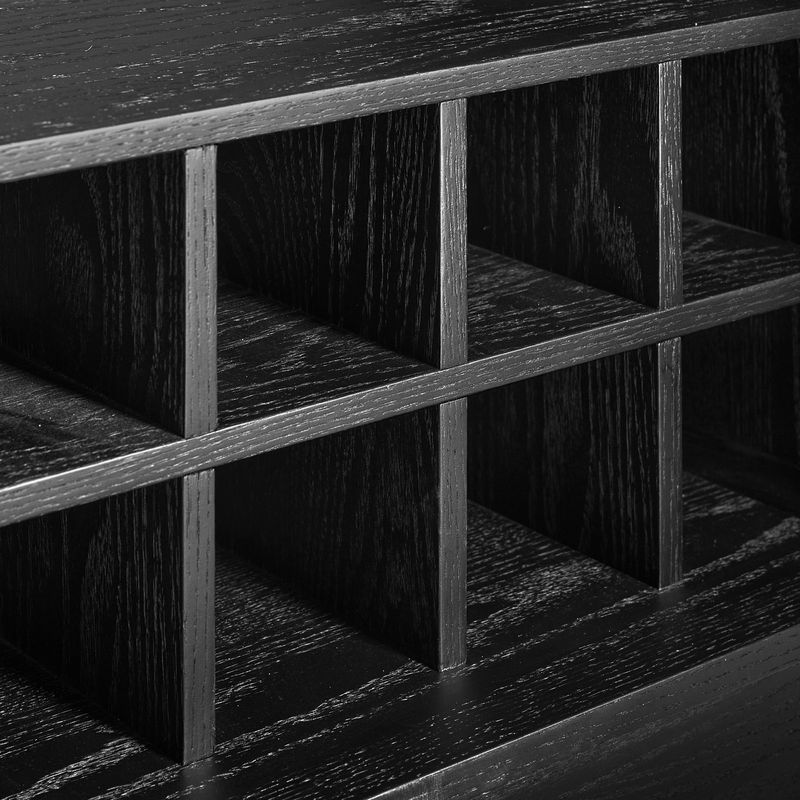
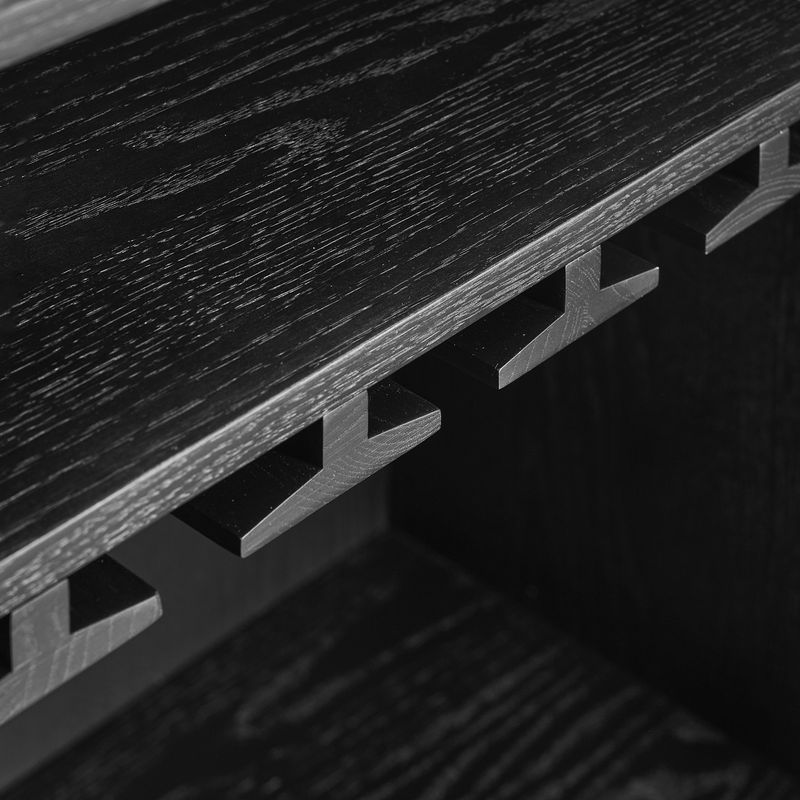
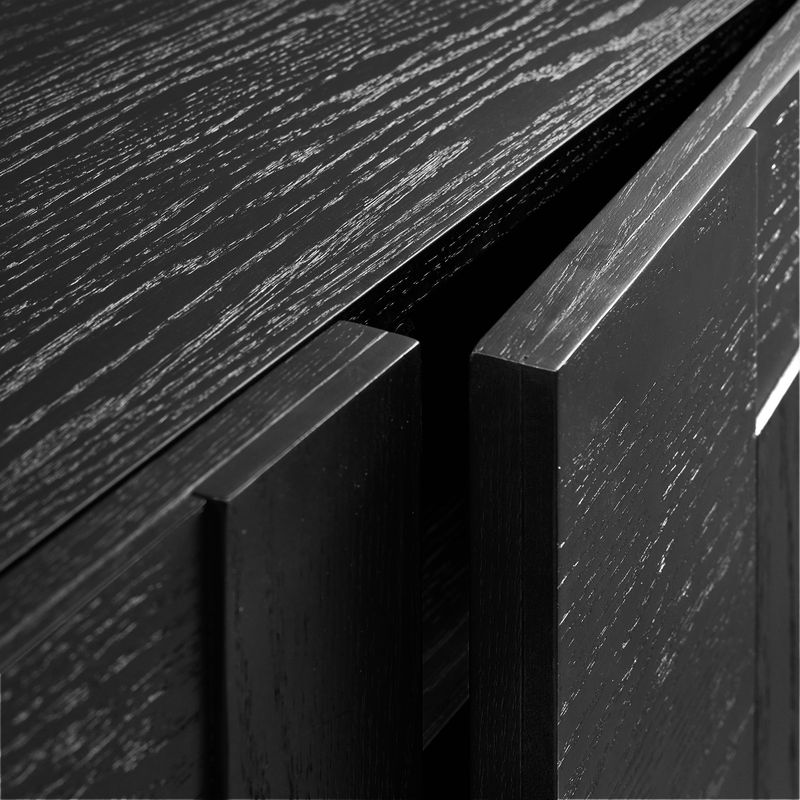
For a bolder look, the Casimir 35-inch Bar Cabinet features a matte black oak finish and a geometric door made from solid wood blocks. Its built-in racks accommodate 14 bottles and 14 standard-sized glasses. These designs show how the finish and storage layout can change the character of a bar area.
How to Choose the Right Bar Cabinet
The best choice depends on your available space, storage needs, and preferred design. Compare these five factors before making a decision.
1. Measure Your Available Space
Measure the width, depth, and height of the intended location. Leave enough clearance for doors and drawers to open, and make sure the cabinet will not obstruct walkways, dining chairs, or nearby furniture.
For smaller rooms, compare narrower models and pay close attention to depth. A cabinet may fit against the wall but still project too far into the room.
2. Match Storage to Your Bottles and Glassware
Make a list of the bottles, glasses, mixers, and accessories you plan to store. Check the product specifications for bottle racks, stemware racks, drawers, and interior shelf clearance.
Dedicated racks can keep bottles and glasses organized, while drawers provide space for smaller items. Do not assume every bar cabinet has the same capacity or interior layout.
3. Choose Between Display and Concealed Storage
Glass-front doors are useful when you want to display selected glassware without leaving it fully exposed. Closed compartments help conceal clutter, while drawers keep cocktail tools and other small accessories separate.
Think about how the cabinet will look when it is not in use. In a frequently used living room, concealed storage may help maintain a tidier appearance. If you entertain often, easy access to bottles and glasses may be the priority.
4. Compare Materials and Finishes
Consider how the cabinet will look alongside your dining table, media console, shelving, and flooring. A contrasting finish can add visual interest, while related wood tones can help connect different furniture pieces.
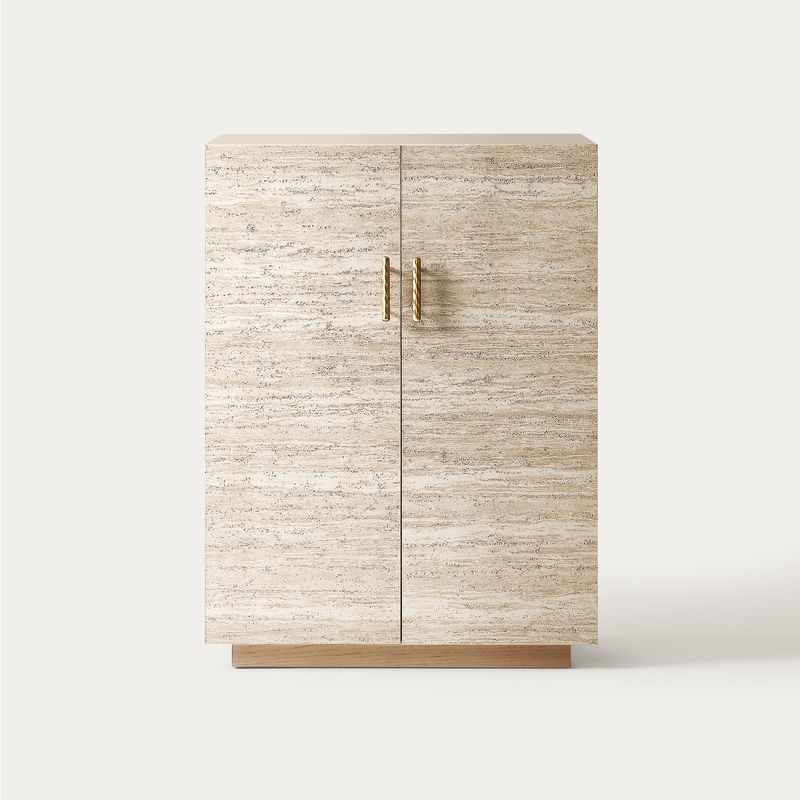
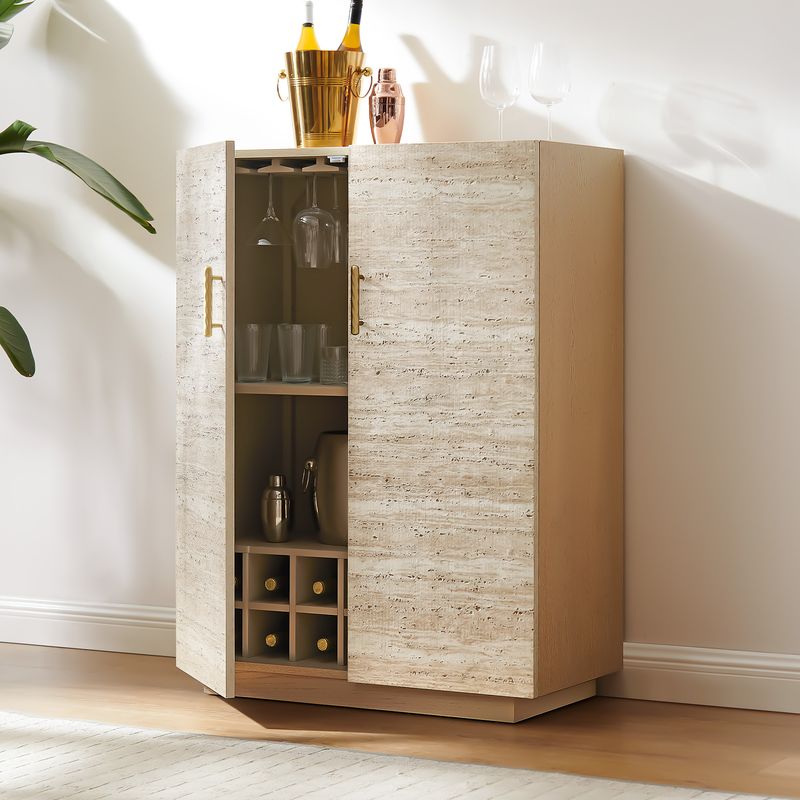
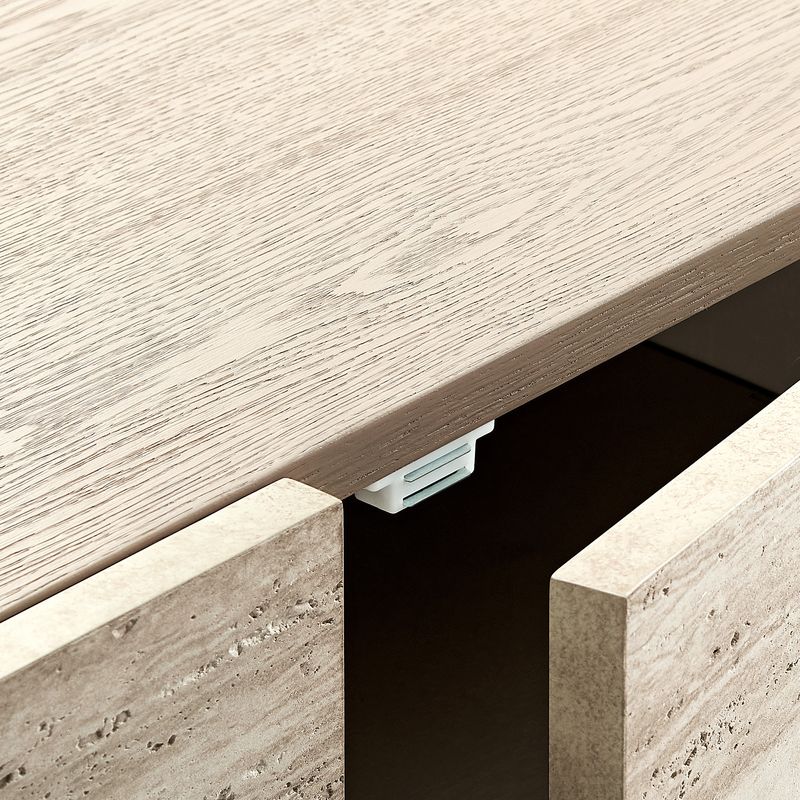
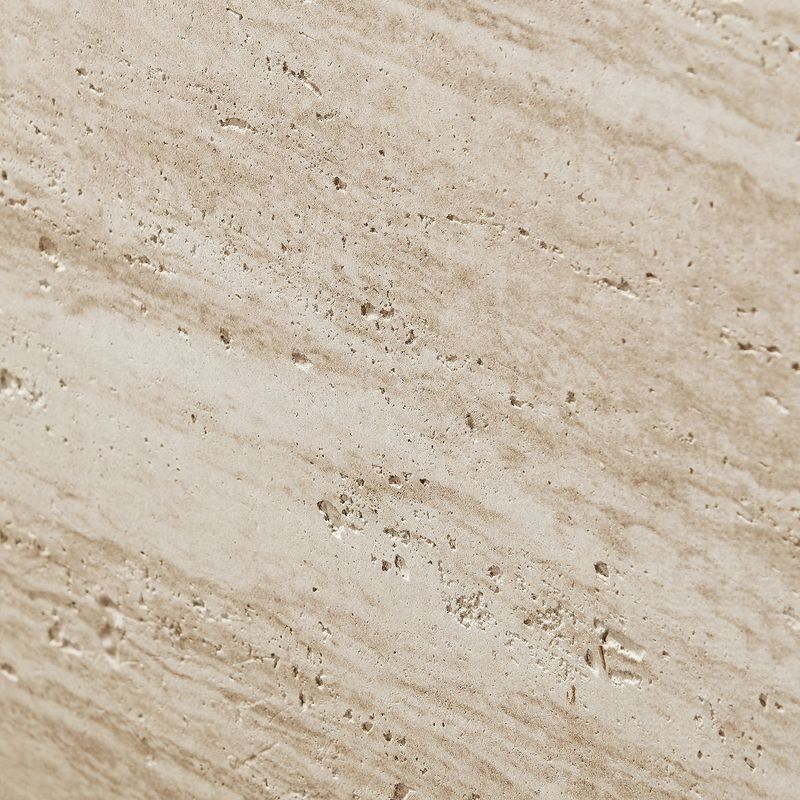
Read the material description carefully. For example, a travertine-inspired resin surface recreates the look of stone but is not the same as solid travertine. Understanding the actual materials helps set realistic expectations for appearance and care.
5. Check Assembly and Care Requirements
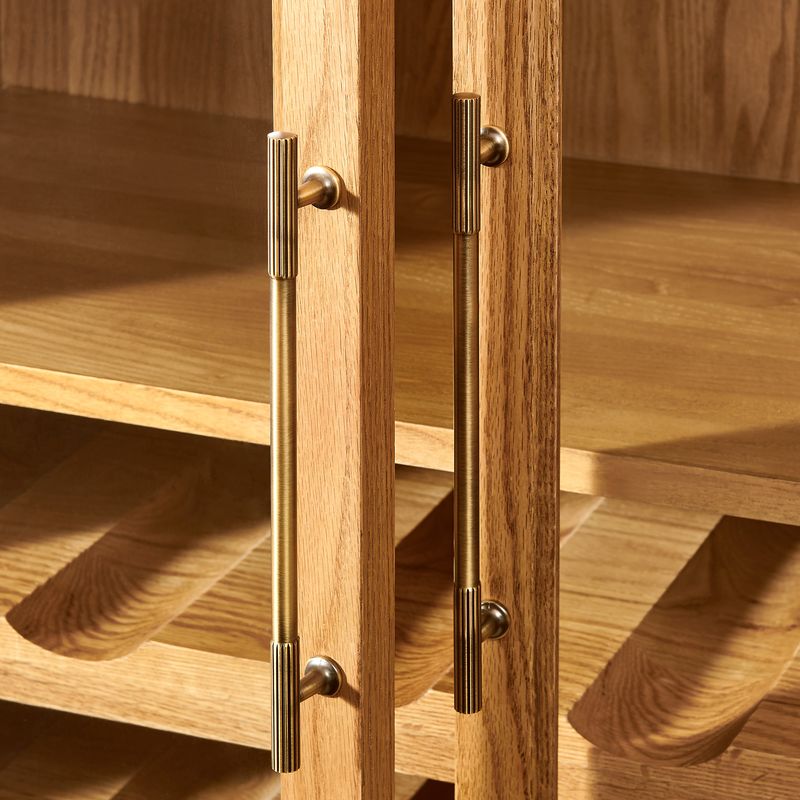
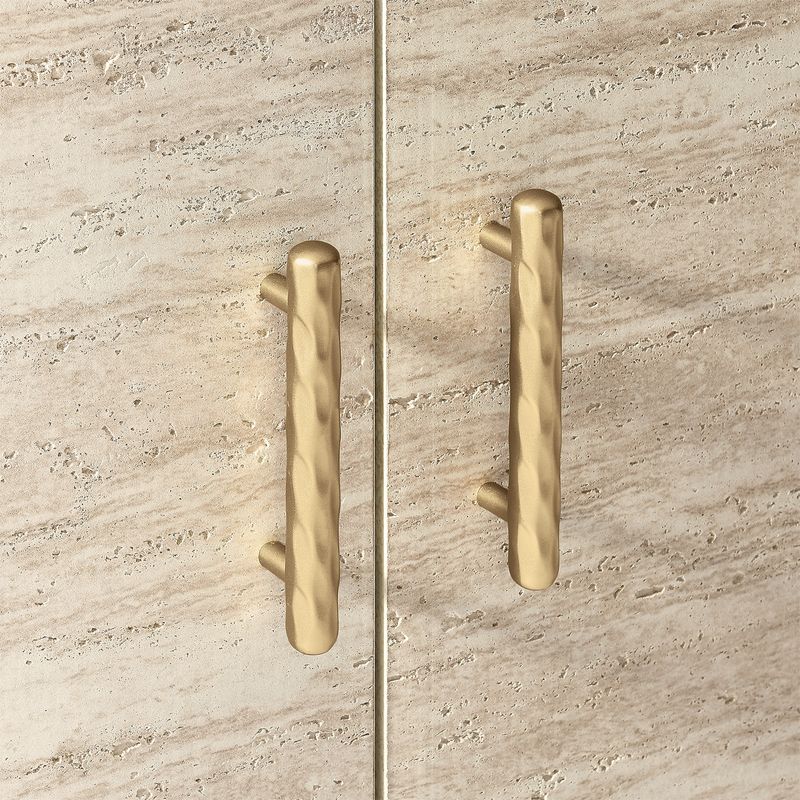
Review the product details for assembly requirements, weight capacity, and material-specific care instructions. Some products may arrive assembled but still require minor setup, such as fitting the handles.
These details are especially important if you plan to place the cabinet in a tight space or need to move it into position soon after delivery.
Where to Place a Bar Cabinet in Your Home
A dedicated home bar is not necessary. A living room, dining room, kitchen, or unused corner can work well as long as the cabinet fits comfortably and remains easy to access.
Living Room
A bar cabinet creates a convenient spot for drinks during movie nights and casual gatherings. Position it where guests can reach it without crossing the main seating area or blocking a walkway.
In an open-plan living room, consider how the cabinet works visually with other large furniture pieces. Pairing complementary finishes with media consoles can help create a cohesive look without requiring an identical finish.
Dining Room
The dining room is a practical place for bottles, glasses, and serving accessories because they are close to the table during meals and gatherings. Check that cabinet doors can open without hitting chairs and that people can move around the furniture comfortably.
If you also need room for dinnerware, linens, or serving pieces, consider pairing the cabinet with sideboards. A sideboard can hold dining essentials, while the bar cabinet keeps bottles and glassware organized separately.
Kitchen or Breakfast Area
A bar cabinet can supplement kitchen storage when cupboards are already full. Depending on its layout, it may hold glassware, bottles, coffee supplies, or accessories you use regularly.
Measure the area carefully before placing a cabinet near appliances or work zones. If the location is exposed to moisture, check the product's material and care instructions before deciding where it should go.
Dining Nook or Open-Plan Space
An unused corner or the edge of an open-plan room can accommodate a compact drink station without taking up a separate room. Choose a footprint that leaves enough space for nearby furniture and everyday movement.
A cabinet with enclosed storage can keep the area organized between gatherings. A tray or a few serving essentials on top can make the surface useful without turning it into a general drop zone.
What Are the Standard Sizes of Bar Cabinets?
There is no single standard size for every bar cabinet. Dimensions vary by design, height, and storage layout, so compare the measurements of the exact model before ordering.
Here are several Hernest models and their exterior dimensions:
● Casimir 35-inch Bar Cabinet: 35.5 inches wide, 17.7 inches deep, and 43.9 inches high.
● Renata 36-inch Bar Cabinet: 36 inches wide, 17.7 inches deep, and 48.2 inches high.
● Kaden 33-inch Mid-Century Bar Cabinet: 33.9 inches wide, 18.1 inches deep, and 48.2 inches high.
● Valborg 36-inch Oak Bar Cabinet: The 49-inch-high configuration measures 36 inches wide, 18 inches deep, and 49 inches high. The 65-inch-high configuration measures 36 inches wide, 18 inches deep, and 65 inches high.
● Stavn 38-inch Bar Cabinet: 38 inches wide, 18.1 inches deep, and 55.1 inches high.
● Marisol 47-inch Oak Bar Cabinet: 47 inches wide, 18 inches deep, and 55 inches high.
Width determines how much wall space the cabinet needs, while depth affects how far it projects into the room. Height influences its relationship with nearby furniture and determines how much vertical space is available for storage.
Measure the intended location and compare the cabinet's exterior dimensions with its interior layout. Shelf clearance, bottle rack placement, and door or drawer movement all affect whether the model will suit your needs.
Organize Your Bar Cabinet for Everyday Use
A practical storage layout keeps frequently used items accessible without overcrowding the shelves. Group similar items together and leave enough room to remove bottles and glasses safely.
● Group bottles by use: Keep frequently used bottles together and follow the product's stated weight capacity.
● Keep glassware accessible: Store everyday glasses where you can reach them without moving other items.
● Use drawers for small accessories: Group bottle openers, coasters, cocktail tools, and napkins in one place.
● Avoid overcrowding: Leave enough room to remove bottles and glasses without knocking into neighboring items.
● Keep the top surface simple: A tray or a few serving essentials can be convenient without creating clutter.
● Follow material-specific care instructions: Clean spills promptly and use cleaning methods suitable for the cabinet's finish.
A simple layout makes the cabinet easier to maintain and helps you prepare for guests without rearranging everything.
Find the Right Hernest Bar Cabinet for Your Space
Different storage needs call for different designs. Use these product features as a starting point when comparing Hernest bar cabinets:
● For drawer storage: The Kaden 33-inch Mid-Century Bar Cabinet offers four drawers alongside a cabinet compartment and glass racks.
● For glass-front display: Valborg features arched glass doors, while Stavn combines decorative tempered glass with a fluted lower door.
● For a distinctive textured exterior: Casimir has a geometric wood-block door, while Marisol features solid-oak fluting.
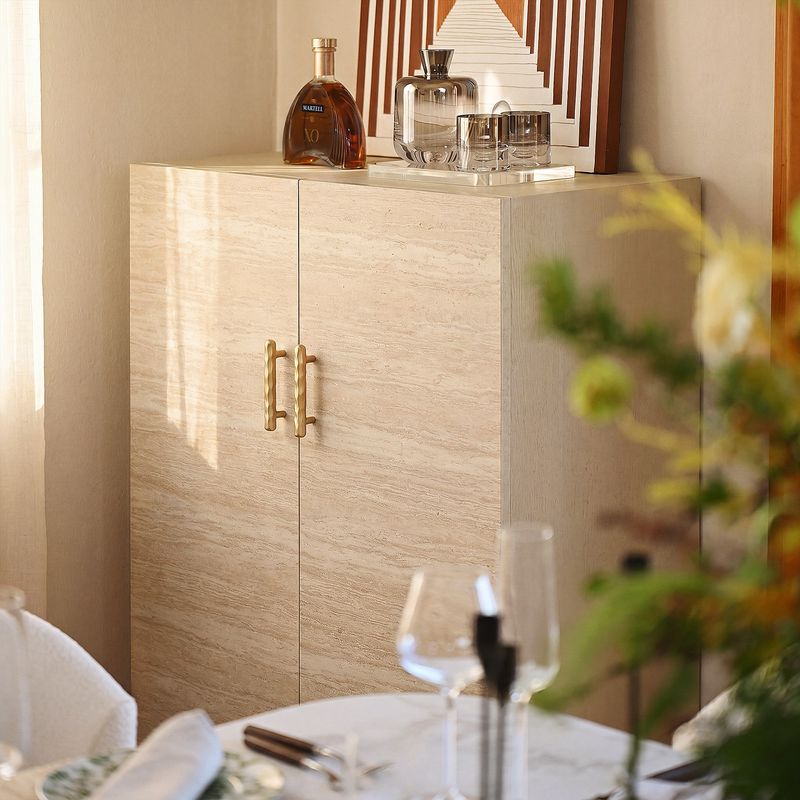
● For a stone-inspired look: Renata uses a travertine-textured resin surface rather than solid travertine.
Compare each model's dimensions, storage capacity, materials, and assembly details before deciding. The right bar cabinet should accommodate the items you own, fit the intended location, and suit your preferred finish.