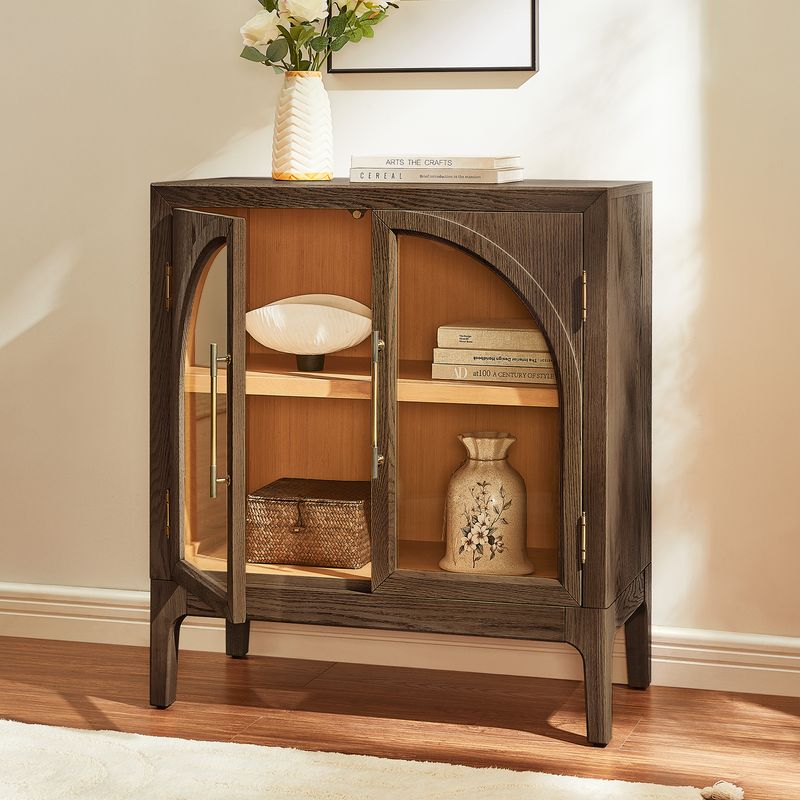
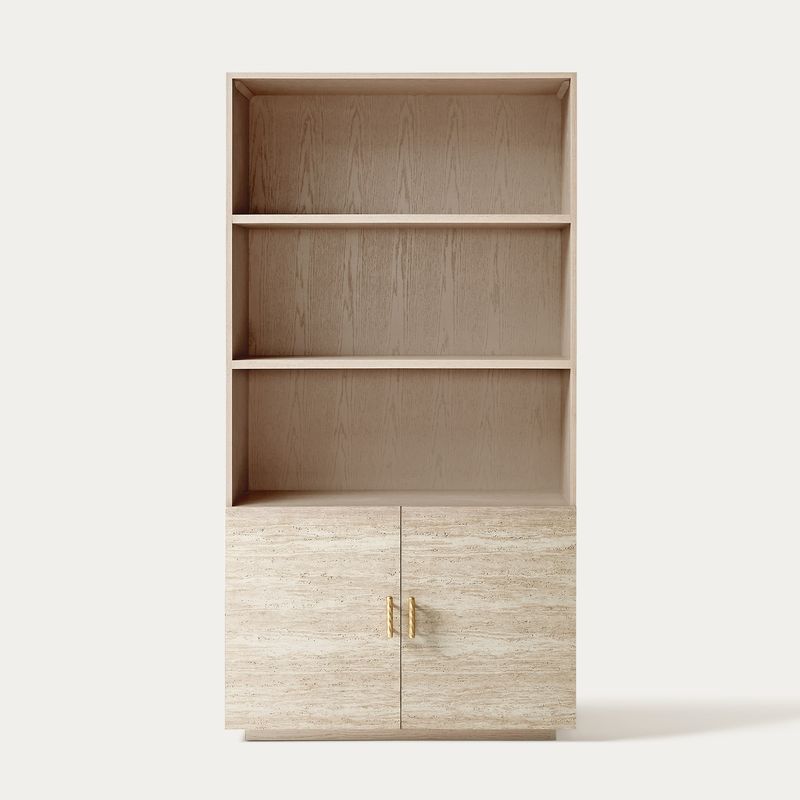
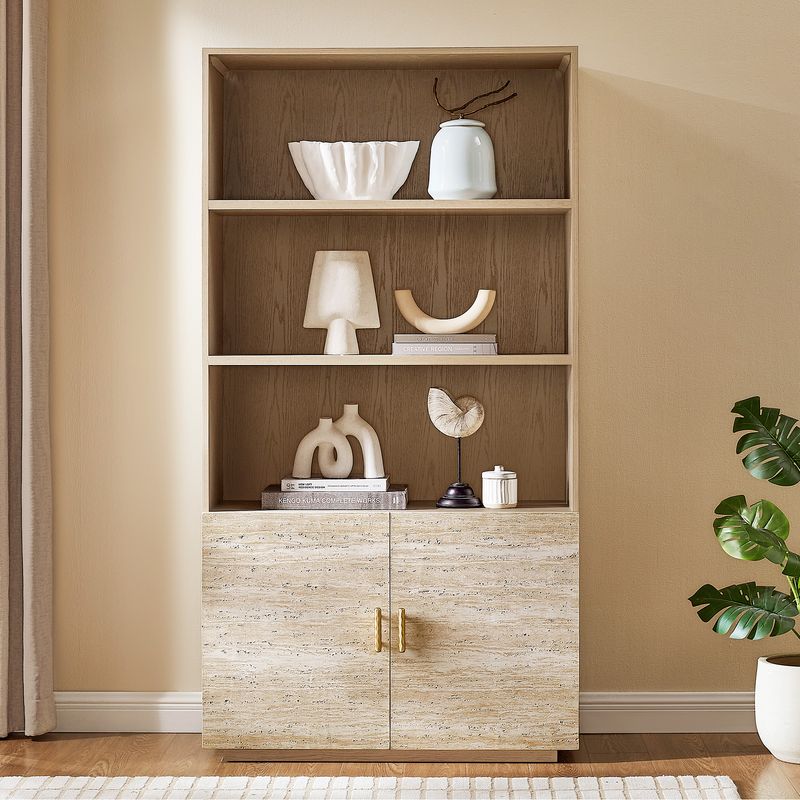
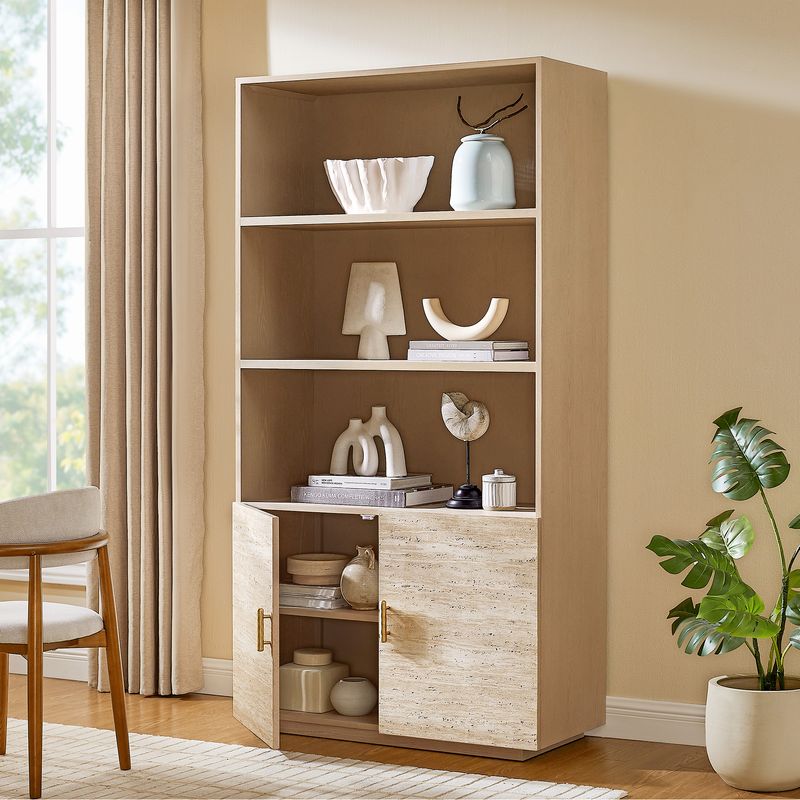
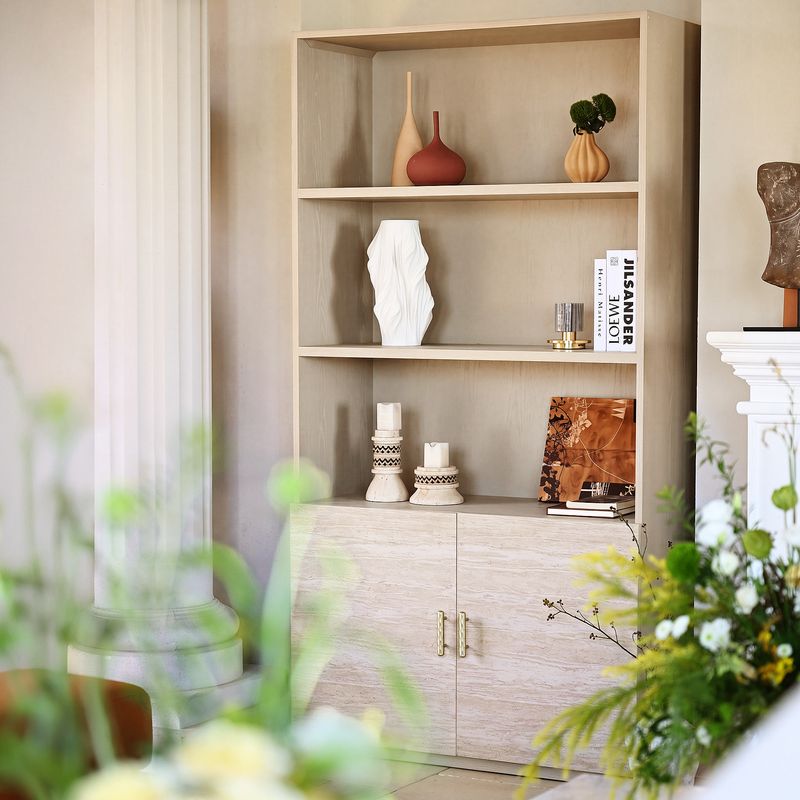
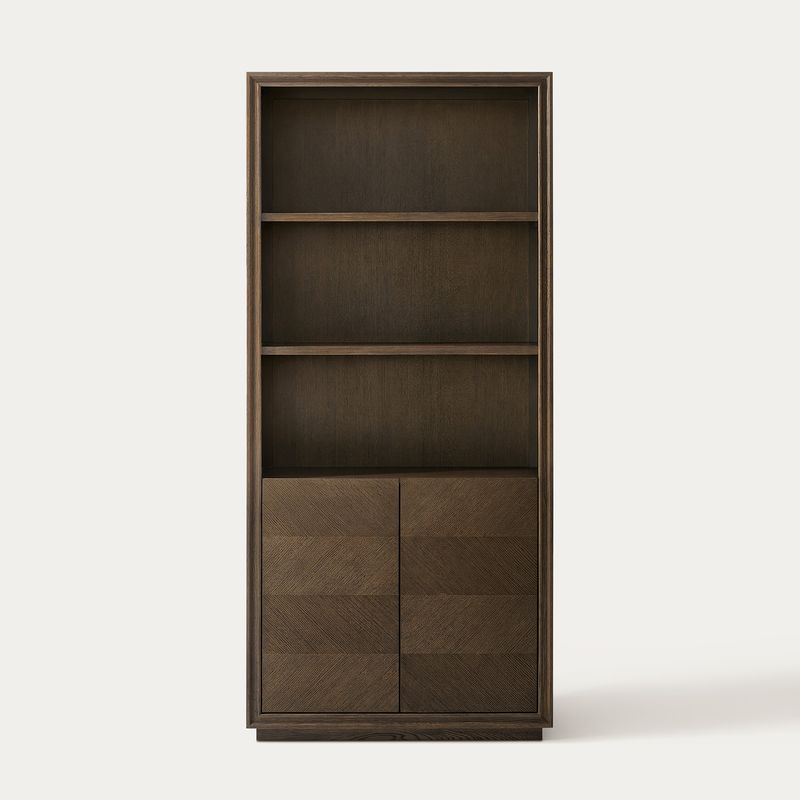
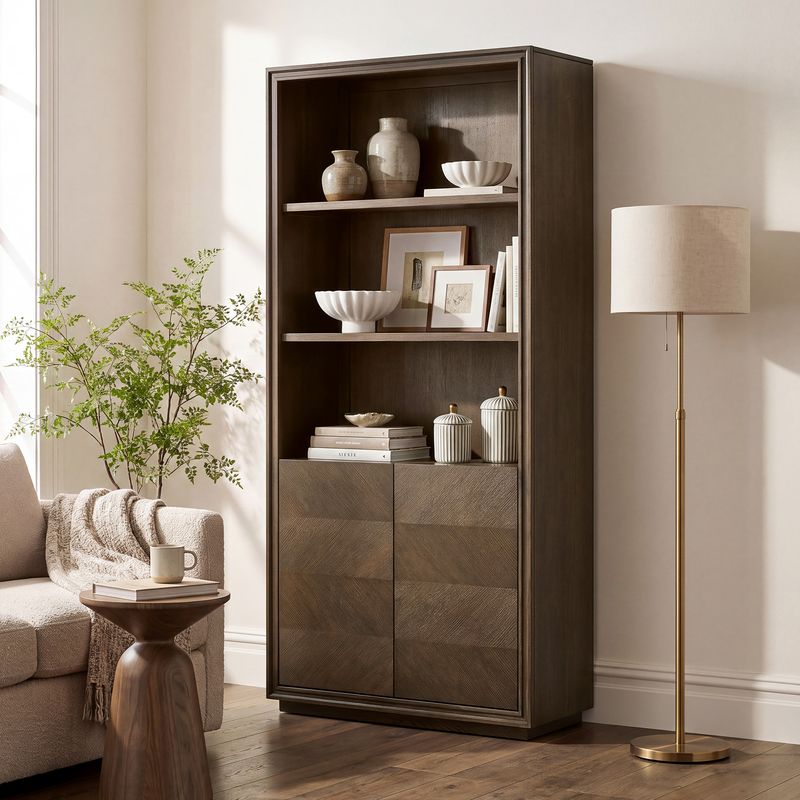
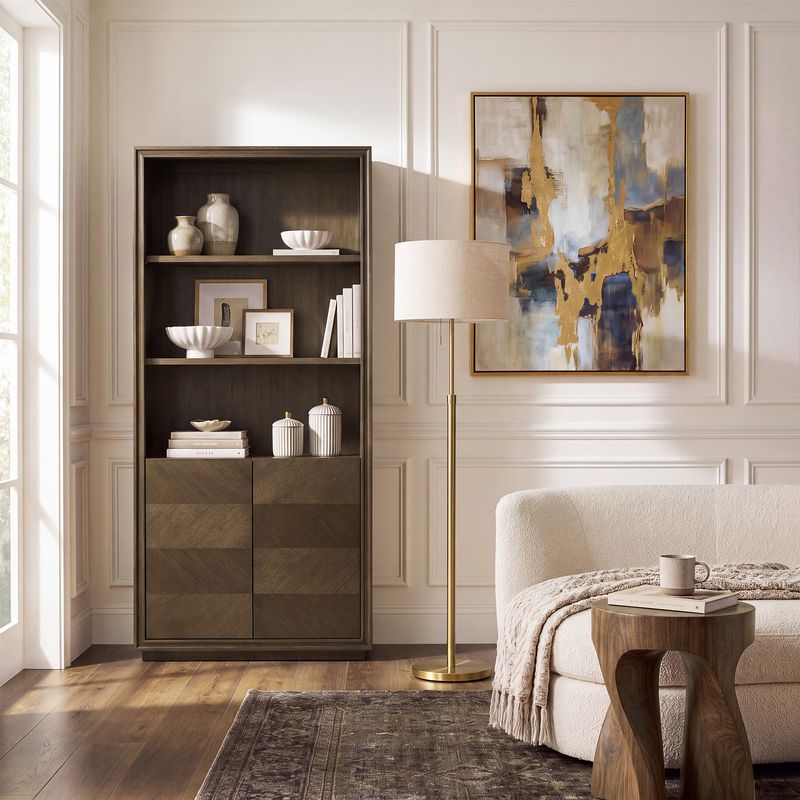
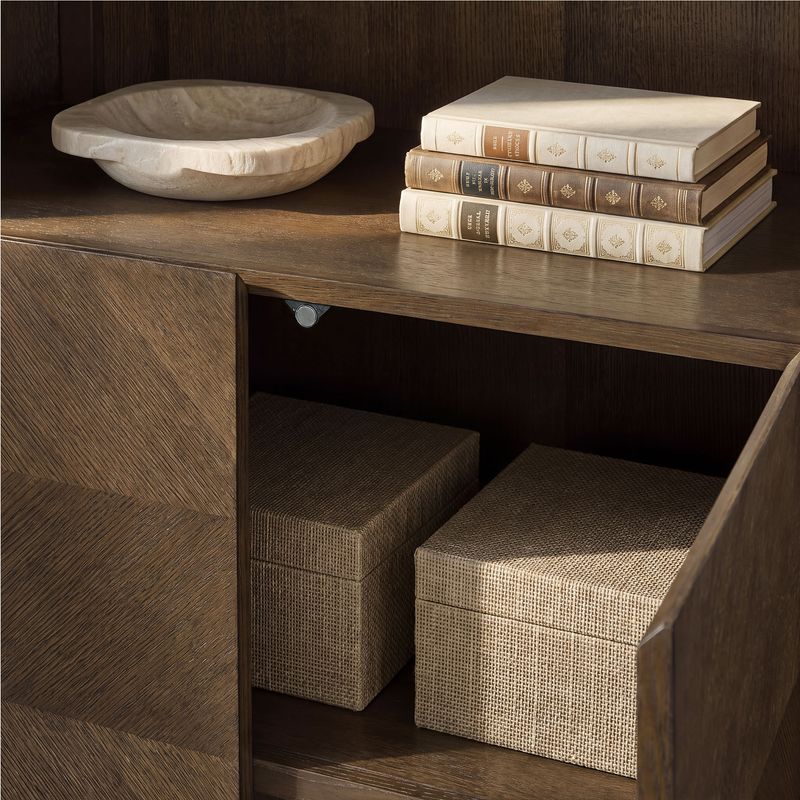
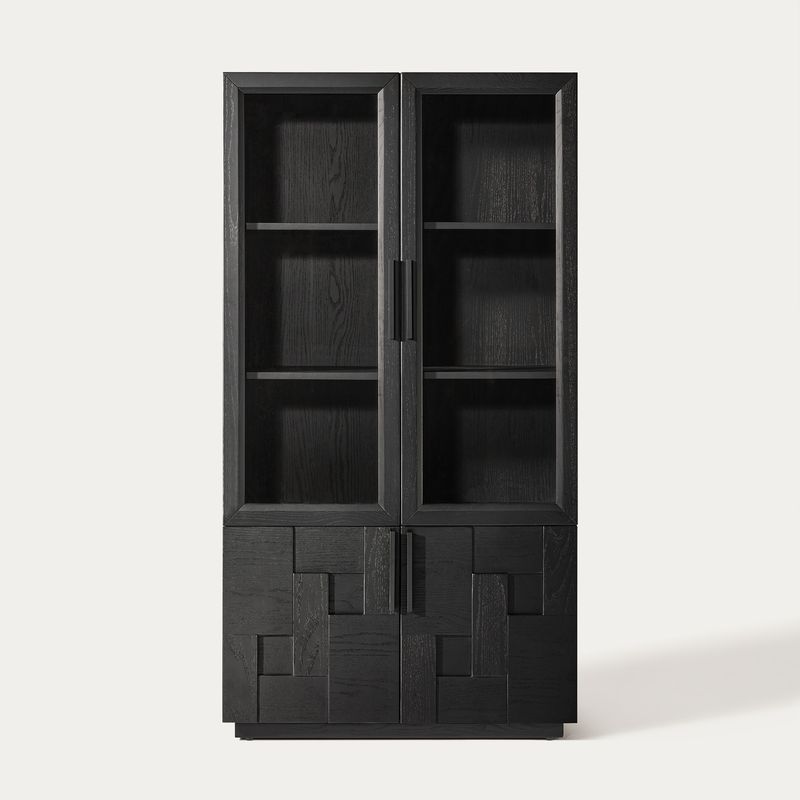
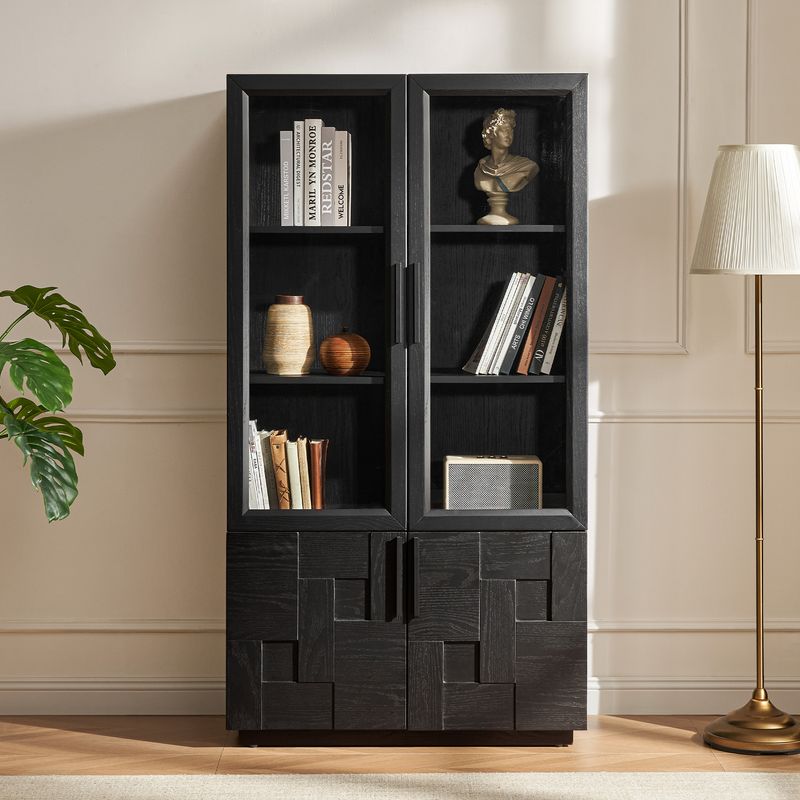
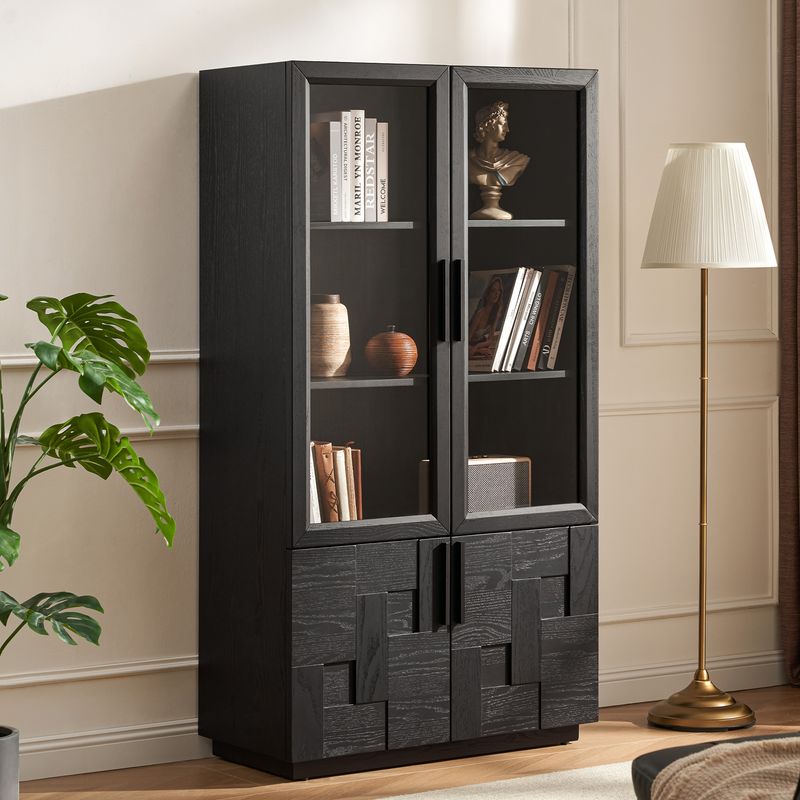
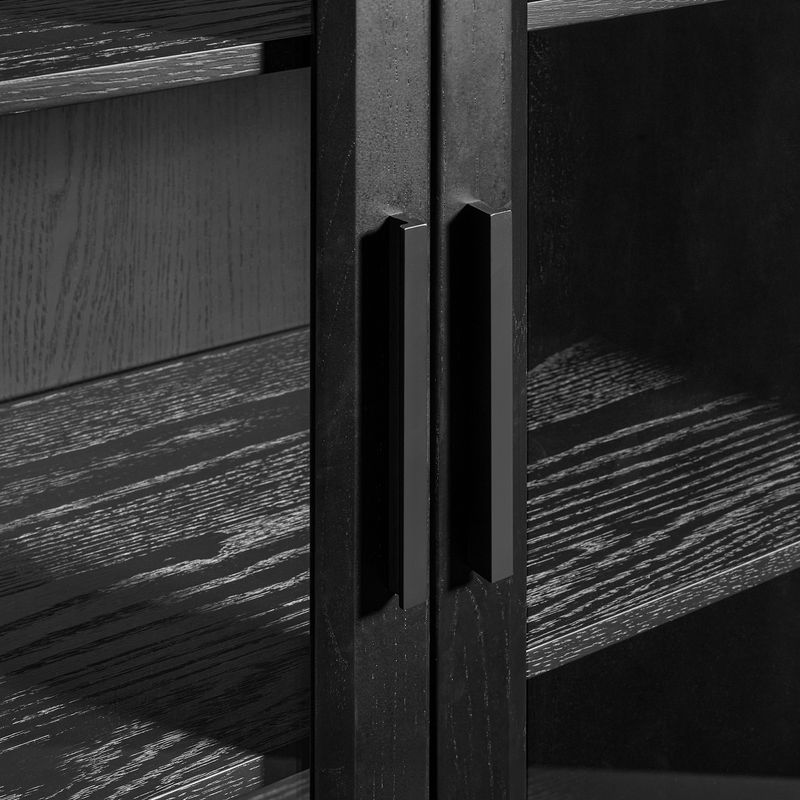
Find the Right Storage Cabinet for Your Home
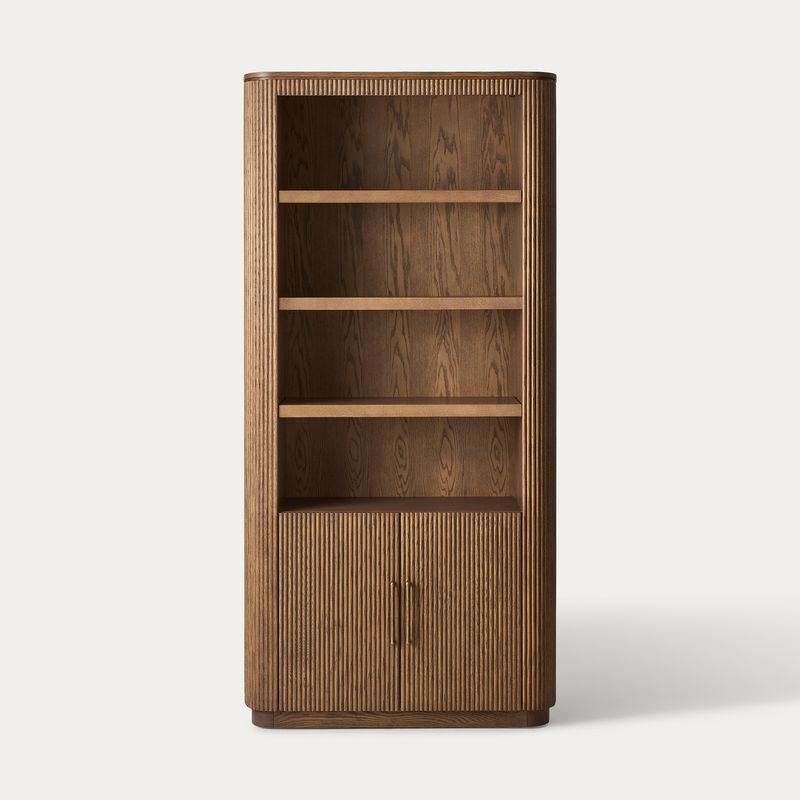
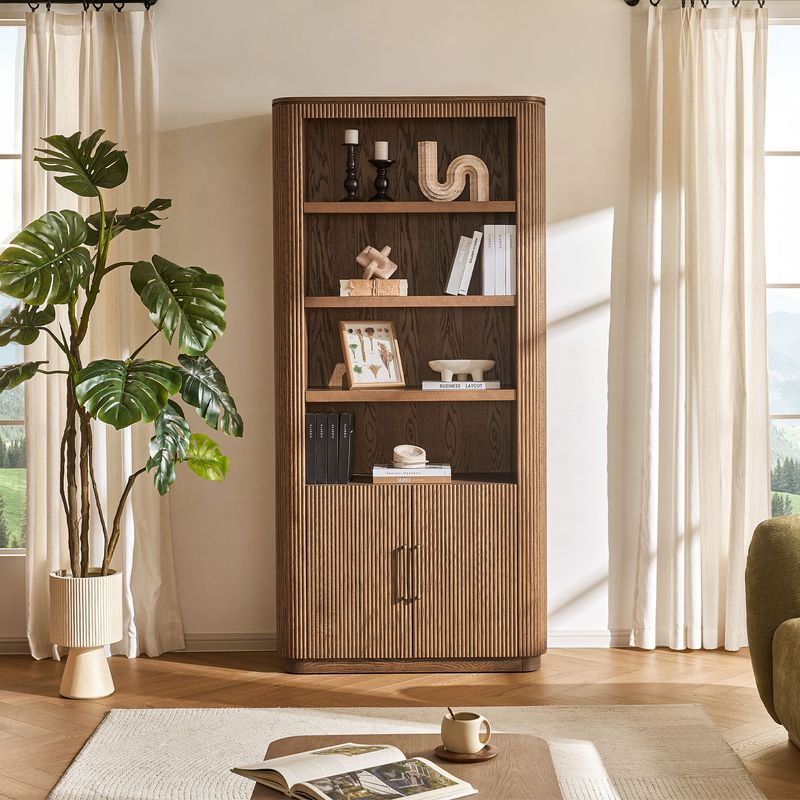
A storage cabinet gives everyday belongings a designated place while helping a room feel organized and intentional. The right piece can turn an unused wall into useful storage, keep clutter behind closed doors, and add another layer of warmth and character to the room.
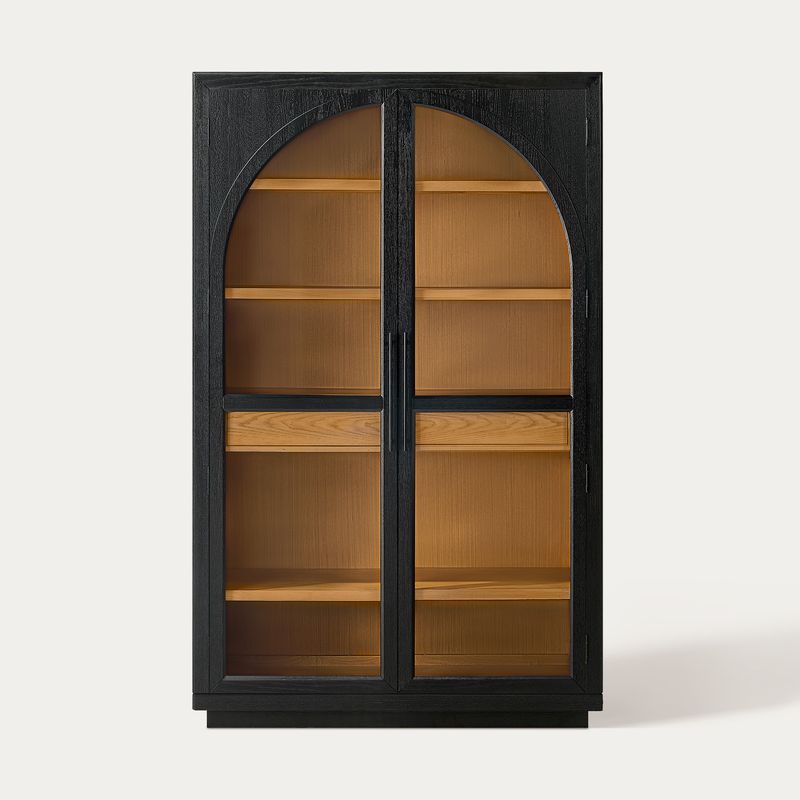
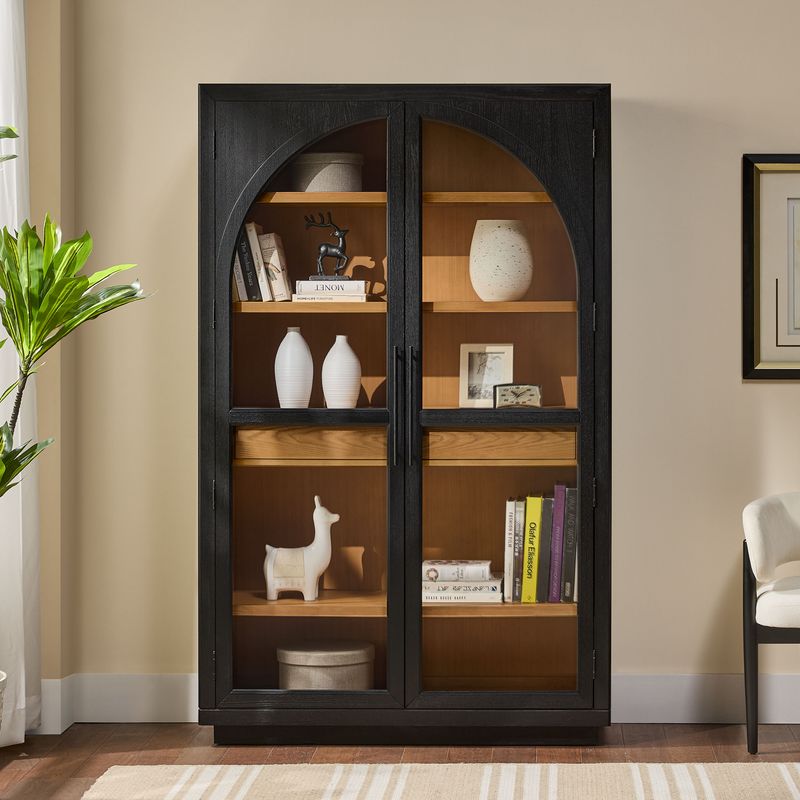
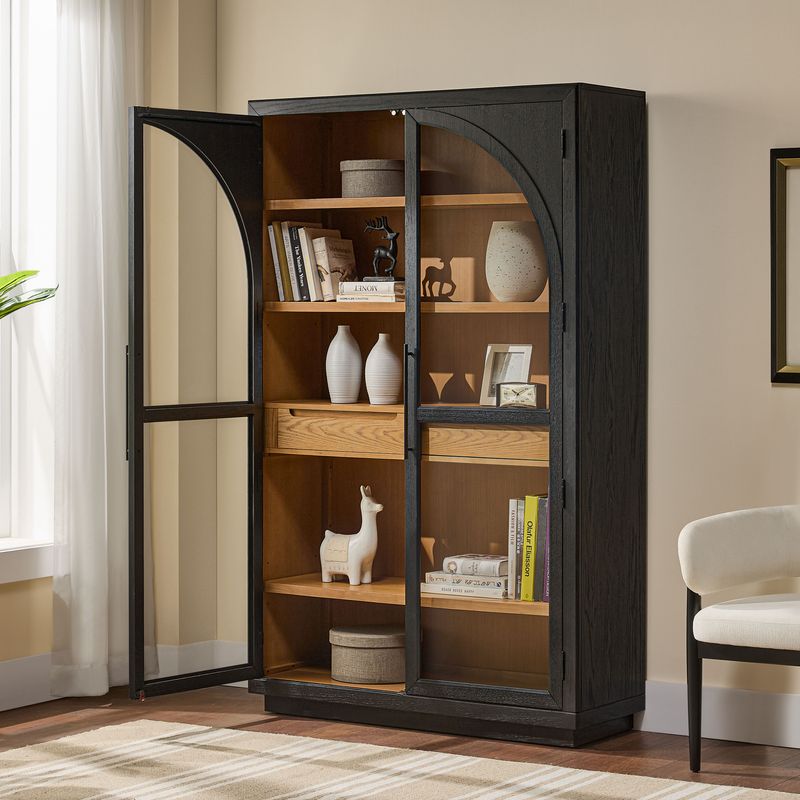
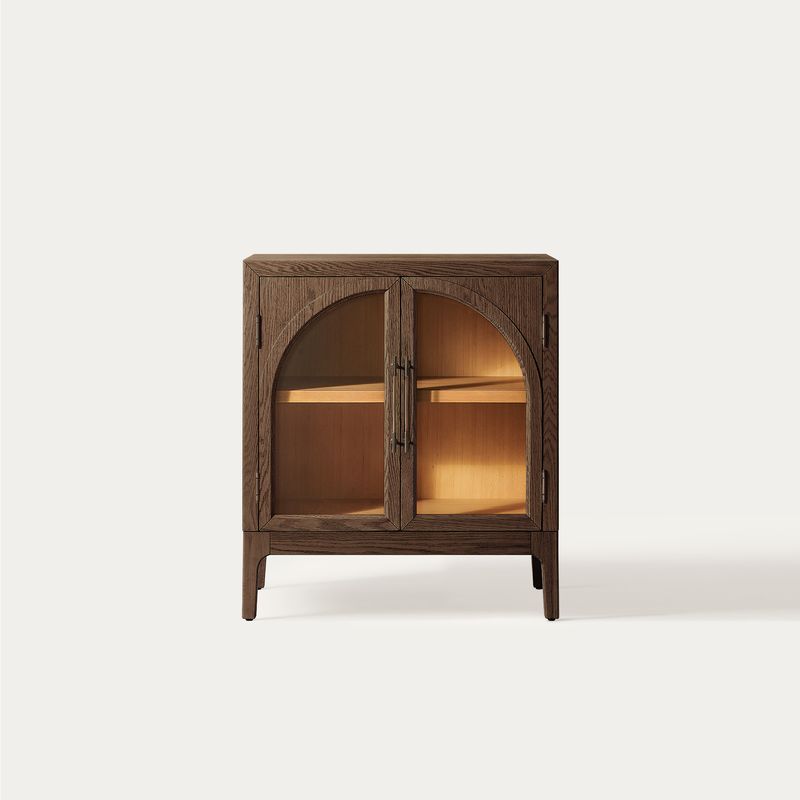
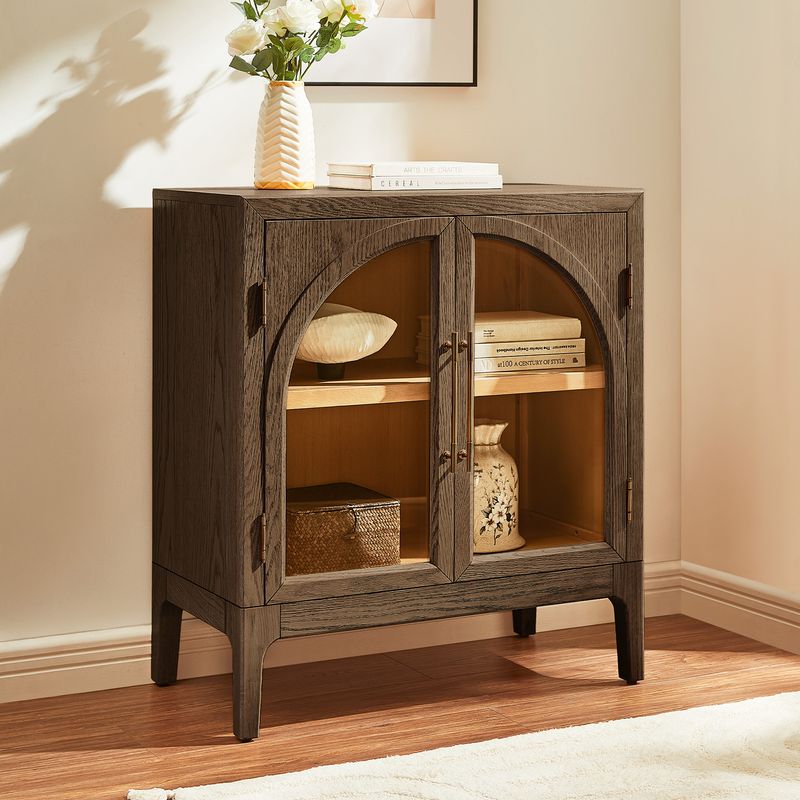
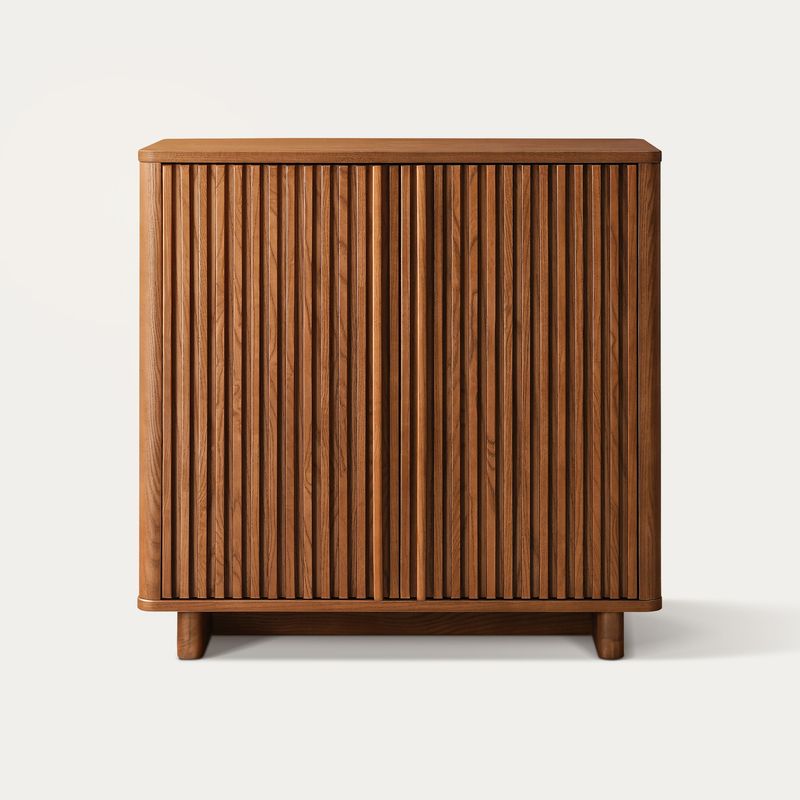
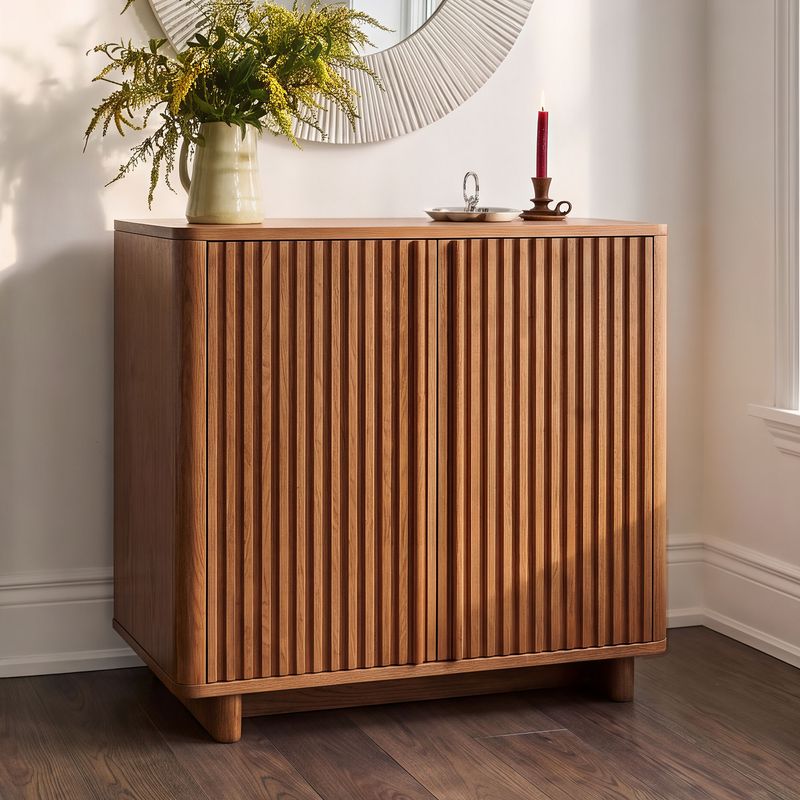
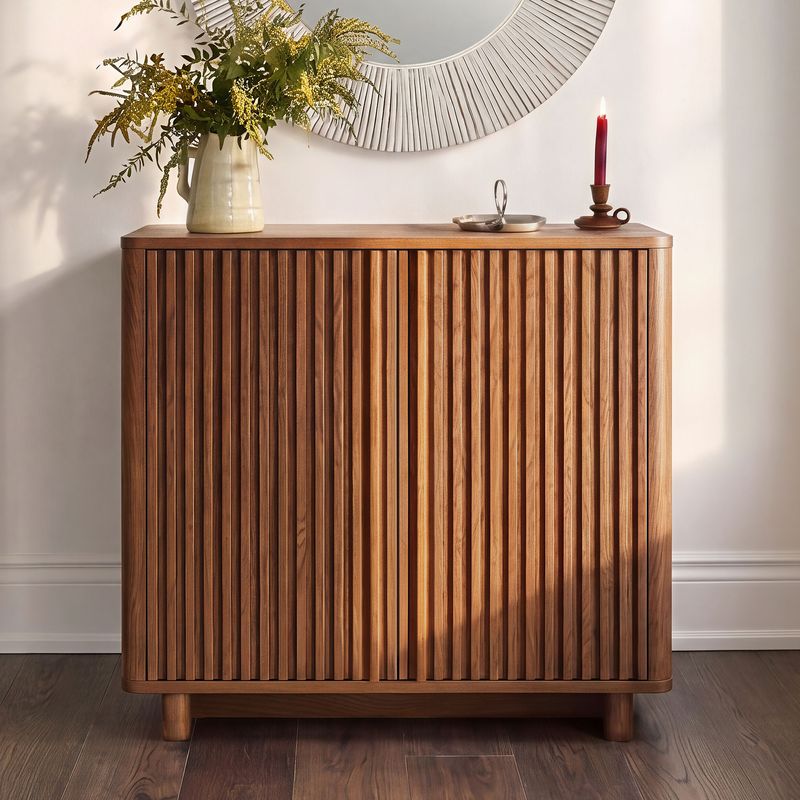
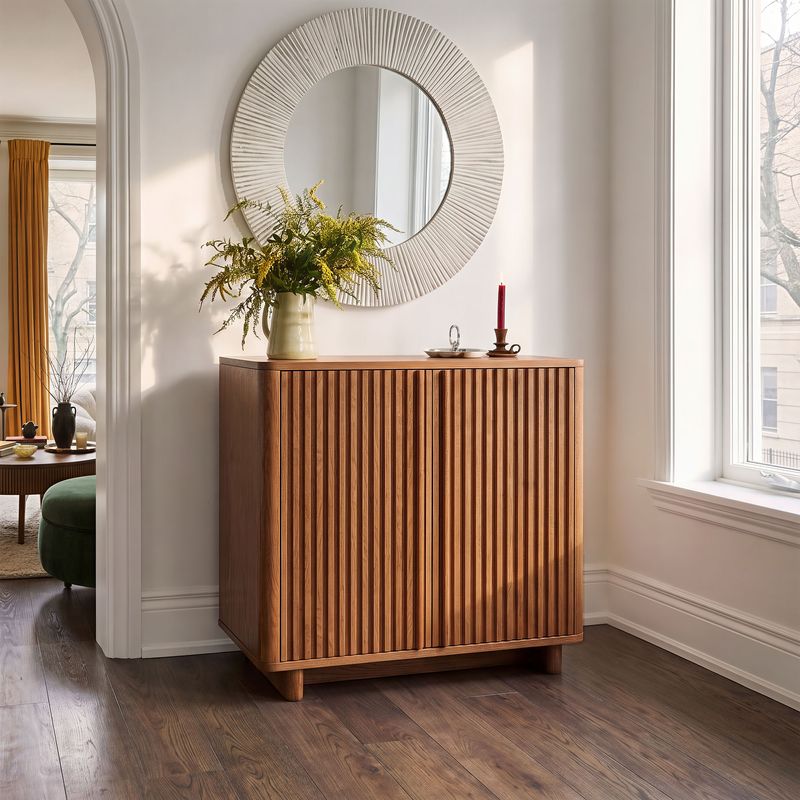
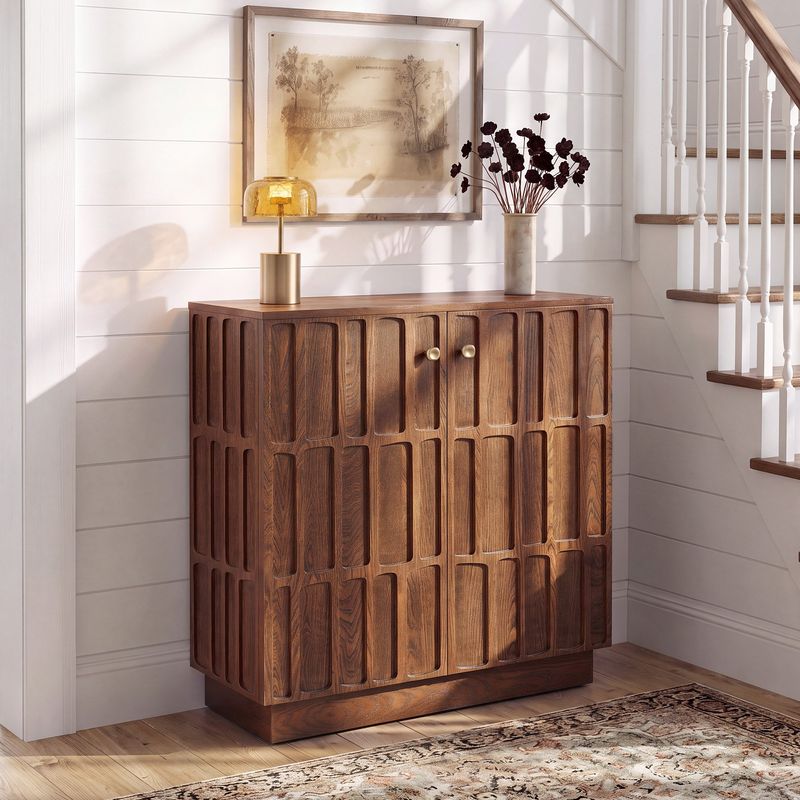
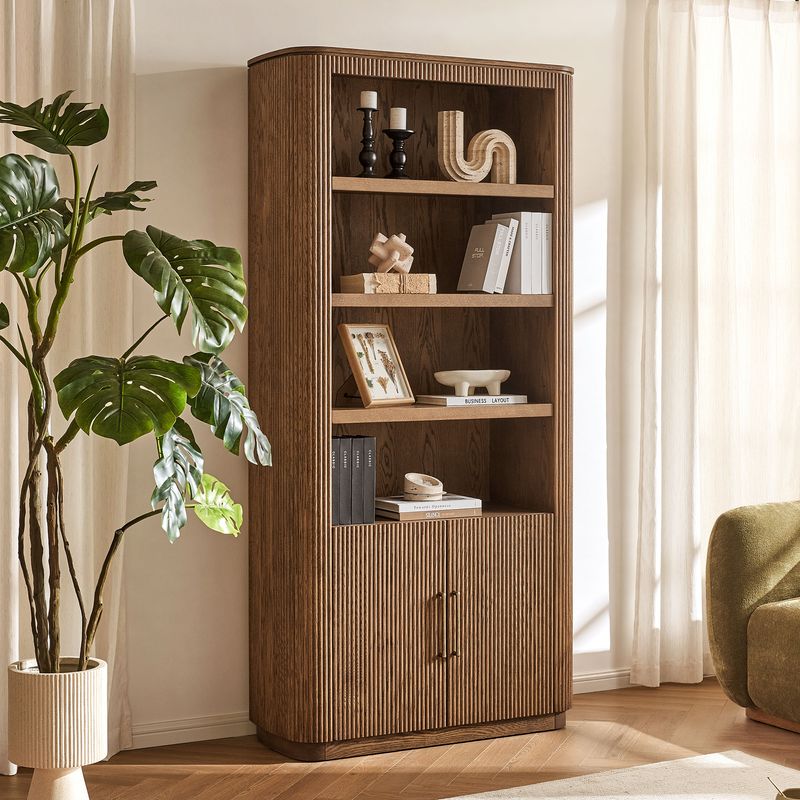
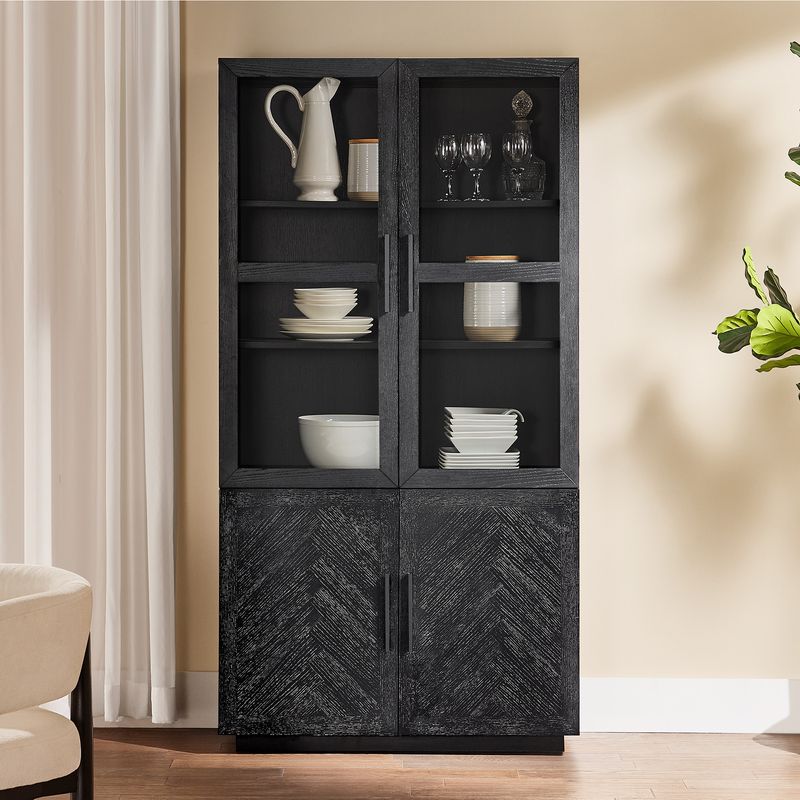
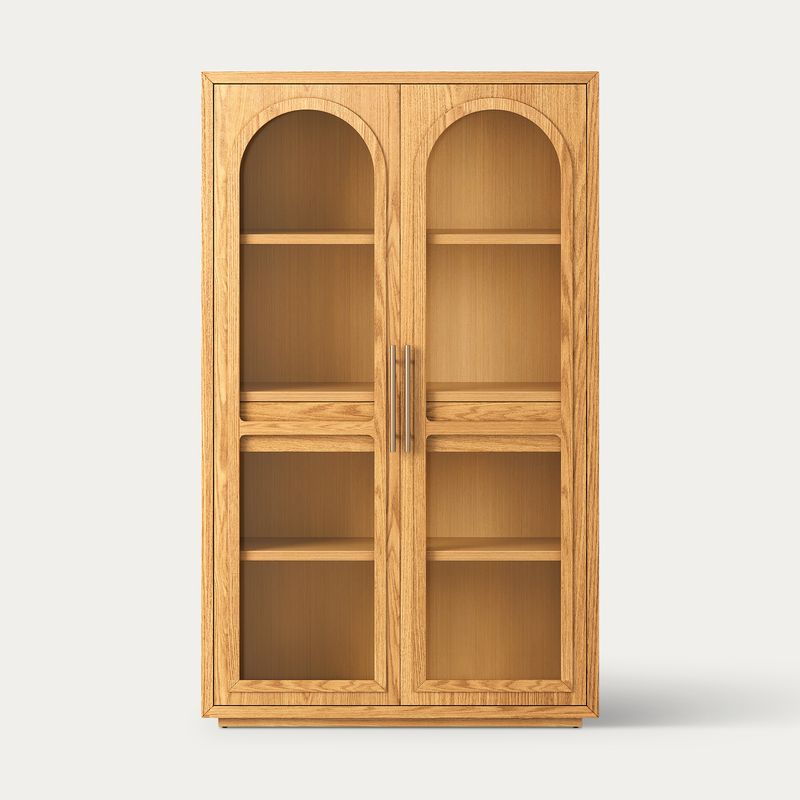
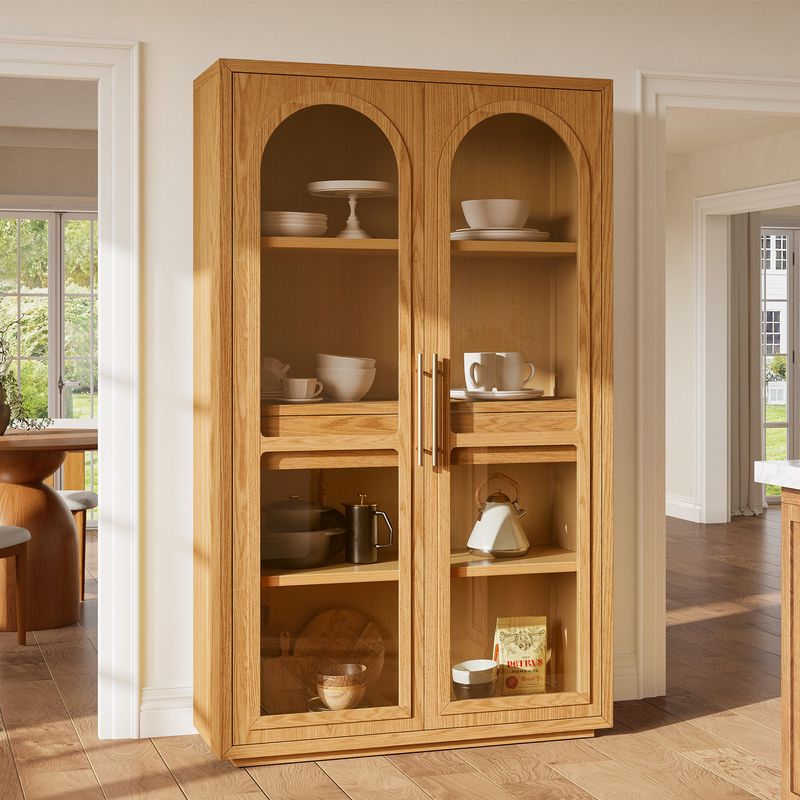
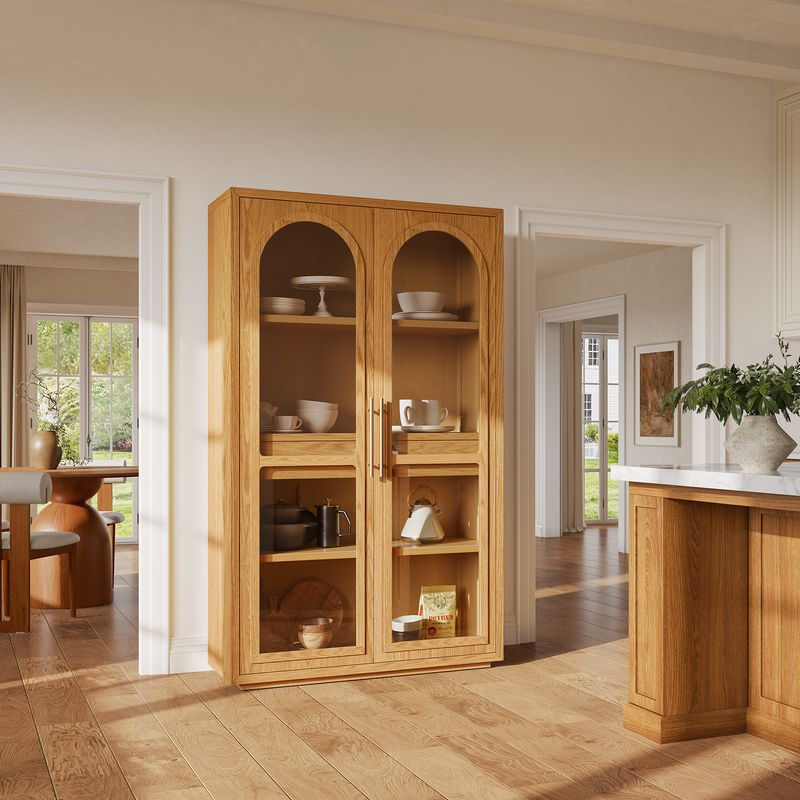
At Hernest, our cabinets are designed around the way people actually use their homes. A compact cabinet can organize an entryway without narrowing the walkway. A wider piece can hold dinnerware and serving pieces in the dining room, while a wood cabinet can bring natural texture to a living room or bedroom. Clean lines, warm wood tones, and Mid-Century Modern proportions make these designs easy to pair with furniture you already own.
Choosing a cabinet starts with three questions: What do you need to store? Where will the cabinet go? How often will you use what is inside? From enclosed storage for everyday clutter to a durable solid wood cabinet for long-term use, the most useful choice is the one that fits both your space and your routine.
Read More
Storage Cabinet Types for Different Needs
Different cabinet designs solve different storage problems. Before focusing on color or finish, consider how much you want to conceal, how easily you need to reach your belongings, and how much floor or wall space is available.
Enclosed Storage Cabinets
An enclosed storage cabinet is a practical choice when you want everyday items nearby without keeping them on display. Doors can hide chargers, paperwork, games, linens, books, serving pieces, and other belongings that tend to accumulate in busy rooms.
This type of cabinet works especially well in open-concept homes, where visible clutter can make a large space feel unsettled. Closed compartments create a cleaner visual backdrop while keeping belongings easy to access.
Cabinets With Shelves
Shelved cabinets make it easier to organize items by size and purpose. They work well for books, baskets, tableware, decorative objects, and household supplies.
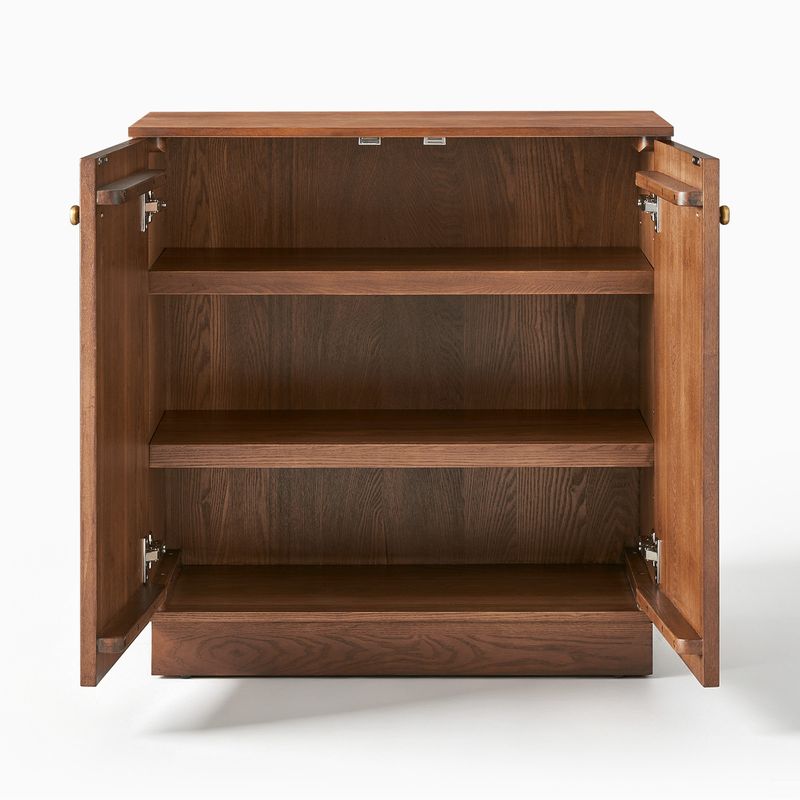
Pay attention to interior dimensions rather than judging storage capacity by the outside of the cabinet. Shelf height and depth determine whether larger plates, books, baskets, or serving pieces will actually fit. If your belongings vary significantly in size, flexible shelving can be more useful than a cabinet with identical compartments.
Low and Wide Cabinets
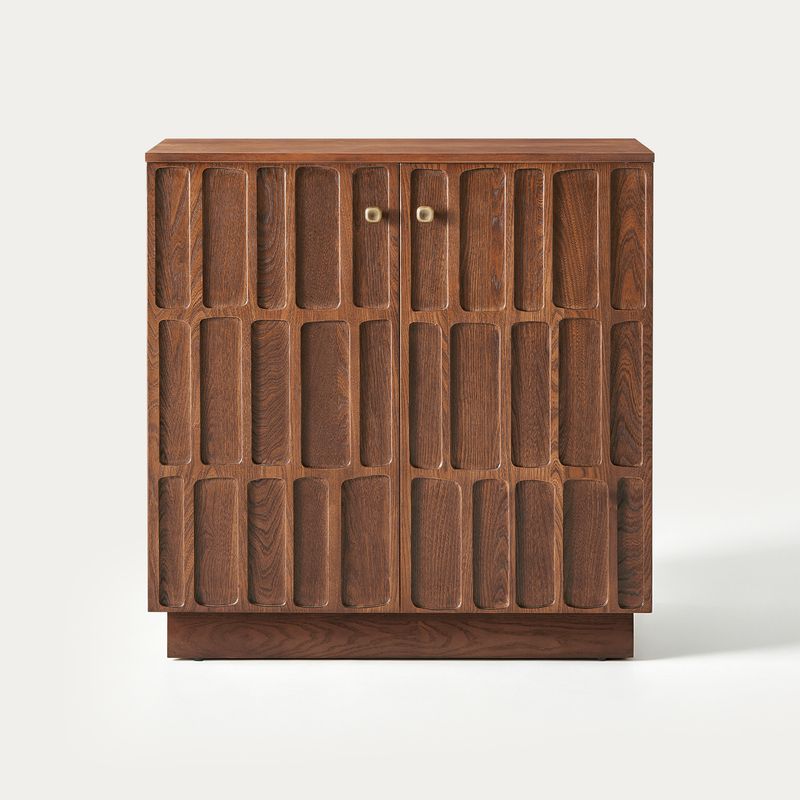
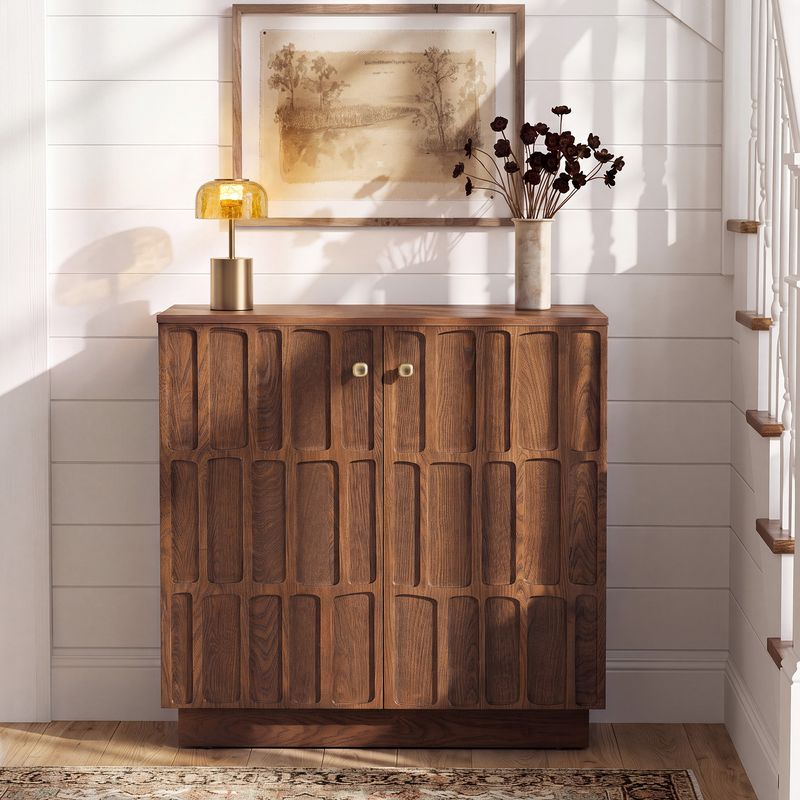
Low, wide cabinets are a natural fit for long walls, dining rooms, living rooms, and spaces beneath artwork. Their horizontal proportions can visually balance a room while providing substantial enclosed storage.
The top also gives you usable display space for a lamp, framed artwork, books, or a few decorative objects. Leave some breathing room around the pieces on top so the cabinet does not look visually overloaded.
Tall Storage Cabinets
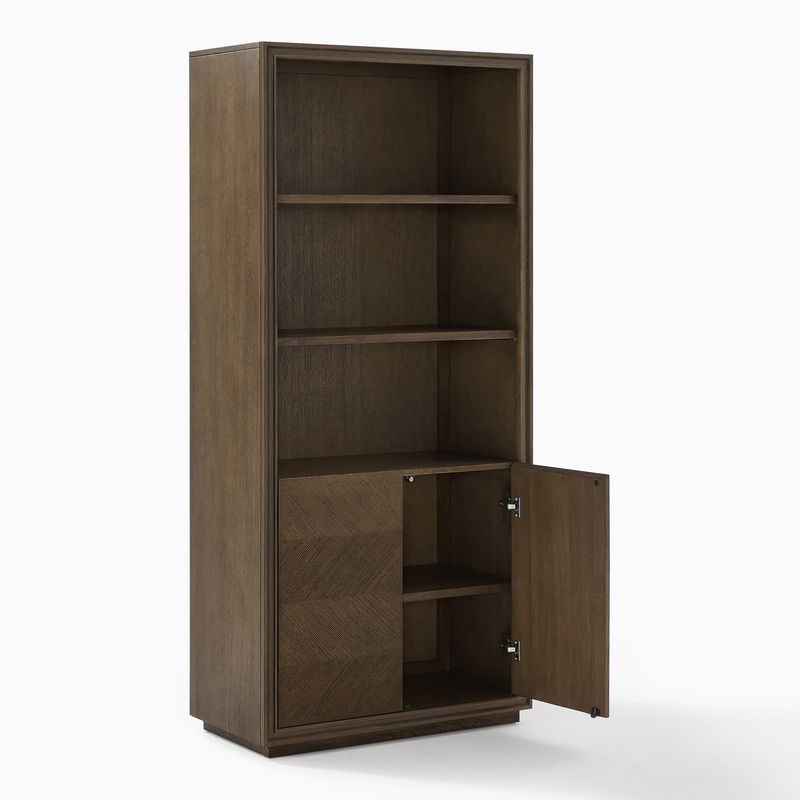
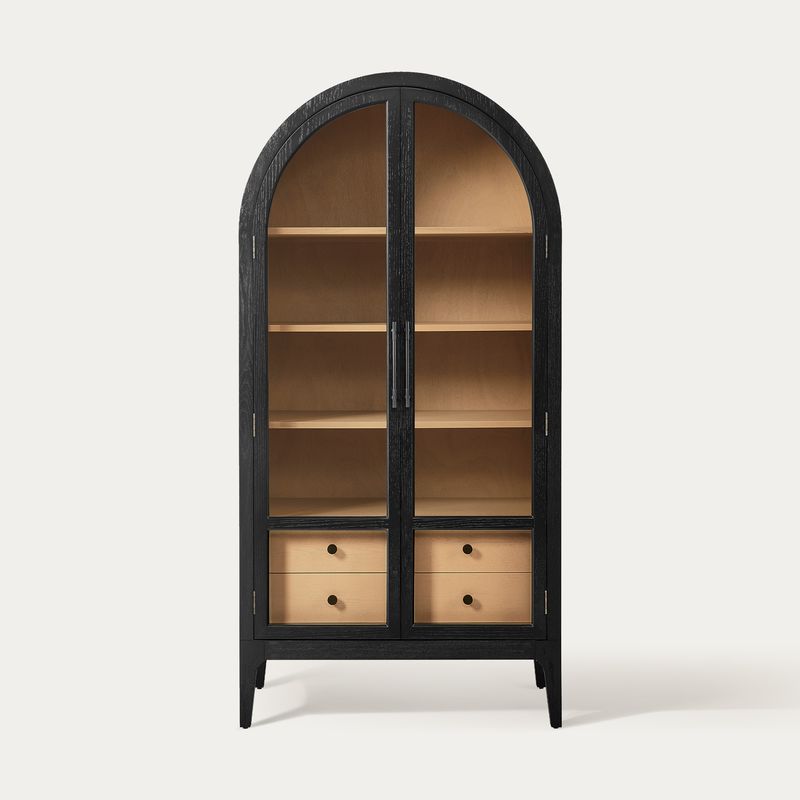
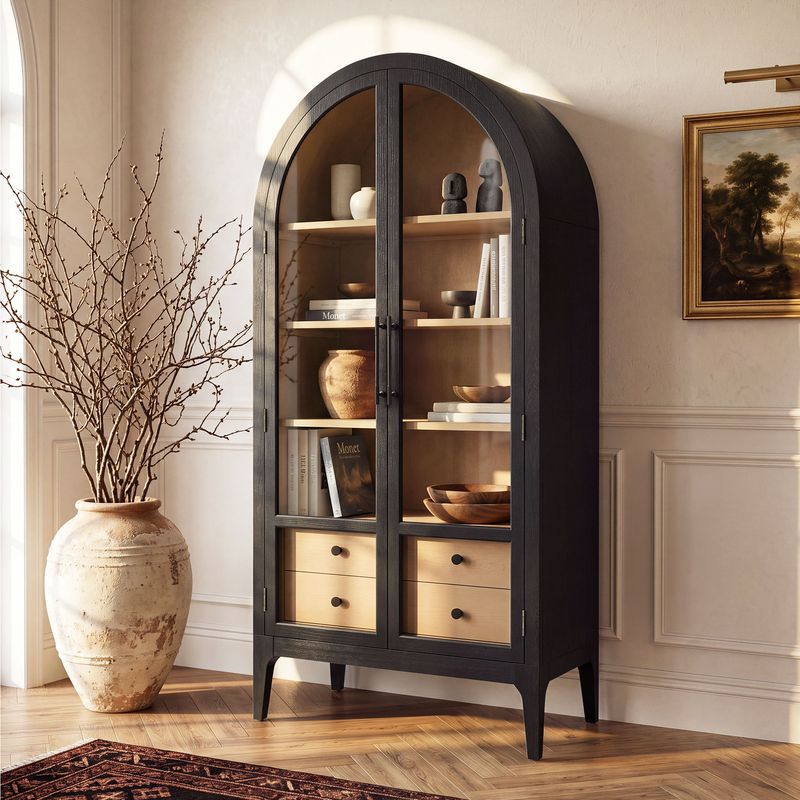
Tall cabinets make better use of vertical space when floor area is limited. They can work particularly well in apartments, smaller bedrooms, home offices, and narrow dining areas.
Before choosing a tall cabinet, check ceiling height, door clearance, and nearby furniture. For larger pieces, also measure the delivery path from the entrance to the room, including doorways, stairs, elevators, and tight corners.
Which Storage Cabinet Is Right for You?
Your storage needs can usually point you toward the right cabinet style.
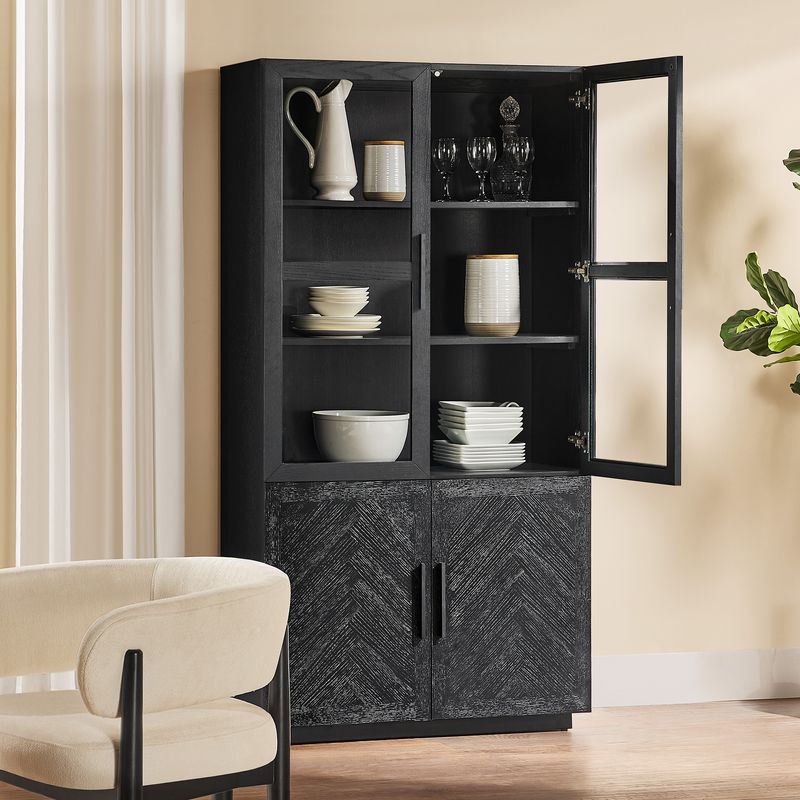
If you want to hide everyday clutter, an enclosed cabinet is the simplest choice. If you want to display books or decorative objects while keeping other belongings organized, look for shelving or a combination of open and enclosed storage.
For a long living room or dining room wall, a low and wide cabinet can provide more usable surface and interior capacity without adding unnecessary height. If you have limited floor space, a taller cabinet makes better use of vertical storage.
For a dining room, prioritize interior shelf height and depth for plates, bowls, serving dishes, and linens. For an entryway, cabinet depth and door clearance are especially important because the area is usually busy. If natural grain and long-term durability are priorities, a solid wood cabinet is worth considering.
Choose a Storage Cabinet by Room
The best cabinet for a room depends on more than its appearance. Location affects the ideal width, depth, storage configuration, and accessibility.
Living Room Storage Cabinets
Living rooms often need to accommodate books, games, blankets, electronics, remotes, and other items that are useful but do not always need to remain visible.
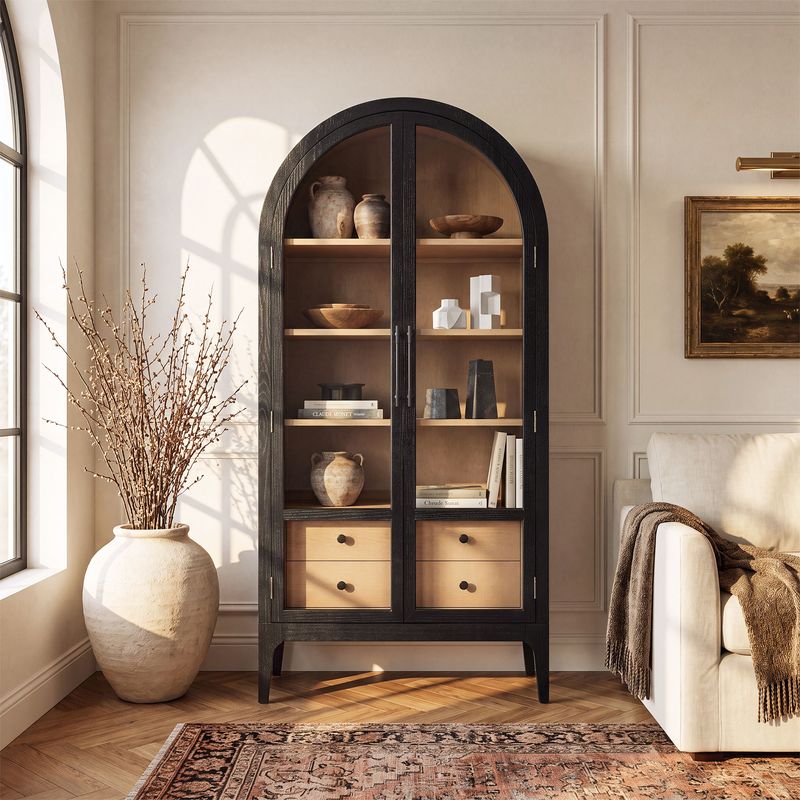
A wood cabinet for storage can keep these belongings organized while adding a natural focal point. A wider cabinet can make better use of a long wall, while a compact or elevated design can provide storage without making a smaller room feel crowded.
If the cabinet sits near a media console, coffee table, or other large furniture, focus on proportion rather than trying to match every finish exactly. Similar wood undertones and complementary silhouettes are often enough to make the room feel cohesive.
Dining Room Cabinets
Dining rooms benefit from storage that keeps serving essentials close to the table.
Use a cabinet for plates, bowls, serving dishes, table linens, glassware, and seasonal entertaining pieces. A wooden storage cabinet can also add warmth to dining spaces with hard surfaces such as wood flooring, stone, or tile.
Think about what you reach for most often. Everyday dinnerware should be stored where it is easy to access, while seasonal serving pieces can go on higher or less accessible shelves.
Entryway Cabinets
An entryway cabinet can become a practical landing spot for the things that come and go with you every day.
Mail, bags, umbrellas, pet supplies, shoes, and small household essentials can all benefit from designated storage. Because entryways are high-traffic areas, depth matters as much as width. Measure the walking path and make sure doors can open without blocking the main route through the space.
Bedroom Cabinets
A bedroom cabinet provides useful overflow storage when a dresser or closet is already full.
Use it for extra bedding, accessories, books, seasonal items, or personal belongings you want nearby but out of sight. Natural wood can add warmth to the bedroom and work comfortably alongside nightstands, dressers, and bed frames without requiring an exact furniture match.
Home Office Cabinets
In a home office, storage should free up the desk rather than add another source of visual clutter.
A closed cabinet can hold paperwork, office supplies, technology accessories, and reference materials. Keep items you use every day at an easy-to-reach height and reserve higher or deeper areas for supplies you rarely need.
What to Look for in a Storage Cabinet
Measure the Space, Clearance, and Contents
Before buying a storage cabinet, measure more than the wall where it will sit.
First, measure the space: available width, depth, and height. Next, check the clearance around the cabinet, including door swing, walking paths, nearby furniture, windows, and other obstacles. Finally, measure the contents you plan to store, especially your largest plates, serving pieces, books, baskets, or other bulky items.
This three-part check can prevent a common problem: a cabinet that fits the room but does not work well once it is installed and filled.
For larger furniture, measure the delivery route as well. Doorways, staircases, elevators, hallways, and tight turns can determine whether the cabinet can reach its intended location.
Match Interior Storage to Your Belongings
Storage capacity is useful only when the interior accommodates what you actually own.
Books and smaller objects may work well with closely spaced shelves. Dinnerware and serving pieces often need more shelf height and depth. A mixture of large and small belongings calls for flexible compartments or adjustable shelving.
Keep everyday items within easy reach and place seasonal or rarely used belongings higher, lower, or farther back. Leaving a little unused space also makes it easier to remove items without disturbing everything else on the shelf.
Consider Material and Construction
Material affects how a cabinet looks, feels, and ages, but the wood species is only one part of the equation.
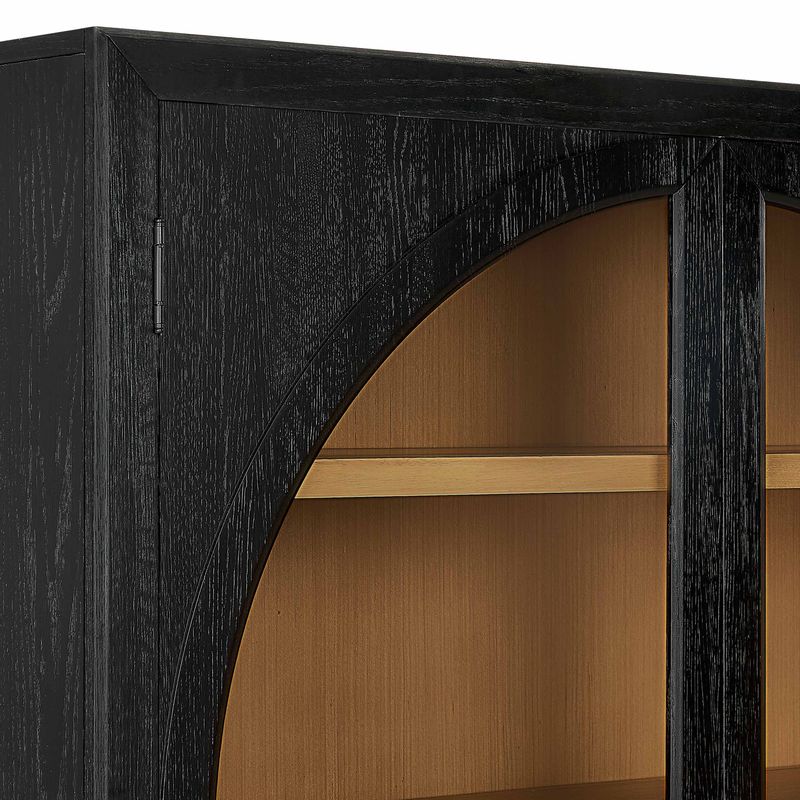
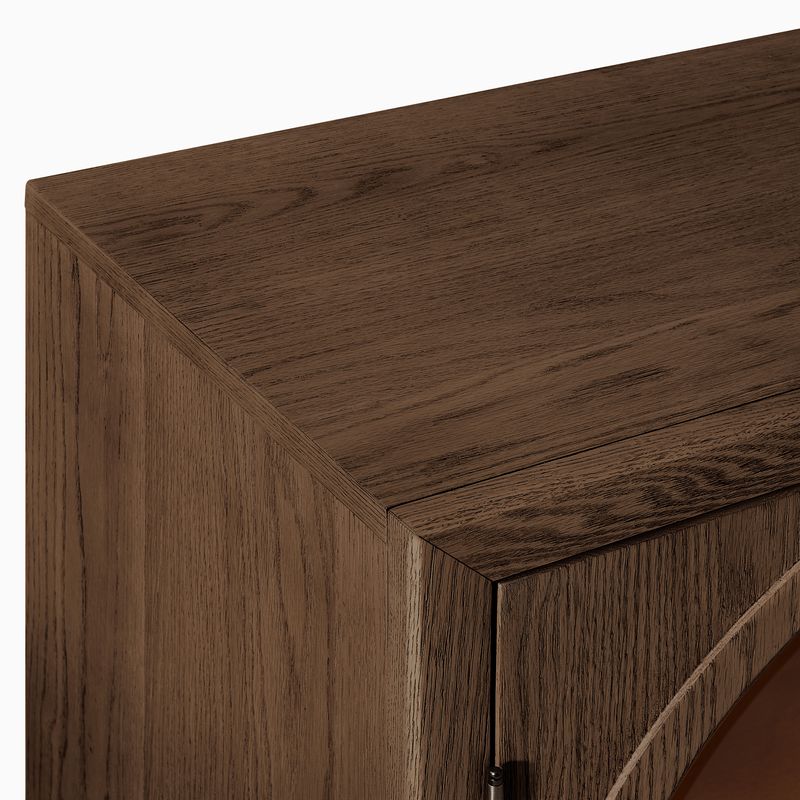
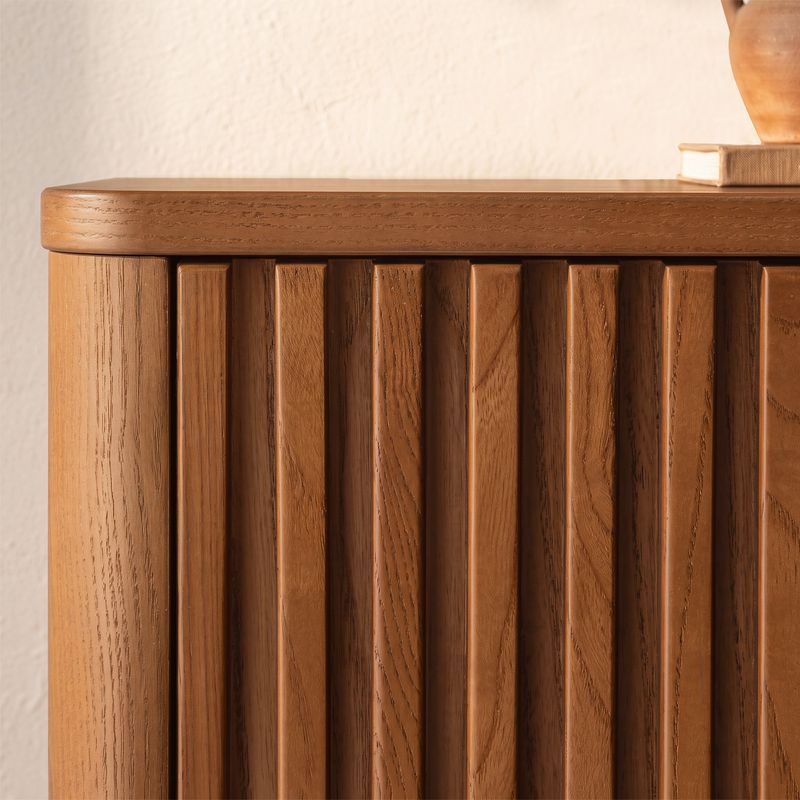
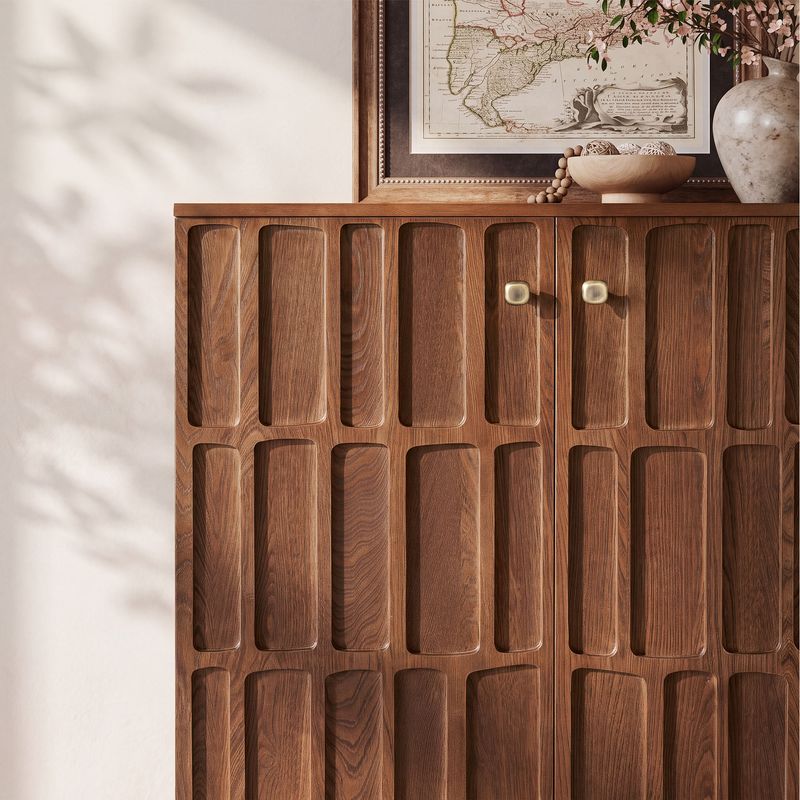
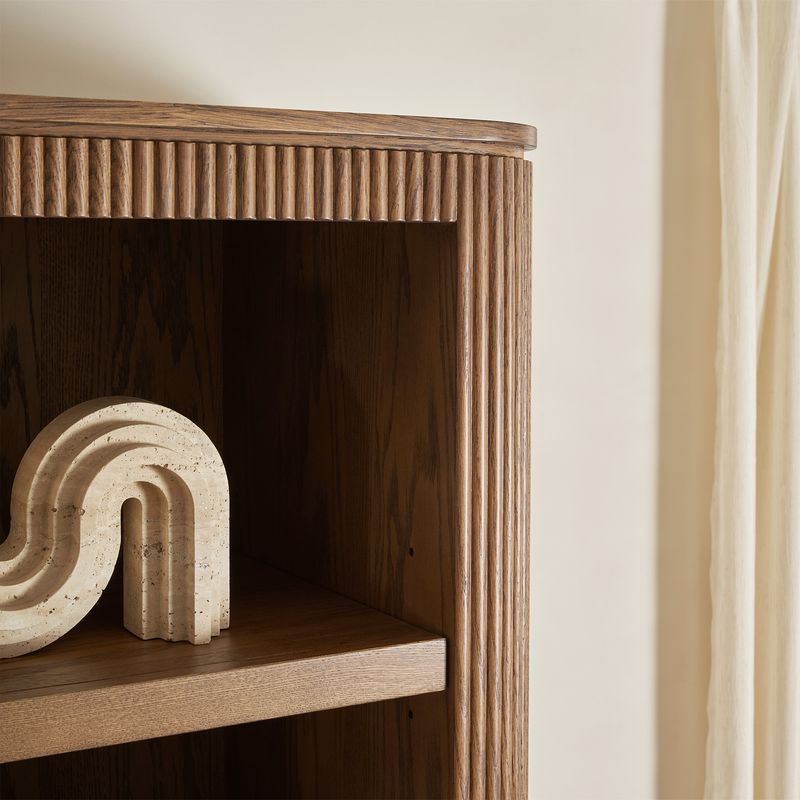
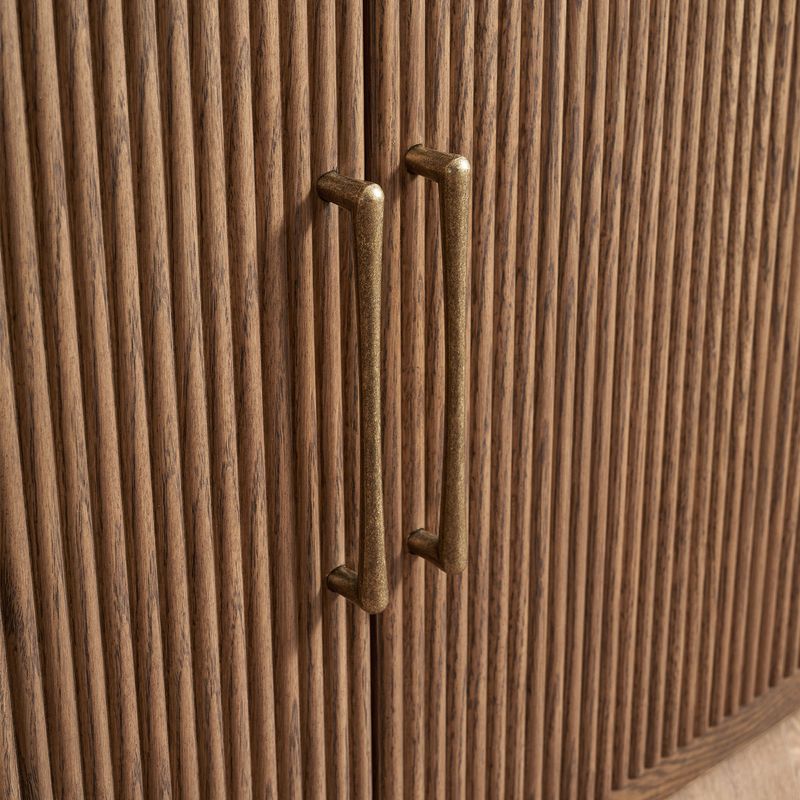
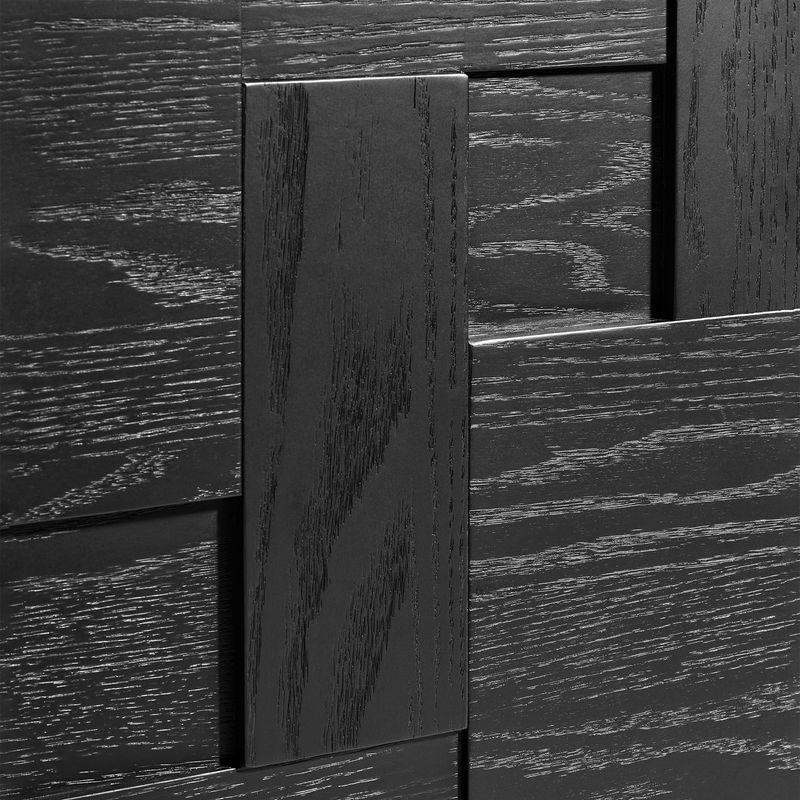
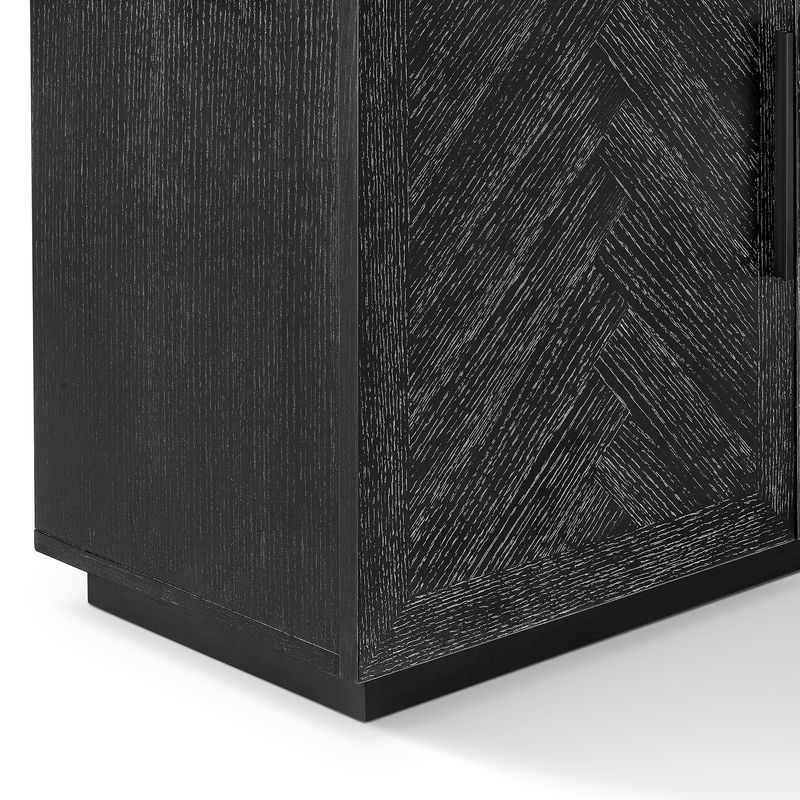
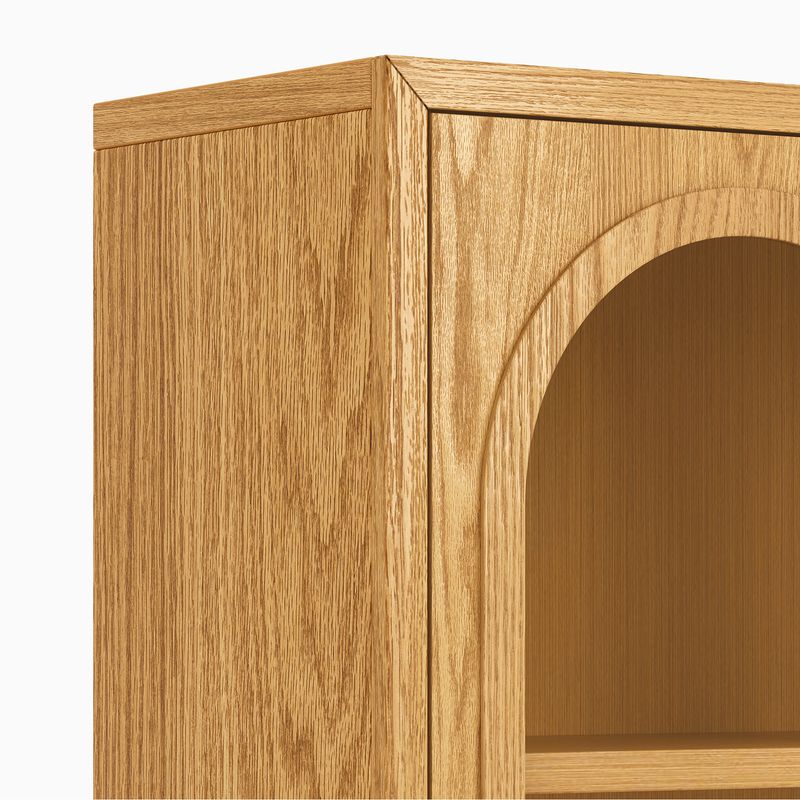
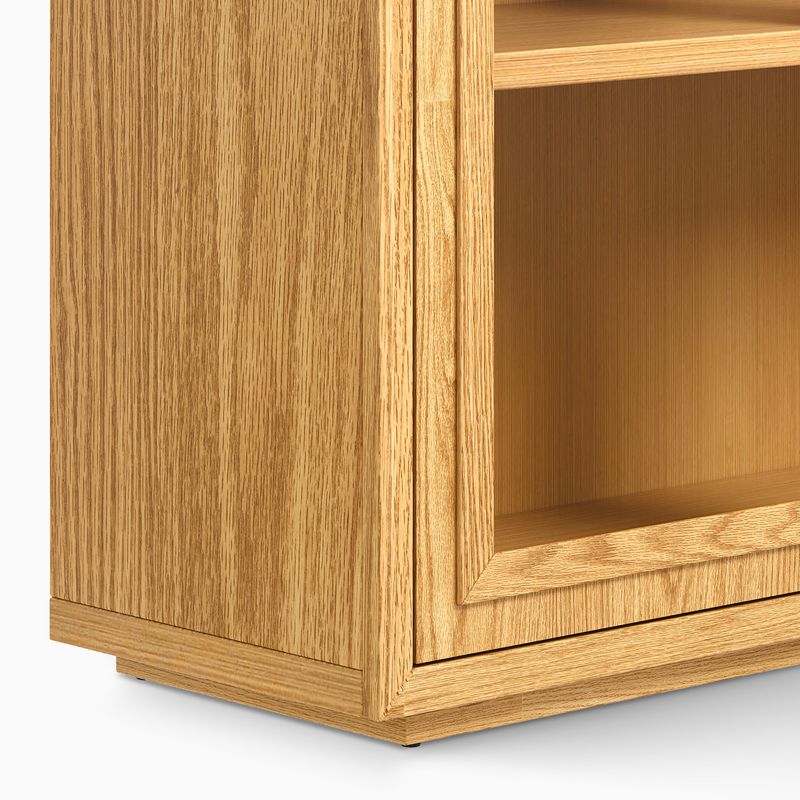
A solid wood cabinet is a strong option when natural grain, substantial construction, and long-term use are priorities. Oak is known for its durability and pronounced grain, while ash has a lighter appearance with distinctive grain variation.
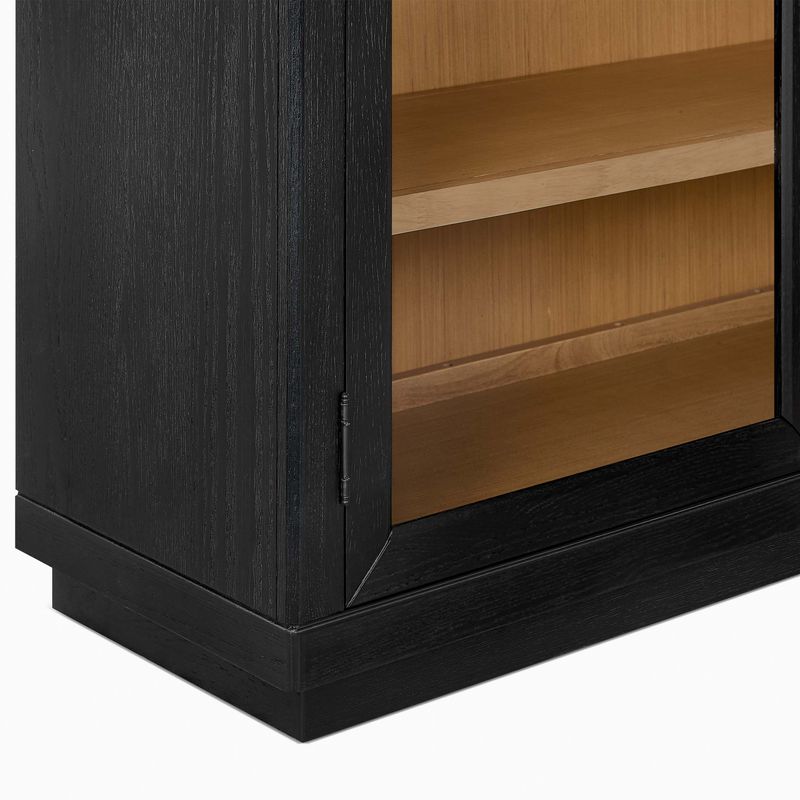
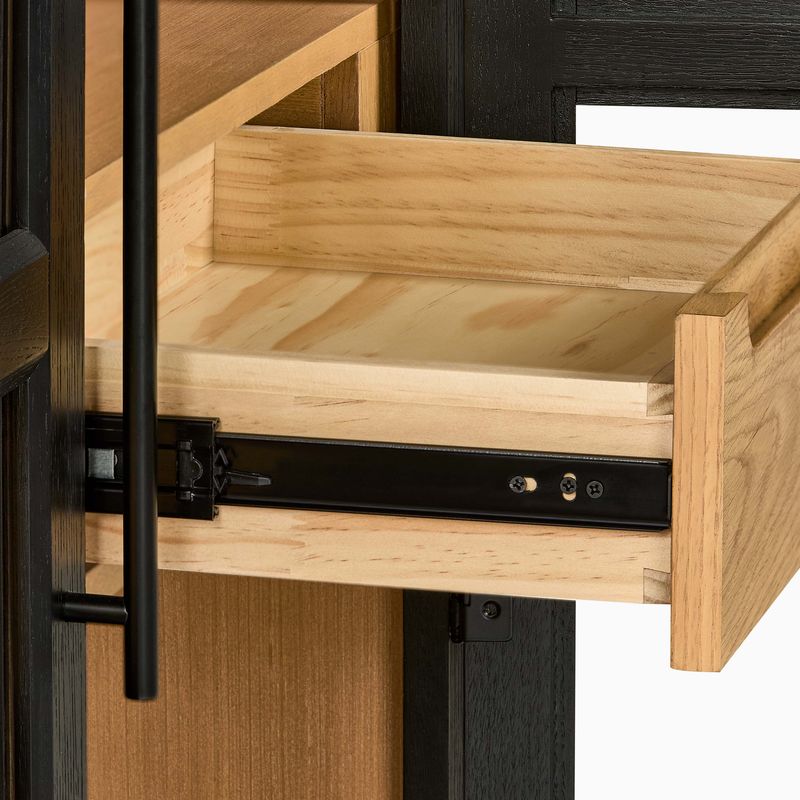
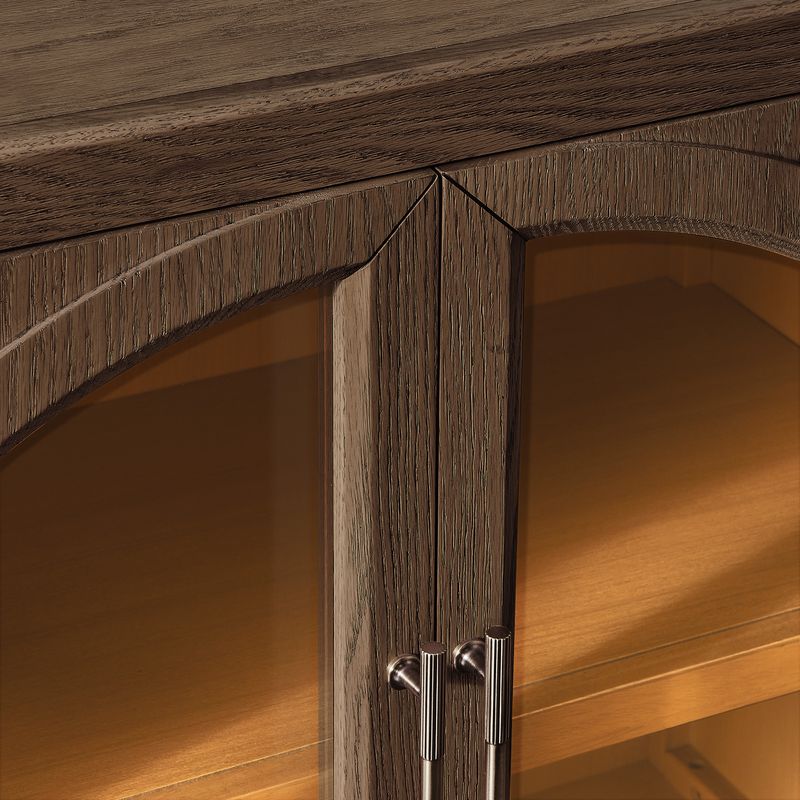
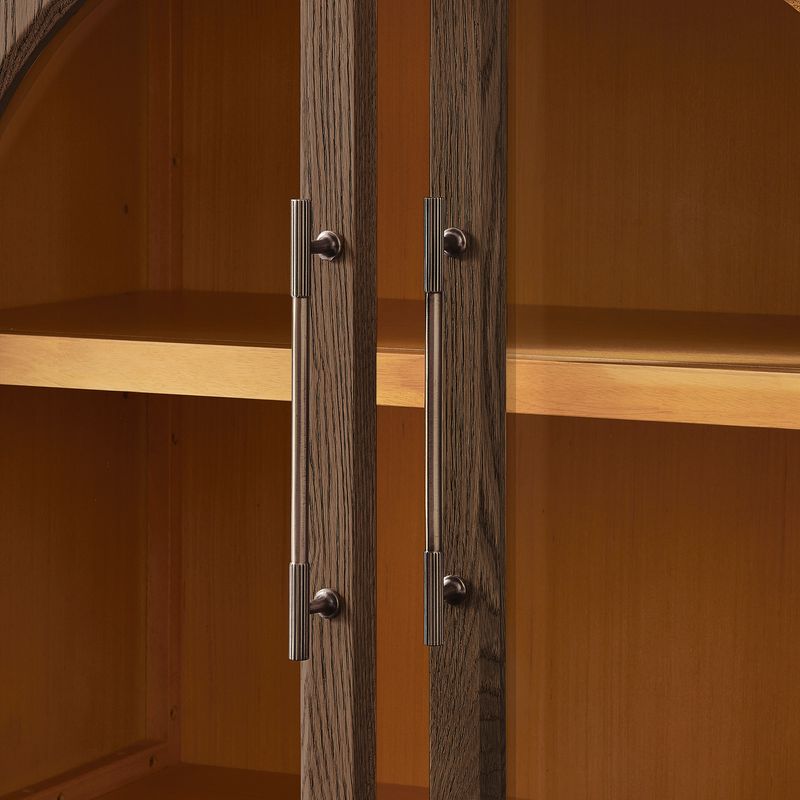
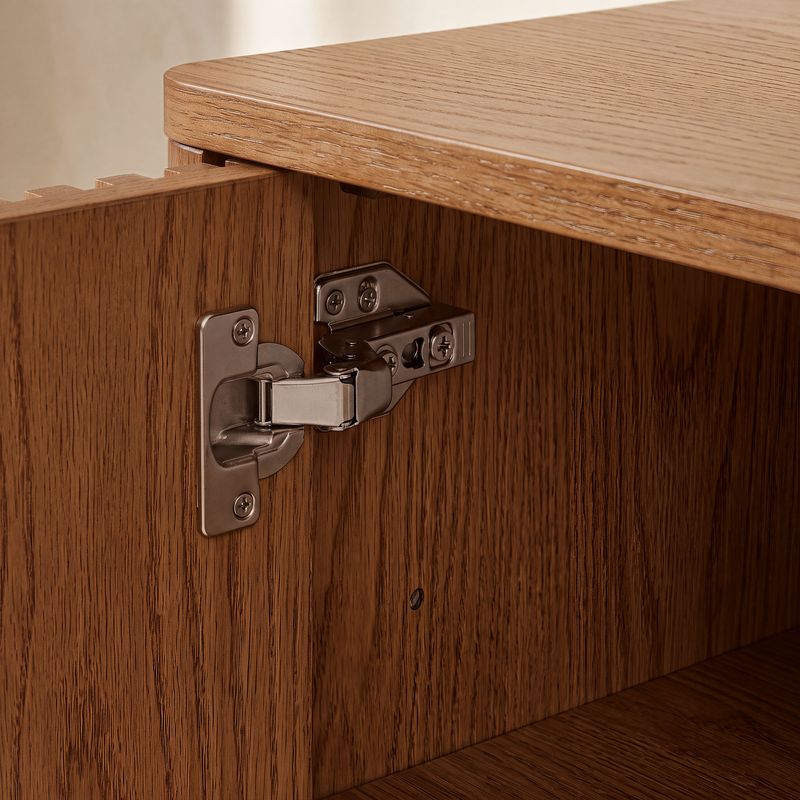
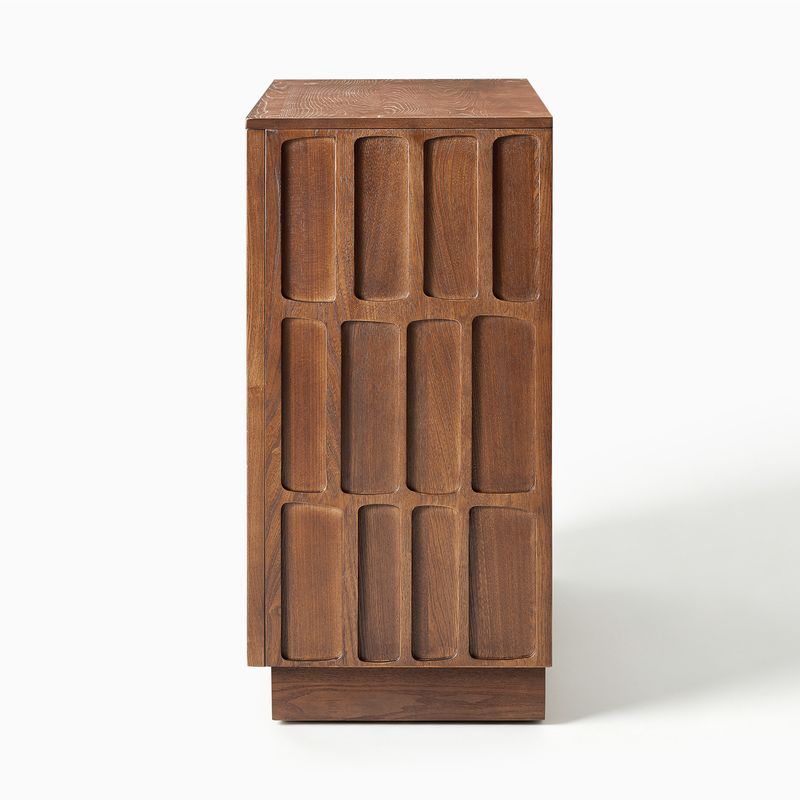
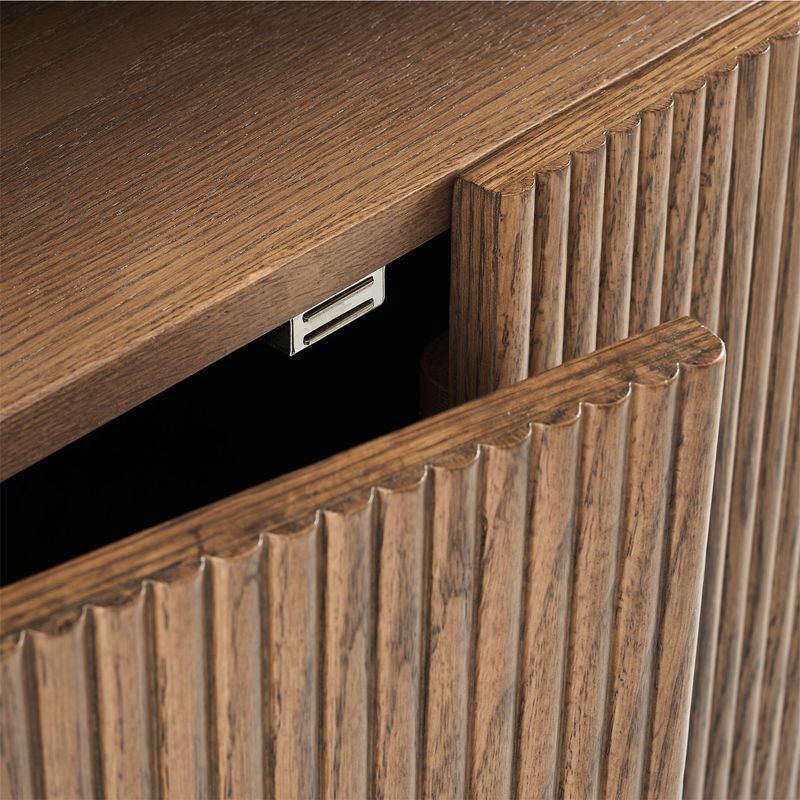
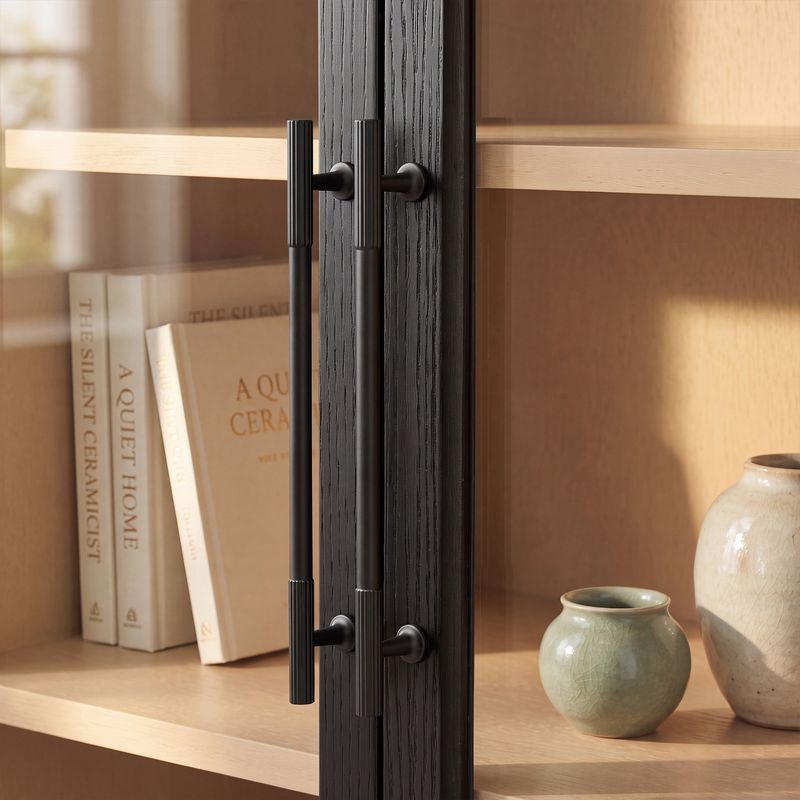
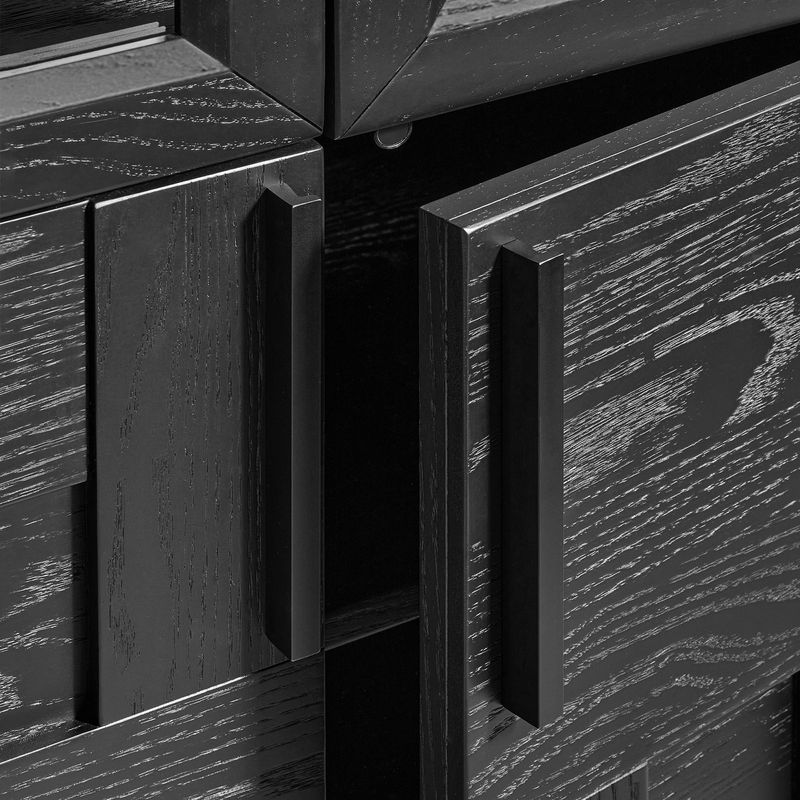
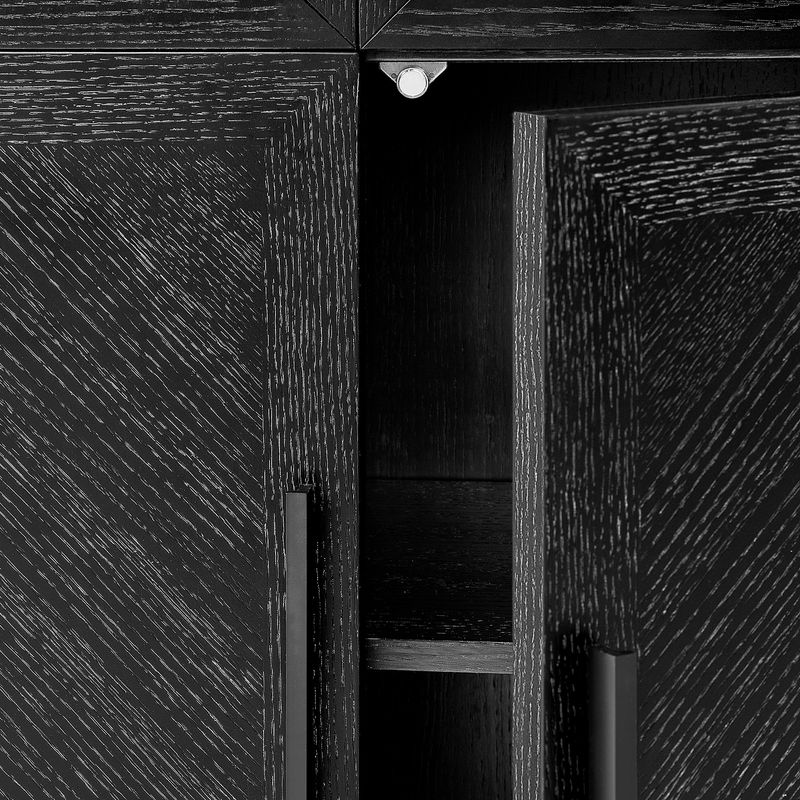
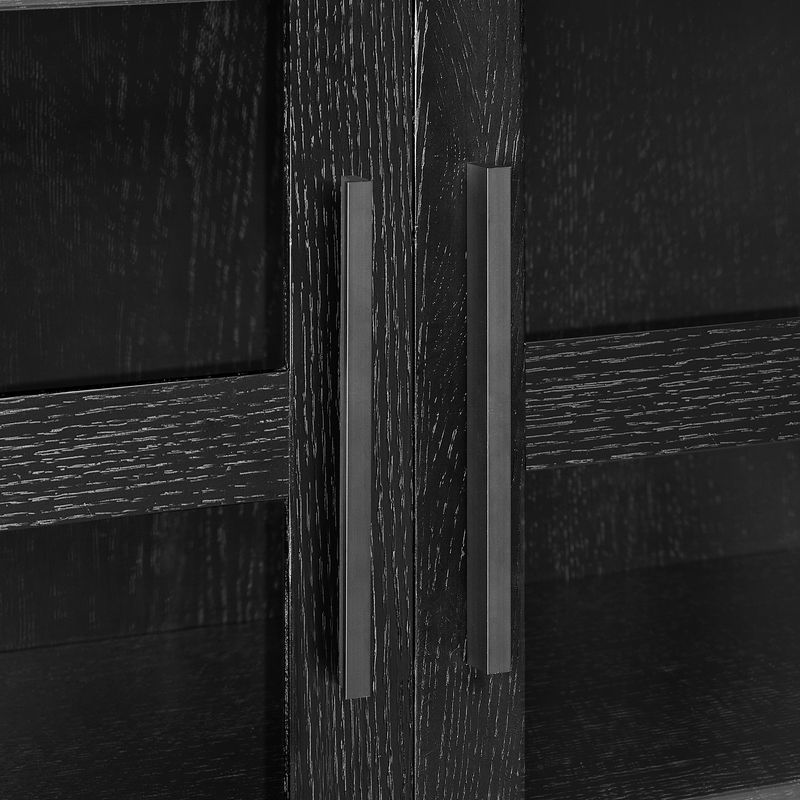
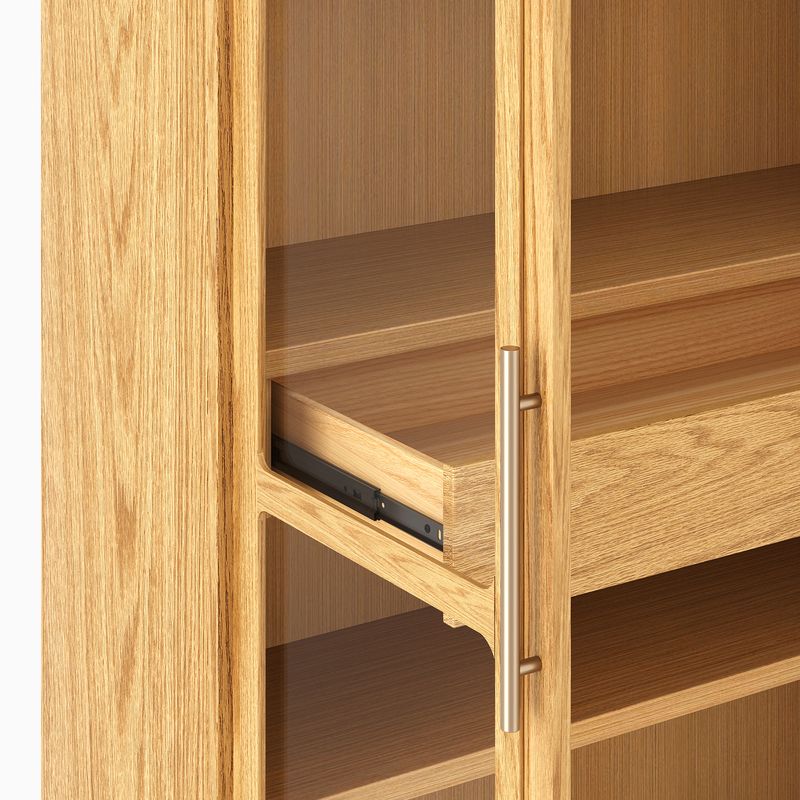
Construction deserves equal attention. Look at the quality of the finish, hardware, shelf support, door alignment, and joinery. A cabinet should feel stable when doors open and close, shelves should be appropriate for their intended load, and the finish should suit the level of everyday use.
Check Door and Shelf Configuration
Think about access before choosing a design.
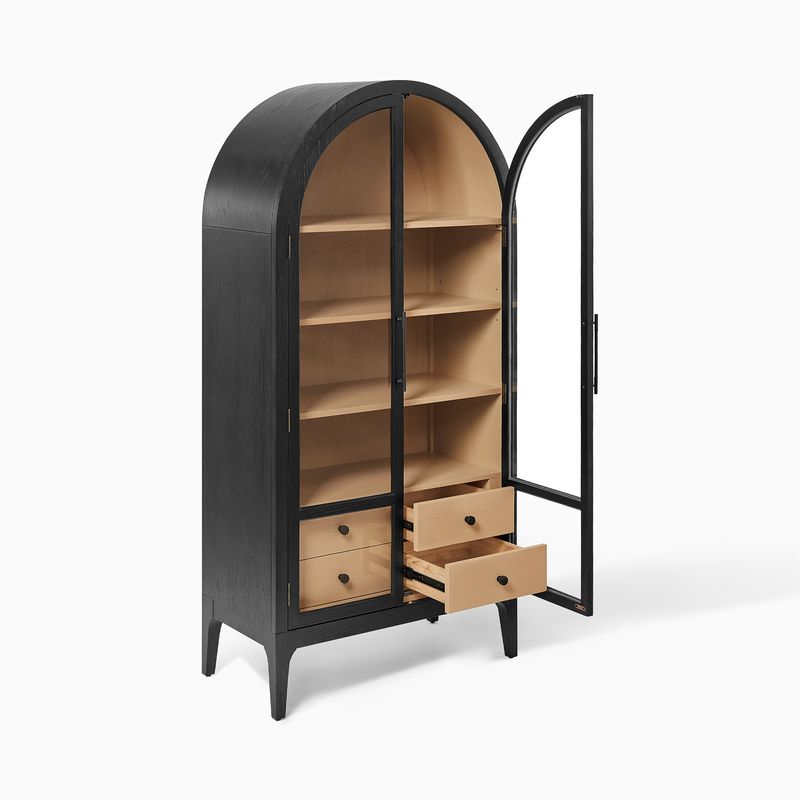
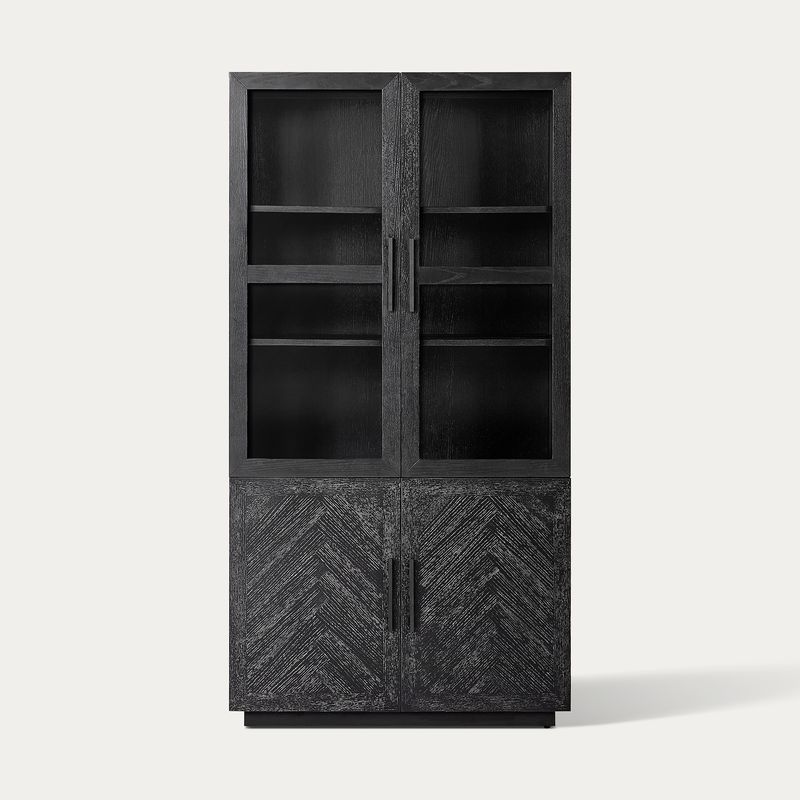
Doors are useful for concealing clutter and creating a cleaner visual appearance. Shelves make frequently used items easier to see and reach. A combination of enclosed compartments and shelving can work well when your storage needs vary.
Also check door swing, hardware placement, shelf spacing, and interior depth. These details have a direct effect on whether a cabinet remains convenient after it is filled.
Solid Wood vs. Other Cabinet Materials
A solid wood cabinet is often chosen for its natural appearance, tactile quality, and long-term appeal. Wood grain naturally varies, so differences in tone and pattern are part of the material's character.
Oak and ash are both useful choices for furniture, but they create different visual effects. Oak generally has a stronger, more recognizable grain, while ash can provide a lighter and more open appearance.
Solid wood is not automatically the best choice for every situation, either. Other cabinet materials can offer consistent finishes, different price points, or specific performance characteristics. When comparing options, consider construction, hardware, finish, proportions, intended use, and how long you expect the furniture to remain in your home.
Why Choose Hernest Storage Cabinets?
Hernest combines practical enclosed storage with a distinctly Mid-Century Modern approach to furniture design.
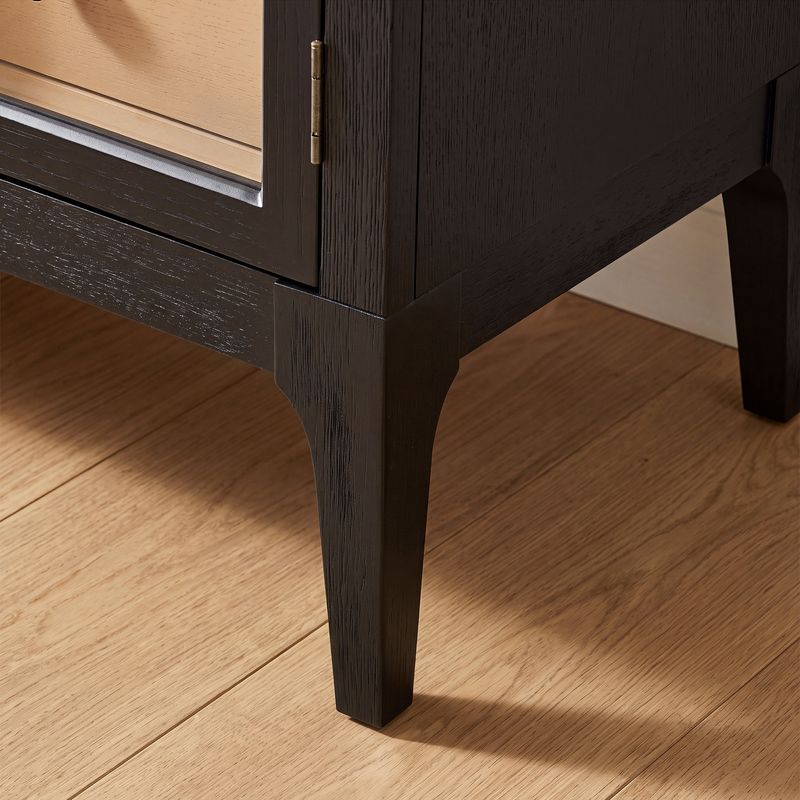
Our storage cabinets are designed for shoppers who want useful organization without the heavy, traditional appearance often associated with large storage furniture. Oak and ash wood options bring natural grain and warmth, while clean silhouettes, elevated or tapered bases, and restrained detailing keep the pieces visually light.
Different widths and proportions make it easier to choose a cabinet for a compact entryway, a dining room, or a larger living room wall. The designs are also intended to work alongside furniture you already own rather than requiring an entire room to follow one look.
The result is storage furniture that solves a practical problem while still contributing to the overall character of the room.
Is a Solid Wood Cabinet Worth It?
For many homeowners, a solid wood cabinet is worth considering when the furniture is expected to stay in the home for years.
Natural wood offers visible grain, a substantial feel, and subtle variation from one piece to another. With normal use, its appearance can develop additional character over time.
But the material alone does not determine value. Consider how the doors operate, how shelves are supported, how the finish is applied, how the cabinet is proportioned, and whether the construction matches the way you plan to use it.
If the cabinet will be opened every day and expected to hold substantial belongings, these practical details matter just as much as the wood species.
How to Care for a Wooden Storage Cabinet
Keep the Surface Clean and Dry
Dust the cabinet regularly with a soft, dry or lightly damp cloth. Wipe spills promptly rather than allowing moisture to remain on the surface.
Avoid abrasive materials and harsh cleaning products unless they are specifically recommended for the cabinet's finish.
Keep Indoor Conditions Stable
Wood naturally responds to changes in temperature and humidity. Keeping indoor conditions reasonably stable can help reduce unnecessary stress on wooden furniture.
The U.S. EPA recommends maintaining indoor relative humidity between 30% and 50% and keeping it below 60% overall.
Avoid placing a cabinet directly beside a radiator, fireplace, heating vent, or another concentrated source of heat. Persistent moisture should also be avoided.
Give the Cabinet Reasonable Clearance
Do not press furniture directly against heat sources or areas that remain damp. Giving the cabinet reasonable clearance can help protect the finish and maintain a more stable environment.
With routine care and sensible placement, a quality wood cabinet can remain a useful part of your home for many years.