



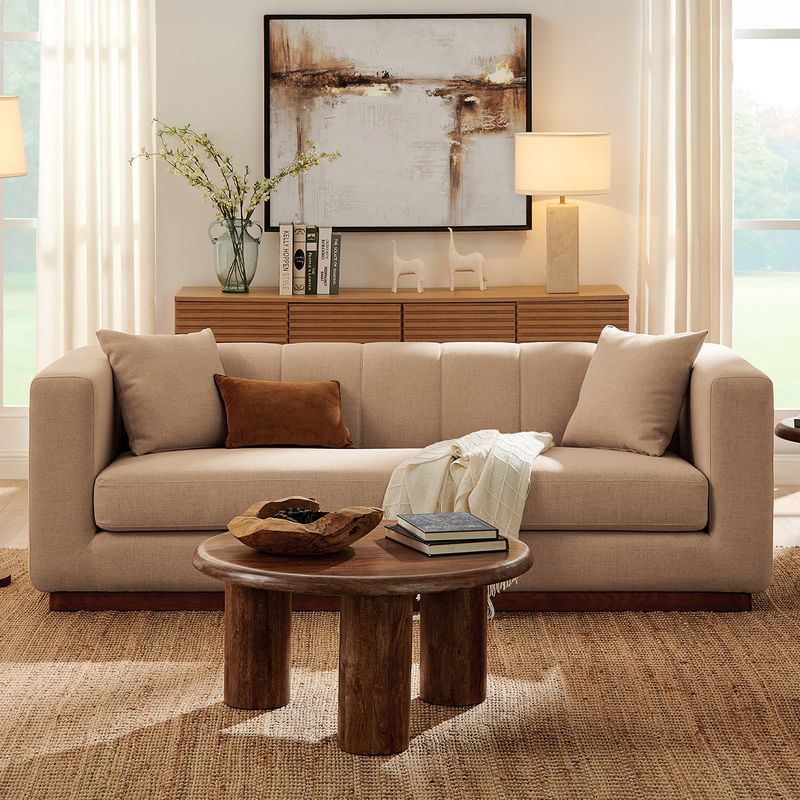
Find a Sofa or Loveseat for Your Living Room
A sofa shapes how your living room looks and functions. It provides a place to unwind, spend time with family, or welcome guests, so choosing the right one involves more than finding a style you like. Size, seat depth, upholstery, and seating capacity all affect how well a sofa fits your home.
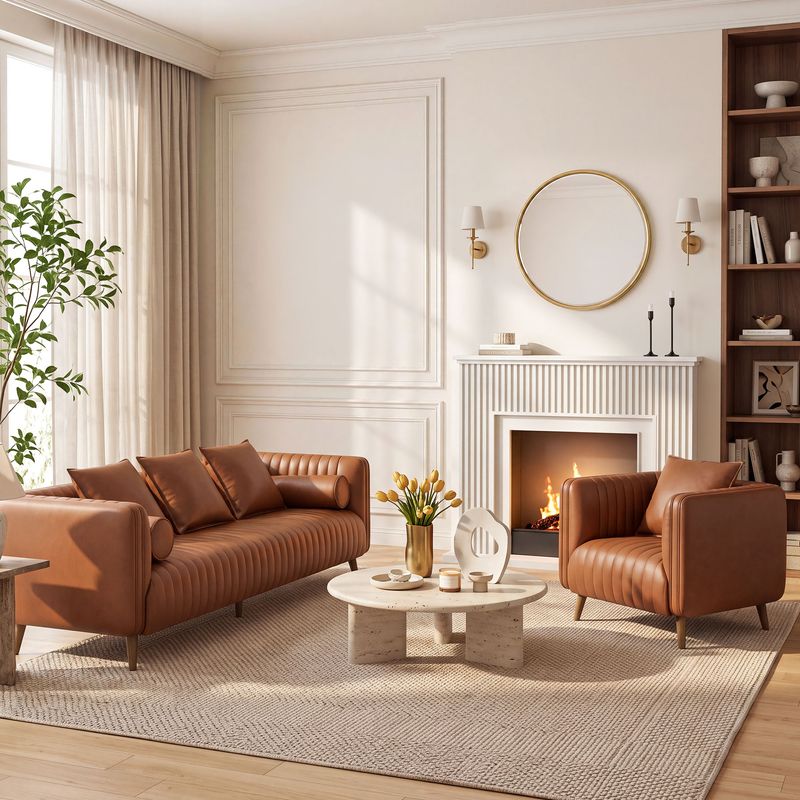
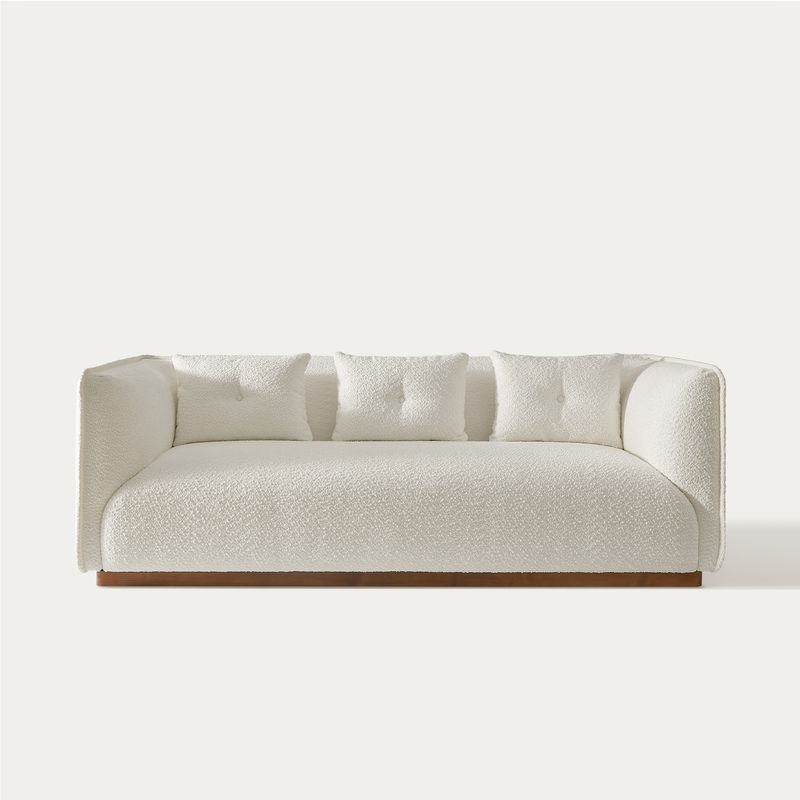
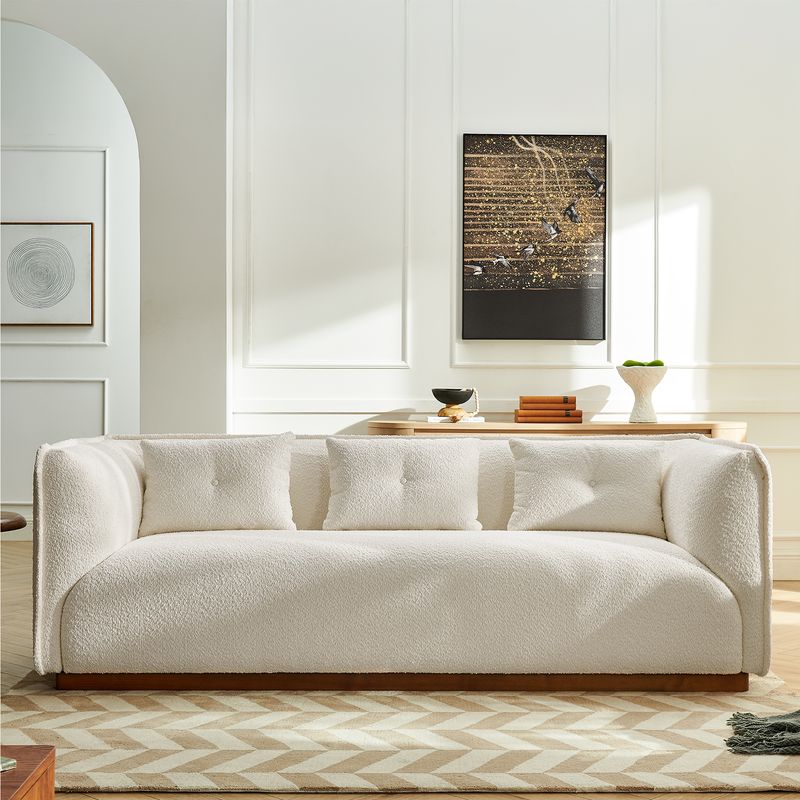
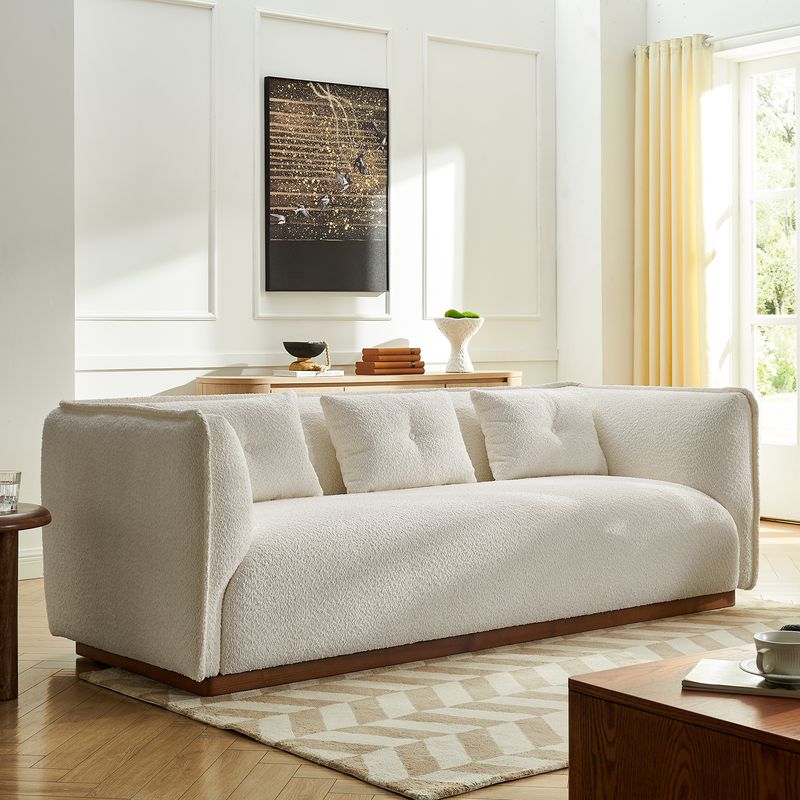
Hernest offers sofa and loveseat designs with distinctive silhouettes, textured upholstery, and considered proportions. A full-size sofa can anchor a main seating area, while a loveseat can provide a more compact option for apartments, bedrooms, or secondary sitting spaces.
Before choosing a design, measure your room and think about how you use it every day. The right sofa should offer comfortable seating without obstructing walkways or overwhelming the surrounding furniture.
Read More
Sofa vs. Loveseat: What's the Difference?
A sofa typically seats two to three or more people, depending on its size and configuration. A loveseat is traditionally designed for two, although some wider models can accommodate three. Since product names do not always indicate actual seating capacity, compare the listed dimensions and specifications before ordering.
When to Choose a Full-Size Sofa
A full-size sofa works well as the main seating piece in a living room. It gives family members room to sit together and creates a natural starting point for arranging a coffee table, side tables, and other furniture.
Measure the available width and depth before choosing a larger design. Leave enough room for doors to open, people to pass through, and nearby furniture to remain accessible. If the room serves several purposes, consider whether a standard sofa will leave enough space for a desk, dining area, or additional seating.
When a Loveseat Makes More Sense
A loveseat can suit a smaller living room, apartment, reading nook, or bedroom sitting area. It can also complement a full-size sofa when you need extra seating without introducing another oversized piece.
When shopping for a loveseat sofa, compare the overall dimensions with the usable seat width. Thick armrests and deep cushions can reduce the available seating area, so two pieces with similar external measurements may feel different once you sit down.
Explore Sofa Styles and Seating Options
The right sofa style depends on your room layout, preferred sitting position, and the look you want to create. Compare the silhouette and functional details together rather than choosing by appearance alone.
Modern Sofas With Clean Lines
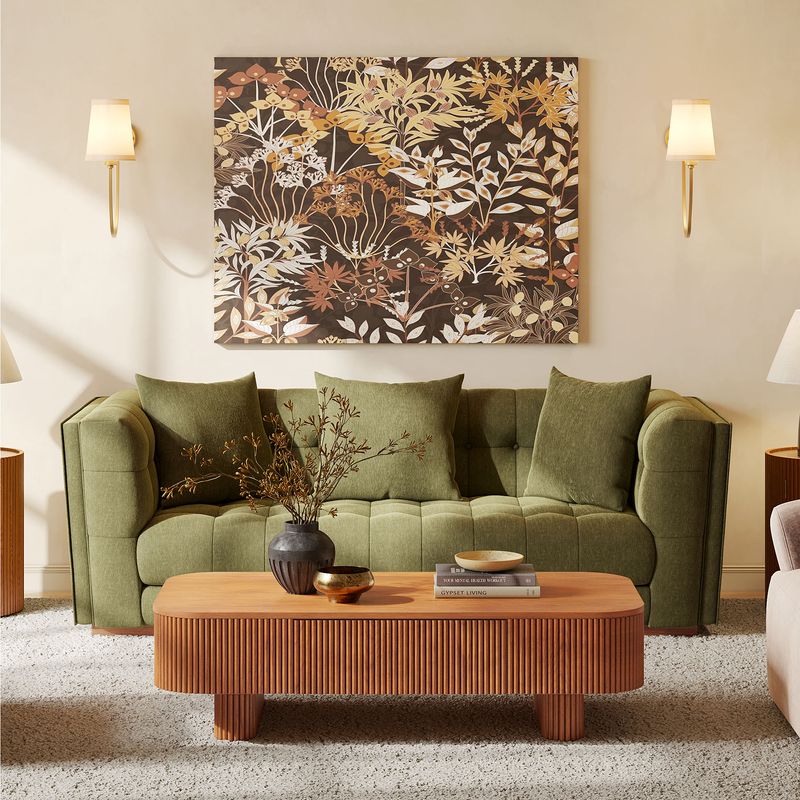
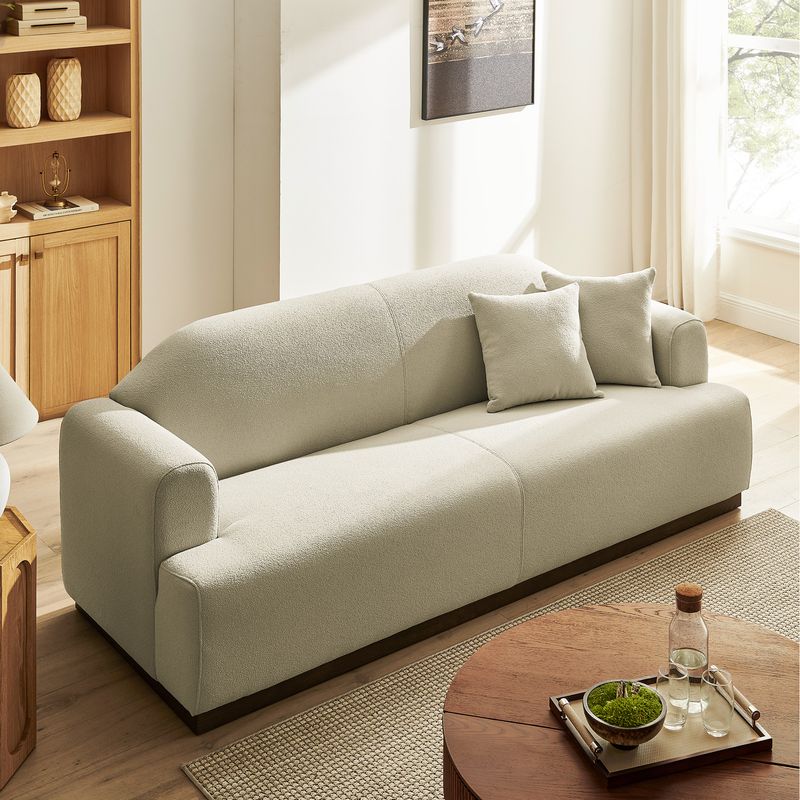
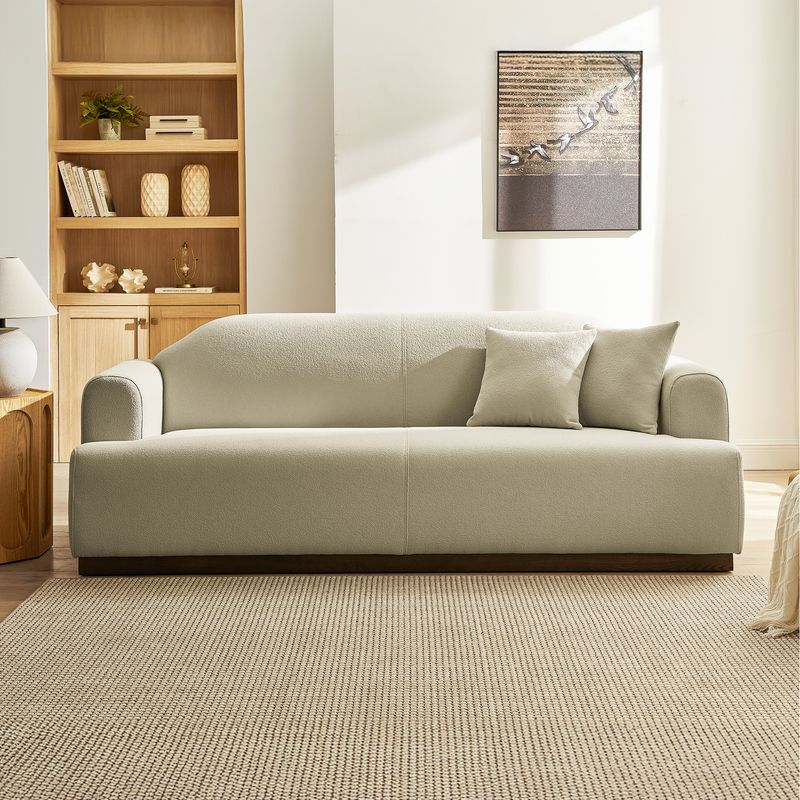
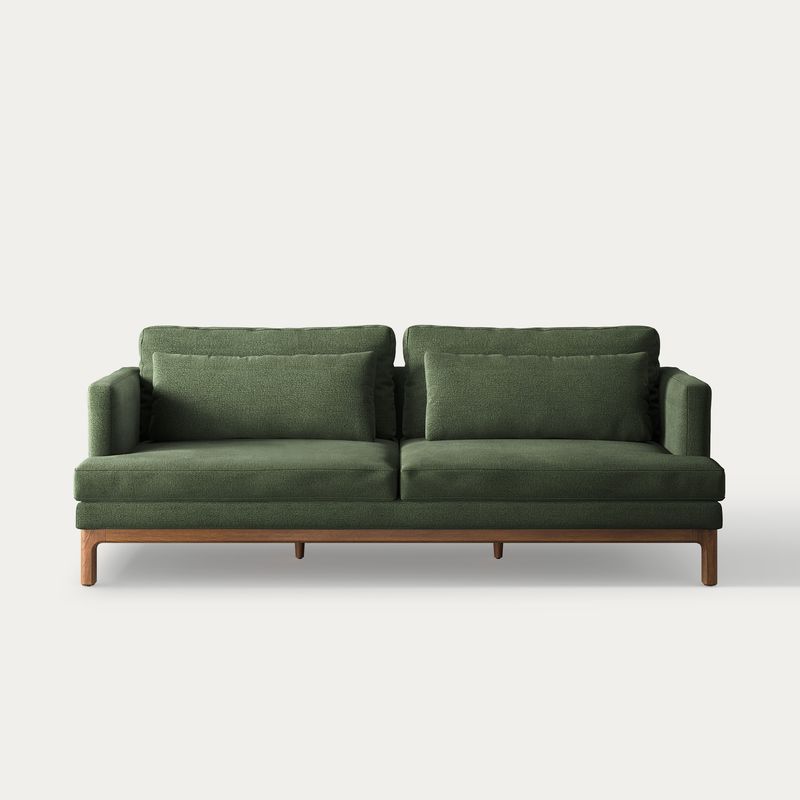
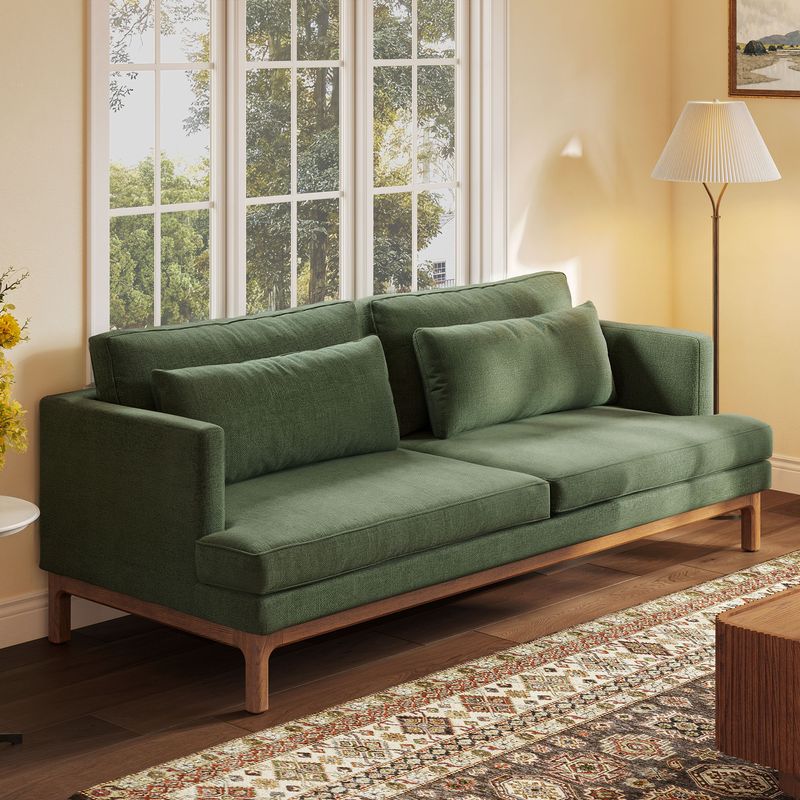
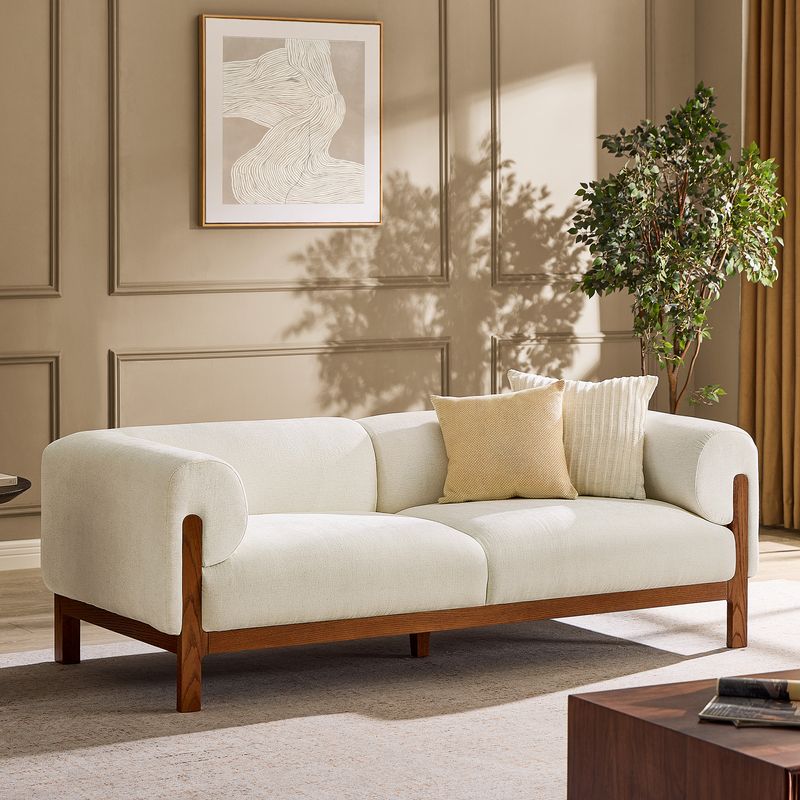
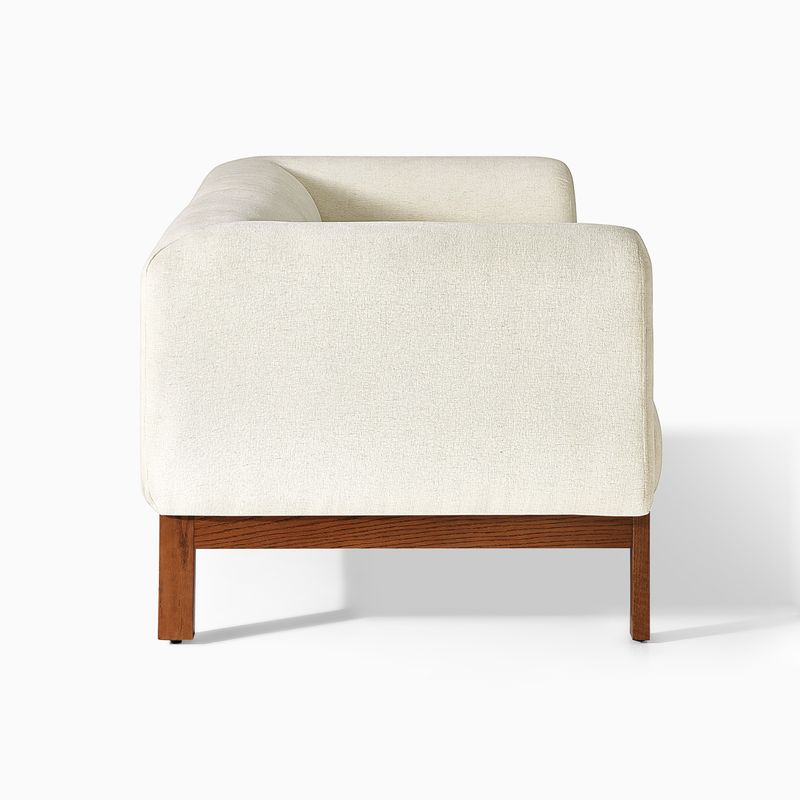
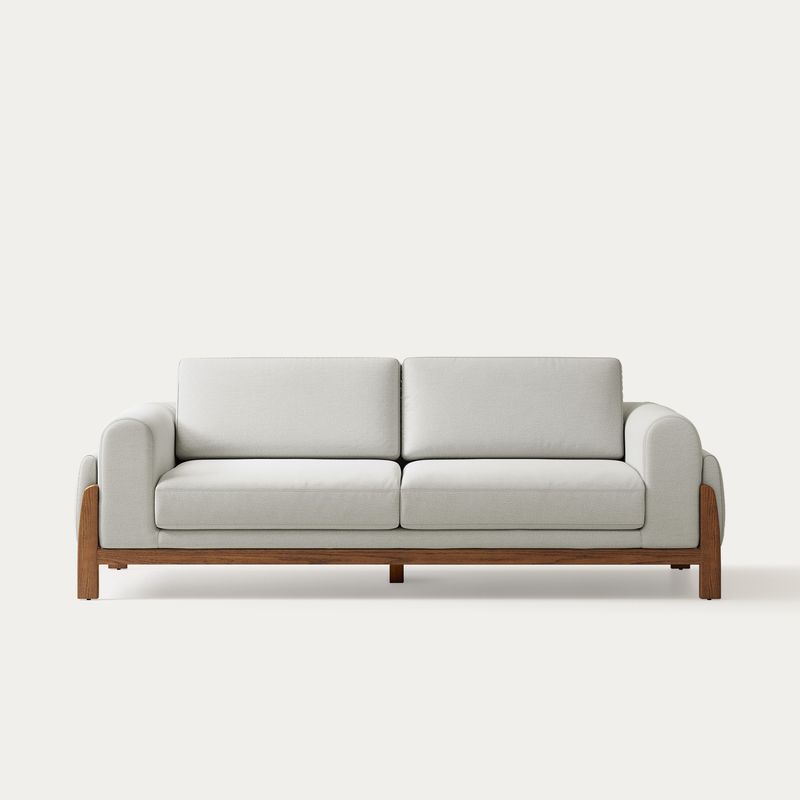
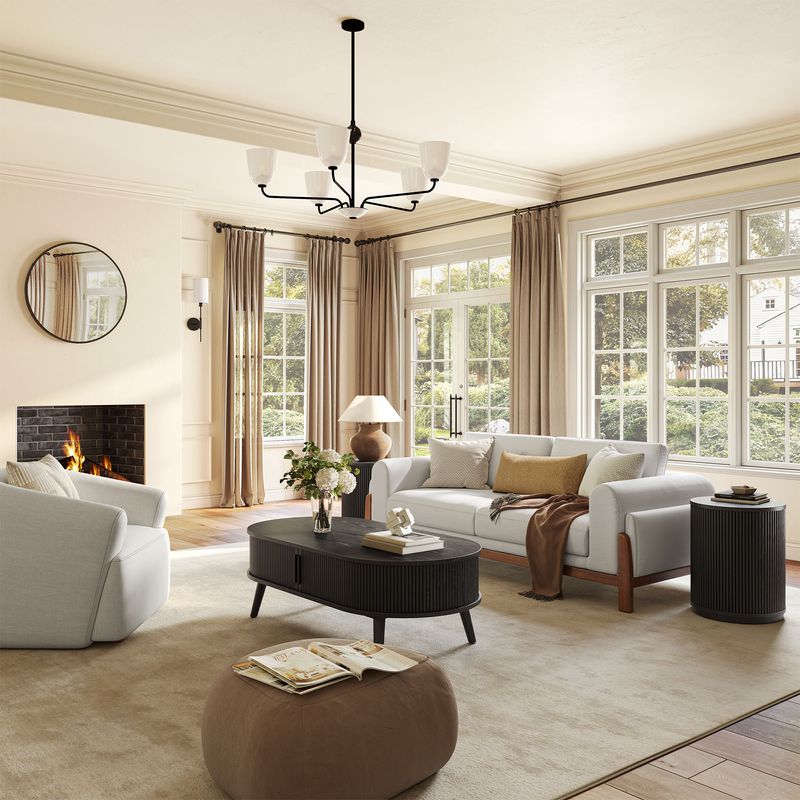
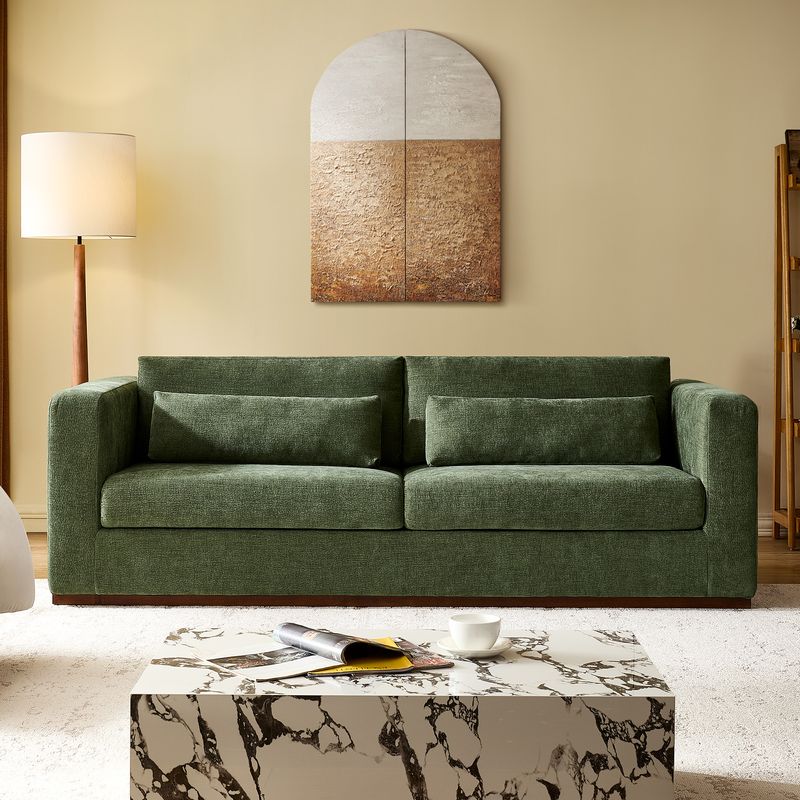
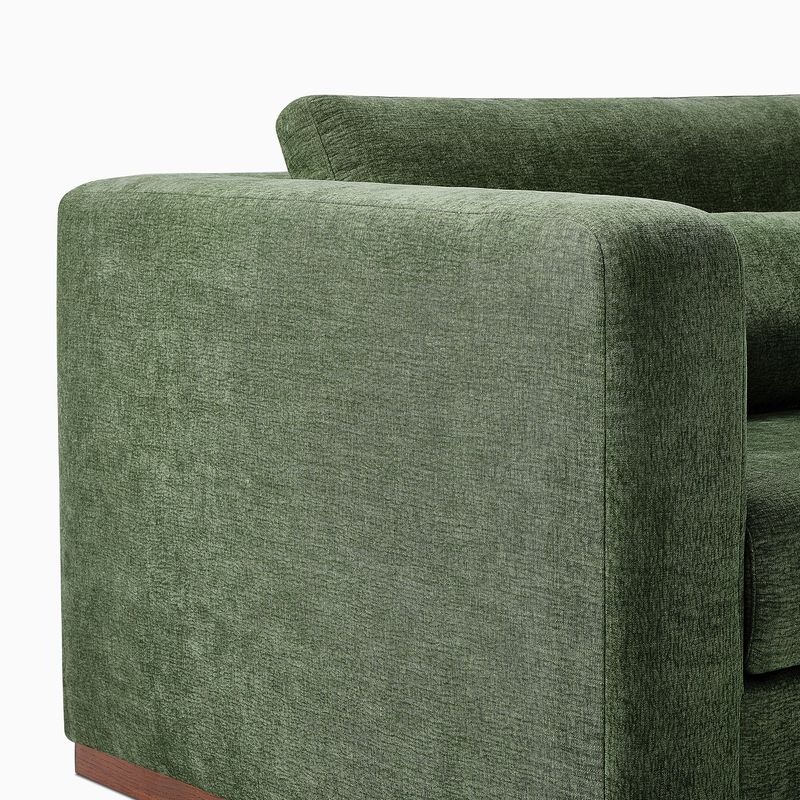
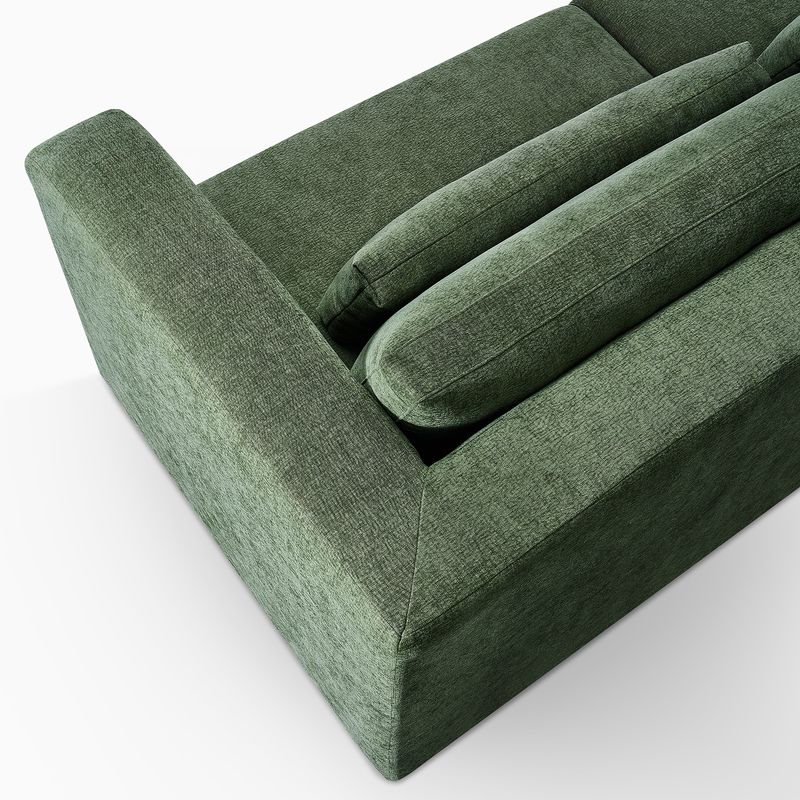
A modern sofa often features balanced proportions, understated detailing, and a streamlined silhouette. Straight arms create a crisp profile, while rounded corners and curved cushions can soften the look. Either approach can work in a contemporary home when the furniture's scale and finishes suit the room.
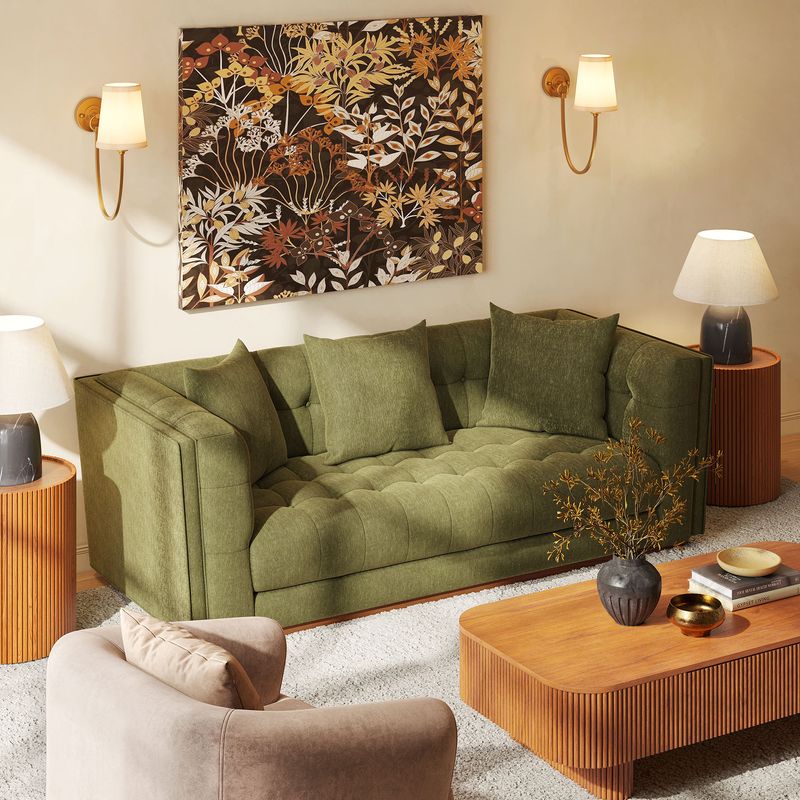
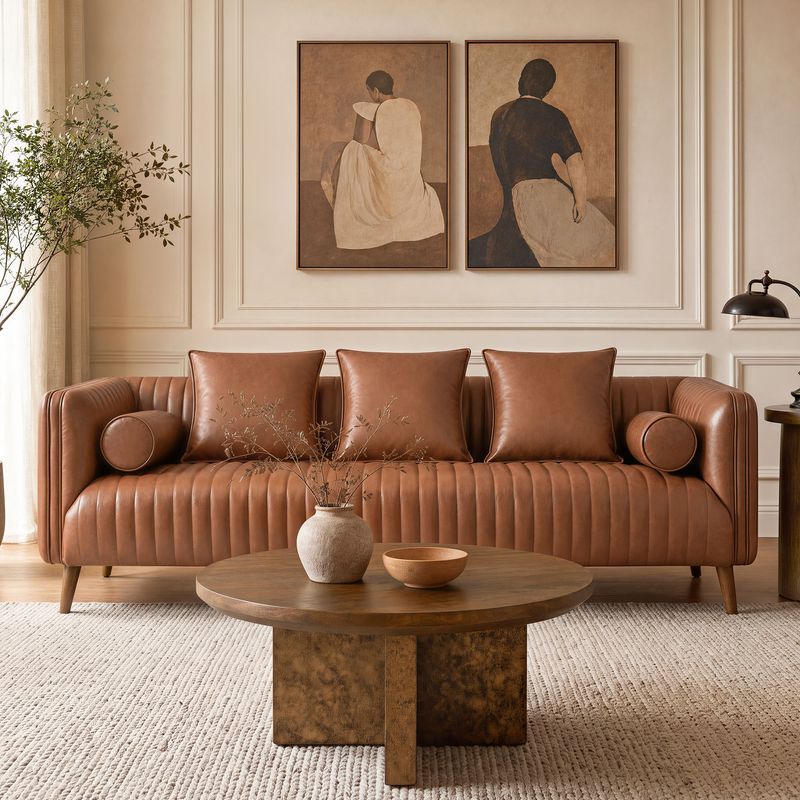
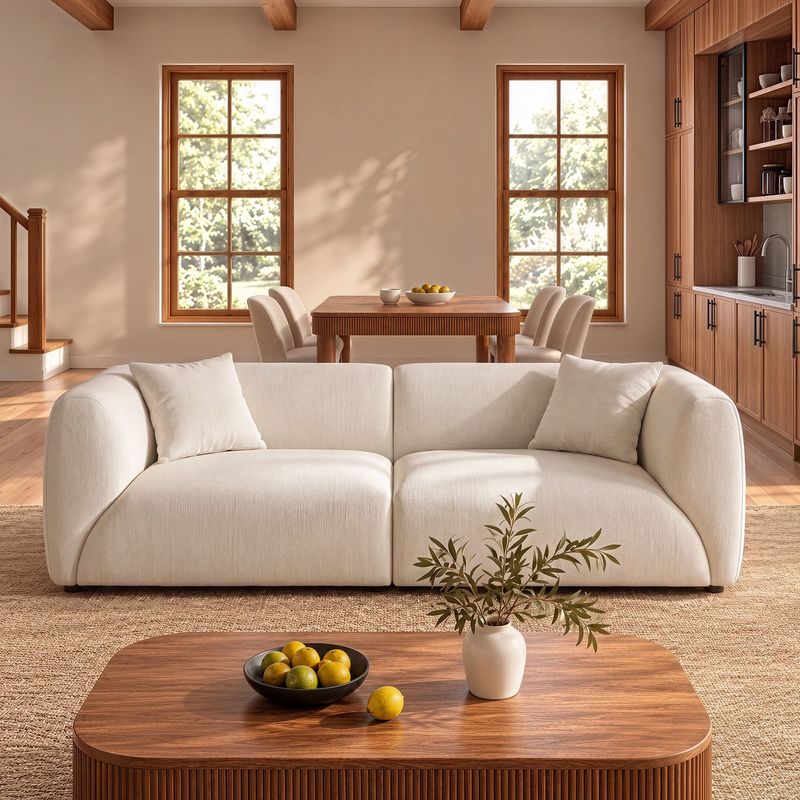
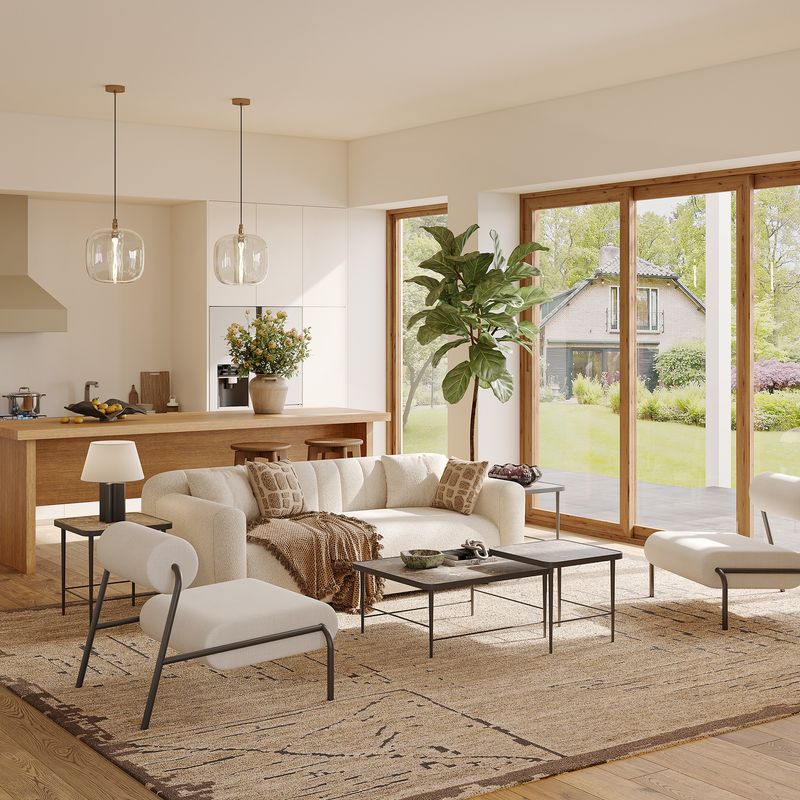
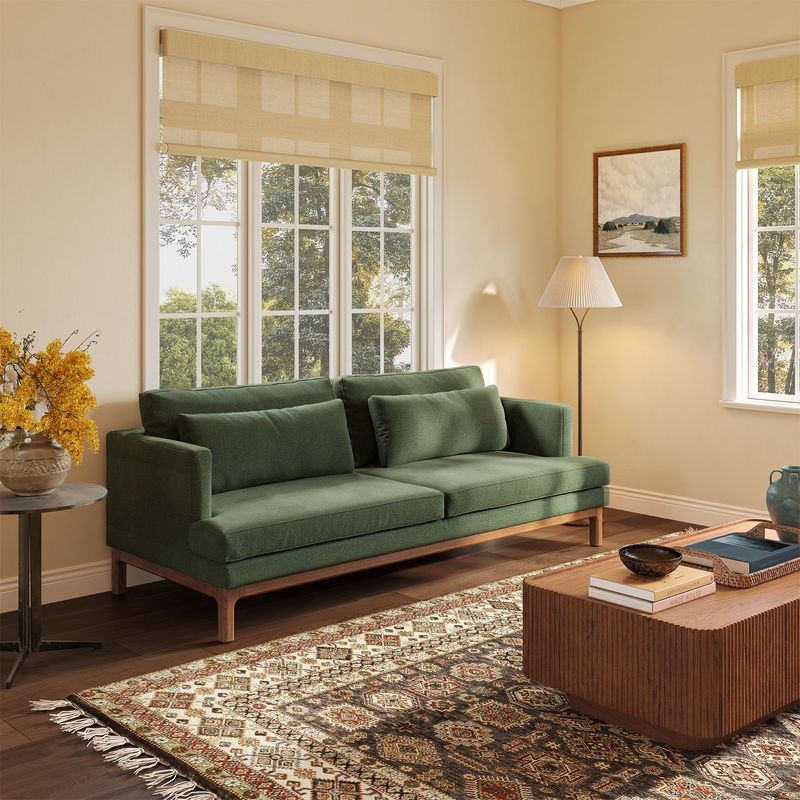
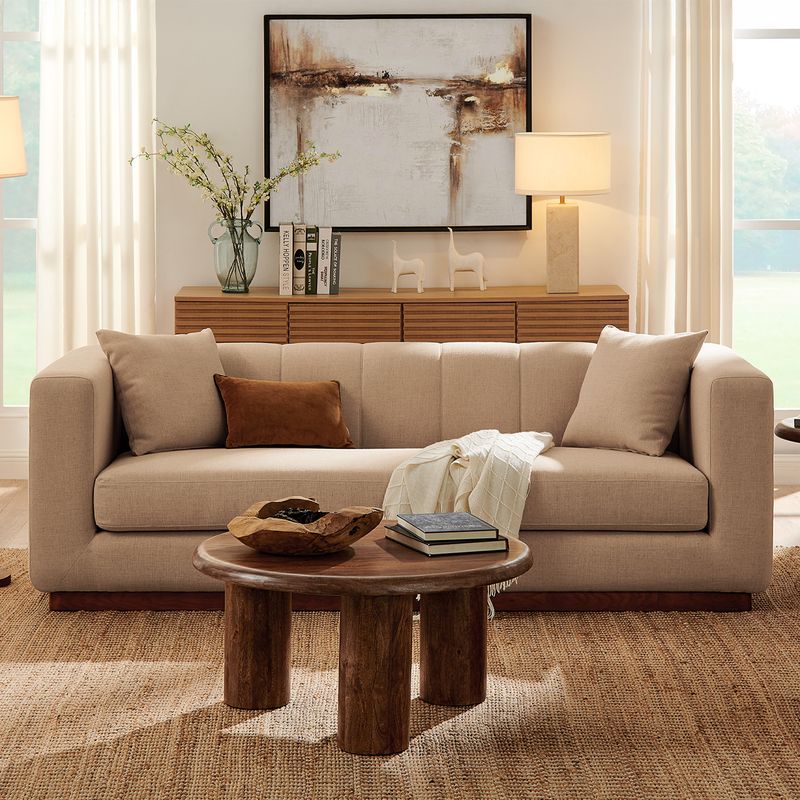
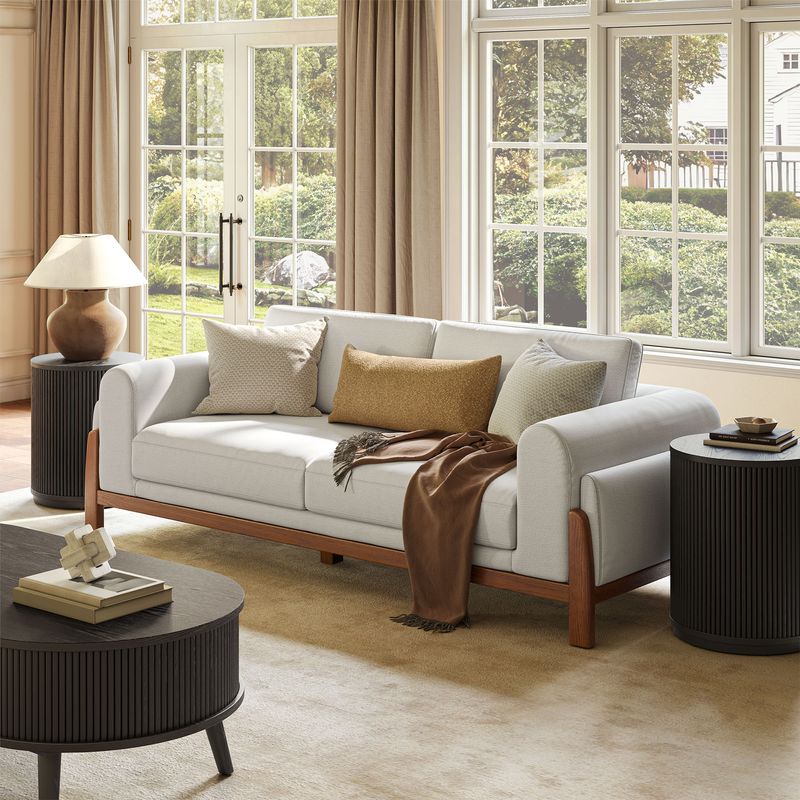
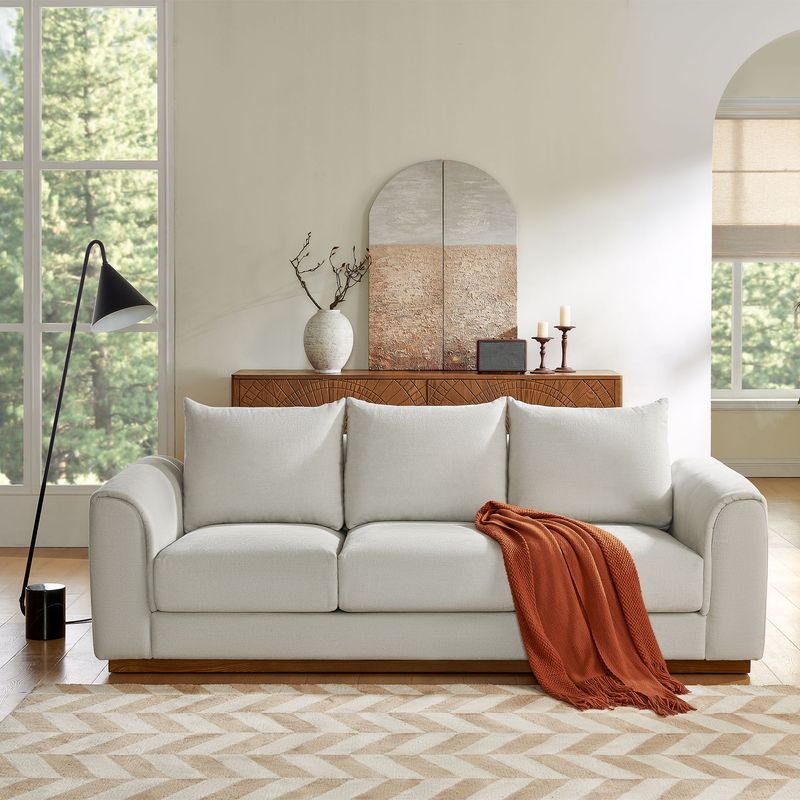
For a coordinated seating area, pair your sofa with a coffee table that leaves enough room to move around it. A wood finish, textured rug, or a few carefully chosen accessories can add visual interest without making the space feel crowded.
Curved Sofas With a Softer Profile
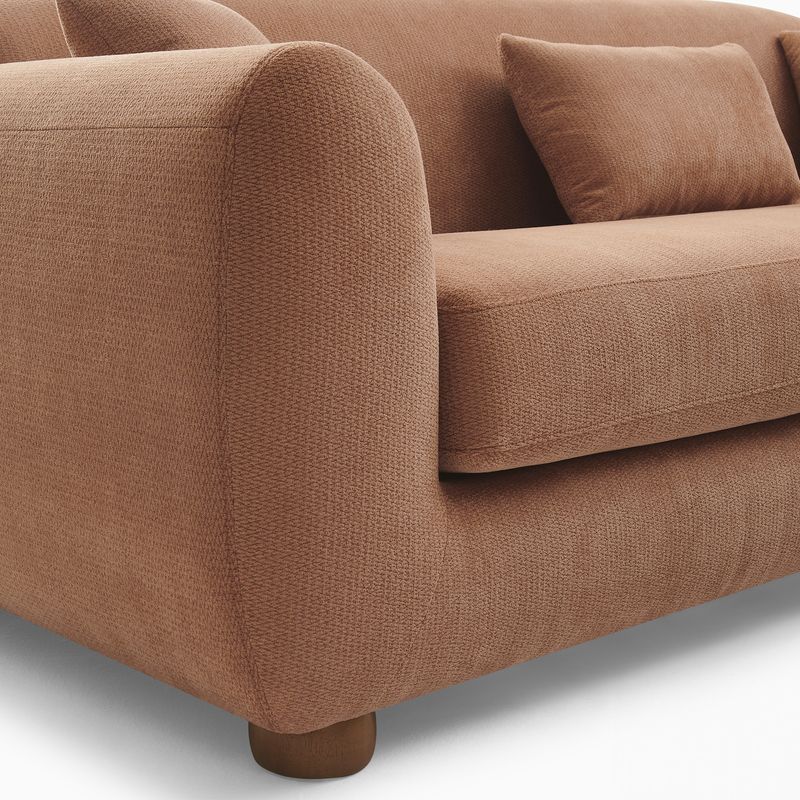
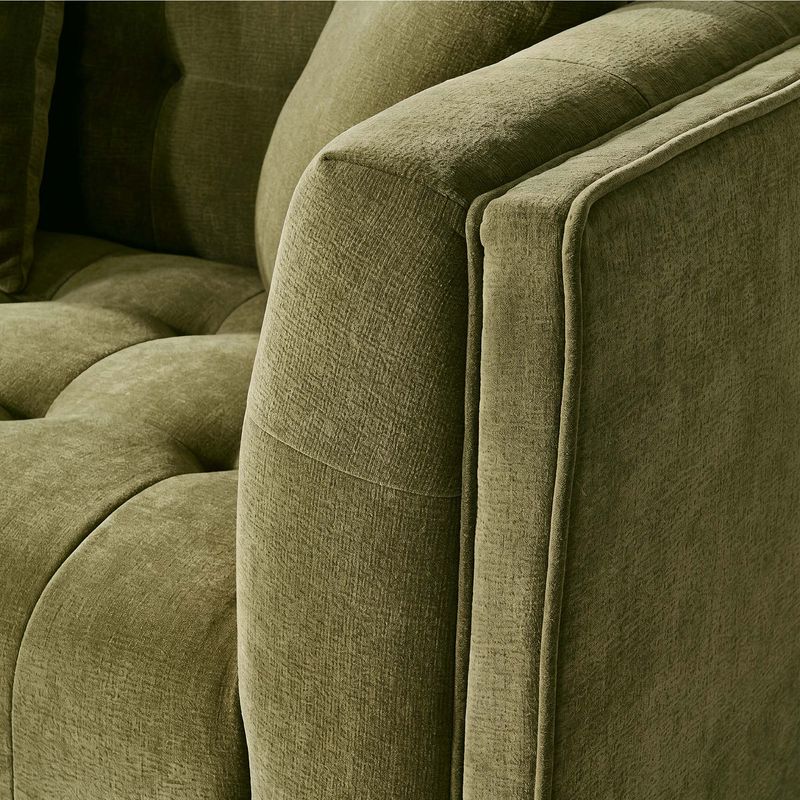
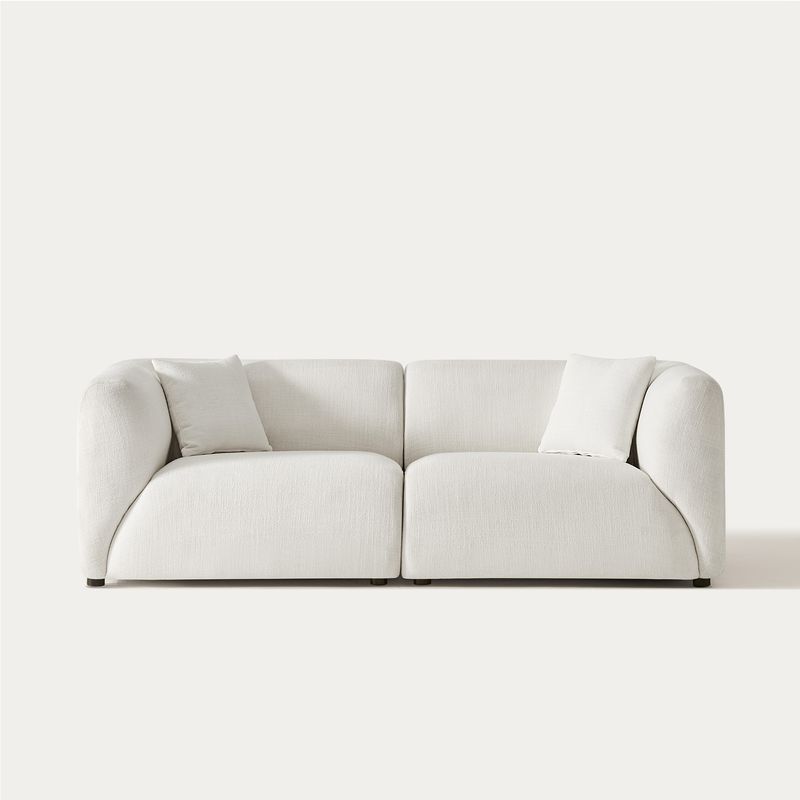
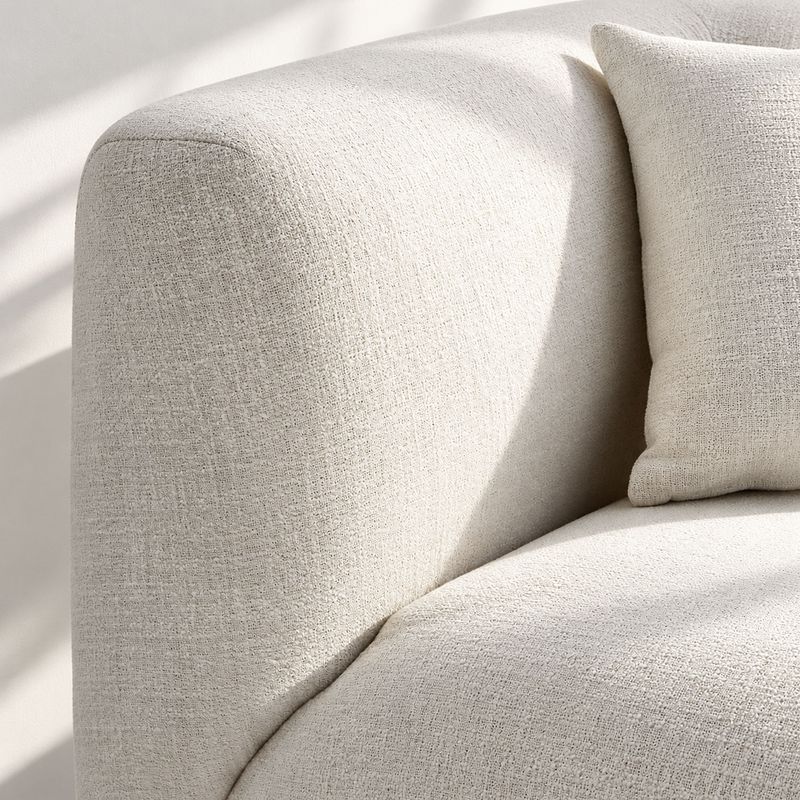
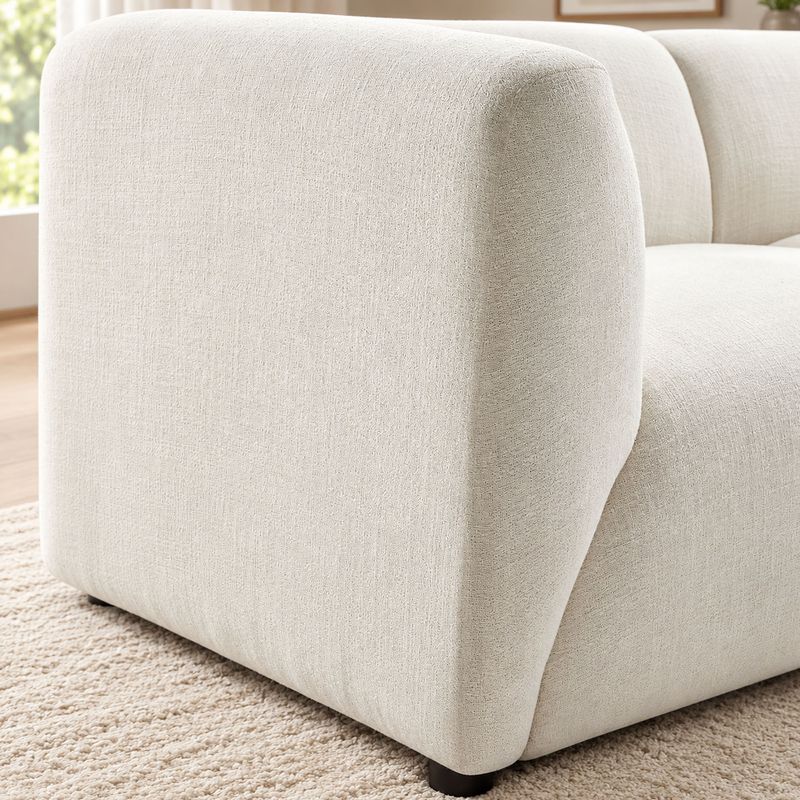
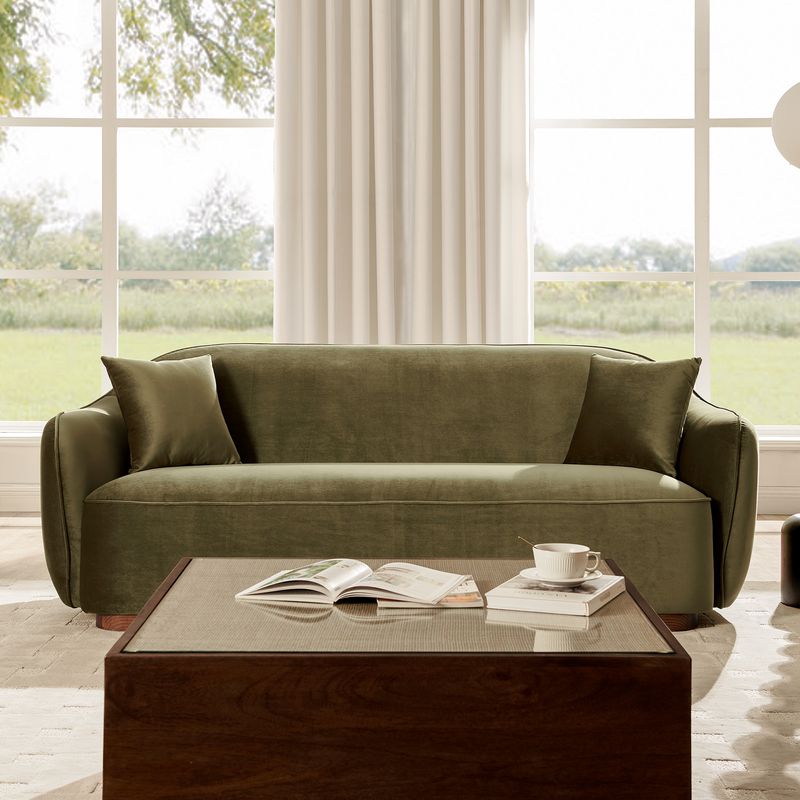
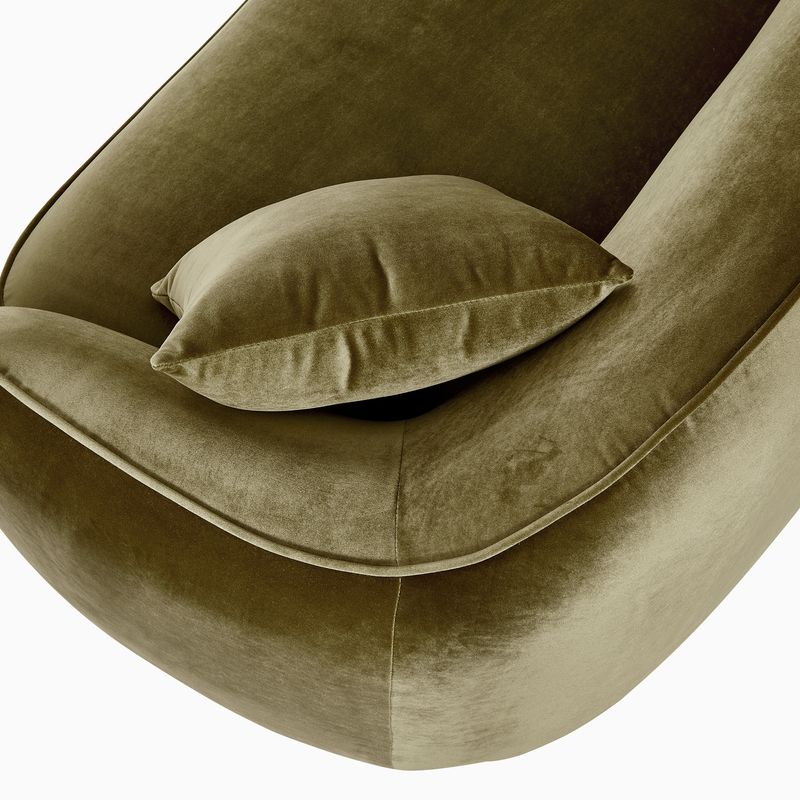
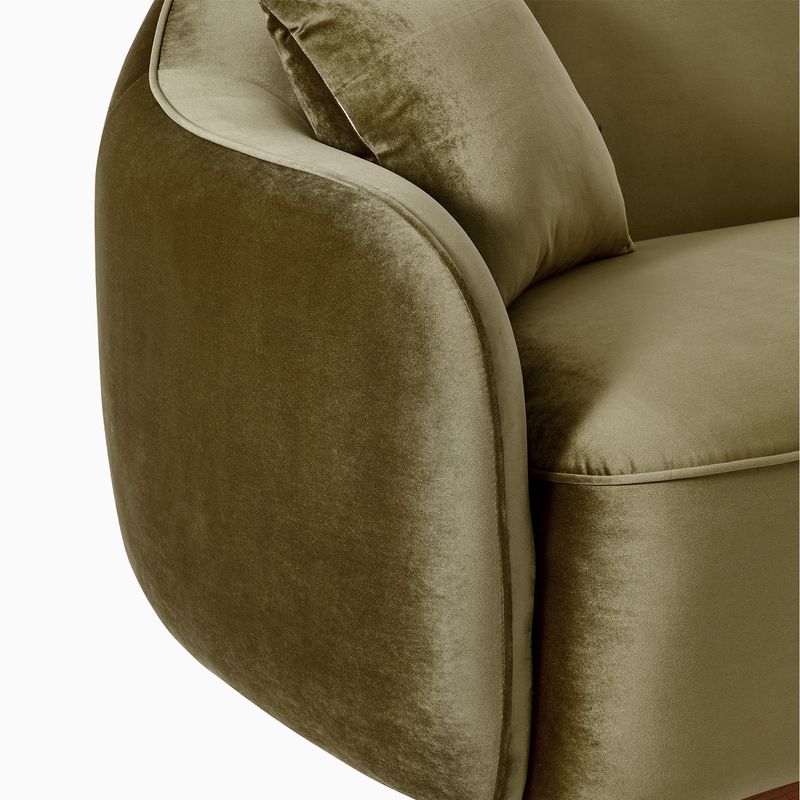
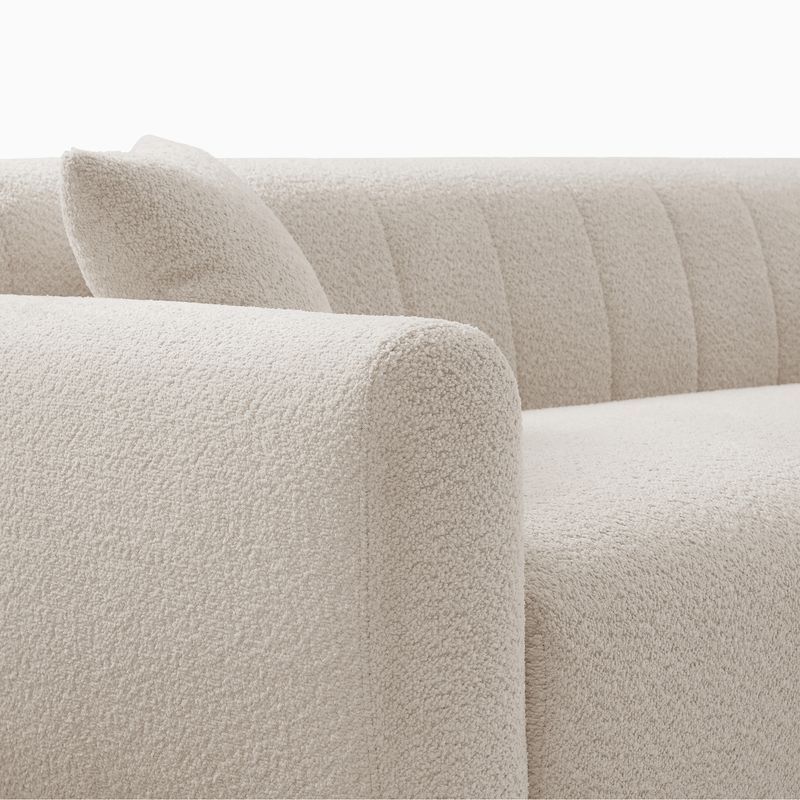
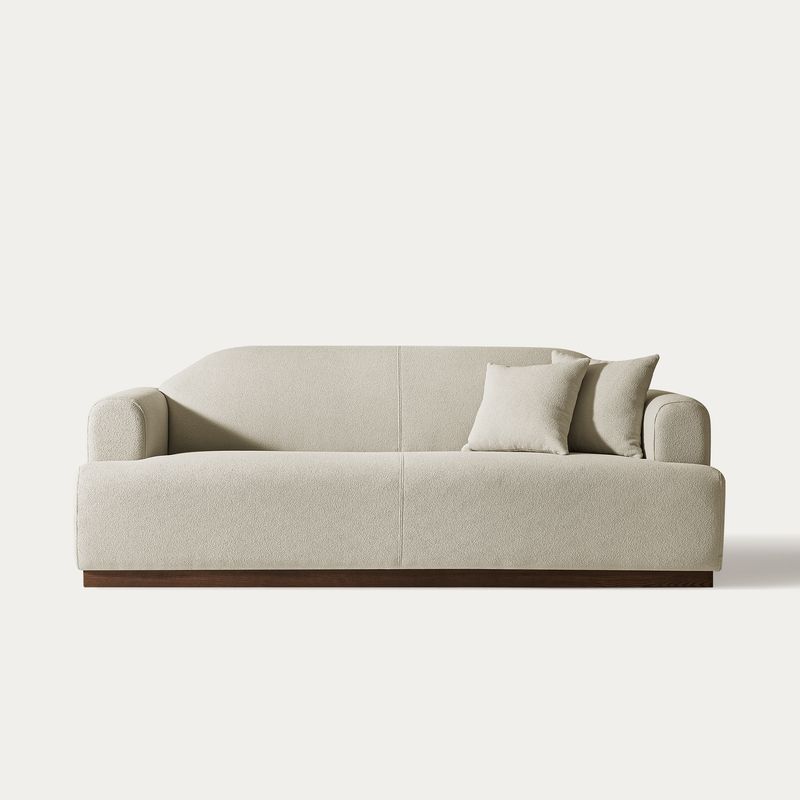
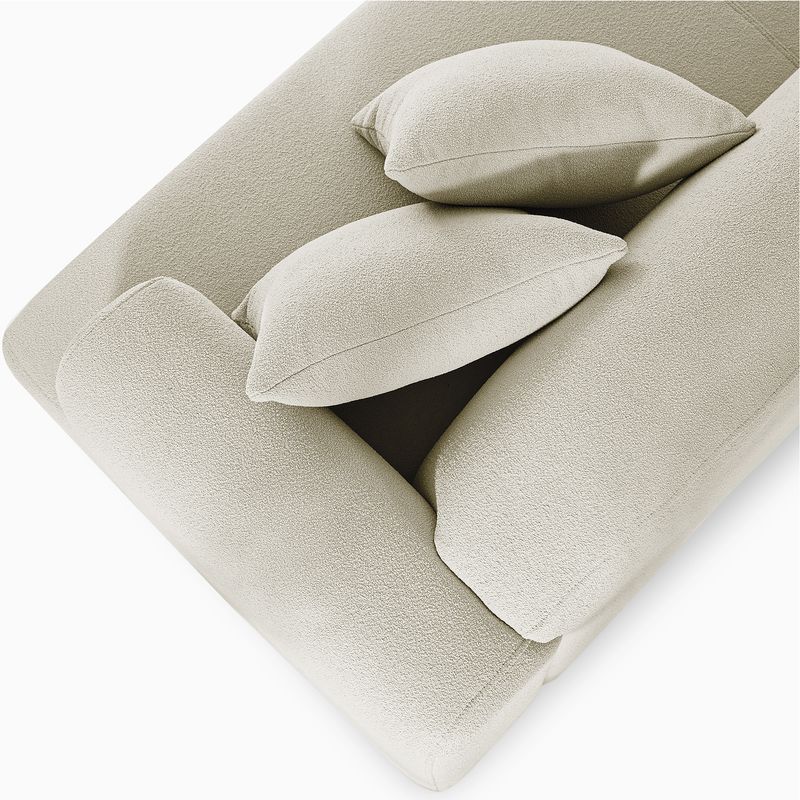
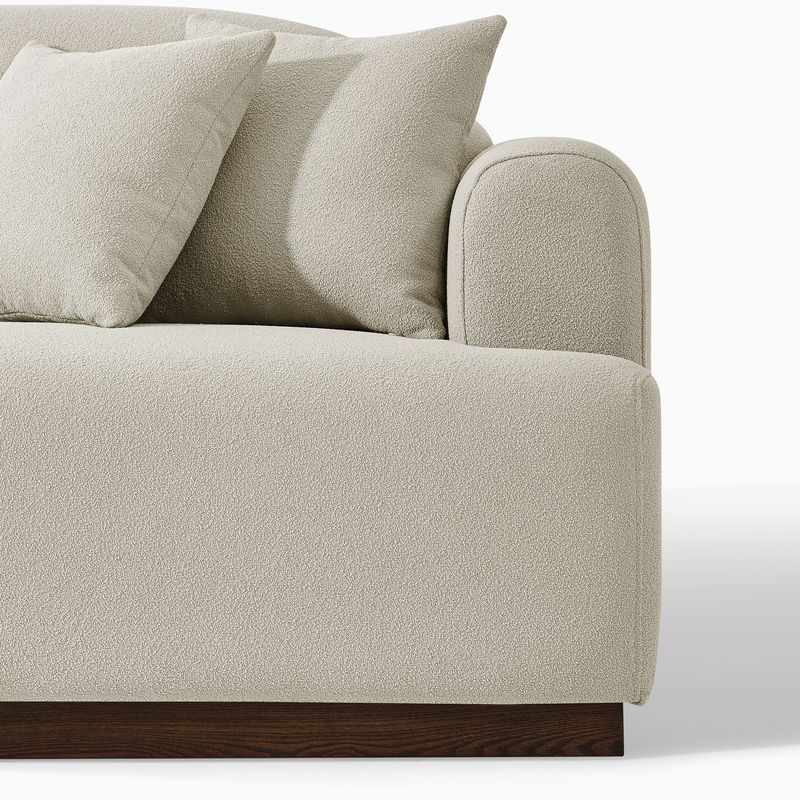
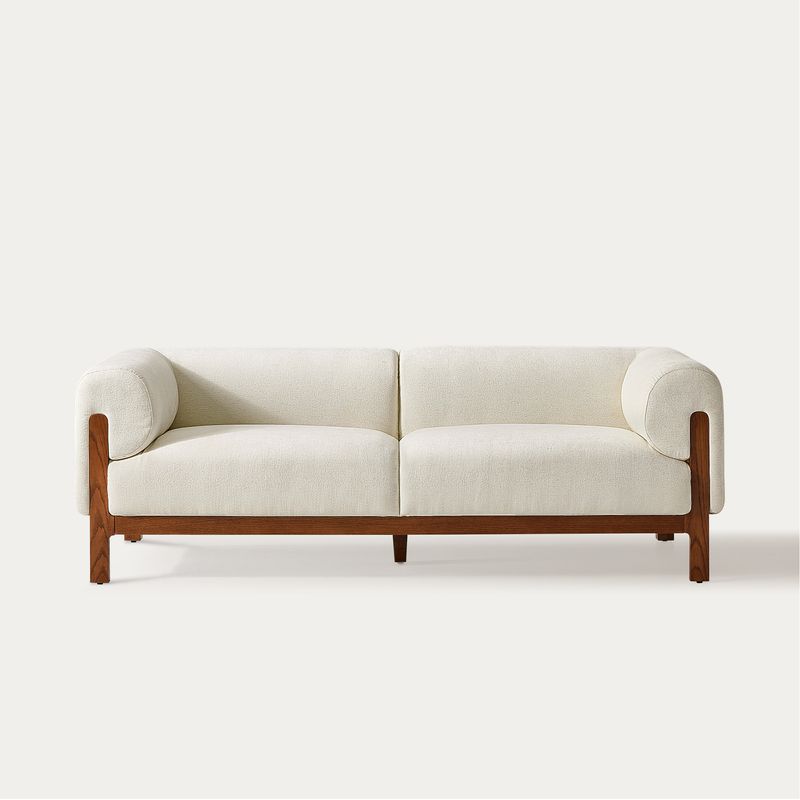
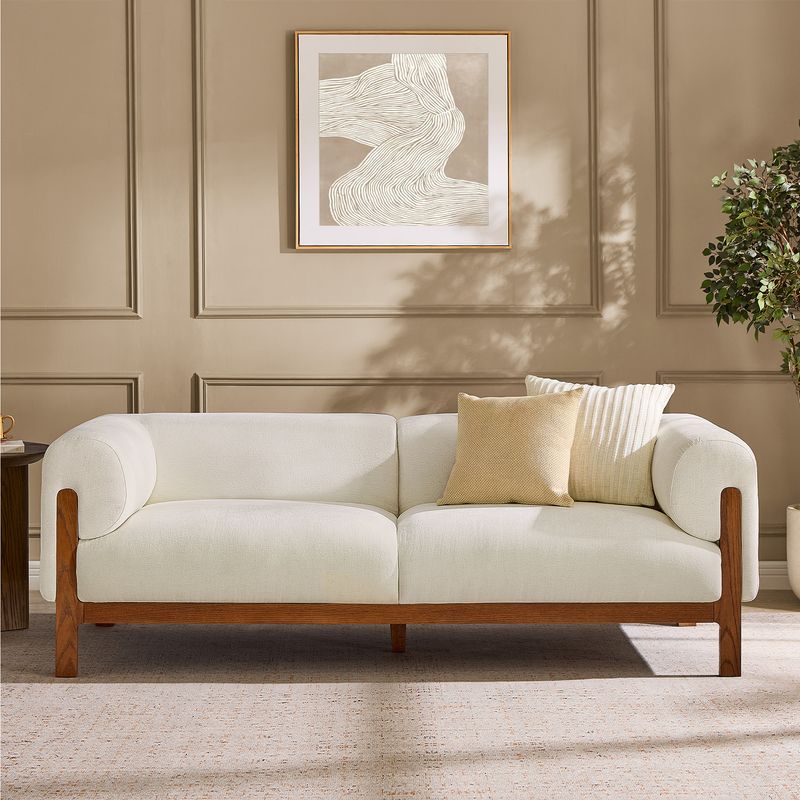
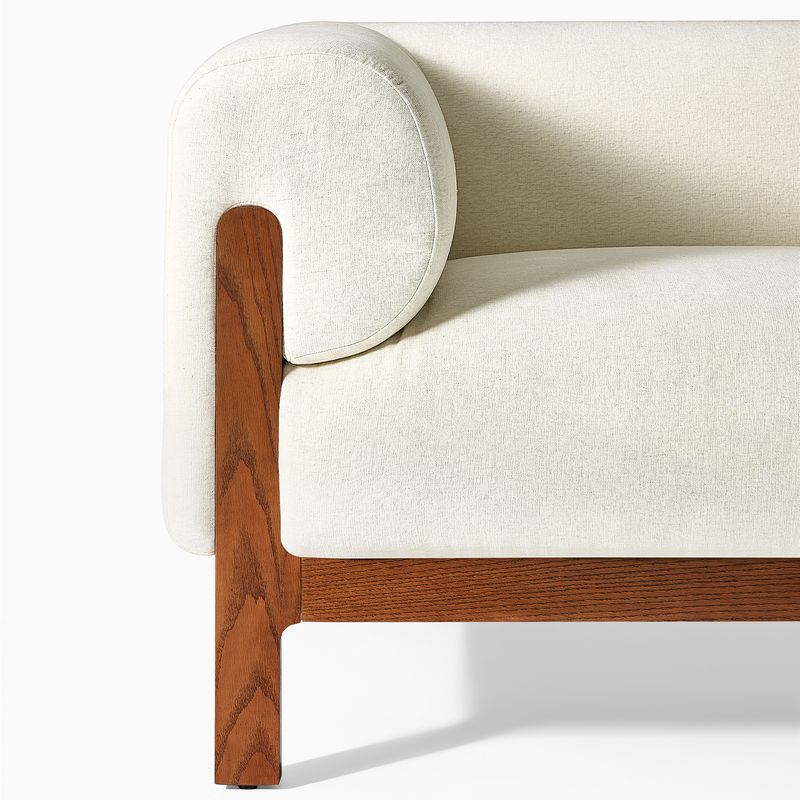
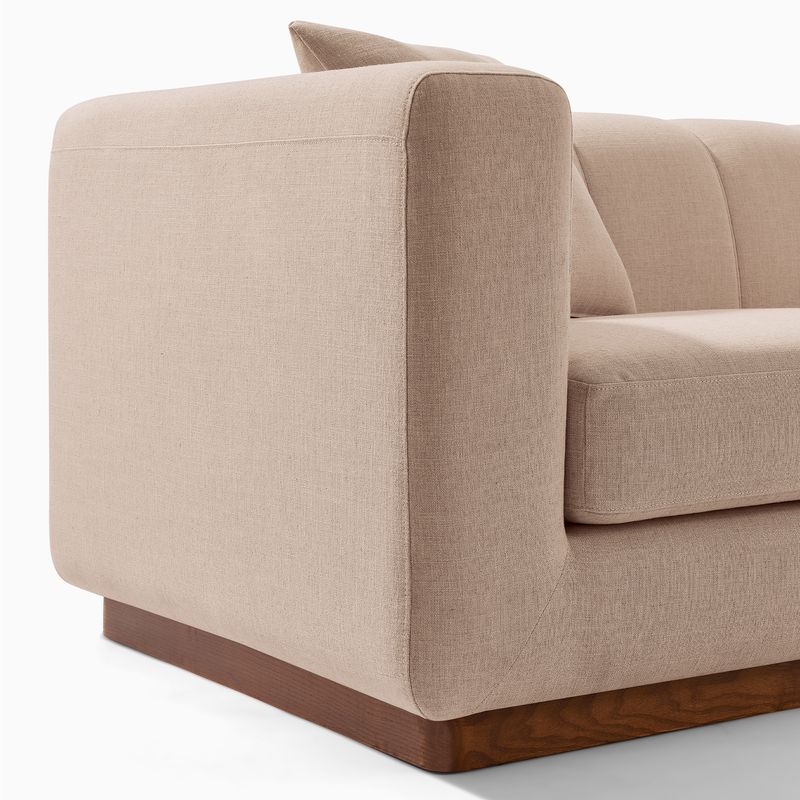
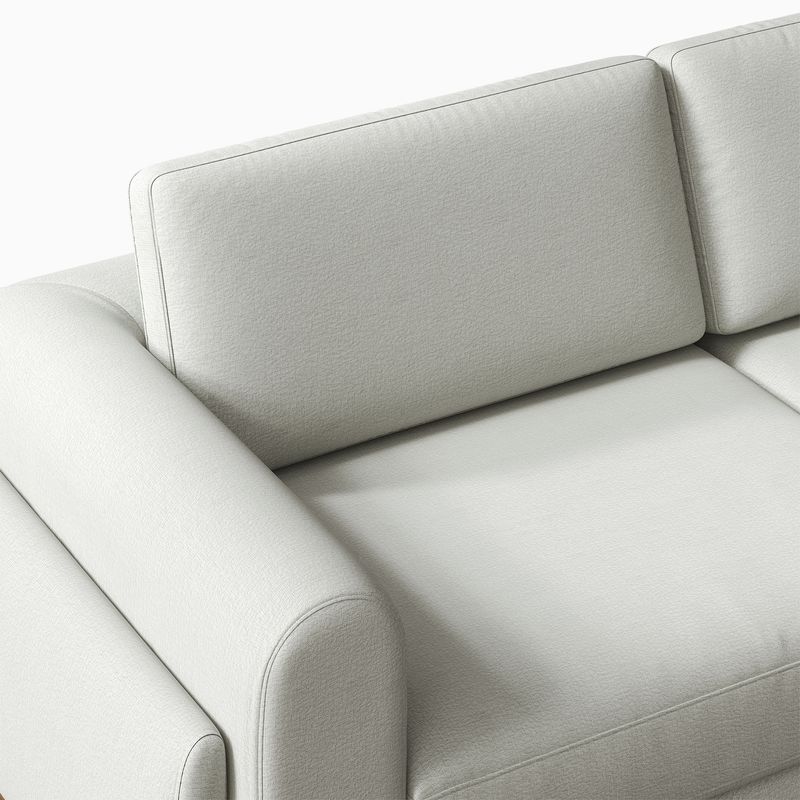
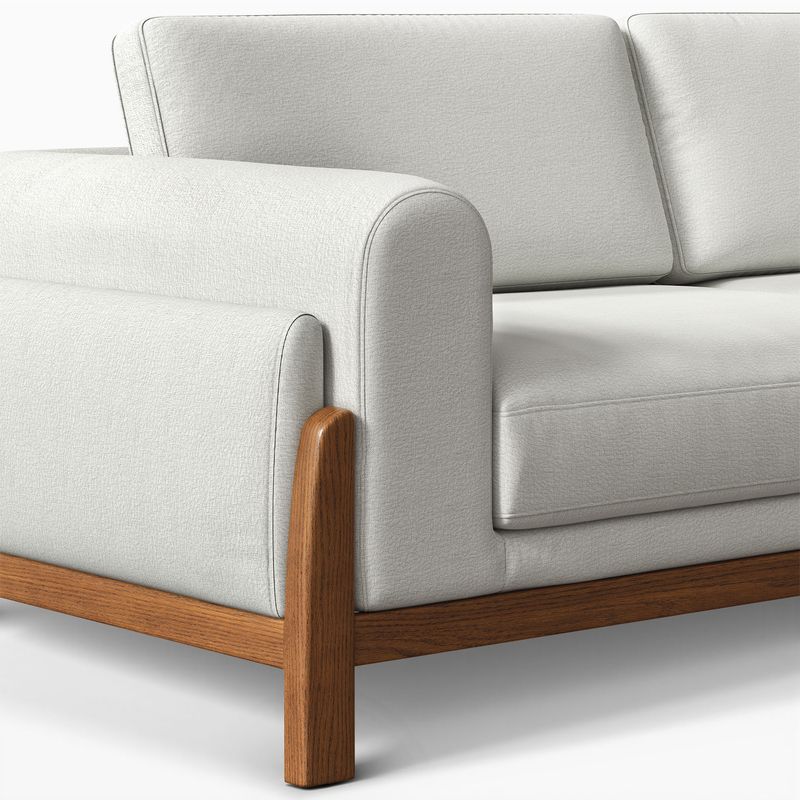
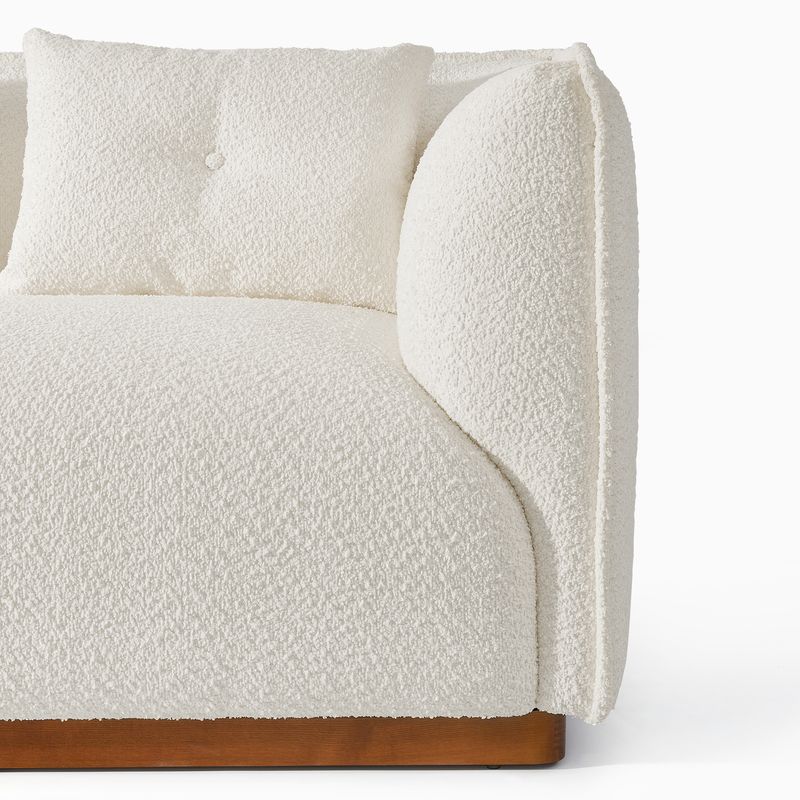
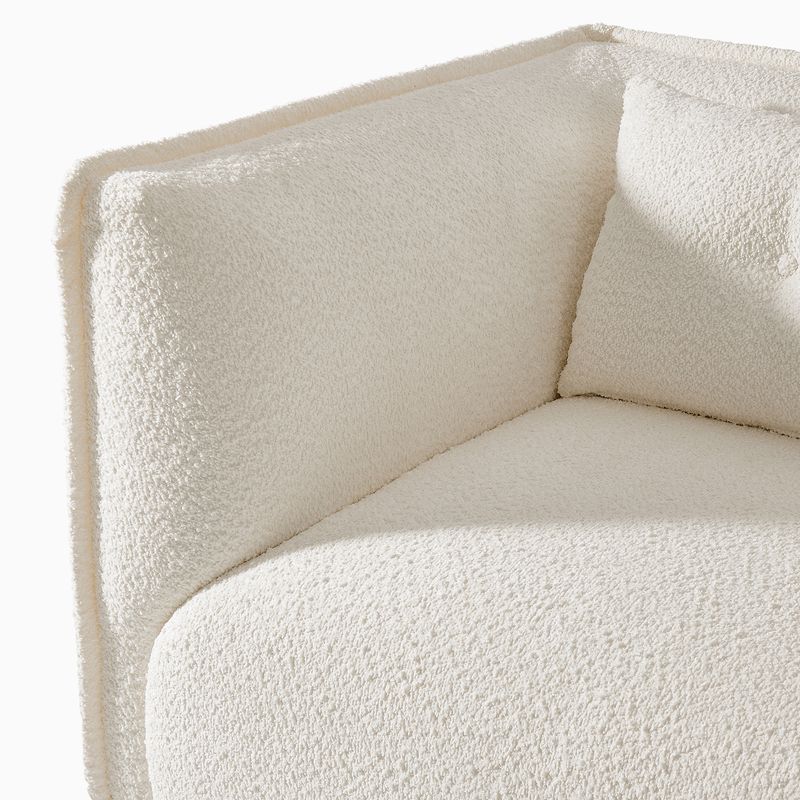
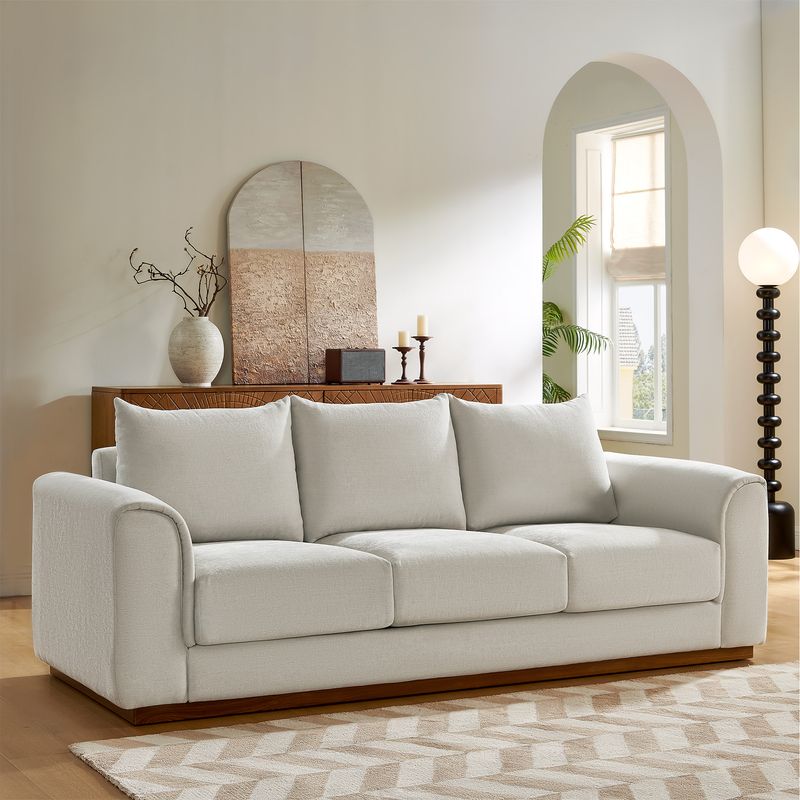
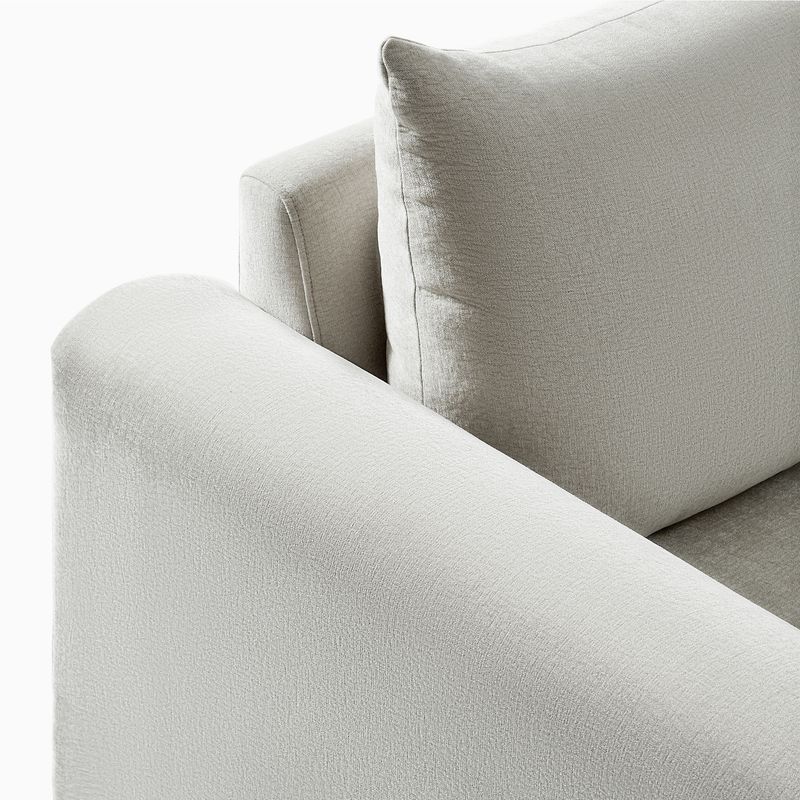
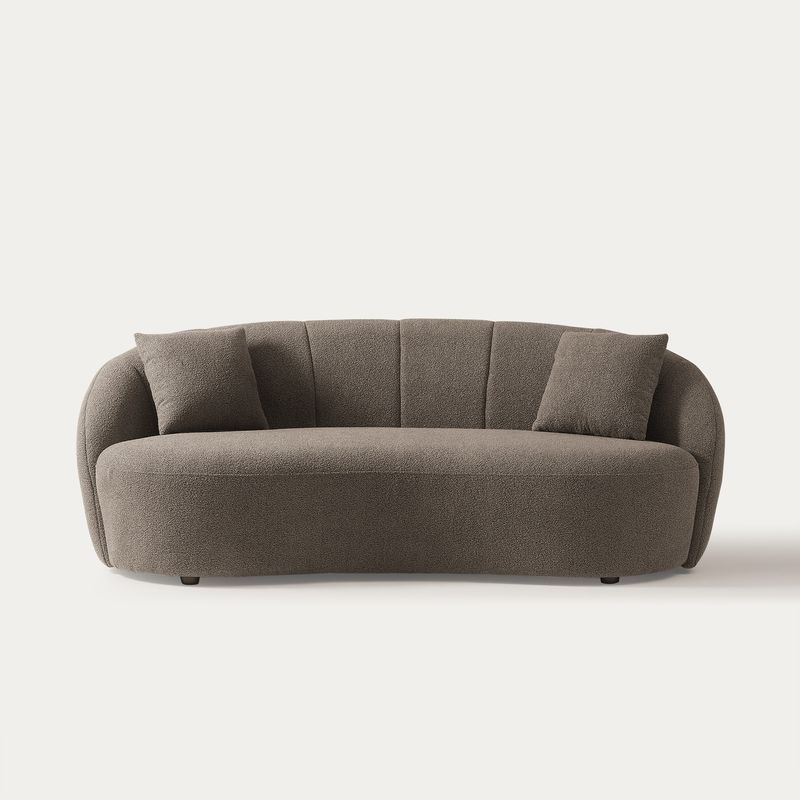
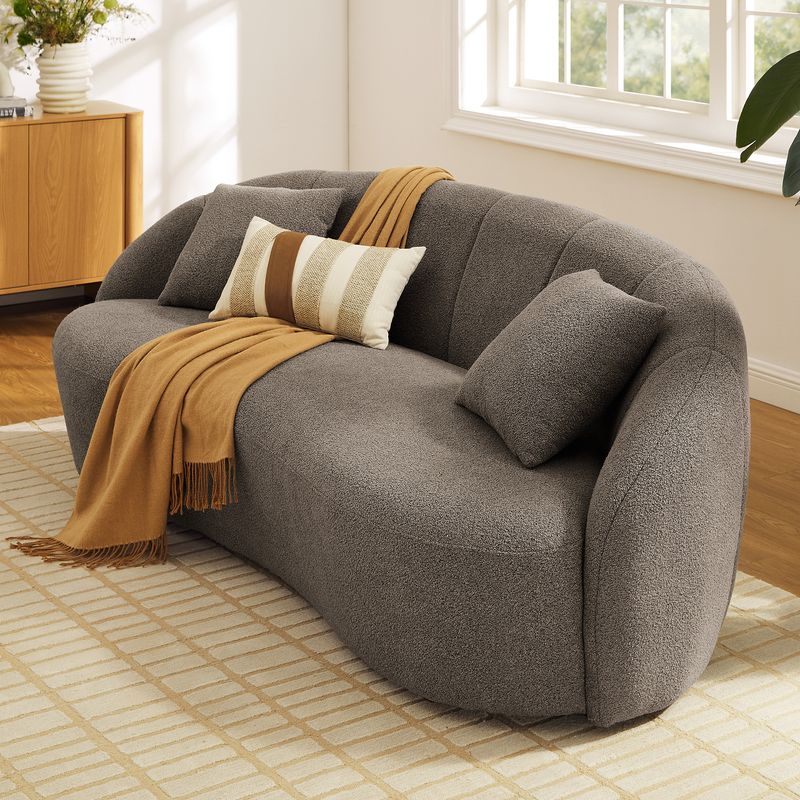
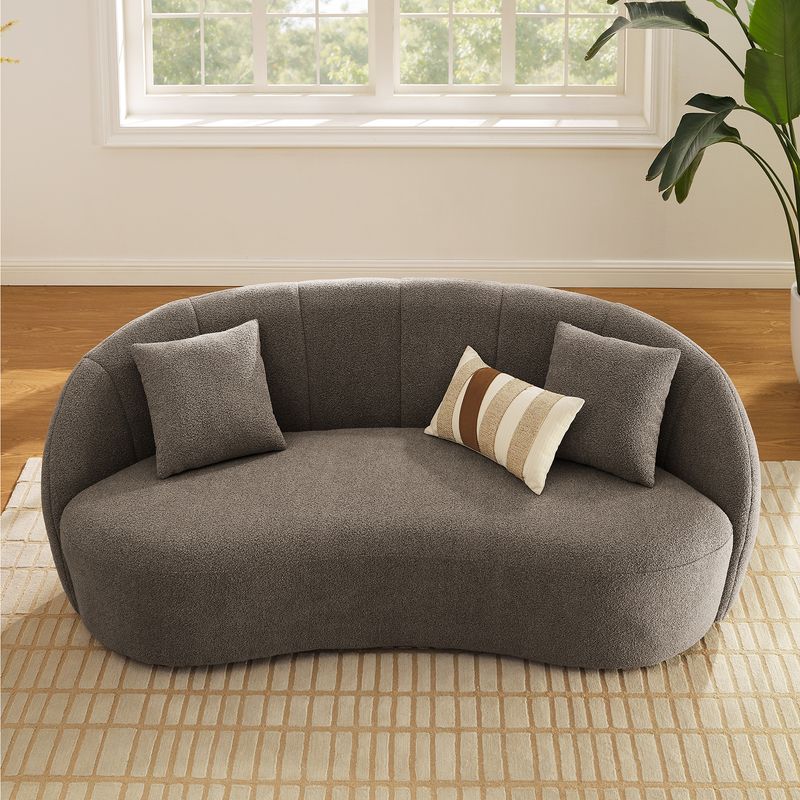
Curved arms and rounded cushions can soften a room filled with straight edges. Textured upholstery adds depth without relying on bold patterns or elaborate detailing.
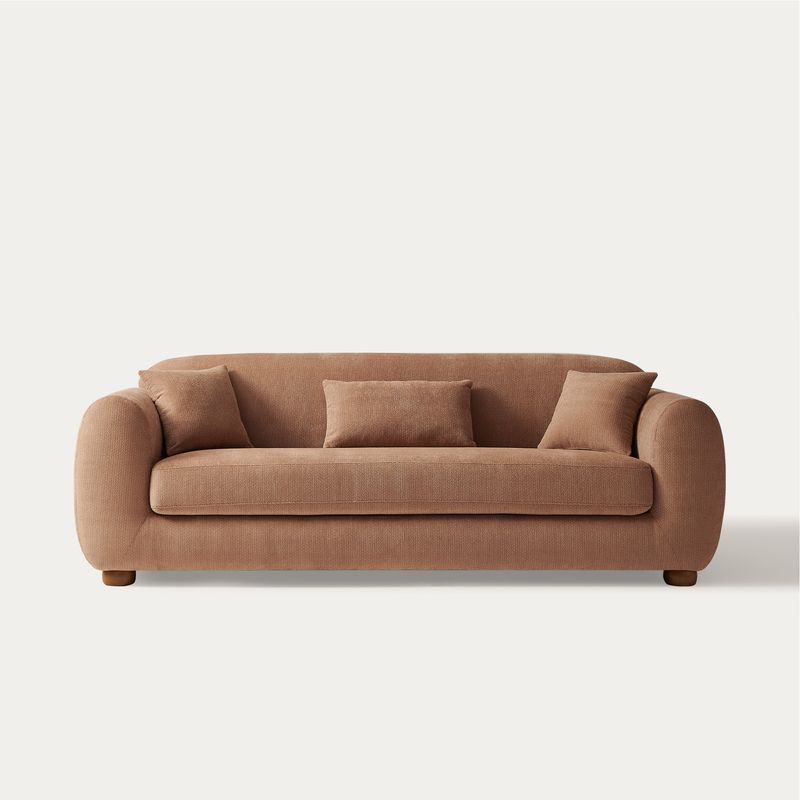
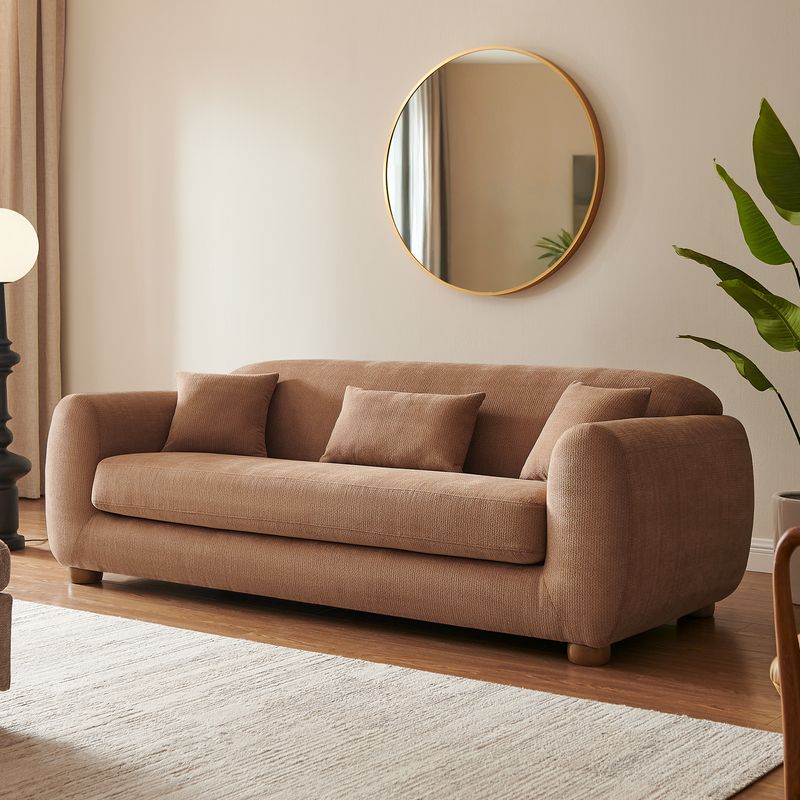
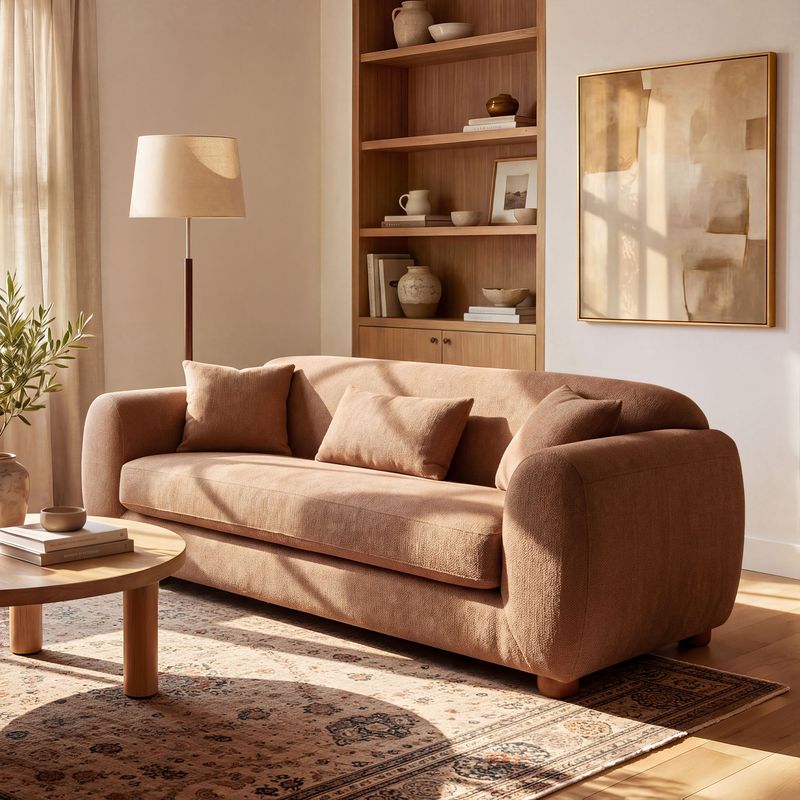
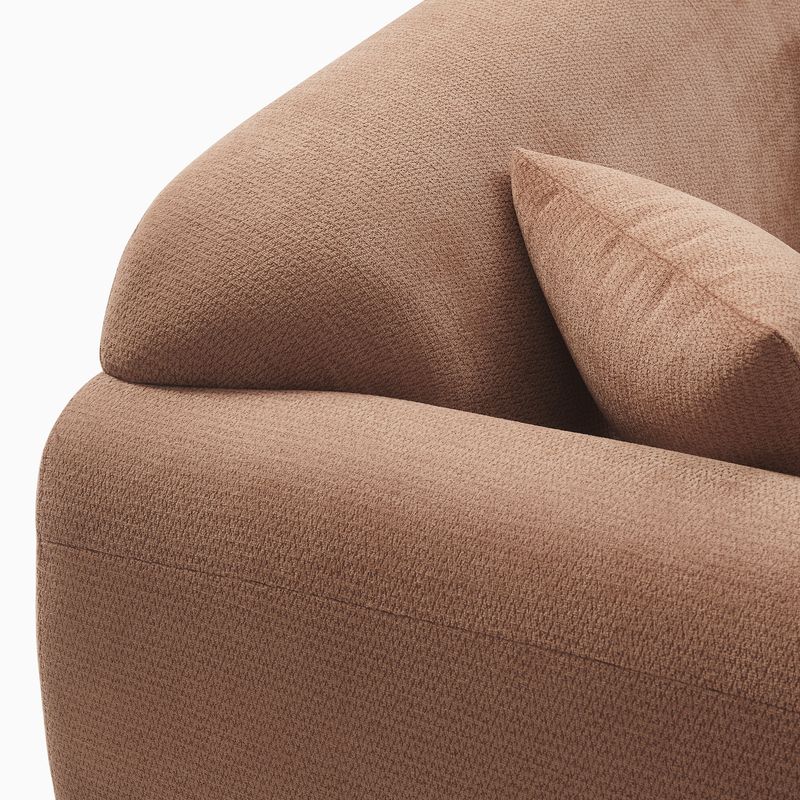
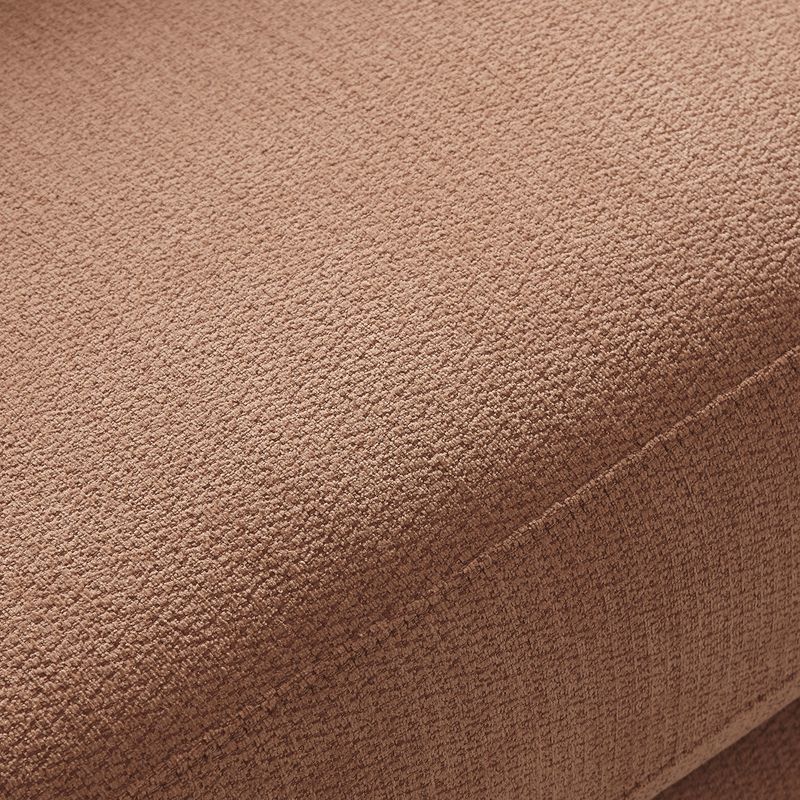
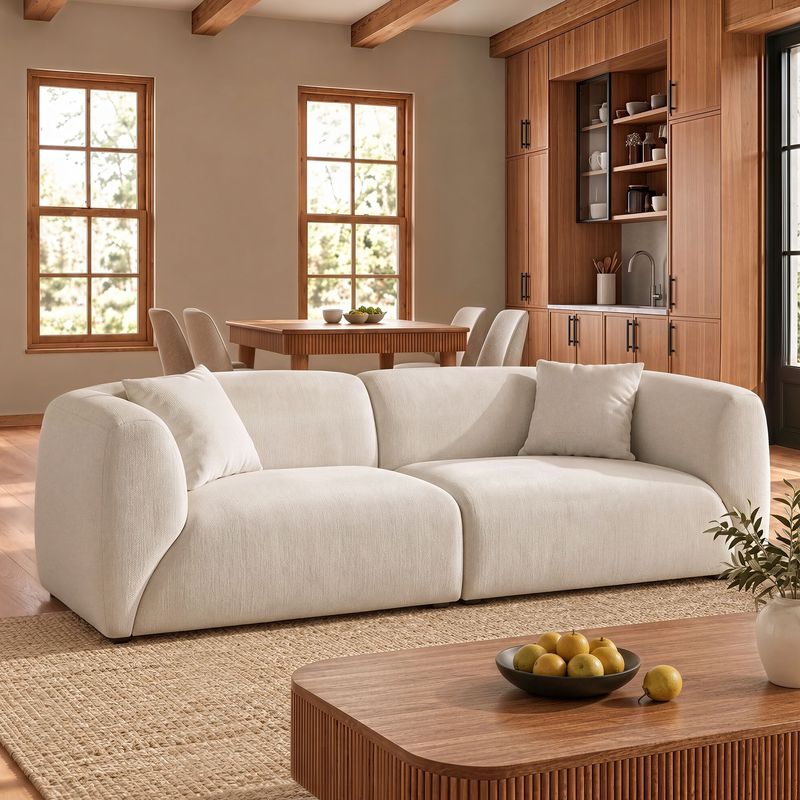
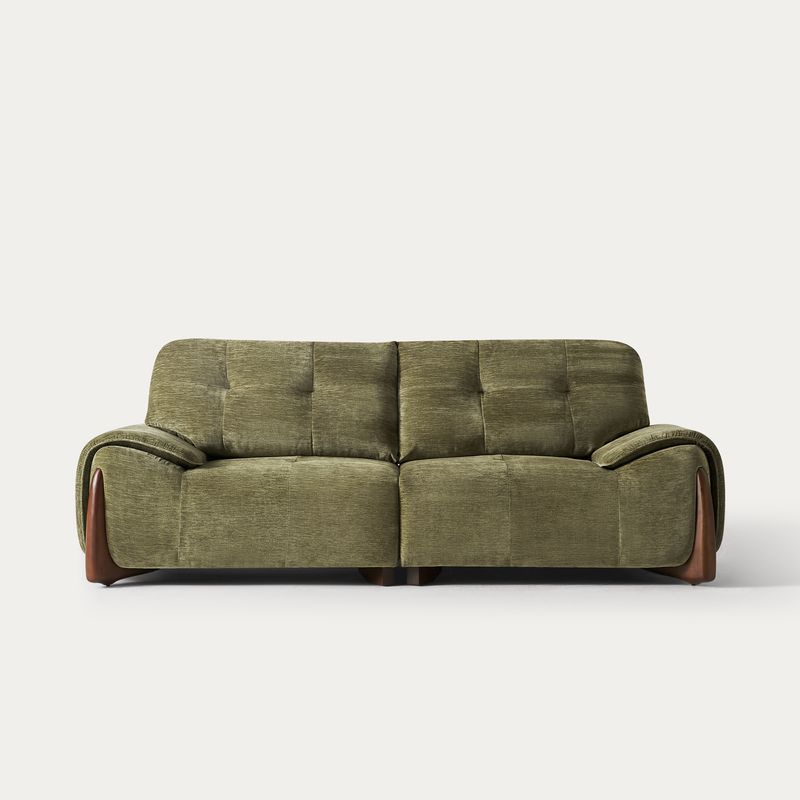
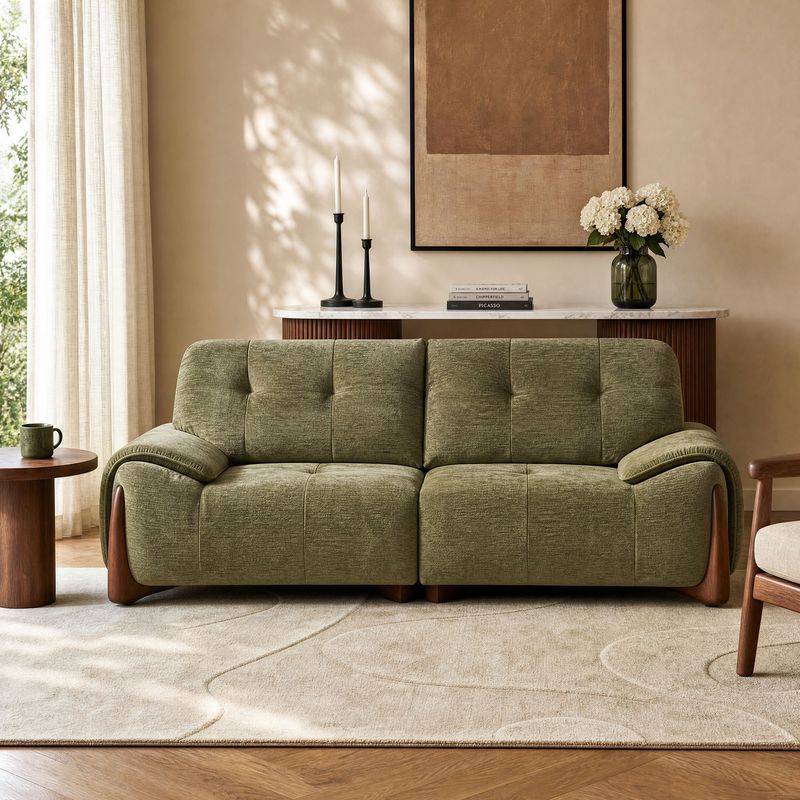
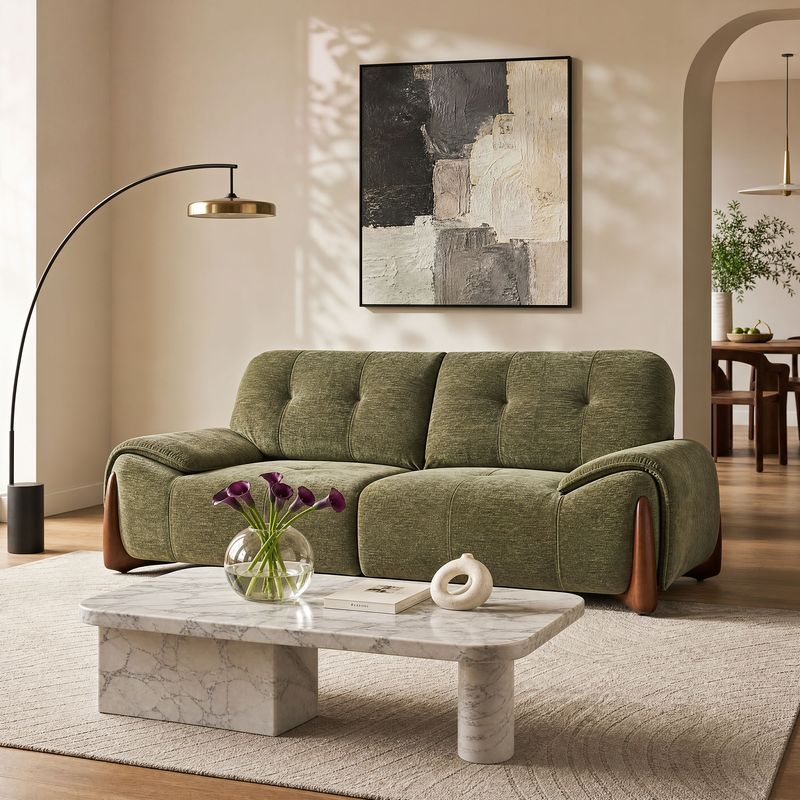
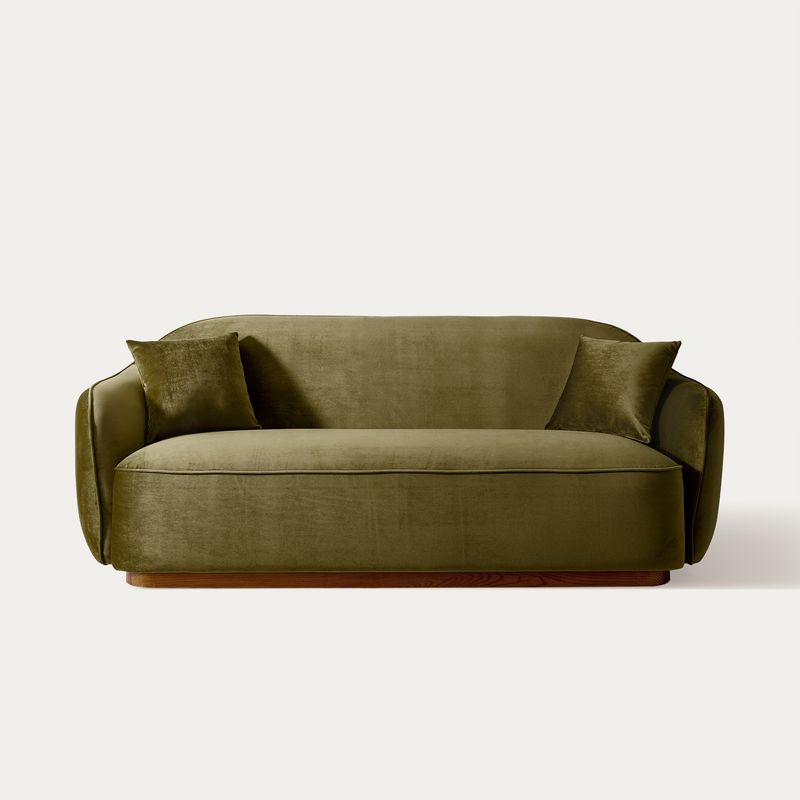
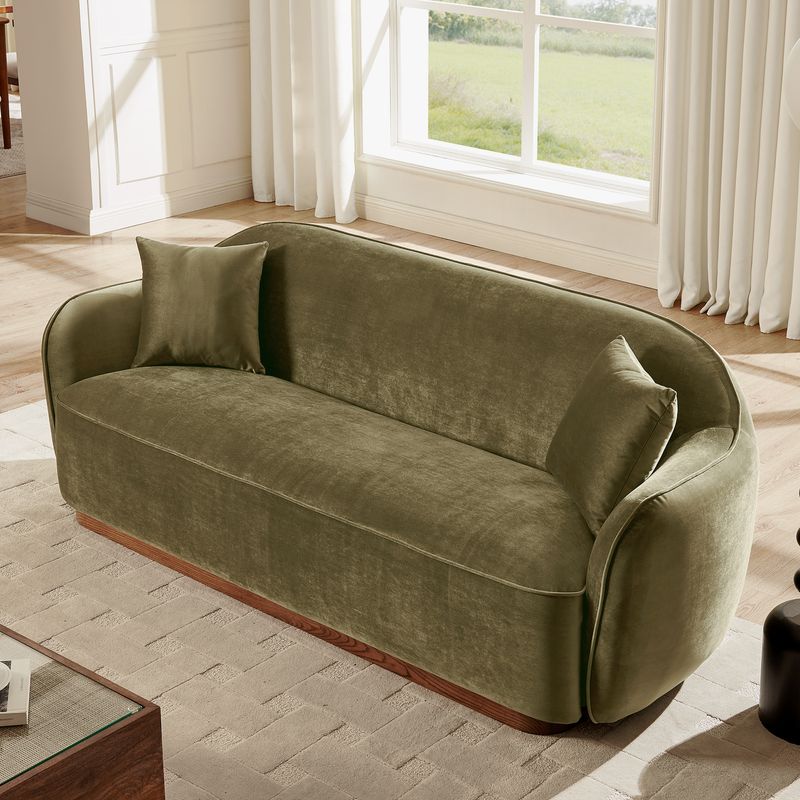
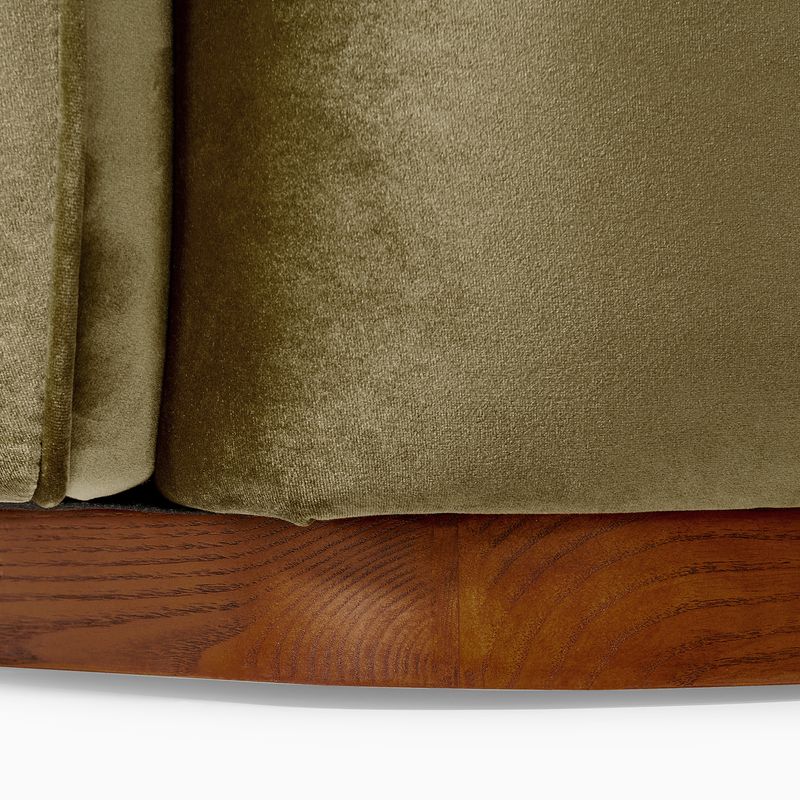
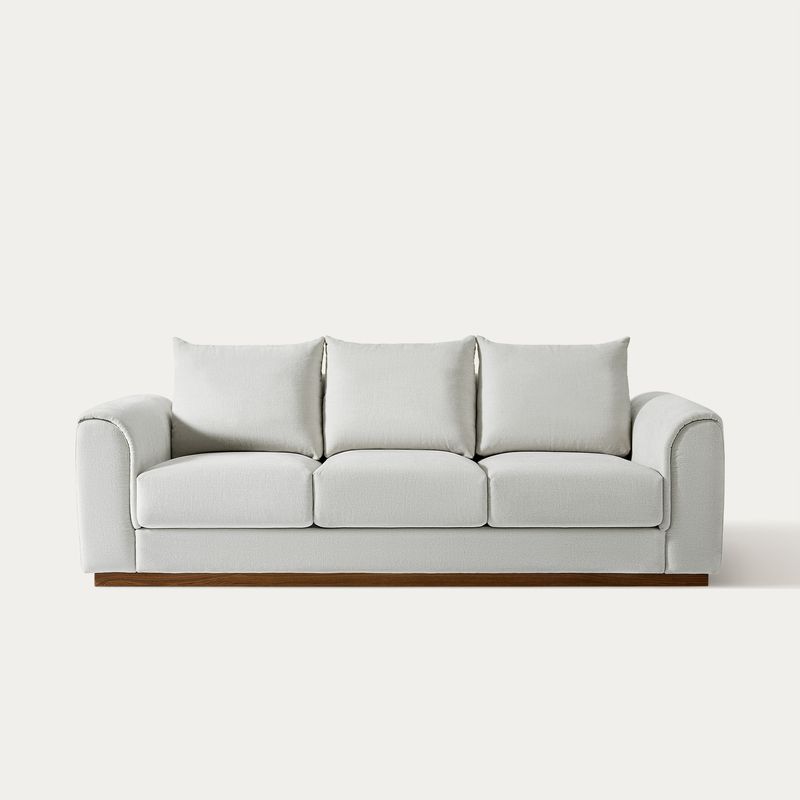
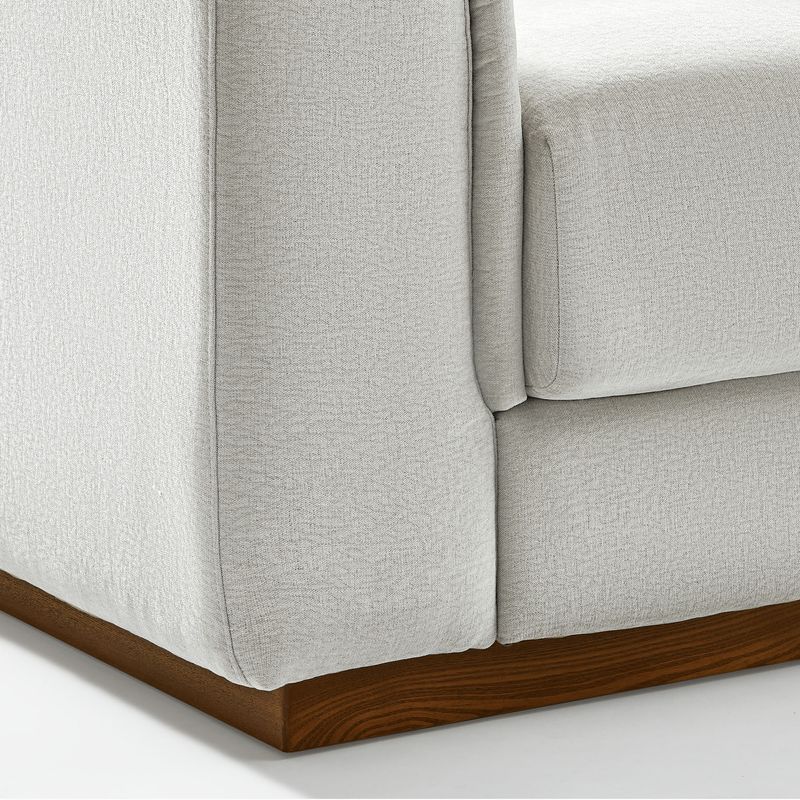
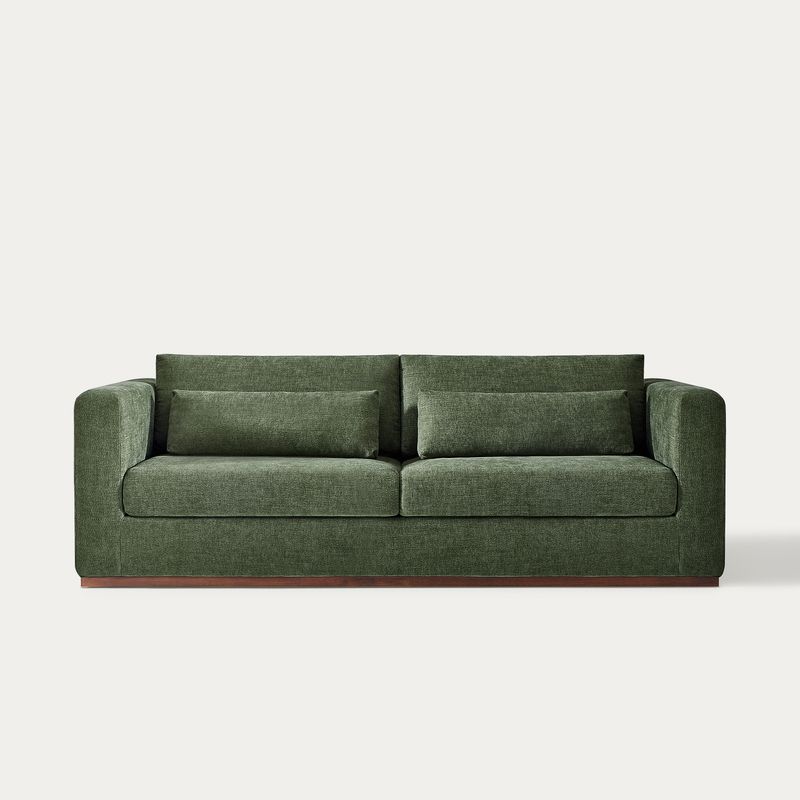
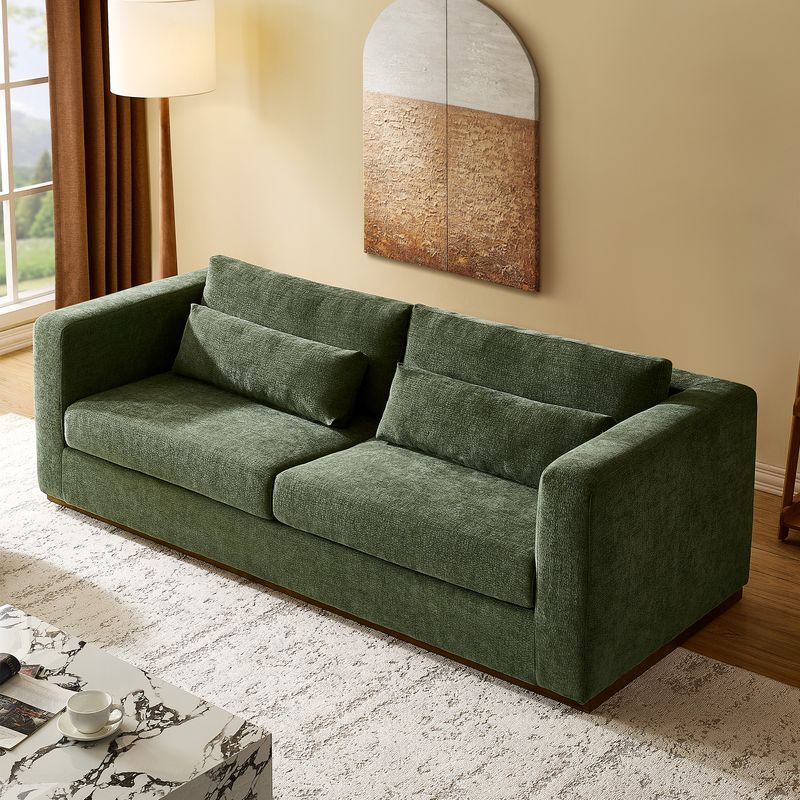
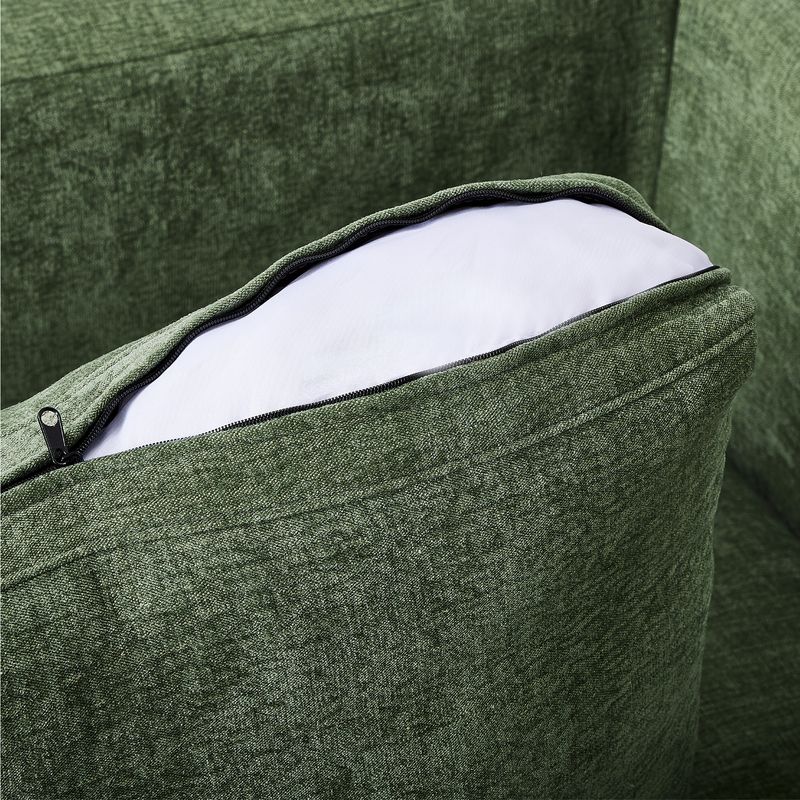
The Frosta 91-Inch Sofa is one option to consider. Its rounded silhouette and curved armrests create a softer profile, while chenille upholstery adds texture. Frosta measures 91 inches wide, 37.4 inches deep, and 30.3 inches high, with a seat depth of 26 inches. It seats three people and features removable cushion covers with zippers.
Frosta may suit a living room where you want seating for three without the deeper overall footprint of some larger designs. Its dimensions are especially worth comparing if your available floor space is limited.
Deep-Seat Sofas for Lounging
Seat depth affects how you sit and relax. A deeper seat offers more room to lean back or stretch out, while a shallower seat may feel more suitable for sitting upright. Comfort also depends on seat height, cushion support, and your preferred posture.
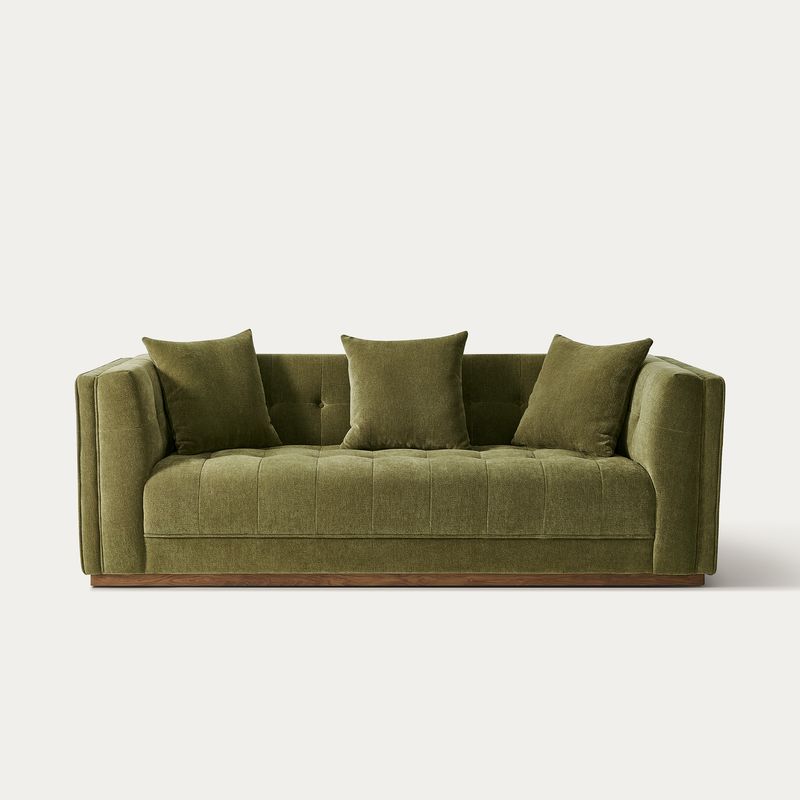
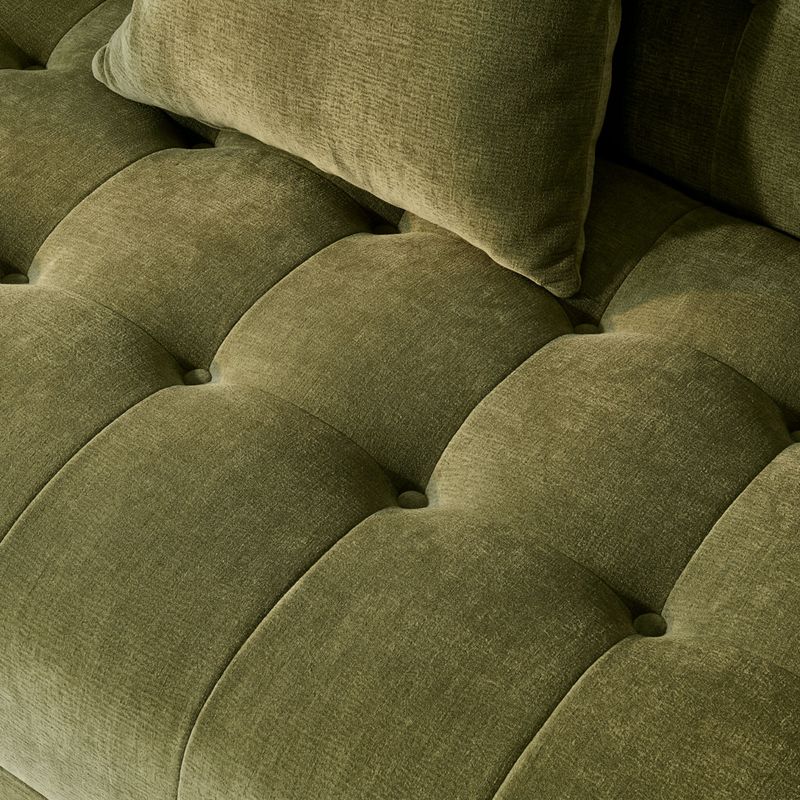
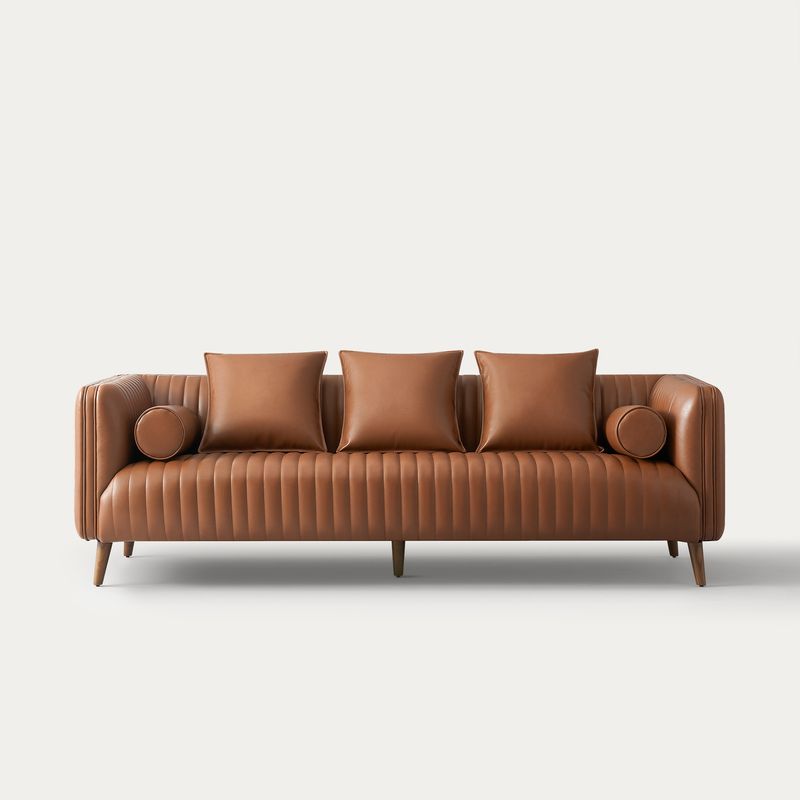
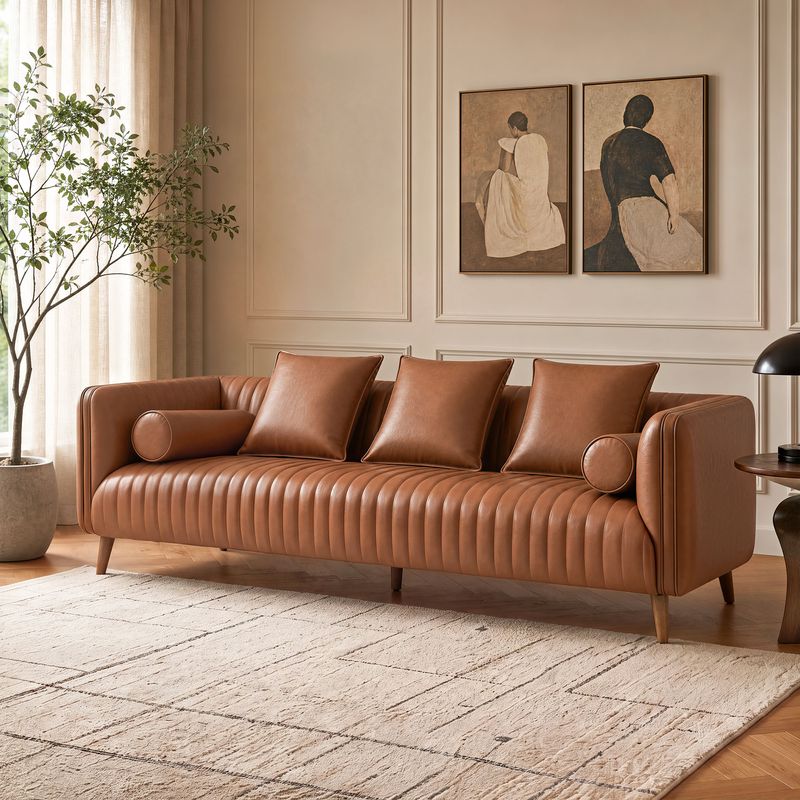
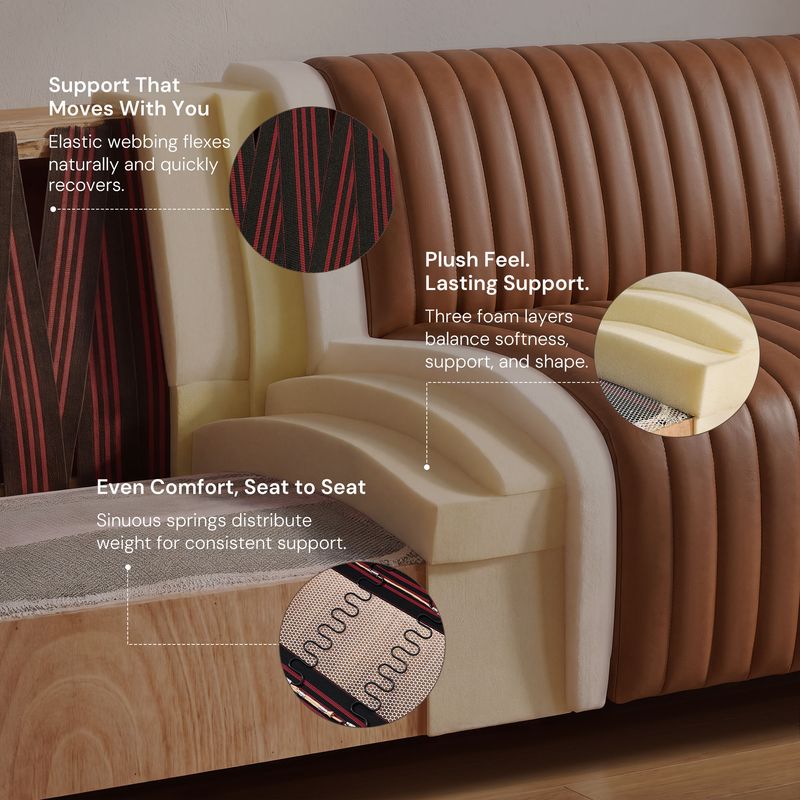
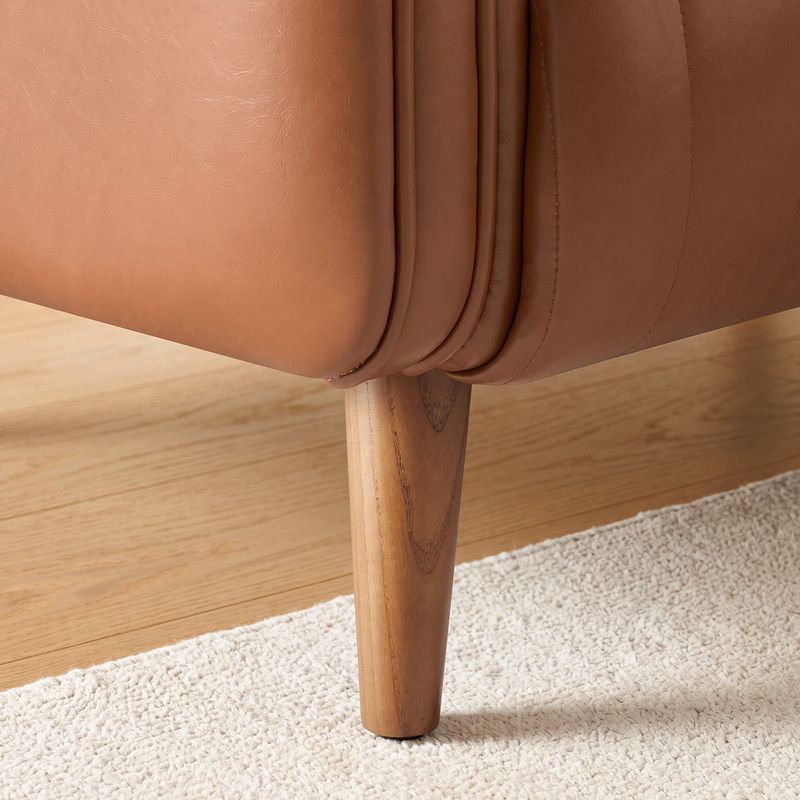
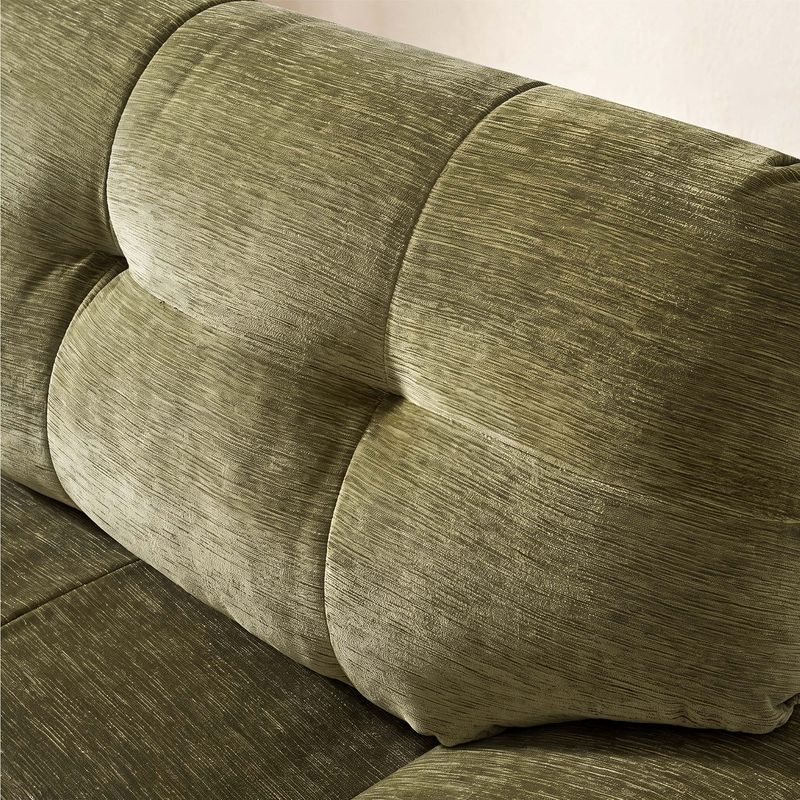
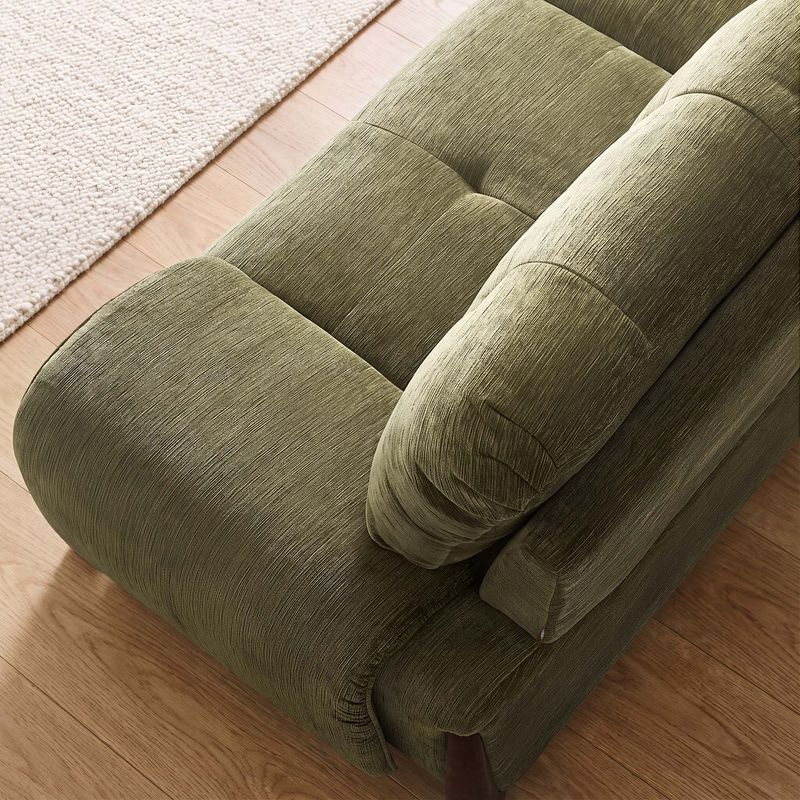
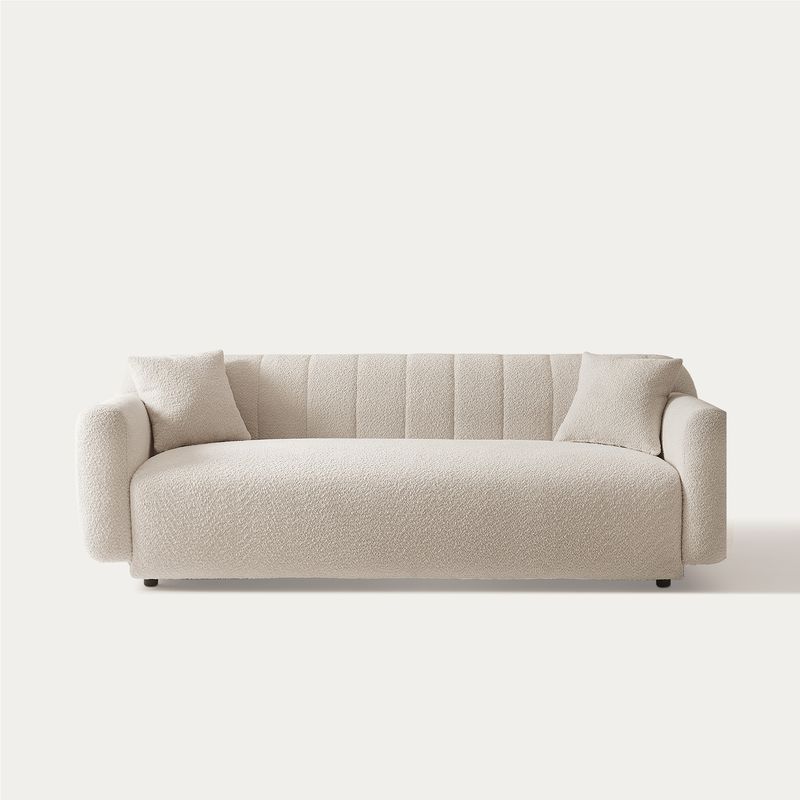
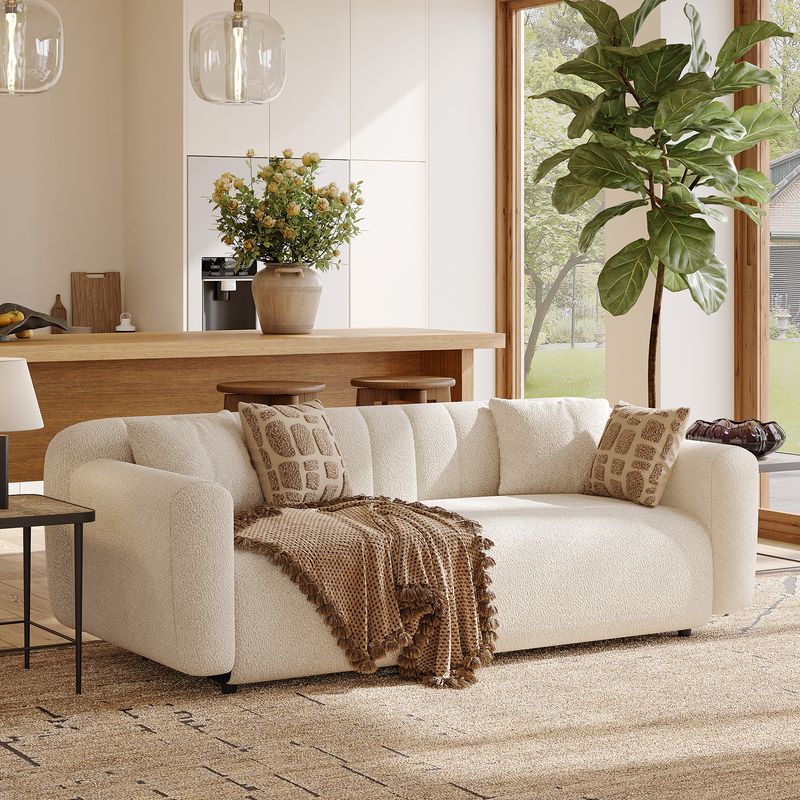
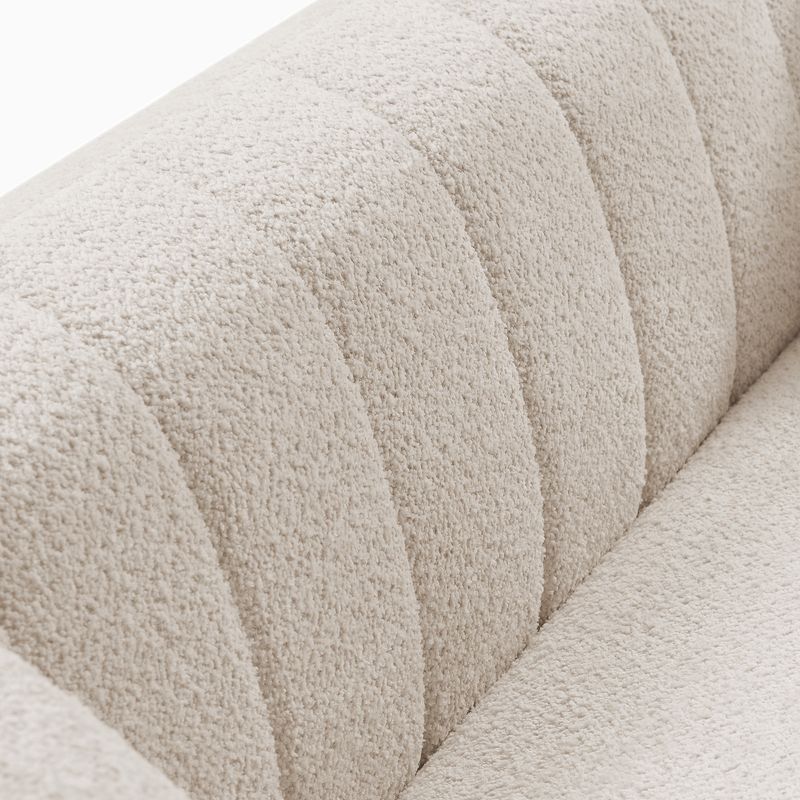
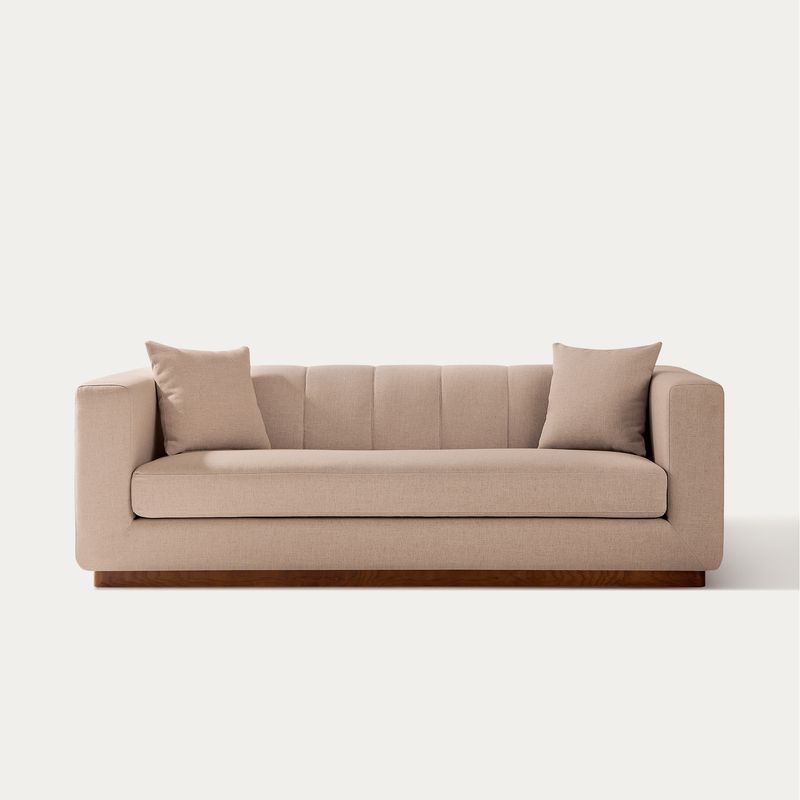
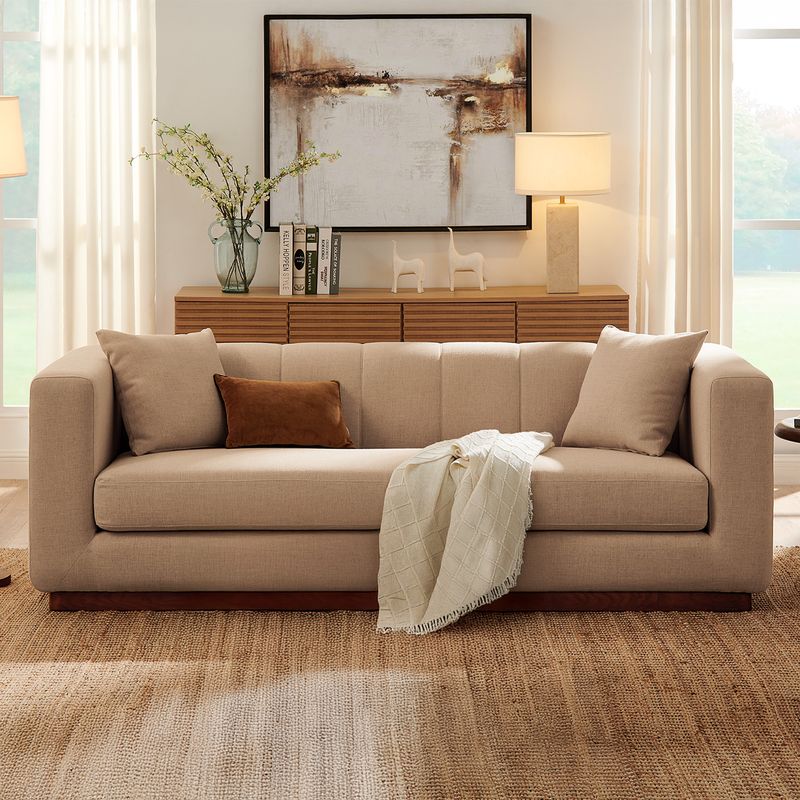
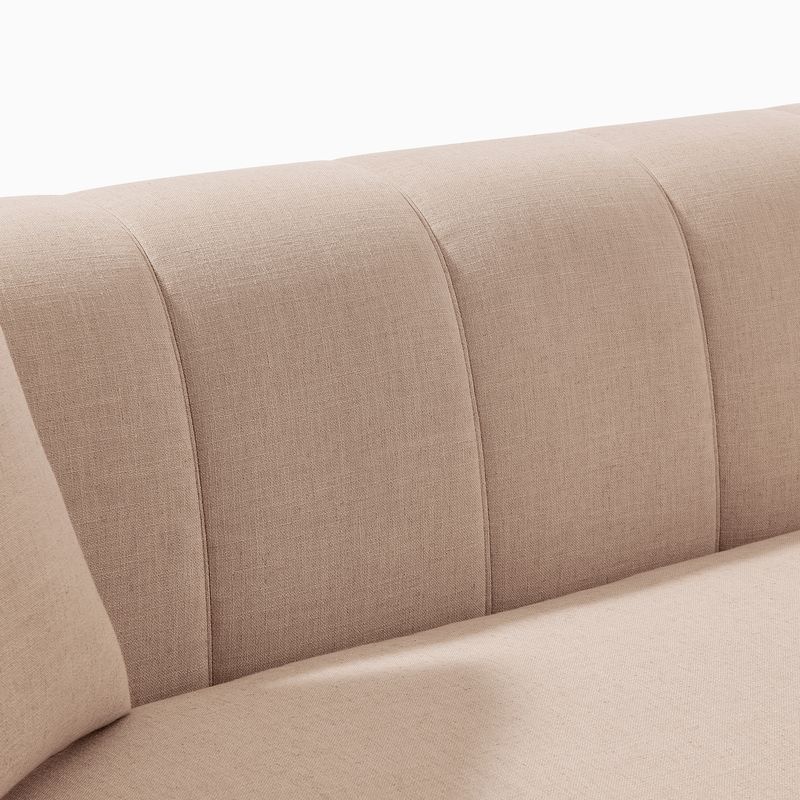
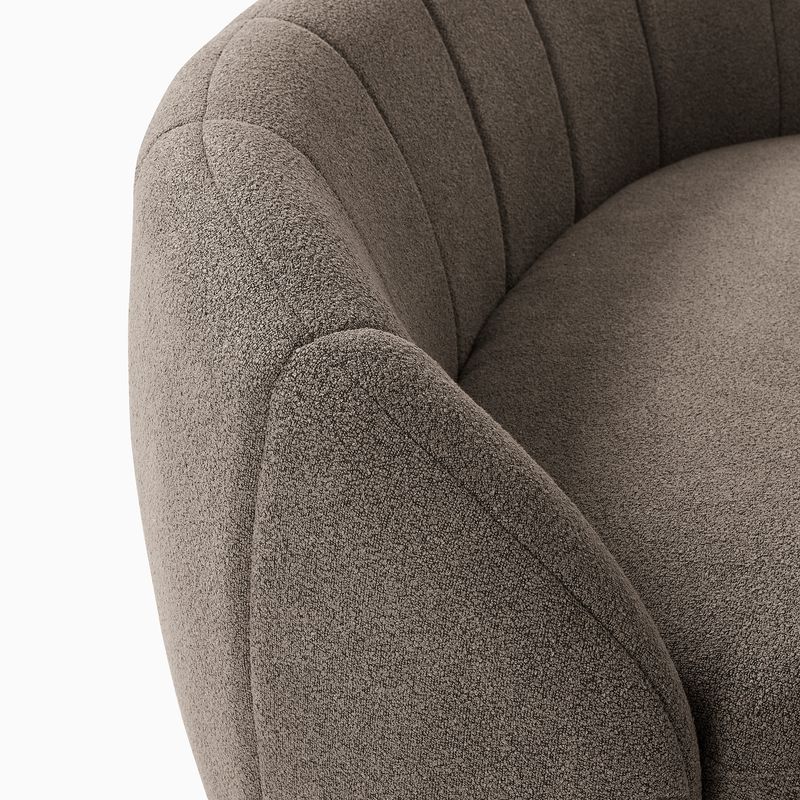
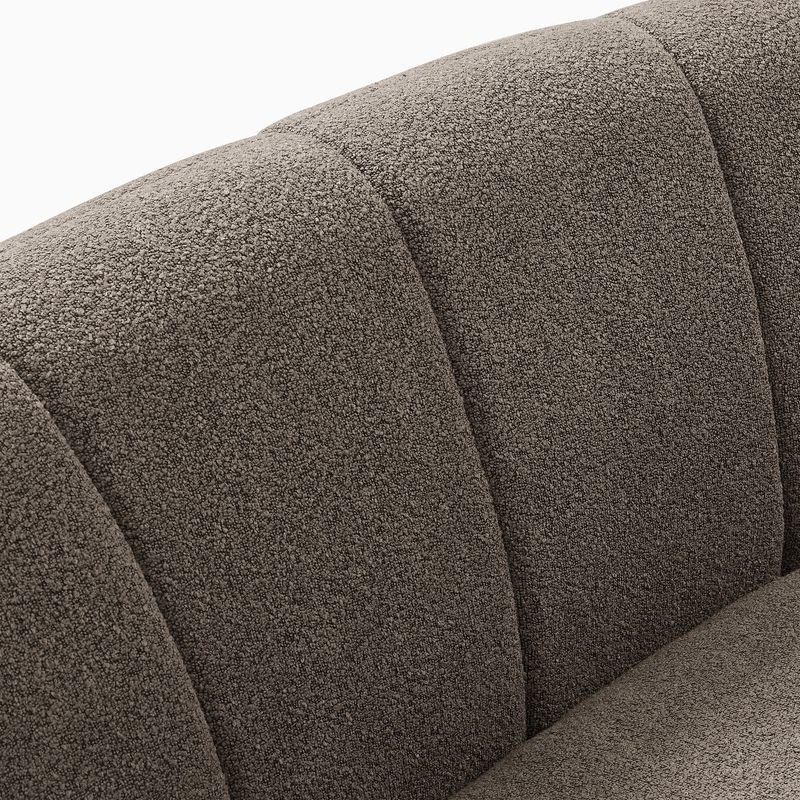
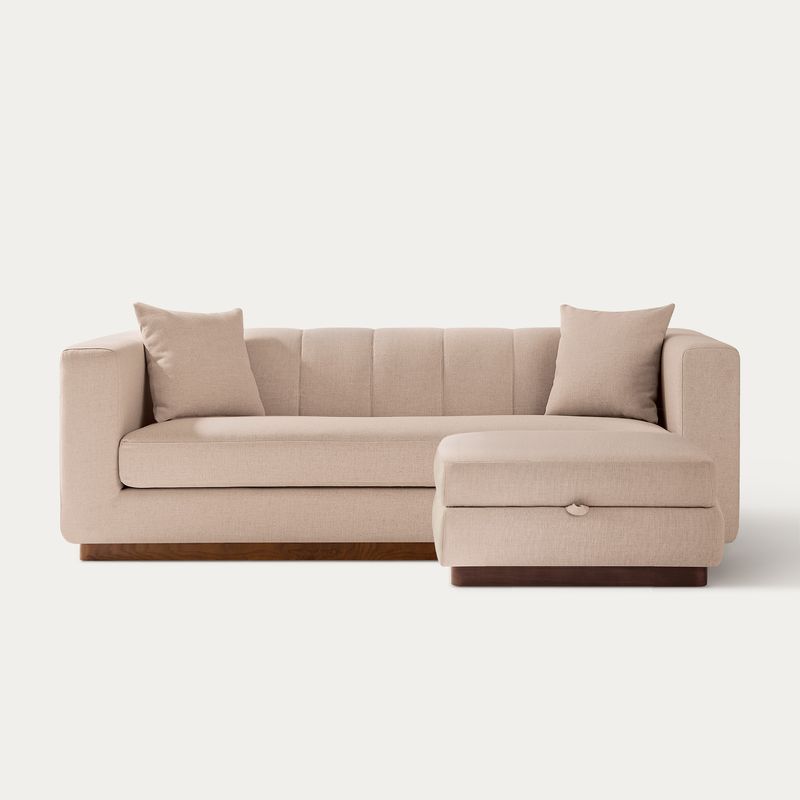
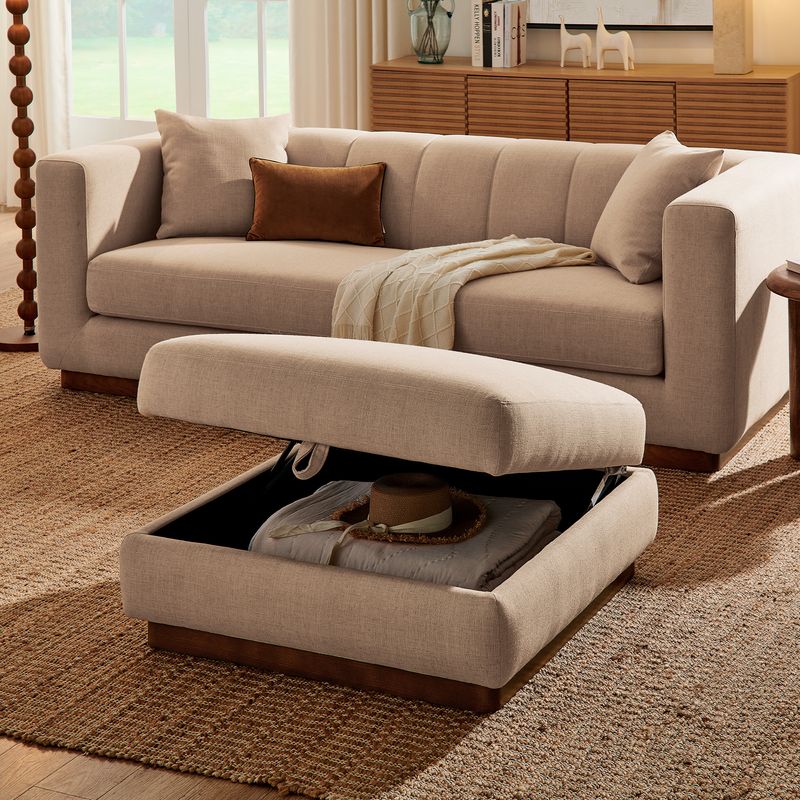
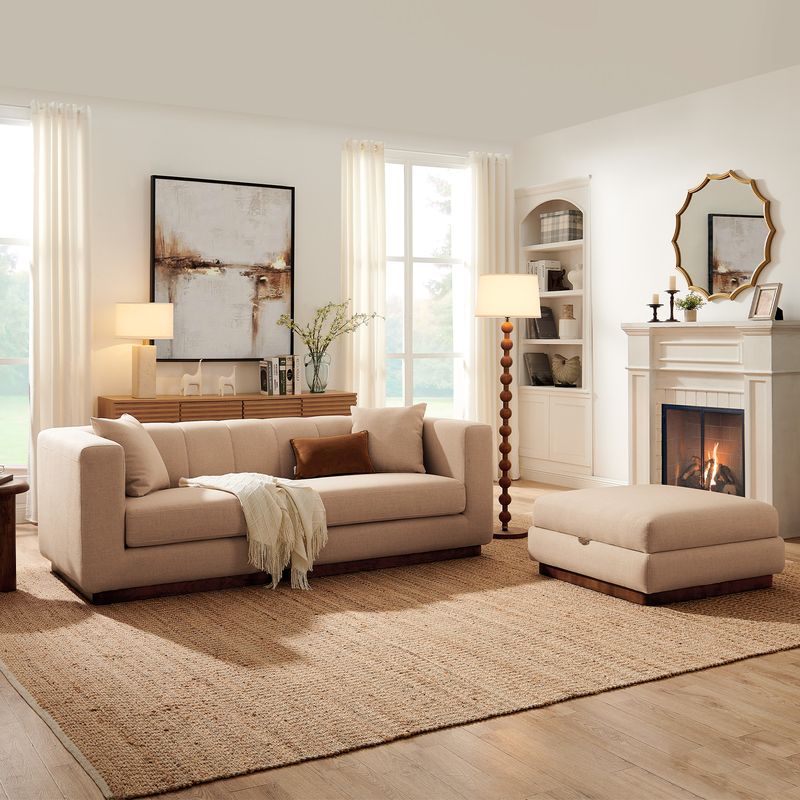
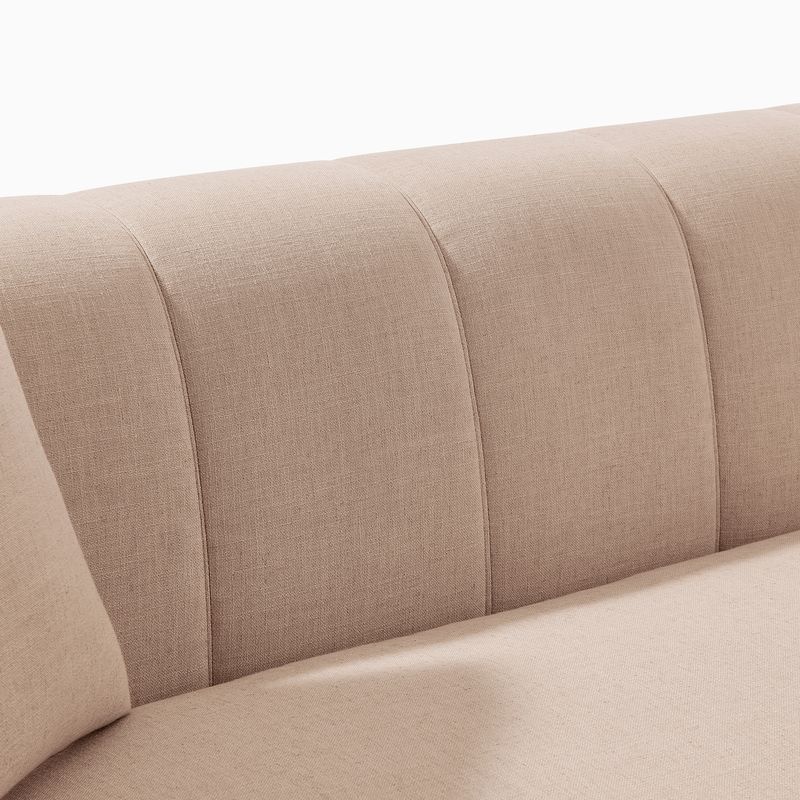
The Rufus 92-Inch Sofa offers a deeper alternative. It measures 92 inches wide, 41.5 inches deep, and 27.9 inches high, with a seat depth of 26.9 inches. Rounded cushions and channel-tufted detailing give it a distinctive profile. It offers seating for three and includes three pillows. The chenille upholstery features a spill-resistant surface treatment.
Frosta and Rufus are close in width, but Rufus is 4.1 inches deeper overall and has a seat that is 0.9 inches deeper. That difference can affect both room layout and the way you prefer to sit. Frosta may be worth comparing if you want a shallower overall footprint, while Rufus offers a deeper seating arrangement. Neither measurement alone determines comfort, so consider the dimensions alongside your sitting habits.
Sectional Sofas for Larger Living Areas
If you regularly host guests or need room for several people to sit together, a standard sofa may not provide enough seating. An L-shaped sectional, chaise configuration, or modular arrangement can make better use of a larger living area.
Explore Hernest's sectional sofas to compare configurations. Check the full dimensions and chaise orientation, then map out the proposed layout before ordering. Leave room for walkways, doors, and nearby cabinets, and make sure the configuration suits the shape of your room.
How to Choose the Right Sofa Size
Overall width is only one part of the sizing decision. Depth, usable seat dimensions, armrest thickness, and the delivery route all affect whether a sofa will work in your home.
Measure Your Room and Delivery Route
Measure the area where the sofa will sit, including the maximum available width and depth. Account for doorways, windows, radiators, and existing furniture, and leave enough clearance for everyday movement.
Next, check the entrance, hallway, stairs, elevator, and tight turns along the delivery route. Review package dimensions and delivery requirements where available. A sofa that fits against your intended wall may still be difficult to bring inside.
Compare Seat Width, Height, and Depth
Seat width determines how much usable room each person has. Seat height affects how easily you can sit down and stand up, while seat depth influences whether you can sit upright or prefer to lean back.
If you already own a chair or sofa that feels comfortable, use its seat measurements as a reference. Compare usable seat dimensions rather than relying on overall width alone.
Match the Sofa to Your Routine
Think about who will use the sofa and what they will do there. A couple in a small apartment may prefer a compact design, while a household that watches television together may need more seating. If you want powered reclining features, check which sections move and how much clearance is required when the footrest extends.
Choose for the way you use the room most days, not just how the furniture looks in a staged photograph.
Choose Upholstery for Everyday Use
Upholstery affects the feel, appearance, and maintenance needs of a sofa. Consider your household routine, preferred texture, and willingness to follow the manufacturer's care instructions.
Consider Texture, Support, and Maintenance
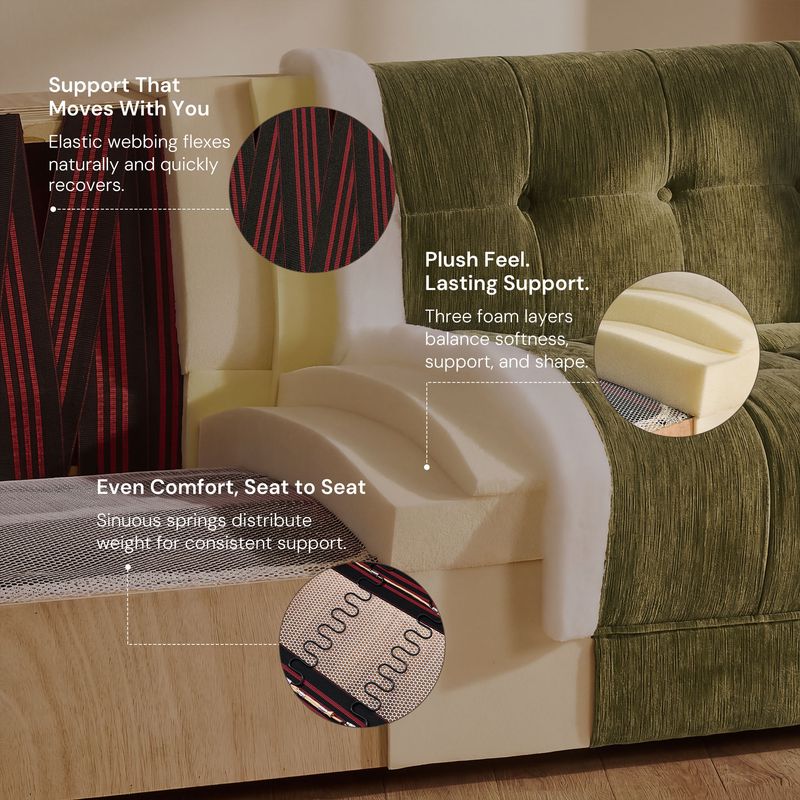
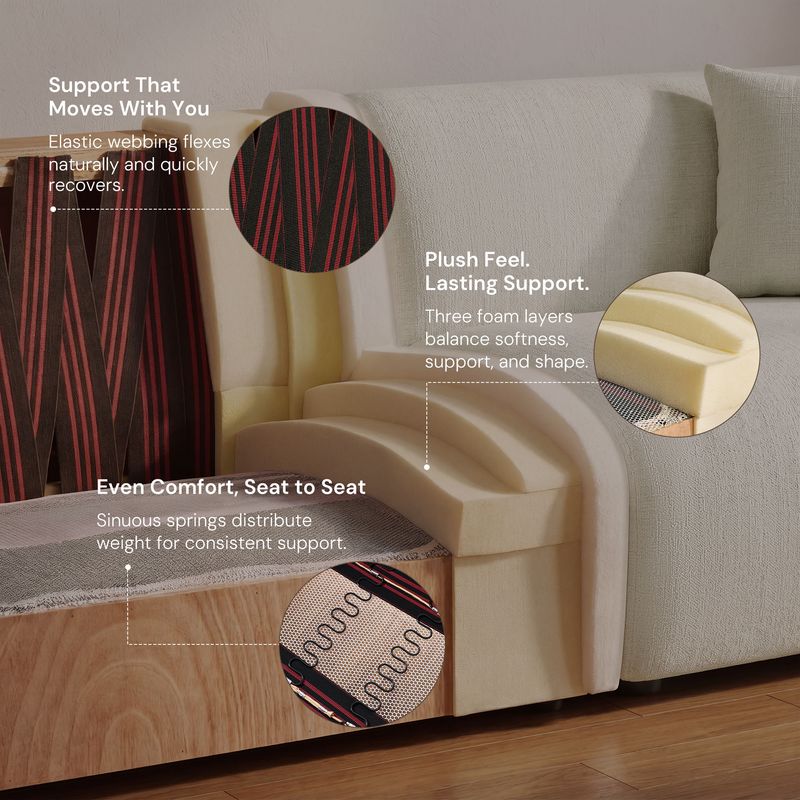
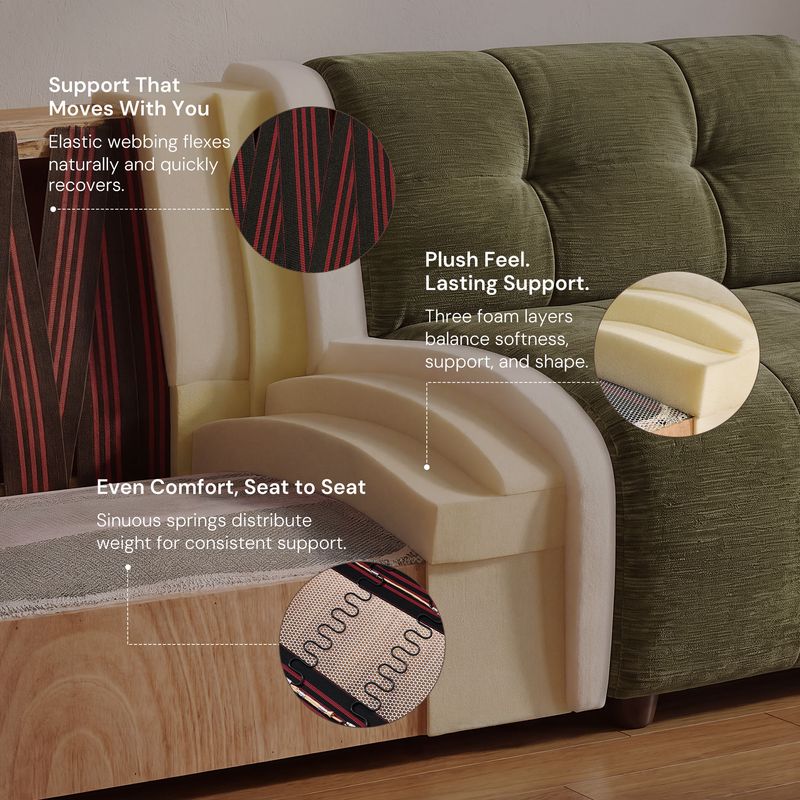
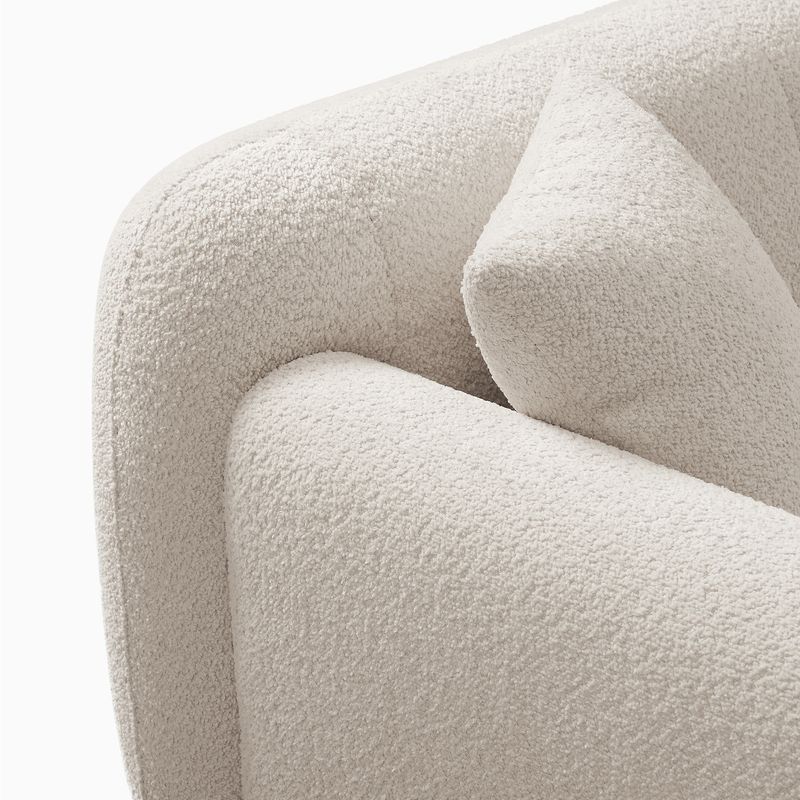
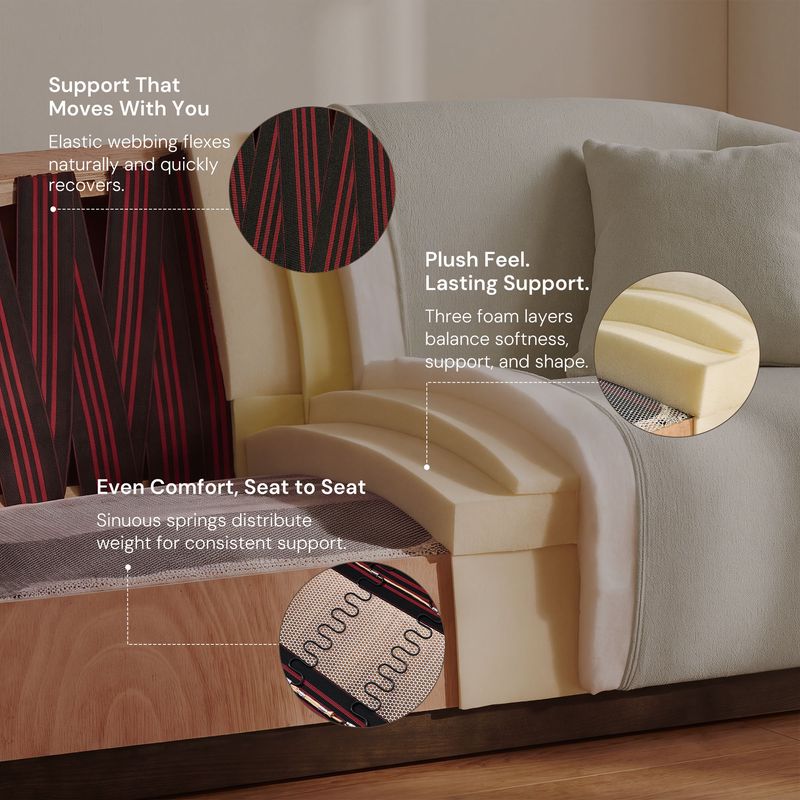
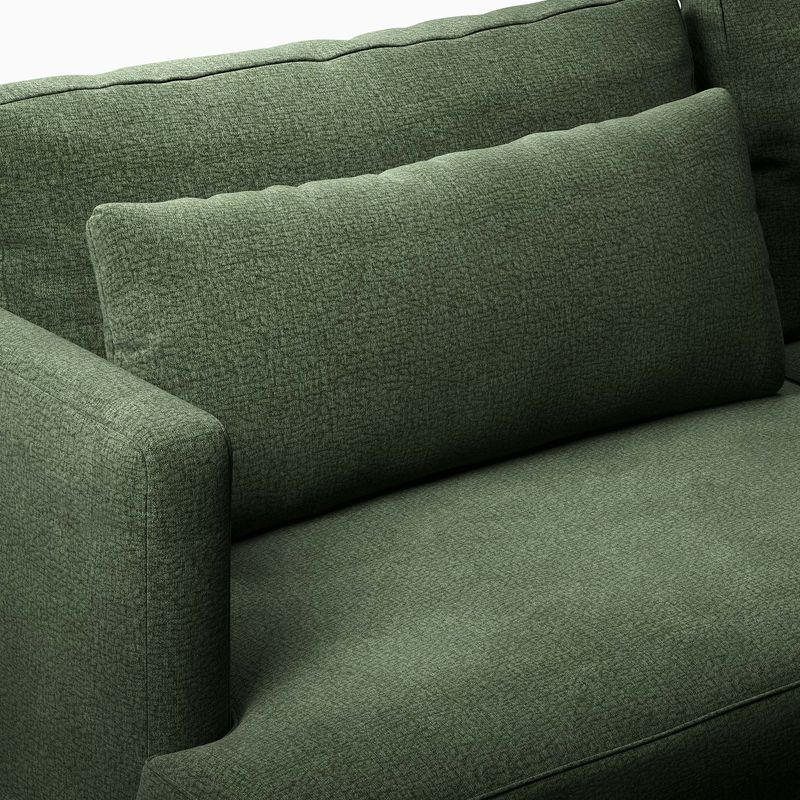
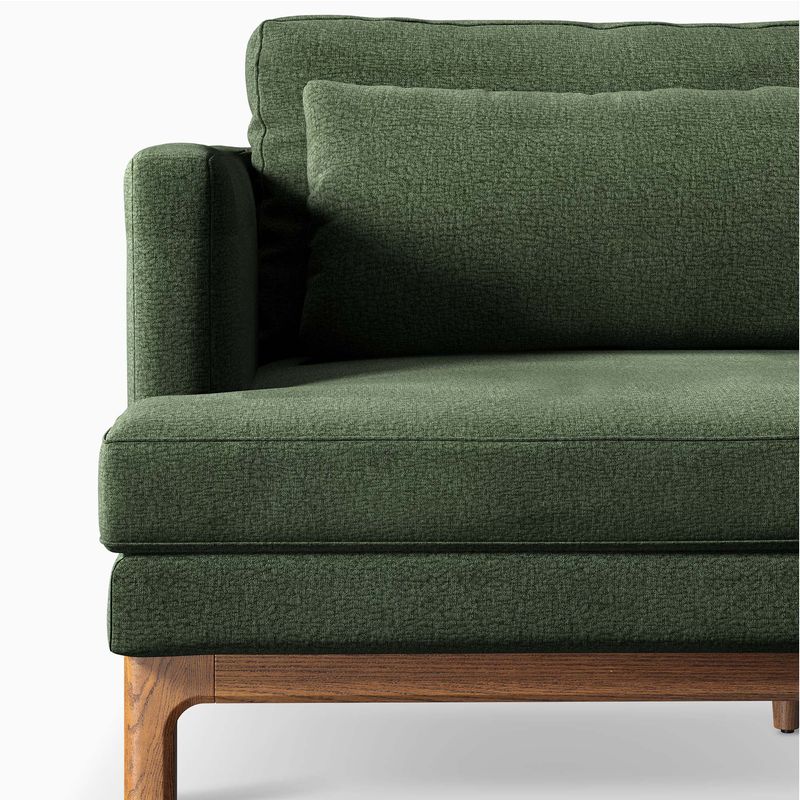
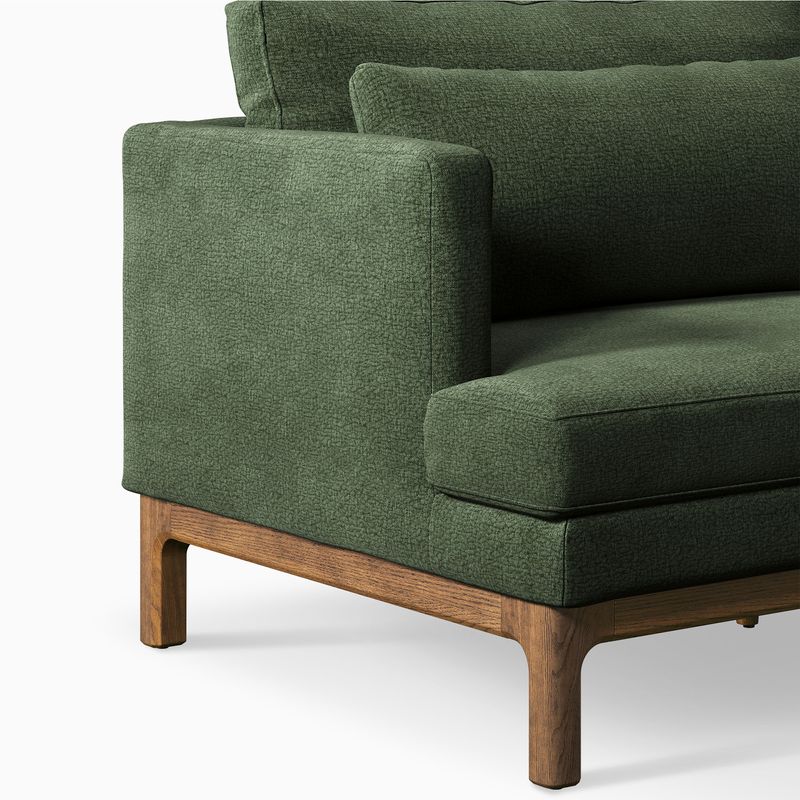
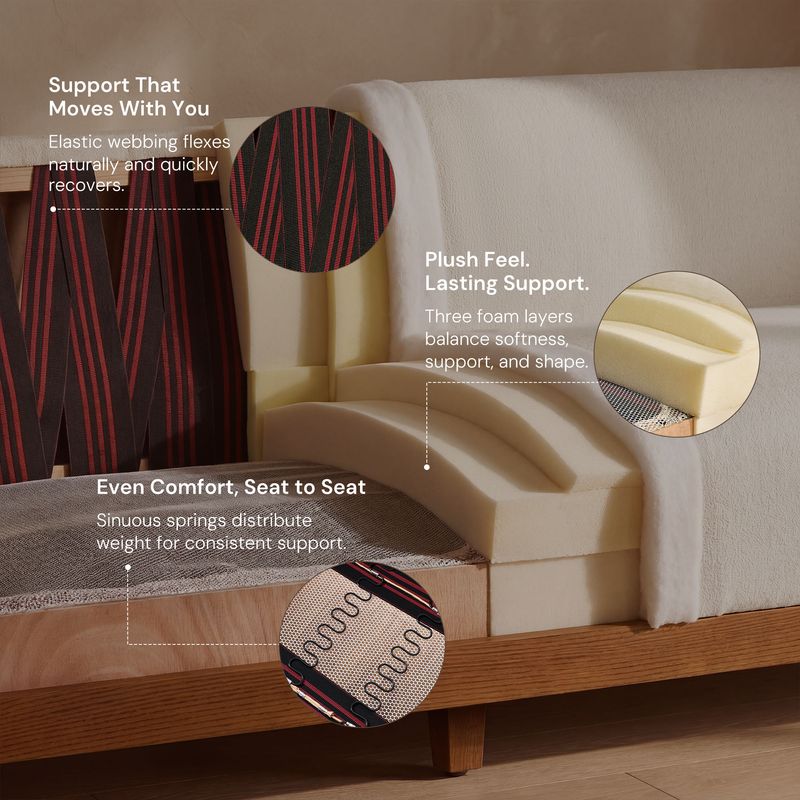
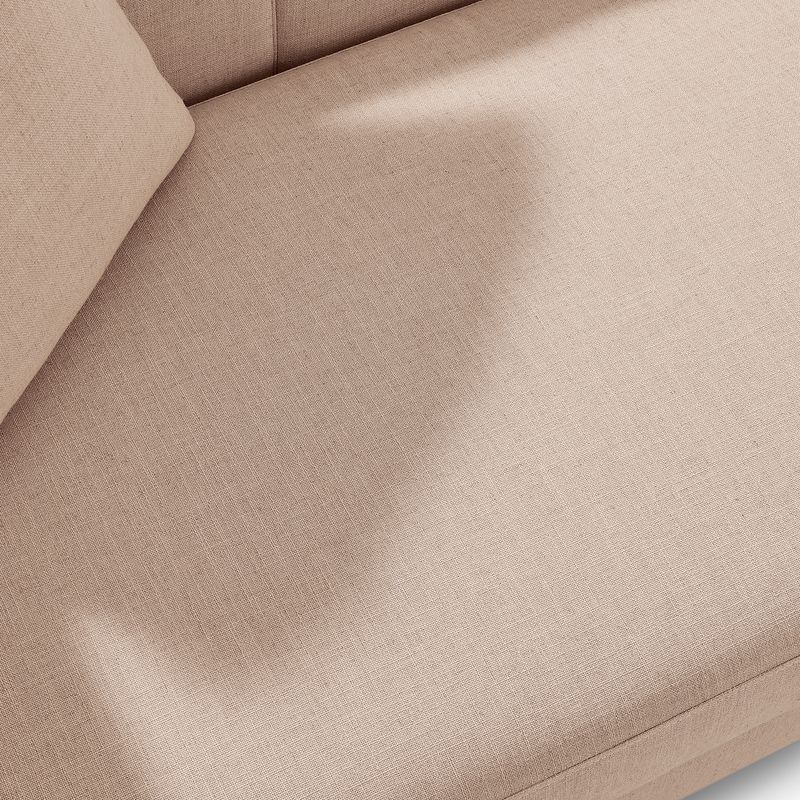
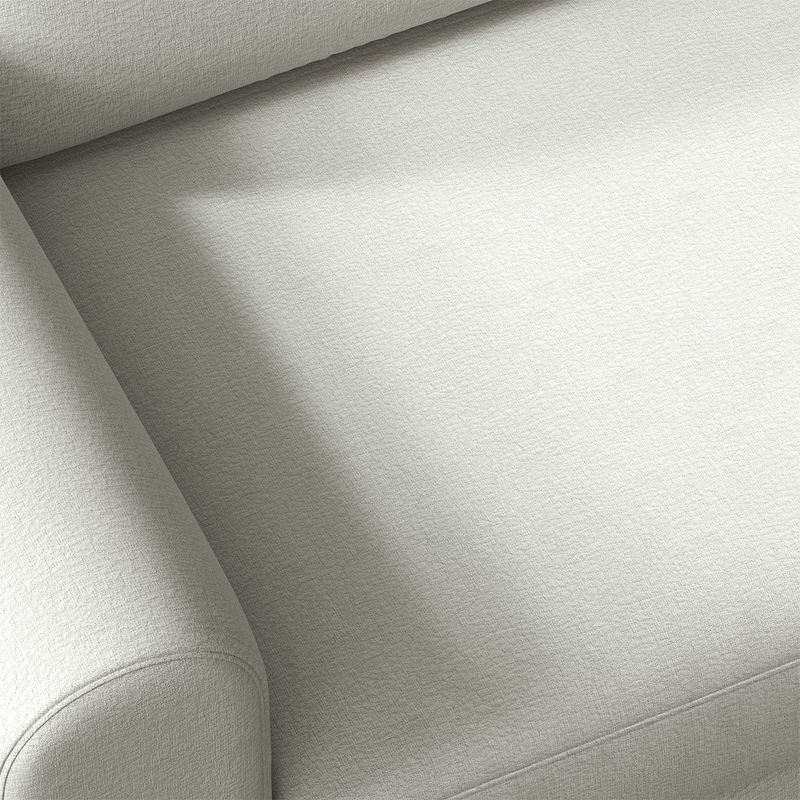
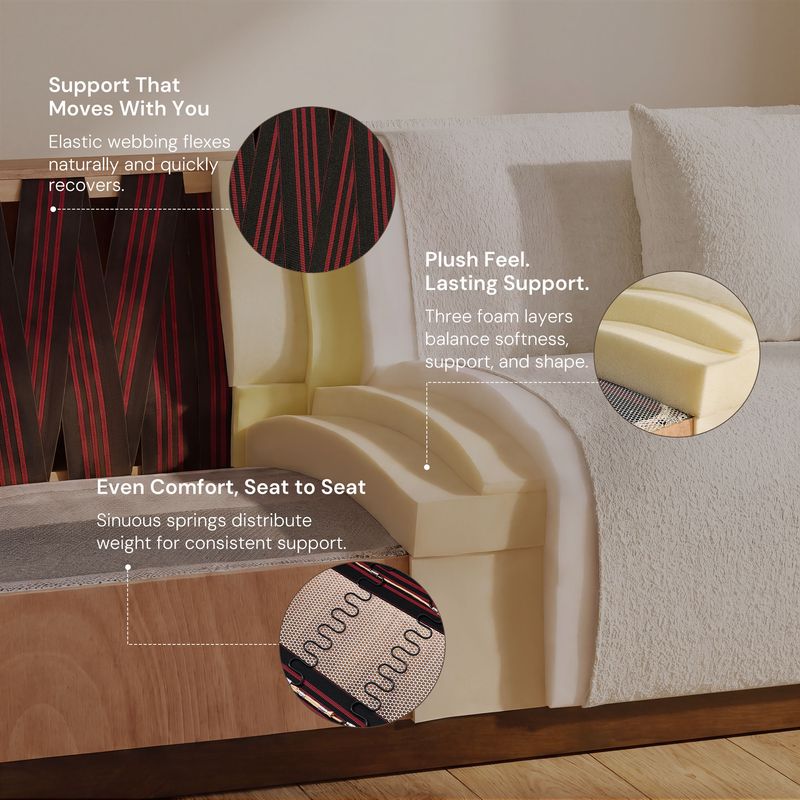
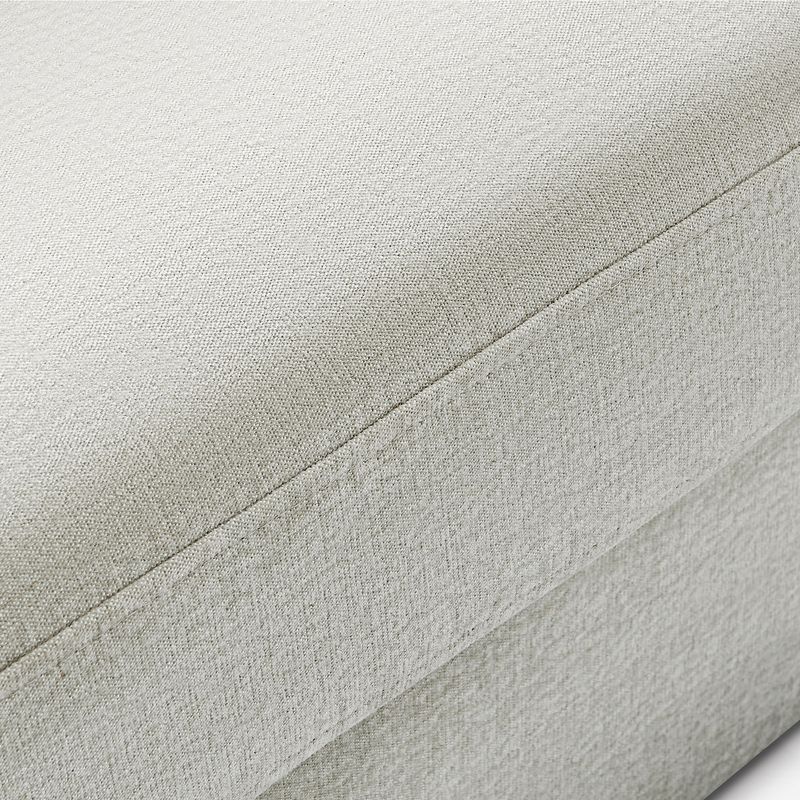
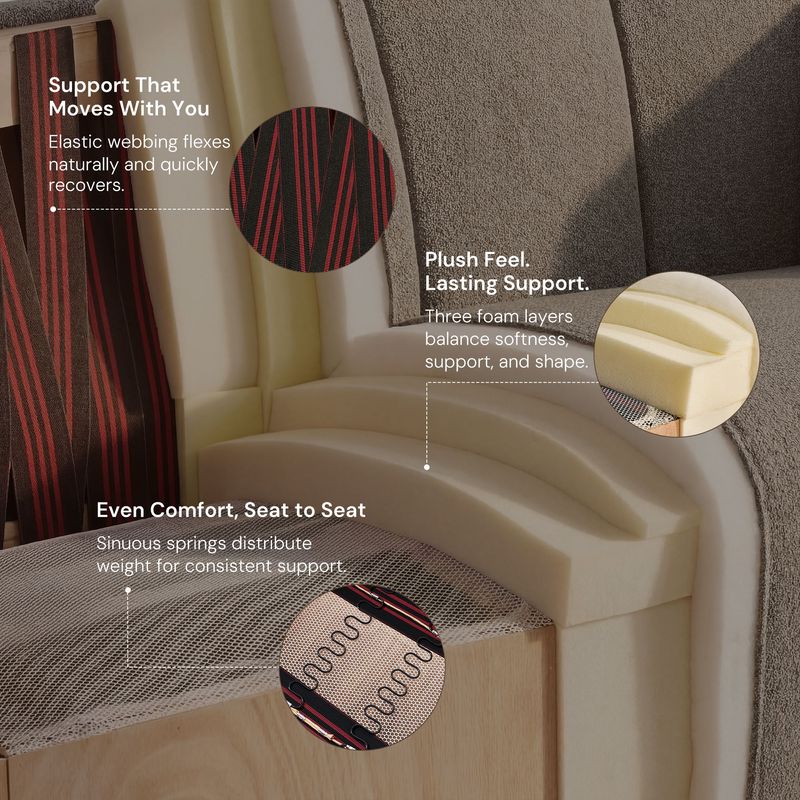
Chenille and other textured fabrics can add depth to a living room while keeping the overall look understated. However, upholstery alone does not determine comfort or durability. Cushion construction, frame materials, seat depth, and back support also matter.
Read the care instructions before buying, especially if the sofa will be used frequently. Some upholstery treatments are designed to resist certain spills, but they do not make a sofa waterproof or maintenance-free. Check the specific product description to understand the intended benefits of any stated treatment.
Choose a Color That Works With Your Room
Cream, beige, gray, and warm brown can coordinate with a wide range of interiors. A stronger color or distinctive texture can also become a focal point when the surrounding decor is restrained.
Consider your flooring, wall color, natural light, and existing furniture before choosing. Upholstery can look different under warm indoor lighting and natural daylight, so take the room's lighting into account when comparing colors.
Complete Your Living Room With Complementary Furniture
Your sofa should work with the rest of the room. Supporting furniture can make everyday activities more convenient while helping the layout feel balanced.
Pair Your Sofa With a Coffee Table
A coffee table provides a surface for drinks, books, and everyday essentials. Its size and shape should suit the sofa without blocking movement through the room.
As a starting point, around 18 inches between the sofa and coffee table often allows convenient access while preserving room to move. Adjust the spacing to suit the table's dimensions, seat depth, and available walkway.
Browse Hernest's coffee tables to compare options for your seating area.
Add a Side Table for Everyday Essentials
A side table keeps a lamp, phone, book, or drink within reach. It can be particularly useful beside a loveseat or at the end of a longer sofa where the coffee table may be inconvenient to reach.
Explore Hernest's side tables. Compare the table height with the sofa's armrest and make sure the placement does not narrow a walkway or interfere with nearby seating.
Plan Your Television and Entertainment Area
If you watch television from the sofa, plan the seating and screen placement together. Consider viewing distance, screen height, window glare, and the position of other seats.
Hernest's media consoles can help organize a television and entertainment equipment. Compare the console's dimensions with your screen and available wall space before finalizing the layout.
Consider a Power Sleeper Sofa
If you want seating that can also accommodate overnight guests, a power sleeper sofa may be worth considering. Depending on the model, powered mechanisms can help convert the sofa into a sleeping surface with less manual effort. Before choosing one, review the product specifications to understand how the bed mechanism operates, how much space is needed when extended, and whether the sofa provides the sleeping space you need.
Explore Hernest's power sleeper sofas to compare available designs. Before ordering, measure your room to allow for the sofa's full extension, and check that the delivery path can accommodate the furniture.