
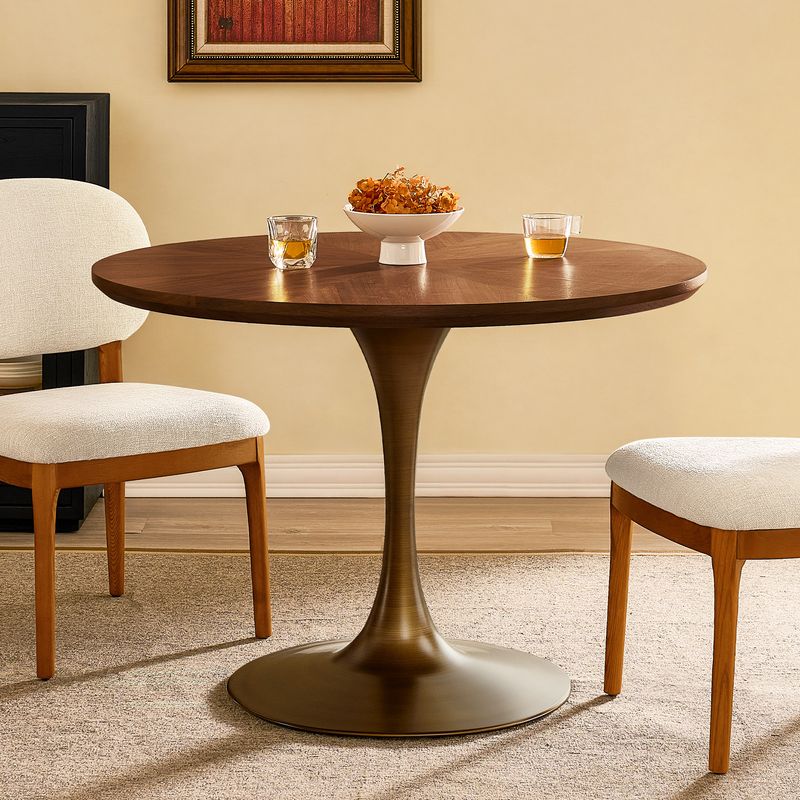
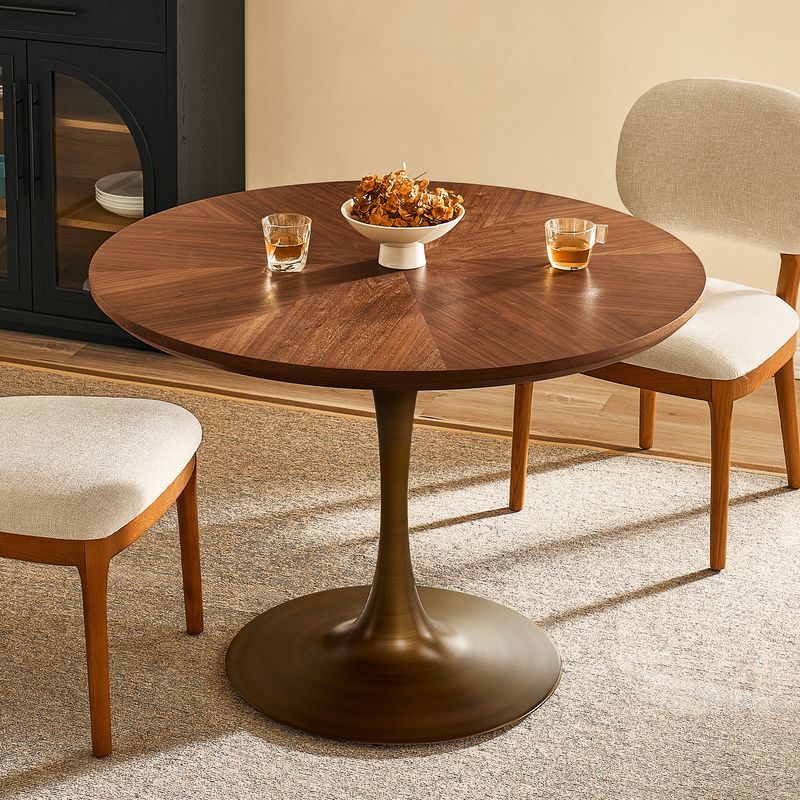


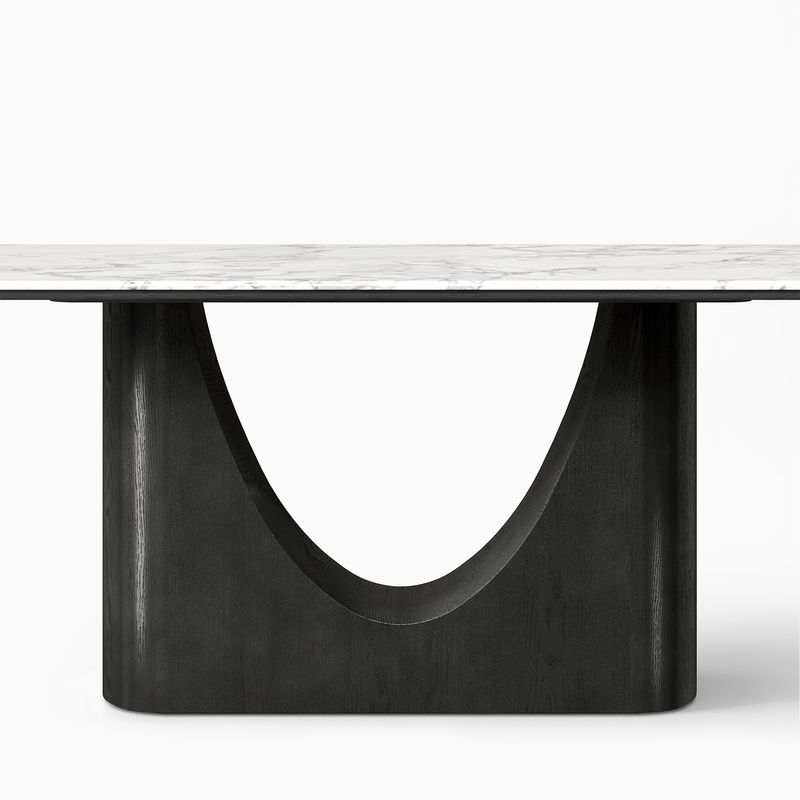
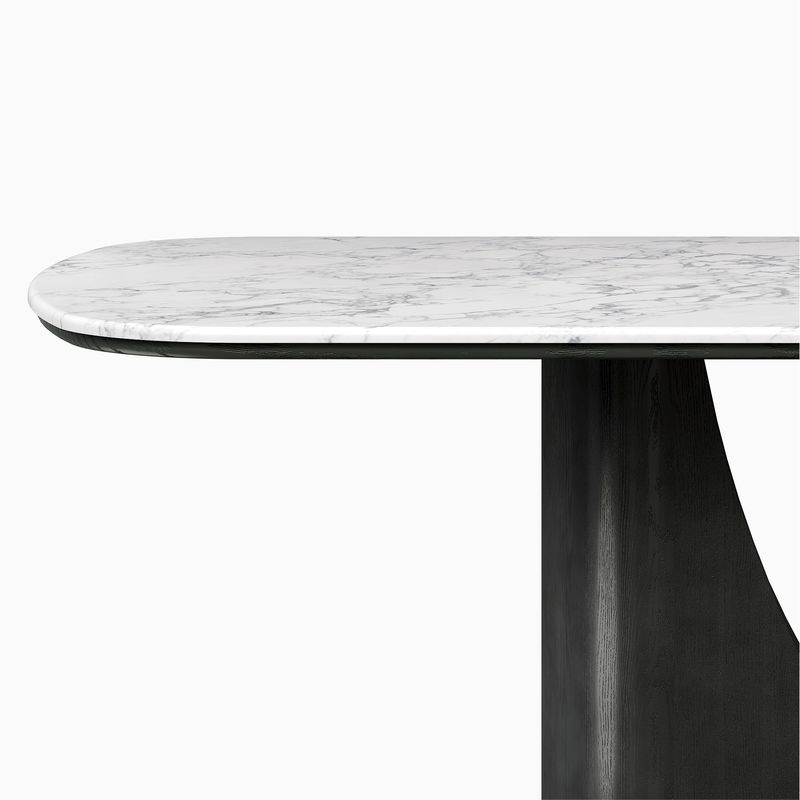
Find Dining Tables That Fit Your Space
A dining table often becomes one of the busiest pieces of furniture in a home. It may be used for weeknight dinners, weekend breakfasts, homework, game nights, or a meal with friends. That makes size, shape, and everyday usability just as important as how the table looks.
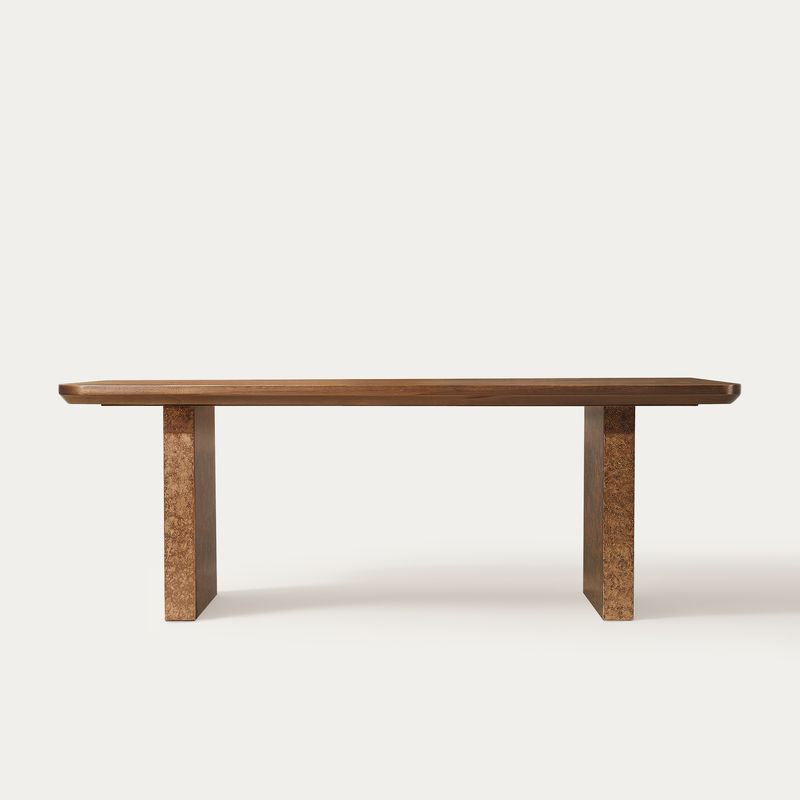
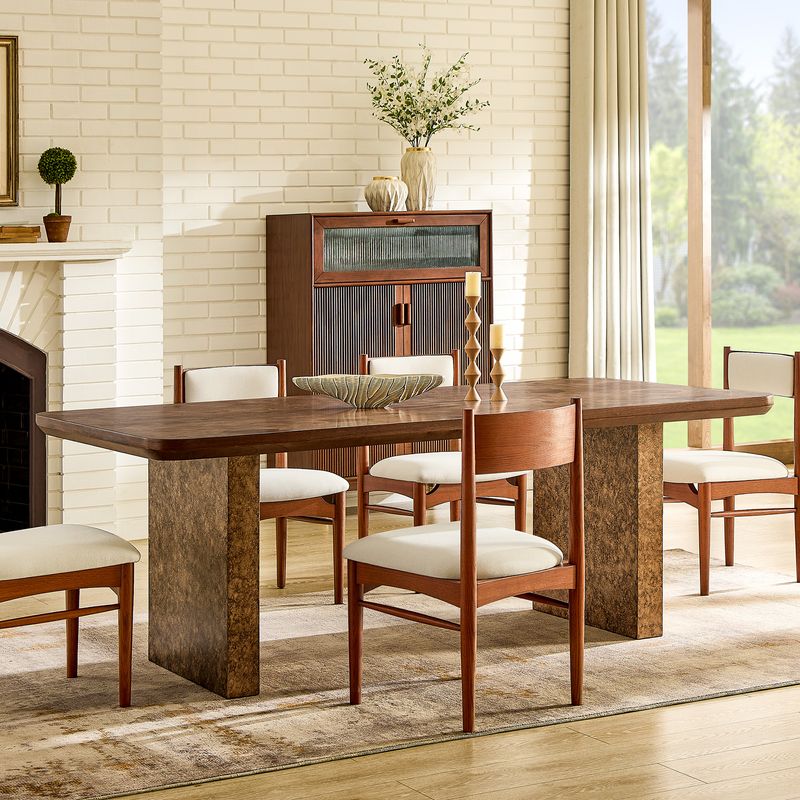
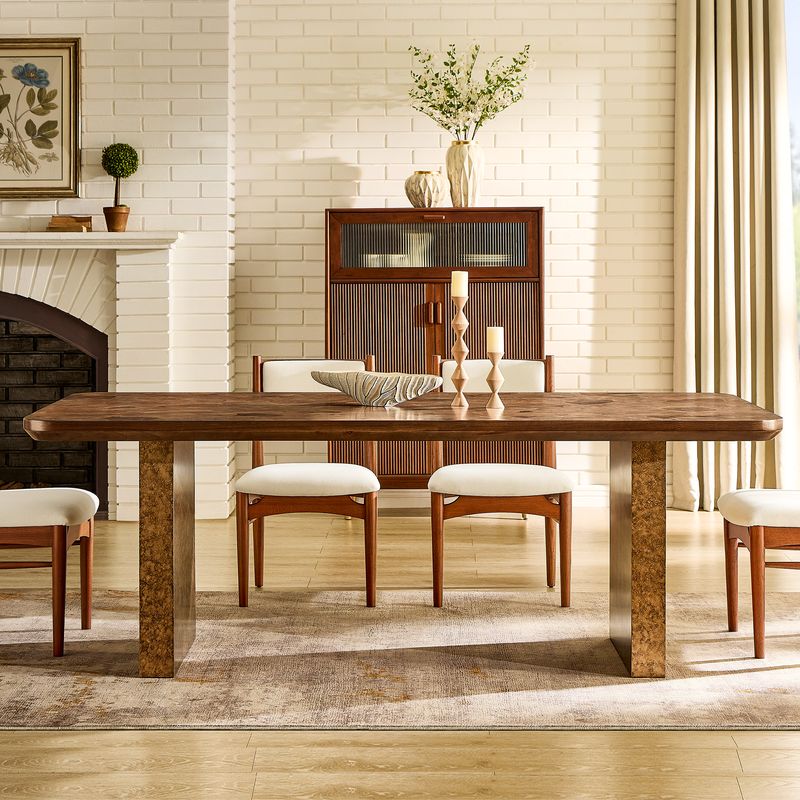
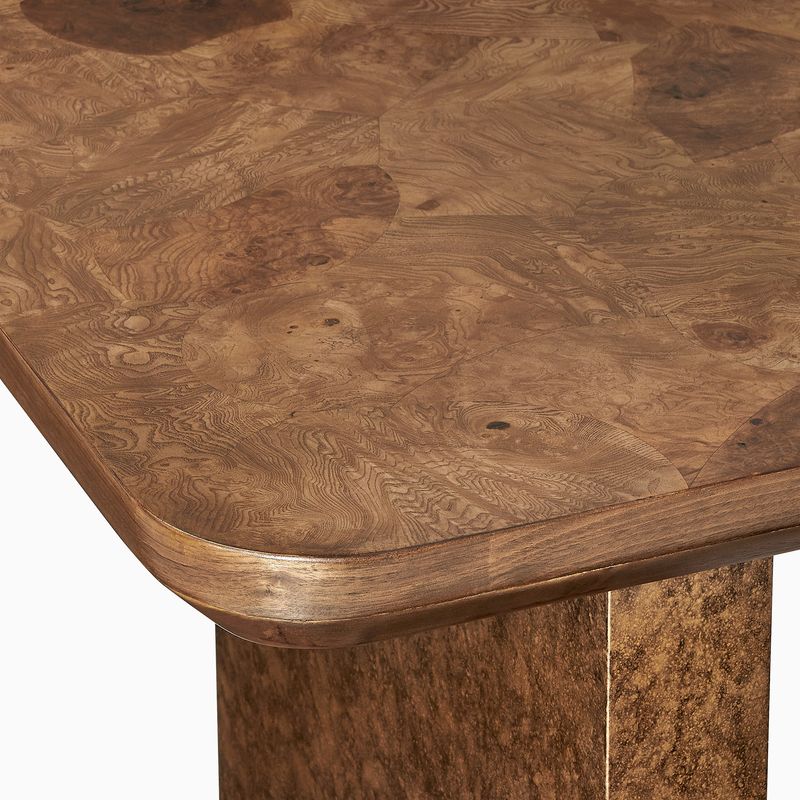
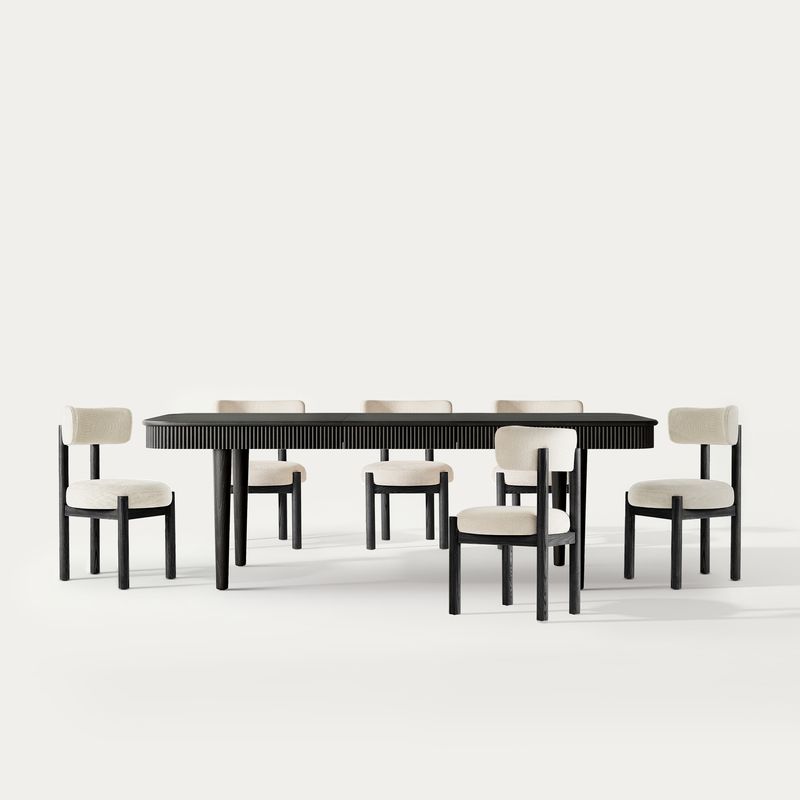
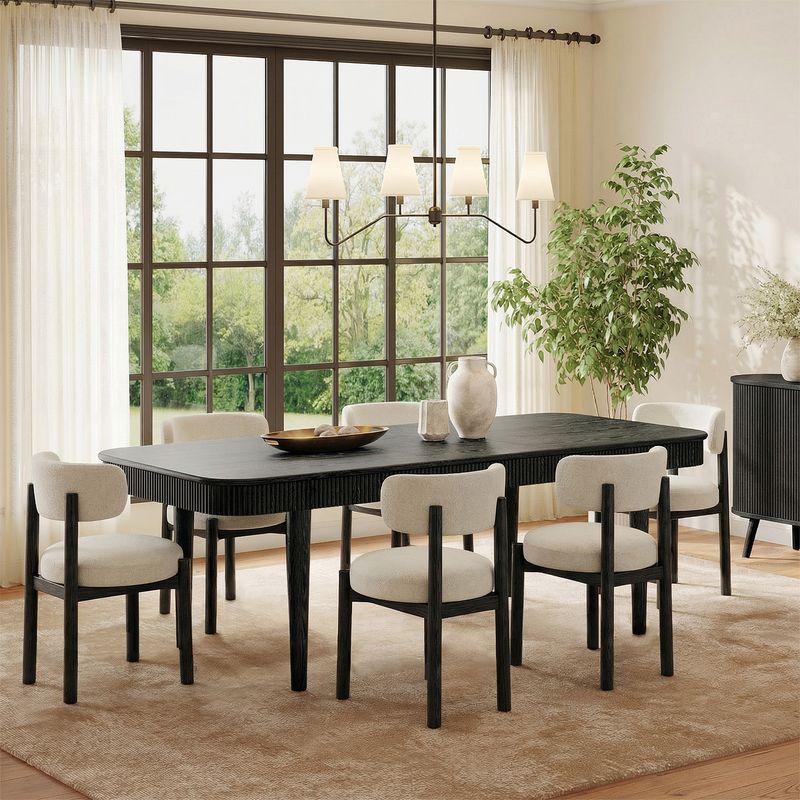
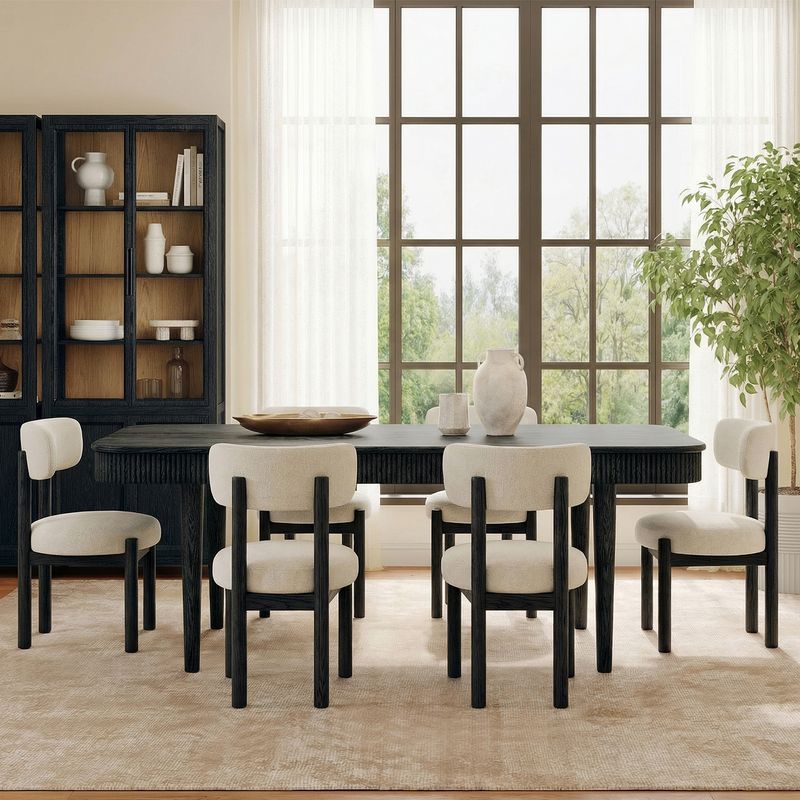
Hernest dining tables come in a range of sizes, shapes, and materials for different rooms and routines. The collection includes compact 47" and 48" options, 72" tables for everyday dining, 84" designs for larger gatherings, and an extendable 72"–92" option when you need additional seating.
Before choosing a dining table, measure the available floor space, think about how many people you normally seat, and consider how the table will be used. These three details can narrow your choices quickly.
Read More
Choose the Right Dining Table Size
Dining table dimensions are one of the first details to check. A table that looks proportional in a product photo can feel much larger once chairs, people, and nearby furniture are part of the room.
As a planning target, try to leave about 36 inches between the table and surrounding walls or furniture where possible. This gives people room to pull out chairs and move around the table. If the dining area sits beside a sideboard, doorway, kitchen island, or main walkway, measure those areas as well.
Table depth also affects how the table feels in the room. Around 30–36 inches is common for many dining tables and provides useful space for plates, glasses, serving dishes, and a centerpiece. Larger surfaces can be helpful for entertaining, but they also require more room around the table.
Small Dining Tables for Apartments and Breakfast Areas
A smaller dining table can make a compact room easier to use without overwhelming the available floor space. Hernest offers 31", 42", 47" and 48" options that can work well in apartments, breakfast nooks, smaller dining rooms, and open kitchens.
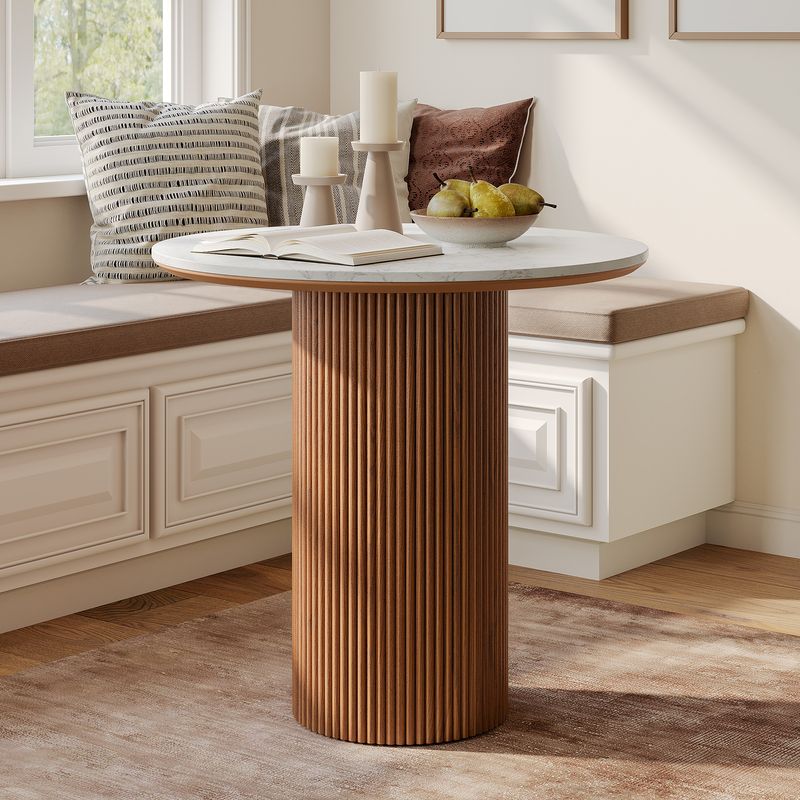
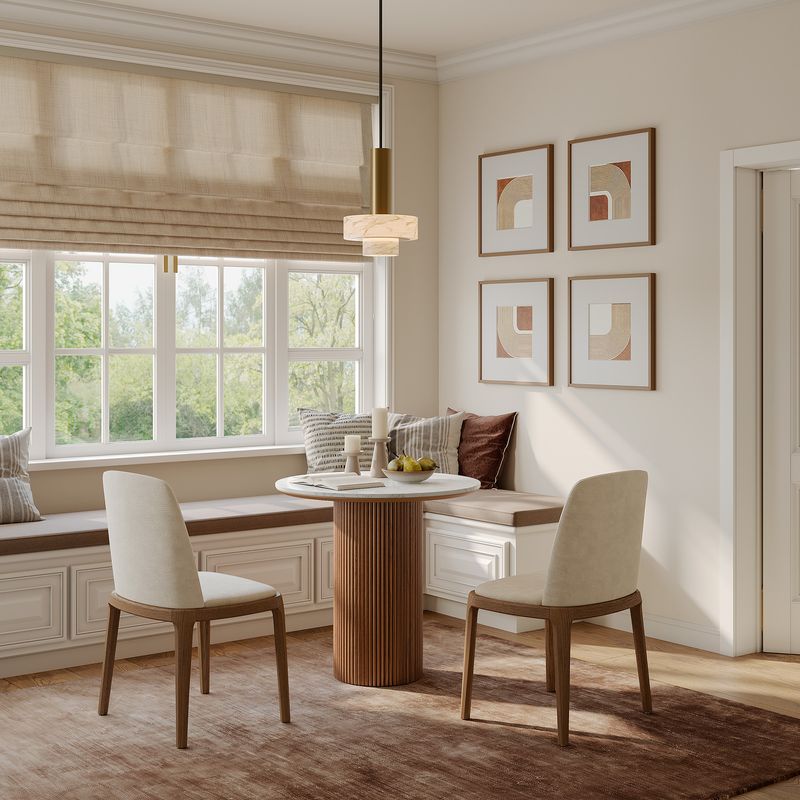
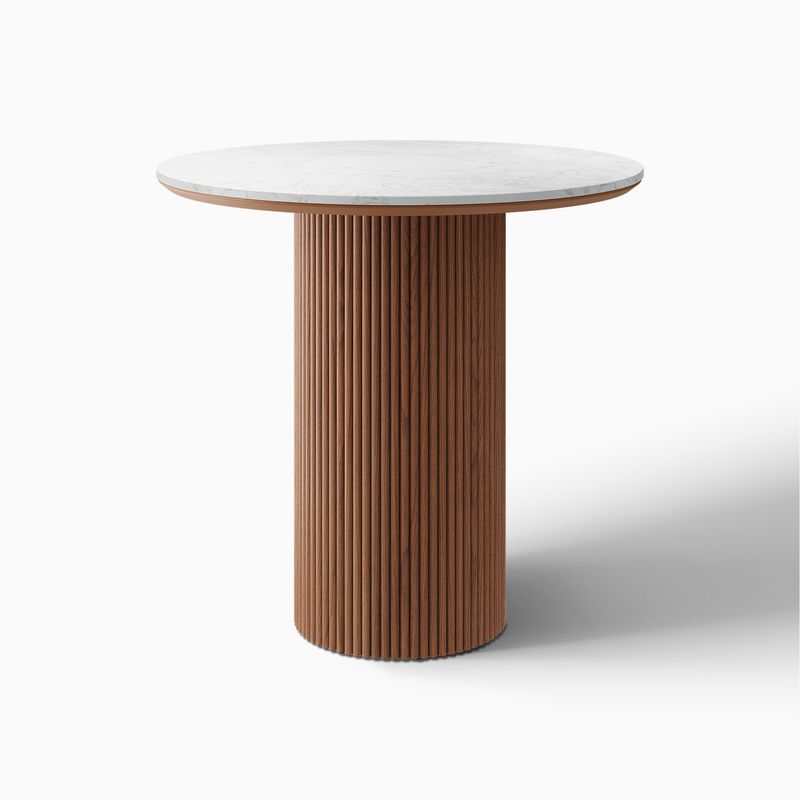
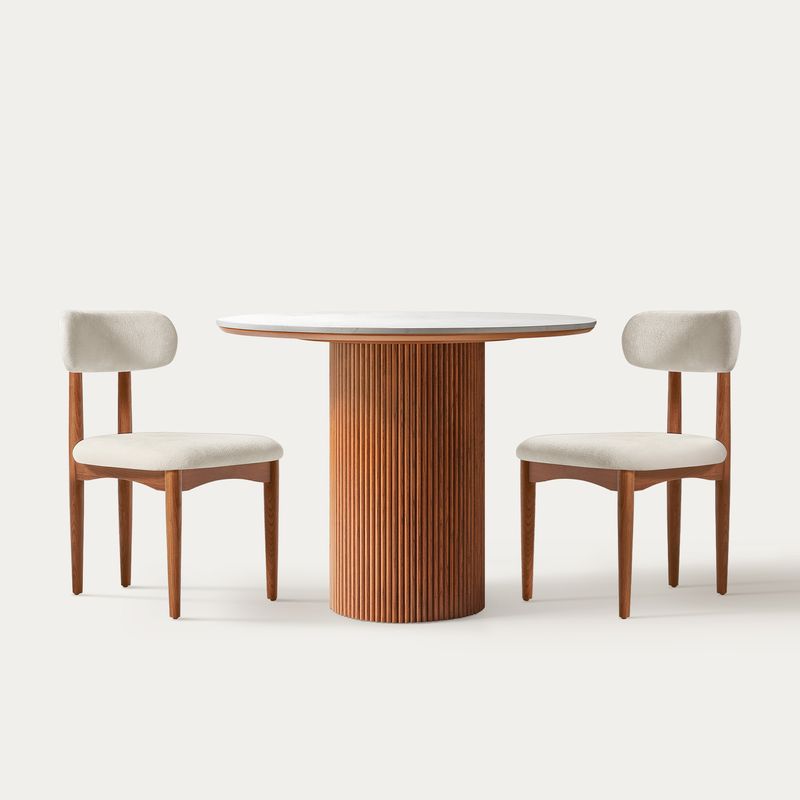
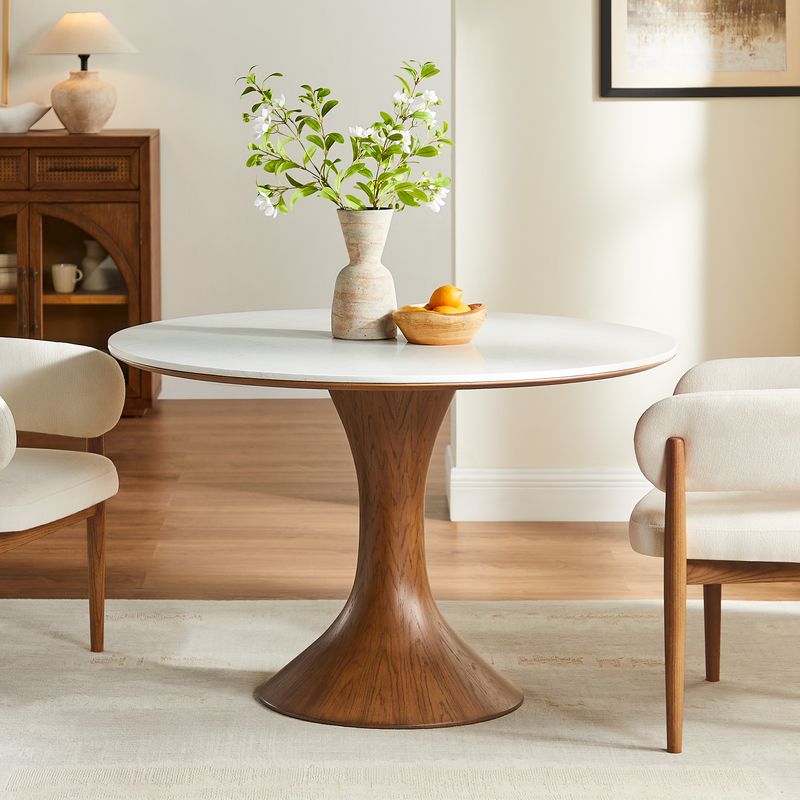
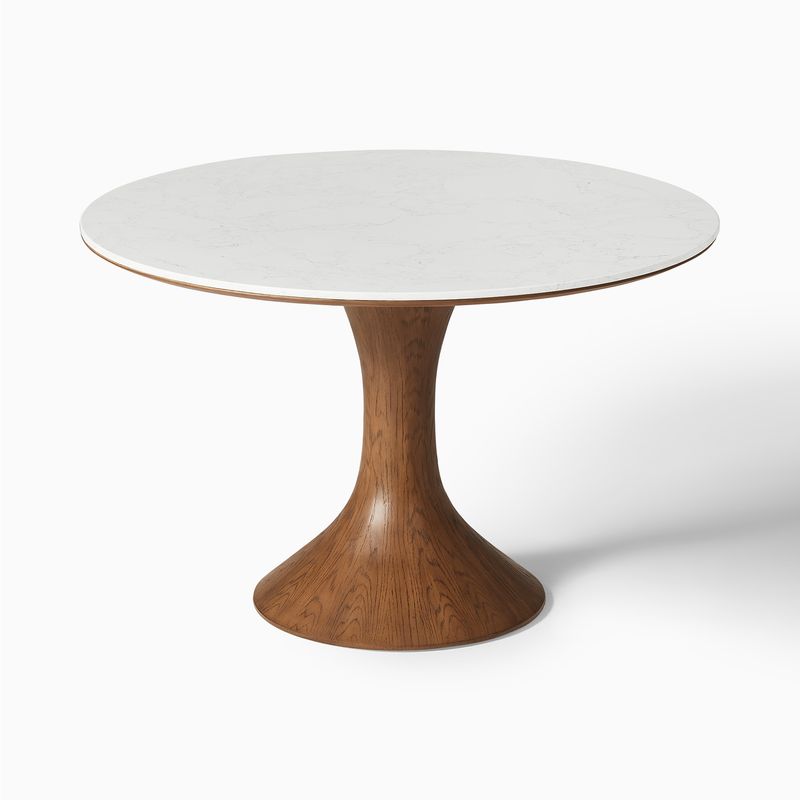
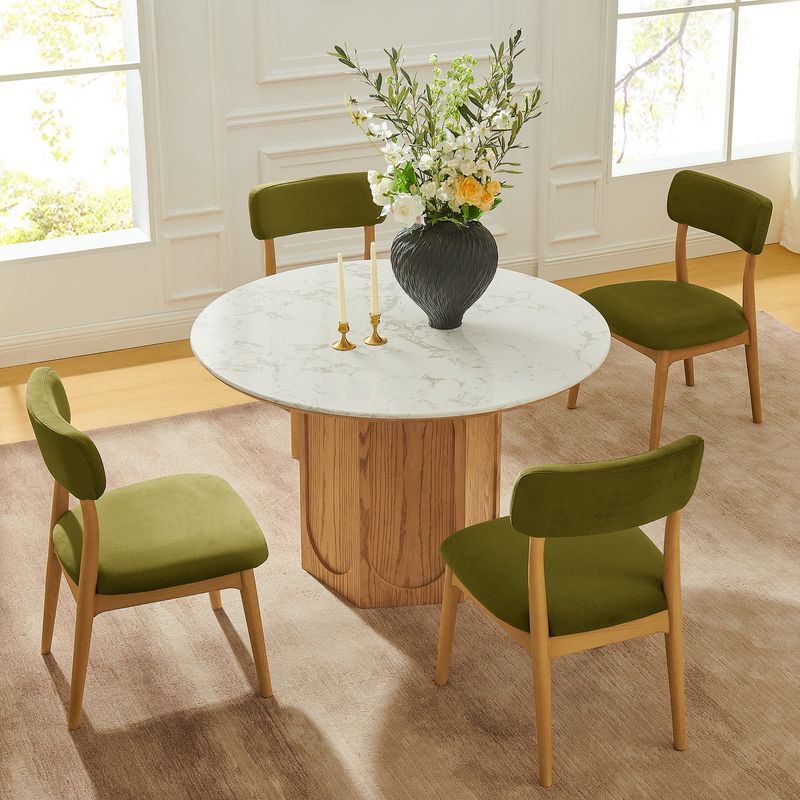
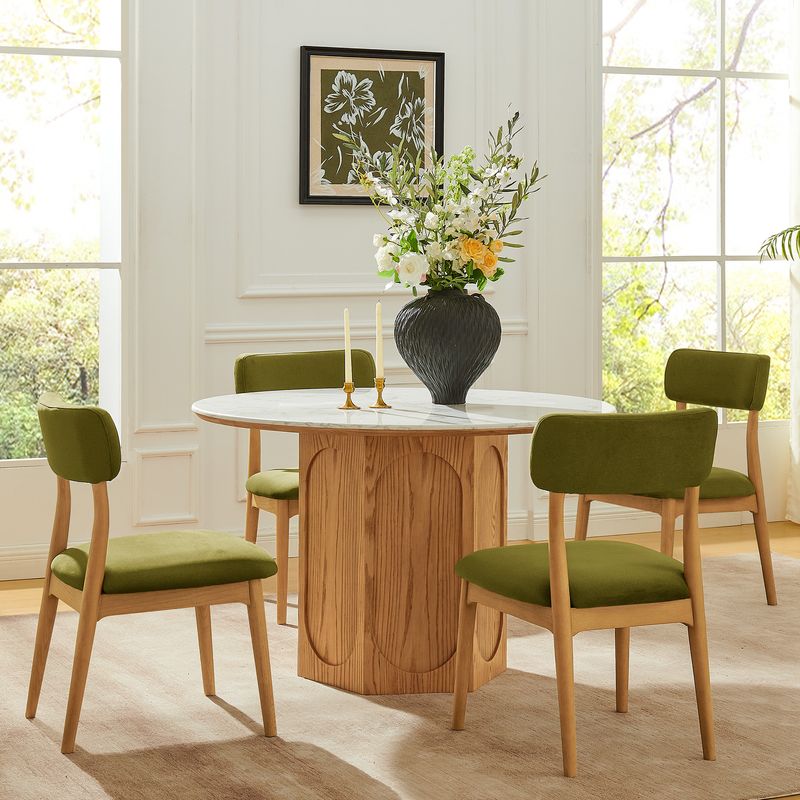
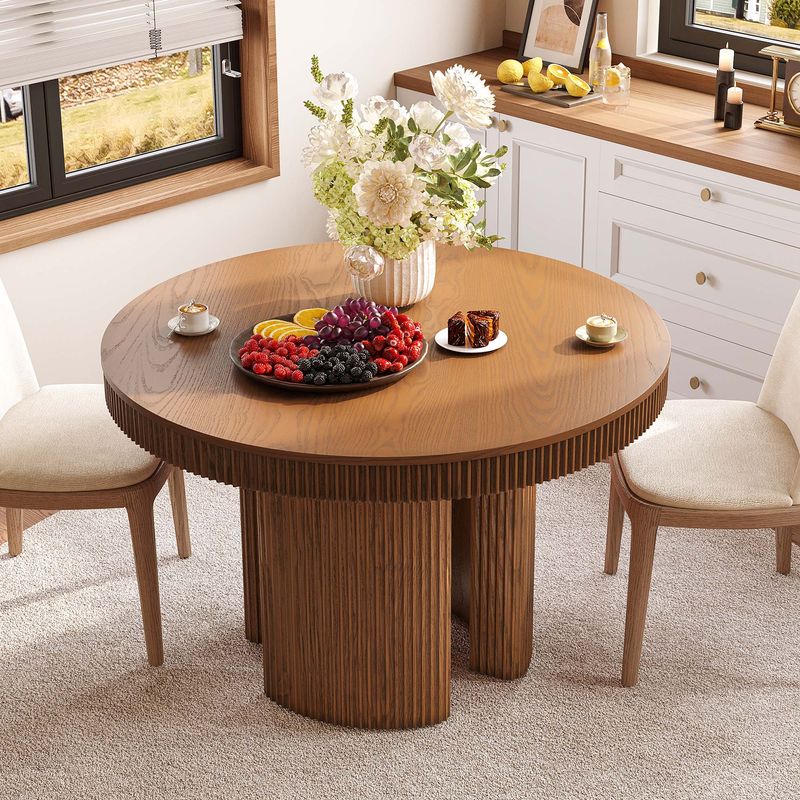
Round dining tables can be especially practical in tighter spaces because there are no corners extending into the walking path. A 47" round table, for example, can seat four while keeping the footprint relatively compact.
When measuring, account for the chairs as well as the tabletop. Pull the chairs away from the table during your measurement so you can see how much space the complete dining setup will actually require.
72-Inch Dining Tables for Everyday Meals
A 72-inch dining table is a versatile size for households that want comfortable everyday seating without using the entire dining area.
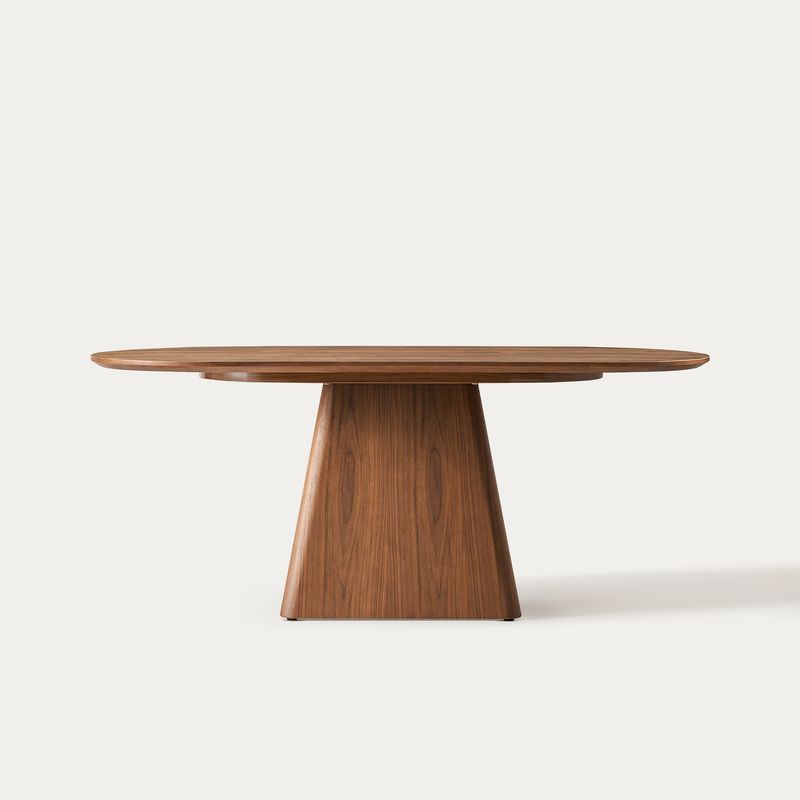
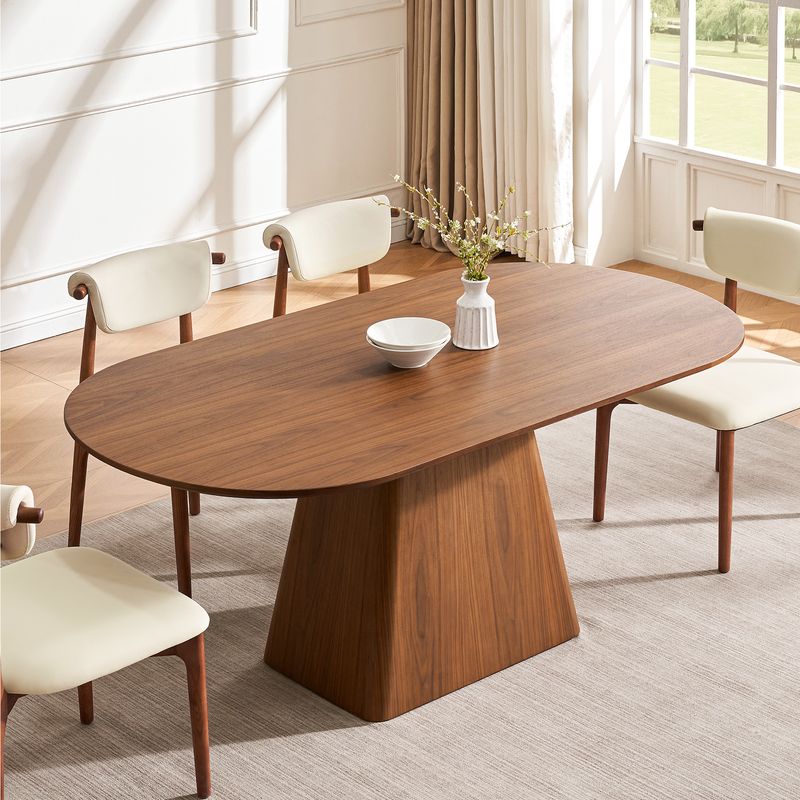
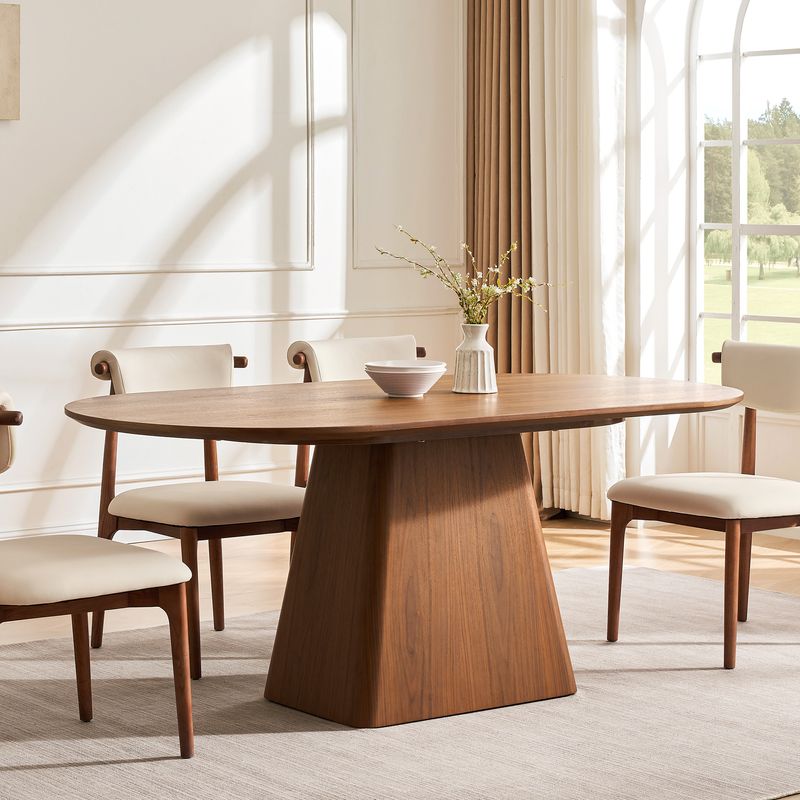
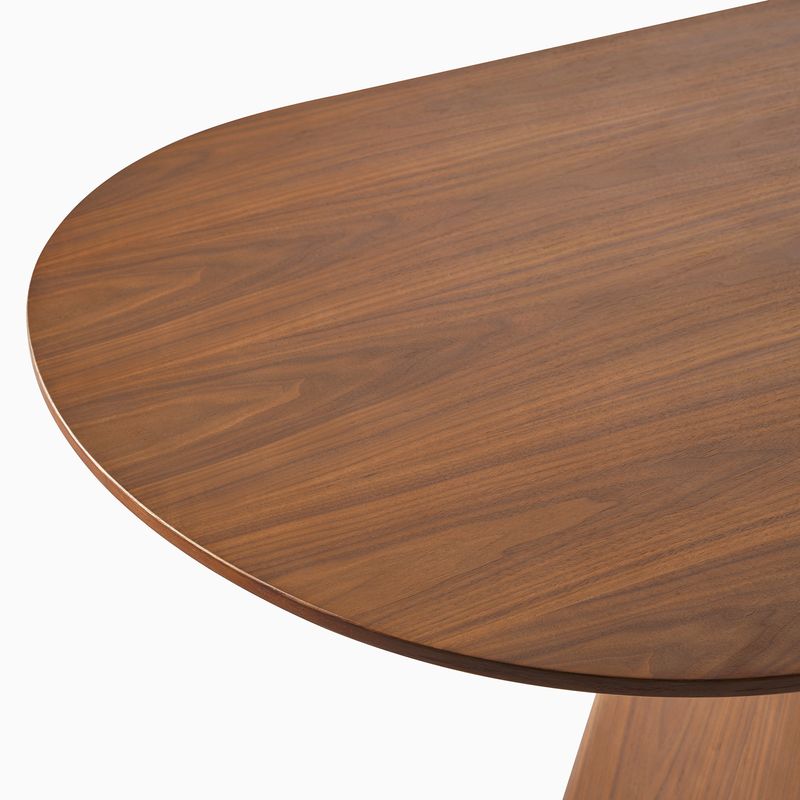
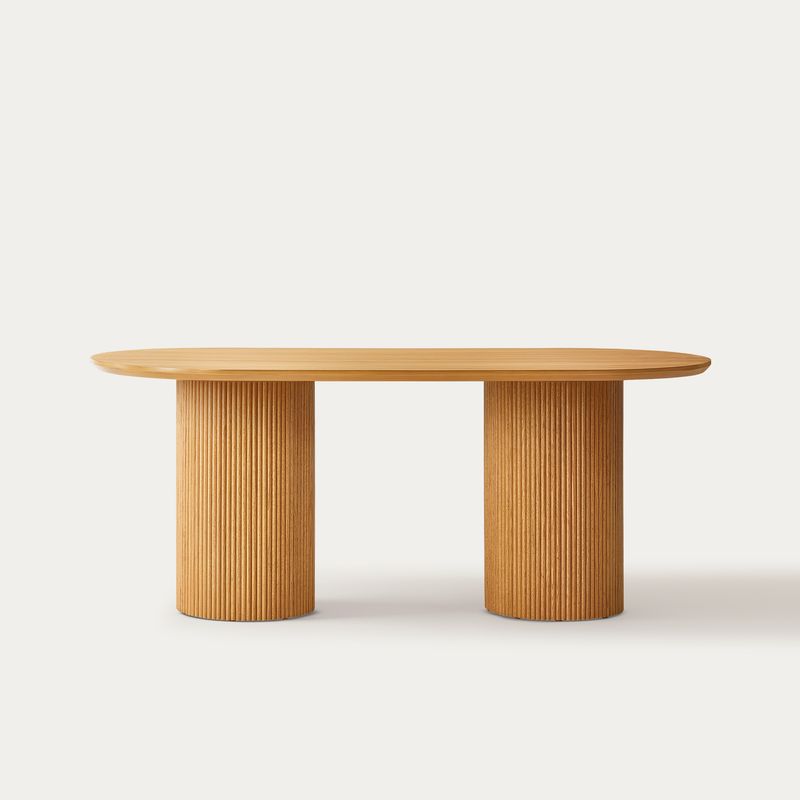
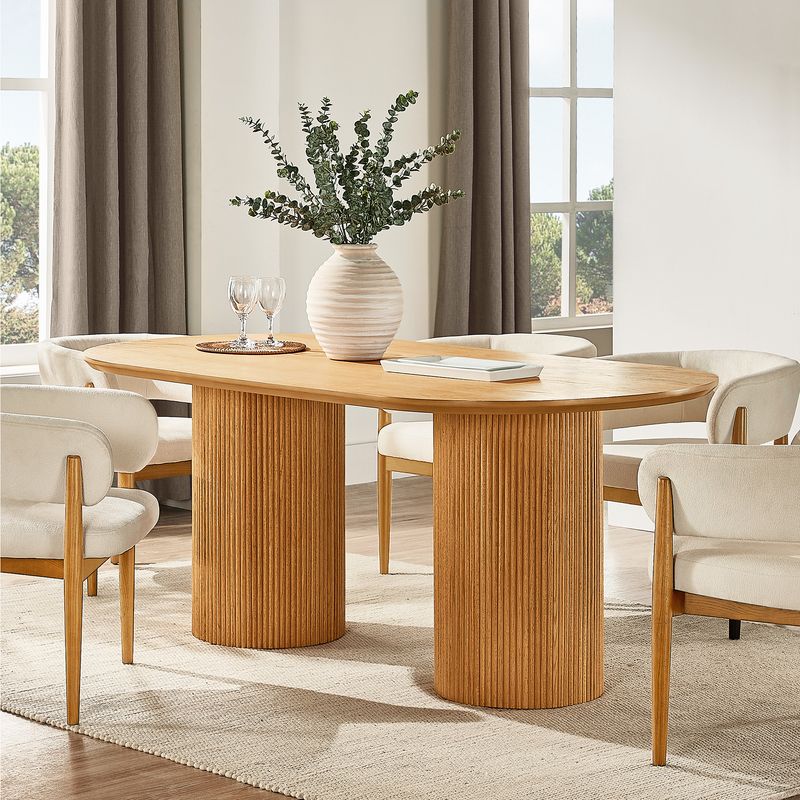
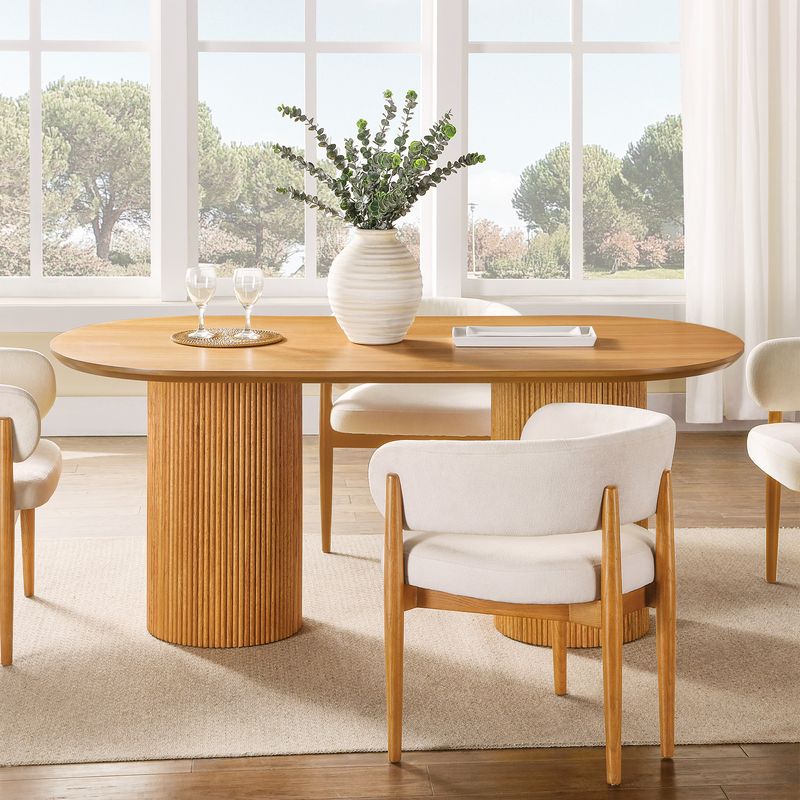
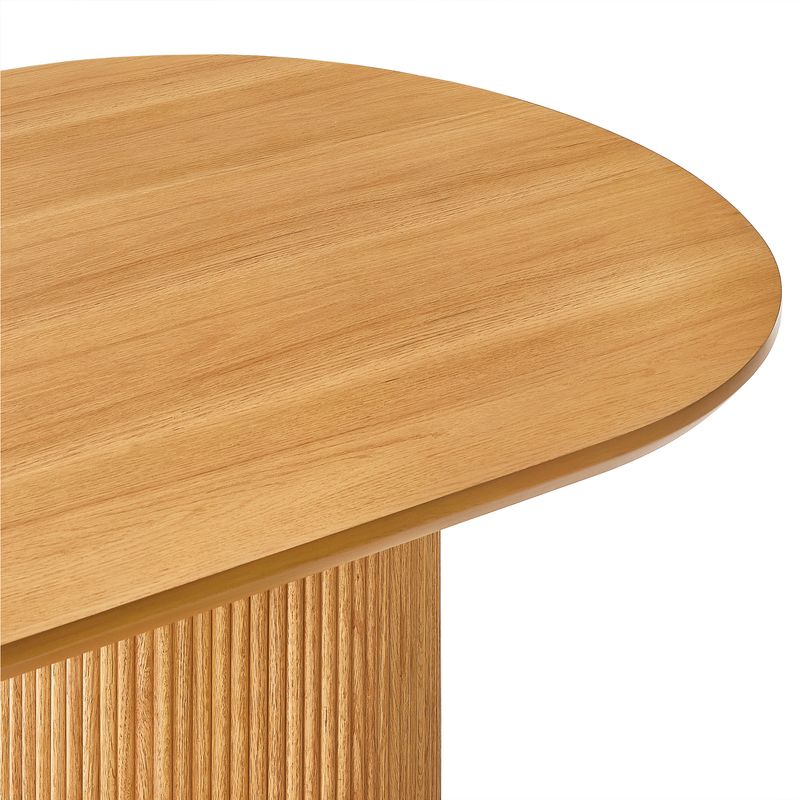
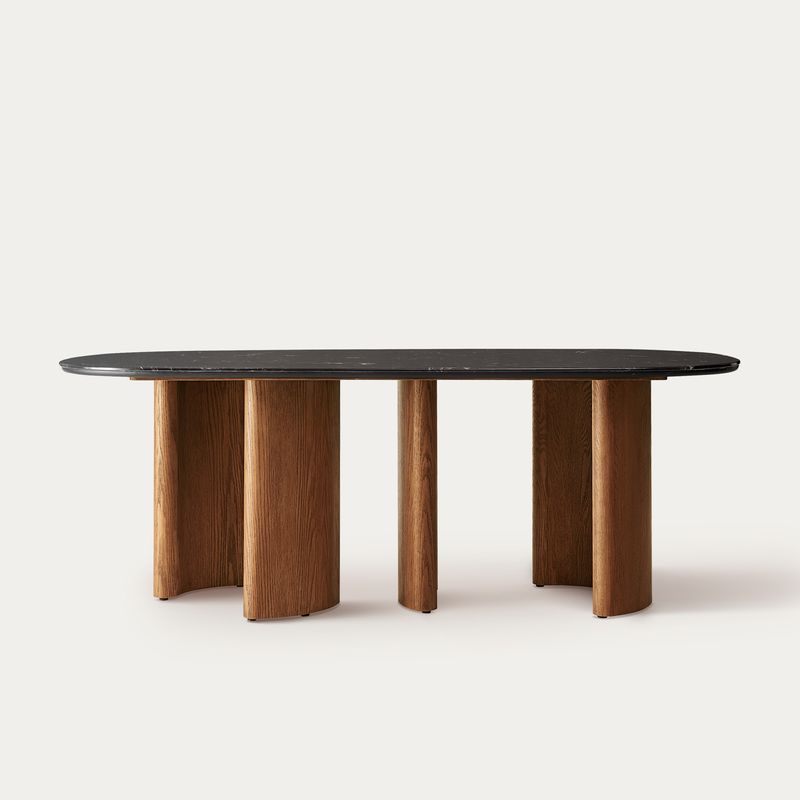
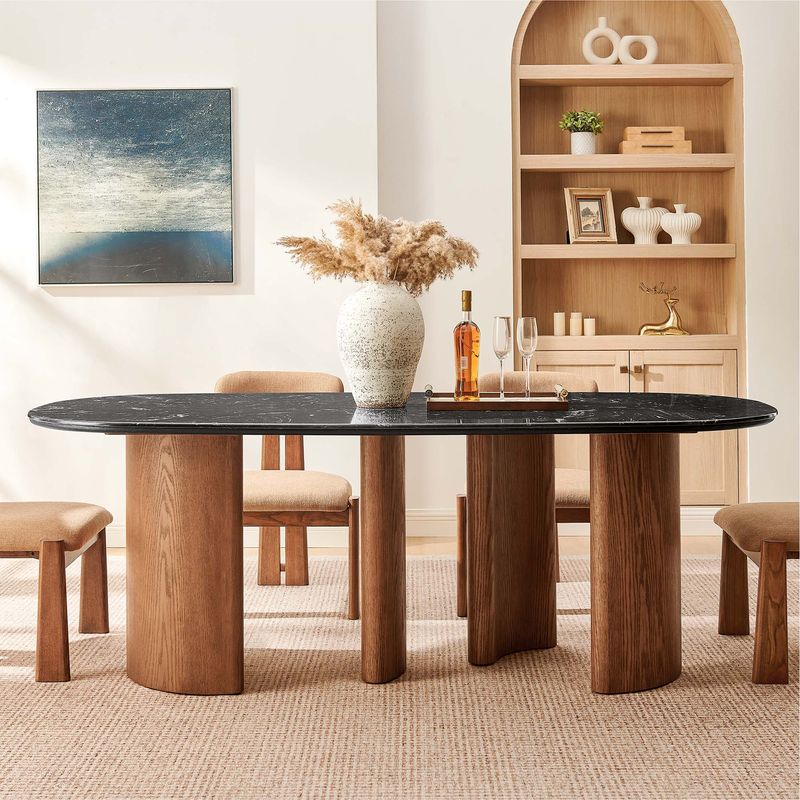
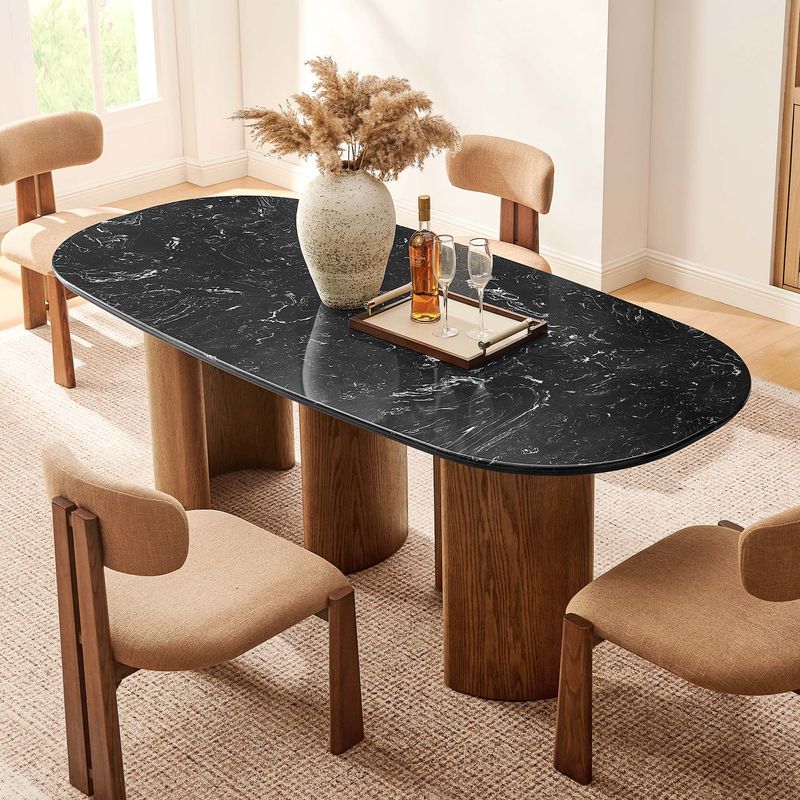
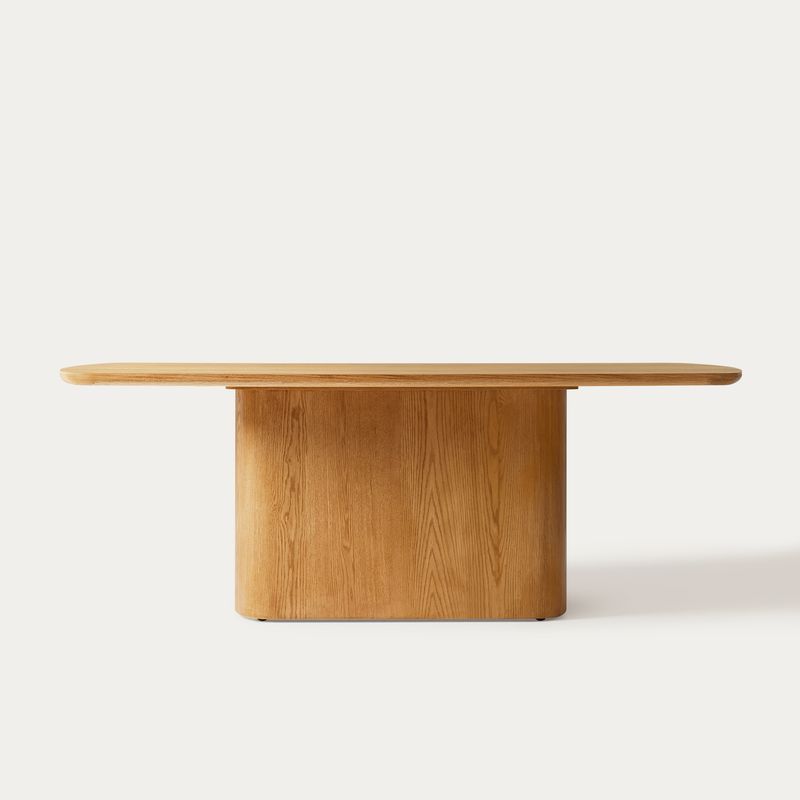
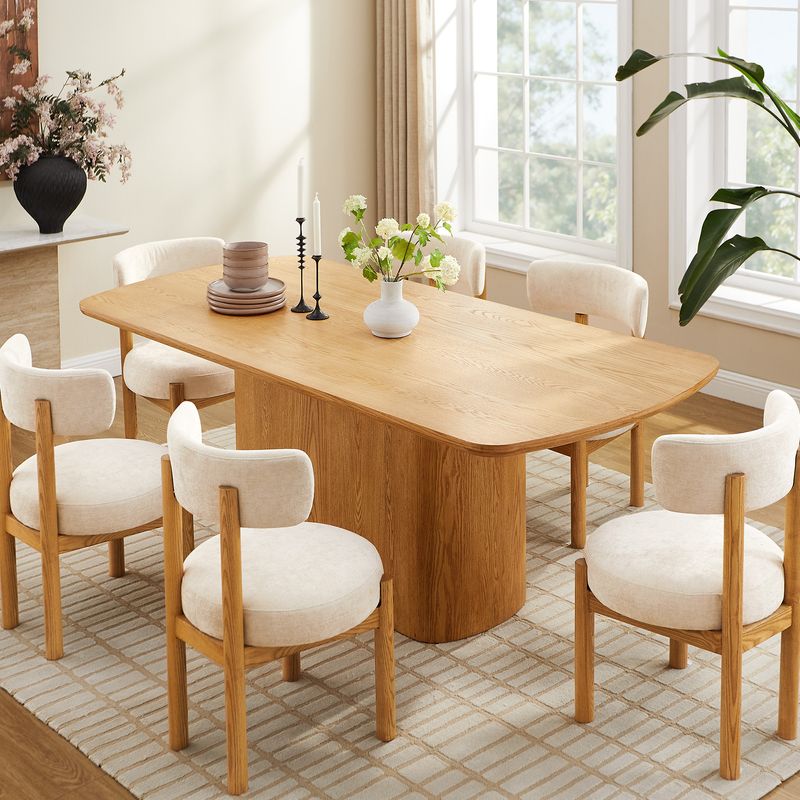
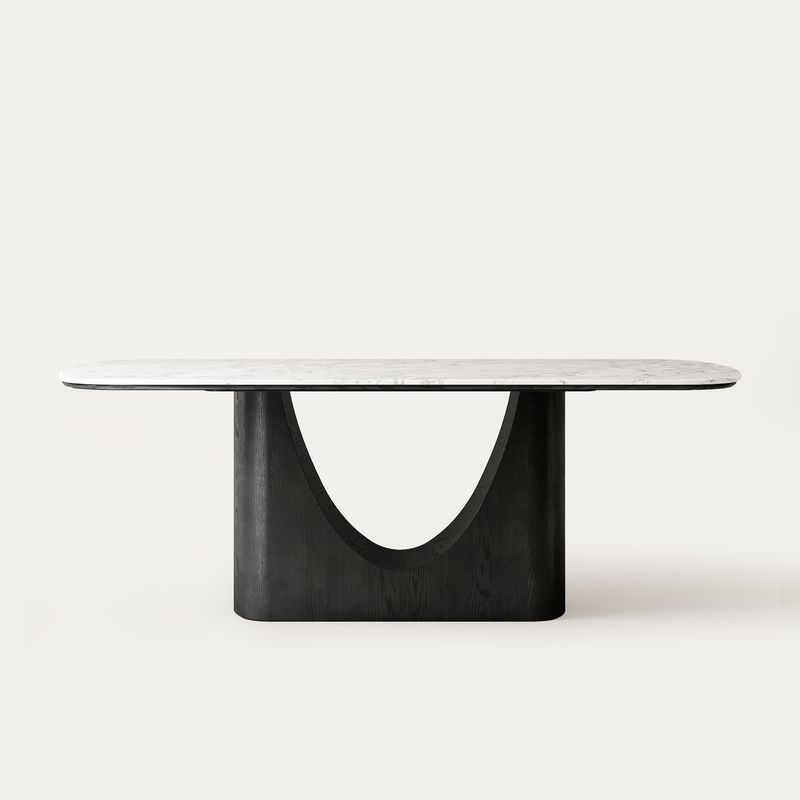
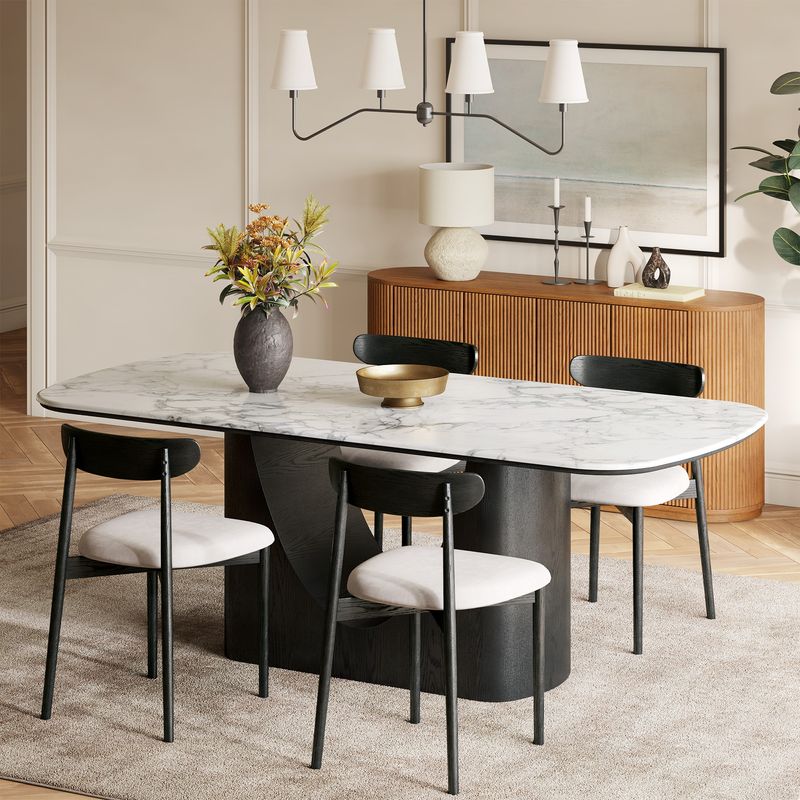
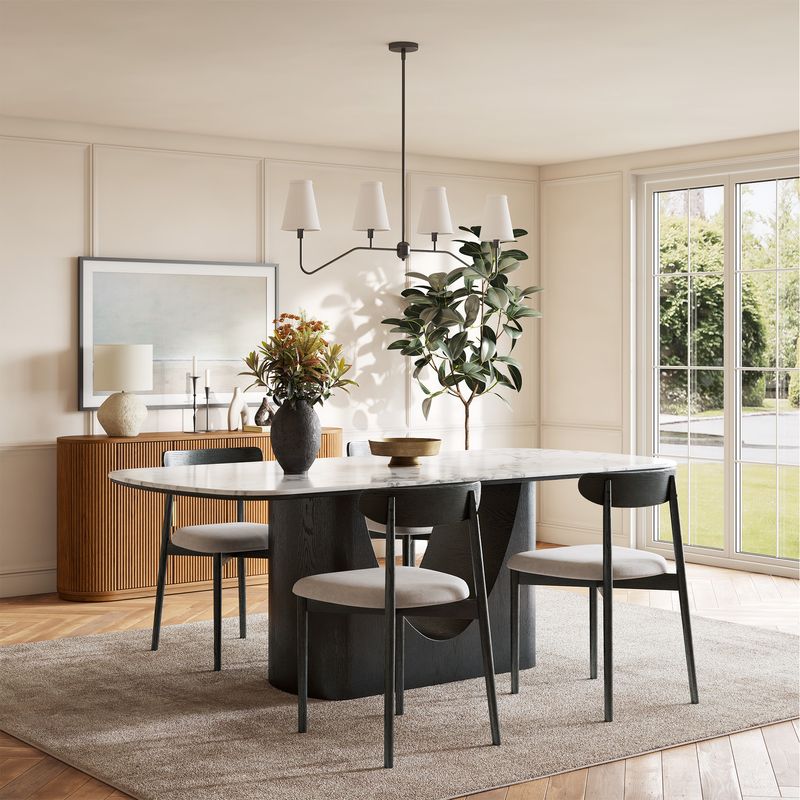
The Hernest Thorsten 72" Oval Dining Table can seats four to six people comfortably. Its elongated oval top provides useful table length while the rounded ends create a softer outline than a traditional rectangular table.
The base is worth checking when comparing tables of similar dimensions. Leg placement can affect where chairs fit and how easily people can move around the table.
84-Inch Dining Tables for Larger Gatherings
An 84-inch dining table can be a practical choice for larger households, frequent hosting, or anyone who prefers more space between place settings.
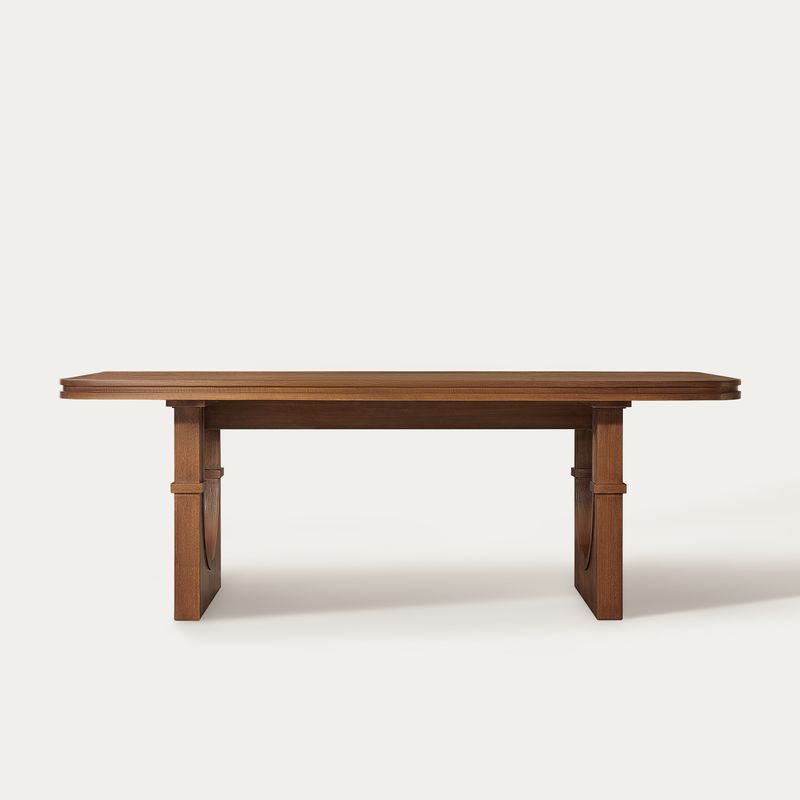
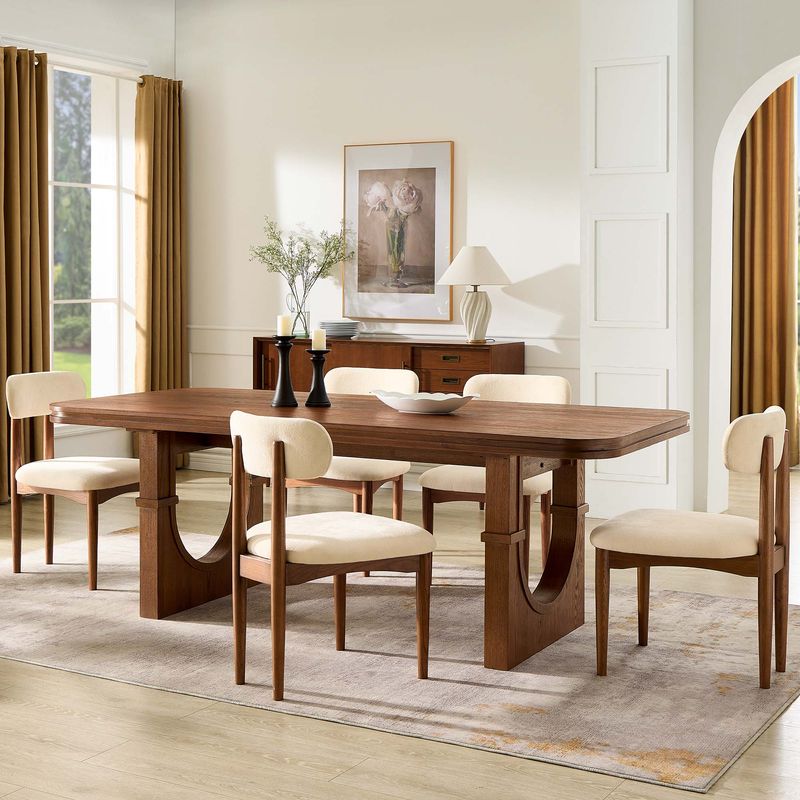
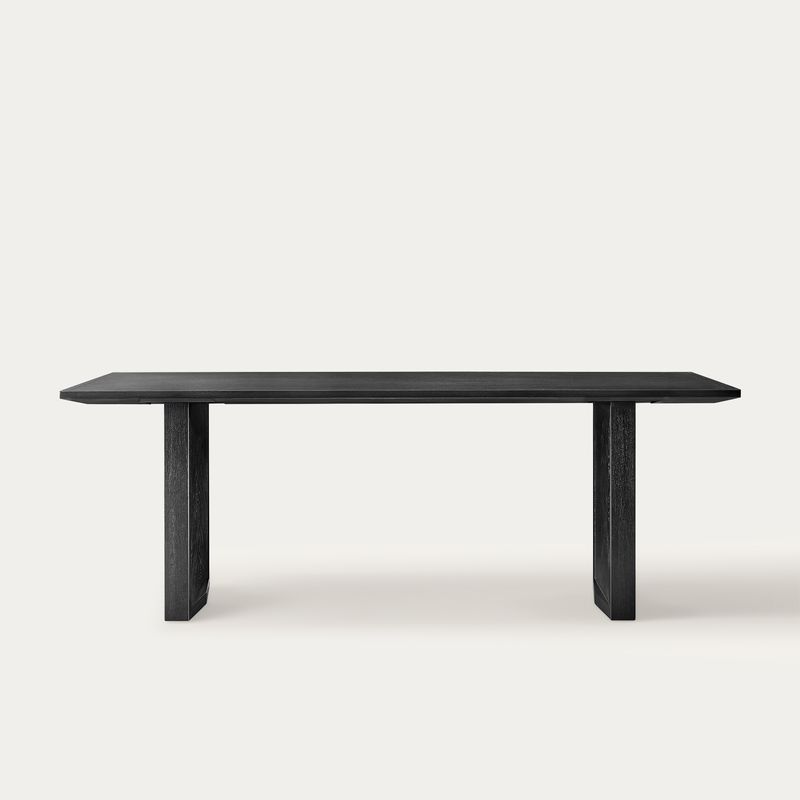
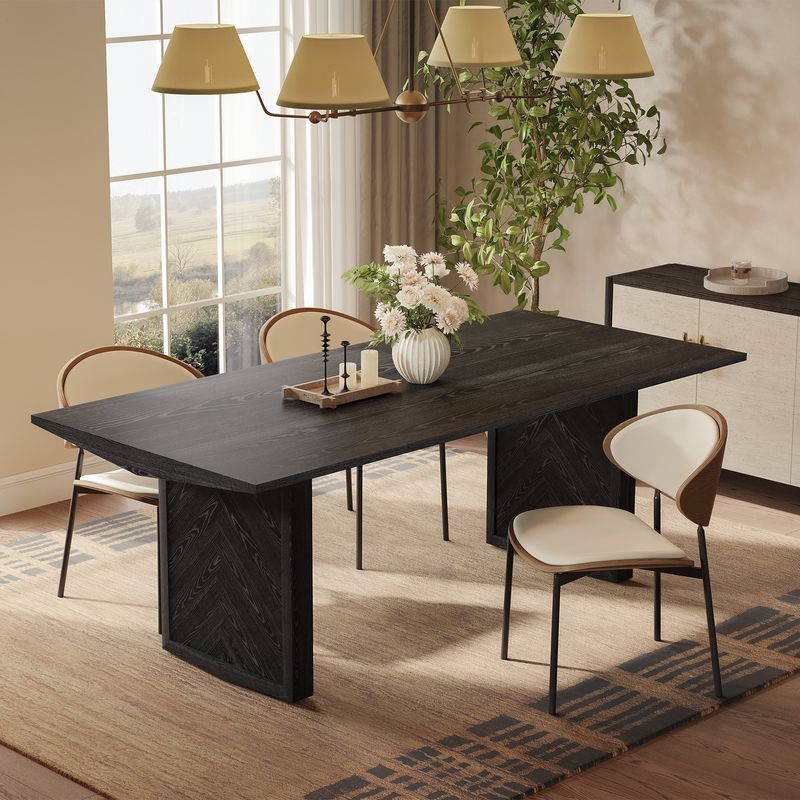
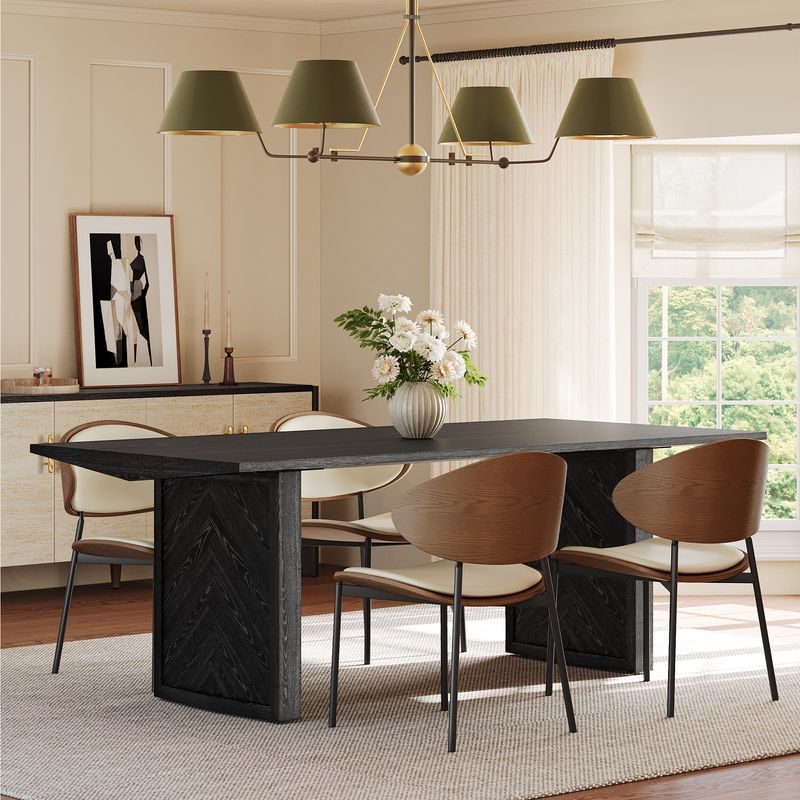
The Hernest Eliseo 84" Dining Table measures 84"W × 40"D × 30"H and seats six to eight people comfortably. Its larger surface gives you more room for serving dishes while keeping individual place settings from feeling crowded.
Before choosing an 84" table, measure the complete dining area. Pay particular attention to nearby kitchen islands, cabinets, doorways, and other areas that need regular access.
Extendable Dining Tables for Flexible Seating
An extendable dining table makes sense when your everyday seating needs are smaller than the number of people you occasionally host.
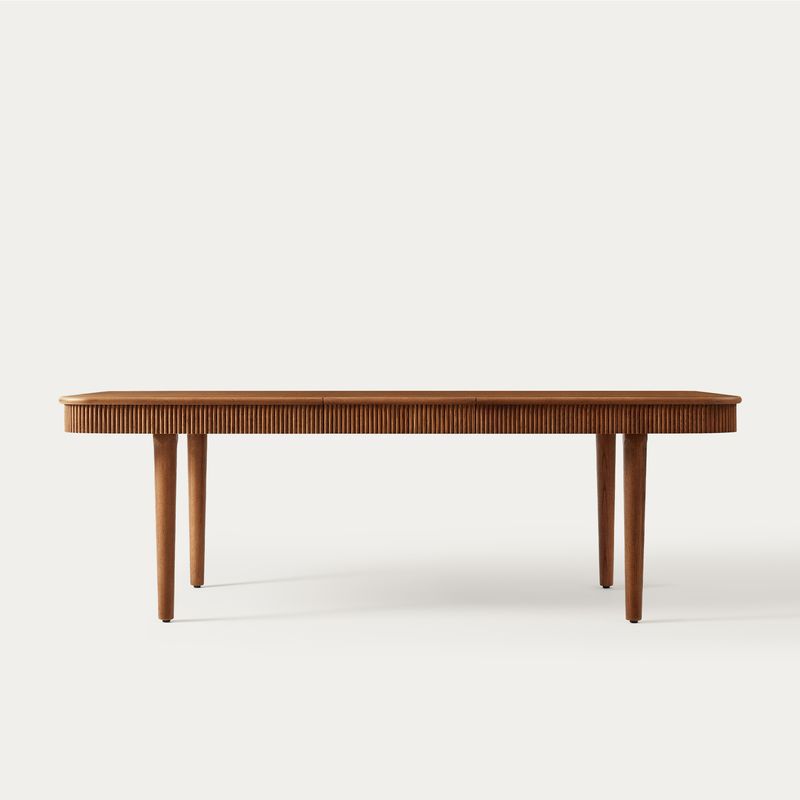
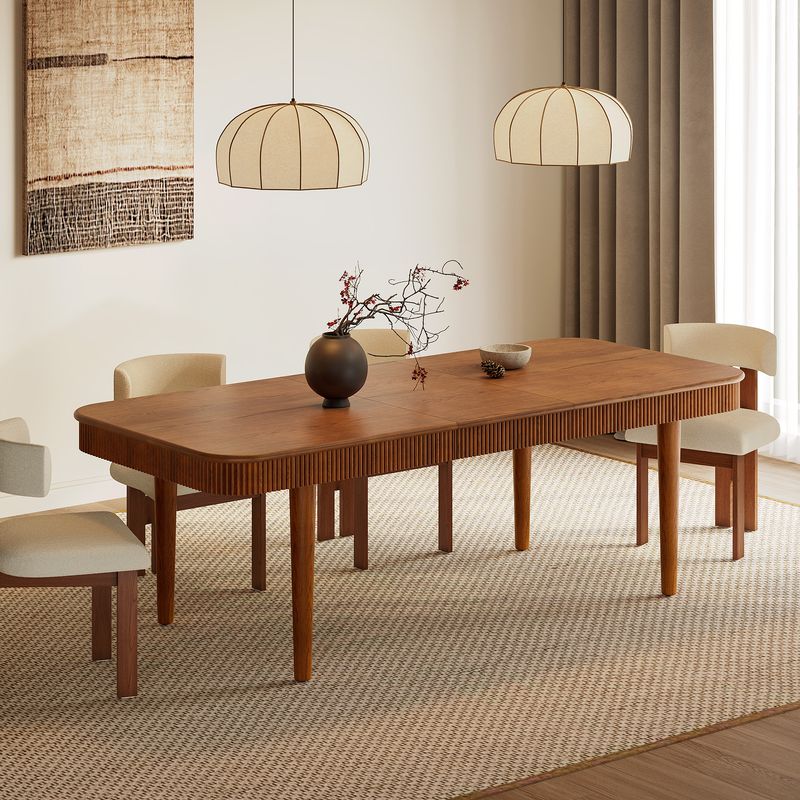
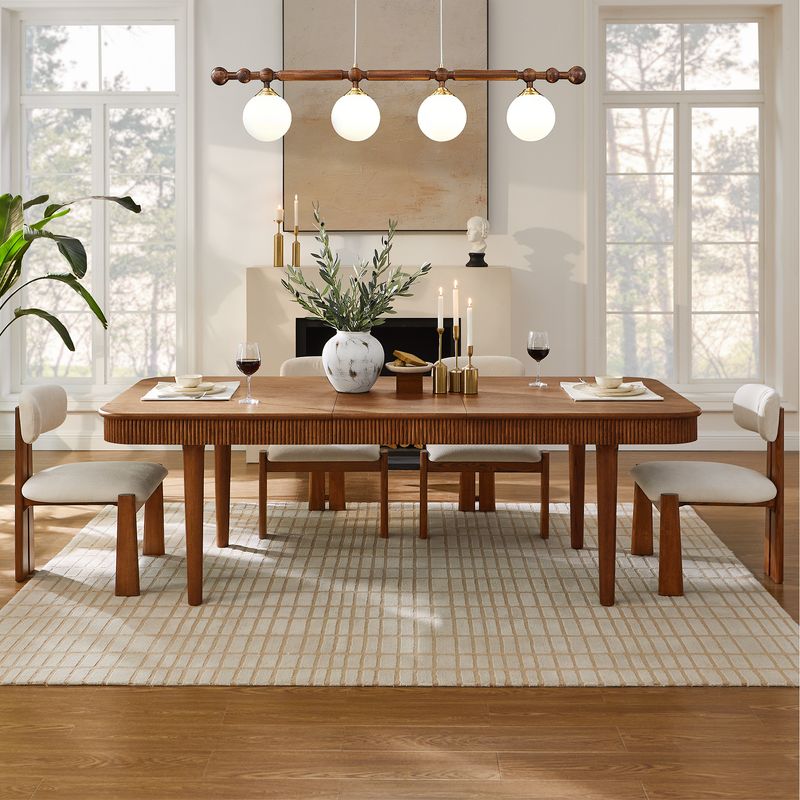
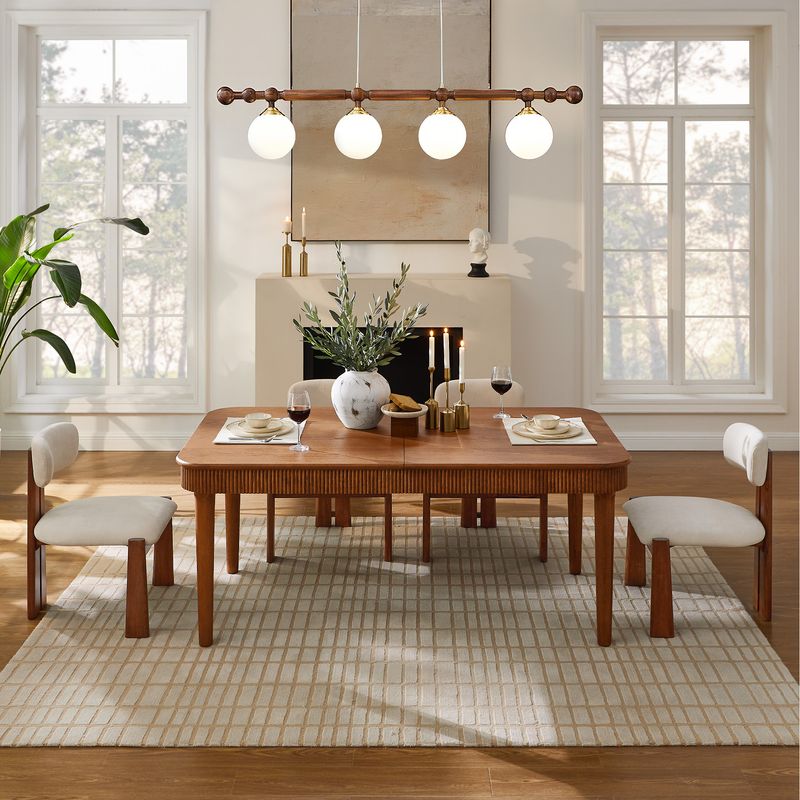
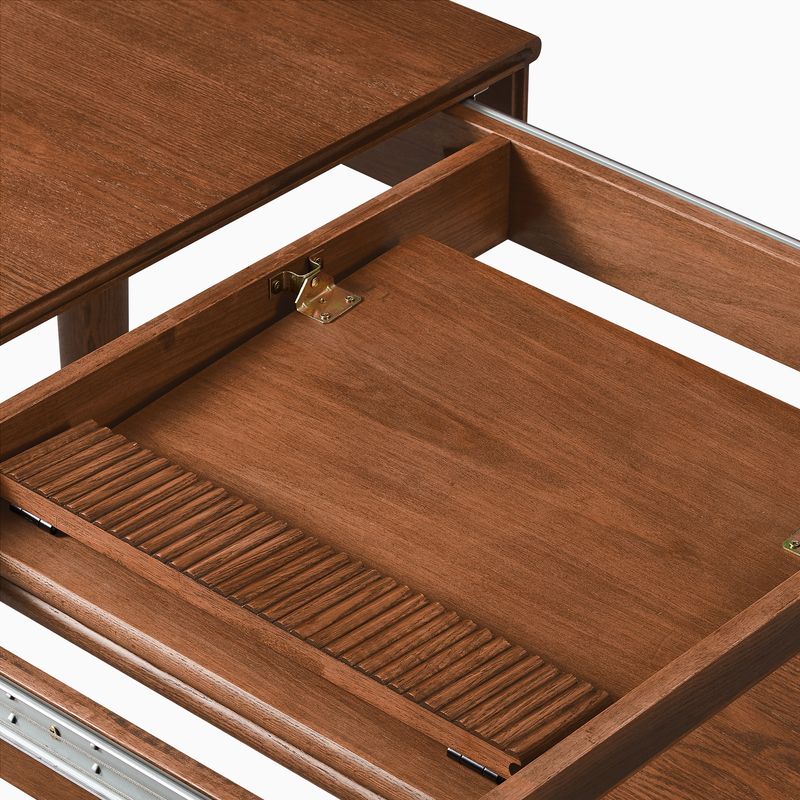
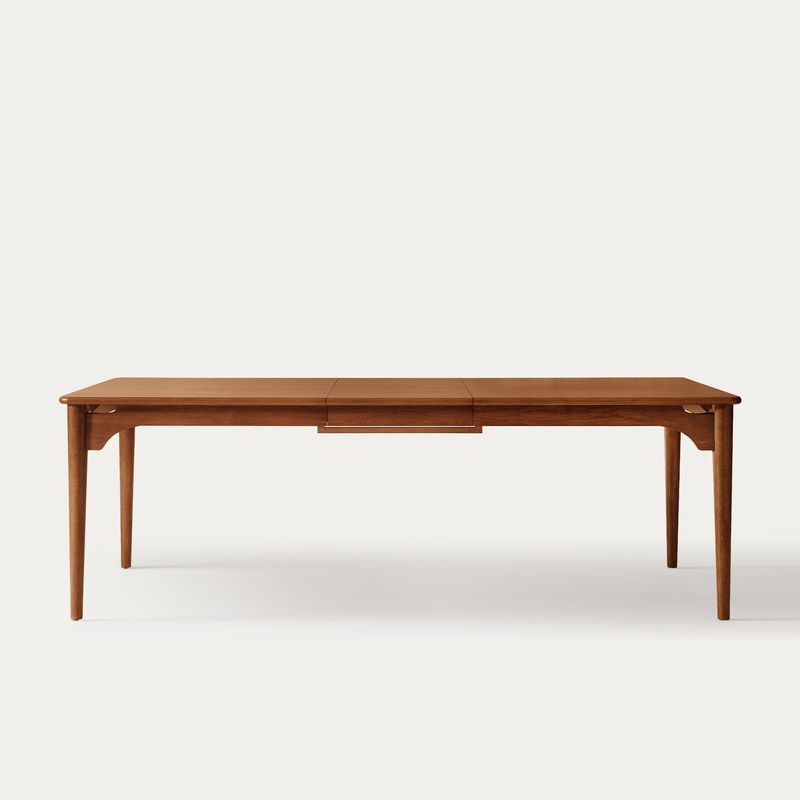
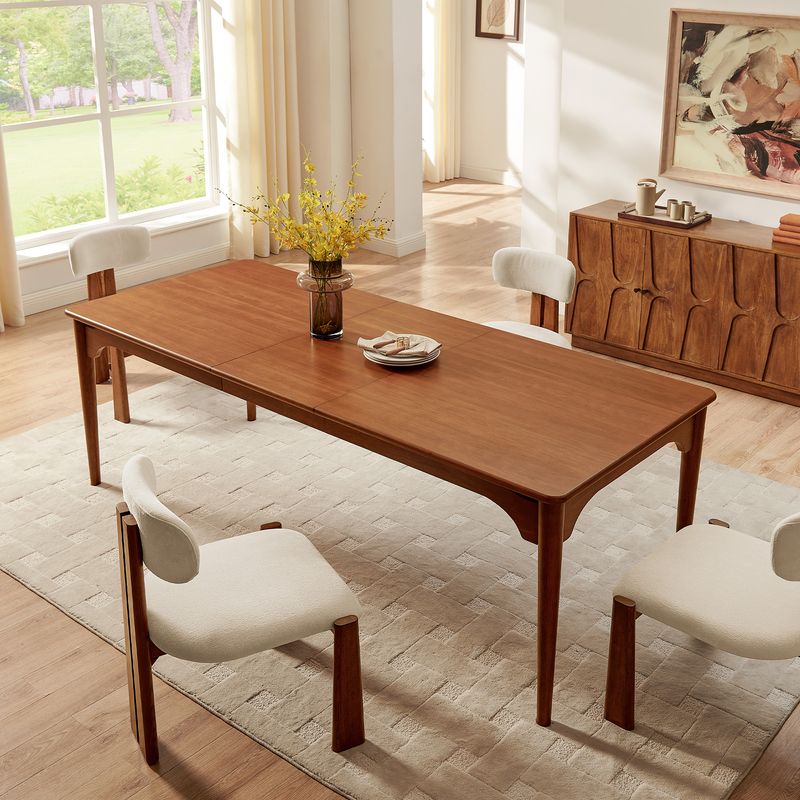
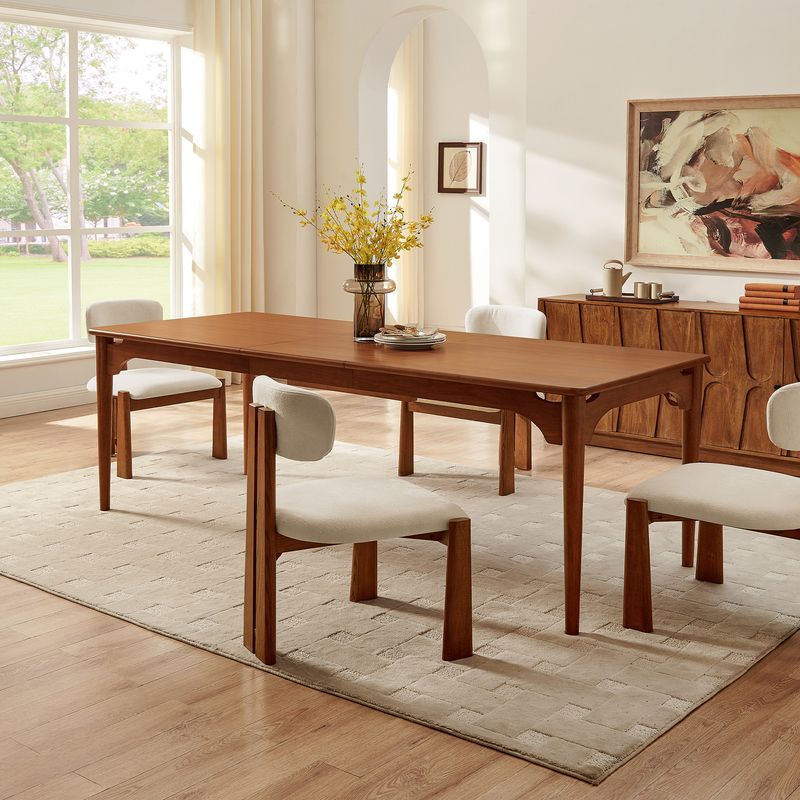
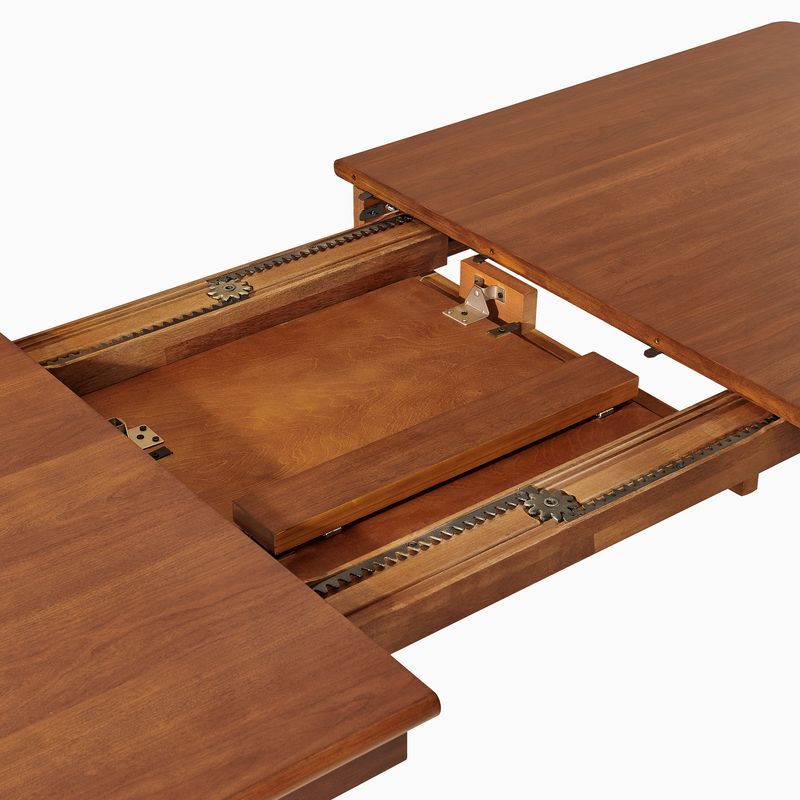
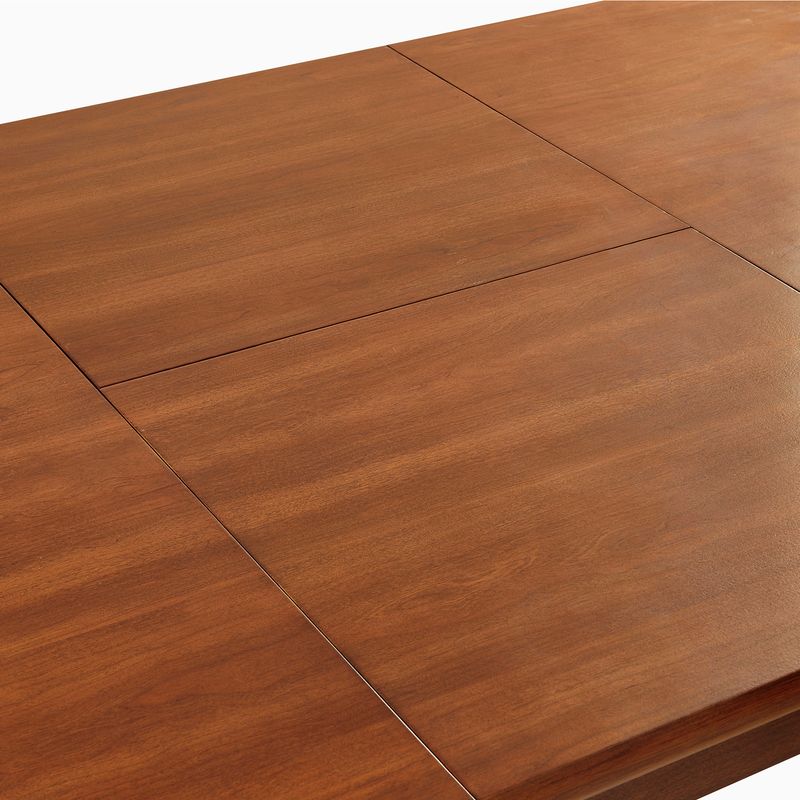
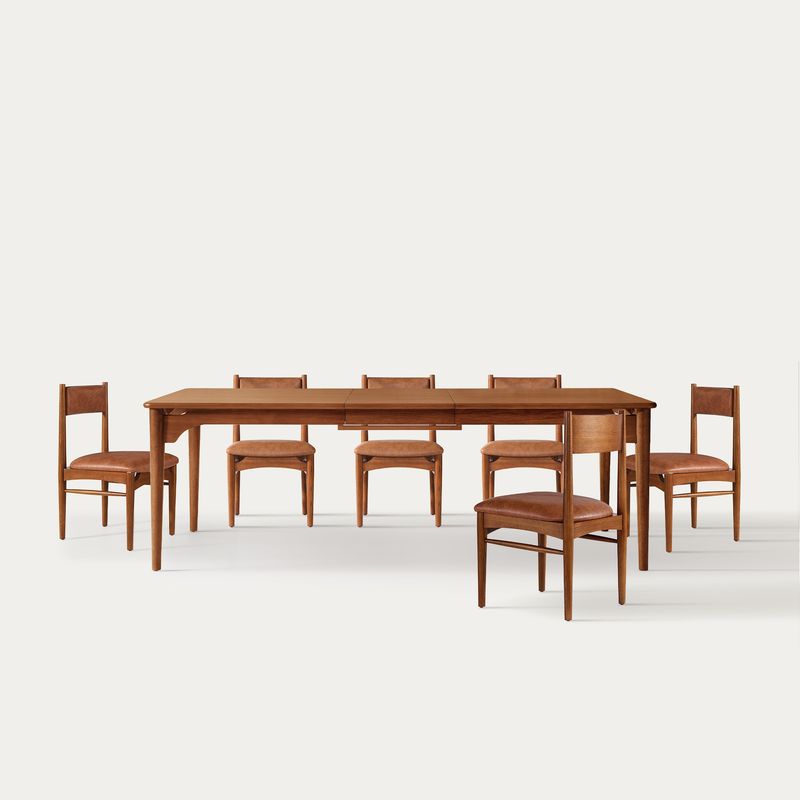
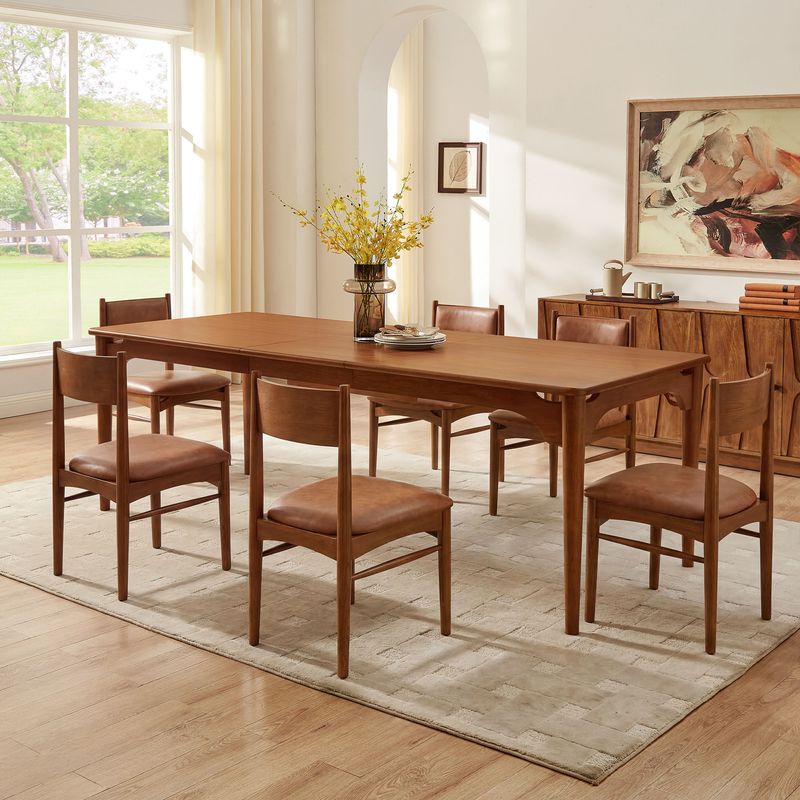
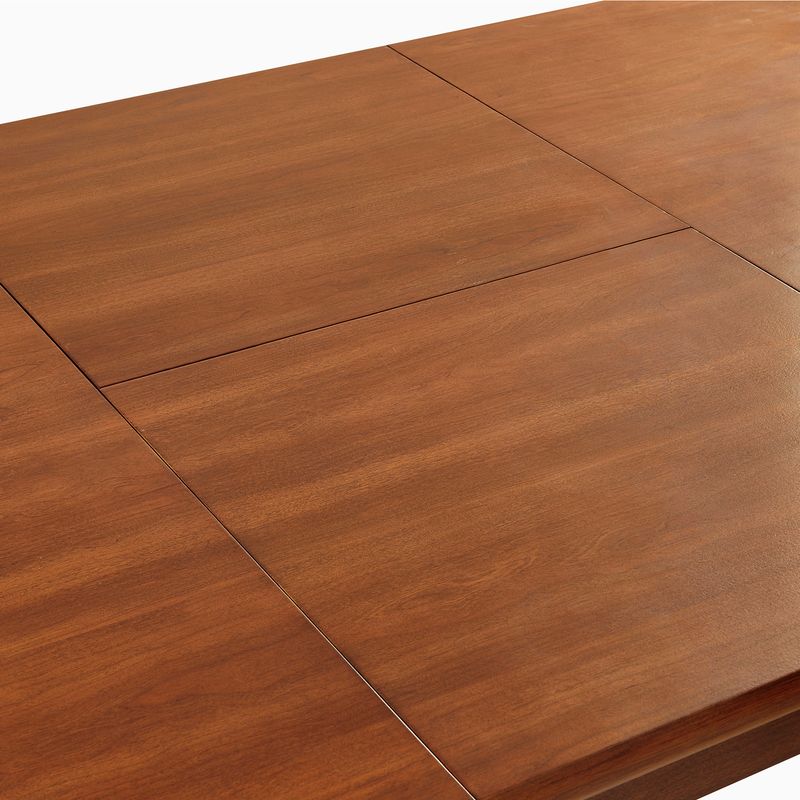
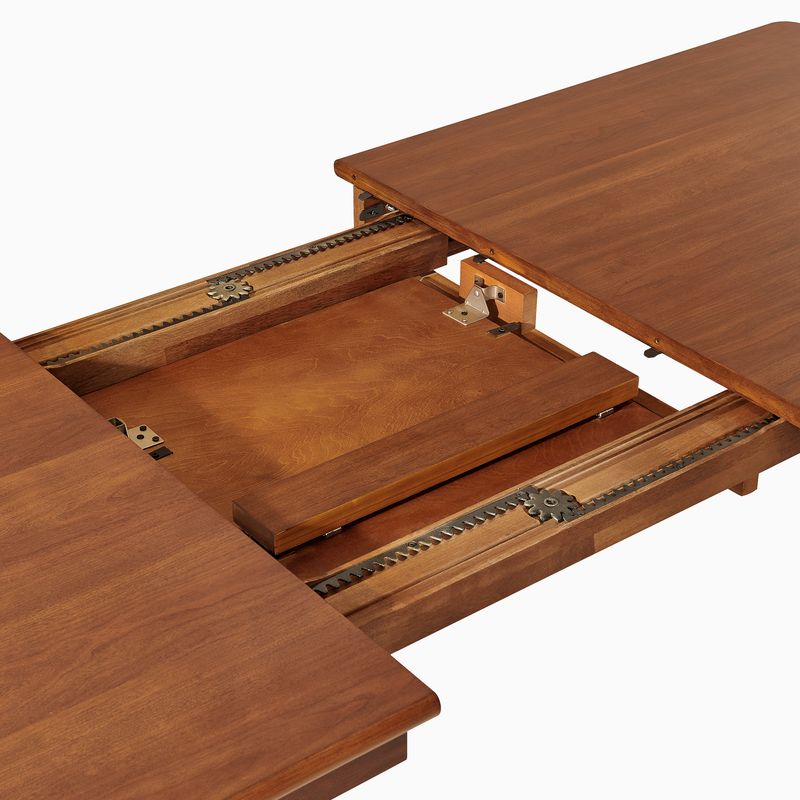
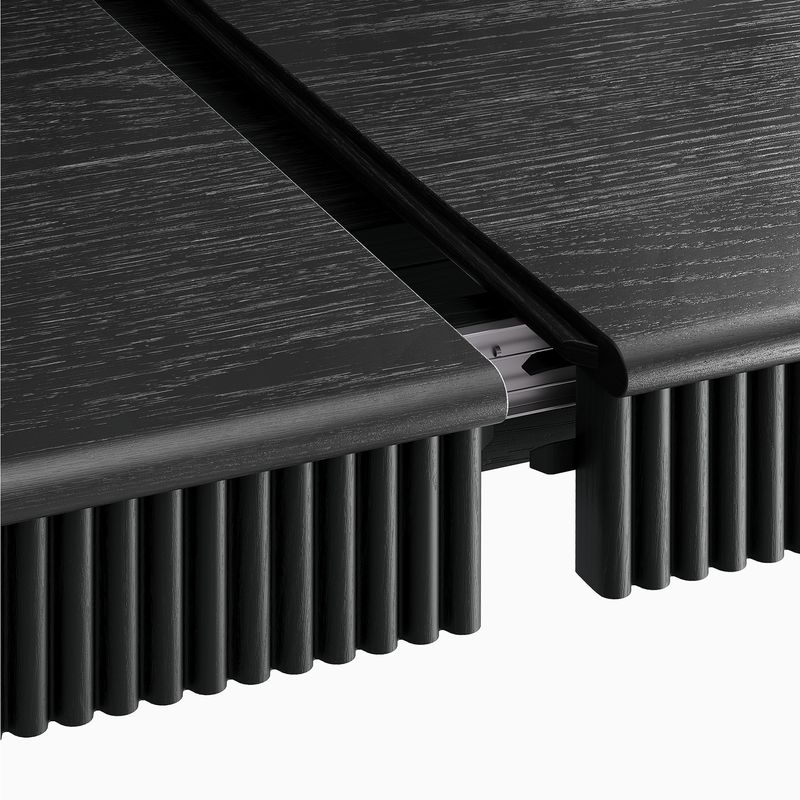
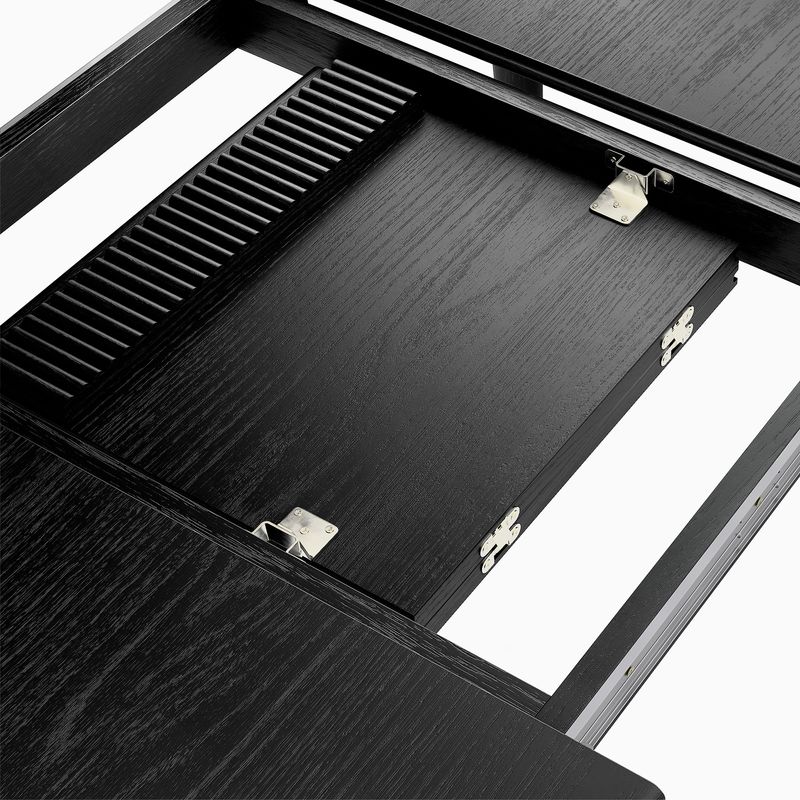
The Hernest Valo extends from 72" to 92" and seats six to eight people comfortably. Its self-storing extension leaves allow the table to stay at its shorter length for everyday meals and expand when additional seating is needed.
This type of dining table can be useful for holiday meals, dinner parties, and homes where the dining area needs to remain open during the rest of the week.
Find Dining Tables by Seating Capacity
Seating capacity is often a more useful starting point than choosing a table based only on appearance. The actual number of seats depends on table length, tabletop shape, chair width, and the position of the table base.
Dining Tables for 2–4 People
For two to four people, a compact round, square, or small rectangular table can work well. These sizes are particularly useful in apartments, breakfast areas, and dining spaces that share floor space with other furniture.
A smaller table can also leave more room for movement. If the room is tight, consider the complete footprint of the table and chairs rather than focusing only on tabletop dimensions.
Dining Tables for 4–6 People
A 60"–72" dining table is a common range for four to six people. A 72" table gives you additional surface area for serving dishes, table settings, or guests who prefer more personal space.
If you regularly seat six, look at the table width and base design as well as its length. Two tables with the same overall dimensions can provide different amounts of usable seating depending on where the legs or pedestal are positioned.
Dining Tables for 6–8 People
For six to eight people, an 84" dining table or an extendable design can provide the additional space needed for larger meals.
An 84" table works well when larger gatherings are a regular part of your routine. If you normally seat four to six people and only host larger dinners occasionally, an extendable dining table can provide extra capacity without requiring the larger footprint every day.
Explore Different Dining Table Shapes
The shape of a dining table affects more than its appearance. It can change traffic flow, chair placement, sight lines, and how the table relates to the rest of the room.
Rectangular Dining Tables
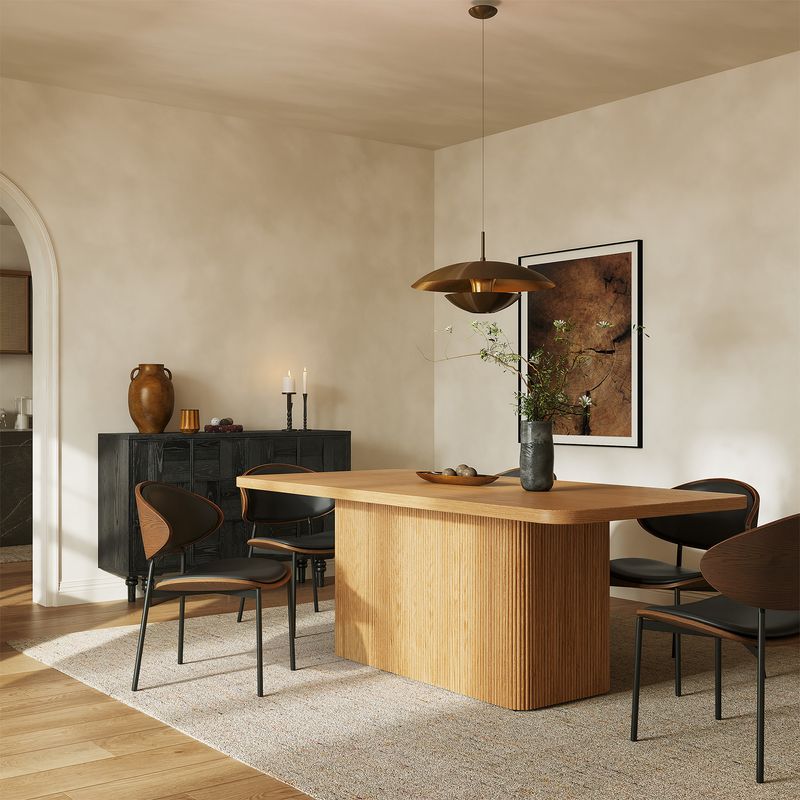
Rectangular dining tables are a practical choice for longer dining rooms and larger households. Their straight edges make it easy to align the table with a rug, pendant light, sideboard, or the overall shape of the room.
They also make efficient use of floor space when you need seating along both long sides of the table. For larger gatherings, the extended tabletop provides plenty of room for place settings and serving dishes.
Round Dining Tables
Round dining tables can work particularly well in square rooms, breakfast nooks, and smaller dining areas. The absence of corners can make the path around the table feel more open and gives diners a similar relationship to the center.
For a compact room, measure the table diameter together with the space needed to pull out chairs. A round table may improve circulation, but the overall footprint still matters.
Oval Dining Tables
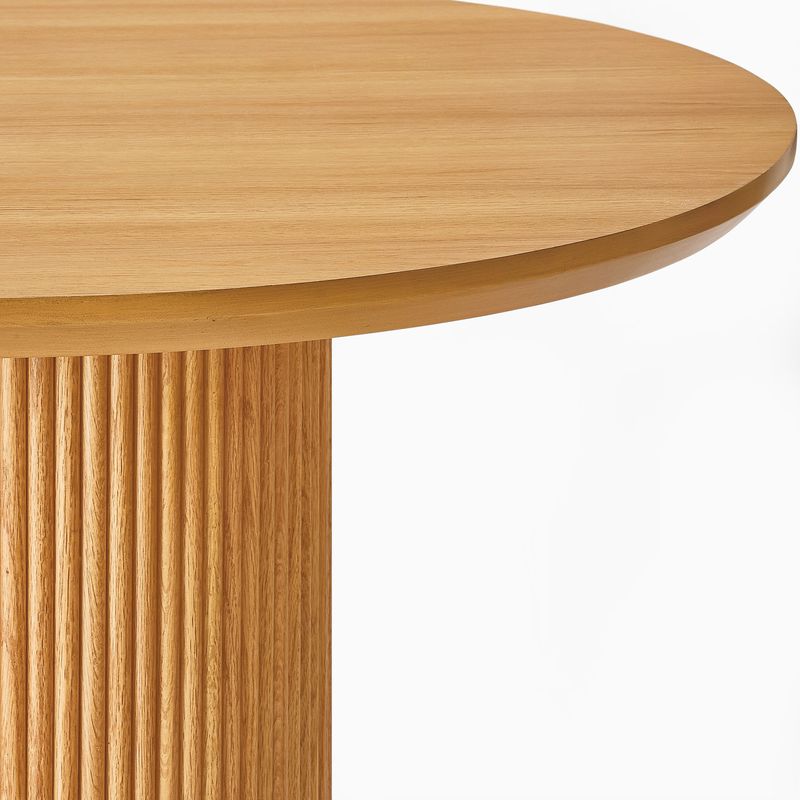
Oval dining tables combine the longer seating potential of a rectangular table with the softer edges of a round design. They can work well when you want more tabletop length without the visual weight of sharp corners.
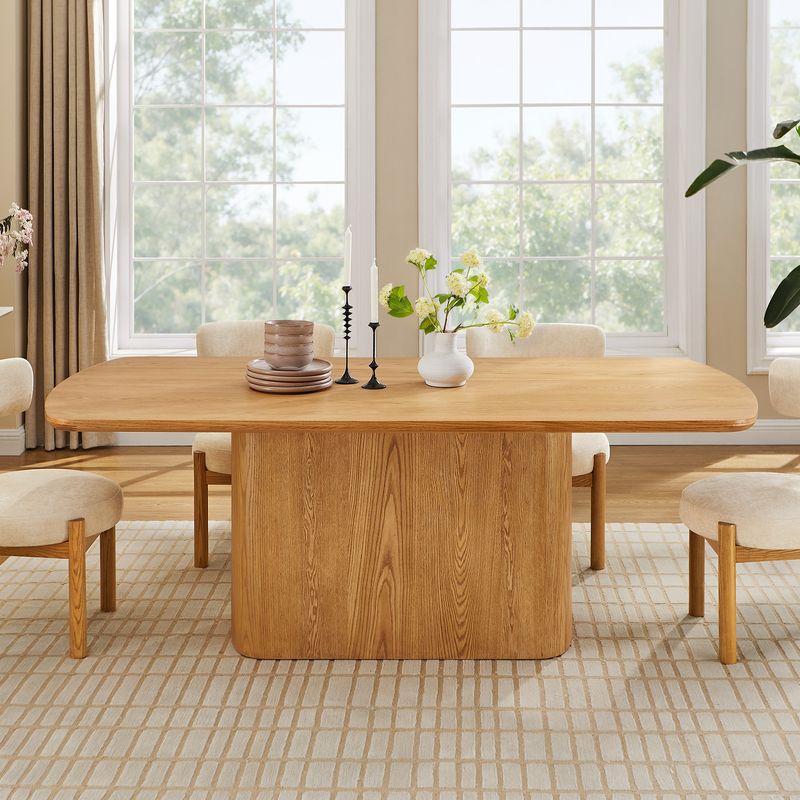
The Hernest Thorsten 72" Oval Dining Table is one example. Its 72" length accommodates four to six people comfortably, while its rounded ends give the table a softer profile.
Pedestal and Sculptural Bases
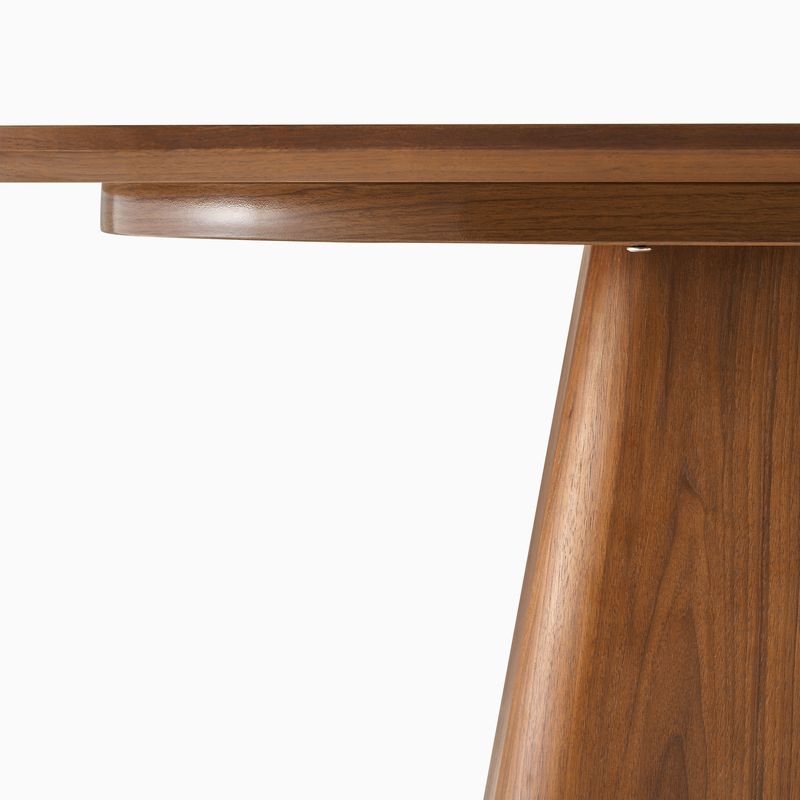
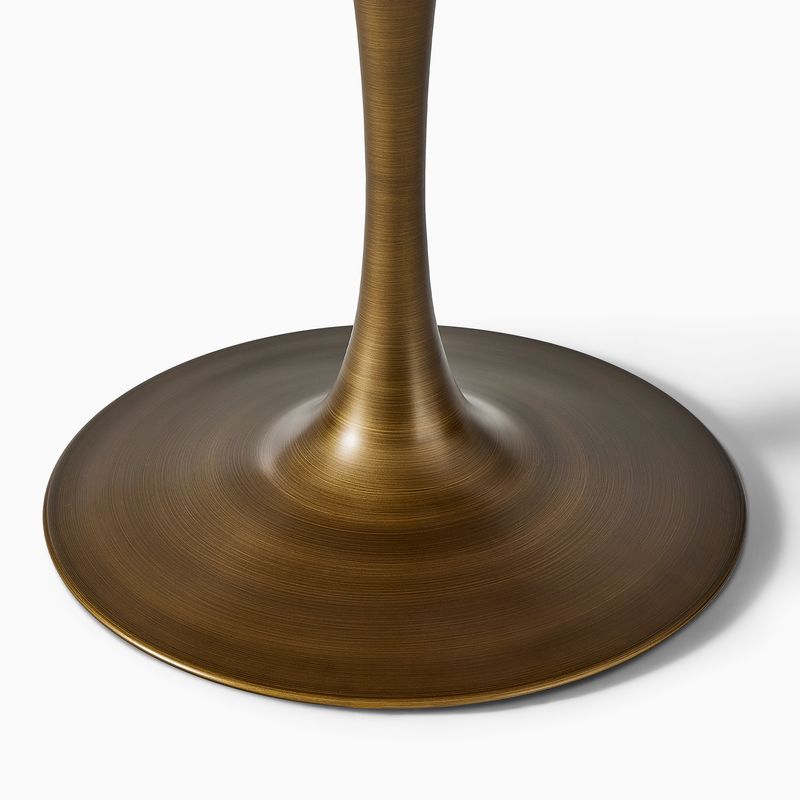
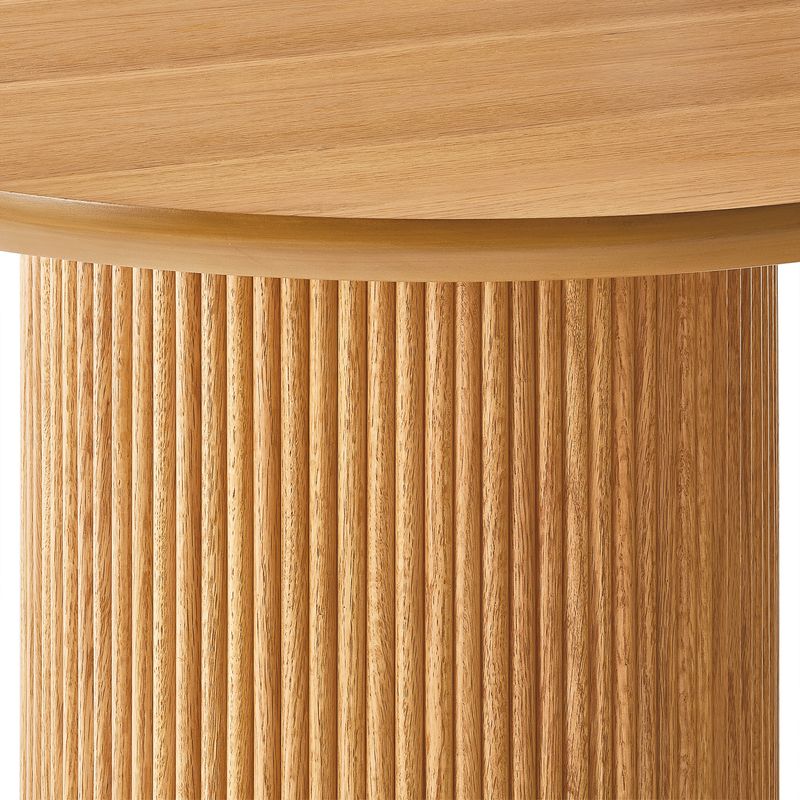
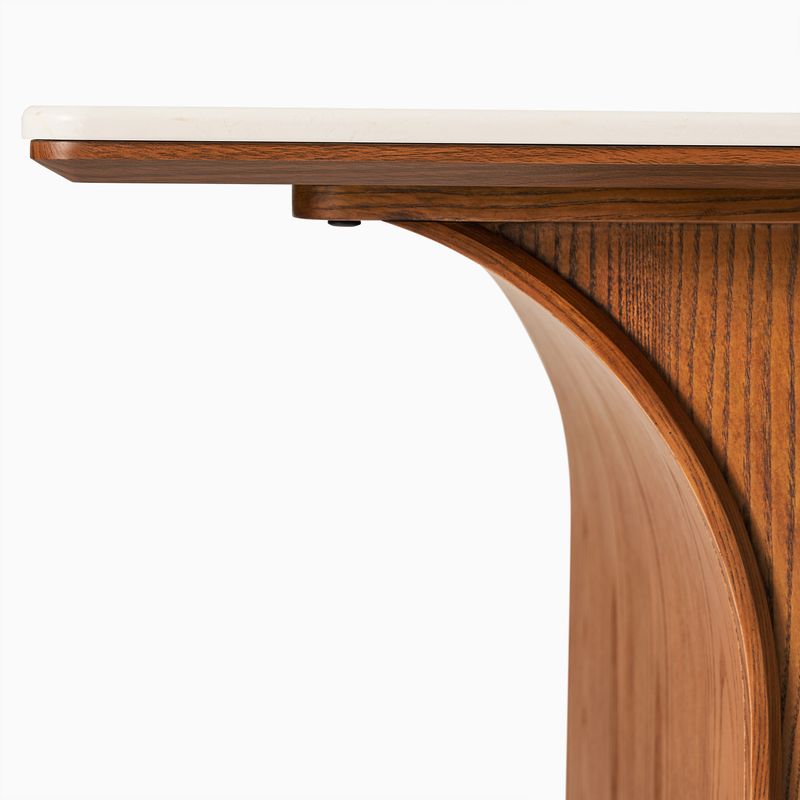
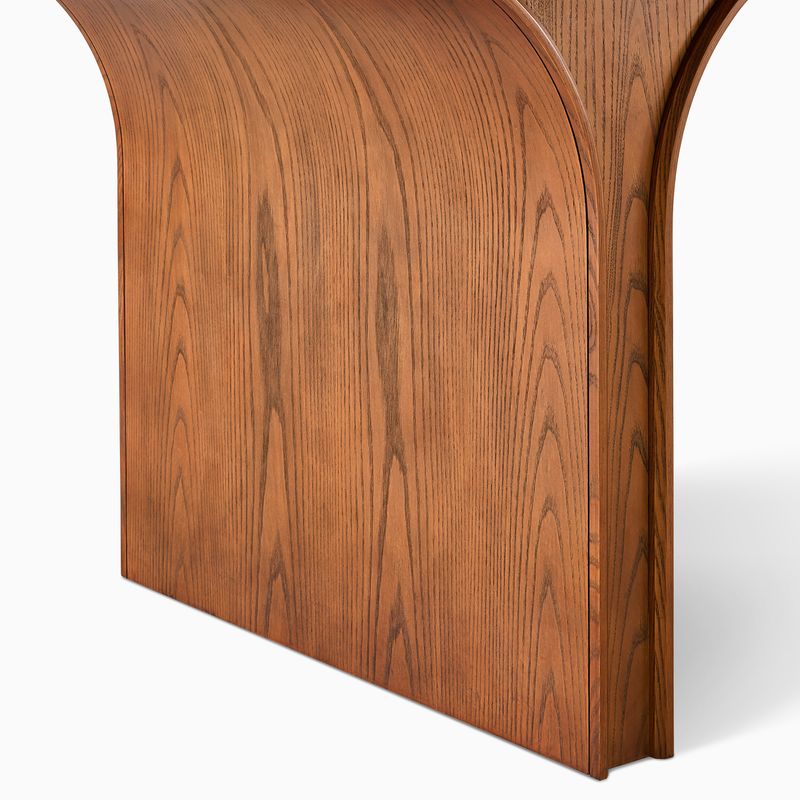
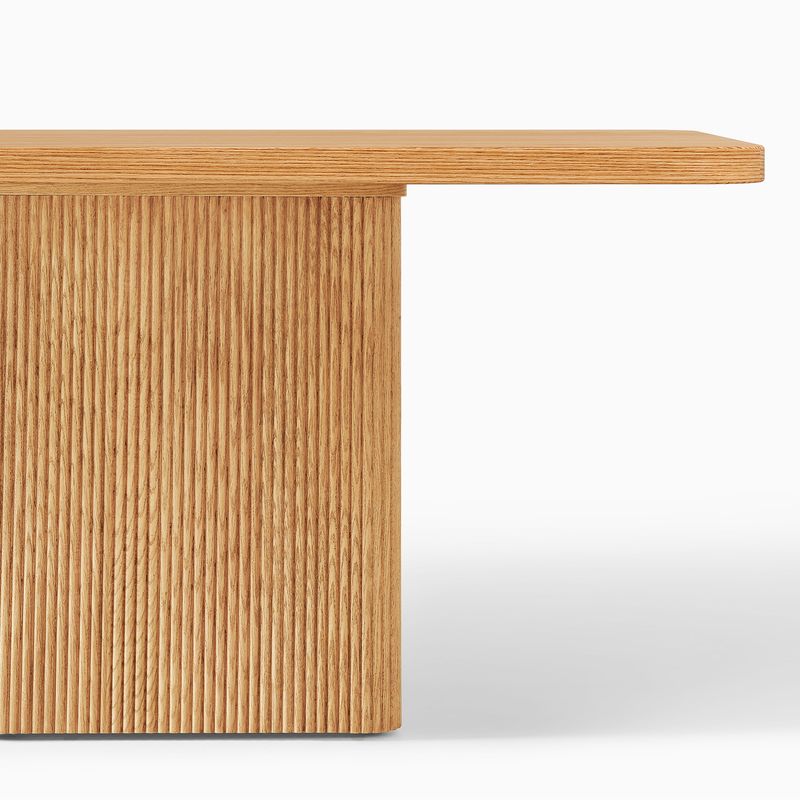
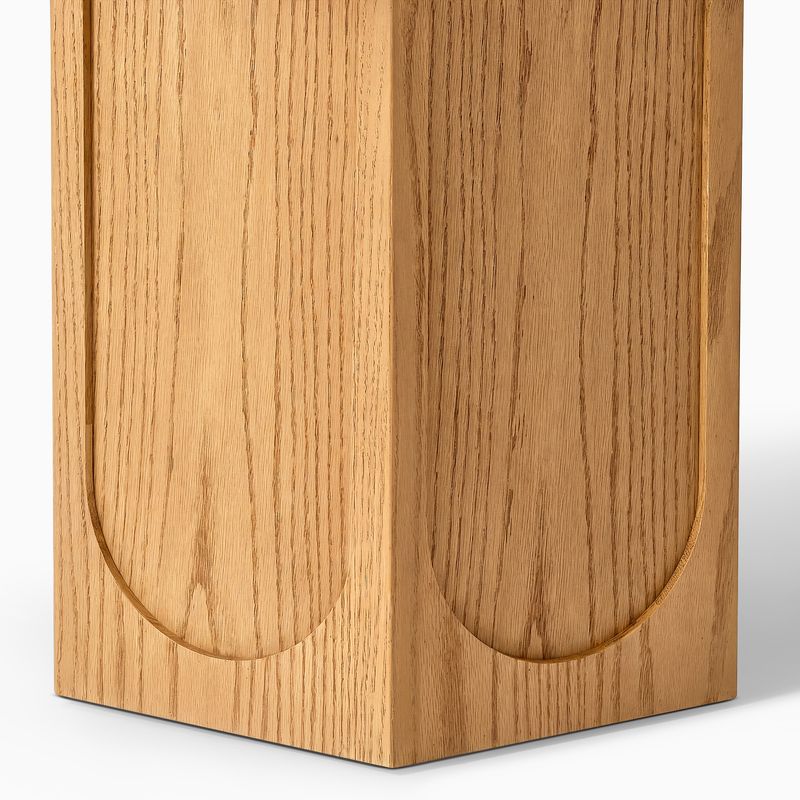
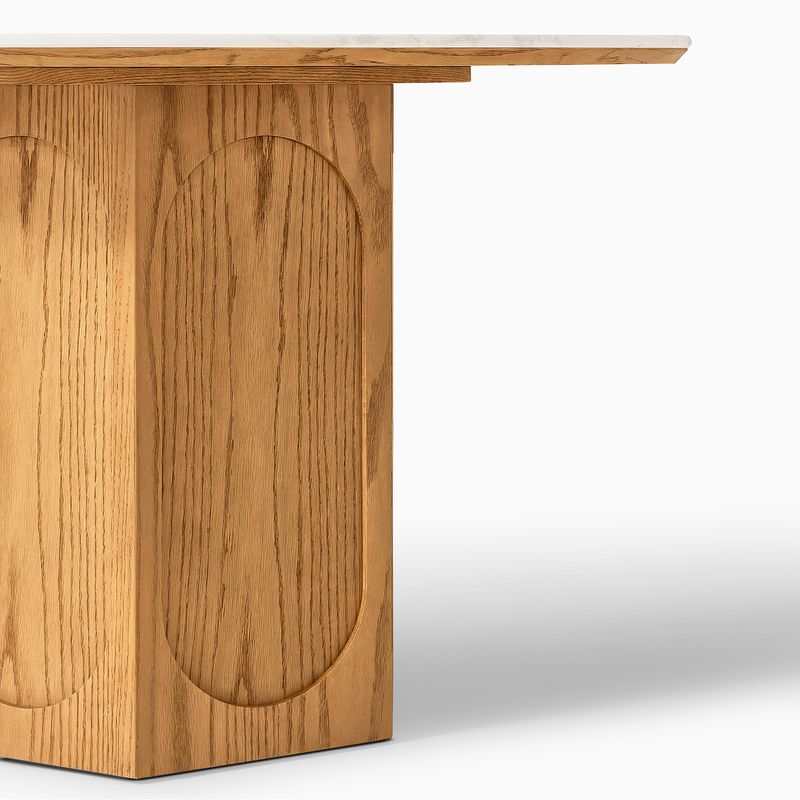
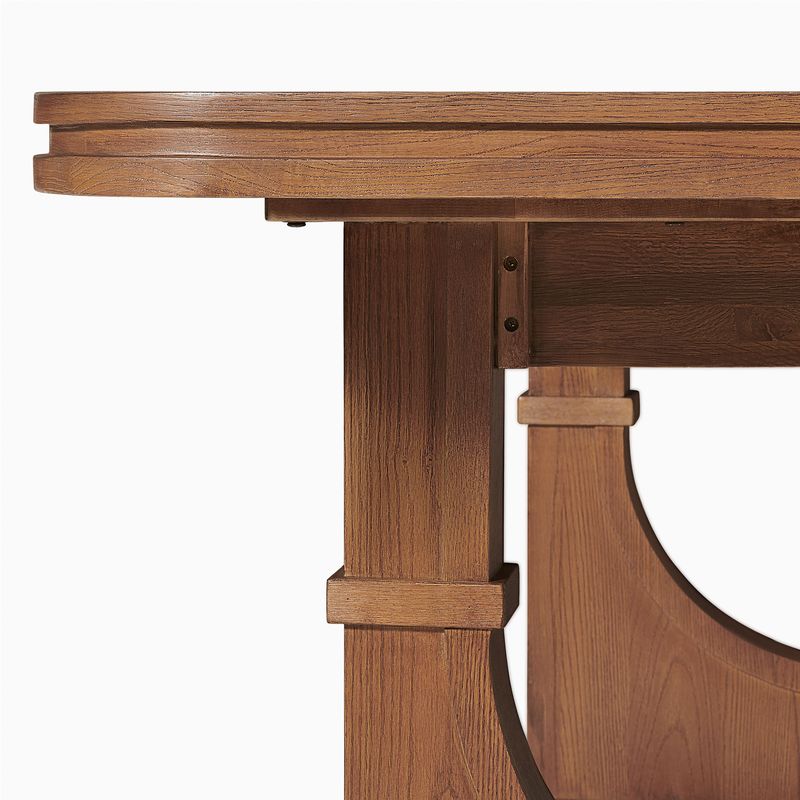
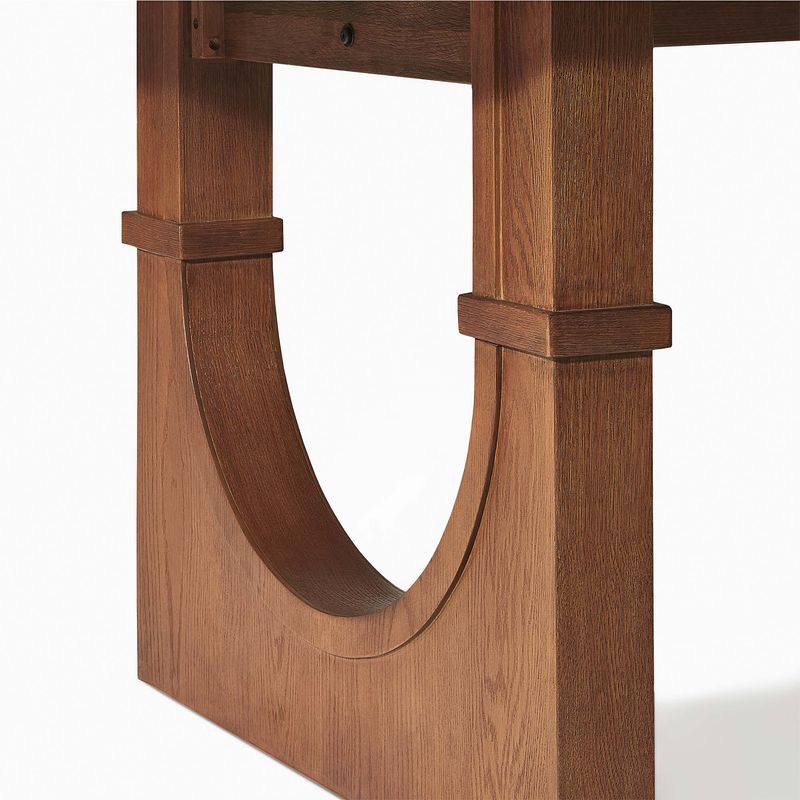
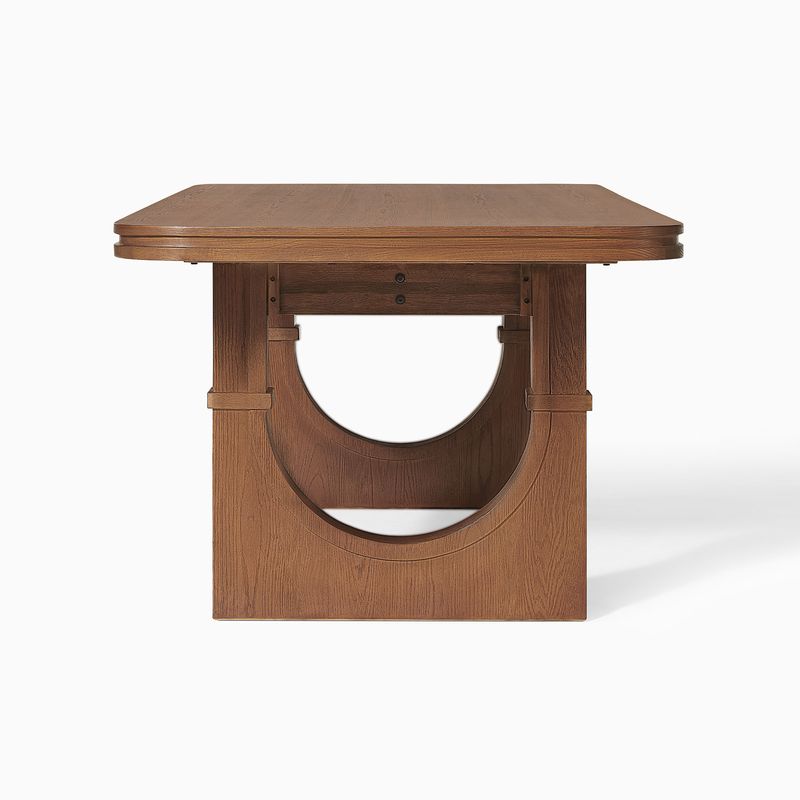
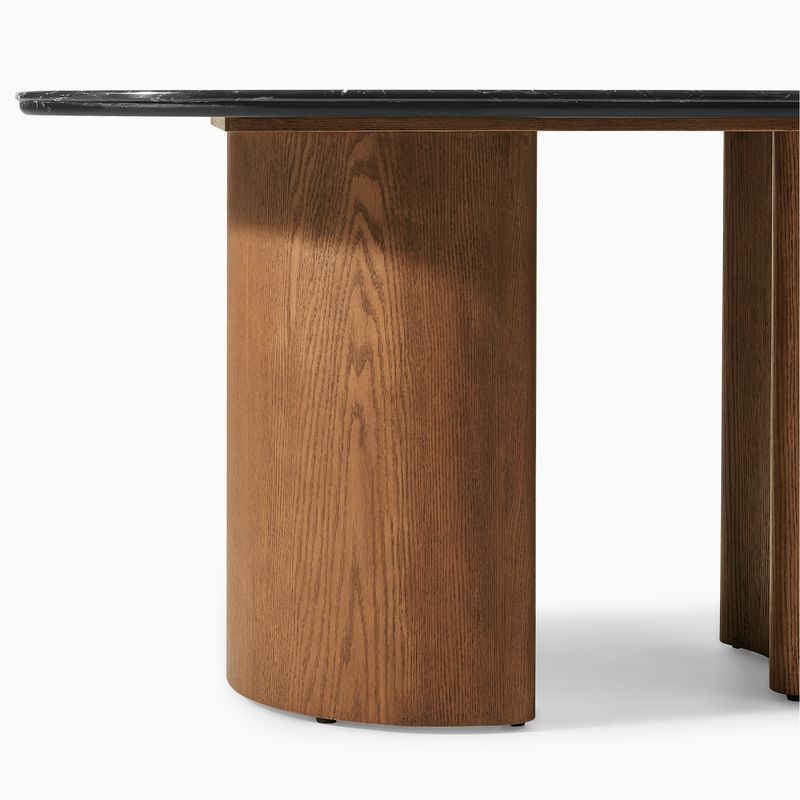
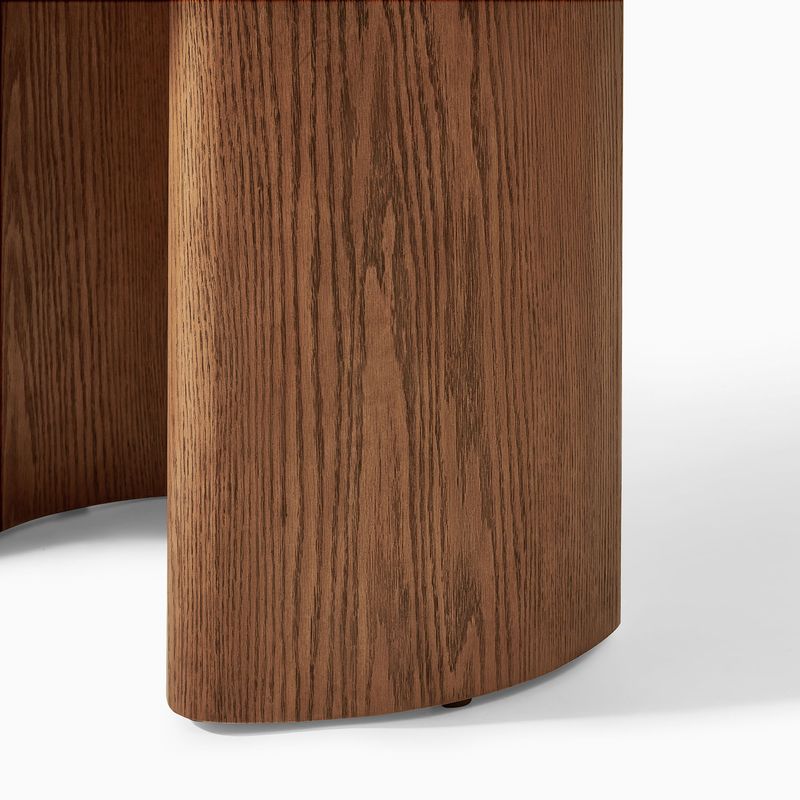
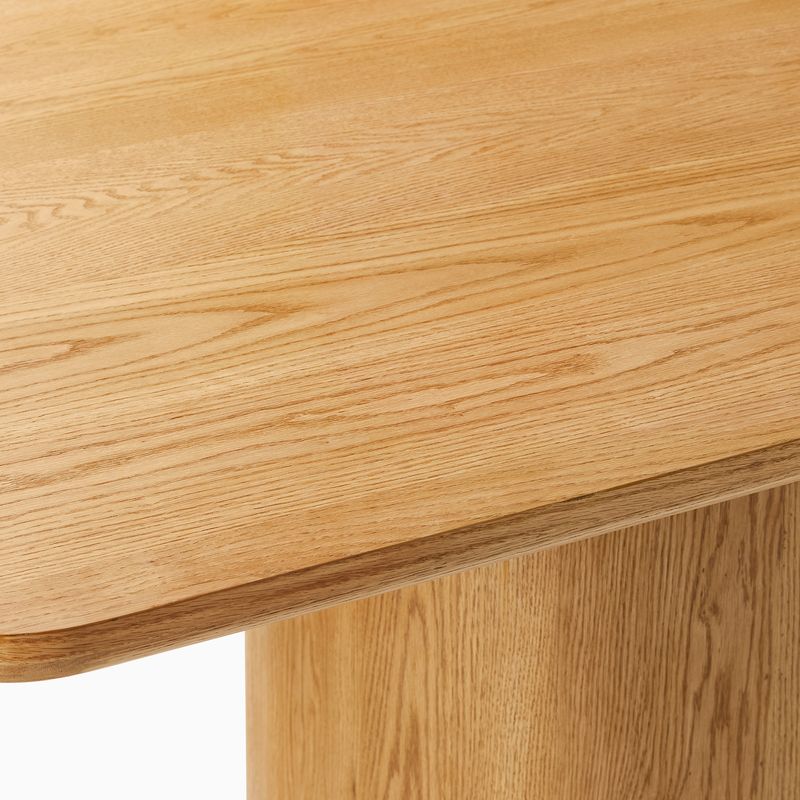
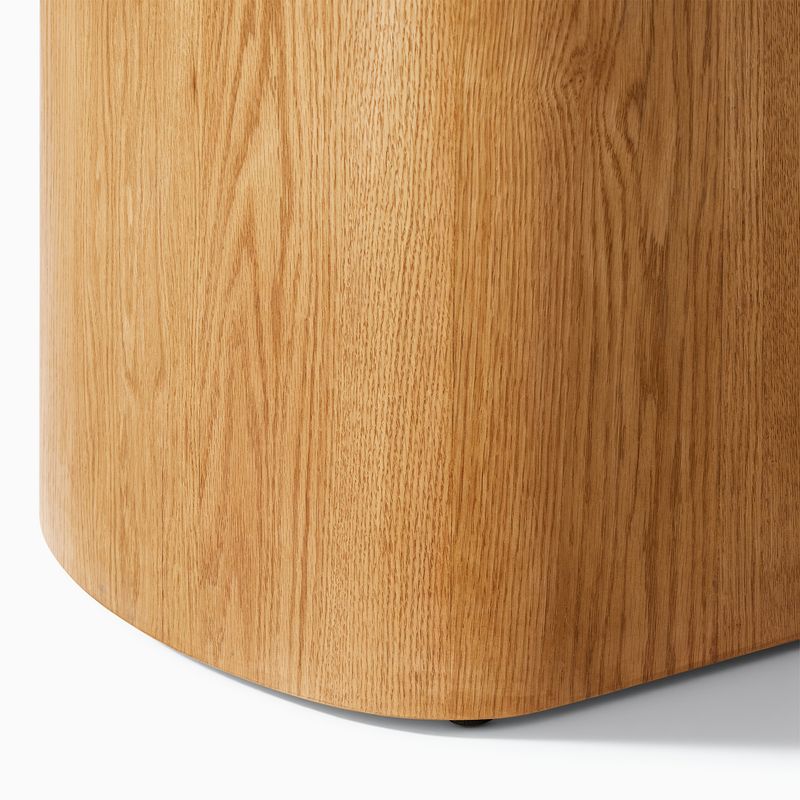
The base deserves attention when comparing dining tables. A pedestal can provide more open space around the chairs, while a sculptural base can become a defining feature of the dining area.
Tables with identical tabletop dimensions can feel quite different once the base is taken into account. If you regularly move chairs, add an occasional seat, or use the table for different activities, check the base placement before making a decision.
Choose the Right Dining Table Material
Material influences the look and feel of a dining table, but it also affects texture, visual weight, maintenance, and how the table works with the furniture around it.
Wood Dining Tables for Warmth and Everyday Use
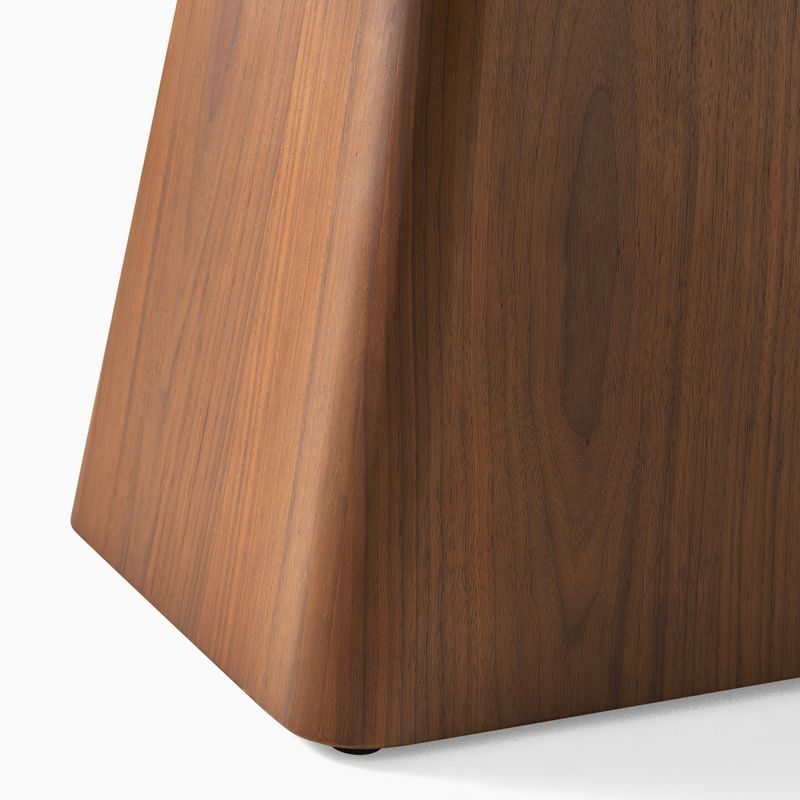
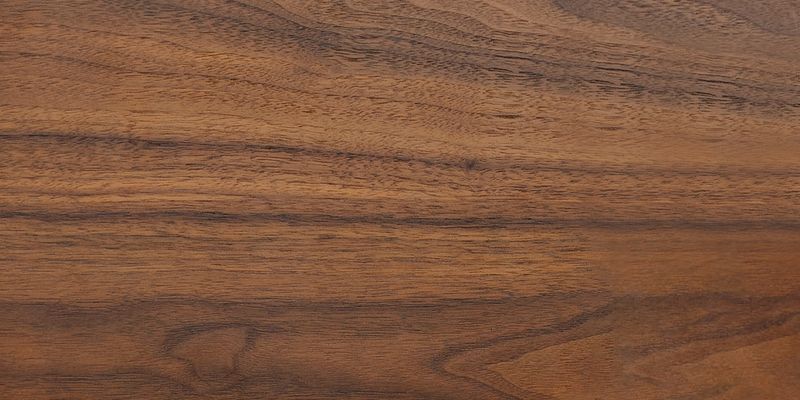
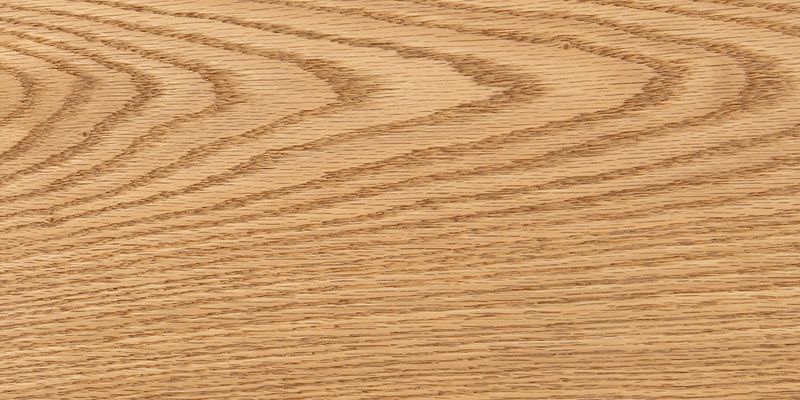
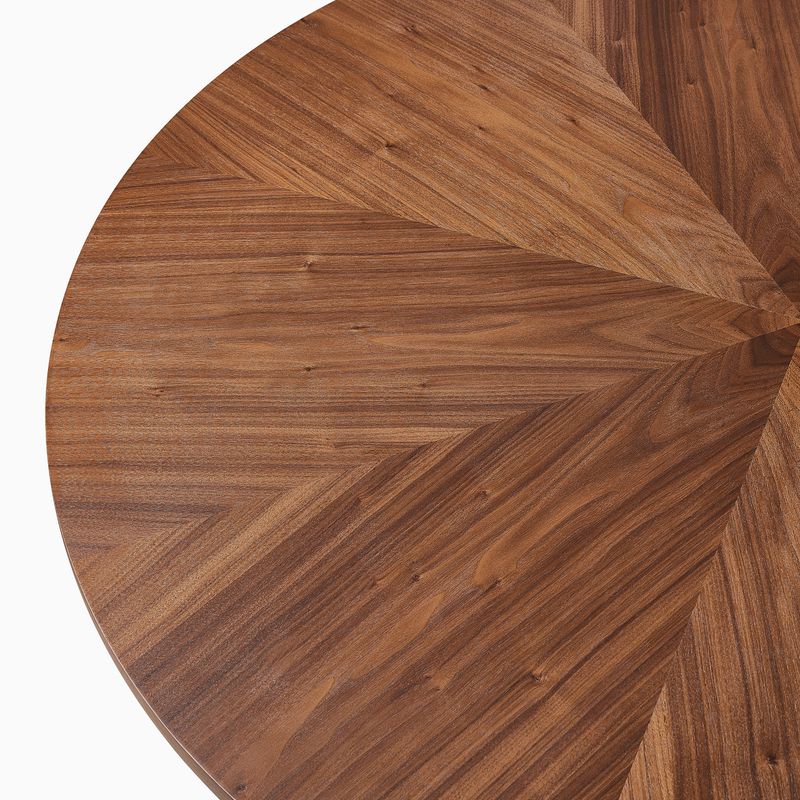
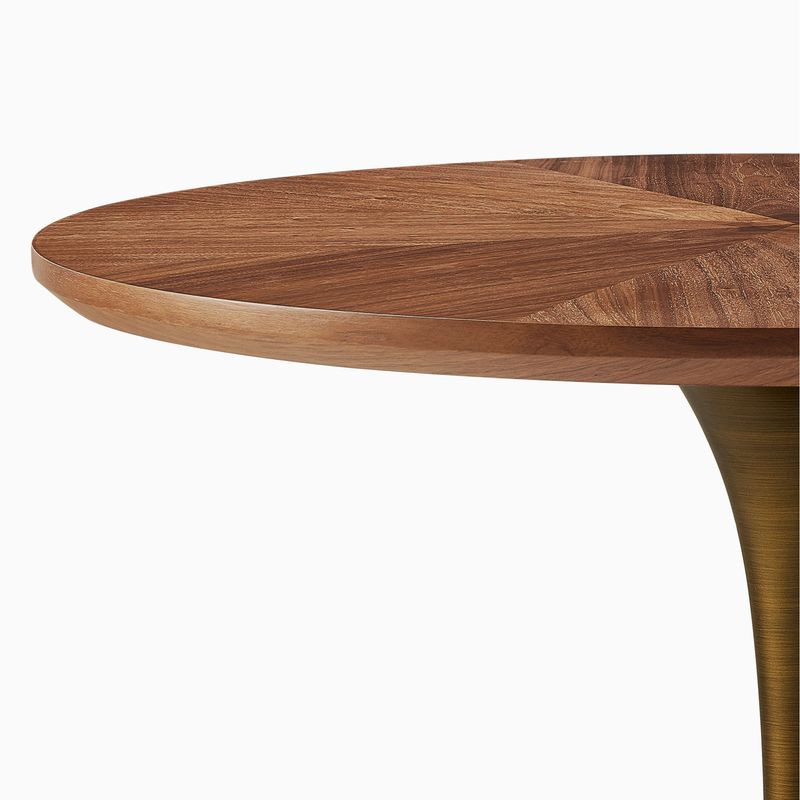
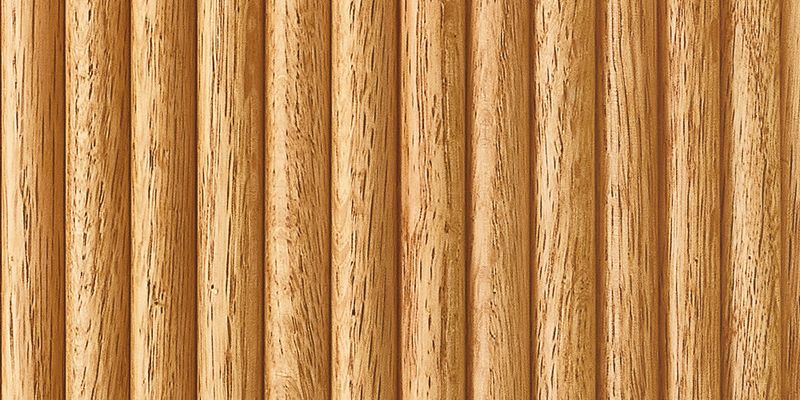
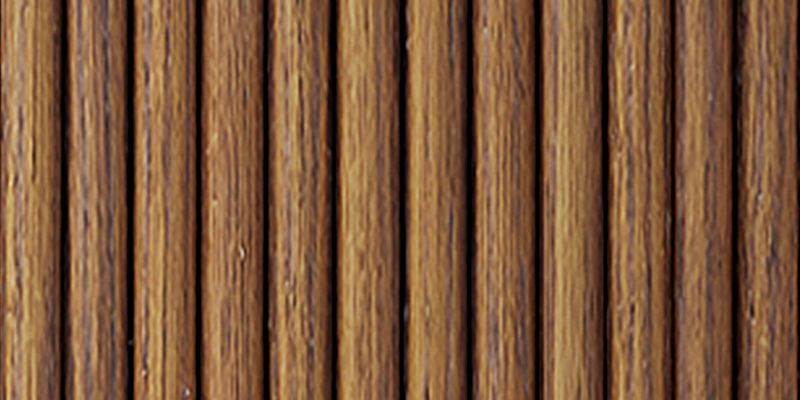
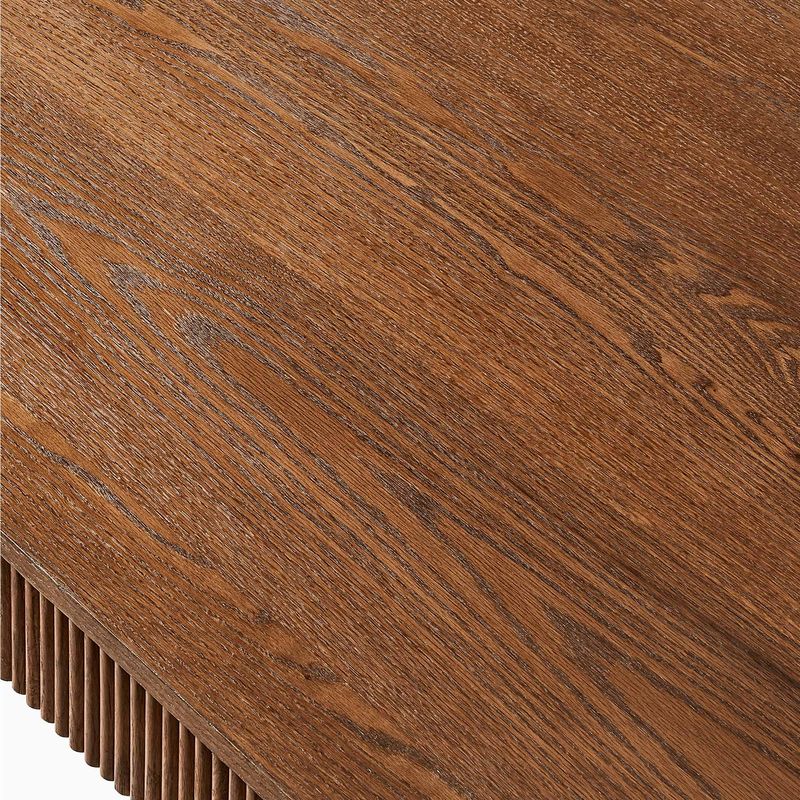
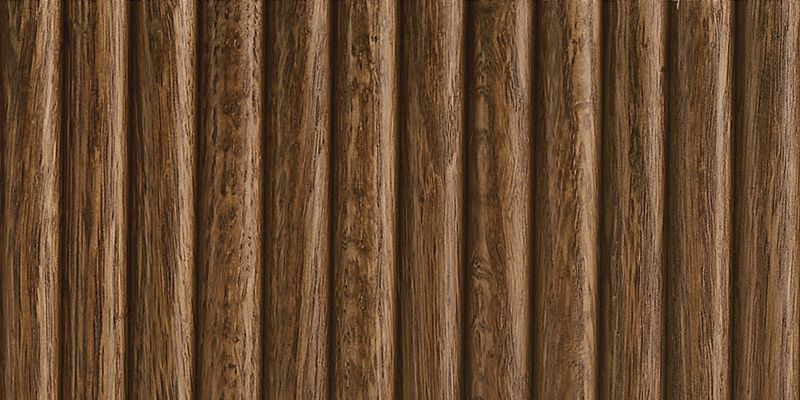
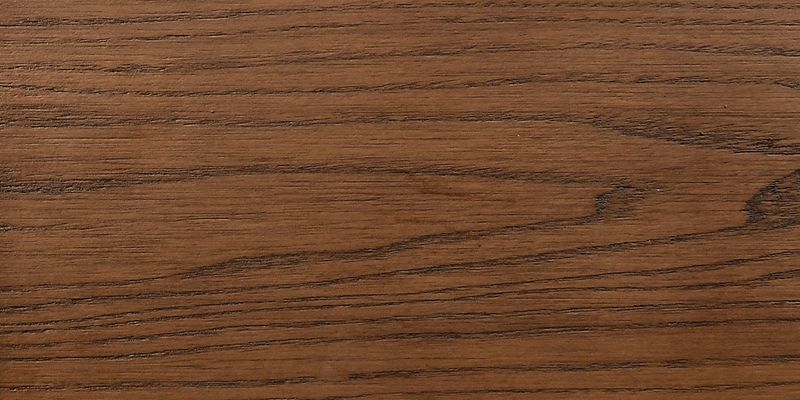
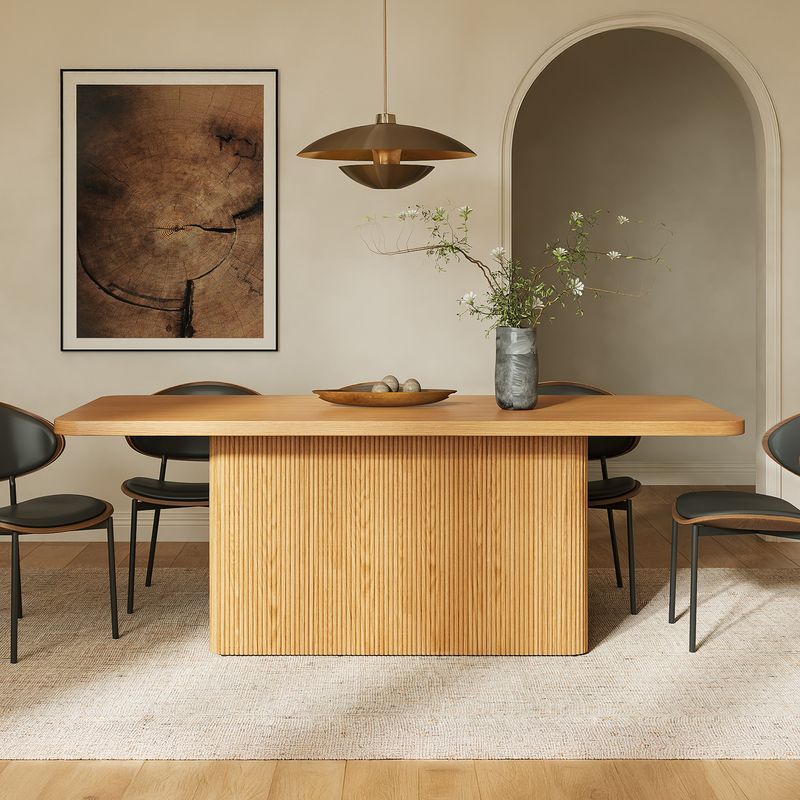
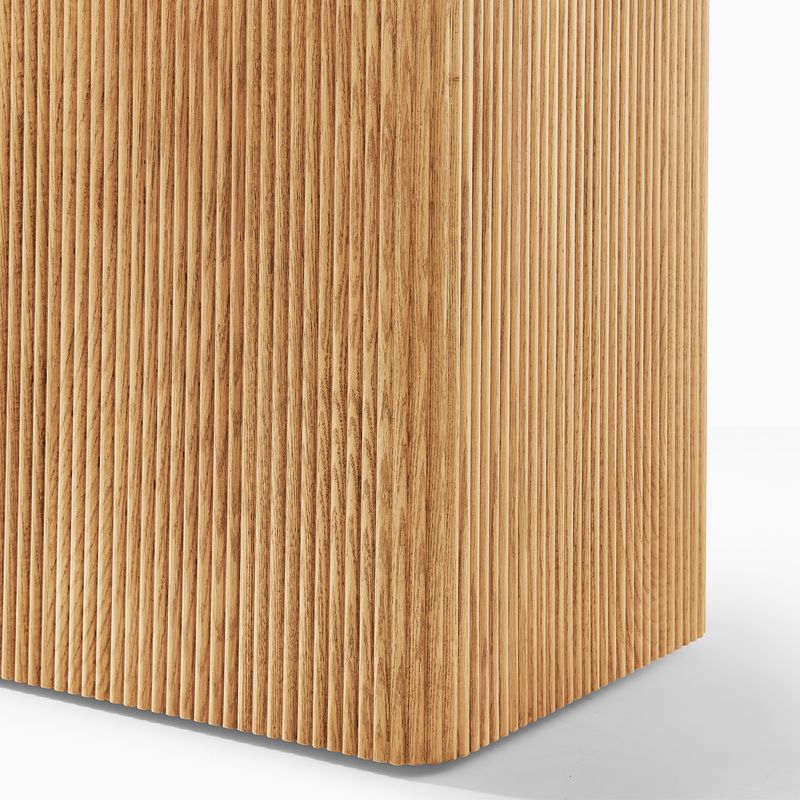
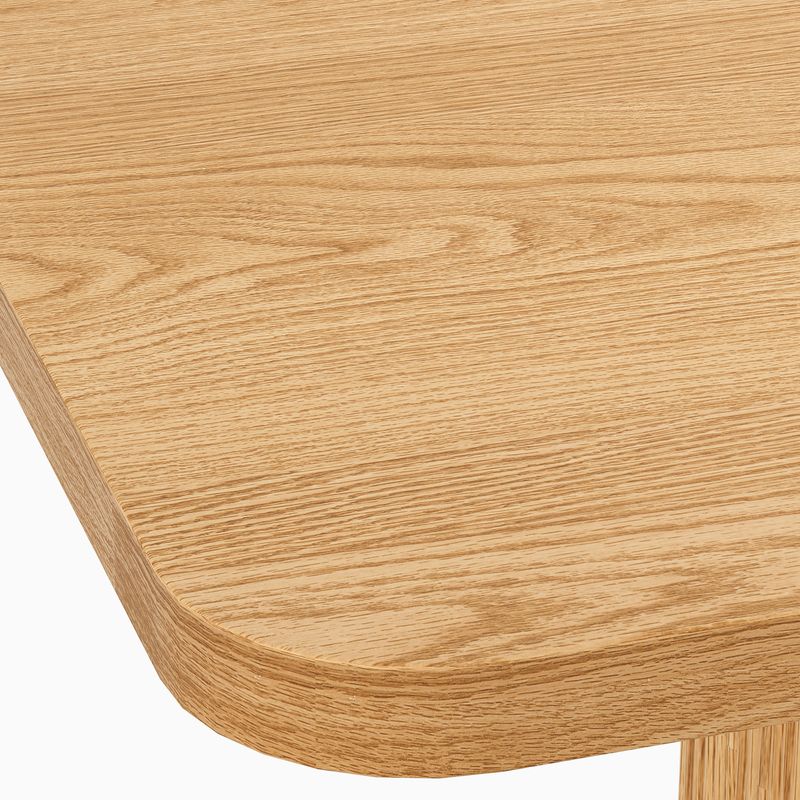
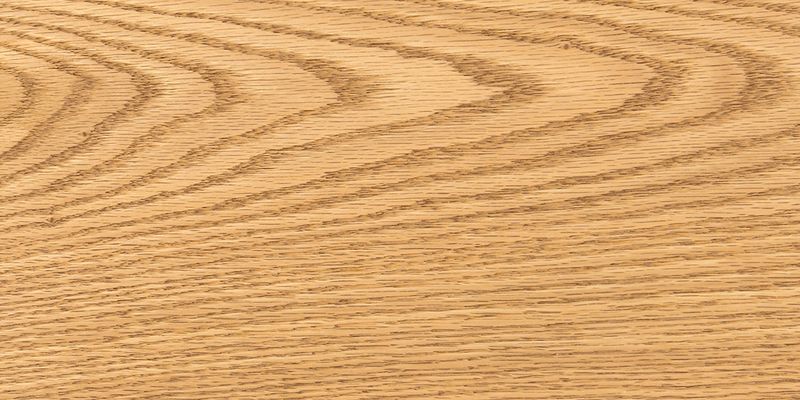
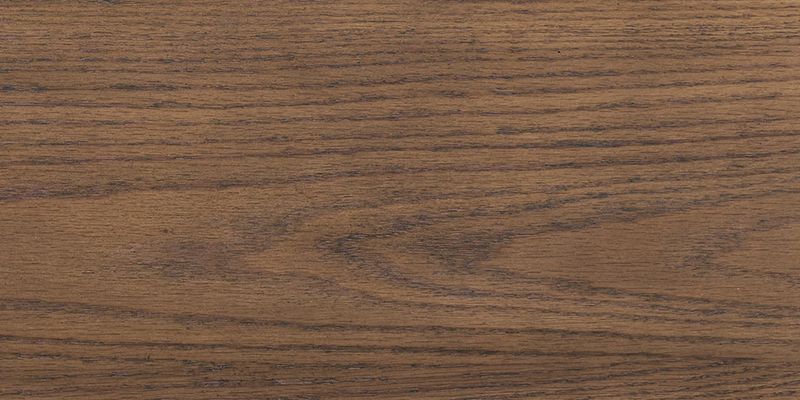
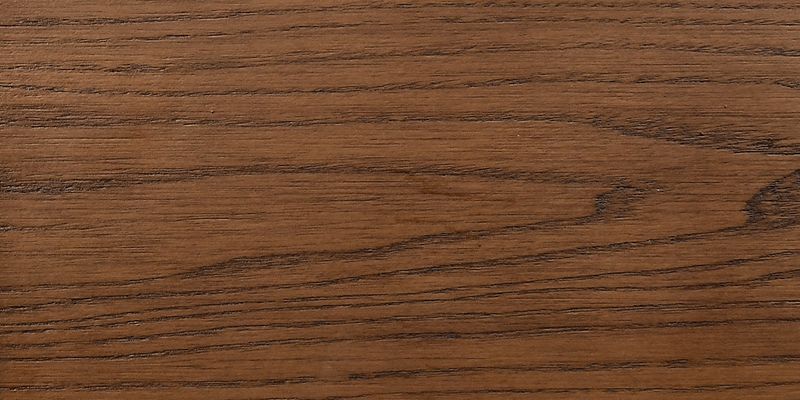
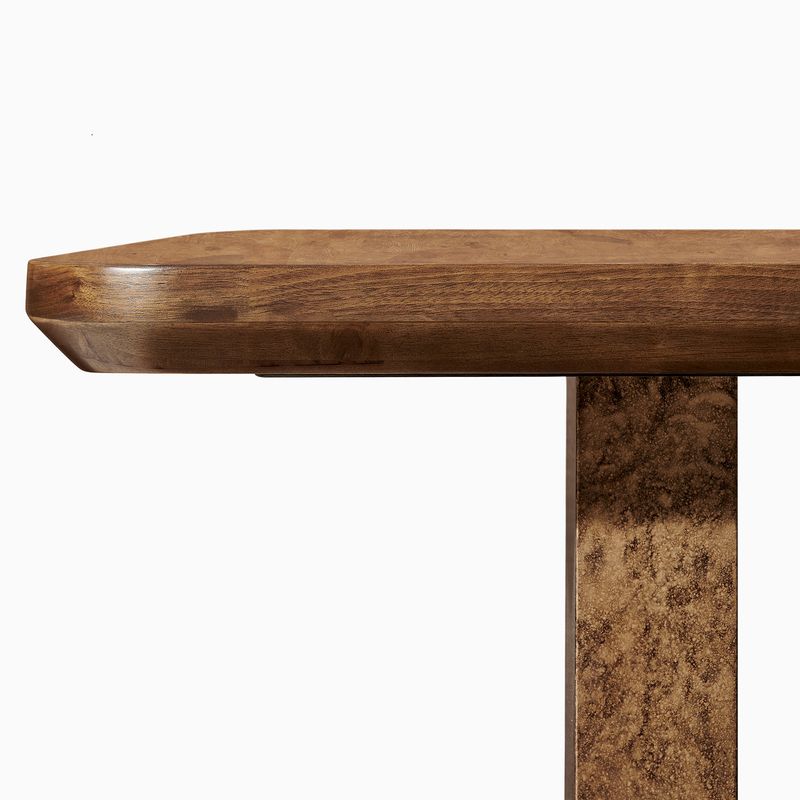
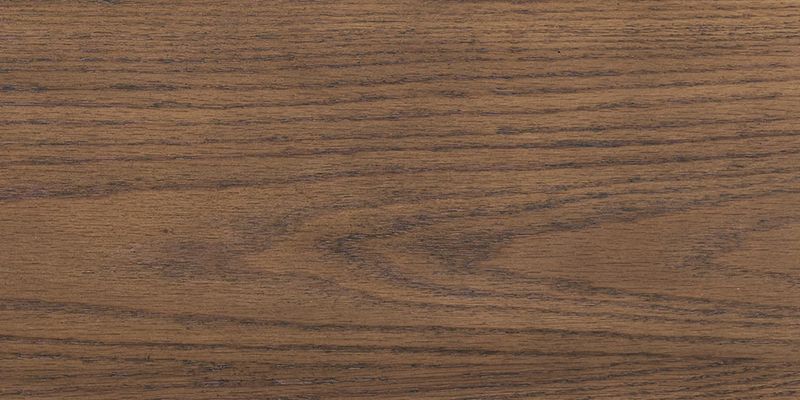
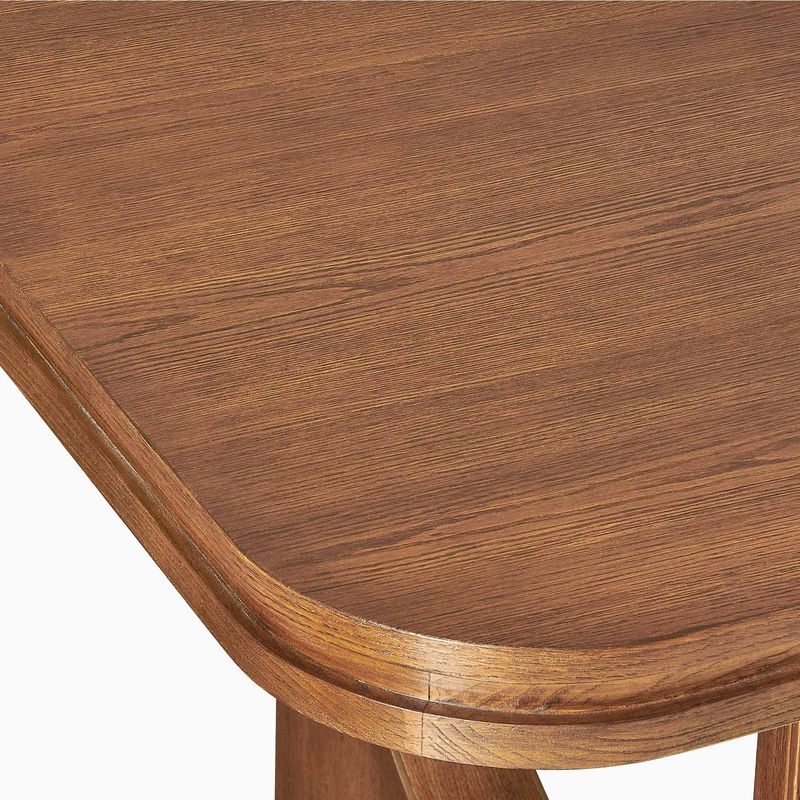
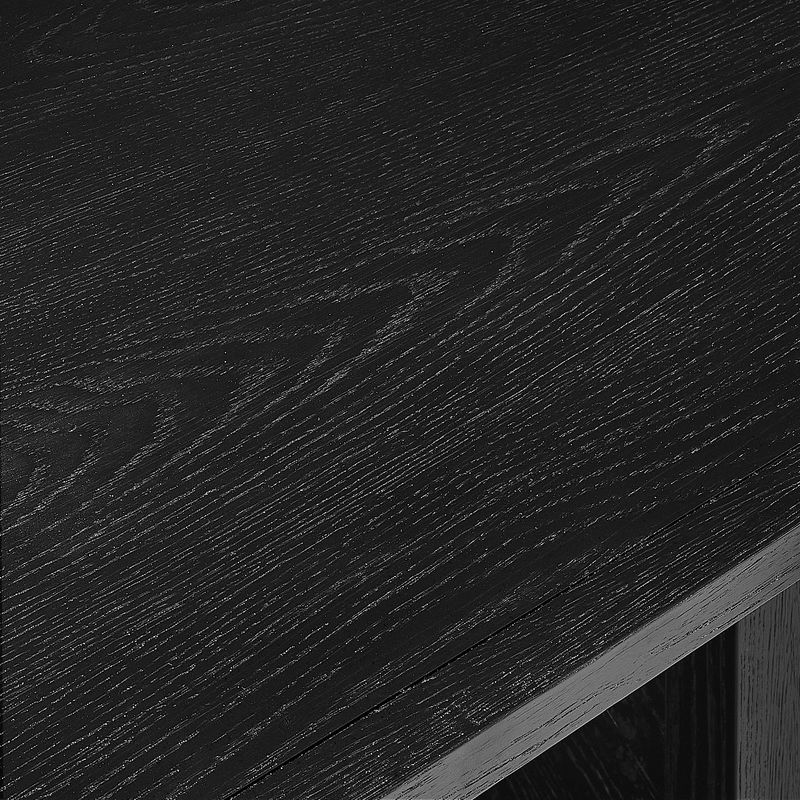
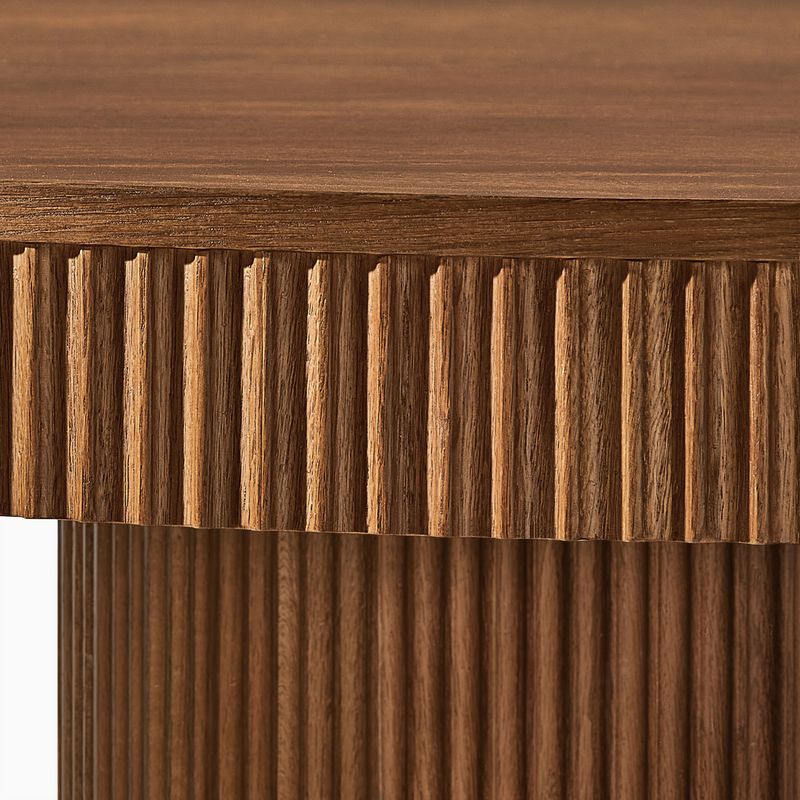
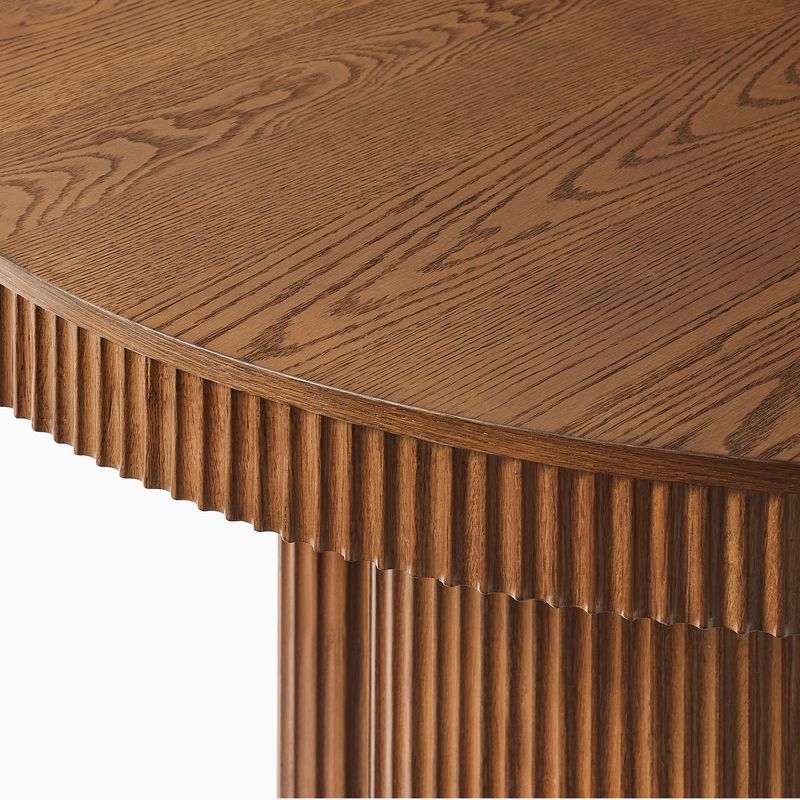
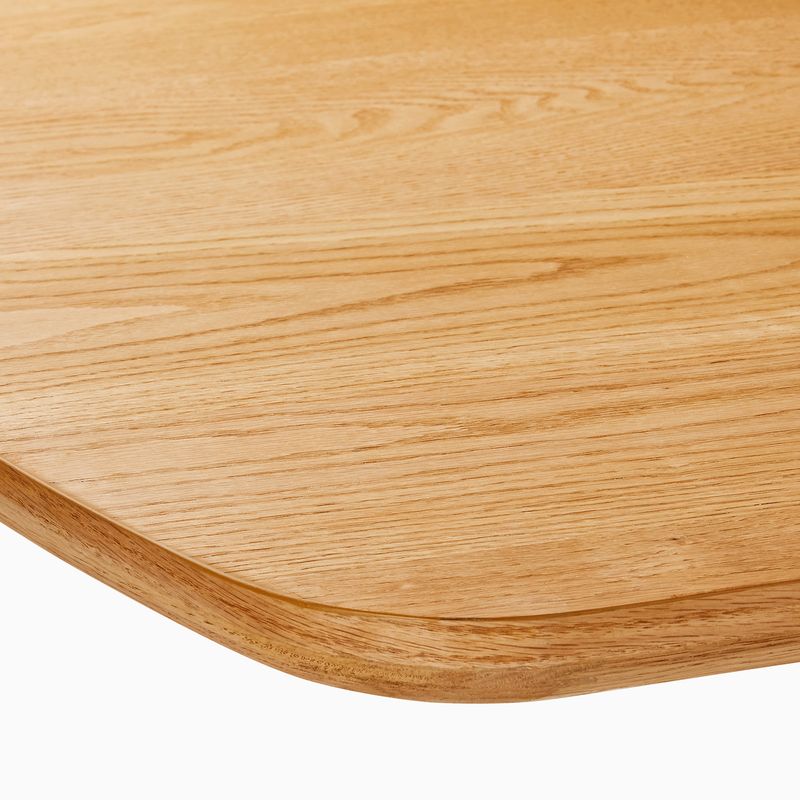
Wood dining tables bring natural texture and warmth to a dining area. Visible grain adds variation to the surface, while oak and walnut tones can work with upholstered chairs, wood seating, rugs, and other furniture.
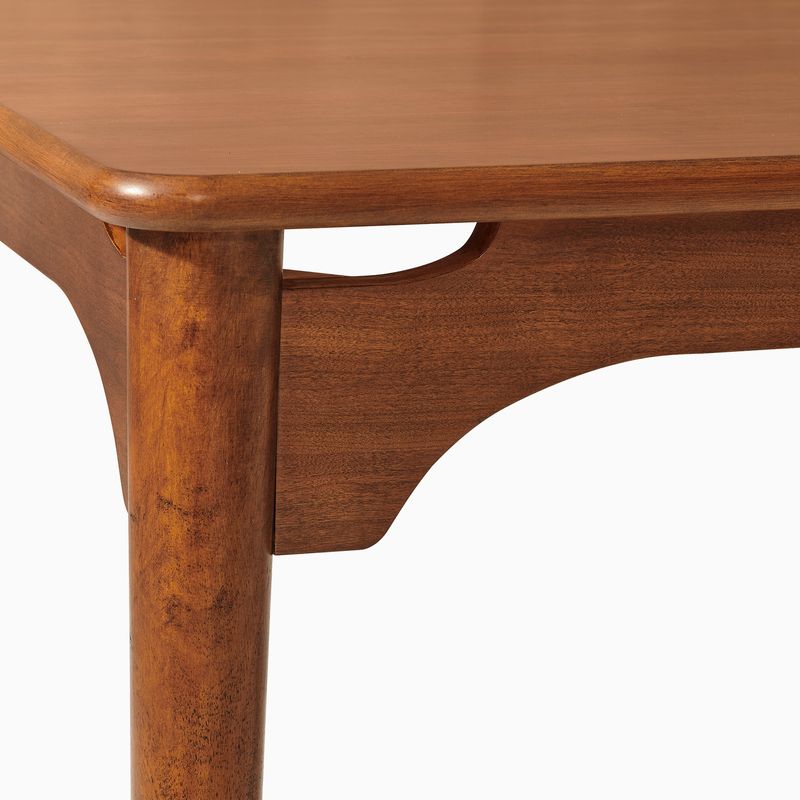
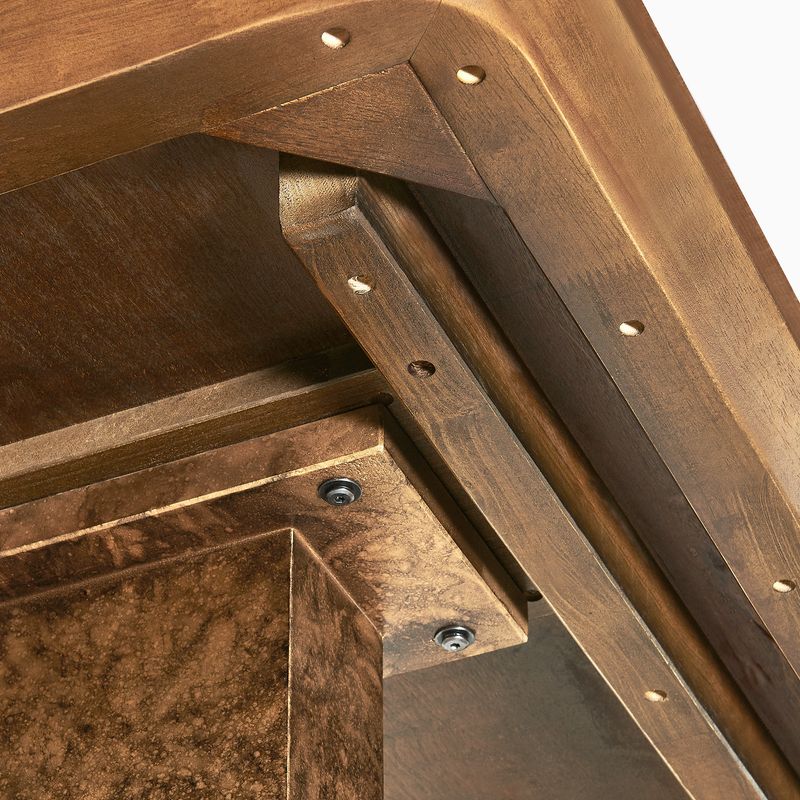
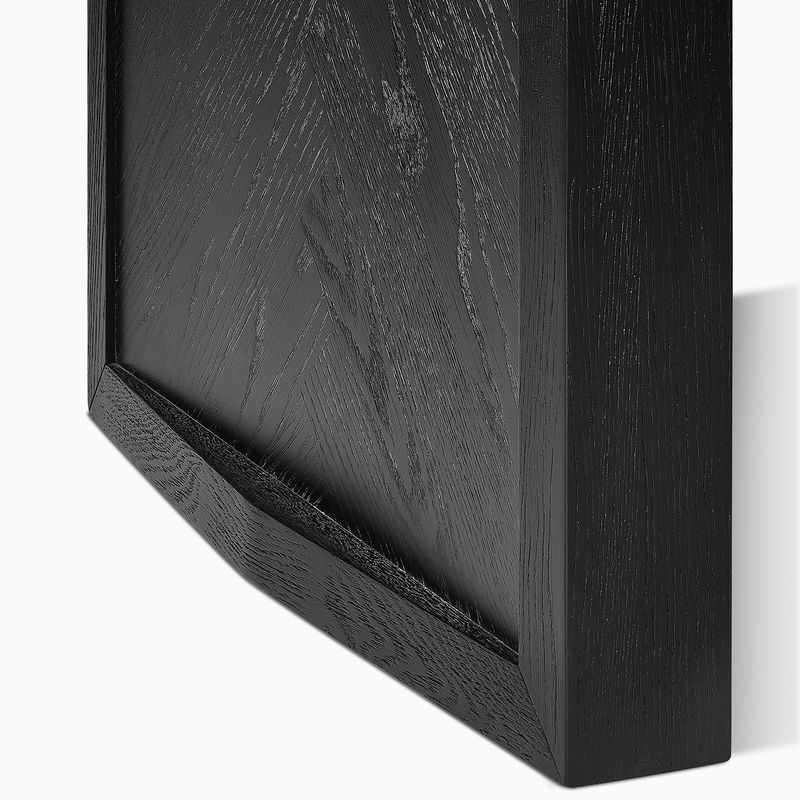
Hernest uses several wood constructions throughout its collection, including American oak, oak veneer, plywood, and engineered wood. Looking at the full construction is more useful than choosing a table based on color alone.
When comparing a wood dining table, check the tabletop, base construction, wood species, finish, dimensions, and weight capacity. These details give you a clearer picture of what you are bringing into your home.
Solid Wood Dining Tables for Natural Character
A solid wood dining table appeals to shoppers who want the natural character of real wood to remain visible. Grain patterns, knots, and subtle differences in tone can give the surface a distinctive appearance.
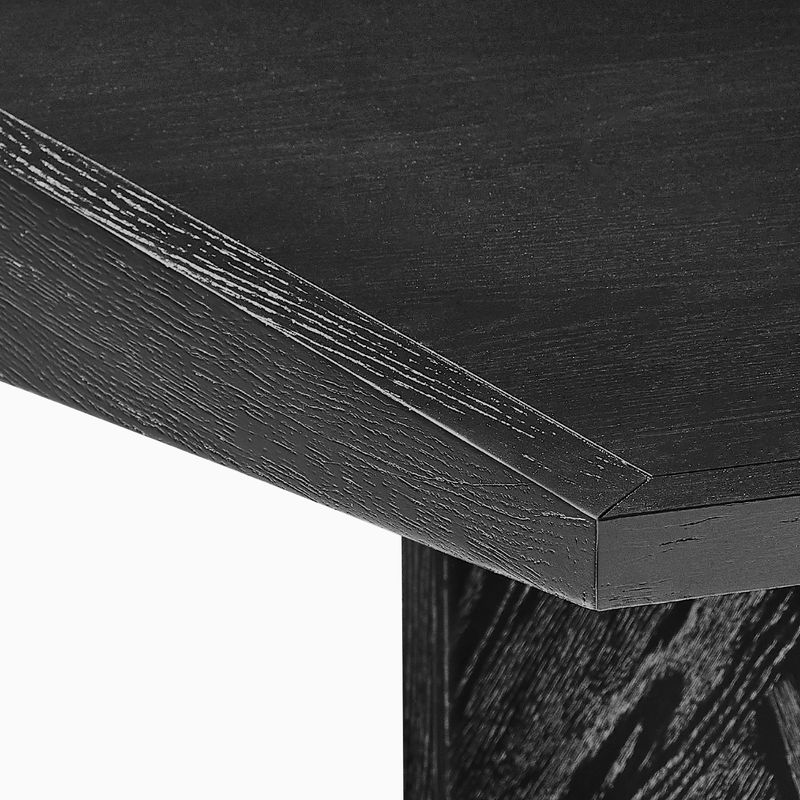
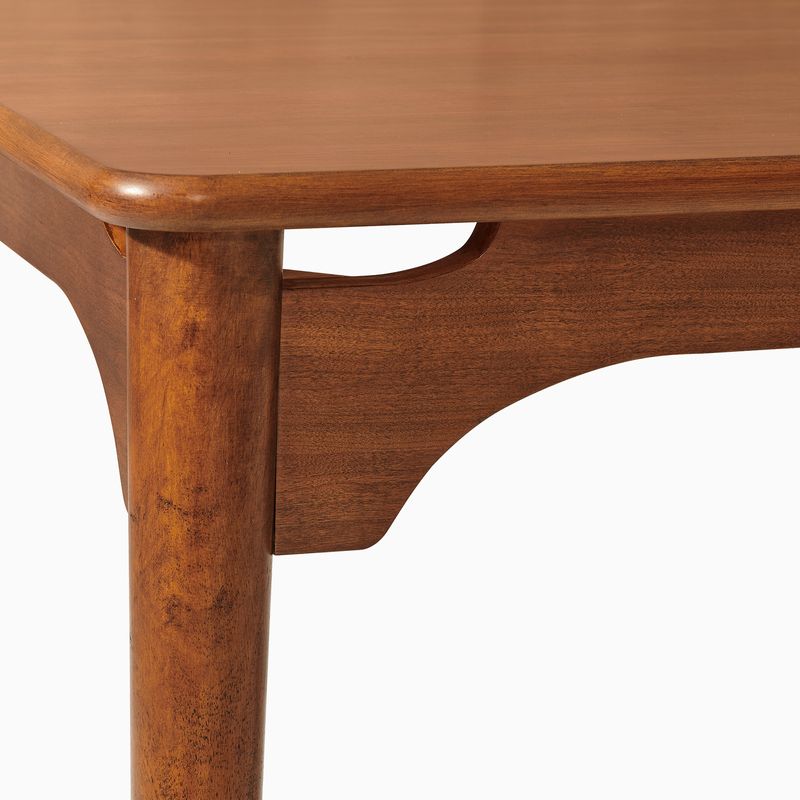
Hernest's Valo and Eliseo dining tables use American solid oak alongside other wood components. The Valo also uses kiln-dried wood and a wire-brushed finish that brings out the natural grain.
If you are comparing a solid wood dining table with another construction, look beyond the material label. Wood species, tabletop construction, finish, dimensions, weight capacity, and care instructions all matter.
Engineered Stone Dining Tables
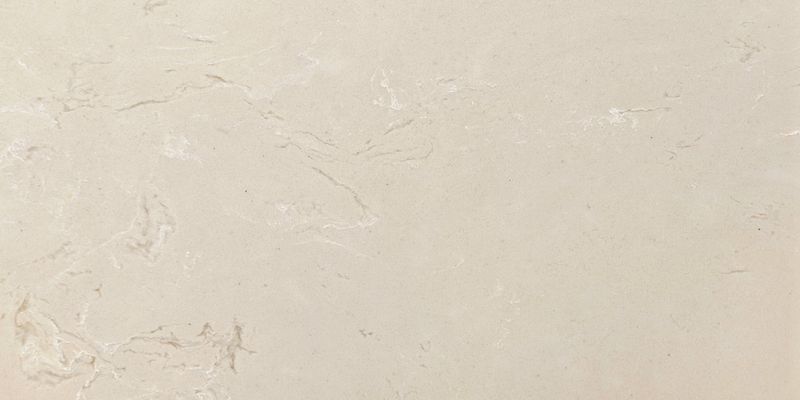
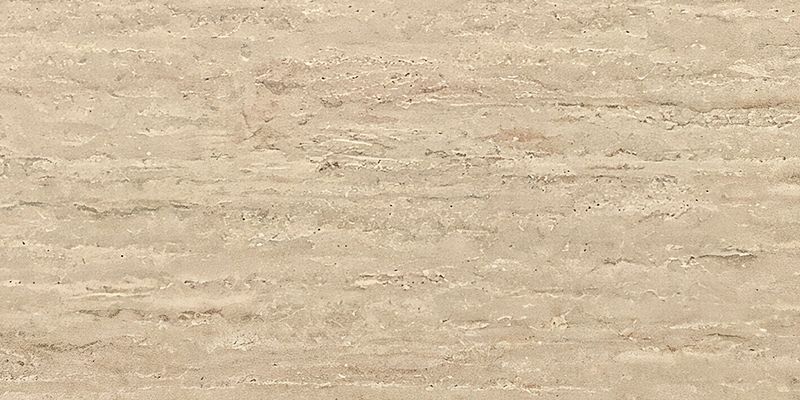
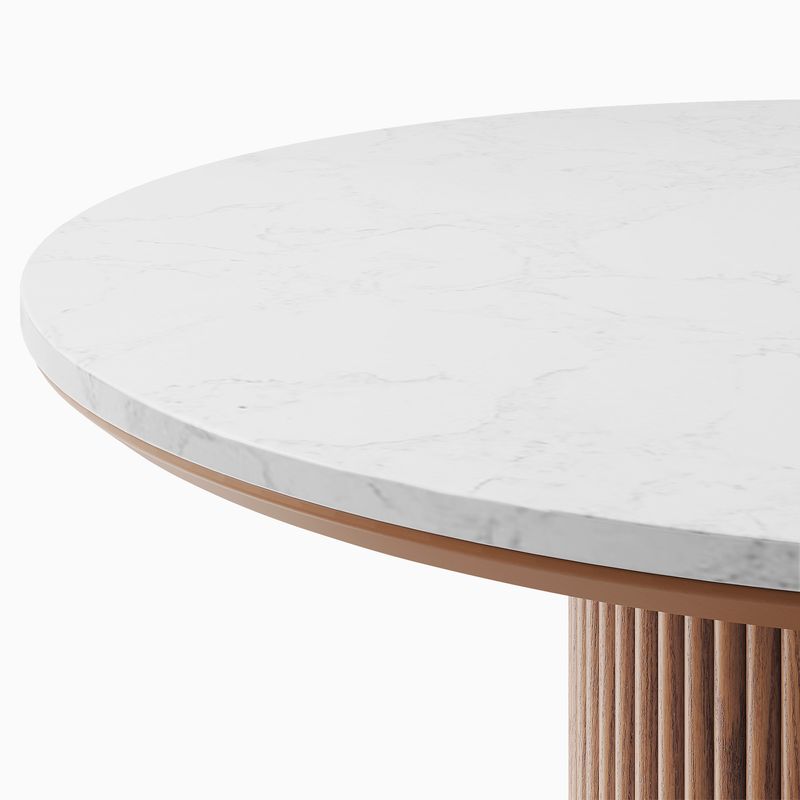
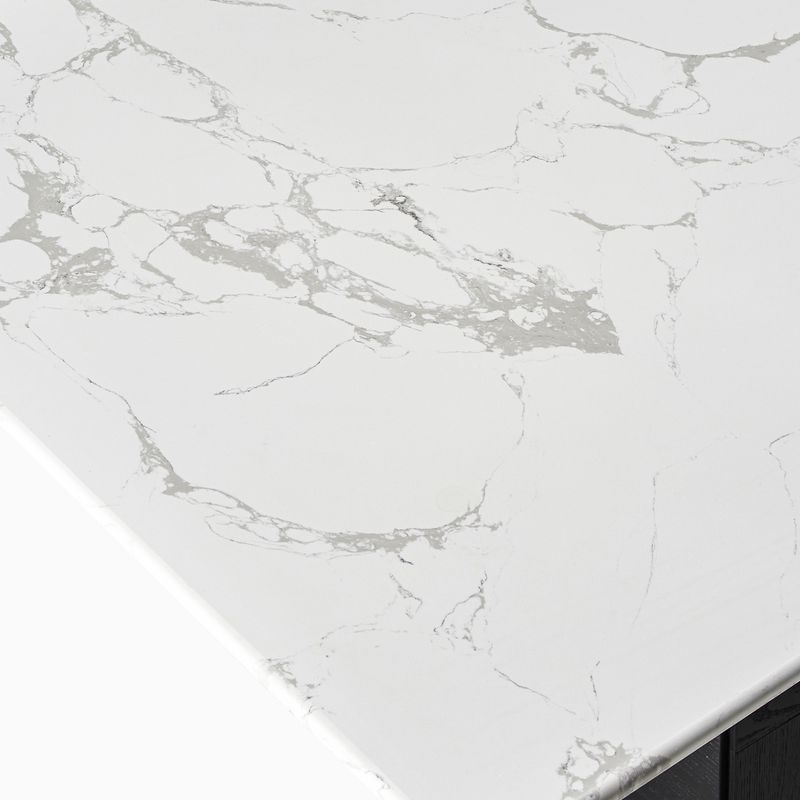
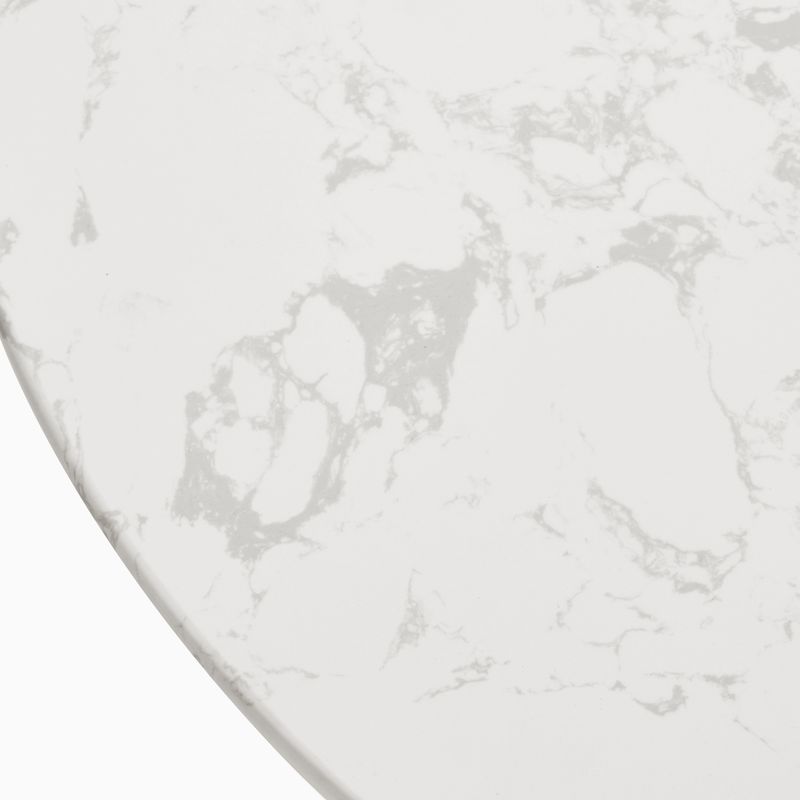
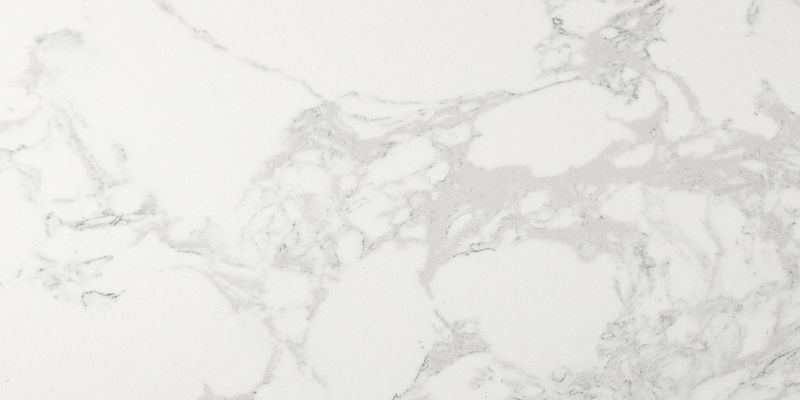
Wood is not the only material available for a dining surface. Engineered stone can introduce a smoother, more contemporary look and provide contrast when the rest of the dining area already includes several wood pieces.
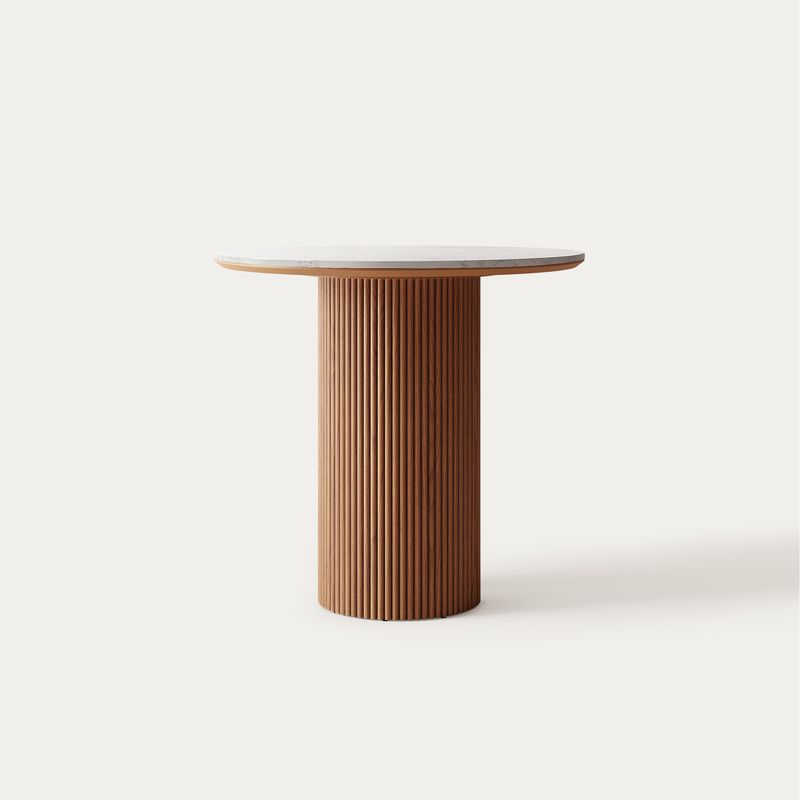
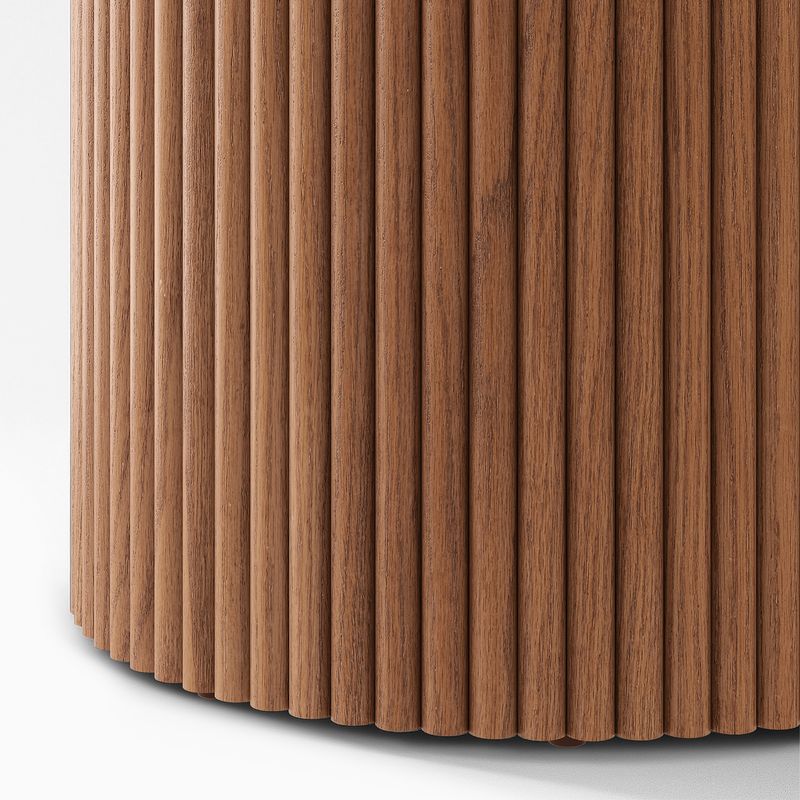
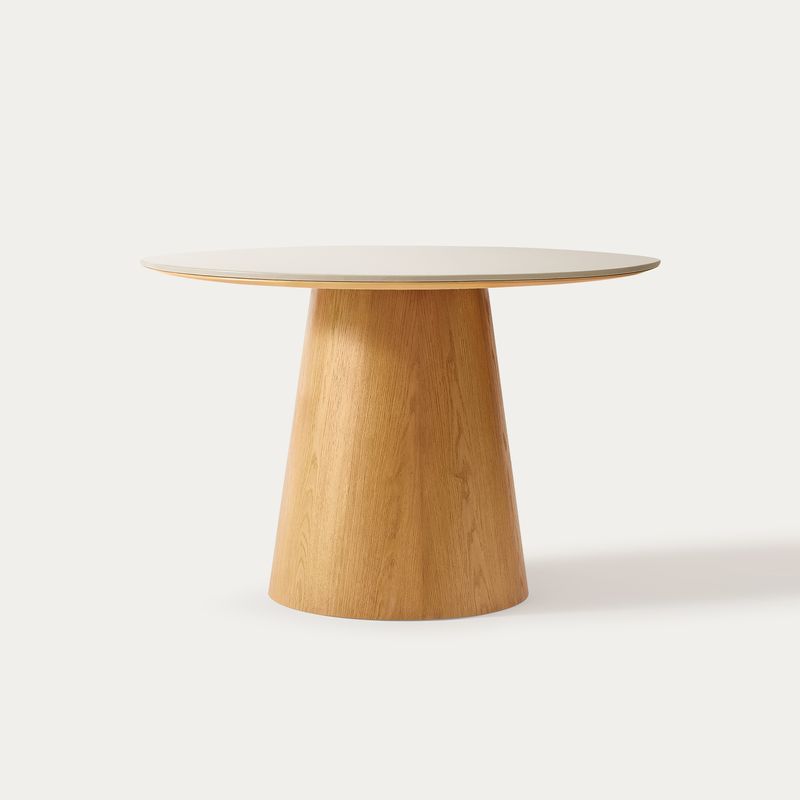
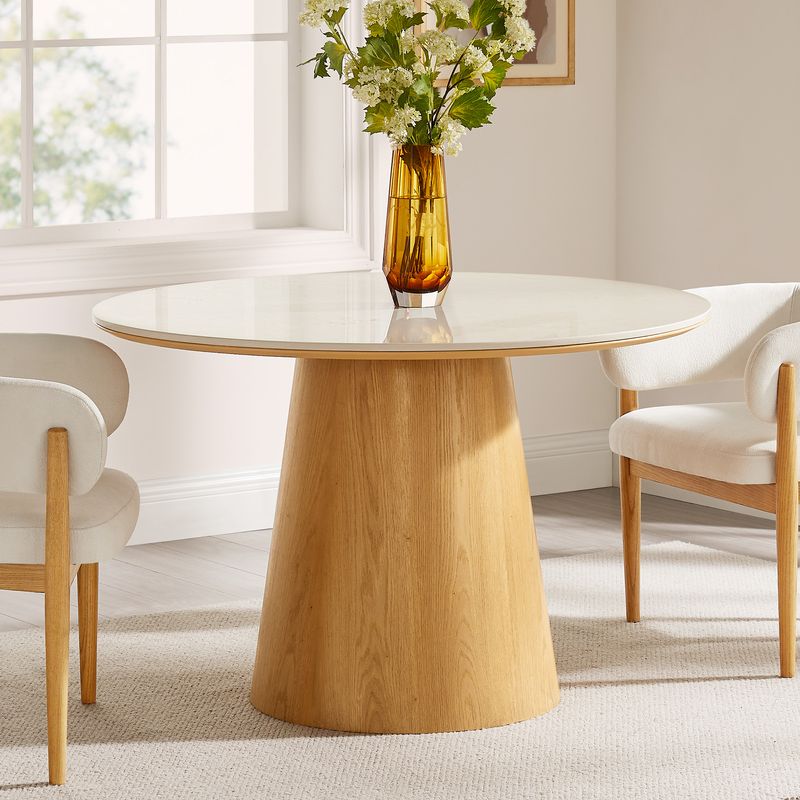
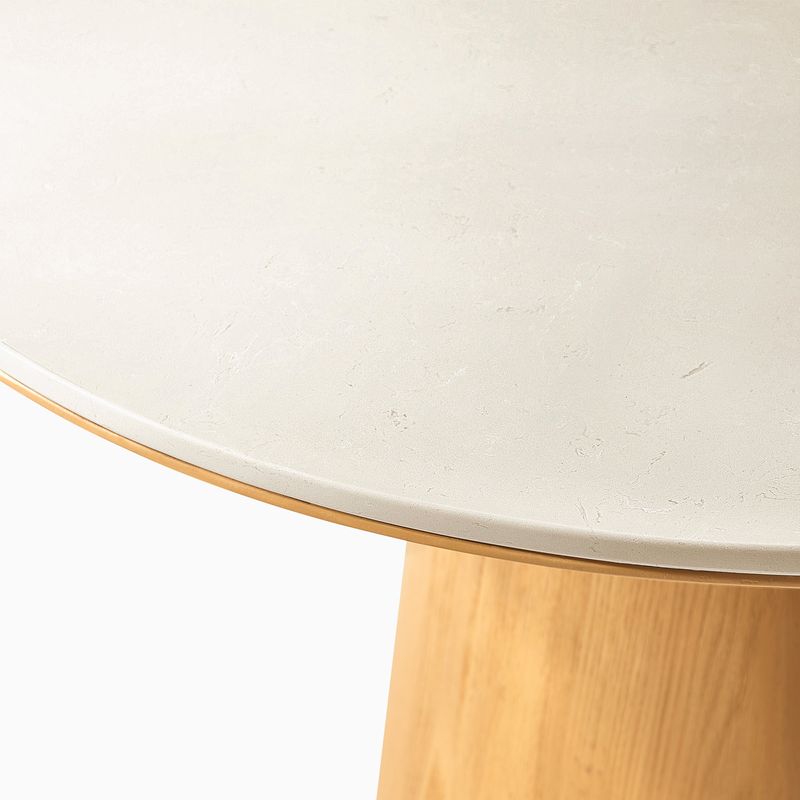
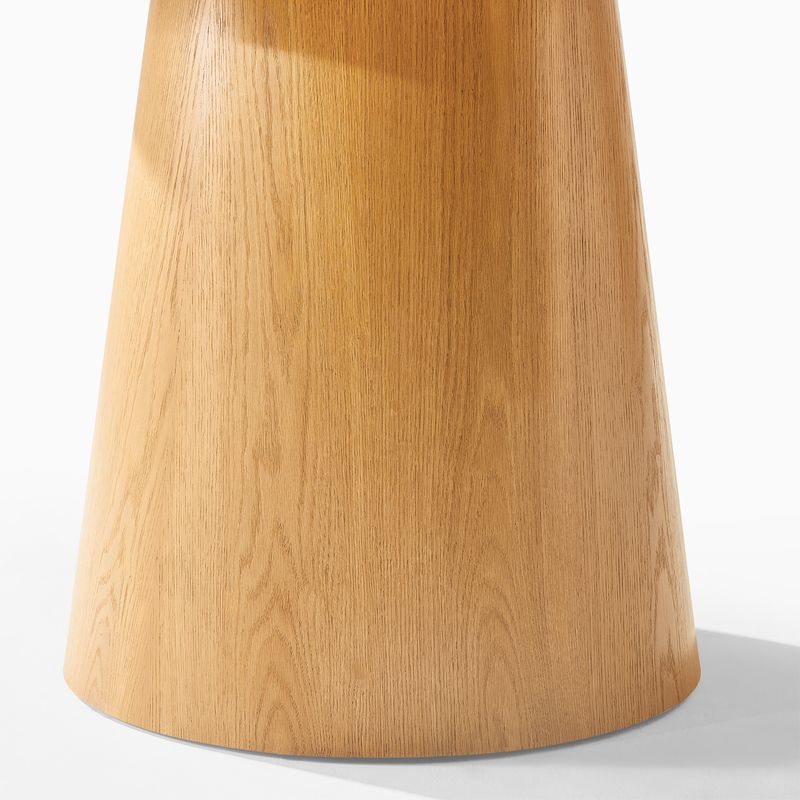
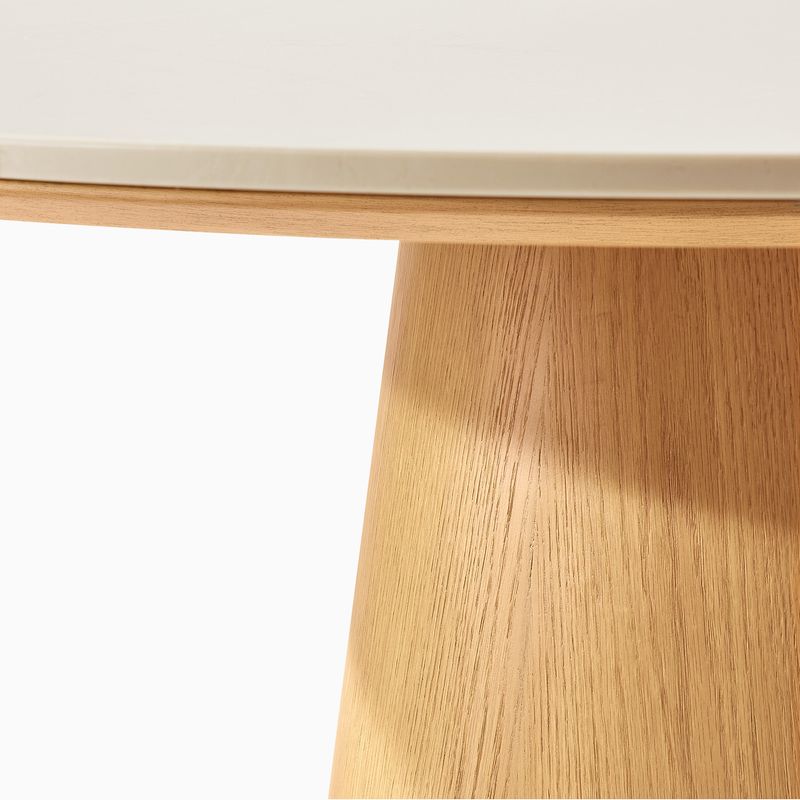
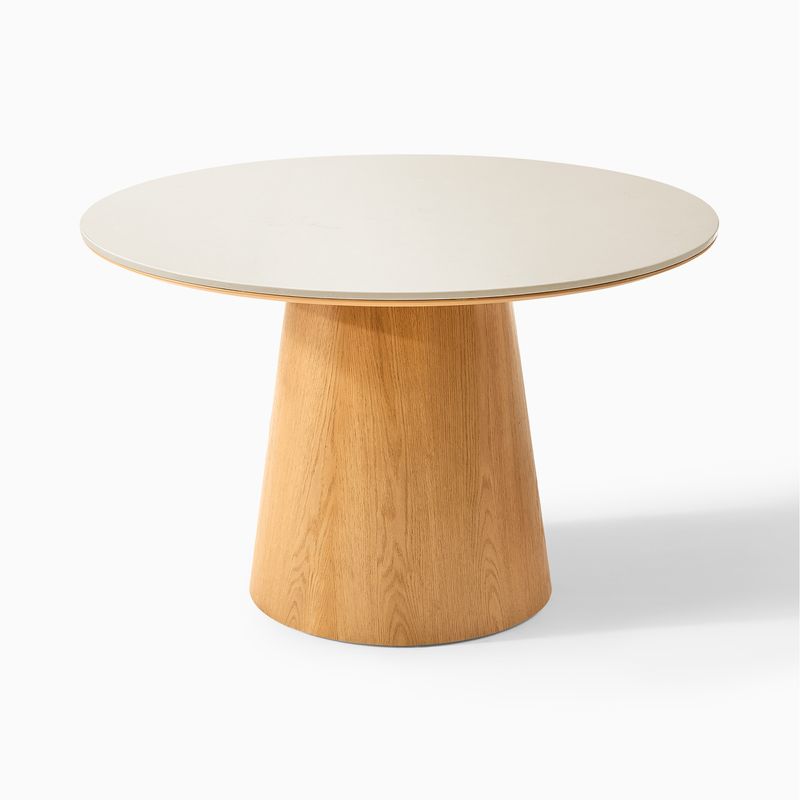
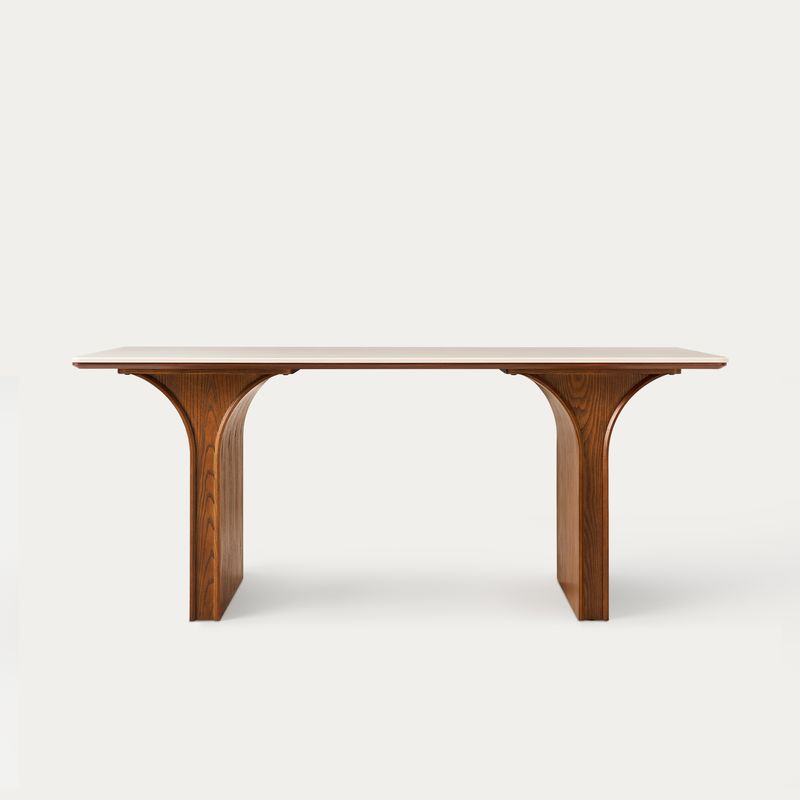
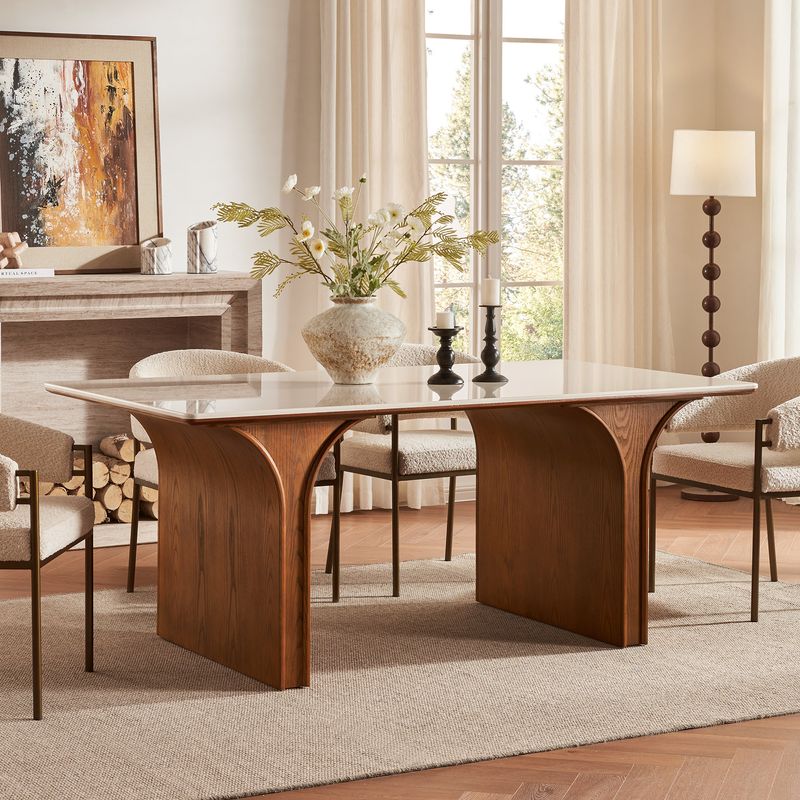
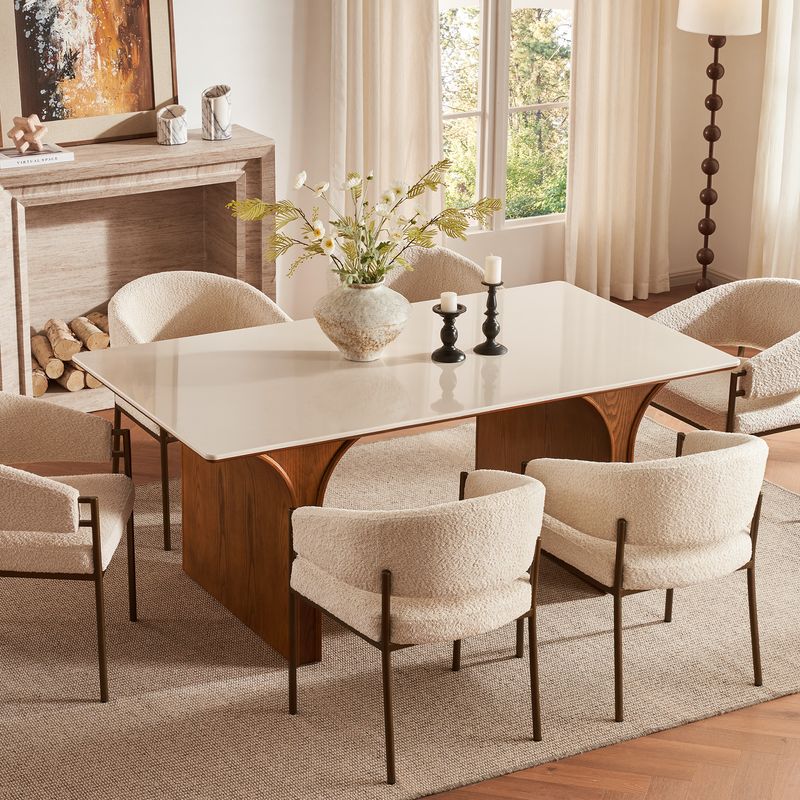
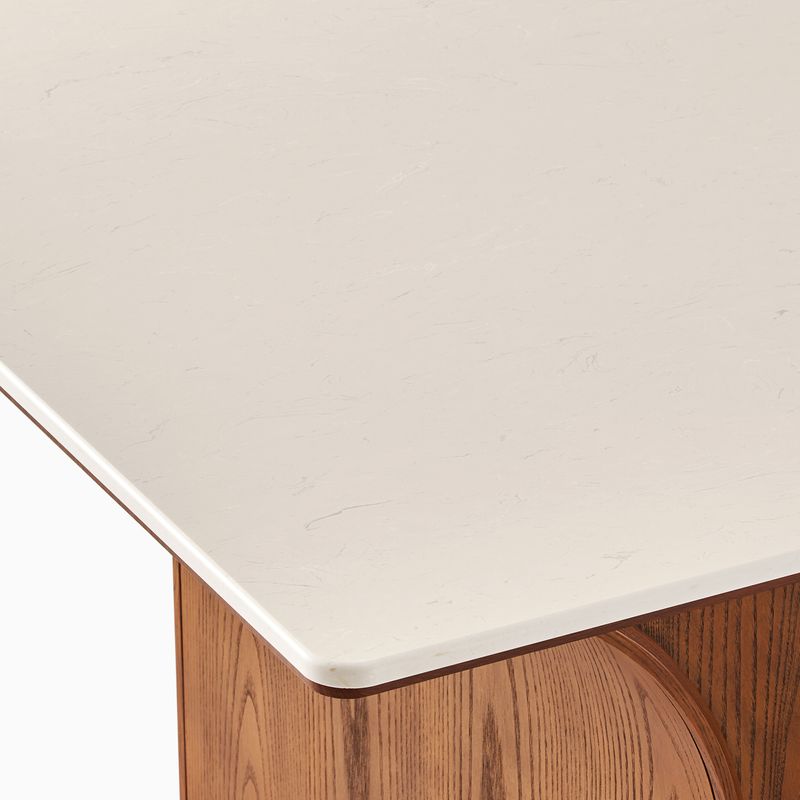
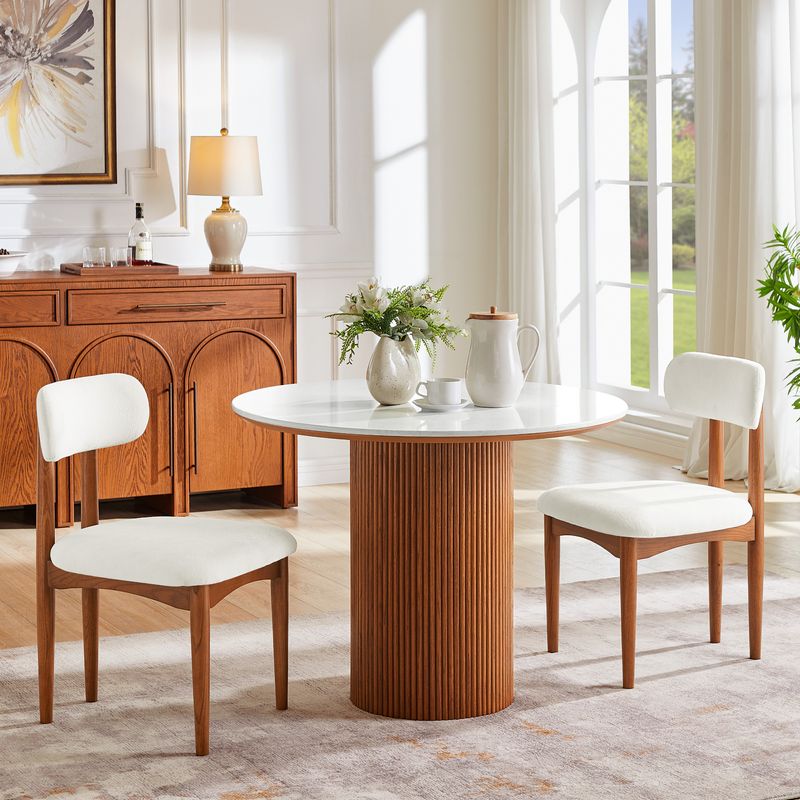
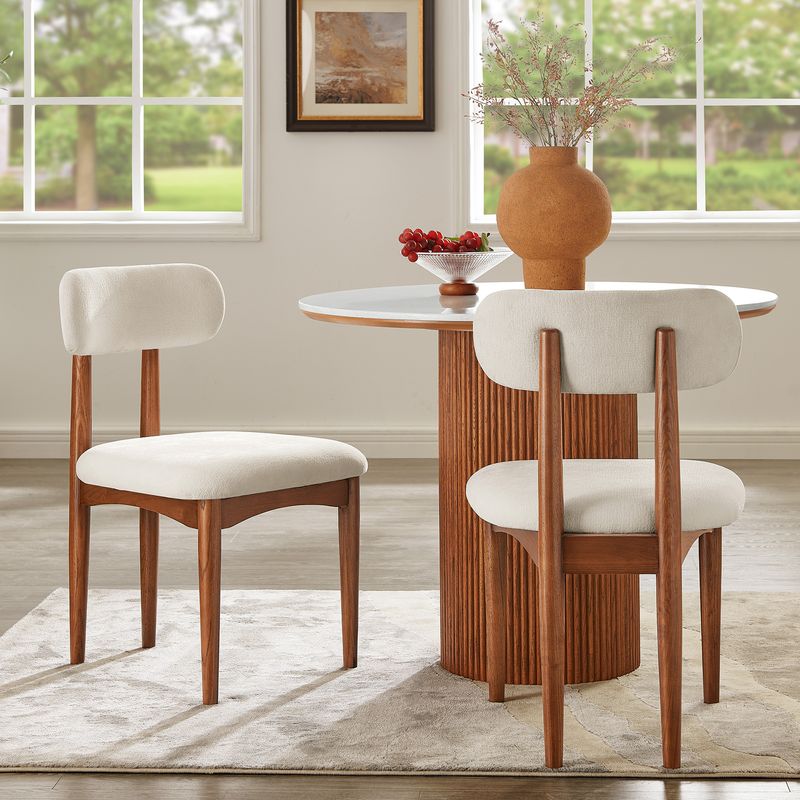
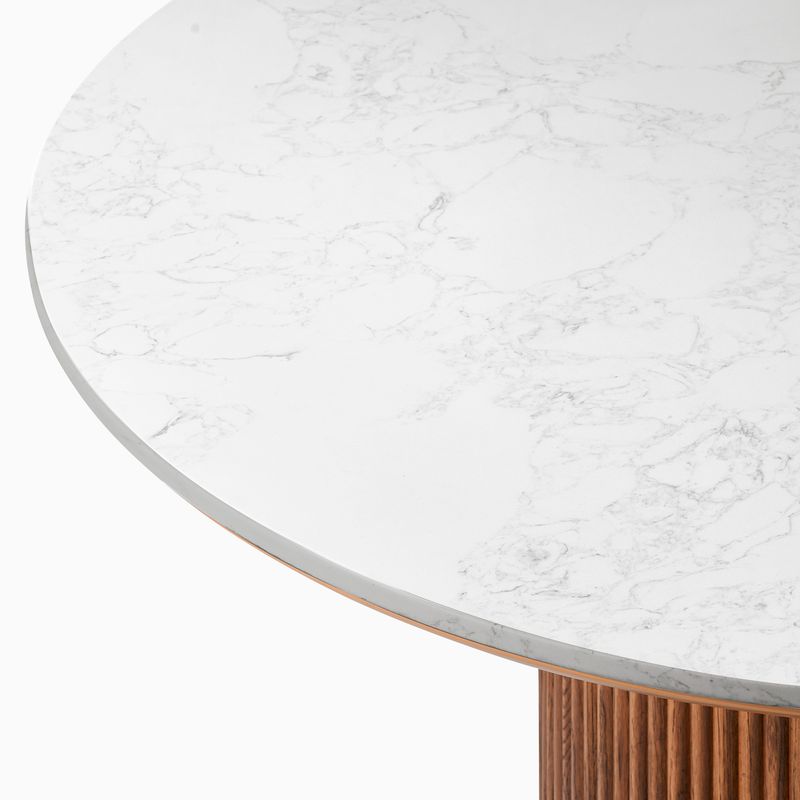
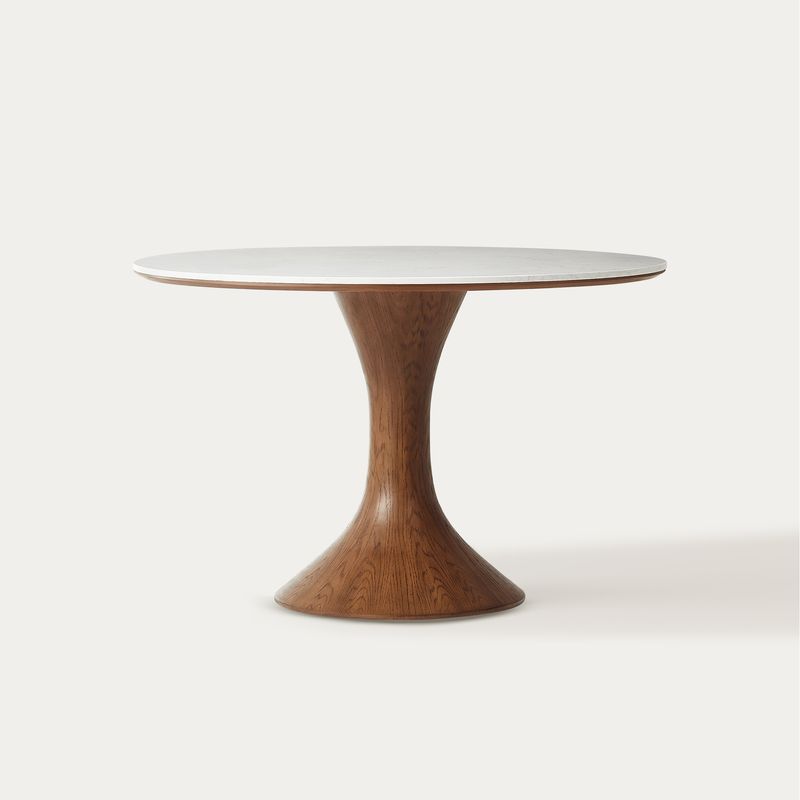
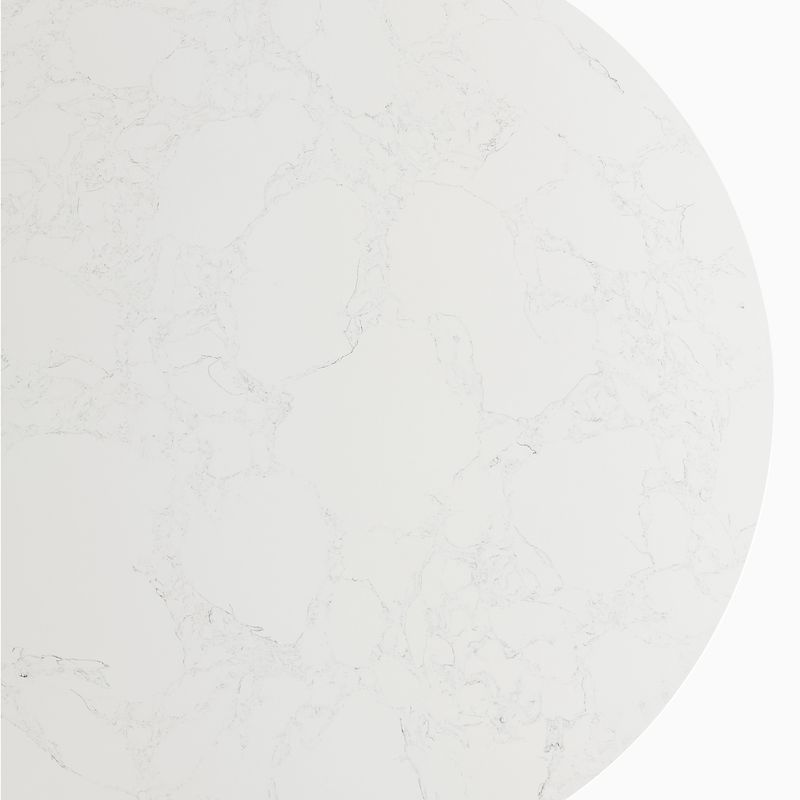
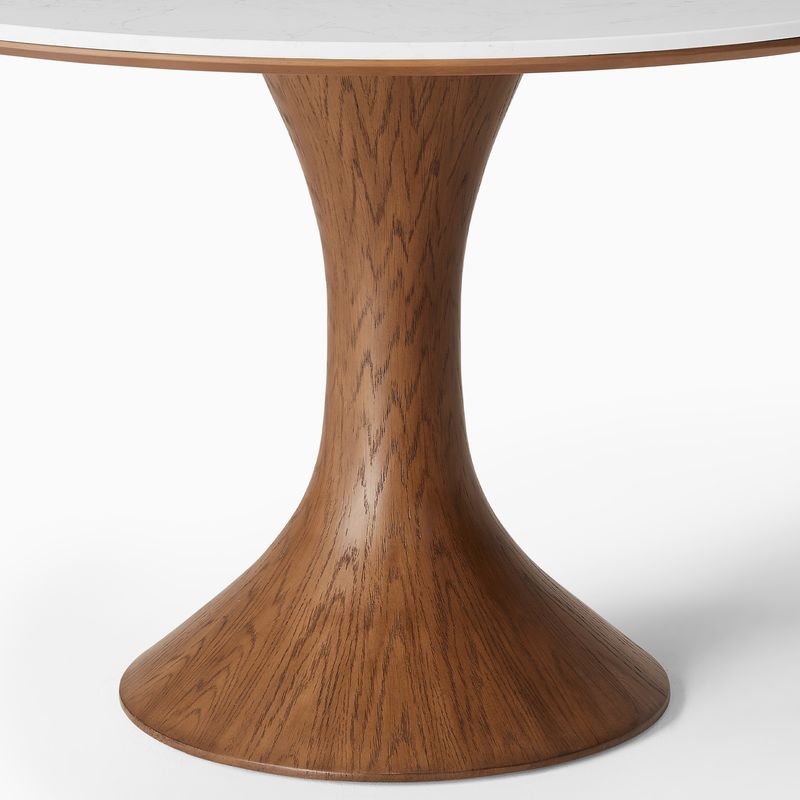
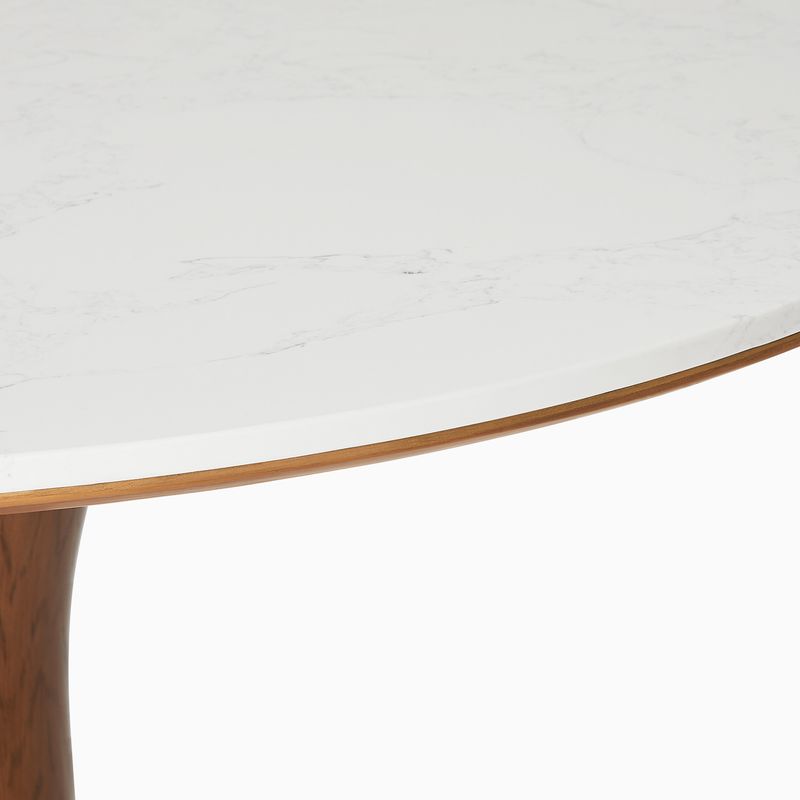
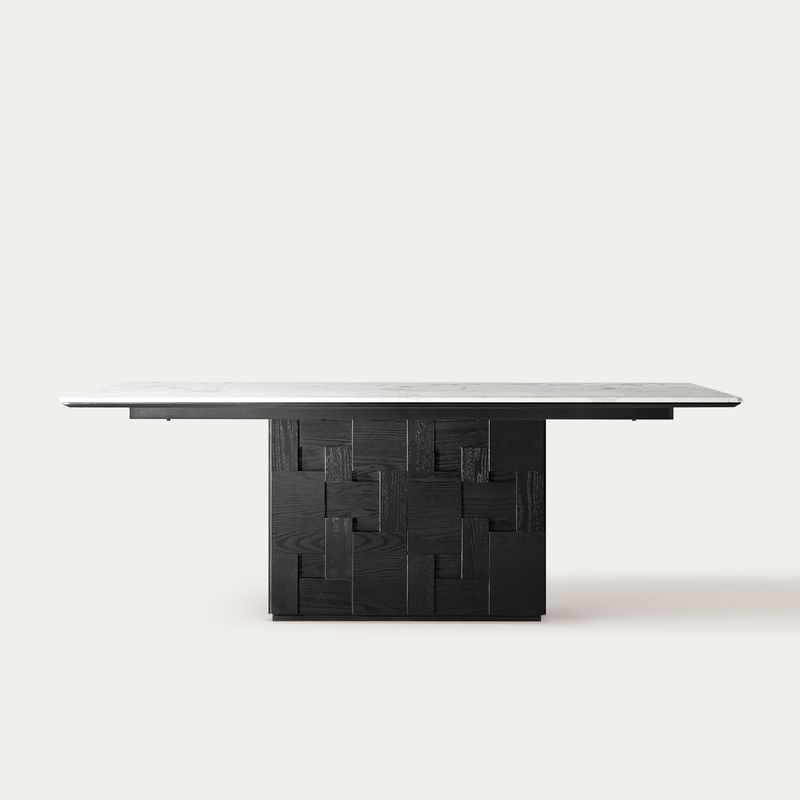
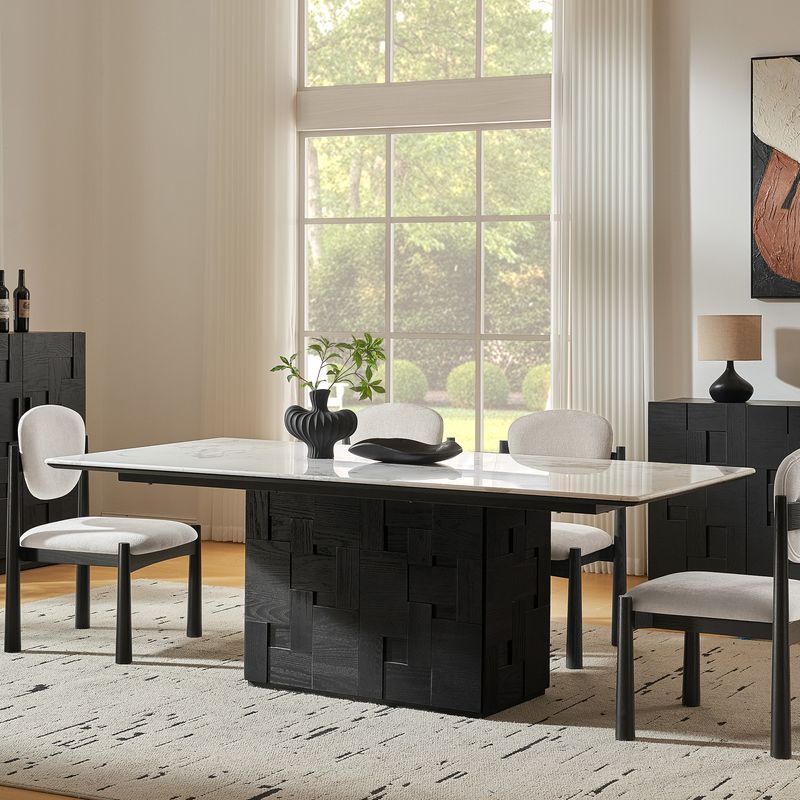
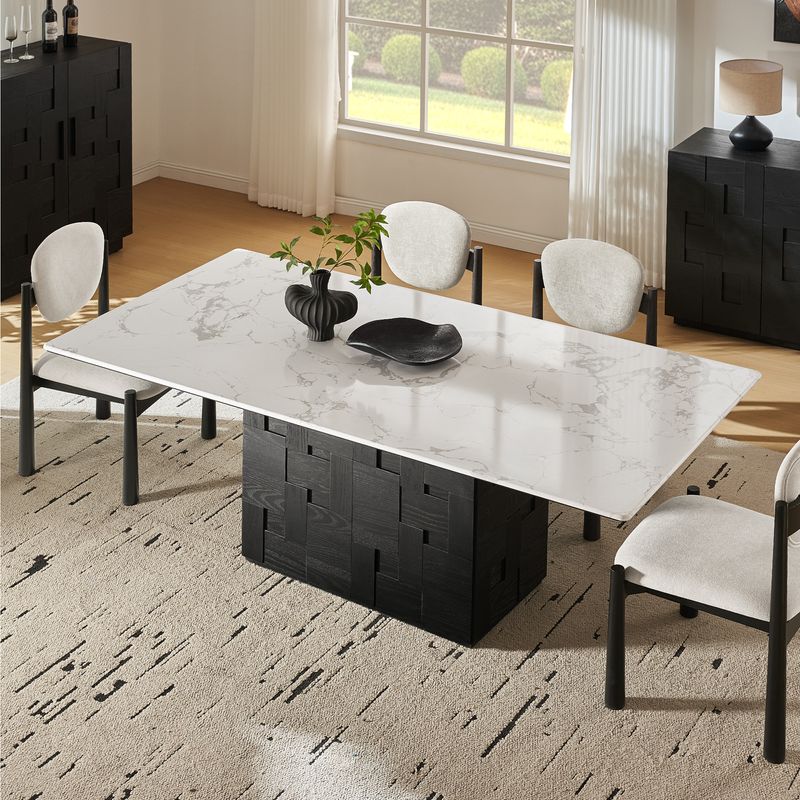
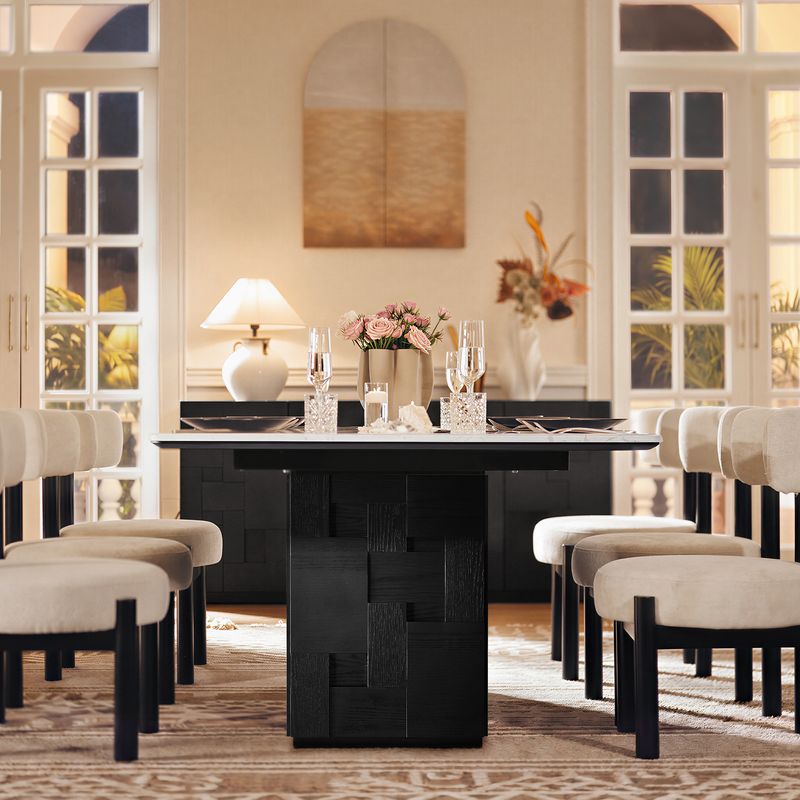
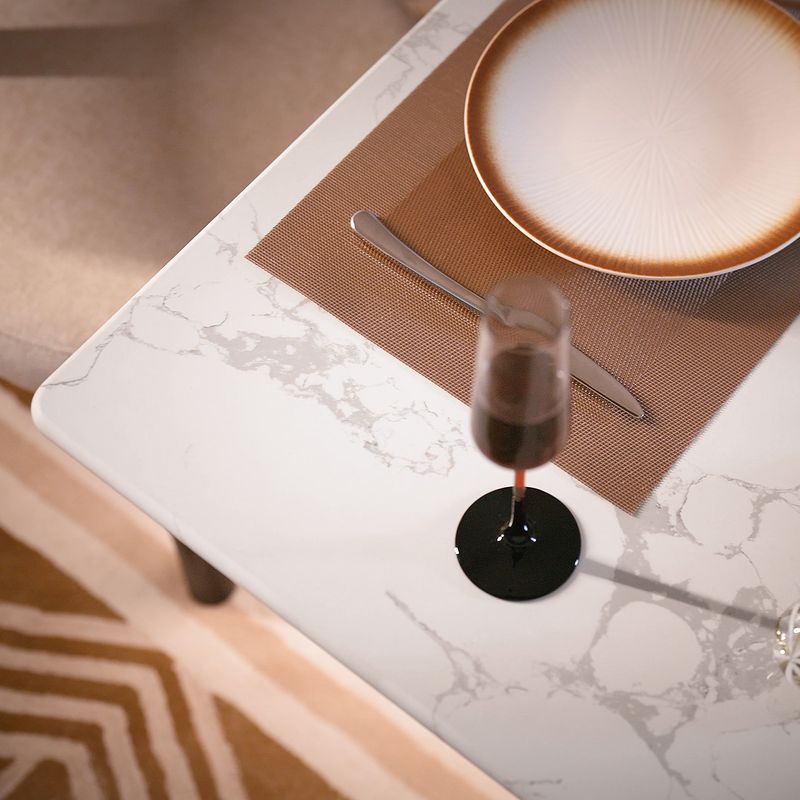
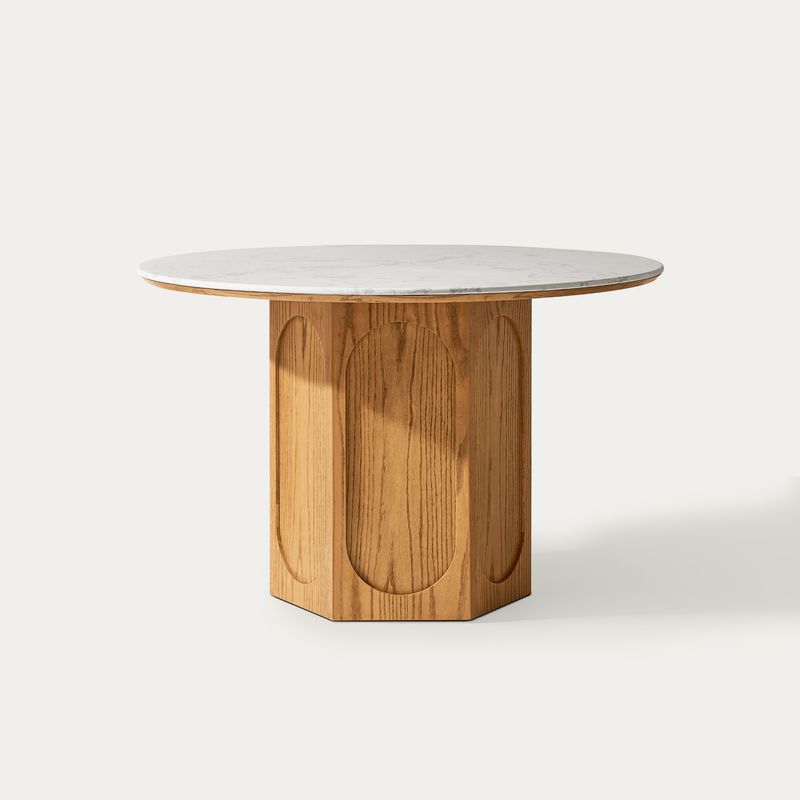
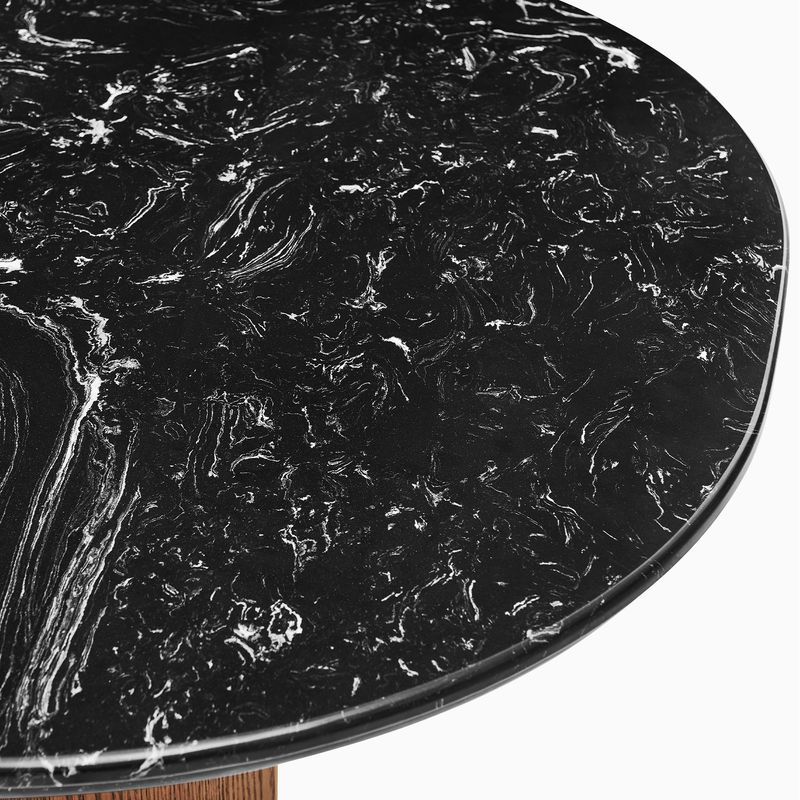
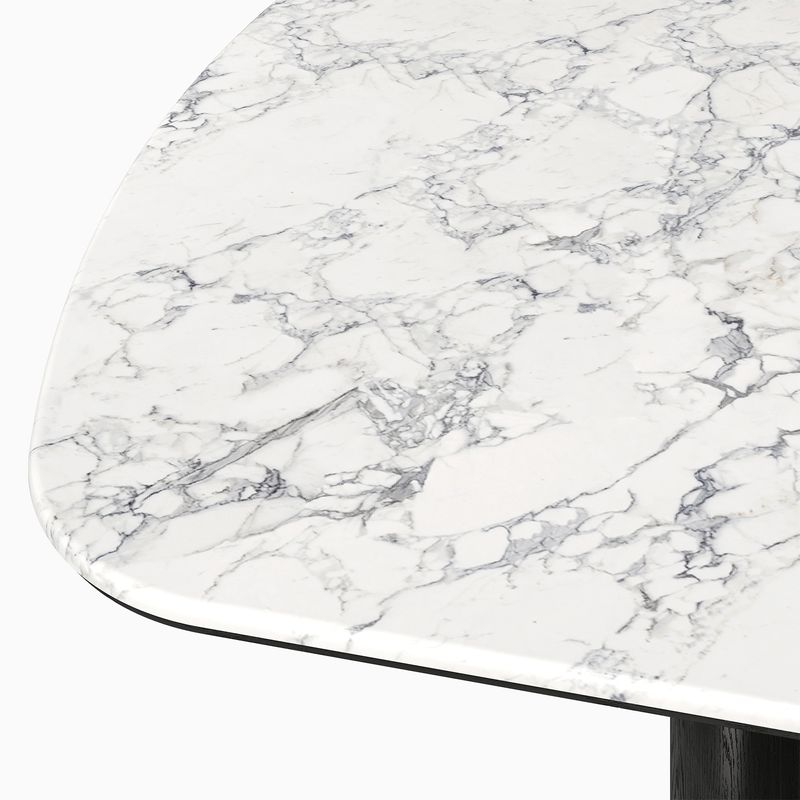
The Hernest Thorsten 47" Dining Table combines an engineered stone tabletop with an engineered wood and American oak veneer base. Its 47" size makes it a useful option for smaller dining areas while giving the room a different material focal point.
Find Modern Dining Tables for Your Home
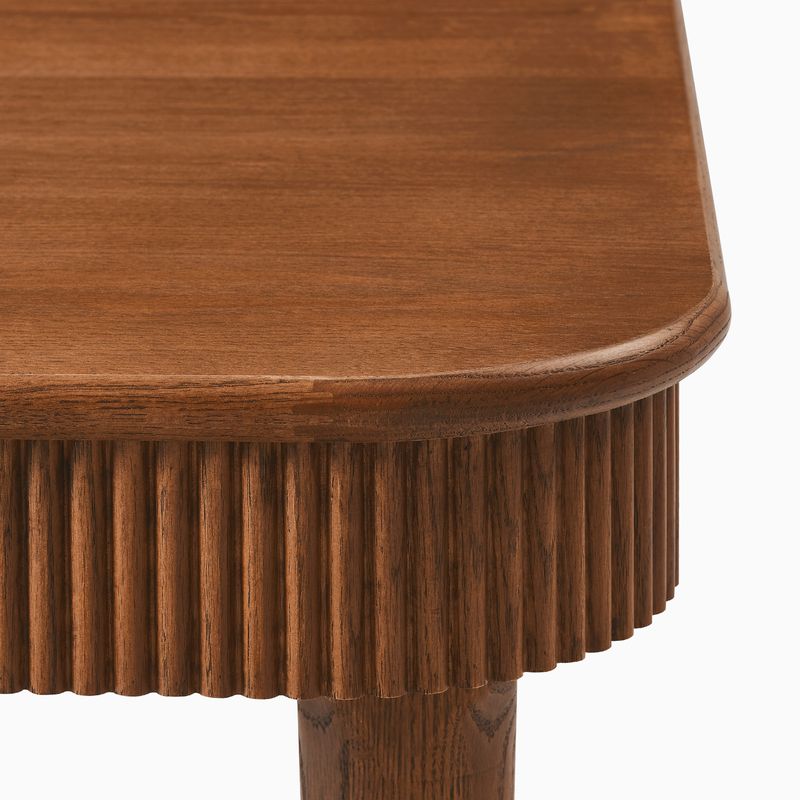
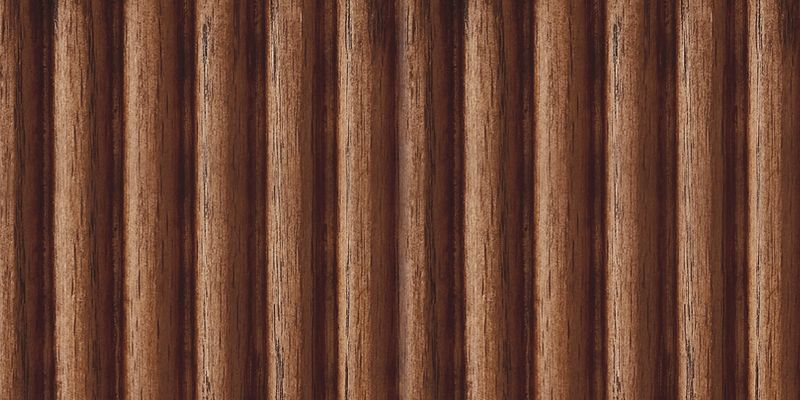
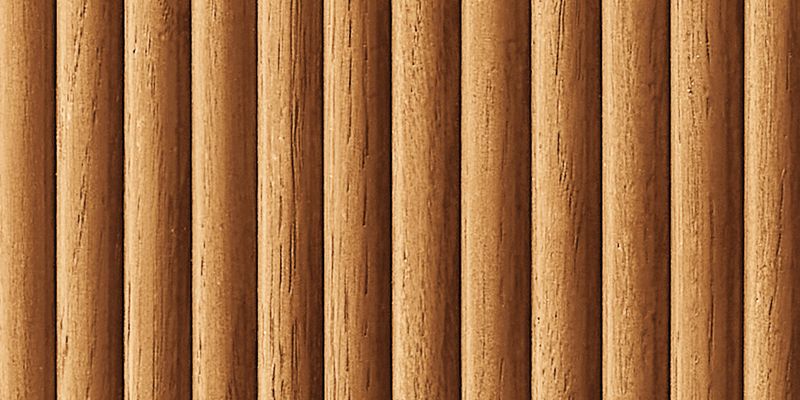
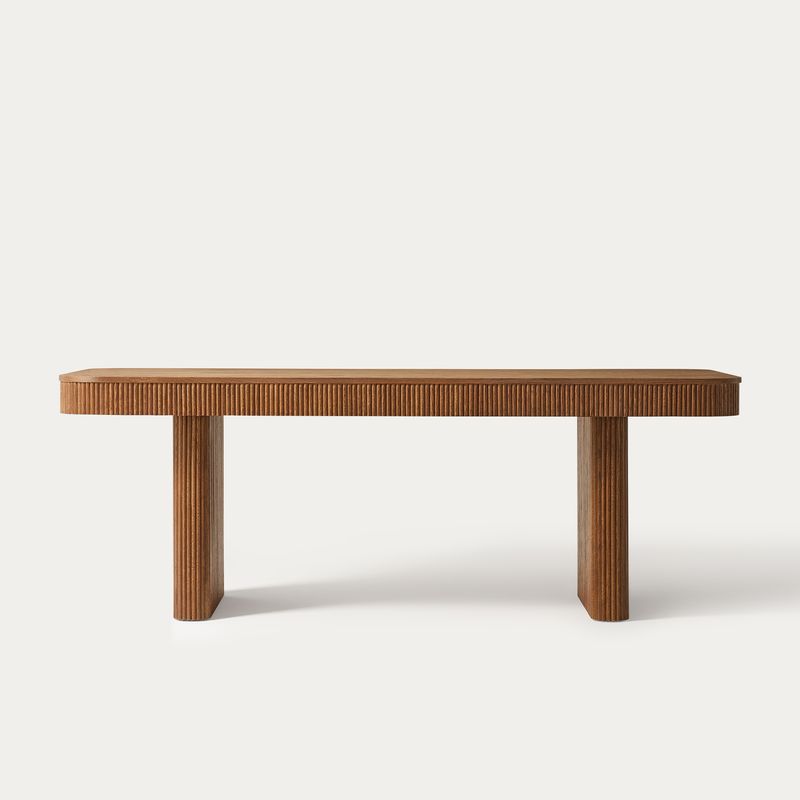
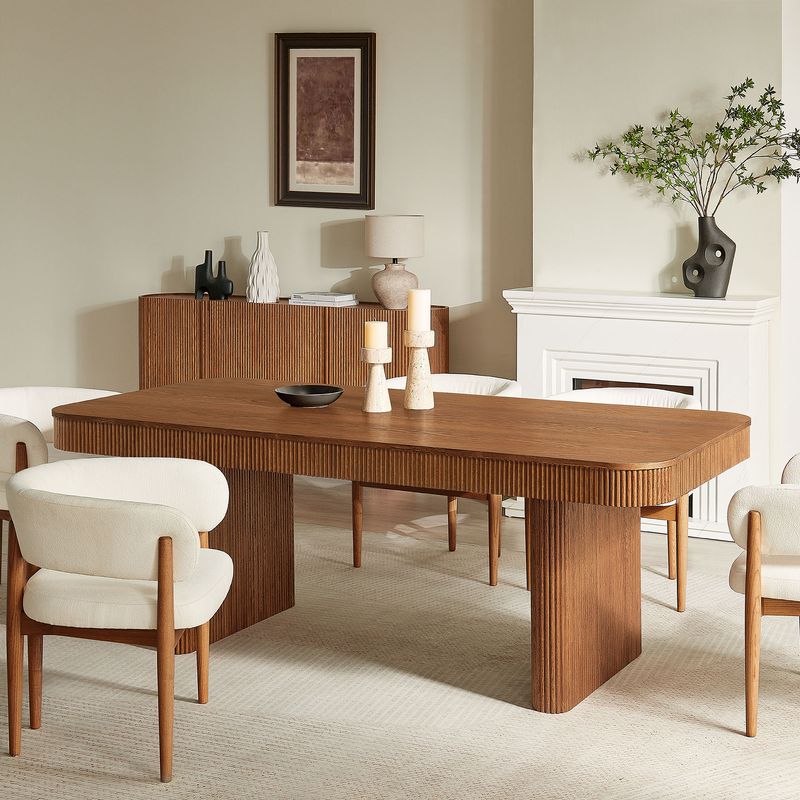
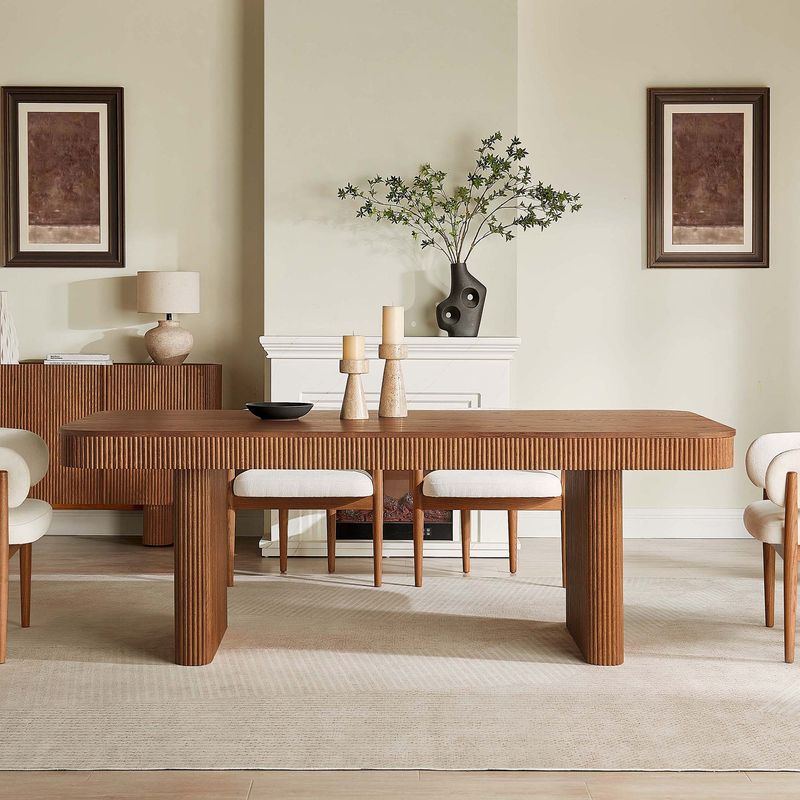
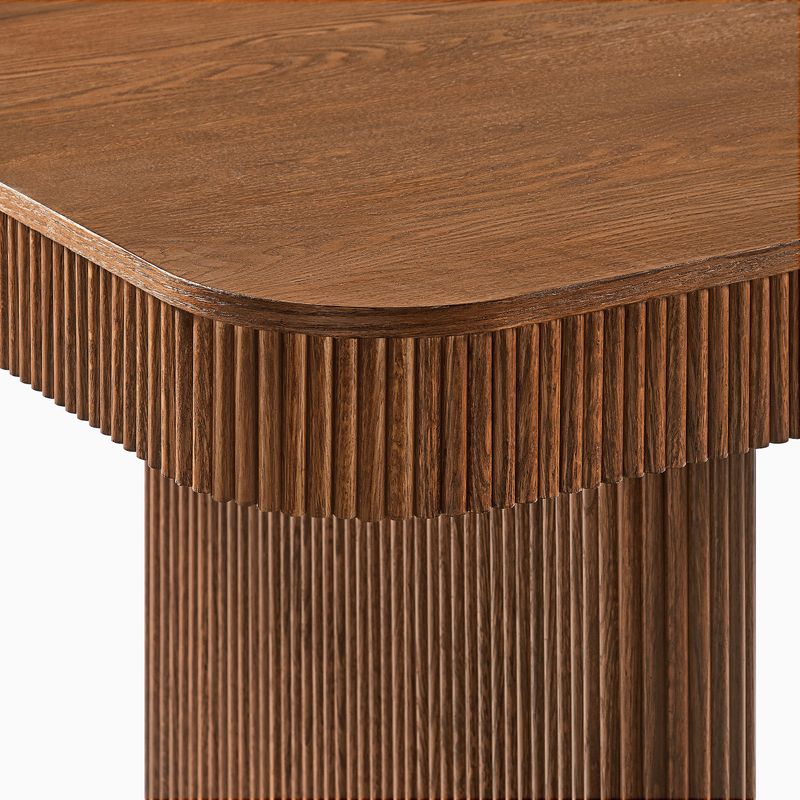
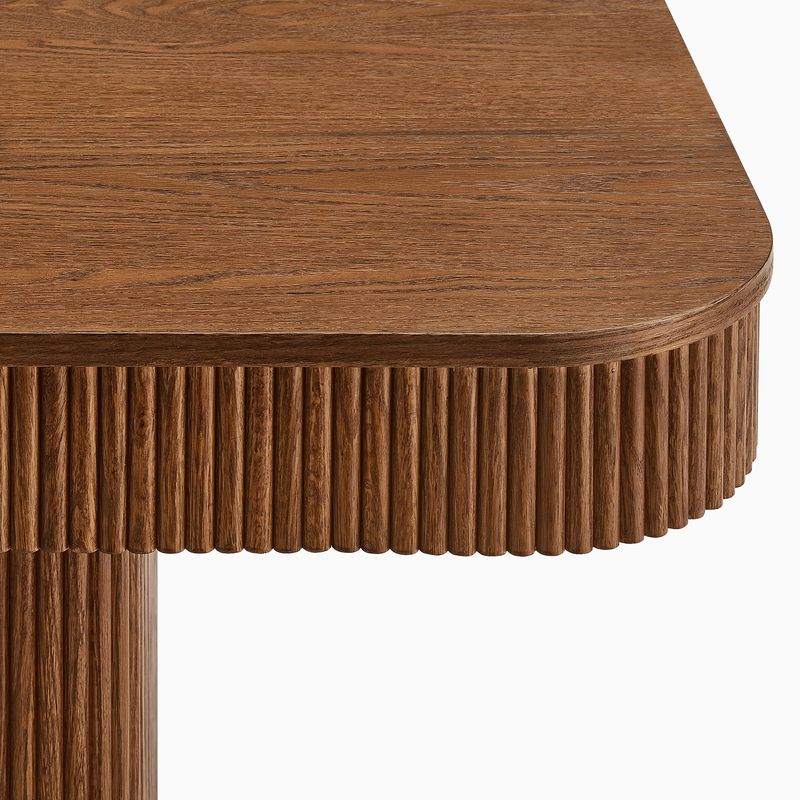
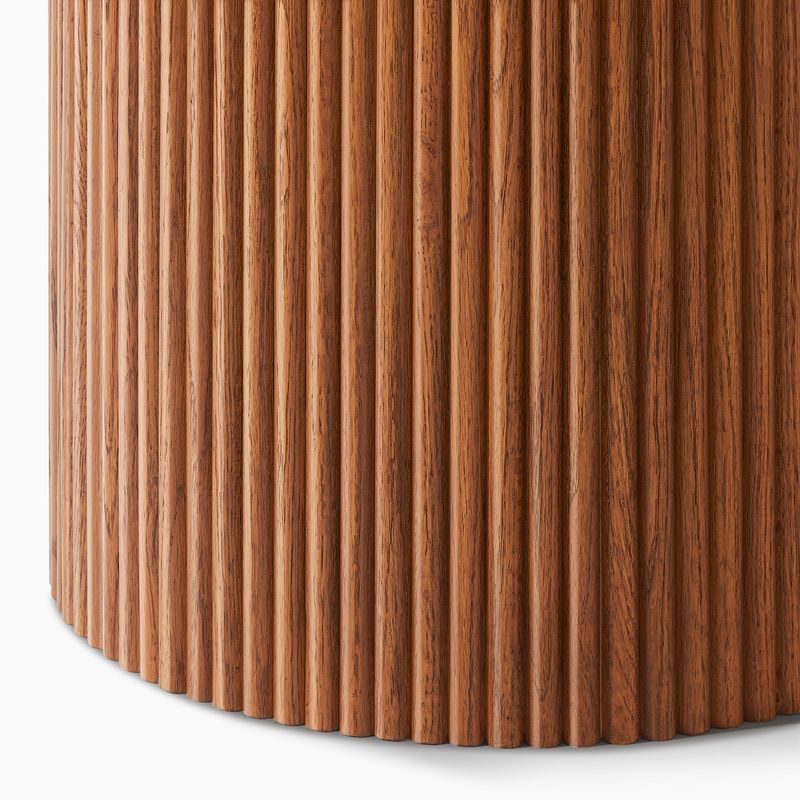
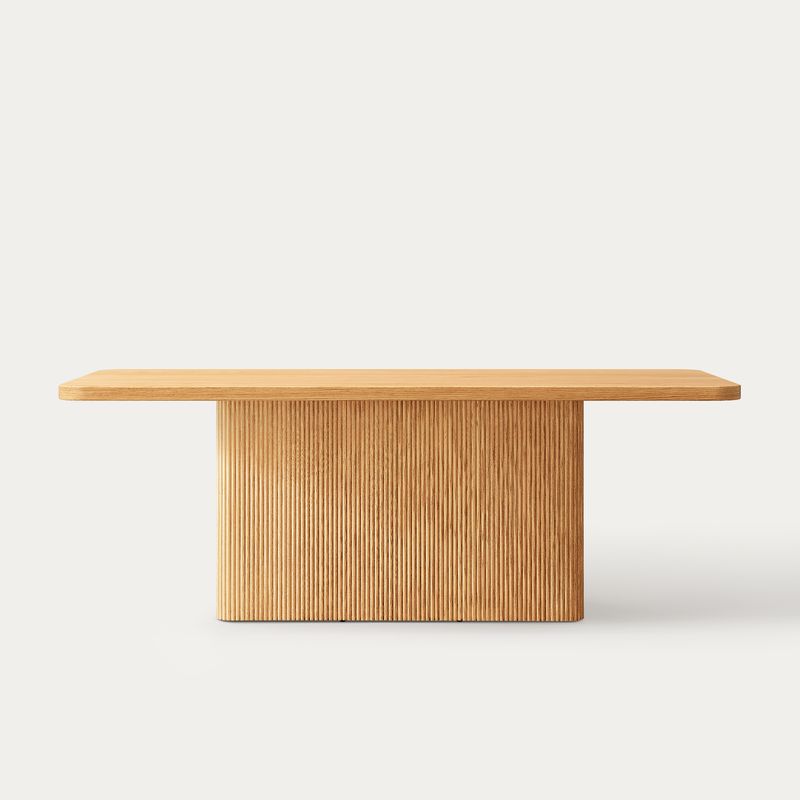
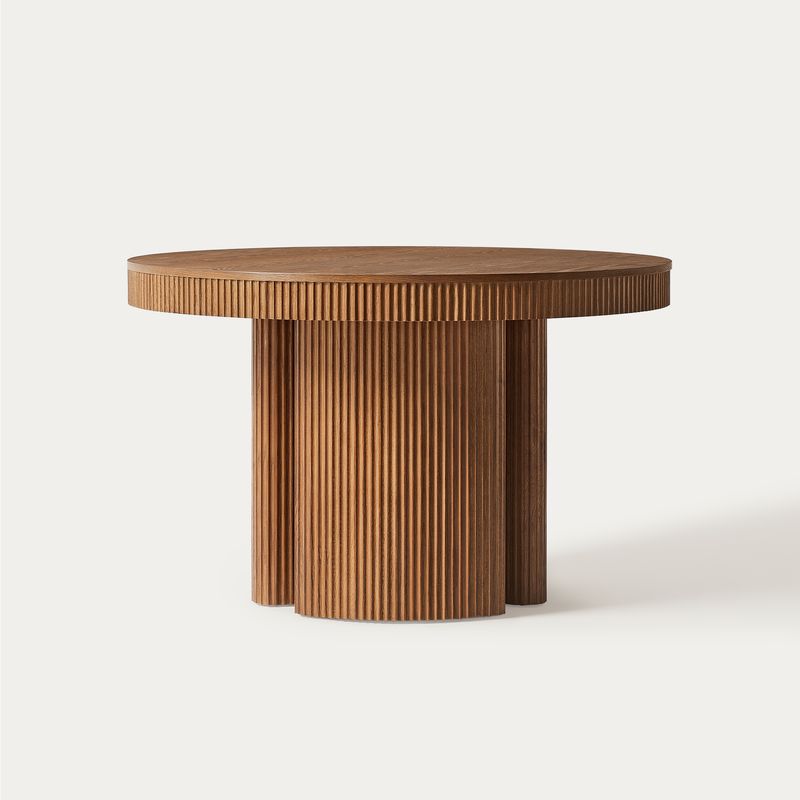
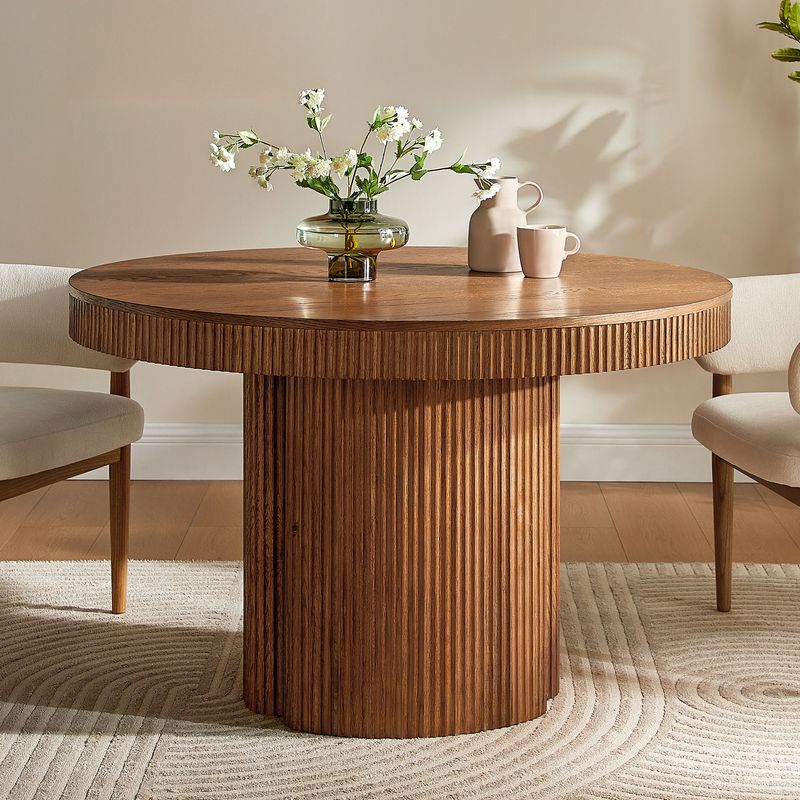
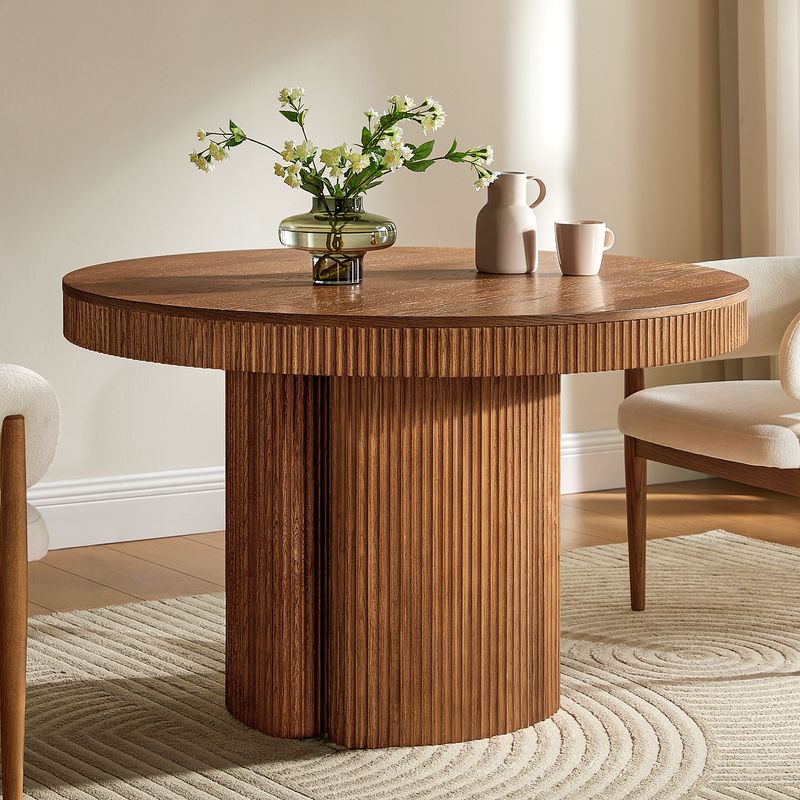
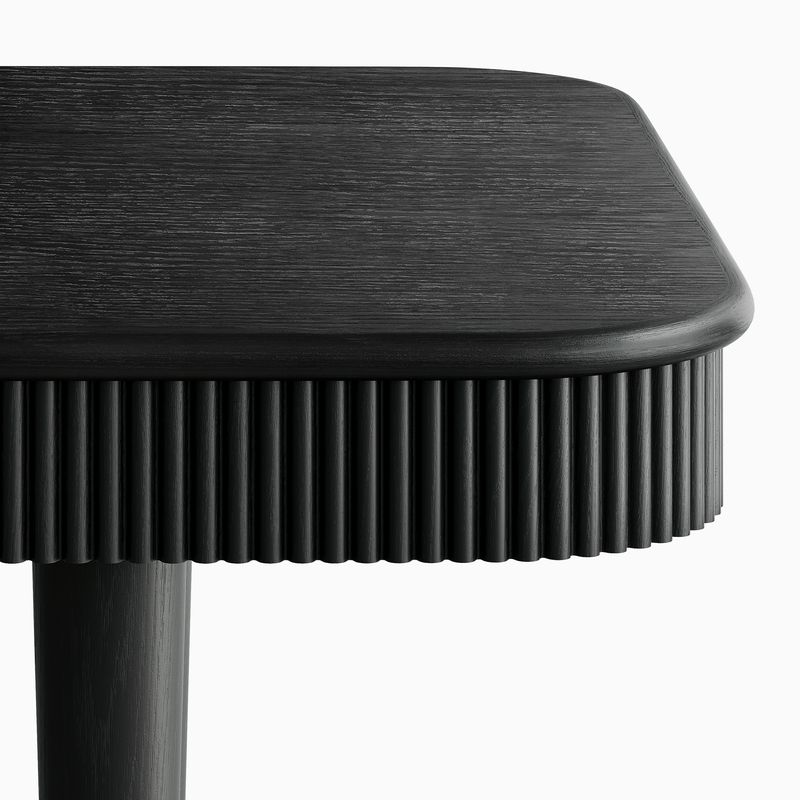
Modern dining tables can feel warm and inviting rather than stark. Natural wood tones, curved silhouettes, fluted details, and sculptural bases can bring visual interest while keeping the overall design clean.
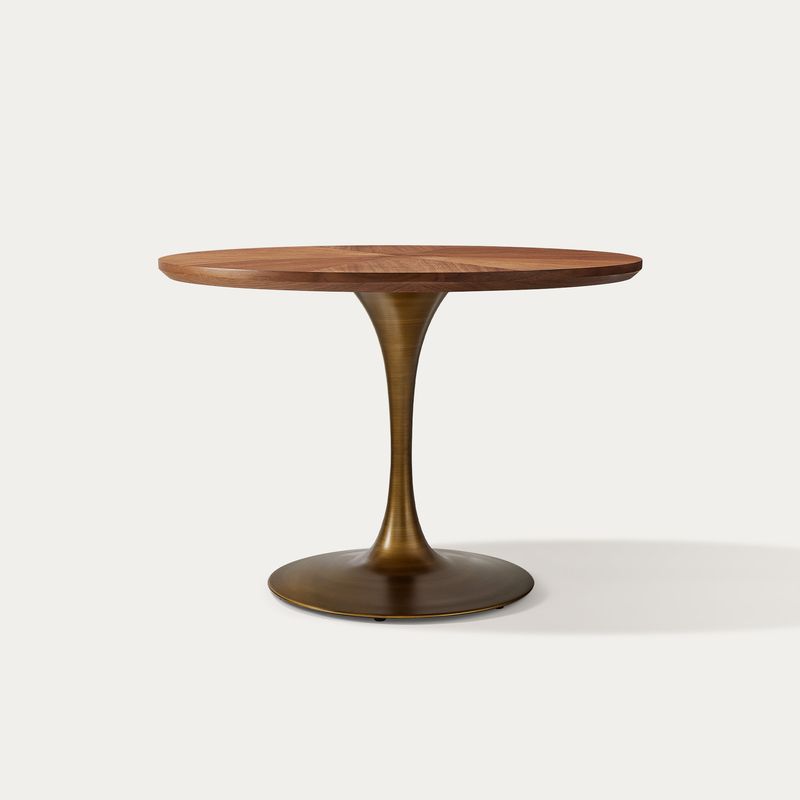
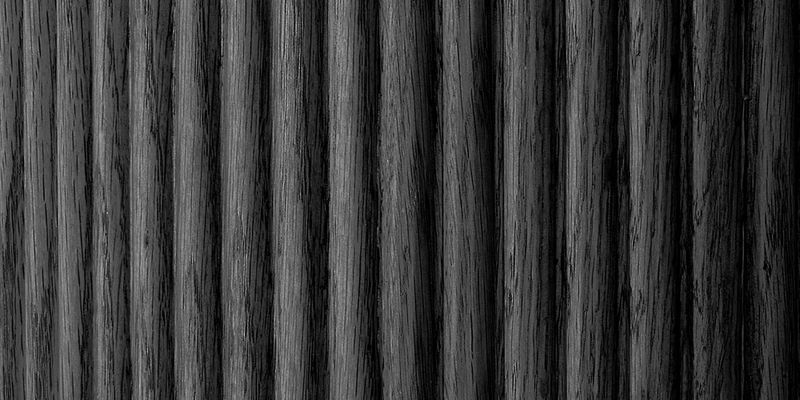
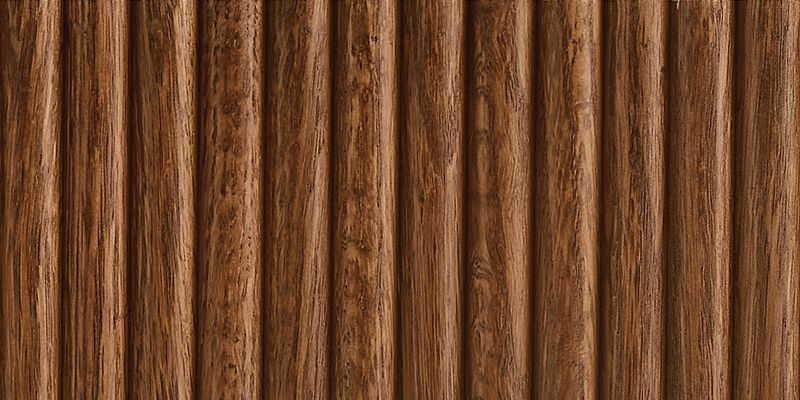
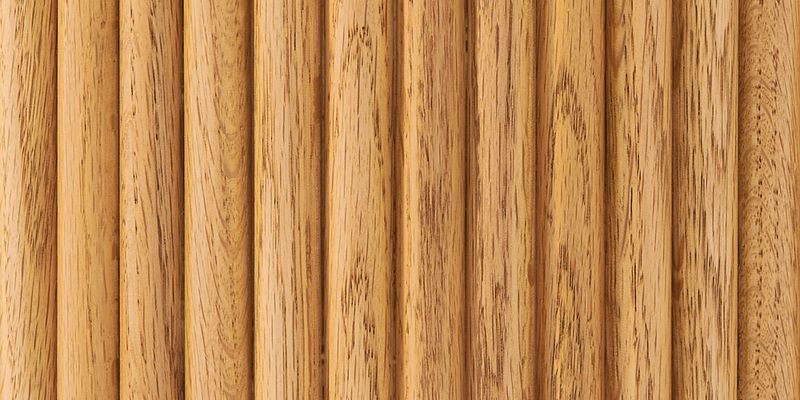
Hernest modern dining tables include warm oak finishes, walnut tones, rounded shapes, fluted details, and streamlined bases. Some designs put the focus on the tabletop, while others use the base or wood detailing to create a stronger focal point.
If the room already has distinctive furniture, a simpler dining table can help keep the space balanced. If the dining area feels plain, a curved tabletop, textured wood finish, or more distinctive base can add character without requiring a complete redesign.
Why Choose Hernest Dining Tables?
Choosing a dining table comes down to a few practical questions: Will it fit the room? How many people will it seat? Which material suits the space? Does the shape work with the chairs and surrounding furniture?
Hernest dining tables offer options across several useful sizes, including compact 47" and 48" tables, 72" designs, 84" tables, and the extendable Valo that grows from 72" to 92".
The collection also includes American solid oak, oak veneer, engineered wood, engineered stone, warm wood finishes, and a variety of round, oval, and rectangular silhouettes.
Before ordering, compare the details that will matter once the table is in your home: overall dimensions, seating capacity, material construction, base design, extension mechanism, weight capacity, and available clearance.
Find Your Dining Table at Hernest
A dining table should fit the room before it fills it. Measure the available floor space, decide how many people you need to seat most days, and then narrow your choices by shape, material, and flexibility.
Whether you need a compact 47" table, a 72" dining table for everyday meals, an 84" table for larger gatherings, or an extendable design that grows from 72" to 92", Hernest offers dining tables for different rooms, routines, and ways of gathering.