Find Entertainment Centers That Bring the Whole Room Together
A television may be the reason you start shopping, but it is rarely the only thing that needs a place to live.
There may be a soundbar underneath it, a game console that somehow collects three controllers, streaming devices, speakers, remotes, books, and a few things you would rather keep out of sight. Before long, a simple TV setup can turn into a cluttered corner of the room.
That is where the right entertainment centers can make a real difference. A well-designed piece can organize media equipment, add useful storage, create a stronger focal point, and make the wall around your TV feel intentionally furnished.
At Hernest, our entertainment centers are designed for homes where the living room does more than one job. It may be where you watch movies on Friday night, host friends for a game, or leave the kids' game controllers charging between uses. Your TV and everything around it should have a place that works with the rest of the room.
Read More
What Is an Entertainment Center?
An entertainment center is a piece of media furniture that combines a TV area with storage for media equipment and other living room essentials.
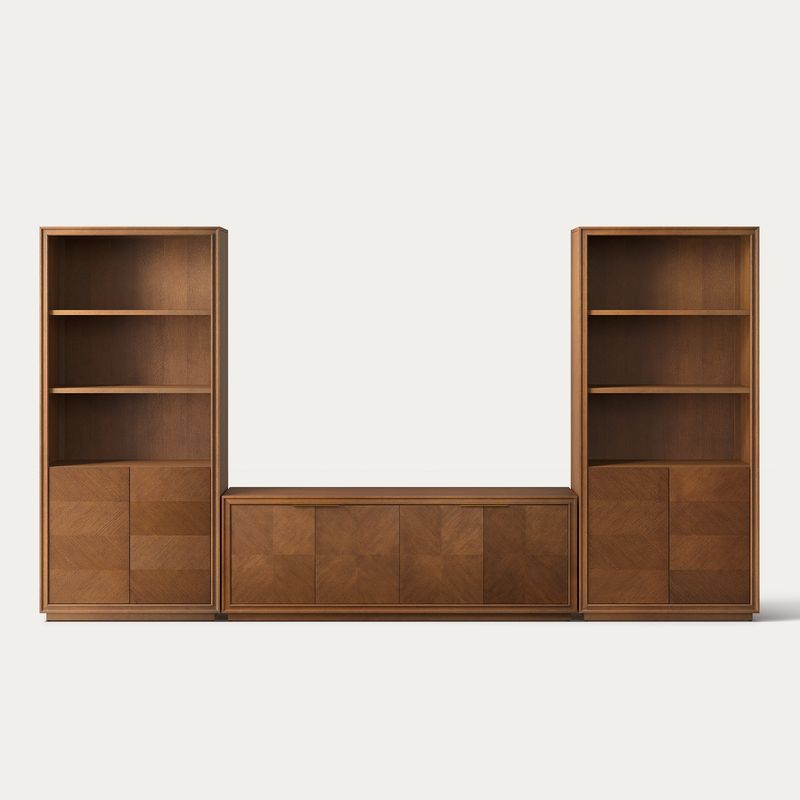
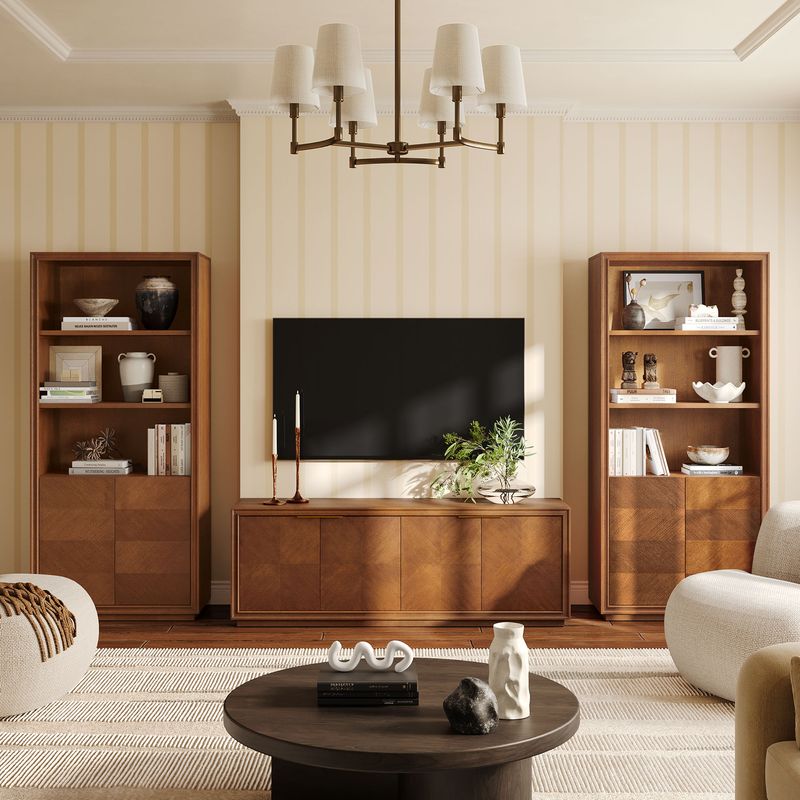
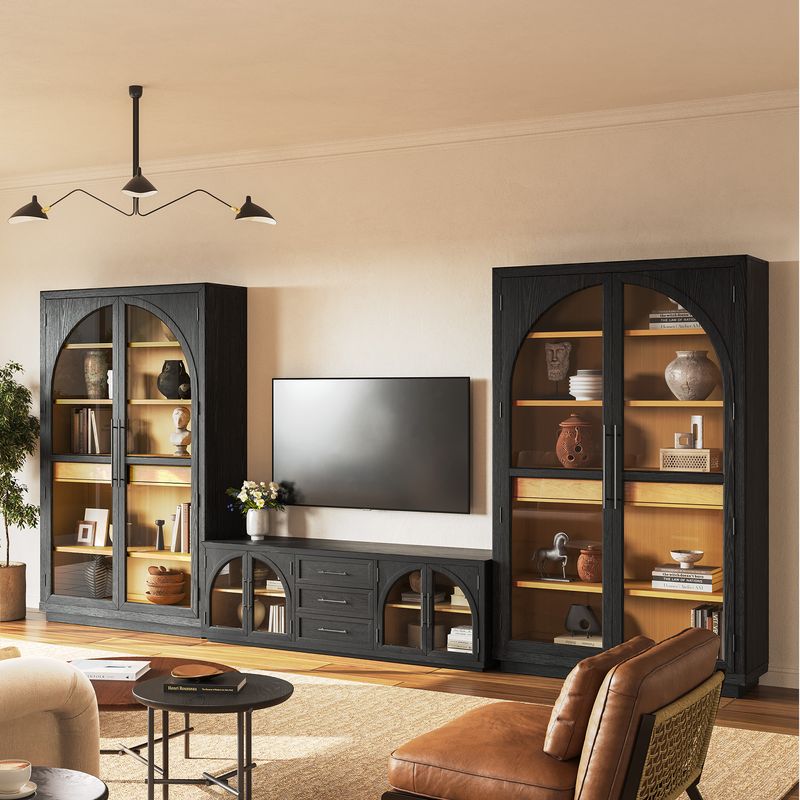
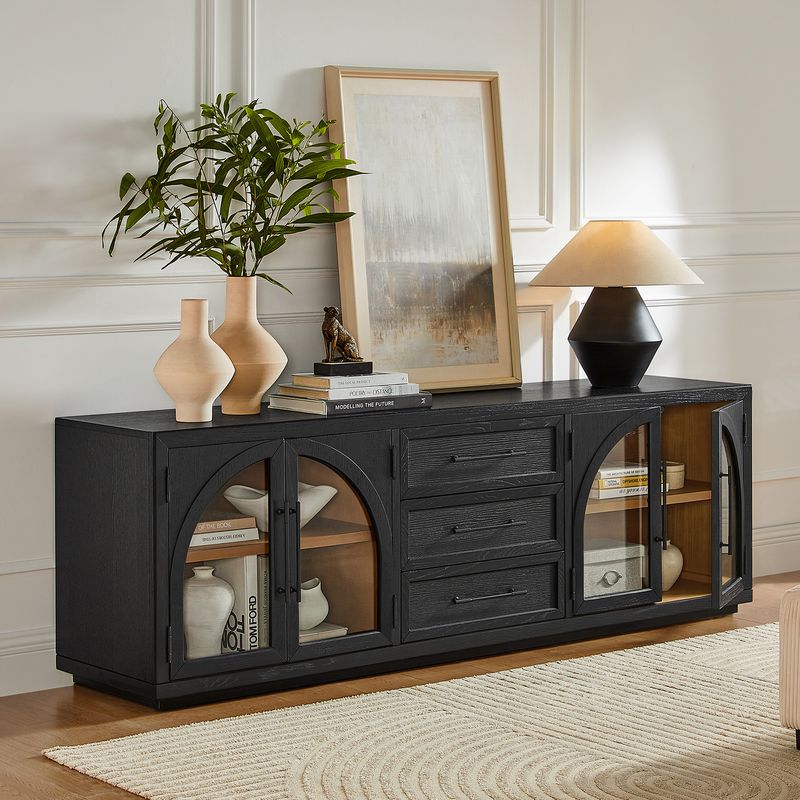
Depending on the design, an entertainment center may function as a TV console, media storage unit, or larger wall system built around the television. It may include open shelves, enclosed cabinets, drawers, side storage, or taller shelving units that frame the TV.
Unlike a basic TV stand, entertainment centers are designed to make better use of the area around the television. They may provide space for gaming consoles, speakers, streaming devices, books, décor, and other items that tend to gather in the living room.
That makes them particularly useful when the media area serves as one of the room's main focal points.
How to Choose the Right Entertainment Center
Before choosing among different entertainment centers, think about what needs to happen around the television every day.
Someone who only streams shows may need very little storage. A household with gaming consoles, speakers, physical media, and multiple devices may need adjustable shelves, enclosed cabinets, and room for cable routing. A homeowner furnishing a large open-plan space may want a wider configuration that visually fills the wall.
You are not just choosing a place for the television. You are deciding how the entire media area will function.
Measure Your TV First
The advertised size of a television refers to its diagonal screen measurement, not its actual width. Measure the television from one outer edge to the other and check the dimensions of its stand if you plan to place it directly on the furniture.
As a general guideline, the furniture should usually extend beyond the television on both sides rather than matching its width exactly. This creates a more balanced appearance and leaves room for speakers, décor, or other items. Always check the recommended TV size and weight capacity for the specific Hernest piece you are considering.
Measure the Wall and Room
A TV may fit perfectly on the furniture while the furniture itself feels too large for the room.
Measure the available wall width and height, including nearby doors, windows, radiators, floor vents, and electrical outlets. If you are considering a larger configuration with bookcases or storage towers, marking the approximate footprint with painter's tape can reveal potential problems before the furniture arrives.
A 90-inch-wide setup may look right at home in an open family room but overwhelm a narrower apartment wall. For a living room entertainment center, consider nearby walkways as well. The furniture should create a focal point without making the room harder to move through.
Consider TV Height and Viewing Comfort
Width gets most of the attention, but the height of the TV matters just as much.
When you are seated in your usual viewing spot, the center of the screen should generally sit near or slightly below eye level. Your sofa height, television dimensions, and the height of the entertainment furniture all affect the final viewing position.
Rather than relying entirely on a standard measurement, take a few minutes to measure from your normal seated position. This is especially useful if you have a low sectional, deep sofa, or other seating that places you closer to the floor.
Choose Storage Based on What You Actually Own
Storage is one of the biggest reasons to choose an entertainment center instead of a basic TV stand.
Open shelves are useful for devices you access regularly, such as gaming consoles, streaming devices, or speakers. They can also make a larger piece feel lighter and less visually bulky.
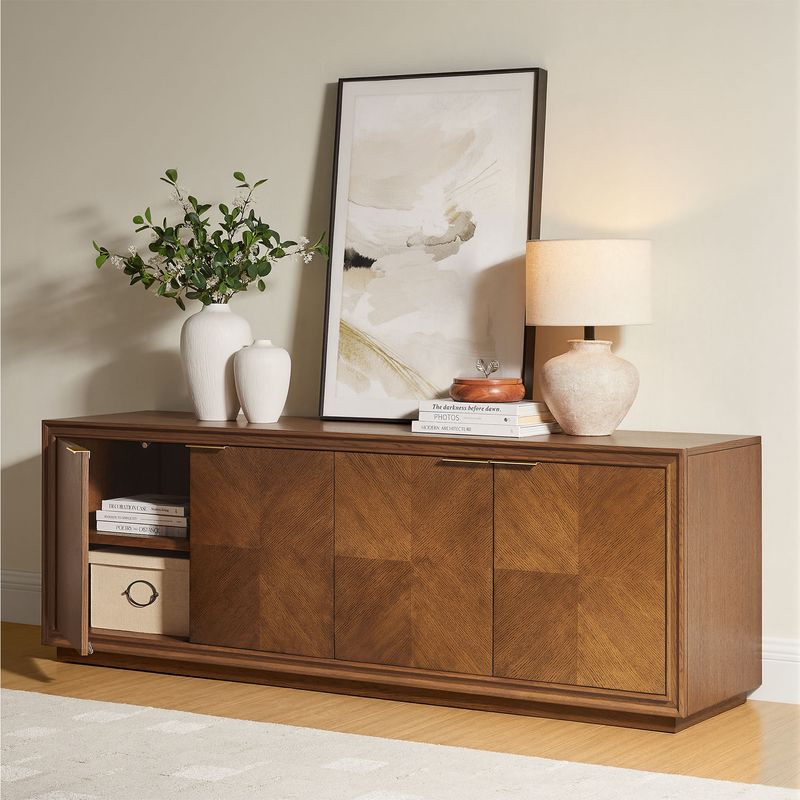
Cabinets and drawers are better suited to items you would rather not see all the time. Remotes, controllers, charging accessories, board games, and other everyday items can disappear behind closed doors while still remaining within reach.
A combination of open and closed storage often works particularly well. You can keep frequently used equipment accessible while putting less attractive accessories out of sight.
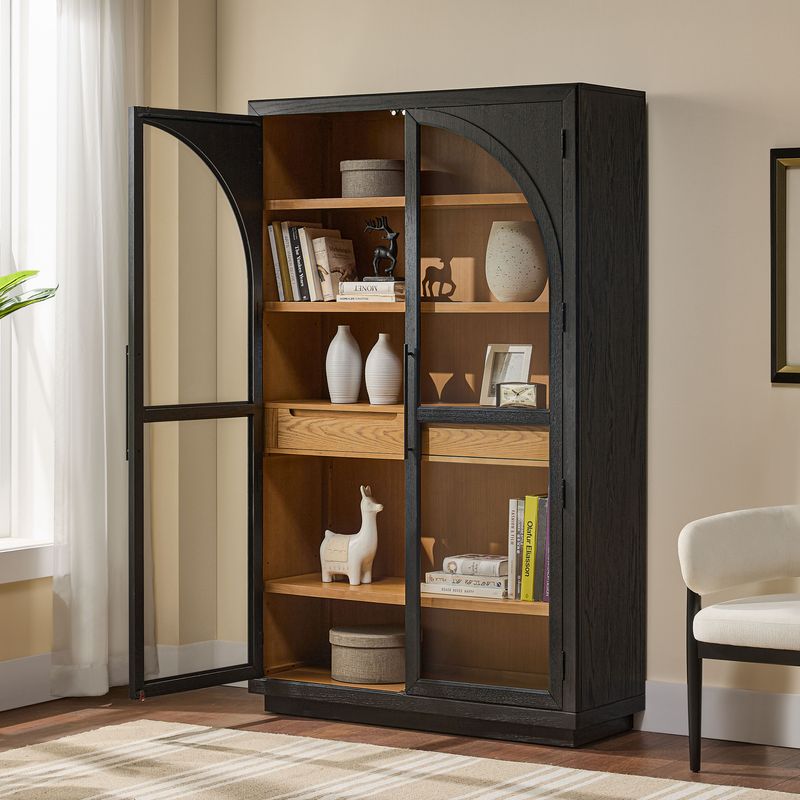
If you expect your media setup to change over time, adjustable shelves can also be useful. They make it easier to accommodate a new game console, speaker, or other device without replacing the furniture.
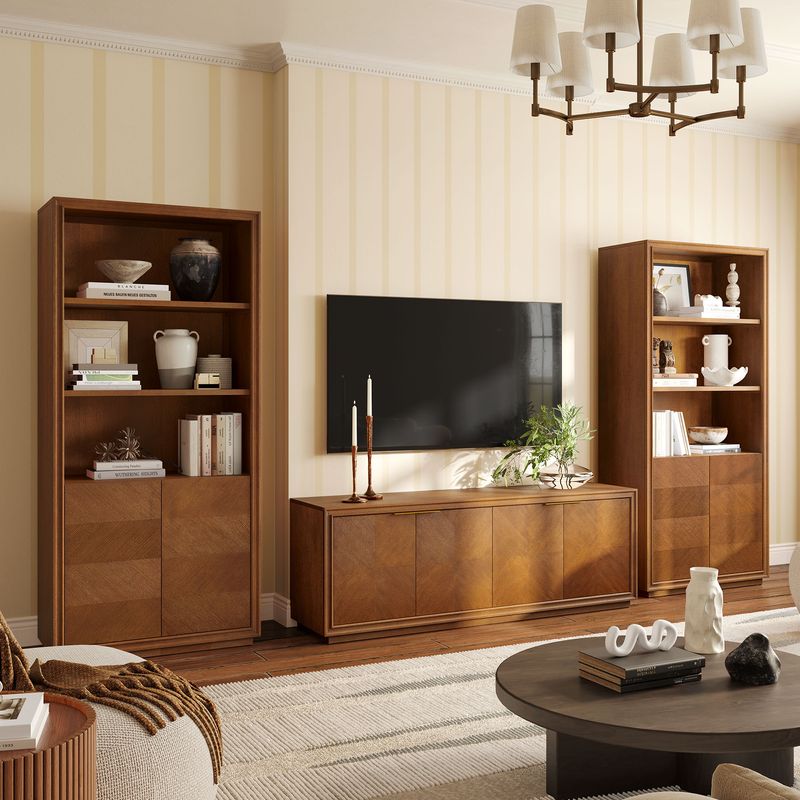
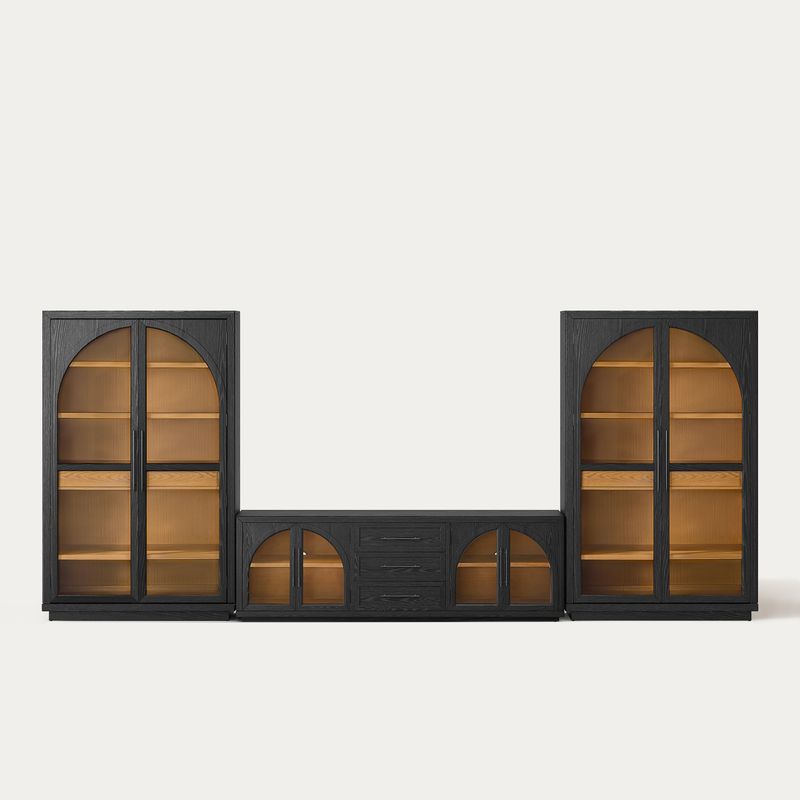
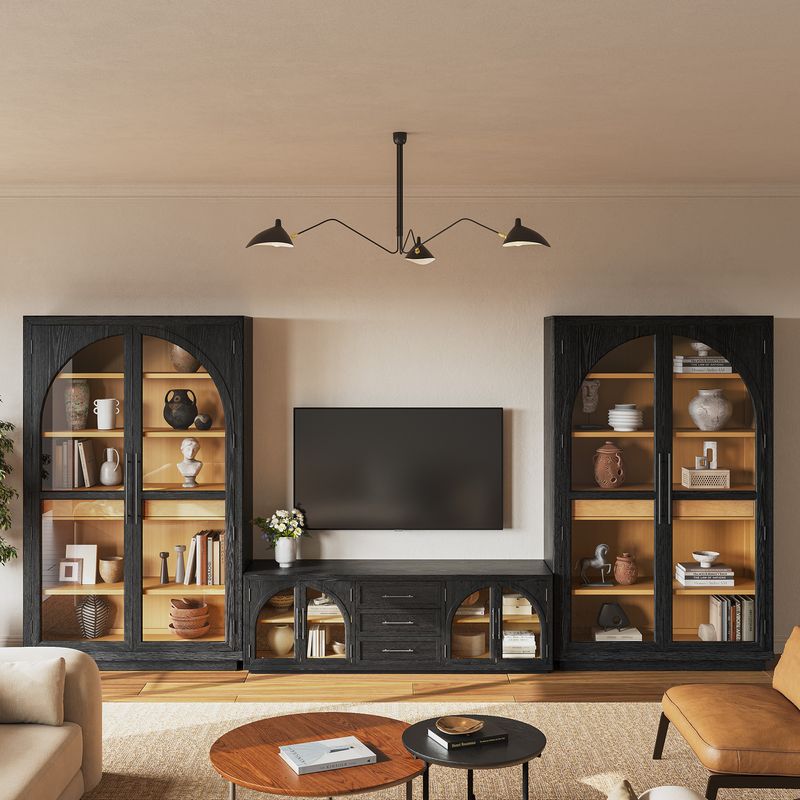
Larger modular home entertainment centers can offer another level of flexibility, allowing storage and display areas to be arranged around the television according to the proportions of the room.
Look for Practical Cable Management
Cable management may not be the first feature you notice in a product photo, but it can make a media area much easier to live with.
Look for openings or channels that allow power cords and device cables to pass through the furniture neatly. This can reduce visible wires and make it easier to access equipment when something needs to be unplugged or replaced.
If electronic devices are stored inside cabinets or enclosed compartments, make sure there is adequate airflow according to the device manufacturers' instructions.
Entertainment Center Styles for Different Homes
The right style is less about following a particular design label and more about how the furniture works with the proportions and character of the rest of the room.
Mid-Century Modern Entertainment Centers
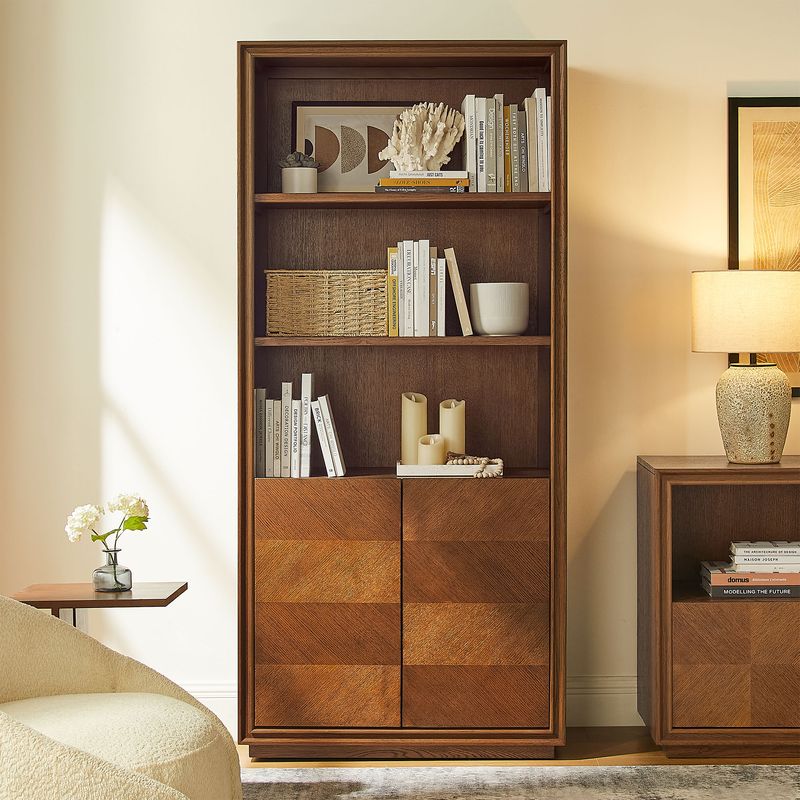
Mid-century modern designs can work particularly well in homes that favor clean lines, warm wood tones, balanced proportions, and furniture with a lighter visual footprint.
A low-profile media console can help keep a large television from becoming too visually heavy, especially when paired with other mid-century modern furniture.
Modern Entertainment Centers with a Clean, Low-Profile Look
For a clean, contemporary room, a streamlined silhouette and simple storage layout can keep the media area from becoming visually busy.
That does not mean every shelf needs to be empty. A few books, ceramics, or personal objects can make the space feel lived in without competing with the television.
Larger Wall Configurations
A larger room can often support furniture that would overwhelm a smaller space.
Wider entertainment centers or modular wall configurations can provide useful storage while giving a large wall a stronger sense of purpose. Side shelving can hold books and decorative objects, lower cabinets can organize electronics, and the television can remain the visual center of the arrangement.
Compact Spaces and Apartments
Small spaces require more careful proportions.
A compact entertainment center should provide enough storage without consuming unnecessary floor space. Lower-profile designs can help preserve an open feeling, while drawers or enclosed cabinets can keep the room tidy when the same area also serves as a home office, dining space, or guest room.
Build Your Setup Around the Way You Live
As you compare the entertainment centers below, think about how each piece will fit into your daily routine.
Do you place the TV directly on the furniture or mount it above? How many devices need to fit inside? Do you want electronics on display, or would you rather keep most of them behind closed doors?
If you expect to upgrade to a larger TV, consider the furniture's width and weight capacity now rather than replacing it later. Homes with young children or active pets should also follow the furniture and television manufacturers' instructions for anchoring and tip-over prevention.
The best choice is one that fits your TV, equipment, and room without making the space feel crowded.
What to Look for in Material and Construction
Entertainment furniture needs to do more than look good. Depending on your setup, it may support a television, speakers, media devices, and a considerable amount of stored weight.
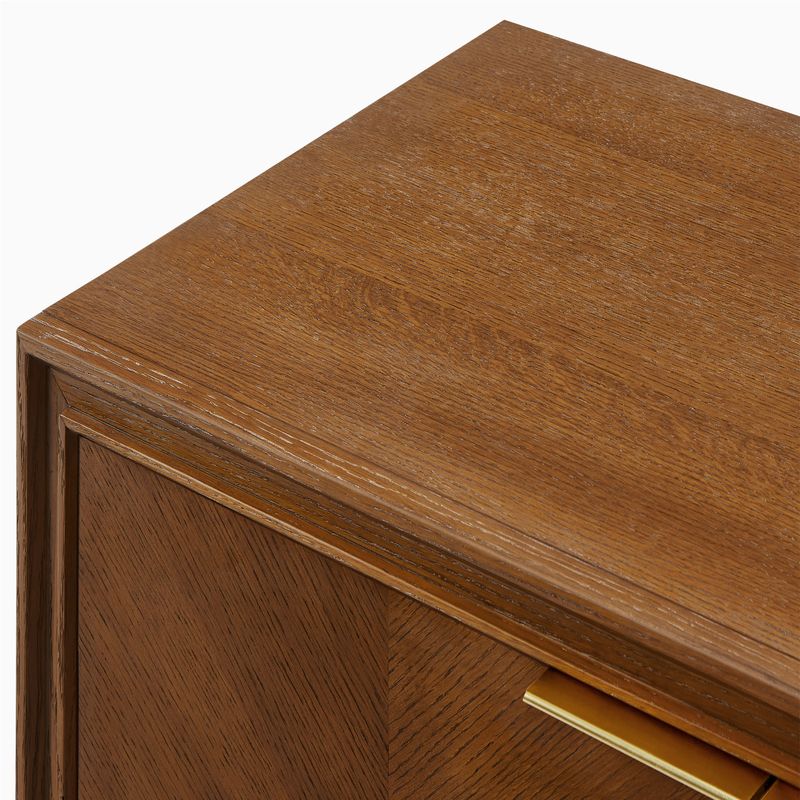
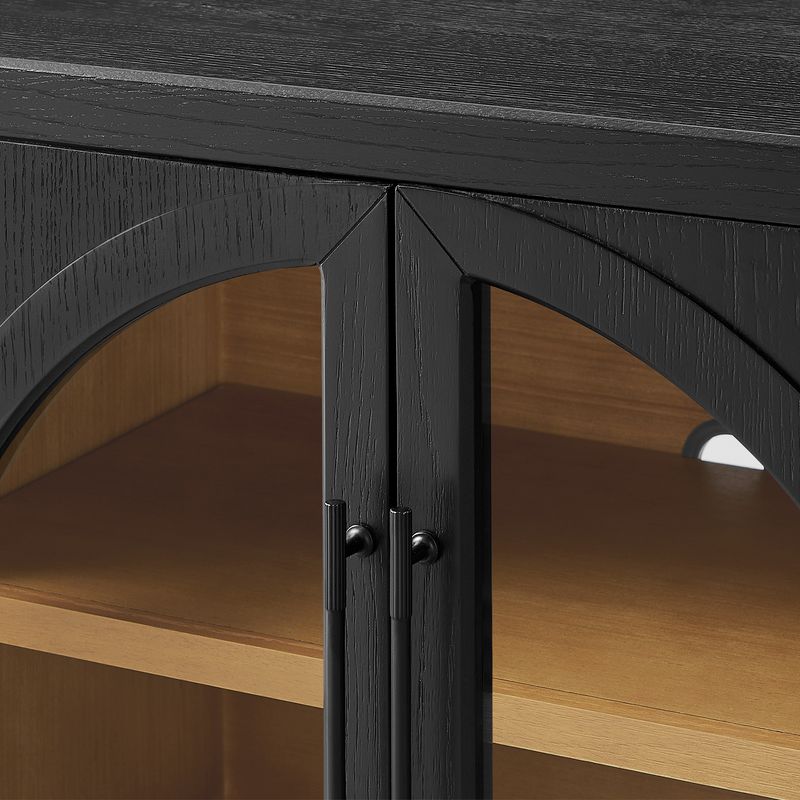
Before choosing a piece, check the product specifications for TV compatibility and weight capacity. Then look at the details that affect everyday use: shelf construction, adjustable storage, door hardware, drawer operation, access to the back of the unit, and overall stability.
For enclosed storage, consider whether the layout gives your electronic devices enough room and airflow. For open shelving, check whether the shelf dimensions work with the equipment you already own.
These details are easy to overlook while shopping, but they become much more noticeable once the furniture is part of your daily routine.
Shop Entertainment Centers for the Living Room and Beyond
Although the living room is the most obvious place for entertainment centers, the same type of furniture can work in bedrooms, family rooms, finished basements, and other spaces where a television and related equipment need an organized home.
A smaller media console may be enough for a bedroom or apartment. A family room used for movies and gaming may benefit from additional storage. A larger wall in a basement or open-plan home can support a more substantial media configuration.
Hernest offers home entertainment centers designed to bring together TV support, practical storage, and a more finished look. As you explore the collection, consider not only the size of your television but also the equipment you use, the storage you need, and the amount of visual weight your room can comfortably handle.
The screen may be the center of attention when movie night begins. The furniture around it should make the room work better the rest of the time.