
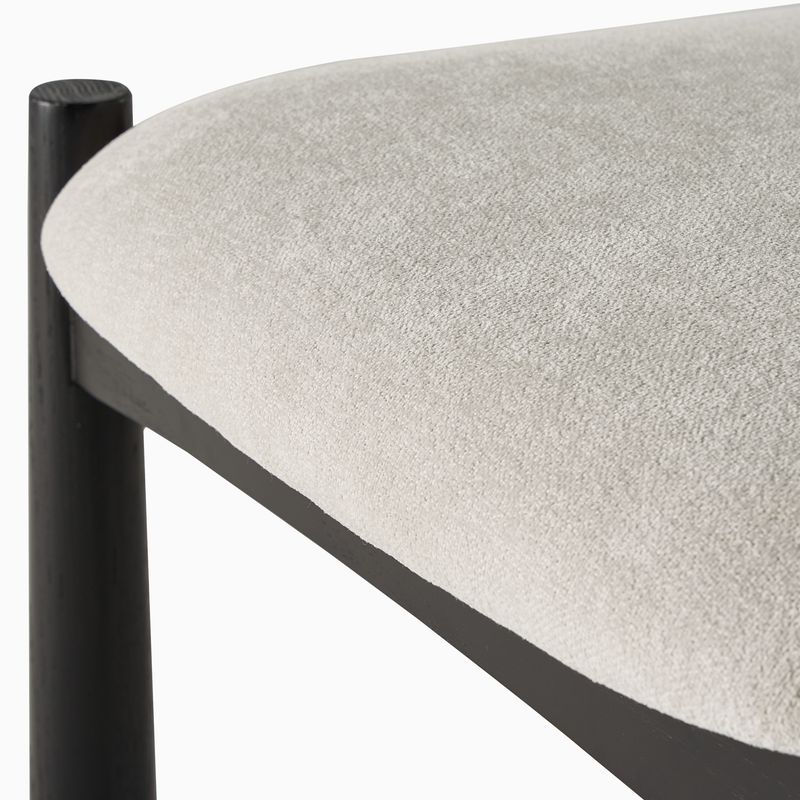
Find Dining Chairs That Fit Your Table and Your Lifestyle
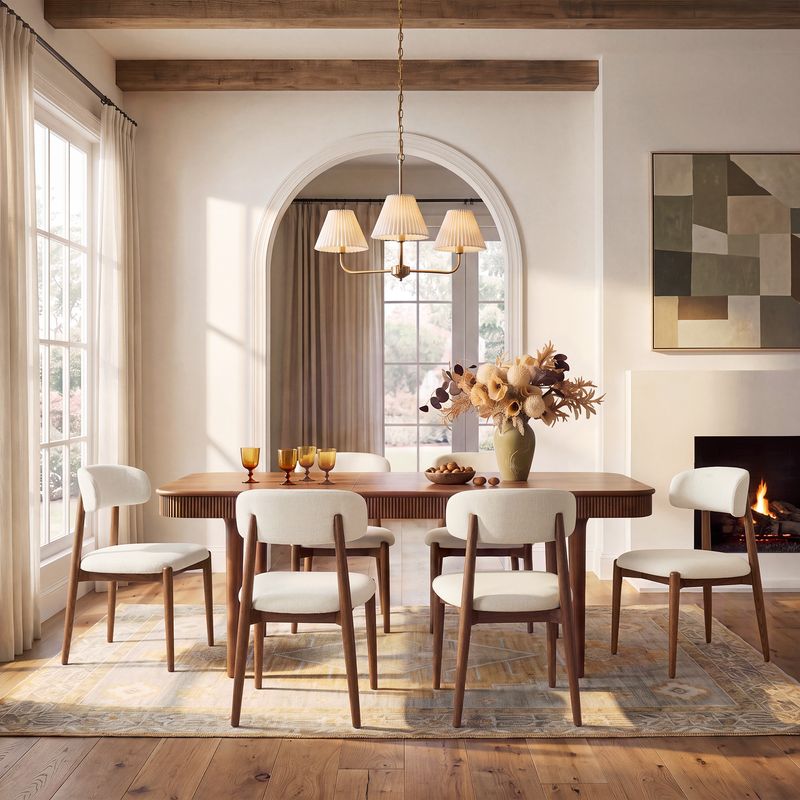
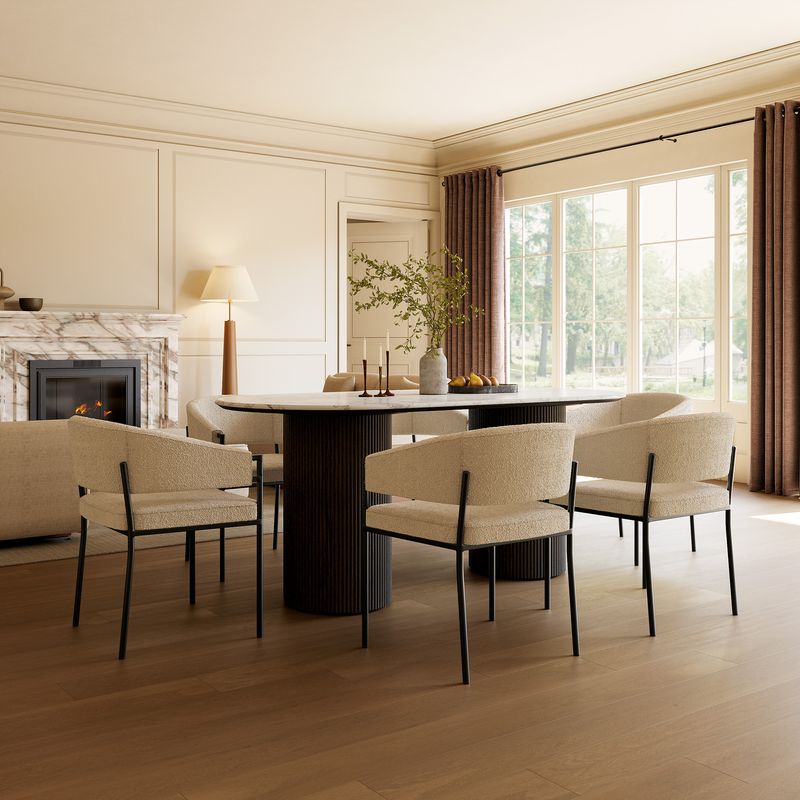
The right dining chair should feel comfortable at the table, fit your available space, and complement the way you use your dining area every day. Whether you are furnishing a dedicated dining room, updating a breakfast nook, or creating a flexible space for meals and conversation, the best choice balances comfort, proportions, materials, and design.
Hernest offers dining chairs in a range of silhouettes and upholstery designs, making it easier to compare options for different dining spaces. From leather-upholstered seating to chairs with clean, versatile profiles, start by considering how much room you have, how long you typically sit during meals, and how much maintenance you want to manage.
Before choosing a style, measure your dining table and the surrounding area. Then compare chair height, width, depth, and armrest clearance with your measurements. These practical checks can help you find dining chairs that look right and work well for everyday use.
Read More
Explore Dining Chair Styles
Dining chairs vary in shape, support, and overall footprint. Understanding these differences can help you select seating that complements your table without overcrowding the room.
Upholstered Dining Chairs for Everyday Comfort
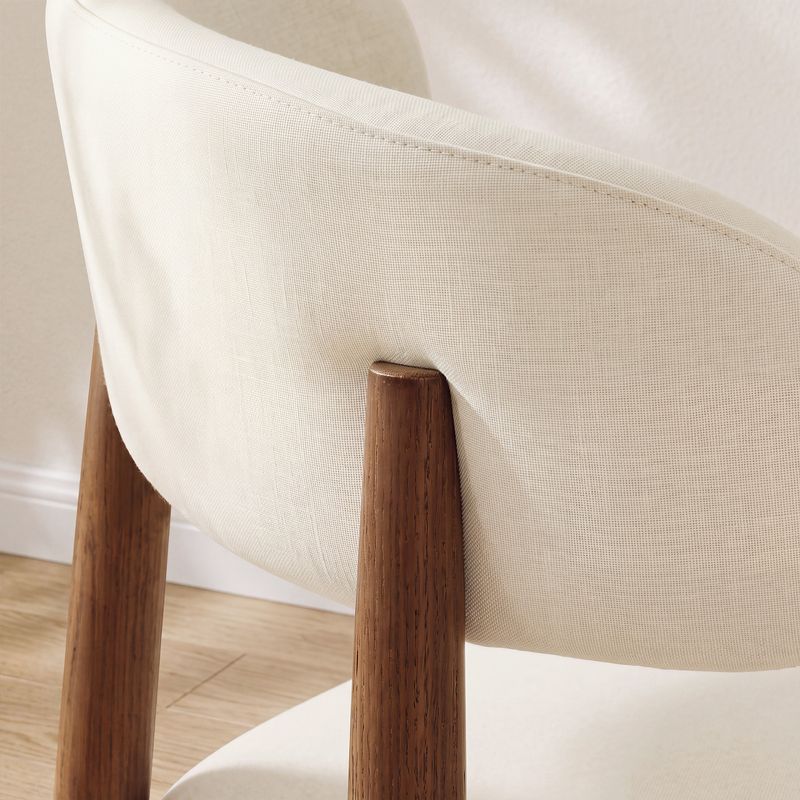
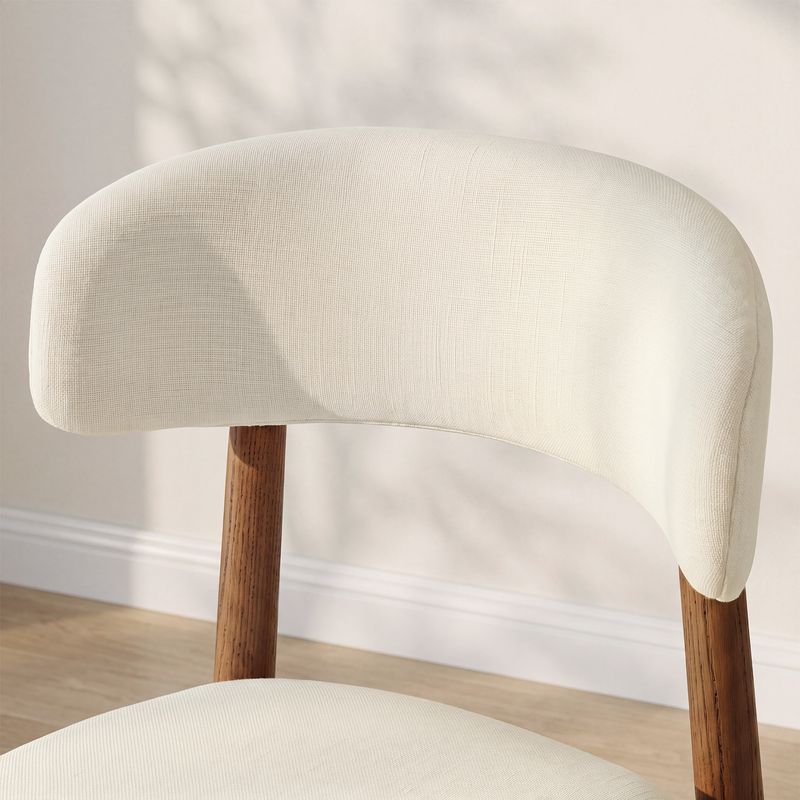
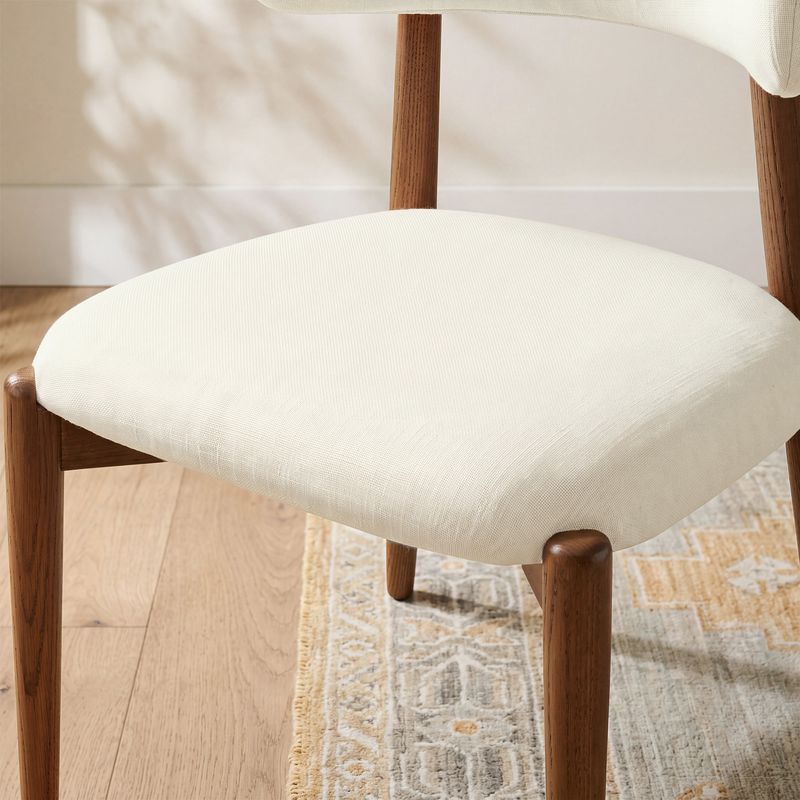
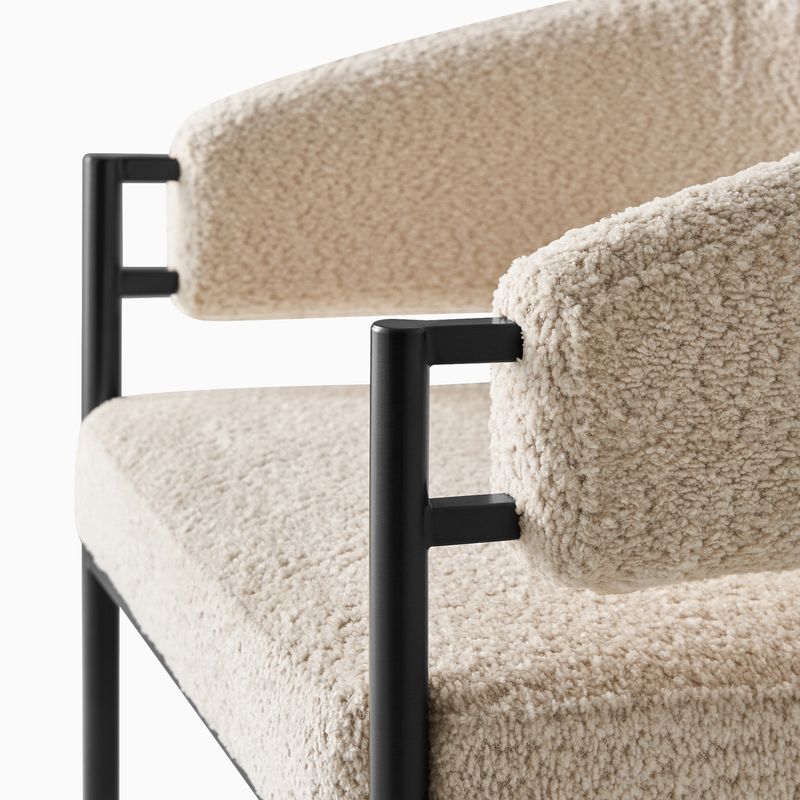
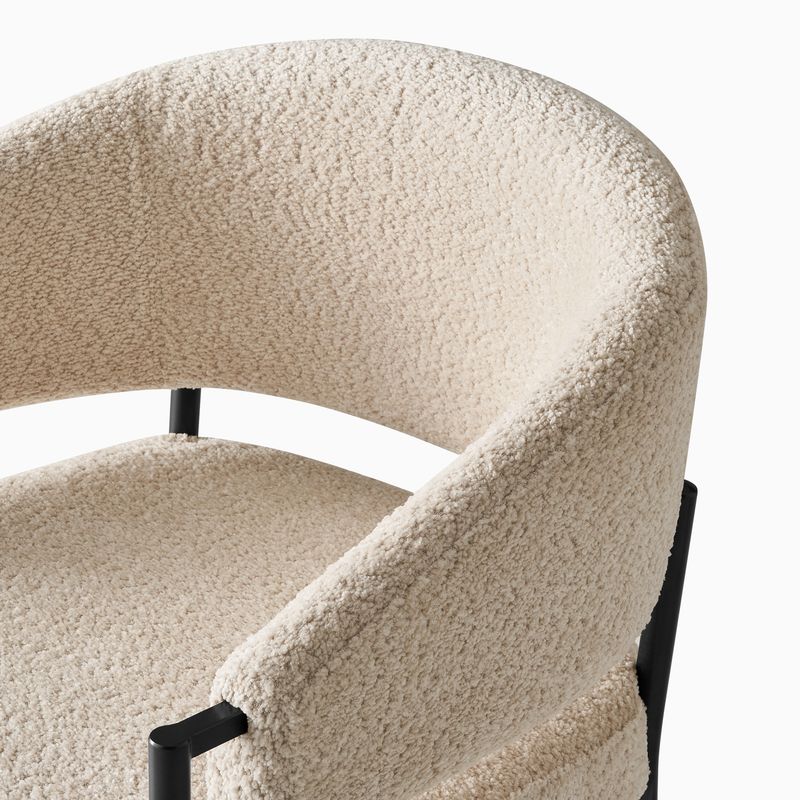
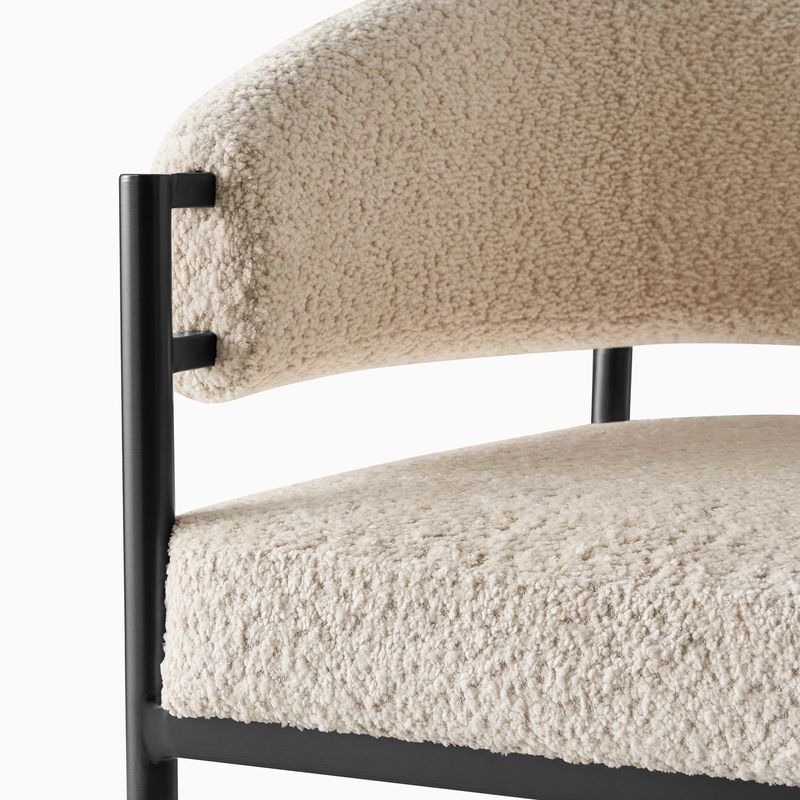
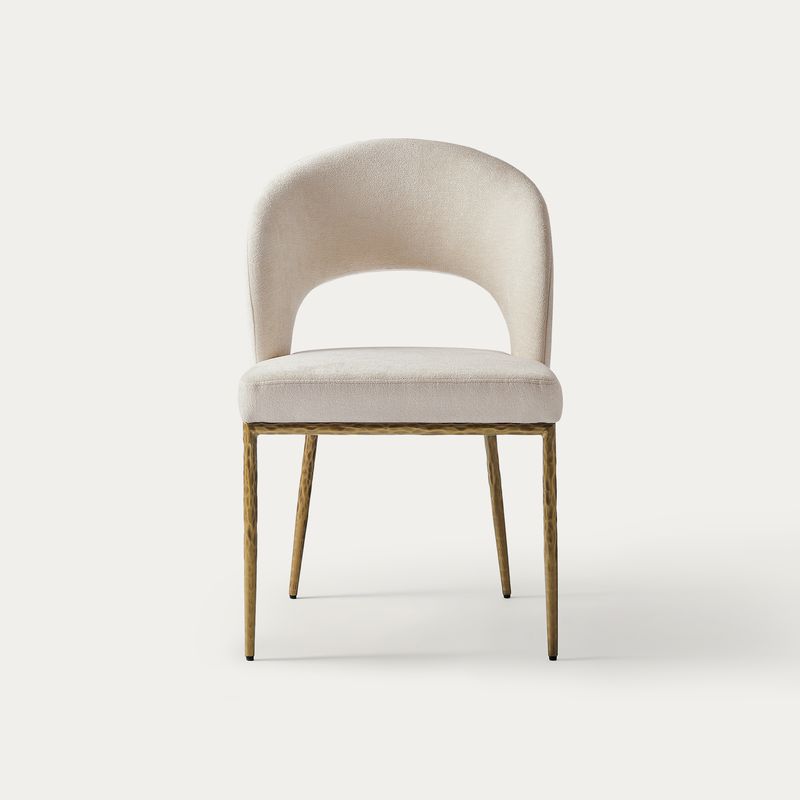
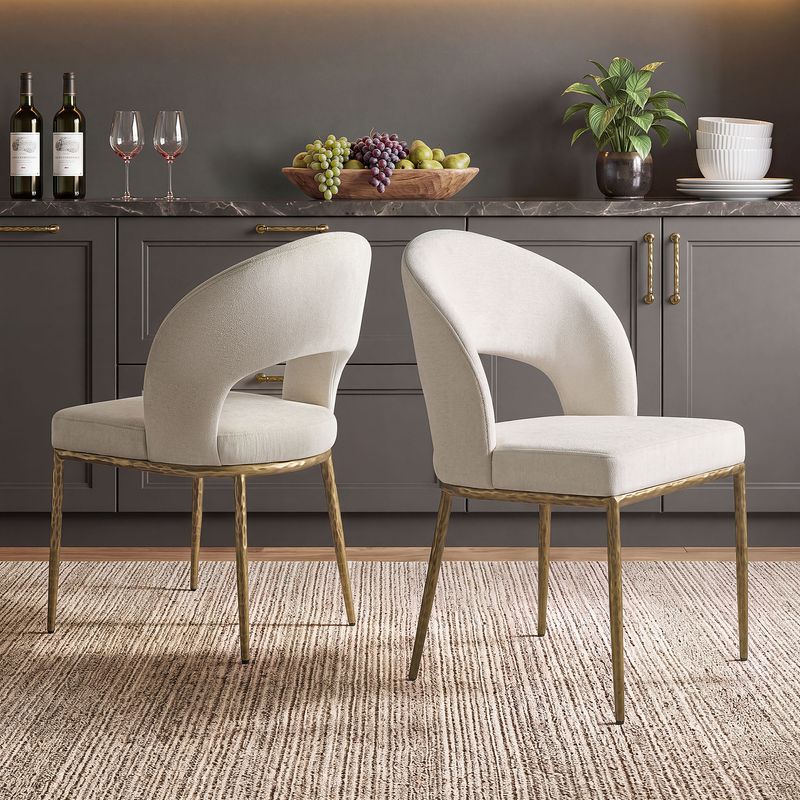
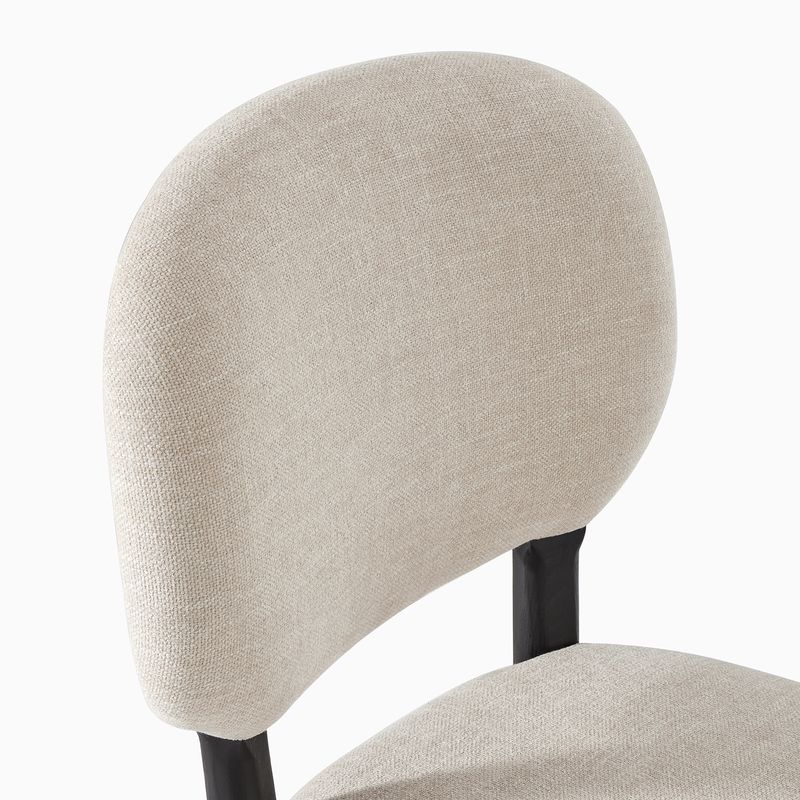
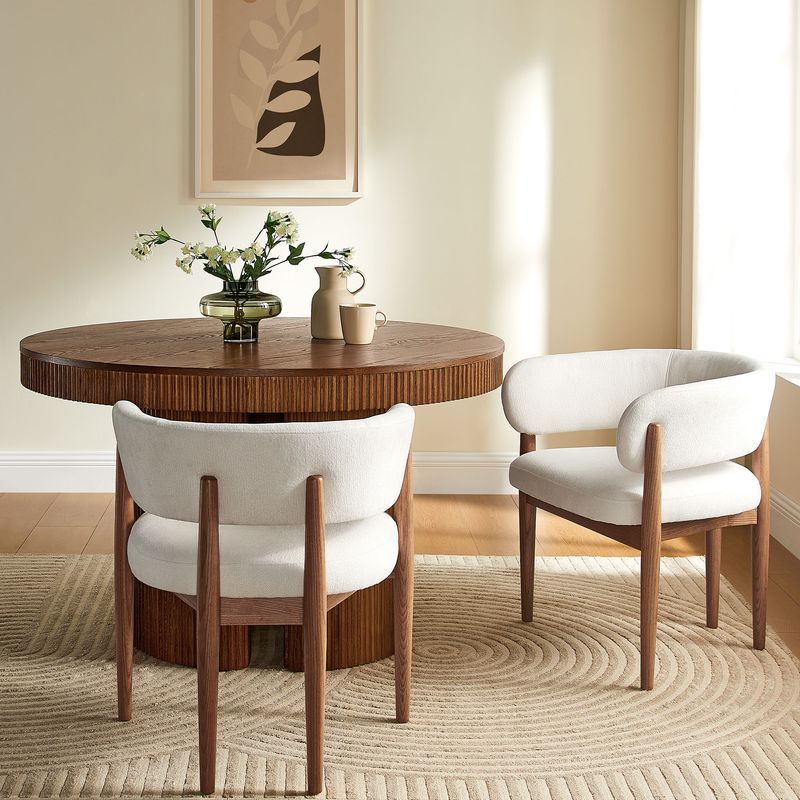
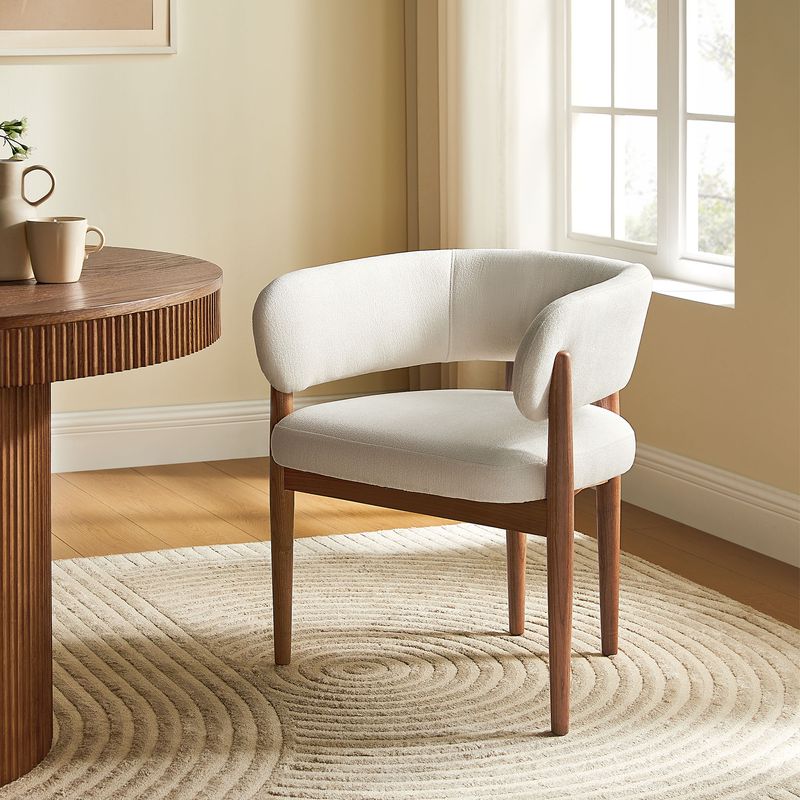
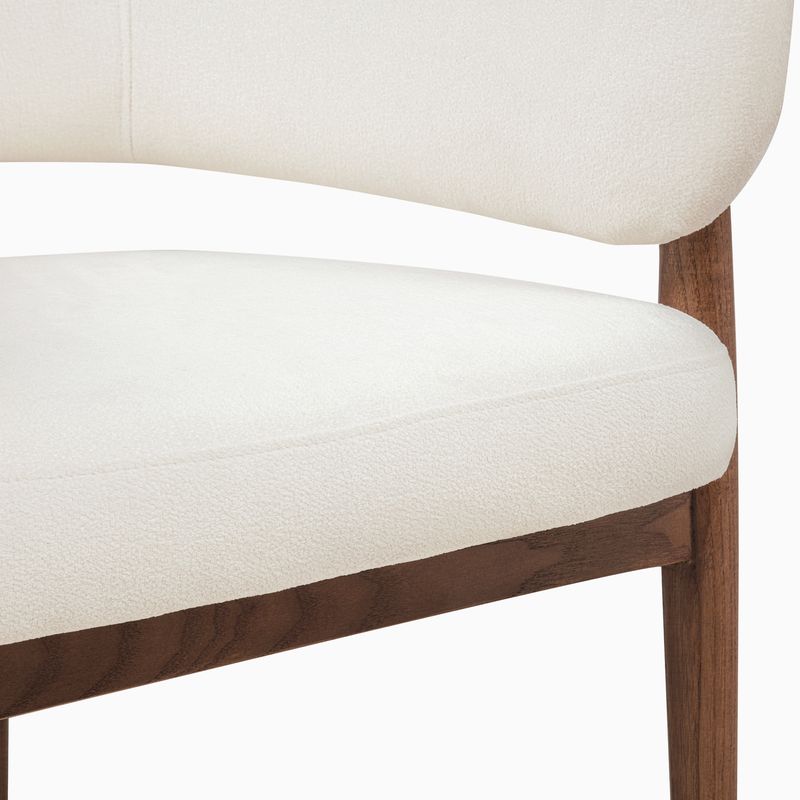
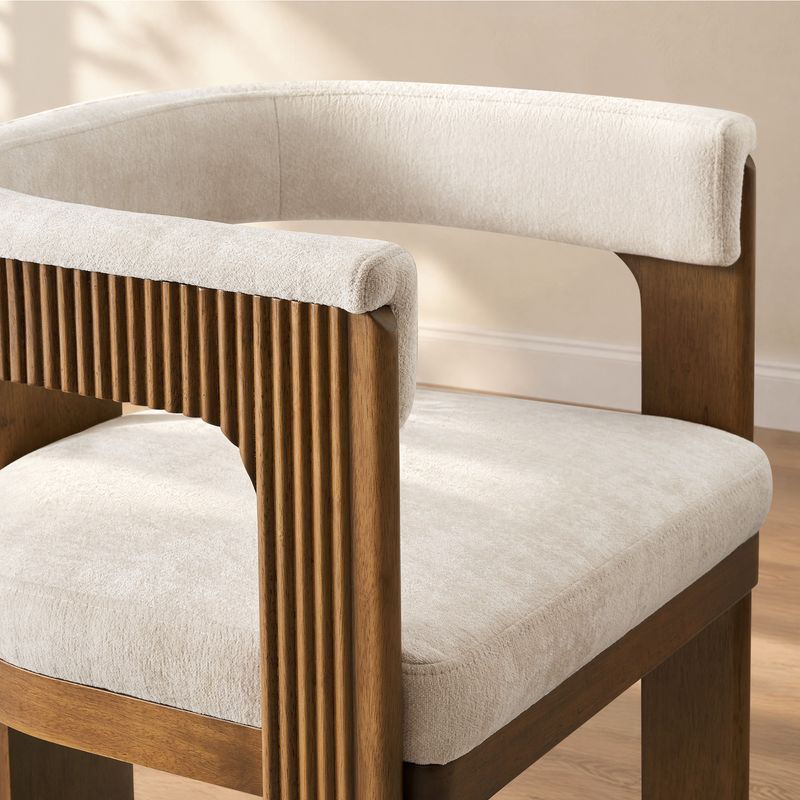
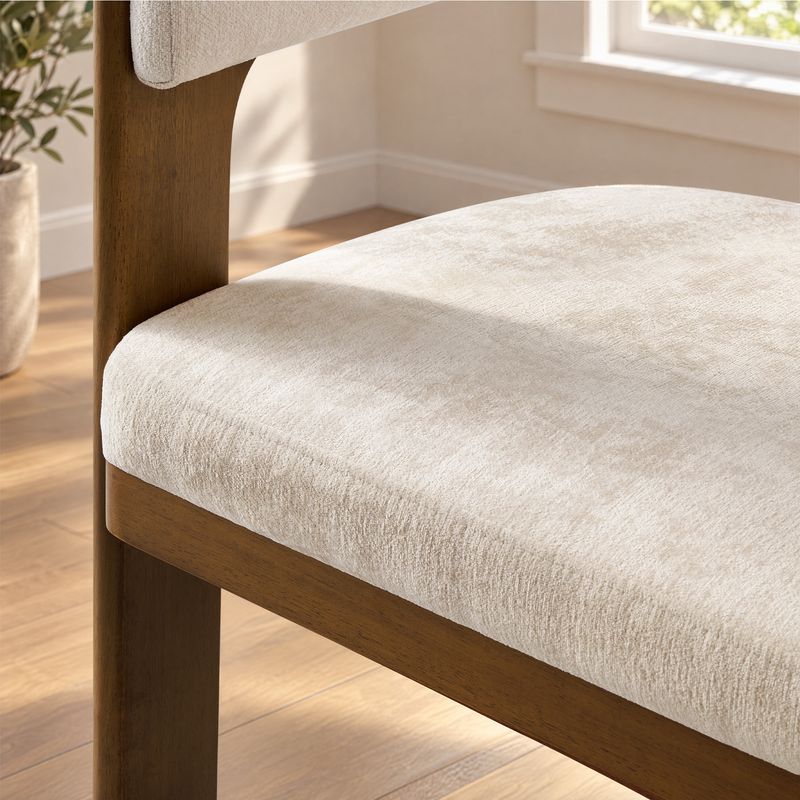
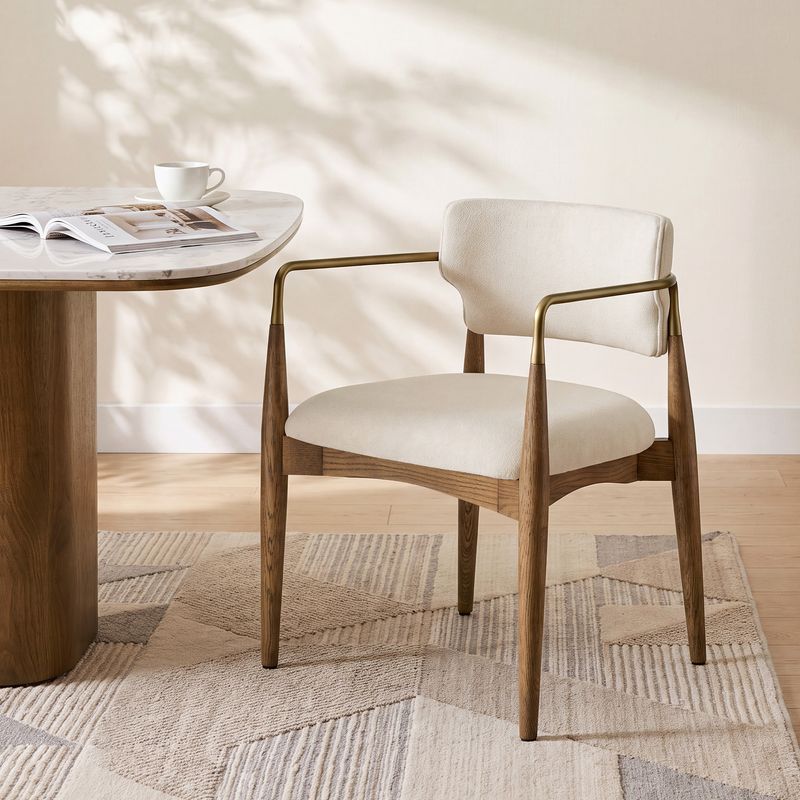
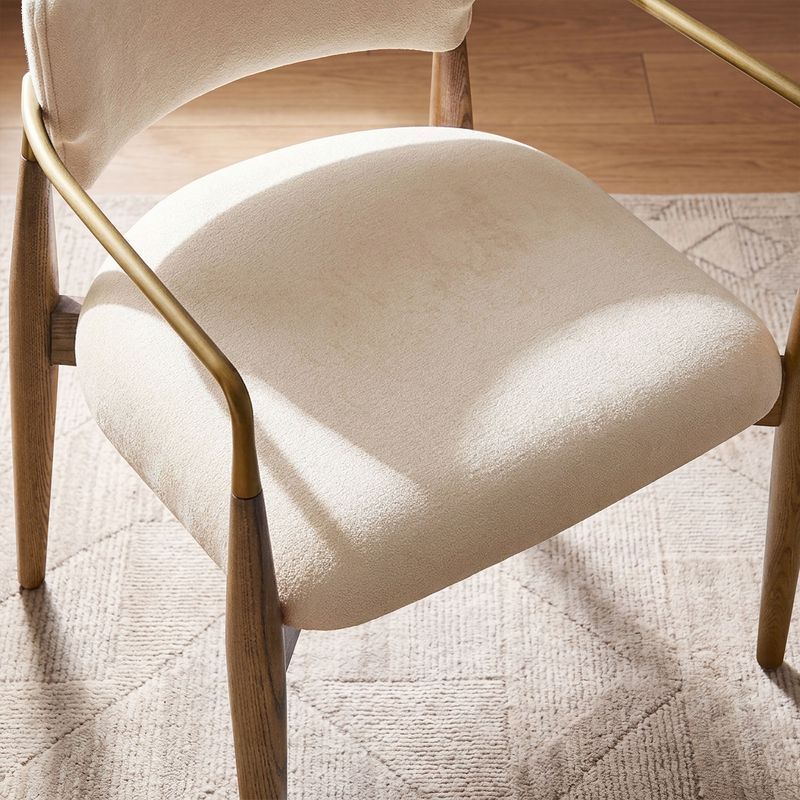
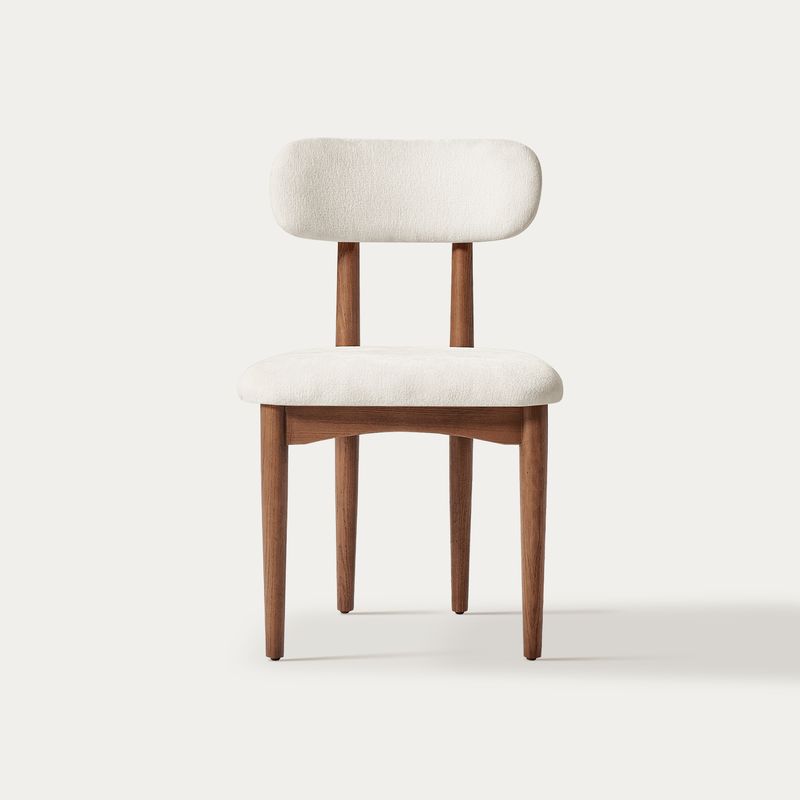
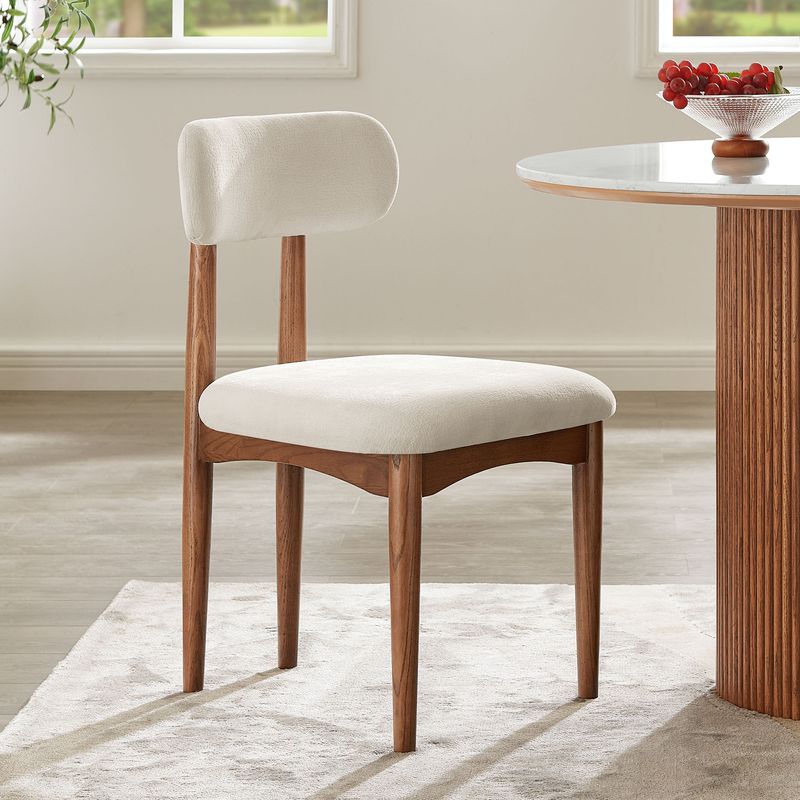
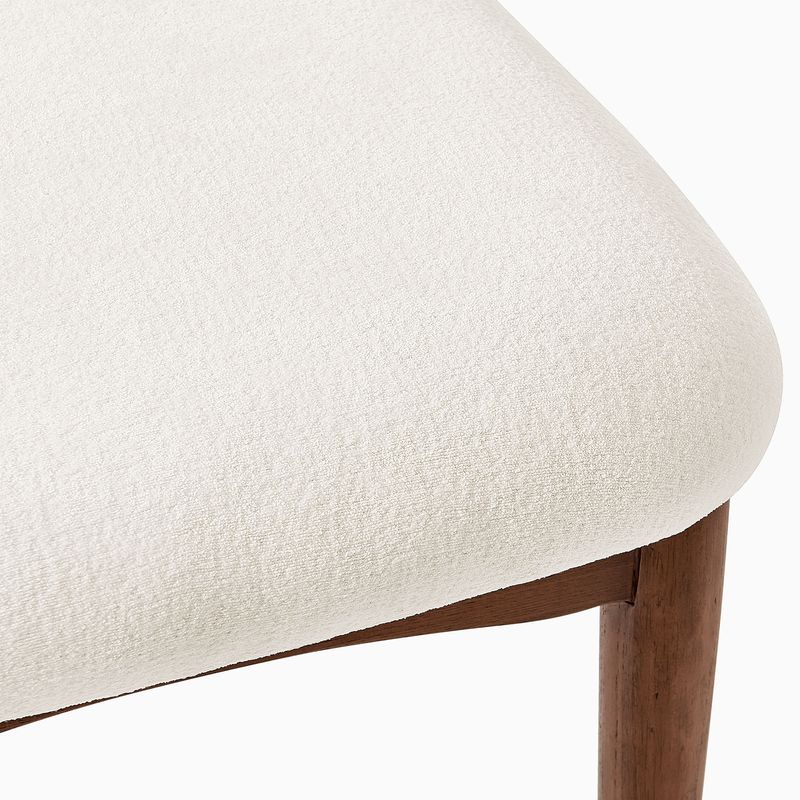
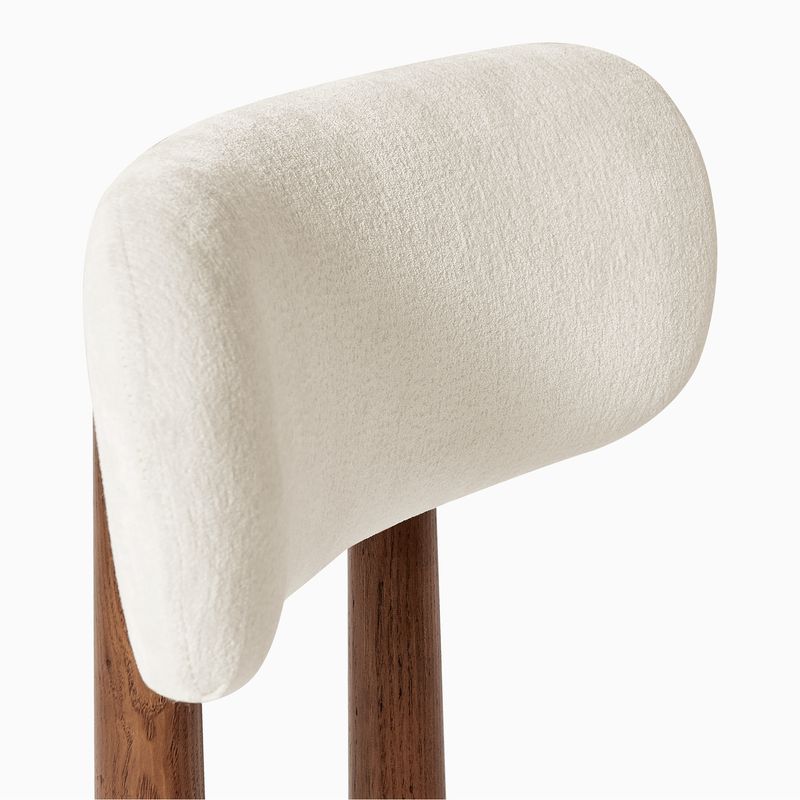
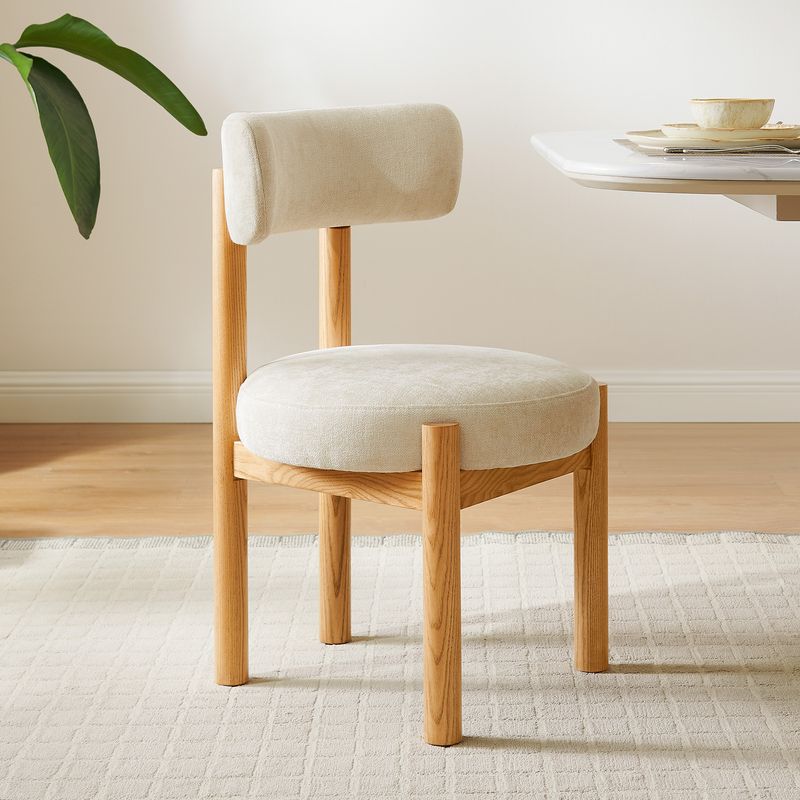
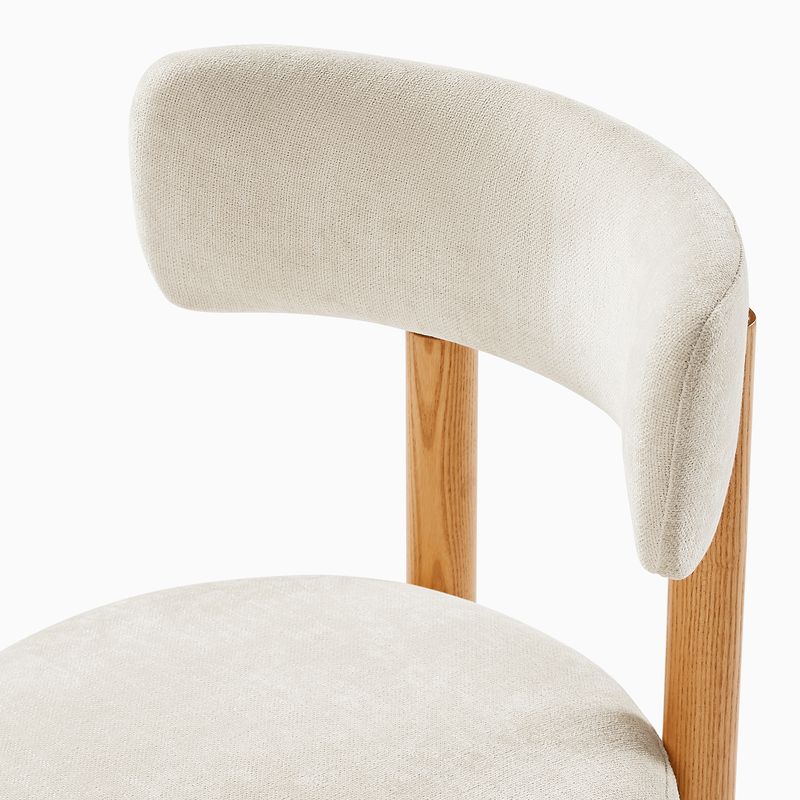
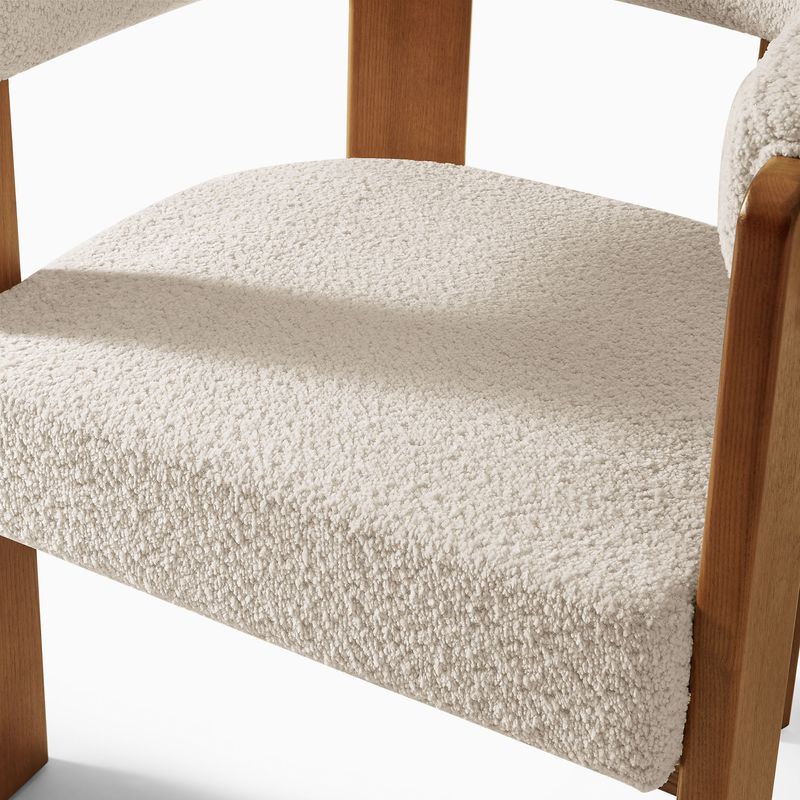
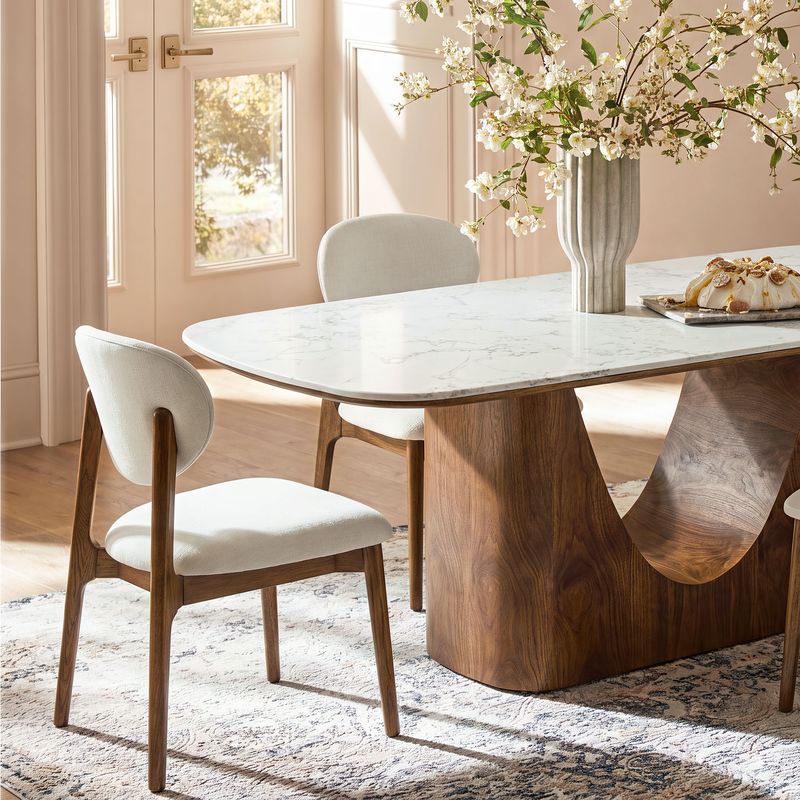
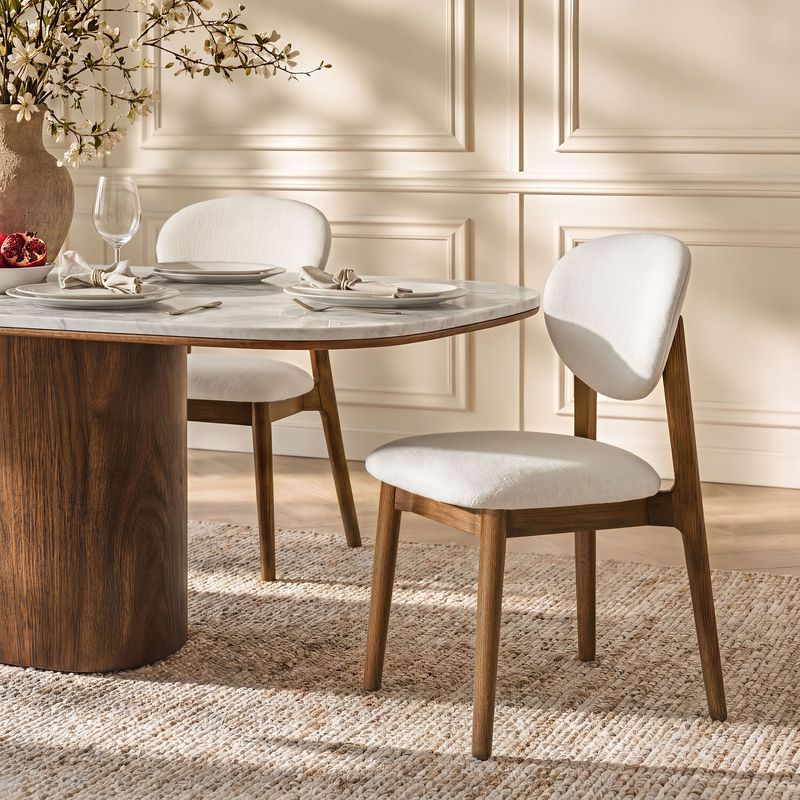
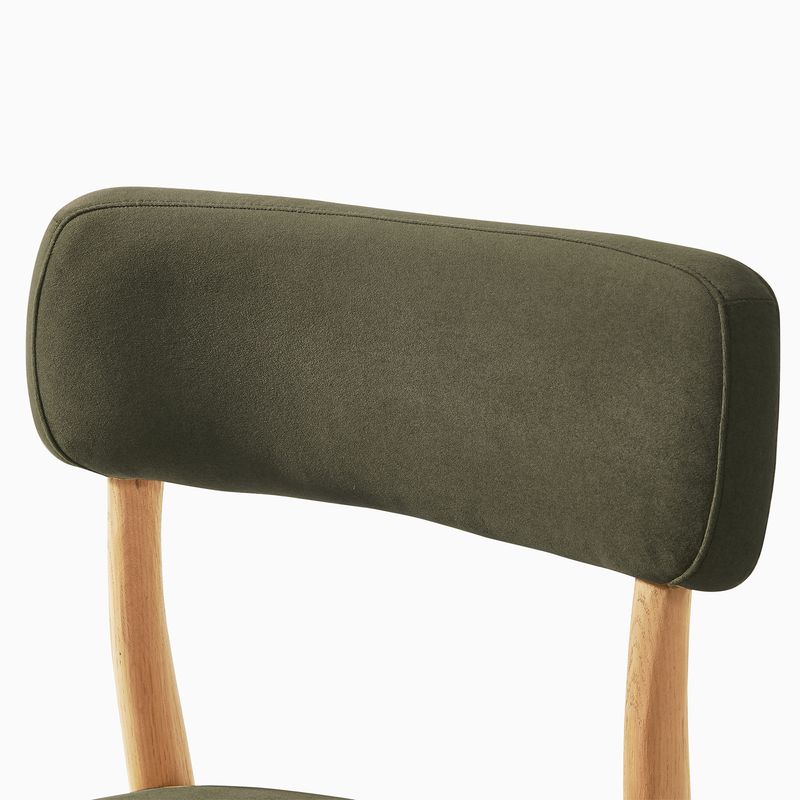
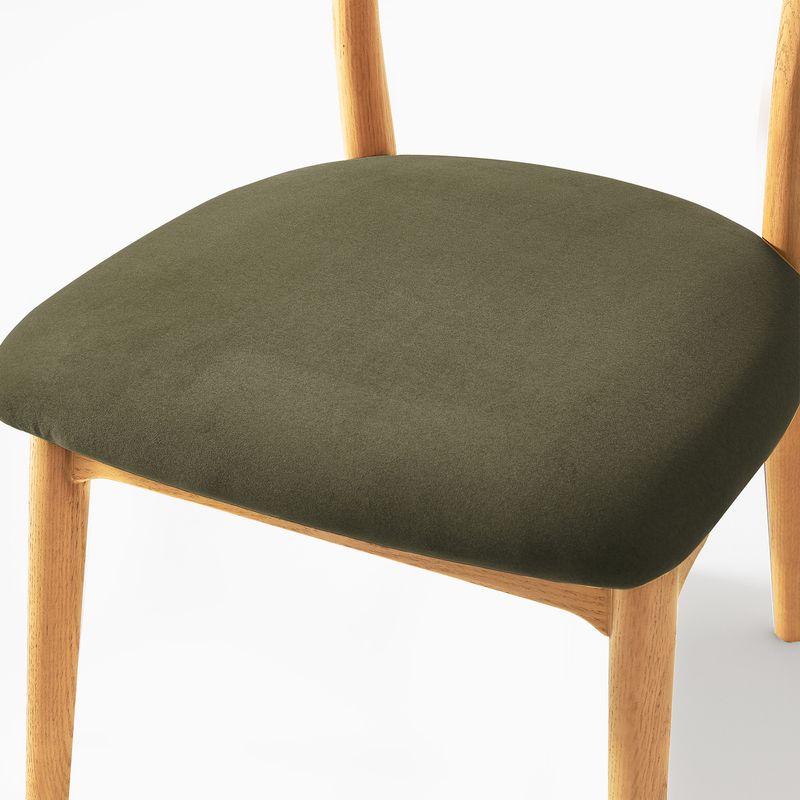
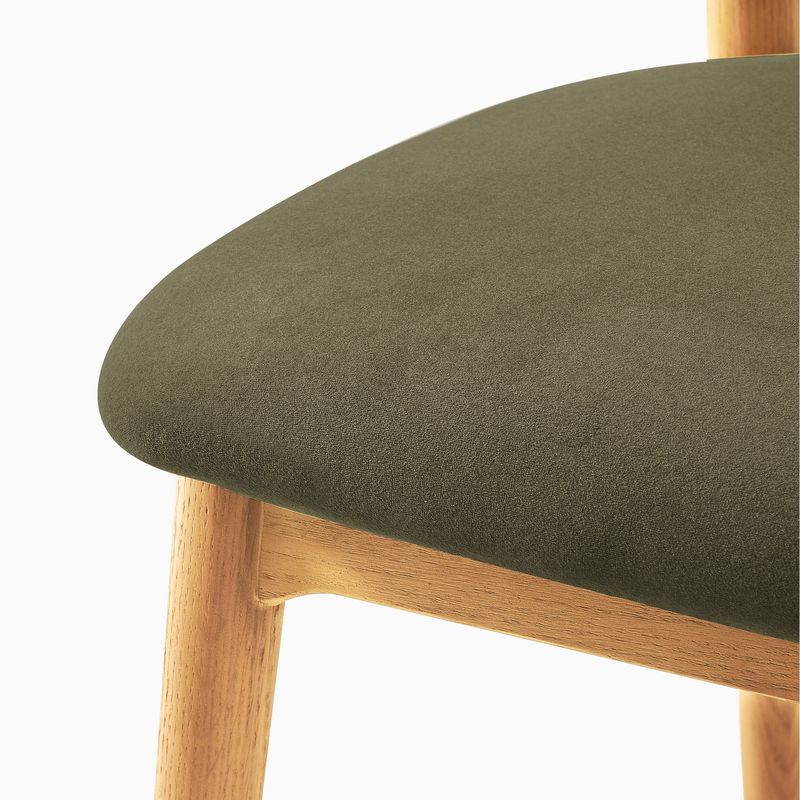
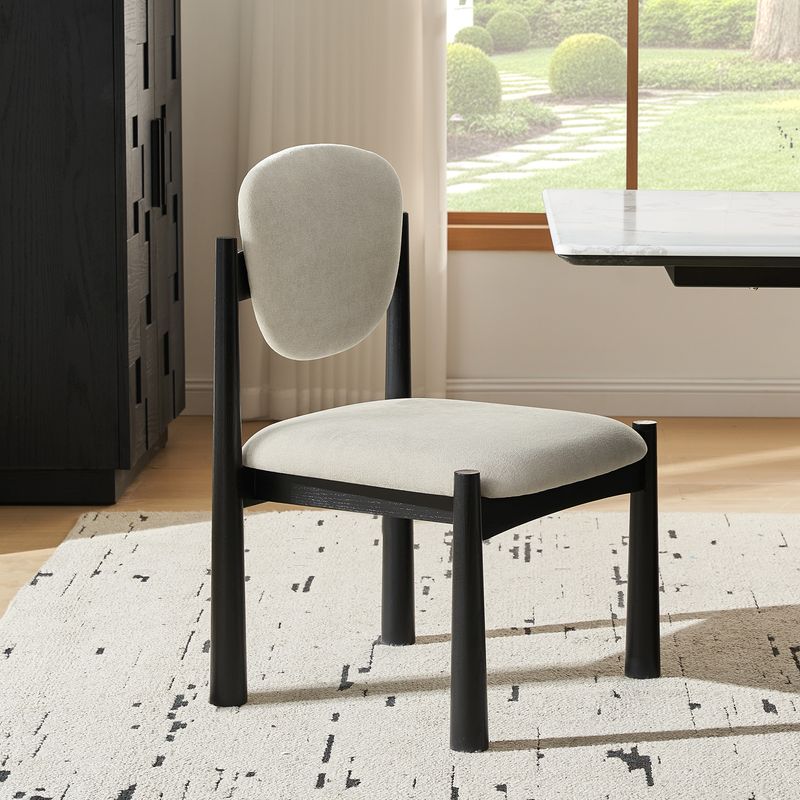
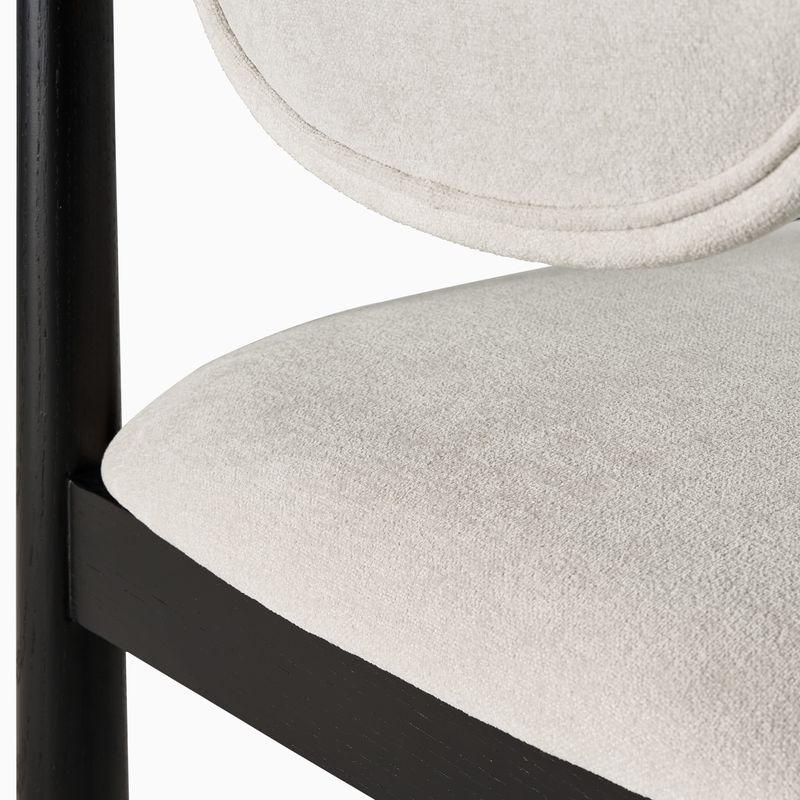
Upholstered dining chairs can make a dining area feel softer and more inviting. Padded seats may be especially useful if your dining table also serves as a place for working, reading, or spending time with family.
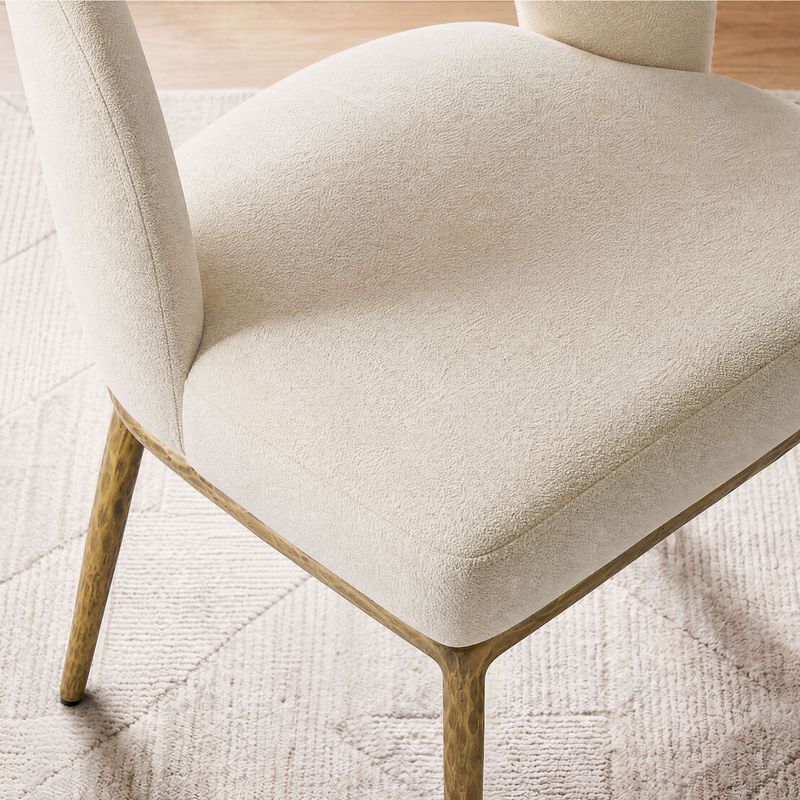
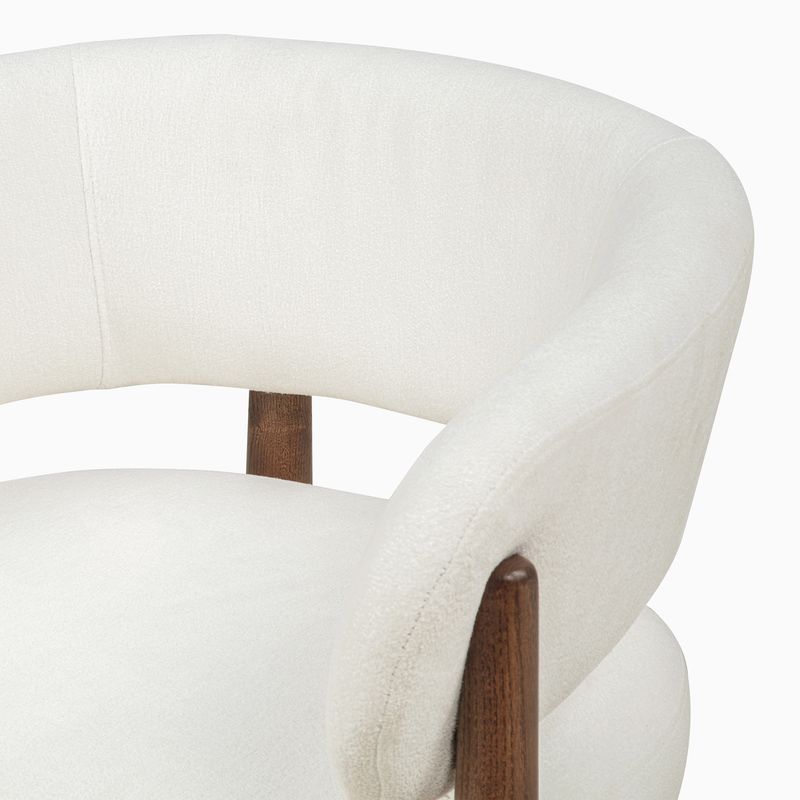
When comparing upholstered dining chairs, consider the upholstery material, seat construction, and care instructions. The right option depends on your routine: a household that regularly hosts meals may prioritize easy maintenance, while someone furnishing a formal dining area may place more emphasis on texture and appearance.
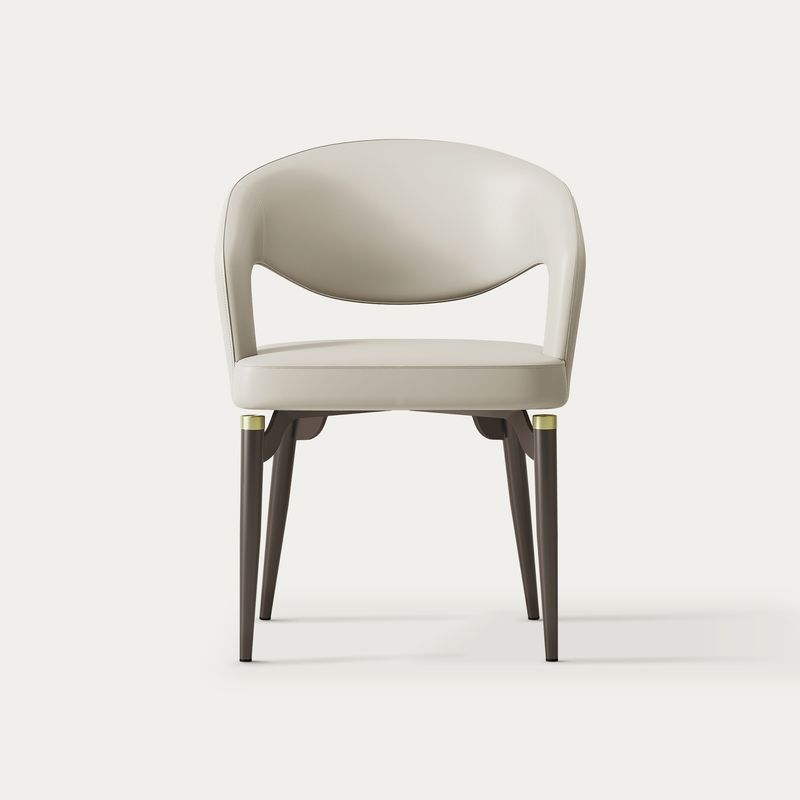
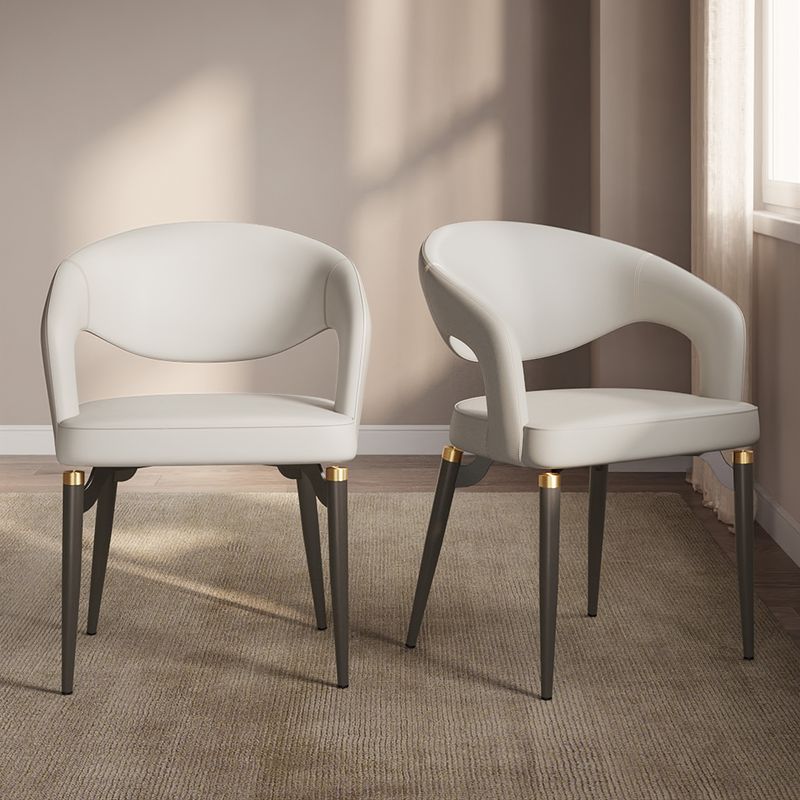
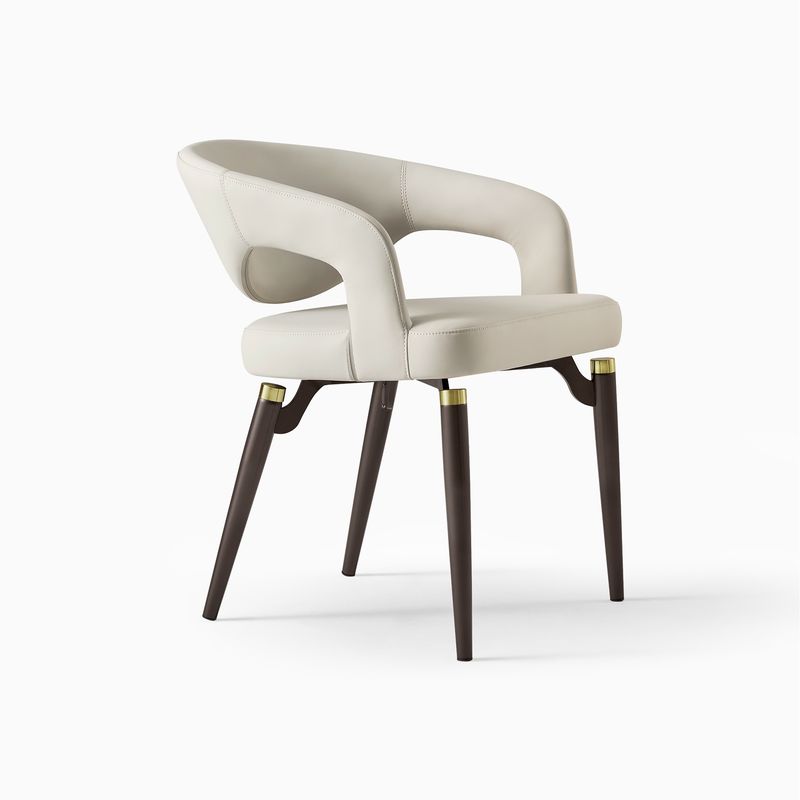
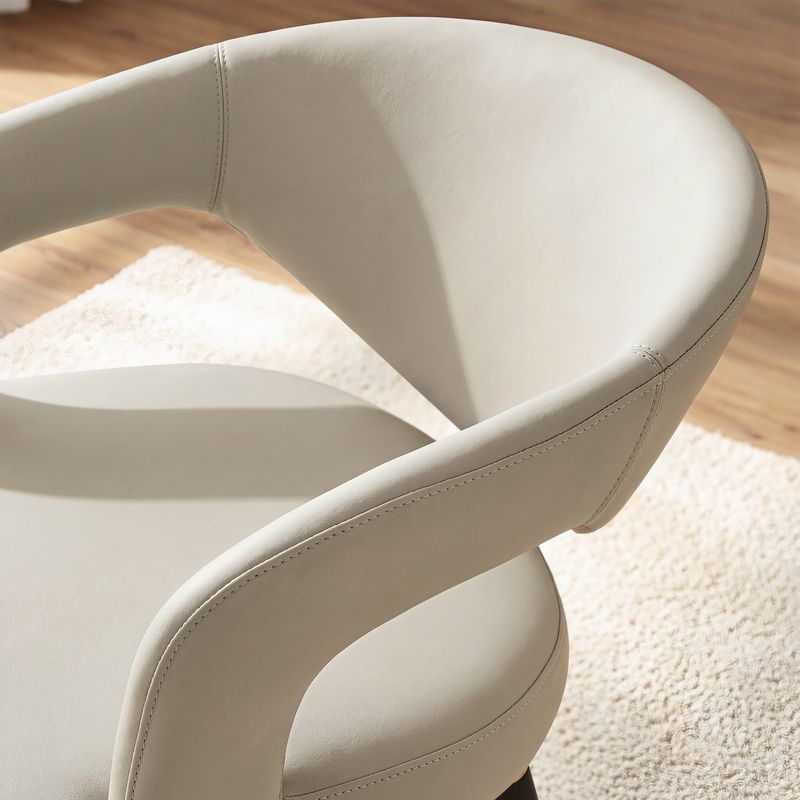
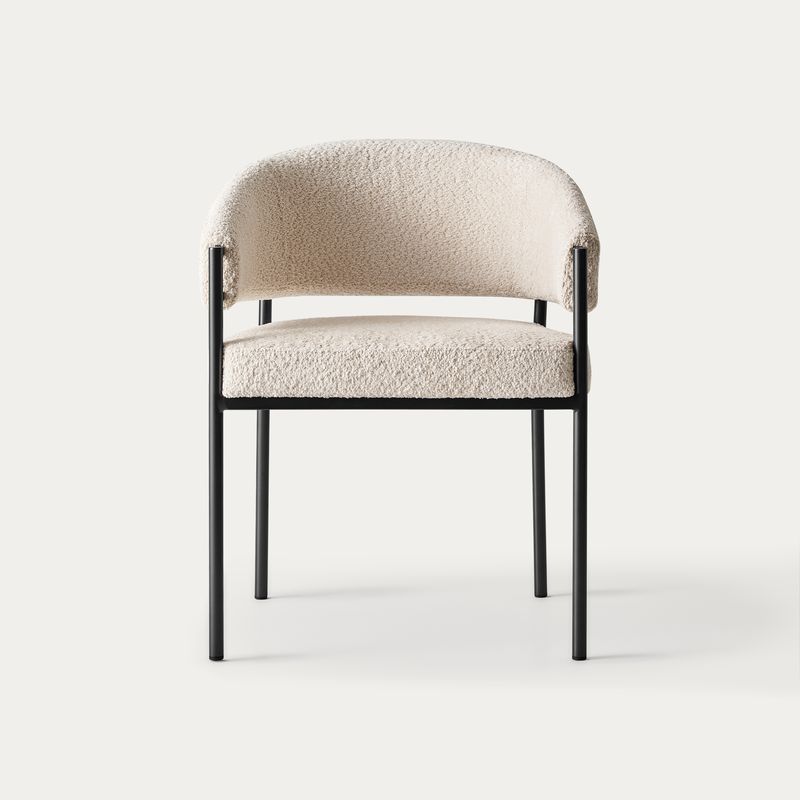
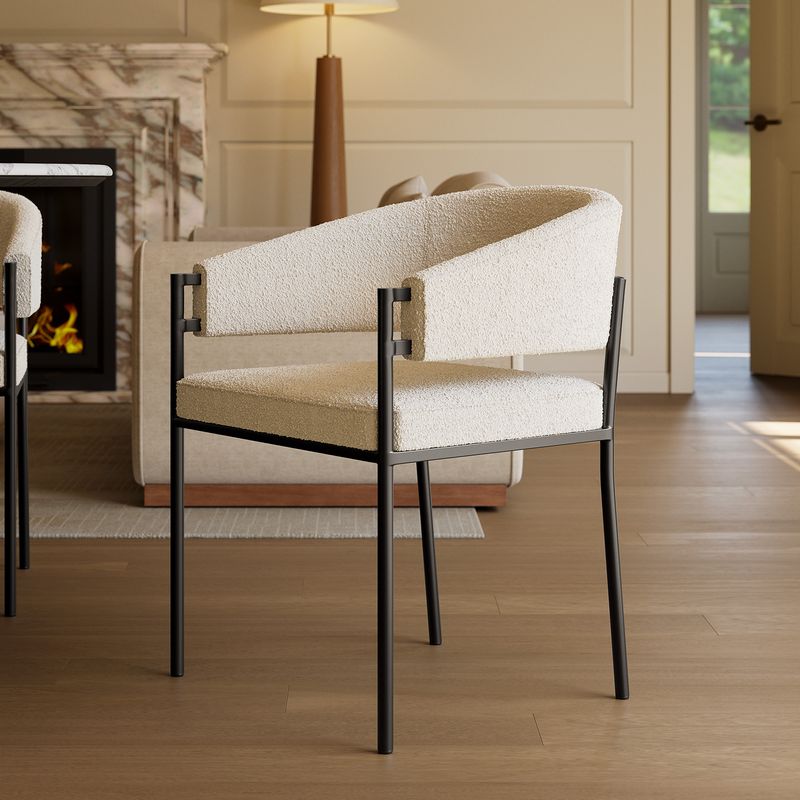
For a leather-look design, explore the Liliana Armrest Leather Dining Chairs (Set of 2).
Dining Arm Chairs for Added Support
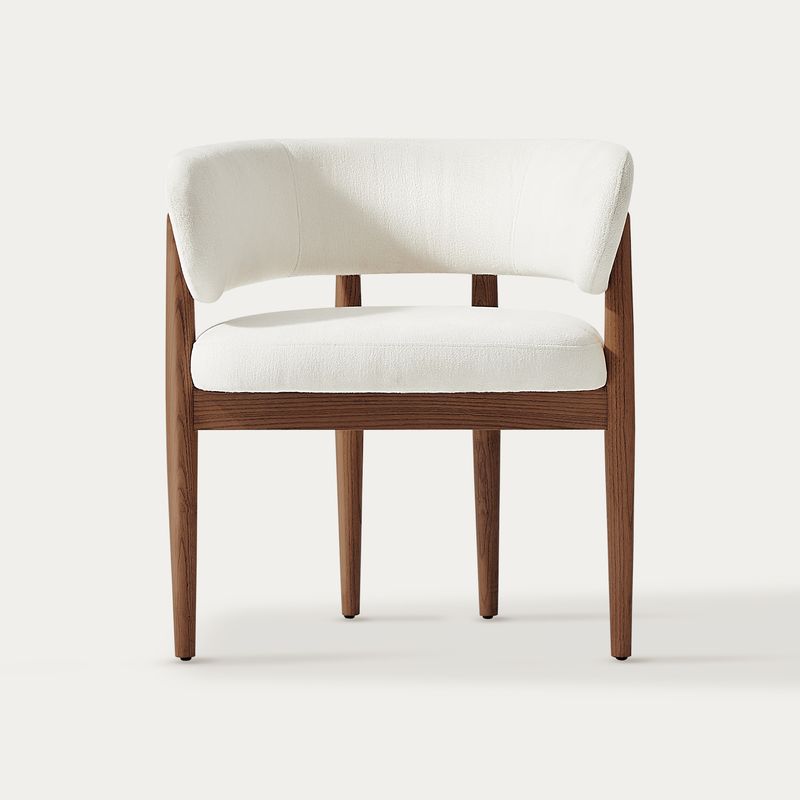
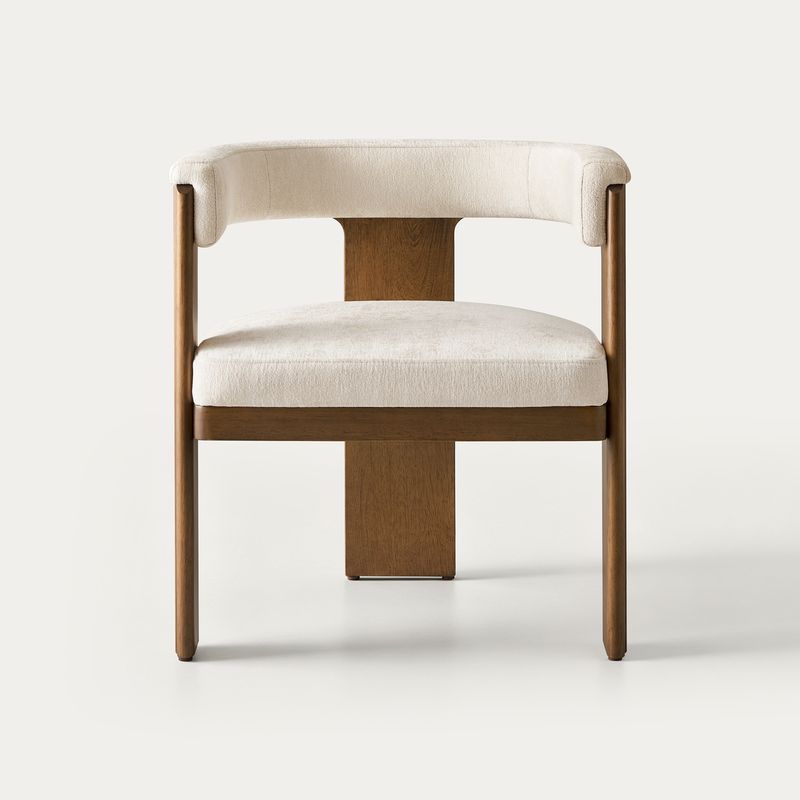
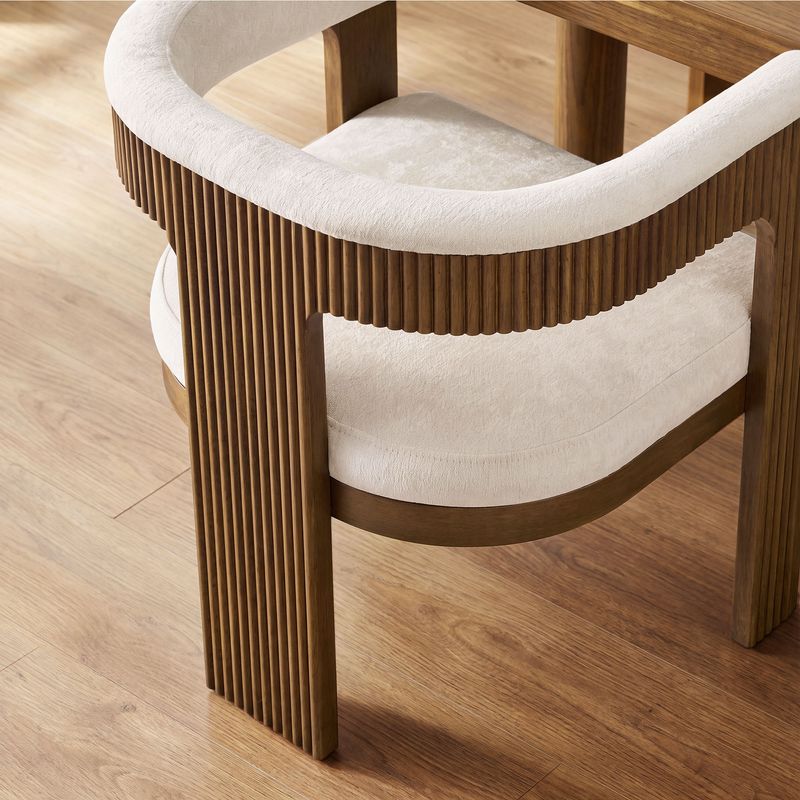
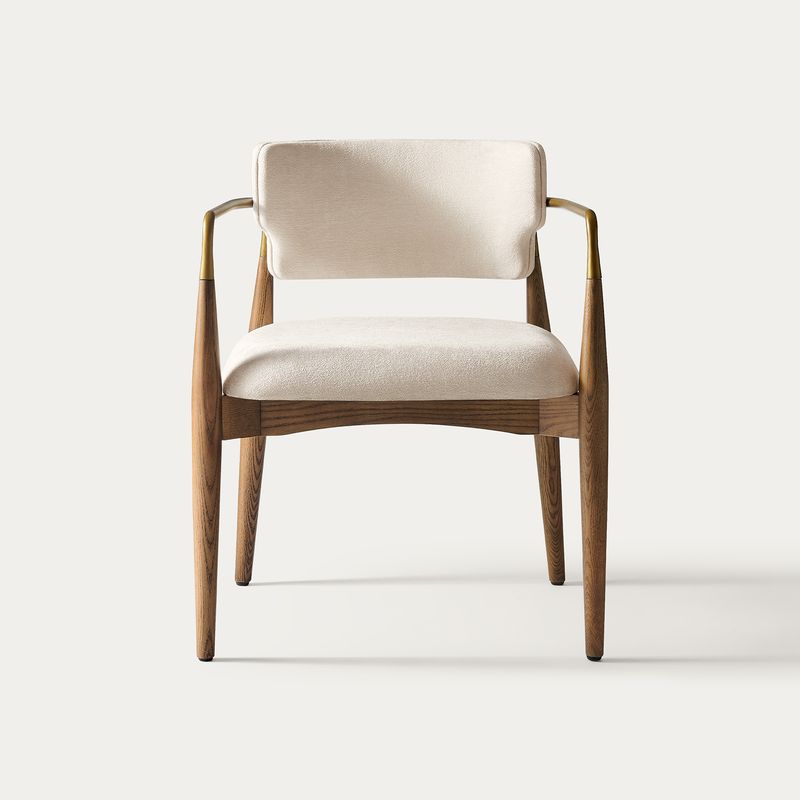
A dining arm chair includes armrests that can provide additional support while sitting. Armchairs can work well at the ends of a rectangular dining table, where they help define the arrangement and create a more substantial silhouette.
However, armrests require extra clearance. Measure the height from the floor to the underside of your table and compare it with the chair's arm height. Check the chair's width as well, especially if you plan to place several seats close together.
The Liliana Armrest Leather Dining Chairs (Set of 2) are worth considering if you want dining seating with armrests and a faux-leather upholstered design.
Armless Dining Chairs for Flexible Seating
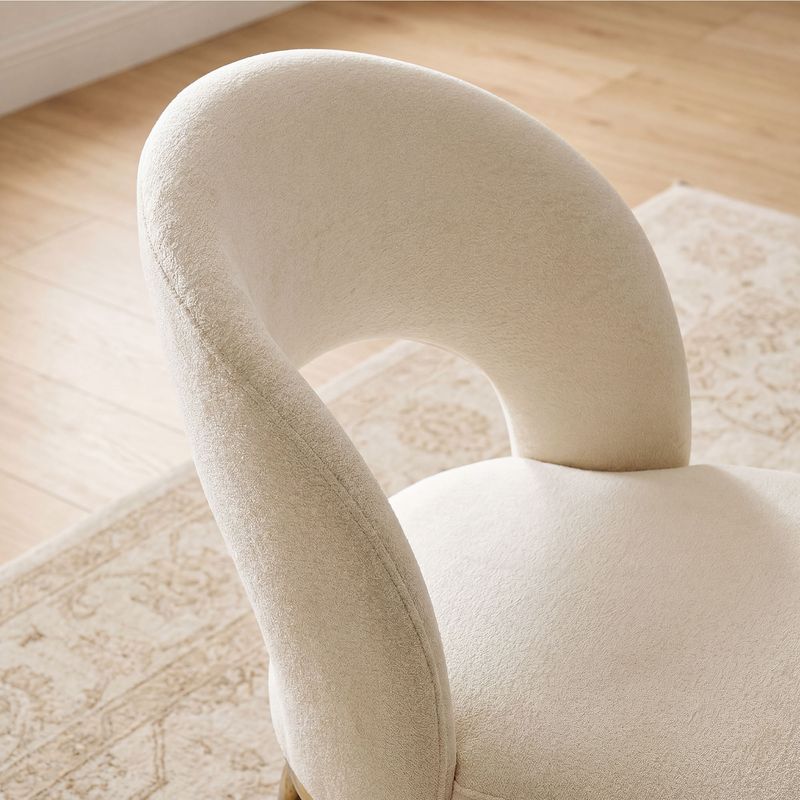
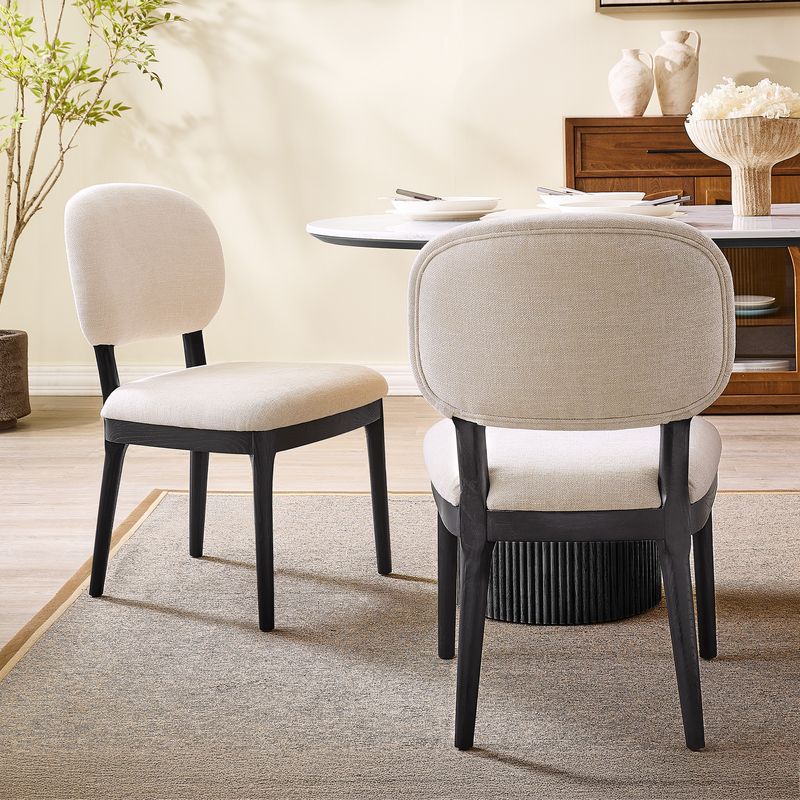
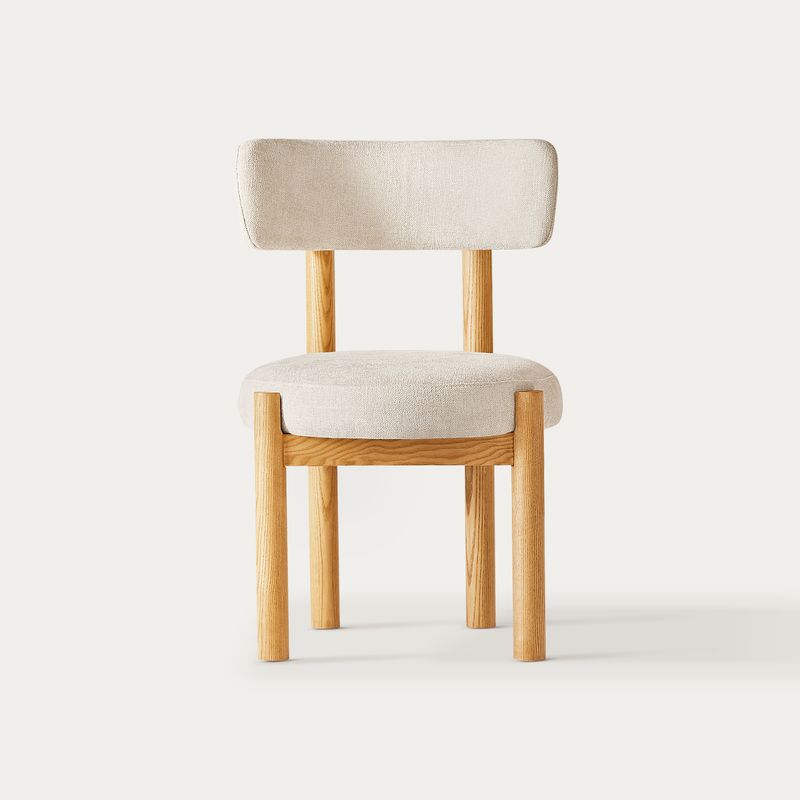
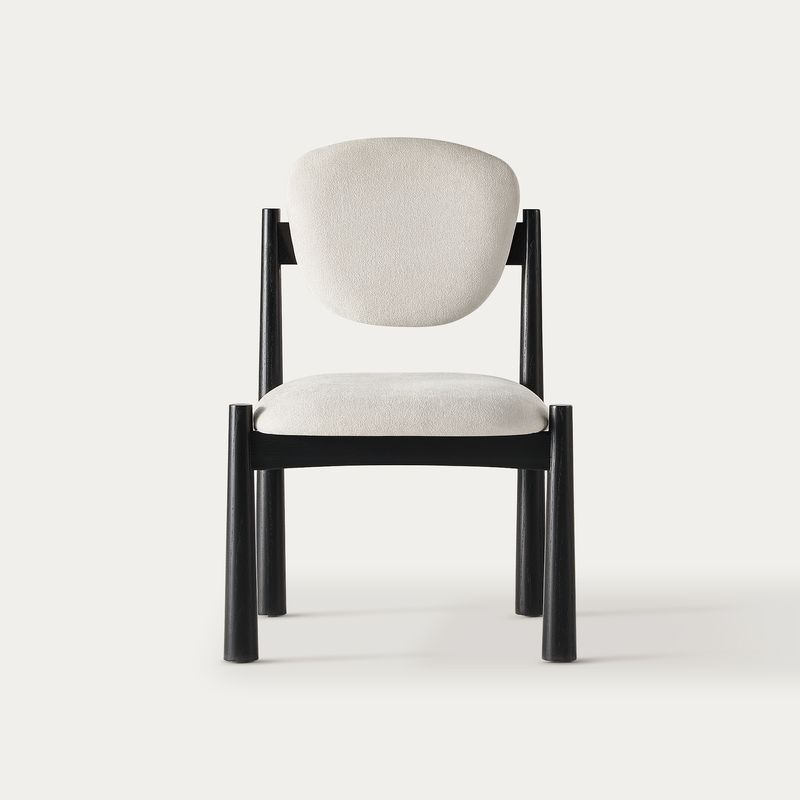
Armless dining chairs can be easier to position around a table because they do not require additional space for armrests. Depending on their width and shape, they may help you accommodate more seats in a compact dining area.
They are also easy to move when you need to adjust the layout for guests or everyday activities. Before buying, compare the actual dimensions rather than assuming that every armless chair is compact. Seat width, back shape, and leg placement all affect how much room a chair occupies.
If you regularly host gatherings, consider how far each chair needs to move away from the table and whether nearby walls or furniture could restrict movement.
Dining Chairs with Wood Frames and Leather Upholstery
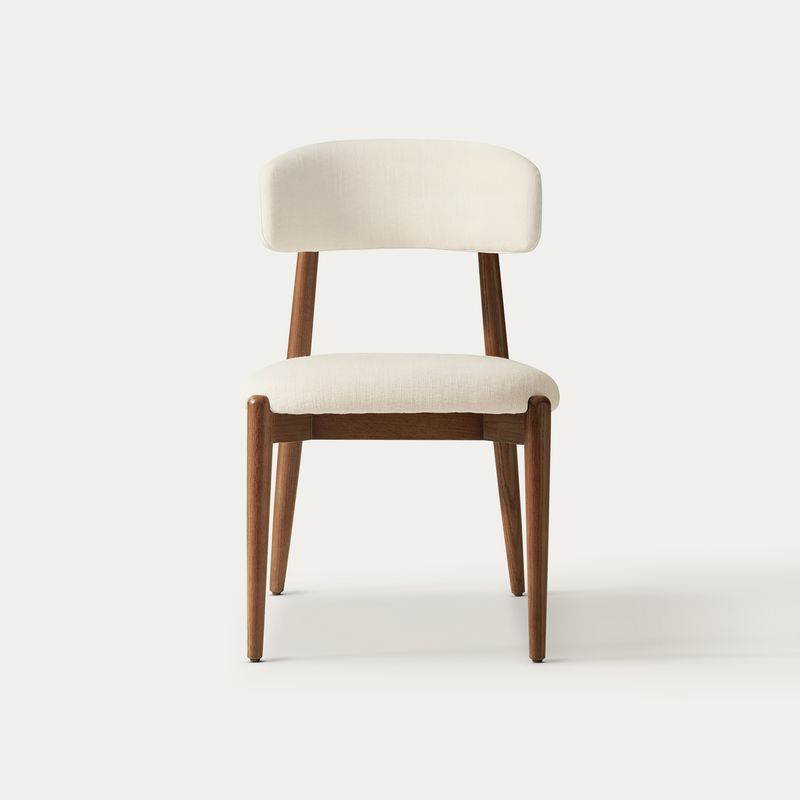
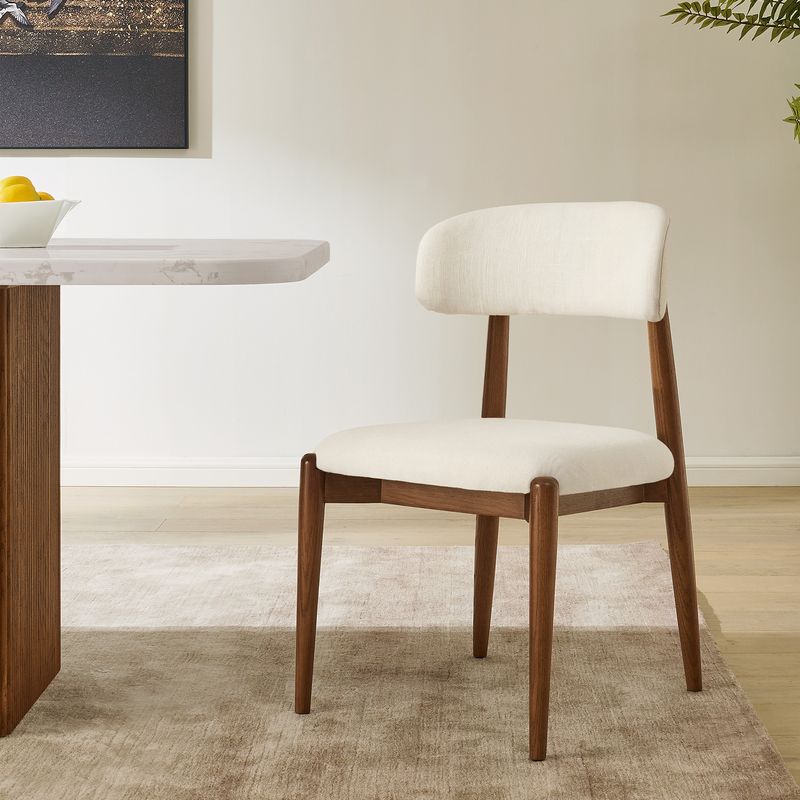
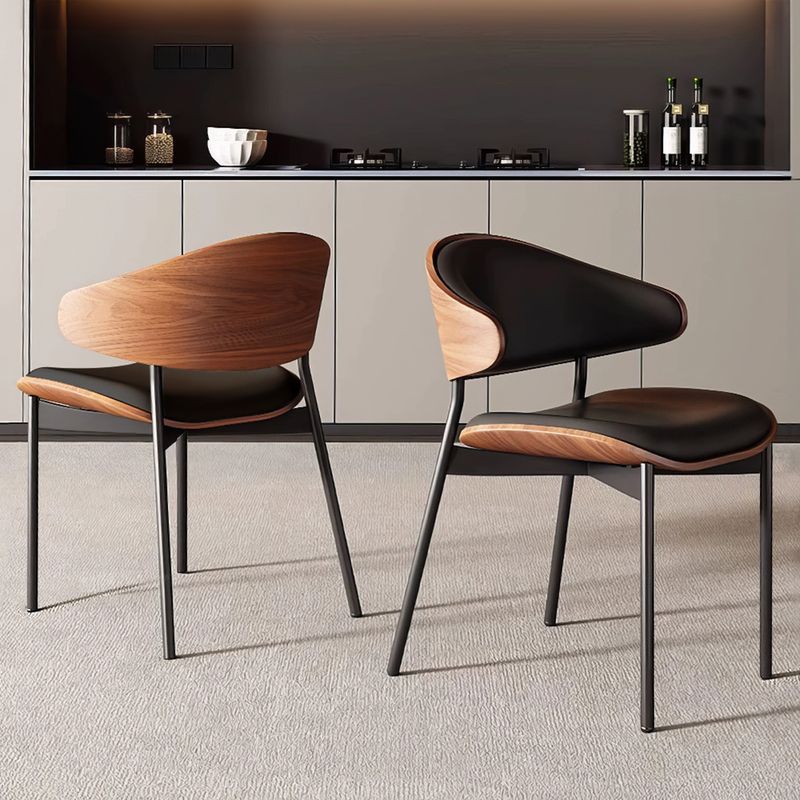
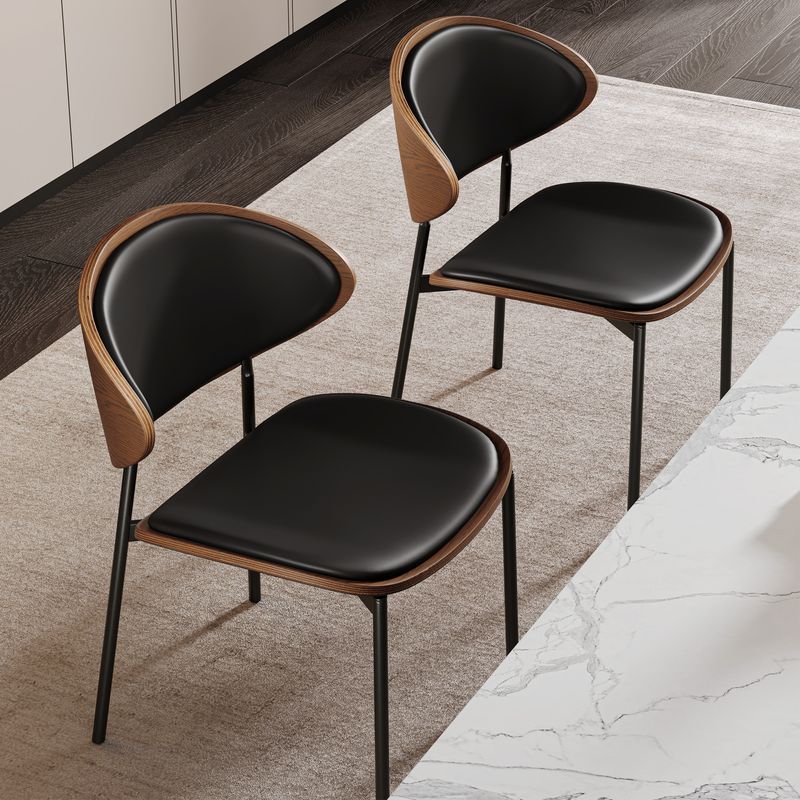
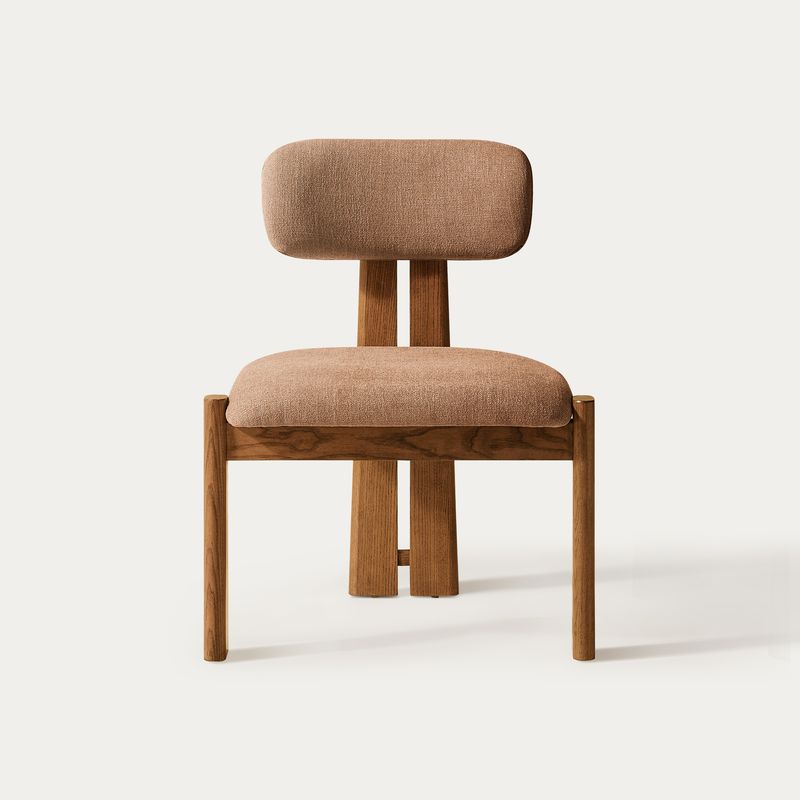
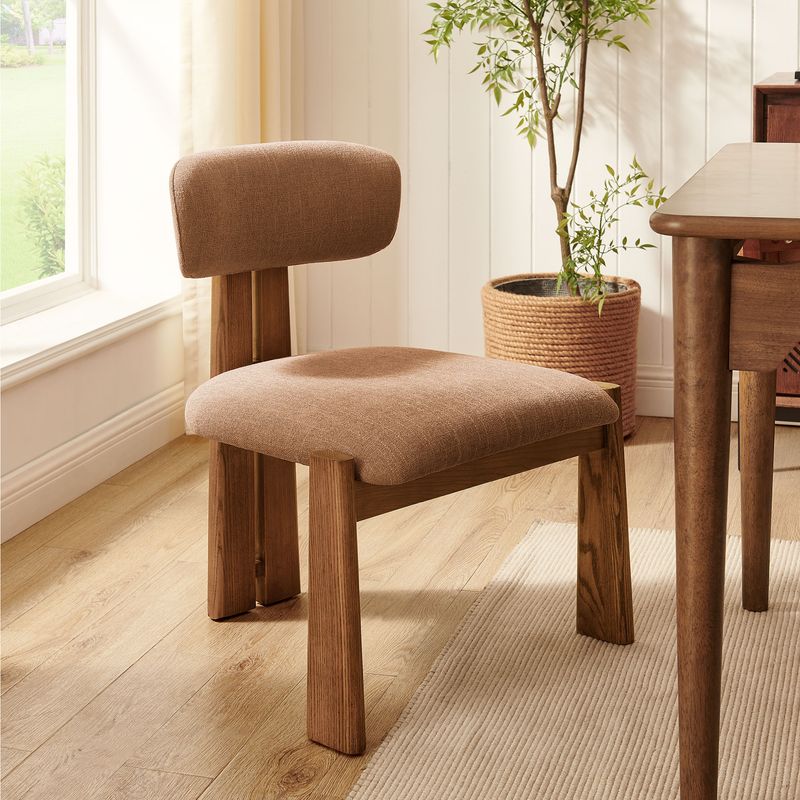
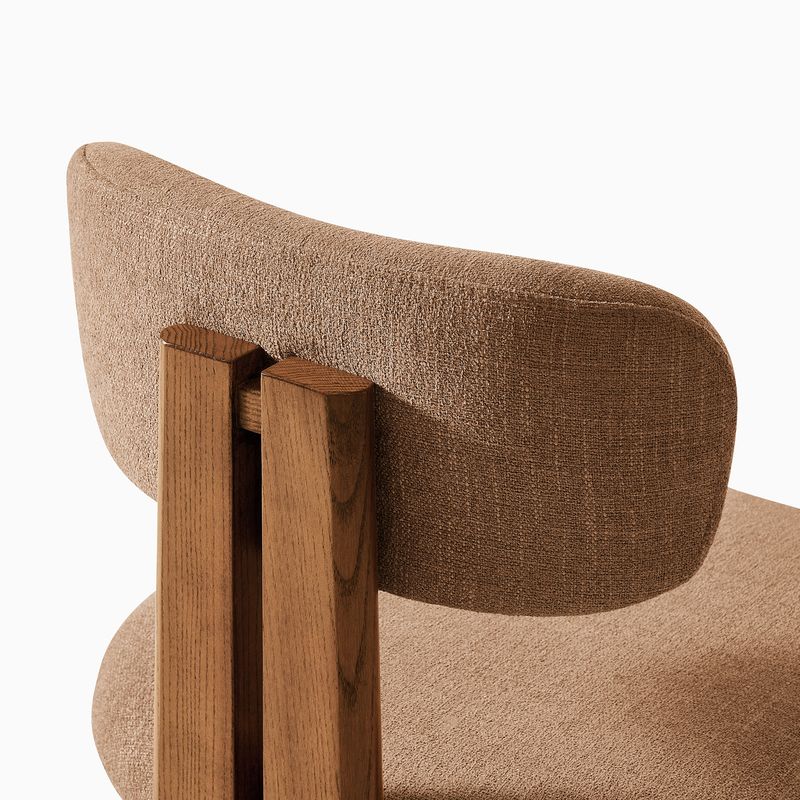
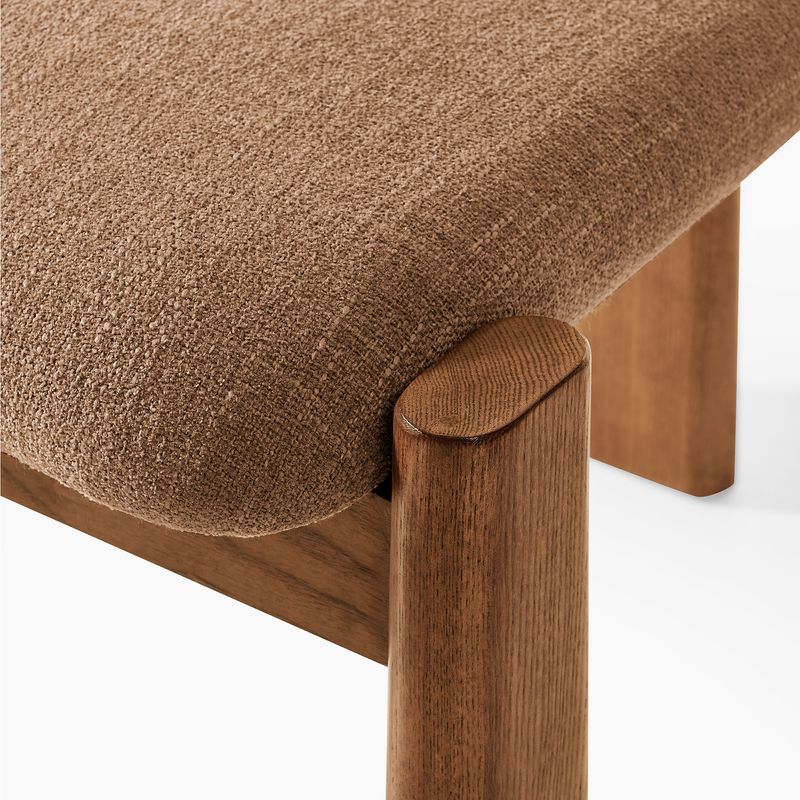
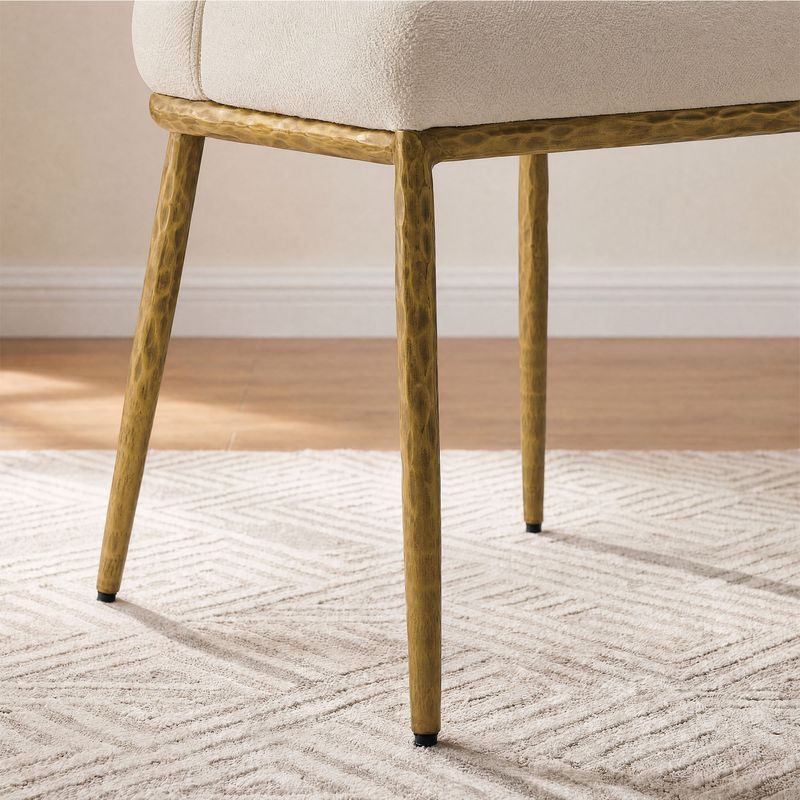
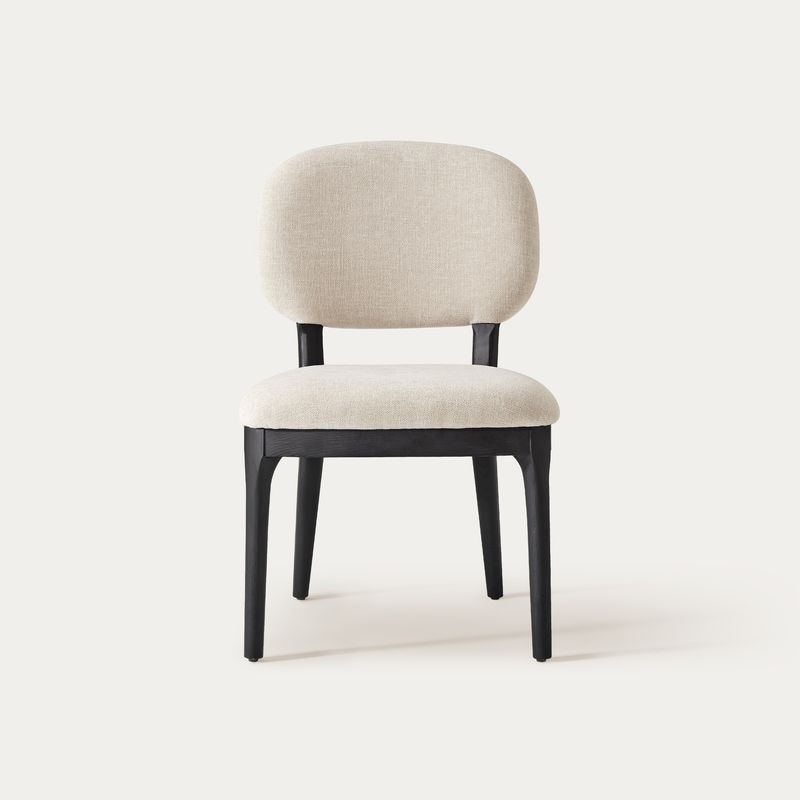
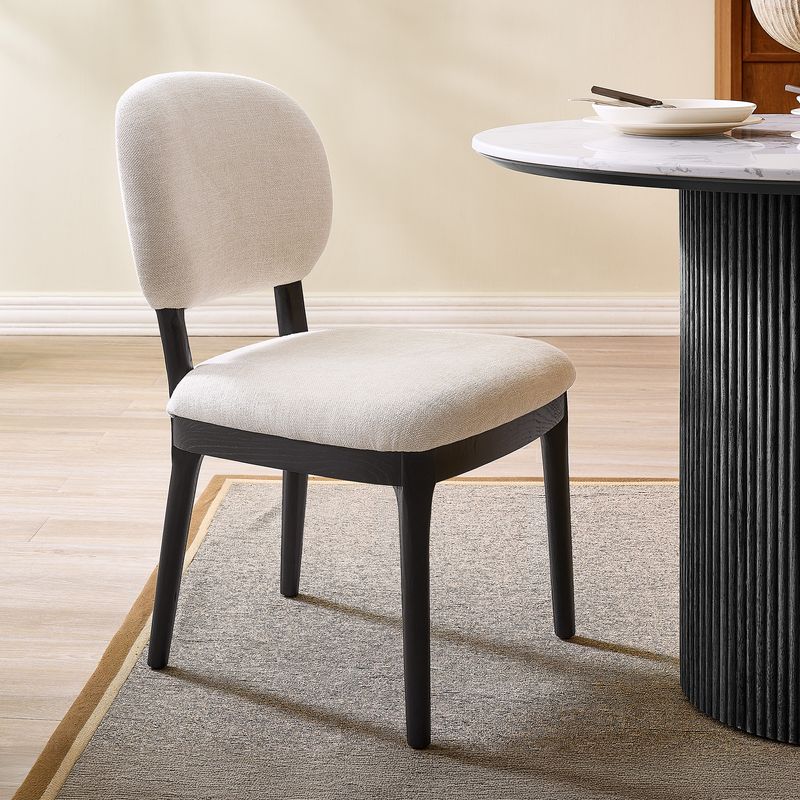
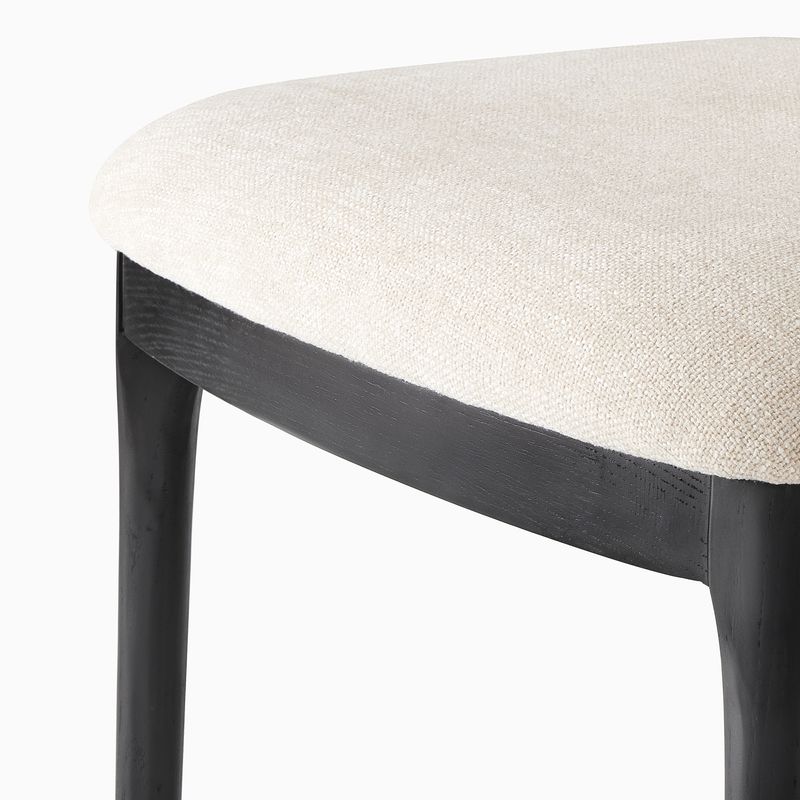
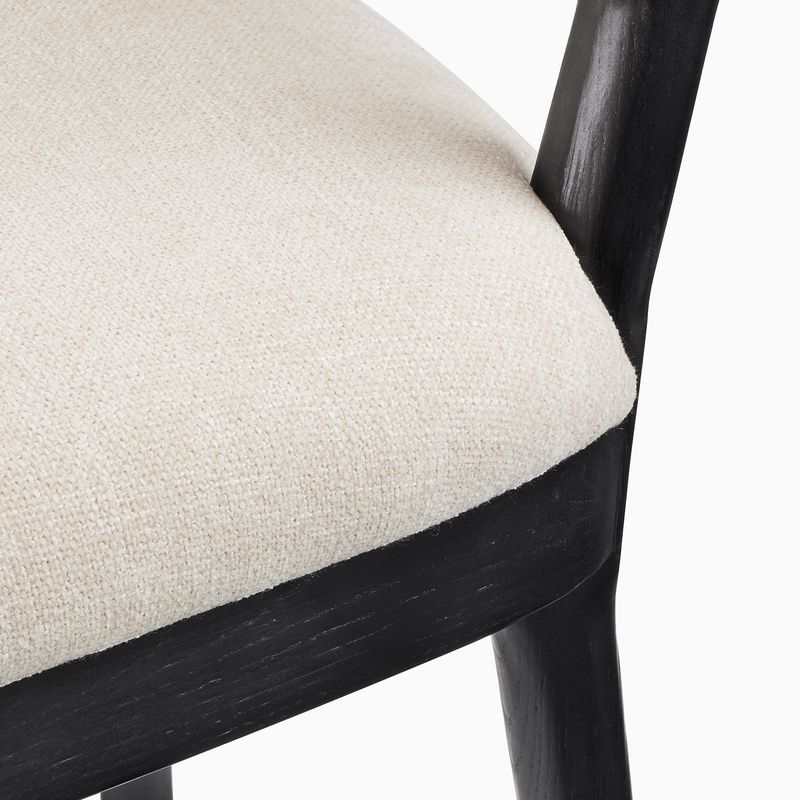
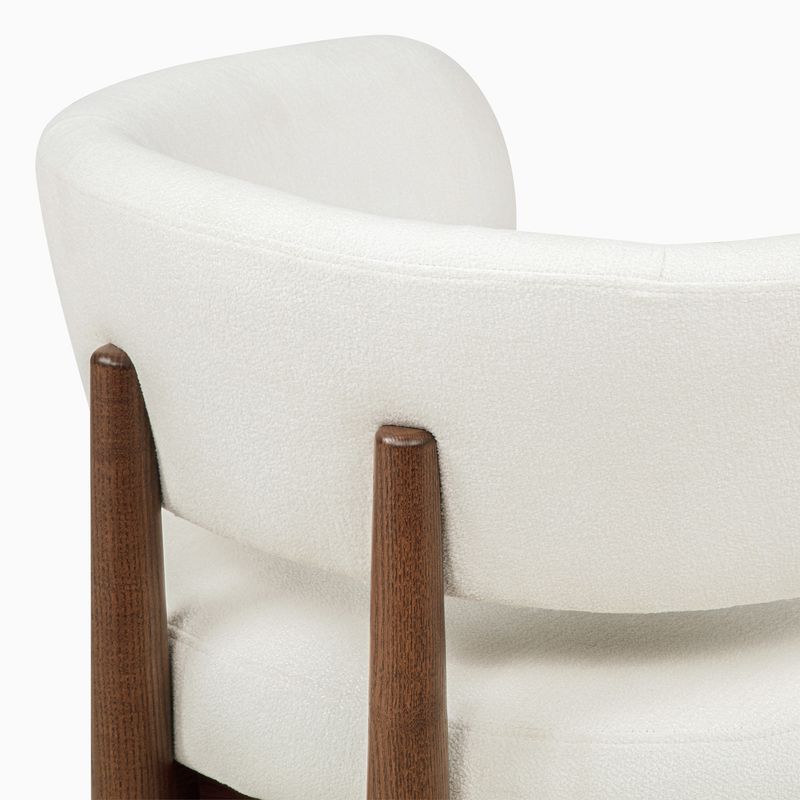
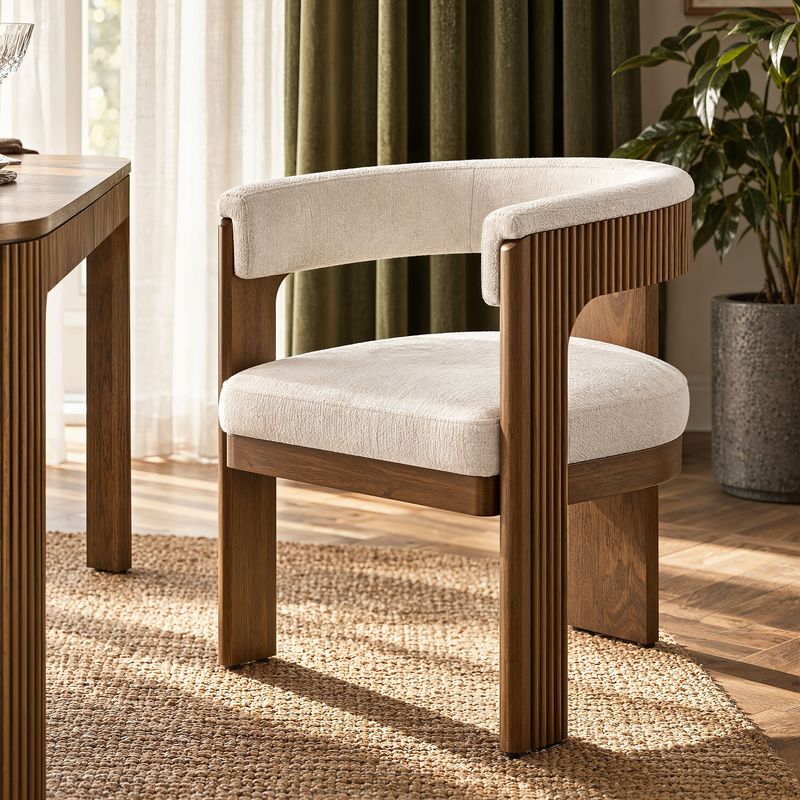
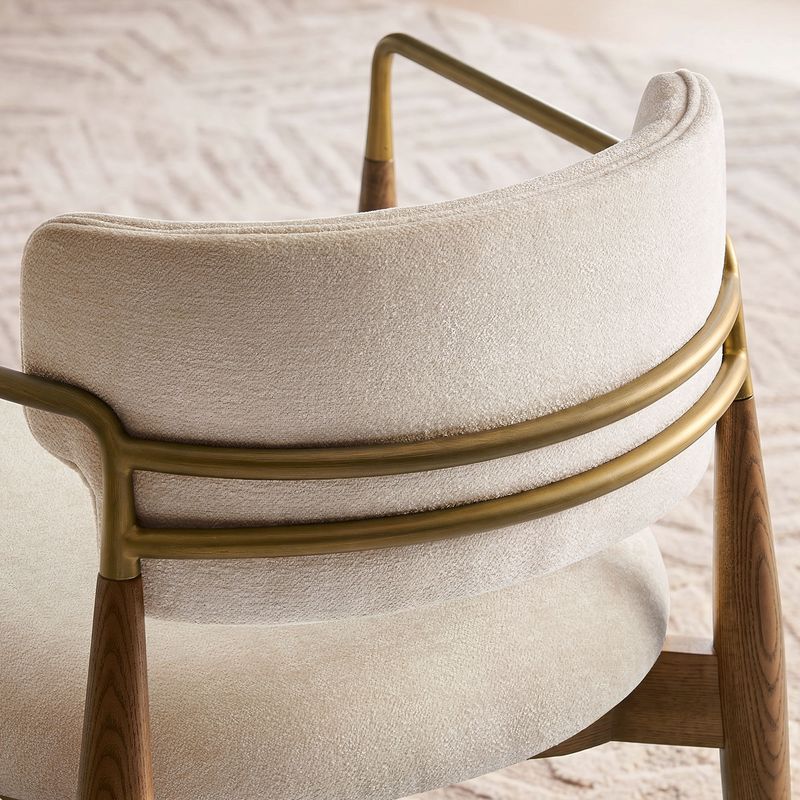
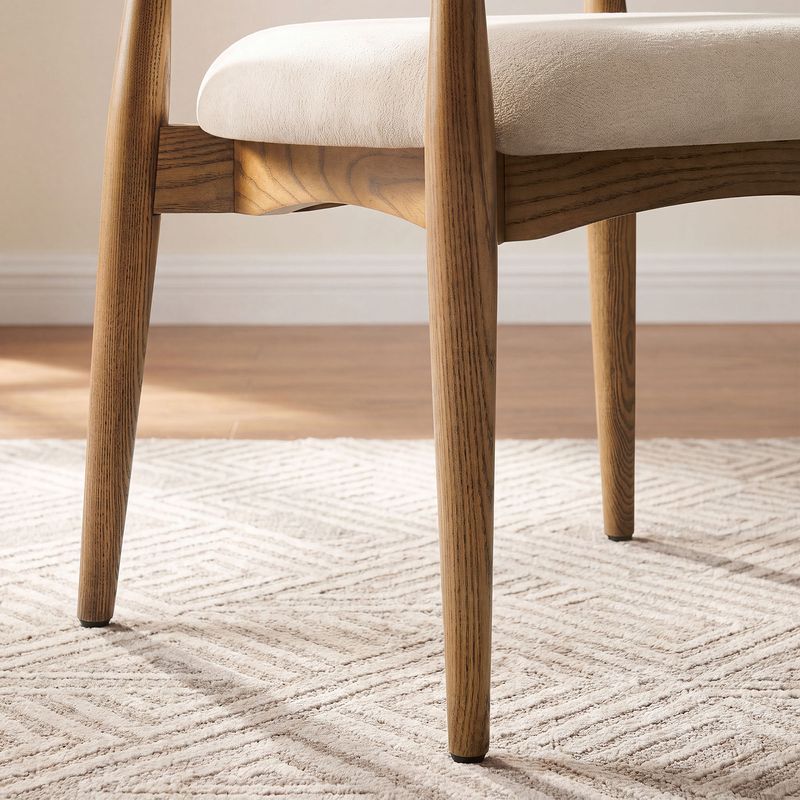
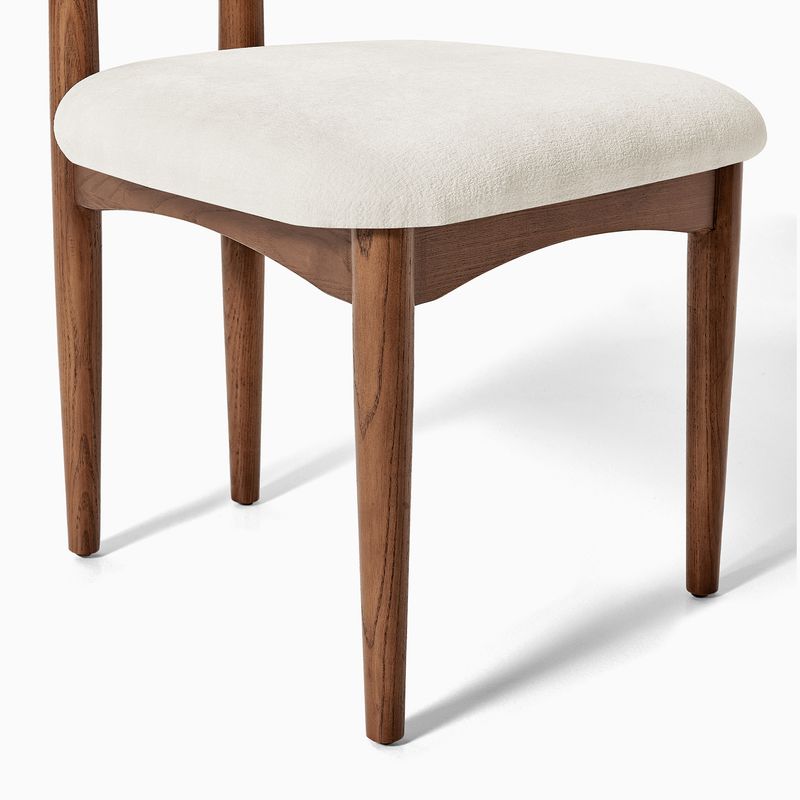
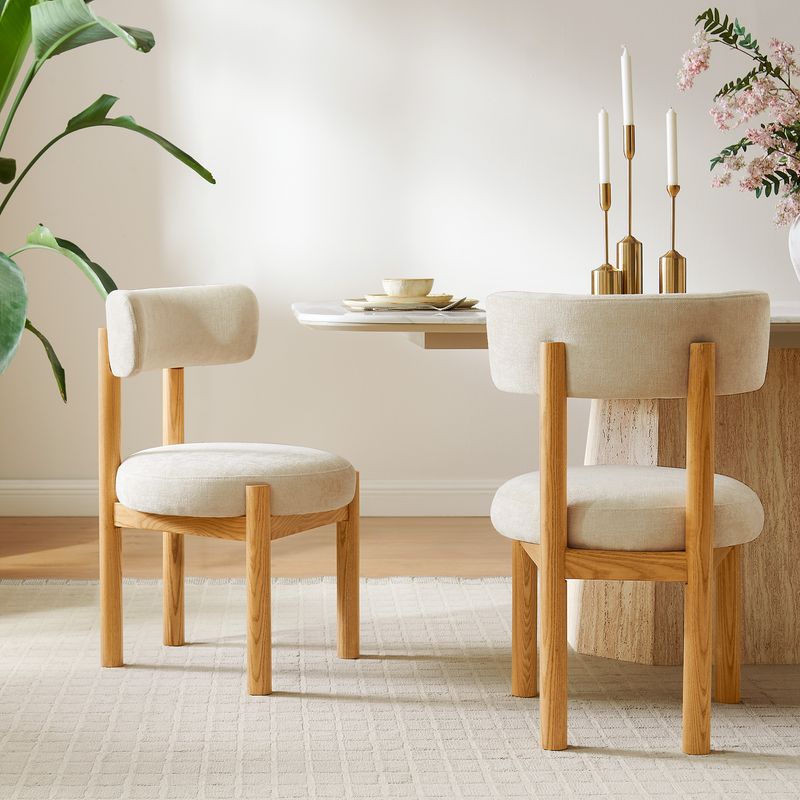
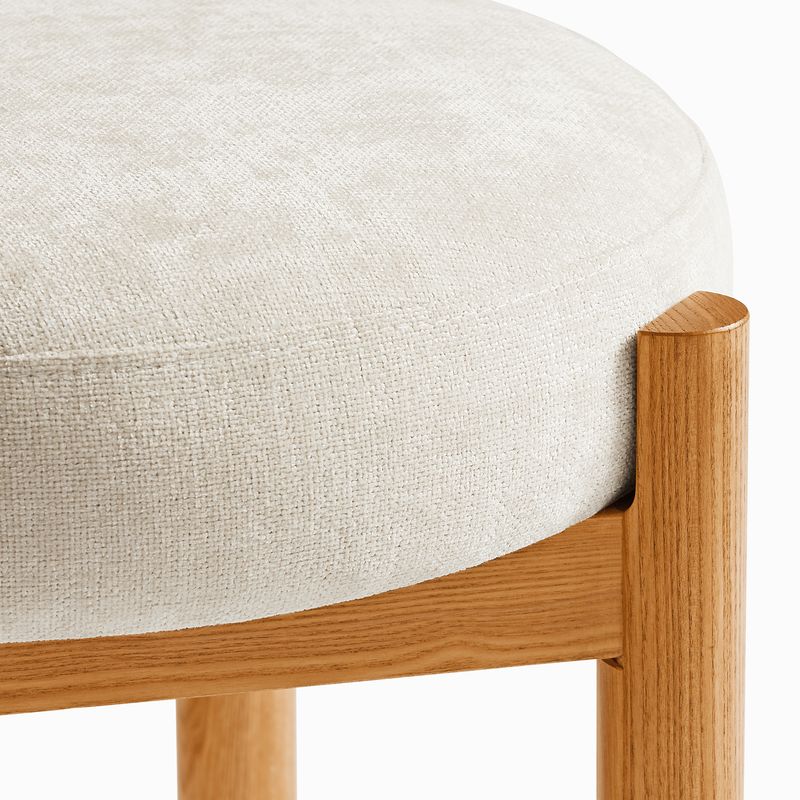
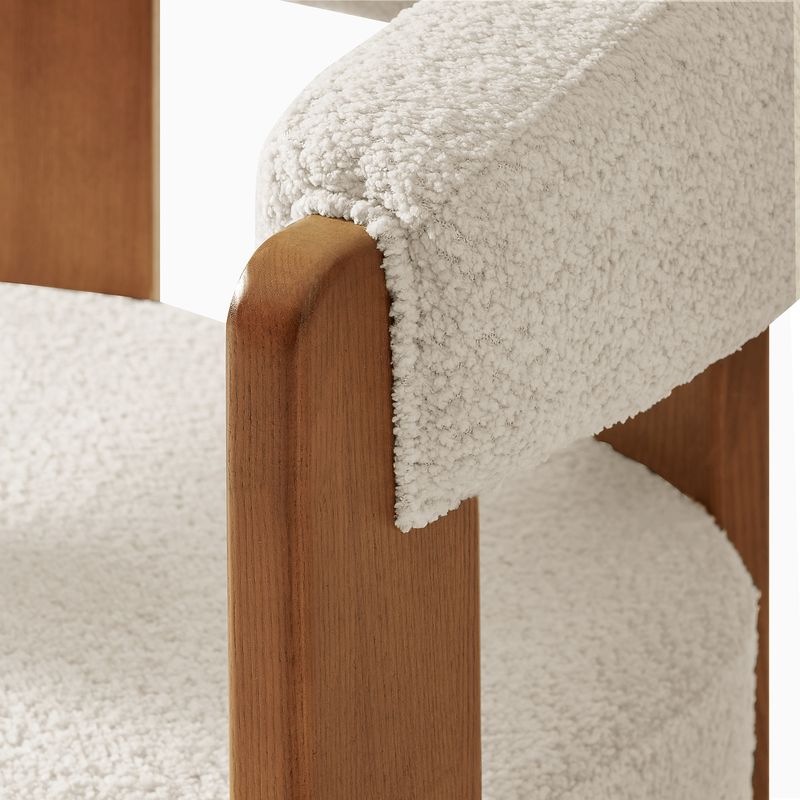
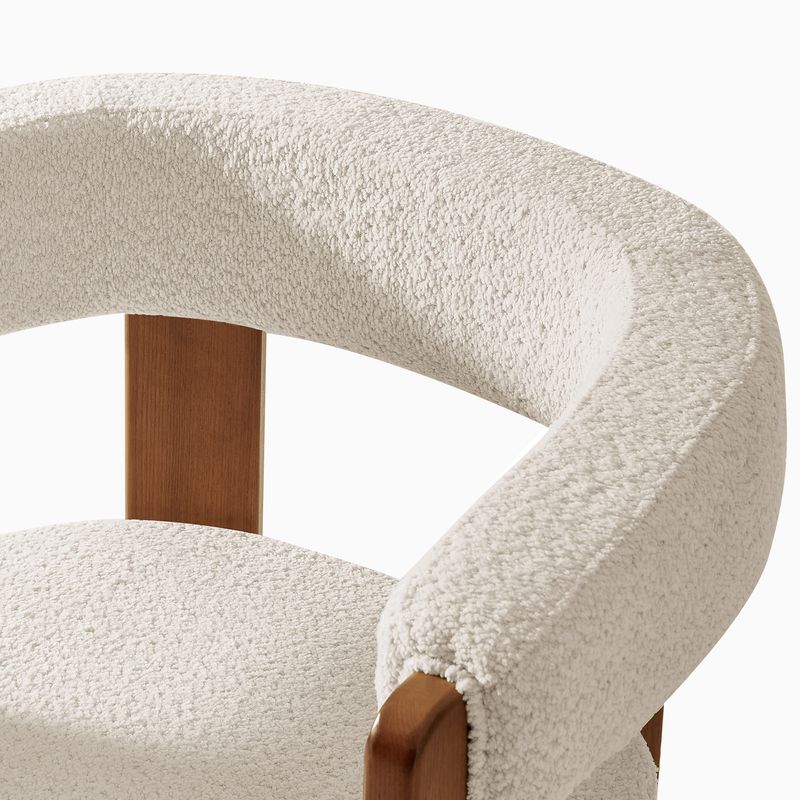
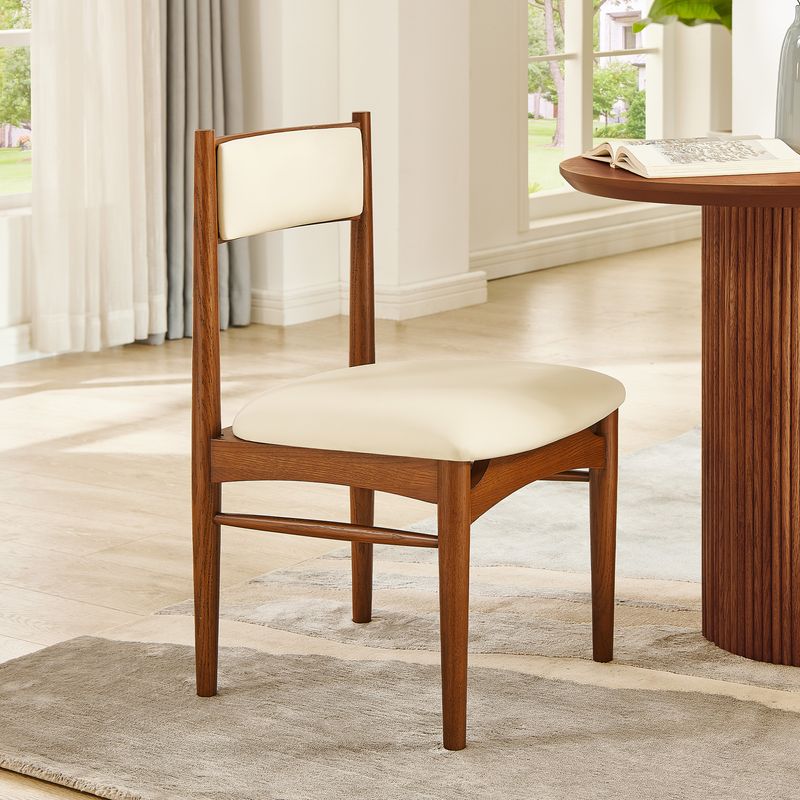
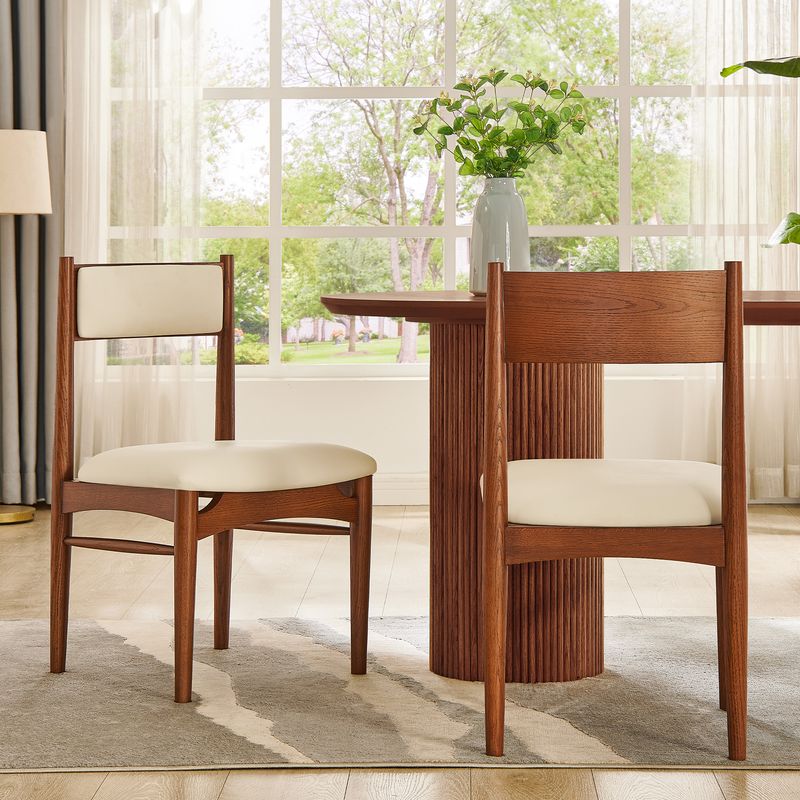
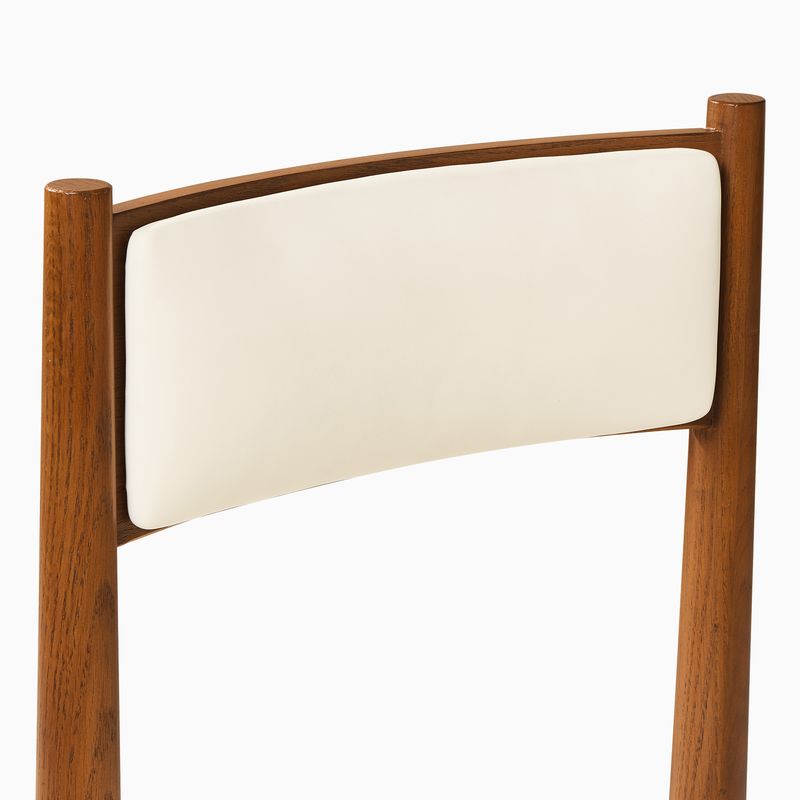
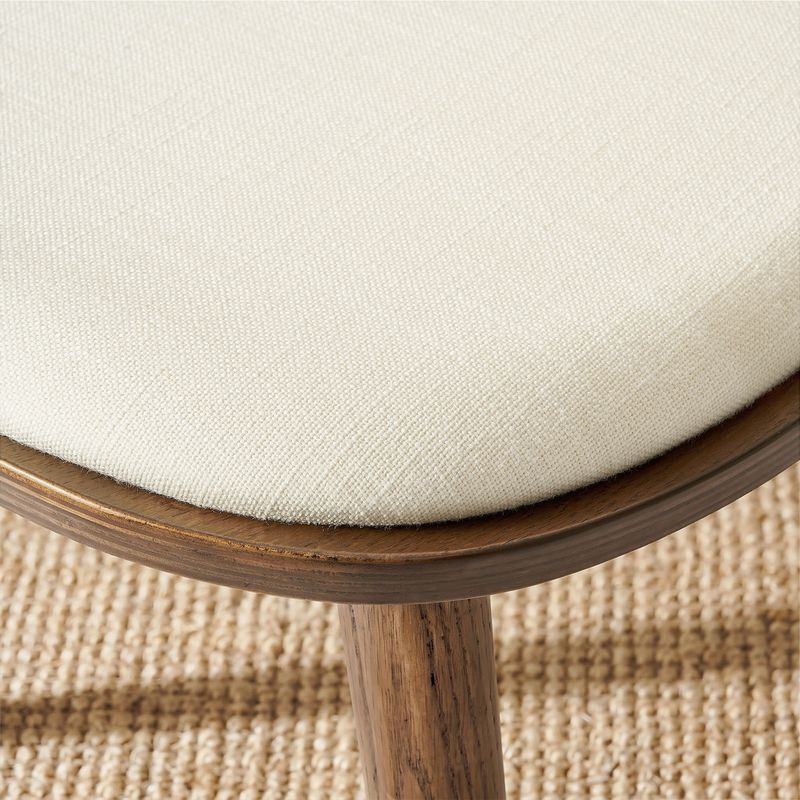
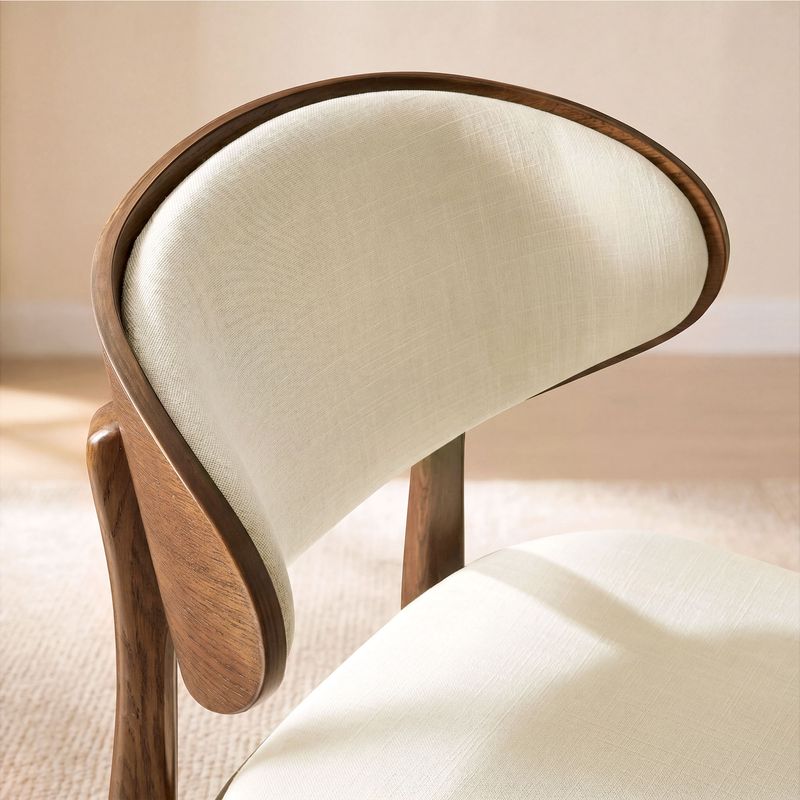
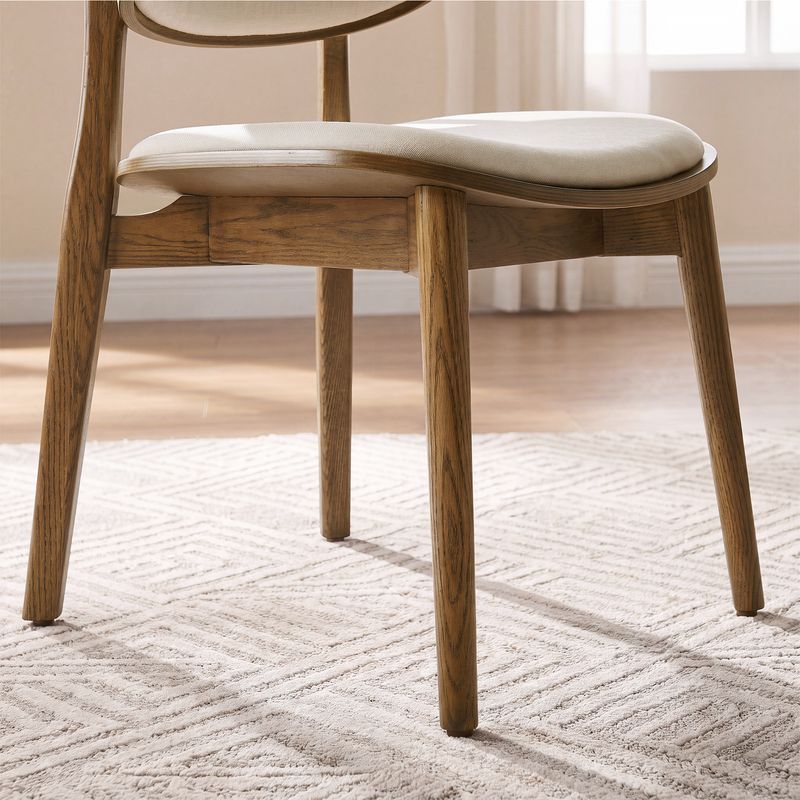
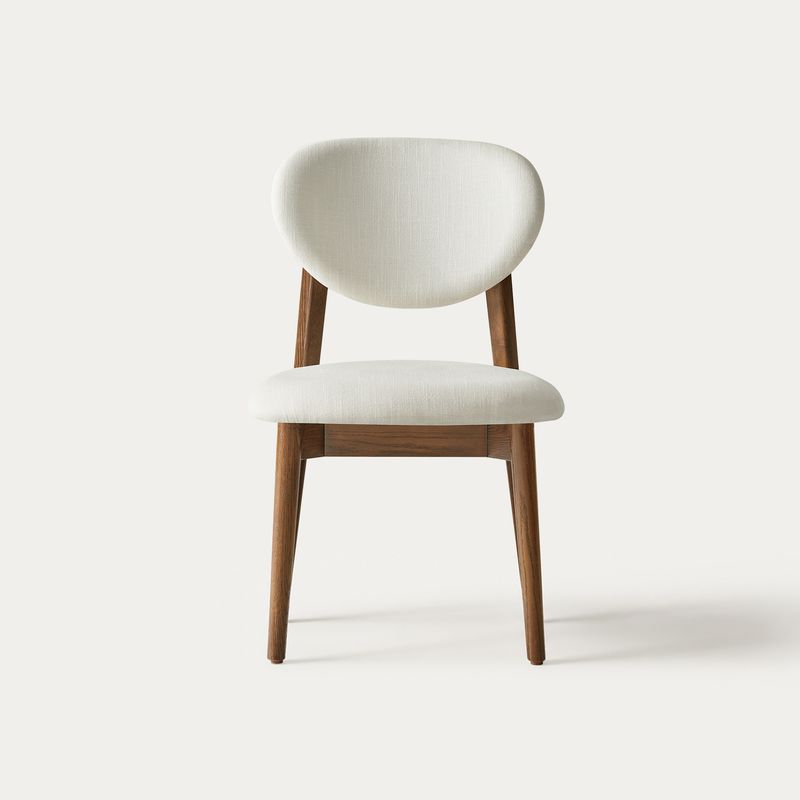
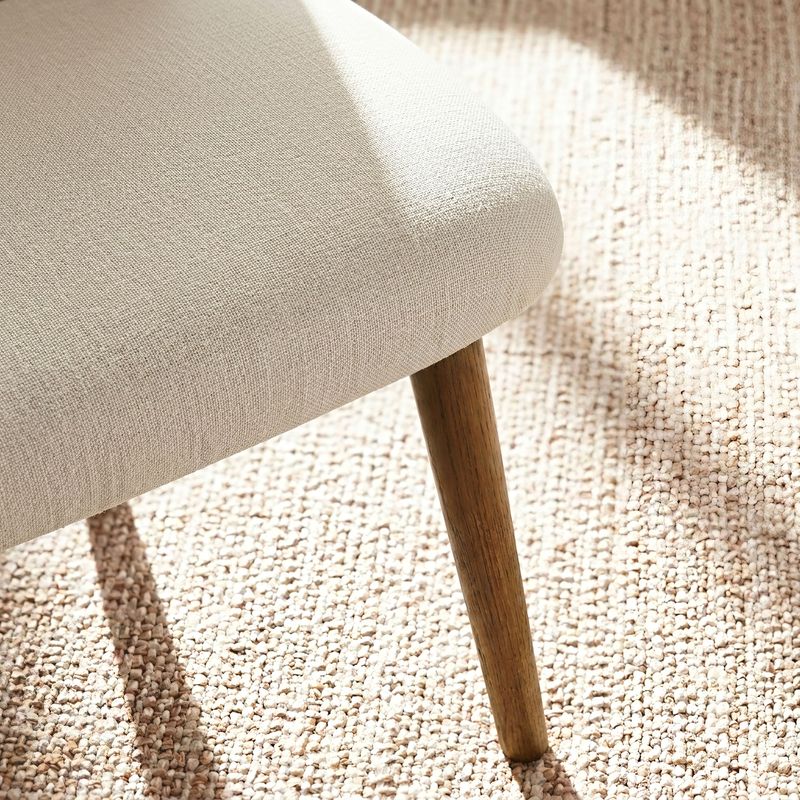
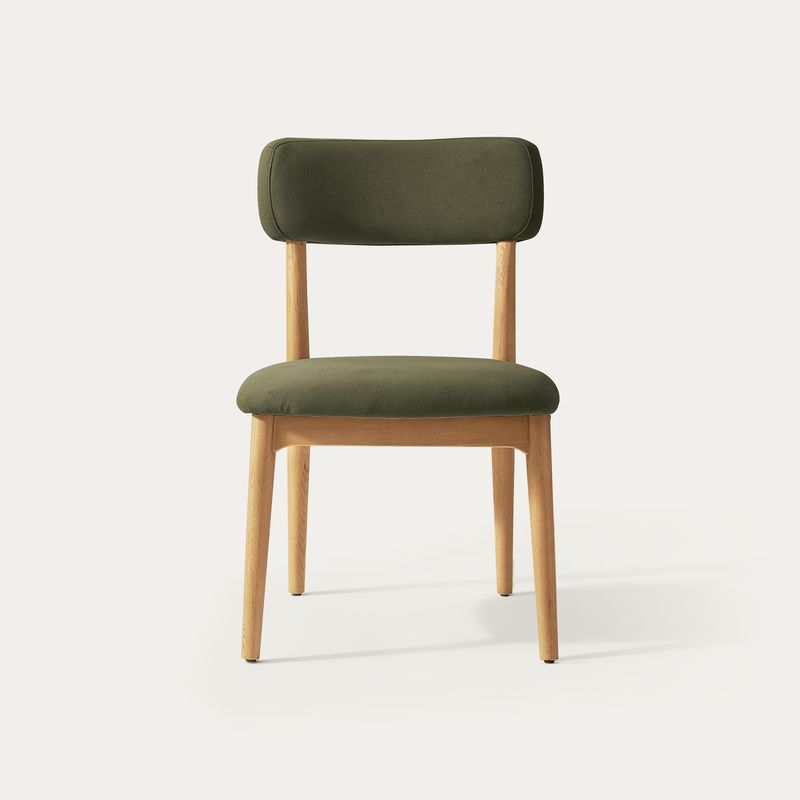
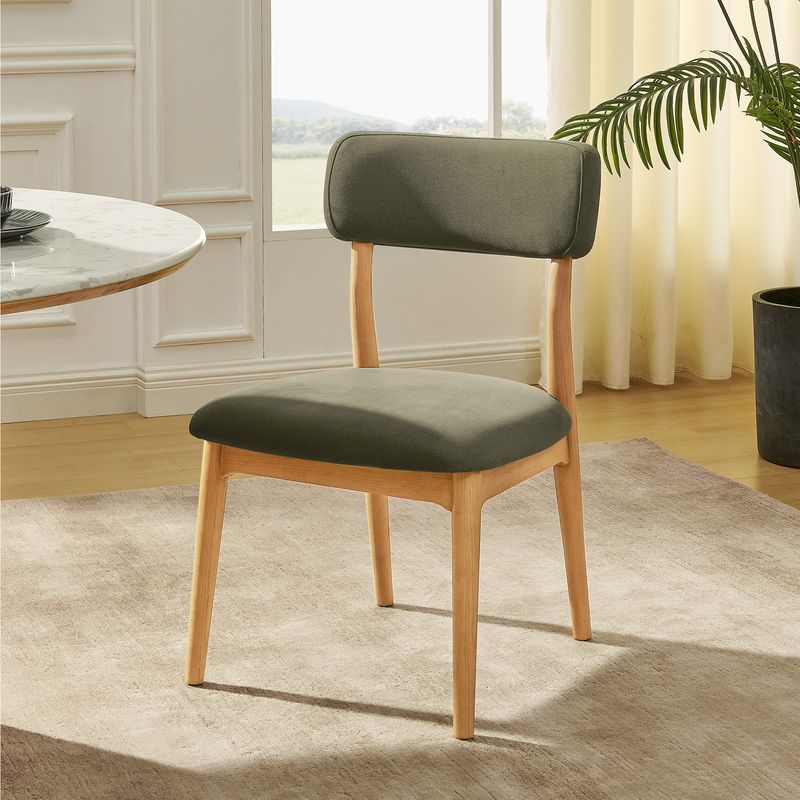
Combining a wood frame with upholstered seating brings together the structure of wood and the softer appearance of an upholstered seat. This combination can work across a variety of dining room designs, depending on the chair's shape, finish, and upholstery color.
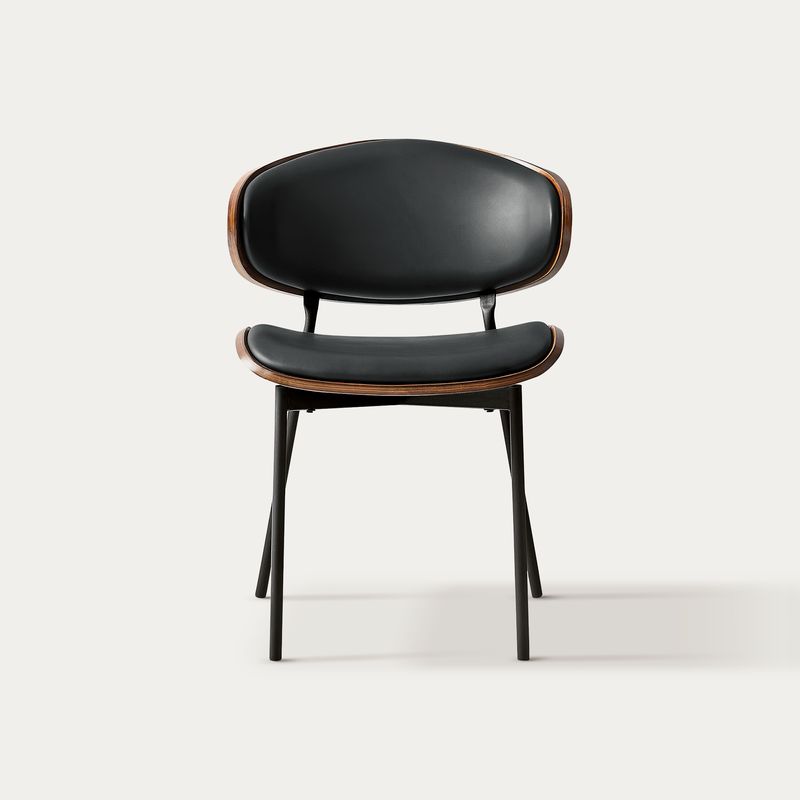
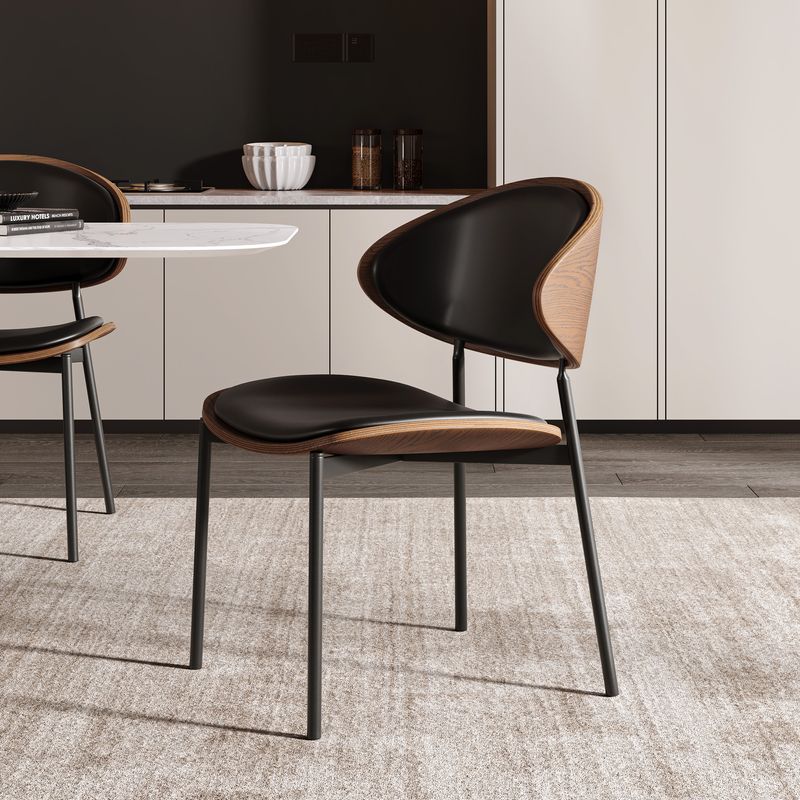
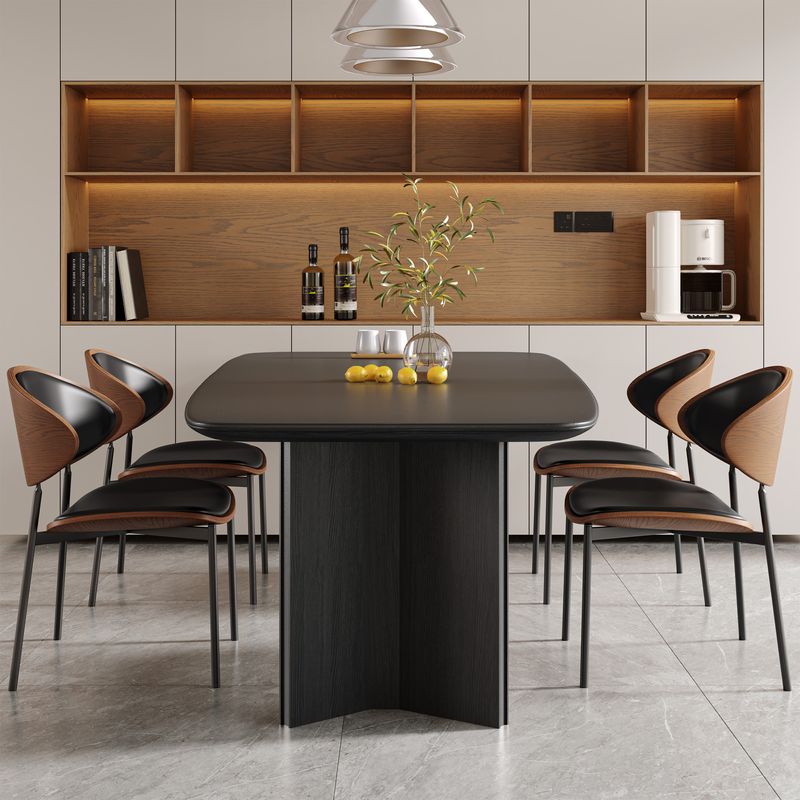
The Lars Leather Dining Chairs (Set of 2) feature an plywood wood design with black PU leather upholster. They are an option to explore if you want a combination of wood and upholstered materials.
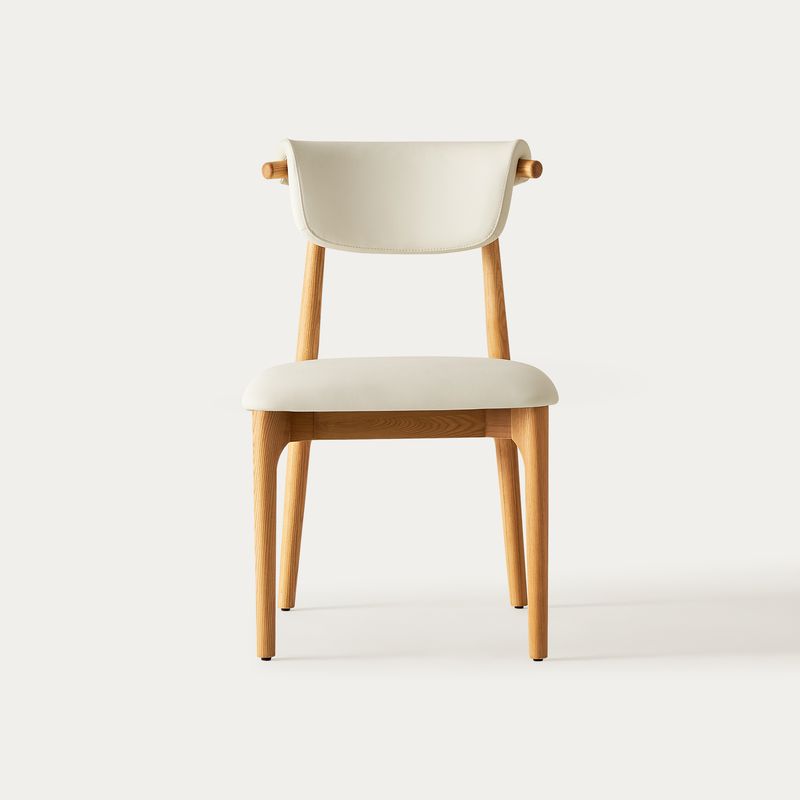
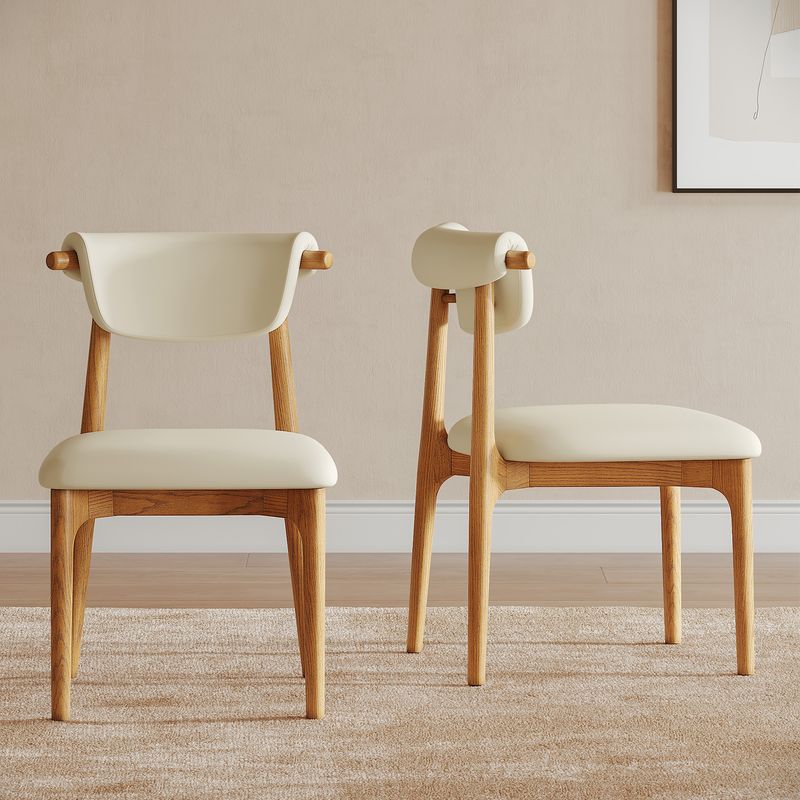
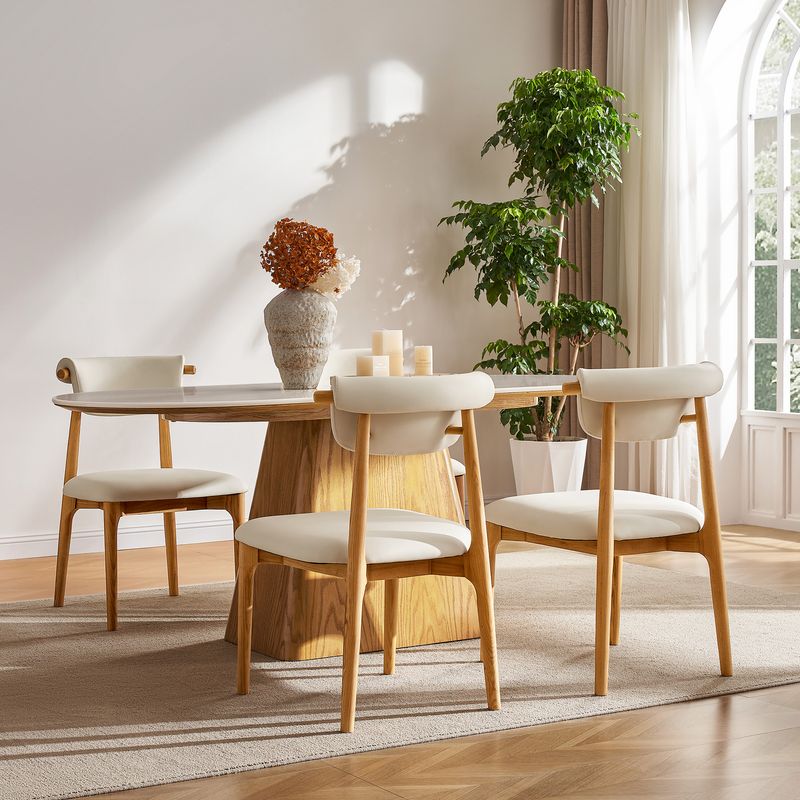
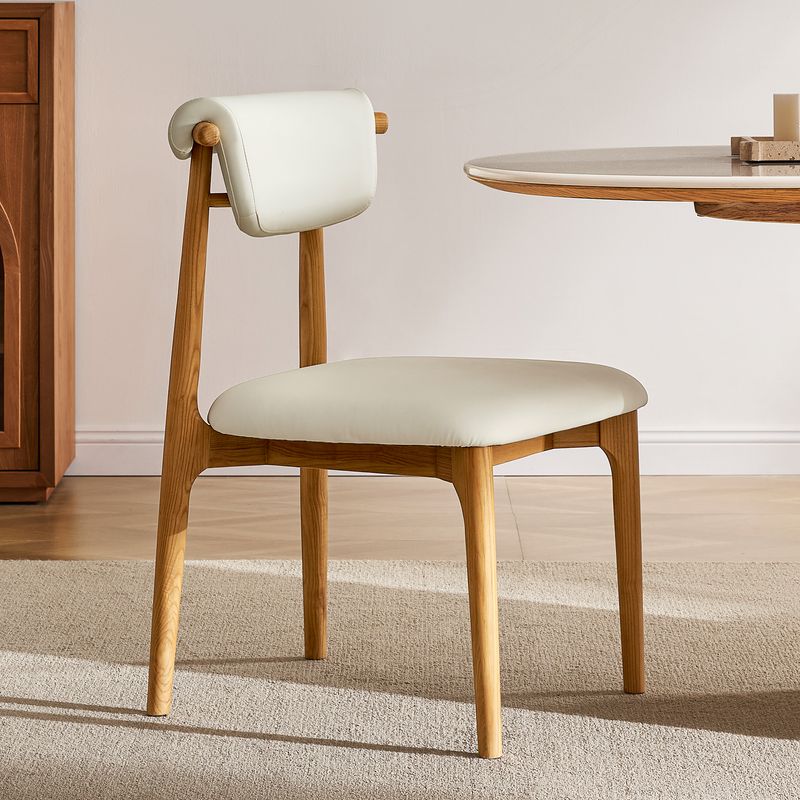
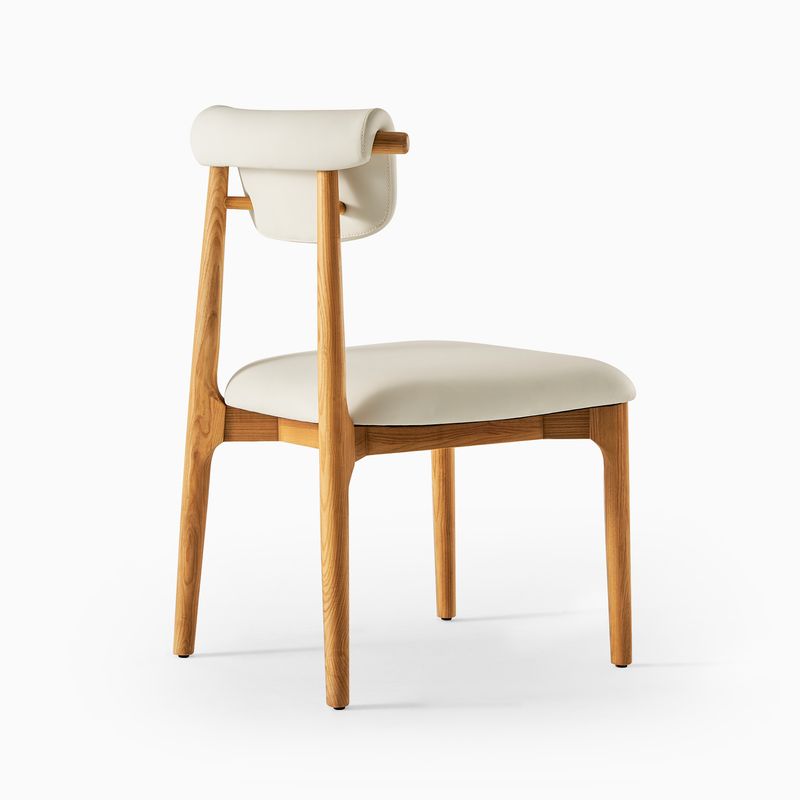
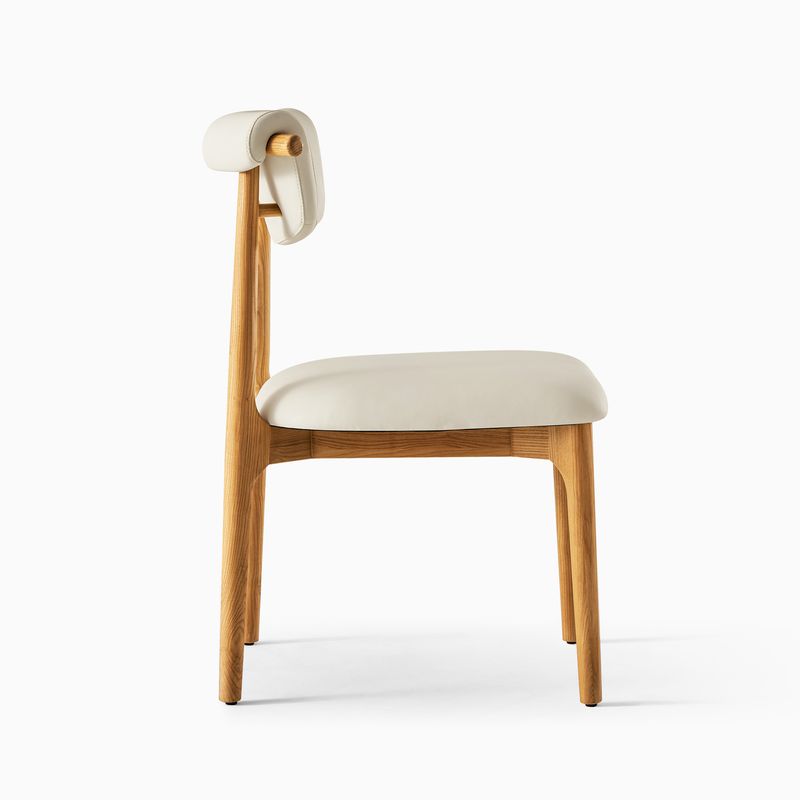
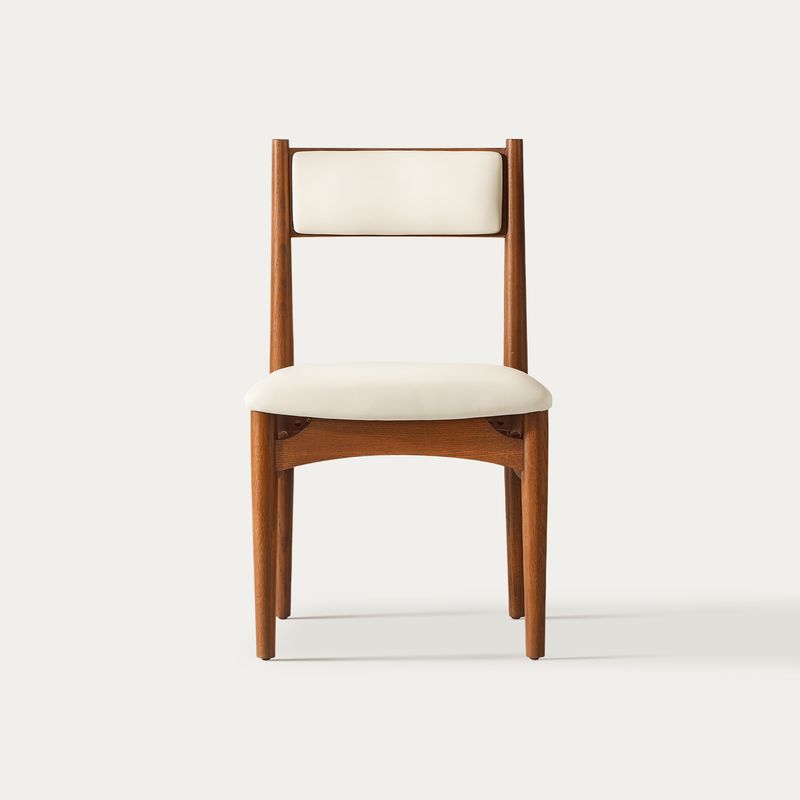
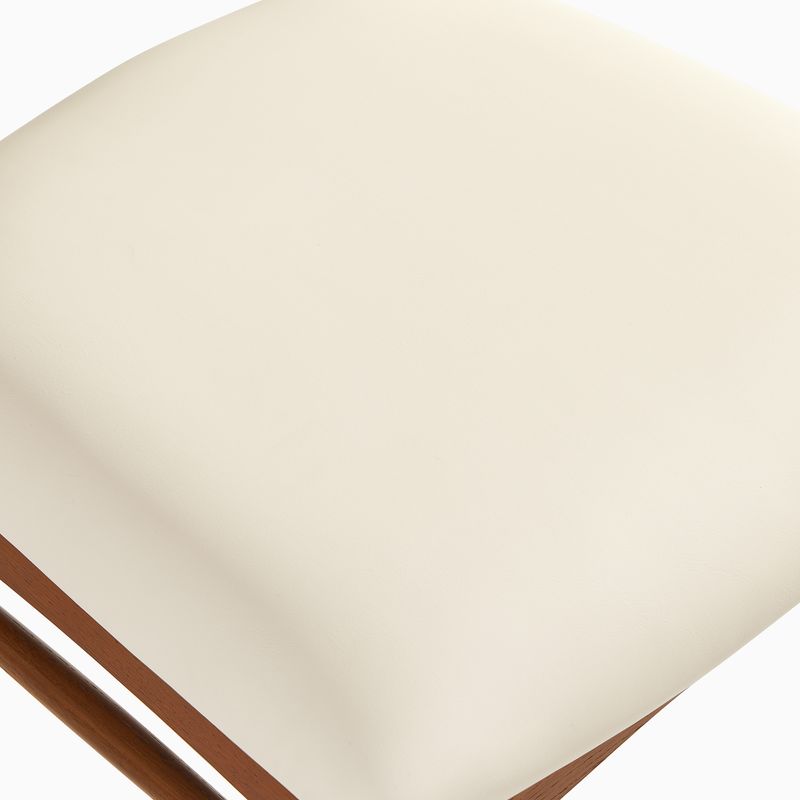
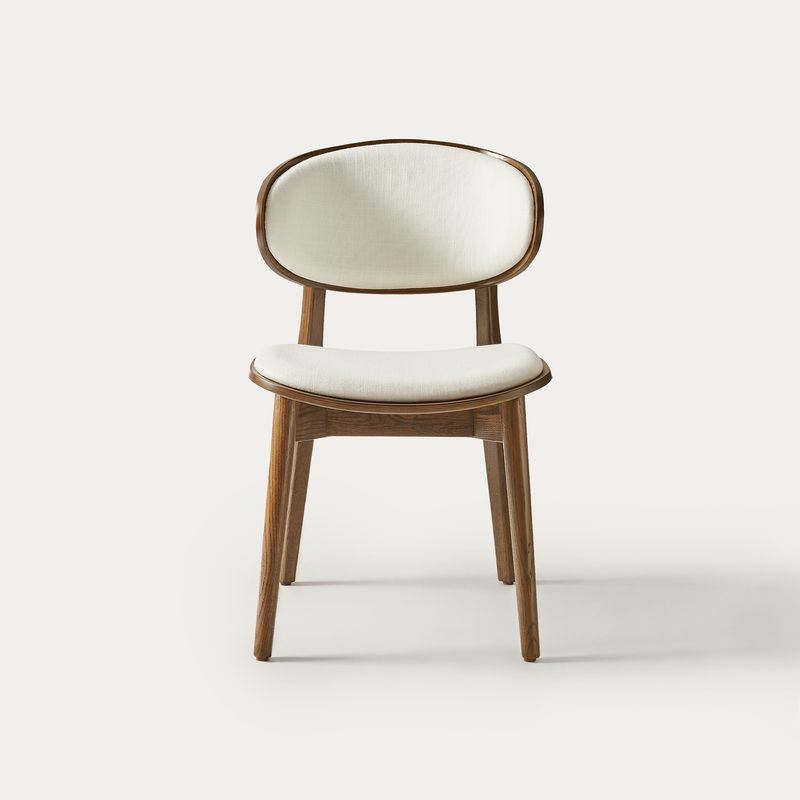
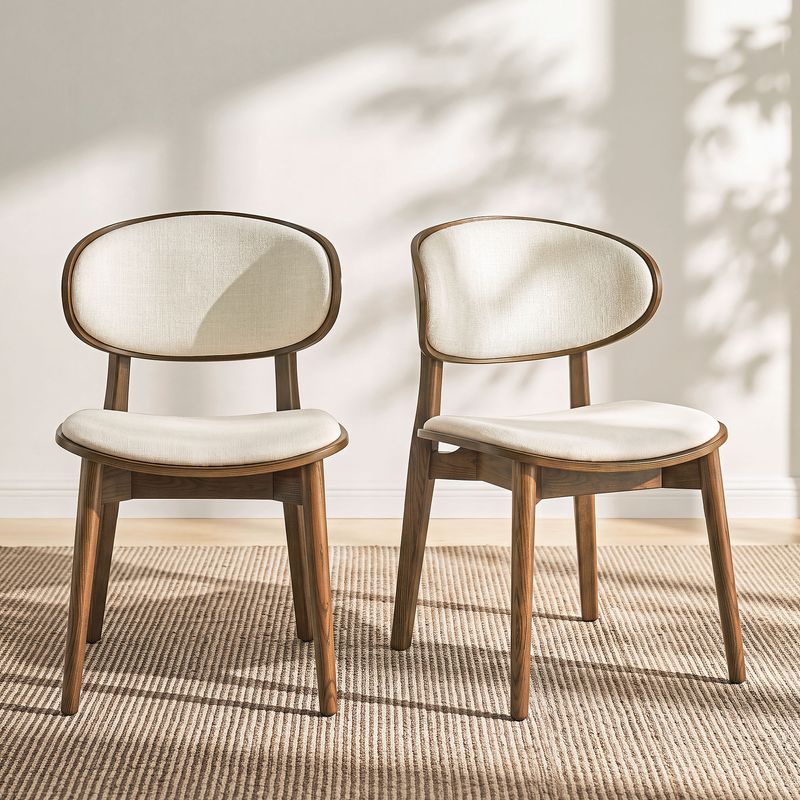
For another wood-frame option, consider the Petra Leather Dining Chairs (Set of 2), which crafted of American solid ash wood and plywood. Compare the two designs by their dimensions, finish, and overall silhouette to determine which works better with your table.
Choose Dining Chair Materials for Your Home
Material affects the appearance, feel, and maintenance needs of dining chairs. Consider the rest of your furniture, how frequently the chairs will be used, and how much care you are comfortable providing.
Wood Frames
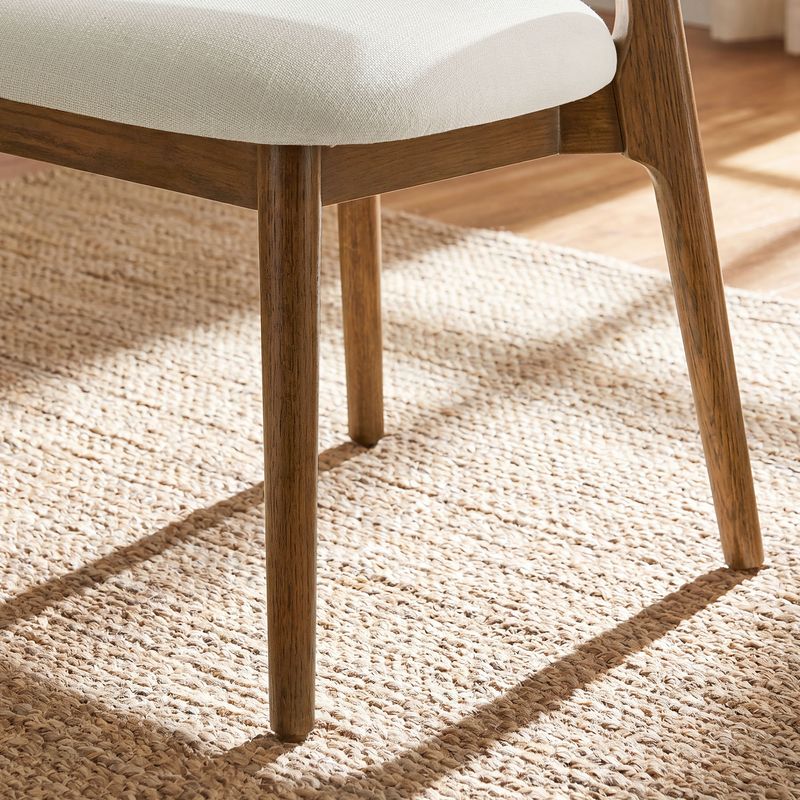
Wood frames bring natural texture and a defined structure to a dining area. Their appearance depends on the wood species, finish, grain, and shape of the chair.
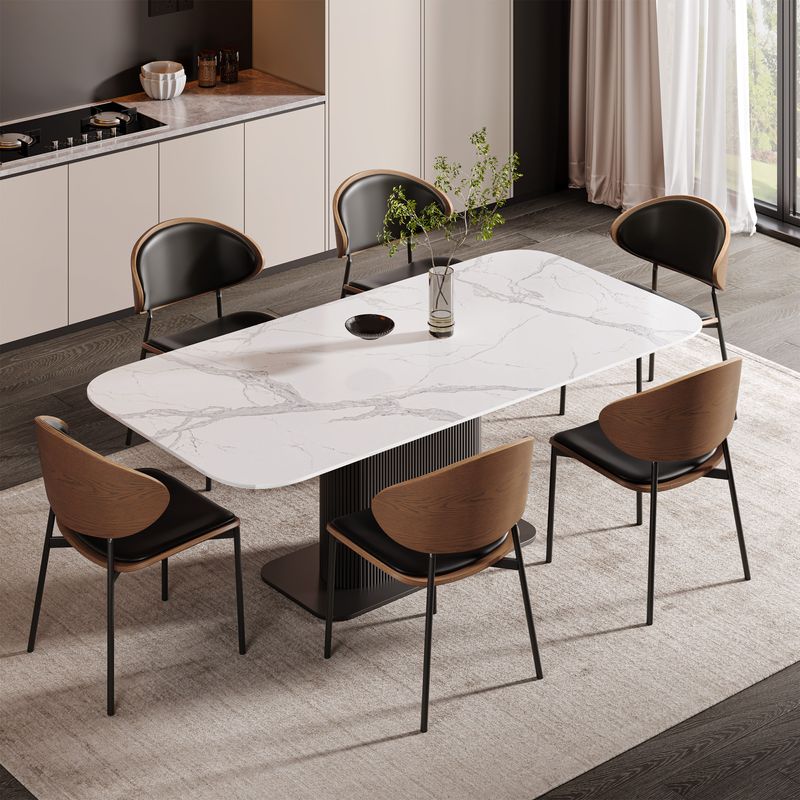
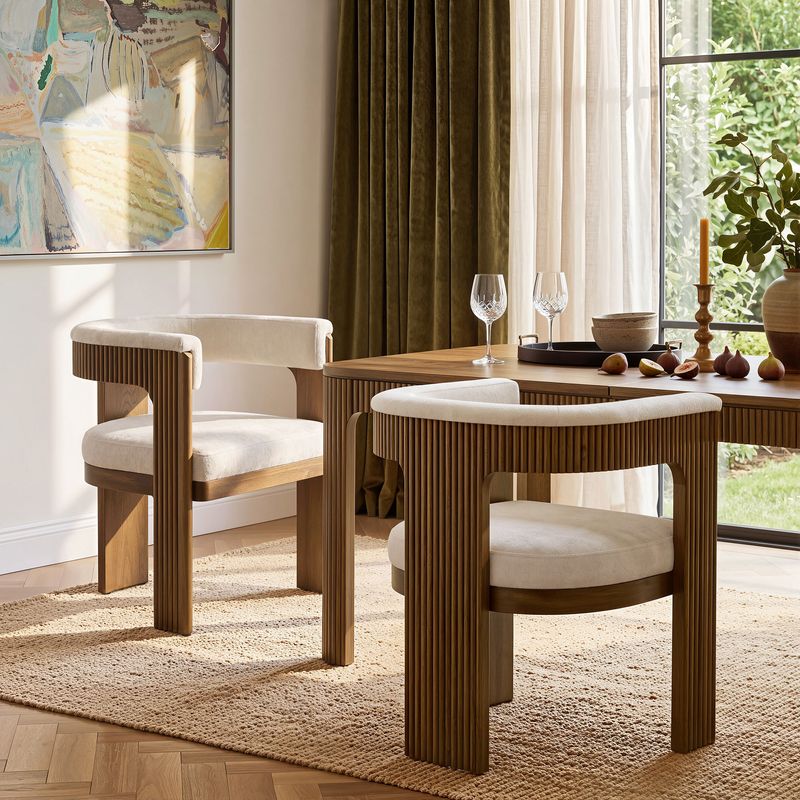
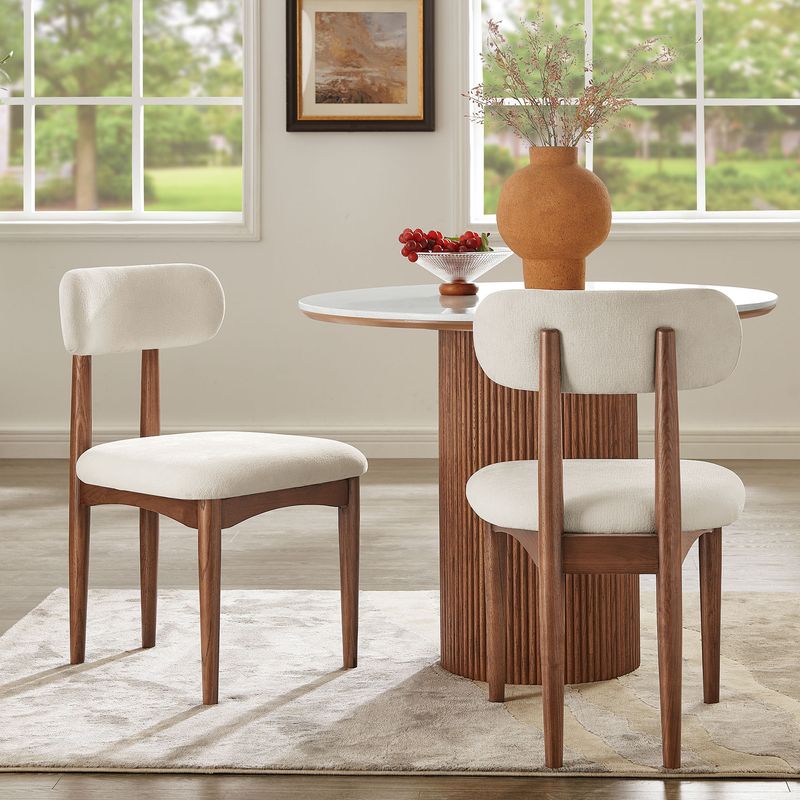
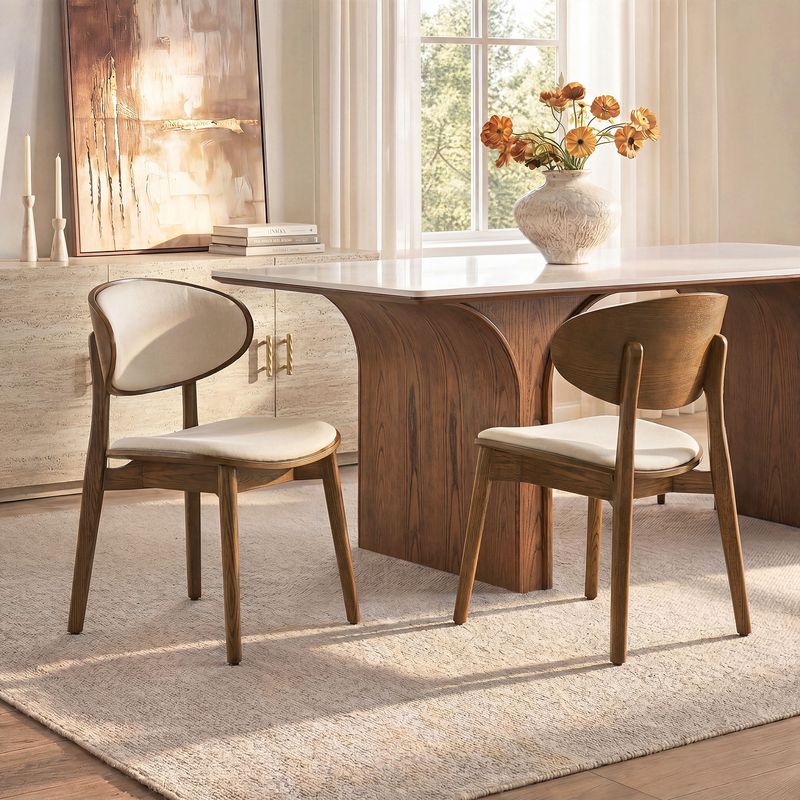
When pairing wood dining chairs with a table, the finishes do not need to match exactly. Compare their undertones and visual weight instead. Similar tones can create a coordinated look, while a thoughtful contrast can add depth to the room.
If you are choosing a chair with a wood frame, review the product details to confirm the stated material and finish. Different wood types and finishes can have distinct appearances and care requirements.
Leather and Faux-Leather Upholstery
Leather and faux-leather upholstery can give dining chairs a smooth, tailored appearance. These surfaces may suit spaces where you want a more defined look without relying on heavily textured fabric.
It is important to distinguish between materials rather than assuming that every product described as a leather dining chair uses genuine leather.
Check the individual product details and care instructions before purchasing. Cleaning methods and maintenance requirements vary by material, so use the guidance provided for the specific chair.
Fabric and Other Upholstery Options
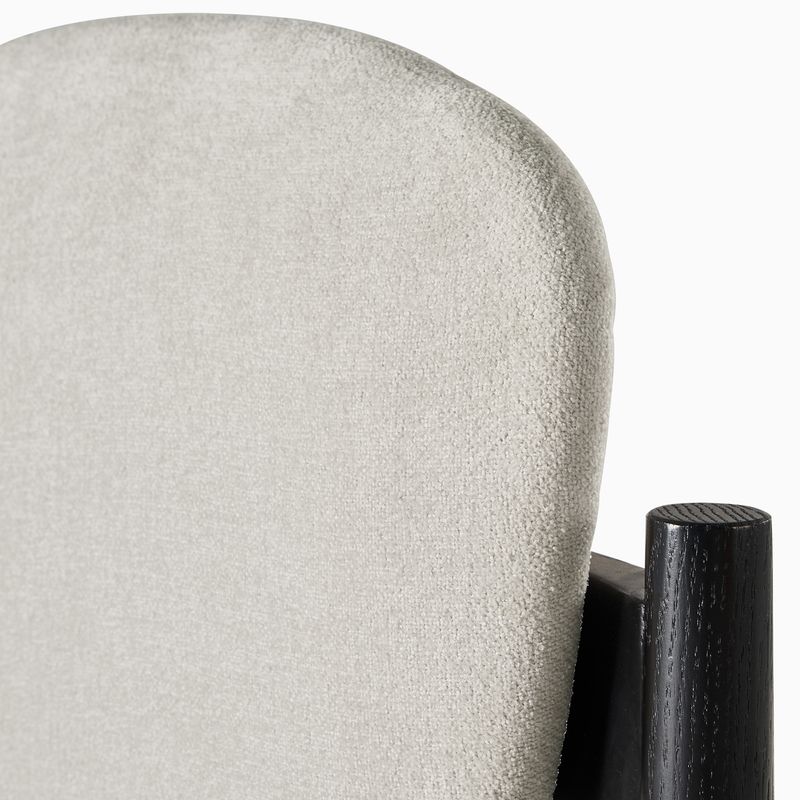
Fabric dining chairs offer a wide range of colors, textures, and visual effects. Depending on the upholstery, they can soften a dining area with prominent hard surfaces, such as a wood, glass, or stone tabletop.
When comparing upholstery options, consider the likelihood of spills, the frequency of use, and the recommended cleaning method. A material that fits your household's routine is more likely to remain practical over time.
For any upholstered dining chair, review the product listing for the exact material and care guidance instead of relying on general assumptions about the entire category.
How to Choose the Right Dining Chair Size
A dining chair should fit both the table and the person using it. Overall height alone is not enough: seat height, width, depth, arm height, and the space available around each chair all affect comfort.
Compare Seat Height with Table Height
Many standard dining tables are approximately 28–30 inches high, and many dining chairs have a seat height around 17–19 inches. These are general reference ranges, not universal requirements. The best fit depends on the table's underside, any apron or support rails, and the user's proportions.
Measure from the floor to the top of the chair seat, then compare that measurement with the height of the table's underside. A gap of roughly 10–12 inches between the seat and the underside can serve as an initial reference, but it should not replace a fit check. Make sure there is enough room for your knees and thighs when sitting.
If you are considering a dining arm chair, check the arm height as well. A chair may have a suitable seat height but still be unable to slide beneath the table because of its armrests.
Check Chair Width and Table Capacity
Chair width determines how many seats can fit comfortably along each side of the table. Allowing around 24 inches of table edge per person is a useful starting point, but the amount of space needed varies with the chair's width, armrests, and the comfort level you prefer.
Wide dining arm chairs generally require more room than narrower alternatives. Also account for table legs, pedestal bases, and supports that could restrict where chairs can be placed.
Before ordering, compare the chair's listed width and depth with the available space. Remember that people need enough room to sit down, move their arms, and pull their chairs away from the table.
Measure the Space Around the Table
Measure the distance from the table edge to the nearest wall, sideboard, or other piece of furniture. Then consider how much clearance remains when the chair is pulled out for someone to sit down or stand up.
In a smaller dining area, a compact chair profile may help preserve walking space. In a larger room, you may have more flexibility to choose wider seating or arrange armchairs at the ends of the table.
Do not measure only the space occupied by a chair when it is pushed in. Consider its full footprint during use so that everyday movement around the dining area remains comfortable.
Match Dining Chairs to Your Table and Room
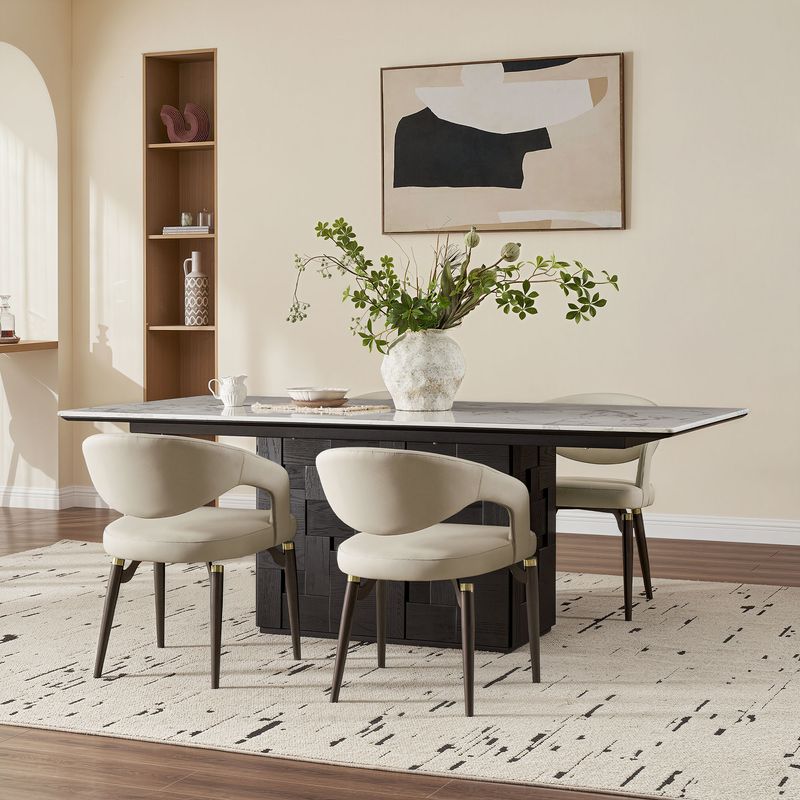
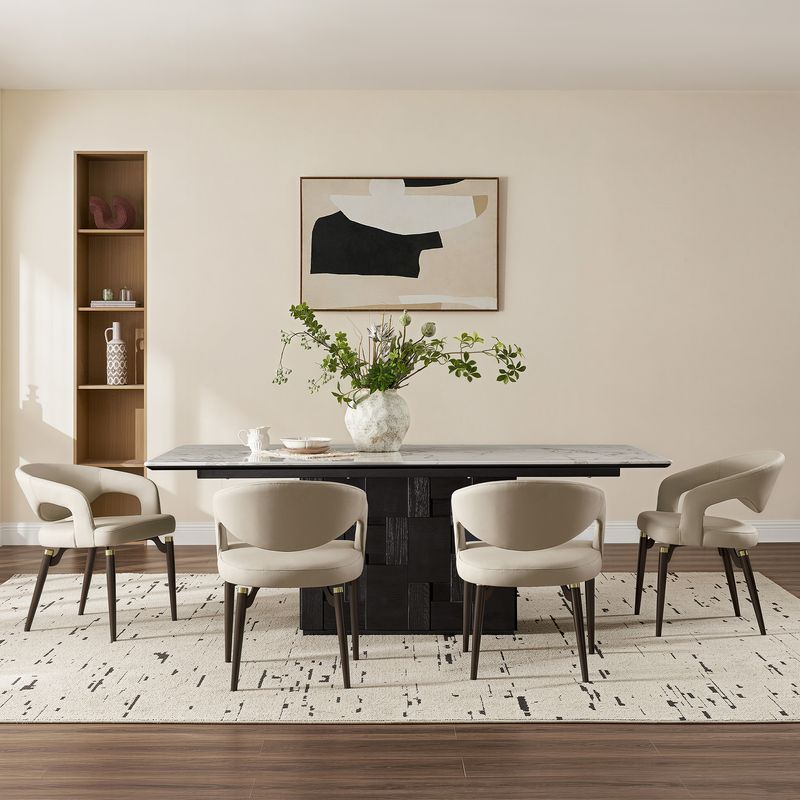
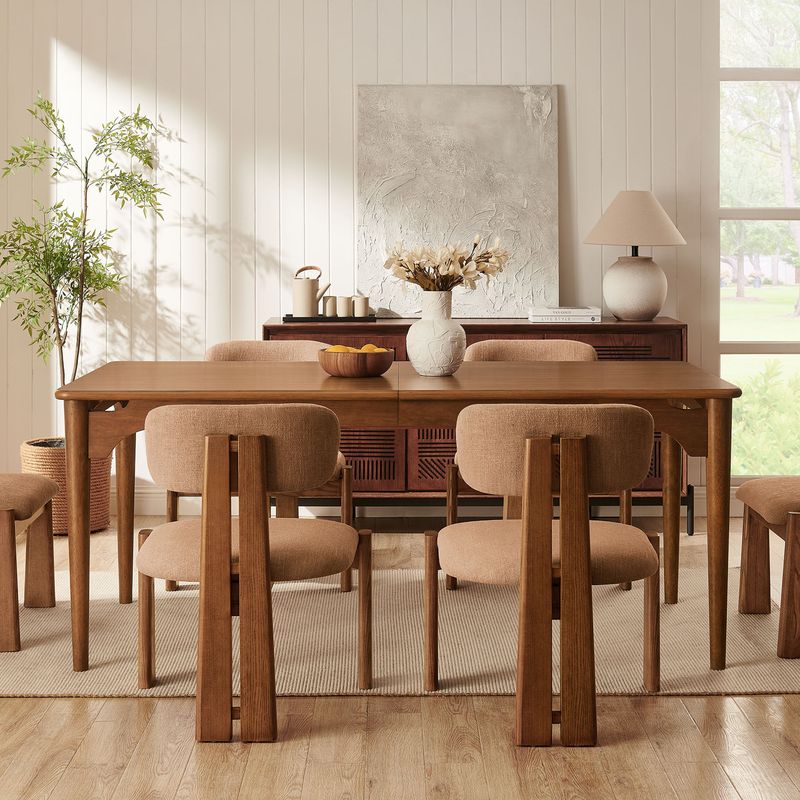
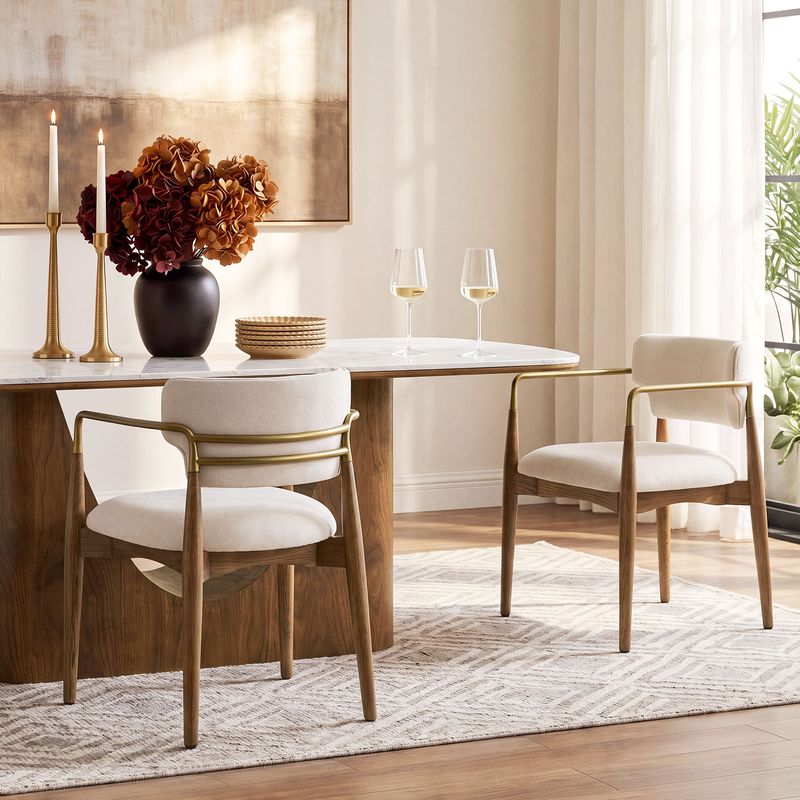
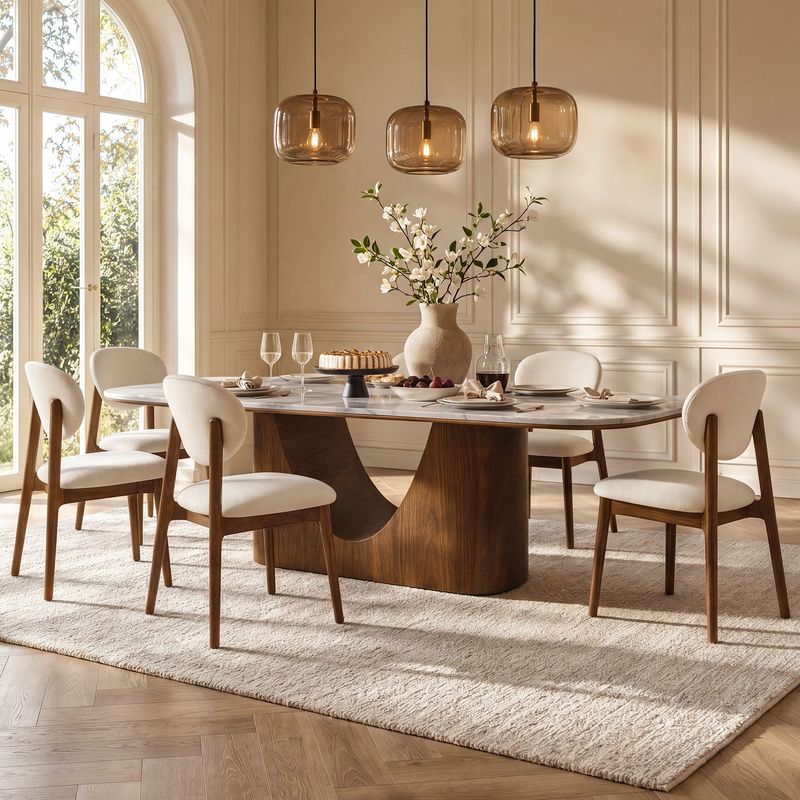
A coordinated dining area does not require every piece of furniture to match. Instead, consider the proportions, finishes, and layout of the room to create a combination that feels intentional.
Coordinate Chair and Table Proportions
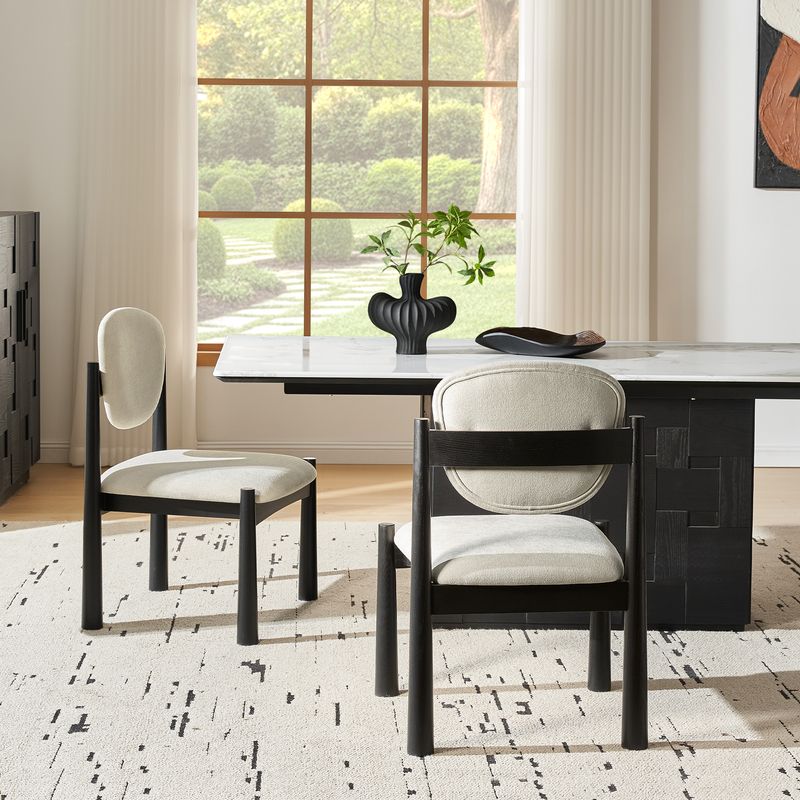
The scale of your chairs should make sense alongside your dining table. A substantial table can often accommodate chairs with a stronger silhouette, while a smaller table may work better with chairs that have a lighter profile.
Consider how many people need to sit at the table on a typical day and whether you need additional seats for guests. Make sure the arrangement leaves enough space for people to move around comfortably.
Explore the Hernest Dining Tables collection) to compare table shapes and proportions with your preferred dining chairs.
Create a Cohesive Look with Sideboards
A sideboard can provide storage for tableware, serving pieces, and other dining essentials while helping anchor the room visually. When choosing one alongside your dining chairs and table, consider its height, width, finish, and distance from the dining area.
Wood tones do not have to be identical, but they should work together. Repeating a similar undertone or finish can help connect the furniture, while a contrast in materials can introduce visual interest.
Browse the Hernest Hernest Sideboards collection to explore storage options that complement your dining space. Remember to leave enough clearance between the sideboard and the table for chairs to move freely.
Mix Materials with Intention
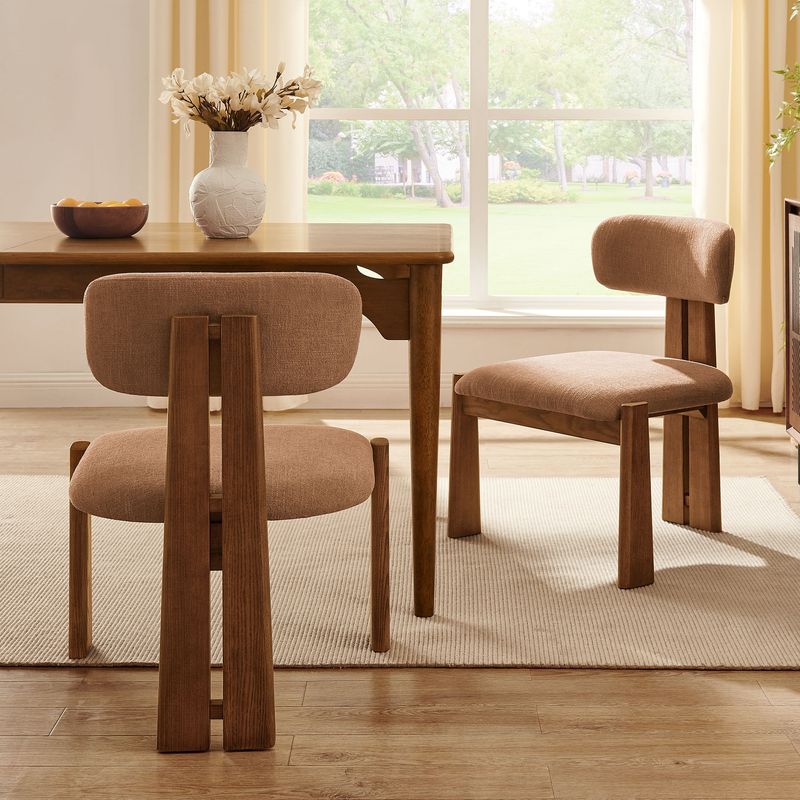
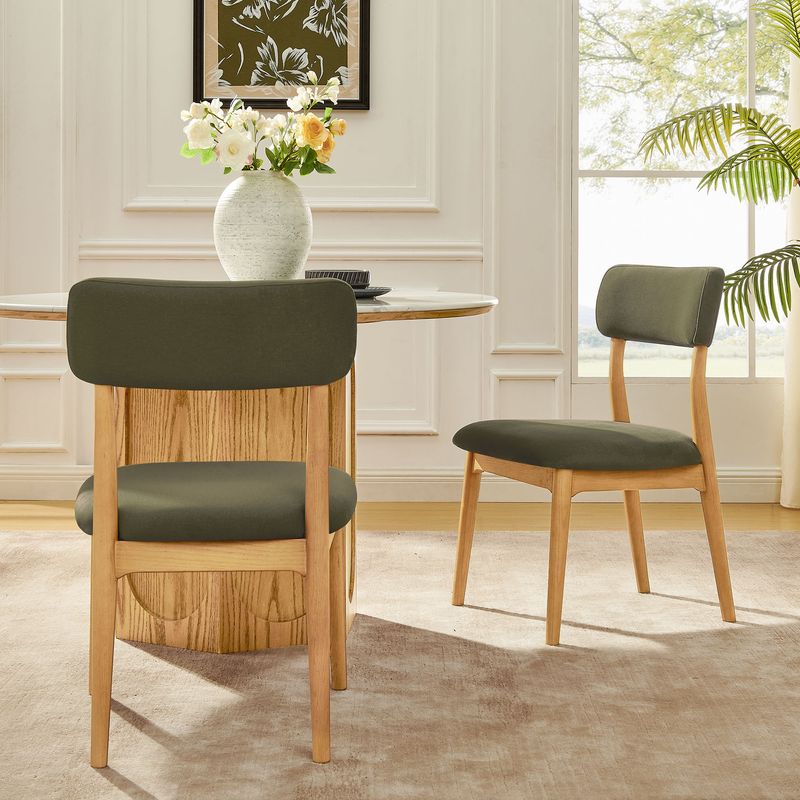
Mixing materials can add depth to a dining room. Wood frames can introduce natural texture, while upholstered seats can soften a space with hard surfaces.
To keep the arrangement cohesive, repeat at least one visual element across the room, such as a related finish, color, or silhouette. The goal is not to make every piece identical, but to create a connection between the furniture.
Plan for Everyday Use
Think about how the dining area functions beyond meals. If the table doubles as a workspace, comfortable seating and sufficient room to move the chairs may be priorities. If it is mainly used for quick breakfasts, ease of cleaning and a practical layout may matter more.
Consider who will use the chairs and how frequently. Review the material and care instructions, check the dimensions against your table, and make sure the seating arrangement suits your household's daily routine.
If you prefer a coordinated table-and-chair arrangement, explore the Hernest Dining Sets collection to compare options for your space.
Find Dining Chairs That Work for Your Space
The best dining chairs balance comfort, proportions, materials, and everyday practicality. Start by measuring your table and room, then compare chair designs and product specifications to find seating that suits your needs.
Explore the Hernest dining chair collection to compare different silhouettes, wood-frame designs, and upholstered options. By checking dimensions, understanding material differences, and planning the surrounding layout, you can create a dining area that feels considered and works for everyday life.