
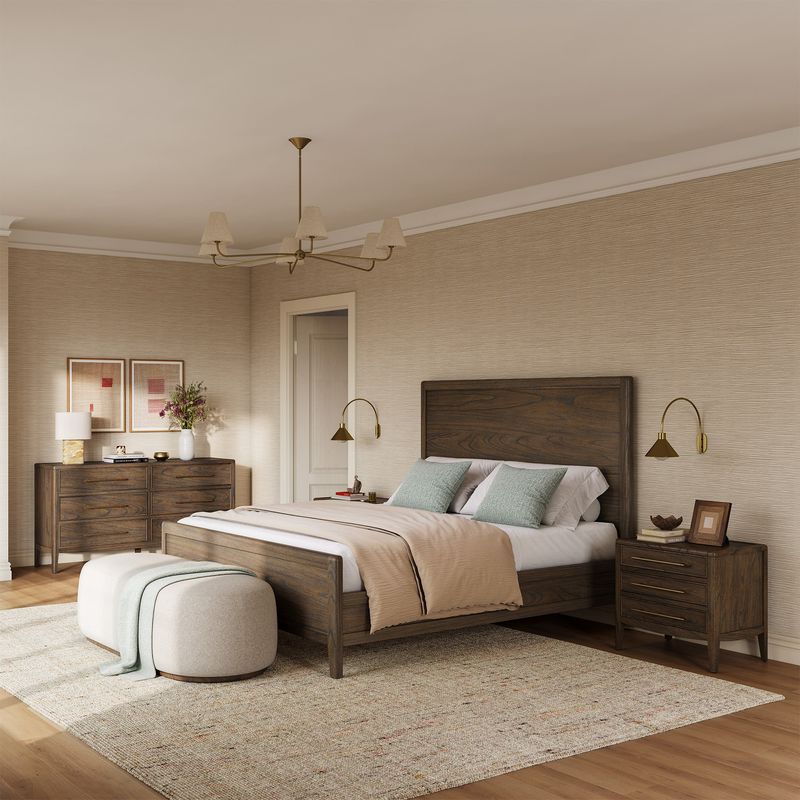
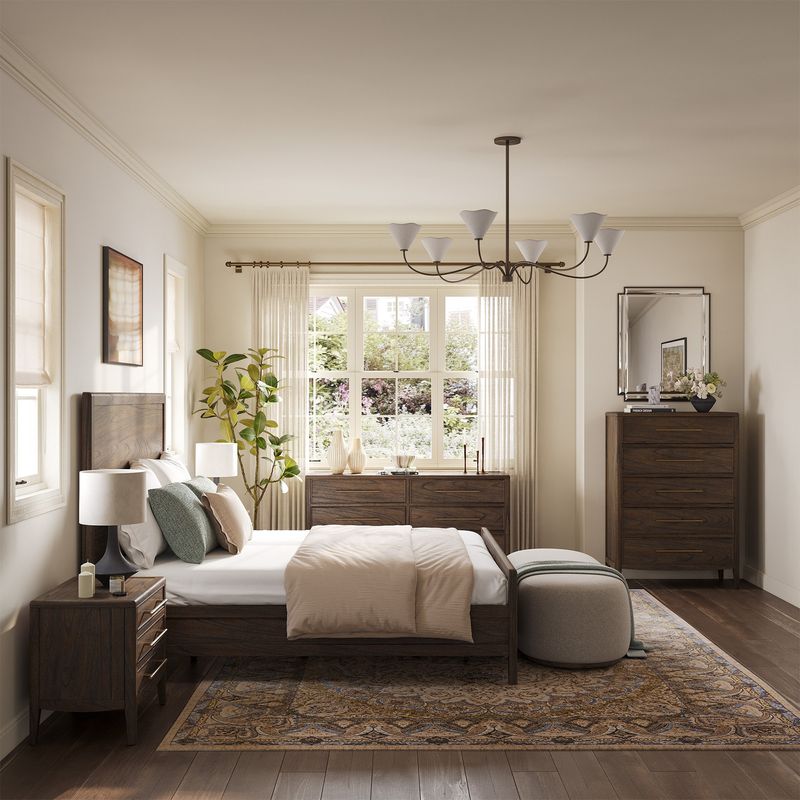
Explore Bedroom Furniture for Every Need
Furnishing a bedroom usually starts with one big question: what do you actually need? A comfortable bed is essential, but the rest of the room depends on how you sleep, dress, store your belongings, and use the space every day.
Hernest bedroom furniture includes bed frames, nightstands, dressers, and chests designed to work across different room sizes and routines. You can furnish the room with a coordinated set or choose individual pieces as your needs change.
Before buying, think about the room itself. Measure the available wall space, note where doors and windows open, and consider how much clearance you need around the bed. From there, it becomes easier to choose bedroom furniture that fits instead of forcing the room to fit the furniture.
Read More
Bed Frames for a Strong Foundation
The bed frame is usually the largest piece in a bedroom, so its size and shape set the tone for everything around it. Start with your mattress size, then check the overall dimensions of the frame-not just the mattress footprint.
Leave enough room to walk comfortably on each side of the bed and consider where nightstands will sit. In a smaller room, a streamlined frame can help preserve valuable floor space. In a larger primary bedroom, a more substantial silhouette can give the room a stronger focal point.
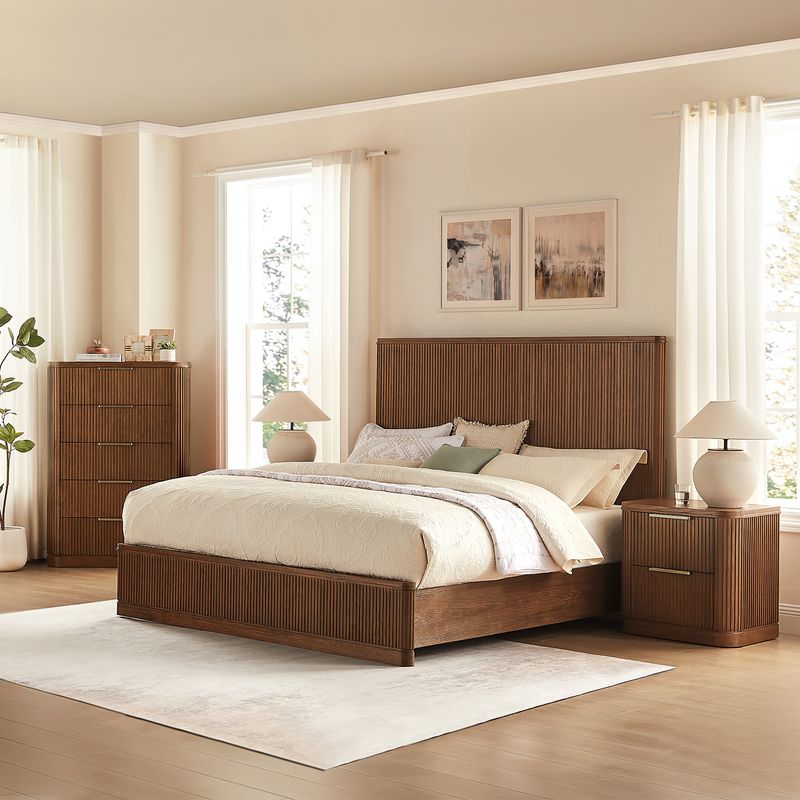
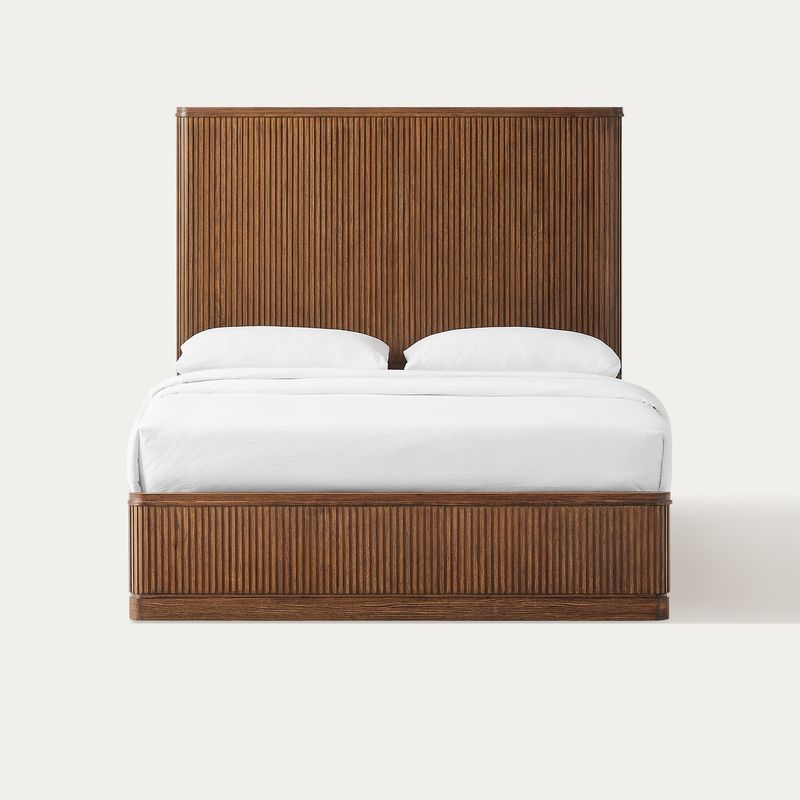
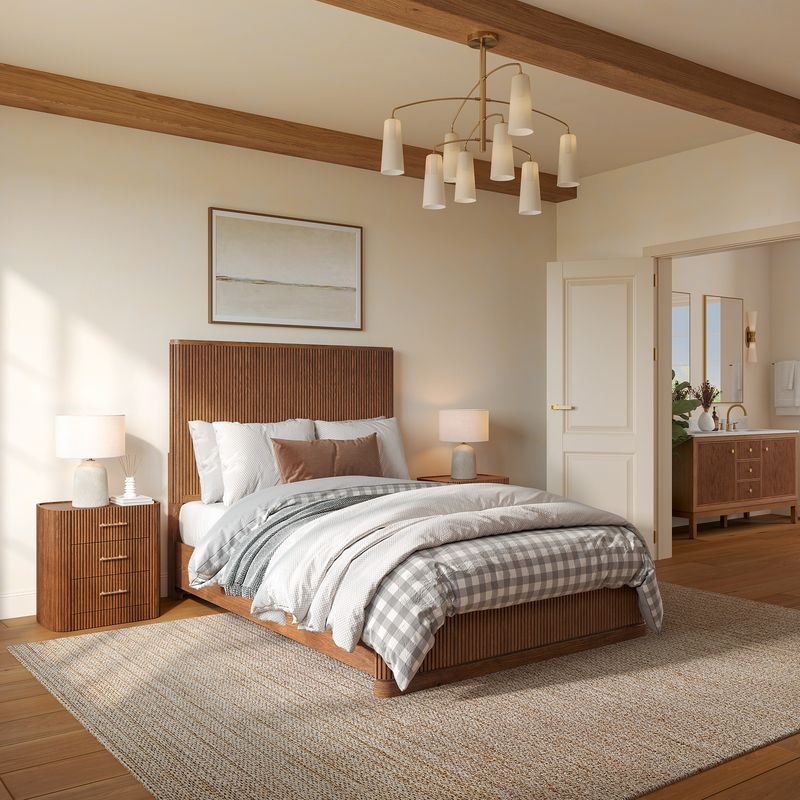
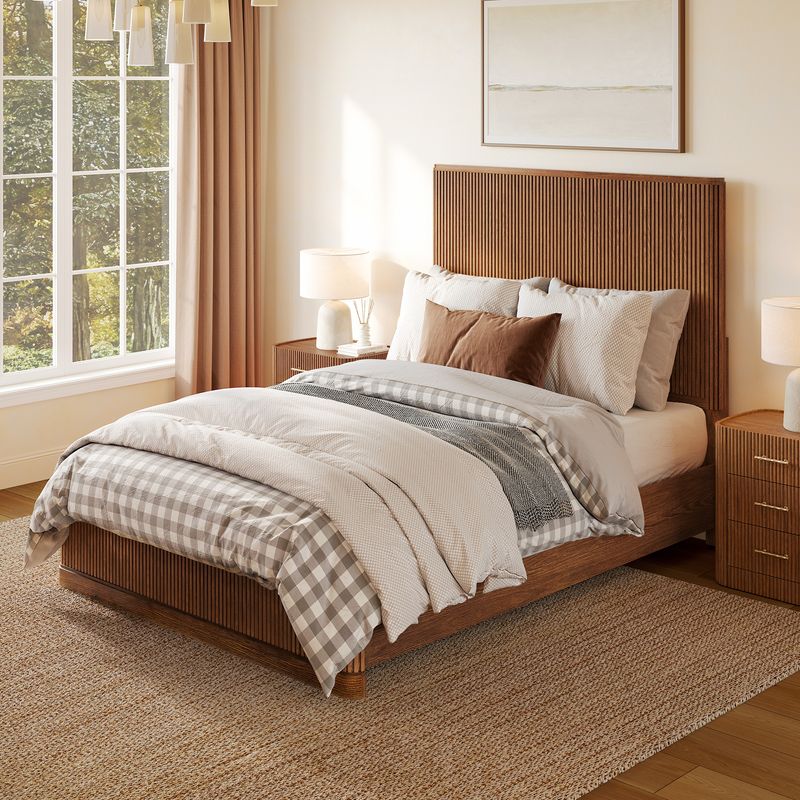
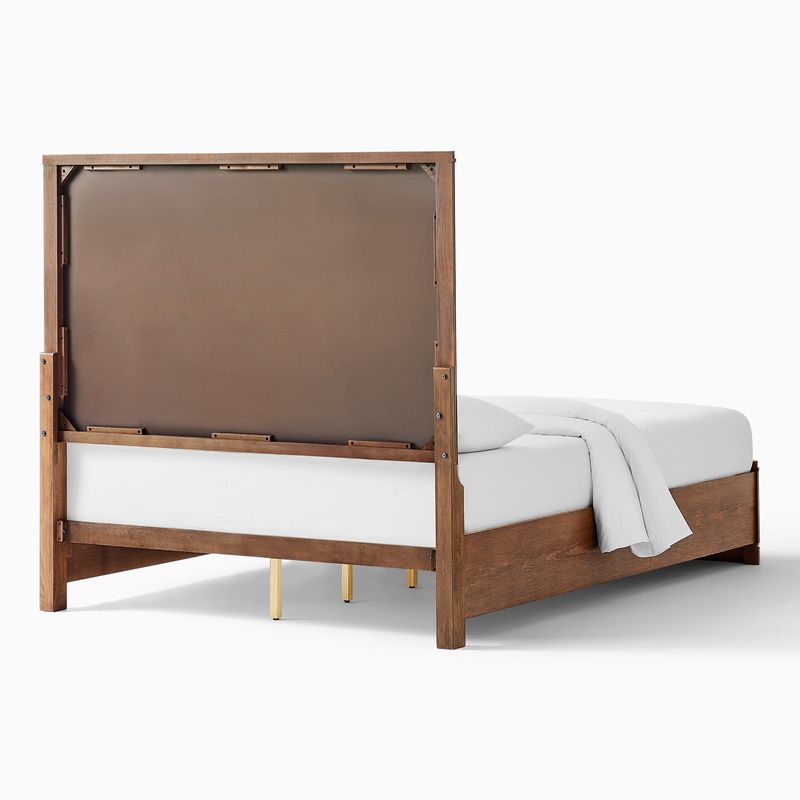
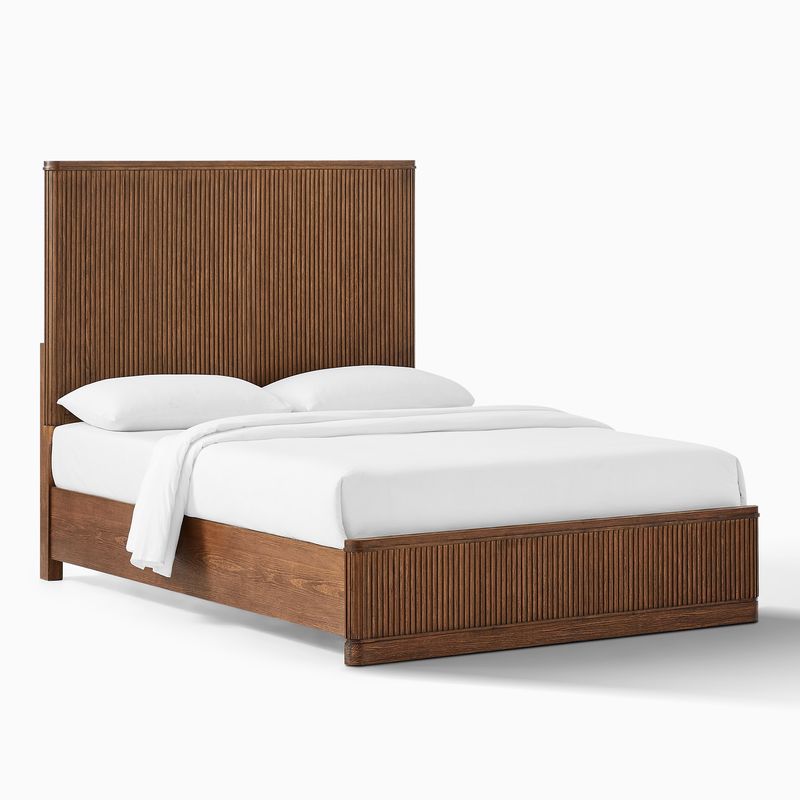
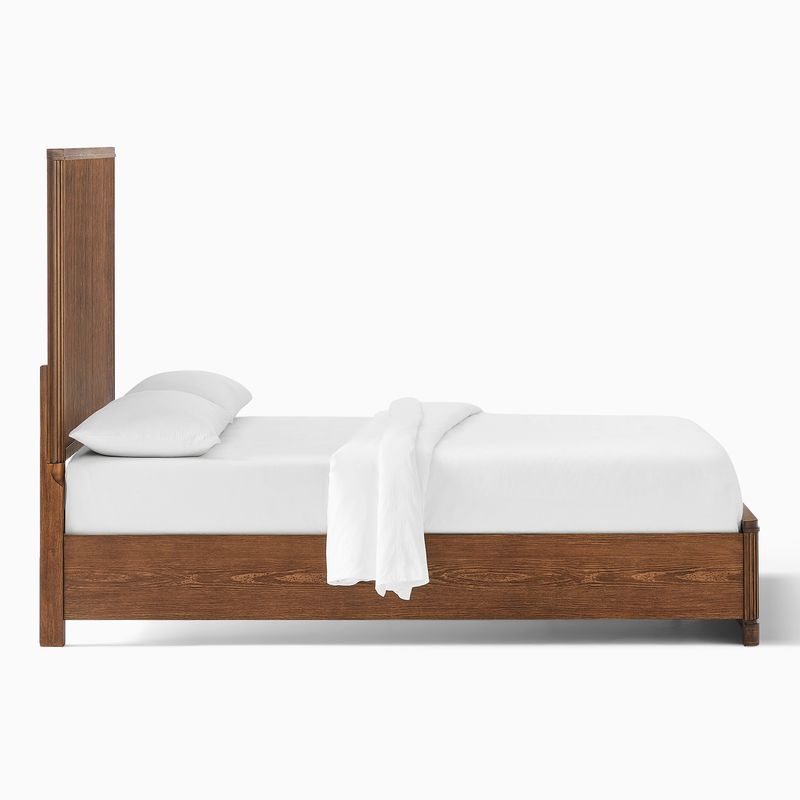
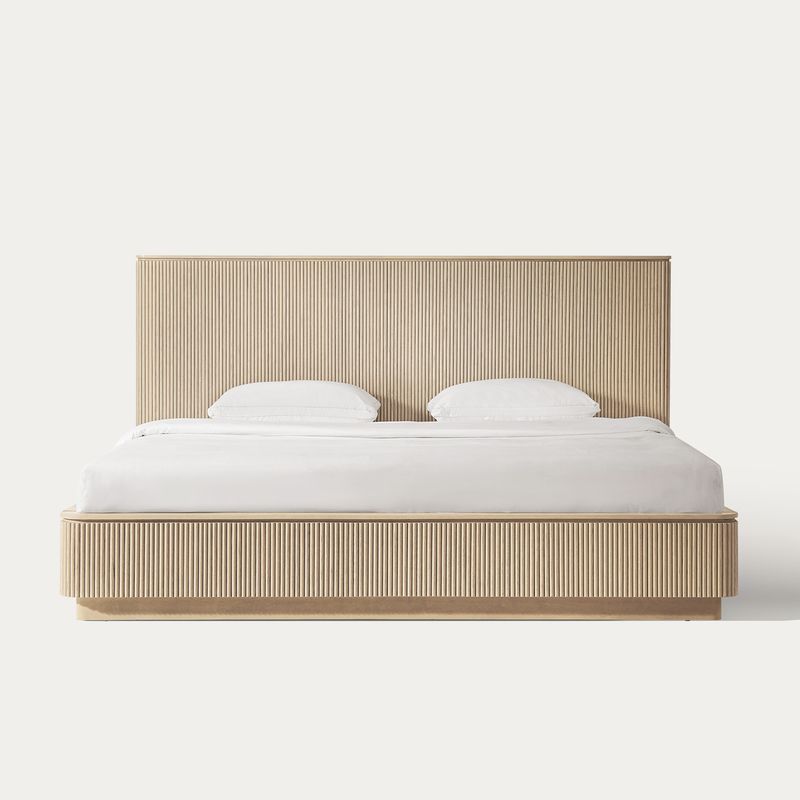
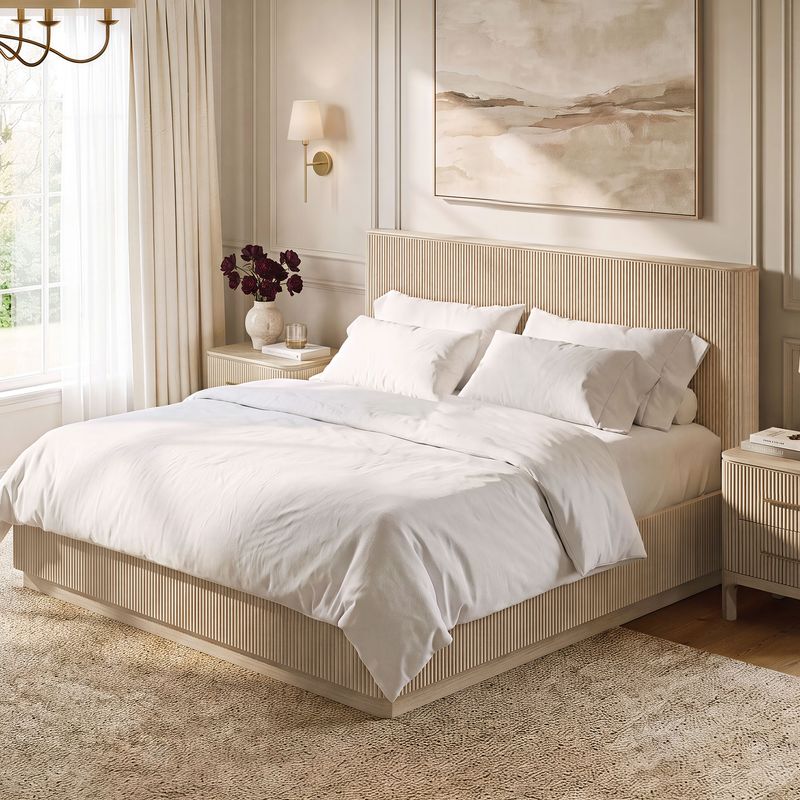
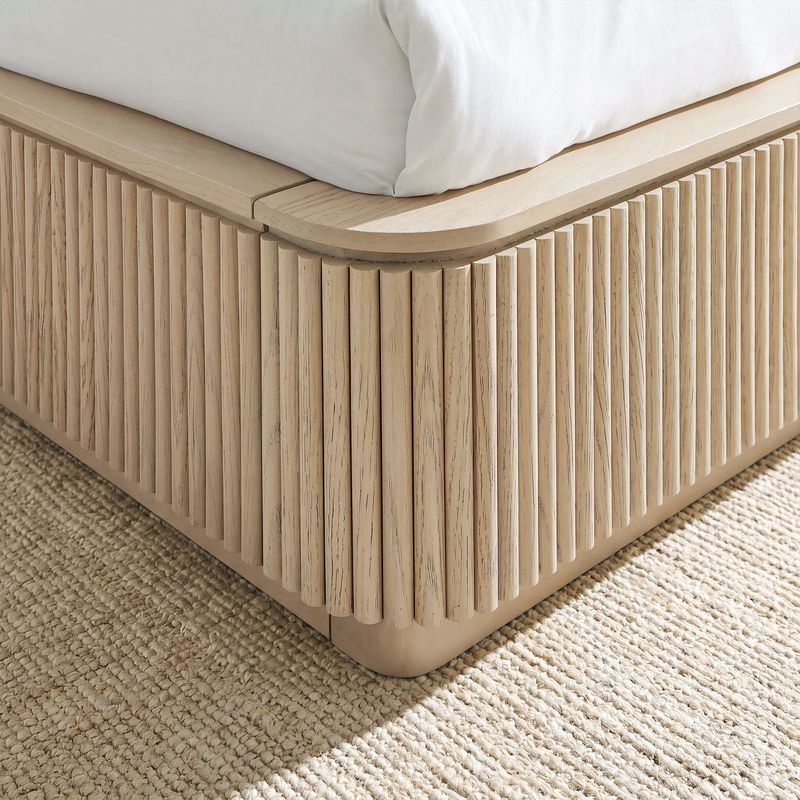
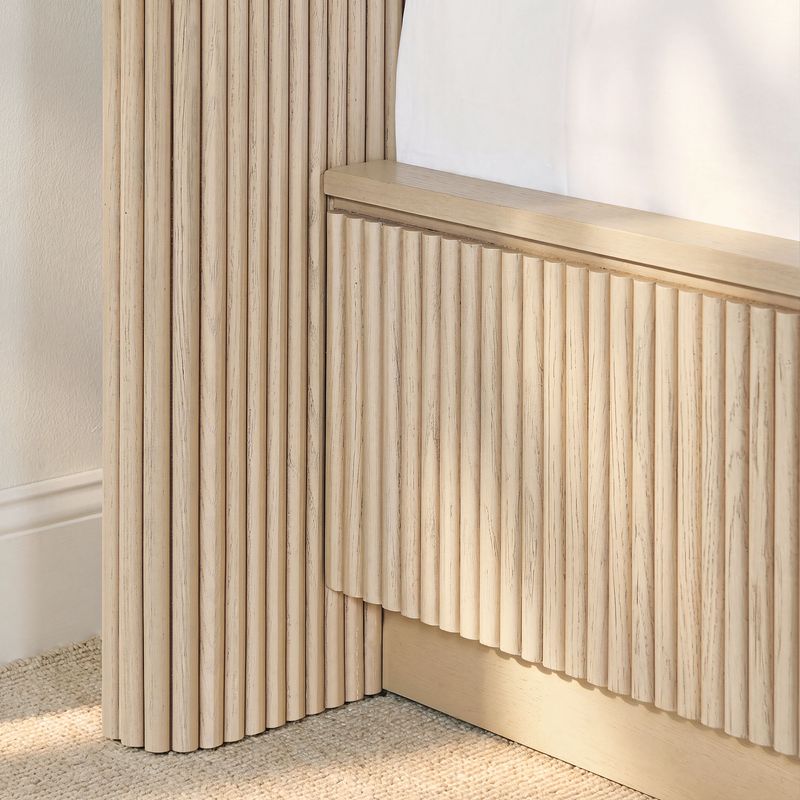
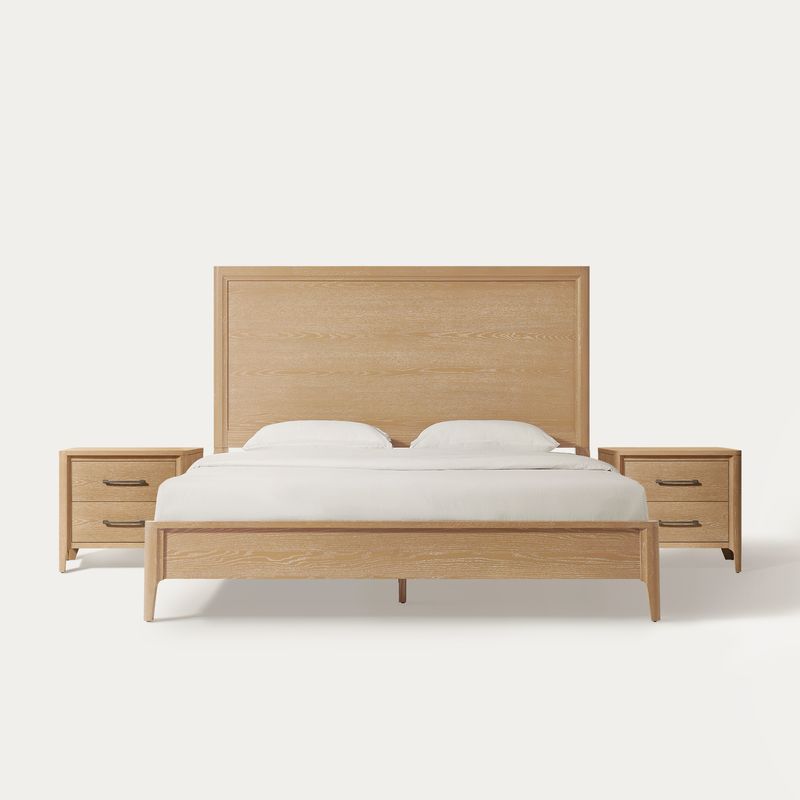
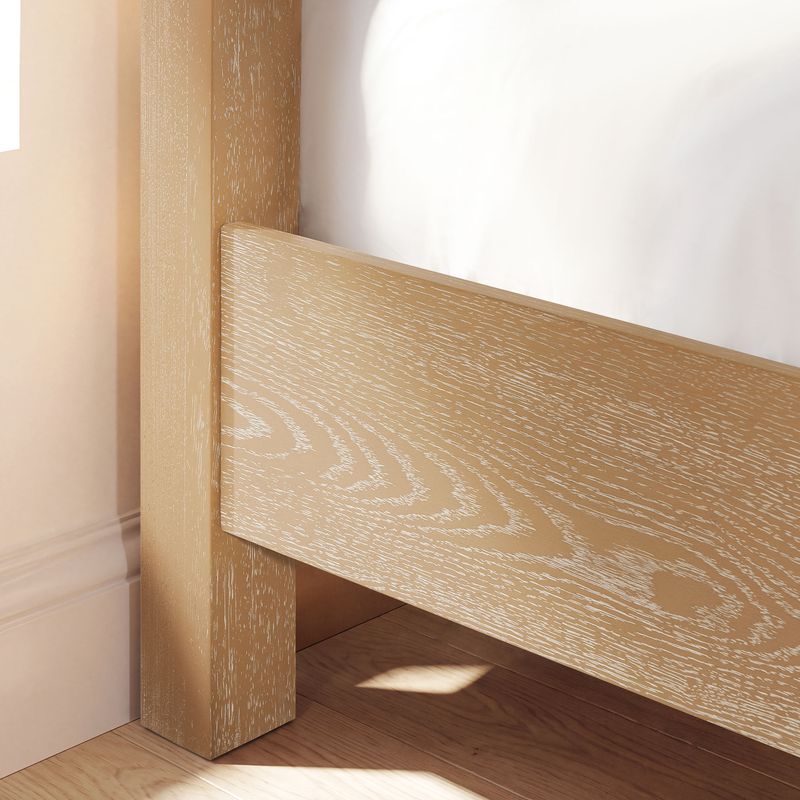
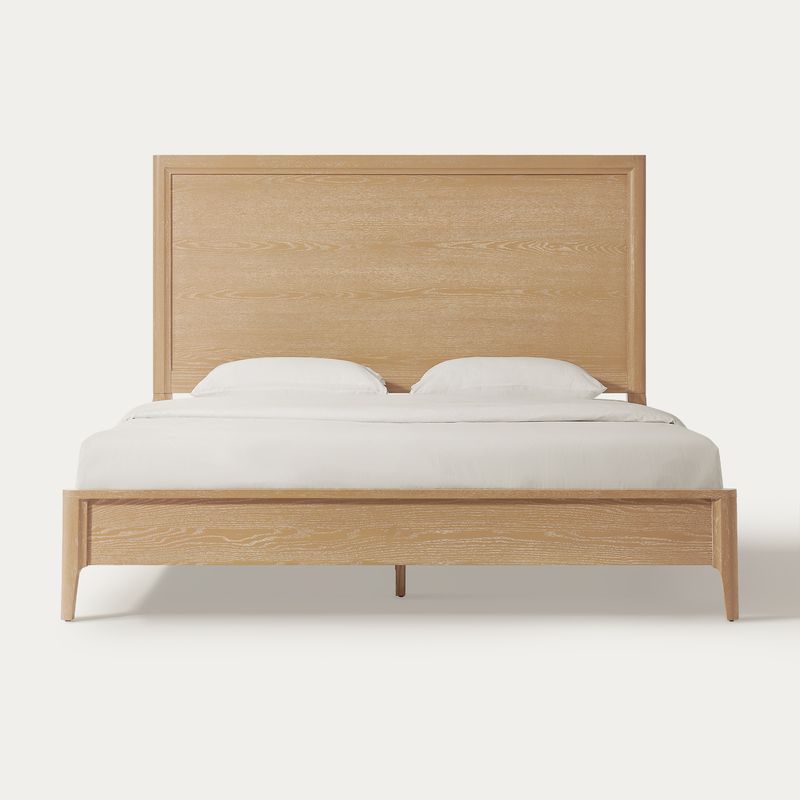
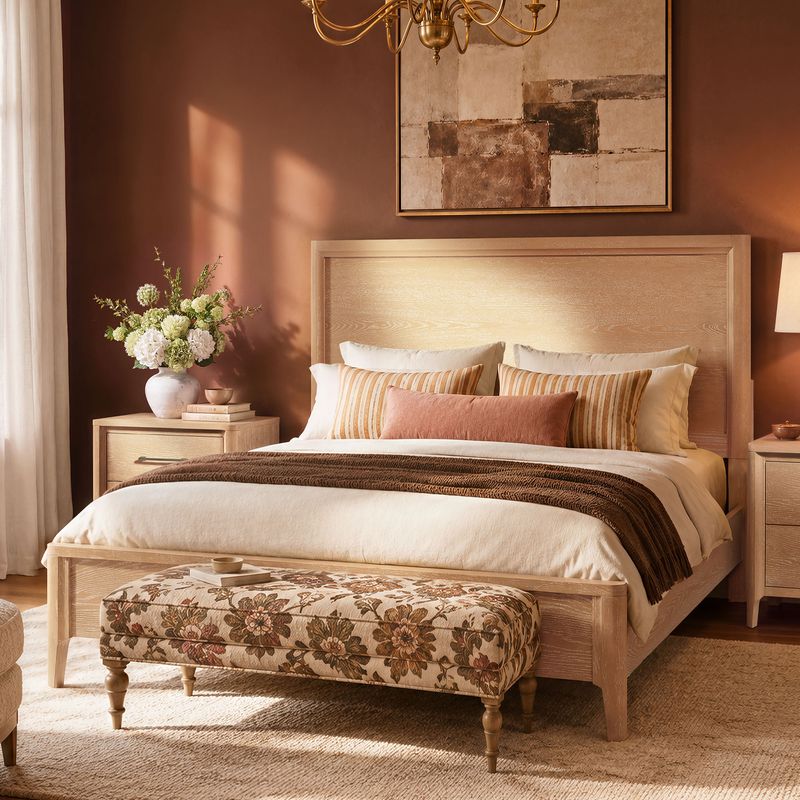
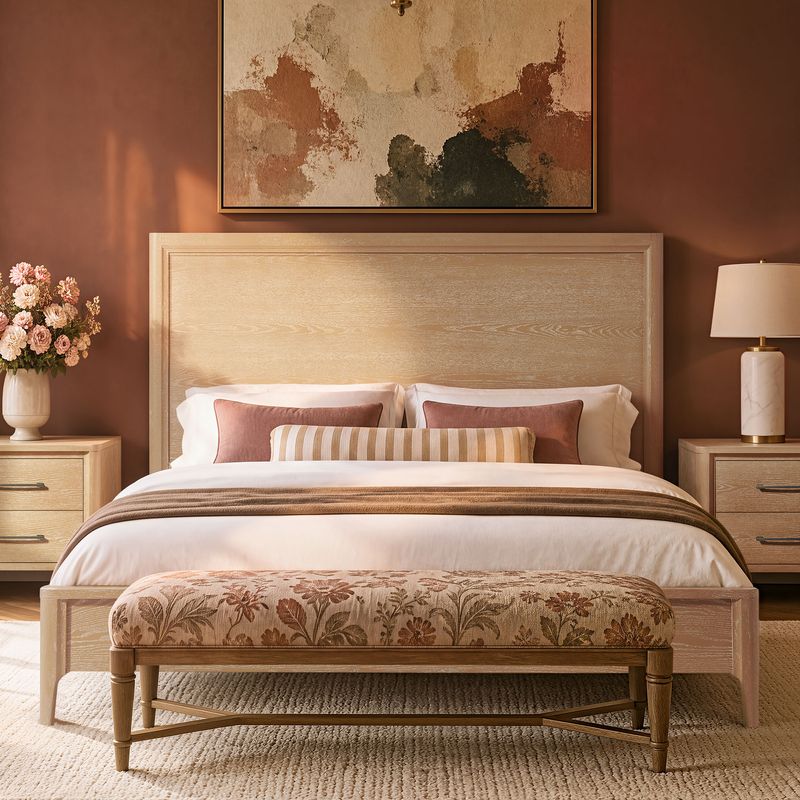
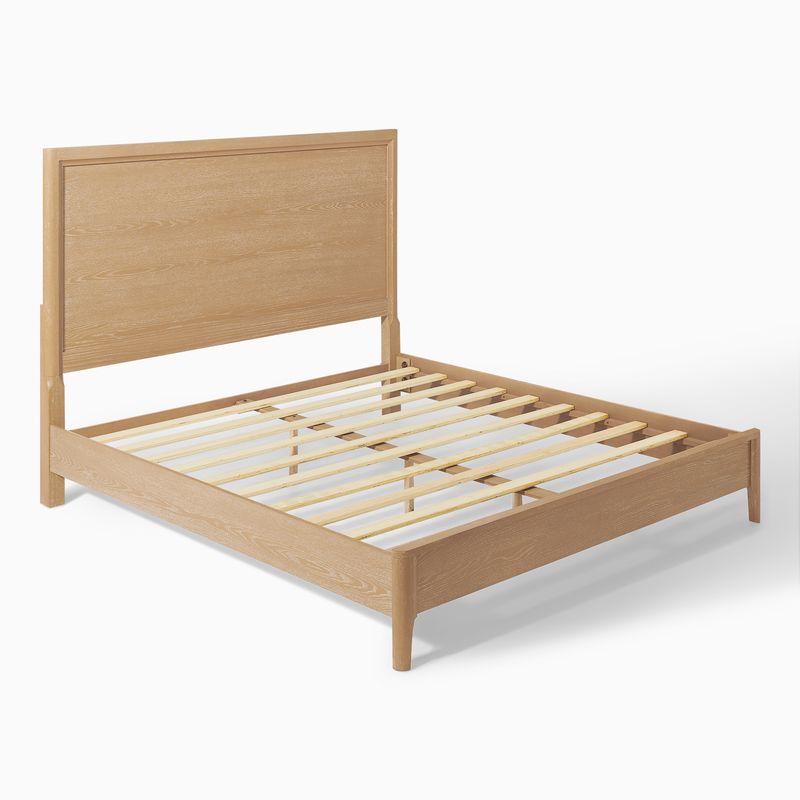
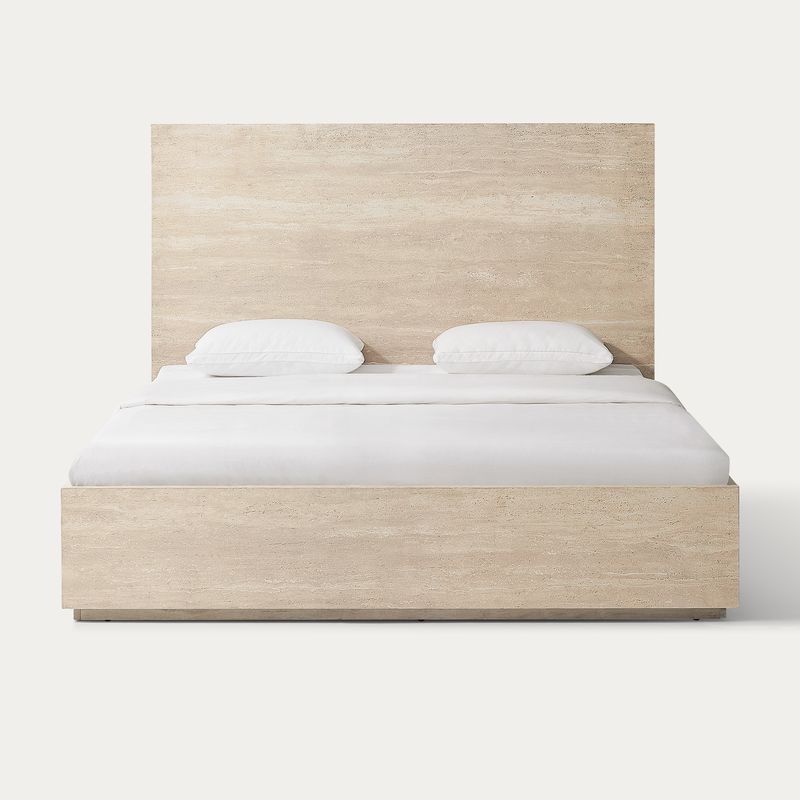
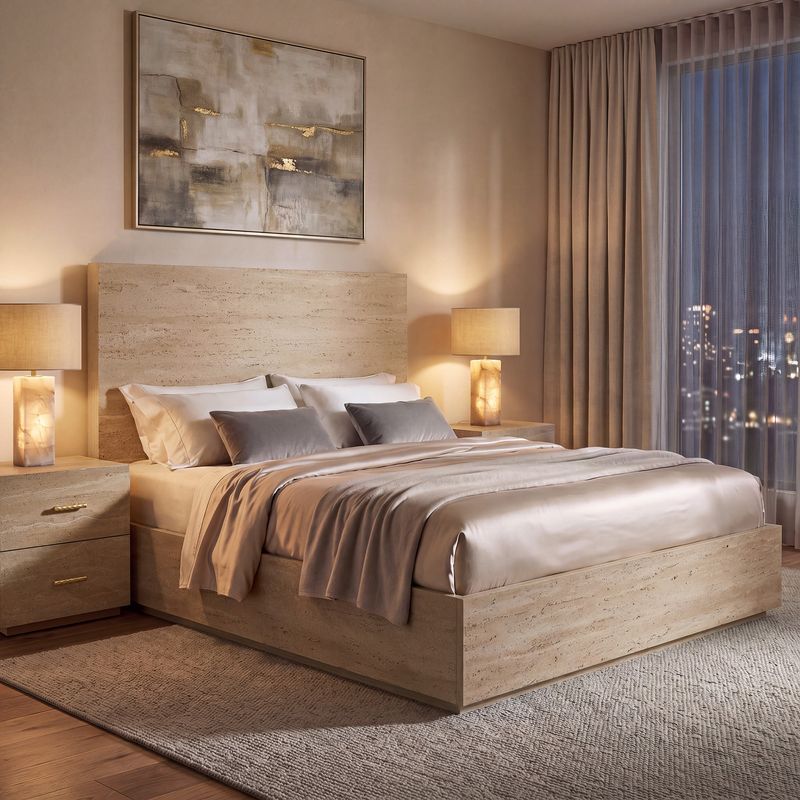
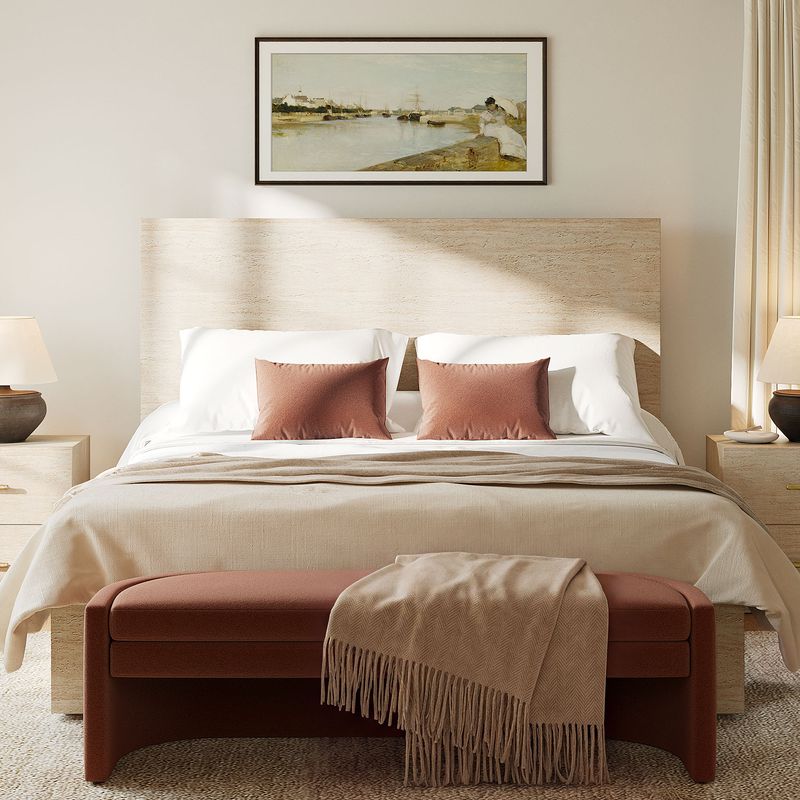
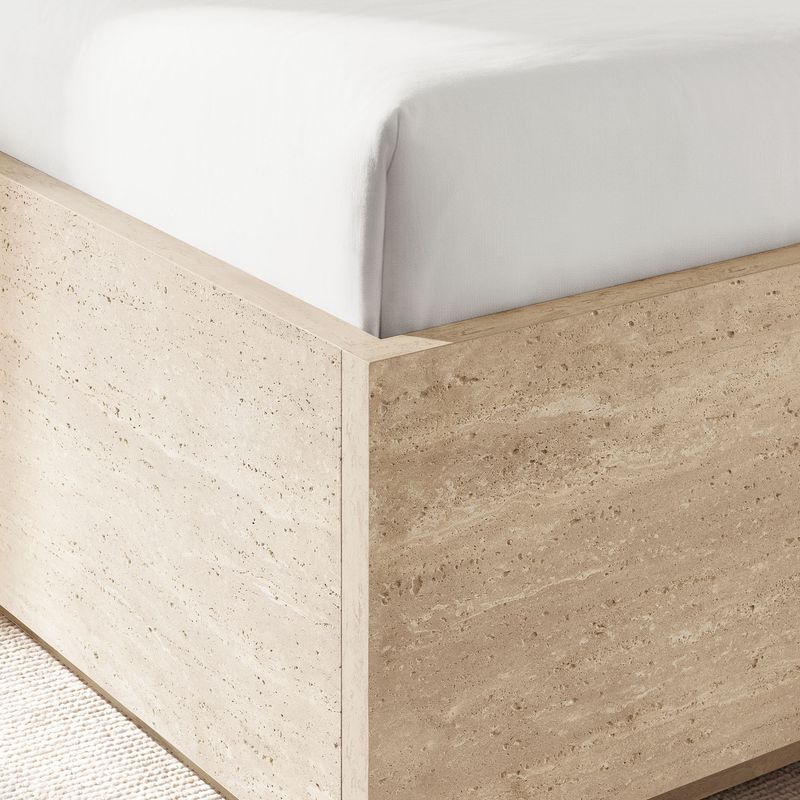
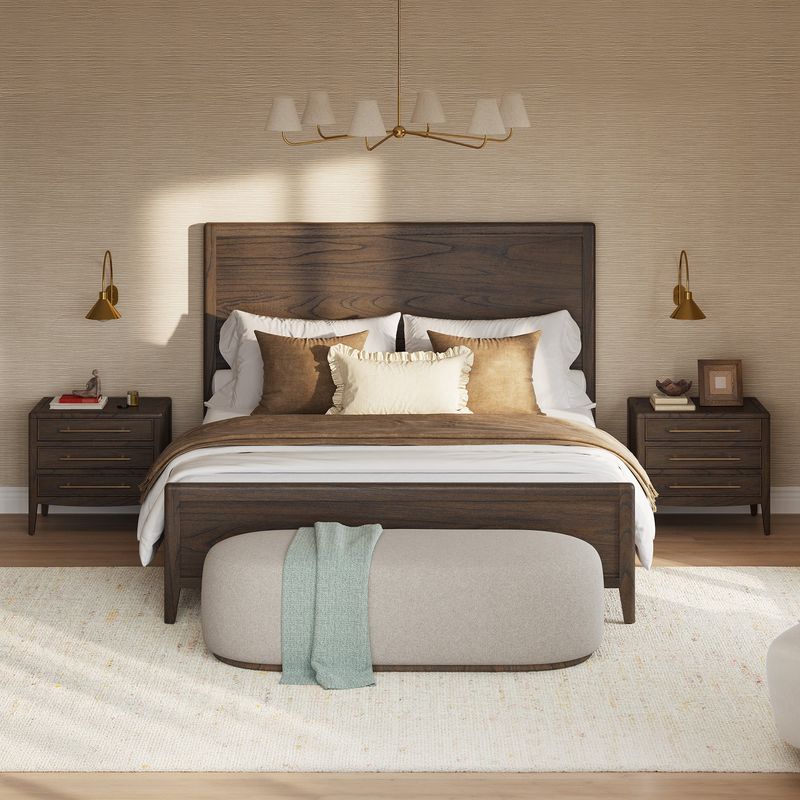
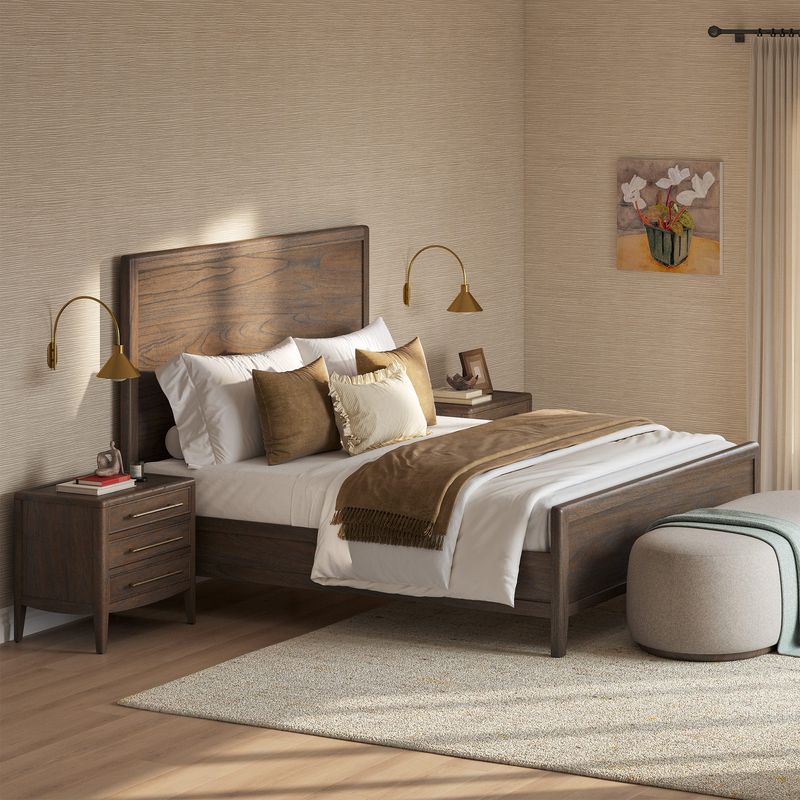
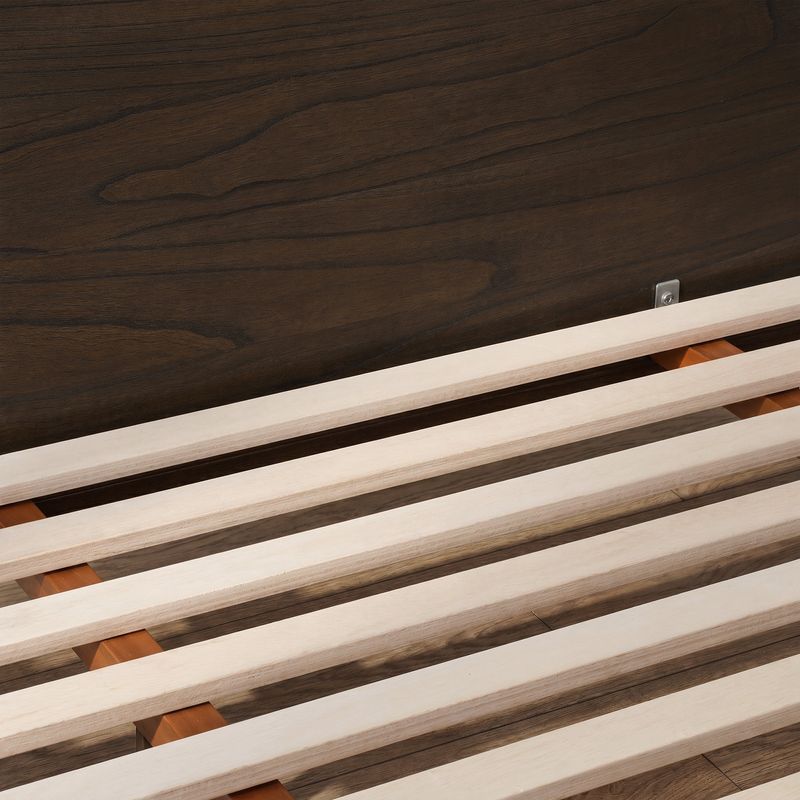
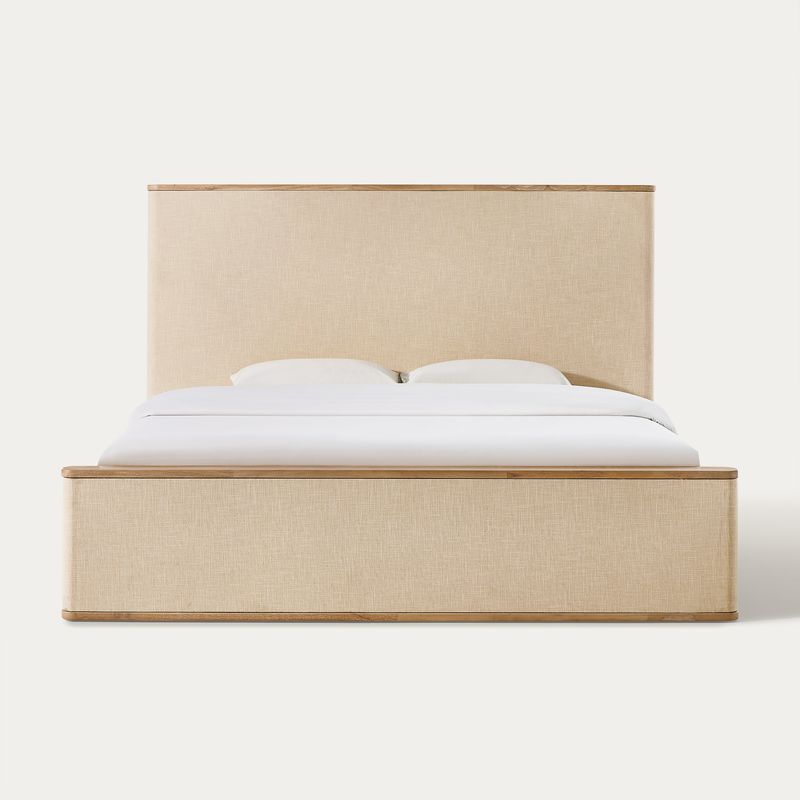
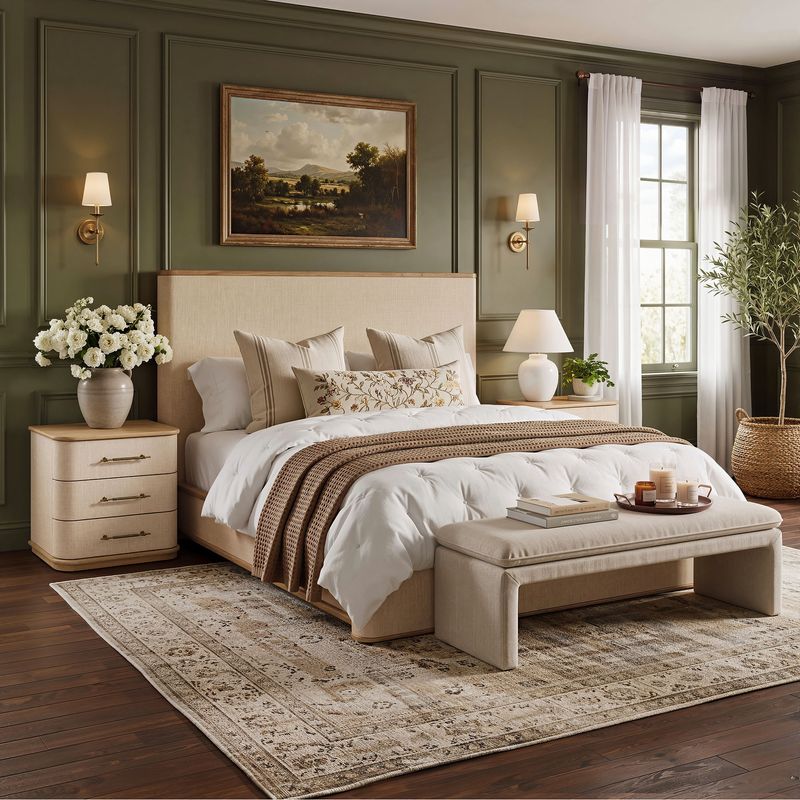
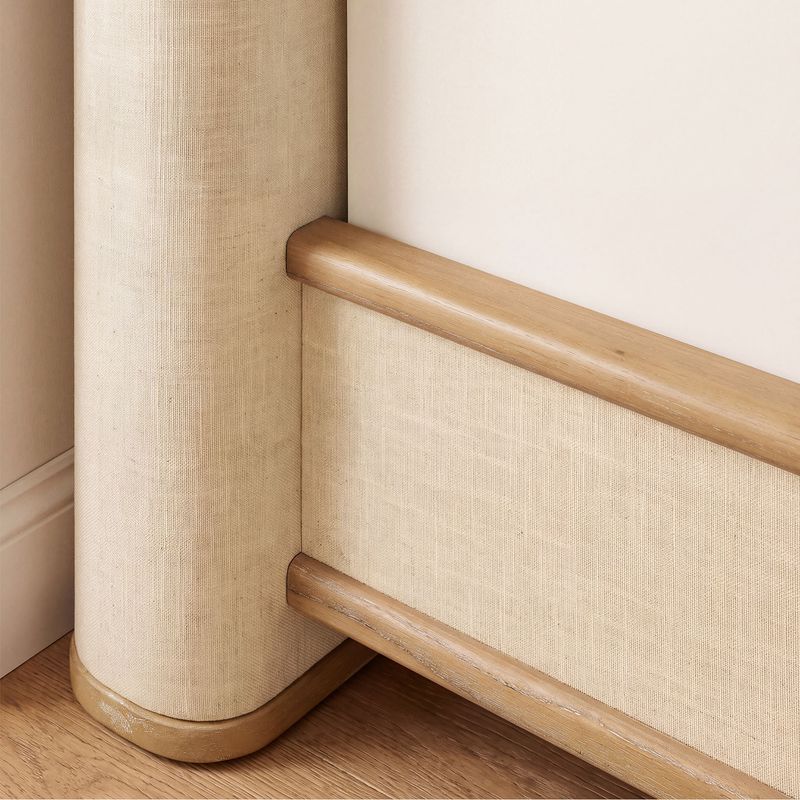
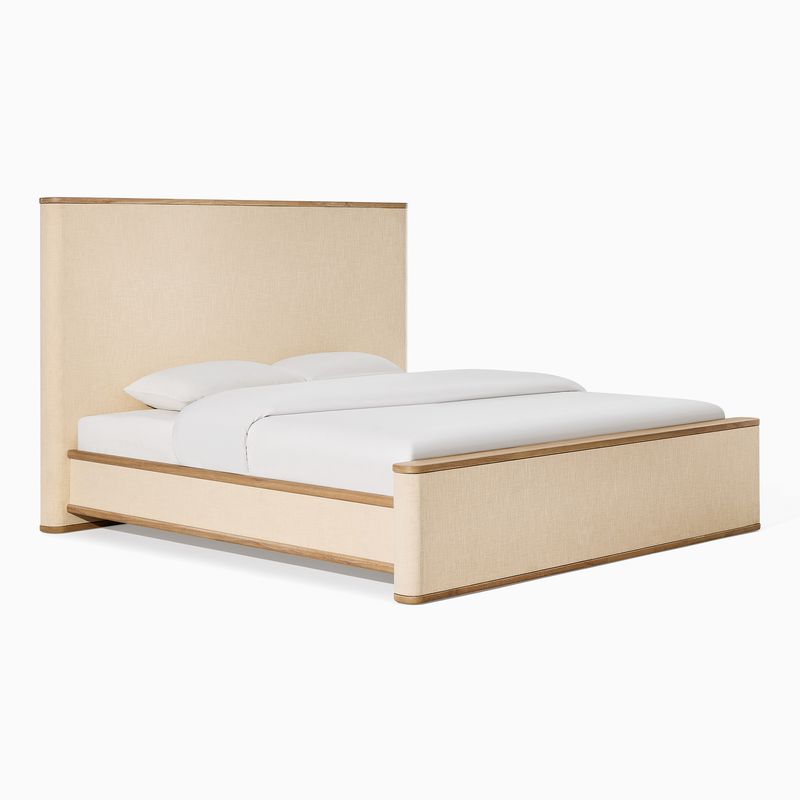
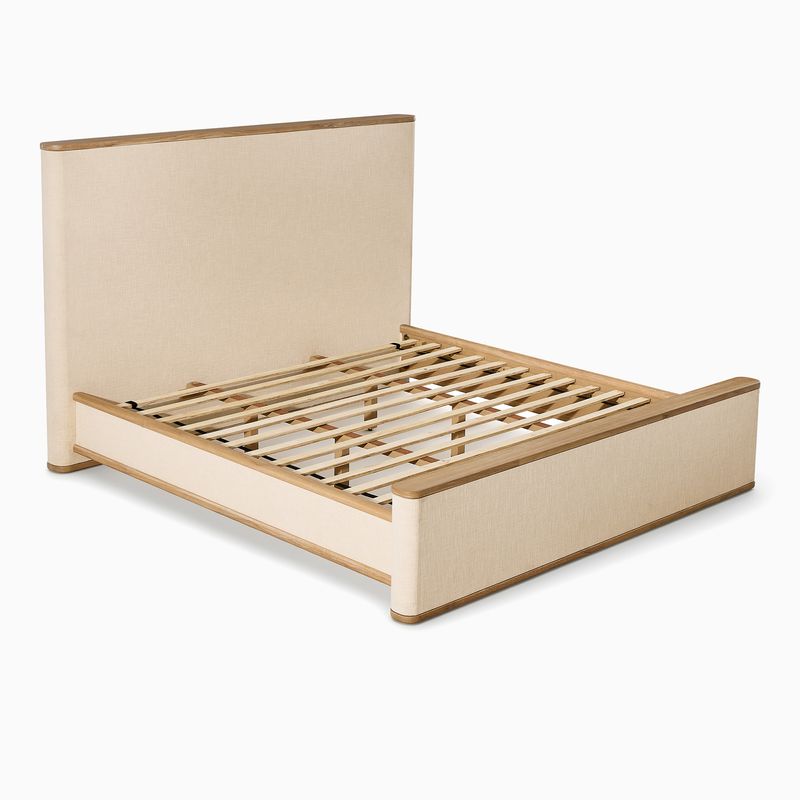
Hernest bed frames emphasize clean proportions, warm materials, and contemporary details. A wood bed frame can also introduce natural grain and texture, giving the bedroom warmth without relying on excessive decoration.
Dressers for Everyday Clothing Storage
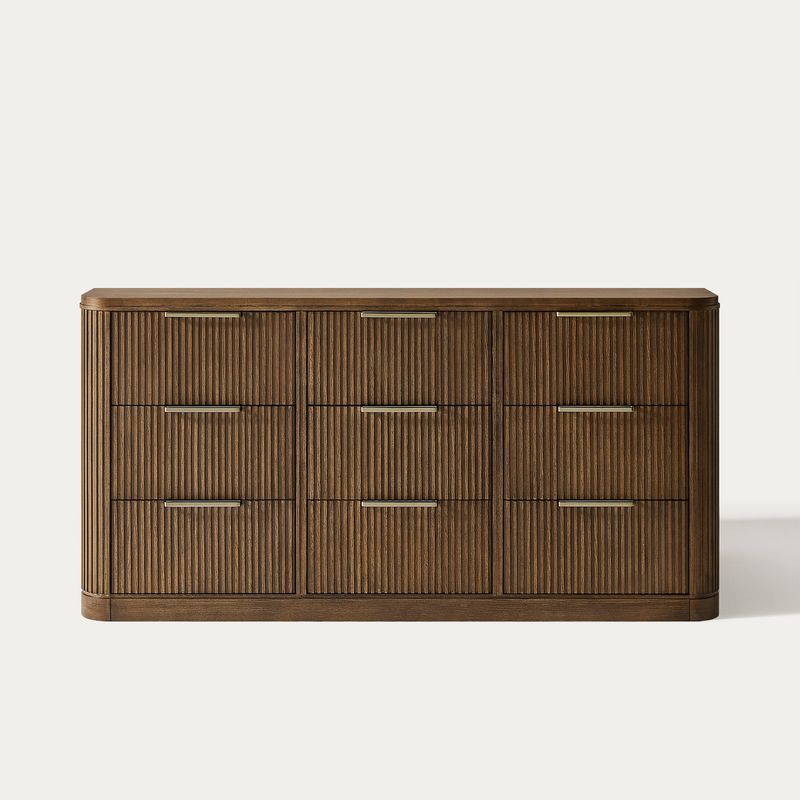
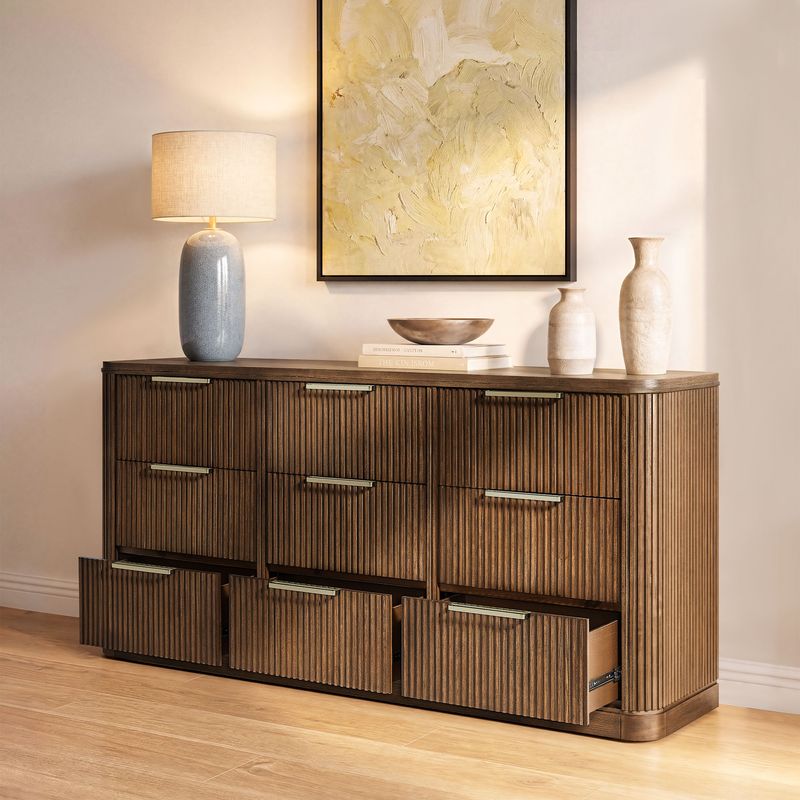
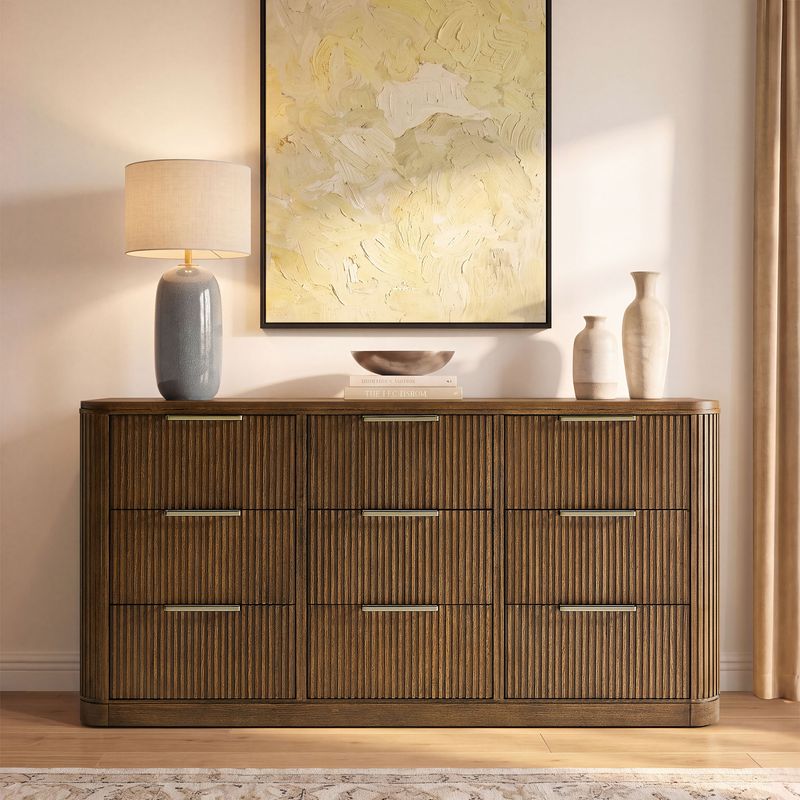
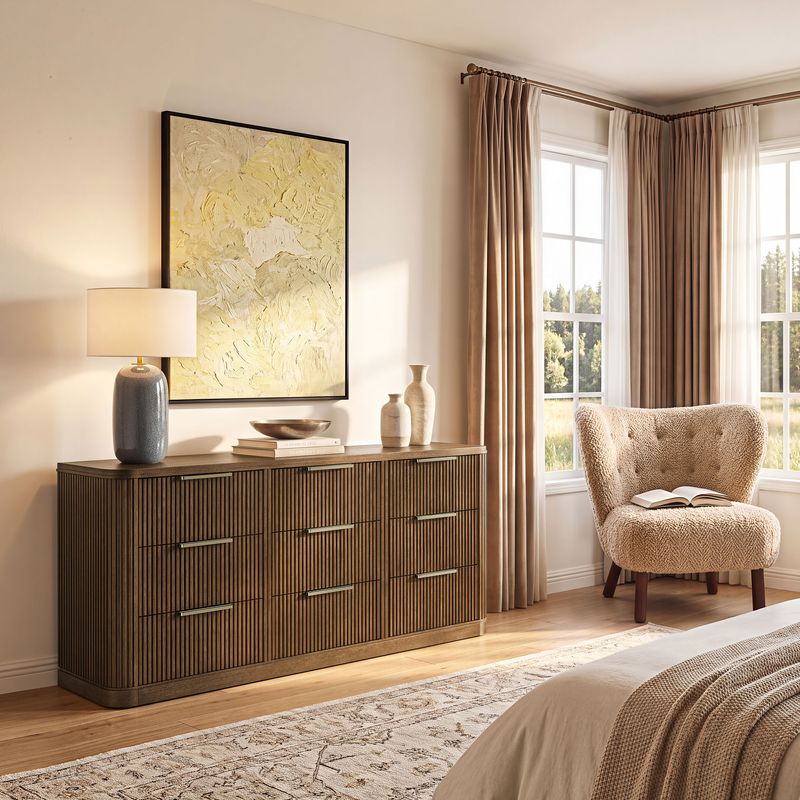
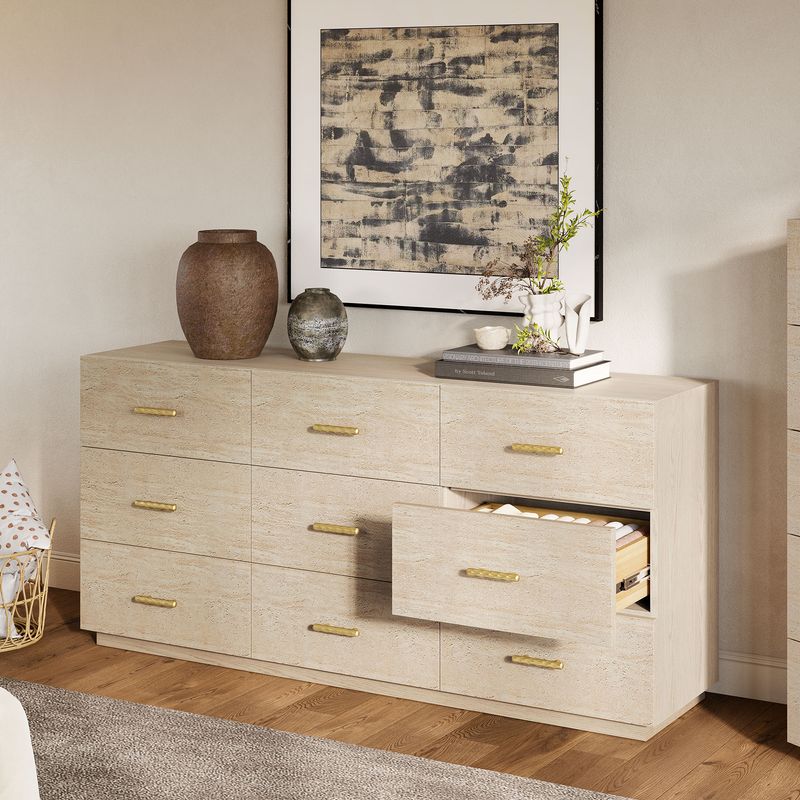
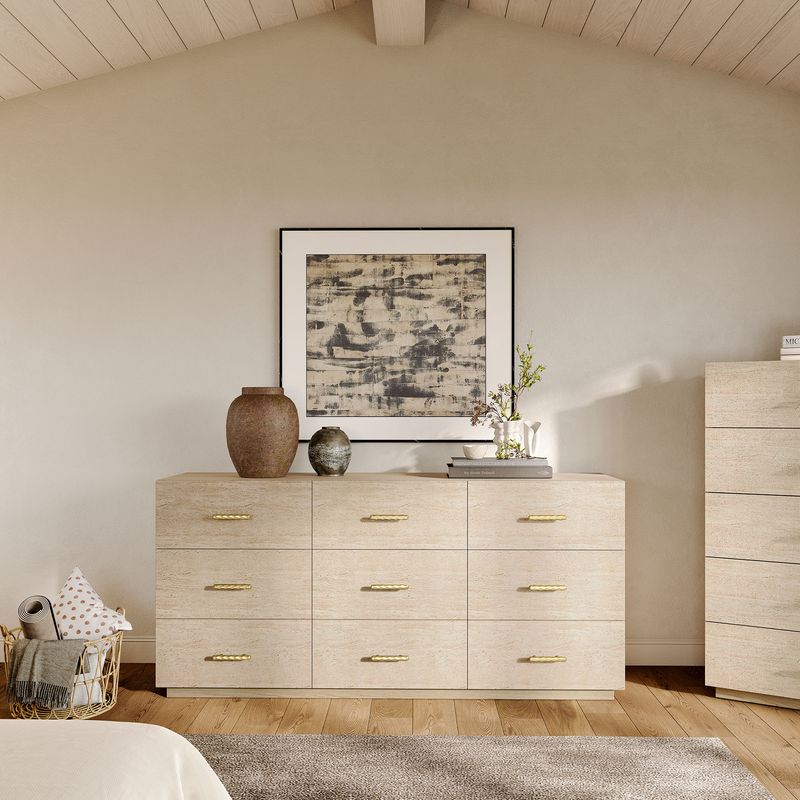
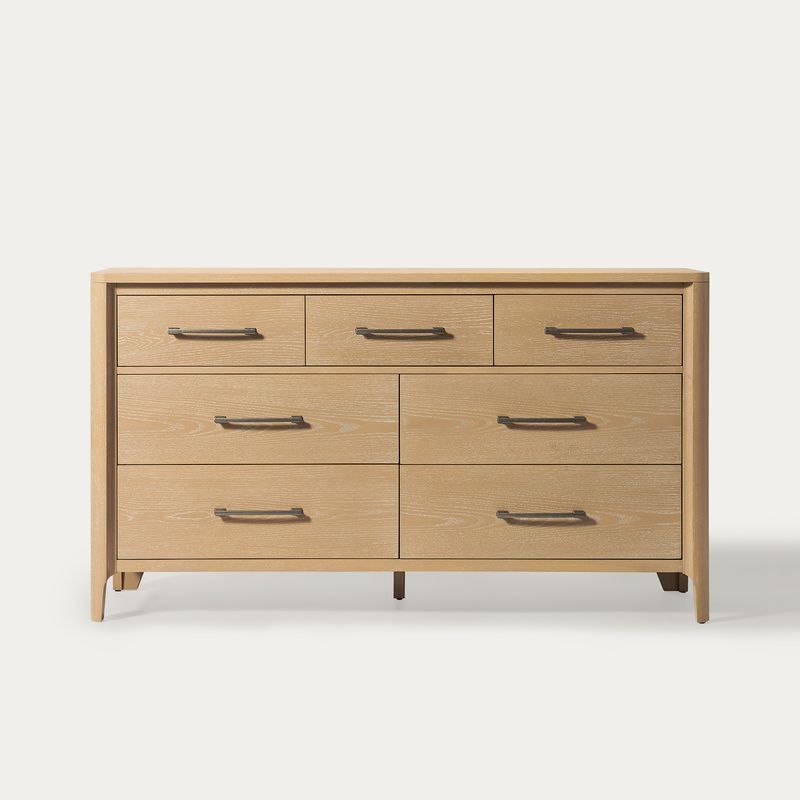
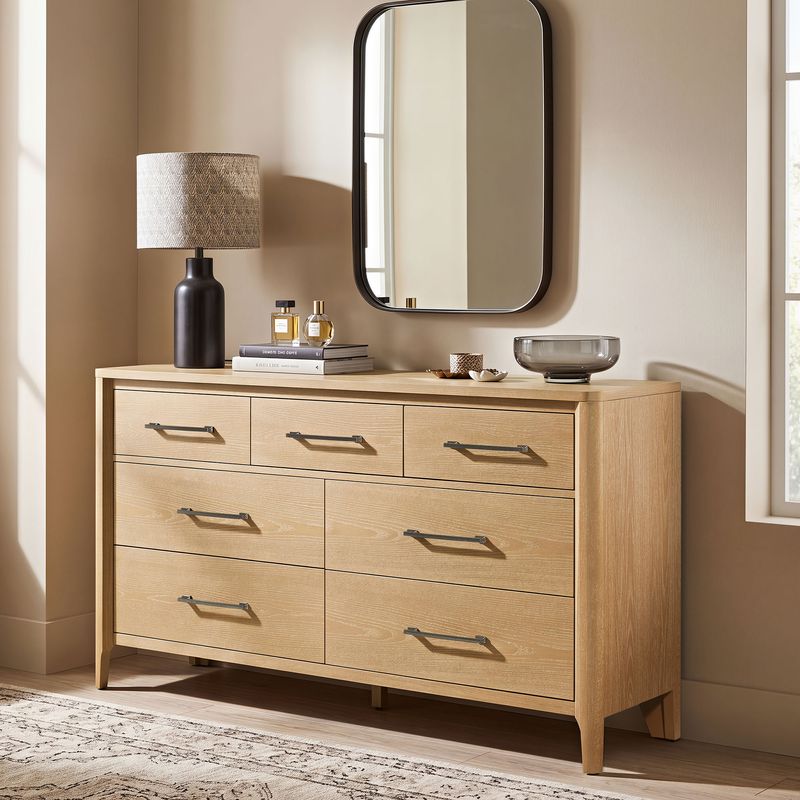
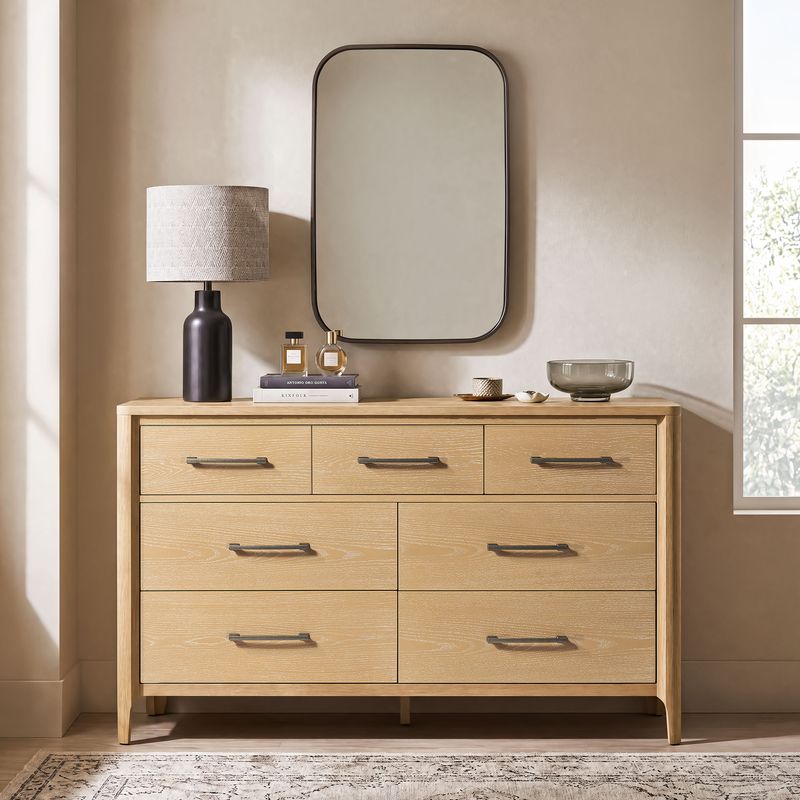
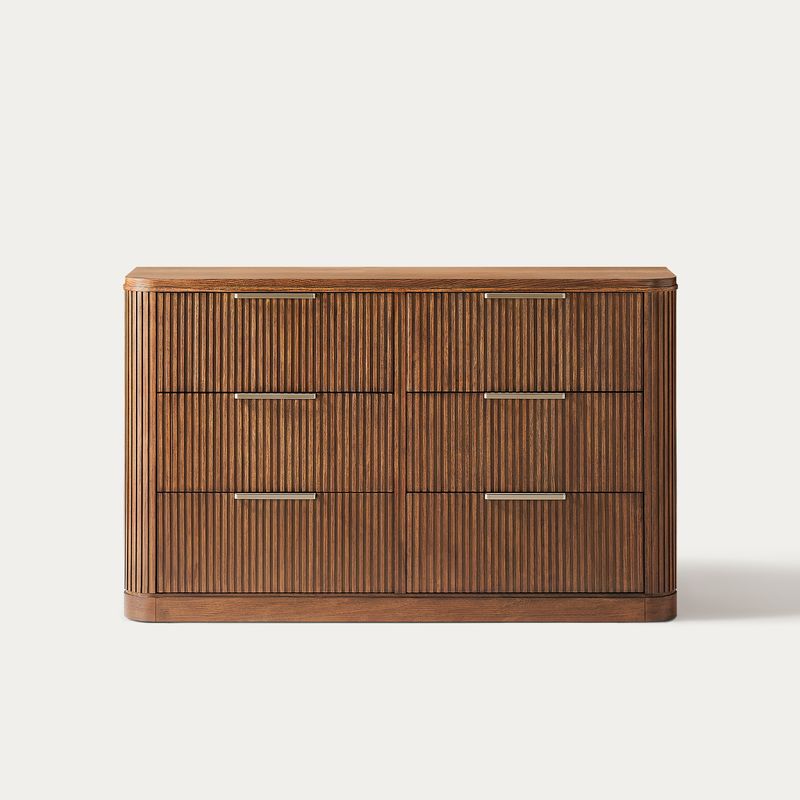
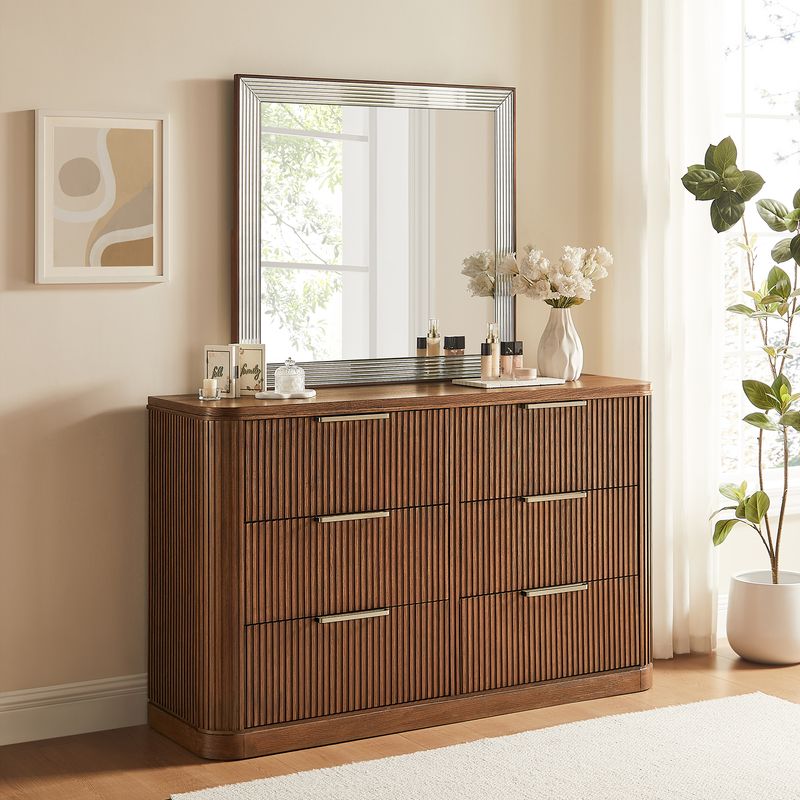
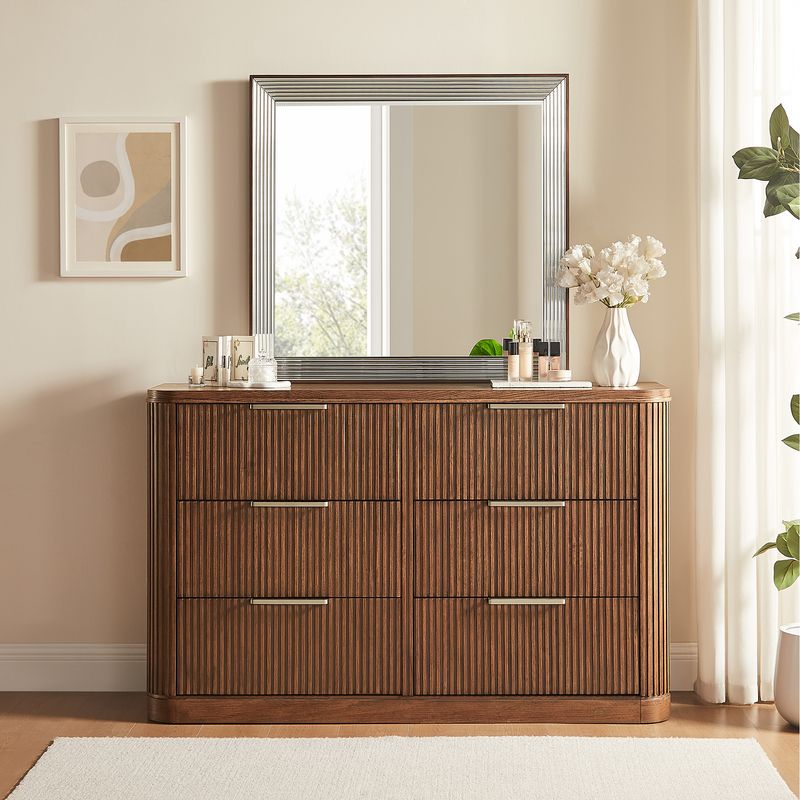
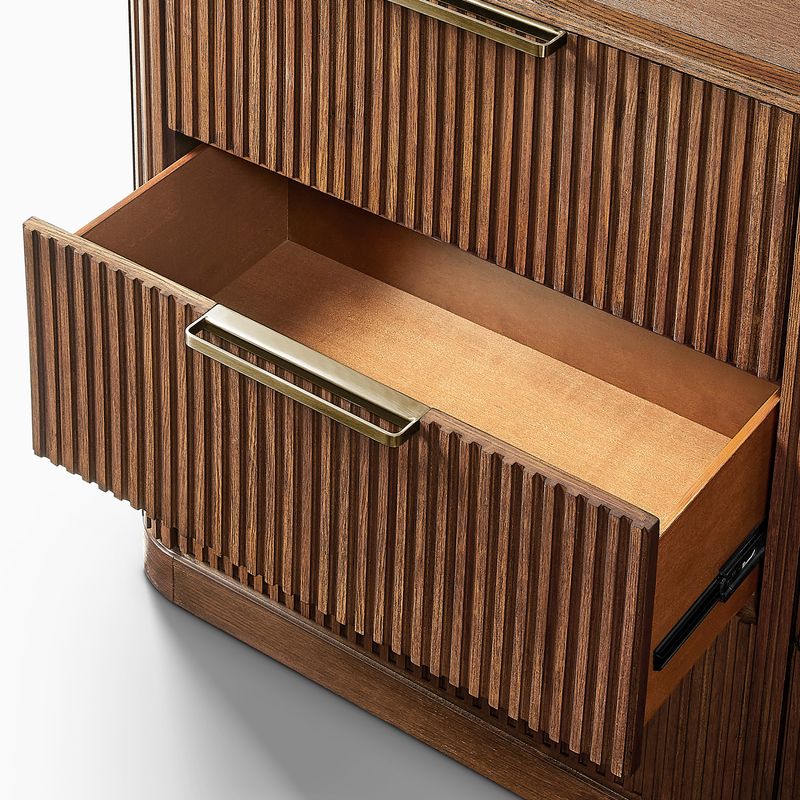
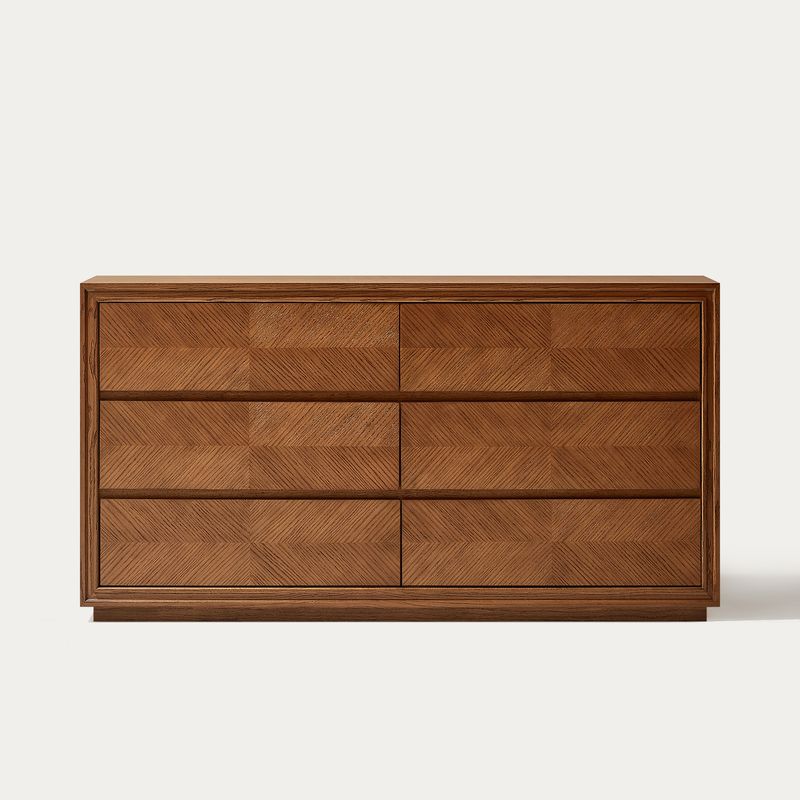
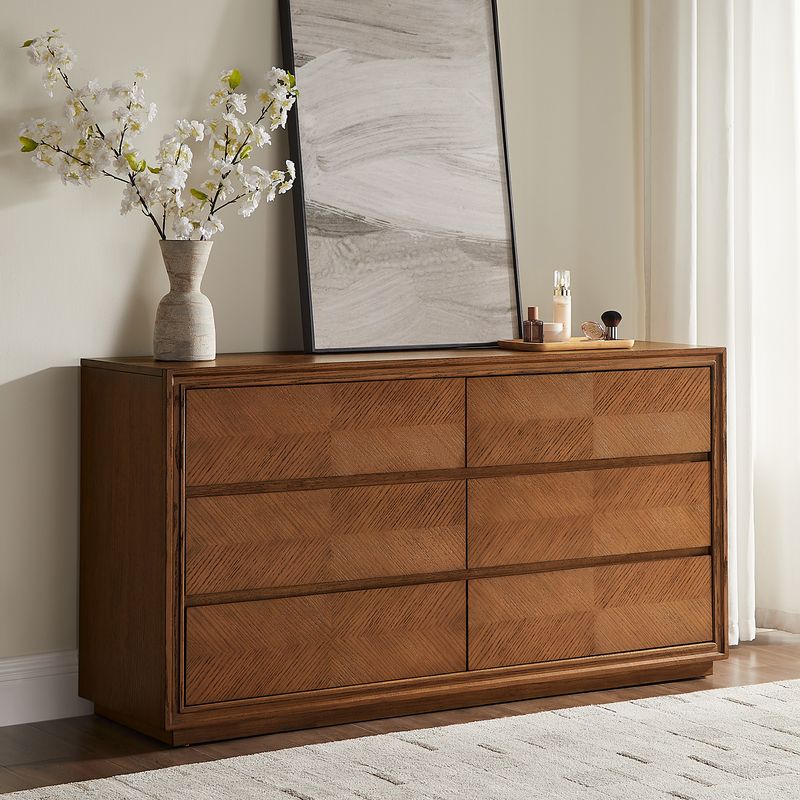
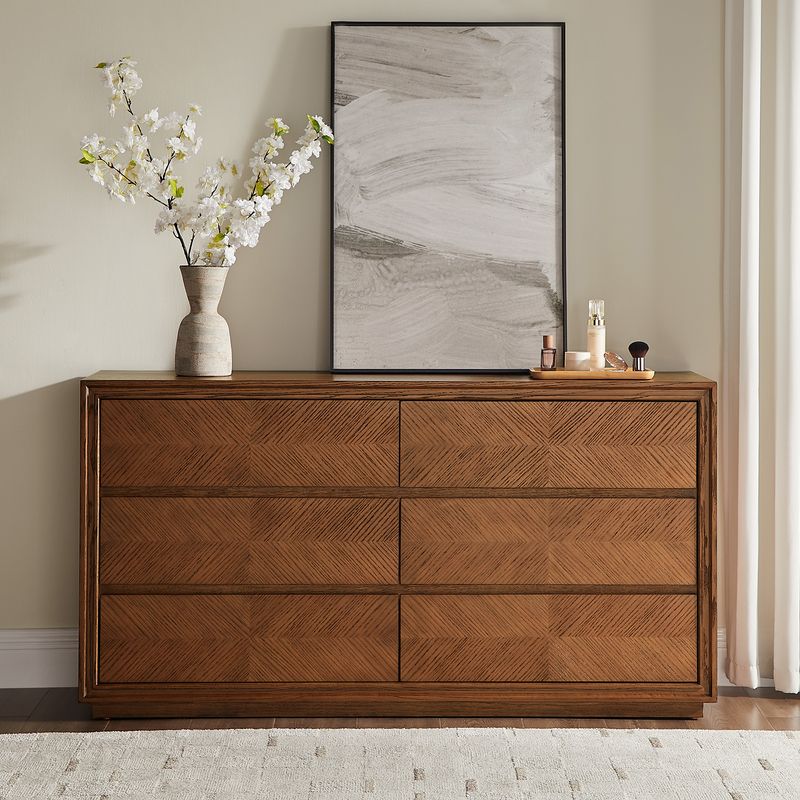
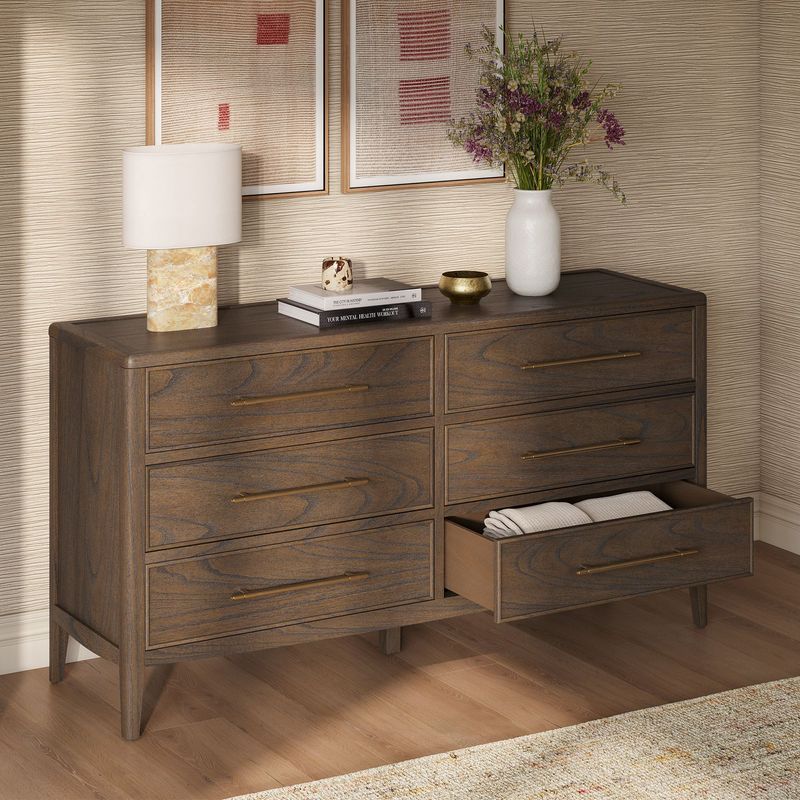
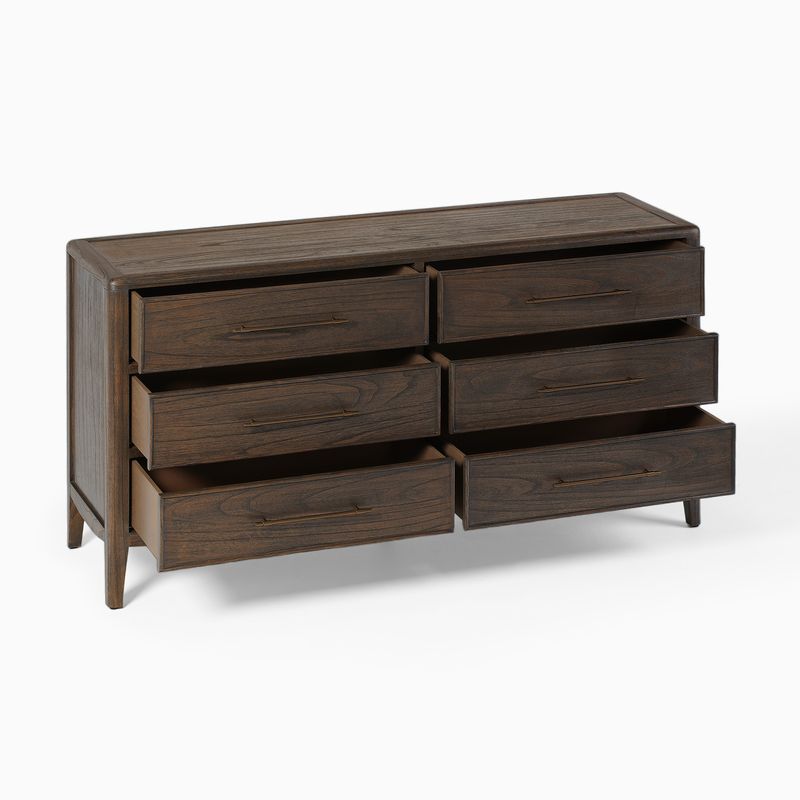
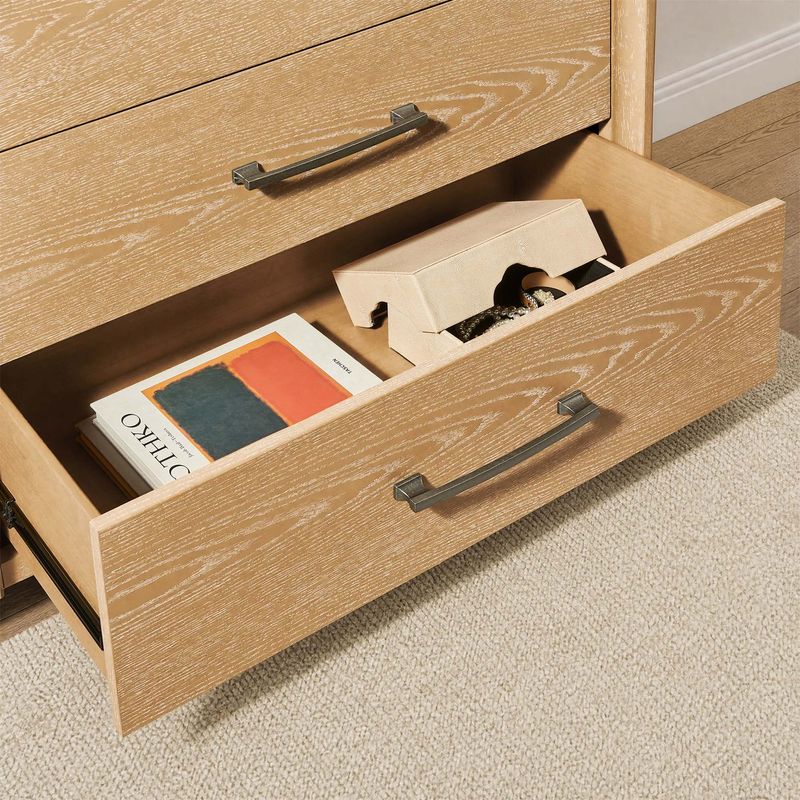
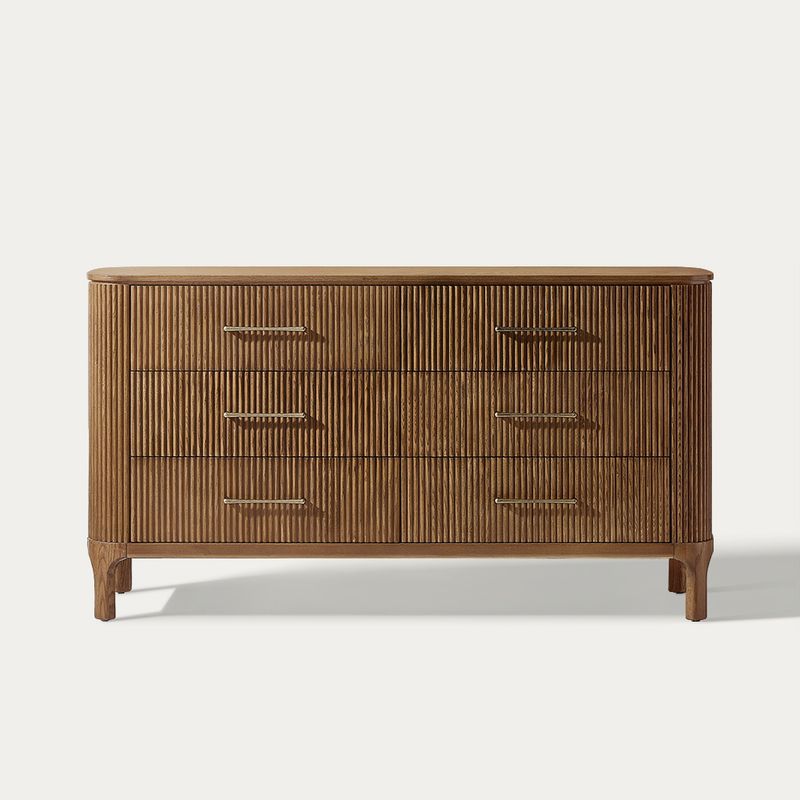
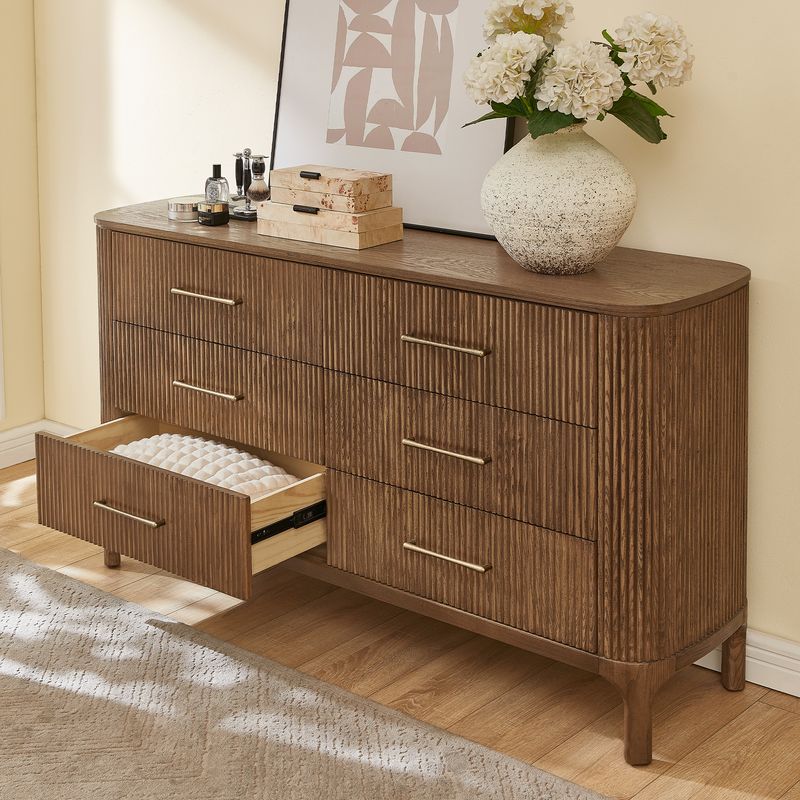
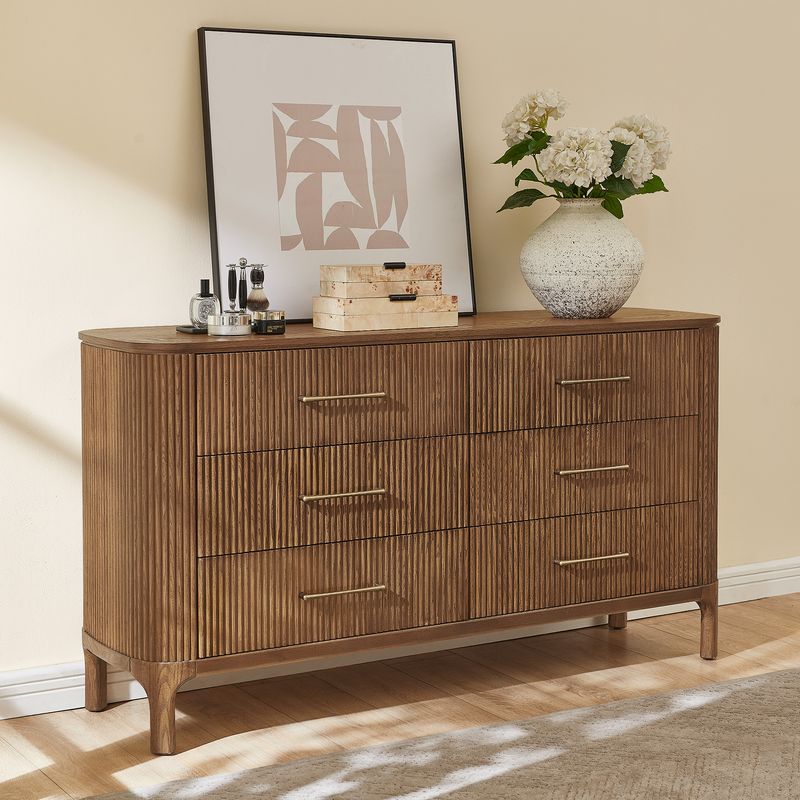
A dresser is often the workhorse of bedroom furniture. It keeps folded clothing, accessories, linens, and other personal items organized while giving you a useful surface for a mirror, lamp, artwork, or everyday essentials.
The right width depends on both your storage habits and your wall space. A wide dresser works well when you have a larger wardrobe, while a narrower option can leave more room for circulation in a compact bedroom.
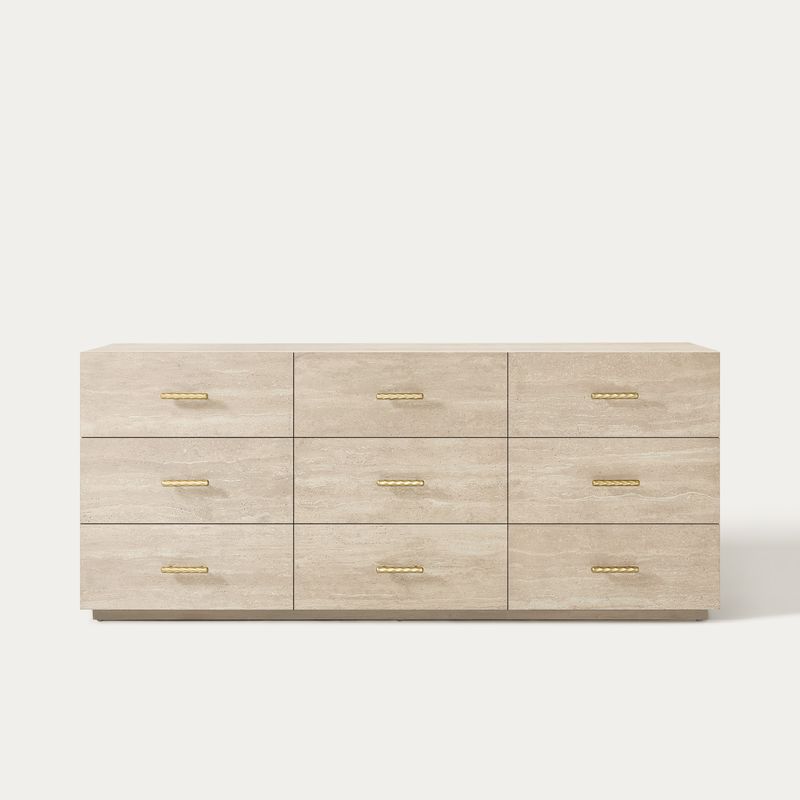
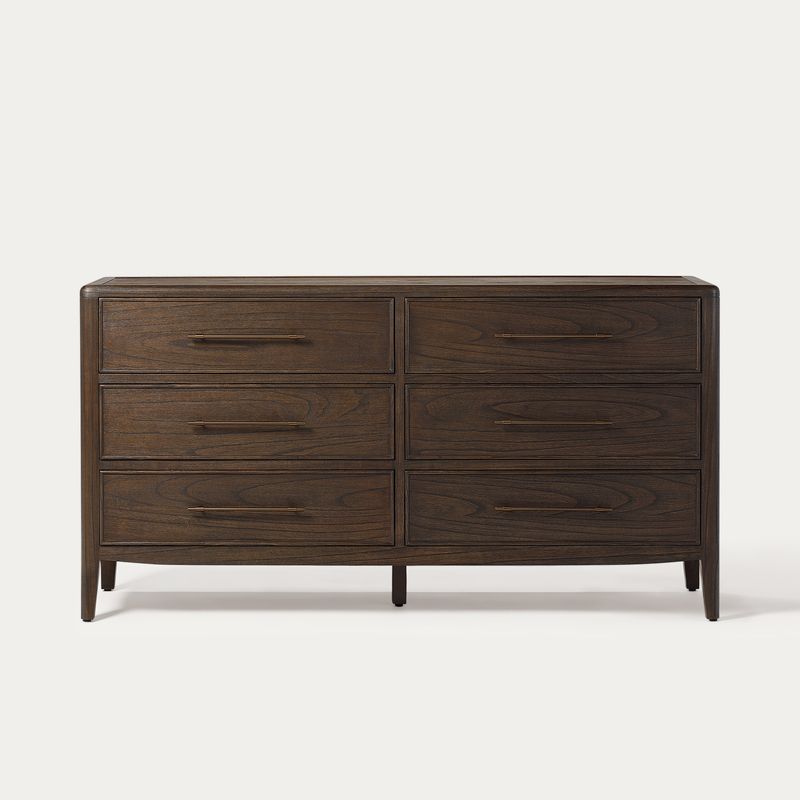
Hernest offers dresser configurations with different widths and drawer counts. The Finnley collection, for example, includes a 62-inch six-drawer dresser and a 76-inch nine-drawer dresser. That gives you a practical choice between a more compact footprint and greater drawer capacity.
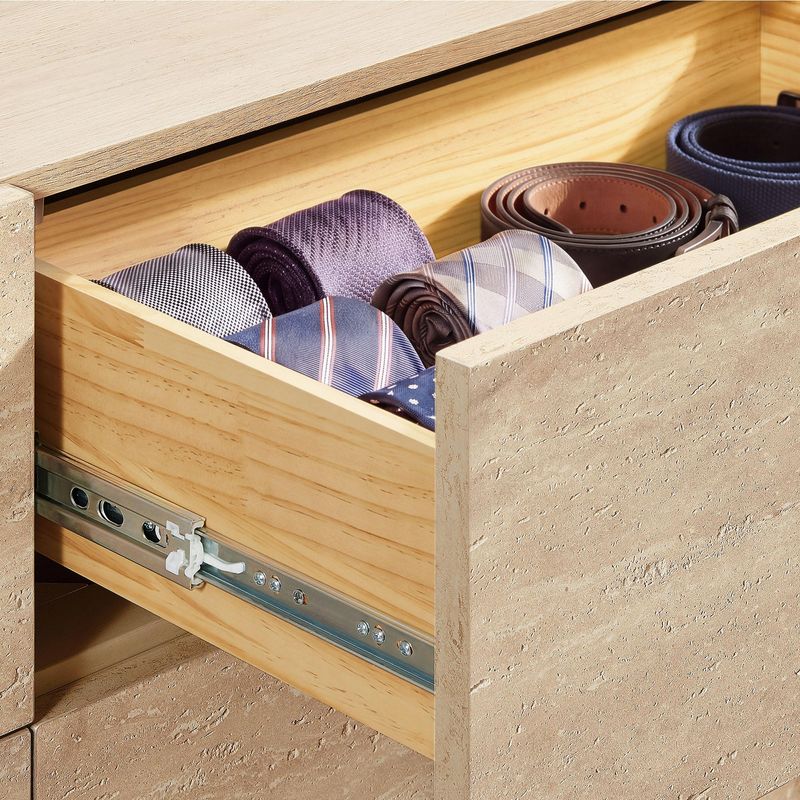
When comparing dressers, look beyond the number of drawers. Think about what you will store in them and whether the drawer layout makes those items easy to organize.
Chests for Vertical Storage
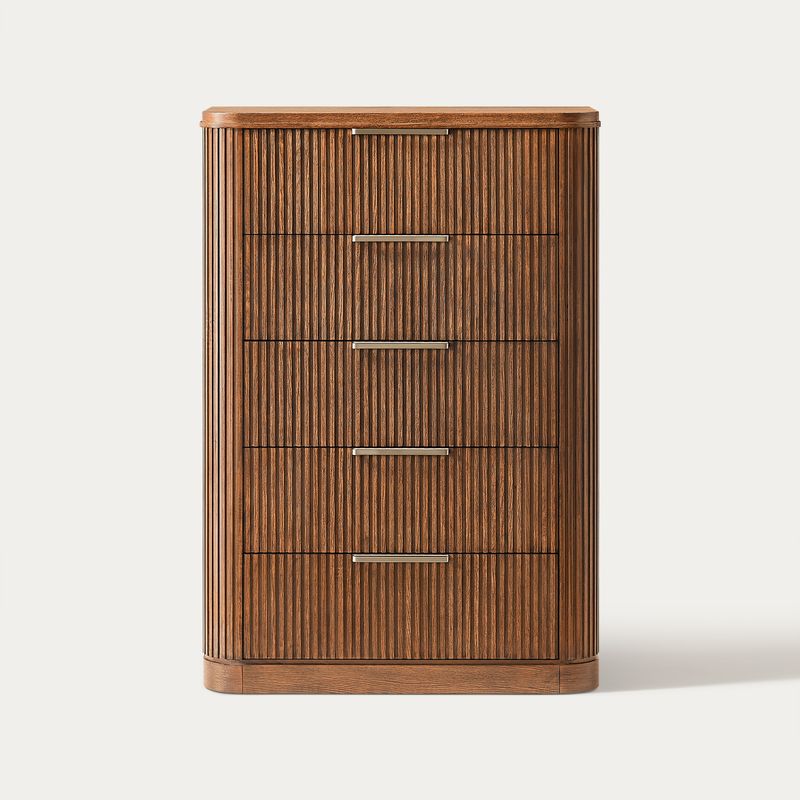
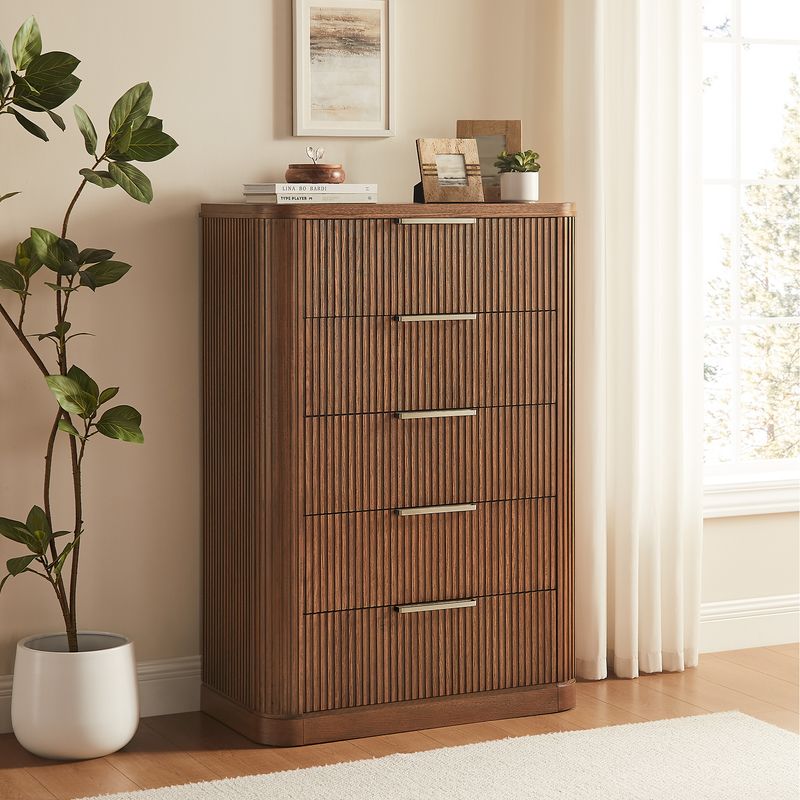
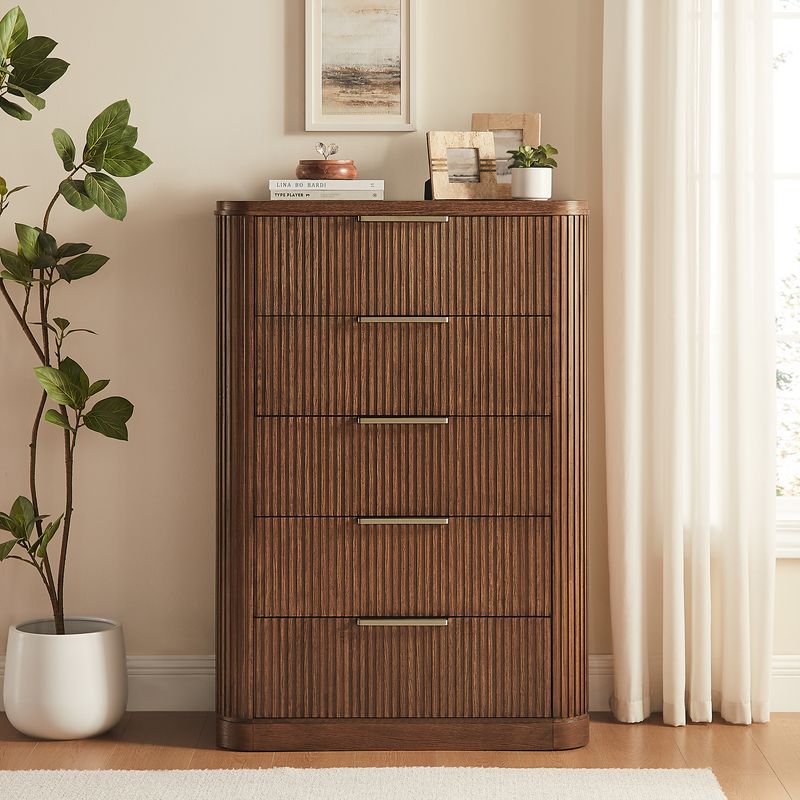
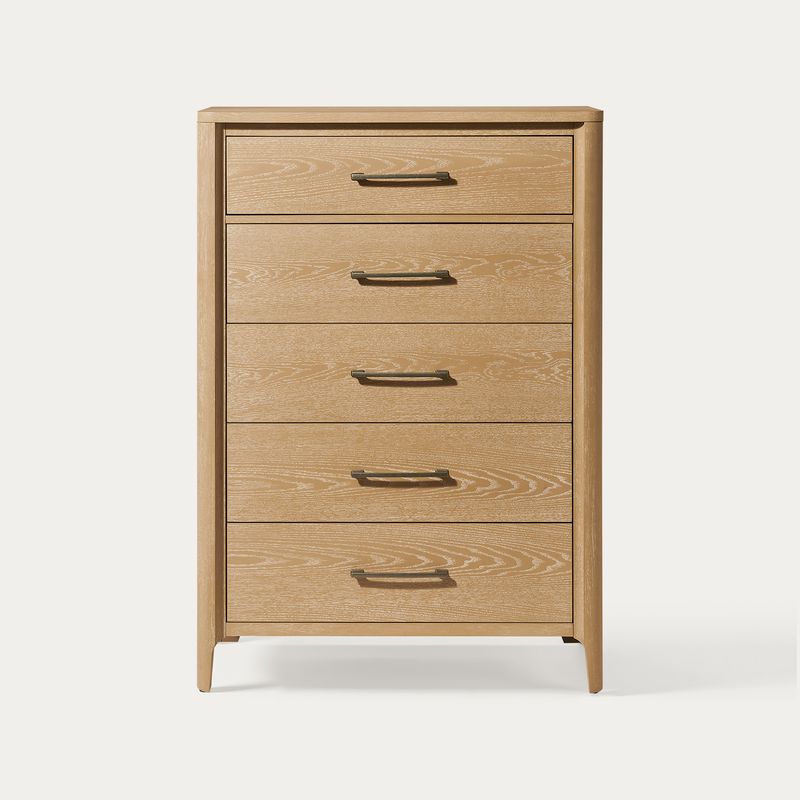
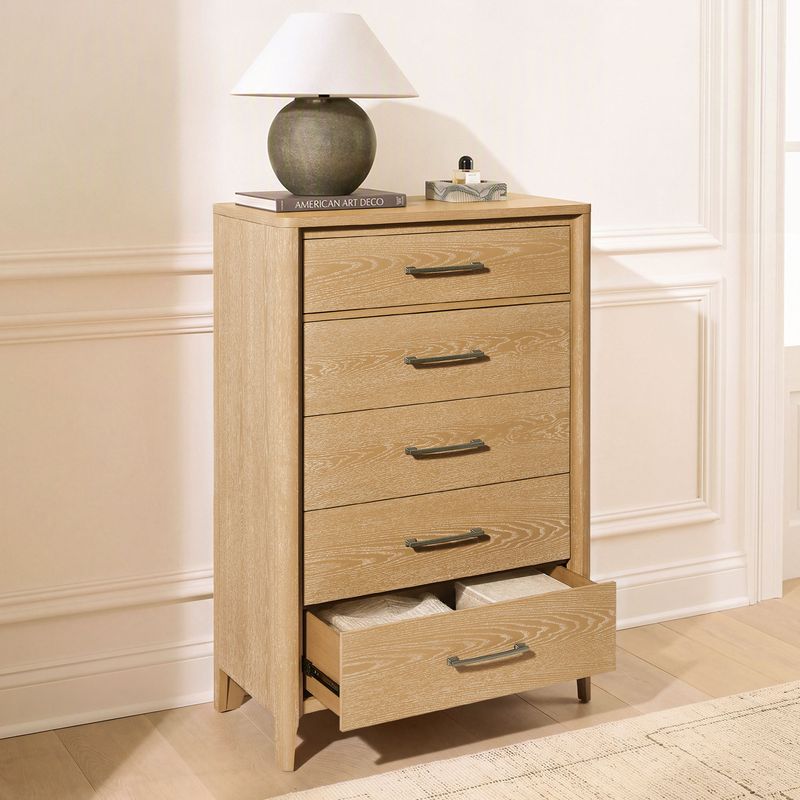
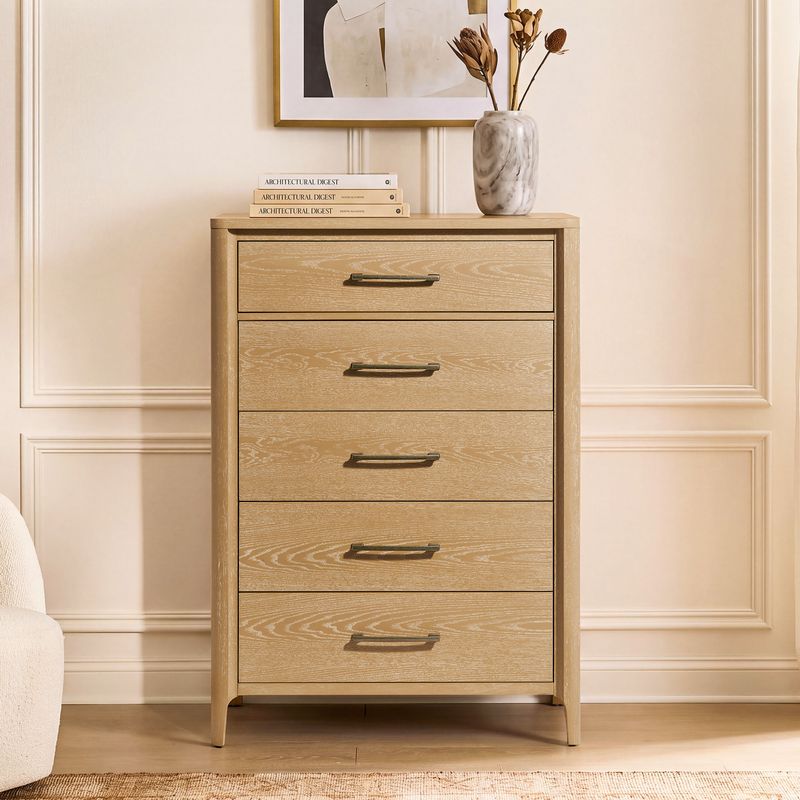
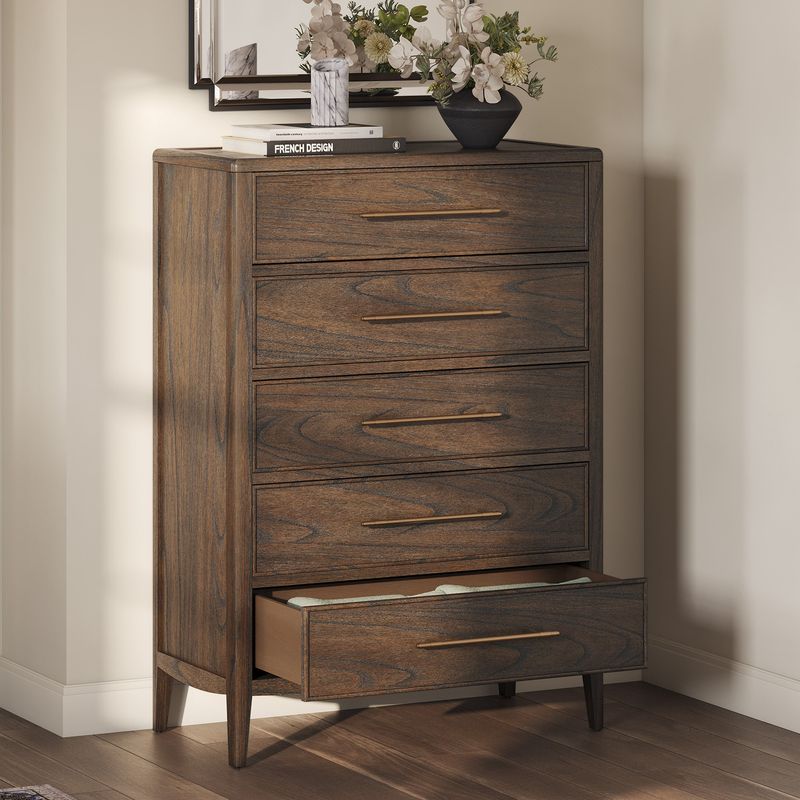
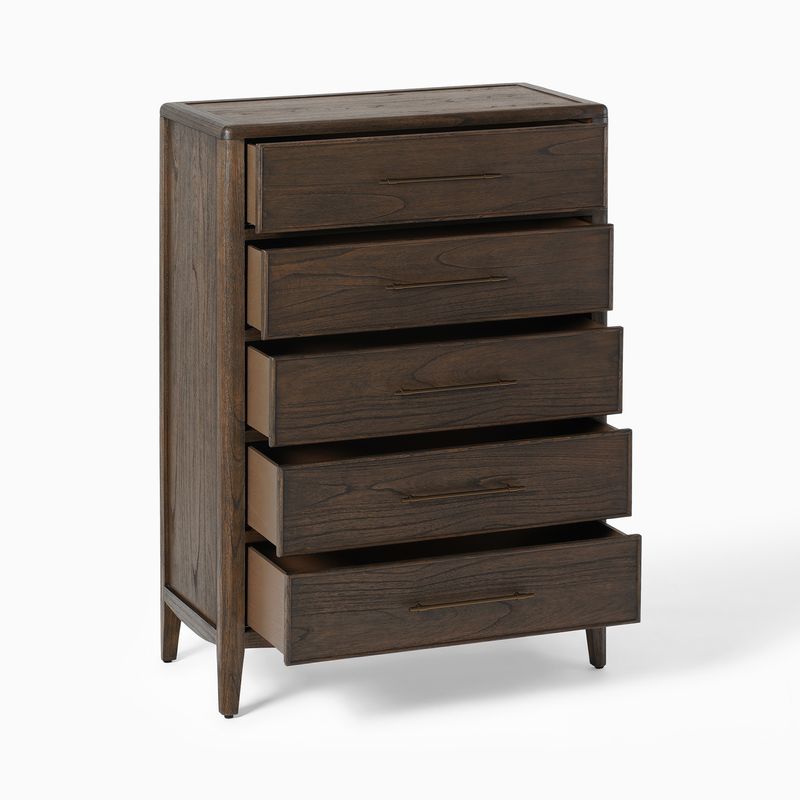
A chest can solve a different storage problem than a dresser. Instead of spreading storage across a wide wall, it takes advantage of vertical space.
That can be useful in bedrooms where floor space is tight, beside a closet, or in a room where a wide dresser would interfere with a doorway or walking path. A chest can also work alongside a dresser when one storage piece is not enough.
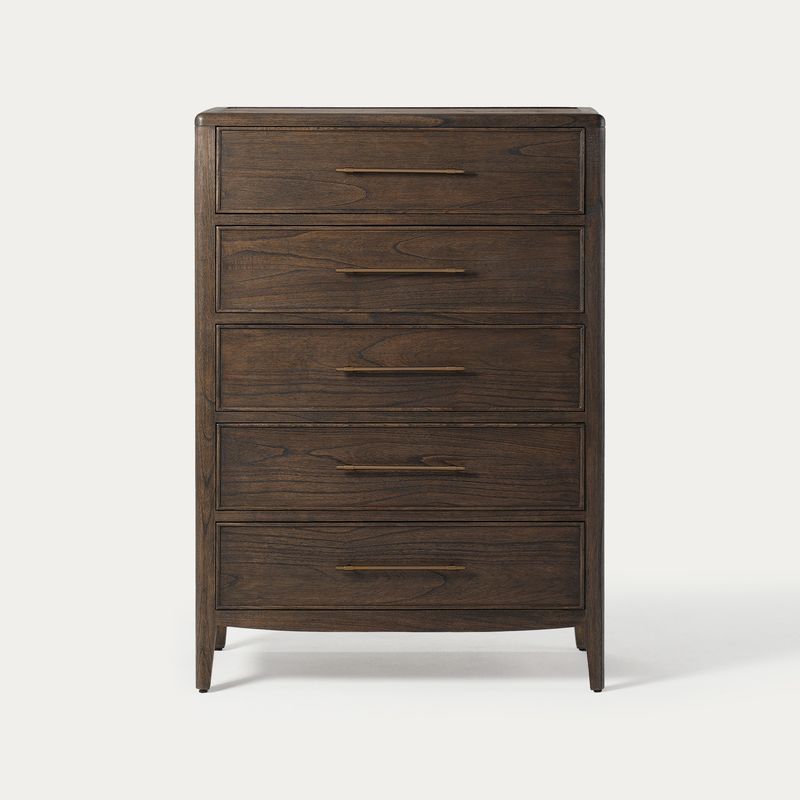
Hernest's bedroom collection includes five-drawer chest options for shoppers who need additional clothing storage without adding another wide piece of furniture.
If you are furnishing a smaller room, compare the chest's width and depth with the available floor space. A taller piece is only useful if its footprint leaves enough room to move comfortably around it.
Nightstands for Everyday Essentials
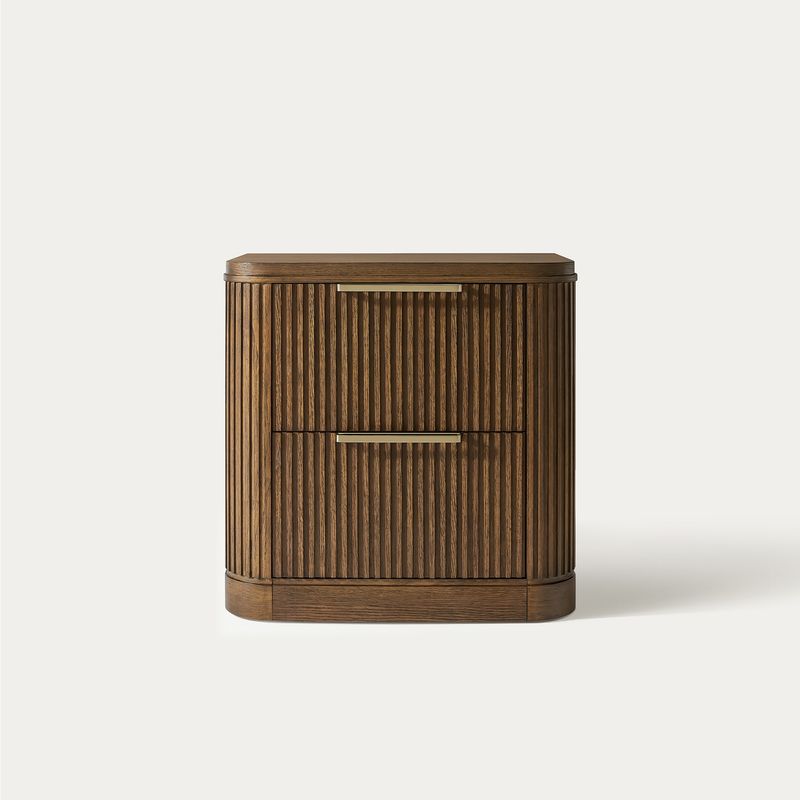
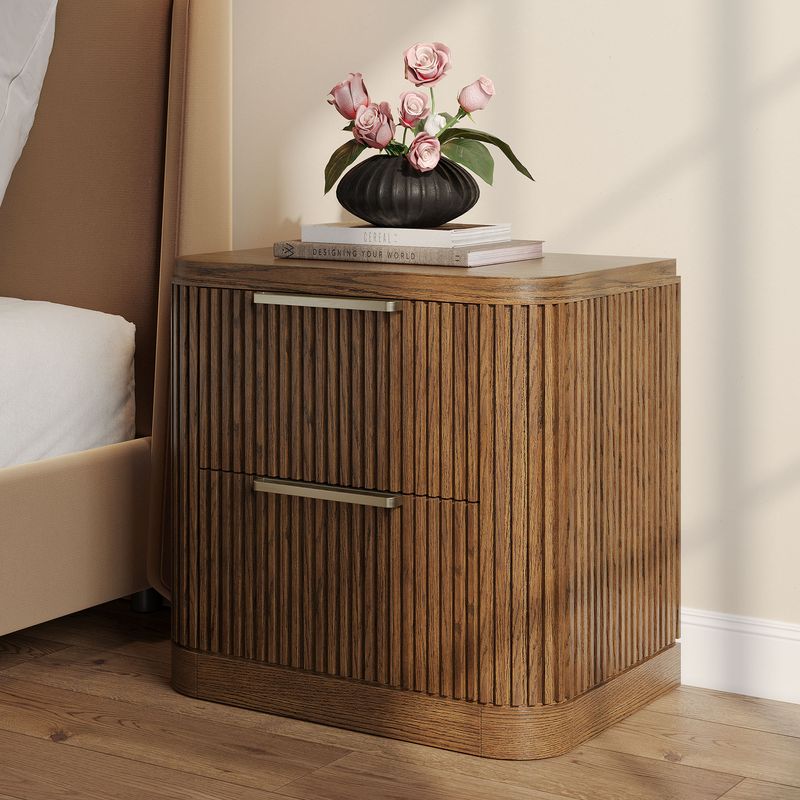
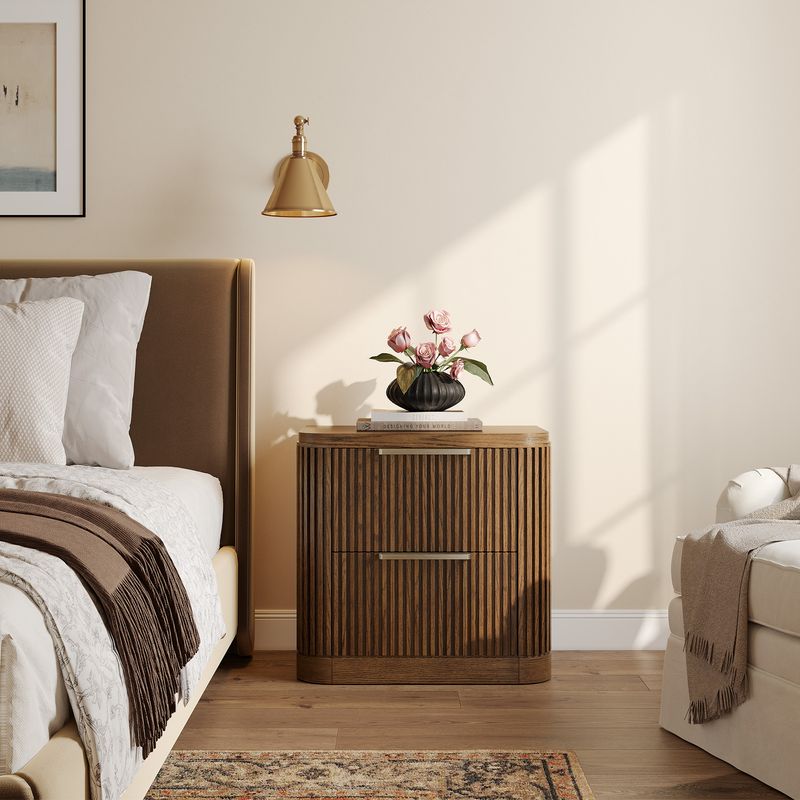
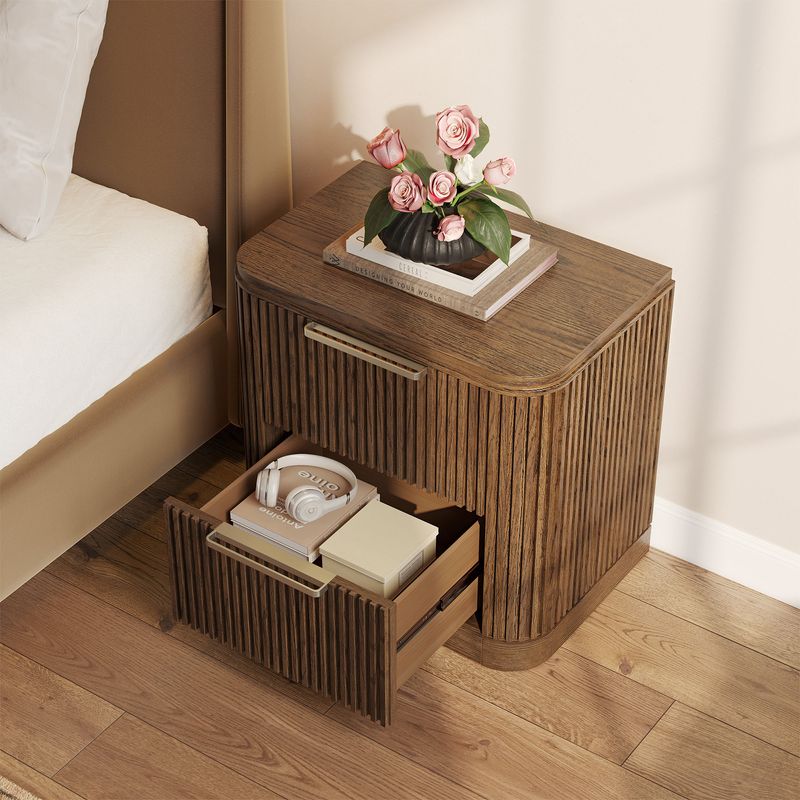
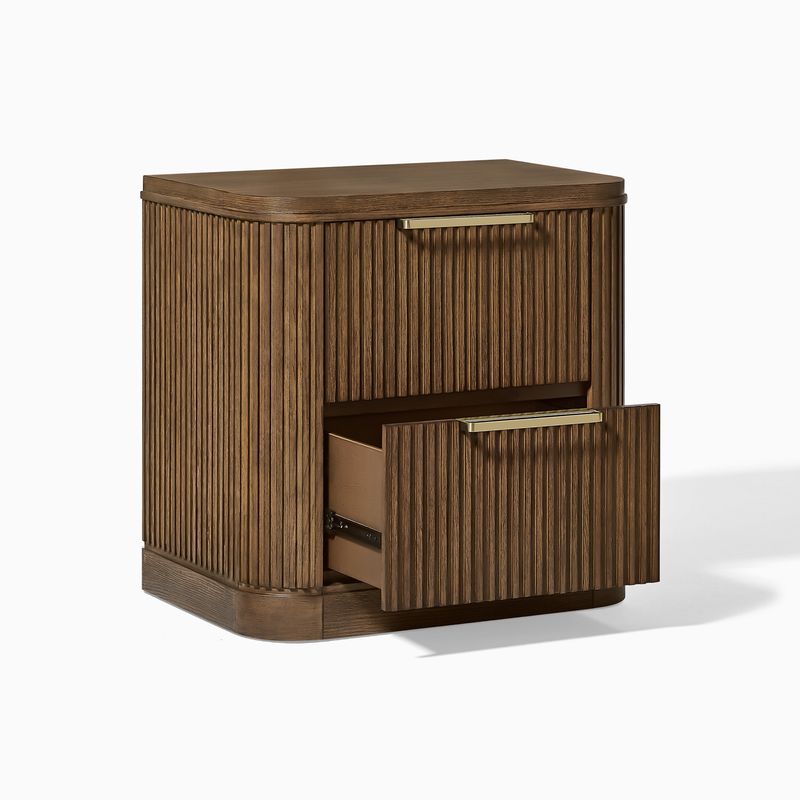
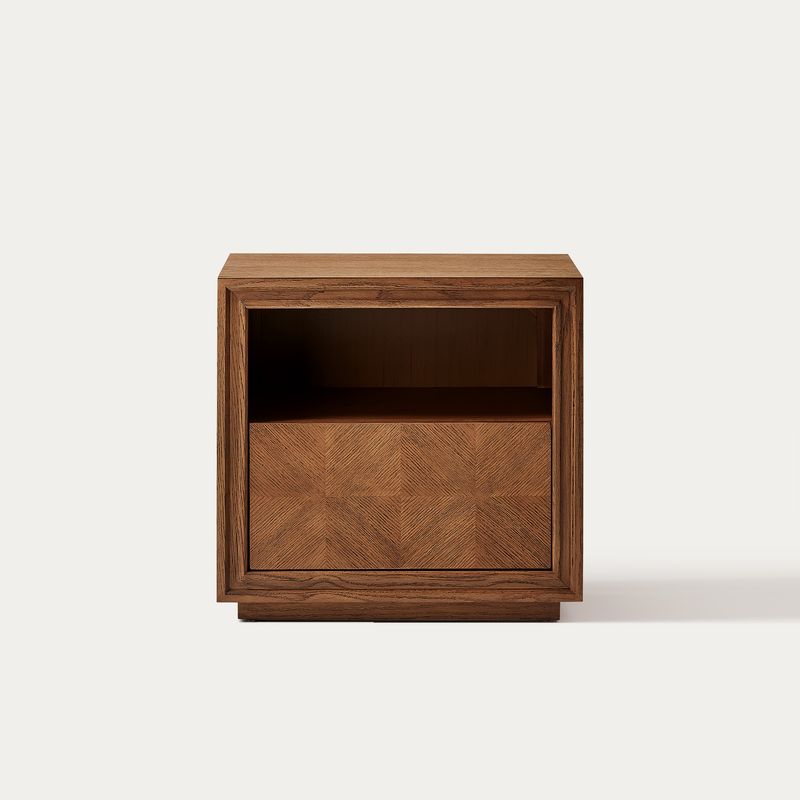
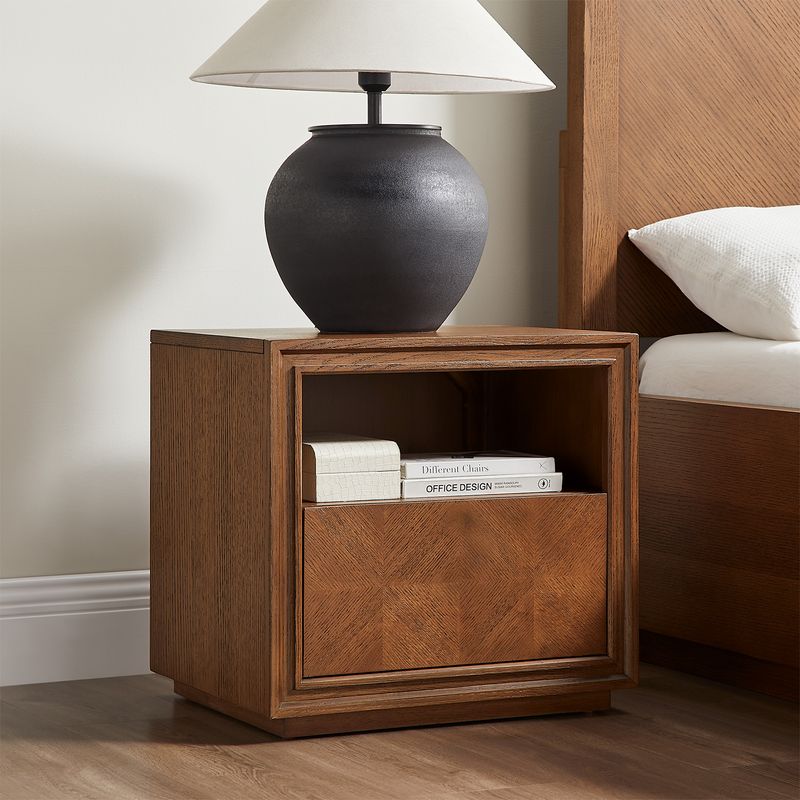
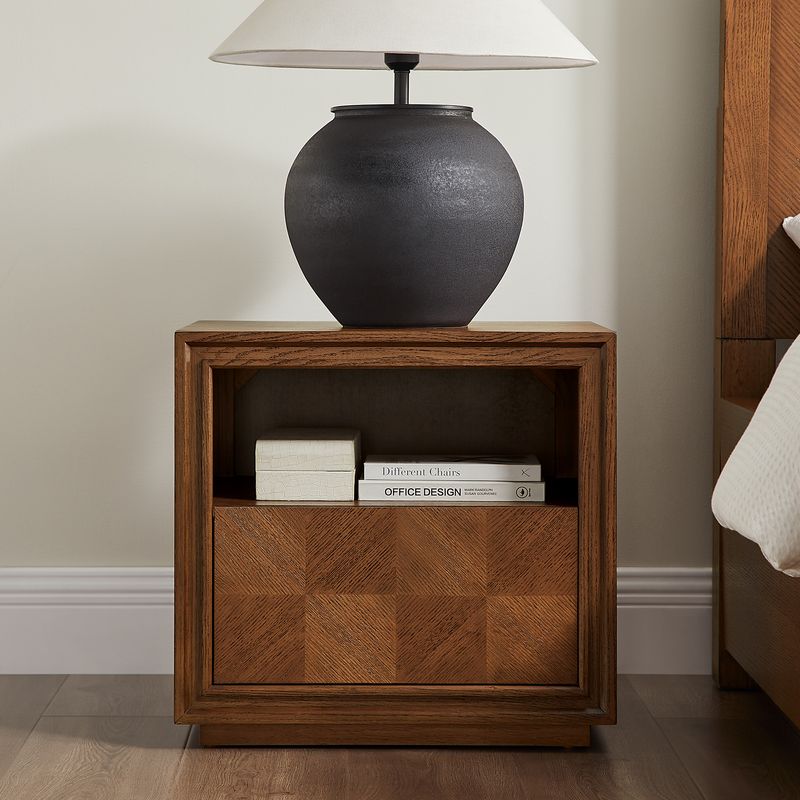
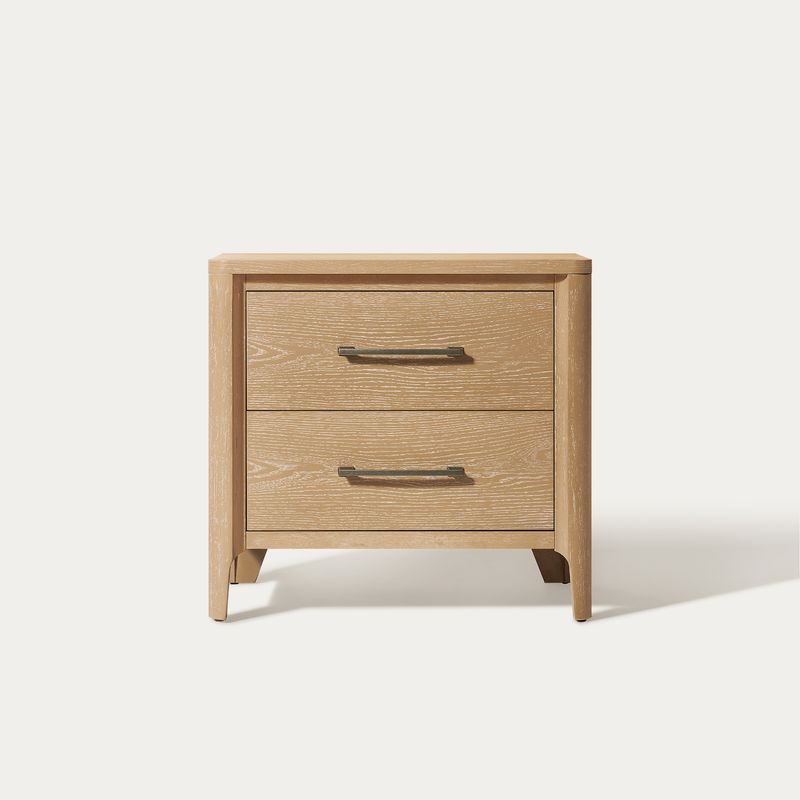
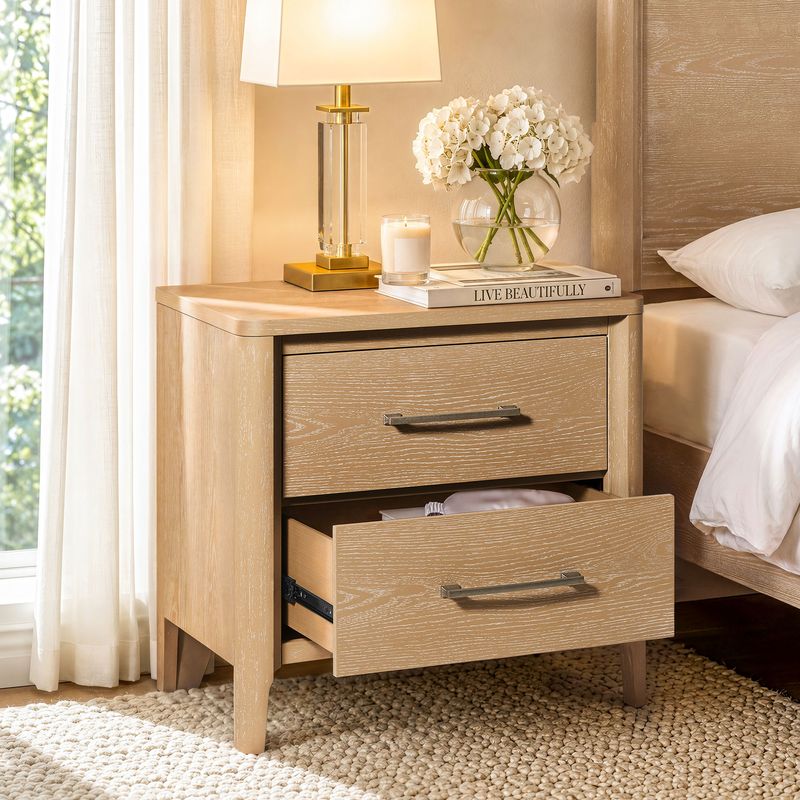
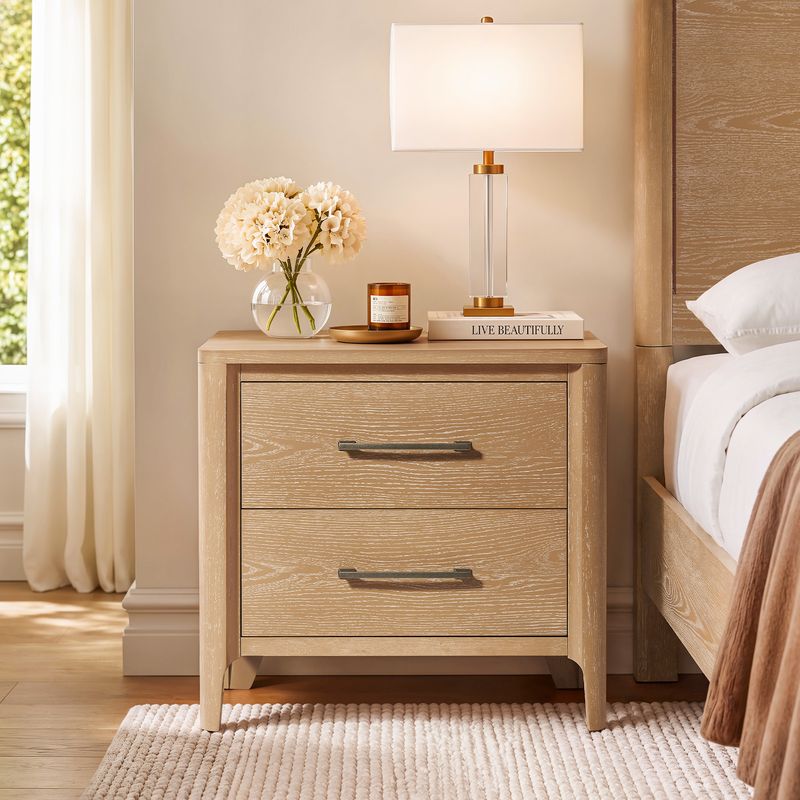
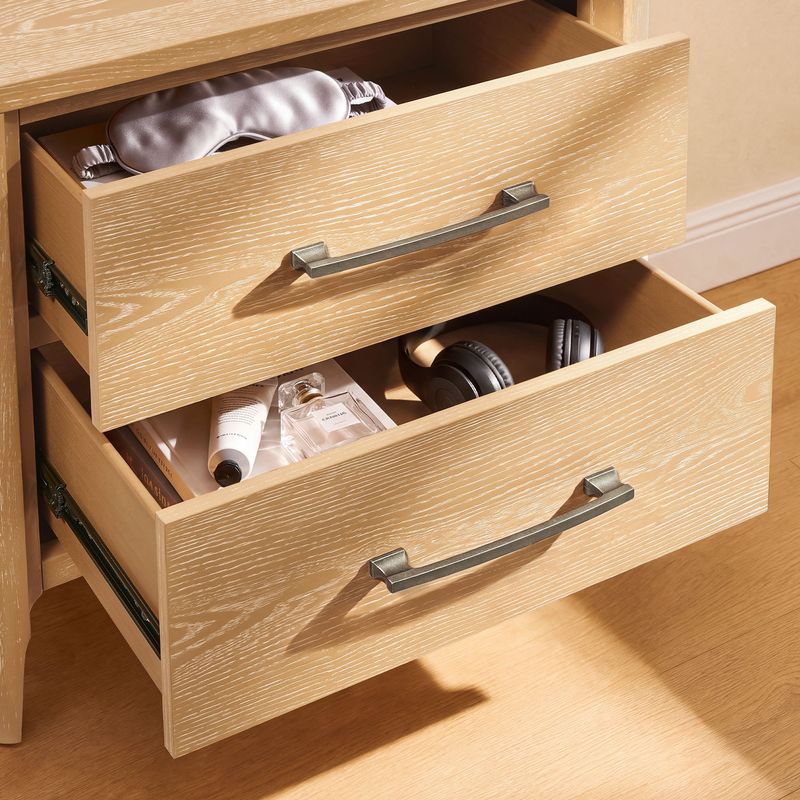
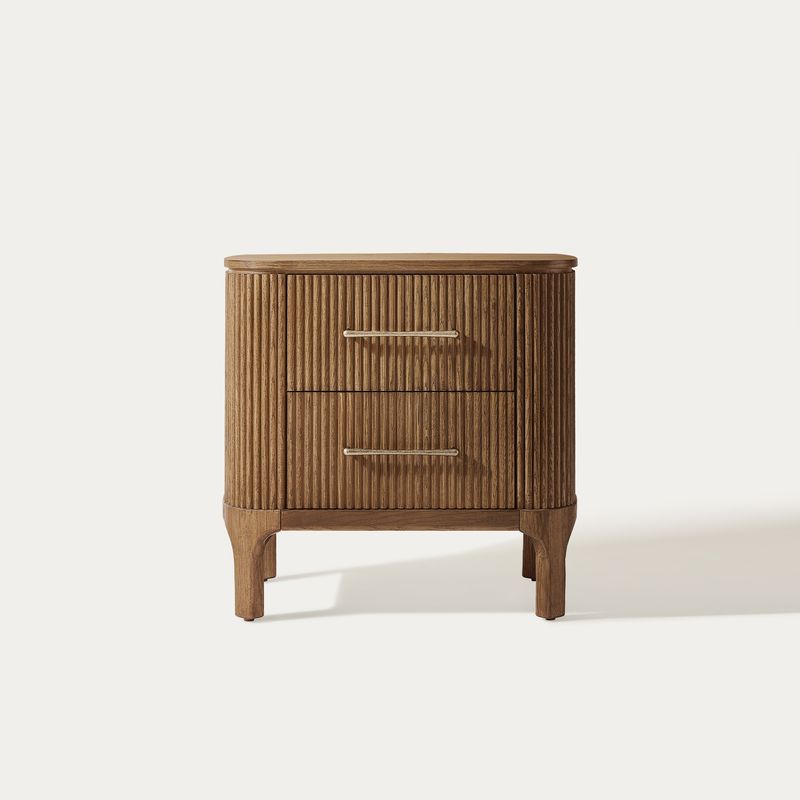
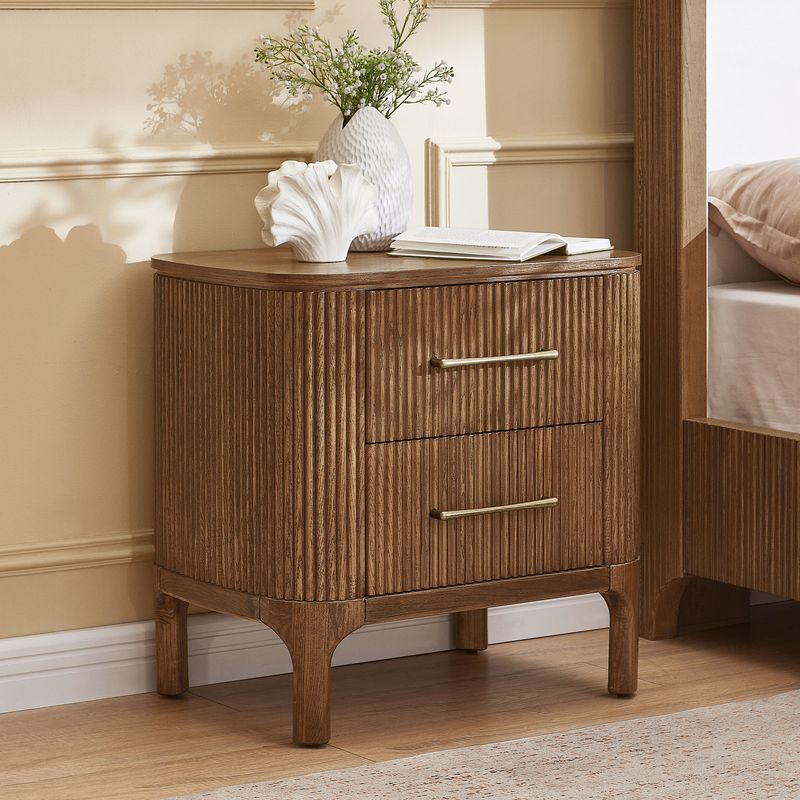
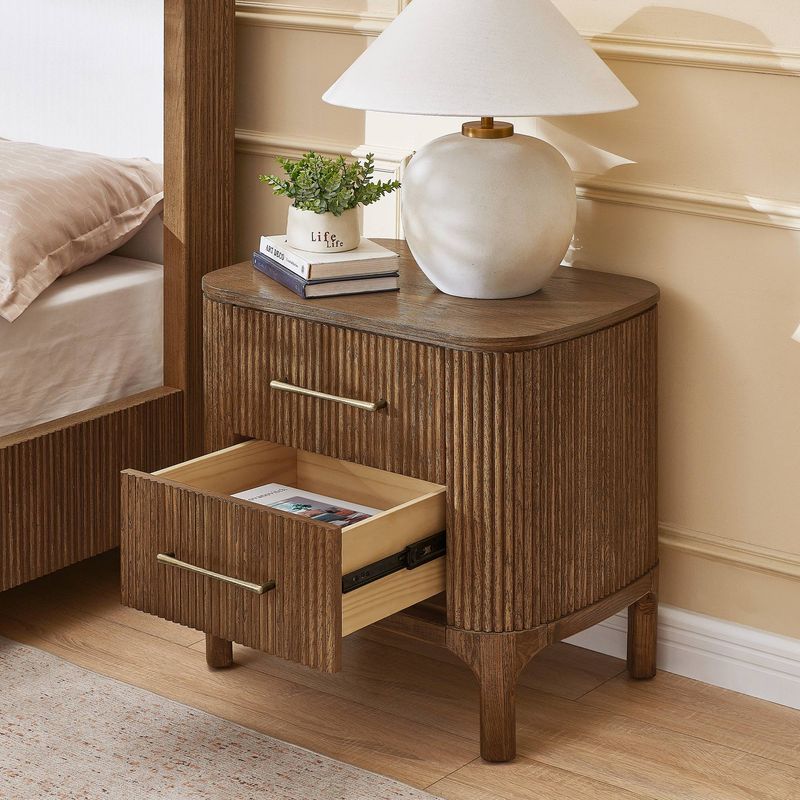
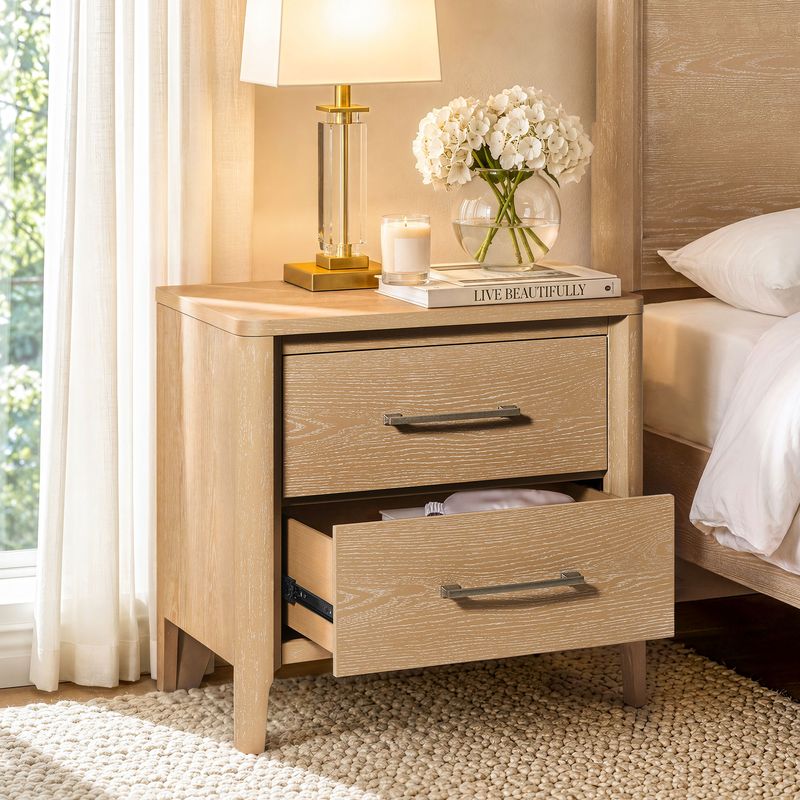
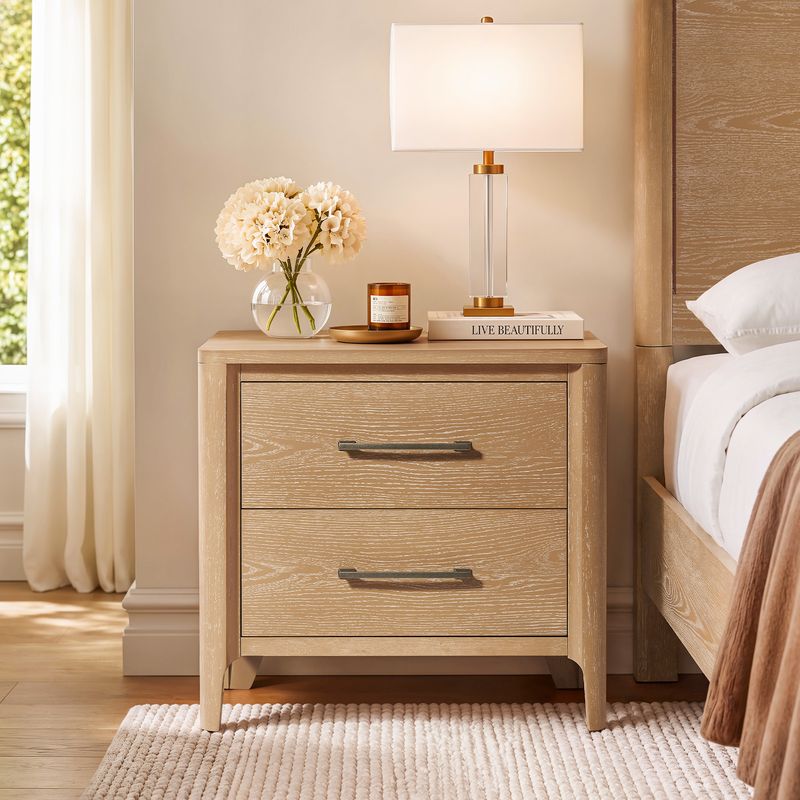
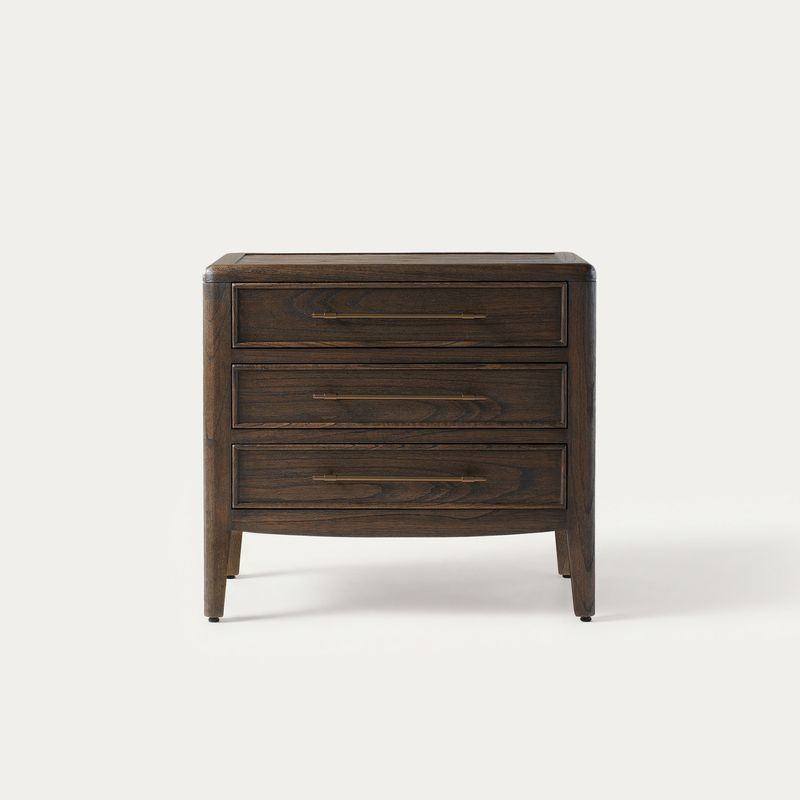
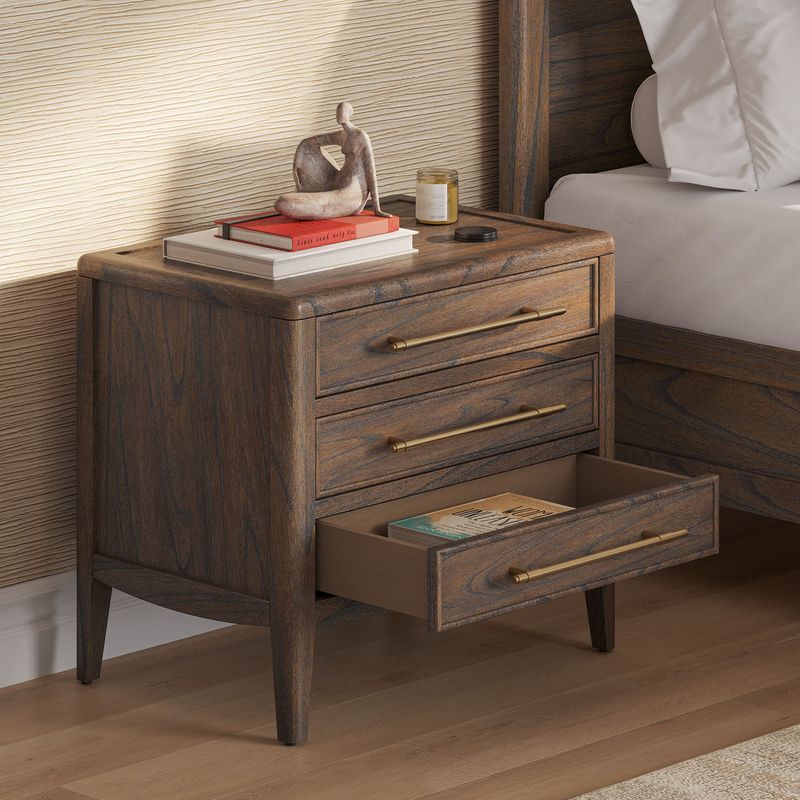
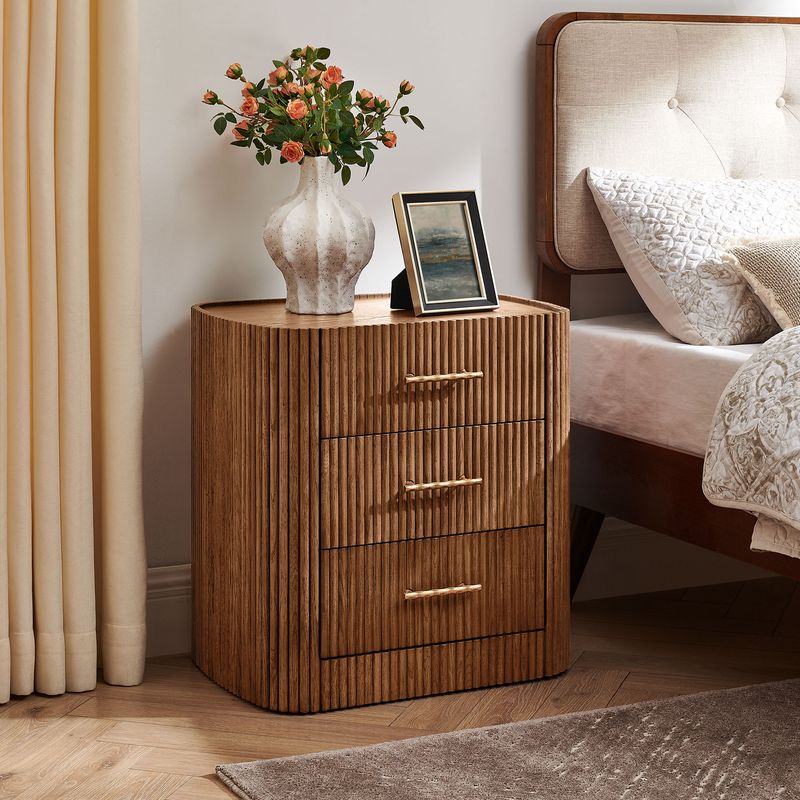
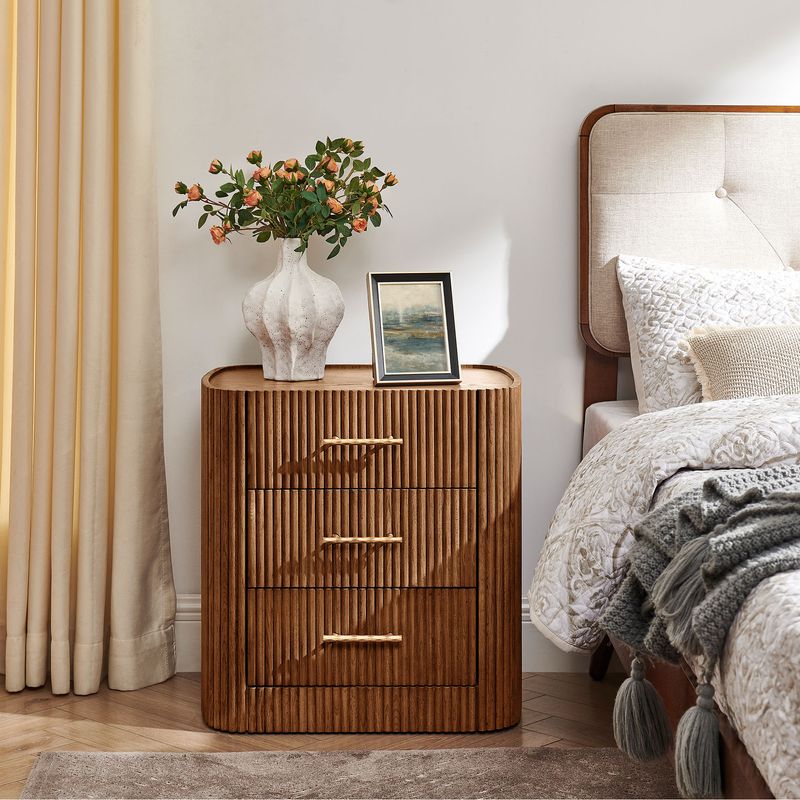
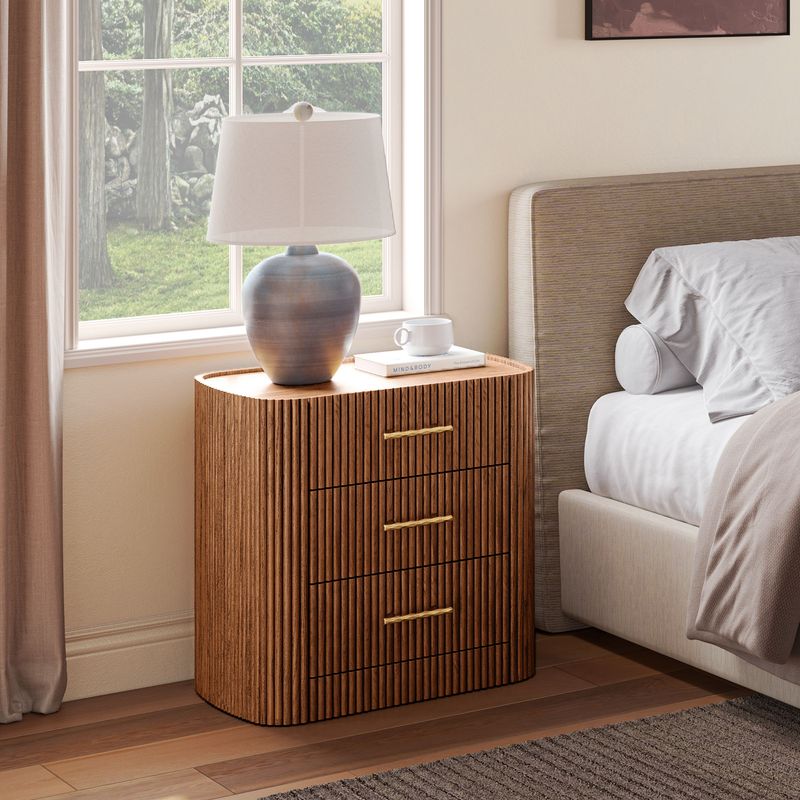
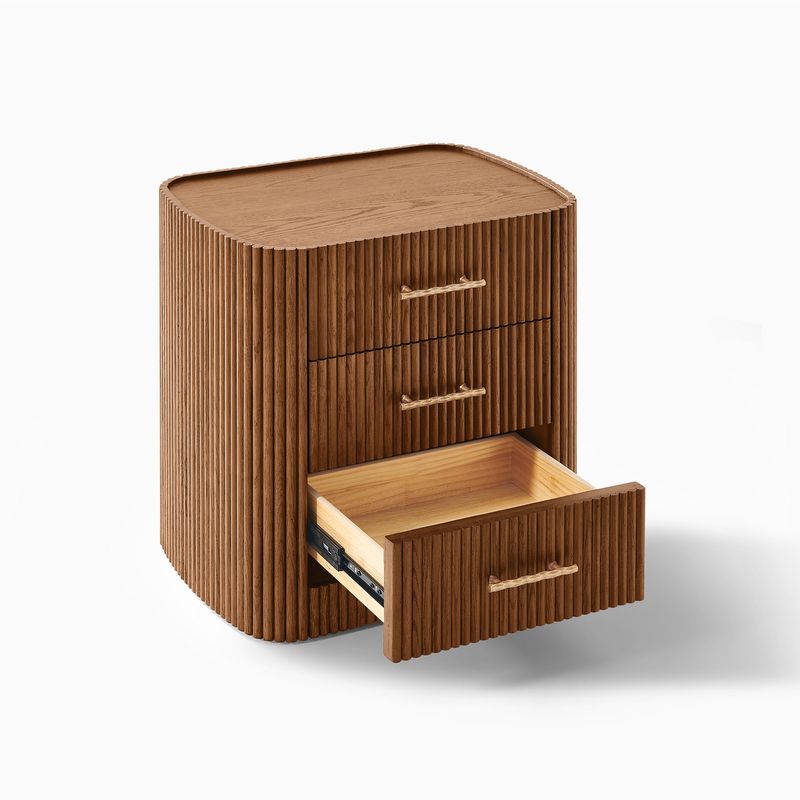
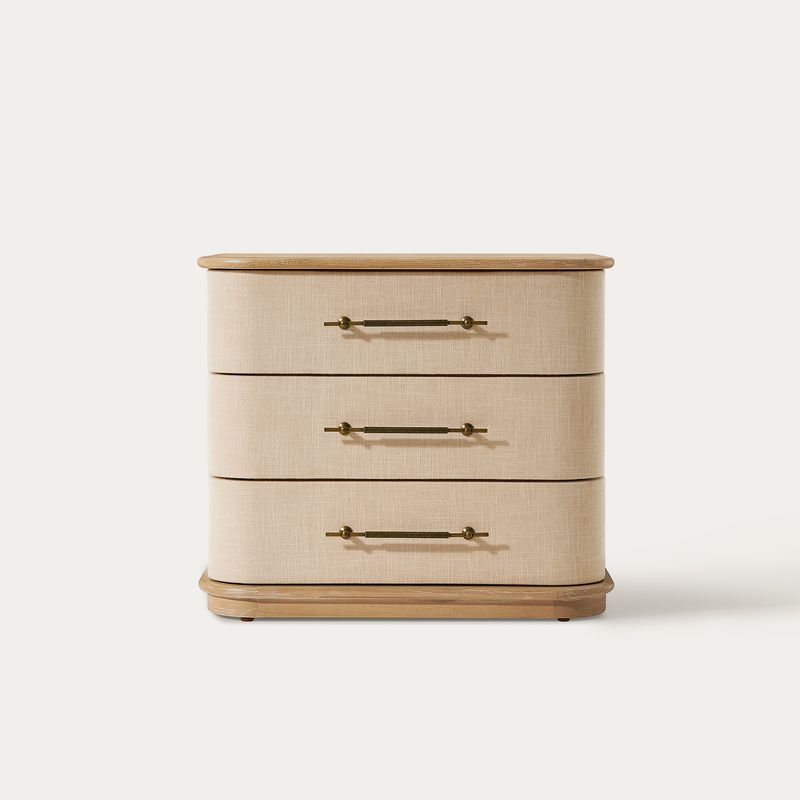
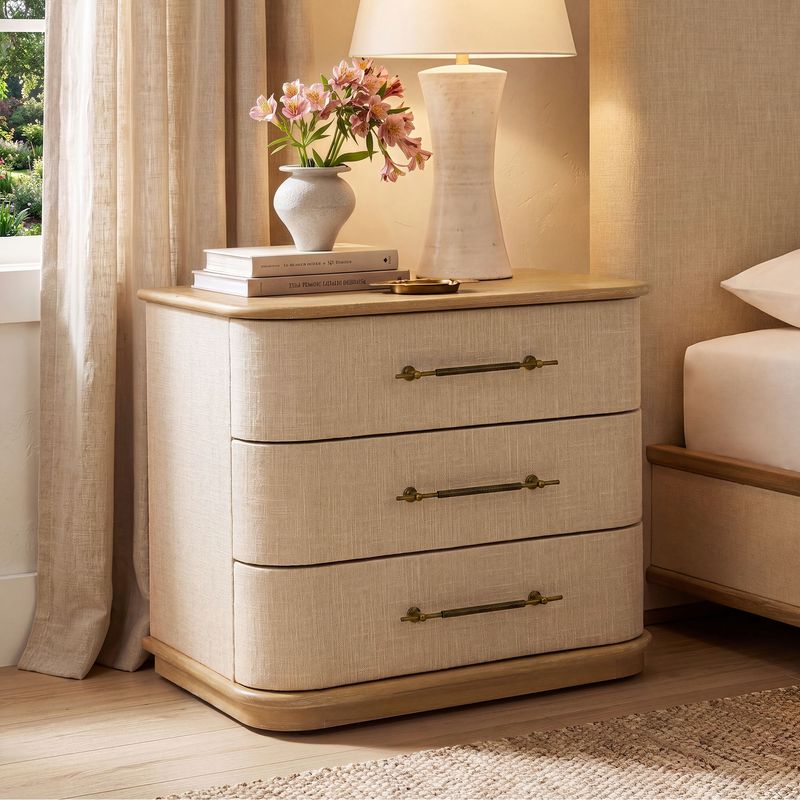
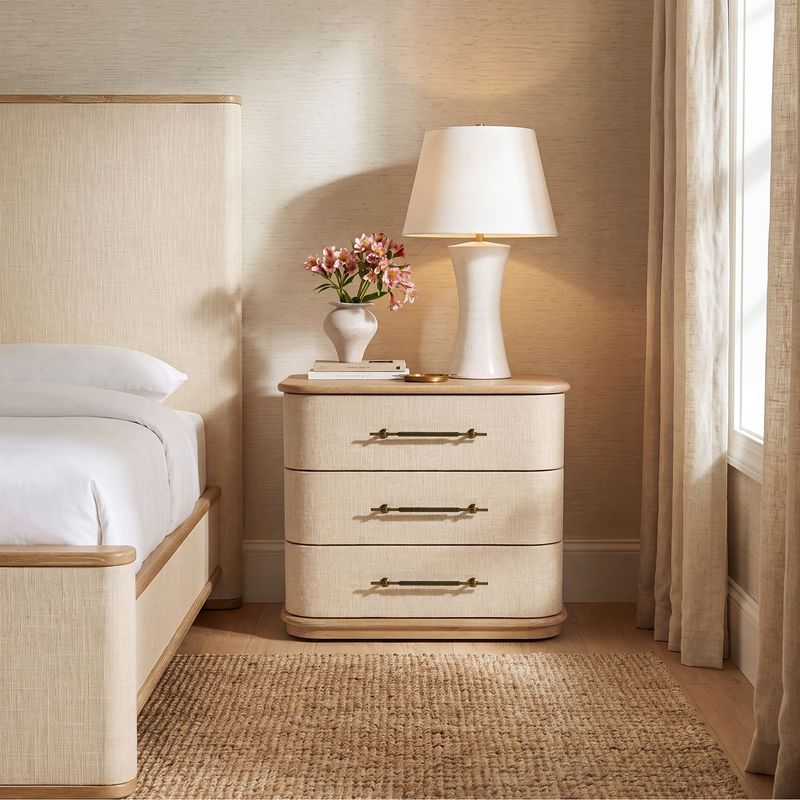
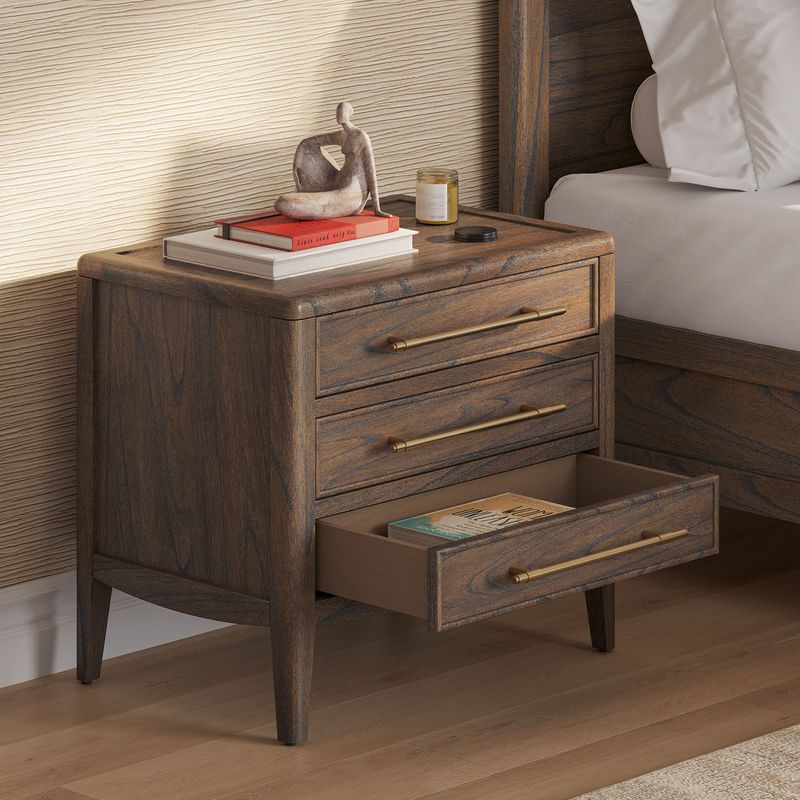
A nightstand holds the small things you reach for before bed and first thing in the morning: a phone, book, glasses, water, lamp, or charger. Because it sits directly beside the bed, its proportions matter more than its size might suggest.
Pay attention to both width and height. A nightstand that sits close to mattress height is generally easier to use, while a wider surface gives you more room for a lamp and personal items.
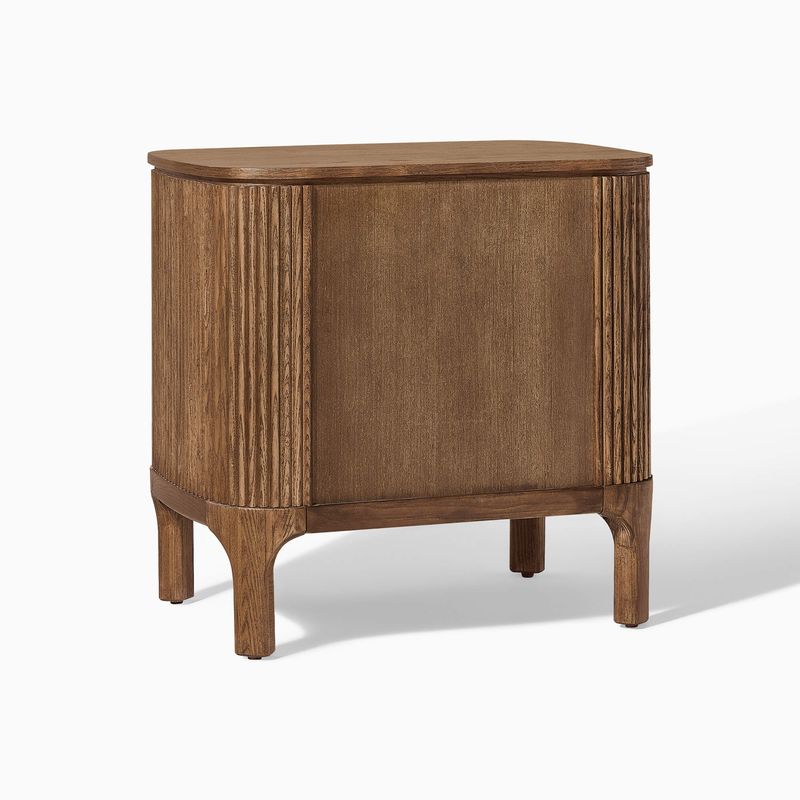
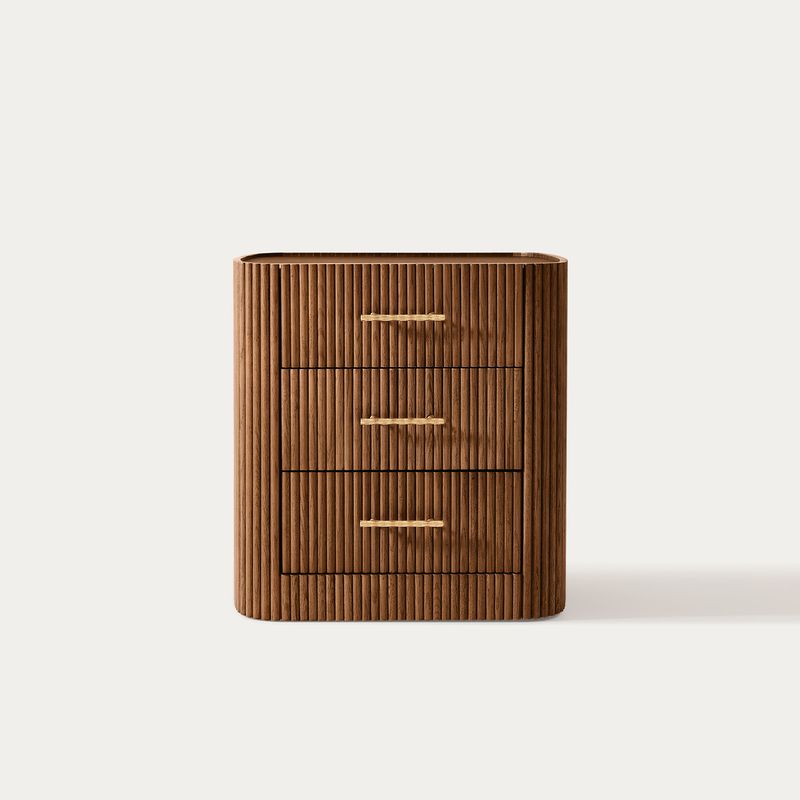
Hernest offers nightstands in several sizes, including the 21-inch Thursen, 23-inch Astor, 27-inch Harrison, and 28-inch Harold. Smaller options can work well beside a compact bed, while wider designs provide more surface area when the room allows it.
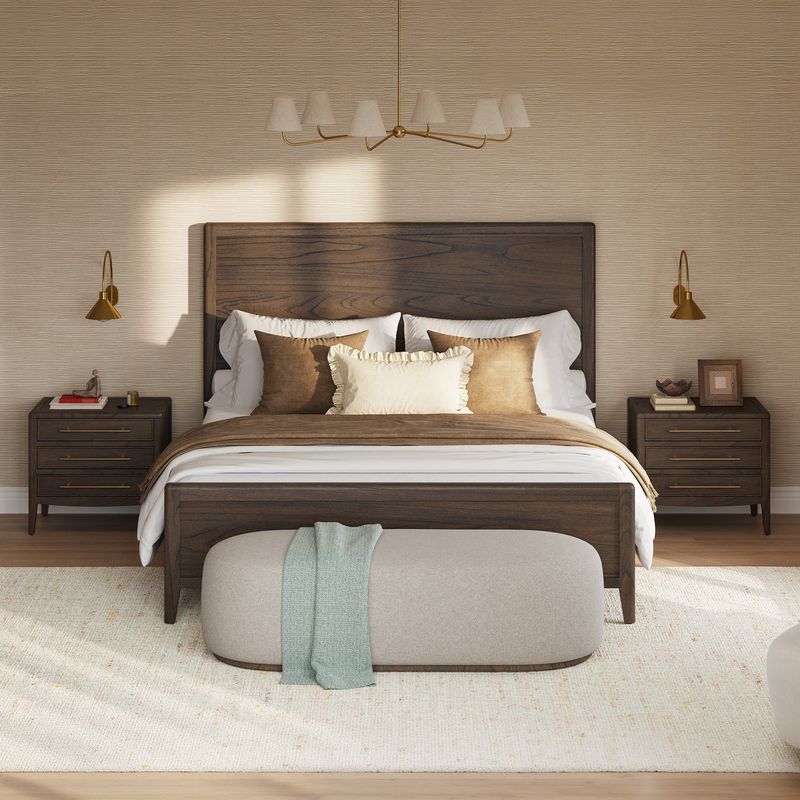
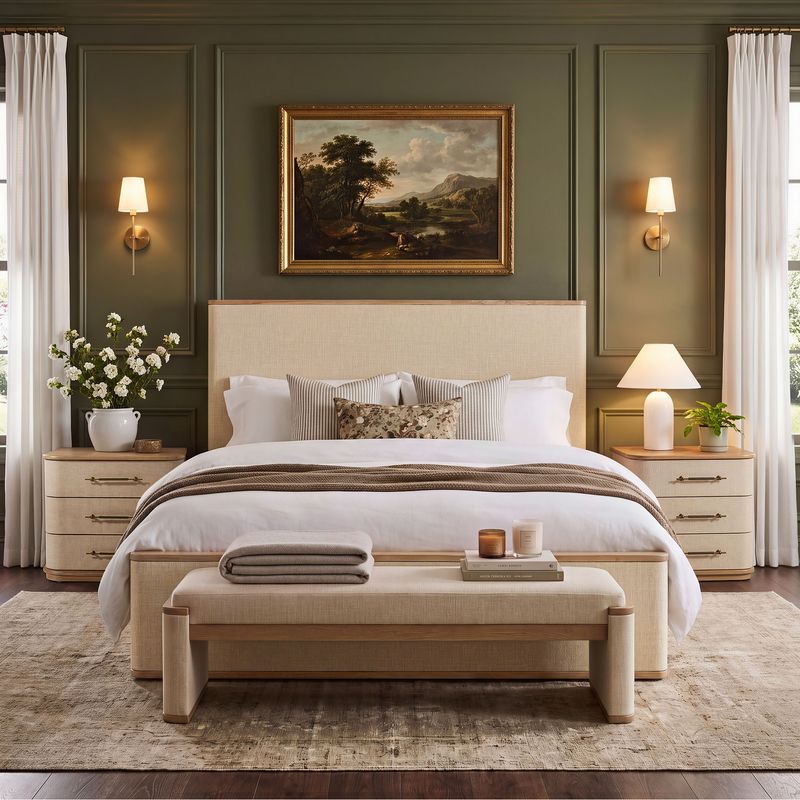
For a shared bed, two nightstands create visual balance and give each person their own storage. In a guest room or smaller bedroom, one nightstand may be all you need.
Build a Bedroom Set or Mix Individual Pieces
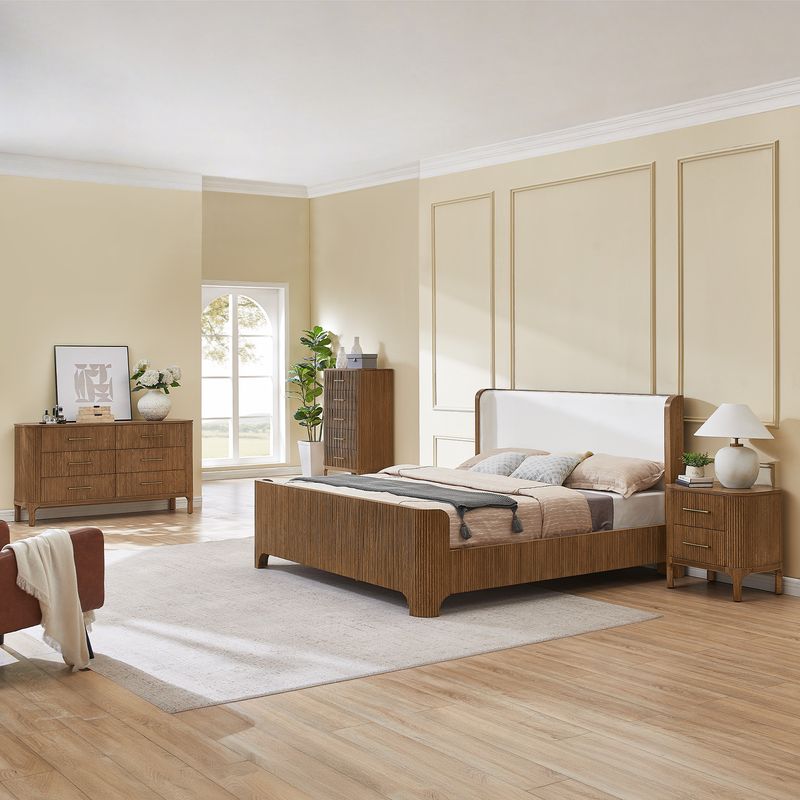
A bedroom set can simplify the furnishing process when you are starting with an empty room. Instead of comparing every bed frame, dresser, and nightstand separately, you can choose pieces designed around a consistent look.
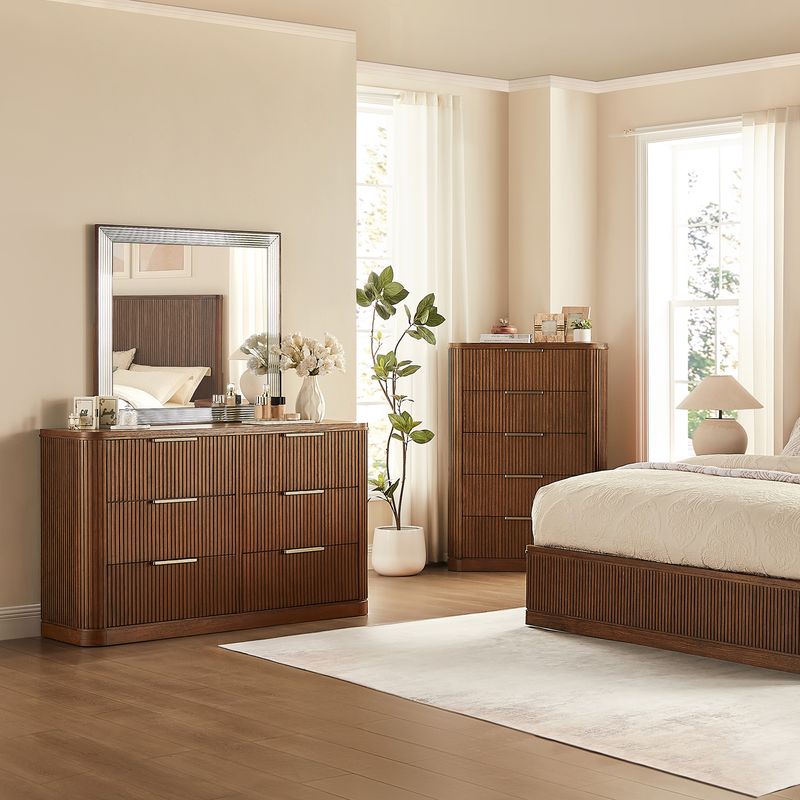
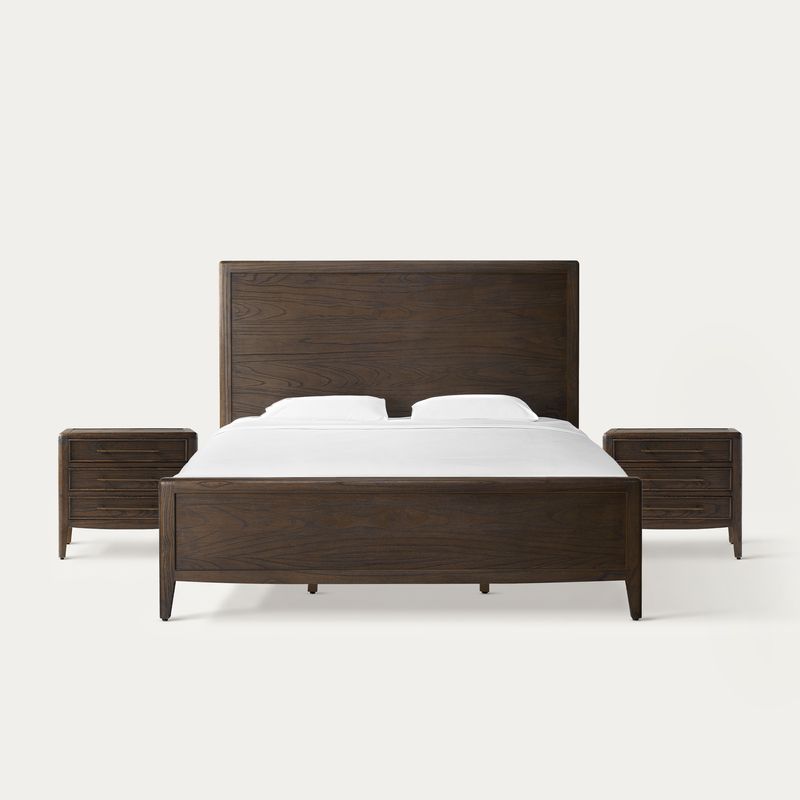
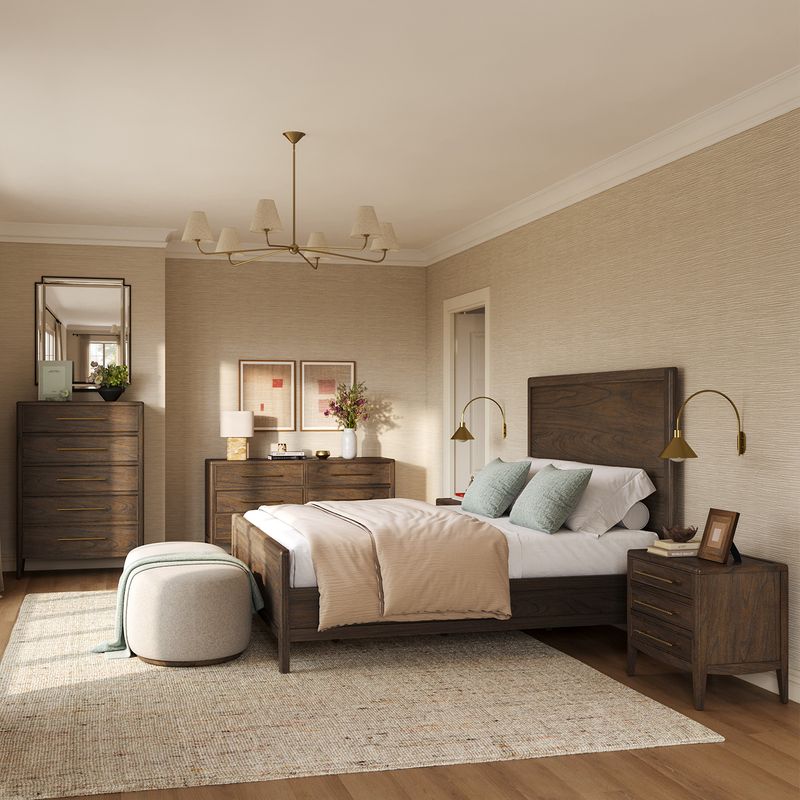
Hernest offers three-piece and four-piece bedroom set configurations in addition to individual bedroom furniture. A set can be especially useful for a primary bedroom where you want the major pieces to feel connected from the start.
But matching everything is not a requirement.
If your current bed frame still works, you might only need a dresser with more storage. If the dresser is in good shape but the bedside setup needs an update, a new pair of nightstands may be enough. Buying individual bedroom furniture gives you more freedom to furnish the room in stages.
When mixing pieces, look for connections rather than exact matches. Similar wood tones, related shapes, repeated details, or consistent proportions can make different pieces feel like they belong in the same room.
How to Choose Bedroom Furniture
There is no single bedroom furniture combination that works for every home. The better approach is to start with your room and your routine, then choose pieces accordingly.
Start With Your Room Measurements
Measure the wall where the bed will sit, the available space beside it, and the walls where you plan to place storage furniture.
Then measure the route the furniture will take into the room. Doorways, hallways, staircases, elevators, and tight corners can all affect whether a large dresser or chest will make it into the bedroom.
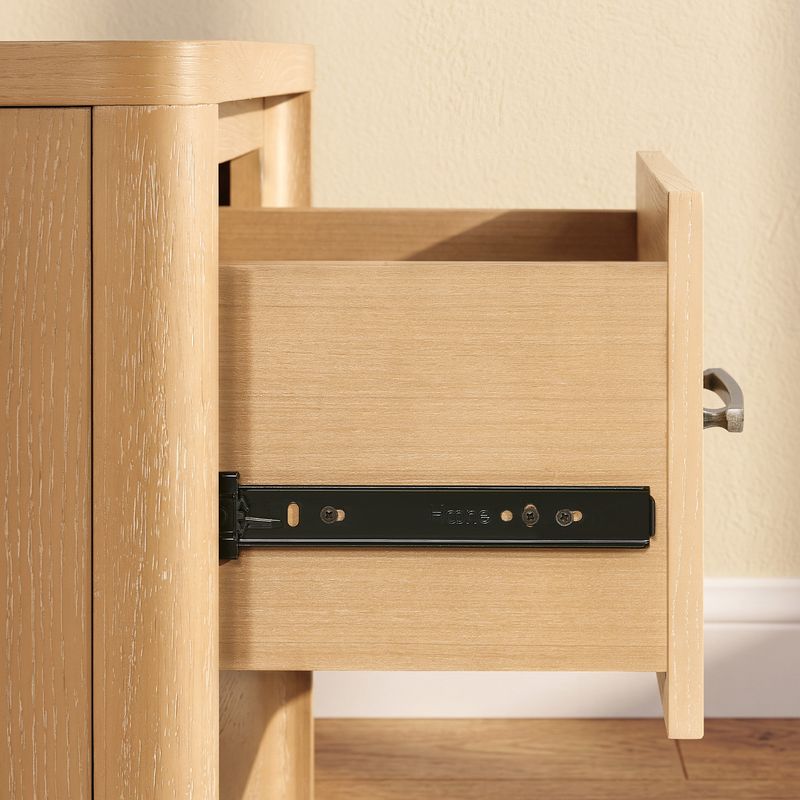
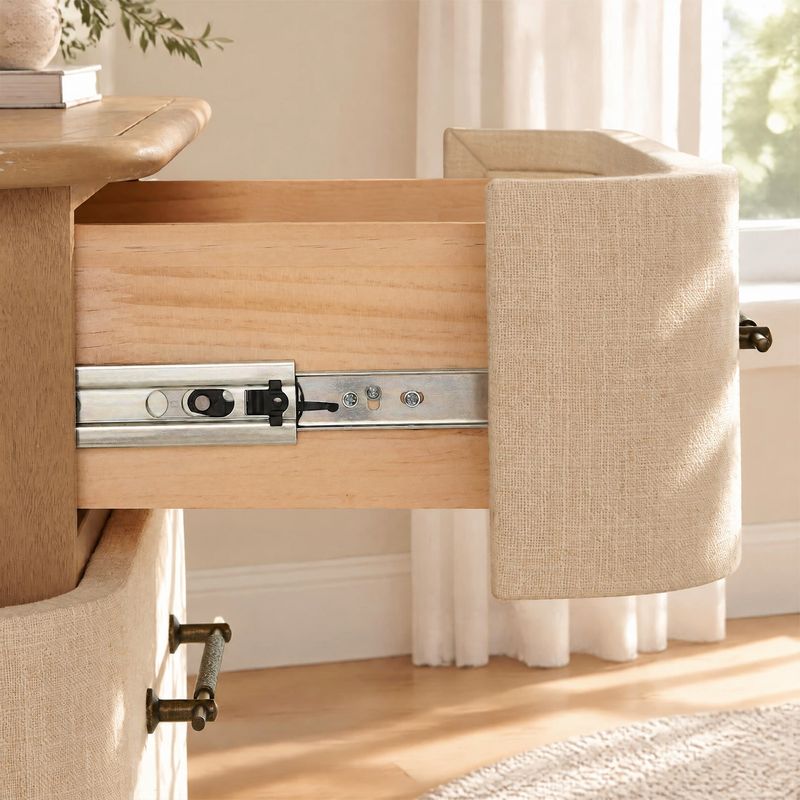
For the room itself, leave enough clearance to open drawers fully and walk around the bed without squeezing between furniture.
Match Storage to Your Routine
Think about where your clothes and personal belongings actually go.
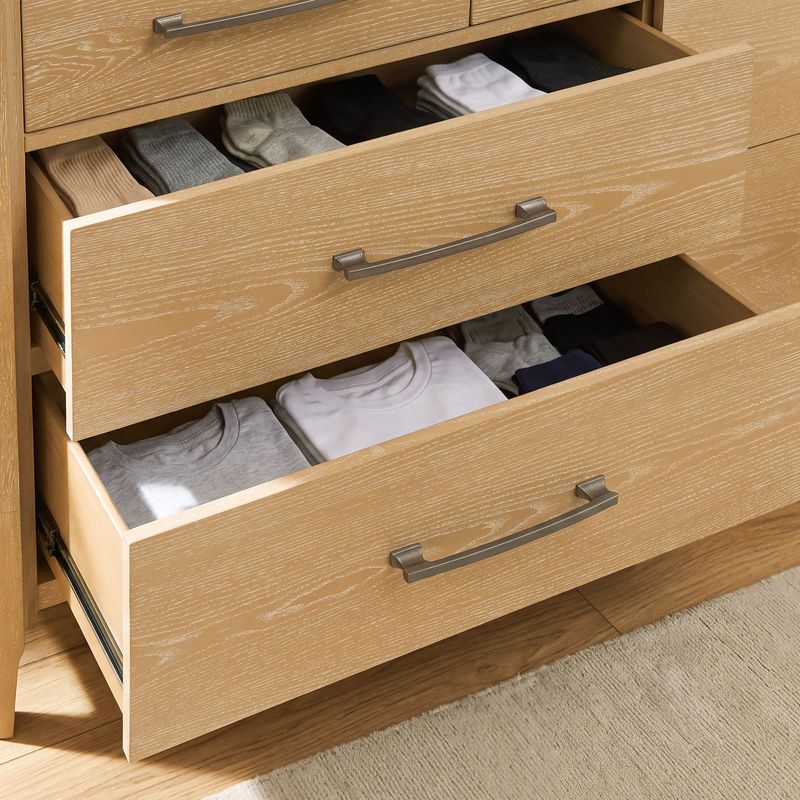
If most of your wardrobe hangs in a closet, you may not need a very large dresser. If you fold sweaters, shirts, workout clothes, and linens, more drawer space can make everyday organization easier.
A chest can add vertical storage when wall width is limited. A dresser can provide broader drawer capacity. A nightstand handles smaller bedside items. Using each piece for a specific purpose can keep the room organized without overfurnishing it.
Choose Furniture That Fits the Room
Furniture scale matters just as much as measurements.
A nine-drawer dresser may provide excellent storage, but it can dominate a small bedroom. Likewise, a very narrow nightstand can look undersized beside a large bed and leave little room for a lamp or other essentials.
Compare the width, height, and visual weight of each piece with the furniture already in the room. The goal is to make the pieces feel proportionate to one another while leaving enough open space to move around comfortably.
Consider Materials and Finishes
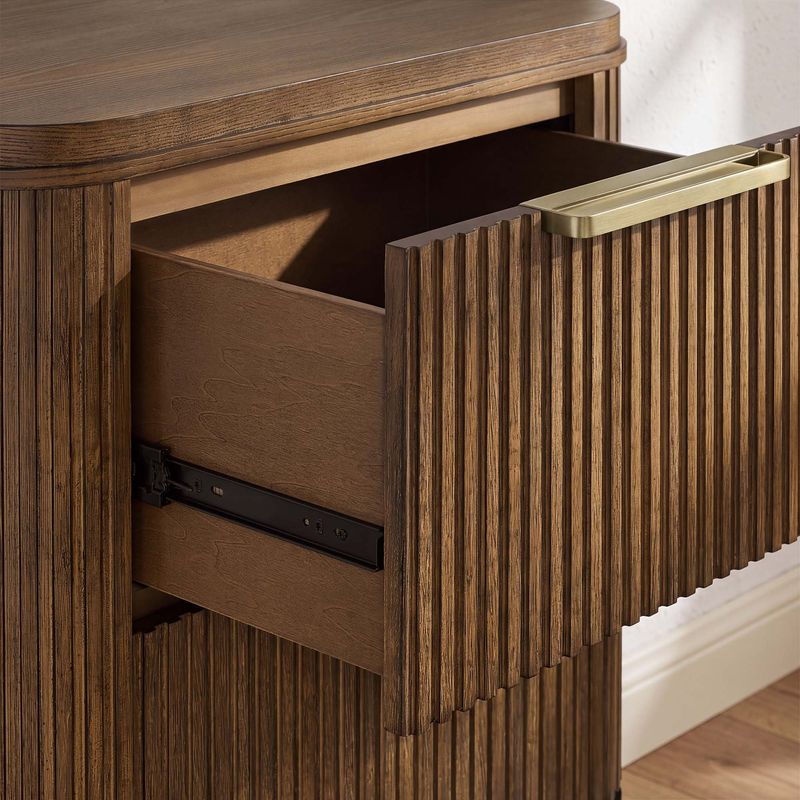
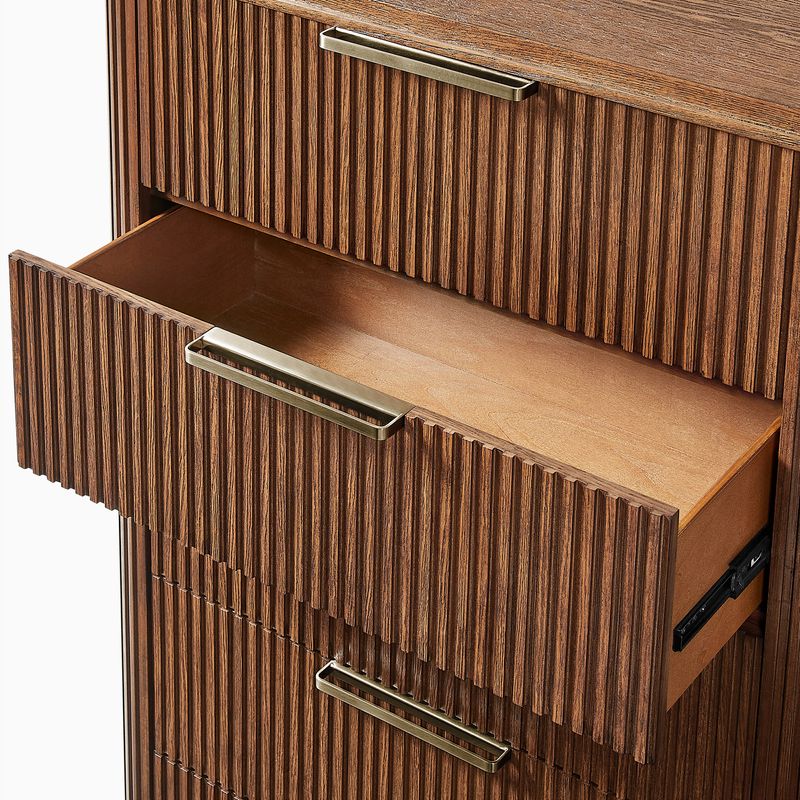
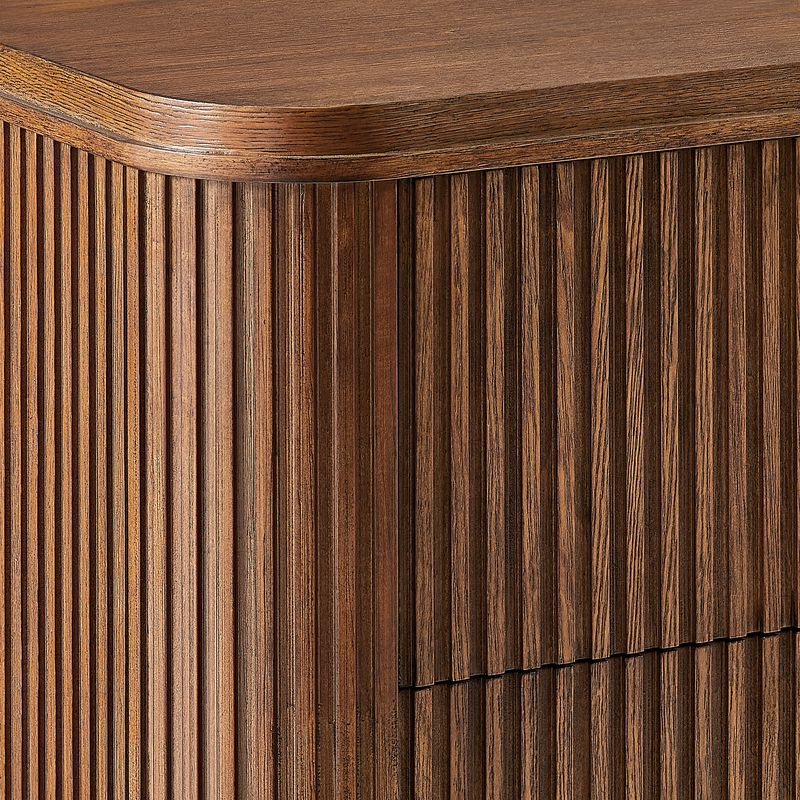
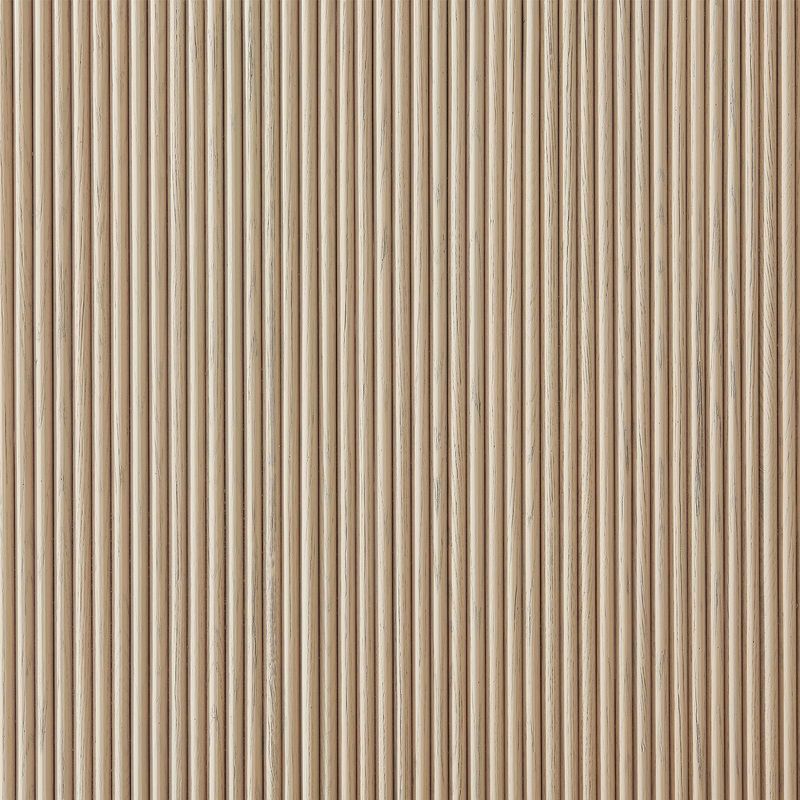
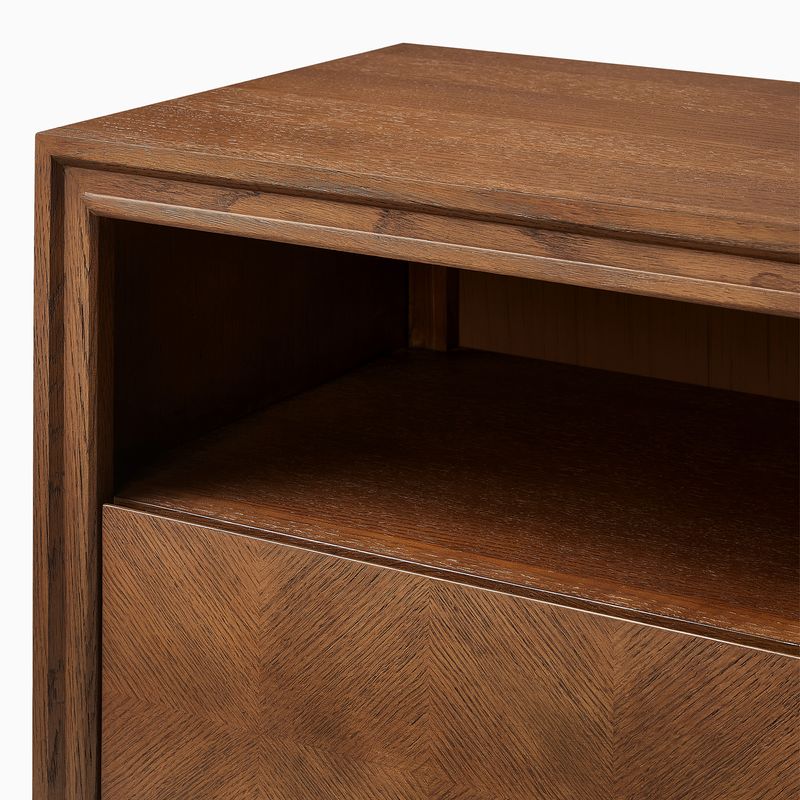
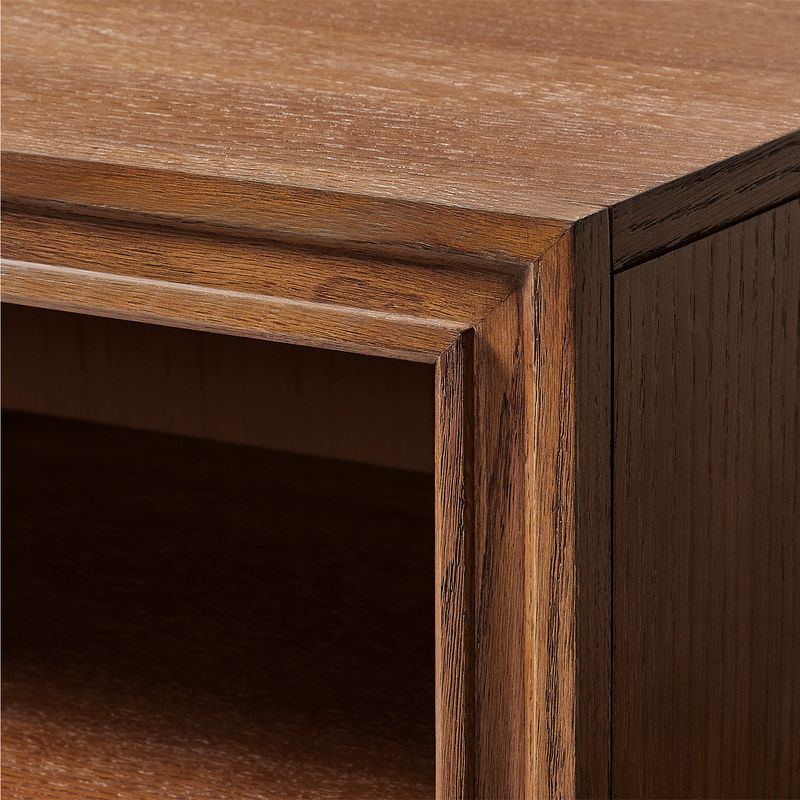
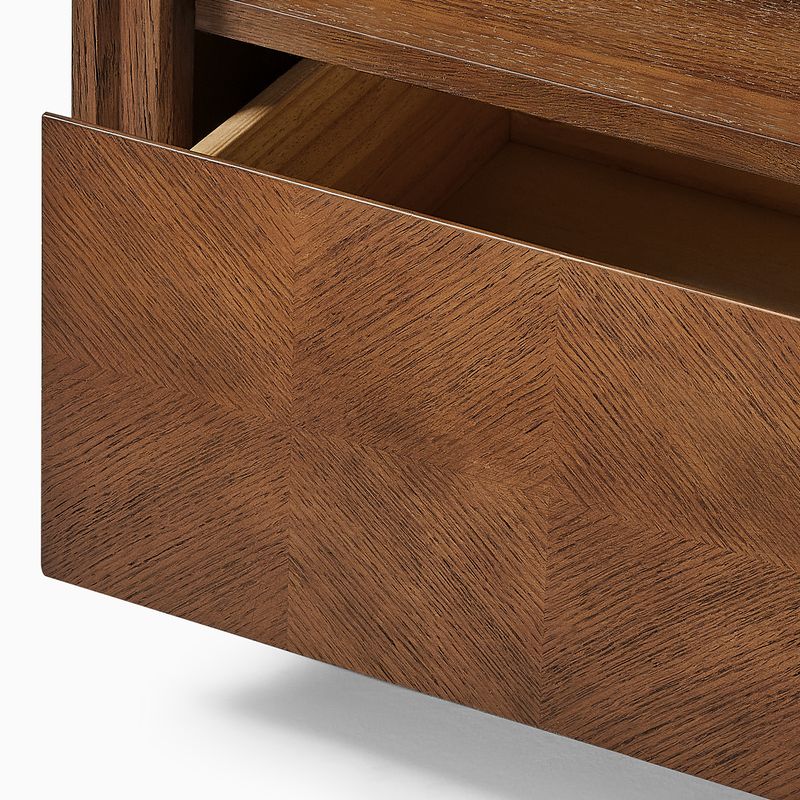
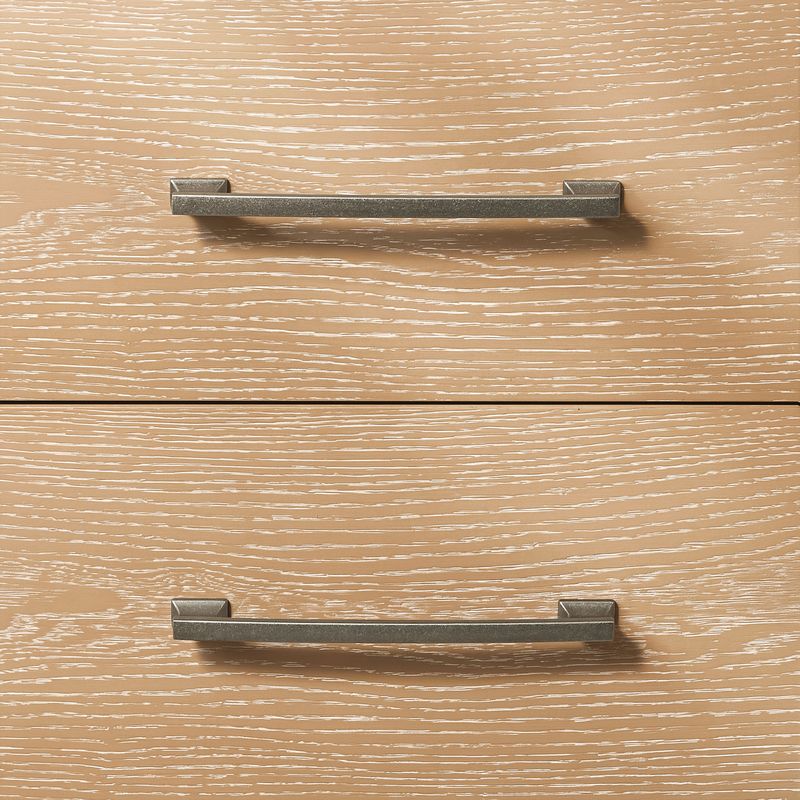
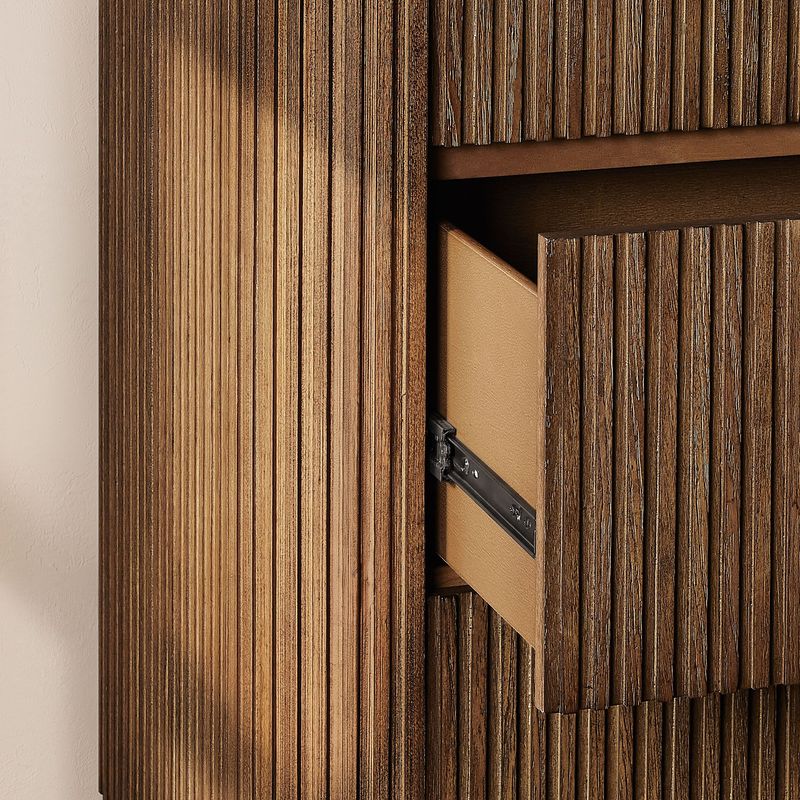
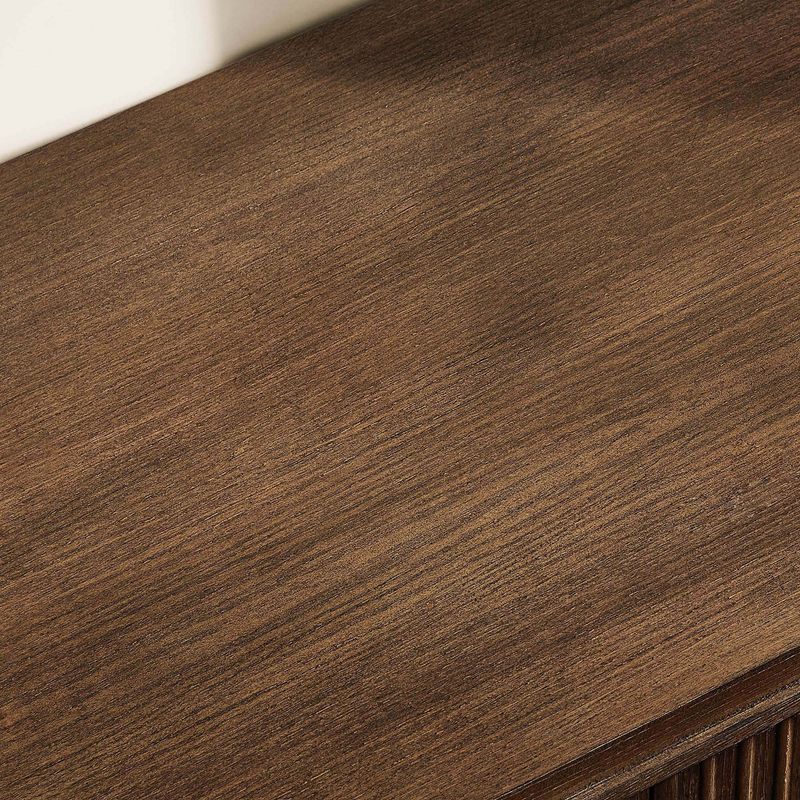
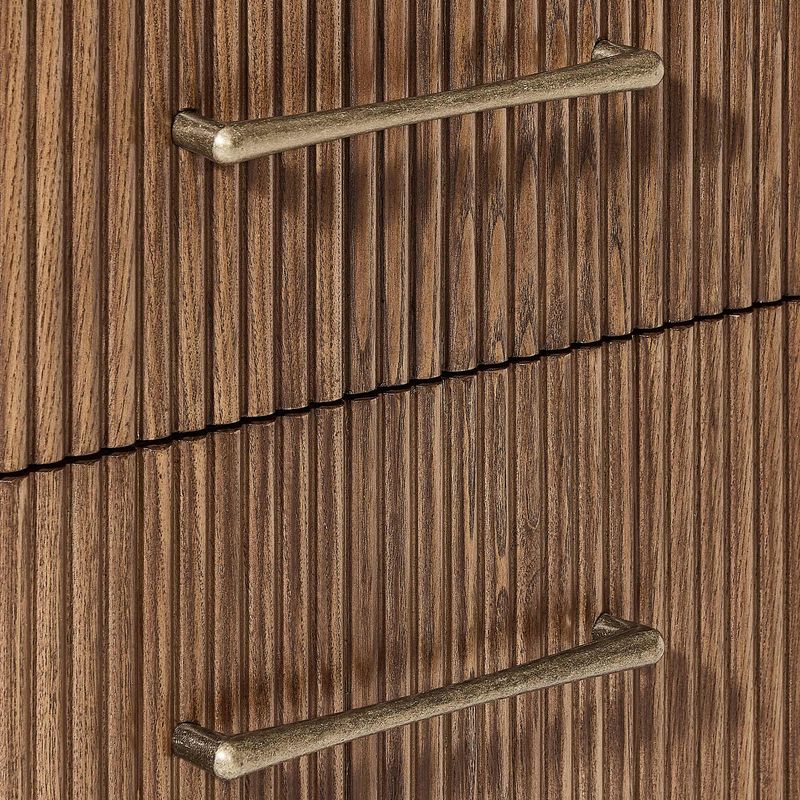
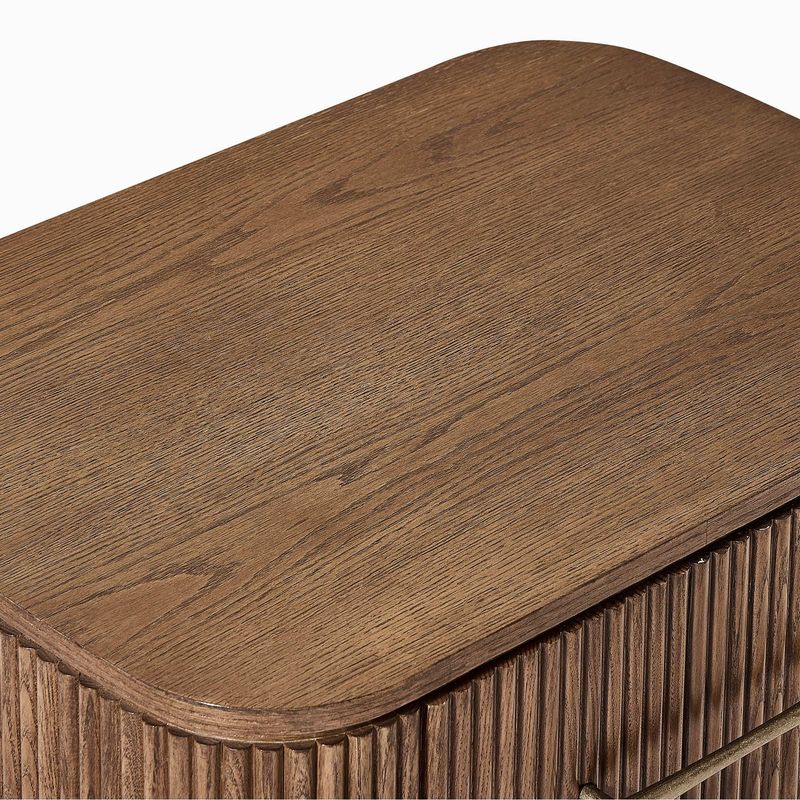
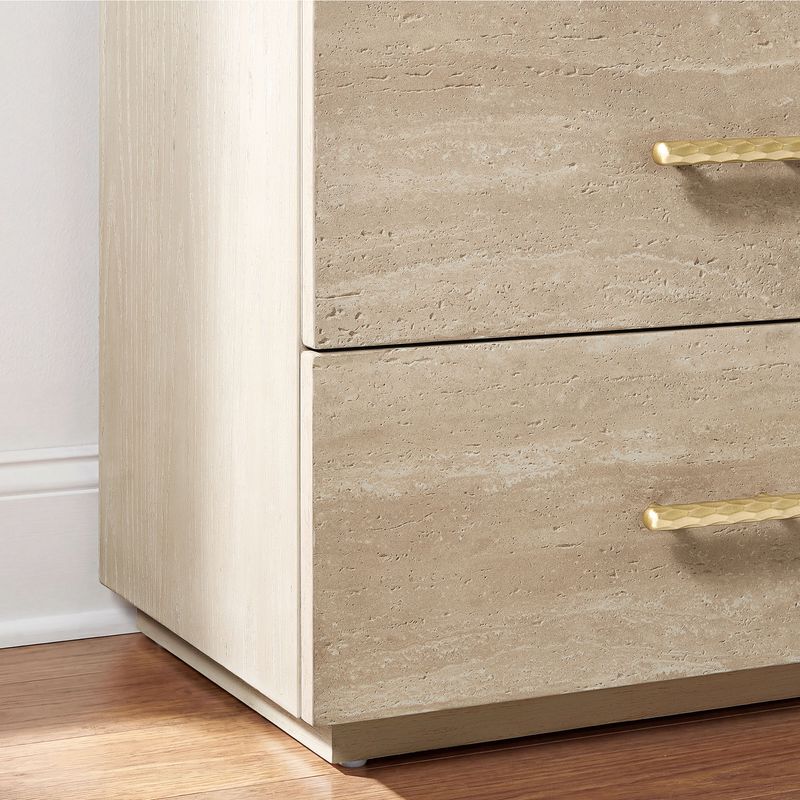
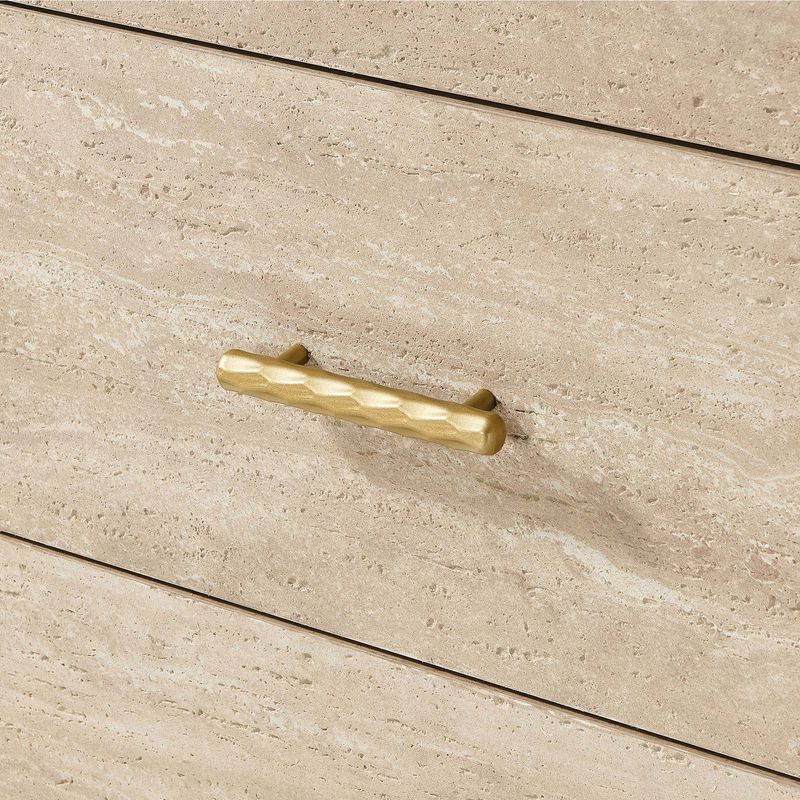
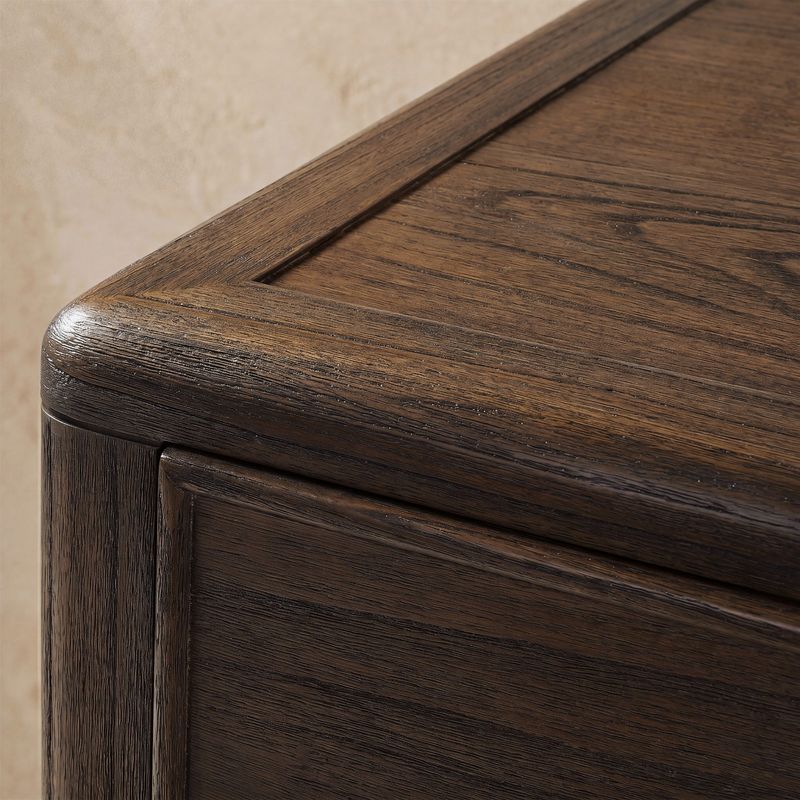
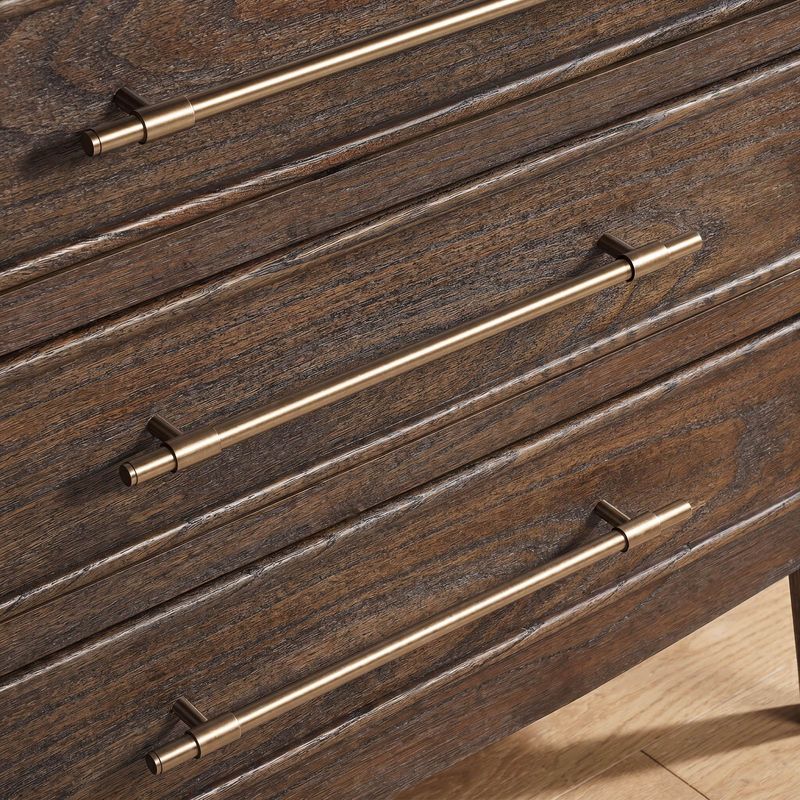
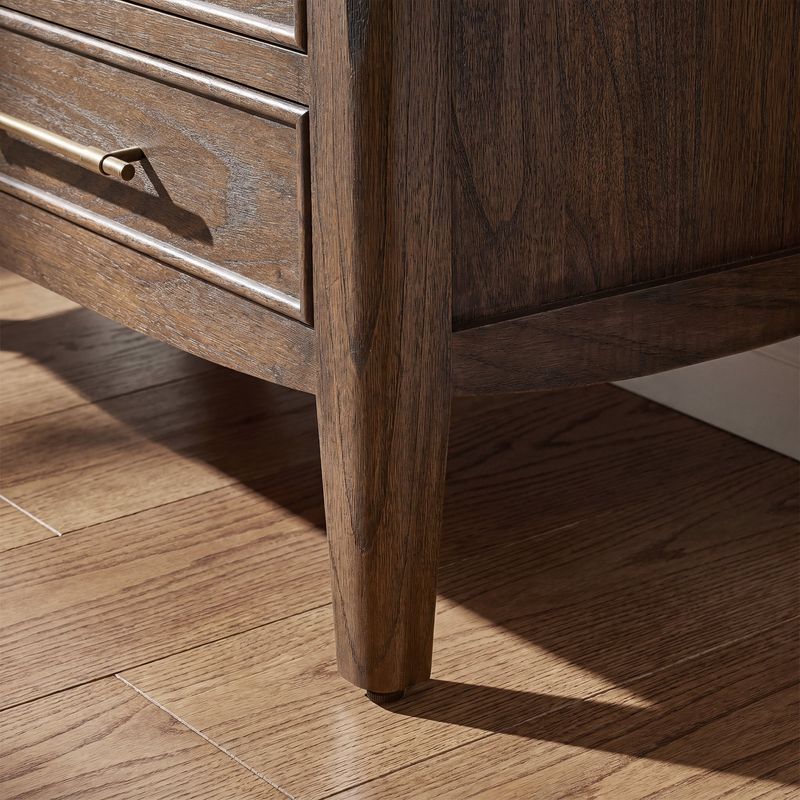
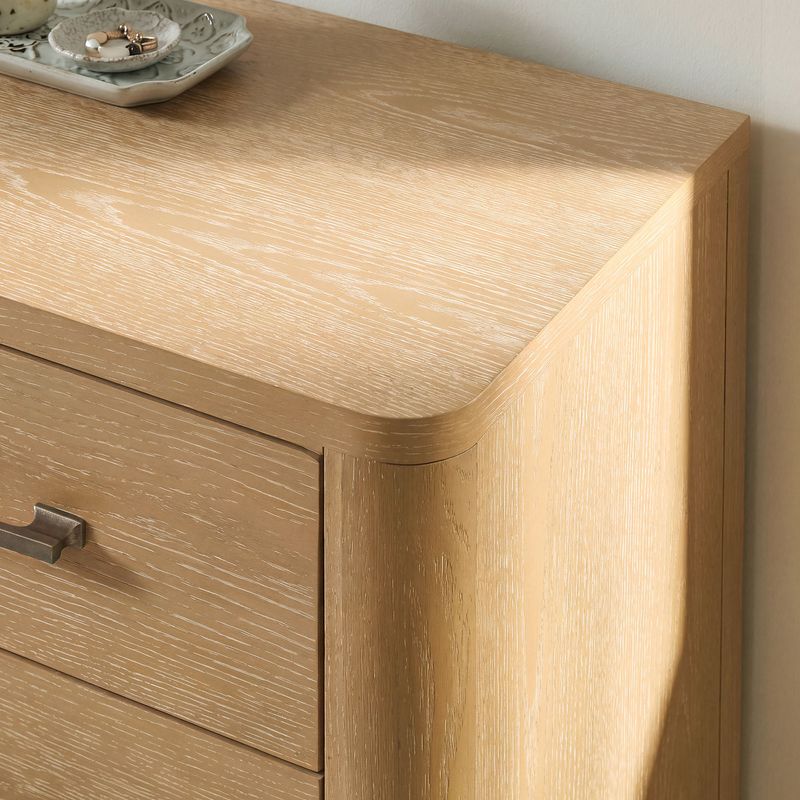
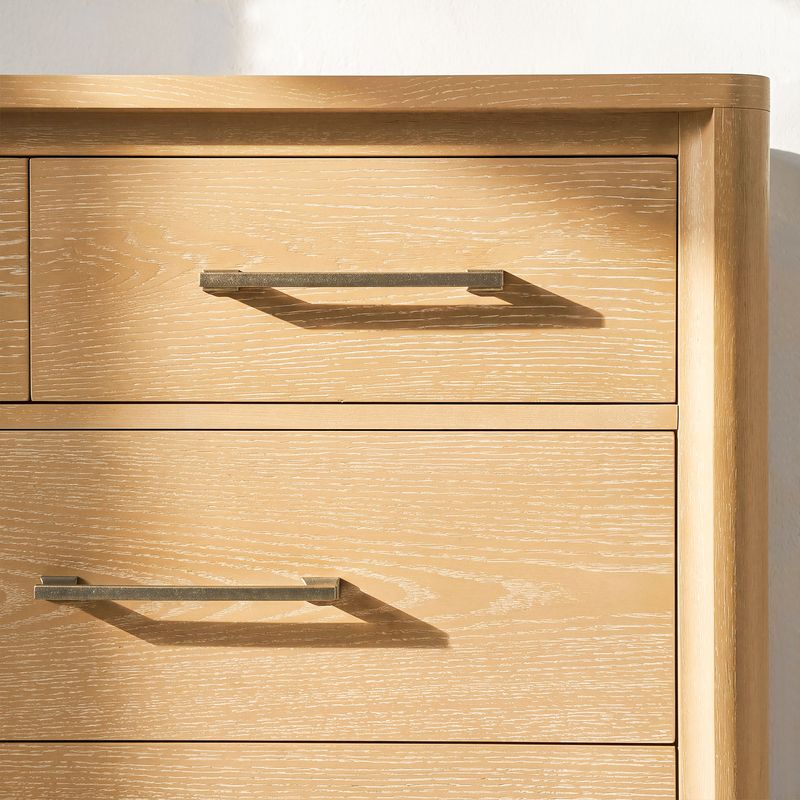
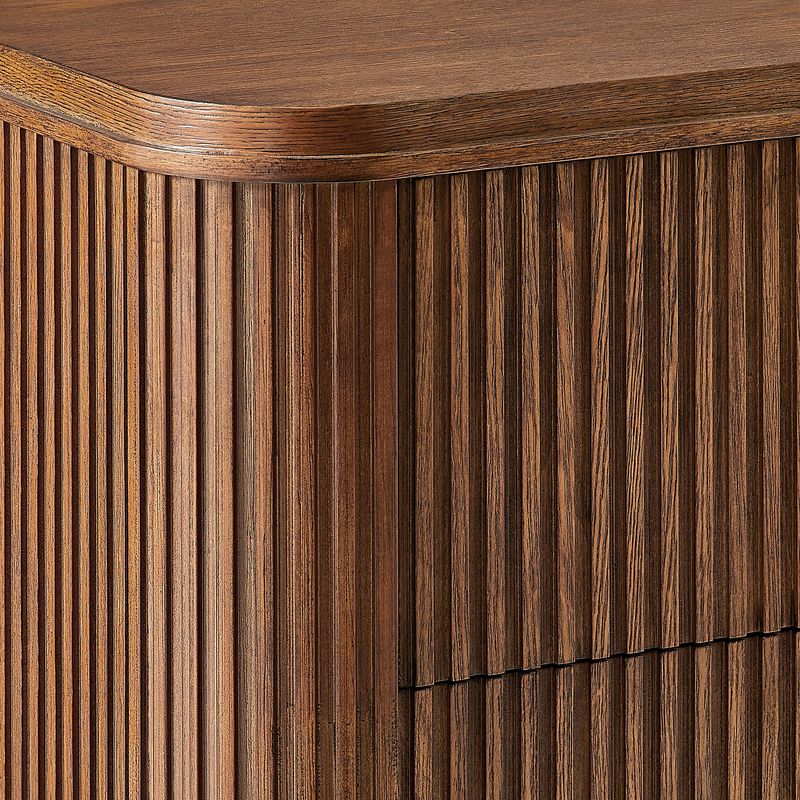
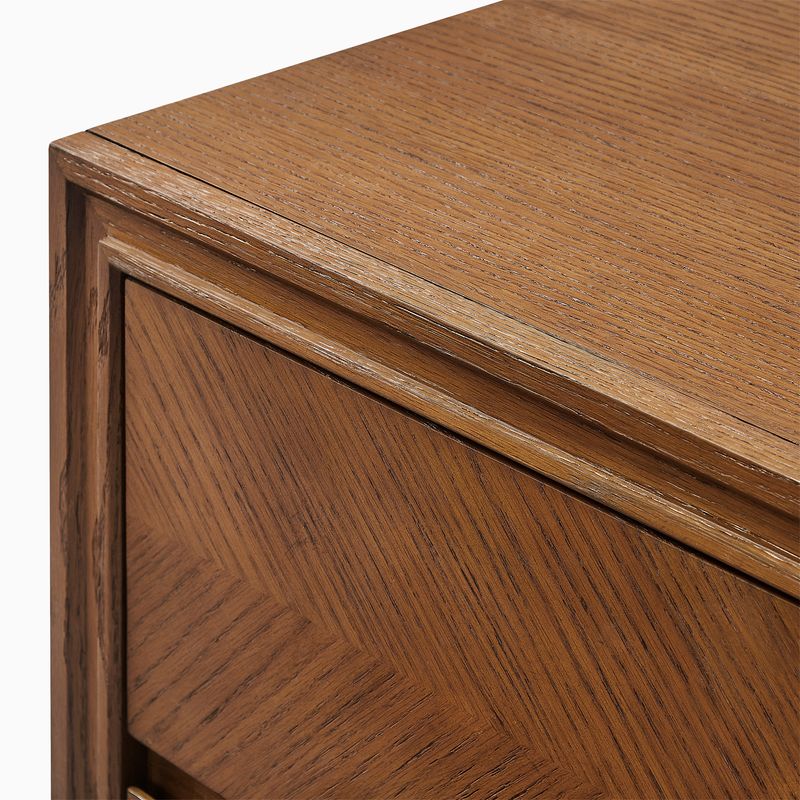
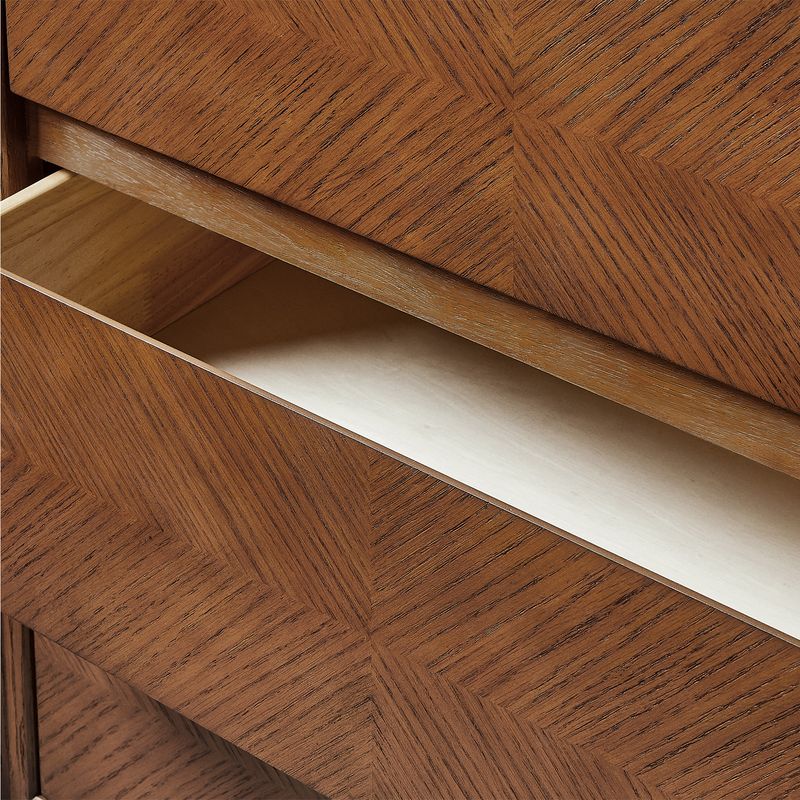
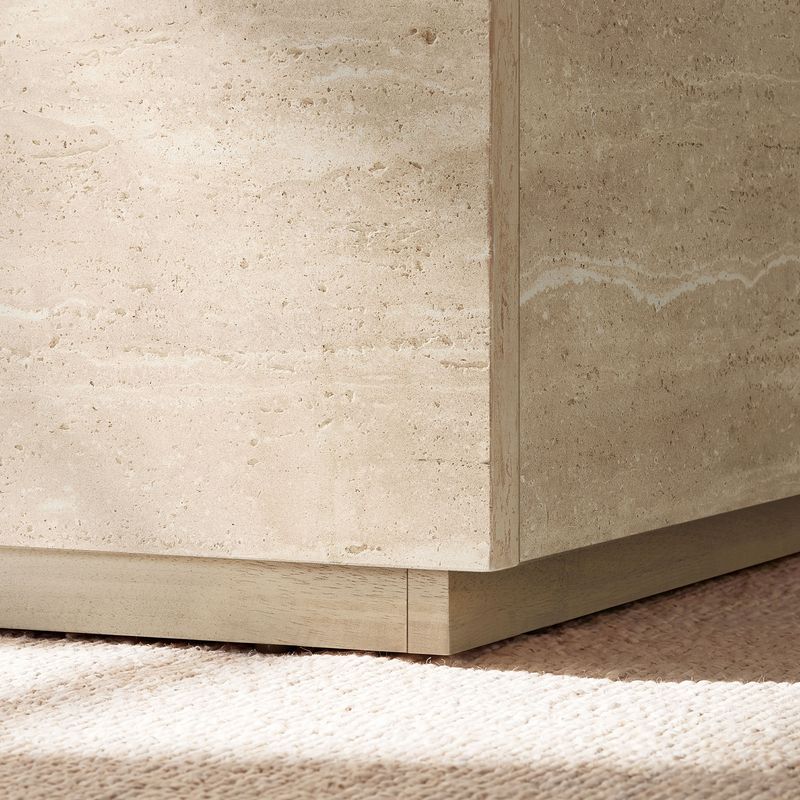
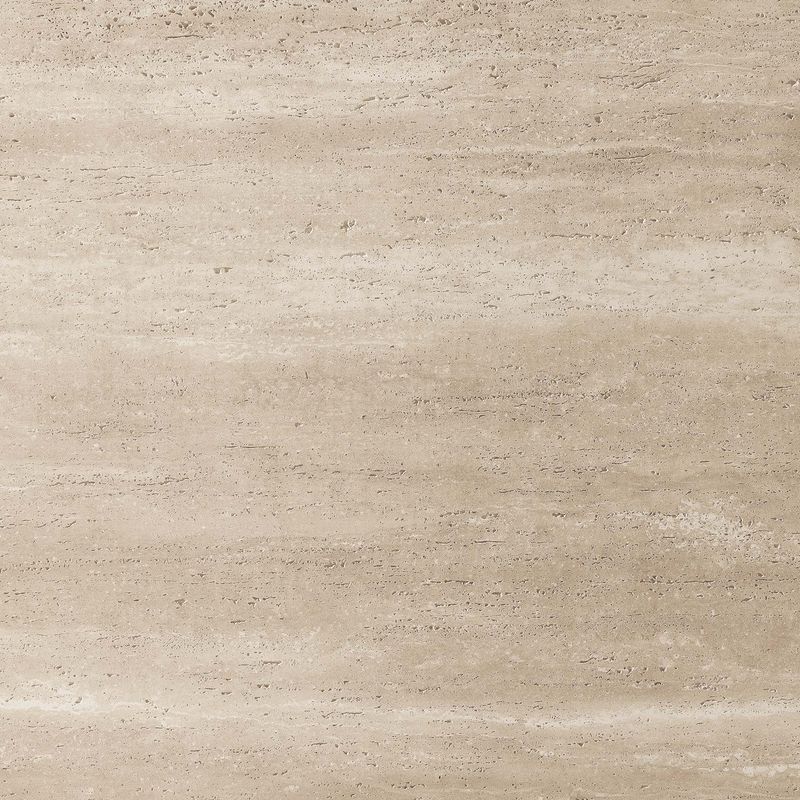
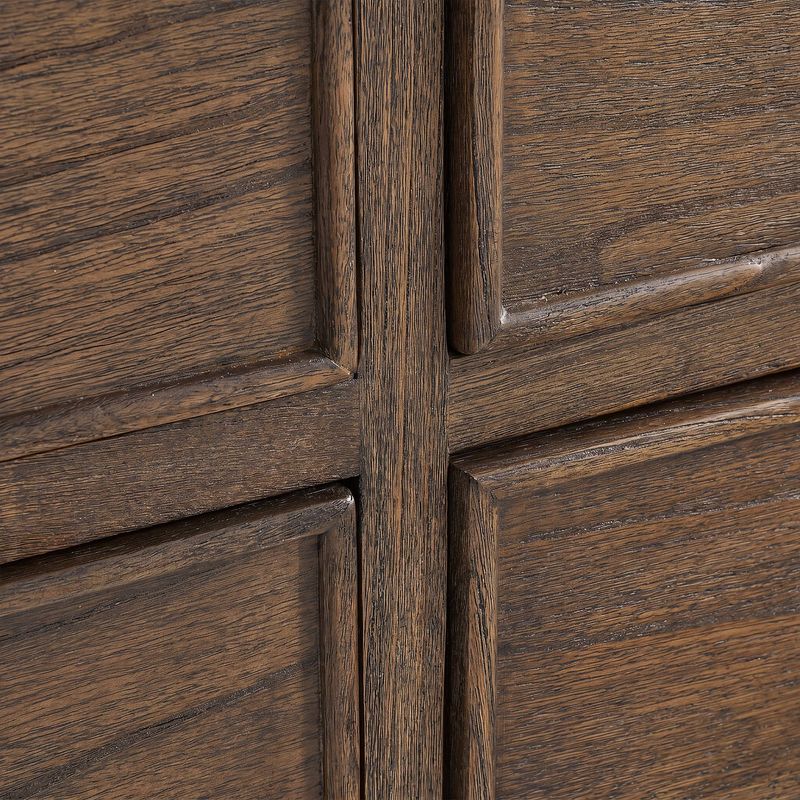
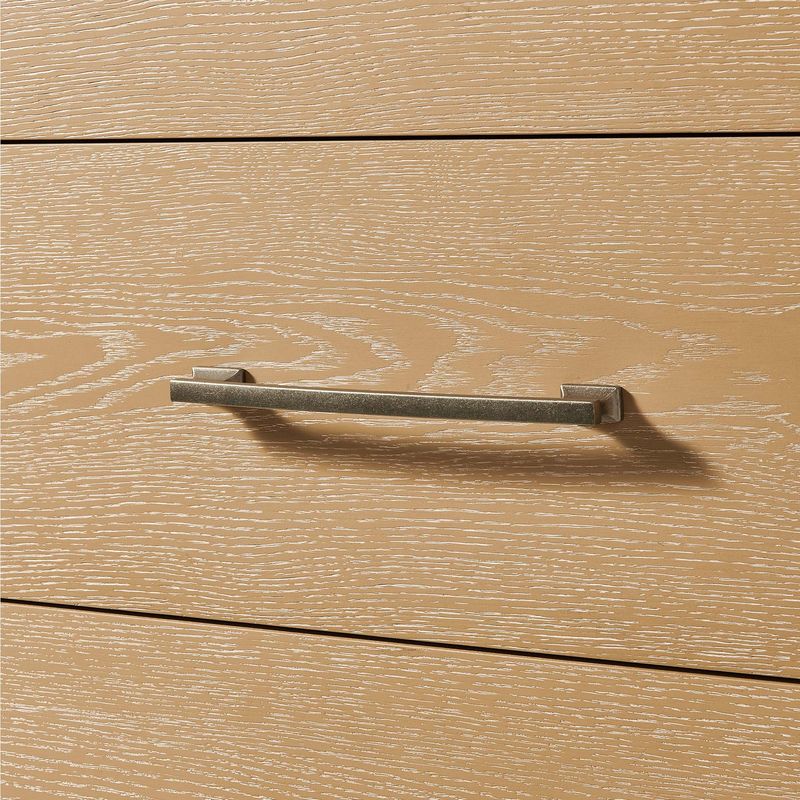
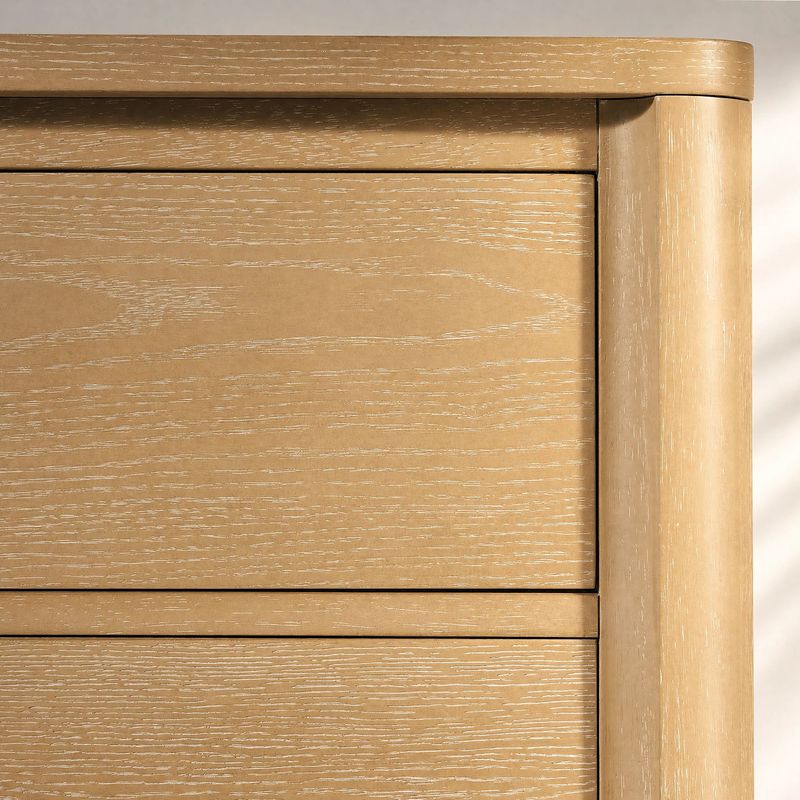
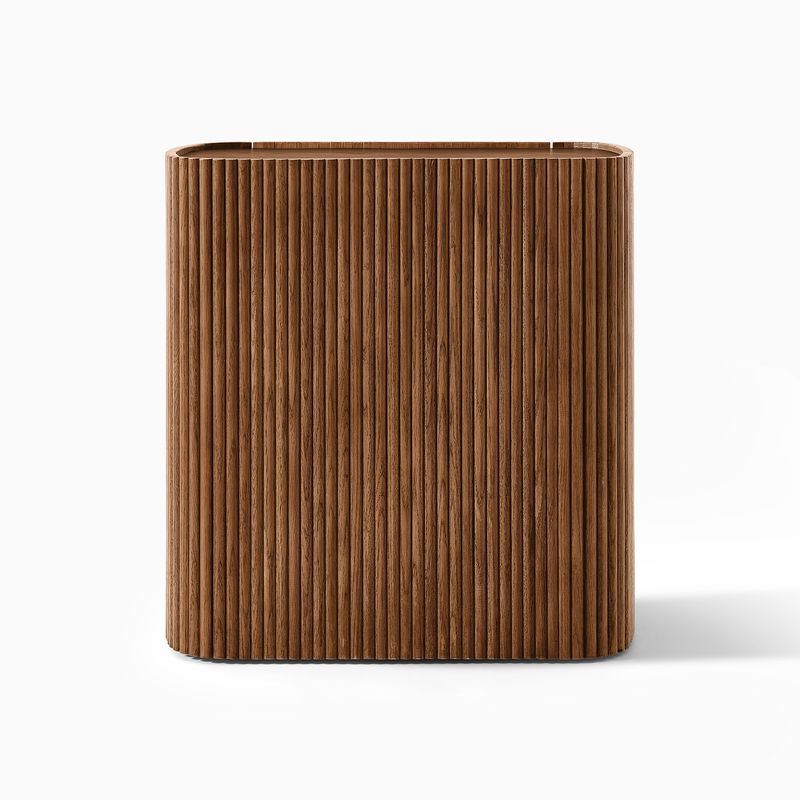
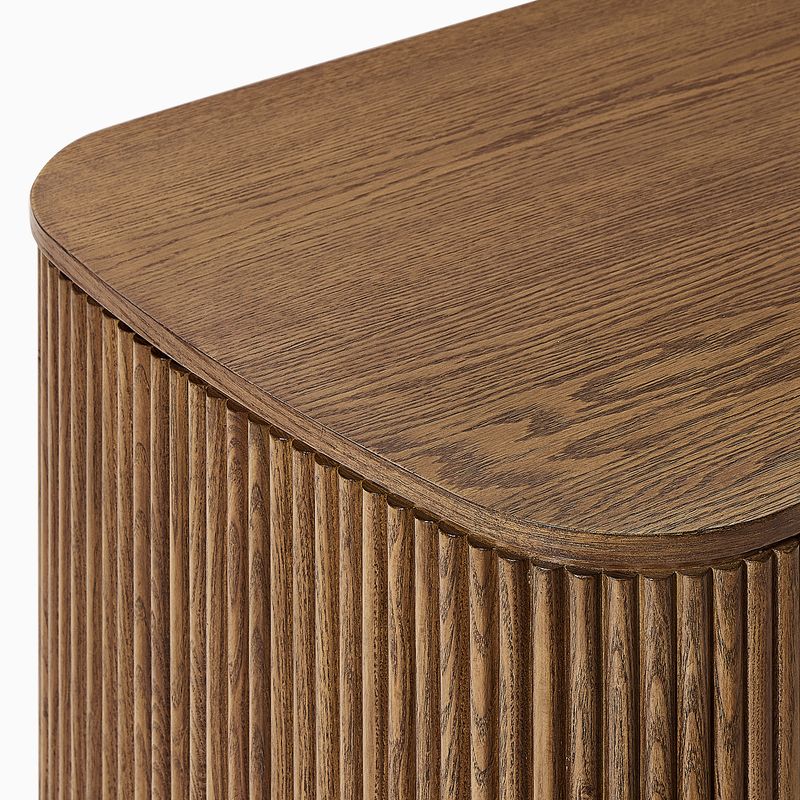
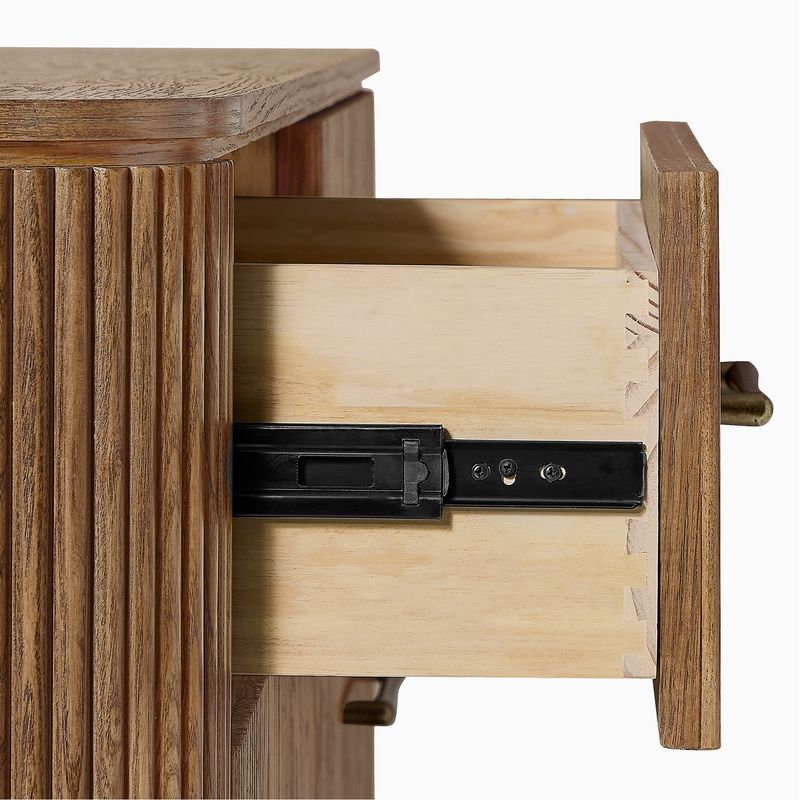
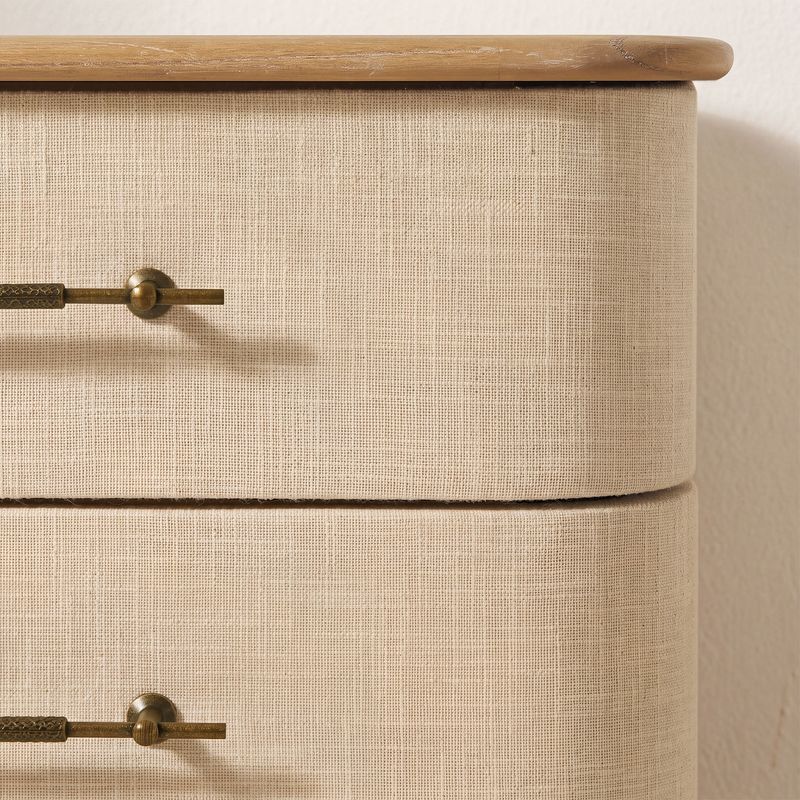
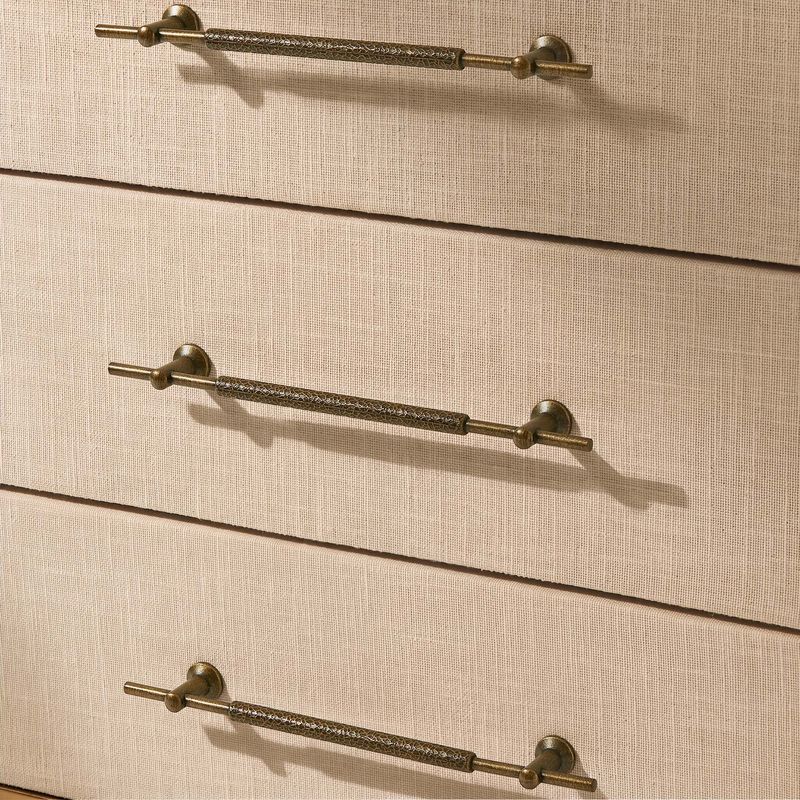
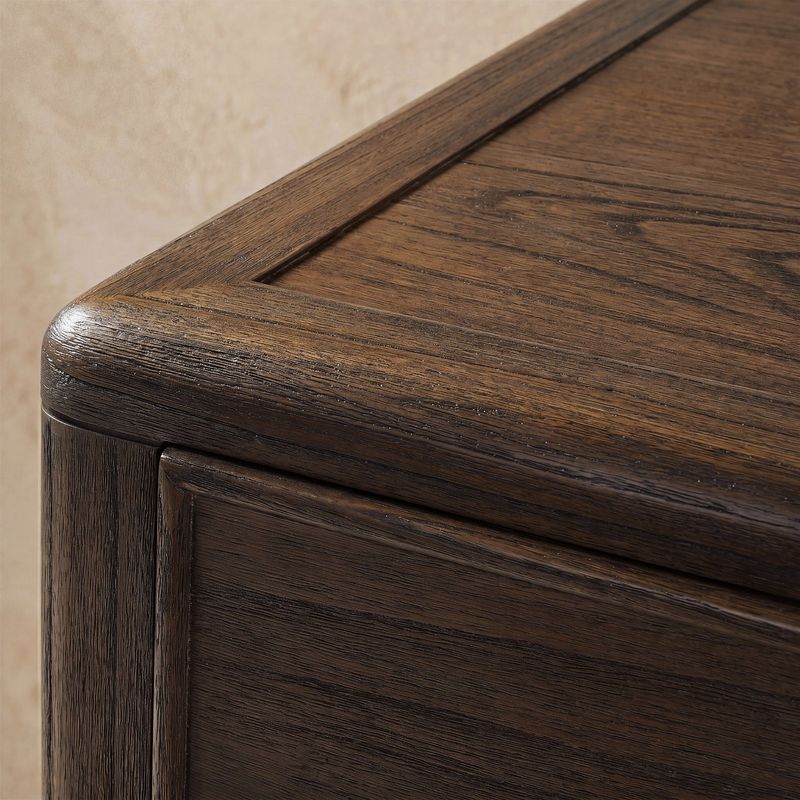
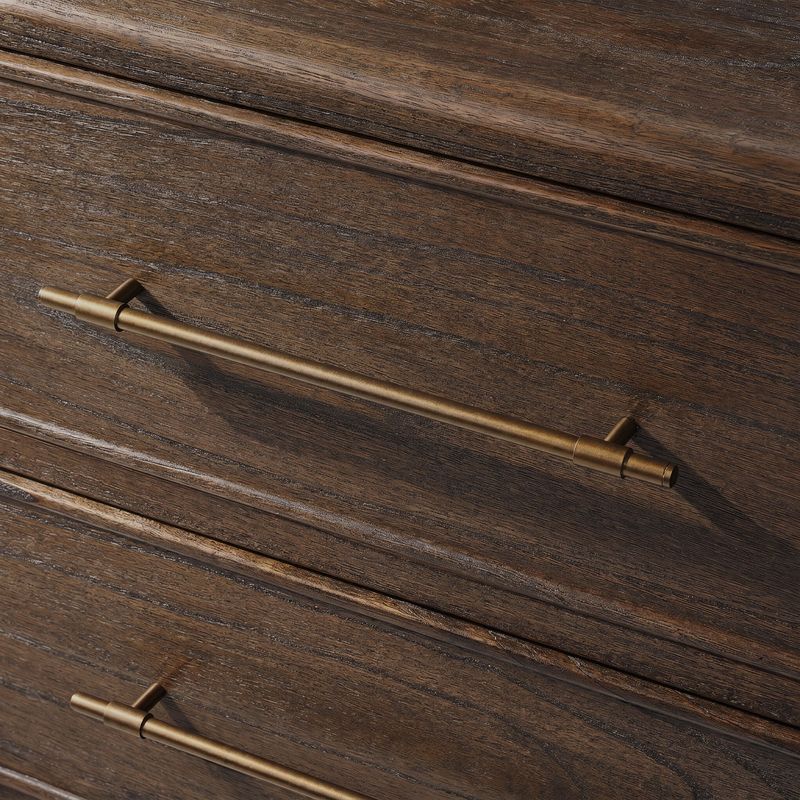
Material has a noticeable effect on how bedroom furniture feels in a room. Wood introduces natural grain and warmth, while textured fronts and shaped details can add visual interest without making the space feel busy.
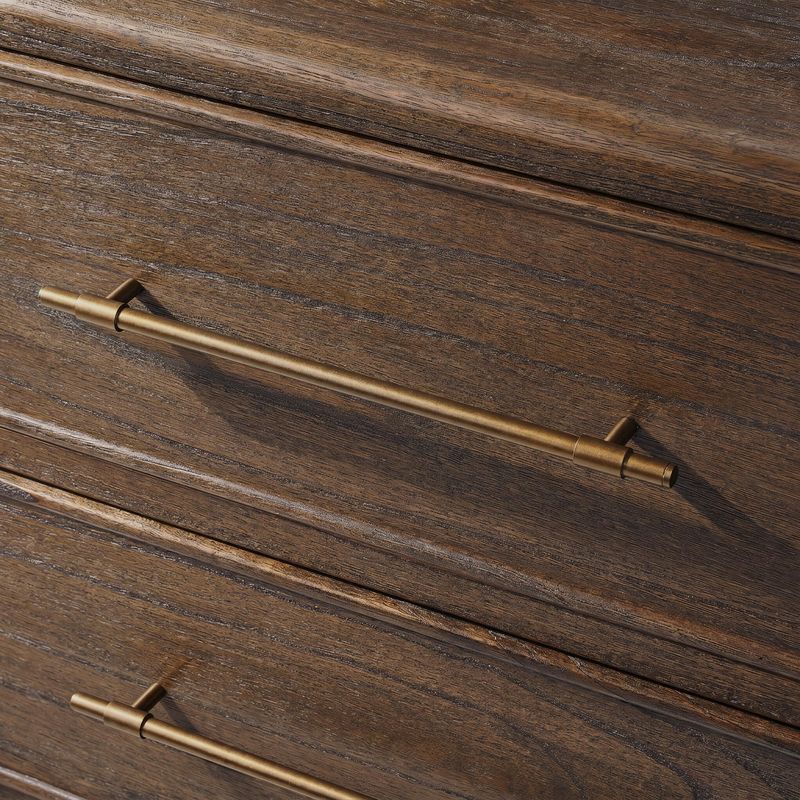
Hernest bedroom furniture uses modern silhouettes, warm wood tones, and refined details to create a contemporary look with a more relaxed feel.
If you are mixing furniture, two or three related finishes are generally easier to coordinate than several unrelated ones. You do not need every piece to come from the same collection; they simply need enough visual connection to work together.
Modern Bedroom Furniture With Warm, Clean Lines
Modern bedroom furniture can be streamlined without feeling cold. The difference often comes down to materials, proportions, and what you pair with the furniture.
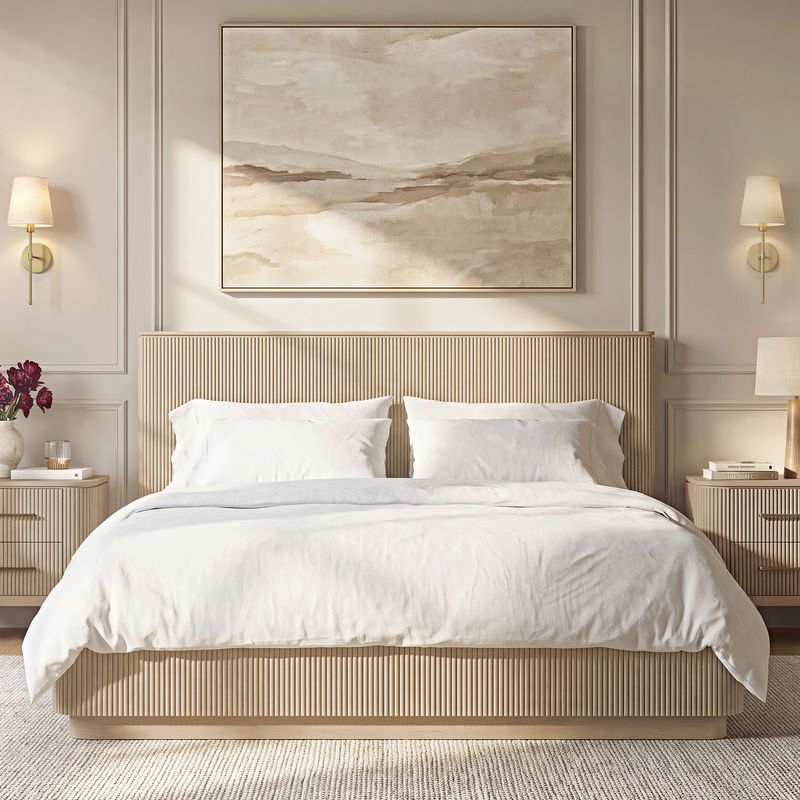
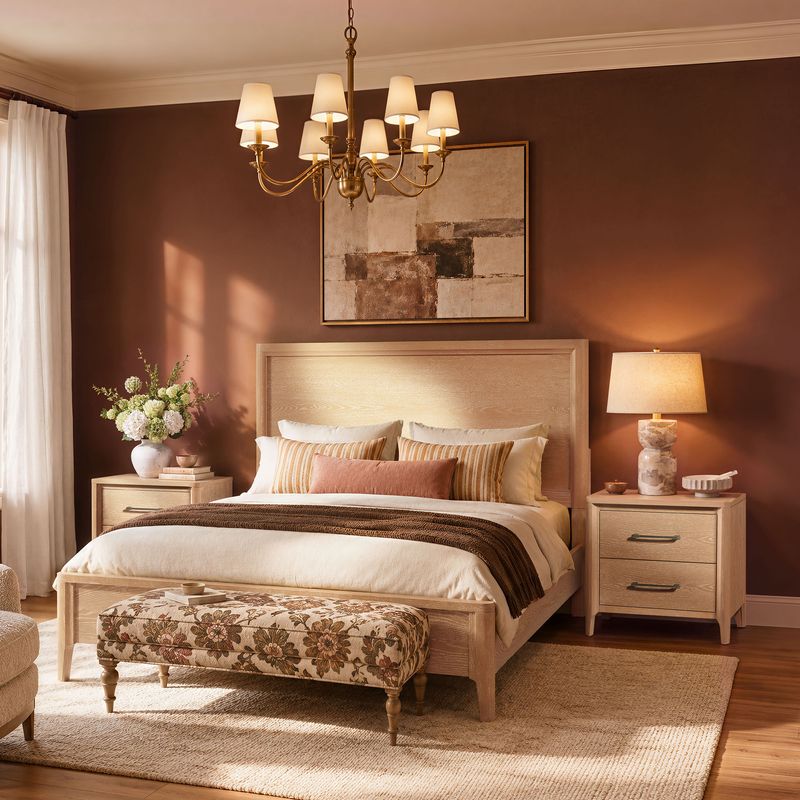
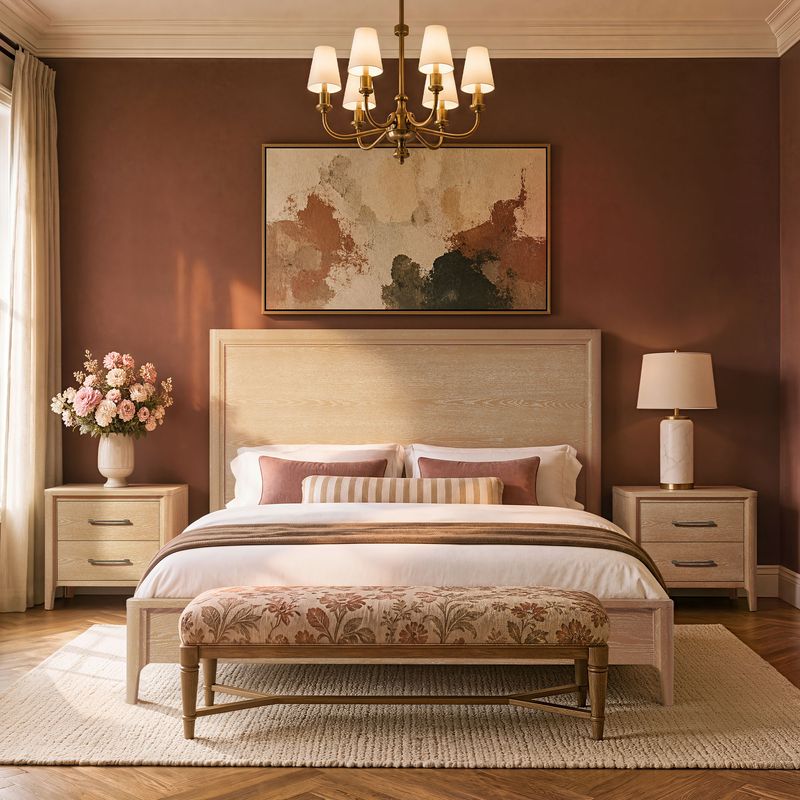
Hernest bedroom furniture combines clean lines with warm wood tones and contemporary details, making it suitable for bedrooms where you want a modern look that still feels comfortable and lived-in.
Start with the larger pieces. A streamlined bed frame can establish the room's proportions, while a dresser and nightstand can reinforce the same design language. From there, bedding, rugs, lighting, and personal accessories can add softness and texture.
If you prefer modern style bedroom furniture with a more relaxed character, look for natural-looking finishes, balanced proportions, and details that add depth without overwhelming the room.
The result does not need to look perfectly coordinated. A bedroom usually feels more personal when the furniture works together without looking like it all arrived in one box.
Bedroom Furniture Ideas for Different Room Sizes
Small Bedrooms
Small bedrooms benefit from careful furniture selection rather than simply using fewer pieces.
A vertical chest can provide useful clothing storage without taking up the wall width of a large dresser. A compact nightstand can keep bedside essentials within reach while preserving walking space.
Measure the room before choosing each piece, and pay attention to drawer clearance. A dresser that fits against the wall but cannot fully open because it hits the bed is not a practical fit.
Primary Bedrooms
A larger bedroom gives you more room to combine bedroom furniture.
A substantial bed frame can serve as the focal point, with nightstands on both sides and a dresser placed along another wall. If you have a large wardrobe, combining a dresser with a chest can distribute storage instead of concentrating everything in one piece.
A bedroom set can also make sense here if you want the major furniture pieces to share a consistent design from the beginning.
Guest Bedrooms
Guest bedrooms usually do not need as much storage as a primary bedroom.
A bed frame, one or two nightstands, and a dresser or chest may be enough. If the room is also used as an office, reading room, or flexible space, keeping the furniture footprint under control gives you more freedom to use the room for other purposes.
A three-piece bedroom set can be a convenient starting point when you want the essential furniture without filling the entire room.
Why Choose Hernest Bedroom Furniture?
Bedroom furniture has to work together, but it also has to work for the way you live.
Hernest offers a range of bedroom furniture that lets you furnish an entire room or replace individual pieces as your needs change. The collection includes bed frames, dressers, chests, nightstands, and bedroom sets in different sizes and configurations.
The range also gives you room to make practical choices. A six-drawer dresser can provide everyday clothing storage without requiring the footprint of a larger nine-drawer model. A five-drawer chest can add vertical storage when wall width is limited. And nightstands are available in different widths so you can choose based on the space beside your bed rather than settling for a one-size-fits-all option.
That flexibility matters because bedrooms are rarely identical. A piece that works beautifully in a spacious primary bedroom may not make sense in a compact apartment bedroom or guest room.
Choose the pieces that solve your storage and layout needs first, then build the look around them.
Find Bedroom Furniture That Fits Your Space
A bedroom does not need to be filled with furniture to feel complete. Start with the pieces you use every day, make sure they fit the room, and choose storage based on what you actually need to keep organized.
Hernest offers bedroom furniture across the essential categories-from bed frames and nightstands to dressers, chests, and bedroom sets-so you can furnish the entire room or update it one piece at a time.
Measure your space, compare the available configurations, and build around the way you live. With the right combination of furniture, your bedroom can feel organized, comfortable, and distinctly your own.
Explore Hernest bedroom furniture and find the pieces that make sense for your space.