If you’ve ever pulled a dresser away from the wall and spotted fuzzy spots, dark patches, or a musty smell, you’ve likely asked yourself one urgent question: is mold on wood furniture dangerous?
The short answer is: it can be. But the real answer is more nuanced—and far more important for your health, your home, and your furniture’s lifespan.
In this expert guide, we break down exactly when mold on furniture becomes a serious risk, how to identify mildew on furniture, what causes white mold on furniture, and—most importantly—how to safely clean or remove it before it spreads.
This is not theory. It’s based on real-world remediation practices used by restoration professionals, combined with guidance from the U.S. Environmental Protection Agency (EPA) and industry field experience.
Why Mold on Furniture Is a Serious Home Issue
Why homeowners often ignore mold on wood furniture
Most people don’t panic when they first see mold on furniture. It often looks small, isolated, or “just surface dust.” Many homeowners assume it’s harmless dirt or forget about it entirely if there’s no strong smell.
But that’s the mistake.
In reality, is mold on wood furniture dangerous is a question that becomes more serious the longer you wait. Mold spreads invisibly through spores, and what you see is often just the surface expression of a deeper problem.
The hidden risks of indoor mold exposure (EPA insight)
The EPA warns that mold growth indoors is directly tied to moisture and poor air control. According to the U.S. Environmental Protection Agency:
“The key to mold control is moisture control.”
This matters because is mold on wood furniture dangerous is not only about the furniture—it’s about the air you breathe every day.
When mold becomes a health and structural problem
Mold becomes dangerous when:
It spreads beyond a small surface area
It begins releasing airborne spores
It penetrates porous wood fibers
It contributes to persistent humidity indoors
At that point, is mold on wood furniture dangerous shifts from a cleaning question to a health question.
Is Mold on Wood Furniture Dangerous? (Core Answer)
Health risks of mold exposure (respiratory, allergies, asthma)
Yes—is mold on wood furniture dangerous from a health perspective depends on exposure level, but risks include:
Sneezing and chronic allergies
Eye and skin irritation
Asthma flare-ups
Headaches and fatigue
When mold on furniture is present in bedrooms or living areas, spores can circulate through HVAC systems and worsen indoor air quality.
Who is most vulnerable
Certain groups are more sensitive when is mold on wood furniture dangerous becomes a real concern:
Children with developing immune systems
Elderly individuals
People with asthma or allergies
Immunocompromised individuals
For these groups, even light mildew on furniture exposure can trigger symptoms.
Structural risks: how mold damages wood furniture
Beyond health, mold on furniture eats into organic material in wood. Over time, it can:
Weaken joints
Stain surfaces permanently
Cause warping or softening
Destroy finishes
This is why is mold on wood furniture dangerous is also a financial question.
When mold is toxic vs surface-level mildew
Not all growth is equal. white mold on furniture is often early-stage surface growth, while deep black or green mold signals long-term infestation.
So again—is mold on wood furniture dangerous depends on depth, duration, and moisture conditions.
What Causes Mold on Furniture?
If you've ever wondered what causes mold on furniture, the answer almost always comes down to one thing: moisture. Mold spores naturally exist in the air, but they only begin to grow when they land on a damp surface with enough organic material to feed on. Wood furniture is especially susceptible because it is porous and contains natural cellulose, a primary food source for mold. Understanding the conditions that encourage mold growth is the first step toward preventing costly damage and protecting your indoor air quality.
Excess Humidity and Poor Ventilation
High indoor humidity is the leading cause of mold on furniture. When relative humidity consistently exceeds 60%, moisture can accumulate on wood surfaces, creating the perfect environment for mold spores to multiply. Rooms with limited airflow—such as spare bedrooms, closets, or homes that remain closed for long periods—are particularly vulnerable.
A simple example is a solid wood dresser placed tightly against an exterior wall. If air cannot circulate behind it, condensation may build up unnoticed, allowing mold to develop over time.
Expert Tip: Keep indoor humidity between 30% and 50% and ensure good air circulation, especially during humid months.
Water Leaks, Spills, and Condensation
Even a small amount of water can trigger mold growth if it isn't dried promptly. Common sources include:
Many homeowners asking what causes mold on furniture discover that a slow plumbing leak or persistent window condensation—not a major flood—is the real culprit.
Seasonal Climate Changes (Summer & Rainy Seasons)
Warm temperatures combined with high humidity make late spring, summer, and rainy seasons the peak time for mold on furniture. During these months, moisture in the air can be absorbed by unfinished or poorly sealed wood, especially if windows remain closed and air circulation is limited.
Homes in humid climates should inspect furniture more frequently, particularly pieces located near exterior walls or windows.
Storage in Basements, Garages, or Closed Rooms
Furniture stored for months in basements, garages, attics, or unused rooms often develops mildew on furniture or visible mold because these spaces typically experience fluctuating temperatures, poor ventilation, and elevated humidity.
Before storing wooden furniture long-term, make sure it is completely clean and dry. Leave enough space around each piece to promote airflow rather than wrapping it tightly in plastic, which can trap moisture inside.
Organic Materials in Wood That Feed Mold Growth
Wood is a natural material made largely of cellulose, which provides nutrients for mold once moisture is present. Dust, fabric fibers, food particles, and even skin oils that settle on furniture can supply additional organic matter, accelerating fungal growth.
This is why regular dusting is about more than appearance—it removes food sources that help mold colonies expand. While properly sealed wood offers better protection, no wooden furniture is completely immune if moisture problems are left unresolved.
Ultimately, what causes mold on furniture is rarely a single event. Instead, it is usually the combination of moisture, limited airflow, and organic materials that allows mold to establish itself and spread. Addressing these underlying conditions is far more effective than simply cleaning visible mold after it appears.
Mold on Furniture vs Mildew on Furniture
Many homeowners use the terms mold on furniture and mildew on furniture interchangeably, but they are not exactly the same. Knowing the difference helps you choose the right cleaning method and determine whether a simple DIY solution is enough or if the problem requires more extensive remediation.
Visual Differences (Color, Texture, Growth Pattern)
Although both are fungi that thrive in damp conditions, mildew is generally the earlier and less aggressive stage of fungal growth.
For example, white mold on furniture often appears as soft, fuzzy spots, while mildew typically resembles a light powder that can be wiped away more easily.
Odor Differences (Musty Smell vs. Damp Odor)
One of the easiest ways to distinguish the two is by smell. Mold on furniture usually produces a strong, musty odor that lingers even after the surface is wiped clean. Mildew on furniture, by comparison, often has a lighter damp or earthy smell that is less persistent.
If a musty odor remains after cleaning, it may indicate that mold has penetrated beneath the surface rather than remaining on the finish.
Which Is Easier to Remove?
In most cases, mildew on furniture is easier to remove because it stays on the surface. A mild soap solution or white vinegar is often enough to eliminate light mildew if addressed promptly.
Mold on furniture, however, can grow into the pores and grain of unfinished or damaged wood. Once this happens, how to clean mold off wood furniture becomes more involved and may require HEPA vacuuming, repeated cleaning, thorough drying, or even light sanding to remove embedded spores.
When Mildew Turns into Mold
Mildew should be viewed as an early warning sign rather than a harmless cosmetic issue. If moisture remains—whether from high humidity, condensation, or a hidden leak—surface mildew can develop into a more established mold colony within days or weeks.
This progression is especially common in poorly ventilated basements, garages, or rooms with consistently high humidity. Addressing mildew on furniture early not only makes how to remove mildew from furniture much easier, but also helps prevent deeper structural damage and protects indoor air quality before mold becomes a larger problem.
White Mold on Furniture — What It Really Means
Finding white mold on furniture can be alarming, but its appearance doesn't automatically mean the damage is severe. In many cases, white mold is an early-stage fungal growth caused by excess moisture and poor ventilation. Identifying it correctly—and acting quickly—can prevent it from spreading deeper into the wood and becoming much harder to remove.
Is White Mold Less Dangerous Than Black Mold?
The color of mold alone does not determine how hazardous it is. While white mold on furniture is often associated with early growth, it can still release airborne spores that trigger allergies, respiratory irritation, and unpleasant odors. The health risk depends more on the amount of mold, exposure time, and your sensitivity than on whether the mold is white or black.
Common Confusion: Efflorescence vs. White Mold
One of the most common mistakes is confusing white mold on furniture with efflorescence, a harmless white mineral residue left behind by moisture.
A simple clue is texture—mold feels fuzzy, while efflorescence feels dry and chalky.
Why White Mold Often Appears in Early Growth Stages
White mold on furniture frequently develops before it changes color. It commonly appears on unfinished wood, furniture stored in damp basements, or pieces placed against poorly ventilated exterior walls. Because it represents an early stage of colonization, prompt cleaning and moisture control can often stop the problem before it penetrates deeper into the wood fibers. Ignoring it, however, allows the colony to expand, making removal more difficult and increasing the risk of long-term damage.
How to Clean Mold Off Wood Furniture (Step-by-Step Guide)
Learning how to clean mold off wood furniture starts with identifying how deeply the mold has spread. Surface mold on sealed wood can often be removed with household supplies, while mold that has penetrated unfinished wood may require more extensive treatment. The goal is not only to remove visible growth but also to eliminate excess moisture that allows mold to return.
Safety Preparation (Gloves, Mask, Ventilation)
Before cleaning, protect yourself from airborne mold spores.
Wear:
Disposable gloves
An N95 or equivalent dust mask
Safety glasses
Whenever possible, move the furniture outdoors. If that isn't practical, open nearby windows and doors to improve ventilation. Avoid using fans that could spread mold spores throughout your home.
Dry Cleaning Method (Vacuum with HEPA Filter)
The first step in how to clean mold off wood furniture is removing loose spores without rubbing them deeper into the wood.
Use a vacuum equipped with a HEPA filter to carefully vacuum the affected surface and surrounding area. Empty or dispose of the vacuum contents immediately after use according to the manufacturer's instructions.
Vinegar Solution Method (Natural Cleaning Approach)
White distilled vinegar is widely recommended for treating light to moderate mold on furniture because it can reach the pores of wood better than many harsh chemicals.
Fill a spray bottle with undiluted white vinegar.
Lightly mist the affected area—do not soak the wood.
Let it sit for about one hour.
Wipe the surface with a clean microfiber cloth.
For stubborn spots, gently scrub with a soft-bristle brush using minimal pressure to protect the finish.
Mild Soap and Water Cleaning Technique
After vinegar treatment, wipe away any remaining residue with a cloth dampened in warm water mixed with a few drops of mild dish soap. This step is particularly useful for sealed or finished furniture.
Avoid: Abrasive scrub pads, bleach, or excessive water, as they can damage the finish or force moisture deeper into the wood.
Drying and Moisture Control After Cleaning
Proper drying is just as important as cleaning. Even if the visible mold is gone, trapped moisture can allow spores to grow again.
After cleaning:
Wipe the furniture completely dry with a clean towel.
Allow it to air-dry in a well-ventilated space for at least 24 hours.
Keep indoor humidity between 30% and 50% to discourage future mold growth.
Sanding (For Deep Mold Penetration in Unfinished Wood)
If mold has penetrated unfinished or unsealed wood, surface cleaning may not be enough. Light sanding can remove stained fibers and embedded mold that cleaning solutions cannot reach.
Use fine-grit sandpaper and sand only after the wood is completely dry. Work slowly, following the direction of the wood grain, and wear respiratory protection throughout the process to avoid inhaling disturbed spores.
Knowing how to clean mold off wood furniture is only part of the solution. Unless the underlying moisture problem is corrected, even the most thorough cleaning may provide only temporary results. Long-term prevention always begins with controlling humidity and improving ventilation.
When Moldy Wooden Furniture Cannot Be Saved
While many cases of mold on furniture can be treated successfully, there are situations where cleaning is no longer enough. If mold has compromised the wood's structure or continues to return after repeated treatment, replacing the furniture may be the safest and most practical option.
Deep Structural Penetration into Wood Fibers
Wood is naturally porous, allowing mold to grow beneath the surface. When mold penetrates deep into the wood fibers, surface cleaning can remove visible stains but may not eliminate the underlying fungal colony. If mold repeatedly reappears after thorough cleaning and drying, it often indicates internal contamination that is difficult to reverse.
Softened or Crumbling Wood Texture
One of the clearest warning signs is physical deterioration. If the wood feels soft, spongy, warped, or begins to crumble when lightly pressed, mold has likely weakened its structural integrity. Furniture in this condition may no longer be safe or stable for everyday use.
Persistent Mold Smell After Cleaning
A lingering musty odor is another indication that mold remains inside the wood. Even after learning how to clean mold off wood furniture, persistent odors usually suggest that spores are still active beneath the surface, where household cleaning methods cannot reach.
Health Risk Thresholds for Disposal
If mold covers a large portion of the furniture, has spread into upholstered components, or continues returning despite proper moisture control, disposal is often the safest choice—especially in households with children, older adults, or individuals with allergies, asthma, or weakened immune systems.
When deciding whether to save or discard a piece, prioritize both structural safety and indoor air quality rather than appearance alone.
What You Should Never Use to Clean Mildew from Wood Furniture
When learning how to remove mildew from furniture, choosing the right cleaner is just as important as using the correct technique. Some commonly recommended products can damage wood finishes, spread moisture deeper into the material, or make mold problems worse instead of better.
Why Bleach Is Risky for Wood Surfaces
Although bleach can remove visible stains, it is generally not recommended for porous wood. Bleach mainly works on the surface and cannot penetrate deeply enough to eliminate mold embedded inside wood fibers. It may also discolor the finish, dry out the wood, or leave behind excess moisture that encourages future growth.
Harsh Abrasives That Damage Wood Finish
Steel wool, stiff wire brushes, and abrasive scouring pads can scratch protective finishes and expose bare wood to moisture. Once the finish is damaged, the surface becomes more vulnerable to mold on furniture and repeated mildew growth.
Ammonia-Based Cleaners and Toxic Reactions
Avoid ammonia-based cleaners, especially if there is any possibility they could come into contact with bleach residues. Mixing these products creates hazardous fumes. Even when used alone, ammonia offers little benefit for treating mold inside porous wood and may irritate the eyes and respiratory system.
Over-Wetting Furniture (Common Mistake)
One of the biggest mistakes when learning how to clean mold off wood furniture is using too much liquid. Excess water can soak into the wood, creating the damp conditions that allow mildew to return.
The safest approach is to use gentle cleaning solutions, apply only a small amount of moisture, and dry the furniture thoroughly immediately after cleaning.
How to Prevent Mold on Furniture (Long-Term Protection)
The most effective way to deal with mold on furniture is to prevent it from developing in the first place. Since mold needs moisture, oxygen, and organic material to grow, reducing excess humidity and improving airflow can significantly lower the risk. These simple habits also help protect the appearance and lifespan of wood furniture.
Ideal Indoor Humidity Levels (30–50%)
Maintaining indoor relative humidity between 30% and 50% creates an environment where mold is much less likely to thrive. If humidity regularly exceeds 60%, especially during summer or rainy seasons, wood can absorb moisture and become vulnerable to fungal growth. A simple hygrometer can help you monitor indoor conditions year-round.
Using Dehumidifiers and Air Purifiers
In naturally humid homes or poorly ventilated spaces, a dehumidifier helps remove excess moisture from the air. Air purifiers equipped with HEPA filters can also capture airborne mold spores, improving overall indoor air quality. While air purifiers do not eliminate existing mold, they help reduce the spread of spores throughout your home.
Proper Furniture Placement (Avoid Wall Contact)
Avoid placing large wooden furniture directly against exterior walls. Leaving a 1–2 inch (2.5–5 cm) gap behind dressers, cabinets, and bookcases encourages air circulation and reduces condensation buildup, particularly in colder months.
Seasonal Maintenance Checklist
Inspect furniture at the beginning of each humid season for musty odors, discoloration, or white mold on furniture. Dust regularly, wipe away spills immediately, and check nearby windows or plumbing for hidden moisture problems.
Material Selection for Mold Resistance (Sealed Wood, Engineered Wood)
Choosing furniture made with sealed finishes or moisture-resistant engineered wood provides additional protection because these surfaces absorb less moisture than unfinished wood.
Consistent moisture control is far more effective than repeated cleaning and remains the best long-term strategy for preventing mold on furniture.
Professional Mold Remediation vs DIY Cleaning
Not every case of mold on furniture requires professional intervention. Small areas of surface mold can often be cleaned safely at home, but larger or recurring infestations demand a more thorough solution. Knowing when to switch from DIY cleaning to professional remediation can help protect both your furniture and your indoor air quality.
When to Call a Restoration Specialist
Professional help is recommended if mold covers a large area, repeatedly returns after cleaning, or has spread into unfinished wood, upholstery, or multiple pieces of furniture. You should also seek expert assistance if mold developed after flooding or prolonged water damage, as hidden moisture may remain inside walls or flooring.
Cost vs. Risk Comparison
DIY cleaning is generally suitable for light surface growth, making it the most cost-effective option. However, attempting to clean extensive mold without addressing the moisture source can lead to repeated outbreaks, additional furniture damage, and potential health concerns.
What Professionals Do Differently
Restoration specialists go beyond removing visible mold. They inspect for hidden moisture, identify the source of water intrusion, use commercial-grade drying equipment, and remove mold while minimizing the spread of airborne spores. They also evaluate whether the furniture can be safely restored without compromising indoor air quality.
When Furniture Must Be Discarded
Furniture should be replaced when mold has penetrated deeply into the wood, structural components have become soft or unstable, or a persistent musty odor remains despite proper cleaning and drying. If the piece poses an ongoing health risk—particularly for households with children, older adults, or people with respiratory conditions—replacement is often the safest long-term decision.
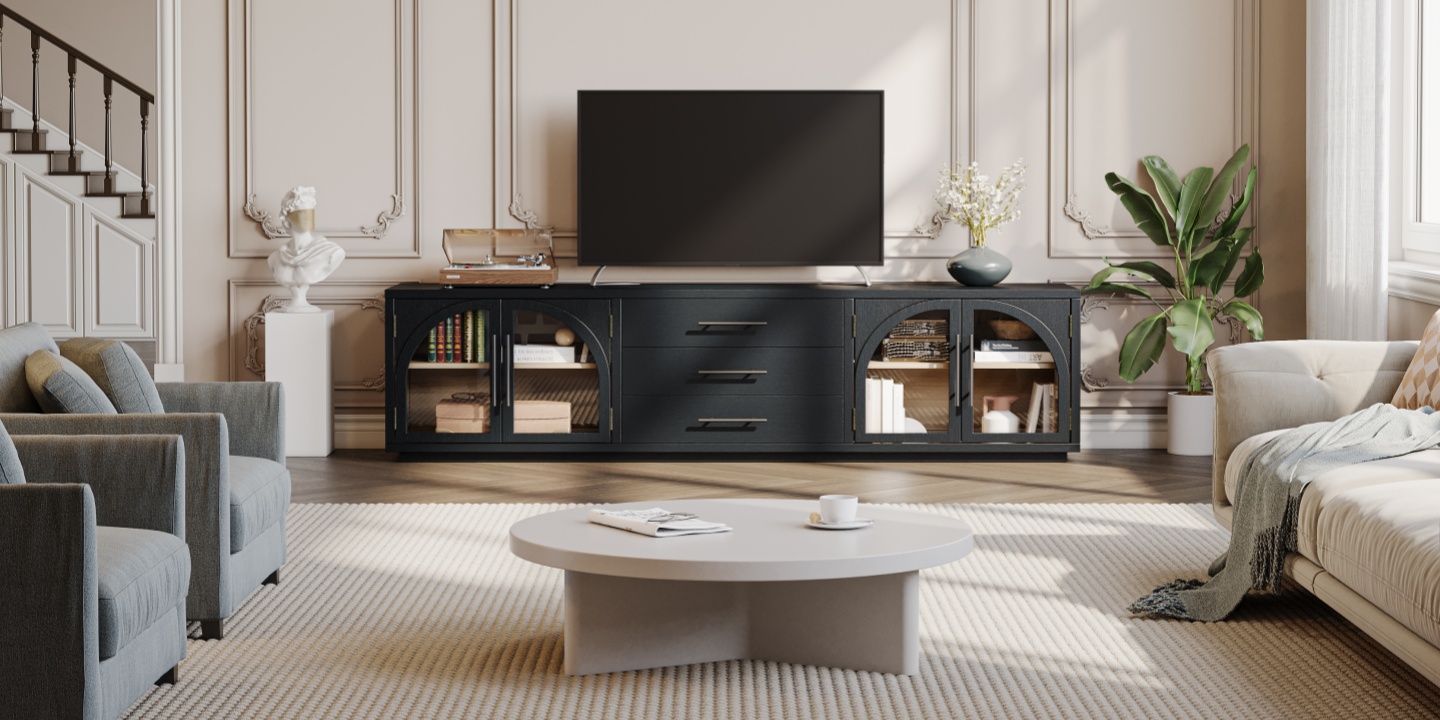
At this stage, many homeowners choose to upgrade rather than simply replace furniture, focusing on better organization and improved airflow in living spaces. While not all modern storage furniture is designed to be moisture-resistant, selecting well-ventilated and properly finished pieces can still help reduce future humidity-related issues in everyday use.
For example, in living rooms, exploring functional media consoles can help improve media organization and reduce clutter around entertainment areas. In dining or hallway spaces, sideboards offer enclosed storage that helps keep everyday items protected while maintaining a clean layout.
Frequently Asked Questions
Can moldy wooden furniture be saved?
Yes, in many cases mold on furniture can be saved if the growth is limited to the surface and the wood has not been structurally damaged. Early-stage contamination can often be treated with proper cleaning and moisture control. However, if mold keeps returning or has deeply penetrated the wood, restoration becomes difficult and replacement may be safer.
How to clean mold off wood furniture?
To address how to clean mold off wood furniture, start by isolating the piece in a ventilated area. Use a HEPA vacuum to remove loose spores, then gently clean the surface with a diluted vinegar solution or mild soap and water. Always dry the furniture completely afterward to prevent regrowth.
What should I never use to clean mildew from wood furniture?
Avoid bleach, ammonia-based cleaners, and abrasive scrubbing tools. These can damage finishes, release harmful fumes, or fail to remove mold roots embedded in wood. Over-wetting is also a common mistake that worsens mildew on furniture.
Is mold on furniture harmful?
Yes, mold on furniture can be harmful, especially for individuals with allergies, asthma, or weakened immune systems. Exposure may trigger respiratory irritation, coughing, or skin sensitivity. Long-term exposure can also negatively affect indoor air quality.
Is bleach or vinegar better to kill mold on wood furniture?
Vinegar is generally more effective for porous wood because it can penetrate surface layers. Bleach may remove visible stains but does not fully eliminate embedded mold and can damage finishes. For white mold on furniture, vinegar is often the safer choice.
What causes mold on furniture?
The main causes include high humidity, poor ventilation, water leaks, condensation, and improper storage in damp areas. Wood naturally absorbs moisture, making it especially vulnerable to fungal growth when environmental conditions are not controlled.
What is white mold on furniture?
White mold on furniture is often an early-stage fungal growth that appears powdery or fuzzy. While it may look less severe than dark mold, it can still spread and cause health concerns if moisture is not addressed quickly.
How to remove mildew from furniture?
Light mildew on furniture can usually be removed with a soft brush, vinegar solution, or mild soap and water. After cleaning, ensure the furniture is fully dried and placed in a well-ventilated area to prevent recurrence.
When should I throw away moldy furniture?
Furniture should be discarded if mold has deeply penetrated the wood, the structure has softened or warped, or a musty odor remains after cleaning. If mold on furniture keeps returning despite proper treatment, replacement is often the safest option for both health and hygiene.