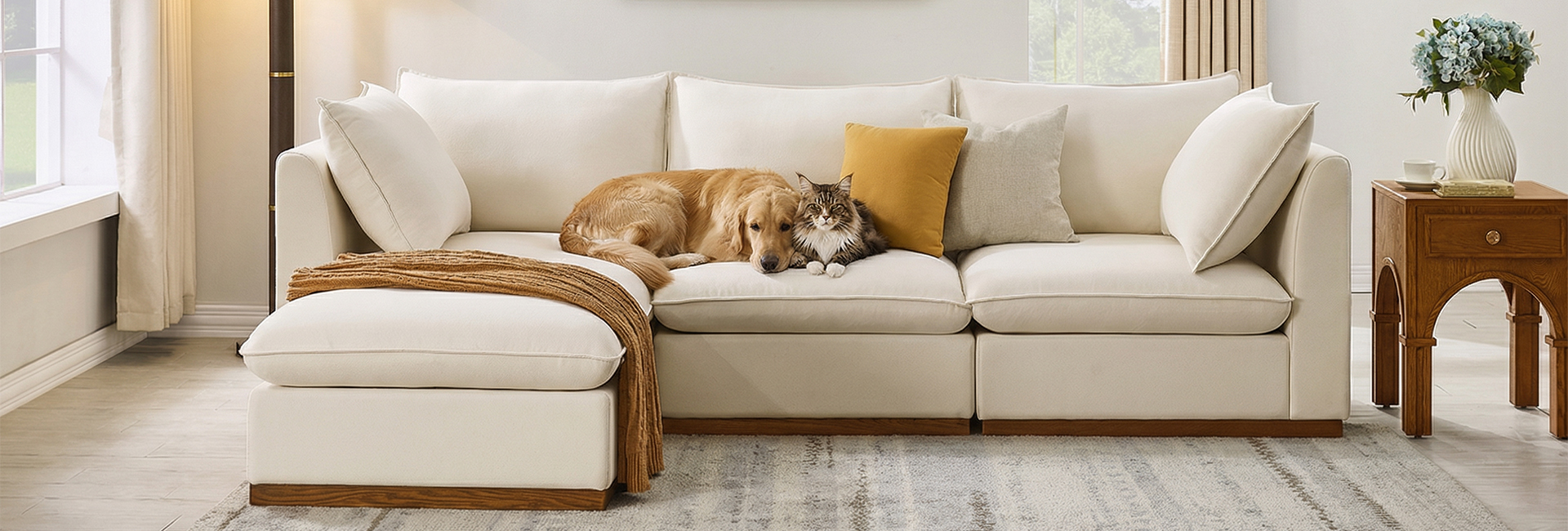
If your couch looks covered in fur every time your dog or cat jumps off, you are not alone. Pet hair can quickly become trapped inside upholstery fibers, especially on fabric sofas and pet-friendly upholstery materials.
The good news is that learning how to remove pet hair from couch surfaces and how to get pet hair off couch naturally does not require expensive equipment. With the right combination of vacuuming, friction, and preventive care, you can keep your sofa looking clean while still enjoying life with your pets.
Pet hair is especially frustrating on popular upholstery materials like microfiber, chenille, and woven fabrics because loose fur can become trapped between fibers instead of simply sitting on the surface.
Quick Answer Box
The best way to remove pet hair from a couch is to combine vacuuming, friction, and static control:
Vacuum loose hair with an upholstery attachment.
Use a damp rubber glove or squeegee for embedded fur.
Finish with a lint roller for small areas.
Prevent buildup with regular grooming and washable covers.
For most fabric sofas, vacuuming followed by a rubber glove or squeegee is the fastest and safest approach.
Why Does Pet Hair Stick So Stubbornly?
Pet hair is difficult to remove because individual strands can become trapped between upholstery fibers. Static electricity also causes lightweight fur to cling tightly to fabric surfaces, especially on microfiber and synthetic materials.
Different fabrics also affect how easily hair can be removed. Materials like microfiber and chenille tend to hold onto loose fur because of their texture and static buildup.
Step-by-Step: How to Remove Pet Hair from Couch
Removing pet hair from a couch works best when you follow a simple order. Start by loosening trapped fur, then collect it, and finally prevent future buildup.
Step 1: Remove loose hair with a vacuum
Use an upholstery attachment to clean cushions, seams, and corners where pet hair collects.
Step 2: Loosen embedded fur
Use a damp rubber glove, squeegee, or microfiber cloth to lift hair trapped inside upholstery fibers.
Step 3: Collect remaining hair
Finish with a lint roller or handheld vacuum for small areas and hard-to-reach spots.
Step 4: Protect your couch
Regular grooming, washable covers, and pet-friendly fabrics can reduce future buildup.
How to Get Dog Hair Out of Couch (Best Proven Methods)
Dog hair tends to embed deeply into upholstery fibers due to static electricity and the natural texture of fabric. The most effective removal approach combines friction, lifting, and light moisture control. Below are practical, real-world methods commonly used in households with shedding pets.
Vacuuming: The Best Way to Remove Embedded Dog Hair from Couch
Vacuuming remains the most reliable method for removing embedded dog hair, especially for deep-seated fur in cushions and seams. Use slow, overlapping strokes to allow suction to lift hair from fabric fibers. Focus on crevices, armrests, and under cushions where hair accumulates most.
For better results, slightly loosen the fabric surface with a dry brush before vacuuming. In heavily used areas—such as a family sectional sofa—this method can significantly reduce buildup when done weekly.
Rubber Gloves Method for Quick Daily Cleaning
Rubber gloves are highly effective for daily maintenance because they create friction that causes hair to clump together. Lightly dampen the gloves and run your hands across the couch surface in one direction. The hair will gather into visible piles that can be easily picked up.
This method is especially useful for quick cleanups before guests arrive or for maintaining lightly shedding pets.
Squeegee Technique for Deep Embedded Dog Hair
A squeegee works by using a firm rubber edge to pull hair out of fabric fibers. Drag it slowly across the couch in straight lines, applying moderate pressure. This is particularly effective for textured or woven upholstery where hair gets trapped below the surface.
Fabric Softener Spray to Loosen Stubborn Hair
A light fabric softener and water mixture can help reduce static cling and loosen stubborn hair before cleaning. Spray lightly over the surface—avoid over-wetting—and let it sit for a few minutes. Then use a vacuum or squeegee to remove softened hair more easily.
This method is especially helpful for older upholstery where pet hair has been accumulating over time. Always test on a small hidden area first to ensure fabric compatibility.
How to Get Cat Hair Off Couch Without Damaging Fabric
Cat hair is lighter, finer, and more static-prone than dog hair, which allows it to weave deeply into upholstery fibers. Removing it requires gentle friction, anti-static control, and the right tools to avoid damaging delicate fabrics. The methods below focus on safe and effective removal across common couch materials.
Why Cat Hair Is Harder to Remove Than Dog Hair
Cat hair tends to break into finer strands and carries higher static charge, which makes it cling more tightly to fabric surfaces. Unlike dog hair, it often embeds into tight weaves such as microfiber or chenille, making simple wiping less effective.
For example, a lightly used living room sofa may still accumulate visible cat hair within a day due to static buildup, especially in dry indoor environments.
Microfiber Cloth Technique for Light Cat Hair
A dry or slightly damp microfiber cloth is one of the safest methods for removing light cat hair. Gently wipe the surface in one direction to gather hair without pulling or damaging fibers. This technique works well for daily maintenance, especially on tightly woven upholstery.
For best results, avoid circular rubbing, as it may push hair deeper into the fabric instead of lifting it.
Anti-Static Dryer Sheet Method for Cat Owners
Dryer sheets help reduce static electricity, which is one of the main reasons cat hair sticks to couches. Lightly rubbing a dryer sheet over the surface loosens trapped hair and allows it to be collected more easily afterward.
This method is particularly useful in dry seasons when static buildup is more noticeable. It is often combined with wiping or vacuuming for a cleaner finish.
Vacuum Attachments That Work Best for Cat Hair
Vacuuming remains essential for deeper cleaning, especially in seams and cushion gaps where cat hair accumulates. Use upholstery-specific attachments to gently lift hair without pulling fabric threads.
For layered cleaning, first loosen hair with a cloth or dryer sheet, then vacuum in slow, overlapping passes.
Preparation: The Golden Rule of Pet Hair Removal
Before you begin any deep-cleaning method, there is one crucial step: check your couch's care tag. The manufacturer's instructions will tell you if your upholstery is water-safe (often indicated by a "W" code) or if it should be dry-cleaned only ("S" code). Using the wrong method can ruin your sofa.
Speaking of sofas designed with real life in mind, the Nesten 3-Piece Sectional Sofa is a fantastic example of pet-friendly design. Its removable covers (as highlighted by its modular, adaptable design) are a game-changer. Being able to simply unzip and toss the cover in the wash is the ultimate hack for pet hair removal.
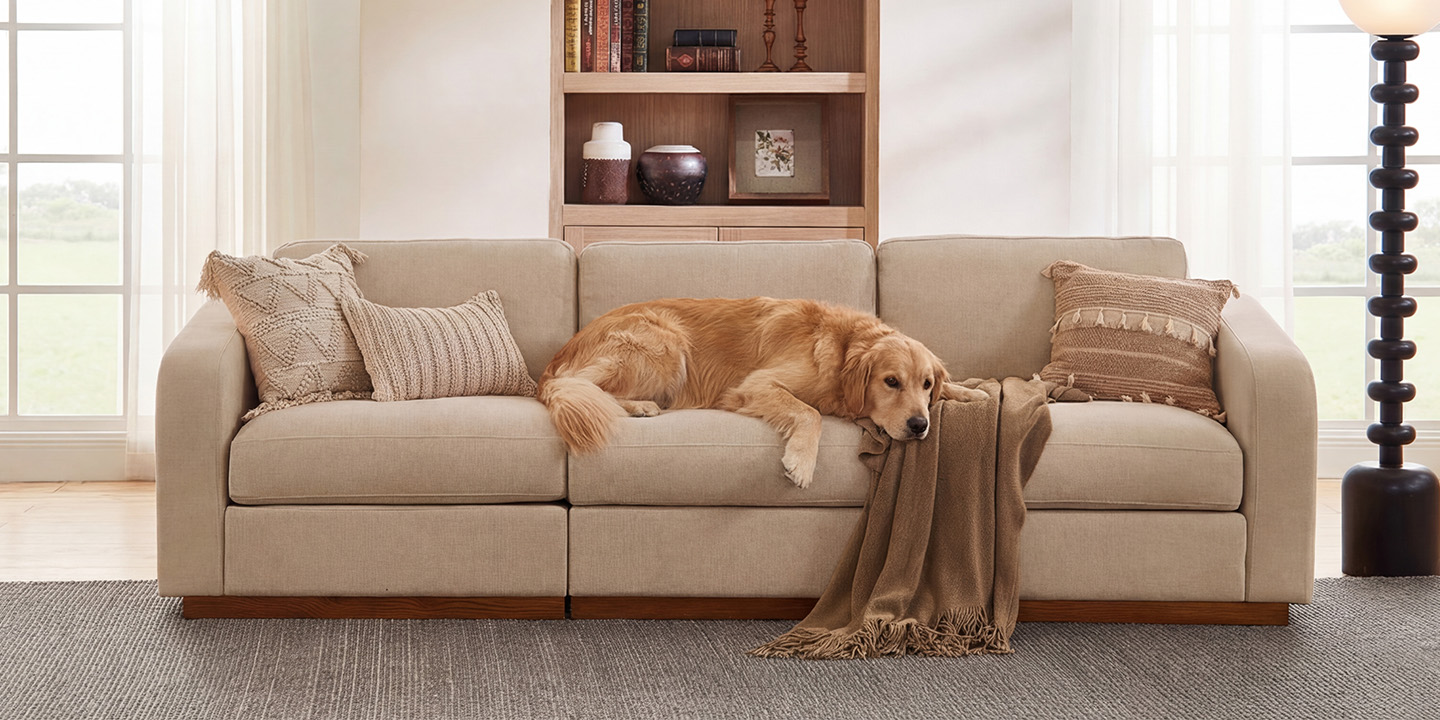
HERNEST Pick: Nesten 3-Piece Sectional Sofa
10 Best Ways to Remove Pet Hair from Couch
Here are the most effective ways to tackle embedded fur, including proven techniques for how to get dog hair out of couch and how to get cat hair off couch efficiently. For quick reference, we've summarized these methods in the table below.
Deep Dive: Techniques for Different Upholstery
Not all couches are created equal. The fabric of your sofa dictates the safest and most effective cleaning method.
1. For Microfiber and Tightly Woven Fabrics
This durable fabric is a favorite for pet owners. The rubber glove method is exceptionally effective here. Simply dampen a pair of rubber gloves and run your hands over the surface. The hair will immediately ball up, allowing you to collect it easily. Follow up with a vacuum's upholstery tool.
2. For Textured Fabrics and Chenille
Fabrics with a loop or texture can trap hair deep within the weave. A squeegee is your best friend here. The rubber edge reaches down between the fibers to pull hair to the surface. Vacuum or wipe the hair away with a damp cloth.
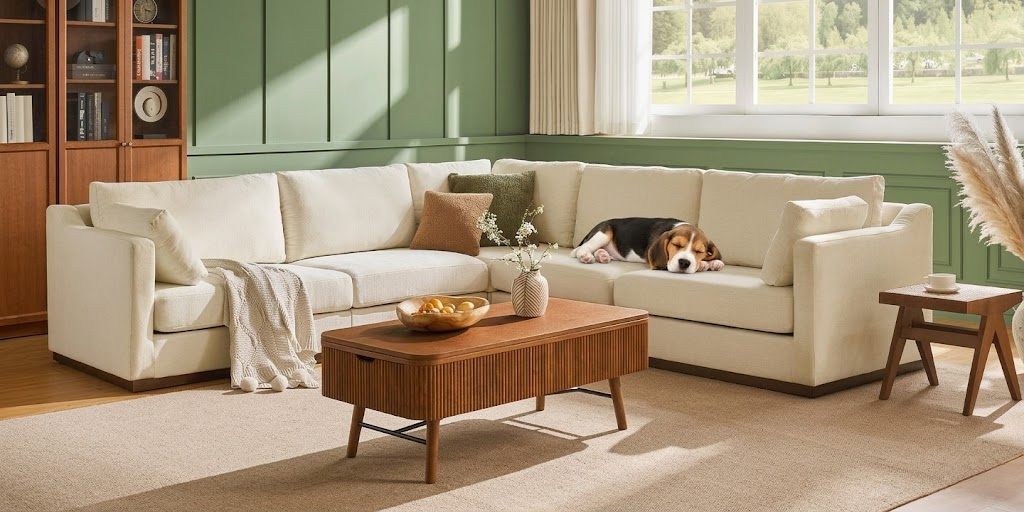
The plush comfort of the Torvald L-Shape Sectional Sofa is perfect for lounging, but its deep cushions can be a magnet for pet hair. Using a squeegee in a consistent direction will keep it looking pristine without damaging the plush texture.
3. For Leather and Faux Leather
Leather is the easiest surface to clean. Pet hair usually sits on top and can be wiped away with a dry microfiber cloth or a vacuum. The real enemy is scratches from pet claws.
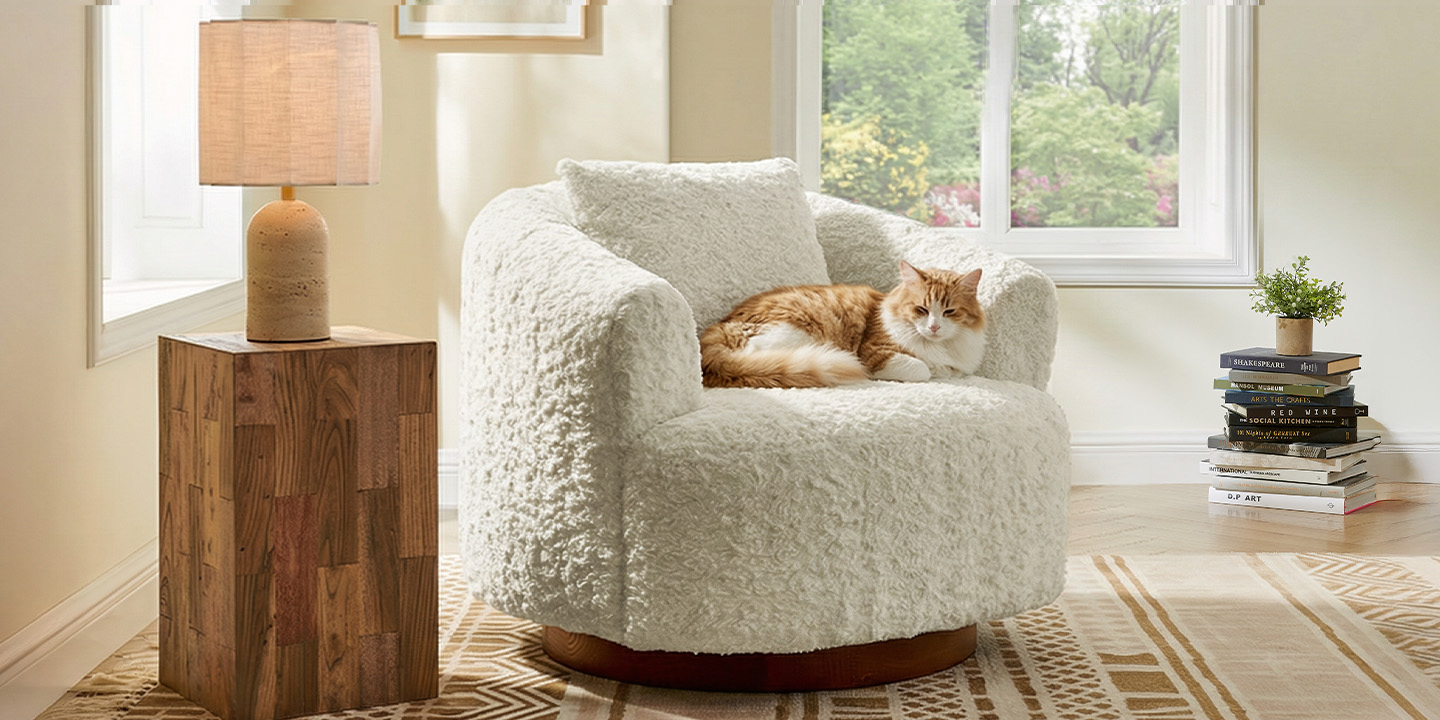
The sleek Timberve Swivel Accent Chair, available in options like the stunning White Faux Fur, requires a different approach for its non-leather variants. For the faux fur, a wide-tooth comb can be used very gently to remove debris without matting the pile.
4. The Ultimate Solution: Removable Covers
If you want to eliminate the struggle entirely, choose a sofa with removable, washable covers. The Nesten 3-Piece Sectional Sofa is designed with this in mind. When pet hair builds up, simply:
Unzip the covers.
Shake them out outside to remove loose hair.
Machine wash on a gentle cycle with a mild detergent. (Always confirm the care instructions on the tag first).
Air dry or tumble dry on low.
This method resets your sofa to a like-new, hair-free state with minimal effort.
Common Mistakes When Removing Pet Hair from Couch
Using Too Much Water
Too much moisture can make pet hair stick together and become harder to remove. Always start with dry cleaning methods before applying any damp tools.
Scrubbing Instead of Lifting Hair
Aggressive scrubbing may push pet hair deeper into upholstery fibers. Use lifting motions with rubber tools instead.
Ignoring Upholstery Care Instructions
Always check your couch care label before using water, cleaners, or fabric treatments.
Expert Tip: Always Clean From Top to Bottom
When removing pet hair from a couch, start with cushions and upper surfaces before cleaning gaps and lower areas. This prevents loosened hair from falling onto areas you have already cleaned.
Prevention: Keeping the Hair at Bay
An ounce of prevention is worth a pound of cure. Here's how to reduce the amount of fur that ends up on your couch in the first place:
Regular Grooming: The less loose fur on your pet, the less there is to transfer to the sofa. Brush them daily, especially during shedding season.
Designated Pet Blankets: Place a washable, textured blanket or a stylish pet bed on the area where your pet likes to lounge. This catches the hair and is much easier to throw in the wash.
Train "Furniture Off" Time: While we love snuggling with our pets, giving the couch a few hours of "no-pet" time each day can help reduce the accumulation of dander and hair.
Frequently Asked Questions
What Is the Best Way to Get Dog Hair Out of Couch?
The best way to get dog hair out of a couch is to combine vacuuming, rubber tools, and gentle moisture control. Start by using an upholstery vacuum attachment to remove loose hair from cushions, seams, and crevices. Then use a damp rubber glove or squeegee to lift embedded fur trapped inside fabric fibers.
For stubborn dog hair, avoid simply wiping the surface, as this can push hair deeper into the upholstery. A combination of loosening the hair first and collecting it afterward is usually the most effective approach, especially for fabric sofas and sectional couches.
How do you get cat hair off a couch naturally?
You can get cat hair off a couch naturally by using simple tools like a damp microfiber cloth, rubber gloves, or a slightly damp sponge. These methods work by creating gentle friction that gathers loose fur without relying on chemical cleaners.
Because cat hair is finer and more affected by static electricity than dog hair, wiping in one direction usually works better than scrubbing. For deeper cleaning, loosen the hair with a microfiber cloth first, then vacuum the remaining fur from seams and cushions.
What couch fabric is easiest to clean with pets?
The easiest couch fabrics to clean with pets are tightly woven performance fabrics, microfiber, and materials with removable, washable covers. These fabrics are less likely to trap pet hair deeply and are usually easier to vacuum or wipe clean.
For households with dogs or cats, a couch with removable covers can be especially practical because accumulated hair, dirt, and odors can be managed through regular washing. Leather and faux leather are also easy to maintain because pet hair typically stays on the surface instead of becoming embedded in fibers.
How often should I remove pet hair from my couch?
For light shedders, a weekly vacuum with an upholstery attachment may suffice. For heavy shedders, a daily quick wipe-down with a rubber glove or lint roller can prevent buildup and keep your couch looking clean.
Will a couch cover keep hair off?
Yes. A couch cover helps prevent pet hair from embedding into fabric and significantly reduces cleaning frequency. It is one of the most practical solutions for pet owners with heavy shedding dogs or cats.