









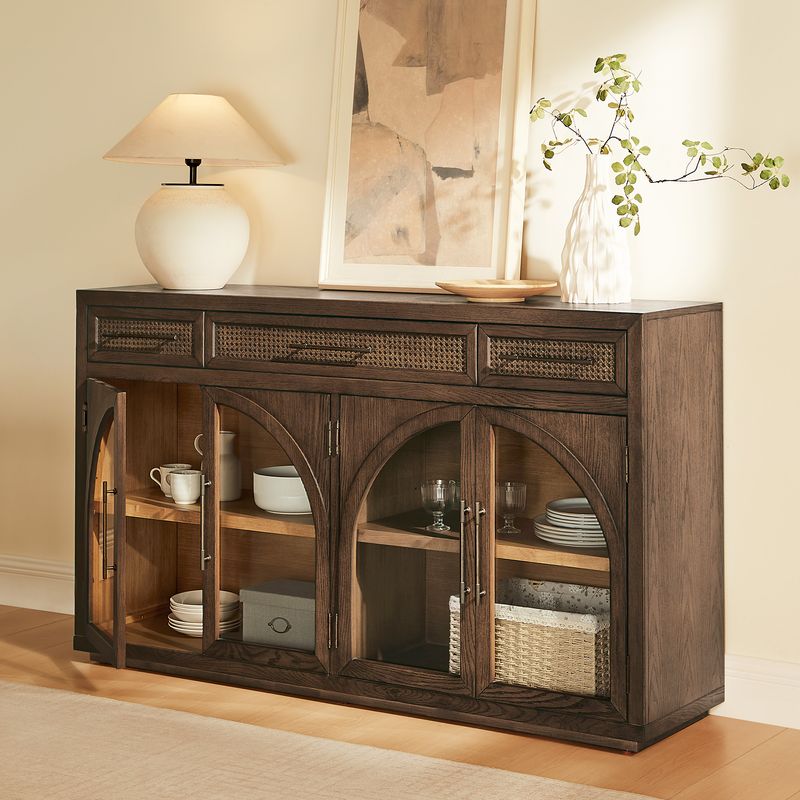
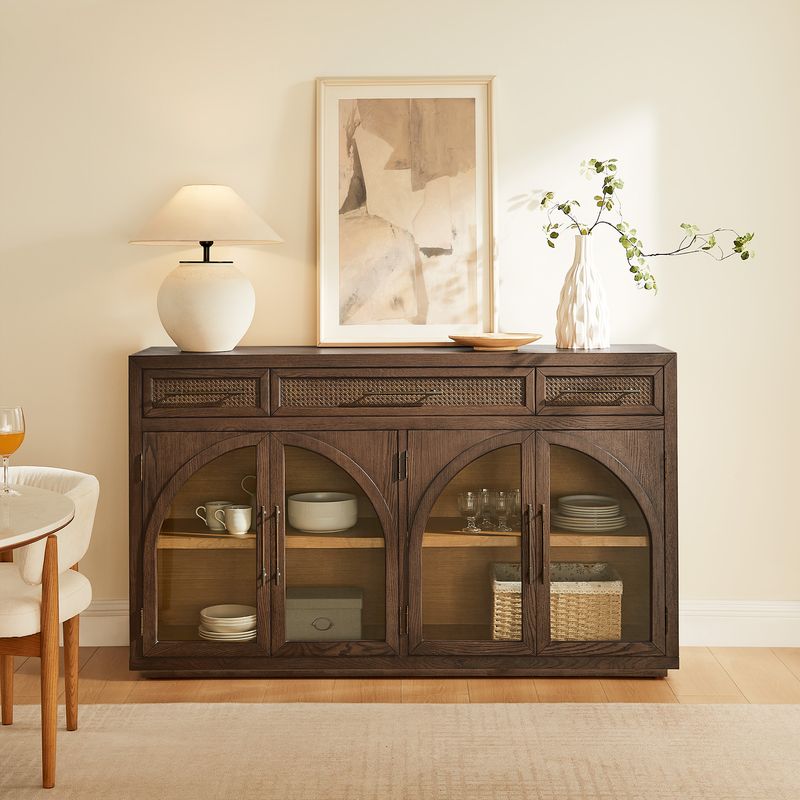
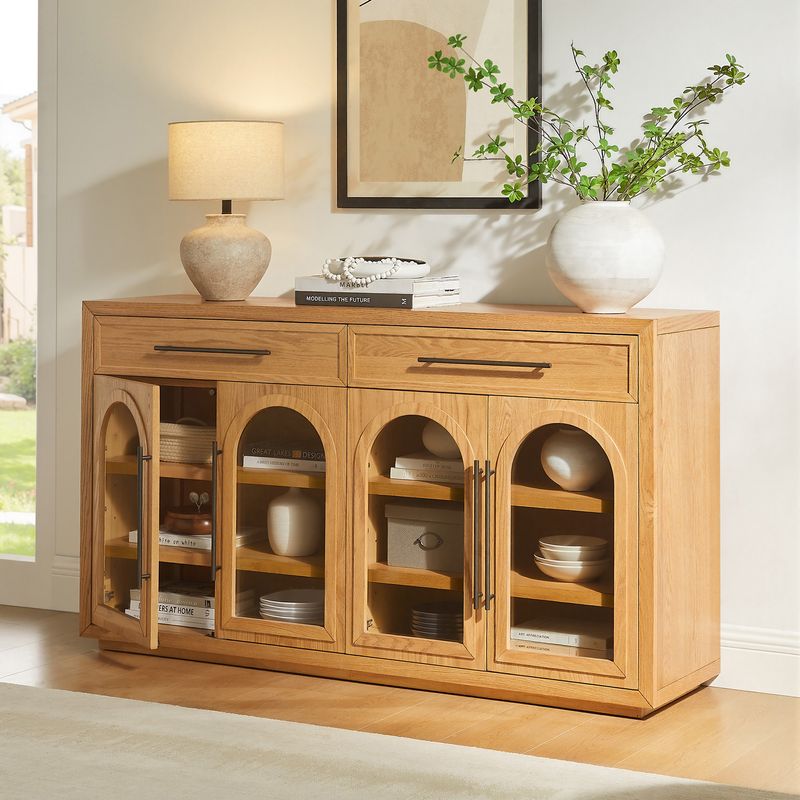
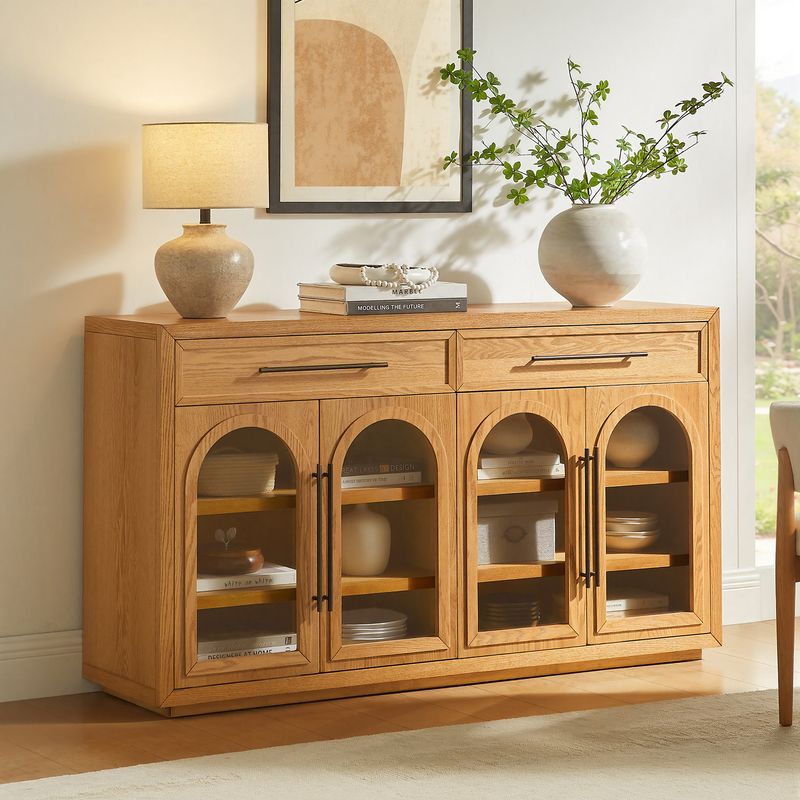

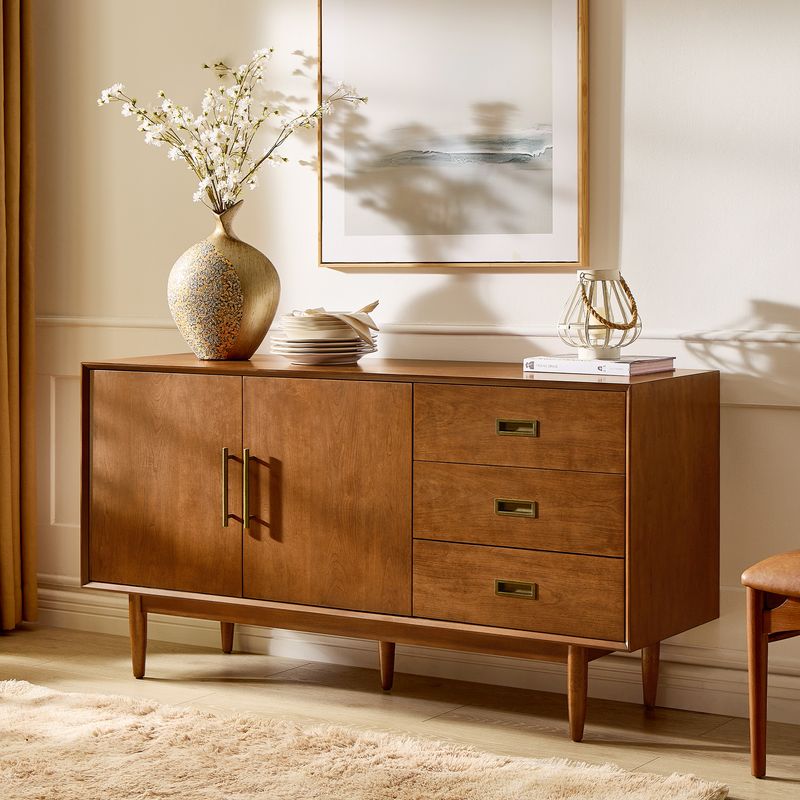
Sideboards & Credenzas: Storage, Style & Buying Guide
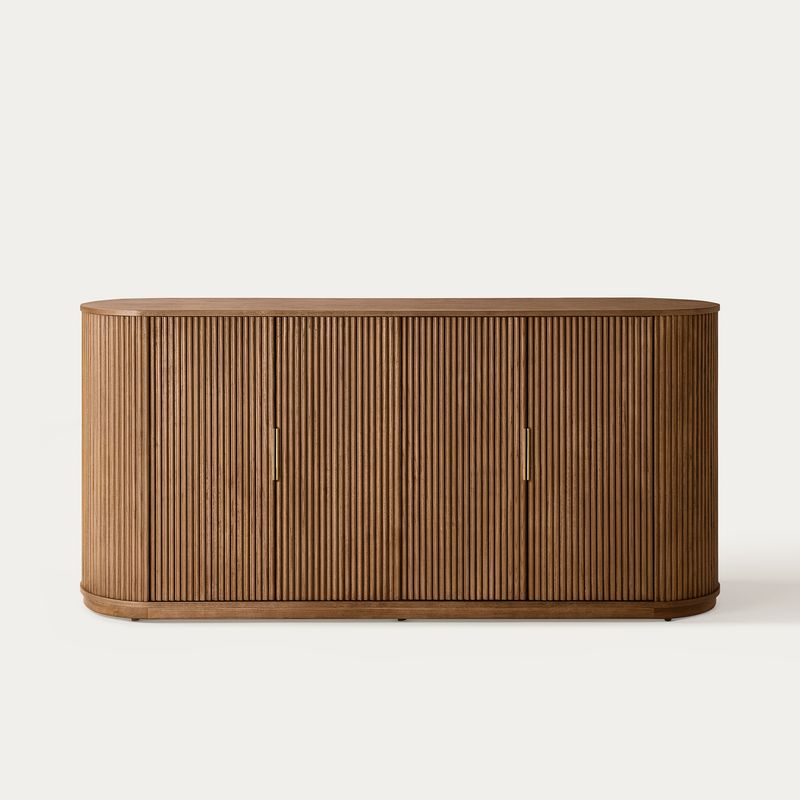
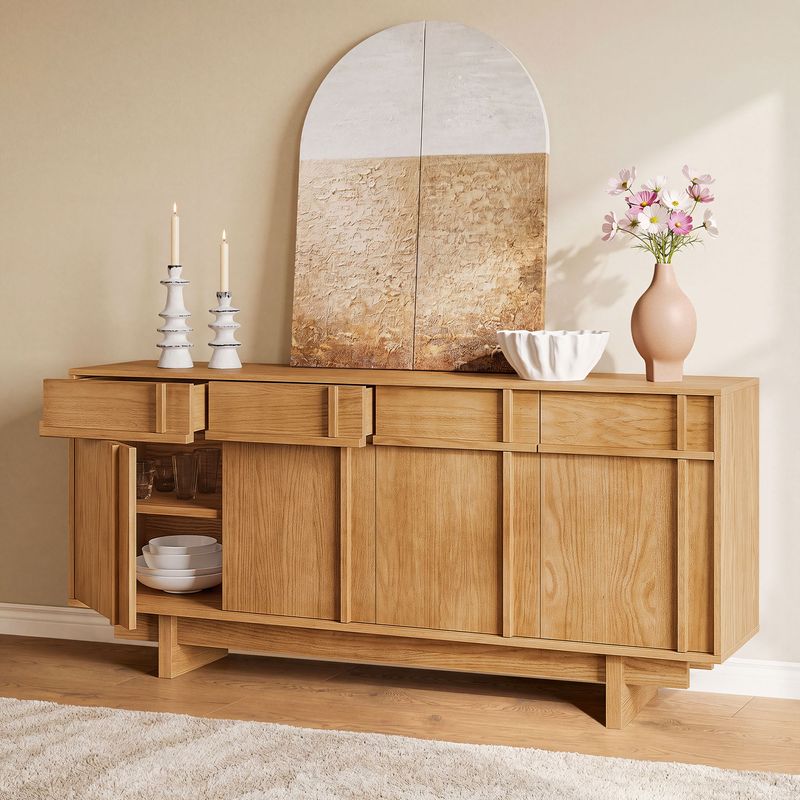
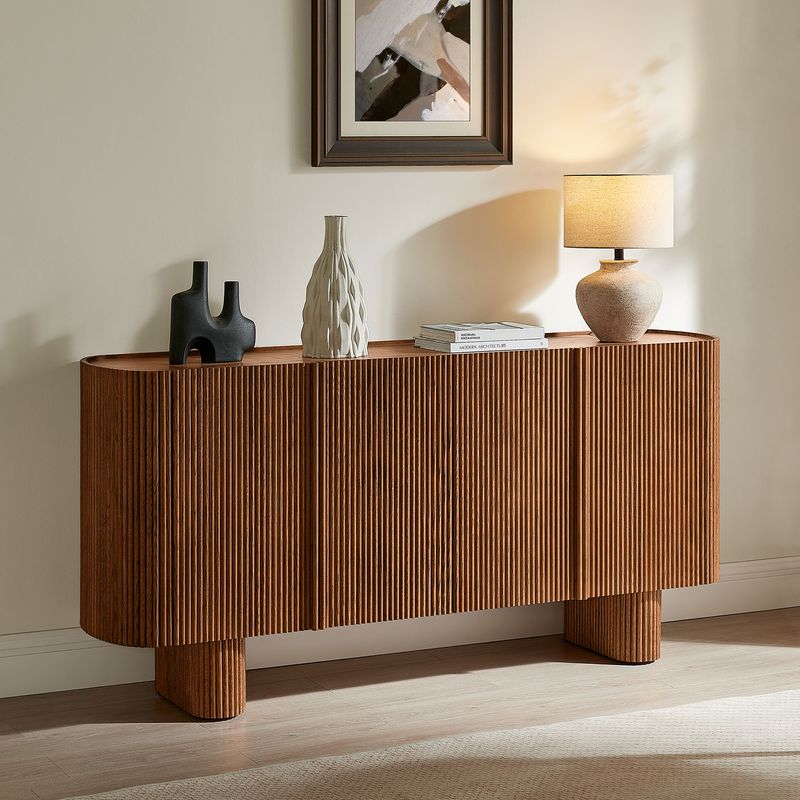
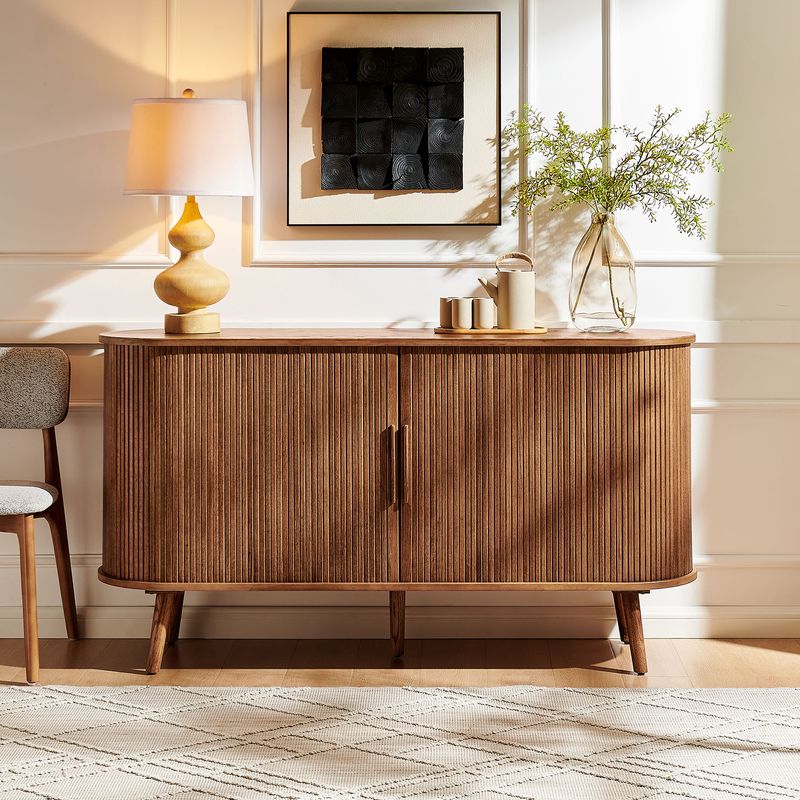
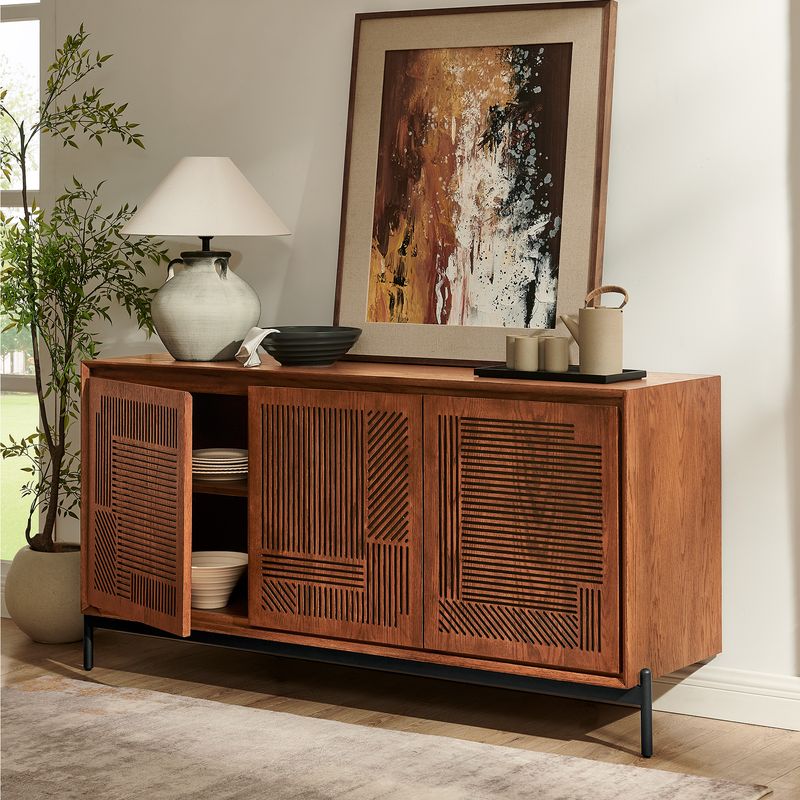
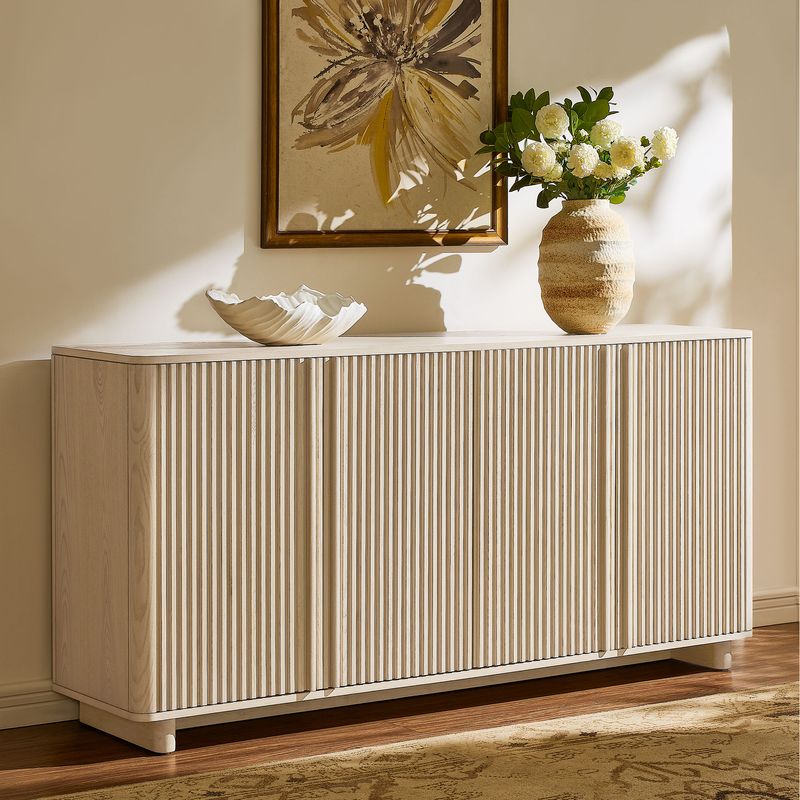
A sideboard is one of those furniture pieces that quietly does a lot of work. It stores, it organizes, and it brings structure to a dining space without ever feeling intrusive. In homes, especially open layouts, a well-designed sideboard helps define the dining area while keeping everyday essentials close at hand.
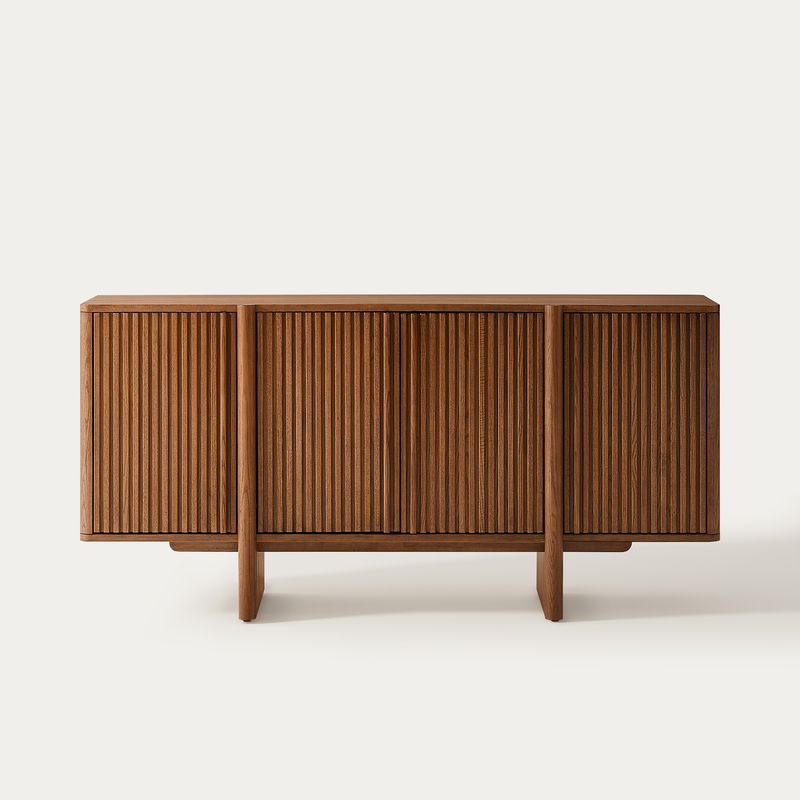
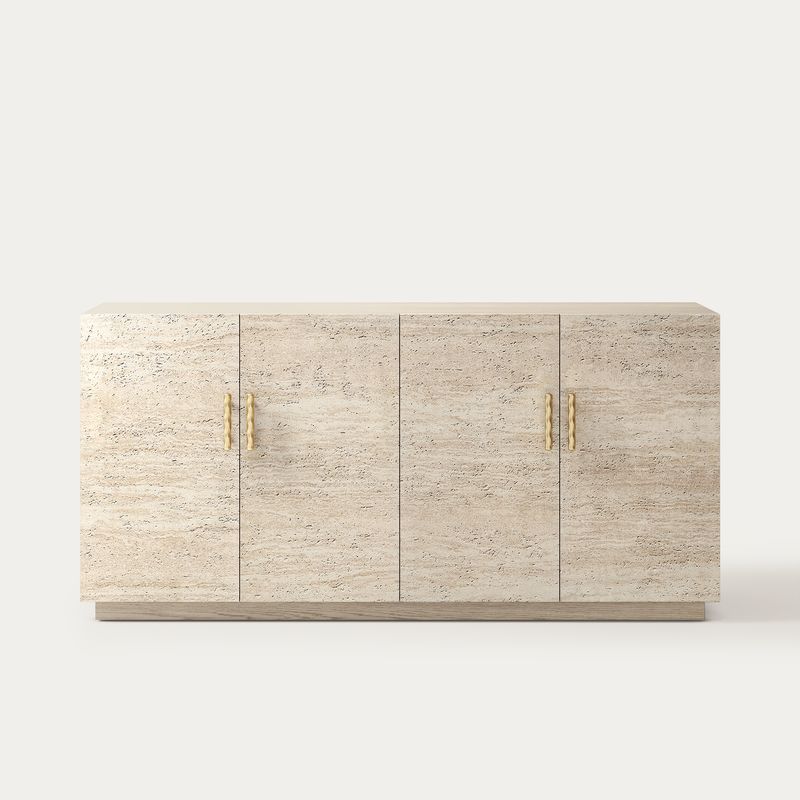
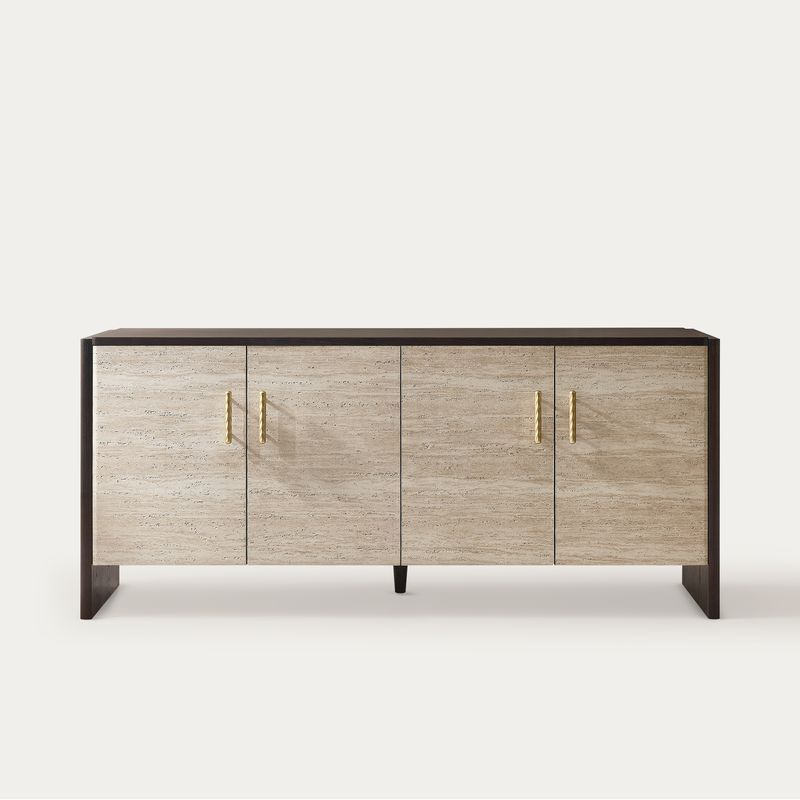
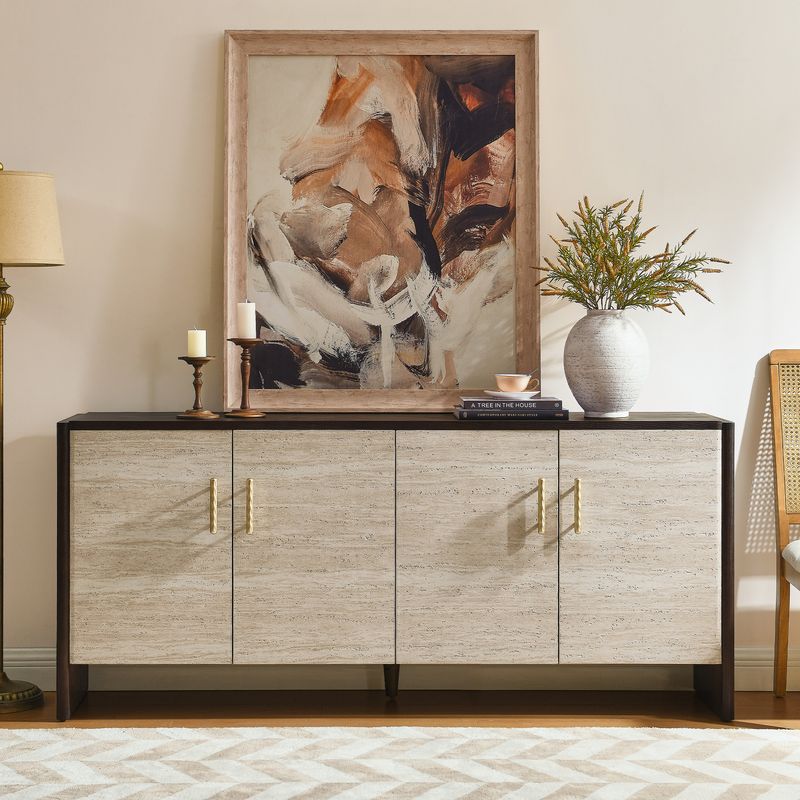
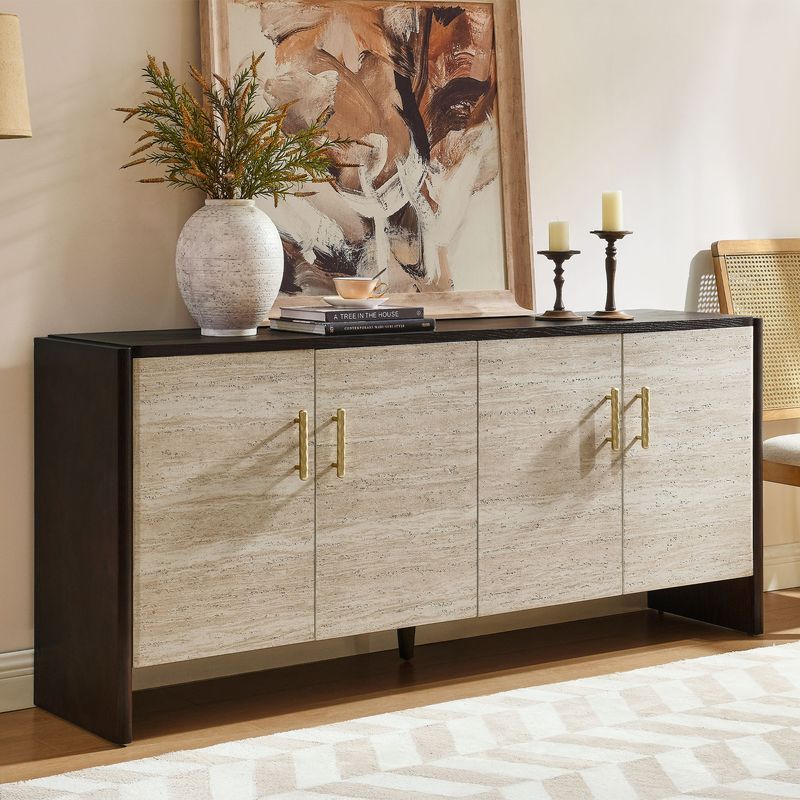
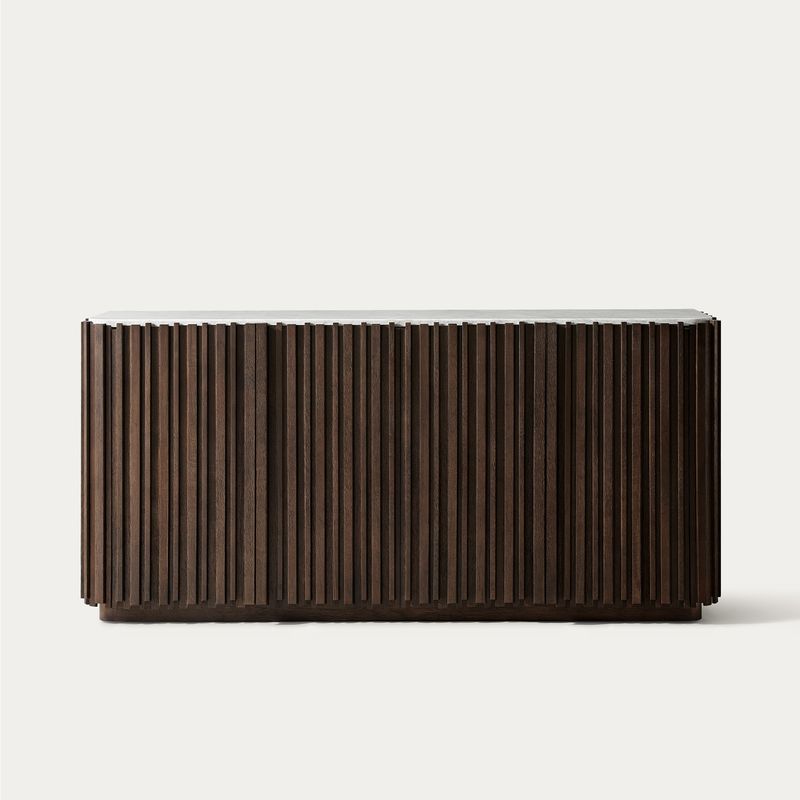
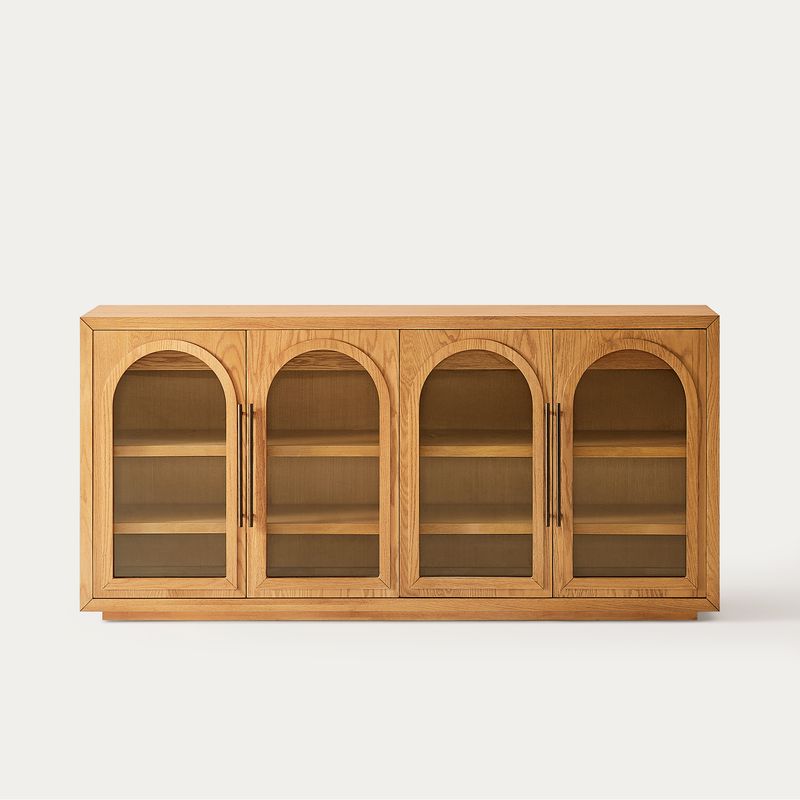
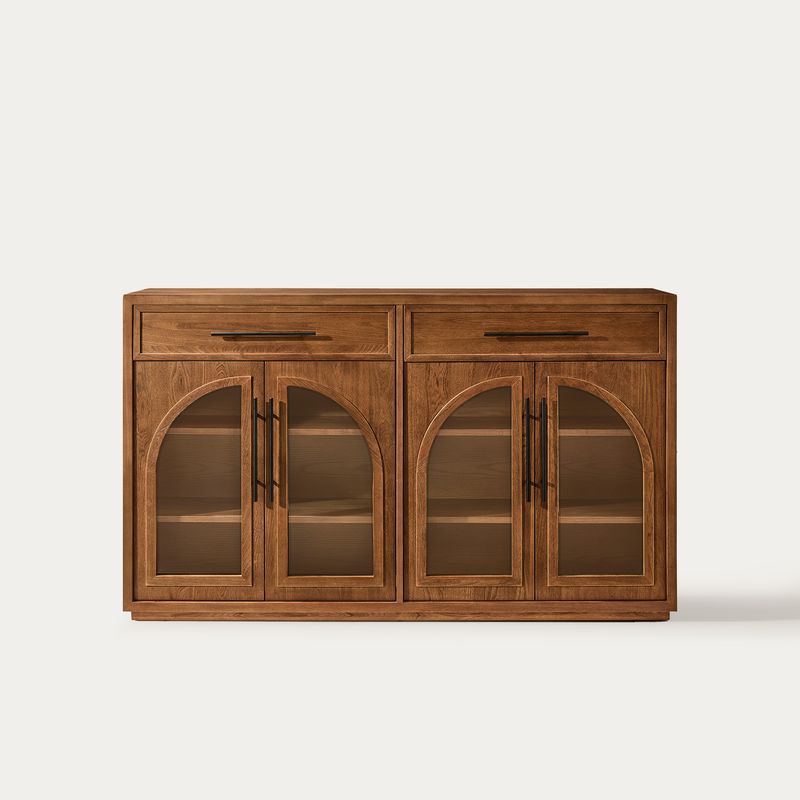
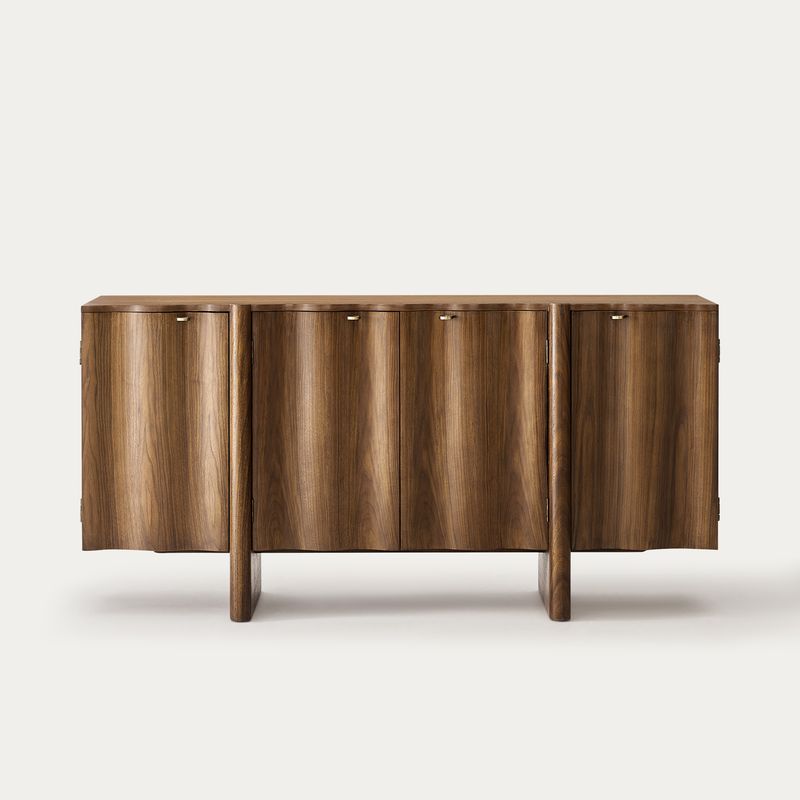
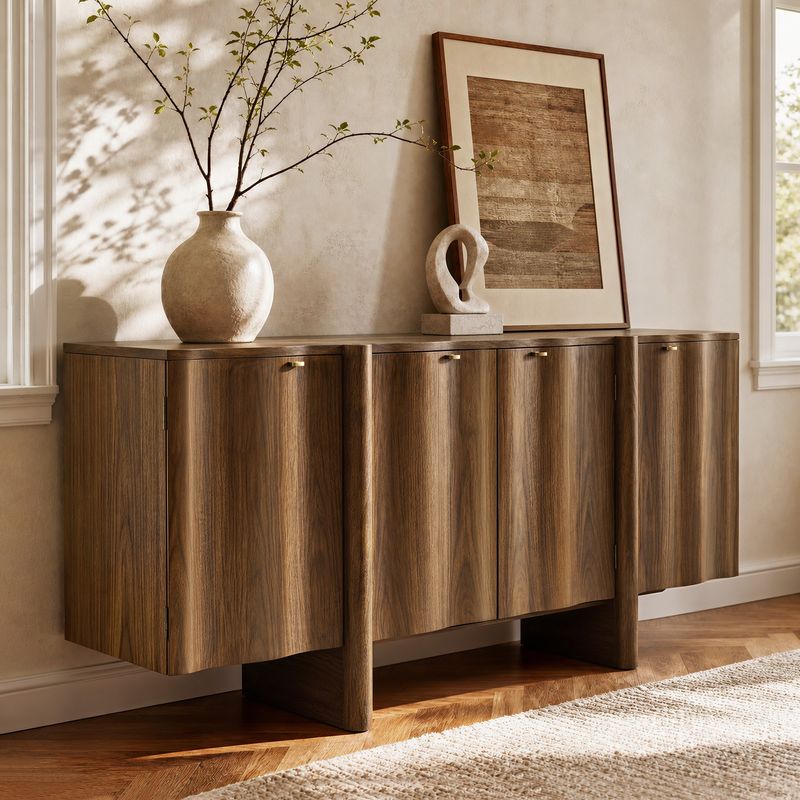
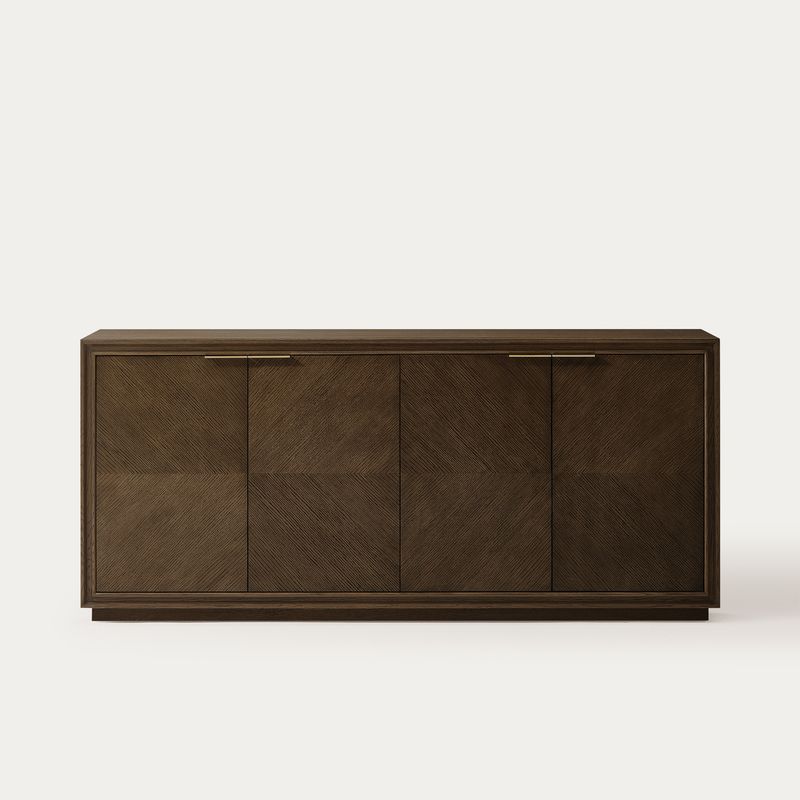
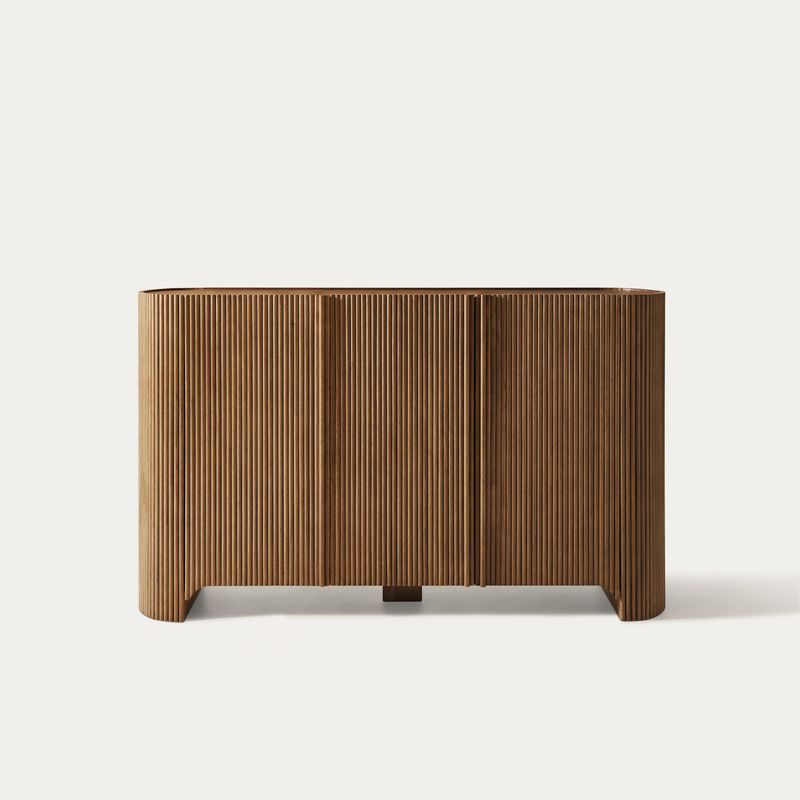
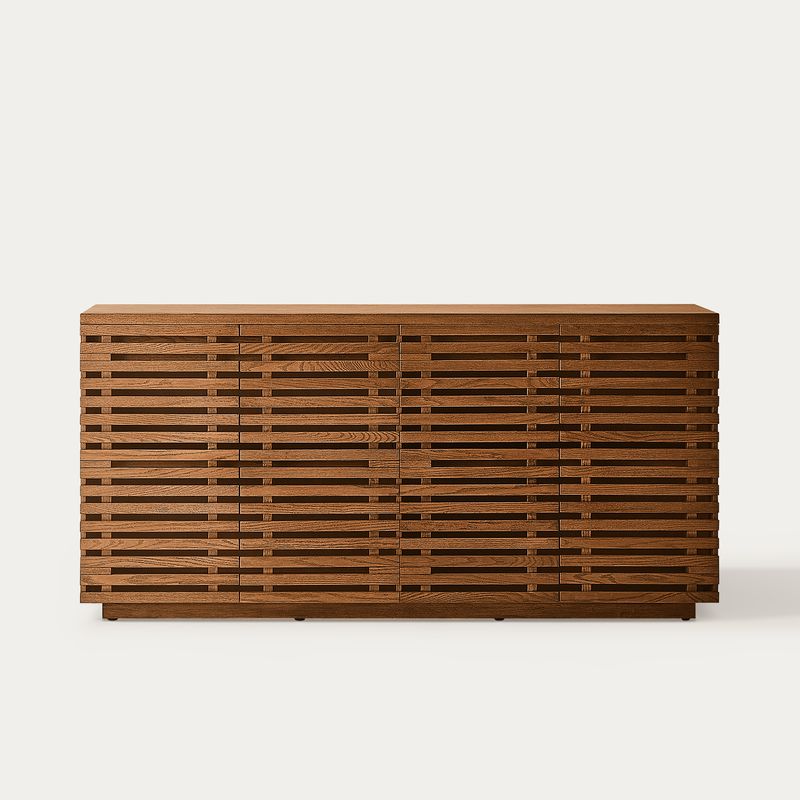
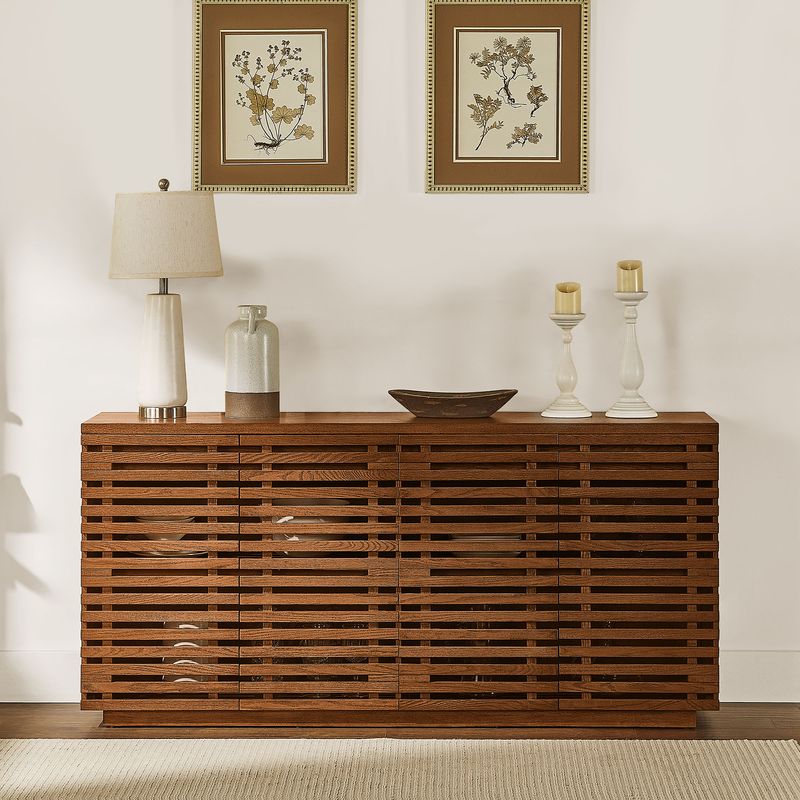
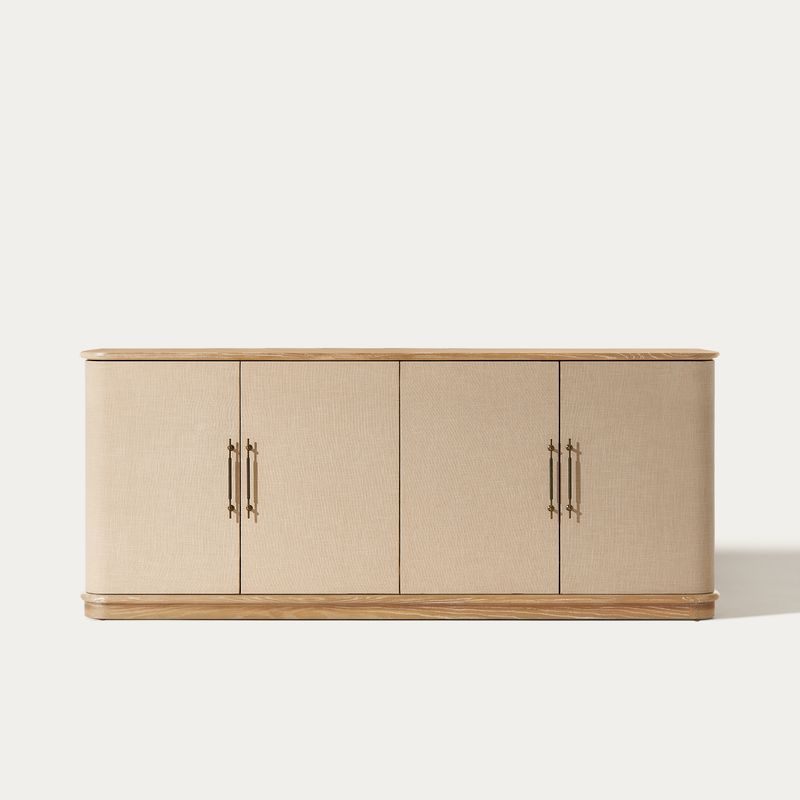
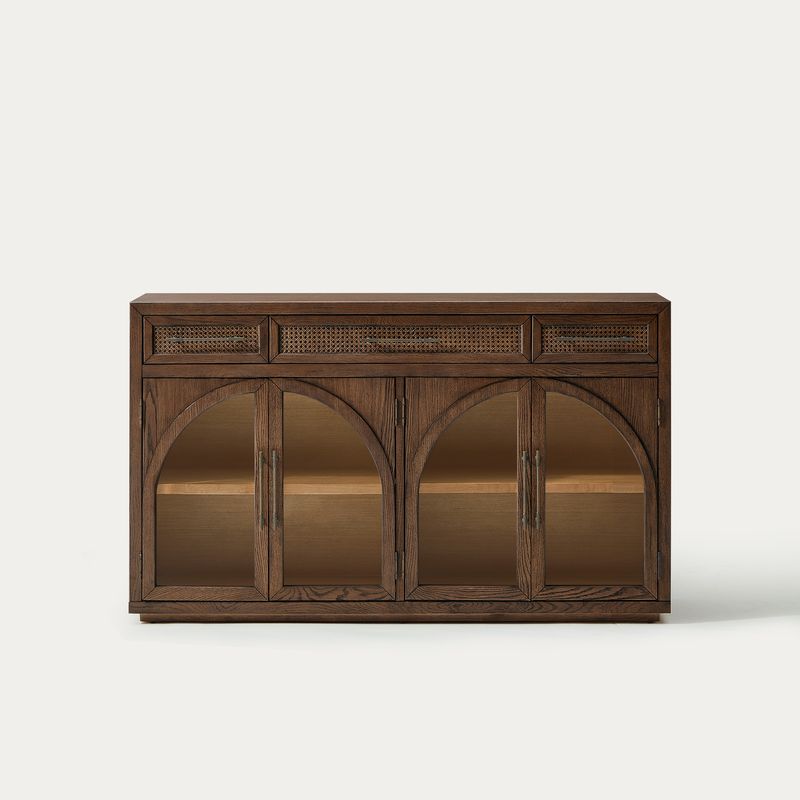
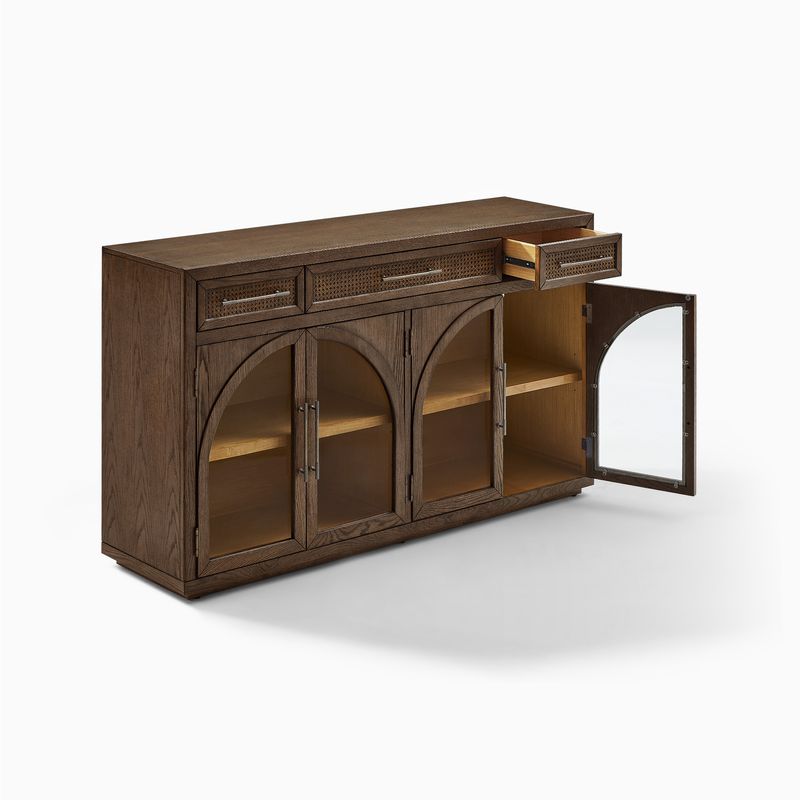
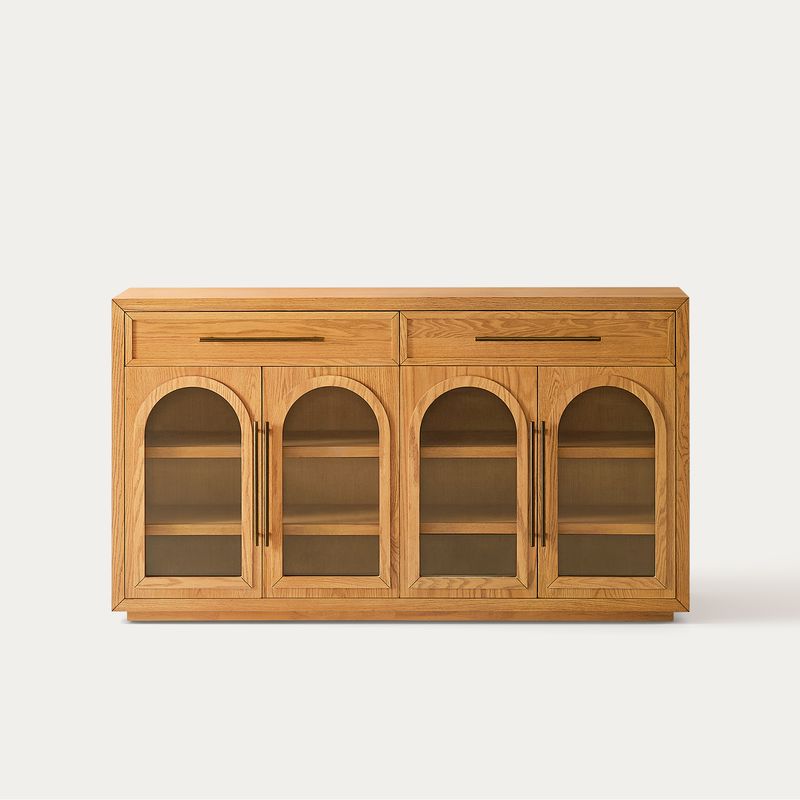
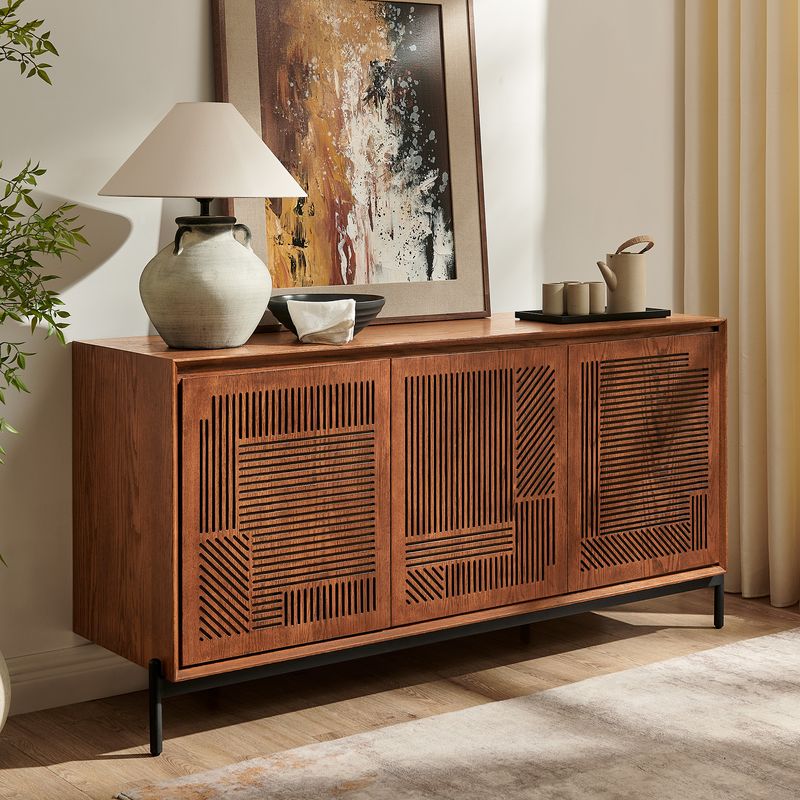
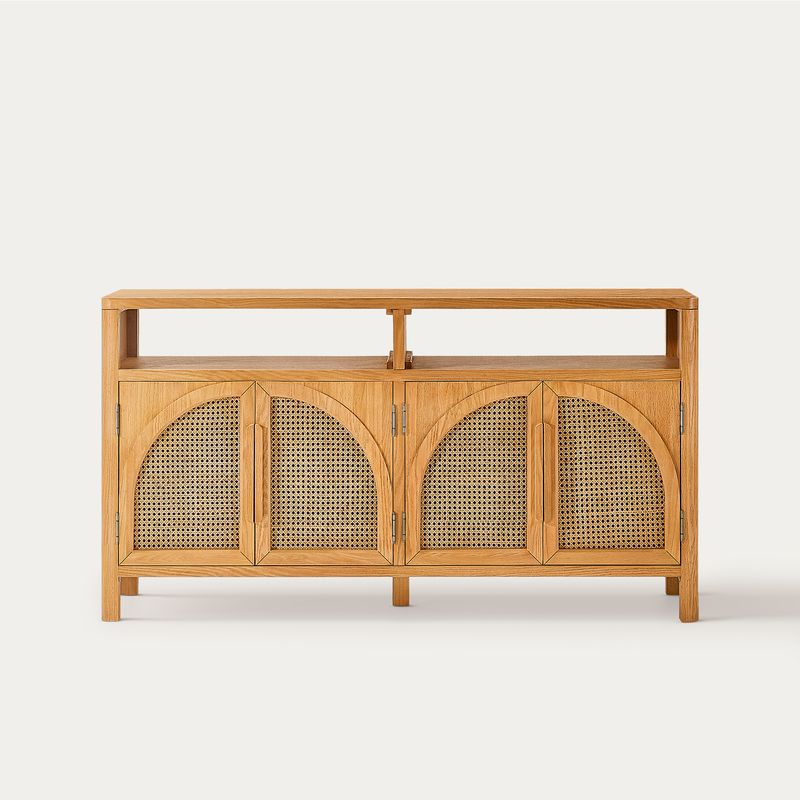
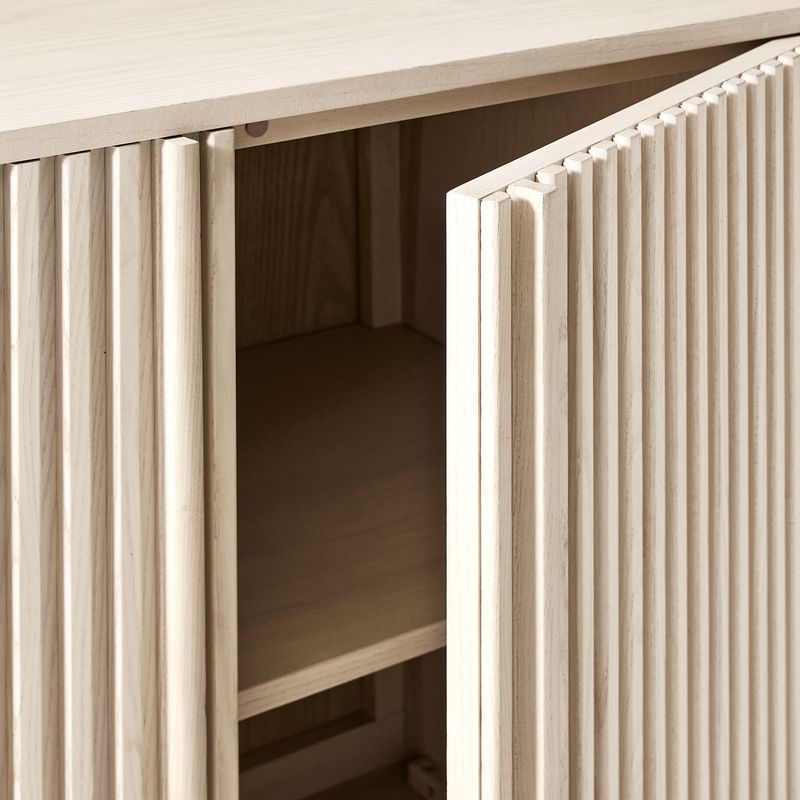
At Hernest, the Sideboards & Credenzas collection is built around that idea-practical storage with a clean, architectural presence. Whether you're furnishing a compact apartment or a full dining room, a sideboard adds both function and visual balance to your space.
Read More
Storage That Works Around Daily Life
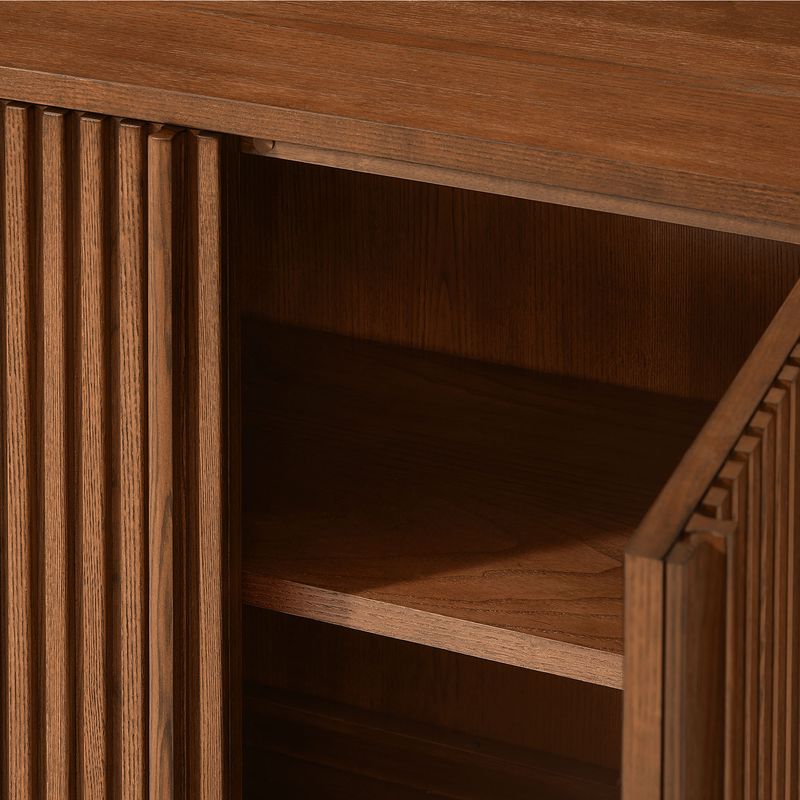
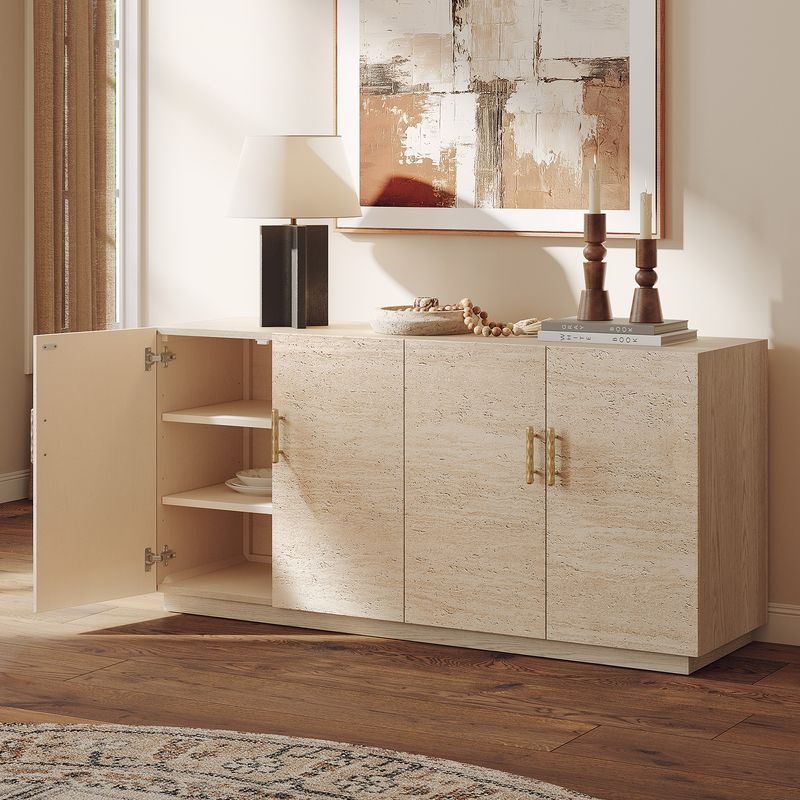
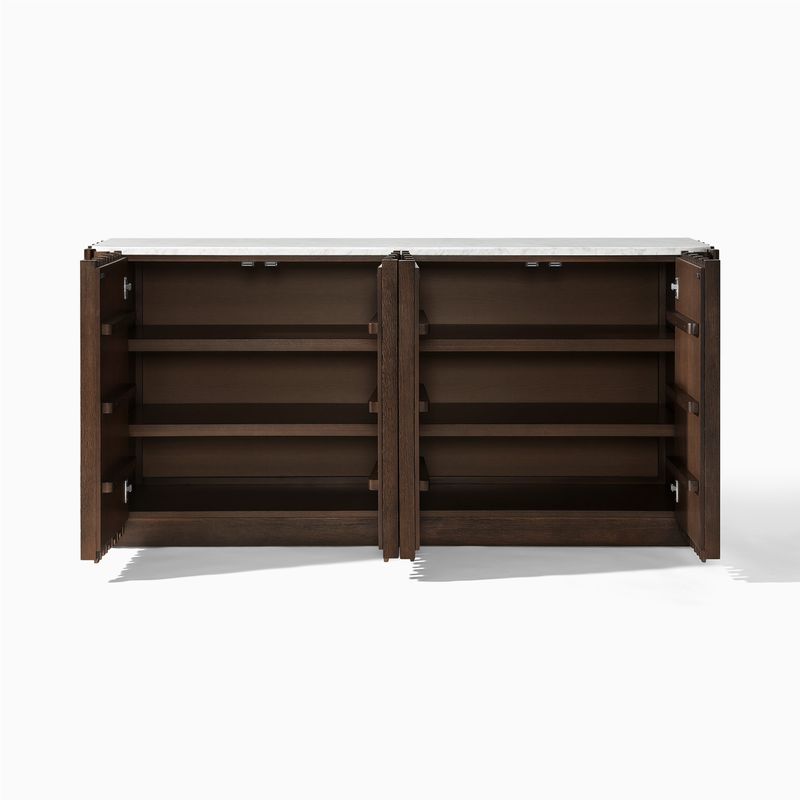
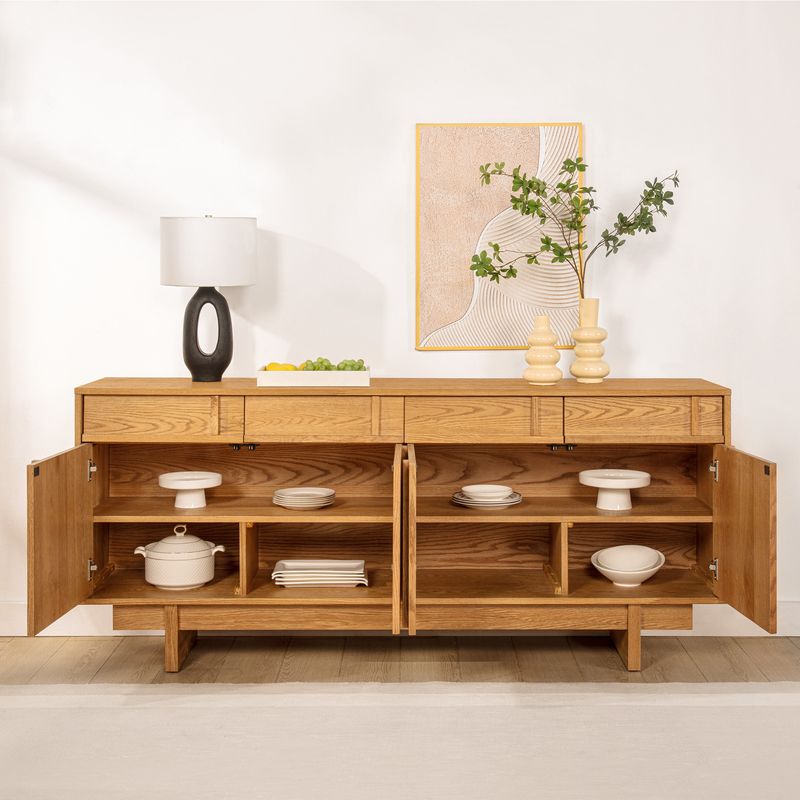
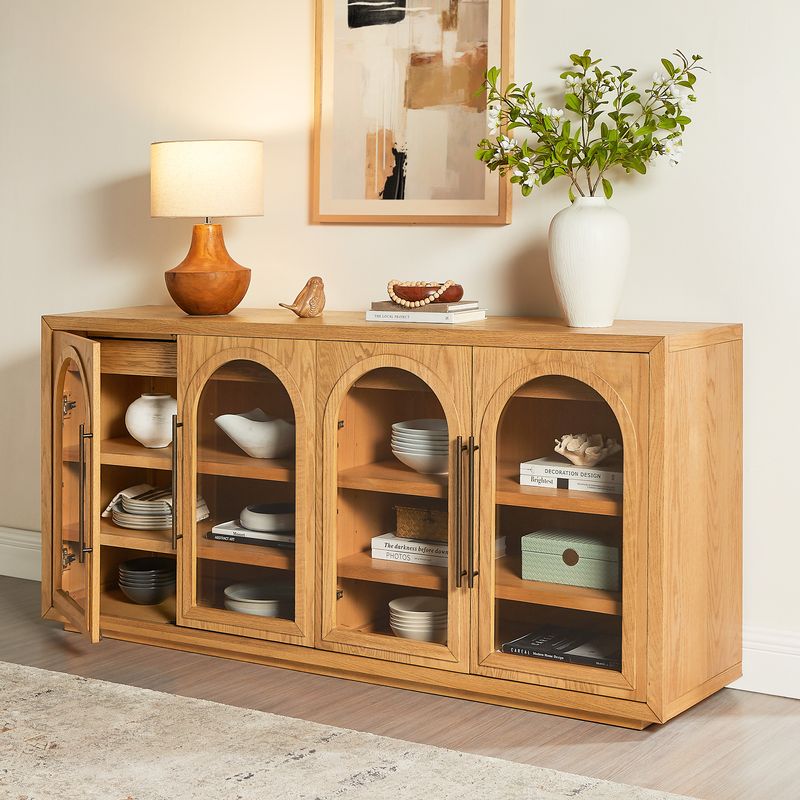
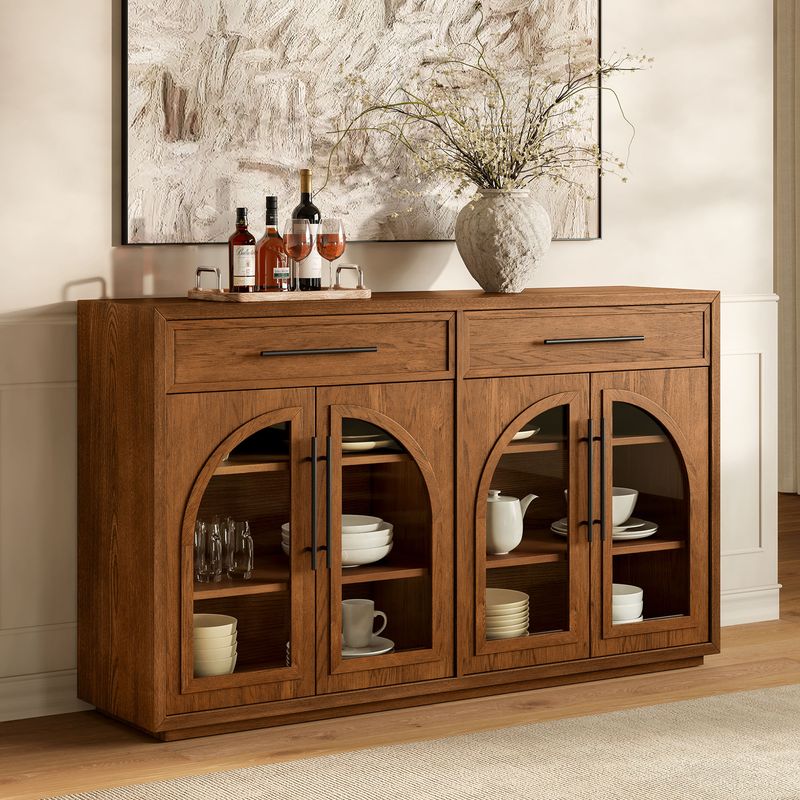
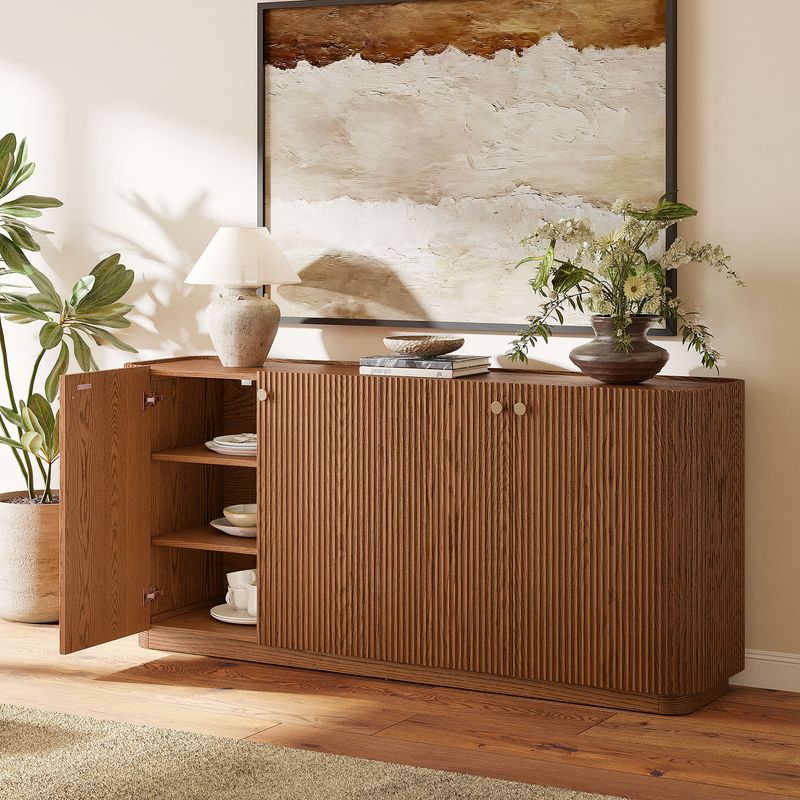
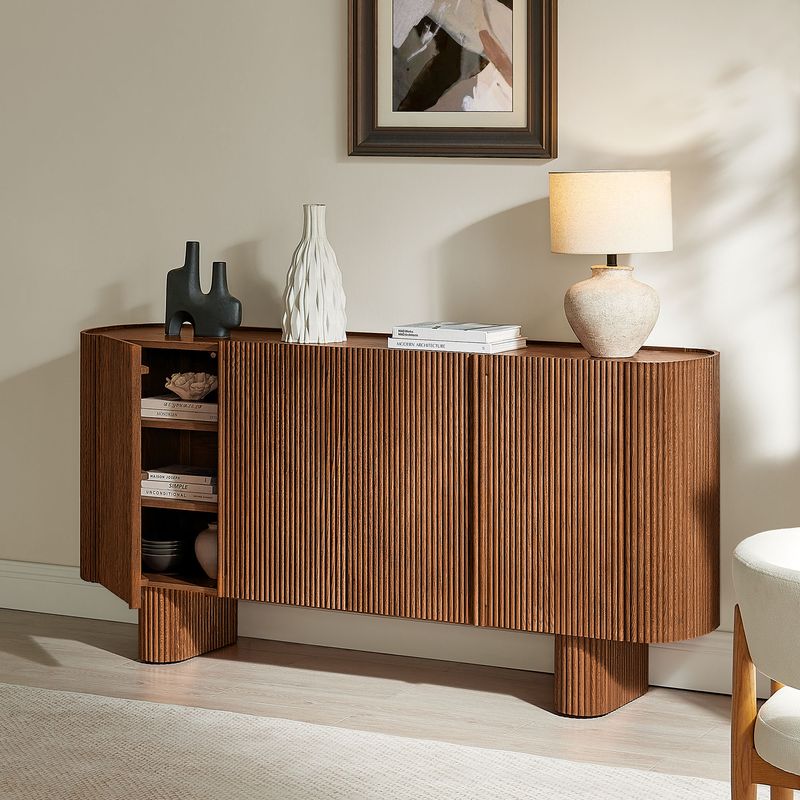
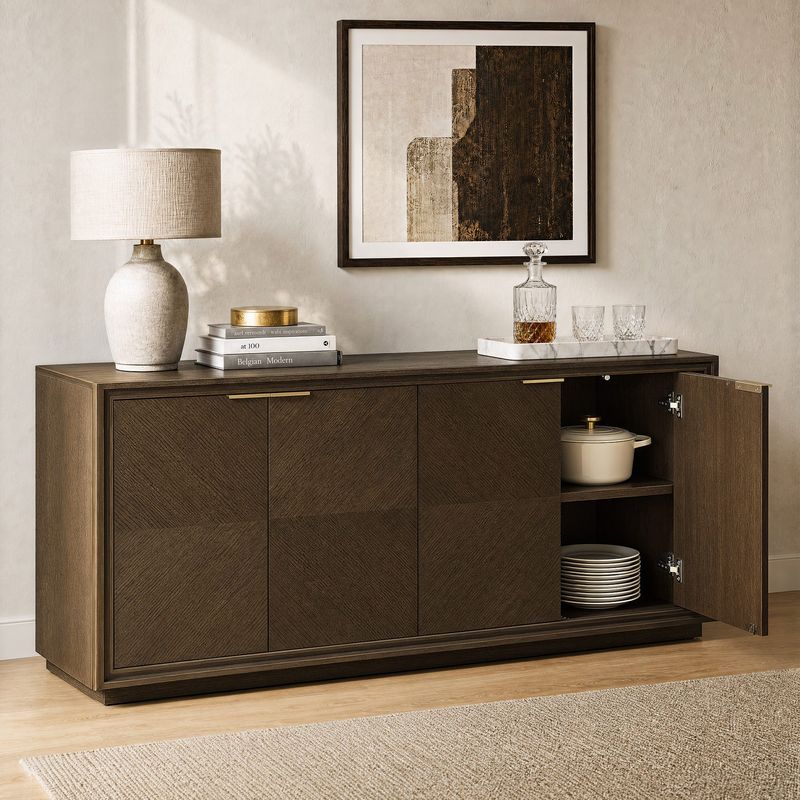
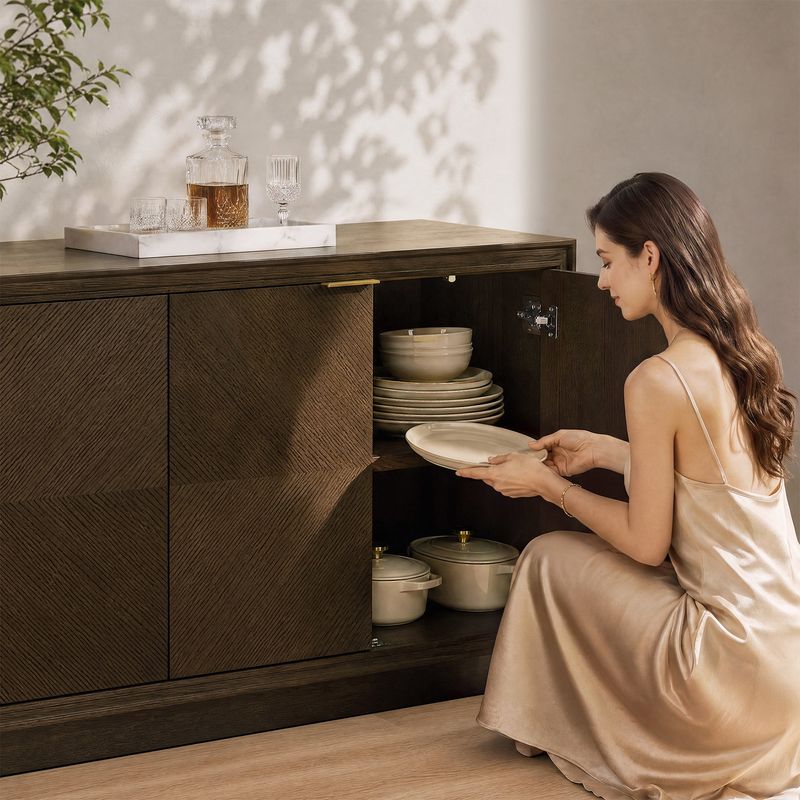
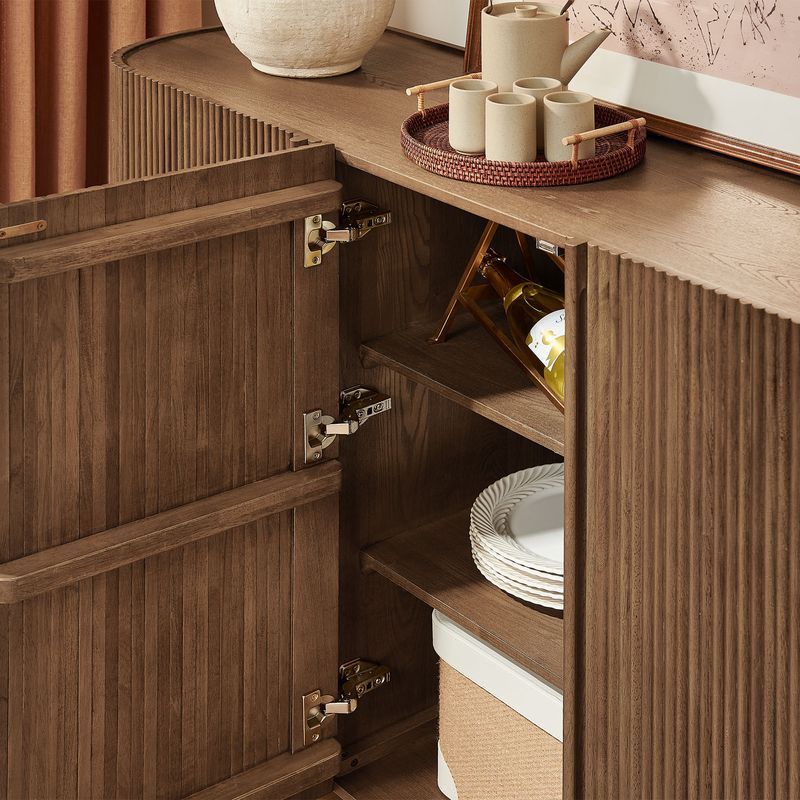
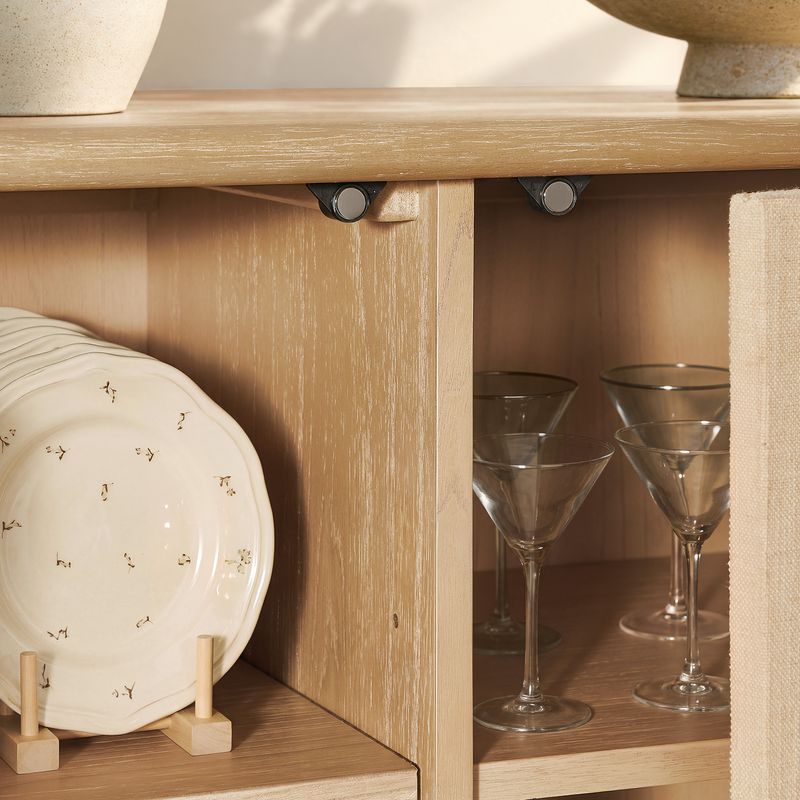
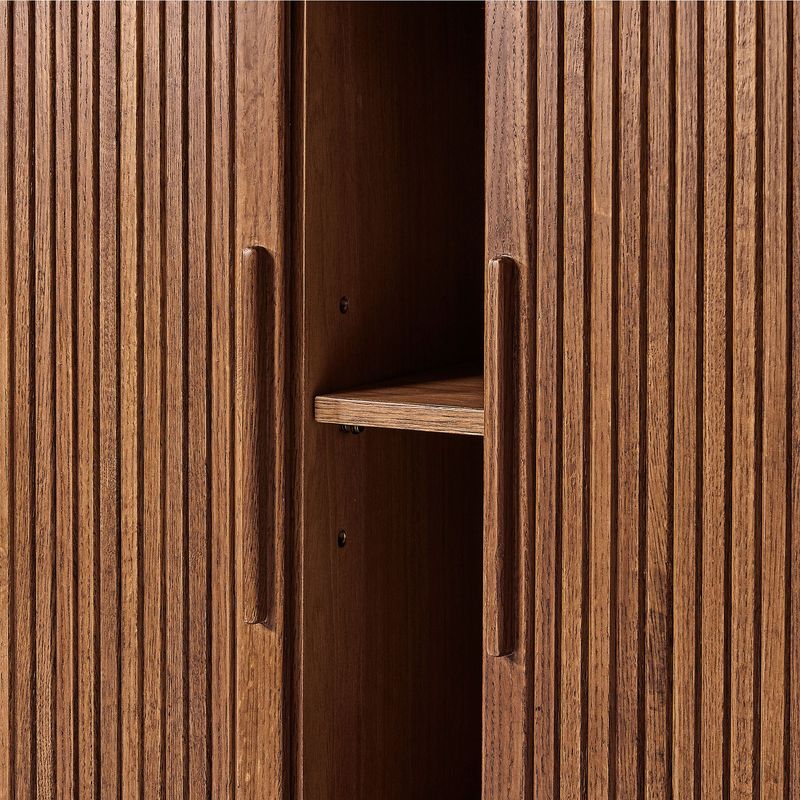
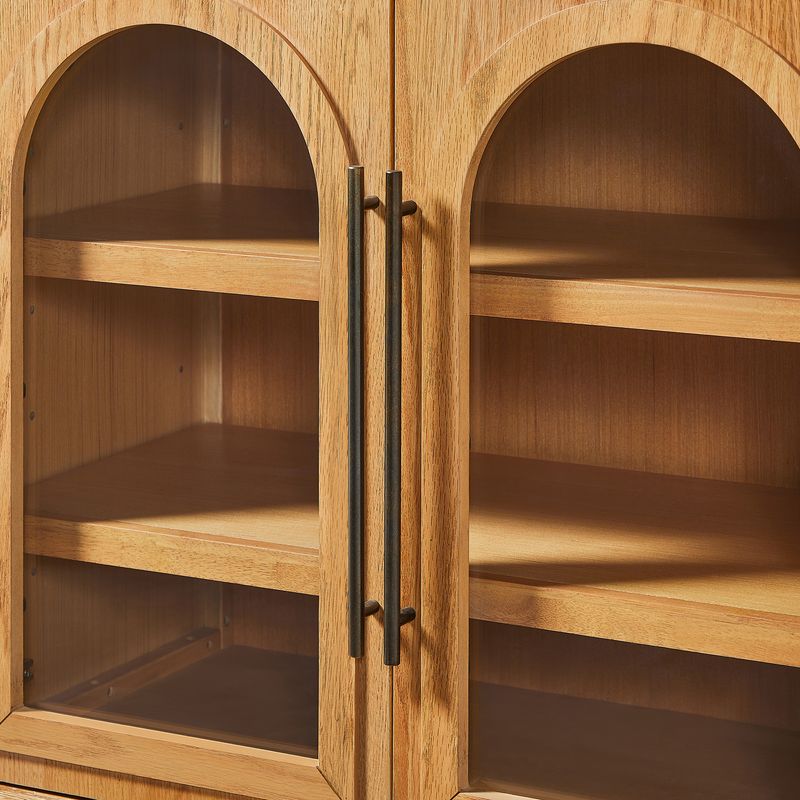
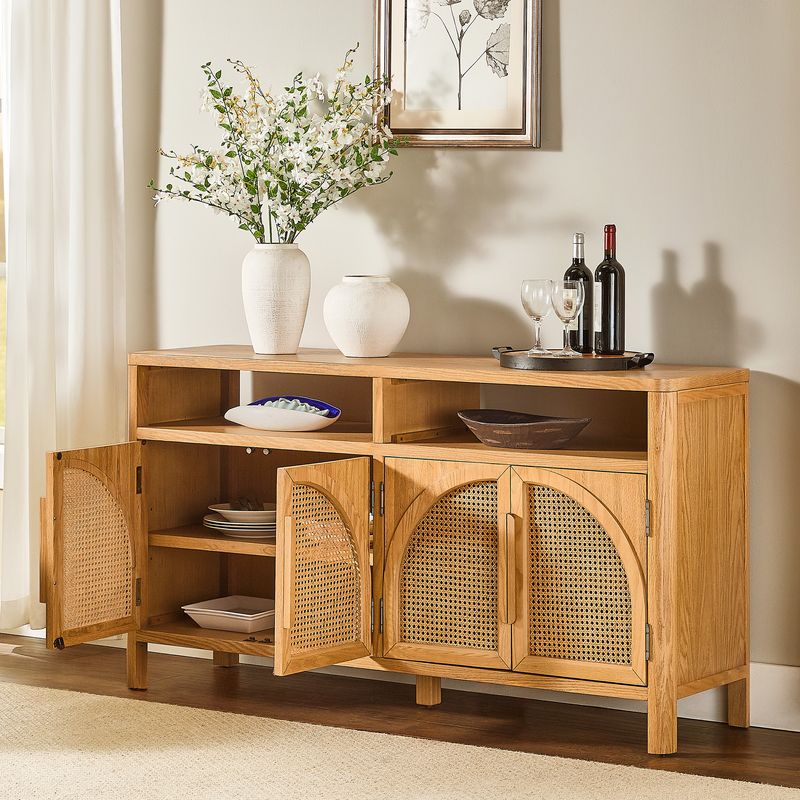
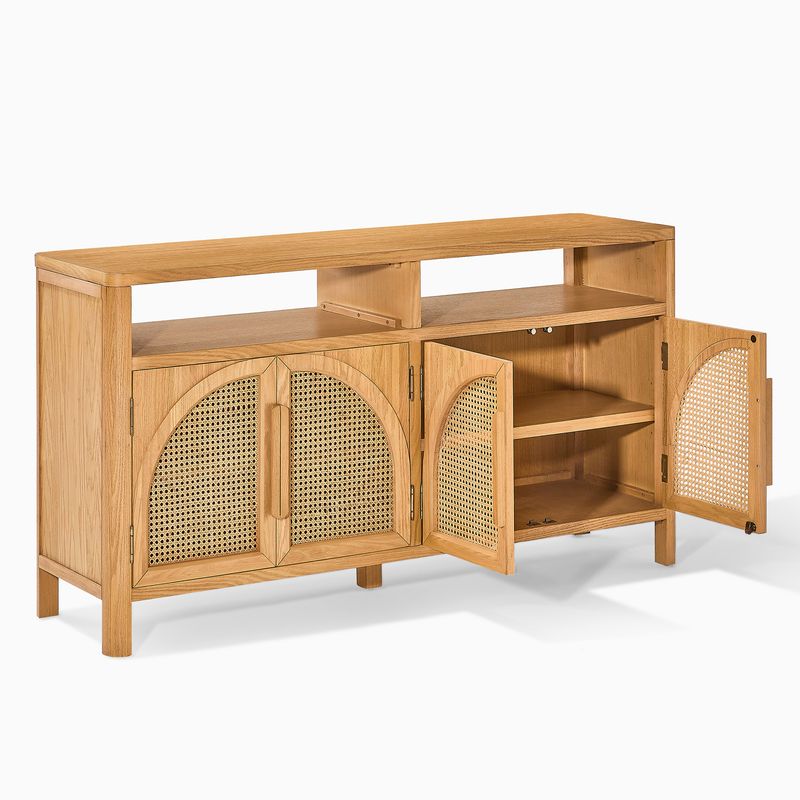
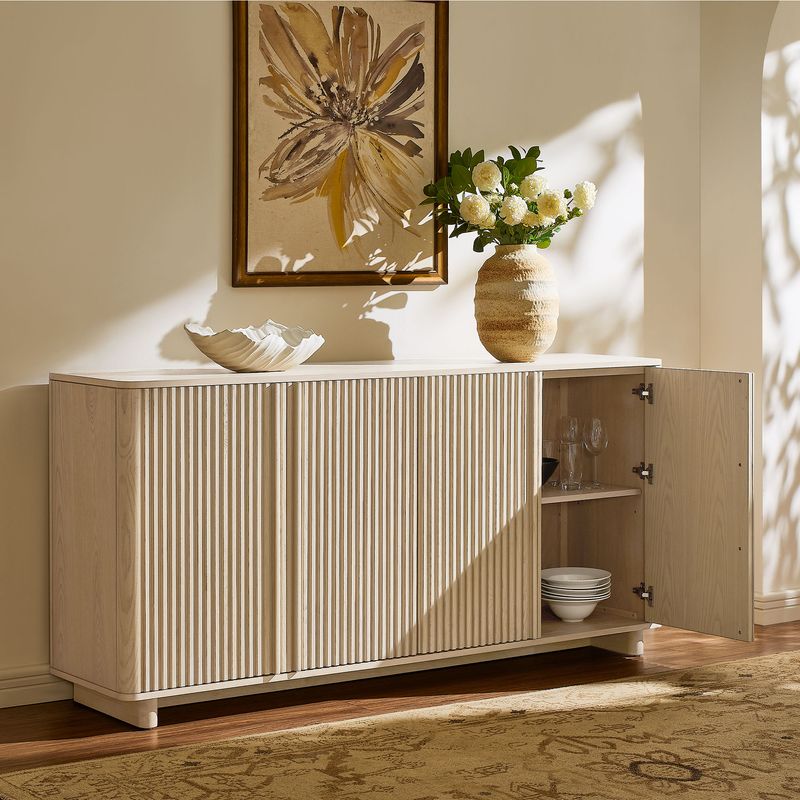
A sideboard is often used for the small but constant needs of dining and hosting. Plates, glassware, linens, serving trays-these items need a place that is accessible but not exposed. That's where a sideboard becomes essential.
Unlike open shelving, a sideboard keeps everything visually clean while still within reach.
Common uses of a sideboard
● Storing plates, bowls, and glassware
● Organizing table linens and serving tools
● Supporting everyday dining routines
● Keeping entertaining essentials in one place
The versatility of a sideboard is what makes it one of the most functional furniture categories in the home.
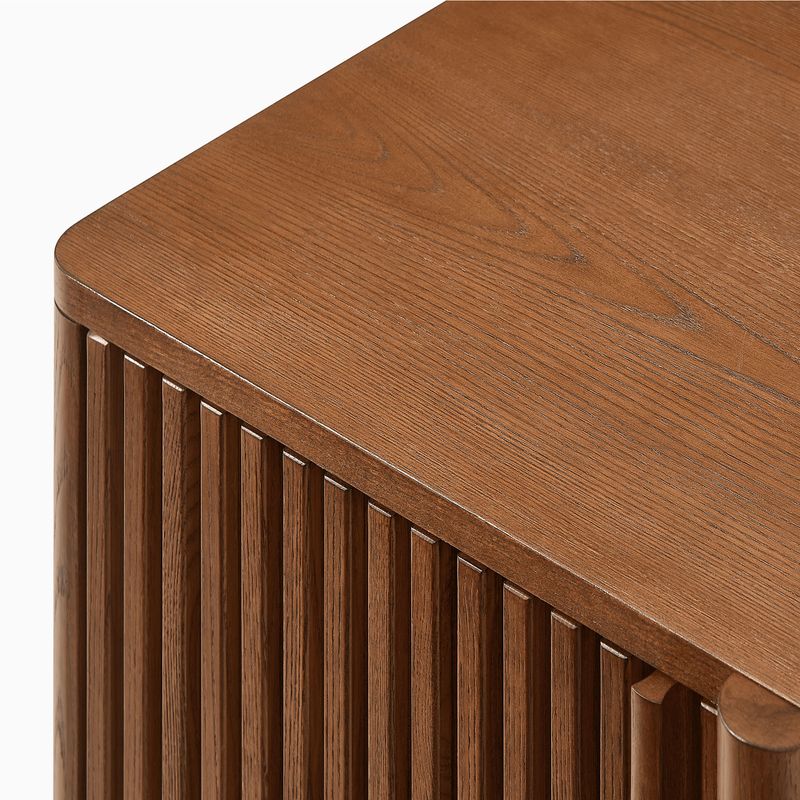
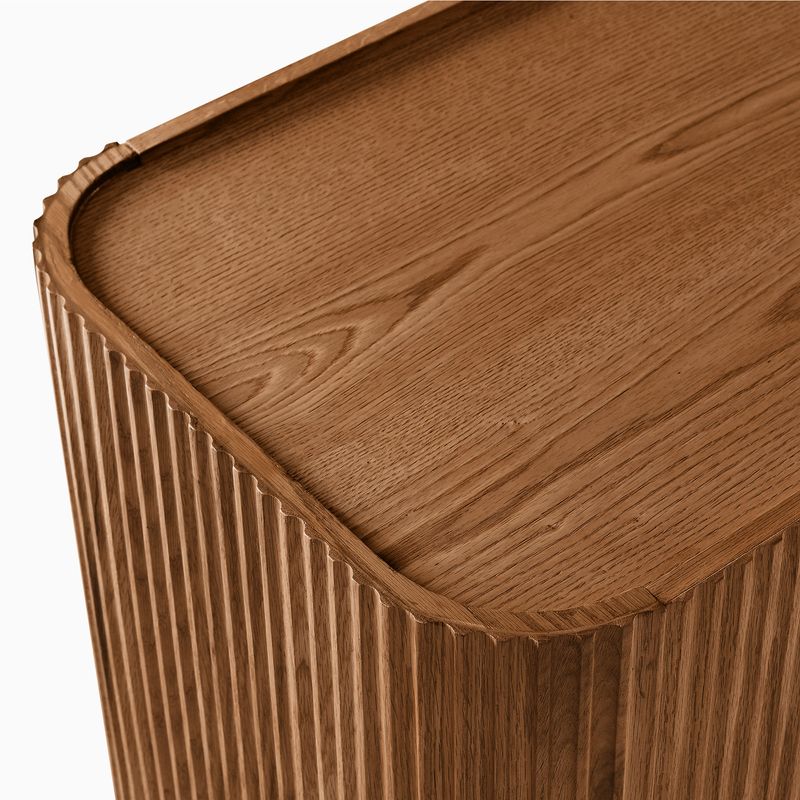
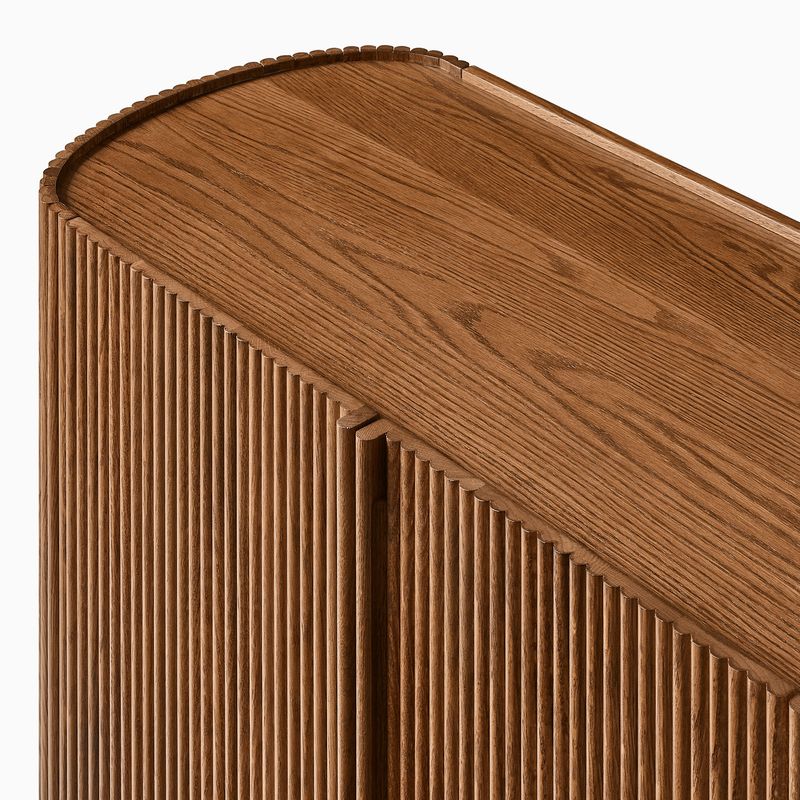
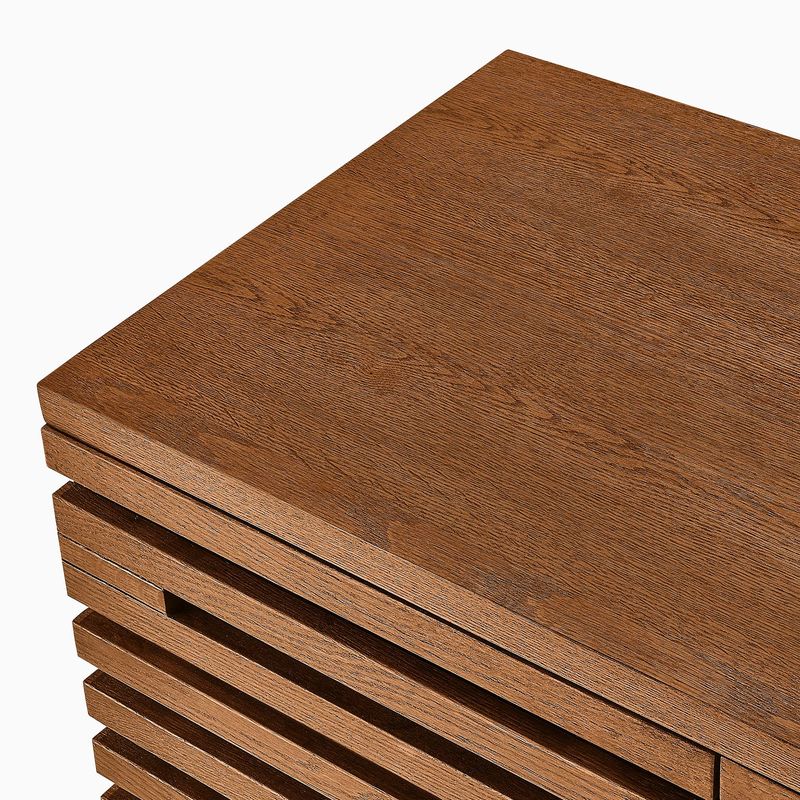
Wood Sideboard – Natural Material, Lasting Presence
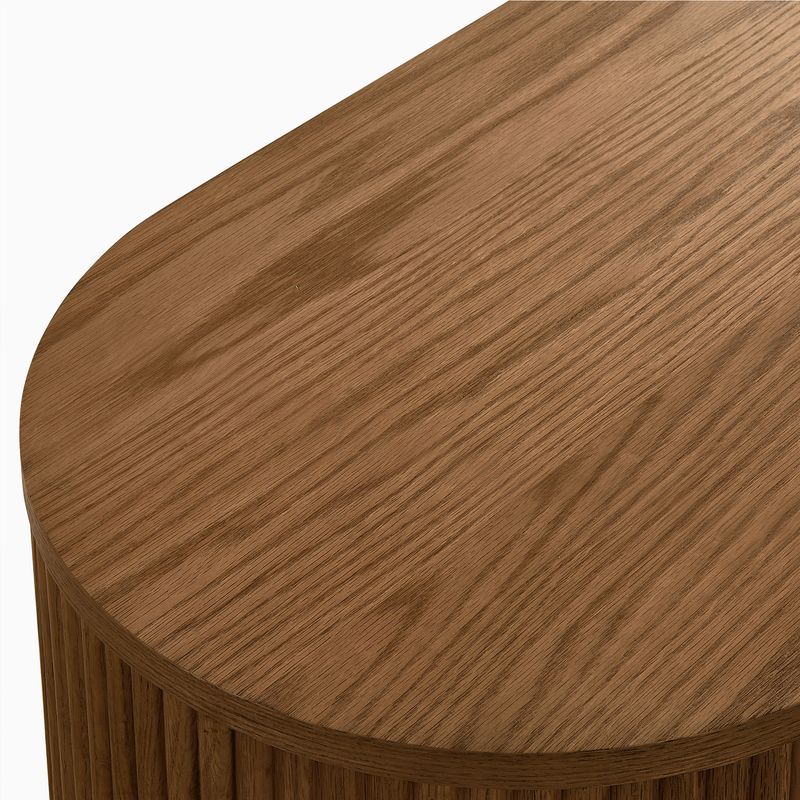
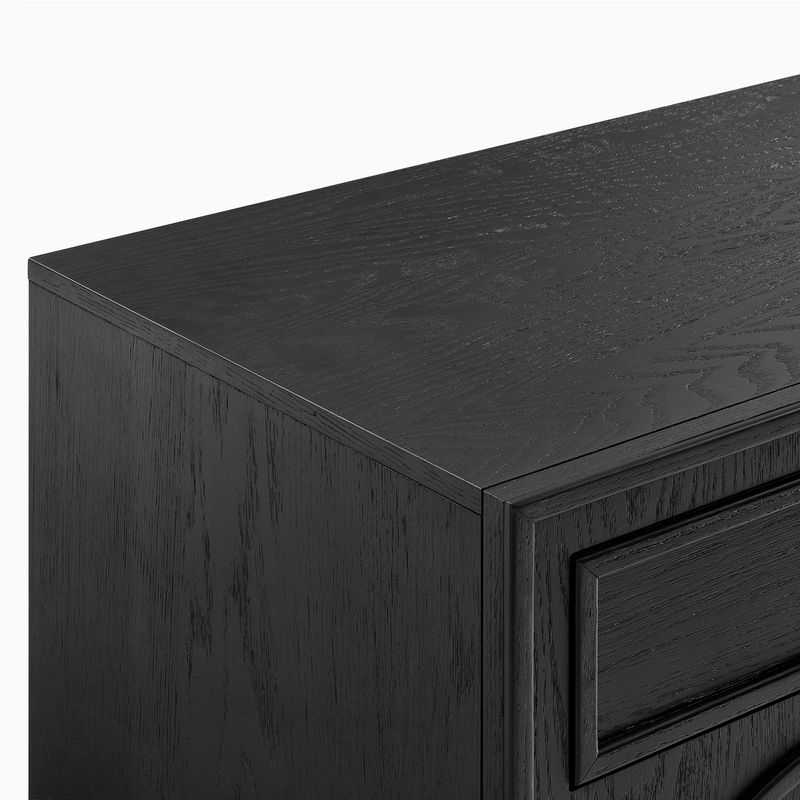
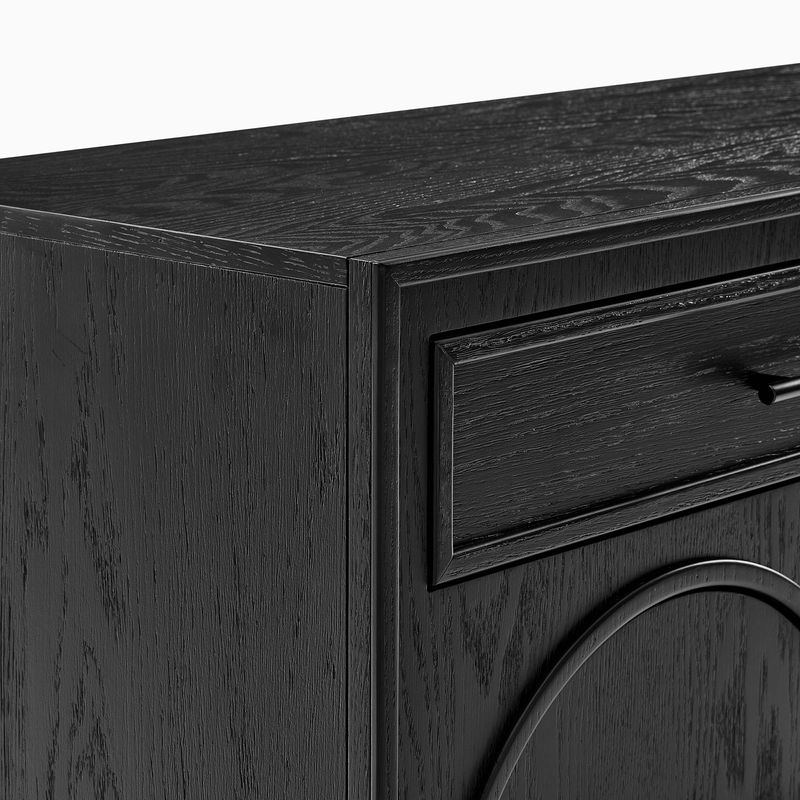
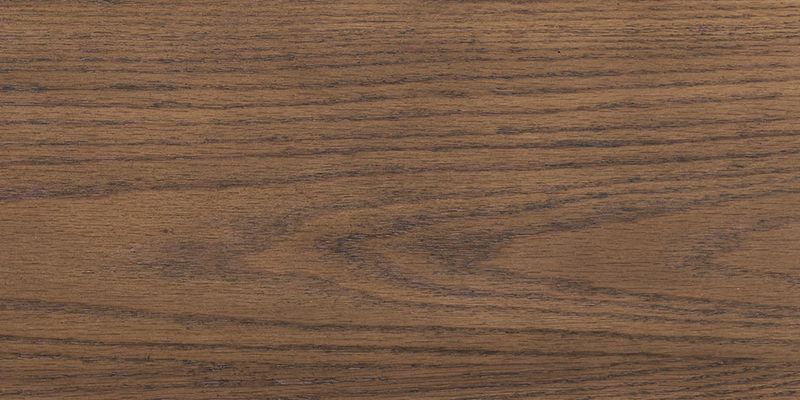
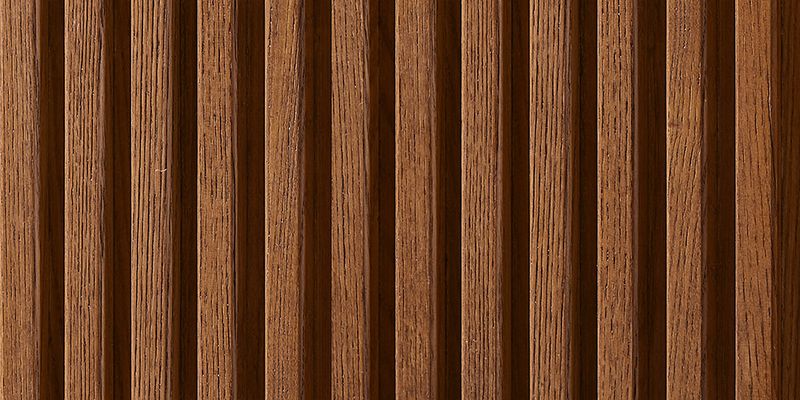
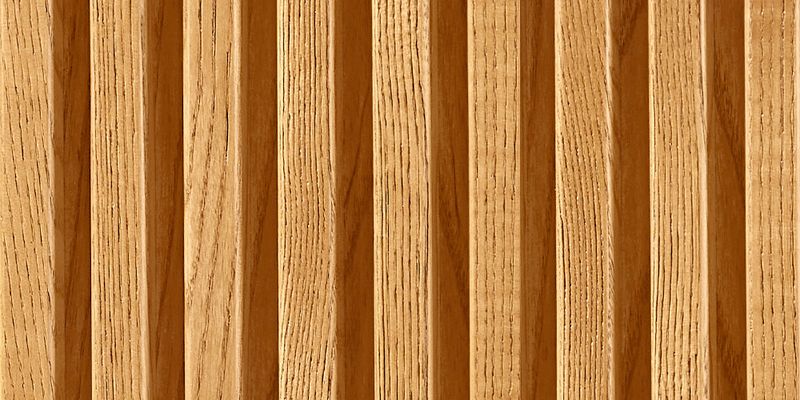
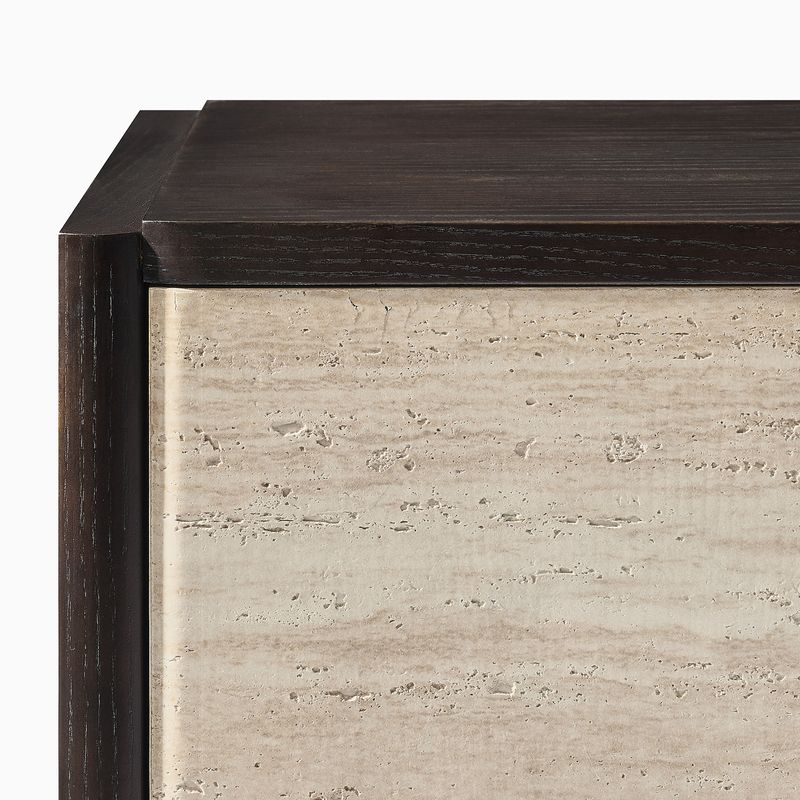
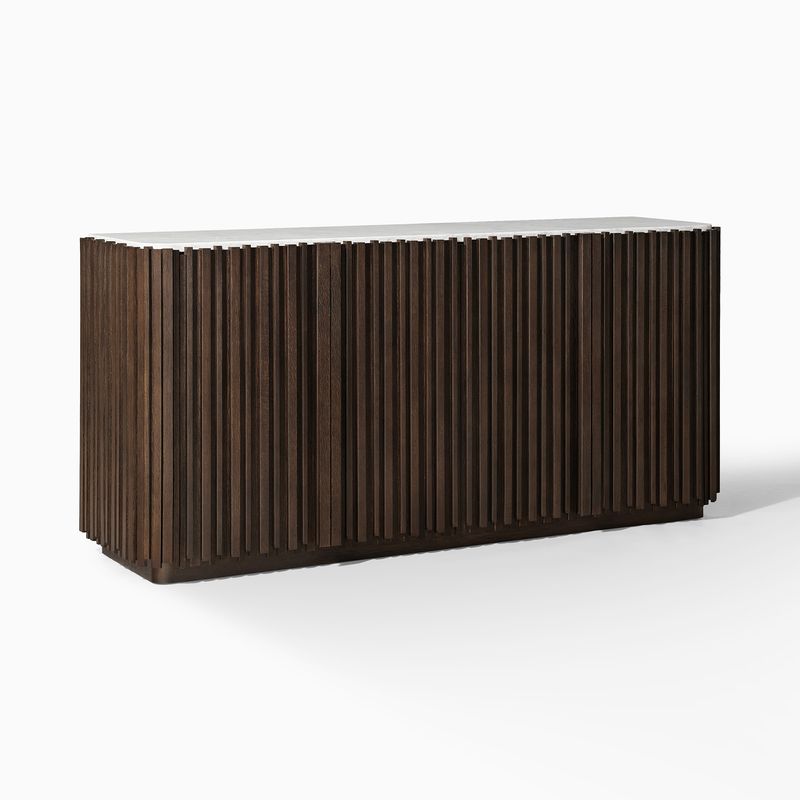
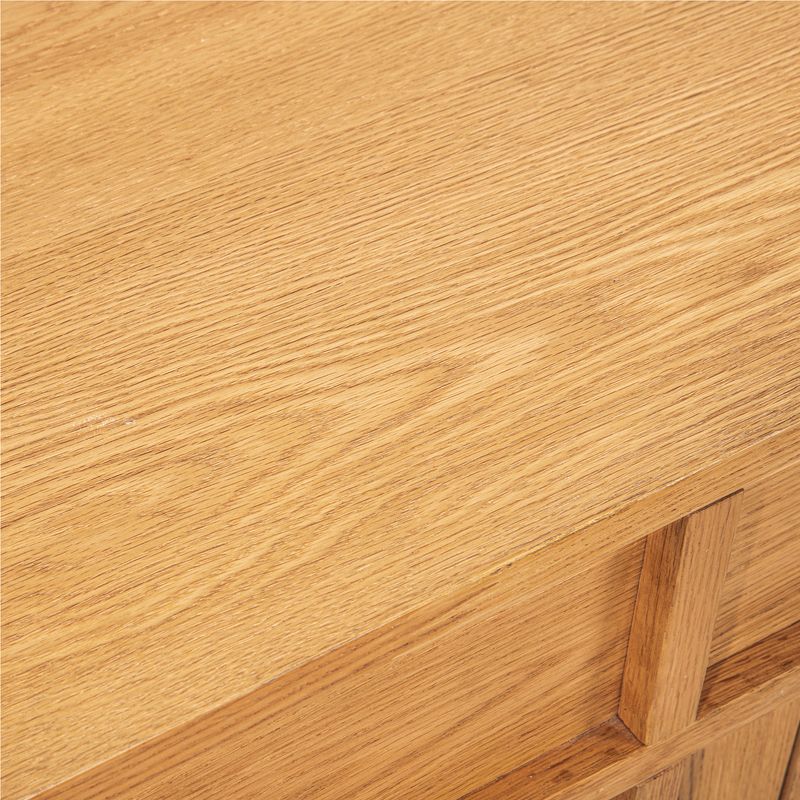
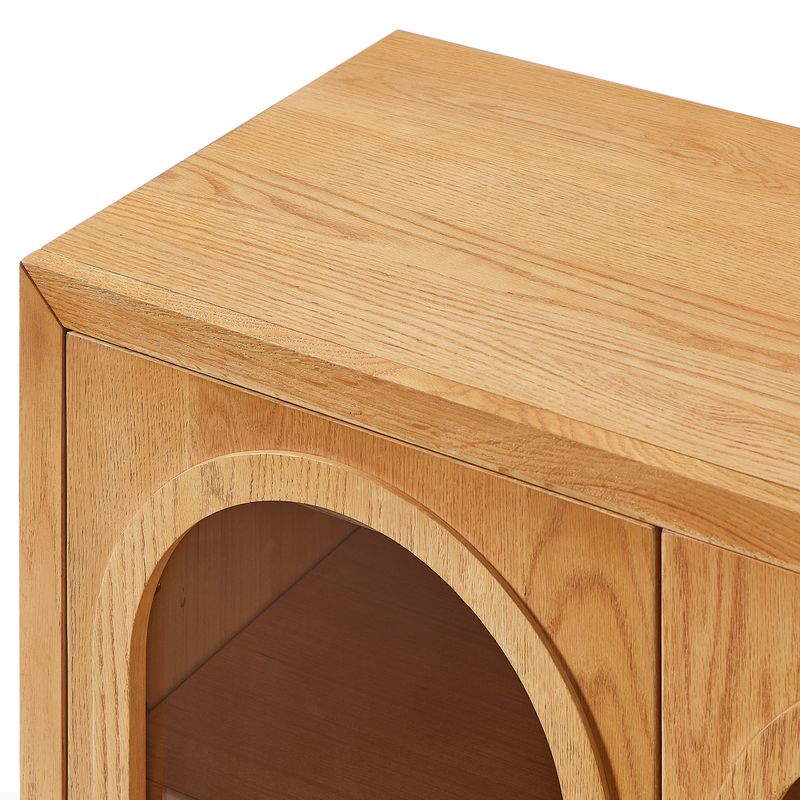
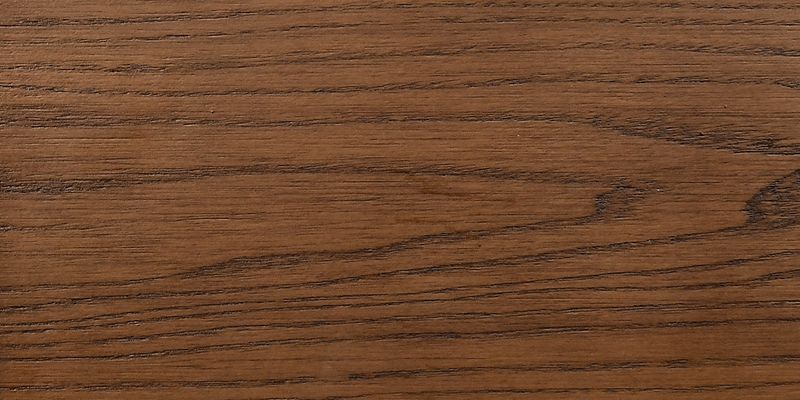
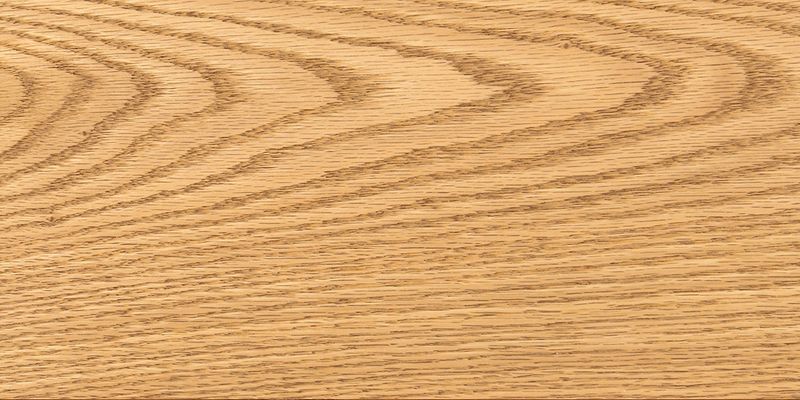
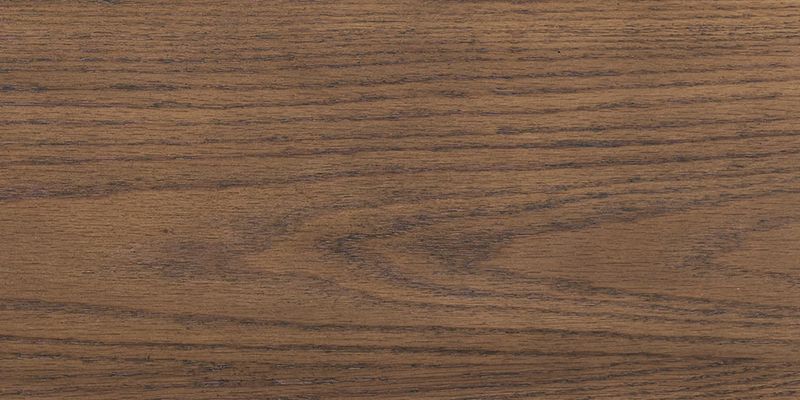
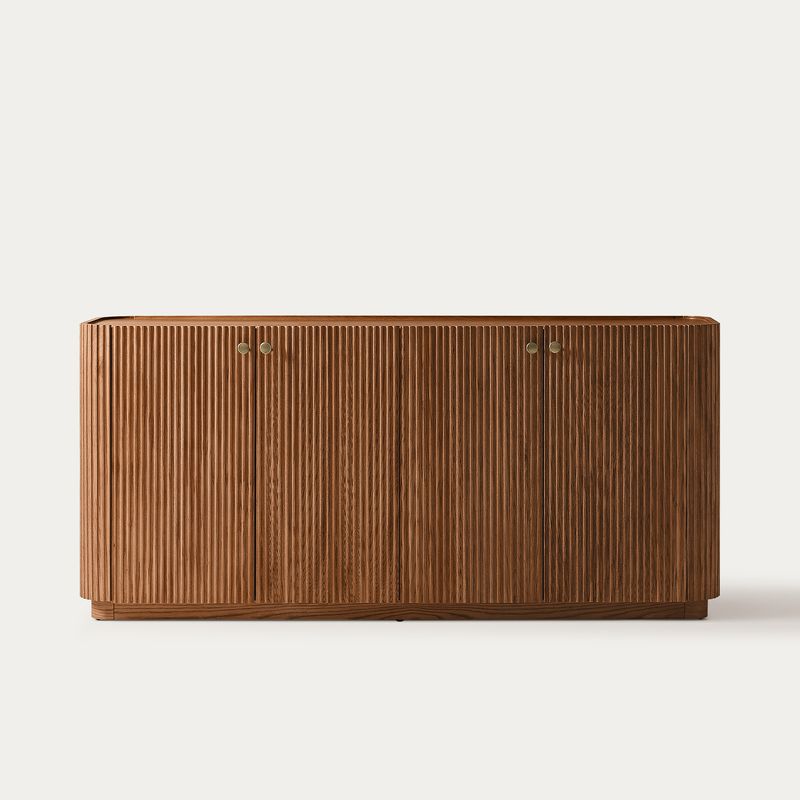
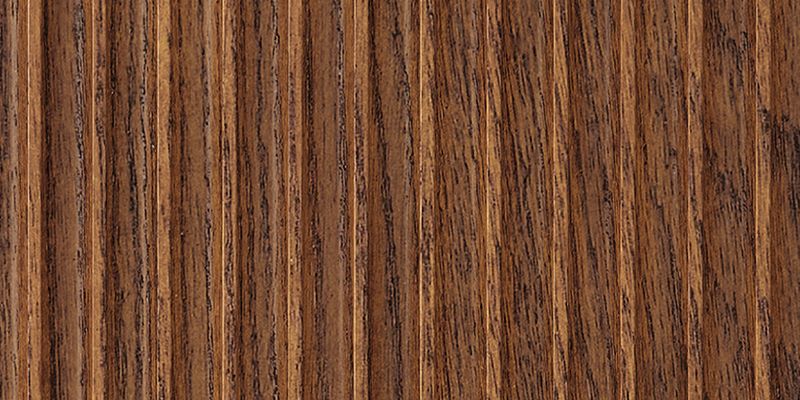
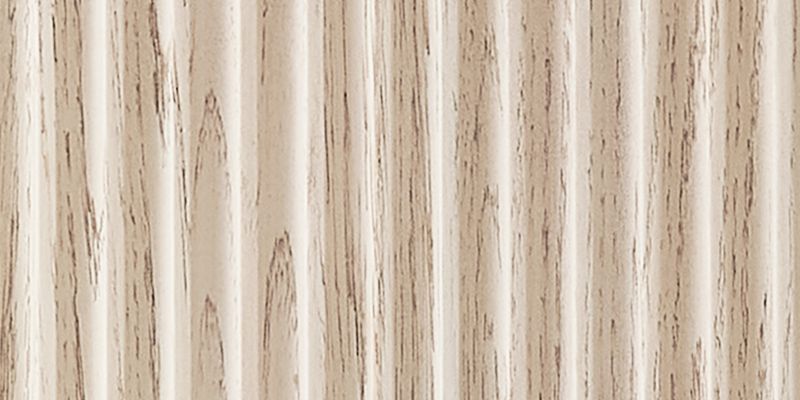
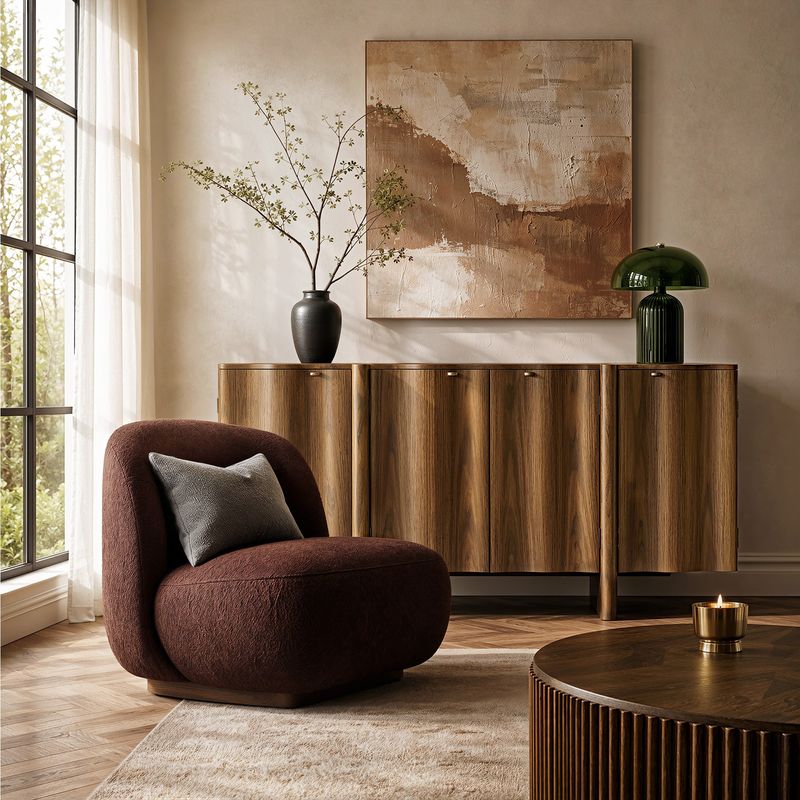
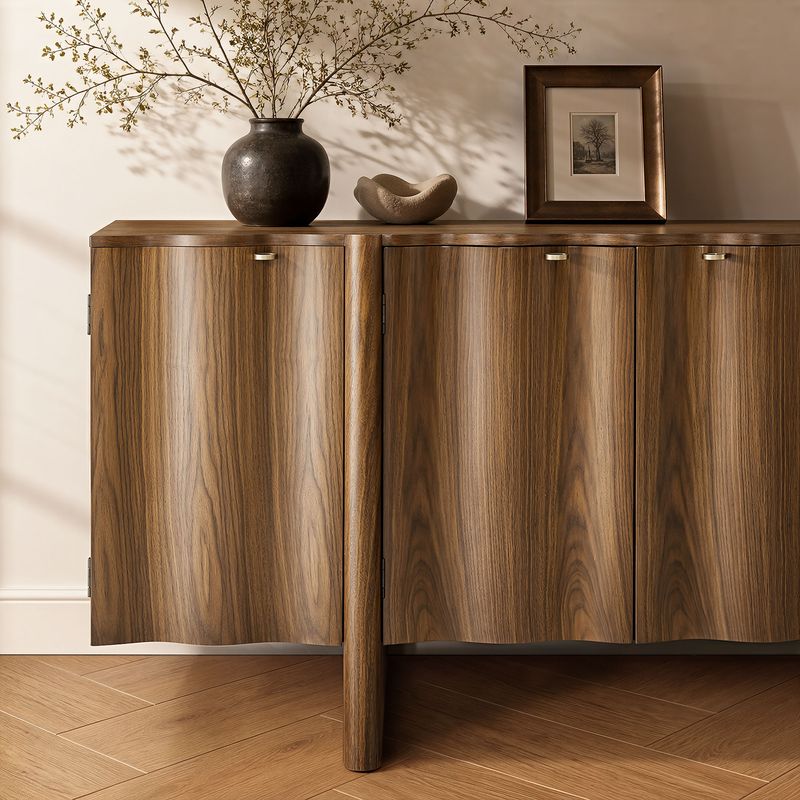
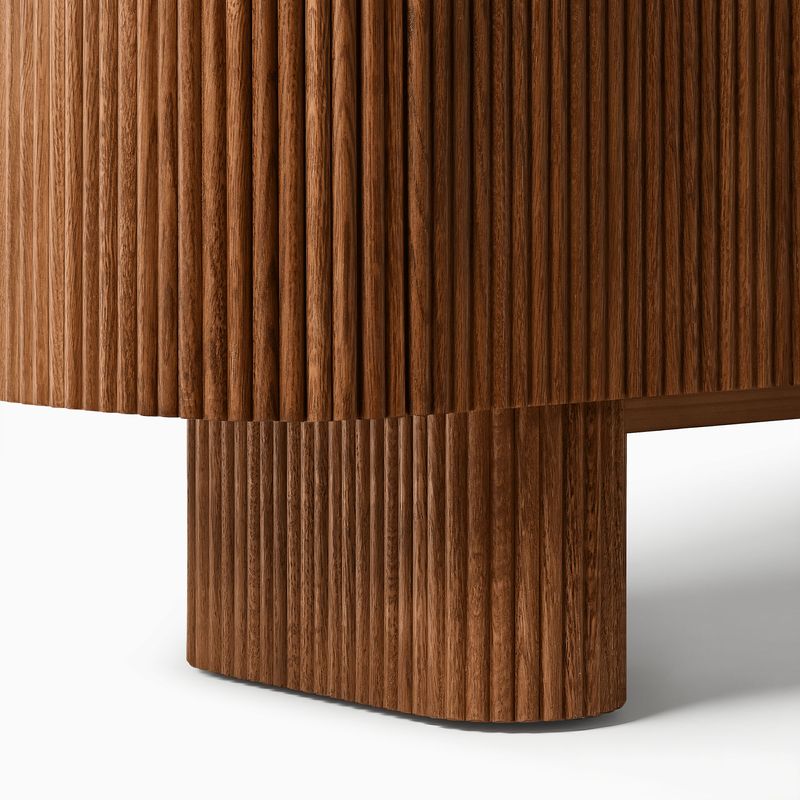
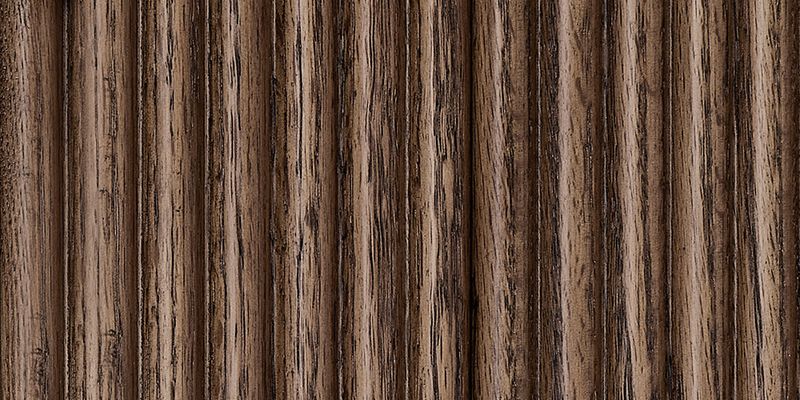
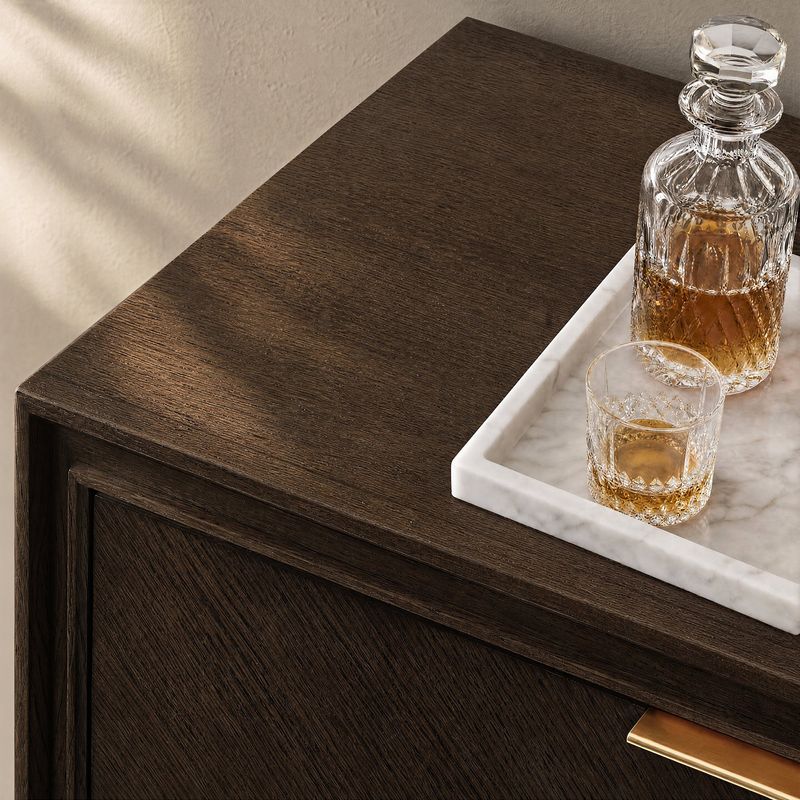
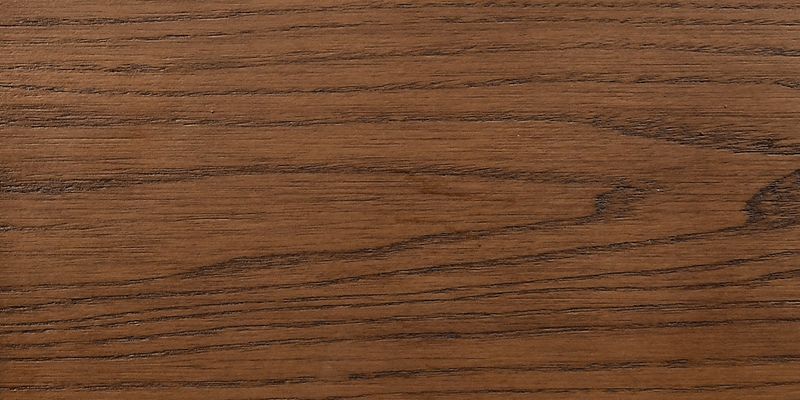
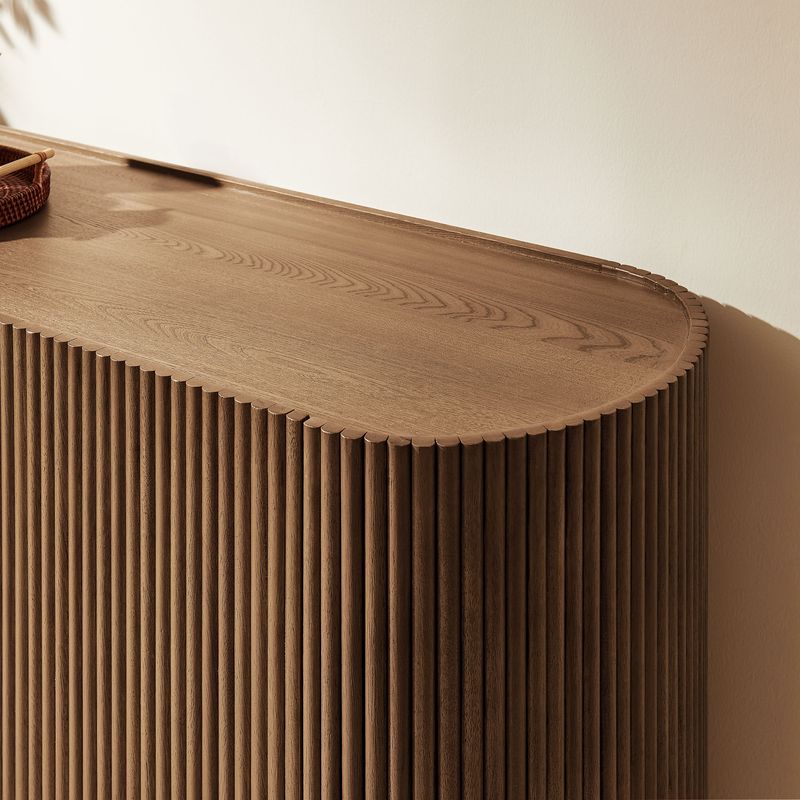
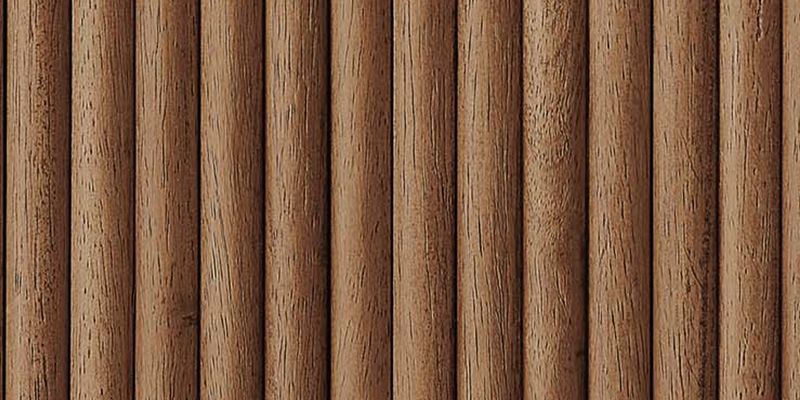
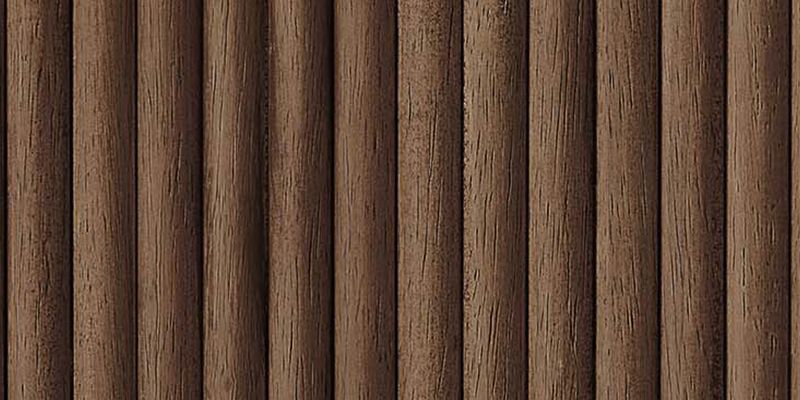
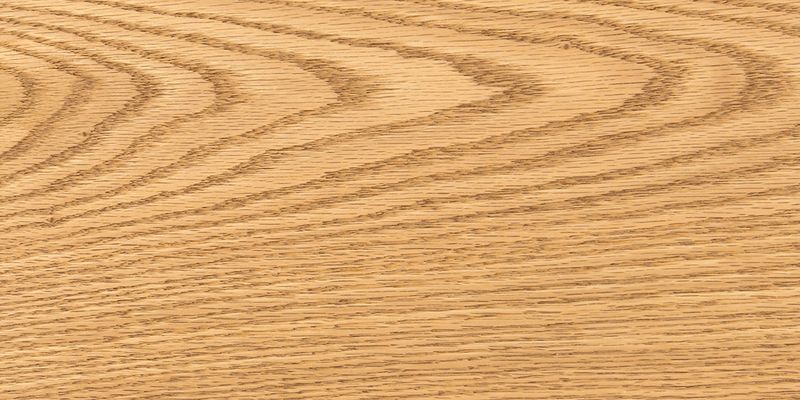
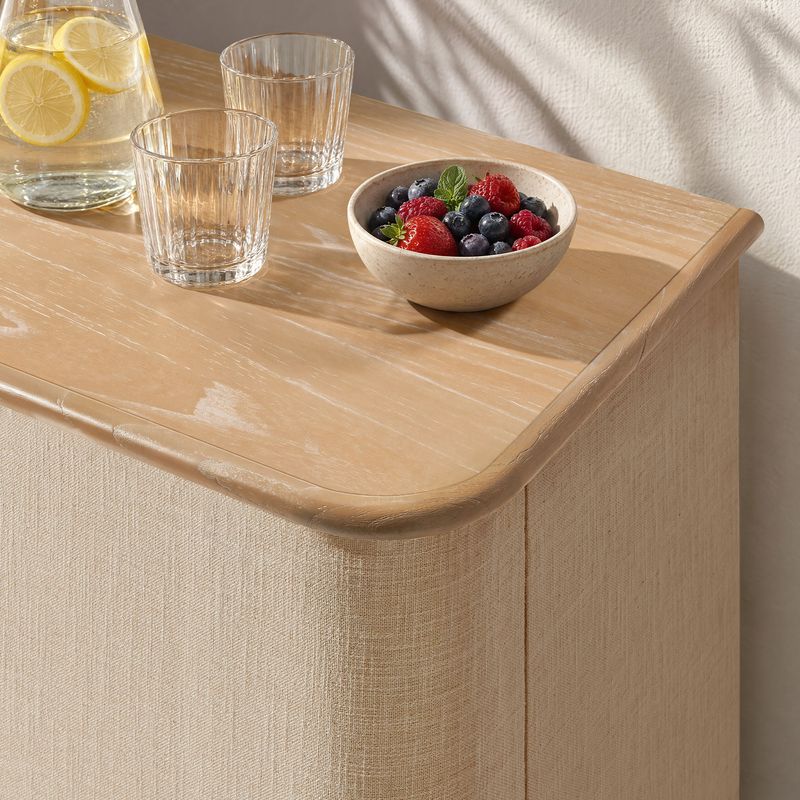
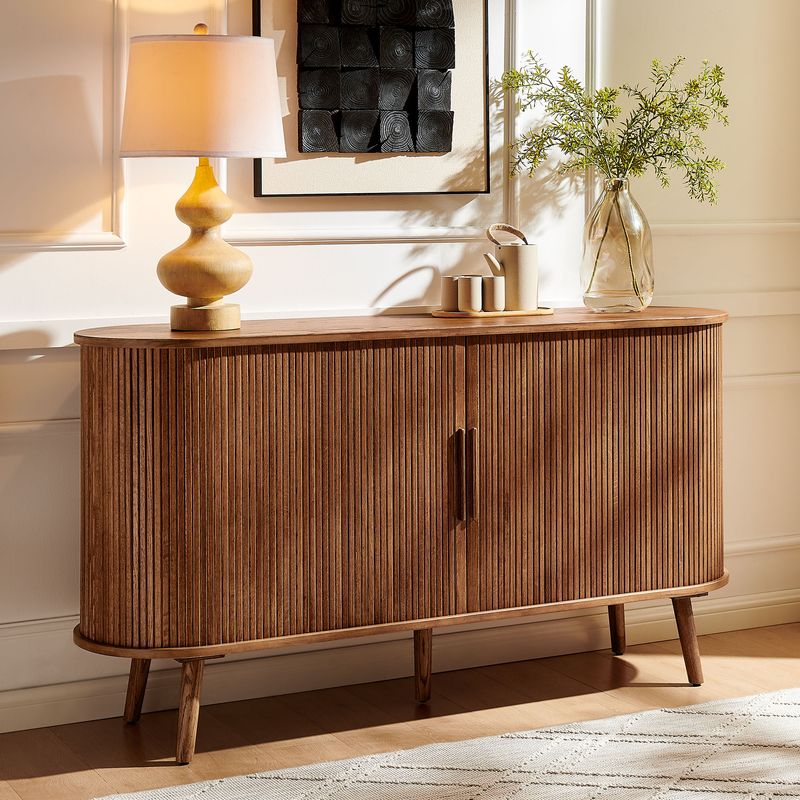
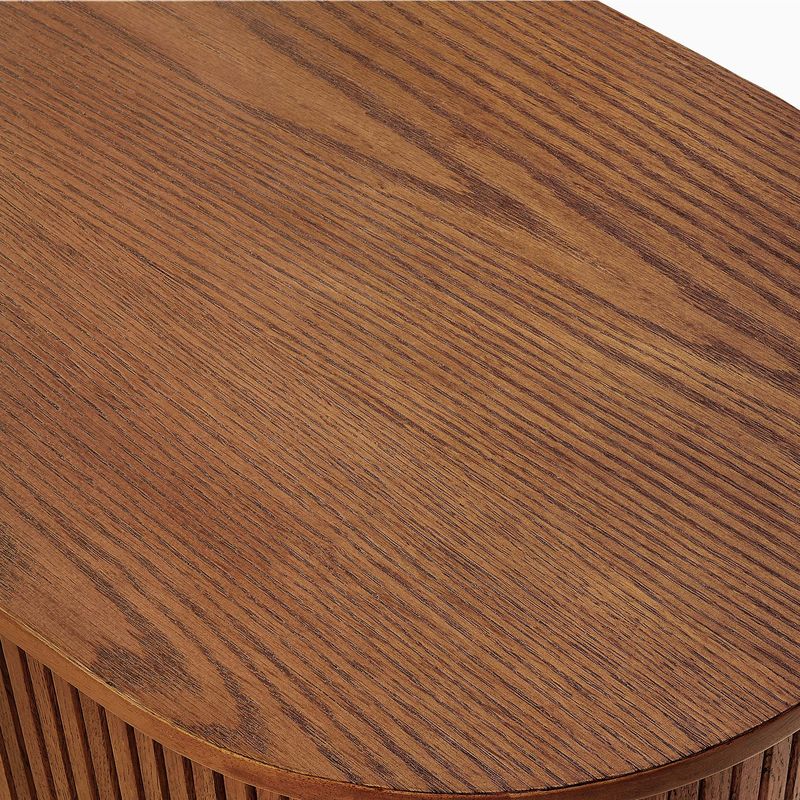
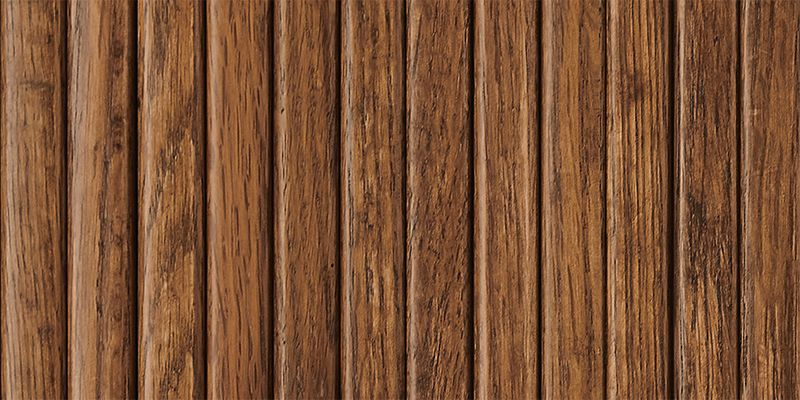
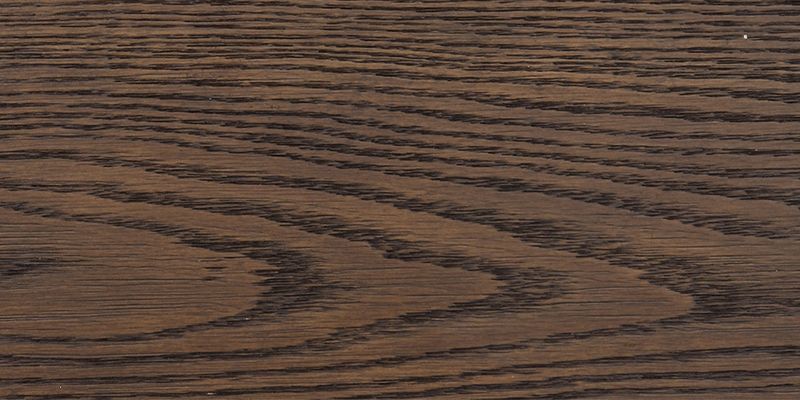
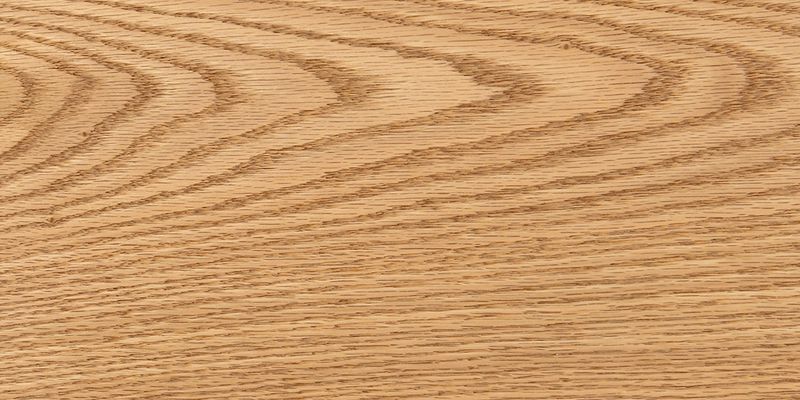
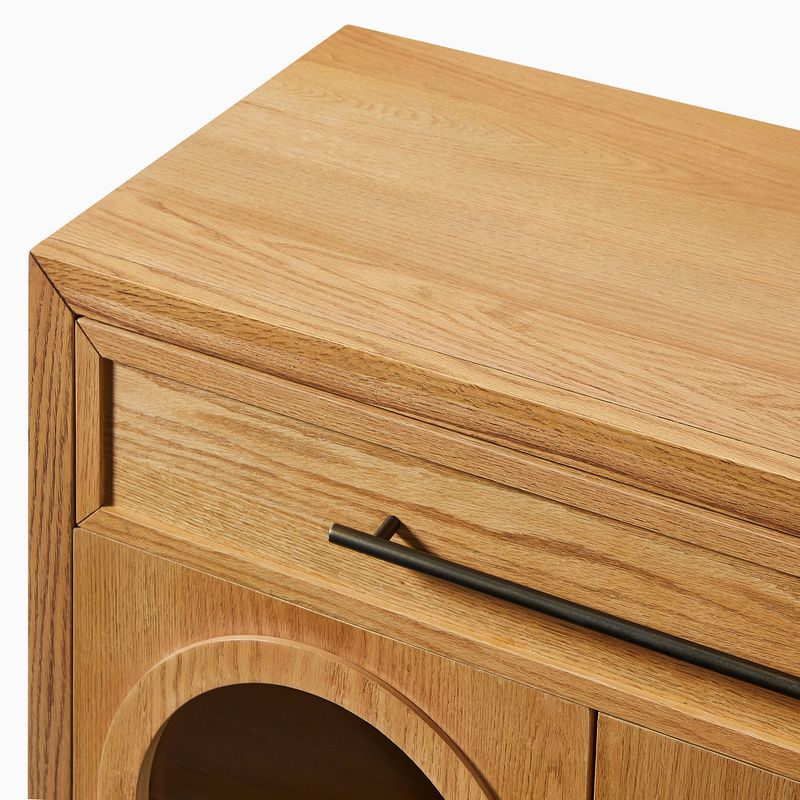
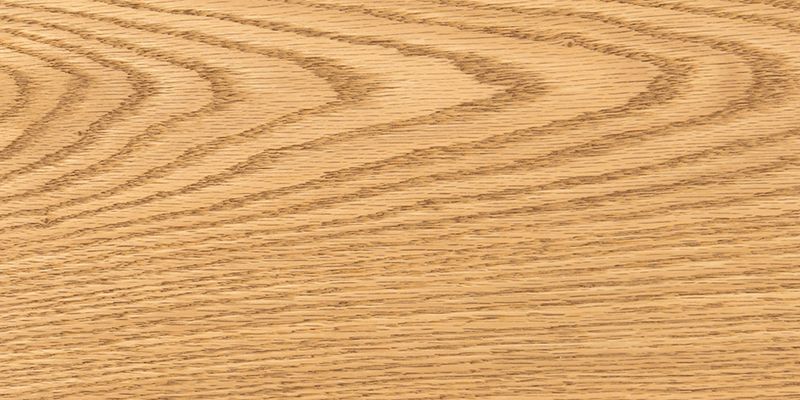
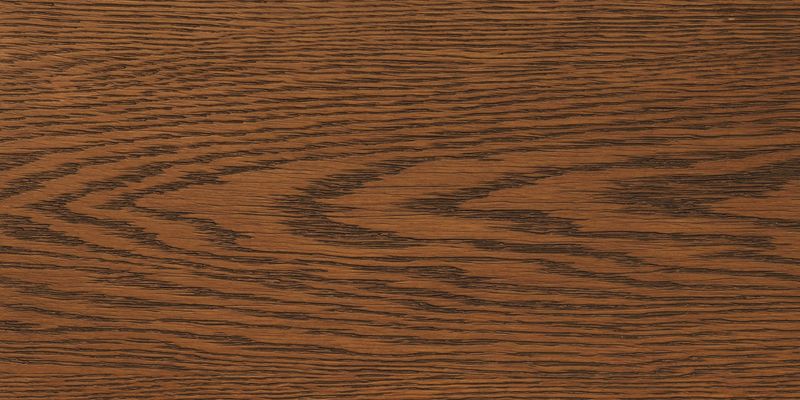
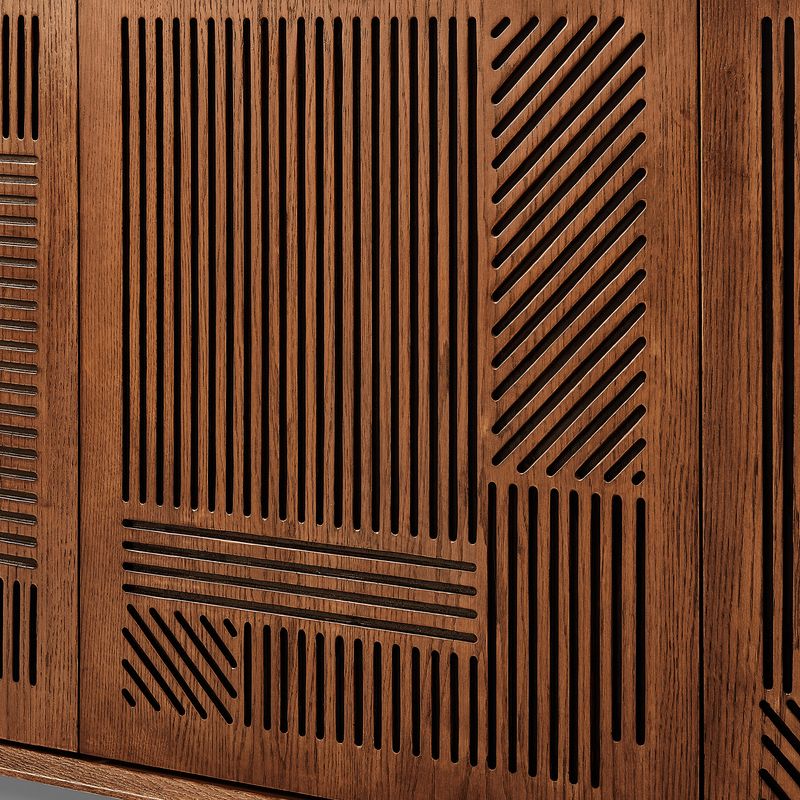
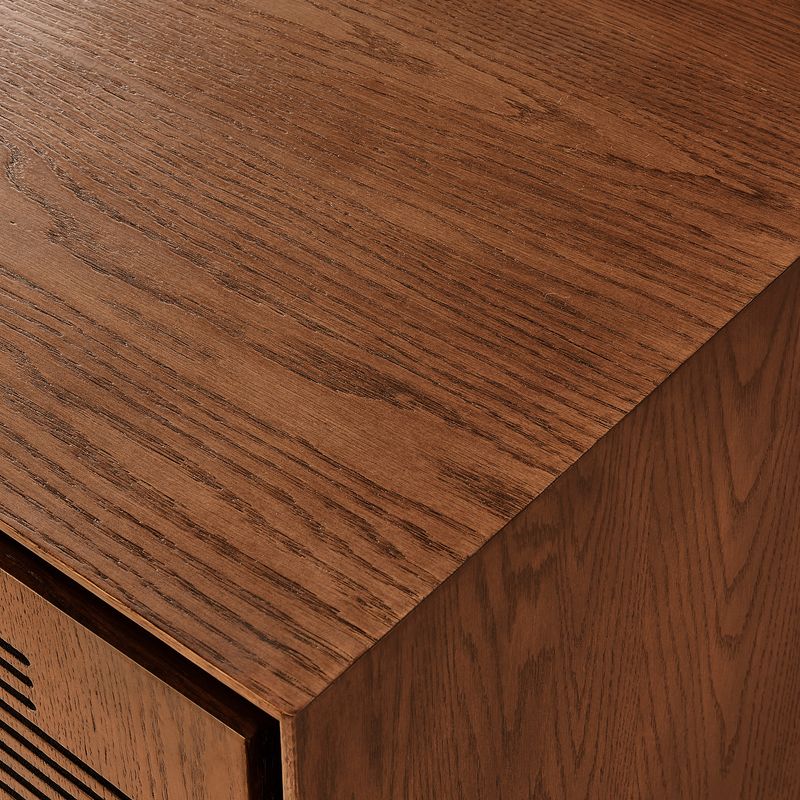
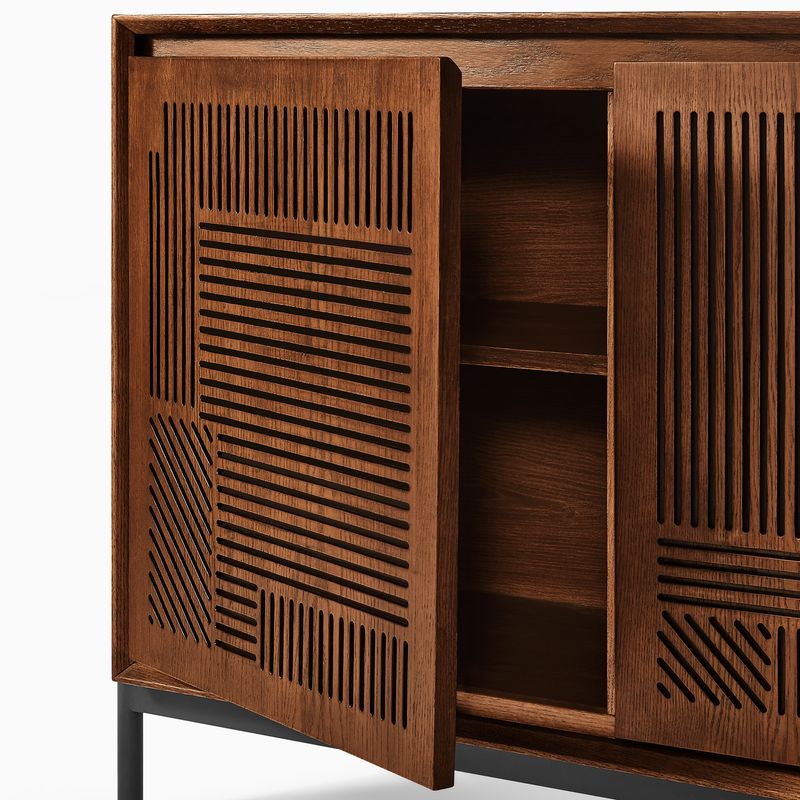
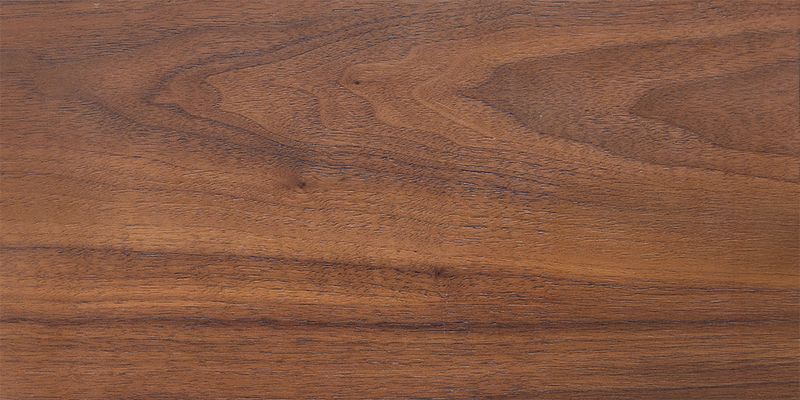
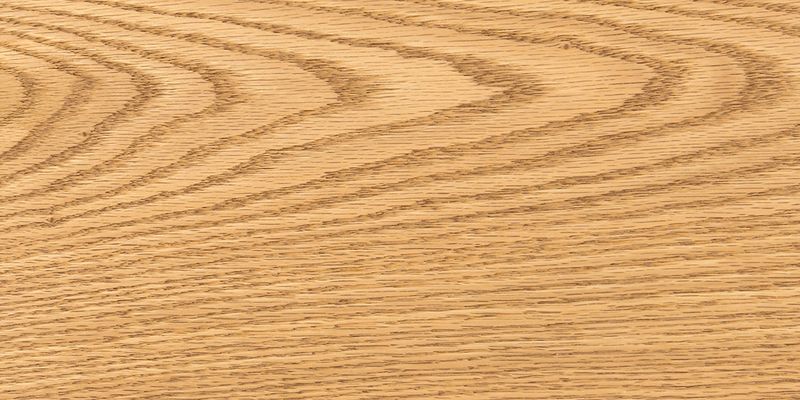
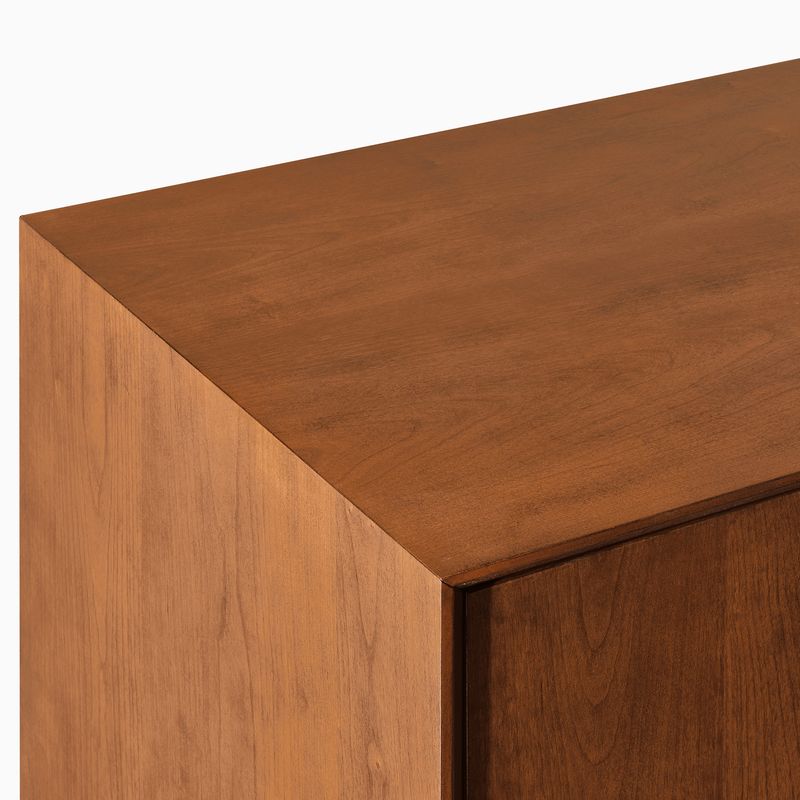
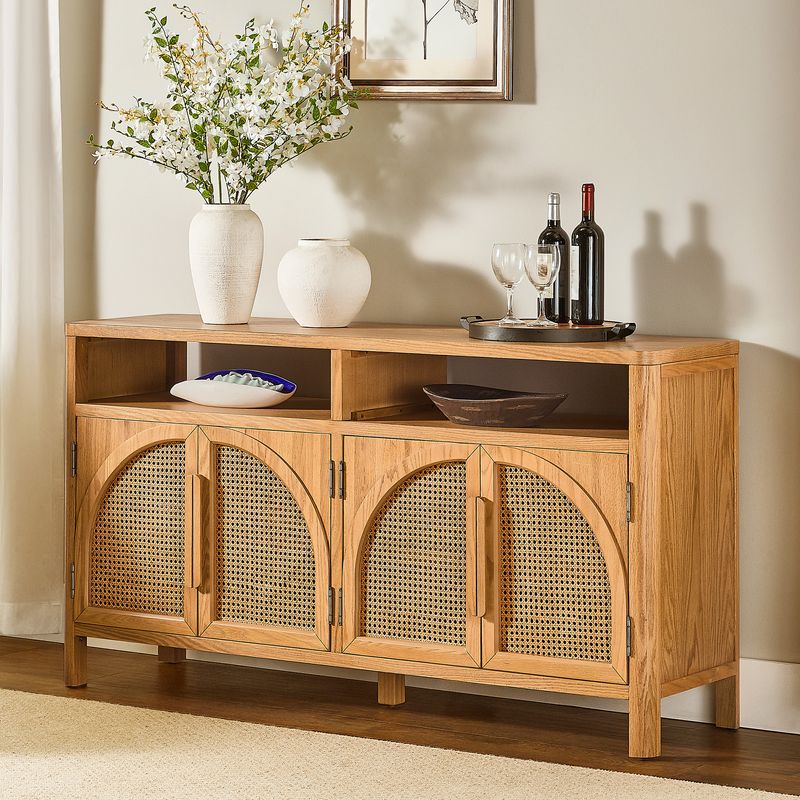
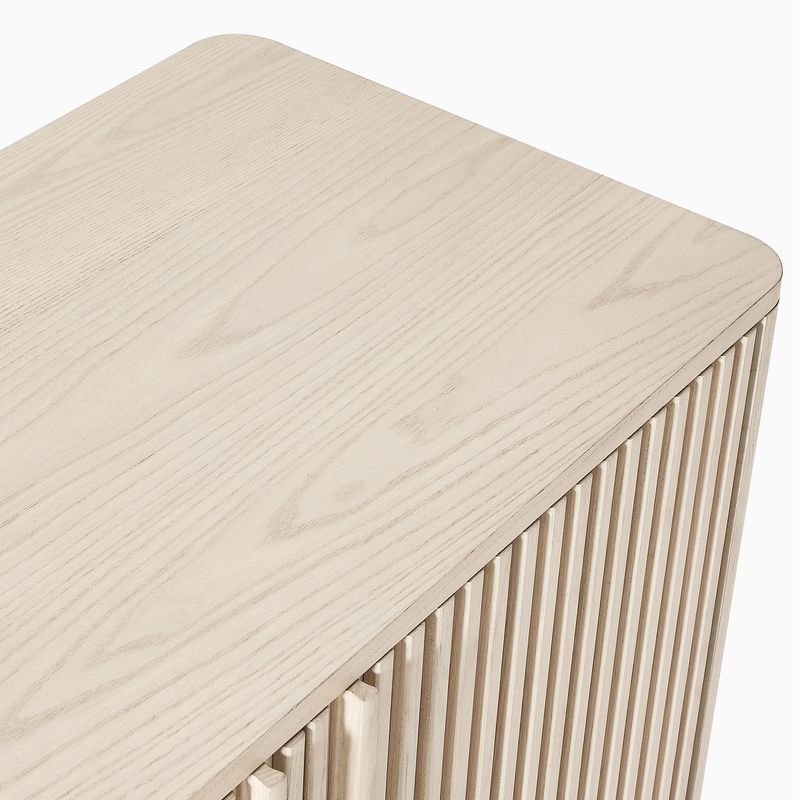
A wood sideboard remains one of the most popular choices for dining interiors. Wood brings warmth, texture, and permanence into a room that often centers around hard surfaces.
Why choose a wood sideboard
● Strong structural durability
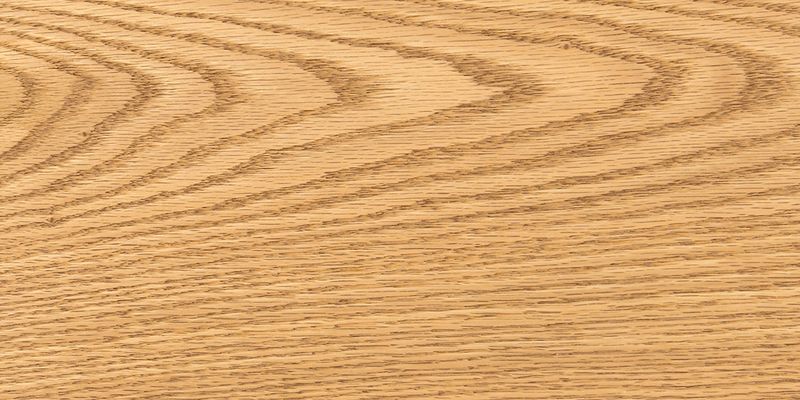
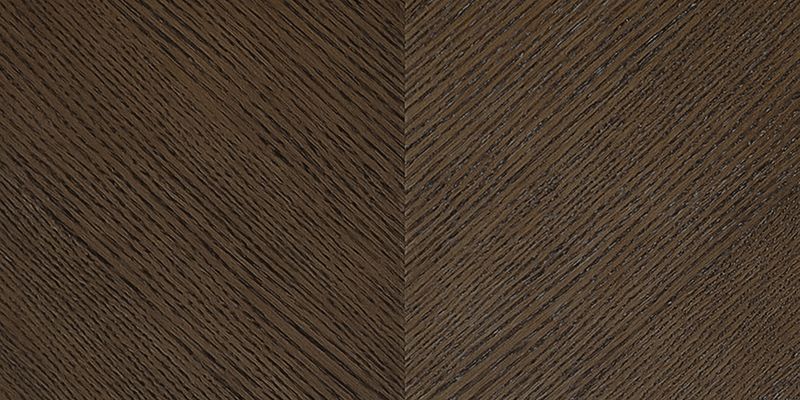
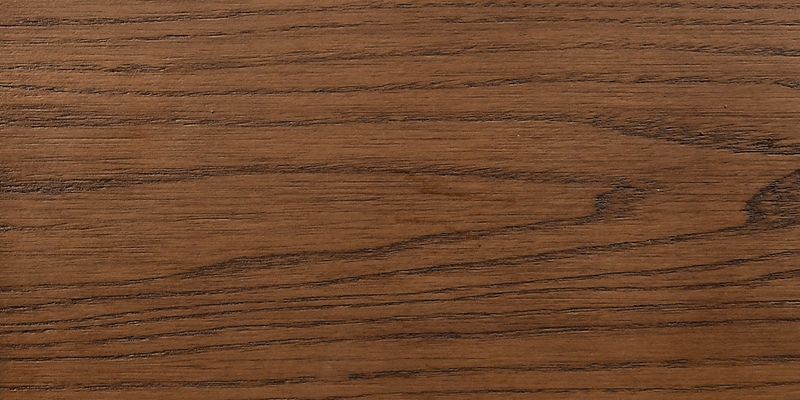
● Natural grain variation
● Long-term usability
● Works with modern and classic interiors
A wood sideboard develops character over time instead of losing appeal.
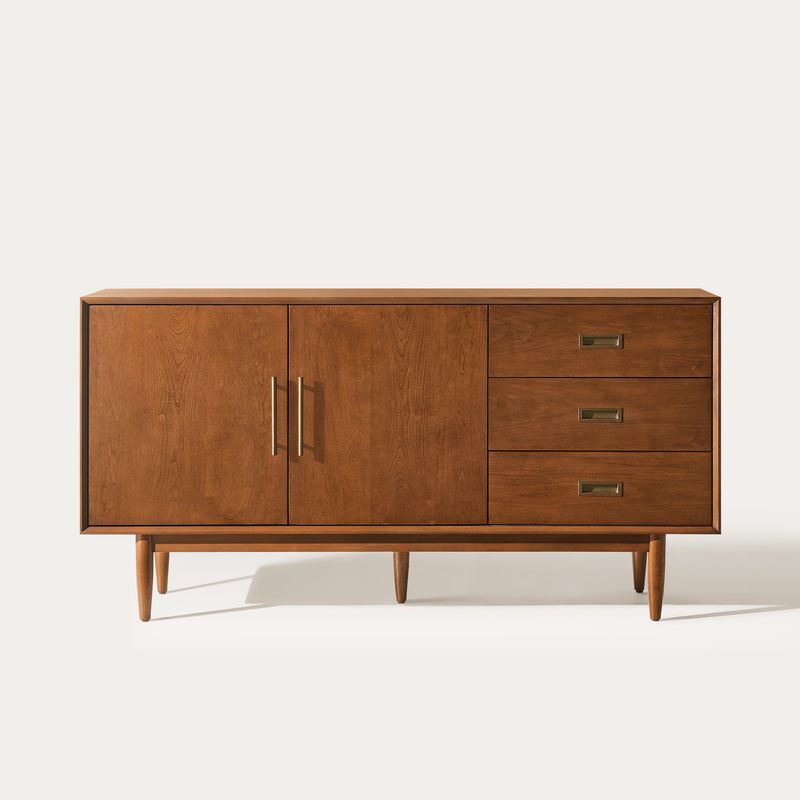
Sideboard with Drawers for Everyday Organization
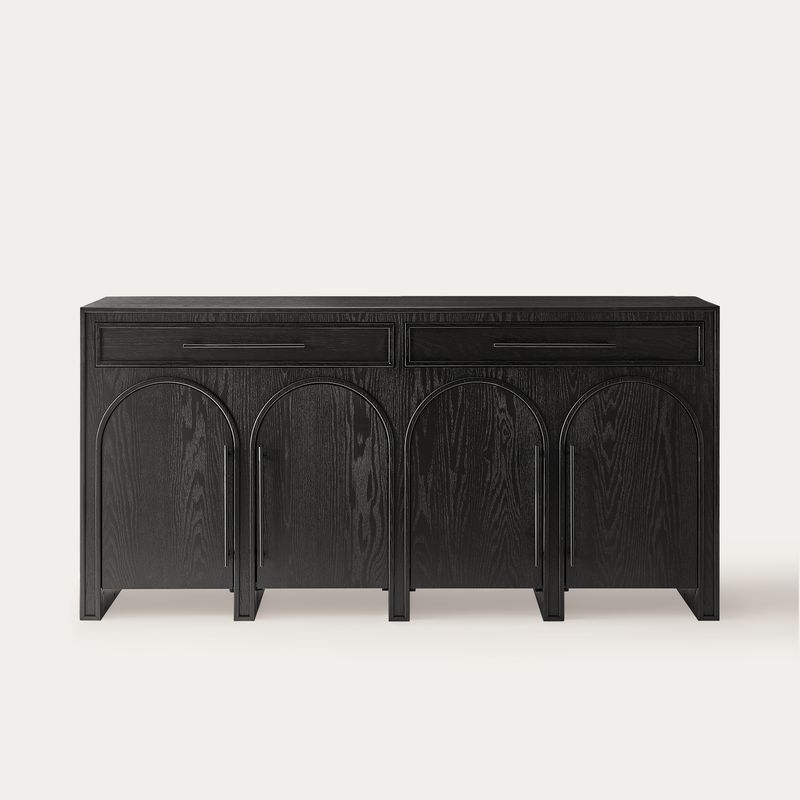
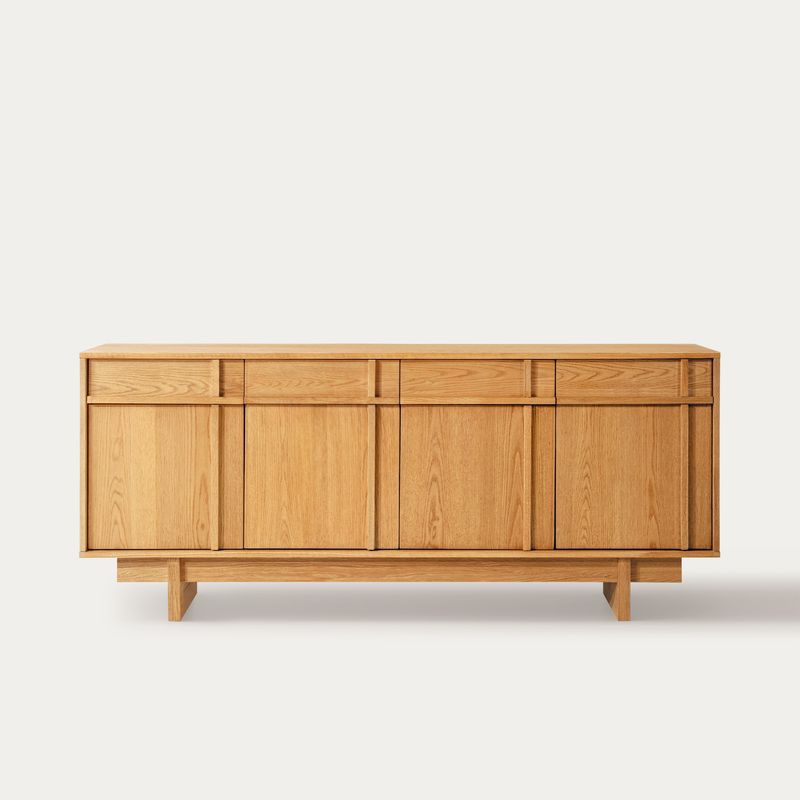
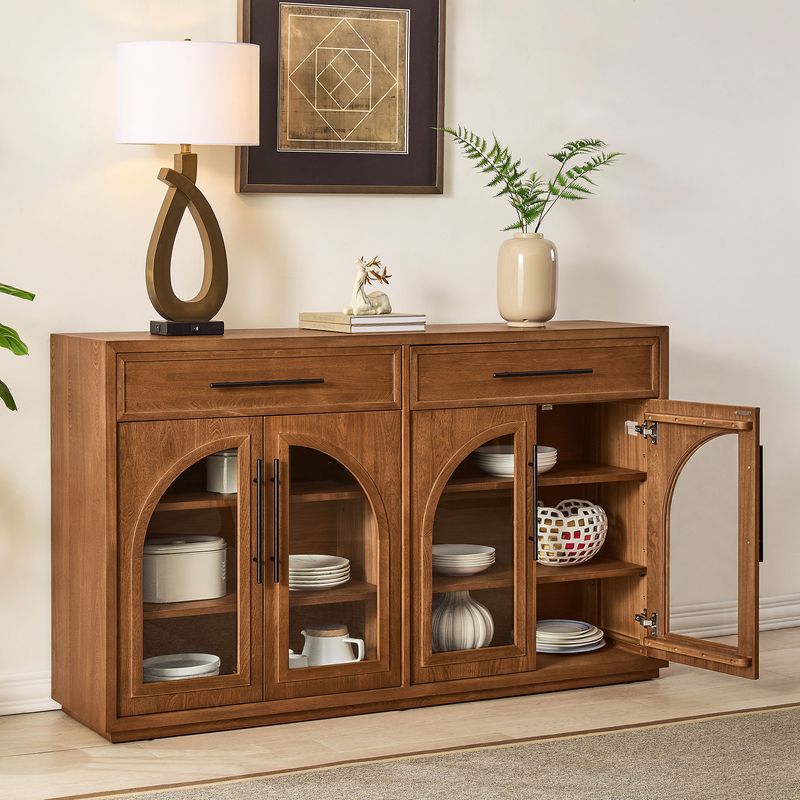
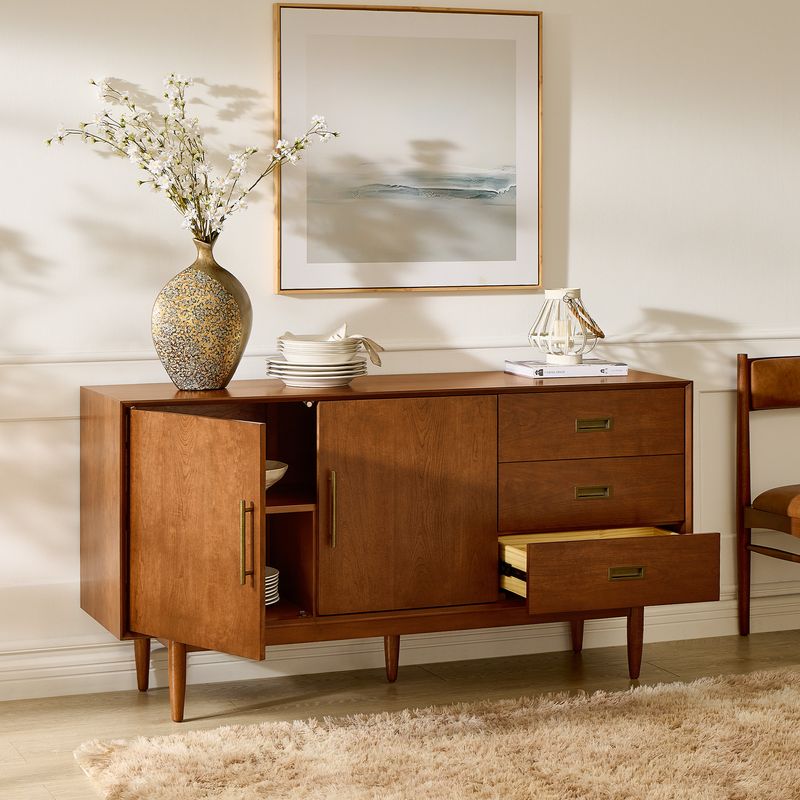
A sideboard with drawers is designed for practical, everyday living where organization matters as much as aesthetics. In modern dining spaces, a well-structured sideboard helps reduce visual clutter while keeping frequently used items easy to access.
Unlike open shelving, a sideboard with drawers allows separation of items that would otherwise mix together in cabinets. This makes it especially useful for daily dining routines, casual entertaining, or seasonal storage rotation.
What you can store in a sideboard with drawers
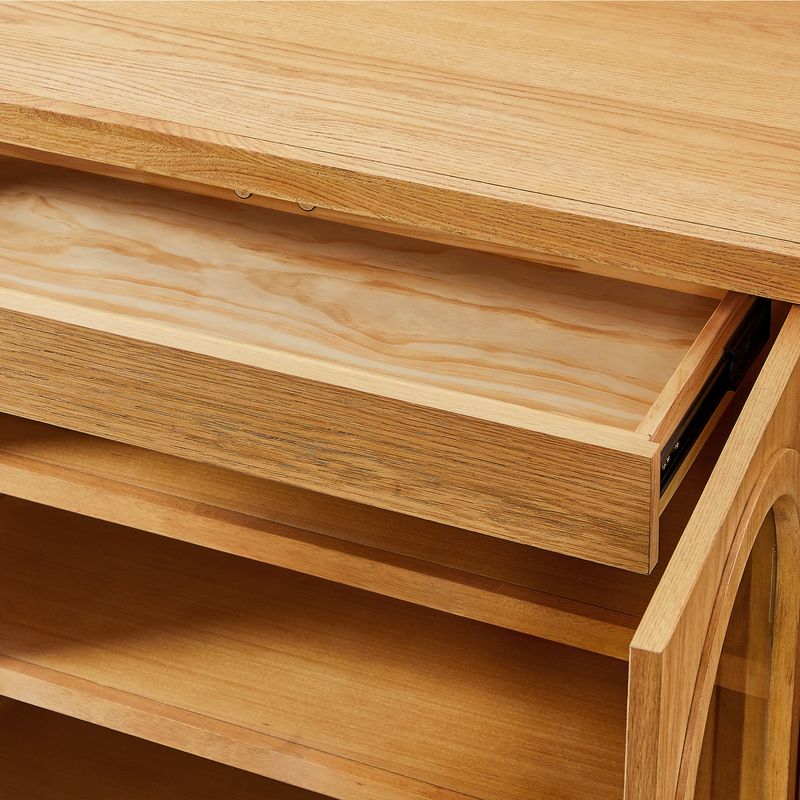
A sideboard with drawers helps keep dining essentials organized and easy to access. Use the top drawers for cutlery, serving utensils, and napkin rings. Middle drawers are ideal for table linens, placemats, coasters, and cloth napkins, while lower drawers can store seasonal tableware, candles, serving trays, and other occasional-use items. Organizing your sideboard with drawers by purpose reduces clutter, improves efficiency, and keeps your dining space neat and ready for everyday meals or entertaining.
In Hernest-designed interiors, a sideboard is meant to support real-life routines-helping households stay organized without sacrificing visual simplicity or design clarity.
Dining Room Credenza for a Cleaner Look
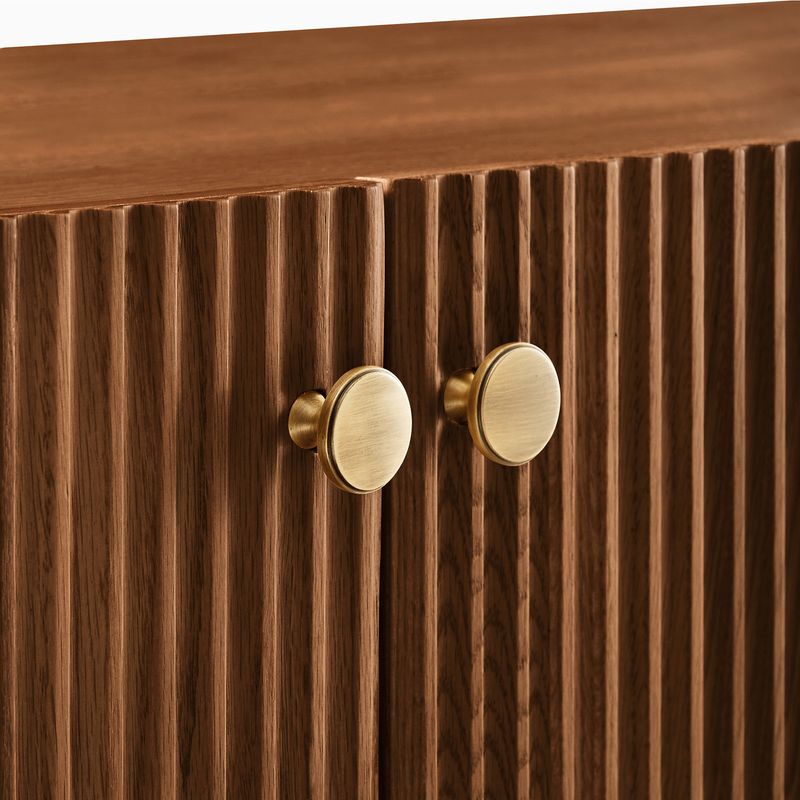
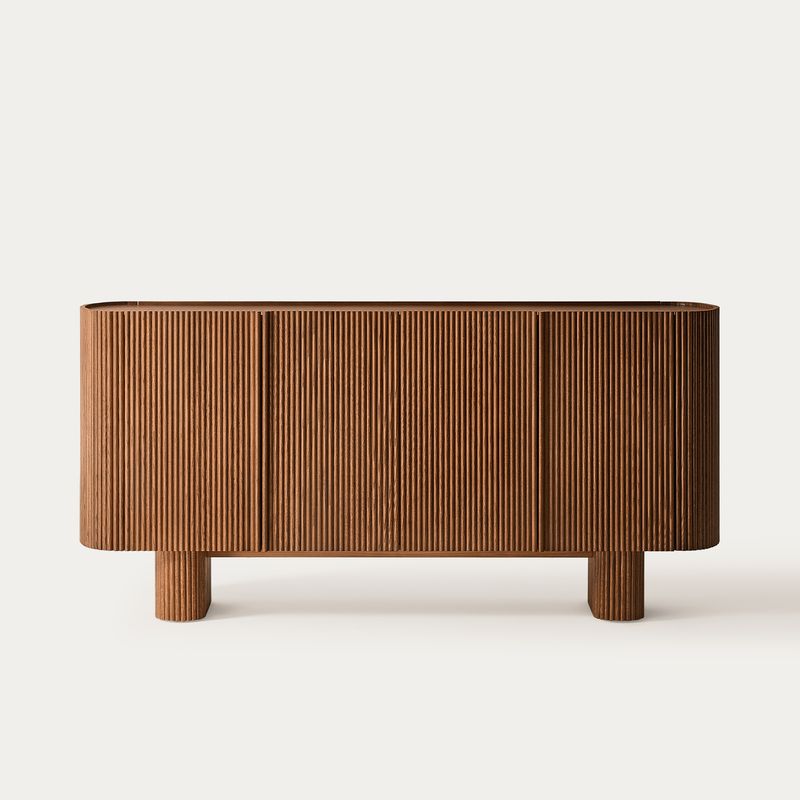
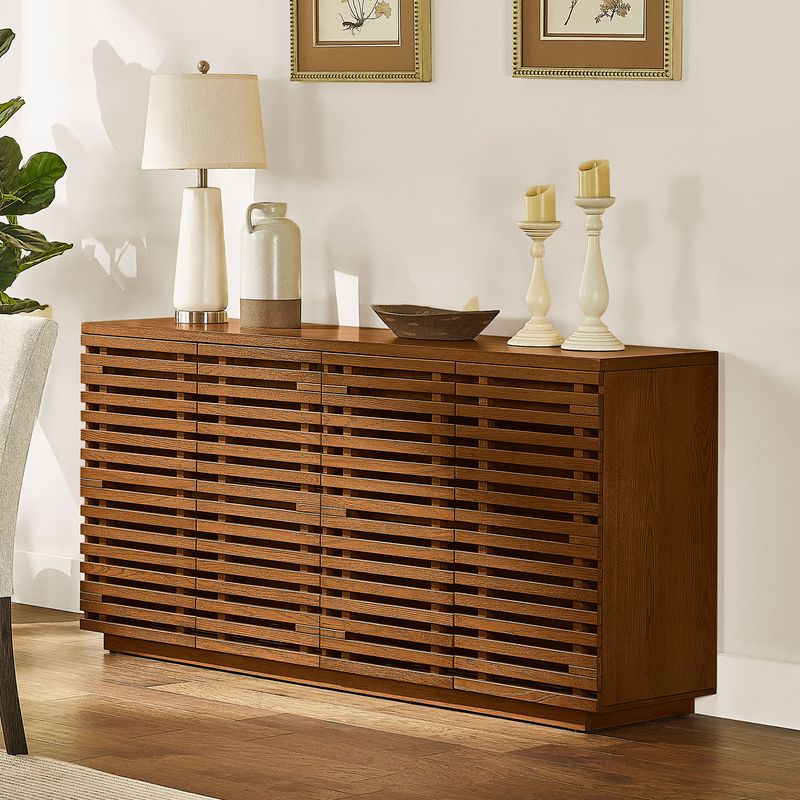
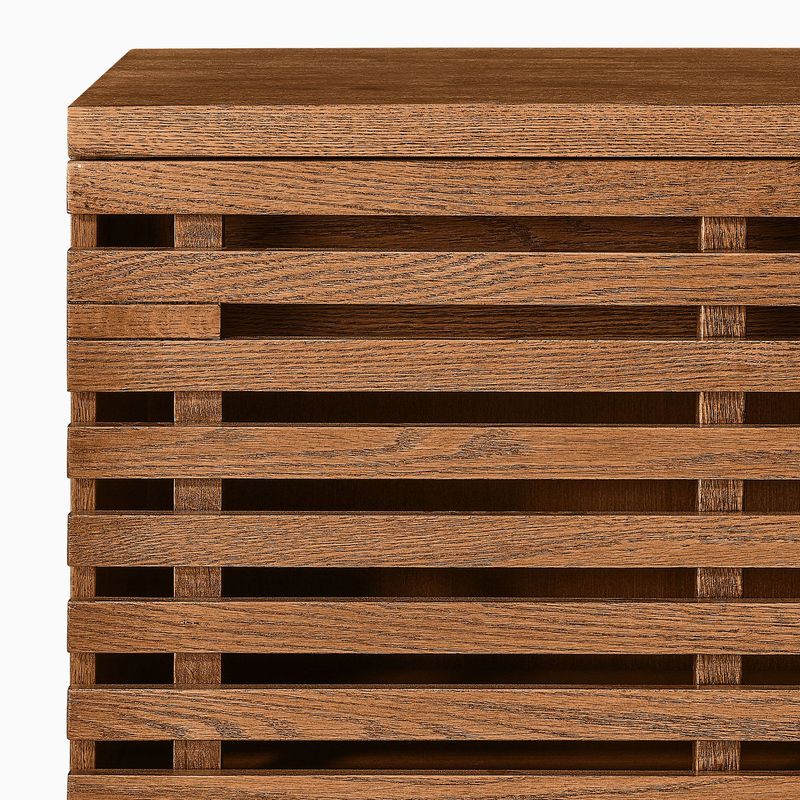
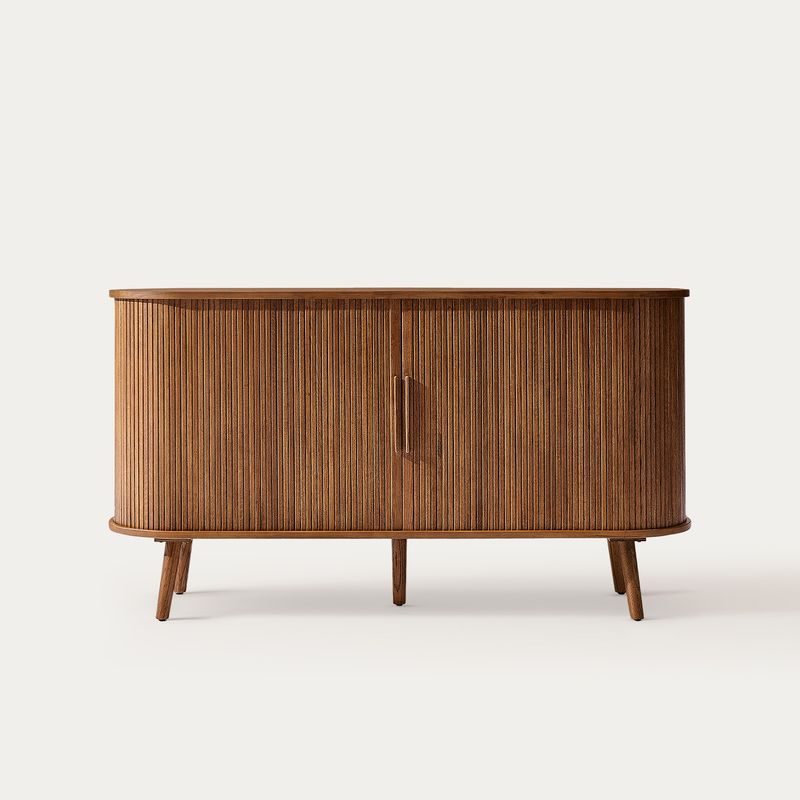
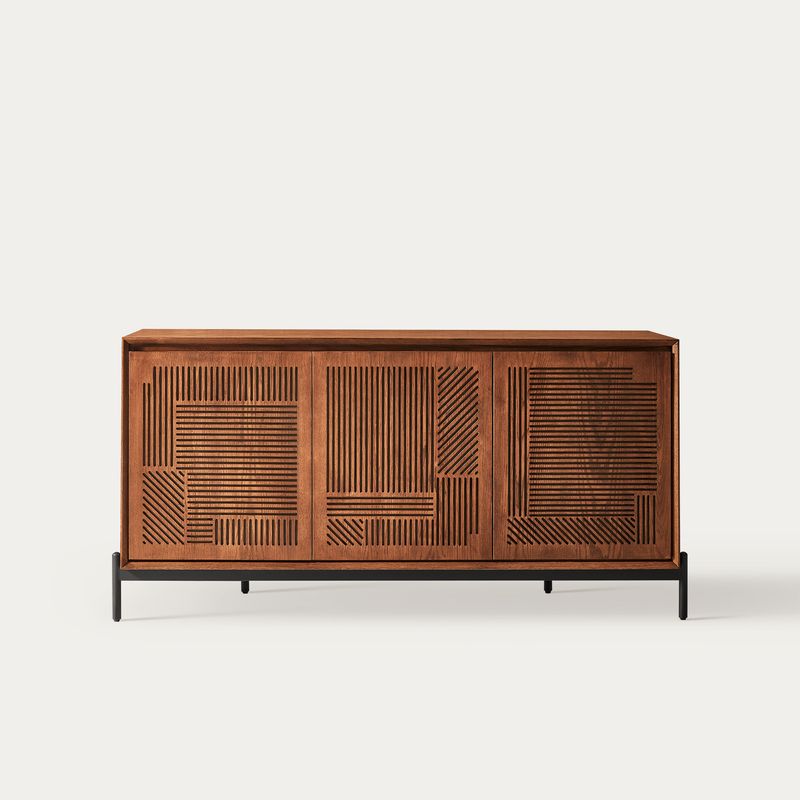
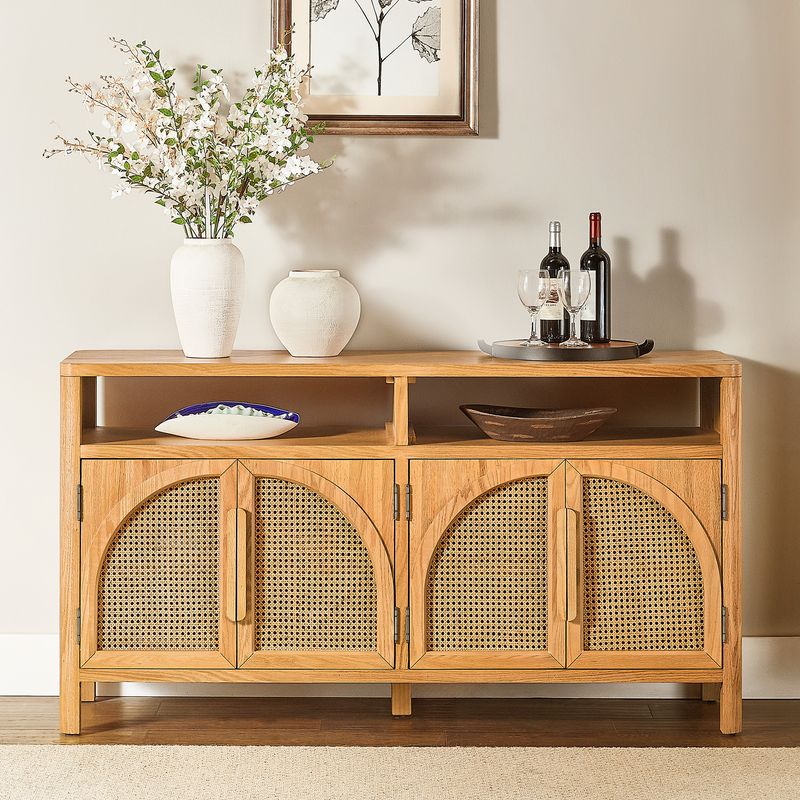
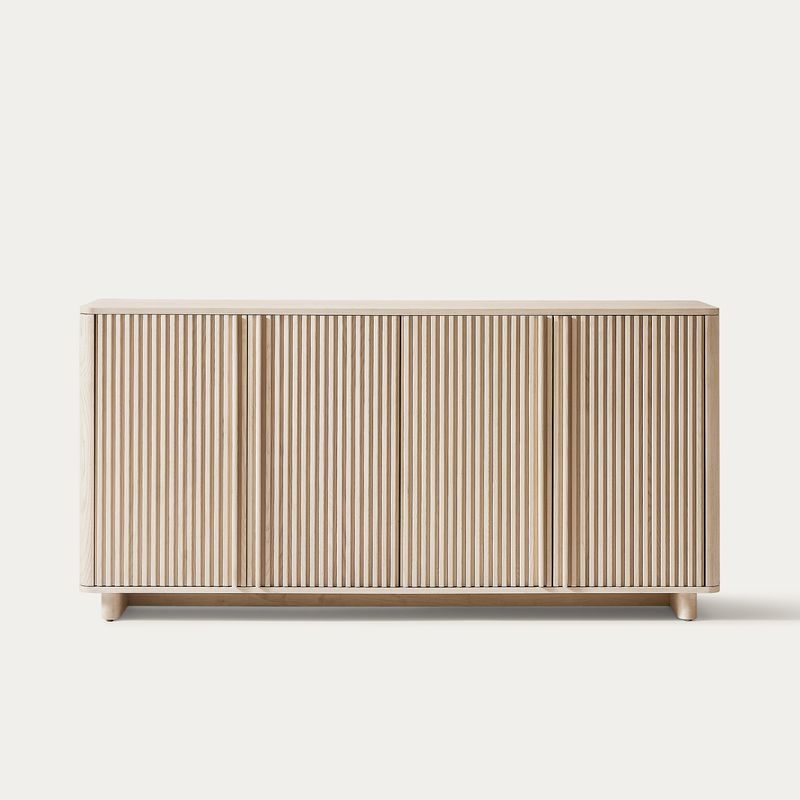
A dining room credenza is a refined storage solution designed for modern interiors where simplicity matters. In Mid-Century Modern and Modern Clean Style, a credenza helps reduce visual clutter while maintaining clean architectural lines. At Hernest, each dining room credenza is designed with low-profile proportions and balanced storage, making it a natural fit for streamlined dining environments.
Where a dining room credenza works best
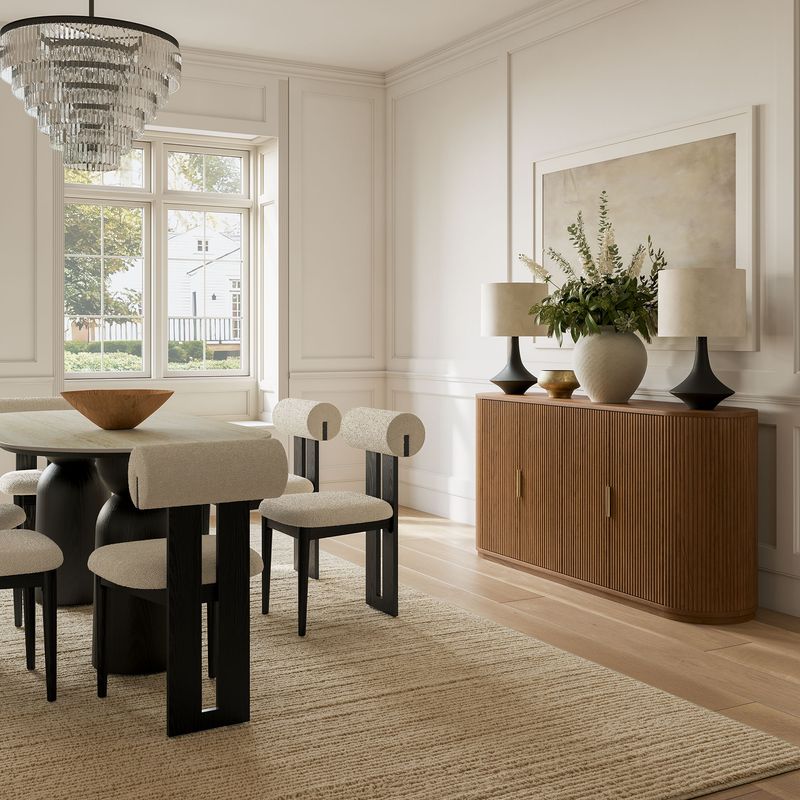
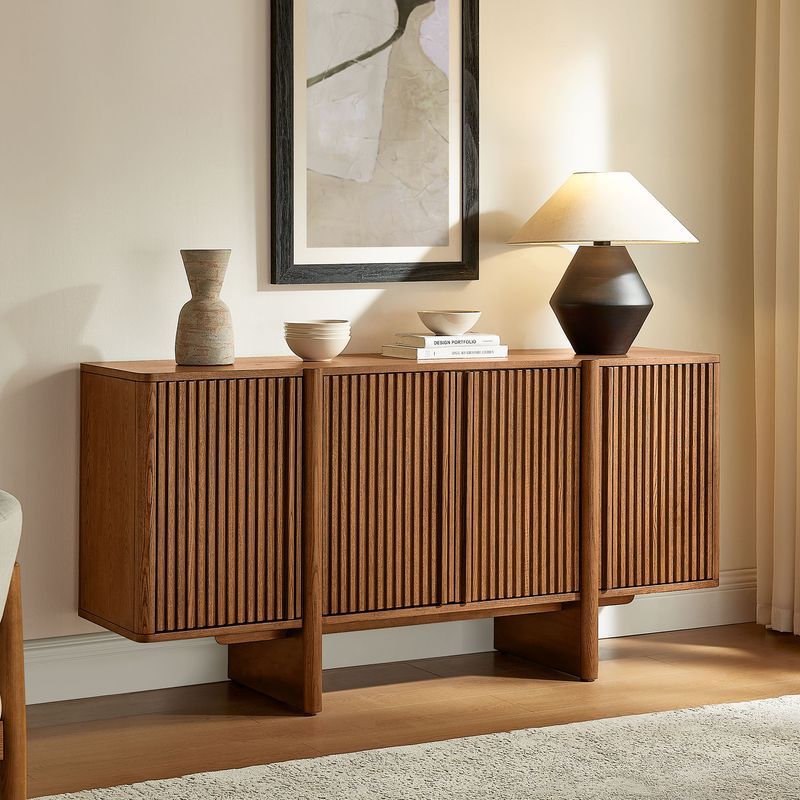
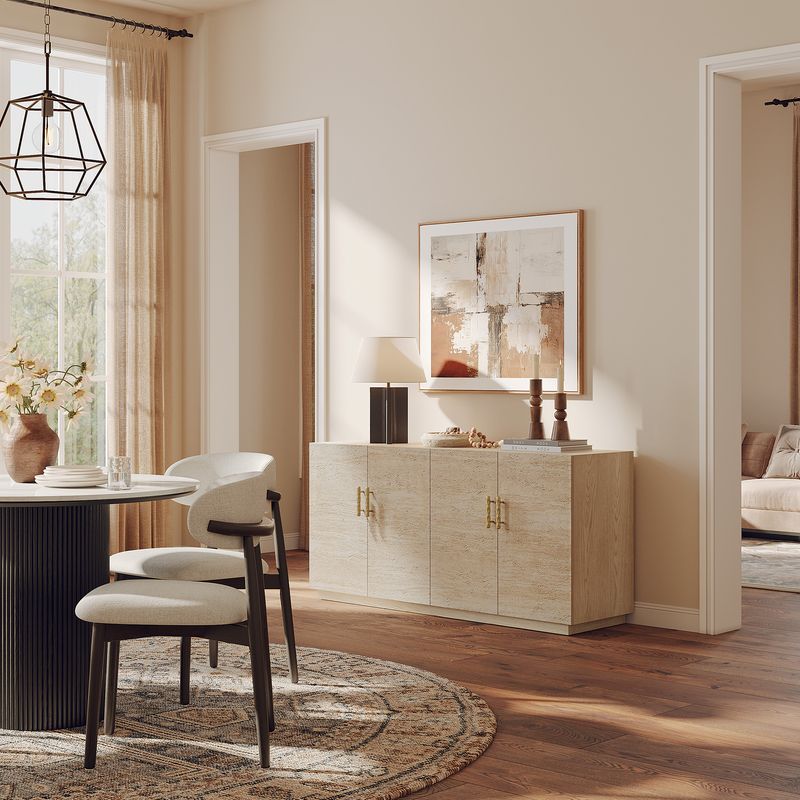
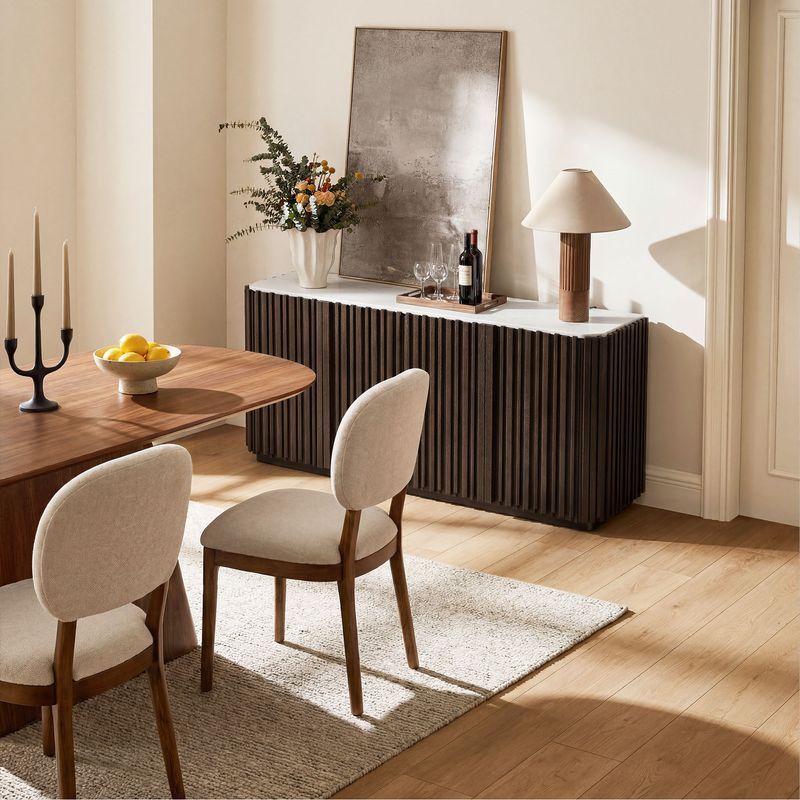
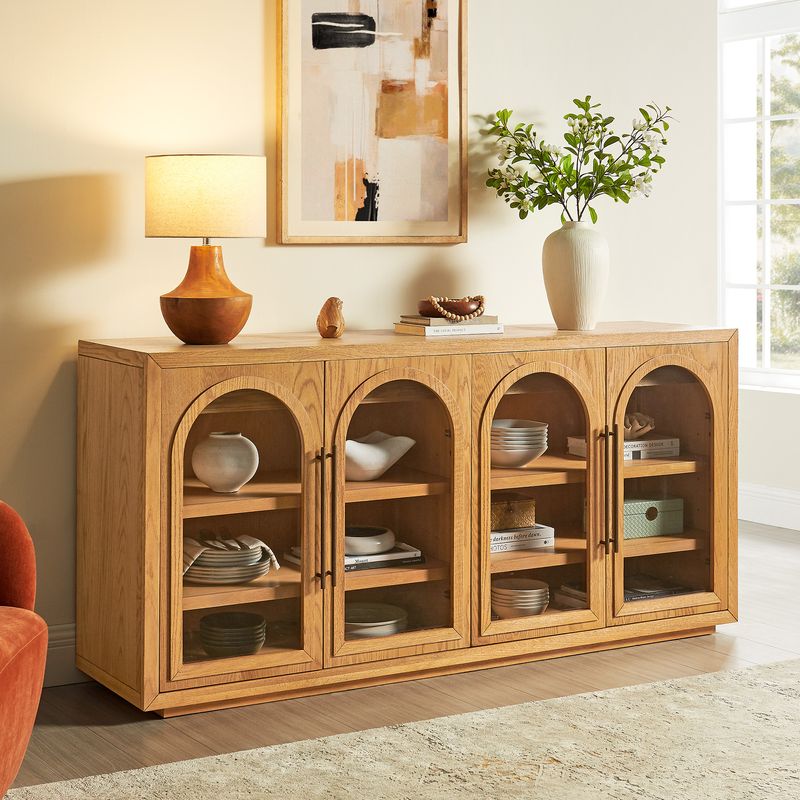
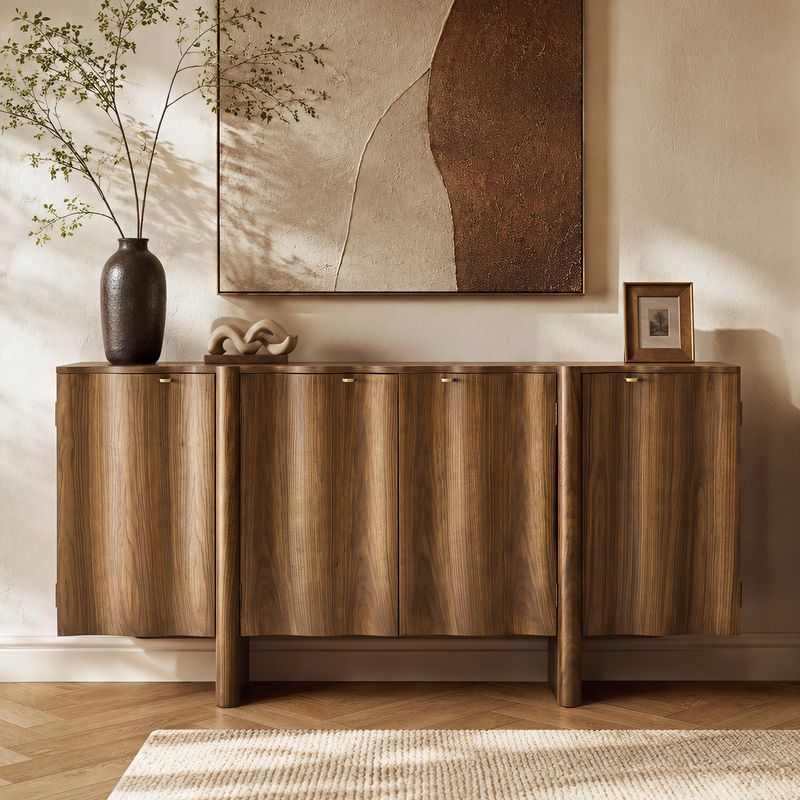
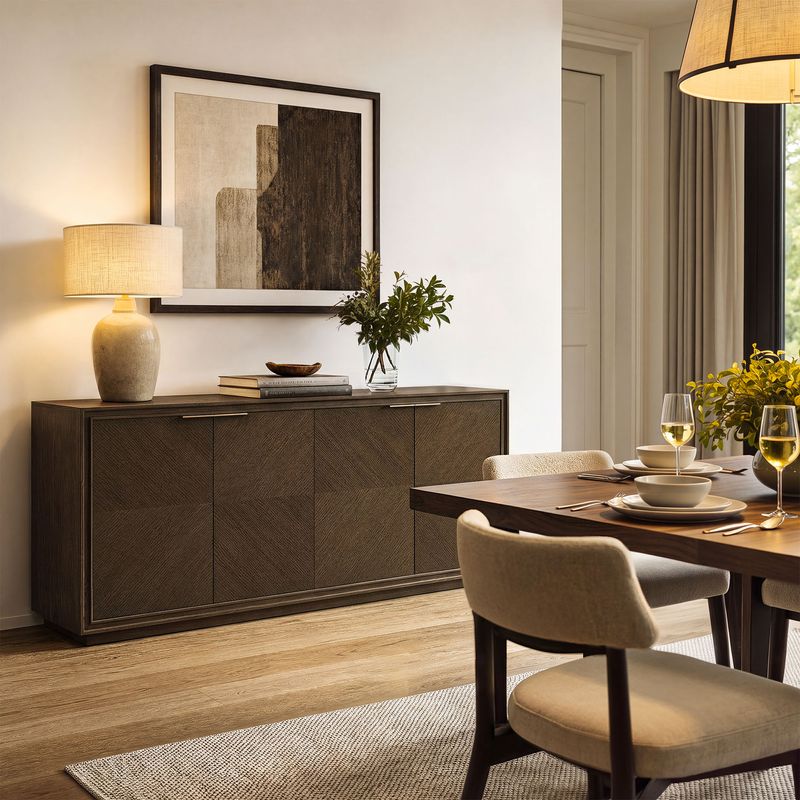
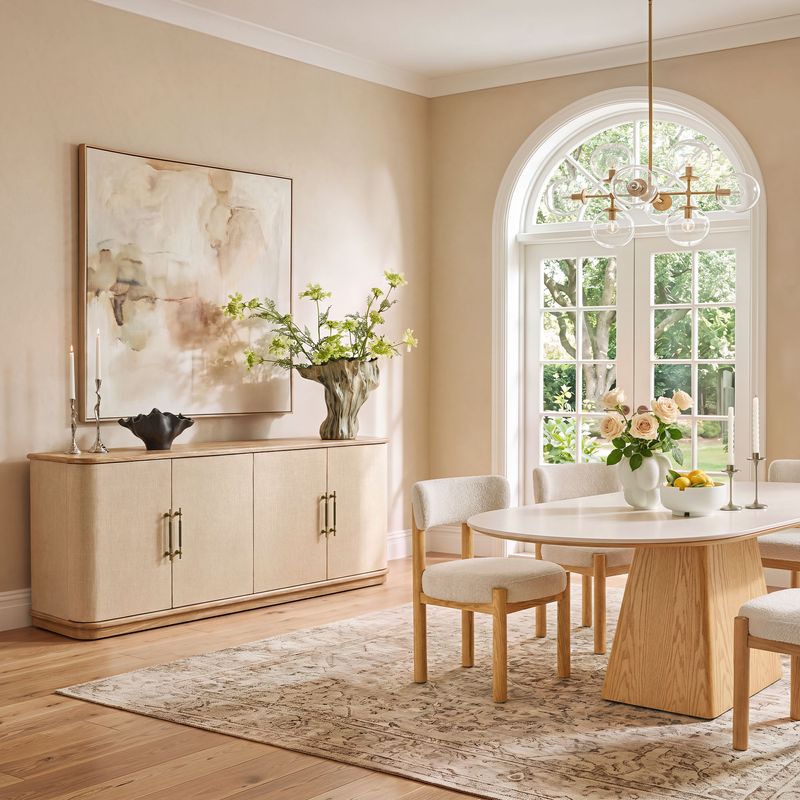
A dining room credenza works best in open-concept layouts, Mid-Century Modern dining rooms, and Modern Clean Style where furniture needs to feel light yet functional. Its low silhouette allows it to blend seamlessly against walls without overwhelming the room, making it ideal for pairing with wood tones, neutral palettes, and dining sets. In these settings, a dining room credenza provides hidden storage while maintaining a clean, uninterrupted visual flow in the space.
Choosing the Right Sideboard for Your Space
Selecting the right sideboard depends on how your space is used in everyday life. In Mid-Century Modern and Modern Clean Style, proportion and simplicity matter just as much as storage capacity. A well-balanced sideboard should complement your dining table while maintaining clean visual lines and functional flow in the room.
Key factors to consider
When choosing a sideboard, focus on scale, storage layout, and material quality. Measure your wall space to ensure proper proportion with your dining area, and consider whether you need open shelving or a sideboard with drawers for better organization. Material also plays a key role-natural wood enhances warmth, while streamlined silhouettes support a minimalist aesthetic. For open-plan layouts, a low-profile sideboard helps maintain visual continuity without overwhelming the space.
Placement Ideas for Sideboards
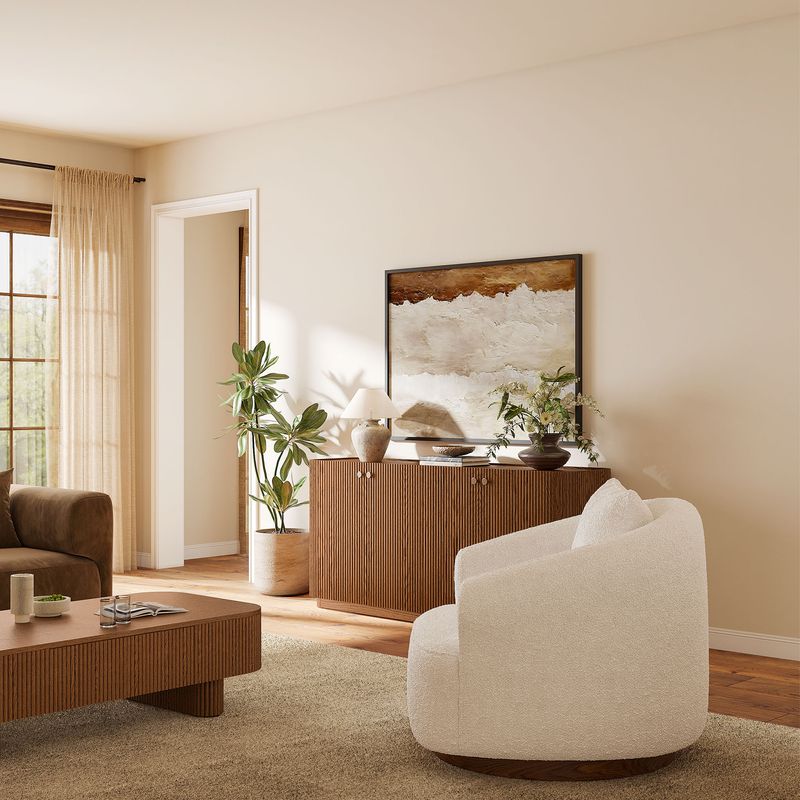
A sideboard works best when it feels integrated into the natural flow of a dining space rather than treated as an isolated piece. In Mid-Century Modern and Modern Clean Style, placement should enhance openness while supporting everyday function.
Best placement practices
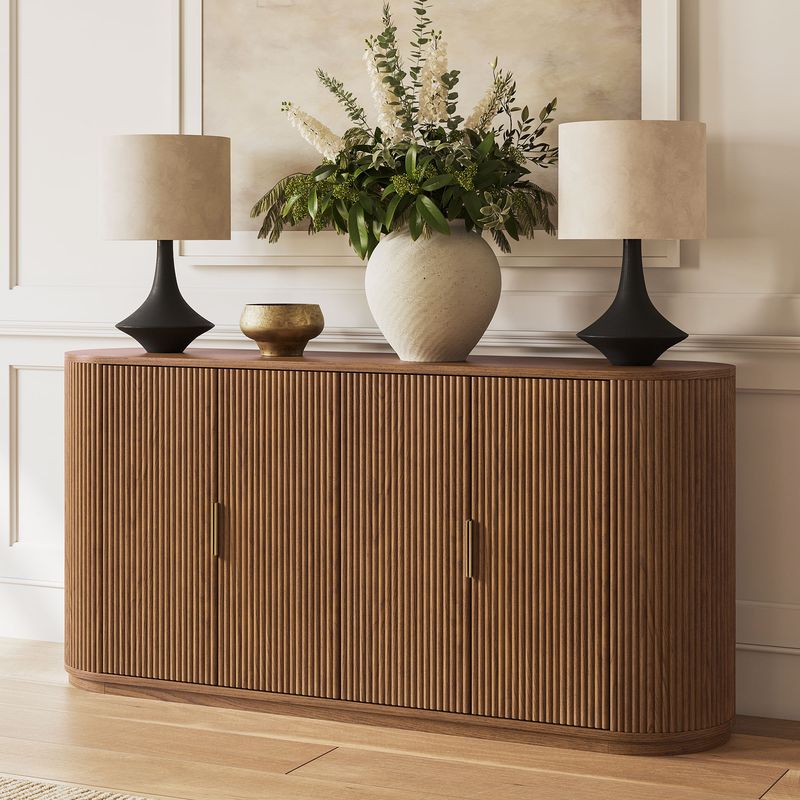
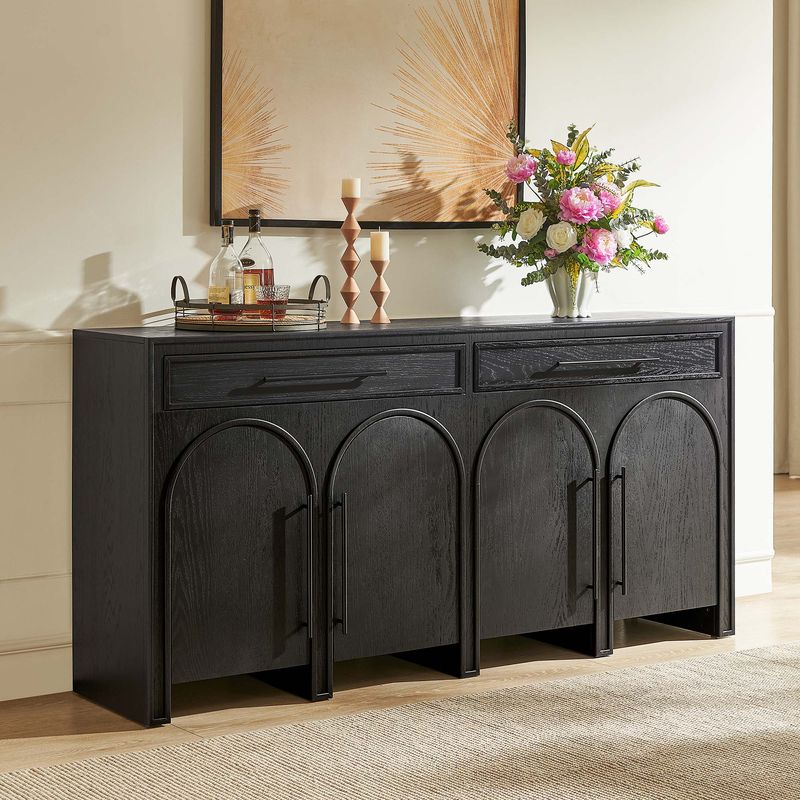
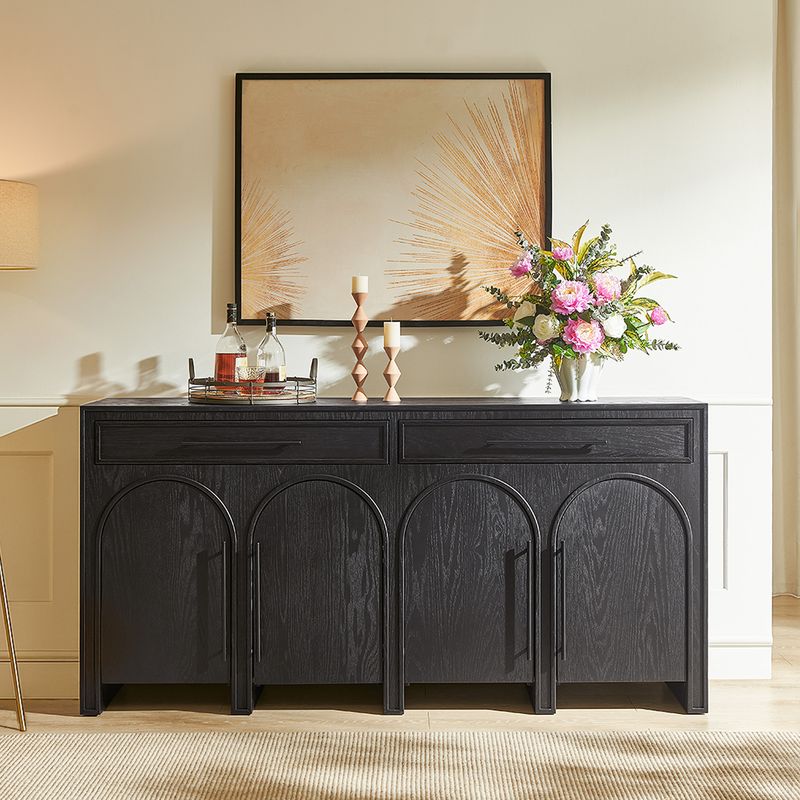
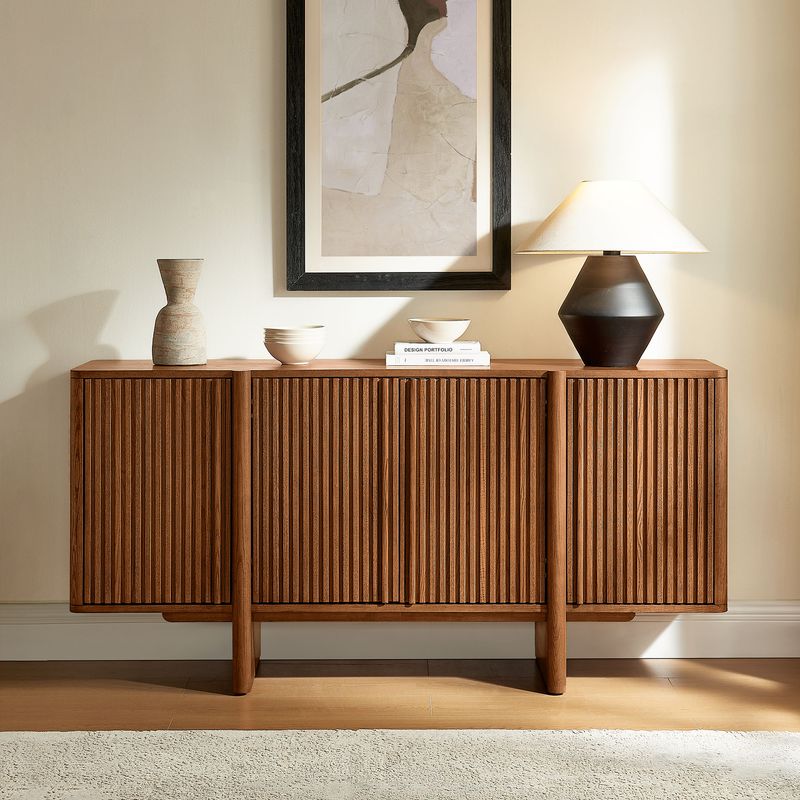
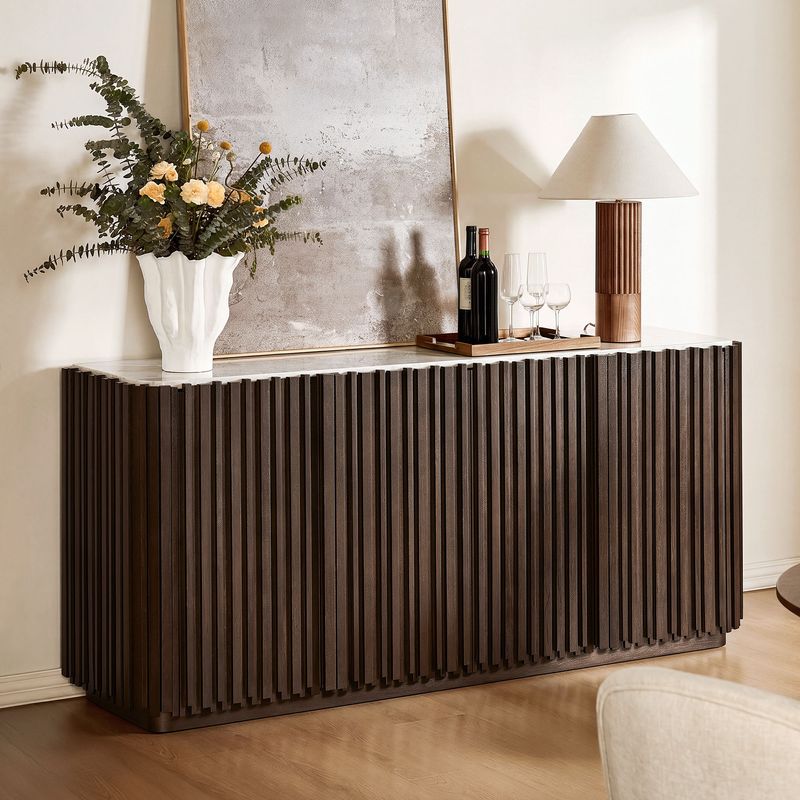
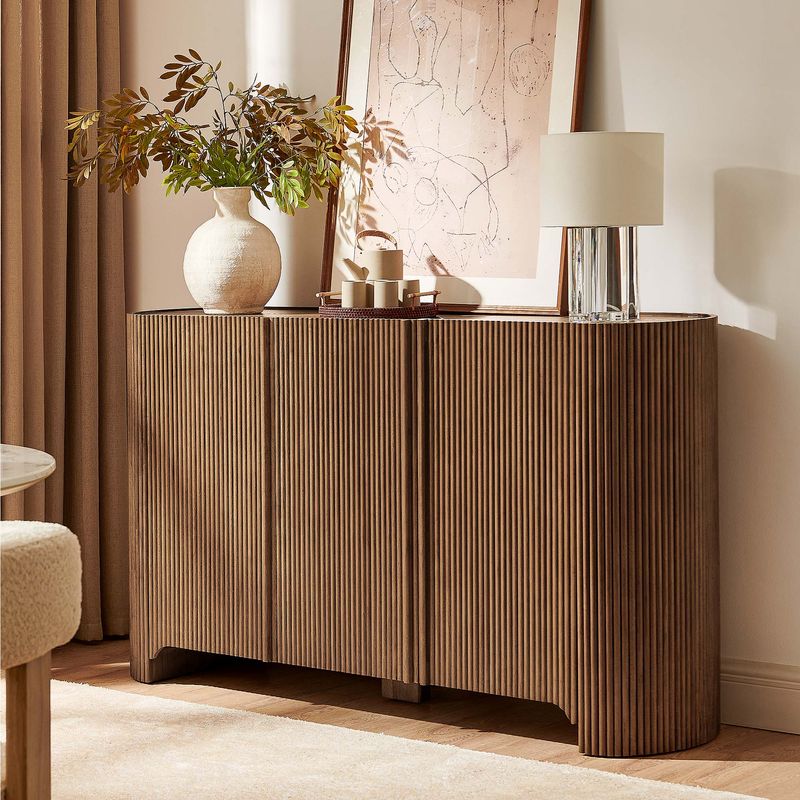
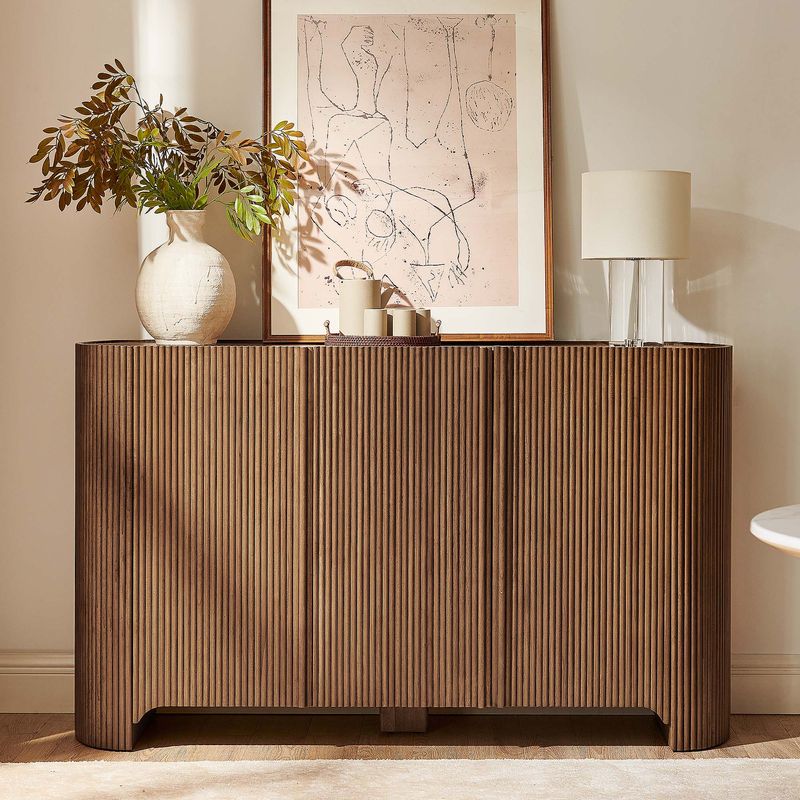
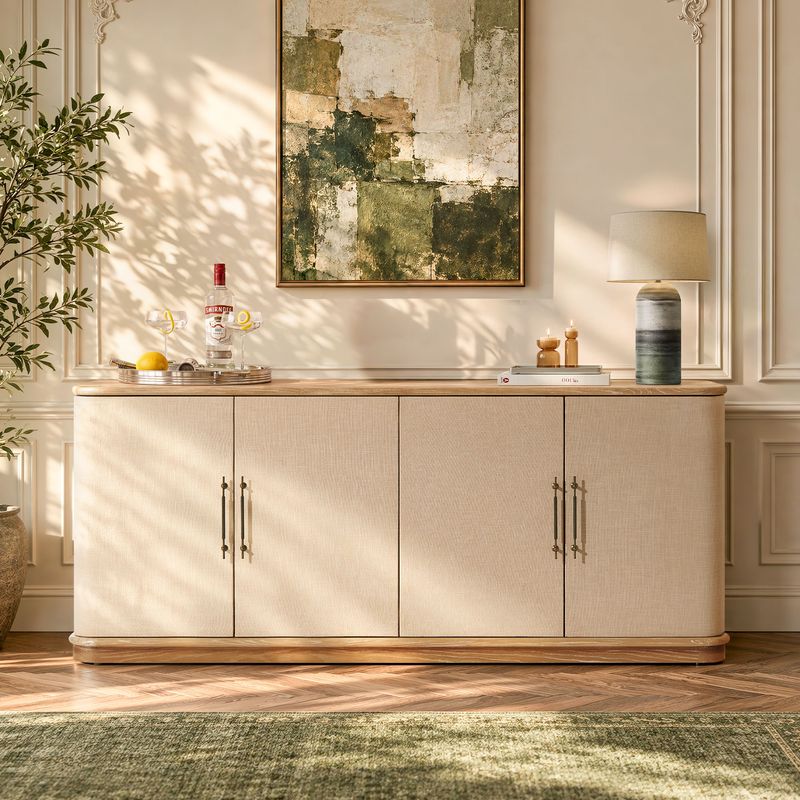
The most common placement for a sideboard is along a dining room wall parallel to the dining table, ensuring easy access during meals and gatherings. Maintain clear walking space in front so movement feels unrestricted. In open-plan layouts, a sideboard can also define the boundary between kitchen and dining zones while keeping the space visually light. Positioning a sideboard under artwork or a mirror helps anchor the wall and creates a balanced focal point without disrupting the Modern Clean Style.
Materials and Build Quality
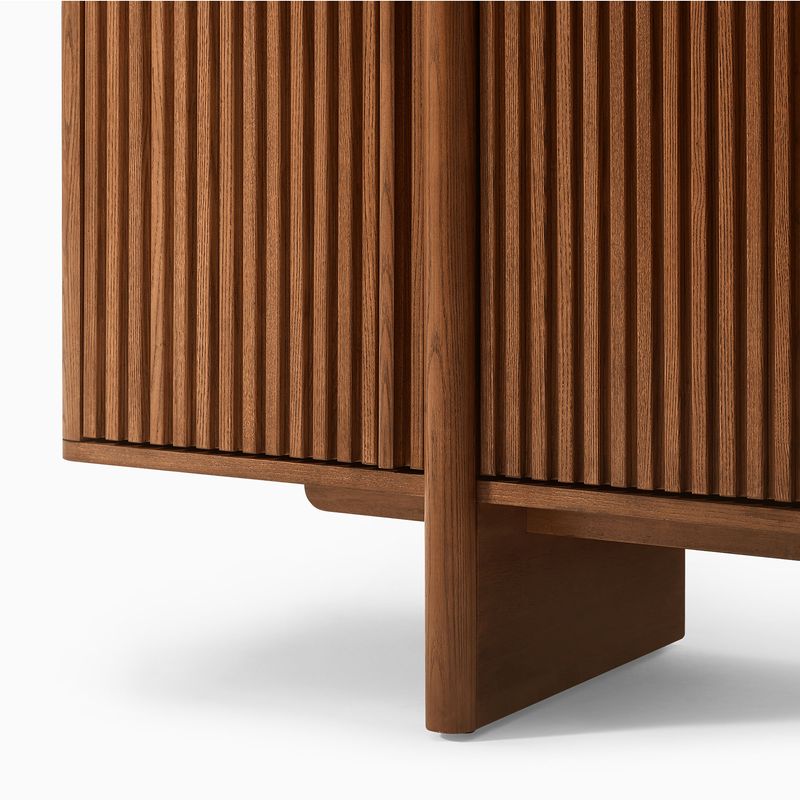
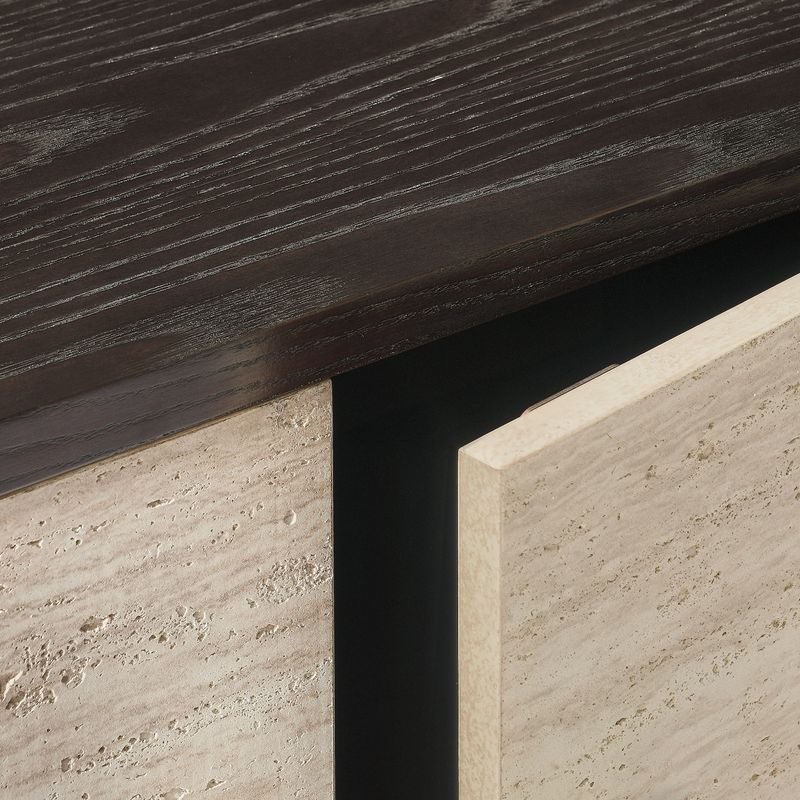
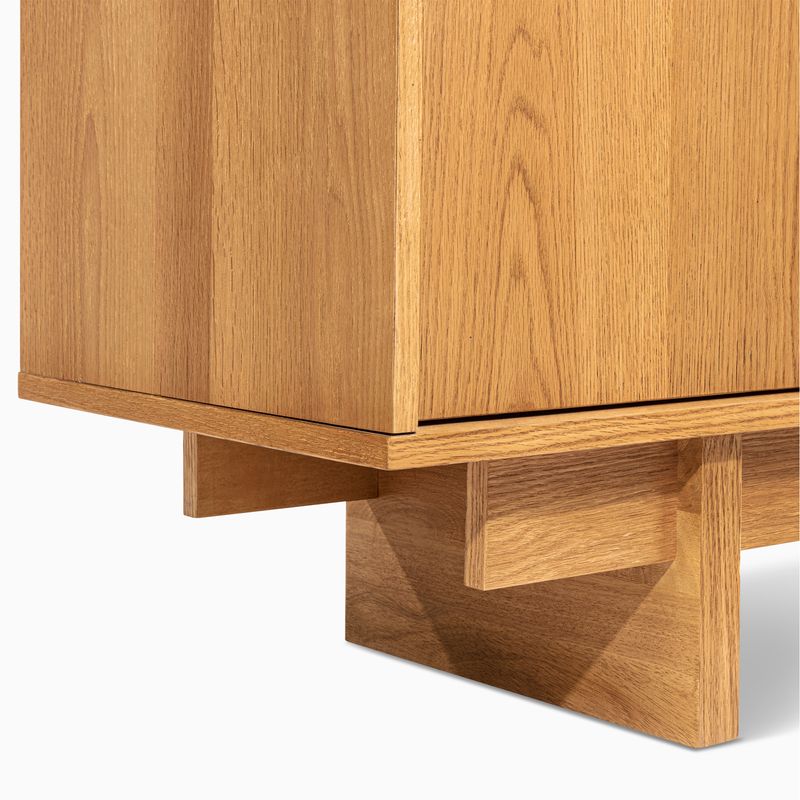
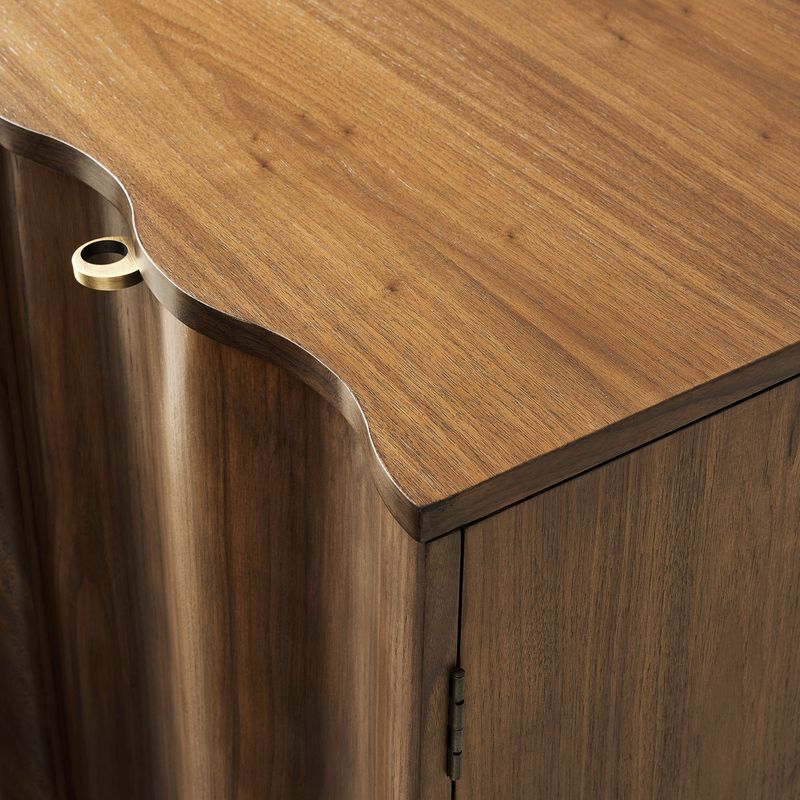
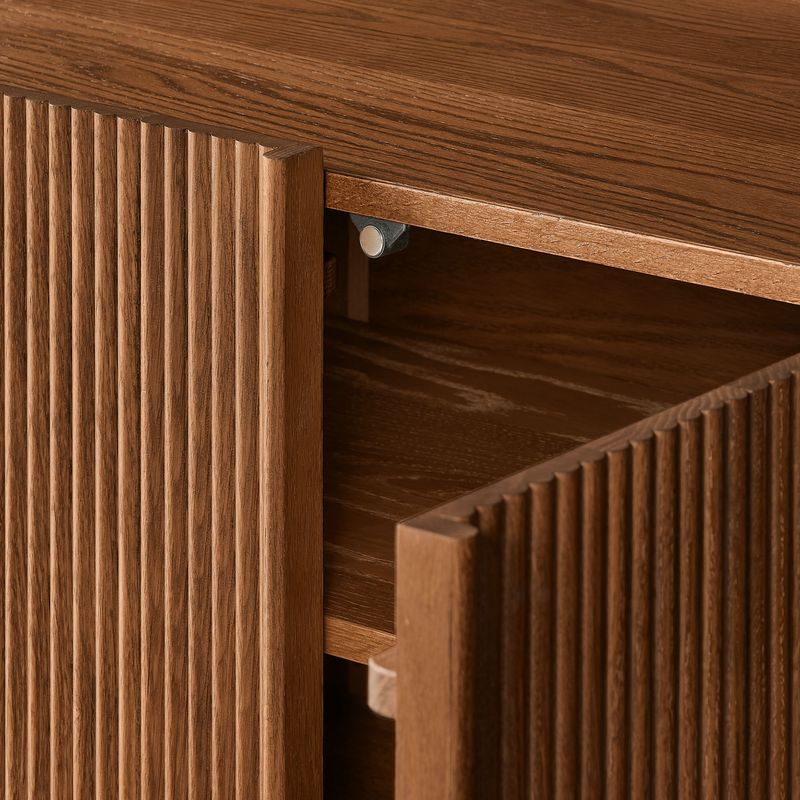
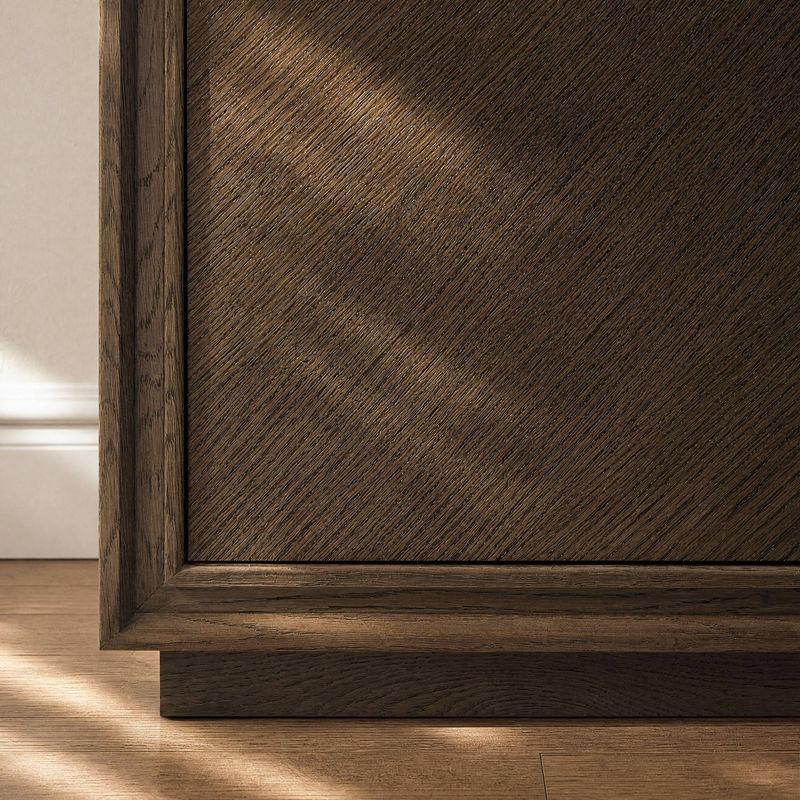
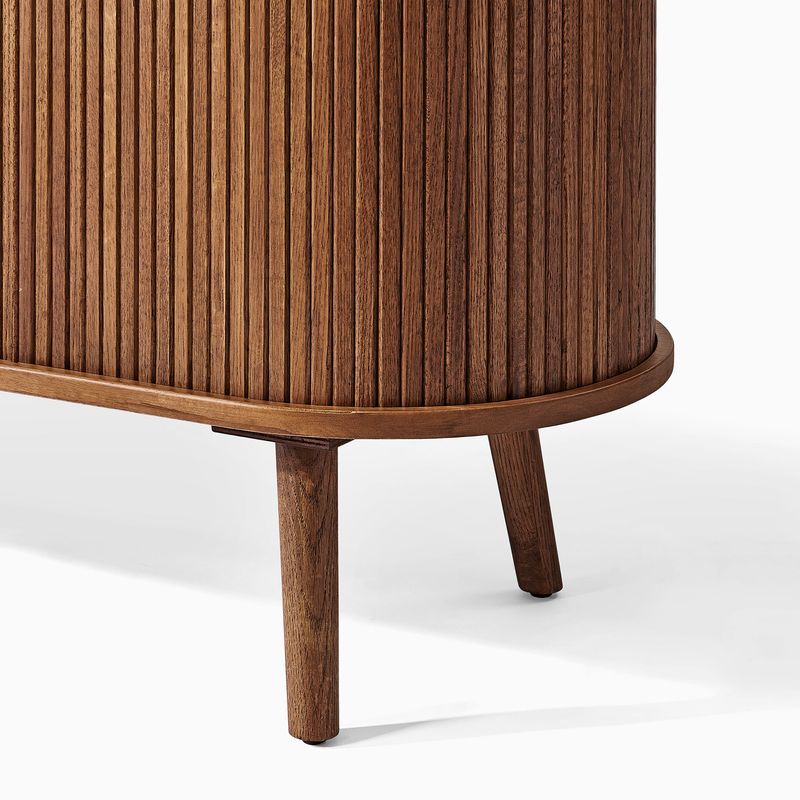
A well-made sideboard relies on durable materials and precise craftsmanship. A quality sideboard should feel solid, balanced, and built to handle everyday dining use without compromising its form or finish over time.
What to look for in a sideboard
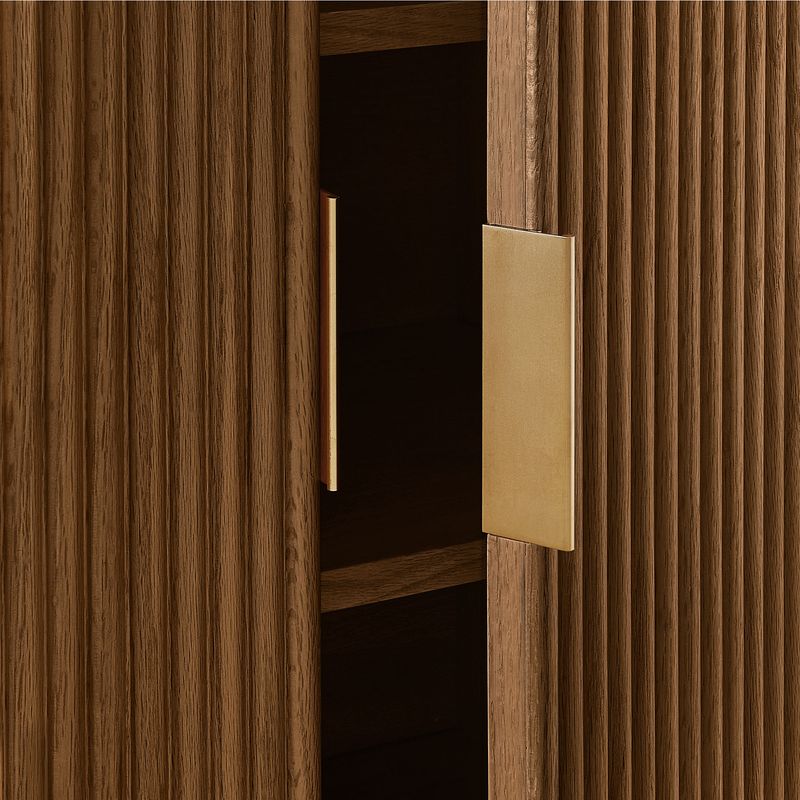
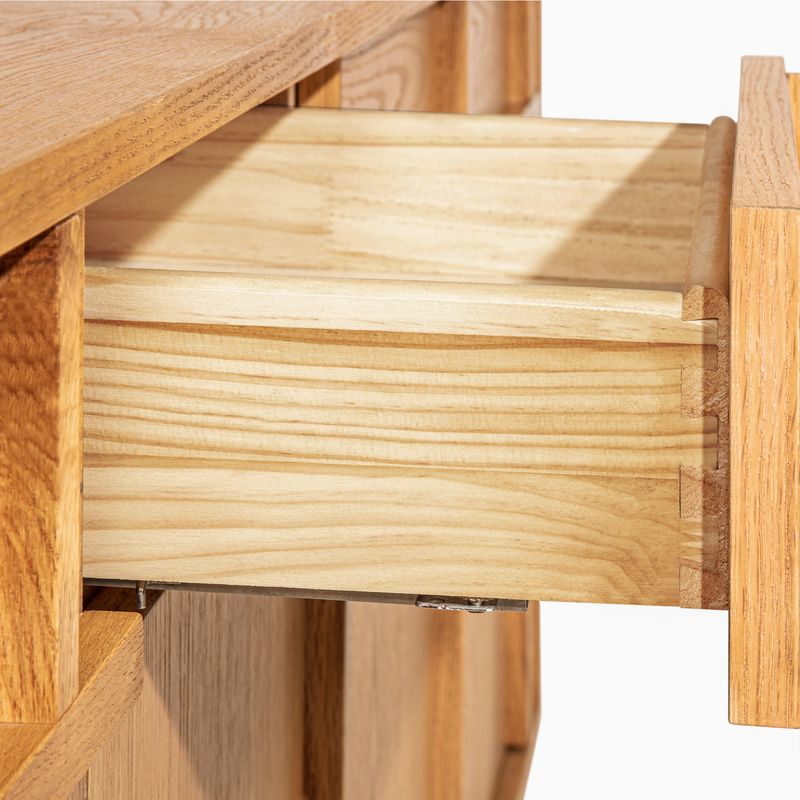
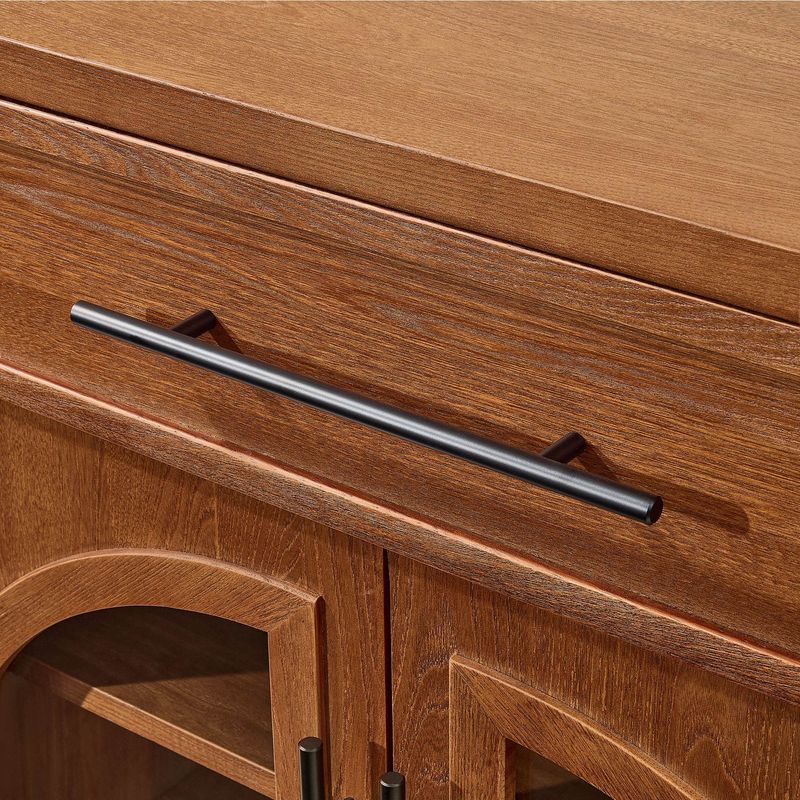
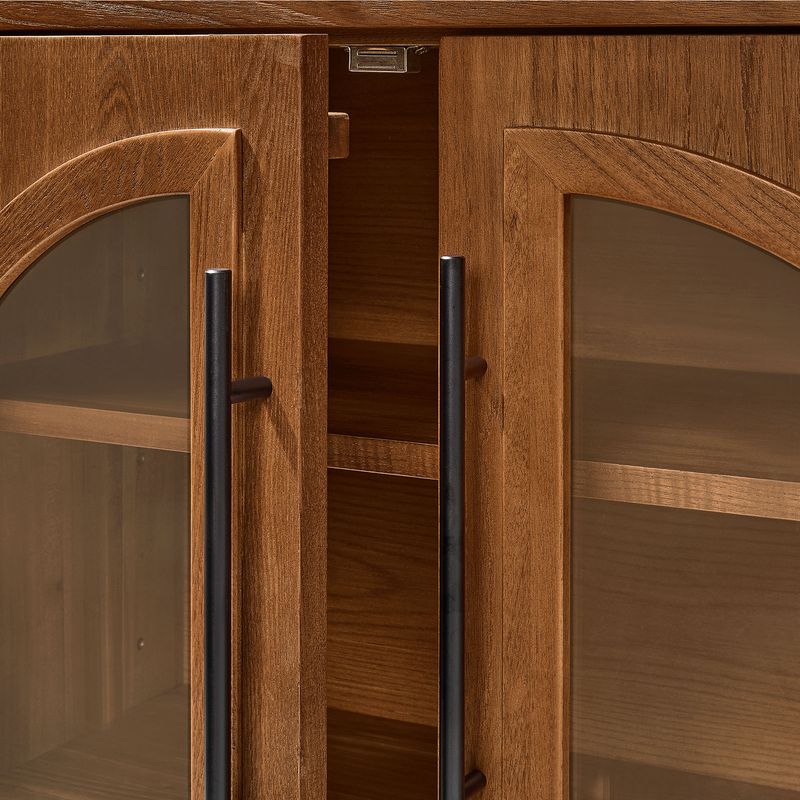
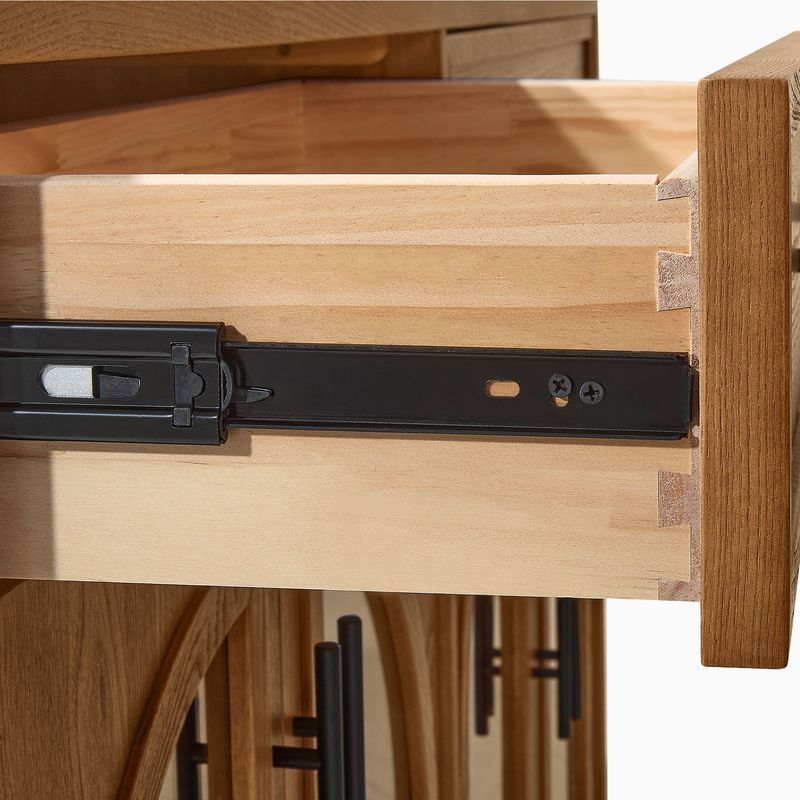
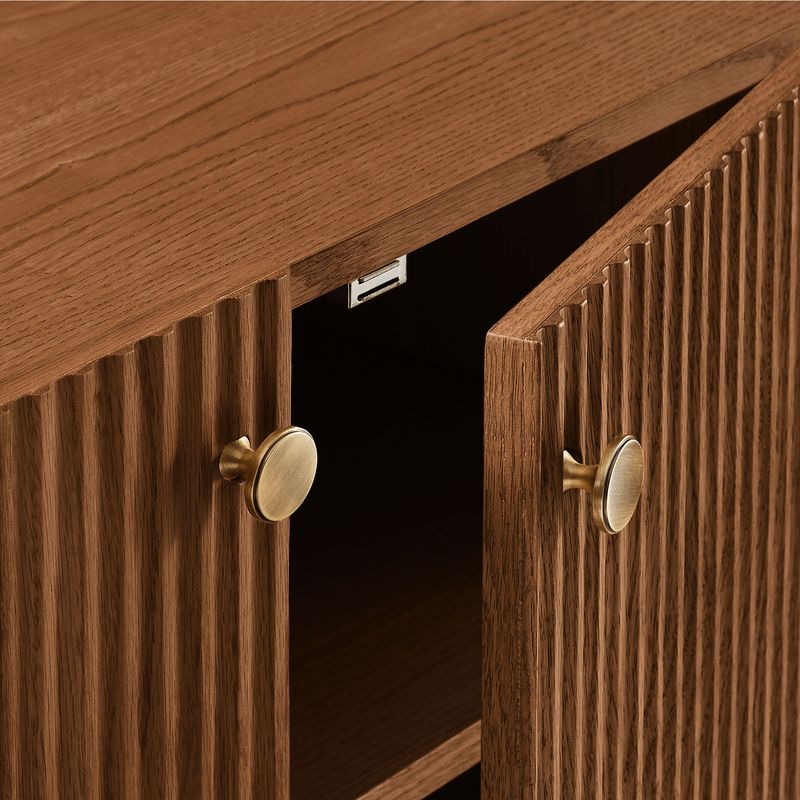
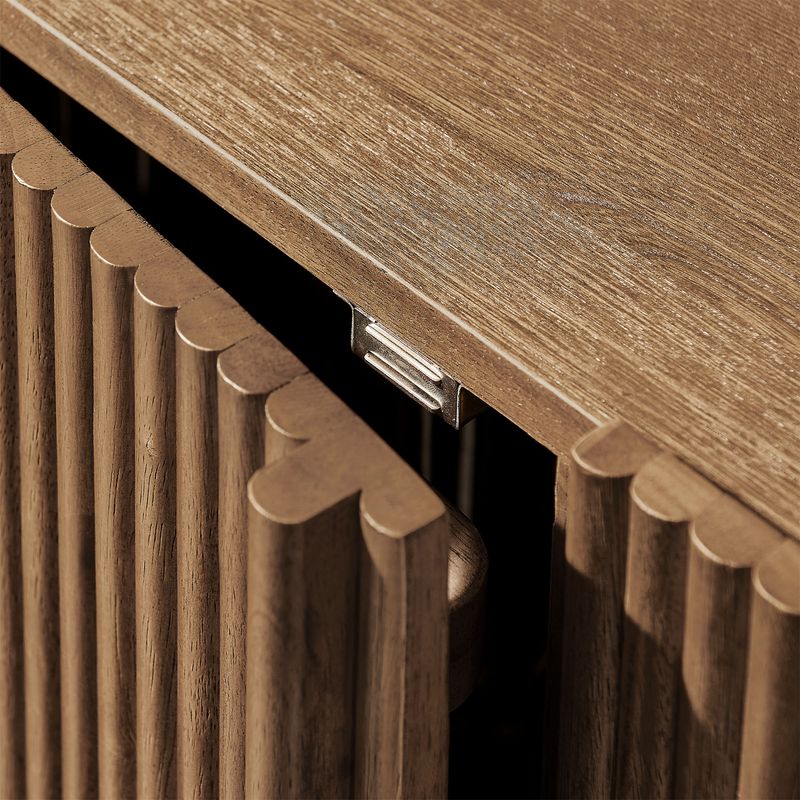
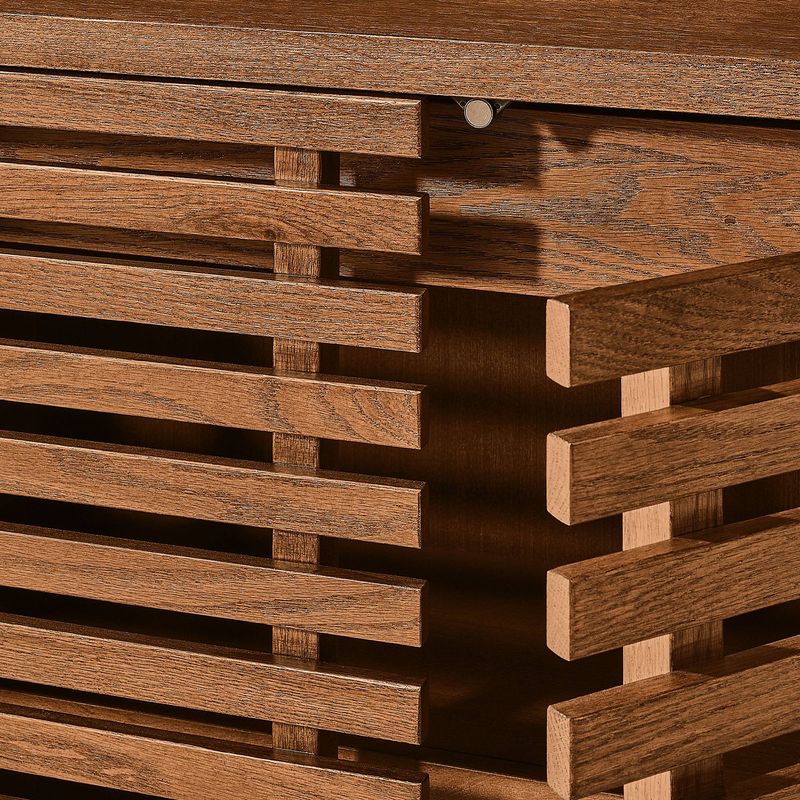
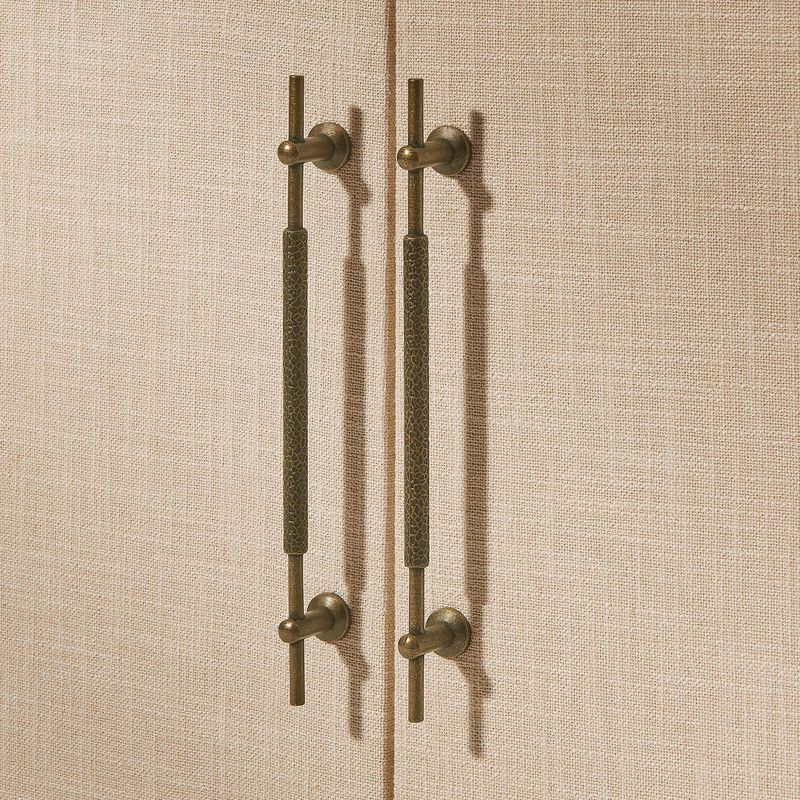
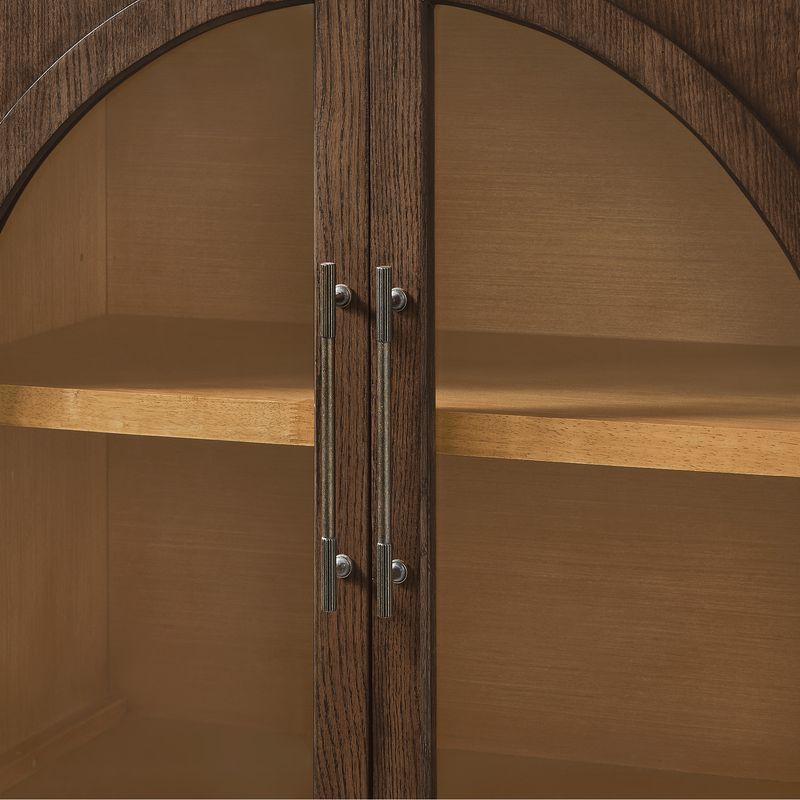
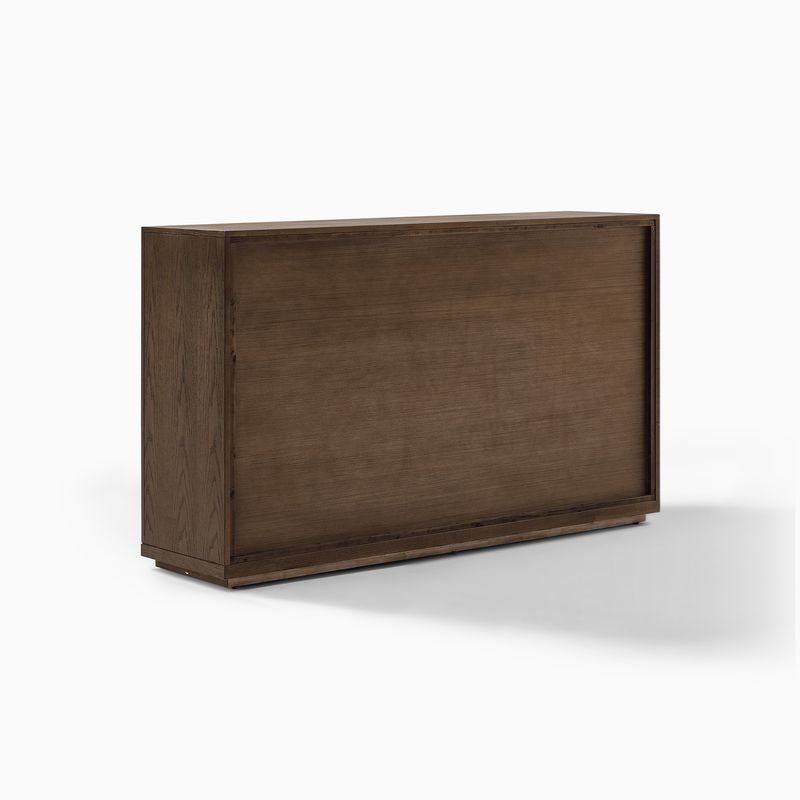
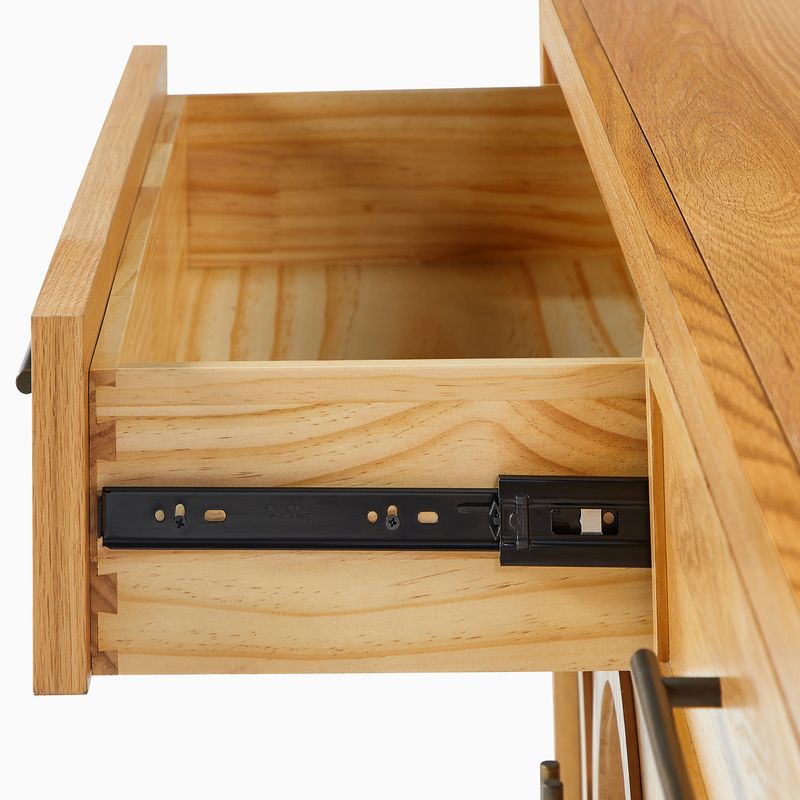
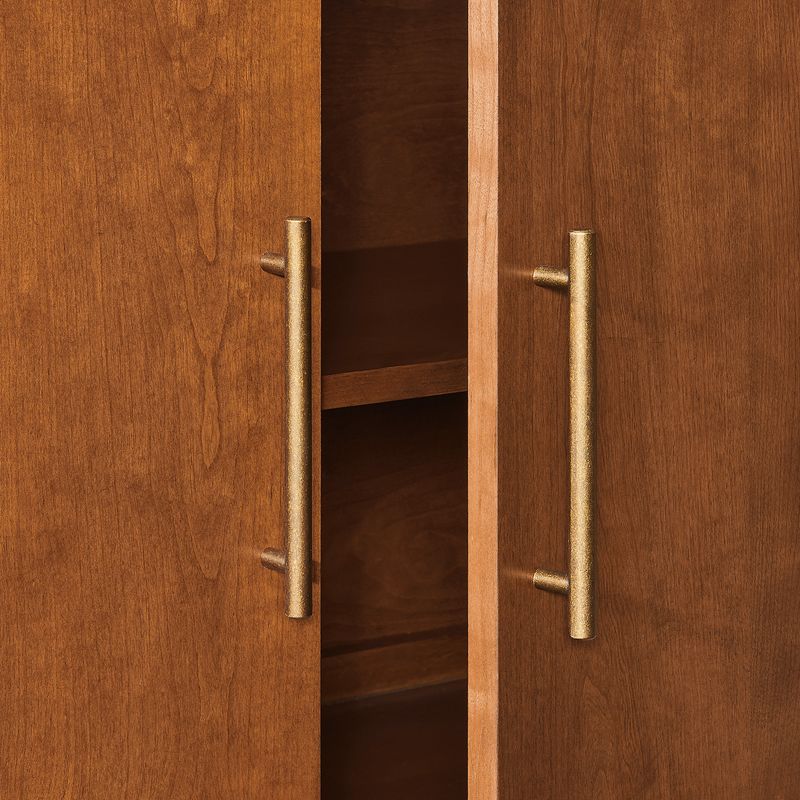
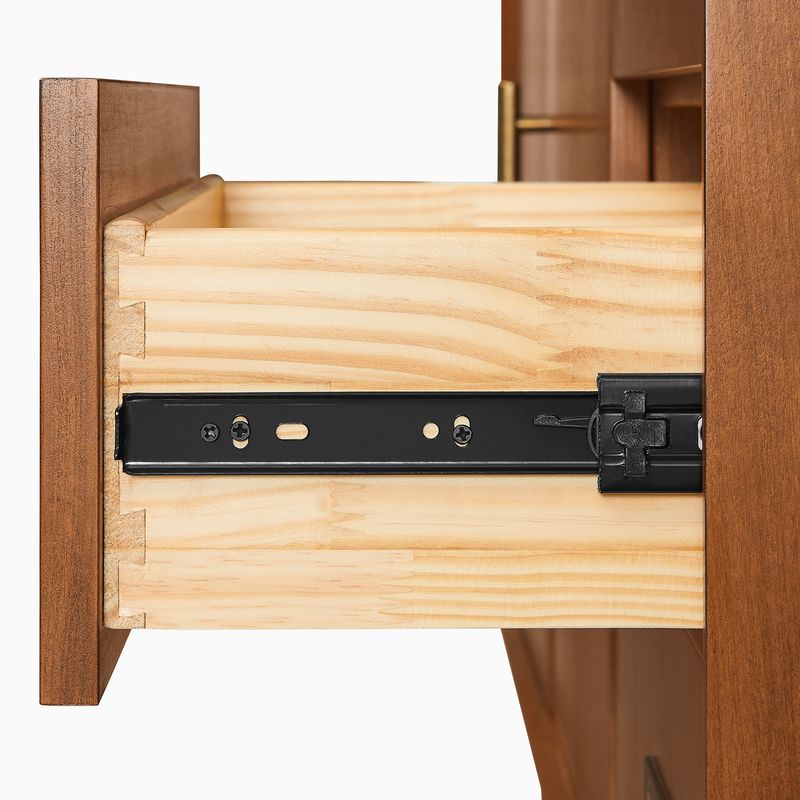
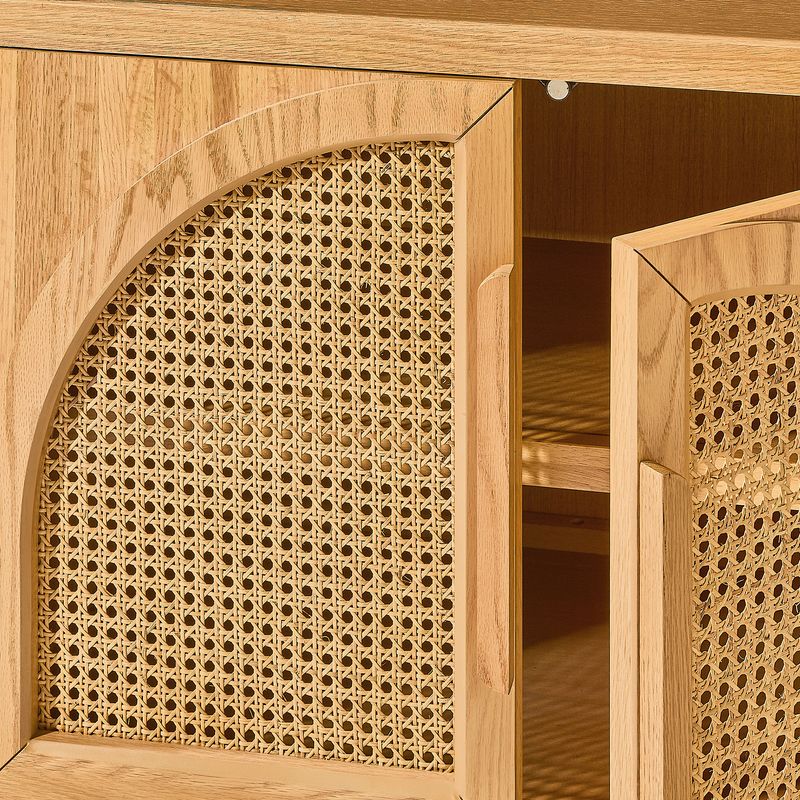
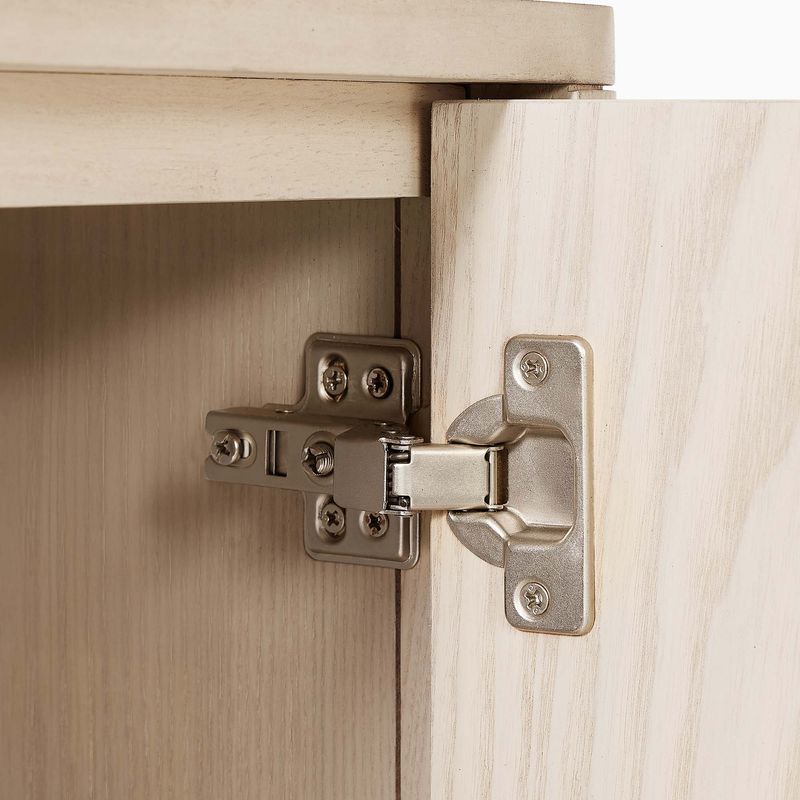
When selecting a sideboard, prioritize solid wood or high-grade engineered wood with stable joinery and refined surface finishing. Pay close attention to structural details such as reinforced frames, smooth hinges, and long-term stability. For storage performance, drawers should feature precision dovetail joints, ensuring durability, alignment strength, and smooth operation even with frequent use. A well-built sideboard should also resist warping, maintain clean edges, and provide consistent support in daily dining environments.