

Find Bathroom Vanities That Fit the Way You Live
The right bathroom vanity should make your morning routine easier. Before choosing a finish or countertop, look at the things that will matter every day: how much wall space you have, where the plumbing sits, how many people share the bathroom, and where your toiletries will actually go.
A 36-inch cabinet may be all a guest bathroom needs. A couple getting ready at the same time may prefer a wider double-sink setup. In a smaller room, a wall-mounted cabinet can keep more of the floor visible and make the space feel less crowded.
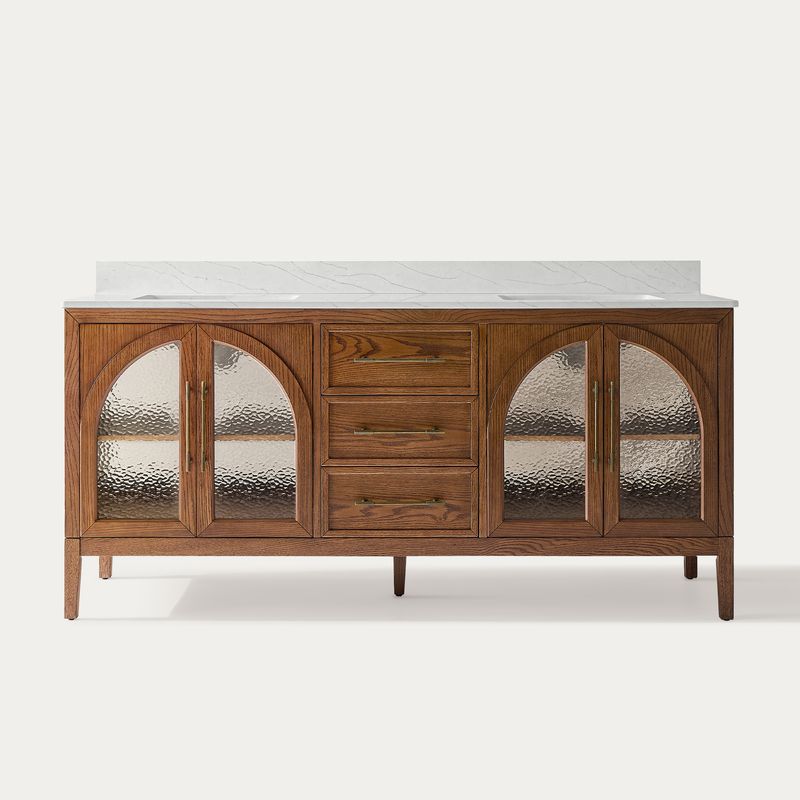
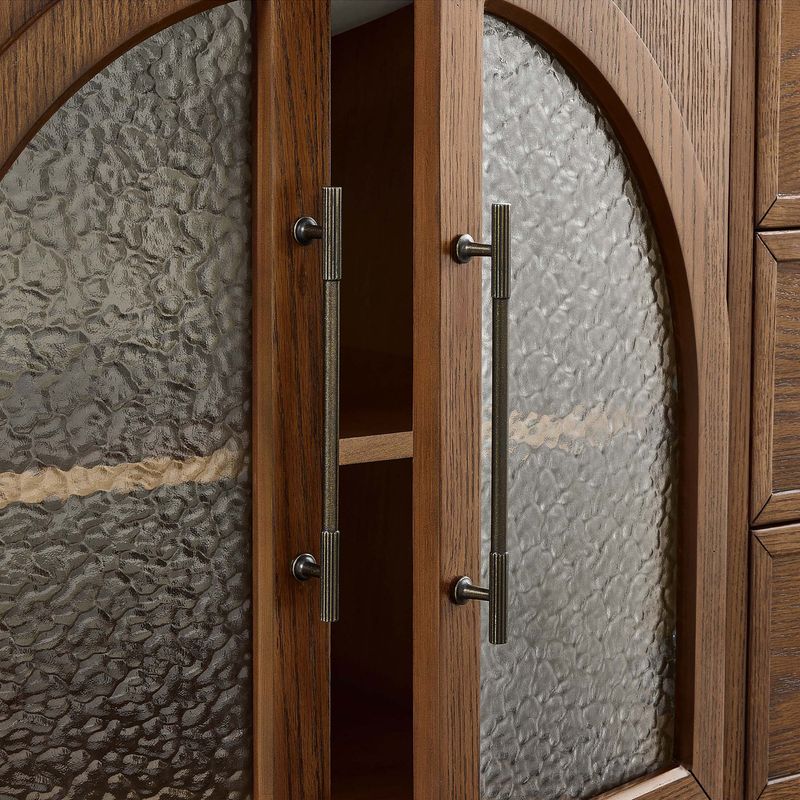
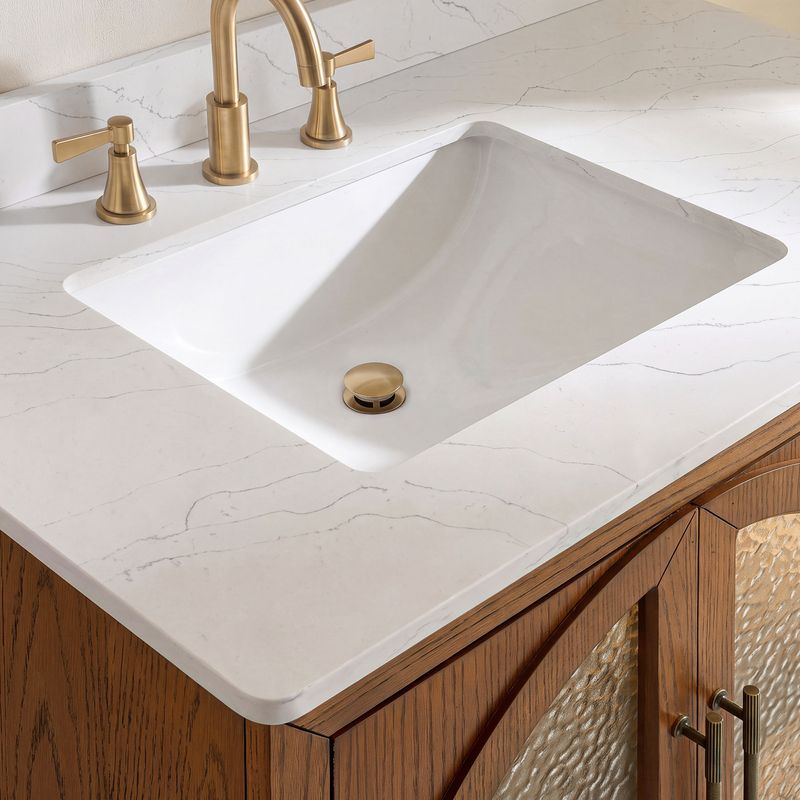
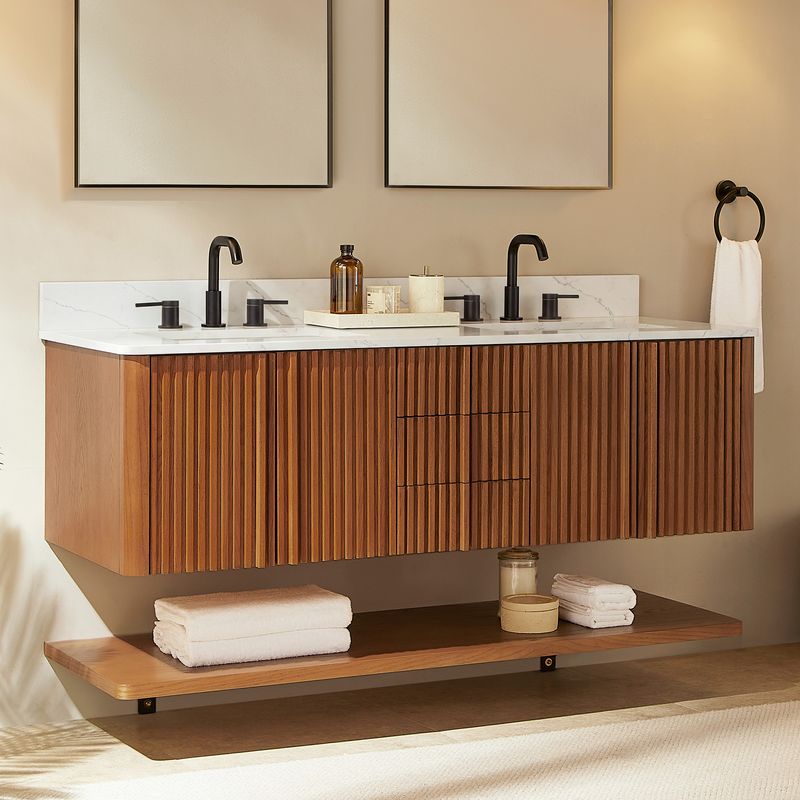
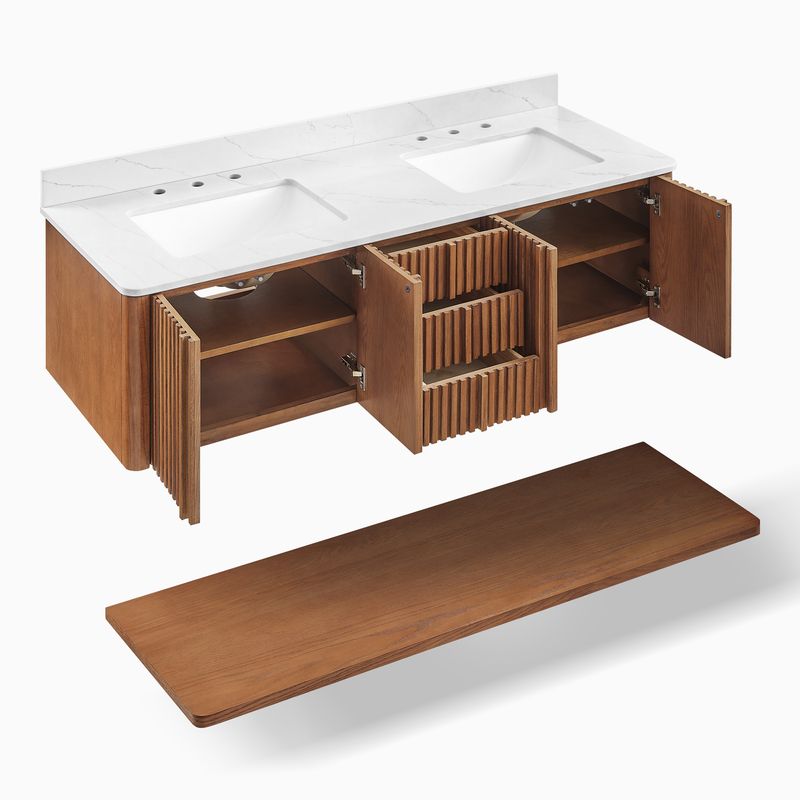
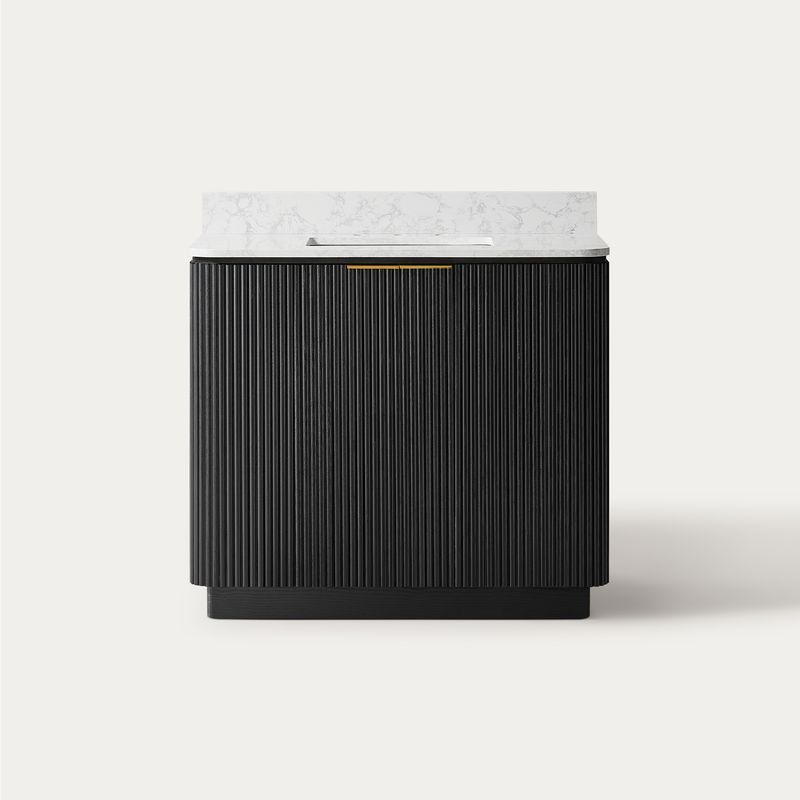
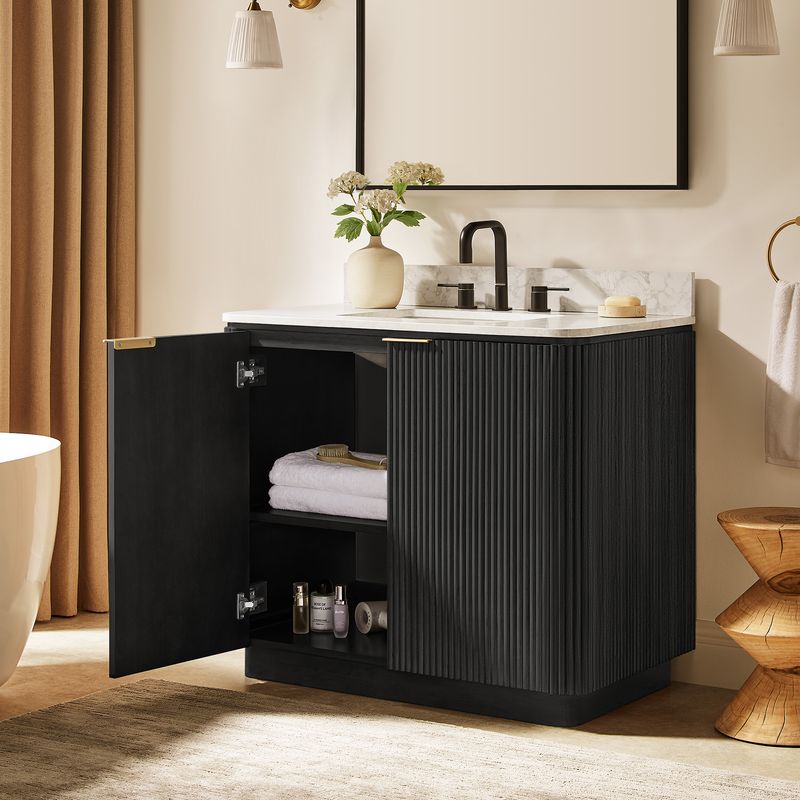
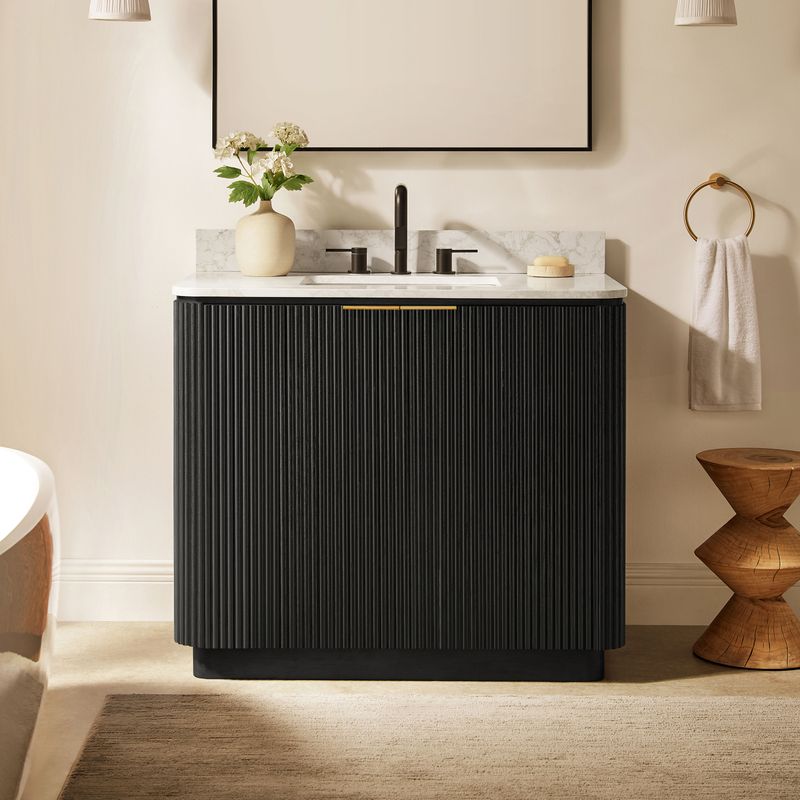
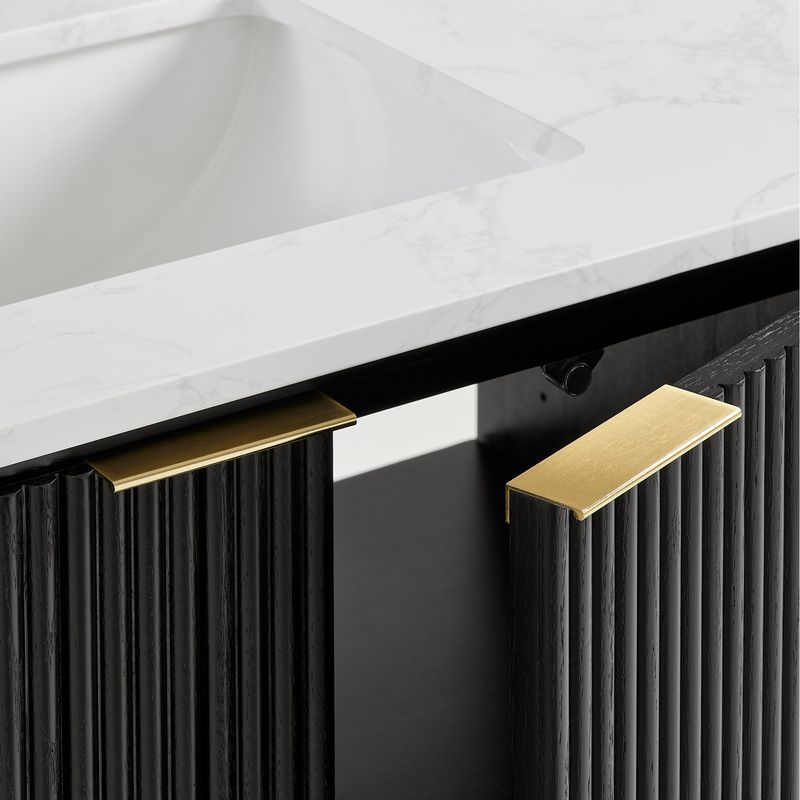
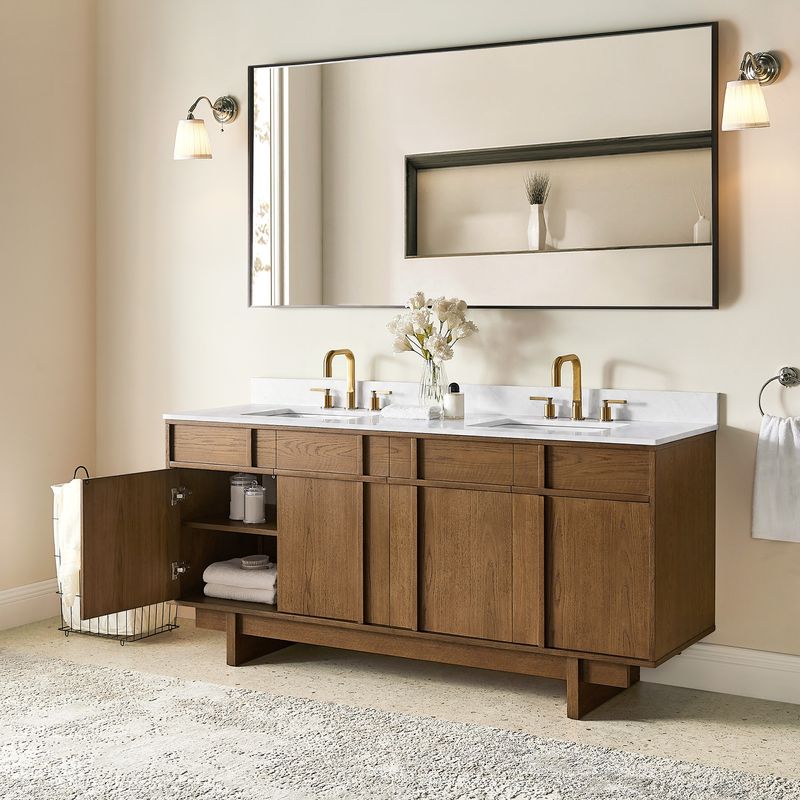
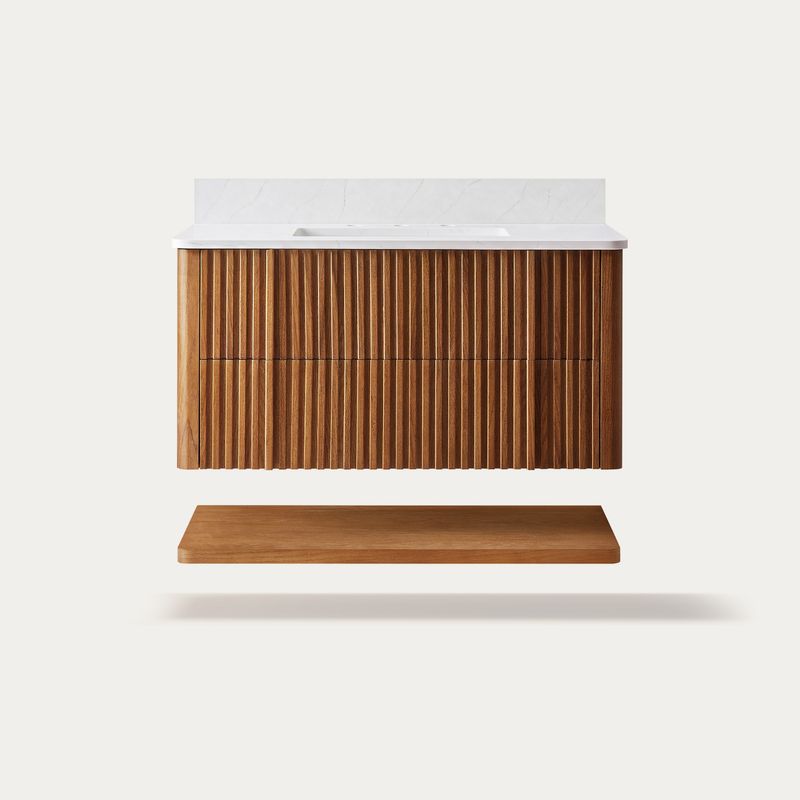
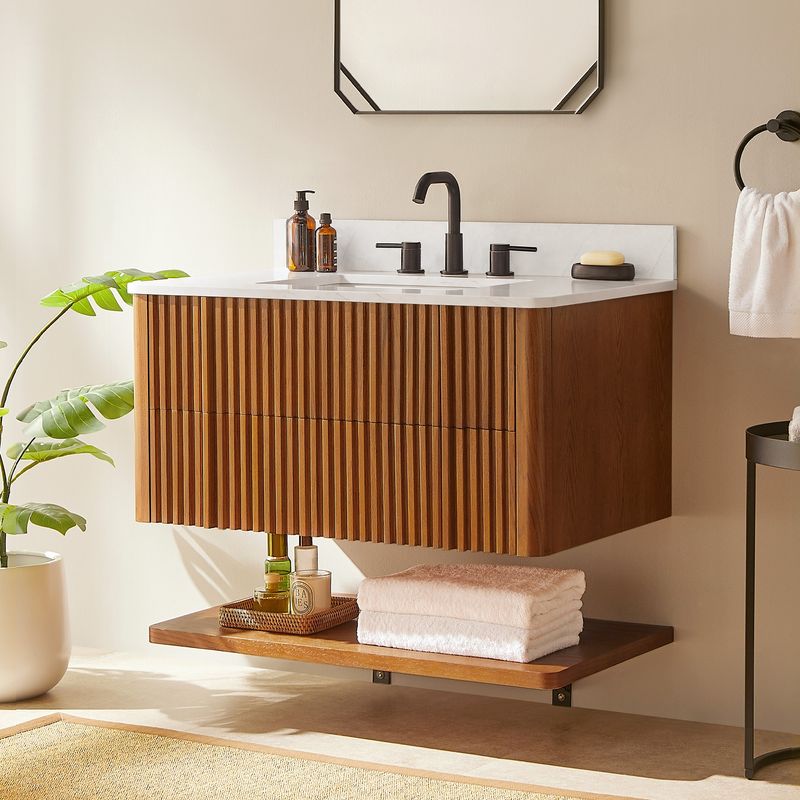
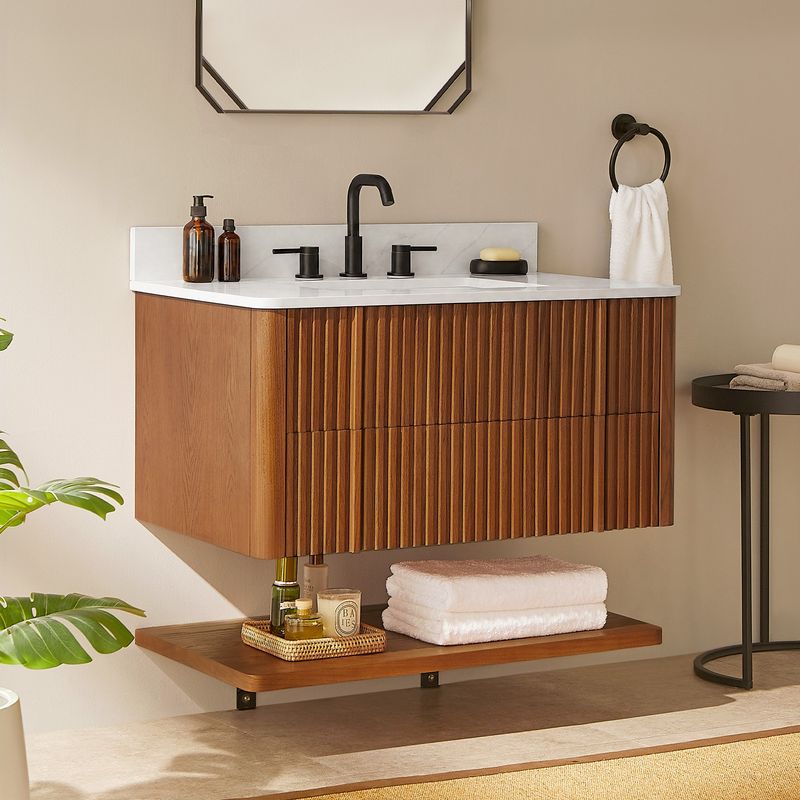
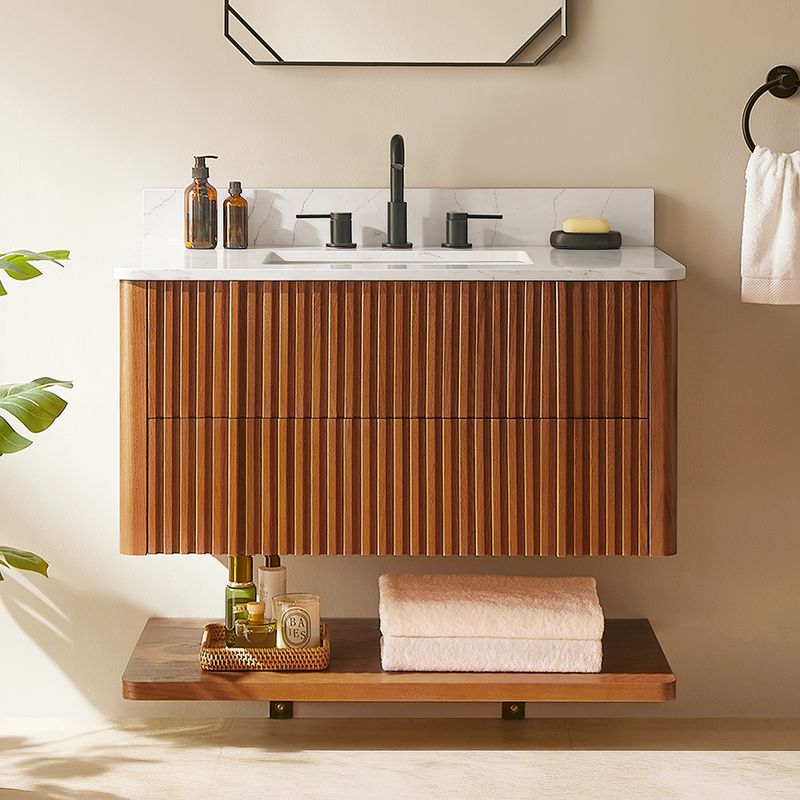
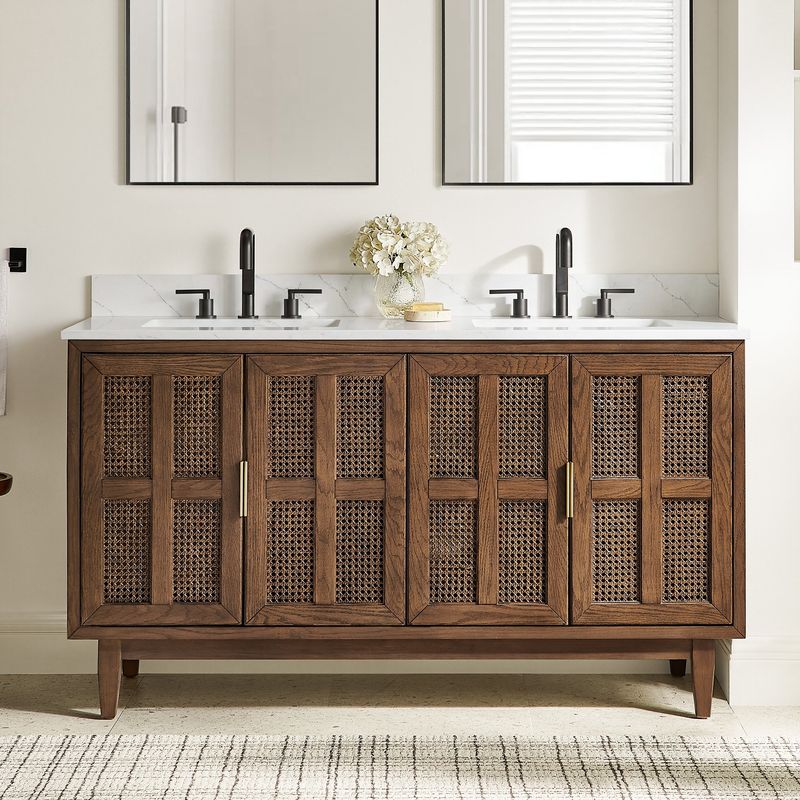
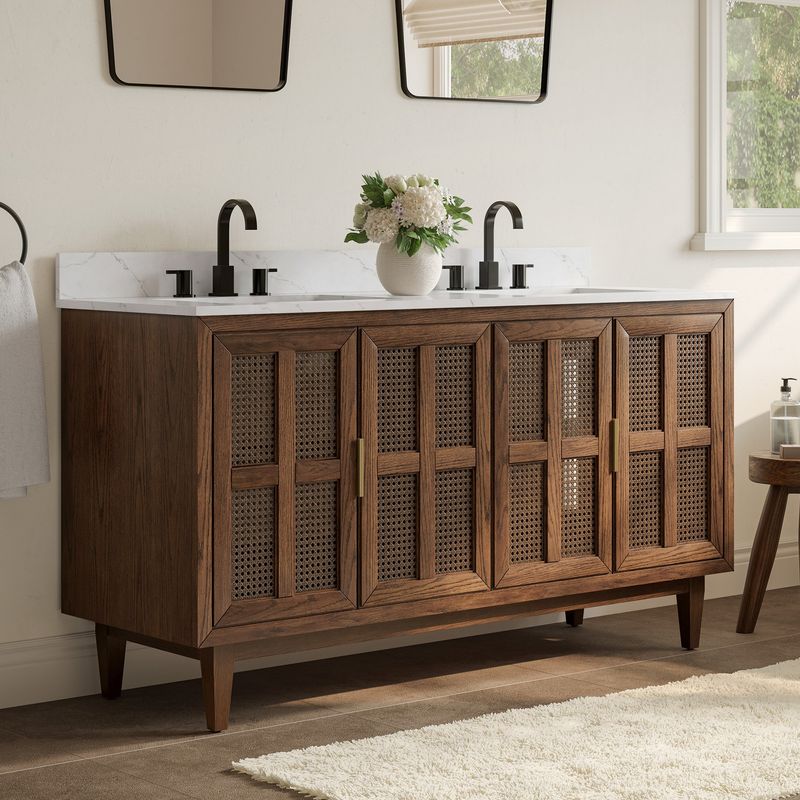
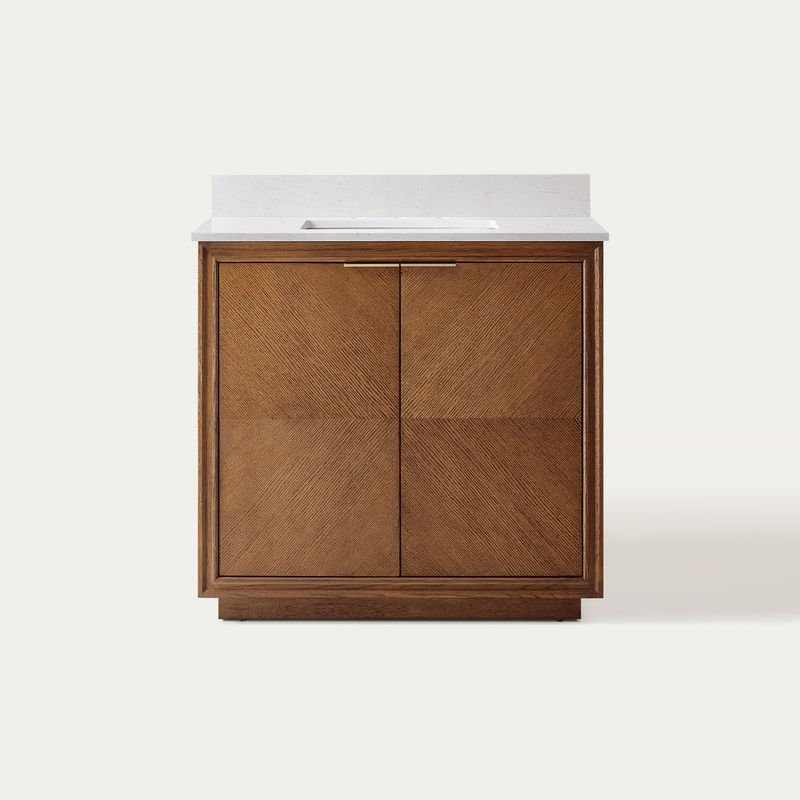
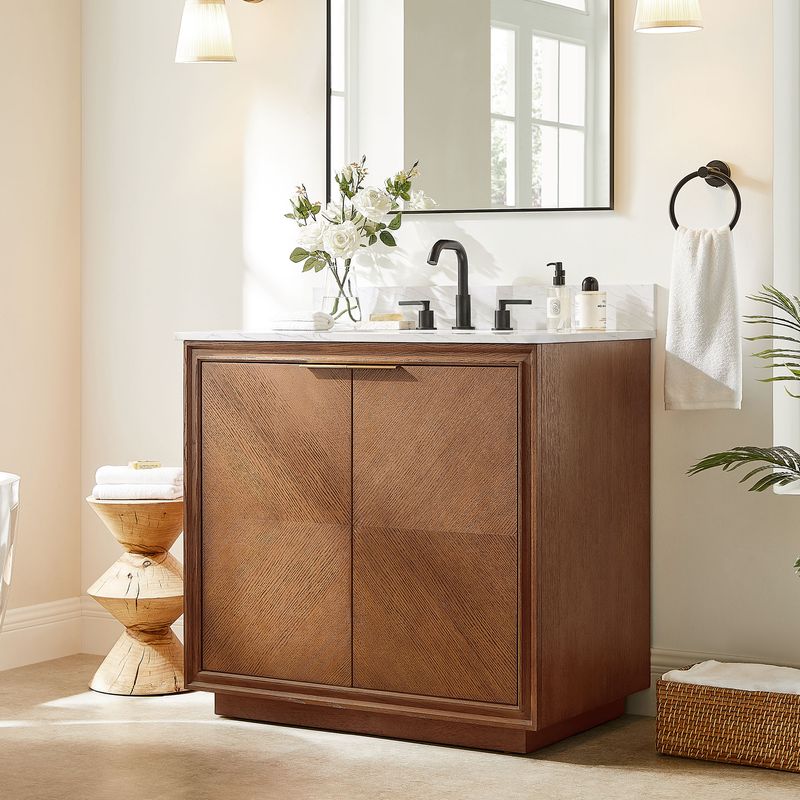
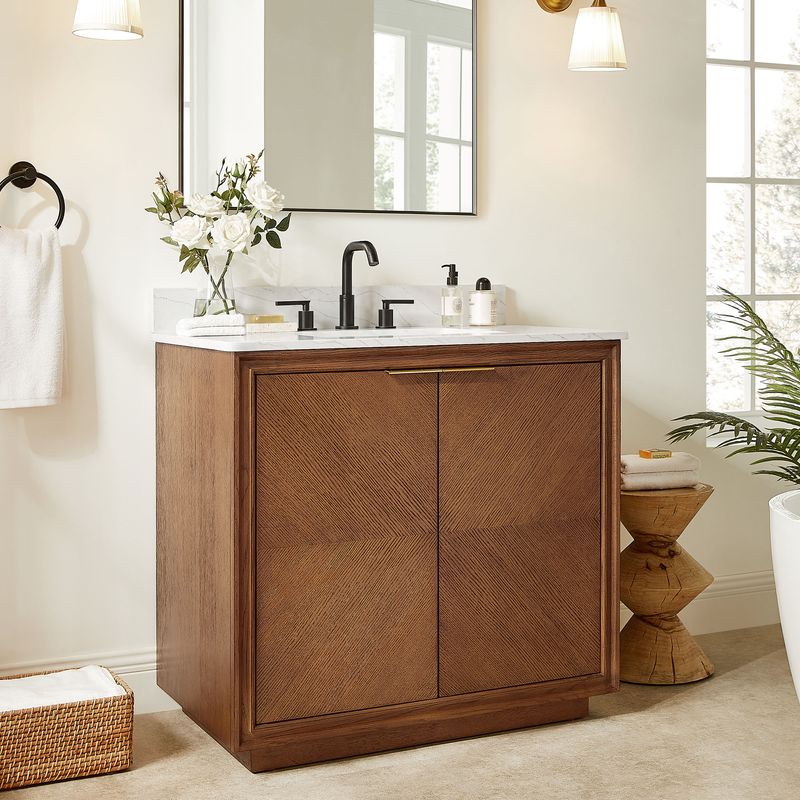
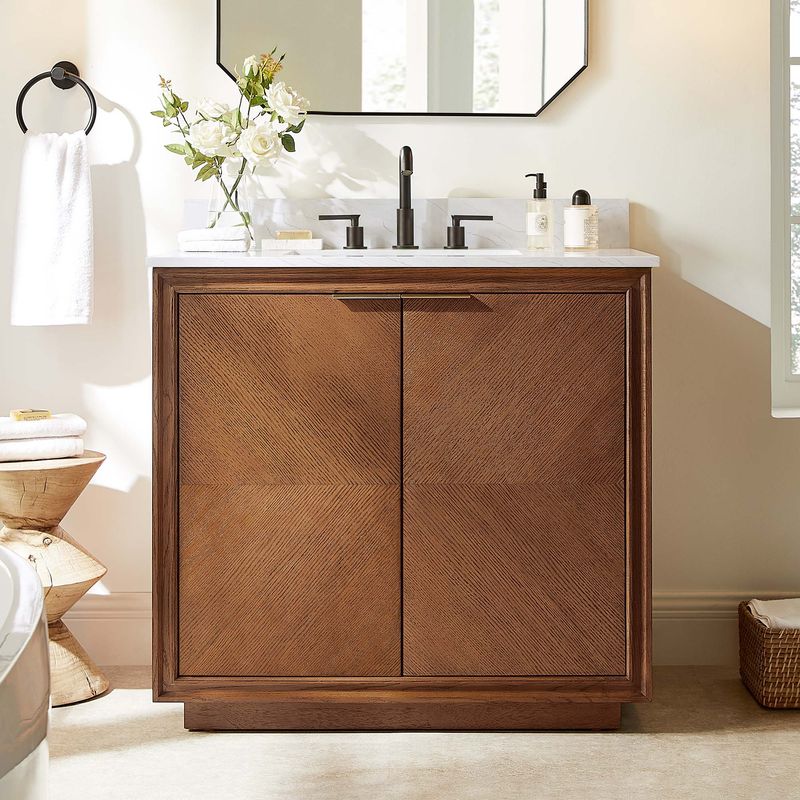
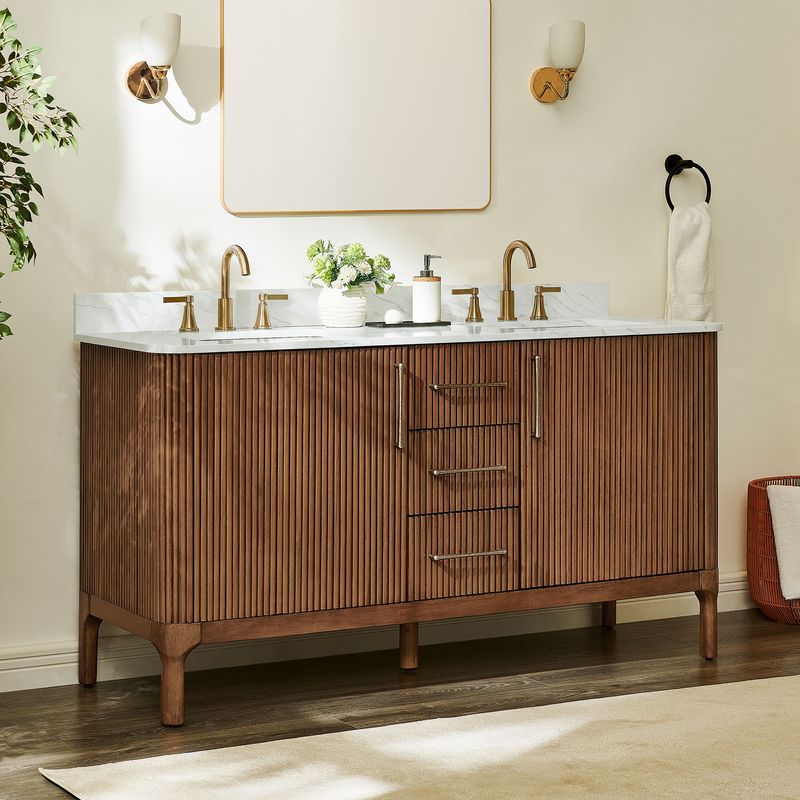
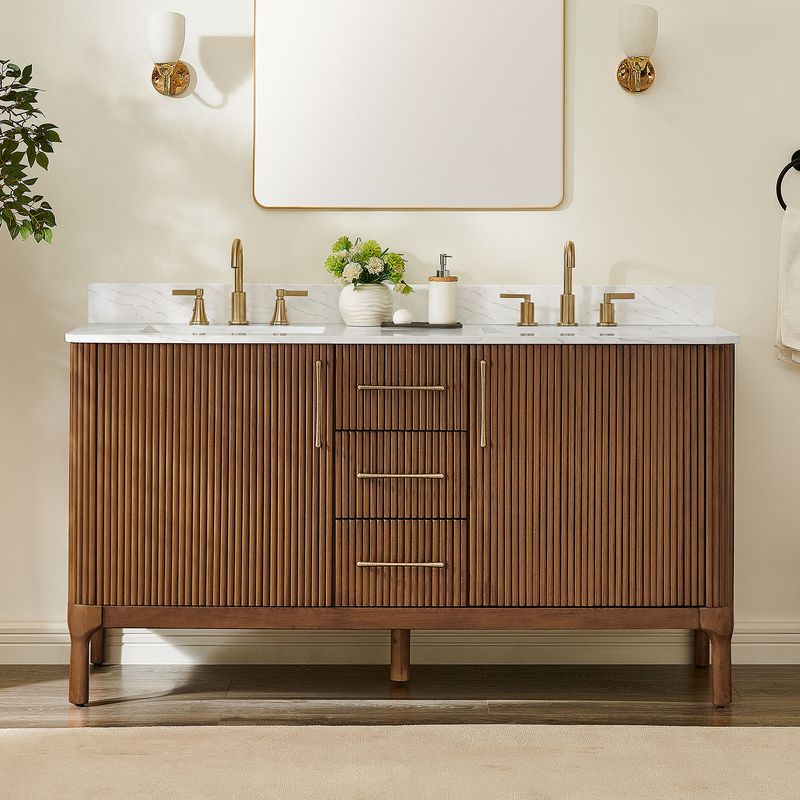
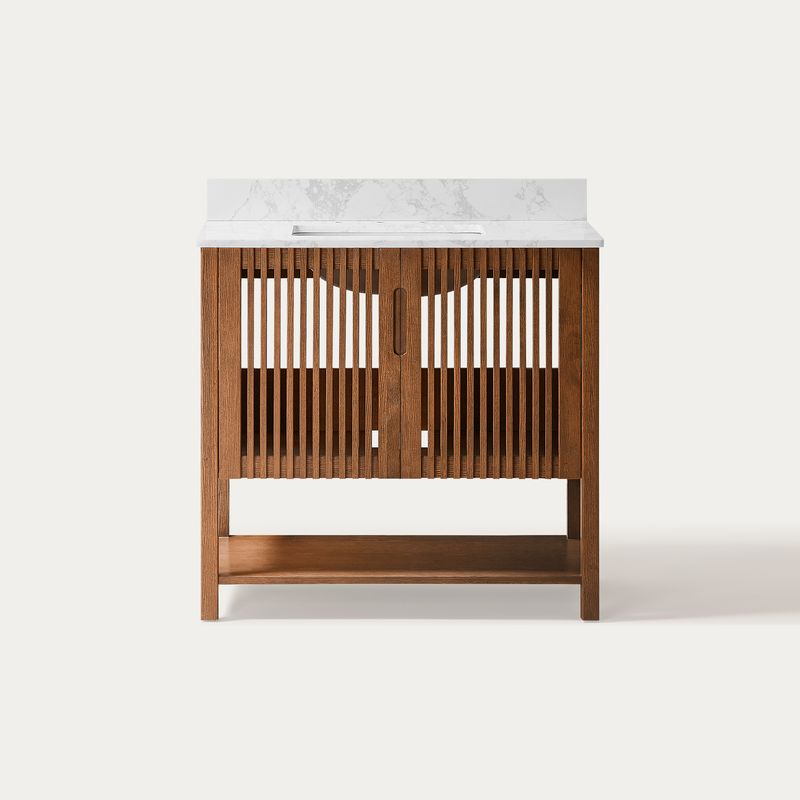
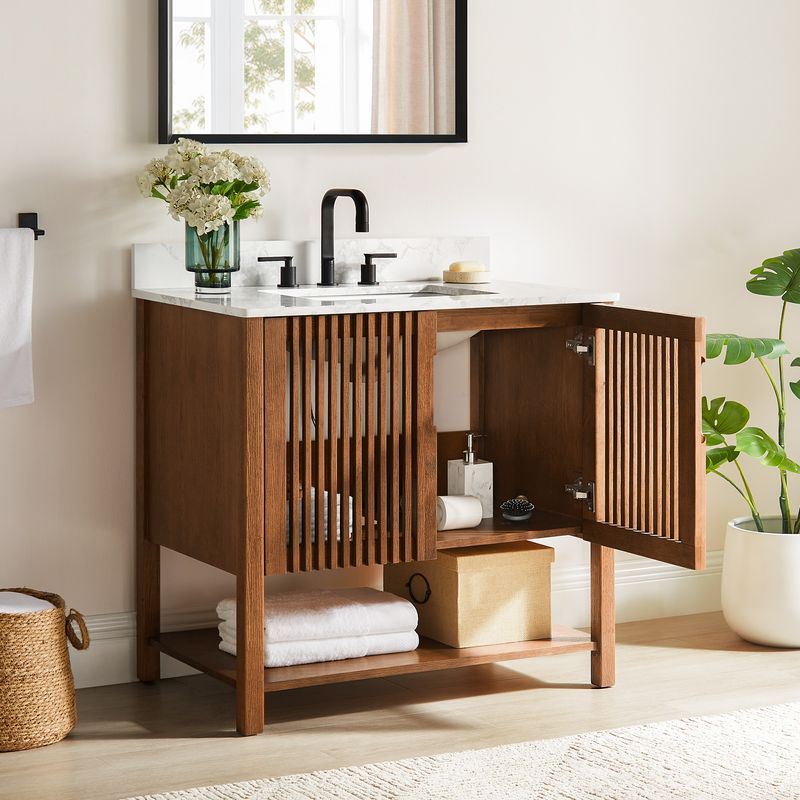
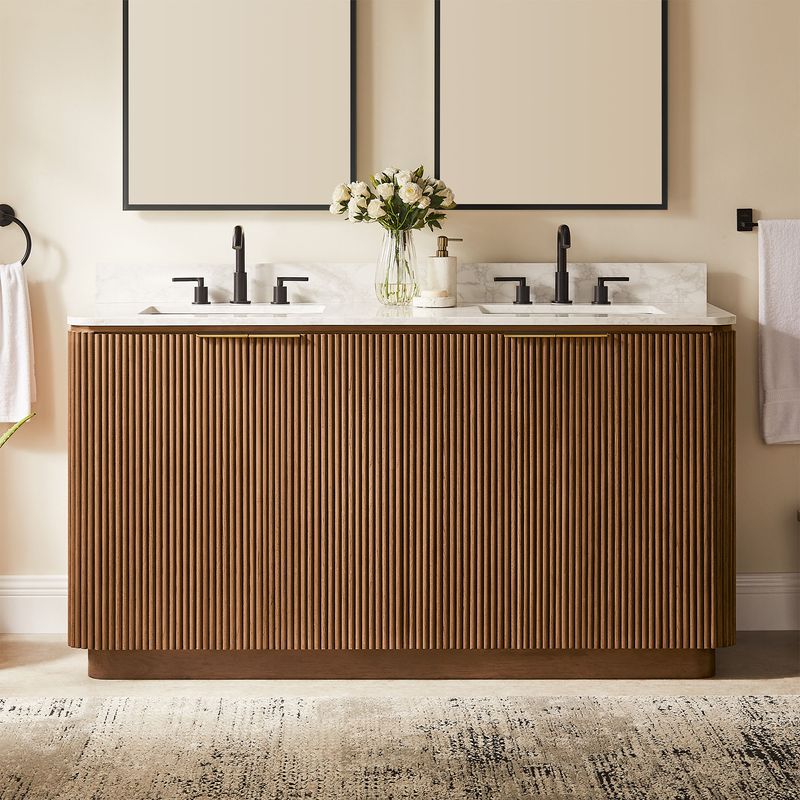
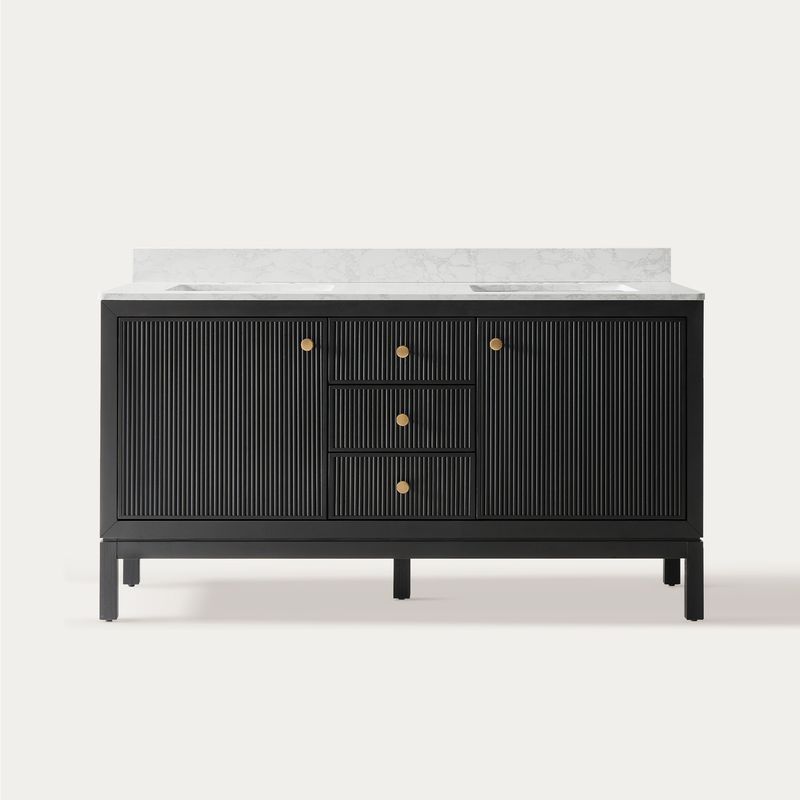
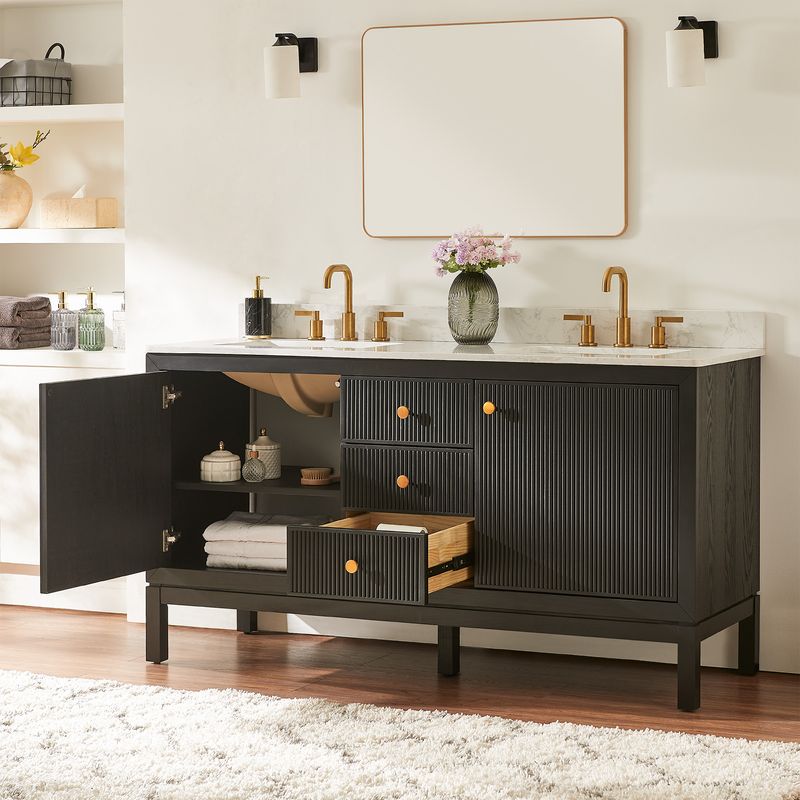
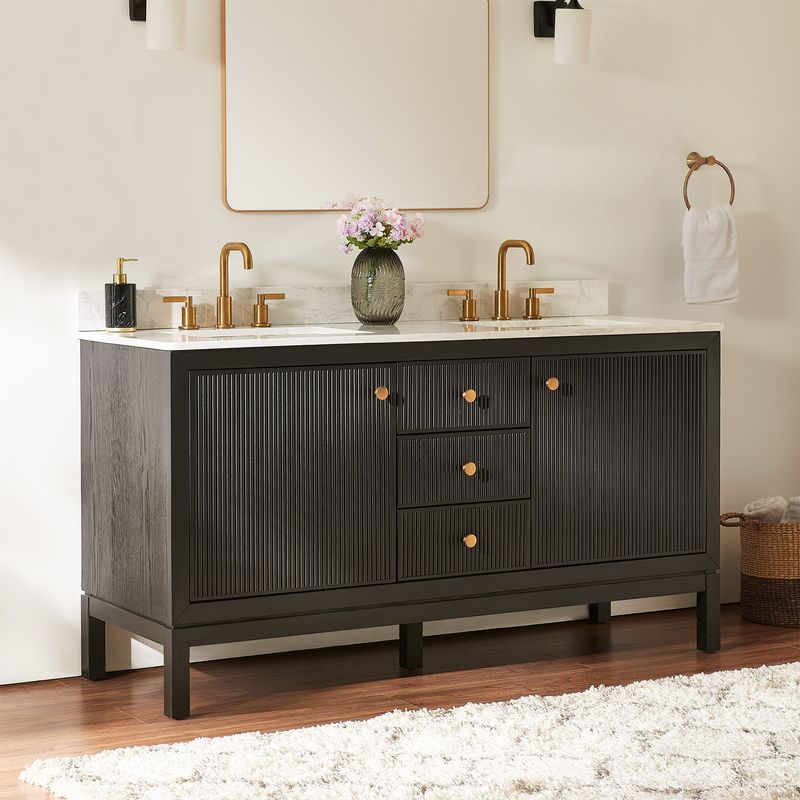
Hernest bathroom vanities are designed around these practical decisions, with single and double sink configurations, floating and freestanding designs, and widths suited to powder rooms, guest bathrooms, and larger primary baths. The collection also brings furniture-focused construction into the bathroom, including American solid oak, engineered stone countertops, soft-close drawers, and dovetail joinery.
Read More
A Quick Guide to Bathroom Vanity Types
Not sure where to start? Match the vanity to the way you use the room.
● Small bathroom or powder room: A 24- to 30-inch vanity can provide the basics without taking over the space.
● One sink with more counter space: A 36- to 48-inch single vanity gives you room to spread out while keeping the layout relatively compact.
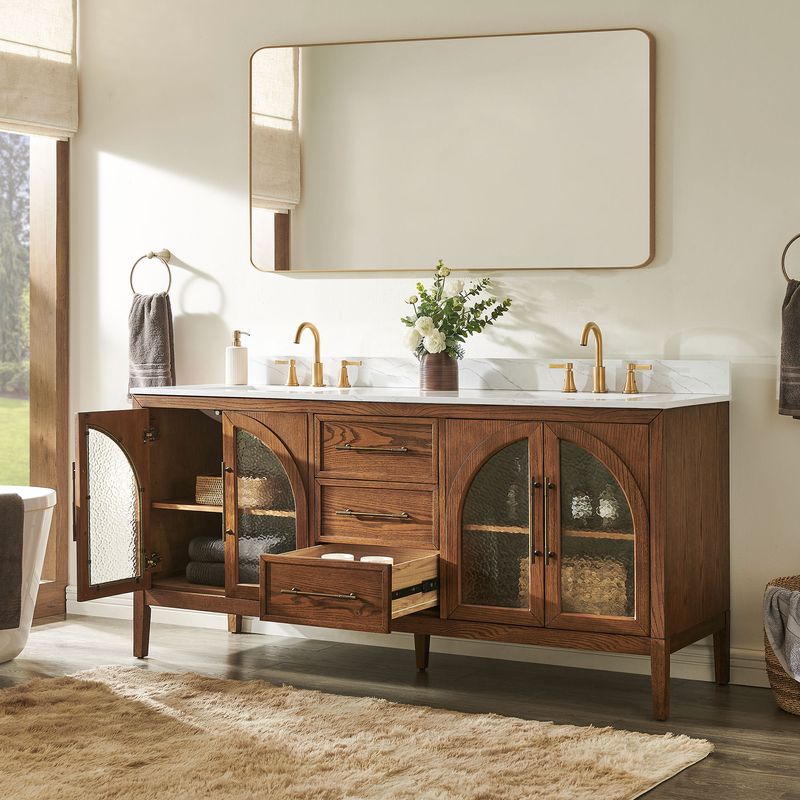
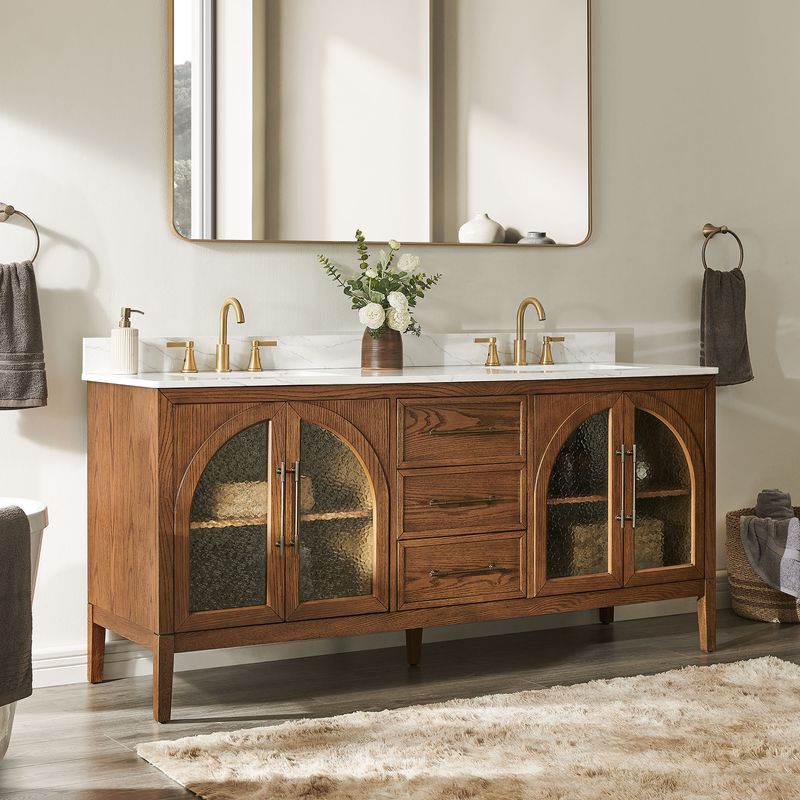
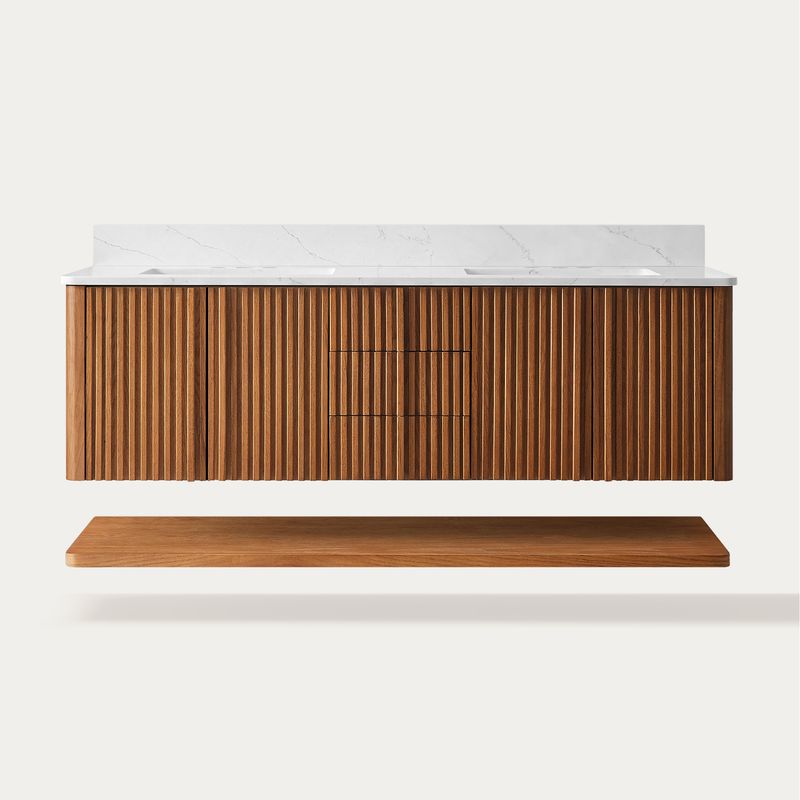
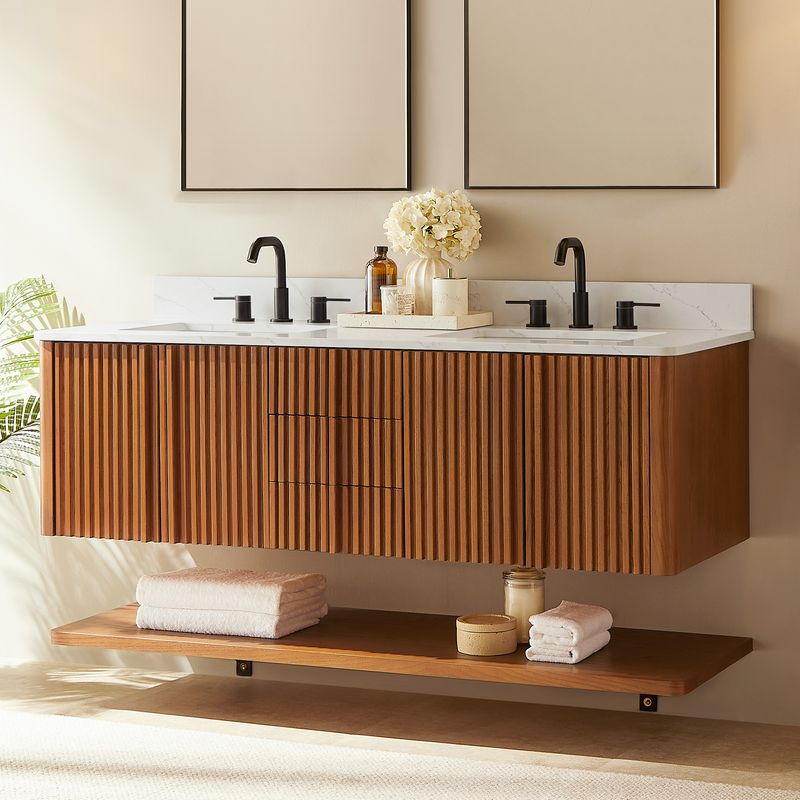
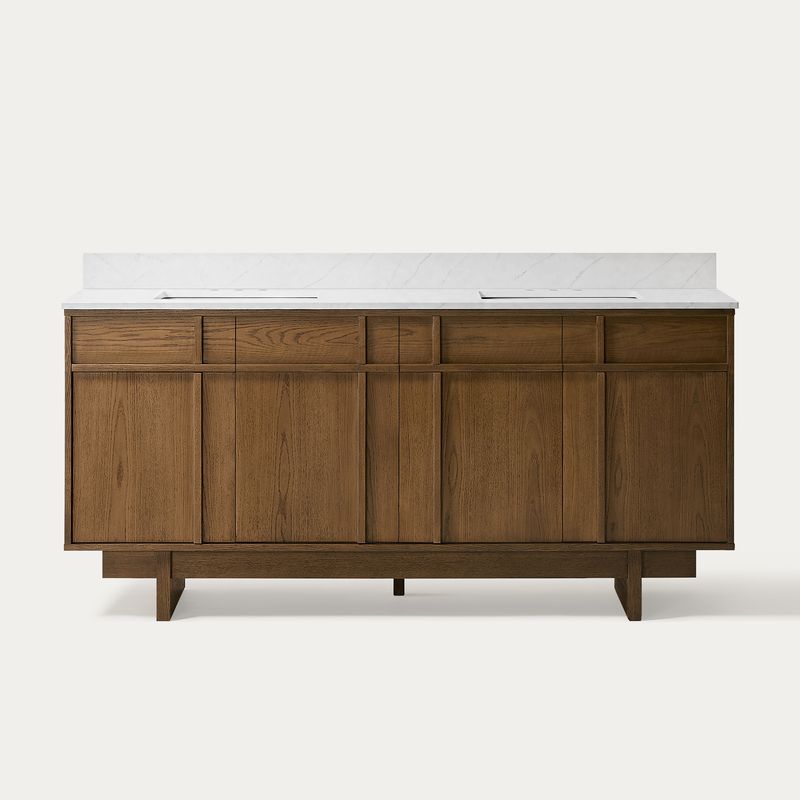
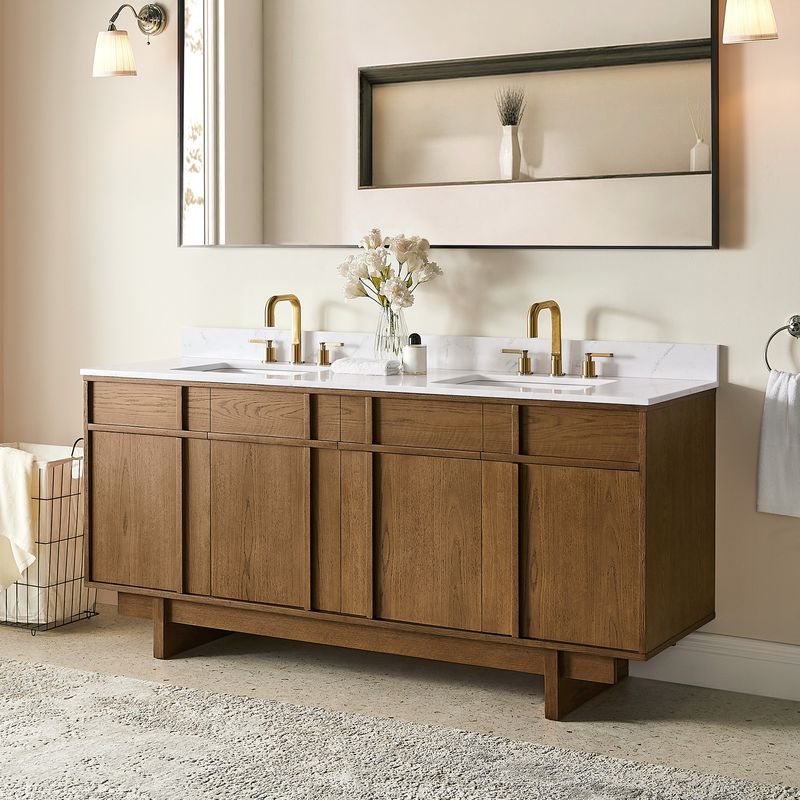
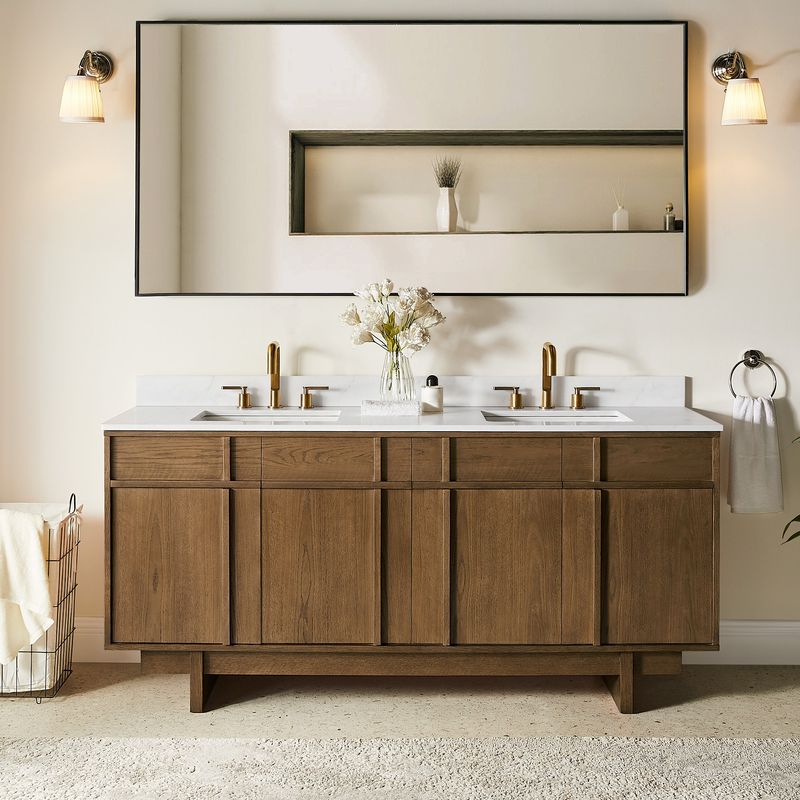
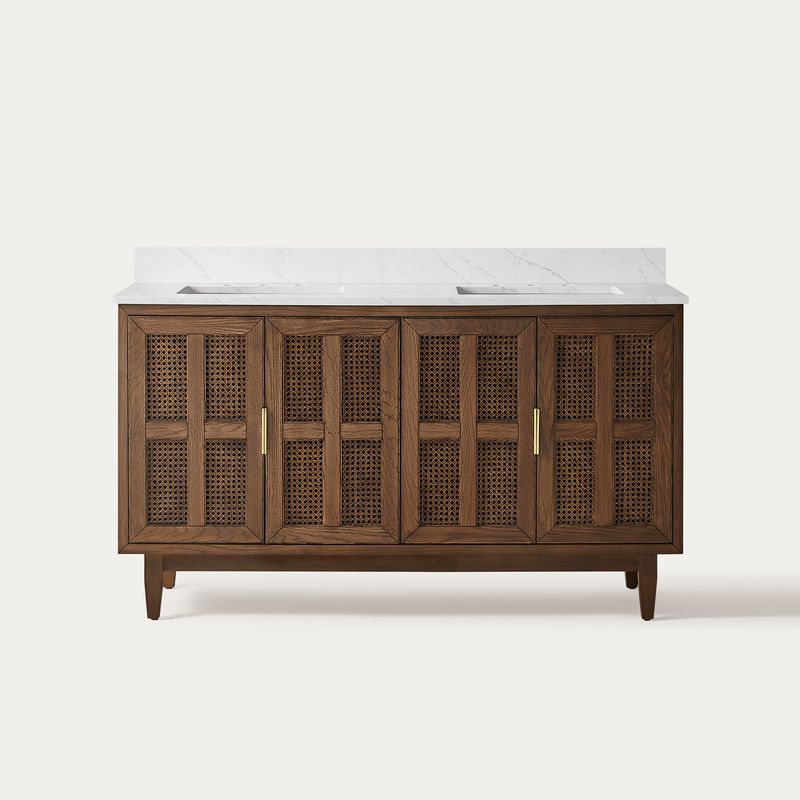
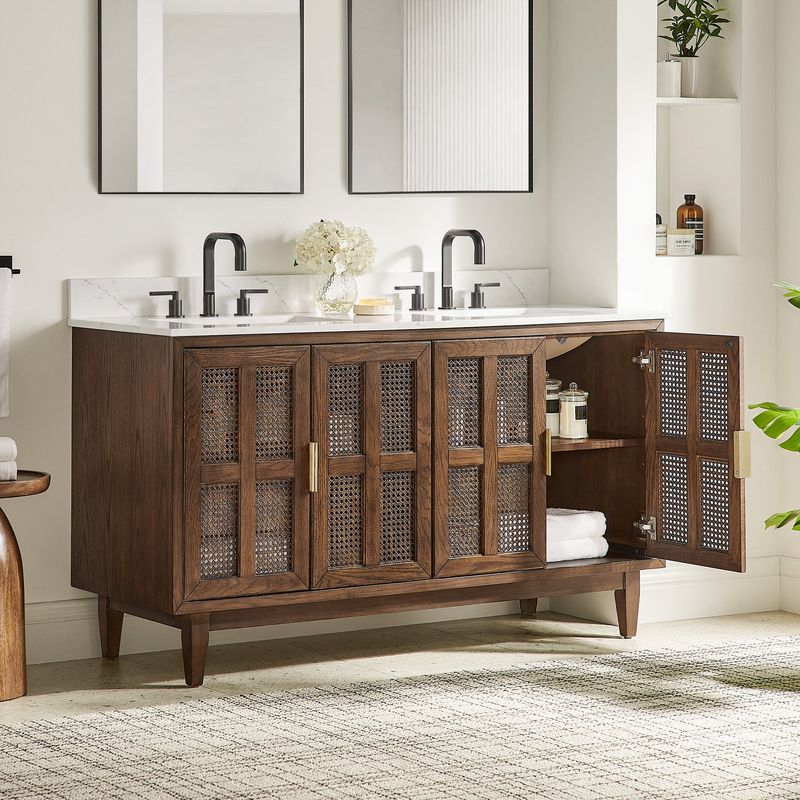
● Shared primary bathroom: A 60- to 72-inch double vanity can give two people separate sink areas and additional storage.
● More visible floor space: A floating vanity keeps the cabinet off the floor and creates a lighter visual profile.
● A furniture-style bathroom: A freestanding vanity gives the room more visual weight and a traditional furniture presence.
● Natural wood character: An oak vanity adds visible grain and warmth to the bathroom.
Once you know which category fits your room, the remaining decisions-size, material, storage, and finish-become much easier.
Choose the Right Bathroom Vanity Size
Measure the space before choosing the style. A vanity that looks perfectly proportioned online can feel oversized once the toilet, shower, door, and other fixtures are in the room.
24–30 Inches: Compact Bathrooms and Powder Rooms
For a powder room or smaller bathroom, a 24- to 30-inch vanity can provide the essentials without consuming valuable floor space.
You may not need deep storage in this type of room. If it is mainly used by guests, prioritize a practical sink, enough counter space for the basics, and comfortable clearance around the door and other fixtures.
A smaller cabinet can also make sense in a narrow bathroom where every inch of circulation matters.
36–48 Inches: A Flexible Single-Sink Range
A 36-inch single bathroom vanity is a versatile choice for many guest and full bathrooms. It gives you more room for toiletries and countertop essentials than a compact vanity while still fitting comfortably into many layouts.
If you have a little more wall space, moving up to 42 or 48 inches can give you wider drawers and more counter area without adding a second sink.
For one person, that extra surface can be useful. There is room for skincare, a toothbrush holder, hair tools, or the items that tend to collect around the sink without everything competing for the same few inches.
60–72 Inches: When Two People Share the Bathroom
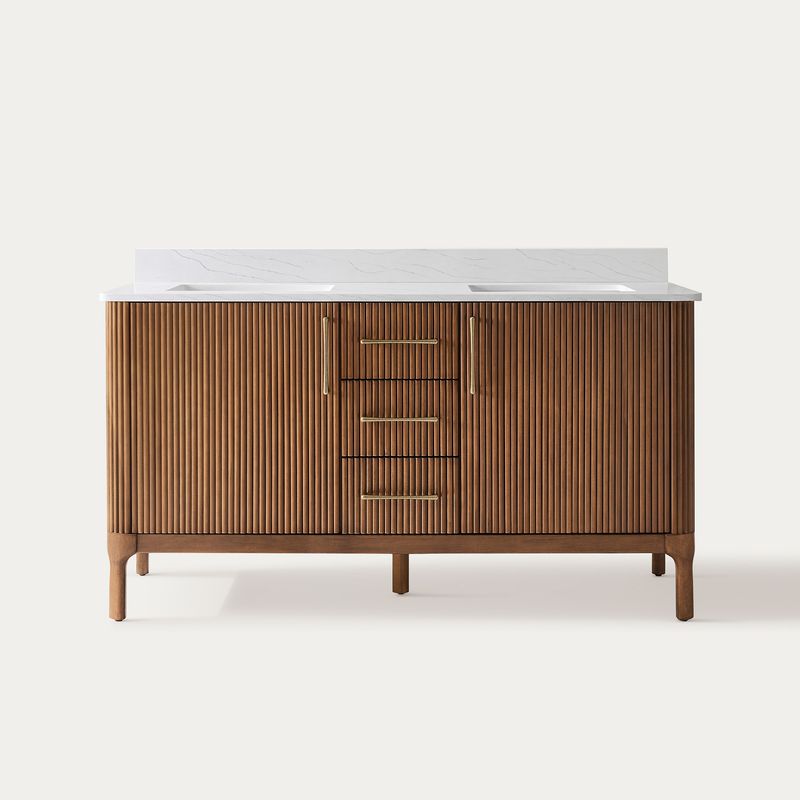
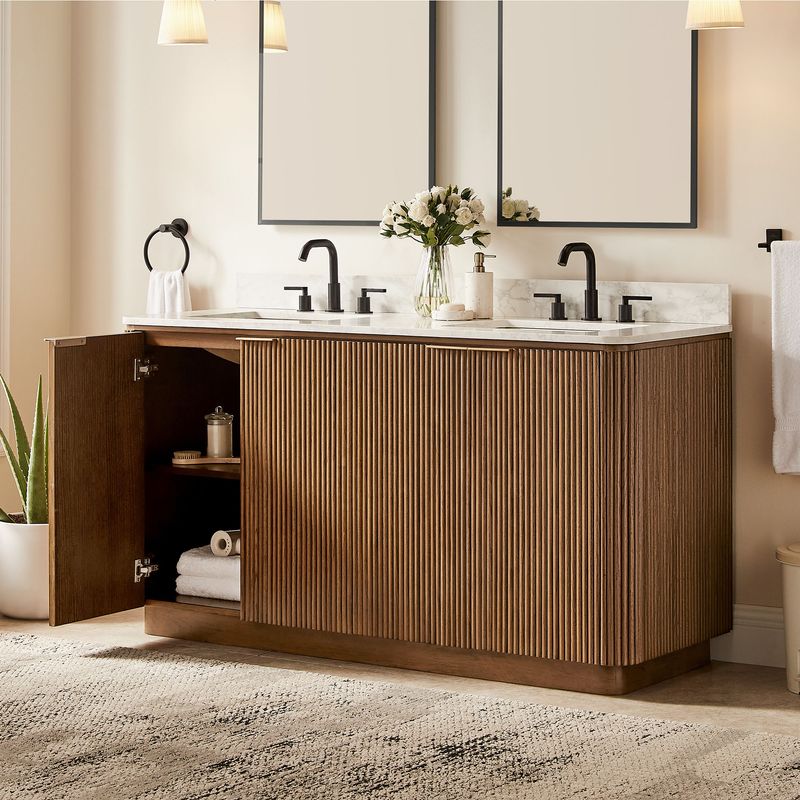
If two people regularly use the bathroom at the same time, a double sink vanity can make the space much easier to manage. Separate basins give each person a defined area, while the wider cabinet can provide additional storage underneath.
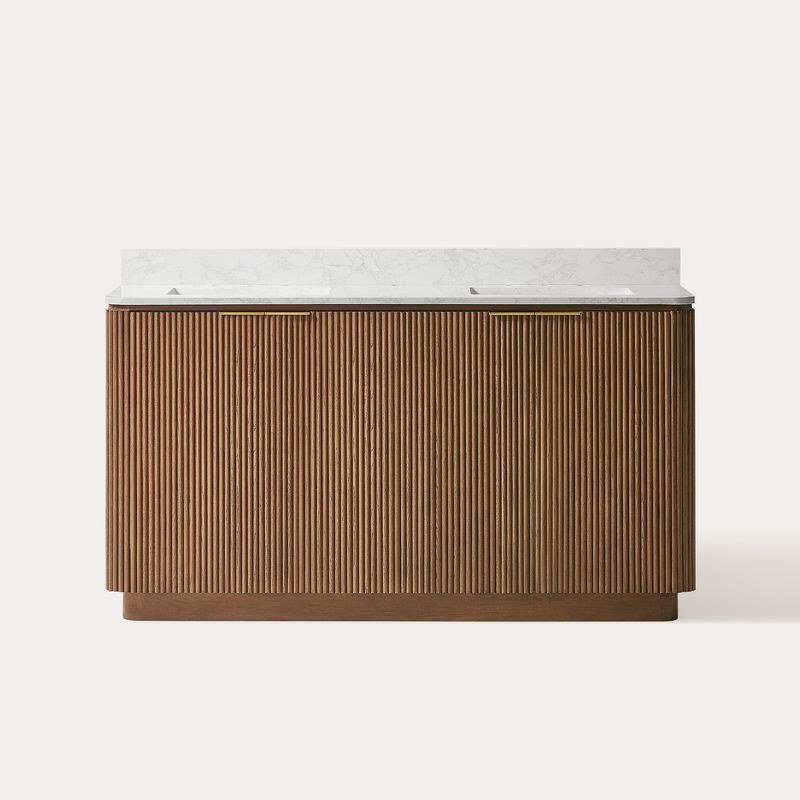
Hernest offers wider bathroom vanities in 60-, 63-, and 72-inch configurations, giving you several options for a larger primary bathroom.
Just because a 72-inch cabinet fits the wall does not mean it is automatically the right choice. Check door swings, drawer clearance, nearby fixtures, and the remaining walkway before committing to the larger size.
Don't Measure Width Alone
Width gets most of the attention, but cabinet depth and height matter just as much. Plumbing location, drawer clearance, and the space in front of the vanity all affect how comfortable the finished installation will be.
A vanity cabinet is often around 21 inches deep, while many residential vanities fall in the 32- to 36-inch height range. The most comfortable height depends on the users, countertop, and sink configuration.
Measure the finished footprint rather than only the cabinet box. Countertop overhang, backsplash, handles, doors, and drawers can all add to the space the completed vanity needs.
For bathroom planning, keeping roughly 30 inches of clear space in front of fixtures is a useful target where the room allows it. Always check local code requirements and the installation instructions for your specific vanity.
Single vs. Double Bathroom Vanities: Which Works Better?
The choice between one sink and two usually comes down to how the bathroom is shared.
When a Single Bathroom Vanity Makes Sense
A single bathroom vanity works well in powder rooms, guest bathrooms, and primary bathrooms used mostly by one person at a time.
There is also a practical advantage to giving one sink more room. The countertop stays less crowded, and more of the cabinet can be used for storage rather than accommodating a second sink and additional plumbing.
If your morning routine involves skincare products beside the sink, a hair dryer on the counter, and several other items that need to be within reach, a generously sized single vanity may be more useful than a crowded double configuration.
When a Double Sink Vanity Is Worth It
A double sink vanity is worth considering when two people regularly get ready at the same time and the bathroom has enough room for it.
Separate sinks can take some pressure out of busy mornings and give each person a dedicated washing area. A wider cabinet can also provide more personal storage.
The trade-off is space. Two sinks need enough width to maintain comfortable spacing and useful counter areas. If adding a second basin leaves little room to move or creates an awkward plumbing layout, one well-sized sink may be the better option.
Floating or Freestanding Bathroom Vanities?
Installation style affects both the appearance of the room and how the vanity functions within it.
Floating Bathroom Vanities
A floating bathroom vanity attaches to the wall instead of resting on legs or a full base. The open area underneath keeps more floor visible, which can make a smaller bathroom feel more open.
It is also easier to clean the floor beneath the cabinet without working around cabinet legs.
Floating designs suit clean, contemporary bathrooms particularly well. Hernest's Sabina collection includes floating single and double configurations built around this wall-mounted approach.
There is one important installation detail: the wall must be able to support the cabinet, countertop, sink, and everything stored inside the drawers. Floating vanities typically require secure attachment to wall studs or properly installed structural blocking, using the mounting system specified for the cabinet.
Freestanding Bathroom Vanities
Freestanding vanities sit directly on the floor and generally have a more substantial furniture presence.
That can be useful when you want the vanity to anchor the room rather than visually recede into the wall. A freestanding cabinet can also fit naturally into bathrooms with traditional, transitional, or furniture-inspired interiors.
The choice comes down to both layout and appearance. Floating cabinets emphasize visible floor space, while freestanding designs give the bathroom a more grounded feel.
Choosing the Right Material for Your Bathroom Vanity
Bathrooms are demanding environments for furniture. Water splashes, humidity, steam, cosmetics, and cleaning products all put stress on cabinet surfaces and construction.
Why Choose an Oak Vanity?
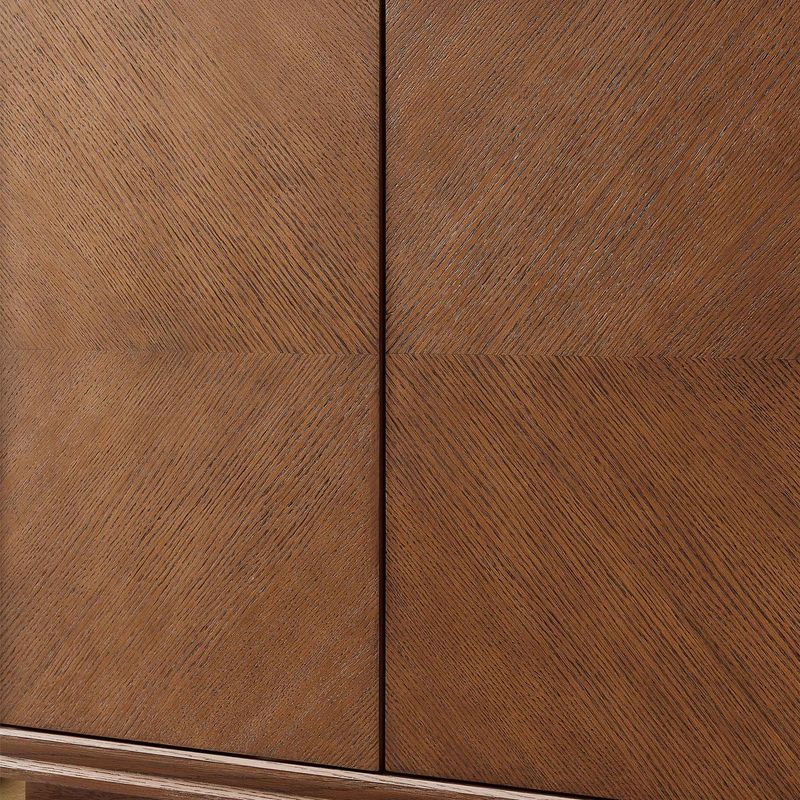
An oak vanity is a strong option if you want visible natural grain and the warmth of real wood furniture. Oak works with light tile and stone just as comfortably as it does with darker finishes.
The species itself, however, is only part of the quality equation. Look at how the wood is dried, joined, finished, and protected for bathroom use.
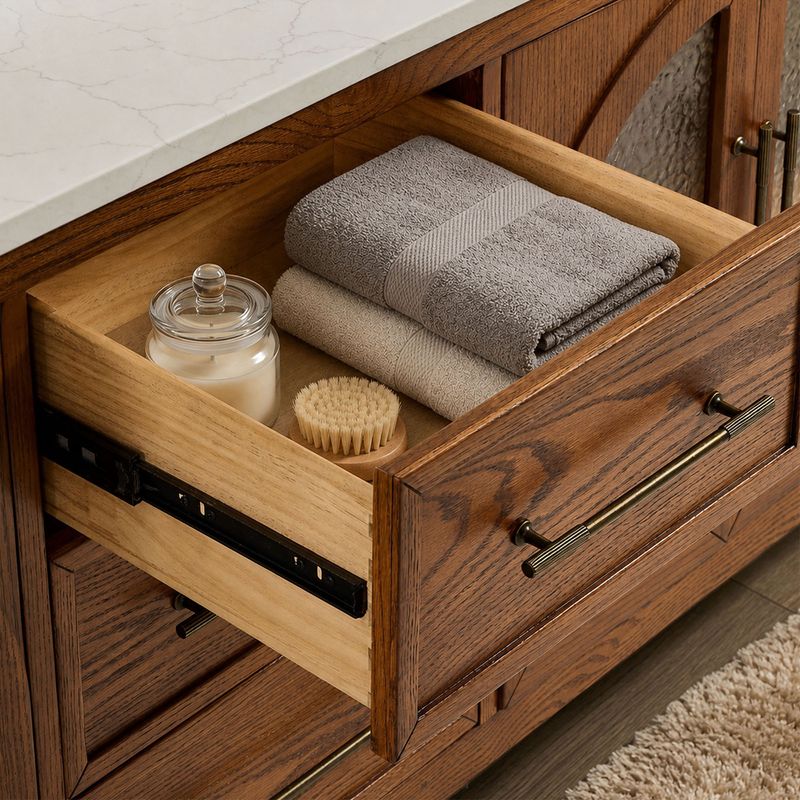
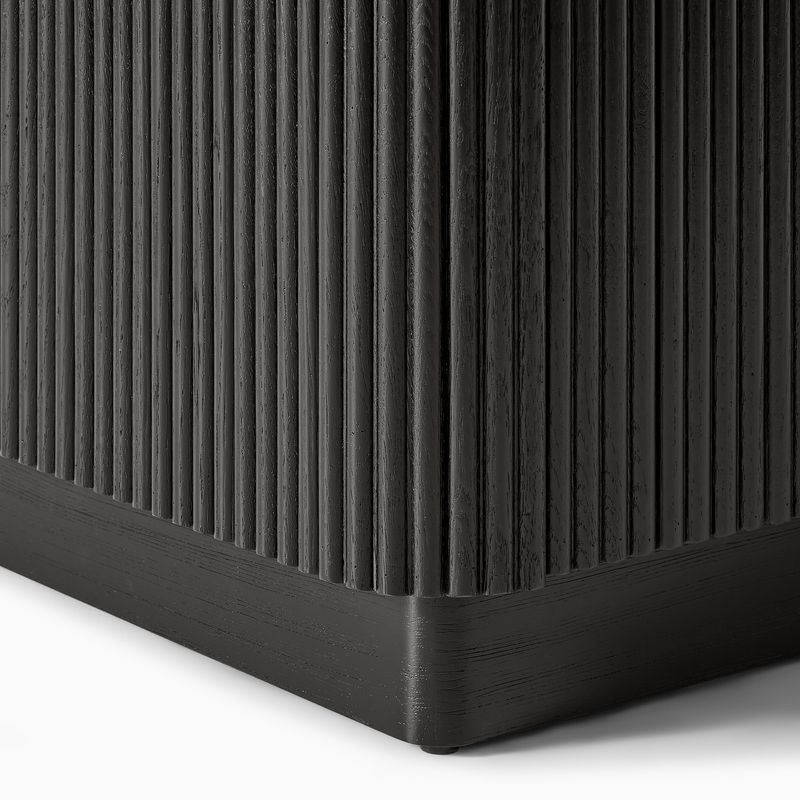
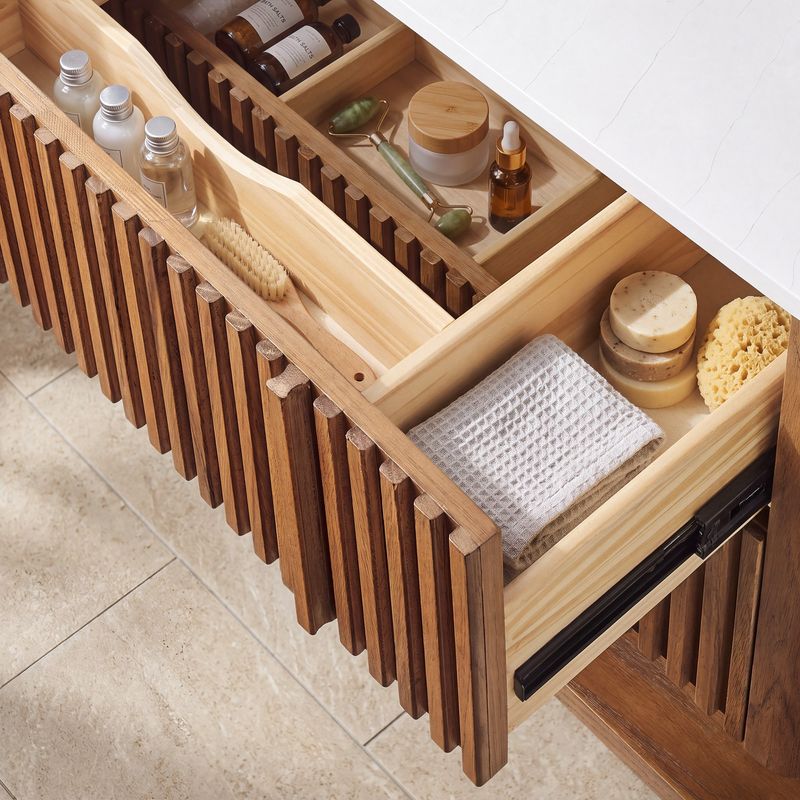
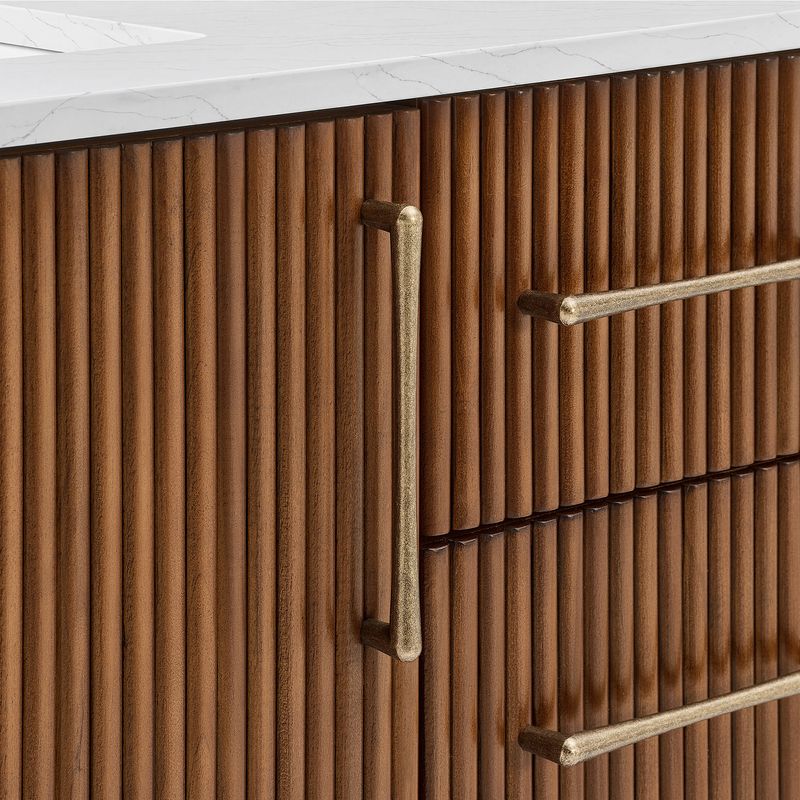
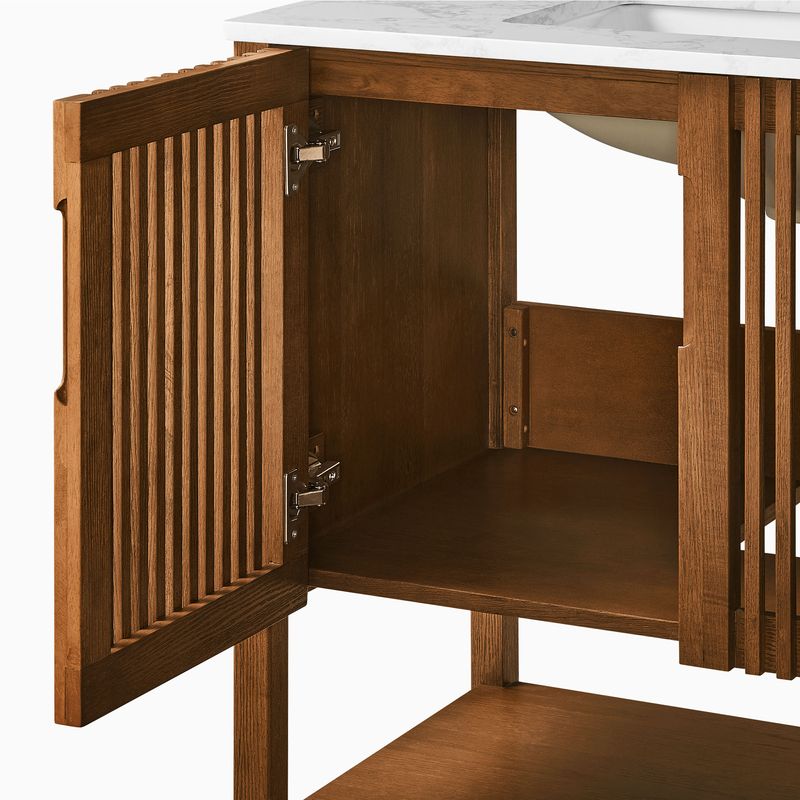
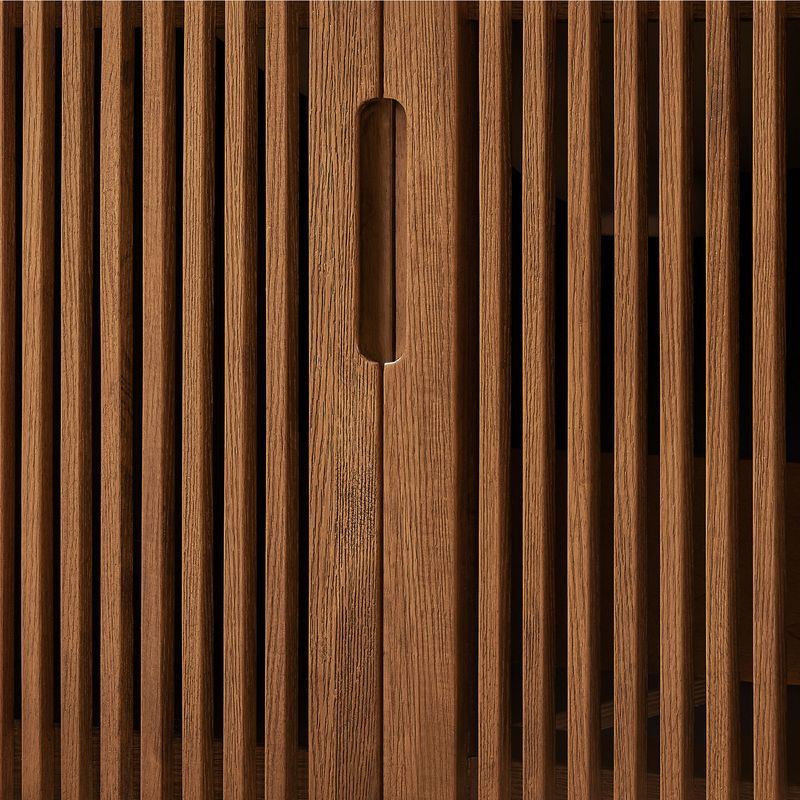
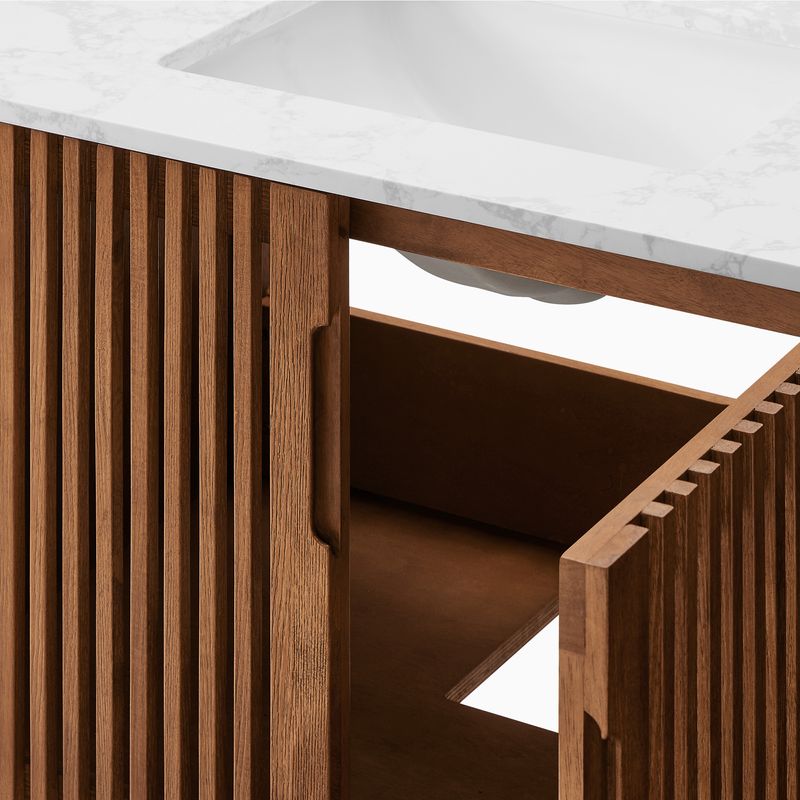
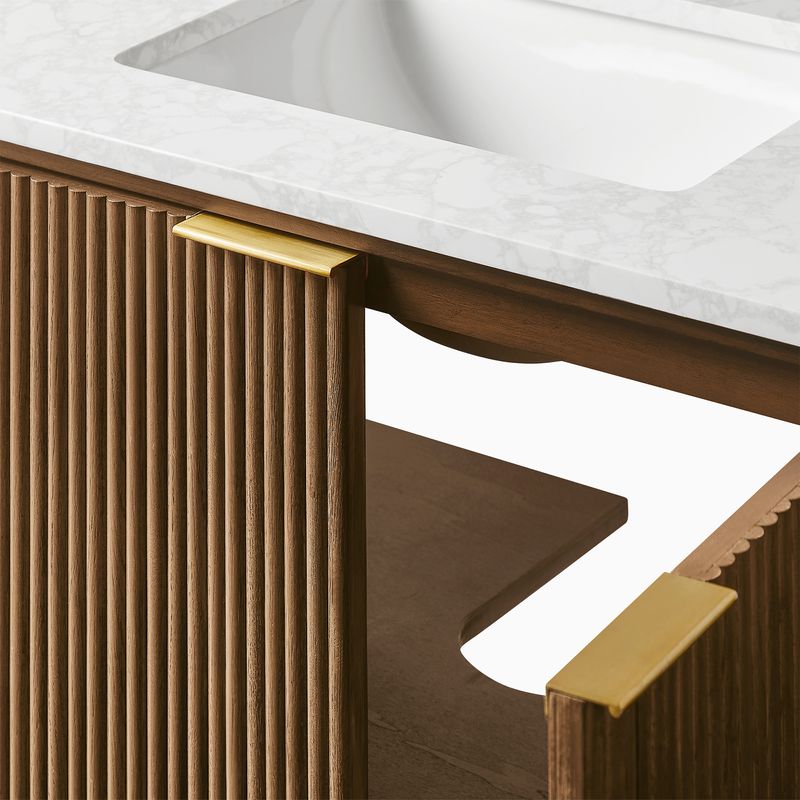
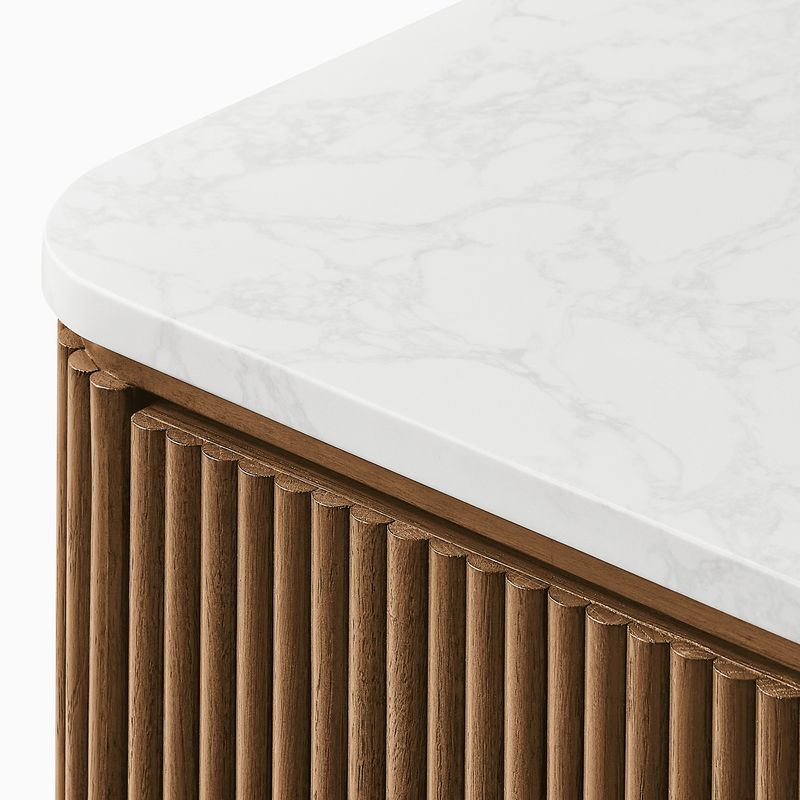
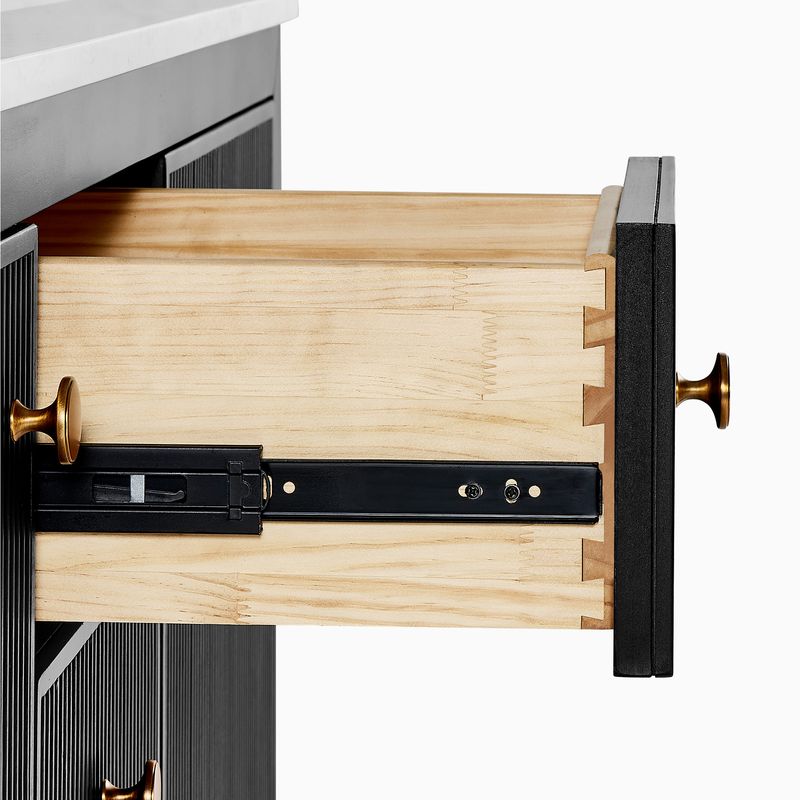
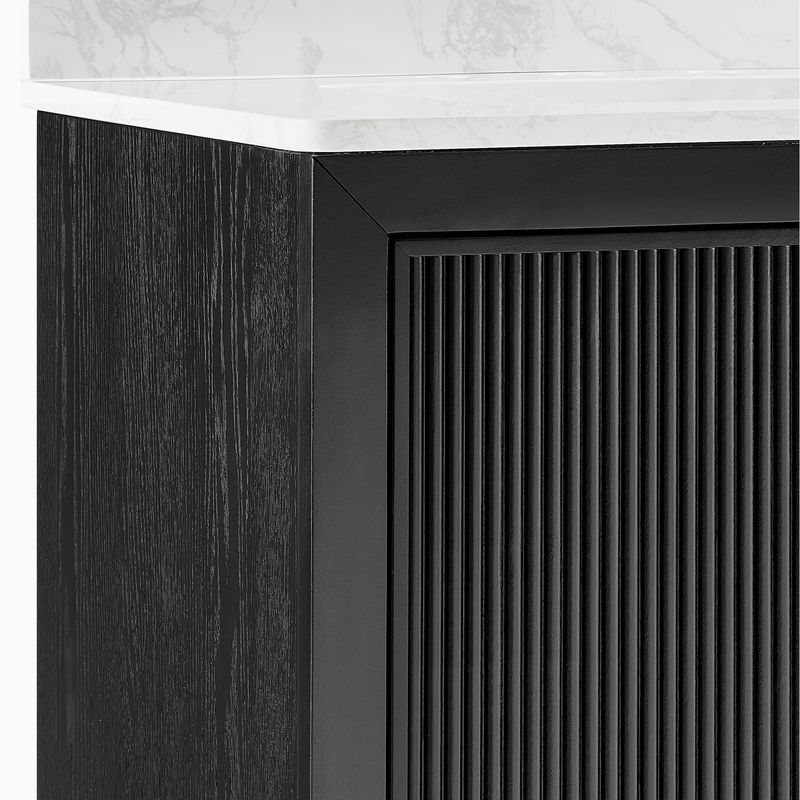
Hernest uses American solid oak in its bathroom vanity collection. The cabinets use kiln-dried wood and a multi-step finishing process designed to highlight the natural grain. Dovetail drawer construction adds another furniture-making detail to the storage components.
What About the Countertop?
The countertop sees most of the daily contact with water, toothpaste, cosmetics, soap, and cleaning products, so it deserves attention of its own.
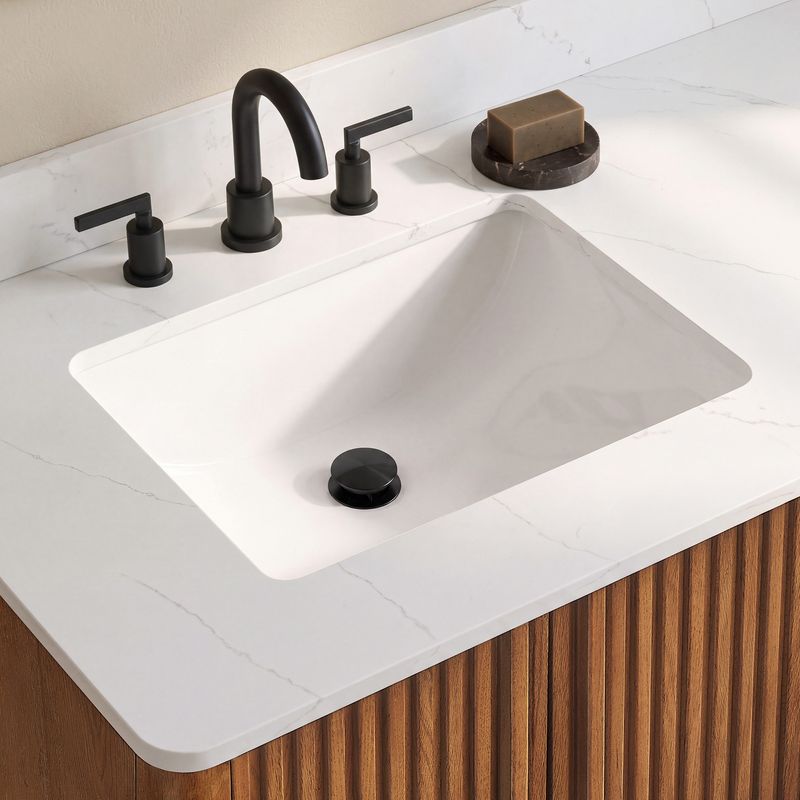
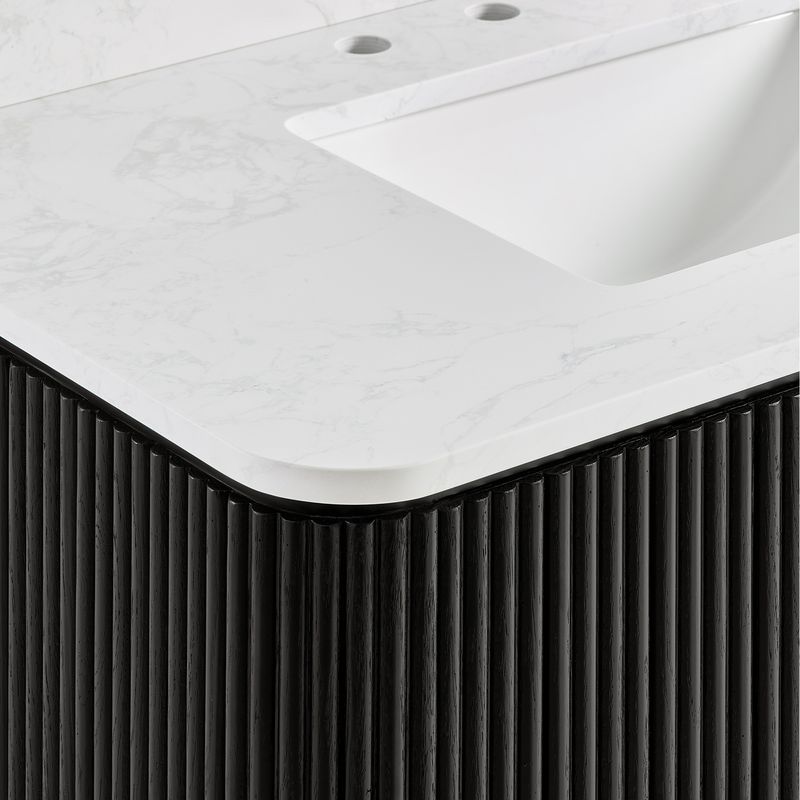
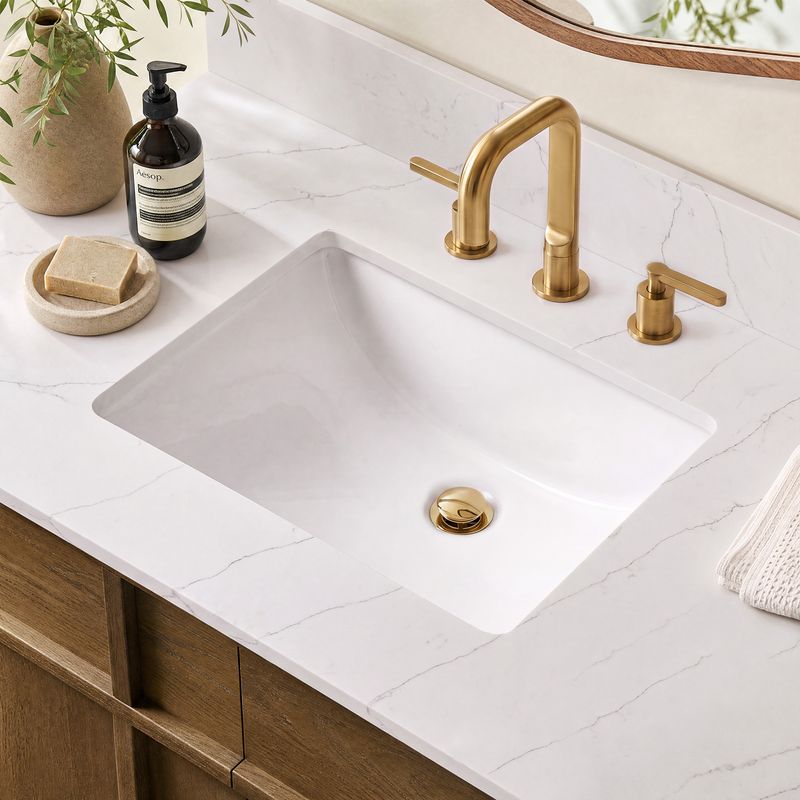
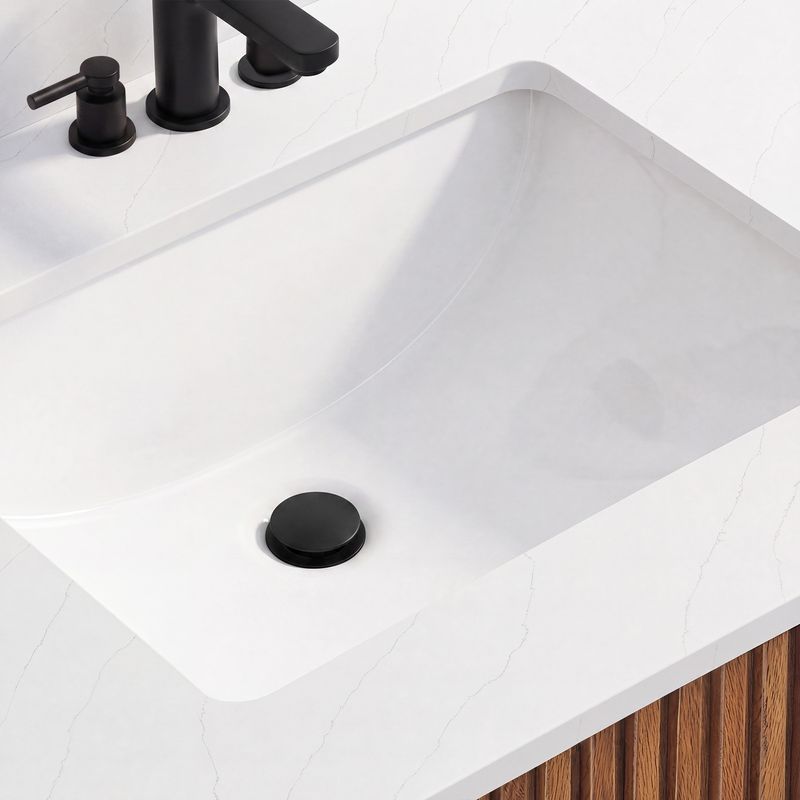
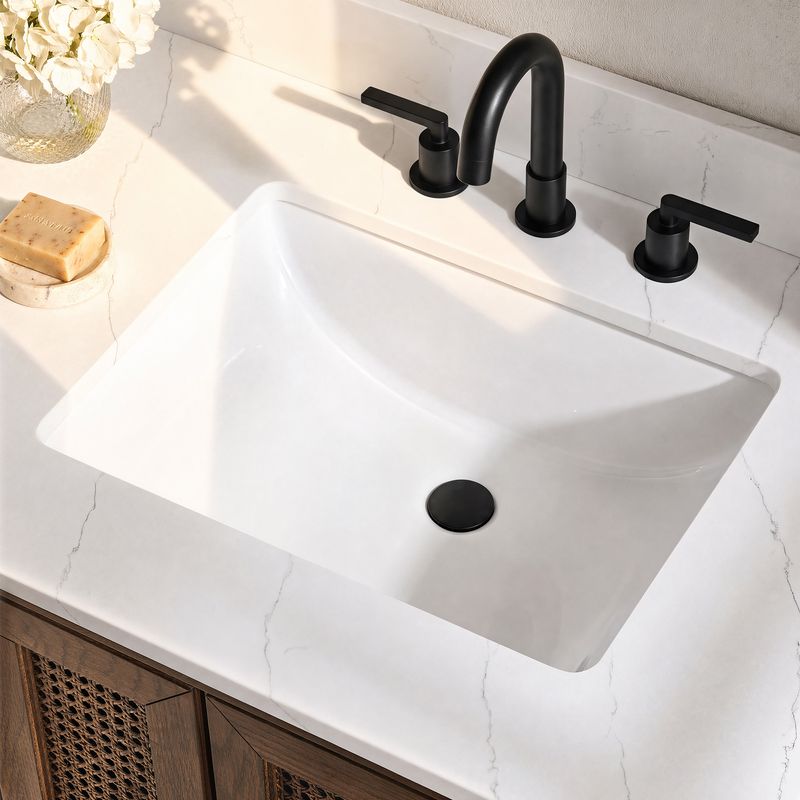
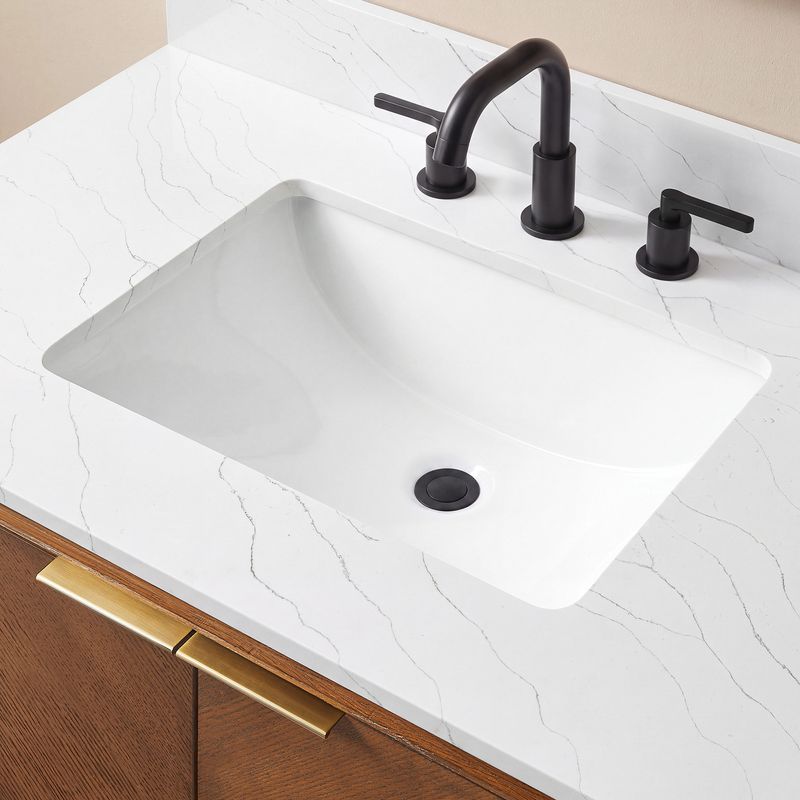
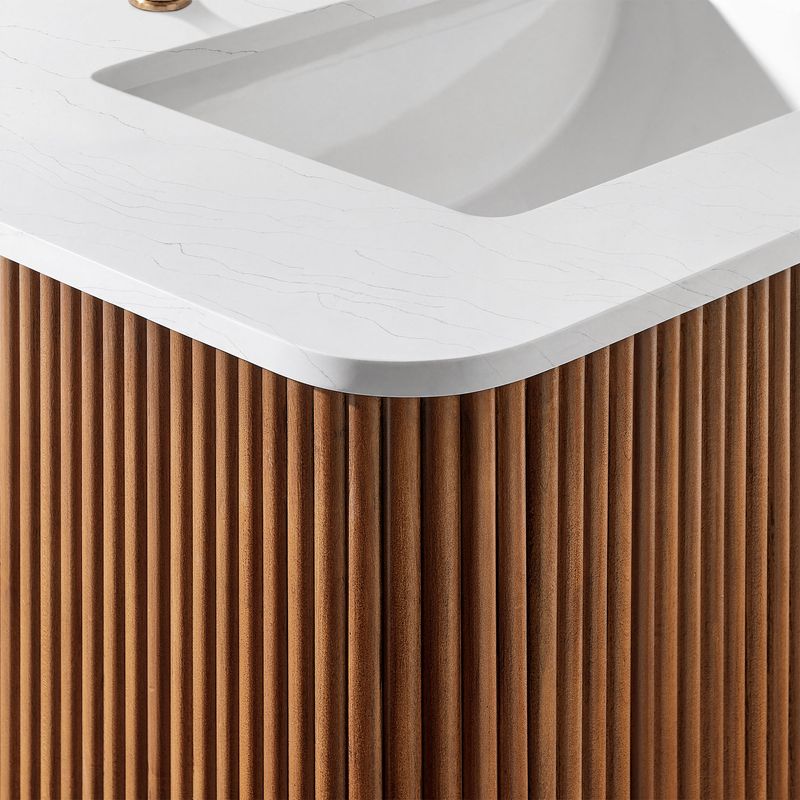
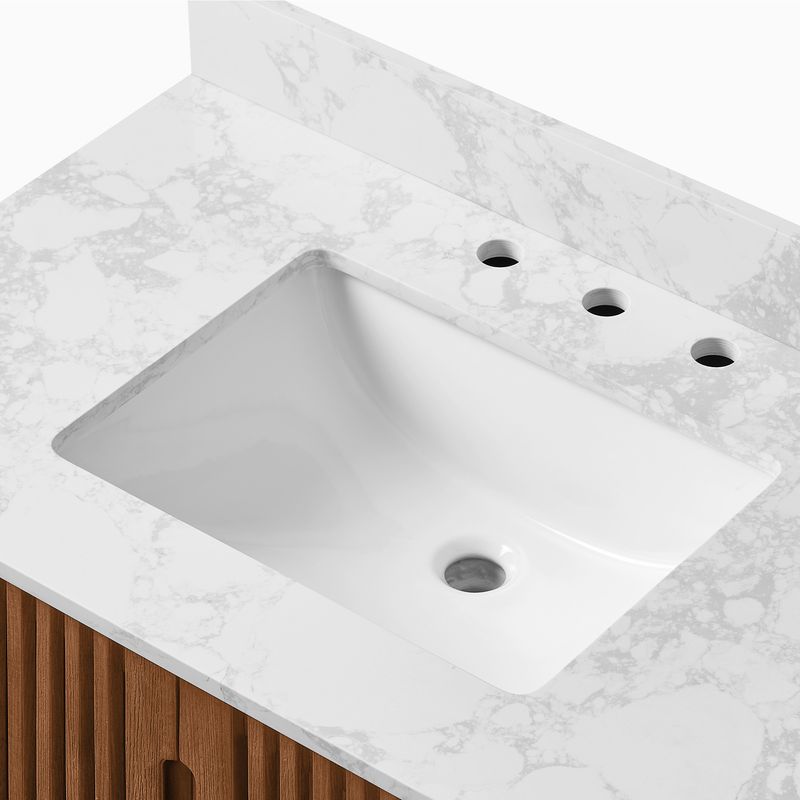
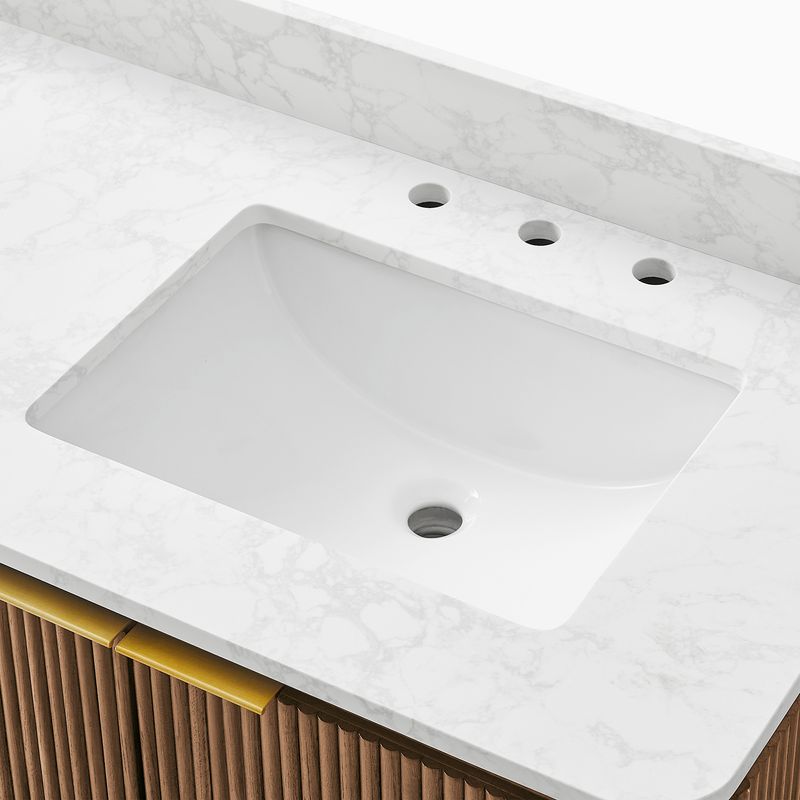
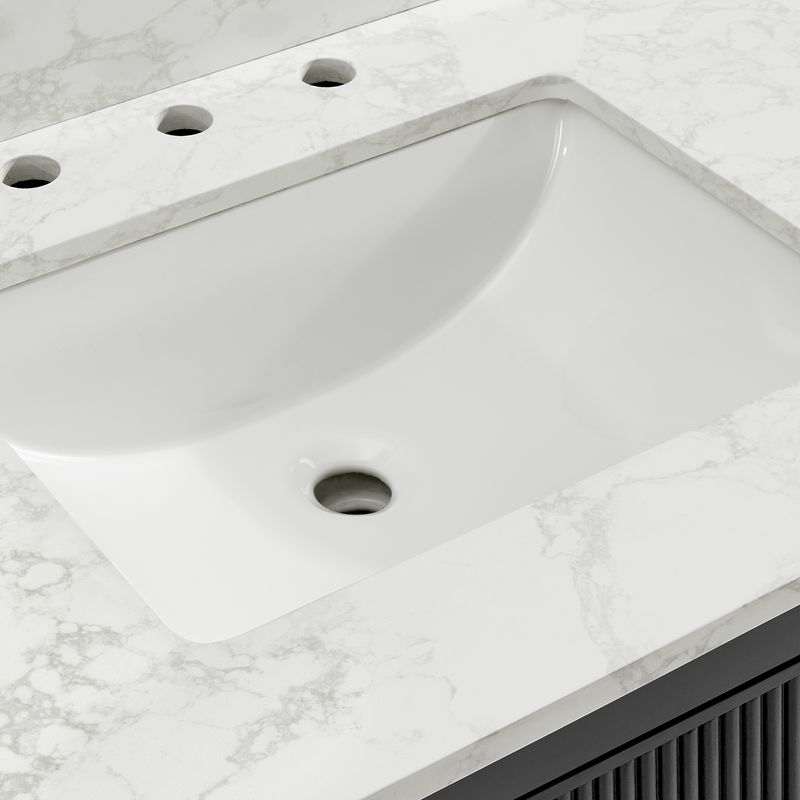
Hernest bathroom vanities use engineered stone countertops designed to provide a consistent, polished surface for everyday bathroom use.
No countertop or wood finish should be treated as completely maintenance-free. Wipe away standing water and spills rather than letting moisture sit around seams, edges, or sink areas. Use cleaning products recommended for the specific finish and countertop material.
Storage That Matches Your Morning Routine
Storage is easy to underestimate when shopping for a vanity.
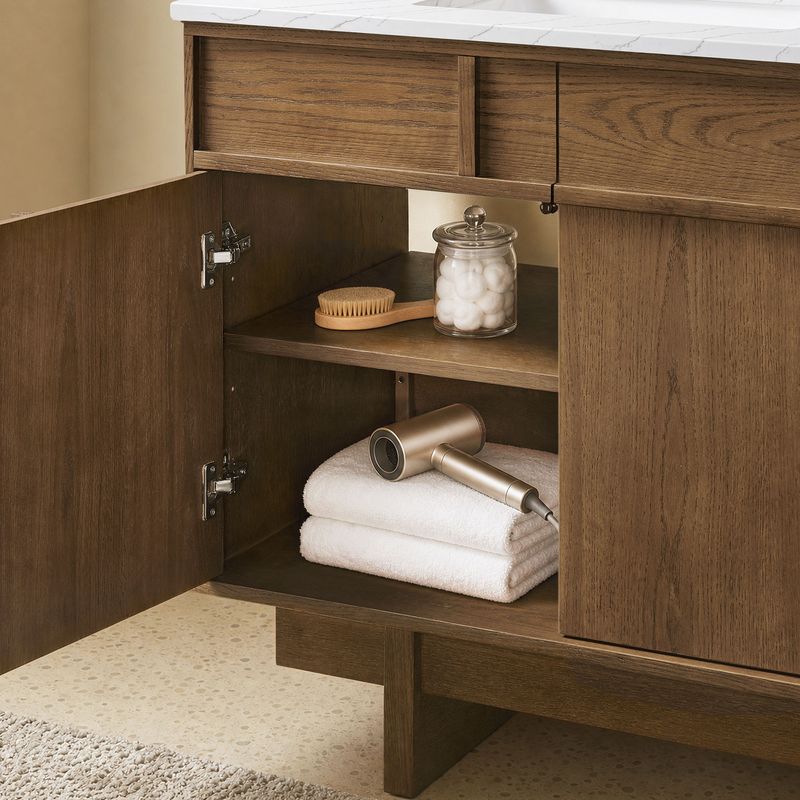
Think about what you reach for every day. Hair tools may need wider or deeper storage. Small skincare bottles are often easier to organize in drawers than in one deep cabinet. Towels and extra toilet paper may be better stored elsewhere, leaving the vanity for the things you use most often.
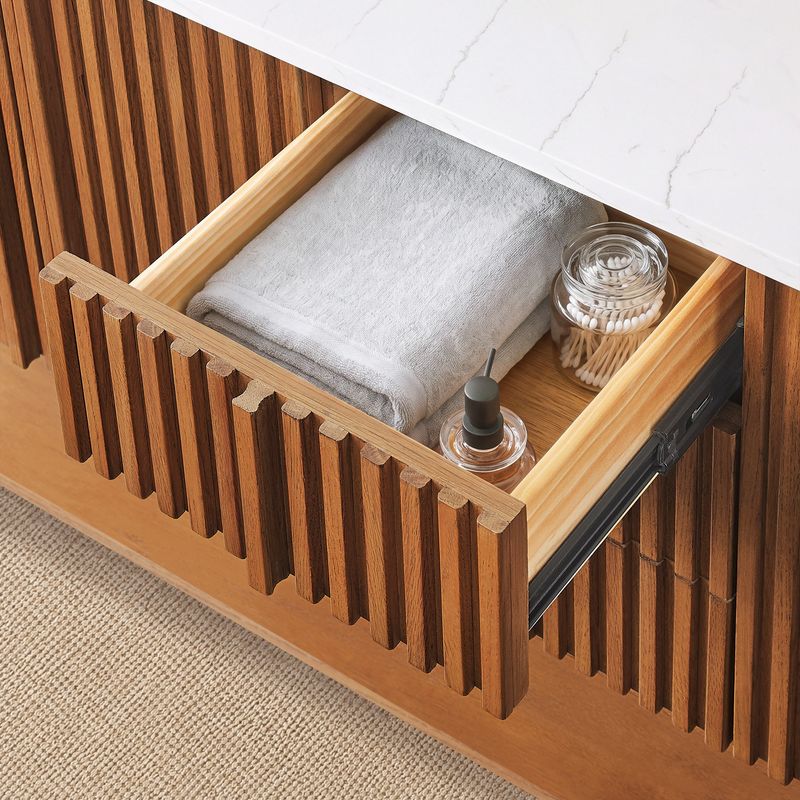
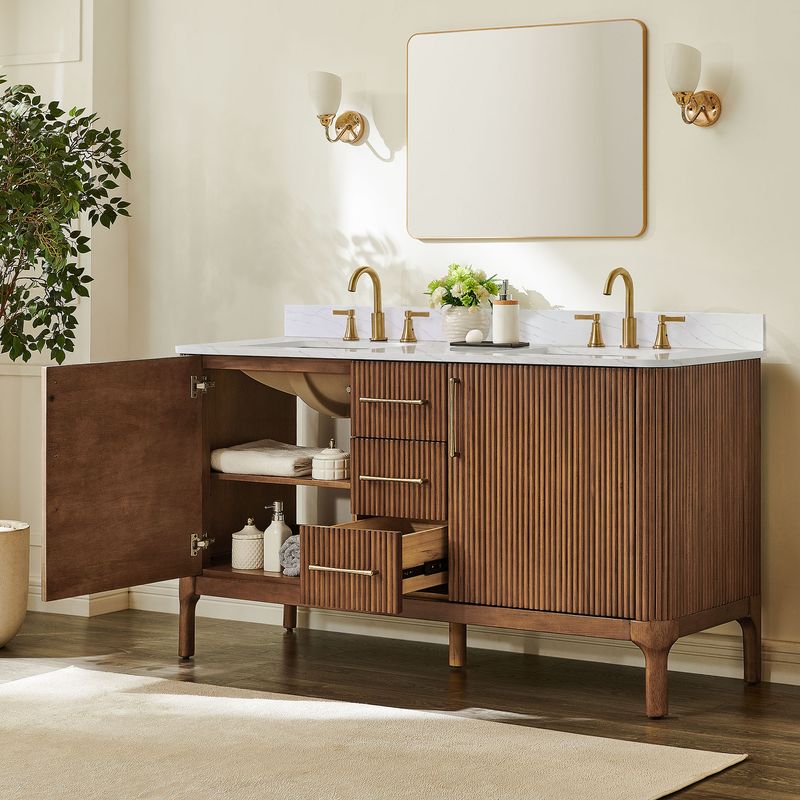
Drawer construction matters, particularly in a bathroom shared by several people. Soft-close drawers reduce noise and help minimize the repeated impact of slamming. Dovetail joinery is another detail worth looking for when you want drawers designed for regular use.
Hernest bathroom vanities incorporate soft-close drawers and precision dovetail joinery, combining practical storage with furniture-focused construction.
Choose a Style That Works With the Whole Bathroom
Start with the finishes already in the room. The vanity does not have to match the tile, mirror, faucet, and lighting exactly, but the materials and tones should feel connected.
For a modern bathroom, clean lines and a simple silhouette keep the look streamlined. A floating cabinet can reinforce that effect while leaving the floor visible.
If you prefer a warmer interior, natural oak tones add texture without requiring a bold color statement. The wood grain can become one of the room's visual features.
For a transitional bathroom, a substantial freestanding cabinet can bridge traditional furniture proportions with cleaner modern details.
Think about the room as a whole before choosing the final finish. A warm wood vanity beside cool gray tile, for example, can work especially well when another element in the bathroom picks up the warmer tone.
Bathroom Vanity Buying Checklist
Before ordering, check these details rather than relying on appearance alone:
● Measure the wall width: Account for trim, walls, and other fixed elements.
● Measure cabinet depth: Make sure drawers and doors can open without interfering with nearby fixtures.
● Check the plumbing location: Existing supply and drain lines may affect cabinet placement and interior storage.
● Decide between single and double sinks: Base the decision on how the bathroom is actually used.
● Choose floating or freestanding: Consider both installation requirements and the amount of visible floor you want.
● Think through storage: Make a quick list of the items you expect to keep inside the vanity.
● Check the material and finish: Bathroom conditions make construction and surface protection important.
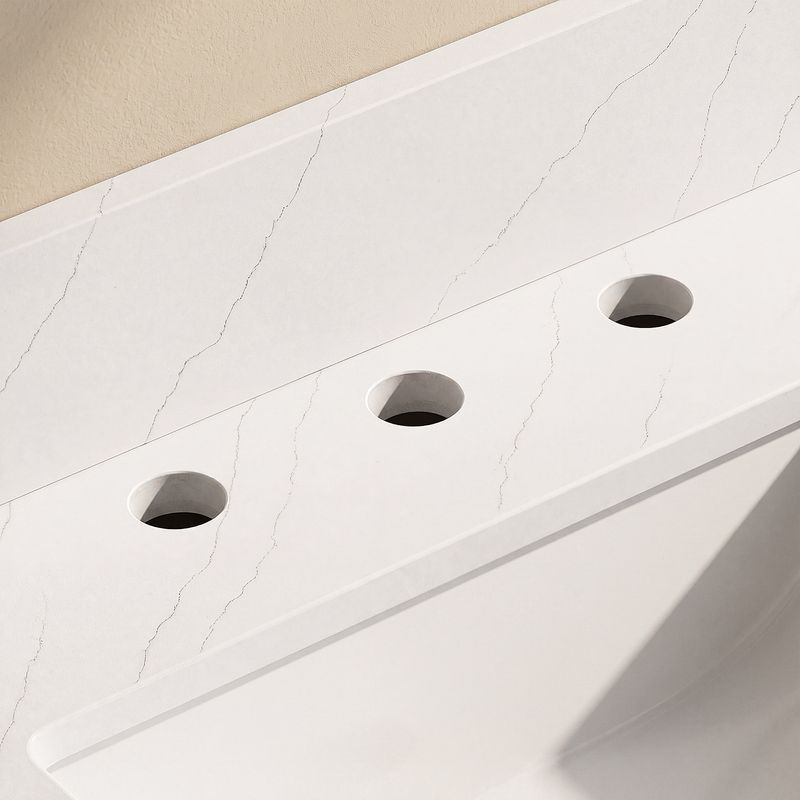
● Confirm countertop and sink compatibility: Check sink openings and faucet requirements before installation.
● Look at the entire room: Make sure the vanity's wood tone, finish, and proportions work with the existing bathroom.
● Verify clearances: Check doors, drawers, toilets, showers, and walkways before placing the order.
A tape measure is one of the most useful tools to have before ordering a bathroom vanity. Getting the dimensions right upfront can save you from an expensive installation problem later.