








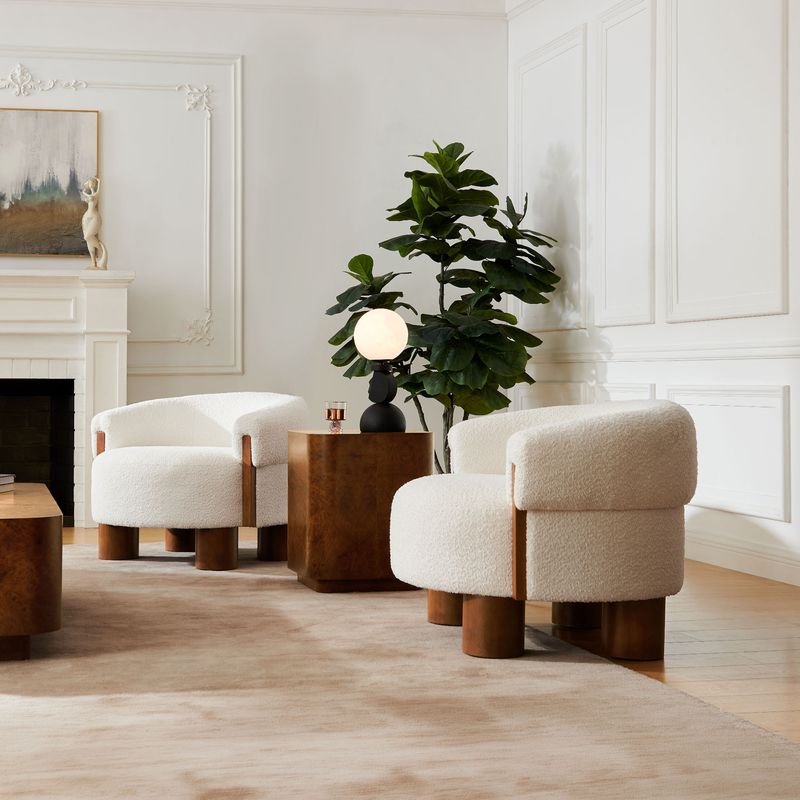
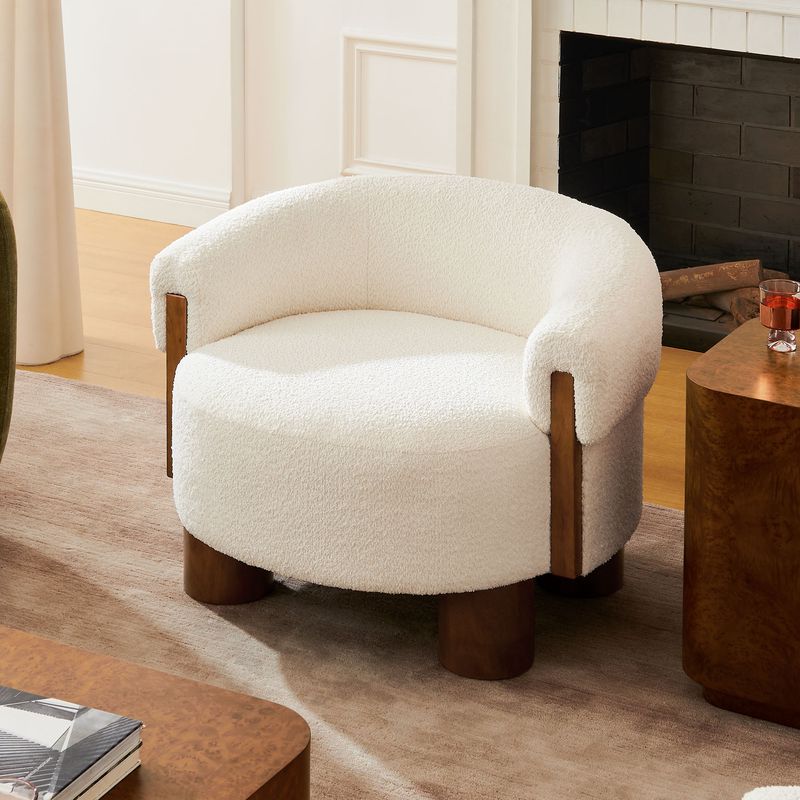
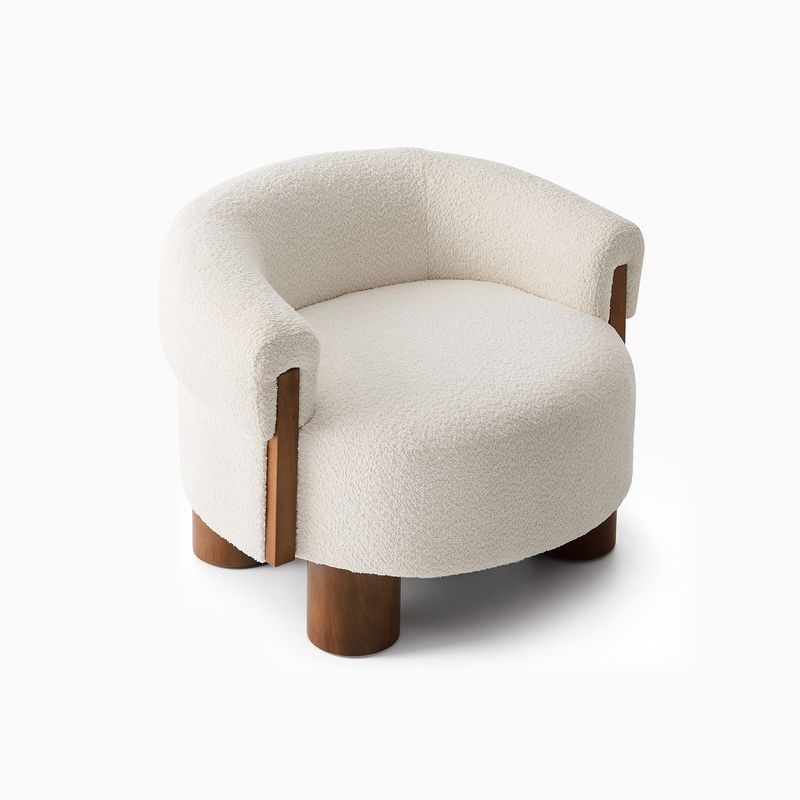

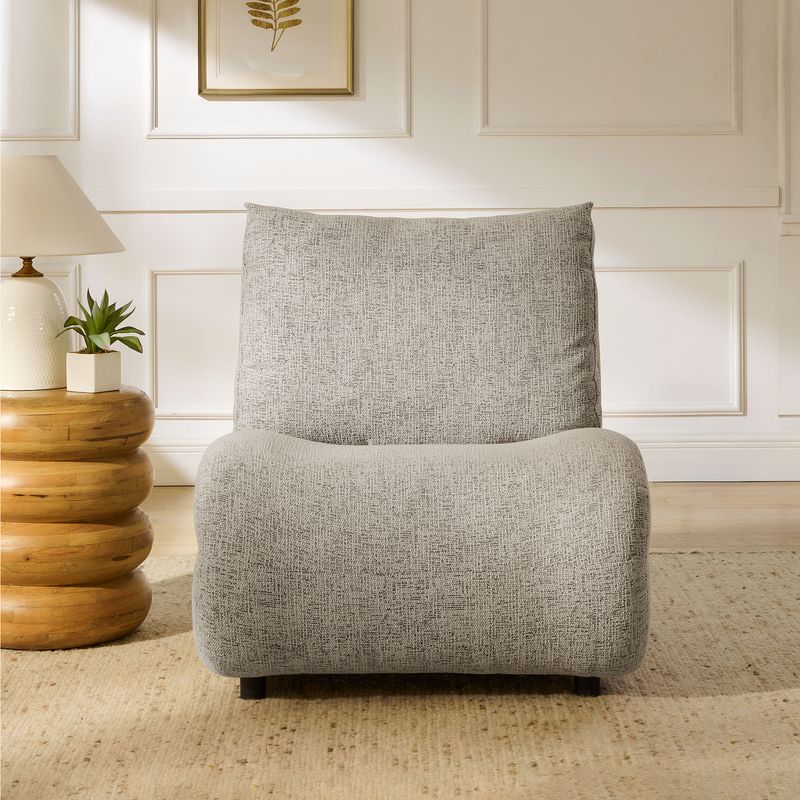
Find Accent Chairs That Fit Your Space and Your Style
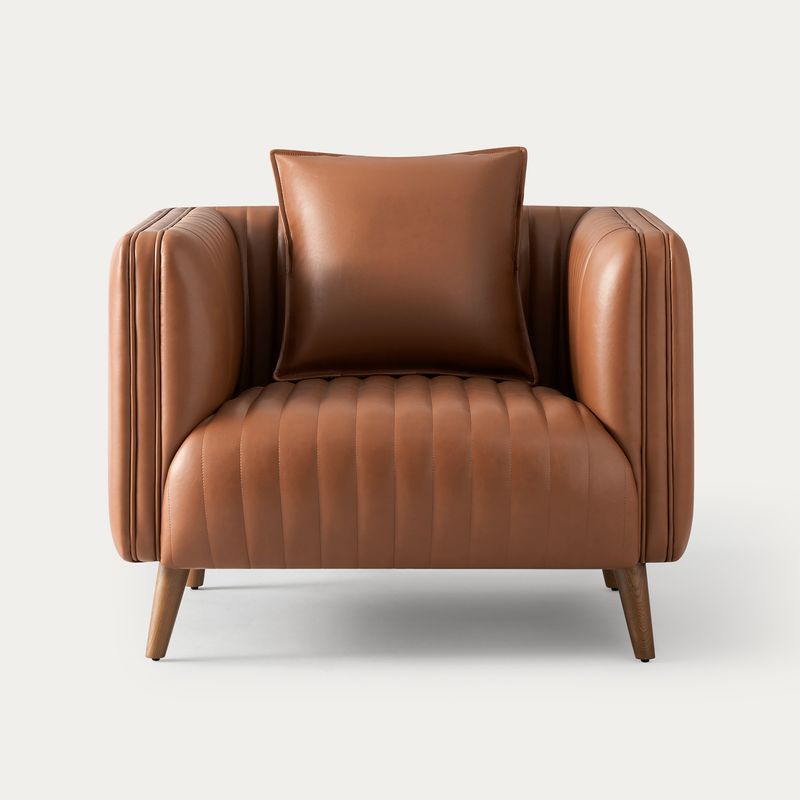
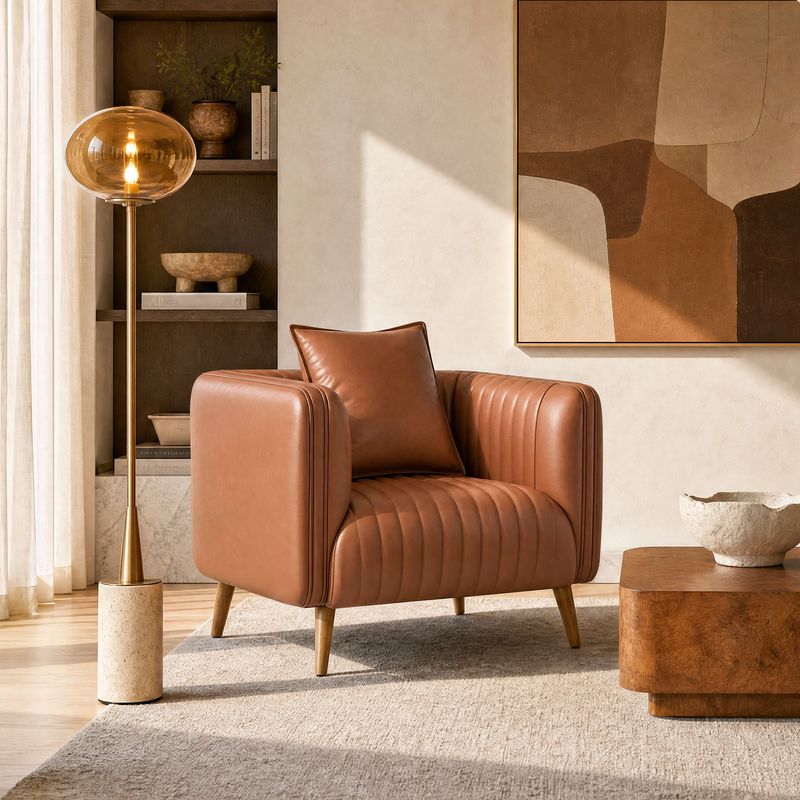
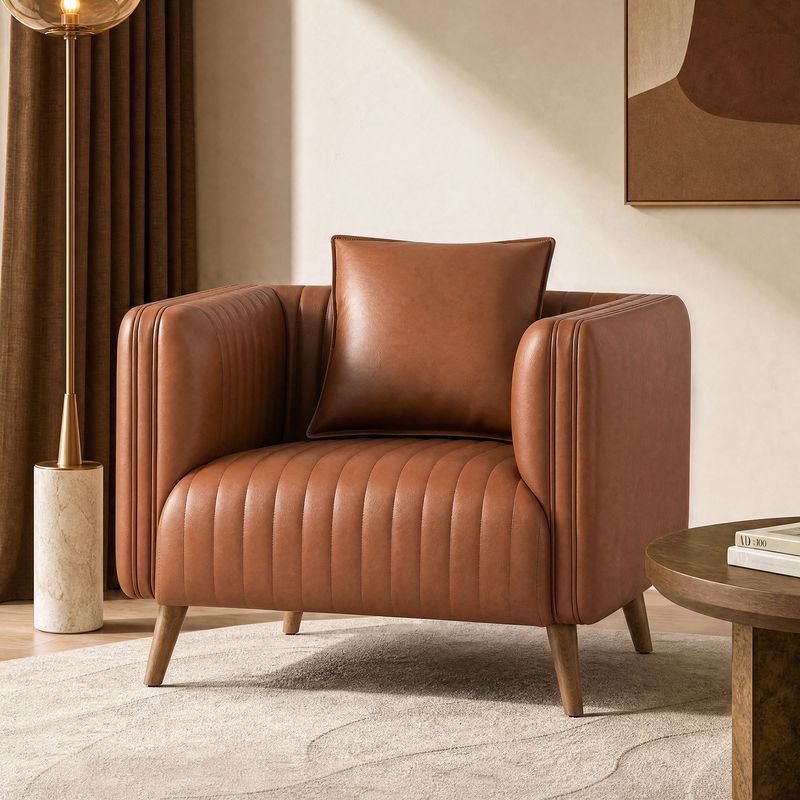
The right accent chairs can do more than fill an empty corner. They can add a comfortable seat beside a sofa, create a conversation area, or bring a new shape or texture into the room without adding another large piece of furniture.
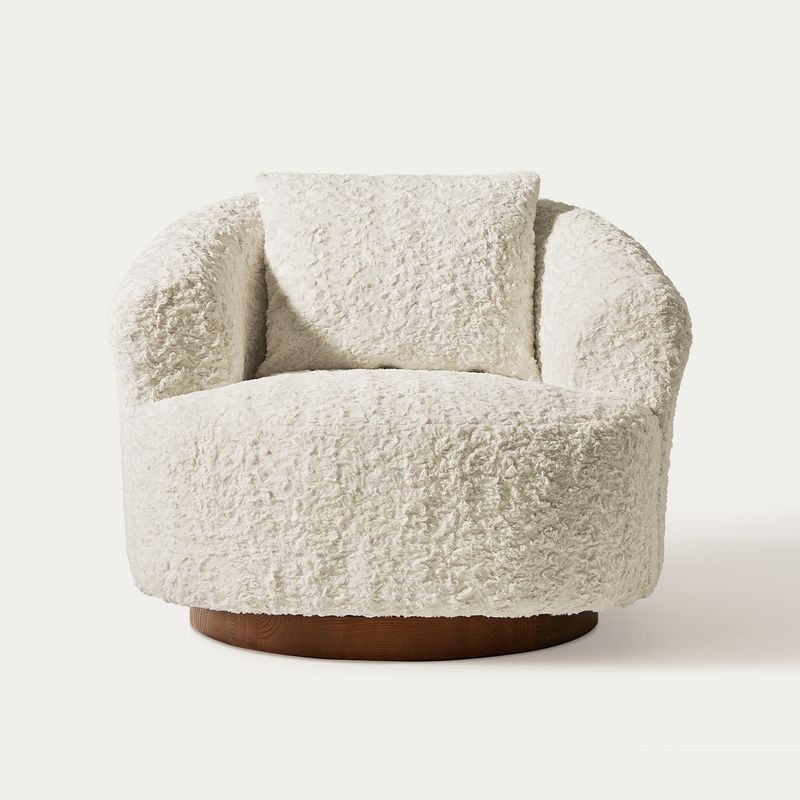
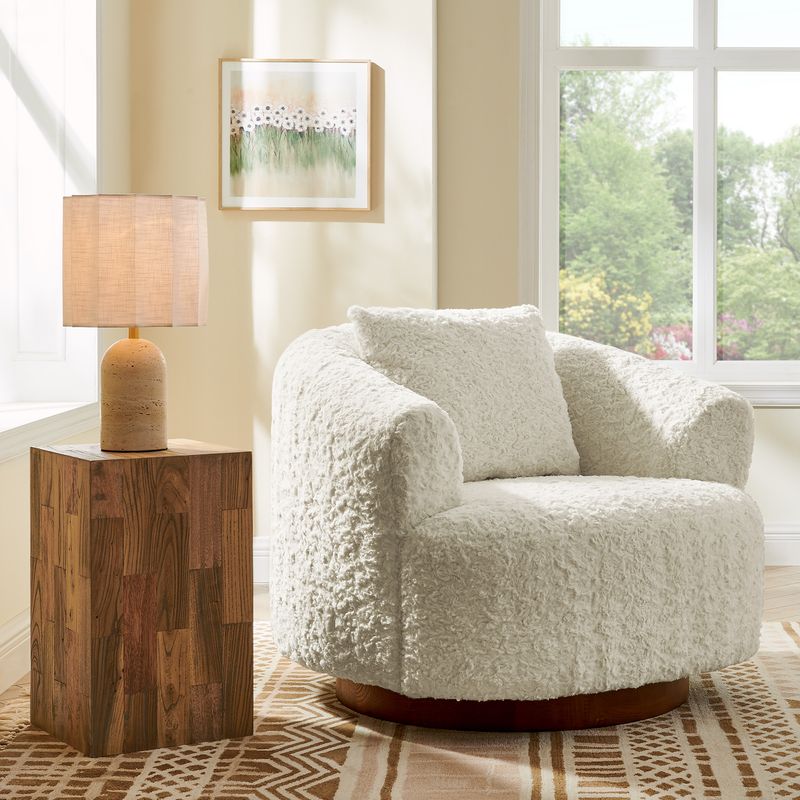
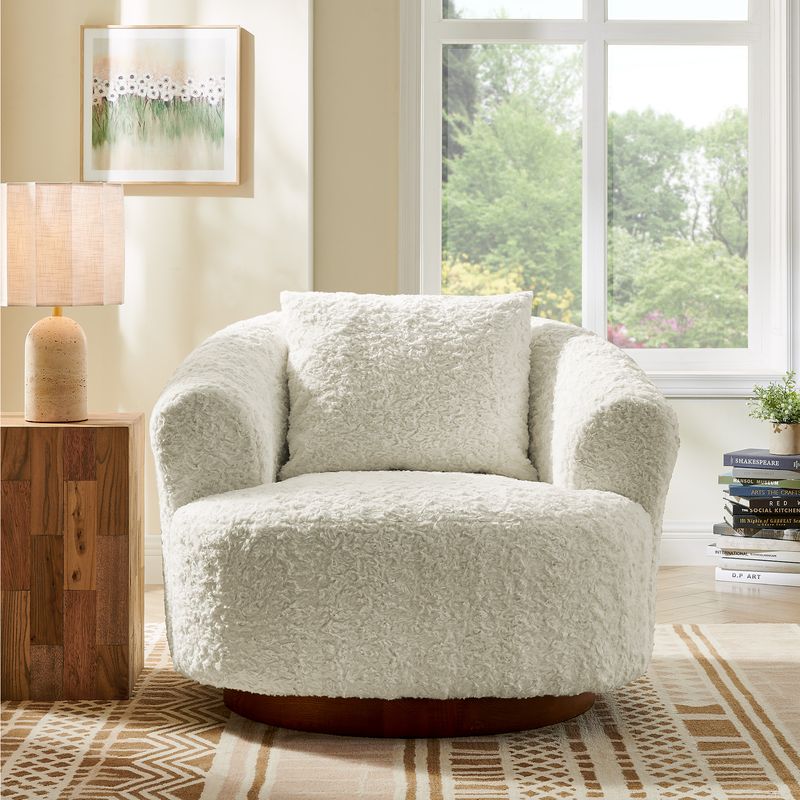
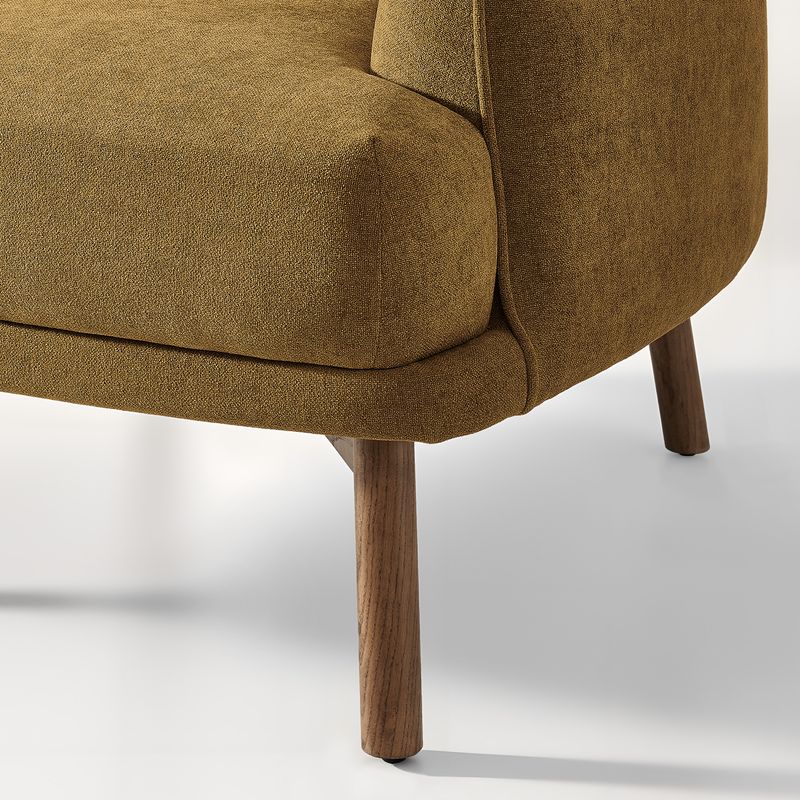
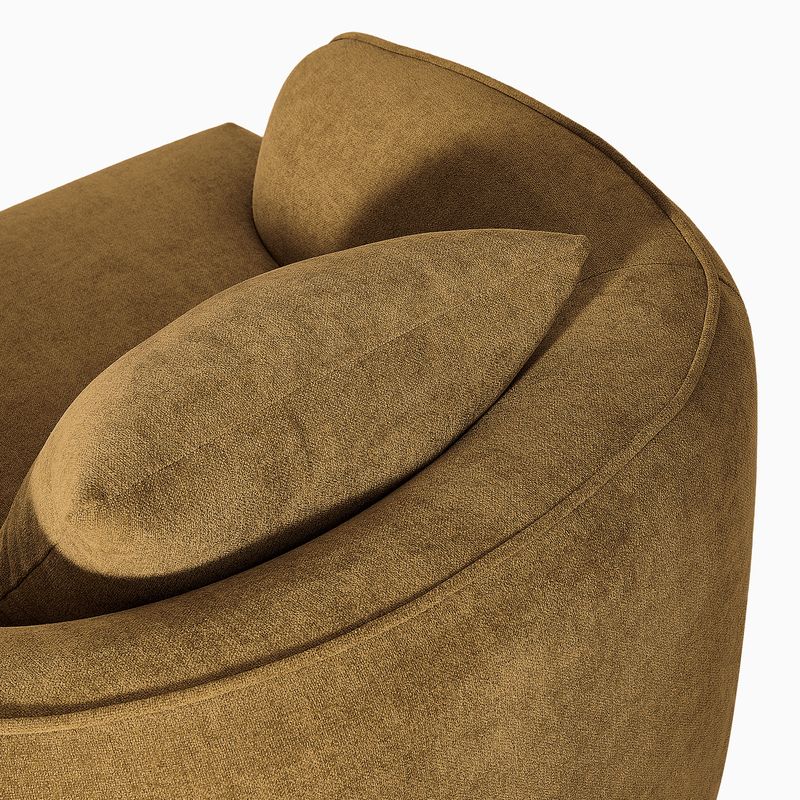
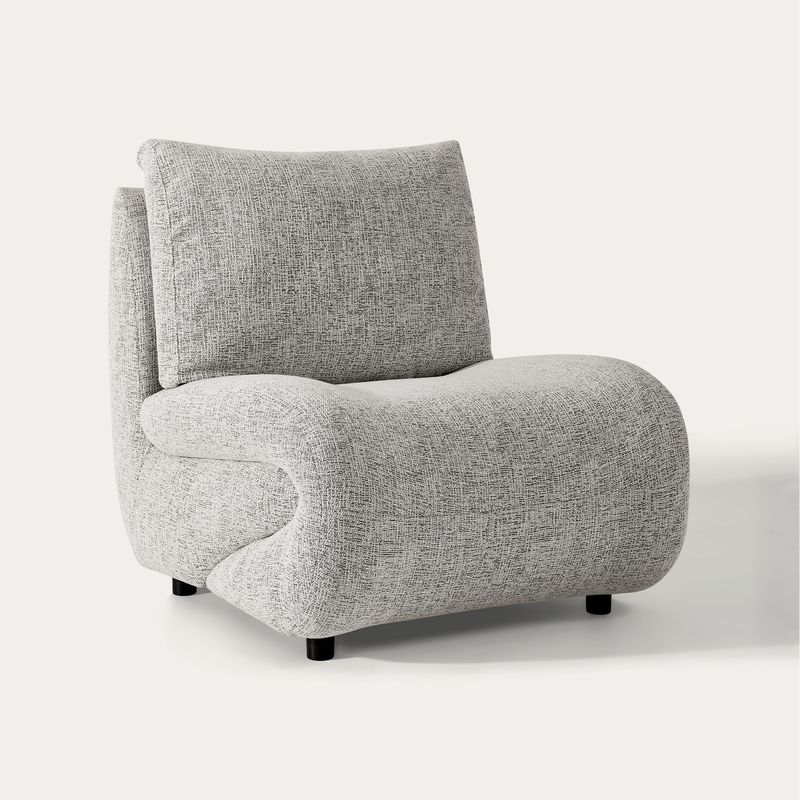
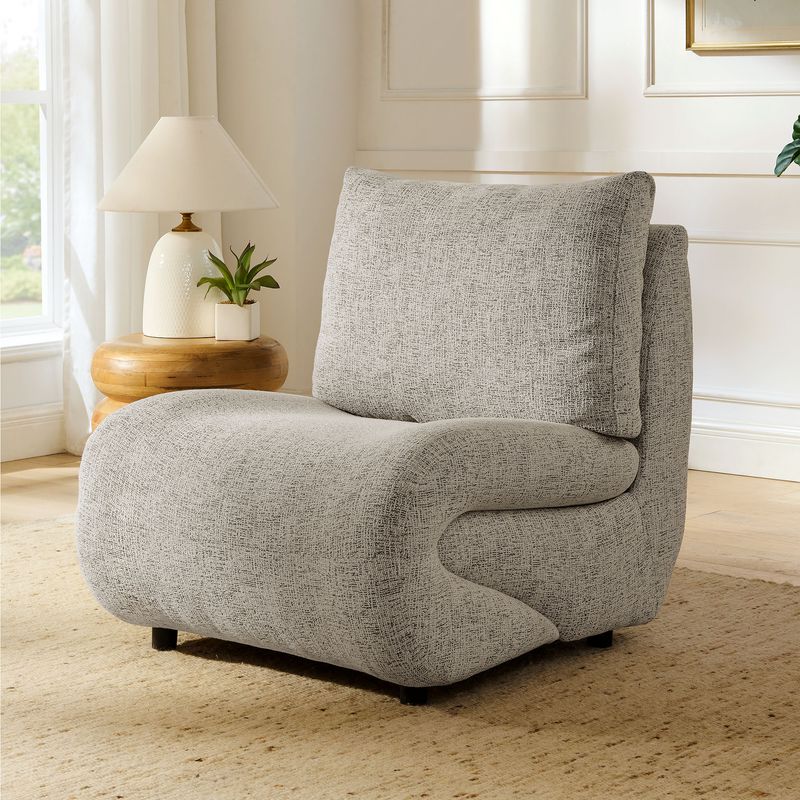
Hernest offers accent chairs in a range of sizes, silhouettes, upholstery textures, and functions. A compact chair can work in a smaller living room or reading nook, while a wider lounge-style chair can give a larger room more visual weight. Swivel seating adds another layer of flexibility when a chair needs to face different parts of an open layout.
Before choosing a chair, look beyond its appearance. Overall width, seat depth, seat height, arm design, upholstery, and placement all affect how well it works once it is in your home.
Read More
What Is an Accent Chair?
An accent chair is a standalone chair that adds seating and visual interest to a room. Unlike a dining chair or desk chair, it is usually chosen as part of a room's overall furniture arrangement rather than as part of a matching set.
That makes accent chairs flexible. A chair can sit beside a sofa, face a coffee table, fill an unused corner, or create a comfortable reading spot near a window. It can also introduce a different texture, finish, or silhouette without requiring you to replace the rest of your furniture.
The term can describe several types of seating, including armchairs, lounge chairs, barrel chairs, swivel chairs, and occasional chairs. The shape may differ, but the purpose is similar: provide useful seating while complementing the room around it.
How to Choose Accent Chairs for Your Room
The easiest way to choose accent chairs is to start with the room rather than the chair. Measure the available space, look at the furniture you already own, and decide how the new seat will actually be used.
Measure the Space Before You Shop
Start with the chair's overall width and depth. The published width includes the arms or the widest outside point, so don't assume that a 35-inch-wide chair provides 35 inches of usable seating.
Hernest's current collection ranges from a compact 27-inch chair to wider 35- and 38-inch designs, with additional options around 32 and 33 inches. That range can make it easier to choose according to the room rather than trying to make one standard chair size work everywhere.
Measure the delivery route as well. Doorways, hallways, stair turns, elevators, and tight corners can become problems if the chair's dimensions are checked only after it arrives.
For room planning, allowing roughly 30–36 inches for a primary walkway can provide comfortable circulation where space permits. Around 18 inches between seating and a coffee table is another commonly used planning range. These are guidelines rather than fixed rules; the layout and furniture dimensions should determine the final spacing.
Match the Chair to Your Existing Seating
Your new chair does not need to match your sofa exactly.
A better approach is to look for a few connections between the pieces. You might repeat a warm wood tone, pick up a color from the rug, or introduce a similar upholstery texture. The chair can then have its own shape without looking disconnected from the rest of the room.
For example, a sofa with straight lines can be paired with a chair featuring a rounded back or curved arms. A large sectional can benefit from a more open chair profile that keeps the seating area from feeling too heavy.
Consider How You Will Use the Chair
Think about what happens in the room before deciding which chair looks best.
A chair used for reading should have a comfortable seat depth, supportive back, and useful arm placement. For conversation, a more upright seat can make it easier to face the sofa or another chair. If the chair will be used for relaxing, a deeper seat and generous cushioning may be more appropriate.
A swivel chair can be particularly useful in an open room. You can turn toward the sofa, television, window, or another seating area without moving the entire chair.
Accent Chairs With Arms vs. Armless Designs
One of the simplest ways to narrow down your choices is to decide whether you want accent chairs with arms or an armless design.
Why Choose Accent Chairs With Arms?
Accent chairs with arms provide defined support for your elbows and can give a chair a more substantial presence. They work well when the chair will be used for reading, conversation, or longer periods of sitting.
Arms can also help anchor a chair visually. This can be useful in a large living room where a small, open silhouette might disappear next to a substantial sofa or sectional.
The main consideration is footprint. Arms add to the chair's overall width, so compare the outside dimensions with the available floor space before ordering.
When Does an Armless Chair Make Sense?
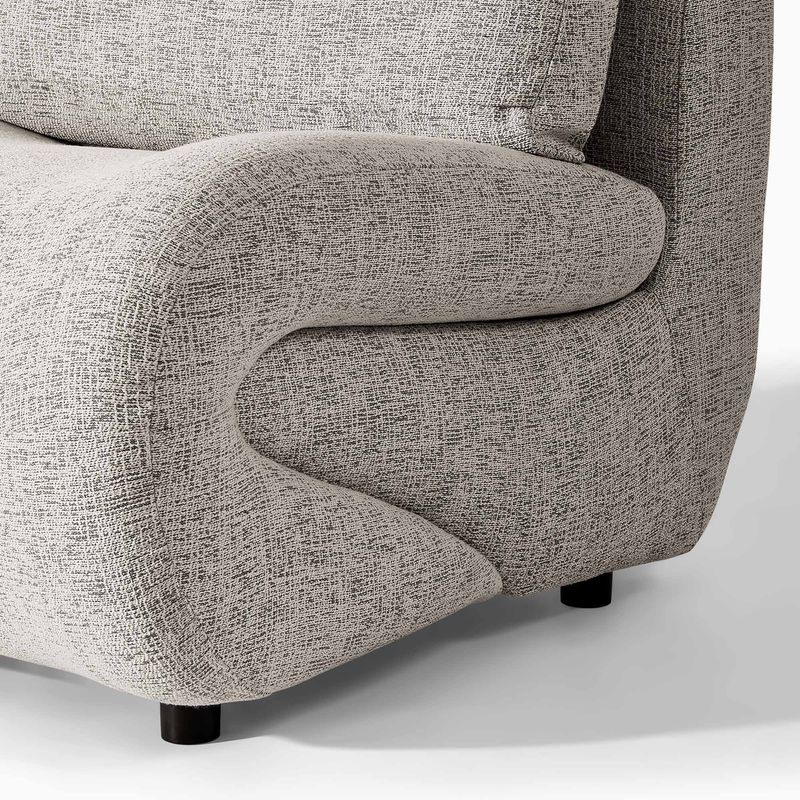
Armless seating generally takes up less visual space and can work well in tighter layouts. It can also make a seating arrangement feel more open, particularly when several pieces are placed around a coffee table.
If you are working with a narrow corner or limited circulation space, an armless silhouette may leave more room to move around the chair. In a larger room, it can also provide a lighter contrast to heavier upholstered furniture.
Popular Accent Chair Styles to Consider
There is no single shape that defines accent chairs. Different silhouettes serve different rooms and sitting preferences.
Modern Accent Chair
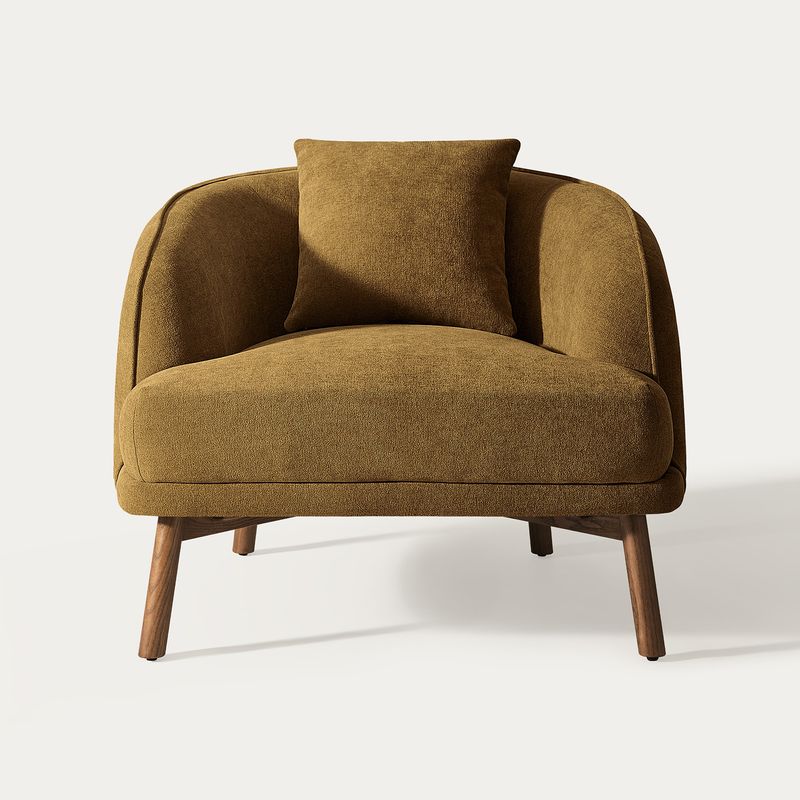
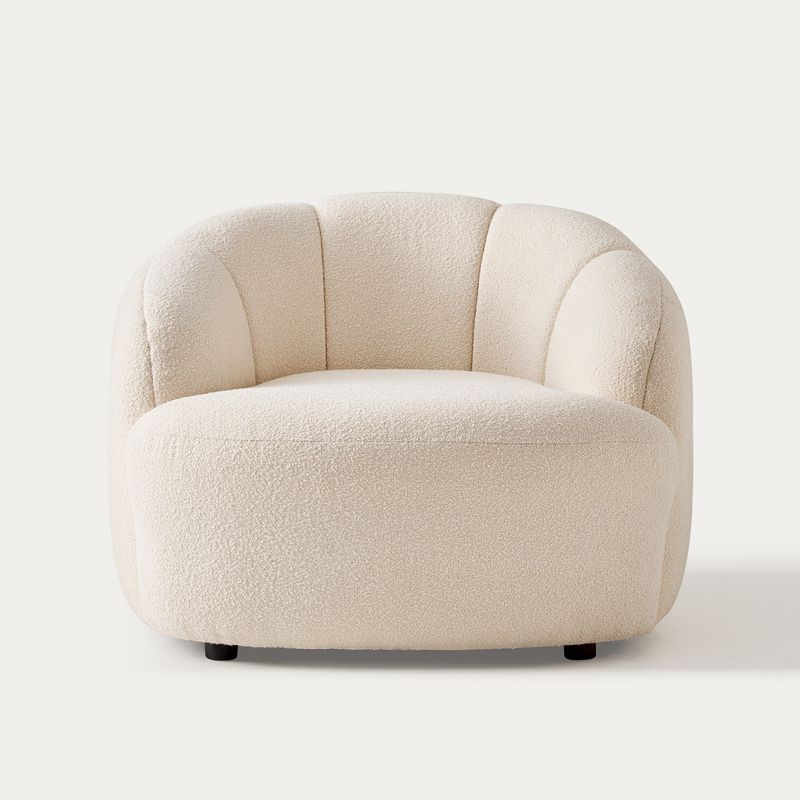
A modern accent chair typically focuses on clean lines, simple proportions, and a streamlined silhouette. This makes a modern accent chair easy to combine with existing living-room furniture without making the seating arrangement feel overly formal.
A structured chair can reinforce a room with straight architectural lines, while a rounded back or curved arms can soften a space dominated by rectangular furniture.
Swivel Accent Chair
Swivel seating is useful when the chair needs to serve more than one direction. In an open-concept room, you can turn toward a sofa for conversation and then rotate toward another part of the room without shifting the chair across the floor.
A swivel design can also work in a reading area, bedroom, or home office where you may want to change your view throughout the day.
Barrel and Curved Chairs
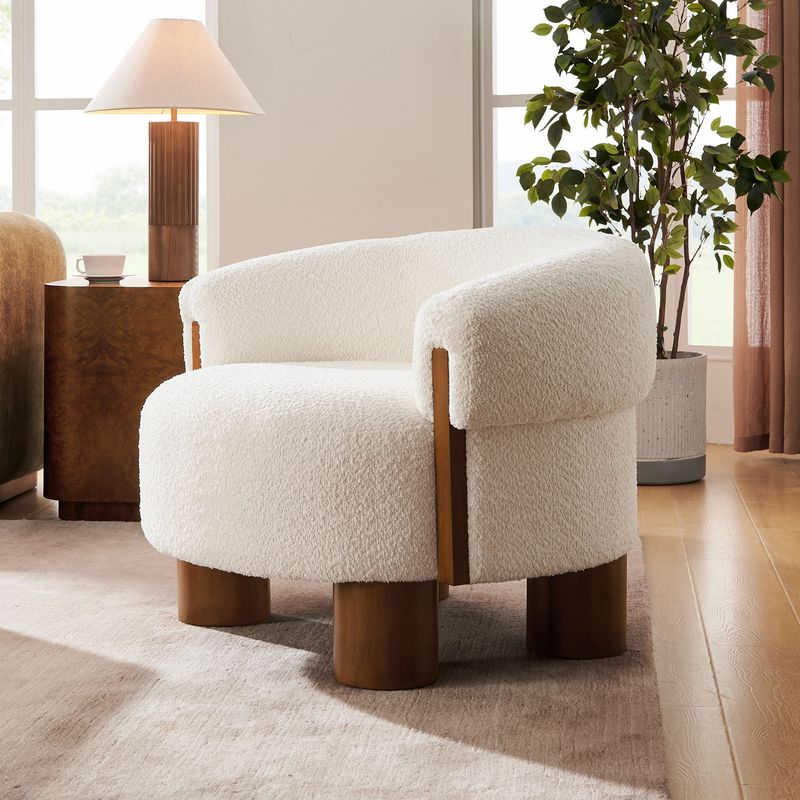
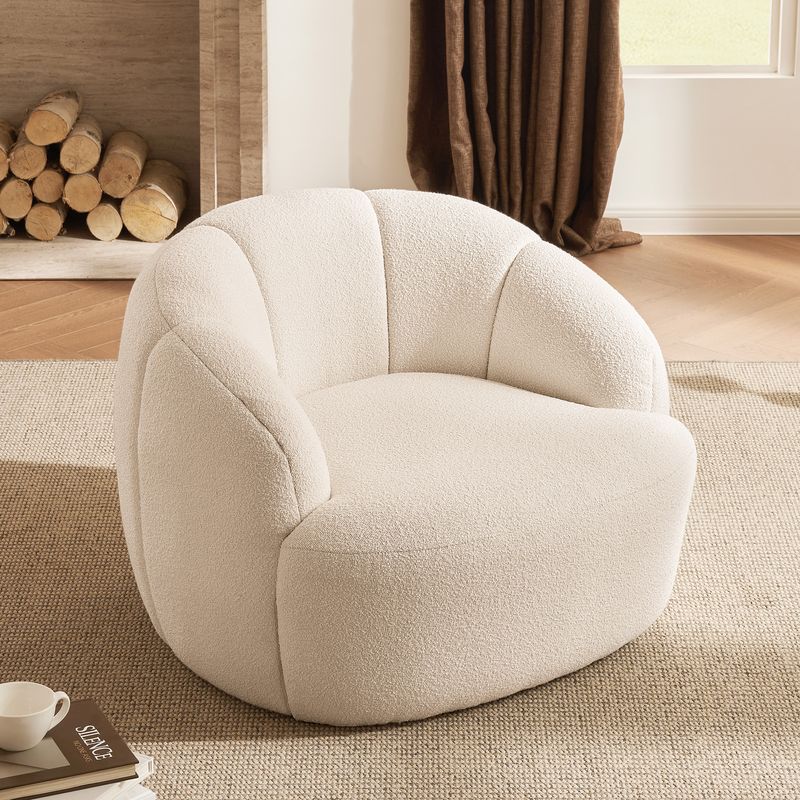
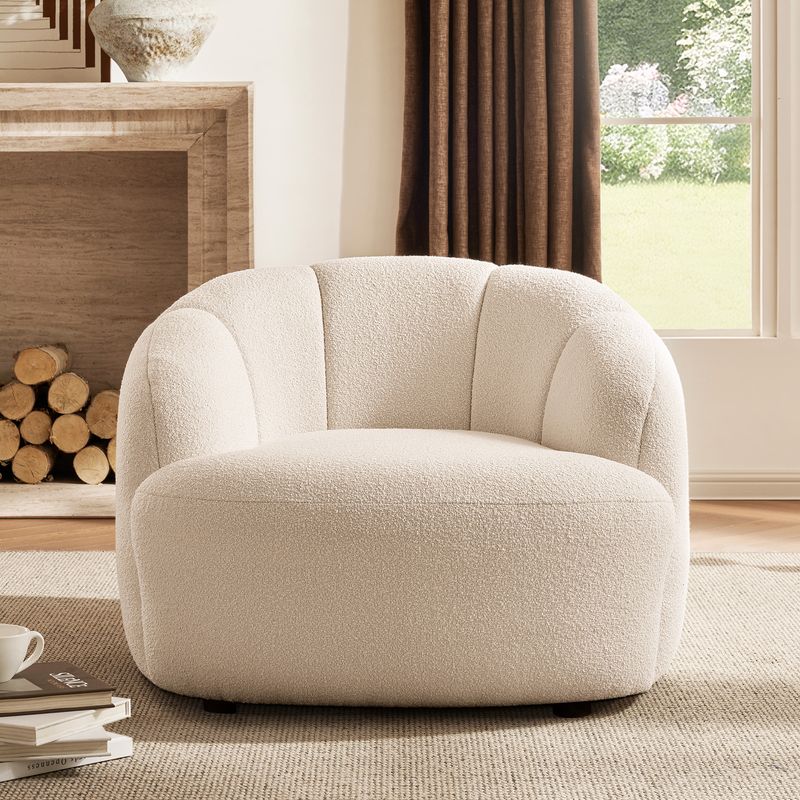
Barrel and curved silhouettes create a more enclosed seating experience. Their rounded profiles can provide contrast when the surrounding furniture has mostly straight edges.
This type of chair can be particularly effective beside a large sectional, where a curved shape breaks up a room filled with long horizontal lines.
Lounge-Style Chairs
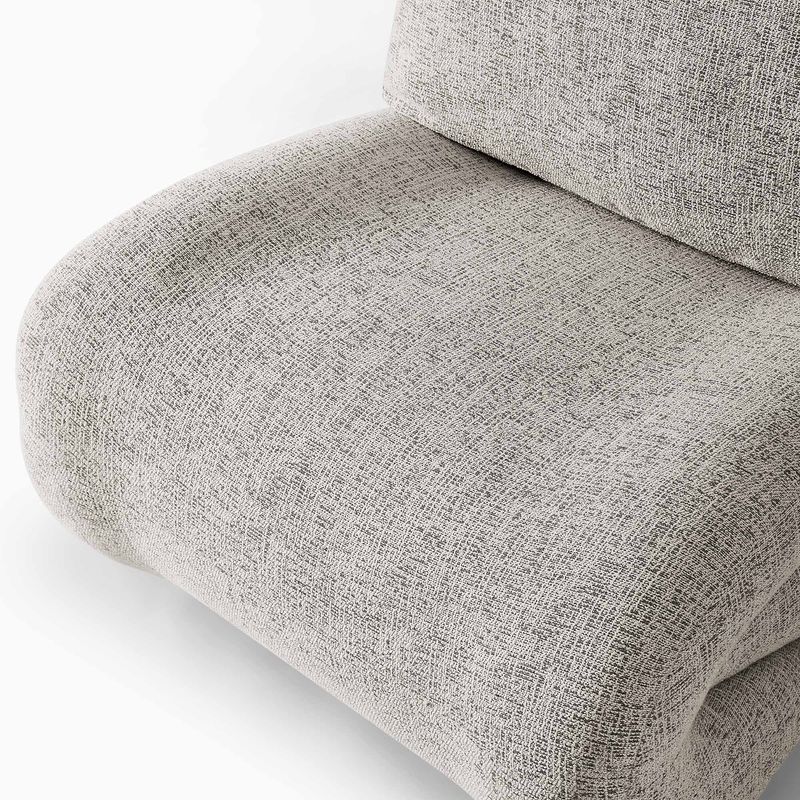
Lounge-style seating places more emphasis on relaxation. A deeper seat, supportive back, and generous cushioning can make the chair suitable for reading, relaxing, or spending more time in the living room.
When considering a lounge chair, pay close attention to its depth. A chair that looks inviting in a large room may take up more floor space than expected in a smaller one.
How Many Accent Chairs Should You Have?
The number of accent chairs you need depends on the room and the seating you already have.
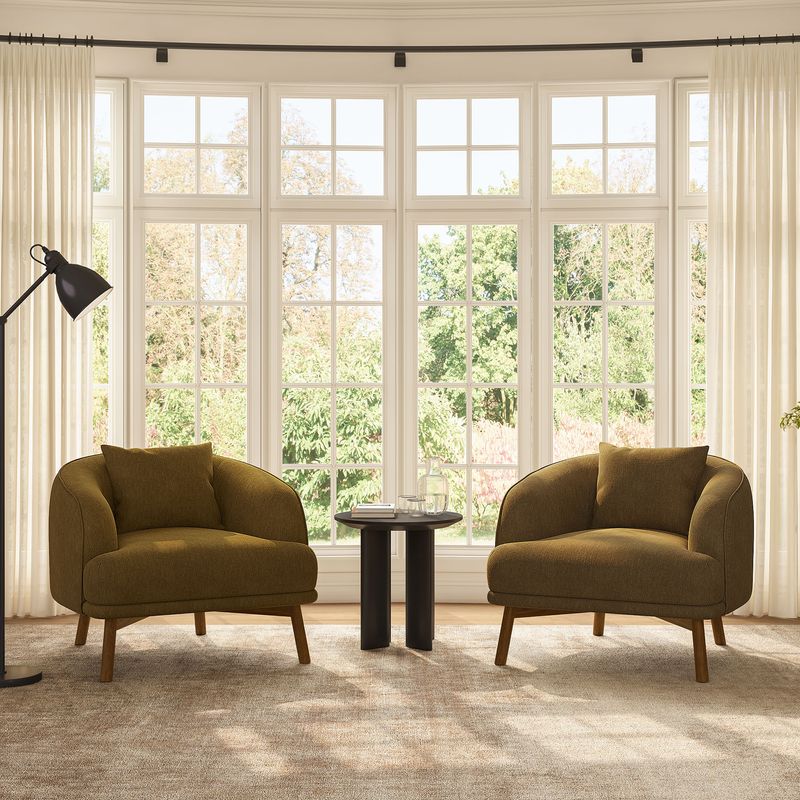
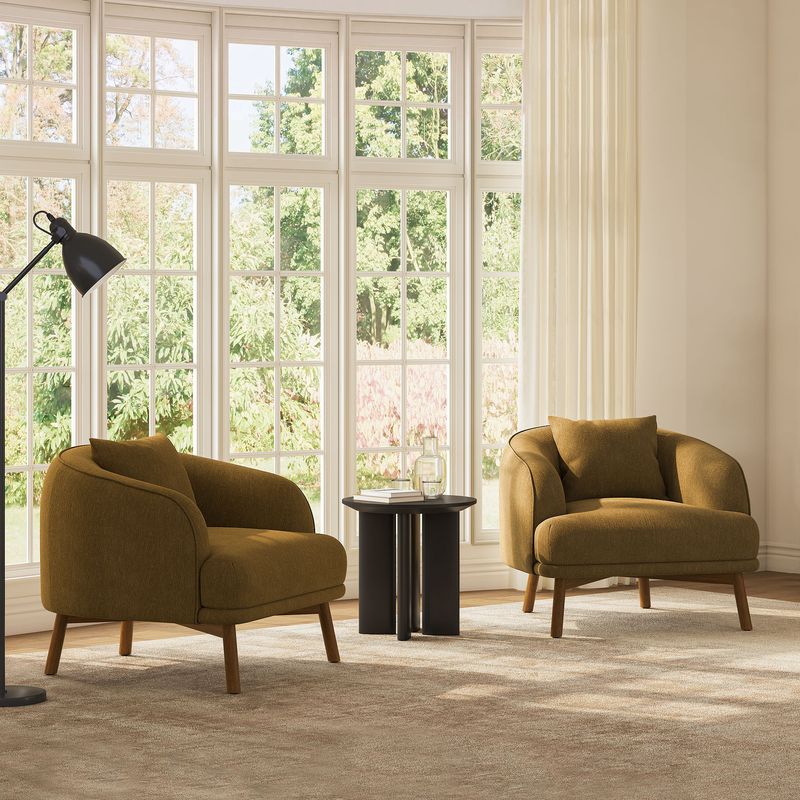
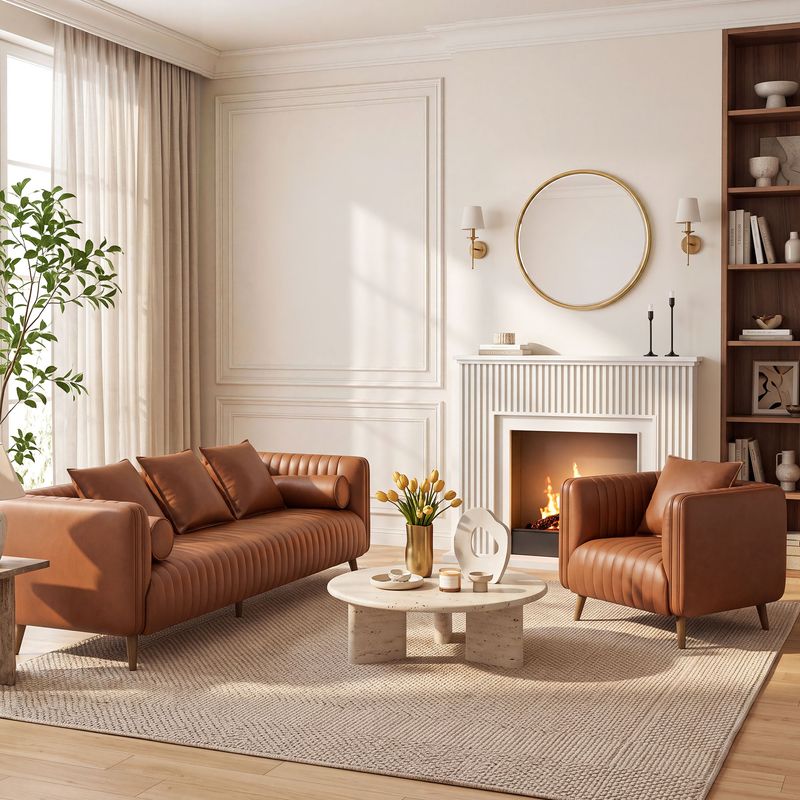
One chair can be enough for a smaller living room, an unused corner, or a dedicated reading area. Two chairs can create a balanced conversation arrangement when placed opposite a sofa or beside a shared table.
The two chairs do not have to be identical. Matching the overall scale while coordinating through color, upholstery, material, or leg finish can create a cohesive arrangement without making the room look like a furniture set.
For a larger living room, two chairs can also distribute visual weight across the seating area. In a compact space, one well-proportioned chair may provide all the additional seating you need.
Choosing an Accent Chair for Your Living Room
When choosing an accent chair for living room use, start with how the space is actually used.
If the room is mainly for conversation, an upright chair that faces the sofa can make the seating arrangement more natural. If it doubles as a reading space, look for supportive cushioning, a comfortable seat depth, and arms that feel natural when you sit. If the living room connects to a television or another open area, a swivel design can give you more flexibility.
Placement matters just as much as the chair itself. An accent chair for living room use should not block a main walkway simply because an empty corner appears available. Leave enough space for people to move comfortably between the sofa, coffee table, doors, and other frequently used areas.
The best living-room arrangement usually feels connected to the rest of the seating. The chair should have a clear relationship with the sofa, coffee table, rug, lighting, or another nearby piece rather than appearing to sit by itself.
Upholstery, Texture, and Everyday Use
Upholstery affects both the appearance and everyday practicality of a chair.
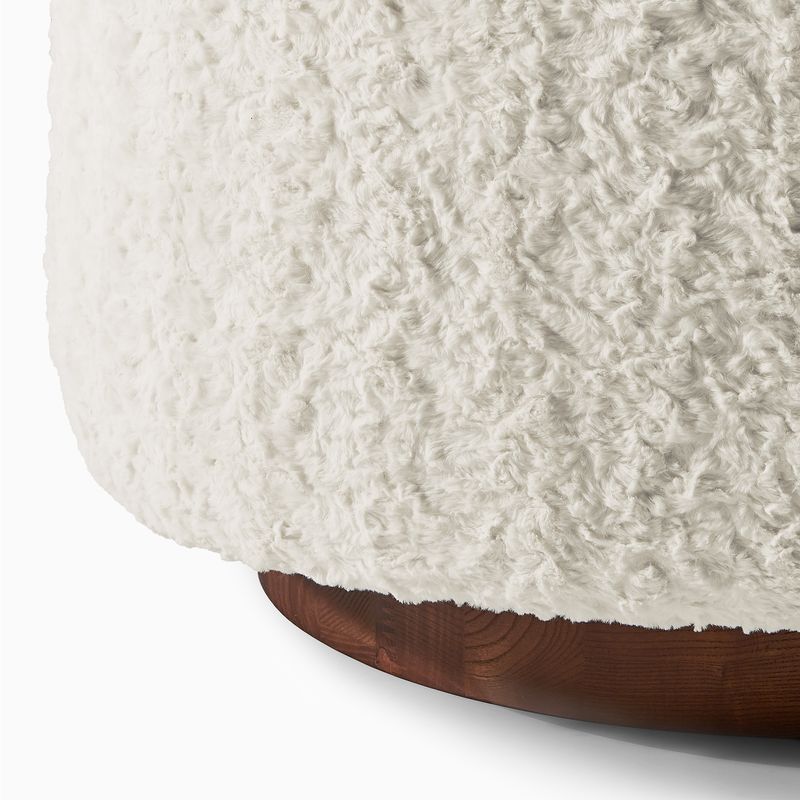
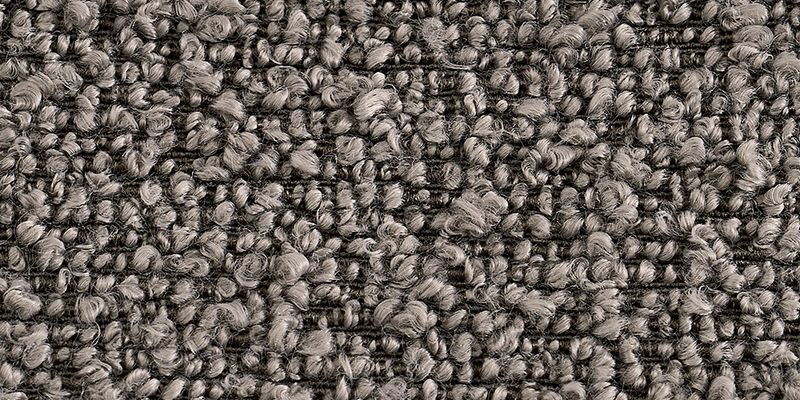
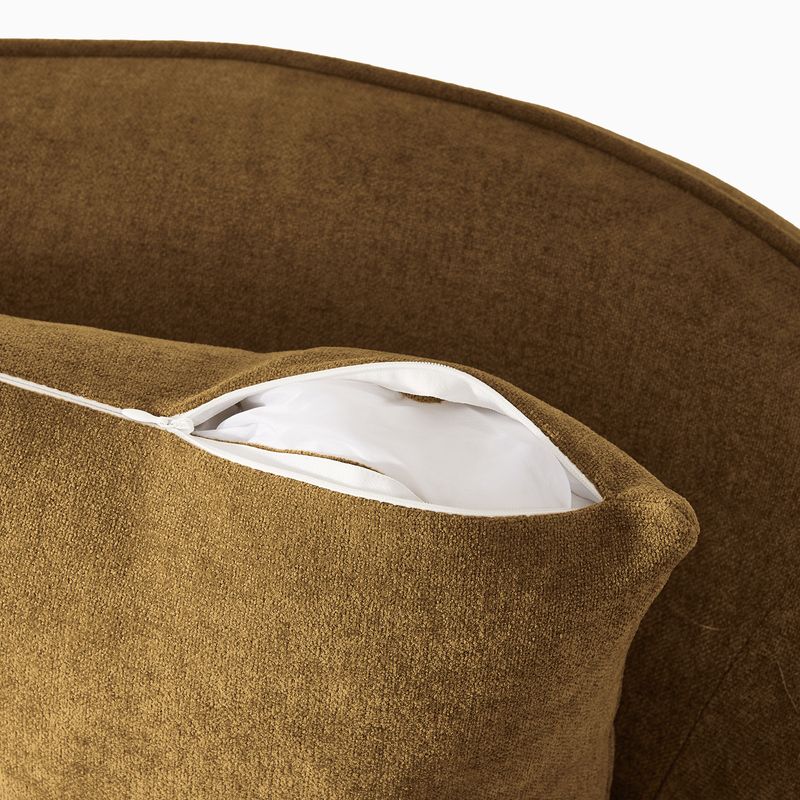
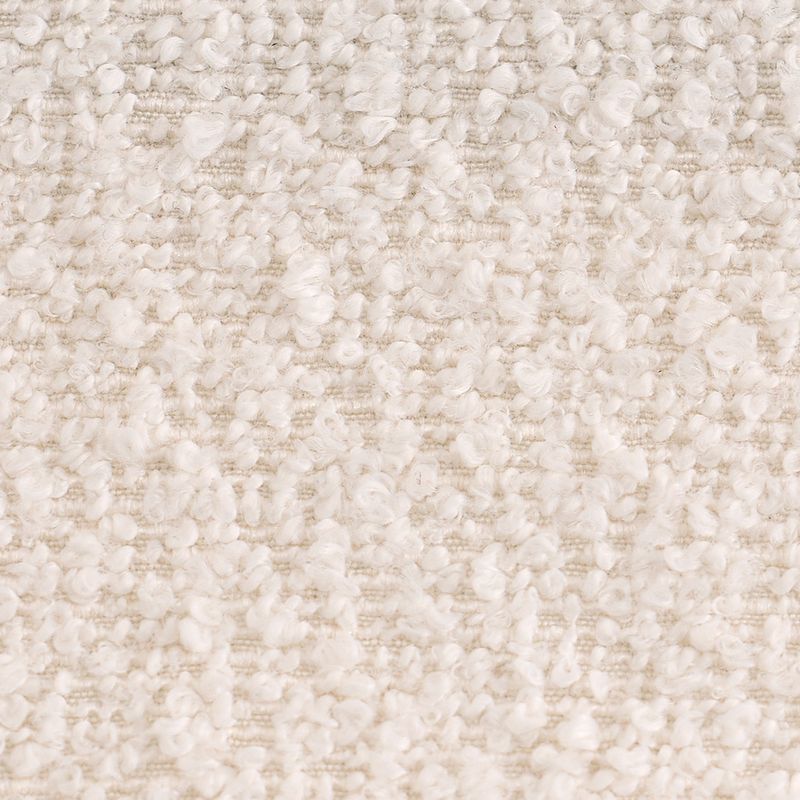
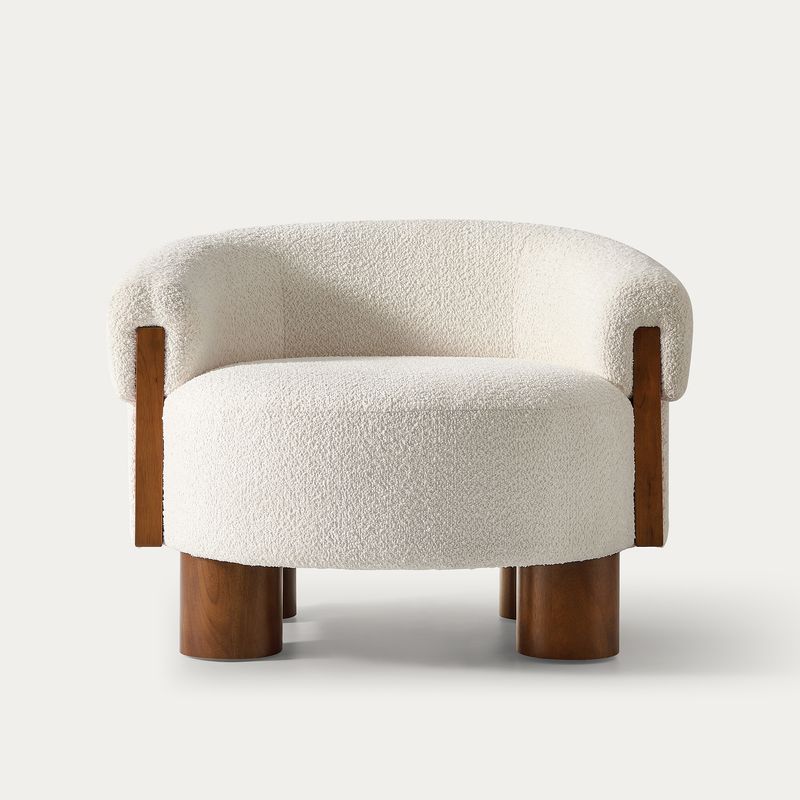
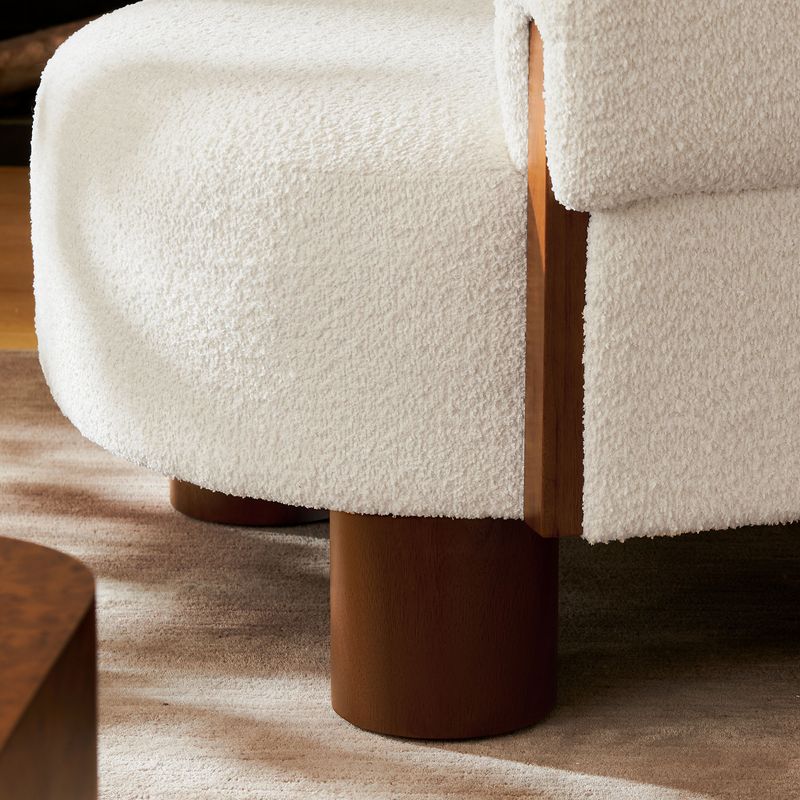
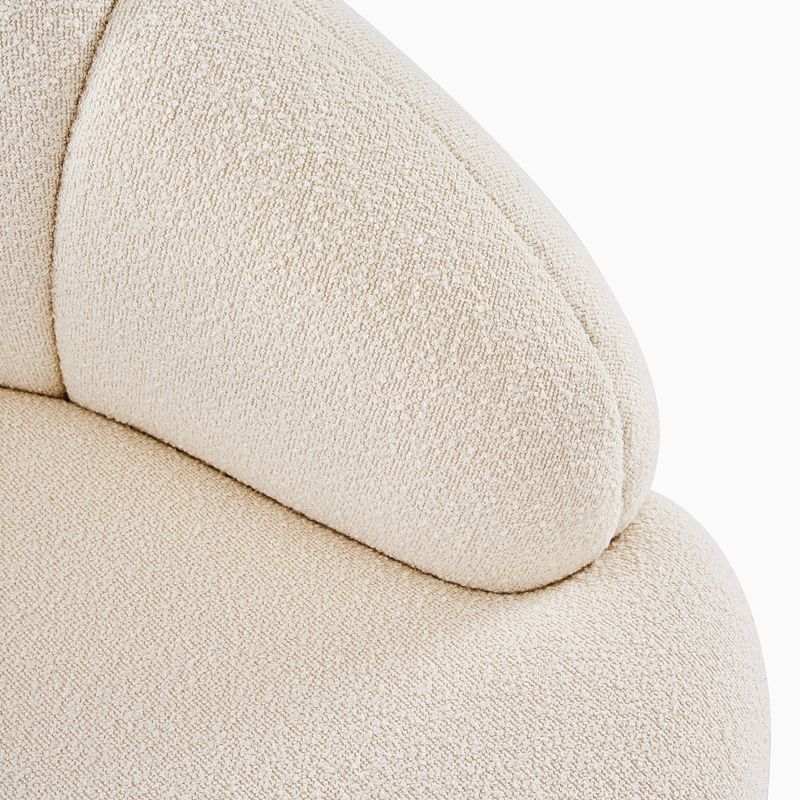
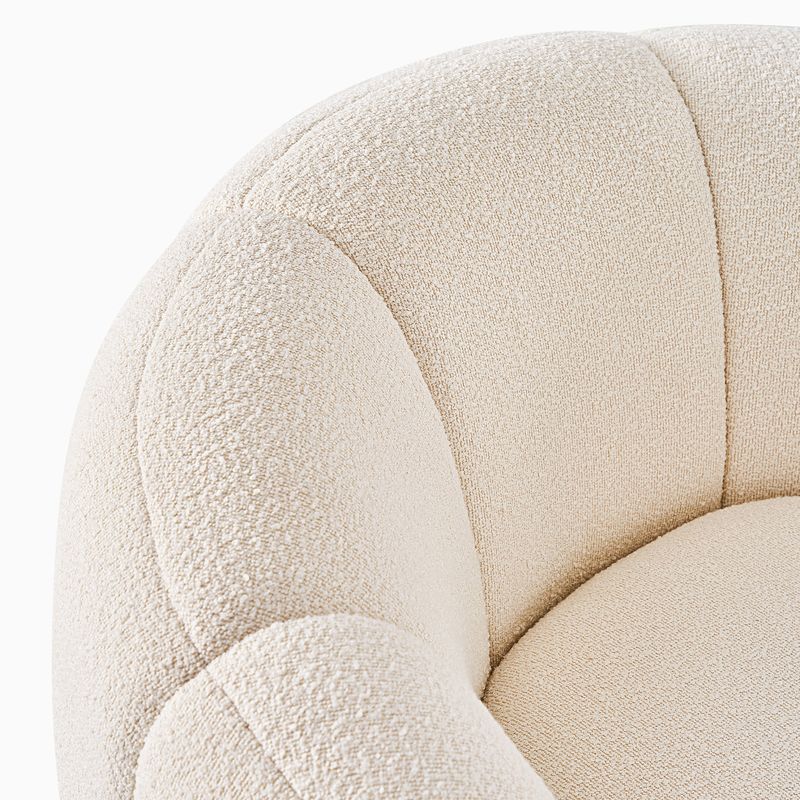
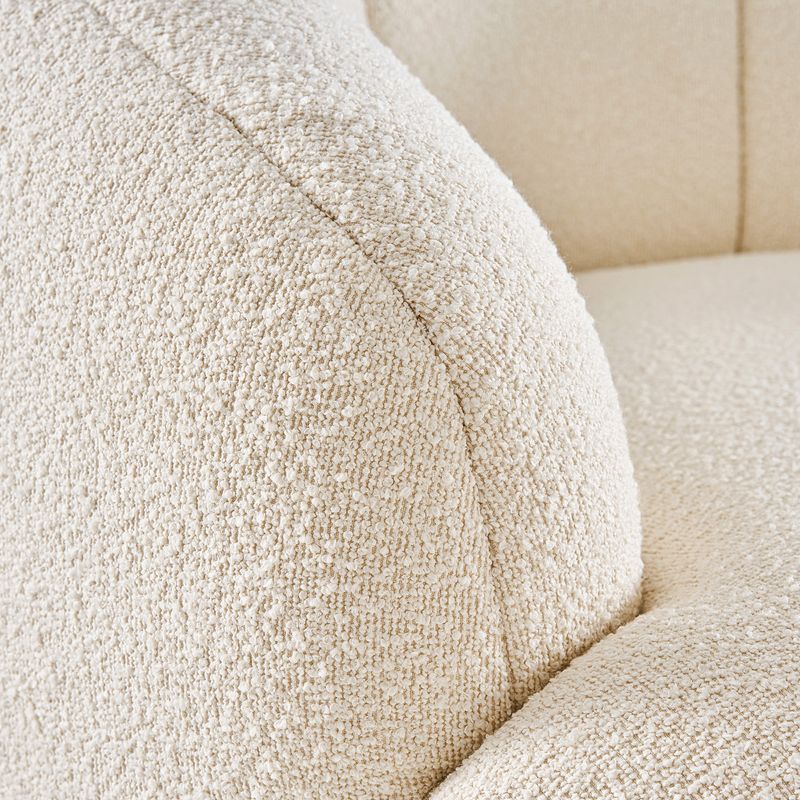
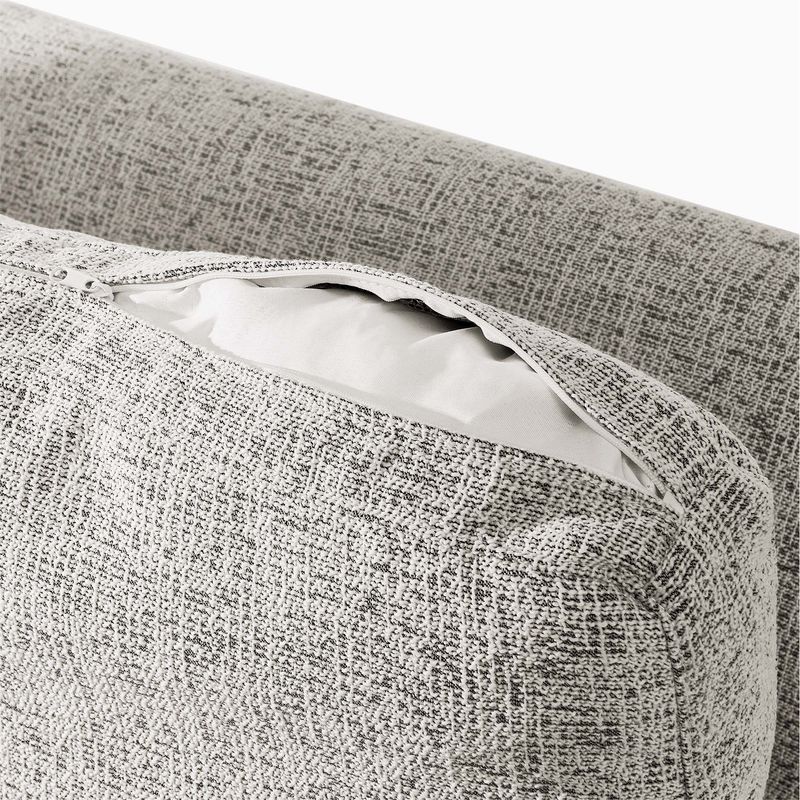
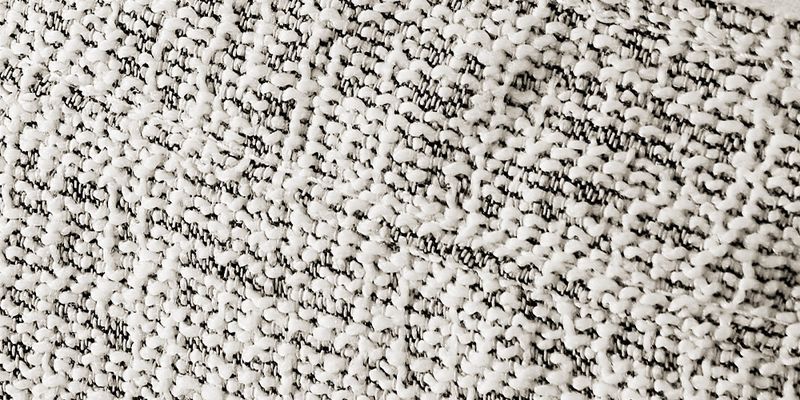
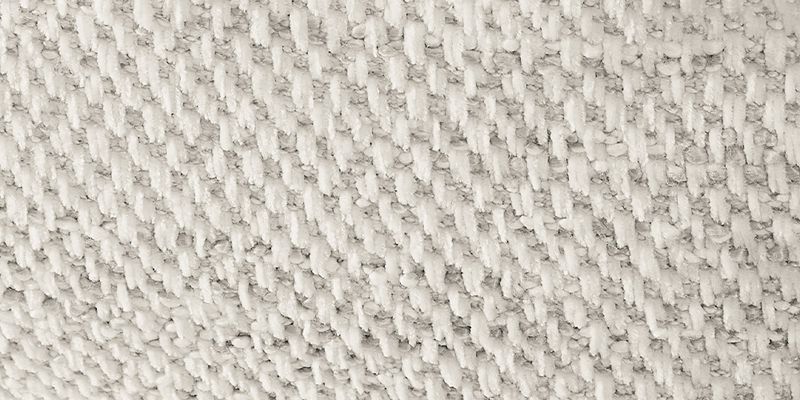
Textured fabrics can add visual depth to a neutral room, while smoother or more tailored upholstery can create a cleaner appearance. Bouclé and other tactile fabrics can make a chair feel softer visually, while structured upholstery can give the piece a more defined silhouette.
Consider how often the chair will be used before choosing a fabric. A chair in a quiet reading corner has different requirements from one that becomes the family's everyday extra seat.
Check the manufacturer's care instructions before cleaning upholstered accent chairs. Regular vacuuming with a suitable attachment and prompt attention to spills can help maintain the fabric, but cleaning methods should always follow the instructions for the specific upholstery.
What Makes an Accent Chair Comfortable?
A chair can look perfect in a room and still not feel right when you sit in it. Dimensions and cushioning have a direct effect on comfort.
Pay attention to:
● Seat height: Compare it with your sofa and consider how easily you can sit down and stand up.
● Seat depth: Deeper seats tend to create a more relaxed feel, while shallower seats can support a more upright sitting position.
● Seat width: Check the usable space between the arms instead of relying only on the chair's outside width.
● Back support: Decide whether you prefer a more upright back or a relaxed position.
● Arm height: Your arms should rest naturally without forcing your shoulders upward.
● Cushioning: Consider whether you prefer a firmer supportive seat or a softer, more relaxed feel.
There is no single set of dimensions that works for everyone. One useful approach is to compare the measurements with a chair you already find comfortable. Your own sitting habits and body proportions can be more helpful than choosing a chair based only on its overall appearance.
How to Style Accent Chairs Without Overcrowding the Room
An accent chair should feel like part of the room rather than a completely separate design statement.
Look for one or two connections with the furniture already there. A chair can repeat the undertone of a wood table, pick up a color from a rug, or introduce a texture that complements nearby upholstery.
Contrast can work just as well. A rounded chair beside a linear sofa can add visual variety, while a more structured chair can bring definition to a room with softer furniture.
The important thing is scale. Even a beautiful chair can make a room feel crowded if it is too large for the available floor space or placed directly in a main traffic path.
Why Choose Hernest Accent & Lounge Chairs?
Hernest accent chairs give you different sizes, silhouettes, upholstery options, and seating functions to work with.
The current collection includes compact options such as the 27-inch Nixlandy, mid-size chairs around 32 and 33 inches, 35-inch designs, and the wider 38-inch Otis. That range gives you flexibility when matching a chair to the size of your living room or the space available beside a sofa.
The collection also includes different seating experiences. Timberve adds swivel functionality for a more flexible layout, while textured upholstery options such as bouclé can bring more visual depth to a seating area.
Whether you need one chair for an empty corner or two chairs to balance a sofa, focus on the details that will matter after the chair arrives: dimensions, comfort, upholstery, movement, and how it fits with the furniture you already own.