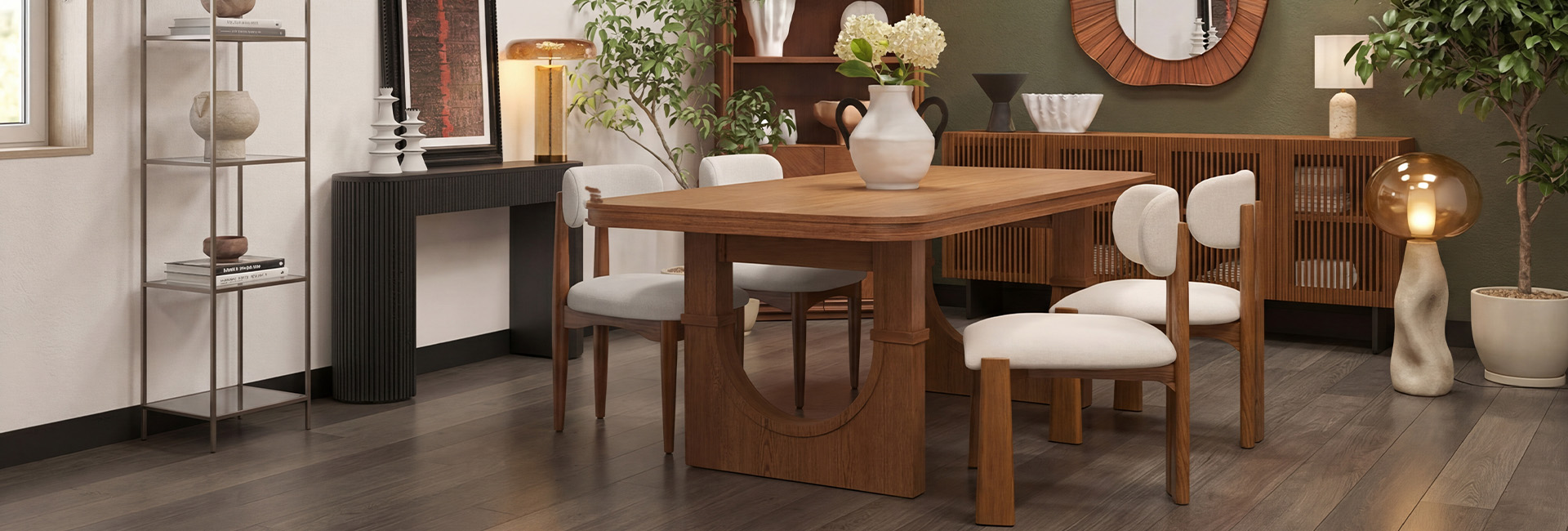
Three years ago, my apartment was basically an IKEA catalog.
My living room had a KIVIK sofa. My bedroom has a MALM bed frame. The dining area, a LISABO table. I remember walking through the self-service warehouse with that yellow bag, feeling incredibly satisfied. I had a functioning home that looked clean, coordinated, and cost me less than a month's rent.
It was the perfect solution for my first real apartment.
Fast forward three years, and I've started replacing all of it. Not because it broke, but because something subtle began to shift. I'd come home, look at my space, and feel like something was… missing.
It wasn't a sudden realization. It was a slow accumulation of small feelings. If you've ever been in a similar situation, you might know exactly what I'm talking about.
This is the story of why I started thinking beyond IKEA after three years, what I learned about my own relationship with my home, what I bought instead, and how I think about furniture now.
The IKEA Promise: A Quick, Functional Home
Let me start by being clear: I don't think IKEA is bad. It's not a rip-off, and I'm not trying to be a design snob. In fact, I still recommend it to friends who are moving into their first place or need a quick, budget-friendly solution.
What IKEA offers is incredibly specific and incredibly effective:
Speed: You can furnish an entire apartment in one weekend.
Predictability: You know exactly what you’re getting. The KIVIK will feel like a KIVIK in every store, in every country.
Coordination: Everything is designed to match. You don’t have to think about whether this table will look okay with that shelf. It will.
Affordability: For the price point, it’s hard to beat the functionality.
For the first year, I loved it. My home was functional, neat, and cost-effective. I was proud of it.
The First Cracks: What I Started to Notice After Year Two
Around year two, the honeymoon phase ended. The little things I didn't notice at first started to become more obvious.
Here are a few moments that stood out:
The “Catalog” Feeling: I started to realize my apartment didn’t feel like “mine.” It felt like a showroom. Every time I saw a friend’s living room, I’d recognize three of my own pieces in theirs. There’s nothing wrong with that, but it started to feel generic.
The Material Reality: I began to really touch my furniture. The KIVIK sofa was comfortable, but the fabric felt a bit thin. The LISABO table looked nice, but it was surprisingly light. I started to notice the particleboard under the veneer. It felt… temporary.
The Proportions: My living room has high ceilings and a lot of space, but my IKEA furniture felt small in it. The sofa sat low, and the bookcases seemed to shrink the walls rather than fill them. The pieces were designed for efficiency, not for the specific scale of my room.
The Inevitable Wear: The MALM bed frame started to squeak a little. The edge of the LISABO table got a small chip, revealing the material underneath. Nothing major, but it no longer felt “new.”
I didn't hate my home. But I also didn't love it. It was a space that worked, but it didn't inspire me.
The Shift: Moving from "Filling a Space" to "Defining a Space"
This is the core of why I started looking for IKEA alternatives. My own needs changed.
In the first stage of living on my own, my goal was filling a space. I needed a sofa, so I bought a sofa. I needed a table, so I bought a table. IKEA was the perfect tool for that.
After three years, my goal shifted to defining a space. I was no longer just trying to make the apartment usable. I wanted it to feel like a place I truly belonged in. I started to care about things I didn't notice before:
Texture: The difference between a smooth, printed veneer and a solid wood surface with visible grain.
Presence: How a piece of furniture “sits” in a room. Does it anchor the space, or does it feel like it’s floating?
Longevity: I didn’t want to replace things every few years. I wanted pieces that would last, both physically and stylistically.
Personality: I wanted my home to reflect my taste, not the taste of a global design team trying to appeal to everyone.
This wasn't about spending more money. It was about spending money on different things: material integrity, spatial balance, and a stronger sense of identity.
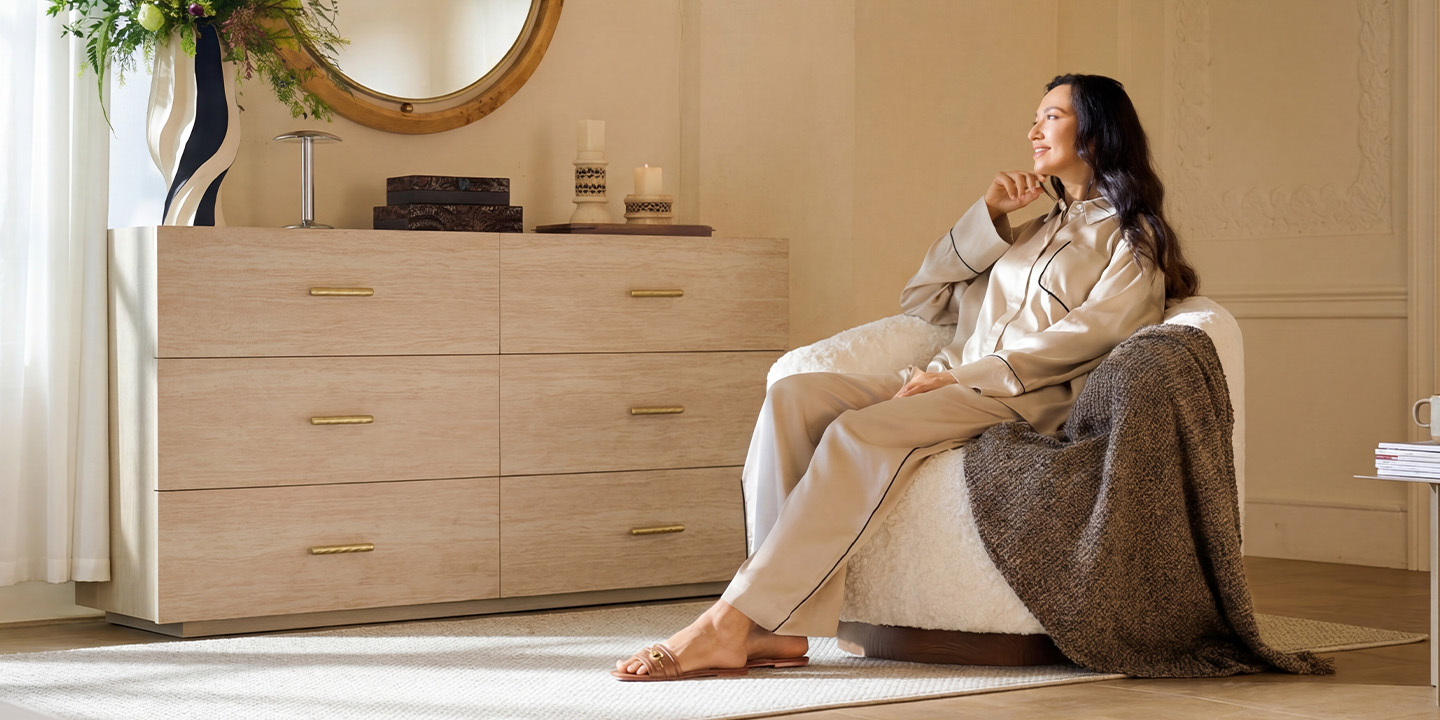
Inspiration from HERNEST
What to Buy After IKEA: Start With These Upgrades
If you're moving beyond IKEA, you don't need to replace everything at once. Most people start with the pieces that define the space—the ones you interact with daily, and that set the tone for the entire room.
Here are the upgrades that make the biggest difference:
| Piece | IKEA Typical | Upgrade Focus |
|---|---|---|
| Dining Table | Lightweight veneer over particleboard | Solid wood, natural grain, visual weight |
| Sofa | Standardized proportions, thinner fabric | Structured form, durable upholstery, room-appropriate scale |
| Lighting | Single-source, task-oriented | Layered lighting (ambient + accent), material presence |
These three pieces anchor your space. Upgrading them changes how the entire room feels—not just how it looks.
The Cost of Convenience: A Closer Look
To be fair to IKEA, they are incredibly transparent about their model. They are a logistics and manufacturing company that happens to sell furniture. Their genius is in efficiency, not necessarily in material longevity or design exclusivity.
When you buy an IKEA piece, the cost is low, but the trade-offs are specific. Here's a simple breakdown of what you're typically paying for:
| What You Pay For | What You Often Trade Off |
|---|---|
| Low upfront cost | Material durability (particleboard, veneers, thinner fabrics) |
| Immediate availability | Uniqueness (mass-produced, widely recognizable designs) |
| Easy coordination | Spatial presence (standardized sizes often feel out of scale) |
| Flat-pack efficiency | Long-term investment (designed for a shorter lifecycle) |
This model is perfect for a starter home. But as my needs matured, these trade-offs started to feel more significant. I began to realize that the "convenience" I valued in year one was now preventing the "personality" I valued in year three.
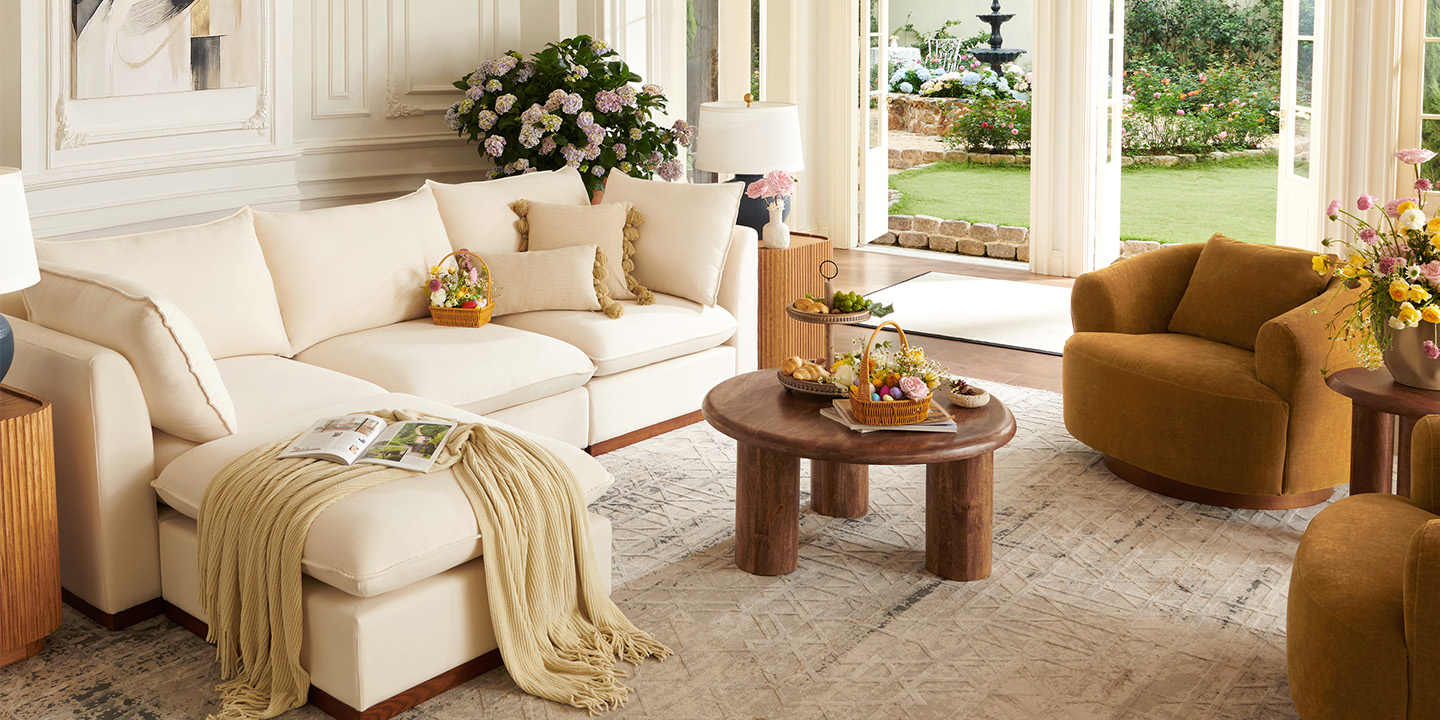
What I Look for Now: The Shift to Design-Led Choices
So, what do I look for now? It's not about a specific style. It's about a different set of priorities. Instead of asking "Does this fit my budget and look okay?", I now ask:
What is it made of? Is it solid material that will age well, or is it a thin veneer over a composite?
How does it feel in the room? Does its proportion and form work with the scale of the space?
Will I want to keep this in five years? Is it a trend, or is it a piece that has lasting design value?
Does it feel like my own? Does it have character, or does it feel like a default choice?
This is where I started to discover a different category of furniture. Not "high-end luxury" with intimidating price tags, but design-led brands that prioritize intention over speed.
Brands that think about how materials interact, how proportions relate to a space, and how a piece can be part of your home for a long time.
Best IKEA Alternatives: Quick Picks
If you're exploring options beyond IKEA, here are some of the most common alternatives based on different priorities:
| Brand | Best For | Key Strengths |
|---|---|---|
| HERNEST | Design-led, natural modern spaces | Solid materials, balanced proportions, cohesive identity |
| West Elm | Trend-driven modern style | Visual impact, wide availability |
| CB2 | Bold, urban design | Statement pieces, contemporary edge |
| Article | Simple upgrades with better materials | Direct-to-consumer pricing, clean aesthetics |
| Room & Board | Long-term investment | High build quality, timeless design |
Each of these offers something different. But for me, the shift wasn't just about switching brands—it was about switching my entire approach to furnishing my home.
The Role of Brands Like HERNEST in a More Personal Home
HERNEST represents the thinking I'm drawn to now. It's not about filling a room quickly. It's about building a space with intention.
When I look at their approach, I see a focus on the things I started to miss from my IKEA phase:
Natural Material Expression: Instead of printed veneers, there’s a focus on solid materials and visible wood grain. The texture is real, not simulated.
Balanced Proportions: The pieces are designed for real homes, often with a scale that works in both compact and more open spaces. They feel grounded.
A Cohesive Identity: There’s a clear design language, but it’s not so loud that it dictates the entire room. It creates a foundation you can build on, not a ready-made “look.”
For me, the upgrade wasn't about buying one piece to replace an IKEA piece. It was about shifting my entire approach. Instead of asking "What do I need to buy?", I started asking "What do I want this space to feel like?"
These are the investments that pay off in how a space feels every single day.
→ If you're exploring pieces that can define your space more intentionally, you can browse HERNEST collections here.
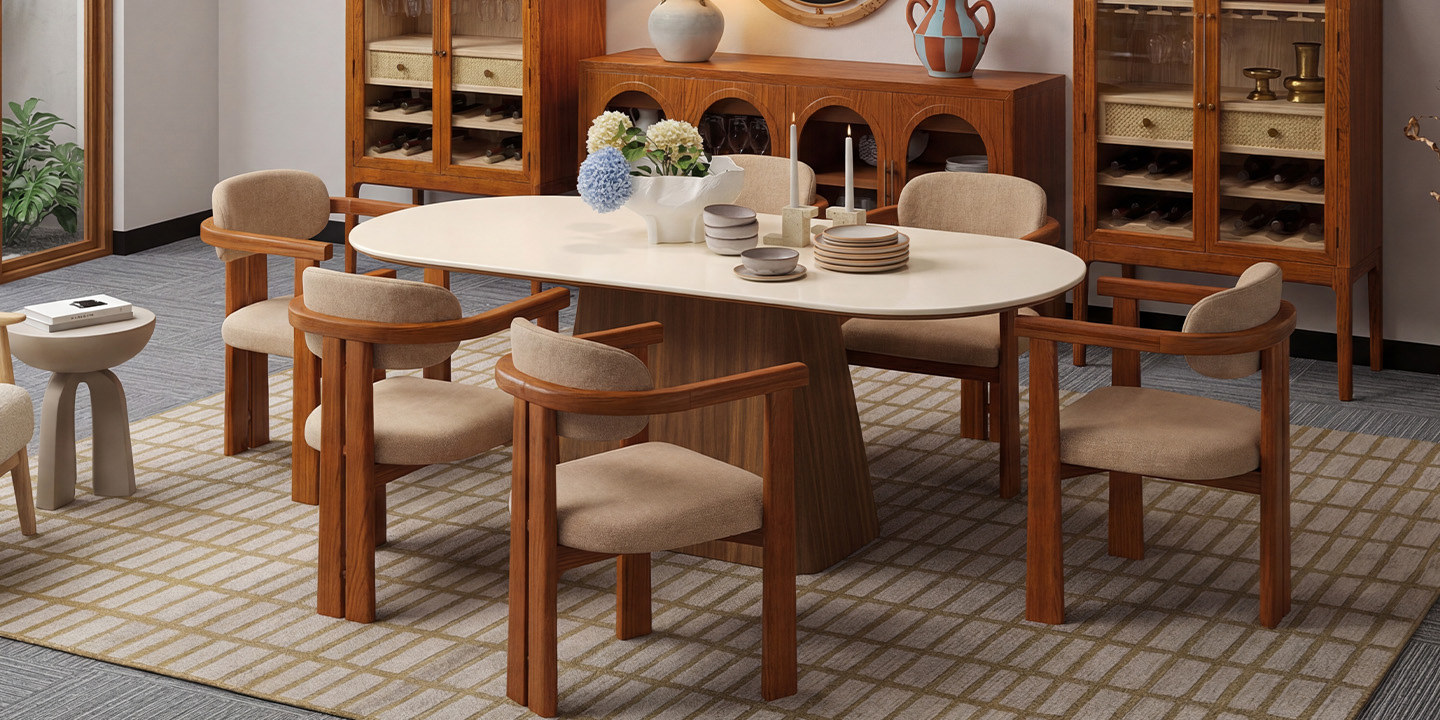
Inspiration from HERNEST
When IKEA Still Makes Sense
I want to be balanced here. I'm not saying I'll never walk into an IKEA again.
IKEA is still arguably the best option for:
Starter apartments or temporary housing: When you need a functional home quickly without a long-term financial commitment.
Specific storage solutions: Their organizational systems (like PAX or KALLAX) are genuinely excellent and hard to beat for pure utility.
Kitchen and bathroom accessories: Small, functional items where the material matters less than the function.
A mixed approach: Many people find their “forever home” by mixing IKEA basics with a few key, high-quality investment pieces. I think that’s a smart strategy.
The issue isn't IKEA. The issue is staying in the IKEA phase forever without realizing there are other options.
Conclusion: Your Home Should Grow With You
Three years ago, IKEA was the right answer for me. It gave me a stable, functional home when I needed one.
But I stayed in that phase a little too long. I kept buying the same kind of furniture for the same reasons, even as my own feelings about my home evolved. It wasn't until I started replacing those first pieces that I realized what I had been missing: a sense that my home was truly mine.
If you're in your first apartment, IKEA is a fantastic place to start. But if you've been living in your space for a few years and something feels subtly off, you're probably not looking for more furniture. You're looking for a new stage in how you live.
That next stage is about intention. It's about materials, presence, and pieces that feel like they belong to you, not just to a catalog.
For me, that's where my relationship with IKEA evolved into something more intentional.
FAQ: Moving Beyond IKEA
1. Is IKEA furniture good quality?
IKEA offers quality that is appropriate for its price point. It's designed for efficient manufacturing and affordability, which often means materials like particleboard, veneers, and engineered wood. For its intended purpose—furnishing a home quickly and affordably—the quality is perfectly acceptable. It's not "bad," but it's also not designed for decades of use.
2. When should I consider upgrading from IKEA?
Consider an upgrade when you start to prioritize durability, material quality, and a more personal aesthetic over low upfront cost and immediate availability. If your space feels "done" but doesn't feel like "you," that's a strong signal. It's also a good time if you're moving from a temporary living situation to a long-term home.
3. What are the best IKEA alternatives for better quality?
"Better" depends on what you value most. For a strong design identity and natural materials, brands like HERNEST are a natural next step. For trend-driven modern style, consider West Elm or CB2. For long-term durability, Room & Board is a solid investment. For simple, direct-to-consumer basics with better materials, Article is a good option.
4. How do I start replacing my IKEA furniture without breaking the bank?
You don't have to replace everything at once. Start with one or two "anchor" pieces that define the space, like a dining table or a sofa. These pieces have the biggest visual and functional impact. Keep your existing IKEA pieces for less central areas or storage, and slowly upgrade over time.
5. Is HERNEST a good alternative to IKEA?
HERNEST offers a different value proposition than IKEA. While IKEA focuses on speed, coordination, and low cost, HERNEST focuses on natural material expression, balanced proportions, and creating a space with more personal identity. It's an excellent option for those who appreciate the simplicity of modern design but want a more refined, less generic result. You can explore their collections to see if their approach aligns with your next stage of furnishing.
6. Can I mix IKEA furniture with higher-end pieces?
Absolutely. In fact, this is one of the most common and effective interior design strategies. Using IKEA for foundational or functional pieces (like storage or shelving) and mixing in a few high-quality, design-led pieces (like a solid wood dining table or a structured sofa) creates a balanced, curated look that feels both personal and sophisticated.