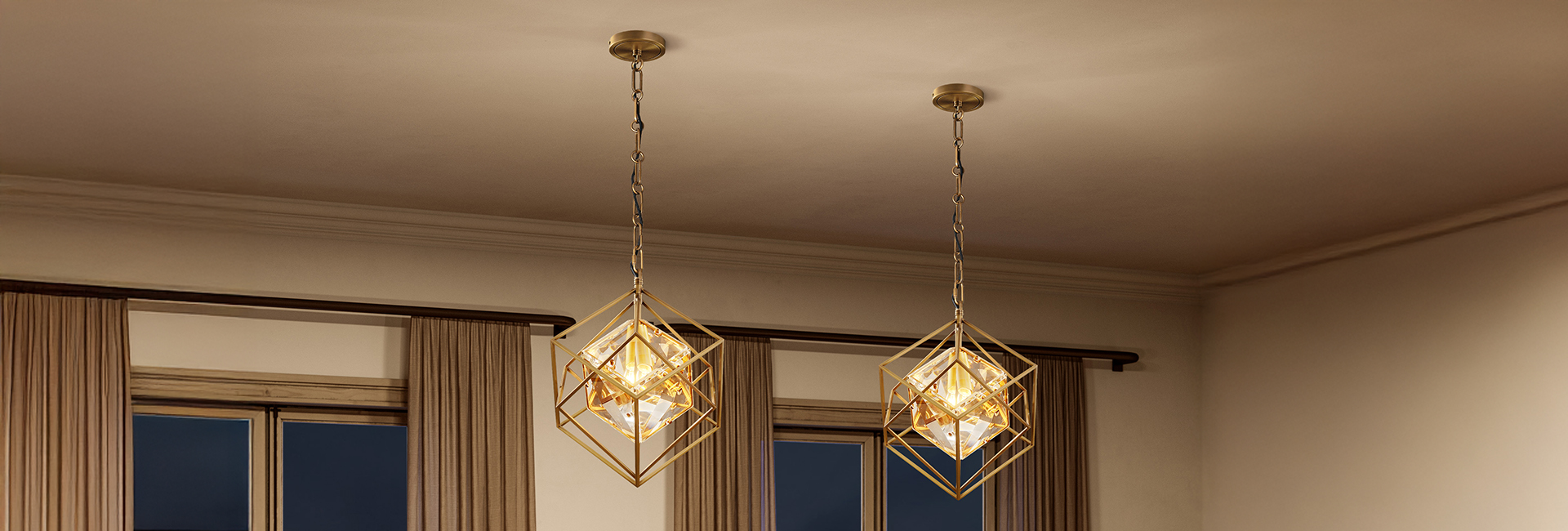
Light fundamentally shapes how we experience a space. But the vessel that delivers that light—the light fixture—is often misunderstood. Is a simple ceiling light a fixture? What's the difference between a lamp and a fixture? And why does it matter?
This guide answers these questions and more. By the end, you'll not only know what a light fixture is but also how to select the perfect one for your home's function and style.
What Is a Light Fixture?
A light fixture (also known as a luminaire) is a complete electrical unit used for illumination. It is more than just a light bulb; it's the entire assembly that includes the light source (the lamp), a housing that supports and protects it, and a means of connecting it to an electrical circuit.
In simple terms, if the bulb is the engine, the light fixture is the vehicle that houses, powers, and directs it.
What Is Considered a Light Fixture?
This is a common point of confusion. A light fixture is any complete, electrically connected unit. This includes:
Ceiling-mounted units: Flush-mounts, semi-flush mounts, chandeliers, and pendant lights.
Wall-mounted units: Wall sconces, vanity lighting, and swing-arm lamps that are hardwired.
Recessed units: “Can lights” or downlights installed into the ceiling.
Freestanding units: Floor lamps and table lamps (yes, they are considered portable fixtures).
Key Takeaway: If it has a bulb, a cord or is hardwired, and a structure to hold and direct the light, it's a light fixture.
Is a Ceiling Light a Fixture?
Yes, a ceiling light is one of the most common types of light fixtures. This category is vast and includes everything from a simple, utilitarian flush-mount fixture in a hallway to a grand, multi-tiered chandelier in a dining room. The term "ceiling light fixture" is often used interchangeably with "overhead lighting."
Lamp vs. Light Fixture: What's the Difference?
This is a classic point of confusion, largely due to language. In interior design and electrical terms, the distinction is crucial.
| Feature | Lamp | Light Fixture (Luminaire) |
|---|---|---|
| Definition | The light source itself (e.g., an LED, incandescent, or fluorescent bulb) OR a portable, self-contained unit. | The complete, fixed or semi-fixed assembly that holds and powers the lamp(s). |
| Mobility | Typically portable (e.g., table lamps, floor lamps). | Usually permanently or semi-permanently attached to the building (e.g., wall sconces, ceiling fans with lights). |
| Connection | Plugs into an outlet. | Hardwired to the building's electrical system or plugs into a dedicated outlet. |
| Example | A table lamp with a fabric shade. | A chandelier wired to a junction box in the ceiling. |
The simplest way to remember it:
Lamp = the bulb (light source).
Fixture = the complete unit that holds the bulb.
A table lamp is a portable light fixture. A chandelier is a permanent light fixture. Both contain a lamp (bulb).
Chandelier vs. Light Fixture: What's the Difference?
This distinction is about categories.
Every chandelier is a light fixture, but not every light fixture is a chandelier.
Think of "light fixture" as the umbrella term. A chandelier is a specific type of light fixture characterized by its ornate, multi-armed design and its purpose as a decorative focal point. Similarly, a pendant light, a flush-mount, and a wall sconce are all specific types under the broader "light fixture" category.
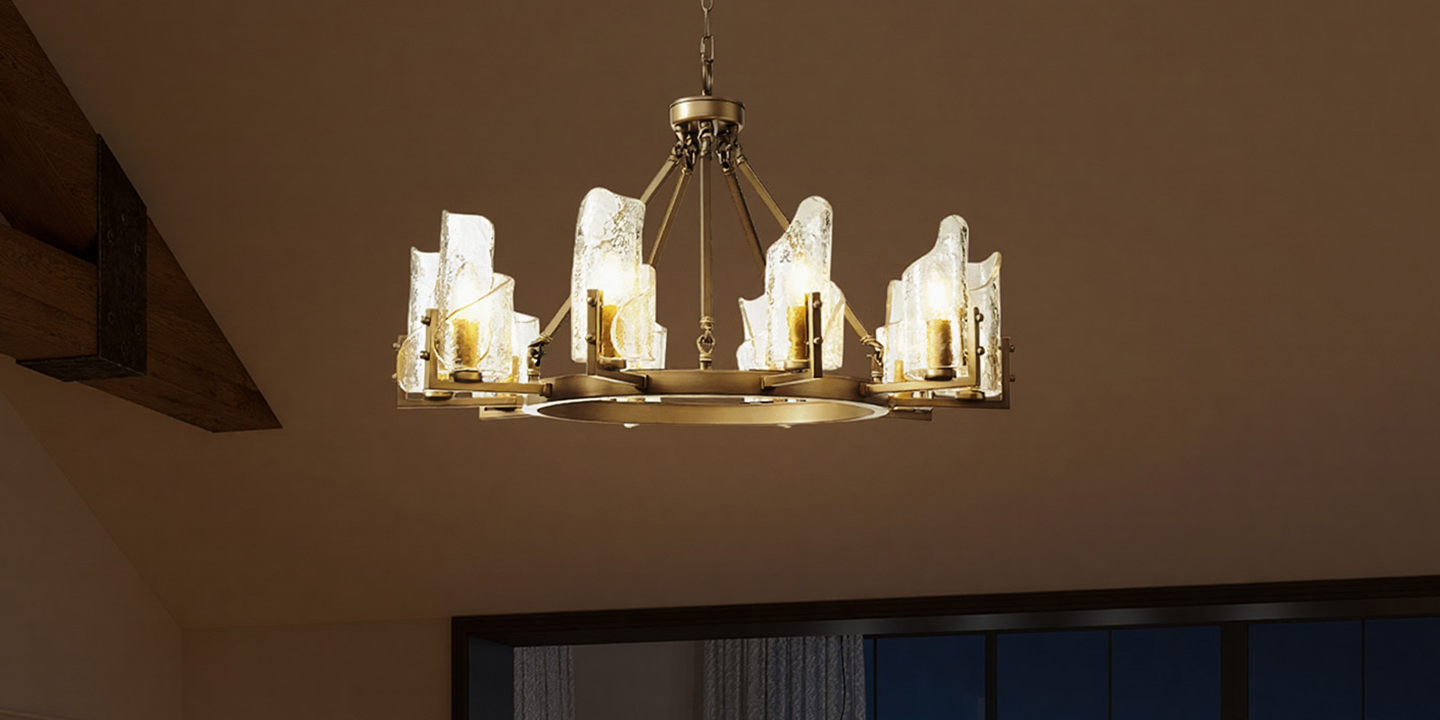
HERNEST Pick: Wagon Wheel Chandelier
Main Types of Light Fixtures
Now that we've clarified the terminology, let's explore the most common types you'll encounter. This structure helps you identify and choose based on your needs.
1. Pendant Lights
These fixtures hang from the ceiling by a cord, chain, or metal rod. They are excellent for focused task lighting and creating visual interest.
Best for: Kitchen islands, dining tables, entryways.
2. Chandeliers
The statement piece of lighting. Chandeliers are suspended from the ceiling and feature multiple arms or bulbs. They are designed to be a focal point.
Best for: Dining rooms, foyers, living rooms.
3. Ceiling Lights (Flush & Semi-Flush Mounts)
These fixtures are mounted directly to the ceiling. Flush mounts sit tight against the ceiling, while semi-flush mounts have a small gap.
Best for: Hallways, bedrooms, closets, rooms with low ceilings.
4. Wall Sconces
Mounted on walls, sconces provide ambient, accent, or task lighting without taking up floor or table space.
Best for: Hallways, bathrooms (flanking mirrors), living rooms, outdoor entryways.
5. Recessed Lighting (Can Lights)
These fixtures are installed into the ceiling, creating a clean, streamlined look. The housing is hidden, with only the trim visible.
Best for: Modern homes, kitchens, showers, home theaters, rooms where you want the light, not the fixture, to be the focus.
6. Track Lighting
A linear track mounted to the ceiling holds multiple adjustable light heads. This provides flexibility in directing light.
Best for: Kitchens, galleries, home offices, rooms where task lighting needs may change.
7. Floor & Table Lamps
Portable fixtures that offer immense flexibility. They are essential for layering light and creating cozy, functional spaces.
Best for: Living rooms (reading corners), bedrooms (nightstands), home offices.
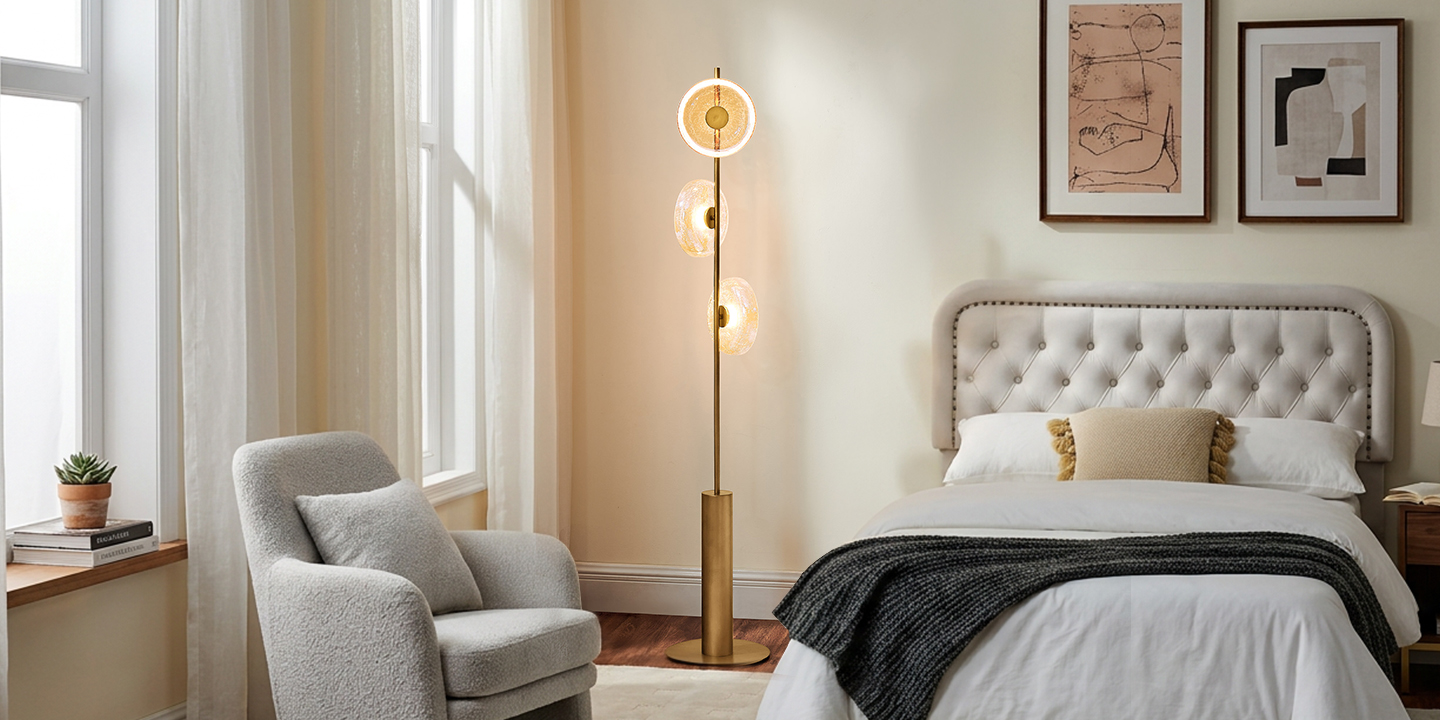 HERNEST Pick: Jarna Floor Lamp
What Is the Purpose of a Light Fixture?
A light fixture's purpose extends far beyond simply holding a light bulb. It serves three critical functions that work together to define a space:
1. Functional: Illumination and Safety
This is the most obvious purpose. Fixtures are designed to provide the right kind of light for specific activities. A recessed downlight provides general illumination, while an under-cabinet light provides focused task lighting for food prep. Properly placed fixtures also enhance safety by illuminating stairs, pathways, and dark corners.
2. Aesthetic: Defining Style and Design
A light fixture is a design object. It can be a subtle, minimalist element that disappears into a room, or a bold, sculptural piece that serves as the central art. The finish (brass, black, nickel), material, and shape of a fixture contribute significantly to a room's overall aesthetic—be it modern, traditional, industrial, or rustic.
3. Spatial: Shaping Perception and Mood
Fixtures control how we perceive a space. A pendant light hung low over a table creates an intimate, focused zone within a large room. Up-lighting from a wall sconce can make a ceiling feel higher, while a dimly lit floor lamp can make a large living room feel cozy. By layering different types of fixtures, you can sculpt the light to alter the mood and perceived dimensions of a room.
In essence: Lighting fixtures are not just for illumination. They are the tools we use to shape how a space feels, functions, and looks.
How to Choose the Right Light Fixture
Choosing the right fixture is about balancing function, style, and proportion. Here's a simple decision-making framework:
| Room | Key Considerations | Fixture Ideas |
|---|---|---|
| Kitchen | Need bright, functional task lighting for counters and ambient lighting for the overall space. | Pendants over island; recessed lighting for general illumination; under-cabinet task lighting. |
| Dining Room | Desire a focal point above the table with warm, flattering light. | Chandelier or statement pendant; install a dimmer to control ambiance. |
| Living Room | Requires flexibility for different activities (reading, watching TV, socializing). | Floor lamps for reading; table lamps for soft ambiance; wall sconces for accent lighting. |
| Bedroom | Need soft, relaxing light with task lighting for reading. | Flush or semi-flush mount for general light; bedside table lamps or swing-arm sconces for reading. |
| Bathroom | Needs bright, shadow-free light for grooming (task) and softer light for relaxing. | Vanity lighting (bar or sconces) on either side of the mirror; a damp-rated flush mount for general light. |
| Hallway/Entry | Needs welcoming light and safe navigation. | Flush or semi-flush mount; wall sconces to create a warm, inviting path. |
Pro-Tip: The 3 Layers of Lighting
For any space to be both functional and inviting, incorporate these three layers:
Ambient (General): The room’s main source of light (e.g., recessed lights, flush-mounts).
Task (Focused): For specific activities (e.g., under-cabinet lights, reading lamps).
Accent (Decorative): To highlight art, architecture, or create drama (e.g., track lighting, wall sconces).
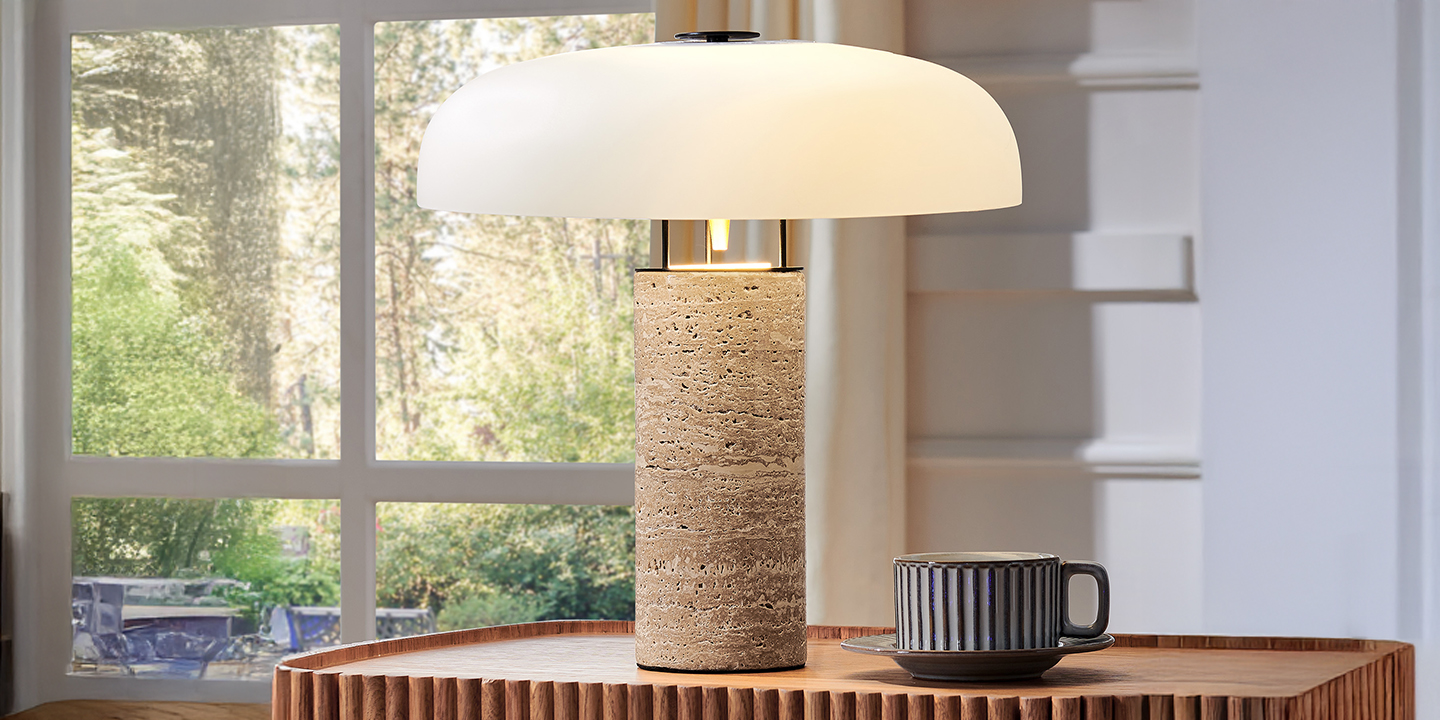
HERNEST Pick: Selen Travertine Table Lamp
Frequently Asked Questions on Light Fixture
Q: What is considered a light fixture?
A: Any complete lighting unit that includes a light source (bulb), a housing, and a connection to a power source is considered a light fixture. This includes hardwired units (like chandeliers and recessed lights) and portable units (like floor and table lamps).
Q: Is a ceiling light a fixture?
A: Yes, absolutely. A ceiling light is one of the most common types of light fixtures. This category includes flush-mounts, semi-flush mounts, pendant lights, chandeliers, and ceiling fans with integrated lights.
Q: What is the difference between a lamp and a light fixture?
A: In technical terms, a "lamp" refers to the light bulb itself (the light source). A "light fixture" (or luminaire) is the complete assembly that holds and powers the lamp. However, in everyday language, "lamp" often refers to a portable light fixture like a table or floor lamp.
Q: What is the difference between a chandelier and a light fixture?
A: A chandelier is a specific type of light fixture. All chandeliers are light fixtures, but not all light fixtures are chandeliers. A chandelier is typically an ornate, multi-armed fixture designed to be a decorative focal point.
Q: What is the purpose of a light fixture?
A: The purpose is threefold: functional (to provide safe, task-appropriate illumination), aesthetic (to contribute to the style and design of a room), and spatial (to shape the mood, perception, and flow of a space through layered lighting).