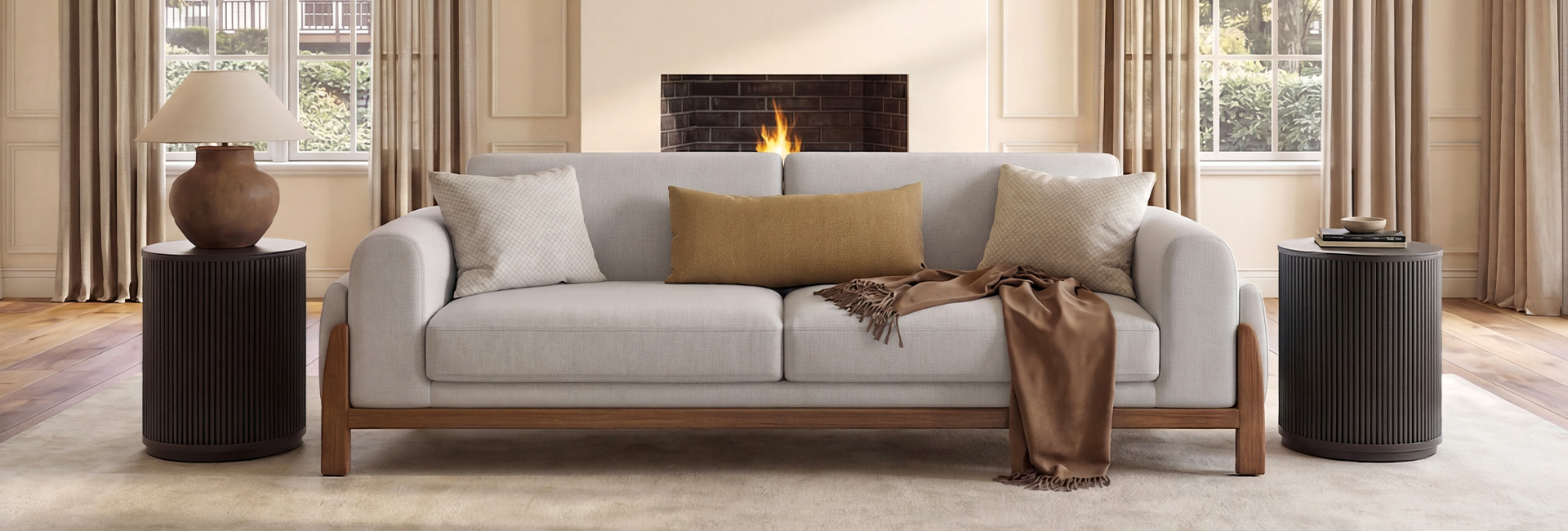
Microfiber couches are a popular choice: they're durable, affordable, and incredibly soft. But they also have a secret superpower for attracting dirt, oils, and stains. If your once-plush sofa now looks dull, feels grimy, or has taken on a mysterious smell, you're not alone. The good news? You don't need a professional cleaning crew or a special machine to bring it back to life.
This comprehensive guide will show you exactly how to clean a microfiber couch using everything from simple soap suds to baking soda and vinegar. You'll learn the critical first step that 90% of people miss, how to tackle tough pet smells, and the common mistakes that can permanently ruin your fabric. Let's get started.
Why Proper Microfiber Couch Cleaning Matters
Microfiber is one of the most popular sofa fabrics in modern homes because it combines softness, durability, and easy maintenance. However, its tightly woven fibers can trap body oils, dust, pet hair, and everyday spills over time.
Learning how to clean microfiber couch properly is important because using too much water, the wrong cleaner, or aggressive scrubbing can permanently affect the fabric texture.
Before starting any cleaning method, always check your sofa's cleaning code. This simple step helps protect your investment and keeps your couch looking fresh for years.
What Is a Microfiber Couch?
A microfiber couch is upholstered with ultra-fine synthetic fibers, usually made from polyester or a polyester blend. These tightly woven fibers create a soft suede-like texture while offering excellent durability for everyday use.
Many homeowners choose microfiber sofas because they are:
resistant to daily wear
comfortable and soft
easier to maintain than some natural fabrics
However, microfiber can show stains, water marks, and flattened fibers if it is not cleaned correctly.
Before You Start: The Single Most Important Step (The Cleaning Code)
Before you spray, scrub, or even dab, you must check your couch's cleaning code. Furniture manufacturers in the U.S. are required to attach a tag (usually found under the cushions or beneath the frame) that tells you exactly how to clean the fabric safely. Ignoring this code is the fastest way to cause water rings, shrinking, or discoloration.
Look for the code and use this table to determine your cleaning method:
| Code | What It Means | Allowed Cleaning Method |
|---|---|---|
| W | Water-based | You can safely clean using water-based solutions, like soap suds or a vinegar/water mix. |
| S | Solvent-based | Avoid water. You must use a water-free solvent like rubbing alcohol or a dry-cleaning solution. |
| W-S | Water or Solvent | You have the flexibility to use either a water-based method or a solvent-based method. |
| X | Vacuum Only | Do not use any liquid or solvent. Only vacuum or use a professional cleaning service. |
Once you've identified your code, choose the appropriate method from the guide below.
What You'll Need
Gather your supplies before you begin. Most of these items are likely already in your home.
Equipment & Tools:
Vacuum cleaner with an upholstery brush attachment
Spray bottle
Soft-bristled brush (a nail brush or old toothbrush works well)
Microfiber cloths (white, to avoid color transfer)
Several clean buckets or large bowls
Optional Cleaning Supplies for Tough Stains
Rubbing alcohol
Cotton balls for ink stains
Enzymatic pet cleaner
Distilled water
Materials (Choose based on your Cleaning Code):
For W or W-S couches:
Mild liquid dish soap
White vinegar
Baking soda
For S or W-S couches:
Isopropyl rubbing alcohol (at least 70%)
For all couches:
Cornstarch (for grease stains)
How to Clean Microfiber Couch: Step-by-Step Method (No Machine Needed)
This is your foundational cleaning method. It's perfect for general dirt and body oils and uses no machine, covering one of your key PPA questions.
Step 1: Vacuum Thoroughly
Use the upholstery attachment to vacuum every surface: seat cushions, backrests, arms, and the crevices between. This removes dry soil and dust that would otherwise turn into mud when you clean.
Step 2: Apply Your Cleaner (Choose One)
The cleaner you use depends on your cleaning code. The best way to clean microfiber couch depends on whether your sofa uses a water-based or solvent-based cleaning method.
For W or W-S couches (Water-Based): Fill a spray bottle with a solution of 1 cup of warm water and 1 tablespoon of mild liquid dish soap. Lightly mist a section of the couch. The goal is to dampen, not soak.
For S or W-S couches (Solvent-Based): Fill a spray bottle with rubbing alcohol. Lightly mist a section of the couch.
Step 3: Gently Agitate
Using a soft-bristled brush, gently scrub the dampened fabric in a circular motion. You'll see the dirt and grime start to lift. Work in small sections (about 1 foot square) and wipe your brush on a clean, dry microfiber cloth frequently to remove the dirt you've loosened.
Step 4: Blot and Dry
Immediately after scrubbing a section, use a clean, dry microfiber cloth to blot the area. This absorbs the dirty cleaning solution. Do not rub, as this can push the dirt back into the fibers.
Step 5: Rinse and Repeat
For water-based cleaning, it's crucial to "rinse." Dampen a fresh microfiber cloth with plain water, wring it out until it's barely damp, and wipe down the cleaned area to remove any soap residue. Blot dry with another cloth.
Step 6: Air-Dry and Fluff
Allow the couch to air-dry completely. Once dry, use a vacuum or a stiff brush to gently fluff the fibers, restoring the microfiber's signature soft texture. This final brushing step is especially important when learning how do I clean microsuede couch, because microsuede requires the fibers to be restored after cleaning.
Best Ways to Clean a Microfiber Couch Based on Your Cleaning Code
Beyond the basic method, you can use other common household items for specific needs.
How to Clean a Microfiber Couch with Water
This is the standard method for W-code couches. However, water can leave rings if used incorrectly. Always mist, don't soak, and work in small sections, blotting immediately. If you have hard water, using distilled water is even safer.
How to Clean a Microfiber Couch with Vinegar
Vinegar is excellent for cutting through grime and deodorizing. For W-code couches, mix a solution of equal parts white vinegar and water in a spray bottle. Mist the area, let it sit for 5 minutes, then blot with a clean, damp cloth. The vinegar smell will dissipate as it dries.
How to Clean a Microfiber Couch with Baking Soda
Baking soda is a powerhouse for odors. Sprinkle a generous layer over the entire couch. Use a soft brush to gently work it into the fibers. Let it sit for at least 8 hours (or overnight), then vacuum it up thoroughly. This is the best method for all cleaning codes, including X-code, as it's a dry treatment.
How to Steam Clean a Microfiber Couch
Steam cleaning is safe for most W and W-S couches. The high heat can kill bacteria and lift deep stains. However, test it on an inconspicuous area first. Use a handheld steamer, hold it a few inches from the fabric, and never let the couch become saturated. Immediately blot the moisture with a dry microfiber cloth.
How to Remove Specific Stains and Pet Smell from a Microfiber Couch
Grease and Oil Stains
Microfiber's biggest enemy is oil. For a fresh grease stain, sprinkle cornstarch or baking soda on the spot. Let it sit for at least an hour to absorb the oil, then vacuum. Repeat if needed. This method works regardless of your cleaning code.
How to Clean a Microfiber Couch Pet Smell
Pets and microfiber can be a challenging combination. Here's a targeted approach:
Vacuum: Remove all pet hair using a rubber squeegee or vacuum.
Deodorize: Use the baking soda method described above. Leave it on overnight to absorb deep-seated odors.
Enzymatic Cleaner: For urine or biological stains, use an enzymatic cleaner designed for pet messes. Test it on a hidden area first to ensure it’s safe for your cleaning code.
4 Common Mistakes to Avoid When Cleaning Microfiber Couch
Avoid these pitfalls to keep your couch looking its best.
Over-Saturating with Water: Too much water can seep into the cushion padding, leading to mold, mildew, and permanent water rings. Always use a light misting hand.
Scrubbing Aggressively: Vigorous scrubbing can mat down the delicate fibers. Always use a gentle, circular motion with a soft brush.
Using Bleach or Harsh Chemicals: These can strip the color and damage the fibers. Stick to mild dish soap, rubbing alcohol, or vinegar.
Ignoring the Cleaning Code: This is the cardinal sin. Using water on an S-code couch can cause shrinking and staining that is often irreversible.
FAQ on Microfiber Sofa Cleaning
What is the best cleaner for microfiber couches?
There's no single "best" cleaner. The best one for your couch depends entirely on your cleaning code. For W-code, a mild dish soap and water solution is excellent. For S-code, isopropyl rubbing alcohol is the safest and most effective DIY option.
How do you clean a microfiber cloth?
After using them for cleaning, wash your microfiber cloths separately with a mild, liquid detergent. Do not use fabric softener, as it will coat the fibers and ruin their absorbency. Tumble dry on low or air-dry.
Why does my microfiber couch feel stiff after cleaning?
This is a common sign of soap residue. If you didn't "rinse" the area with a clean, damp cloth after using a soap-based cleaner, the leftover soap will dry and make the fabric stiff. Re-clean the area with a water-dampened cloth (if your code allows) and blot dry to restore softness.
How often should I deep clean my microfiber couch?
For a couch with average use, a thorough cleaning every 3 to 6 months is sufficient. If you have children or pets, or the couch sees daily heavy use, aim for a deep clean every 1 to 2 months. Don't forget the weekly vacuum—it's your best defense against dirt buildup.
What is the best thing to clean a microfiber couch with?
The best cleaner depends on your microfiber couch cleaning code.
For W-code sofas, mild dish soap mixed with water is usually effective. For S-code microfiber, rubbing alcohol is often the safest DIY option.
Always test any cleaner before applying it to the entire couch.
Can you use Dawn dish soap on a microfiber couch?
Yes, Dawn dish soap can be used on many W-code microfiber couches.
Mix a small amount with water, create light soap suds, and apply gently. Avoid soaking the fabric and always check your cleaning label first.
Will water ruin a microfiber couch?
Water does not always ruin microfiber.
The issue is excessive moisture or using water on a couch labeled S or X. Always follow your manufacturer's cleaning code.
How to clean a microfiber couch without a cleaner?
You can clean many microfiber couches without commercial products.
For W-code sofas, mild dish soap and water may work. Baking soda is also useful for odor removal, while regular vacuuming helps prevent dirt buildup.
How to get pen out of microsuede couch?
Use rubbing alcohol and a cotton ball to gently dab the ink stain.
Avoid rubbing aggressively. After the stain is removed, brush the microfiber surface to restore the soft texture.