
Your fabric sofa isn't just furniture—it's the centerpiece of your living room, the spot for family movie nights, the gathering place for friends, and unfortunately, the inevitable target of spills, stains, and everyday grime. Knowing how to clean a fabric sofa effectively can mean the difference between a stained, worn-out couch and one that maintains its beauty for years. Whether you're dealing with a new cloth sofa that needs preventive care or an older piece requiring stain removal, this comprehensive guide combines the best cleaning practices with professional insights to help you tackle everything from routine maintenance to stubborn sofa stains.
Regular cleaning doesn't just preserve appearance; it extends your sofa's lifespan, maintains a healthier home environment by eliminating allergens and bacteria, and protects your investment. With the right approach to fabric sofa cleaning, you can handle common accidents confidently and keep your living space looking fresh and inviting.
Understanding Your Sofa: Materials, Labels, and Cleaning Codes
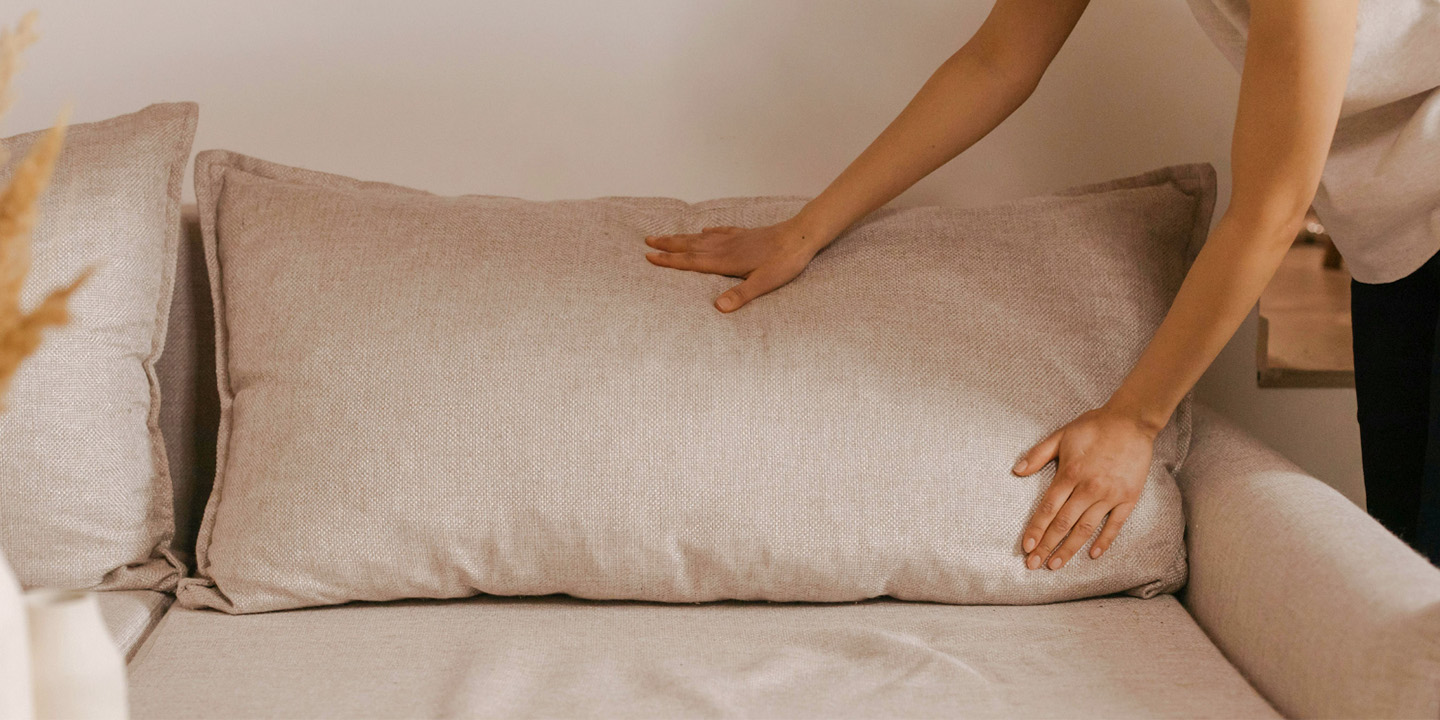
Before you begin any cleaning process, identifying your sofa's material and understanding manufacturer guidelines is crucial. Fabric sofas come in various materials—cotton, linen, chenille, boucle, and velvet—each with unique cleaning requirements.
Decoding Cleaning Code Labels
Turn your sofa over or check underneath cushions to find the cleaning code label, typically featuring these symbols:
W (Water-based cleaning): Safe for water-based cleaners or mild detergent solutions
S (Solvent cleaning): Requires dry-cleaning solvents only—no water
WS (Water or Solvent): Both water-based and solvent cleaners are acceptable
X (Professional cleaning only): Never use water or home cleaners—contact professionals
Pro Tip: If the label is missing, test any cleaner on a small, hidden area (like under a cushion) and wait 24 hours to check for color bleeding or texture changes before proceeding with full cleaning.
Material-Specific Considerations
Microfiber: Durable and stain-resistant but requires specific brushing techniques
Cotton/Linen: Natural fibers that absorb liquids quickly—require prompt stain treatment
Velvet: Delicate pile that can be crushed—always brush in the direction of the nap
Synthetic Blends: Often more forgiving but check composition for specific vulnerabilities
Daily & Weekly Cleaning Routines: Prevention Before Treatment
Consistent maintenance reduces the need for deep cleaning and prevents stains from setting.
Daily Quick-Care (2-5 minutes)
Fluff and rotate cushions to distribute wear evenly
Use a lint roller for pet hair and surface debris
Spot-clean fresh spills immediately with a clean, damp cloth (blot, don't rub!)
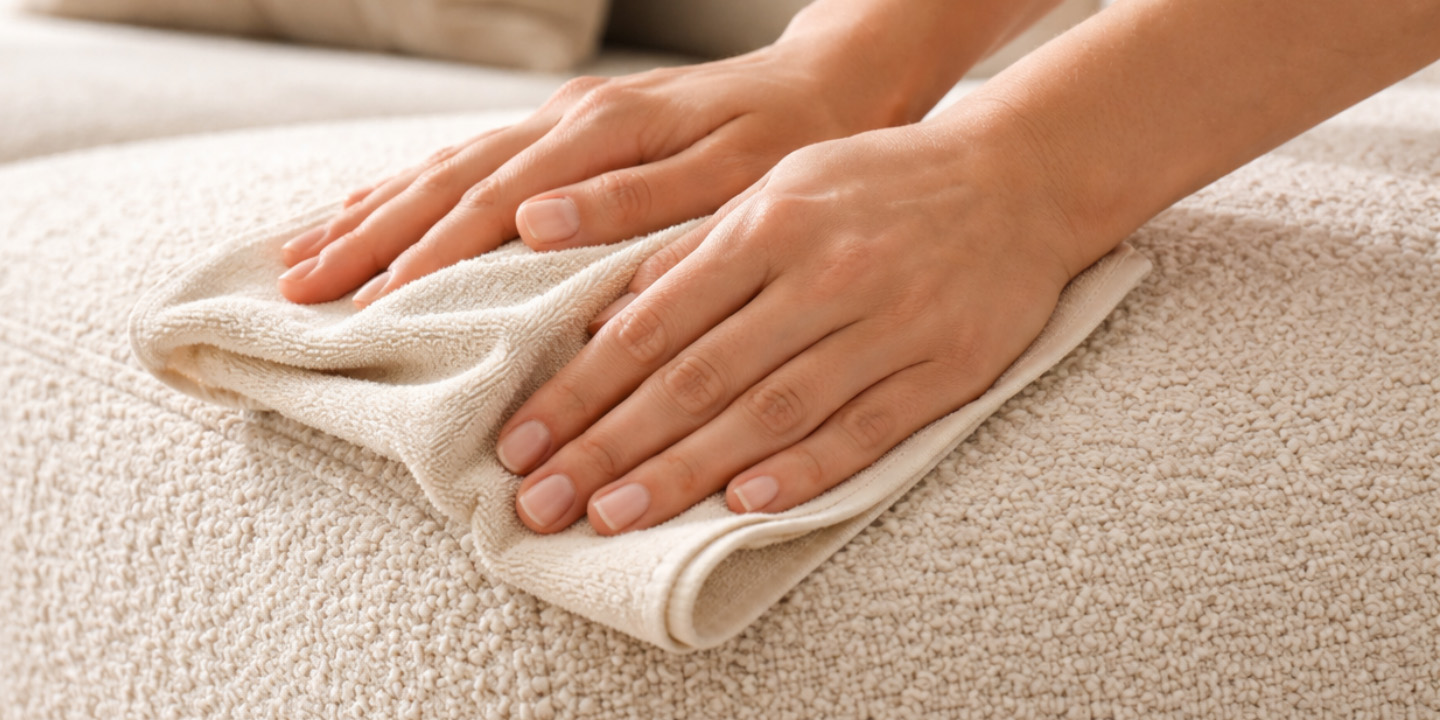
Weekly Thorough Maintenance (15-20 minutes)
Remove all cushions and vacuum every surface using upholstery attachments
Pay special attention to crevices where crumbs and dust accumulate
Use a soft-bristle brush to gently lift and refresh the fabric's texture
Rotate cushions if they're not symmetrical to ensure even wear
Weekly Routine Checklist:
Vacuum all surfaces and crevices
Brush fabric gently in one direction
Check for new stains or spots
Fluff back and seat cushions
Wipe legs and frame if accessible
Targeted Stain Removal: How to Clean Specific Sofa Stains
Different stains require different approaches. Here's your go-to reference for common fabric sofa offenders:
Coffee Stains
Search intent match: "how to remove coffee stains from fabric sofa"
Blot immediately with a clean, absorbent cloth to remove excess liquid
Mix 1 teaspoon mild dish soap with 1 cup warm water
Apply solution with a clean cloth, working from the stain's edge toward the center
Rinse by dabbing with a water-dampened cloth
Absorb moisture with dry towels and allow to air dry completely
For older coffee stains: Add 1 tablespoon white vinegar to the soap solution to help break down tannins.
Red Wine Stains
Search intent match: "how to get wine stains out of cloth sofa"
Sprinkle salt generously over fresh wine spills to absorb liquid
Wait 10 minutes, then vacuum salt completely
Create cleaning solution: Mix 2 parts hydrogen peroxide with 1 part dish soap
Test on hidden area first, then apply to stain
Blot repeatedly with clean sections of cloth until stain transfers
Rinse and dry thoroughly
Alternative for delicate fabrics: Use club soda instead of peroxide solution, blotting until stain lifts.
Pet Urine Stains
Search intent match: "how to clean pet urine stains on a fabric sofa"
Blot up urine immediately with towels (press firmly, don't spread)
Apply enzymatic cleaner designed for pet stains—these break down uric acid crystals
Allow to sit for 10-15 minutes as per product instructions
Blot away moisture with fresh towels
Sprinkle baking soda over area, let sit for several hours, then vacuum
Place fan directed at area to ensure complete drying
Critical reminder: Never use ammonia-based cleaners on pet stains—the smell resembles urine and may encourage remarking.
Additional Common Stain Solutions:
Ink Stains:
Dab with rubbing alcohol using a cotton swab (test colorfastness first)
Blot with clean cloth as ink transfers
Rinse with mild soap solution
Grease/Oil Stains:
Sprinkle cornstarch or baking soda to absorb oil
Wait 30 minutes, then vacuum
Apply dry-cleaning solvent (for "S" coded fabrics) or dish soap solution (for "W" coded)
Blood Stains:
Use cold water only (hot water sets protein stains)
Apply hydrogen peroxide diluted with water (1:2 ratio)
Blot until stain lifts, rinse with cold water
Deep Cleaning Methods: Restoring Your Fabric Sofa
Even with regular maintenance, fabric sofas benefit from seasonal deep cleaning.
Steam Cleaning (For "W" or "WS" Coded Fabrics)
Renting or purchasing a upholstery steam cleaner provides the most thorough deep cleaning:
Pre-vacuum thoroughly to remove all surface debris
Pre-treat stains using methods above
Prepare steam cleaner with manufacturer-recommended solution
Work in small sections (2x2 foot areas), making multiple slow passes
Extract as much moisture as possible—overwet fabric can lead to mildew
Allow 6-12 hours drying time with good air circulation
Baking Soda Deodorizing Treatment
For refreshing between deep cleans or eliminating odors:
Sprinkle baking soda generously over entire sofa surface
Gently work into fabric with a soft brush
Let sit for 30 minutes to several hours (longer for stronger odors)
Thoroughly vacuum using upholstery attachments
Follow with fabric refresher spray if desired
Professional Cleaning Considerations
Consider professional services when:
Your sofa has "X" cleaning code
You're dealing with large, set-in stains
The sofa hasn't been cleaned in several years
You're uncertain about fabric type or colorfastness

Tools & DIY Cleaning Solutions: Building Your Cleaning Arsenal
Essential Cleaning Toolkit
Upholstery attachment for your vacuum cleaner
Soft-bristle brush (horsehair or synthetic equivalent)
White, absorbent microfiber cloths (color-free to prevent dye transfer)
Spray bottle for cleaning solutions
Blunt-edged spoon or dull knife for scraping solid debris
Enzymatic cleaner for organic stains
Protective gloves
Effective DIY Cleaning Solutions
All-Purpose Fabric Cleaner (for "W" coded fabrics):
1 cup warm water
¼ cup white vinegar
1 tablespoon mild dish soap
5-10 drops essential oil (optional for scent)
Mix in spray bottle, shake before use
Stain Pretreater Paste:
3 tablespoons baking soda
1 tablespoon dish soap
Enough water to form spreadable paste
Apply to stains, let sit 15 minutes, then blot and rinse
Fabric Refresher Spray:
1 cup distilled water
¼ cup vodka or rubbing alcohol (helps eliminate odors)
10 drops lavender or lemon essential oil
Lightly mist over fabric, allow to air dry
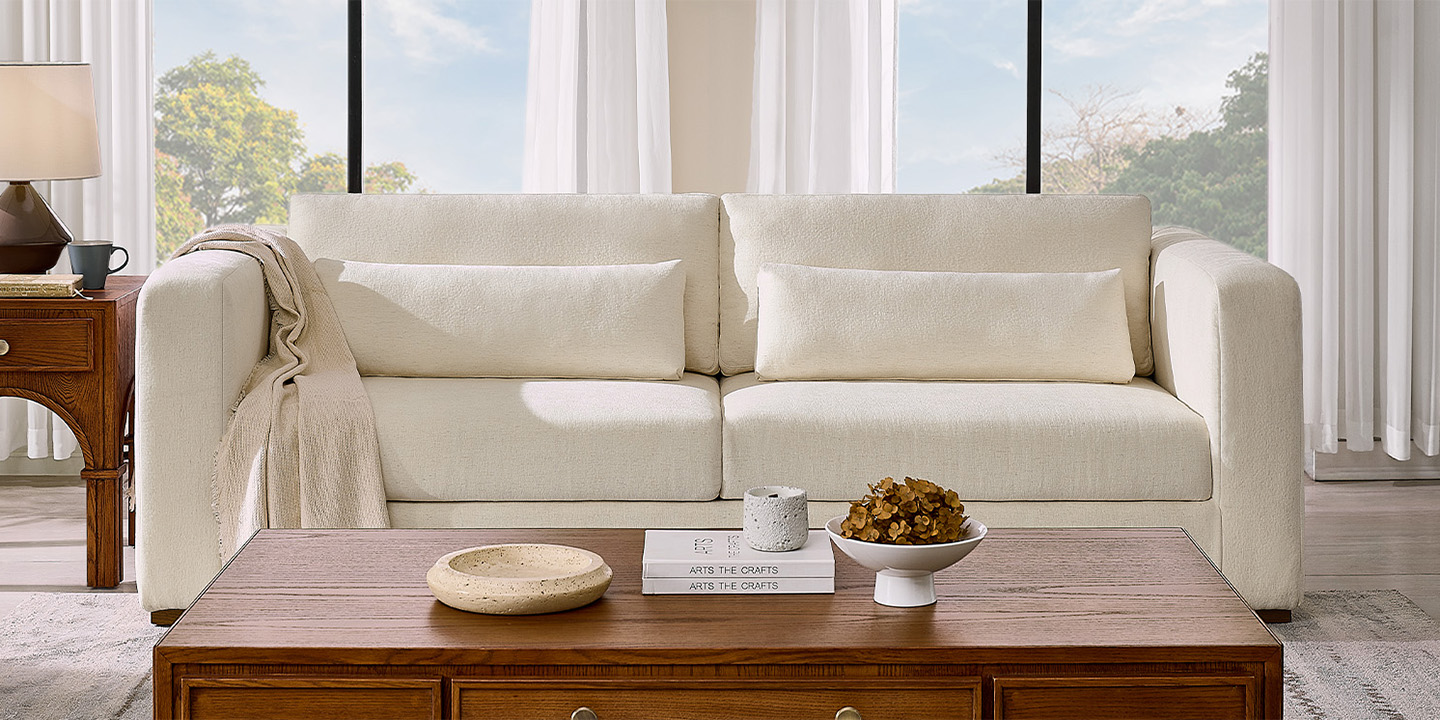
HERNEST Alba Cotton Sofa fabric is breathable, soft, durable, and easy to care for.
Maintenance & Prevention: Long-Term Fabric Sofa Care
Protective Measures
Use washable slipcovers during high-risk periods (with pets, young children)
Apply fabric protector spray after deep cleaning (test on small area first)
Implement a "no food/drinks on sofa" rule or use stable side tables
Rotate and flip cushions monthly to ensure even wear
Keep pets trimmed and groomed to reduce hair and dander accumulation
Seasonal Maintenance Schedule
Monthly:
Deep vacuum all surfaces
Spot clean new stains
Brush fabric to maintain texture
Quarterly:
Baking soda refresh treatment
Check for wear or damage
Clean under cushions thoroughly
Bi-Annually:
Consider professional cleaning for heavily used sofas
Assess need for fabric protector reapplication
Complete deep cleaning if doing it yourself
Frequently Asked Questions (FAQ)
Q: How do you clean a fabric sofa without ruining it?
A: Always start with the gentlest approach: vacuuming, then spot testing any cleaner in an inconspicuous area. Follow manufacturer codes, use minimal moisture, and never scrub vigorously—always blot. When in doubt, professional cleaning is safer than experimenting with unknown fabrics.
Q: What removes stubborn old stains from fabric sofas?
A: For set-in stains, try a paste of baking soda and water applied for several hours, or a mixture of hydrogen peroxide and dish soap (test for colorfastness first). Sometimes multiple treatments are necessary. For valuable or antique pieces, professional restoration may be needed.
Q: How often should I deep clean my fabric sofa?
A: For average use, deep clean every 6-12 months. With pets, children, or frequent use, every 3-6 months is better. Weekly vacuuming and immediate stain treatment reduce the frequency needed for deep cleaning.
Q: Can I use a carpet cleaner on my fabric sofa?
A: Only if specifically designed for upholstery and compatible with your fabric type. Standard carpet cleaners may use too much moisture or cleaning power, potentially damaging sofa fabrics. Always check manufacturer recommendations first.
Q: How do I clean a delicate vintage fabric sofa?
A: Delicate or antique fabrics often require professional cleaning. For minor maintenance, gentle vacuuming with reduced suction through a mesh screen and careful blotting of fresh stains with distilled water may be safe. Document any cleaning attempts and consult specialists for valuable pieces.
Q: What's the best way to remove pet hair from fabric sofas?
A: Damp rubber gloves, lint rollers, or specialized pet hair removal tools work well. For embedded hair, try using a pumice stone designed for fabric (test first) or a squeegee gently dragged across the surface.
Q: How can I prevent my light-colored fabric sofa from staining?
A: Pre-treatment with fabric protector spray provides the best defense. Consider using washable throws in high-use areas, establishing household rules about eating/drinking on furniture, and choosing performance fabrics if purchasing new furniture.