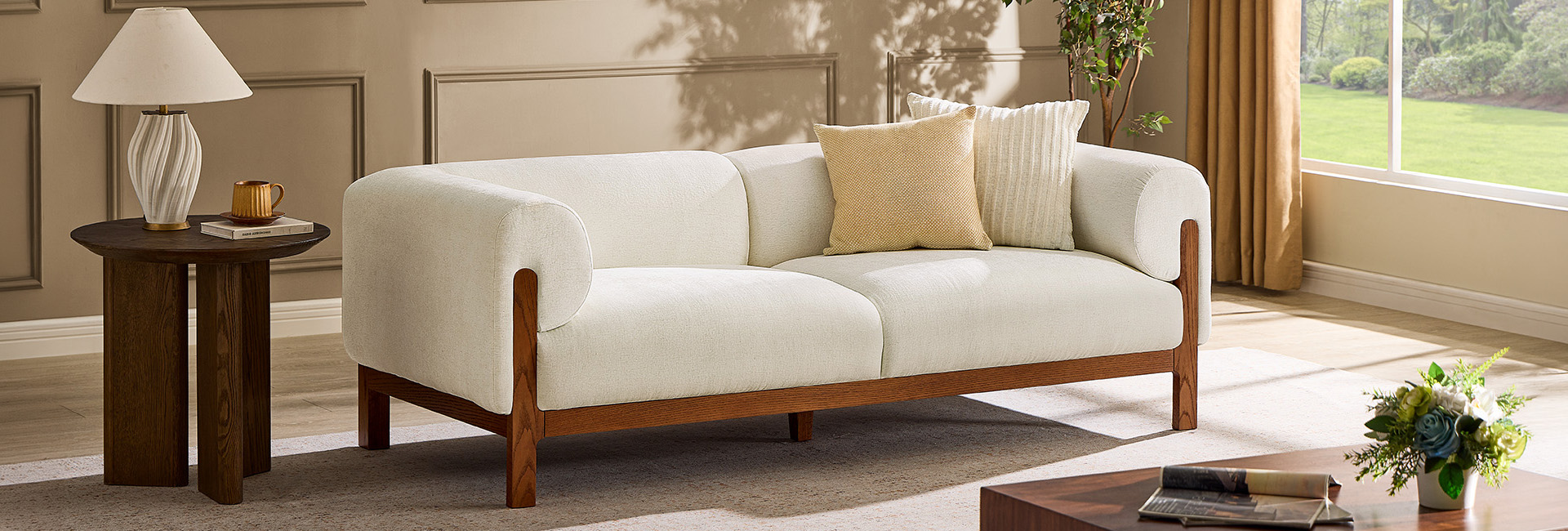
Buying a sofa is one of the biggest furniture investments in any home. Whether it anchors a family room in suburban Texas, a downtown Chicago apartment, or a formal living room in California, the question is the same:
How long do sofas actually last?
The answer isn't one-size-fits-all. A sofa's lifespan depends on construction quality, material, usage patterns, and even who lives in the home — children, pets, or just two adults who entertain occasionally.
This comprehensive guide breaks down:
The average lifespan of a sofa
How long different materials last
When to replace your couch
How pets and kids affect durability
How long couch cushions last
Whether expensive sofas really last longer
What the 2-2-1 rule means
And how to extend your sofa's life
Let's start with the quick answer.
Table of Contents
- How Long Do Sofas Last on Average?
- What Is the Average Life Expectancy of a Sofa?
- What Affects How Long a Sofa Lasts?
- How Long Should a Couch Last with Dogs?
- How Long Does a Cheap Couch Last?
- How Long Should a Leather Couch Last?
- How Long Do Couch Cushions Last?
- How Often Should You Replace Your Sofa?
- Apartment Living vs Large Homes
- What Is the 2-2-1 Rule for Sofas?
- How to Make a Sofa Last Longer
- Is It Worth Investing in a Higher-Quality Sofa?
- Final Thoughts: How Long Should Your Sofa Last?
- FAQs
- How long are sofas expected to last?
- Should I replace a sofa after 10 years?
- Can a sofa last 20 years?
- Do expensive sofas last longer?
- How long should a couch last with dogs?
- How can I make my sofa last longer?
- Is it worth replacing just the sofa cushions?
- What type of sofa frame lasts the longest?
- My sofa is only 5 years old, but it squeaks. Can it be fixed?
- What does "high-density foam" mean?
How Long Do Sofas Last on Average?
Most sofas last 7 to 15 years.
However, lifespan varies significantly based on quality tier and usage.
In high-traffic American households with kids or dogs, lifespan may fall toward the lower end unless the sofa is built with durable materials.
What Is the Average Life Expectancy of a Sofa?
The "average life expectancy" of a sofa in the United States is typically around 10 years.
But that average hides major differences in:
Frame construction
Cushion density
Upholstery material
Daily usage
Maintenance habits
A lightly used formal living room sofa in a large suburban home may last 15+ years. A primary seating sofa in a small urban apartment may show wear within 5–7 years.
Understanding these variables helps set realistic expectations.
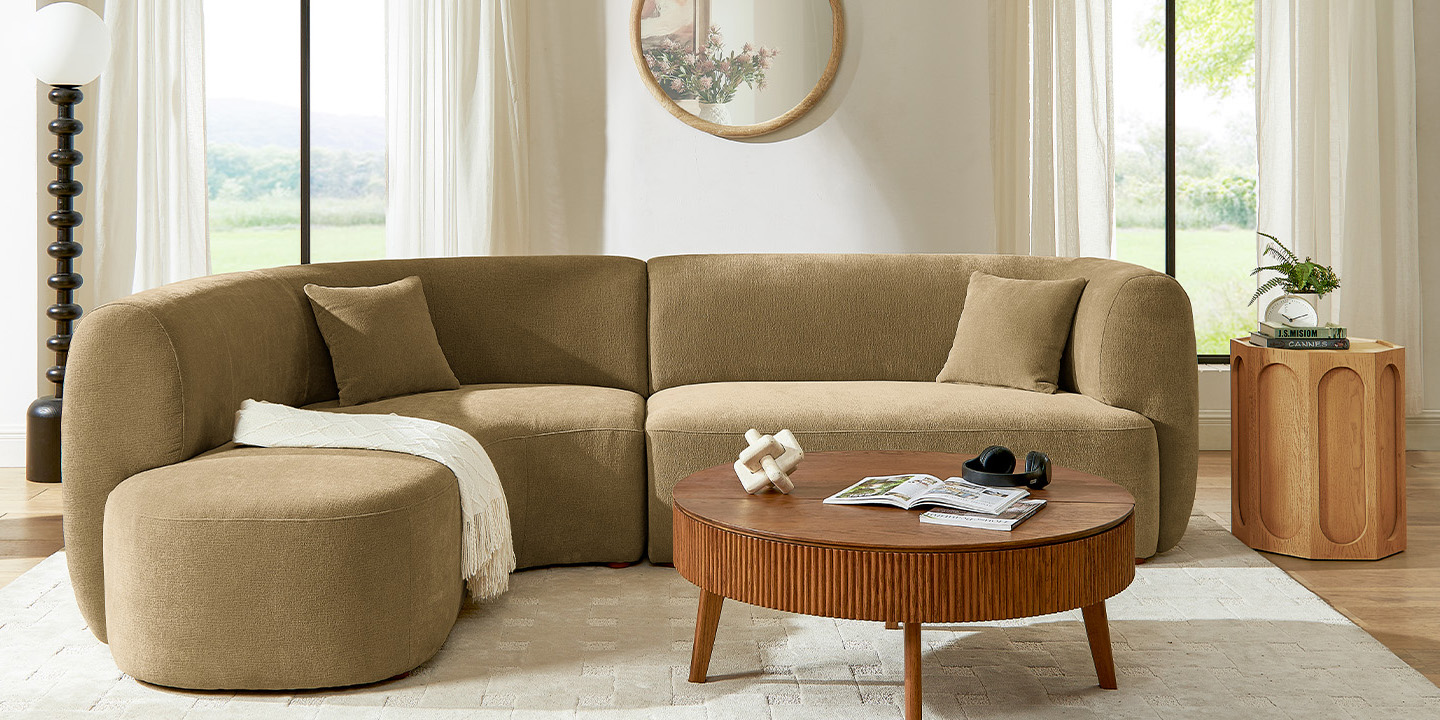
HERNEST Pick: Krono Chaise Sectional Sofa
What Affects How Long a Sofa Lasts?
1. Frame Construction (The Foundation)
The frame determines structural longevity.
Kiln-dried hardwood frames (oak, maple, ash) are the gold standard. They resist warping and cracking over time.
Lower-tier options include:
Engineered wood
Particleboard
Softwood frames
Hardwood frames can last 15–20 years or more. Particleboard frames often fail within 5–7 years under daily use.
2. Cushion Density
Foam density is rarely discussed in showrooms, but it's one of the most critical durability factors.
High-density foam maintains shape longer and resists sagging. Lower-density foam compresses quickly, especially in households where the sofa is used daily.
3. Upholstery Material
Fabric Sofas
Typical lifespan: 7–12 years
Performance fabrics last longer under heavy use.
Leather Sofas
Bonded leather: 3–7 years
Top-grain leather: 10–20 years
Full-grain leather: 20+ years with care
Leather often outlasts fabric because it resists pilling and tearing. However, it requires conditioning to prevent cracking.
4. Daily Usage Patterns
Usage intensity significantly affects lifespan.
Formal living room (used occasionally): 12–20 years possible
Main family room seating: 7–12 years
Studio apartment primary seating: 5–8 years
The more hours per day a sofa supports weight, the faster foam compression and joint stress occur.
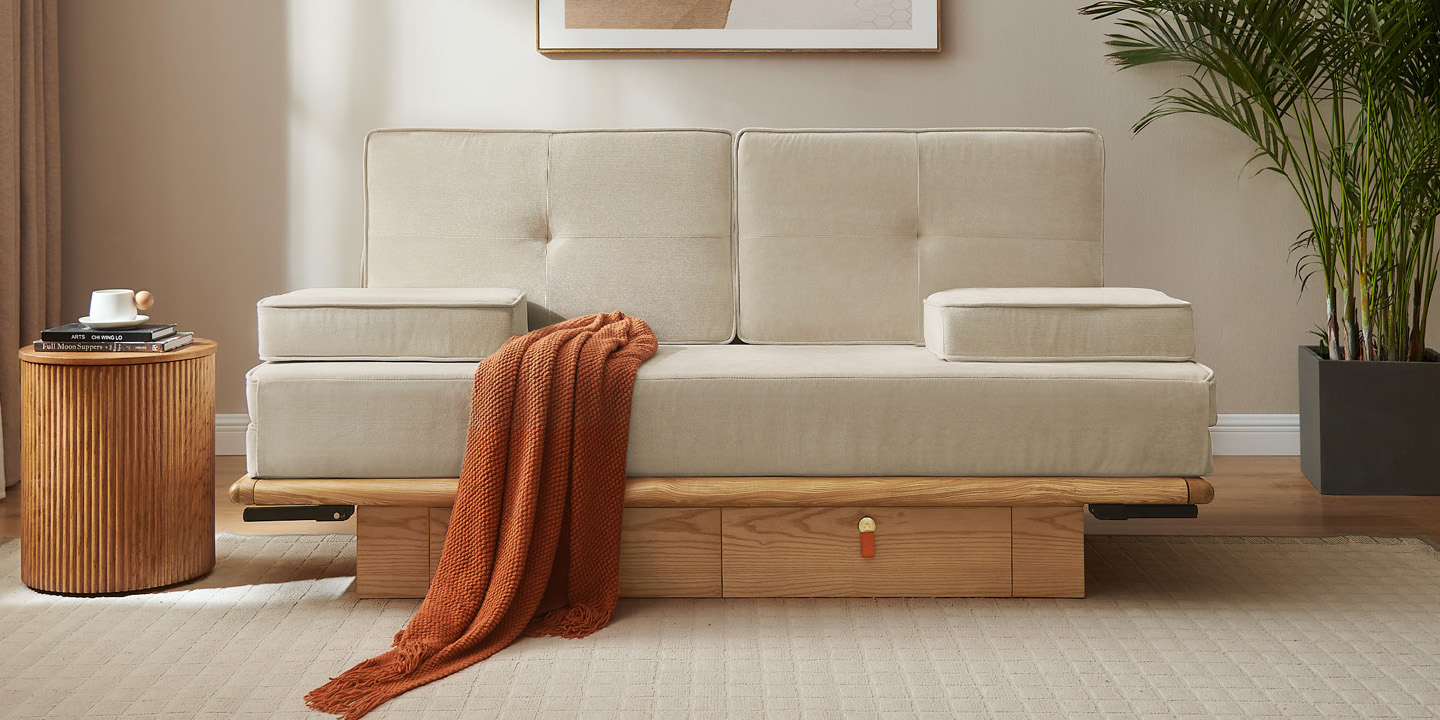
HERNEST Pick: Nanna Solid Wood Sofa Bed
5. Household Composition
This is often overlooked in generic guides.
Families with Children
Jumping and rough use increase frame stress
Food spills affect fabric durability
Cushion compression accelerates
Homes with Dogs
Claws can scratch leather
Shedding embeds into fabric
Odor absorption shortens fabric life
Let's look deeper.
How Long Should a Couch Last with Dogs?
In dog-friendly homes, sofa lifespan often shortens by 20–40% unless built with durable materials.
Key wear factors include:
Repeated claw contact
Frequent spot cleaning
Hair accumulation
Moisture from outdoor exposure
Best-performing options in pet households:
Performance fabrics
Top-grain leather
Tight weave textiles
Budget microfiber may last 3–5 years with large dogs. High-quality leather can still exceed 10 years if properly maintained.
How Long Does a Cheap Couch Last?
A "cheap couch" typically lasts 3–5 years under regular use.
Common characteristics of short-lifespan sofas:
Low-density foam
Particleboard frames
Stapled joints instead of dowelled joints
Thin fabric upholstery
While a lower upfront cost can be appealing, the cost-per-year often ends up higher if replacement is required frequently.
Example:
Long-term durability often offers better value over time.
How Long Should a Leather Couch Last?
Leather durability depends heavily on grade.
Top-grain leather develops patina over time and resists surface cracking better than bonded leather.
In American homes with controlled indoor climate, well-maintained leather sofas can easily last two decades.
How Long Do Couch Cushions Last?
Cushions often fail before frames.
Foam cushions typically last:
3–5 years (low-density foam)
5–7 years (standard foam)
7–10+ years (high-density foam)
Feather-down blends feel luxurious but may require frequent fluffing and lose loft faster.
The good news: In higher-quality sofas, cushions can often be replaced without replacing the entire sofa.
How Often Should You Replace Your Sofa?
Signs It's Time to Replace a Sofa
There's no strict timeline, but there are clear signals. Knowing the average lifespan is helpful, but the real decision comes down to your sofa's condition. Here are the undeniable signs it's time to start shopping for a new one:
Permanent Sagging & Cushion Collapse: If the cushions have lost their resilience and no longer bounce back, or if you can feel the frame through the padding, the core support structure is gone.
Audible Creaking & Wobbling: A squeaky or wobbly frame indicates that the joints are loose or the wood may be cracked. This is a sign of structural failure.
Visible Fabric Damage: This goes beyond a small stain. We're talking about severe pilling, fraying, rips, or tears that are beyond repair or professional cleaning.
Unpleasant, Lingering Odors: If your sofa has absorbed years of smells (pets, spills, mustiness) that deep cleaning can't remove, it's compromising your home's freshness.
You Actively Avoid Sitting on It: This is the most telling sign. If your sofa has become uncomfortable, unsightly, or embarrassing, it's no longer serving its purpose.
Apartment Living vs Large Homes
In major U.S. cities like New York, San Francisco, or Chicago, sofas often serve multiple roles:
Lounging
Dining overflow
Remote work seating
Guest sleeping
Higher daily usage means the lifespan may trend toward 5–8 years unless the sofa is built for durability.
In larger suburban homes, formal living room sofas may see light use and last 15–20 years.
Usage context matters.
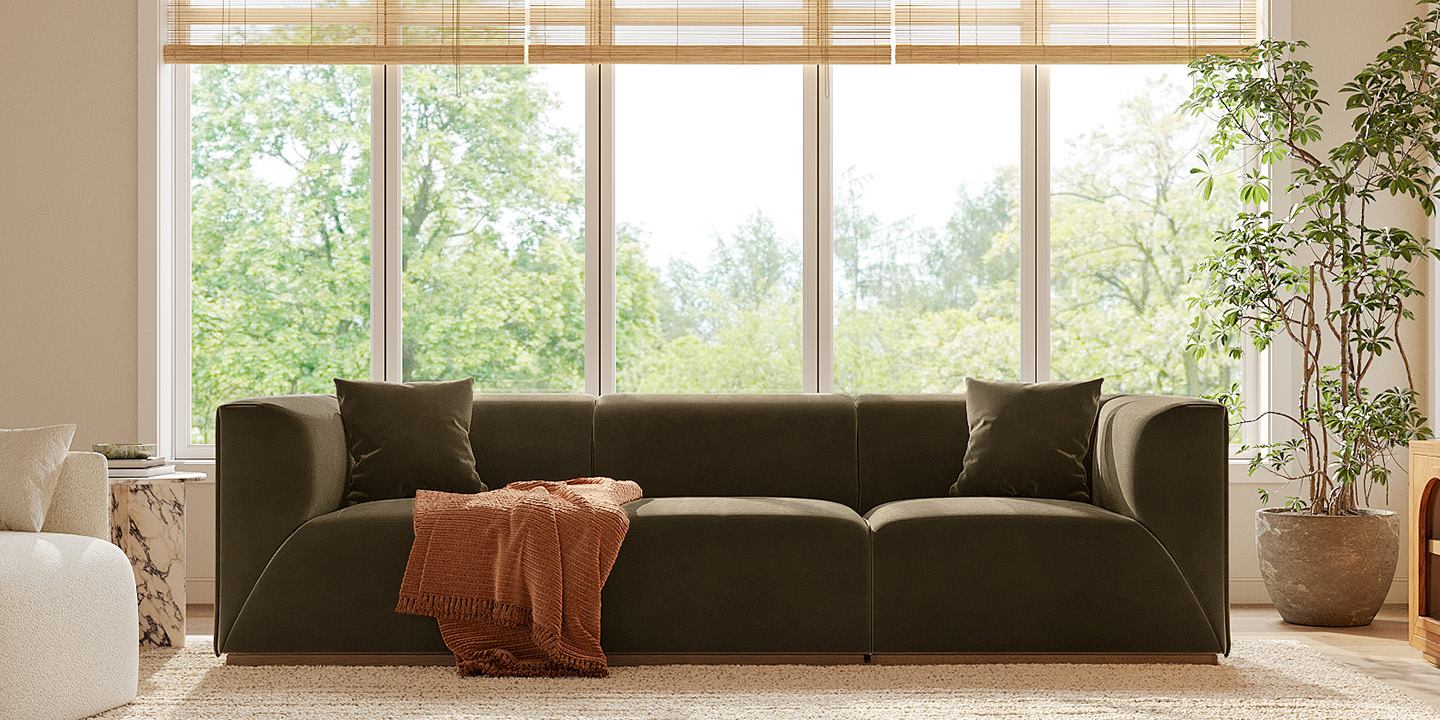
HERNEST Pick: Benton Sectional Sofa
What Is the 2-2-1 Rule for Sofas?
The 2-2-1 rule refers to a balanced living room seating layout:
2 accent chairs
2-seat loveseat
1 primary sofa
This arrangement distributes seating use across multiple pieces, potentially extending the lifespan of each sofa.
By spreading weight and usage, cushions compress more evenly over time.
How to Make a Sofa Last Longer
Regardless of price tier, maintenance plays a major role in durability.
Practical Longevity Tips
Rotate cushions every 2–3 months
Vacuum weekly to prevent fiber breakdown
Avoid direct sunlight exposure
Trim pet nails
Use armrest covers in high-use households
Professionally clean fabric every 1–2 years
Small habits can extend sofa lifespan by several years.
Is It Worth Investing in a Higher-Quality Sofa?
For many American households, durability becomes more important than initial price.
Higher-quality sofas often include:
Kiln-dried hardwood frames
Reinforced corner blocks
High-density foam cores
Replaceable cushion inserts
Durable upholstery
Over 15 years, a well-built sofa may provide better comfort and lower cost-per-year than multiple replacements.
Durability is not just about luxury — it's about long-term living quality.
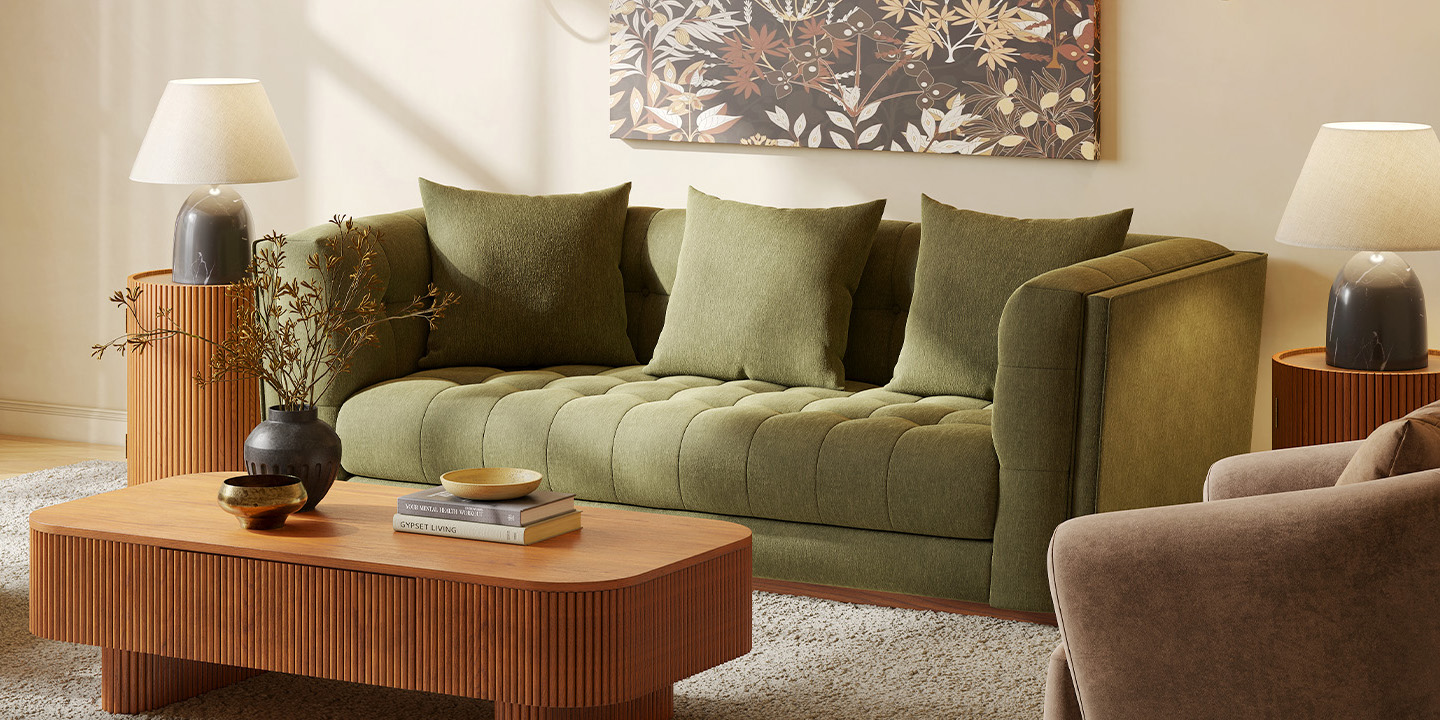
HERNEST Pick: Enkel 91" Sofa
Final Thoughts: How Long Should Your Sofa Last?
For most households, a well-built sofa should last at least 10 years.
In lighter-use environments, 15–20 years is achievable. In high-traffic homes with kids or pets, 7–12 years is realistic with durable construction.
The key takeaway:
Sofa lifespan is less about luck and more about construction quality, material selection, and usage patterns.
Choose wisely, maintain consistently, and your sofa can support your home for well over a decade.
FAQs
How long are sofas expected to last?
Most sofas are expected to last between 7 and 15 years. High-quality hardwood frame sofas may last 20 years or more with proper maintenance.
Should I replace a sofa after 10 years?
Not necessarily. If the frame is solid and cushions can be replaced, a 10-year-old sofa may still have several years of life remaining.
Can a sofa last 20 years?
Yes. Sofas built with kiln-dried hardwood frames and top-grain leather upholstery can last 20+ years in moderate-use households.
Do expensive sofas last longer?
Often, yes. Higher-priced sofas typically include better frame construction, denser foam, and more durable upholstery — all of which increase lifespan.
How long should a couch last with dogs?
With dogs, sofas typically last 5–10 years, depending on material quality. Leather and performance fabrics tend to last longer than standard microfiber.
How can I make my sofa last longer?
Regularly vacuum cushions and crevices, rotate and flip cushions weekly, keep them out of direct sunlight, and address spills immediately. Consider using throws in high-traffic areas.
Is it worth replacing just the sofa cushions?
Yes, if the frame and fabric are in good condition. Replacing worn-out foam cushions is a cost-effective way to extend your sofa's life by several years.
What type of sofa frame lasts the longest?
A frame made of kiln-dried hardwood, with corner blocks and dowel or double-dowel joints, is the most durable option.
My sofa is only 5 years old, but it squeaks. Can it be fixed?
Possibly. Squeaking often comes from loose joints. You might be able to tighten screws or add wood glue to loose joints if you can access the frame. However, a cracked frame rail may be a more serious, and often irreparable, issue.
What does "high-density foam" mean?
It refers to the weight of the foam, measured in pounds per cubic foot (lb/ft³). A density of 1.8 lb/ft³ or higher is considered high-quality and will resist sagging much longer than lower-density foams.