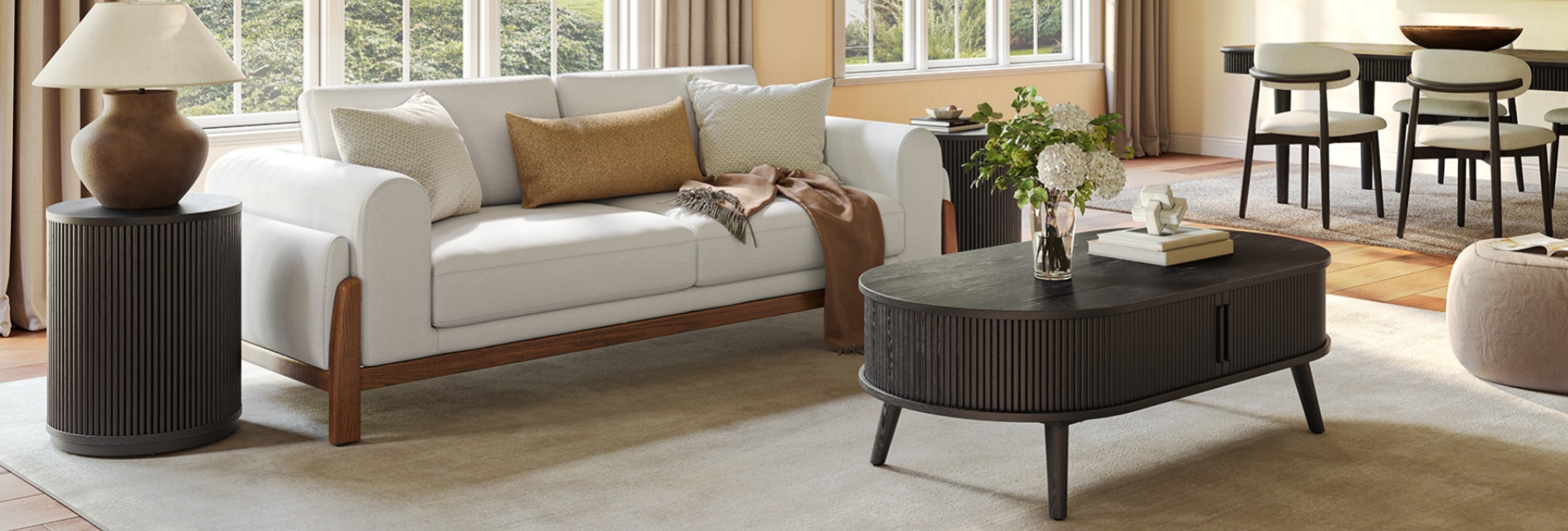
A fabric couch is more than just a seating option—it’s the centerpiece of how most Americans live, relax, host, and unwind at home. Yet choosing the right one is where most people get stuck. Too soft and it sags. Too firm and it feels uncomfortable. Too cheap and it doesn’t last. Too expensive and it may not even fit your lifestyle.
This guide breaks everything down like an in-home consultation. If you're trying to decide whether a fabric couch is right for you, or which one will last in your space, this is your roadmap.
Why a Fabric Couch Remains America's Favorite Sofa Choice
The dominance of the fabric couch in American homes isn’t accidental. It comes down to comfort, adaptability, and emotional appeal. Unlike rigid materials, fabric adapts to body temperature, seating posture, and daily use patterns.
Interior design surveys consistently show that over 60% of homeowners prefer fabric-based seating in primary living spaces. Designers often point out that fabric sofas for living room setups create a more inviting and “lived-in” environment compared to harder materials.
The Rise of Fabric Sofas for Living Room Spaces
In modern homes, especially open-concept layouts, fabric sofas for living room designs dominate because they visually soften large spaces. They reduce echo, add texture, and make rooms feel less industrial.
As designer Kelly Wearstler once noted in a widely cited interiors interview, “Soft materials don’t just fill a room—they calm it.” That’s exactly why a fabric couch is often the first piece placed in a new home.
Key Statistics About Fabric Sofa Popularity
Around 7 out of 10 sofas sold in North America are fabric-based
Fabric seating is preferred in households with children by nearly 80%
Demand for soft fabric sofa designs has increased significantly in the last decade due to comfort-focused lifestyles
The shift isn’t just aesthetic—it’s behavioral. People spend more time at home now than ever before, and a fabric couch supports that lifestyle.
Who Should Buy a Fabric Couch?
A fabric couch is ideal for:
Families with kids or pets
Apartment dwellers prioritizing comfort over formality
Homeowners who want relaxed, everyday seating
Anyone building a cozy, layered interior style
If your home is meant to be lived in—not just displayed—a fabric couch is usually the right starting point.
What Is a Fabric Couch?
A fabric couch is a sofa upholstered with woven or knitted textile materials instead of leather or synthetic vinyl. These materials can include natural fibers like cotton and linen or engineered synthetics like polyester blends.
Fabric Couch vs Upholstered Sofa
Technically, all couches are upholstered, but not all upholstery is fabric. A fabric couch specifically refers to textile-covered seating, while “upholstered sofa” is a broader category that includes leather and other coverings.
In everyday furniture language, however, most people use the terms interchangeably when referring to a fabric couch.
What Couch Fabric Is Called in the Furniture Industry
In the furniture industry, couch fabric is referred to as:
Upholstery fabric
Performance fabric (when treated for durability)
Woven textile covering
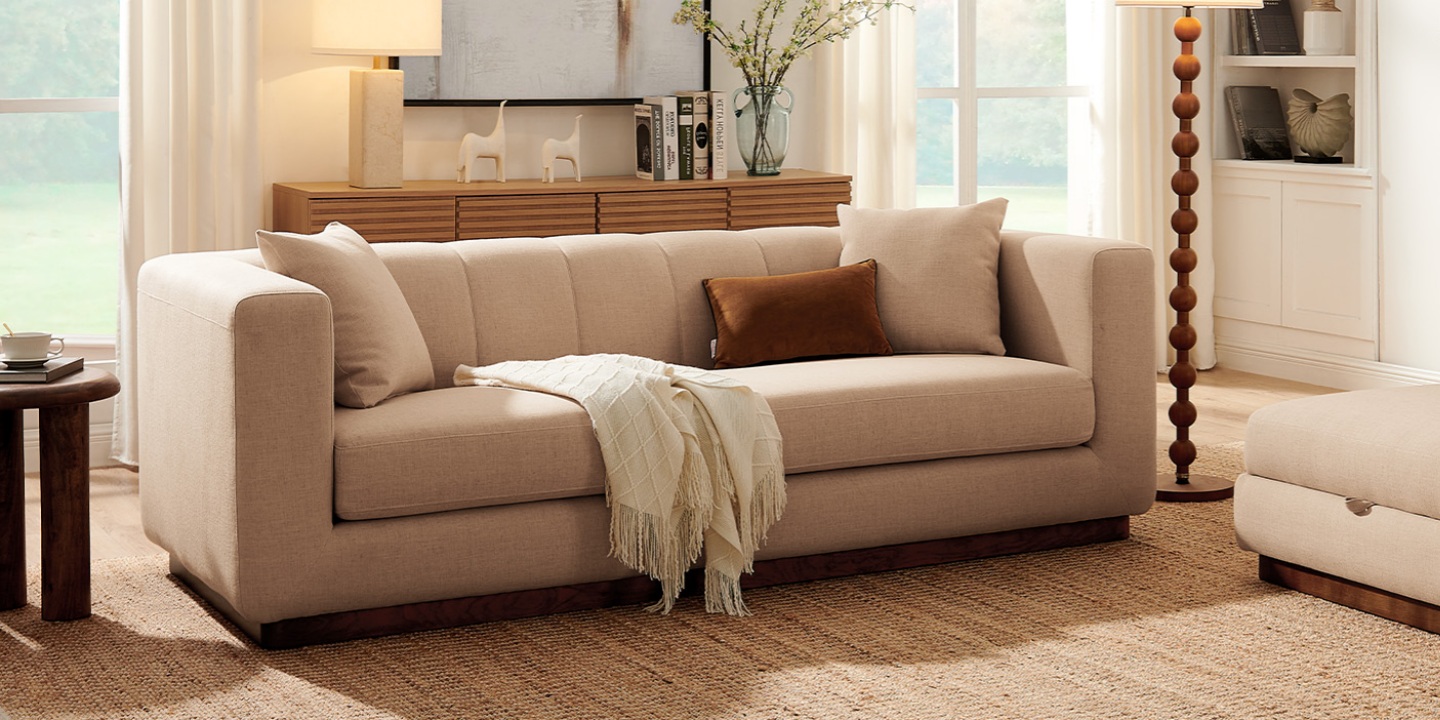
Why a Soft Fabric Sofa Feels More Comfortable Than Other Materials
How Fabric Affects Sitting Comfort
A soft fabric sofa offers a level of comfort that leather or synthetic materials often can’t match. Fabric naturally adapts to body temperature, preventing the sticky heat associated with leather in summer or the cold stiffness in winter. Its micro-flexibility also cushions pressure points, making it easier to sit for extended periods without discomfort. Unlike firmer surfaces, fabric molds subtly to your posture, creating a sense of gentle support that encourages relaxation.
The Psychology of Soft Furnishings
Comfort isn’t just physical—it's psychological. Studies in interior design psychology suggest that soft, textured surfaces signal warmth and safety to the brain. Sitting on a soft fabric sofa can reduce stress levels, encourage longer lounging, and foster social interaction. The tactile experience of a plush couch also contributes to a room’s perceived coziness, subtly influencing mood and creating a welcoming atmosphere.
What Is the Best Fabric for a Sofa? Expert Comparison
Choosing what is the best fabric for a sofa is rarely about a single “perfect” material. In real-world use, it depends on how the sofa will be used daily—whether it’s for a busy family living room, a quiet apartment, or a space that balances style and durability. Each fabric has strengths and trade-offs that directly affect comfort, maintenance, and long-term performance of a fabric couch.
The 6 Most Popular Sofa Fabrics
Cotton
Cotton is a natural, breathable option often used in a fabric couch for its soft touch and relaxed feel. It performs well in moderate-use environments but can absorb stains and moisture more easily. Cotton works best when blended with synthetic fibers to improve durability for everyday living.
Linen
Linen is valued for its lightweight, airy texture and natural aesthetic. It gives a fabric couch a refined, casual look, especially in warm climates. However, it wrinkles easily and may require more care, making it better suited for low-traffic areas or design-focused homes rather than heavy-use fabric sofas for living room setups.
Polyester
Polyester is one of the most practical choices when evaluating what is the best fabric for a sofa. It is highly durable, resistant to fading, and easier to clean compared to natural fibers. Many modern fabric sofas for living room designs rely on polyester blends because they balance softness with resilience.
Microfiber
Microfiber is a tightly woven synthetic material known for its stain resistance and smooth texture. A fabric couch made with microfiber is especially popular in households with pets or children because it repels spills and is easy to maintain. It also performs well as a good fabric sofa option for high-traffic spaces.
Velvet
Velvet offers a rich, luxurious feel and is often chosen for its visual depth and softness. A velvet soft fabric sofa elevates interior design instantly, but it requires more maintenance to preserve its appearance. It is best used in formal or low-traffic living rooms.
Chenille
Chenille is soft, textured, and highly comfortable, making it a strong contender when discussing what is the best fabric for a sofa. It provides a plush seating experience and is often used in premium fabric couch designs where comfort is prioritized. However, it may show wear faster in extremely busy environments.
Overall, the best choice depends on balancing lifestyle needs with material characteristics. A well-selected fabric couch uses these fabrics strategically to achieve the right mix of comfort, durability, and visual appeal in modern homes.
Natural vs Synthetic Sofa Fabrics
Natural Fabrics
Natural upholstery materials such as cotton and linen are derived from plant-based fibers, offering excellent breathability, softness, and a more organic hand-feel. In a fabric couch, natural fabrics tend to create a cooler seating experience because they allow better air circulation and moisture absorption. This makes them especially appealing in warmer climates or relaxed interior styles. However, as industry studies note, natural fibers can be more prone to wrinkling, staining, and wear under heavy daily use, which is why they are often recommended for moderate-traffic fabric sofas for living room setups rather than extremely busy households.
Synthetic Fabrics
Synthetic upholstery materials such as polyester, microfiber, nylon, and acrylic are engineered for performance and consistency. A fabric couch made with synthetic fibers typically offers stronger stain resistance, better shape retention, and improved durability over time. These materials are widely used in modern fabric sofas for living room designs because they handle spills, friction, and frequent use more effectively than many natural options. As upholstery experts highlight, synthetic fibers are often specifically designed for high-traffic environments and long-term structural stability.
Which One Is Better for Everyday Living?
For everyday use, the decision depends less on “natural vs synthetic” and more on lifestyle demands. If comfort, breathability, and a relaxed feel are priorities, natural fibers can make a soft fabric sofa feel more inviting. However, for households with kids, pets, or frequent use, synthetic materials usually create a more practical and long-lasting good fabric sofa because they resist stains and maintain appearance with minimal maintenance.
In many real-world interiors, blended fabrics are often the most balanced solution, combining the softness of natural fibers with the resilience of synthetics in a single fabric couch design.
How to Evaluate Fabric Quality Like a Furniture Expert
Understanding Rub Count and Durability Ratings
When evaluating a fabric couch, rub count is one of the most reliable indicators of durability. It measures how much friction a fabric can withstand before showing wear. For everyday residential use, anything above 15,000–20,000 rubs is generally acceptable, while premium performance fabrics often exceed 30,000 rubs. For example, the upholstery used in a well-constructed fabric couch like the Hernest Koseby 88" Sofa reaches 35,000 rubs, which signals strong resistance to abrasion and long-term household use without rapid surface breakdown.
Why Fabric Weave Matters
Fabric weave directly affect how a good fabric sofa performs over time. Tighter weaves reduce snagging, improve stain resistance, and help the upholstery maintain its structure under daily pressure. In modern fabric sofas for living room, blended weaves such as cotton-polyester combinations are often preferred because they balance softness with stability. The Koseby sofa, for instance, uses a 15% cotton and 85% polyester blend, combining breathability with durability and easy maintenance.
Signs of a Good Fabric Sofa
A high-quality fabric couch is not just about appearance—it’s about construction. Key signs include high-resiliency foam that maintains shape, reinforced suspension systems, and removable cushion covers for easier care.
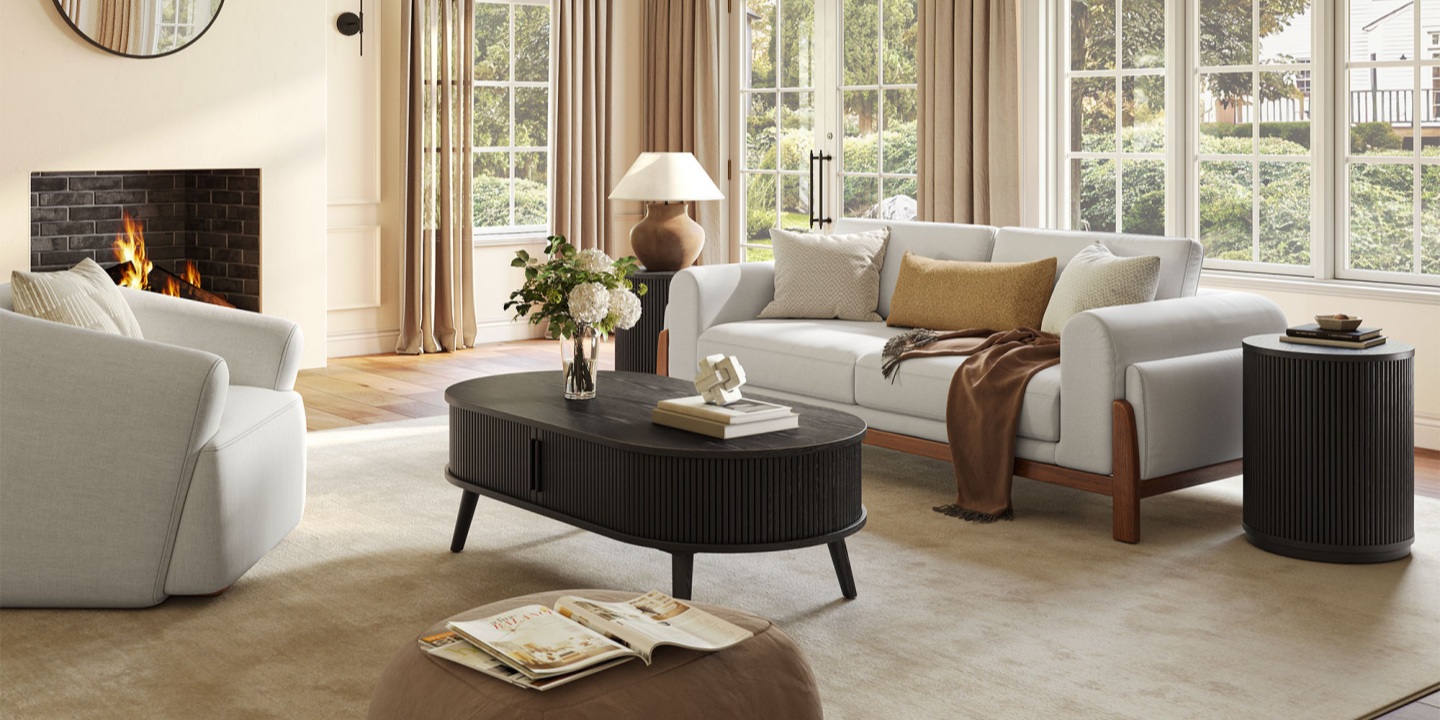
Best Fabric Sofas for Living Room Needs
Best for Families with Kids
For households with children, the ideal fabric couch should prioritize stain resistance, durability, and easy maintenance. Performance-grade microfiber or polyester blends work best because they can handle spills, frequent sitting, and rough use without quickly showing wear. A practical fabric couch in this category often includes removable cushion covers and tightly woven upholstery to make cleaning faster and more effective. These features help maintain a fresh look even in high-activity fabric sofas for living room environments.
Best for Pet Owners
Pet-friendly options should focus on scratch resistance and hair management. A tightly woven fabric couch with a smooth surface, such as microfiber or synthetic blends, prevents claws from easily catching the fabric. These materials also reduce hair embedding, making daily cleaning more manageable. For many pet owners, a durable good fabric sofa balances comfort with resilience against wear caused by movement and activity.
Best for Small Apartments
In compact spaces, a streamlined fabric couch with a low-profile frame and lighter color palette helps create visual openness. Sofas with slimmer arms and reduced depth are especially effective because they maximize seating without overwhelming the room. A well-designed fabric sofas for living room setup in small apartments often focuses on multifunctionality, such as hidden storage or modular layouts.
Best for Luxury Living Rooms
Luxury interiors benefit from a soft fabric sofa made with premium textures like velvet or chenille. These materials enhance depth, light reflection, and tactile richness. A high-end fabric couch in this category typically features refined stitching, balanced proportions, and plush cushioning, creating a statement piece that elevates the entire living space while maintaining everyday comfort.
Non-Toxic Fabric Couch Guide for Health-Conscious Buyers
Why Upholstery Materials Matter
When choosing a fabric couch, health considerations go beyond comfort and appearance. Upholstery materials can influence indoor air quality due to potential emissions from adhesives, foam treatments, or fabric finishes. For health-conscious households, selecting a good fabric sofa with low-emission materials helps reduce exposure to irritants that may affect sensitive individuals over time. Breathable, tightly woven textiles are often preferred because they minimize dust accumulation and chemical retention.
Certifications Worth Looking For
Certifications are a practical way to evaluate whether a fabric couch meets safety and emissions standards. One important benchmark is California TB 117-2013, which regulates flammability performance while encouraging safer material formulations in upholstered furniture. A fabric couch that complies with this standard typically reflects more responsible manufacturing practices and improved indoor safety considerations. Additional certifications related to low VOC emissions can further indicate a healthier fabric sofas for living room option for long-term use.
What Is the Best Couch for Eczema?
For individuals with eczema or sensitive skin, the best fabric couch is one made from hypoallergenic, tightly woven materials such as microfiber or certified cotton blends. These surfaces reduce friction against the skin and help limit exposure to dust mites and allergens. A carefully selected soft fabric sofa with removable, washable covers is especially beneficial, as it allows frequent cleaning without damaging the upholstery. In everyday living, a well-designed fabric couch that prioritizes breathability, low chemical exposure, and easy maintenance is often the most comfortable and skin-friendly choice for sensitive users.
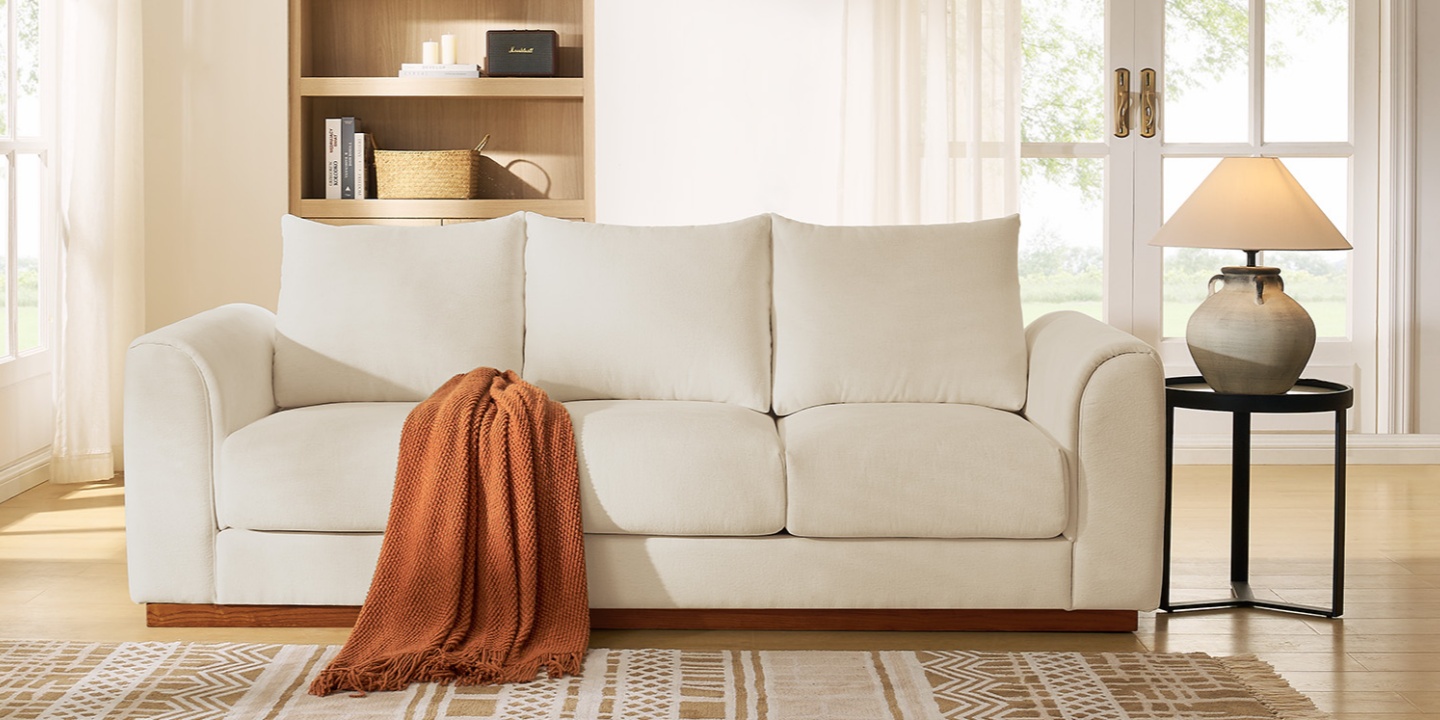
Fabric Couch vs Leather Sofa: Which Is Better?
Comfort Comparison
A fabric couch generally offers a softer, more inviting feel compared to leather. Its breathable fibers prevent the sticky warmth of leather in summer and the cold stiffness in winter, making it ideal for long lounging sessions. In contrast, leather sofas provide a sleek, firm surface that some users find luxurious but less forgiving for extended seating. For families seeking a cozy soft fabric sofa, fabric often wins in day-to-day comfort.
Durability Comparison
Leather is highly durable, resistant to tears, and ages with character when properly cared for. However, modern performance fabrics, such as microfiber or polyester blends, can rival leather in longevity while also resisting stains and fading. Many fabric sofas for living room use tightly woven, high-rub-count fabrics that withstand heavy use, making them a strong alternative to leather in active households.
Maintenance Comparison
Fabric couches require regular vacuuming and occasional deep cleaning, but removable cushion covers make this easier. Stain-resistant fabrics can simplify maintenance for busy families or pet owners. Leather, while easy to wipe down, is prone to scratches, cracking, and requires periodic conditioning to stay supple.
Cost Comparison
Leather sofas typically carry a higher upfront price due to the cost of hides and specialized construction. A good fabric sofa provides comparable aesthetic appeal and comfort at a lower cost, often with more color and texture options.
Which Sofa Material Fits Your Lifestyle?
Ultimately, the choice depends on daily use and personal preference. A soft fabric sofa is ideal for households with kids, pets, or those who value cozy, all-season comfort. Leather may suit formal living rooms or spaces prioritizing sleek elegance. Balancing comfort, durability, maintenance, and budget ensures your fabric couch or leather sofa aligns perfectly with your lifestyle.
How to Choose the Right Fabric Couch Size
Measure Your Room First
Before selecting a fabric couch, start by measuring your living space carefully. Include wall-to-wall distances, doorways, and walking paths to ensure the sofa fits without crowding the room. Consider the placement of additional furniture like coffee tables or side chairs. Accurate measurements prevent common pitfalls of buying a fabric sofa that is too large or too small for your living room.
Choose Sofa Depth Based on Usage
Sofa depth affects comfort and usability. Standard depths range from 32–40 inches, but deeper seating may be preferable for lounging or reading, while shallower sofas work better for formal seating or smaller apartments. For families with kids, medium-depth soft fabric sofas often provide a balance of comfort and practicality.
Common Sofa Sizing Mistakes
Careful planning ensures your fabric couch complements your space, enhances comfort, and prevents costly mistakes. Choosing the right size creates a balanced, functional living room while maintaining a welcoming aesthetic.
What Is the 2/3 Rule for Sofas?
Understanding the 2/3 Design Rule
The 2/3 rule is a foundational principle in interior design that helps determine the ideal proportion between a sofa and other elements in a living room. Specifically, a sofa should occupy roughly two-thirds of the length of the wall or space it faces, leaving one-third for open area, side tables, or additional seating. This balance ensures a visually pleasing and functional arrangement while preventing the room from feeling cramped.
Why Designers Use the Rule
Designers apply the 2/3 rule to create harmony between furniture and space. Following this guideline makes traffic flow easier, improves social interaction, and enhances the overall aesthetic. It also allows for appropriate spacing for coffee tables, rugs, and accent chairs, ensuring that a fabric couch looks intentional rather than crowded or undersized.
Examples of the 2/3 Rule in Real Living Rooms
Applying the 2/3 rule ensures that your fabric sofas for living room are proportionally integrated, enhancing both comfort and design flow. It’s a simple yet effective way to achieve professional-looking layouts without guesswork.
How to Style a Fabric Sofa Like a Designer
Throw Blankets vs Throws
Styling a fabric couch starts with layering textiles. A throw blanket is typically larger, heavier, and designed for warmth, while a throw is lighter and more decorative. Designers often use both to add depth and texture to a soft fabric sofa, draping them loosely over arms or seat backs to create a relaxed, lived-in feel without looking messy.
Pillow Pairing Formula
A well-styled fabric couch follows a simple structure: odd-numbered pillows (3 or 5) create visual balance. Combine different sizes—one large anchor pillow, one medium pattern piece, and one textured accent. This layered approach works especially well in modern fabric sofas for living room setups where contrast and softness matter equally.
Coffee Table and Sofa Proportion Tips
The coffee table should be about two-thirds the length of the fabric couch and placed 14–18 inches away for comfortable legroom. This ensures both accessibility and visual harmony in the seating area, preventing overcrowding in the center of the room.
Best Colors for Modern Living Rooms in 2026
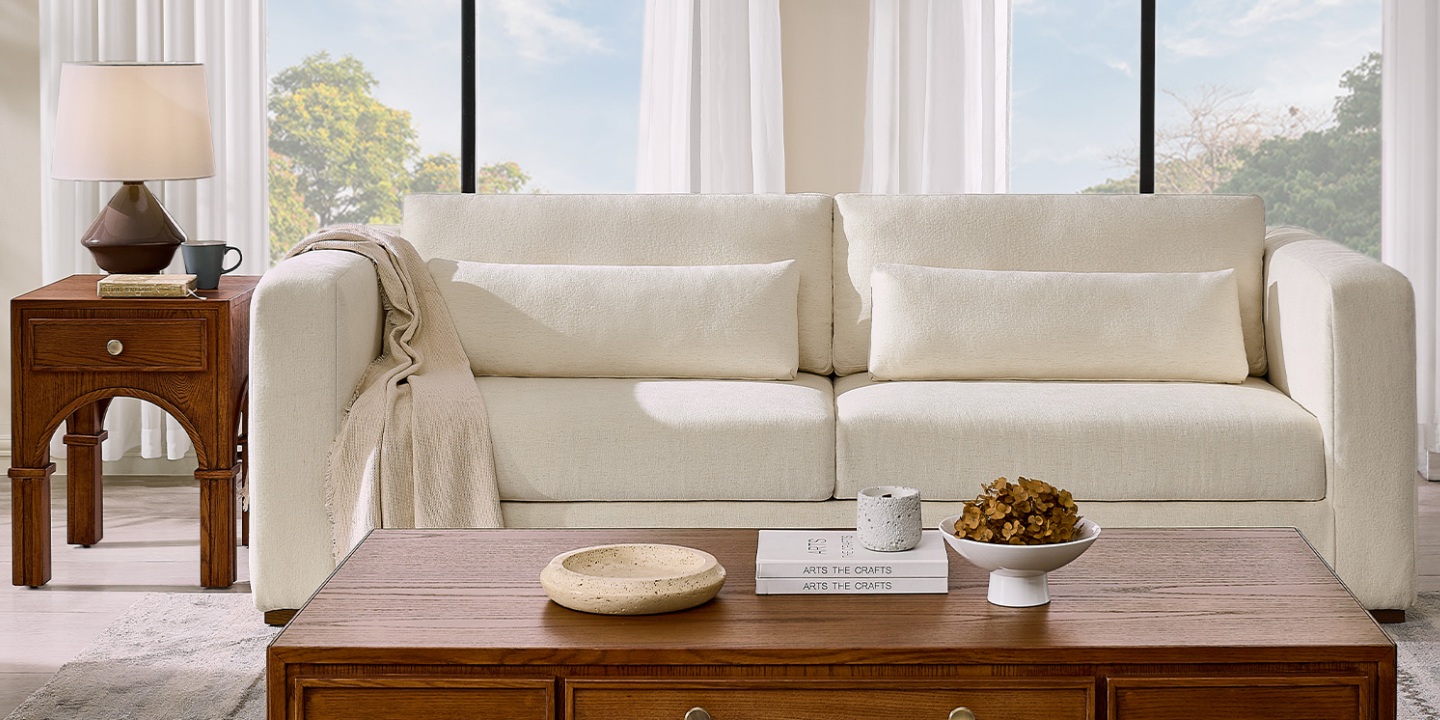
These styling techniques help transform any fabric couch into a designer-level focal point while maintaining comfort and everyday usability.
How to Maintain a Good Fabric Sofa for 10+ Years
Weekly Maintenance Routine
Maintaining a fabric couch starts with regular care. Vacuum the upholstery using a soft brush attachment to remove dust, crumbs, and pet hair. Rotate and fluff cushions to maintain shape and prevent uneven wear. Spot-check seams and stitching for early signs of stress. A consistent weekly routine helps your soft fabric sofa remain comfortable and visually appealing for years.
Monthly Deep Cleaning Checklist
Once a month, give your fabric sofas for living room a deeper clean. Remove cushion covers if possible and wash according to care instructions. For non-removable covers, use a gentle upholstery cleaner or a mild soap-and-water solution applied with a microfiber cloth. Steam cleaning can also refresh the fabric and eliminate allergens, extending the sofa’s lifespan.
Removing Common Stains
Act quickly when spills occur. Blot liquids immediately with a clean, absorbent cloth. For stains like coffee, wine, or ink, use a fabric-safe cleaner and test it in an inconspicuous area first. Avoid rubbing aggressively, which can damage fibers. For persistent stains, specialized stain removers designed for high-rub-count fabrics are effective while maintaining the integrity of your good fabric sofa.
When to Professionally Clean Upholstery
Even with regular care, professional cleaning every 1–2 years is recommended for heavily used fabric couches. Experts can remove deeply embedded dirt, allergens, and oils while preserving fabric texture and color. This is particularly important for homes with children, pets, or allergy-sensitive occupants. Professional maintenance ensures your soft fabric sofa not only lasts 10+ years but continues to look and feel fresh throughout its lifetime.
Following this routine preserves comfort, durability, and style, making your fabric couch a lasting centerpiece in your living space.
How to Choose the Best Fabric Couch for Your Lifestyle
Decision Matrix by Household Type
Choosing a fabric couch depends heavily on how your household uses it. Here’s a practical decision matrix:
Final Expert Recommendations
For everyday living, prioritize soft fabric sofas with durable weaves and stain-resistant finishes. Families and pet owners benefit from synthetic blends, while design-focused buyers may select plush, textured fabrics for visual impact. Always consider cushion density, sofa depth, and maintenance requirements. By aligning your choice with your household’s needs, a Hernest fabric couch can remain comfortable, stylish, and functional for years, delivering both practical performance and long-term satisfaction.
FAQs About Fabric Couches
What is couch fabric called?
Couch fabric is commonly referred to as upholstery fabric. It includes natural fibers like cotton and linen, or synthetic blends such as polyester and microfiber. The fabric is selected based on durability, comfort, and appearance for fabric sofas for living room use.
What type of fabric is best for a sofa?
The best fabric depends on usage. For high-traffic areas, synthetic blends like microfiber or polyester are durable and stain-resistant. For a luxurious feel, chenille, velvet, or high-quality cotton blends offer softness and style.
What is the 2/3 rule for sofas?
The 2/3 rule suggests that a sofa should occupy roughly two-thirds of the wall or seating area it faces. This proportion creates balance, ensures proper traffic flow, and allows room for accent furniture and décor.
What is the best couch for eczema?
Hypoallergenic, breathable, and tightly woven fabrics such as microfiber or cotton blends are ideal. Removable, washable covers help minimize allergens, dust mites, and irritants, making a soft fabric sofa suitable for sensitive skin.
What is the softest fabric for a sofa?
Velvet, chenille, and high-thread-count cotton blends are considered the softest fabrics. They offer a plush, cozy feel without sacrificing durability for everyday living.
Are fabric sofas better than leather sofas?
Fabric couches provide more comfort, temperature regulation, and color variety, while leather offers sleek aesthetics and durability. The better choice depends on lifestyle, household use, and maintenance preferences.
Which sofa fabric lasts the longest?
High-rub-count synthetic blends like microfiber or polyester tend to last the longest, resisting wear, fading, and spills better than most natural fabrics in daily use.
Is a fabric couch good for pets?
Yes, tightly woven fabrics with stain-resistant finishes are ideal for pets. Avoid loose weaves or delicate materials that snag easily. Microfiber and performance blends perform best in pet-friendly homes.
How often should a fabric sofa be cleaned?
Vacuum weekly and deep-clean monthly. Spot-clean stains immediately and consider professional upholstery cleaning every 1–2 years to maintain longevity and hygiene.
What color fabric sofa stays in style the longest?
Neutral tones such as gray, beige, taupe, and soft earth tones remain timeless. These colors integrate easily with changing décor trends and allow flexibility in accent pieces.
How long should a quality fabric couch last?
With proper maintenance, a high-quality fabric couch can last 10–15 years or more, maintaining both comfort and aesthetic appeal for everyday living.