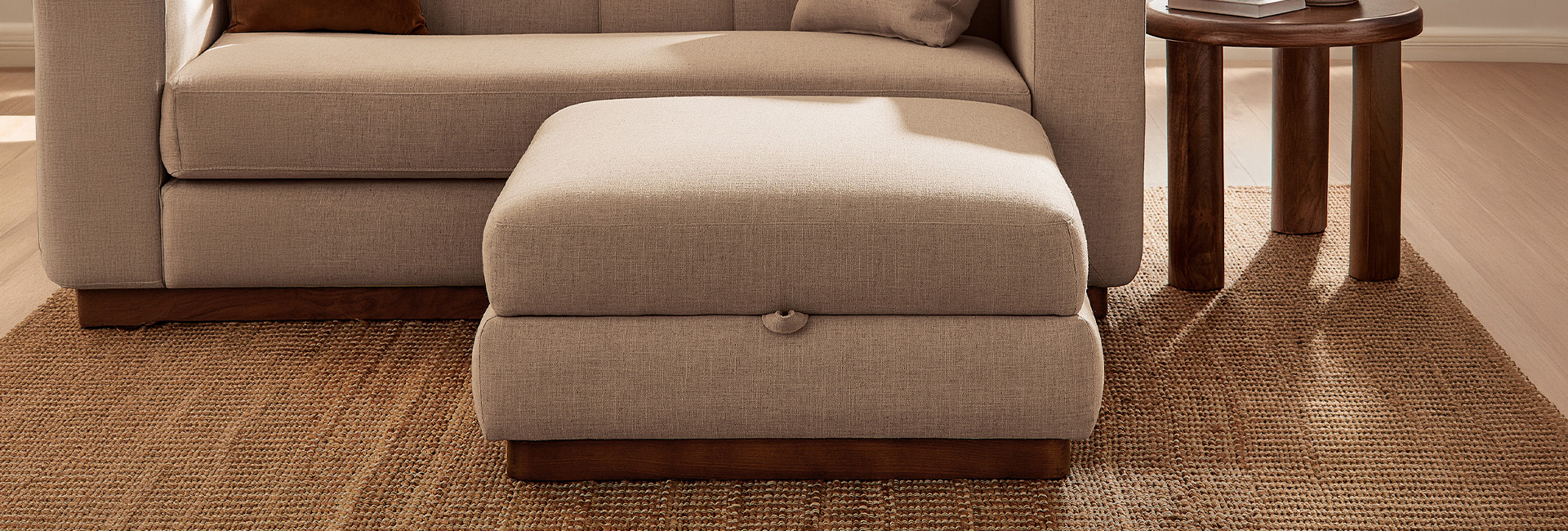
An ottoman is a versatile, usually upholstered piece of furniture that serves as a footrest, extra seat, or casual table. Its defining characteristic is its backless and armless design, making it one of the most flexible furnishings for modern homes. But its story is richer than its simple form suggests.
Table of Contents
- Why Is It Called an Ottoman? A Short History
- Ottoman vs. Footstool: What's the Difference?
- What Is the Purpose of an Ottoman? 6 Core Functions
- Different Types of Ottomans
- How to Use an Ottoman in a Living Room
- What Is the Use of an Ottoman in a Bedroom?
- FAQs
Why Is It Called an Ottoman? A Short History
The name "ottoman" offers a fascinating glimpse into furniture history. It derives from the Ottoman Empire, which ruled over a vast region from the 13th to the early 20th century.
In Ottoman culture, low-level seating was common. Floor cushions and low, wooden frames piled with rich fabrics were central to social life. When this style of furniture—a low, upholstered seat without a back—began appearing in Europe in the late 18th century, it was associated with the exotic "Orient" and named after its place of origin. Initially, ottomans were often a T-shaped or circular cluster of cushions, evolving over centuries into the single, versatile piece we know today. This historical lineage is what fundamentally distinguishes it from purely functional items like the footstool.
Ottoman vs. Footstool: What's the Difference?
This is one of the most common questions, and the distinction is key to understanding an ottoman's value. While often used interchangeably, they serve different purposes.
In short, all footstools are for resting your feet, but not all are ottomans. An ottoman is a footstool that has been elevated—in size, upholstery, and purpose—to become a true furniture player.
What Is the Purpose of an Ottoman? 6 Core Functions
An ottoman's true genius is its adaptability. Here are its primary roles in a contemporary home:
Ergonomic Footrest: Its original and most comfortable purpose. Pairing an ottoman with an armchair or sofa allows you to recline and relax, improving posture and circulation.
Flexible Extra Seating: Need a place for a guest to sit? An ottoman is easily pulled into service as a casual, impromptu seat.
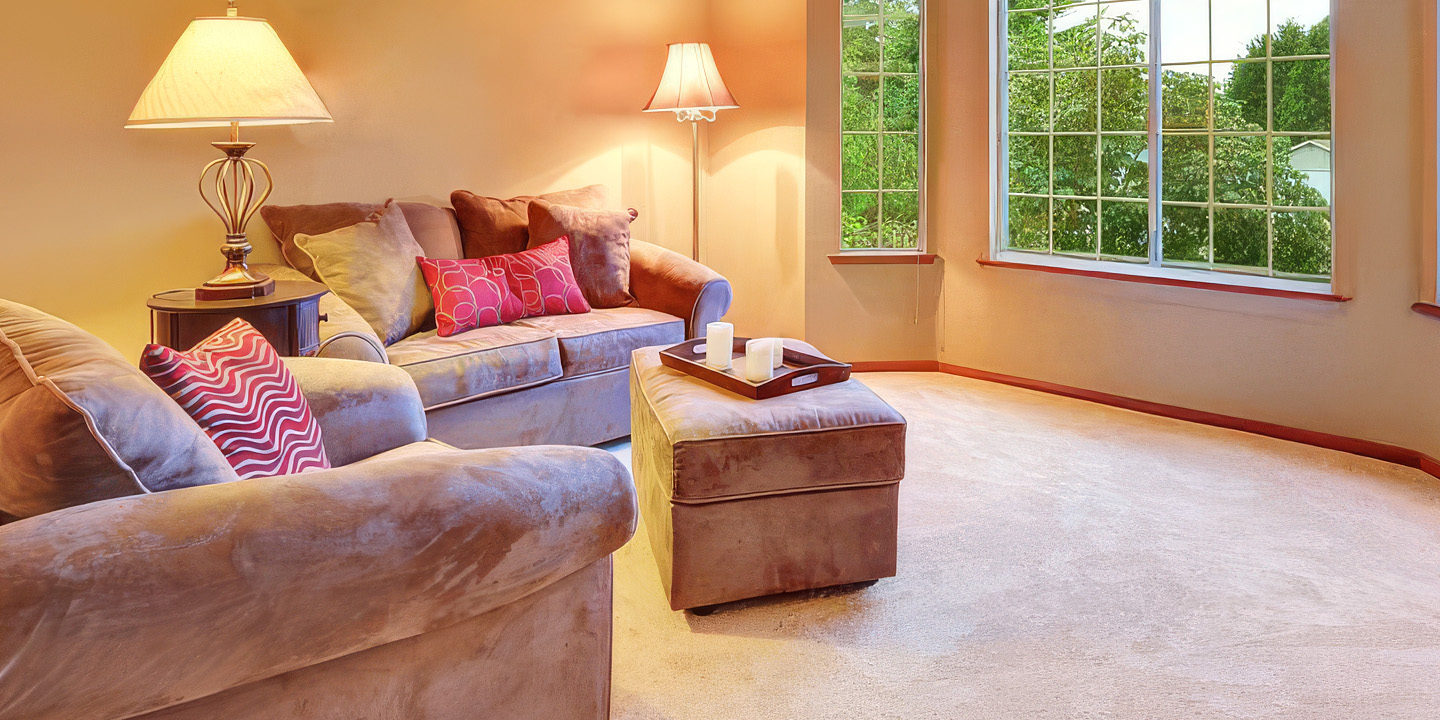
Coffee Table Alternative: Place a decorative tray on top of a larger ottoman, and it instantly becomes a soft, child-friendly coffee table for drinks, books, and remotes.
Hidden Storage Solution: Many ottomans are designed with a hinged top, revealing a hollow interior perfect for stowing blankets, pillows, magazines, or toys, reducing living room clutter.
Architectural Focal Point: A large, beautifully upholstered ottoman can anchor a seating area, adding texture, color, and a sense of completeness to a room.
Space Divider: In an open-plan layout, a large ottoman can subtly define the living area from the dining or entry space without blocking sightlines.
Different Types of Ottomans
To choose the right ottoman, it helps to know the common variations based on form and function:
Standard Ottoman: The classic, versatile version used as a footrest or casual seat.
Storage Ottoman: Features a lift-up top or drawers for interior storage. This is one of the most popular types for small spaces.
Cocktail Ottoman: A very large, often low ottoman designed to serve as the central coffee table in a living room. It can be substantial enough to hold large trays and multiple people's feet.
Ottoman Bench: An elongated, bench-style ottoman. It's ideal for the foot of a bed, in an entryway, or as extra dining seating.
Pouf: A smaller, often softer and more casual relative of the ottoman. Poufs are usually lighter and easier to move around, perfect for bohemian or casual spaces.
Ottoman Bed: A term that can be confusing. In some regions, it refers to a storage bed with a hydraulic lift mechanism. In furniture, it can also describe a small, ottoman-style bench placed at the foot of a bed.
How to Use an Ottoman in a Living Room
The living room is where the ottoman shines. Here are a few ways to style it:
The Paired Set: Place a standard ottoman in front of a stationary armchair for the ultimate reading nook.
The Central Anchor: Use a large cocktail ottoman in the middle of your sofa and chairs. Style it with a large tray to hold coasters and a vase, while the surrounding surface offers ample footrest space.
The Compact Solution: In a small living room, replace a traditional coffee table with a storage ottoman. It provides a place to put down drinks, stores extra throws, and can be moved aside when you need floor space for yoga or entertaining.
HERNEST Pick: Svalbard Storage Ottoman
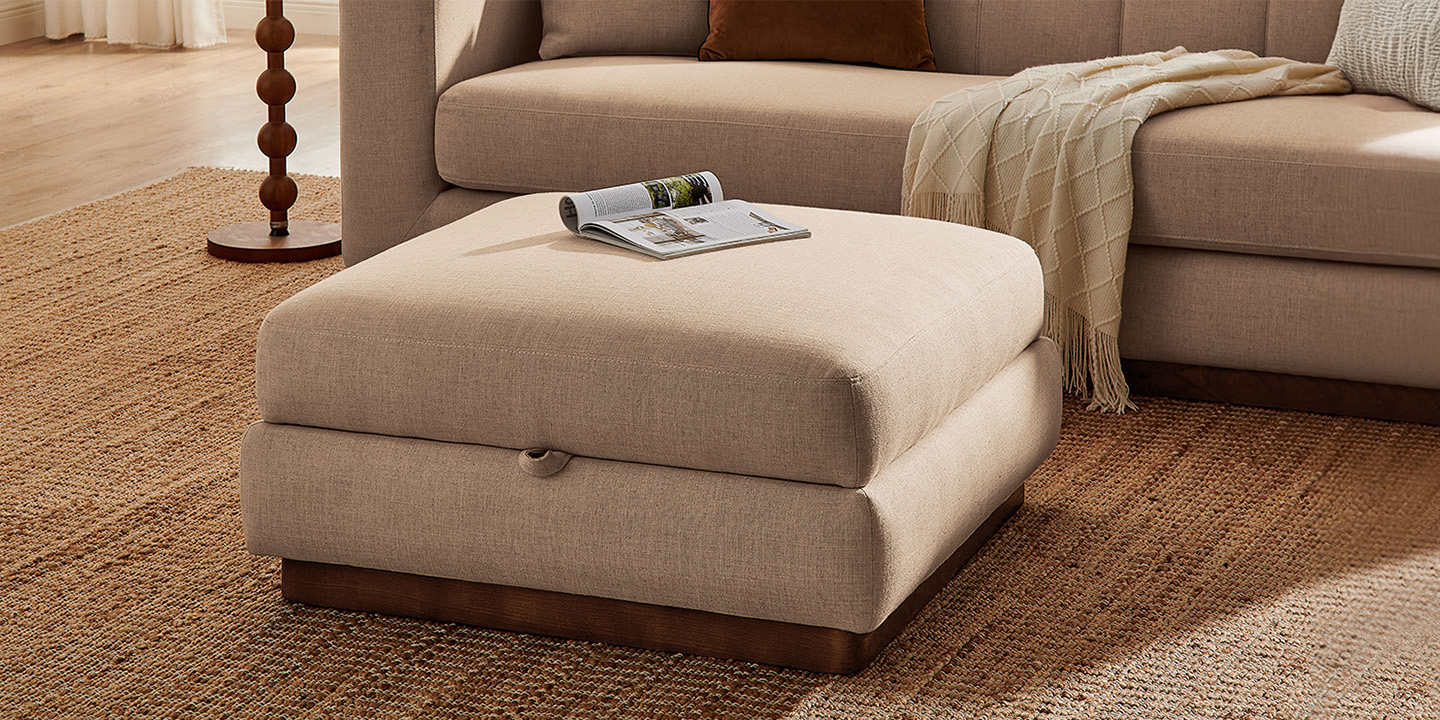
For a prime example of a modern, multi-functional ottoman, consider the Svalbard Storage Ottoman from HERNEST. Priced at $599, this piece perfectly embodies the ottoman's evolution. Its generous 35-inch size allows it to function as everything from a spacious footrest to a central coffee table when topped with a tray.
Beyond its plush, modernist aesthetic, the Svalbard ottoman offers exceptional everyday practicality with its built-in interior storage. It's a seamless way to stow away books, cozy throws, or extra pillows, keeping your living space tidy without compromising on style. Upholstered in your choice of fabric, it demonstrates how a well-chosen ottoman can be both an architectural statement and a hardworking piece of furniture, backed by HERNEST's 60-day returns and 3-year warranty.
What Is the Use of an Ottoman in a Bedroom?
An ottoman is not just for the living room. It's an equally valuable addition to the bedroom, solving several problems:
At the Foot of the Bed: An ottoman bench placed at the foot of a king or queen bed adds a layer of luxury and provides a handy spot to sit while putting on shoes or to lay out the next day's outfit.
As a Dressing Seat: Place a smaller ottoman in front of a vanity or dressing table for a comfortable and stylish place to sit.
For Storage: A storage ottoman in the bedroom is a perfect place to hide extra linens, off-season clothing, or bulky items, maximizing closet space.
Creating a Cozy Corner: An ottoman paired with a small accent chair can turn an unused corner of the bedroom into a tranquil reading or relaxation spot.
FAQs
What is the main purpose of an ottoman?
Its main purpose is versatility. It primarily functions as a footrest but can also be used as extra seating, a coffee table, or a storage unit, depending on its size and design.
What's the difference between a footstool and an ottoman?
A footstool is strictly for resting feet, often with a visible frame. An ottoman is larger, fully upholstered, and designed to be a multi-functional furniture piece that can serve as a seat or table.
What is an ottoman bed?
This can refer to two things: 1) a storage bed with a lifting mechanism, or 2) a small, upholstered bench-style ottoman placed decoratively at the foot of a bed.
Why are ottomans called that?
The name originates from the Ottoman Empire, where low, upholstered seating was common. European travelers and traders associated the furniture style with its place of origin.
Are ottomans outdated?
Not at all. Ottomans are more popular than ever because they offer flexible seating and storage solutions for modern, space-conscious homes. Their design has evolved to suit contemporary and classic interiors alike.
Should an ottoman be higher or lower than the sofa seat?
For use as a footrest, it should be roughly the same height as the sofa's seat cushion. For use as a coffee table, it can be slightly lower.
Can you put an ottoman in a small bedroom?
Absolutely. A small ottoman at the foot of the bed or in a corner adds function without overwhelming the space, and a storage ottoman is a brilliant space-saving hack for small bedrooms.