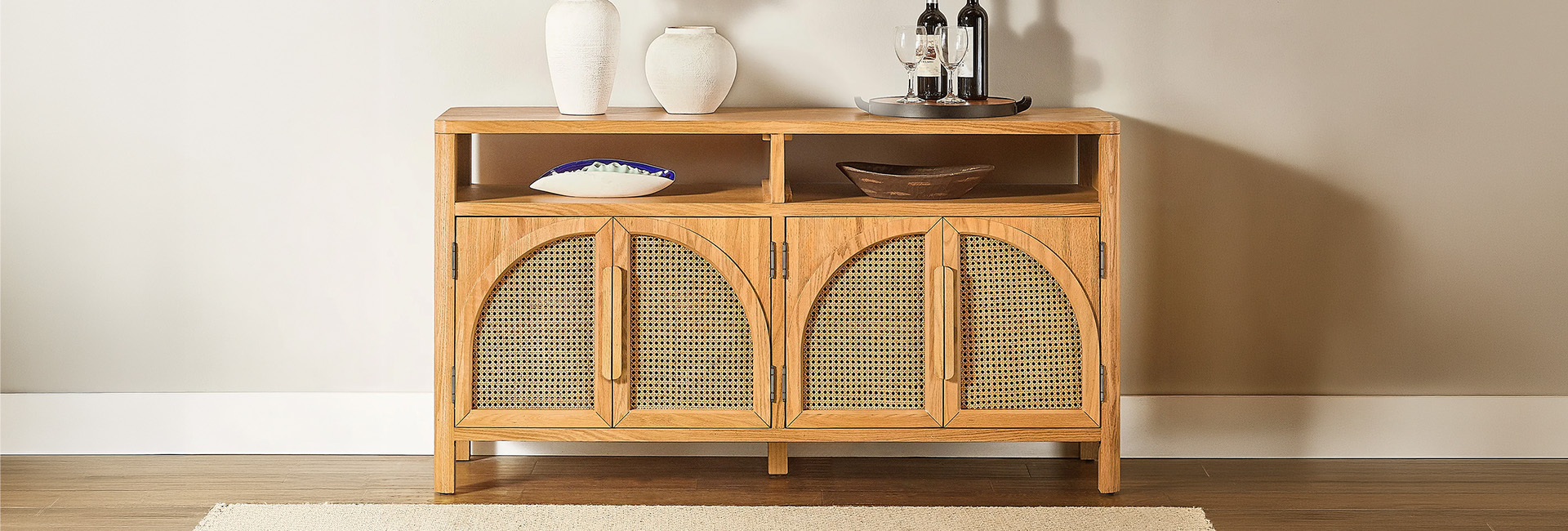
The word "credenza" often evokes images of elegant, high-end furniture. While it certainly can be that, a credenza is fundamentally one of the most versatile and practical pieces of storage you can own. But what exactly is it? How is it different from a sideboard or a buffet? And where can you use one in your home?
This complete guide will answer all those questions and more. We'll explore the rich history of the credenza, break down its many modern uses, compare it to similar furniture, and provide a detailed buying guide to help you find the perfect piece for your space.
Table of Contents
- What Is a Credenza?
- What Is the Story Behind the Credenza?
- Credenza vs. Sideboard vs. Buffet vs. Console
- What Is a Credenza Used For?
- Standard Credenza Sizes & What Is a Tall Credenza Called?
- What Is a Credenza Desk?
- What Is the Difference Between a Cabinet and a Credenza?
- Other Names for a Credenza
- How to Choose a Credenza: A Complete Buying Guide
- Popular Credenza Styles
- Credenza Placement Tips
- FAQs
What Is a Credenza?
A credenza is a long, low, and relatively narrow piece of storage furniture. It typically stands about waist-high, making its top surface easily accessible for serving, displaying decor, or holding electronics. The defining feature of a credenza is its combination of storage options, which can include a mix of cupboards, drawers, and shelves.
Traditionally a staple in dining rooms for storing fine china and serving pieces, the modern credenza has evolved. Today, its clean lines and versatile storage make it a popular choice for living rooms, home offices, entryways, and beyond. It provides ample surface area without overwhelming a room, offering a sleek, built-in look.
What Is the Story Behind the Credenza?
The credenza's history is as rich as its design. The term itself dates back to Renaissance Italy, derived from the word credere, meaning "to believe" or "to trust."
This name has a fascinating origin: in the 14th century, the credenza was the piece of furniture where servants would taste food and wine in front of nobility to ensure it wasn't poisoned. If the food was "trusted," it was safe to serve. Over the following centuries, it evolved from a utilitarian testing table into a symbol of wealth, used to display ornate silver and fine ceramics in the homes of the elite. Today, it has shed its aristocratic exclusivity and become a functional and stylish staple for modern homes.
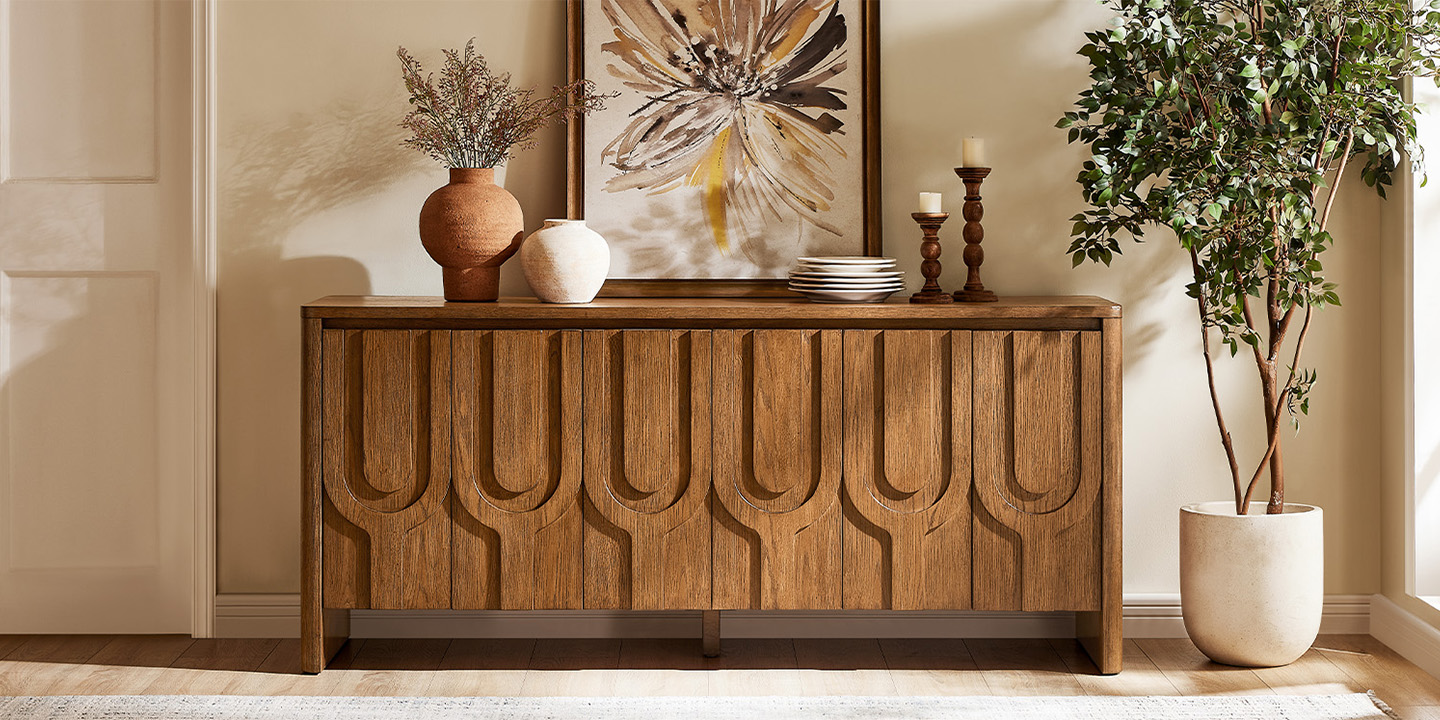
HERNEST Pick: Tulipan Sideboard
Credenza vs. Sideboard vs. Buffet vs. Console
This is one of the most common confusion points in furniture shopping. While these terms are often used interchangeably, there are subtle but distinct differences. Understanding them will help you choose the exact piece you need.
In short: Think of a credenza as the most versatile, all-purpose piece. A sideboard is a credenza's cousin, optimized for display. A buffet is designed specifically for serving meals. And a console prioritizes surface area over deep storage.
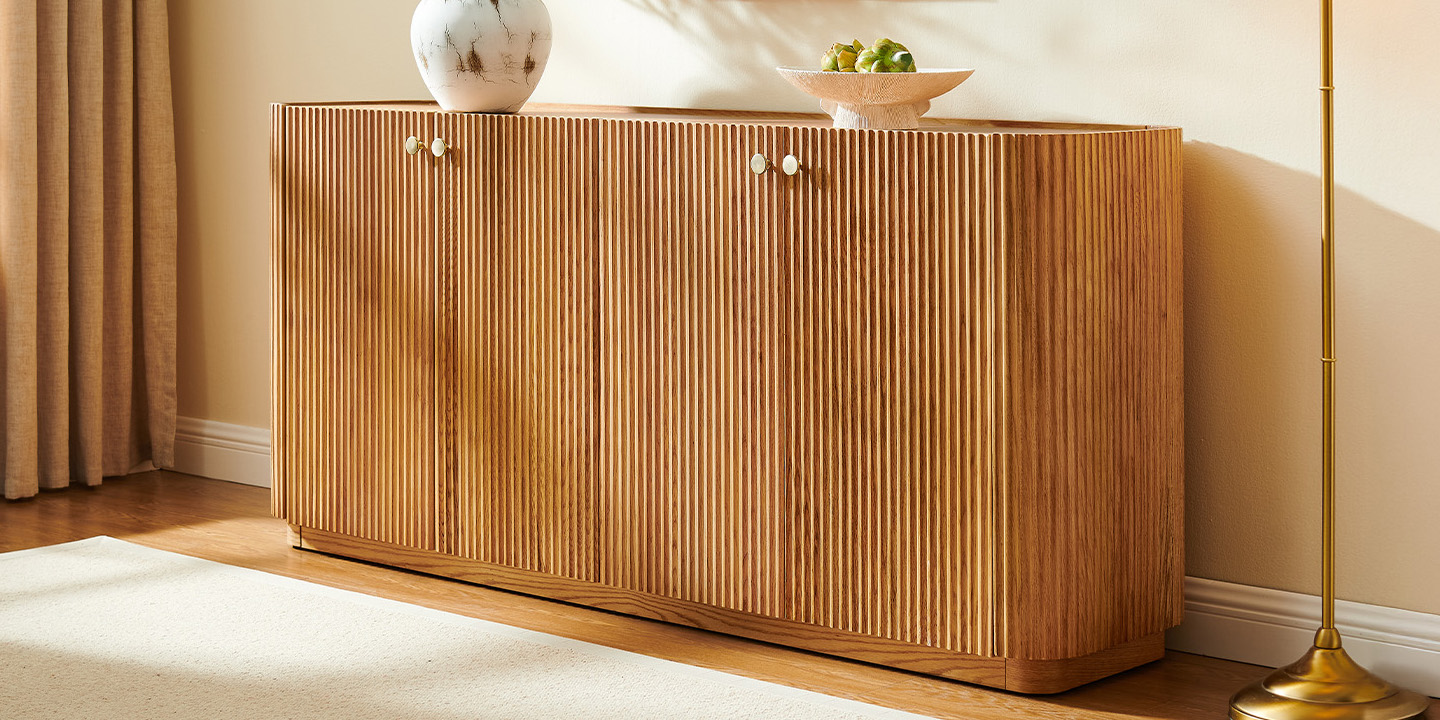
HERNEST Pick: Skimra Oak Sideboard
What Is a Credenza Used For?
The true beauty of a credenza lies in its incredible versatility. Its design allows it to adapt to almost any room's needs.
In the Dining Room
This is its traditional home. Use it to store dinnerware, linens, and silverware. Its top surface is perfect for setting up a buffet-style spread for parties or displaying a beautiful centerpiece.
In the Living Room
A credenza makes an excellent media console. Place your TV on top and use the cabinets and drawers to hide electronics, cables, games, and media. It also works beautifully as a sofa table placed against the back of a couch, providing a surface for lamps, books, and decorative objects.
In the Home Office
This is where the credenza truly shines as a multitasker. It acts as a massive storage solution for files, office supplies, and equipment. Many models even function as a credenza desk or an extension of your main desk, creating an L-shaped workspace. Use it to house a printer, store reference materials, or as a dedicated space for paperwork.
In the Entryway
Make a great first impression. A credenza in the entryway provides a catch-all surface for keys and mail (use a stylish tray to keep it organized). Its drawers and cabinets offer concealed storage for bags, hats, gloves, and shoes, keeping the area clutter-free.
Can You Use a Credenza as a TV Stand?
Absolutely. This is one of the most popular modern uses for a credenza. Its low height is perfect for viewing, and its length can accommodate even large-screen TVs. Just ensure the credenza you choose is wide and sturdy enough for your TV. The integrated storage is a massive bonus for hiding all the associated tech clutter.
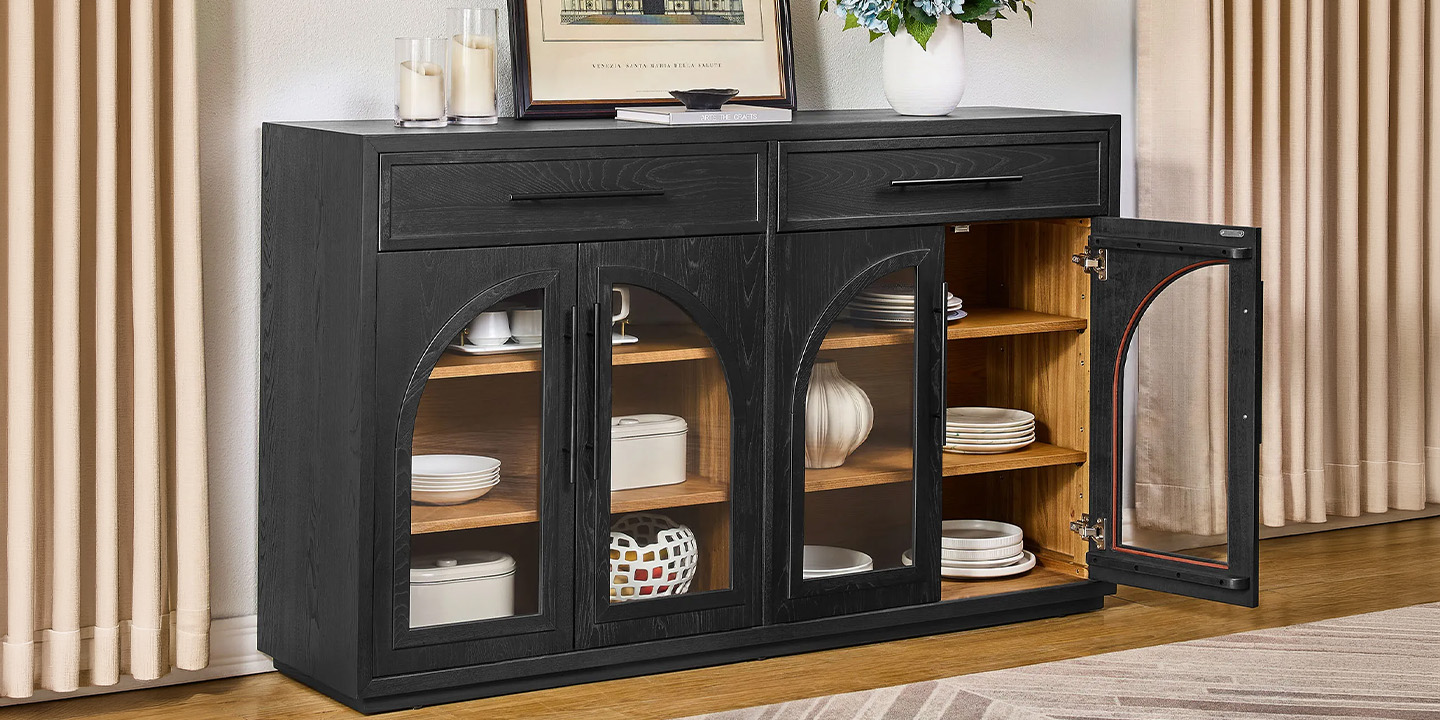
HERNEST Pick: Valborg Sideboard
Standard Credenza Sizes & What Is a Tall Credenza Called?
While there is no single "standard" size, credenzas generally adhere to typical proportions to suit their function.
Height: Usually between 30 to 36 inches (76-91 cm). This is the standard height for dining tables and desks, allowing the credenza to function as a serving or working surface.
Width: This varies most, typically ranging from 50 to 80 inches (127-203 cm). The right width depends on your wall space and the size of your TV, if using it as a media stand.
Depth: Generally between 16 to 20 inches (40-51 cm). This provides substantial storage without protruding too far into the room.
What is a tall credenza called? If you love the style but need more vertical storage, you are likely looking for a hutch. A hutch is an upper cabinet with shelves or glass doors that sits on top of a credenza or sideboard. The entire unit is often called a sideboard with a hutch or, less commonly, a highboard.
What Is a Credenza Desk?
A "credenza desk" isn't typically a desk you sit at. Instead, it refers to using a credenza as a key component of a home office setup. Most often, it describes a low, long credenza placed behind your primary desk.
This creates a powerful L-shaped workflow. You can swivel your chair from your computer to a spacious work surface for sorting documents, reviewing blueprints, or laying out materials. It provides immense storage for files and supplies, keeping your main desk clear and focused.
What Is the Difference Between a Cabinet and a Credenza?
This is a matter of category versus type. A cabinet is a very broad term for any box-shaped piece of furniture with doors, used for storing or displaying items.
A credenza is a specific type of cabinet. Its unique characteristics—its low height, elongated shape, and specific historical context—distinguish it from a standard tall bookcase cabinet, a kitchen base cabinet, or a filing cabinet. So, while every credenza is a cabinet, not every cabinet is a credenza.
Other Names for a Credenza
Depending on where you shop or who you talk to, you might hear a credenza called by other names. While not always perfectly synonymous, these terms are often used interchangeably in casual conversation and retail settings. The most common include:
Sideboard
Buffet
Server
Storage Console
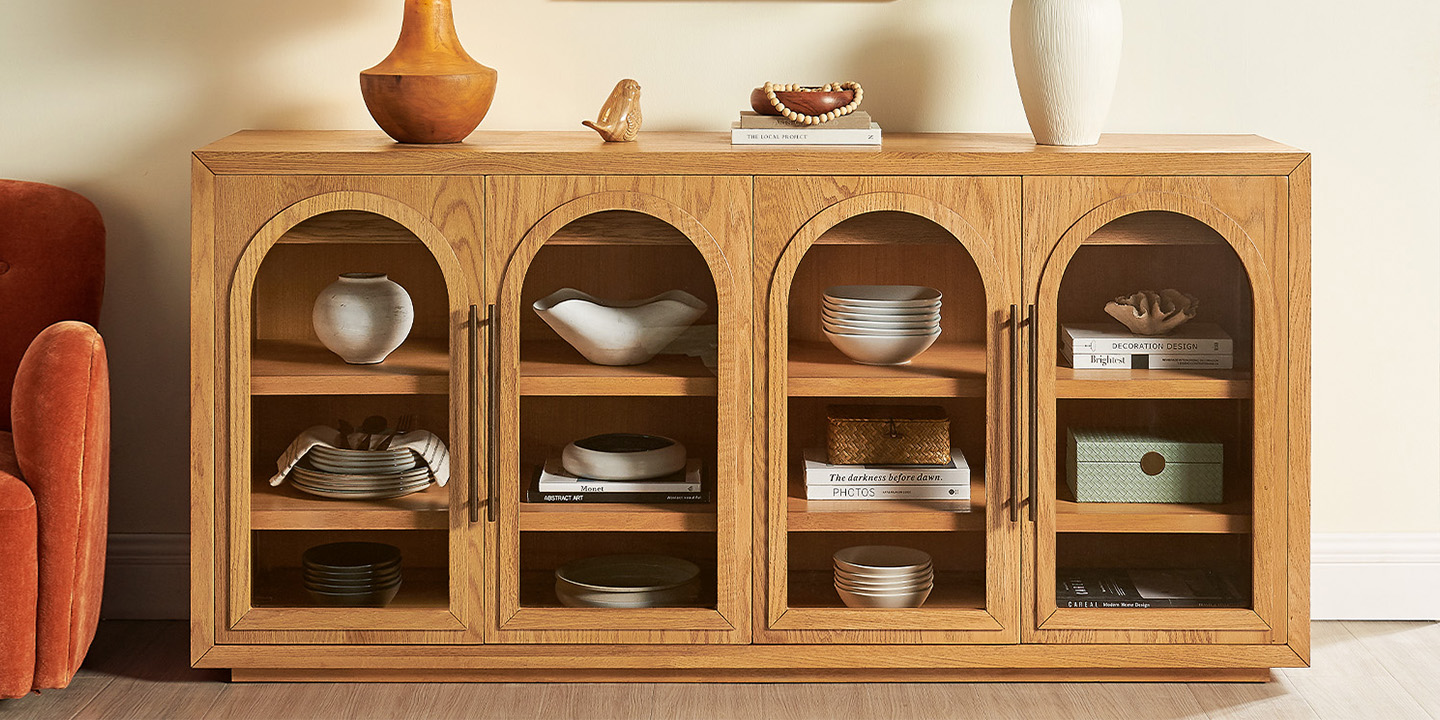
HERNEST Pick: Lira Oak Sideboard
How to Choose a Credenza: A Complete Buying Guide
Selecting the right credenza involves balancing your practical needs with your aesthetic preferences. Ask yourself these key questions:
What is the primary room and purpose? This will dictate the size, style, and type of storage you need. A TV stand requires a different width and depth than a dining room server.
What storage do I need?
Open Shelving: Great for displaying books, plants, or decorative items, but can look cluttered.
Cabinets: Perfect for hiding away clutter, electronics, and less visually appealing items.
Drawers: Ideal for organizing smaller items like cutlery, office supplies, or mail.
File Drawers: A must-have if you plan to use it for home office storage. Ensure it can accommodate letter or legal-sized files.
What are the right dimensions? Measure your available wall space carefully. Consider the depth and ensure there's enough clearance for walking, especially in hallways or behind a sofa.
What style and material fit my decor? Credenzas come in a vast range of styles, from mid-century modern with tapered legs to minimalist slabs with sleek handles to rustic farmhouse looks with reclaimed wood. Choose a material and finish (wood, metal, lacquer) that complements your existing furniture.
Popular Credenza Styles
Mid-Century Modern: Features clean lines, tapered legs, and organic shapes. Often in teak or walnut.
Modern/Minimalist: Characterized by sleek, handleless doors, smooth surfaces, and a focus on functionality. Often in high-gloss or matte lacquer.
Industrial: Combines materials like metal and reclaimed wood for a raw, utilitarian look.
Credenza Placement Tips
Allow for breathing room: Don't push it flush against the wall if you have baseboards. Pull it out an inch or two.
Style the top: Create visual interest by layering items. Use a large piece of art or a mirror on the wall above, and add a lamp, a few books, and a small plant or sculpture on the surface.
Think about traffic flow: Ensure it doesn't obstruct walkways, especially in open-plan spaces.
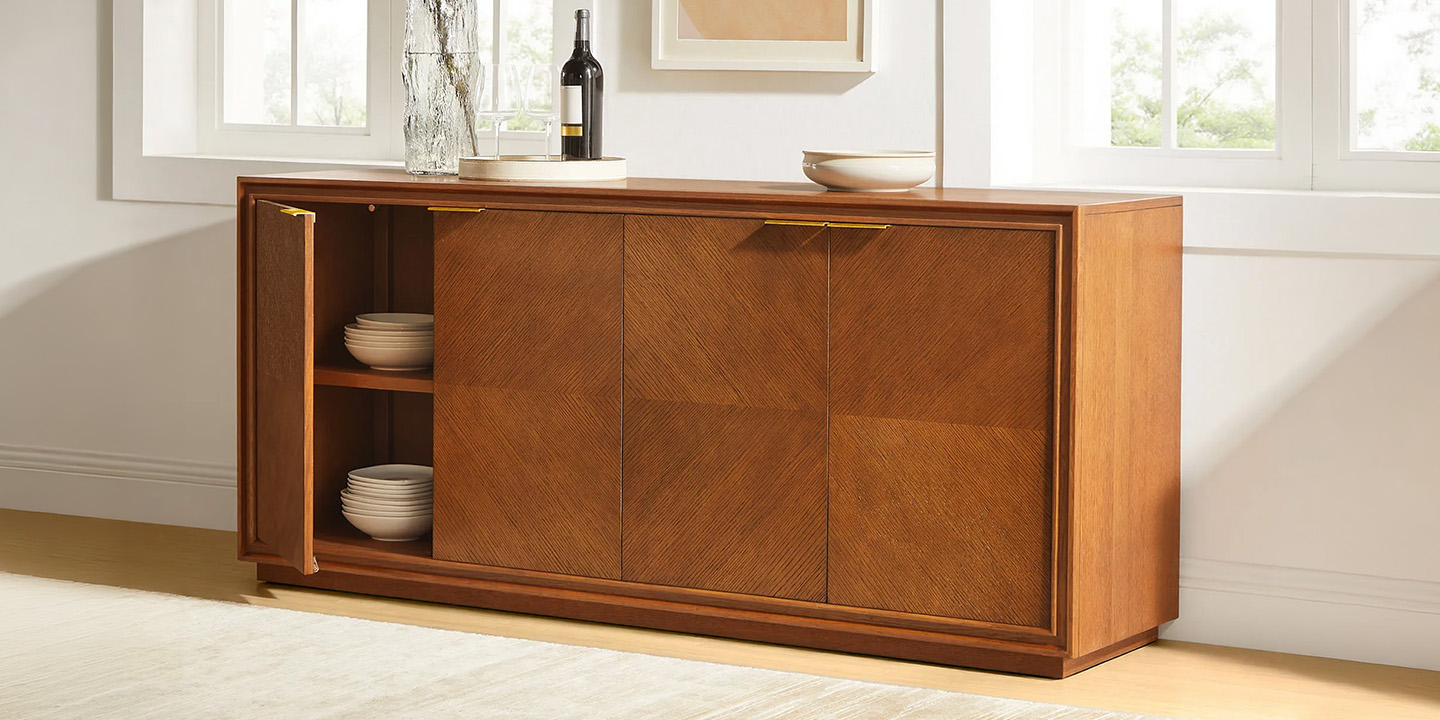
HERNEST Pick: Thursen Sideboard
FAQs
What is the main purpose of a credenza?
The main purpose of a credenza is to provide versatile storage and surface space. Historically used for food service in dining rooms, it is now commonly used in living rooms, home offices, and entryways to store items and display decor.
Can a credenza be used as a TV stand?
Yes, a credenza is an excellent choice for a TV stand. Its low height and wide surface are ideal for holding a television, while the built-in drawers and cabinets offer perfect, concealed storage for media players, games, and cables.
Is a credenza the same as a sideboard?
While often used interchangeably, they are slightly different. A credenza typically has a sleeker profile and is designed for versatile use. A sideboard traditionally has a more ornate style and is often found in dining rooms, sometimes with a tall "hutch" on top for displaying items.
Where should a credenza be placed in a living room?
In a living room, a credenza is most commonly placed against a wall to serve as a media console. It can also be placed behind a sofa to function as a sofa table, providing a surface for lamps and a place to store blankets and books.
What is a credenza in an office?
In an office, a credenza is a low storage cabinet typically placed against a wall or behind a desk. It provides ample surface space for equipment or paperwork and offers significant storage for files, supplies, and reference materials, helping to keep the main desk clutter-free.