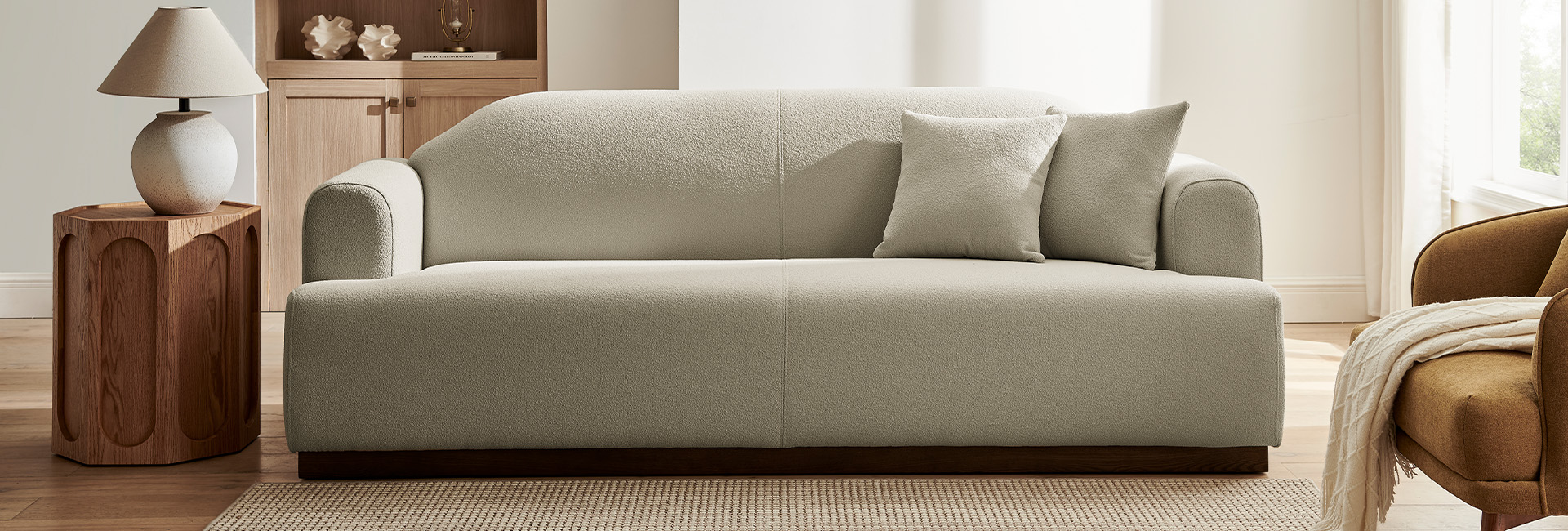
You’ve chosen a gray sofa—the undisputed MVP of American living rooms. It’s the reliable foundation that arrived in a box, fully assembled and ready for action. Yet, as it sits in your space, a nagging question arises: how do you transform this versatile, but potentially vanilla, centerpiece into a reflection of your personal style? Moving beyond basic color lists, this guide is your masterclass in using your gray sofa as a strategic tool to craft intentional spaces, solve common American home dilemmas, and create a home that’s both beautiful and uniquely yours.
Part 1: The Foundation – Understanding Your Gray’s Personality
Before introducing a single accent color, you must become a detective of your own furniture. Not all grays are created equal, and their underlying tone dictates your entire design direction.
Cool Grays: Sleek and modern, these grays have subtle blue, green, or purple undertones. Think of the color of a stormy sky or polished stainless steel. They thrive in minimalist, industrial, or coastal settings and pair best with other cool, crisp colors like navy, charcoal, jewel-toned emerald, or stark white.
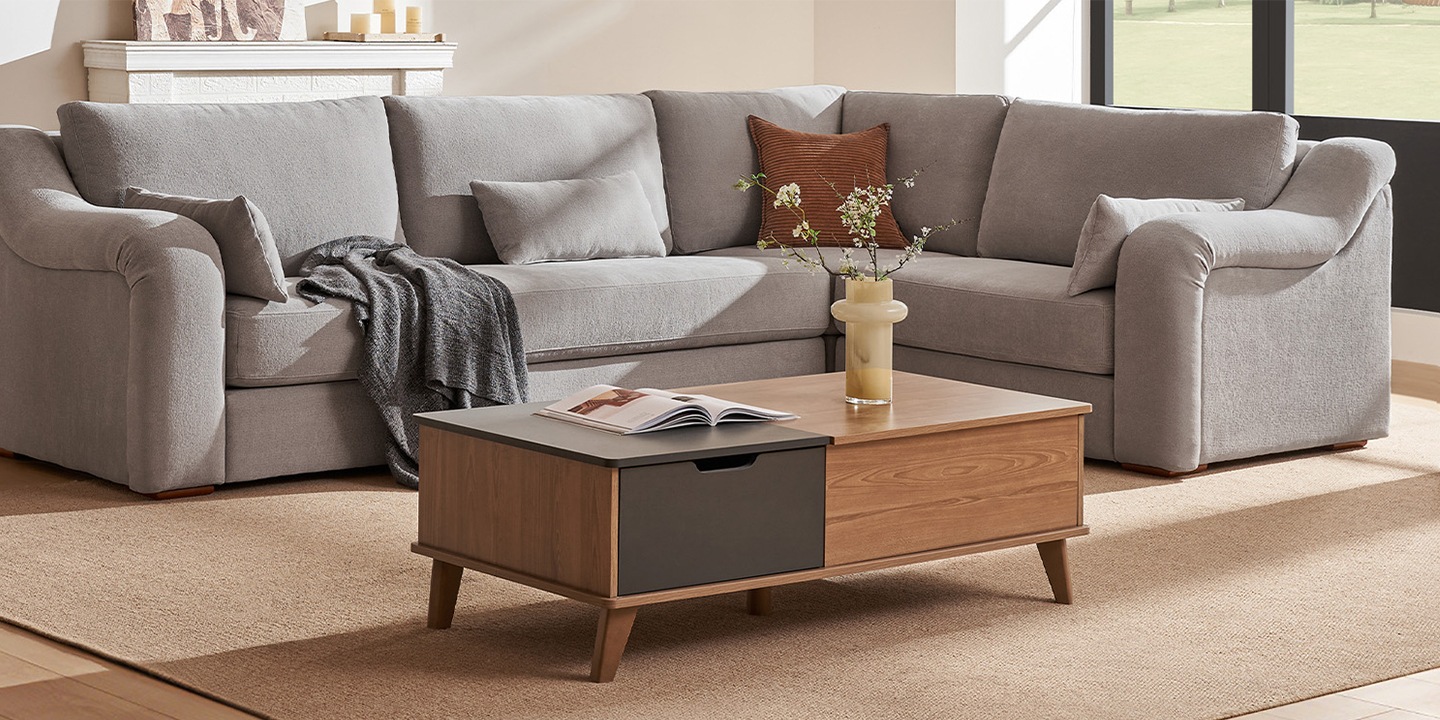
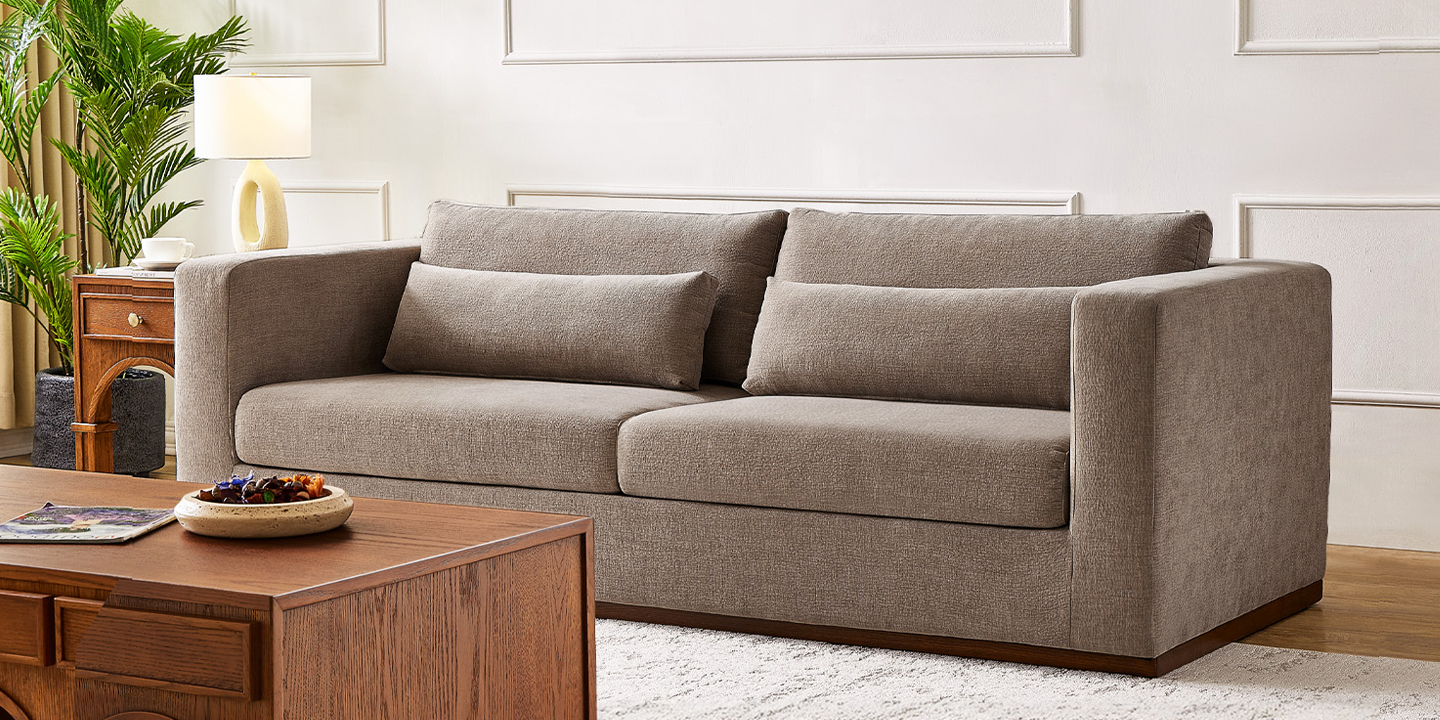
Warm Grays: The chameleons of comfort, these grays whisper with hints of beige, brown, or taupe. They evoke the feeling of weathered stone or cozy flannel. This is your go-to for rustic, traditional, or modern farmhouse styles, creating magic alongside creamy whites, terra cotta, olive green, and mustard yellow.
Greige (The Perfect Hybrid): The superstar of recent years, greige strikes the ideal balance between cool and warm. Its supreme adaptability makes it a fail-safe choice for open-concept homes that need to flow between different lighting conditions and styles.
Pro-Tip for American Homes: Lighting is everything. The intense, warm sunlight of a California bungalow will pull the warmth out of a greige sofa, while the softer, cooler light of a New England apartment can make a warm gray appear more slate-like. Observe your sofa at different times of day before finalizing your palette.
Part 2: Color Strategy by Design Vibe, Not Just Swatches
Forget random color lists. Choose your accents based on the emotional atmosphere you want to cultivate.
| Target Vibe | Ideal Color Palette | Material & Texture Cues | Perfect For |
|---|---|---|---|
| The Serene Sanctuary | Soft Sage Green, Misty Blue, Creamy Oatmeal, Linen White | Washed linens, nubby wool throws, light wood (oak, ash), matte ceramics | Home offices, bedrooms, reading nooks—anywhere decompression is the goal. |
| The Energetic & Social | Burnt Orange, Mustard Yellow, Deep Teal, Crimson | Leather accents, glossy side tables, geometric patterns, metallic (brass, copper) | Great rooms, entertainment spaces, or homes for extroverts who love to host. |
| The Refined & Luxe | Navy, Black, Emerald Green, Blush Pink | Velvet pillows, marble surfaces, polished nickel, high-contrast graphic art | Apartments, formal living areas, or achieving a “designer look” on a budget. |
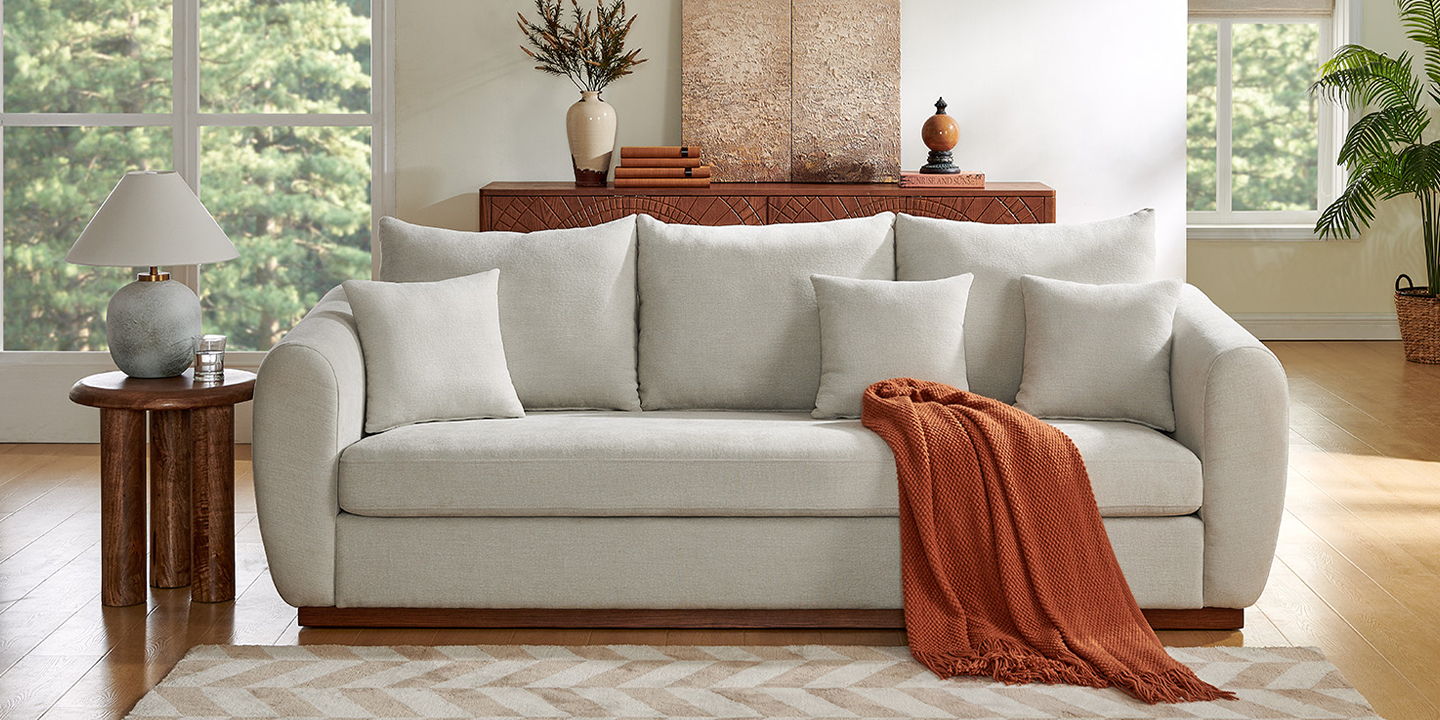
| The Cozy & Collected | Terracotta, Olive Green, Rust, Deep Brown | Knitted chunky throws, reclaimed wood, wrought iron, natural woven baskets | Family rooms, rustic cabins, and creating an instant sense of lived-in warmth. |
Part 3: Solving for Your Home: Practical & Spatial Styling
Theory is great, but real homes have real challenges. Here’s how your gray sofa can be part of the solution.
For the Studio or Small Apartment (Common in major metros like NYC & SF):
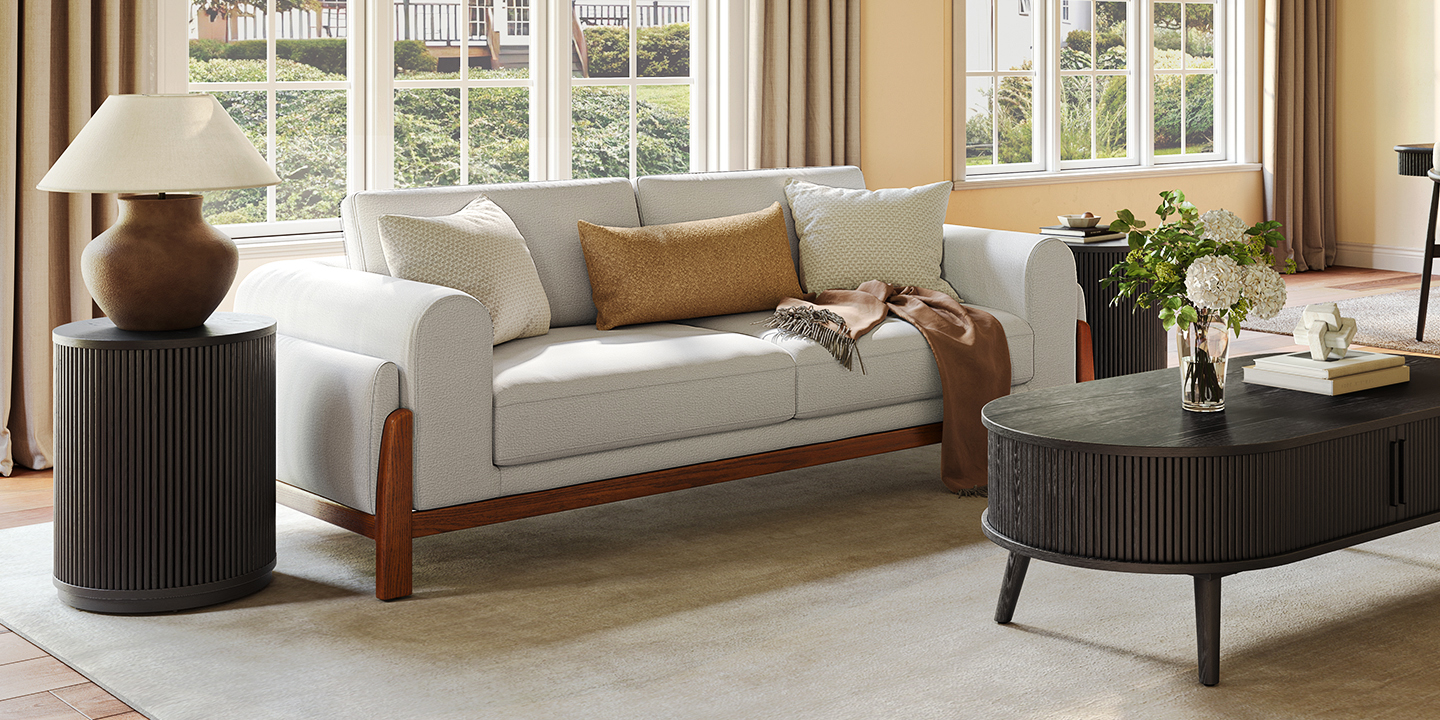
A large, dark sofa can swallow a tiny space. Opt for a light gray or greige sectional to maintain an airy feel. Use color strategically: paint one accent wall in a deeper tone from your palette (like navy or forest green) to add depth without closing in the room. Keep other furniture leggy and transparent (acrylic chairs, glass coffee tables) to maximize visual floor space. A large, light-colored area rug under the sofa will anchor the zone without heavy visual weight.
For the Open-Concept Floor Plan (The suburban staple):
Here, your gray sofa’s superpower is zone definition. Use it to anchor the living area. Then, repeat your 2-3 chosen accent colors in other zones through decor. The mustard yellow on your sofa pillows can echo in the dining centerpiece; the navy throw can be mirrored by the frames in the adjacent kitchen nook. This creates a cohesive visual journey through the space. A large area rug under the seating group is non-negotiable to define the “room.”
For the Active Family Room:
Durability is key. A charcoal or medium-gray performance fabric sofa is your best friend, hiding stains and wear. Inject vibrant, washable color through machine-washable slipcovers in bold hues like teal or crimson for the cushion seats. Add texture with an indestructible jute or patterned indoor-outdoor rug. Use durable wood finishes and storage baskets to keep toys and clutter contained but stylish.
Part 4: The Expert Layer: Texture, Light, and Dimension
This is what separates a good room from a great one. A monochromatic scheme of gray and white can be breathtaking if you master texture.
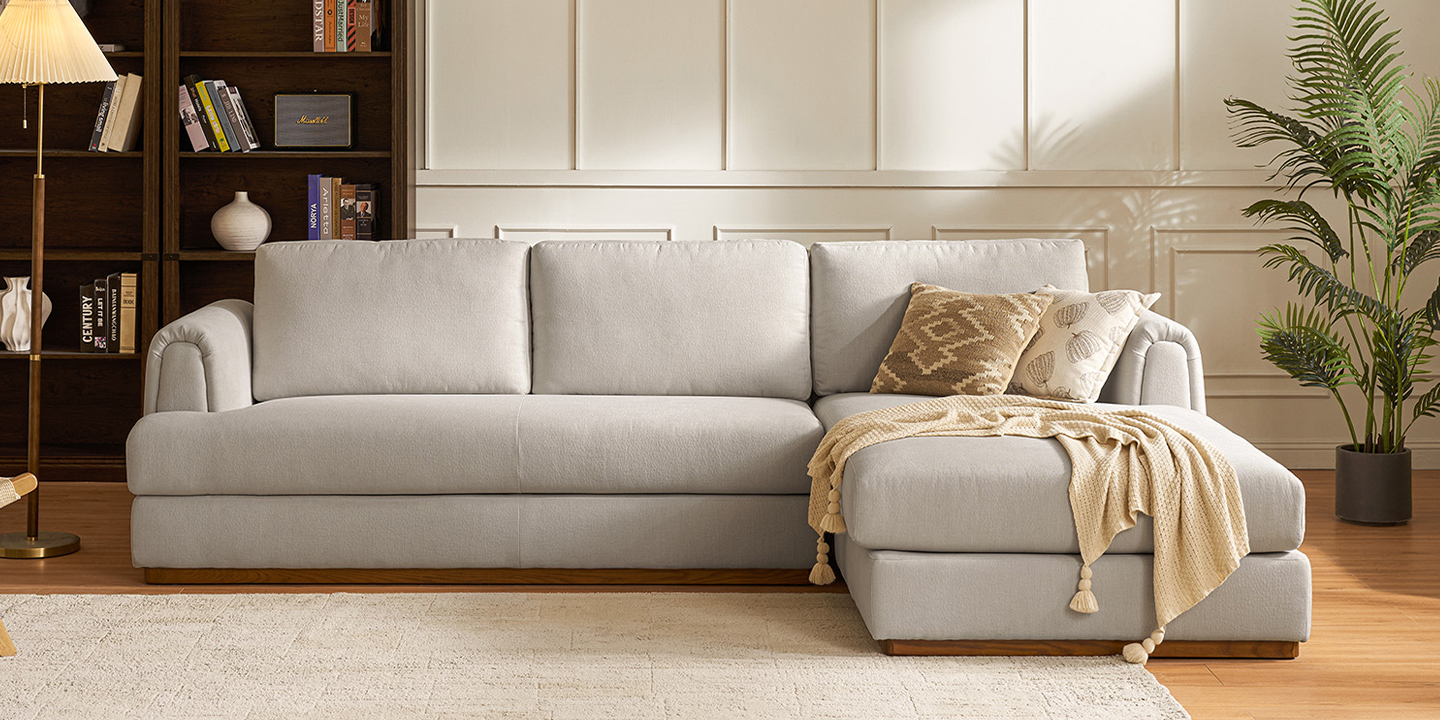
The Texture Matrix: Pair the smooth, cool fabric of your sofa with nubby knit throws, a sleek metal floor lamp, a rough woven jute basket, velvet pillows, and a rustic wood coffee table. Each contrasting material catches the light differently, creating infinite visual interest.
Lighting as Color’s Ally: The same navy pillow will look different under various lights. Layer your lighting: overhead (ambient), floor lamps (task), and table lamps (accent). Use warm white bulbs (2700K-3000K) to soften cool grays and make warm woods glow. A strategically placed floor lamp can make your accent chair and its colorful pillow a nighttime focal point.
Part 5: Your 5-Step Action Plan to a Styled Sofa
Diagnose: Determine if your sofa is cool, warm, or greige. Use a pure white sheet of paper next to it in daylight for comparison.
Define: Pick one “Design Vibe” from Part 2 as your north star. Don’t mix serene sanctuary with energetic social—choose one direction.
Select: Choose a 3-4 color palette: your gray sofa (neutral), a primary accent color, a secondary accent, and a metallic/wood tone.
Shop Your Home First: Look for existing art, rugs, or throws that fit your new palette. You may already have half the puzzle.
Layer In Stages: Start with a rug and two sets of pillows in your accent colors. Then add a throw. Finally, introduce decor like vases, art, and lighting that ties it all together. Live with each stage for a few days.
FAQs: Styling Your Gray Sofa in Your Home
Q1: I live in a small, dark apartment in a city like Chicago or Seattle. Won't a gray sofa make my space feel even colder and smaller?
Not if you choose wisely. For low-light spaces, select a warm gray or greige sofa with beige/brown undertones, and avoid cool, slate grays. Maximize coziness by pairing it with cream, oatmeal, or pale blush textiles, and incorporate multiple light sources (floor lamps, table lamps) with warm-white bulbs (2700K-3000K). Use a large, light-colored rug and a strategically placed mirror to reflect light. This creates a snug, enveloping feel rather than a sterile one.
Q2: My open-concept floor plan feels chaotic. How can I use my gray sofa to make the space feel more designed and intentional?
Your gray sofa is the perfect tool to define your living zone. Use a large area rug to anchor the sofa and seating group, creating a visual "room." Then, employ a strategic color repetition technique. Choose two accent colors (e.g., navy and rust) from your sofa's pillows and repeats them in small doses in adjacent zones—a bowl of fruit on the kitchen island, books on the dining sideboard, or art in the hallway. This creates a cohesive visual flow that ties the entire open space together.
Q3: Are gray sofas still trendy, or are they going out of style in favor of warmer beiges?
Gray sofas have transitioned from a fleeting trend to a modern classic, much like denim jeans. The current shift is toward warmer, more adaptable grays (greige) and away from the very cool, stark grays popular a decade ago. The focus is now on creating personality through bold color pairings, rich textures, and organic shapes. A gray sofa provides the ideal neutral foundation for this expressive, layered style, ensuring it remains a relevant and smart choice for years.
Q4: I have kids and pets. How do I style a gray sofa to be both stylish and practical for a busy U.S. household?
Focus on performance fabrics and strategic, washable layers. Choose a sofa in a medium to dark gray performance fabric (rated for heavy use) that camouflages minor stains. Then, add vibrancy and personality through machine-washable cushion covers or slipcovers in your accent colors. Layer with durable, textured throws and use an indoor-outdoor or patterned rug that hides spills. This allows you to easily refresh the look and clean up without sacrificing style.
Q5: I want to change my decor with the seasons but don't want to overhaul my entire room. How can my gray sofa help?
This is the gray sofa's greatest strength. Treat it as your constant, and rotate your seasonal "wardrobe." For Spring/Summer: Swap in pillows and throws in linen, cotton, or light canvas in shades of sky blue, sage green, lemon yellow, or crisp white. Add woven baskets and light wood accessories. For Fall/Winter: Switch to heavier textiles like velvet, wool, or faux fur in colors like burgundy, forest green, mustard, or charcoal. Introduce darker wood tones and metallic brass or copper accents. A single console table decoration change can complete the seasonal refresh.