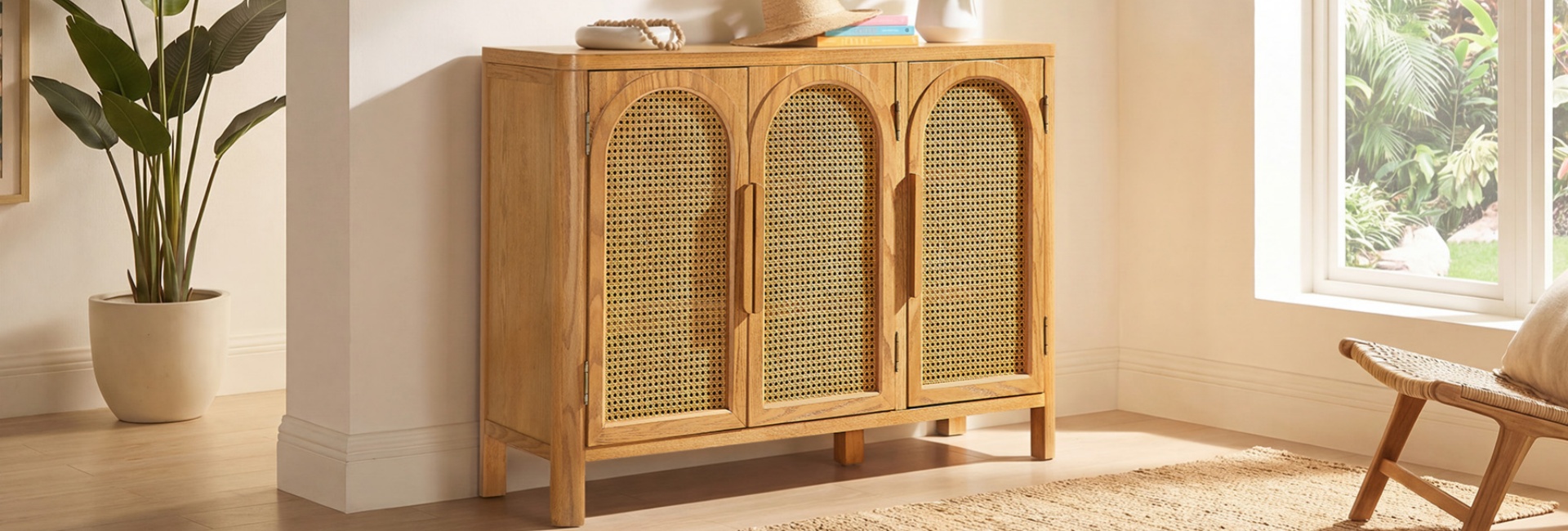
A clutter-free entryway starts with the right shoe cabinet. Instead of leaving shoes scattered across the floor, a well-designed shoe storage cabinet keeps your footwear organized, protected from dust, and easy to access while making your home look cleaner and more inviting. But not every cabinet is the right fit. The best choice balances storage capacity, ventilation, durability, and style to match your space and daily routine. In this buying guide, you'll learn how to choose a shoe cabinet, compare different storage solutions, select the right size and materials, and discover the features that matter most. Whether you're shopping for a compact shoe storage cabinet entryway or a spacious wooden shoe cabinet, this guide will help you make a confident, long-lasting investment.
Why a Shoe Cabinet Is a Smart Storage Solution for Modern Homes
A shoe cabinet does more than organize footwear—it helps create a cleaner, more functional home. Unlike open storage, it keeps shoes neatly out of sight, protects them from everyday wear, and makes the most of limited entryway space. For busy households, choosing the right shoe storage cabinet can simplify daily routines while improving the overall look of the home.
Shoe Cabinets Keep Entryways Organized and Clutter-Free
The entryway is often one of the busiest areas in a home, making clutter easy to accumulate. A shoe cabinet provides designated storage, so every pair has its place instead of ending up scattered across the floor. This not only creates a tidier entrance but also makes it easier to find the shoes you need before heading out.
Shoe Cabinets Protect Shoes From Dust, Moisture, and Damage
Proper storage helps extend the life of your footwear. An enclosed shoe cabinet reduces exposure to dust, sunlight, and accidental scuffs while keeping shoes away from pets and household traffic. Models with ventilation panels or slatted doors also improve airflow, helping reduce moisture and odor after daily use. For the best results, allow wet shoes to dry before placing them inside.
Shoe Cabinets Add Functional Entryway Furniture
A modern shoe cabinet is more than storage—it's practical furniture. Many designs include a spacious top for keys, mail, or décor, while others feature drawers, adjustable shelves, or seating for added convenience. A durable wooden shoe cabinet also blends naturally with a wide range of interior styles, making it a functional investment that enhances both organization and the overall appearance of your entryway.
Shoe Cabinet vs Shoe Rack: Which Storage Option Is Better?
Choosing between a shoe cabinet and an open shoe rack depends on your available space, storage needs, and daily routine. While both help organize footwear, they offer different advantages. Understanding their strengths and limitations will help you choose the solution that best fits your home.
Open Shoe Rack: Advantages and Disadvantages
An open shoe rack is ideal for households that prioritize quick access and airflow. Since shoes are visible and easy to reach, it's a practical option for mudrooms, garages, or busy family entrances where shoes are frequently worn.
Pros
Excellent ventilation helps shoes dry faster
Easy to access and organize
Usually more affordable
Simple to clean
Cons
Shoes remain exposed to dust and sunlight
Creates visible clutter when fully loaded
Offers little protection for leather or delicate footwear
Closed Shoe Cabinet: Advantages and Disadvantages
A shoe cabinet provides enclosed storage that keeps shoes hidden while protecting them from dust and everyday damage. It's often the preferred choice for entryways, apartments, and living spaces where appearance matters.
Pros
Keeps entryways neat and organized
Protects shoes from dust, pets, and direct sunlight
Makes better use of vertical space
Blends seamlessly with home décor
Cons
Requires proper ventilation to prevent moisture buildup
Shoes aren't as immediately visible as on an open rack
Which One Should You Choose?
The right choice depends on where you plan to use your storage solution and how you organize your footwear. An open rack works well for garages, mudrooms, or utility areas where quick access and airflow are the priority. However, for most modern homes, a shoe cabinet offers better long-term value by keeping entryways neat, protecting shoes, and enhancing interior style.
When considering how to choose a shoe cabinet, focus on size, durability, ventilation, and flexibility. For example, the Sabina 48" Ash Wood Shoe Storage features solid ash wood construction, adjustable shelves, and soft-close hinges, making it a practical choice for homeowners who want both refined design and everyday functionality.
A well-selected shoe cabinet should not only store shoes but also fit seamlessly into your home's lifestyle and design.
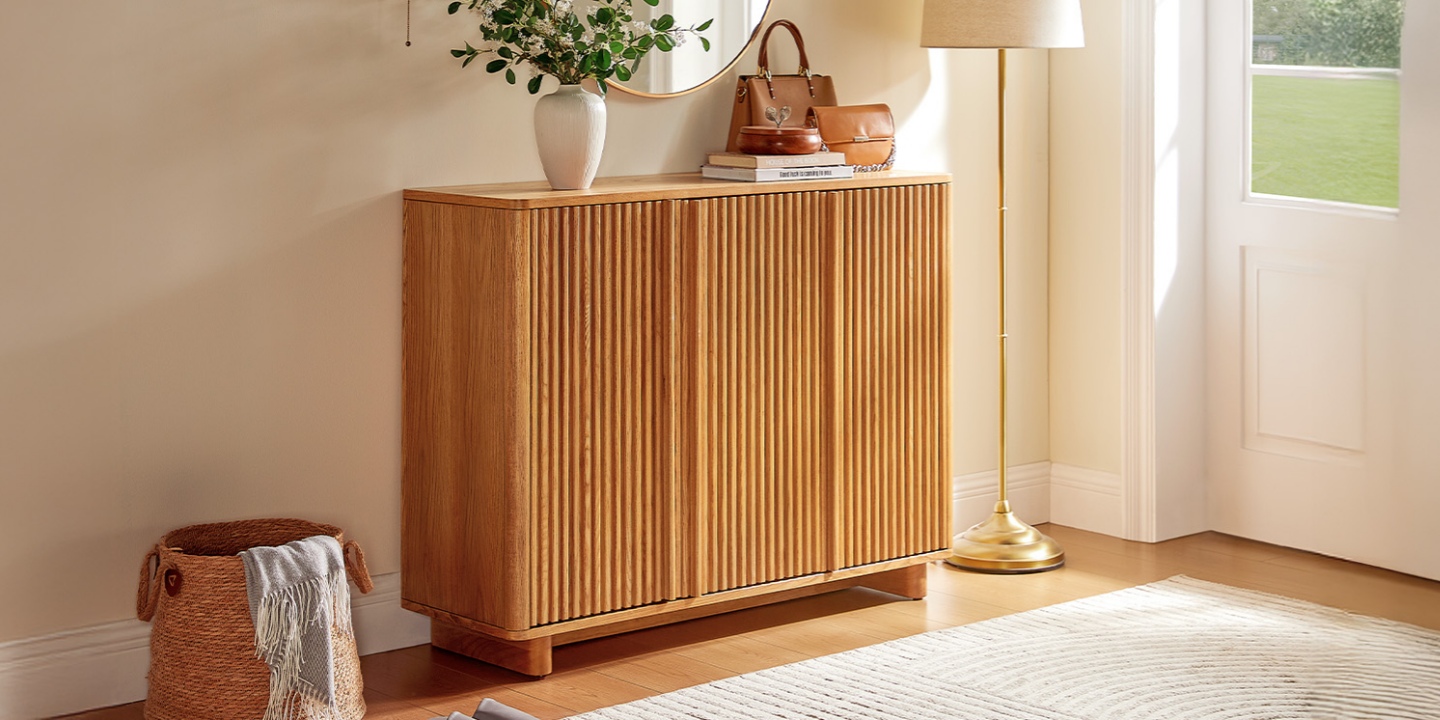
How to Choose a Shoe Cabinet: 7 Important Factors Before Buying
Not all shoe cabinets are created equal. Two cabinets may look similar online, yet one fits your lifestyle perfectly while the other quickly becomes frustrating to use. Before making a purchase, it's worth evaluating several practical factors that affect how well your storage solution performs over time.
Whether you're furnishing a spacious foyer or looking for a compact shoe storage cabinet entryway solution, these seven considerations will help you make a smarter investment.
1. Measure Your Space Before Choosing a Shoe Cabinet Size
One of the biggest mistakes homeowners make is shopping before measuring.
A beautiful shoe cabinet isn't useful if it blocks a hallway, prevents the front door from opening fully, or leaves too little room to walk comfortably. Before browsing designs, measure the available width, depth, and height of your intended location. Don't forget to account for baseboards, nearby furniture, and door swing clearance.
As a general rule, leave at least 30 to 36 inches of walking space in front of the cabinet for comfortable movement.
Small Entryway
For apartments, condos, or narrow hallways, a slim-profile shoe cabinet is usually the best choice.
Typical recommendations include:
Width: 24–32 inches
Depth: 10–14 inches
Capacity: Approximately 10–20 pairs
Many slim cabinets feature flip-down compartments that store shoes vertically, making them ideal for tight spaces without sacrificing floor area.
Medium Shoe Cabinet
Medium-sized homes often benefit from a cabinet that balances storage with visual proportion.
Typical dimensions include:
Width: 32–48 inches
Depth: 12–16 inches
Capacity: Approximately 20–40 pairs
This size works well for couples or small families and often provides additional tabletop space for keys, plants, or decorative accessories.
Large Shoe Storage Cabinet
If your household includes several family members or an extensive footwear collection, a larger shoe storage cabinet offers the flexibility you need.
Typical specifications include:
Width: 48 inches or wider
Depth: 14–18 inches
Capacity: 40 or more pairs
Some larger models also combine shelves, drawers, and cabinets, making them multifunctional storage furniture rather than simply a place for shoes.
2. Consider How Many Shoes You Need to Store
Choosing the right capacity isn't just about how many shoes you own today—it's about how your collection changes throughout the year.
Take inventory before buying. Count everyday sneakers, dress shoes, sandals, boots, athletic footwear, slippers, and seasonal styles. Many people underestimate how much storage they actually need.
A single adult may comfortably use a smaller shoe cabinet, while families often require significantly more space.
Think about future needs as well. Children outgrow shoes quickly, and many households add new footwear every season. Purchasing a slightly larger shoe storage cabinet now may save you from replacing it later.
If you rotate footwear throughout the year, consider storing off-season shoes elsewhere and reserving your cabinet for frequently worn pairs. This keeps the cabinet organized and prevents overcrowding.
Adjustable shelving is another valuable feature because it accommodates different shoe heights, from flats to ankle boots.
3. Choose the Right Material for Durability
The material you choose directly affects how long your shoe cabinet will last, how much maintenance it requires, and how well it complements your interior.
While appearance matters, durability should never be overlooked—especially for furniture placed near an entrance where humidity, dirt, and daily use are common.
Wooden Shoe Cabinet
A wooden shoe cabinet remains one of the most popular choices for good reason.
Wood offers a combination of strength, stability, and timeless appeal that's difficult to match with other materials.
Advantages of a wooden shoe cabinet include:
Excellent structural durability
Strong weight-bearing capacity
Long service life
Easy integration with other furniture
Warm, inviting appearance
Quality wood construction also resists wobbling better than many lightweight alternatives, making it a worthwhile investment for households that use their cabinet every day.
Other Common Materials
Although wood is widely preferred, several other materials are commonly used for shoe cabinets.
Engineered Wood (MDF or Particleboard)
Pros:
Budget-friendly
Smooth painted finishes
Consistent appearance
Cons:
Less resistant to moisture
May have a shorter lifespan than solid wood
Plastic
Pros:
Lightweight
Easy to clean
Affordable
Cons:
Lower durability
Less premium appearance
Limited weight capacity
For homeowners seeking long-term value, furniture experts generally recommend investing in a high-quality wooden shoe cabinet with durable finishes and solid hardware.
4. Select a Shoe Cabinet Style That Matches Your Home
Storage furniture should do more than organize your belongings—it should also complement your home's overall design.
Fortunately, today's shoe cabinets are available in styles ranging from minimalist to classic, making it easy to find one that suits your décor.
Modern Shoe Cabinet
Modern designs emphasize clean lines, understated elegance, and functional simplicity.
Common features include:
Flat-panel doors
Hidden handles
Neutral finishes
Slim silhouettes
Minimal ornamentation
A modern shoe storage cabinet entryway design works particularly well in apartments and contemporary homes where uncluttered spaces are a priority.
Mid-Century Modern Shoe Cabinet
Mid-Century Modern furniture continues to be a favorite among homeowners thanks to its timeless balance of form and function.
Typical characteristics include:
Warm wood finishes
Rounded corners
Tapered legs
Natural wood grain
Simple geometric shapes
For those furnishing a cohesive home, a Mid-Century Modern wooden shoe cabinet pairs beautifully with matching entryway consoles, sideboards, and accent furniture.
5. Check Ventilation Features
No matter how attractive a shoe cabinet looks, poor ventilation can quickly become a problem.
Shoes naturally absorb moisture throughout the day. If that moisture remains trapped inside a sealed cabinet, it creates the perfect environment for unpleasant odors and, in humid climates, even mold growth.
When comparing shoe cabinets, look for ventilation features such as:
Slatted cabinet doors
Rear ventilation panels
Air circulation openings
Raised shelving that promotes airflow
It's also good practice to allow wet shoes to air dry before placing them inside the cabinet. Even the best ventilation system works more effectively when excess moisture is minimized.
Good airflow not only keeps shoes fresher but also helps preserve leather, suede, and other delicate materials.
6. Look for Functional Storage Features
A well-designed shoe cabinet should simplify your daily routine—not complicate it.
Beyond basic shelves, today's cabinets often include features that significantly improve usability.
Look for options such as:
Adjustable shelves for different shoe heights
Flip-down compartments for compact storage
Soft-close doors
Spacious top surfaces for everyday essentials
Think about how you use your entryway every day. The right features should support your routine rather than simply increase storage capacity.
7. Consider Assembly Quality and Long-Term Durability
A cabinet may look beautiful in product photos, but construction quality ultimately determines whether it remains stable after years of daily use.
Pay close attention to details such as:
Strong joinery
Durable hinges
Solid shelf supports
Scratch-resistant finishes
If you're purchasing from a trusted furniture retailer like Hernest, review product specifications carefully to understand materials, weight capacity, and maintenance recommendations before making your decision.
Choosing quality construction often costs slightly more upfront, but it usually results in better value over the life of the furniture.
What Size Shoe Cabinet Do You Need?
Finding the right size is one of the most important steps in how to choose a shoe cabinet. A cabinet that's too small quickly becomes overcrowded, while an oversized unit may overwhelm your entryway or waste valuable floor space.
The ideal size depends on three factors:
The number of people in your household
The size of your shoe collection
The available space in your home
Shoe Cabinet Size Guide by Household
The following recommendations provide a practical starting point.
Remember that these figures vary depending on shoe types. Boots and high-top sneakers require considerably more space than sandals or flats.
If you're between sizes, choosing a slightly larger cabinet often provides greater flexibility as your storage needs grow.
How Deep Should a Shoe Cabinet Be?
Depth is just as important as width.
A cabinet that's too shallow may not accommodate larger footwear, while excessive depth can waste valuable space in a narrow hallway.
As a general guideline:
10–12 inches: Slim flip-door cabinets for standard shoes
12–16 inches: Most everyday shoe cabinets
16–20 inches: Ideal for larger shoes, hiking boots, and work boots
Before purchasing, measure your longest and tallest footwear. If multiple family members wear large shoe sizes or frequently use boots, choosing a slightly deeper shoe storage cabinet will provide greater versatility and help prevent overcrowding.
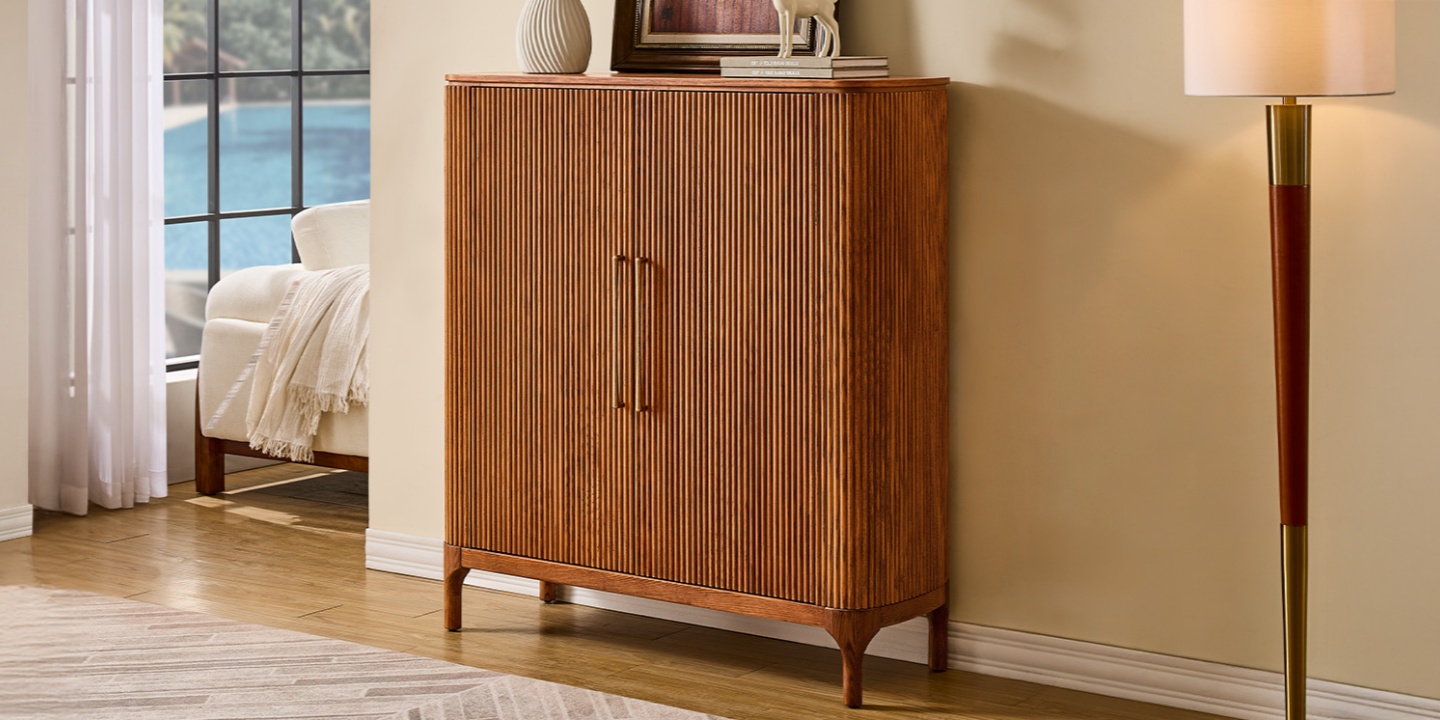
How to Choose Quality Wood Construction
Not every wooden cabinet is built to the same standard.
When comparing different shoe cabinets, look beyond the finish and pay attention to the quality of construction. Strong craftsmanship has a greater impact on longevity than appearance alone.
Here are several features worth evaluating:
Stable Joinery
Cabinets should have secure joints that minimize movement and maintain stability after years of daily opening and closing.
Durable Surface Finish
A high-quality finish helps protect the cabinet from scratches, moisture, and everyday wear, especially in busy entryways.
Quality Hardware
Soft-close hinges and sturdy handles improve both durability and the overall user experience.
Adjustable Shelving
Flexible shelving allows the shoe storage cabinet to adapt as your footwear collection changes over time.
When shopping, choose furniture from reputable manufacturers like Hernest that provide clear material specifications and detailed product information. Well-made furniture often costs more initially, but its durability and everyday performance typically make it the better long-term value.
Common Shoe Cabinet Problems and How to Avoid Them
Even the best shoe cabinet can become less effective if it's poorly chosen or improperly maintained. Fortunately, most common issues are easy to prevent with thoughtful planning.
Problem 1: Bad Odor Inside the Cabinet
One of the most frequent complaints about enclosed shoe cabinets is unpleasant odor.
The cause is usually trapped moisture. Shoes naturally absorb perspiration and humidity during daily wear. When they're placed inside a closed cabinet before drying completely, moisture becomes trapped and encourages bacteria that produce odors.
How to Prevent It
Allow damp shoes to air dry before storing them.
Choose a shoe cabinet with ventilation panels or slatted doors.
Clean the cabinet interior regularly.
Use moisture absorbers or deodorizing sachets if you live in a humid climate.
Good ventilation combined with regular cleaning keeps your shoe storage cabinet fresh throughout the year.
Problem 2: Cabinet Is Too Small
Many homeowners purchase a cabinet based only on their current footwear collection.
Unfortunately, shoe collections rarely stay the same. Seasonal boots, athletic shoes, children's growing feet, and new purchases quickly fill every available shelf.
How to Prevent It
Before buying, count the pairs your household owns—not just the ones by the front door.
It's also wise to leave 15–20% additional storage space for future purchases. Adjustable shelves provide added flexibility for changing storage needs.
If your family owns a large variety of footwear, selecting a larger shoe storage cabinet from the beginning is often more economical than replacing an undersized unit later.
Problem 3: Poor Material Quality
Not all furniture is designed for long-term daily use.
Low-quality cabinets may develop loose hinges, sagging shelves, chipped finishes, or unstable frames after only a short period.
How to Prevent It
Choose a shoe cabinet built with durable materials and quality hardware.
Look for:
Strong construction
Durable finishes
Reliable hinges
Reinforced shelving
Investing in a quality wooden shoe cabinet generally results in better long-term performance and lower replacement costs.
Problem 4: Difficult Shoe Access
Storage shouldn't make daily routines more complicated.
If shelves are too narrow, compartments are poorly designed, or shoes are stacked on top of one another, finding the pair you need becomes frustrating.
How to Prevent It
Look for practical storage features such as:
Adjustable shelves
Wide compartments
Easy-opening doors
Clearly separated storage sections
A thoughtfully designed shoe cabinet should make putting away and retrieving shoes quick and effortless.
Are Shoe Cabinets Worth Buying? Expert Buying Advice
For many homeowners, the question isn't whether they need shoe storage—it's whether a shoe cabinet offers enough value compared with less expensive alternatives.
In most cases, the answer is yes.
Professional organizers often point out that hidden storage contributes to a cleaner-looking home because it reduces visual clutter. Even when the same number of shoes are present, an organized entryway feels larger, calmer, and more inviting than one with footwear scattered across the floor.
A shoe cabinet also helps protect your investment in footwear. Quality leather shoes, boots, and sneakers can last significantly longer when stored properly instead of being exposed to sunlight, dust, pets, and accidental damage.
From a practical standpoint, a well-designed shoe storage cabinet entryway solution simplifies everyday routines. Family members know exactly where shoes belong, reducing morning stress and keeping high-traffic areas safer by minimizing tripping hazards.
If you're still deciding, ask yourself a few simple questions:
Does your entryway often feel cluttered?
Do shoes frequently end up scattered across the floor?
Do you own footwear that you'd like to protect better?
Would hidden storage improve your home's appearance?
If you answered "yes" to most of these questions, a shoe cabinet is likely a worthwhile investment.
Furniture specialists generally recommend choosing quality over quantity. A durable cabinet with excellent construction and practical features will continue serving your household long after cheaper alternatives need replacing.
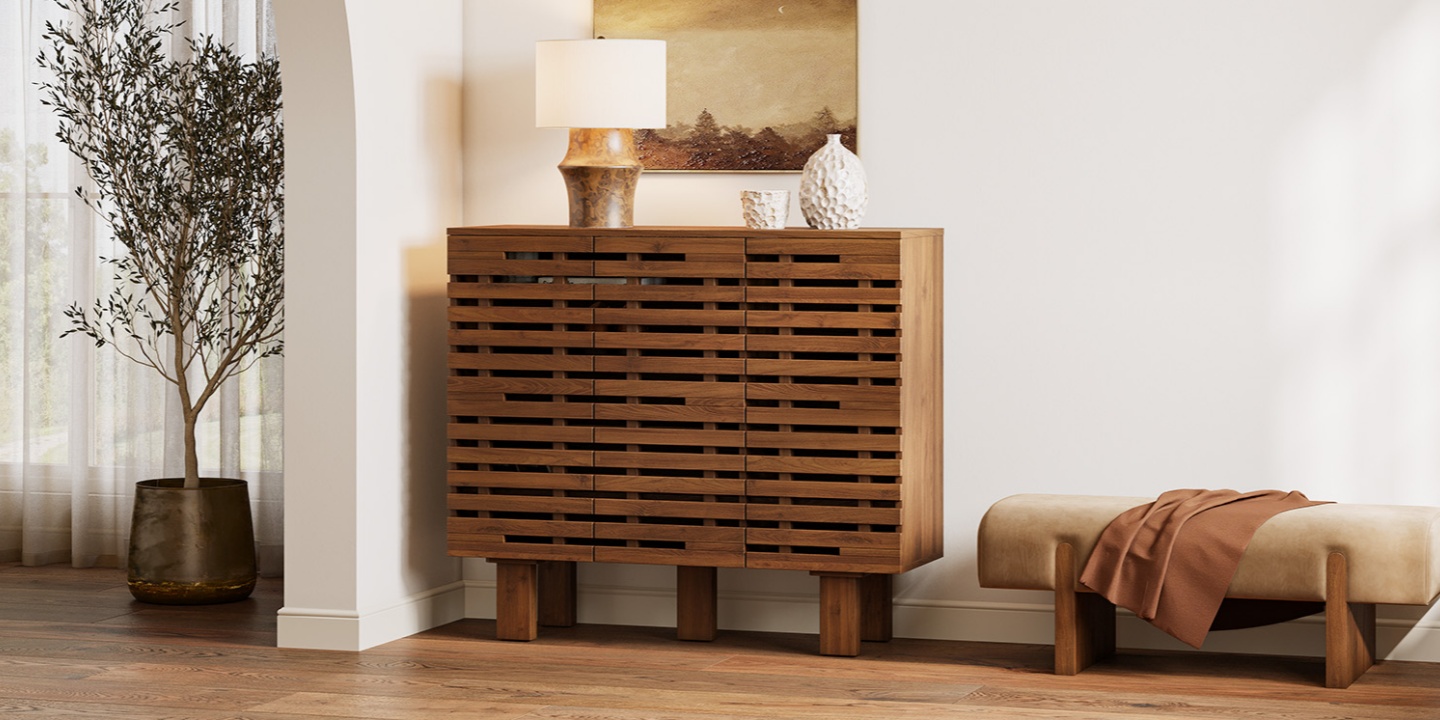
How to Maintain Your Shoe Storage Cabinet
Even the highest-quality shoe cabinet benefits from regular care. Fortunately, maintaining it doesn't require much time, and a few simple habits can help preserve both its appearance and functionality for years.
Clean the Interior Regularly
Dust, dirt, and tiny stones often fall from shoe soles and gradually collect inside the cabinet.
To keep your shoe storage cabinet clean:
Vacuum or wipe shelves once or twice a month.
Remove debris from corners and shelf edges.
Clean spills immediately.
Avoid storing muddy or soaking-wet shoes inside.
If odors begin to develop, leave the cabinet doors open for several hours to improve air circulation before returning the shoes.
Routine cleaning also allows you to inspect hinges, shelves, and hardware for signs of wear before small issues become larger problems.
Protect Wooden Shoe Cabinets
A wooden shoe cabinet can remain beautiful for many years when properly maintained.
Follow these care tips:
Dust regularly using a soft microfiber cloth.
Wipe away moisture promptly.
Avoid harsh chemical cleaners.
Use gentle wood-safe cleaning products when necessary.
Keep the cabinet away from prolonged direct sunlight to minimize fading.
Tighten loose hardware periodically to maintain stability.
Seasonal maintenance is also beneficial. Every few months, remove all shoes and clean both the interior and exterior thoroughly. This helps preserve the finish while extending the cabinet's lifespan.
With consistent care, a quality wooden shoe cabinet can continue looking elegant while providing reliable storage for years to come.
Conclusion: Choose a Shoe Cabinet That Fits Your Lifestyle
Choosing the right shoe cabinet is about more than simply storing shoes—it’s about creating a cleaner, more organized, and functional home. The best option should match your space, shoe collection, daily habits, and interior style. Before buying, consider important factors such as size, material, ventilation, storage capacity, and durability. Whether you need a compact shoe storage cabinet entryway solution for a small apartment or a spacious wooden shoe cabinet for a busy household, the right choice can make everyday routines easier. A well-designed shoe cabinet keeps footwear protected while adding practical style to your entryway, helping your home stay organized for years to come.
FAQs About Choosing a Shoe Cabinet
Should shoes be stored in a cabinet?
Yes, storing shoes in a shoe cabinet is a practical way to keep footwear organized and protected. A closed cabinet helps reduce dust, sunlight exposure, and clutter while keeping your entryway cleaner. For better results, choose a cabinet with ventilation features to prevent moisture and odor buildup.
Are shoe cabinets worth the cost?
For most households, a shoe cabinet is worth the investment because it provides better organization, protects shoes, and improves the appearance of your home. Compared with open racks, it offers a cleaner storage solution that works especially well in entryways and living spaces.
What is the ideal size for a shoe cabinet?
The ideal size depends on your available space and shoe collection. A small shoe cabinet may hold around 10–20 pairs, while medium and large cabinets can store 20–40 pairs or more. Always measure your entryway and consider future storage needs before buying.
What are the common problems with shoe cabinets?
Common issues include poor ventilation, limited storage capacity, weak materials, and difficult access. To avoid these problems, choose a shoe storage cabinet with proper airflow, adjustable shelves, durable construction, and enough space for different shoe types.
How many pairs of shoes can a shoe storage cabinet hold?
The capacity of a shoe storage cabinet depends on its size, shelf design, and shoe styles. Small cabinets typically hold 10–20 pairs, medium options store around 20–40 pairs, and larger cabinets can accommodate 40 pairs or more. Boots and high-top shoes usually require extra space.
What are the best materials for an entryway shoe storage?
A wooden shoe cabinet is one of the most popular choices because it offers durability, stability, and timeless style. Other materials, such as engineered wood and metal, can also work well depending on your budget and design preferences. Focus on strong construction and moisture-resistant finishes.
How do I choose the right shoe cabinet for my needs?
When learning how to choose a shoe cabinet, consider your space, shoe quantity, preferred style, material quality, ventilation, and storage features. The right choice should fit your daily habits while providing enough room for current and future footwear needs.
What are the top features to look for in a shoe cabinet?
The most useful features include adjustable shelves, ventilation openings, sturdy hinges, anti-tip hardware, easy-access compartments, and durable materials. A well-designed shoe cabinet should make storing and finding shoes simple while maintaining a clean appearance.
Is a closed shoe cabinet better than an open shoe rack?
For most entryways, a closed shoe cabinet is the better choice because it hides clutter and protects shoes from dust and damage. An open shoe rack works well for garages or mudrooms where quick access and airflow are more important.
How deep should a shoe cabinet be for boots?
A shoe cabinet should generally be 16–20 inches deep to comfortably store boots and larger footwear. Standard shoes usually need around 12–16 inches of depth. Measuring your tallest and longest shoes before purchasing helps ensure the cabinet fits your collection properly.