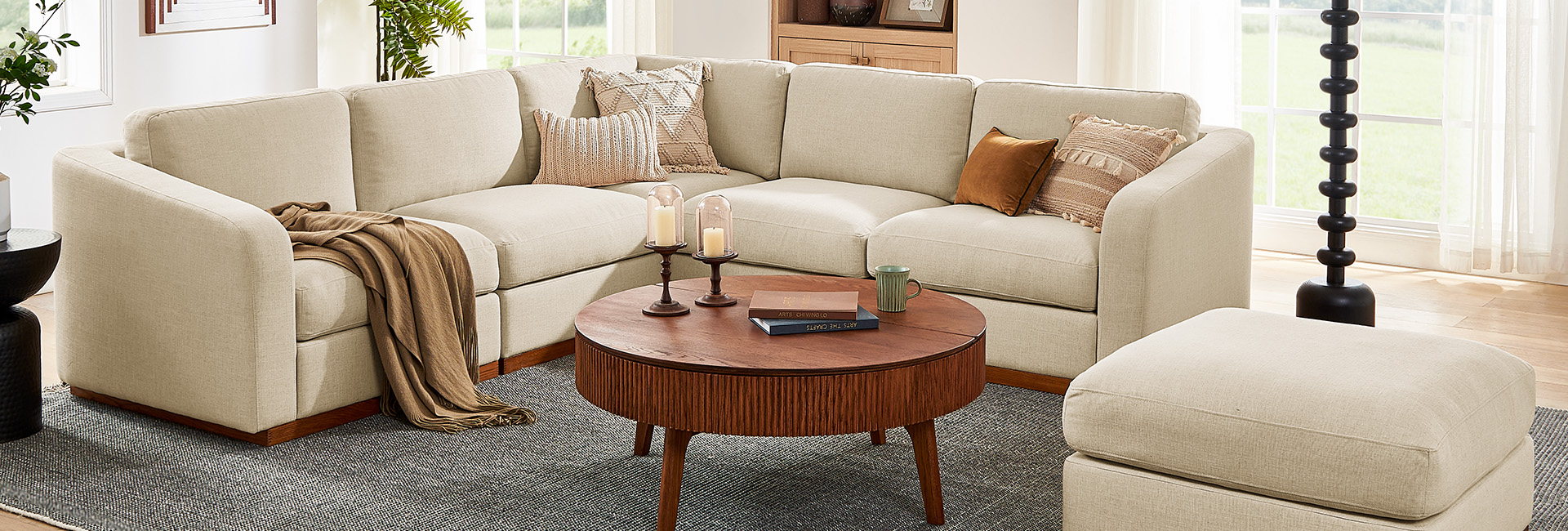
A sofa is the heart of the living room—and a major investment. If you’re deciding between a sectional sofa and a modular sofa, this guide breaks down the differences so you can choose what best fits your space, lifestyle, and future plans.
Sectional Sofa vs Modular Sofa: Quick Overview
Both sectional and modular sofas are made of multiple pieces, often forming L-shaped or U-shaped layouts. The key difference is flexibility.
Sectional Sofa
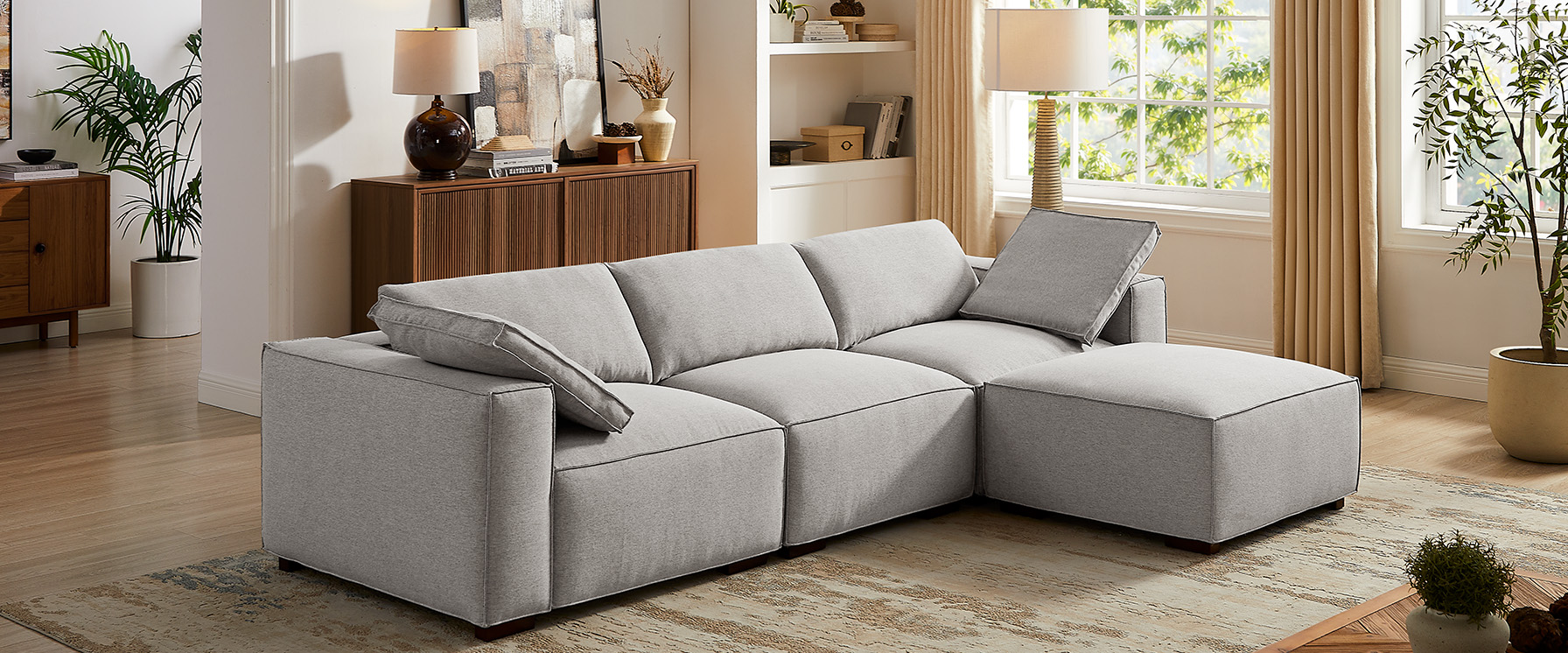
A sectional sofa is typically a large, combined piece—often a three-seater main body with an attached chaise or corner section. Once assembled, it forms a fixed shape (usually L or U). While some sectionals offer limited configuration options at purchase, the layout is generally meant to stay the same.
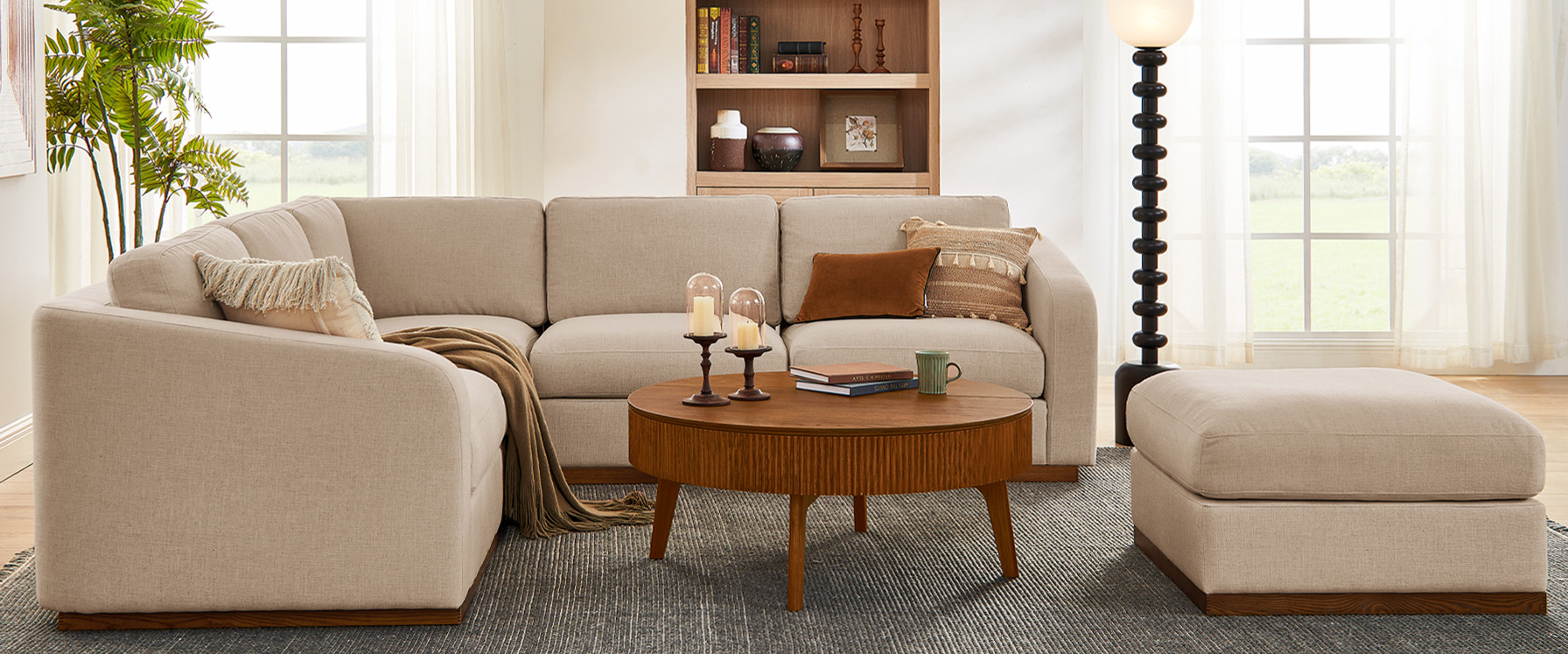
Modular Sofa
A modular sofa is made up of individual, independent pieces. Each section can stand alone or connect with others. You can rearrange, add, or remove modules over time to suit different spaces or needs.
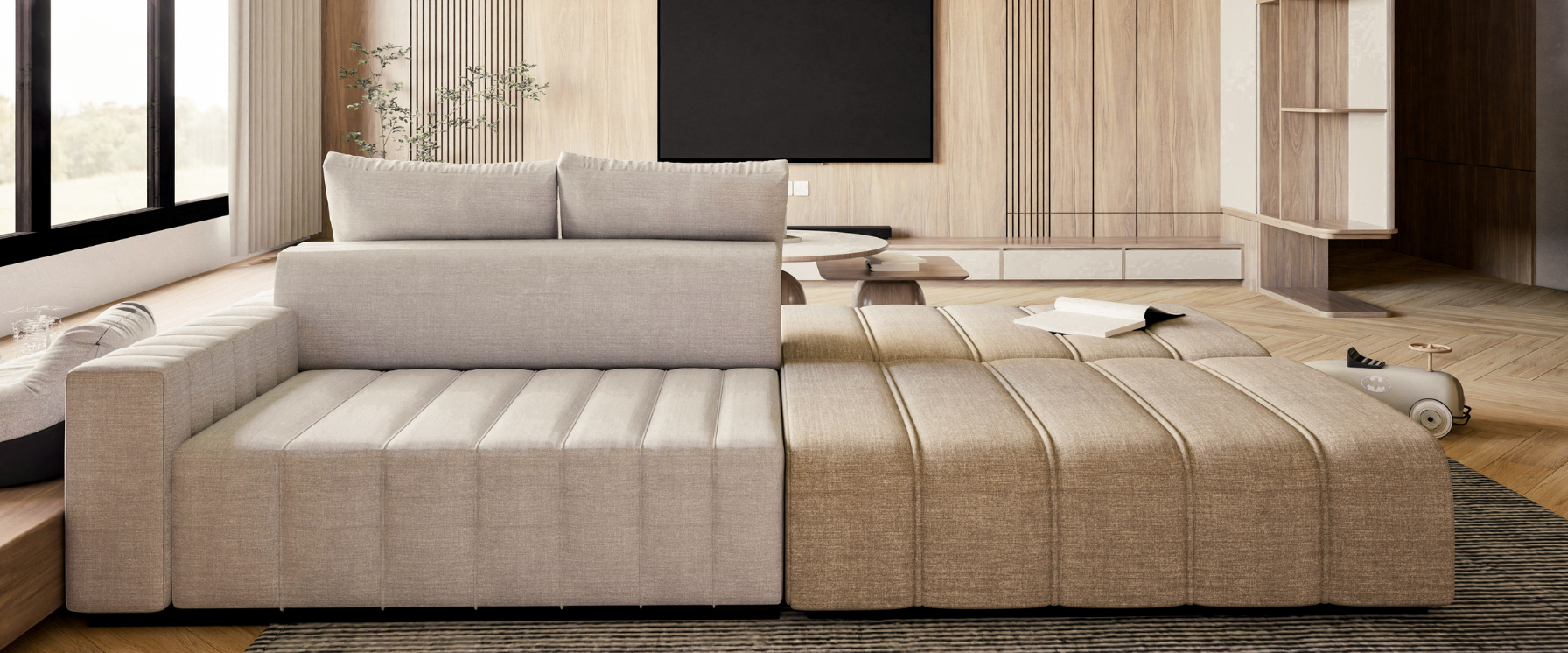
In simple terms
Sectionals are designed to feel permanent and unified.
Modular sofas act like building blocks that adapt as your life changes.
You can often configure a modular sofa into a sectional shape—but a traditional sectional is not truly modular.
Sofa Configuration & Design Experience
Sectional Sofas: Unified and Polished
Sectionals offer generous seating and work especially well in larger living rooms. Because the main body is unified, they feel solid and cohesive, with no concern about pieces sliding apart.
Design-wise, sectionals often focus on details such as:
Curved or structured silhouettes
Backrest height and comfort
Leg style and proportions
They create a strong focal point and a clean, intentional look.
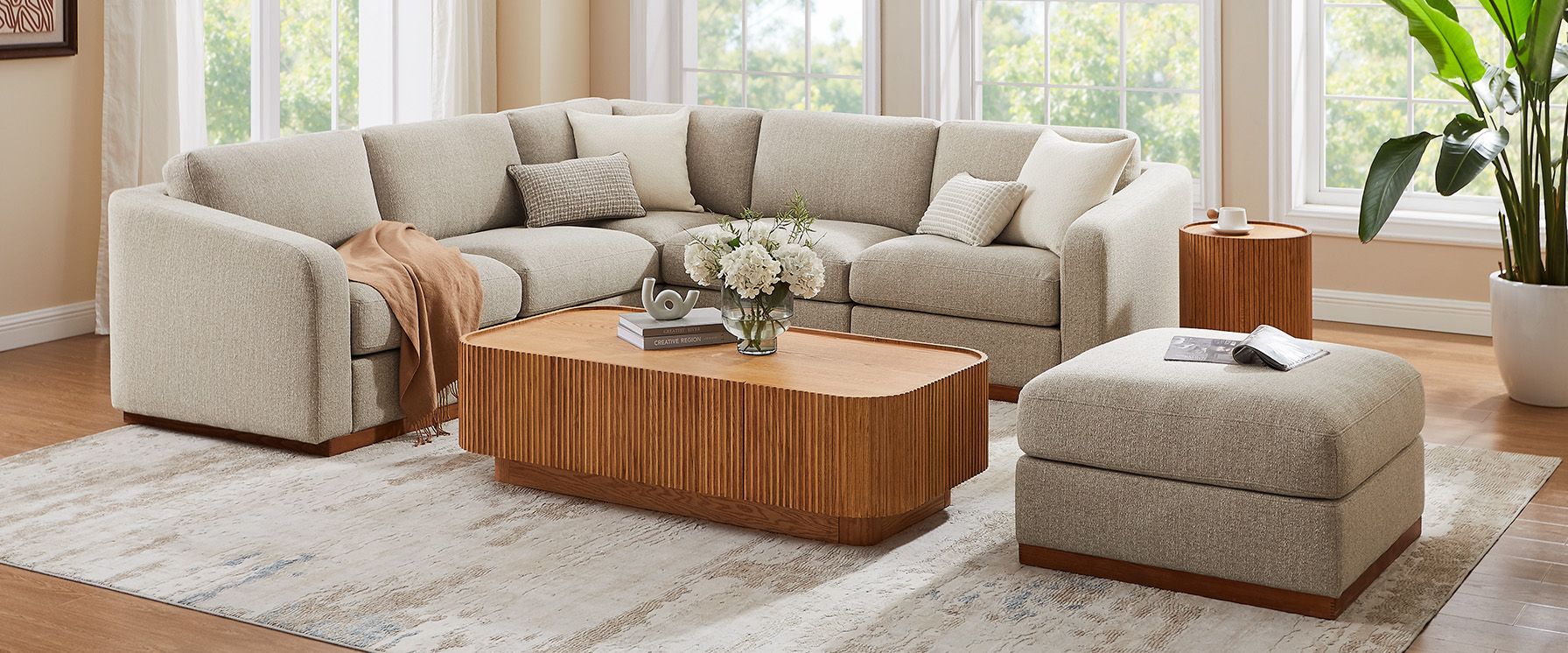
Modular Sofas: Customizable and Adaptable
Modular sofas are all about freedom. You can:
Rearrange the layout as your space changes
Choose from a wide range of fabrics and colors
Replace individual cushions or modules if they’re stained or damaged
That said, modular designs can sometimes feel less integrated visually. Design options may be more limited, and to ensure long-term consistency, it’s best to choose a reputable maker with stable fabric offerings.
Comparison Table: Sectional vs Modular Sofa
Is a modular sofa better than a sectional? It depends on your space, lifestyle, and priorities—such as aesthetics, budget, maintenance, and future plans.
Feature | Sectional Sofa | Modular Sofa |
Couch Layout | Fixed or limited options | Fully reconfigurable |
Flexibility | Low | High |
| Look and Feel | Unified, polished, solid | Casual, adaptable |
Upfront Cost | Often more cost-effective per seat | Higher initial cost |
Long-Term Value | Harder to replace parts | Individual pieces can be replaced |
Stability | Very stable, no shifting | Depends on connector quality |
Best For | Large, dedicated living rooms | Apartments, small or changing space |
Pros and Cons: Sectional vs Modular Sofas
Sectional Sofa
Pros: Unified and polished appearance, solid and connected feel, generous seating for large living rooms.
Cons: Fixed configuration, less adaptable if you move or remodel, harder to replace individual sections.
Modular Sofa
Pros: Highly flexible and customizable, easy to reconfigure as needs change, individual modules or cushions can often be replaced.
Cons: Higher upfront cost, overall stability depends on connector quality, design may feel less integrated.
Which One Is Right for You?
Choose a modular sofa if you live in an apartment, move often, have a growing family, or want maximum flexibility and customization.
Choose a sectional sofa if you have a spacious living room, prefer a classic setup, value a unified look, and don’t plan to move frequently.
Some brands now offer hybrid solutions—such as a three-seater sofa paired with an ottoman—combining the solid feel of a sectional with added flexibility.
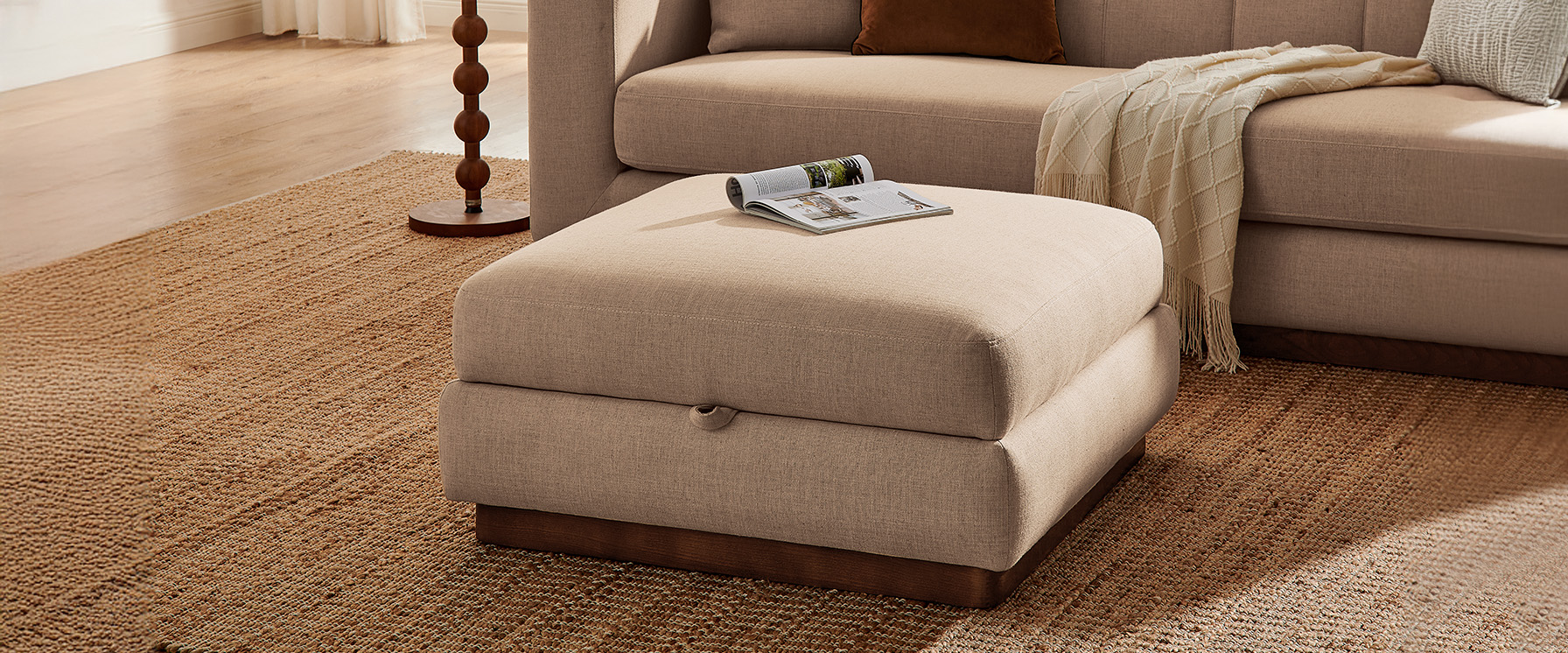
HERNEST's Ottoman offers hidden storage
Frequently Asked Questions
Is modular furniture durable?
Sectional sofas are often considered more durable due to their unified construction. However, modular sofas are not inherently less durable. When made by reputable manufacturers, modular sofas can last just as long—though they typically come at a higher price point. Connector quality remains an important factor.
Can I find sectional sofas with modular designs?
Yes. Some sectional sofas combine a main sofa with a chaise or ottoman, offering ample seating while maintaining a degree of flexibility. This is a great option for medium to large living rooms.
How to Choose the Right Size and Placement
Measure first: Tape out the sofa’s dimensions on your floor to ensure it won’t block doors or pathways.
Traffic flow: Leave 36–48 inches (3–4 feet) around the sofa for comfortable movement.
Room size:
L-shapes work well in corners
U-shapes suit larger rooms
Compact layouts are better for small spaces
The 2/3 rule: The sofa should take up no more than two-thirds of the wall length it sits against.